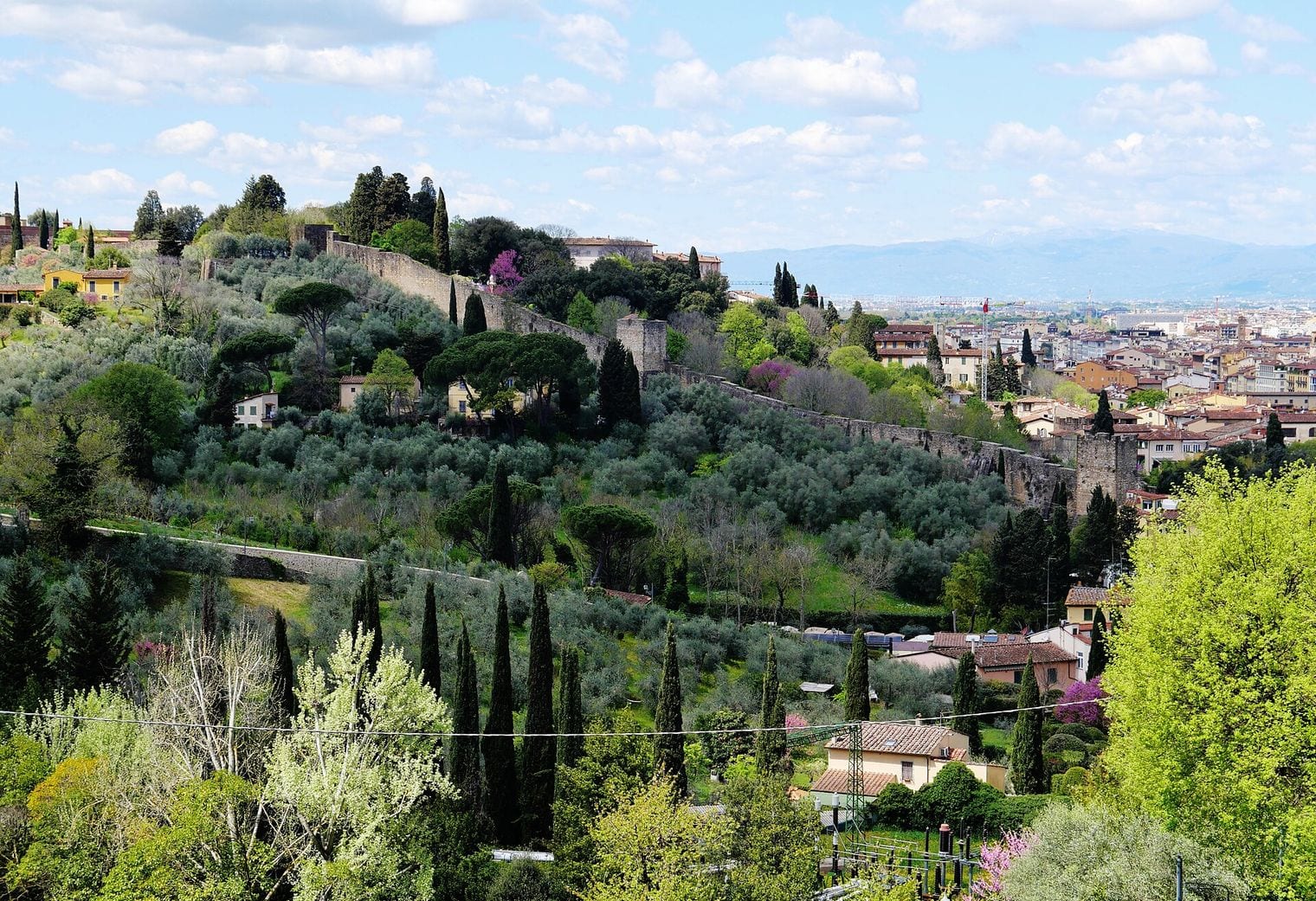
We may earn a commission if you book or buy through a link on
this page, at no extra cost to you. It never affects which places we list or how
we rank them (how we make money).
Short answer
Florence's three essentials are Brunelleschi's dome on the cathedral, the city's silhouette and its defining image, the Uffizi, hung in the Medici offices it was built for, and the original David in the Accademia's purpose-built rotunda. Two full days covers them without rushing: one for the cathedral complex and the Uffizi, one for the Accademia, the Oltrarno and a hilltop viewpoint.
Florence packs the Renaissance into a centre you can walk across in twenty minutes. Brunelleschi's dome rises over terracotta rooftops, the Arno slides beneath the Ponte Vecchio, and one of the world's great collections of painting hangs a few streets away.
This guide covers the 34 places worth your time in Italy's Renaissance capital — the marquee galleries and churches, the markets and gardens Florentines actually use, and the hilltop viewpoints. Three days is comfortable; two works if you book the big museums ahead.
Florence was the capital of Italy before Rome was — it replaced Turin in 1865 and held the role for six years, until the capital moved to Rome in 1871.
The Medici art collection is legally barred from ever leaving the city. Anna Maria Luisa de' Medici, the last of the line, signed a family pact in 1737 willing everything to the Tuscan state provided nothing was ever removed from Florence.
Stendhal syndrome is named after a visit to Santa Croce. The French writer described being overcome there in 1817; an Italian psychiatrist, Graziella Magherini, attached his name to the reaction in 1989. It is not a recognised medical disorder.
The historic centre has been a UNESCO World Heritage Site since 1982, listed as a single continuous site rather than a set of separate monuments.
The Arno flooded the centre in November 1966, damaging a huge number of art treasures and prompting a restoration effort that reshaped how conservators work.
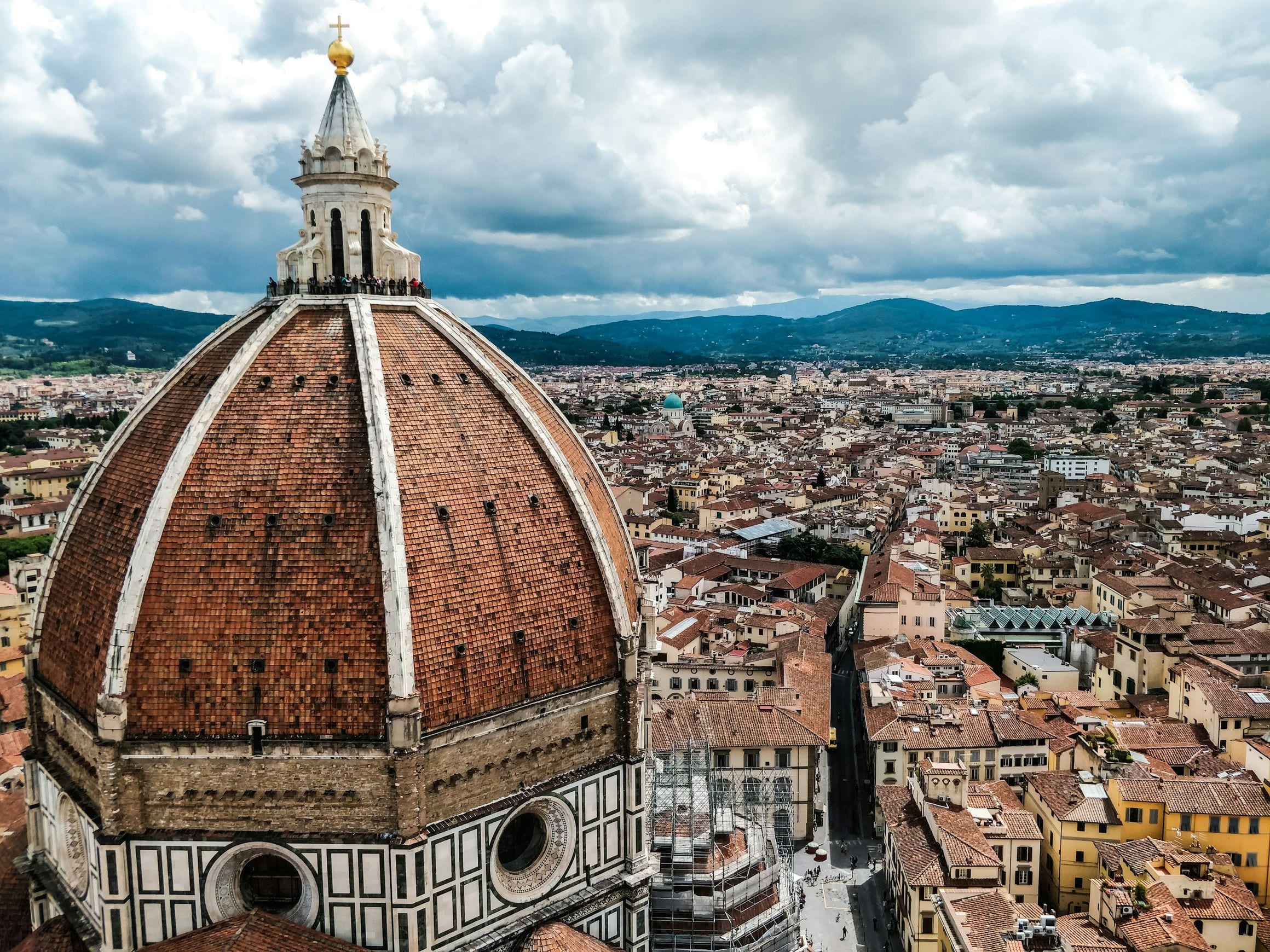
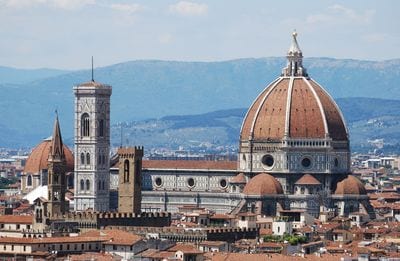
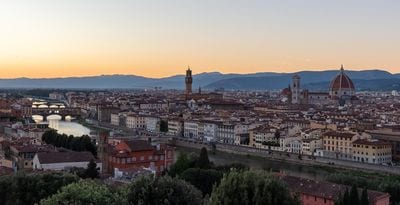
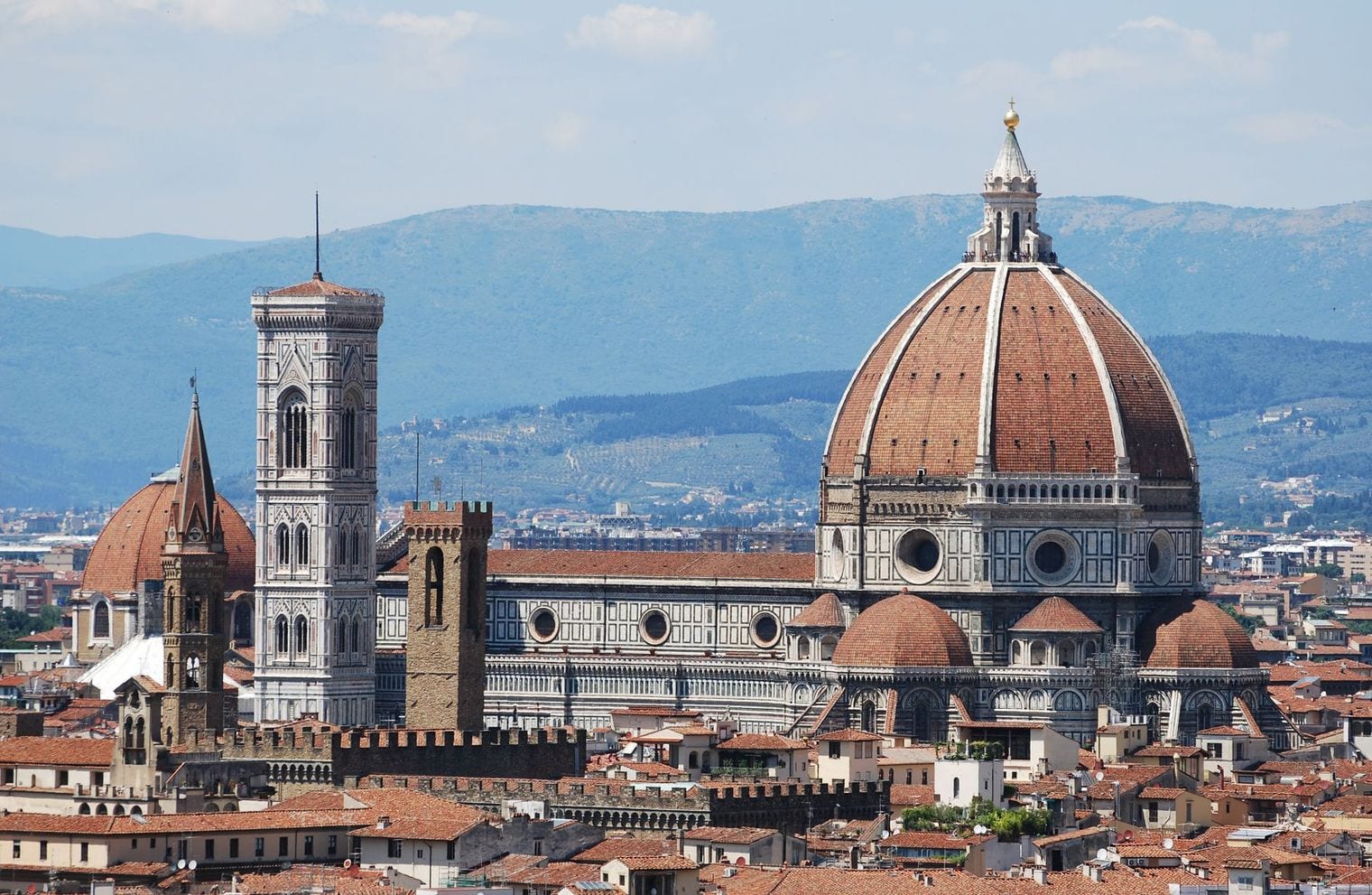
Santa Maria del Fiore is the reason Florence has a skyline. Filippo Brunelleschi raised its dome without the wooden centring every other builder relied on, laying the brick in a self-supporting herringbone pattern that still carries the largest masonry dome ever built. Florence Cathedral itself is free to enter and surprisingly bare inside — the money and the ambition went into the shell.
The climb is the thing. Steps wind up between the dome's inner and outer shells, past the Last Judgement frescoes Vasari began on the interior surface, and come out on a terrace level with the hills. Book a timed slot well ahead. The green, white and pink marble facade is a nineteenth-century addition, finished long after everything behind it.
Giorgio Vasari built the Uffizi Gallery in the 1560s as administrative offices for Cosimo I — uffizi simply means offices — and the Medici began filling the top floor with art almost immediately. The last of the line, Anna Maria Luisa de' Medici, willed the whole collection to the city on the condition that it never leave Florence.
The rooms run roughly chronologically, so you walk Renaissance painting forward in time: Giotto's gold-ground altarpieces, then Botticelli's Birth of Venus and Primavera in the same room, then Leonardo, Michelangelo, Raphael, Titian and Caravaggio. It is a lot to absorb. Allow three hours at minimum, book ahead, and consider working the corridors in reverse to stay ahead of the crowd.
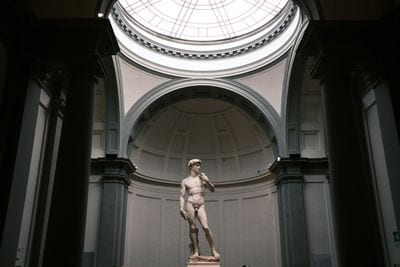
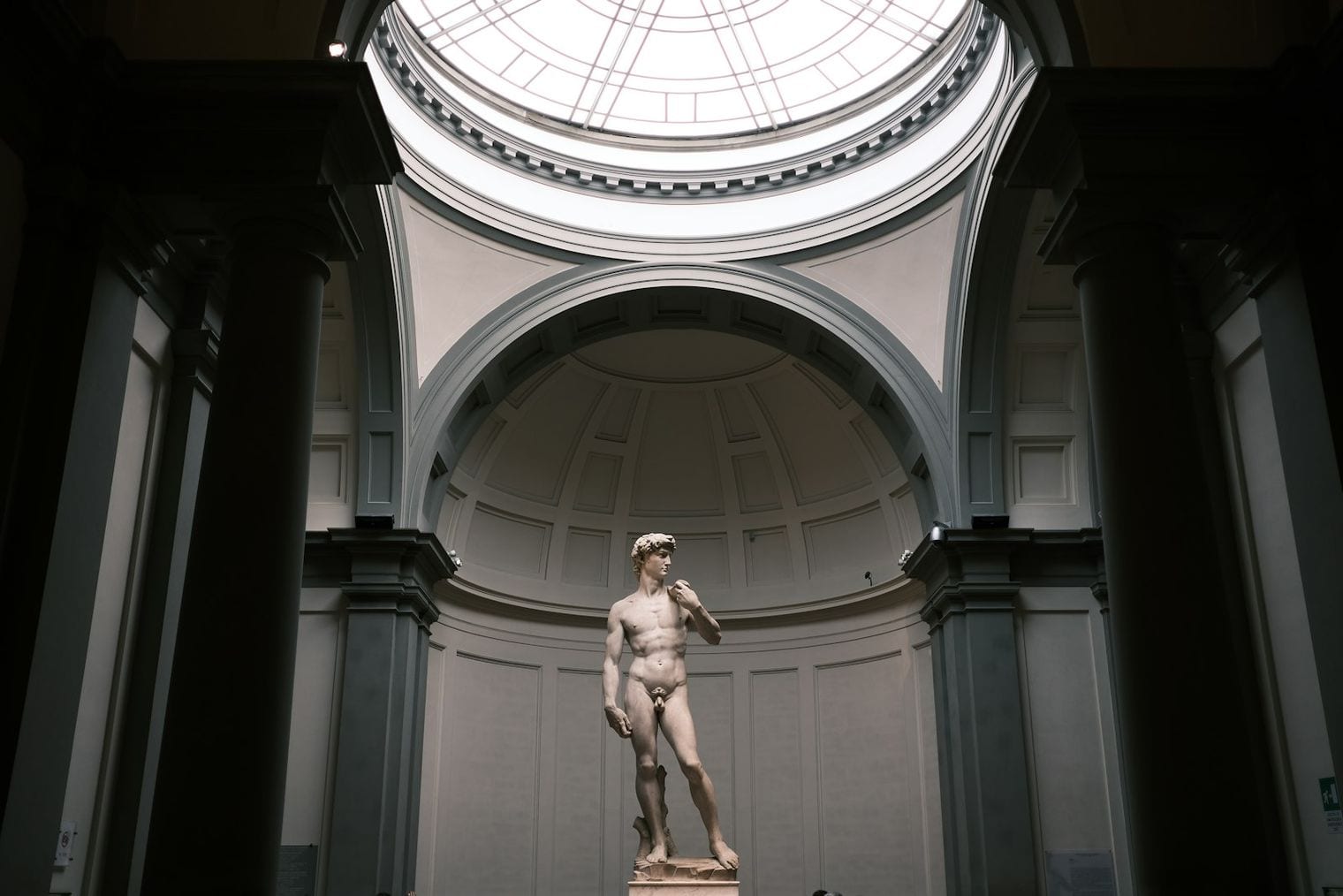
One sculpture carries this museum. Michelangelo's David stood outside Palazzo Vecchio for more than three centuries before being moved indoors in 1873 to stop the weather destroying it, and the purpose-built tribune he now occupies lets you circle him properly and see how the proportions were cut for a viewer looking up.
Do not rush the corridor leading to it. Michelangelo's unfinished Prisoners strain half-free of their blocks, and they explain David better than David does — you watch a figure being quarried out of stone. Galleria dell'Accademia also holds a strong collection of Florentine Gothic panel painting and a room of historic musical instruments from the Medici court.
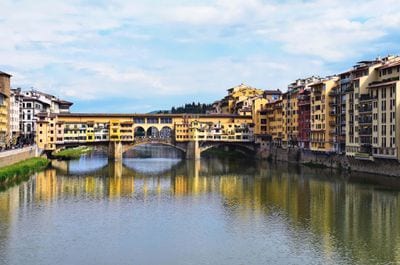
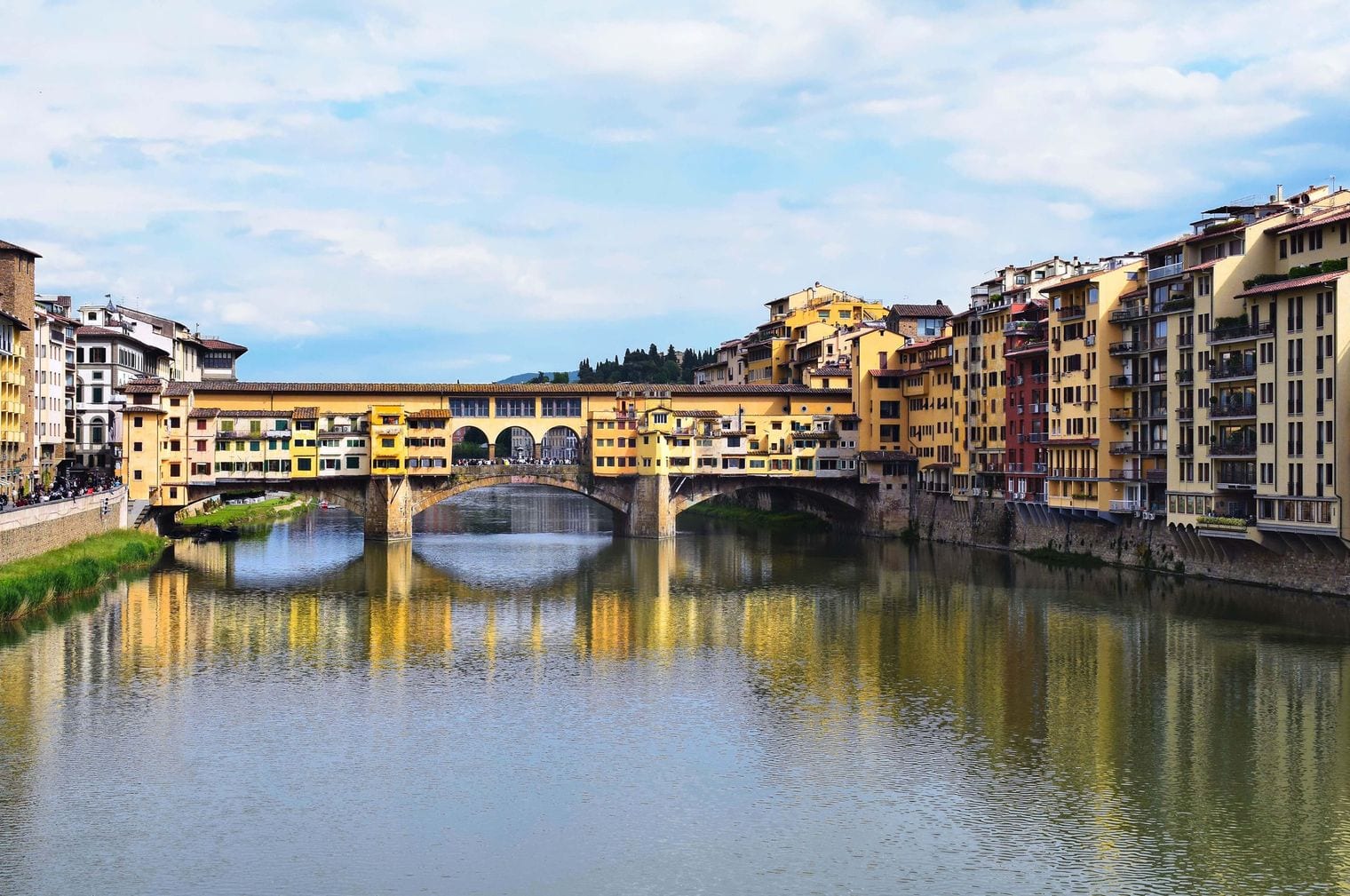
The Ponte Vecchio has carried shops since the Middle Ages, and it was the only bridge in Florence left standing when the retreating German army mined the rest in 1944. Butchers and tanners worked here until 1593, when Ferdinando I moved them out — the smell rose into the Medici's private corridor overhead — and replaced them with goldsmiths.
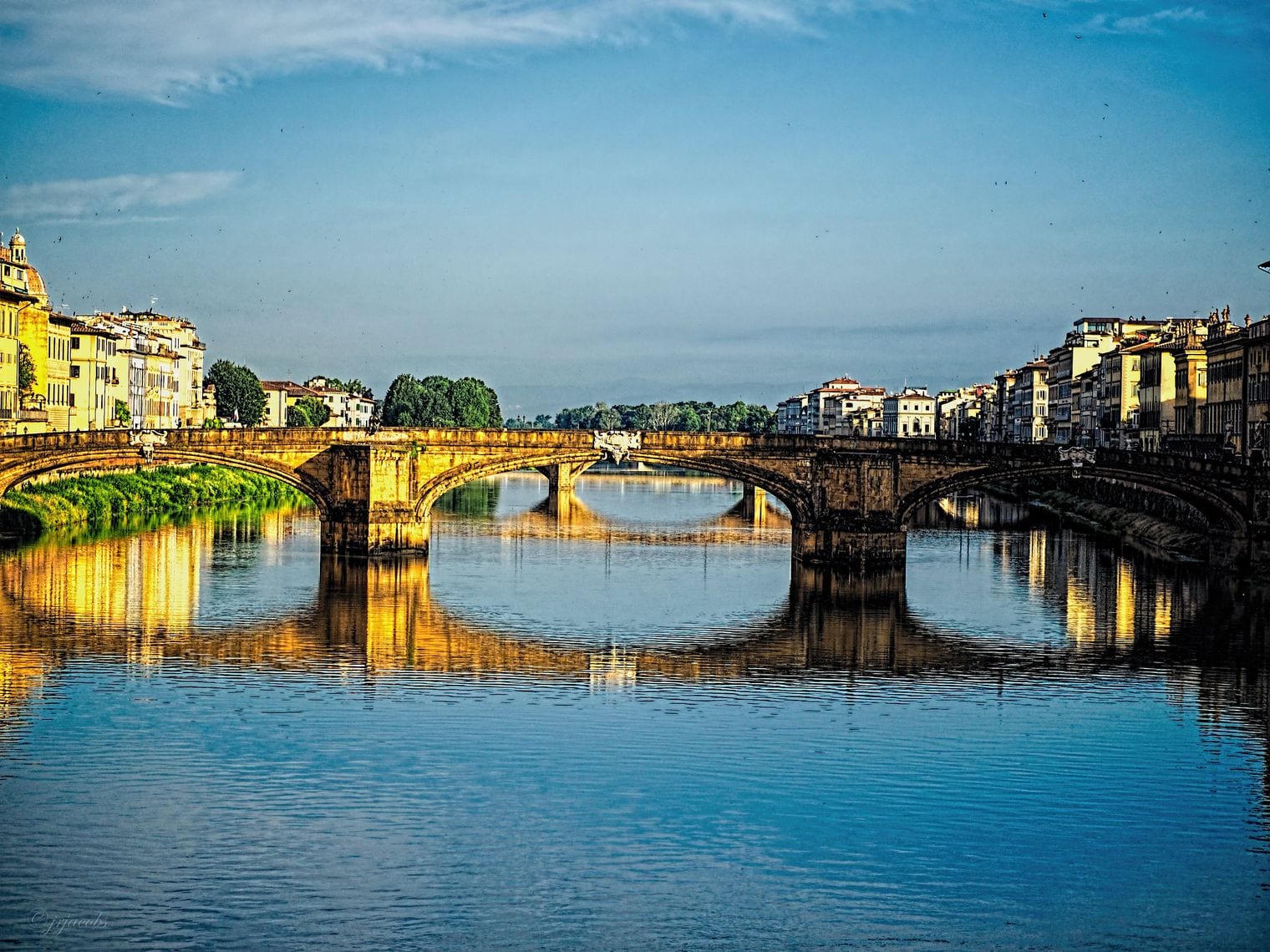
Jewellers still occupy the same shuttered wooden boxes, which fold out over the water on brackets. Walk it early or late; at midday it is shoulder to shoulder. The best view of the bridge is not from it but from Ponte Santa Trinita downstream, where the shops read as a jumbled second storey hanging over the Arno.
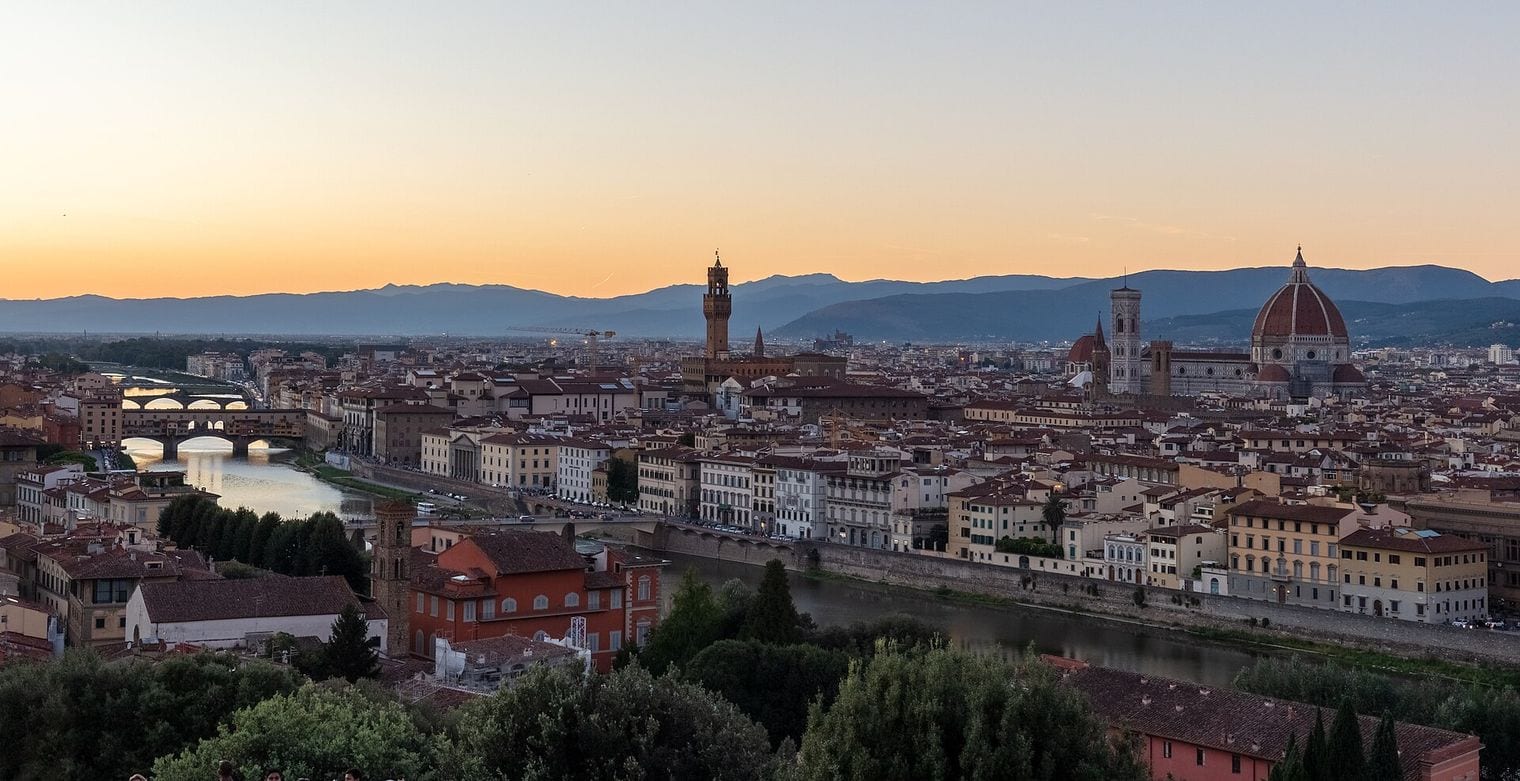
Giuseppe Poggi laid out Piazzale Michelangelo in 1869, when Florence was briefly the capital of a newly unified kingdom and the city was pulling down its medieval walls to modernise. The terrace he built on the hill south of the river frames the entire centre — dome, campanile, the tower of Palazzo Vecchio and the bridges — in a single view.
A bronze copy of David stands in the middle, weathering the way the original would have. Come for sunset, when the facades turn amber, and accept that everyone else has the same idea. The walk up from Porta San Niccolò takes about twenty minutes on stepped ramps, and the rose garden on the slope makes a good halfway stop.
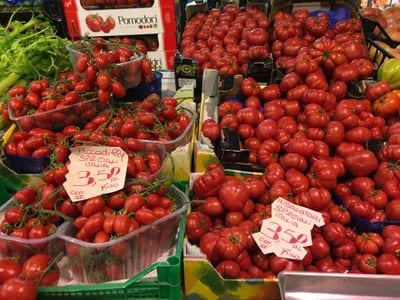
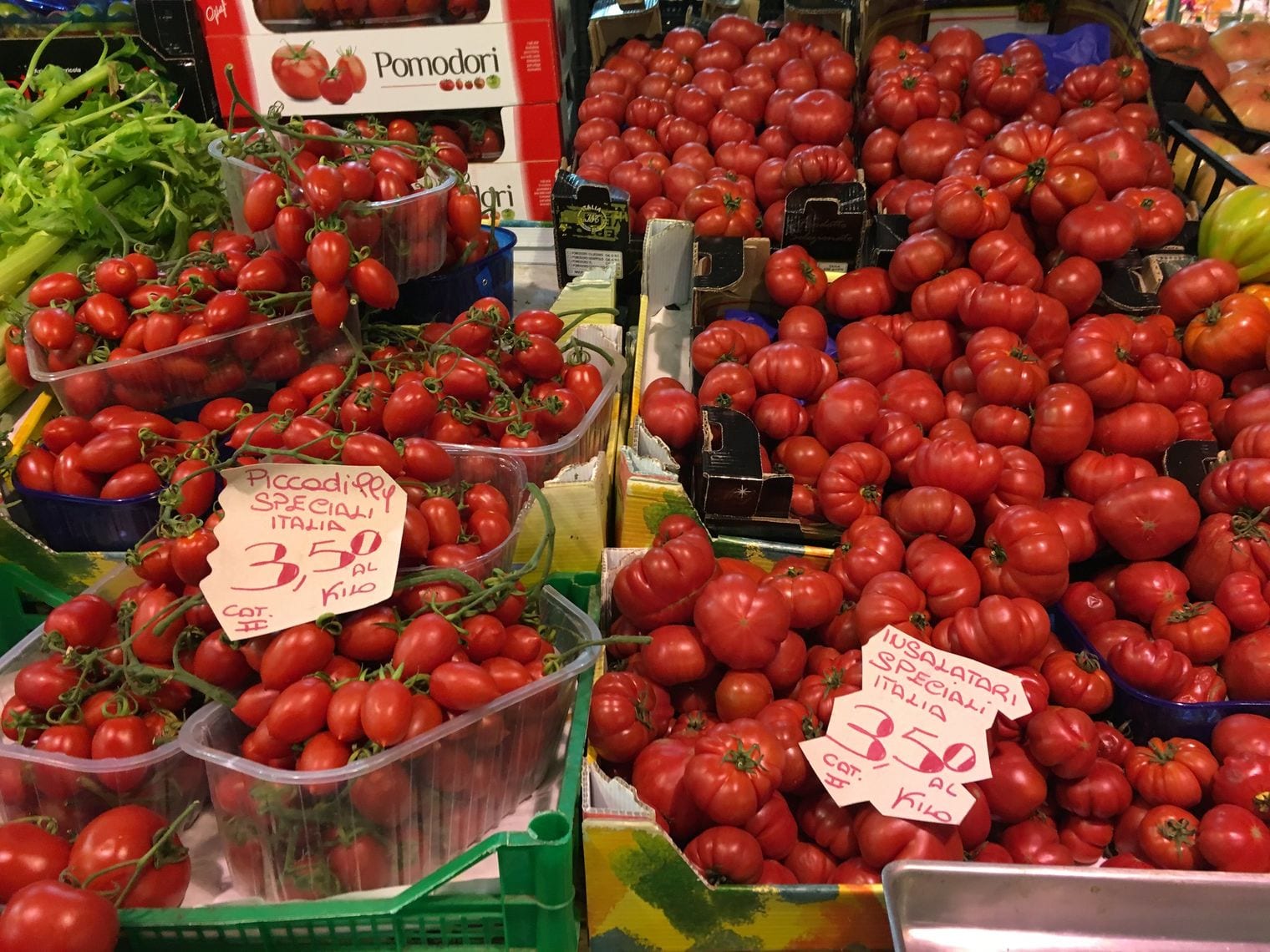
Giuseppe Mengoni — the architect of Milan's great glazed galleria — built this iron-and-glass hall in 1874, and the ground floor still works as the city's central food market. Butchers, cheesemongers, pasta makers and tripe stalls trade under the original ironwork, and it is the best place in Florence to see what Tuscans actually cook at home.
Upstairs is a different animal: a modern food hall where individual counters cook to order and you carry a tray to shared tables. It runs late and the quality is genuinely good, if busier than the market below. Mercato Centrale sits a minute from San Lorenzo, whose street stalls sell leather right outside the doors.
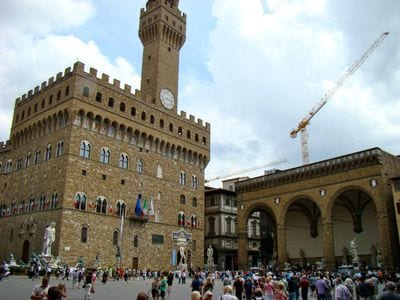
This has been the political stage of Florence for seven centuries, and it is still an open-air sculpture gallery you can walk through for nothing. A copy of David marks the spot he guarded until 1873; beside him Ammannati's Neptune presides over a fountain Florentines mocked at the time as a waste of good marble.
Under the Loggia dei Lanzi, Cellini's bronze Perseus holds up Medusa's head and Giambologna's Rape of the Sabine Women twists three figures out of a single block of stone. A small round plaque set into the paving of Piazza della Signoria marks where Savonarola was burned in 1498, on the same ground where he had staged his bonfire of the vanities.
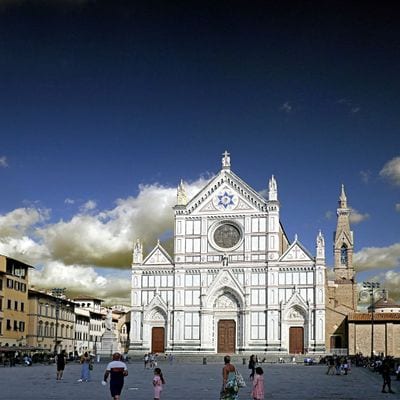
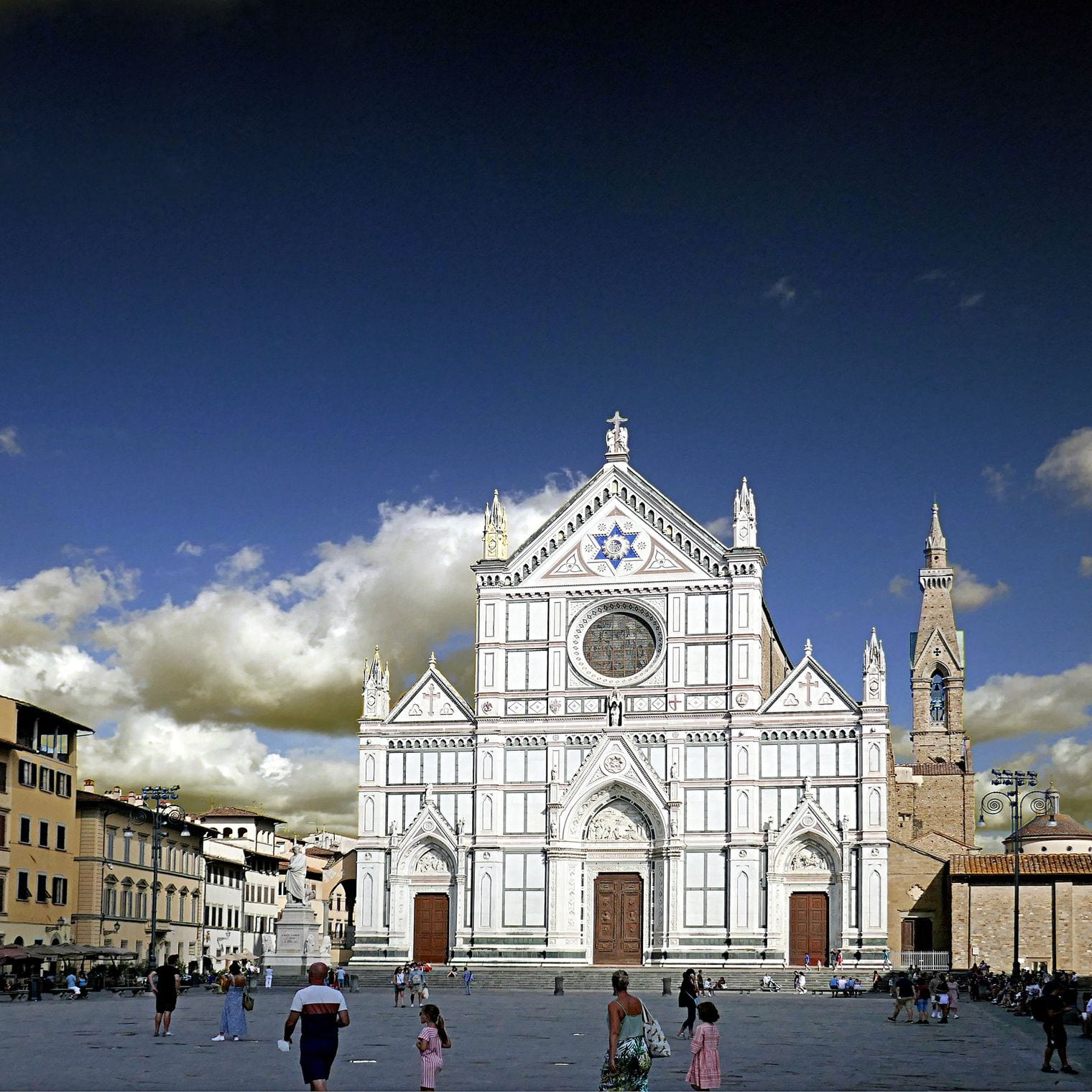
Basilica di Santa Croce is where Florence buried its own. Michelangelo, Galileo and Machiavelli all have tombs along the nave, and Dante has a cenotaph — an empty monument, because Ravenna has never returned his body. The Franciscan scale of the interior is startling after the tight streets outside.
The art justifies the ticket. Giotto frescoed the Bardi and Peruzzi chapels at the east end, and Brunelleschi's Pazzi Chapel sits off the cloister as a lesson in calm proportion. A leather school has operated in the friars' old dormitory behind the church since the years after the Second World War, and you can walk through it.
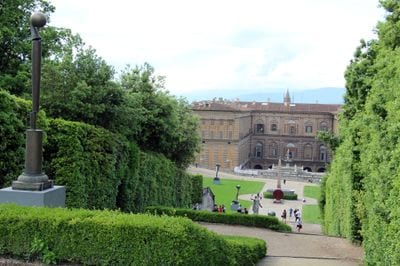
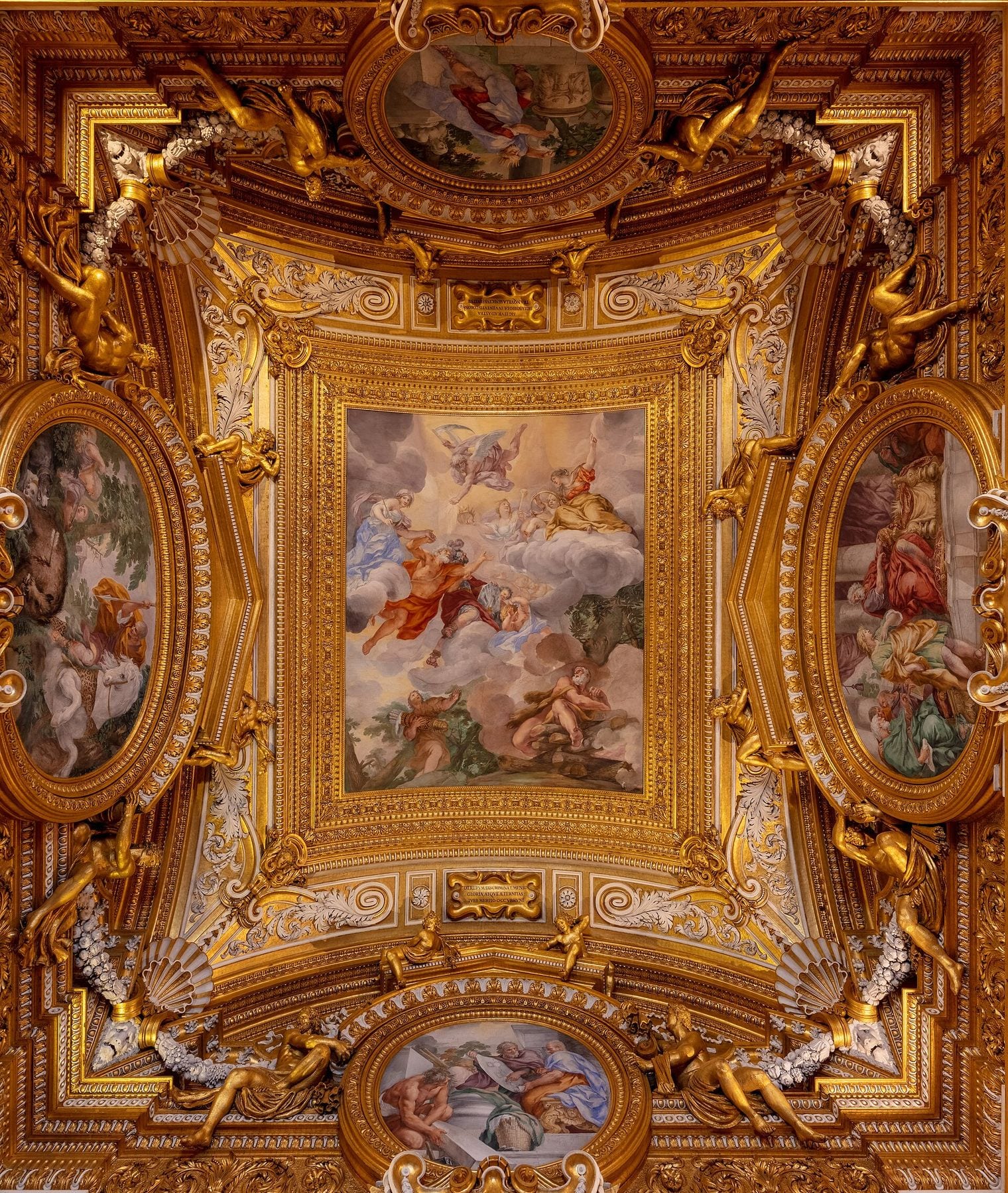
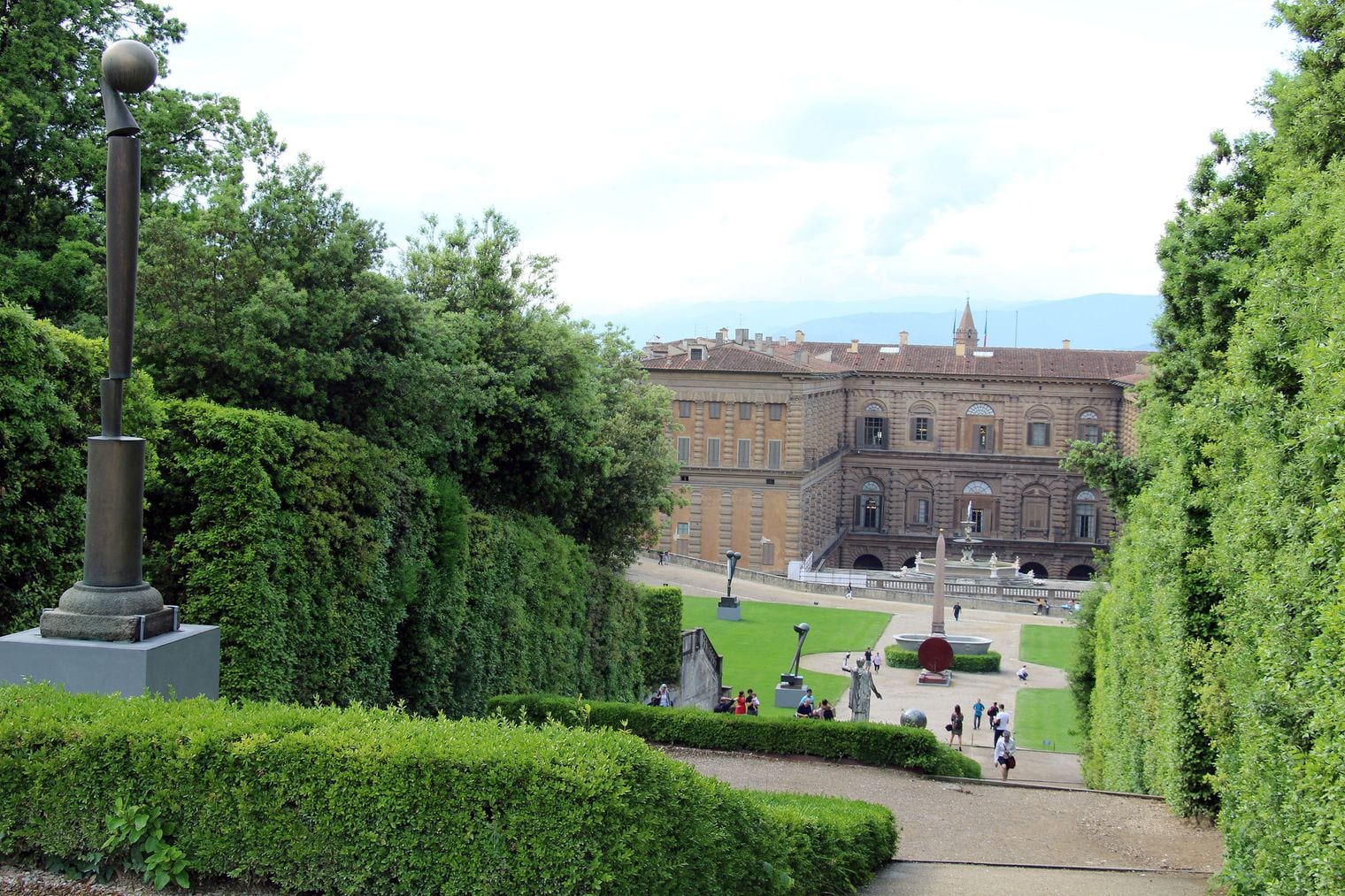
Luca Pitti built this palace to out-scale the Medici and ruined himself doing it; a century later the Medici bought it anyway and made it their principal residence. It went on to house the rulers of Tuscany and then, briefly, the royal family — which is why Palazzo Pitti feels like several museums stacked inside one enormous rusticated block.
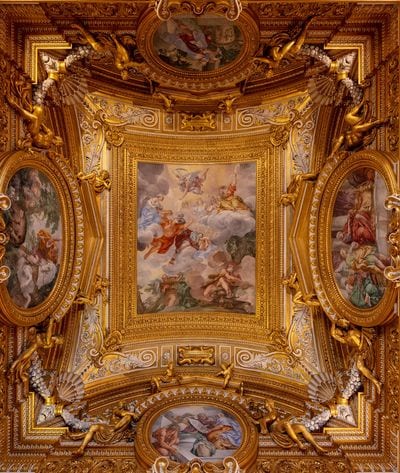
The Palatine Gallery is the highlight, hung floor to ceiling in the old princely manner rather than in tidy modern rows, with Raphael and Titian in quantity. Above it are the royal apartments and a gallery of nineteenth-century painting; below, the Treasury of the Grand Dukes. The whole thing opens onto the Boboli Gardens behind.
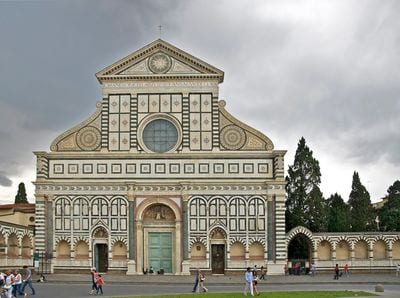
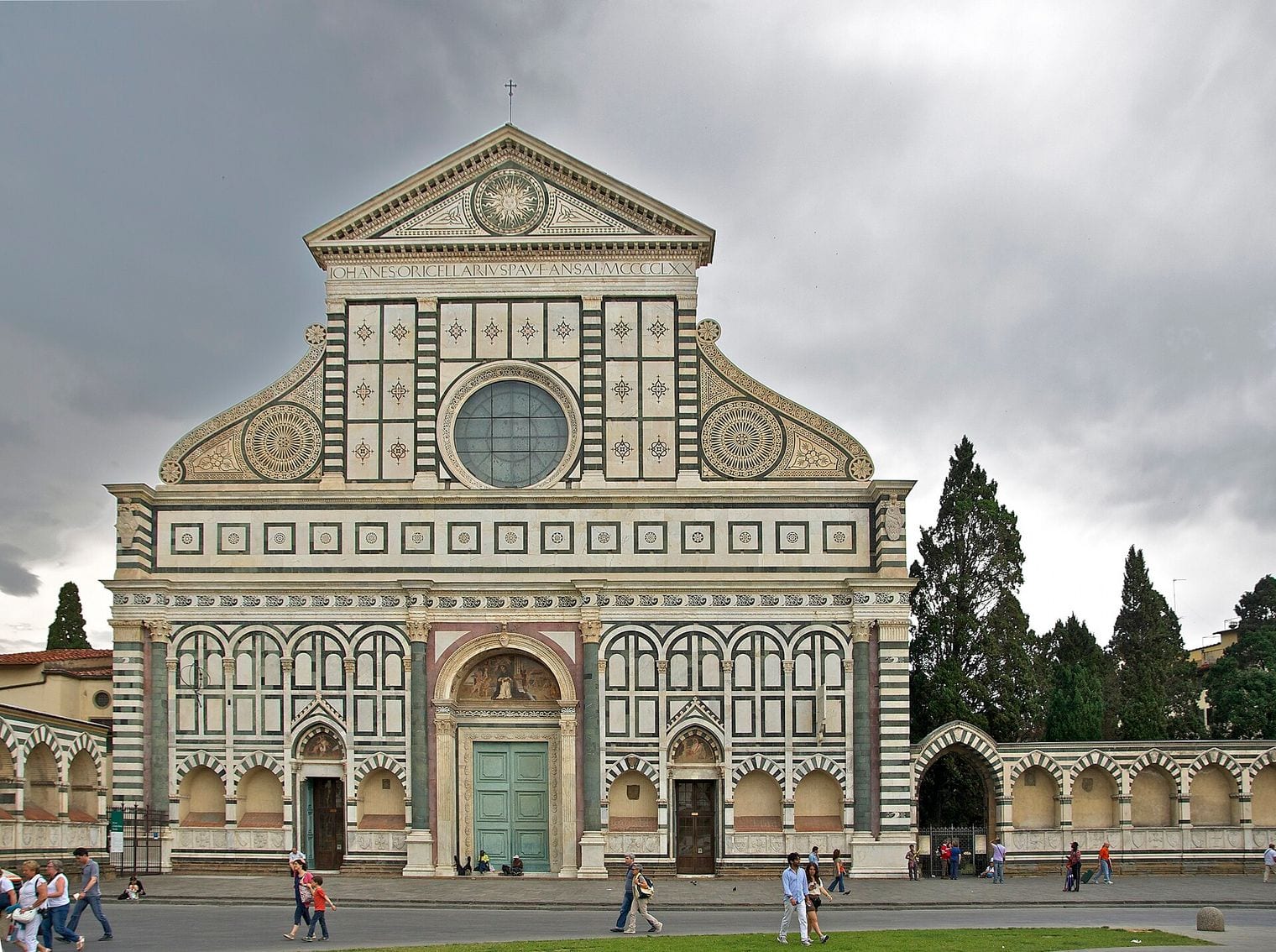
The Dominicans took the west end of the city, and their church carries a marble facade that Leon Battista Alberti completed in the 1470s. The scrolled volutes he used to bridge the wide lower storey and the narrow upper one solved a problem every architect faced afterwards, and they were copied for centuries.
Inside, Masaccio's Holy Trinity is the painting to find: a fictive chapel opened in the wall using the new mathematics of perspective, convincingly enough that the masonry appears to recede. Ghirlandaio frescoed the choir of Basilica di Santa Maria Novella with the teenage Michelangelo assisting, and the Spanish Chapel off the green cloister is covered in Dominican allegory.
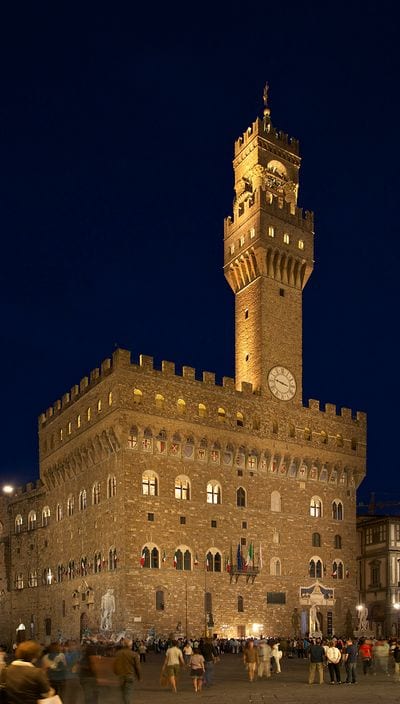
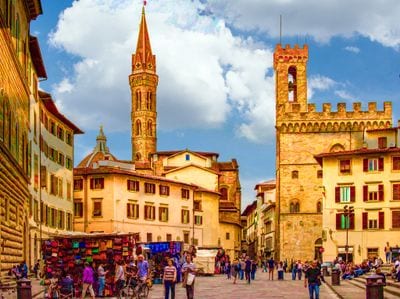
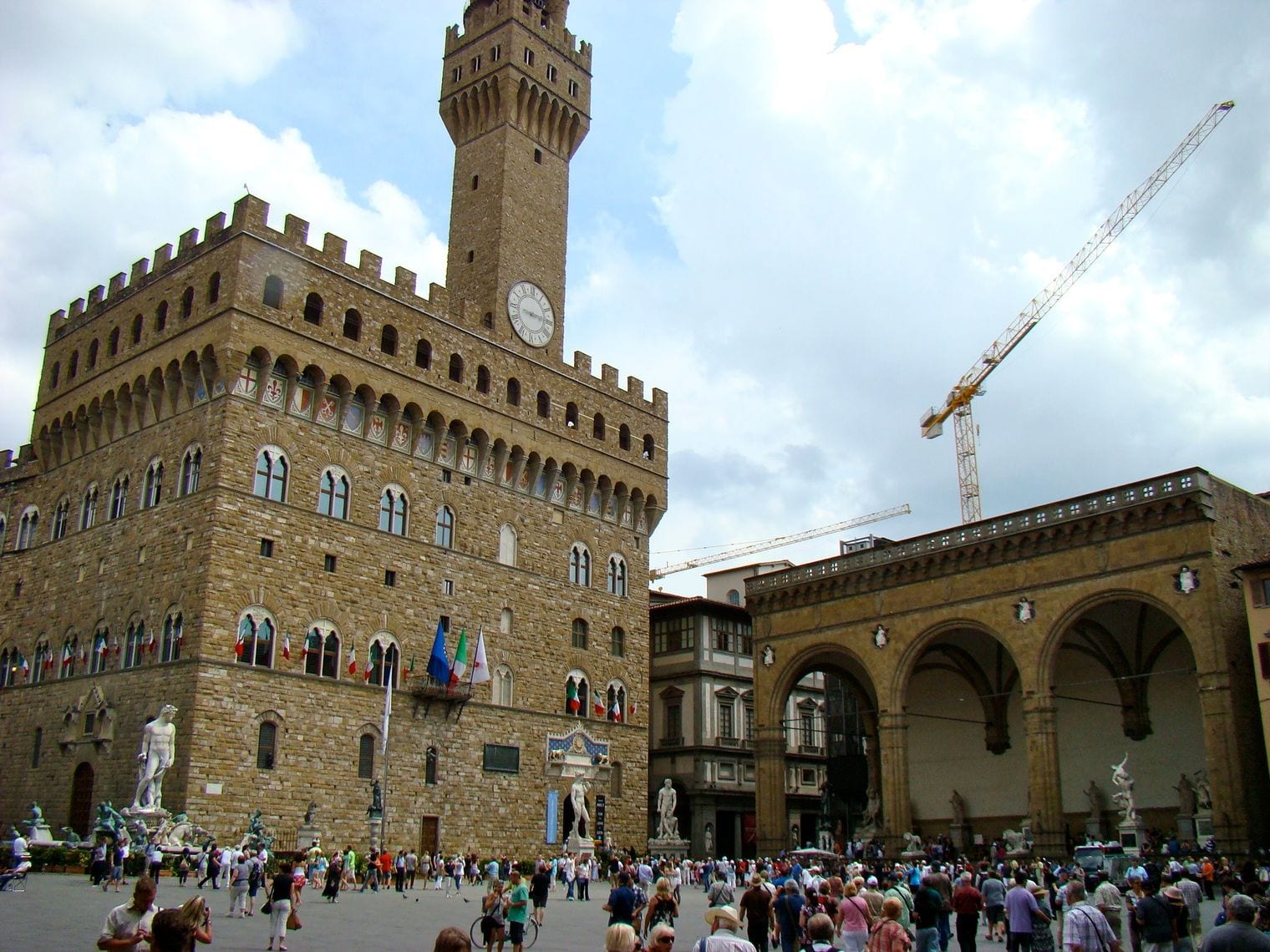
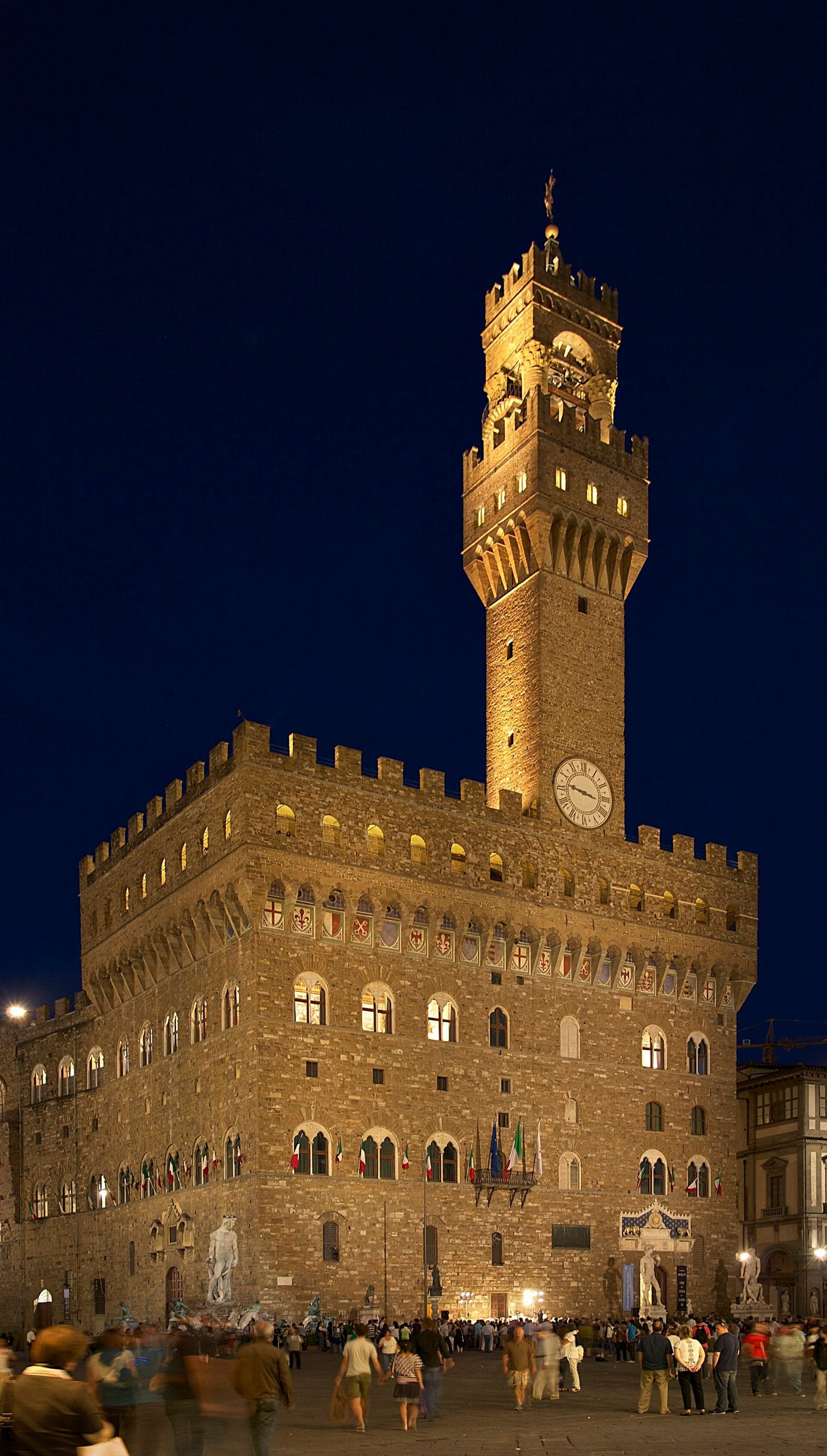
Florence is still governed from this building — the mayor works upstairs — which gives Palazzo Vecchio a working-fortress atmosphere the pure museums lack. Arnolfo di Cambio began it around 1300, and its off-centre tower is the shape the rest of the skyline arranges itself around.
The Salone dei Cinquecento is vast, frescoed by Vasari with Florentine military victories and lined with sculpture. Seek out the Studiolo of Francesco I, a windowless panelled cabinet where the grand duke kept his curiosities and his alchemy, and climb the Torre di Arnolfo for a view level with the cathedral dome across the rooftops.
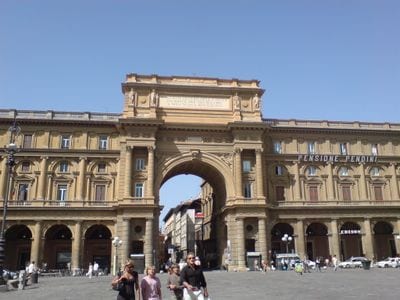
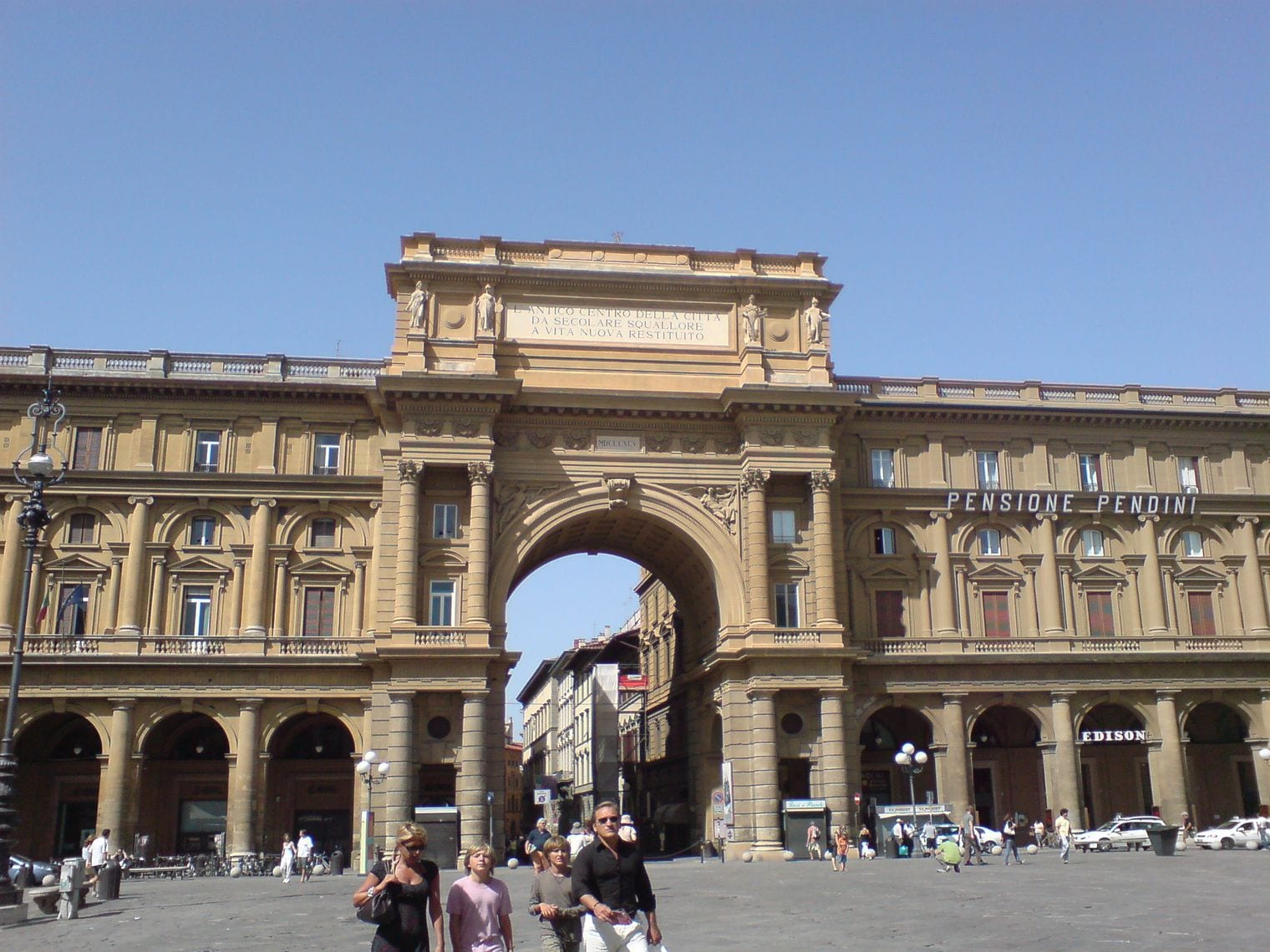
The Roman forum stood here, then the medieval market and the city's Jewish ghetto, and in the 1880s all of it was cleared during Florence's short spell as national capital. The triumphal arch on the west side carries an inscription congratulating the city on the demolition, which reads very oddly now.
What replaced it is a wide, bright, arcaded square that Florentines cross constantly. Historic literary cafés line one side, a carousel turns in the middle, and the column at the centre — the Colonna dell'Abbondanza — marks where the forum's two main streets once crossed. Piazza della Repubblica is the easiest place in the centre to sit outdoors.
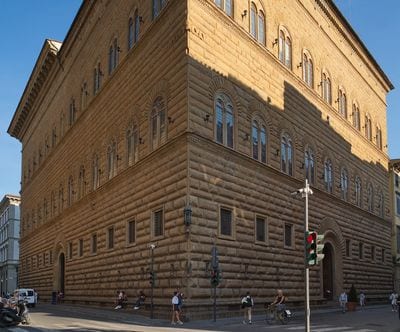
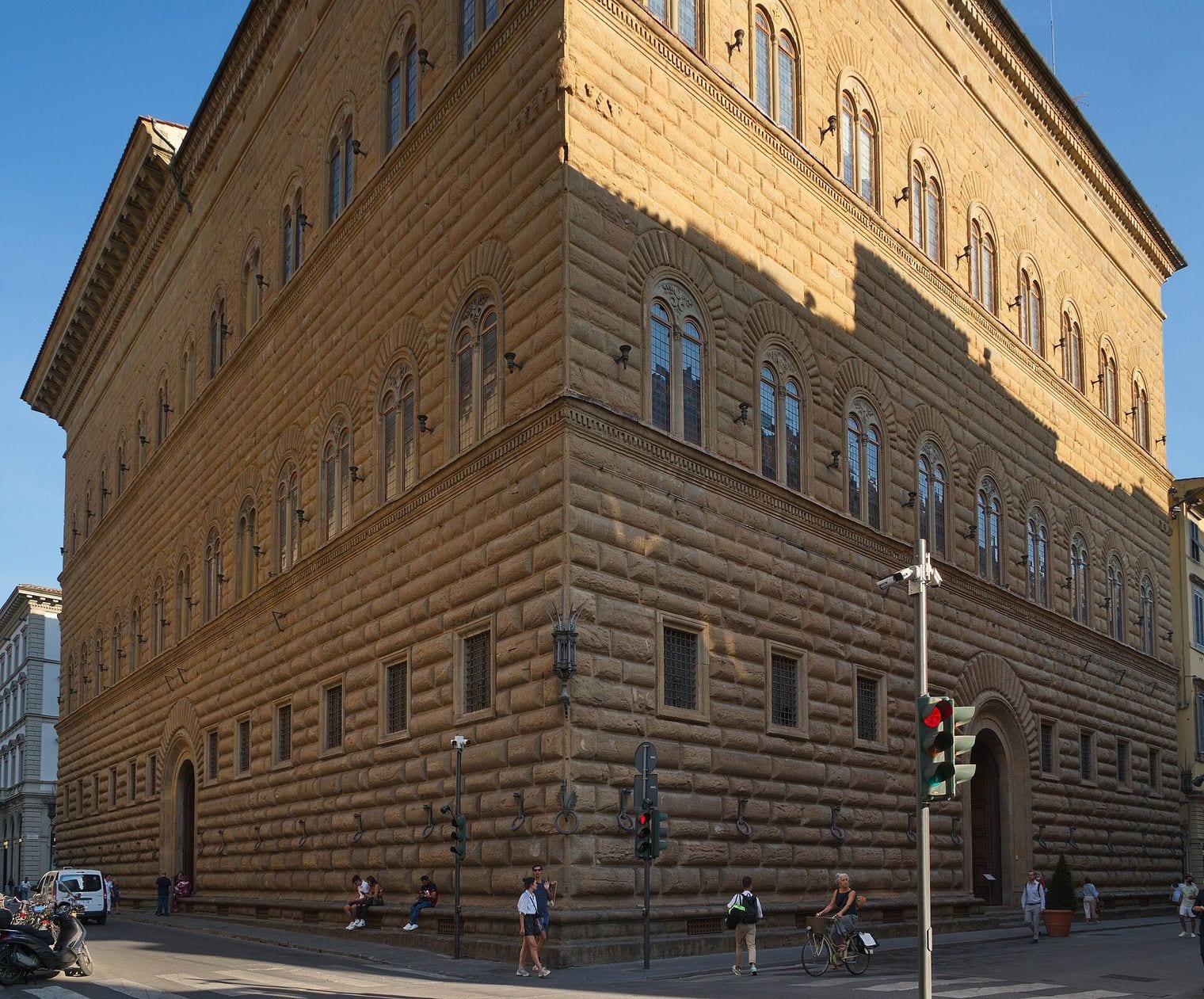
Filippo Strozzi began this palace in 1489 as a deliberate rival to the Medici's own, and it is the most complete Renaissance palace exterior in Florence — rusticated stone, three even storeys, and the original iron rings and torch-holders still bolted to the corners.
It now serves as the city's main venue for temporary exhibitions, and the programme is the most ambitious in Florence: major international loan shows rather than a permanent hang, often pairing old masters with contemporary work. The courtyard and its café are open even without a ticket, which makes Palazzo Strozzi a useful place to regroup in the middle of an afternoon.
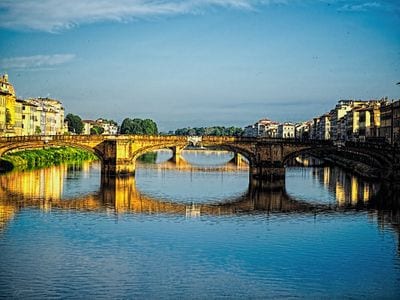
Bartolomeo Ammannati built Ponte Santa Trinita in the 1560s with three exceptionally shallow elliptical arches that look far too thin to carry anything. German mines destroyed it in 1944, along with every other bridge in Florence except the Ponte Vecchio.
The city rebuilt it in the 1950s to the original design, dredging the Arno to recover the old stones and re-cutting the rest from the same quarry Ammannati had used. Statues of the four seasons stand at the corners. It is the best vantage point in the city for photographing the Ponte Vecchio, particularly in the last hour of light before sunset.
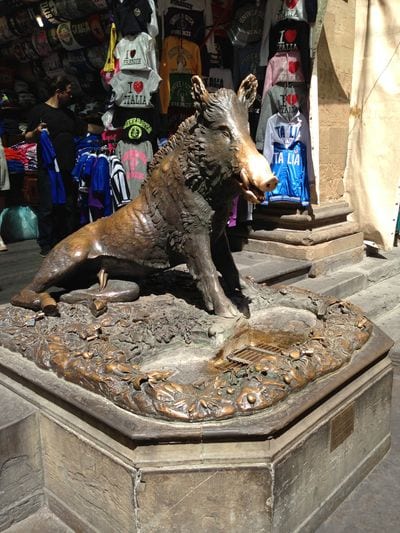
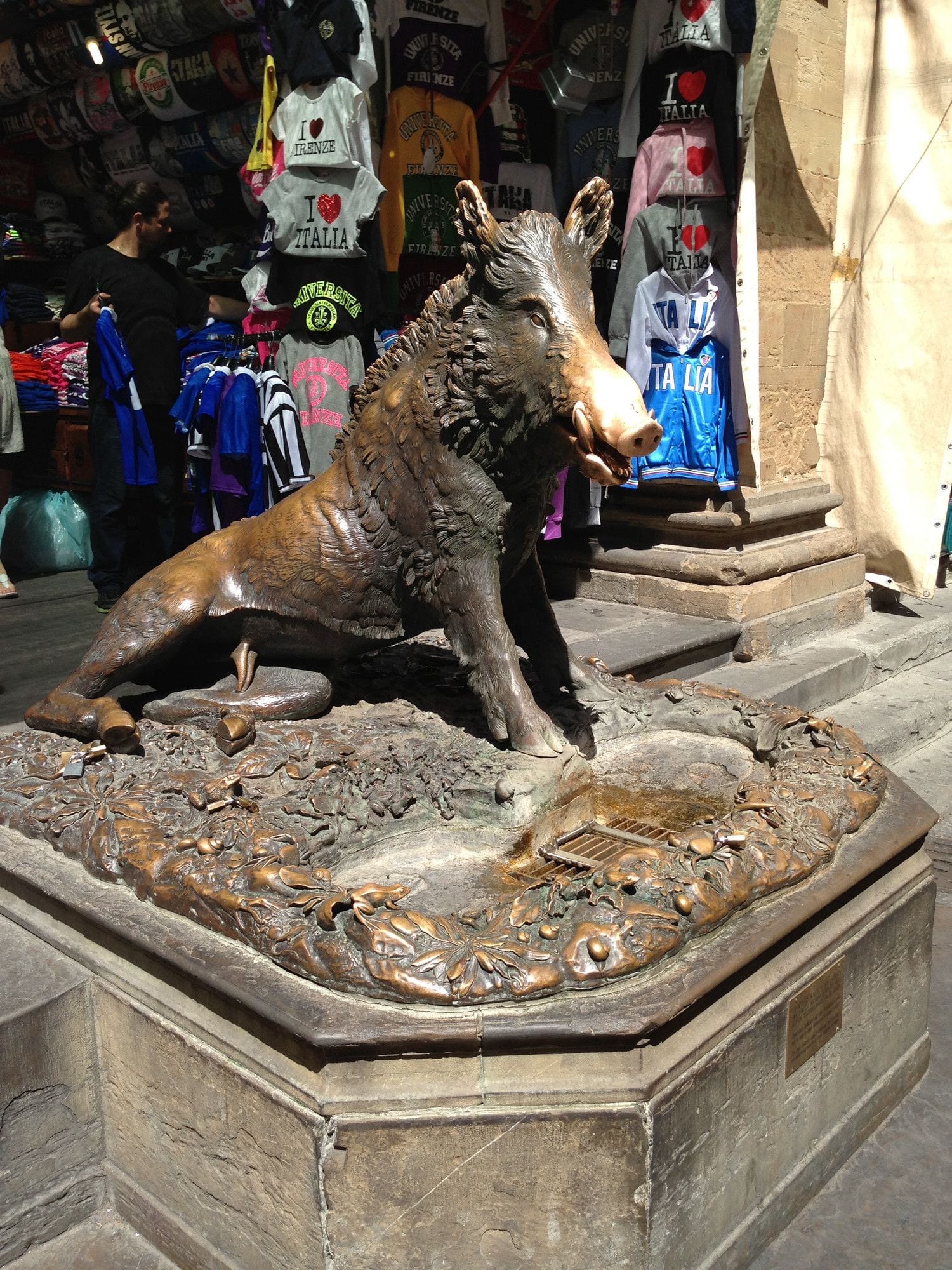
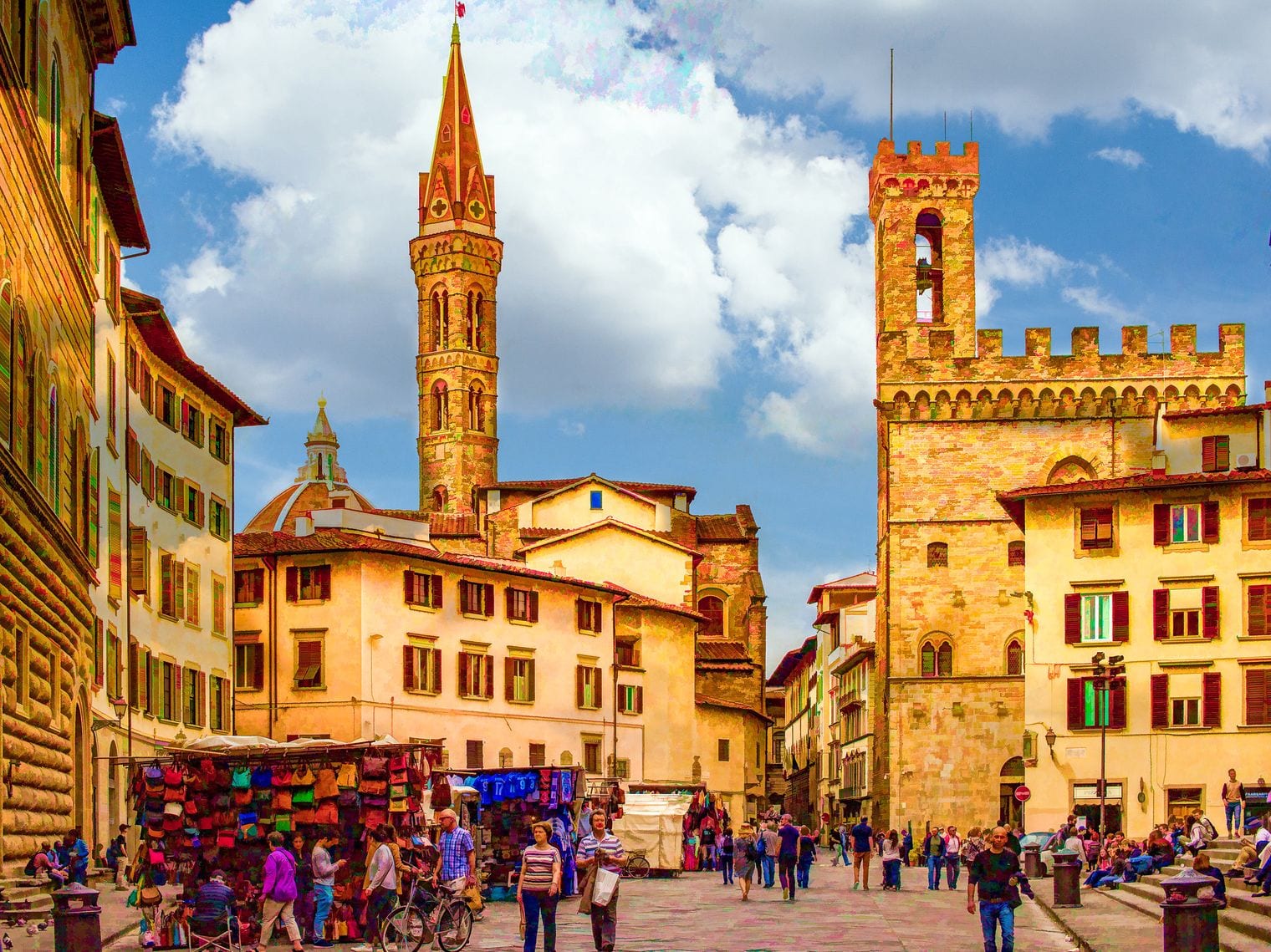
Pietro Tacca cast this bronze boar in the 1630s as a copy of a Roman marble now in the Uffizi, and it has sat at the edge of the Mercato Nuovo loggia ever since, worn down by several centuries of hands.
The ritual is fixed: rub the snout, put a coin in the mouth and let it fall through the grate below for luck and a return to Florence. The snout is polished bright while the rest has gone black. What stands outside is itself a modern replacement — the Fontana del Porcellino you touch is a copy, with Tacca's original kept indoors out of the weather.
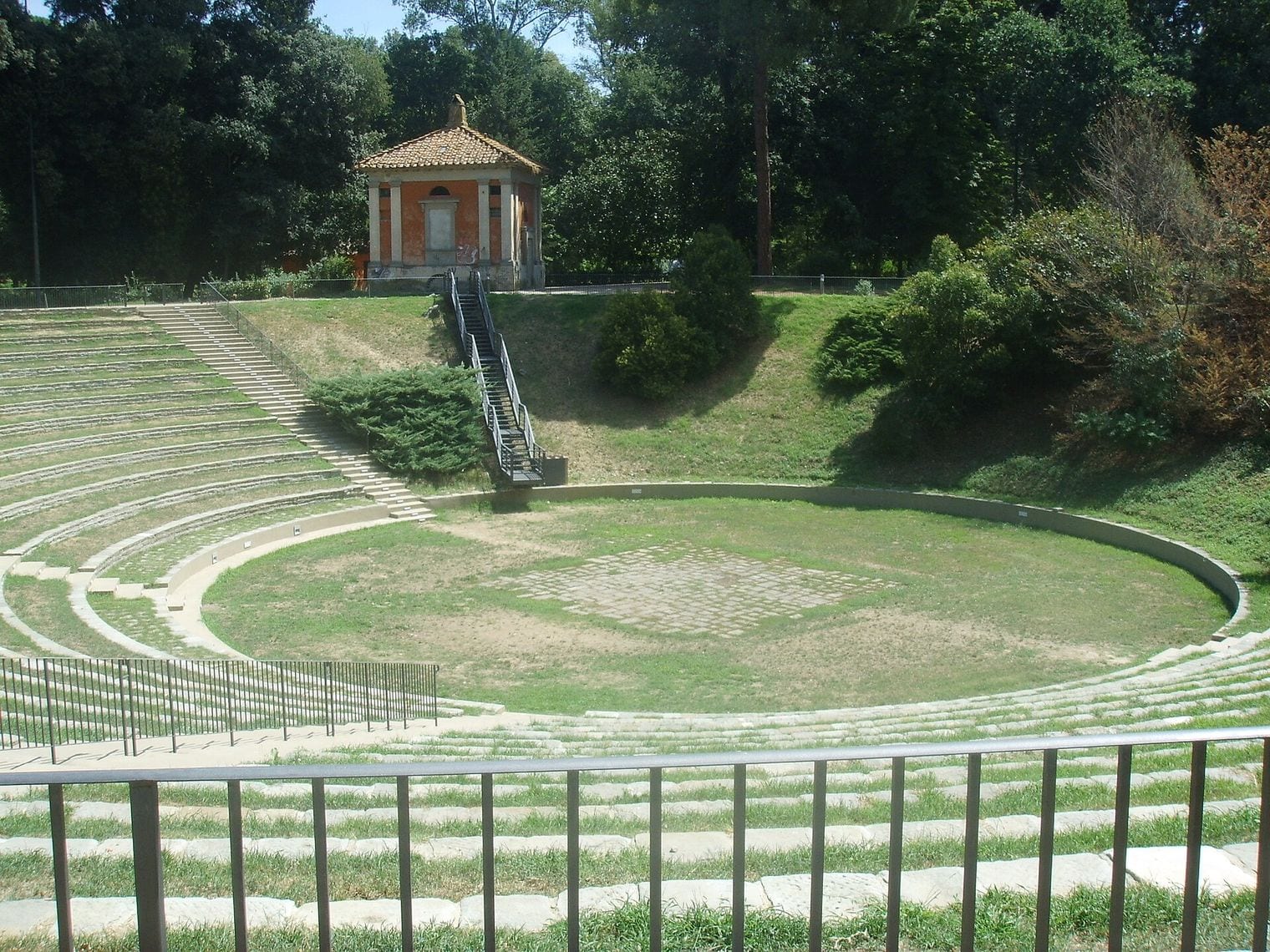
The Medici turned the hillside behind Palazzo Pitti into a garden from the 1550s onward, and the Boboli Gardens became a template that formal gardens across Europe copied — long axes, clipped hedges, statuary at the turning points, and views deliberately engineered into the layout.
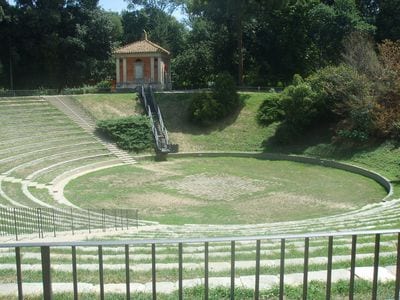
It is large and steep, so treat it as a walk rather than a stroll. The Buontalenti Grotto near the entrance is the strangest thing in it, a fake cavern of dripping stone shapes with casts of Michelangelo's Prisoners set into the corners. Higher up, an Egyptian obelisk anchors the amphitheatre and the porcelain museum at the top has the best view in the garden.
Cascine began as Medici farmland and hunting ground along the Arno and is now by far the largest public park in Florence, running for roughly three kilometres west of the centre. It is where the city goes to run, cycle and get away from the tourist streets altogether.
A large open-air market takes over the main avenue on Tuesday mornings, one of the biggest in Tuscany. There are swimming pools, a racecourse and a summer concert ground among the plane trees. Parco delle Cascine is not a sight in the way the rest of this list is — it is the everyday city, which is precisely the appeal after three days of galleries.
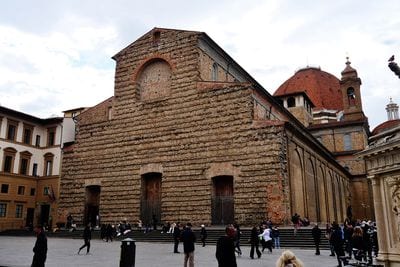
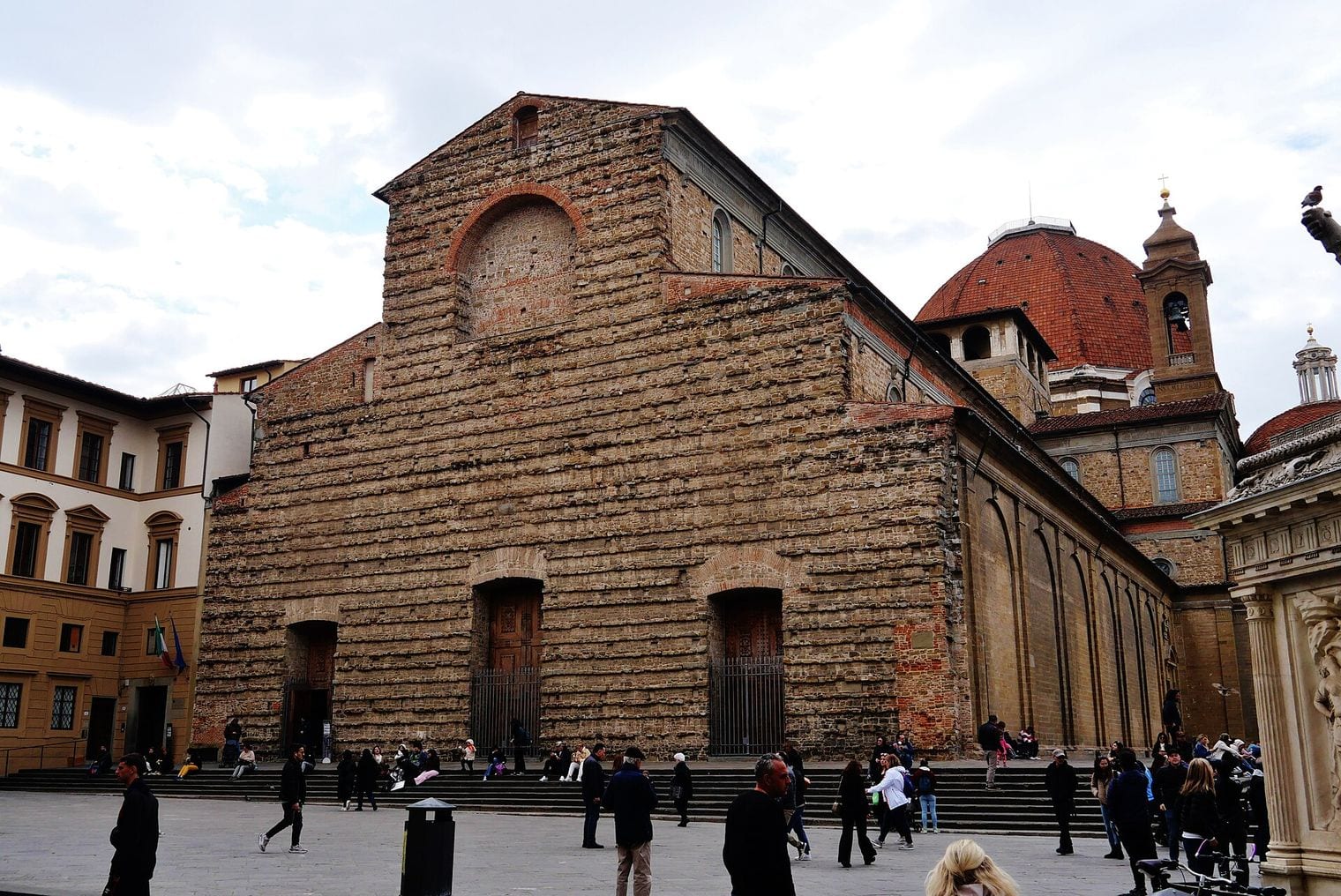
This was the Medici parish church, and Brunelleschi rebuilt it for them from the 1420s as one of the first fully Renaissance interiors — grey stone lines drawn on white plaster, setting out the proportions so plainly that you can read the whole system from the door.
The Old Sacristy is his. The unfinished rough-brick front is the family's most conspicuous failure: Michelangelo designed a marble facade that was never built, and the church has worn bare masonry ever since. Behind Basilica di San Lorenzo, entered separately, the Medici Chapels hold Michelangelo's New Sacristy tombs, and his vestibule staircase leads up to the Laurentian Library.
The Bargello is the oldest public building in Florence, begun in the 1250s as the seat of the city's government and later used as a prison and as the police chief's headquarters — bargello was his title. Executions were carried out in the courtyard you now cross to buy a ticket.
It holds an outstanding collection of Renaissance sculpture. Donatello's bronze David stands here, the first free-standing nude male sculpture made since antiquity, alongside his earlier marble version; so do the two trial panels Ghiberti and Brunelleschi submitted for the Baptistery doors competition, displayed side by side so you can judge the result yourself. Museo Nazionale del Bargello is reliably quieter than the Uffizi.
The Baptistery is older than the cathedral it faces, and Florentines long believed it had been a Roman temple. Dante was baptised here and wrote about it, as was every Catholic Florentine for centuries. Its octagonal plan and banded green-and-white marble set the pattern the rest of the city followed.
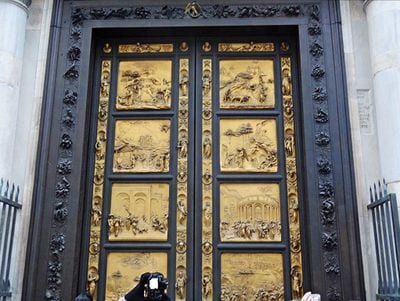
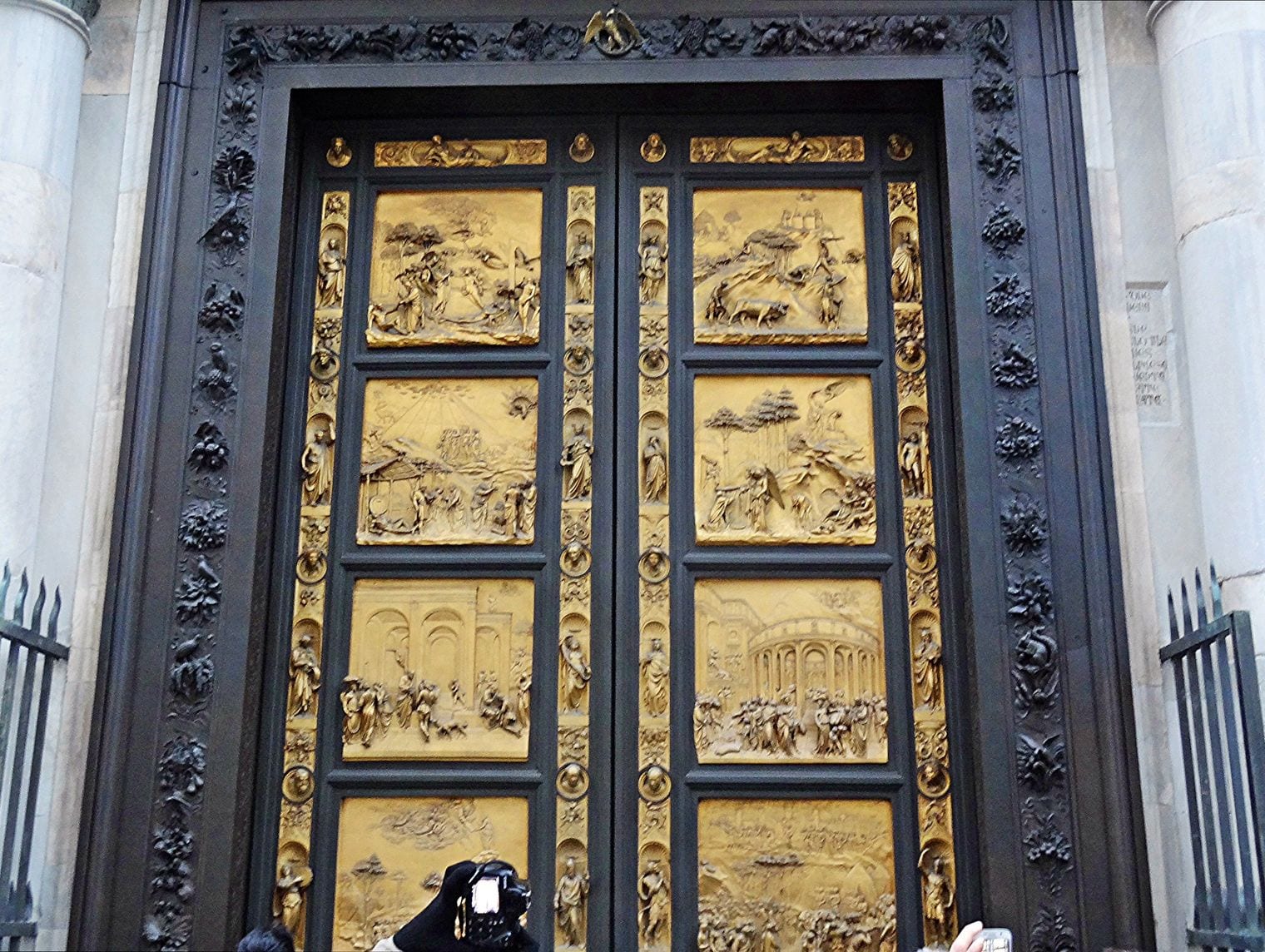
Ghiberti spent twenty-seven years on the east doors that Michelangelo is said to have nicknamed the Gates of Paradise; what hangs outside is a copy, with the restored originals in the cathedral museum. Inside Battistero di San Giovanni the ceiling is an enormous gold mosaic of the Last Judgement, with a towering Christ presiding over some enthusiastically grotesque devils.
2121. All’Antico Vinaio
Sandwich ShopCity centre
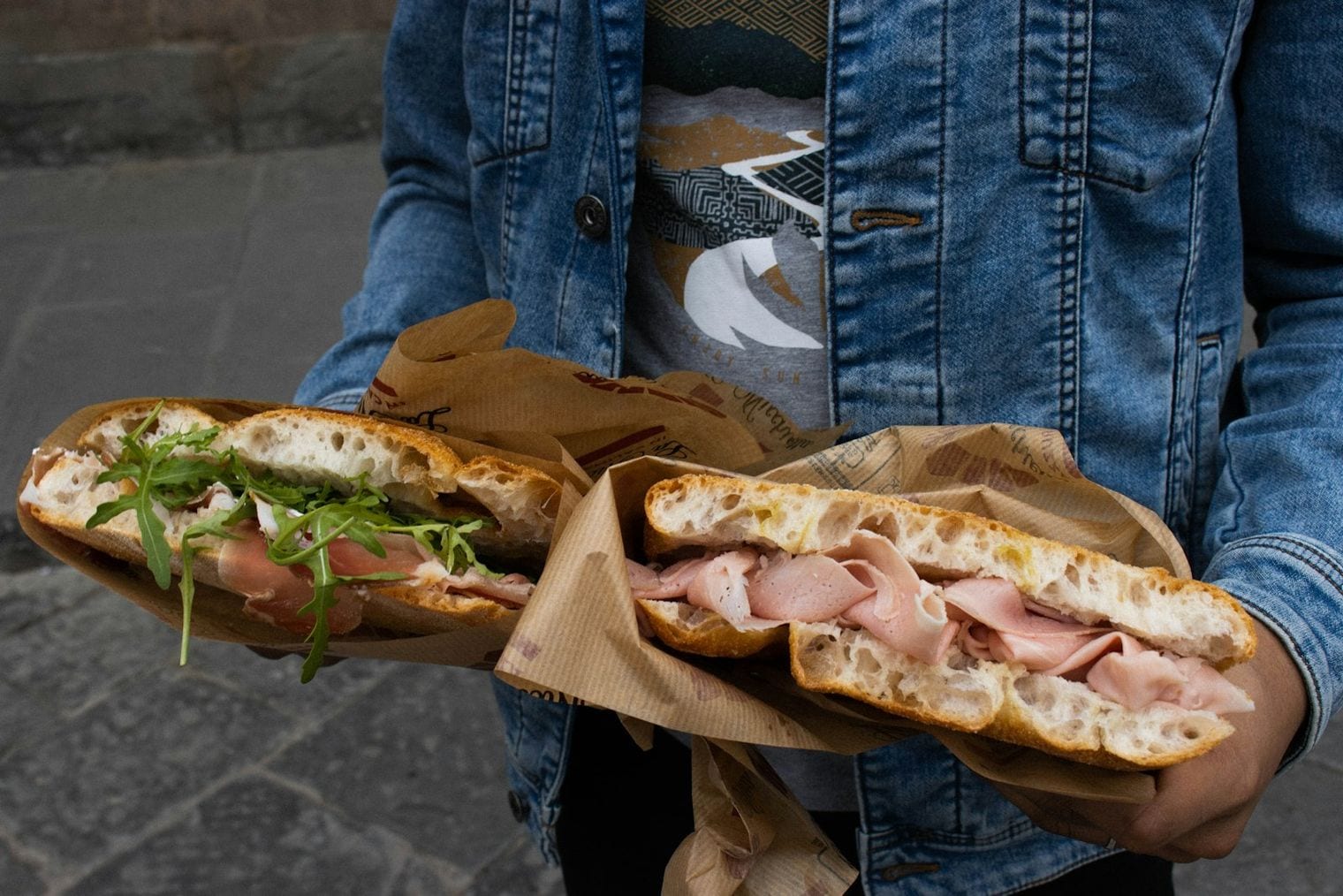
Source: M Polinder on Unsplash (illustrative image)
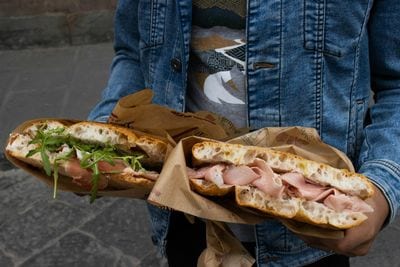
The queue down Via dei Neri is the giveaway. All'Antico Vinaio builds schiacciata sandwiches — Tuscan flatbread split and filled with cured meats, pecorino, truffle cream and artichoke spreads — at a speed that keeps the line moving considerably faster than it looks from the back.
It has grown from a single counter into several shopfronts on the same street and a chain well beyond Florence, and purists will point you to quieter counters in the side streets. They are missing the point: it is cheap, it is enormous, and it is five minutes from Santa Croce. Order at the counter and eat standing on the kerb like everyone else.
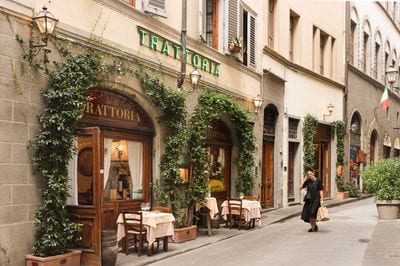
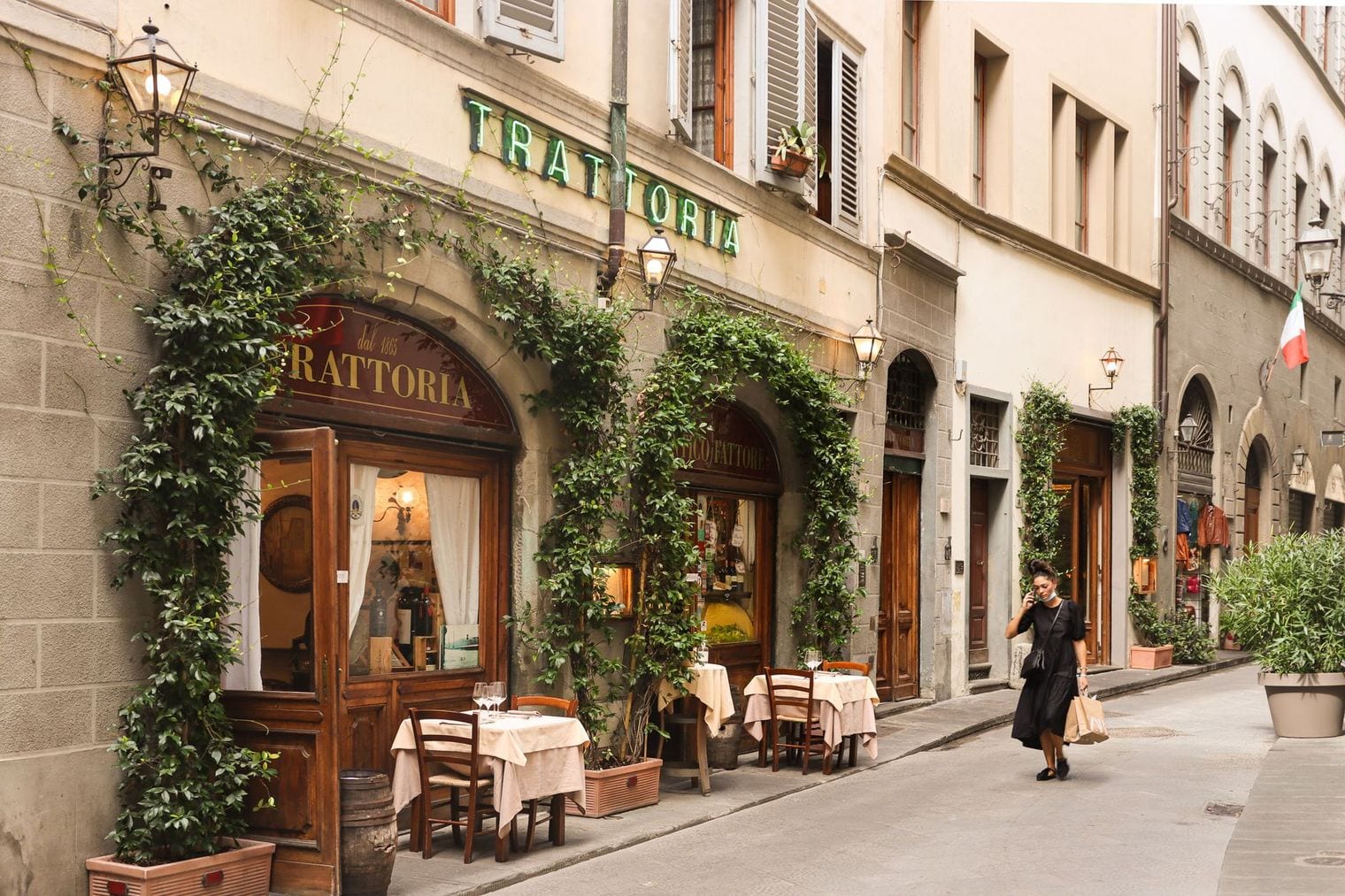
Trattoria Zà Zà has fed the streets behind Mercato Centrale since the 1970s and has spread across much of the square in the process, with a tented terrace that stays busy in every season and a dining room panelled in old photographs.
It is a broad Tuscan menu done reliably rather than a temple of gastronomy: ribollita and pappa al pomodoro, hand-cut pasta, and bistecca alla fiorentina sold by weight and served rare as a matter of principle. Book a table or arrive early, because the walk-in wait at peak hours is long and the square outside has nowhere to sit.
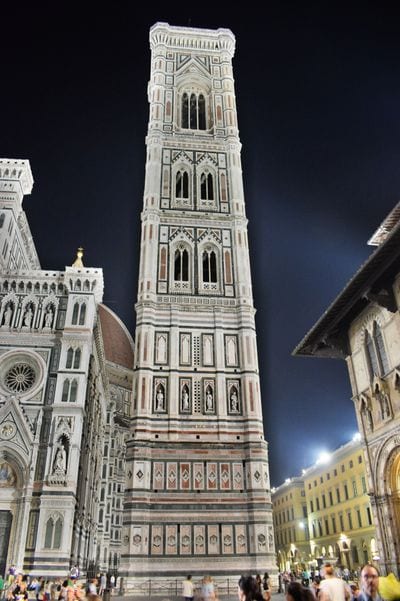
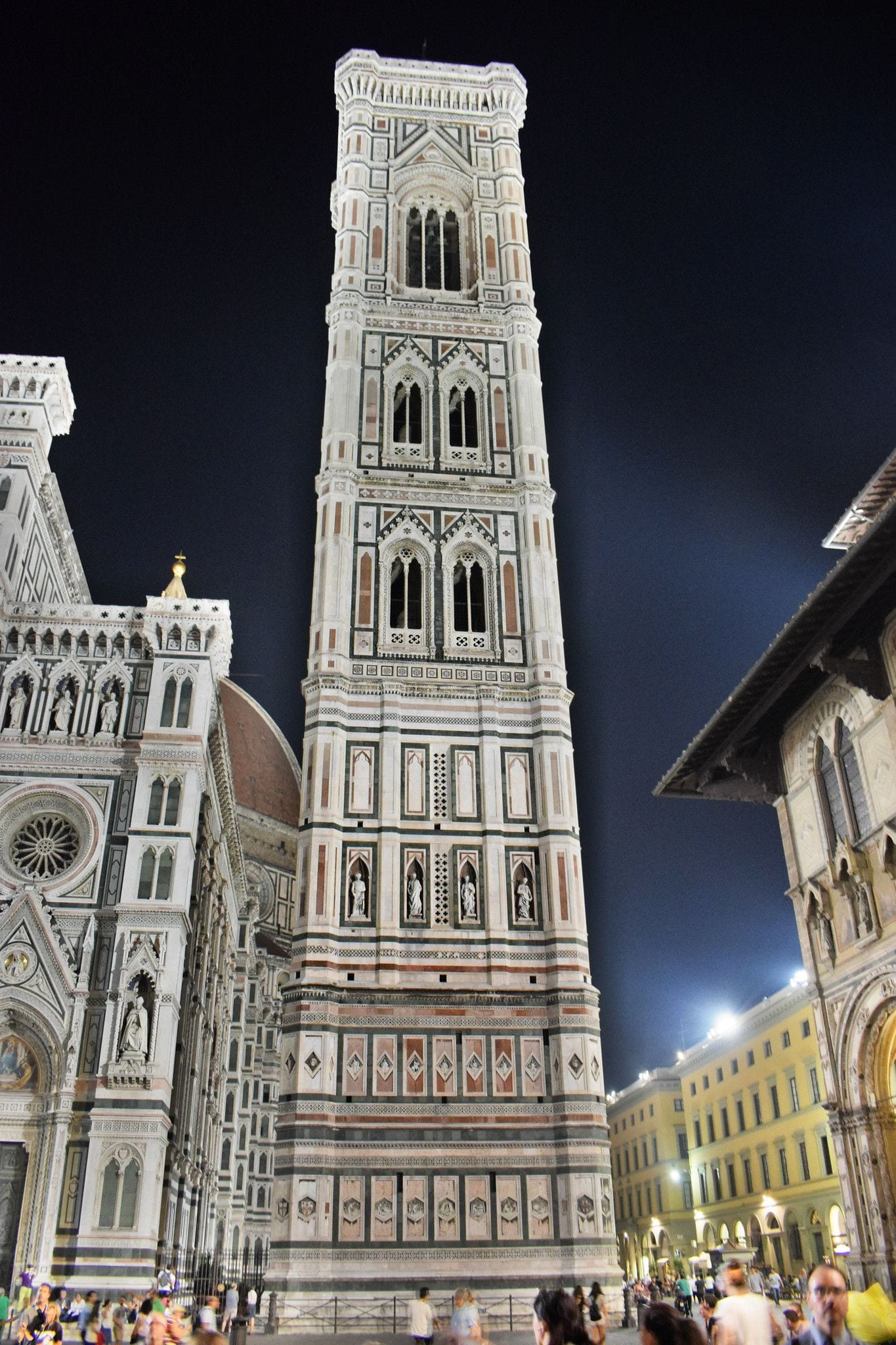
Giotto designed the campanile in 1334 and died three years later with only the lowest storey standing; Andrea Pisano and then Francesco Talenti finished it, and the changes of hand are legible as you look up. Its inlaid marble panels set out a scheme of human work and knowledge, with the originals now in the cathedral museum.
Giotto's Bell Tower is the better of the two climbs on the cathedral square, for one reason: from the top you can see the dome, and from the dome you cannot. The stairs are steep but broken by landings at each stage, and the square openings frame the cathedral roof neatly on the way up.
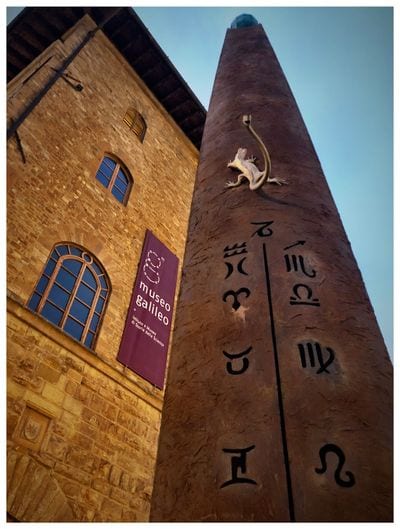
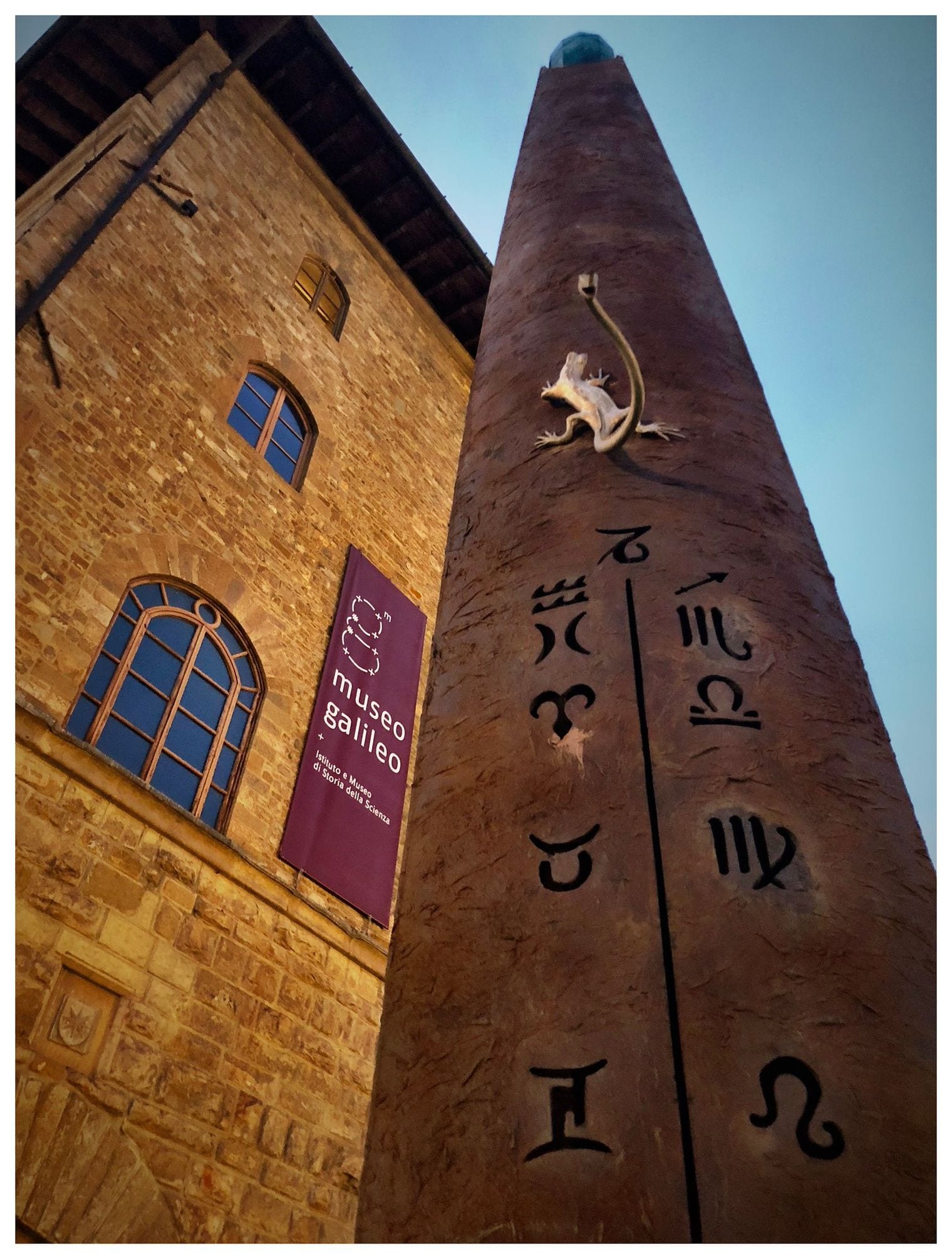
Two centuries of Medici and Lorraine scientific instruments fill this museum on the Arno, a few steps from the Uffizi and almost always quiet. Armillary spheres, astrolabes, early globes and the elaborate brass apparatus of Enlightenment physics are displayed as the beautiful objects they are, rather than as diagrams.
The draw is Galileo's own equipment: his only two surviving telescopes, and the framed objective lens from the instrument with which he discovered the moons of Jupiter. Also here, in a glass egg, is one of his fingers, removed when his body was reburied in Santa Croce a century after his death. Museo Galileo is the best antidote in the city to Renaissance-painting fatigue.
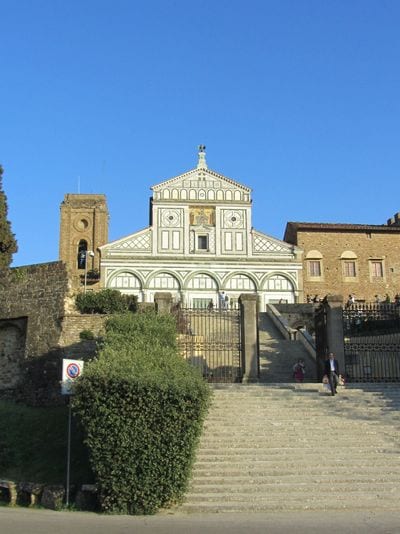
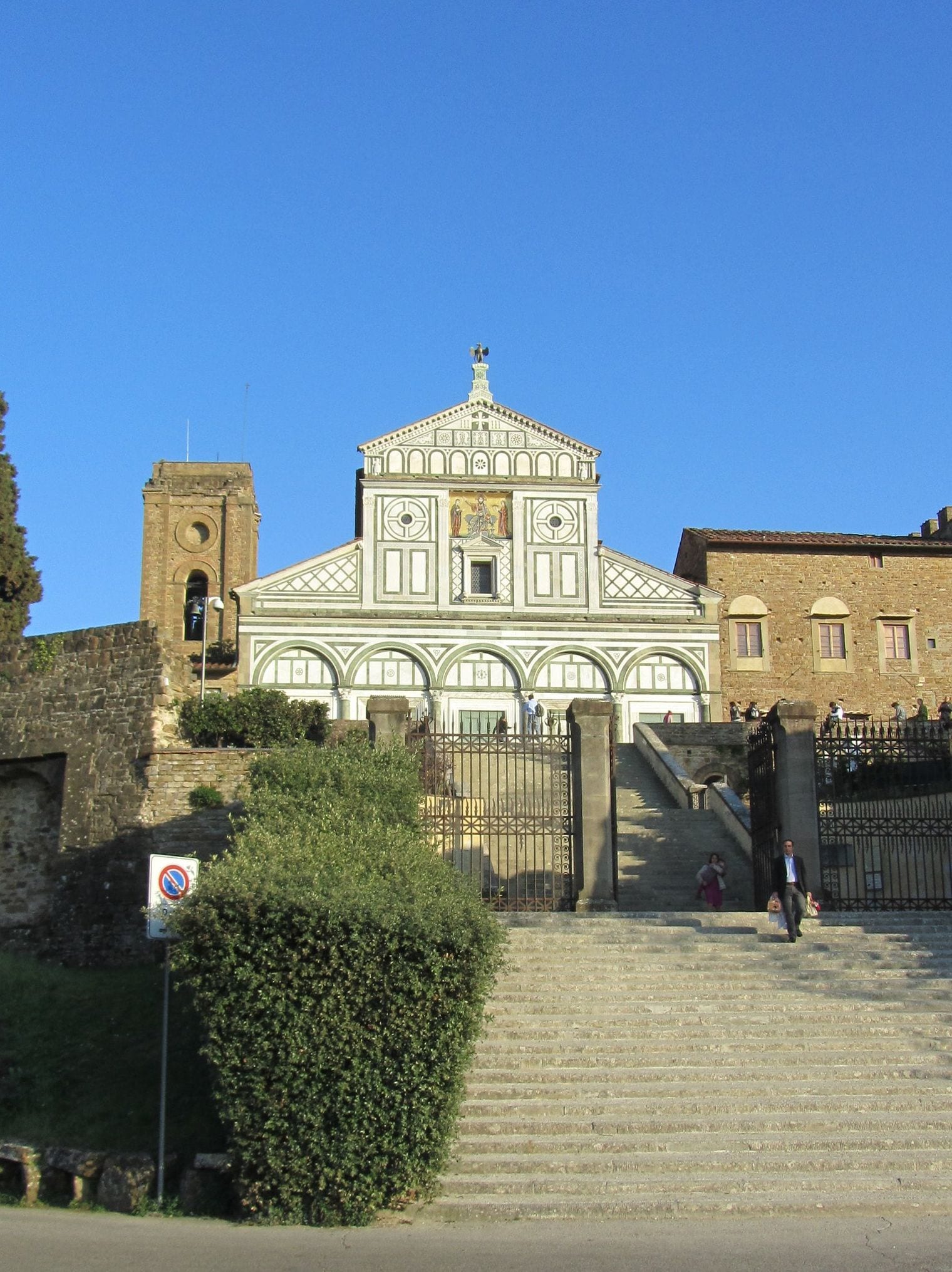
San Miniato stands above Piazzale Michelangelo, higher up and considerably quieter, and its Romanesque facade of green and white marble has been there since the eleventh century — old enough that the Renaissance architects working below treated it as a model rather than a relic.
Inside, the pavement is inlaid with marble zodiac signs, a raised choir stands over the crypt, and a free-standing Renaissance chapel occupies the middle of the nave. Benedictine monks still sing vespers in Gregorian chant most afternoons, and it is worth timing the walk up to catch it. Basilica di San Miniato al Monte is a working monastery, so dress accordingly.
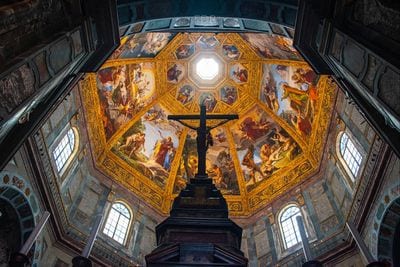
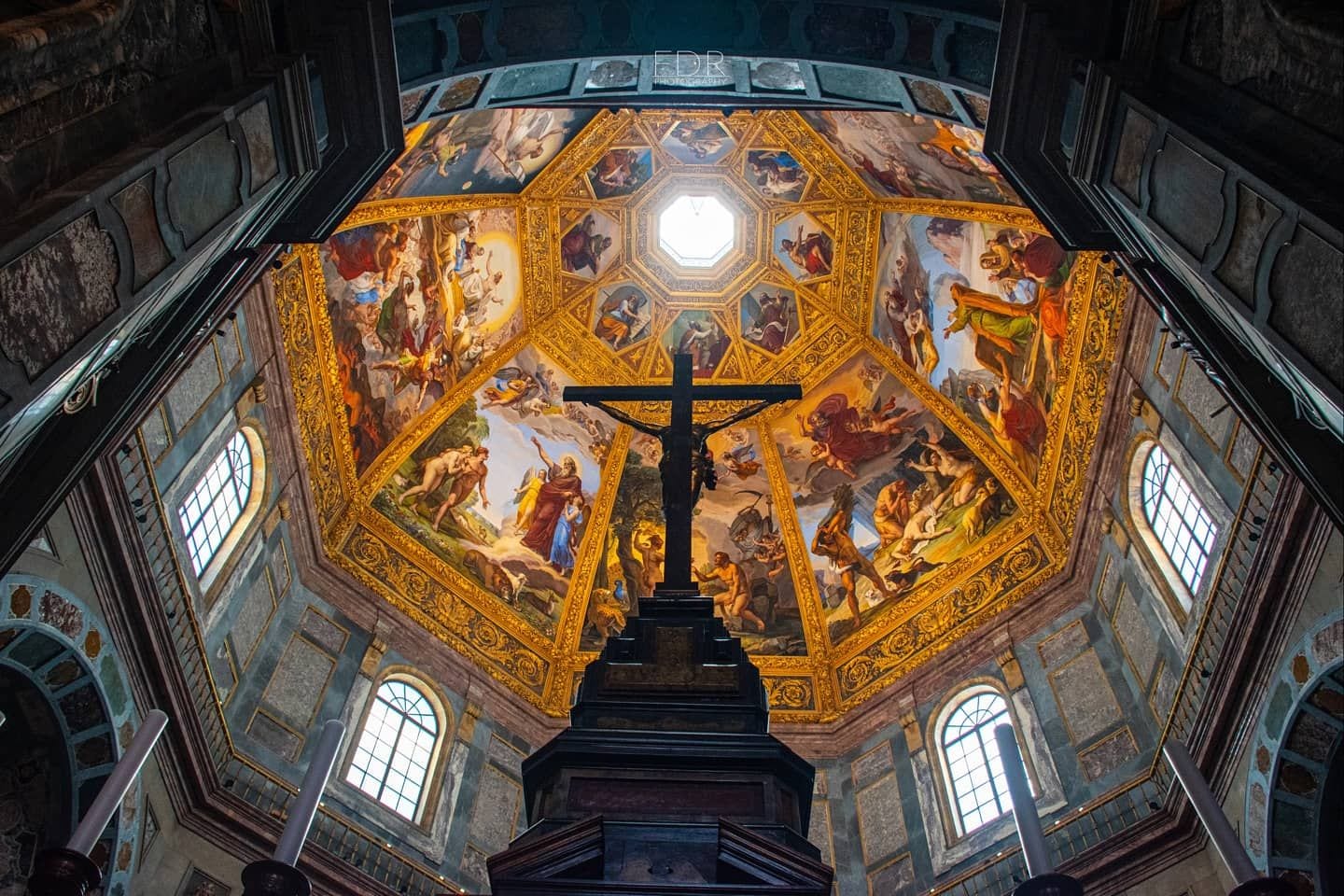
The Medici buried their dead behind San Lorenzo and spent accordingly. The Chapel of the Princes is an octagon lined floor to dome in inlaid semi-precious stone — porphyry, jasper, mother-of-pearl — worked by the grand-ducal stone workshop over the better part of three centuries, and it is as close to vulgar as Florence ever gets.
The reason to come is the room next door. Michelangelo designed the New Sacristy and carved the tombs of two minor Medici dukes, setting Dawn and Dusk, Night and Day as restless nude figures sliding off the curved sarcophagus lids. He left Florence for Rome before finishing, and the unresolved quality is part of why it works. Cappelle Medicee is entered separately from the basilica, round the back.
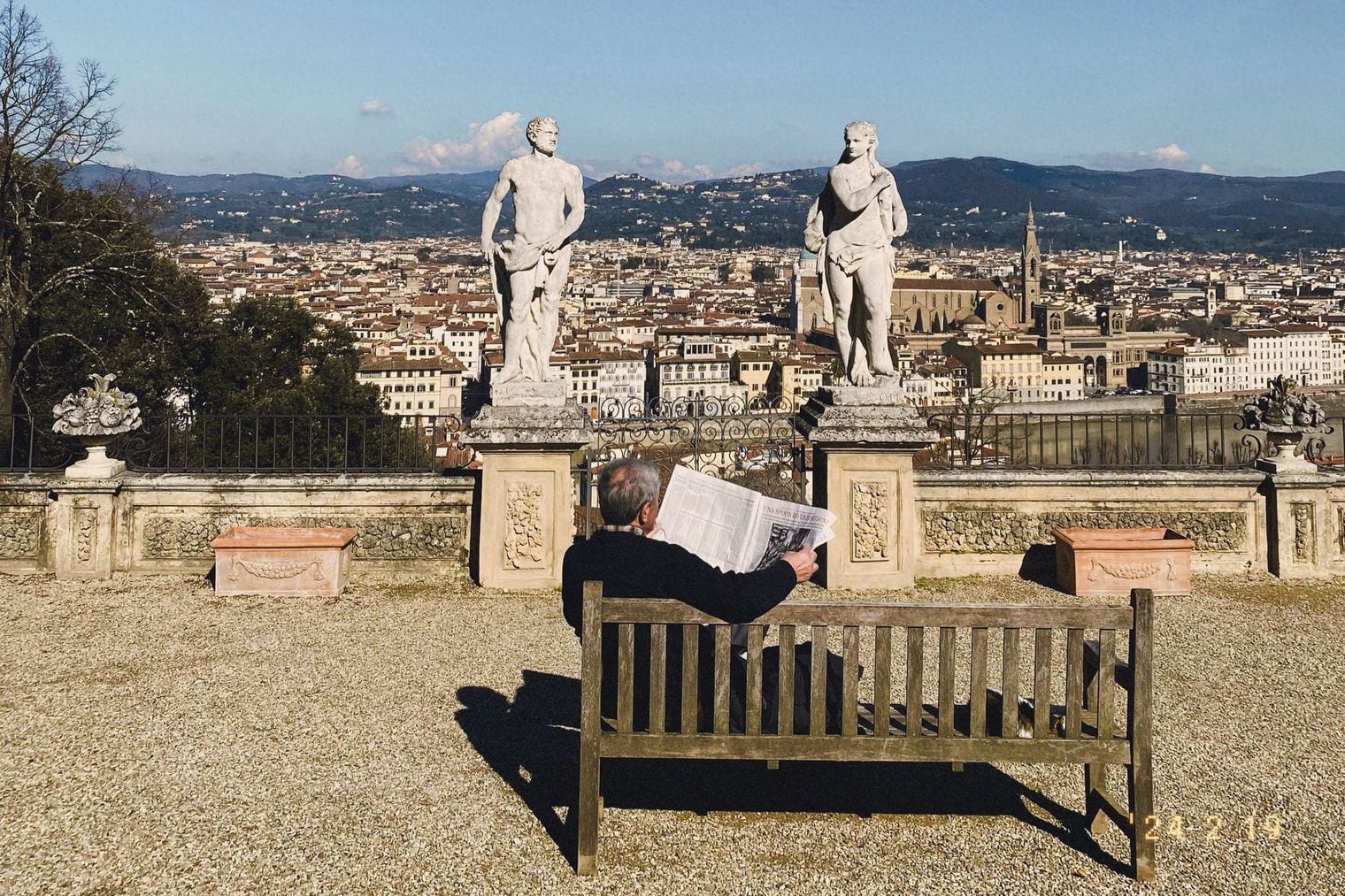
Bardini is the garden most visitors miss, which is exactly its appeal. It climbs the slope below Forte di Belvedere in terraces — a baroque staircase cut straight up the hill, an orchard, woodland at the top — and the wisteria tunnel over the central path pulls a small crowd for a few weeks each spring when it flowers.
The view is the payoff. A long terrace looks straight over the rooftops at the dome, with a fraction of the people who crowd Piazzale Michelangelo higher up the same hillside. Giardino Bardini is small enough to see properly in an hour, and the villa at the top runs changing exhibitions and a terrace café that most people walk past without noticing.
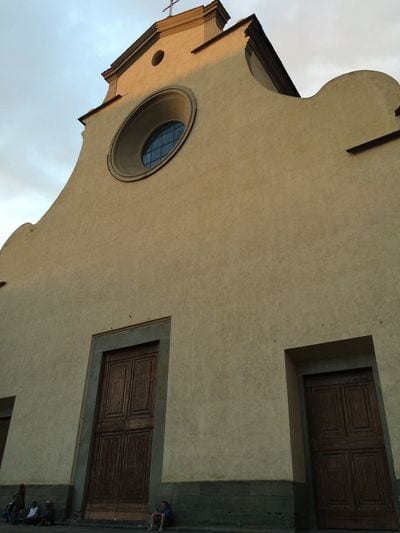
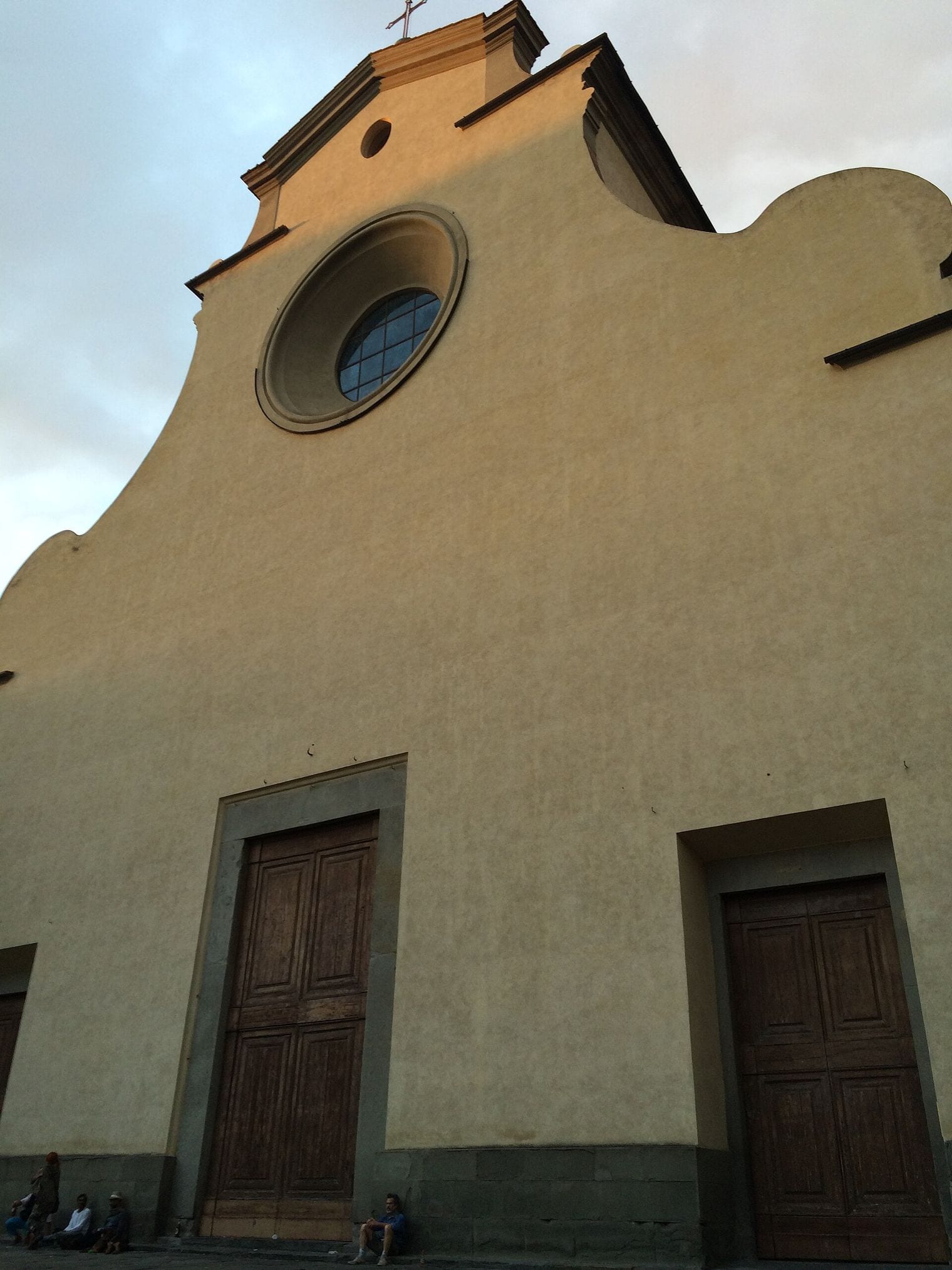
Brunelleschi designed Santo Spirito at the end of his life and never saw it built, which has not stopped it being one of the purest surviving statements of what he was after. The nave runs on a colonnade of identical grey columns, the proportions repeat without variation down the whole length, and the effect is calm rather than grand.
Outside, the plain plastered front gives nothing away — the church was never faced in marble — and the square before it is one of the best places in the Oltrarno to sit with a drink in the evening. Inside Basilica di Santo Spirito, a wooden crucifix attributed to the young Michelangelo hangs in the sacristy, and side chapels ring the apse in an unbroken curve.
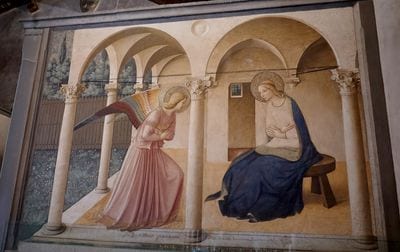
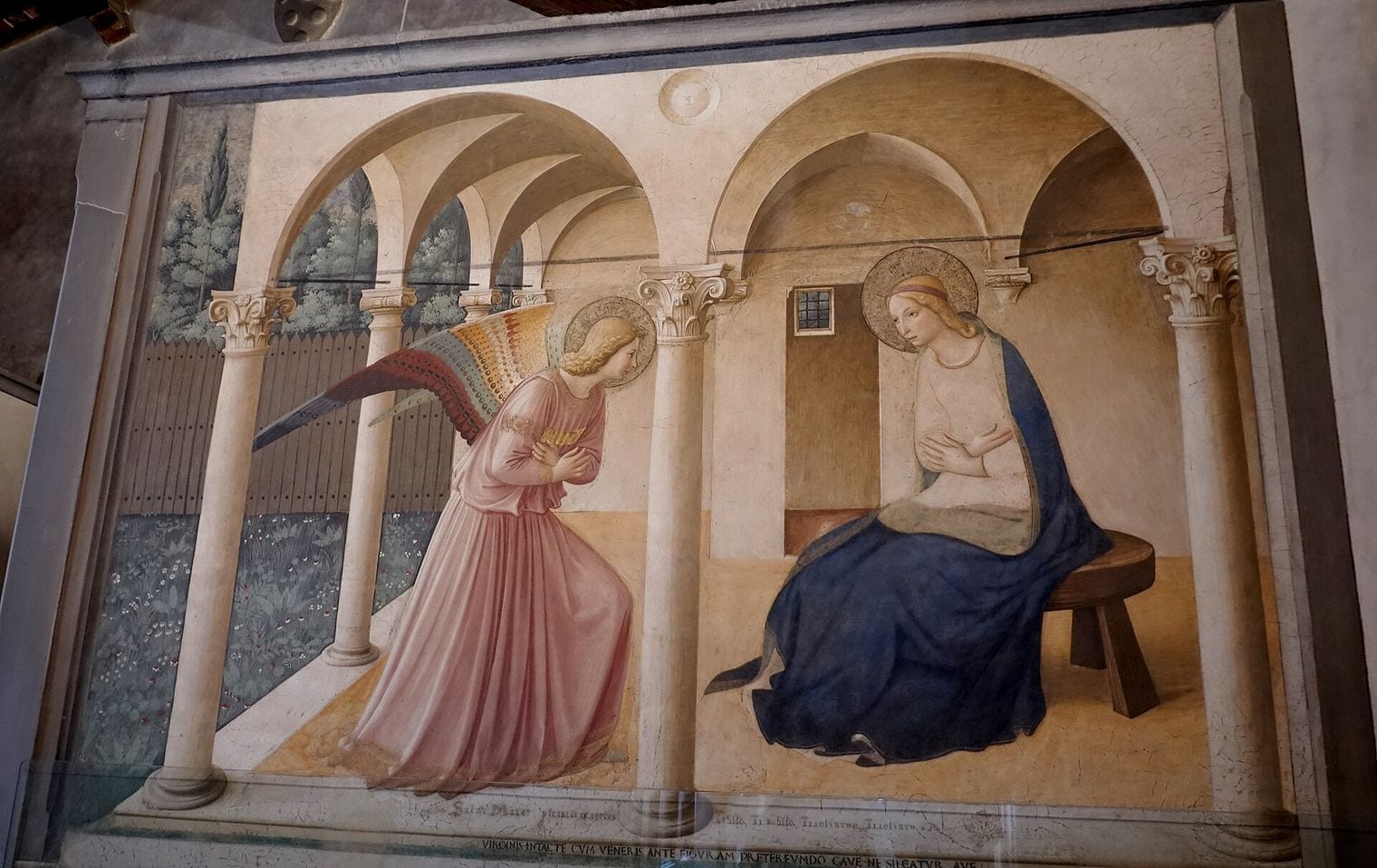
Fra Angelico lived in this Dominican friary and frescoed it as a working building rather than a showpiece. Each cell on the upper floor carries a single painting made for the friar who slept in it, and the Annunciation at the head of the stairs stops most people exactly where they arrive.
The paintings were never meant to impress visitors, which is a large part of why they still do. Downstairs the chapter house holds a big Crucifixion, and further along the corridor are the rooms of Savonarola, the prior who briefly ruled the city and was burned on Piazza della Signoria. Museo di San Marco stays one of the quietest major museums in Florence.
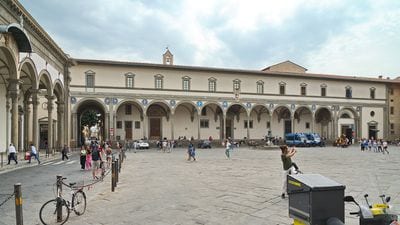
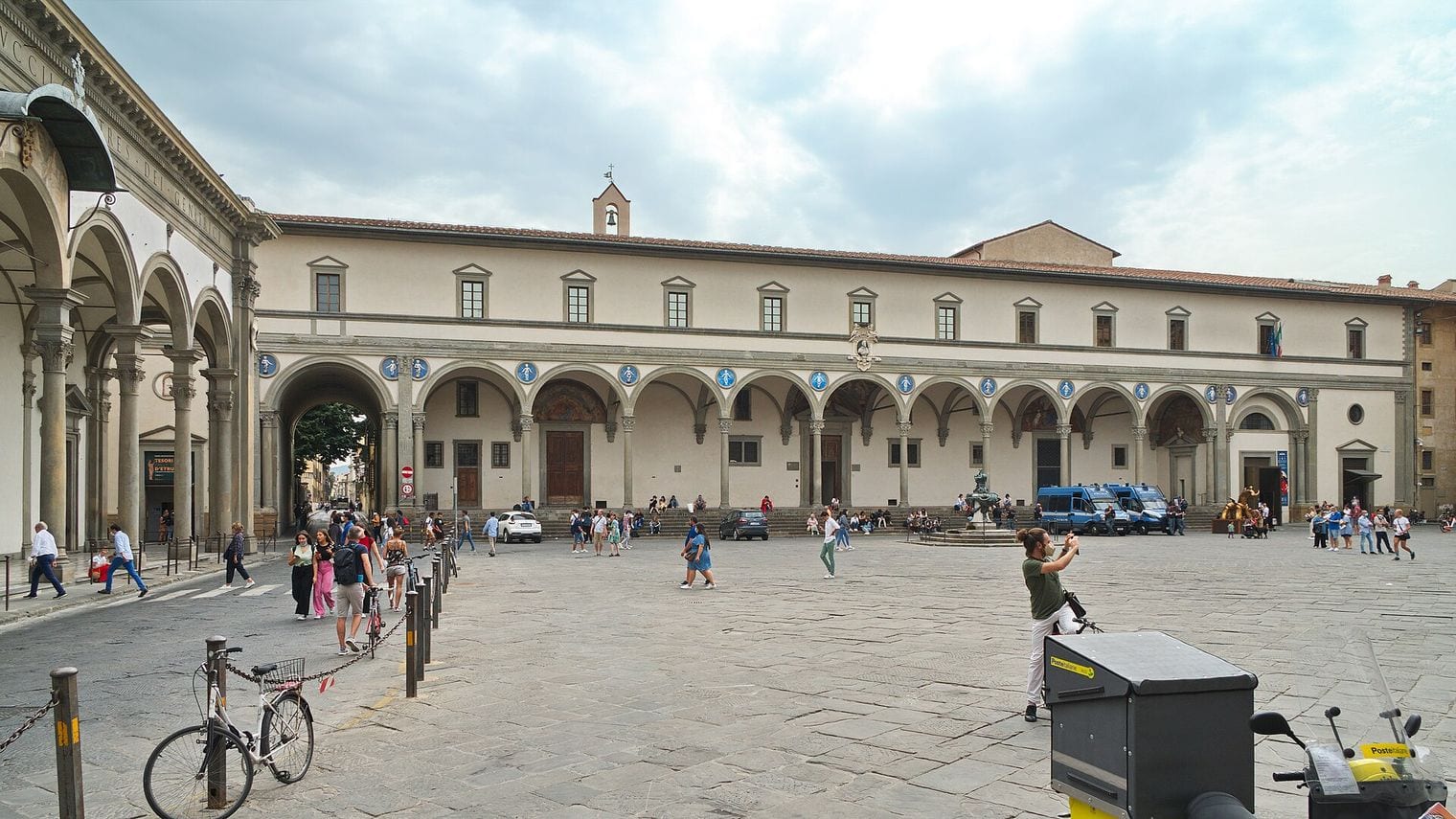
Brunelleschi's arcade on Piazza della Santissima Annunziata is routinely called the first Renaissance building, and the institution behind it took in abandoned children for centuries. The museum tells that history without sentimentality, in the basement where the records are kept.
The affecting part is the mechanism itself: a rotating wheel set into the wall let a parent place an infant inside and turn it, without ever being seen from within. There is an art collection upstairs as well, including an Adoration of the Magi by Domenico Ghirlandaio painted for the building. Museo degli Innocenti also has a rooftop cafe with one of the better dome views in the centre.
3131. Officina Profumo-Farmaceutica di Santa Maria Novella
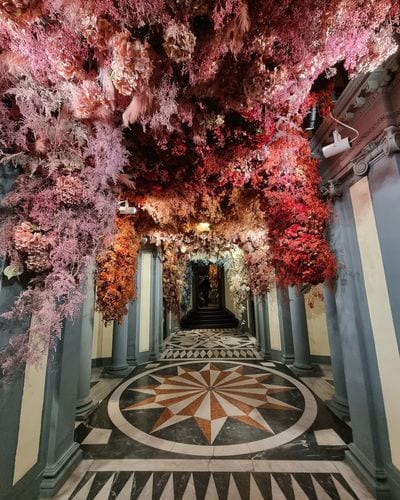
Dominican friars began compounding remedies here in the thirteenth century for their own infirmary, and the shop that grew out of it has sold to the public since the 1600s. It is not a museum and charges nothing to walk in, but the frescoed former chapel it trades from does most of the work of one.
The room is the reason to come as much as the products: vaulted painted ceilings, dark wood cabinets, and staff who will let you smell things at length without any pressure to buy. Officina Profumo-Farmaceutica di Santa Maria Novella still sells a rose water reputedly blended for Caterina de' Medici, and its soaps and herbal liqueurs make the least touristy souvenir in the city.
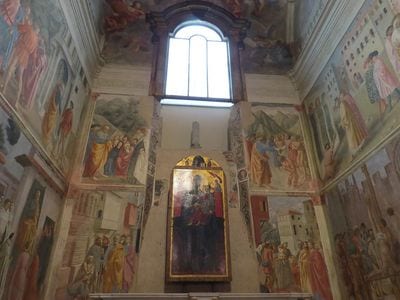
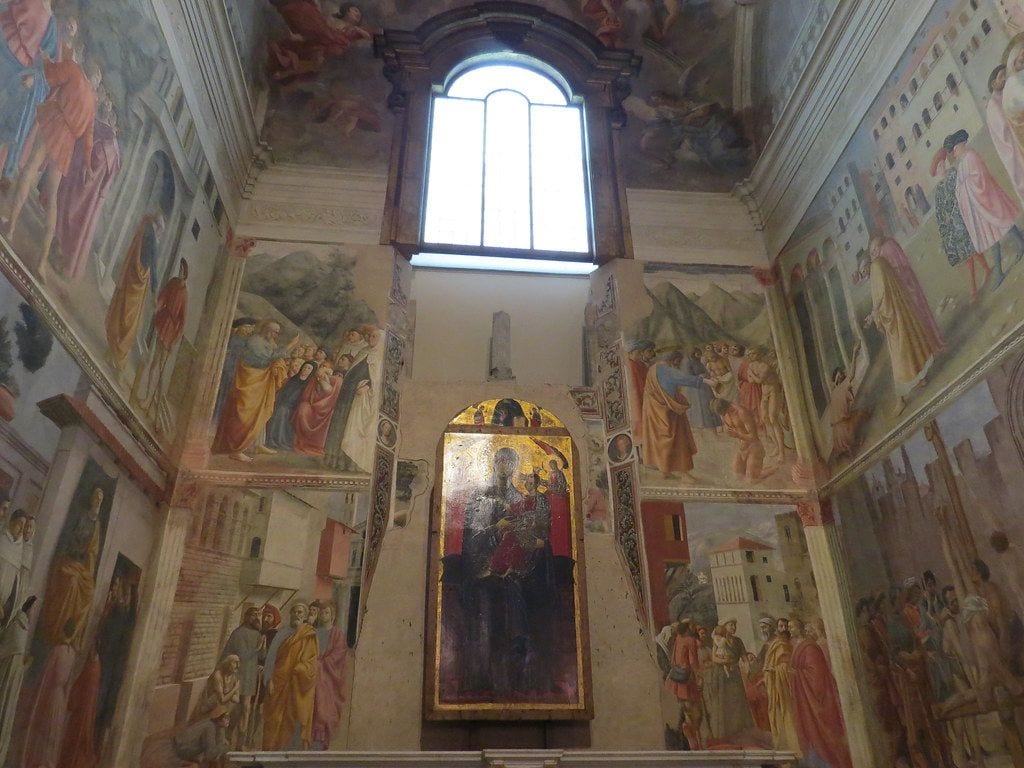
Masaccio was in his early twenties when he frescoed this chapel inside Santa Maria del Carmine, and he changed European painting doing it. His figures have real weight, cast shadows and stand in believable space — the Expulsion from Eden shows Adam and Eve howling with grief, an emotional register nobody had attempted at that scale before.
Masolino began the cycle and Filippino Lippi completed it decades later, so three hands are legible on the same walls. Michelangelo came here as an apprentice to draw the figures, and a rival broke his nose during one of those visits. Cappella Brancacci admits only small numbers at a time, which keeps it calmer than anywhere else on this list.
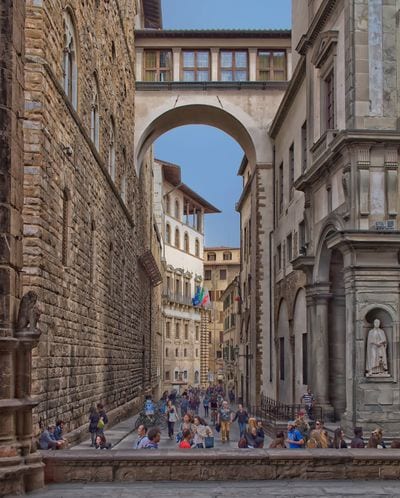
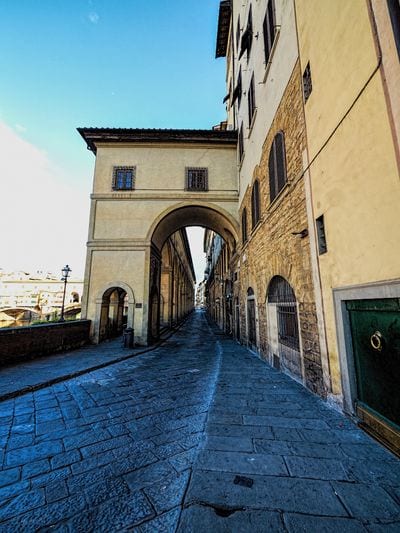
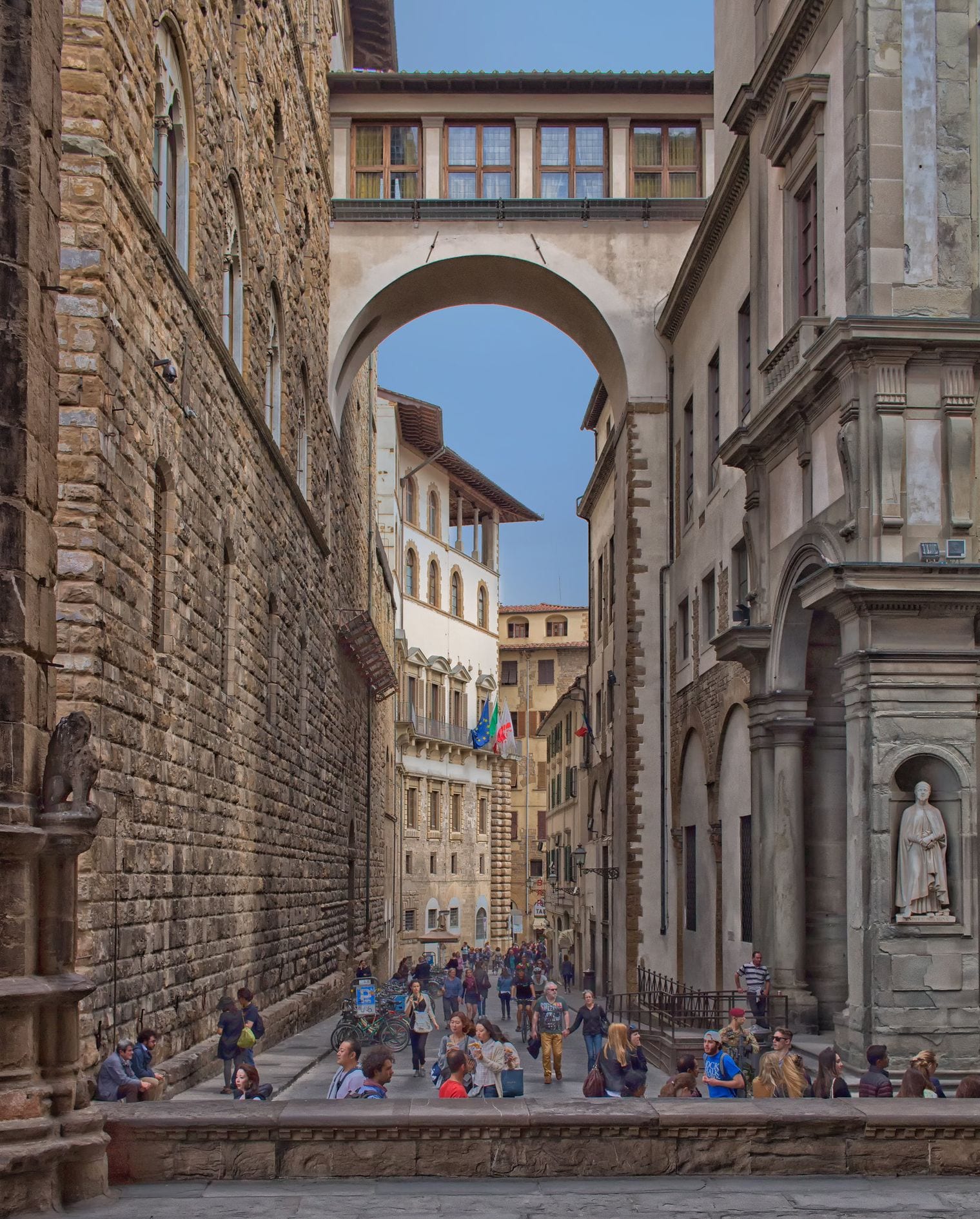
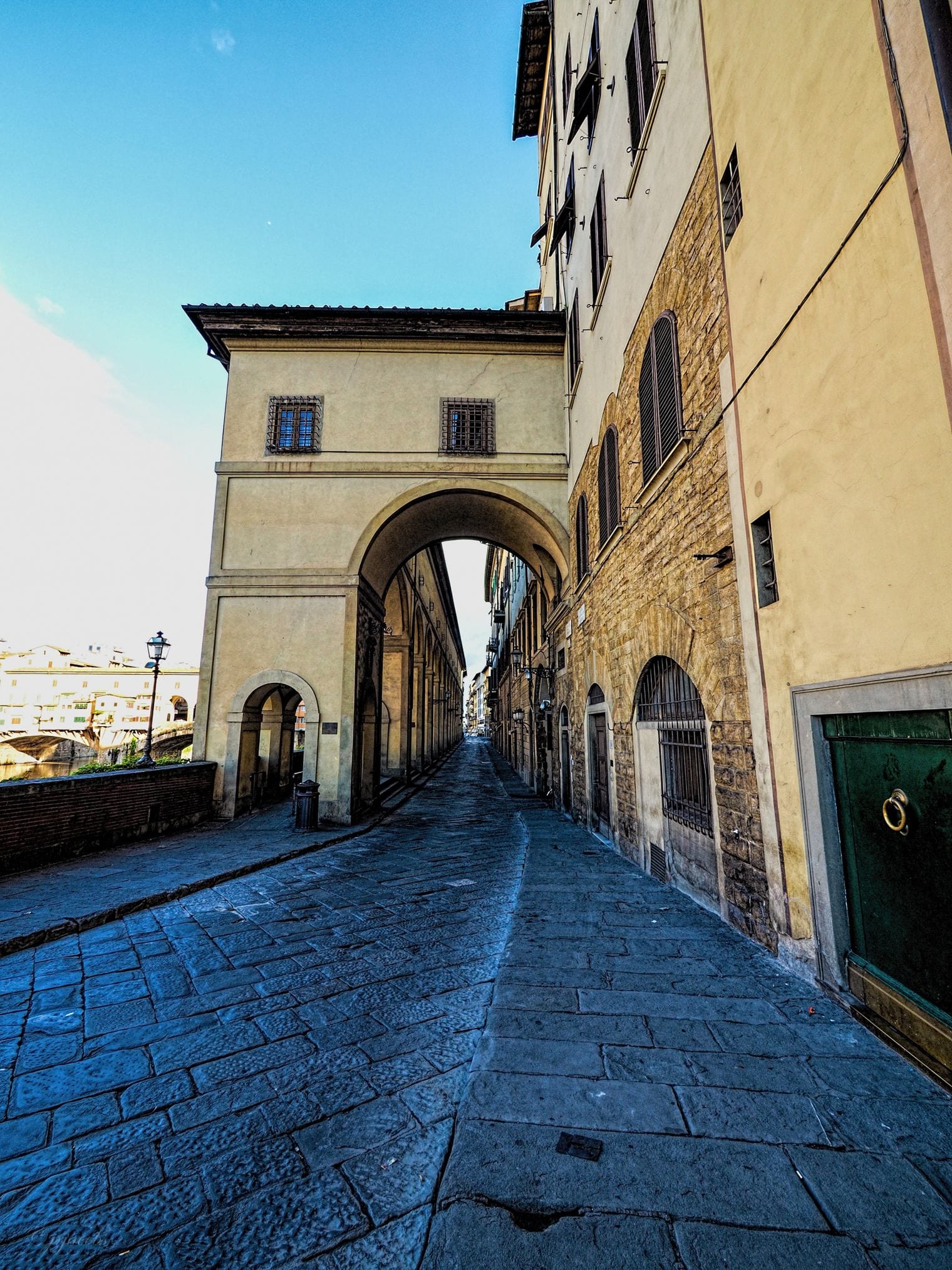
Vasari threw up this elevated passage in 1565 so the Medici could walk from the seat of government to their house across the river without ever setting foot in the street. It runs roughly a kilometre — out of Palazzo Vecchio, along the top of the Uffizi, over the shops on the Ponte Vecchio and down into Palazzo Pitti.
You can trace the entire route from below once you know what to look for: that run of small square windows above the jewellers on the bridge is the corridor itself.
It is also why Ferdinand I decreed in 1593 that only goldsmiths could trade on the Ponte Vecchio — the meat market below was moved so its smell would stop reaching the passage overhead. The Corridoio Vasariano reopened to visitors after restoration, and walking it hands you the city from the Medici family vantage point.
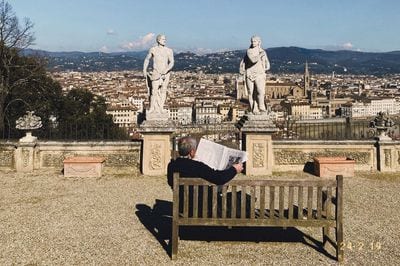
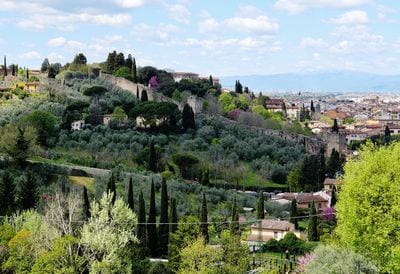
A terraced rose garden drops down the slope between Piazzale Michelangelo and the river, and it is free, open daily and far quieter than the terrace above it. Around a thousand botanical varieties grow here, some four hundred of them roses, alongside a small Japanese garden given to Florence by Kyoto, its twin city.
The framing is what makes it. From the benches the dome and the tower of Palazzo Vecchio sit directly below you through the planting, which photographs better than the crowded balustrade higher up the hill. The Giardino delle Rose also holds ten bronzes and two plaster casts by the Belgian artist Jean-Michel Folon, set among the beds, which catch most people by surprise.
Plan your trip
Best Time to Visit Florence
Late spring and early autumn are the sweet spots. April into early June gives you long daylight, gardens at their best and temperatures you can walk in all day; September and October bring the grape harvest into the surrounding hills and thin the summer crowds without cooling things off much. Both shoulder seasons still fill the major museums, so timed tickets matter as much then as in August.
High summer is genuinely hot, and the city sits in a river basin ringed by hills that traps the heat — plan galleries for the middle of the day and save the hilltop viewpoints for evening. Winter is the quiet reward: short days and a real chance of cold rain, but the Uffizi and the Accademia are walkable rather than queued, and the city feels like it belongs to the people who live there again.
Getting to Florence
The city sits on the main high-speed rail spine that runs the length of Italy, and Santa Maria Novella station puts you a ten-minute walk from the cathedral — for most visitors the train beats flying, with fast services connecting north and south in a couple of hours or less. Regional lines fan out to the smaller Tuscan towns from the same concourse.
Florence has its own small airport at Peretola, a few kilometres north-west and linked to the centre by tram, but the runway limits it to short-haul aircraft. The larger gateway is Pisa, roughly an hour away by direct train, which is where most long-haul and budget traffic actually lands. Drivers arrive on the A1 autostrada from the north and south or the A11 from the coast — but see the next section before you plan on bringing a car in.
Getting Around Florence
Walk. The historic centre is small, flat and largely pedestrianised, and almost everything in this guide sits inside a radius you can cross in twenty minutes on foot. The one real climb is up to the viewpoints on the south bank, and even that is a manageable half-hour from the river.
A car is a liability rather than an asset here: the centre is a restricted traffic zone monitored by cameras, and unauthorised entry generates a fine that reaches you months later through the rental company. Leave the car in a peripheral garage, or do not bring one. Trams serve the airport and the outer districts, city buses cover the hills, and taxis work from ranks rather than being hailed in the street.
Where to Stay in Florence
Staying inside the historic centre buys you the thing that makes Florence work — stepping out of the door into it — at the cost of noise and price. The area around the cathedral and Piazza della Signoria is the most convenient and the busiest; Santa Croce, a few streets east, is nearly as central but more residential in the evenings and closer to the artisan workshops.
Across the river, the Oltrarno and Santo Spirito are the best compromise for a longer stay: five minutes from the bridges, still full of workshops, bars and neighbourhood squares that belong to the people who live there. San Niccolò, tucked under the hill below the viewpoints, is quieter again. Near Santa Maria Novella station is the practical choice for a short stop, though it is the least atmospheric corner of the centre.
Where to Eat in Florence
Tuscan cooking is built on frugality, and Florence is where you eat it at its most confident. Look for ribollita, the twice-cooked bread and bean soup; pappa al pomodoro; crostini di fegatini; and the local street food, a lampredotto roll from a tripe cart. The famous plate is bistecca alla fiorentina — a thick T-bone from Chianina cattle, grilled over embers, sold by weight and served rare whether or not you asked.
The Oltrarno and the streets around Santo Spirito hold the highest concentration of places worth a table, and the district behind the central market is the traditional trattoria quarter. Sant'Ambrogio, east of the centre, is where you find the neighbourhood market and the least touristed cooking. Wherever you sit down, a cover charge per person is normal and not a scam, and the house red in a carafe is usually the right order.
Day Trips from Florence
Tuscany is unusually well served by rail from here. Siena is about an hour and a half south by bus, with a shell-shaped square and a striped cathedral that make an easy full day.
Pisa is an hour west by direct train, and Lucca — walled, flat and made for a bicycle — is a little beyond it. Closest of all is Fiesole, a short city bus ride up into the hills, with a Roman theatre and the view back down over the dome.
Further afield, high-speed trains put Rome within about an hour and a half, which makes a day in the capital genuinely feasible if an early start does not bother you. Bologna is closer still, at around forty minutes. For the countryside rather than another city, the Chianti hills begin immediately south and are best reached by car, and San Gimignano's towers are a common half-day pairing with Siena.
Before you go
Mobile dataAn eSIM gives your phone local data when you land, with no SIM card to swap.via AiraloGet an eSIM
Airport transferA driver meets you at arrivals and takes you to your hotel, at a price fixed when you book.via Welcome PickupsBook a transfer
We may earn a commission when you buy through these links, at no extra cost to you. How we make money.
head down Via dei Calzaiuoli to Piazza della Signoria and give the open-air sculpture under the loggia twenty unhurried minutes. Your pre-booked slot at the Uffizi Gallery goes here — allow at least two hours — and you come out almost on top of the Ponte Vecchio, which you cross into the Oltrarno.
work back downstream to Ponte Santa Trinita for the classic photograph of the bridge in low light, then climb to Piazzale Michelangelo for sunset over the whole city. If you still have legs, keep going up to Basilica di San Miniato al Monte, where the monks sing vespers in the crypt, and come back down for a late dinner in the Oltrarno.
Florence is the birthplace of the Renaissance, and the city is best known for the things that came out of it: Brunelleschi's dome on the cathedral, the Uffizi's collection of Renaissance painting, Michelangelo's David in the Accademia, and the shop-lined Ponte Vecchio over the Arno. Add the view from Piazzale Michelangelo and you have the five images most people picture.
How many days do you need in Florence?
Two full days covers the essentials without rushing: one for the cathedral complex and the Uffizi, one for the Accademia, the Oltrarno and a hilltop viewpoint. Three days lets you add the Bargello, Palazzo Pitti and the Boboli Gardens at a civilised pace, and leaves room for a half-day trip into the surrounding hills.
Is Florence walkable?
Yes, and it is the best way to see it. The historic centre is compact, flat and largely closed to traffic, and virtually every major sight sits within a twenty-minute walk of the cathedral. The only genuine climb is up to the viewpoints on the south bank of the river. Bring shoes that cope with stone paving rather than relying on transport.
Do you need to book tickets for the Uffizi and the Accademia?
Book both in advance, in every season. They are the two busiest museums in the city and walk-up queues can consume hours that you cannot get back. Reserved slots are released well ahead and the cathedral dome climb works the same way. Booking is the single biggest difference between a smooth day in Florence and a frustrating one.
What can you do in Florence for free?
Entry to the cathedral nave costs nothing, and so does San Miniato al Monte up on its hill. Piazza della Signoria functions as an open-air sculpture gallery, Piazzale Michelangelo gives away the best view in the city, and walking the Ponte Vecchio, browsing the central market and spending an afternoon in the Cascine park are all free of charge.
Is Florence expensive?
It is pricier than most Italian cities of its size because so much of the centre serves visitors, but the gap narrows quickly once you cross the river. Museum entry is the main fixed cost and a combined cathedral ticket saves money if you plan to climb. Eating in the Oltrarno or at a market counter rather than on a monument square makes the biggest single difference.
When is the best time to visit Florence?
Late spring and early autumn offer the best balance of weather and crowds — warm enough to walk all day, without the trapped heat of a Tuscan summer in a river basin. Winter is the cheapest and quietest, with genuinely walkable museums, at the cost of short days and a real chance of rain.