We build and rank every list first. Booking links come after, and only where
a partner sells a ticket, tour or stay for that exact place, so a place with
nothing to book is listed exactly as prominently as one you can book.
So how do we earn? Some links on this page go to booking
partners, and if you book or buy through
one, we may earn a commission. It costs you nothing extra.
That commission never decides which places make the list, the order they
appear in, or what we write about them. No entry is sponsored or a paid
placement.
By the City Viking editorial teamPublished 40 places · 29 min read
Fact-checked Checked before launchOct 9, 202640 sources28 publishers12 encyclopedias & research28 venues & other sitesPublished · Oct 9, 2026Researched and checked before it went liveClick for every source and the full change log.
Short answer
Milan is known for being Italy's business and fashion capital, its Roman roots and its place as the gateway to the northern lakes. Its essentials are the Duomo and its rooftop terraces, Leonardo's Last Supper and the glass-domed Galleria Vittorio Emanuele II, with La Scala and the Sforzesco Castle nearby. Two to three days is ideal: one full day for the headline sights, the rest for Brera, the museums and an evening on the Navigli.
Milan is the business and fashion capital of Italy, but behind the boutiques it is a city of Gothic spires, Renaissance masterpieces and Roman roots, from the marble Duomo to Leonardo's Last Supper. It is also the gateway to the northern lakes and a fast train ride from the rest of the country.
This guide covers the 40 best things to do in Milan, from La Scala and the Sforzesco Castle to the Navigli canals, the lanes of Brera and the towers of Porta Nuova. Allow two to three days to see the highlights at an unhurried pace.
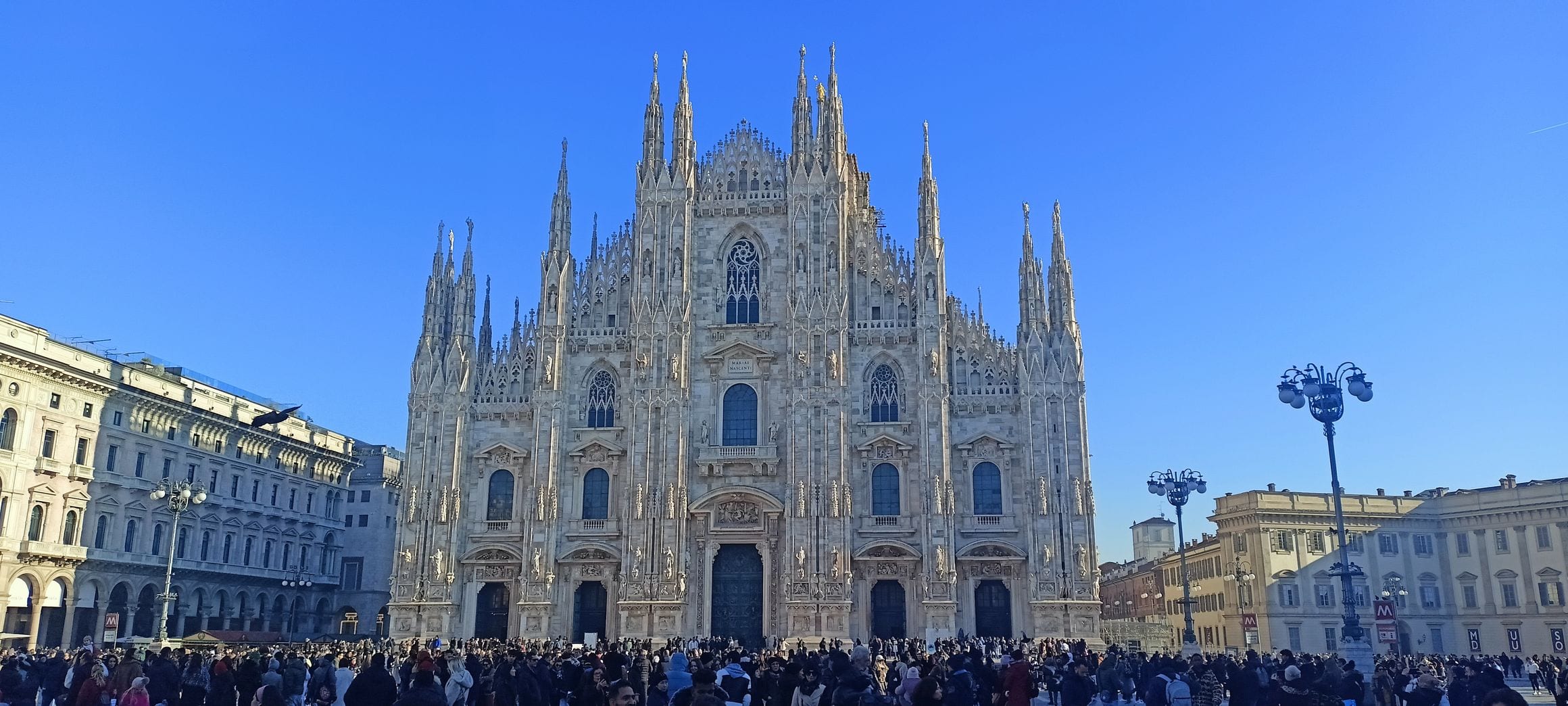
The Duomo took nearly six centuries to finish: construction began in 1386 and the last details were completed in 1965. It is the largest church in Italy; only St Peter's, in Vatican City, is bigger.
Napoleon was crowned King of Italy in the Duomo in 1805, and shortly beforehand he ordered its long-unfinished façade to be completed.
The Last Supper survived a direct hit: when Allied bombs struck Santa Maria delle Grazie in August 1943, much of the refectory was destroyed, but the sandbagged wall bearing Leonardo's mural stayed standing.
Milan's Roman name, Mediolanum, means "in the middle of the plain", and in late antiquity the city served for more than a century as a capital of the Western Roman Empire.
Under the Galleria's glass dome, spinning on the bull is said to bring luck: tradition says you turn around three times with a heel on the bull from Turin's coat of arms in the floor mosaic.
Milano Centrale is the largest railway station in Europe by volume, a monumental terminus inaugurated in 1931.
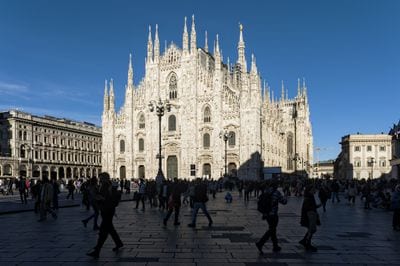
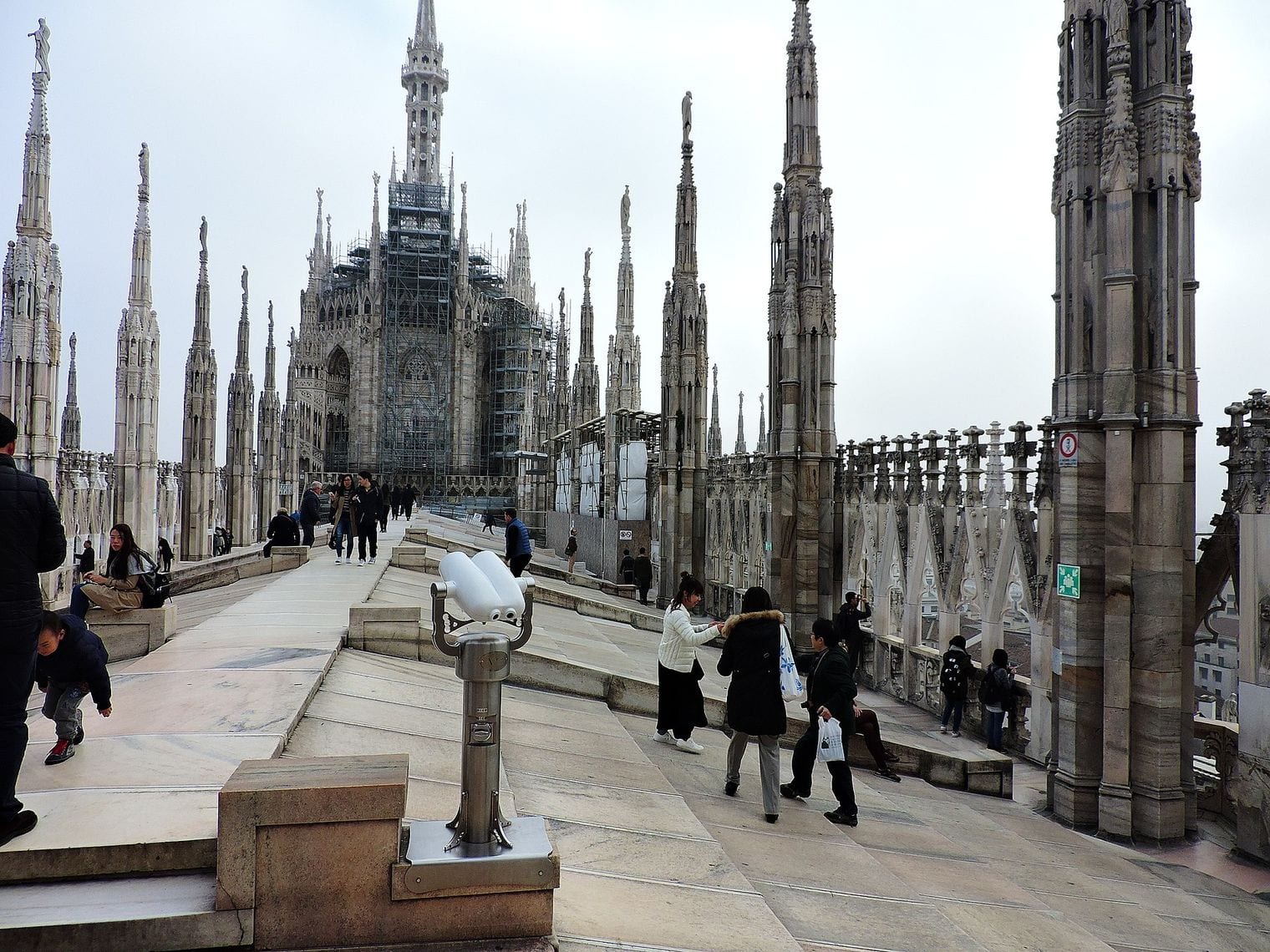
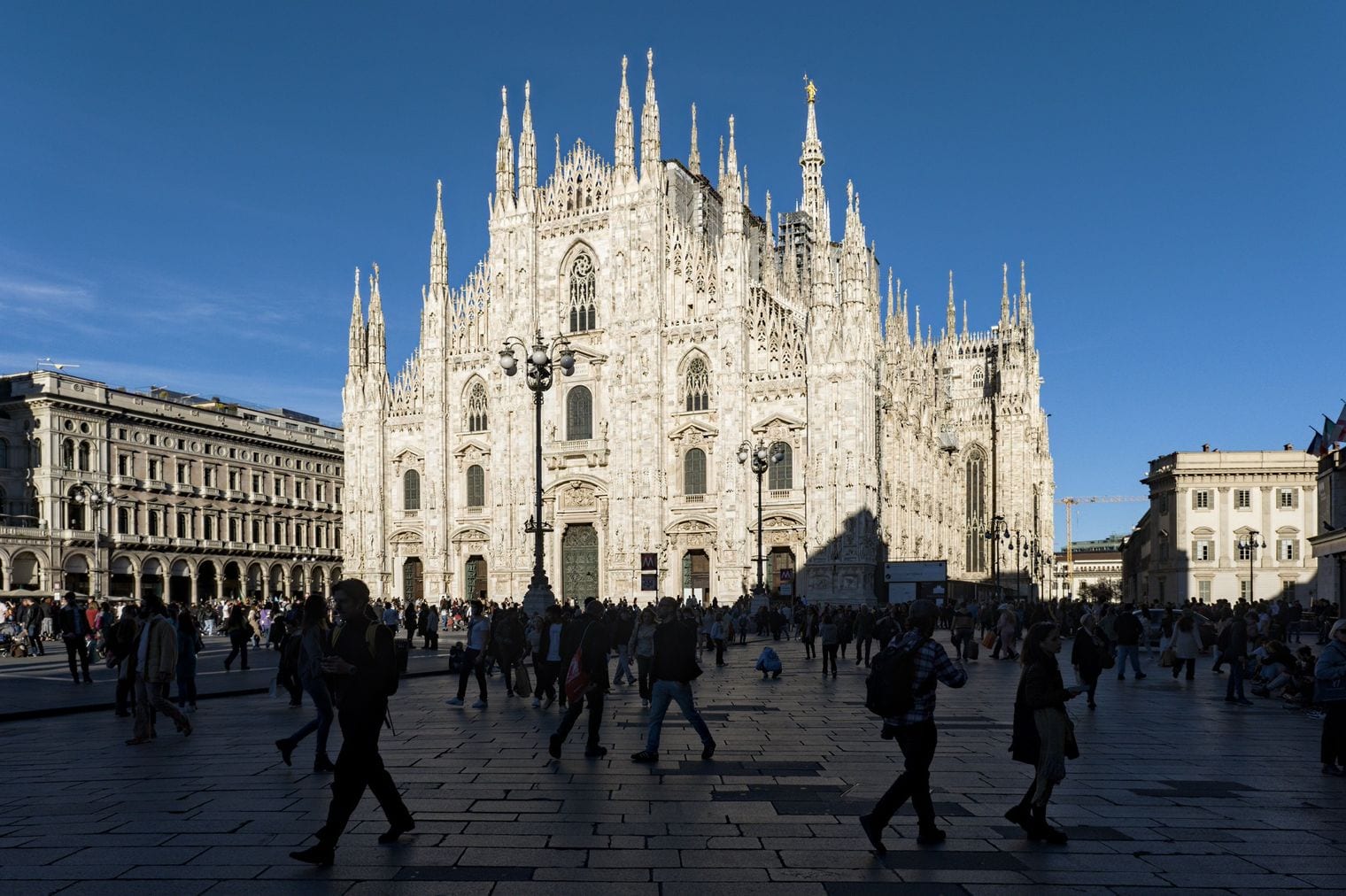
The Duomo di Milano is the city's great Gothic showpiece, a forest of pale Candoglia marble pinnacles that took nearly six centuries to finish: construction began in 1386 and the final details were completed in 1965. It is the largest church in Italy, with only St Peter's in Vatican City bigger, and one of the largest cathedrals in the world.
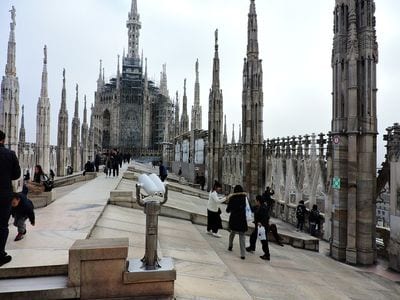
The highlight for most visitors is the roof. Stairs and a lift lead up to the terraces, where you walk among spires, flying buttresses and statues, with the gilded Madonnina on her spire overhead and, on clear days, the Alps on the horizon. Back inside, the immense five-aisled nave is lit by tall stained-glass windows, and the scale only sinks in once you stand beneath its pillars.
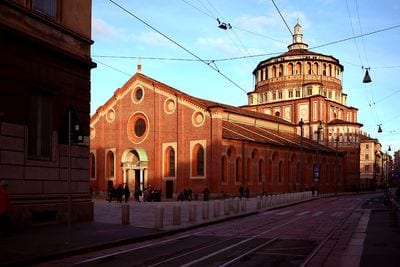
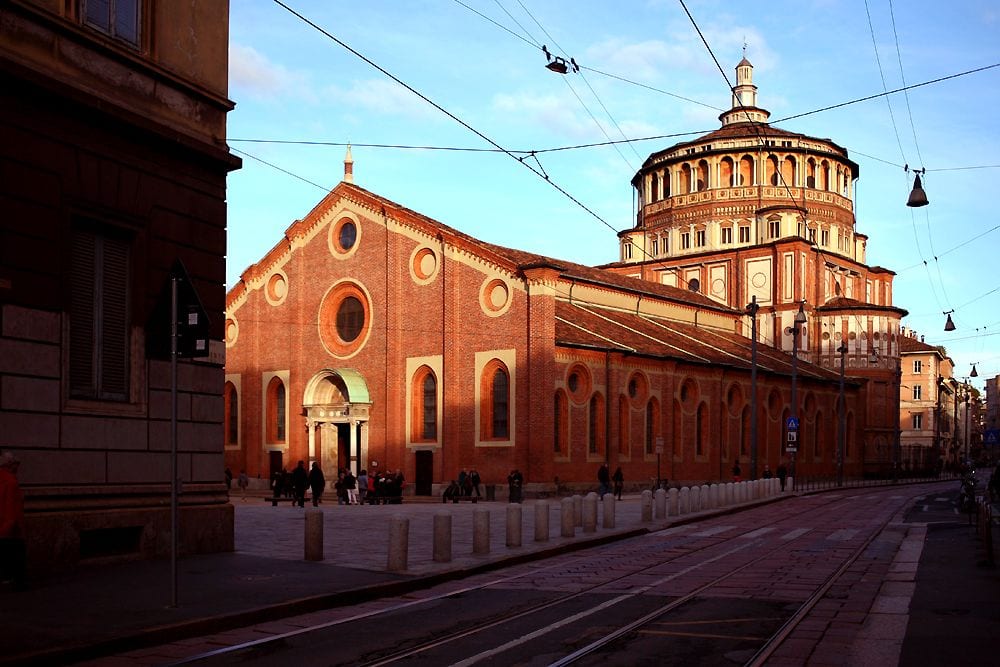
Leonardo's Last Supper covers the end wall of the old Dominican refectory at Santa Maria delle Grazie, painted around 1495 to 1498 for Ludovico Sforza, Duke of Milan. Leonardo worked in tempera on a dry wall rather than in true fresco, which let him revise as he went but left the mural fragile; centuries of decay and repair followed, and the most recent restoration was completed in 1999.
Visits are tightly controlled to protect the painting: booking is always required, and small groups get a timed slot of about 15 minutes in front of it, so reserve well ahead. Leave time for the church itself, a UNESCO World Heritage Site with a Gothic nave and a domed tribune attributed to Bramante. Casa degli Atellani across the street, home of the so-called Leonardo's Vineyard, is now closed to the public.
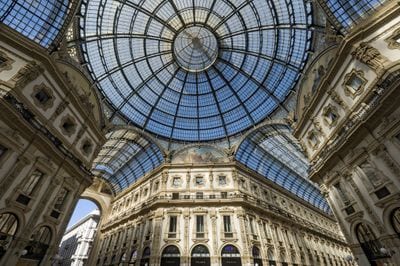
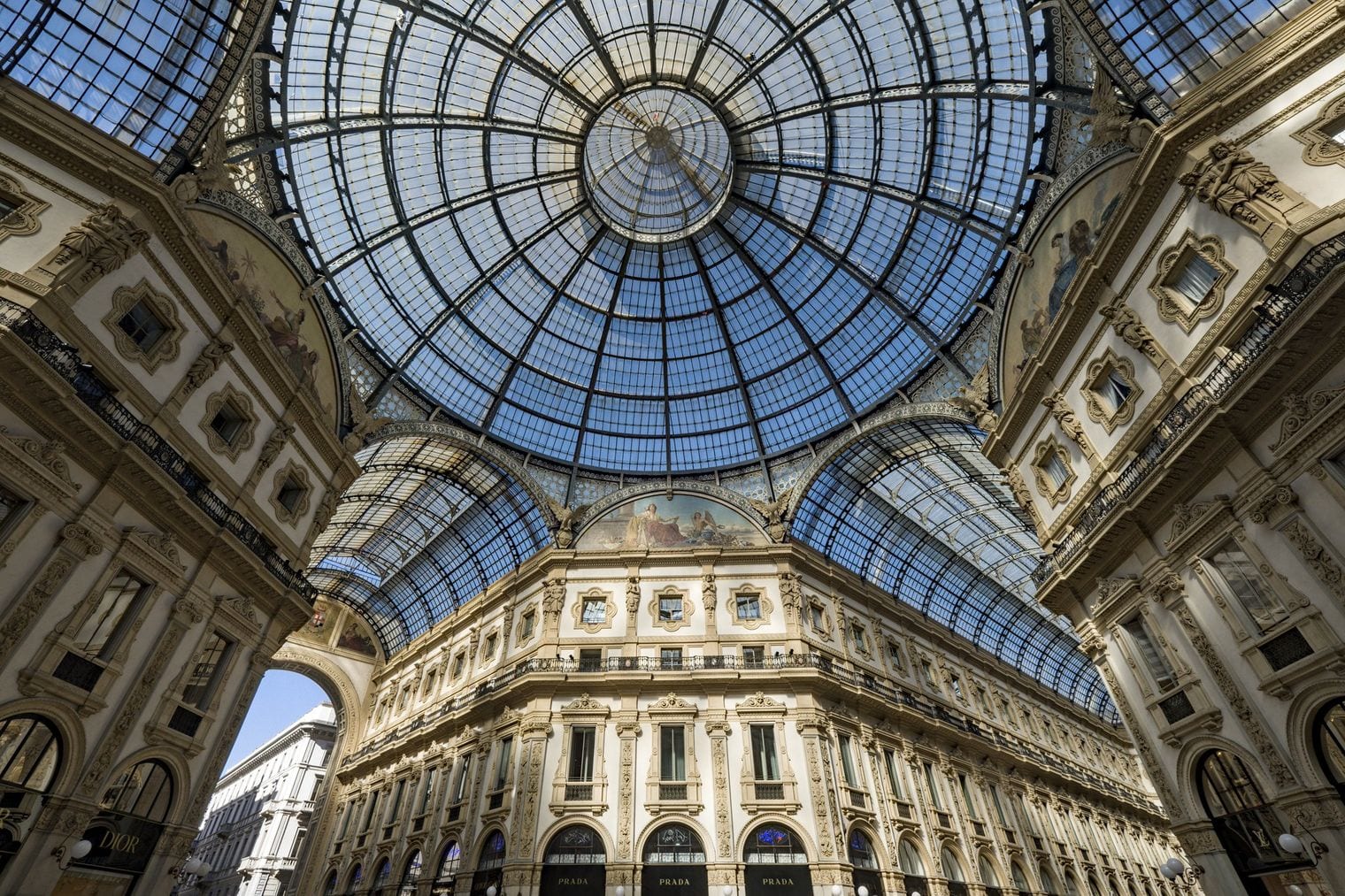
The Galleria Vittorio Emanuele II is Italy's oldest active shopping arcade, two glass-vaulted streets that cross beneath a central glass dome on the way from Piazza del Duomo to Piazza della Scala. Designed by Giuseppe Mengoni and built between 1865 and 1877, it is named after Victor Emmanuel II, the first king of a united Italy.
On the floor of the central octagon, mosaics show the coats of arms of Milan and of Turin, Florence and Rome, the three capitals of the kingdom. Join the small crowd taking turns to spin three times on their heel on the Turin bull for luck, then browse the luxury storefronts and historic cafés, some trading since the 19th century. It is the city's favourite shortcut and meeting point, and lovely when lit up at night.
Teatro alla Scala opened on 3 August 1778 and is still regarded as one of the world's leading opera and ballet houses, with its own orchestra, chorus and ballet company. Many famous operas had their first performances here, and Verdi had a long and sometimes stormy relationship with the house. Badly damaged by bombing in 1943, it was rebuilt and reopened in 1946 with a concert conducted by Arturo Toscanini.
Even without a ticket for a performance you can step inside through the Museo Teatrale alla Scala, reached from the theatre's foyer, whose paintings, statues, costumes and documents trace the history of the house and of opera itself. Better still, book a performance and see the gilded horseshoe of boxes from your own seat.
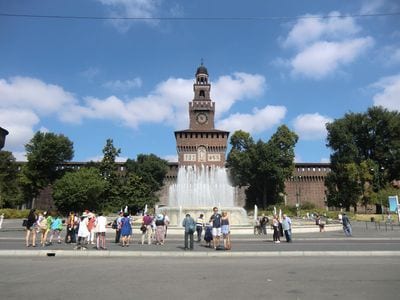
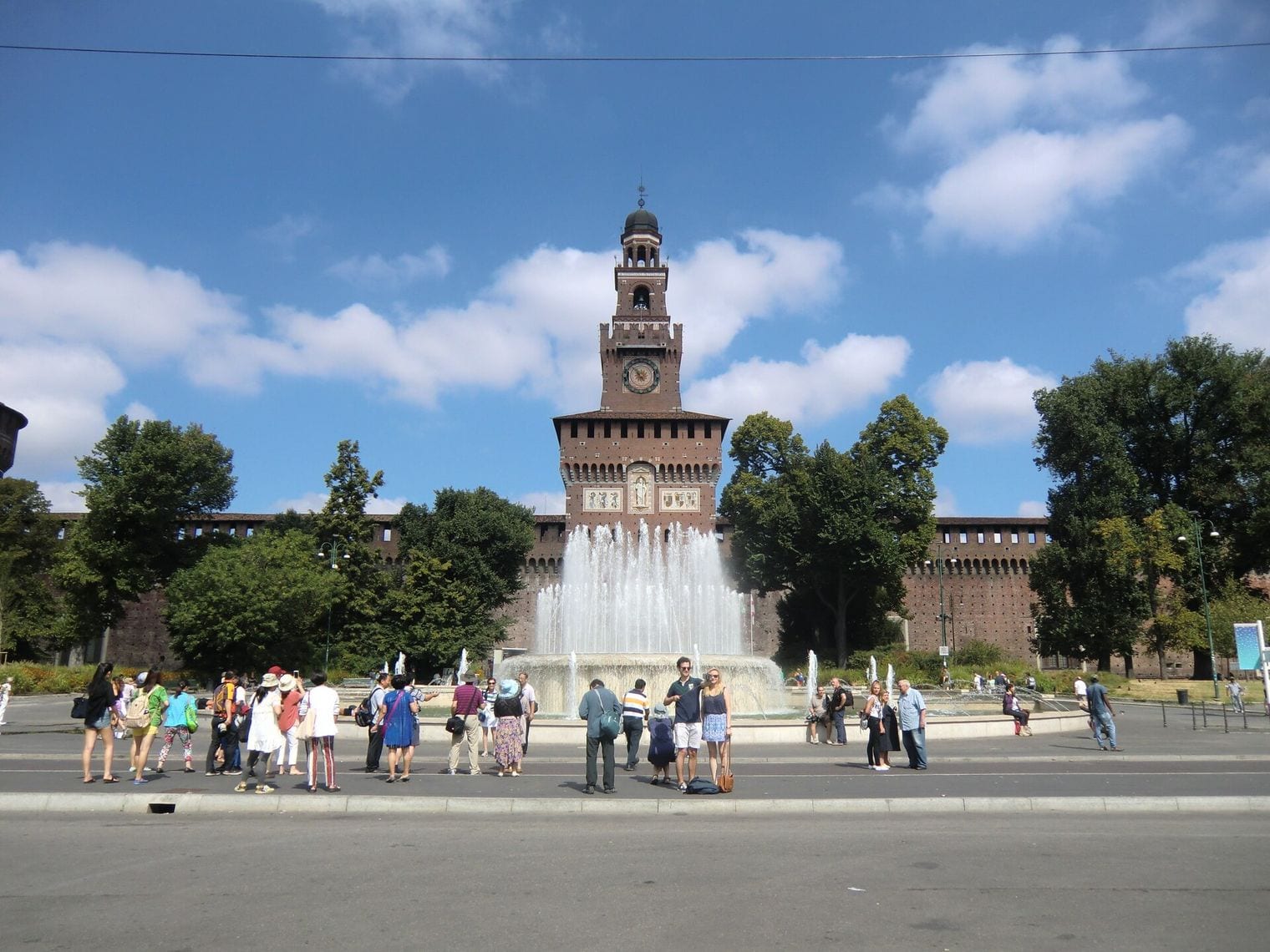
Sforzesco Castle was raised in the 15th century by Francesco Sforza, Duke of Milan, on the remains of an earlier fortress, and in the 16th and 17th centuries it ranked among the largest citadels in Europe. Its brick walls, moat and the tall Filarete Tower facing the city owe much of their present look to Luca Beltrami's rebuilding between 1891 and 1905.
Today its vast courtyards are open to wander, and the castle houses several of the city's museums. The Museum of Ancient Art includes the Sala delle Asse, whose ceiling Leonardo painted with intertwining vegetation around 1498, and a museum of its own is devoted to the Rondanini Pietà, the marble Michelangelo was still working on in the last days of his life.
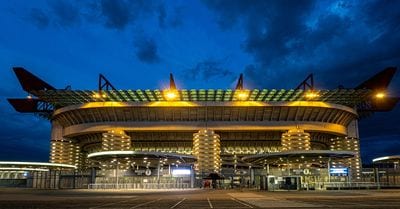
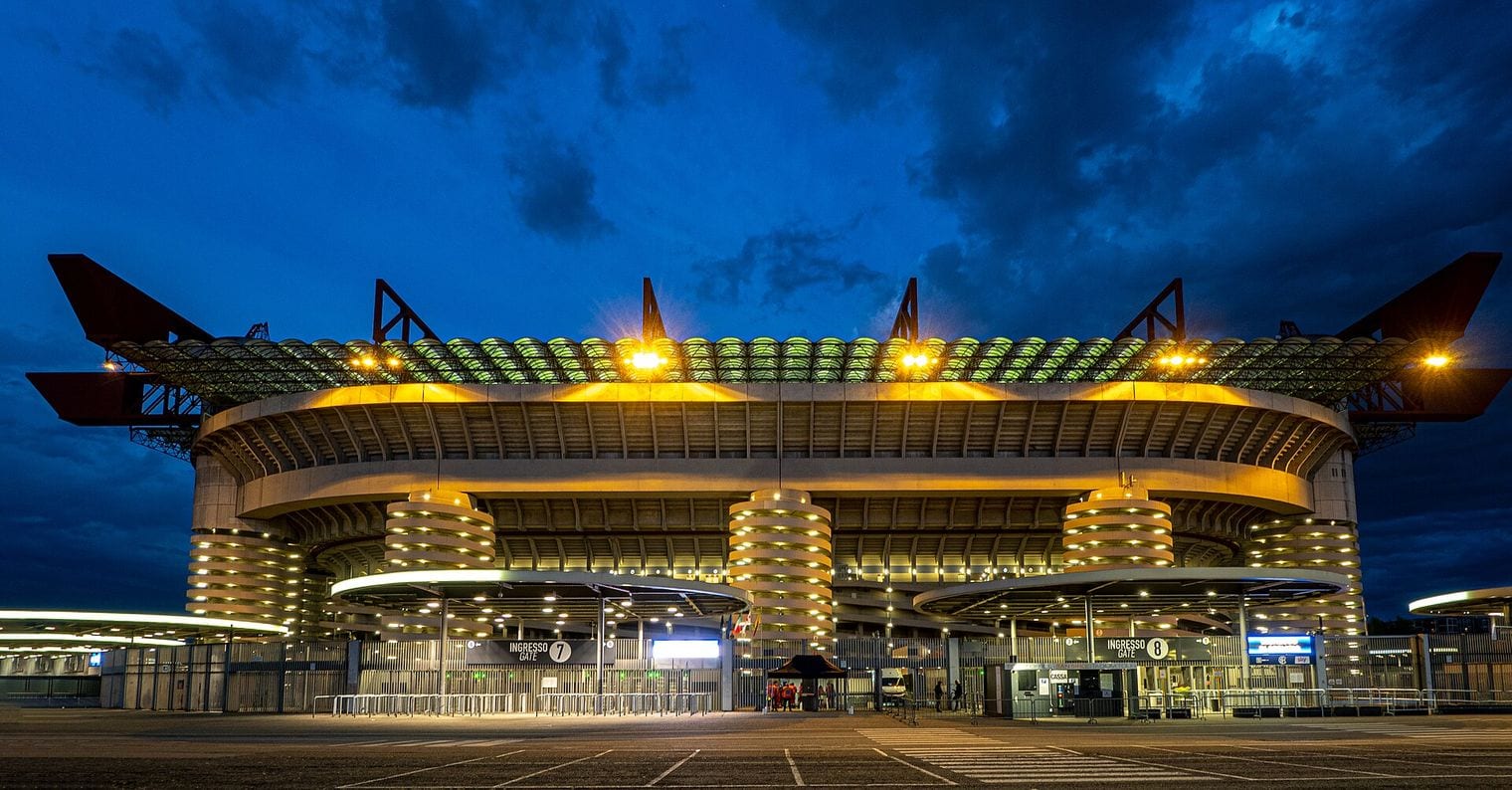
San Siro, officially the Stadio Giuseppe Meazza, is the shared home of AC Milan and Inter, whose rivalry plays out in the Derby della Madonnina. Opened in 1926 and nicknamed La Scala del calcio, it is the largest stadium in Italy, wrapped in towers of spiralling ramps, and it has staged World Cup matches, European Cup finals and the opening ceremony of the 2026 Winter Olympics.
The two clubs bought the stadium from the city in 2025 and plan to replace it with a new arena next door, which makes a visit to the old bowl all the more worthwhile. On non-match days the stadium tour and museum lead behind the scenes and out into the stands; on a match night, the noise from the packed curves is the real attraction.
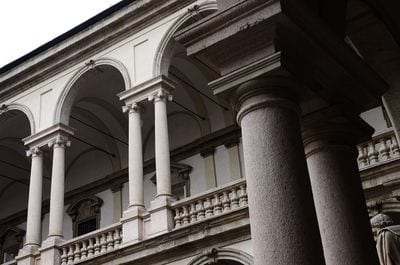
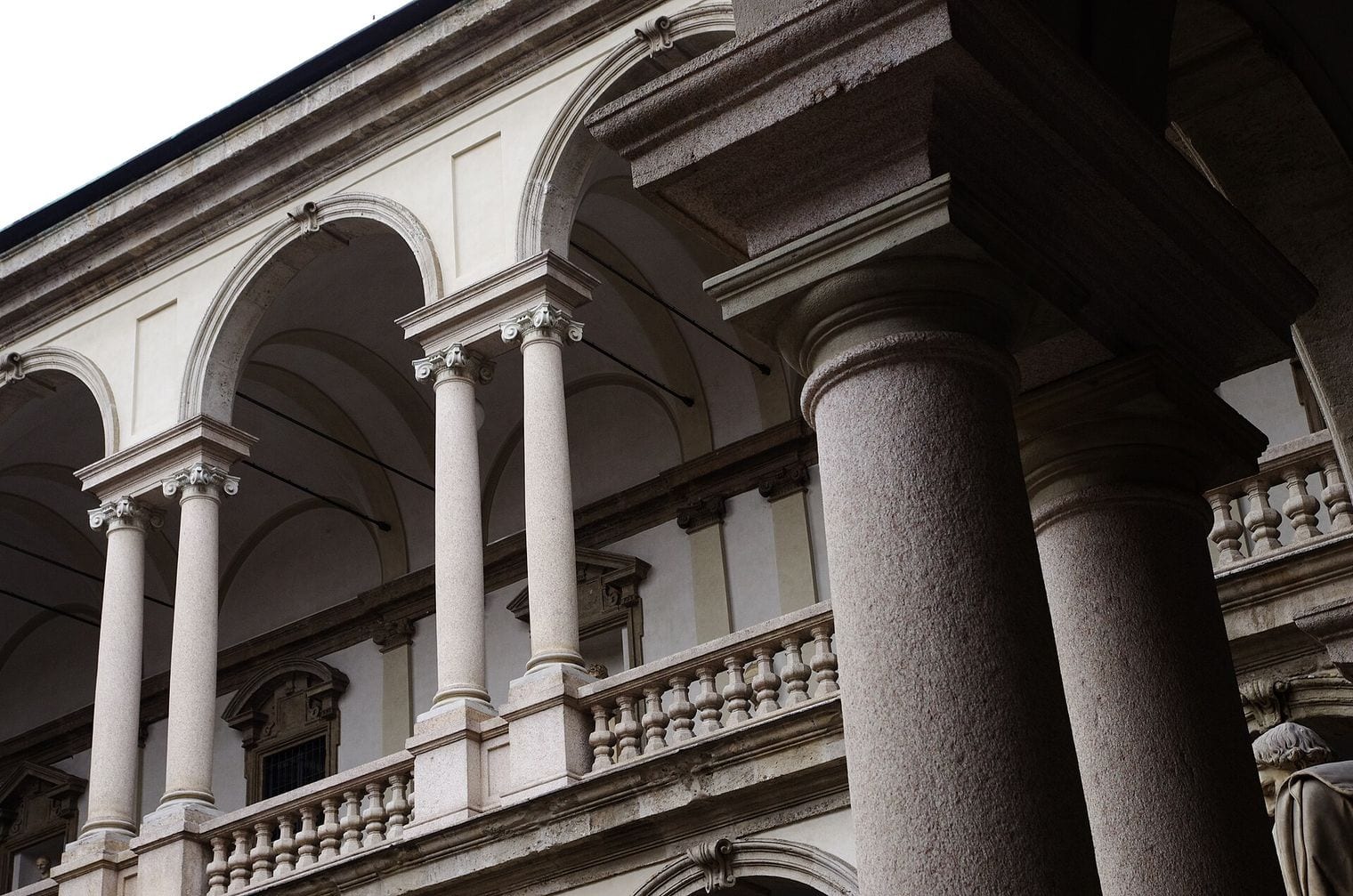
The Pinacoteca di Brera is Milan's main public picture gallery and holds one of the foremost collections of Italian painting from the 13th to the 20th century, housed in Palazzo Brera alongside the Brera Academy of Fine Arts. It opened in 1809, filled largely with works gathered from churches and convents in the Napoleonic era.
The masterpieces come thick and fast: Raphael's Marriage of the Virgin, Andrea Mantegna's startlingly foreshortened Lamentation of Christ and Francesco Hayez's The Kiss, alongside works by Bellini, Titian, Veronese and Tintoretto. Enter through the grand arcaded courtyard of the palazzo and allow at least half a day; the gallery rewards slow looking.
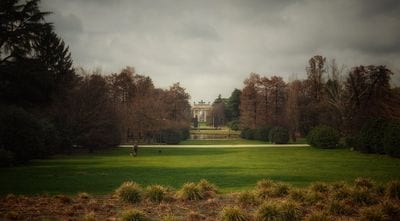
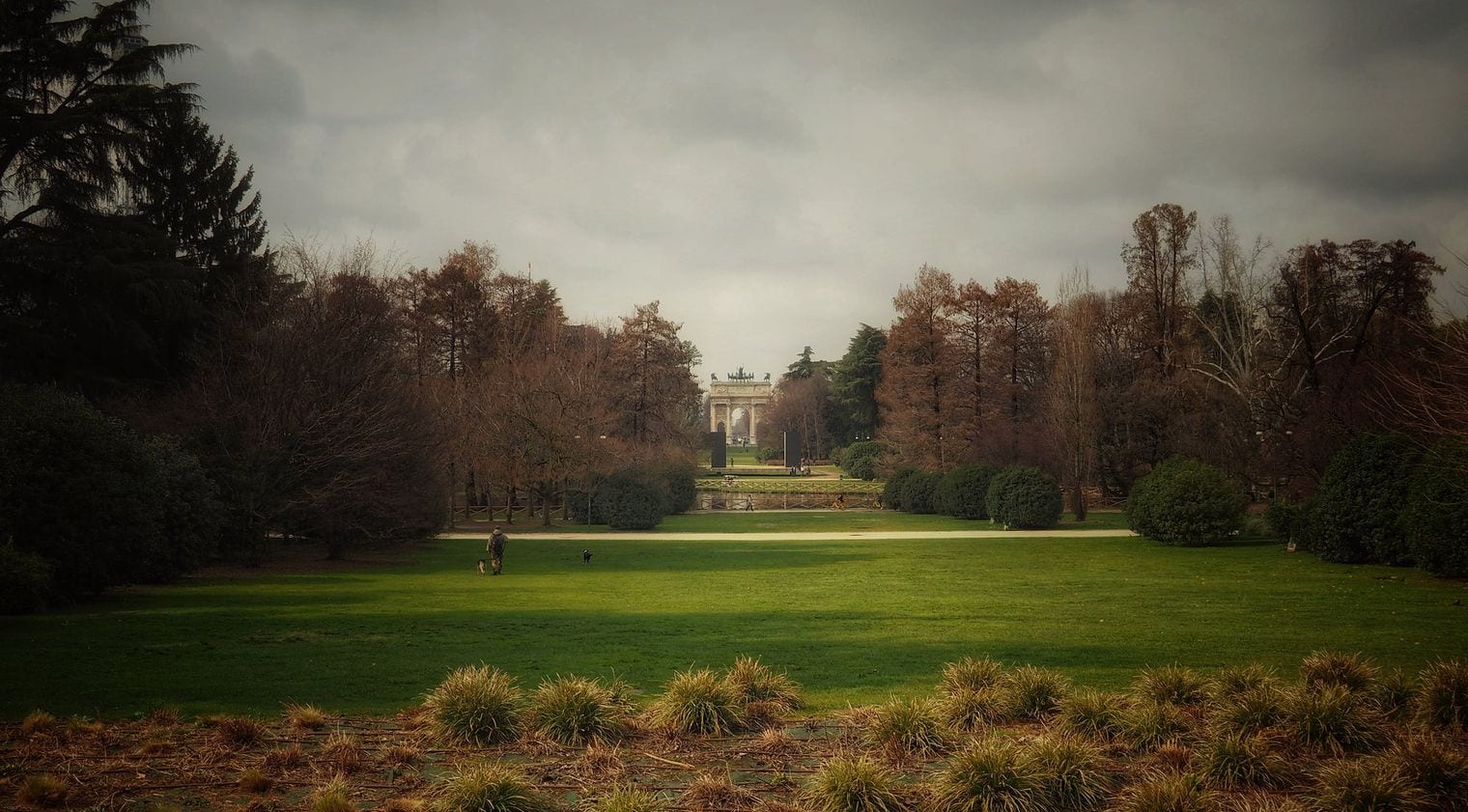
Parco Sempione is the city's main central park, laid out between 1888 and 1894 by Emilio Alemagna on the old parade ground behind the castle, in the romantic style of an English landscape garden. Its lawns, curving paths and small lake cover about 47 hectares, a green lung right in the middle of the city.
This is where Milan comes to jog, picnic, read and walk the dog, and it rewards a slow wander. Look for the Ponte delle Sirenette, a little 19th-century iron bridge with four mermaid statues, moved here from a city canal when the inner ring of waterways was covered over around 1930, and for the Arena Civica on the park's northeastern edge.
99. Leonardo da Vinci Museum of Science and Technology
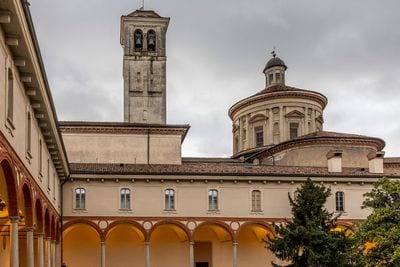
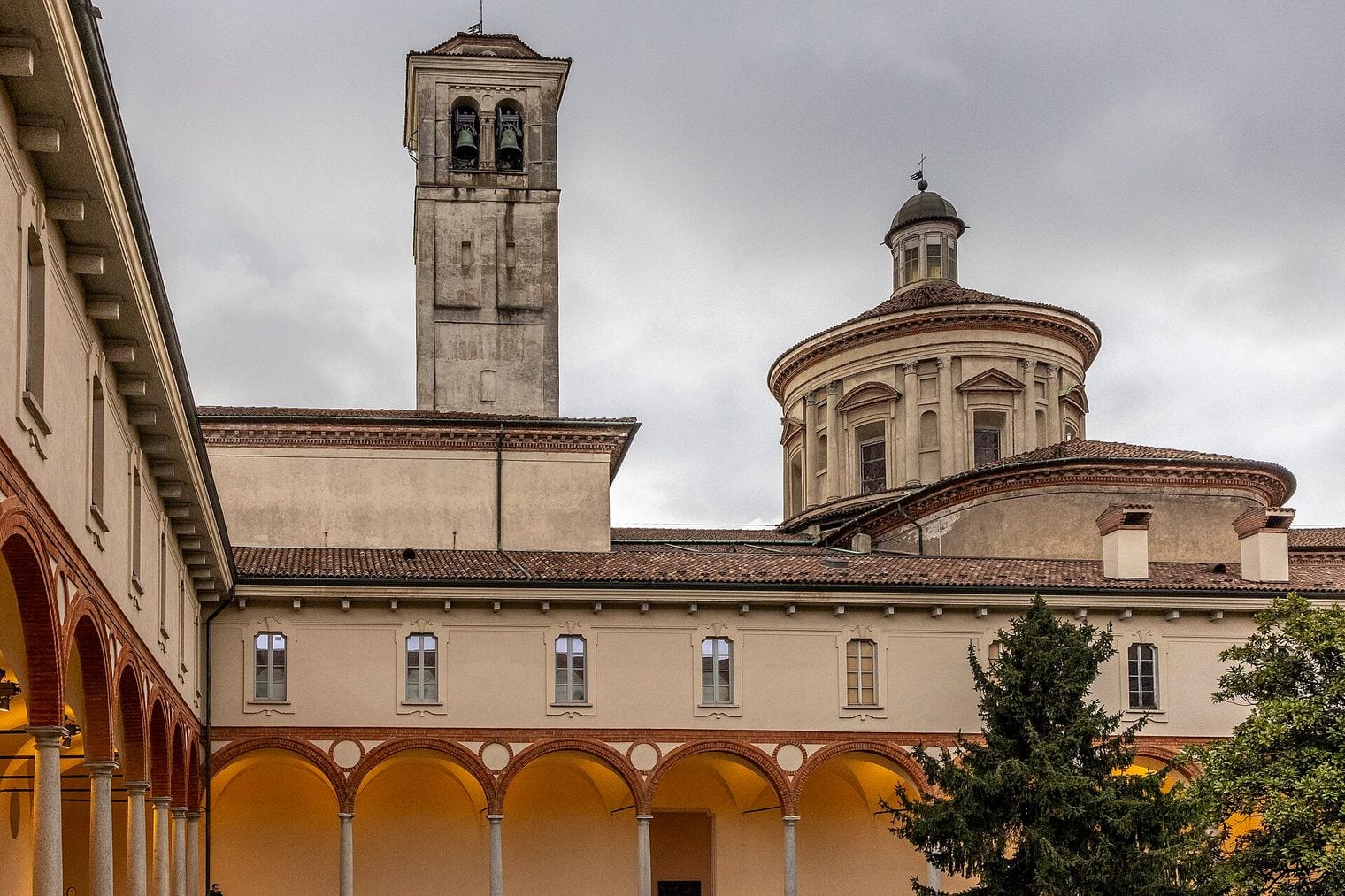
The Leonardo da Vinci National Museum of Science and Technology is described by Italy's national tourist board as the largest museum of its kind in Italy, opened in 1953 in the former monastery of San Vittore al Corpo. Its Leonardo galleries display models of his machines reconstructed from his drawings, including a flying machine, a hydraulic saw and his famous tank.
The rest of the museum ranges across materials, energy, communication and transport, and the transport pavilions are the big draw: locomotives and aircraft, the bridge of the ocean liner Conte Biancamano, the training ship Ebe and the submarine Enrico Toti, launched in 1967. Every department has hands-on laboratories, which makes it one of the best rainy-day stops in the city for families.
1010. Arco della Pace
Historical Landmark~1.9 km (1.2 miles) from centre
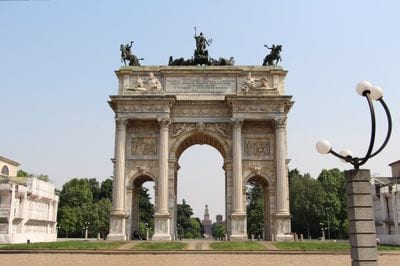
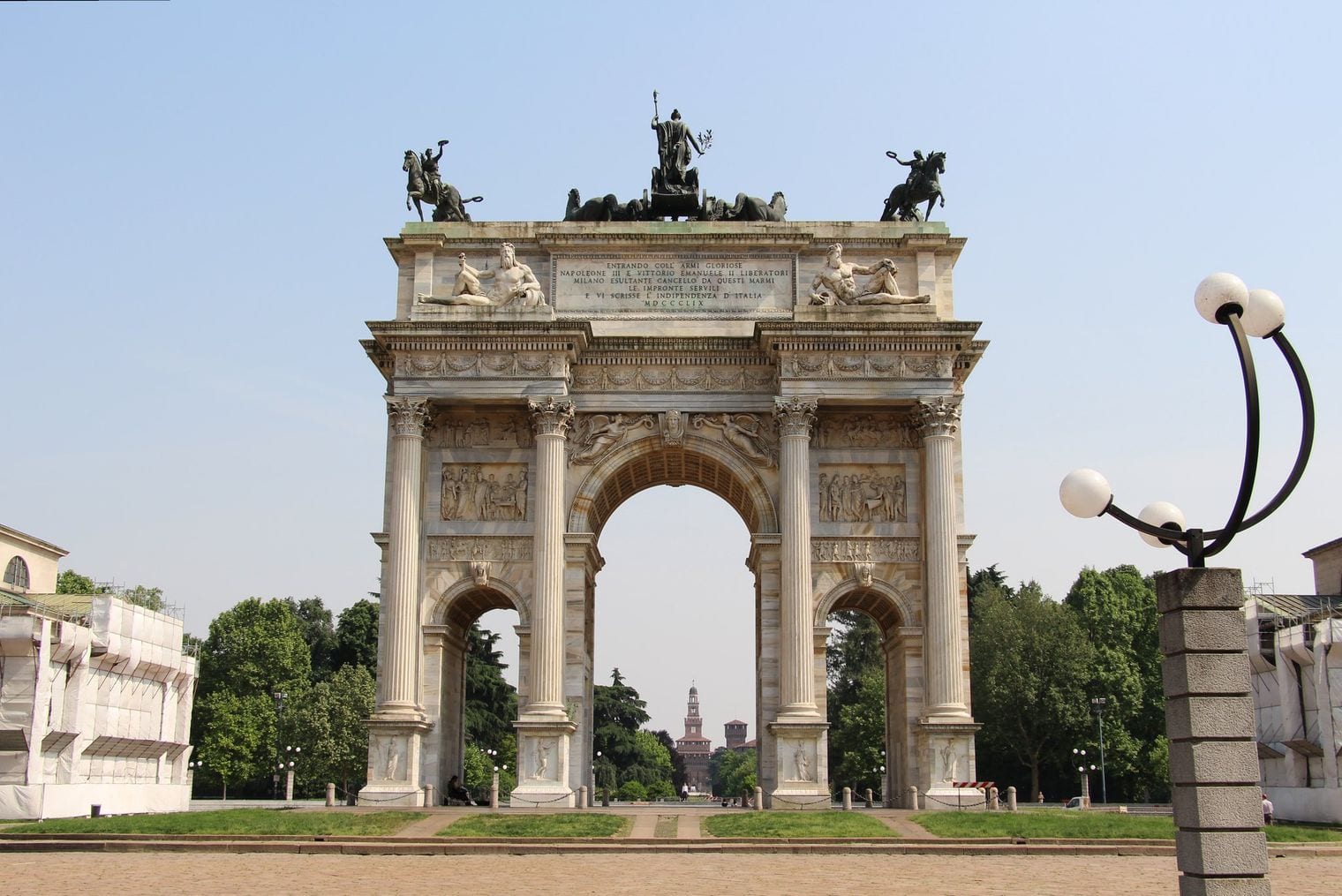
The Arco della Pace, the Arch of Peace, was begun in 1807 under Napoleonic rule by the architect Luigi Cagnola, at the head of the road to the Simplon Pass. When Napoleon's Kingdom of Italy fell, work stalled; it resumed under the Austrian emperor, who dedicated the arch to the peace of the 1815 Congress of Vienna, and it was completed in 1838.
Its reliefs and statues, in marble and bronze, close the far end of Parco Sempione and frame a long view back across the park to the castle. Two small buildings that once served as customs houses flank the arch, and the open square around it is a popular meeting place on summer evenings.
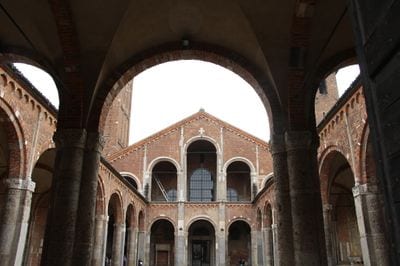
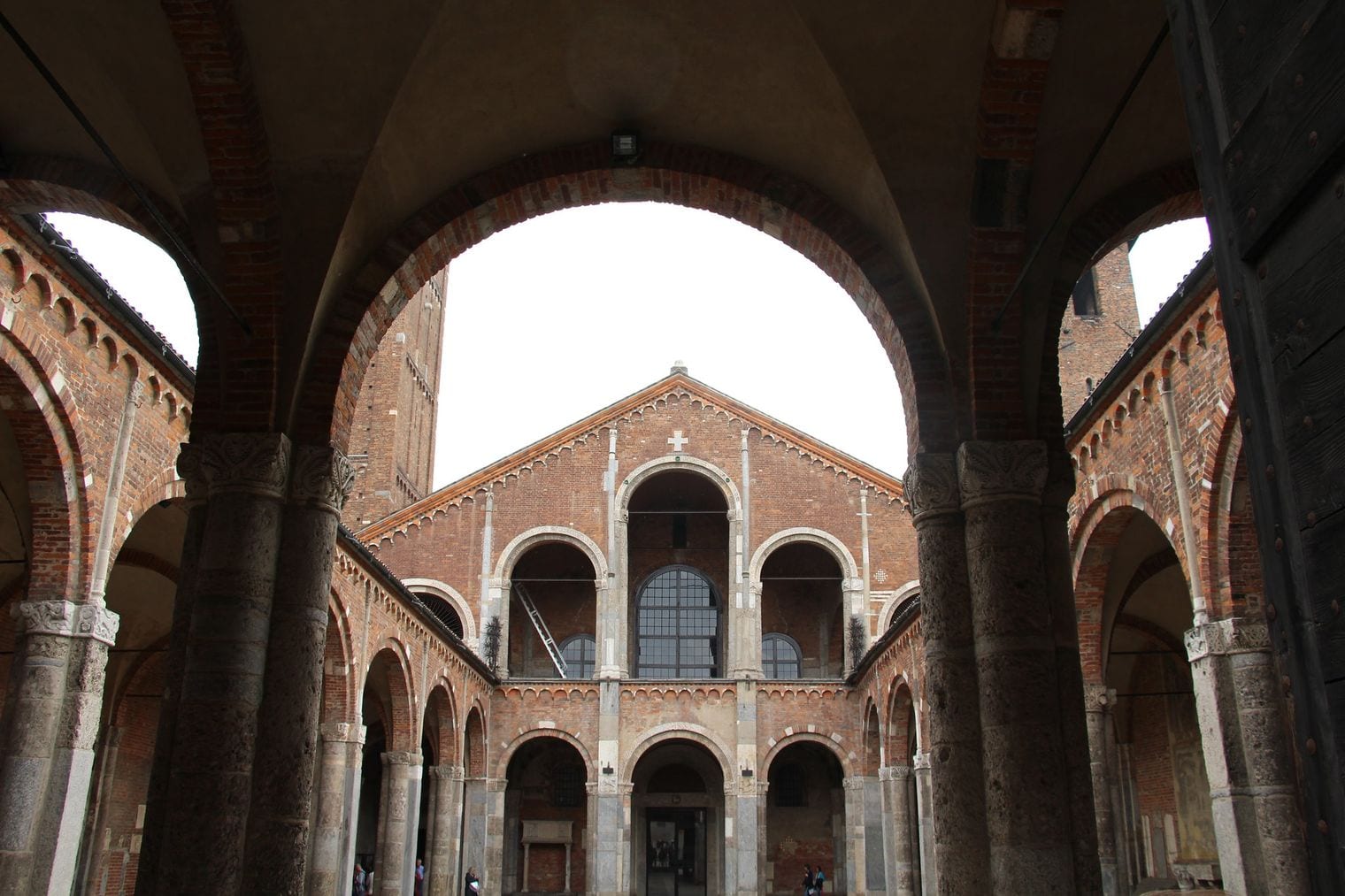
The Basilica of Sant'Ambrogio was founded by Saint Ambrose, Milan's patron saint, between 379 and 386, in an area where martyrs of the Roman persecutions had been buried. The church you see today is a Romanesque landmark of brick and stone, entered through a broad arcaded atrium that dates from the 9th century, with two bell towers of different heights rising over it.
Inside, the high altar is sheathed in the gold and silver panels of the Golden Altar, made in the 9th century by the goldsmith Volvinius, and the crypt beneath holds the remains of Ambrose with the martyrs Gervasus and Protasus. It is one of the most atmospheric churches in Milan and a short walk from the Last Supper.
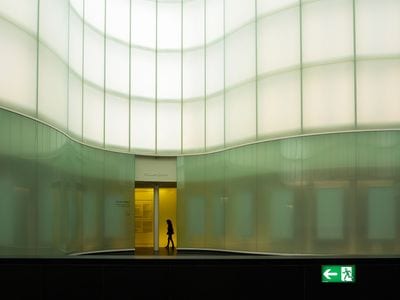
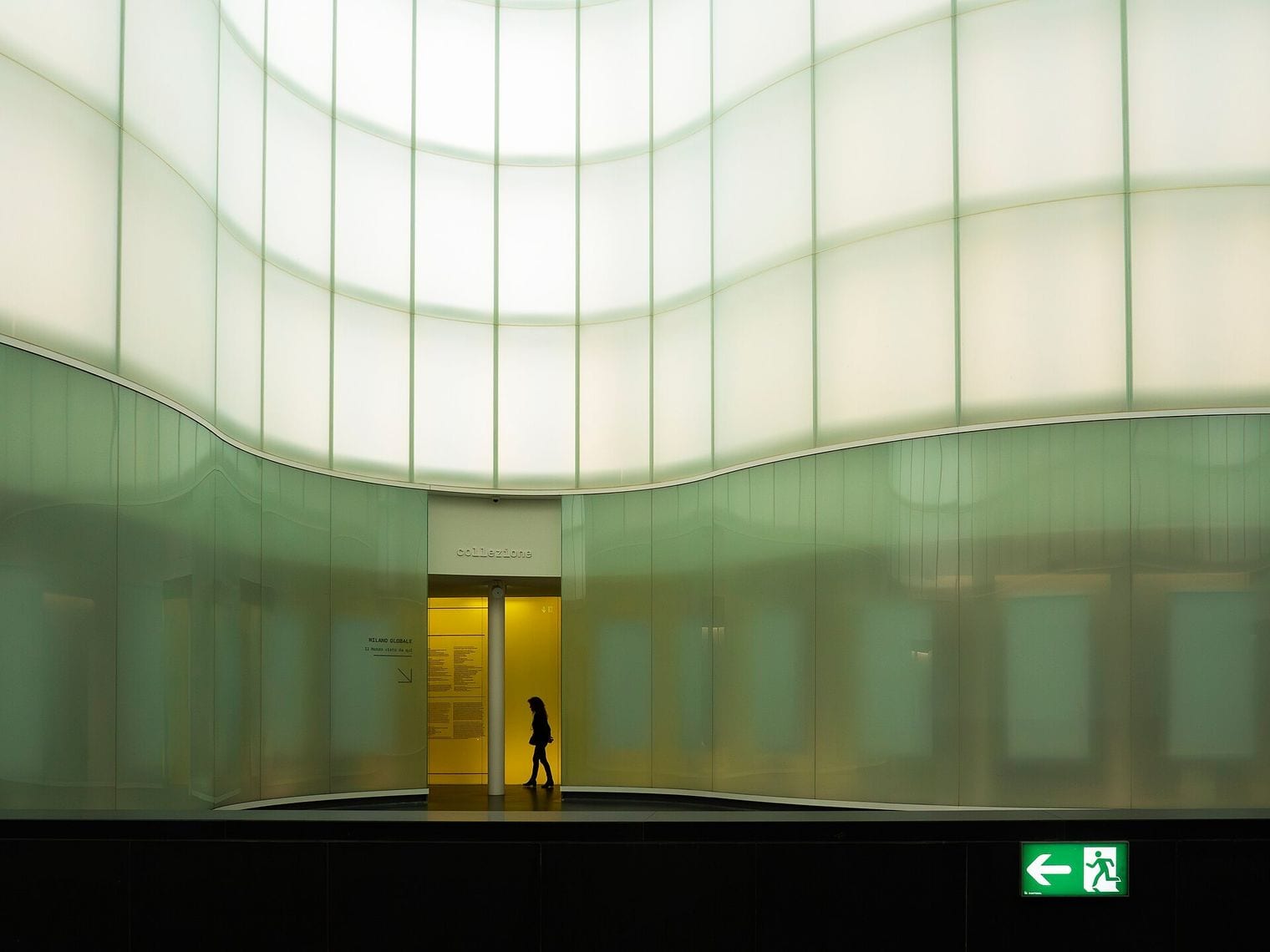
Mudec, the Museum of Cultures, opened in 2015 in the former Ansaldo industrial works in the Tortona district, in a building designed by the British architect David Chipperfield. Behind its boxy exterior, a curving glass-walled central hall rises through the heart of the museum, a striking piece of contemporary architecture in its own right.
The museum brings together the city's collections of objects from cultures around the world with a programme of major temporary exhibitions on art, design and world cultures. Tortona's converted factories, design studios and canal-side streets make it easy to combine with an afternoon on the Navigli.
Piazza del Duomo is the heart of Milan in every sense: its geographic centre, the place where the city gathers to celebrate or protest, and by far its busiest square. Its present shape is largely the work of Giuseppe Mengoni, who enlarged it in the second half of the 19th century and framed it with porticoed buildings and the triumphal entrance to the Galleria.
At the centre stands the equestrian statue of King Victor Emmanuel II, inaugurated in 1896, and the porticoes along the north side shelter cafés and shops. Come early to have the square almost to yourself, or at dusk to sit and watch the crowds drift past as the cathedral façade changes colour.
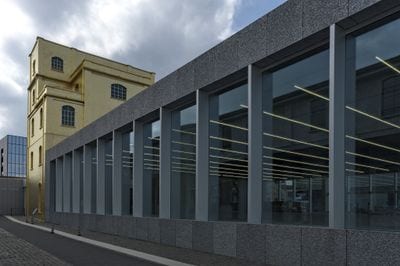
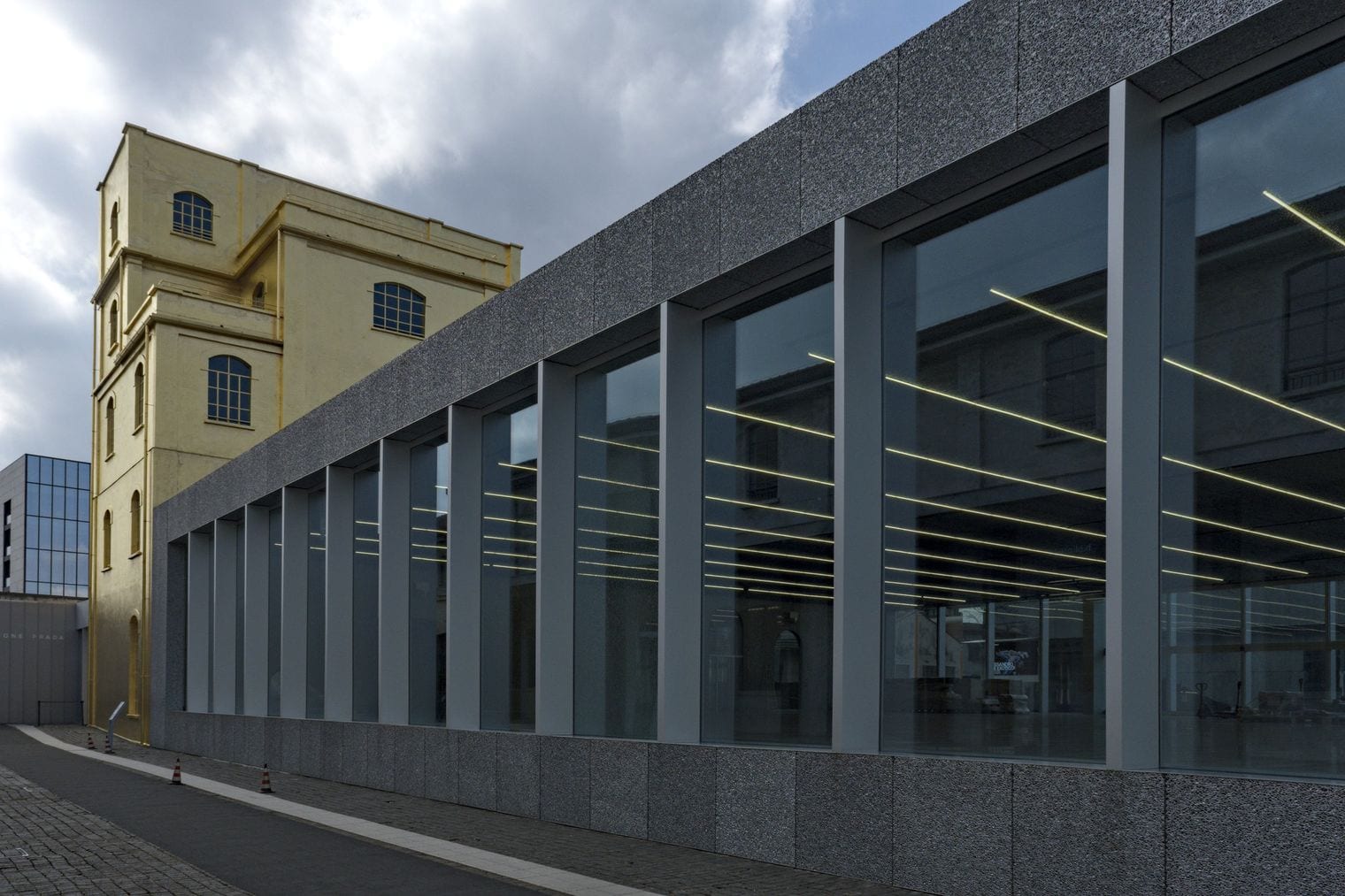
Fondazione Prada's Milan venue is a former distillery from the 1910s, transformed by Rem Koolhaas's architecture firm OMA into a campus for contemporary art. Old industrial buildings sit beside three new structures, the Podium, the Cinema and the tall Torre, and the exhibitions staged across them are some of the most ambitious in the city.
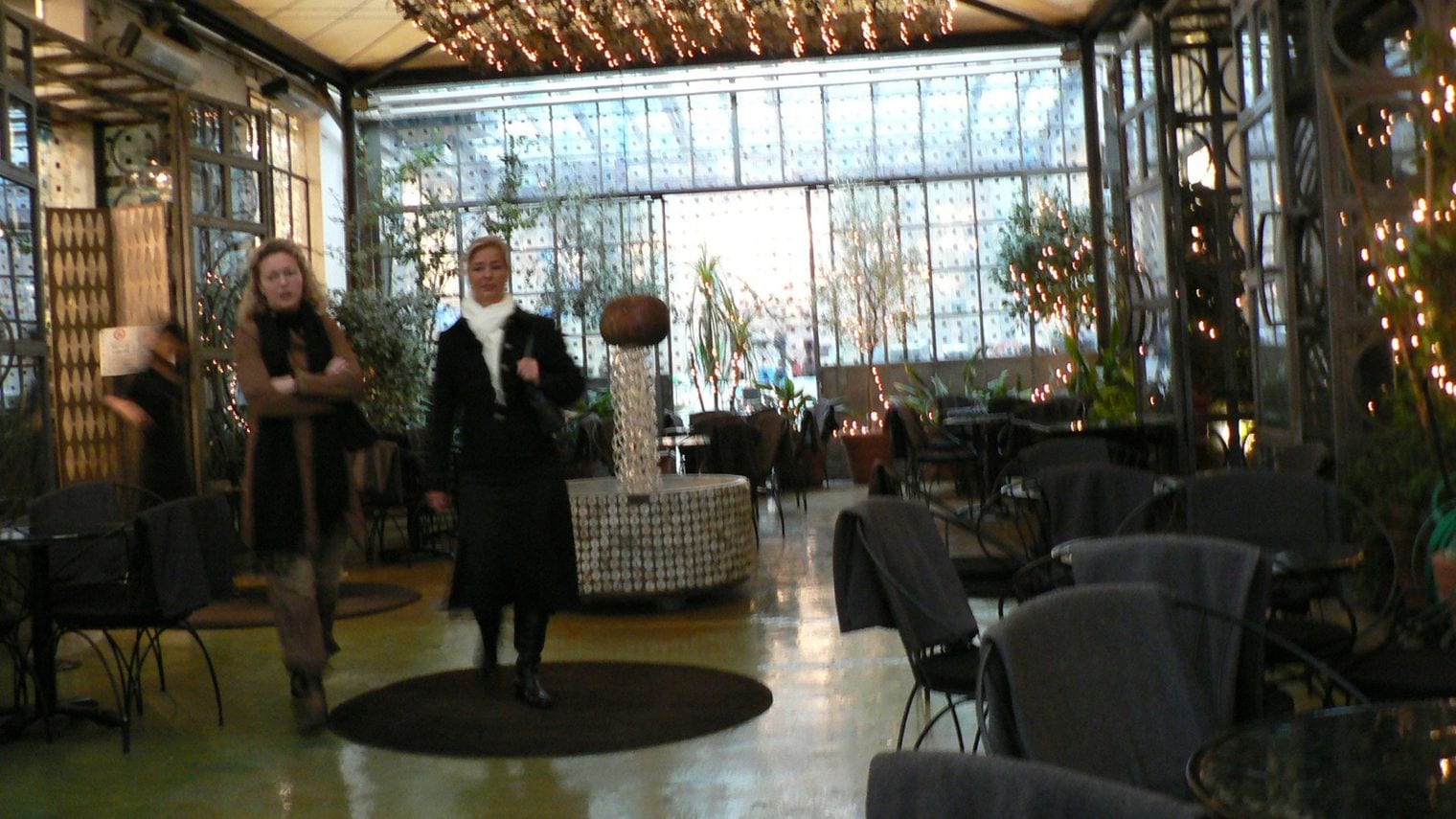
Come for the architecture as much as the art. Bar Luce, designed by the film director Wes Anderson to evoke an old Milanese café, is a destination in itself, with pastel Formica furniture, a pinball machine and wallpaper that recalls the vaults of the Galleria Vittorio Emanuele II. The complex sits south of the centre, an easy metro or tram ride from the Duomo.
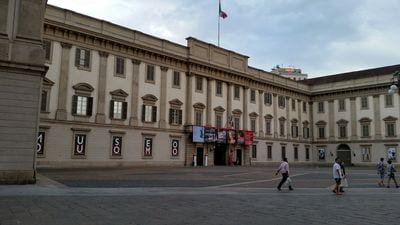
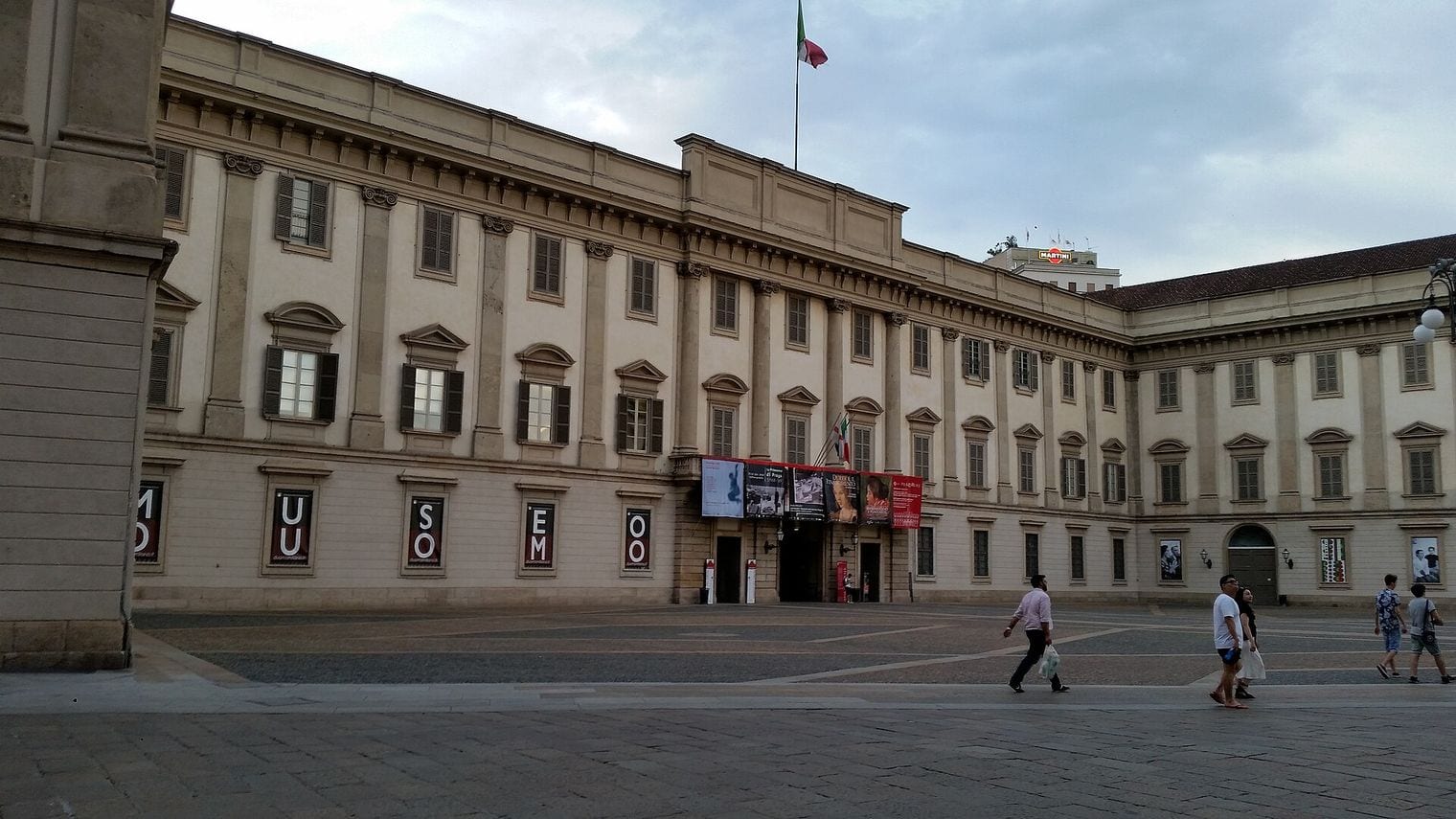
Palazzo Reale was the seat of Milan's government for centuries, and its neoclassical look comes from a remodelling by Giuseppe Piermarini, the architect of La Scala, completed in 1778. It stands immediately beside the cathedral, its recessed façade forming the little Piazzetta Reale off the main square.
Today it is one of the city's leading exhibition venues, hosting major international art shows through the year. Look out for the Hall of Caryatids, scarred by wartime bombing, where Picasso chose to show Guernica in 1953. The palace also houses the Museo del Duomo, with statues, stained glass and models from the cathedral's long construction.
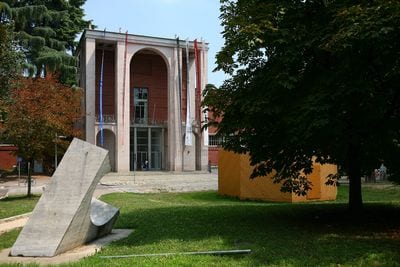
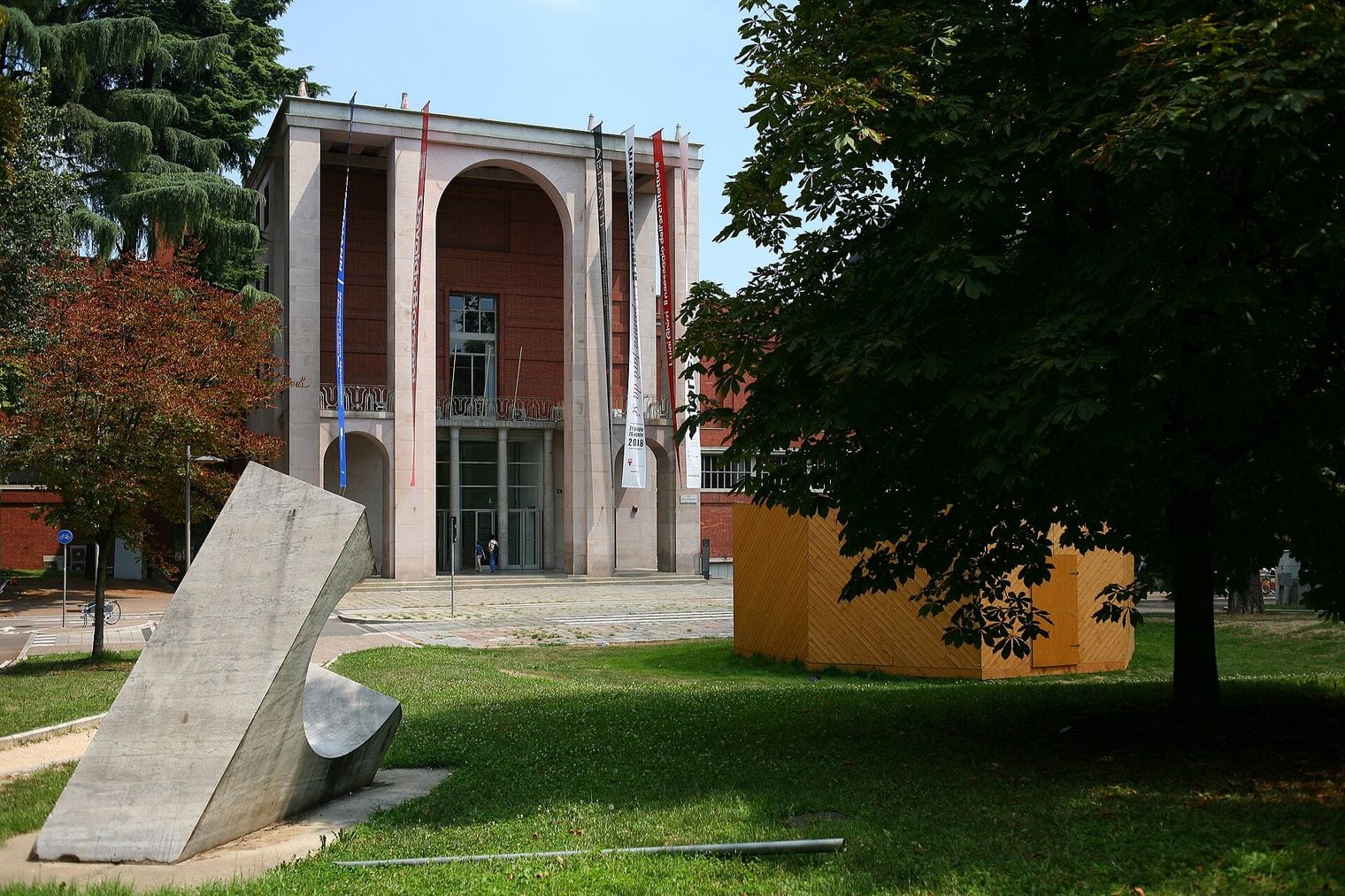
Triennale di Milano is the city's museum of art and design, housed in the Palazzo dell'Arte, built between 1931 and 1933 to designs by Giovanni Muzio on the edge of Parco Sempione. It grew out of the Milan Triennial exhibitions of art and design, and since 2007 it has also had a permanent museum of Italian design.
Exhibitions range across design, architecture, photography and contemporary art, and the building includes its own theatre, the Teatro dell'Arte, also by Muzio. For anyone curious about why Milan is synonymous with design, this is the essential stop, and its café is a pleasant pause on a day in the park.
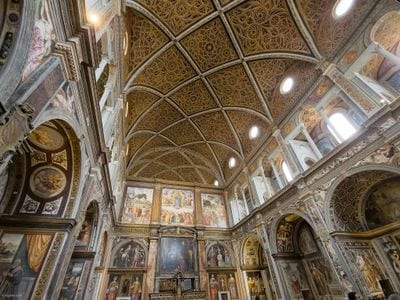
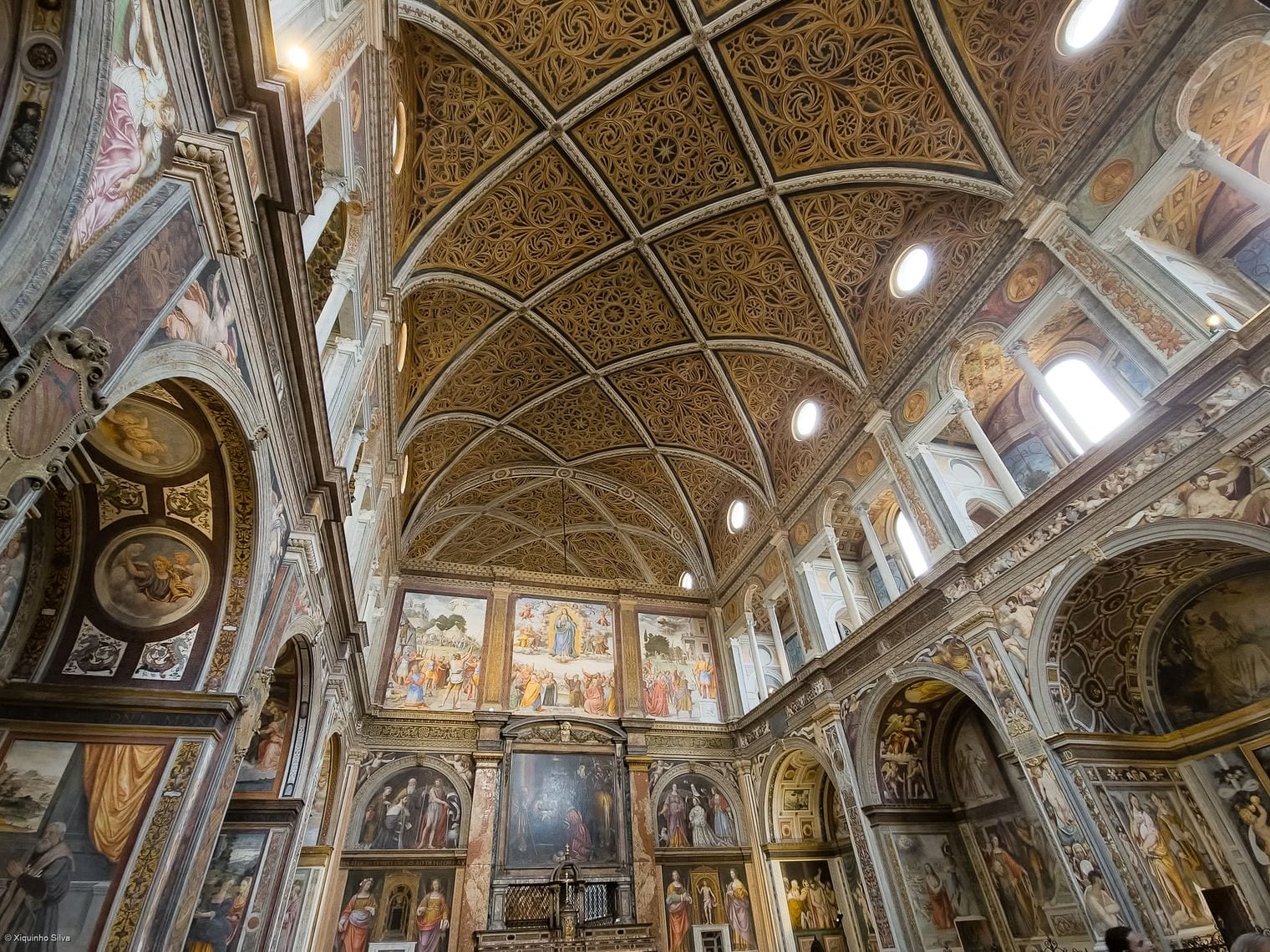
From the outside on Corso Magenta it is easy to walk past, but San Maurizio al Monastero Maggiore hides one of the most richly painted interiors in Milan. The church served the city's most important Benedictine convent, and a dividing wall splits it in two: one half for the public, the other for the cloistered nuns, who followed Mass through a grating.
Almost every surface is covered in 16th-century frescoes, many by Bernardino Luini and his sons, including scenes from the life of Saint Maurice on the dividing wall. Walk through to the nuns' hall behind it to see more of the cycle, and look out for the concerts that are regularly held beneath the painted vaults.
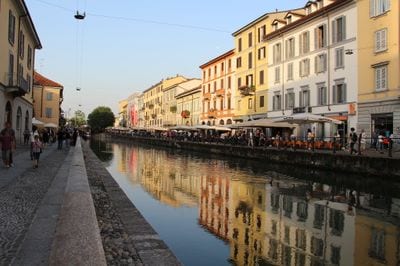
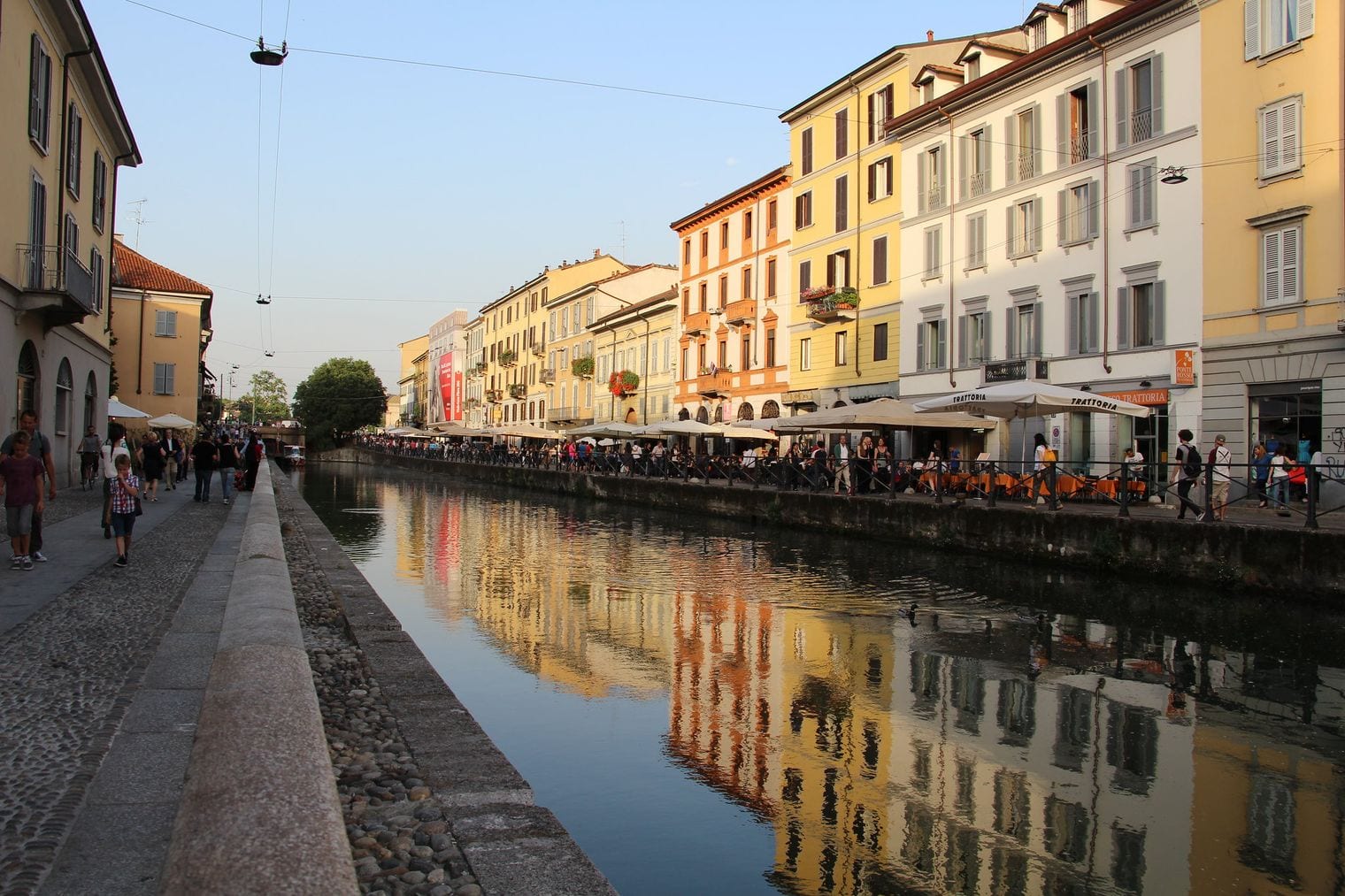
The Navigli are what remains of Milan's network of canals, a system dating back to the Middle Ages that once carried goods and building materials into the city. Most of the urban waterways were covered over around 1930, but the Naviglio Grande and the Naviglio Pavese still meet at the Darsena, the old city dock south-west of the centre.
The towpaths of the Naviglio Grande are lined with bars, restaurants, artists' studios and vintage shops, and in the evening the canal becomes the city's favourite aperitivo strip. Look for the Vicolo dei Lavandai, a lane where washerwomen once scrubbed laundry at the water's edge, and time a visit for the monthly antiques market that stretches along the banks.
Free printable checklist of all 40 places
Tick them off as you go. Confirm your email to download it, plus one email every Thursday with new guides for the places you tick.
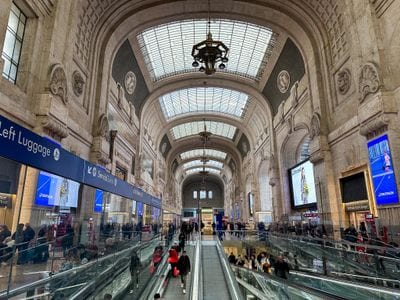
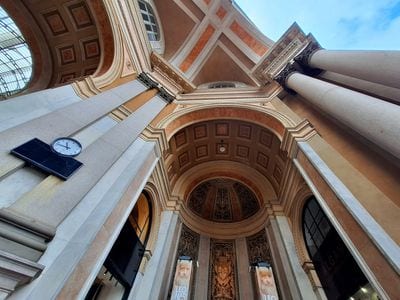
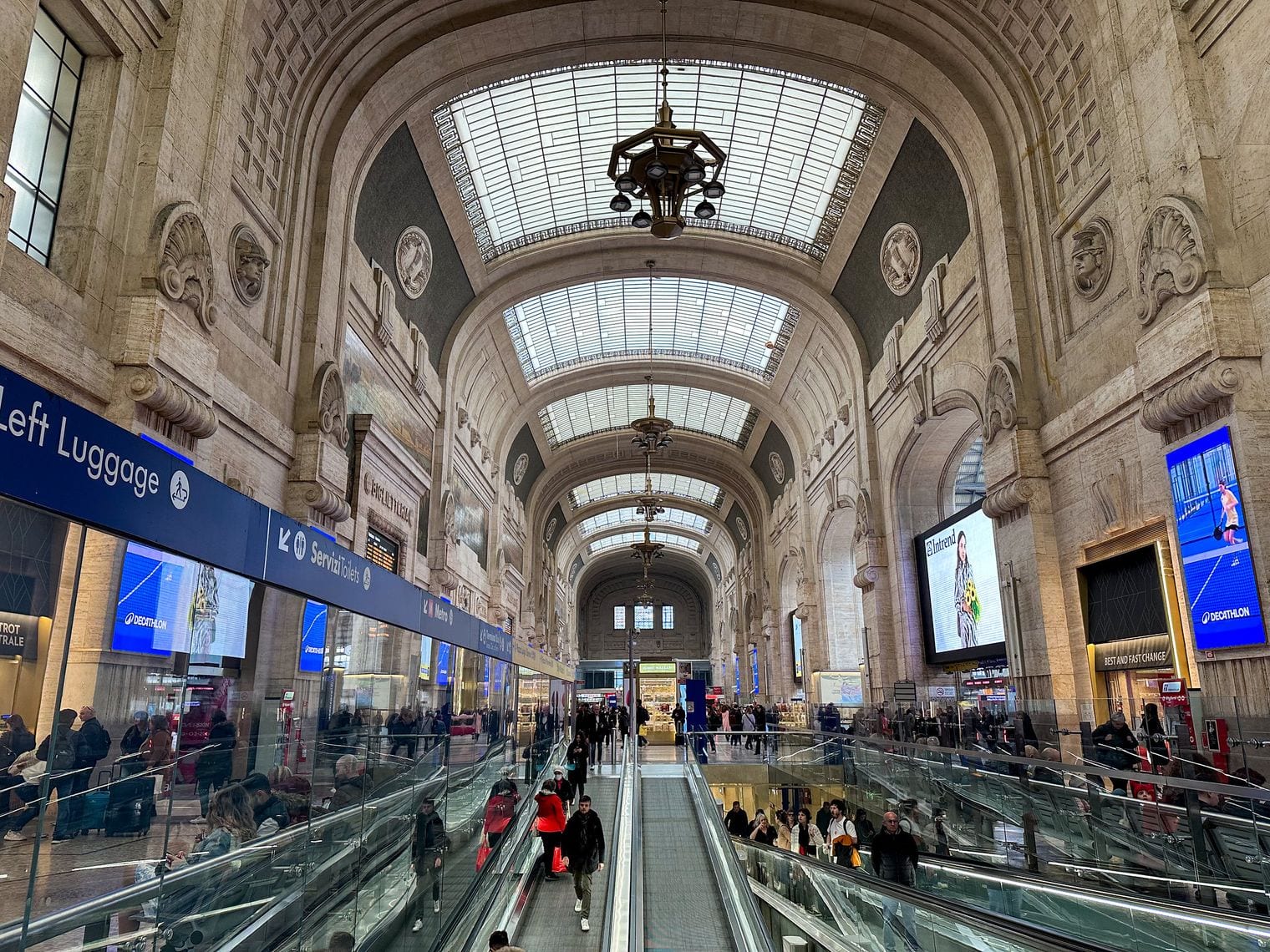
Even if you are not catching a train, Milano Centrale deserves a look. Inaugurated in 1931 to a design by Ulisse Stacchini, whose winning project dated back to 1912, it is a colossal, eclectic mix of styles heavy with sculpture, and by volume it is the largest railway station in Europe.
Walk through the monumental halls to the great iron-and-glass train shed, then step back out onto Piazza Duca d'Aosta to take in the full width of the façade. High-speed trains leave here for Turin, Venice, Florence and Rome, and beneath the station lies the Shoah Memorial, a sobering counterpoint to the grandeur above.
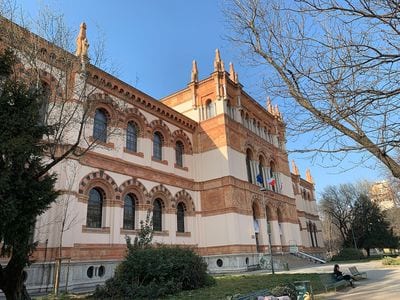
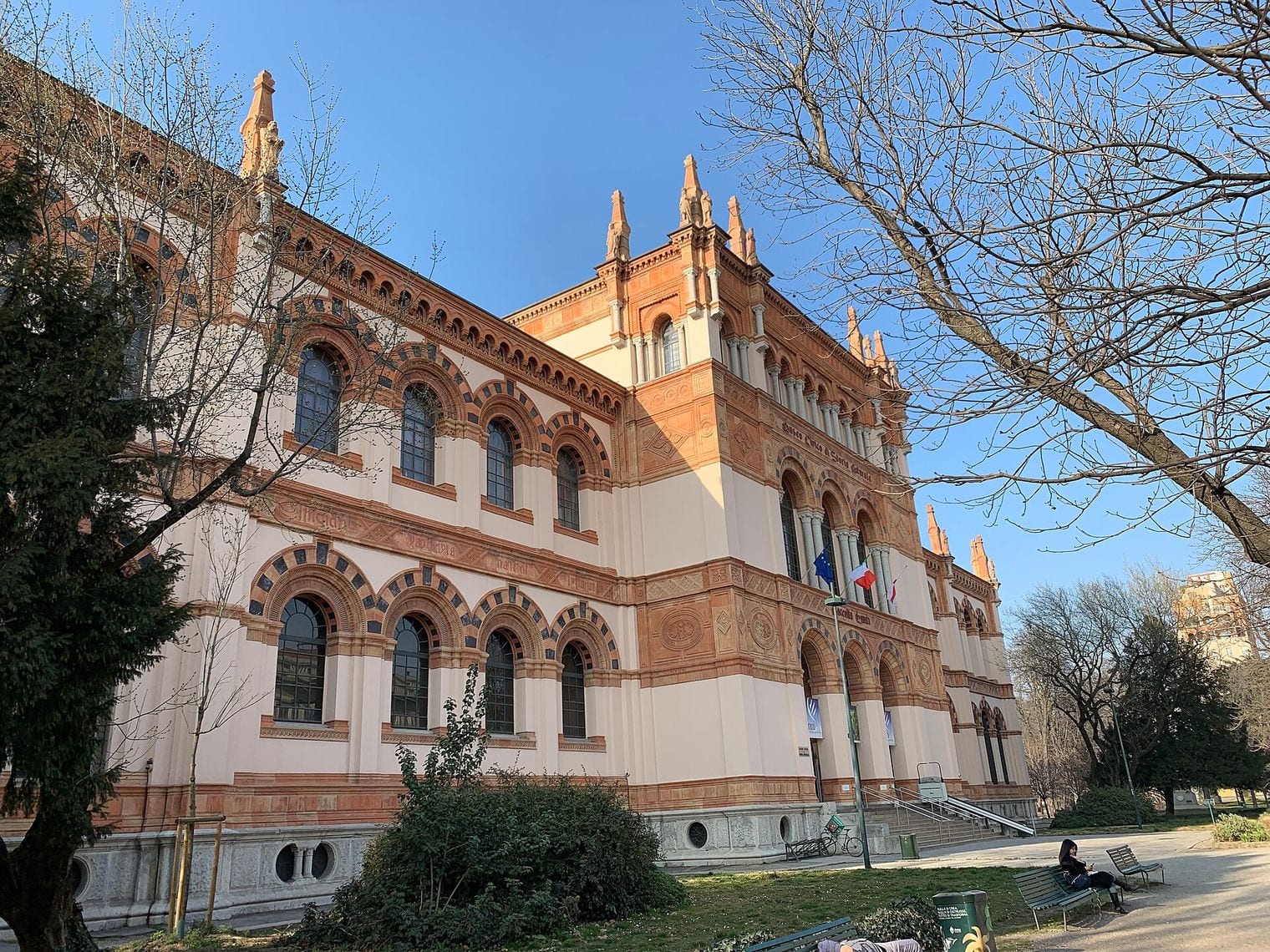
Milan's Natural History Museum, the Museo Civico di Storia Naturale, was founded in 1838 when the naturalist Giuseppe De Cristoforis donated his collections to the city. It occupies a neo-Romanesque building with Gothic touches, built between 1888 and 1893 in the Indro Montanelli Gardens near Porta Venezia.
Inside are dinosaur skeletons and fossils, a large collection of minerals, galleries on human evolution and Italy's largest collection of habitat dioramas, recreating ecosystems from around the world in painstaking detail. The surrounding public gardens, with their ponds and shady paths, make it an easy outing with children.
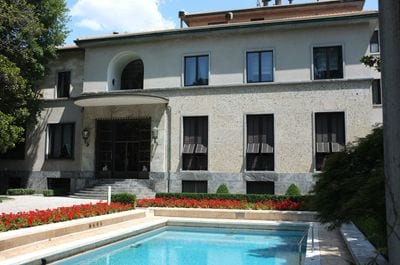
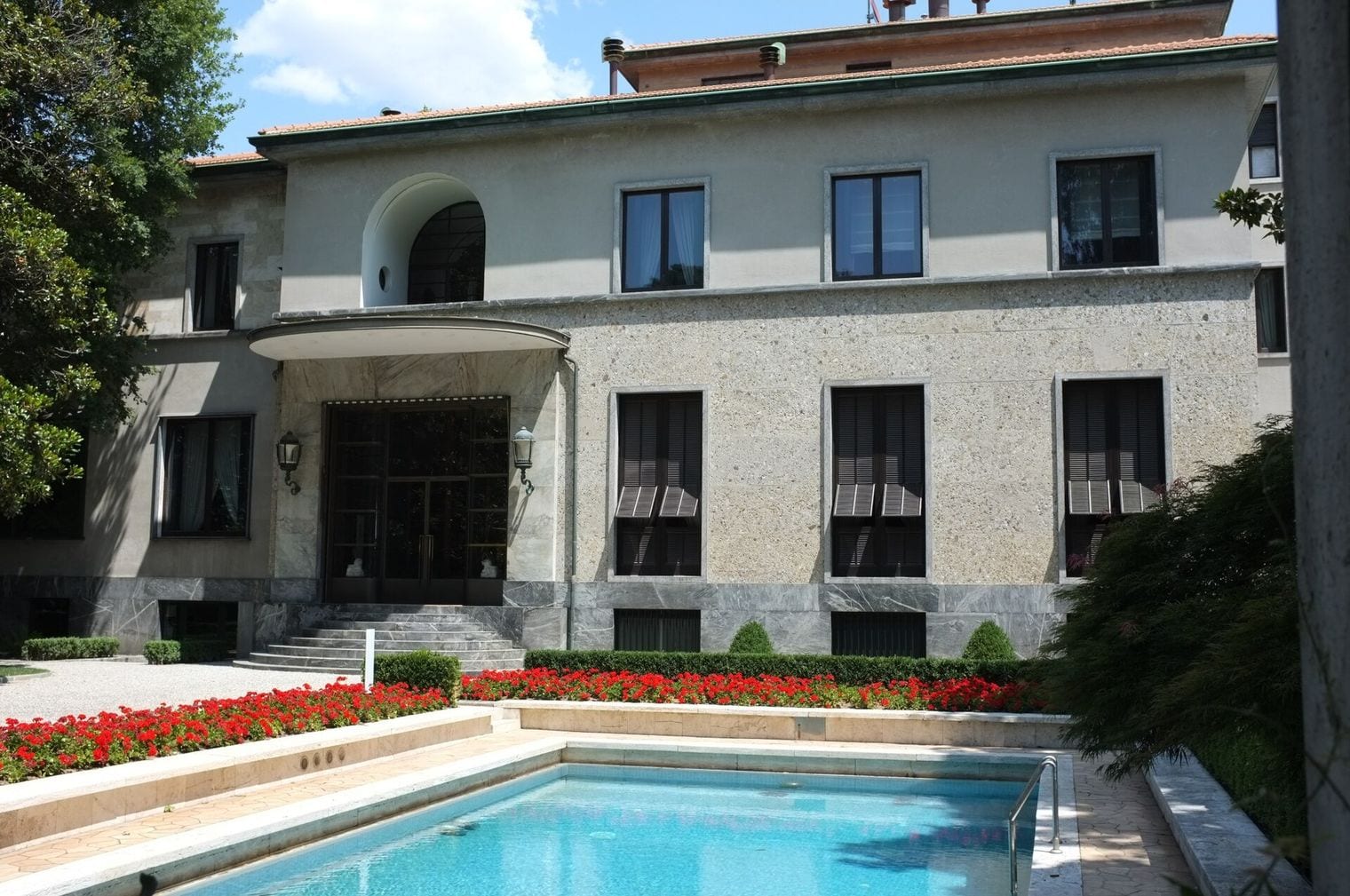
Villa Necchi Campiglio is a 1930s time capsule in the heart of the city, built between 1932 and 1935 as a single-family home by the Milanese Rationalist architect Piero Portaluppi. It stands in a large private garden with a tennis court and a swimming pool, the first ever built on private land in Milan.
The last owners bequeathed the house to FAI, the Italian heritage trust, which opens its elegant rooms and original furnishings to visitors. Film fans may recognise it from Luca Guadagnino's I Am Love and Ridley Scott's House of Gucci, and the leafy garden is a quiet retreat a short walk from the fashion district.
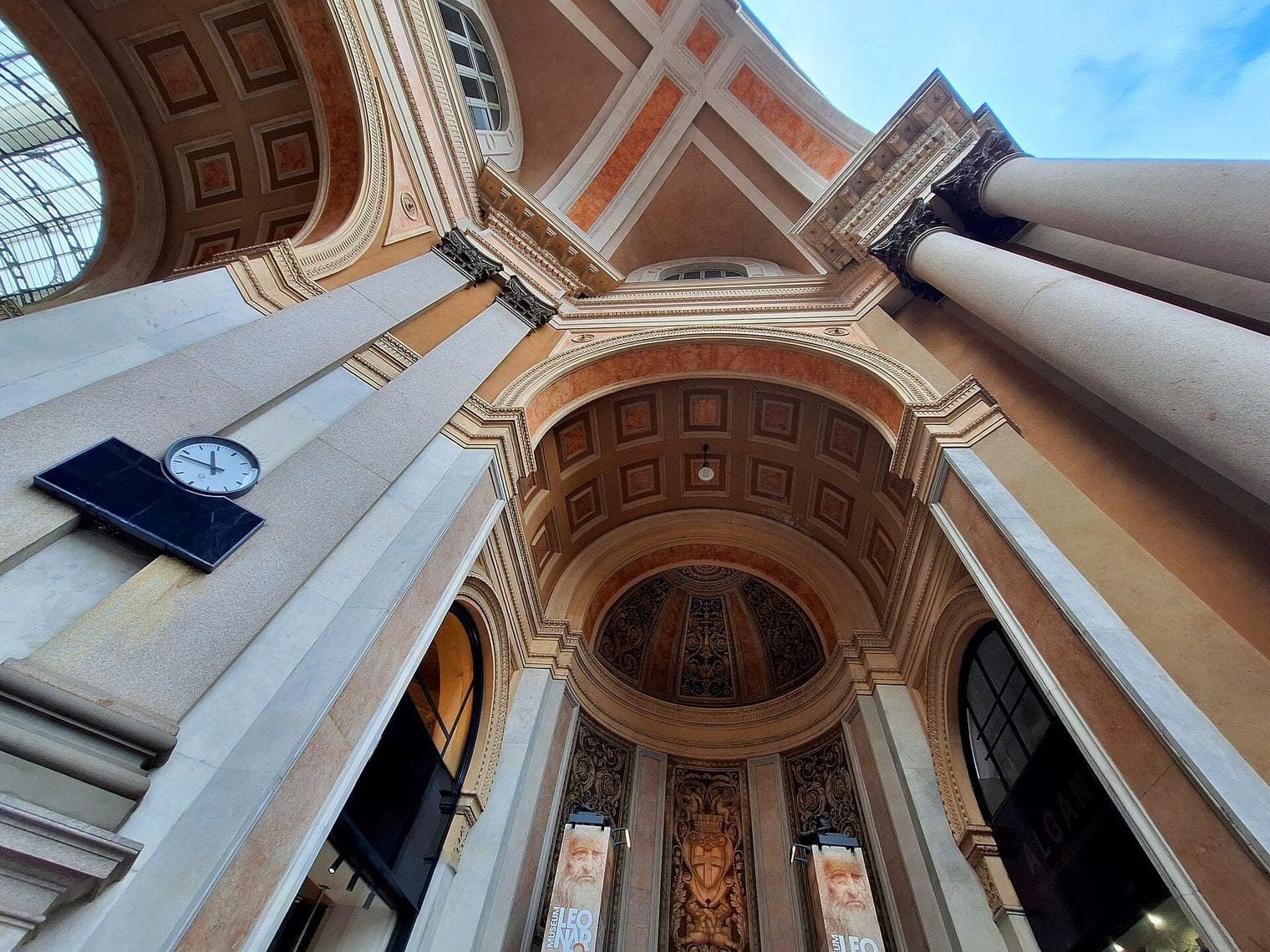
Leonardo3 is an interactive museum devoted to Leonardo da Vinci as both artist and inventor, opened in 2013 on Piazza della Scala, at the end of the Galleria Vittorio Emanuele II. Its team builds physical models of his machines from the designs in his notebooks.
Those models are shown alongside more than 200 digital reconstructions, a digital version of the Codex Atlanticus and a digitally restored Last Supper that explains the science and story behind the mural. With touch screens and hands-on displays, it is a good complement to the real thing and a hit with children.
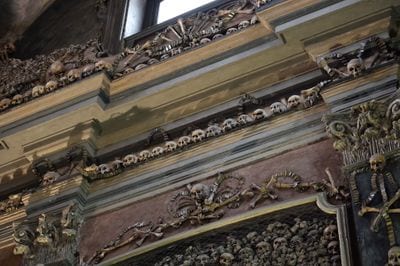
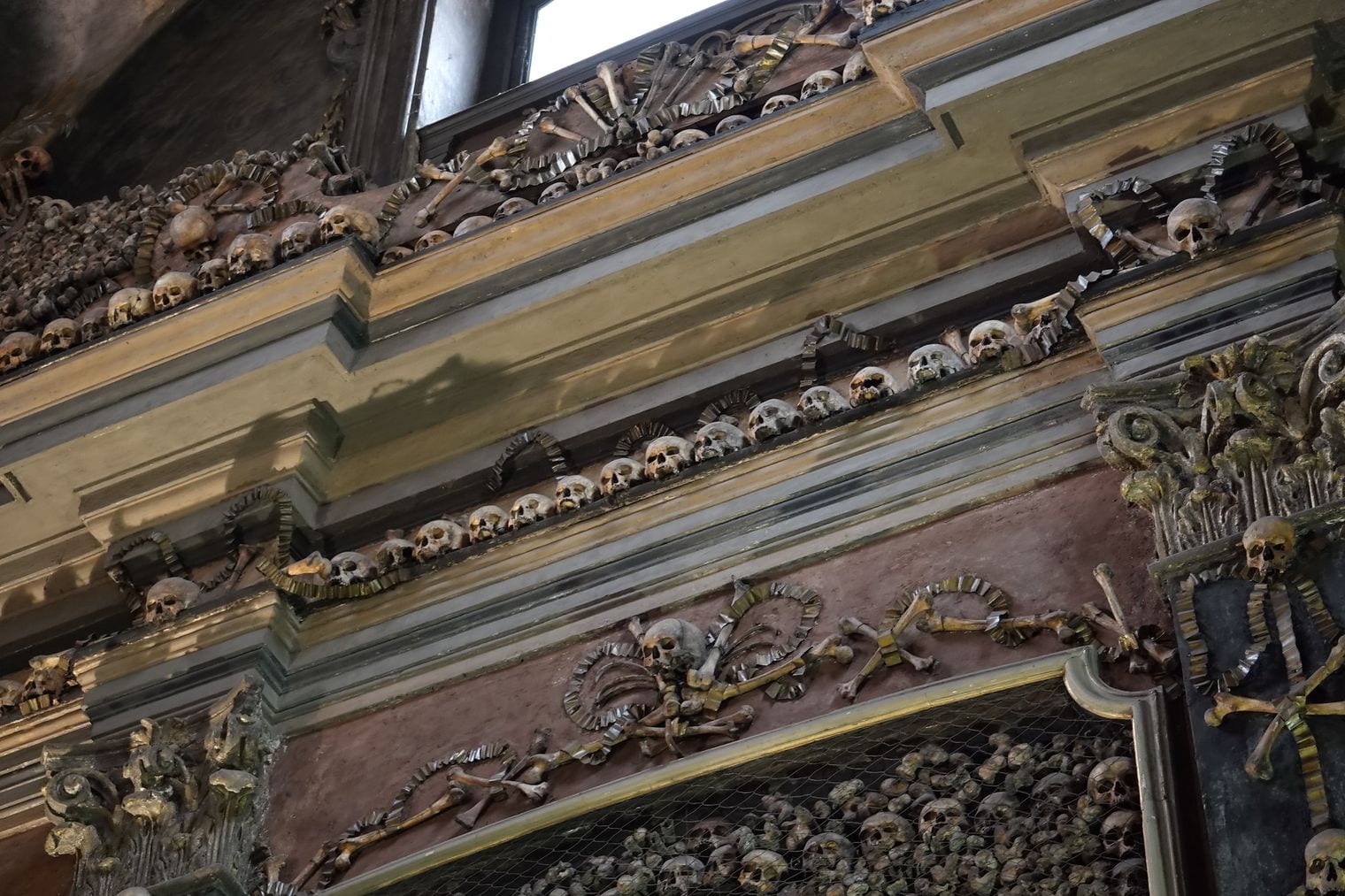
San Bernardino alle Ossa looks like an ordinary church until you step into its side chapel, an ossuary whose walls are covered in human skulls and bones arranged in elaborate patterns. The first room for bones was built in 1210, when a neighbouring cemetery ran out of space; the church grew around it and was rebuilt after a fire in 1712.
The effect is less gruesome than meditative, a reminder of mortality in the spirit of the Catholic devotion of its age, and it is softened by the vault overhead, frescoed in 1695 by Sebastiano Ricci with a Triumph of Souls in a flight of angels. It sits a few minutes' walk from the Duomo and makes a memorable short detour.
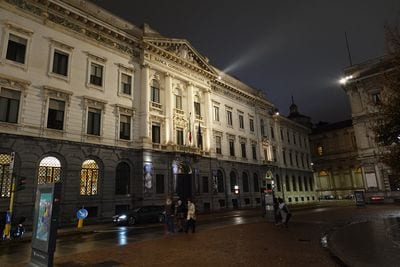
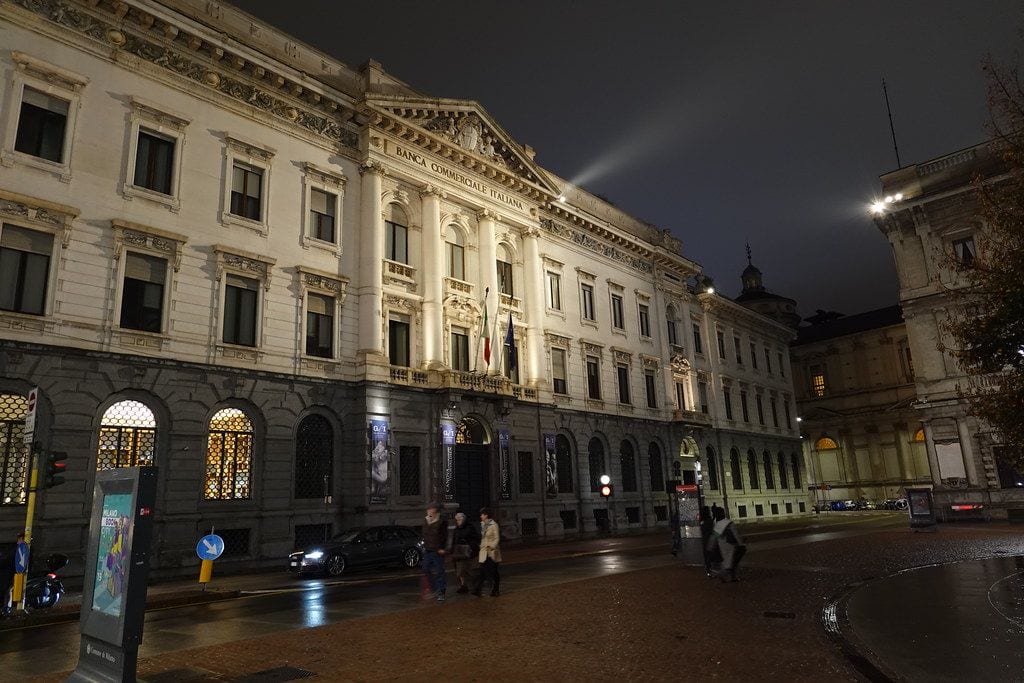
Gallerie d'Italia occupies three historic palazzi on Piazza della Scala, directly opposite the opera house: Palazzo Brentani, Palazzo Anguissola and the former headquarters of the Banca Commerciale Italiana, joined into a single museum route.
The core of the collection is 19th-century Italian art, with a strong showing of Lombard painters and sculptors and works ranging from Antonio Canova to Umberto Boccioni, while the old bank building adds 20th-century pieces. It is calmer than the city's headline galleries, and its grand rooms make an elegant hour or two between La Scala and the Duomo.
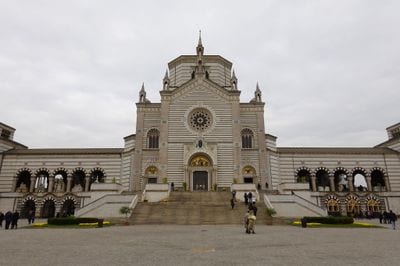
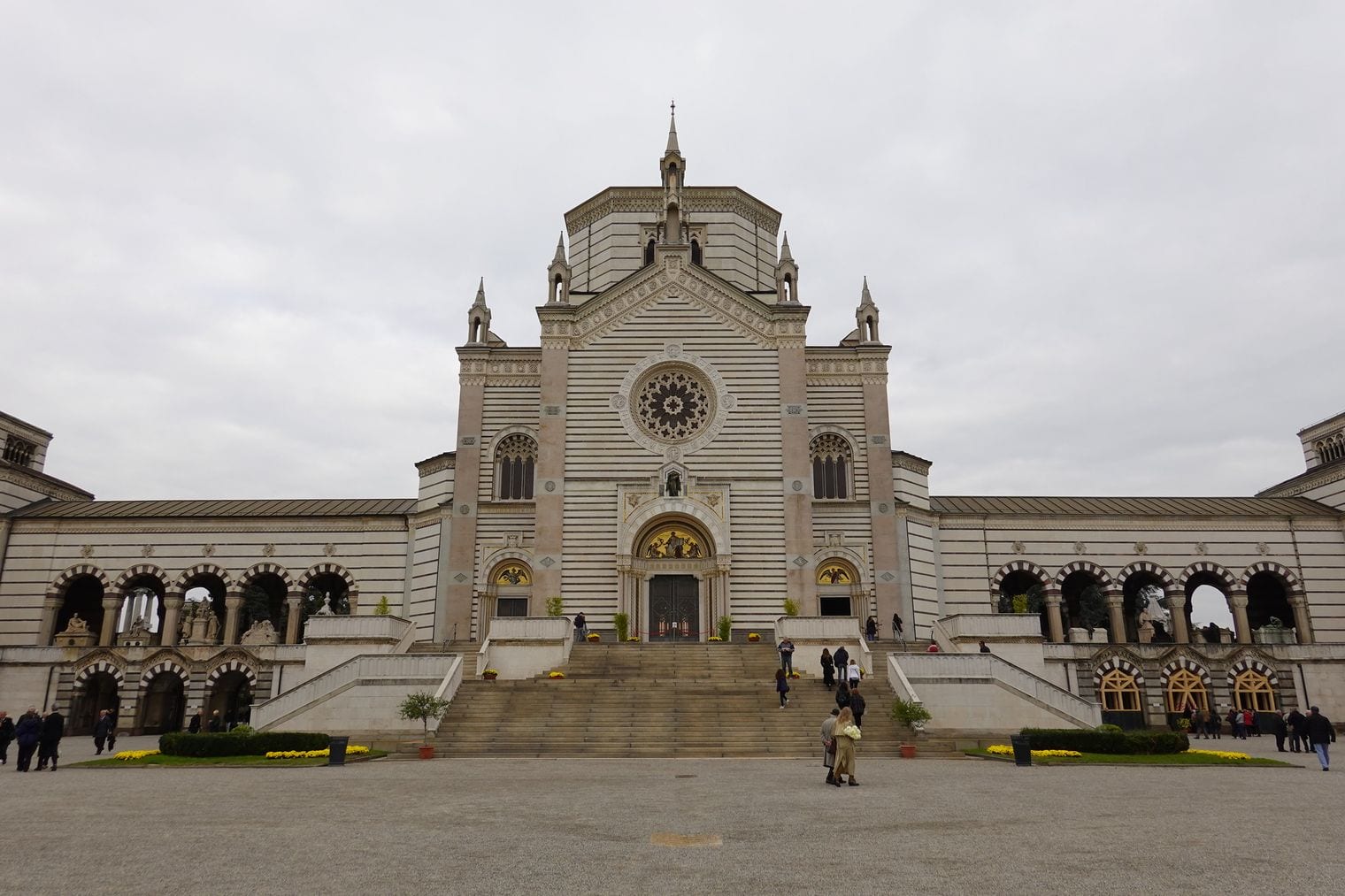
The Monumental Cemetery is an open-air museum of sculpture, opened in 1866 to a design by Carlo Maciachini to replace the small cemeteries scattered around the city. You enter through the Famedio, a massive neo-medieval hall of fame in marble and stone that holds the tombs of some of Milan's most honoured citizens, among them the novelist Alessandro Manzoni.
Beyond it, avenues of tombs commissioned by the city's industrial dynasties range from Greek temples and obelisks to a scaled-down Trajan's Column, with works by sculptors and designers including Medardo Rosso, Lucio Fontana and Gio Ponti. Allow an hour or two to wander; it is one of the most rewarding and least crowded sights in the city.
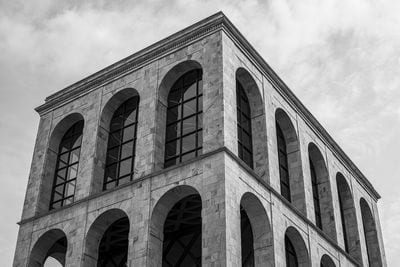
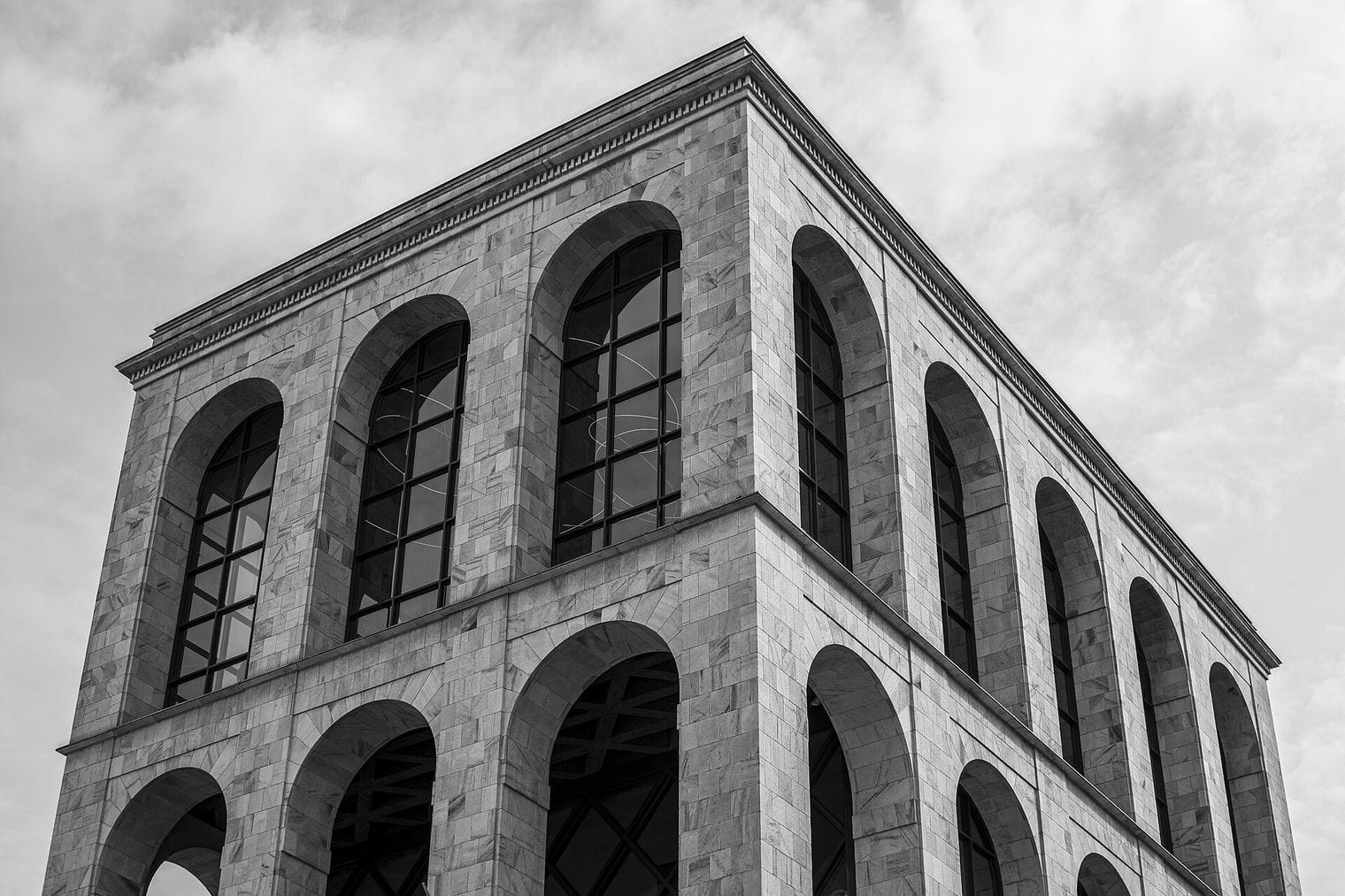
The Museo del Novecento, Milan's museum of 20th-century art, opened in 2010 in the Palazzo dell'Arengario on Piazza del Duomo. It displays about 400 works, most of them Italian, and its rooms of Futurist painting and sculpture, with Boccioni, Balla, Carrà, Severini and Depero, are a highlight.
Further on are rooms dedicated to Giorgio de Chirico, Giorgio Morandi and Lucio Fontana, among many others. Save time for the upper floors, where big windows look straight out across the square to the cathedral façade, one of the best views of the Duomo in the city.
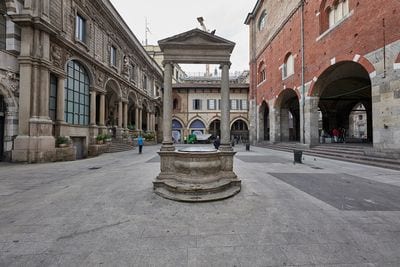
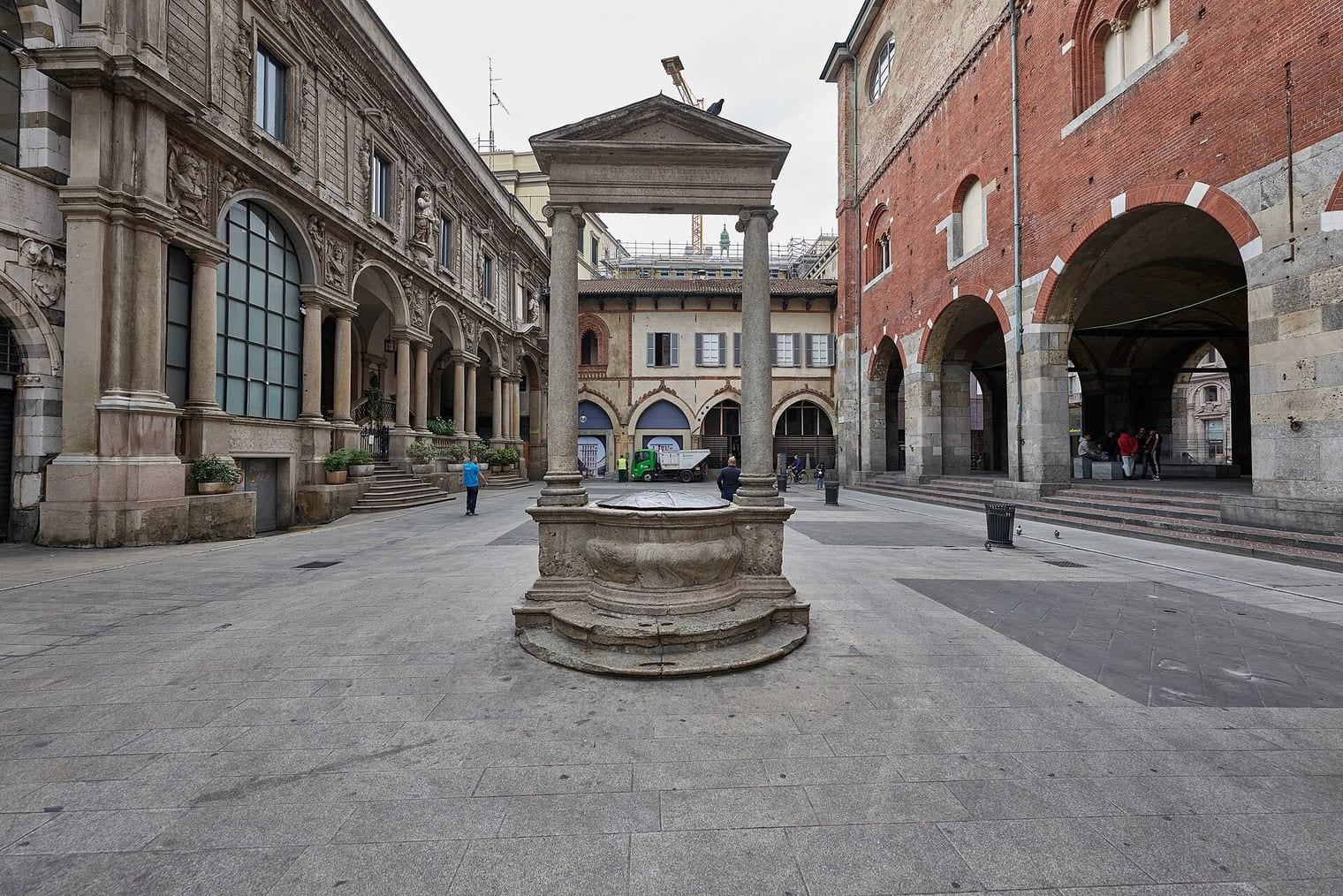
A few steps from Piazza del Duomo, Piazza dei Mercanti was the heart of the city in the Middle Ages, a merchants' square with entrances that were each associated with a particular trade. Its centrepiece is the Palazzo della Ragione, built in 1233 as the city's administrative seat and raised above an open arcade at street level.
Look up at its walls for two curious reliefs: a boar linked to a legend of Milan's founding, and a figure of Oldrado da Tresseno, the official who ordered the palace built. The square's other old buildings, including the Gothic Casa Panigarola and the Loggia degli Osii, make it a calm, atmospheric pocket just off the busy streets.
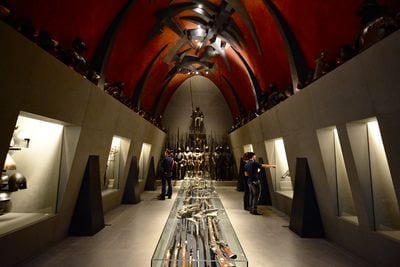
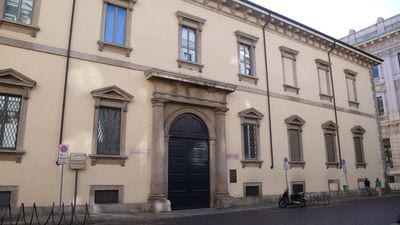
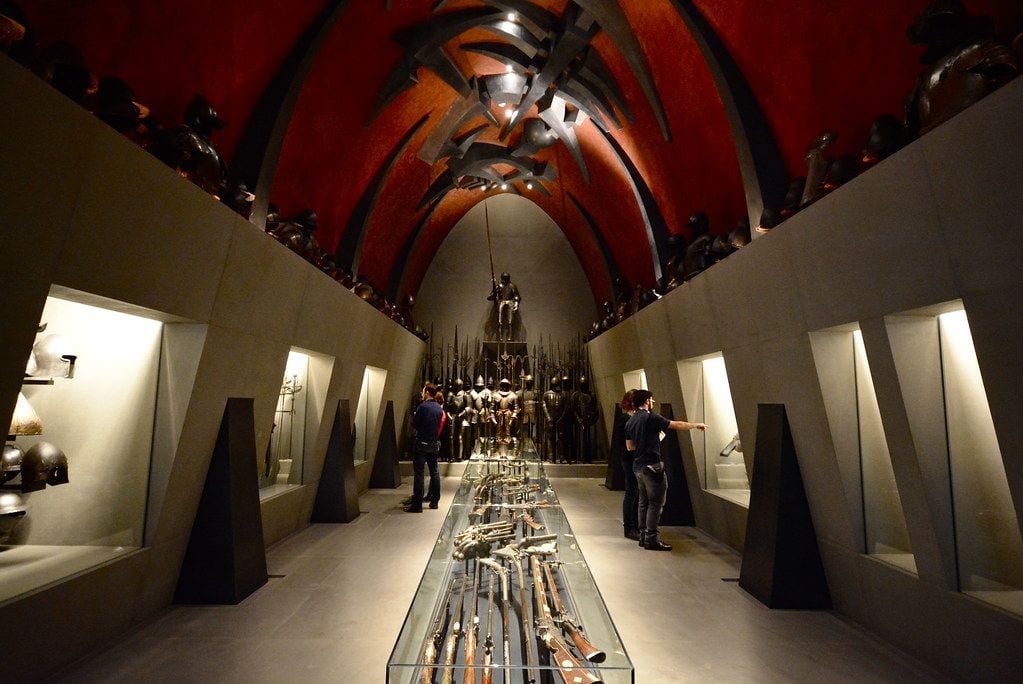
The Poldi Pezzoli Museum began as the private collection of the nobleman Gian Giacomo Poldi Pezzoli, who left his house and its contents to become a museum; it opened in 1881 on Via Manzoni, a short walk from La Scala. Its rooms were decorated and furnished to match the art on their walls, giving the visit the feel of a grand private home.
The collection is especially strong in Northern Italian and Flemish painting, and adds weapons and armour, glass, ceramics, jewellery and furniture. Badly damaged in the Second World War, the palazzo was rebuilt and reopened in 1951, with the art that had been placed in safe storage back on its walls.
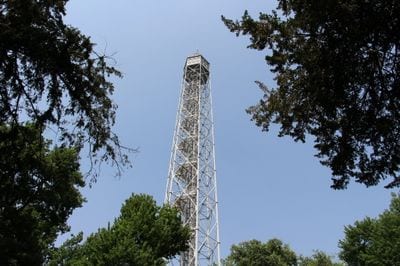
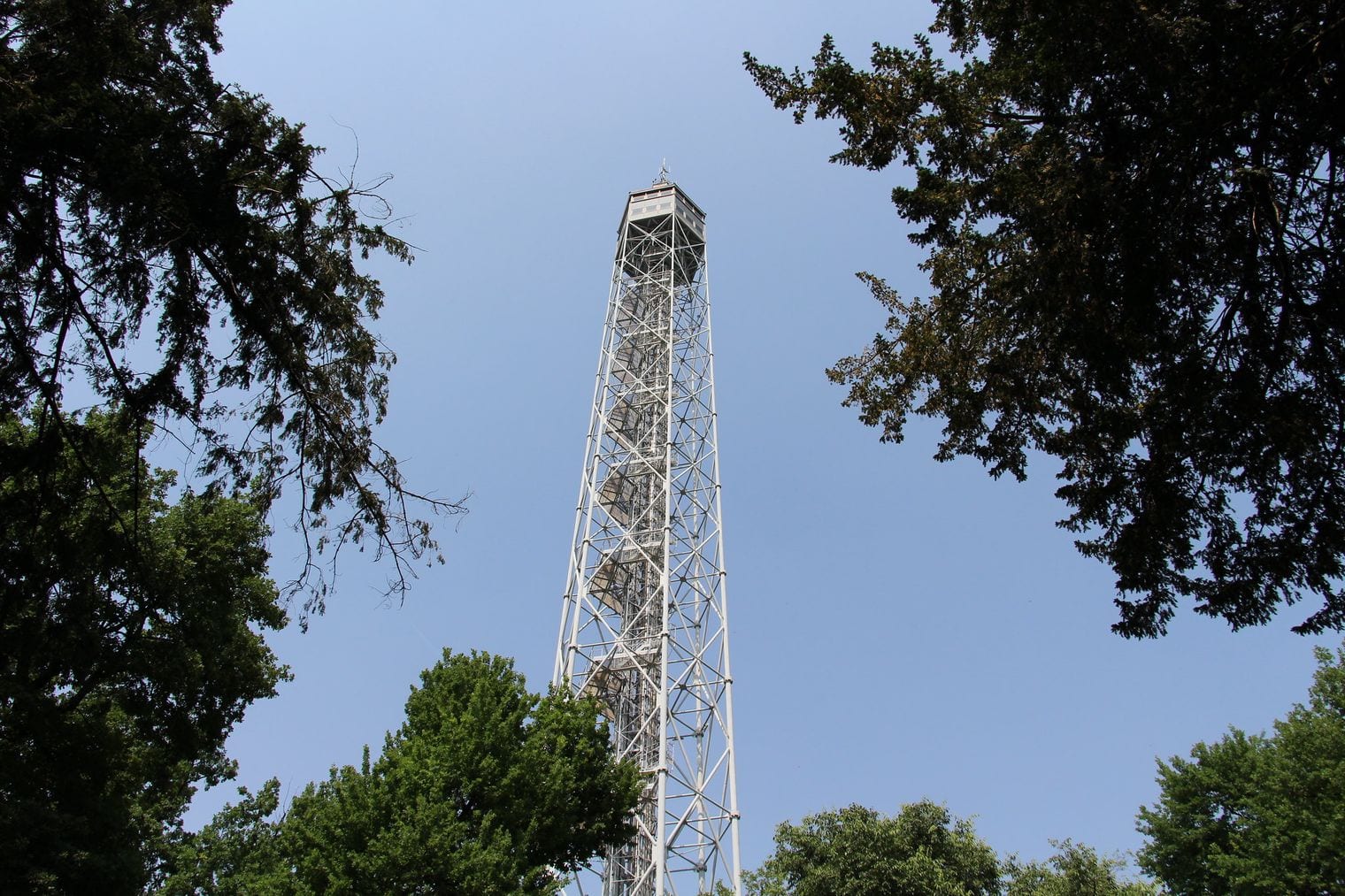
Torre Branca is a slender steel-frame panoramic tower in Parco Sempione, designed by Gio Ponti in 1933. Its height was limited to 108.6 metres so that it would not rise above the Madonnina, the gilded statue on the cathedral's highest spire.
Originally named the Torre Littoria, it was restored and reopened to the public in 2002 by the Branca liquor company, which gave it its present name. A lift carries visitors to the top for a view that, on a clear day, takes in the whole city, the Alps, the Apennines and part of the Po Valley.
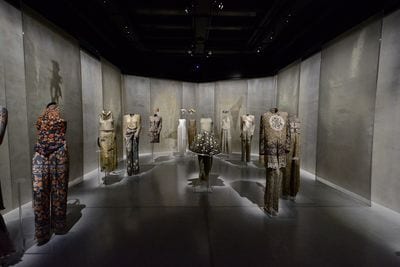
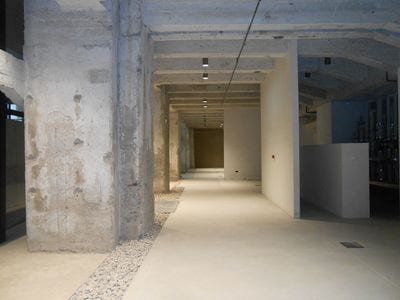
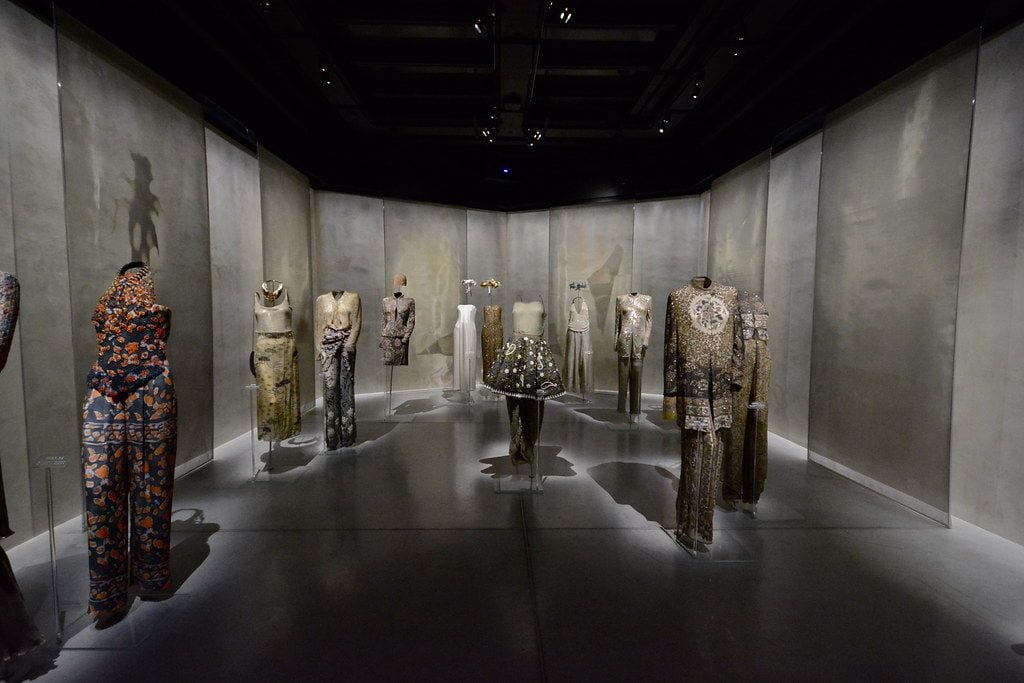
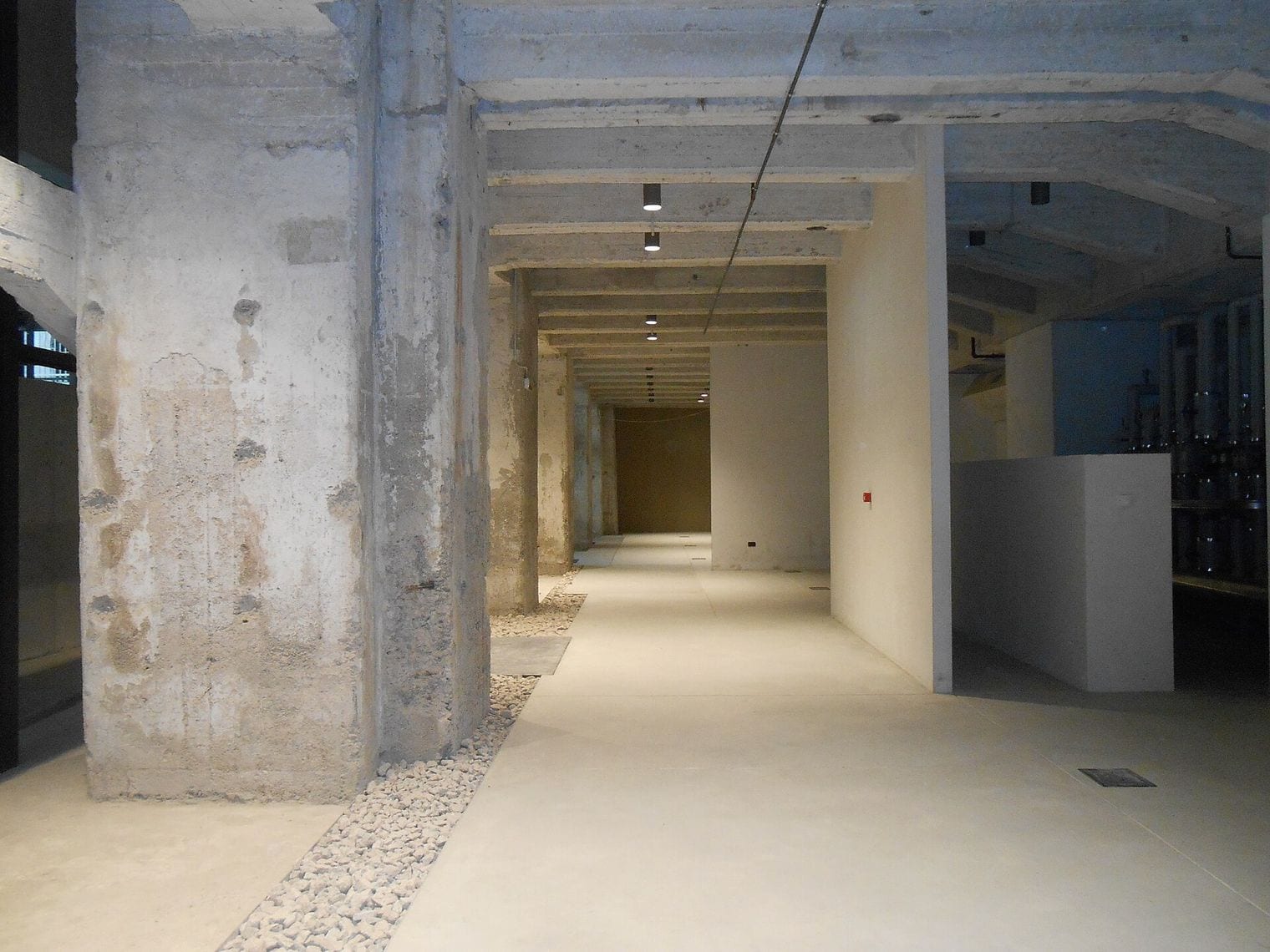
Armani/Silos is Giorgio Armani's own fashion museum, opened in 2015 to mark 40 years of his career in a converted 1950s granary in the Tortona district. Armani chose the name because the building once stored food, which he saw as just as essential to life as clothes.
Four floors present his work by theme rather than chronology, from androgynous tailoring to designs inspired by other cultures, alongside a digital archive and temporary exhibitions of fashion, photography and design. The spare, ordered spaces are a fitting frame for a designer known for restraint.
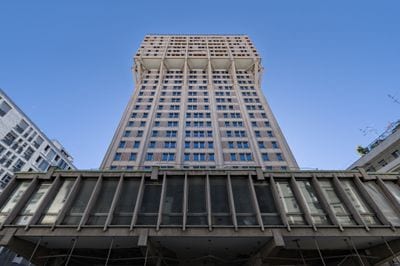
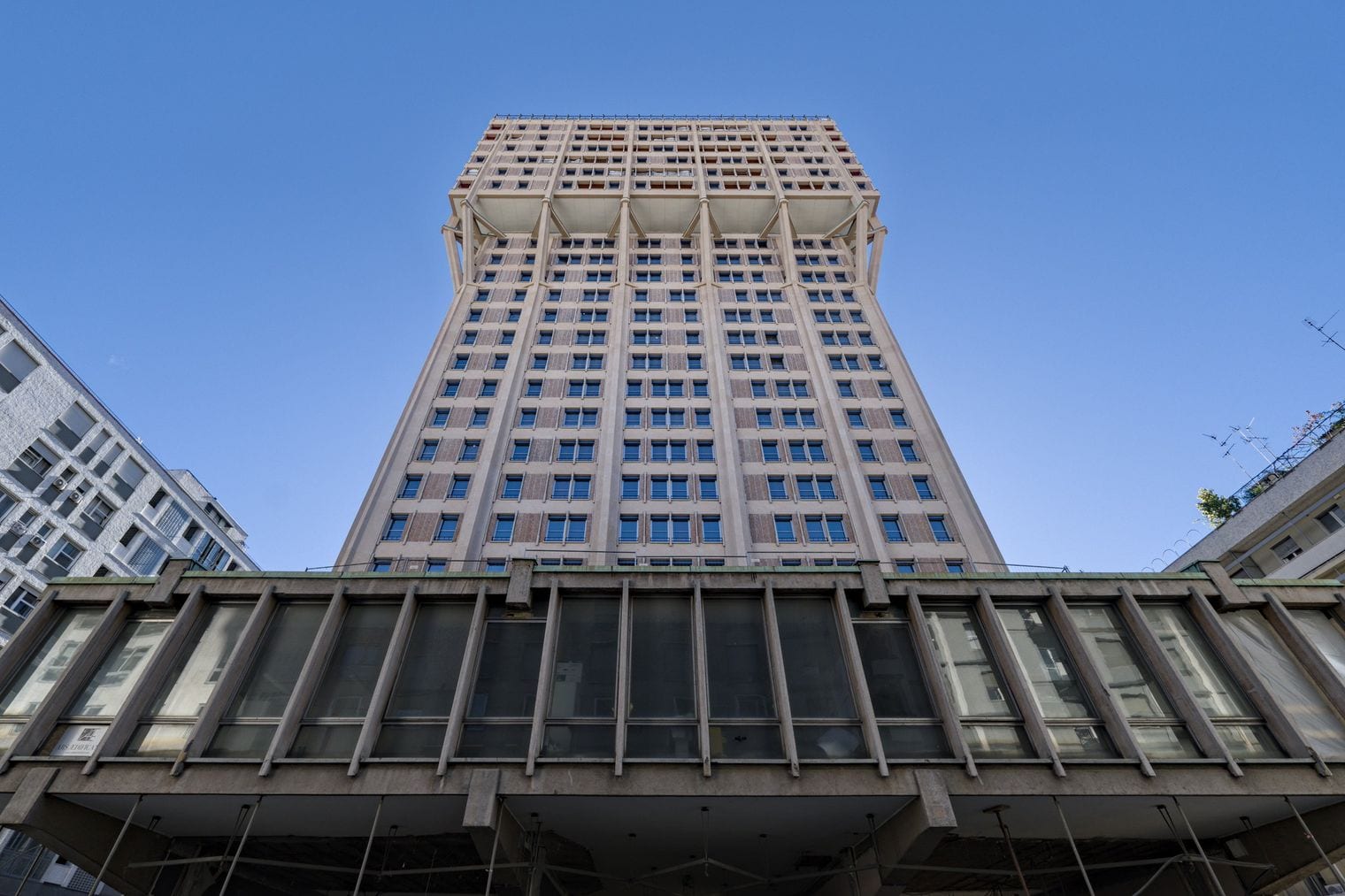
Torre Velasca is one of the most recognisable buildings on the Milan skyline: a 106-metre tower completed in 1958 by the BBPR partnership, whose upper floors jut out over the lower ones on diagonal struts, giving it its famous mushroom shape.
The design is a modern reading of the Lombard fortress tower, deliberately echoing medieval castles and the Filarete Tower of the Sforzesco Castle. It is considered one of the few Italian examples of brutalist architecture and was placed under heritage protection in 2011; see it from the streets between Corso di Porta Romana and Via Larga, a short walk from the Duomo.
The Shoah Memorial of Milan occupies the hidden platform beneath Milano Centrale, Binario 21, from which Jewish prisoners held in San Vittore prison were loaded onto freight cars and deported, most of them to Auschwitz. Among the children on one of those trains was Liliana Segre, who survived and later became an Italian senator for life.
Opened on Holocaust Remembrance Day in 2013, the memorial keeps two original freight cars on the tracks and a wall onto which the names of the deportees are projected. It is a quiet, deeply affecting place; allow time to read and reflect, perhaps as you arrive in or leave the city by train.
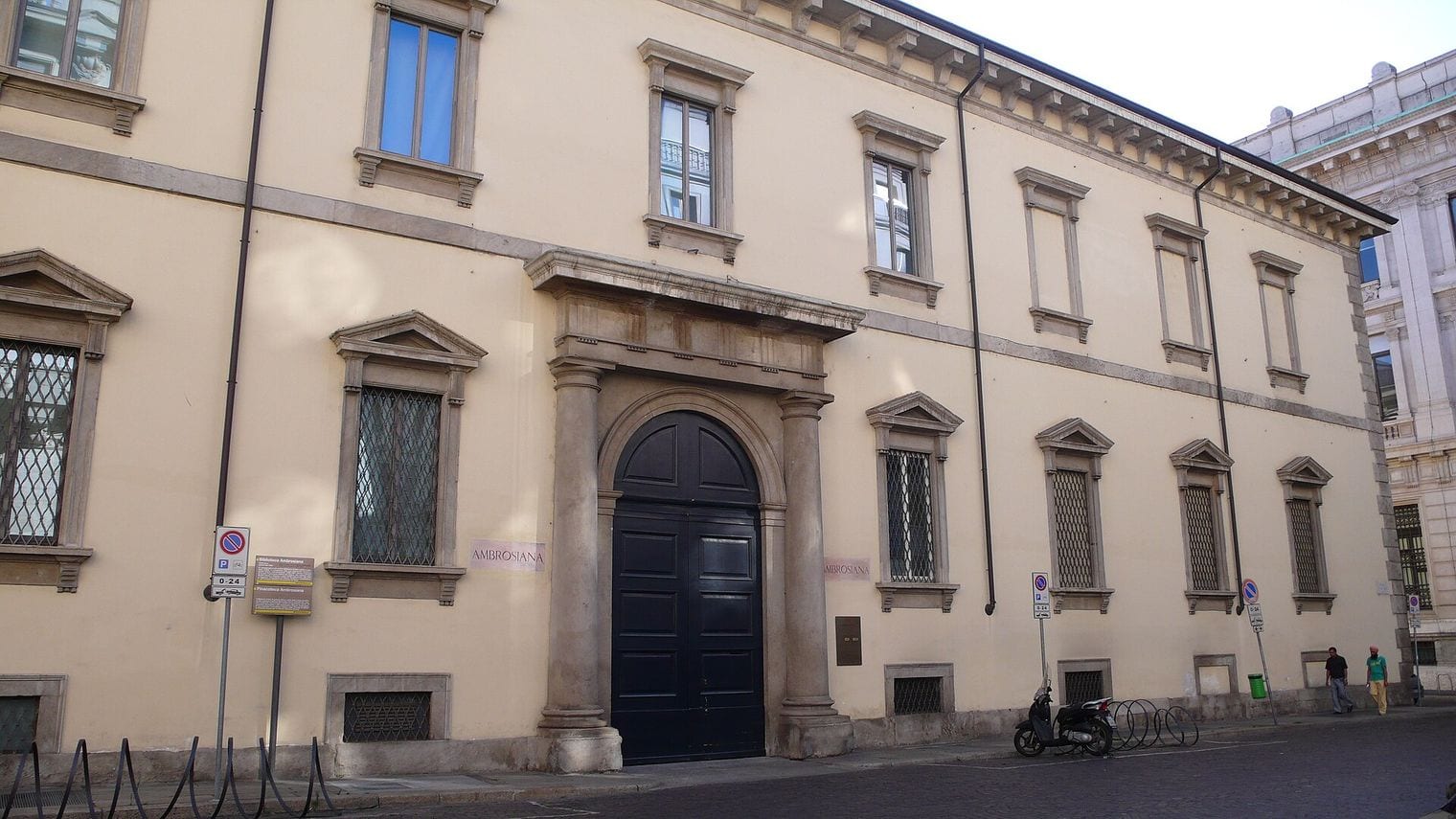
The Pinacoteca Ambrosiana shares its home with the Biblioteca Ambrosiana, the historic library inaugurated in 1609 by Cardinal Federico Borromeo, whose agents scoured Europe and the Near East for books and manuscripts. The gallery grew from the cardinal's own art collection and remains one of the most rewarding in the city.
Highlights include Leonardo's Portrait of a Musician, Caravaggio's Basket of Fruit and Raphael's vast preparatory cartoon for The School of Athens. The library owns the Codex Atlanticus, the largest single set of Leonardo's drawings, acquired in 1637, and selections from it go on display for visitors.
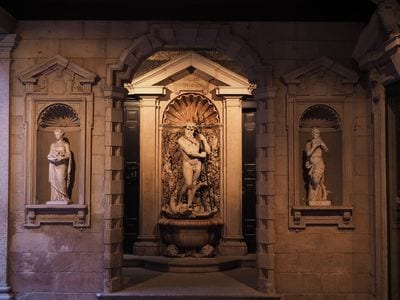
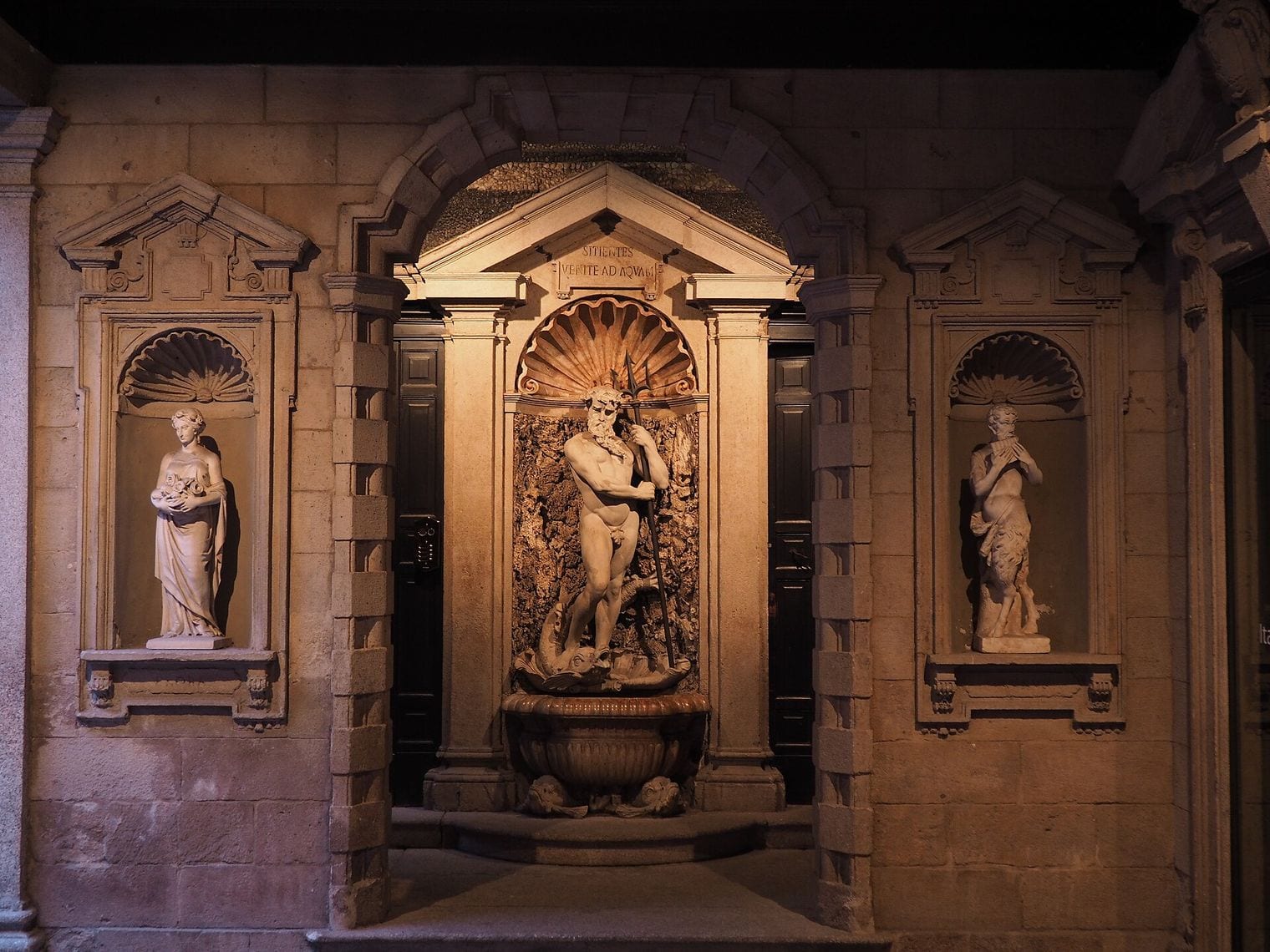
The Bagatti Valsecchi Museum is a historic house museum in the Montenapoleone district, the home the Barons Bagatti Valsecchi filled with Italian Renaissance art and furnishings and left to be displayed as they wished.
Room after room holds maiolica, tapestries, ivory and pastiglia coffers, glassware, arms and armour, clocks and paintings, including a Madonna and Child lunette by a follower of Donatello. The effect is of stepping into a Renaissance palace as imagined by its collectors, an unexpected oasis between the boutiques of Via della Spiga and Via Montenapoleone.
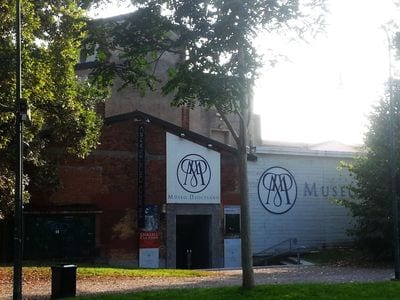
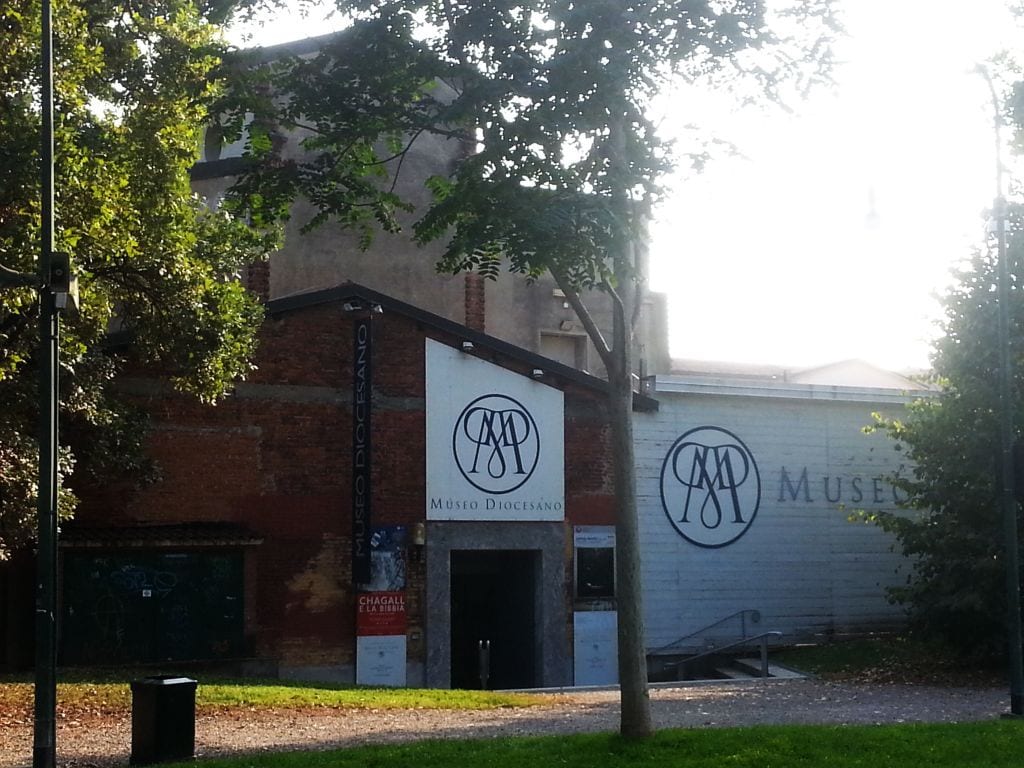
The Museo Diocesano, named after Cardinal Carlo Maria Martini, holds the sacred art of the Archdiocese of Milan, gathered from churches across the city and Lombardy. First conceived in 1931, it opened in its present home in 2001, in the former Dominican convent behind the Basilica of Sant'Eustorgio near Porta Ticinese.
Its galleries trace centuries of religious painting and sculpture, and the convent's cloisters add a quiet setting for a break from the city. Pair it with the basilica next door, whose Portinari Chapel is one of the jewels of Renaissance Milan, and with a walk south to the Navigli.
Corso Como is a short pedestrian street running from Porta Garibaldi station towards the towers of Porta Nuova, lined with bars and restaurants and busy from aperitivo hour well into the night.
Its landmark is 10 Corso Como, founded in 1990 by the gallerist and publisher Carla Sozzani: a courtyard complex combining a gallery, a fashion and design store, a bookshop and a café under one roof. Wander in for the leafy courtyard alone, then continue up the steps to Piazza Gae Aulenti.
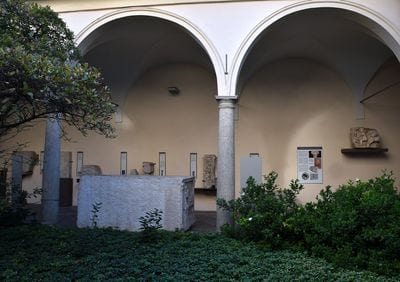
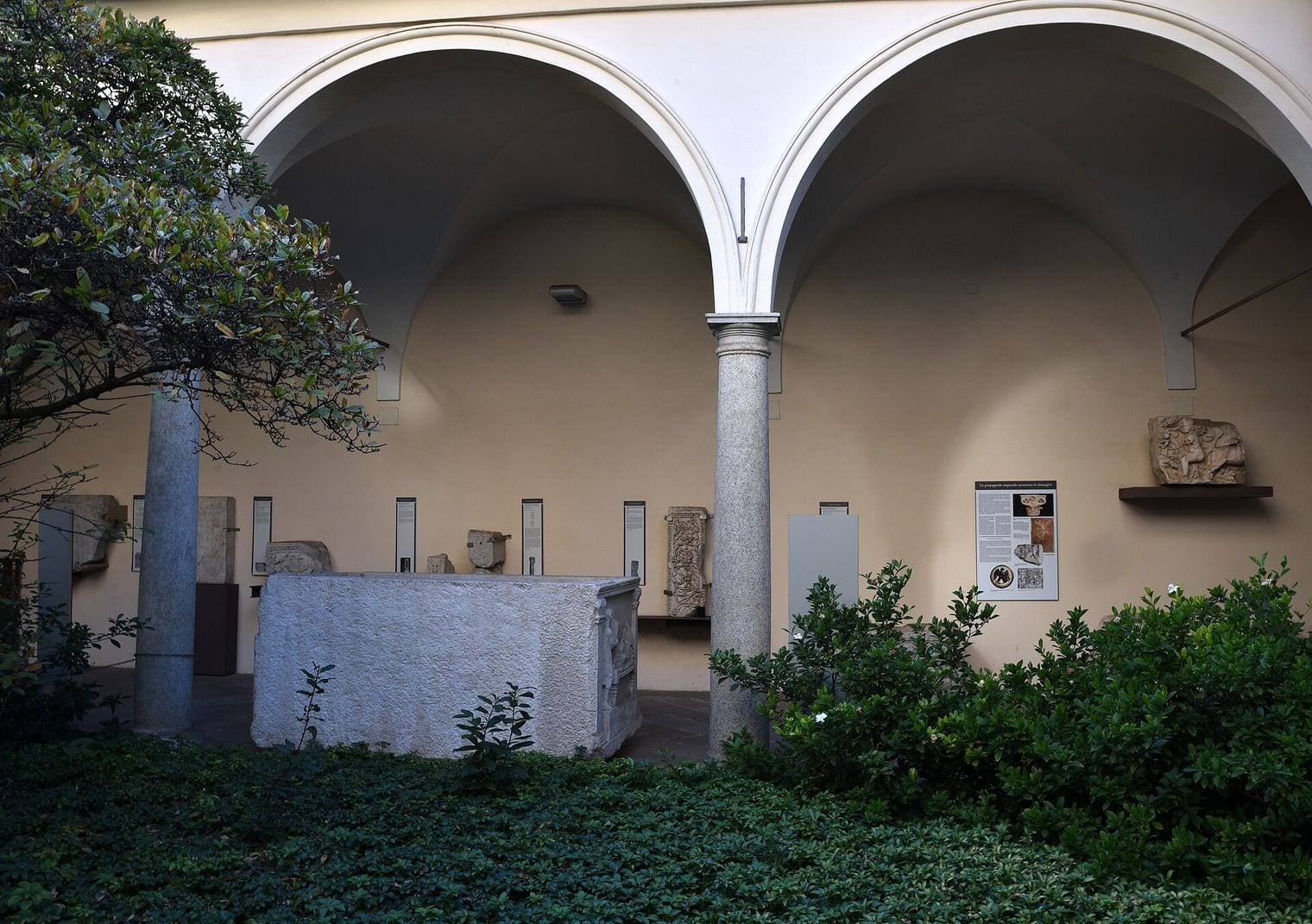
Next door to San Maurizio, the Civic Archaeological Museum occupies the former Monastero Maggiore convent and tells the story of Mediolanum, ancient Milan, which the Romans conquered in 222 BC and later made one of the great cities of their empire.
Statues and tombs line the cloisters, and in the inner cloister you can see Roman remains and two towers: a polygonal one from the late 3rd century, a survivor of the city walls with medieval frescoes inside, and a square one that belonged to the Roman circus. A newer wing behind adds early medieval, Etruscan and ancient Greek collections and a small section of art from Gandhara.
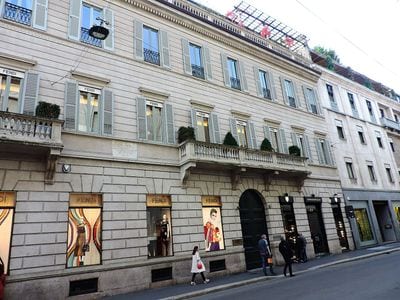
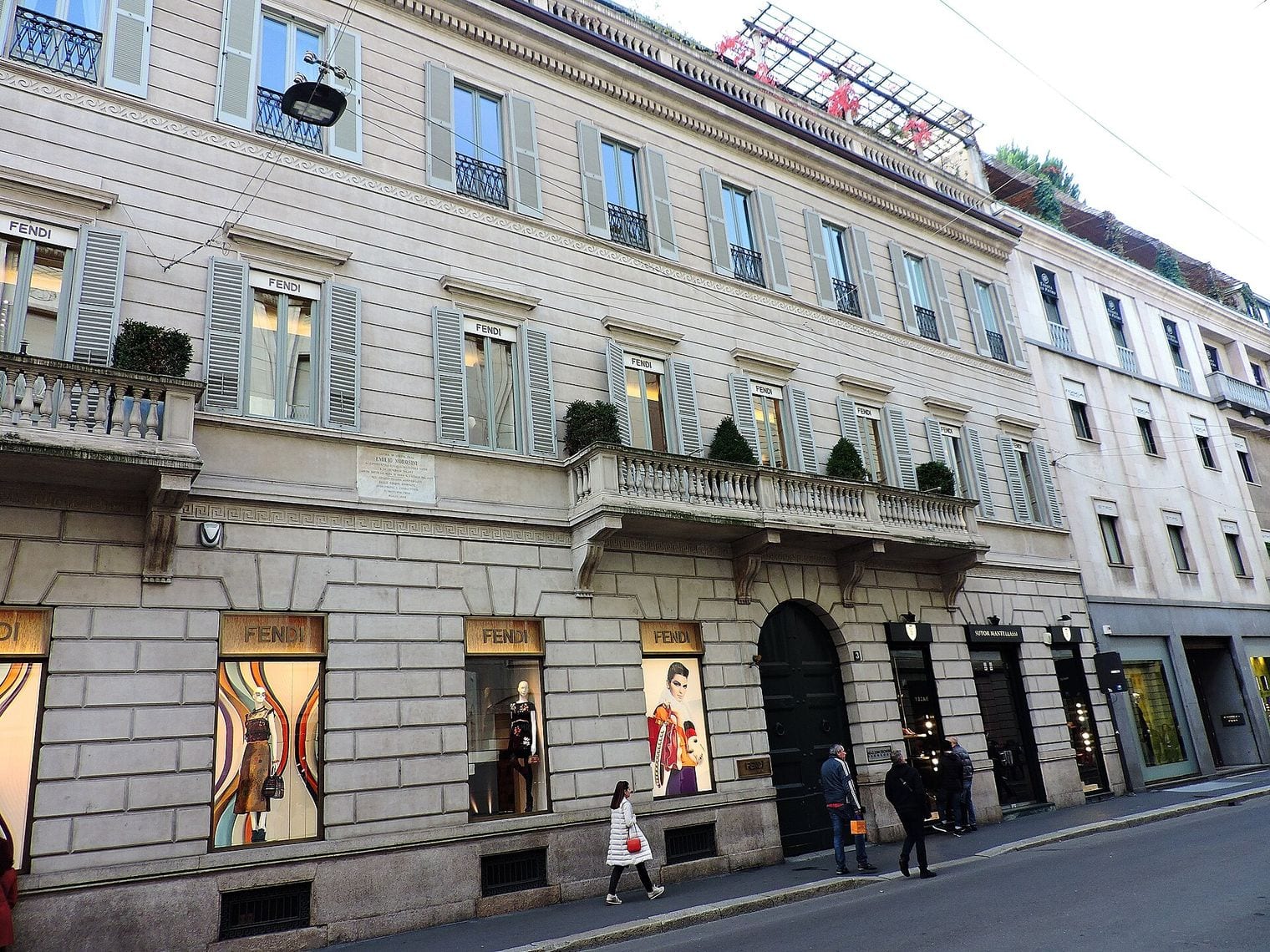
The Quadrilatero della Moda is Milan's fashion district, a compact block of streets bounded by Via Montenapoleone, Via Manzoni, Via della Spiga and Corso Venezia, where Italian fashion houses and international brands keep their flagship stores.
Even if you are not buying, it is a fine place to window-shop and people-watch, and side streets such as Via Sant'Andrea, Via Gesù and Via Borgospesso hide elegant old palazzi and courtyards. The Bagatti Valsecchi Museum sits right in the middle, and the Poldi Pezzoli Museum is a short walk away.
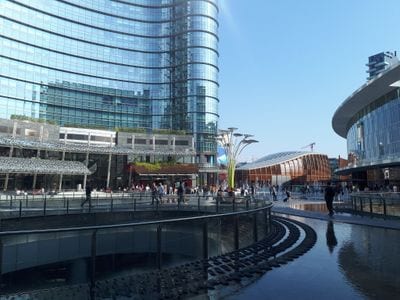
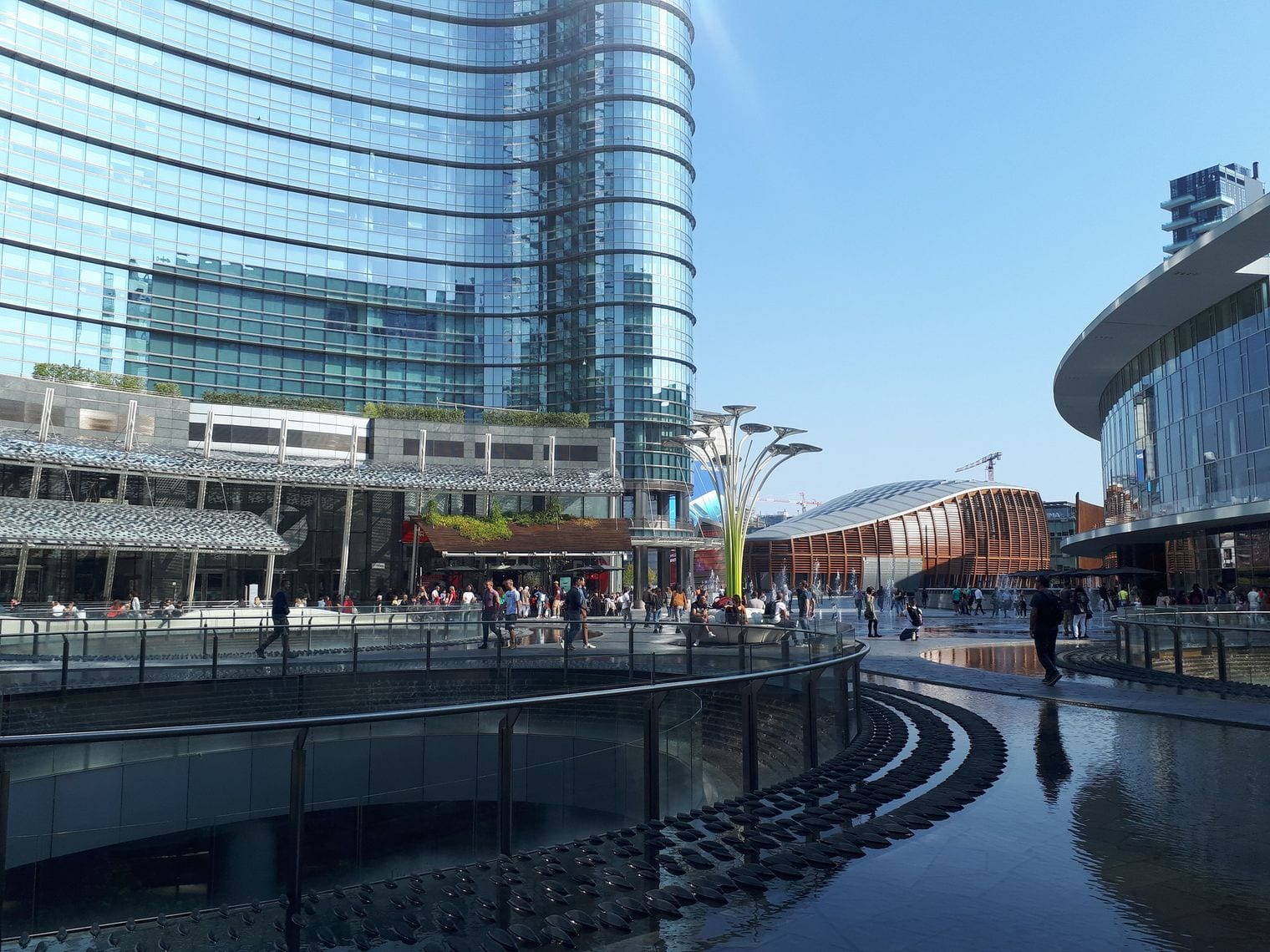
Porta Nuova is Milan's 21st-century face, a business district of glass towers built around Piazza Gae Aulenti, an elevated circular plaza 100 metres across, with fountains at its centre and Porta Garibaldi station at its foot.
Above it rises the UniCredit Tower, whose spire makes it the tallest building in Italy, while a short walk away the two Bosco Verticale towers, inaugurated in 2014, are planted with hundreds of trees and thousands of shrubs and other plants. Between them stretches the Biblioteca degli Alberi, a public park whose name means library of trees.
Beyond its famous gallery, Brera is one of Milan's most charming neighbourhoods, a web of cobbled lanes such as Via Fiori Chiari and Via Brera itself, lined with cafés, galleries and small shops. Long home to the Brera Academy of Fine Arts, it grew into an artists' quarter with a bohemian air, sometimes called the Montmartre of Milan.
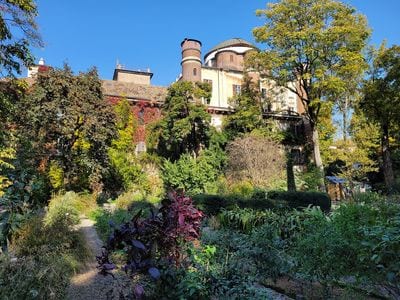
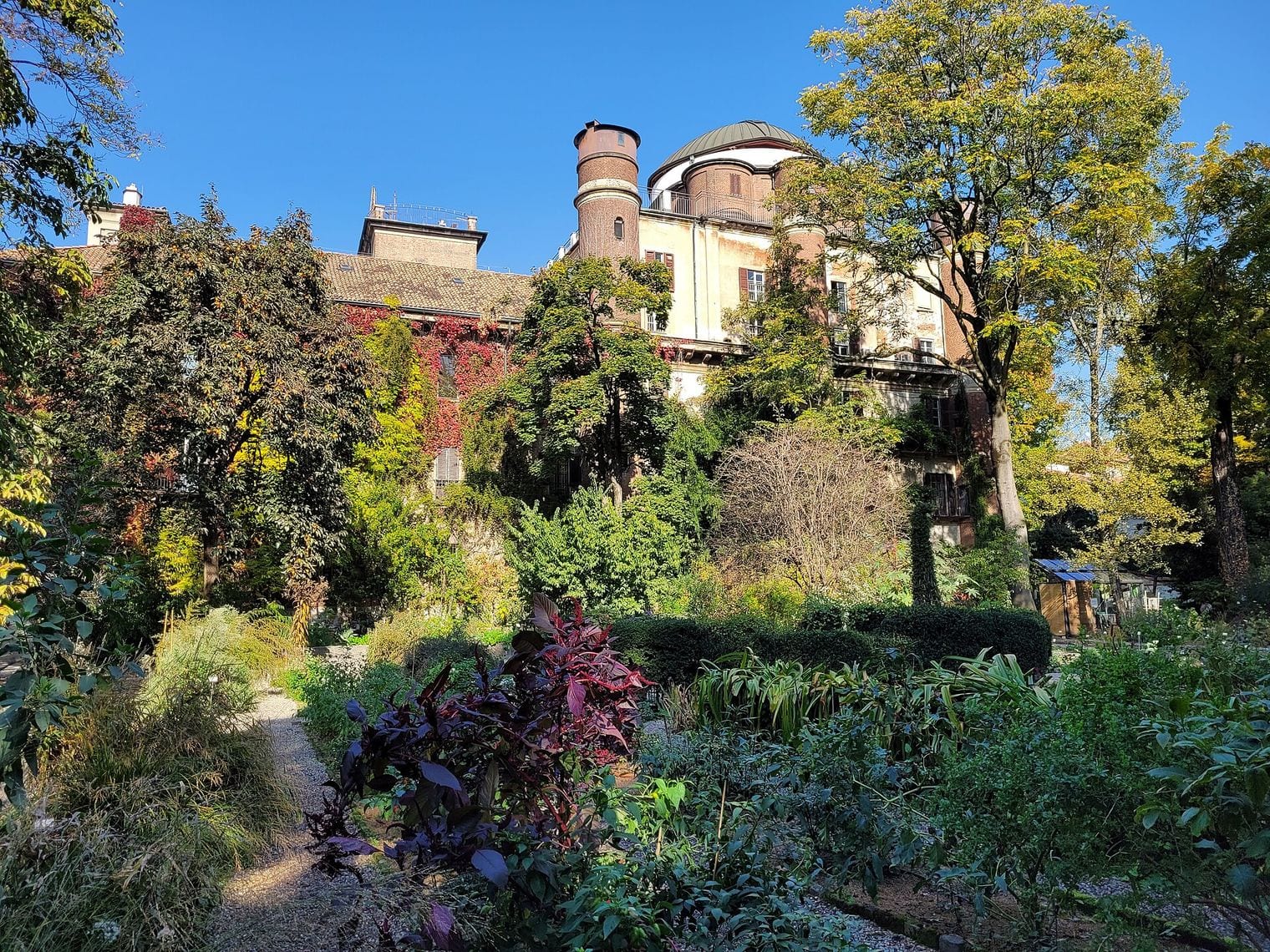
Slip behind Palazzo Brera into the Orto Botanico, a botanical garden founded in 1774 that holds one of the oldest ginkgo trees in Europe, or visit the Biblioteca Braidense, one of Italy's largest libraries. The neighbourhood's churches of San Marco and San Simpliciano repay a look too, and the Pinacoteca di Brera sits at its heart.
Plan your trip
Best Time to Visit Milan
Spring, from April to June, and early fall, in September and October, are the most comfortable times to visit, with mild weather for walking and the cultural calendar in full swing. They are also the busiest: design week, built around the Salone del Mobile furniture fair, takes over the city each spring, and the main fashion weeks fall in late winter and September, so book rooms early around them.
Summer is hot and humid, and in August many Milanese leave for their holidays, so some shops and restaurants close. Winter is cold and often foggy, but it has its own appeal: the opera season at La Scala traditionally opens on 7 December, the feast of Sant'Ambrogio, and Christmas lights and markets brighten the centre.
Getting to Milan
Milan is served by three airports. Malpensa, the main international hub, lies about 50 km northwest of the city and is linked to the centre by a dedicated express train; Linate, much closer in on the eastern edge of the city, is connected by metro; and Bergamo's Orio al Serio airport, about an hour away by bus, handles many low-cost flights.
By rail, Milano Centrale is one of the country's main hubs. High-speed trains reach Turin in about an hour, Florence in about two, Venice in about two and a half and Rome in about three, while international services run north into Switzerland. Drivers arrive on the motorways that ring the city, but a car is more burden than help once you are here.
Getting Around Milan
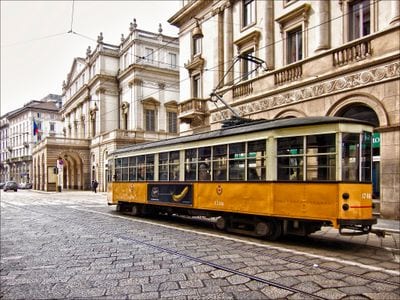
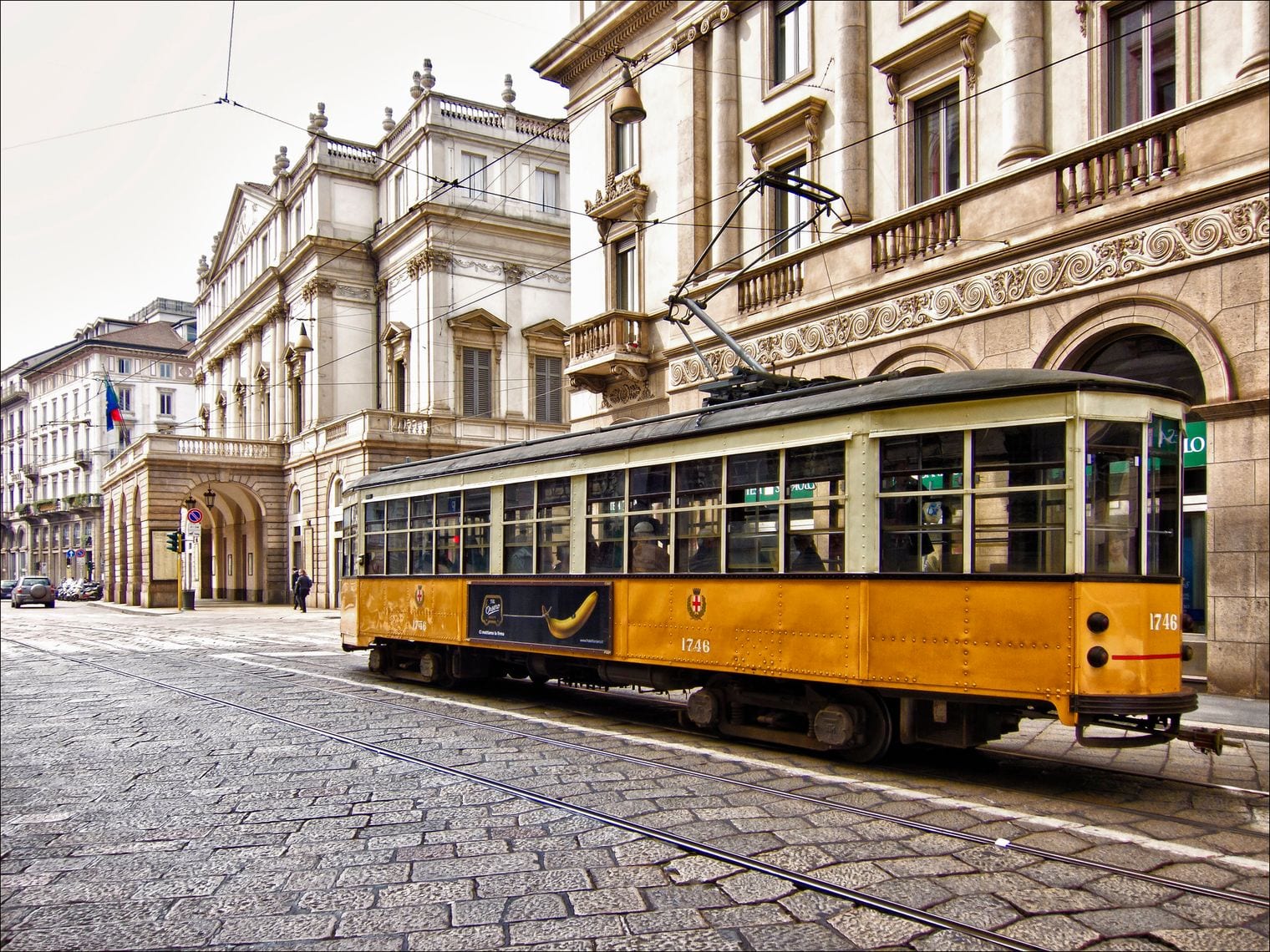
The historic centre is compact and best explored on foot: the Duomo, the Galleria, La Scala, Brera and the Sforzesco Castle are all within a comfortable walk of one another. For longer hops, an efficient metro network, trams, including vintage cars that still run in regular service, buses and suburban trains cover the whole city.
Driving in the centre is best avoided: a congestion-charge zone covers the inner city, parking is scarce and traffic is heavy. Shared bikes and scooters are widely available, and taxis are usually picked up at ranks or booked in advance rather than hailed in the street.
Where to Stay in Milan
For a first visit, the historic centre around the Duomo puts the major sights on your doorstep, while Brera offers the same central location with a quieter, village-like feel and plenty of places to eat. The area around Milano Centrale and Porta Nuova is practical for train travellers and business trips, with good metro links to everything.
Night owls tend to prefer the Navigli and Porta Ticinese, where the canals and bars are steps away, or Isola, a former working-class quarter beside Porta Nuova that has become one of the city's liveliest neighbourhoods for food and drink.
Where to Eat in Milan
Milanese cooking is rich and northern. Look for risotto alla milanese, golden with saffron and often served with ossobuco, braised veal shank; the cotoletta alla milanese, a breaded veal cutlet fried in butter; cassoeula, a hearty winter stew of pork and cabbage; and, around Christmas, panettone, the city's famous sweet bread. Cafés across the centre serve the classic standing breakfast of cappuccino and a pastry at the bar.
Milan is also the home of the aperitivo: from early evening, bars serve drinks with snacks or a small buffet, and the Navigli, Brera, Isola and Corso Como are the classic places to join in. For a sit-down dinner, the same neighbourhoods and the streets around Porta Venezia offer everything from old-school trattorias to inventive modern Italian cooking.
Day Trips from Milan
Lake Como is the classic escape, about an hour north by train, with villas, gardens and ferries linking lakeside towns such as Bellagio and Varenna. Bergamo, under an hour to the northeast, rewards a day in its walled hilltop Città Alta, and Lake Maggiore, with the Borromean Islands off Stresa, lies about an hour to the northwest. Closer still, the Certosa di Pavia, a lavish Renaissance monastery, is less than an hour south.
High-speed trains bring bigger cities within reach too. Turin is about an hour to the west, and Florence and Venice each make a long but rewarding day trip from Milan, though both deserve a night or two of their own.
Before you go
Mobile dataAn eSIM gives your phone local data when you land, with no SIM card to swap.via AiraloGet an eSIM
Airport transferA driver meets you at arrivals and takes you to your hotel, at a price fixed when you book.via Welcome PickupsBook a transfer
We may earn a commission when you buy through these links, at no extra cost to you. How we make money.
Milan is best known for fashion, design and finance, and for landmarks to match: the Gothic Duomo with its rooftop terraces, Leonardo da Vinci's Last Supper at Santa Maria delle Grazie, the glass-domed Galleria Vittorio Emanuele II, the Teatro alla Scala opera house and the Sforzesco Castle. It is also famous for the aperitivo, risotto alla milanese and its two big football clubs.
How many days do you need in Milan?
Two to three days is ideal. One full day covers the Duomo, the Galleria, La Scala and the Last Supper, with an evening on the Navigli. A second day adds Brera, the Sforzesco Castle and more museums, and a third leaves time for Porta Nuova, Fondazione Prada or a day trip to Lake Como.
Is Milan worth visiting?
Yes. Milan is often treated as a transit stop, but it holds one of the world's great Gothic cathedrals, Leonardo's Last Supper, outstanding galleries such as the Pinacoteca di Brera and a food, fashion and design scene few cities can match. It is also an easy base for the lakes, Bergamo and high-speed trains across Italy. Our honest verdict on whether Milan is worth visiting weighs who it suits and who should go elsewhere.
What can you do in Milan for free?
Plenty. Walk Piazza del Duomo and the Galleria Vittorio Emanuele II, explore the courtyards of the Sforzesco Castle and the lawns of Parco Sempione, visit the Basilica of Sant'Ambrogio and the Monumental Cemetery, and stroll the Navigli canals, the lanes of Brera and the skyscraper district of Porta Nuova without spending a cent.
Do you need to book the Last Supper in advance?
Yes. A reservation is required for every visit, because the fragile mural is seen by small groups in timed slots of about 15 minutes. Tickets are released in blocks several months ahead and are snapped up quickly, so book through the official site as soon as your dates are fixed, or choose a guided tour that includes entry.
Sources & updates
How this guide was checked
Checked before launch
Sources cited
40
Publishers
28
Every place on this list was confirmed open and pinned on the map before publication, and what we say about each one was checked against its own website or an official source.
A PDF with a box to tick for every place. Confirm your email to download it, and get one email every Thursday with our newest guides for the places you tick.
Free Milan printable checklist
All 40 places in one PDF
Tick them off as you go. Confirm your email to download it, plus one email every Thursday with new guides for the places you tick.
We use cookies to analyse site traffic and improve your experience.
You can accept or reject analytics cookies. See our
May we use analytics cookies? See ourCookie Policy.