We may earn a commission if you book or buy through a link on
this page, at no extra cost to you. It never affects which places we list or how
we rank them (how we make money).
Short answer
Venice's three essentials are Piazza San Marco, the only square in the city to carry the name, the Doge's Palace with its prisons and the Bridge of Sighs, and Saint Mark's Basilica under Byzantine gold mosaics. Two full days is the realistic minimum: one for the San Marco and Rialto set pieces, one for the galleries and the quieter sestieri.
Venice is built across a cluster of small islands in a shallow lagoon, and it still moves by water. There are no cars here, only canals, footbridges and narrow calli that open without warning onto a floodlit square. Nowhere else in Italy looks or sounds quite like it.
This guide ranks the 30 best things to do in Venice by how many travellers actually rate them, from Piazza San Marco and the Doge's Palace to the glass furnaces of Murano and the painted houses of Burano. Give it two full days, and pair it with Rome on a wider trip.
The stone city stands on a submerged forest — Venetian builders drove closely spaced alder trunks down through the mud and sand until they struck a hard layer of compressed clay, then laid the stone foundations on top of them.
Venice is spread across more than a hundred small islands stitched together by several hundred bridges, and the count varies depending on what you are willing to call an island.
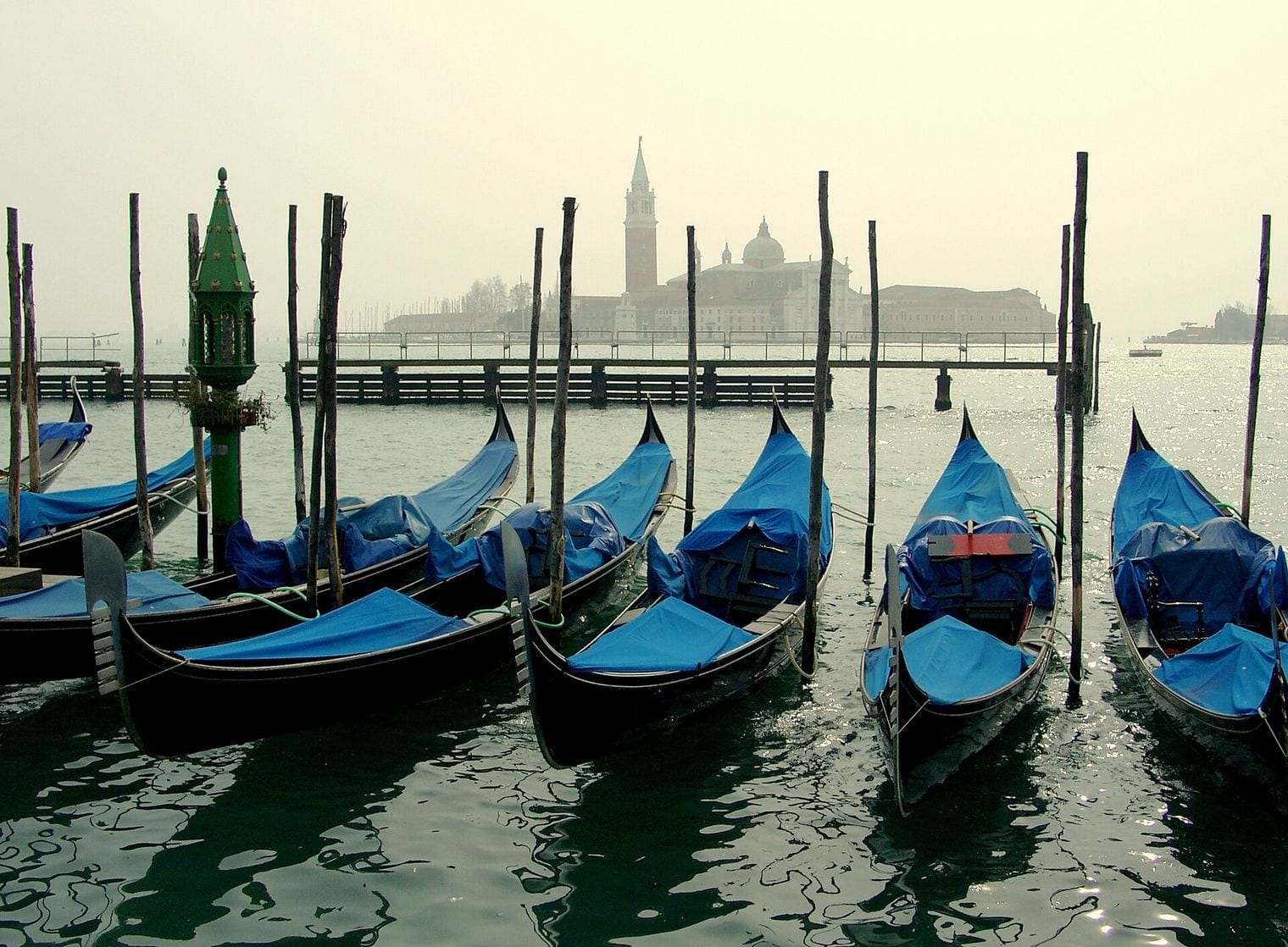
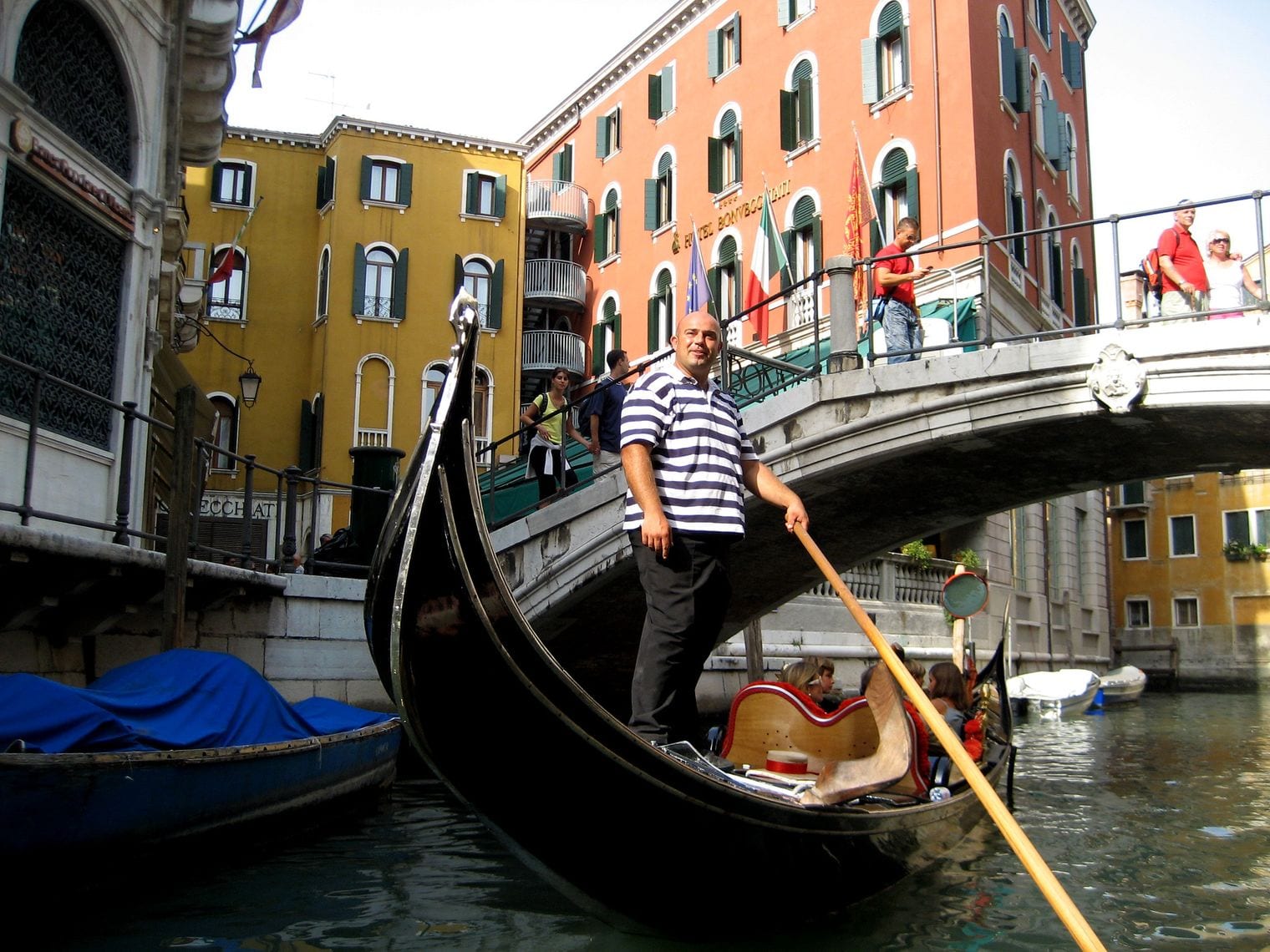
A gondola is deliberately asymmetrical along its length, which is what lets a single oar worked from one side drive it in a straight line instead of turning it in circles.
There were an estimated 10,000 gondolas in the 1500s; today there are roughly 400 licensed gondoliers and a similar number of boats.
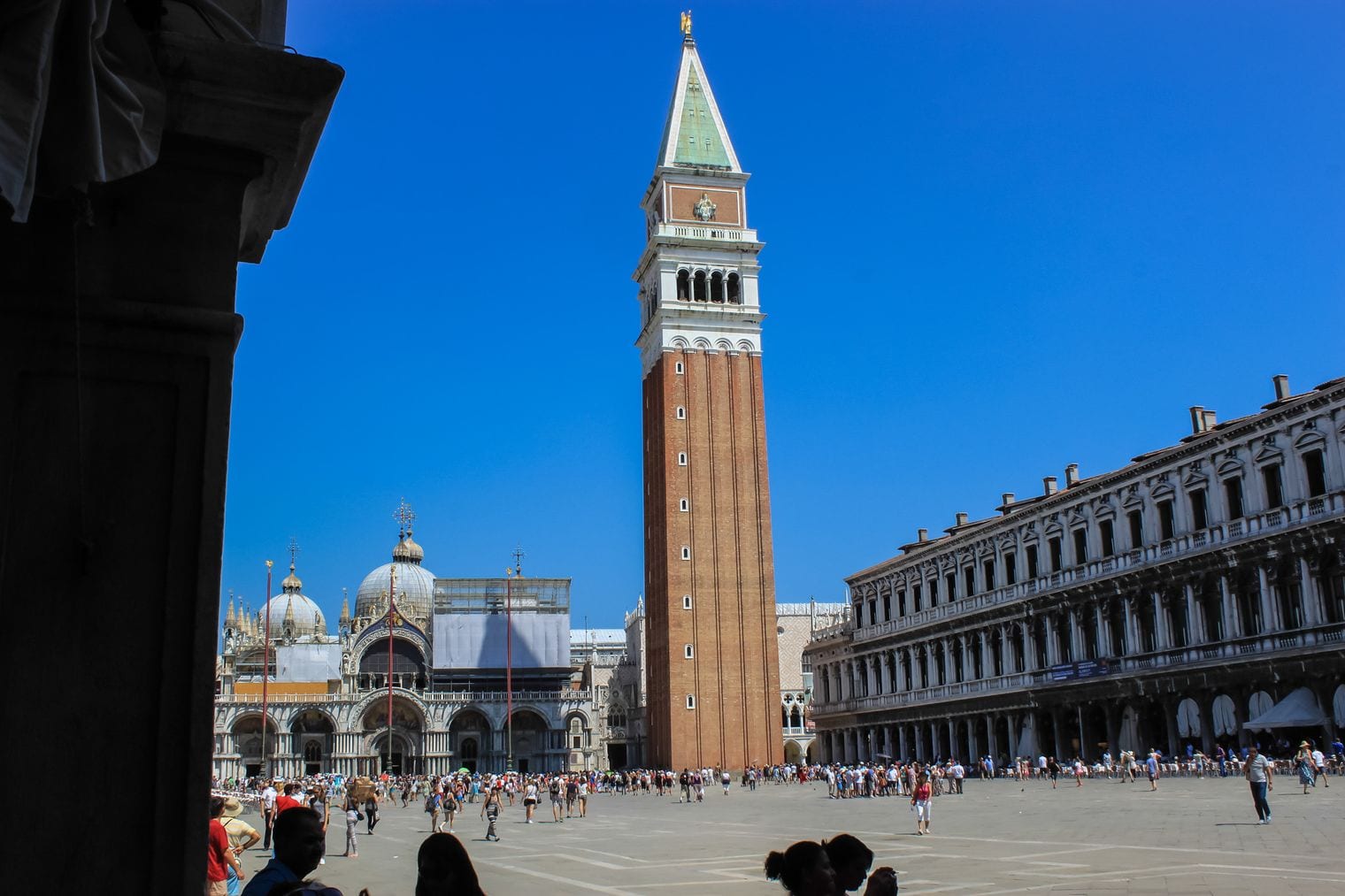
The bell tower in Piazza San Marco collapsed into a pile of rubble in 1902 and was rebuilt exactly as it had been, reopening in 1912.
Glassmakers were ordered out to Murano in 1291 because the Republic feared their furnaces would burn down a city of largely wooden buildings.
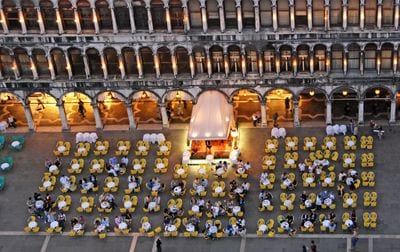
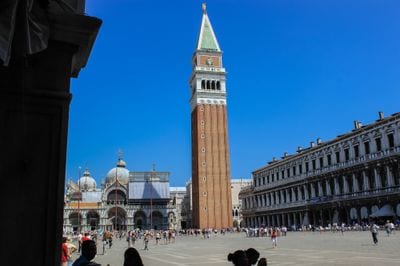
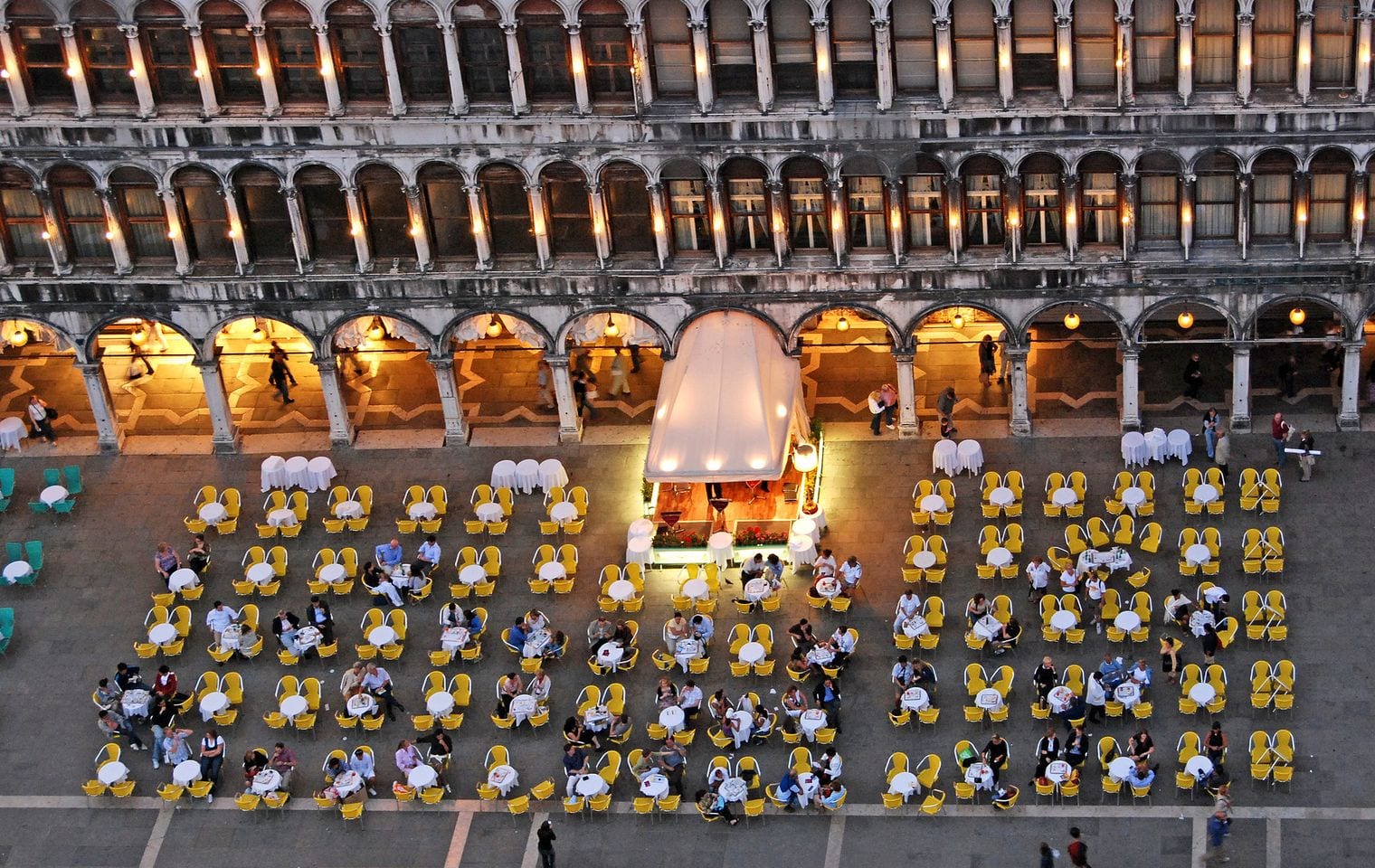
Piazza San Marco is the square everyone pictures when they think of Venice, and almost every other open space in the city is a campo rather than a piazza. It is the postcard view and the civic heart at once, hemmed on three sides by long arcaded wings and closed at the eastern end by the basilica, with the bell tower standing free in front of it.
Come early or late if you want it quiet, because the middle of the day belongs to the crowds and the pigeons. The square sits low and floods readily when the tide comes up, and duckboards appear across it. The cafes under the arcades have been serving here for centuries and charge accordingly for a table with an orchestra.
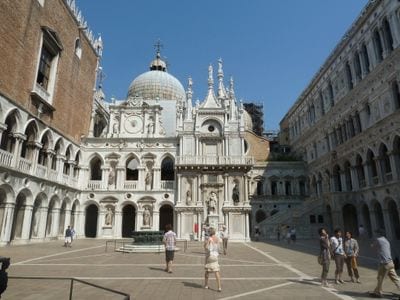
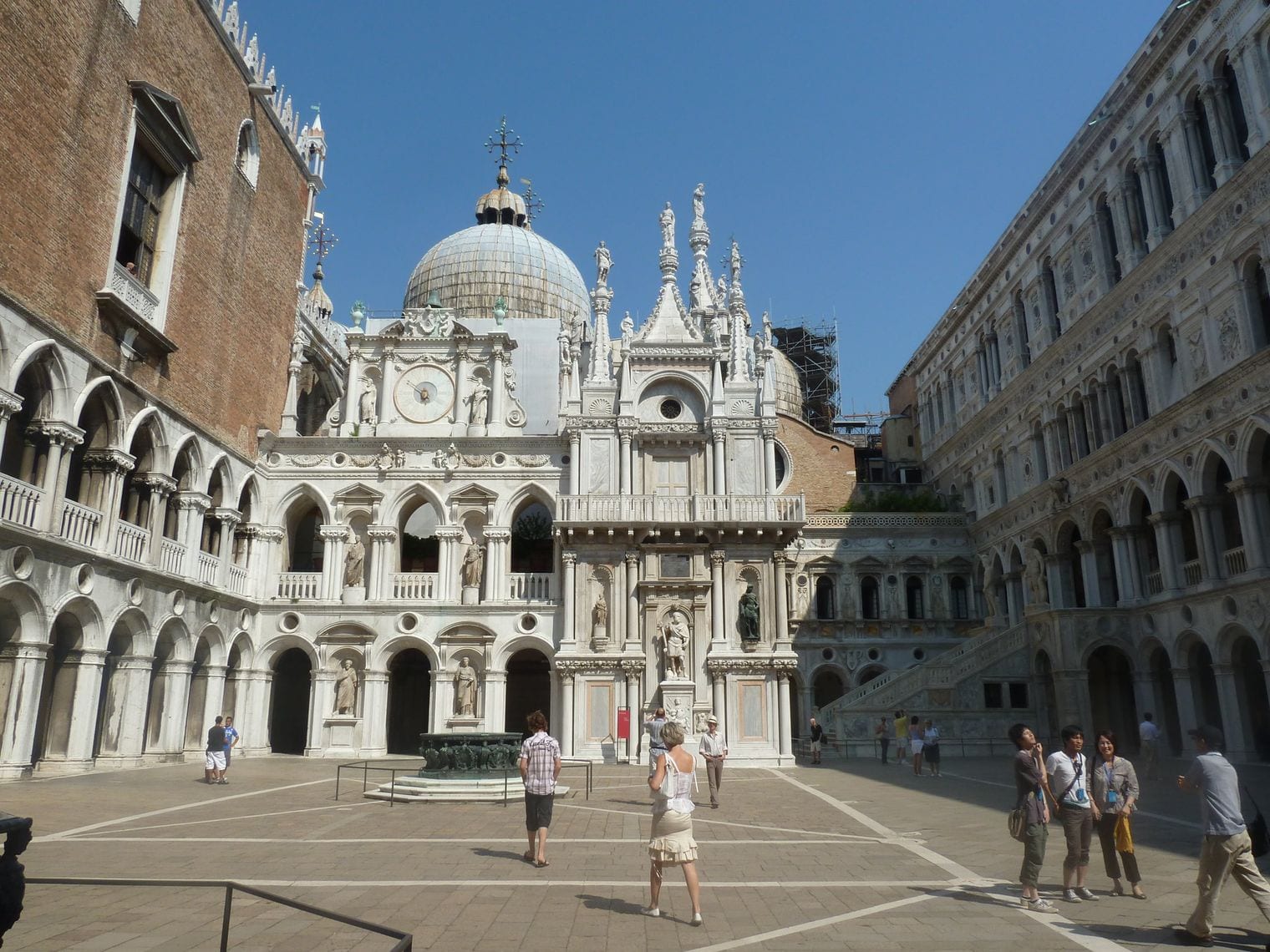
For a thousand years the Doge's Palace was the seat of the Venetian Republic, housing the doge himself, the council chambers, the law courts and the prisons in one pink-and-white Gothic block on the waterfront. The lower floors open into a courtyard and a ceremonial staircase, and the state rooms above are hung with enormous canvases by Tintoretto and Veronese.
The route runs through the great council hall and then out across the Bridge of Sighs into the cells on the far side, which is the most memorable stretch of the visit. A separate guided tour takes you into the attic offices, the interrogation rooms and the leads under the roof where prisoners were held. Book a slot ahead in high season; the queue on the Piazzetta moves slowly.
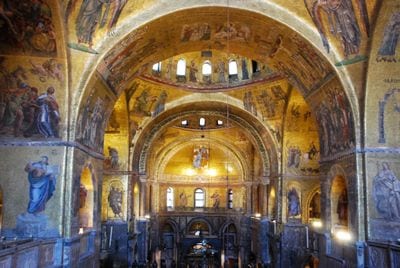
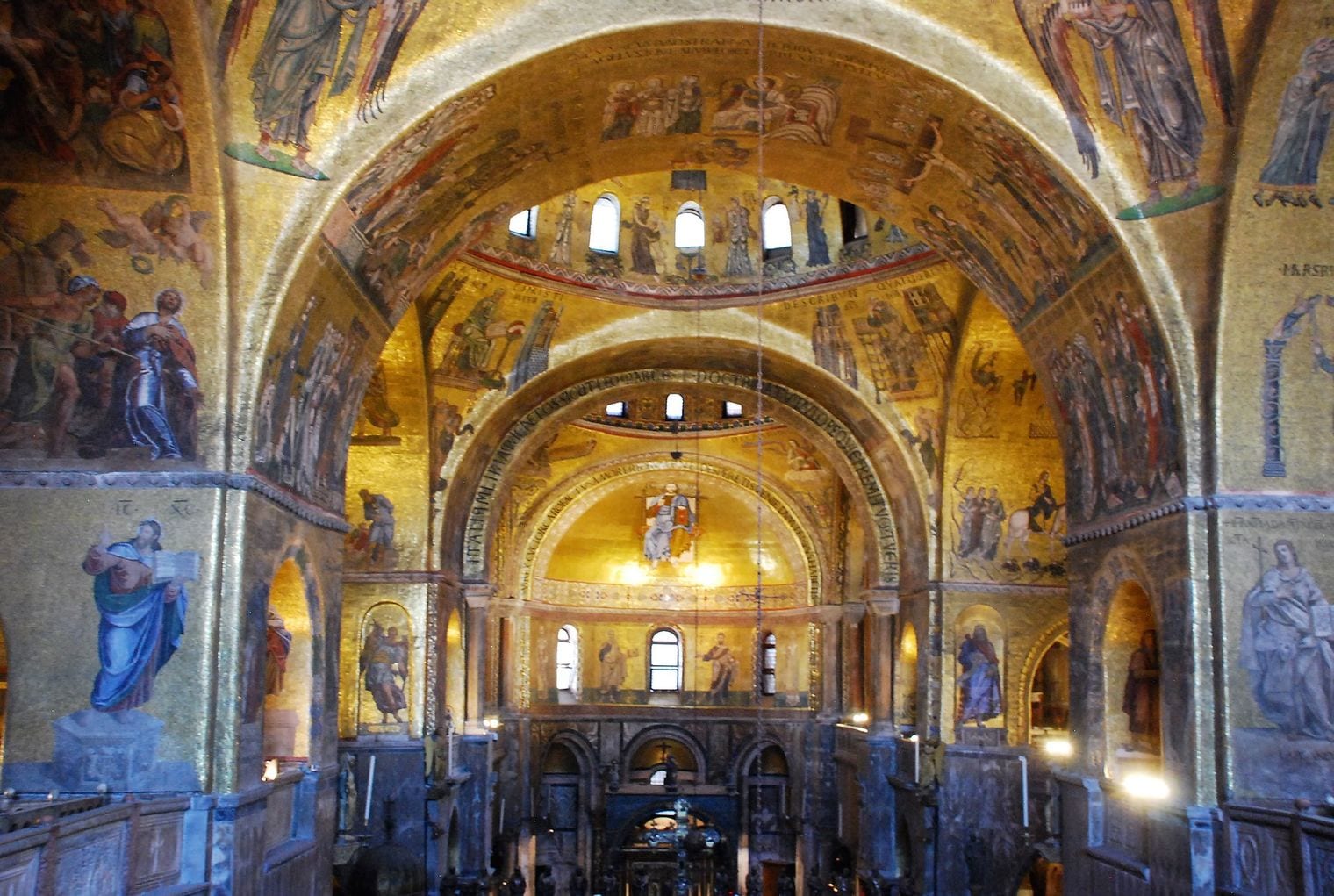
Saint Mark's Basilica does not look like an Italian church, and that is the point. It was modelled on Byzantine originals and then encrusted for centuries with columns, capitals and marbles brought back from the eastern Mediterranean, so the facade reads as a collection as much as a design. Inside, the domes and vaults are lined with gold mosaics that shift as the light moves.
The floor is worth as much attention as the ceiling, a rolling field of patterned marble that has buckled with the settling of the ground beneath. Pay the small extra charges to see the Pala d'Oro behind the altar and to climb to the loggia, where the four bronze horses stand indoors and copies face the square. Shoulders and knees must be covered, and large bags are not allowed in.
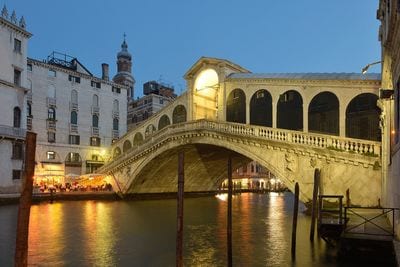
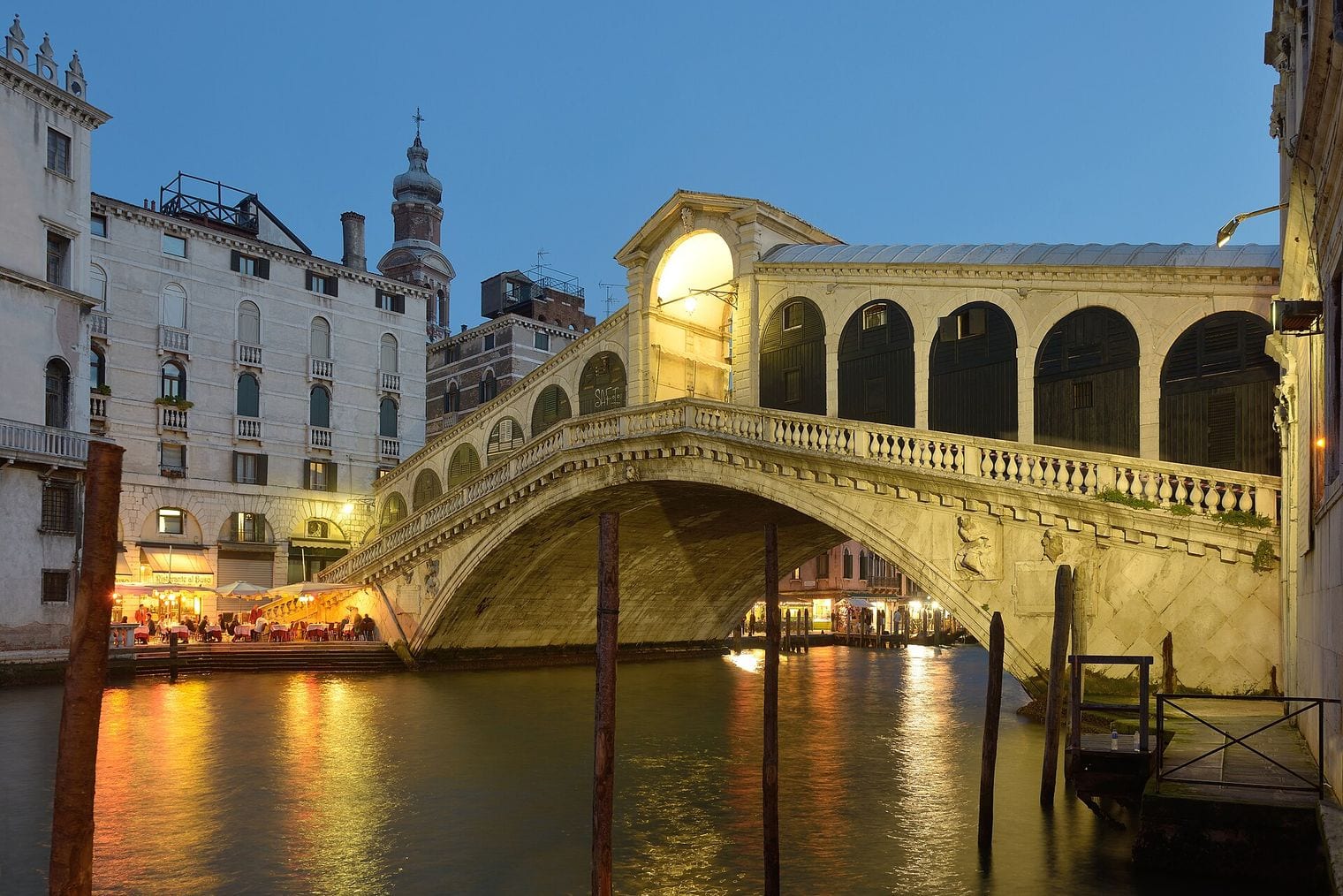
The Ponte di Rialto is the oldest of the bridges across the Grand Canal and for a long time it was the only one, which is why the district around it became the commercial centre of the city. The present stone version replaced a succession of wooden crossings and carries two rows of shops along its span, split by a central walkway and two outer staircases.
The view from the top back down the canal is one of the most photographed in Venice, and it is busy from mid-morning onward. For a better picture of the bridge itself, walk to the fondamenta on either bank, or take the vaporetto and look up at it from the water. The streets on the San Polo side run straight into the market.
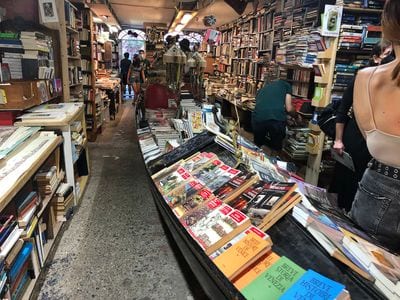
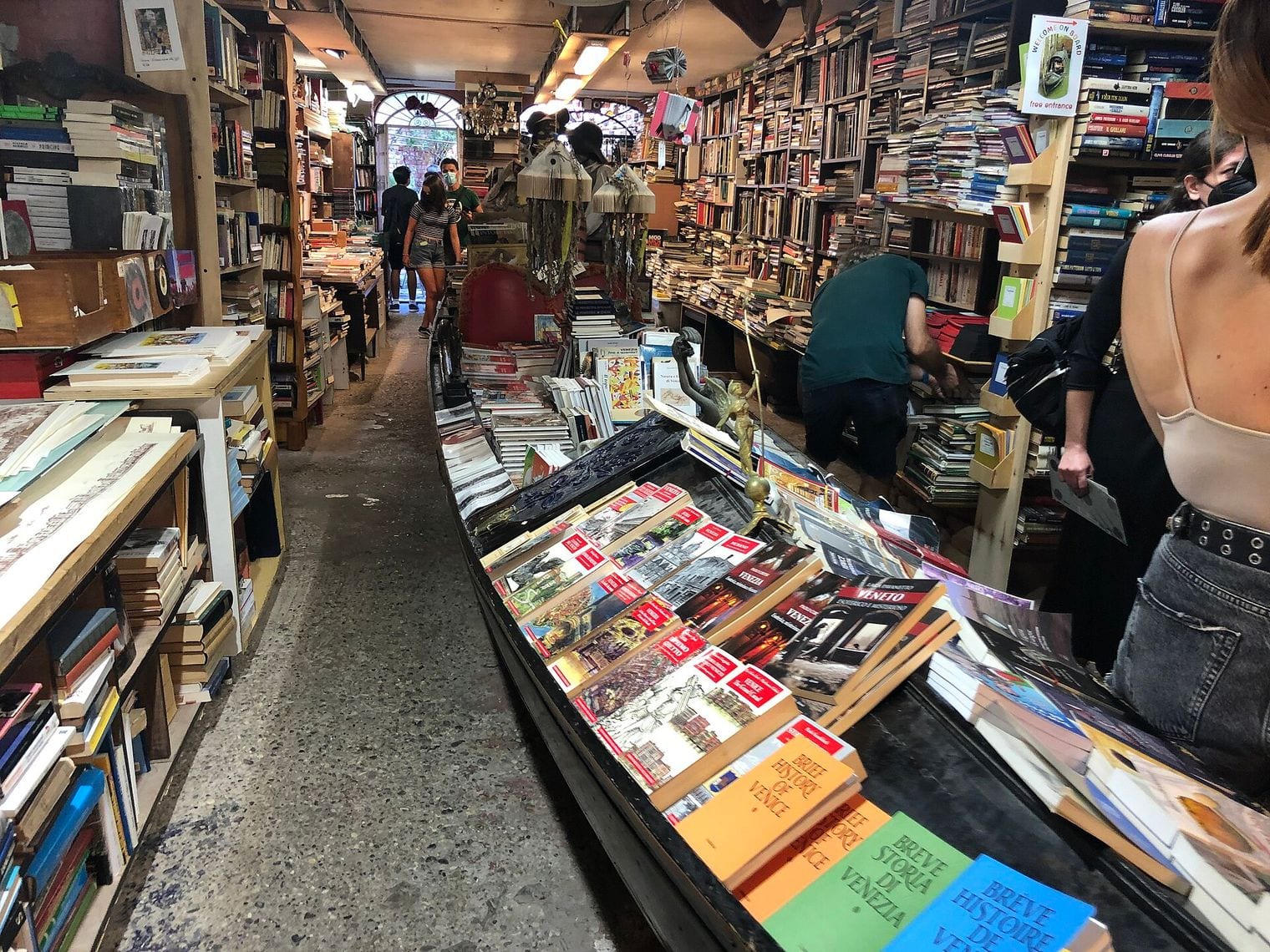
Libreria Acqua Alta is a bookshop that has organised itself entirely around the fact that its floor floods. Stock is piled into bathtubs, plastic crates, a full-sized gondola in the middle of the main room and a rowing boat by the door, all of which keep the books above the water when the tide comes up through the canal entrance at the back.
It is cramped, chaotic and usually full of people photographing the staircase built out of ruined encyclopaedias in the courtyard, which climbs to a view over the side canal. Several resident cats sleep on the stacks. Treat it as a curiosity rather than a place to browse seriously, and go early if you want room to move.
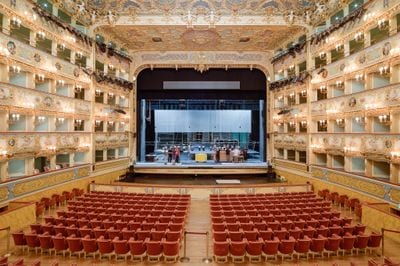
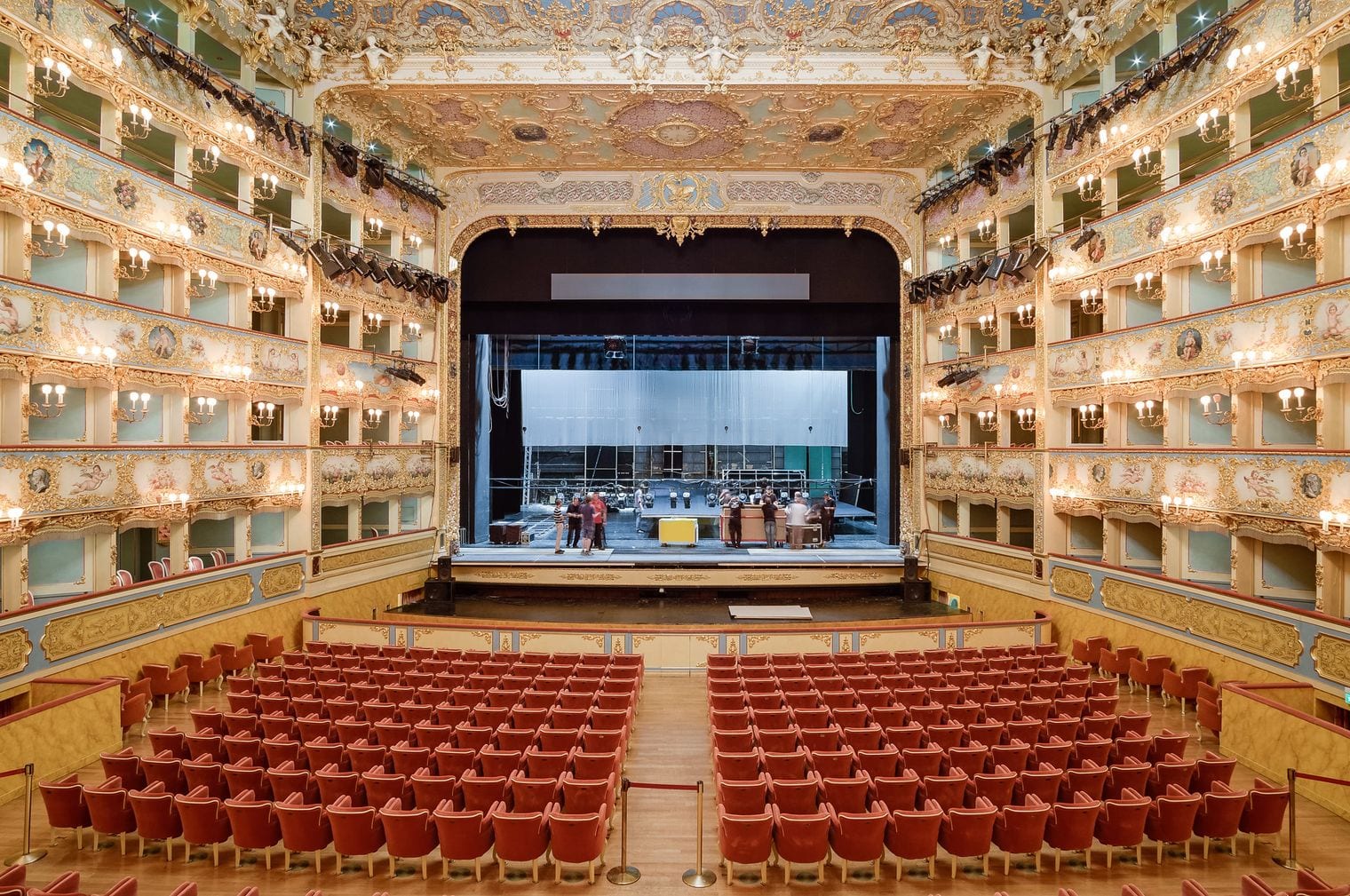
Teatro La Fenice takes its name from the phoenix, and it has earned it more than once: the opera house has burned down and been rebuilt across its history, most recently after a fire in 1996, reopening in 2003 to a reconstruction of the interior as it had been. The auditorium is a tight horseshoe of gilded boxes under a painted ceiling.
Daytime visits run with an audio guide when the stage is not in use, and they take you into the auditorium and the Apollonian rooms upstairs. Verdi premiered several works here, including La Traviata, and the house still runs a full opera and concert season. Tickets for a performance are the better experience if the calendar suits you.
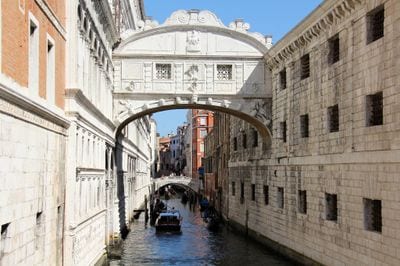
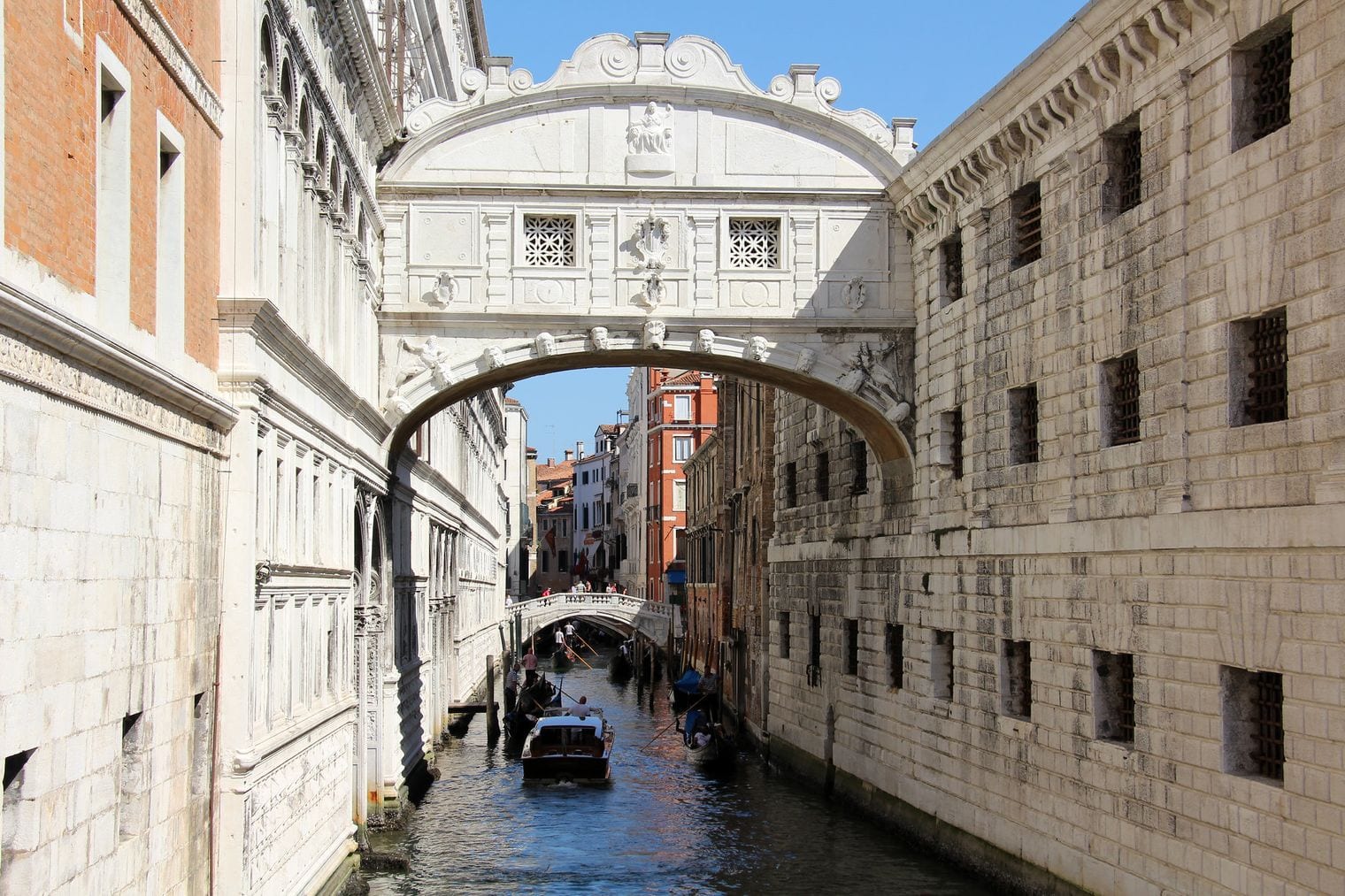
The Bridge of Sighs is a small enclosed limestone crossing, high above a narrow canal, linking the interrogation rooms of the Doge's Palace to the cells of the prison built opposite. Two stone-latticed windows are the only openings, and the romantic story attached to the name imagines a prisoner's last look at the lagoon through them.
The classic view is from the Ponte della Paglia on the waterfront, a few steps east of the Piazzetta, where it is almost always crowded. You can also walk through the inside of the bridge as part of the Doge's Palace route, which is the more interesting way to see it. The name is a nineteenth-century invention rather than a Venetian one.
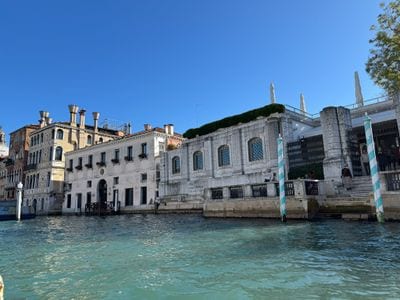
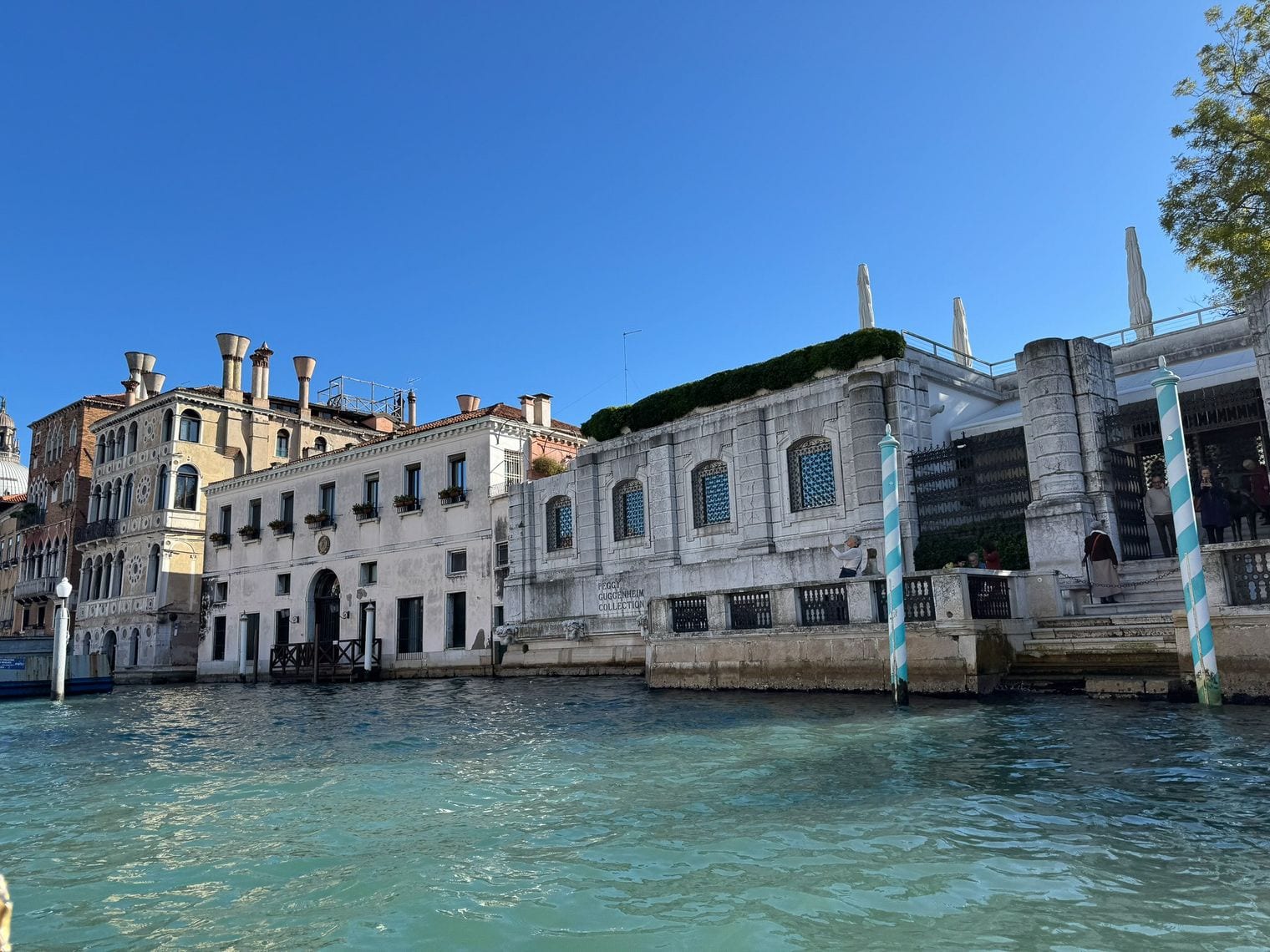
The Peggy Guggenheim Collection occupies the low, unfinished palazzo on the Grand Canal where the collector lived for three decades. What hangs here is essentially her own taste in twentieth-century art, which makes it feel far more personal than a national gallery, with cubism, surrealism and abstract expressionism represented by artists she knew and in several cases supported directly.
The sculpture garden is the quiet heart of the place, and Peggy Guggenheim is buried there alongside her dogs. The terrace on the canal front has a Marino Marini rider facing the water and one of the best casual views on this stretch of the Grand Canal. It is a manageable size, so it works well as a couple of hours between churches.
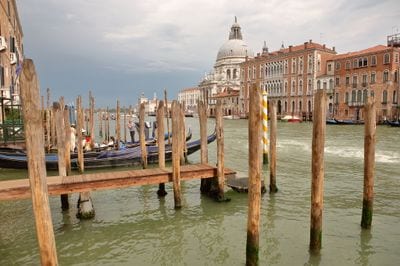
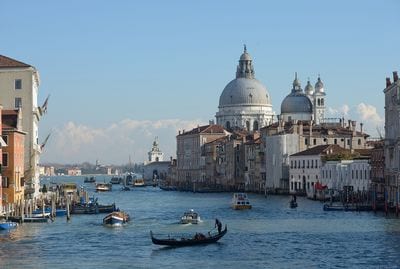
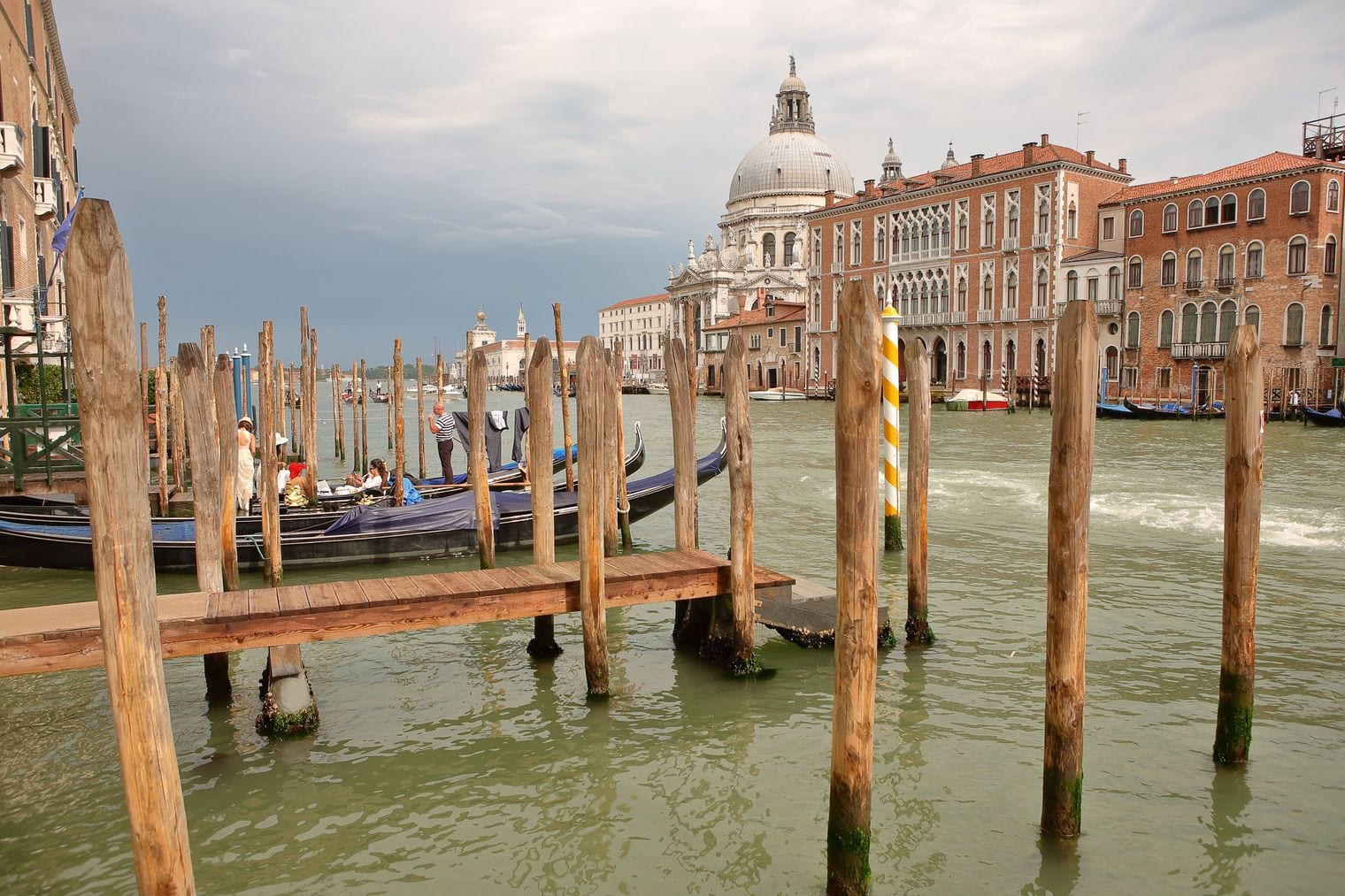
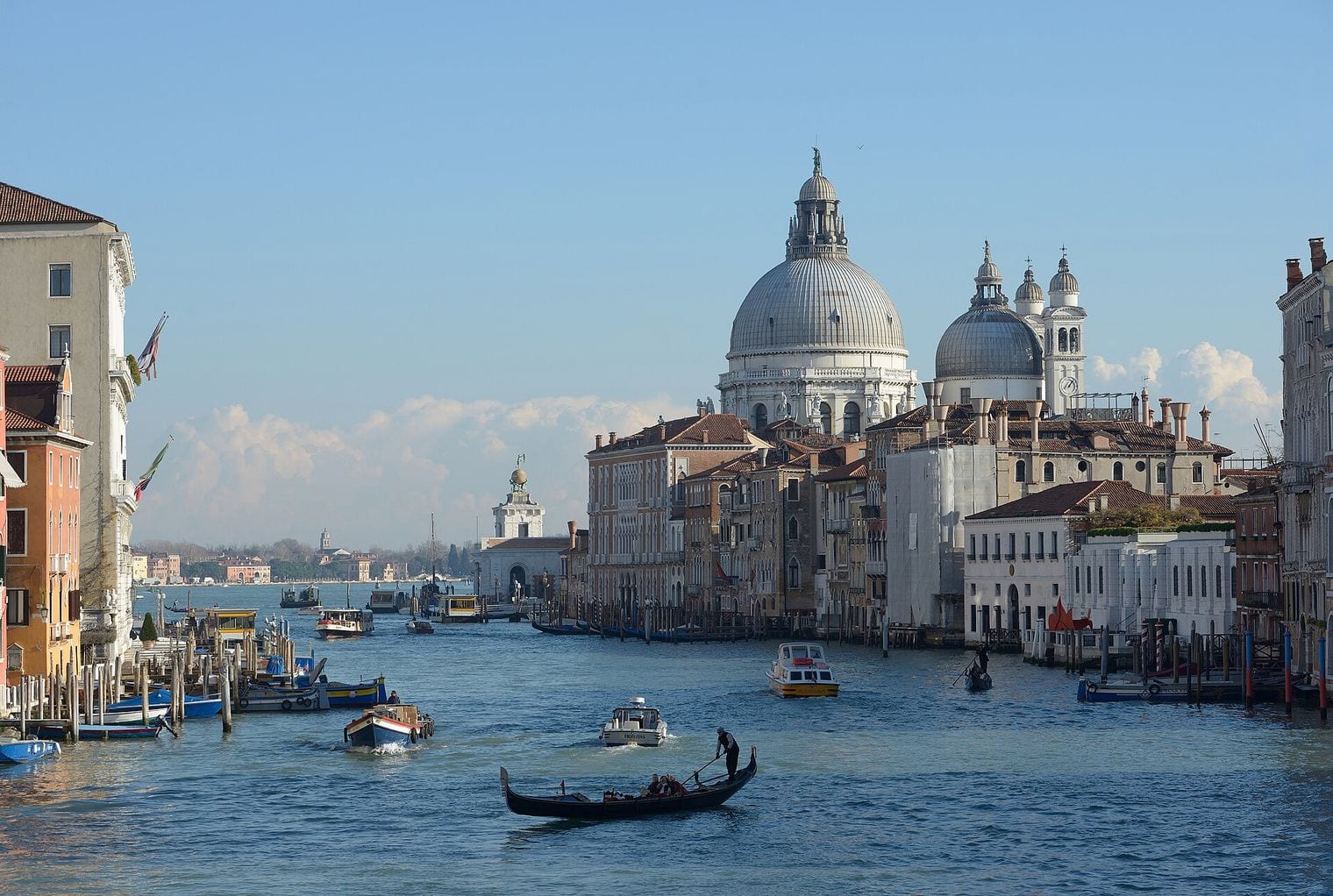
Basilica Santa Maria della Salute stands where the Grand Canal opens into the basin, and its great domes are the pivot of almost every view along the water. It was built as a votive church after an outbreak of plague in the seventeenth century, and the city promised it in thanks for deliverance, which explains its scale and its prominent site.
The interior is an octagon under the main dome, cool and comparatively plain after the basilica, with a group of Titians in the sacristy that are worth the small entry charge. Every November a temporary pontoon bridge is thrown across the canal so Venetians can walk over to the church for the festival, one of the few days in the year the city feels like it belongs to its residents.
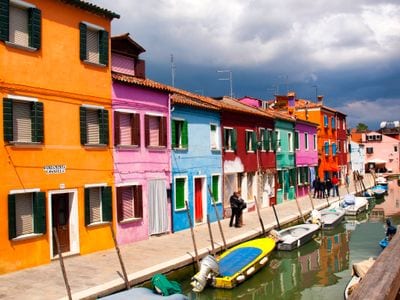
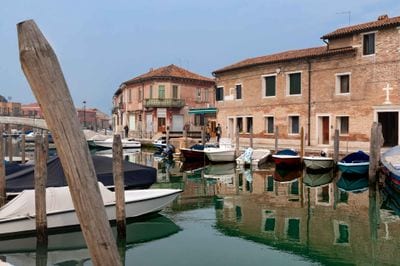
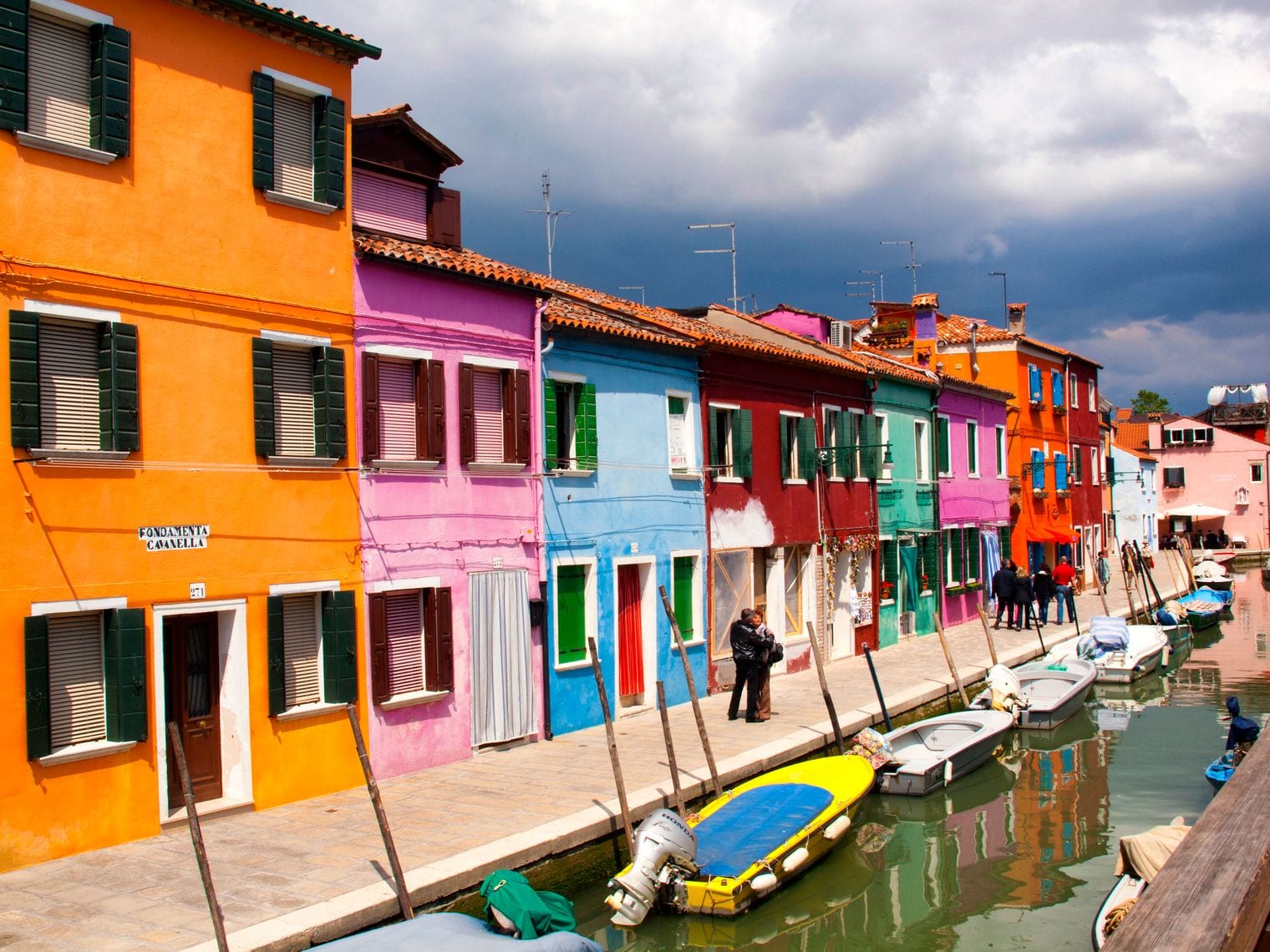
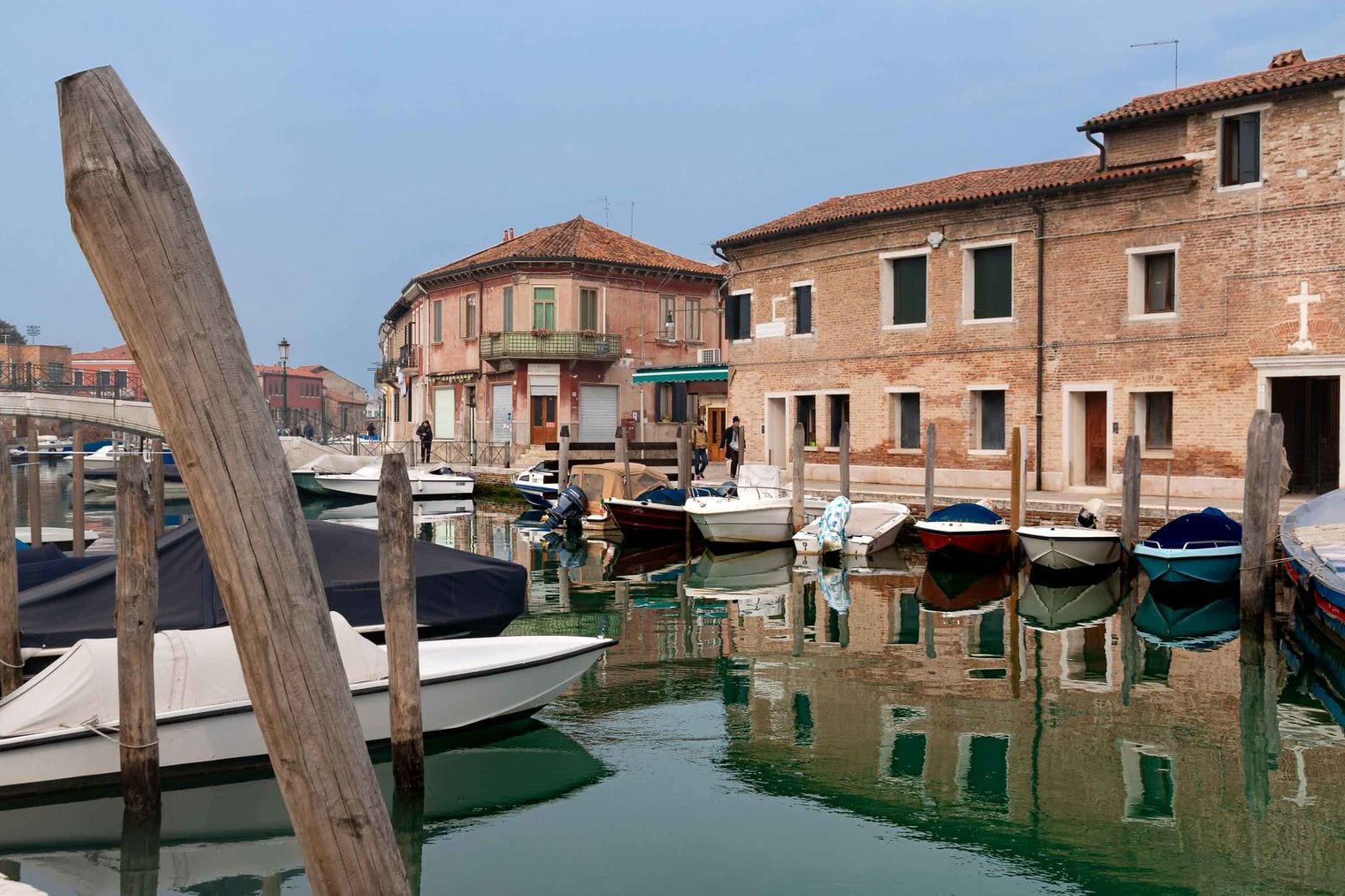
Burano is a fishing island out in the northern lagoon where every house is painted a different saturated colour, so a walk along its canals is a run of ochre, cobalt, rose and green reflected in the water. The tradition is usually explained as a way for fishermen to pick out their own house through the lagoon fog, and the palette is still maintained.
The island is also known for needle lace, and there is a small museum covering the craft on the main square, alongside shops selling work of very mixed provenance. The bell tower of San Martino leans noticeably. Getting to Burano takes the best part of an hour by vaporetto from Fondamente Nove, so give it a half-day rather than an hour.
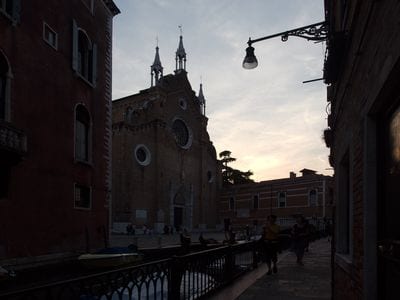
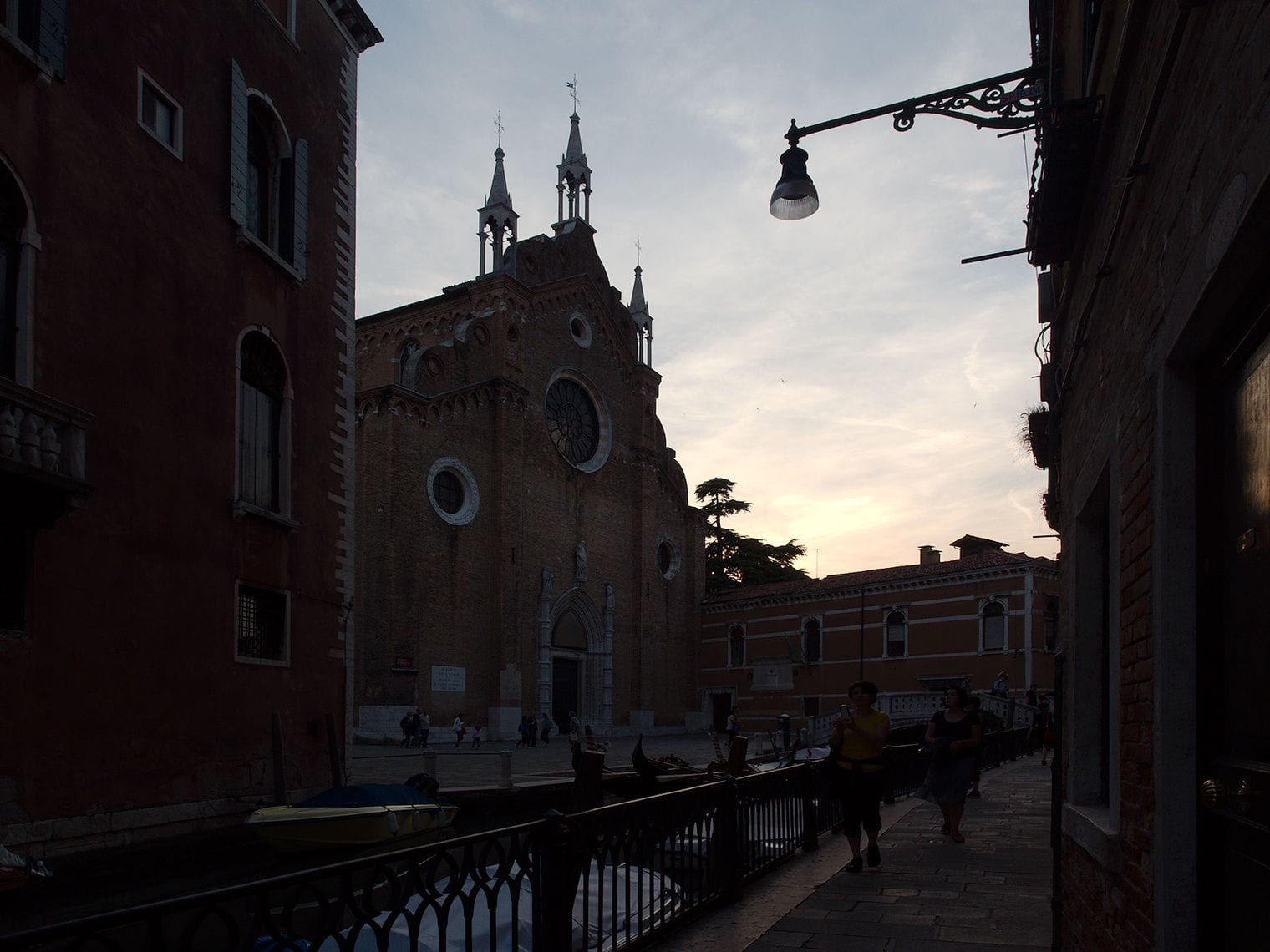
The Basilica S.Maria Gloriosa dei Frari is a vast, austere brick Franciscan church in San Polo, and it holds more great painting than most museums. Titian's Assumption rises over the high altar, framed so that you see it down the whole length of the nave as you come through the door, and a second Titian altarpiece hangs in the north aisle.
The carved wooden choir stalls and their stone screen survive in place inside the church, which is rare and changes how the space reads. Titian is buried here, and Canova's heart is interred under a monument his pupils built from his own drawings for a tomb that was never made. There is also a Giovanni Bellini triptych in the sacristy that many visitors walk straight past.
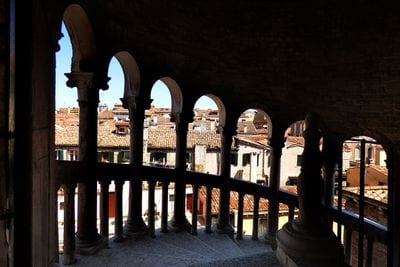
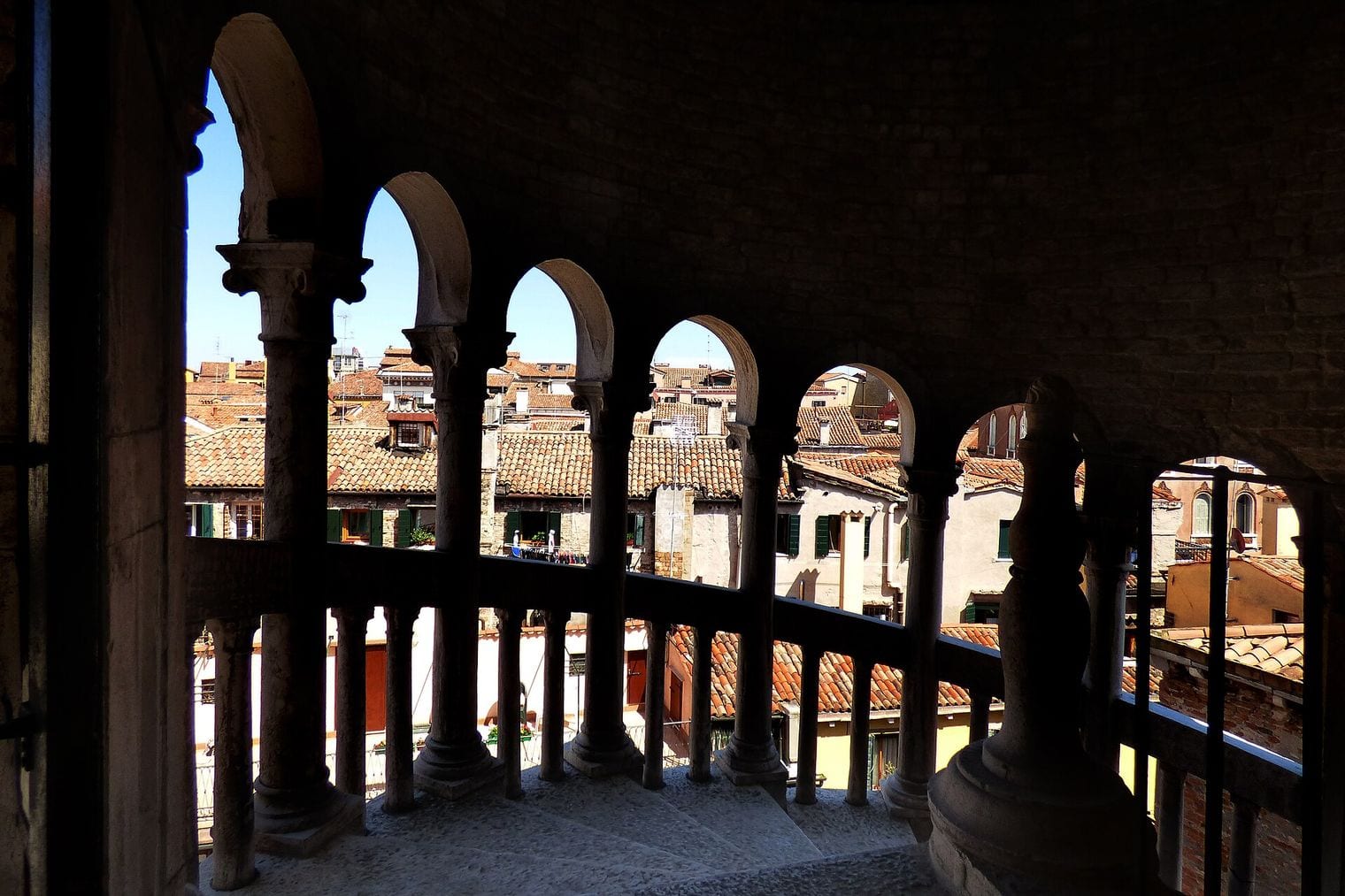
Palazzo Contarini del Bovolo is worth finding for one feature: an external spiral staircase of stacked arches winding up the back of the building in a quiet courtyard off a dead-end alley. Bovolo means snail shell in Venetian, which describes it exactly, and the whole thing is invisible from the main streets a minute away.
You can climb it to a small domed loggia at the top, which gives a rooftop view over the tiles and chimneys toward the campanile. The courtyard itself is free to stand in and look up; the climb is ticketed. It is one of the easiest genuine surprises to reach from the crowds around the Rialto and Piazza San Marco.
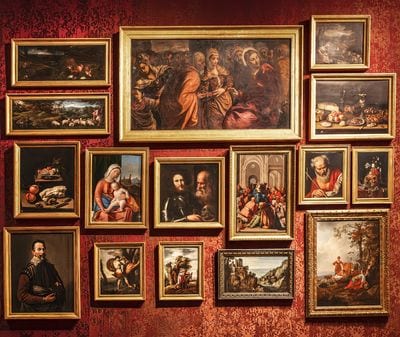
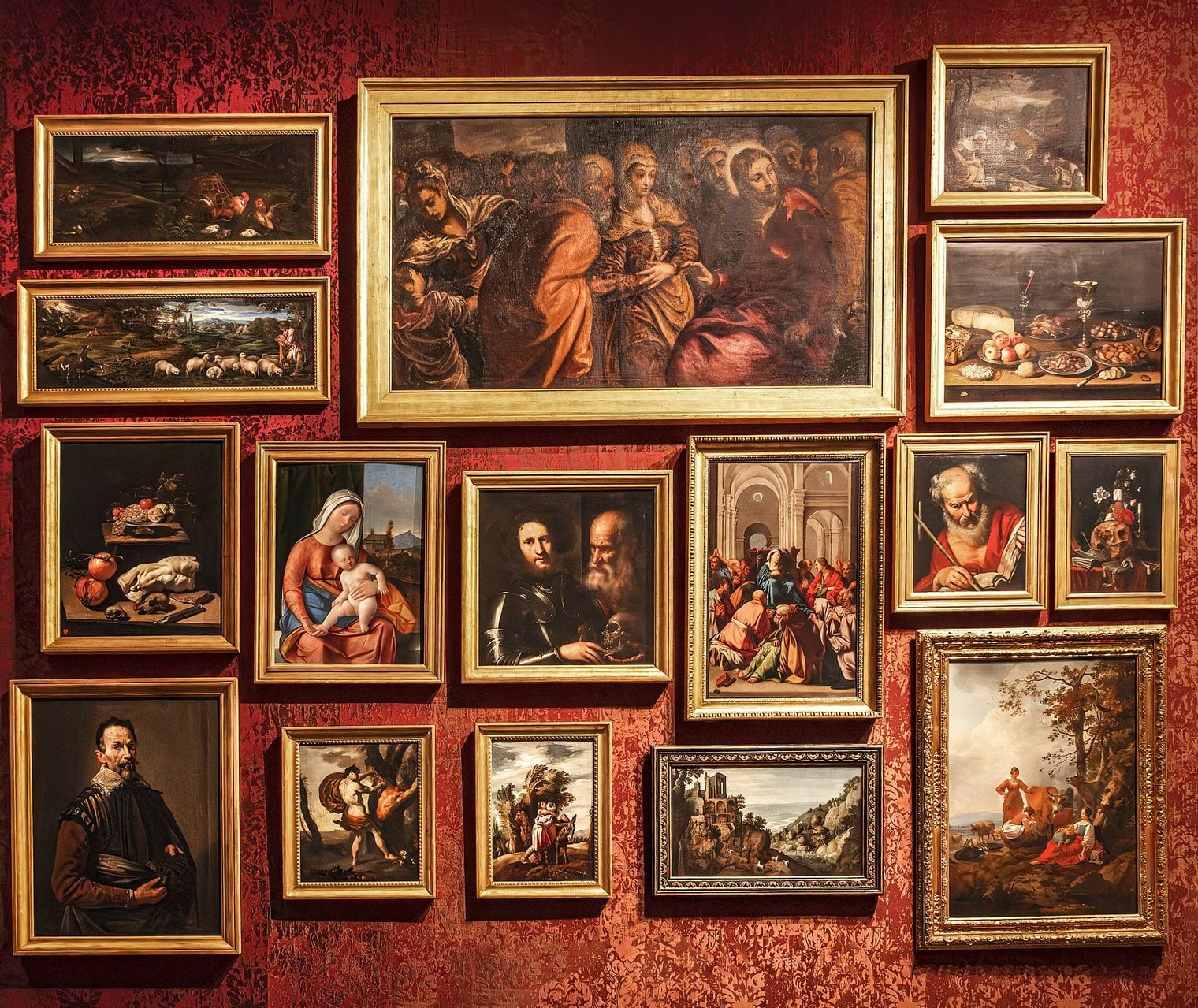
The Gallerie dell'Accademia holds the definitive collection of Venetian painting, running from the gold-ground panels of the fourteenth century through Bellini, Carpaccio and Giorgione to the huge canvases of Titian, Tintoretto and Veronese. If you want to understand why Venetian painters were talked about differently from Florentine ones, this is where the argument is laid out.
Veronese's enormous banquet scene, renamed after the Inquisition objected to its content, takes up a wall on its own. Carpaccio's narrative cycles reward slow looking for the incidental detail of the city in the background. The museum also owns Leonardo's drawing of a man in a circle and square, though it is fragile and only shown occasionally.
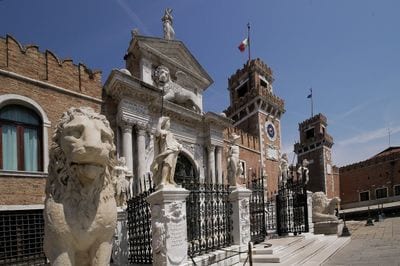
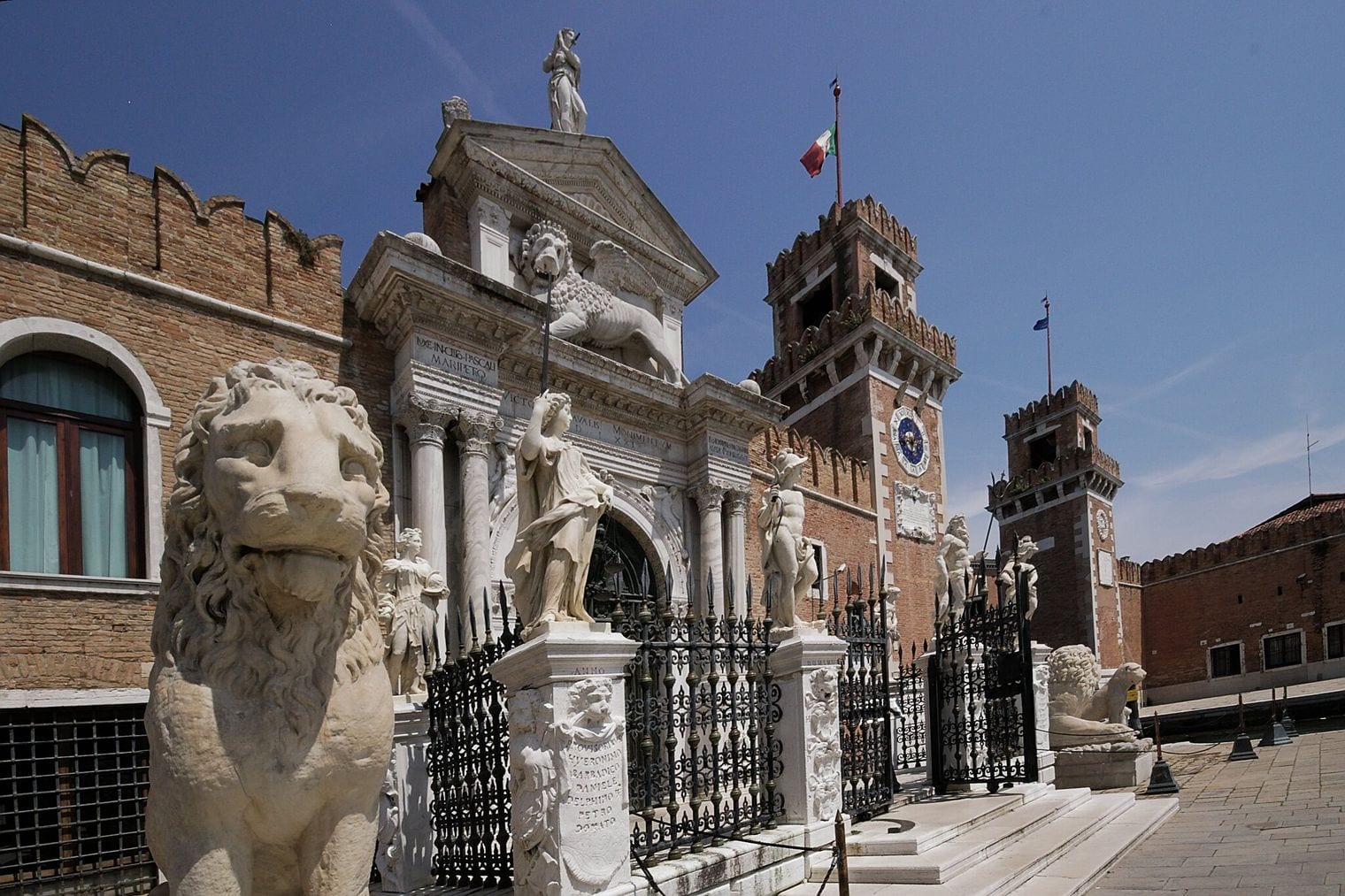
The Arsenale di Venezia was the shipyard and naval complex that built the fleet the Republic depended on, an enormous walled compound of docks, rope-walks and warehouses which at its height could assemble a galley at remarkable speed using standardised parts. For centuries it was closed to outsiders and it remains largely shut today.
The land gateway is the set piece, a Renaissance arch flanked by ancient stone lions carried back from Greece, one of them carved with runic graffiti left by Norse mercenaries. Parts of the interior open during the Biennale, when the long brick sheds are used as exhibition halls, and that is much the best time to get inside. Otherwise you admire it from the bridge outside.
San Giorgio Maggiore Church sits on its own island directly across the water from the Piazzetta, a white Palladian front facing the city. The interior is cool, grey and geometric, a complete contrast to the warmth of the basilica opposite, with a pair of late Tintoretto canvases flanking the chancel.
The reason most people cross is the campanile. A lift runs to the top and the view back over the basin takes in Piazza San Marco, the Doge's Palace, the Salute and the roofs of the whole city in one sweep, which is the shot you cannot get from the bell tower in the square itself. The vaporetto over takes only a few minutes and queues are far shorter.
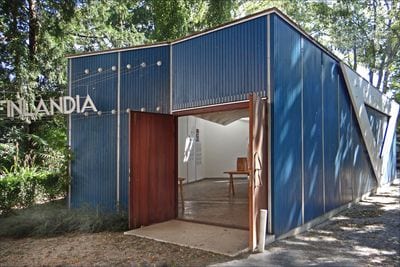
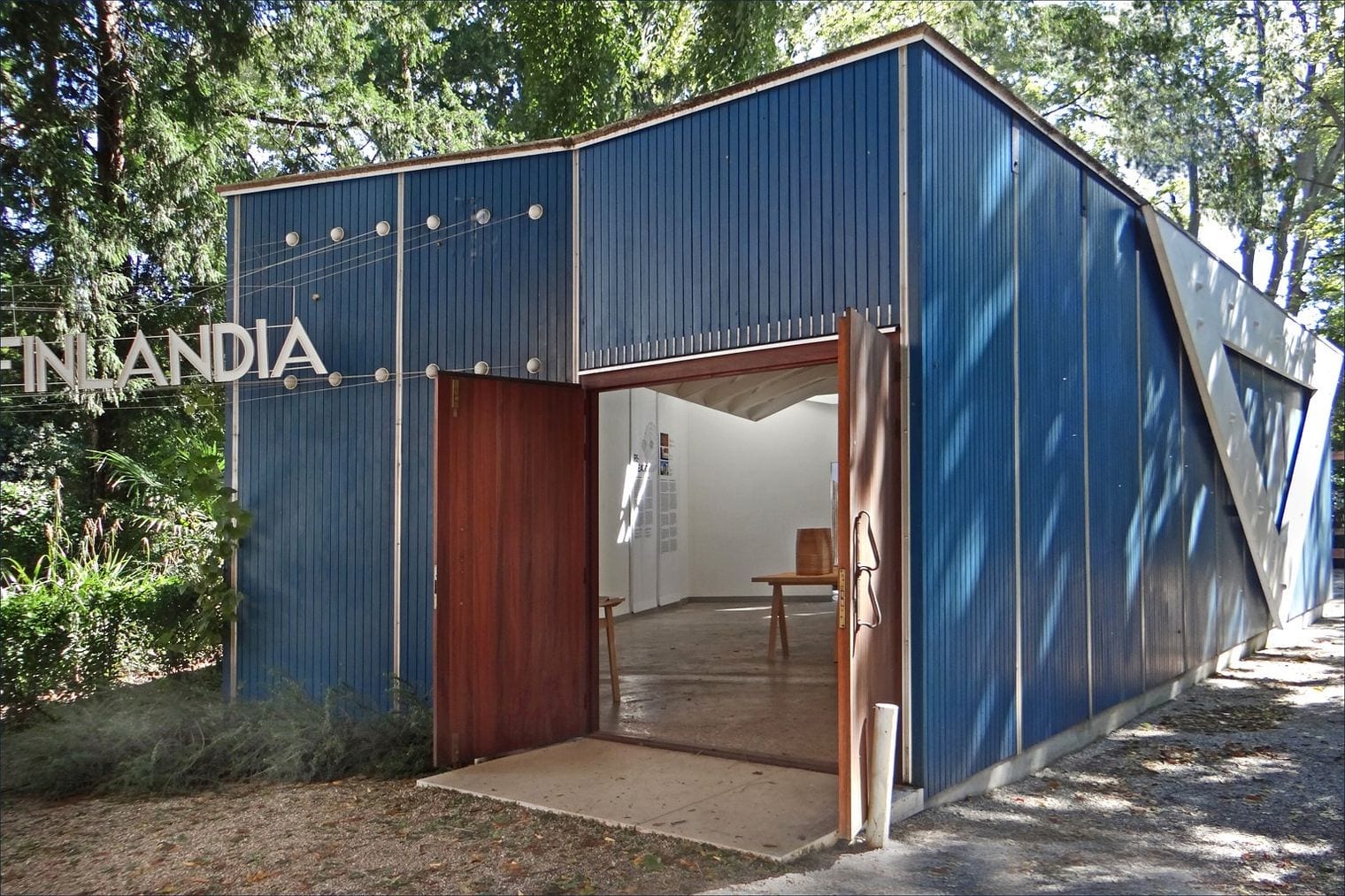
The Giardini della Biennale are a stretch of public gardens in the east of Castello, laid out under Napoleon on reclaimed ground, and they now hold the permanent national pavilions of the Venice Biennale. The pavilions are an architectural collection in themselves, each country having built in the style it wanted to project across the last century and more.
During the Biennale the gardens fill with the art or architecture exhibition, which alternate by year and run for months. Outside the season the park is simply a green space with benches and shade, which is scarce in Venice, and the outer paths along the water stay open. It is a short walk from the Arsenale along the waterfront.
St Mark's Campanile is the tall brick bell tower standing apart from the basilica in the middle of the square, and the version you see is a reconstruction: the original collapsed into a heap of rubble in 1902 and was rebuilt as it had been, reopening a decade later. Galileo is recorded as having demonstrated his telescope from the belfry to Venetian officials.
A lift carries you up, which makes it the least strenuous high view in the city, and from the top you look down on the domes of the basilica and out across the lagoon to the islands. There are no stairs to climb and no steep parapet, so it suits anyone uneasy with the alternatives. Go early; the queue builds through the morning.
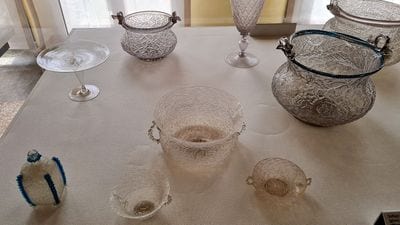
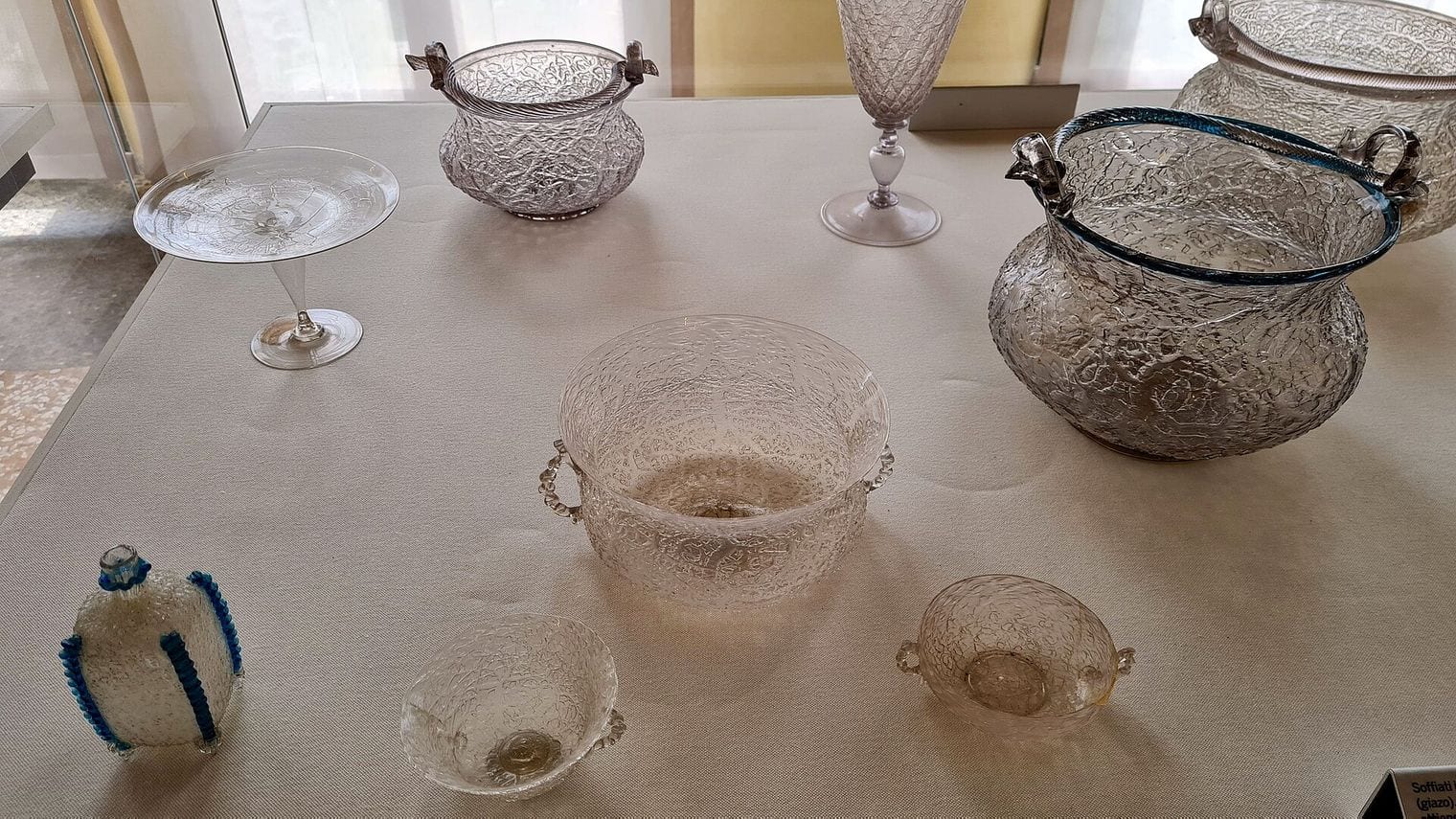
The Murano Glass Museum occupies a former bishops' palace on the island's main canal and traces Venetian glassmaking from Roman fragments through the Renaissance work that made the trade famous across Europe. The historic rooms cover chandeliers, mirrors, filigree and the elaborate goblets that were the island's export luxury.
It is a useful hour before or after the furnaces, because it gives you a standard to judge the shops against, and the difference between museum-quality work and mass-market souvenir glass becomes obvious afterward. The modern galleries carry twentieth-century pieces that are often the highlight. It stands a short walk from the Museo vaporetto stop.
Murano is the glassmaking island a short hop north of the city, and the industry was moved out here in the thirteenth century largely to keep furnace fires away from a city of largely wooden buildings. It has its own smaller grand canal lined with showrooms, and the working furnaces still run behind them.
Demonstrations are easy to find and vary widely in quality, so look for a foundry running its own furnace rather than a shop with a token burner. Away from the glass trade, the church of Santa Maria e Donato has a superb twelfth-century mosaic floor and far fewer visitors than anything comparable in the centre. Many boats continue on to Burano, so the two combine naturally in a day.
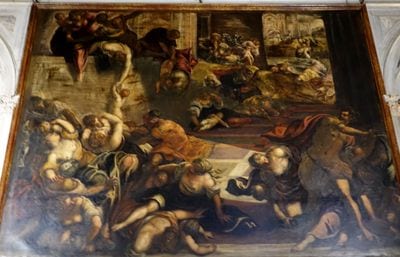
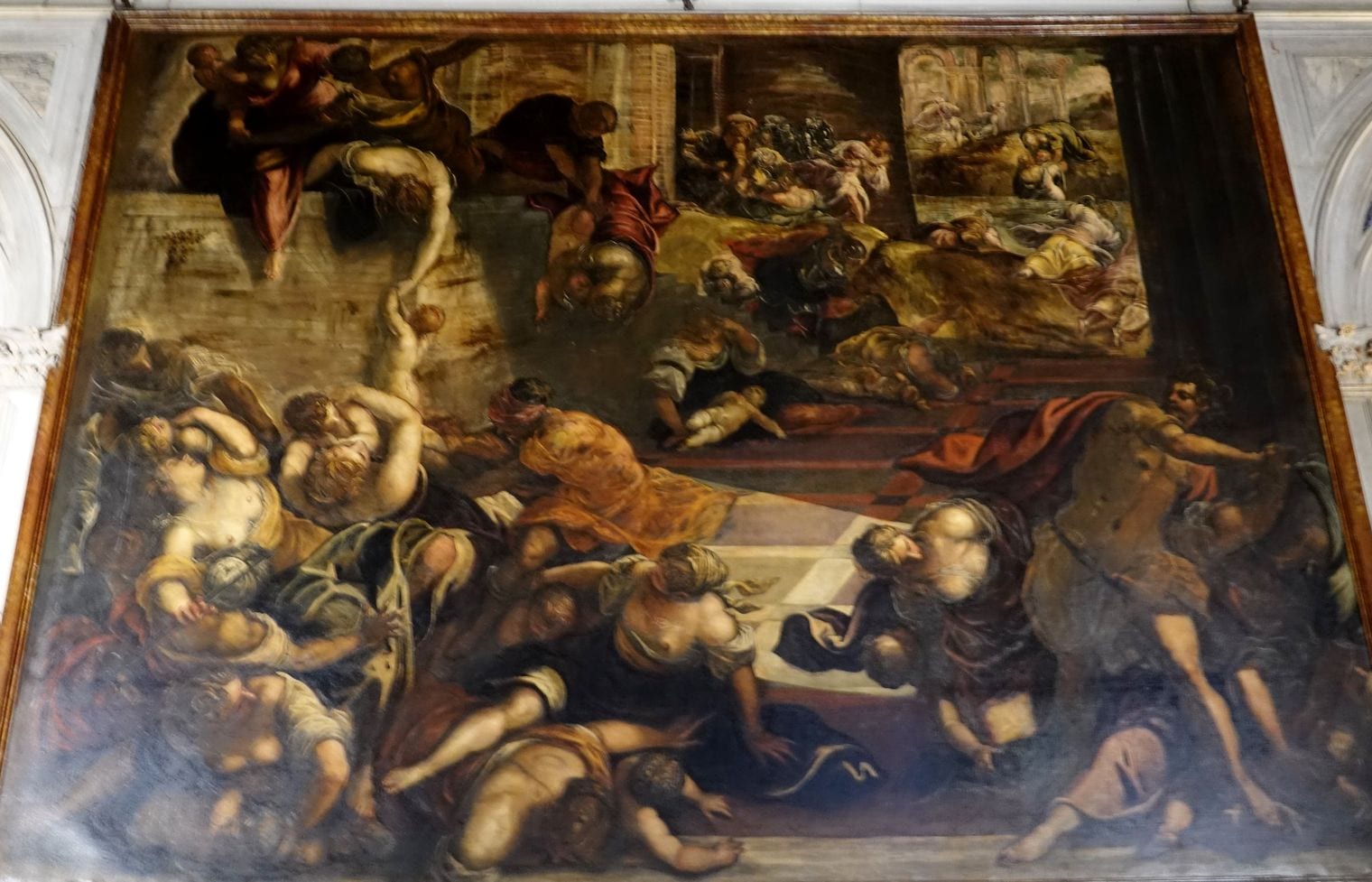
The Scuola Grande di San Rocco was the meeting house of a lay confraternity, and Tintoretto spent much of his later career covering its walls and ceilings with an enormous cycle of paintings that he worked on over roughly two decades. The result is a single interior filled with one artist's vision on a scale that is hard to find anywhere else.
The upper hall's ceiling is the reason mirrors are handed out at the door, because the alternative is a stiff neck. The Crucifixion in the smaller side room off it is the piece most visitors remember. It stands beside the Frari, so the two go together, and it is usually far quieter than the ticket price would suggest.
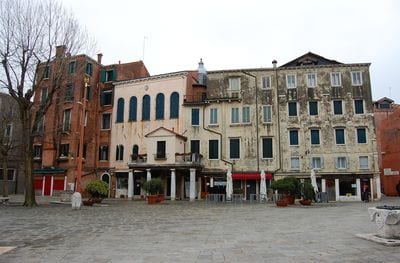
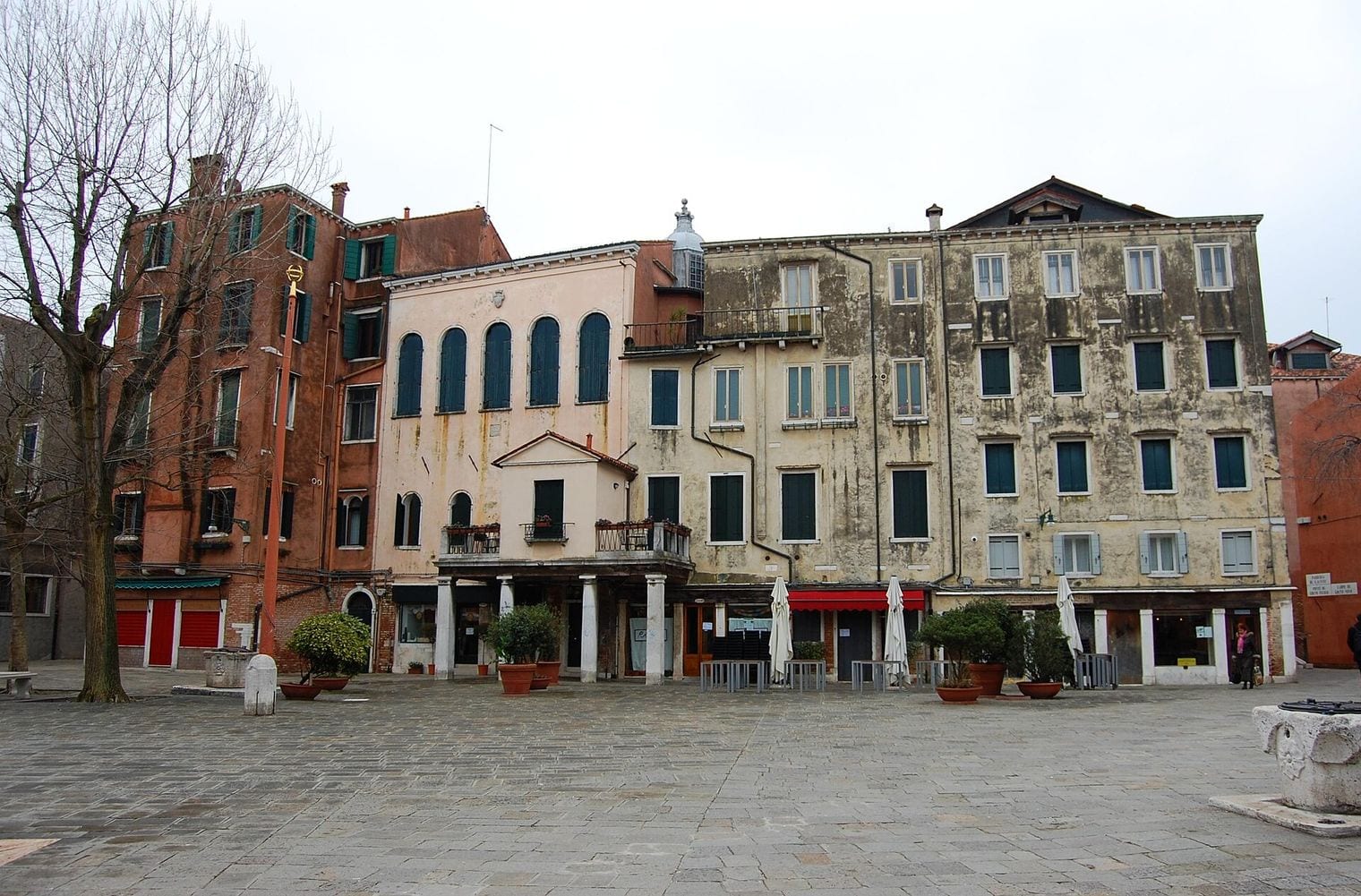
The Jewish Quarter in Cannaregio was established in the early sixteenth century, when the Republic confined the city's Jewish residents to a small island that had held a foundry, and the Venetian word for that foundry is the most commonly cited origin of the term ghetto, though etymologists have never settled it. The gates were locked at night and the population could only build upward.
That constraint is still legible in the architecture: the buildings around the main campo are unusually tall and thin for Venice, with low ceilings stacked to fit more floors. Several synagogues survive above street level and are visited on a guided tour booked through the museum on the square. There is a bronze memorial along one wall, and the quarter remains a living neighbourhood.
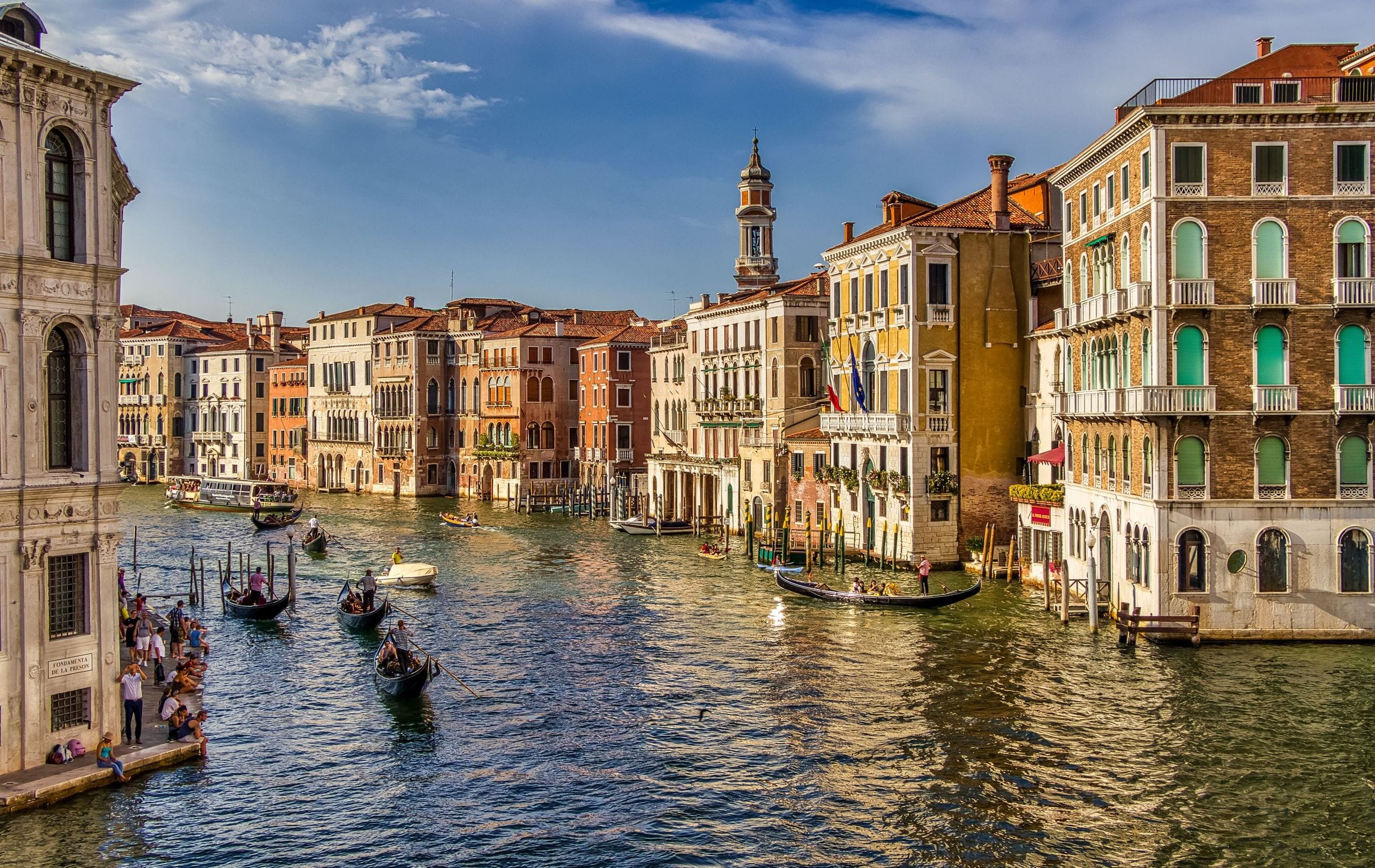
The Grand Canal is the main thoroughfare of Venice, curving through the city in a broad reversed S from the railway station to the basin at San Marco, and it is lined for its whole length with the palace fronts of families who wanted their wealth visible from the water. Four bridges cross it and everything else moves by boat.
The cheapest way to see it properly is the number one vaporetto, which runs the full length and stops constantly, so grab a seat outside at the back if one is free. Do it once by day for the architecture and once after dark, when the water floods with light from the windows. Small traghetto ferries still cross at a few points between the bridges.
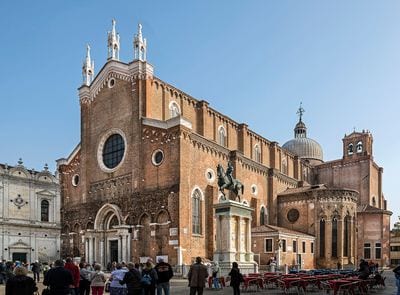
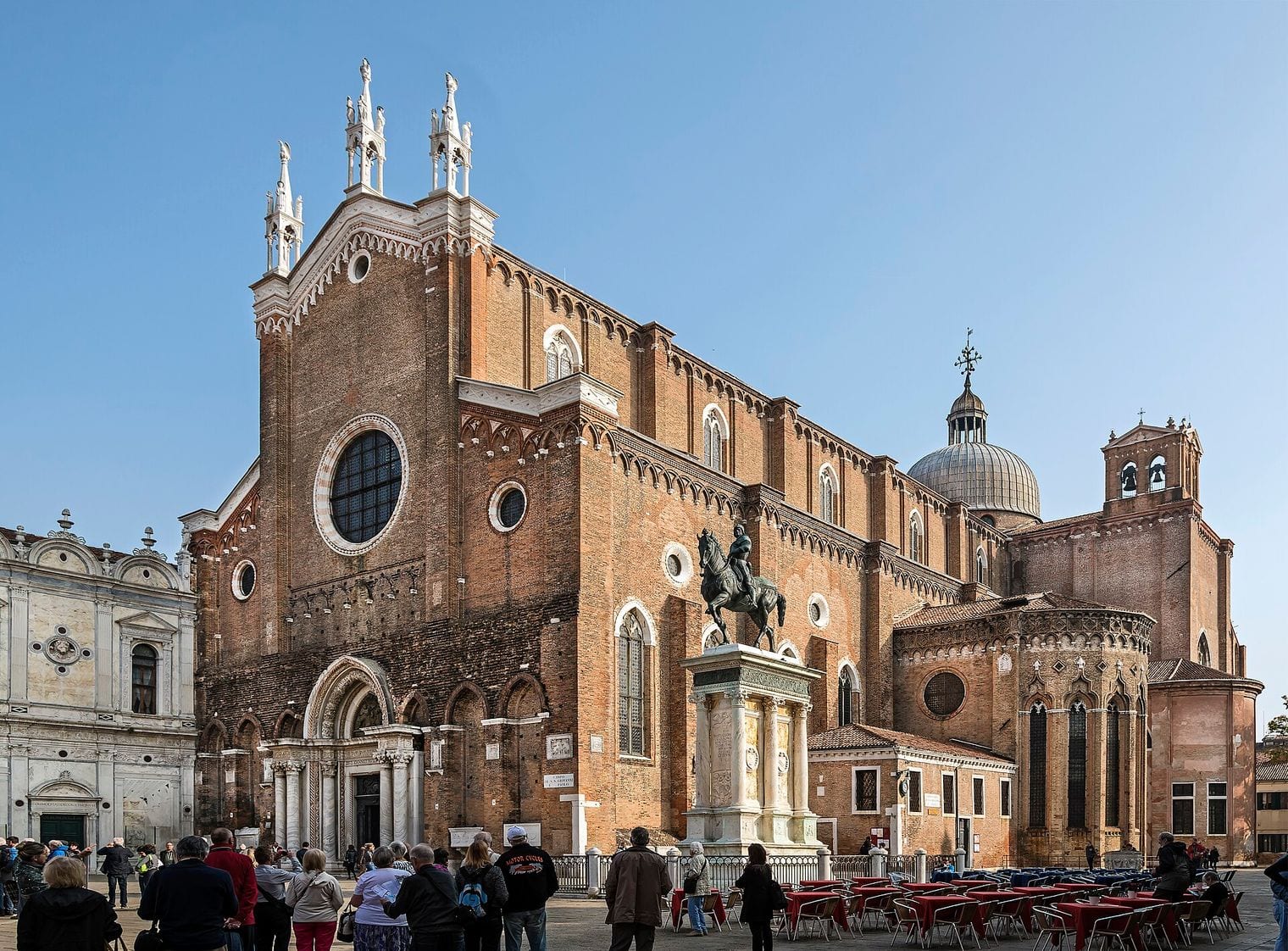
The Basilica dei Santi Giovanni e Paolo, known to Venetians as San Zanipolo, is the great Dominican counterpart to the Frari, an enormous brick Gothic hall on the far side of the city. It served as the burial church of the Republic, and the tombs of a long line of doges are set into its walls in tiers of carved marble.
The monuments themselves are the collection here, tracing the movement from Gothic to Renaissance sculpture as you walk around the nave. Outside on the campo stands Verrocchio's bronze equestrian monument to the mercenary commander Colleoni, one of the finest of its kind anywhere. The neighbouring hospital facade adds an unexpectedly theatrical marble front to the square.
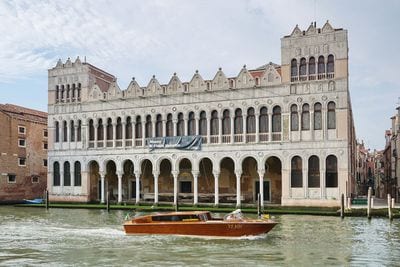
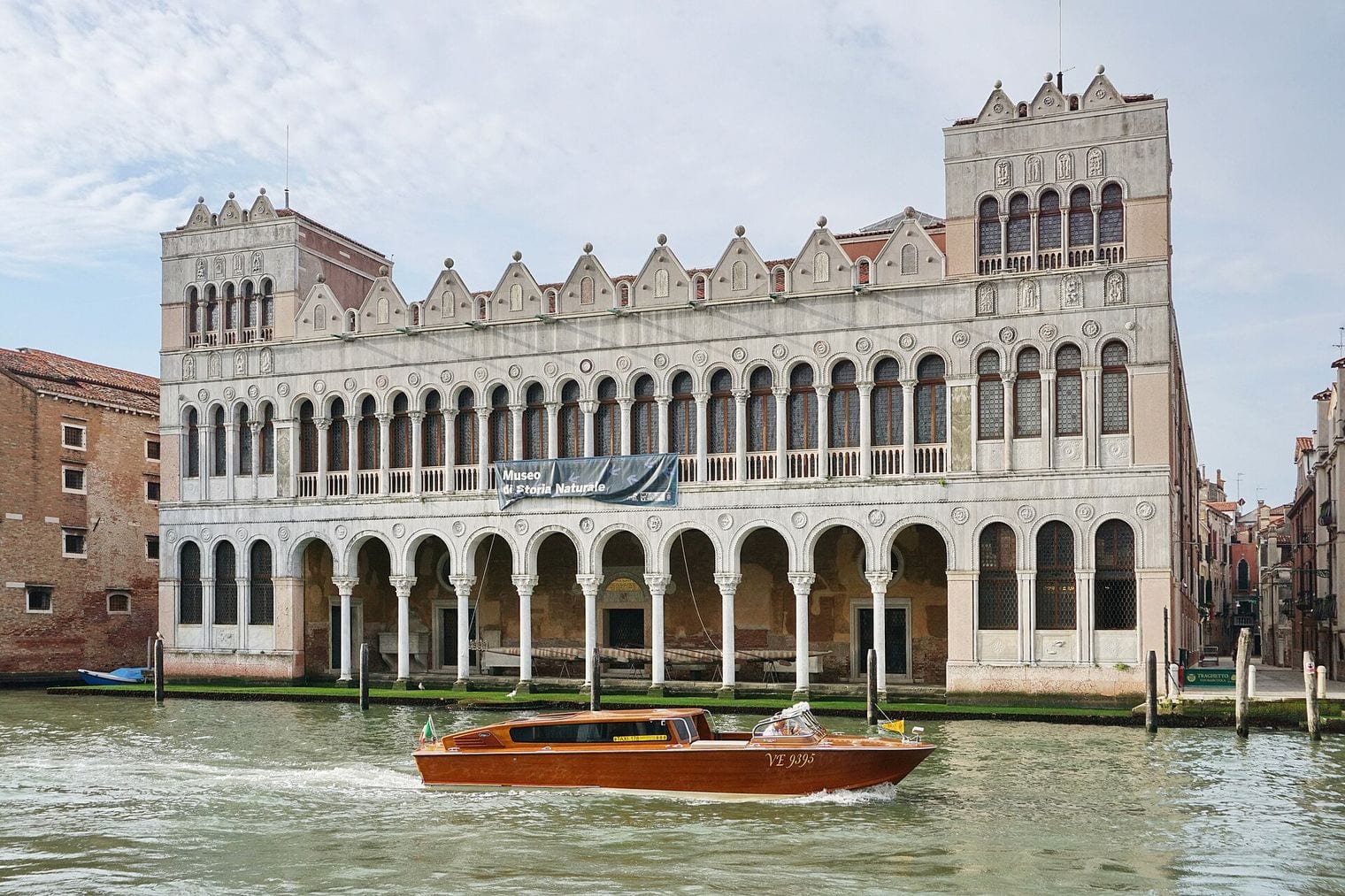
2424. Museo di Storia Naturale Giancarlo Ligabue (Fondaco dei Turchi)
The Museo di Storia Naturale Giancarlo Ligabue (Fondaco dei Turchi) occupies a heavily restored Veneto-Byzantine warehouse on the Grand Canal that once served as the trading base and lodging of Turkish merchants in the city. The building alone is worth the look from the water, with its long arcaded loggia.
Inside, the museum runs from fossil halls with mounted dinosaur material collected on expeditions to North Africa, through cabinets of curiosities assembled by Venetian collectors, to a lagoon section explaining the ecology the city sits in. It is the most child-friendly museum on this list by a distance, and it is rarely crowded.
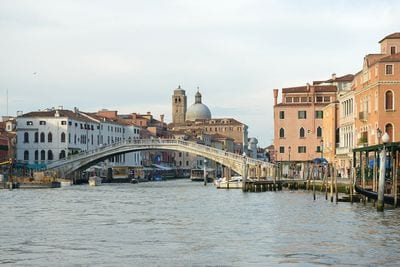
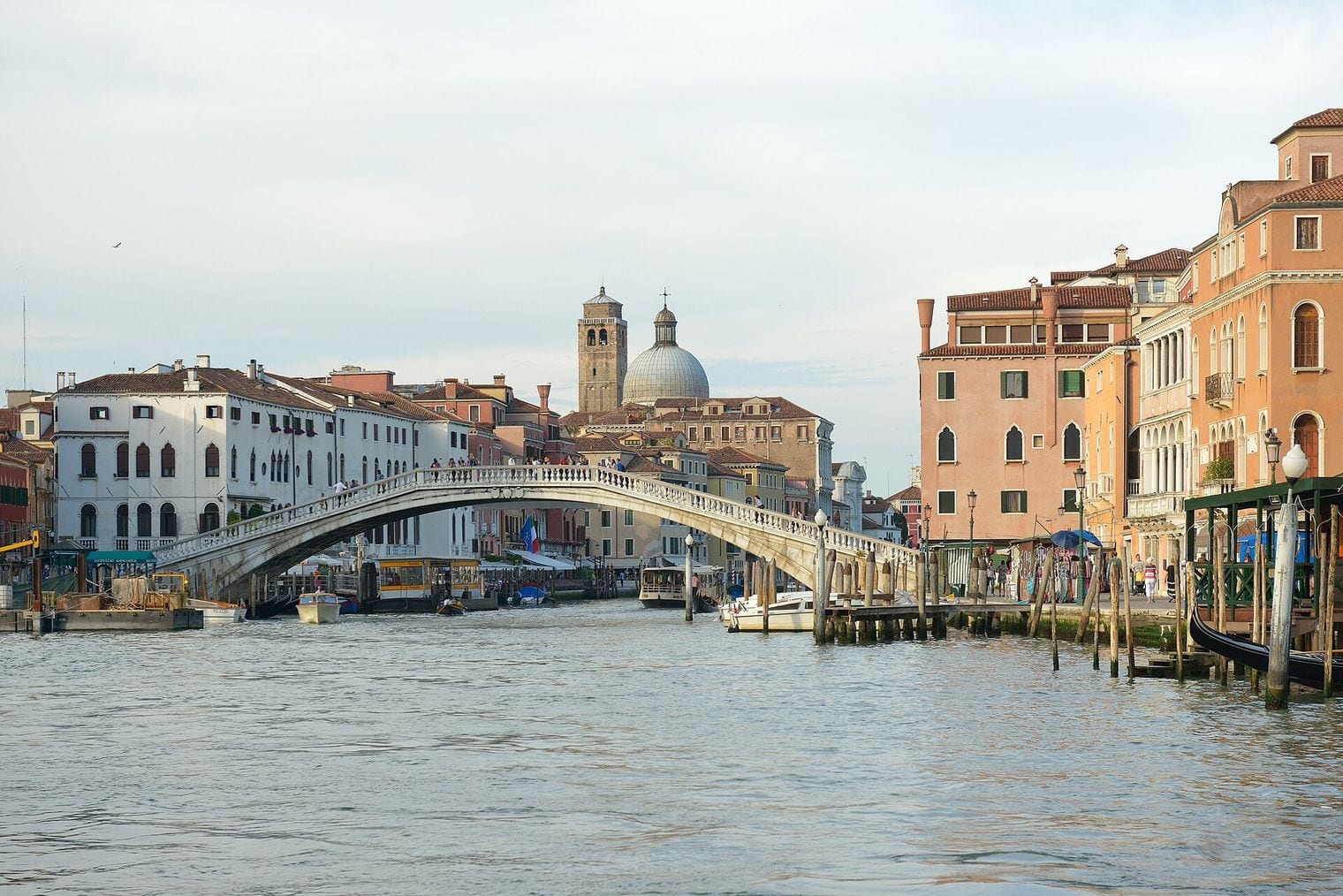
The Ponte degli Scalzi is the stone bridge over the Grand Canal beside the railway station, and for most visitors arriving by train it is the first proper view of the city. It replaced an earlier iron bridge from the Austrian period with a single wide arch of pale stone.
The crown of the bridge looks down a long straight stretch of the canal, and it is a good place to stand for ten minutes and watch the traffic sort itself out, with vaporetti, delivery barges and the occasional gondola all negotiating the same water. It is quieter than the Rialto and the light in the late afternoon runs down the canal toward you.
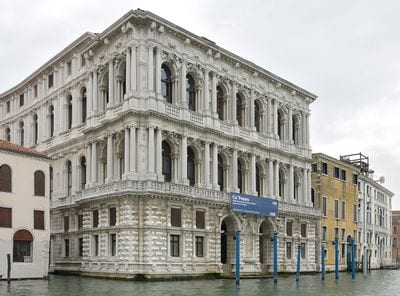
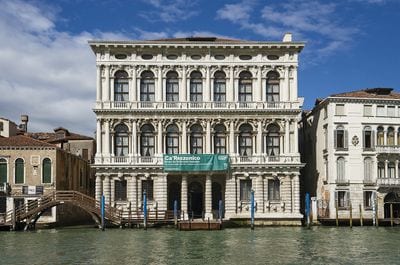
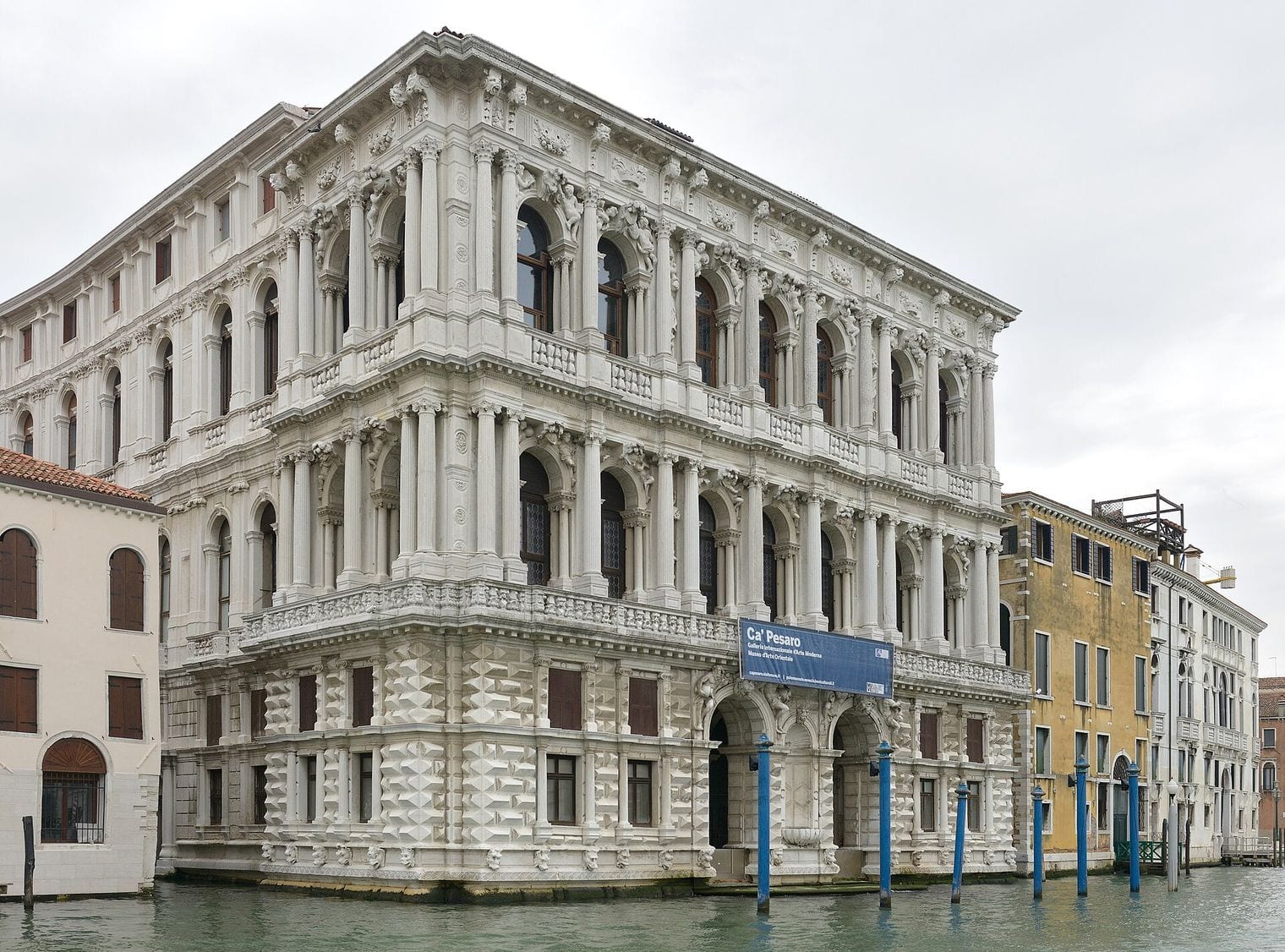
2626. Ca' Pesaro International Gallery of Modern Art
Ca' Pesaro International Gallery of Modern Art fills a heavy baroque palace on the Grand Canal with the city's collection of nineteenth and twentieth-century art, much of it bought from the Biennale over the decades. That buying history gives it an unusual shape, strong on artists who showed in Venice rather than on a standard survey.
Klimt's Judith is the single best-known picture, and there is work by Chagall, Kandinsky and a solid group of Italian moderns alongside it. An oriental art museum occupying the top floor holds a large collection of Japanese Edo-period material. The staircase and the canal-side halls are worth the visit on their own.
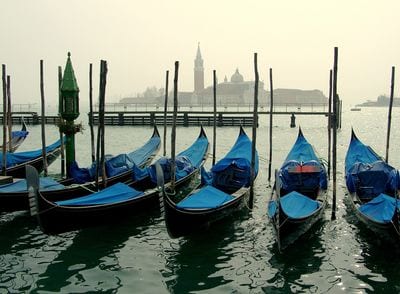
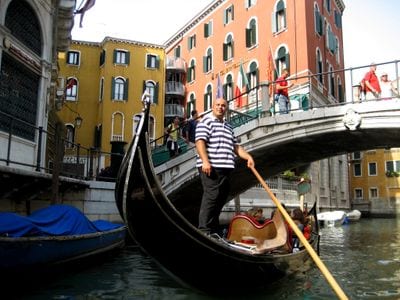
A gondola ride is the cliche and it is also genuinely unlike anything else, because the boat is asymmetrical, flat-bottomed and rowed standing with a single oar against a wooden fulcrum, which is why it can turn inside a canal barely wider than itself. The city sets a standard tariff by the ride rather than per person, and the rate rises after evening.
Agree the route and the fare before you step in, and ask for the back canals rather than the Grand Canal, which is choppy with boat wash and far less atmospheric. Bacino Orseolo behind Piazza San Marco is one of the main mooring stations. If you only want the sensation, the traghetto ferries that cross the Grand Canal use the same boats for a fraction of the cost.
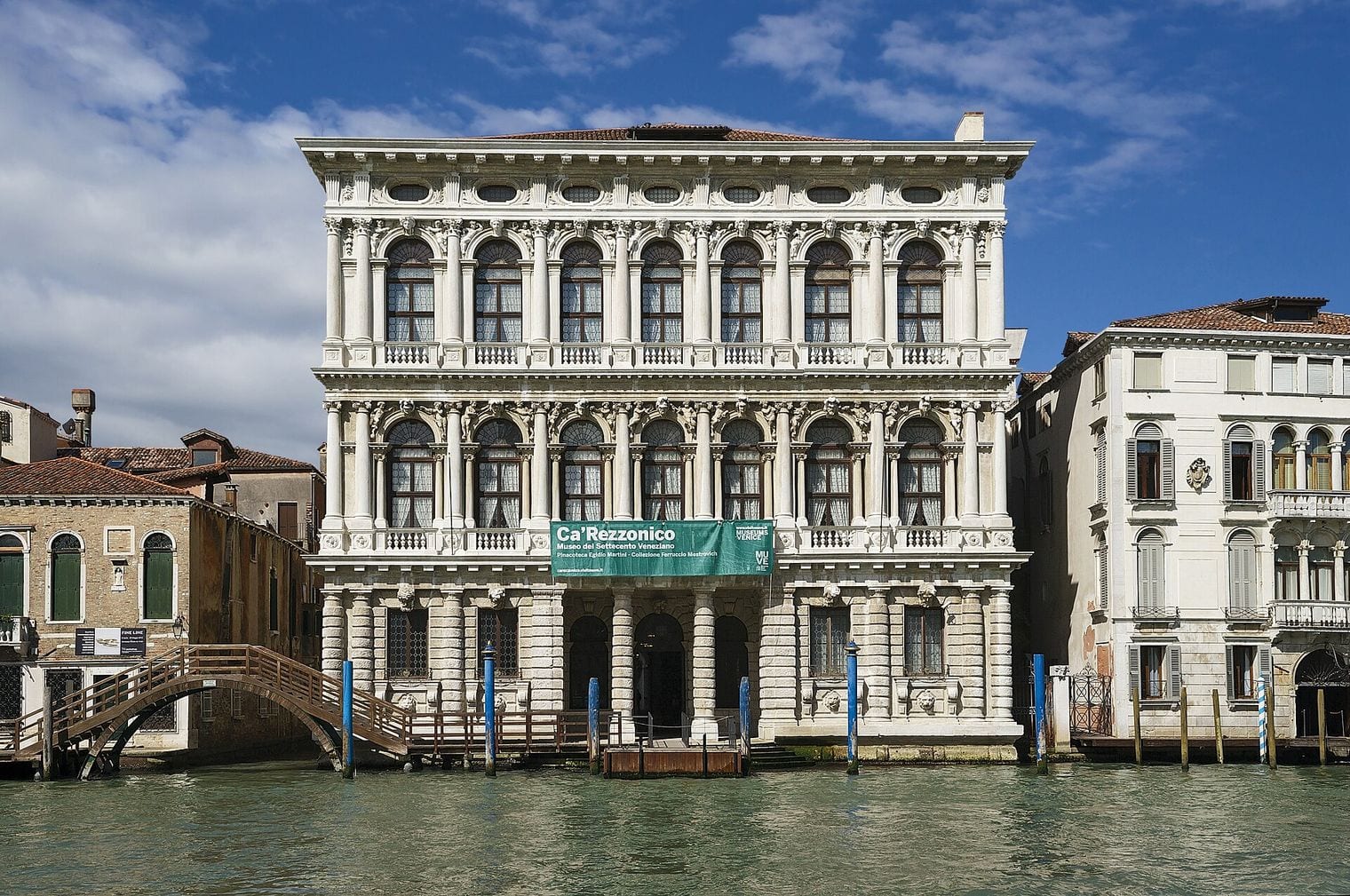
Ca' Rezzonico is a museum of eighteenth-century Venice installed in a palace on the Grand Canal, and the conceit works: the rooms are furnished and hung as a patrician household of the period, so you get the ballroom, the bedchambers, the lacquer and the portraits in context rather than as isolated objects.
Tiepolo painted ceilings here and there are frescoes moved in from a demolished villa on the upper floor, along with a set of Pietro Longhi's small paintings of Venetian daily life that are the most quietly enjoyable thing in the building. The poet Robert Browning died in the palace. The canal-front windows give a fine view straight down the water.
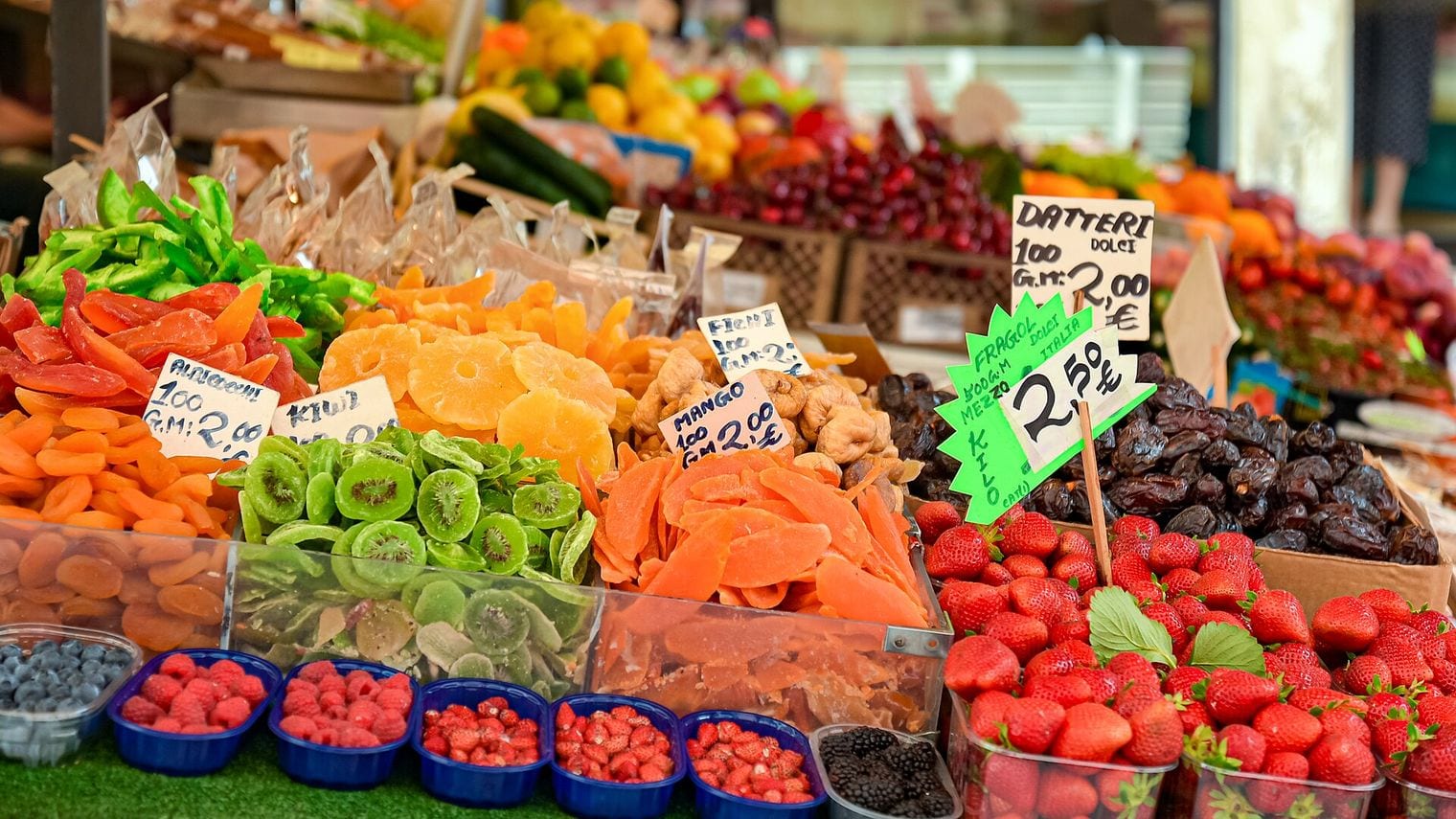
The Rialto Market has traded on this bend of the Grand Canal for centuries and it is still where a good deal of the city buys its food. The produce stalls run under awnings along the fondamenta, heavy with artichokes, radicchio and whatever the lagoon gardens are sending in that season.
The fish market next to it, under a neo-Gothic loggia open to the water, is the better half: lagoon crab, cuttlefish, langoustines and the rest laid out on ice with the boats unloading behind. It runs in the mornings only, and the fish hall keeps shorter days than the vegetables, so come early. The bars around the edges serve cicchetti to the traders from first light.
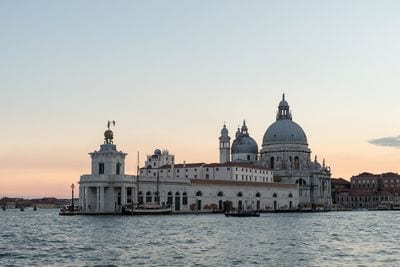
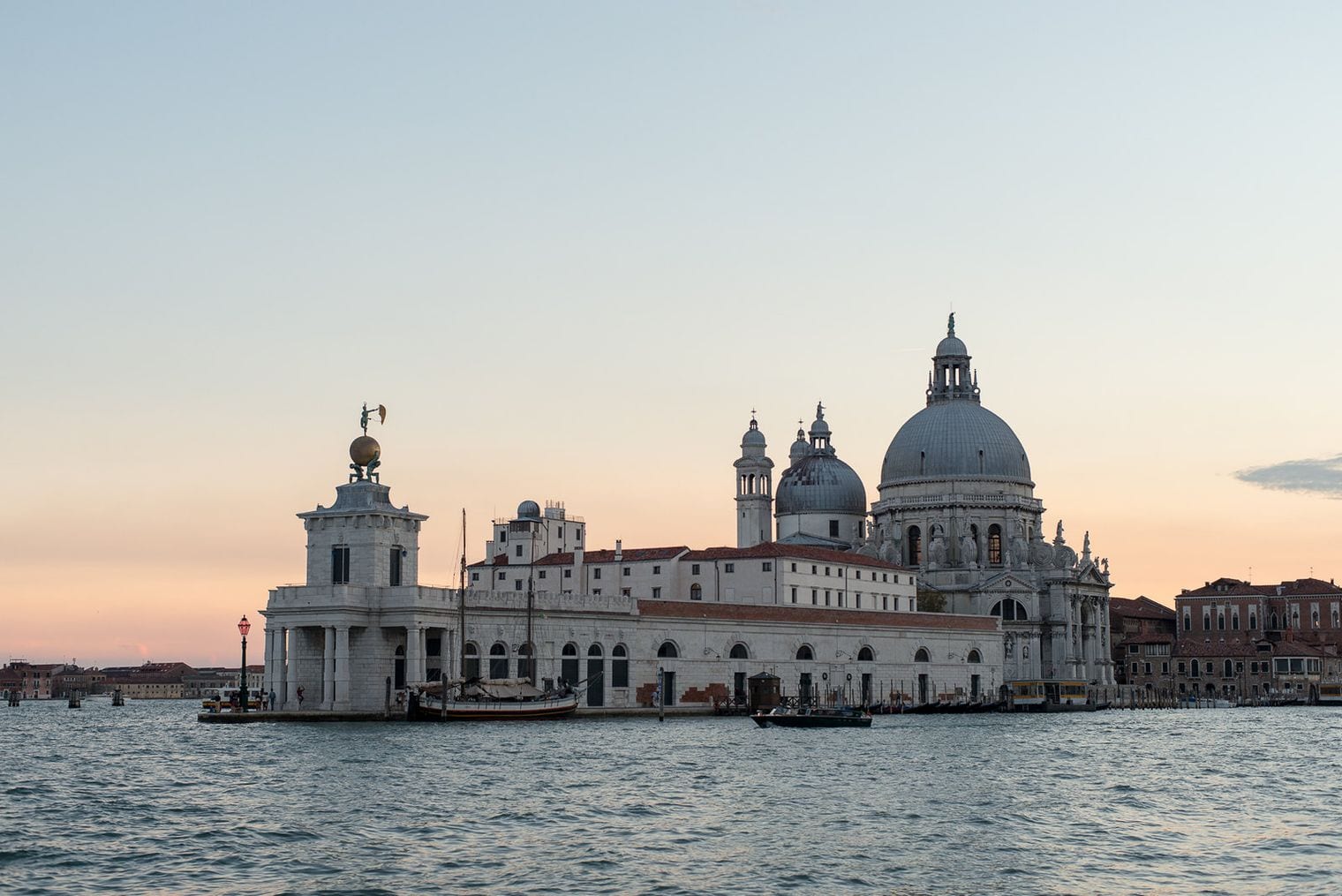
Punta della Dogana stands on the sharp triangular point where the Grand Canal and the Giudecca canal meet, and it was the customs house where cargo entering Venice was assessed. The building was stripped back and converted into a contemporary art space by the architect Tadao Ando, who left the brick and timber structure exposed against new concrete.
The exhibitions draw on a major private collection and change periodically, so what is on varies, but the building is reason enough. Outside, the stone tip is one of the best free spots in the city to sit on the steps at sunset, looking back across to San Giorgio Maggiore and the mouth of the basin. A golden weathervane figure turns on the tower above.
Plan your trip
Best Time to Visit Venice
Late spring and early autumn are the sweet spots. April into early June and September into October give you long daylight, mild walking weather and lighter crowds than the peak, which matters in a city where the bottleneck is often a single narrow bridge. Summer is hot and humid, the canals can smell at low tide, and the queues at the basilica and the Doge's Palace are at their longest.
Winter is the connoisseur's season: cold, often foggy, and genuinely quiet in the back sestieri, with the added drama of high-water season, which runs through the darker months and can put duckboards across the lower squares. Carnival fills the city in the run-up to Lent, and the Festa della Salute in late November is a local occasion rather than a tourist one, when a temporary bridge is floated across the Grand Canal.
Getting to Venice
Most visitors arrive by air into Marco Polo Airport on the mainland edge of the lagoon, with a second low-cost airport at Treviso a bus ride further out. From Marco Polo you can reach the historic centre by airport water bus across the lagoon, by land bus to the road terminus, or by private water taxi, which is the fastest and by some distance the most expensive.
Arriving by train is the better experience if the route suits you, because the line runs across the lagoon causeway and the station steps directly onto the Grand Canal. Make sure your ticket is for the island station rather than the mainland one, which is a further transfer away.
Fast services connect Venice to the major cities of Italy, and the road causeway ends at a car park and bus terminus at the western tip — the city itself has no roads, so this is where driving stops.
Getting Around Venice
You walk. The historic centre is entirely car-free and compact enough to cross on foot in well under an hour, and walking is often quicker than the boat for short hops because the water routes loop around the islands. Yellow signs at junctions point toward the main landmarks and the station, which is the practical way to navigate when the map gives up.
The public waterbuses are the other half of the system, running the length of the Grand Canal and out to the lagoon islands; a multi-day pass pays for itself quickly if you are island-hopping. Small ferry gondolas still cross the Grand Canal at a handful of points between the bridges for a token fare. Be aware that almost every bridge has steps, so wheeling luggage across the city is hard work and step-free routes are limited.
Where to Stay in Venice
San Marco puts you closest to the headline sights and costs the most for it, and it empties oddly at night once the day-trippers leave. Dorsoduro is the best all-round base, walkable to the galleries with a student population that keeps the bars open. Cannaregio, north of the station, is where a lot of Venetians actually live and gives the best value along with the liveliest canal-side drinking strip.
Castello, running east toward the gardens, is the most residential of the central districts and stays quiet. San Polo and Santa Croce sit conveniently between the station and the Rialto. Across the water, Giudecca trades a short boat ride for calm and a full-frontal view of the city, and the Lido offers a beach. Staying out on the mainland is cheaper, but you lose the early mornings and late evenings that are the entire point of sleeping here.
Where to Eat in Venice
The local ritual is cicchetti: small plates eaten standing at a bacaro, the Venetian bar-counter, washed down with a small glass of wine or a spritz. The lanes around the Rialto market are the classic hunting ground at midday, the long canal-side strip in Cannaregio is where the evening crowd goes, and the big informal square in Dorsoduro is the student end of the scale.
Eat what the lagoon produces. Sweet-and-sour sardines with onions and raisins, whipped salt cod on grilled polenta, squid cooked in its own ink, and risotto made with whatever is in season are the dishes worth ordering, along with soft-shell crab in the short spring and autumn windows. Avoid the places with laminated multilingual menus and a tout at the door, particularly on the main tourist arteries, and note that a seat with a view is priced accordingly.
Day Trips from Venice
The Veneto is unusually rich in short hops. Padua is barely half an hour away by train and holds a fresco cycle that ranks among the most important in Europe; Vicenza, a little further, is effectively an open-air catalogue of Palladio's architecture; and Verona, about an hour and a quarter west, has a Roman amphitheatre still used for opera. Closer in, the fishing town at the southern end of the lagoon makes an easy contrast with the tourist centre.
North of the plain, the prosecco hills rise into vineyard country and, beyond them, the Dolomites are reachable by car in a couple of hours for a complete change of landscape. Further afield, Rome sits close to four hours away on the fast line, which is too far to justify as a day trip but makes an obvious second stop on a longer run through Italy.
Before you go
Mobile dataAn eSIM gives your phone local data when you land, with no SIM card to swap.via AiraloGet an eSIM
Airport transferA driver meets you at arrivals and takes you to your hotel, at a price fixed when you book.via Welcome PickupsBook a transfer
We may earn a commission when you buy through these links, at no extra cost to you. How we make money.
cross toward Piazza San Marco and give the afternoon to the set pieces — Saint Mark's Basilica for the mosaics, then the Doge's Palace, whose route takes you through the interior of the Bridge of Sighs and out into the cells. Book both ahead so you are not standing in the Piazzetta watching the light go.
take the waterbus across to San Giorgio Maggiore Church and ride the lift up its bell tower for the view back over the whole city as the sun drops, which is the same panorama as the campanile in the square with a fraction of the queue. Come back for a gondola ride through the back canals, or simply ride the length of the Grand Canal after dark, when the palace windows light the water.
Venice is known for being a city built on water, with canals instead of streets and no cars at all. The signature sights are Piazza San Marco with its basilica and bell tower, the Doge's Palace, the Rialto Bridge over the Grand Canal, and the lagoon islands of Murano and Burano, famous respectively for glassblowing and for brightly painted houses.
How many days do you need in Venice?
Two full days is the realistic minimum: one for the San Marco and Rialto set pieces, one for the galleries and the quieter sestieri. Add a third if you want to give the lagoon islands the half-day they deserve rather than rushing them. Many people visit on a day trip and see only the busiest hundred metres of the city.
Is Venice worth visiting despite the crowds?
Yes, provided you stay overnight and walk away from the main routes. The corridor between the station, the Rialto and Piazza San Marco carries most of the day-trip traffic, and streets two turnings off it are often empty. Early mornings and evenings, once the day boats have gone, are when the city is at its best.
What can you do in Venice for free?
Walking is the main event and costs nothing. Piazza San Marco, the Rialto and Scalzi bridges, the Rialto Market, the Jewish Quarter and the eccentric interior of Libreria Acqua Alta are all free to enter or cross, and the stone point at Punta della Dogana is among the best sunset spots in the city without a ticket.
Do you need a boat to get around Venice?
Not usually. The historic centre is compact and walkable, and on foot is frequently faster than the water for short distances. You will want the public waterbus for the length of the Grand Canal, for reaching San Giorgio Maggiore, and for the trip out to Murano and Burano, which are too far to reach any other way.