No island this size has given the world more — the music, the food, the sprinting, the way the language moves.
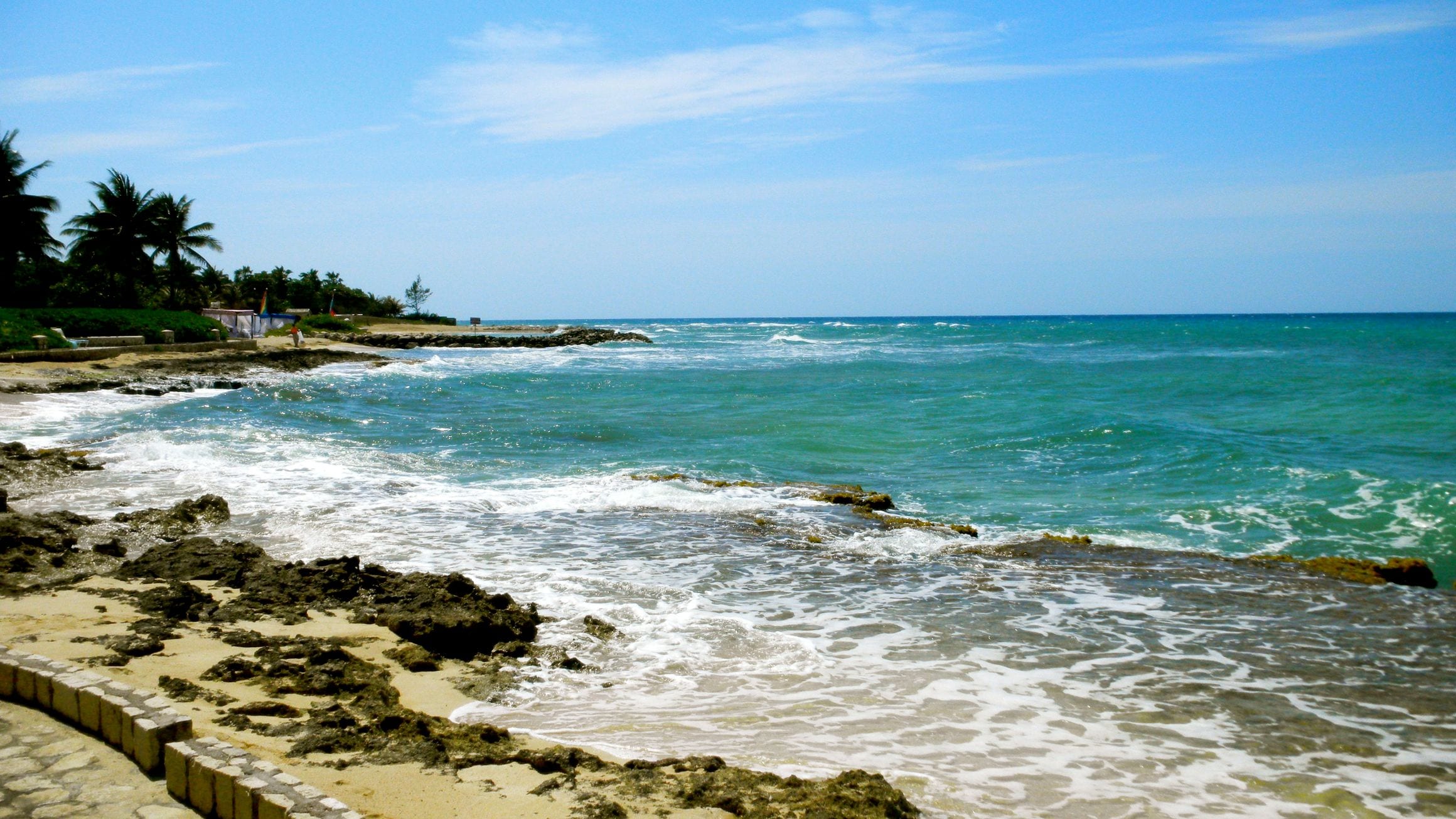
Jamaica is the third-largest island in the Caribbean and by some distance its loudest cultural export — the birthplace of reggae, jerk cooking and the Rastafari movement, wrapped around a mountainous interior that climbs past 2,250 metres in the Blue Mountains. Most visitors land at Montego Bay on the north coast, where the resort strips, Georgian great houses and bamboo-rafting rivers are, and many never leave that stretch. The island rewards anyone who drives further: waterfalls and coffee estates in the east, a quiet fishing coastline and morass country in the south, and the cliffs and sunsets of Negril at the western tip.
The sweet spot. The winter dry season is still holding, the heat has not yet turned heavy, and the sea is warm enough for long snorkelling days. Rain picks up towards the end of May, usually as short afternoon downpours rather than washed-out days.
SummerJun–Aug
Hot, humid and green, with brief tropical showers most afternoons and the calmest sea of the year for diving. Hurricane season opens in June, though the risk stays low until late summer. This is also when the island's biggest reggae festivals fill Montego Bay, so the north-coast strip is at its busiest and loudest.
FallSep–Nov
The wettest stretch and the peak of hurricane season, which is why rates fall furthest now. September and October carry the real disruption risk; by mid-November the weather has usually settled and the island is quiet and cheap before the winter crowds arrive.
WinterDec–Feb
High season, and the reason most people come: dry, sunny days in the high twenties, cool evenings, and almost no rain on the north coast. The Blue Mountains genuinely get cold at altitude — pack a layer if you are heading up to the coffee estates or the peak trail.
Regions
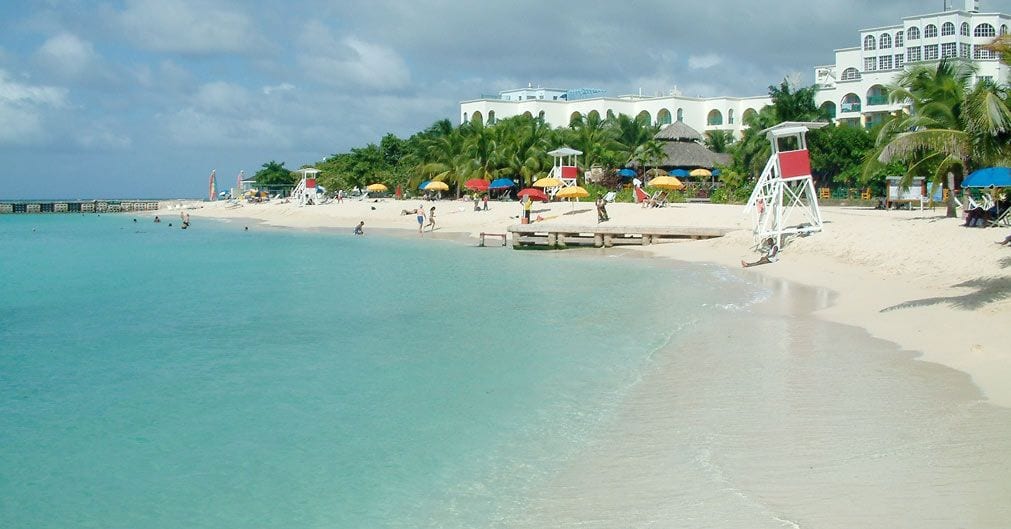
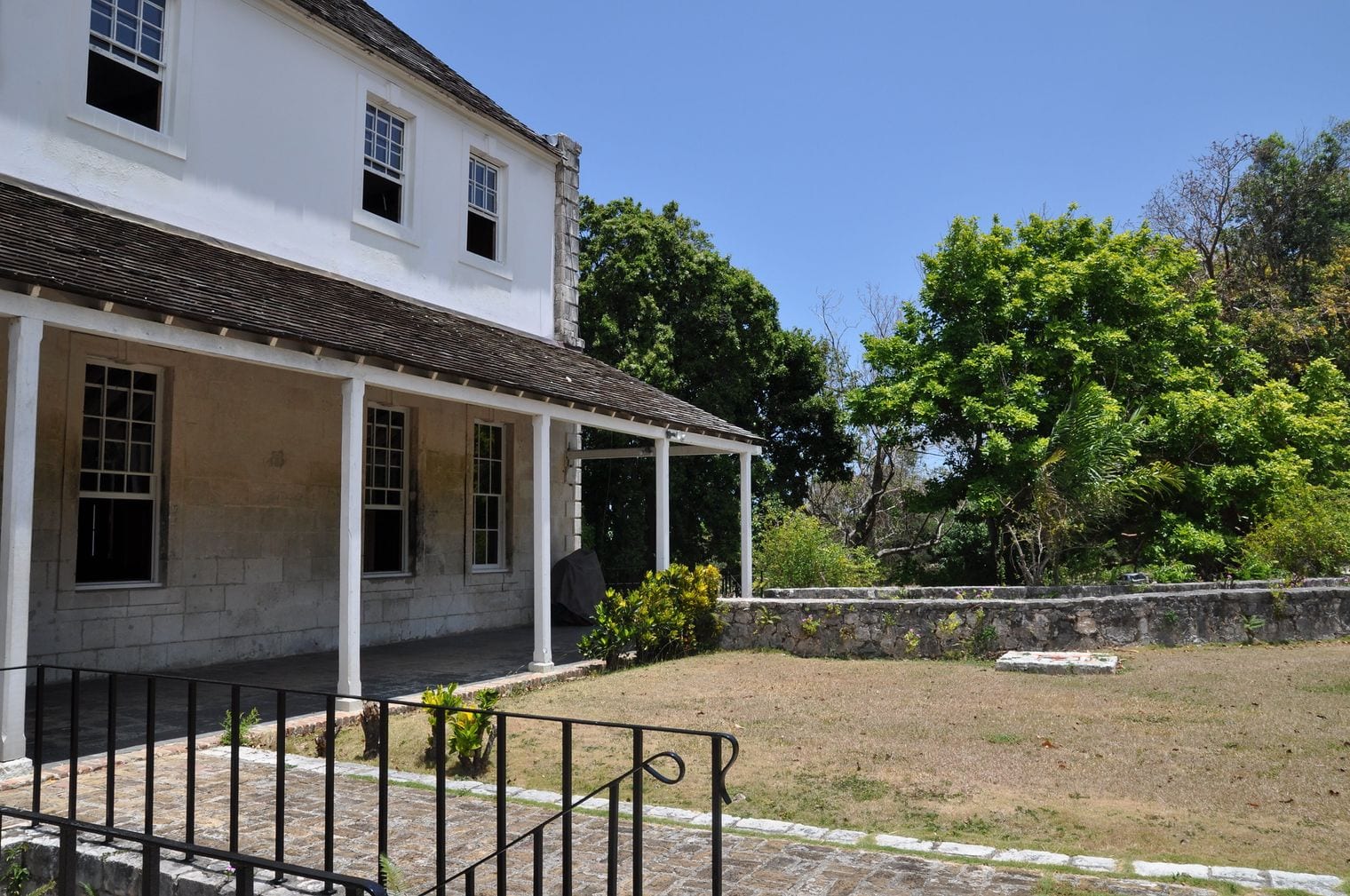
Montego Bay & the north-westThe island's tourism capital and the airport almost everyone flies into. A compact city of beaches, craft markets and an 1803 courthouse, ringed by plantation great houses, championship golf and rafting rivers running down from the hills.
Negril & the westSeven Mile Beach on one side of the point and the limestone cliffs on the other, with the island's most committed sunset culture at the western tip. Slower and lower-rise than the north coast, and still the place people go to do very little.
Ocho Rios & the north coastWaterfall country and the busiest cruise stop, where the terraced climb up Dunn's River Falls sits alongside river tubing, bobsled rides and botanical gardens. Falmouth's Georgian port town and the bioluminescent Luminous Lagoon are just west of here.
Port Antonio & the eastThe wettest, greenest and least developed corner, and the one Jamaicans send you to when you ask where they holiday. Rafting on the Rio Grande, the Blue Lagoon, and a chain of small beaches under rainforest hills.
Kingston & the Blue MountainsThe capital holds the music history the rest of the world came for, plus the national gallery and the country's serious restaurants. Behind it the Blue and John Crow Mountains rise into a UNESCO-listed wilderness of coffee estates, Maroon settlements and hiking trails.
The south coastThe quiet side. Crocodile safaris on the Black River, the terraced YS Falls, Appleton rum country in the Nassau Valley, and fishing villages like Treasure Beach where tourism stays small and locally owned.
The Blue and John Crow MountainsJamaica's first UNESCO World Heritage Site, inscribed in 2015 for both its cloud-forest ecology and its Maroon heritage — and the source of Blue Mountain coffee.Basecamp: Kingston
Dunn's River FallsA 180-metre staircase of limestone terraces spilling straight into the sea, climbed hand-in-hand in a human chain. The single most photographed thing on the island.Basecamp: Ocho Rios
The Luminous LagoonA shallow bay at Falmouth where microorganisms light the water electric blue behind a moving boat — one of very few consistently bioluminescent lagoons anywhere.Basecamp: Falmouth
Suggested routes
Montego Bay & the north-west
~4–5 days
The easiest introduction and the one most flights suit. Base yourself once in Montego Bay, walk the historic downtown, give a day each to a beach, a great house and a river, and never spend more than an hour in the car.
1Montego Bay on foot — the 1803 courthouse, the craft village and Fort Montego
The classic island drive, working east along the coast road from the airport and getting greener and quieter with every stop. Two or three bases rather than one, and a hire car or a driver for the day earns its keep here.
1Montego Bay — beaches, great houses and the craft markets
2Falmouth — the Georgian port town and the Luminous Lagoon after dark
3Ocho Rios — Dunn's River Falls, river tubing and the botanical gardens
4Port Antonio — the Blue Lagoon, Reach Falls and rafting the Rio Grande
The other Jamaica: south coast & the Blue Mountains
~8–12 days
For a second visit, or a first one that skips the resorts entirely. Small guesthouses, a lot of driving on slow roads, and the parts of the island that Jamaicans themselves take holidays in.
1Treasure Beach — fishing villages and locally owned guesthouses
2Black River & YS Falls — a crocodile boat safari and terraced waterfalls
3Appleton rum country — the Nassau Valley cane estates
4The Blue Mountains — coffee estates, Maroon settlements and the peak trail
5Kingston — the music history, the national gallery and Port Royal
Jamaica travel FAQ
Eight questions travellers ask before they go.
When is the best time to visit Jamaica?
December to April is the dry, sunny high season, and March to May is the sweet spot — still reliably dry, warm without the heavy summer humidity, and cheaper than the winter peak. Summer is hot and green with short afternoon showers but the calmest sea for diving. Hurricane season runs June to November and peaks in September and October, which is when rates are lowest and the risk of disruption highest.
How many days do you need in Jamaica?
Four or five days is enough for one base — Montego Bay or Negril — with time for a beach, a great house and a river trip without long drives. A week to ten days lets you run the north coast from Montego Bay east to Ocho Rios and Port Antonio, which is the classic trip. Two weeks is what you need if you want the south coast, the Blue Mountains and Kingston as well, because the interior roads are slow.
Do you need a car in Jamaica?
Not for a resort-based trip. Transfers, route taxis and the Knutsford Express coach cover the main coastal towns well, and hiring a driver for the day is a common and reasonably priced way to do waterfalls and great houses. A hire car is worth it if you want the south coast, the east or the Blue Mountains, where public transport thins out — but be ready for driving on the left, narrow mountain roads and unlit rural stretches after dark.
What is Jamaica known for?
Reggae and the music that came out of Kingston, jerk cooking, Blue Mountain coffee, world-record sprinting, and the Rastafari movement — all from an island of under three million people. For visitors it is also the beaches of the north and west coasts, the plantation great houses around Montego Bay, and waterfalls like Dunn's River and YS Falls.
Do they speak English in Jamaica?
Yes — English is the official language and is used for all signage, business and education, so you will have no difficulty being understood. The everyday spoken language is Jamaican Patois, an English-based creole with West African grammar, which can be hard to follow at speed even for native English speakers. People switch to standard English with visitors as a matter of course.
What currency does Jamaica use, and are US dollars accepted?
The Jamaican dollar (JMD, written J$) is the national currency. US dollars are widely accepted in resorts, tourist attractions and larger north-coast businesses, though the exchange rate offered is usually poorer than a bank's and change often comes back in Jamaican dollars. Cards are fine in hotels and established restaurants; carry local cash for craft markets, route taxis and anywhere off the resort strip.
What should you eat in Jamaica?
Jerk is the one to prioritise — pork or chicken smoked slowly over pimento wood at a roadside jerk pit rather than a hotel buffet. Ackee and saltfish is the national breakfast dish, curry goat and oxtail turn up on every menu, and a beef patty is the standard cheap lunch. Wash it down with sorrel, ting or a Red Stripe, and try Blue Mountain coffee at source if you get up into the hills.
What kind of trip is Jamaica best for?
Beaches, waterfalls, rafting and music history.
We use cookies to analyse site traffic and improve your experience.
You can accept or reject analytics cookies. See our Cookie Policy.