We may earn a commission if you book or buy through a link on
this page, at no extra cost to you. It never affects which places we list or how
we rank them (how we make money).
Short answer
Tokyo's three essentials are Sensō-ji, the city's oldest temple, the 634-metre Tokyo Skytree, the tallest tower on earth, and Meiji Jingu, a great Shinto shrine inside a planted forest of 100,000 trees minutes from Harajuku. Four days is the sensible minimum and five or six is better; three covers the headline sights but leaves no room for the city's neighbourhoods.
Tokyo runs on contrast. A temple founded in the seventh century sits a few subway stops from a crossing where a thousand people move at once, and a silent shrine forest opens straight onto the loudest shopping street in Japan. The city is vast, immaculate, and far easier to navigate than its size suggests.
This guide covers the temples and towers, the digital art museums, the markets and gardens, and the theme parks out on the bay. Give Tokyo four days and you will still leave with a list.
Tokyo was called Edo until 1868, when the emperor moved his court from Kyoto and the city was renamed the "eastern capital" — which is precisely what Tō-kyō means.
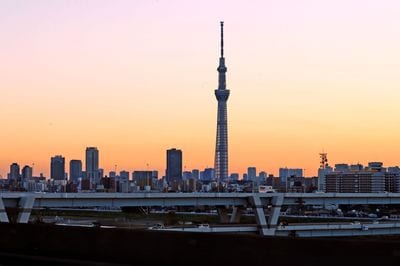
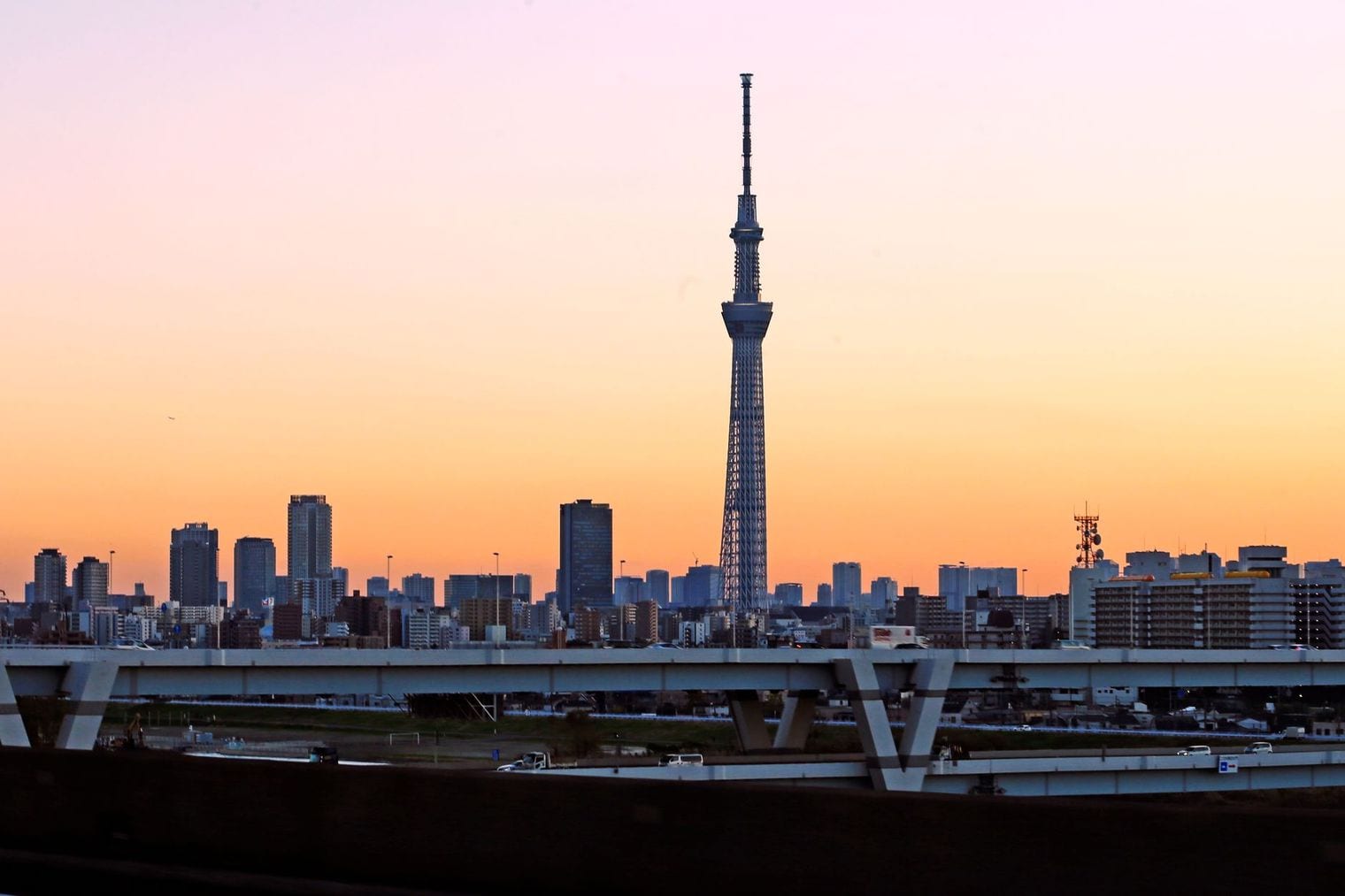
Tokyo Skytree's height is a pun. At 634 metres it is the tallest tower in the world, and 6-3-4 reads as mu-sa-shi, the old name of the province the city stands on. Its observation decks sit at 350 and 450 metres, and the elevators reach the lower one in under a minute.
Shinjuku Station is the busiest railway station on earth, moving millions of passengers a day — through so many exits that "which exit?" is the standard Tokyo meeting question.
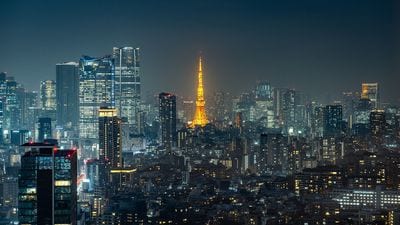
Tokyo Tower is taller than the Eiffel Tower that inspired it. Completed in 1958 at 333 metres, it clears its Paris model by a few metres, and is painted white and orange purely to satisfy aviation rules.
Ueno Park was among Japan's first public parks, designated in 1873 alongside a handful of others when the country adopted the Western idea of a park open to everyone.
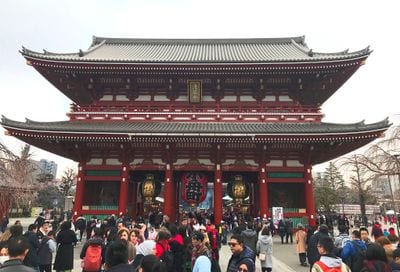
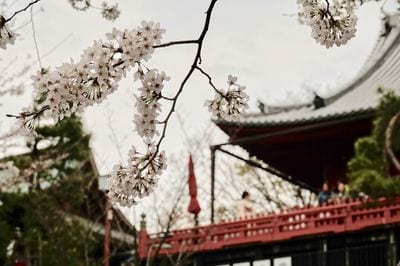
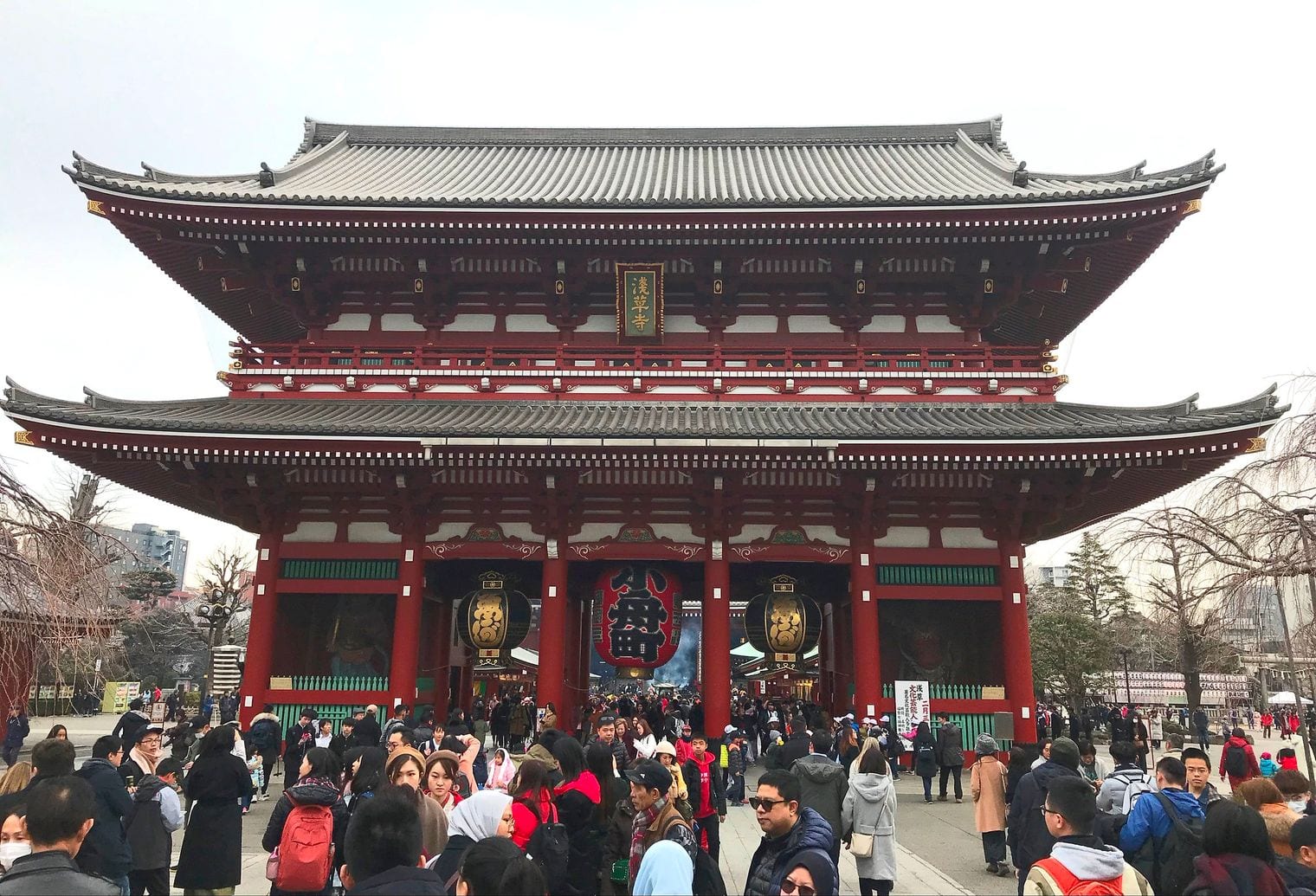
Sensō-ji is the oldest temple in Tokyo and still its most visited. You approach through Kaminarimon, the outer gate slung with an enormous red paper lantern, then walk the length of Nakamise-dōri, a lane of stalls selling rice crackers, folding fans and grilled sweets, before the main hall and its five-storey pagoda open out ahead.
Come early if you want the courtyard to yourself — by mid-morning it is shoulder to shoulder. Stop at the incense burner, where visitors waft smoke over themselves for good health, and draw an omikuji fortune from the wooden drawers. The surrounding Asakusa streets keep a low-rise, old-Tokyo feel that most of the city lost decades ago.
At 634 metres, Tokyo Skytree is the tallest tower in the world, and on a clear winter morning the view from it reaches all the way to Mount Fuji. Two decks are open to visitors: the Tembo Deck at 350 metres, wrapped in floor-to-ceiling windows, and the Tembo Galleria, a spiralling glass ramp that climbs to 450 metres.
The lower deck has a section of glass floor looking straight down the tower's legs, which is not for everyone. Book a timed ticket to skip the worst of the queue, and go late if you would rather see the city as a carpet of light. The Solamachi mall at the base is a decent rainy-afternoon fallback.
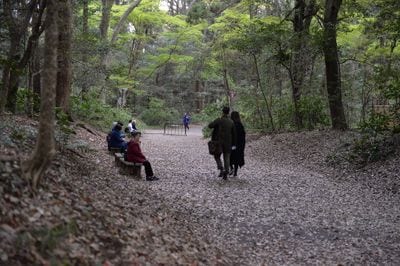
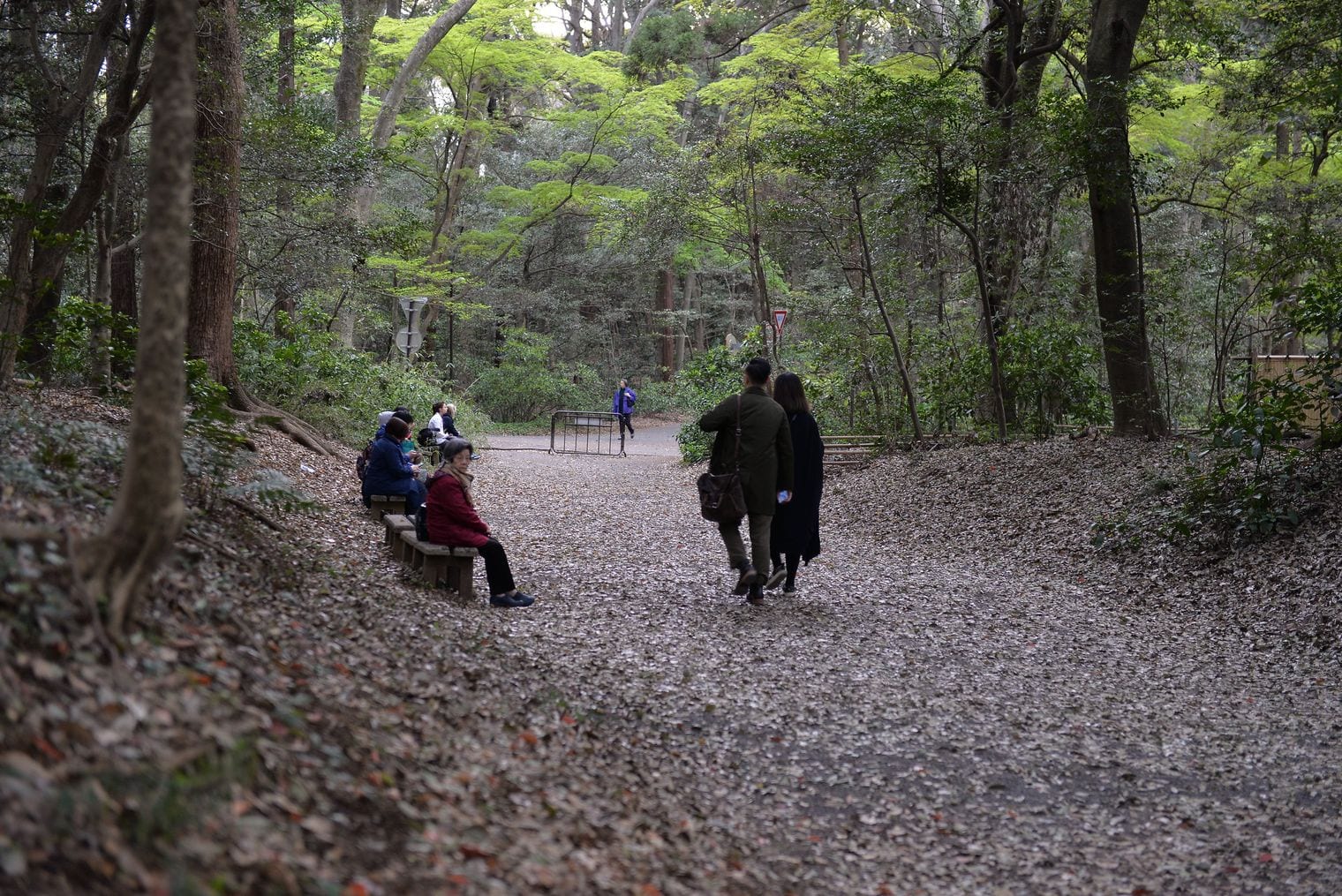
Meiji Jingu is a Shinto shrine dedicated to Emperor Meiji and Empress Shōken, and the walk in is half the experience: a wide gravel path under enormous wooden torii, through a forest of some 100,000 trees donated from every corner of Japan when the shrine was built. The traffic noise of Harajuku disappears within a minute.
The main complex is calm and unfussy — wash your hands at the temizuya, write a wish on an ema plaque, and watch for a wedding procession crossing the courtyard in formal dress. It is free to enter, opens at sunrise, and pairs naturally with Yoyogi Park next door and Takeshita Street a few minutes away.
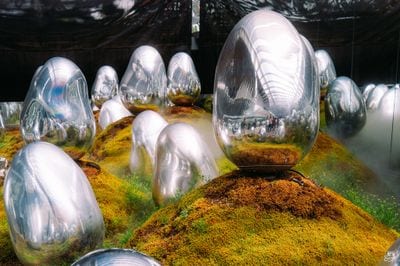
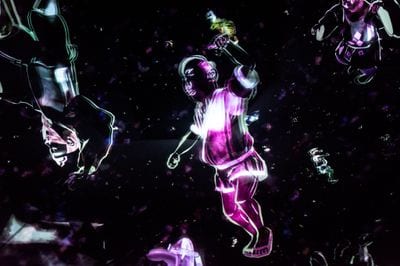
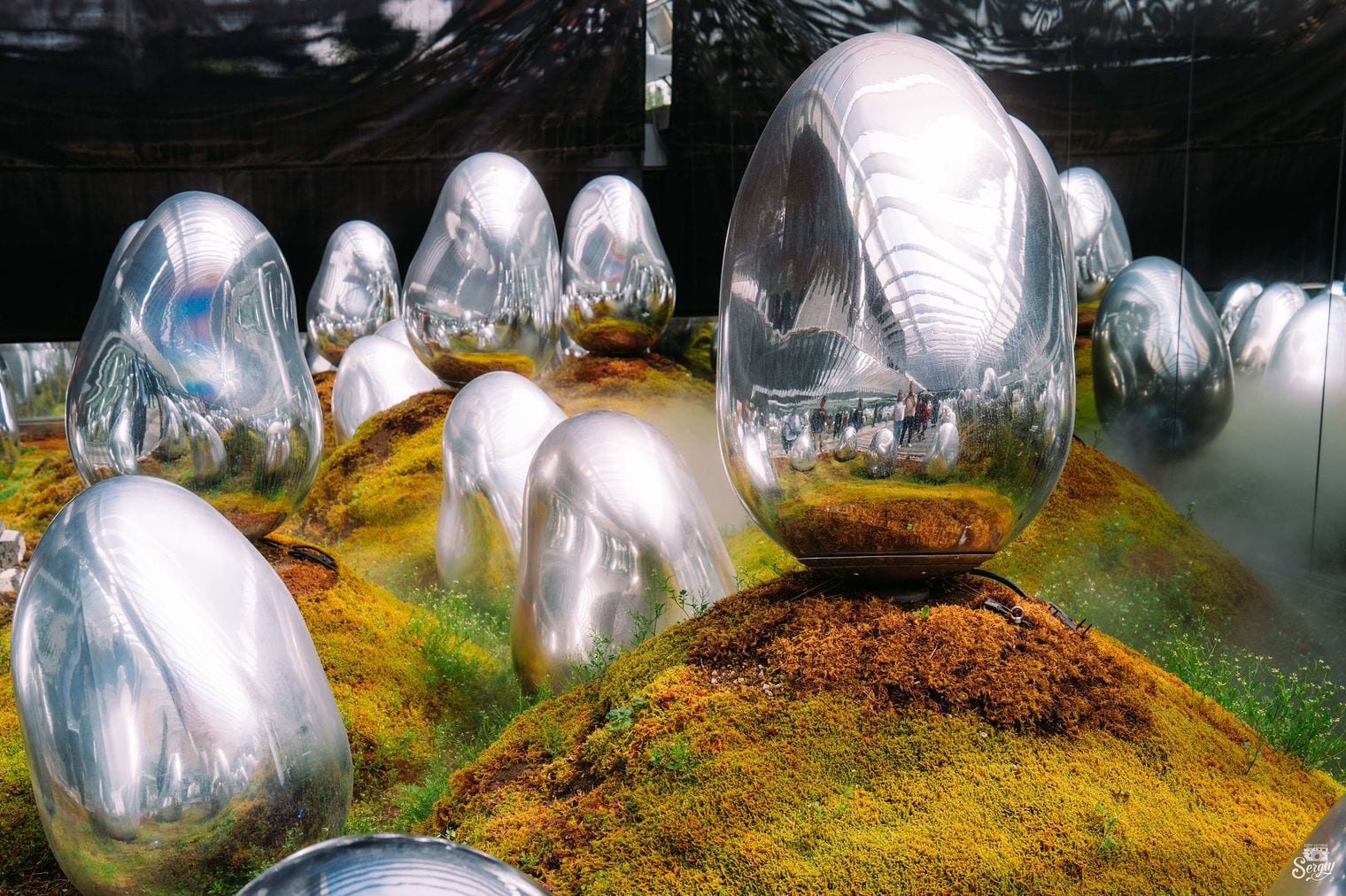
teamLab Planets is an immersive digital artwork you walk through barefoot, and it is unlike anything else in the city. You leave your shoes at the entrance and move through a series of rooms — one where you wade knee-deep through warm water filled with projected koi, another carpeted in living orchids, another where mirrored floors make a field of lights seem bottomless.
Wear shorts or trousers you can roll up, since parts of the route are genuinely wet, and expect the whole circuit to take about an hour. Tickets are timed and sell out, so book ahead. It sits in Toyosu on the bay, a short walk from the Yurikamome line.
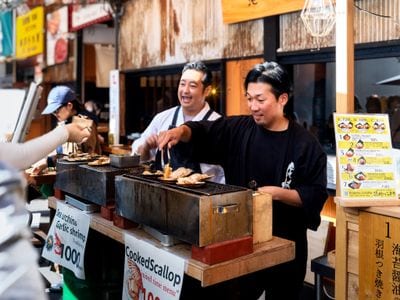
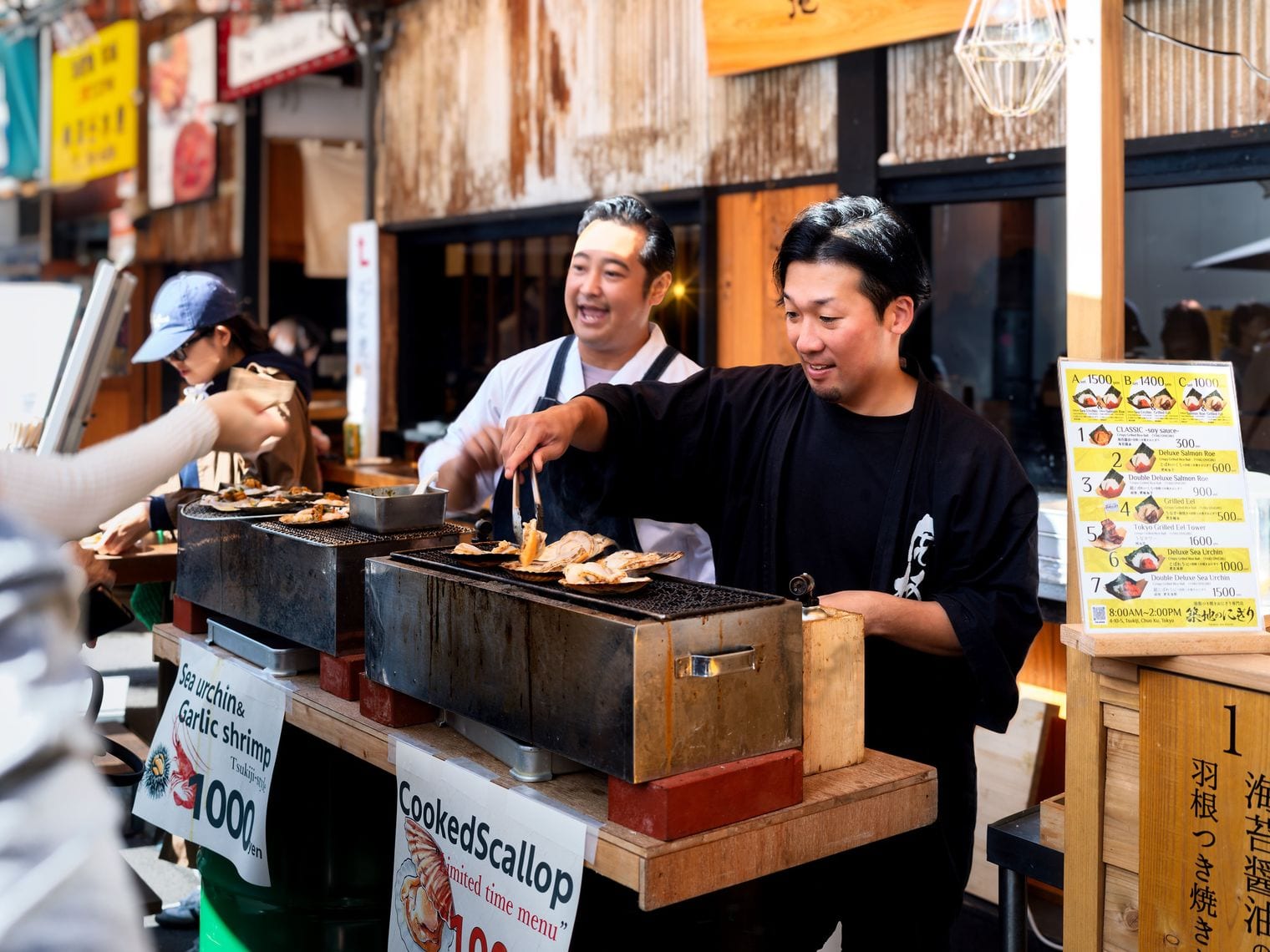
When the wholesale tuna auctions moved to Toyosu, the Tsukiji Outer Market stayed exactly where it was — and it is the more enjoyable of the two to visit. The lanes are packed with stalls doing one thing well: grilled scallops, tamagoyaki on a stick, uni served in the shell, knife shops where the blades are still finished by hand.
Go hungry and go early, since many stalls wind down by early afternoon and some close on Sundays and market holidays. Eat standing up, pay in cash where you can, and follow the queues rather than the signage. It is a ten-minute walk from Ginza if you want to make a morning of it.
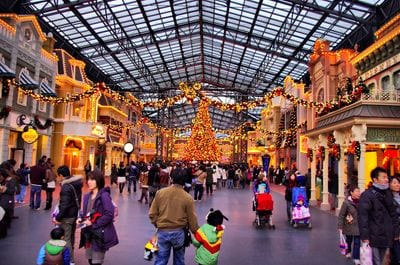
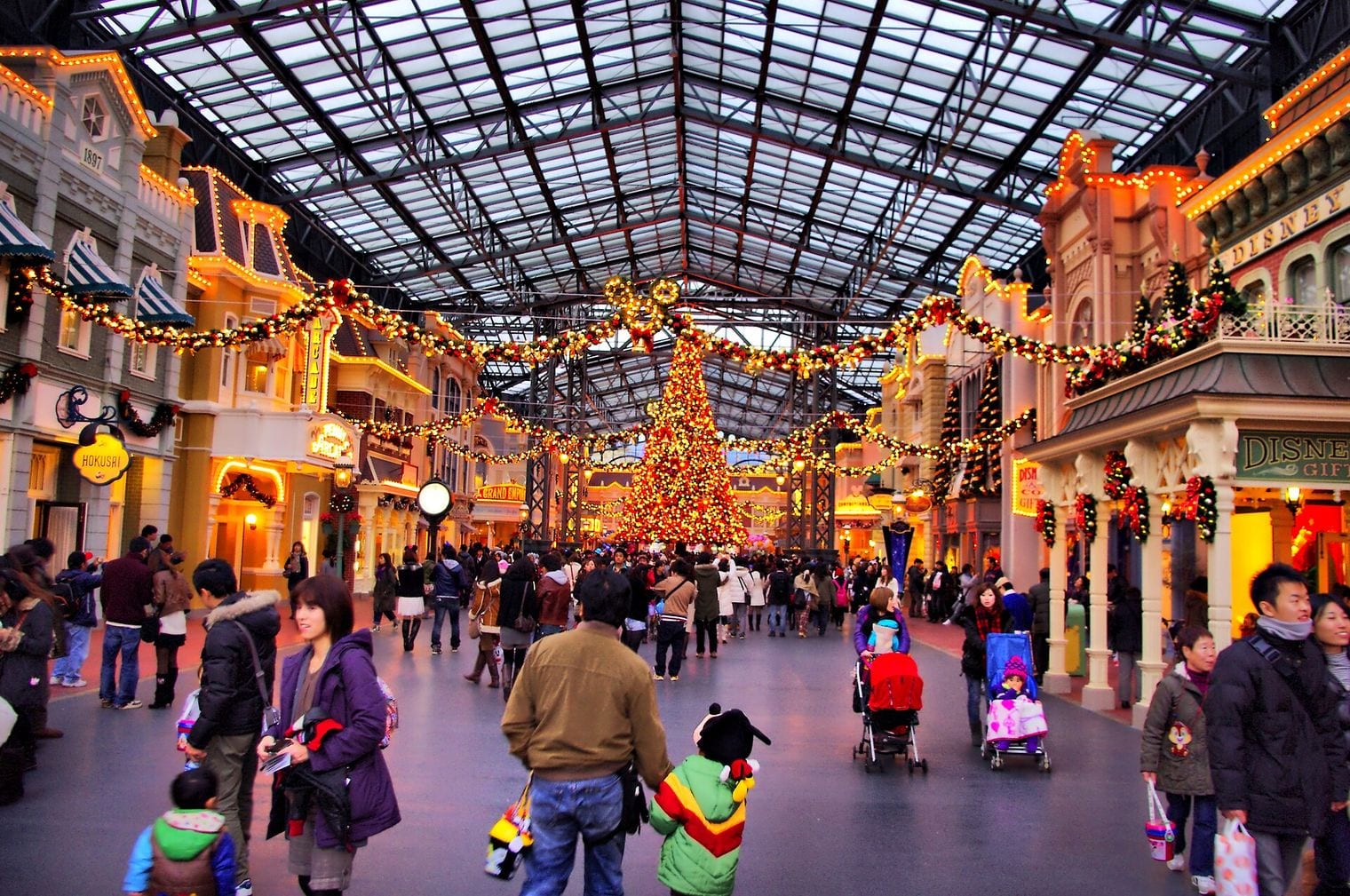
Tokyo Disneyland was the first Disney park built outside the United States, and it is widely reckoned one of the best-run in the group. The layout will feel familiar — a castle at the centre, themed lands radiating out — but the detail, the cleanliness and the sheer commitment of the crowd are distinctly Japanese.
It is worth knowing that the park is not actually in Tokyo: it sits in Urayasu, just over the border in Chiba, about 15 minutes by train from Tokyo Station. Buy tickets in advance, arrive at opening, and use the app to manage waits. Popcorn comes in flavours you will not find anywhere else.
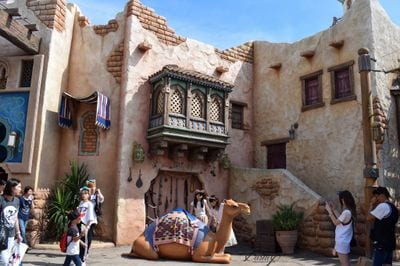
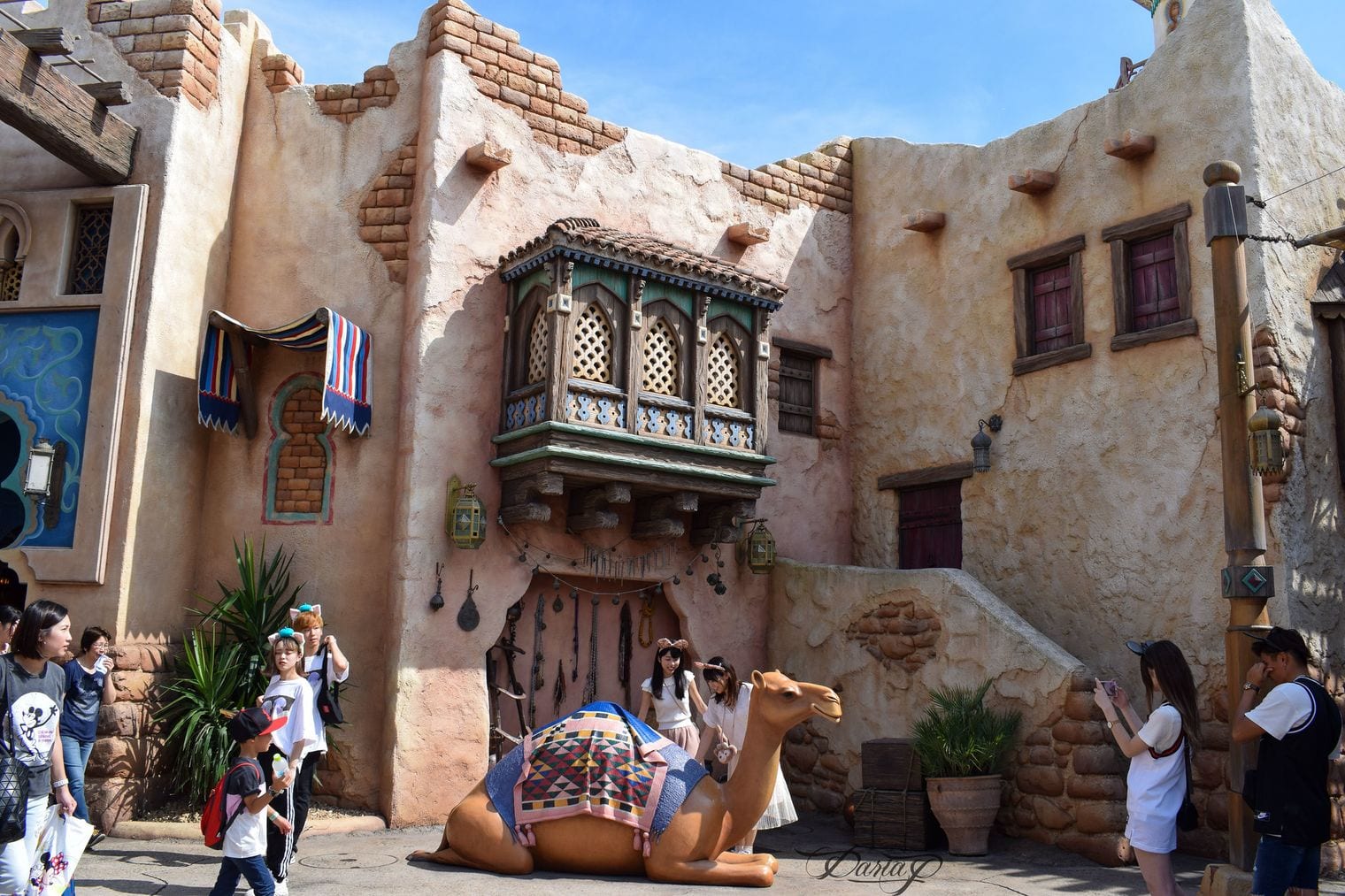
Tokyo DisneySea has no equivalent anywhere in the world, and plenty of visitors rate it above its neighbour. It is built around a nautical theme across seven ports of call — a Mediterranean harbour, a volcano you can walk inside, a 1920s American waterfront — and the theming is detailed enough to hold adults who have no interest in the characters.
The rides skew a little older and more thrilling than at Disneyland, and the park looks its best after dark when the harbour lights come on. Like its neighbour it stands in Urayasu, Chiba. One park is a full day; trying to do both in a day is a mistake.
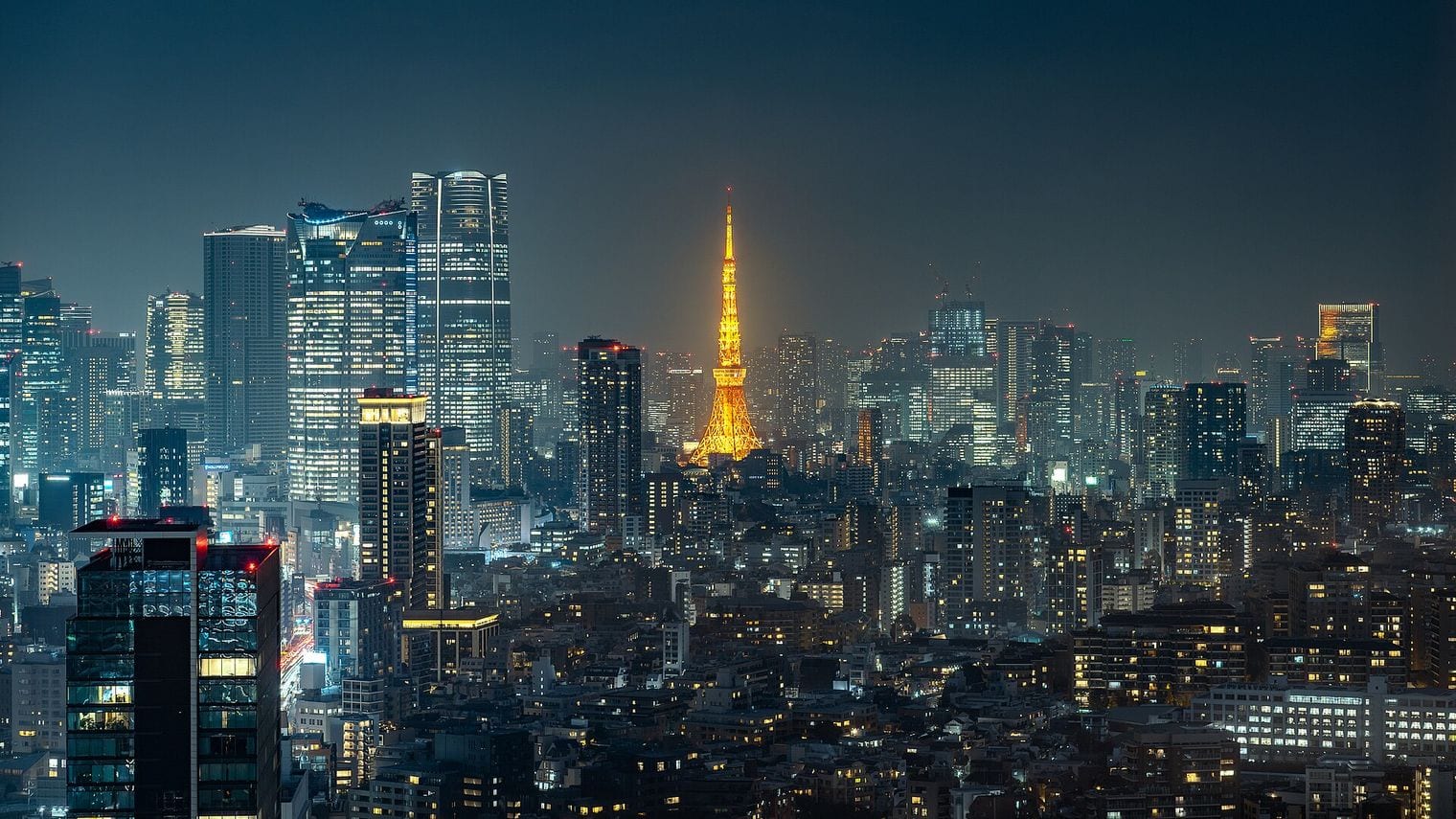
Completed in 1958 and modelled on the Eiffel Tower, Tokyo Tower stands 333 metres tall — slightly taller than its Paris inspiration — and painted white and international orange to satisfy aviation rules. Skytree is far higher, but this remains the more affectionate landmark, and the one that turns up in every other anime and monster film.
The main deck at 150 metres gives a closer, more legible view of the city than Skytree does, with Zōjō-ji temple and its graveyard laid out directly below against a wall of skyscrapers. A higher top deck is reached by a separate guided tour. It looks best lit up after dark.
99. teamLab Borderless: MORI Building DIGITAL ART MUSEUM
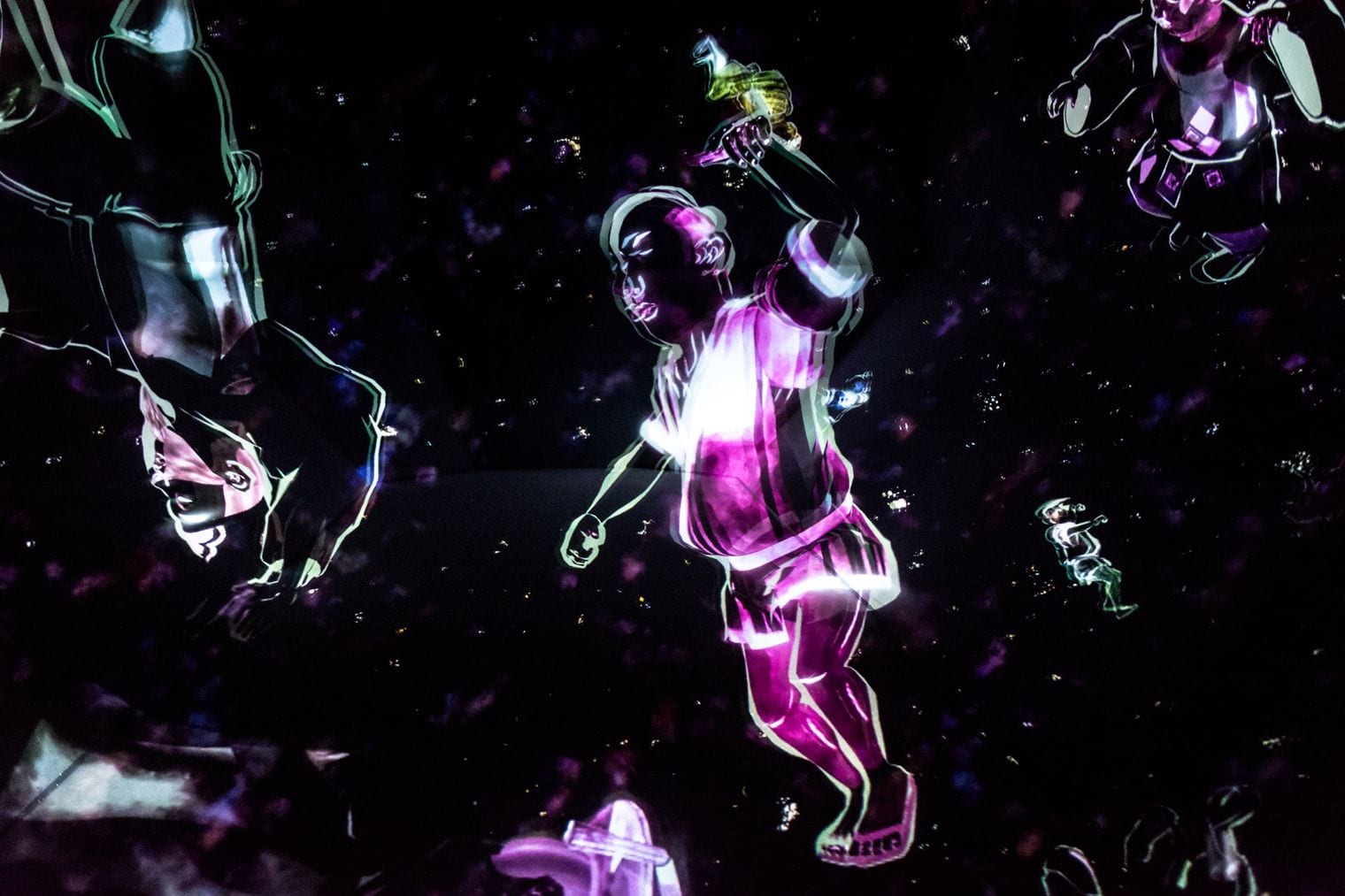
teamLab Borderless takes a different approach to its Toyosu sibling: instead of a fixed route, the artworks wander between rooms, spilling through doorways and reacting to where you stand. Butterflies scatter when you touch a wall, a waterfall breaks around you, and a room of hanging lamps shifts colour in a slow chain reaction.
There is no map by design and the point is to get lost, which takes a couple of hours and rewards patience. It occupies a purpose-built space at Azabudai Hills in Minato. Wear something you do not mind being projected onto, and avoid mirrored floors if you are in a skirt — slippers and shorts are provided where needed.
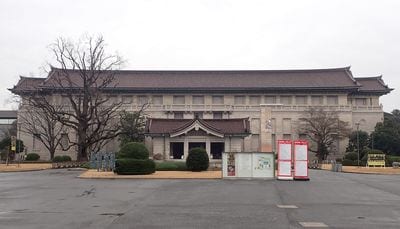
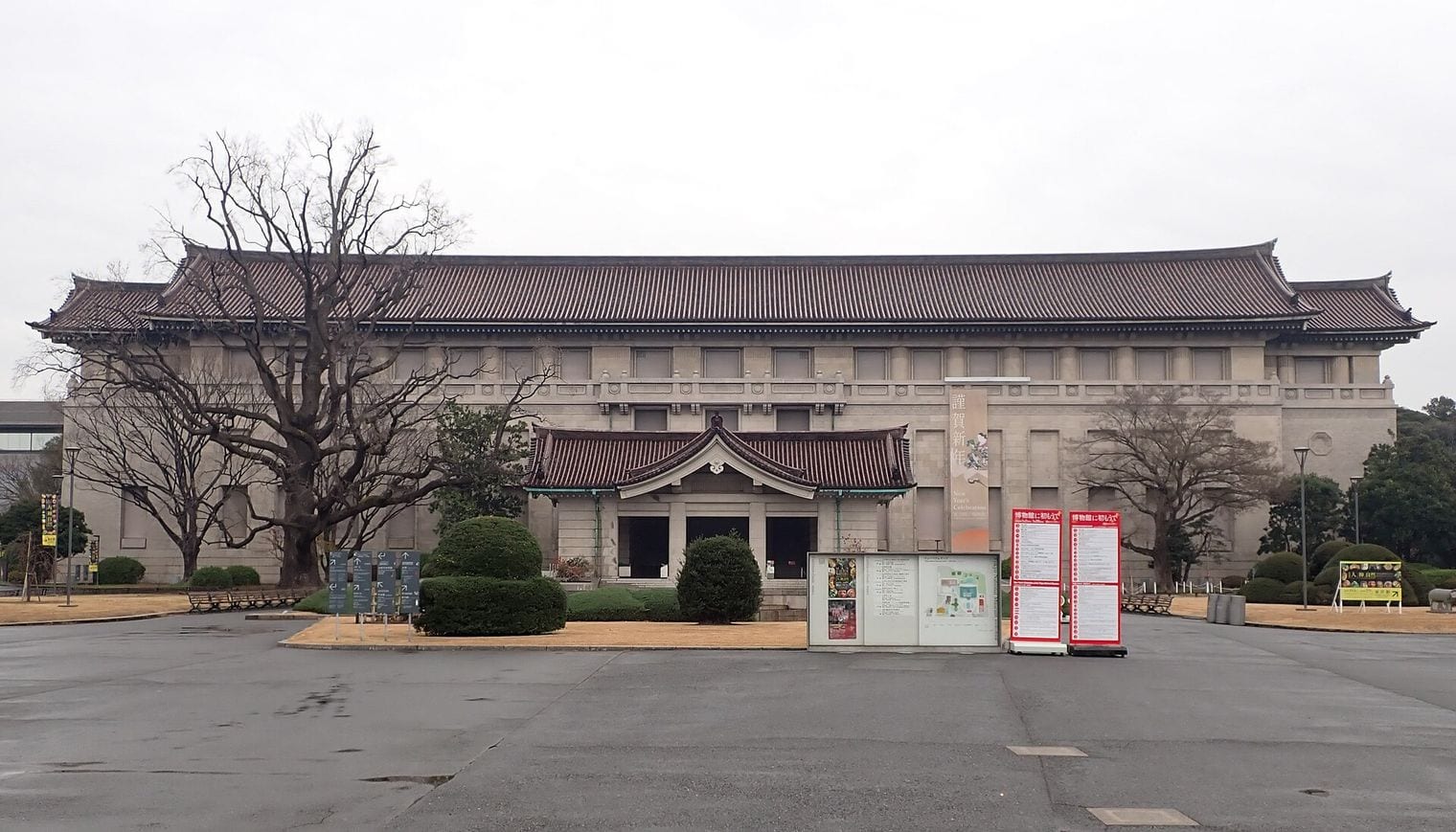
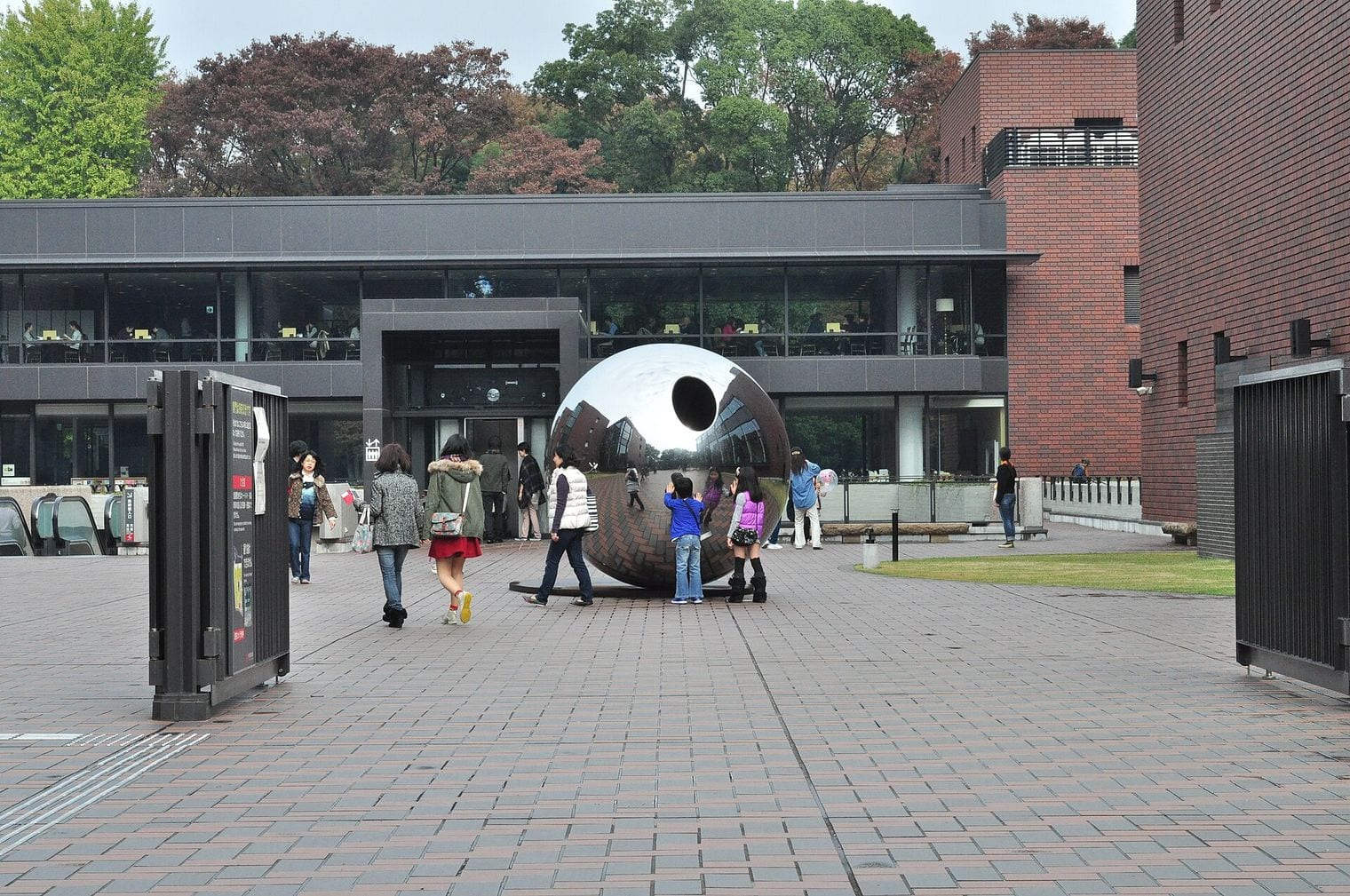
The Tokyo National Museum is the oldest and largest museum in Japan, and the single best place to see Japanese art in one visit. The main Honkan building runs chronologically through ceramics, scrolls, Buddhist sculpture and lacquerware, with a swords gallery that is worth the entry on its own and a rotating display of national treasures.
Other buildings on the campus hold Asian art and archaeological finds, and there is a garden at the back that opens seasonally. Give it half a day at minimum. It stands at the northern end of Ueno Park, so it combines easily with the other museums and the zoo nearby.
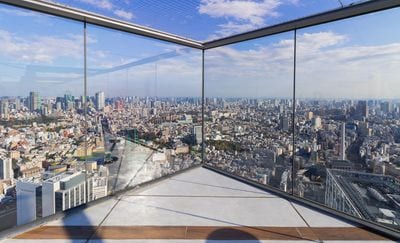
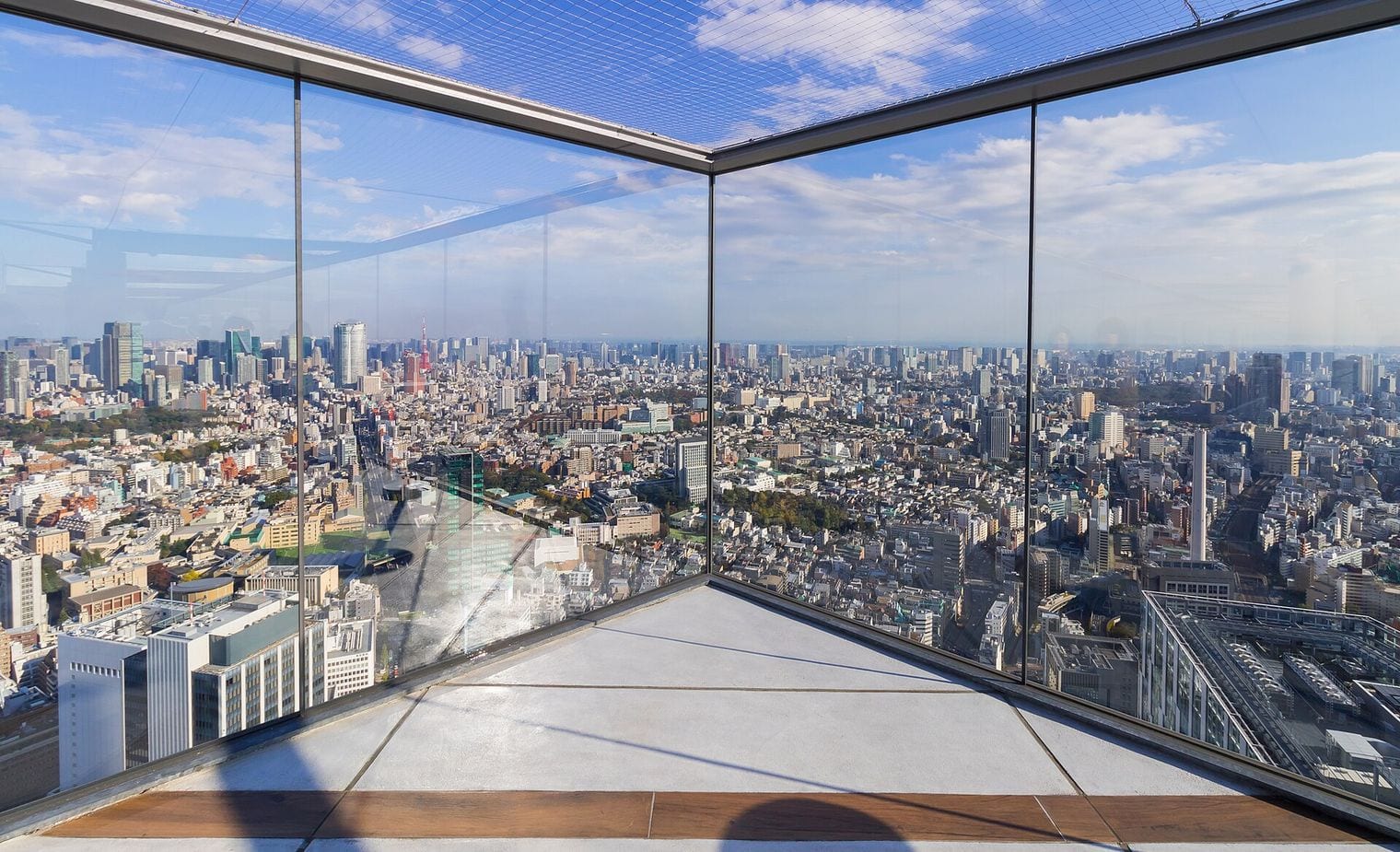
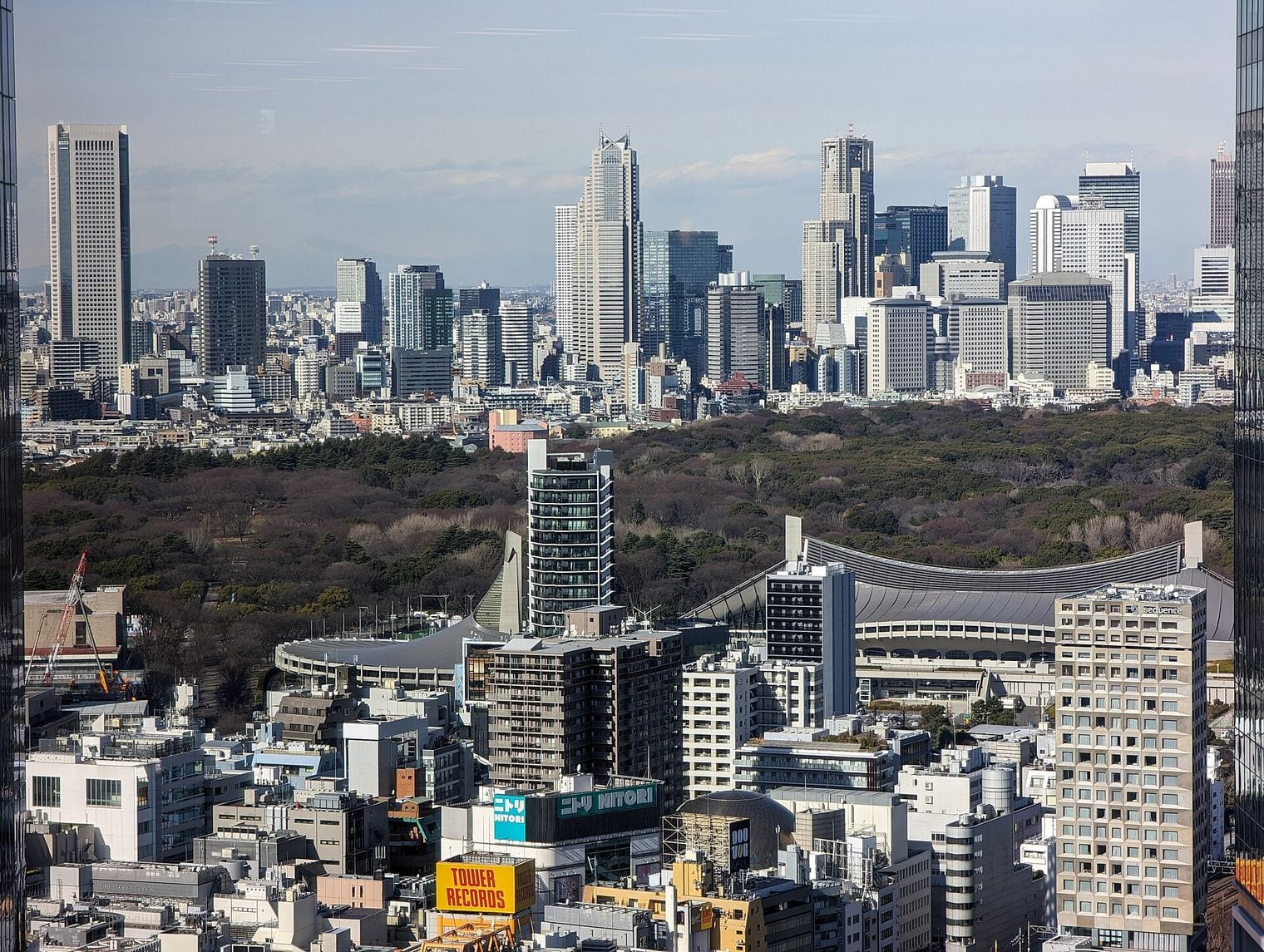
Shibuya Sky is the open-air rooftop deck on top of Shibuya Scramble Square, and it is the best place in the city to understand Tokyo's scale. The rooftop is genuinely open to the sky rather than glassed in, so the view runs uninterrupted in every direction, with Mount Fuji visible on clear days and the scramble crossing directly below.
It is engineered for sunset and priced accordingly, so book a timed slot well ahead if that is when you want to be up there. Loose items have to go in a locker before you step onto the roof. The indoor floor below has a bar and softer seating if the wind is up.
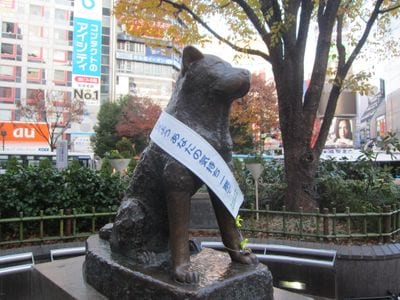
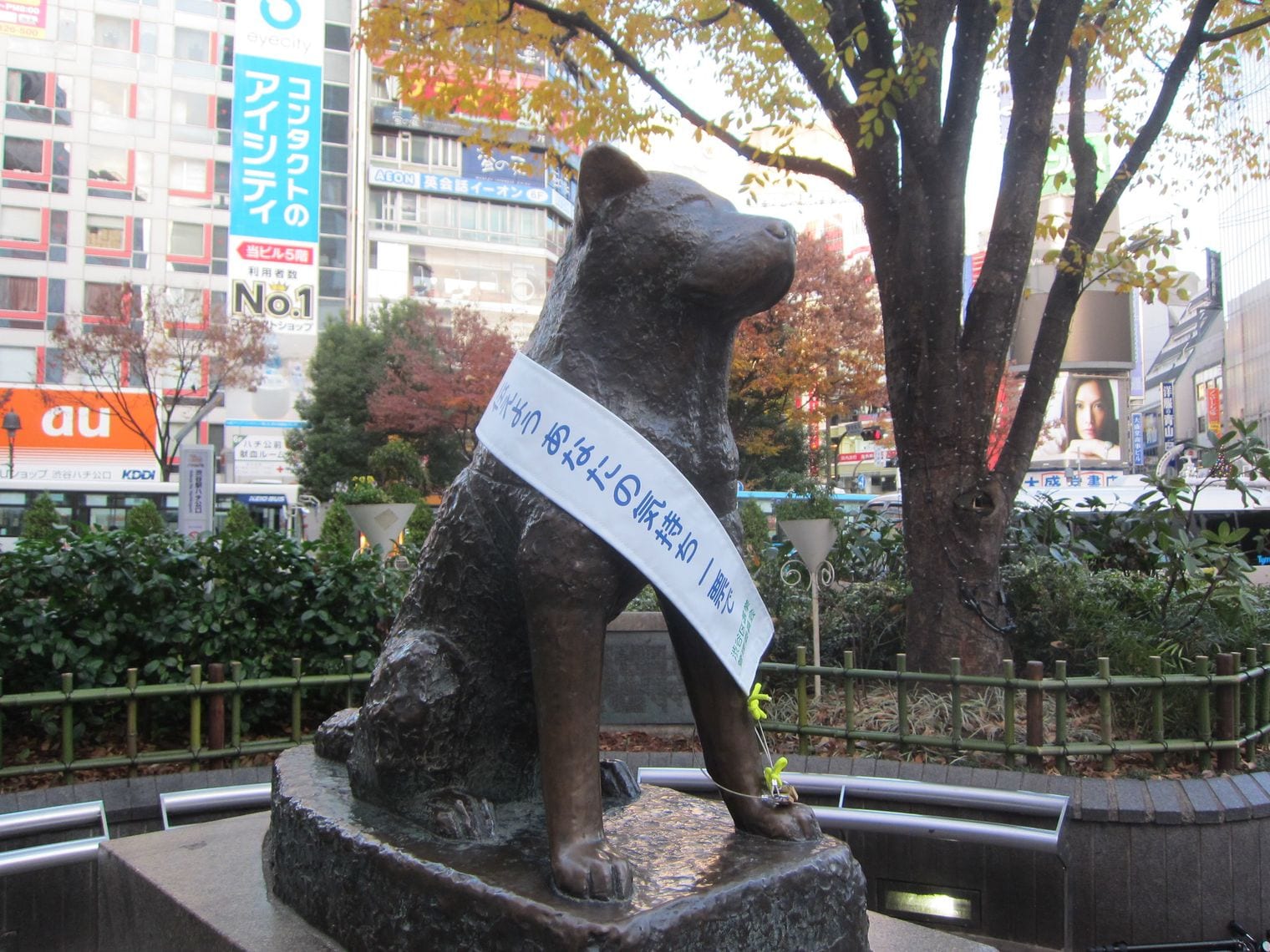
The Hachiko Statue outside Shibuya Station commemorates an Akita who continued to meet his owner at the station every day for years after the man died. It is a small bronze, it takes two minutes to see, and there is almost always a queue to photograph it — which is rather the point.
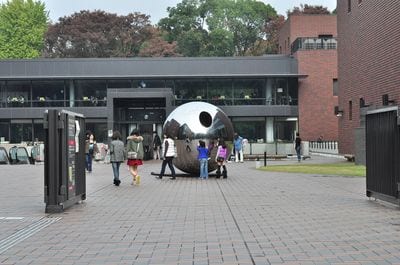
The statue functions as the city's default meeting spot, so it is a useful landmark to know even if you have no interest in the story. It sits at the Hachiko exit, a few steps from the scramble crossing. There is a second, larger memorial to the dog at the University of Tokyo's Yayoi campus.
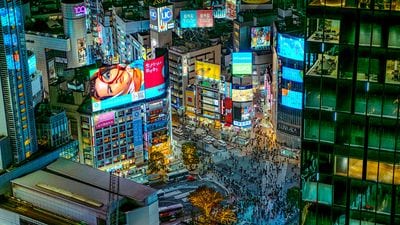
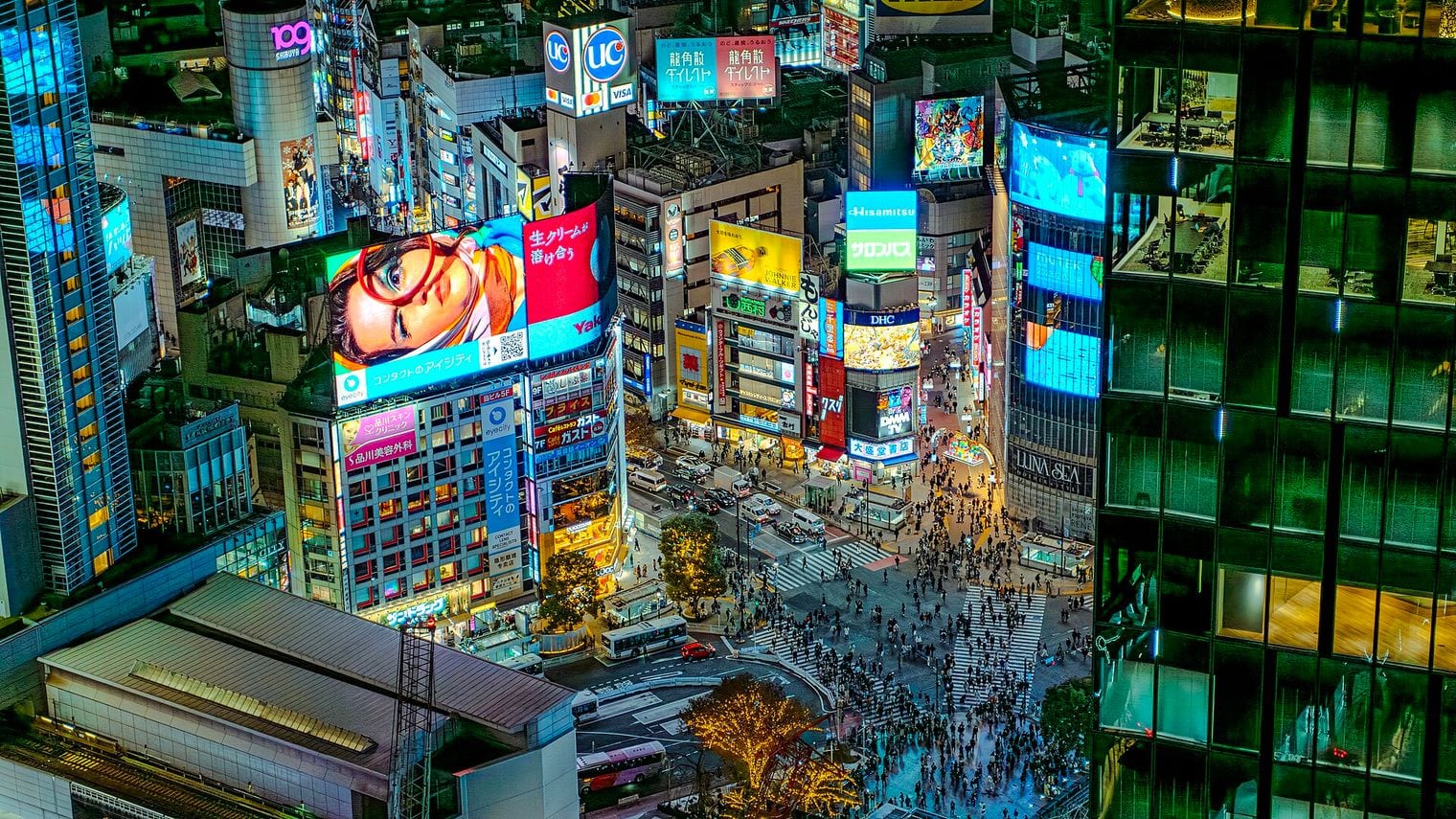
Shibuya Crossing is the intersection that appears in every montage of the city: traffic stops in all directions at once and several hundred people cross simultaneously from five corners, then it empties and refills a couple of minutes later. Crossing it yourself takes seconds and is oddly undramatic; watching it from above is the actual attraction.
The upstairs windows of the Starbucks in Tsutaya are the classic vantage point, the walkway at Shibuya Scramble Square is another, and the Magnet by Shibuya109 rooftop gives a straight-down angle. Come after dark when the screens are lit, and again in the rain, when the umbrellas make the whole thing look choreographed.
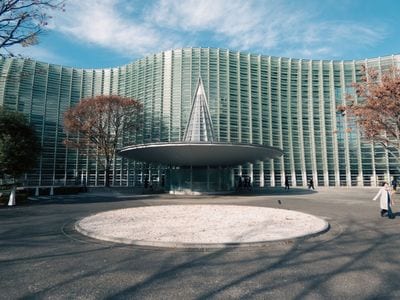
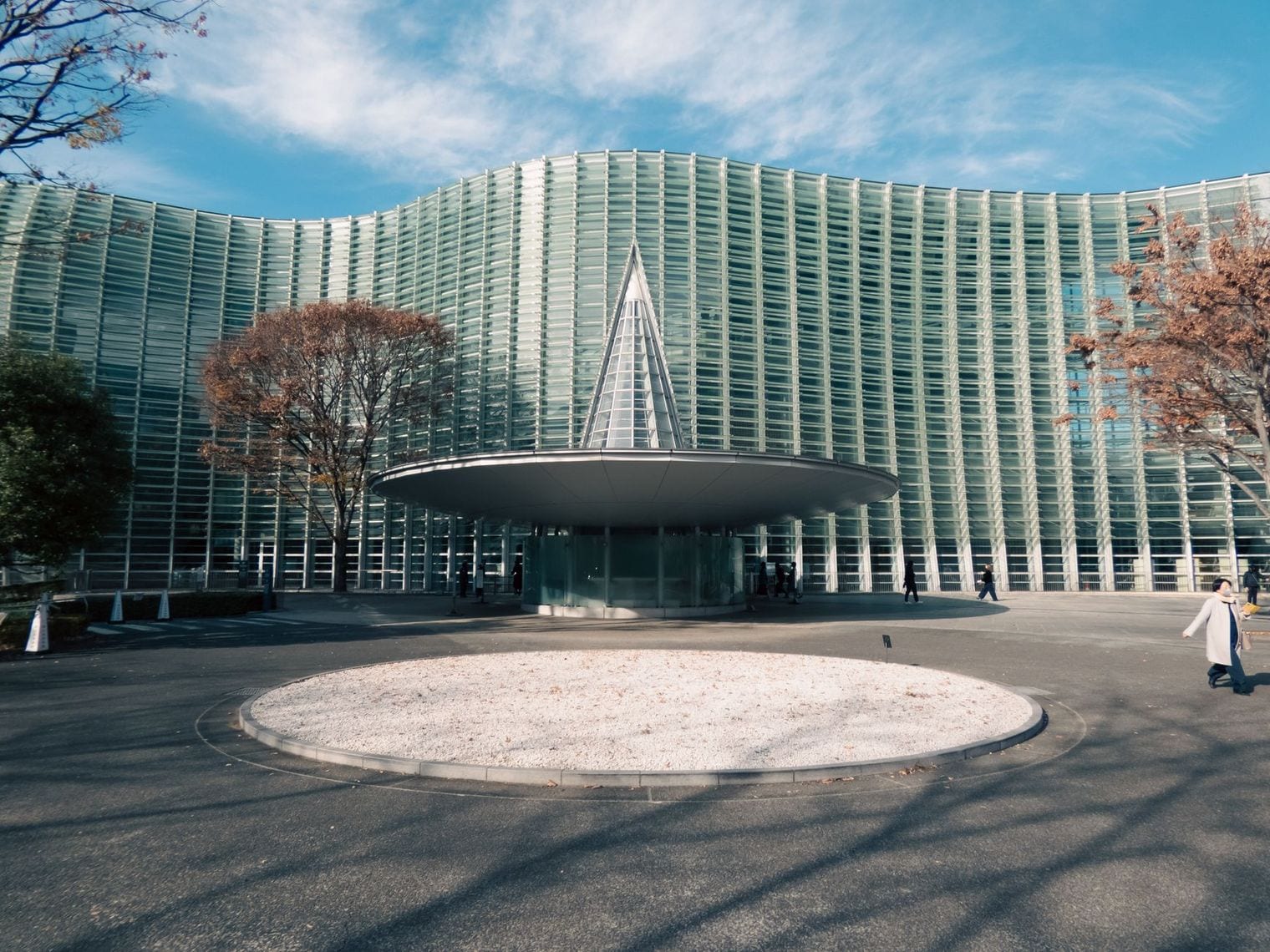
The National Art Center, Tokyo is unusual among major museums in holding no permanent collection at all. It is a very large exhibition space designed by Kisho Kurokawa, and what is on depends entirely on when you visit — anything from a retrospective of a single painter to one of the enormous open-submission shows Japanese art societies mount here.
The building alone justifies a look: a rippling wall of glass at the front, and two inverted concrete cones rising through the atrium with a café balanced on top of one. Entry to the lobby is free. It is in Roppongi, within walking distance of the Mori Art Museum and Suntory Museum of Art.
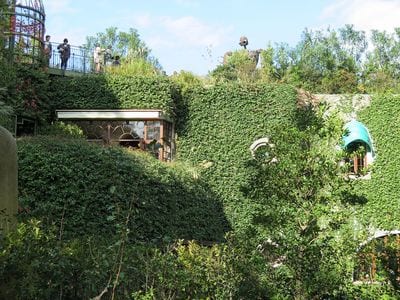
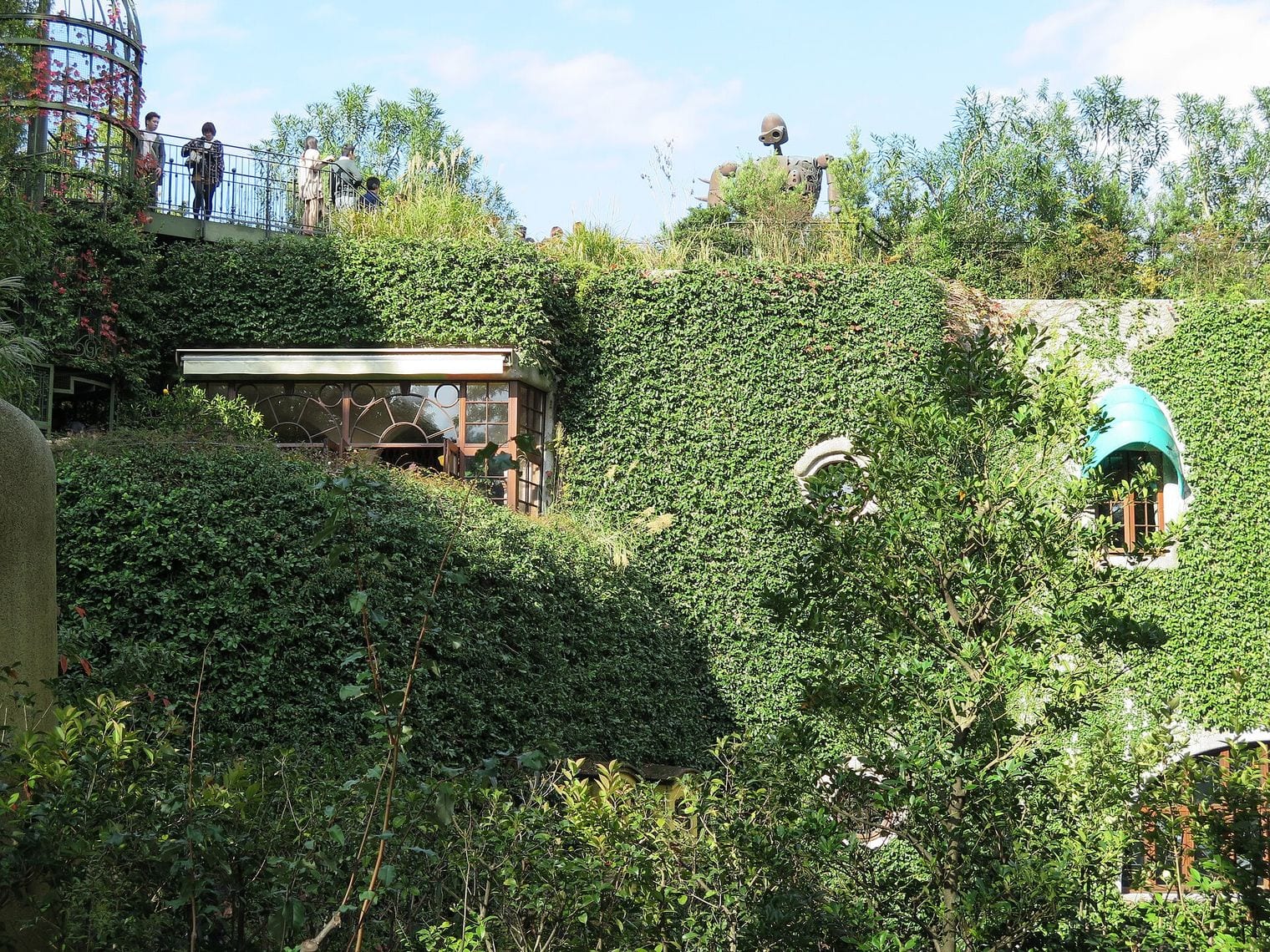
The Ghibli Museum is a small, deliberately eccentric building in Mitaka devoted to the work of Studio Ghibli, laid out under Hayao Miyazaki's own direction. There is a stained-glass window of Totoro, a room recreating an animator's cluttered desk, a soft catbus for children to climb on, and a small cinema showing original short films screened nowhere else.
Photography is not allowed indoors, which is a deliberate choice and improves the visit. Tickets must be bought in advance for a specific date and time and they go quickly, so plan this one before you fly. It sits on the edge of Inokashira Park, about 20 minutes west of Shinjuku.
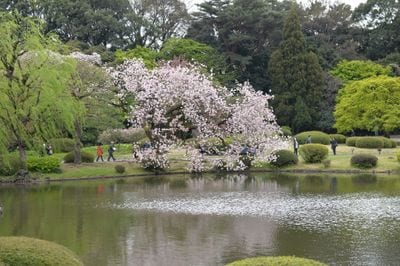
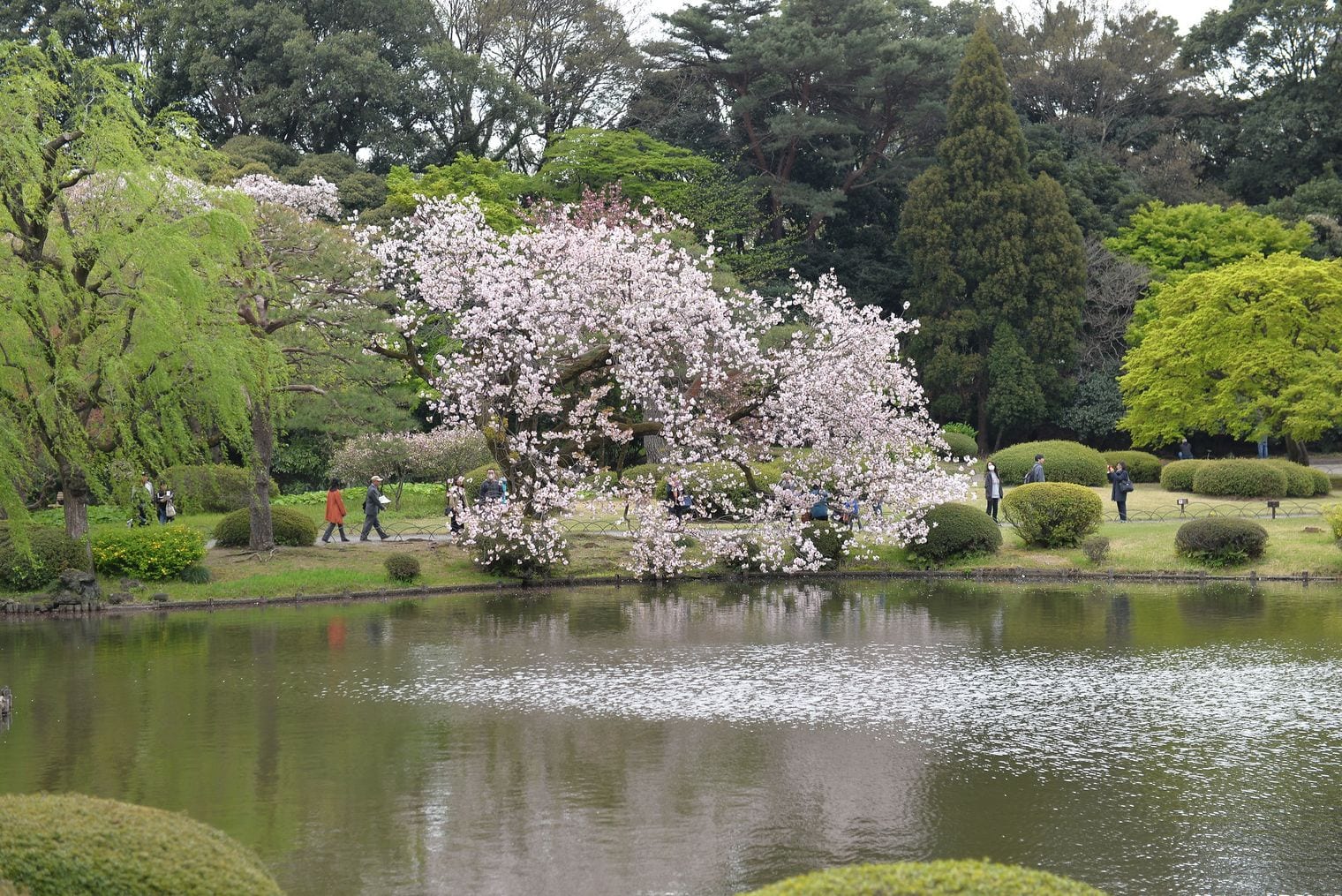
Shinjuku Gyoen is the best large garden in central Tokyo, and the one to choose if you only visit one. It was an imperial garden before it opened to the public, and it is laid out in three distinct styles — a formal French section, a broad English lawn, and a traditional Japanese landscape garden with ponds, bridges and a teahouse.
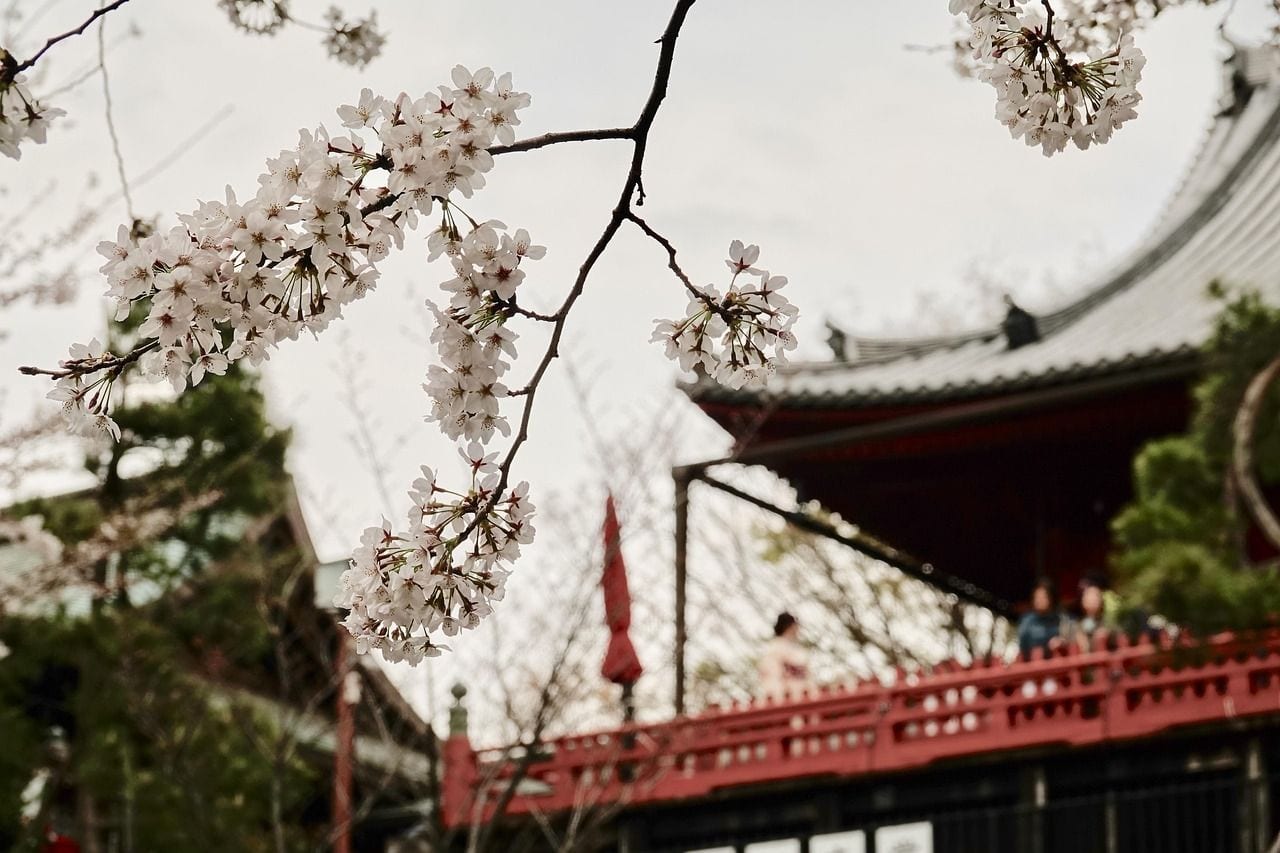
It is one of the city's great cherry blossom spots in spring and turns spectacular again for the maples in late autumn. There is a modest entry fee, which keeps it noticeably calmer than the free parks. A greenhouse near the middle is worth ducking into on a cold or wet day.
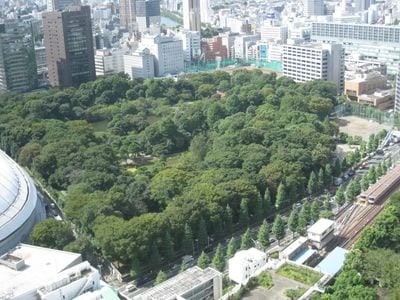
Ueno Park was among the first public parks created in Japan, and it now works as the city's cultural quarter: the Tokyo National Museum, the National Museum of Nature and Science, two major art museums and Ueno Zoo all sit within its grounds, along with several shrines and a large lotus-covered pond.
In cherry blossom season the central avenue is one of the busiest hanami spots in the country, with tarpaulins staked out from early morning. The rest of the year it is an easy, unhurried place to walk between museums. Ameya-Yokochō, a dense market street under the railway tracks, runs along the park's southern edge.
Yoyogi Park is where Tokyo goes to be off-duty. Its lawns fill at weekends with picnic groups, buskers, drum circles, dog walkers and people practising dance routines in front of the fountains, and the atmosphere is a long way from the city's usual formality.
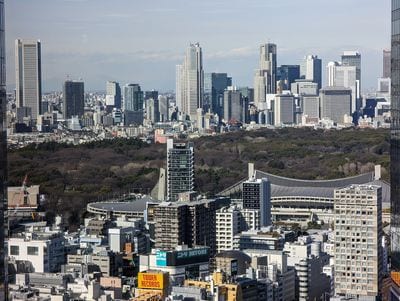
The park occupies land used for the athletes' village at the 1964 Olympics, and Kenzō Tange's swooping Yoyogi National Gymnasium still stands at its edge. It backs directly onto Meiji Jingu, so the two make an obvious pair: forest and shrine on one side of the path, open grass and noise on the other. Ginkgo trees turn gold here in late autumn.
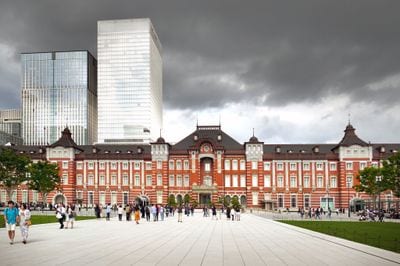
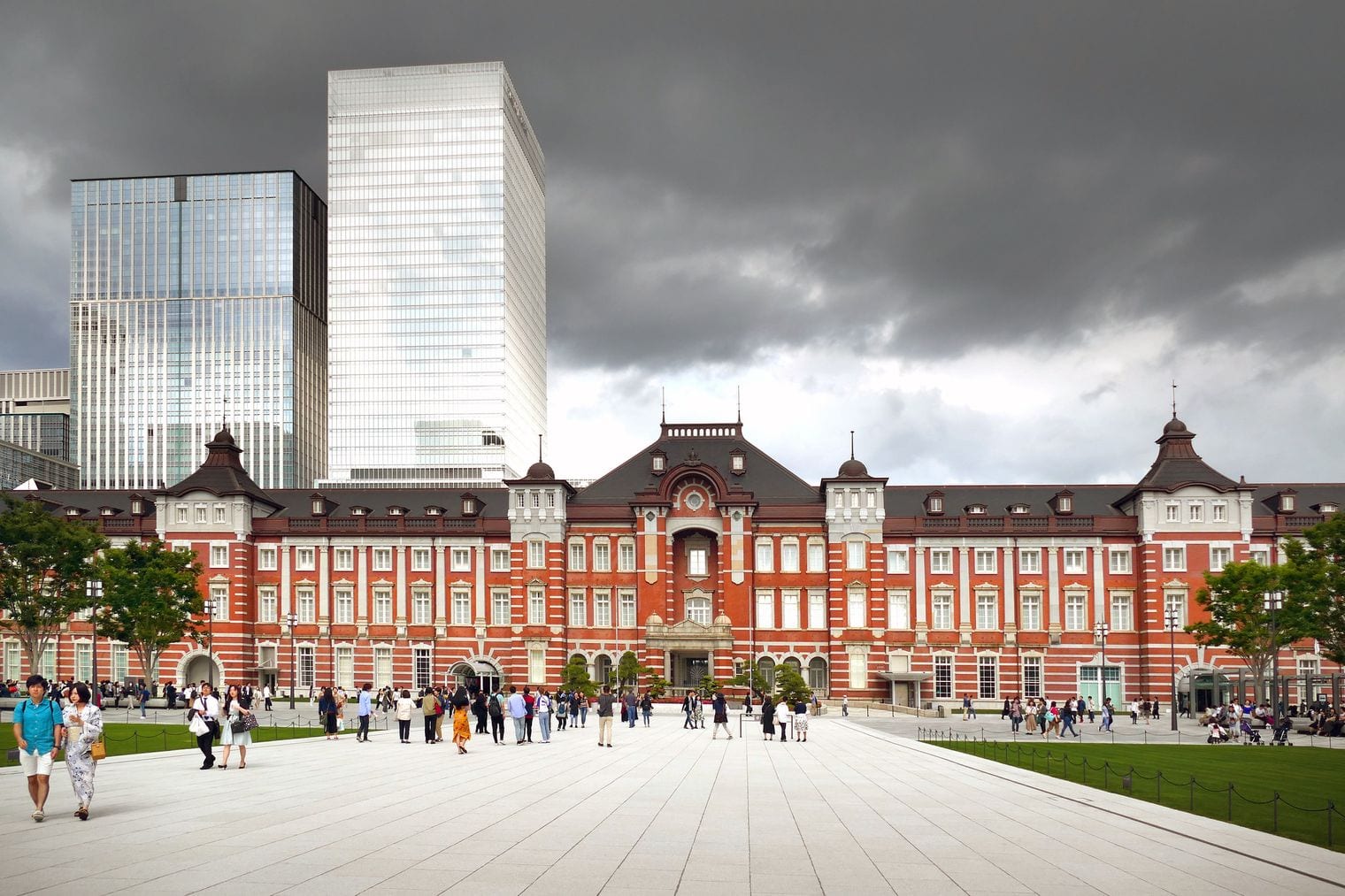
Most travellers pass through Tokyo Station without looking at it, which is a shame — the Marunouchi frontage is a 1914 red-brick building, restored to its original domed form after wartime damage, and it is a genuine landmark rather than merely a transport hub. Stand back in the plaza opposite to take it in properly.
Inside, the basement is a small city of its own: Tokyo Character Street for anime and TV merchandise, Ramen Street for a queue-and-slurp lunch, and a food hall selling the boxed ekiben lunches you eat on the bullet train. The Imperial Palace gardens are a ten-minute walk out of the Marunouchi exit.
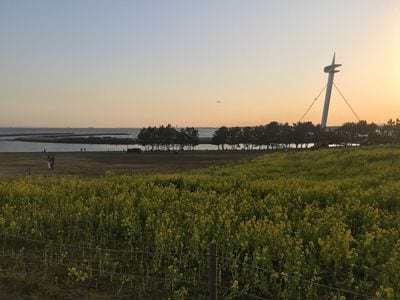
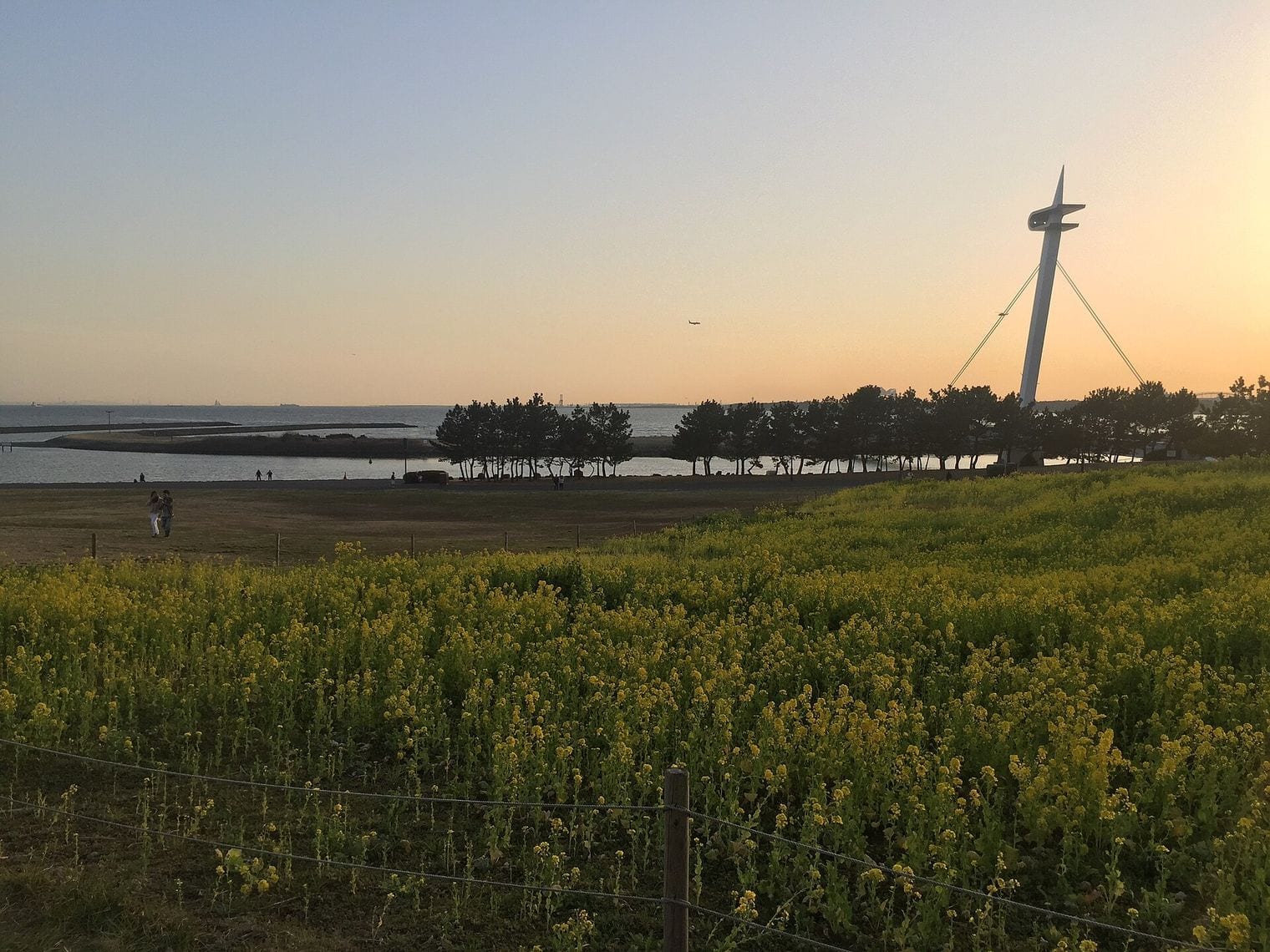
Kasai Rinkai Park is the largest park on Tokyo's bayfront, out east in Edogawa, and it is where the city goes for open sky. A wide crescent of reclaimed shoreline holds a bird sanctuary with hides over the tidal flats, two artificial beaches, and long lawns that fill with families at weekends.
Tokyo Sea Life Park sits inside the grounds under a glass dome, with a huge doughnut-shaped tuna tank that is worth the trip on its own. The Diamond and Flower Ferris Wheel turns above it all and gives a long view back over the bay to the city. It is a straightforward hop on the Keiyō line from Tokyo Station.
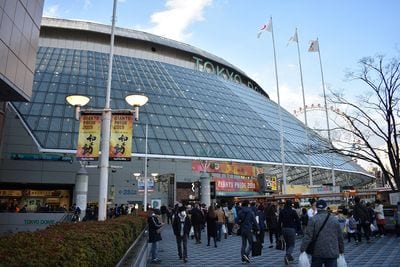
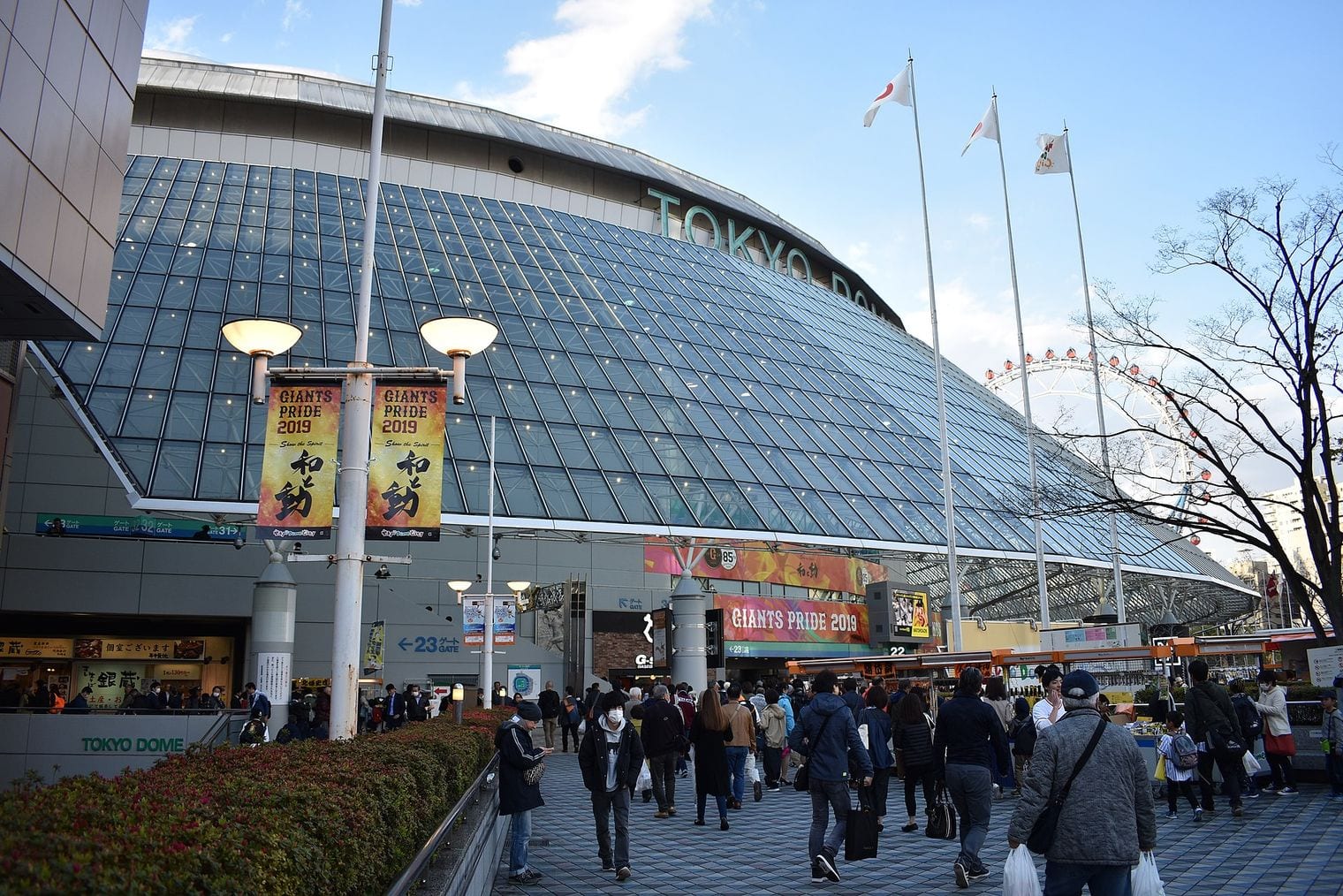
Tokyo Dome — nicknamed the Big Egg for its inflated white roof — is the home ground of the Yomiuri Giants and the best place in the city to see a Japanese baseball game. The atmosphere is the draw: organised chanting led by a brass band, a song for every player, and beer poured from kegs carried on the servers' backs.
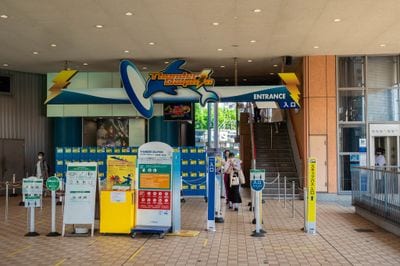
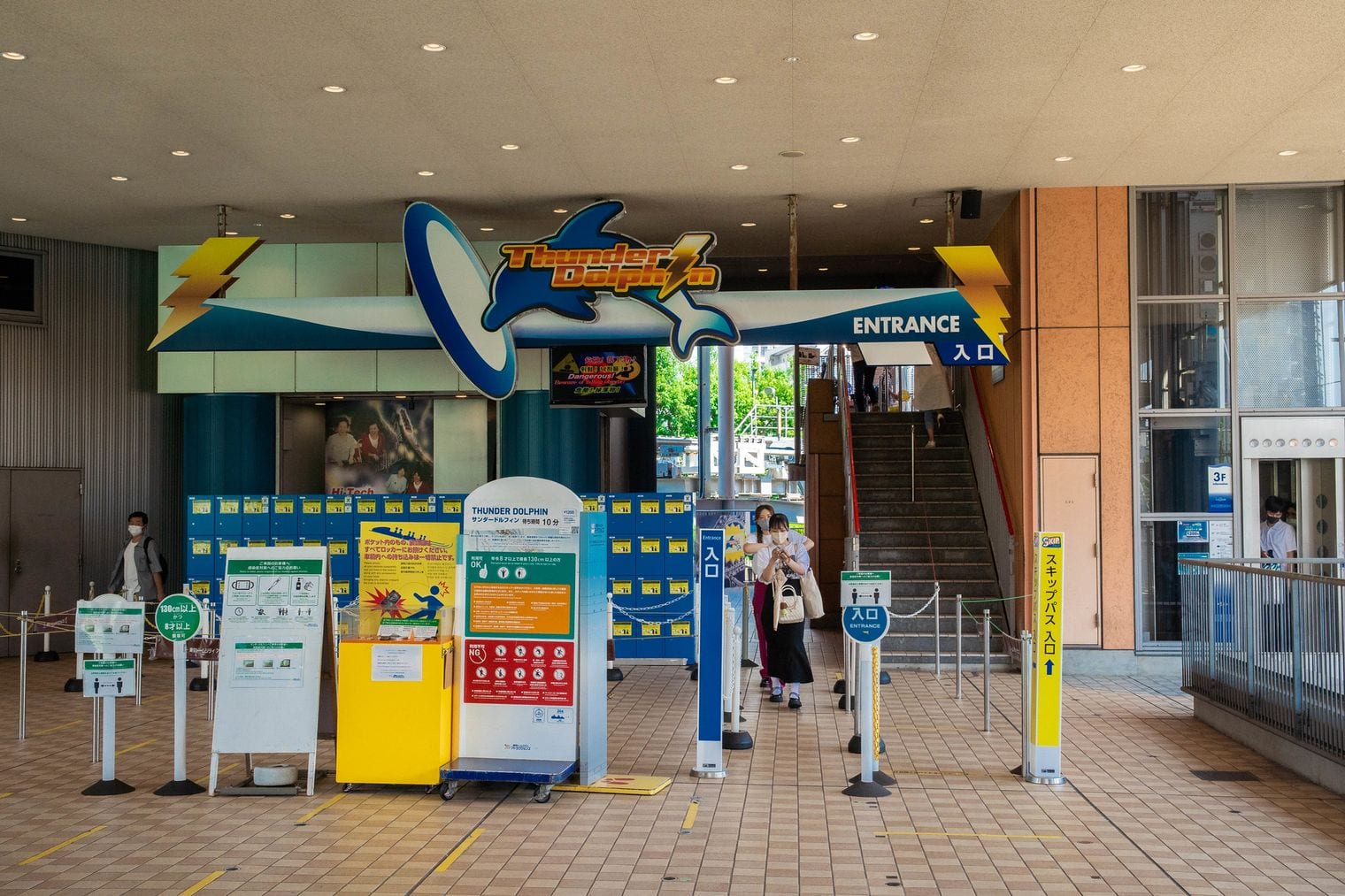
The surrounding Tokyo Dome City complex adds an amusement park, whose Thunder Dolphin roller coaster threads through a hole in the middle of a building and past a centreless Ferris wheel. There is also a hot-spring spa on site. Tickets for big games sell out, so buy early.
2222. The Making of Harry Potter - Warner Bros. Studio Tour Tokyo
Warner Bros. Studio Tour Tokyo is an indoor walk-through of sets, costumes and props from the Harry Potter films, built on the site of the old Toshimaen amusement park in Nerima. It follows the same format as the London original — the Great Hall, Diagon Alley, the Forbidden Forest — with some sections created specifically for this version.
Budget four hours or more, because the route is long and there is a lot of standing. Tickets are timed and must be booked ahead; nothing is sold at the door. It is about 20 minutes from Ikebukuro on the Seibu or Toei Ōedo lines, which makes it an easy half-day out.
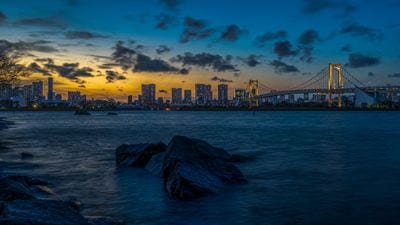
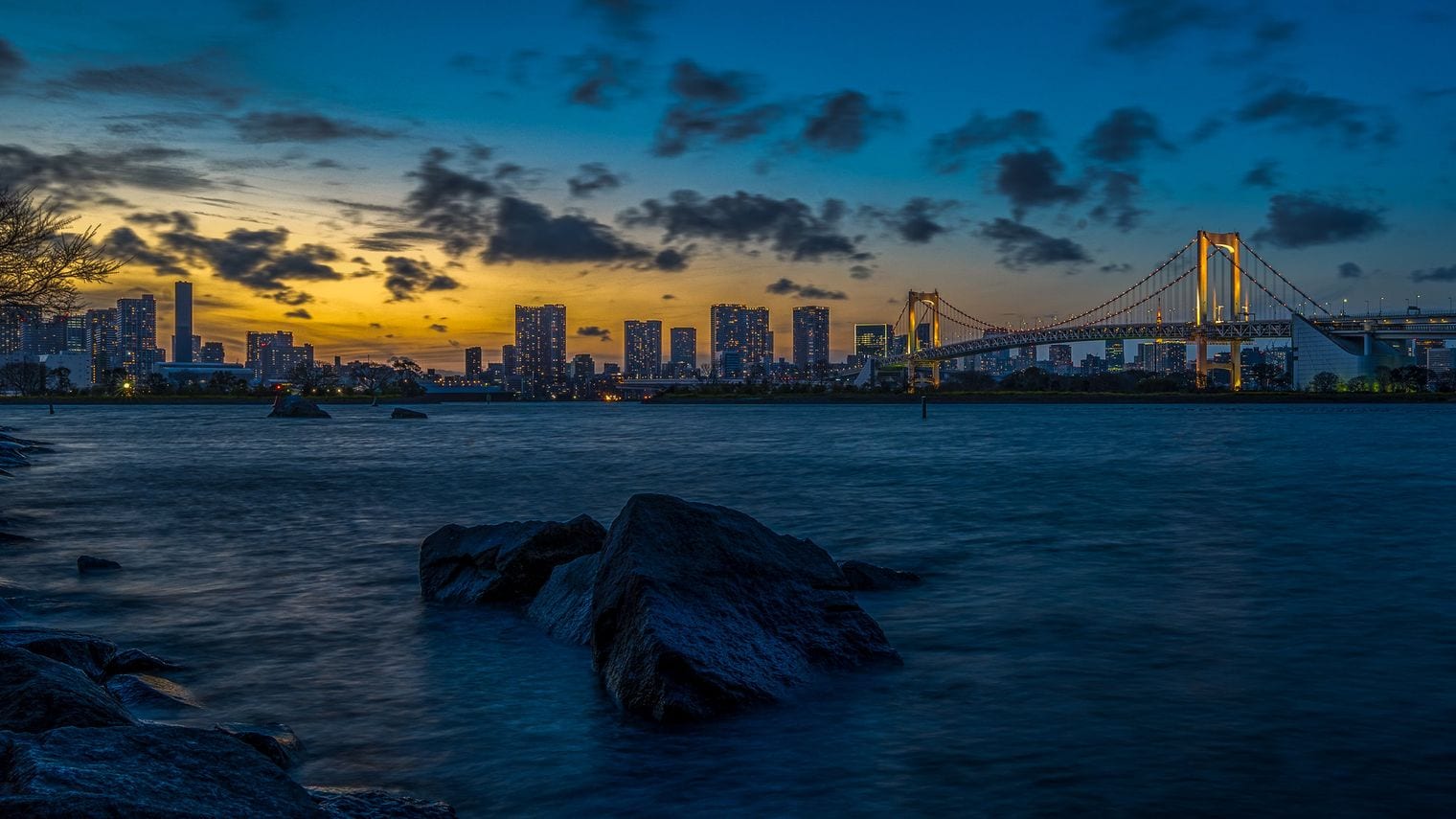
Odaiba Marine Park is a man-made beach on the bay, and the single best place to photograph Tokyo's waterfront. The sand curves round to face the Rainbow Bridge, with the skyline of the city stacked up behind it and boats crossing constantly in between — and it is at its best in the last hour before dark, when the bridge lights come on.
Swimming is not permitted, so treat it as a promenade rather than a beach day; people walk, sit and picnic instead. A replica of the Statue of Liberty stands at the northern end, a leftover from a 1990s exhibition that was never taken down. The surrounding Odaiba malls are a short walk away.
The Tokyo Metropolitan Art Museum sits in Ueno Park and, like the National Art Center, exists mainly to host temporary exhibitions rather than to display a standing collection. It is where the city's blockbuster international loan shows tend to land, alongside a steady programme of open-submission exhibitions by Japanese art associations.
The building is set partly below ground level around a sunken brick courtyard, which makes it feel calmer than its visitor numbers suggest. Some galleries are free and the ticketed shows are reasonably priced. Check what is on before you commit — the programme changes completely every few weeks, and it is a very different museum each time.
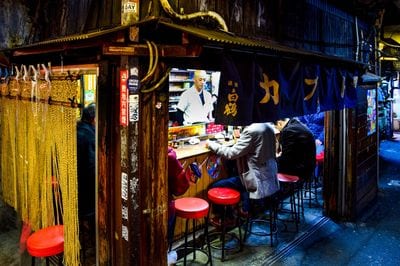
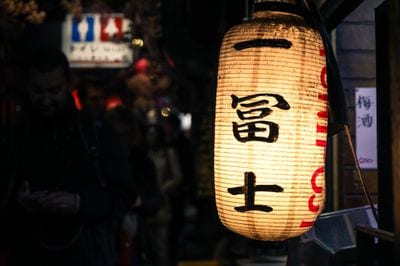
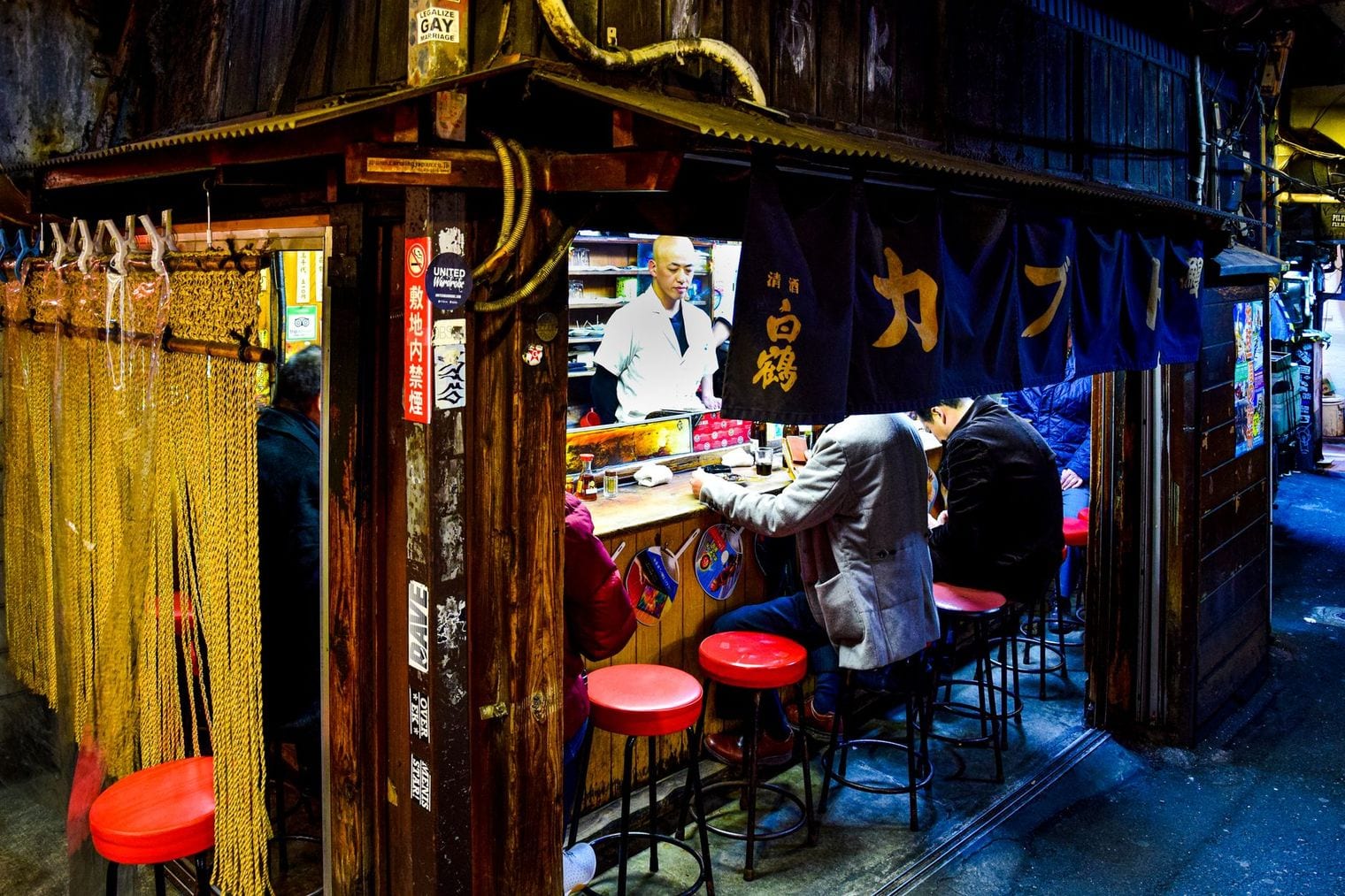
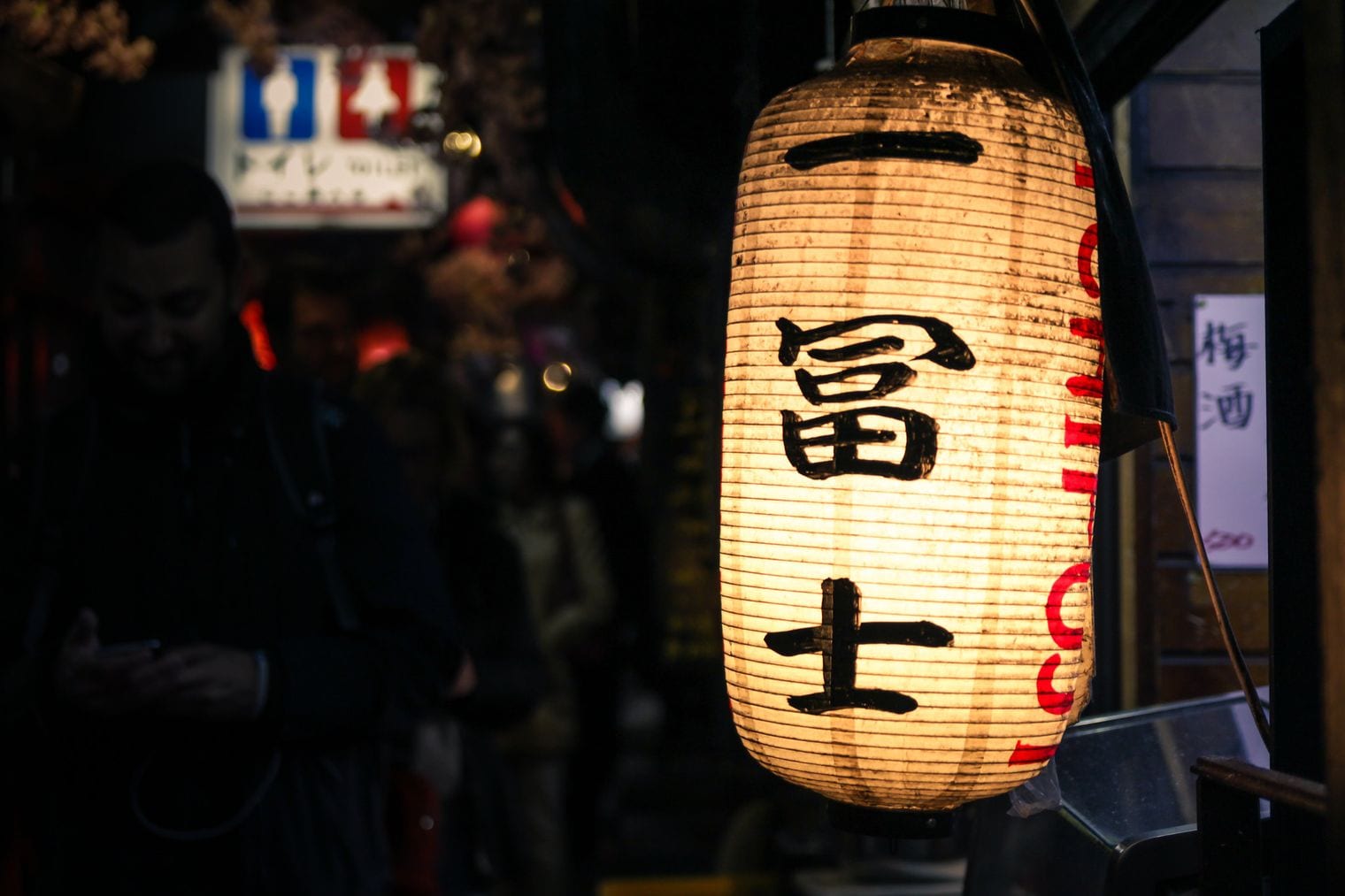
Omoide Yokocho — Memory Lane, and less politely Piss Alley — is a knot of narrow lanes beside Shinjuku Station lined with tiny yakitori and offal joints, most seating six or eight people along a counter. Smoke, lanterns and the noise of grills make it one of the most atmospheric corners of the city after dark.
Counters are small and turnover is quick, so go as a pair rather than a group and expect to be seated wherever there is room. Order skewers a few at a time. It survives from the post-war black market that once occupied the site, and it feels every bit that old.
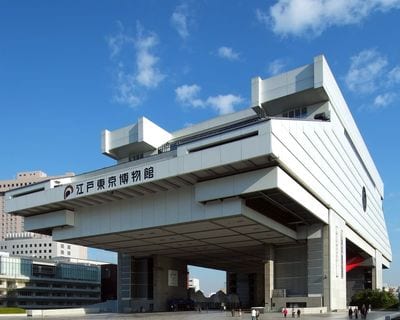
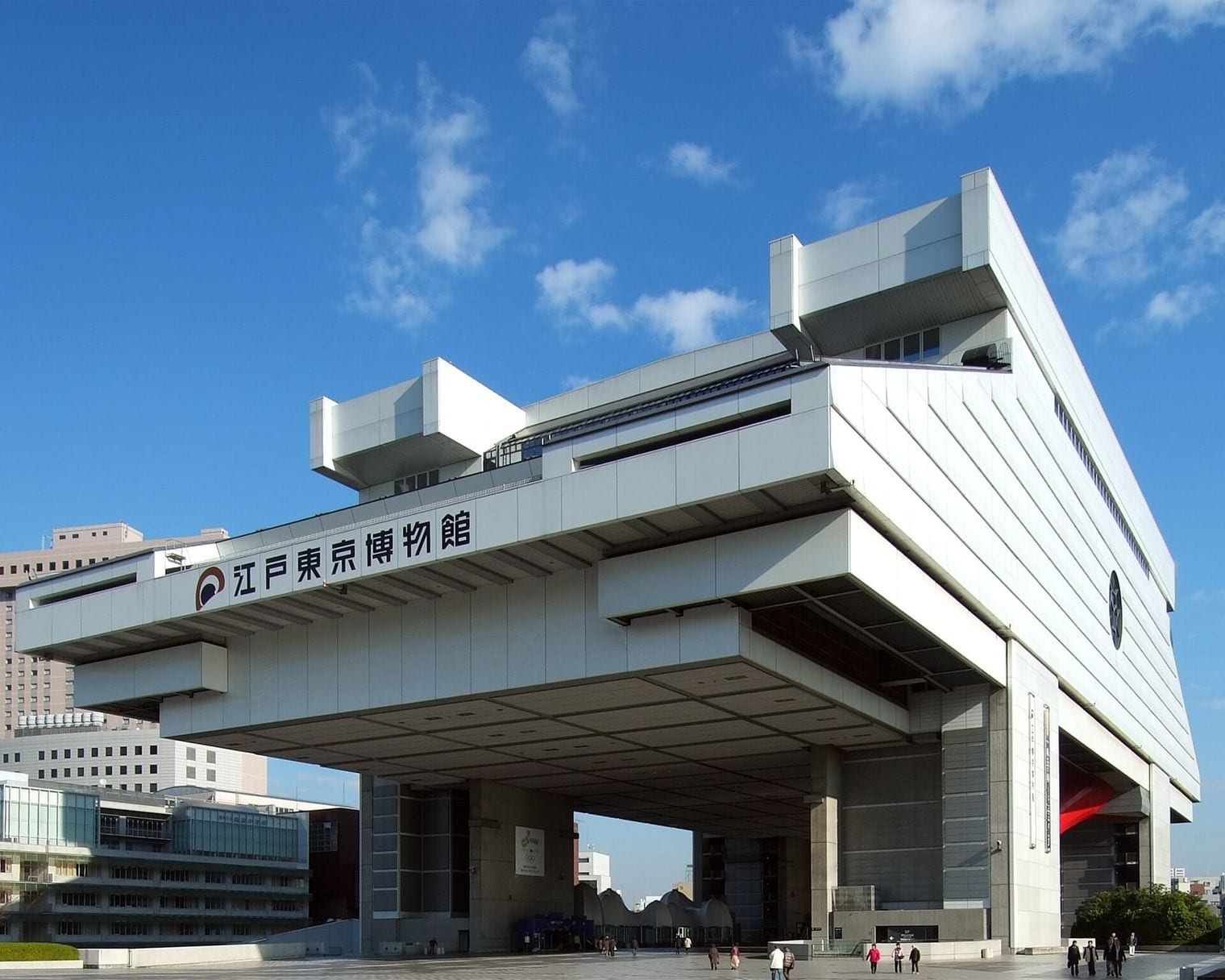
The Edo-Tokyo Museum in Ryōgoku tells the story of the city from its founding as Edo through to the modern capital, and it does it with scale models rather than glass cases. A full-scale replica of part of the old Nihonbashi bridge carries you into the exhibition, and beyond it sit meticulously detailed models of merchant districts, theatres and tenement housing.
The museum reopened in 2026 after a four-year closure for its first major renovation, with the Edo streetscape expanded and large screens added to the permanent galleries. It is a good rainy-day option and works well for children. The building stands next to Ryōgoku Kokugikan, the national sumo arena, in the traditional sumo district.
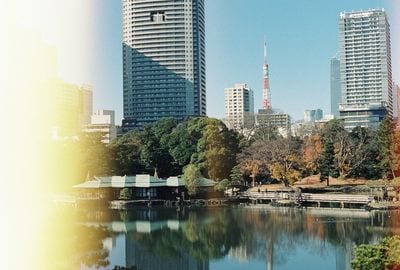
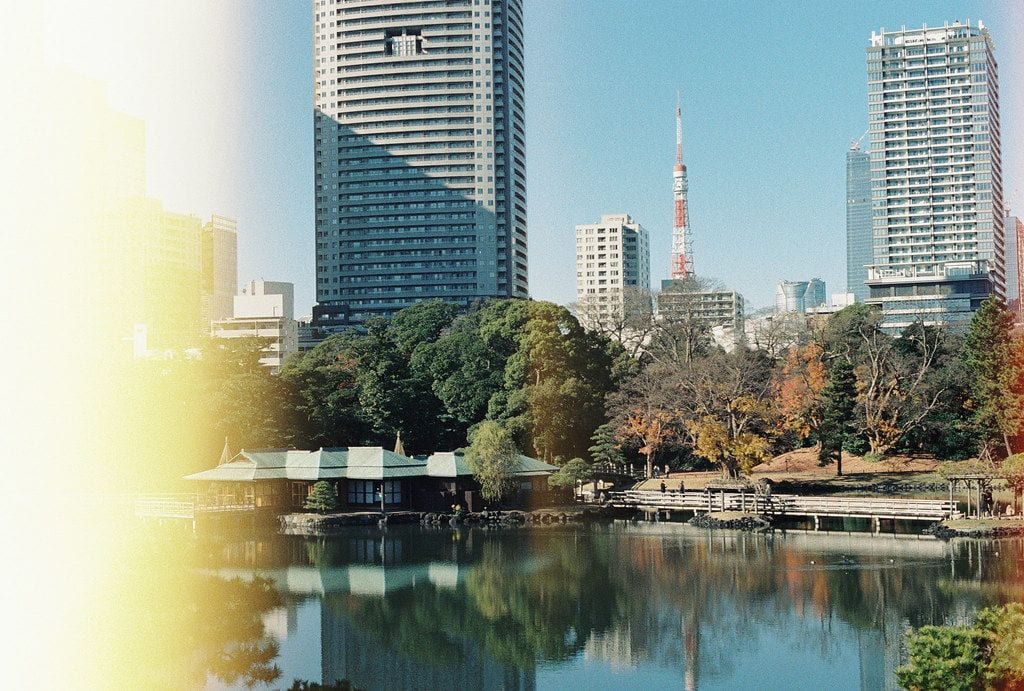
Hamarikyu Gardens is a former shogunal duck-hunting estate on the edge of Tokyo Bay, and its central pond is tidal — fed by seawater, so the level shifts through the day. That makes it unusual among Japanese gardens, and the contrast with the Shiodome towers rising immediately behind it is the reason people photograph it.
A teahouse on an island in the middle of the pond serves matcha and a sweet, reached by wooden bridges. There is a 300-year-old pine near the entrance and a peony field that flowers in spring. You can arrive by water bus down the Sumida River from Asakusa, which is much the nicest approach.
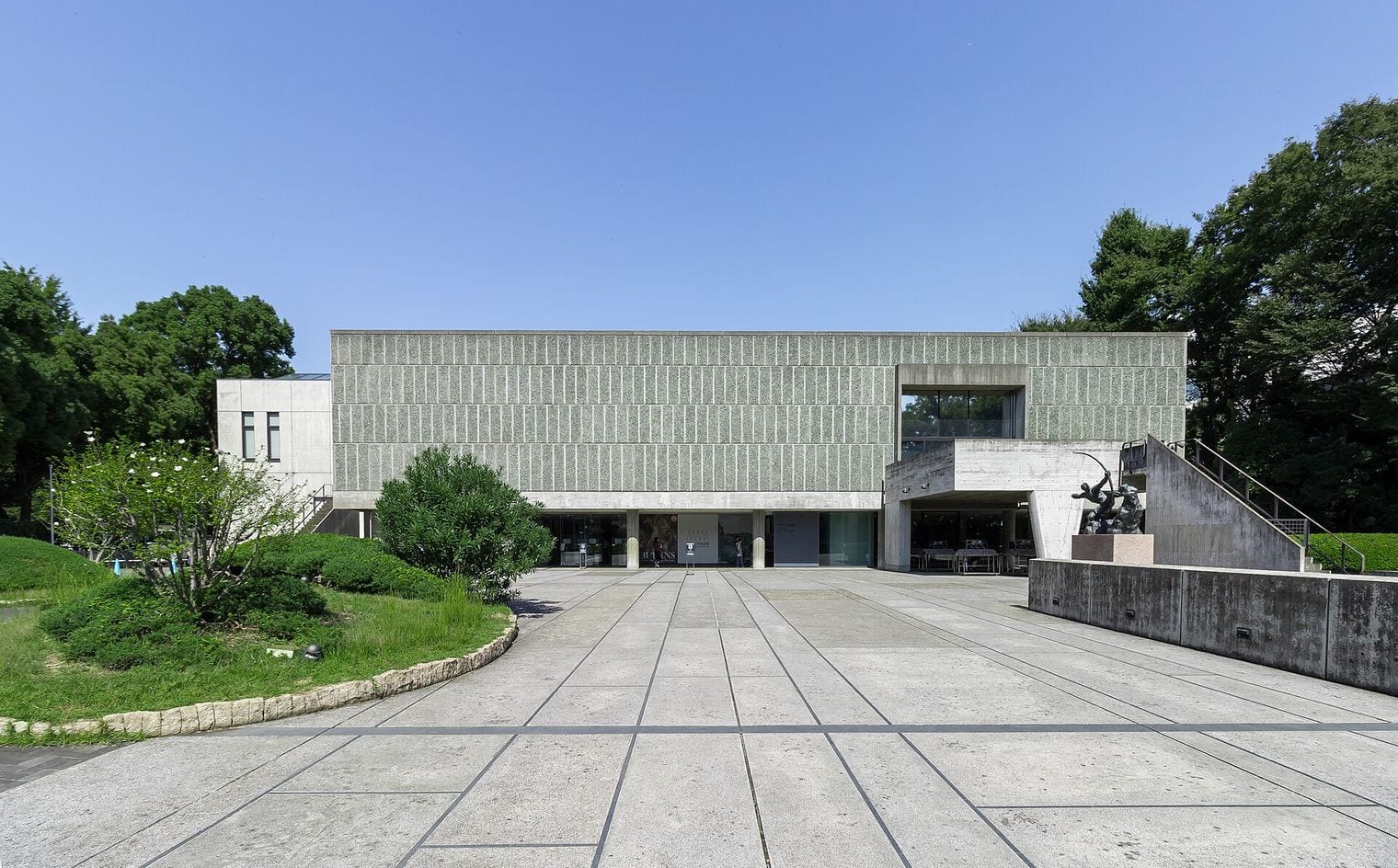
The National Museum of Western Art holds Japan's principal collection of European art, built around the Matsukata Collection of works a shipping magnate assembled in Europe before the war — Rodin bronzes in the forecourt, and Monet, Renoir and Van Gogh inside.
The building matters as much as the collection: it was designed by Le Corbusier, his only work in Japan, and is inscribed on the UNESCO World Heritage list as part of a transnational listing of his architecture. The main gallery spirals outward on a ramp under diffused daylight. It stands at the entrance to Ueno Park, so it pairs easily with the museums around it.
Shinjuku Golden-Gai is six narrow alleys packed with something like two hundred bars, most of them the size of a garden shed and seating five or six people along a counter. Each one is a different world — a jazz bar, a horror-film bar, a bar run by a retired chef — and the whole quarter survived the redevelopment that flattened everything around it.
Many bars levy a small cover charge and a few remain regulars-only, so read the door before you commit; plenty now post English signs welcoming visitors. Go late, go in a pair rather than a group, and expect to move on after a drink or two. It is a few minutes from Kabukichō.
Tokyo Dome City Attractions is the amusement park wrapped around the baseball stadium, and it is unusual in being free to enter — you pay per ride, so you can walk in for one attraction and leave. That makes it an easy hour rather than a committed day out.
The headline ride is Thunder Dolphin, a roller coaster that threads through a gap in an office building and through the middle of the Big O, a Ferris wheel built with no centre hub. There is also a small indoor zone aimed at younger children, and a hot-spring spa attached to the complex. It sits directly beside Tokyo Dome in Bunkyō.
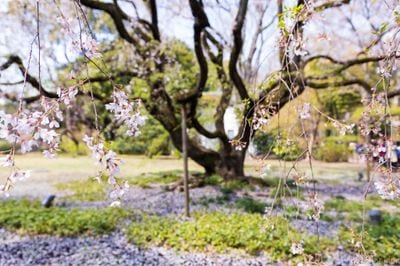
Rikugien is the finest Edo-period strolling garden in Tokyo and the one to choose if you want the classical form done properly. It was laid out in the early eighteenth century for a senior shogunal official, and its design recreates scenes from classical waka poetry as a circuit of hills, islands and a central pond crossed by stone bridges.
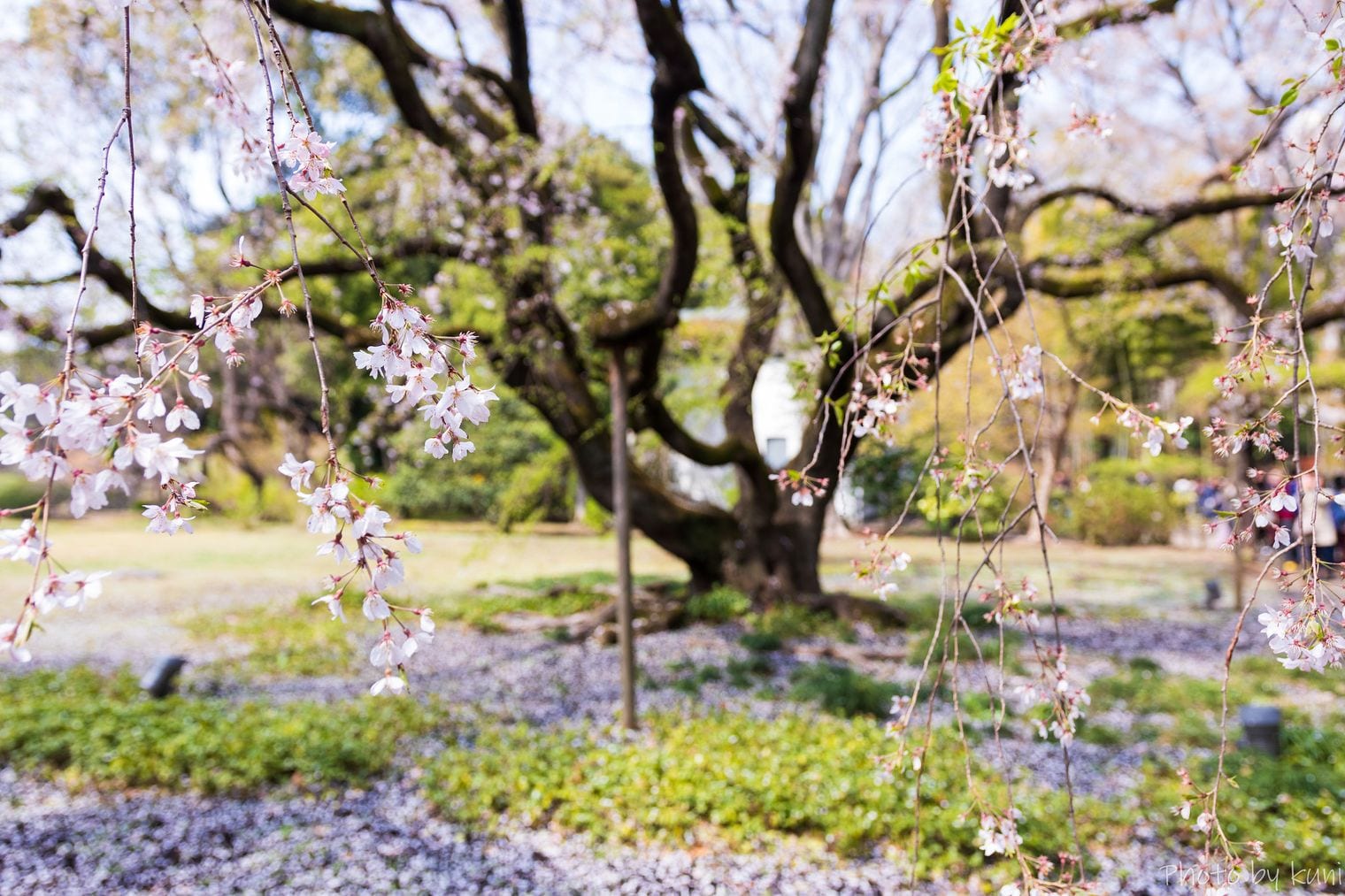
Autumn is the season it is famous for, when the maples around the water turn and the garden opens for evening viewing; a large weeping cherry near the entrance draws the same crowds in spring. There is a teahouse on the pond for matcha. It is a short walk from Komagome station in Bunkyō.
3232. North Observation Deck, Tokyo Metropolitan Government Building No. 1
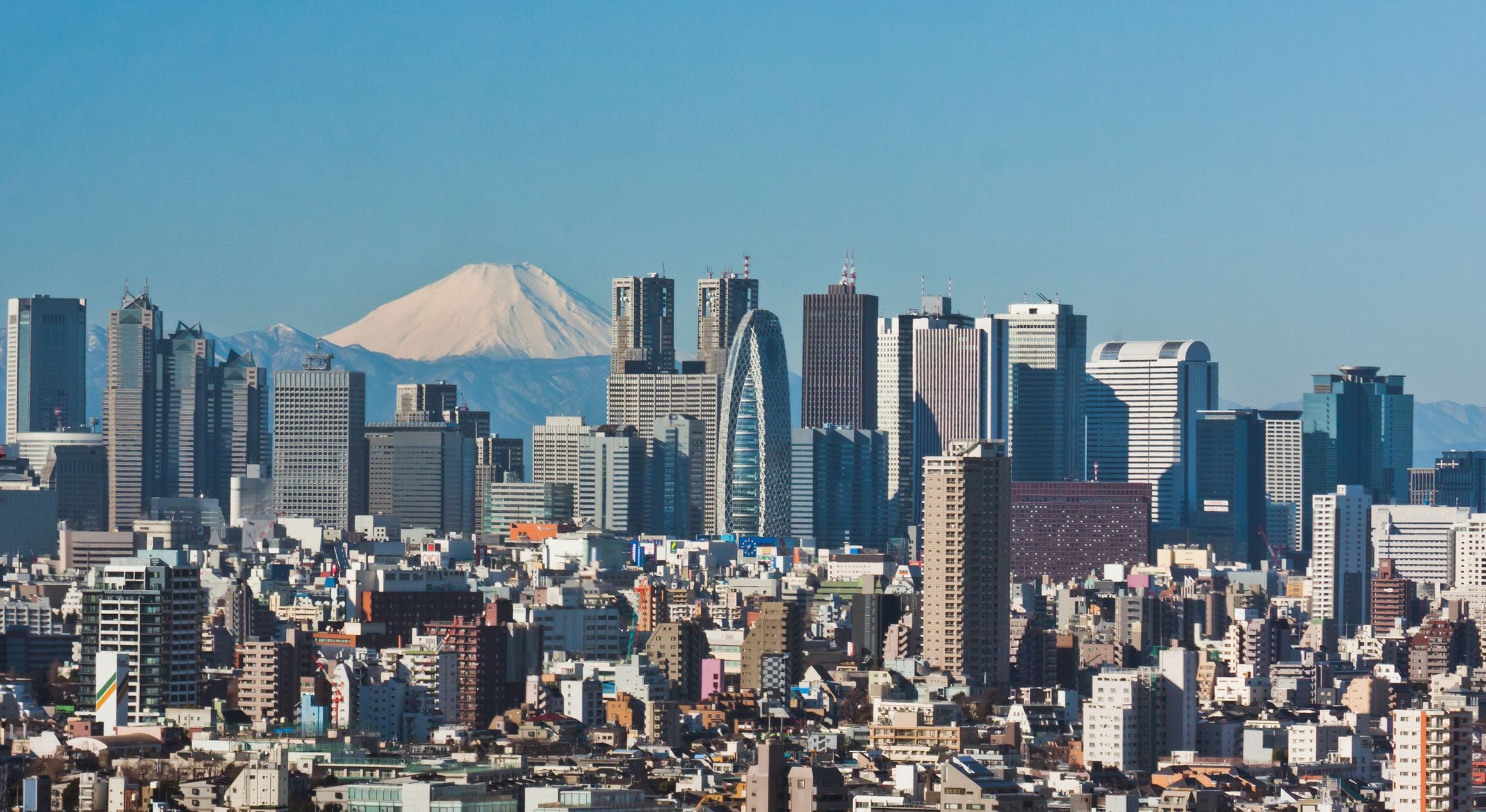
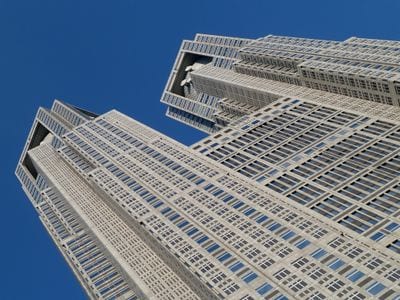
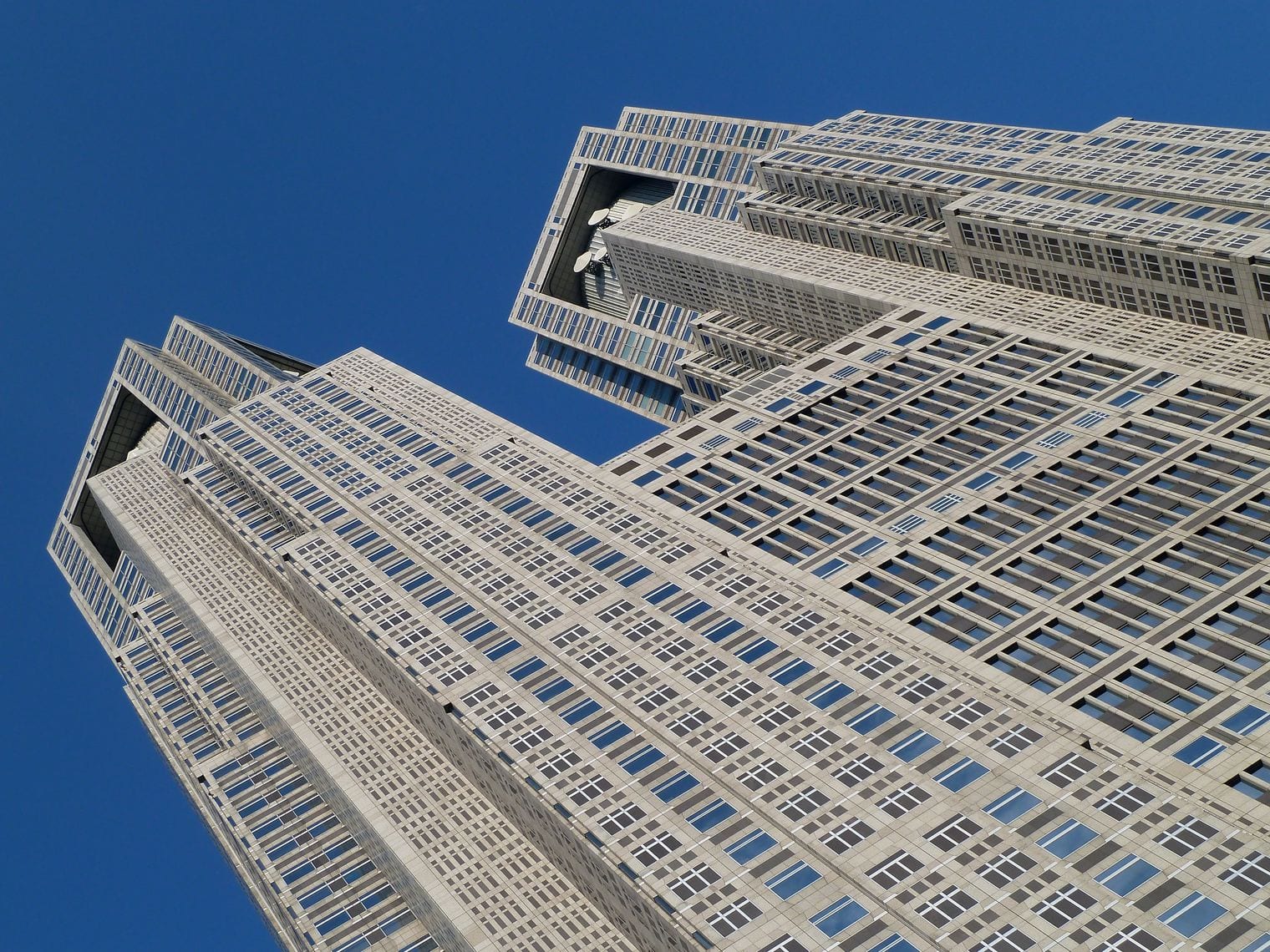
The observation deck on top of the Tokyo Metropolitan Government Building is free, which makes it the best-value view in the city by a wide margin. It sits 202 metres up in Kenzō Tange's twin-towered government complex in Nishi-Shinjuku, and on a clear winter day you can pick out Mount Fuji beyond the western suburbs.
The deck is enclosed rather than open-air, with a café and a souvenir counter, and the lift up takes well under a minute. Because there is no ticket, queues can build at sunset — arrive a little before if that is what you are after. It is a five-minute walk from Shinjuku station's west side.
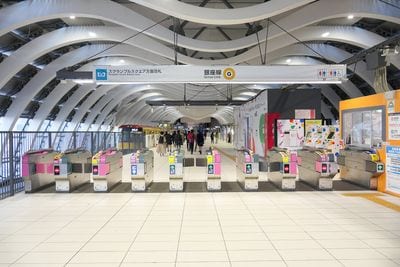
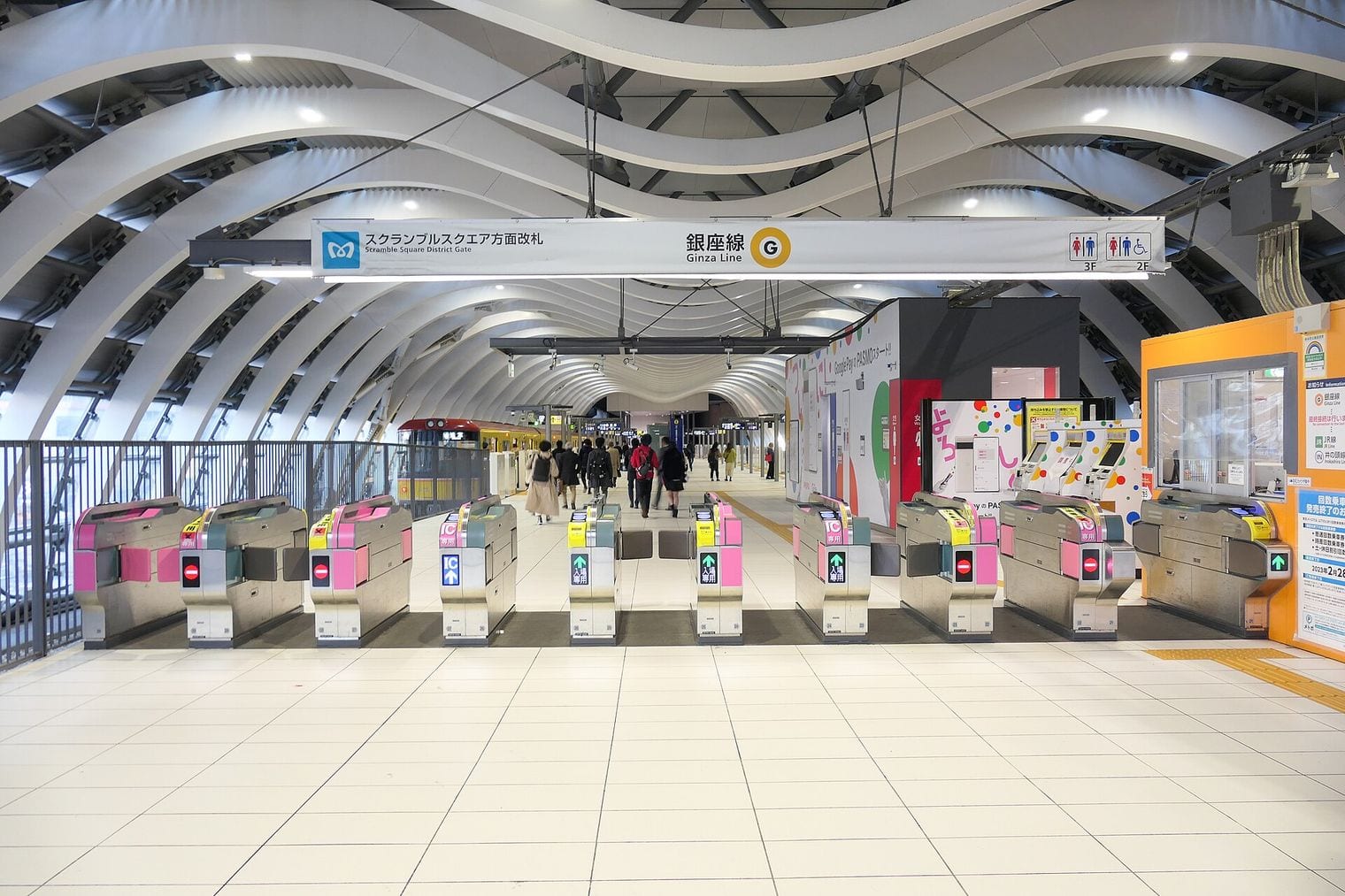
Shibuya Scramble Square is the tower built directly over Shibuya Station, and its lower floors are among the easiest places in the city to shop without a plan — fashion, homeware, cosmetics and a large food hall stacked over more than a dozen levels, all reachable without stepping outside.
It is best known as the building the Shibuya Sky rooftop sits on top of, but the retail floors work perfectly well on their own, and the upper restaurant levels have windows looking straight down over the crossing. Wet weather is when it earns its keep, since it connects underground to the station and the neighbouring complexes.
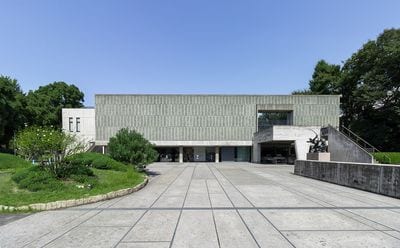
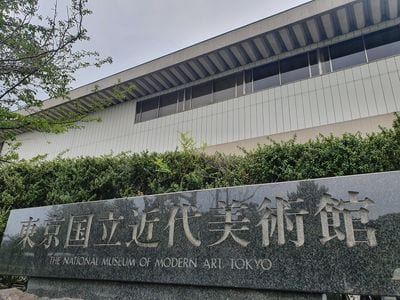
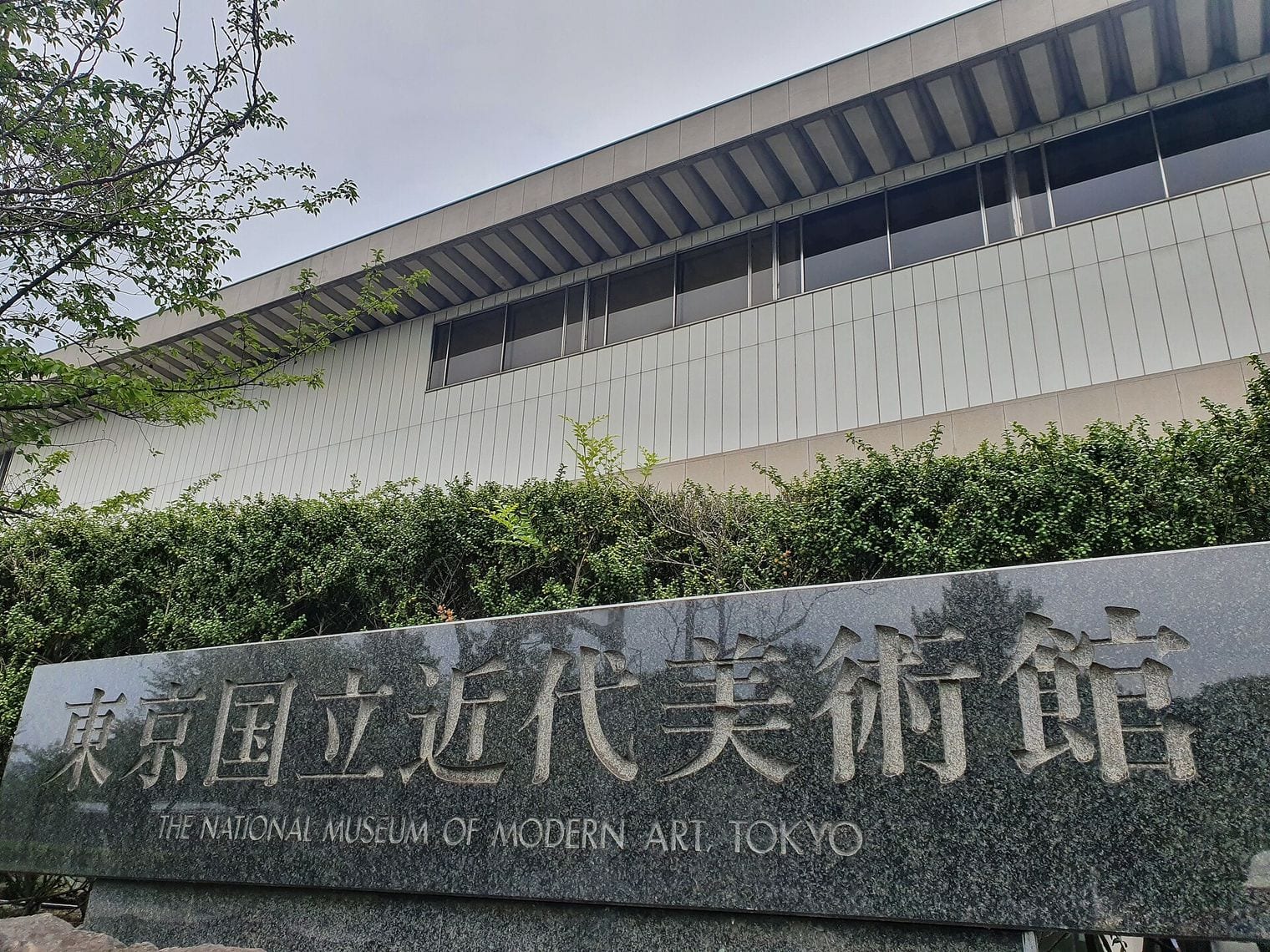
The National Museum of Modern Art was Japan's first national art museum, and its permanent collection is the best single account anywhere of Japanese art from the Meiji period onward — nihonga painting, western-style oils, prints, photography and sculpture, hung chronologically so you can watch the country's art absorb and then push back against Europe.
A room on the top floor has a wide window framing the Imperial Palace moat and the trees of Kitanomaru Park, which is a deliberate part of the visit. Temporary exhibitions run alongside. It is a few minutes' walk from the palace gardens, so the two make a natural morning.
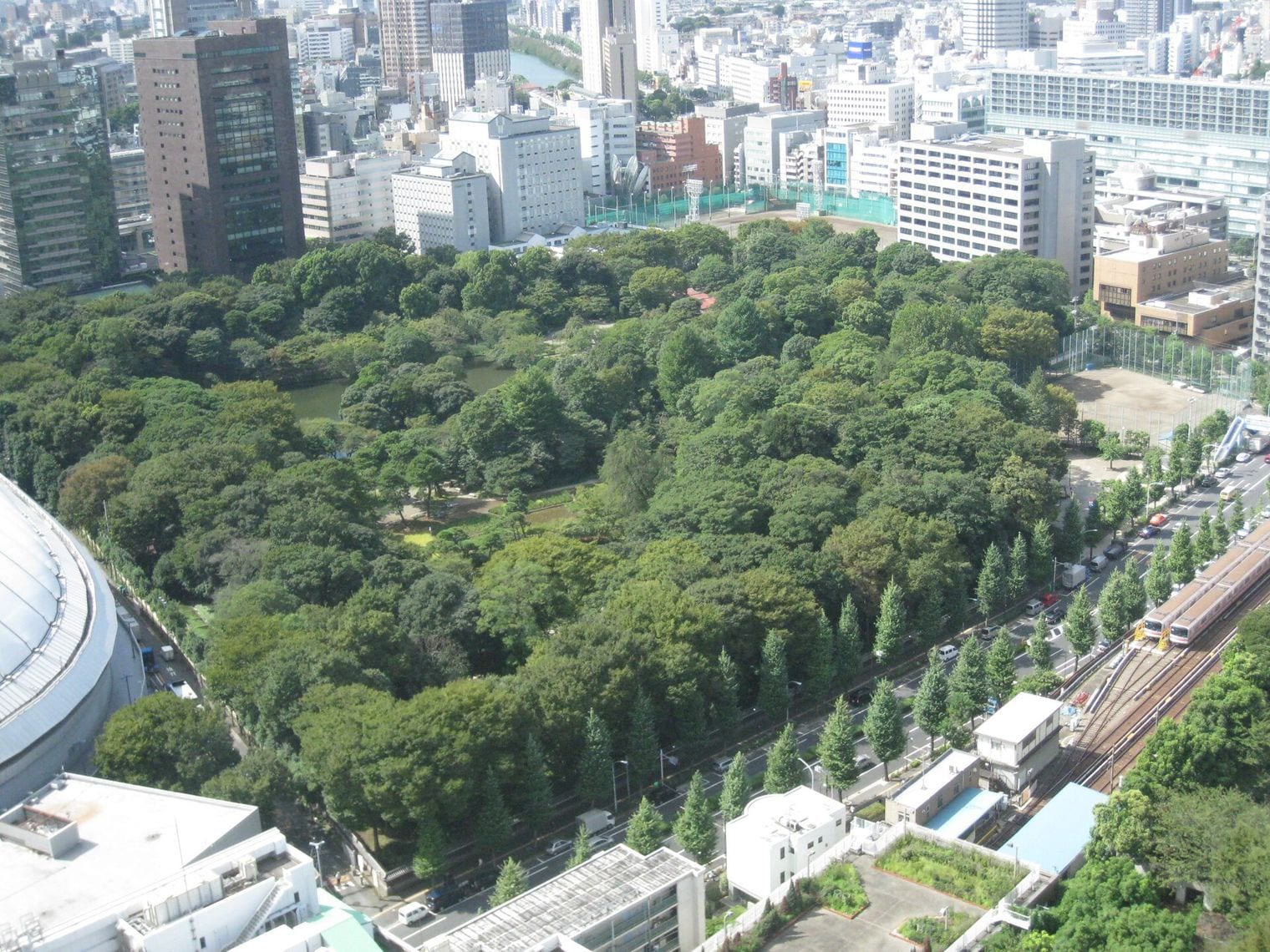
Koishikawa Kōrakuen is among the oldest surviving gardens in Tokyo, begun in the 1620s for the Mito branch of the Tokugawa family, and it is unusual in blending Chinese landscape ideas into an otherwise Japanese design — a miniature Lushan hill, a Chinese-style Full Moon Bridge whose reflection completes the circle in the water.
The circuit is compact and takes well under an hour, moving from pond and pine to a small rice paddy planted as a reminder of peasant labour. Maples make it a strong autumn choice and plum blossom an early-spring one. It is beside Tokyo Dome, which puts the city's noisiest complex directly over the garden wall.
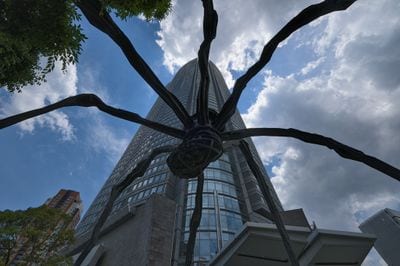
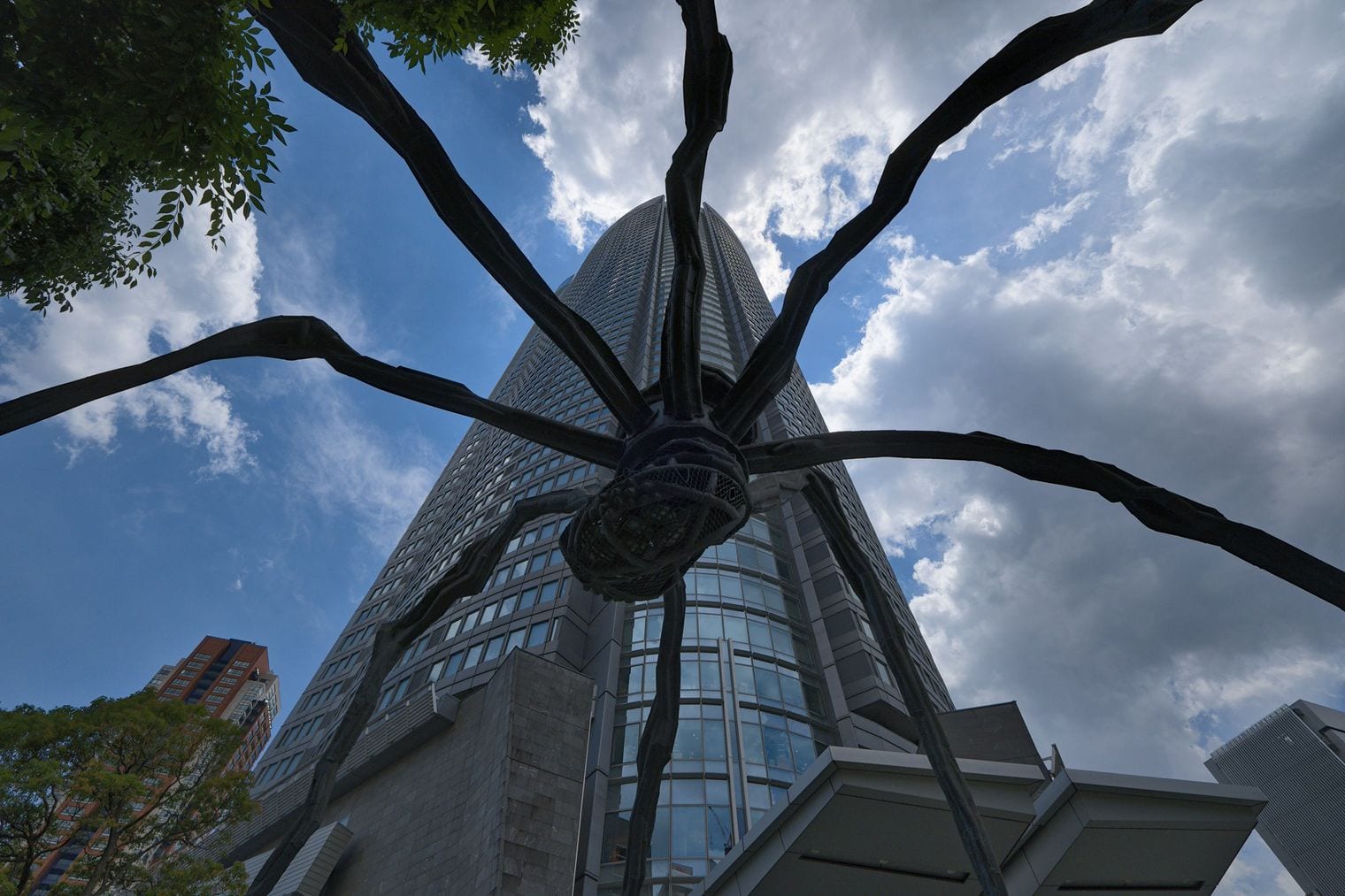
The Mori Art Museum occupies the top floors of the Roppongi Hills tower and shows contemporary art from across Asia and beyond, with no permanent collection — so what is on depends entirely on when you arrive, and it is worth checking before you set out.
Its great advantage is the opening hours: it stays open well into the evening most nights, later than almost any comparable museum, which makes it a genuine option after a full day elsewhere. The Tokyo City View observation deck sits on the same level and is often sold as a combined ticket, so you can take in the exhibition and the skyline in one trip.
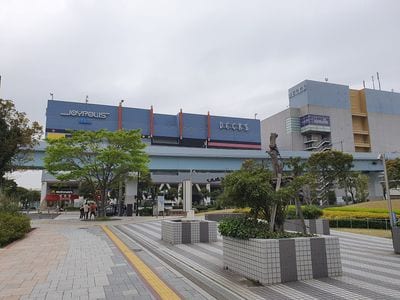
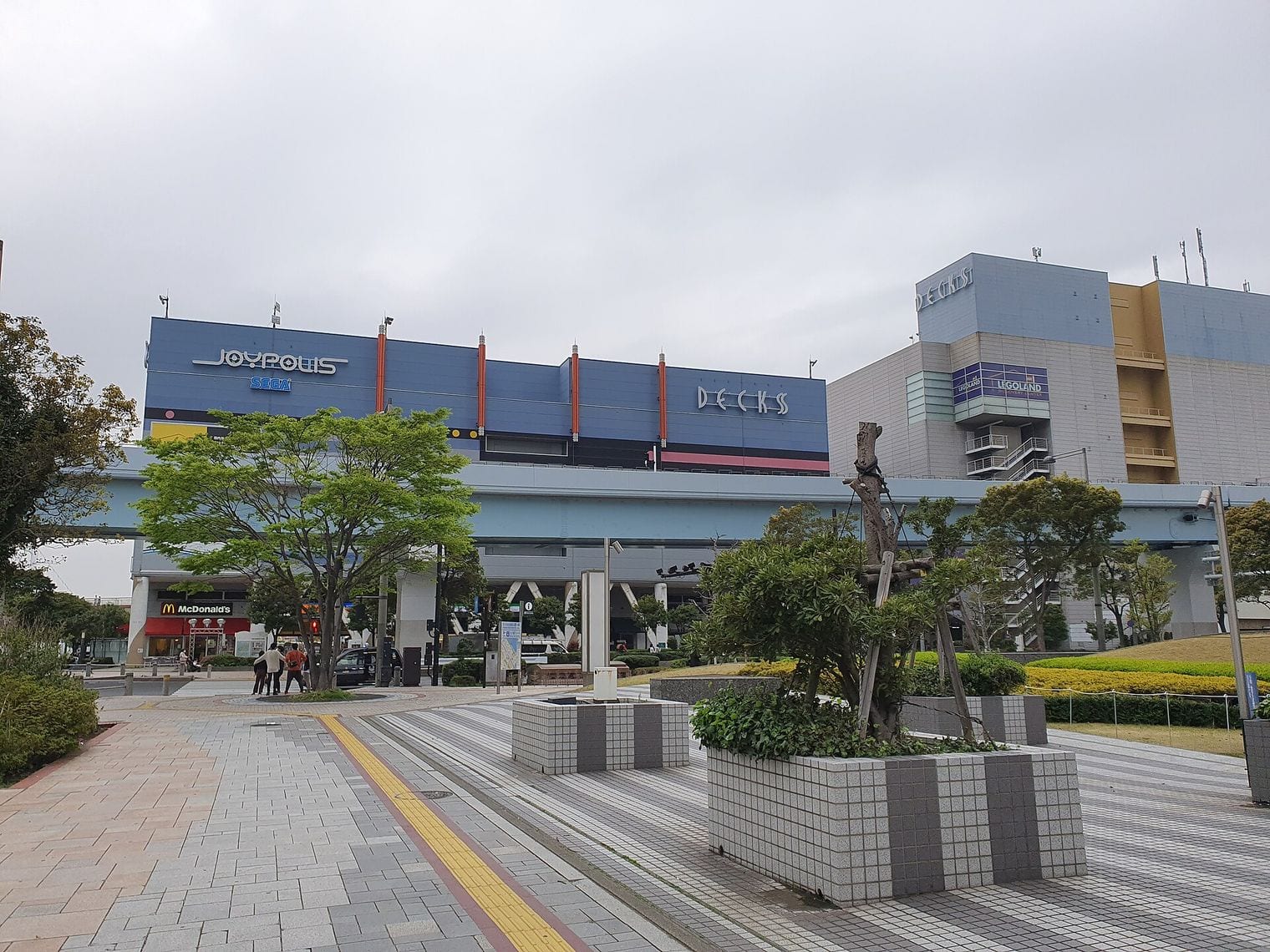
Tokyo Joypolis is Sega's indoor amusement park, spread over three floors of a mall on the Odaiba waterfront, and it is the wet-afternoon answer for anyone travelling with teenagers. The mix is arcade games, VR experiences and full-scale mechanical rides built inside the building — including a roller coaster that loops through the atrium.
Entry and rides are priced separately, or you can buy a pass that covers both, which pays off quickly if you intend to stay. It is loud, dark and unapologetically commercial, and it is also very good at what it does. The building sits a short walk from the Rainbow Bridge end of Odaiba.
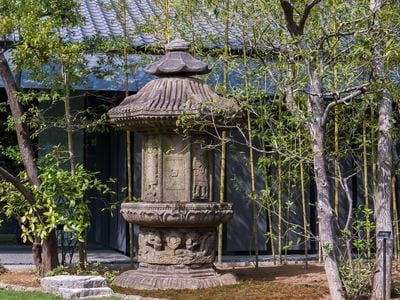
The Nezu Museum holds a private collection of pre-modern Japanese and East Asian art — bronzes, ceramics, calligraphy and screens — in a building by Kengo Kuma whose long bamboo-lined approach deliberately slows you down before you reach the door. It is one of the most composed museum experiences in the city.
The garden behind it is the real surprise: a wooded hillside of stone lanterns, ponds and teahouses that feels impossibly far from the Omotesandō boutiques a block away. A celebrated pair of irises screens by Ogata Kōrin is shown for a short window each spring. Combine it with a walk down Omotesandō.
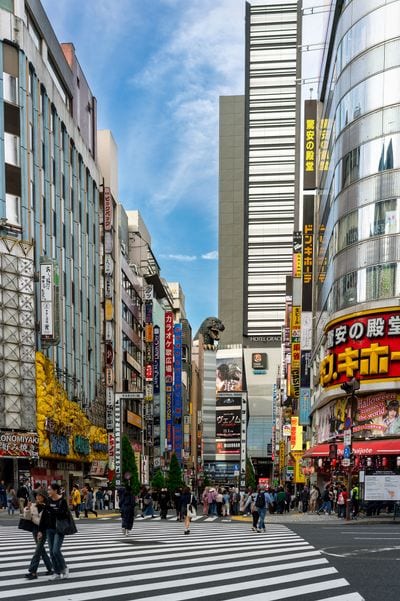
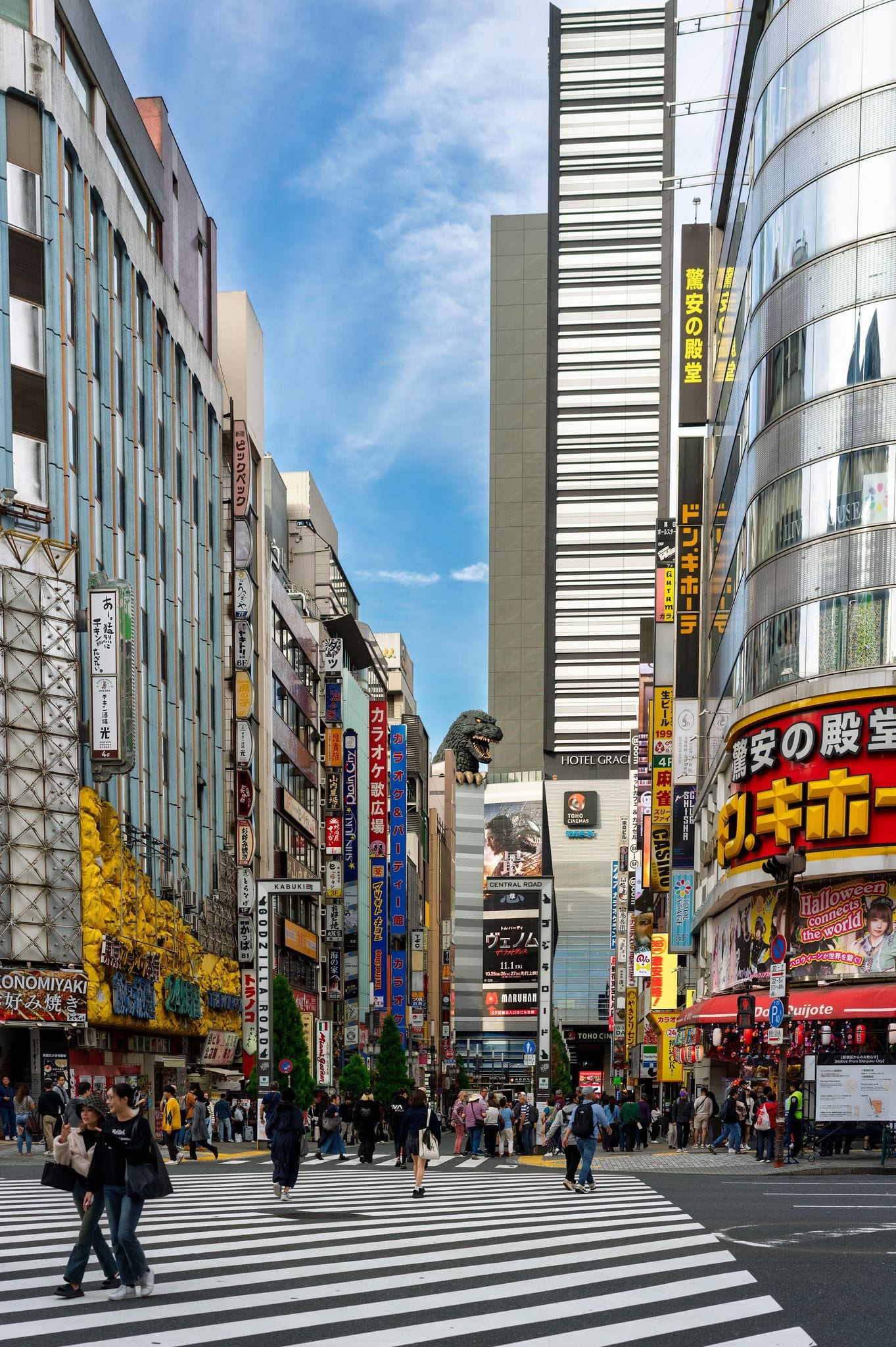
A life-size Godzilla head rears over the rooftop terrace of the Toho building in Kabukichō, roaring and venting smoke on the hour through the day. It is pure spectacle and takes about ten minutes, but it is one of the more purely enjoyable free things in Shinjuku.
The head sits eight floors up on the terrace of the cinema complex, and you can see it clearly from the street below — the closer view from the terrace itself is reached through the hotel that shares the building. Toho is the studio that has made the Godzilla films since 1954, so the location is not arbitrary.
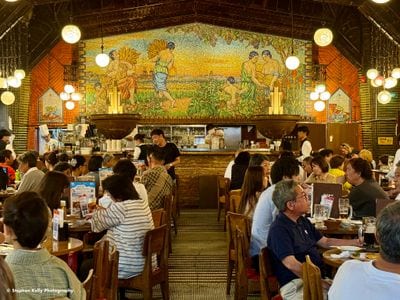
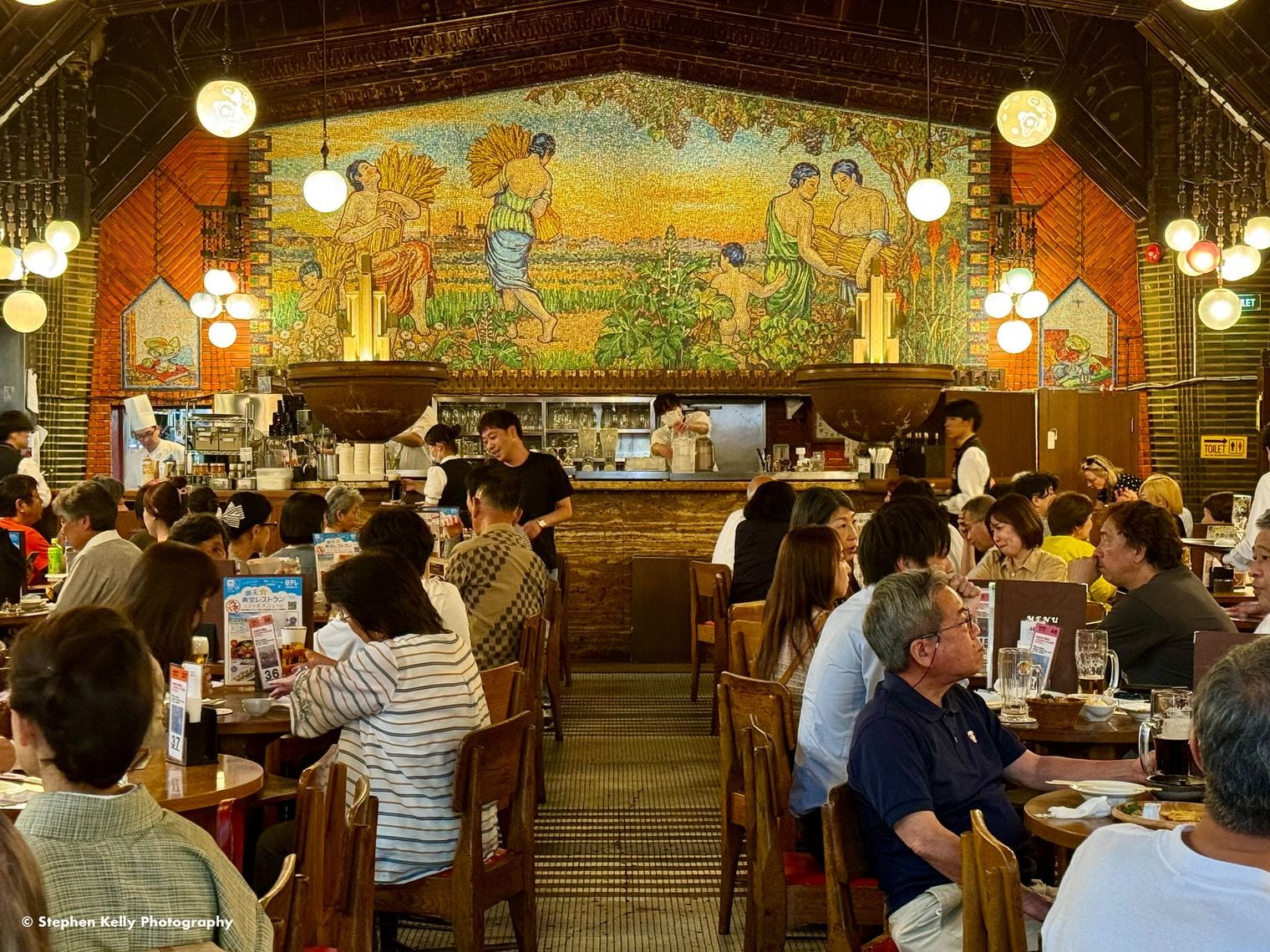
The Ginza Lion is the oldest beer hall in Japan still trading, opened in 1934, and it has barely changed: a vaulted hall with a huge glass mosaic of barley harvesters across the back wall, amber lighting and marble columns, all of it now registered as a tangible cultural property.
Order a draught and something fried and sit at one of the long communal tables — the point is the room rather than the menu, which runs to sausages, croquettes and other beer-hall staples. It is genuinely old rather than styled to look it, and it is one of the few places in Ginza where nothing about the experience is expensive.
Plan your trip
Best Time to Visit Tokyo
Spring and autumn are the two best windows, and autumn is the easier of the two. From October into late November the humidity drops away, the skies clear, and the maples and ginkgos turn — the ginkgo avenues around the palace and the parks are as much of a spectacle as the blossom, with a fraction of the crowds.
Late March into early April brings the cherry blossom, which is genuinely worth planning a trip around but is also the busiest and most expensive fortnight of the year, and it shifts by a week or two depending on the winter.
Summer is hot and properly humid, with a rainy spell through much of June and a typhoon risk from late summer into September; it is the season of evening fireworks and rooftop beer gardens, and the season to duck indoors at midday. Winter is cold, dry and often brilliantly clear, which makes it the most reliable time to see Mount Fuji from a high deck — and the quietest time to walk the temples.
Getting to Tokyo
Two airports serve the city. Haneda sits inside Tokyo itself and is much the more convenient, roughly half an hour from the centre by monorail or train. Narita lies well out in Chiba and takes an hour to ninety minutes by express train or bus, so factor that into the day you land.
Both have straightforward rail links into the centre, and both sell prepaid IC cards in the arrivals hall — buy one before you leave the airport and you will not queue for a ticket machine again.
By rail, Tokyo is the hub of the entire shinkansen network: Kyoto and Osaka lie to the west, Kanazawa and Sendai to the north, and services run from Tokyo Station and, for northbound lines, Ueno. Long-distance buses are considerably cheaper and considerably slower, with overnight services from most major cities. Driving in is possible but pointless — the Shuto Expressway ring is expensive and congested, and you will not want the car once you arrive.
Getting Around Tokyo
Tokyo has arguably the best urban transport system in the world, and you will use it constantly. The JR Yamanote line loops the central districts and connects most of the places in this guide, while the Tokyo Metro and Toei subway networks fill in everything between.
Get a rechargeable IC card at the airport and simply tap in and out; it also works on buses, in convenience stores and in station lockers. Trains stop around midnight and taxis are expensive, so watch the clock rather than assume a late option exists.
Individual districts are extremely walkable even though the city as a whole is not — Asakusa, Ginza, Shibuya and Shinjuku are all best explored on foot once you have taken the train there.
Do not rent a car. Parking is scarce and expensive, the surface roads are slow, and the expressways largely burrow beneath the city, including the Yamate Tunnel under Shinjuku and Shibuya, which is among the longest road tunnels in the world. None of that helps a visitor who wants to see things at street level.
Where to Stay in Tokyo
Shinjuku and Shibuya are the obvious first choices: both sit on the Yamanote loop, both have enormous transport interchanges, and both keep going late, which matters when the trains stop. Shinjuku is the better base if you want nightlife within walking distance; Shibuya is younger, and slightly easier to navigate on foot.
For a quieter, more central option, the Marunouchi and Ginza side around Tokyo Station puts you on the shinkansen platforms and a walk from the Imperial Palace, though it empties out in the evening.
Asakusa is the choice for old-Tokyo atmosphere and the best value of the central districts, at the cost of a longer ride to the western side of the city. Ueno is similarly well-priced and unbeatable if museums are your priority.
Roppongi suits travellers who want art and nightlife in the same district. Wherever you land, judge it on which station it sits by rather than the neighbourhood name — a ten-minute walk to the wrong line costs more time here than anywhere else.
Where to Eat in Tokyo
Eat by district and you will not go wrong. The lanes of the Tsukiji outer market are the place for a standing seafood breakfast; Tsukishima, a little further east, is the home of monjayaki, a loose griddle batter you cook at the table.
Shinjuku's narrow alleys deliver yakitori and offal skewers over charcoal, Ebisu is the reliable choice for a proper sit-down dinner, and the basement food halls of the Ginza and Nihonbashi department stores are an education in themselves — two floors of prepared food, pastry and pickles, much of it offering samples.
Beyond sushi, the dishes to seek out are ramen in all its regional forms, tempura fried to order at a counter, unagi grilled over charcoal, hand-cut soba, and tonkatsu.
Ramen and soba counters are cheap, fast and often standing-room, and queueing is normal rather than a sign you have found something exclusive. Convenience stores are genuinely good for breakfast and late-night food. Vegetarians should be aware that dashi, a fish stock, turns up in a great many dishes that appear meat-free.
Day Trips from Tokyo
Tokyo is an unusually good base for day trips, because the rail network makes distances irrelevant. Nikkō, a couple of hours north, holds the most lavishly decorated shrine complex in Japan among cedar forests and waterfalls.
Kamakura, an hour south on the coast, has its own great bronze Buddha, a cluster of Zen temples and a beach. Hakone, west towards the mountains, is the classic overnight or long-day option for hot springs and — on a clear day — the best close view of Mount Fuji you will get without climbing it.
Closer in, Yokohama sits half an hour south and makes an easy evening out: a redeveloped harbourfront, Japan's largest Chinatown, and Cosmo Clock 21, which is one of the biggest ferris wheels in the world. Kawagoe, about forty-five minutes north, preserves a street of Edo-period clay-walled merchant houses and is the shortest trip on this list. All four are reachable on ordinary commuter or express lines, so none of them needs a car.
Before you go
Mobile dataAn eSIM gives your phone local data when you land, with no SIM card to swap.via AiraloGet an eSIM
Airport transferA driver meets you at arrivals and takes you to your hotel, at a price fixed when you book.via Welcome PickupsBook a transfer
We may earn a commission when you buy through these links, at no extra cost to you. How we make money.
One Day in Tokyo
Morning
start early at the Fish Market Tsukiji Outer Market for a standing breakfast of tamagoyaki and grilled scallops while the lanes are still working, then take the subway across to Asakusa for Sensō-ji before the crowds thicken. Walk down to the river afterwards and cross to Tokyo Skytree for the view back over everything you are about to do.
head west to Meiji Jingu and take the long gravel approach through the forest, then come out into Harajuku and walk down through the boutiques to Shibuya. Give yourself time on foot here — the contrast between the shrine woods and the retail a few hundred metres away is the whole point of the city.
time your arrival at Shibuya Sky for the last of the daylight, watching Shibuya Crossing fill and empty far below and the lights come up across the whole basin. Come back down, pay your respects at the Hachiko Statue, then ride two stops to Shinjuku and finish over yakitori and beer in the lanes of Omoide Yokocho Memory Lane.
Tokyo is known for the collision of the very old and the very new: Sensō-ji, a temple founded in the seventh century, sits a few subway stops from Tokyo Skytree, the tallest tower in the world.
Four days is the sensible minimum, and five or six is better. Three days covers the headline sights — Asakusa, Shibuya, a shrine and one observation deck — but leaves no room for the museums, the gardens or a day out at the bay. With five you can add the theme parks or a day trip to Kamakura or Nikkō without rushing. Tokyo rewards depth rather than speed; almost nobody leaves feeling they saw enough of it.
Is Tokyo expensive to visit?
Less than its reputation suggests. Transport, food and museum entry are all reasonable by big-city standards — a bowl of ramen or a standing-counter lunch costs very little, and many of the best things here are free.
Accommodation is the real cost, and it rises steeply during cherry blossom season and the autumn colour. Booking those two windows well ahead, and staying one stop off a major interchange rather than on top of it, makes the biggest difference to a budget.
No. Station signage, train announcements and most menus in central Tokyo are bilingual, ticket machines have an English mode, and staff in hotels and larger restaurants manage the essentials comfortably. A translation app covers the gaps, particularly in small counter restaurants where the menu may be handwritten. Learning a few courtesies is appreciated but no visitor needs Japanese to get around the city.