We build and rank every list first. Booking links come after, and only where
a partner sells a ticket, tour or stay for that exact place, so a place with
nothing to book is listed exactly as prominently as one you can book.
So how do we earn? Some links on this page go to booking
partners, and if you book tickets, tours or a stay through
one, we may earn a commission. It costs you nothing extra.
That commission never decides which places make the list, the order they
appear in, or what we write about them. No entry is sponsored or a paid
placement.
By the City Viking editorial teamPublished 35 places · 26 min read
Fact-checked Checked before launchOct 8, 202635 sources33 publishers12 government & parks9 tourism boards1 encyclopedias & research13 venues & other sitesPublished · Oct 8, 2026Researched and checked before it went liveClick for every source and the full change log.
Short answer
Start with Lindsborg for its Swedish heritage and Birger Sandzén Memorial Gallery, Abilene for the Eisenhower Presidential Library and its Chisholm Trail cowtown past, and Cottonwood Falls for its 1873 courthouse near the Tallgrass Prairie National Preserve. Most towns on this list fill a relaxed day, and a weekend lets you pair close neighbors such as Lindsborg and Abilene or Council Grove and Cottonwood Falls.
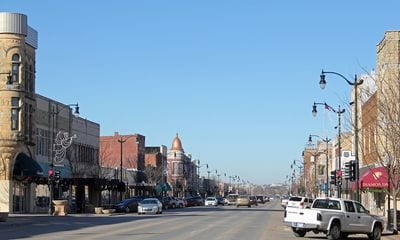
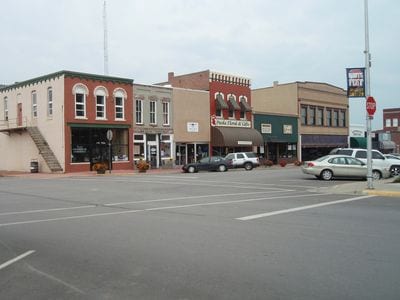
Kansas is a state of small towns strung along old trails and railroads: Santa Fe Trail stops in the Flint Hills, Chisholm Trail cowtowns, Swedish, Czech and Volga German settlements, and High Plains county seats where grain elevators break the horizon. Many still keep brick main streets, limestone courthouses and museums full of frontier stories.
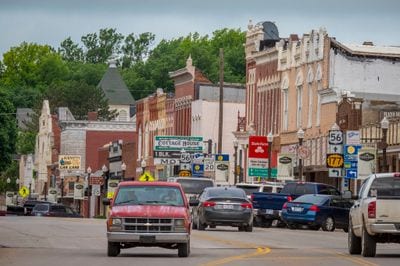
This guide ranks 35 of the best, from tiny Lucas, home to about 330 people, to Salina, a regional hub of about 47,000. Most make an easy day trip from Wichita or Topeka, and many pair up nicely on a drive along I-70, through the Flint Hills or down Route 66.
The geographic center of the contiguous United States lies about 2.6 miles north-west of Lebanon, a Smith County town of fewer than 200 people, where a monument marks the spot.
Emporia held the first Veterans Day observance in the United States in 1953, at the urging of local cobbler Alvin J. King, and President Dwight D. Eisenhower, who grew up in Abilene, signed the law renaming Armistice Day in 1954.
Coronado Heights, outside Lindsborg, is said to be near the spot where Francisco Vásquez de Coronado gave up his search for the Seven Cities of Gold and turned back toward Mexico.
Abilene, Texas, a far bigger city today, takes its name from Abilene, Kansas, the cowtown at the end of the Chisholm Trail.
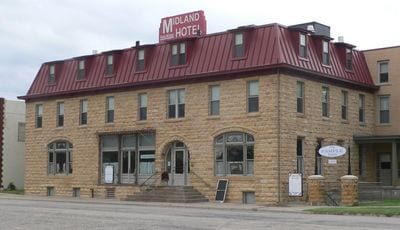
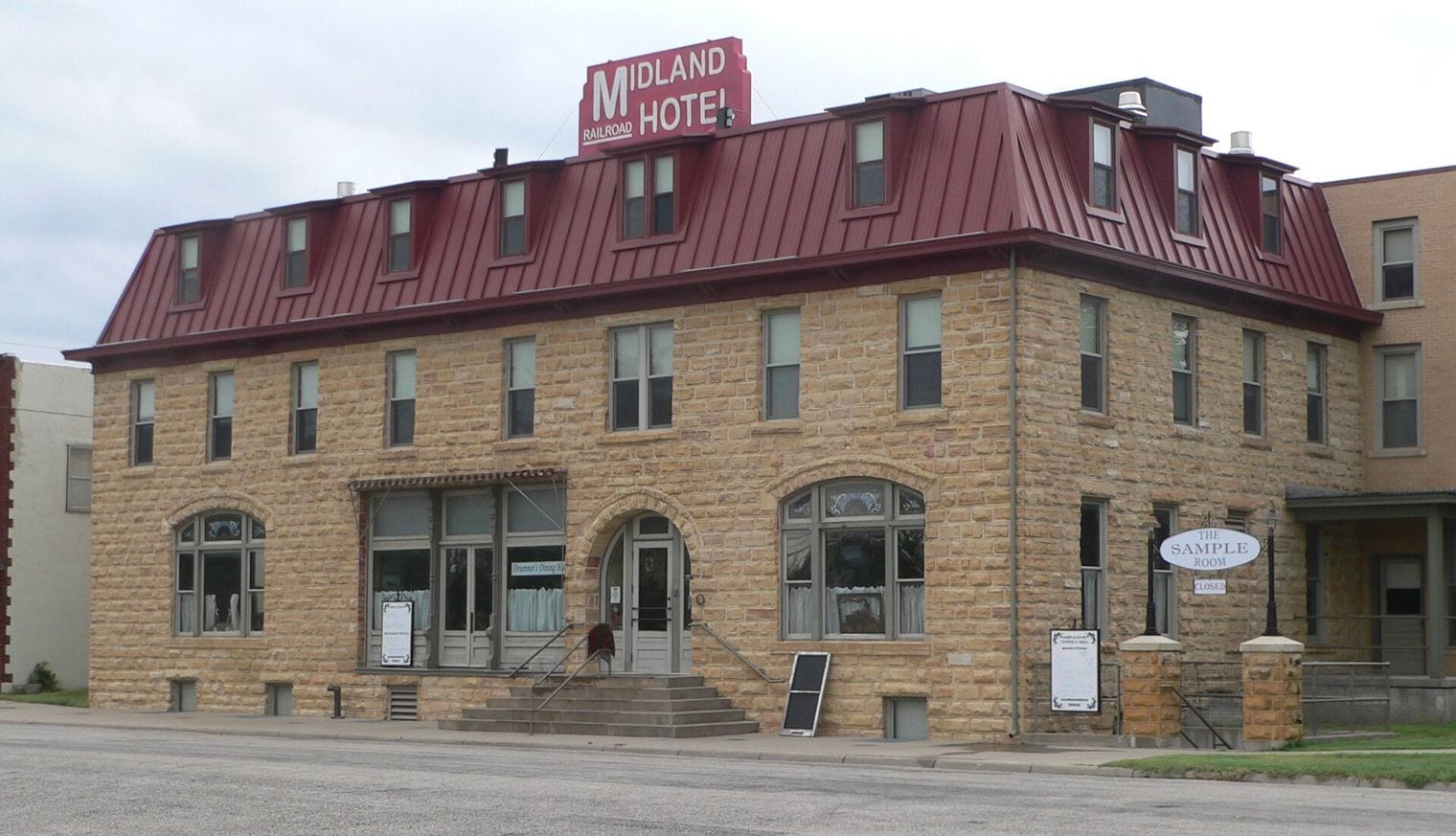
The Midland Hotel in Wilson, the Czech Capital of Kansas, was a filming location for the 1973 movie Paper Moon.
Samuel P. Dinsmoor's mausoleum at the Garden of Eden in Lucas holds a double-exposed photograph of him gazing at his own body in its glass-lidded coffin.
Lindsborg calls itself Little Sweden USA, and it has earned the name. Immigrants from the Värmland province of Sweden settled this Smoky Valley town in 1869, and their heritage still shapes it: Dala horses, the painted wooden horses of Swedish folk art, fill the shop windows downtown, and Bethany College, founded in 1881, gives the town a campus at its heart.
The Birger Sandzén Memorial Gallery shows the bold landscapes of the Swedish-born painter who taught at Bethany, and the Old Mill and Swedish Heritage Museum pairs a restored roller mill with the Swedish Pavilion from the 1904 St. Louis World's Fair.
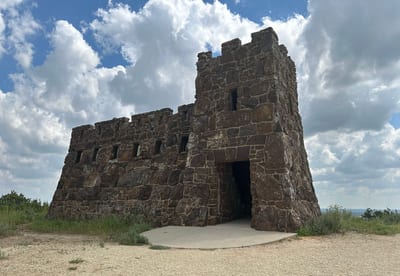
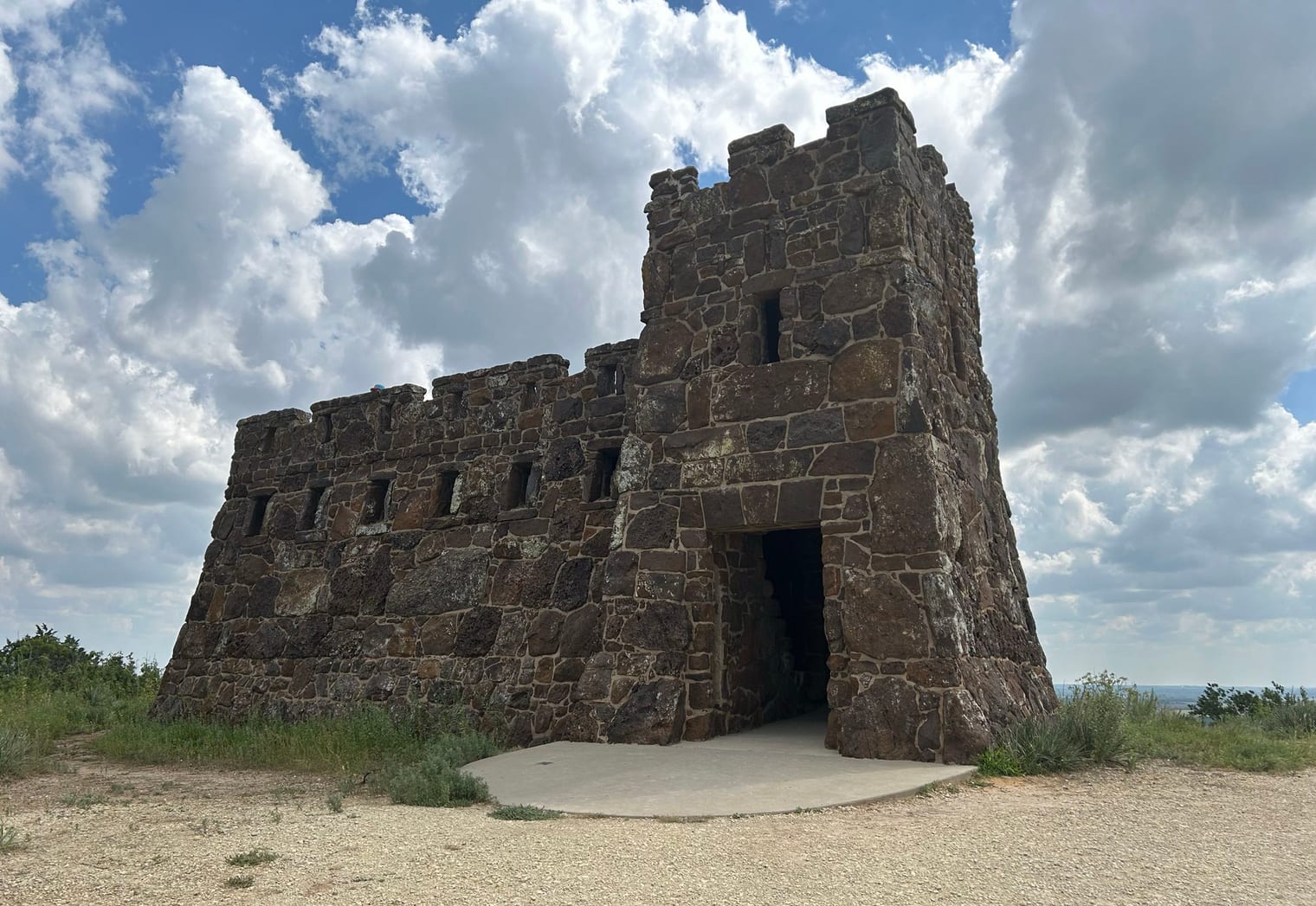
North-west of town, Coronado Heights rises about 300 feet, crowned by a castle-like stone shelter built by the WPA in 1936. Come in summer for the Midsummer festival, or in October of an odd-numbered year for Svensk Hyllningsfest, held since 1941.
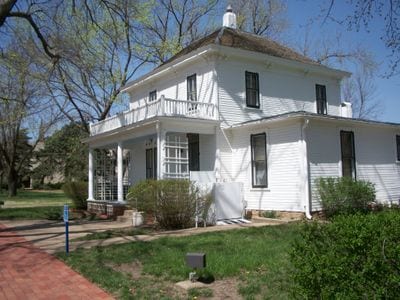
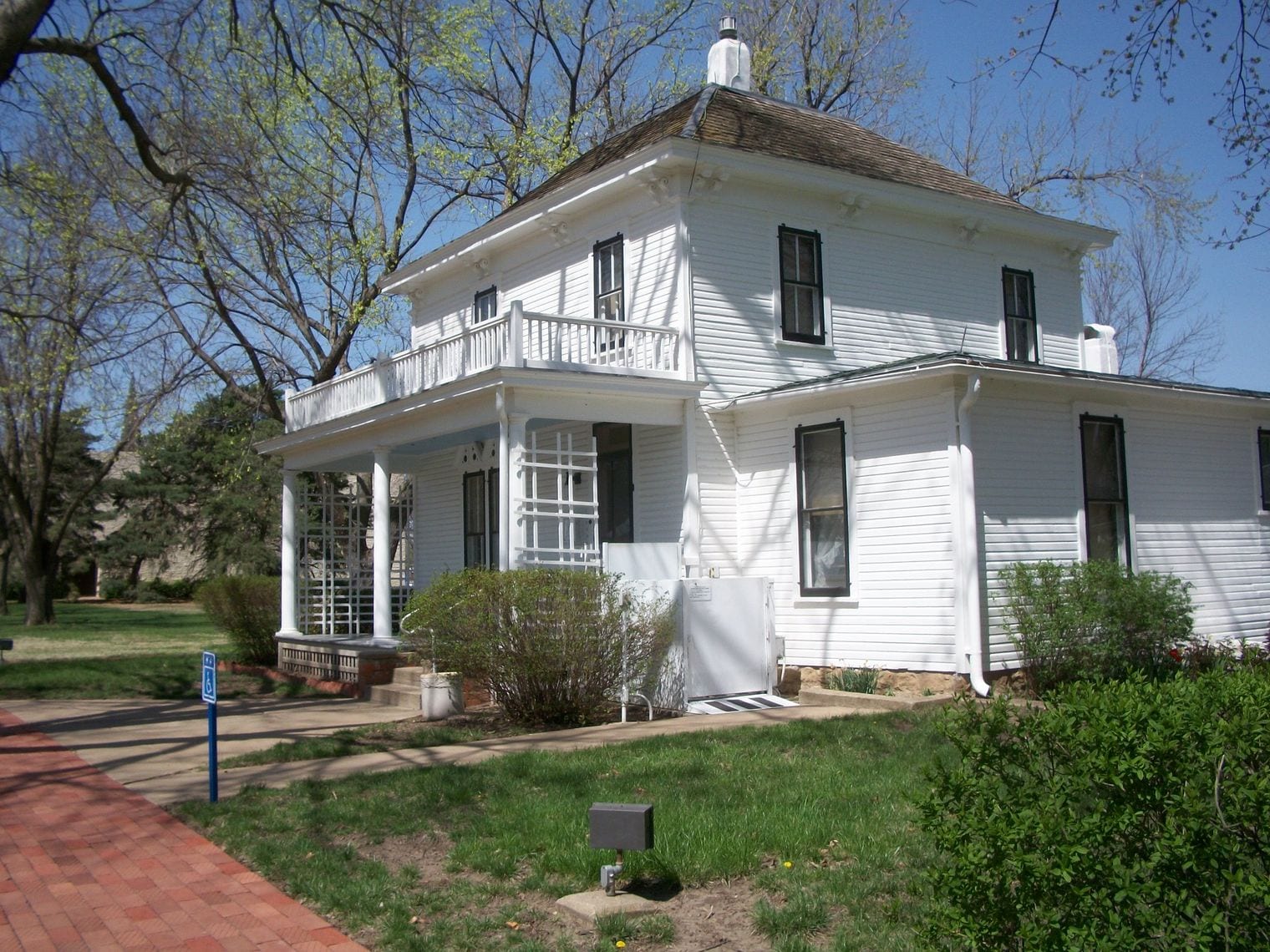
Abilene was one of the wildest towns in the West when the Chisholm Trail ended at its railroad from 1867 to 1871, and Wild Bill Hickok served briefly as its marshal in 1871. Three decades later it was the boyhood home of Dwight D. Eisenhower, and the Eisenhower Presidential Library, Museum and Boyhood Home now keeps the modest house where he grew up alongside the museum and his grave.
Across the street, the Greyhound Hall of Fame tells the story of the breed and of greyhound racing, while Old Abilene Town gathers original frontier buildings into a recreated cowtown. The Seelye Mansion, a 25-room Georgian-style house built in 1905, keeps its original furniture and Edison light fixtures, and the Abilene and Smoky Valley Railroad runs vintage trains to nearby Enterprise.
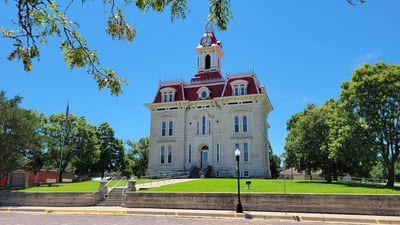
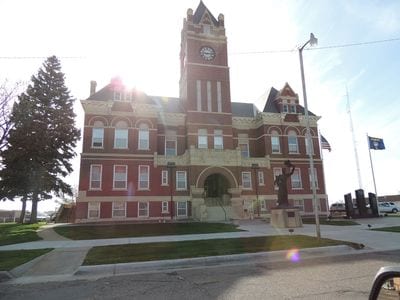
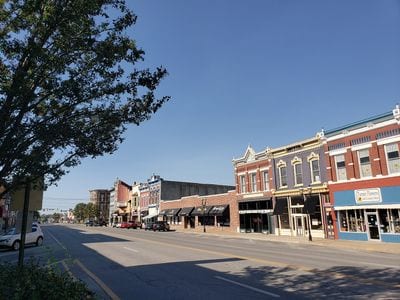
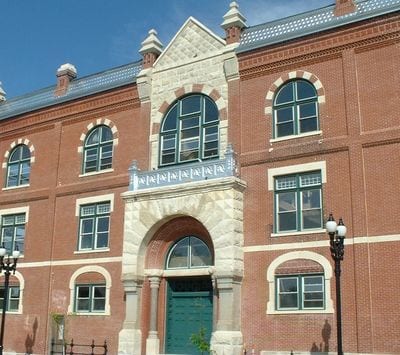
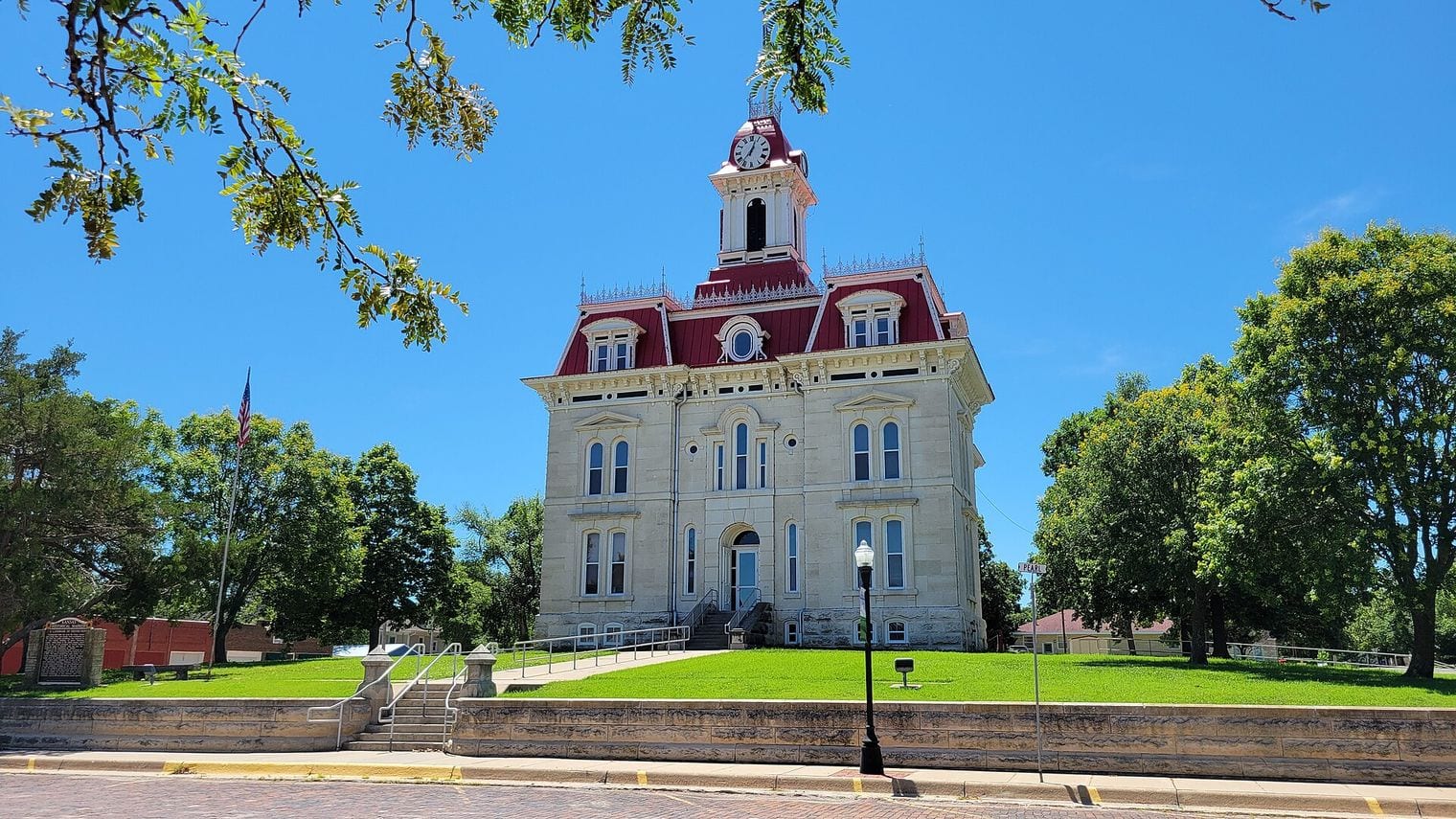
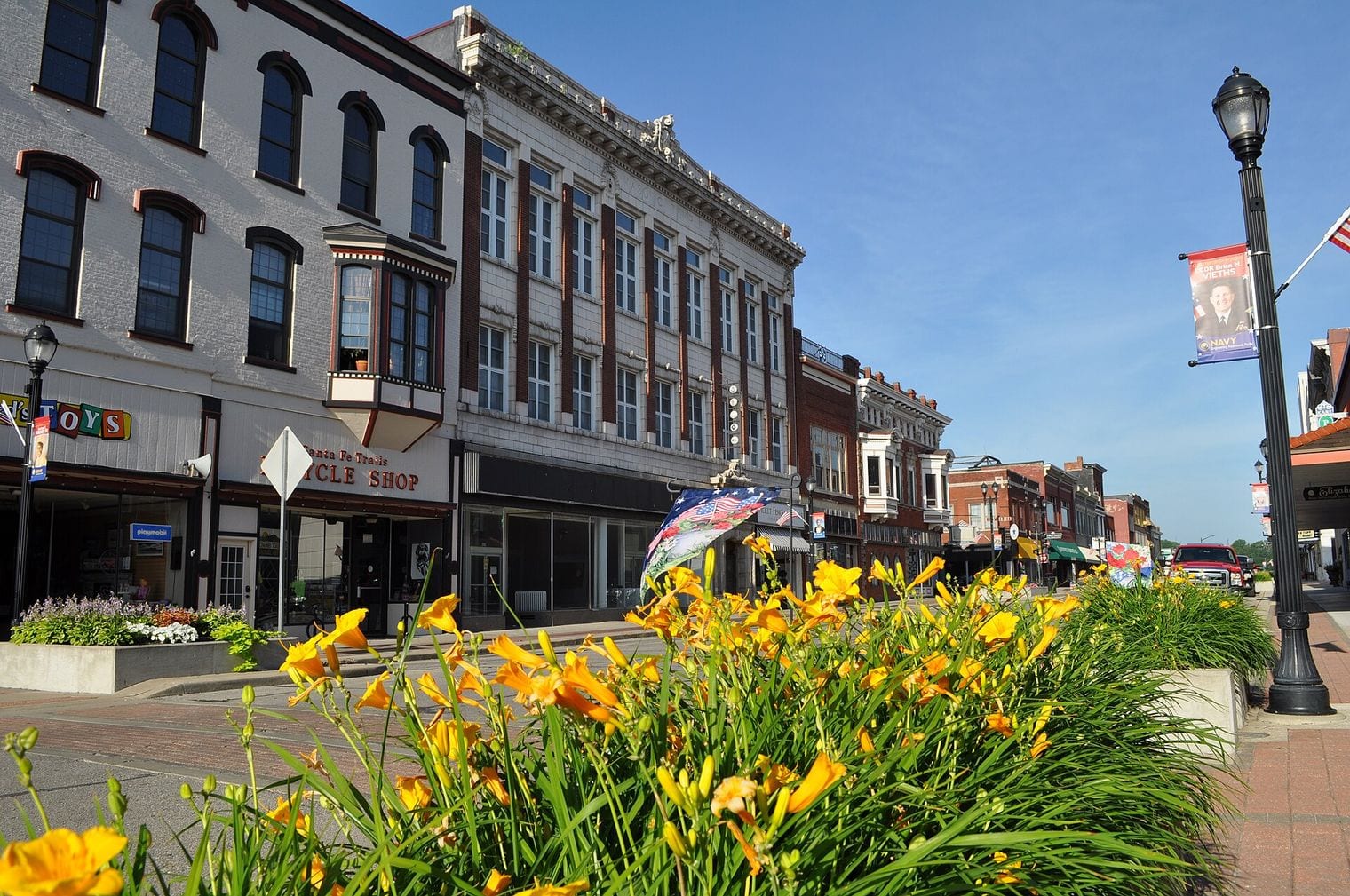
Cottonwood Falls, a Chase County seat of about 850 people on the Cottonwood River, is the Flint Hills in miniature. Its main street, Broadway, leads to the Chase County Courthouse, built in 1873 in the French Renaissance style and the oldest courthouse still in use in Kansas, and several buildings nearby, including the Chase County National Bank, are on the National Register of Historic Places.
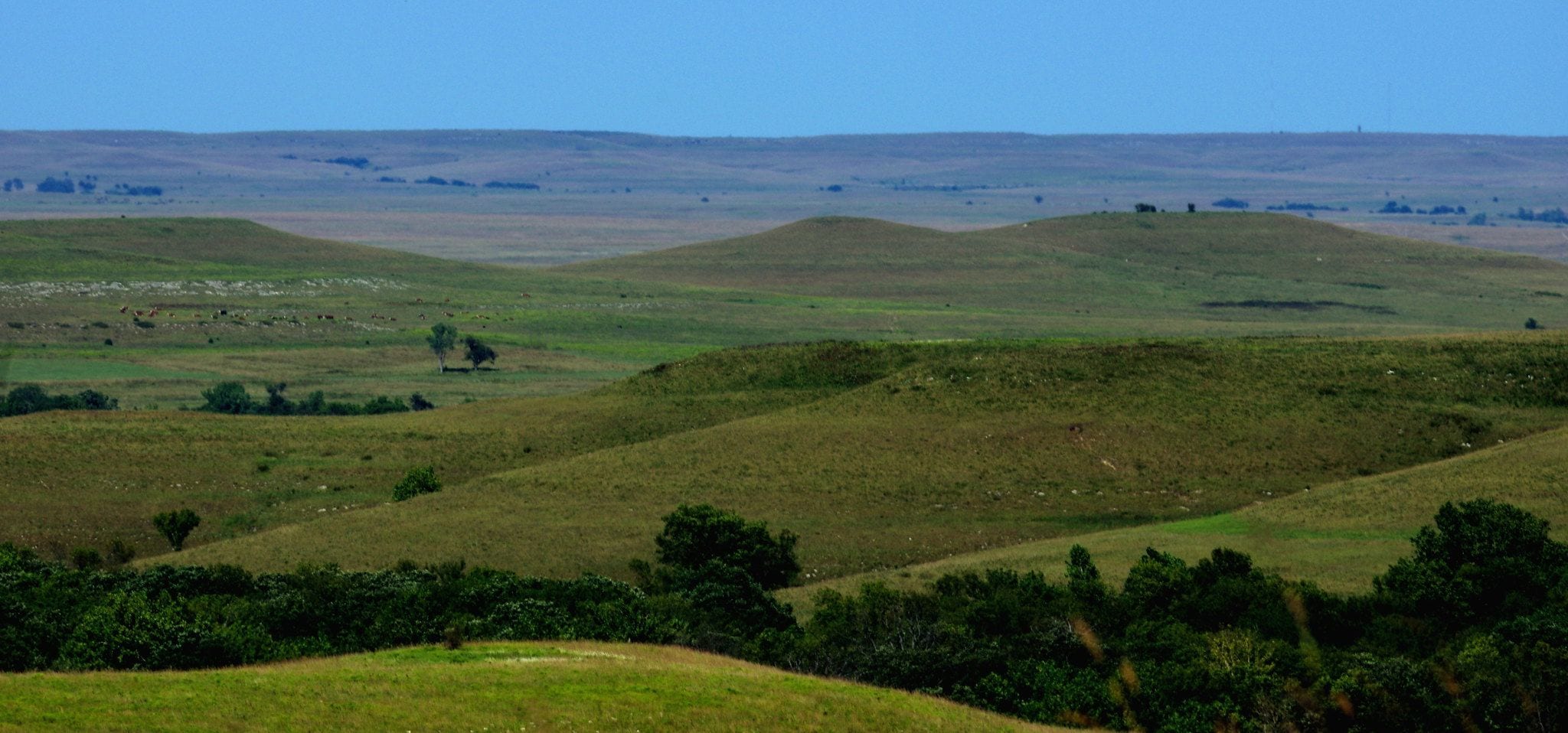
The big draw lies two miles north of neighboring Strong City: the Tallgrass Prairie National Preserve. Less than 4 percent of the tallgrass prairie that once covered much of North America survives, most of it in the Flint Hills, and here you can hike across the open hills, look for the bison herd that has lived on the preserve since 2009 and see the limestone house and three-level barn of the 1880s Spring Hill Ranch.
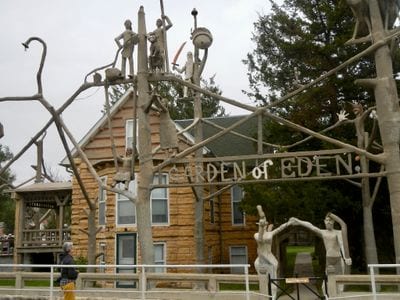
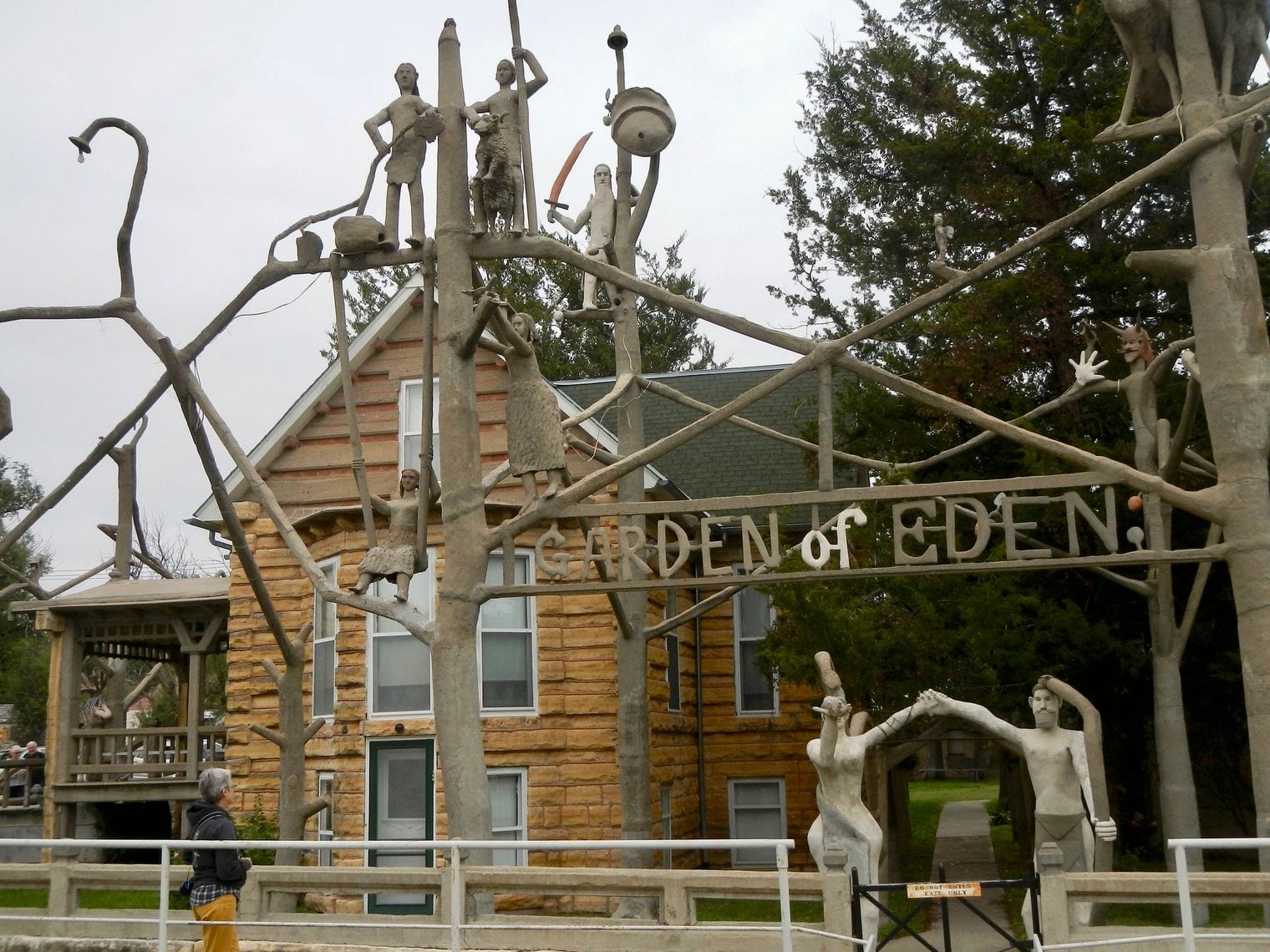
Lucas, a village of about 330 people in the Smoky Hills, has turned outsider art into an identity, and in 1996 the governor named it the Grassroots Art Capital of Kansas. It started with Samuel P. Dinsmoor, a retired teacher who spent more than two decades building the Garden of Eden around his limestone 'log cabin': more than 150 concrete sculptures of his take on the Biblical creation and world history.
Dinsmoor himself lies in a concrete coffin with a glass lid inside his mausoleum, where visitors on the tour can see him. Downtown, the Grassroots Arts Center shows work by Kansas folk artists, and Bowl Plaza, the town's public restroom, is built in the shape of a giant toilet, with a lid for a door and mosaics made by local residents. Florence Deeble's rock garden, inspired by Dinsmoor and by her travels, adds one more homemade wonder.
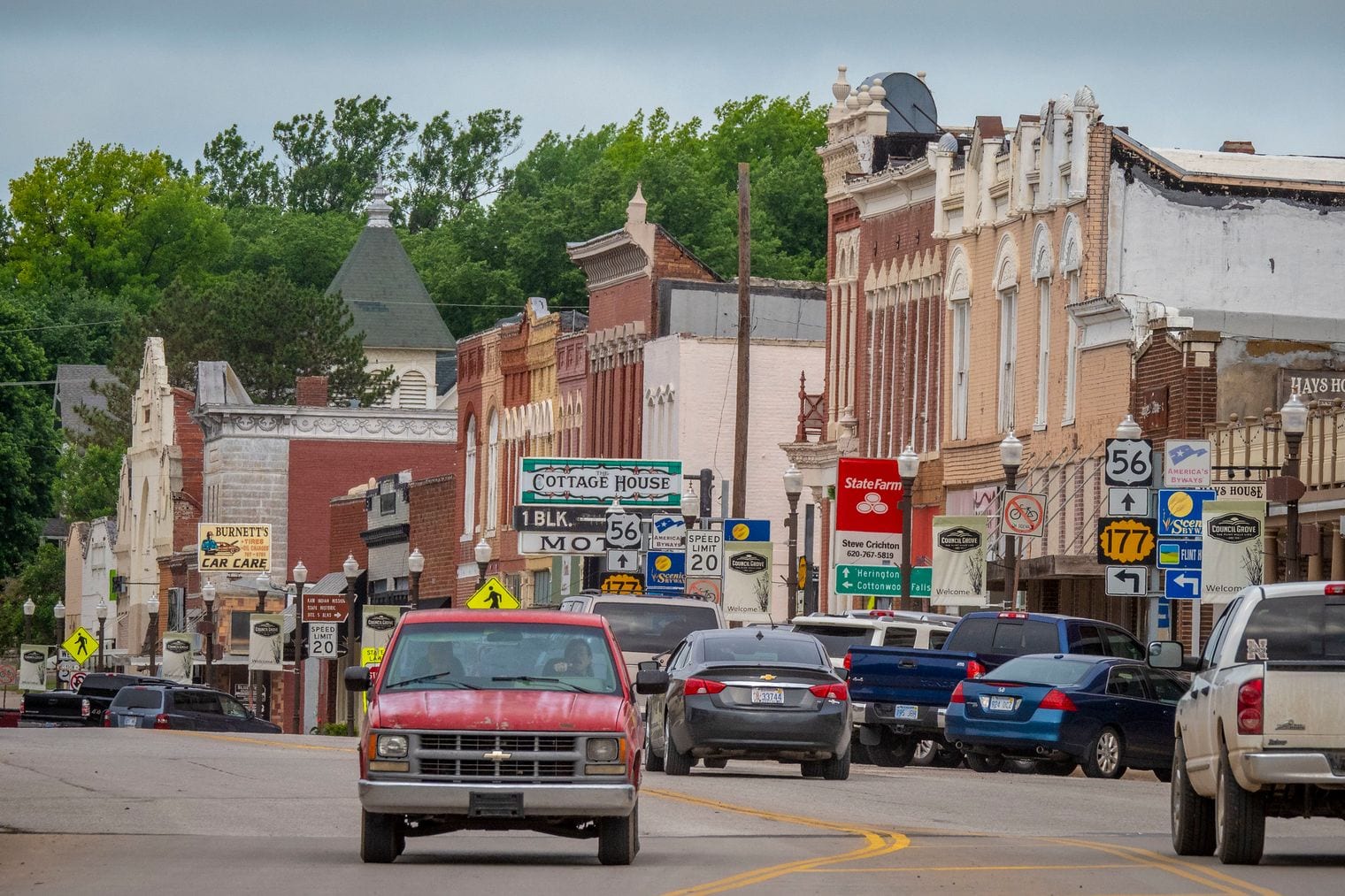
Council Grove takes its name from the treaty signed with the Osage under an oak tree here, giving the Santa Fe Trail its right of way, and wagon trains gathered in its grove to band together before heading west across the plains.
The old trail is still the main street, lined with landmarks: the Post Office Oak, where travelers left letters for others heading the right way, the 1857 Last Chance Store, and the Hays House, opened in 1857 by Seth Hays, a great-grandson of Daniel Boone, and said to be the oldest continuously operating restaurant west of the Mississippi.
The Kaw Mission State Historic Site, where 30 boys of the Kaw tribe, the people for whom Kansas is named, lived and studied from 1851 to 1854, tells their story, and the Madonna of the Trail, one of 12 identical statues honoring pioneer women along the National Old Trails Road, stands in town. South of Council Grove, the Flint Hills National Scenic Byway follows K-177 for 47 miles through the tallgrass hills to Cassoday.
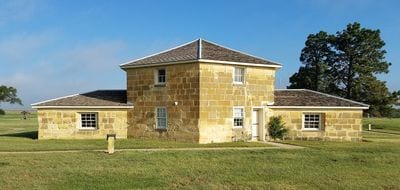
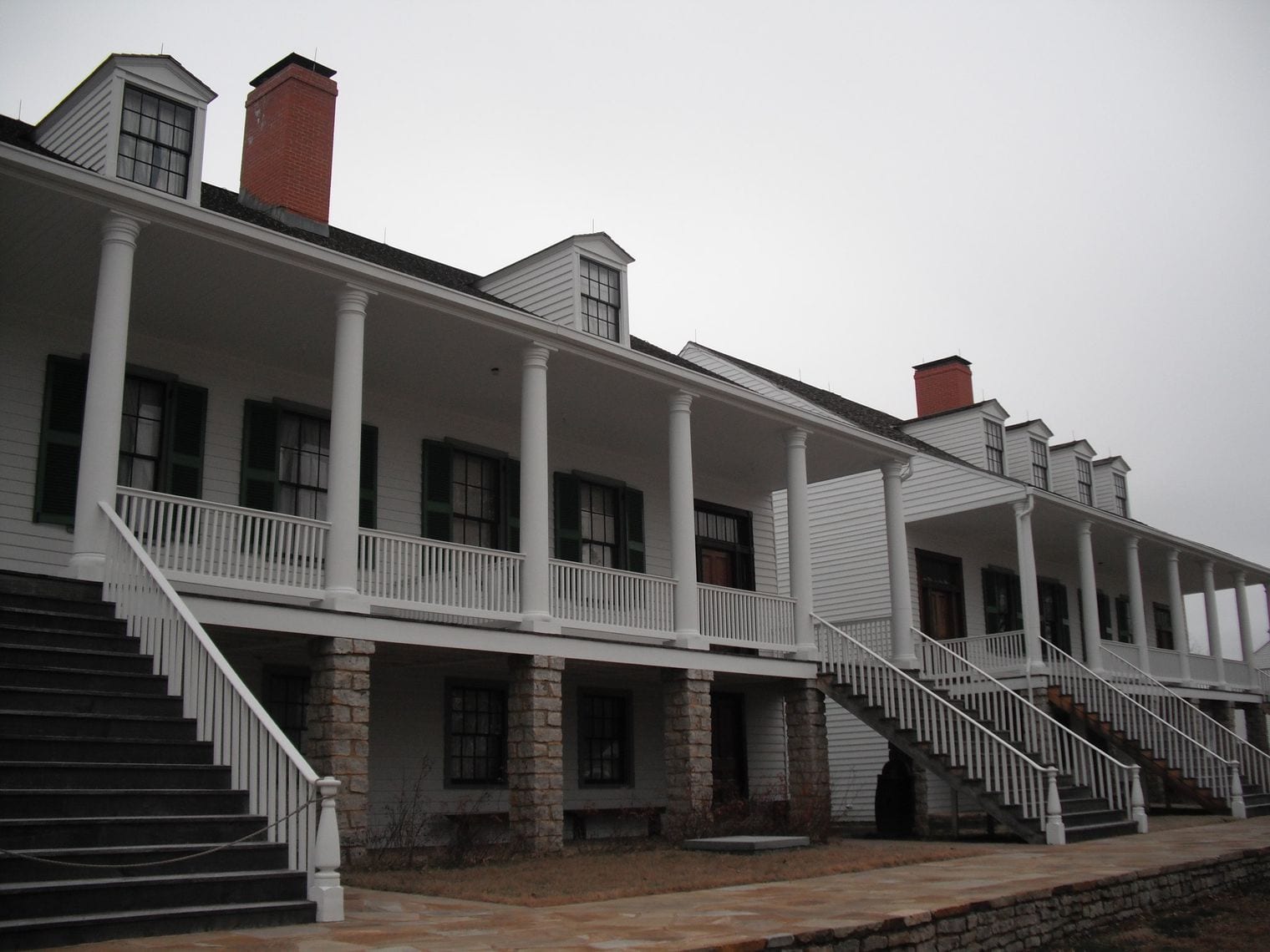
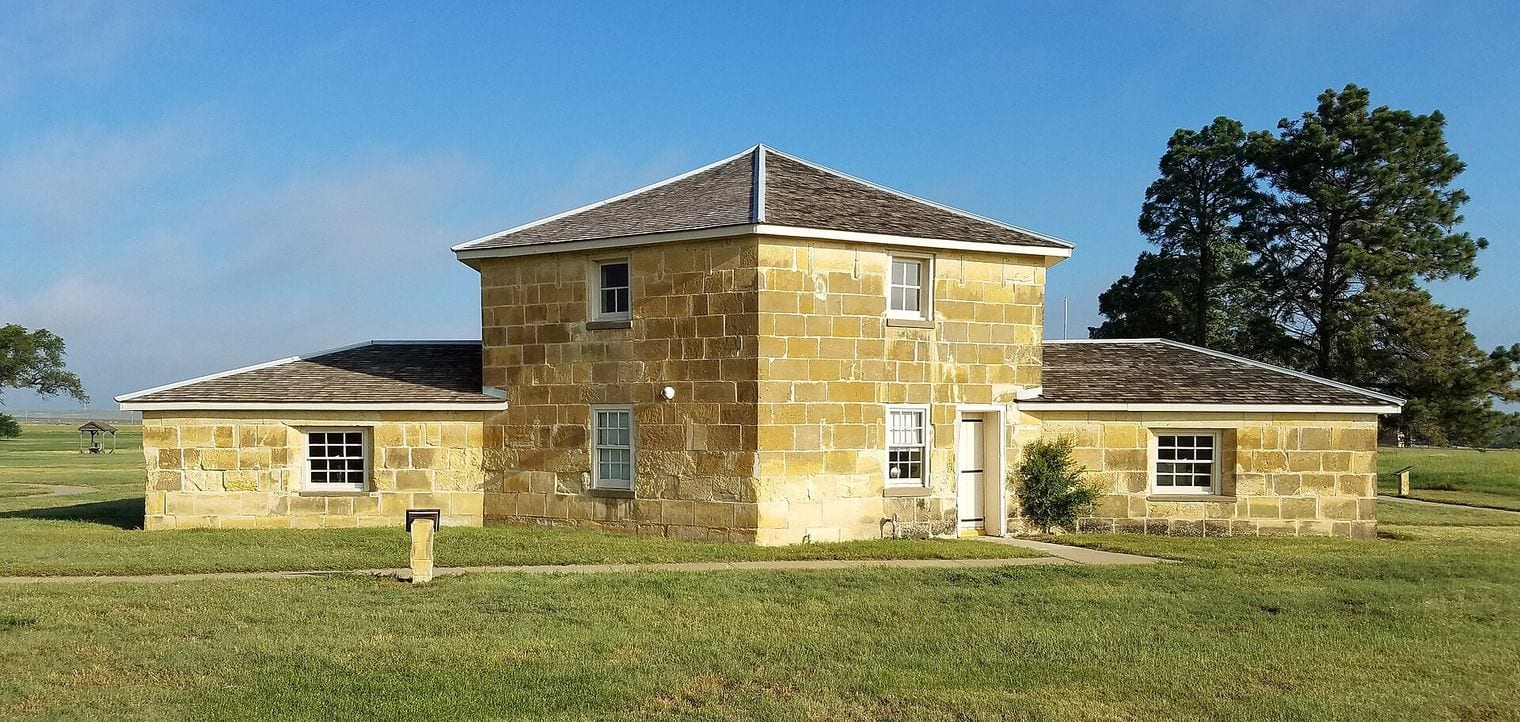
Fort Scott grew up around an Army post founded in 1842 on what was then the edge of settlement, and the Fort Scott National Historic Site preserves it in the middle of town: 20 historic structures around a parade ground, plus five acres of restored tallgrass prairie. Its story runs from the frontier army through Bleeding Kansas to the Civil War, when the fort served as a Union district headquarters and supply depot.
The photographer and filmmaker Gordon Parks was born here in 1912 and is buried in the town's Evergreen Cemetery, and the Gordon Parks Museum at Fort Scott Community College celebrates his photographs, films, music and writing. The Lowell Milken Center for Unsung Heroes tells the stories of little-known figures from history, the Fort Scott National Cemetery is one of three national cemeteries in Kansas, and Victorian-era buildings line the downtown streets.
Dodge City, a regional hub of about 28,000, still trades on its years as the Queen of the Cowtowns, when Texas cattle drives ended at its railroad and lawmen such as Wyatt Earp kept an uneasy peace.
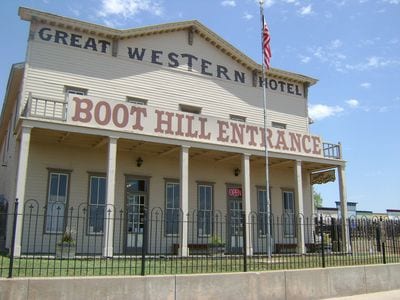
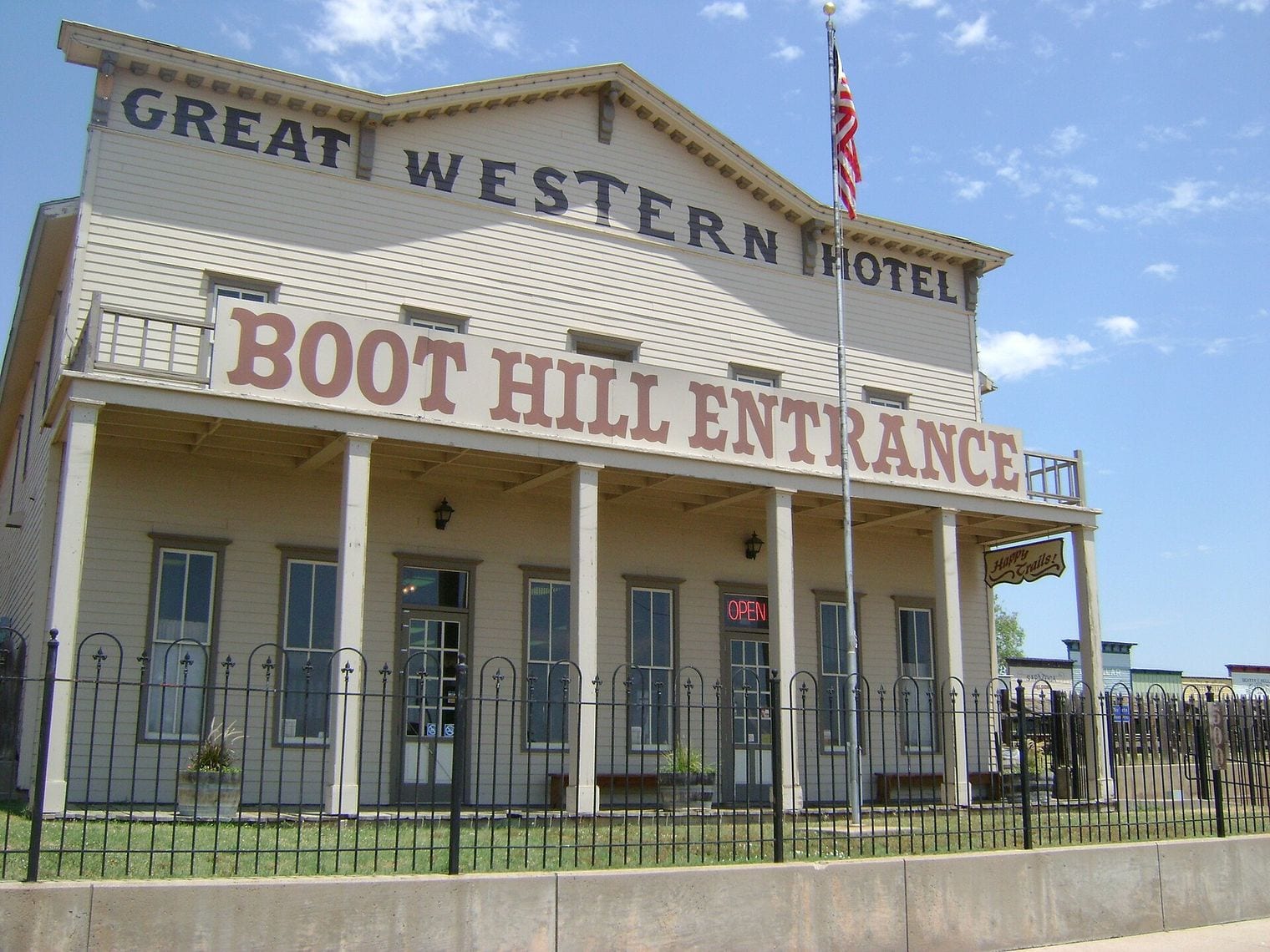
The Boot Hill Museum brings that era back with a reconstructed Front Street of the late 1870s, a row of shops on a covered boardwalk filled with original artifacts and more than 200 original guns, plus variety shows in its Long Branch Saloon and the Kansas Cowboy Hall of Fame.
Around town, a bronze statue of Earp and El Capitan, a life-size bronze longhorn, recall the trail-drive days, and the Santa Fe Depot is the largest surviving train depot in Kansas. About nine miles west on US-50, the Santa Fe Trail Remains preserve a two-mile stretch of clearly visible wagon ruts, a National Historic Landmark since 1963. Each summer, Dodge City Days brings a rodeo, a parade and concerts.
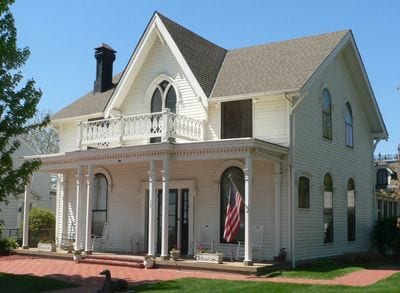
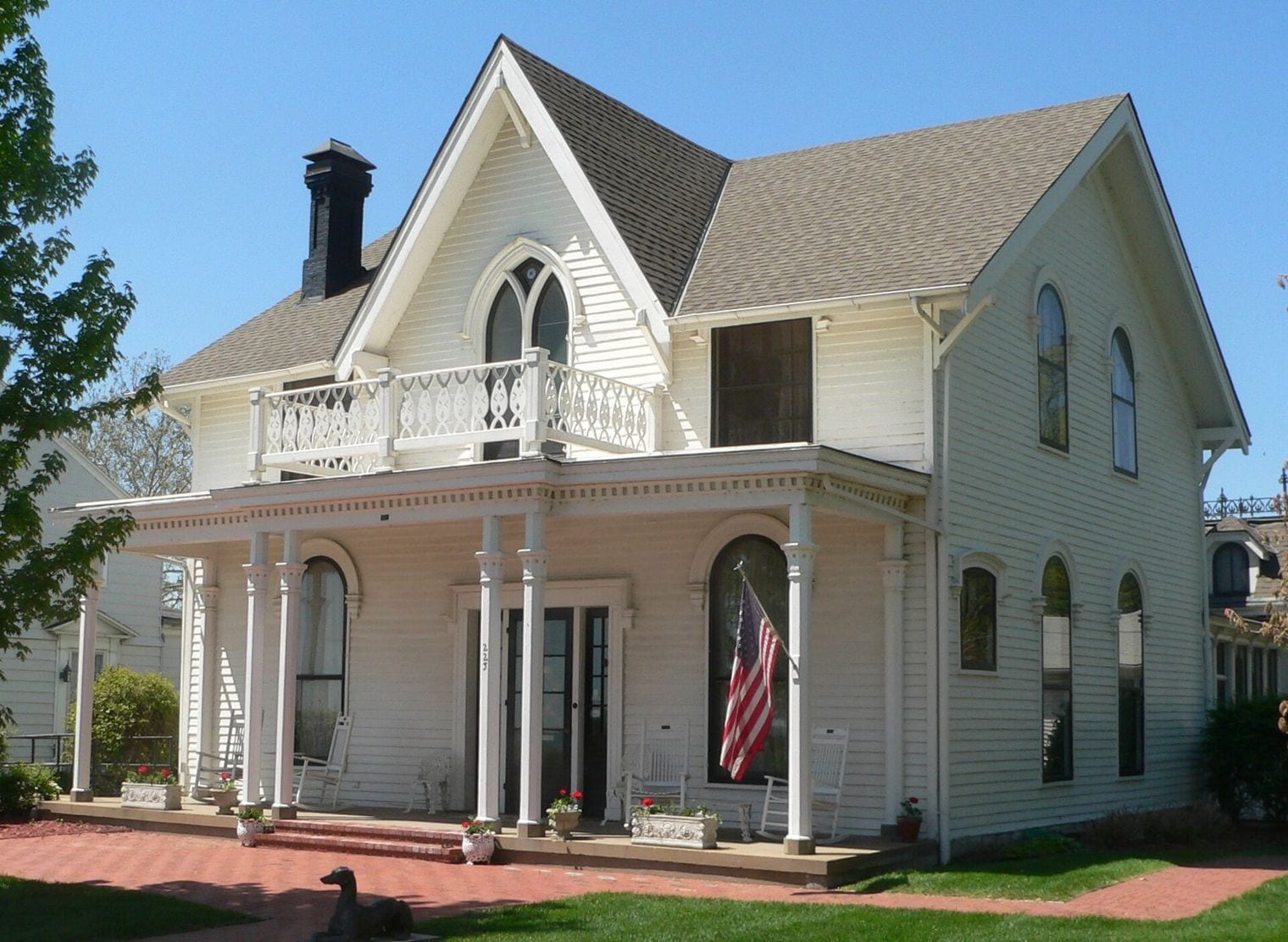
Atchison sits on the west bank of the Missouri River, a railroad town that was the original eastern terminus of the Atchison, Topeka and Santa Fe Railway. Amelia Earhart was born here in 1897 in her grandfather's 1861 Gothic Revival house on a bluff above the river, now the Amelia Earhart Birthplace Museum, and the Amelia Earhart Hangar Museum at the airport is built around a restored Lockheed Electra 10-E, the same model she flew on her final flight.
Beside Lake Warnock, the International Forest of Friendship, started in 1976 with the Ninety-Nines, an organization of women pilots, honors aviation and space pioneers with trees representing all 50 states and a sycamore grown from a seed carried to the Moon on Apollo 14. Benedictine College and St. Benedict's Abbey give the town a quiet monastic side, while the reportedly haunted Sallie House feeds its taste for ghost stories.
Wamego, a Kaw Valley town of about 4,800, has embraced The Wizard of Oz with gusto. The Oz Museum, opened in 2004, displays more than 25,000 Oz artifacts, a cluster of Oz-themed businesses has grown up around it, and on the first weekend of October the town throws OZtoberFest, a street festival with an Oz twist.
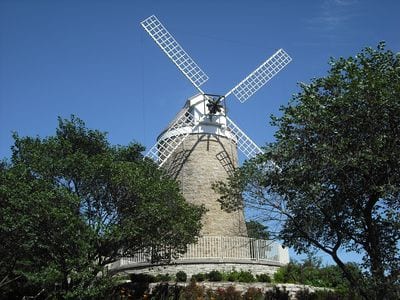
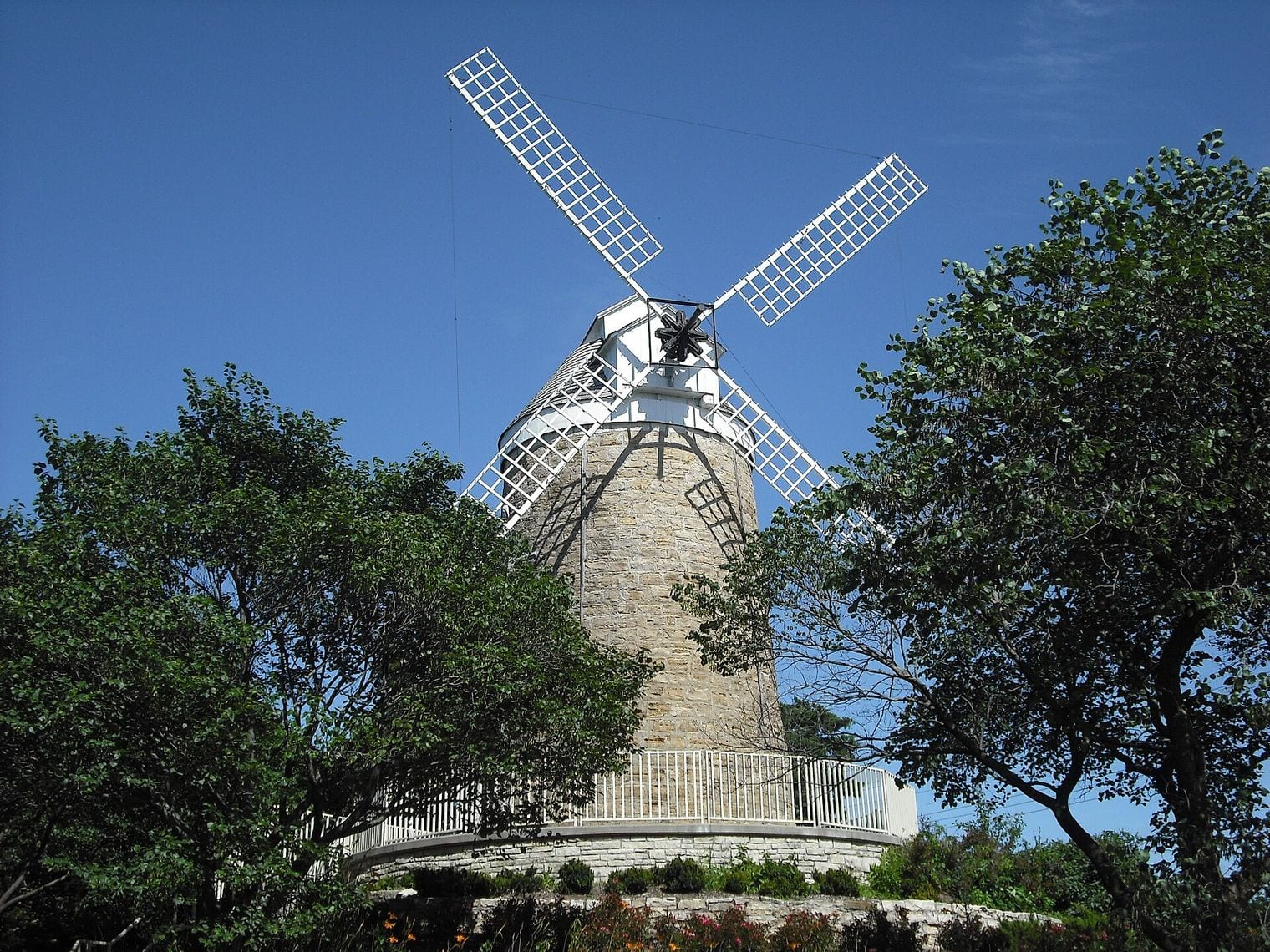
The Columbian Theatre, founded in 1893, stages live shows and displays rare paintings from that year's Chicago World's Fair. City Park holds the Dutch Mill, a stone windmill built in 1879, along with the Wamego Historical Museum and Prairie Town Village, a collection of 19th-century buildings. The Kansas River runs along the south edge of town, and Manhattan is about 14 miles west.
Leavenworth is no village, with about 37,000 people, but its history goes back further than almost anywhere in Kansas. Founded in 1854, it was the first city incorporated in Kansas Territory, and it grew up beside Fort Leavenworth, established in 1827 as Cantonment Leavenworth and the oldest permanent settlement in the state.
The Edward Carroll House, a Victorian mansion run by the county historical society, is open for tours, and the C. W. Parker Carousel Museum celebrates the carousels of the self-styled Amusement King.
Fort Leavenworth is still an active Army post, so visitors need photo ID and a background check at the visitor center before heading to the Frontier Army Museum and the historic grounds. The fort is where the all-Black 10th Cavalry Regiment, one of the original Buffalo Soldier regiments, was formed in 1866.
Hays is the largest city in north-west Kansas, a college town of about 21,000 that grew up beside a frontier fort. In its rowdy early years George Armstrong Custer, Calamity Jane and Buffalo Bill Cody all lived here, and Wild Bill Hickok served a brief term as sheriff in 1869. The Fort Hays State Historic Site preserves part of the post that guarded travelers on the Smoky Hill Trail from 1865 to 1889.
The star attraction is the Sternberg Museum of Natural History at Fort Hays State University, home of the famous fish-within-a-fish, a giant Xiphactinus fossil with a smaller fish preserved inside its ribcage, and an interactive diorama of life in the Cretaceous sea that once covered Kansas. Downtown, the historic Chestnut Street District makes for an easy stroll.
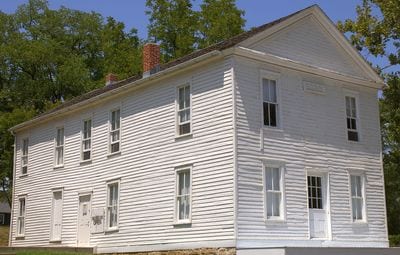
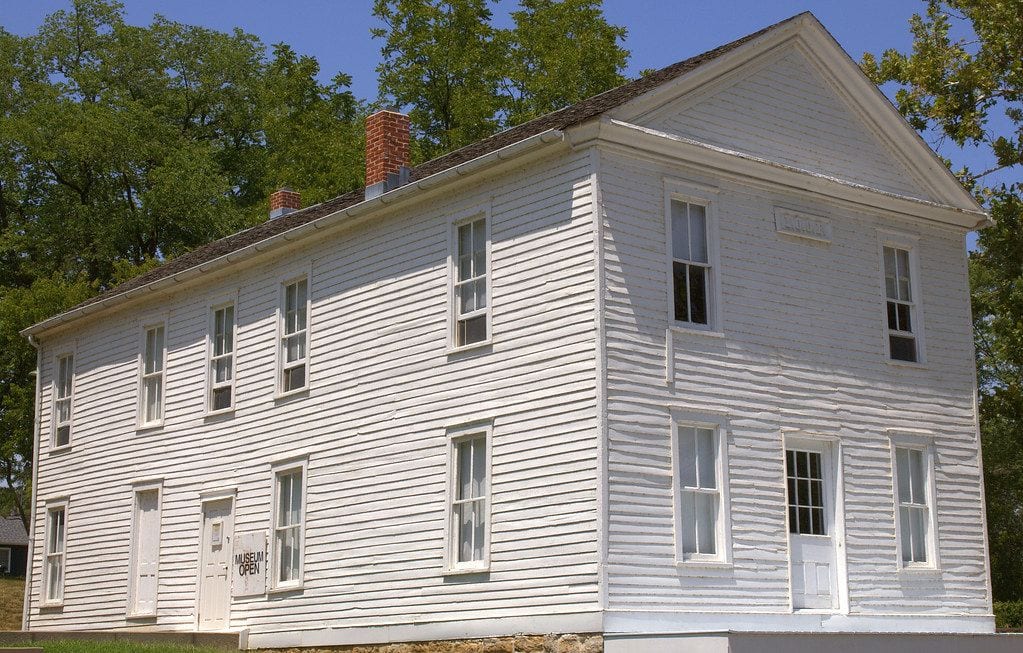
Tiny Lecompton, a town of fewer than 600 on the Kansas River, was the territorial capital of Kansas from 1855 to 1861 and a flashpoint of the Bleeding Kansas crisis over slavery. In late 1857 a convention met in Constitution Hall and drafted the pro-slavery Lecompton Constitution, which never took effect; the building is now the Constitution Hall State Historic Site.
The Territorial Capital Museum fills the old Lane University building, raised in 1882 on foundations laid for a territorial capitol that was never finished. David Eisenhower and Ida Stover, the parents of the future president, met there as students and married in its chapel in 1885. Lecompton is an easy side trip from Lawrence or Topeka.
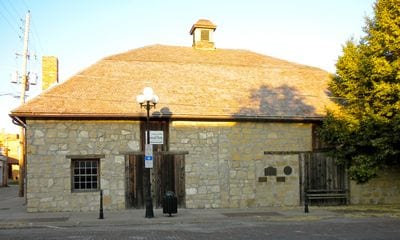
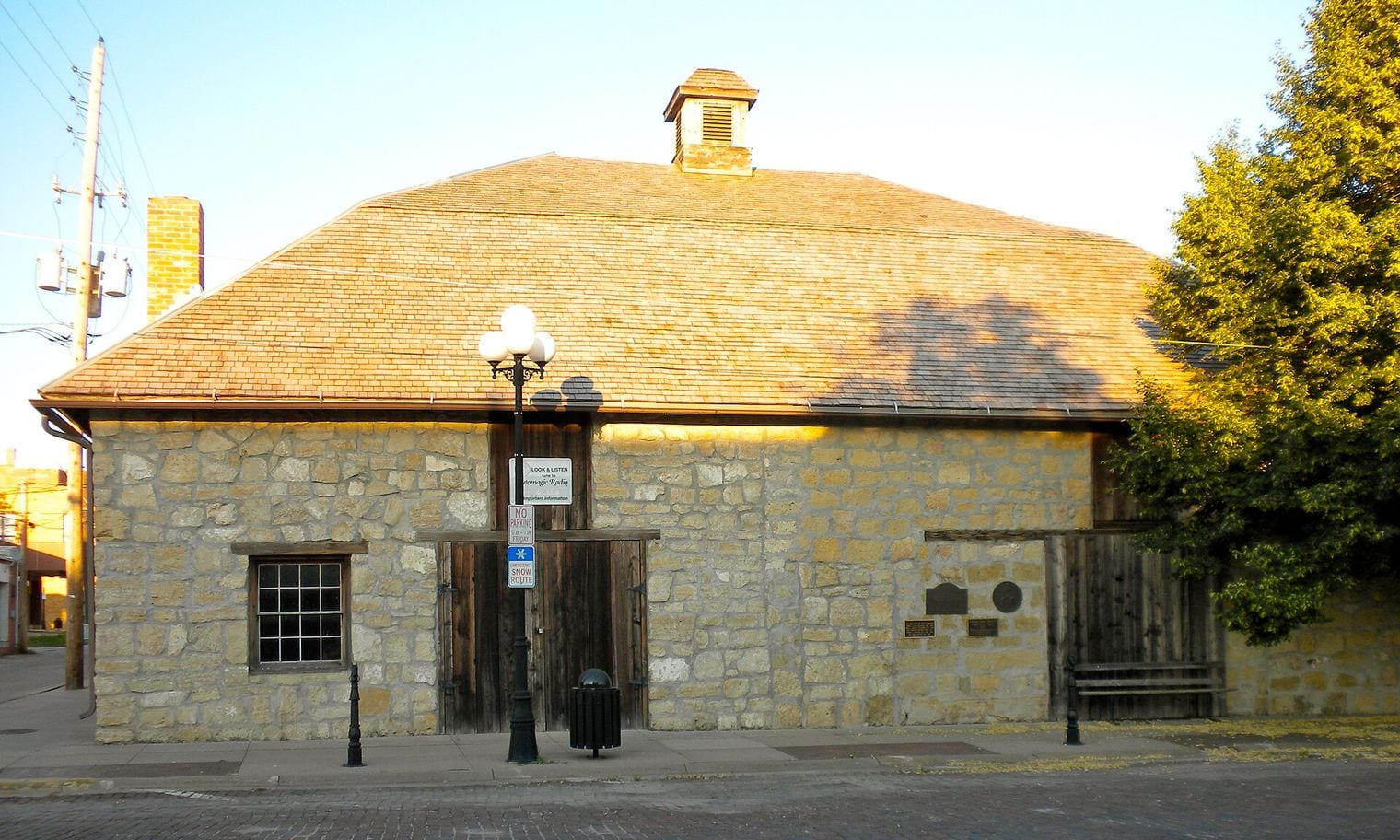
Marysville stood on both the Oregon Trail and the route of the Pony Express, and it still has the proof. The Pony Express Barn, a native limestone stable built in 1859 and leased to the Pony Express in 1860, now houses a museum and is billed as the only Pony Express home station still standing on its original site.
When the explorer Richard Francis Burton passed through in 1860, he described a town that 'thrives by selling whiskey to ruffians of all descriptions.'
The town's other claim to fame is smaller and furrier: Marysville calls itself the Black Squirrel City, after a colony of all-black squirrels said to descend from escapees from a traveling circus. Keep an eye out for them around this county seat of about 3,400, which lies near the Nebraska line about 75 miles north-west of Topeka.
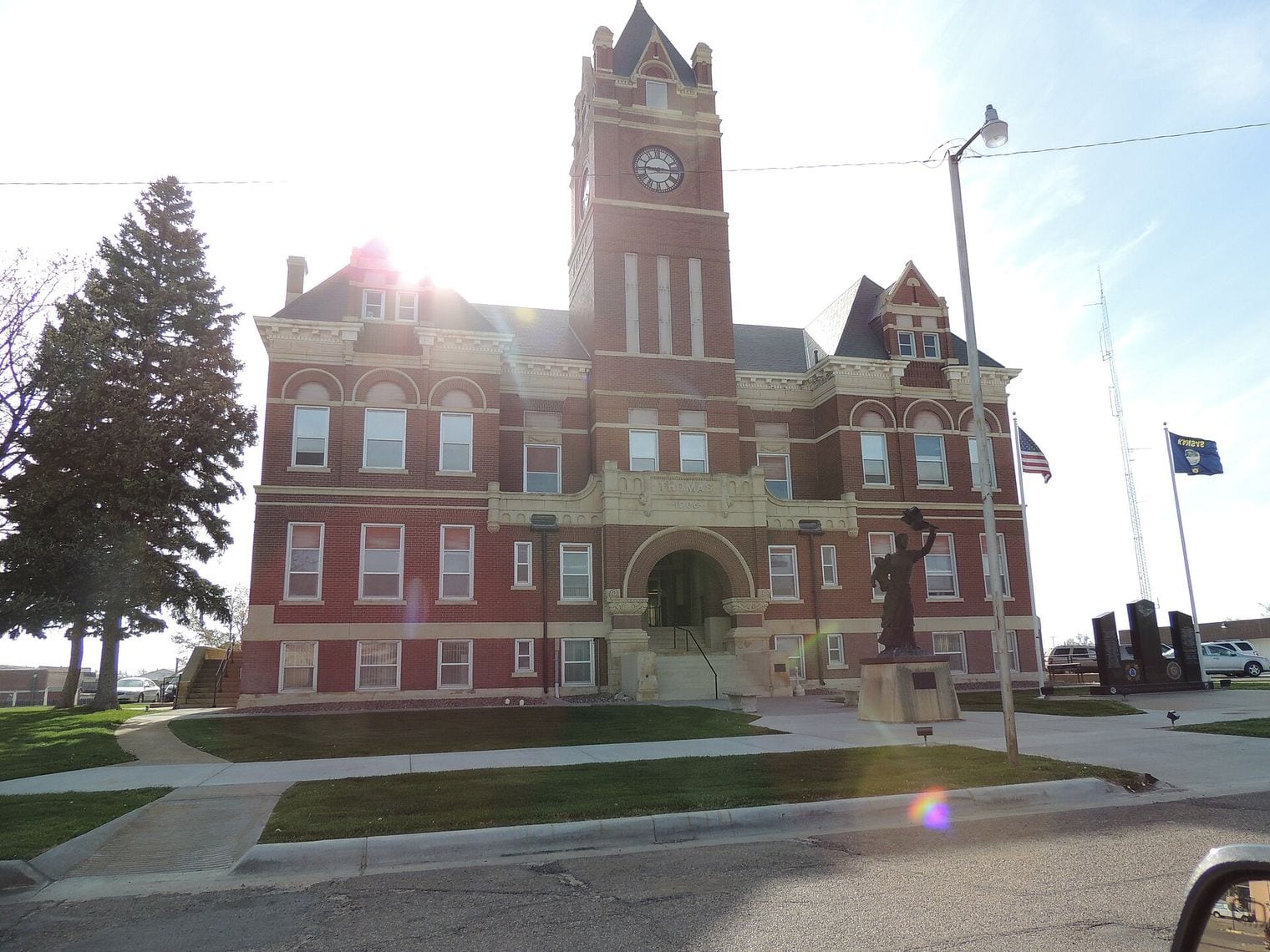
Colby is the High Plains crossroads of north-west Kansas, a Thomas County seat of about 5,600 on Interstate 70, founded in 1885 and a welcome stop on the long drive between Kansas City and Denver. The 1907 Thomas County Courthouse and the art deco City Hall of 1920 lend a little grandeur to its streets.
Its pride is the Prairie Museum of Art and History, a 24-acre complex run by the Thomas County Historical Society, where the Cooper Barn, billed as the largest barn in Kansas, stands beside the museum's art and local history collections. Colby also makes a natural overnight stop for the north-west corner, with Goodland and its Big Easel about 35 miles west.
Coffeyville, a town of about 8,800 near the Oklahoma line, is the place that stopped the Dalton Gang. On October 5, 1892, the gang tried to rob two banks across the street from each other at once; townspeople saw through their fake beards, and in the shootout that followed four of the outlaws were killed along with four defenders, while Emmett Dalton survived his wounds and went to prison.
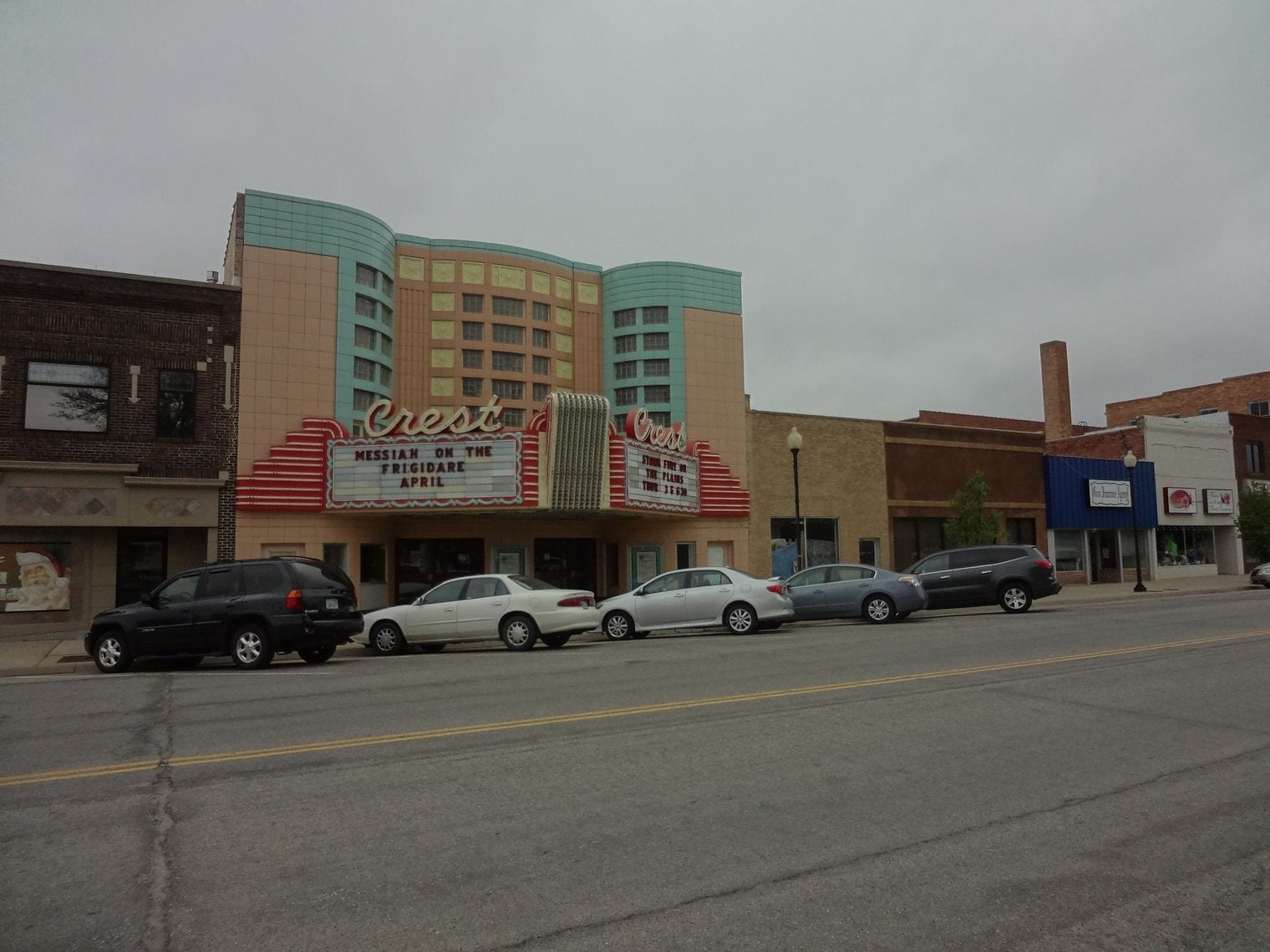
The Dalton Defenders Museum, opened in 1963 and now facing the bank the gang tried to rob, tells the story alongside rooms on local industry and baseball great Walter Johnson. Nearby, Death Alley marks where the gang tied their horses and where they fell, and the early-1900s Brown Mansion and the 1928 Midland Theater recall the boom years when natural gas and clay made Coffeyville a center of glass and brick making.
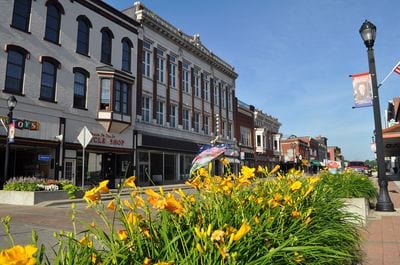
Salina is the biggest place on this list, a regional hub of about 47,000 at the junction of I-70 and I-135, yet its downtown along Santa Fe Avenue keeps a small-town pace. The city-run Smoky Hill Museum covers local history and agriculture, and every June the Smoky Hill River Festival fills downtown with music, art and crafts for several days.
A few miles west of town, the Rolling Hills Zoo pairs more than 100 animal species with a large wildlife museum. Salina also makes a natural base for the Smoky Hills, with Lindsborg about 20 miles south and Abilene about 27 miles east.
Free printable checklist of all 35 places
Tick them off as you go. Confirm your email to download it, plus one email every Thursday with new guides for the places you tick.
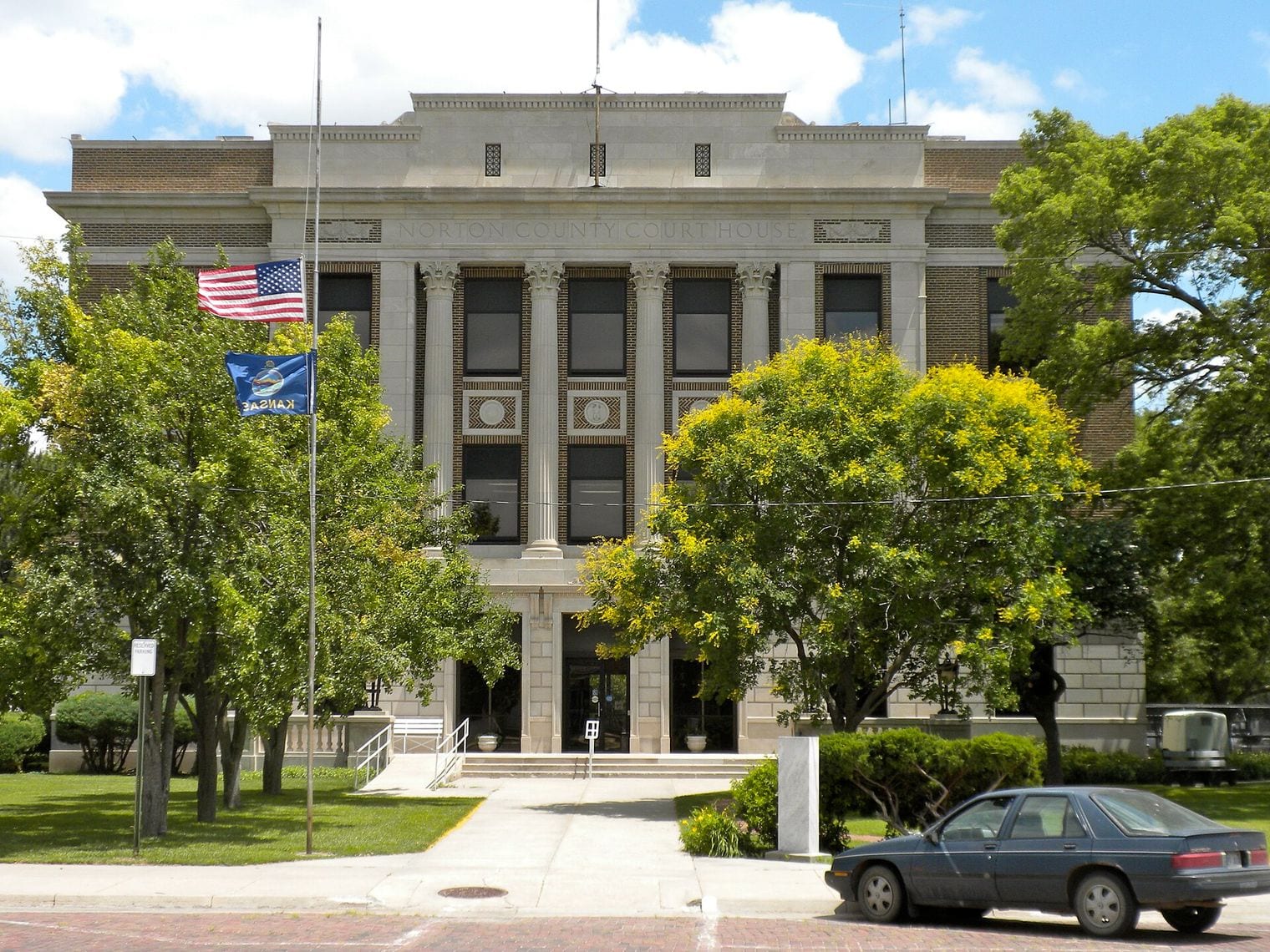
Norton is a quiet county seat of about 2,700 in north-west Kansas, 11 miles south of the Nebraska line, with an unusual claim to fame. Since 1965, the They Also Ran Gallery on the mezzanine of a downtown bank has displayed portraits and short biographies of the candidates who ran for president and lost, a collection started by a local banker.
Four miles west, Prairie Dog State Park sits on the north shore of Keith Sebelius Lake, with a prairie dog town, a nature trail, a swimming beach and two survivors of the homestead era: an adobe house built in the 1890s and an 1886 one-room schoolhouse.
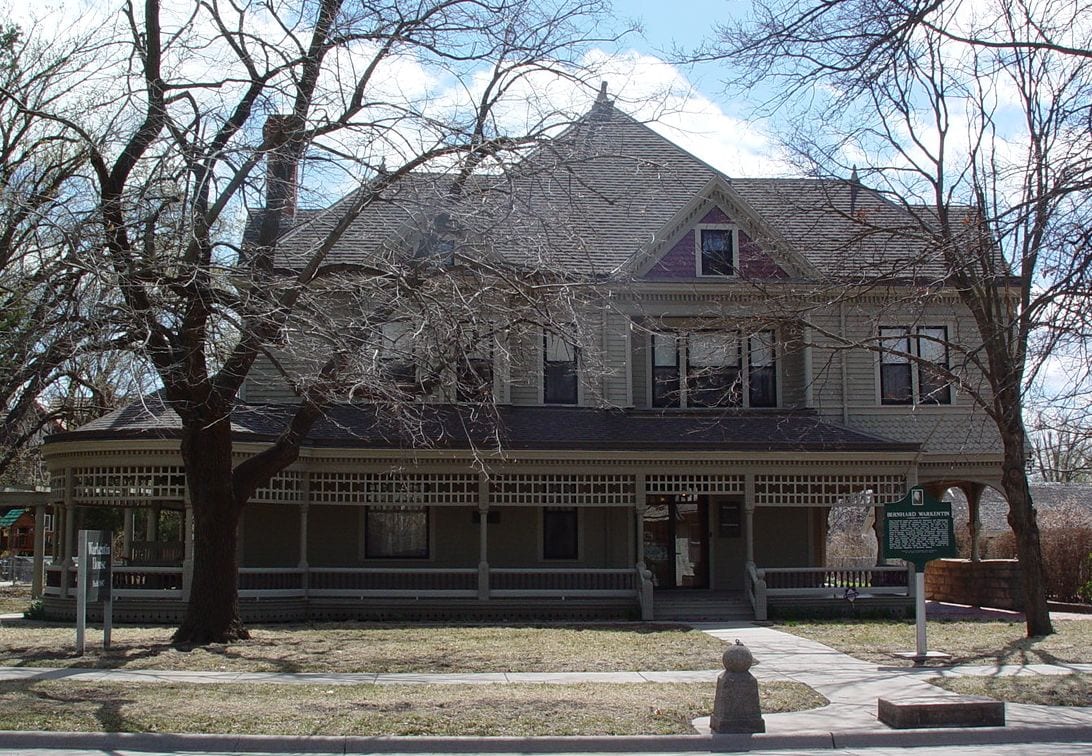
Newton, a railroad city of about 18,600 and the Harvey County seat, is where a turning point in Kansas farming began. Mennonite immigrants brought Turkey Red hard winter wheat to the area in 1874, encouraged by Bernhard Warkentin, a local miller, and the hardy grain went on to help make Kansas a great wheat state. Warkentin's Victorian home, the Warkentin House, built in 1886 and 1887, keeps about 80 percent of its original furnishings.
Next door in North Newton, the Kauffman Museum at Bethel College traces the Mennonites' journey to the plains alongside exhibits on prairie wildlife, and the Harvey County Historical Museum covers the rest of the county's story. Newton is also a stop on Amtrak's Southwest Chief between Chicago and Los Angeles, and Wichita is about 25 miles south.
Emporia, a college city of about 24,000 on the eastern edge of the Flint Hills, was home to William Allen White, the Progressive journalist who lived at Red Rocks from 1899 until his death in 1944. His house is now the Red Rocks State Historic Site and a National Historic Landmark, and Emporia State University's campus holds the National Teachers Hall of Fame, which inducts outstanding classroom teachers from across the country each year.
Each late spring, thousands of cyclists descend on the town for Unbound Gravel, a race on the gravel back roads of the Flint Hills with distances from 25 to 350 miles, starting and finishing in Emporia. The rest of the year, the open hills to the west make it a good base for exploring the tallgrass prairie.
Ottawa straddles the Marais des Cygnes River about an hour south-west of Kansas City, a Franklin County seat of about 12,600 and home to Ottawa University. The Old Depot Museum tells the story of the town and county, and the river that runs through the middle of town has shaped its history, flooding it repeatedly before the Great Flood of 1951.
Ottawa is also the northern trailhead of the Prairie Spirit Trail, a 50-mile rail trail on the old Leavenworth, Lawrence and Galveston Railroad line that runs south through Garnett to Iola. It is paved inside the towns and surfaced with crushed limestone across the farmland in between, and it is open year-round to walkers, runners and cyclists.
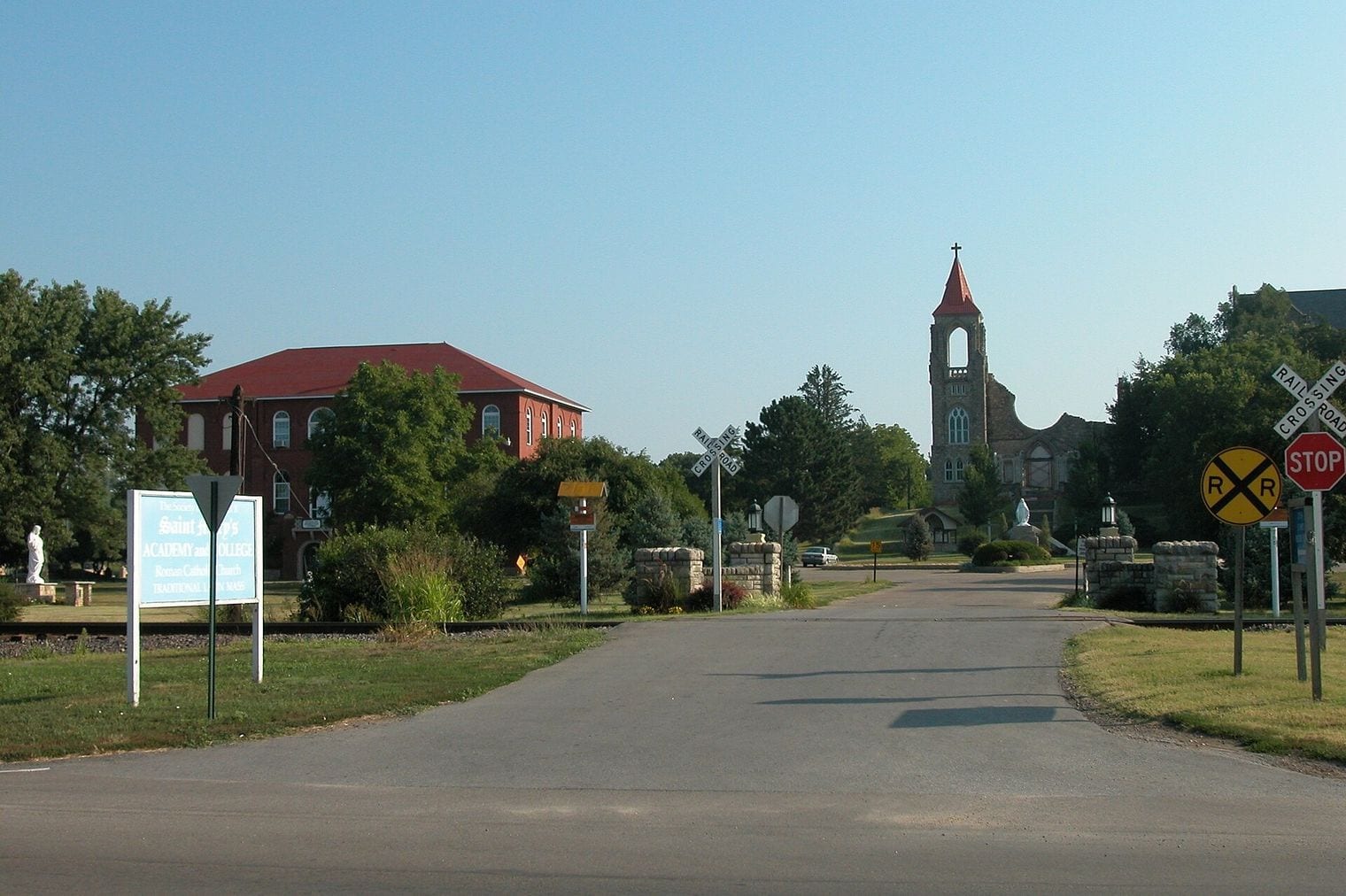
St. Marys, a Kaw Valley town of about 2,800 on US-24 some 20 miles west of Topeka, grew up around St. Mary's Mission, a Jesuit mission to the Potawatomi founded in the late 1840s along the Oregon Trail. The oldest surviving mission building, the 1855 Pottawatomie Indian Pay Station, where government agents paid annuities to Potawatomi people relocated from the Great Lakes, still stands.
Today the skyline belongs to the Immaculata, a vast church built by the Society of St. Pius X and consecrated in 2023; with seating for about 1,580, it is one of the largest churches in Kansas. St. Marys makes an easy stop on a Kaw Valley drive between Topeka and Wamego.
Galena, in the far south-east corner of Kansas, boomed after lead was discovered here in 1877 and took its name from the lead ore. It was part of the Tri-State Mining District until the mines closed, and the Galena Mining and Historical Museum, in an old Katy railroad depot moved to the site, tells the story with mining, school and Route 66 memorabilia.
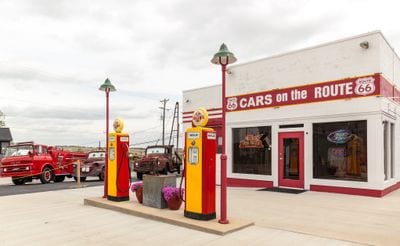
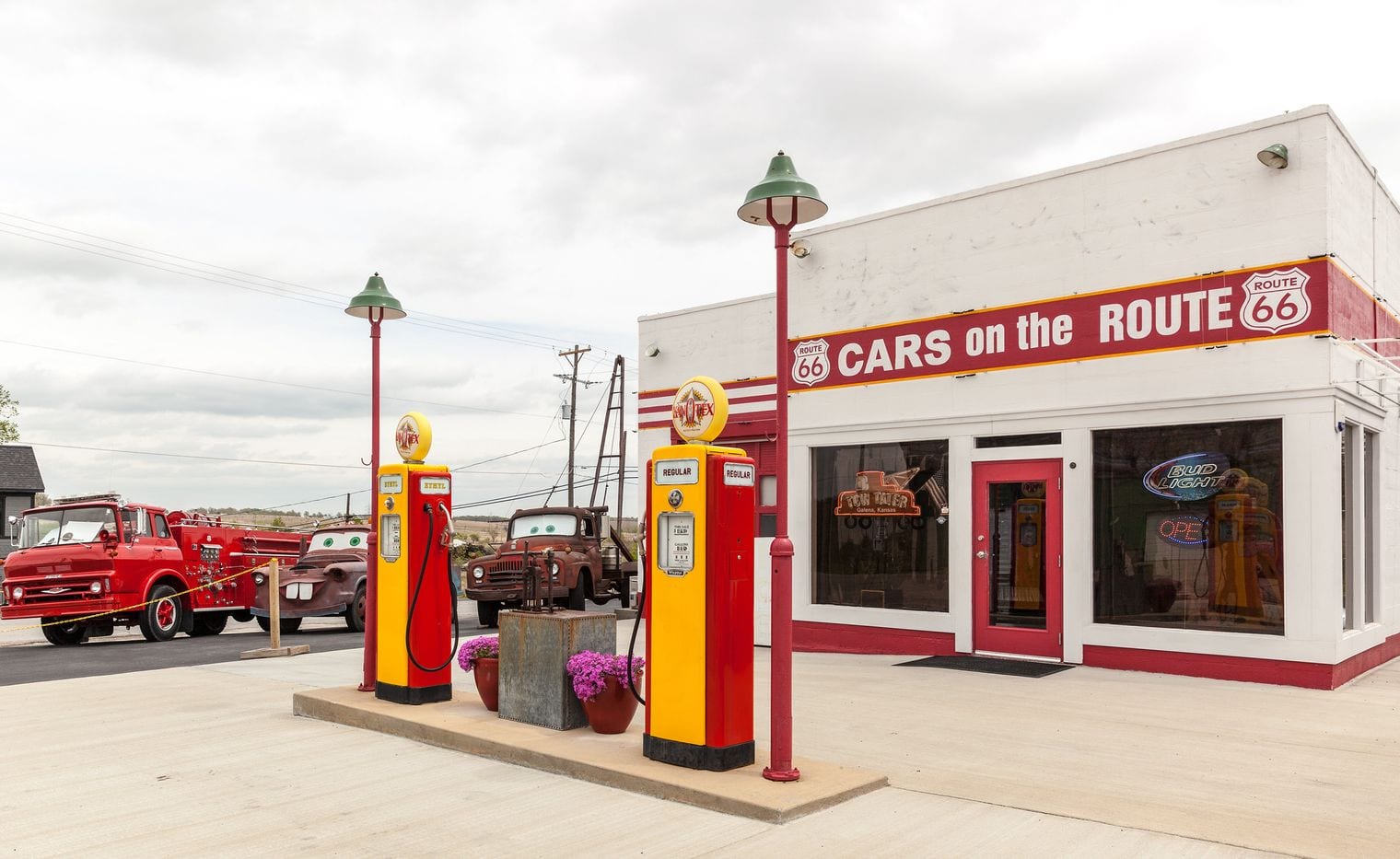
Kansas has only about 13 miles of Route 66, and Galena is where it enters from Missouri. On Main Street, Cars on the Route occupies a restored Kan-O-Tex service station, where a rusted International Harvester tow truck is said to have inspired Mater in Pixar's Cars. From here the old road heads west to Riverton and south to Baxter Springs.
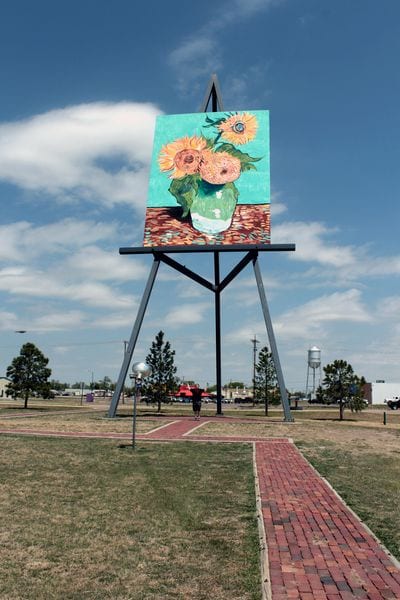
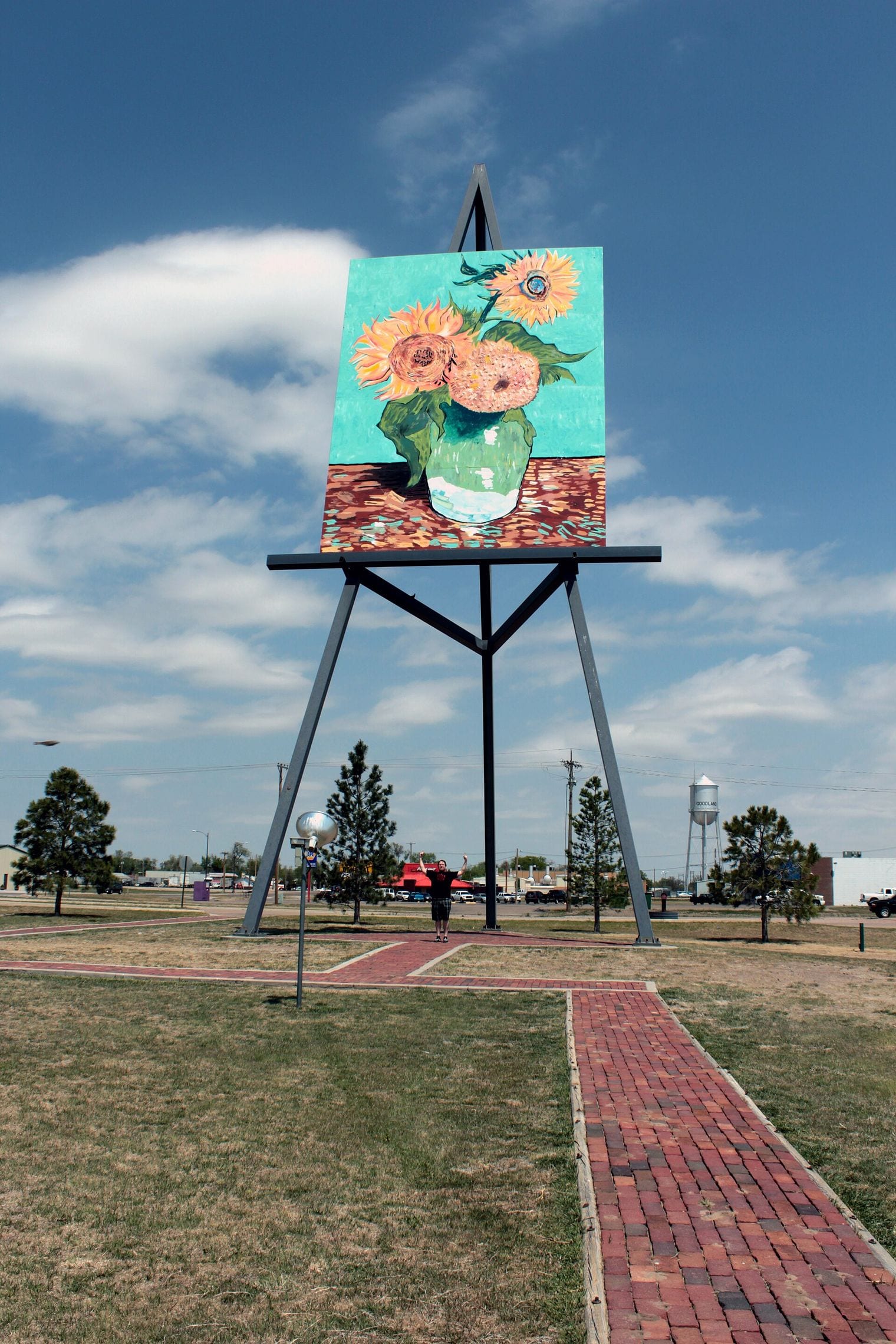
Goodland sits on the High Plains about 17 miles from the Colorado line, and like the rest of Sherman County it runs on Mountain Time, an hour behind most of Kansas. Its landmark is the Big Easel, an 80-foot steel easel holding a 24-by-32-foot reproduction of one of Vincent van Gogh's sunflower paintings, put up in 2001 by artist Cameron Cross.
The city's High Plains Museum displays a replica of an early powered helicopter built in Goodland, a commercial failure that still makes a fine story. The town itself won a bitter county-seat fight in the 1880s, which ended with an armed party from Goodland seizing the county records from rival Eustis in 1888.
Great Bend takes its name from its spot on the great bend of the Arkansas River, where the Santa Fe Trail once passed and where the town grew into a rowdy railroad cowtown in the 1870s. Today it is a county seat of about 14,700 and the gateway to Cheyenne Bottoms, about 41,000 acres of marsh some six miles north-east of town and the largest wetland in the interior United States.
Millions of migrating birds stop at the Bottoms each year, and the Kansas Wetlands Education Center explains what you are seeing. Nearby Quivira National Wildlife Refuge protects rare inland salt marshes, and the two were jointly named one of the 8 Wonders of Kansas in 2008.
Back in town, the Barton County Historical Museum and the Great Bend Zoo fill an afternoon, and Fort Larned National Historic Site, an Army post that guarded the Santa Fe Trail, is about half an hour south-west.
Iola, an Allen County seat of about 5,400 on the Neosho River, is built around a broad courthouse square, where the 1958 courthouse sits on landscaped grounds and the old 1904 courthouse clock stands on the lawn. The Allen County Historical Society runs several museums nearby, including the Old Jail Museum, a native limestone lockup built in 1869 and used until 1958.
Another is the boyhood home of Frederick Funston, the Medal of Honor general remembered as the man who saved San Francisco after the 1906 earthquake. Iola is also the southern end of the Prairie Spirit Trail, so you can ride north toward Garnett and Ottawa on the old railroad grade.
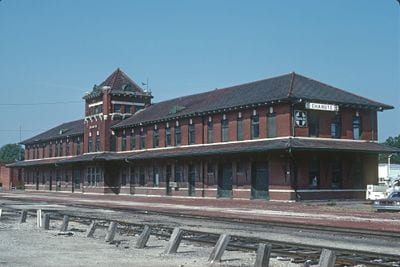
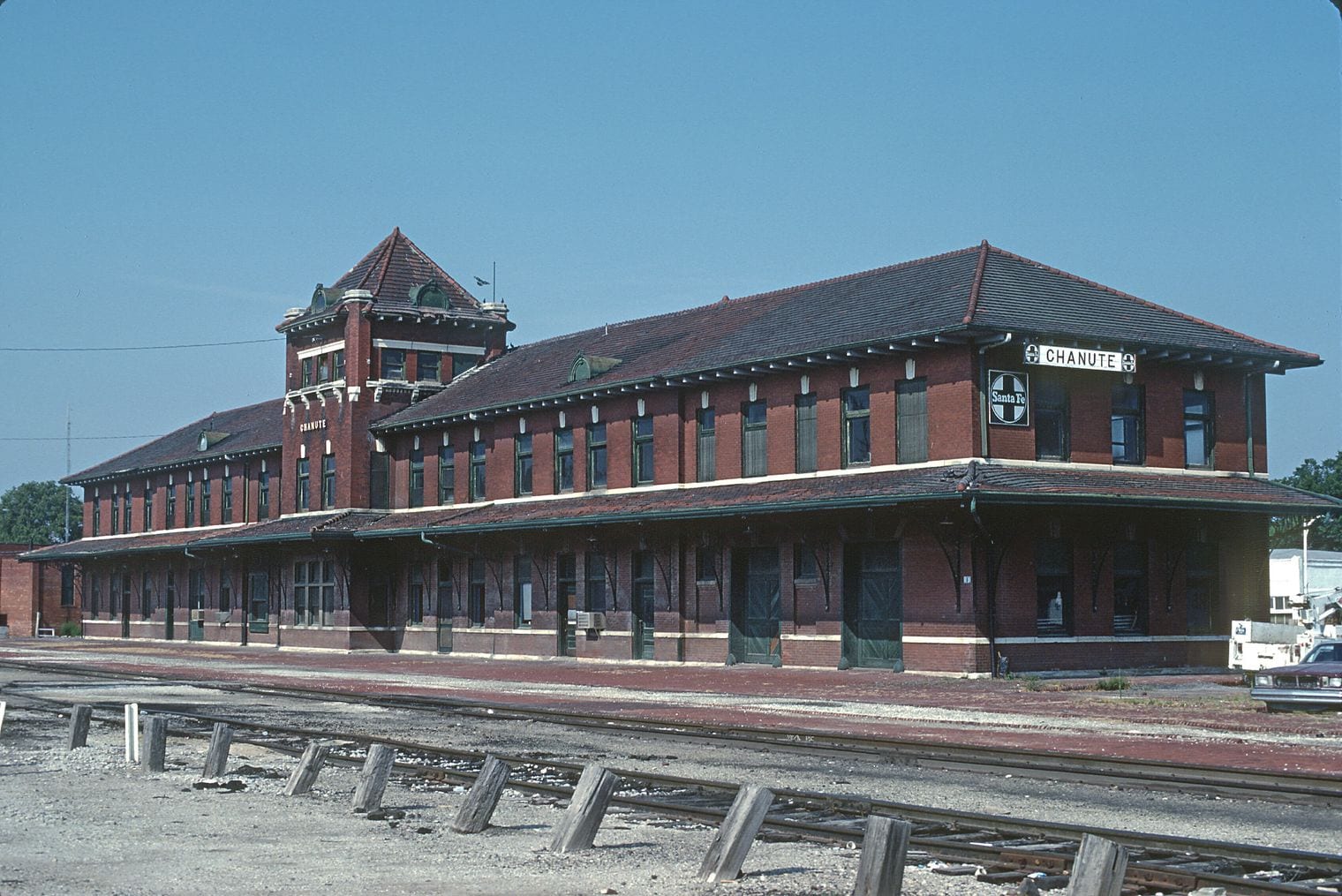
Chanute was born on January 1, 1873, when four rival railroad settlements merged at the suggestion of Octave Chanute, the railroad's chief engineer, and took his name. Chanute later became a pioneer of aviation and an adviser to the Wright brothers, and the town that bears his name is now home to about 8,700 people.
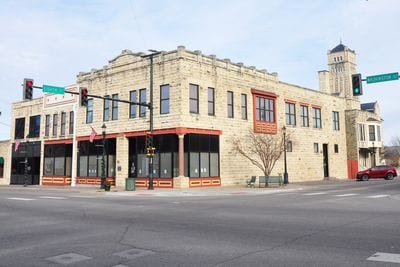
Its standout is the Martin and Osa Johnson Safari Museum, in the hometown of Osa Johnson, who with her husband Martin filmed and photographed the wildlife and peoples of Africa, Borneo and the South Seas between 1917 and 1936; the couple learned to fly at the town's airport in 1932. The Chanute Historical Museum, in the Flat Iron Building near the old Santa Fe depot, covers the rest of the town's story.
Junction City sits where the Smoky Hill and Republican rivers meet to form the Kansas River, and since the 1850s it has been the neighbor of Fort Riley, a major Army post. The Geary County seat is a small city rather than a village, shaped by generations of soldiers and their families.
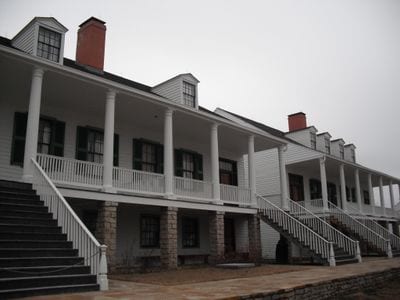
On post, the U.S. Cavalry Museum fills the fort's original 1855 hospital and traces the history of Fort Riley from its founding to the present; visitors without a military ID need a pass and a background check at the visitor control center first. North-west of town, Milford Lake, the largest man-made lake in Kansas at about 15,700 acres, draws anglers, boaters and campers.
Arkansas City, or Ark City, sits where the Walnut River meets the Arkansas just four miles north of the Oklahoma line, and on September 16, 1893, it was a main jumping-off point for the Cherokee Strip Land Run, when thousands of settlers raced south at the firing of a gun to claim land. The Cherokee Strip Land Rush Museum, founded in 1966, tells their story.
Long before that, the town's site was home to Etzanoa, a large ancestral Wichita city that flourished from about 1450 to 1700 and was visited by a Spanish expedition from New Mexico in 1601. Ark City has celebrated Arkalalah, its fall festival, since 1928, and a retired Santa Fe steam locomotive rests in Wilson Park.
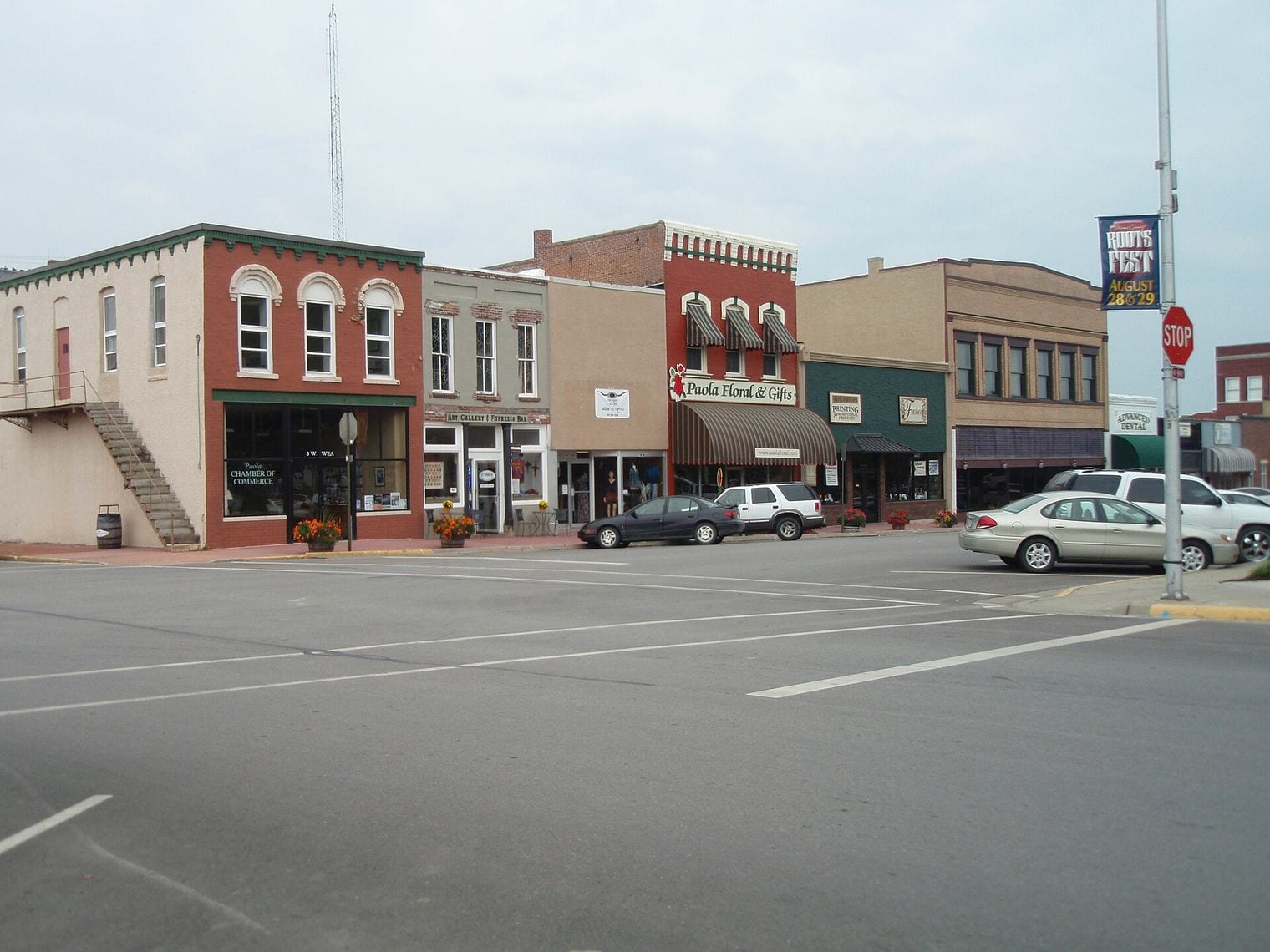
Paola, the Miami County seat south of Kansas City, is built around Park Square, a green that the town company gave to the city on condition that nothing ever be built on it. A Victorian-style gazebo from 1913 stands at its center, and the square has hosted parades and celebrations since the 1800s, when it also served as a horse-racing track.
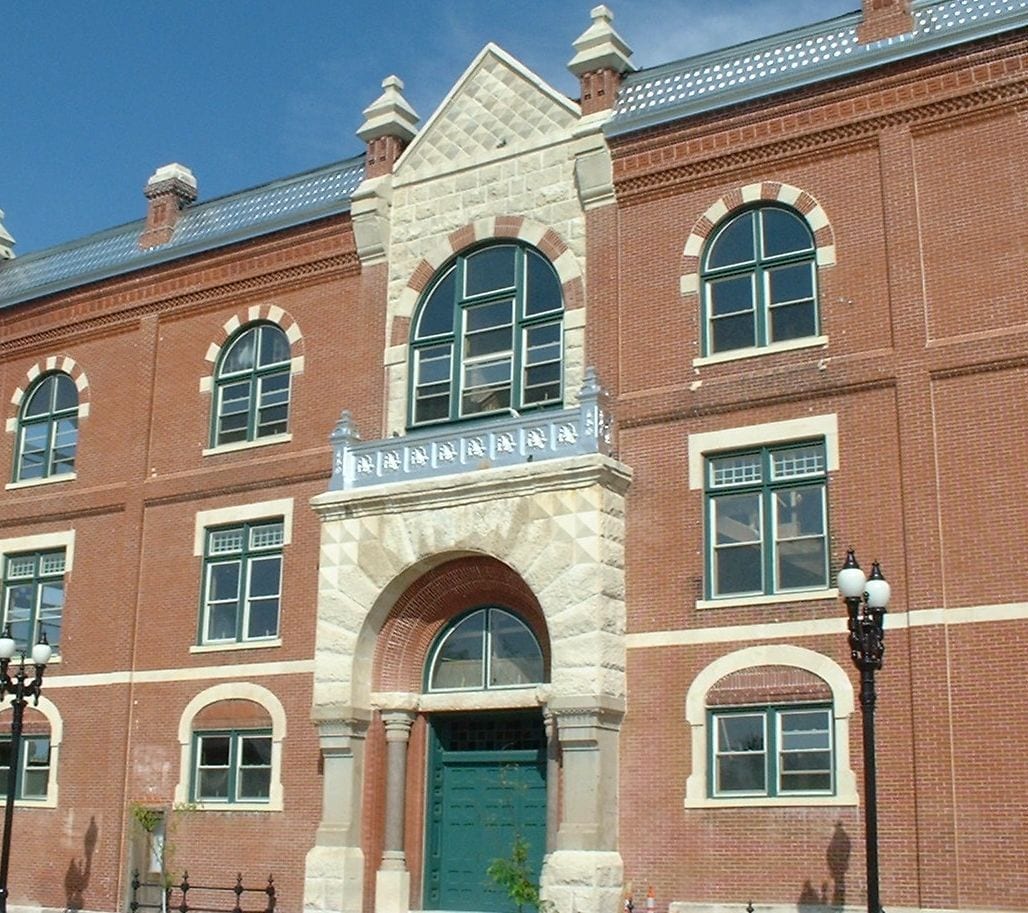
The 1898 Miami County Courthouse and the Paola Free Library, both designed by architect George Washburn, frame the streets nearby, and the town's name comes from Paola in Calabria, Italy, chosen by the Italian missionary Father Paul Ponziglione. A short drive away in Osawatomie, the John Brown Museum State Historic Site preserves the log cabin where the abolitionist stayed during his time in Kansas, and Hillsdale Lake to the north-west adds fishing and boating.
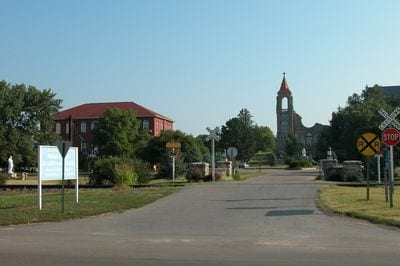
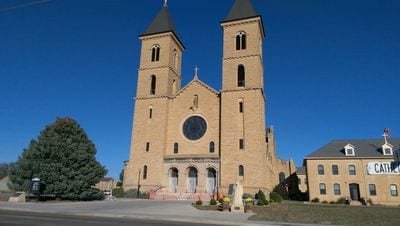
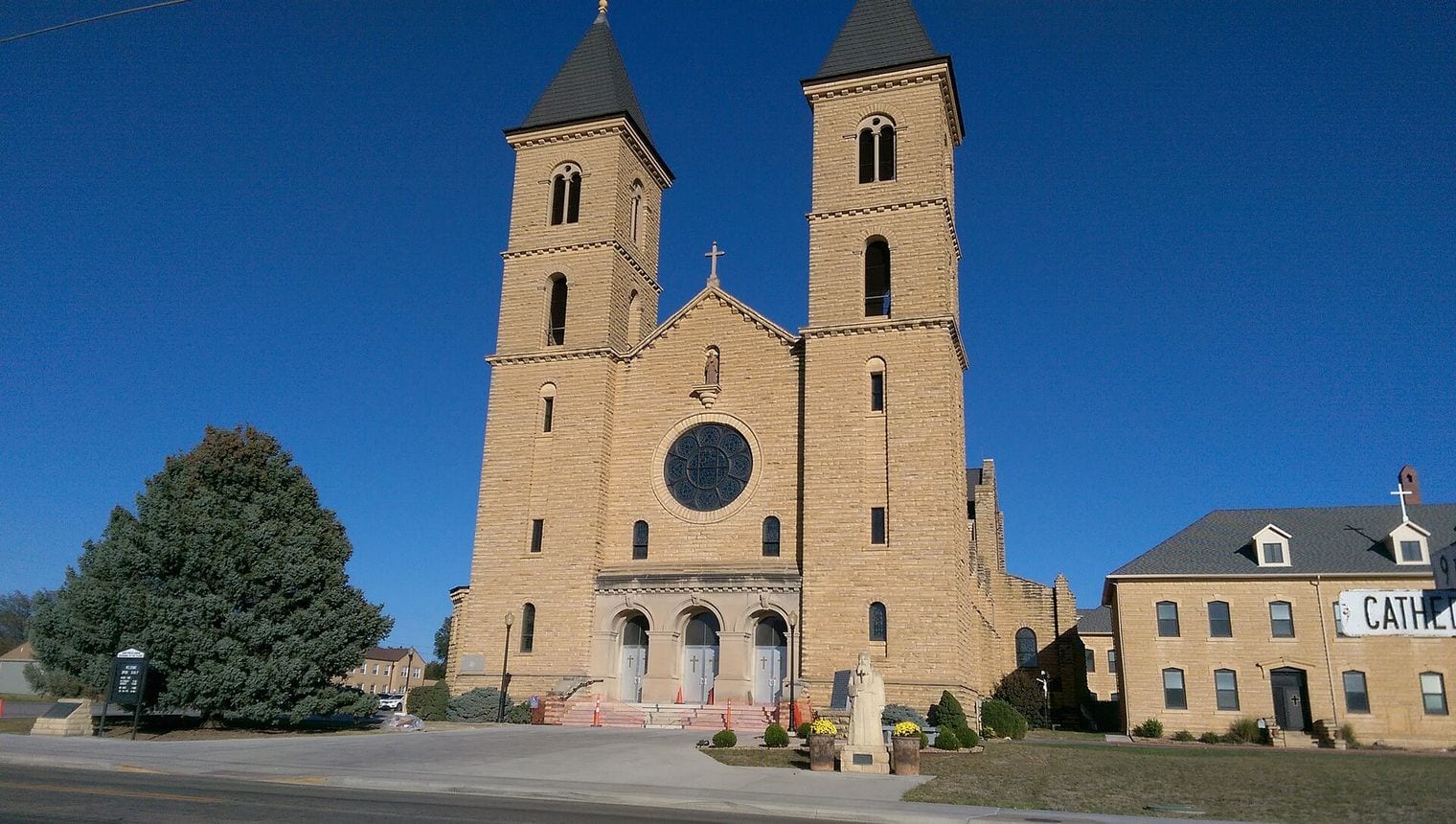
Victoria, a village of about 1,100 just south of I-70, is one of the Volga German communities of Ellis County, settled in the 1870s by Catholic farmers from German-speaking villages near Saratov, Russia. Its landmark rises above the wheat fields: the Basilica of St. Fidelis, a Romanesque-style church completed in 1911 and commonly known as the Cathedral of the Plains.
The parishioners largely built it themselves, with each member aged 12 or older asked to haul wagonloads of local limestone and sand every year until it was finished. In 2014 it was raised to the status of a minor basilica, though it has never been a cathedral, and Hays is about nine miles west.
McPherson, a county seat of about 14,000 named for the Union general James B. McPherson, is a college town with two small campuses, McPherson College and Central Christian College. Its Main Street centerpiece is the McPherson Opera House, built in 1888 and opened in 1889, which hosts concerts, films and touring shows.
South and west of town, the McPherson Valley Wetlands, restored by the Kansas Department of Wildlife and Parks, Ducks Unlimited and the U.S. Fish and Wildlife Service, were once second only to Cheyenne Bottoms as a stopover for migrating birds and are good for birdwatching again. Wichita is about an hour south on I-135.
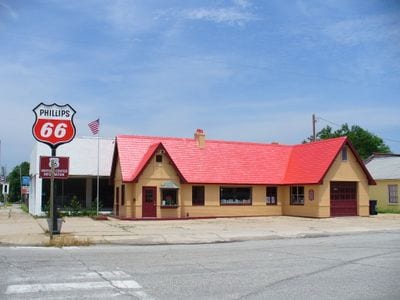
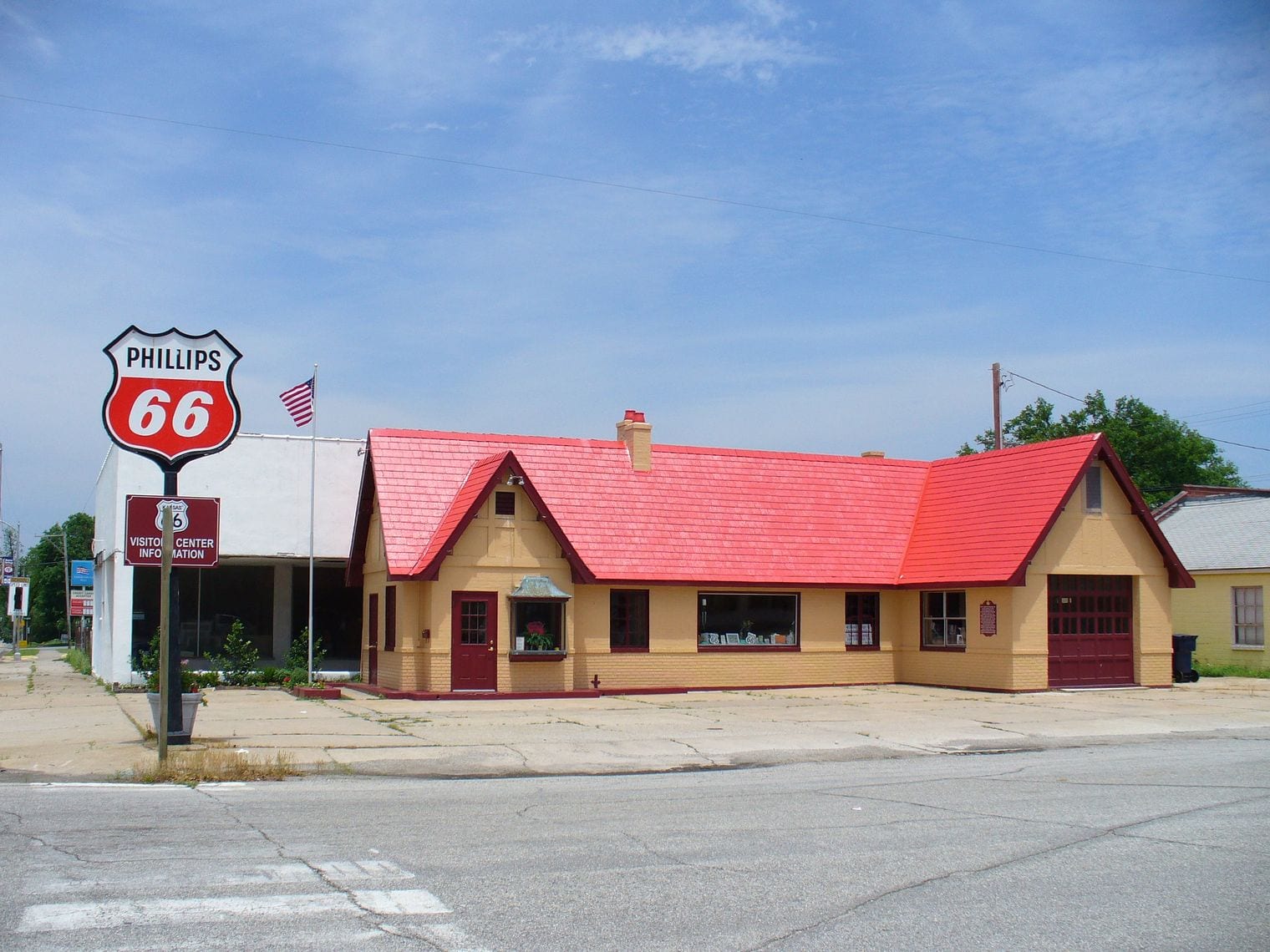
Baxter Springs, on the Spring River in the south-east corner of Kansas, was one of only three Kansas towns on Route 66, which ran down its main street from 1926. The Kansas Route 66 Visitors Center fills a restored 1930 Tudor Revival filling station that became a Phillips 66 station a year after it opened, and north of town toward Riverton, the arched Rainbow Bridge over Brush Creek survives from the old road.
The town's history runs deeper than the highway: Texas cattle drives reached it on the Shawnee Trail in 1866, and in October 1863 Quantrill's guerrillas attacked the town's Union post and then a passing Union detachment in what became known as the Baxter Springs massacre. The Baxter Springs Heritage Center and Museum, which also runs the visitor center, tells both stories.
Wilson, a town of about 860 just off I-70 in the Smoky Hills, has called itself the Czech Capital of Kansas since Governor Robert Docking proclaimed the title in 1967, honoring the Bohemian immigrants who arrived from 1874 to work on the railroad. Its big day is the After Harvest Czech Festival each July, with dancers, music, a parade and a carnival.
About six miles north, Wilson Lake spreads across the hills on the Russell and Lincoln county line, and Wilson State Park on its south shore has a marina, swimming beaches, hiking trails and campgrounds in its Hell Creek and Otoe areas.
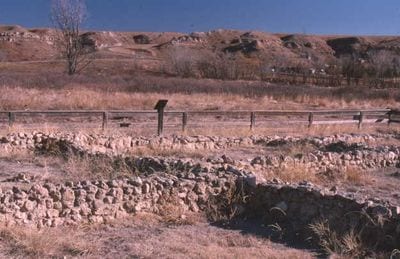
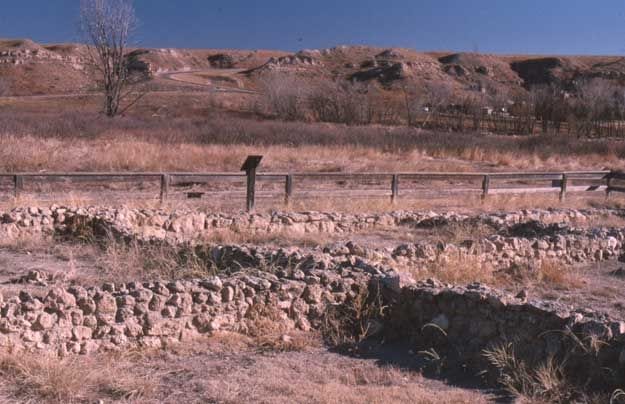
Scott City, a western Kansas county seat of about 4,100, is the base for some of the most surprising landscapes on the Great Plains. Thirteen miles north, Lake Scott State Park surrounds a spring-fed lake, and inside it lie the remains of El Cuartelejo, a stone pueblo built by Pueblo people who fled Spanish New Mexico in the late 1600s, the northernmost pueblo known and the only one in Kansas.
Farther north, Little Jerusalem Badlands State Park, owned by The Nature Conservancy, protects canyons of white Smoky Hill Chalk that visitors explore on marked trails or guided tours, and the fossil-rich chalk formations of Monument Rocks, up to 70 feet tall and the first National Natural Landmark in Kansas, rise from the prairie in Gove County. Back in town, the El Quartelejo Museum covers the area's geology and history.
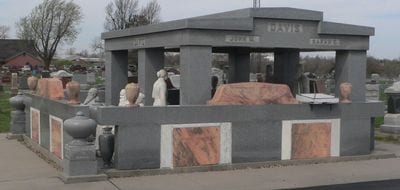
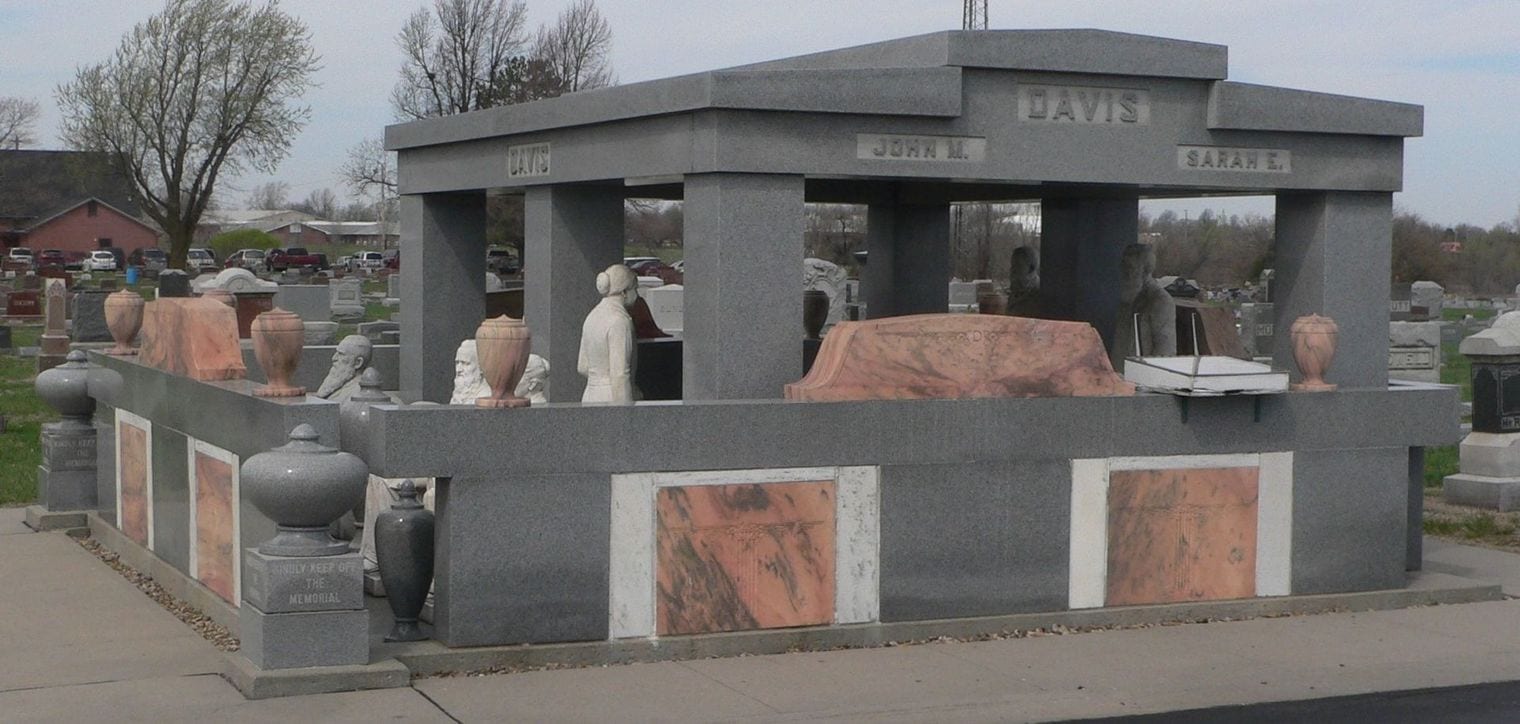
Hiawatha, the Brown County seat in the north-east corner of Kansas, is famous for the hundreds of maple trees that line its streets. Its best-known sight is the Davis Memorial in Mount Hope Cemetery, where John Milburn Davis spent around $200,000 during the Great Depression on life-size Italian marble statues of himself and his late wife, Sarah, completed in 1934.
Many locals criticized the spending at the time, but the memorial now draws thousands of visitors. Downtown, a city clock built into the First National Bank building in 1891 still stands, the Brown County Historical Museum and the Brown County Ag Museum cover pioneer and farm life, and each October the town turns out for its Halloween Frolic parade, a tradition dating back to 1914.
Free Things to Do in These Kansas Towns
Many of the best moments on this list cost nothing. Walk the old Santa Fe Trail through Council Grove past the Post Office Oak, pull over to see the wagon ruts west of Dodge City, and hike the open prairie at the Tallgrass Prairie National Preserve near Cottonwood Falls.
Bowl Plaza in Lucas and Death Alley in Coffeyville are open to everyone, the Big Easel in Goodland, the Davis Memorial in Hiawatha and the Rainbow Bridge near Baxter Springs make easy roadside stops, and you can climb Coronado Heights outside Lindsborg for the view. Birders can scan Cheyenne Bottoms outside Great Bend, and cyclists can ride the Prairie Spirit Trail between Ottawa and Iola.
Kansas is a big state, so the easiest way to see these towns is to pick one region at a time. From Wichita, Newton, McPherson, Lindsborg and Arkansas City are all within roughly an hour, with Salina and Abilene a little farther north.
From Topeka, Lecompton, St. Marys, Wamego and Council Grove make easy day trips, and the Flint Hills National Scenic Byway links Council Grove with Cottonwood Falls. Leavenworth, Atchison and Paola sit close to Kansas City, while Ottawa, Iola, Fort Scott, Chanute, Coffeyville, Galena and Baxter Springs make a south-east loop that ends on Route 66.
Farther west, I-70 strings together Hays, Victoria, Colby and Goodland, with Wilson just off the highway and Lucas a short detour north, and Great Bend and Dodge City carry the Santa Fe Trail story west across the plains; Norton, Scott City, Marysville and Hiawatha reward a detour.
Amtrak's Southwest Chief stops in Lawrence, Topeka, Newton, Hutchinson, Dodge City and Garden City, but a car is essential for nearly every town here. The main airports are Wichita and Kansas City International, across the line in Missouri.
FAQ: Visiting the Best Small Towns in Kansas
What is the best small town in Kansas?
Lindsborg is the best small town in Kansas for most visitors, with its Swedish heritage, Dala horses, the Birger Sandzén Memorial Gallery and Coronado Heights outside town. Abilene and its Eisenhower Presidential Library, Cottonwood Falls in the Flint Hills, the folk-art village of Lucas and the Santa Fe Trail town of Council Grove round out the top five.
Which small towns in Kansas are close to Wichita?
Newton is the closest, about 25 miles north, with the Warkentin House and the Kauffman Museum next door in North Newton. McPherson, with its 1889 opera house, Arkansas City near the Oklahoma line and Swedish Lindsborg are each roughly an hour away, and Salina, Abilene and Emporia make longer but easy day trips.
Which small towns are near Kansas City and Topeka?
Leavenworth and Atchison sit on the Missouri River north-west of Kansas City, Paola lies to the south and Ottawa is about an hour south-west. From Topeka, Lecompton, St. Marys and Wamego are short drives along the Kansas River valley, and Council Grove, the gateway to the Flint Hills, is about an hour south-west.
Where is Route 66 in Kansas?
Kansas has only about 13 miles of Route 66, in its south-east corner. The old road enters from Missouri at Galena, home of Cars on the Route and its Mater-style tow truck, runs west to Riverton and then south past the Rainbow Bridge to Baxter Springs, where a restored 1930 filling station serves as the Kansas Route 66 Visitors Center.
When is the best time to visit Kansas's small towns?
Late spring and early fall are the most comfortable times, with milder weather, green or golden prairie in the Flint Hills and many of the big festivals, including Wamego's OZtoberFest and, in odd-numbered years, Lindsborg's Svensk Hyllningsfest, both in October. Summers are hot but bring the Smoky Hill River Festival in Salina and Dodge City Days, while winter is quiet.
How many days do you need to visit a small town in Kansas?
Most towns on this list fill a relaxed day, and a weekend lets you pair close neighbors such as Lindsborg and Abilene or Council Grove and Cottonwood Falls. A week is enough for a loop through one region, such as the Flint Hills, the I-70 corridor or the south-east corner with its Route 66 towns.
Sources & updates
How this guide was checked
Checked before launch
Sources cited
35
Publishers
33
Every town on this list was pinned on the map and checked against official and local sources before publication.
A PDF with a box to tick for every place. Confirm your email to download it, and get one email every Thursday with our newest guides for the places you tick.
Free Kansas small towns printable checklist
All 35 places in one PDF
Tick them off as you go. Confirm your email to download it, plus one email every Thursday with new guides for the places you tick.
We use cookies to analyse site traffic and improve your experience.
You can accept or reject analytics cookies. See our
May we use analytics cookies? See ourCookie Policy.