We build and rank every list first. Booking links come after, and only where
a partner sells a ticket, tour or stay for that exact place, so a place with
nothing to book is listed exactly as prominently as one you can book.
So how do we earn? Some links on this page go to booking
partners, and if you book tickets, tours or a stay through
one, we may earn a commission. It costs you nothing extra.
That commission never decides which places make the list, the order they
appear in, or what we write about them. No entry is sponsored or a paid
placement.
By the City Viking editorial teamPublished 20 places · 17 min read
Fact-checked Checked before launchOct 8, 202620 sources19 publishers6 government & parks14 venues & other sitesPublished · Oct 8, 2026Researched and checked before it went liveClick for every source and the full change log.
Short answer
Start with Natchitoches for its brick Front Street on Cane River Lake and a history reaching back to 1714, Breaux Bridge for crawfish and Cajun music on Bayou Teche, and St. Francisville for Audubon's Oakley House and the plantation gardens above the Mississippi. Most towns on this list fill a relaxed day, while Natchitoches and St. Francisville deserve a weekend.
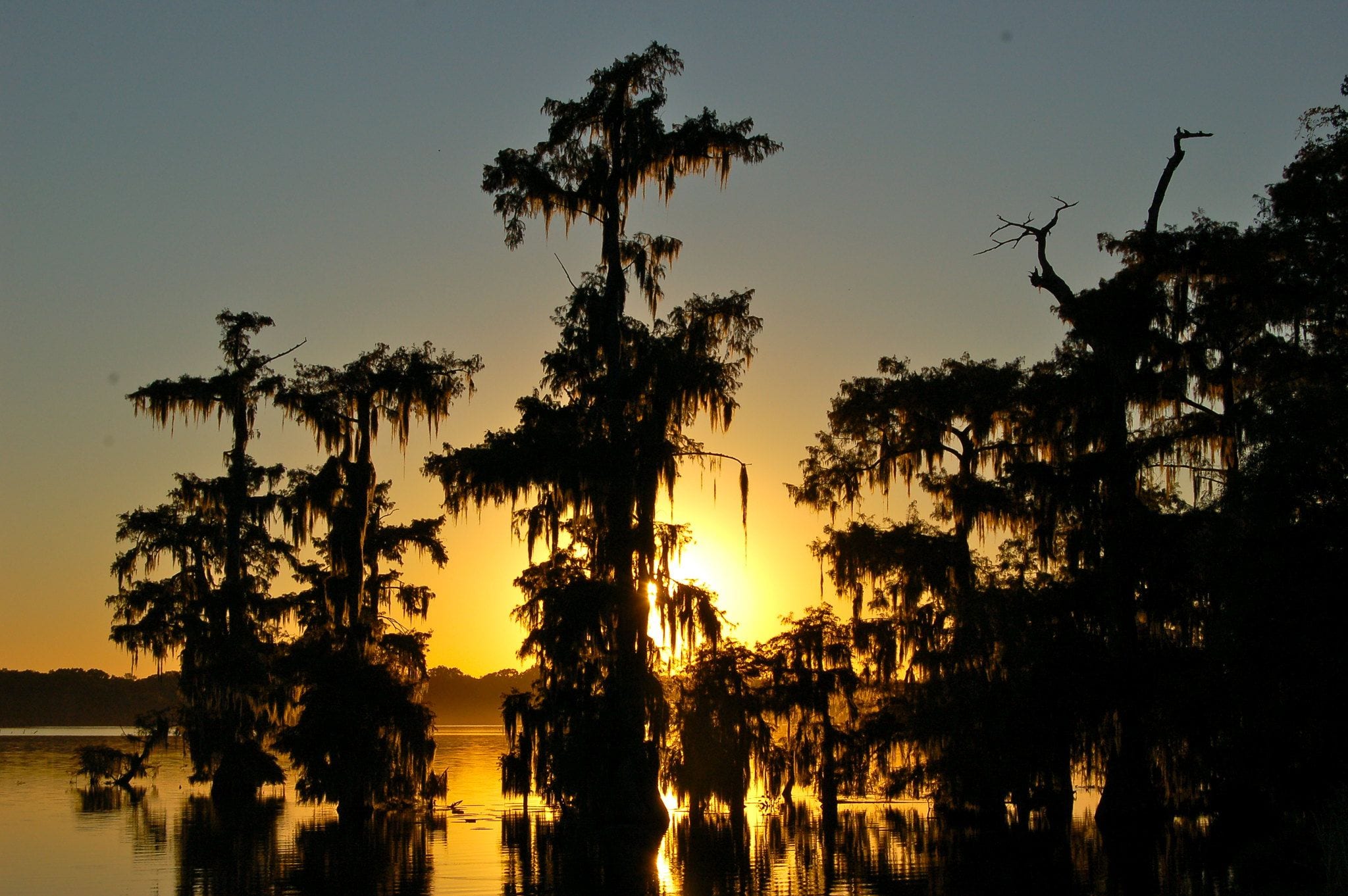
Louisiana's small towns hold three centuries of French, Spanish, Acadian and Creole history: a colonial river town older than New Orleans, Cajun music and crawfish along Bayou Teche, plantation country above the Mississippi and fishing villages at the edge of the Gulf.
This guide ranks 20 of the best, each home to fewer than 50,000 people at the 2020 census, from Natchitoches to Madisonville. Most fill a relaxed day, Natchitoches and St. Francisville deserve a weekend, and the Cajun towns around Lafayette pair easily on one road trip.
Natchitoches is older than New Orleans: founded by the French in 1714, four years before New Orleans, it is the oldest permanent European settlement in the lands of the Louisiana Purchase.
Breaux Bridge is the official Crawfish Capital of the World, a title the Louisiana Legislature granted in 1959, and the town has thrown a Crawfish Festival to celebrate it since 1960.
St. Francisville was a capital for 74 days in 1810, when local planters ousted the Spanish and declared the independent Republic of West Florida before it was annexed by the United States.
Louisiana's coldest temperature on record was measured in Minden, about 28 miles east of Shreveport, which fell to -16 degrees Fahrenheit on February 13, 1899.
Kate Chopin set her 1899 novel The Awakening on Grand Isle, where she spent her summers for more than a decade.
Steel Magnolias was filmed in Natchitoches in 1988, with a historian and former mayor of the town serving as the production's local advisor.
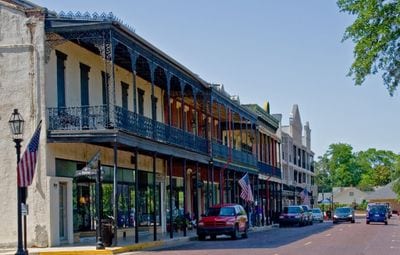
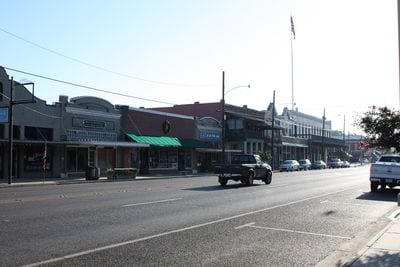
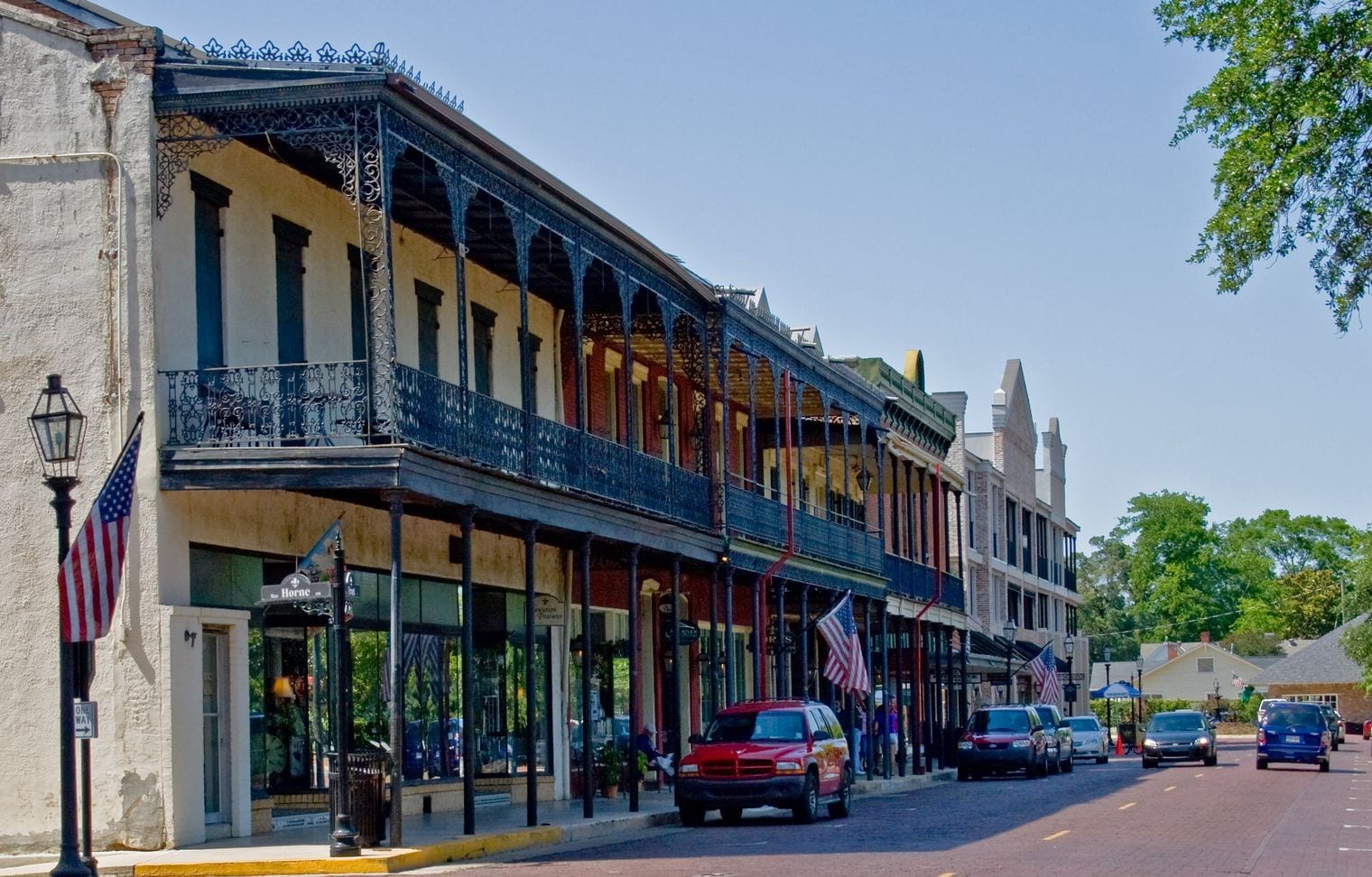
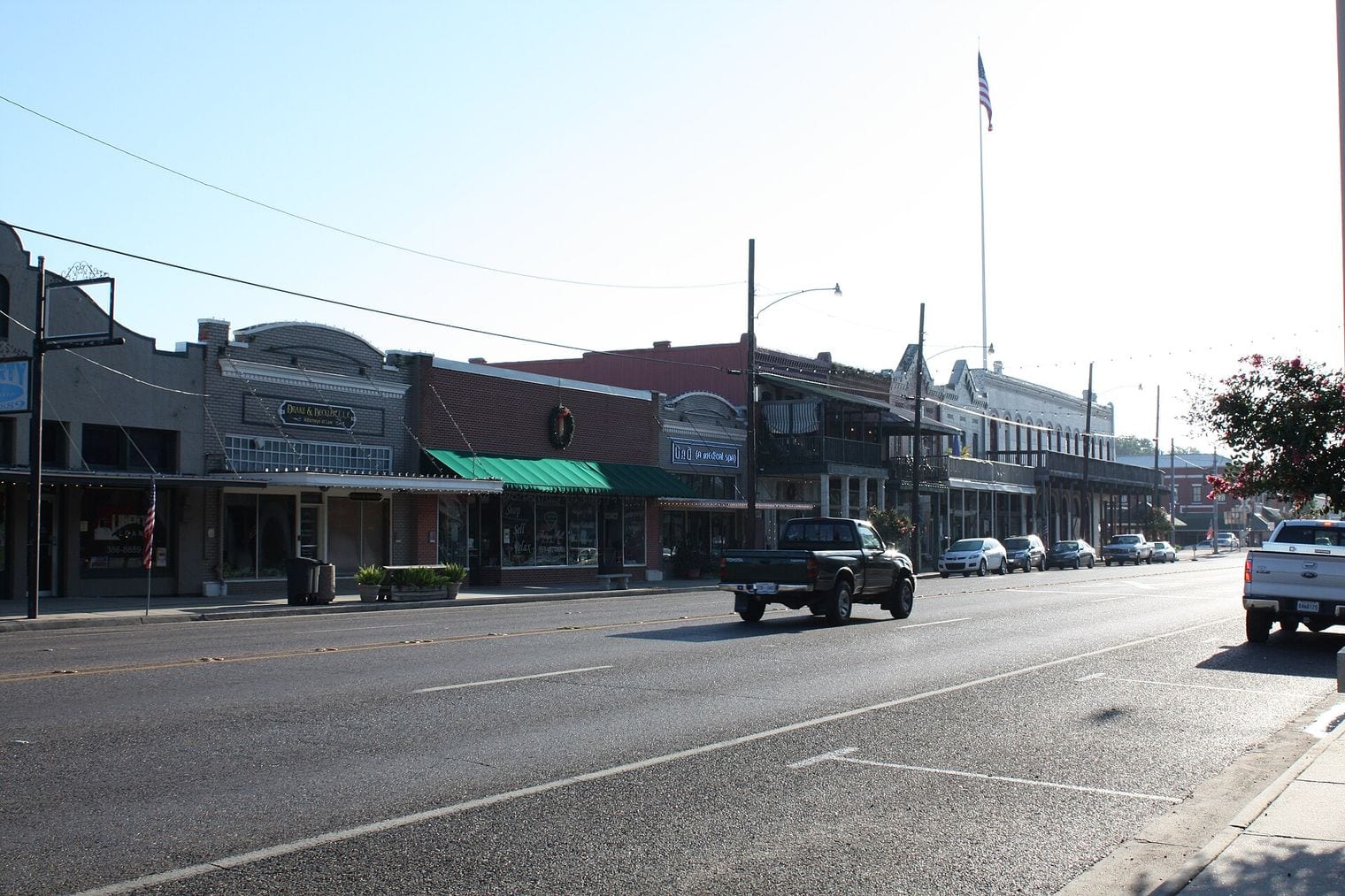
Founded by the French in 1714, Natchitoches is the oldest permanent European settlement in the lands of the Louisiana Purchase, and the heart of town is a National Historic Landmark District. When the Red River shifted east in the 1800s it left the town beside a quiet 33-mile oxbow, Cane River Lake, and the loss of the river traffic helped preserve its old streets of wrought iron, stucco and red brick.
Stroll brick-paved Front Street along the water, browse its shops and stop for a Natchitoches meat pie, one of Louisiana's official state foods. Fort St. Jean Baptiste State Historic Site recreates the French fort from its original plans, and downriver the Cane River Creole National Historical Park preserves the Oakland and Magnolia plantations. The 1989 film Steel Magnolias was shot here, and each December the Christmas Festival of Lights sets the riverbank aglow.
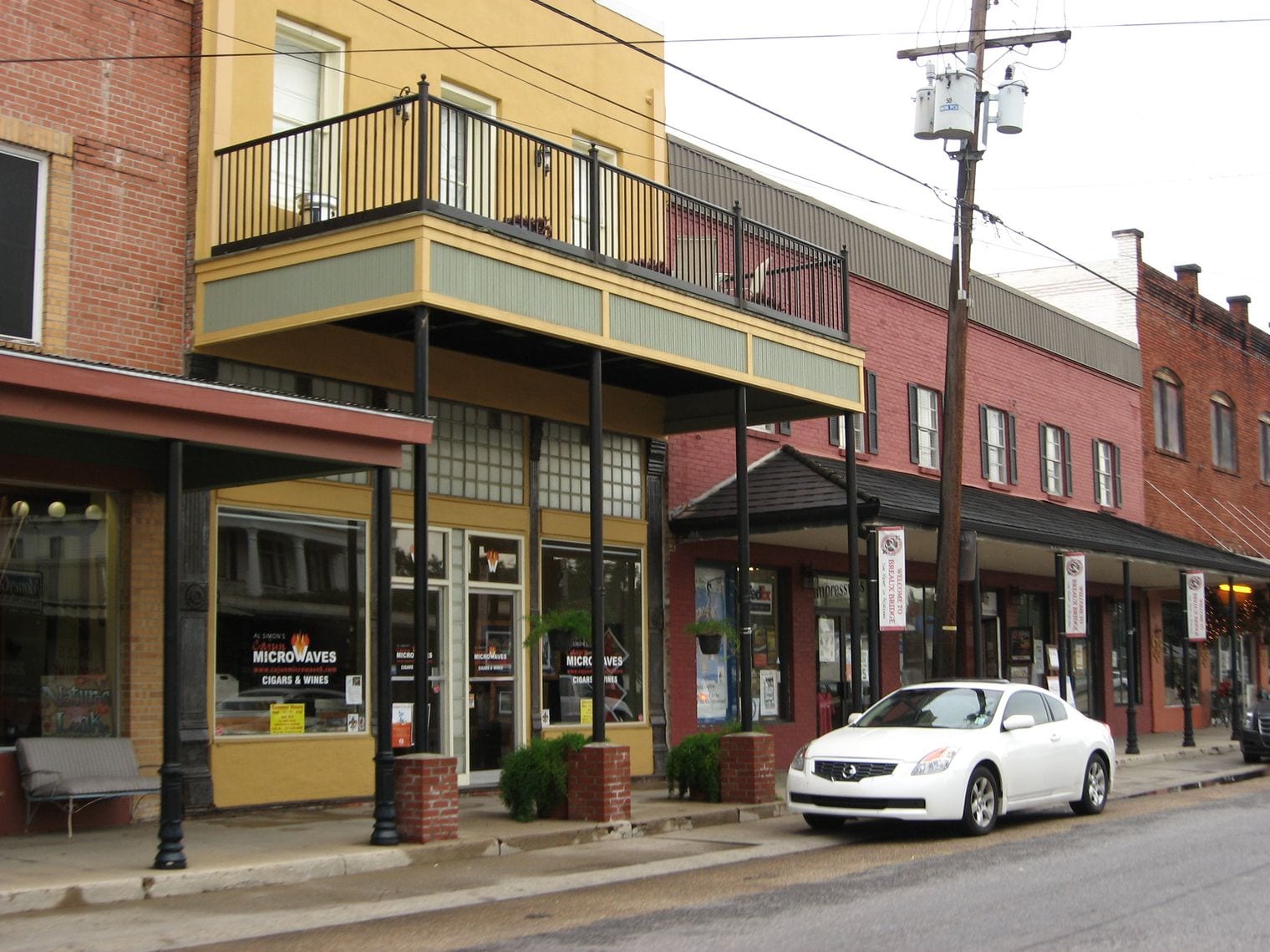
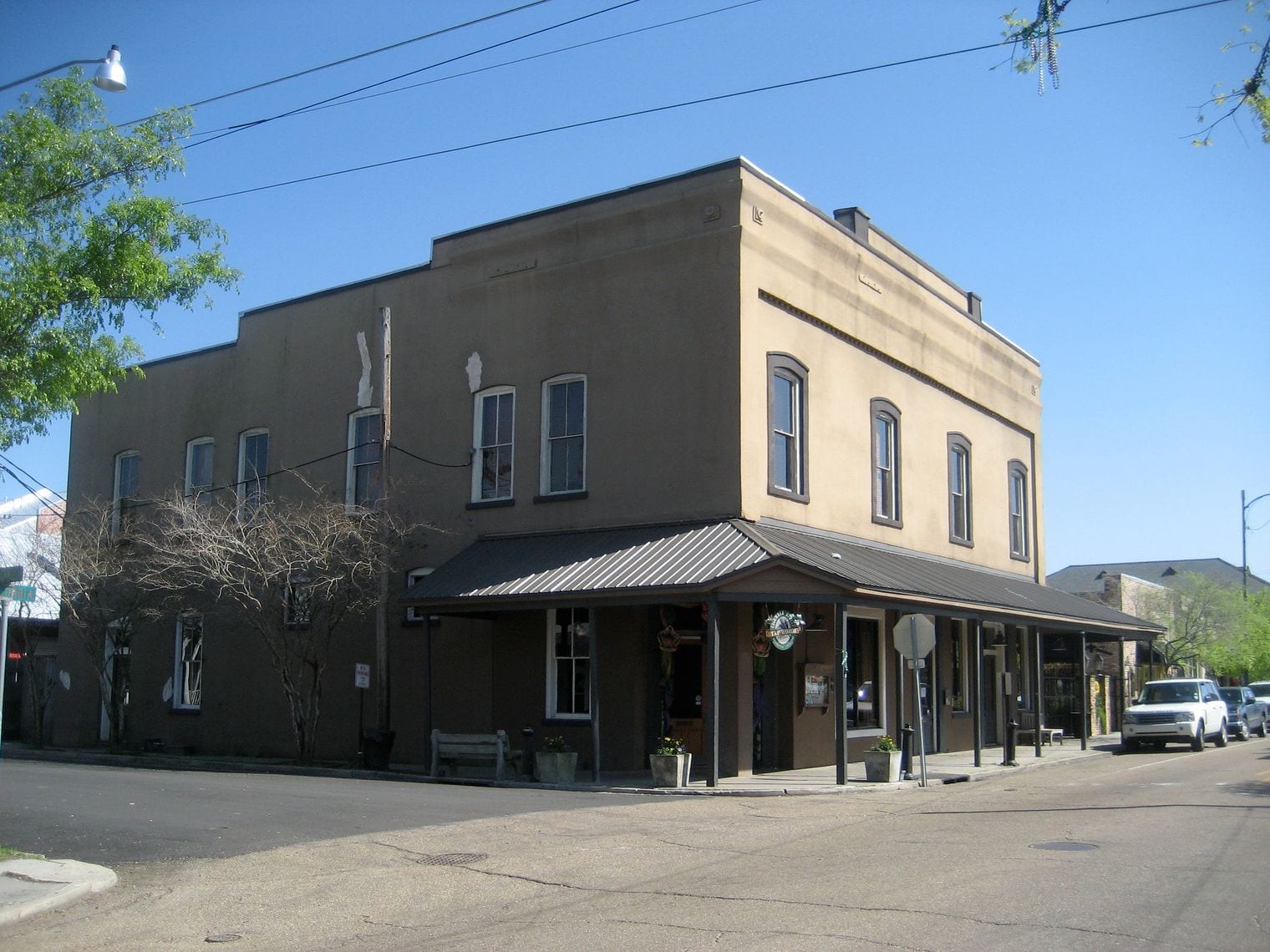
Breaux Bridge takes its name from the footbridge that Acadian pioneer Firmin Breaux built across Bayou Teche in 1799, and in 1829 his widowed daughter-in-law, Scholastique Breaux, drew up the plan for the town. In 1959 the Louisiana Legislature named it the Crawfish Capital of the World, and the Breaux Bridge Crawfish Festival has celebrated the title each spring since 1960.
The small downtown along the bayou is a pleasant browse of antique shops and Cajun cafés, and live Cajun and zydeco music is never far away. A few miles south, Lake Martin and the Nature Conservancy's Cypress Island Preserve hold one of Louisiana's great wading-bird rookeries, where egrets, herons and roseate spoonbills nest in the cypress trees each spring while alligators drift below.
Built along a narrow ridge above the Mississippi River, St. Francisville was once nicknamed "the town two miles long and two yards wide," and in 1810 it briefly served as the capital of the independent Republic of West Florida. Today the West Feliciana Parish seat is the gateway to a countryside of plantation homes and gardens, about 30 miles north of Baton Rouge.
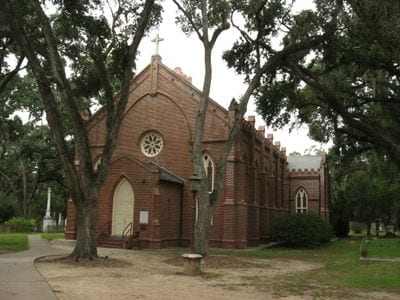
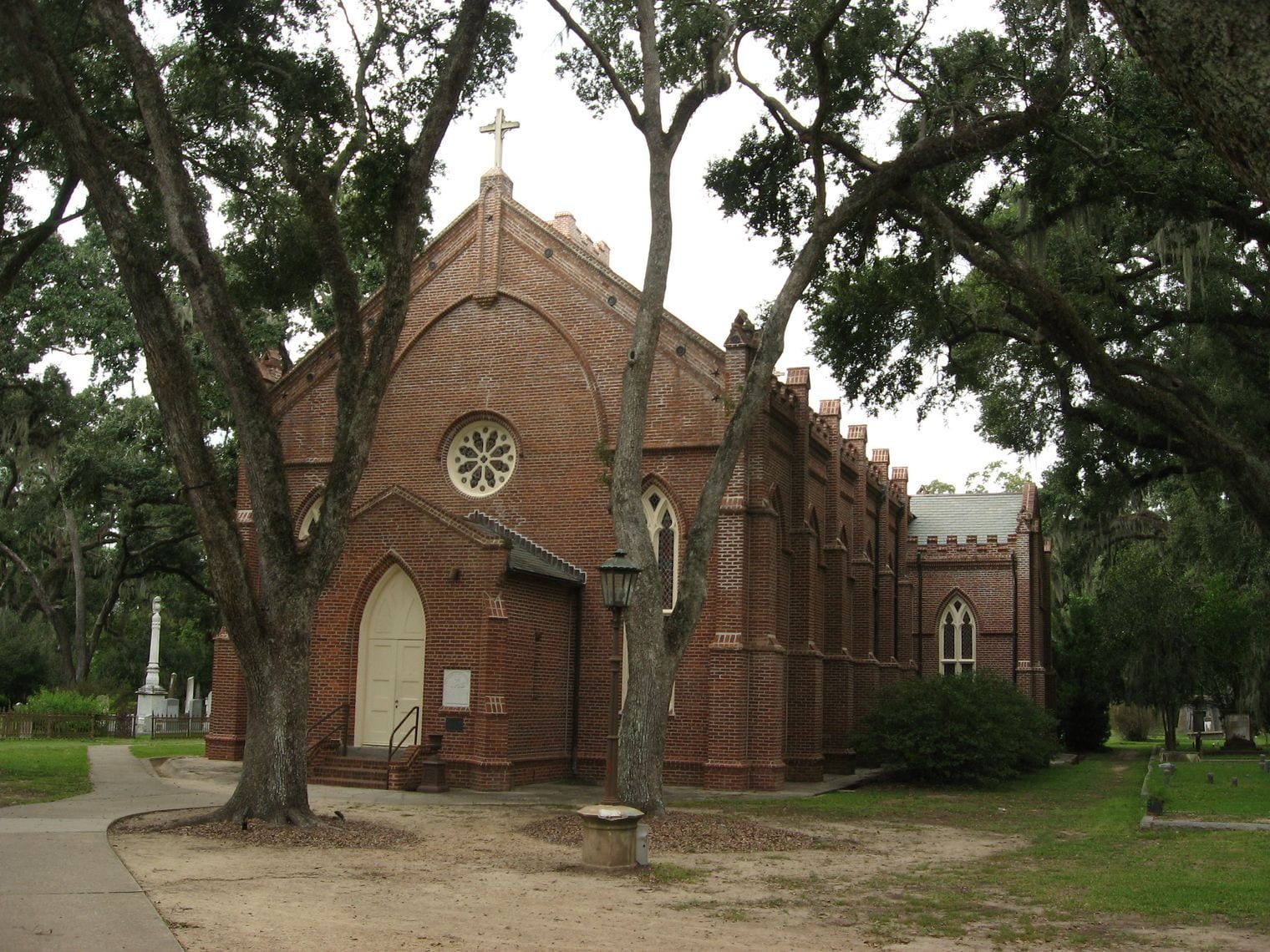
Wander the oak-shaded old streets to Grace Episcopal Church, completed in 1860 and heavily damaged by Union gunboats in 1863, in its mossy churchyard. Rosedown Plantation State Historic Site is known for the formal gardens around its 1830s house, and at Audubon State Historic Site you can tour Oakley House, where John James Audubon spent the summer of 1821 painting the birds of the surrounding woods.
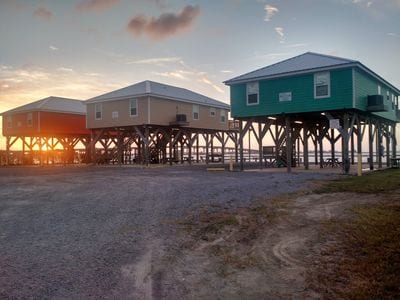
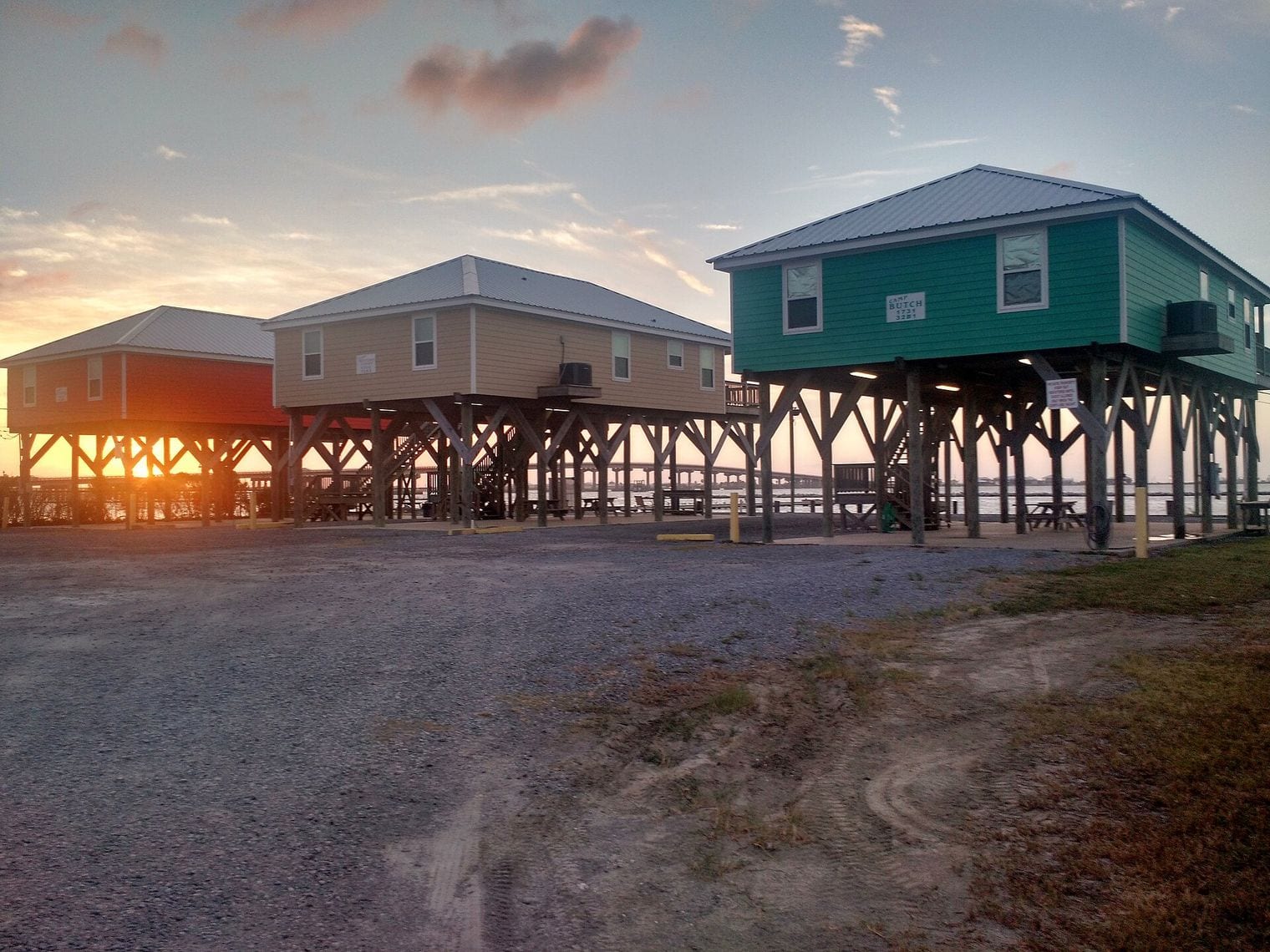
Grand Isle is where LA 1 runs out of land: a barrier island town at the mouth of Barataria Bay, reached by a single causeway, with fishing camps raised on stilts, salt marsh and a long Gulf beach. Hurricane Ida hit the island hard in 2021, and Grand Isle State Park, on its eastern end, reopened its beach in 2023 after a long recovery.
Fishing is the island's lifeblood, with more than 280 species in the surrounding waters, and the Grand Isle Tarpon Rodeo has drawn anglers since 1928. In spring, the island's chenier woods are a landing spot for songbirds that have just crossed the Gulf, celebrated each April with a migratory bird festival, and readers may recognize the island as the setting of Kate Chopin's 1899 novel The Awakening.
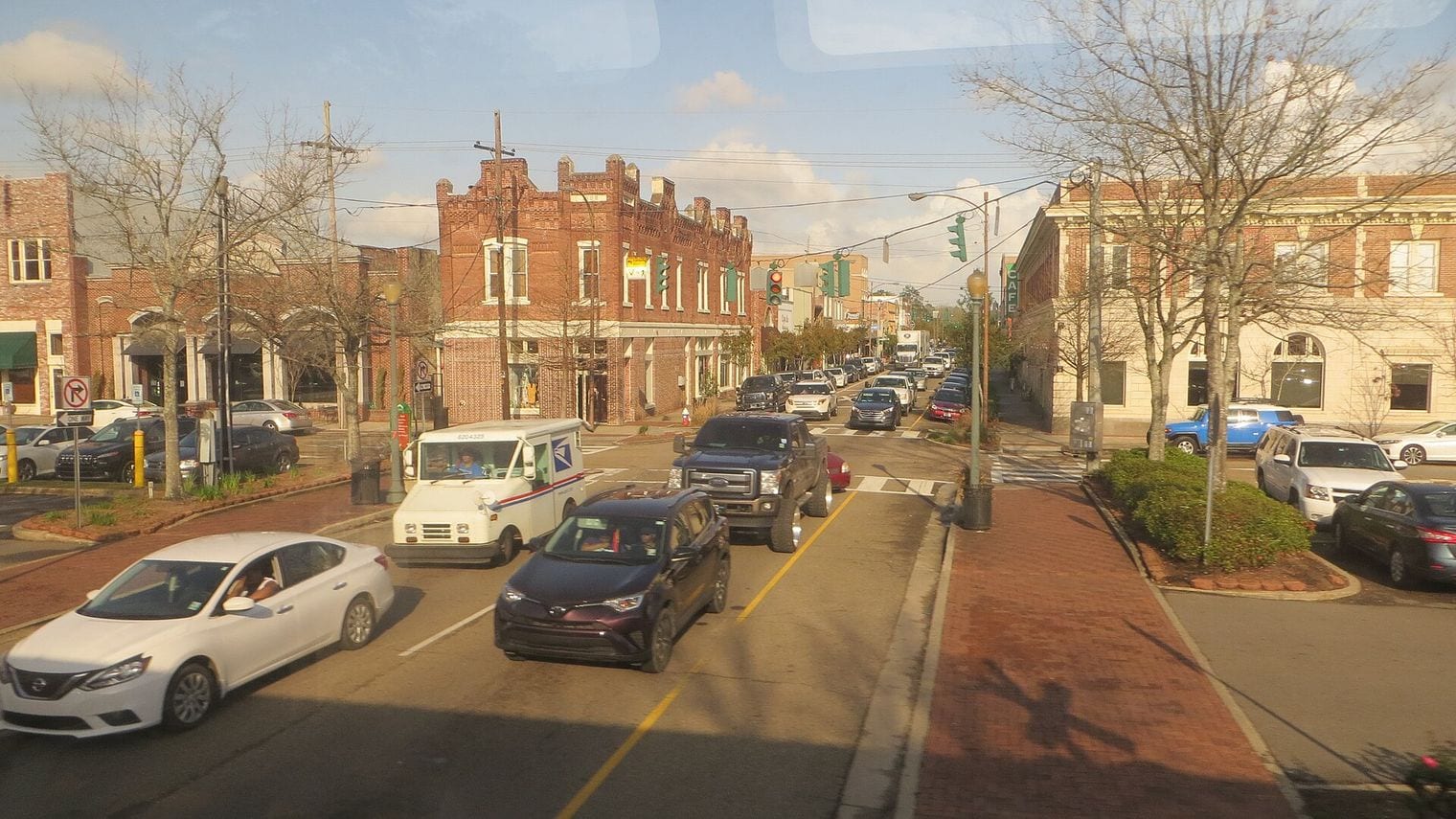
Covington, the St. Tammany Parish seat, sits where the Bogue Falaya and Tchefuncte rivers meet on the Northshore of Lake Pontchartrain. Founded in 1813 as Wharton and renamed three years later, it grew on trade carried by boat down to the lake, and today its walkable historic downtown is lined with galleries, boutiques and restaurants under old live oaks.
The paved Tammany Trace begins here, a 31-mile rail-trail on an old railroad line that links Covington with Abita Springs, Mandeville, Lacombe and Slidell, so it is easy to cycle to the next town for lunch. The Bogue Falaya, which once carried the town's commerce, is now a peaceful river for paddling.
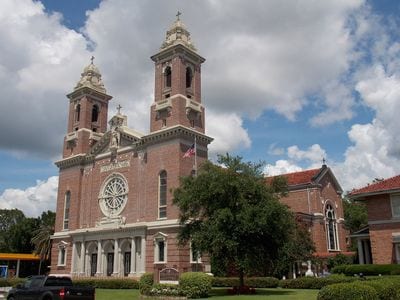
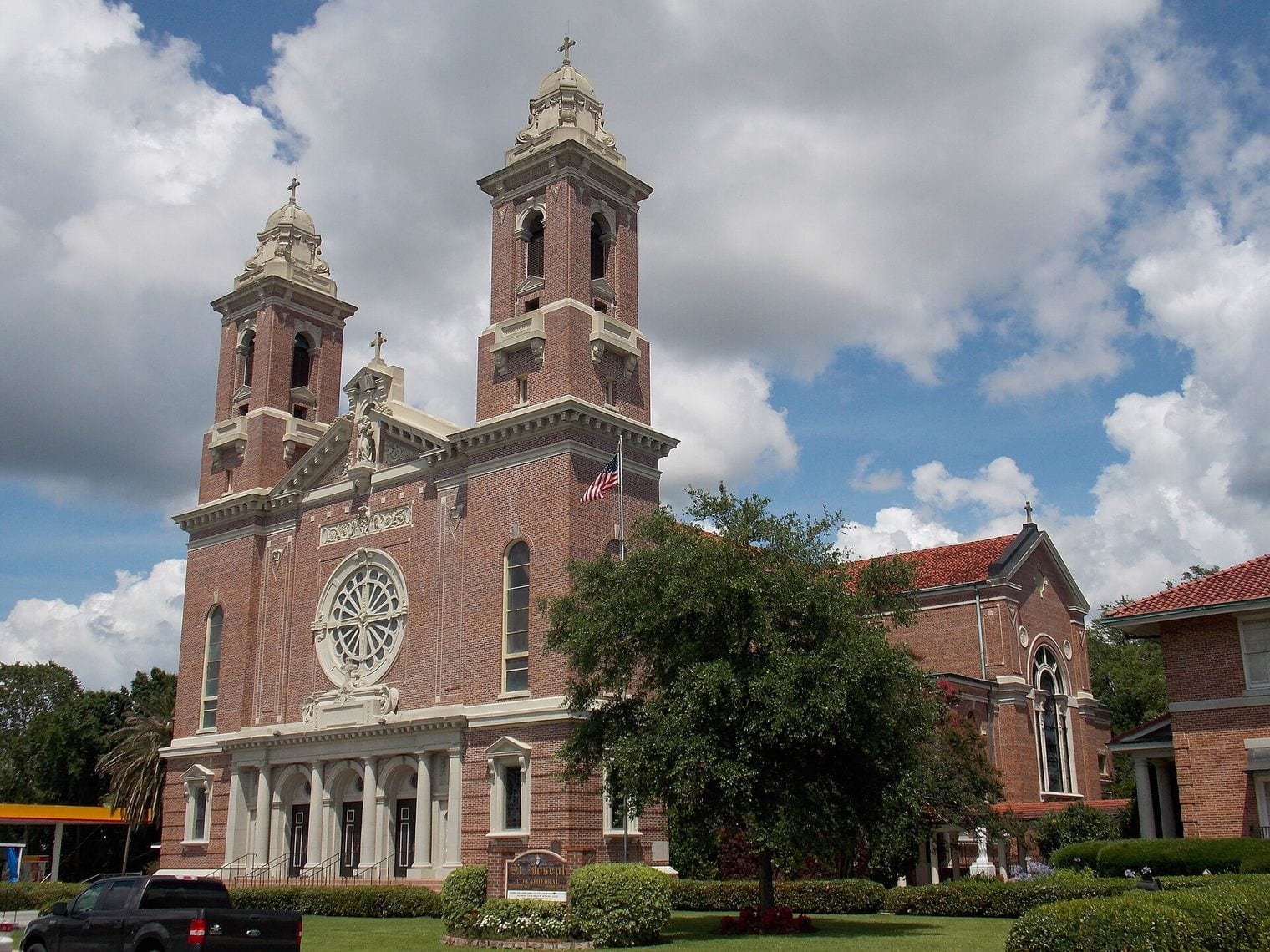
Known as the Queen City of Lafourche, Thibodaux grew from a trading post on Bayou Lafourche, established by 1808, and is now a lively college town, home to Nicholls State University. Its downtown holds handsome old churches, among them St. Joseph Co-Cathedral, where a reliquary of St. Valérie brought to Thibodaux in 1868 is displayed in her shrine.
The Wetlands Acadian Cultural Center, a unit of Jean Lafitte National Historical Park and Preserve, tells the story of the Acadians who settled the bayou country. Just south of town, Laurel Valley preserves about 40 original structures of what is described as the largest surviving 19th- and 20th-century sugar plantation complex in the United States, and its fields are still farmed for sugarcane.
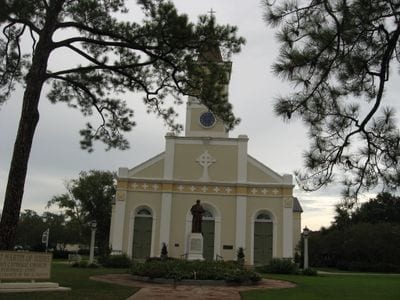
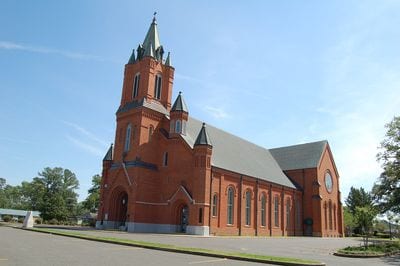
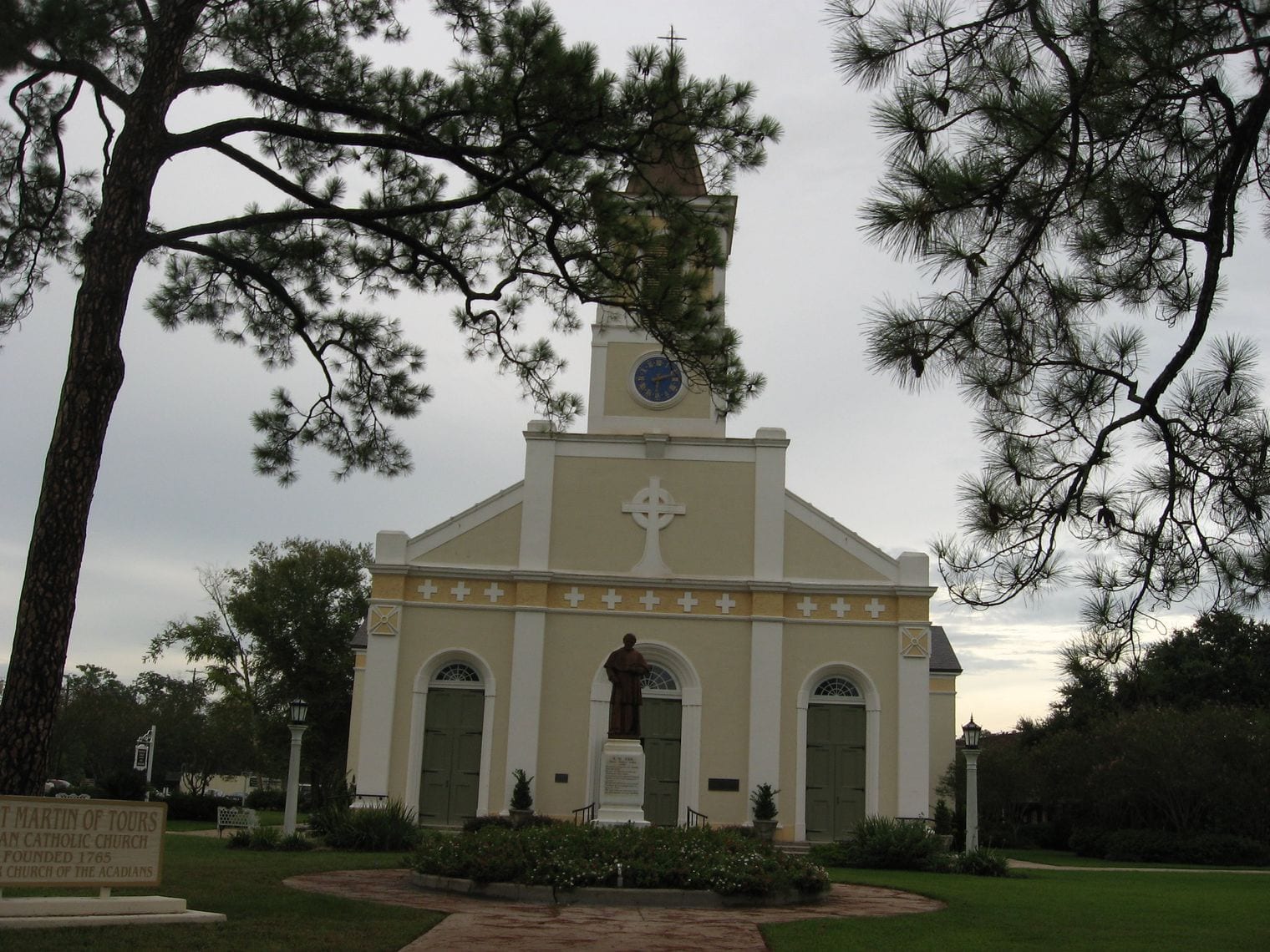
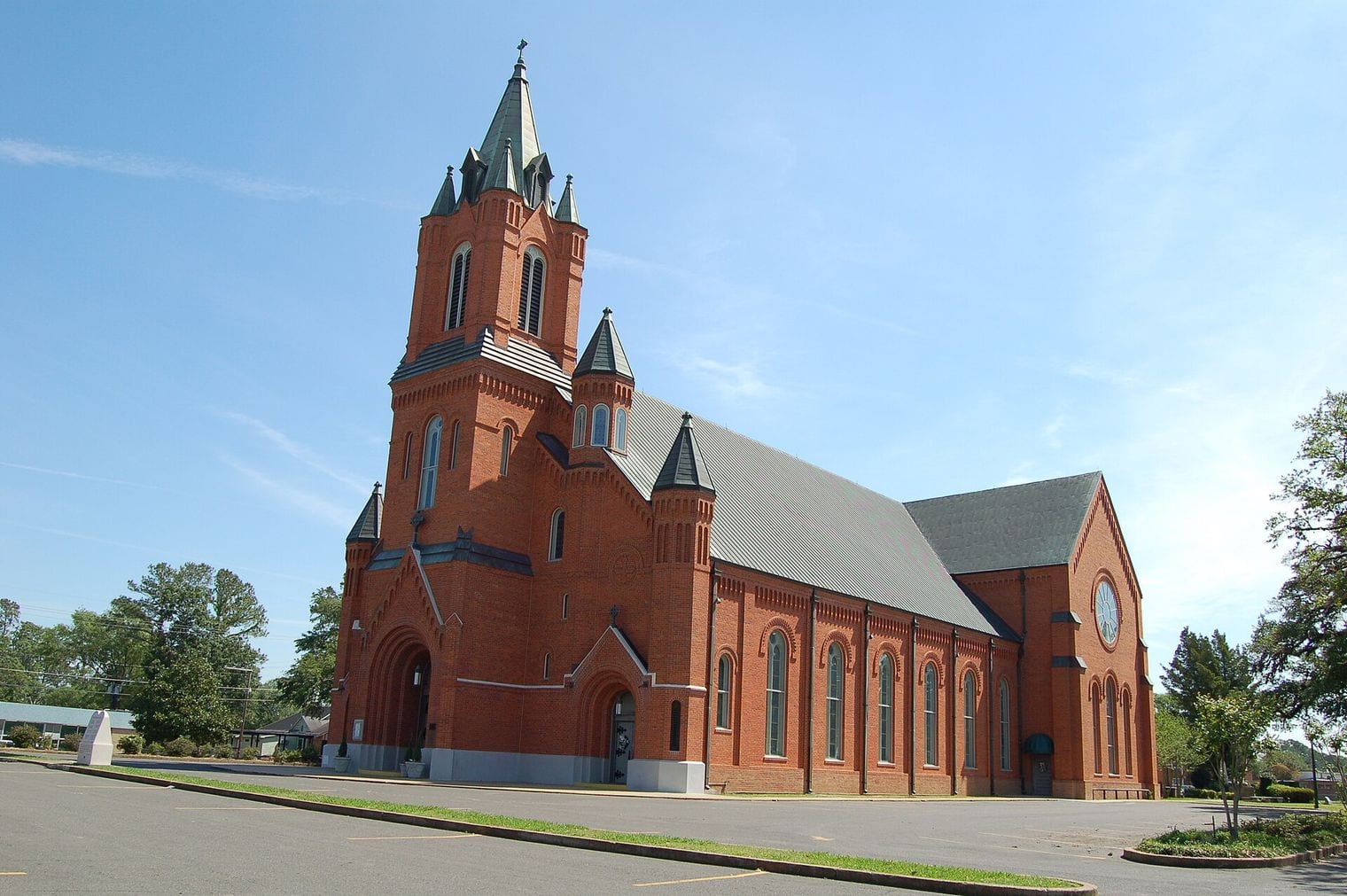
St. Martinville grew from the Poste des Attakapas, a French outpost on Bayou Teche, and in 1765 Acadian exiles from Nova Scotia arrived to settle along the bayou. Their church, St. Martin de Tours, was founded that year and is known as the Mother Church of the Acadians; the present building, completed in 1840, still anchors the town square.
A short walk away on the bayou stands the Evangeline Oak, linked to Henry Wadsworth Longfellow's poem about the Acadian expulsion, and the Acadian Memorial honors the roughly 3,000 Acadian refugees who came to Louisiana with a wall of their names. At the north end of town, Longfellow-Evangeline State Historic Site preserves Maison Olivier, a Creole plantation house built around 1815 beside the Teche.
New Iberia was founded in 1779 by some 500 Spanish colonists from Málaga, who named it for their home peninsula, and today it is the largest town on this list. Its historic Main Street runs close to Bayou Teche, and the town celebrates its roots each year with festivals for sugarcane, gumbo and its Spanish heritage.
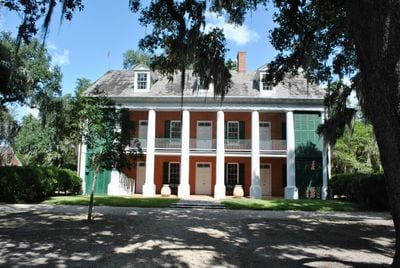
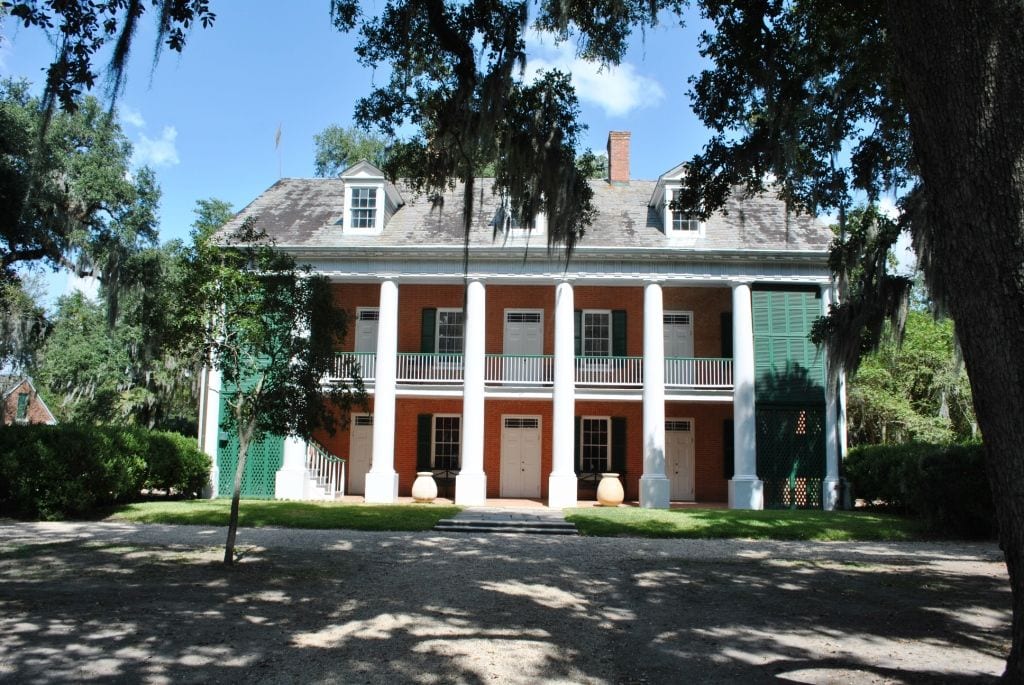
The showpiece is Shadows-on-the-Teche, an 1834 plantation house on the bayou, now a National Historic Landmark owned by the National Trust for Historic Preservation. Nearby, the Conrad Rice Mill, established in 1912, is the oldest independently owned rice mill in the United States still in operation, and Avery Island, the home of Tabasco sauce and its Jungle Gardens, is a short drive southwest.
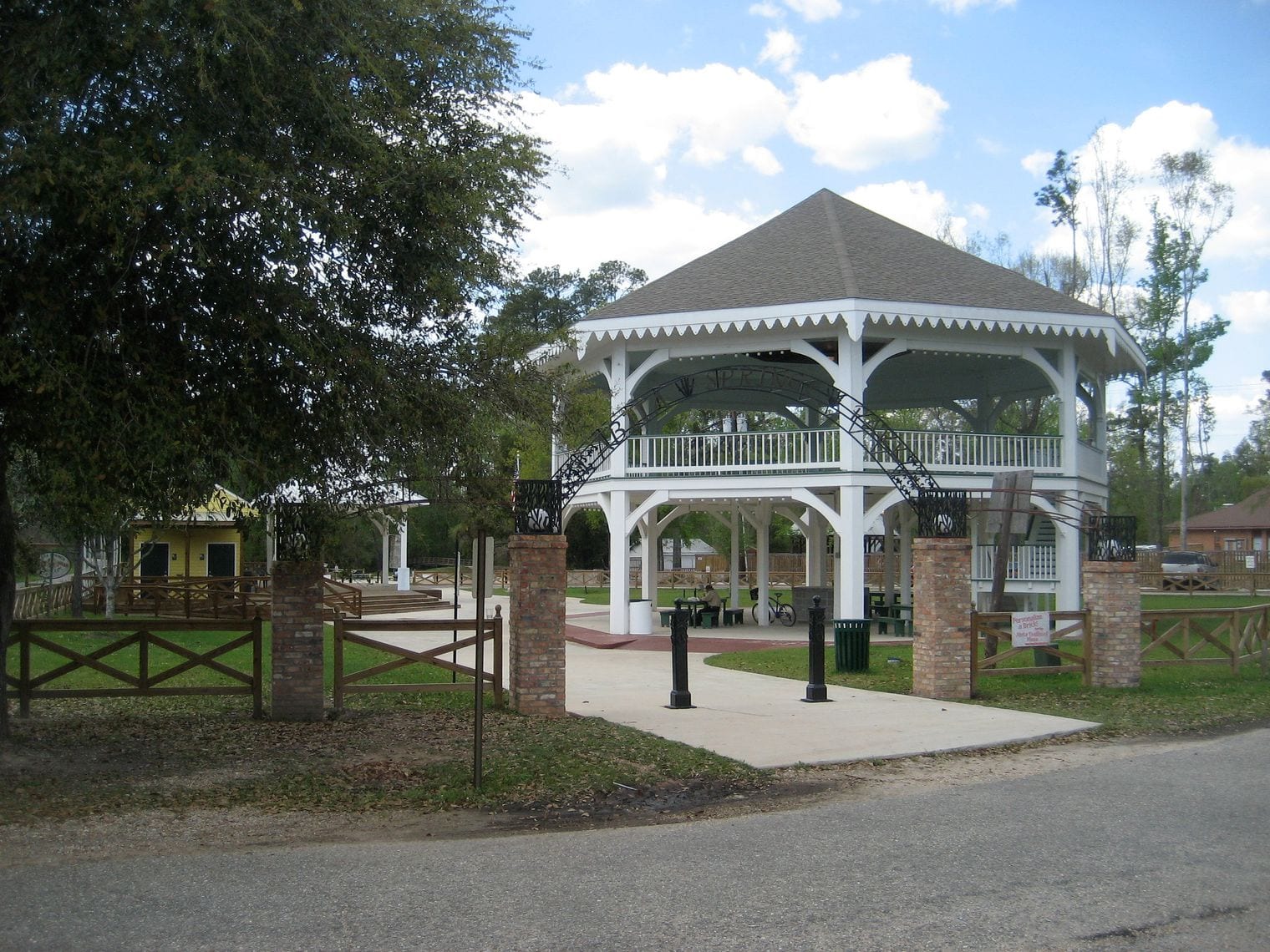
Abita Springs began as a Choctaw village and takes its name from the medicinal springs nearby, and the same artesian water is still used to brew Abita beer. The Abita Brewing Company was founded in the middle of town in 1986 and now brews a short drive outside it, while the town itself stays small, with only about 2,600 residents.
Its most unforgettable stop is the Abita Mystery House, a roadside folk-art museum that artist John Preble filled with homemade dioramas, oddities and old arcade machines. The Tammany Trace rail-trail passes through town, and the Abita Springs Opry presents concerts of Louisiana roots music in the town hall.
Free printable checklist of all 20 places
Tick them off as you go. Confirm your email to download it, plus one email every Thursday with new guides for the places you tick.
One of the oldest towns in Louisiana, Opelousas grew around a French colonial post established on the prairie in 1764, and during the Civil War it served as the state capital for nine months. Settled by French and Spanish Creoles, Creoles of color and Acadians, it is today the center of zydeco, the accordion-and-rubboard music of Louisiana's Creoles.
Start at Le Vieux Village, a heritage park of early Creole buildings with a tourist center displaying memorabilia of frontiersman Jim Bowie, who once lived here, and an Orphan Train Museum in a restored depot. Opelousas also calls itself the spice capital of the world for the Cajun seasoning makers based here, and the Original Southwest Louisiana Zydeco Festival has been held in the area since 1982.
Eunice was founded on the Cajun prairie in the 1890s by railroad promoter C.C. Duson, who named it for his wife, and it has long been famous far beyond its size for Cajun music.
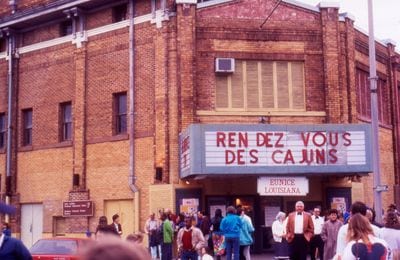
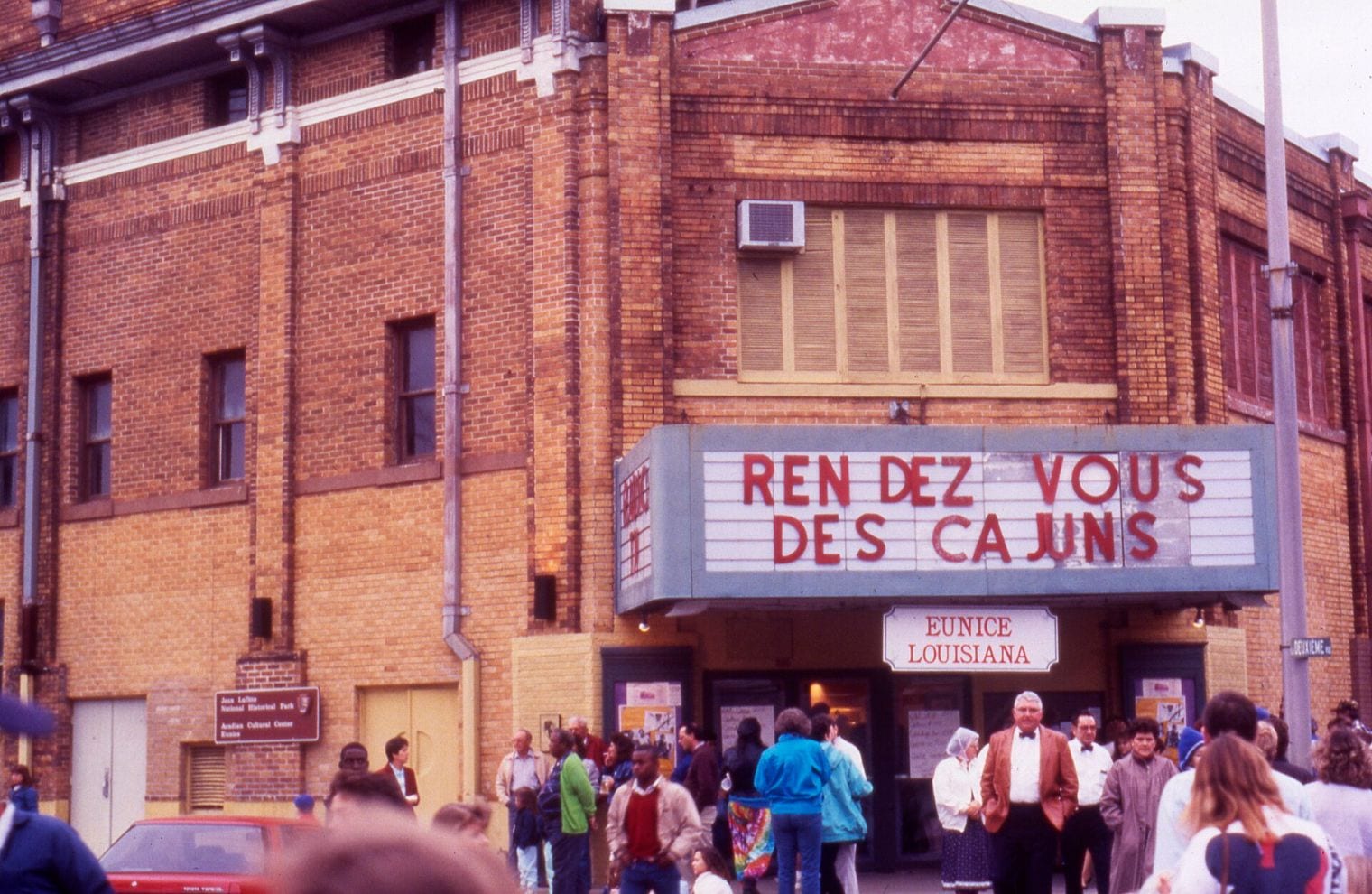
Its 1924 Liberty Theatre became known for Rendez-vous des Cajuns, a live Saturday-night show of Cajun and zydeco music broadcast largely in French and often compared to the Grand Ole Opry; the theatre has been closed for restoration in recent years, so check what is on before you go.
The Cajun Music Hall of Fame and Museum, founded in 1997, honors the genre's musicians, and the Prairie Acadian Cultural Center, part of Jean Lafitte National Historical Park and Preserve, explores the farming life of the prairie Cajuns. Come at Mardi Gras for one of the largest Courir de Mardi Gras runs, a costumed country celebration of riding, begging, music and a communal gumbo that dates back to the town's founding.
Ponchatoula grew up in the 1850s around a railroad depot on the first dry land north of the Manchac swamp, and its name is a Choctaw word meaning "hanging hair," for the Spanish moss that drapes its trees. Around 1900 the strawberry industry took off, and refrigerated rail cars carried each spring's crop to northern markets.
Today the town bills itself as America's Antique City, and antique shops line Pine Street through the historic downtown. The Collinswood School Museum, a former one-room schoolhouse, displays local artifacts and quilts, and each April Ponchatoula hosts the Louisiana Strawberry Festival, which draws many thousands of visitors.
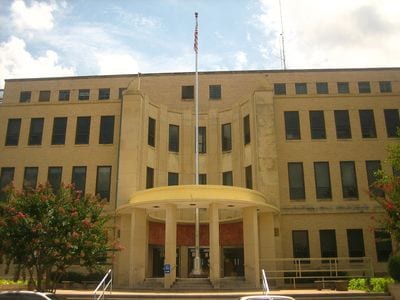
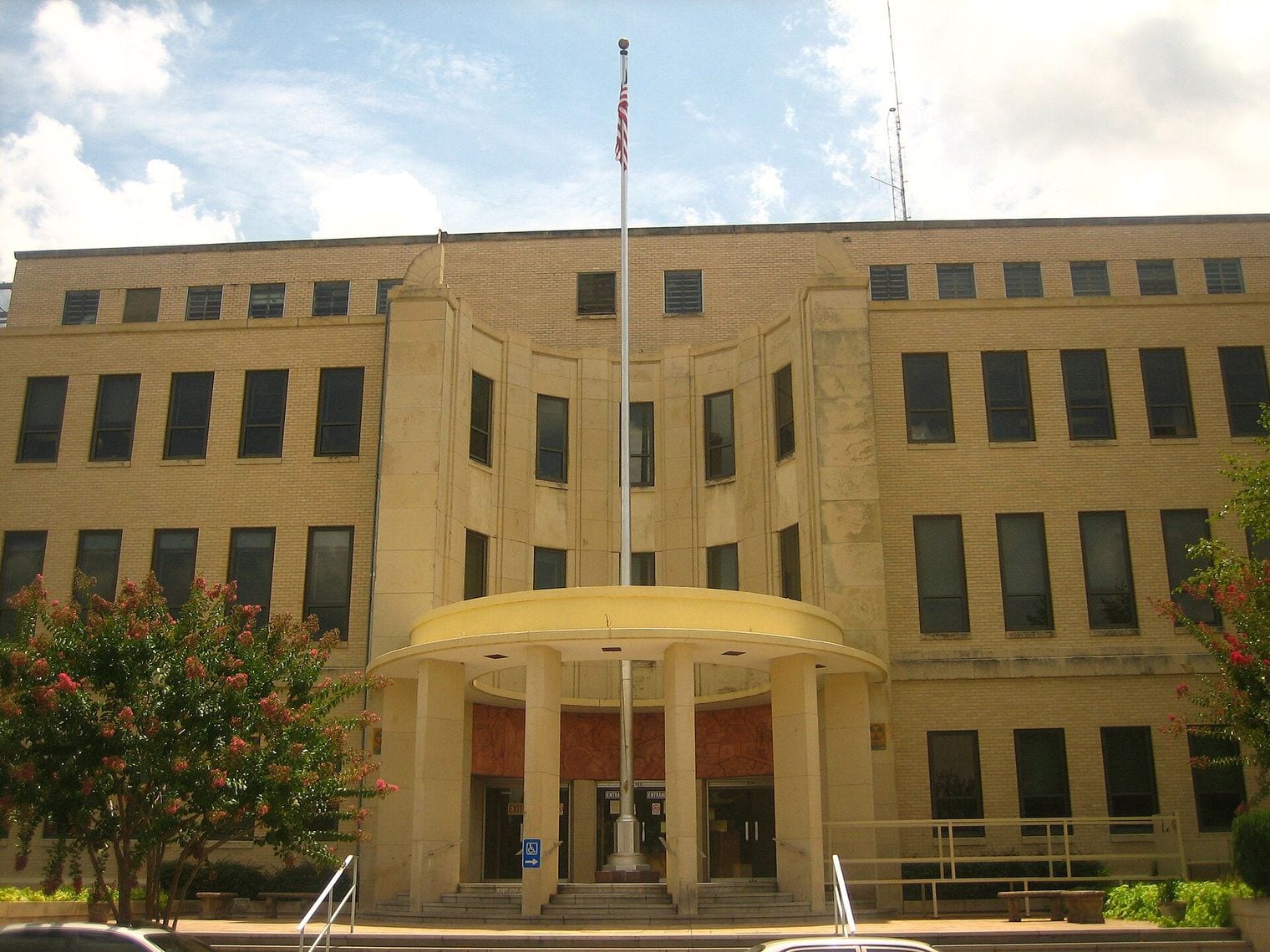
Minden, the Webster Parish seat, was founded in 1836 and named after Minden, New York. It sits in the pine country of north Louisiana, about 28 miles east of Shreveport, and calls itself the Friendliest City in the South. During the Civil War it served as a Confederate supply depot, with a camp of some 15,000 soldiers.
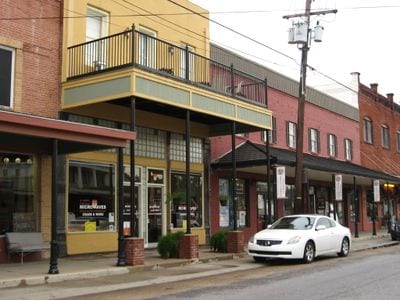
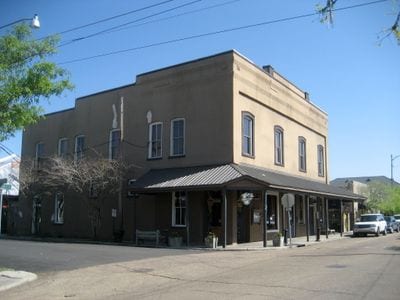
Its downtown historic district is listed on the National Register of Historic Places, and Main Street, paved with brick in 1917 and 1918, is lined with early 20th-century storefronts of shops and cafés. About seven miles north, the Germantown Colony and Museum preserves the earliest religious communal settlement in Louisiana, founded in 1836 by German followers of a self-styled Count of Leon who held all property in common until 1871.
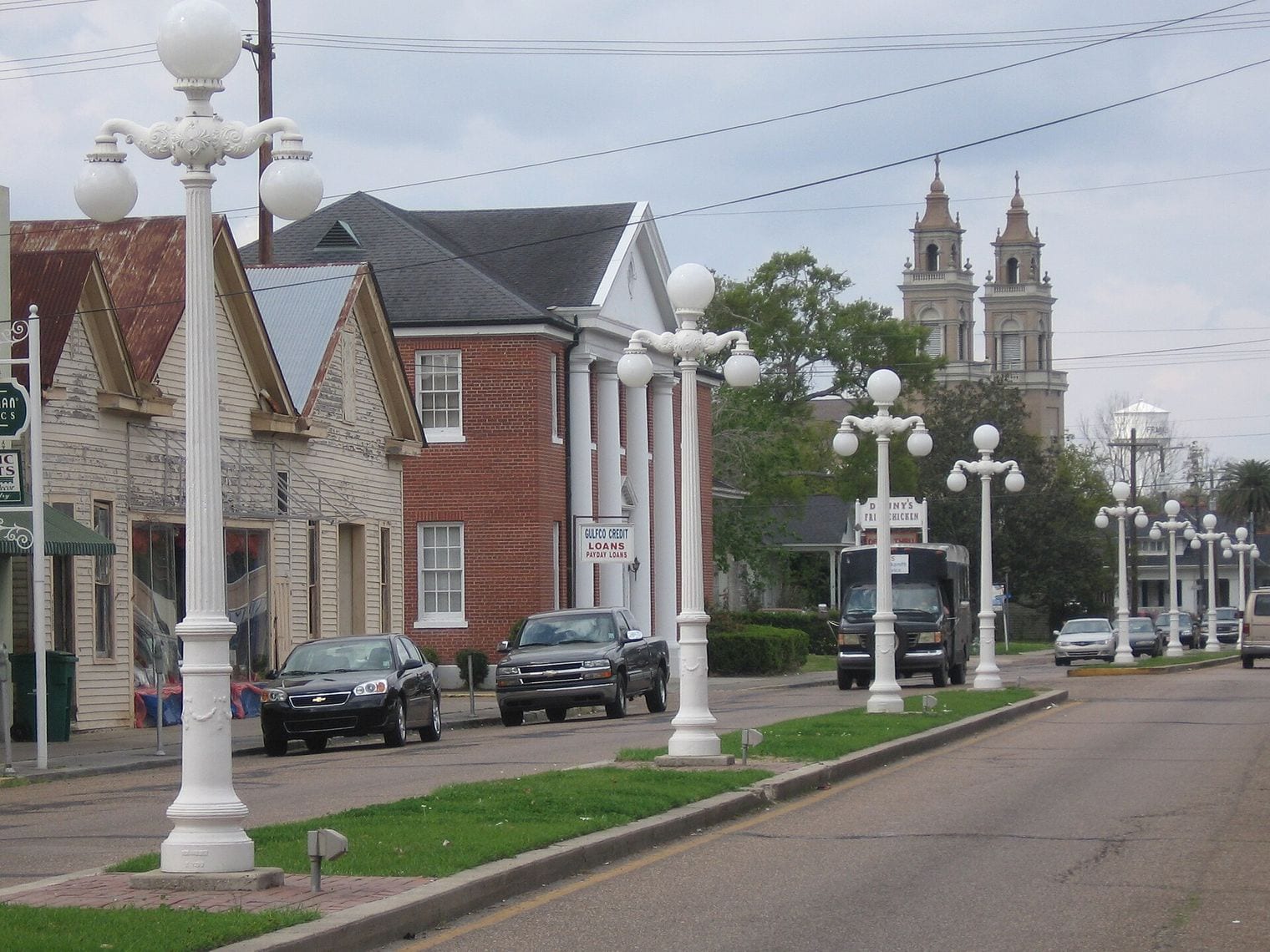
Franklin was founded in 1808 and named for Benjamin Franklin, and it grew rich as an inland sugar port on Bayou Teche; the planters' wealth still shows in a historic district of more than 400 notable structures listed on the National Register of Historic Places. Today the St. Mary Parish seat is a quiet town made for an unhurried walk.
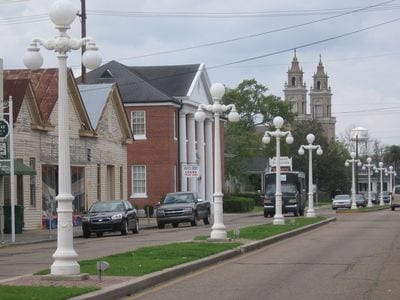
Main Street runs parallel to the bayou as two lanes divided by a grassy neutral ground lined with distinctive old-fashioned lampposts, and the streets around it are full of antebellum homes. Just outside town, Oaklawn Manor, built around 1837 by Alexander Porter, stands on the Teche as one of the grand plantation houses that once lined the bayou.
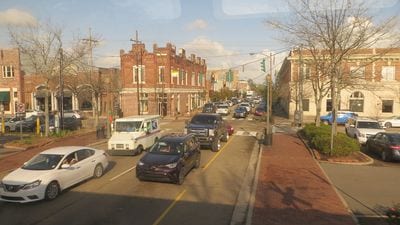
Hammond takes its name from Peter Hammond, a Swedish immigrant who settled here around 1818, and it later boomed as a shipping point for strawberries; a state historical marker downtown still calls it the Strawberry Capital of America. Today the largest town in Tangipahoa Parish is a college town, home to Southeastern Louisiana University, about 45 miles east of Baton Rouge.
The heart of a visit is the historic downtown, where the Columbia Theatre, opened in 1928 and saved from demolition by local citizens in the 1990s, now serves as the university's downtown venue for concerts and plays. The Tangipahoa African American Heritage Museum tells the story of the parish's Black community, and the cypress swamps around Manchac lie a short drive south.
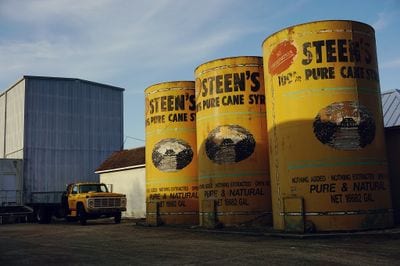
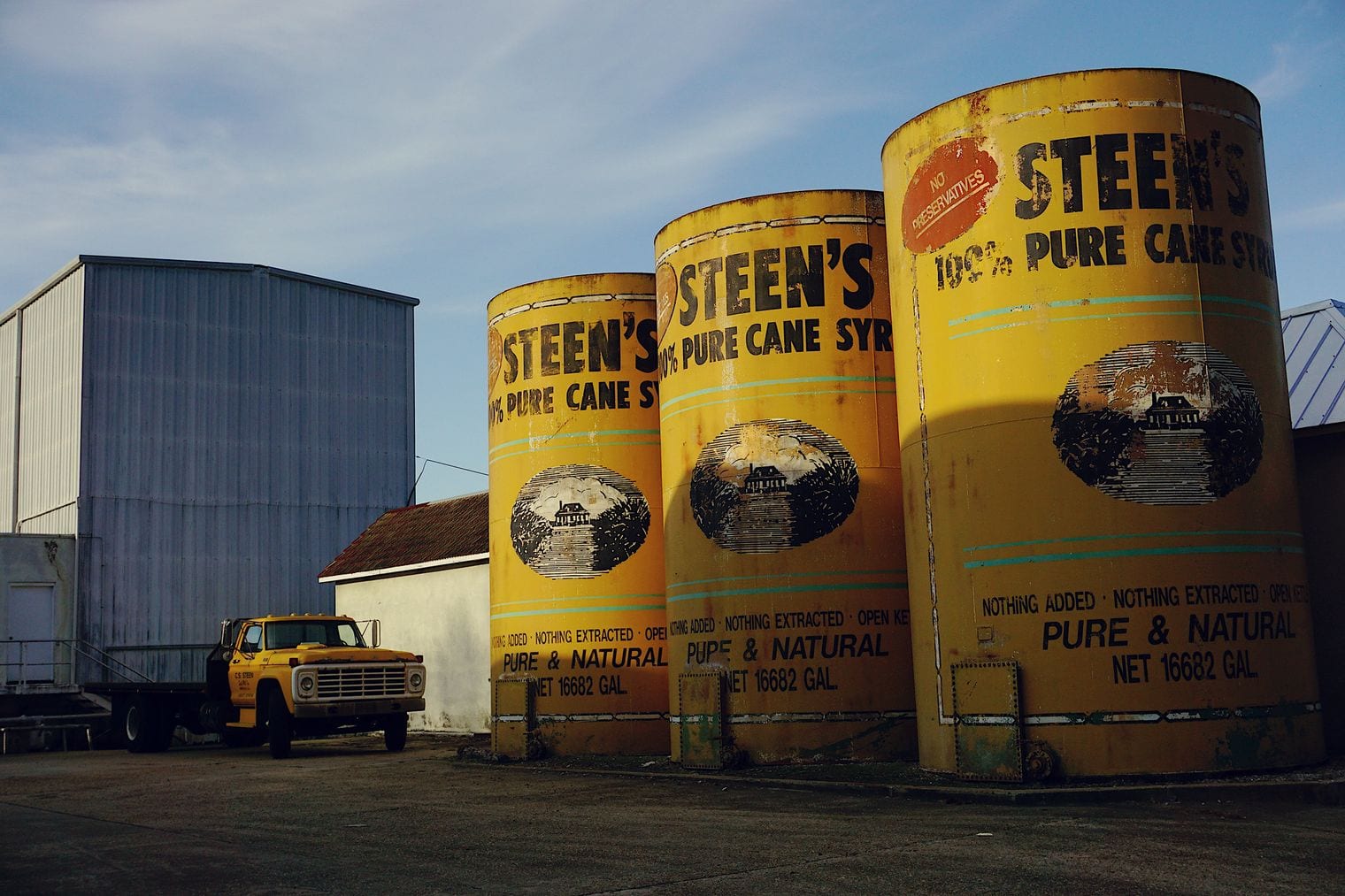
Abbeville was laid out in 1843 by Father Antoine Désiré Mégret, a Capuchin missionary born in Abbeville, France, who planned it like a French provincial village around a church. The Vermilion River runs through downtown, and the Vermilion Parish seat keeps a strong Cajun flavor, down to the cane syrup still made in town.
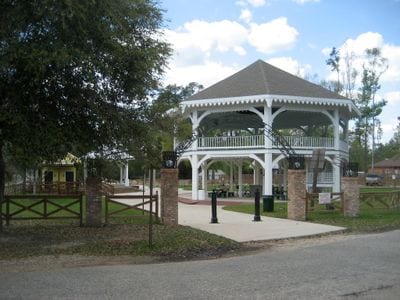
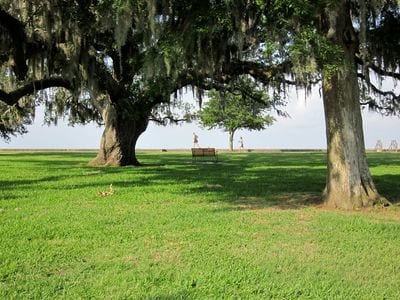
Magdalen Square, shaded by big live oaks and set with a fountain, a gazebo and a statue of Father Mégret, is the place to start, beside St. Mary Magdalen Church. Each November the square hosts the Giant Omelette Celebration, which ends with a 5,000-egg omelette cooked over an open fire in a 12-foot skillet and shared free with the crowd.
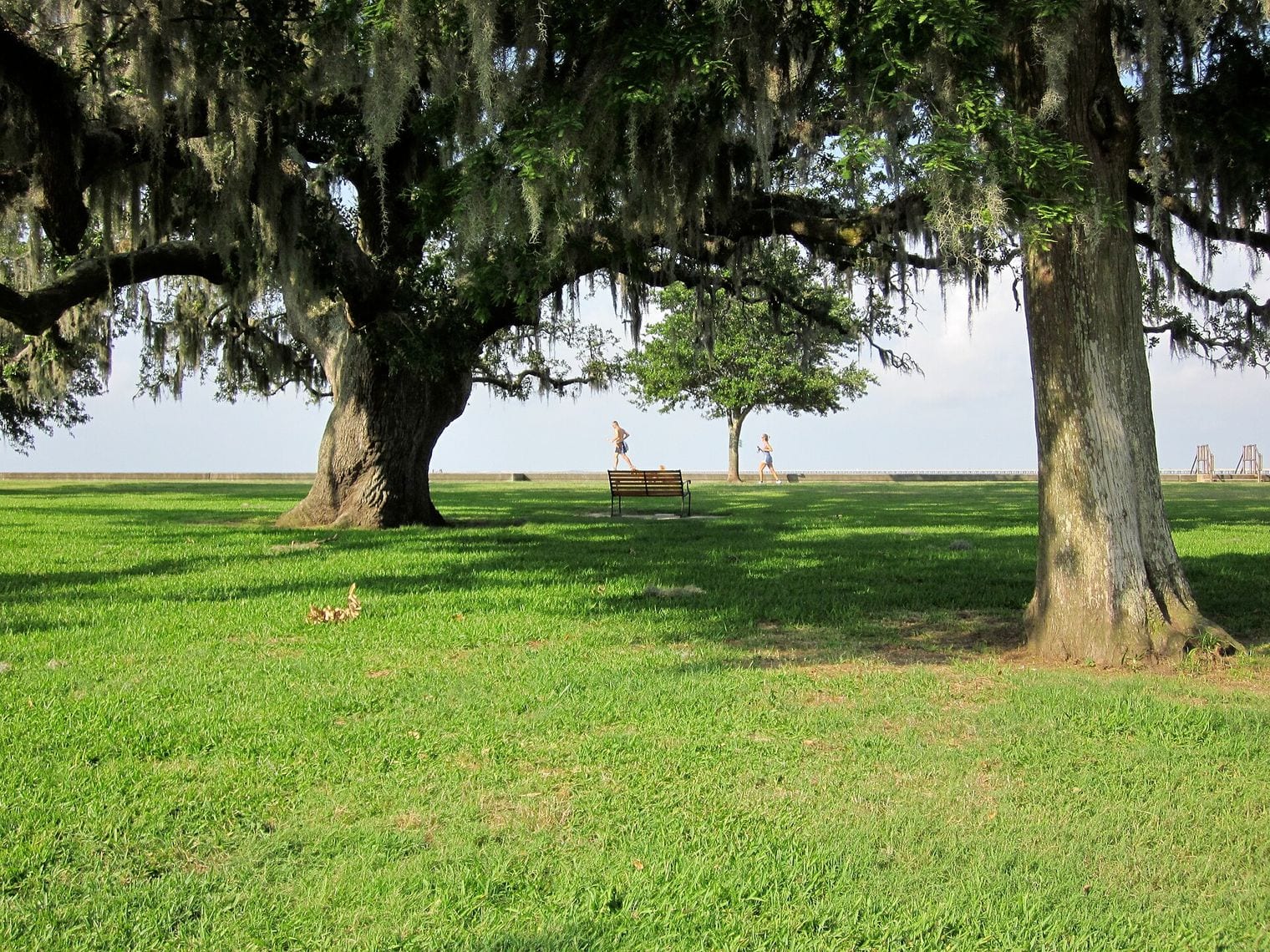
Mandeville was laid out in 1834 by New Orleans planter Bernard de Marigny as a resort across Lake Pontchartrain, and by the late 1800s steamboats carried weekenders from the city to its lakefront. Old Mandeville, the original town near the water, is still the place to stroll, with a seawall and gazebo along the lake and old cottages under the oaks.
Bands played on those steamboats and in the town's dance halls, making Mandeville one of the first places outside New Orleans to hear jazz. The Dew Drop Jazz and Social Hall, built in 1895 by a Black benevolent society and listed on the National Register of Historic Places, has been reopened as a venue for traditional jazz concerts, and just east of town Fontainebleau State Park spreads across 2,800 acres of lakeshore on Marigny's former sugar plantation.
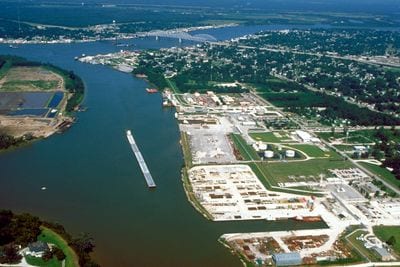
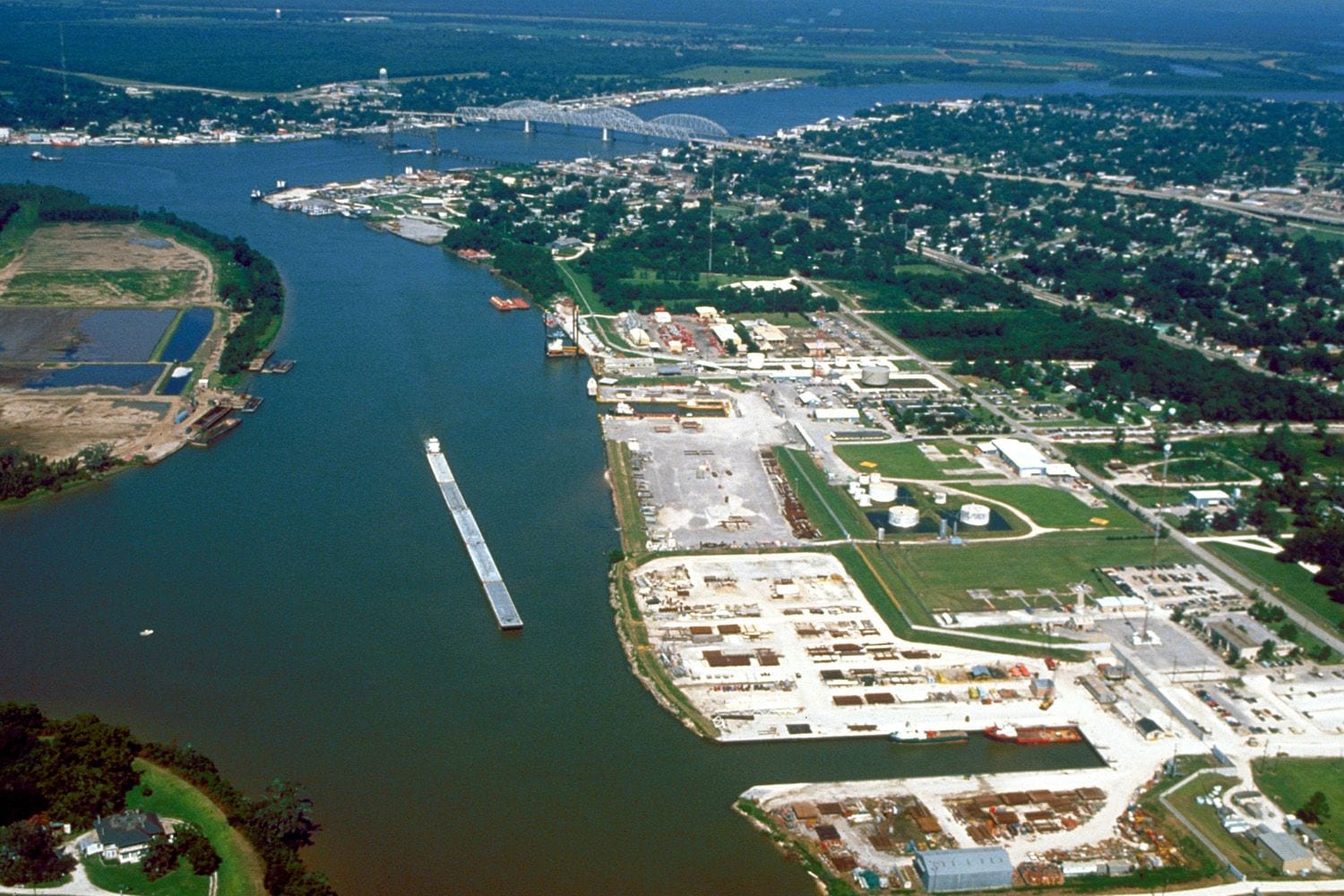
Morgan City sits on the Atchafalaya River near its junction with the Intracoastal Waterway, a working town of shrimp boats and offshore oil named in 1876 for steamship magnate Charles Morgan, who dredged a ship channel to the Gulf. Before that it was called Tiger Island and then Brashear City.
Climb aboard Mr. Charlie, a pioneering movable offshore drilling rig that worked in the Gulf from 1954 to 1986 and is now a museum offering guided tours of its working decks and crew quarters. Every Labor Day weekend the Louisiana Shrimp and Petroleum Festival, which dates to 1936, fills the town with music, seafood and a Blessing of the Fleet on the river.
Marksville, the Avoyelles Parish seat, is named for Marc Eliche, a trader believed to have come from Venice, who opened a trading post here around 1794 and later donated the land for the courthouse square at the center of town. The Tunica-Biloxi Tribe has its reservation in the parish, and the tribe's casino resort here opened in 1994 as Louisiana's first land-based casino.
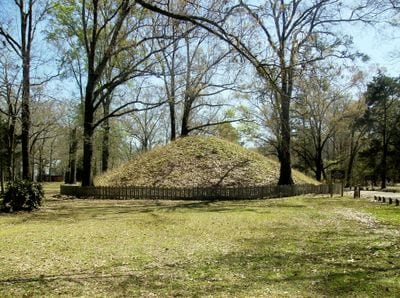
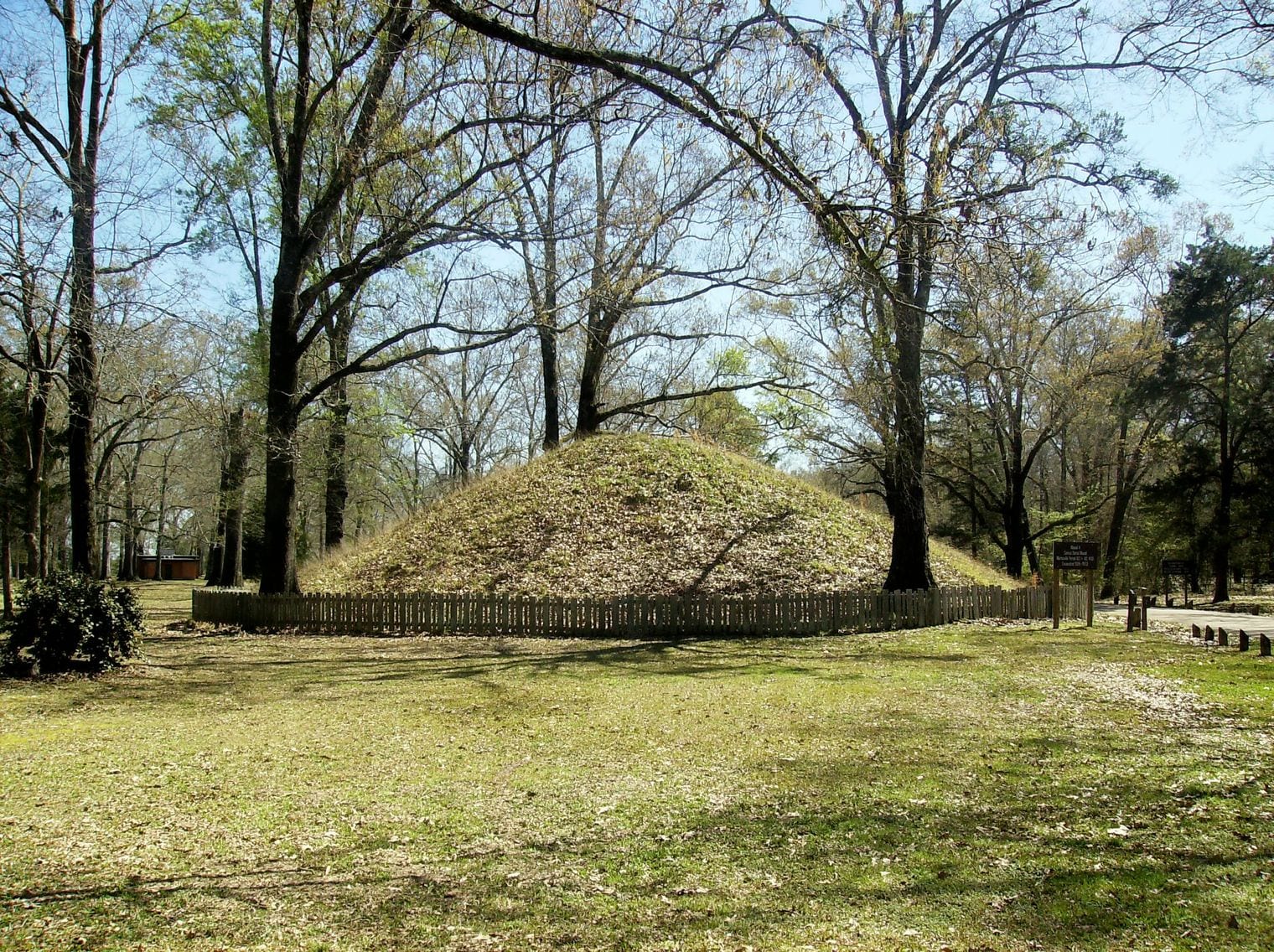
The town's great treasure is the Marksville Prehistoric Indian Site, a National Historic Landmark where burial mounds sit inside a horseshoe-shaped earthwork about 3,000 feet long, built roughly 2,000 years ago and important enough to give its name to the ancient Marksville culture; the grounds have been closed to the public in recent years, so check access before you go.
In town, the Hypolite Bordelon House, a Creole cottage from the 1820s with walls of mud-and-moss bousillage, has been moved to a small park and restored.
Madisonville was founded around 1800 as Coquille, for the shells along the riverbank, and renamed for President James Madison around 1811. The small town sits on the Tchefuncte River just upstream from Lake Pontchartrain, and for much of its history it lived from the water, from brickyards shipping to New Orleans to shipyards that built wooden ships for the US Navy in World War I.
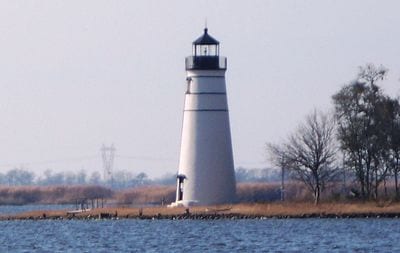
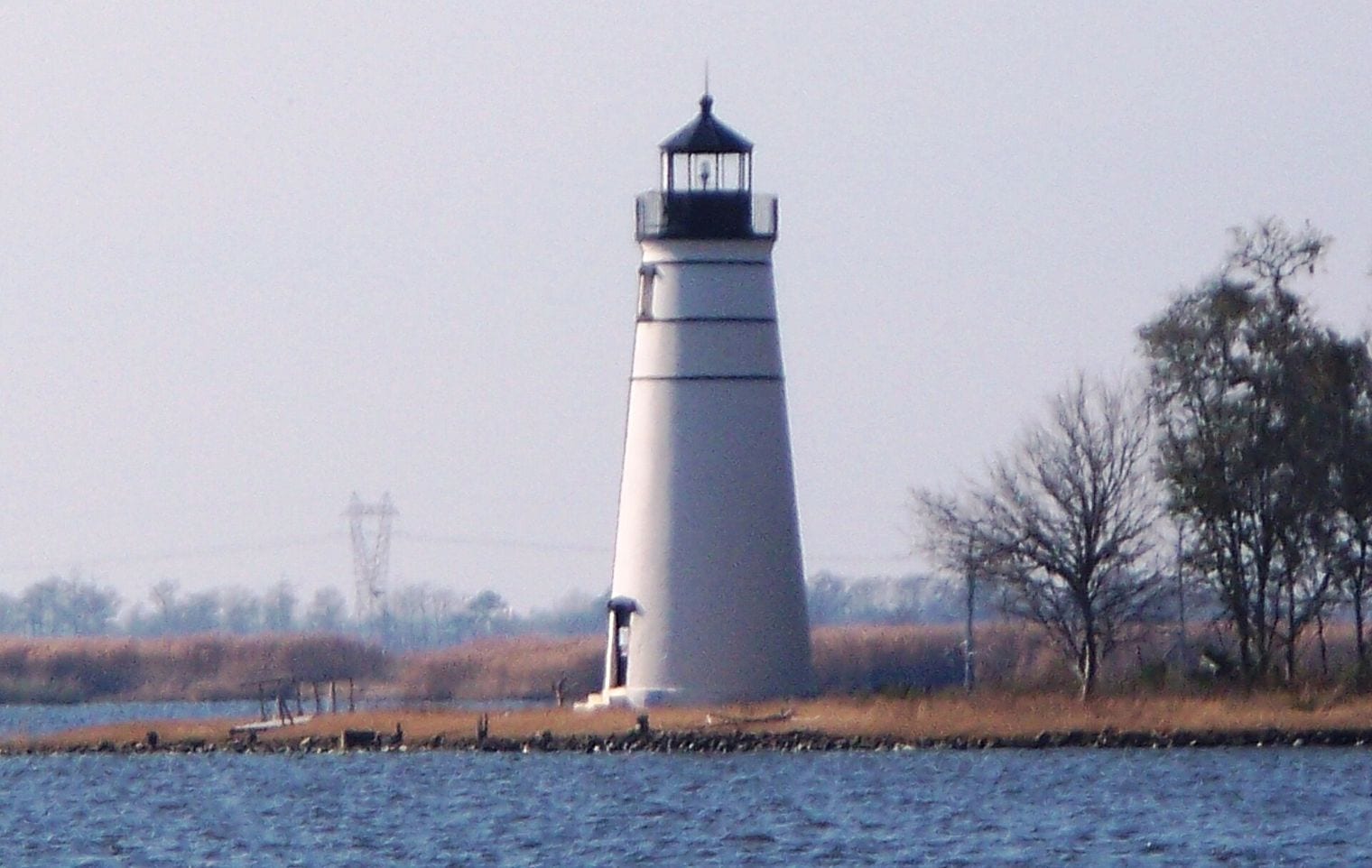
Maritime Museum Louisiana tells that story and hosts the Wooden Boat Festival each fall, and it also looks after the Tchefuncte River Lighthouse, rebuilt in 1868 at the river's mouth. Two miles east, Fairview-Riverside State Park has riverside campsites, a boardwalk through forested wetlands and the 1885 Otis House Museum.
Free Things to Do in These Louisiana Towns
Many of the best moments on this list cost nothing. Walk brick Front Street in Natchitoches, then drive downriver to the Oakland and Magnolia plantations of Cane River Creole National Historical Park, which charges no entrance fee. Visit the Evangeline Oak on the bayou in St. Martinville, sit under the live oaks of Magdalen Square in Abbeville and stroll the lamplit Main Street of Franklin.
On the Northshore, the Tammany Trace links Covington, Abita Springs and Mandeville, whose lakefront seawall is made for sunset walks, while the brick Main Street of Minden and the antique shops of Ponchatoula are free to browse if you can resist buying.
Louisiana's small towns cluster neatly by region, so the easiest plan is to pick one and link several together. In Cajun Country, Breaux Bridge, St. Martinville, New Iberia and Franklin line up along Bayou Teche east and southeast of Lafayette, with Abbeville a short detour southwest and the prairie towns of Opelousas and Eunice to the north.
On the Northshore of Lake Pontchartrain, Covington, Abita Springs, Mandeville and Madisonville sit within a few miles of one another, and Ponchatoula and Hammond lie a short drive west, about 45 miles east of Baton Rouge.
St. Francisville makes an easy trip north of Baton Rouge into plantation country. In the north, Natchitoches and Minden pair naturally with a visit to Shreveport, and Marksville is a worthwhile detour in central Louisiana. In bayou country, LA 1 follows Bayou Lafourche through Thibodaux toward the coast and ends at Grand Isle on the Gulf, with Morgan City to the west on the Atchafalaya.
Spring is festival season, from Ponchatoula's strawberries to the Breaux Bridge Crawfish Festival; fall brings the Shrimp and Petroleum Festival in Morgan City, the Wooden Boat Festival in Madisonville and Abbeville's giant omelette, and December belongs to the lights of Natchitoches. Summers are hot and humid, and hurricane season runs from June through November, so plan coastal trips with an eye on the forecast.
FAQ: Visiting the Best Small Towns in Louisiana
What is the best small town in Louisiana?
Natchitoches is the best small town in Louisiana for most visitors, with its brick Front Street on Cane River Lake, a National Historic Landmark District and a history reaching back to 1714. Breaux Bridge follows for crawfish and Cajun music, then St. Francisville for plantation country, Grand Isle for the Gulf and Covington for the Northshore.
Which small towns in Louisiana are closest to New Orleans?
The Northshore towns are the easiest escape: Mandeville, Covington, Abita Springs and Madisonville lie across Lake Pontchartrain, reached by the long causeway over the lake, and Ponchatoula and Hammond sit just off Interstate 55 to the northwest. Thibodaux is roughly an hour west in the bayou country, and Grand Isle is a longer drive south to the Gulf.
Where can you experience Cajun culture in a small town?
Start with the Bayou Teche towns of Breaux Bridge and St. Martinville for crawfish, Acadian history and live music, then head north to Eunice, a prairie town famous for Cajun music and its Courir de Mardi Gras, and Opelousas, the center of zydeco. Abbeville and New Iberia add festivals, cane syrup and old Acadian and Spanish roots, all within an easy drive of Lafayette.
When is the best time to visit small towns in Louisiana?
Spring and fall are the most comfortable seasons and the busiest for festivals, from Ponchatoula's Strawberry Festival in April to Morgan City's Shrimp and Petroleum Festival on Labor Day weekend and Abbeville's Giant Omelette Celebration in November. Winter brings the Christmas lights of Natchitoches and the prairie Mardi Gras runs, while summer is hot, humid and part of hurricane season.
How many days do you need to visit a small town in Louisiana?
Most towns on this list fill a relaxed day, and many make easy day trips from New Orleans, Baton Rouge or Lafayette. Natchitoches and St. Francisville deserve a weekend to see properly, while a week lets you link several towns in one region, such as the Bayou Teche towns of Cajun Country or the Northshore around Lake Pontchartrain.
Sources & updates
How this guide was checked
Checked before launch
Sources cited
20
Publishers
19
Every town on this list was pinned on the map and checked against official and local sources before publication.
A PDF with a box to tick for every place. Confirm your email to download it, and get one email every Thursday with our newest guides for the places you tick.
Free Louisiana small towns printable checklist
All 20 places in one PDF
Tick them off as you go. Confirm your email to download it, plus one email every Thursday with new guides for the places you tick.
We use cookies to analyse site traffic and improve your experience.
You can accept or reject analytics cookies. See our
May we use analytics cookies? See ourCookie Policy.