We may earn a commission if you book tickets, tours or a stay through a link on
this page, at no extra cost to you. It never affects which places we list or how
we rank them (how we make money).
Short answer
Start downtown with the Louisiana State Capitol, the tallest state capitol in the country, then walk to the castle-like Old State Capitol and down to the river to board the USS Kidd, a World War II destroyer. Save time for LSU, where Tiger Stadium and Mike the Tiger's Habitat sit side by side. Two days covers the essentials; add a third for the zoo, Burden Museum and Gardens or a day trip to Lafayette or New Orleans.
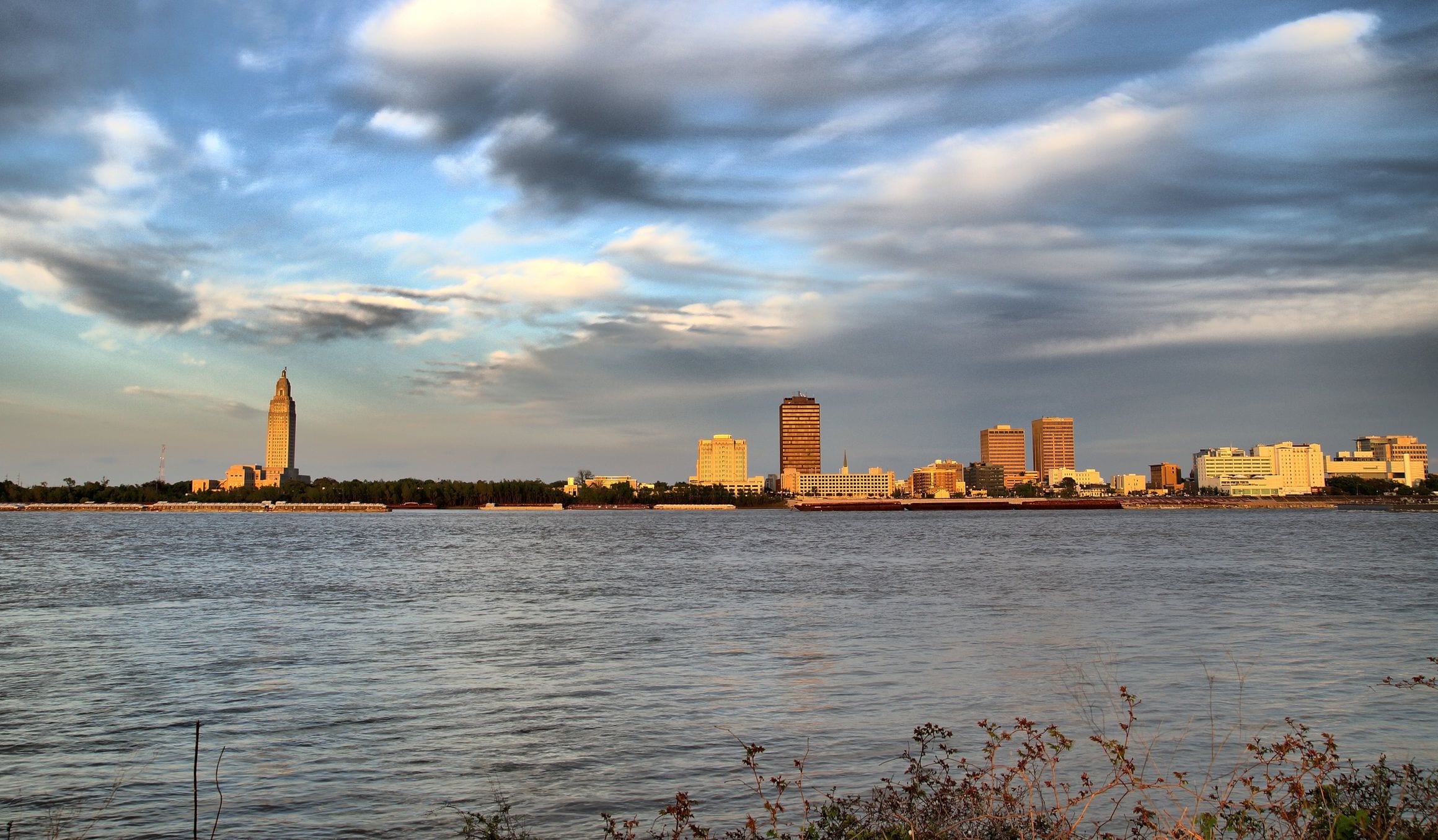
Baton Rouge sits on a bluff above the Mississippi River, a working port where an Art Deco tower, Gothic turrets and centuries-old live oaks share the same few miles. As Louisiana's capital and home of LSU, it mixes politics, college football and Creole and Cajun cooking in equal measure.
This guide ranks 25 things to do, from the capitols downtown to swamp boardwalks, plantation-era homes and Tiger Stadium. Plan two days for the essentials, or add a third and continue west to Lafayette.
Map of Things to Do in Baton Rouge, Louisiana
Things to Do in Baton Rouge, Louisiana
Things to Do in Baton Rouge, Louisiana at a Glance
The name is French for "red stick", after a red-painted pole that French explorers found marking the boundary between the hunting grounds of the Houma and Bayagoula peoples.
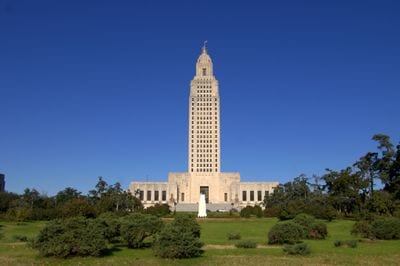
At 450 feet and 34 stories, the Louisiana State Capitol is the tallest state capitol in the United States.
Baton Rouge became Louisiana's capital in 1846, when the legislature chose it to replace New Orleans.
The city is the farthest upstream Mississippi River port able to handle Panamax ships, which is why ocean-going tankers and cargo vessels tie up here, far inland from the Gulf.
Its 1953 bus boycott, led by the Rev. T. J. Jemison, came two years before Montgomery's, and organizers there studied its carpool system when planning their own.
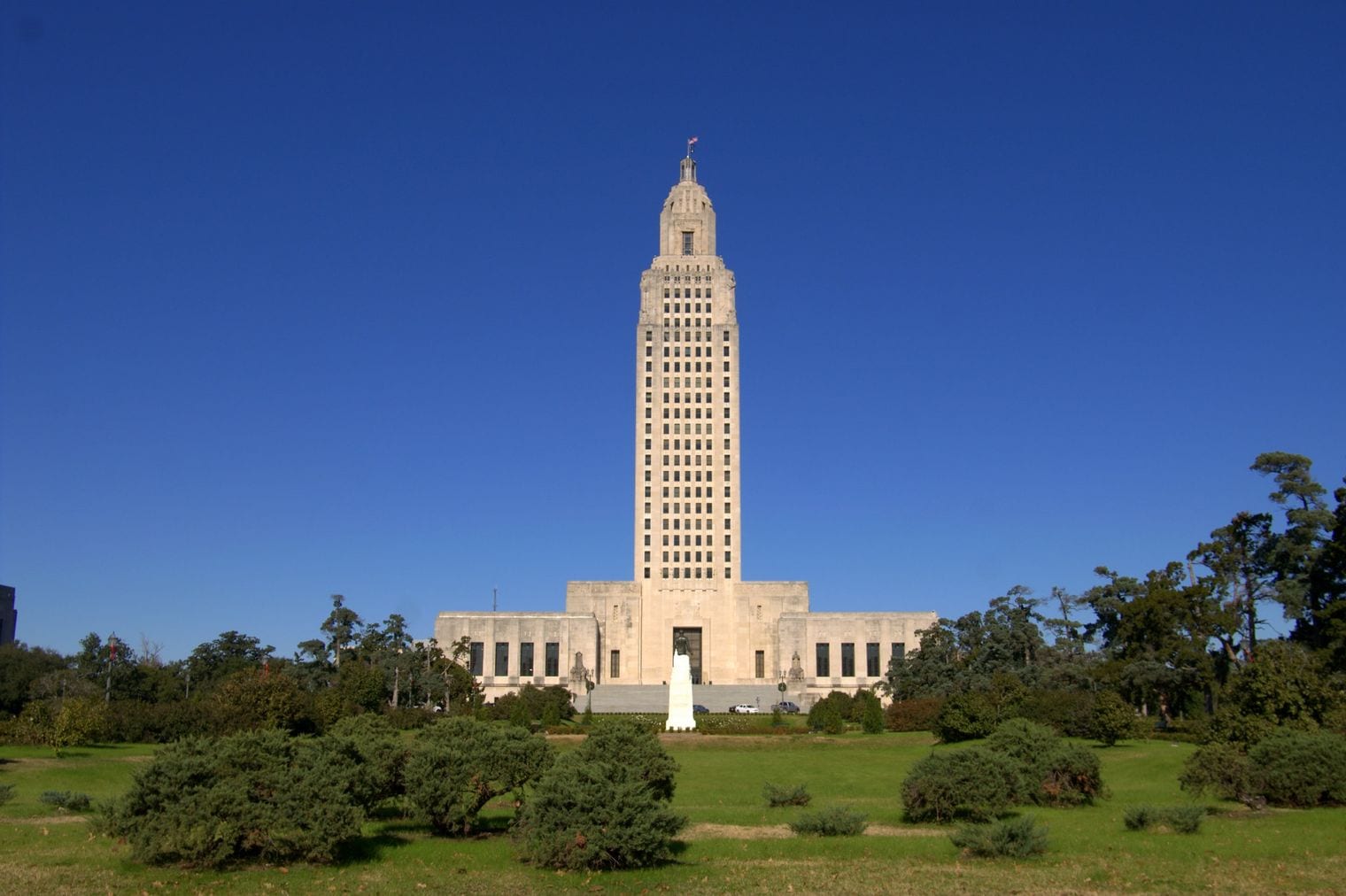
Rising 450 feet above downtown, the Louisiana State Capitol is the tallest state capitol in the United States, a 34-story Art Deco tower that Governor Huey Long championed and saw dedicated in 1932. Its sculpted facade and lavish public halls reward a slow look, and entry is free.
Long was shot inside the building in 1935 and is buried in the formal gardens out front, beneath a monument topped by his bronze statue. The 27th-floor observation deck has long been the city's best viewpoint over the Mississippi, but it closes for restoration work at times, so check its status before you plan around it.
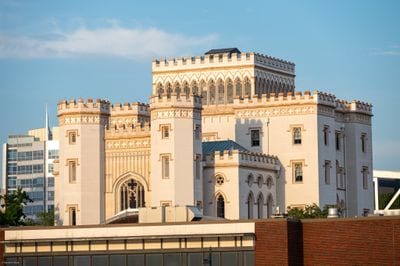
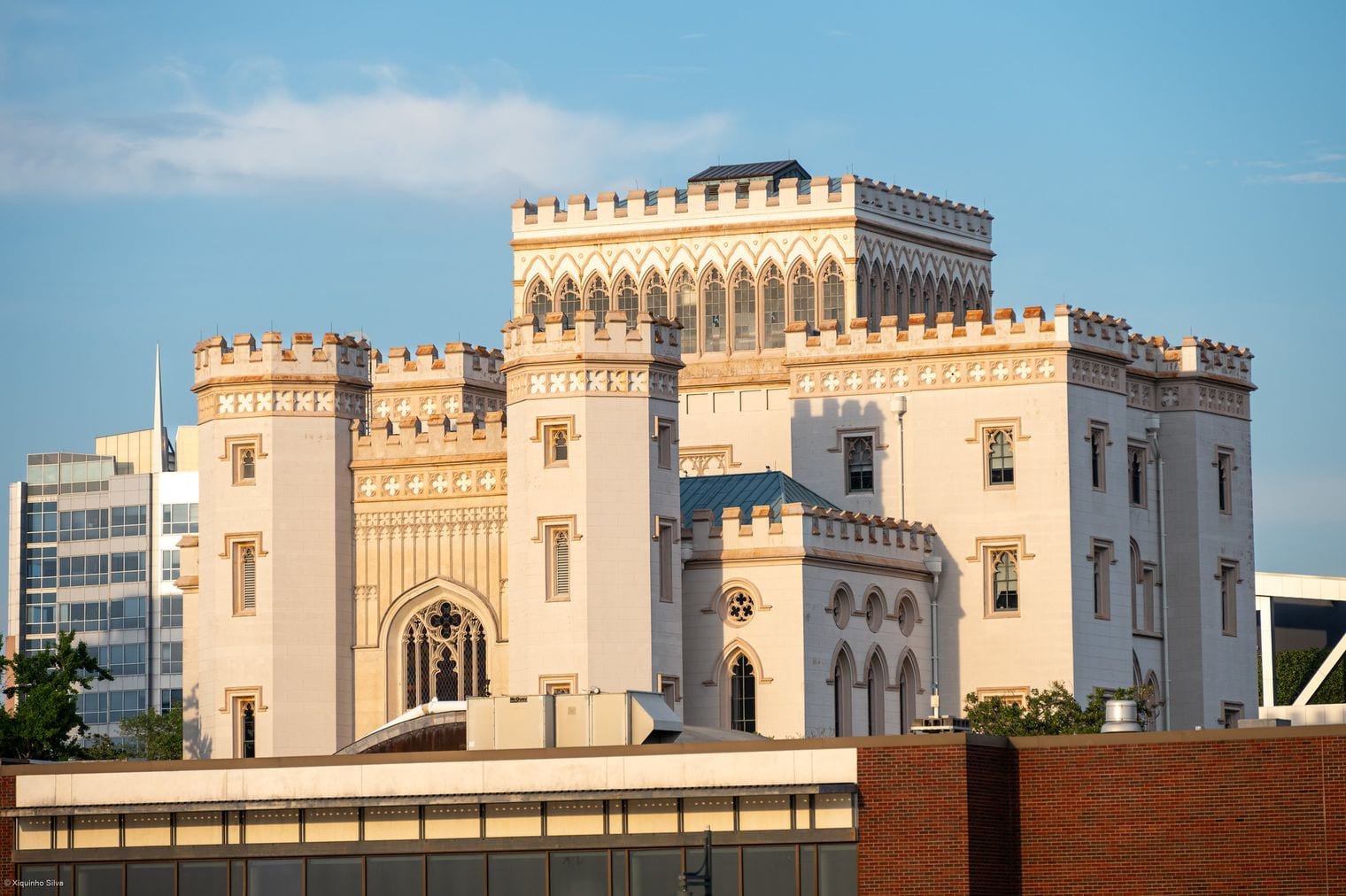
Mark Twain mocked it as a whitewashed castle, but Louisiana's Old State Capitol is exactly the kind of building people remember. Completed in the early 1850s to a Gothic Revival design by James Dakin, it perches on a bluff above the river with turrets and battlements that look lifted from a medieval romance.
Gutted by fire during the Civil War, it was rebuilt by 1882 with the spiral staircase and stained-glass dome that now steal the show. Today the building houses the Museum of Political History, and admission is free.
Moored on the Mississippi downtown, the USS Kidd is a Fletcher-class destroyer launched in 1943 and named for Rear Admiral Isaac C. Kidd, who died aboard the USS Arizona at Pearl Harbor. She survived a kamikaze strike in April 1945 that killed 38 of her crew, and she is the only Fletcher-class museum ship that still keeps her World War II appearance.
Climbing through her decks, bunks and gun mounts gives a vivid sense of life aboard. Because the river rises and falls by as much as 40 feet over a year, the ship floats for half of it and rests on keel blocks for the rest, and the shoreside museum adds exhibits on the Louisianans who served.
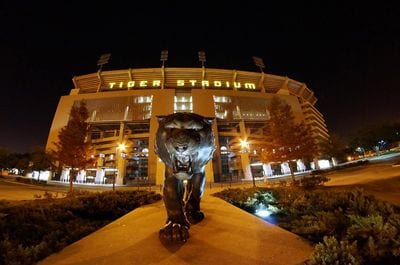
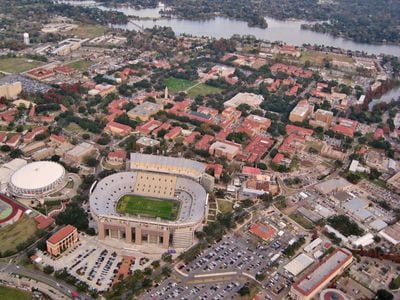
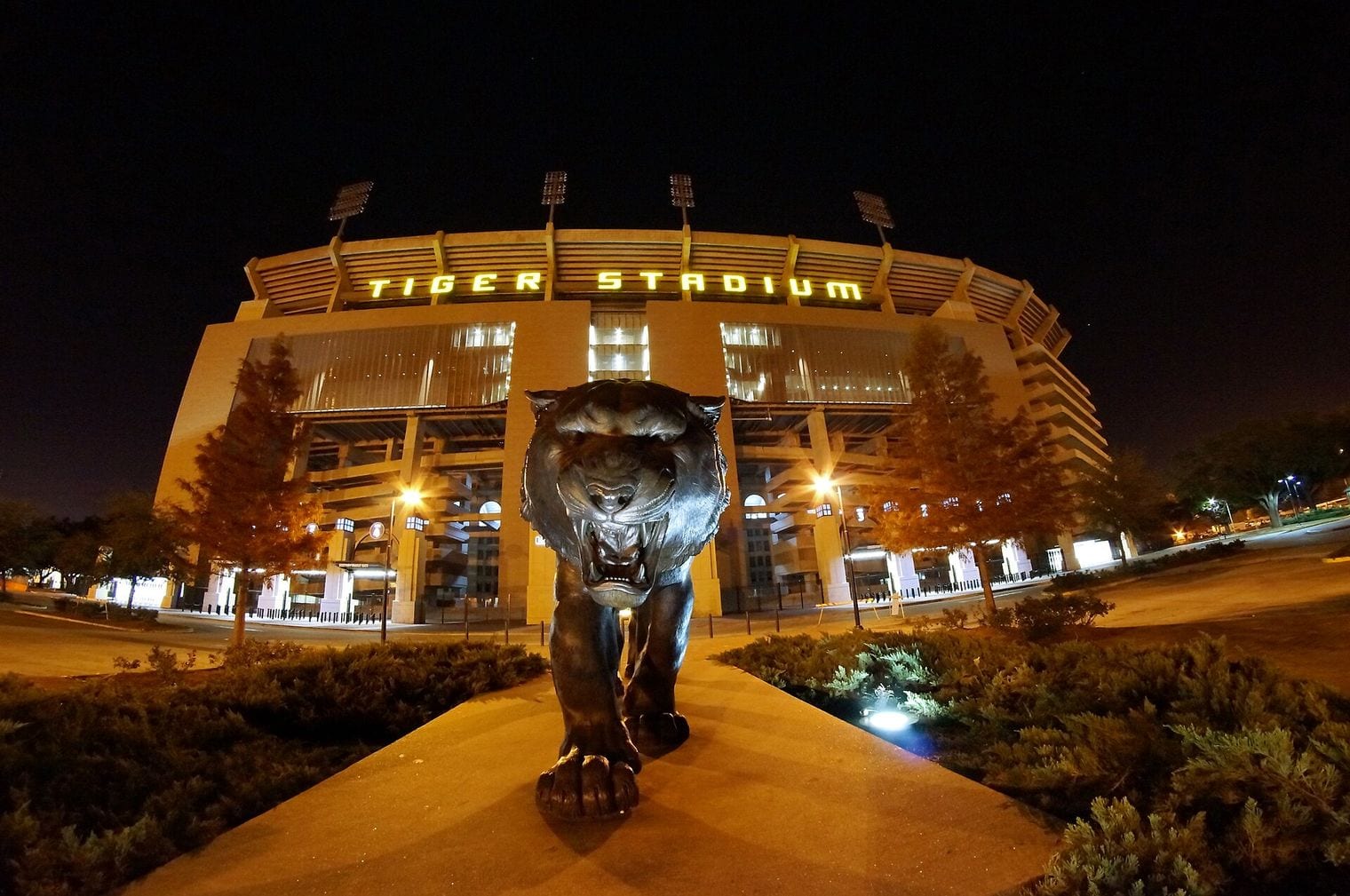
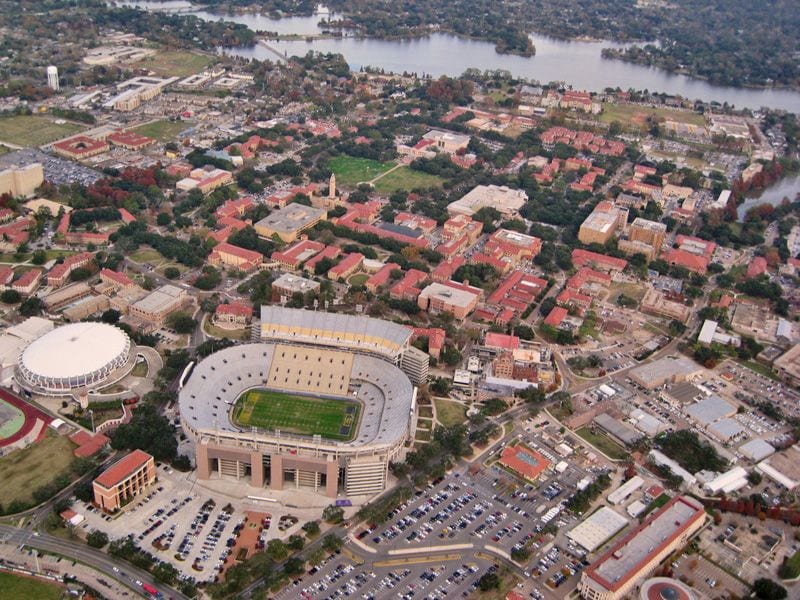
Nicknamed Death Valley, LSU's Tiger Stadium holds more than 100,000 fans and ranks among the largest stadiums in the world. It opened in 1924 with 12,000 seats and has grown in stages into the steep bowl that looms over the south end of campus.
Fall Saturday nights are the essential experience: LSU has a famously strong record under the lights, and during a 1988 win over Auburn the crowd's roar registered on a seismograph in a campus geology office. Outside the season, the exterior and the surrounding tailgating grounds still make a worthwhile walk.
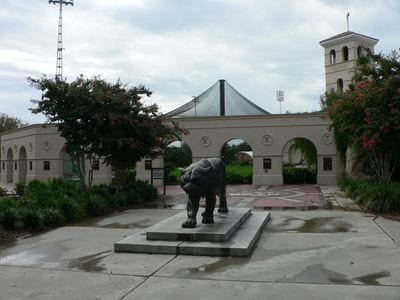
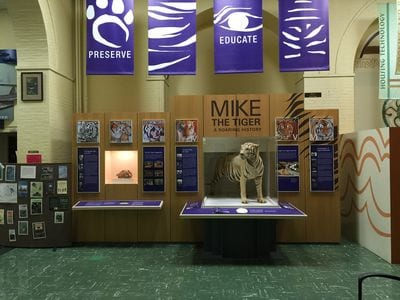
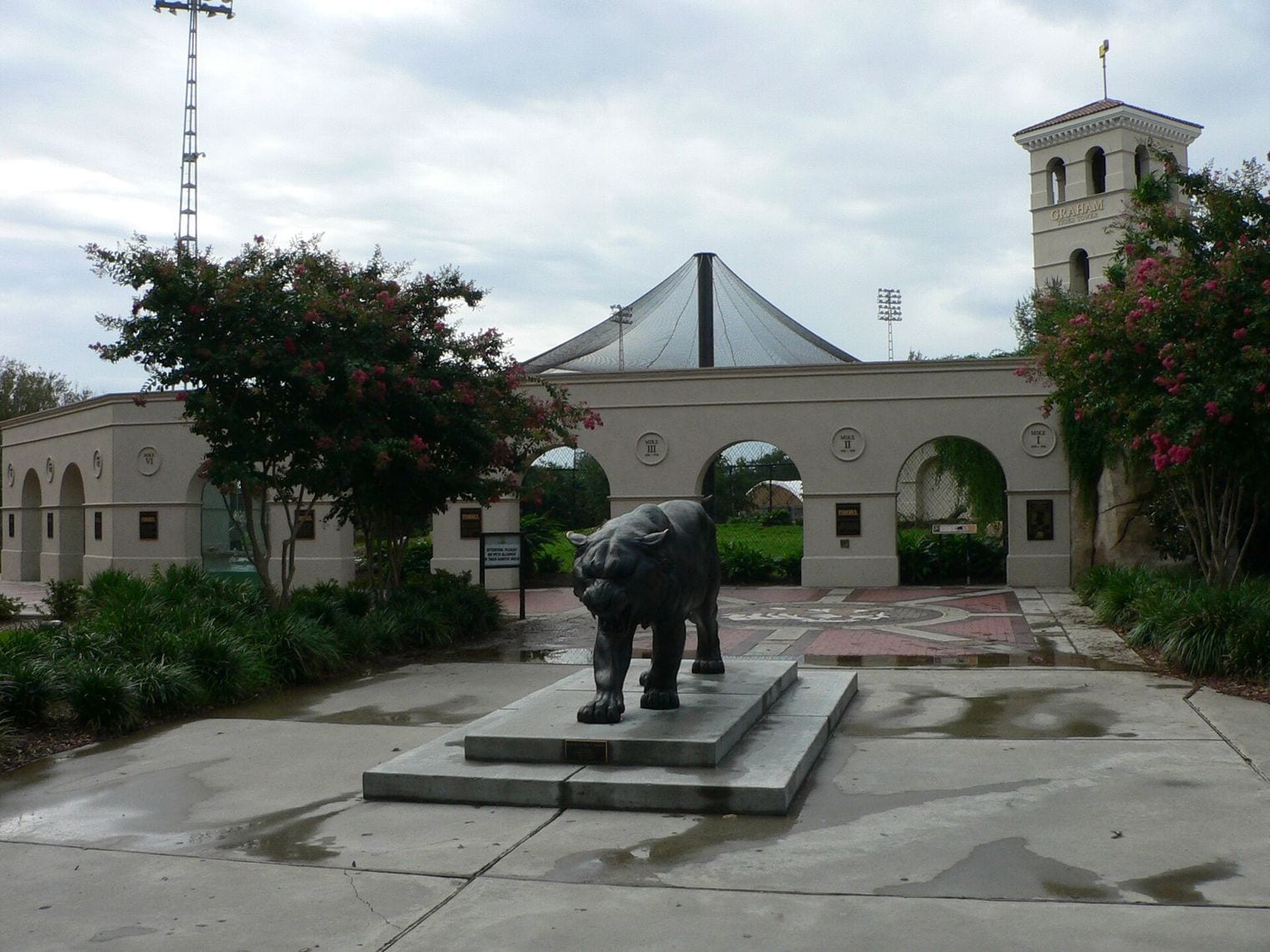
Few universities keep a live tiger, but LSU does: Mike the Tiger lives in a 15,000-square-foot habitat right beside Tiger Stadium. Opened in 2005, it has a waterfall, a stream that empties into a wading pond and rocky plateaus to climb.
The current Mike is the latest in a long line of live mascots, looked after by LSU's veterinary school and its student caretakers. Watching him costs nothing, and cooler mornings and late afternoons, when big cats tend to be more active, give you the best chance of seeing him on the move.
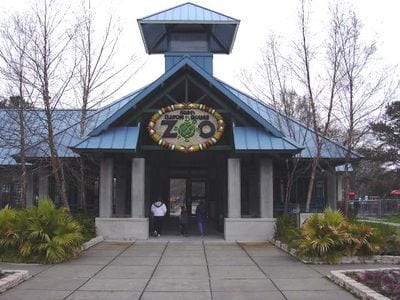
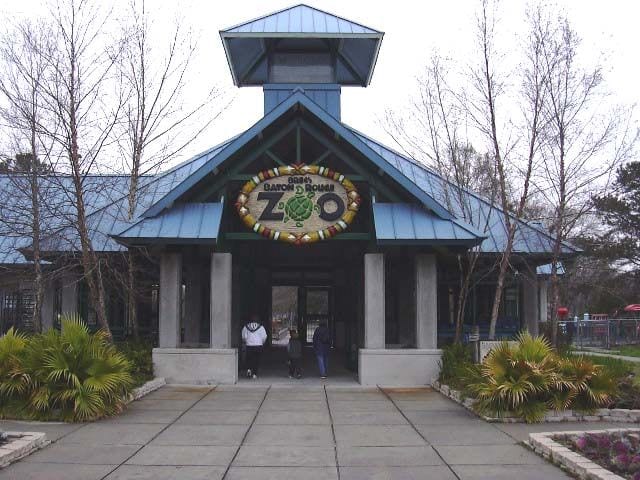
North of downtown in Greenwood Community Park, BREC's Baton Rouge Zoo has been a local favorite since it opened on Easter Sunday 1970, after a community drive collected hundreds of thousands of pennies to buy its first two elephants.
Its 100-plus acres hold hundreds of animals, from Malayan and Sumatran tigers in the Realm of the Tiger to native Louisiana species in an air-conditioned aquarium that doubles as a cool refuge on summer afternoons. Allow a half day, especially with children.
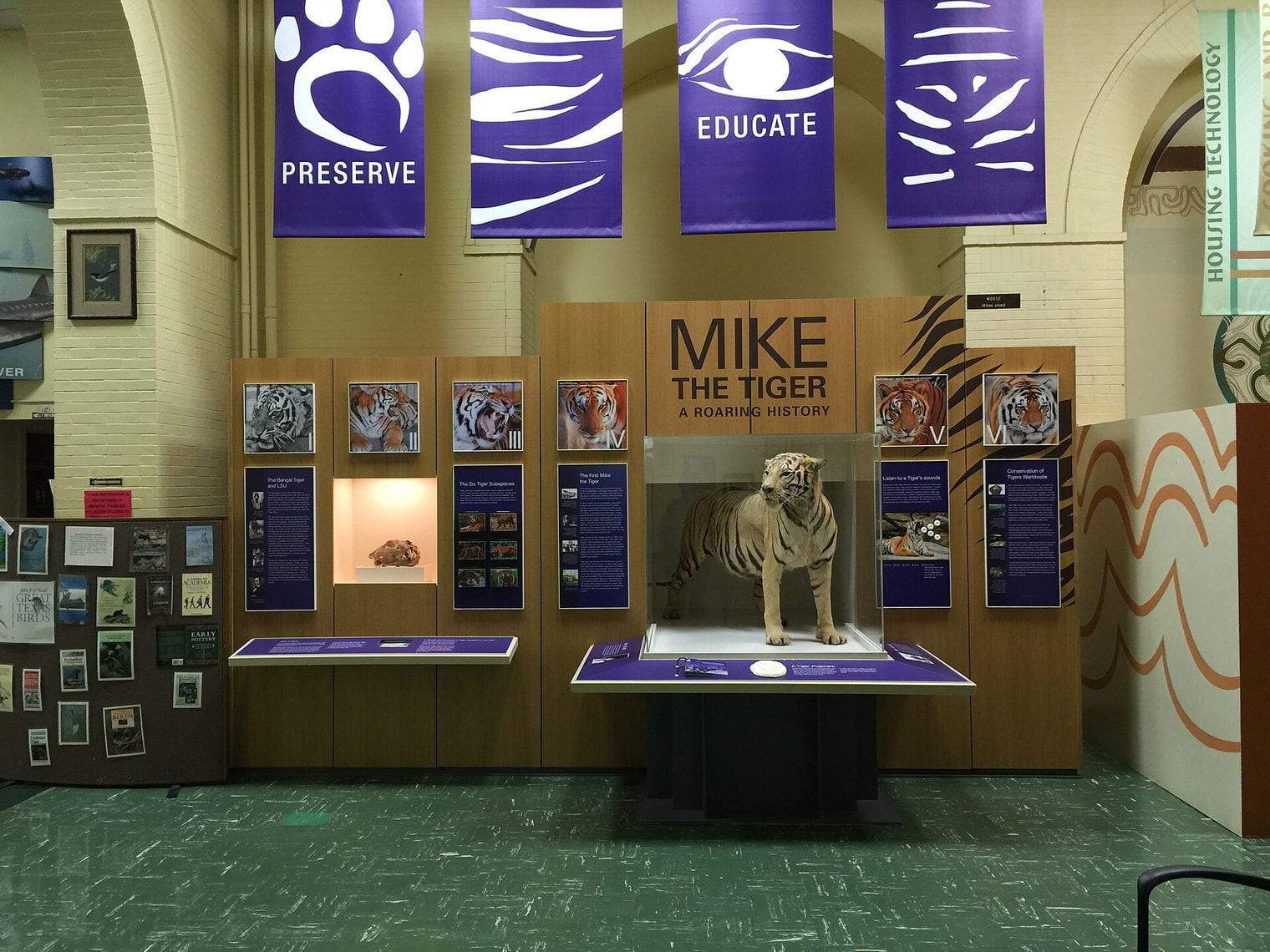
In Foster Hall on the LSU campus, the LSU Museum of Natural Science opens its exhibit hall to the public free of charge. Its centerpiece is a set of nine habitat dioramas built between 1955 and 1964 by scientist and artist Ambrose Daigre, carrying you from a Louisiana swamp to a cactus desert and an Arctic scene with a polar bear.
Behind the scenes it is a serious research museum, with one of the largest university-based bird collections in the world and a vast bank of genetic samples used by scientists far beyond Louisiana. It makes a quick, rewarding stop when you are on campus for Mike the Tiger or the mounds.
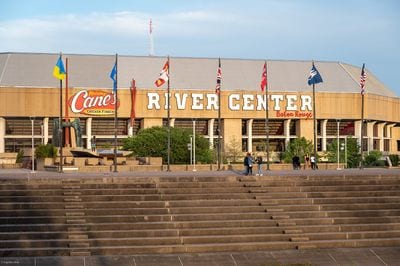
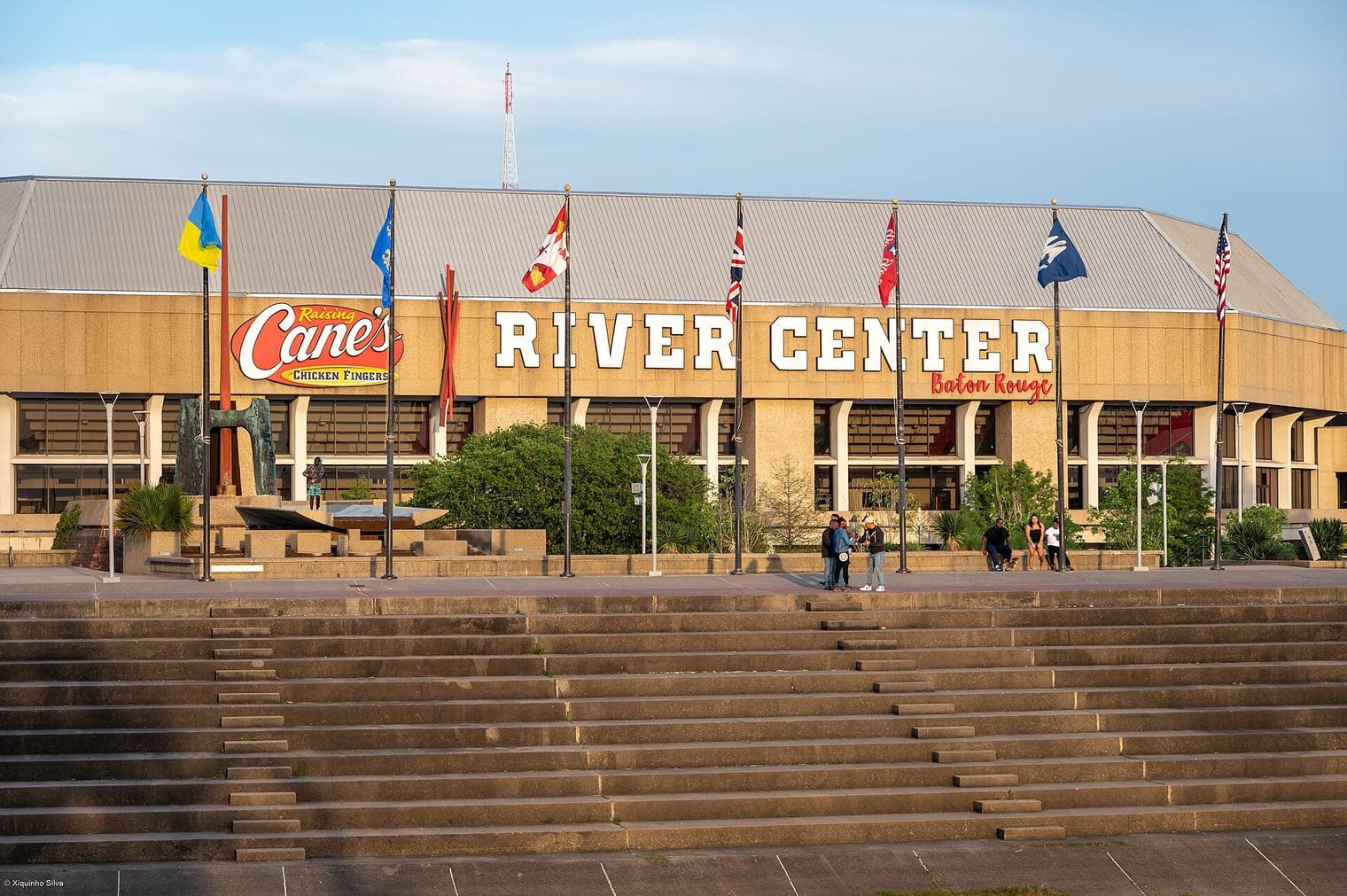
Downtown's big event venue, Raising Cane's River Center combines an arena, a performing-arts theater and a large exhibition hall in one complex near the river. It opened in 1977 as the Riverside Centroplex and still anchors the city's calendar of concerts, touring shows, conventions and games.
It is less a sight in itself than a reason to plan a trip, so check what is on during your stay. Its location puts the USS Kidd, the art and science museum and the riverfront promenade within a few minutes' walk.
Louisiana State University's main campus, south of downtown, is one of the South's most handsome: Italian Renaissance-style buildings under red tile roofs, the Quad, the broad Parade Ground and roughly 1,200 live oaks spreading their limbs over it all.
Memorial Tower, completed in 1923 as a World War I memorial, marks the heart of campus. The university itself traces back to a seminary near Pineville whose first superintendent was William Tecumseh Sherman, a detail few visitors expect.
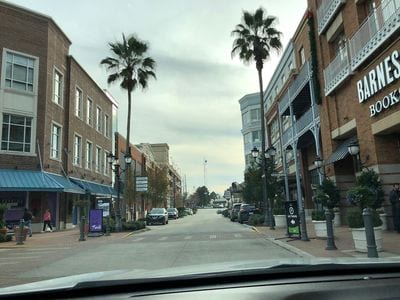
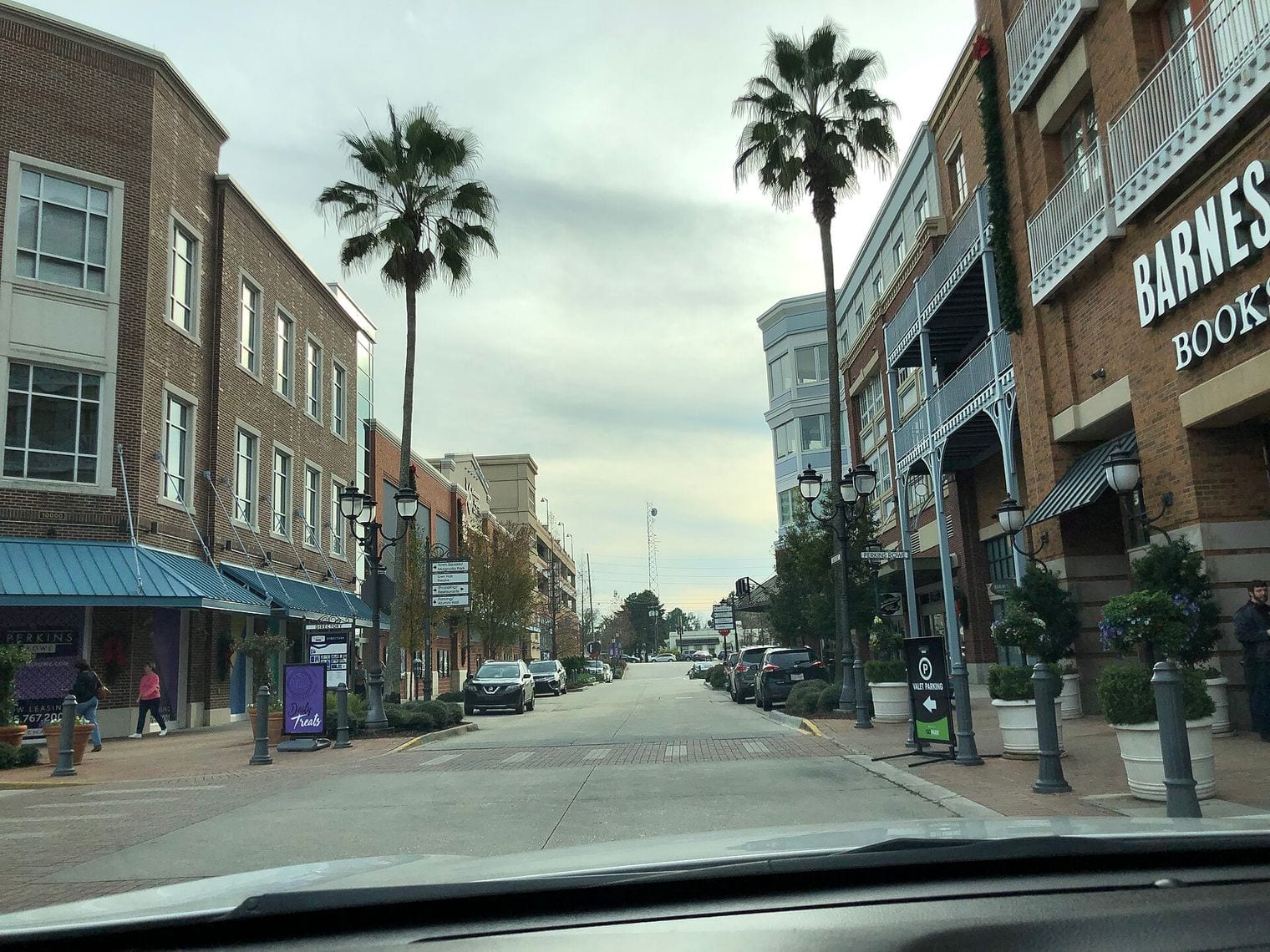
Perkins Rowe is an open-air, mixed-use district where shops, restaurants and bars line walkable streets, with apartments and offices woven in. It feels more like a small town center than a mall, and its town square hosts live music and community gatherings.
Come for an evening stroll and dinner, or catch a film at the multiplex cinema. It is a useful fallback on a rainy day or a sticky afternoon when the outdoor sights feel like too much.
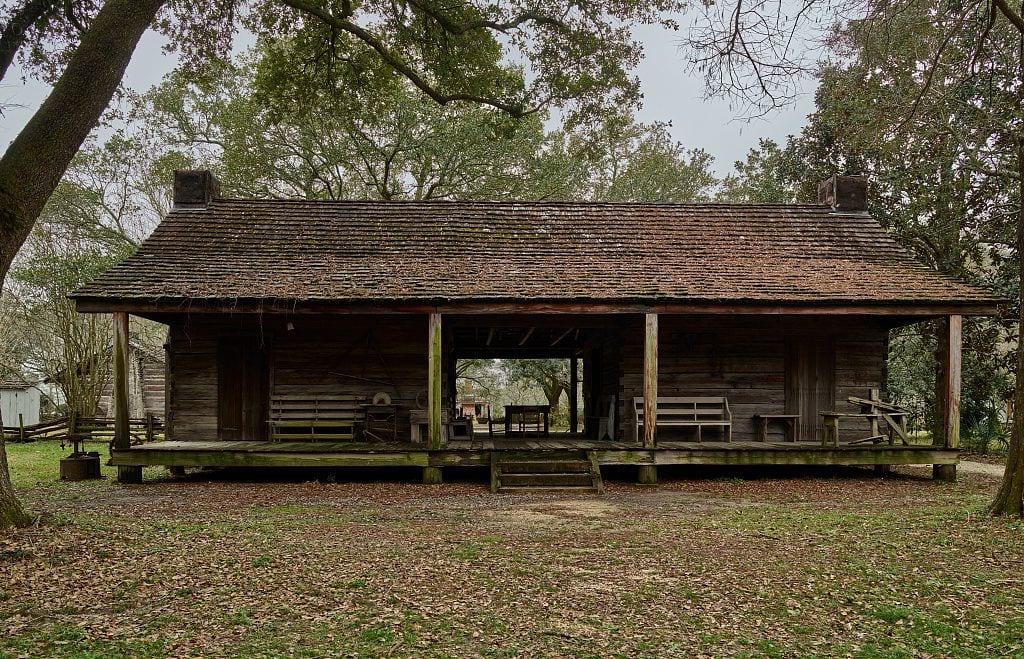
Burden Museum and Gardens preserves 440 acres of green space in the middle of the city, land the Burden family began donating to LSU in 1966. It brings together the LSU Rural Life Museum, Windrush Gardens and the LSU AgCenter Botanic Gardens.
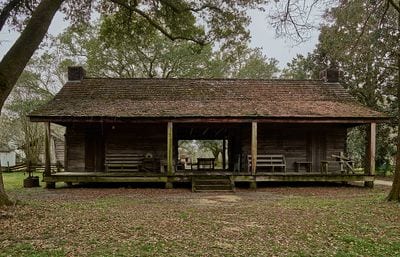
The Rural Life Museum is the highlight: an open-air collection of 19th-century buildings, from a sugar house and blacksmith shop to slave cabins and Acadian homes, that tells the story of rural Louisiana without softening it. Leave time for the garden paths and the trails beyond.
In the shadow of the State Capitol, Capitol Park Museum is the Louisiana State Museum's Baton Rouge branch and the best single primer on the state. Its permanent galleries range from slavery, resistance and civil rights to the energy industry, river trade and music.
Standouts include a 48-foot wooden shrimp trawler and a bugle Louis Armstrong played as a boy in New Orleans. It pairs naturally with the Capitol and the Pentagon Barracks, both a short walk away.
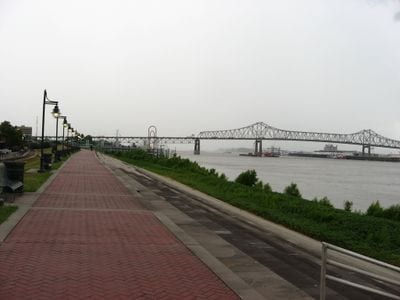
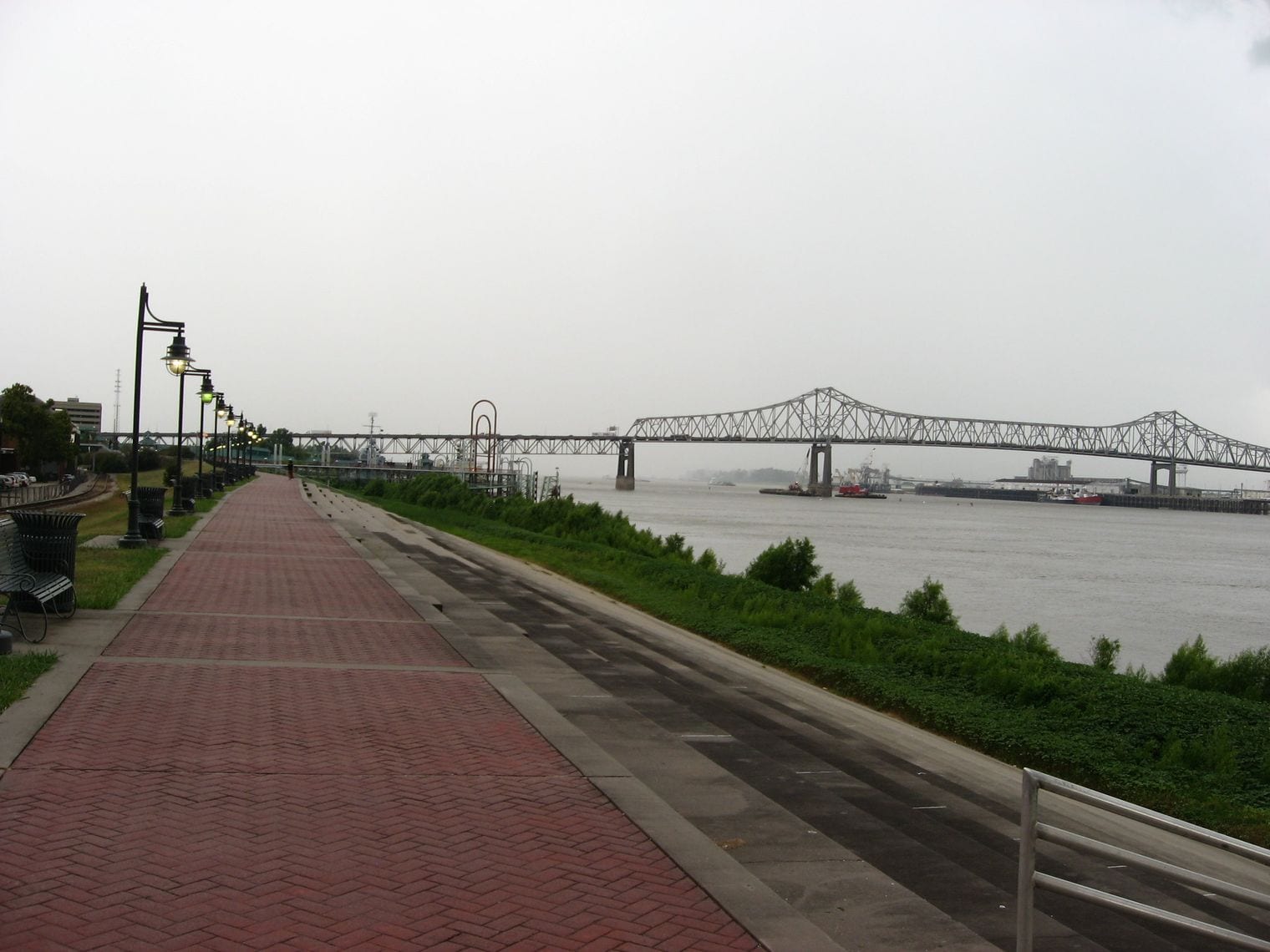
Riverfront Plaza stretches along the levee downtown, a 5.4-acre green space with water gardens, stages and terraced seating that looks straight onto the Mississippi.
Walk out to the City Dock for close-up views of barges and ships on a working river, then follow the paths to the USS Kidd and the art and science museum. Watching the sun go down over the water here is one of the easiest free pleasures in Baton Rouge.
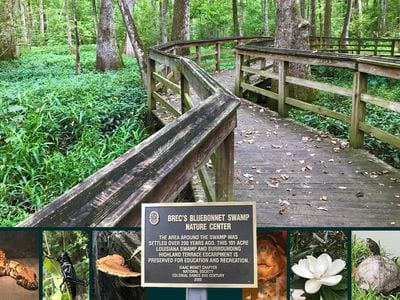
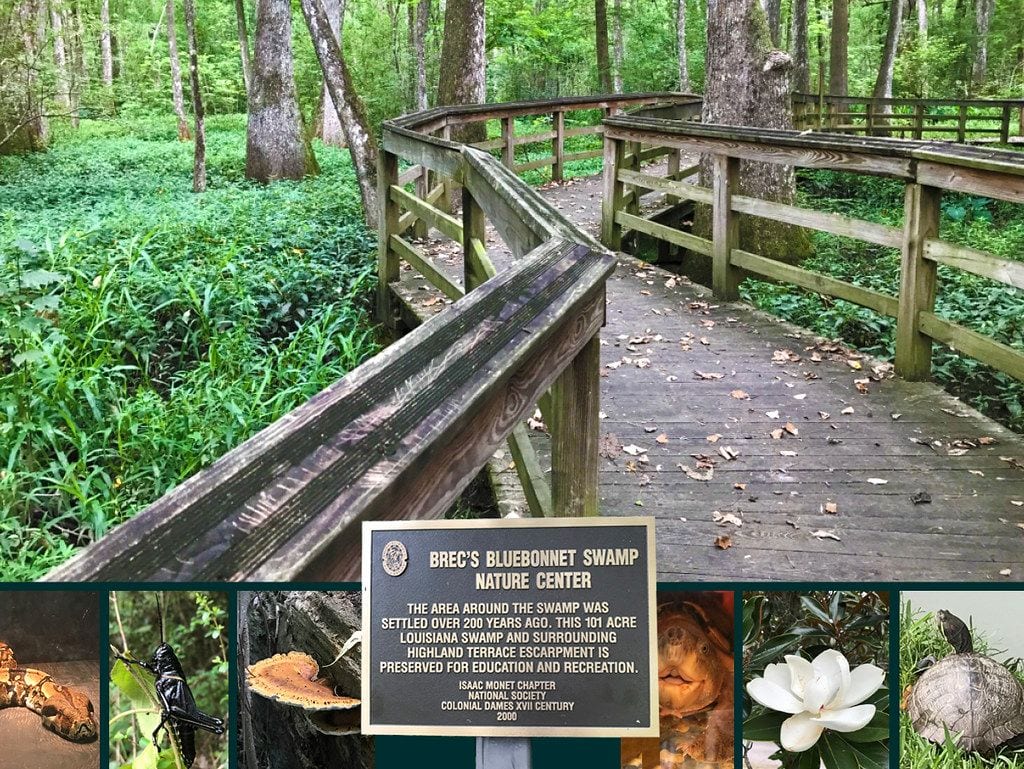
Tucked among suburban streets, BREC's Bluebonnet Swamp Nature Center protects 103 acres of cypress-tupelo swamp, beech-magnolia forest and hardwoods. Opened in 1997 as BREC's first nature conservation park, it links them with more than a mile of gravel paths and boardwalks.
The nature center has live animal exhibits and a notable collection of vintage waterfowl decoys, and birders come for the migrants that pass through each spring and fall. Mornings bring the best wildlife watching and the gentlest heat.
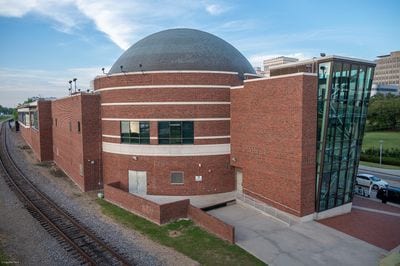
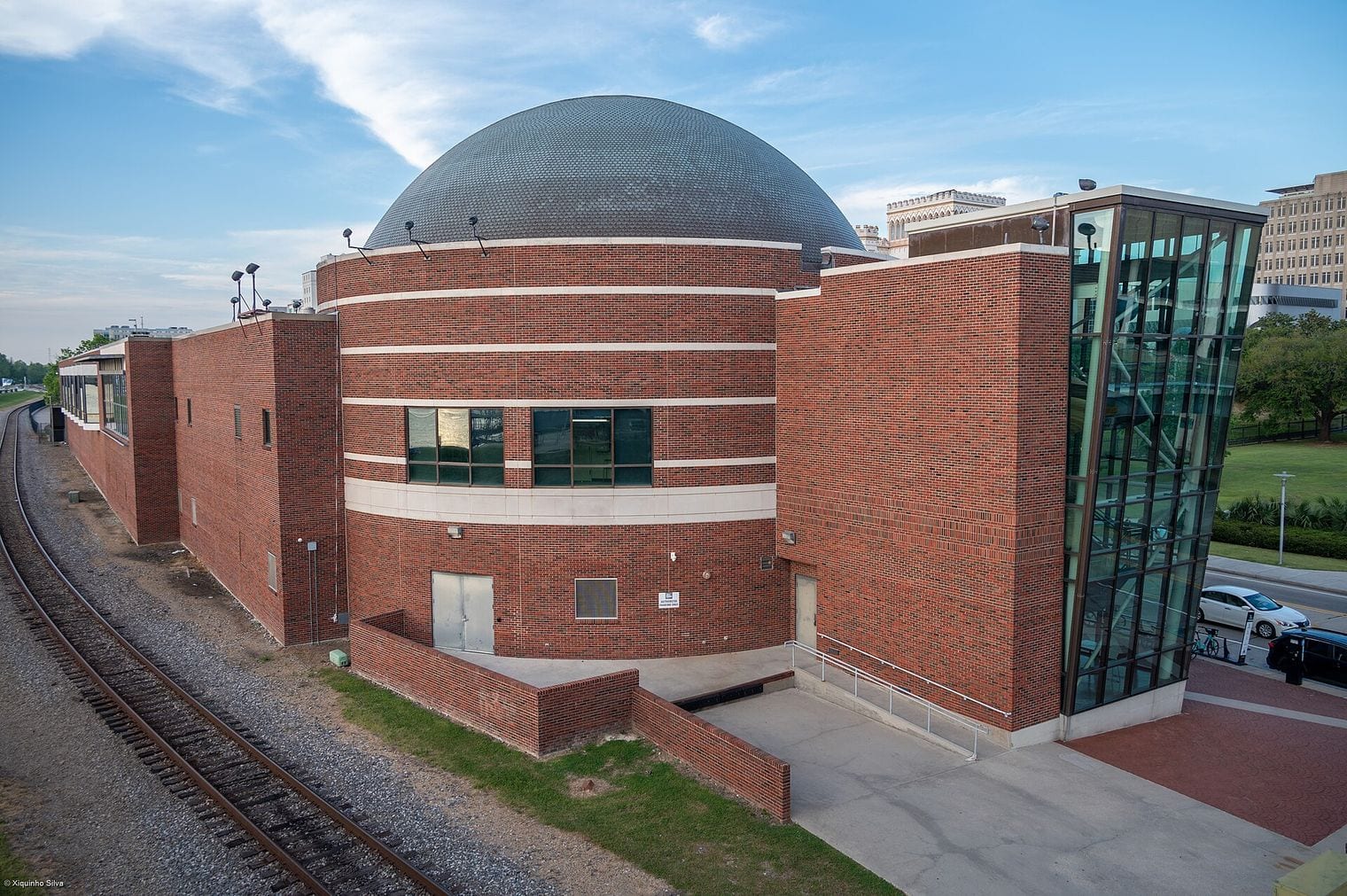
Set in a restored 1925 railroad depot on River Road, facing the Old State Capitol, the Louisiana Art and Science Museum mixes fine art, science and history under one roof.
Its Irene W. Pennington Planetarium stages star shows and immersive music-and-light programs, while the galleries hold an ancient Egyptian mummy, space exhibits and a hands-on science area for kids. It is an easy add-on to the USS Kidd and the riverfront.
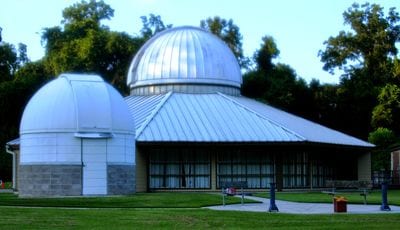
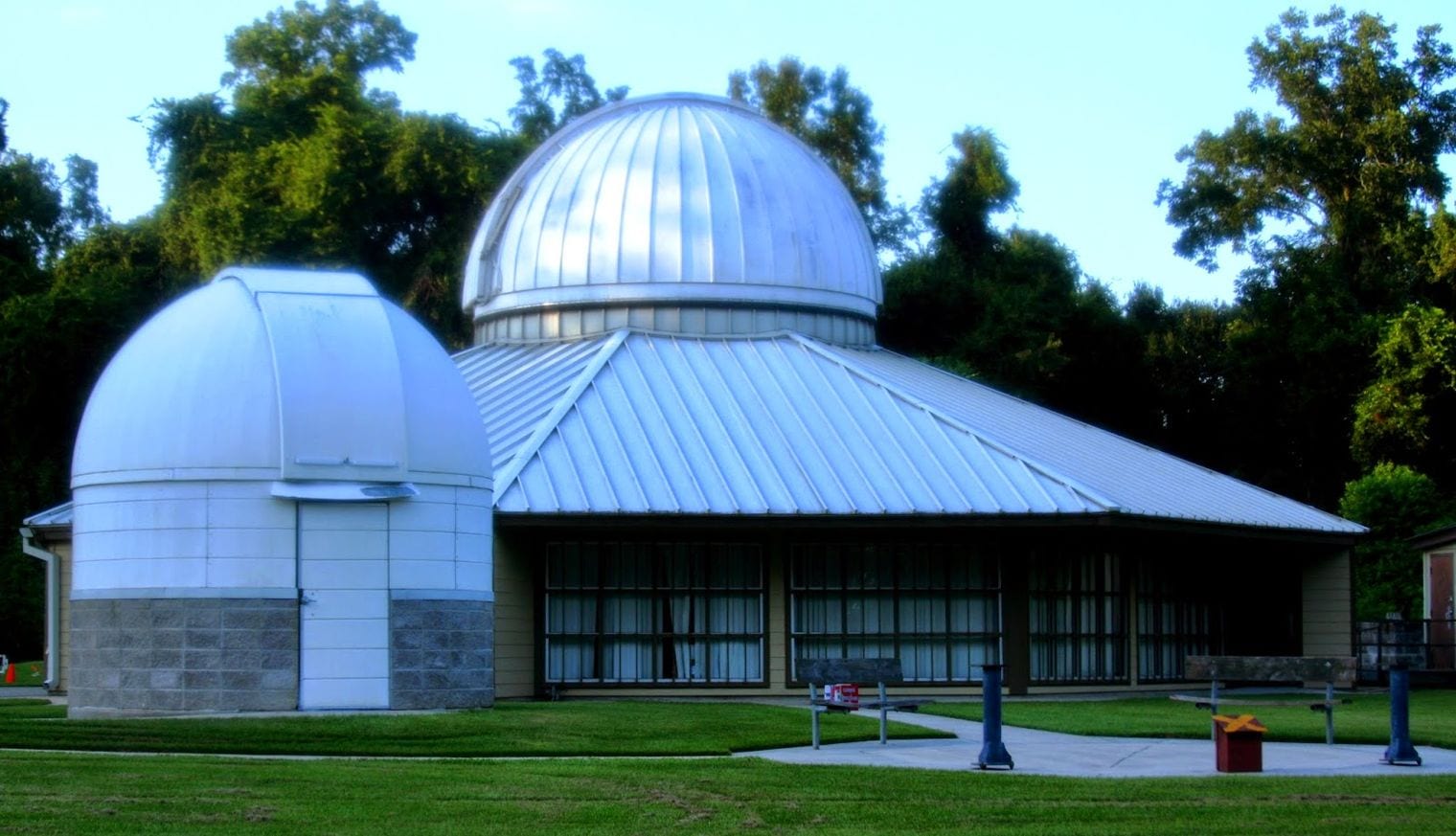
Set in BREC's Highland Road Park on the south side of the city, the Highland Road Park Observatory is a working research observatory that also opens its telescopes to the public. Since it opened in 1997 it has been run jointly by BREC, LSU's Department of Physics and Astronomy and the Baton Rouge Astronomical Society.
Its 20-inch reflecting telescope has helped discover dozens of asteroids, one of them named 11739 Baton Rouge after the city. On clear public viewing nights, staff and volunteers aim the telescopes at the moon, planets and star clusters, and a long-running free lecture series explains what you are looking at.
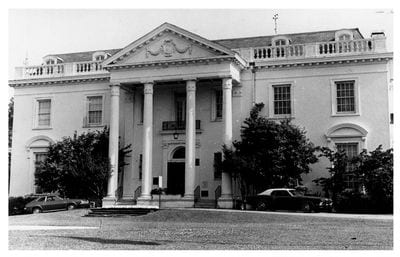
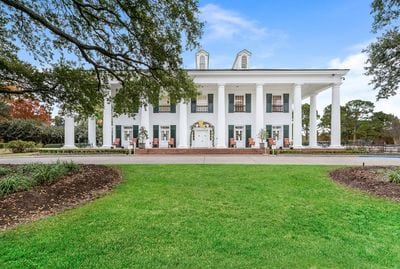
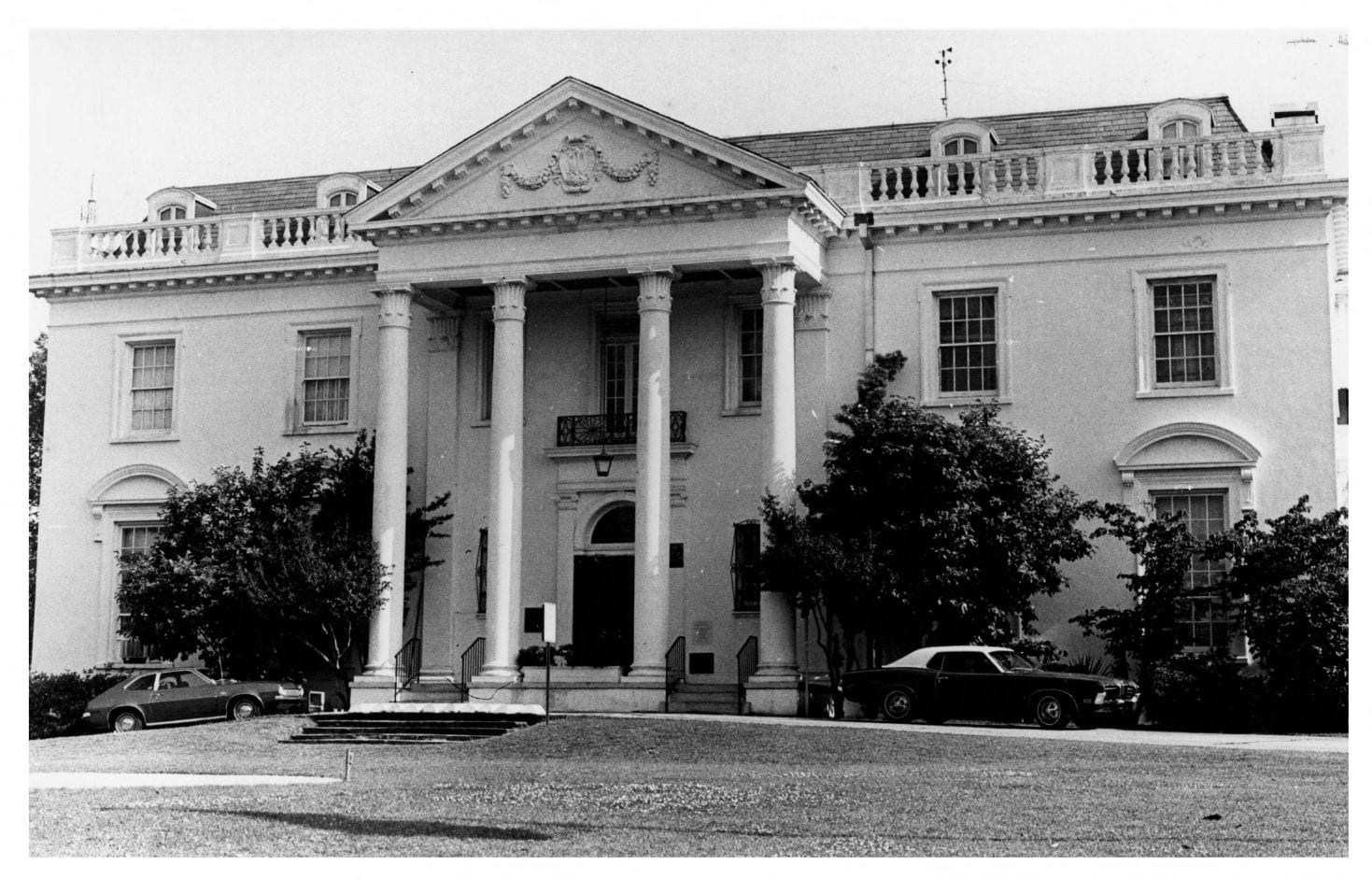
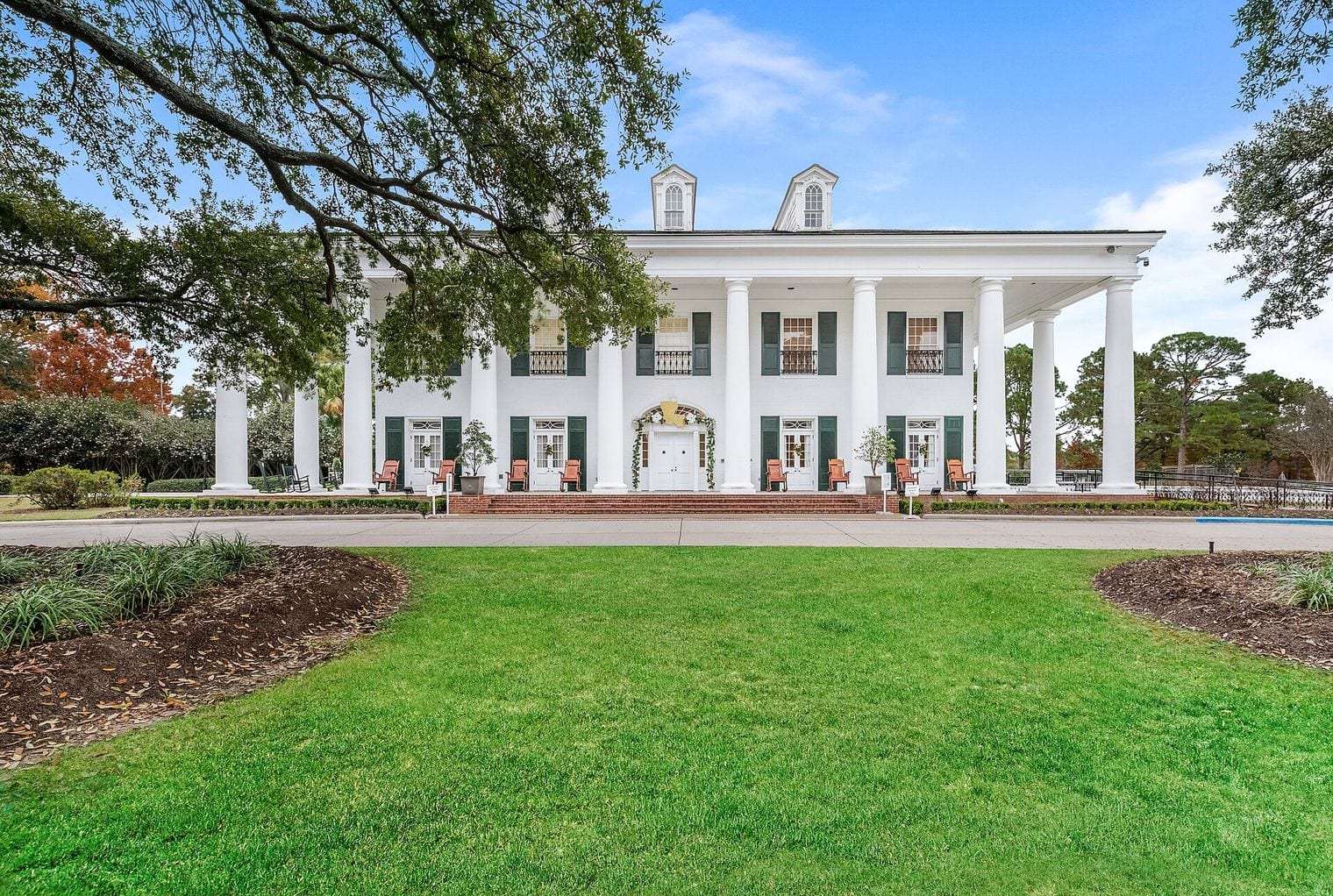
Huey Long built the Old Governor's Mansion in 1930, and legend has it he wanted a copy of the White House so he would know his way around when he got there. Historians dispute the story, but the columned Georgian-style house does bear a family resemblance.
Nine governors lived here until 1963, and guided tours now show off its period rooms, crystal chandeliers and Long-era stories. It sits a short walk from the new Capitol, so it slots easily into a downtown morning.
1818. Magnolia Mound
Historical Landmark~1.7 miles (2.8 km) from centre
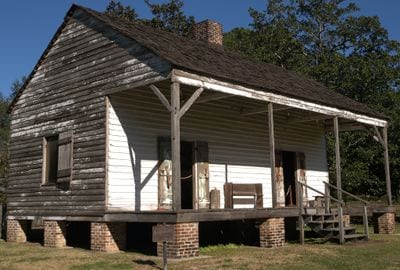
Built around 1791, Magnolia Mound is a French Creole plantation house raised off the ground beneath a broad hip roof, later enlarged with galleries and formal rooms as its owners' fortunes grew.
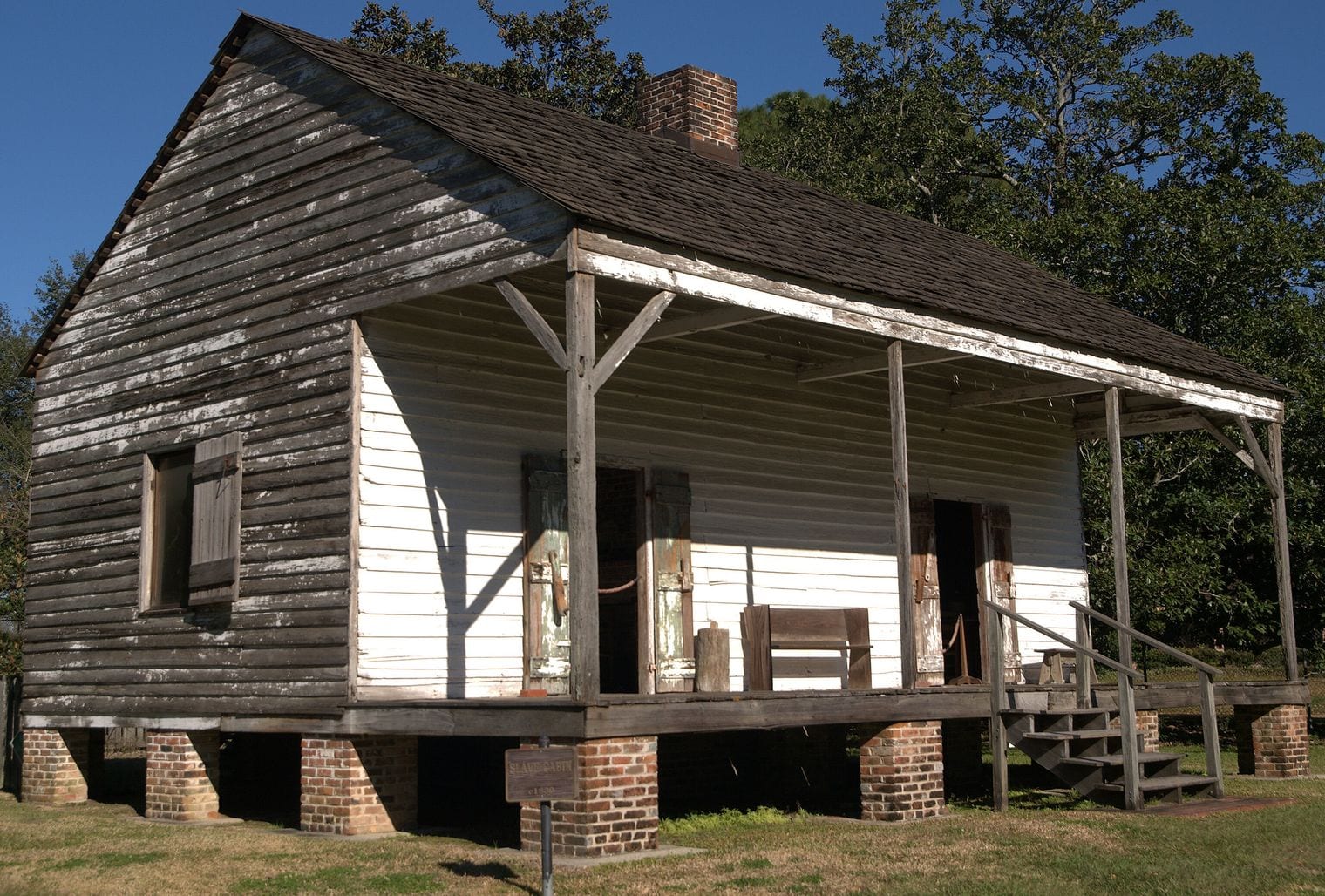
Run by BREC as a museum, the site interprets both the family who owned it and the enslaved people whose labor sustained it; a relocated slave cabin, an open-hearth kitchen and a period crop garden make that history concrete. A guided tour gives the fullest picture.
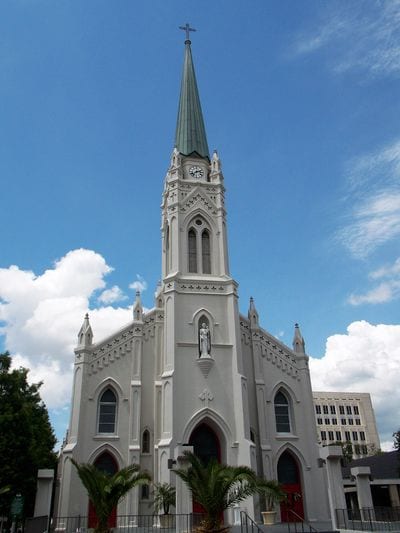
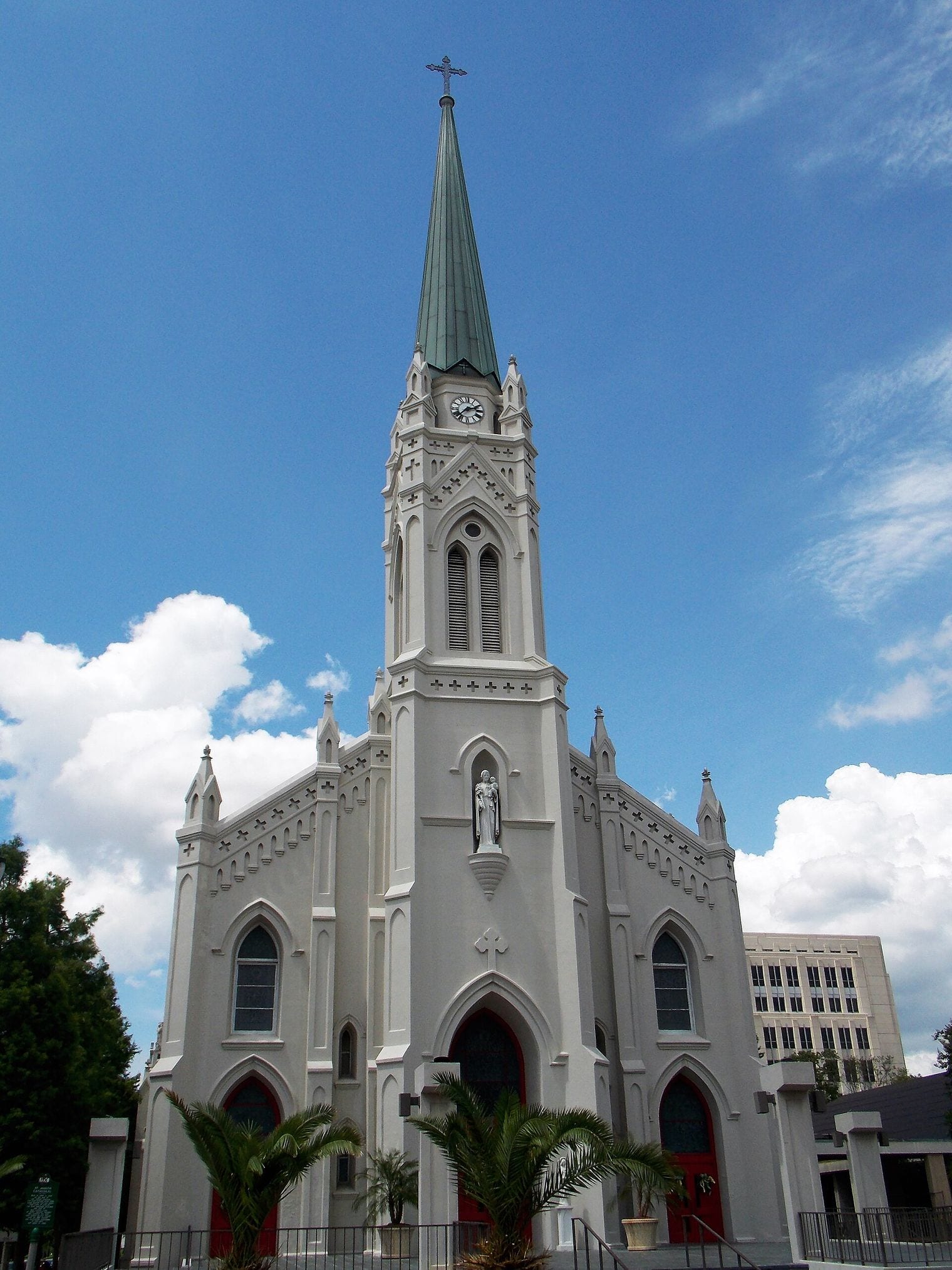
St. Joseph Cathedral has stood on Main Street downtown since the 1850s, a Gothic Revival church that became the seat of the new Diocese of Baton Rouge in 1961. Its parish reaches back to the Spanish colonial era.
Step inside for the lofty nave and stained glass, or simply admire the facade on a walk between the Old State Capitol and the Shaw Center for the Arts.
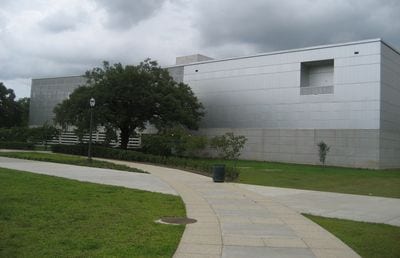
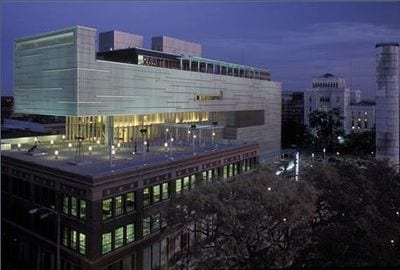
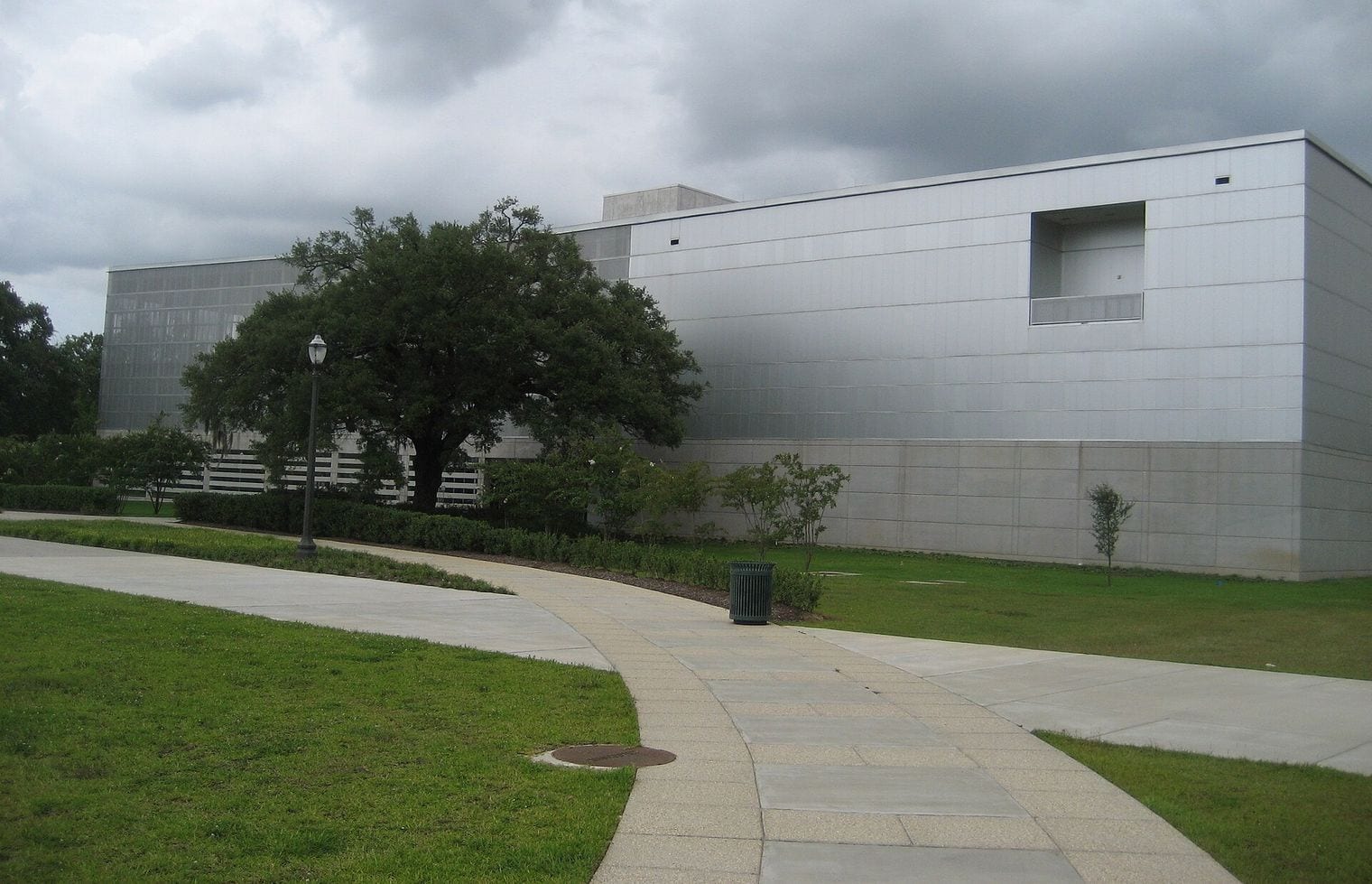
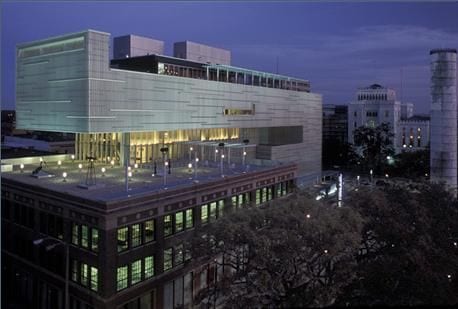
Housed in the Shaw Center for the Arts, a 2005 building wrapped in translucent channel glass, the LSU Museum of Art brings serious collections to downtown. It is especially known for its Newcomb Pottery, alongside Louisiana and Southern art and changing exhibitions.
The same building holds the Manship Theatre, so an afternoon in the galleries can roll straight into an evening performance a few floors down.
Built in 1963 beside Capitol Lake, the Louisiana Governor's Mansion is the official residence of the state's governors, a Greek Revival house whose exterior drew inspiration from Oak Alley Plantation.
White Doric columns line three sides, and the roughly 25,000-square-foot interior holds formal rooms used for state entertaining. Tours are by appointment, so arrange one ahead; otherwise, admire it from the grounds near the Capitol.
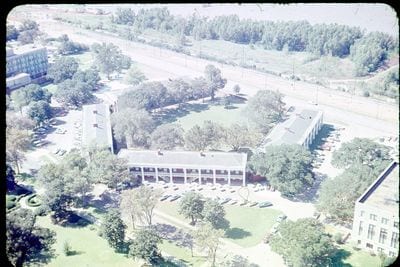
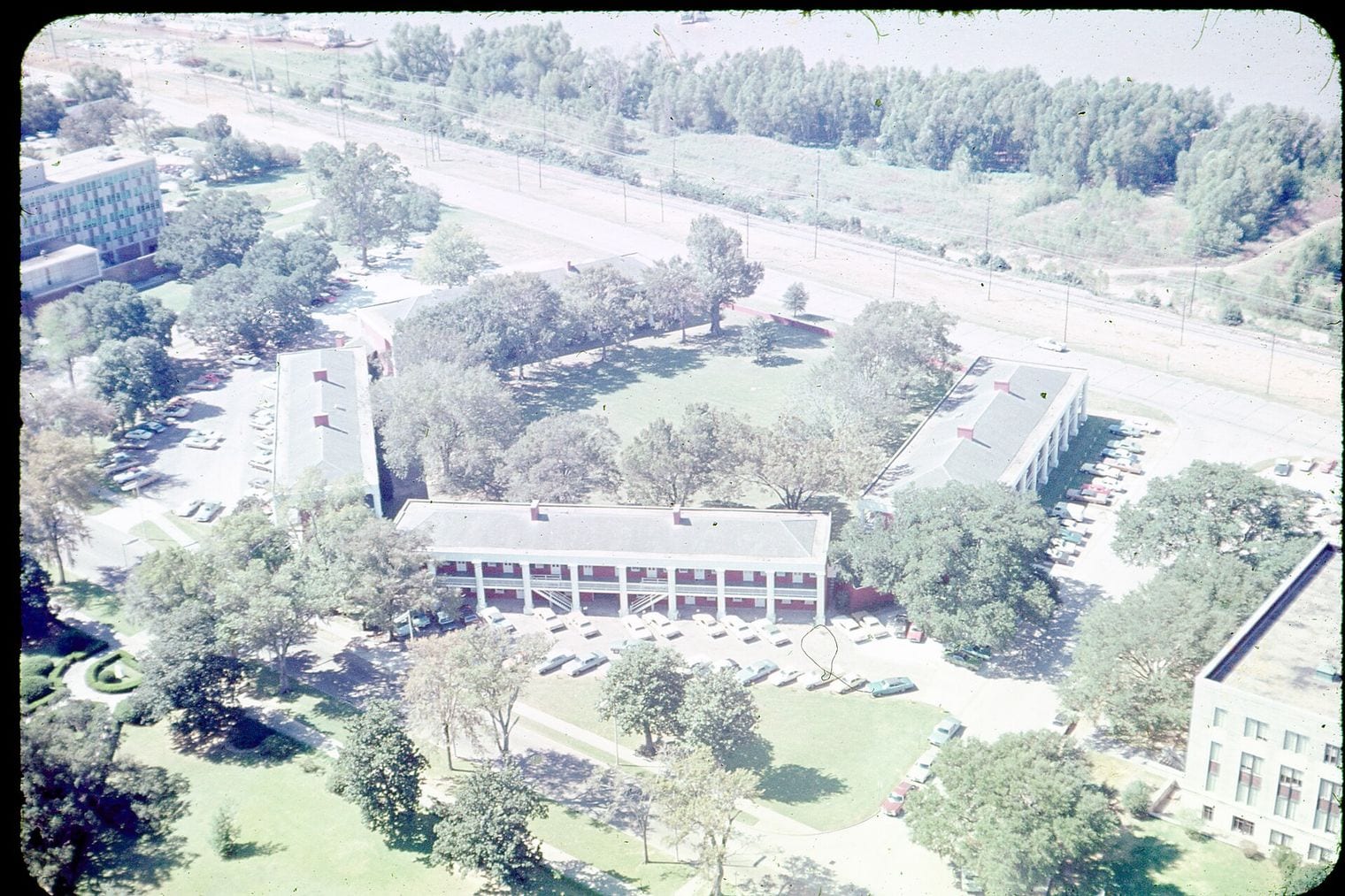
Just below the Capitol, the Pentagon Barracks are four two-story brick buildings built between 1819 and 1825 for U.S. troops, their stacked columned galleries arranged around a courtyard. The site served as a military post under Spain and the short-lived Republic of West Florida, and Zachary Taylor and Lafayette are among the famous names tied to it.
LSU used the buildings as its campus until 1926, and today they hold state offices and legislators' apartments, so most visitors take in the courtyard setting and the columned galleries from outside on a walk between the Capitol and the river.
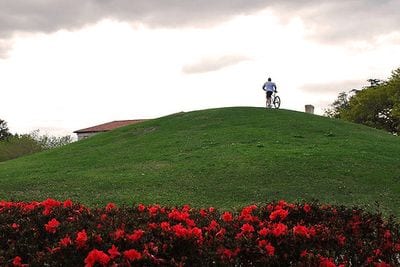
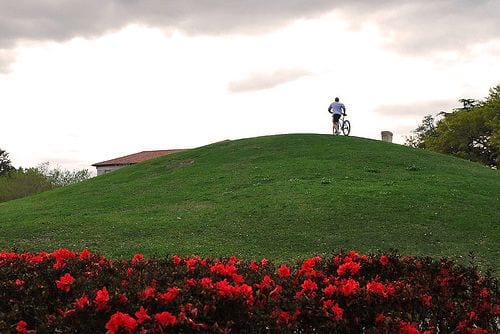
On the LSU campus stand two grassy earthen mounds, each about 20 feet tall, that are older than Egypt's Great Pyramids. The LSU Campus Mounds are thought to be at least 5,000 years old, and some research suggests building began far earlier than that.
They belong to a statewide group of Archaic mounds that are among the oldest known earthworks in North America. Treat them gently: stay off the slopes, and note that they are fenced off during home football games to prevent damage.
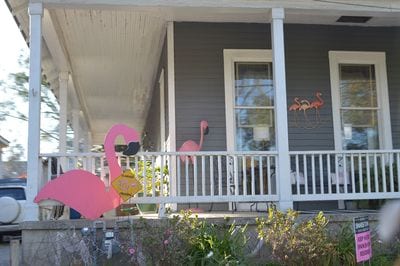
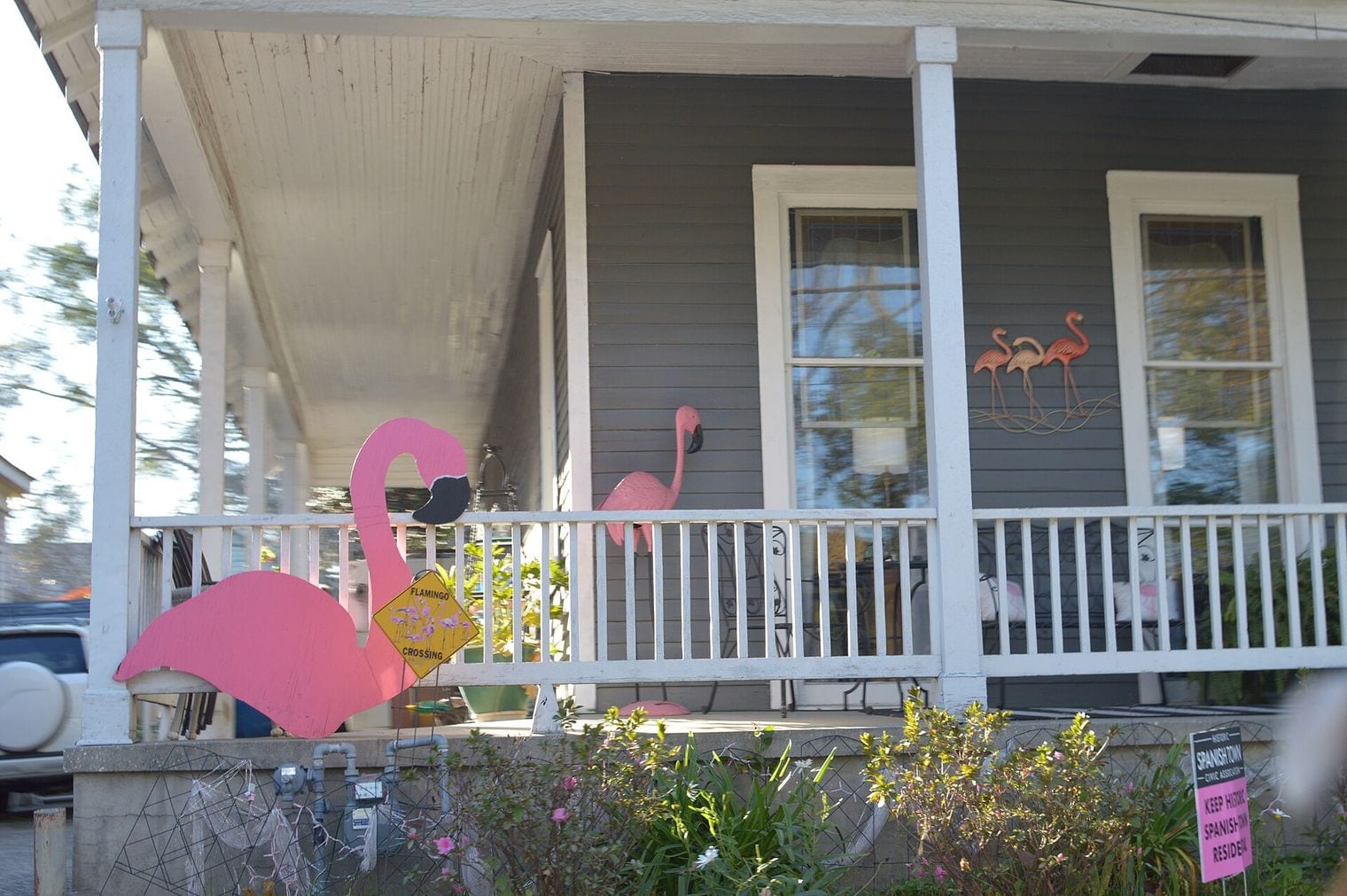
Laid out in 1805, Spanish Town is the oldest neighborhood in Baton Rouge, a grid of cottages, bungalows and Victorian houses just north of the State Capitol.
The pink flamingo is its unofficial mascot, and its irreverent, satirical parade on the Saturday before Mardi Gras is the city's biggest, famous for insisting that poor taste is better than no taste at all. Any other time, it makes a pleasant stroll past historic porches.
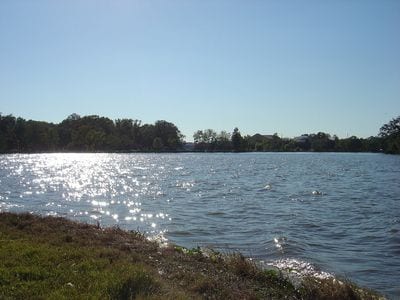
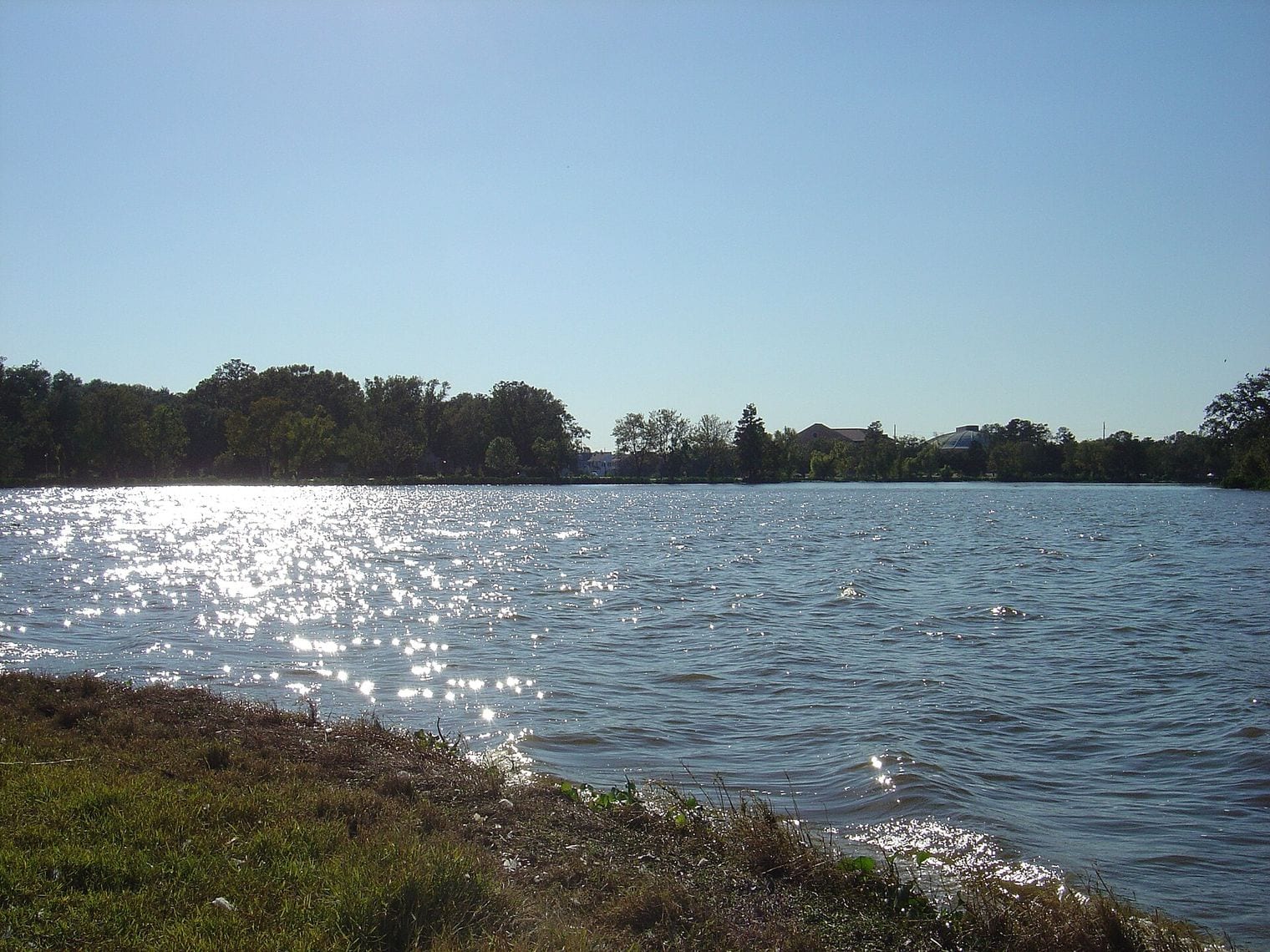
Beside the LSU campus, the University Lakes are a chain of six shallow lakes ringed by oaks, cypress and quiet neighborhoods, and the city's favorite place to walk, run and cycle.
A long-term restoration has been deepening the lakes and reshaping their banks with better paths and habitat, so parts of the shoreline will keep changing over the years. Sunset over the water, with wading birds working the shallows, is a classic Baton Rouge scene.
Plan your trip
Best Time to Visit Baton Rouge
Spring and fall are the most comfortable seasons, with warm days, cooler evenings and the best conditions for walking downtown or exploring the swamp boardwalks. Summers are long, hot and humid, with frequent afternoon thunderstorms, and hurricane season runs from June through November. Winters are mild and usually the quietest time to visit.
Fall Saturdays revolve around LSU football, when home games fill the city's hotels and roads, so book early or plan around them. Late winter brings Carnival season and the Spanish Town parade, and spring is crawfish season across south Louisiana.
Getting to Baton Rouge
Baton Rouge sits where Interstate 10, running east to New Orleans and west to Lafayette and Texas, meets Interstate 12, which heads east along the north shore of Lake Pontchartrain toward the Mississippi Gulf Coast. Interstate 110 links downtown with the northern suburbs and the airport.
Baton Rouge Metropolitan Airport, north of downtown, has connections to major hubs. For a wider choice of flights, Louis Armstrong New Orleans International Airport is roughly an hour and a quarter east by car, traffic permitting.
Getting Around Baton Rouge
Downtown is compact and walkable: the two capitols, the Pentagon Barracks, the museums and the riverfront all sit within about a mile of each other. Beyond downtown, Baton Rouge is spread out, and a car is the easiest way to reach LSU, the zoo, Burden and the south-side neighborhoods.
A city bus network and rideshare fill the gaps, and parking is generally easy outside of football game days, when traffic around campus and along the interstates slows sharply. The flat terrain and paths around the University Lakes make cycling pleasant in the cooler months.
Where to Stay in Baton Rouge
Downtown is the best base for a short sightseeing trip, putting the Capitol, the museums, the USS Kidd and the riverfront within walking distance. It is also where the River Center's concerts and events take place.
For football weekends or a campus-focused visit, the area around LSU and the University Lakes keeps you close to the stadium. The south-side corridors near Interstate 10, around Perkins Rowe and the medical district, suit road-trippers who want easy highway access and plenty of dining nearby.
Where to Eat in Baton Rouge
Baton Rouge sits between Creole New Orleans and Cajun Acadiana, and its kitchens borrow from both: gumbo, jambalaya, étouffée, boudin, po'boys piled with fried shrimp or oysters, and, in spring, boiled crawfish served by the tray.
Downtown's Third Street and the streets around the Shaw Center are handy for dinner before a show, Mid City along Government Street has a lively neighborhood food scene, and the Perkins Road overpass area and Perkins Rowe gather plenty of restaurants and bars in a walkable stretch.
Day Trips from Baton Rouge
Lafayette, about an hour west on Interstate 10, is the heart of Cajun Country, with living-history villages, swamp tours and dance halls. New Orleans is roughly an hour and a half east for jazz, the French Quarter and Creole cooking, and the historic river town of St. Francisville, with its plantation homes and gardens, is under an hour north.
For a longer day, the Mississippi Gulf Coast around Gulfport is about two and a half hours east via Interstate 12 and Interstate 10, and Jackson, Mississippi's capital, with its civil rights and state history museums, is a similar drive north.
Baton Rouge is best known as Louisiana's capital and the home of LSU. Its signature sights are the Louisiana State Capitol, the tallest state capitol in the country, the castle-like Old State Capitol, the World War II destroyer USS Kidd, Tiger Stadium, and Mike the Tiger, LSU's live tiger mascot.
Is Baton Rouge worth visiting?
Yes, especially for travelers interested in history, politics, college football and south Louisiana food. It is far less crowded than New Orleans, its downtown landmarks are free and walkable, and it makes an easy base for Cajun Country, the river road plantations and the swamps.
How many days do you need in Baton Rouge?
Two days covers the essentials: one for downtown's capitols, museums, riverfront and the USS Kidd, and one for LSU, Tiger Stadium, Mike the Tiger and the University Lakes. Add a third day for the zoo, Burden Museum and Gardens, Magnolia Mound or a day trip to Lafayette or New Orleans.
What can you do in Baton Rouge for free?
Visit the Louisiana State Capitol and the Old State Capitol, both free to enter, then see Mike the Tiger's habitat, the LSU Campus Mounds and the dioramas at the LSU Museum of Natural Science. Riverfront Plaza, Spanish Town and the University Lakes are also free to enjoy.
When is the best time to visit Baton Rouge?
Spring and fall bring the most comfortable weather for walking and exploring outdoors. Fall Saturdays are the liveliest time thanks to LSU football, but hotels fill fast on game weekends. Summers are hot and humid, and hurricane season runs from June through November.