We build and rank every list first. Booking links come after, and only where
a partner sells a ticket, tour or stay for that exact place, so a place with
nothing to book is listed exactly as prominently as one you can book.
So how do we earn? Some links on this page go to booking
partners, and if you book tickets, tours or a stay through
one, we may earn a commission. It costs you nothing extra.
That commission never decides which places make the list, the order they
appear in, or what we write about them. No entry is sponsored or a paid
placement.
45 Best Things to Do in New Orleans, Louisiana (2026)
By the CityViking Research TeamPublished 45 places · 30 min read
Sources Checked before launchOct 16, 202645 sources26 publishers2 government & parks15 encyclopedias & research28 venues & other sitesPublished · Oct 16, 2026Researched and checked before it went liveClick for every source and the full change log.
Short answer
New Orleans is known for three centuries of French, Spanish, African, Caribbean and American influence, brass bands and jazz clubs. Start in the French Quarter at Jackson Square and St. Louis Cathedral, give The National WWII Museum at least half a day, and ride the St. Charles Streetcar to the Garden District mansions. Three or four days is the sweet spot, leaving time for City Park, a Steamboat Natchez cruise and Frenchmen Street's live music.
New Orleans was founded in 1718 on a bend of the Mississippi, and three centuries of French, Spanish, African, Caribbean and American influence still shape how the city sounds, looks and eats. Brass bands play on street corners, iron balconies hang over the French Quarter, and live oaks shade the avenues uptown.
This guide ranks 45 things to do in New Orleans, from Jackson Square and the National WWII Museum to jazz clubs, cemeteries and house museums, with a map and trip-planning notes. Give it three or four days, then keep going to the small towns of Cajun Country on a wider Louisiana road trip.
Map of Things to Do in New Orleans, Louisiana
Things to Do in New Orleans, Louisiana
Things to Do in New Orleans, Louisiana at a Glance
The St. Charles streetcar line has run since 1835, making it the oldest continuously operating streetcar line in the world, and it is one of only two street railways in the US that are National Historic Landmarks.
Much of the French Quarter is Spanish, not French: the fires of 1788 and 1794 destroyed most of the city's buildings, and the Spanish rebuilt in fire-resistant brick and stucco.
The Louisiana Purchase was formally transferred at the Cabildo on Jackson Square in 1803, handing the territory to the United States.
The Higgins boats that landed Allied troops in World War II were built in New Orleans, and Dwight Eisenhower is reported to have said their designer, Andrew Higgins, "won the war for us."
The Superdome has hosted eight Super Bowls, more than any other stadium.
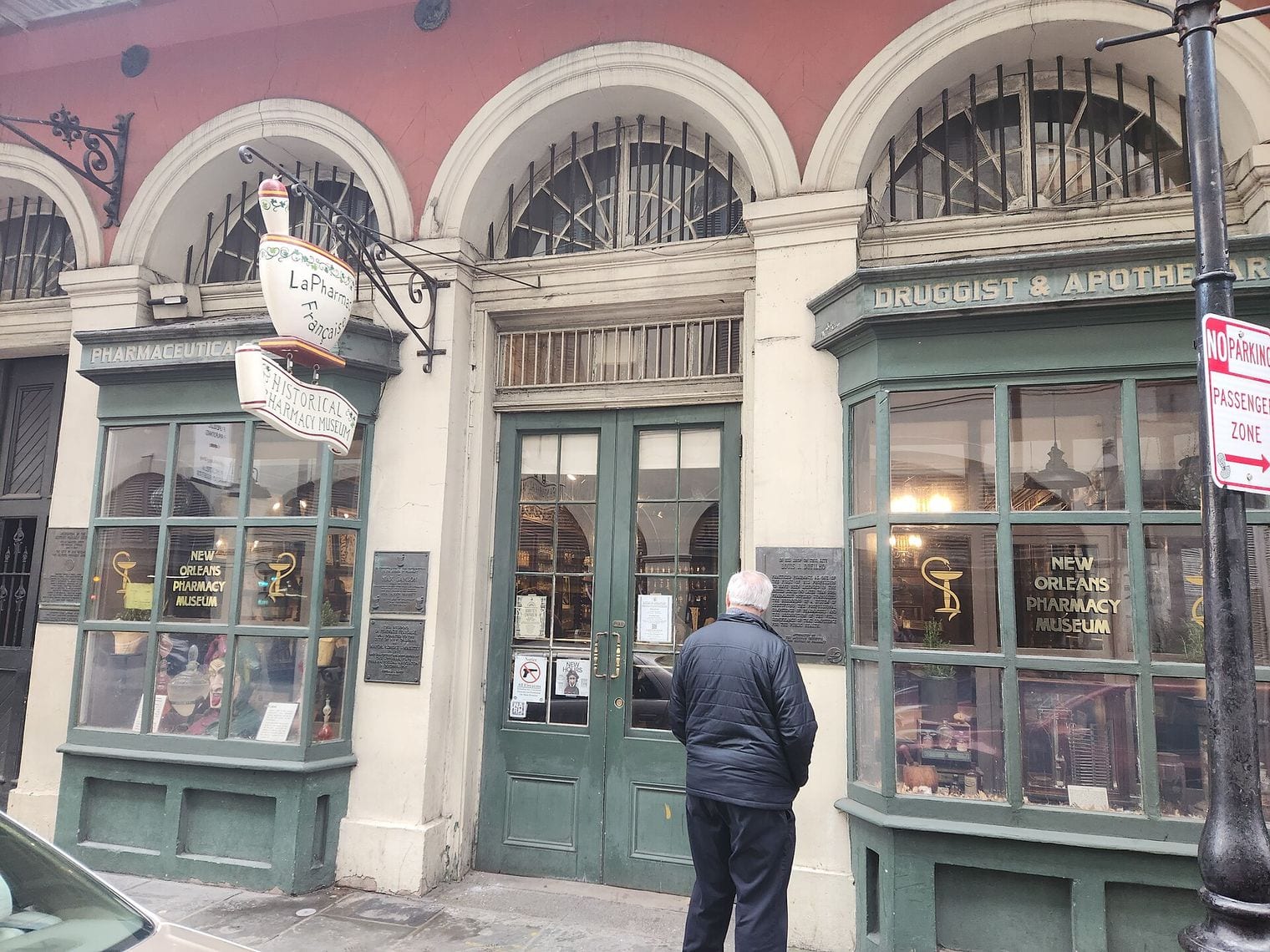
Louis J. Dufilho Jr., licensed in 1816 and remembered as America's first licensed pharmacist, kept his shop on Chartres Street, now the New Orleans Pharmacy Museum.
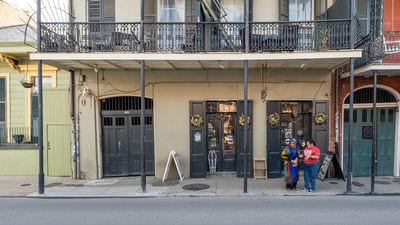
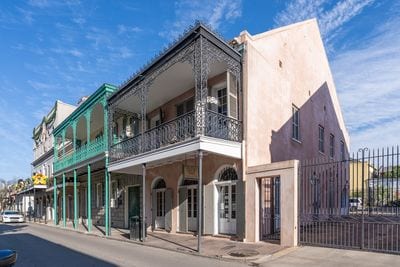
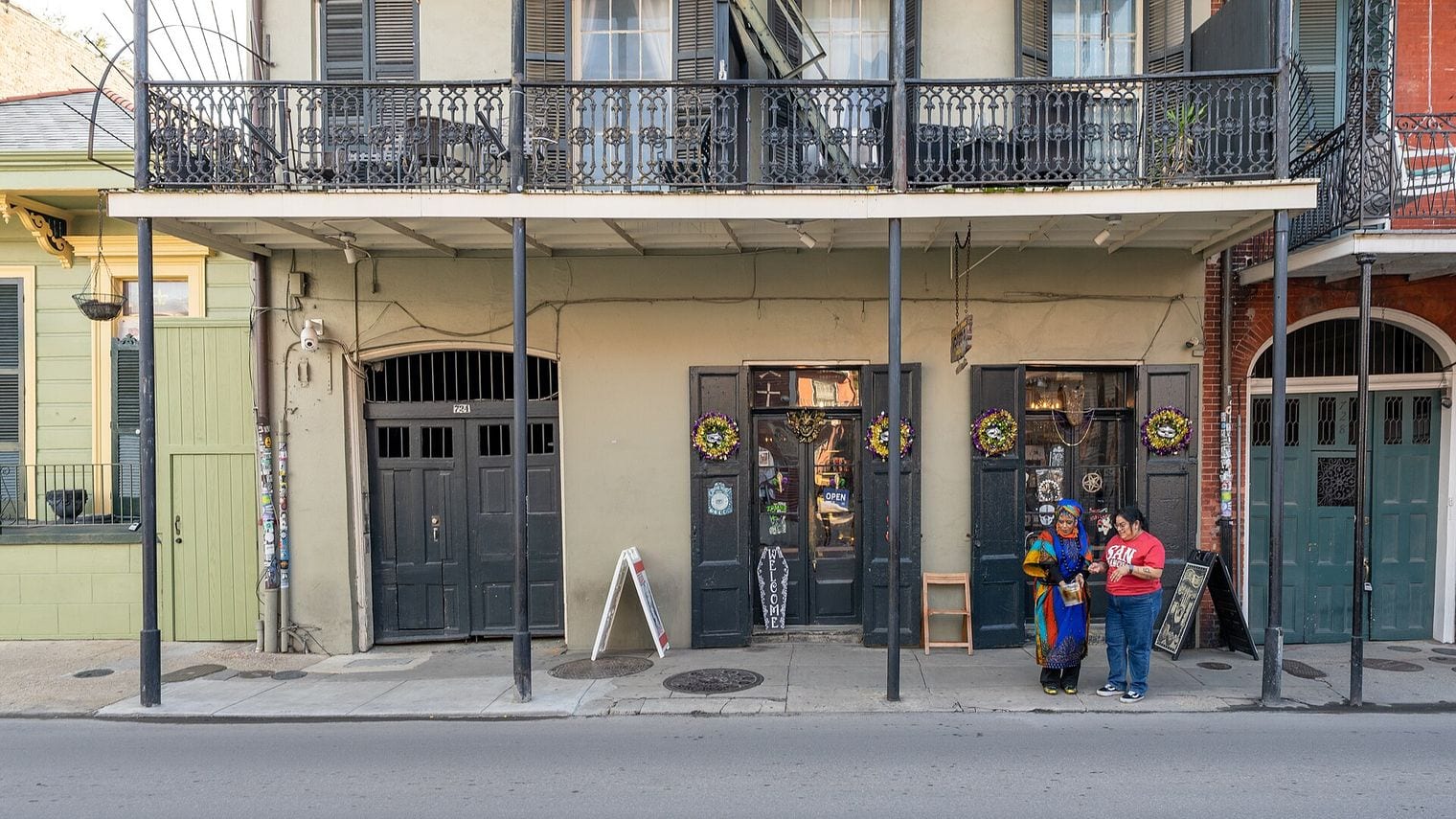
The French Quarter, or Vieux Carré, is the neighborhood the city grew from after its founding in 1718, a grid of narrow streets between the river, Canal Street, Rampart Street and Esplanade Avenue. Despite the name, most of what you see is Spanish-era or later: the fires of 1788 and 1794 destroyed most of the city, and the Quarter was rebuilt in brick and stucco, with the courtyards and iron balconies it is known for today.
The whole district is a National Historic Landmark, and it rewards a slow walk. Wander the quieter residential blocks toward Esplanade, peer through carriageways into hidden courtyards, and come back after dark, when the lamps glow on pastel facades and music spills out of open doorways.
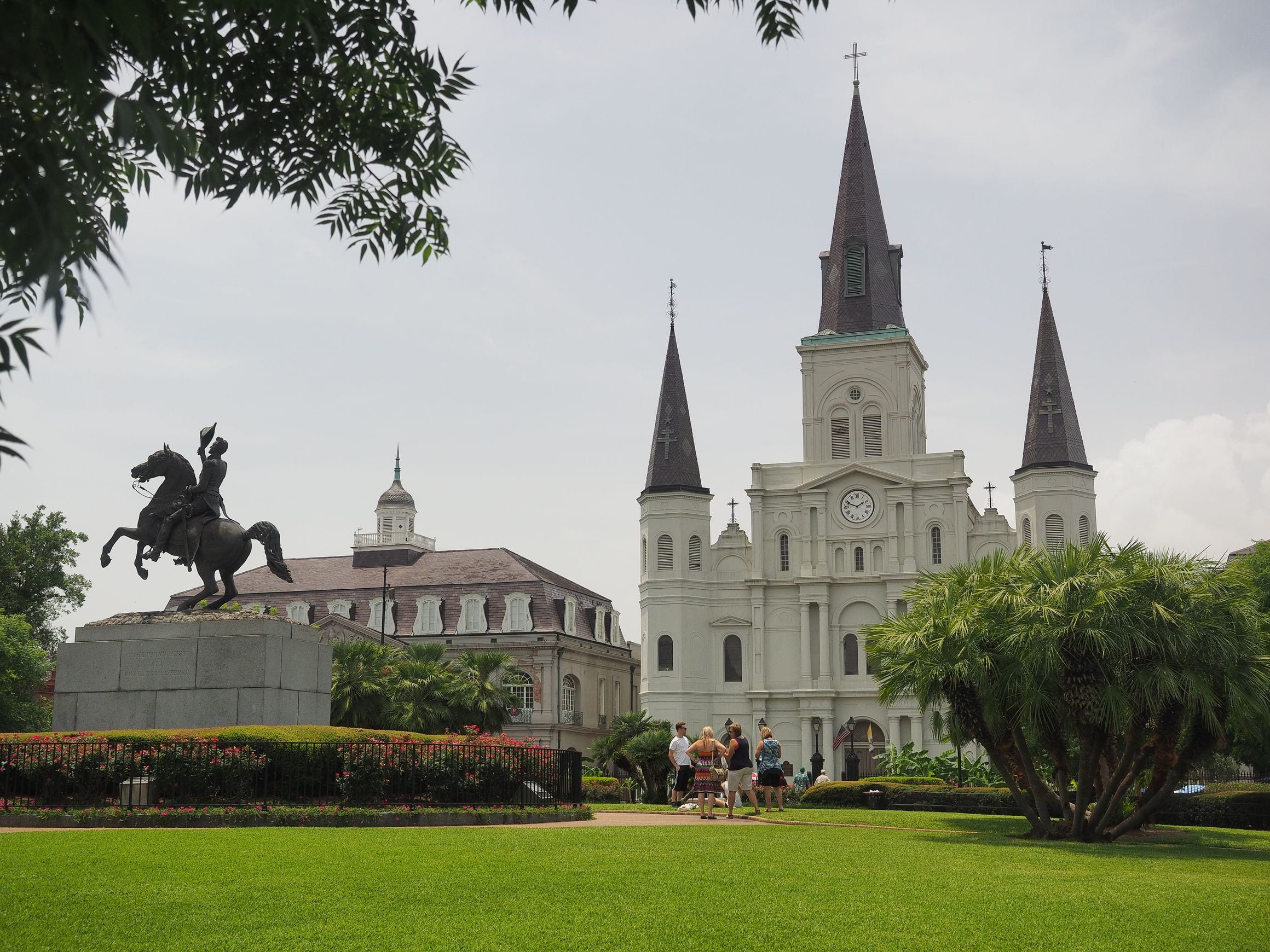
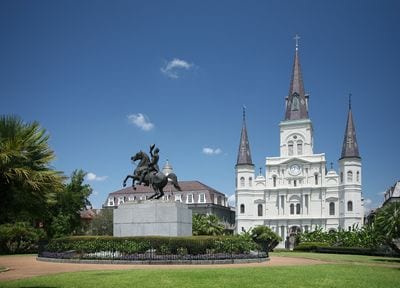
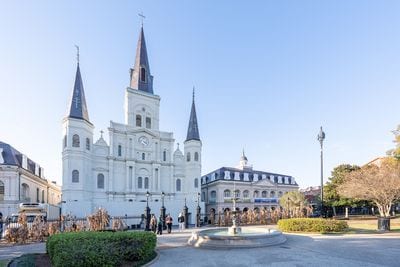
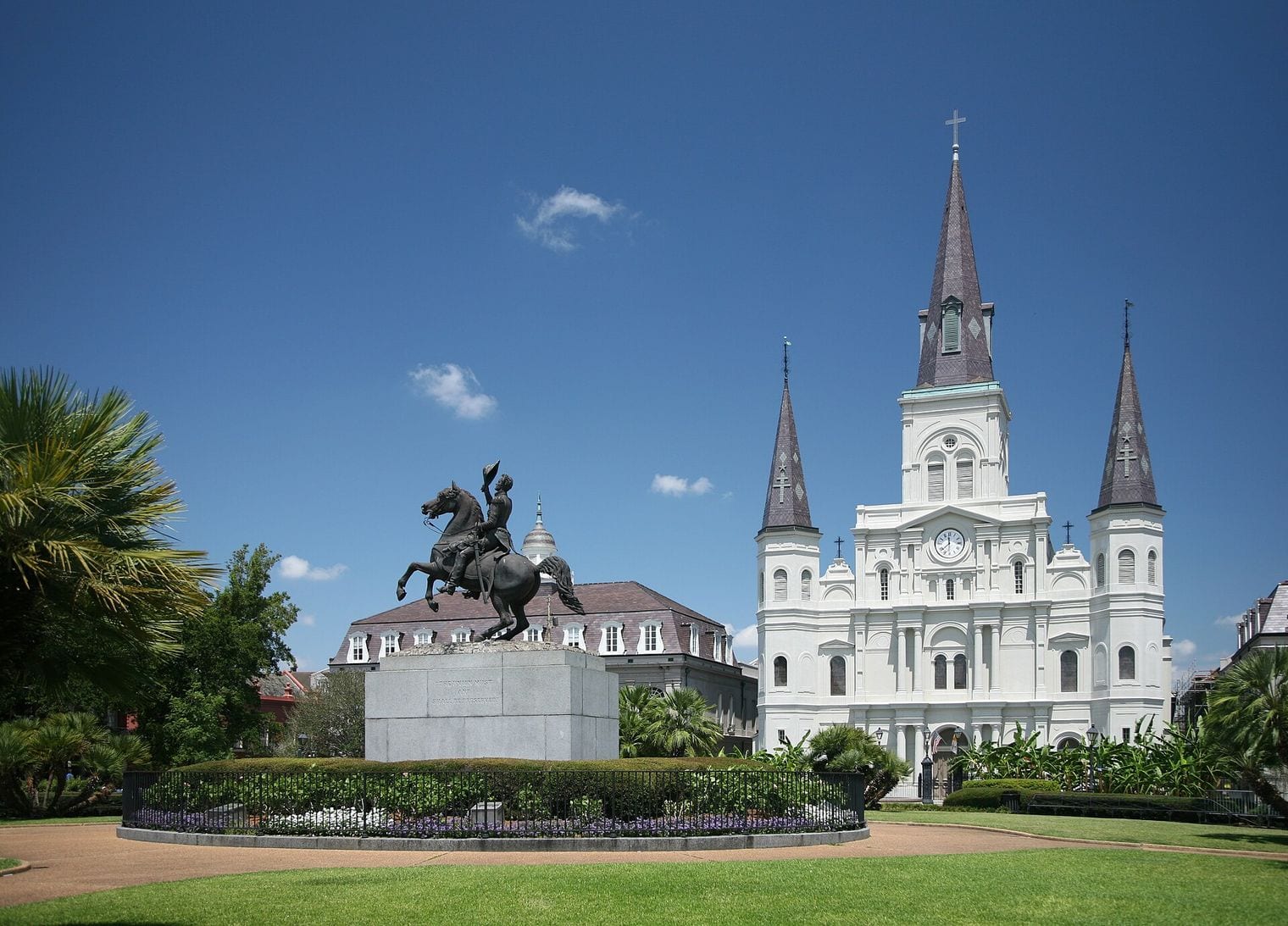
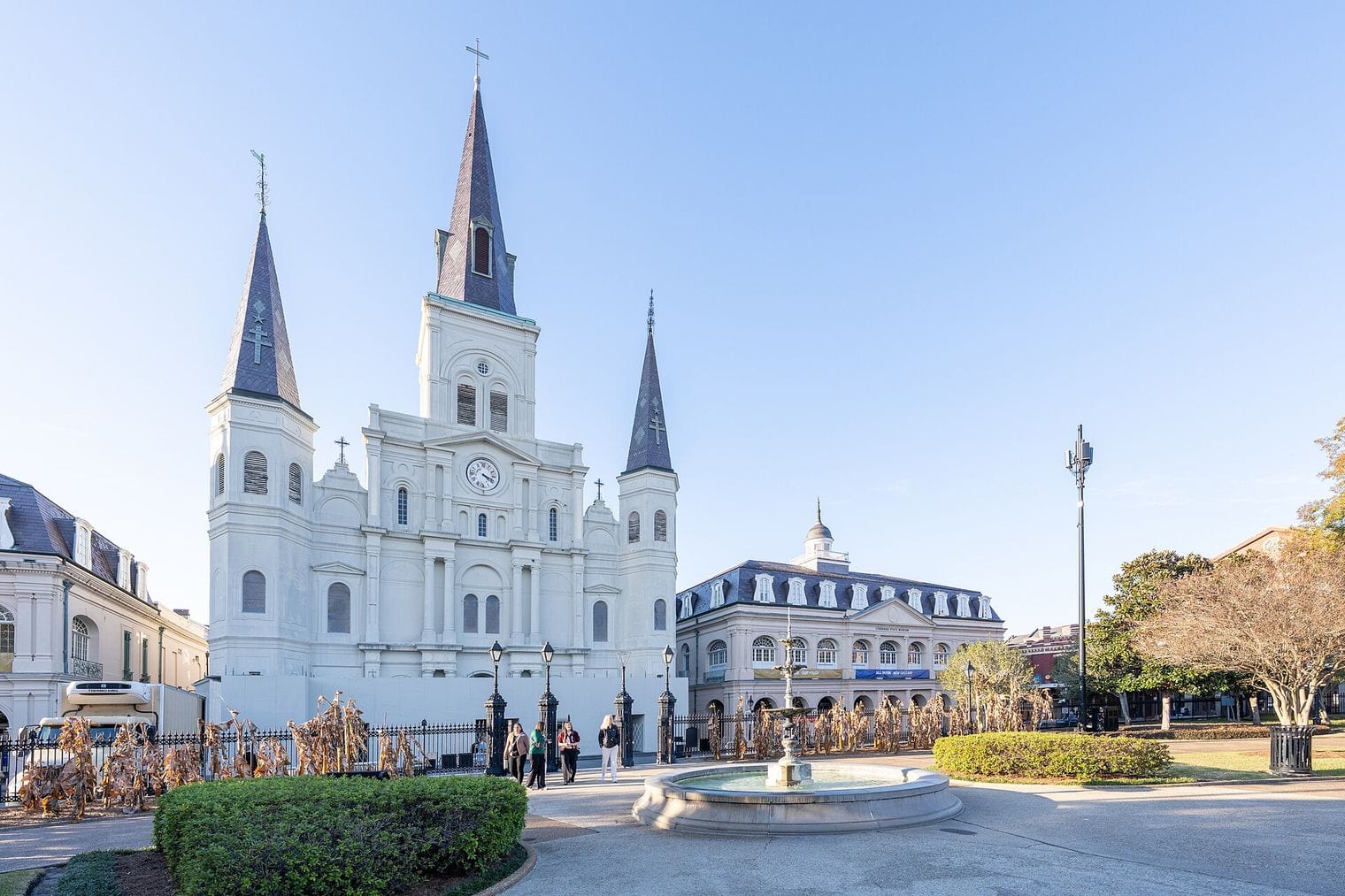
Jackson Square is the Quarter's front parlor, a formal garden on the old Place d'Armes, centered on an equestrian statue of Andrew Jackson, honored for his 1815 victory at the Battle of New Orleans. In 1803 this was where Louisiana formally passed to the United States after the Louisiana Purchase, and the square was named a National Historic Landmark in 1960.
The setting is the real draw. St. Louis Cathedral fills one side with the Cabildo and the Presbytère beside it, and the red-brick Pontalba Buildings, built in 1849–1851 for the Baroness Micaela Almonester Pontalba, line two more. Painters hang their canvases on the iron fence, fortune-tellers set up card tables, and brass bands and street performers work the flagstones out front.
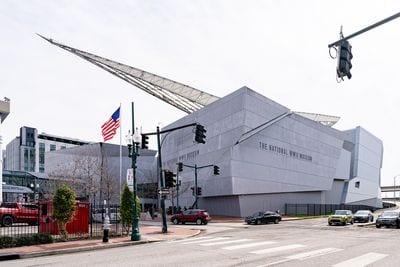
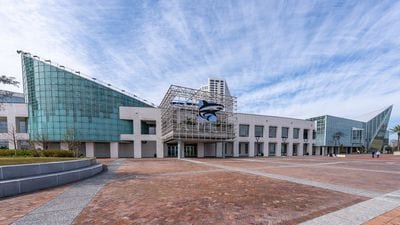
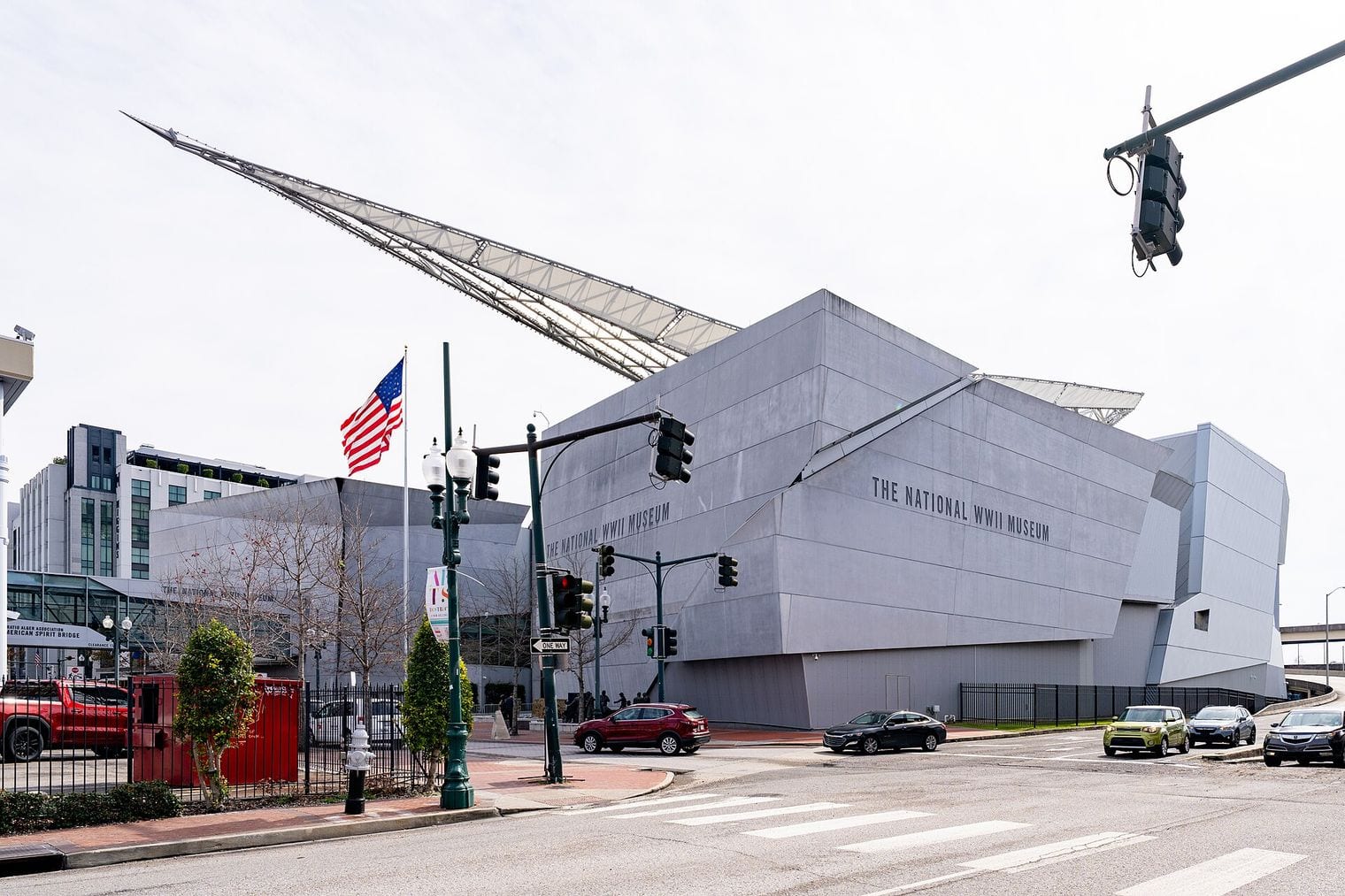
The National WWII Museum opened in 2000 as the National D-Day Museum, and Congress later designated it America's official museum of the war. It is here for a reason: the Higgins boats that landed troops on beaches from Normandy to the Pacific were designed and built in New Orleans by Andrew Higgins, and the street outside now carries his name.
The campus spreads across several buildings in the Warehouse District, with galleries following the Road to Berlin and the Road to Tokyo, home-front exhibits, warplanes suspended in a soaring pavilion and an immersive film. Most visitors underestimate it, so plan on at least half a day, and more if you want to see it all.
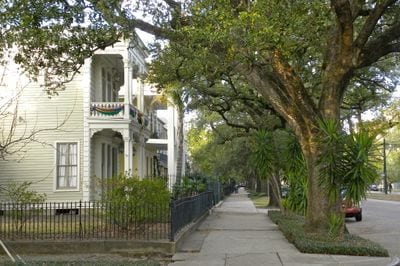
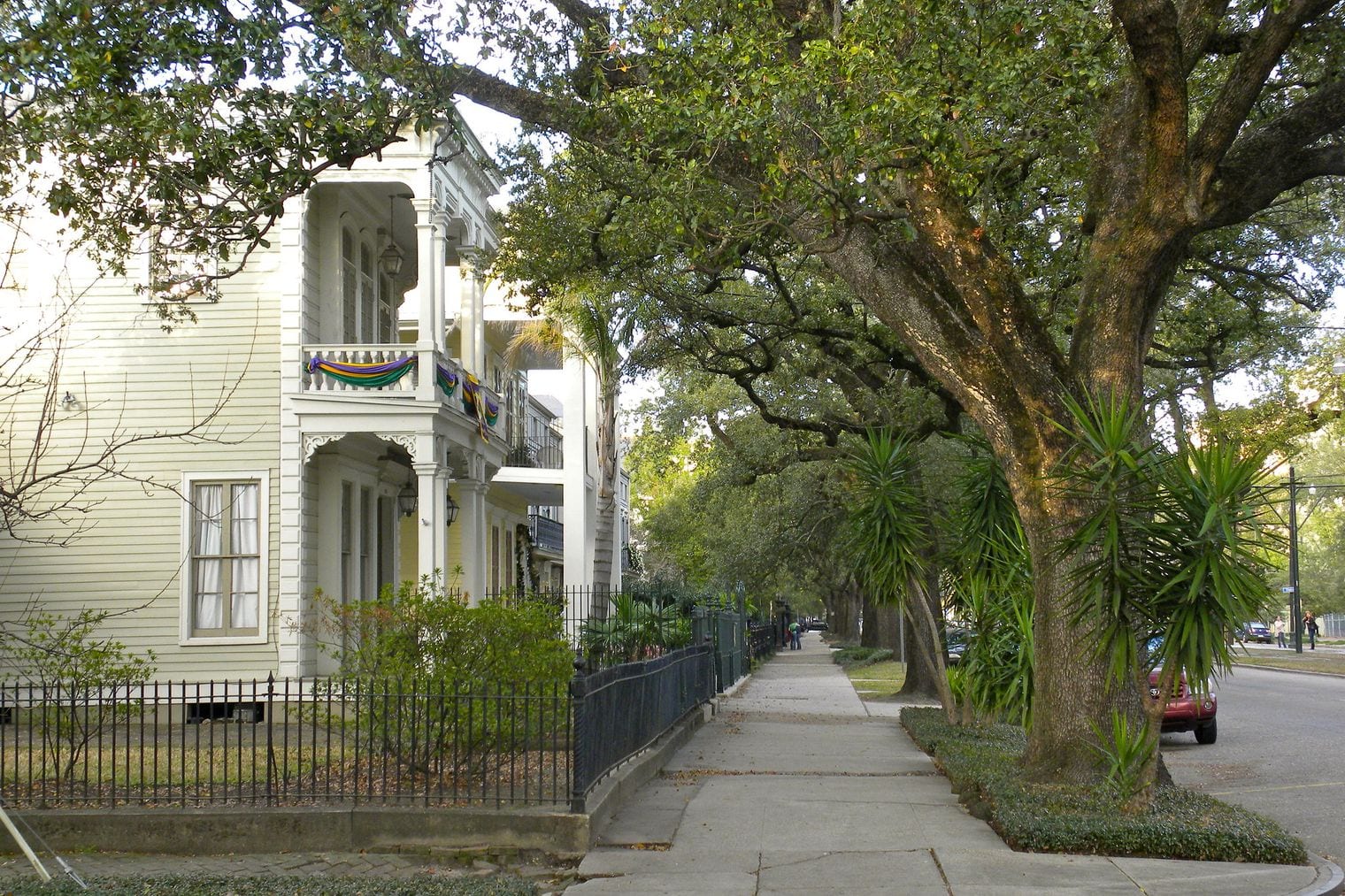
The Garden District is New Orleans in its gilded mode: an Uptown grid of grand houses built mostly between the 1830s and 1900 by newcomers grown rich on the port, set in deep gardens behind cast-iron fences. It is considered one of the best-preserved collections of historic mansions in the American South.
Walk Prytania Street, First Street and Washington Avenue under live oaks whose roots buckle the sidewalks, and remember that the houses are private homes to admire from the street. Lafayette Cemetery No. 1, at the district's heart, has been closed to visitors for repairs since 2019, so look through its gates rather than planning around it.
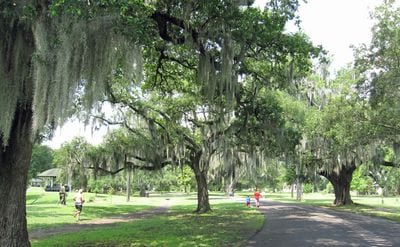
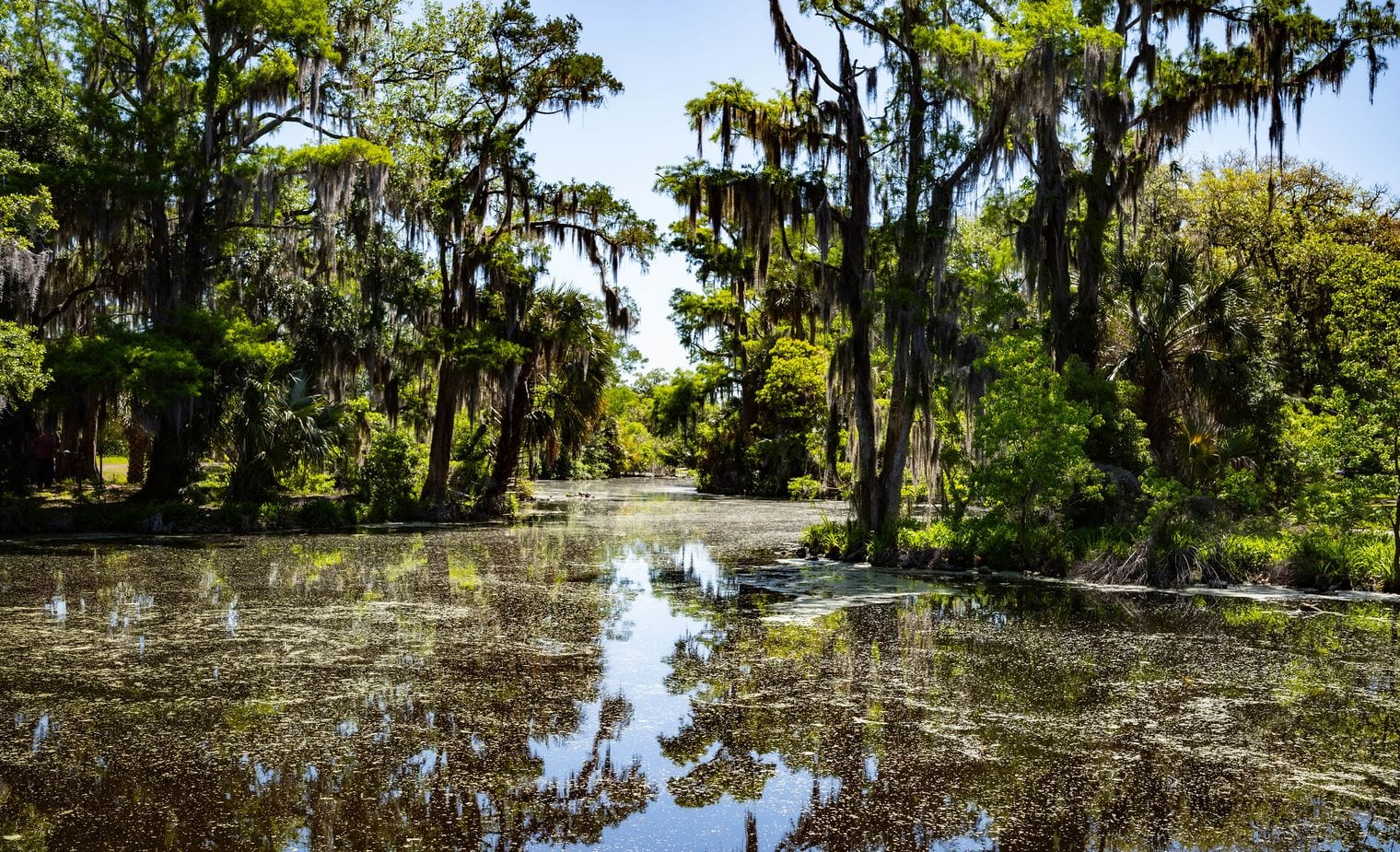
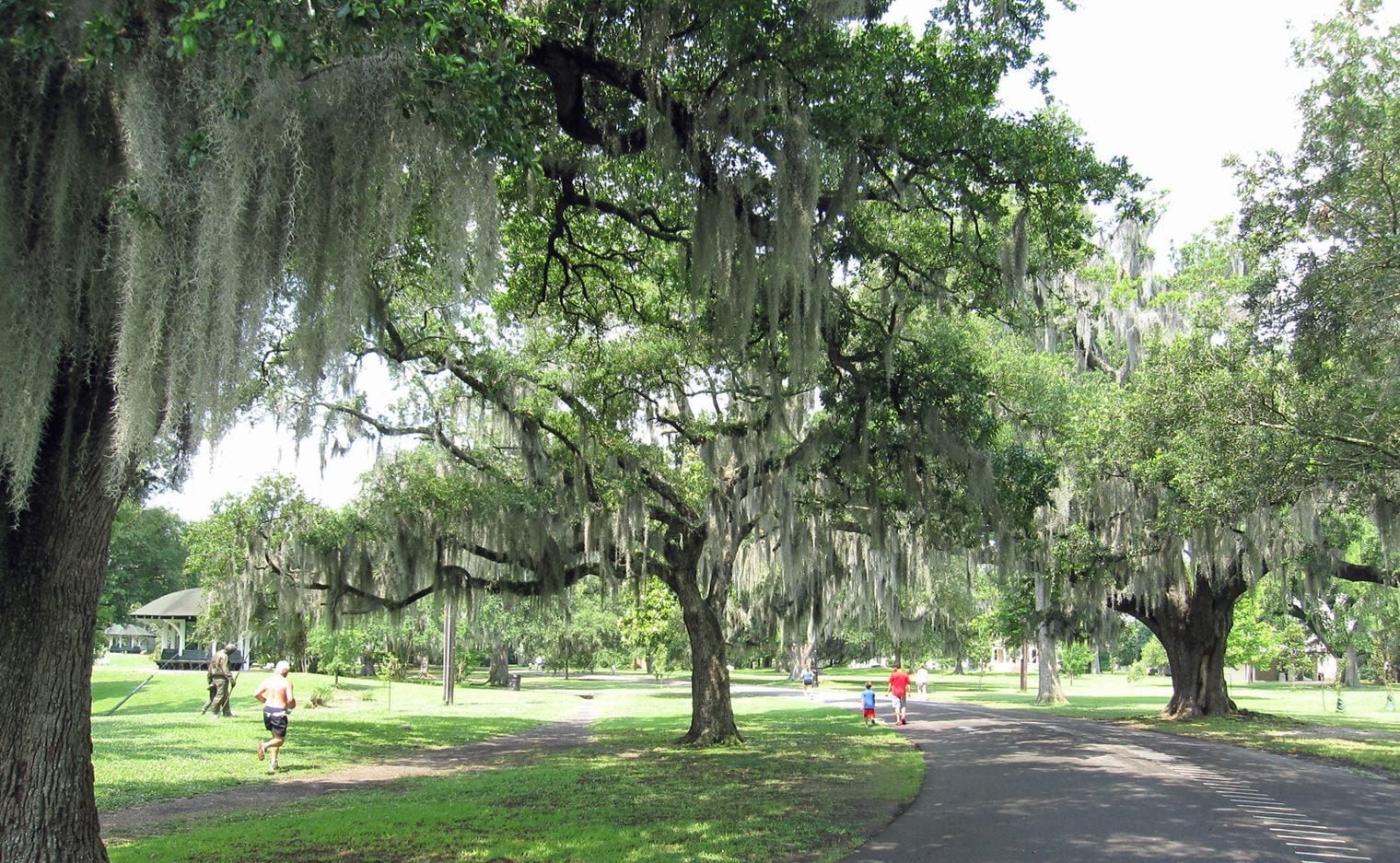
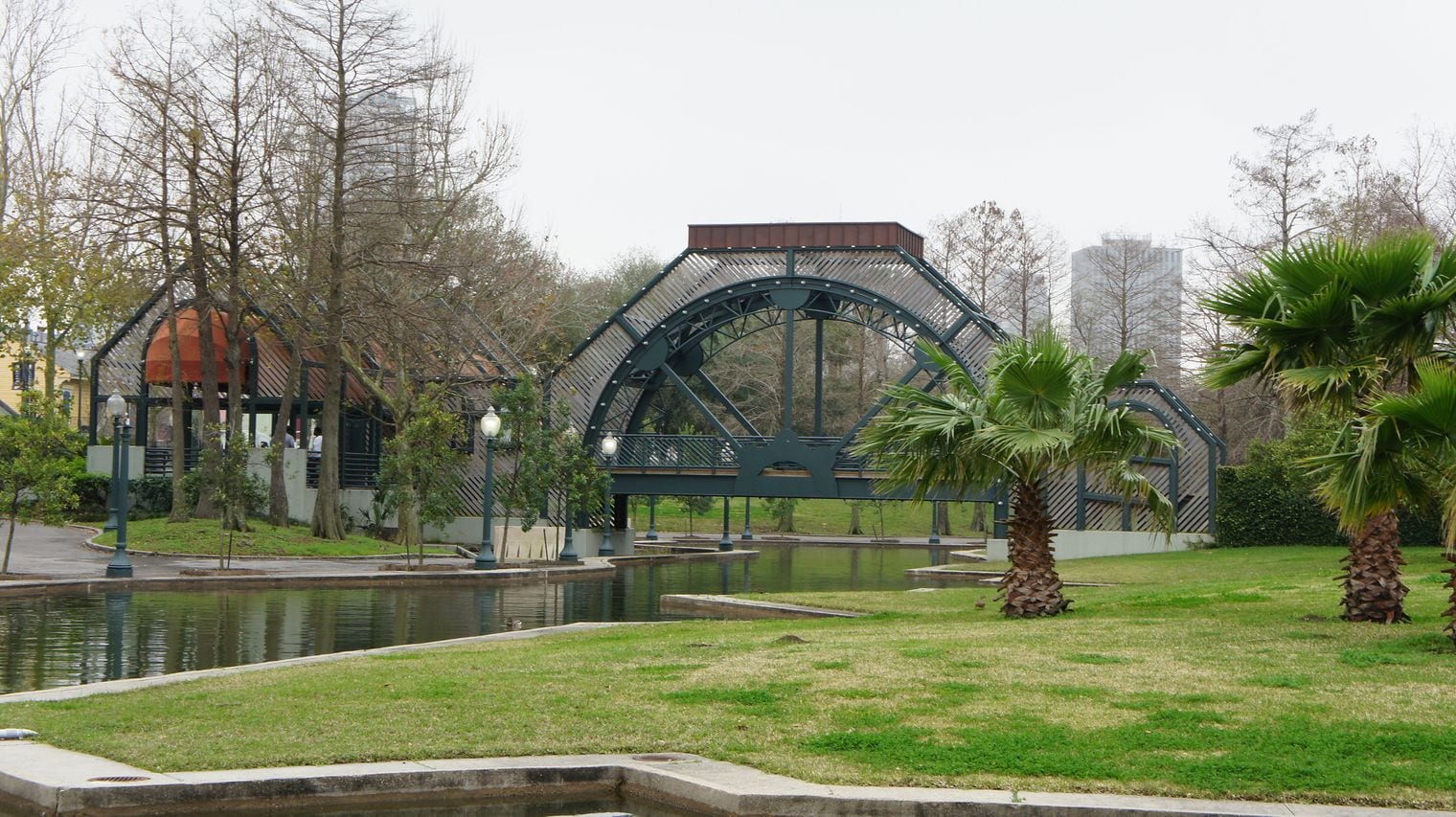
City Park is about 1,300 acres of lagoons, lawns and moss-hung live oaks in Mid-City, founded in 1854 and one of the larger urban parks in the country. It is often said to hold the largest collection of mature live oaks in the world, some of them centuries old, including the Dueling Oak, where men once settled matters of honor.
You could fill a day here. Inside the park are the New Orleans Botanical Garden, Carousel Gardens Amusement Park with its antique carousel, and Storyland, a playground of fairy-tale sculptures for small children, along with the art museum, the sculpture garden and the children's museum covered separately below. Bring a picnic and find a bench by one of the lagoons.
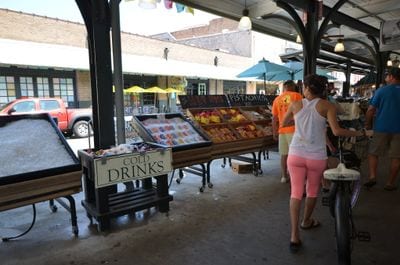
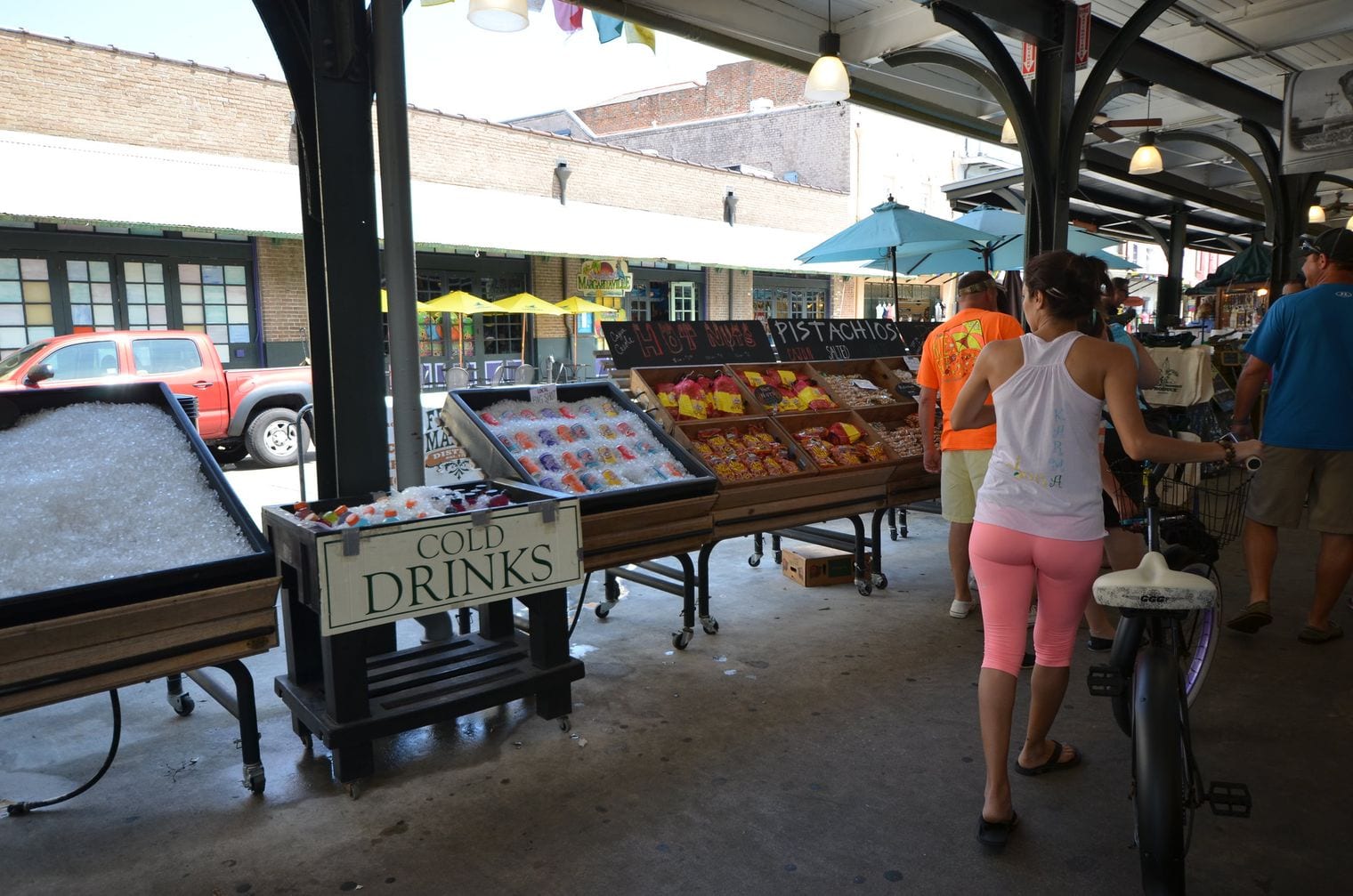
The French Market is a run of open-sided sheds and arcaded buildings stretching six blocks along the river side of the Quarter, on a spot that was a trading place before European settlement; it is often called the oldest market of its kind in the United States. Café du Monde, famous for beignets and chicory café au lait, sits at its upriver end near Jackson Square.
From there the market runs downriver past food stands and a long flea market selling masks, jewelry, art and souvenirs, ending near the Old U.S. Mint. Come in the morning for coffee and beignets, then browse your way down toward Frenchmen Street.
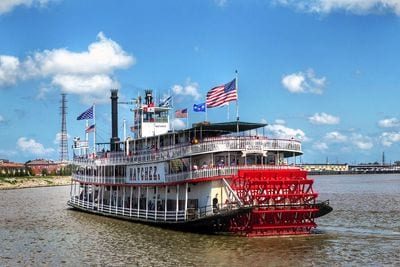
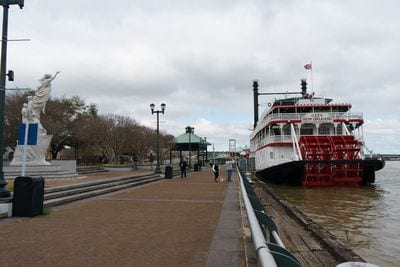
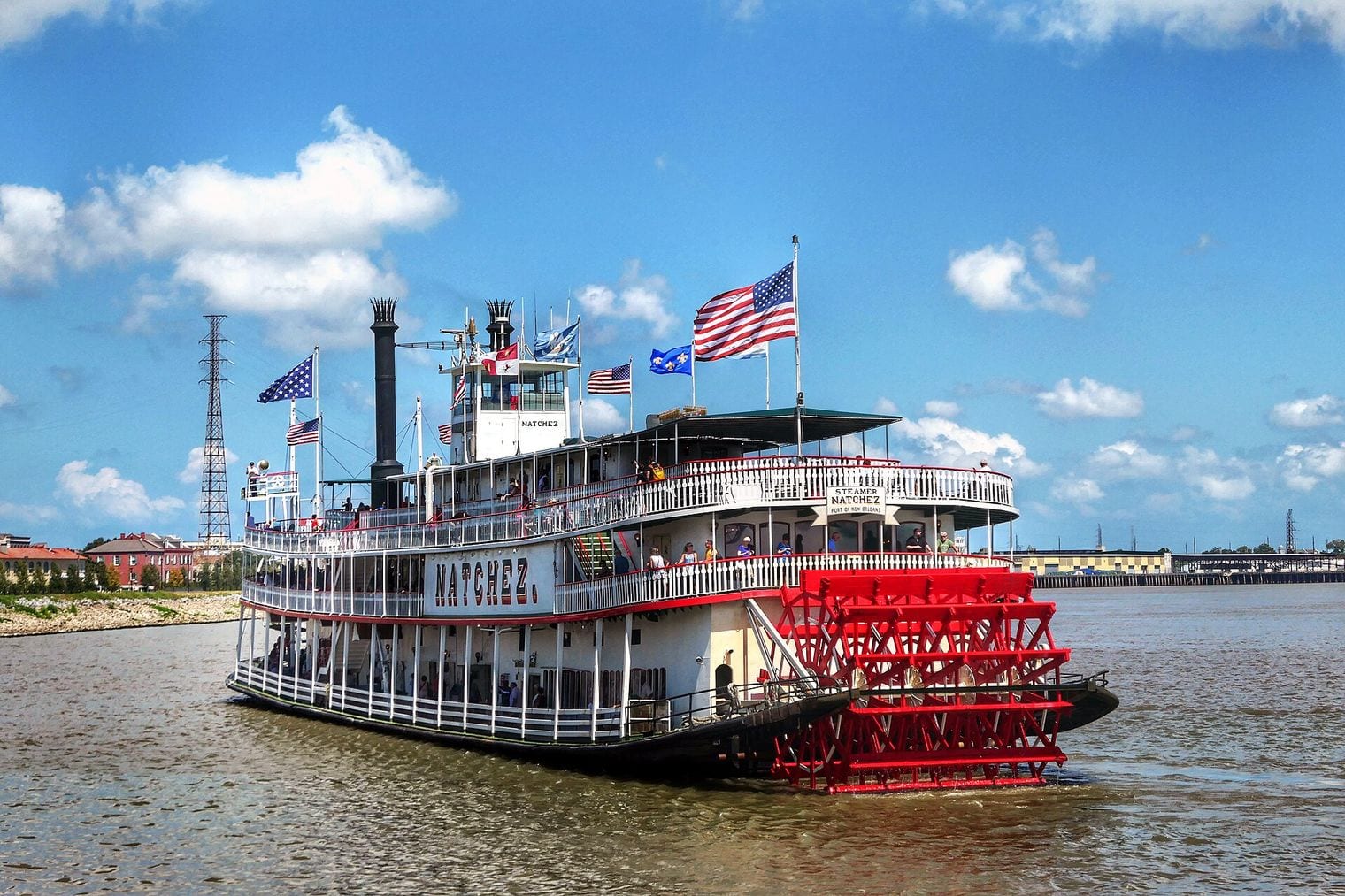
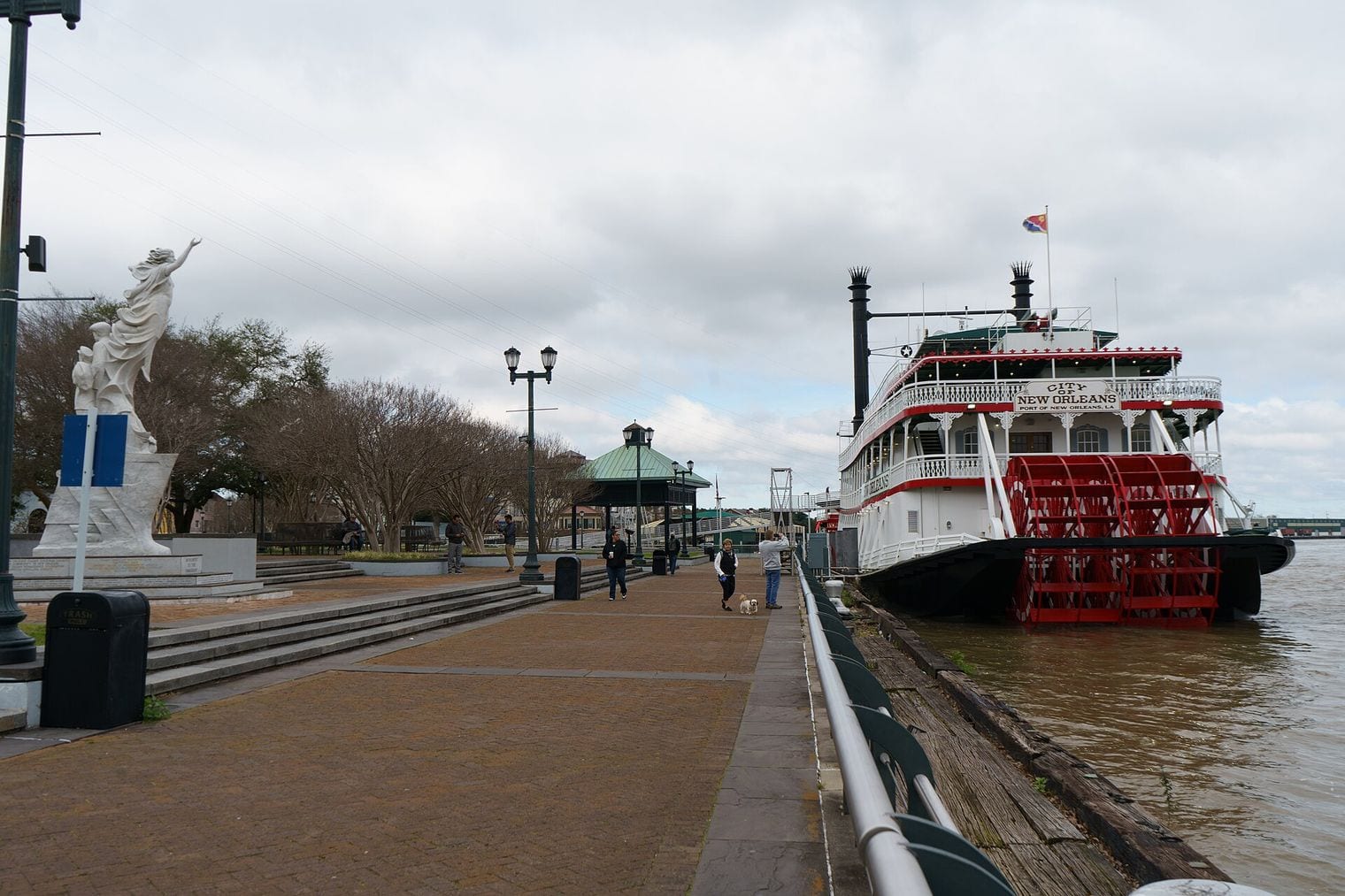
The Steamboat Natchez is the ninth riverboat to carry the name, a true sternwheel steamboat that docks at the Toulouse Street Wharf in the French Quarter. Before departures its steam calliope pipes tunes across the riverfront, one of the most distinctive sounds in the city.
Cruises head out onto the Mississippi past the busy port and the downtown skyline, with jazz on the evening and brunch sailings and dinner on some departures. Stand on deck to watch the red paddlewheel churn the brown water, and look in on the engine room to see the steam machinery at work.
St. Louis Cathedral is the white, triple-spired face of New Orleans and one of the oldest cathedrals in continuous use in the United States. A church has stood on this spot since 1718; the present building is largely an 1850s rebuilding of the Spanish-era church of 1789, and it is now a basilica as well as the seat of the Archdiocese of New Orleans.
Step inside for the painted ceiling and stained glass, or attend Mass to see it as a working parish church. Behind it, St. Anthony's Garden runs back to Royal Street, and the spires lit up at night, seen from either side, are one of the Quarter's classic views.
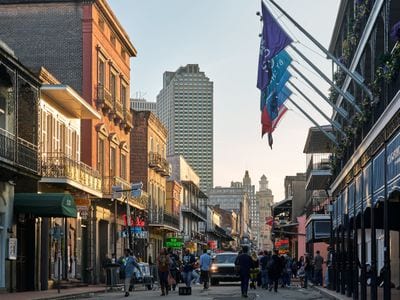
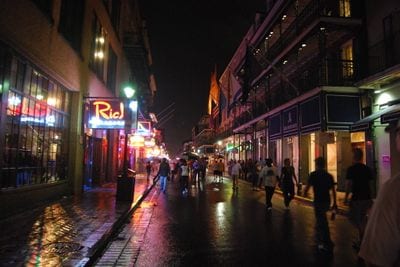
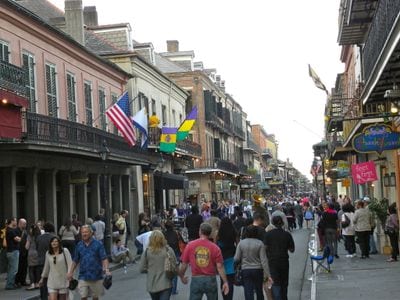
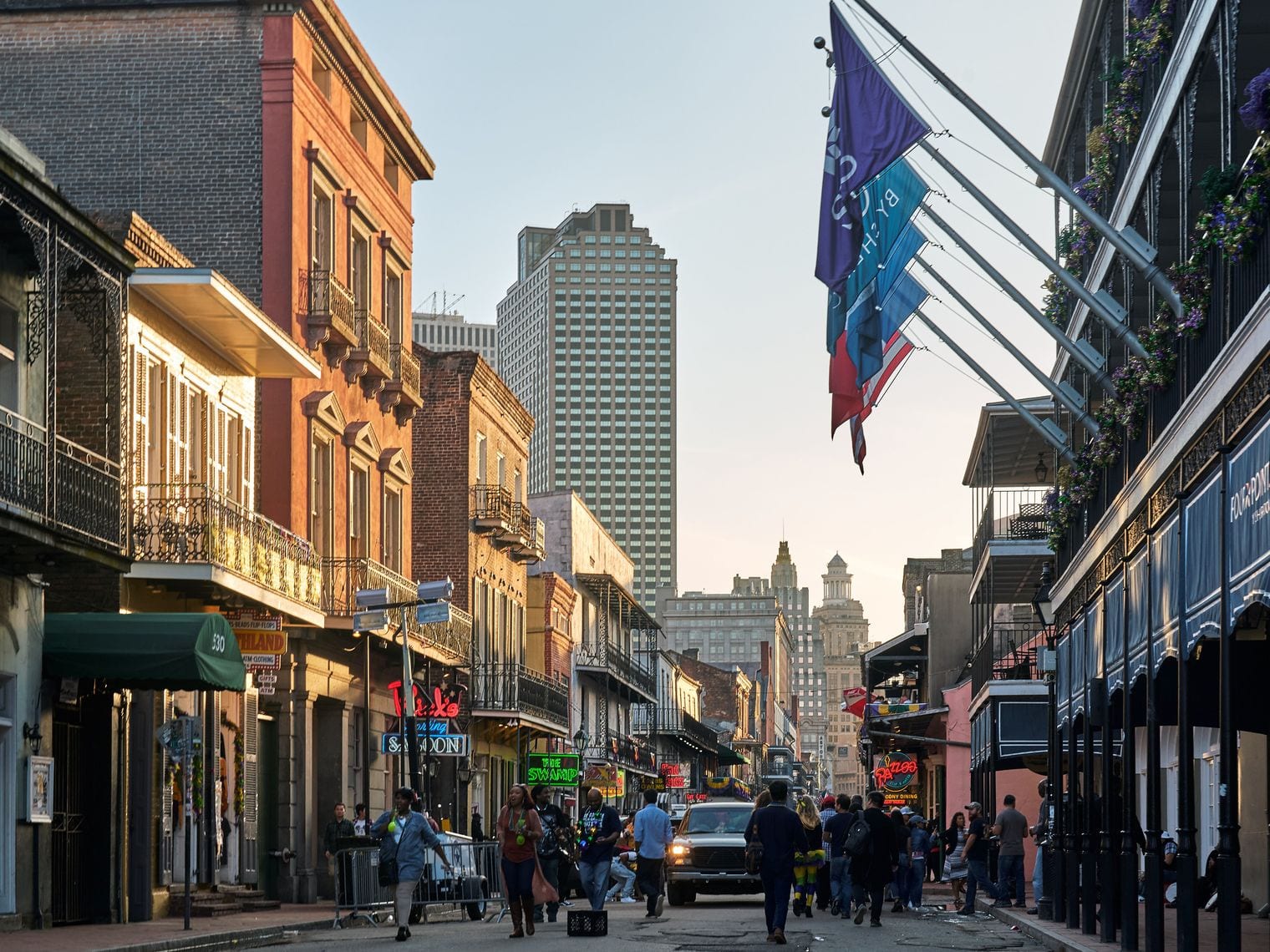
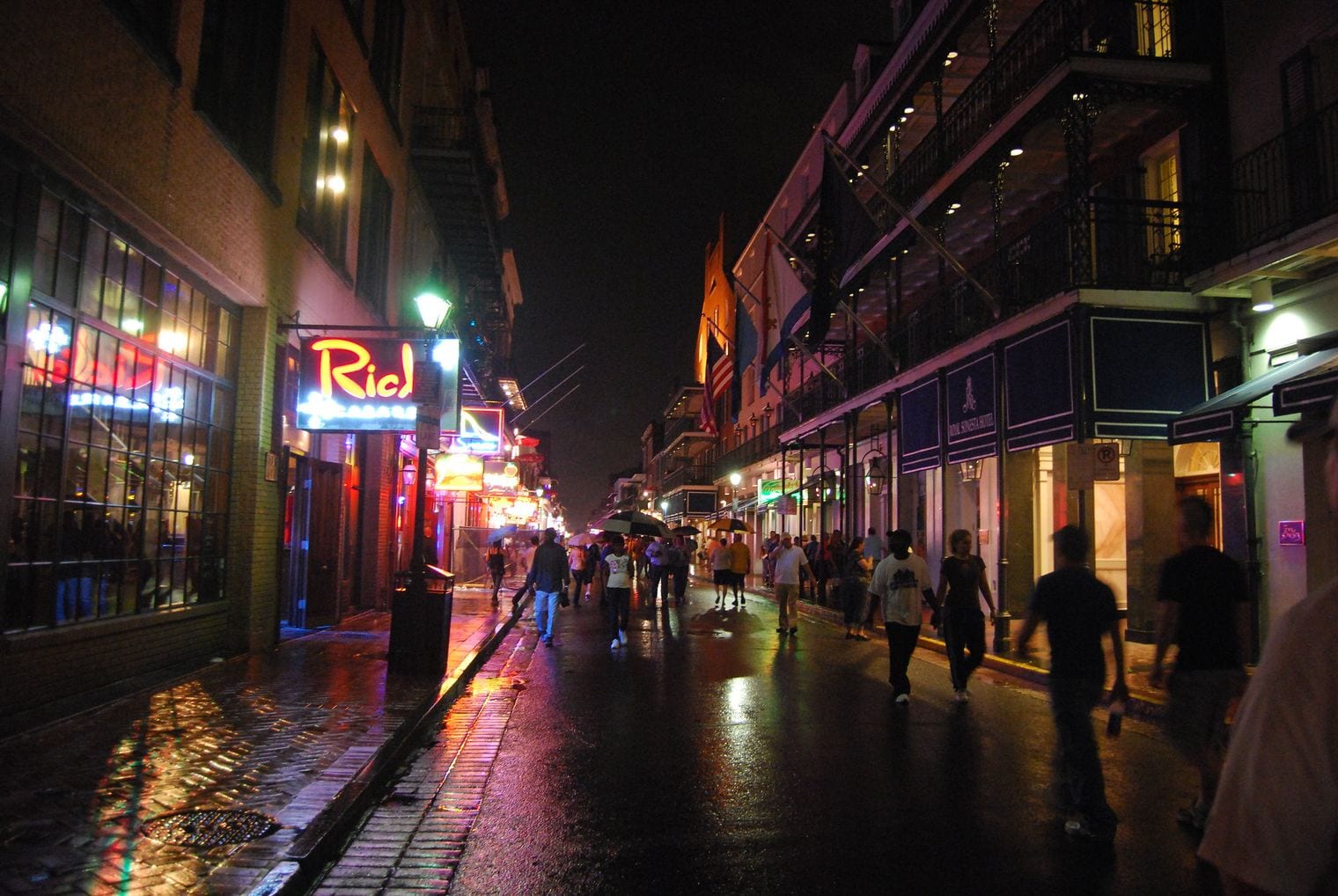
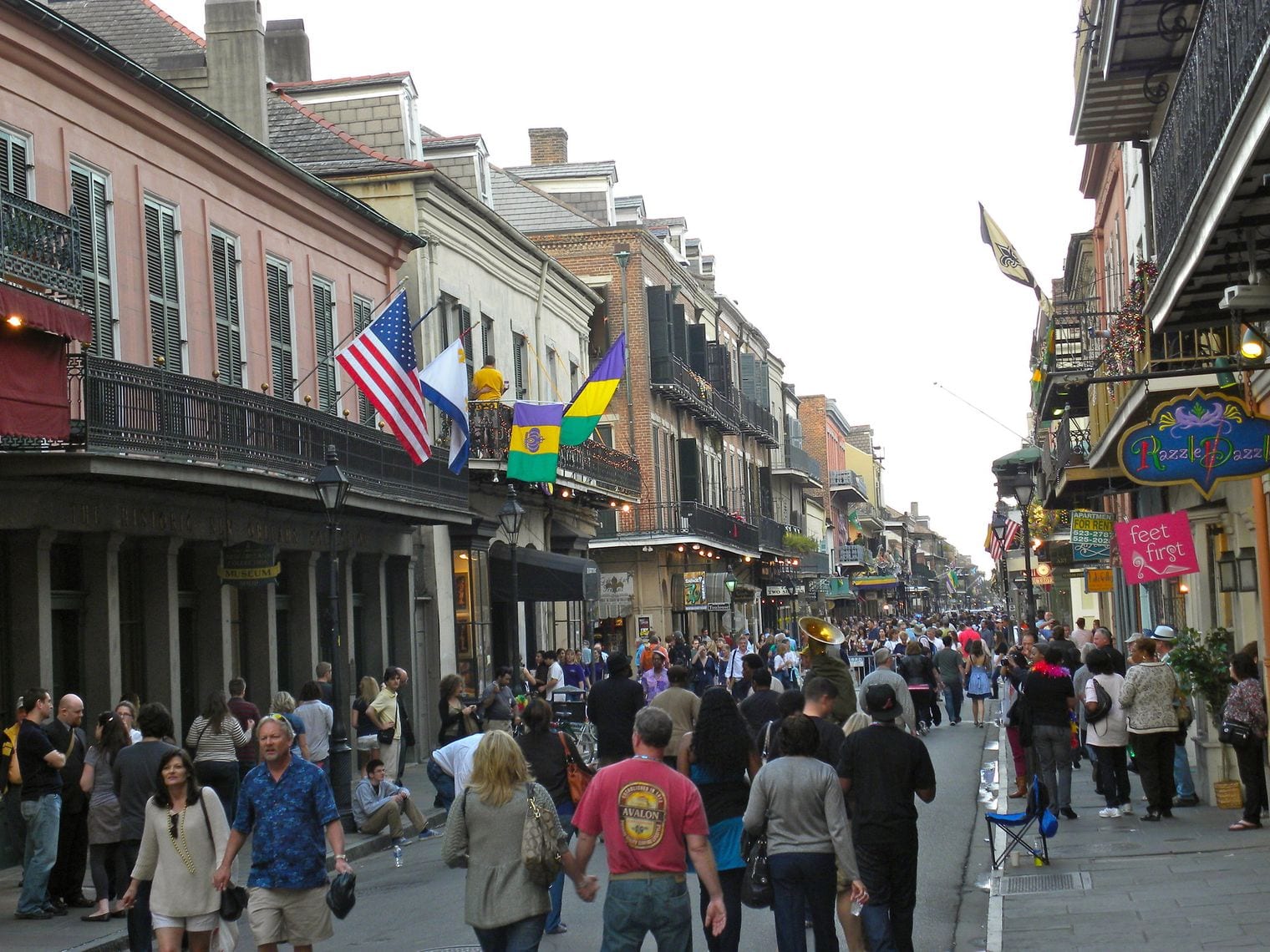
Bourbon Street is the French Quarter at full volume, running from Canal Street to Esplanade Avenue with its upper blocks packed with bars, clubs, daiquiri counters and balconies where crowds toss beads. Open drinks in the street and blaring cover bands make it the city's best-known party, loudest at night and on weekends.
Go with the crowd at least once, then explore the edges. Musical Legends Park, a small courtyard off the street, holds bronze statues of New Orleans music greats, and the lower blocks toward Esplanade turn quieter and residential, leading to Lafitte's Blacksmith Shop and the old Creole cottages of the lower Quarter.
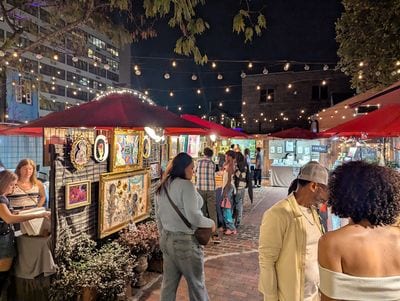
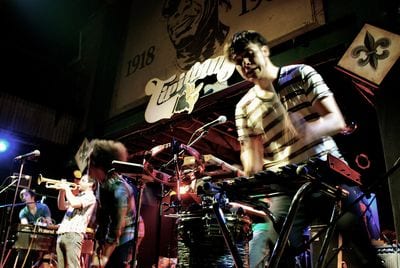
Frenchmen Street is where much of the city goes for live music, a compact three-block strip in the Faubourg Marigny, just downriver from the Quarter, that has grown since the 1980s into a run of small clubs. On a good night you can walk one block and hear traditional jazz, brass, blues and funk drifting out of open doors.
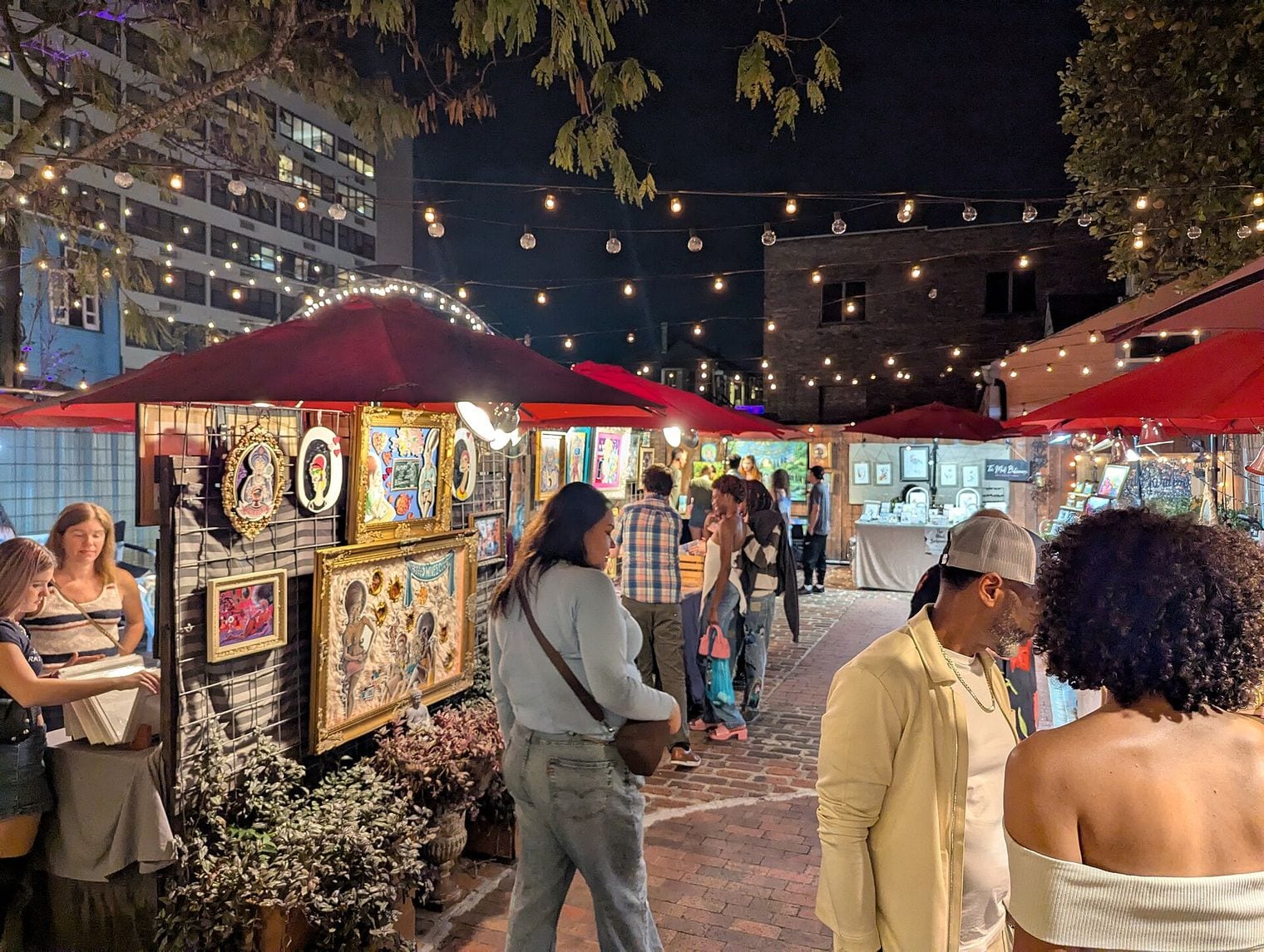
The Frenchmen Art Market, an evening market of local artists and makers, adds a browse between sets, and brass bands often play on the corners. Arrive after dinner, wander until a sound pulls you in, and remember that the music here runs late.
1111. St. Charles Streetcar
Transportation Service~2.4 miles (3.9 km) from center
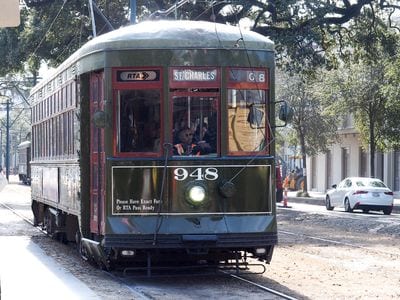
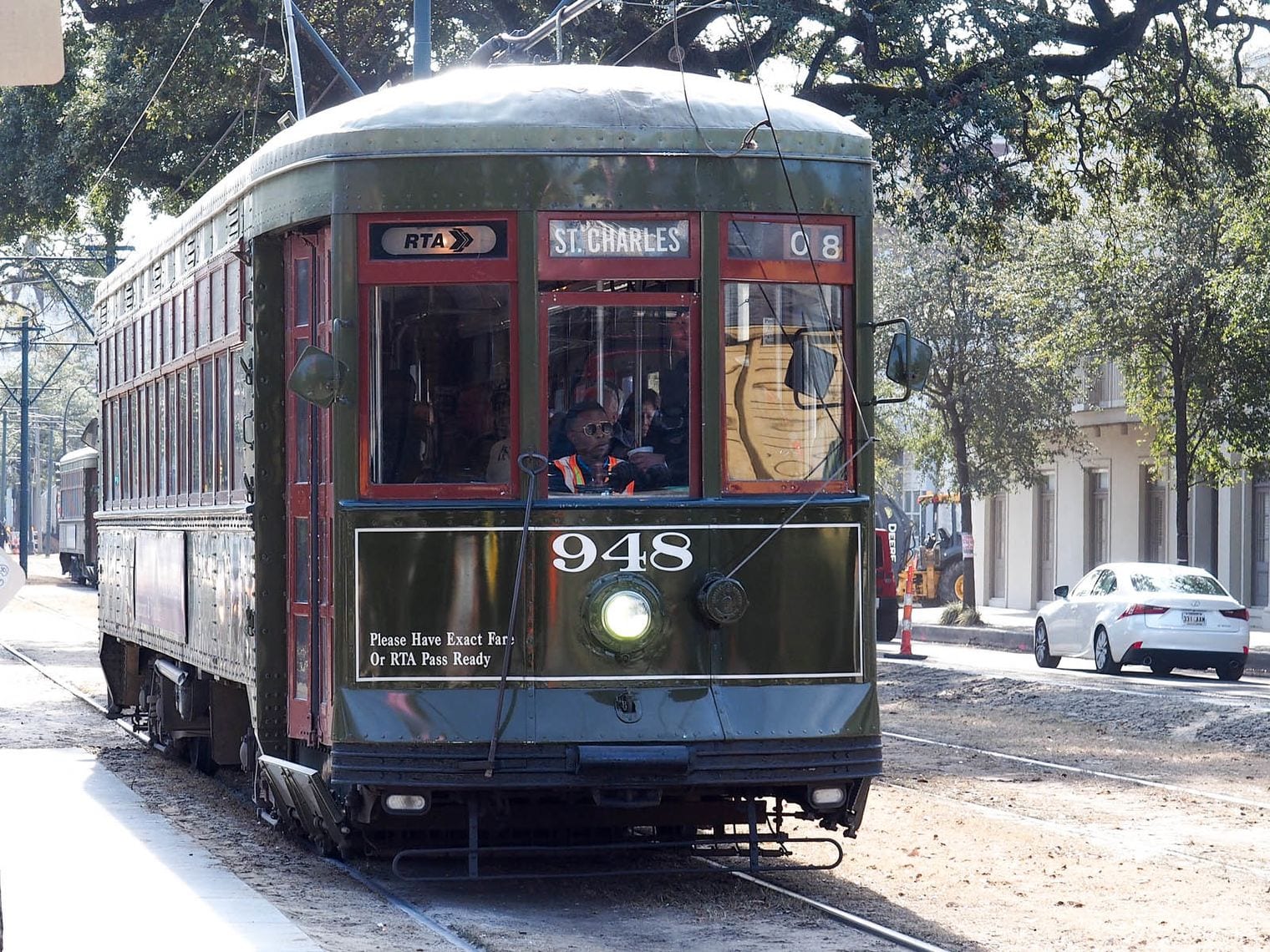
The St. Charles Streetcar has run since 1835, which makes it the oldest continuously operating streetcar line in the world, and it is one of only two street railways in the country that are National Historic Landmarks. Most of its olive-green cars were built in 1923–24 by the Perley A. Thomas Car Works and still rattle along St. Charles Avenue with wooden seats and open windows.
Ride it from Canal Street through Uptown for a moving tour of the Garden District, avenue mansions, Audubon Park and the Tulane and Loyola campuses. The city's other lines, including the red cars on Canal Street and along the riverfront, are handy for City Park and the French Market.
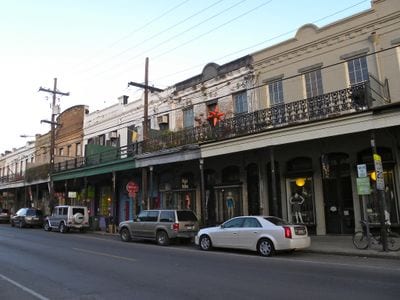
Royal Street, one of the city's original streets, is the French Quarter's refined side, running parallel to Bourbon but a world away in mood. Its blocks are lined with antique dealers, estate jewelers and art galleries, and some of the Quarter's most photographed iron balconies hang over the sidewalks, trailing ferns.
Near Jackson Square, part of the street closes to cars for much of the day, and that stretch fills with buskers, from solo violinists to full brass bands. Wander it in both directions: toward Canal for antiques, and toward Esplanade for quieter blocks and house museums such as the Gallier House.
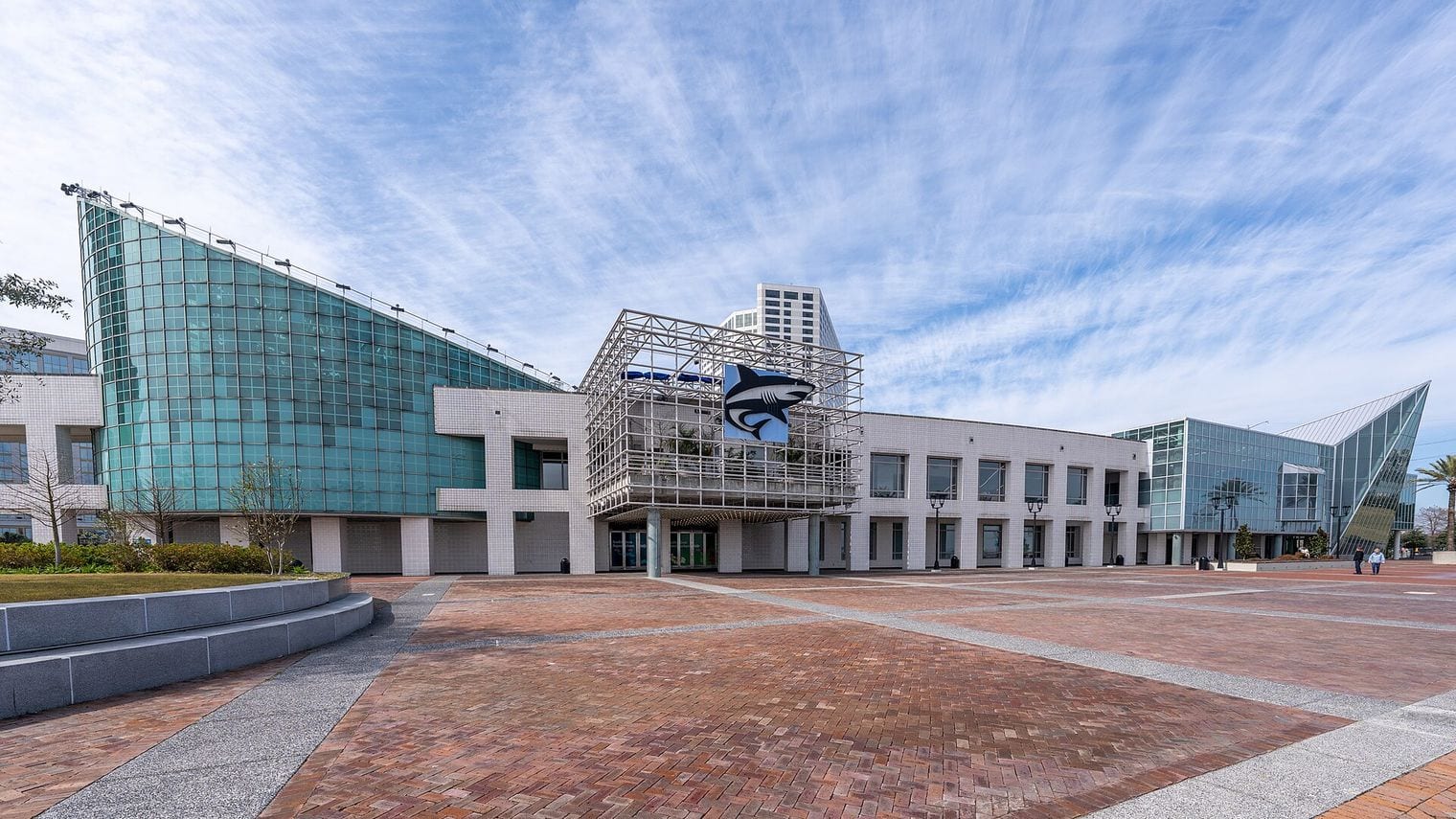
Audubon Aquarium stands on the riverfront at the foot of Canal Street, at the upriver end of Woldenberg Park, and has been a family favorite since it opened in 1990. A major renovation reopened it in 2023 with the Audubon Insectarium moved into the same building, so one visit now covers both sharks and bugs.
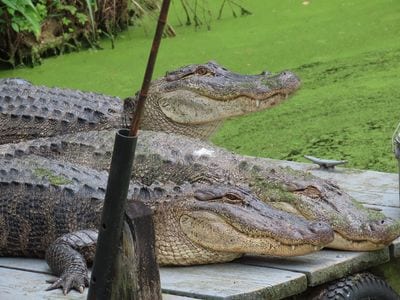
The exhibits lean on the region: Down the Bayou brings in alligators and Louisiana wetland species, a large Gulf exhibit recreates a whole marine ecosystem, and a tunnel puts stingrays overhead. There are African penguins, a shark and ray touch pool, and the insect galleries for anyone who wants to get close to the six-legged side of nature.
Audubon Zoo covers 58 acres of Audubon Park in Uptown and is home to more than 2,000 animals. Like the park, it is named for the artist and naturalist John James Audubon, who lived in New Orleans from 1821, and it is ticketed separately from the park around it.
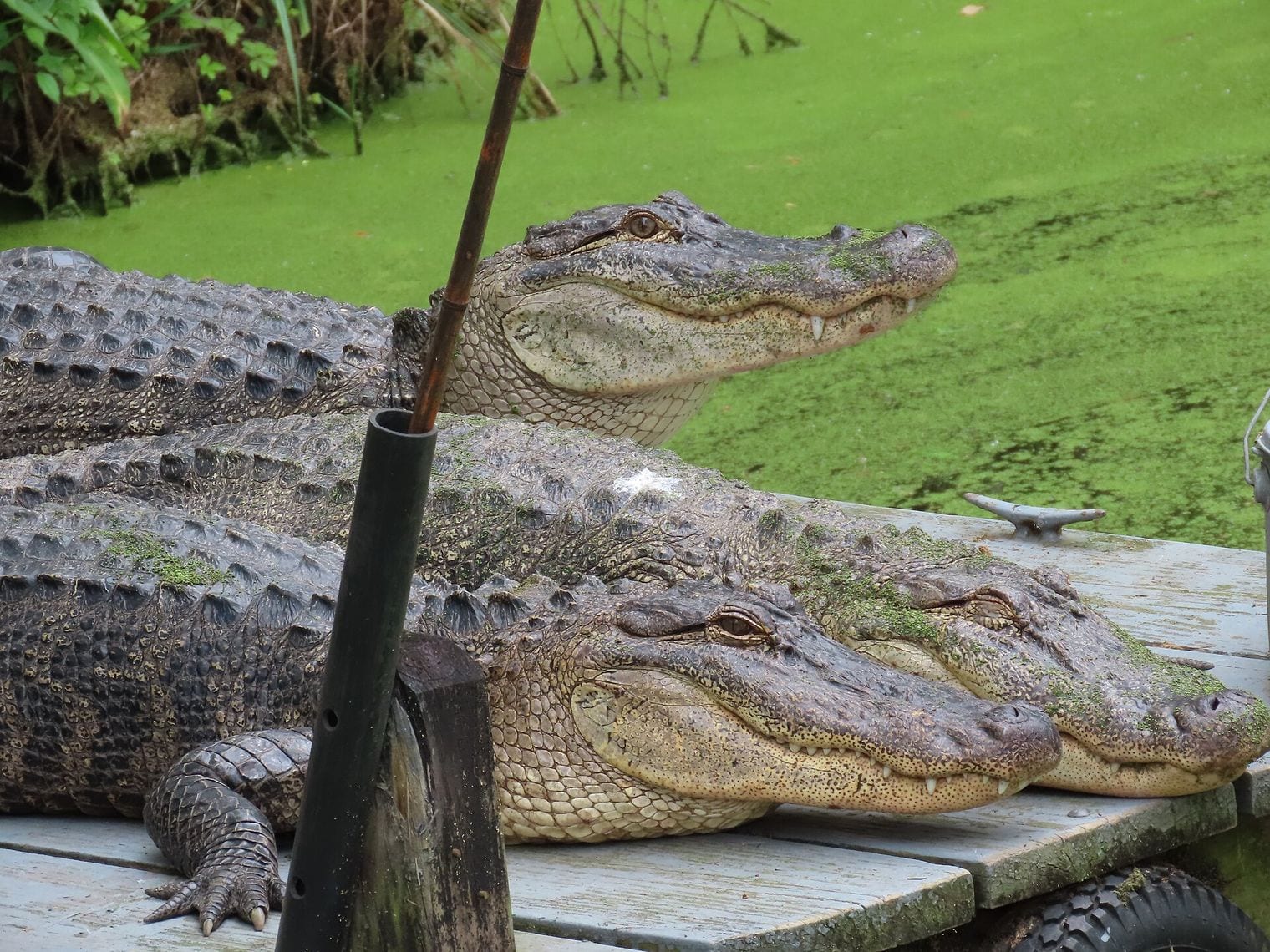
Its best-known exhibit is the Louisiana Swamp, a boardwalk through a recreated bayou with alligators and other native wildlife. Jaguar Jungle, the African Savanna and Monkey Hill round out a shaded, walkable loop, and the Cool Zoo water park gives children a way to cool off in the warmer months.
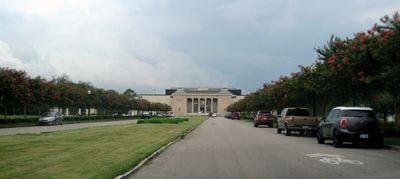
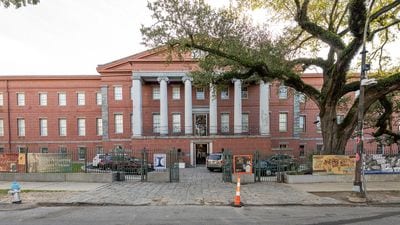
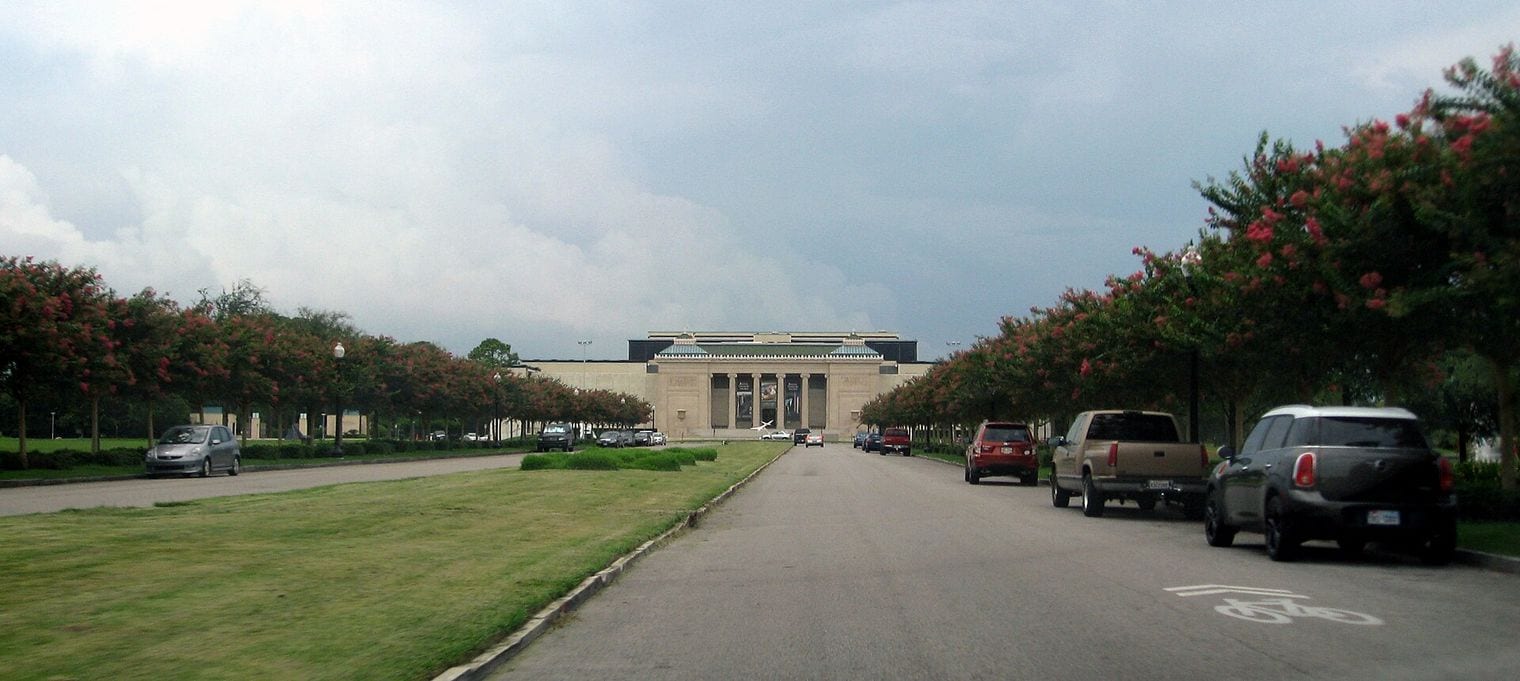
The New Orleans Museum of Art, known as NOMA, is the city's oldest fine arts museum, founded in 1911 as the Delgado Museum of Art. Its columned building sits at the end of a long oak-lined approach in City Park, near the terminus of the Canal Street streetcar's City Park branch.
The collection ranges widely across European and American painting, photography, glass, and African, Asian and Native American art, so it suits a focused hour or a slow afternoon. Pair it with the free sculpture garden next door and a walk around the park's lagoons.
Audubon Park is about 350 acres of lagoons, golf greens and live oaks in Uptown, stretching from St. Charles Avenue, across from Tulane and Loyola universities, down to the Mississippi. The city bought the land in 1871, and it is named, like the zoo inside it, for John James Audubon.
The paved path around the lagoon is the city's favorite loop for joggers and strollers, with herons and egrets on the water. Keep going past the zoo to the riverside lawn known as The Fly, where locals picnic and watch the ships slide by on the Mississippi.
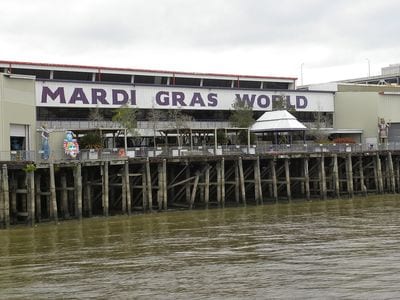
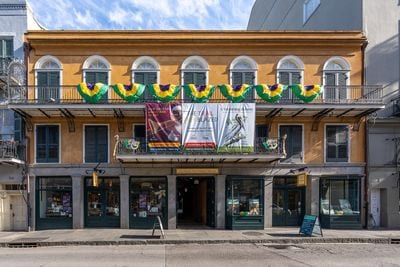
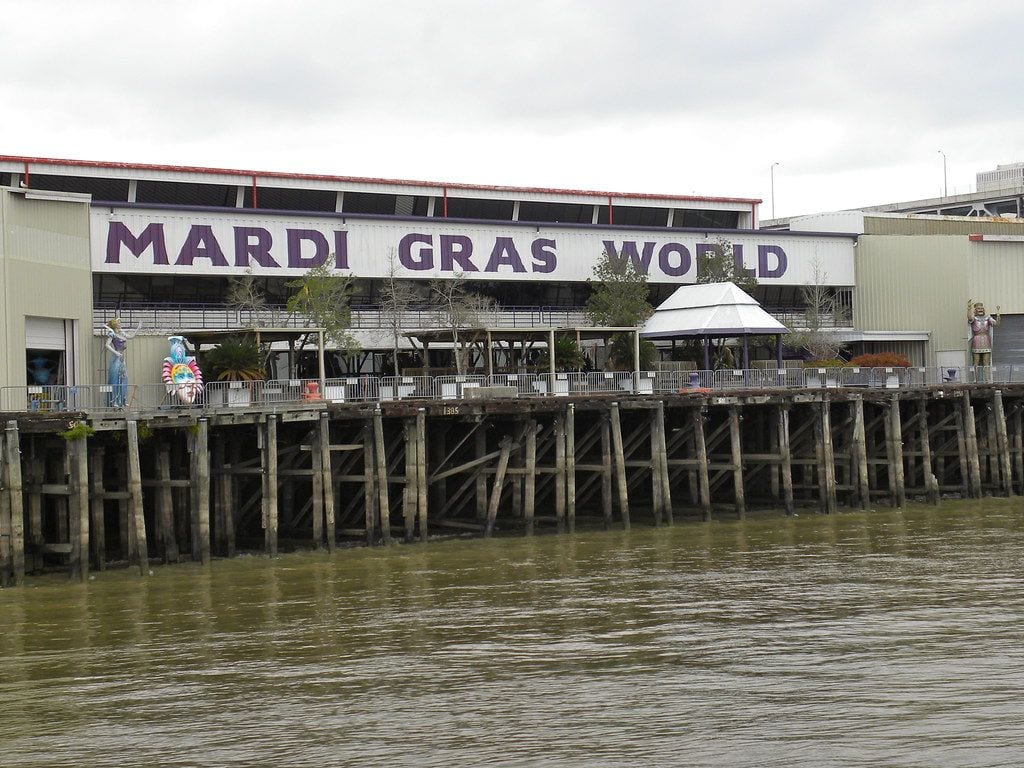
Mardi Gras World is the riverside studio of Blaine Kern Artists, the float-building company founded by Blaine Kern in 1946, and its tours take you into the vast working warehouse where parade floats for Carnival are designed, sculpted and painted. It sits on the river next to the convention center, a short ride from the Quarter.
Guides explain how the krewes and their parades work, and you walk among giant heads, oversized figures and finished floats waiting for their next outing. It is the best way to understand Mardi Gras if you can't be in town for it, and it suits all ages.
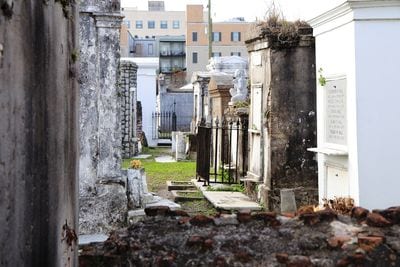
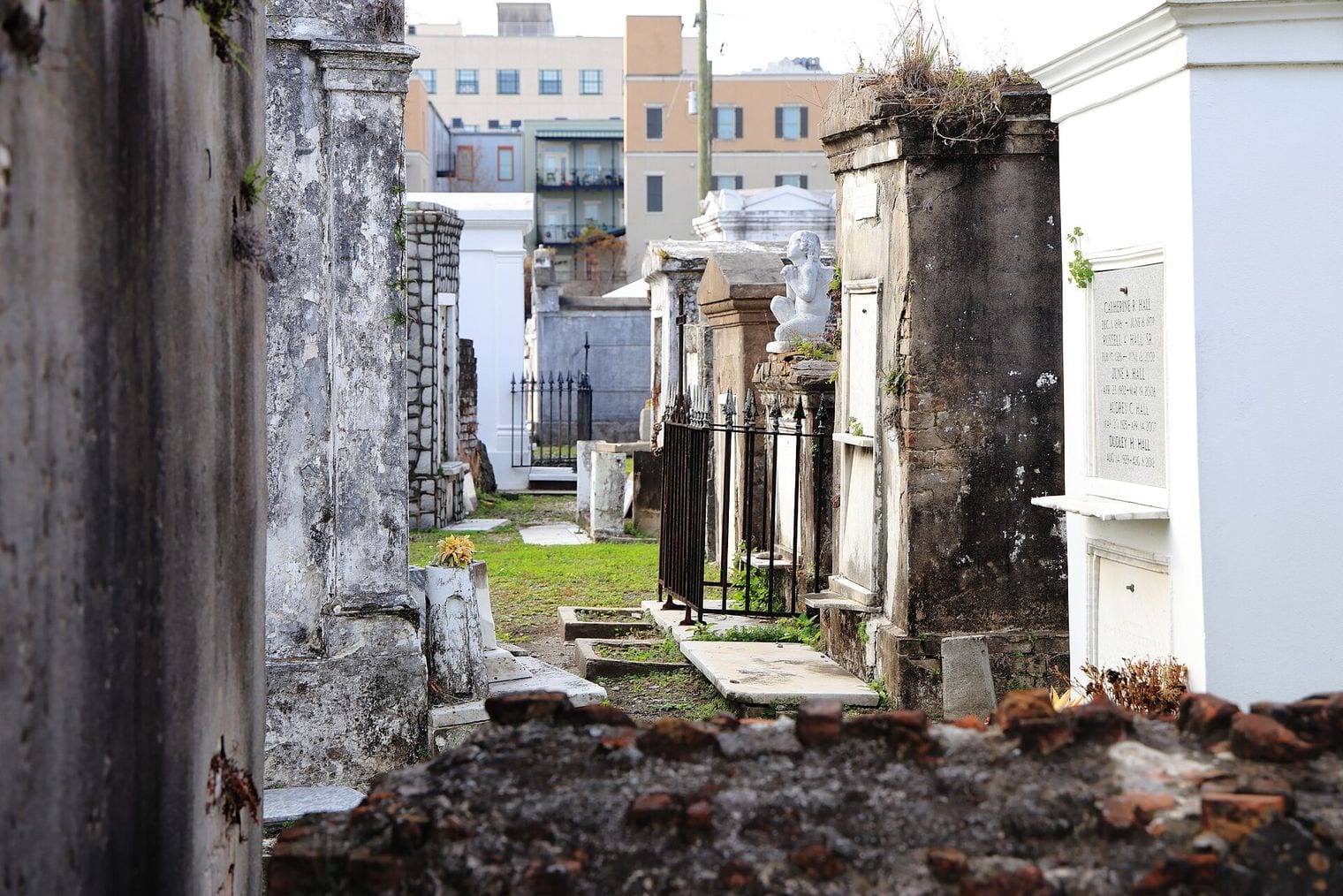
St. Louis Cemetery No. 1 opened in 1789 and is the oldest surviving cemetery in New Orleans, a maze of whitewashed above-ground tombs just outside the French Quarter on Basin Street. The Voodoo priestess Marie Laveau is believed to be buried here, and so is Homer Plessy of the landmark Plessy v. Ferguson case.
You can only enter on an official guided tour, run by the operator licensed by the Archdiocese's cemetery office, so don't plan to wander in. The tours explain the society tombs, the burial customs and the legends, and they are the respectful way to see one of the city's most atmospheric places.
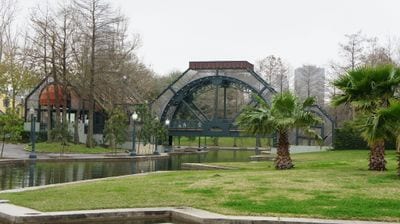
Louis Armstrong Park is a 32-acre green space in Tremé, across Rampart Street from the French Quarter, entered under a lit-up arch and named for the city's most famous son. Inside are the Mahalia Jackson Theater, a 12-foot statue of Armstrong by Elizabeth Catlett, and statues and busts of other jazz figures.
At its front edge is Congo Square, where enslaved and free Africans gathered on Sundays in the 18th and 19th centuries to drum, dance and trade, a tradition often cited as one of the roots of jazz. The park itself was carved from part of Tremé in a controversial urban renewal project, and the square is still used for festivals and drum circles.
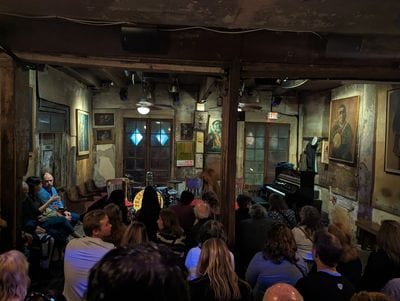
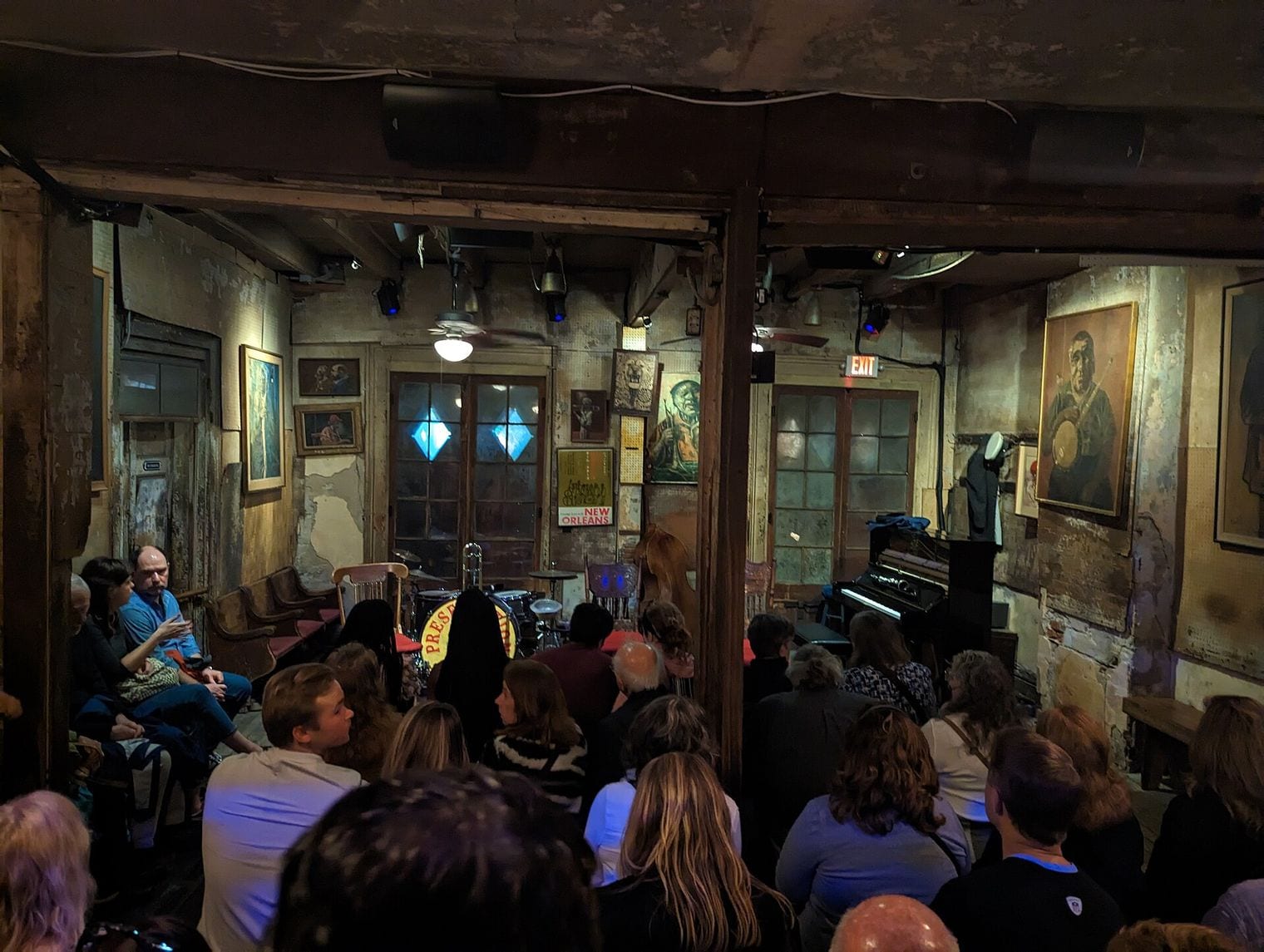
Preservation Hall is a small, plain room on St. Peter Street that has been dedicated to traditional New Orleans jazz since 1961. There are no frills and little seating; much of the audience stands or sits close enough to the band to watch every finger on the valves.
The musicians are some of the city's best players of the music that started here, and each set is short and intimate, so it fits easily into an evening in the Quarter. Seats are limited, so plan ahead, and expect the old standards played as they were meant to be.
Free printable checklist of all 45 places
Tick them off as you go. Confirm your email to download it, plus one email every Thursday with new guides for the places you tick.
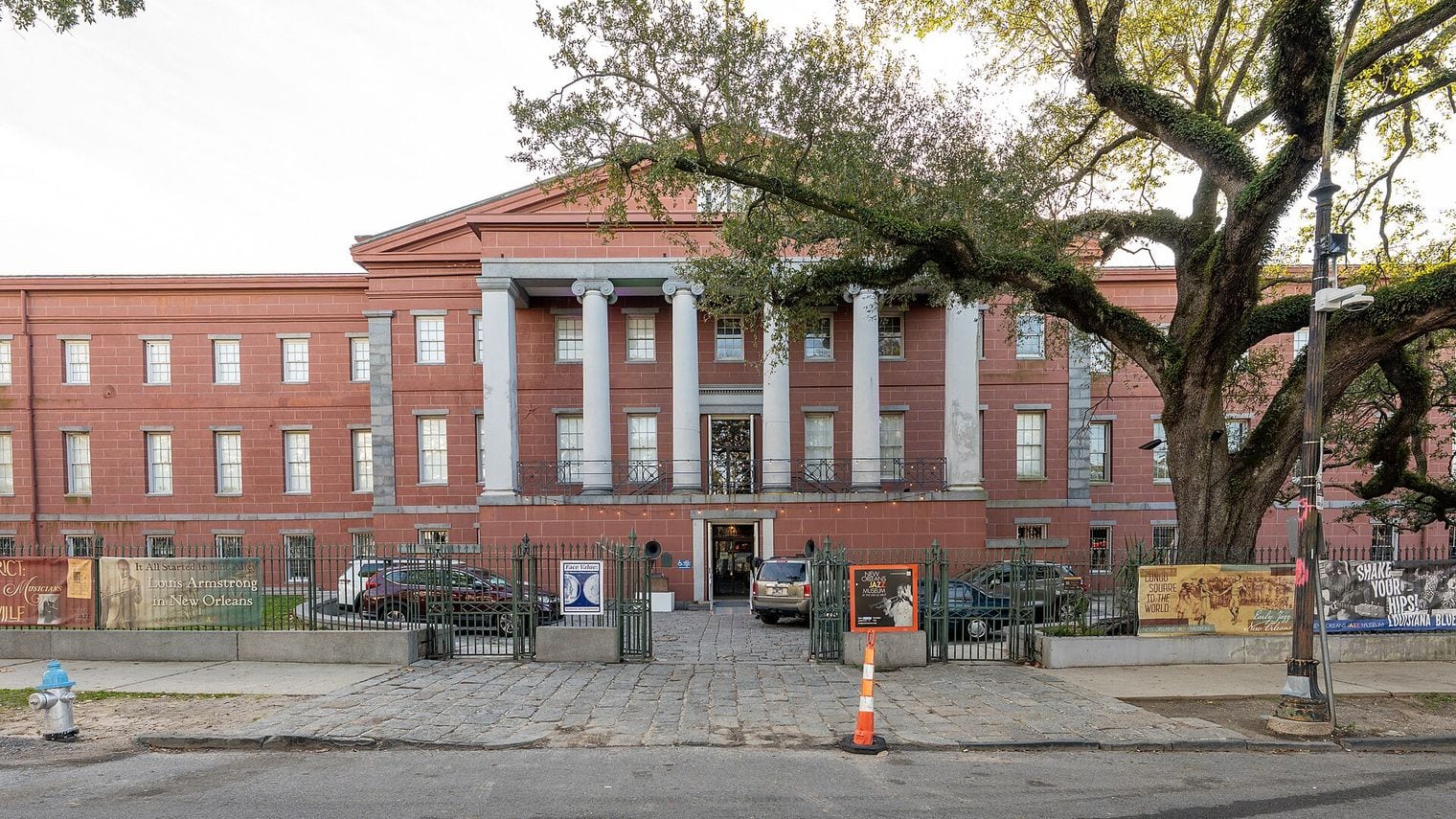
The New Orleans Jazz Museum fills the Old U.S. Mint, a Greek Revival landmark at the downriver edge of the Quarter that struck coins from 1838 to 1861 and again from 1879 to 1909. It is the oldest surviving building to have served as a U.S. mint, and it is now part of the Louisiana State Museum.
Inside, the galleries trace jazz from its New Orleans roots through instruments, recordings and memorabilia, and the building hosts concerts and talks in its performance space. It sits right beside the lower end of the French Market, so it slots easily into a morning in the Quarter.
Woldenberg Riverfront Park is the long green strip along the Mississippi between the aquarium and the French Market, the city's front porch on the river. Its lawns and benches look straight out at the ships and tugs on the bend that gives New Orleans the nickname of the Crescent City.
Walk it for the Holocaust Memorial sculpture by Yaacov Agam and the Monument to the Immigrant, then continue along the Moonwalk boardwalk facing Jackson Square. At the upriver end, Spanish Plaza at the foot of Canal Street has a fountain and broad views of the river.
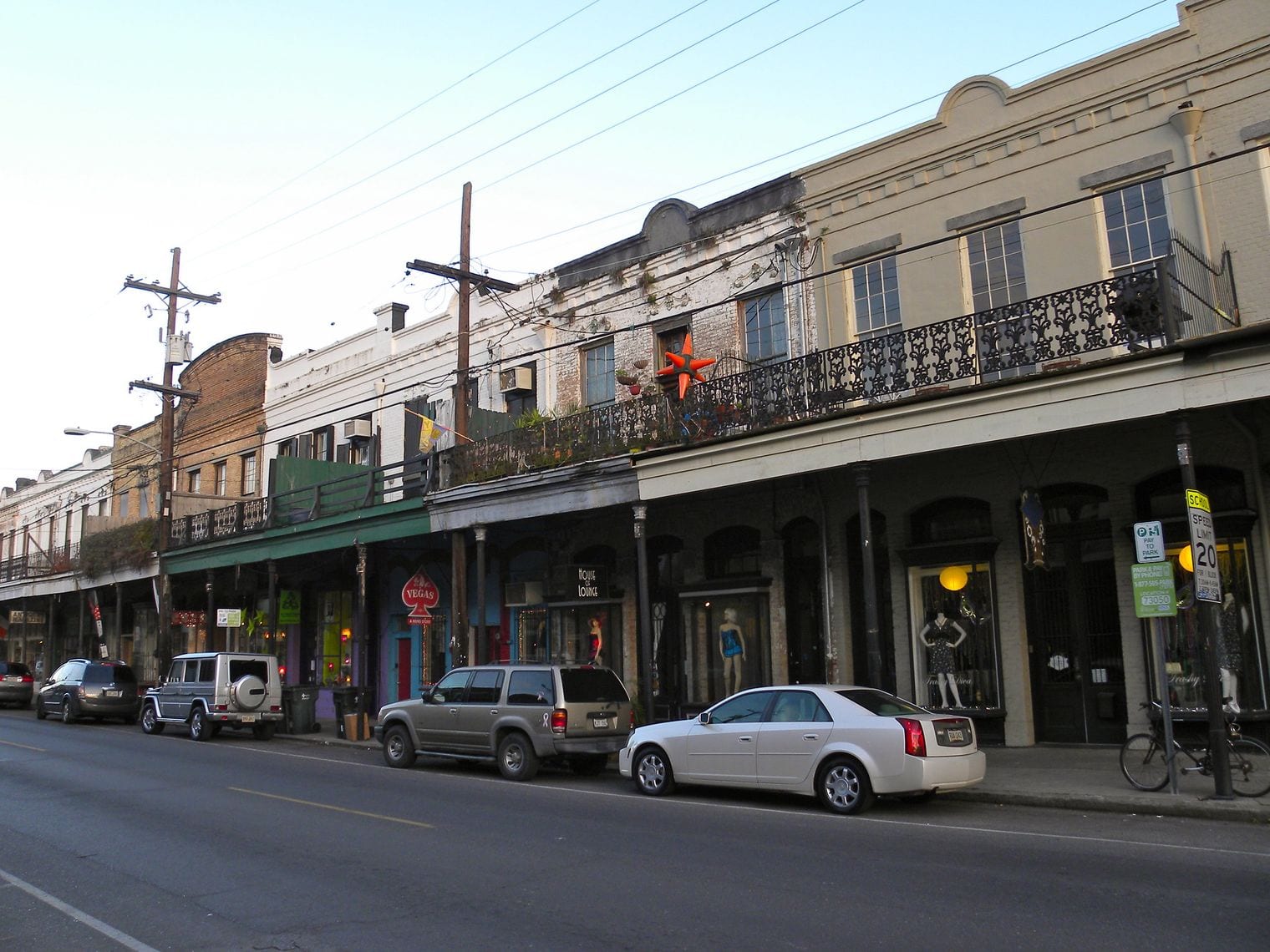
Magazine Street is the city's great shopping street, running about six miles through Uptown along the curve of the river and named for an ammunition magazine from the colonial era. Its 19th-century houses and storefronts are filled with antique shops, clothing boutiques, galleries, cafés and bars.
It is too long to walk end to end, so pick a stretch, such as the blocks along the edge of the Garden District or the busier sections further Uptown, and wander. Combine it with the St. Charles Streetcar, which runs a few blocks inland, to make a loop through Uptown.
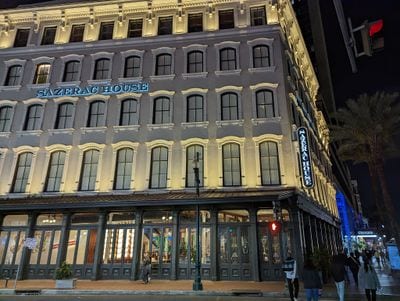
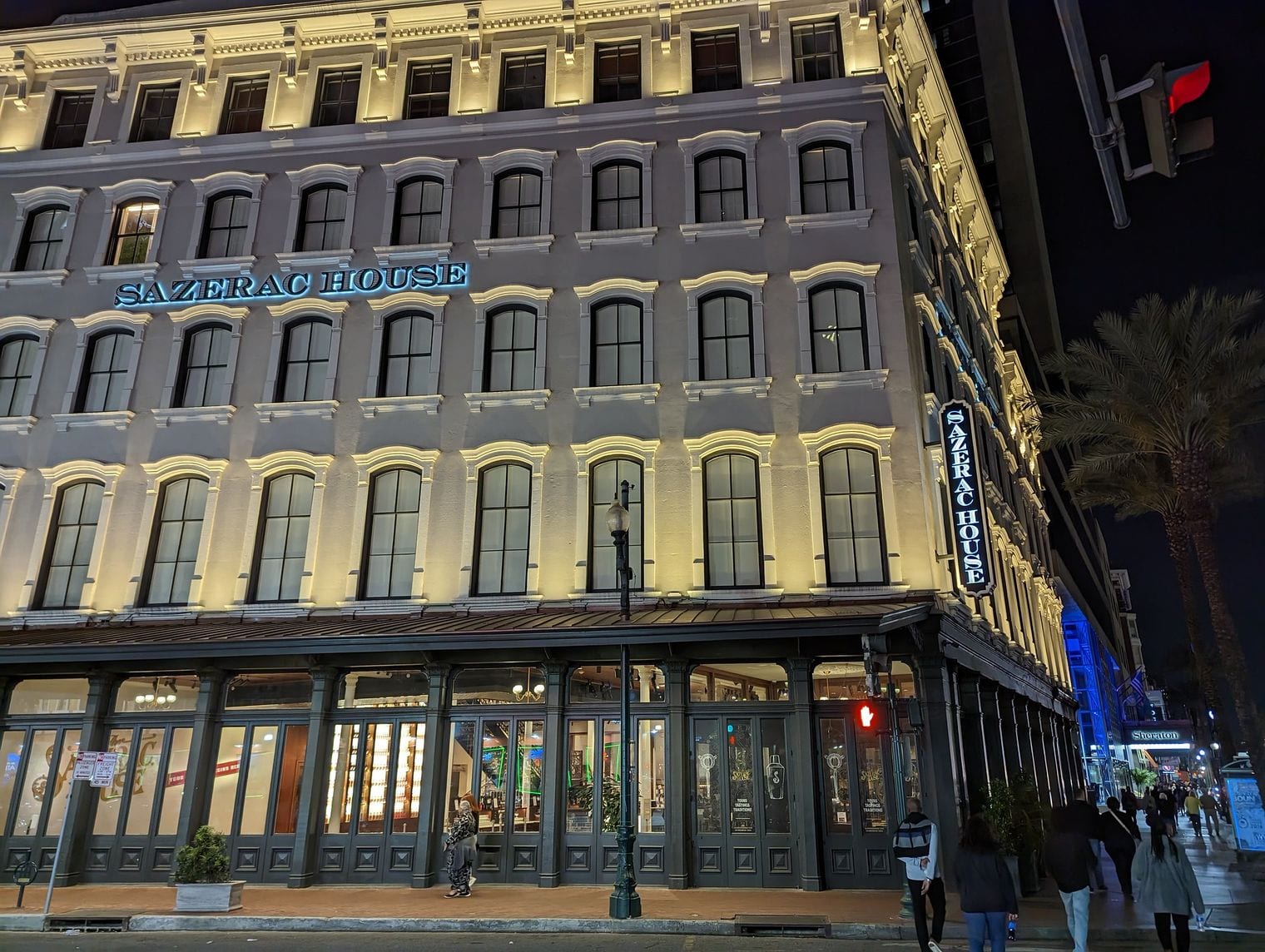
The Sazerac House tells the story of New Orleans cocktail culture in a restored building at the corner of Canal and Magazine streets, named for the Sazerac, the rye-and-absinthe-rinse drink closely tied to the city. Its floors combine interactive exhibits on the city's drinking history with a working distillery.
Tours and guided tastings, for those of legal drinking age, are booked ahead, and the exhibits on the city's bars and the story of the Sazerac make it more than a tasting room. It is a good stop on a walk between the French Quarter and the Warehouse District.
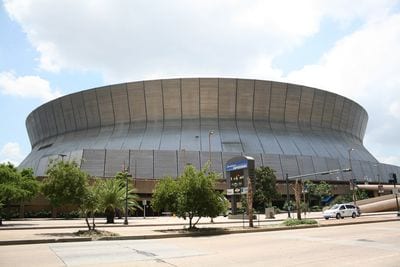
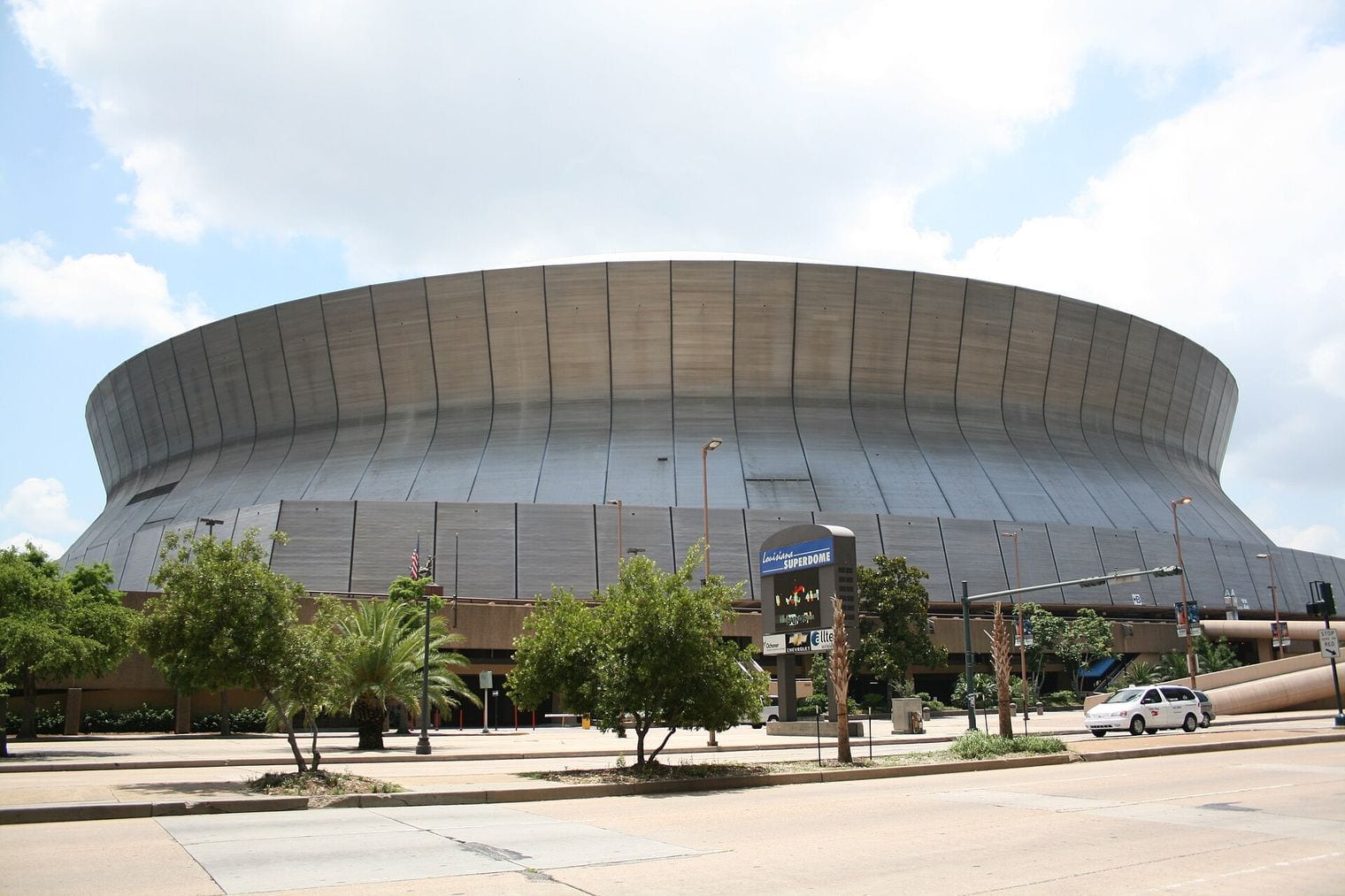
The Caesars Superdome has been home to the New Orleans Saints since it opened in 1975, and its 680-foot roof was among the largest fixed domes in the world when it was built. It has hosted eight Super Bowls, more than any other stadium, and the Sugar Bowl has been played here since 1975.
The dome is not a sight to tour on an ordinary day; the way to see it is at a game, a concert or a big event, when the whole downtown fills with fans. Even from outside, its huge rounded profile is the landmark that tells you where downtown begins.
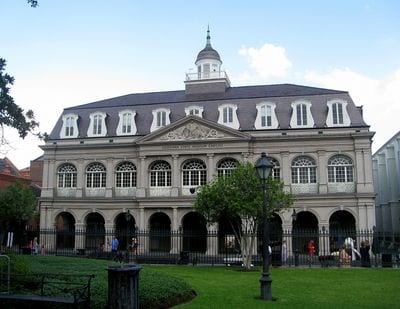
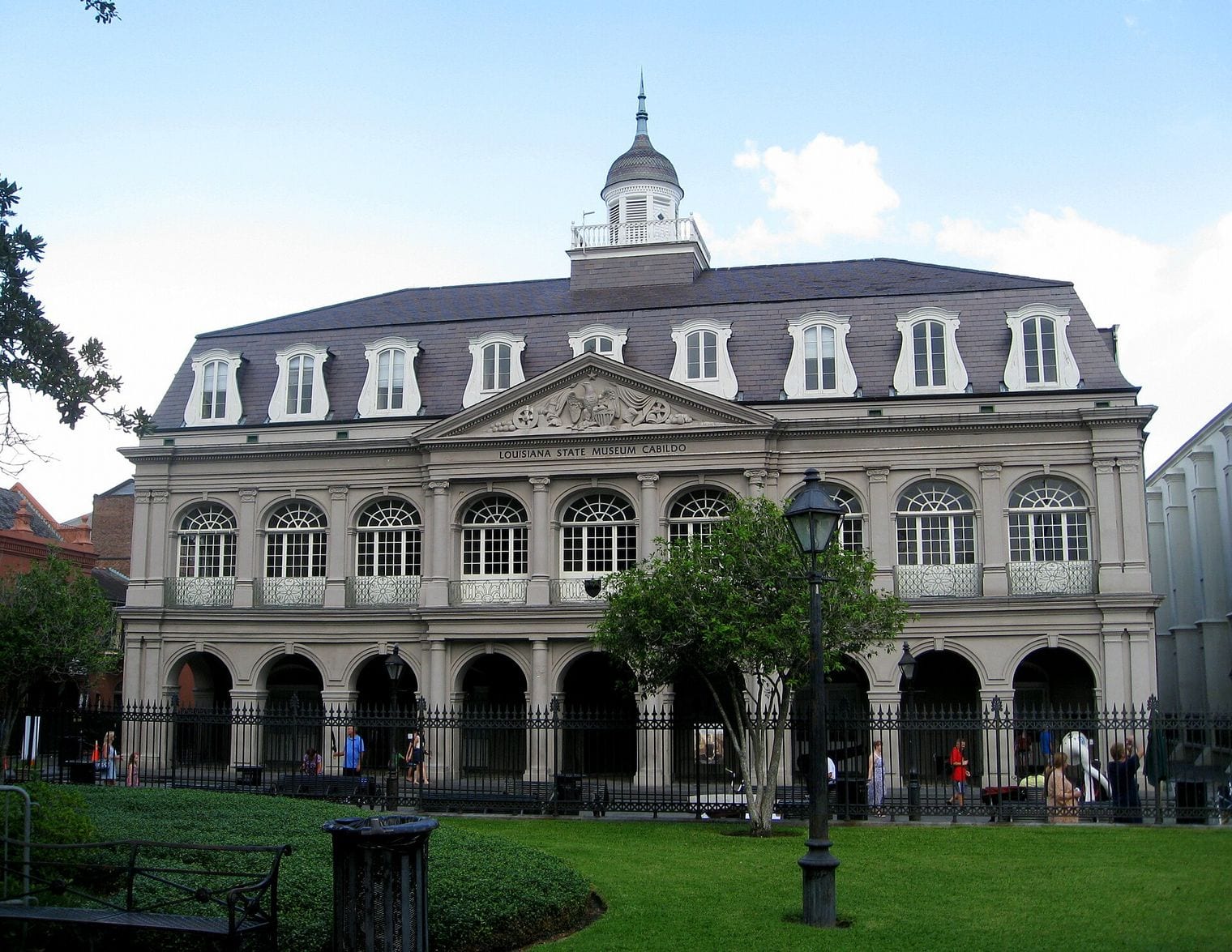
The Cabildo, on Jackson Square beside the cathedral, was rebuilt in 1795–1799 as the seat of Spanish colonial government, and in 1803 it was where the Louisiana Purchase was formally transferred to the United States. Its courtroom later heard landmark cases, including Plessy v. Ferguson. It is now part of the Louisiana State Museum.
On the other side of the cathedral stands its near-twin, the Presbytère, built in 1813 to match. Visit both: together they tell the story of Louisiana from colonial rule to modern New Orleans, and they are some of the finest Spanish colonial buildings in the country.
The New Orleans Historic Voodoo Museum is a small, atmospheric museum of two rooms on Dumaine Street, between Bourbon and Royal, founded in 1972. Its altars, masks, gris-gris bags and portraits explore Louisiana Voodoo, the African diaspora religion that took root in the city, and its links to Marie Laveau.
It is dim, crowded with objects and not slick, which is part of its appeal; set aside half an hour and read the labels. The museum also runs walking tours that touch on Congo Square and the city's Voodoo history.
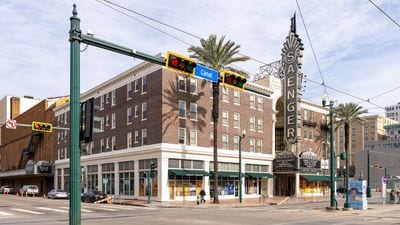
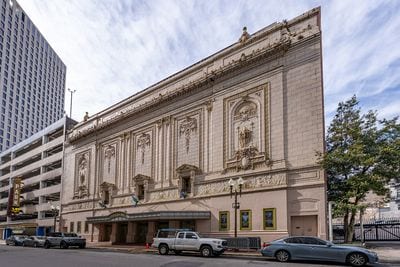
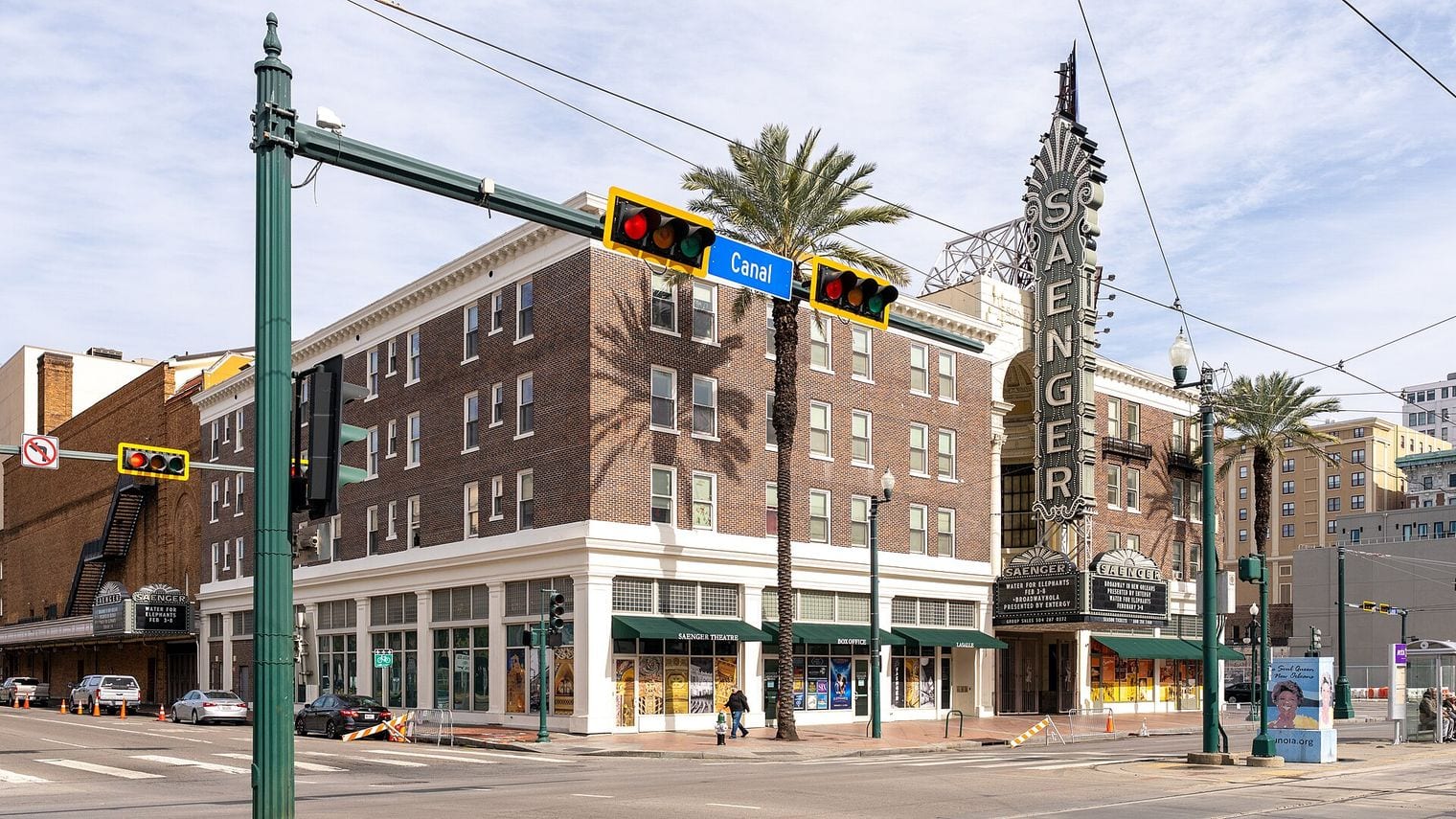
The Saenger Theatre on Canal Street opened in 1927 as the flagship of Julian and Abe Saenger's theater chain, and it is an atmospheric theater: the auditorium is designed to feel like an open-air Italian courtyard, with a ceiling of twinkling lights arranged in constellations. It is one of the few Saenger movie palaces that survive.
Today it is the city's main stage for touring Broadway shows, concerts and comedy, and seeing anything here is a chance to sit inside one of downtown's grand rooms. Look up before the curtain rises.
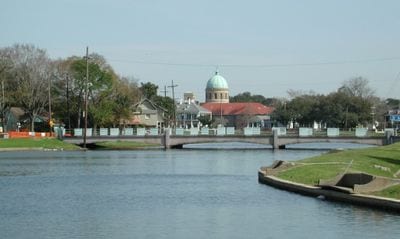
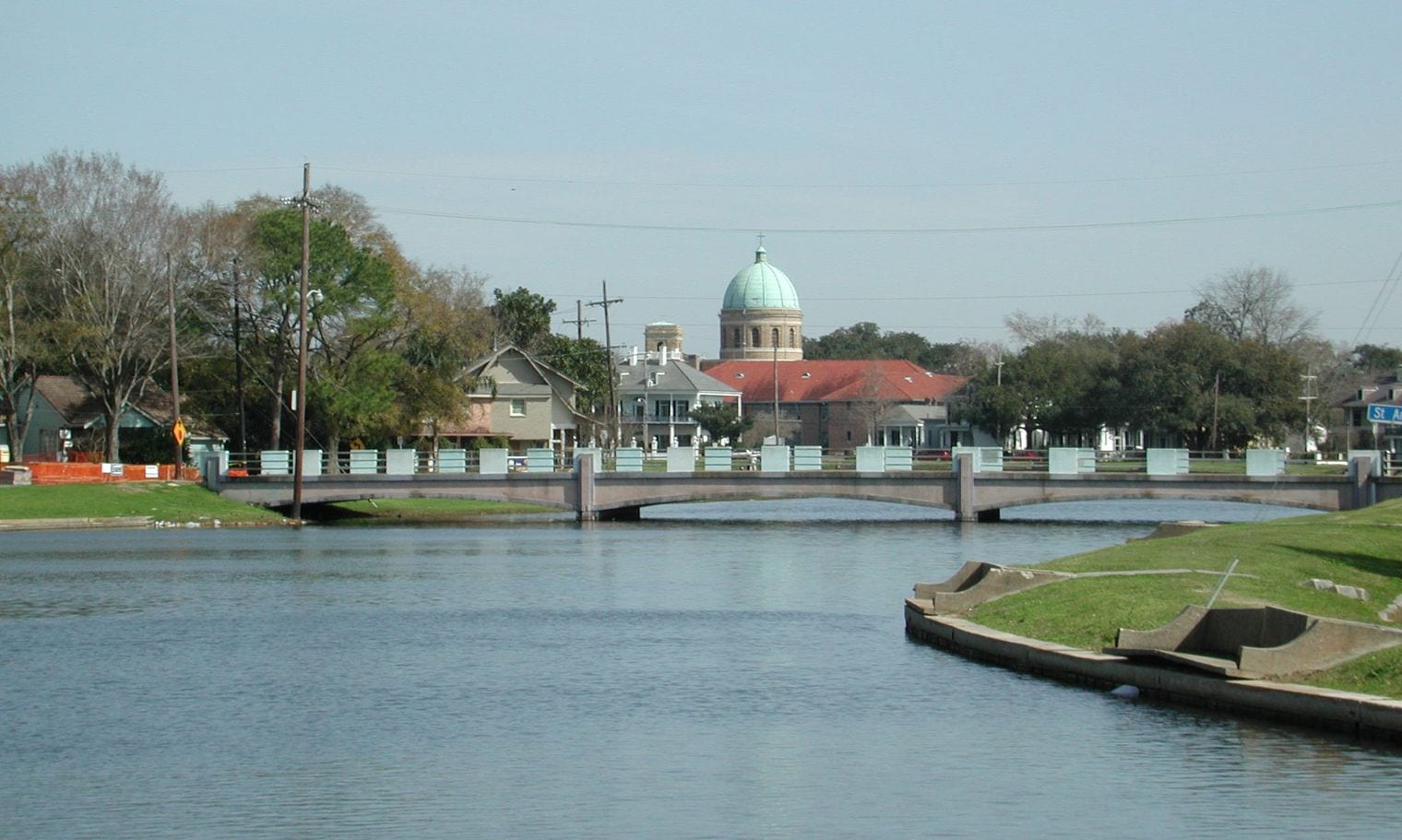
Bayou St. John is the waterway that helped decide where New Orleans was built: a portage between the bayou and the river drew the first French settlers, and the city was founded at the river end of that route in 1718. Today the bayou and the neighborhood along it are a calm, residential corner of Mid-City, lined with historic houses on the Esplanade Ridge.
Locals paddle kayaks and paddleboards on the water, picnic on the grassy banks and cross the little Magnolia Bridge, and the Pitot House, a restored Creole colonial house, stands on the bank. It sits close to City Park, so the two make an easy half-day together.
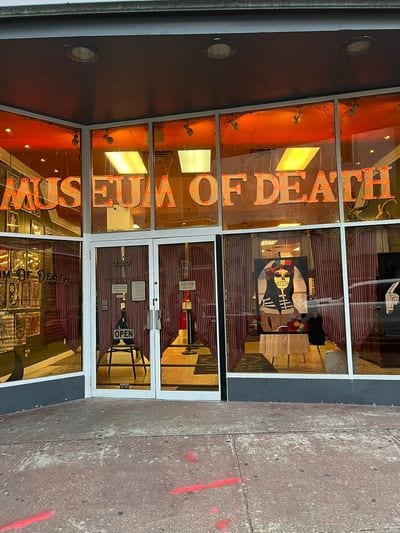
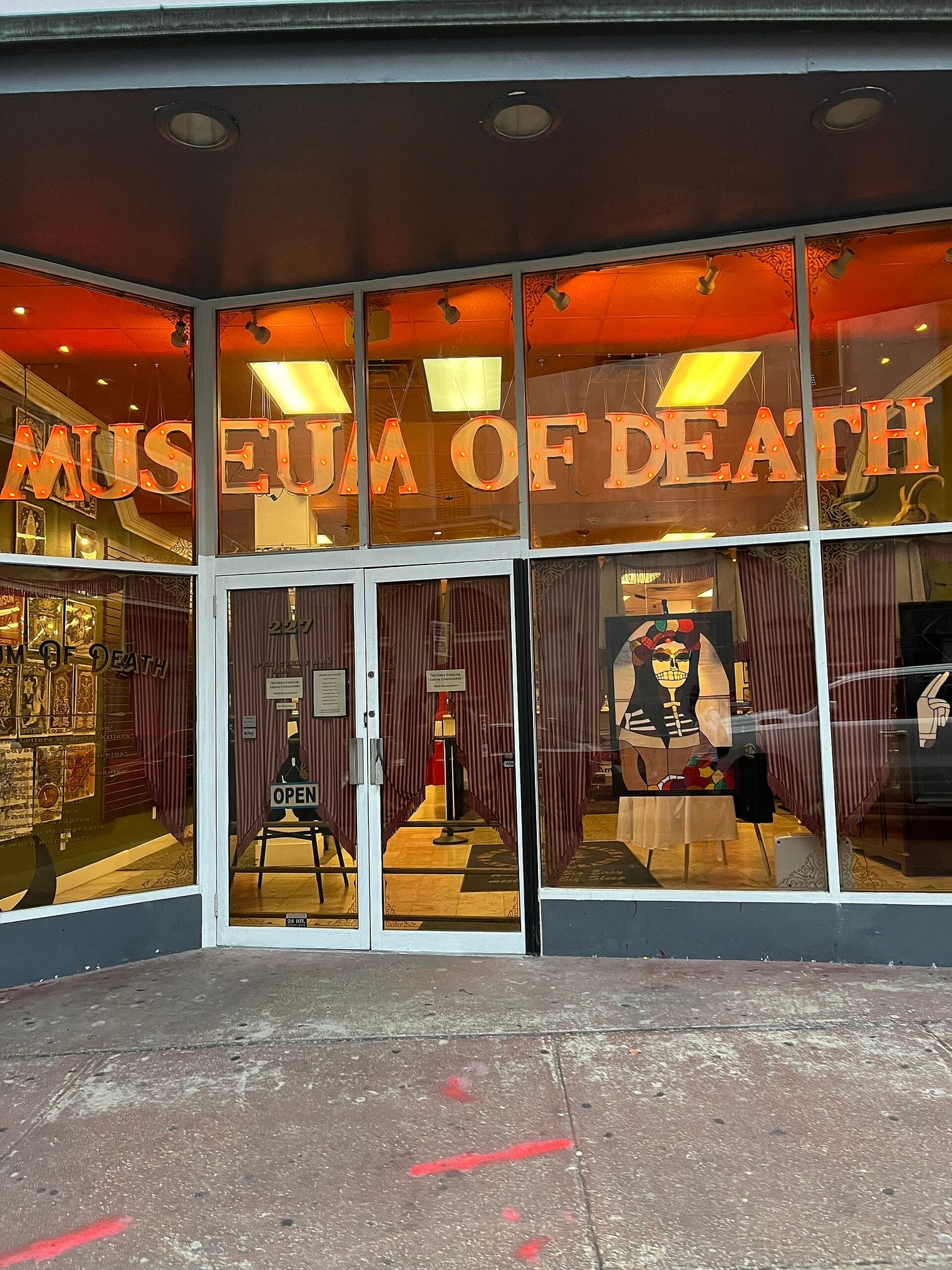
The Museum of Death is the French Quarter branch of a museum that began in California in the 1990s, and it is exactly as macabre as the name promises. Its rooms of serial-killer art, crime-scene photography, funeral history and embalming tools are aimed squarely at visitors with strong stomachs.
It is a self-guided walk that takes about an hour, and it is not for children or the squeamish. In a city famous for its ghost stories and cemeteries, it makes a dark, unforgettable counterpoint to the Quarter's prettier sights.
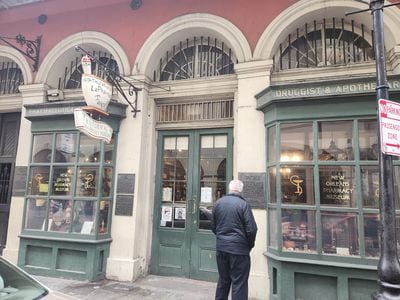
The New Orleans Pharmacy Museum occupies the former shop and home of Louis J. Dufilho Jr., licensed in 1816 as America's first licensed pharmacist, in a Creole townhouse on Chartres Street built in 1822–23. Its wooden cabinets and glass bottles show what medicine looked like in the 19th century.
You will find old medicines, medical instruments, voodoo potions and herbs, along with a courtyard garden planted with the kind of herbs Dufilho once grew for his remedies. It is one of the Quarter's most surprising small museums, and a good hour for anyone curious about how people were treated before modern medicine.
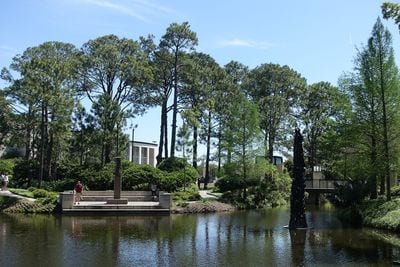
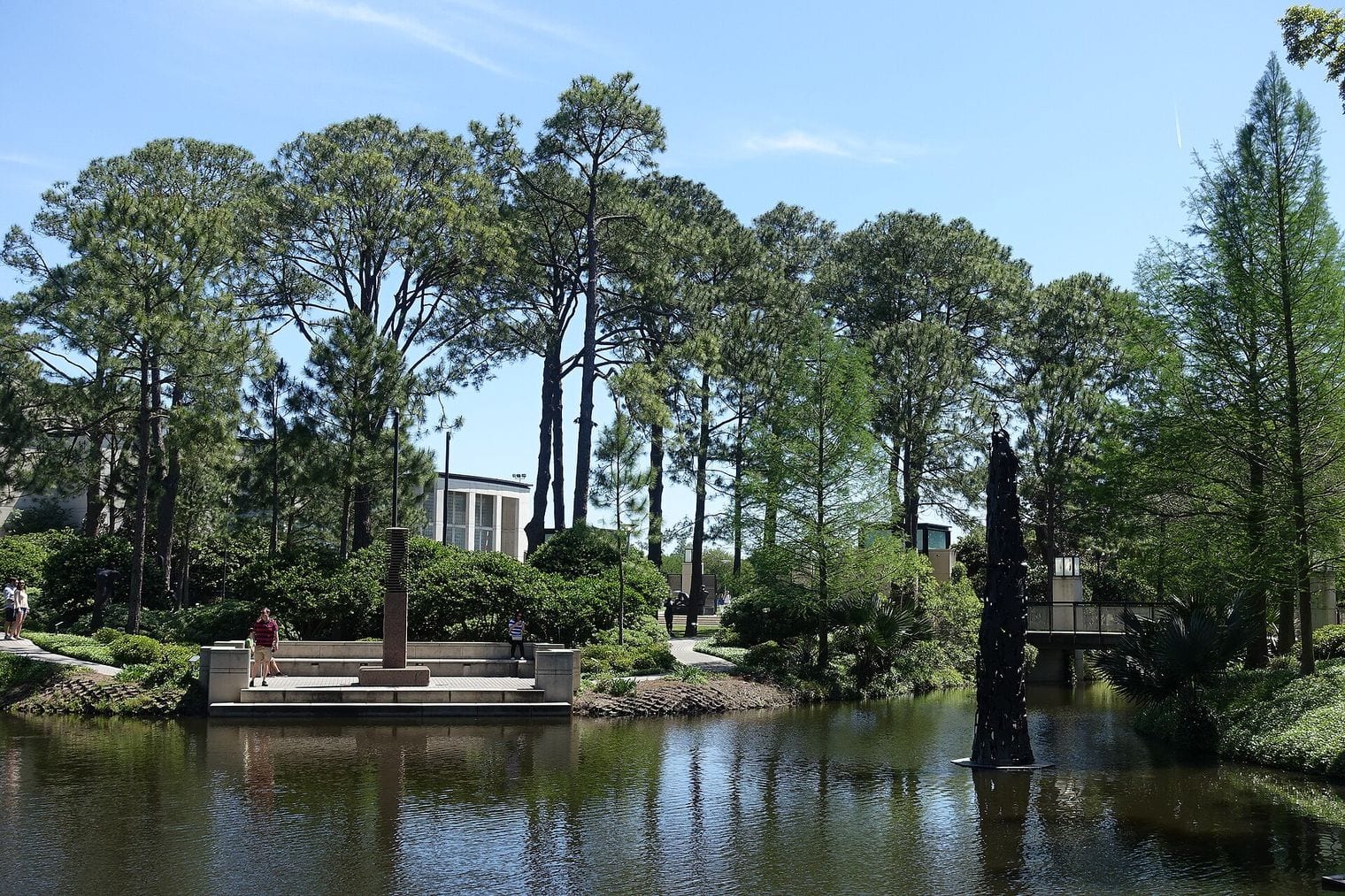
The Sydney and Walda Besthoff Sculpture Garden spreads across about 11 acres of City Park beside NOMA, with more than 90 sculptures set among lagoons, live oaks and footbridges. It doubled in size in 2019, adding works by artists active in the 21st century.
The garden is free and open to the public, which makes it one of the best free things to do in the city. Follow the paths past pieces by modern and contemporary sculptors, and time your visit for a mild morning or late afternoon, when the light on the water is softest.
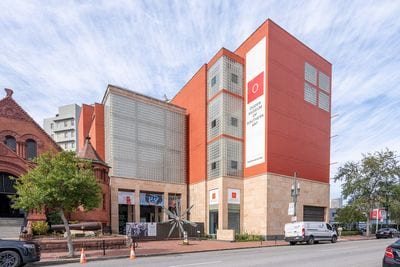
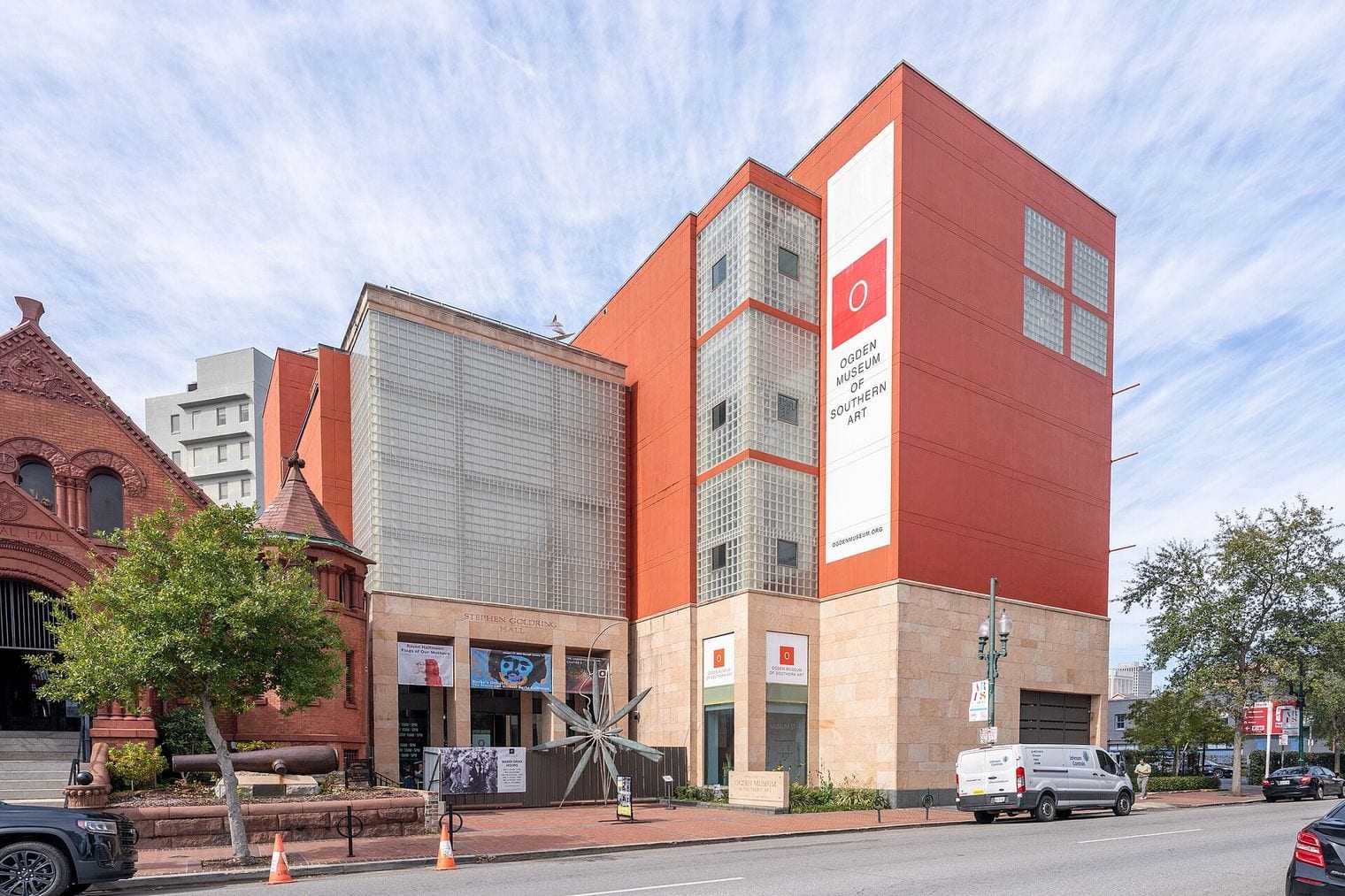
The Ogden Museum of Southern Art is devoted to the art of the American South, built around a founding gift of more than 600 works from New Orleans businessman Roger H. Ogden. Since 2003 it has been in Stephen Goldring Hall on Camp Street, in the heart of the Warehouse Arts District.
Its collection spans fifteen Southern states and the District of Columbia, from folk and self-taught artists to painters and photographers of the region. It sits a block from the WWII Museum, so it is an easy pairing if you are spending the day in the Warehouse District.
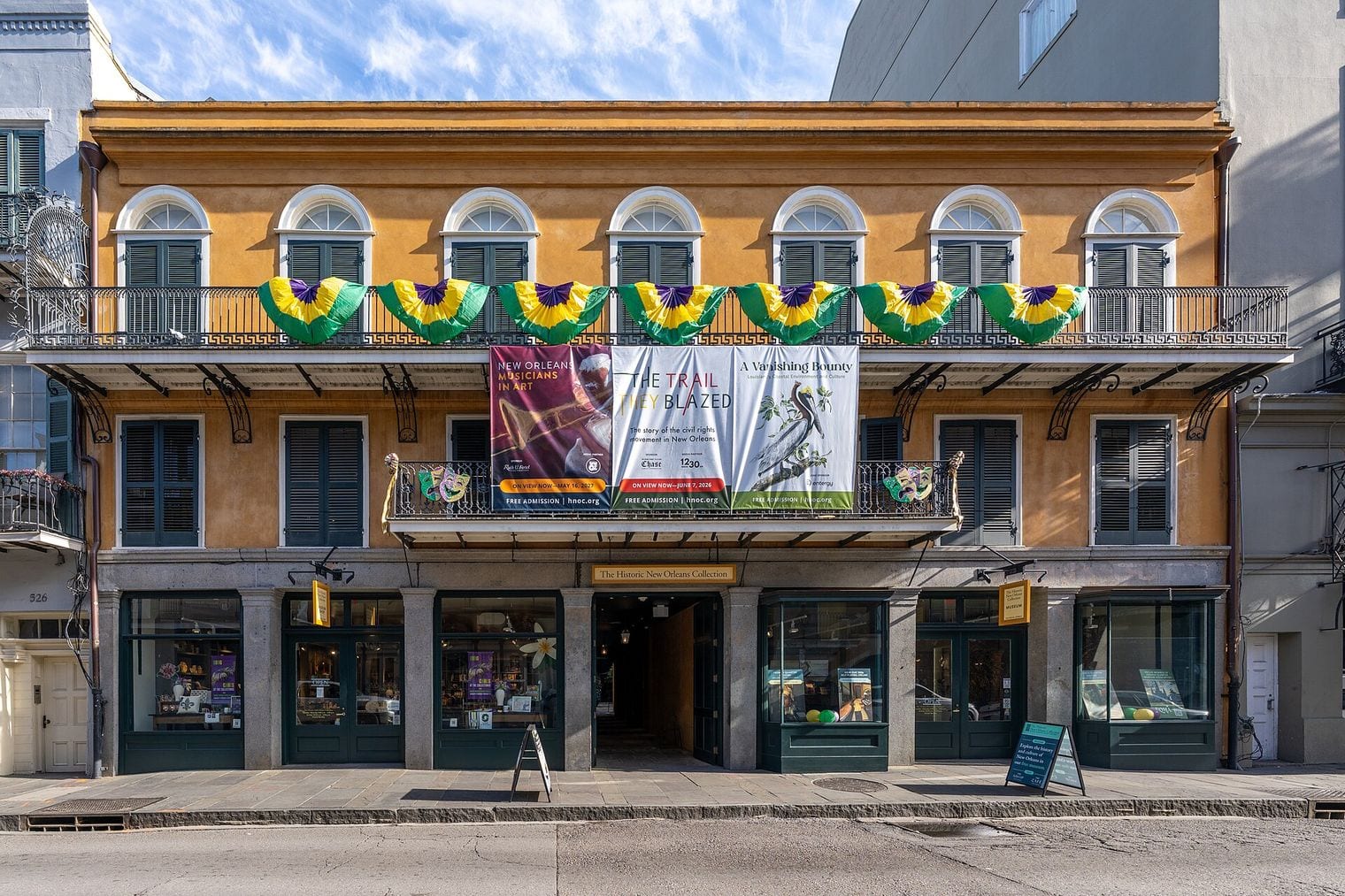
The Historic New Orleans Collection is a museum, research center and publisher dedicated to the history of New Orleans and the Gulf South, founded in 1966 by Kemper and Leila Williams. Its main exhibition center is on Royal Street, and its holdings run to hundreds of thousands of photographs, prints, maps, paintings and documents.
The galleries change regularly, and the Louisiana history galleries and the restored Williams Residence give a clear sense of the city's story. It is one of the best places in the Quarter to understand what you are walking past.
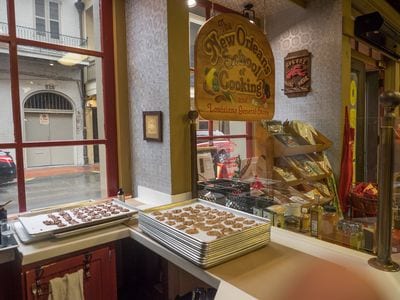
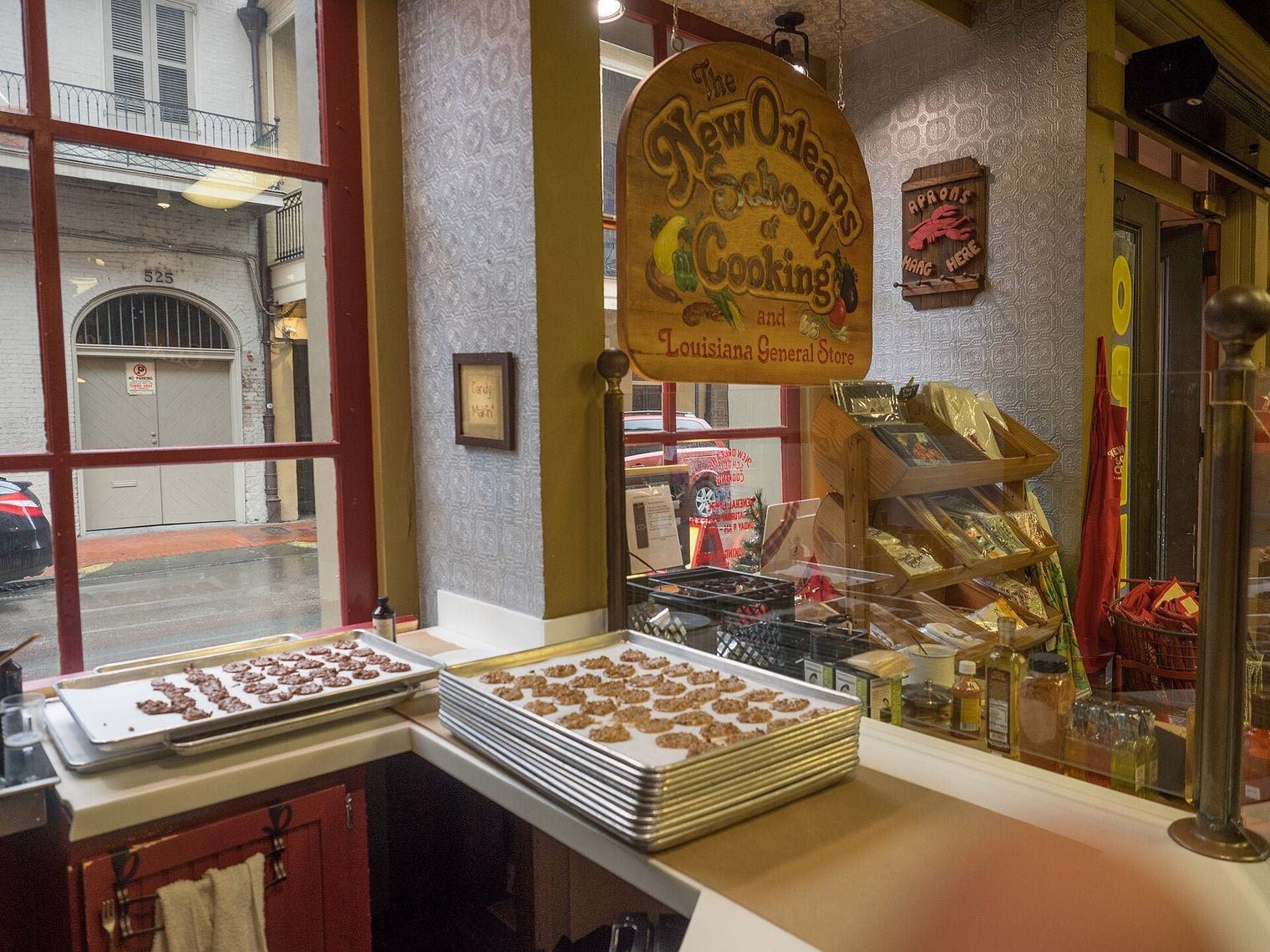
The New Orleans School of Cooking has been teaching visitors to cook Creole and Cajun food since 1980, in a renovated molasses warehouse from the early 1800s on St. Louis Street in the French Quarter. Its chefs mix recipes with stories, and the class ends with a meal.
Choose between demonstration classes, where you watch and eat, and hands-on classes, where you cook dishes such as gumbo, jambalaya and pralines yourself. It is a good rainy-day option and a souvenir you can take home.
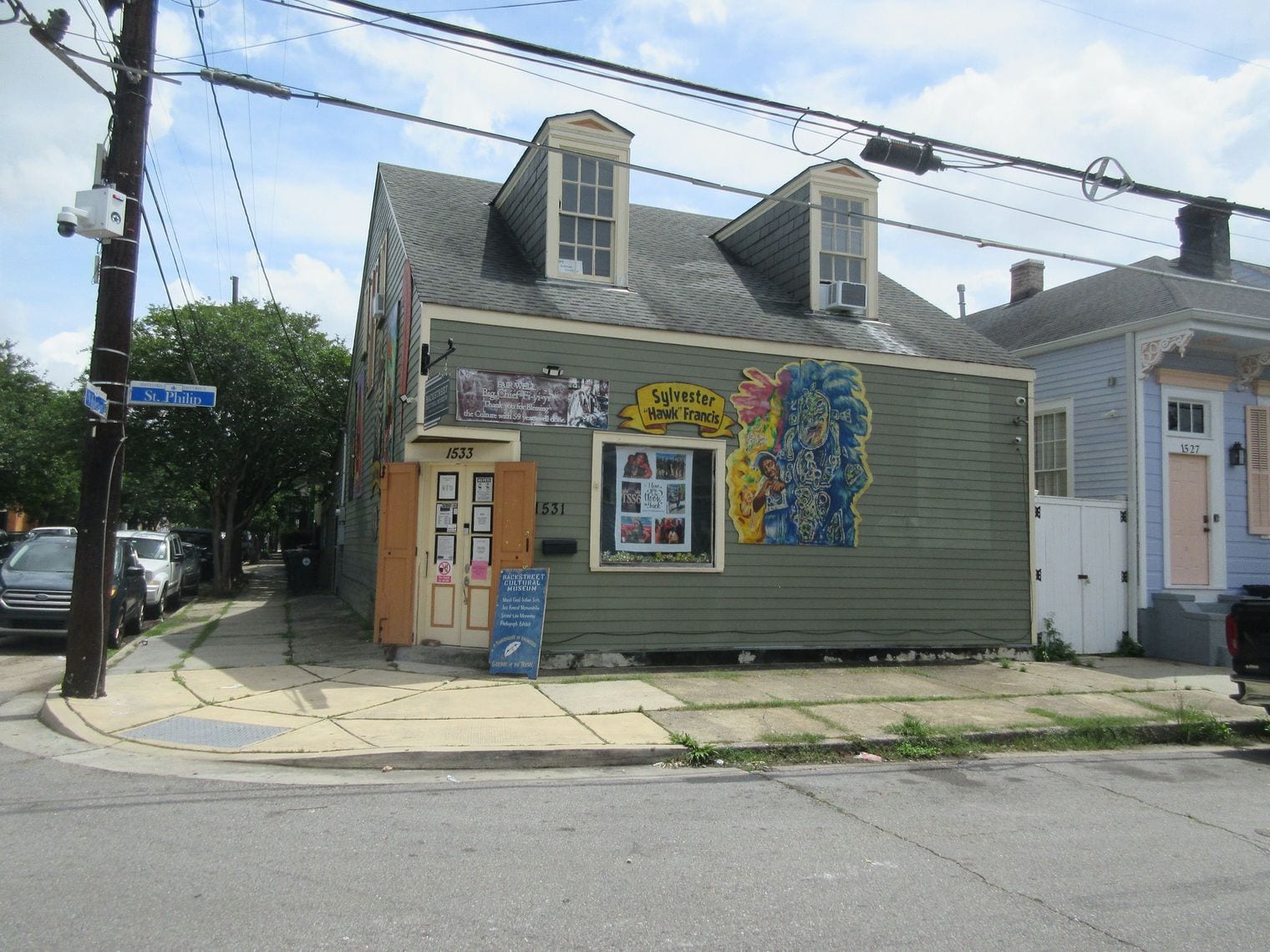
The Backstreet Cultural Museum in Tremé is a small museum devoted to the street traditions of Black New Orleans: jazz funerals, second line parades by Social Aid and Pleasure Clubs, and above all the Mardi Gras Indians. Its prize exhibits are the elaborate beaded and feathered suits the Indians sew by hand over a year.
The museum is also a clearing house for news of Mardi Gras Indian and second line events, so ask what is coming up. Seeing the suits up close explains why a Mardi Gras Indian procession is one of the city's most moving sights.
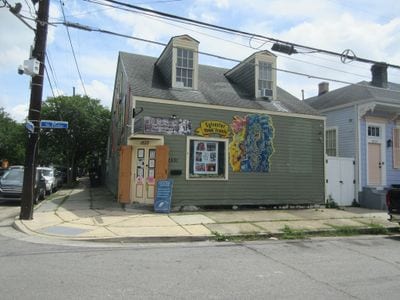
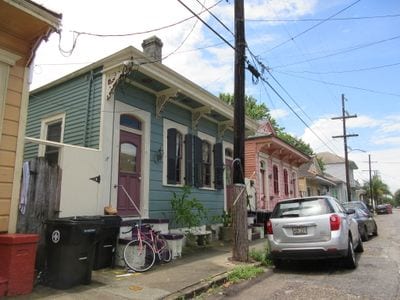
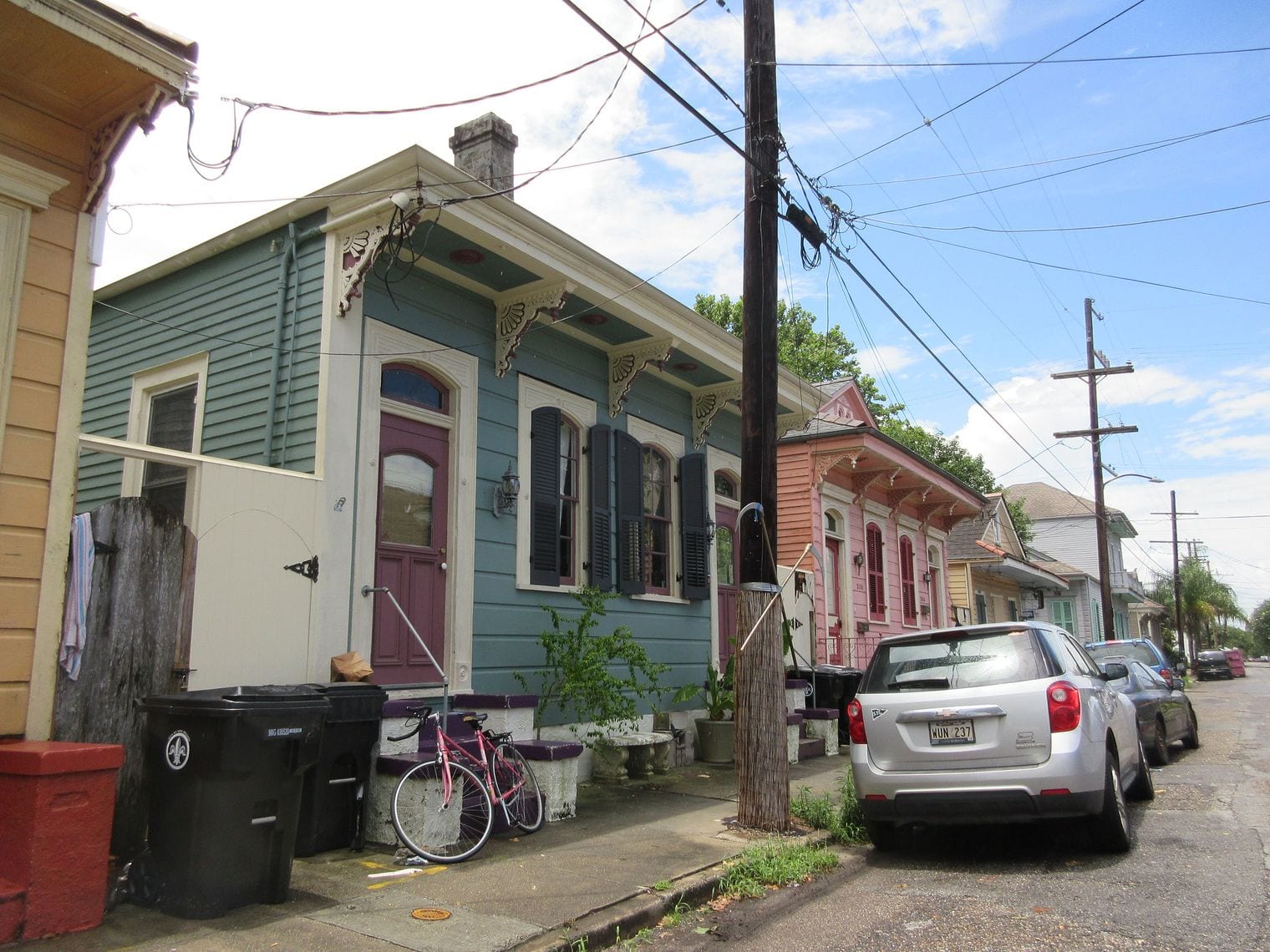
Bywater is a riverside neighborhood in the Ninth Ward, downriver from the Marigny, with a historic district of colorful shotgun houses and Creole cottages and a reputation as the city's artists' quarter. Murals cover walls and warehouses, and its bars, cafés and galleries feel far from the Bourbon Street crowds.
Walk Crescent Park, the riverfront path linking Bywater and the Marigny, for views back to the downtown skyline, then wander the side streets for street art. On Mardi Gras morning, the costumed Society of Saint Anne parade starts here and makes its way into the Quarter.
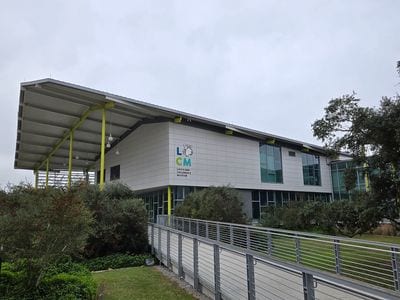
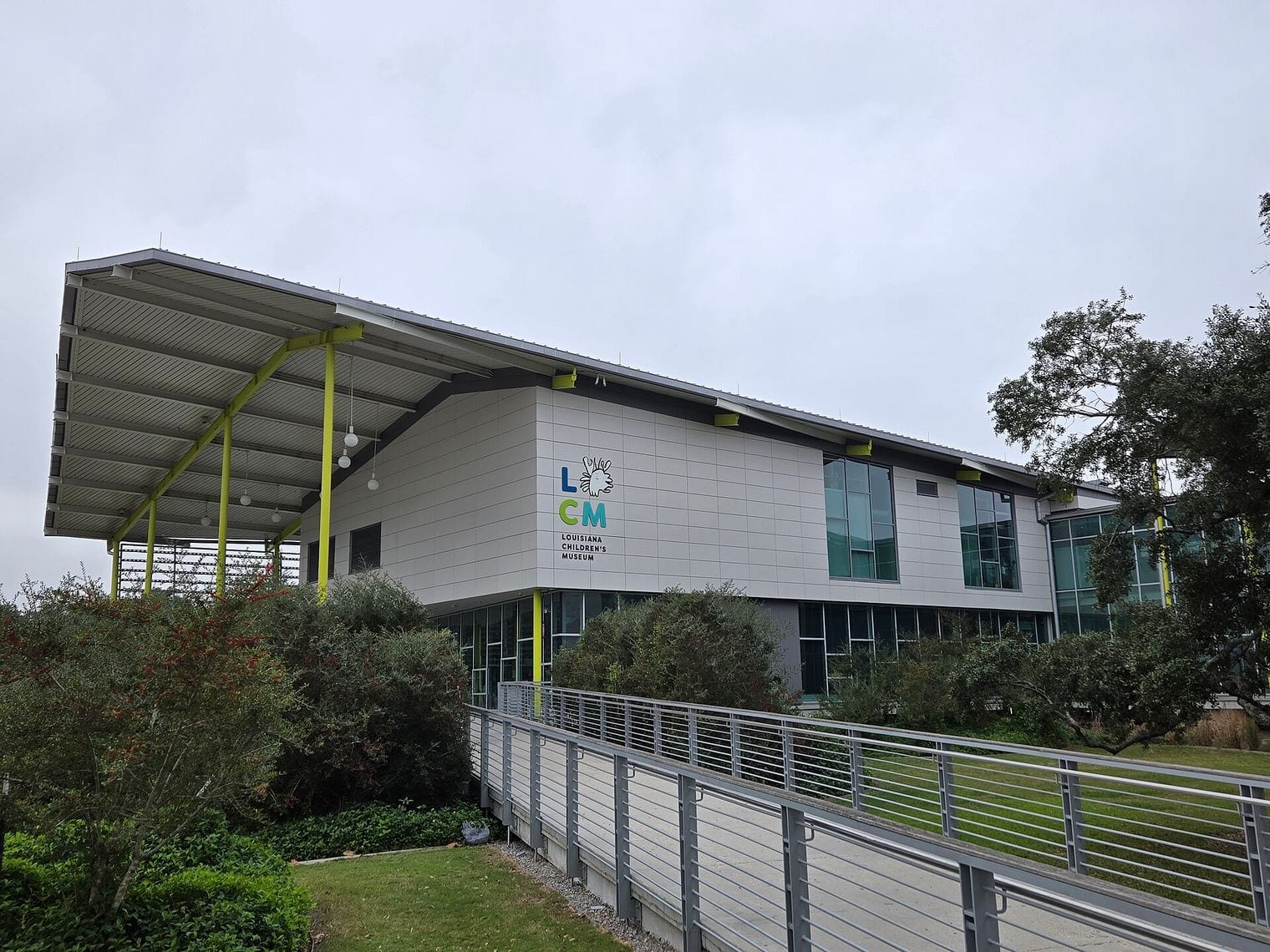
The Louisiana Children's Museum moved to City Park in 2019 after more than 30 years in the Warehouse District, and its campus now covers 8.5 acres beside a lagoon, indoors and out. Every exhibit is built for hands-on play, with themes drawn from Louisiana life.
Children can follow the Mississippi in a river play area, dig into nature, learn where food comes from and make art, while parents enjoy the park setting. It is the best stop in the city for young families, and it pairs easily with Storyland and the carousel nearby.
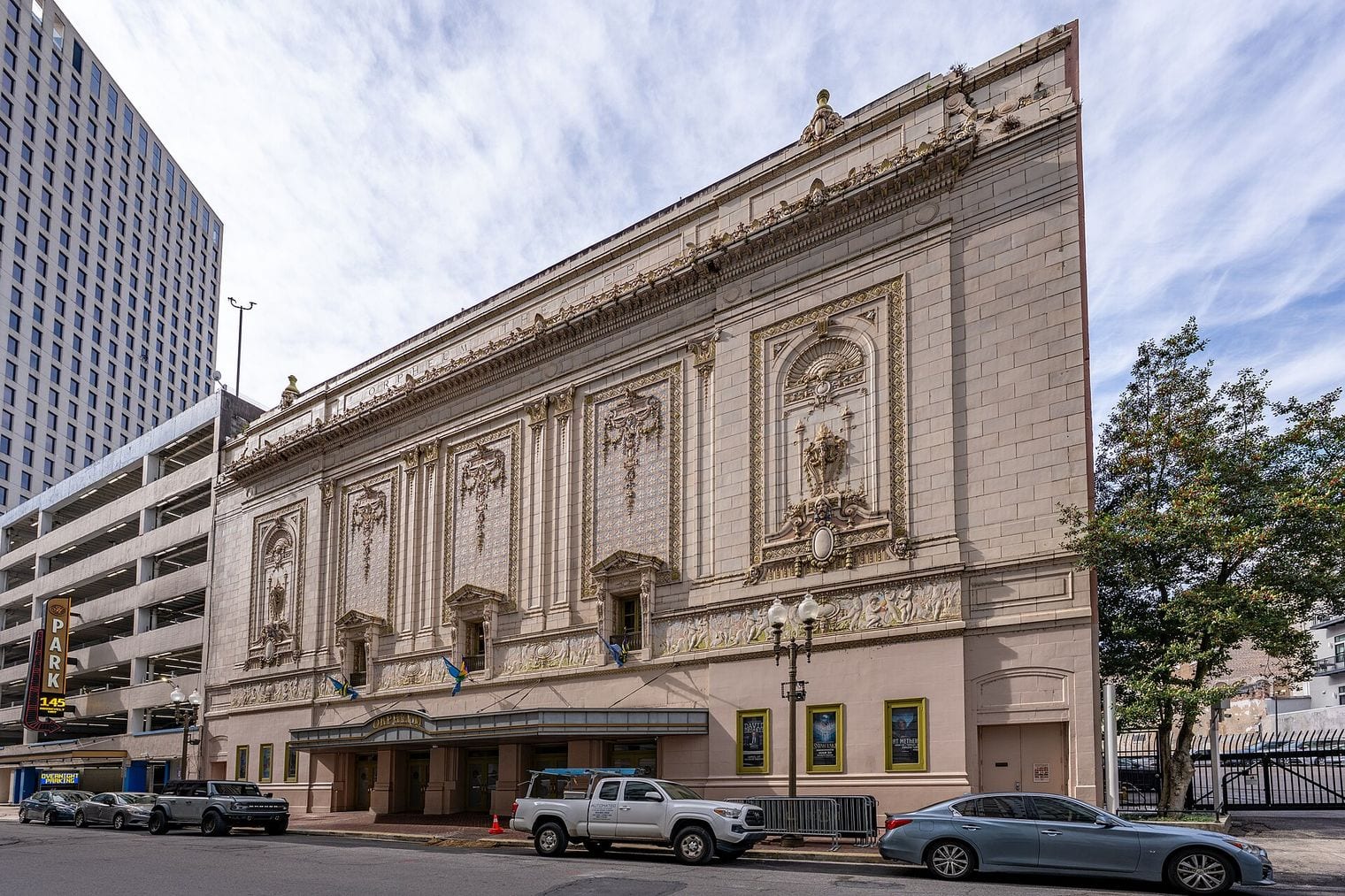
The Orpheum Theater is a Beaux Arts vaudeville house in the Central Business District, designed by G. Albert Lansburgh, built in 1918 and opened in 1921, with about 1,500 seats. Saved from demolition in the 1980s, it is now home to the Louisiana Philharmonic Orchestra.
Its vertical-hall design was meant to give near-perfect sight lines and acoustics, and the restored gilded interior makes any concert feel like an occasion. Check its calendar for orchestra nights, touring bands and comedy, and arrive early enough to take in the room.
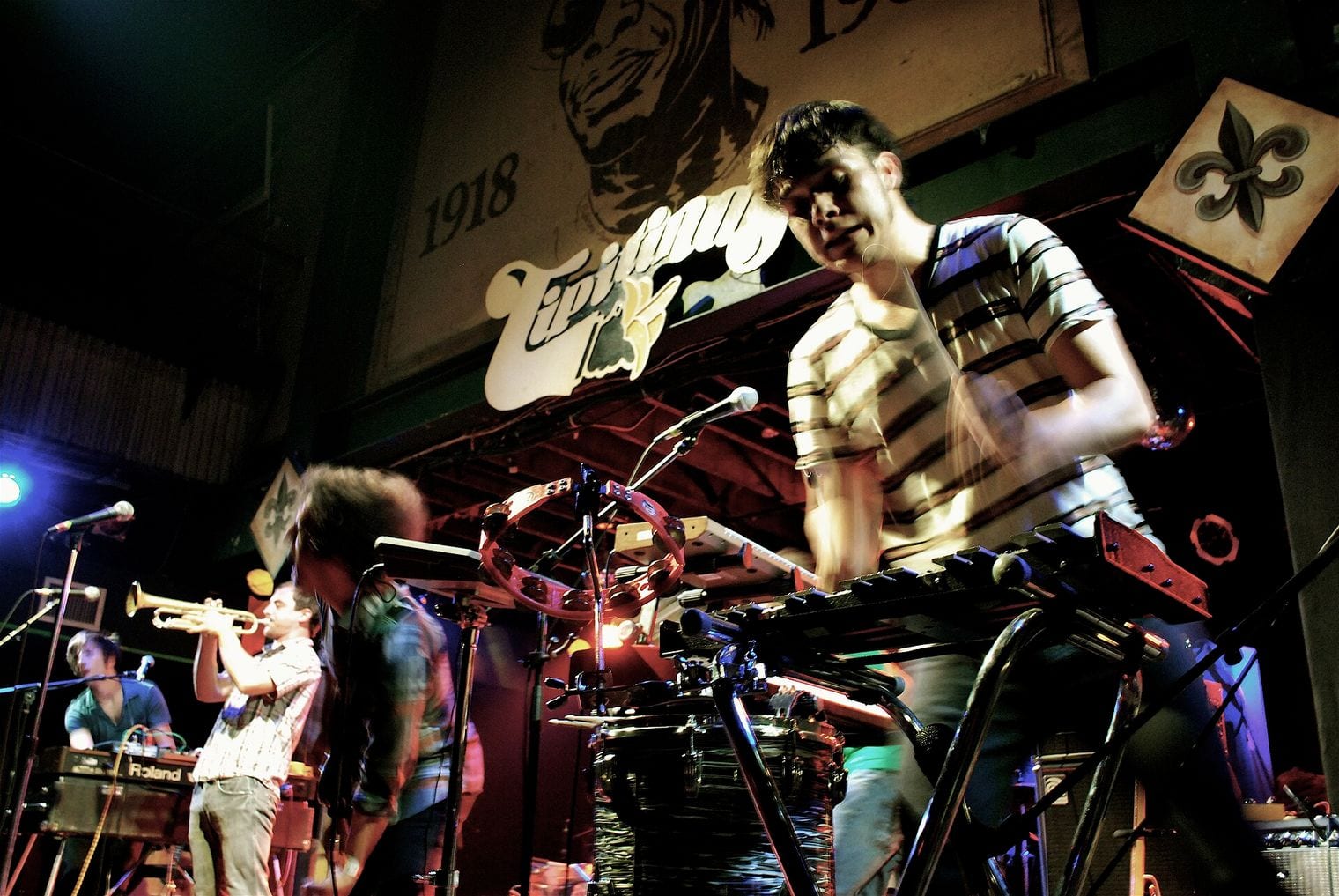
Tipitina's, at the corner of Napoleon Avenue and Tchoupitoulas Street in Uptown, is one of the city's legendary music clubs, named for a song by the pianist Professor Longhair, who played here until his death in 1980. Live albums have been recorded on its stage, the Neville Brothers' among them.
The calendar leans to funk, brass, R&B and rock, with New Orleans bands at the core, and the room fills up fast during the Jazz Fest season. Come for a late show and you will hear the city's music the way locals do.
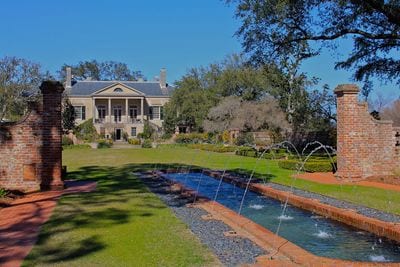
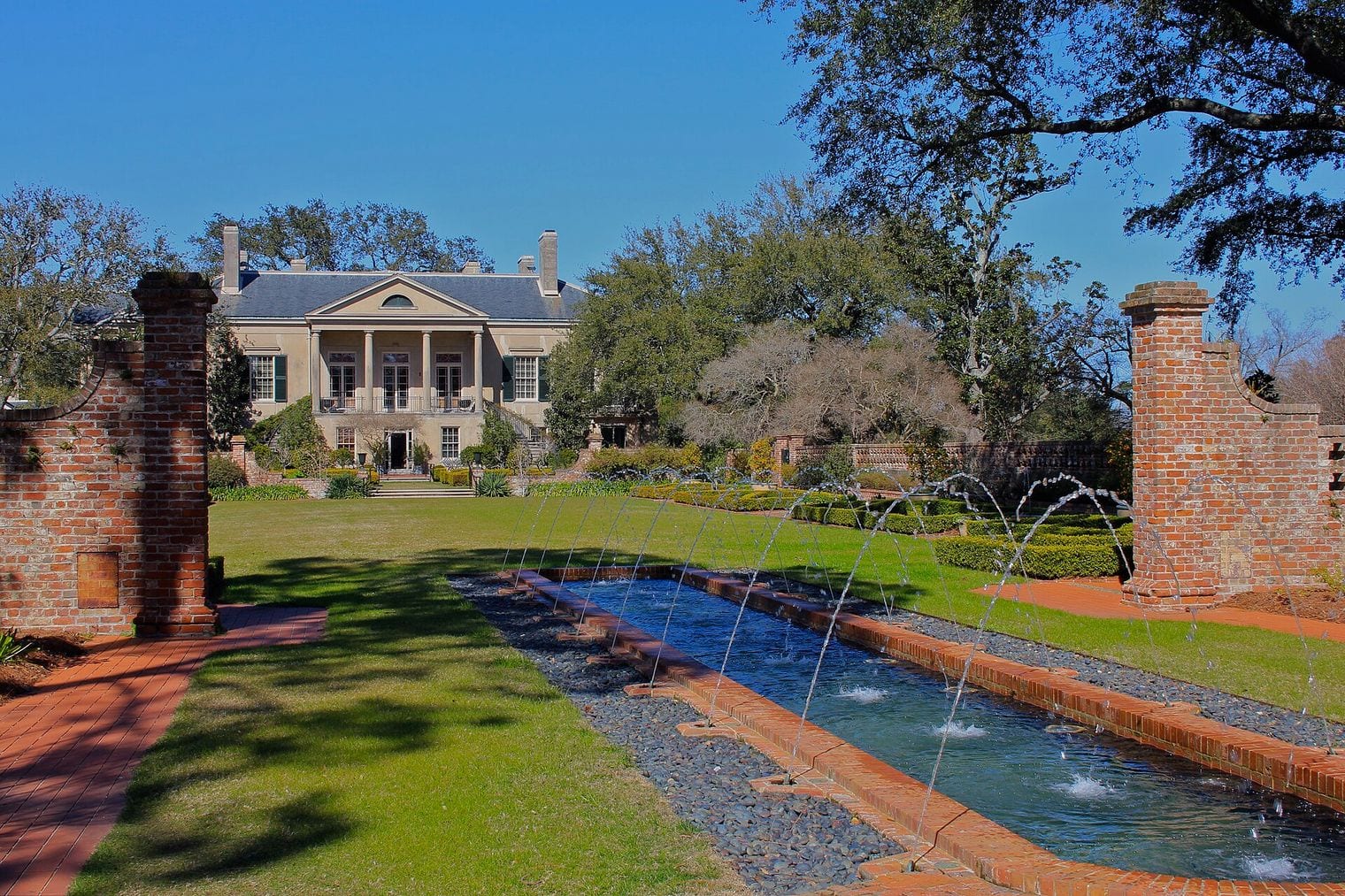
Longue Vue House and Gardens is the former estate of philanthropists Edgar and Edith Stern in the Lakewood neighborhood, near the city's western edge. The gardens were shaped by landscape architect Ellen Biddle Shipman from 1934, and the house was designed to suit them and built in 1939–1942.
The formal gardens, with fountains, parterres and garden rooms, are the highlight, and a children's discovery garden makes it family friendly. Inside, the house shows how a wealthy New Orleans family lived in the mid-20th century, with its original furnishings and art.
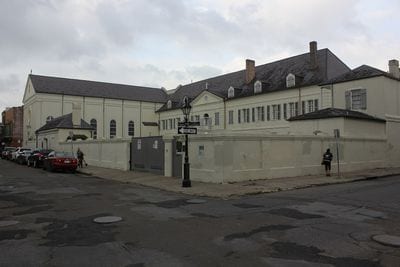
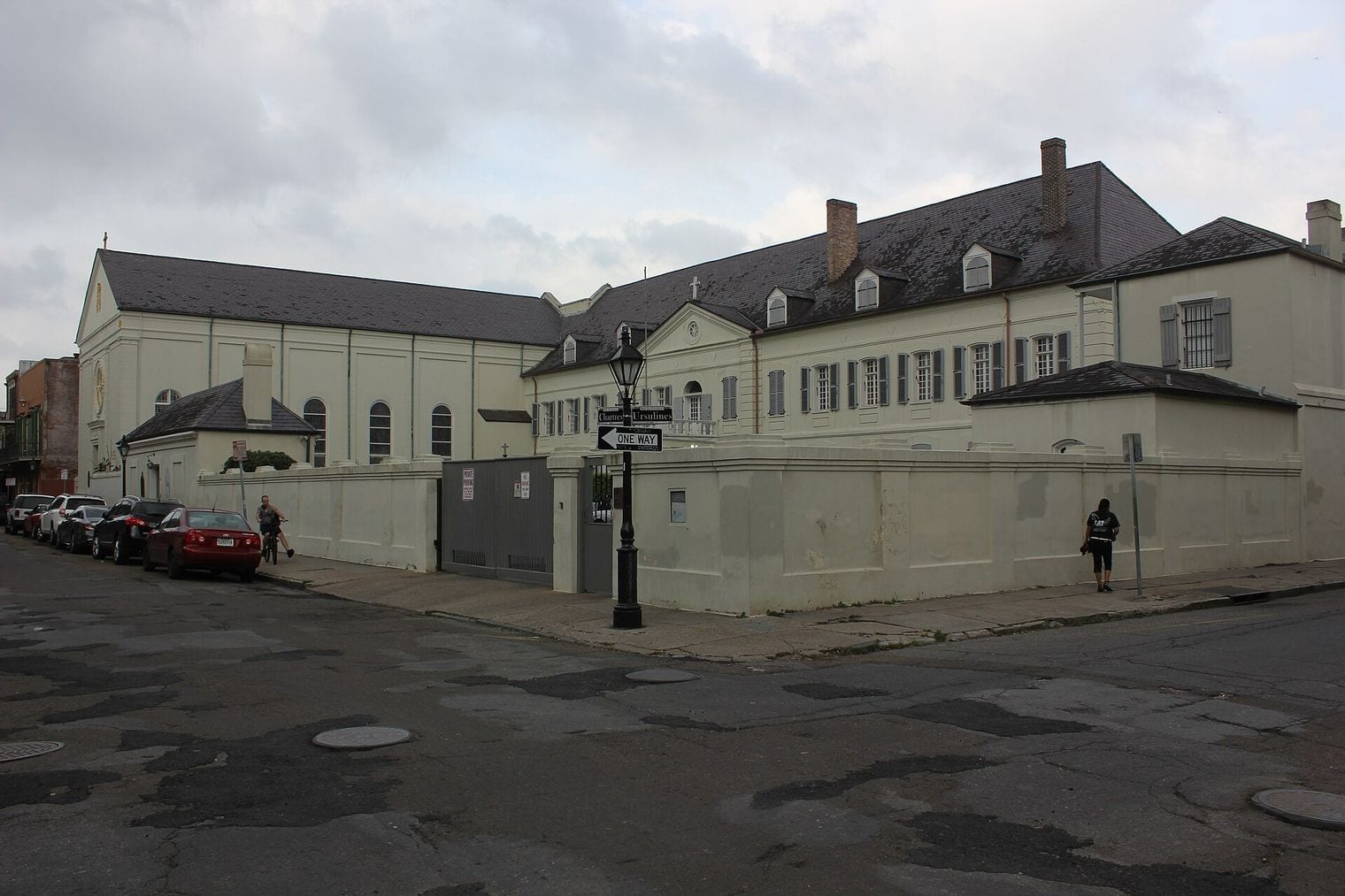
The Old Ursuline Convent Museum is in a building completed around 1752–53 for the Ursuline nuns, who arrived from France in 1727 to run a hospital and a school for girls. By some accounts it is the oldest building in New Orleans, and it is often described as the oldest in the Mississippi Valley.
Tour the convent's halls, the formal garden and the adjoining St. Mary's Church to see French colonial architecture at its most complete. It sits on the quiet lower end of the Quarter, a short walk from the French Market and the Old U.S. Mint.
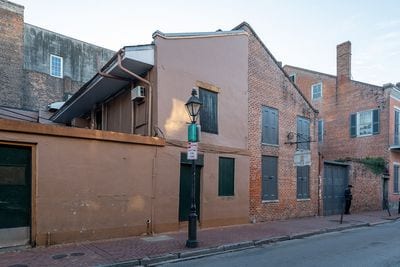
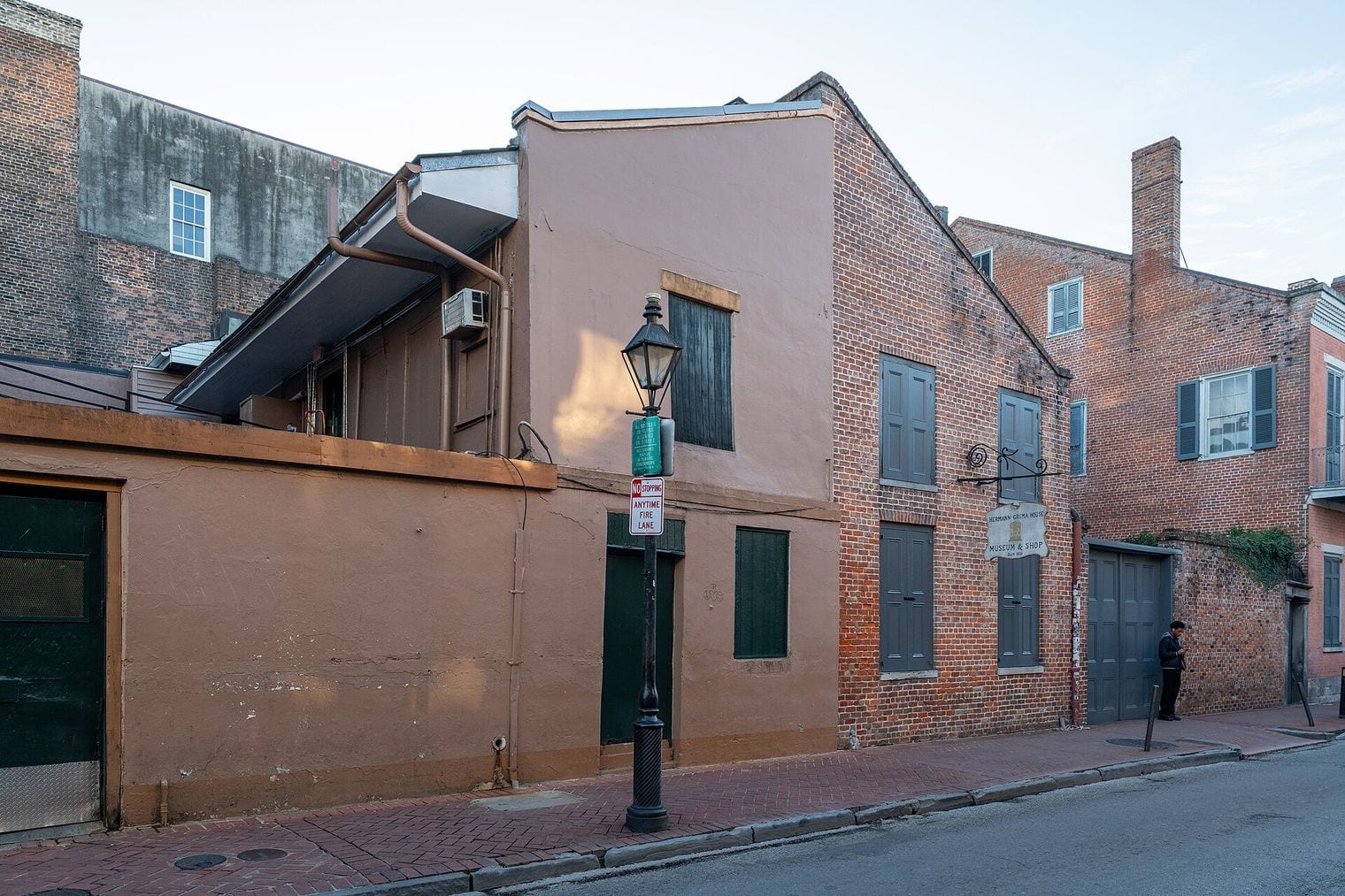
The Hermann-Grima House is a Federal-style mansion built in 1831 on St. Louis Street, restored to show how a prosperous Creole family lived in the 19th century. It is one of the earliest examples of American-style architecture in the French Quarter, and it keeps the Quarter's only surviving horse stable and an 1830s open-hearth kitchen.
Guided tours lead through the parlors, the courtyard garden and the service buildings, and the story of the enslaved people who kept the house running. It is run by the same organization as the Gallier House, so the two make a good pairing.
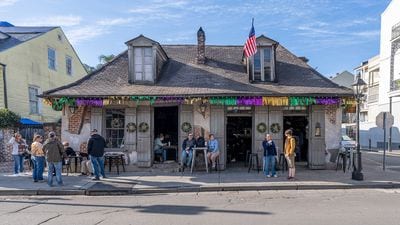
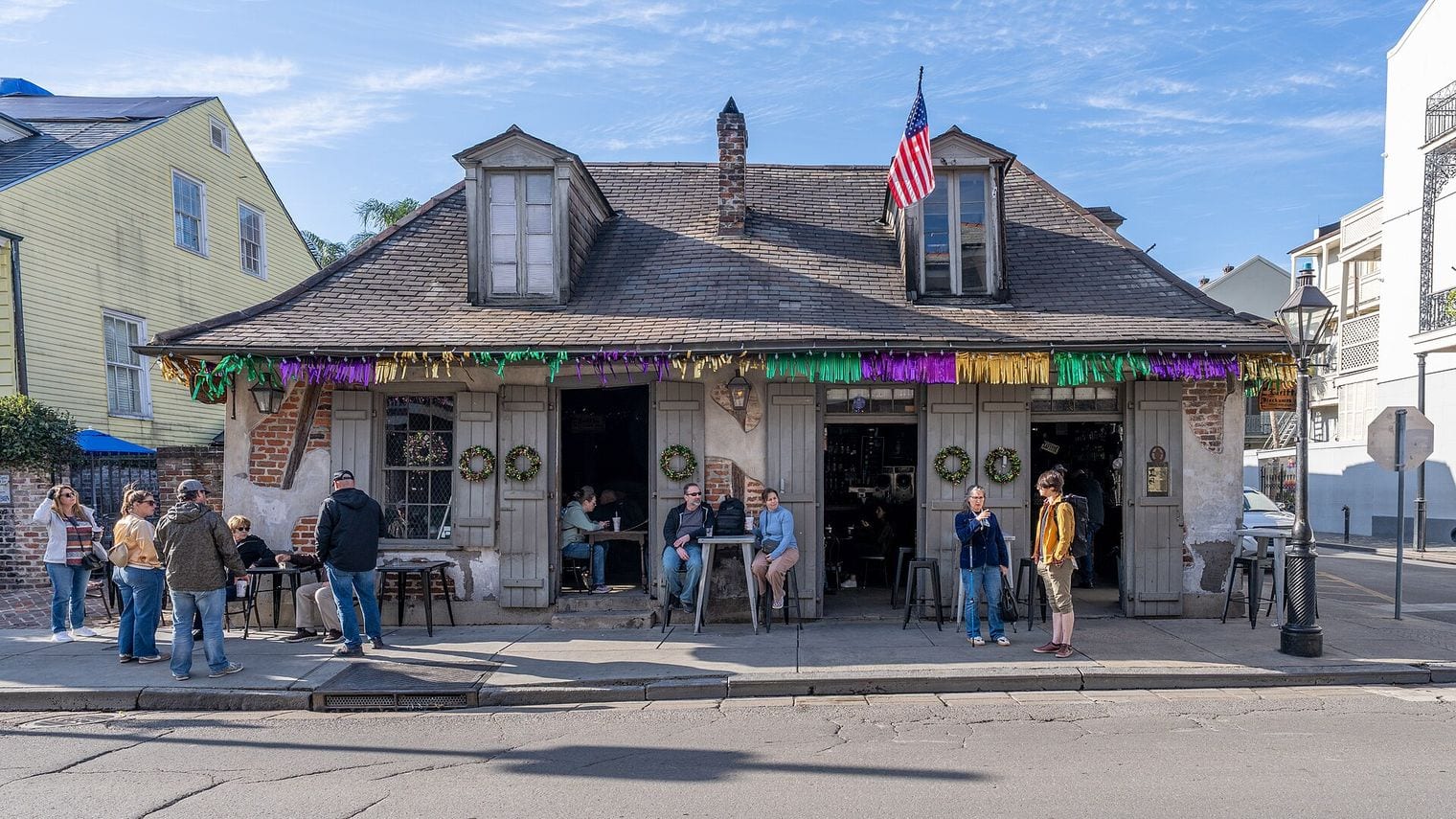
Lafitte's Blacksmith Shop, at the corner of Bourbon and St. Philip streets, is a crumbling brick-between-posts building most likely built in the 1770s and one of the oldest surviving structures in the city. Legend says the privateer Jean Lafitte used it as a front for his smuggling, though no document proves it.
Today it is a bar, dim and moody, with a piano and a reputation as one of the most haunted spots in the Quarter. Stop for a drink at the quiet end of Bourbon Street and take in a building that has seen most of the city's history.
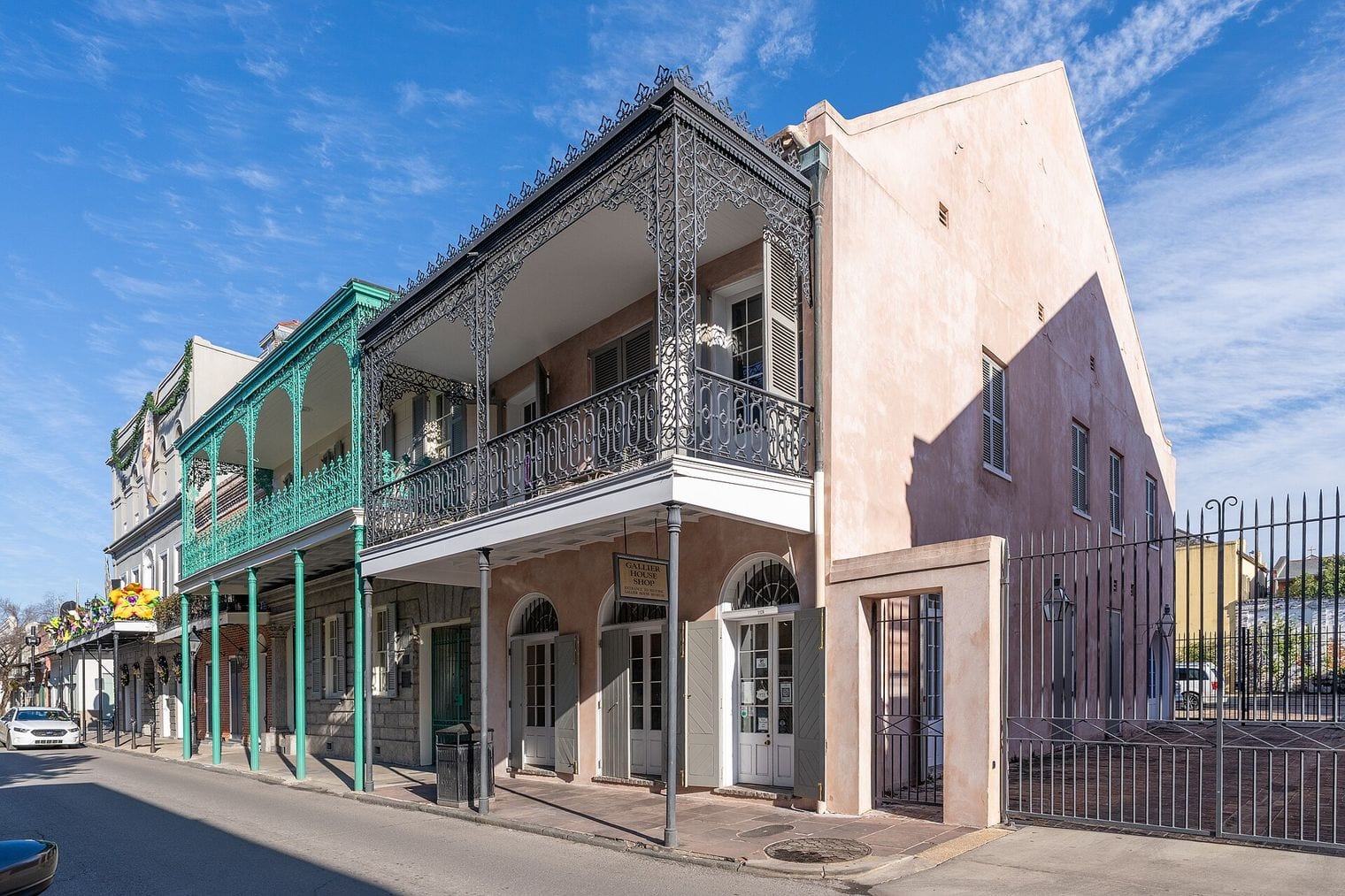
The Gallier House on Royal Street was the home of the architect James Gallier Jr., who began building it in 1857 and moved in with his family in 1860. It was named a National Historic Landmark in 1974 for its association with one of the city's most important mid-19th-century architects.
The restored rooms are furnished in the style of the 1850s and show off advanced features for their day, while the courtyard garden, carriageway and slave quarters tell the rest of the household's story. It is one of the best ways to see inside a Quarter townhouse.
Plan your trip
Best Time to Visit New Orleans
Spring is the sweet spot. From March to May the weather is warm but not yet oppressive, the gardens and courtyards are in bloom, and the city's biggest festival season arrives, with outdoor music festivals in the French Quarter and at the Fair Grounds. Mardi Gras falls in late winter, in February or early March depending on the date of Easter; it is the most famous time to visit, but expect crowds and book well ahead.
Summer is hot, humid and stormy, and the Atlantic hurricane season runs from June through November, peaking in late summer, so travel insurance and a flexible plan make sense then. Fall brings cooler, drier days, Halloween costumes and food festivals, and winter is mild and quieter, with the city dressed up for the holidays.
Getting to New Orleans
Louis Armstrong New Orleans International Airport is in Kenner, about 15 miles west of the French Quarter, roughly 25 minutes by car, taxi or rideshare outside rush hour, with public buses as a cheaper option. Interstate 10 runs straight through the city, linking it to Baton Rouge and Houston to the west and the Mississippi Gulf Coast to the east.
Amtrak trains from Chicago, New York and Los Angeles arrive at Union Passenger Terminal in the Central Business District, which also serves long-distance buses. New Orleans is also a busy cruise port, with terminals on the riverfront a short ride from the Quarter.
Getting Around New Orleans
The French Quarter, the Marigny and the Central Business District are compact and best seen on foot, and you don't need a car for most of this list. The streetcars are the classic way to reach the rest: the St. Charles line runs Uptown through the Garden District to Audubon Park, while the Canal Street line reaches Mid-City and City Park, and the Riverfront line follows the river past the French Market.
Walkability: downtown New Orleans scores 81.1 out of 100, the 10th most walkable of the 100 biggest US cities in our walkability study. Within a mile of its center we counted 30 rail stops, 40 notable landmarks and 73 cafés, restaurants and shops per square kilometer.
Buses, taxis, rideshares, pedicabs and a bike-share system fill the gaps, and a passenger ferry crosses the Mississippi from the foot of Canal Street to Algiers Point. If you do drive, parking in the Quarter is scarce and expensive, so leave the car at your hotel and walk.
Where to Stay in New Orleans
The French Quarter puts you within walking distance of most of the top sights; stay a few blocks away from Bourbon Street if you want to sleep. The Central Business District and Warehouse District next door have the city's larger hotels and sit close to the National WWII Museum, the Superdome and the museum district.
For a more local feel, the Faubourg Marigny has guesthouses within earshot of Frenchmen Street, the Garden District and Uptown have bed-and-breakfasts in old mansions along the St. Charles streetcar, and Mid-City puts you near City Park and Bayou St. John.
Where to Eat in New Orleans
New Orleans cooking is its own cuisine, built on Creole and Cajun traditions: gumbo, jambalaya, red beans and rice, shrimp and oyster po'boys, muffulettas stacked with olive salad, turtle soup, and crawfish boiled with spices in spring. Breakfast is beignets dusted with powdered sugar and chicory café au lait, and dessert might be bananas Foster or a praline.
The French Quarter holds the old-line Creole dining rooms and the busiest oyster bars, while the Warehouse District and the CBD have the newer chef-driven kitchens. Magazine Street and the Uptown neighborhoods mix neighborhood joints with po'boy shops, and Mid-City, the Marigny and the Bywater are where many locals go for casual plates and late-night food.
Day Trips from New Orleans
Baton Rouge, the state capital, is about an hour and a quarter northwest on Interstate 10, with the art deco State Capitol tower and the riverfront. On the way, the River Road plantations, among them Oak Alley, Laura and the Whitney, with its focus on the lives of the enslaved, sit about an hour west along the Mississippi.
Further west, Lafayette, about two and a quarter hours away, is the heart of Cajun Country, and the small towns of Louisiana, from Covington across Lake Pontchartrain to Breaux Bridge and St. Francisville, are easy to string into a longer loop.
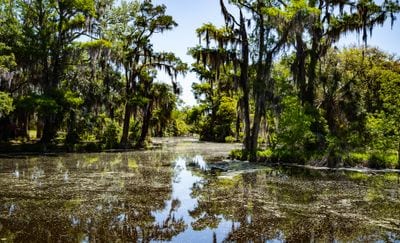
Closer in, the Barataria Preserve of Jean Lafitte National Historical Park, about 30 minutes south across the river, has boardwalks through cypress swamp, and the Chalmette Battlefield, where the Battle of New Orleans was fought, is just downriver in Chalmette. Swamp tours run out of the bayous on the edge of the metro, and to the east, Gulfport and the Mississippi Gulf Coast beaches are about an hour and a quarter away on Interstate 10.
New Orleans is best known for jazz, Creole and Cajun food and Mardi Gras. Its signature sights are the French Quarter and Jackson Square, with St. Louis Cathedral, The National WWII Museum, the mansions of the Garden District and the live oaks of City Park, along with live music every night on Frenchmen Street.
How many days do you need in New Orleans?
Three or four days is the sweet spot. That gives you a day for the French Quarter and Jackson Square, one for The National WWII Museum and the Warehouse District, one for the St. Charles Streetcar, the Garden District and Magazine Street, and time for City Park, a river cruise and several nights of music.
What can you do in New Orleans for free?
A lot. Walking the French Quarter, Jackson Square, Royal Street and the riverfront in Woldenberg Riverfront Park costs nothing, and neither does listening to the street musicians. The Besthoff Sculpture Garden in City Park is free, as are Louis Armstrong Park, Congo Square, Audubon Park, Bayou St. John and the Garden District's streets.
Can you visit St. Louis Cemetery No. 1 on your own?
No. St. Louis Cemetery No. 1, where Marie Laveau is believed to be buried, can only be entered on an official guided tour run by the operator licensed by the Catholic cemeteries office. Book ahead and meet the tour at its starting point, and don't plan to visit Lafayette Cemetery No. 1 in the Garden District, which has been closed for repairs.
When is the best time to visit New Orleans?
Spring, from March to May, brings warm weather and the main festival season, and fall is a close second, with cooler, drier days. Mardi Gras in late winter is the most famous time to go but also the busiest. Summer is hot and humid, and hurricane season peaks in late summer.
Sources & updates
How this guide was verified
Checked before launch
Sources cited
45
Publishers
26
Every place on this list was confirmed open and pinned on the map before publication, and what we say about each one was checked against its own website or an official source.
A PDF with a box to tick for every place. Confirm your email to download it, and get one email every Thursday with our newest guides for the places you tick.
Free New Orleans printable checklist
All 45 places in one PDF
Tick them off as you go. Confirm your email to download it, plus one email every Thursday with new guides for the places you tick.
We use cookies to analyze site traffic and improve your experience.
You can accept or reject analytics cookies. See our
May we use analytics cookies? See ourCookie Policy.