We may earn a commission if you book or buy through a link on
this page, at no extra cost to you. It never affects which places we list or how
we rank them (how we make money).
Short answer
Luxembourg City's essentials are the UNESCO-listed Casemates du Bock cut into the cliff, the Chemin de la Corniche — called the most beautiful balcony in Europe — and the free glass lift dropping 71 metres through the rock at Pfaffenthal. Two full days is the sweet spot: one for the casemates, the old town and a descent into the Grund, a second for the museums and Kirchberg.
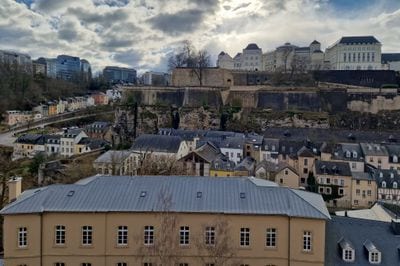
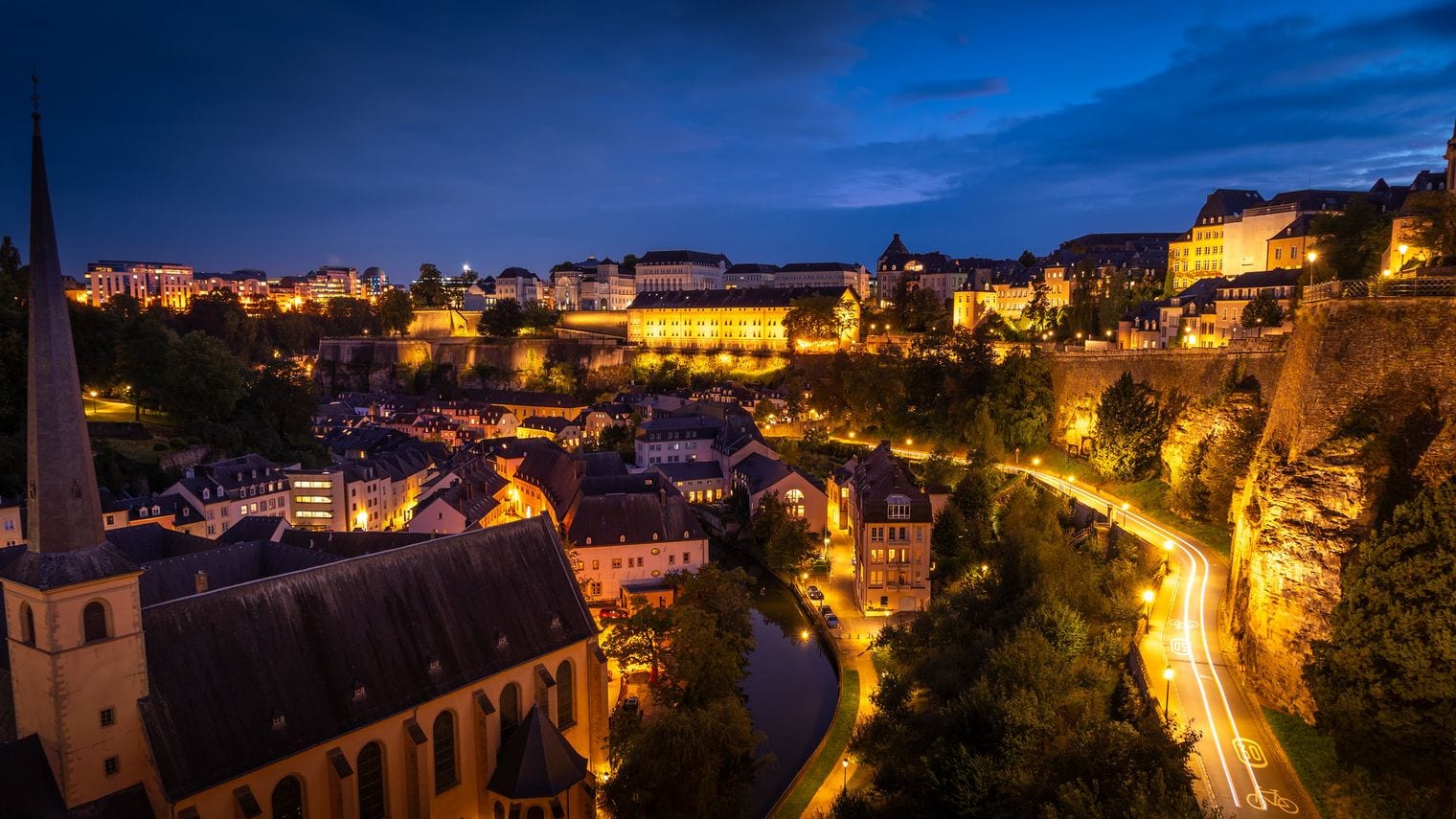
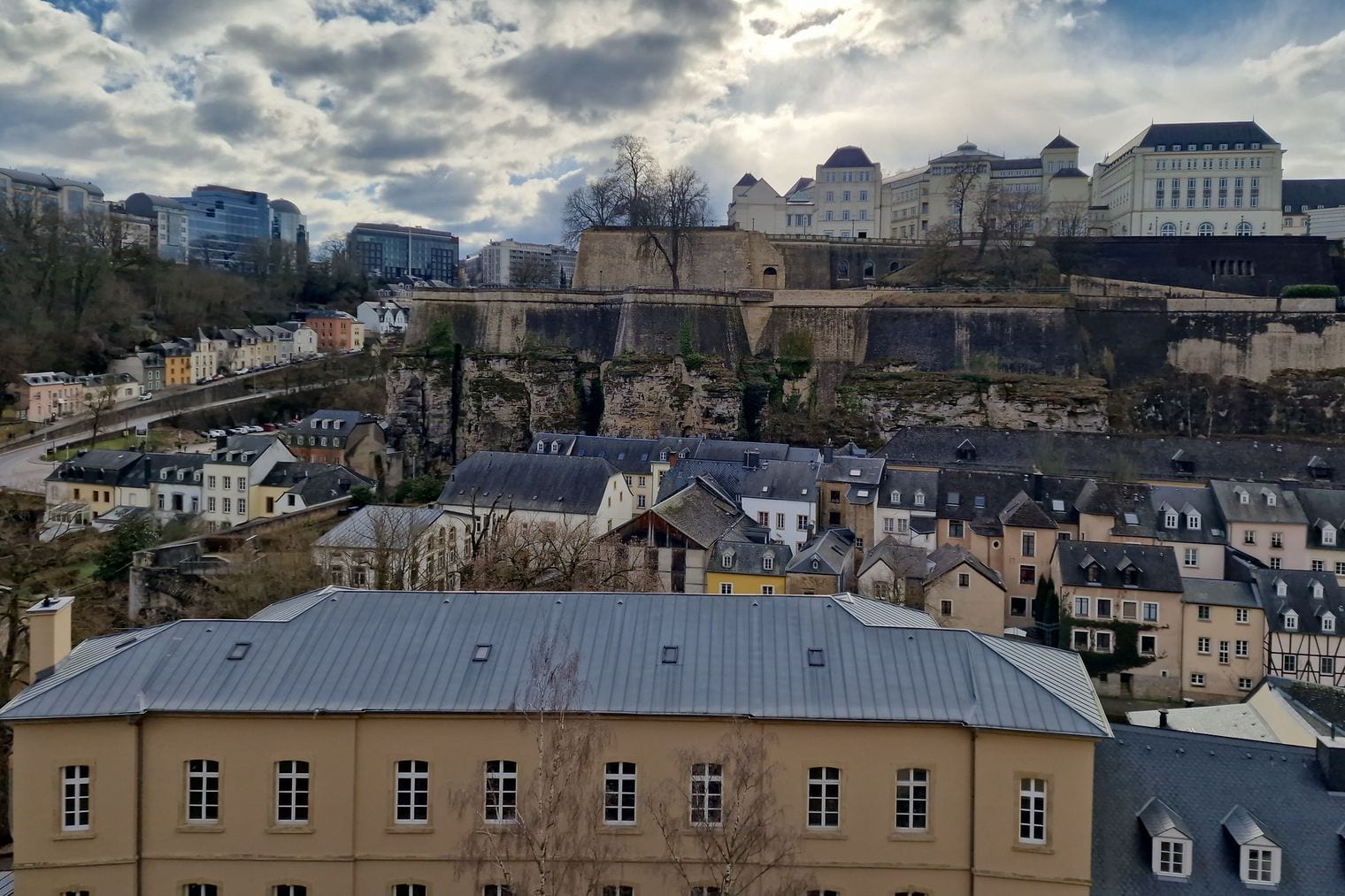
Luxembourg City is built on a gorge, and it never lets you forget it. The old town stands on a cliff above the Alzette, ringed by fortress walls and honeycombed with tunnels cut for sieges that mostly never came. Below, the stone houses of the Grund crowd the riverbank; above and east, the glass towers of the Kirchberg plateau catch the light.
It is compact enough to walk in a weekend, and public transport across the country is free, so it rewards wandering far more than rushing. Here are the 35 best things to do in Luxembourg City.
Luxembourg is the world's only remaining sovereign grand duchy — every other one in Europe was absorbed into a larger state, so the Grand Ducal Palace in the old town is the only working residence of its kind left.
The country was the first in the world to make all public transport free, on 29 February 2020 — buses, trams and trains, for residents and visitors alike, in second class.
The old quarters and fortifications are the country's one and only UNESCO World Heritage Site, inscribed in 1994 — and the site is the capital itself.
The whole city grew out of a rock bought by Count Siegfried in 963, whose castle of Lucilinburhuc gave Luxembourg its name.
The 1867 Treaty of London ordered the great fortress dismantled, which is why the city's finest parkland now runs across ground that was once cleared fields of fire.
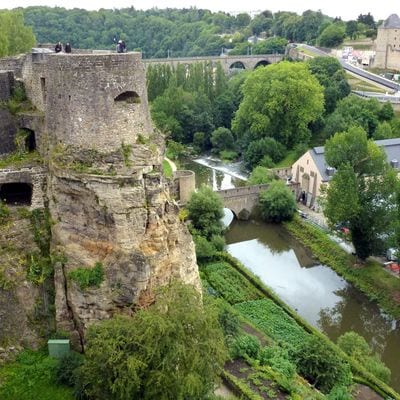
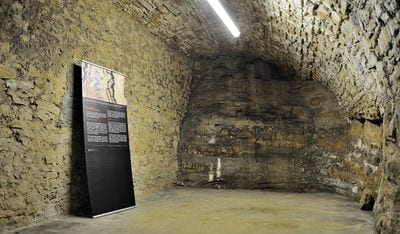
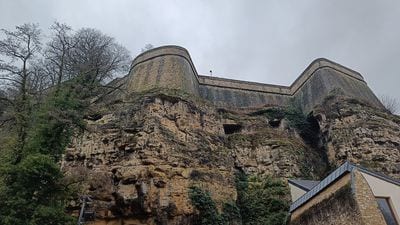
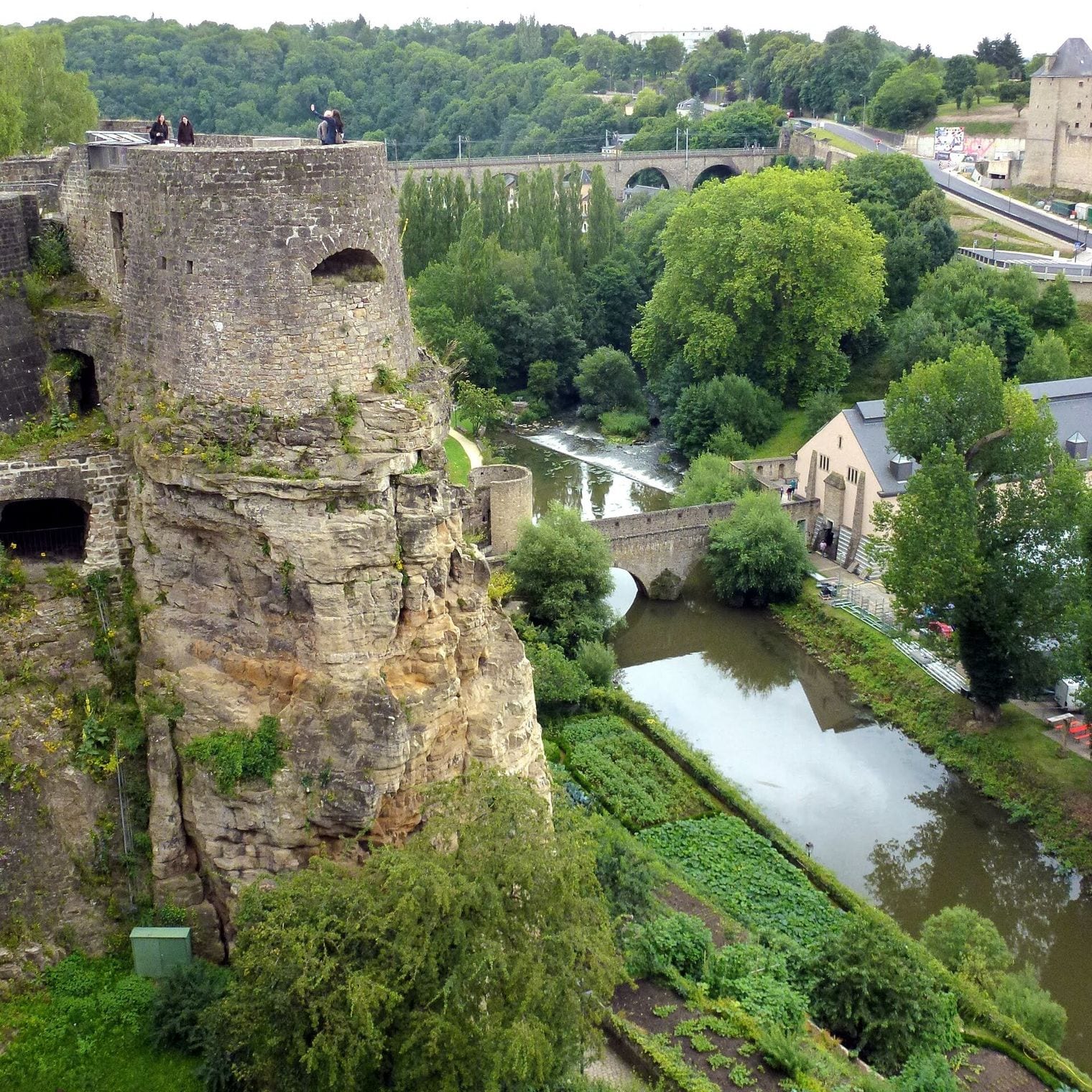
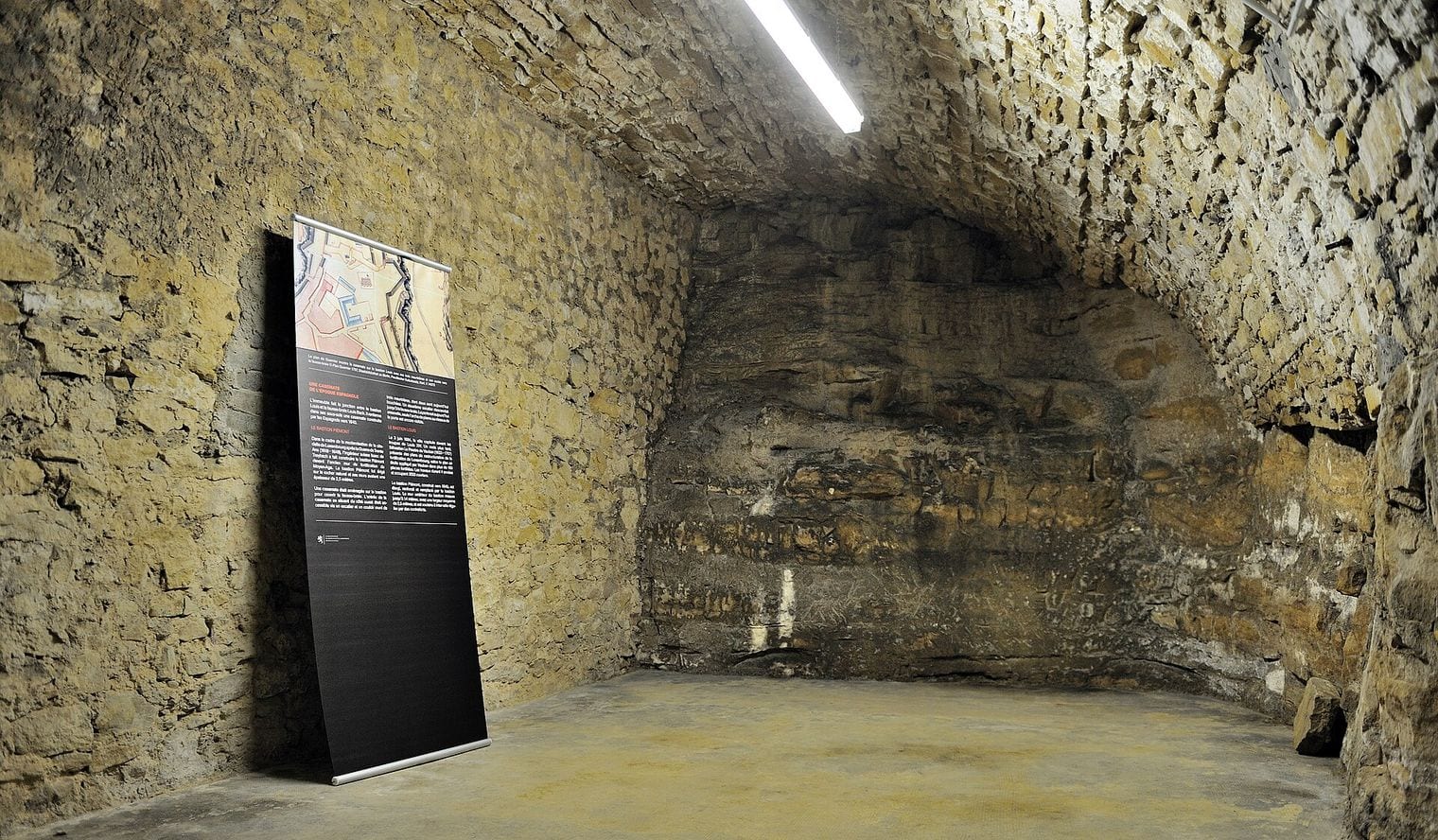
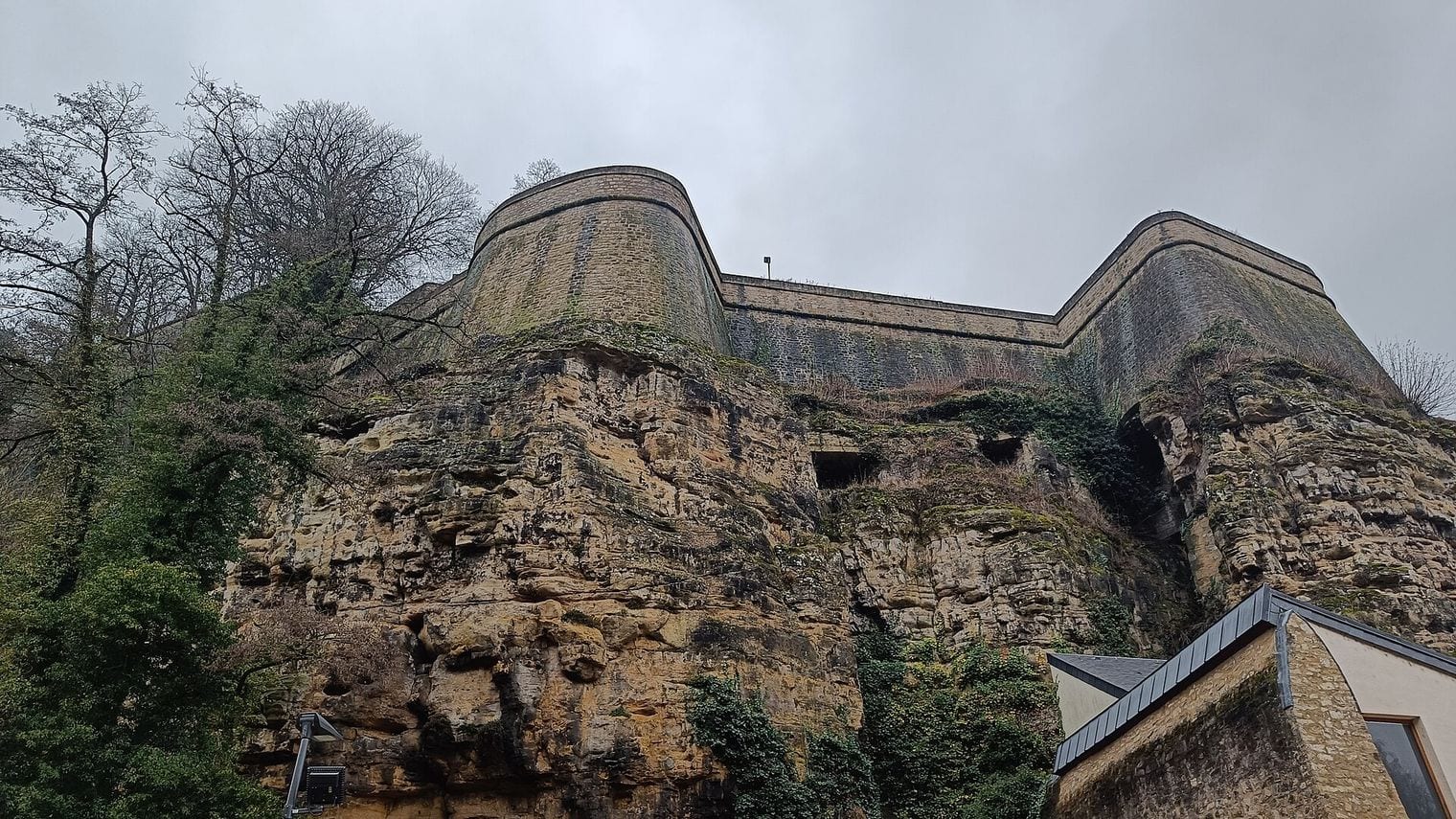
The Bock is where the city began: a rocky spur above the Alzette where Count Siegfried established a castle in 963, and where later rulers spent centuries turning the cliff itself into a fortress. The Casemates du Bock are what survives underground — a network of galleries, stairways and gun embrasures cut directly into the sandstone, with openings that frame the valley like windows.
You walk them at your own pace rather than on a fixed tour, ducking through low passages and climbing to loopholes that look straight down onto the Grund. Bring a layer, since the rock stays cool whatever the weather outside, and wear shoes with some grip — the steps are worn and often damp. It is the single best introduction to why this city carries a UNESCO listing.
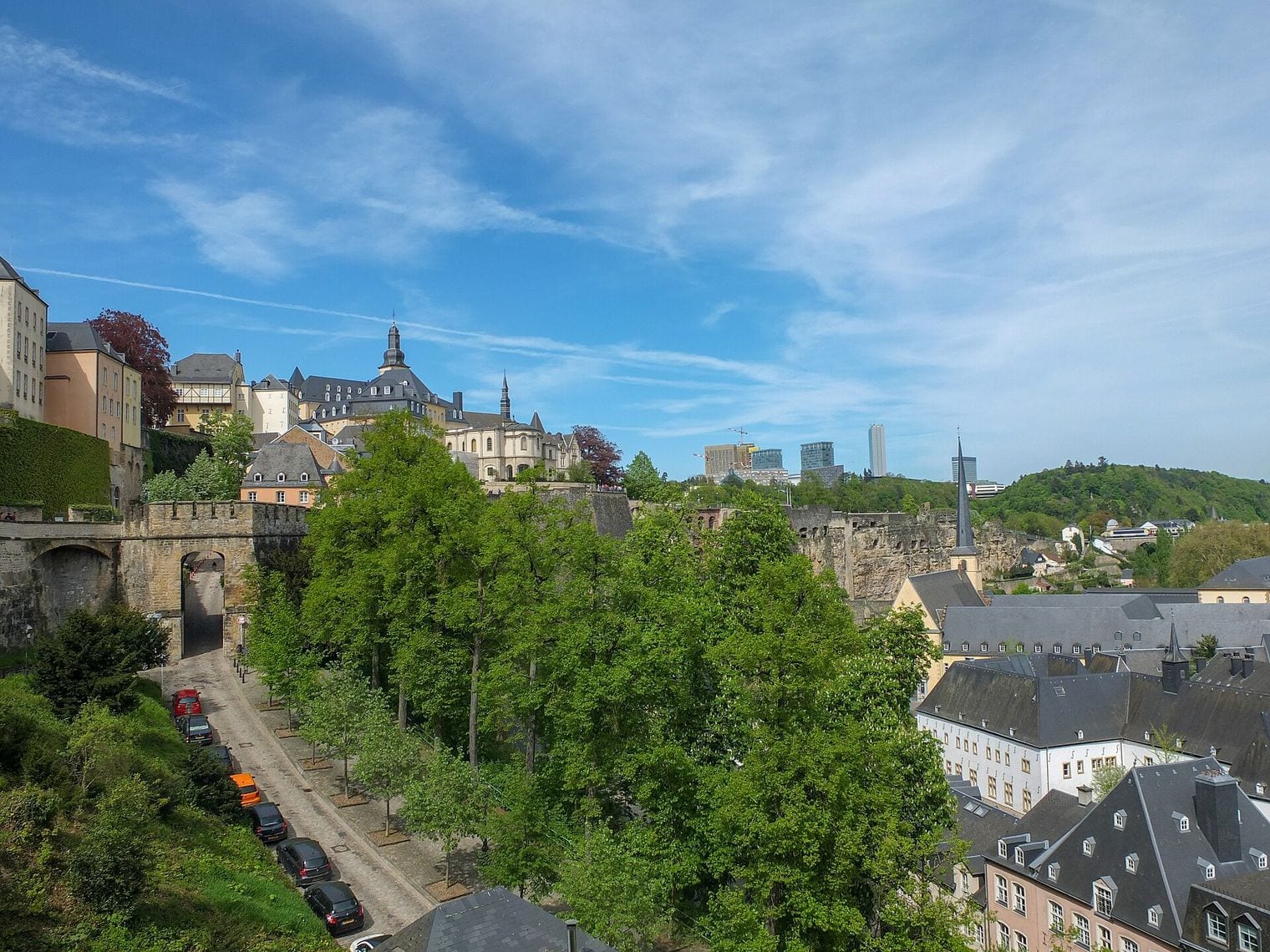
Running along the old ramparts from the Bock towards the Holy Ghost plateau, the Chemin de la corniche is a pedestrian promenade laid out on top of the fortress walls. A Luxembourgish writer once described it as the most beautiful balcony in Europe, and the phrase has stuck, because the whole lower town opens up beneath you as you walk.
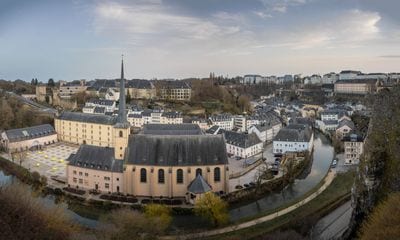
From the parapet you look down on the slate roofs of the Grund, the Alzette curling between them, and the pale bulk of the abbey on the far bank. It takes only a few minutes end to end, so most people walk it twice — once by day for the detail, and again after dark, when the valley is lit and the ramparts glow.
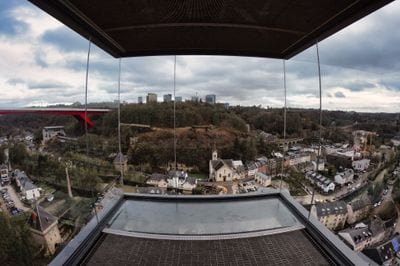
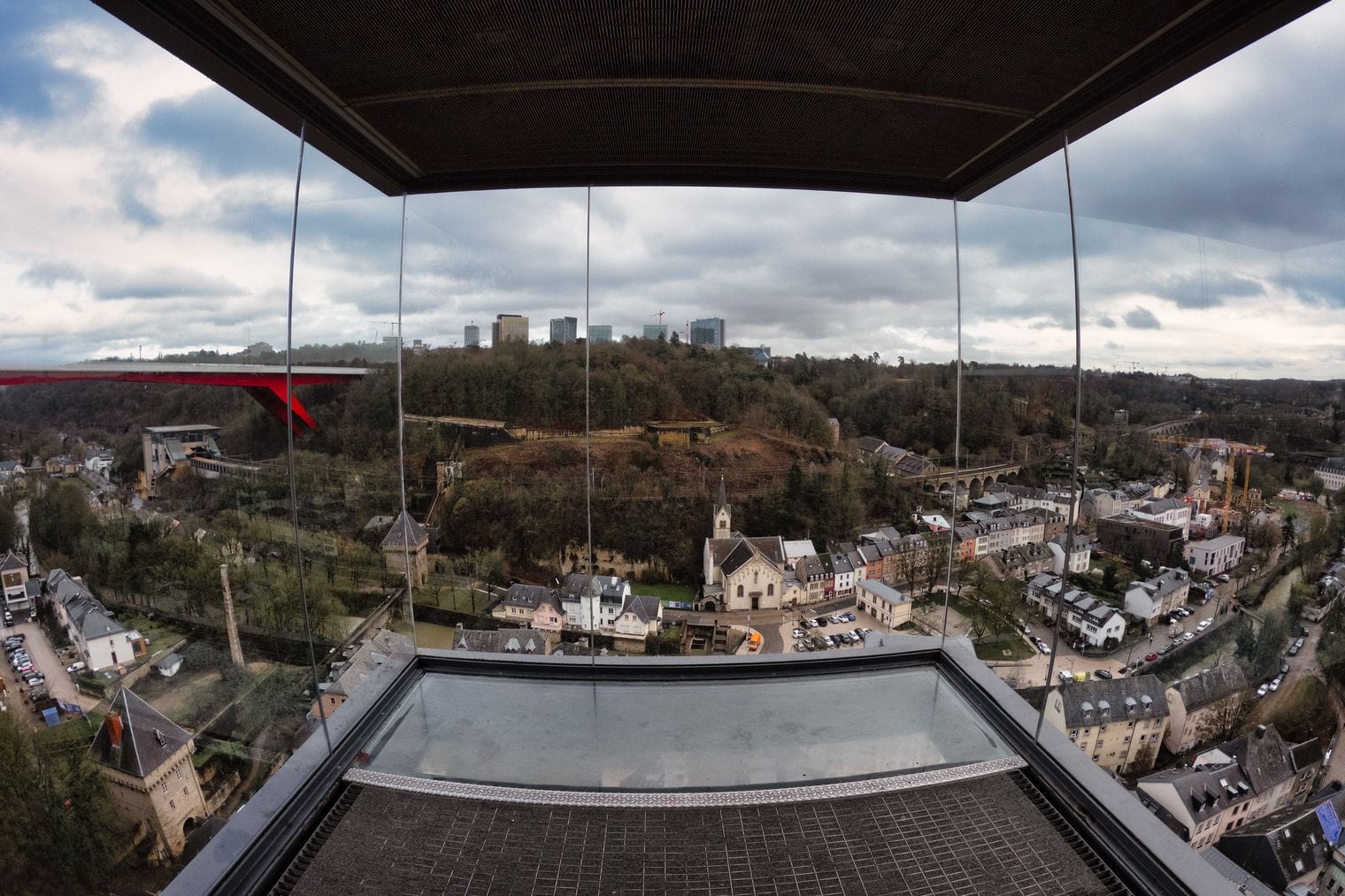
The Ascenseur Panoramique du Pfaffenthal is a glass-walled lift that drops through the cliff between the upper city and the Pfaffenthal valley below, and the ride itself is the attraction. One wall is entirely transparent, so as you descend the fortress rock slides past on one side while the valley opens out on the other, and a viewing platform at the top juts out over the drop.
It is free to ride, as all public transport in Luxembourg is, and it runs as ordinary infrastructure rather than a tourist ride — commuters use it daily. Take it down, walk the valley floor, then ride the funicular back up to the Kirchberg plateau for a loop that explains the city's vertical geography better than any map.
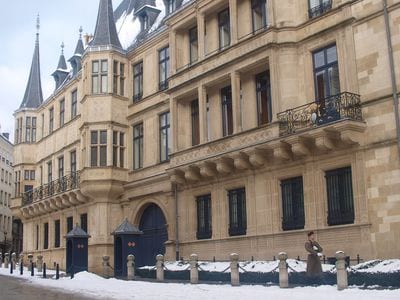
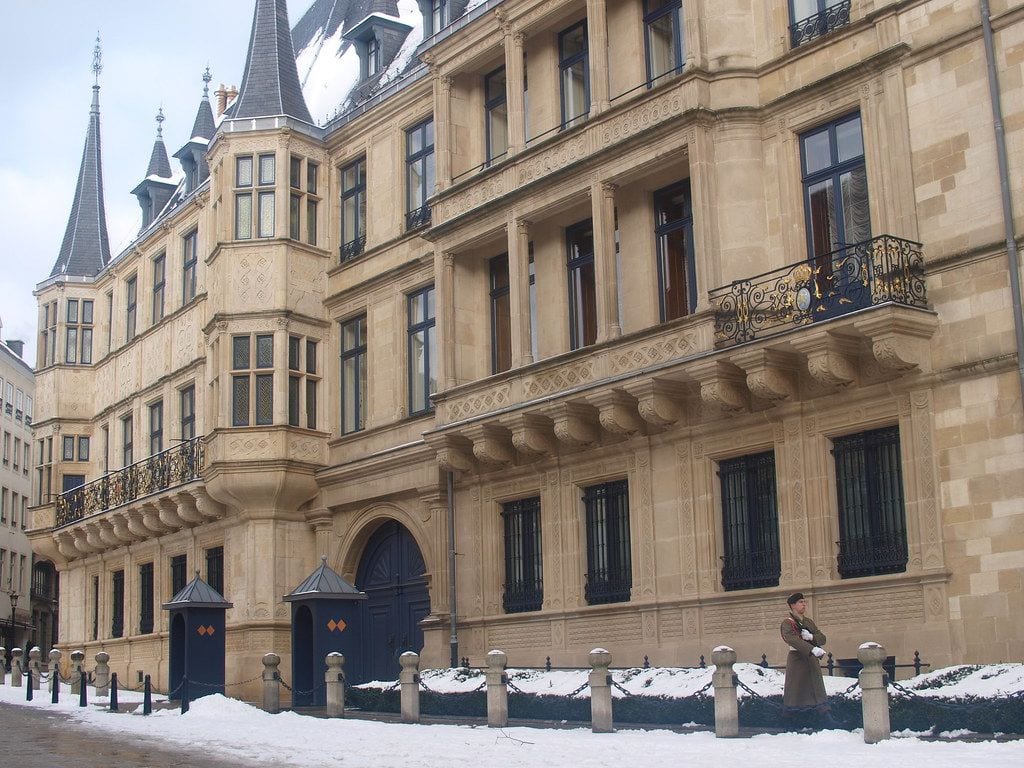
The Grand Ducal Palace is the town residence of the Grand Duke, and Luxembourg is the world's only remaining grand duchy, which makes it a genuinely singular building. Its Flemish Renaissance frontage — carved stone, turrets and diamond patterning — began life as the city hall before it was taken over as an official residence.
A single soldier paces outside, and the changing of the guard draws a small crowd with none of the crush of larger capitals. The interior opens to guided visits only in the summer months; for the rest of the year you admire it from the narrow street outside, which is close enough to study the stonework properly.
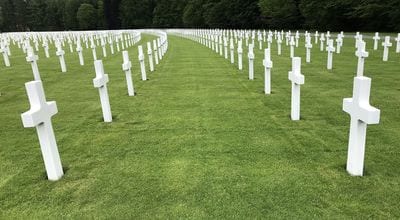
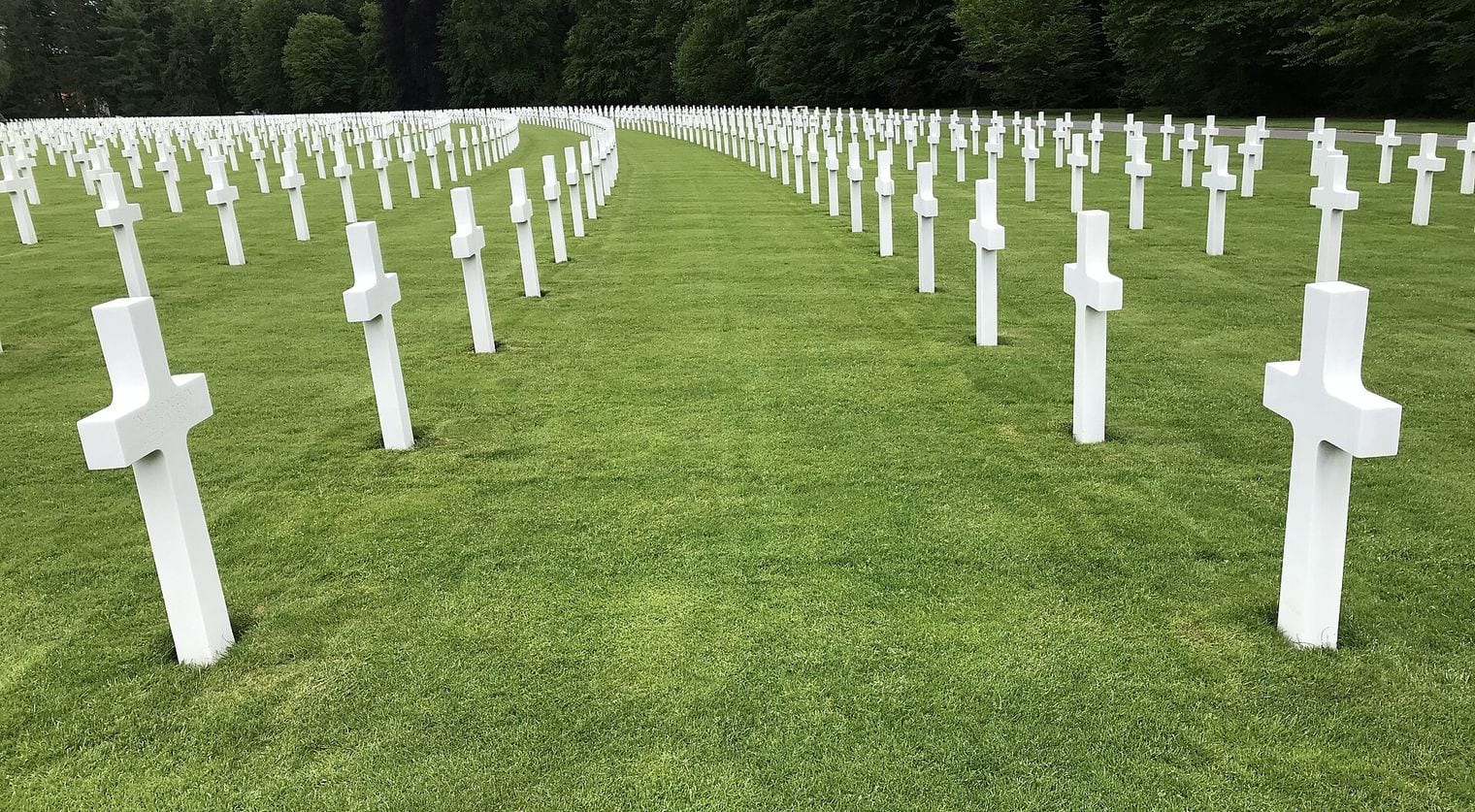
On the city's eastern edge at Hamm, the Luxembourg American Cemetery holds more than five thousand American servicemen, buried beneath white marble headstones laid out in long curving rows. Most died in the Battle of the Bulge, fought through the surrounding Ardennes in the winter of 1944 and 1945.
General George S. Patton Jr. is buried here too, positioned at the head of his troops rather than apart from them, and his is the grave most visitors come to find. The grounds are immaculately kept, with a memorial chapel and large engraved maps explaining the campaign. It is a quiet, sobering counterweight to the fortress history in the centre.
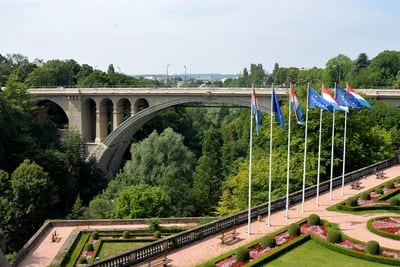
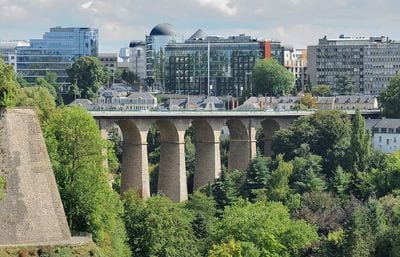
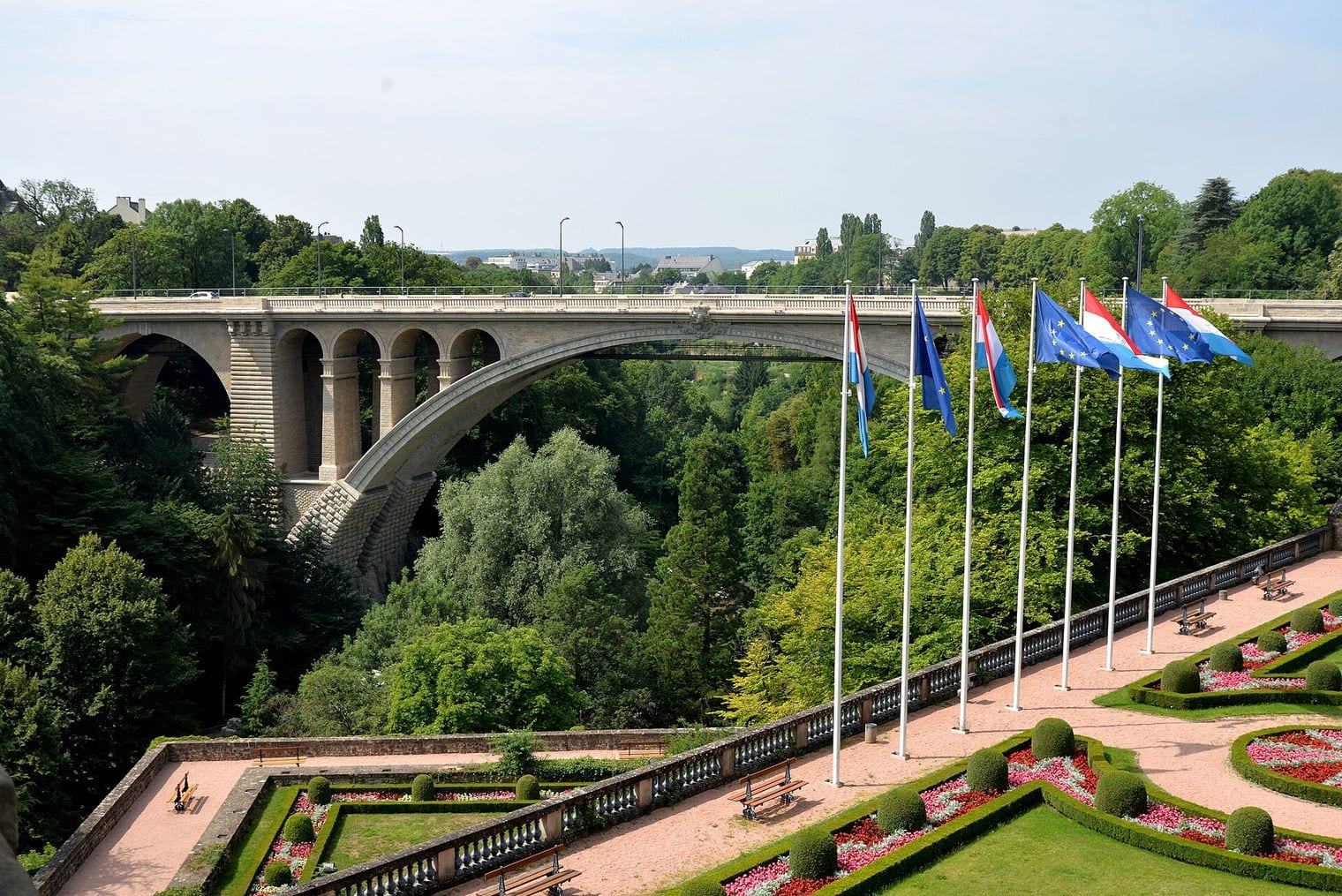
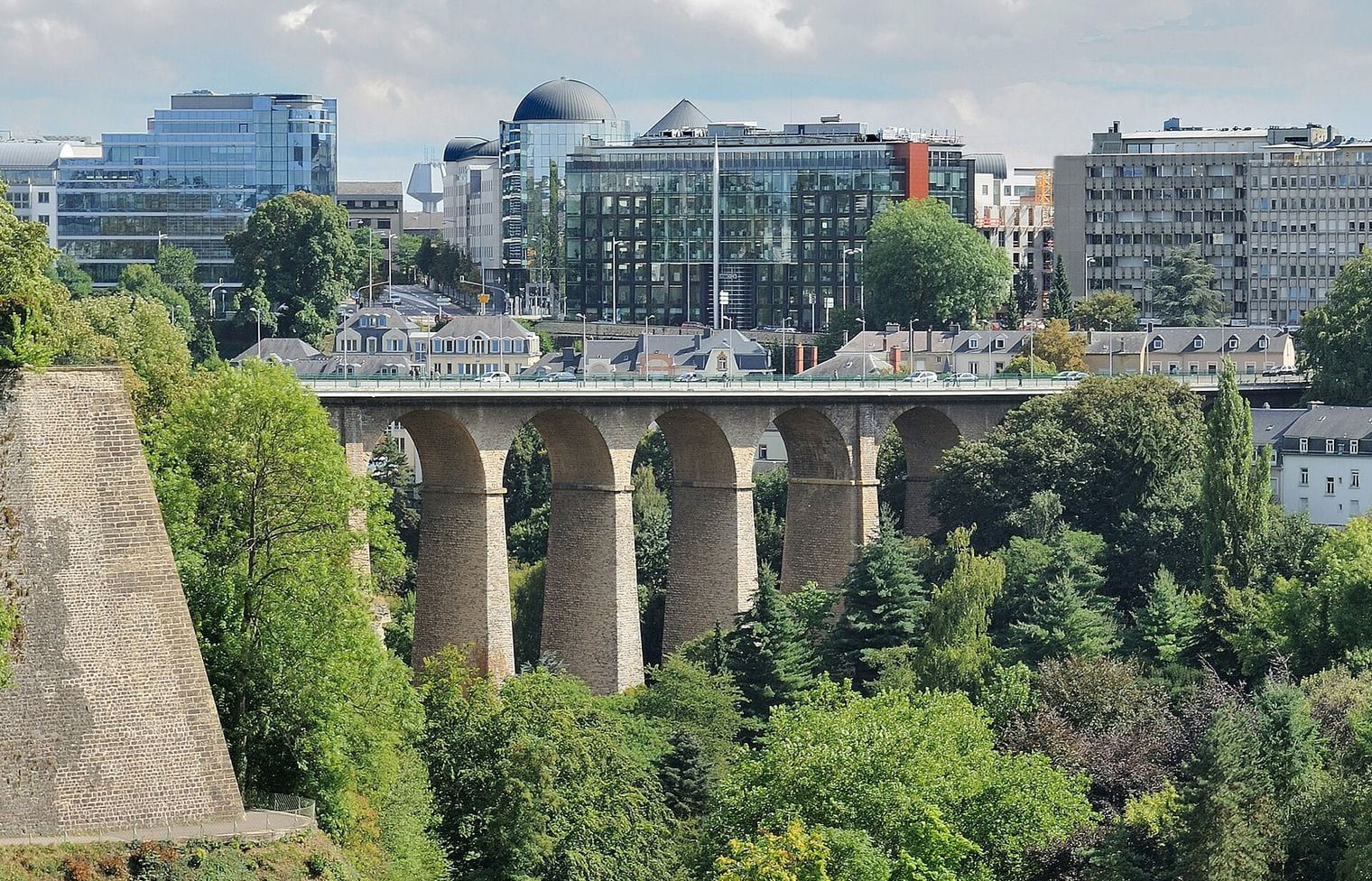
The Pont Adolphe vaults across the Pétrusse valley on a pair of huge stone arches, and when it opened in 1903 it was among the largest stone arch bridges anywhere in the world. It has since become the city's unofficial emblem, and the view along it is one of the most reproduced images of the country.
Walk across the top for the view down into the green gorge, then look for the pedestrian and cycle deck slung underneath the roadway — a later addition that lets you cross beneath the arches with the valley falling away on both sides. The best photograph of the bridge itself, though, is from the park paths below.
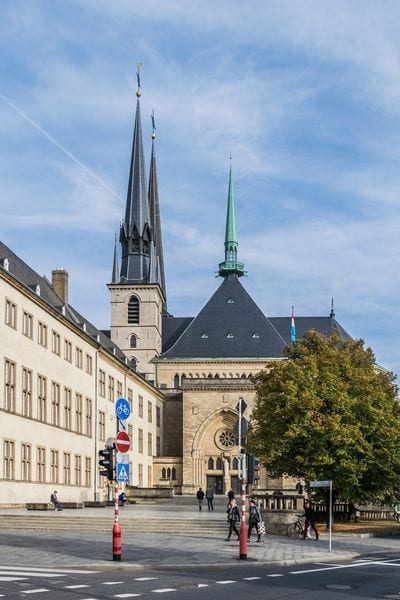
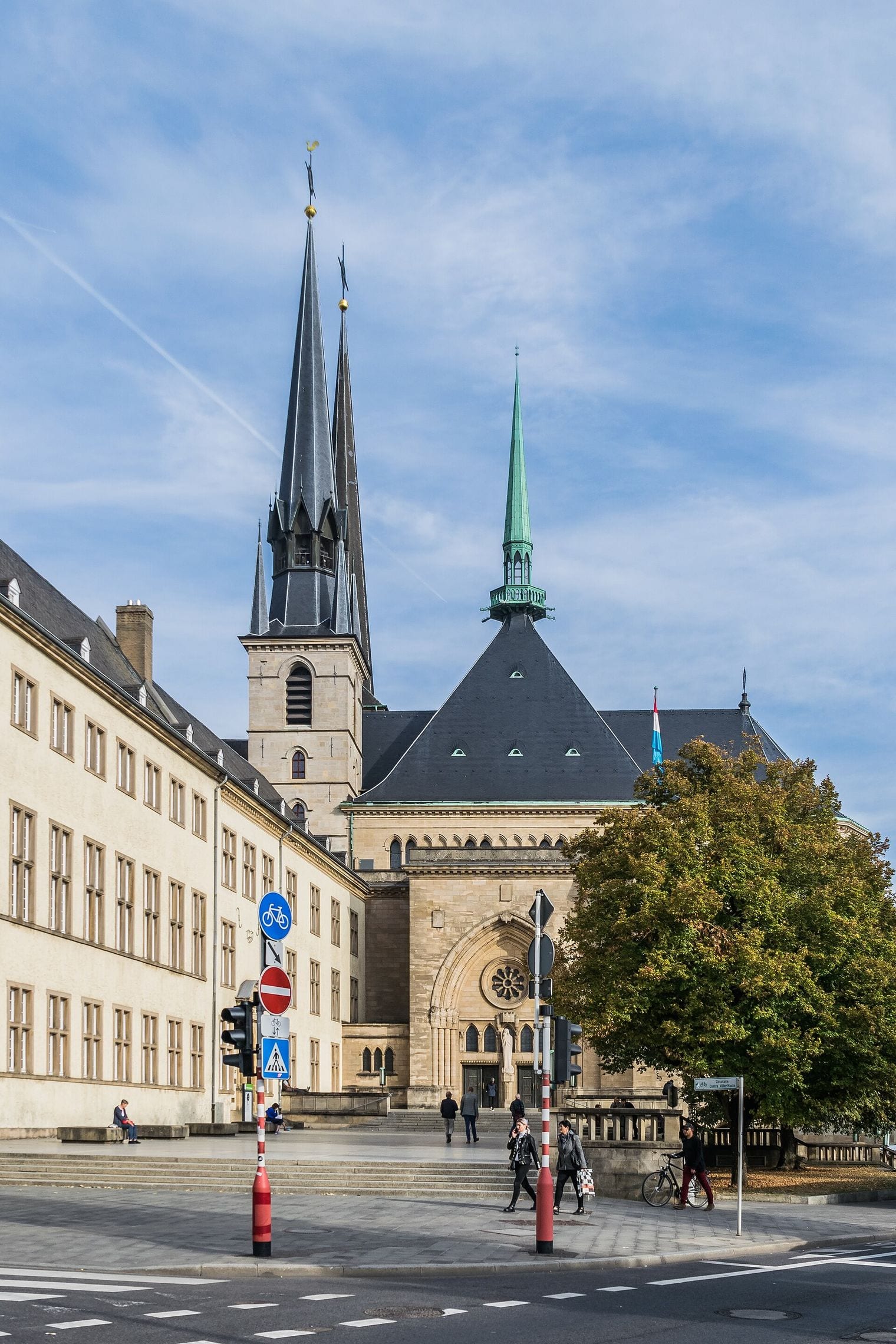
Luxembourg's cathedral began as a Jesuit church in the early seventeenth century and was only raised to cathedral rank much later. The result is a late Gothic shell wearing Renaissance detail, with a tall, dark nave, an elaborately carved gallery, and modern stained glass that throws colour across the stonework.
Below, the crypt holds the tombs of the grand ducal family, watched over by two bronze lions, and the shrine of Our Lady of Luxembourg draws pilgrims each spring. Entry is free and it sits squarely in the centre, so it slots easily into a walk between the palace and Place de la Constitution.
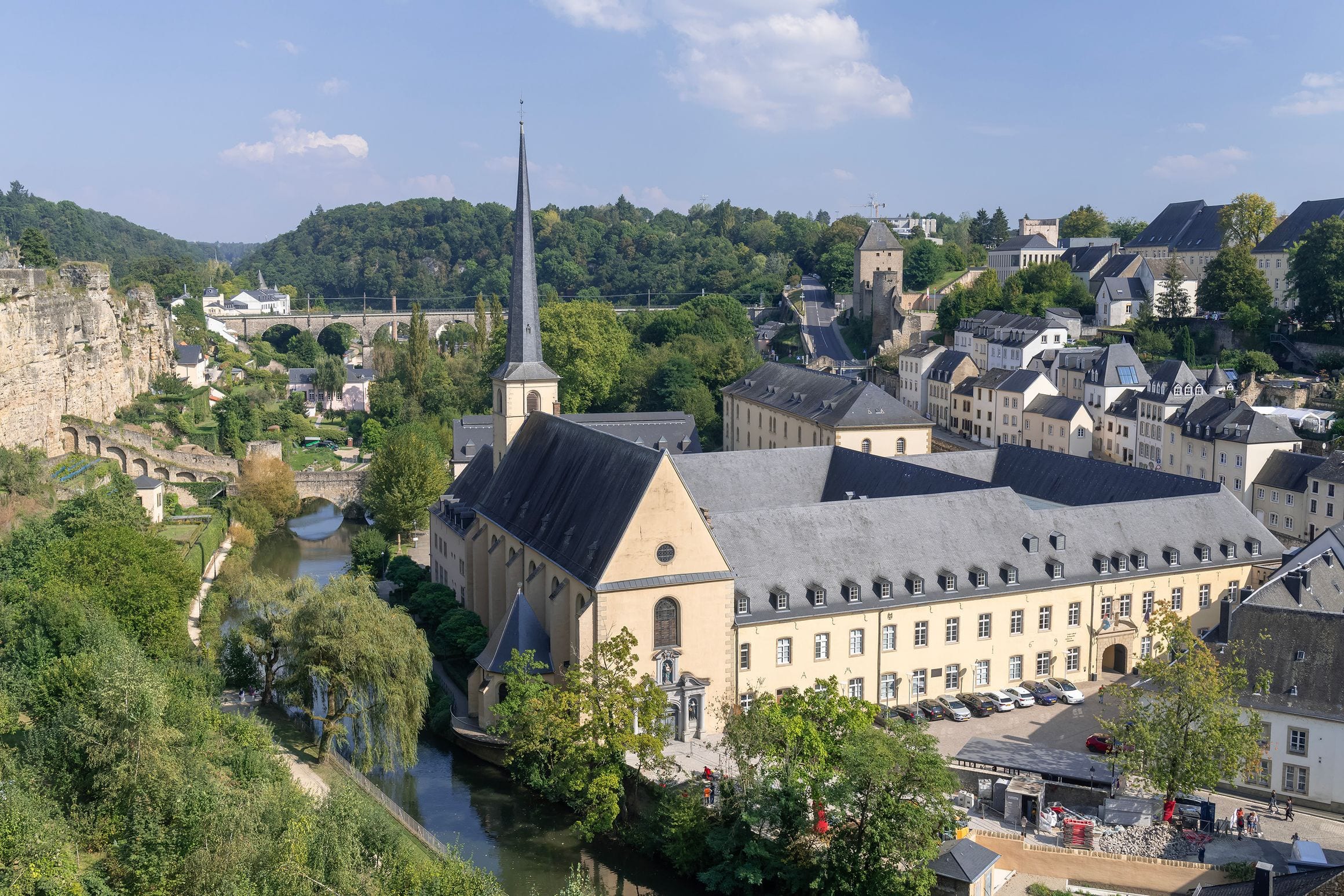
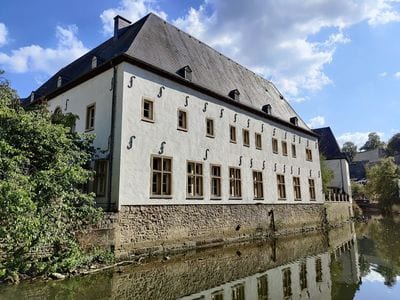
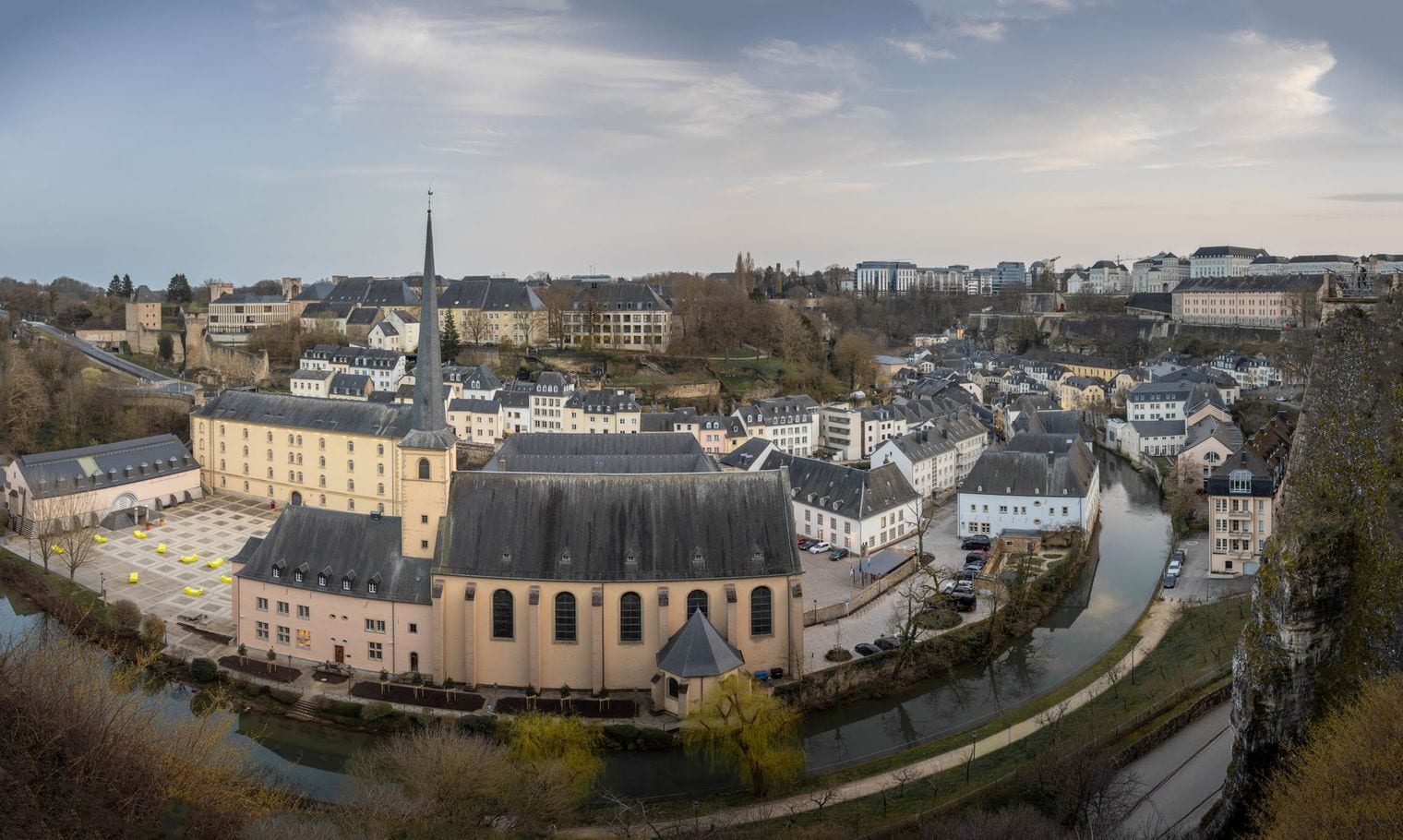
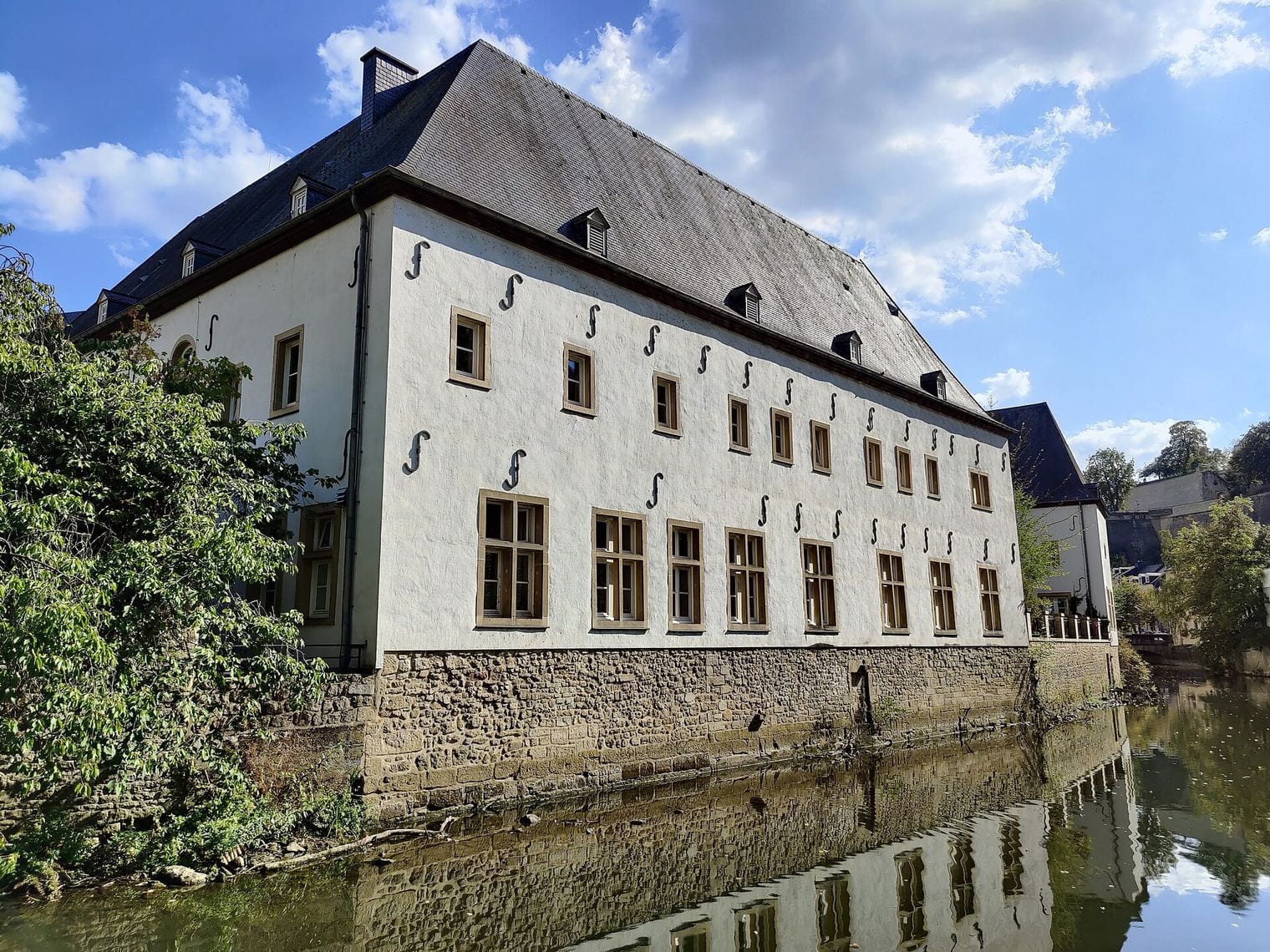
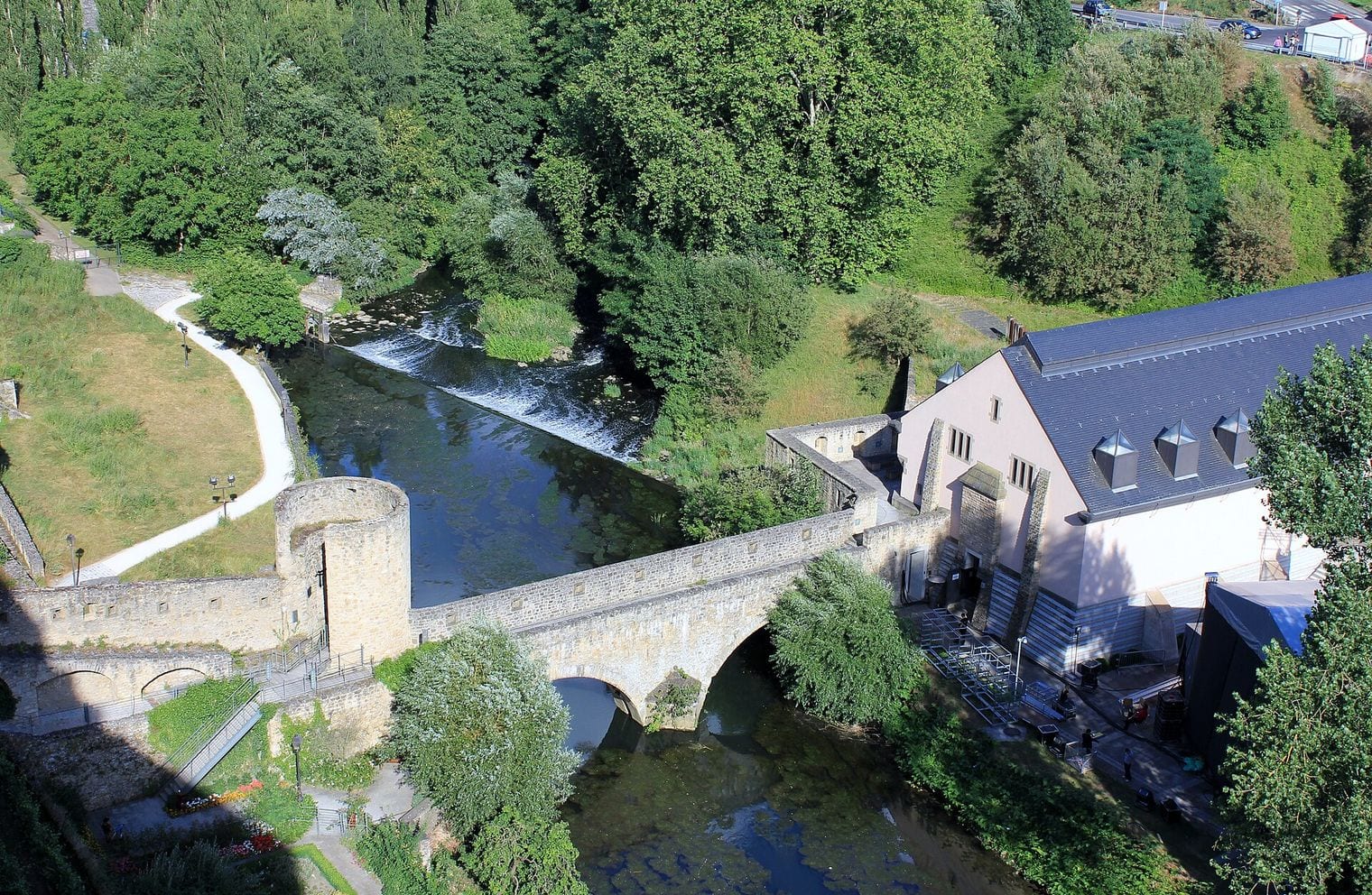
Down in the Grund, this former Benedictine abbey has had an unusually rough career: rebuilt after fire, pressed into service as a barracks and later as a prison, and only restored as a cultural centre in recent decades. Its long pale façade along the Alzette is one of the defining sights from the ramparts above.
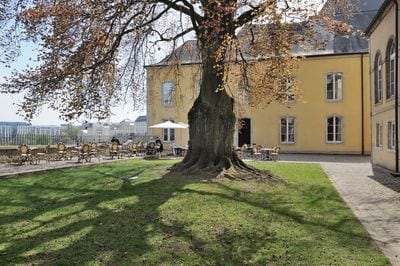
Today it runs concerts, exhibitions and public debates, with courtyards and a cloister you can wander freely even when nothing is programmed. There is a café, and the riverside setting beneath the cliffs makes it the natural place to stop and sit after walking down from the old town.
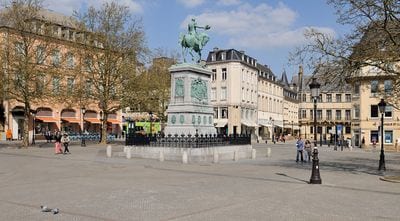
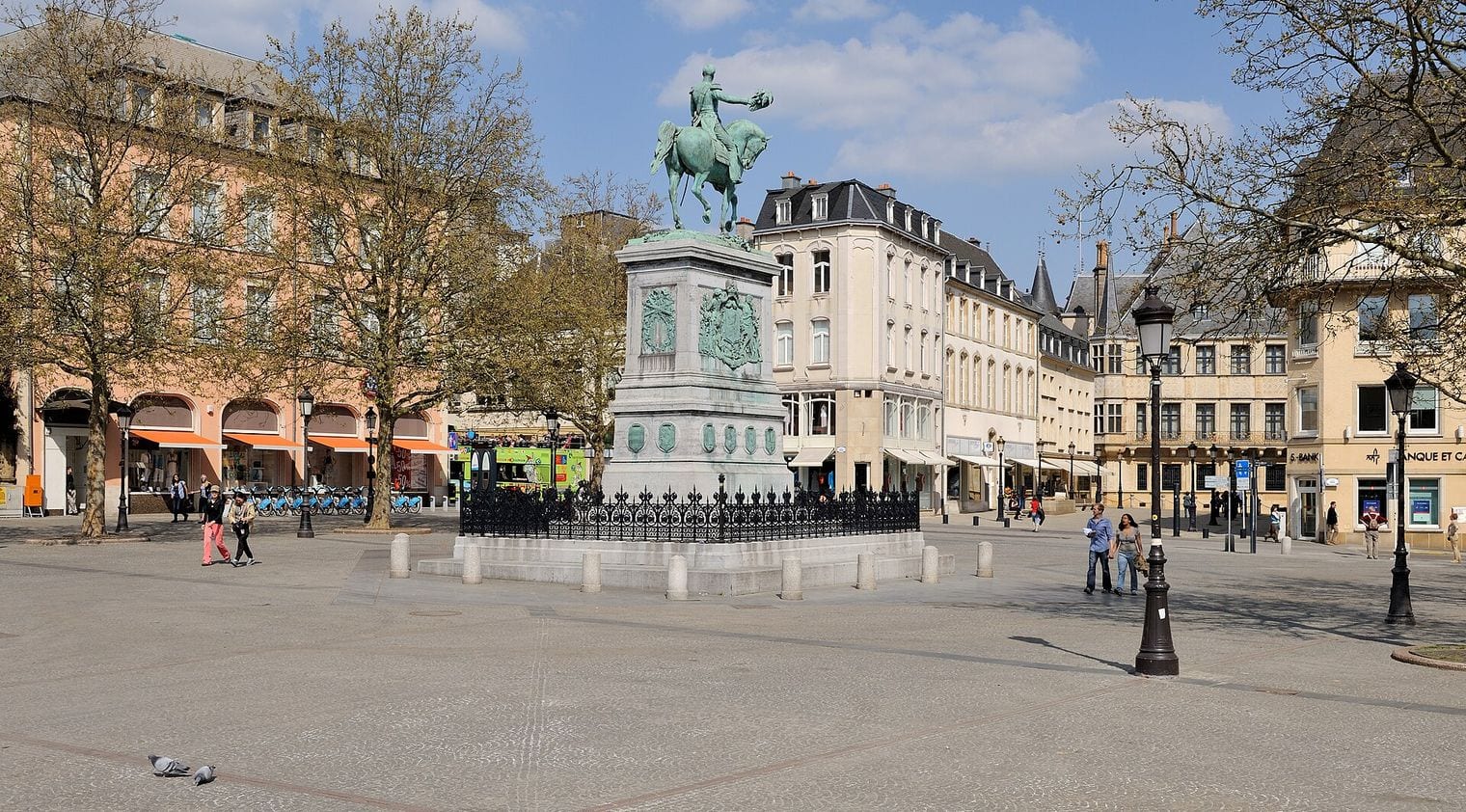
Known locally as the Knuedler, this broad square is the civic heart of the city, fronted by the neoclassical town hall and centred on an equestrian statue of William II. It was laid out on the site of a demolished Franciscan friary, which is where the nickname comes from — a reference to the knotted cord worn by the friars.
Twice a week the square fills with the farmers market, stalls selling cheese, flowers, bread and produce from across the country, and it is the best place in the centre to eat cheaply and well outdoors. On other days it is simply a large open space with cafés round the edges and buskers through the summer.
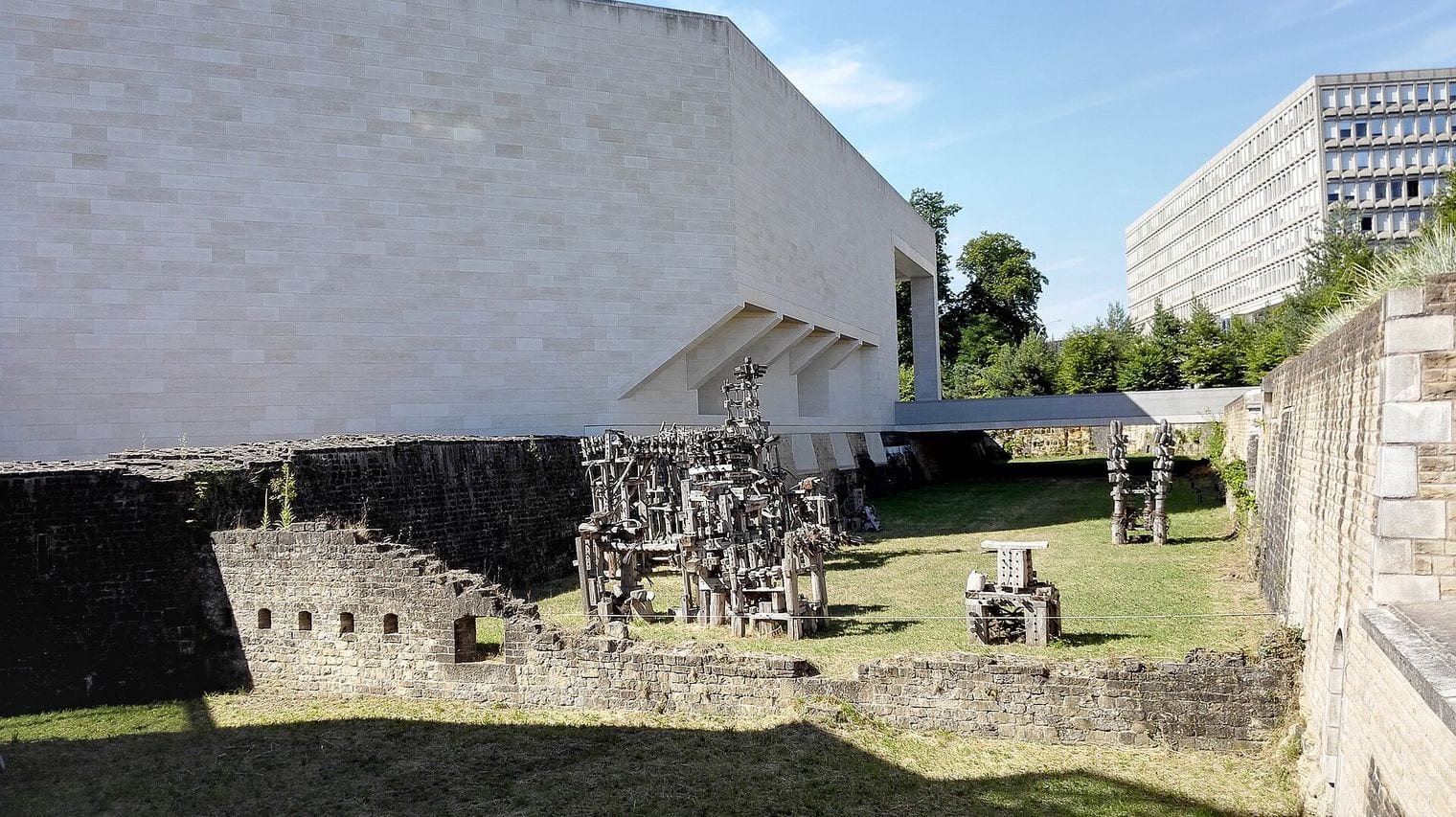
The Musée d'Art Moderne Grand-Duc Jean stands on the ramparts of a former fort on the Kirchberg plateau, and the building is as much the draw as the collection. Designed by I. M. Pei, it rises in pale stone and glass directly from the old fortifications, with a soaring glass-roofed hall as its centrepiece.
The collection is contemporary and rotates heavily, running to installation, photography, design and commissioned pieces that respond to the architecture itself. Even if modern art is not your thing, the atrium, the café and the views back across the valley towards the old town justify the trip out to Kirchberg.
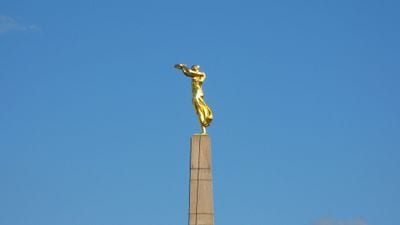
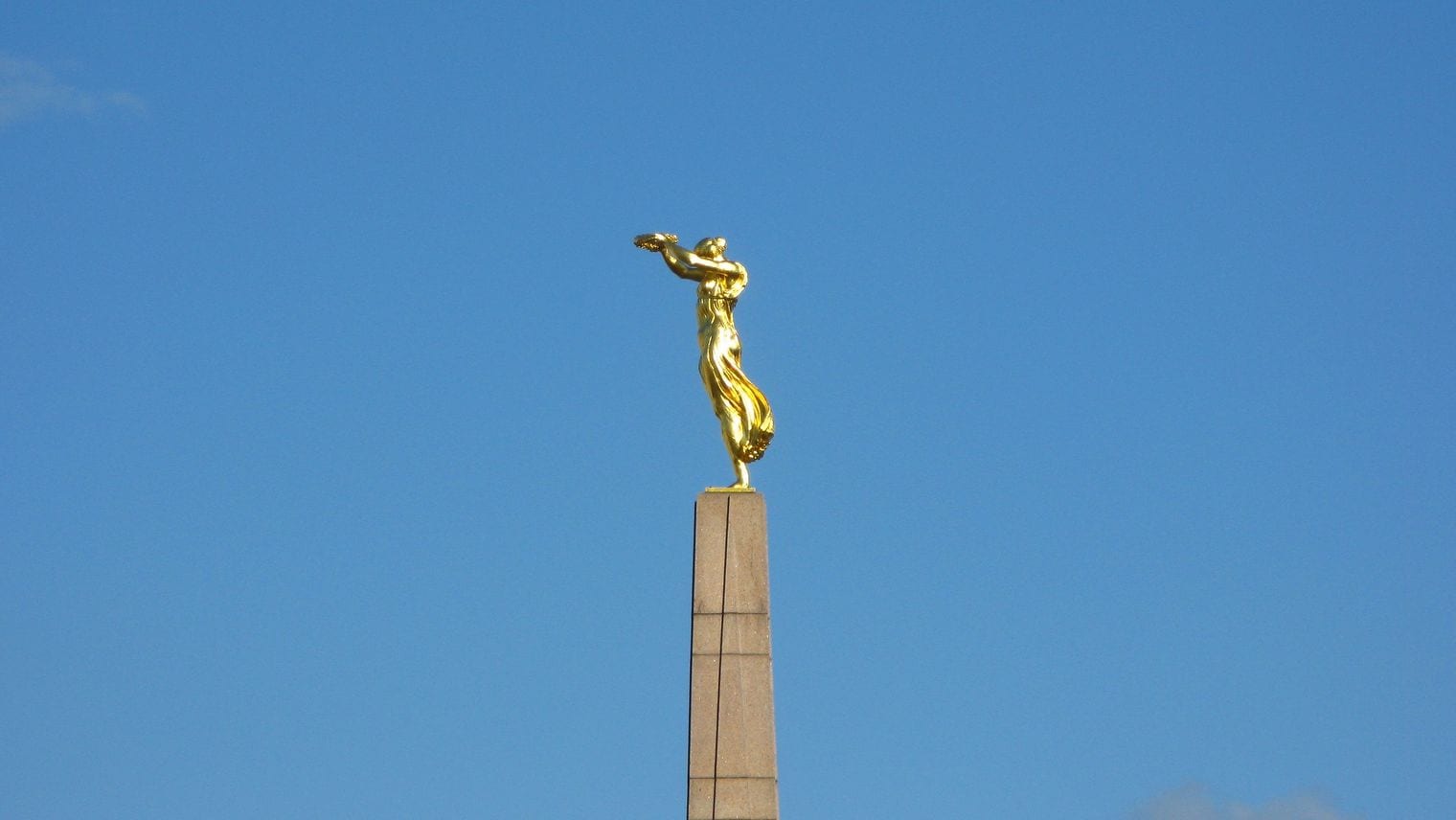
Everyone calls it the Gëlle Fra — the Golden Lady — a gilded figure holding out a laurel wreath from the top of a tall granite obelisk on Place de la Constitution. It commemorates the Luxembourgers who volunteered for the Allied armies in the First World War.
The monument has a turbulent history of its own: it was pulled down during the German occupation and only fully restored decades afterwards, which has made it a symbol of national resilience as much as of remembrance. The terrace it stands on is also one of the finest viewpoints in the city, looking straight down the Pétrusse valley towards the Pont Adolphe.
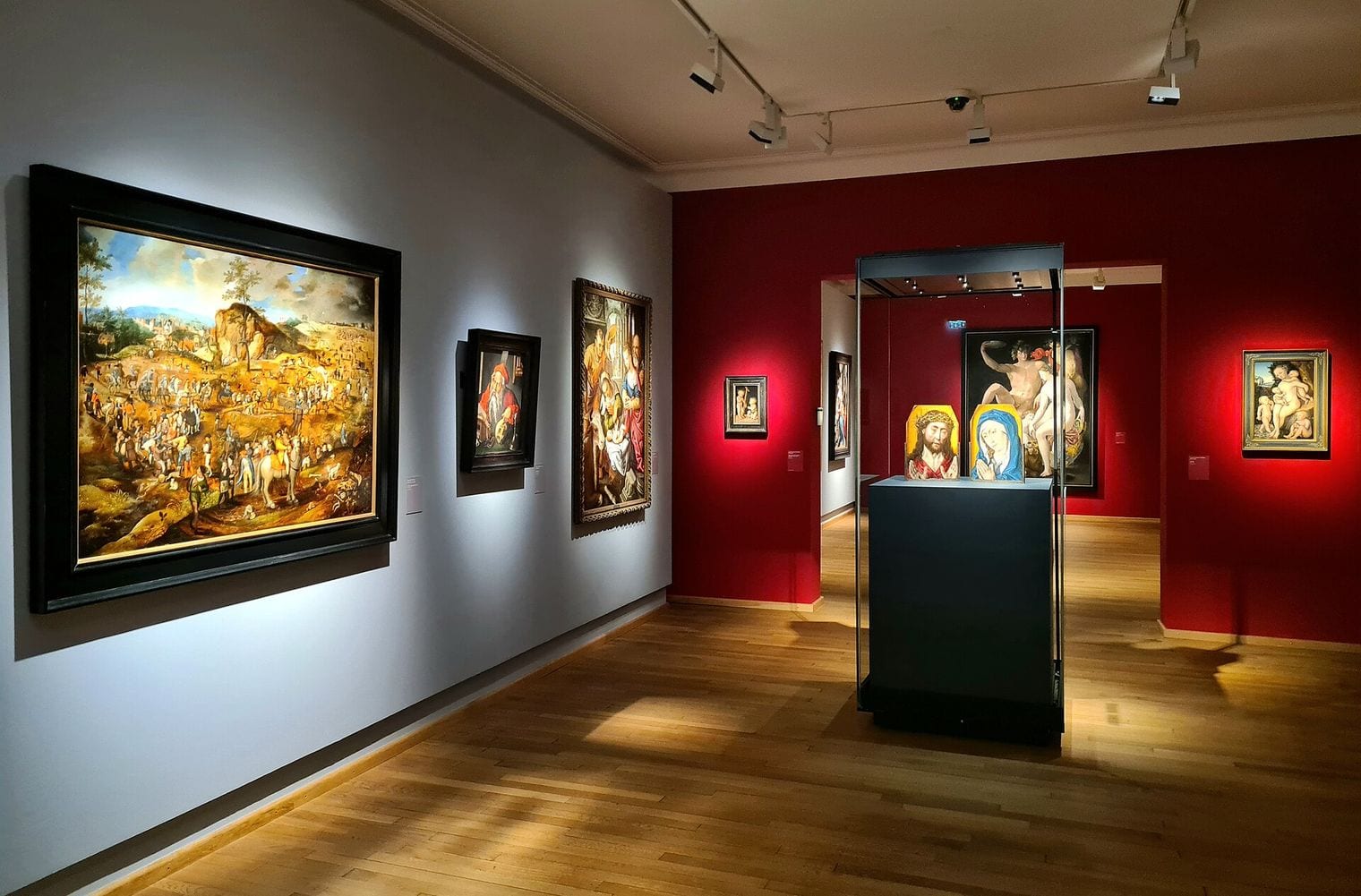
On the old Fish Market in the heart of the upper town, the national museum covers the whole span of the country's past — Roman finds, medieval sculpture, fortress history — alongside a substantial fine art collection. It is built into the hillside, so the galleries descend through several floors cut out of the rock.
The archaeology section is the strongest, drawing on excavations from across the Grand Duchy, and the vertical layout means you effectively walk down through the centuries as you go. Allow a couple of hours: it is the most comprehensive museum in the country and the obvious wet-weather option.
1313. Luxembourg National Museum of Natural History
The natur musée occupies a former hospice down in the Grund, right beside the river, and covers geology, palaeontology and the ecology of the region across a series of hands-on galleries. It is pitched squarely at families without ever being childish about it.
Displays run from local fossils and minerals to the animals and habitats of Luxembourg's forests and river valleys, with plenty to touch and operate along the way. The riverside setting is a bonus: it pairs naturally with the abbey next door and a walk along the Alzette afterwards.
Housed in a row of restored townhouses just off the Fish Market, the Luxembourg City History Museum tells the story of the city itself — how a castle on a rock became a fortress, and how that fortress became a modern capital. Models, maps and archive photographs do most of the work.
Its best feature is a large glass panoramic lift running through the building's excavated foundations, so you travel down through the physical layers of the city as you move between floors. The upper galleries have windows framing the valley, and the temporary exhibitions are usually worth the extra half hour.
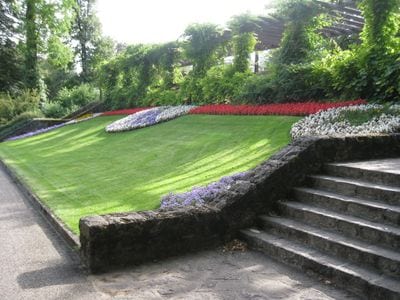
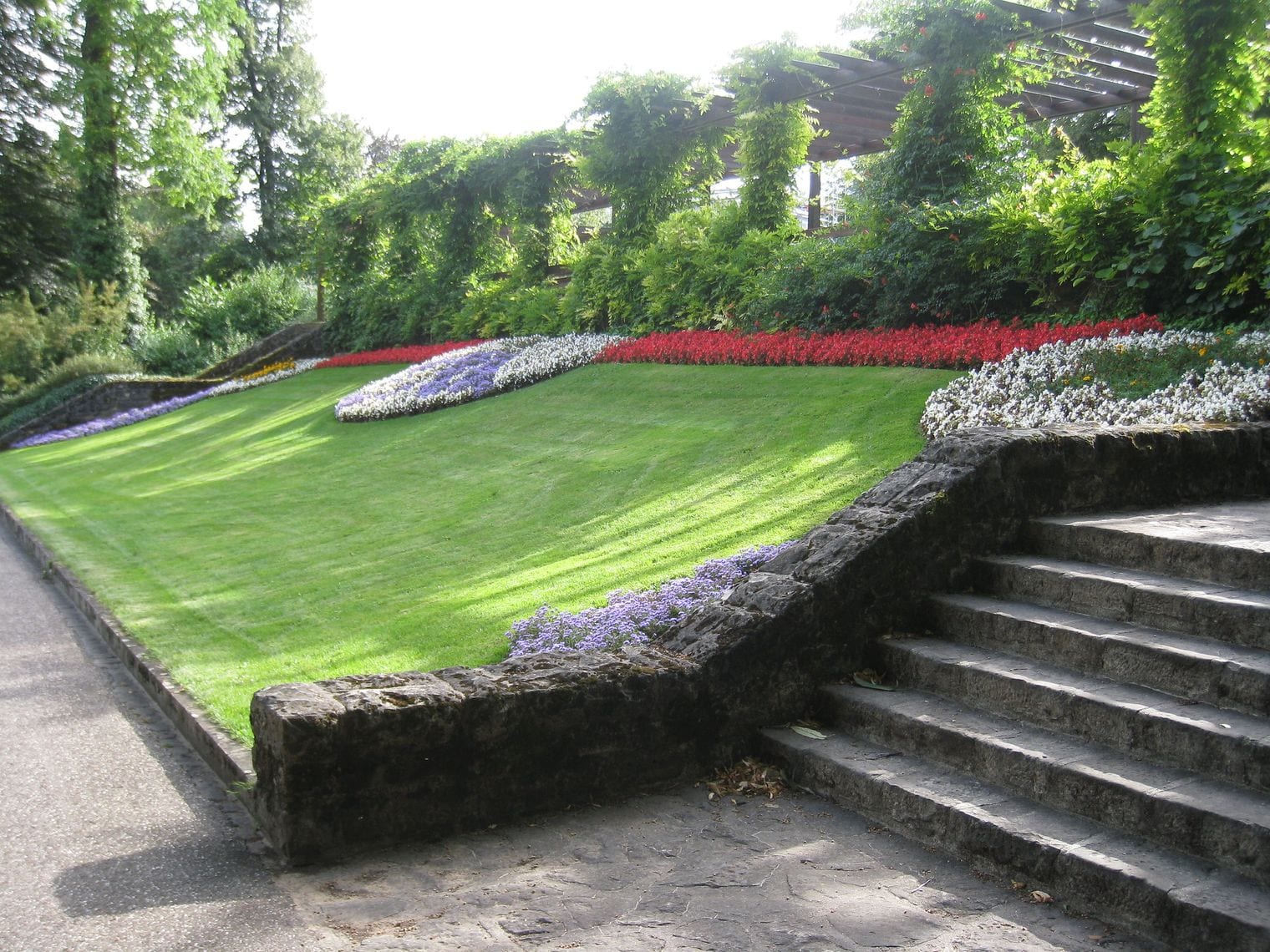
When the great fortress was dismantled in the nineteenth century, the cleared ground became the Parc municipal, a long belt of parkland along the northern edge of the old town, and it remains the city's main green space. Mature trees, winding paths, ponds and open lawns run for the better part of a kilometre.
Fragments of the old bastions still surface among the flowerbeds, which gives the park an odd double character — landscaped gardens laid over military earthworks. The Kinnekswiss lawn at its heart is where the city picnics, and where open-air concerts are staged through the summer.
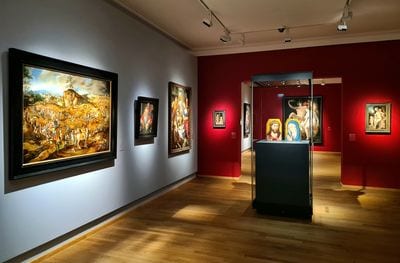
The city's art museum occupies a nineteenth-century villa set in its own garden on the edge of the municipal park, built over the foundations of an old fort. The collection grew out of private bequests and leans towards Dutch Golden Age painting alongside French and Belgian works.
It is small enough to see properly in an hour, and the modern extension is handled with restraint, glass linking the original villa to the newer galleries. The garden is free to enter and makes a pleasant stop in its own right even if you do not go inside.
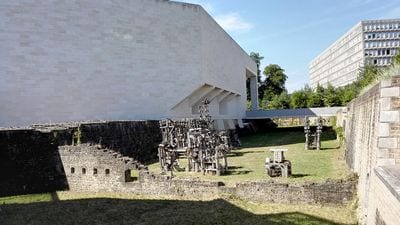
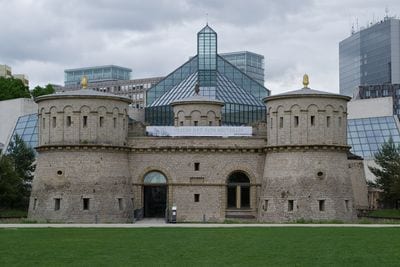
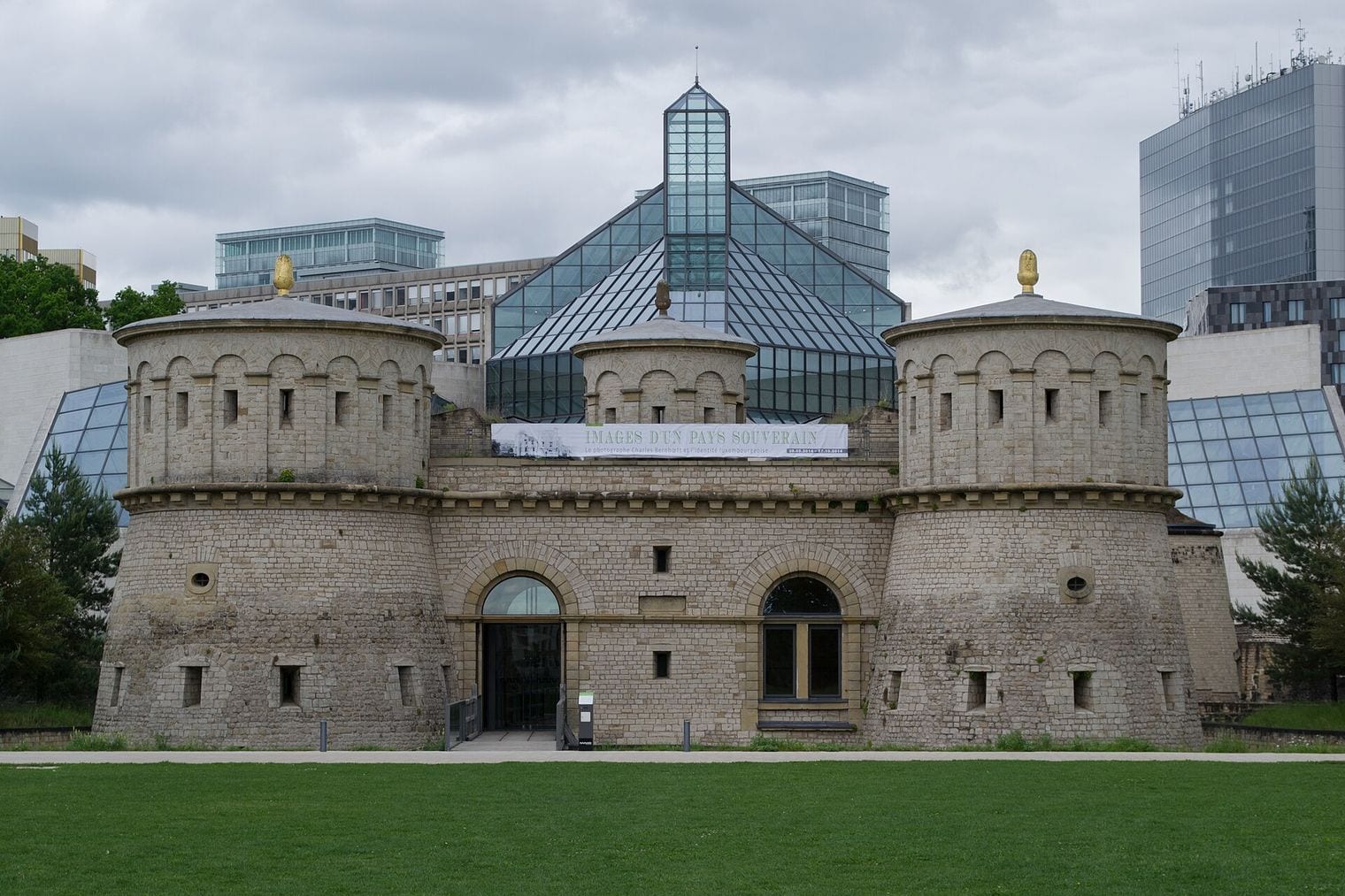
Fort Thüngen, nicknamed the Three Acorns for the shaped finials on its three towers, was one of the outer works of the old fortress. Restored and partly rebuilt, it now houses a museum devoted to the fortress and to the making of the Luxembourgish state.
The galleries run through the fort's vaulted casemates, which is atmospheric in itself, and the objects — maps, weapons, models, documents — are chosen to explain how a fortified rock turned into an independent country. It stands beside Mudam, so the two combine easily into a single trip out to Kirchberg.
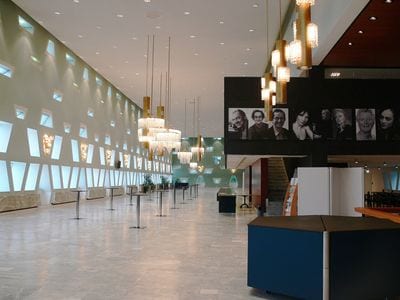
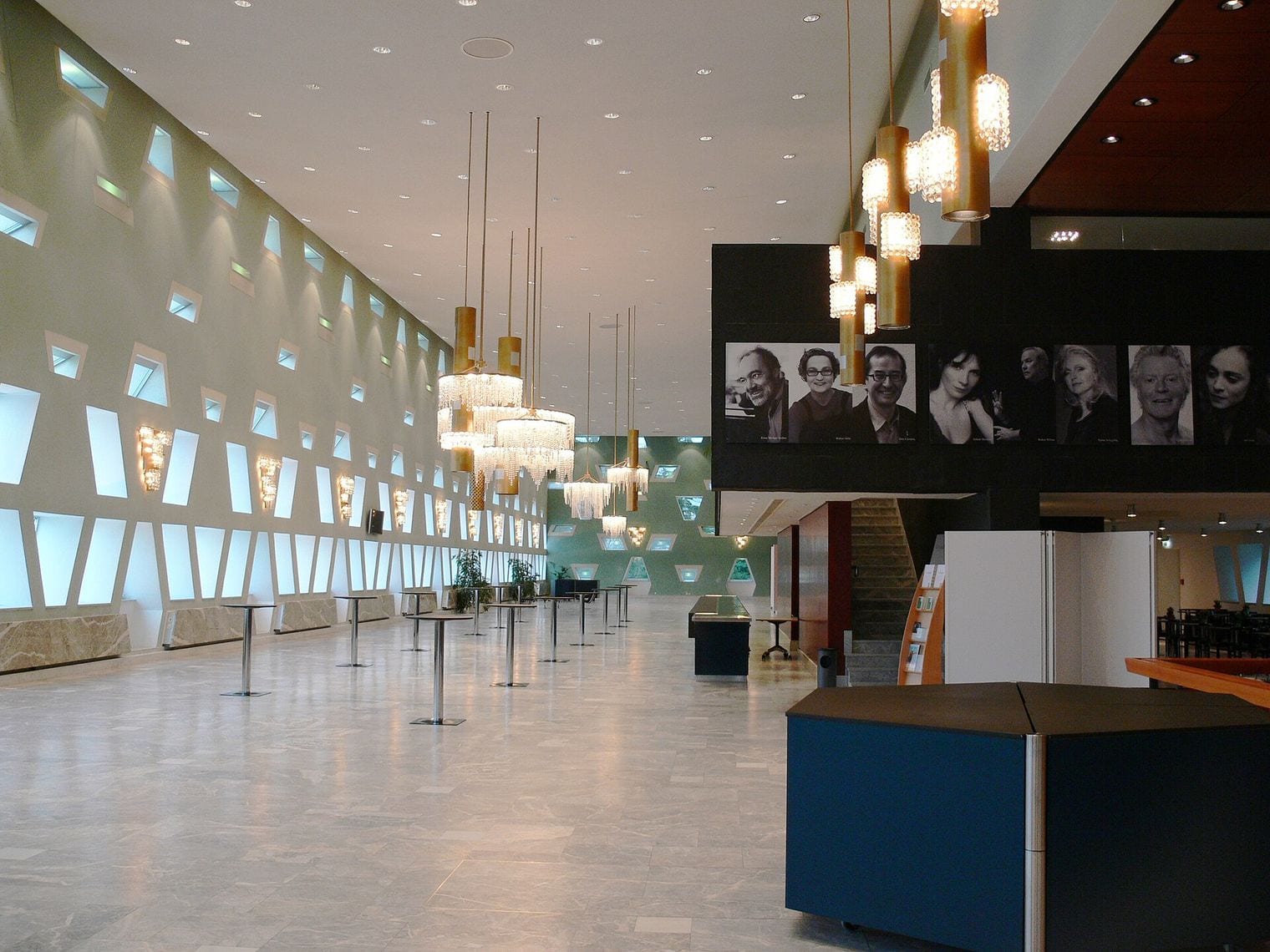
The Grand Théâtre is the city's principal stage, a low modernist building north of the centre that has been the main venue for opera, dance and drama since the 1960s. Its programme is international and unusually adventurous for a city of this size.
Productions are staged in several languages, and co-productions with major European houses are common, which keeps the standard far higher than the population alone would suggest. Even without a ticket the building is worth a look as a piece of its period, and the foyer opens for daytime events.
The second of the city's two casemate systems runs beneath the Beck bastion on the Pétrusse side, and it is the quieter of the pair. Where the Bock galleries are open to wander at will, these are visited with a guide, which means fewer people and a good deal more explanation.
The tunnels here are wider, and the story told focuses on the succession of powers — Spanish, French, Austrian, Prussian — who each enlarged the defences in turn. Taken together with the Bock, they give you the full picture of a fortress once ranked among the strongest in Europe.
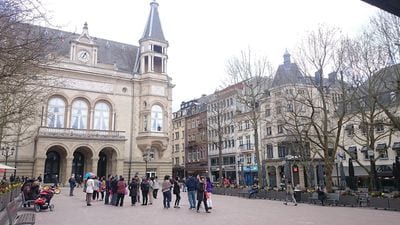
If the Knuedler is the civic square, Place d'Armes is the social one: a rectangle of clipped trees, cafés and restaurant terraces just off the main shopping street, with a bandstand at its centre. Locals treat it as the city's drawing room.
It began as the parade ground for the fortress garrison, which explains both the name and the strict rectangular shape. In summer the terraces spread across the whole square and there is live music from the bandstand most evenings; in December it becomes the centre of the Christmas market.
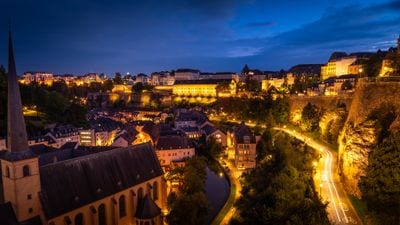
The Grund is the lower town, a cluster of stone houses, cobbled lanes and old mill buildings wedged along the Alzette directly beneath the cliffs. For centuries it was the poor quarter, cut off below the fortress; today it is one of the most photographed corners of the country.
Getting there is half the pleasure — a free lift drops through the rock from the upper town, or you can walk down the ramparts on foot. Once below, follow the river past the abbey and the old locks, then look up at the fortifications you were standing on twenty minutes earlier.
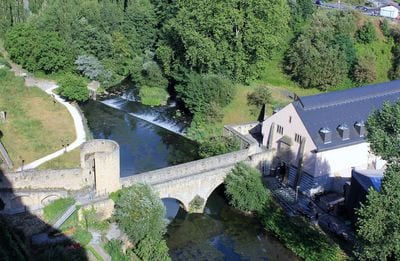
Also known as the Old Viaduct, La Passerelle was the first bridge to link the railway station quarter with the old town, striding across the Pétrusse valley on a long row of arches. It predates the Pont Adolphe alongside it by several decades.
It carries both road and pedestrian traffic, and it is the better of the two bridges for looking at the other, since from here the Adolphe arches line up against the green of the gorge. Underneath, the valley paths let you walk beneath both bridges in a matter of minutes.
Saint Michael's is the oldest place of worship in the city, standing just above the Bock on ground that has held a church since the tenth century. Destroyed and rebuilt repeatedly down the centuries, the present building sets a baroque interior on much older foundations.
It is small, dim and quietly atmospheric, with a heavily decorated altar and a modest scale that contrasts sharply with the cathedral. Its position is really the point: it stands at the top of the Fish Market, where the earliest settlement clustered around the castle rock.
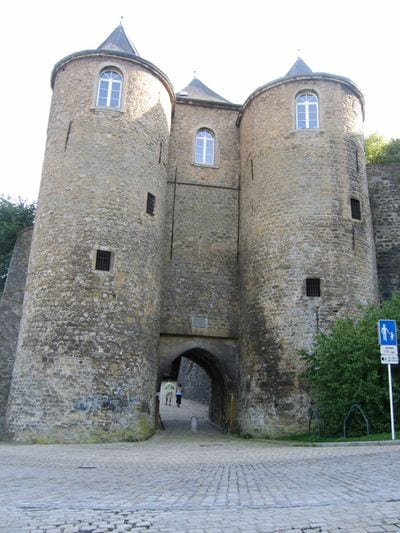
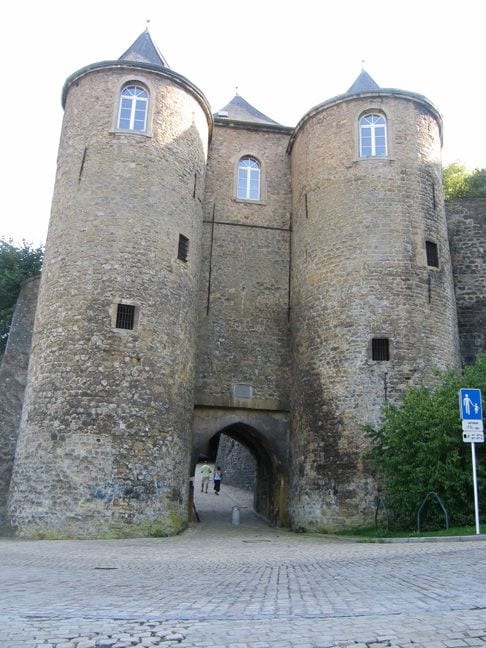
The Gate of the Three Towers is a surviving fragment of the medieval ring wall that once enclosed the city, guarding the approach from the Rham plateau. It dates from the fourteenth century, when the walls were pushed outwards to take in the growing town.
You can walk through the gate and along a short stretch of the wall, which gives a clear sense of the scale of the defences that preceded the great fortress. It sits away from the main tourist circuit, so it is usually deserted — a good stop on a walk between the Grund and the Rham.
The Rham plateau is the broad spur east of the Bock, protected by its own line of walls and towers and covered by long ranges of barracks built into the defences. It is one of the least visited parts of the fortifications and one of the more rewarding.
A path runs along the ramparts with views over the Alzette valley and back towards the old town, and the sheer scale of the surviving walls is easier to take in here than anywhere else. There is little signage and almost nobody about; it feels like the back of the fortress, which is exactly what it is.
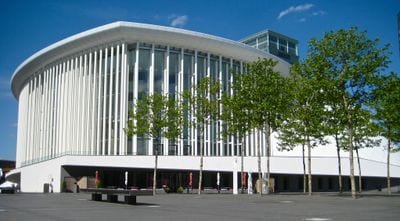
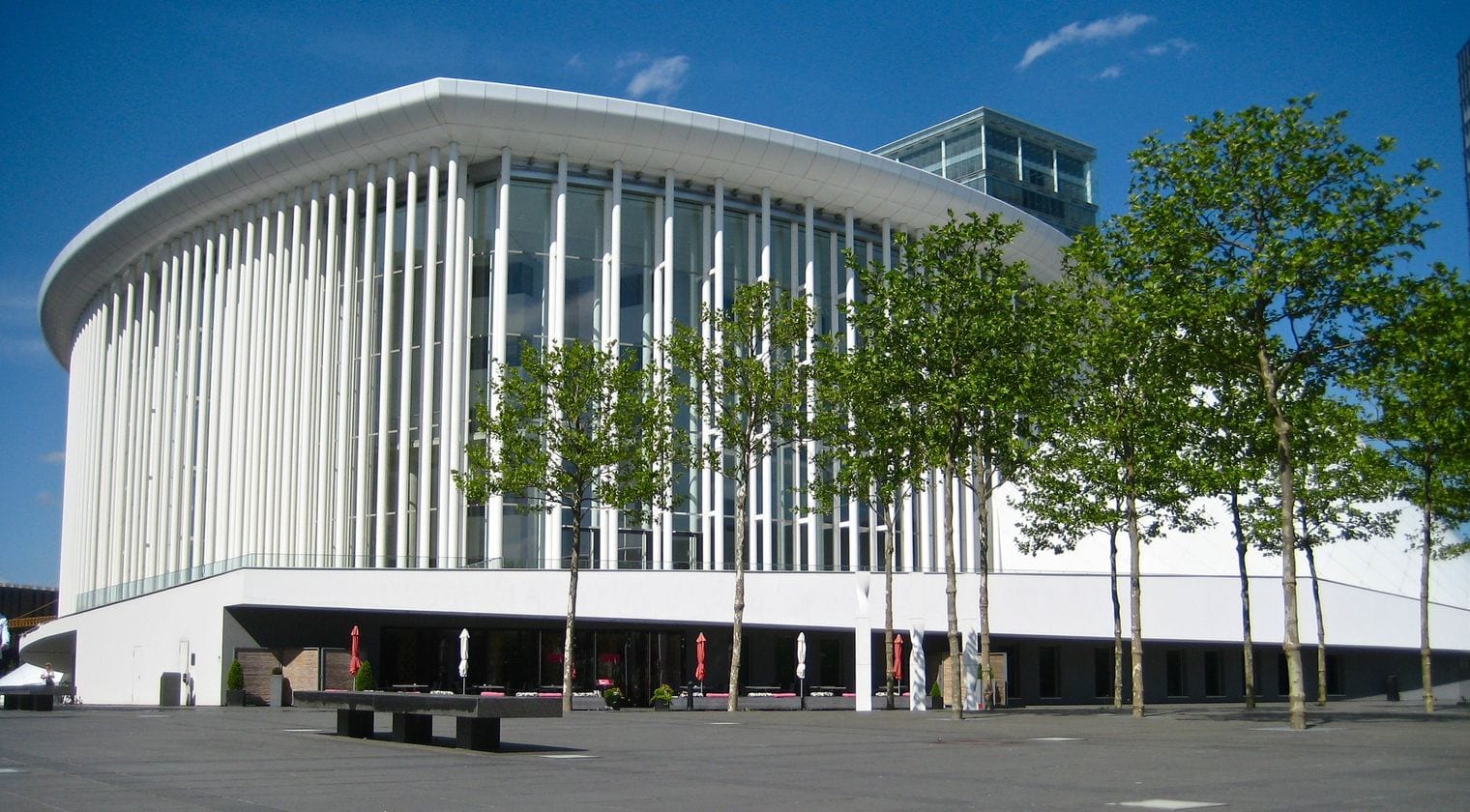
On Place de l'Europe at the western tip of the Kirchberg plateau, the Philharmonie Luxembourg stands behind 823 slender white steel columns, each seventeen metres tall, set in rows that read as a solid wall from one angle and as open air from the next. Christian de Portzamparc designed it and it opened in 2005 as the home of the Luxembourg Philharmonic. It is the one modern building in the city that gets photographed as often as the fortress does.
Inside are three halls: a Grand Auditorium seating around 1,500 in the classic shoebox proportions acousticians favour, a chamber-music room for 313 and a smaller studio space. The season runs well past the classical core, with jazz, contemporary and world music sharing the calendar with the orchestra, and tickets cost far less than the architecture suggests.
Even without a concert the colonnade repays the tram ride, especially after dark when it is lit from within; the Mudam Museum of Modern Art and Musée Dräi Eechelen are both a few minutes away on foot.
If you do only one thing here, make it this. The Wenzel Circular Walk is a signposted 2.5-kilometre route that starts at the Bock, drops into the Alzette valley and climbs back out through a thousand years of fortification: the archaeological crypt beneath the count's castle, the Wenzel Wall and its restored towers, a surviving gothic gate, the Rham ramparts and the Corniche.
It is named for Wenceslaus II, duke from 1383 to 1419, who built that third ring wall to bring the houses in the valley inside the defences.
The tourist office allows three hours for it, which is honest rather than generous — the going is easy underfoot but relentlessly vertical, and the information boards along the way are good enough to stop and read. Waymarks are set into the ground, so no map is needed.
It also threads much of this list together, taking in the Casemates du Bock, the Chemin de la corniche, the Grund and the Plateau du Rham; walking the loop on arrival and then going back for the individual sights is the most efficient way to see the city.
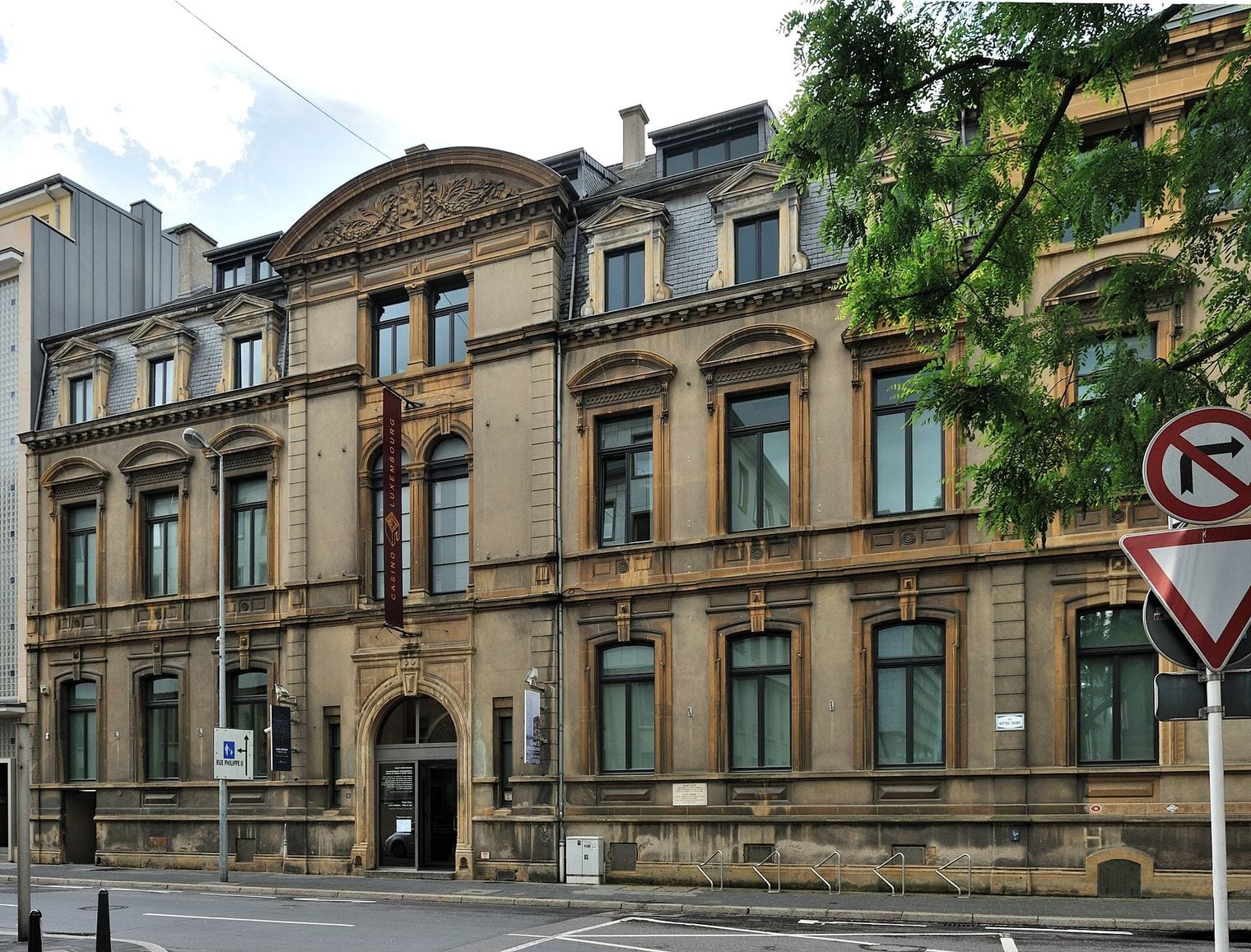
2828. Casino Luxembourg – Forum d'art contemporain
Nothing is gambled here. Casino Luxembourg opened in 1882 as the Casino Bourgeois, a private club with reading rooms, a restaurant and halls used for balls, lectures and concerts, built by the architects Pierre and Paul Funck — the father-and-son pair who went on to design the Cercle Municipal on Place d'Armes. Franz Liszt gave the last recital of his life in one of those halls on 19 July 1886, improvising on themes by Wagner twelve days before he died.
In 1995, ahead of Luxembourg's year as European Capital of Culture, the exhibition-maker Urs Raussmüller fitted white gallery cubes inside the building without disturbing its historic fabric, and it reopened as a forum for contemporary art.
There is no permanent collection: the programme is three or four ambitious temporary shows a year, often by artists showing in the country for the first time. Admission is free, there is a bookshop and a café on the ground floor, and it sits five minutes downhill from Cathedral Notre-Dame of Luxembourg.
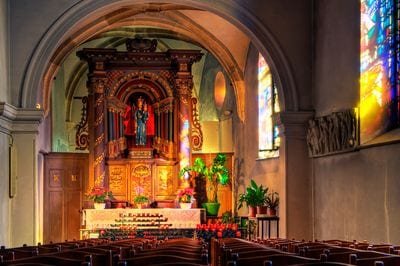
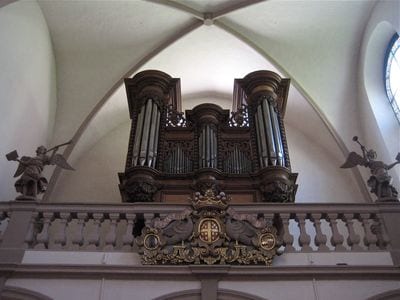
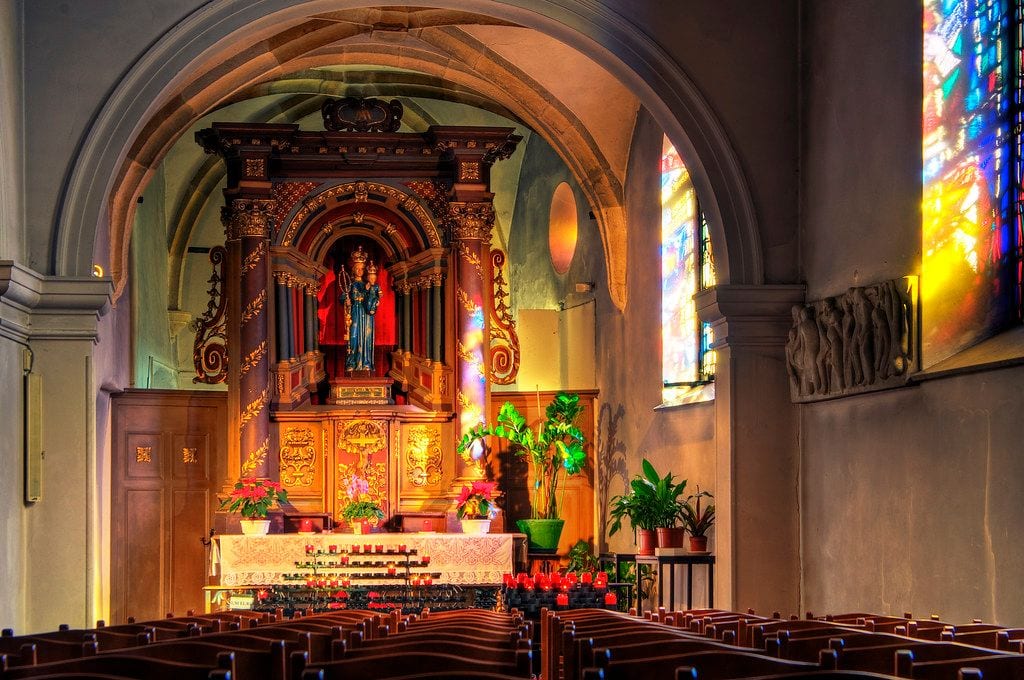
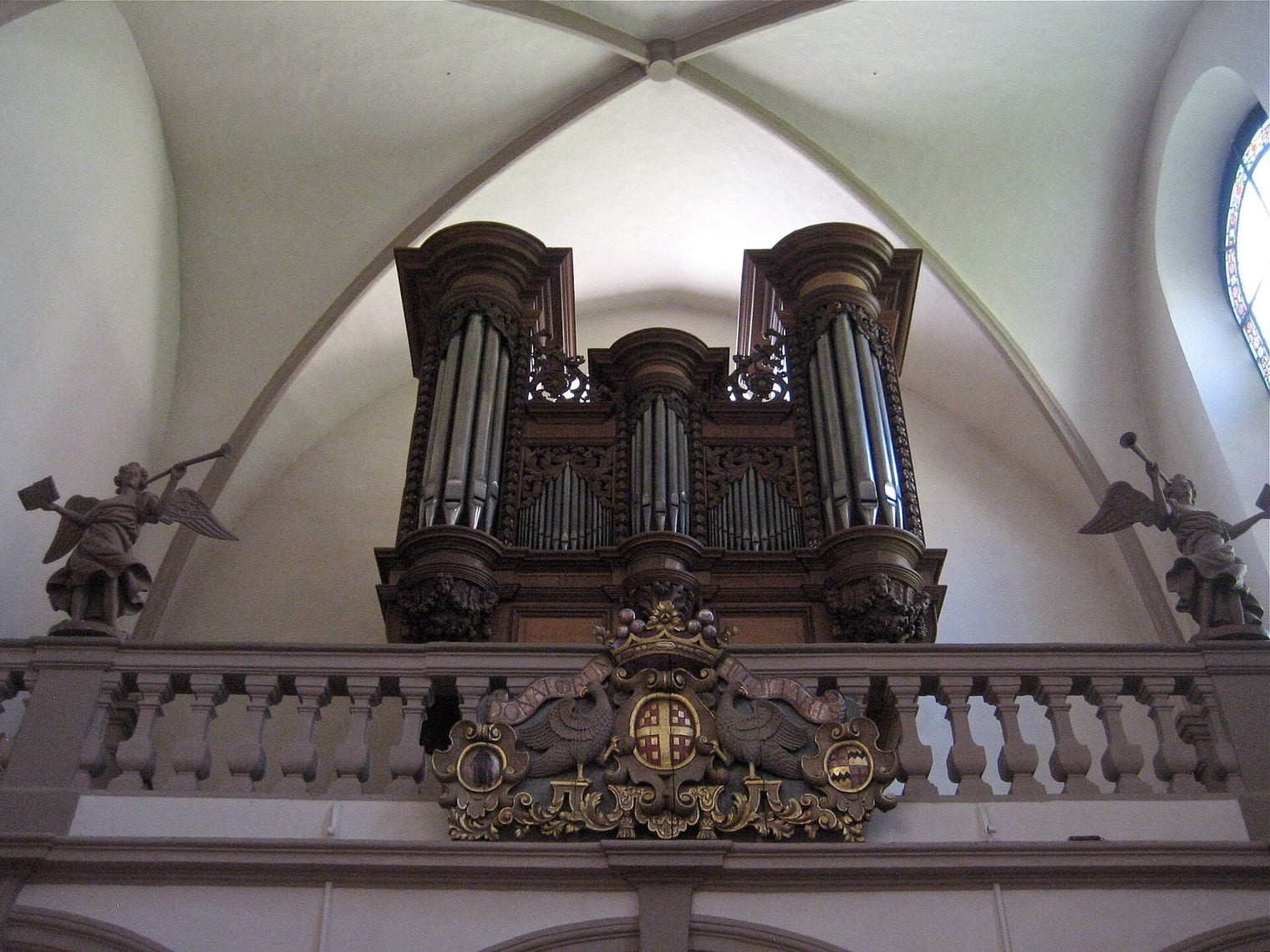
Tucked against the cliff on rue Münster at the bottom of the valley, beside the abbey and almost hidden by it, St John's Church is the parish church of the Grund. A church on the spot is documented in Count Henry VII's charter of 1309; the building you walk into went up between 1688 and 1705, rebuilt alongside the Benedictine abbey next door after the wars of the seventeenth century had flattened much of the quarter.
It is free, it is usually empty, and it takes ten minutes. Inside are a Renaissance portal, a densely carved baroque interior and an organ built in 1710 that is still in use.
The object of real devotion is the Black Madonna in a side chapel — a fourteenth-century carved Virgin and Child from the Parler workshops of Cologne, credited locally with working miracles in emergencies. Pair it with Neumünster Abbey, which shares the same riverside courtyard, and with the walk along the Alzette through the Grund.
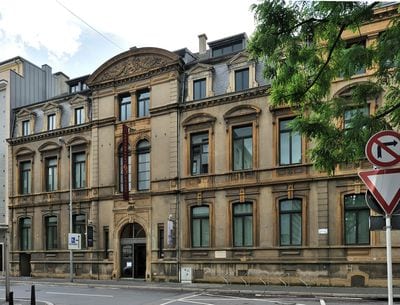
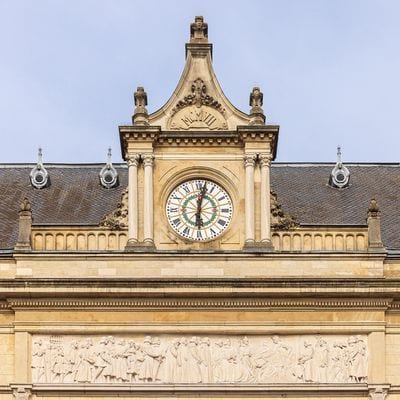
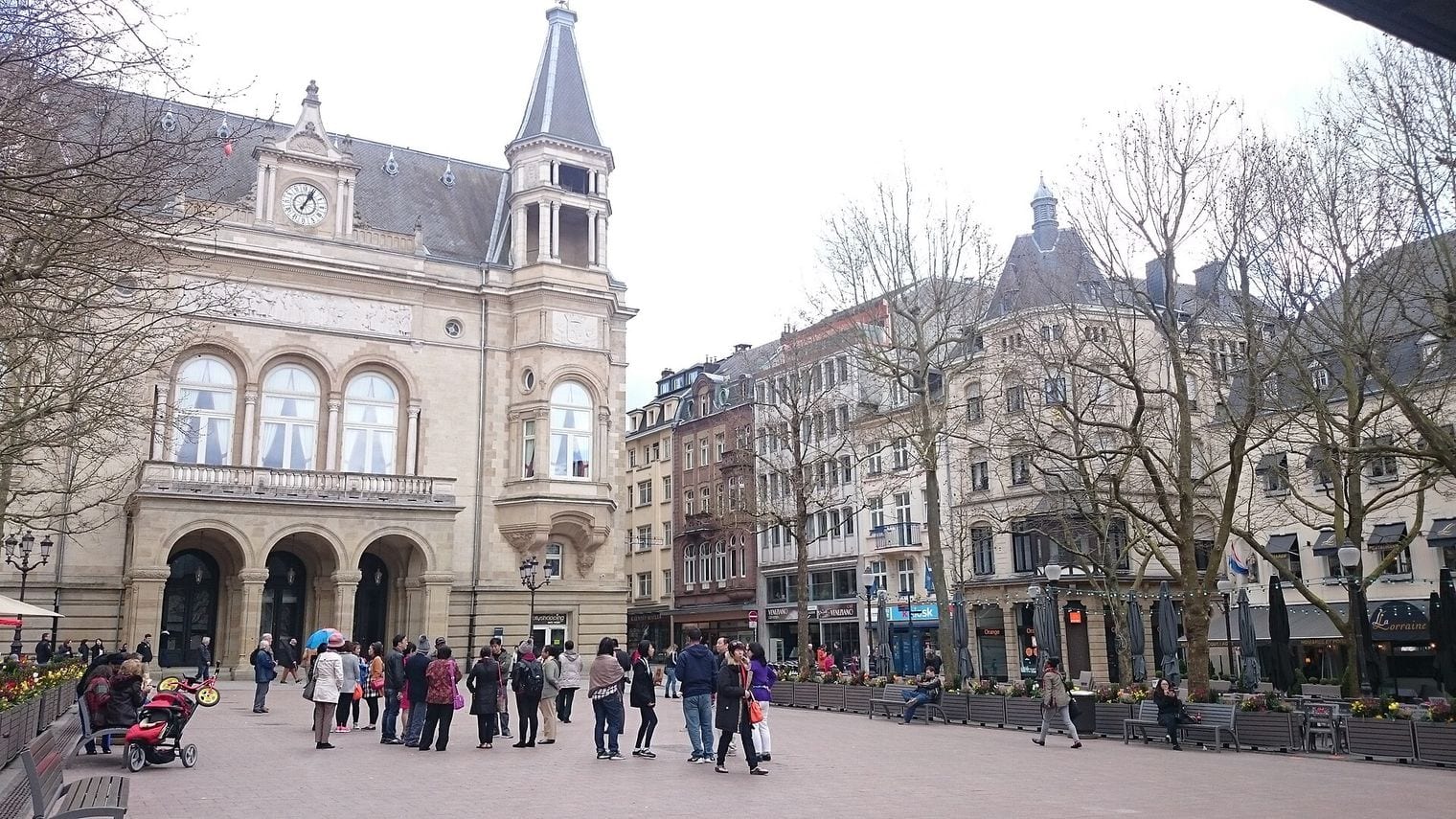
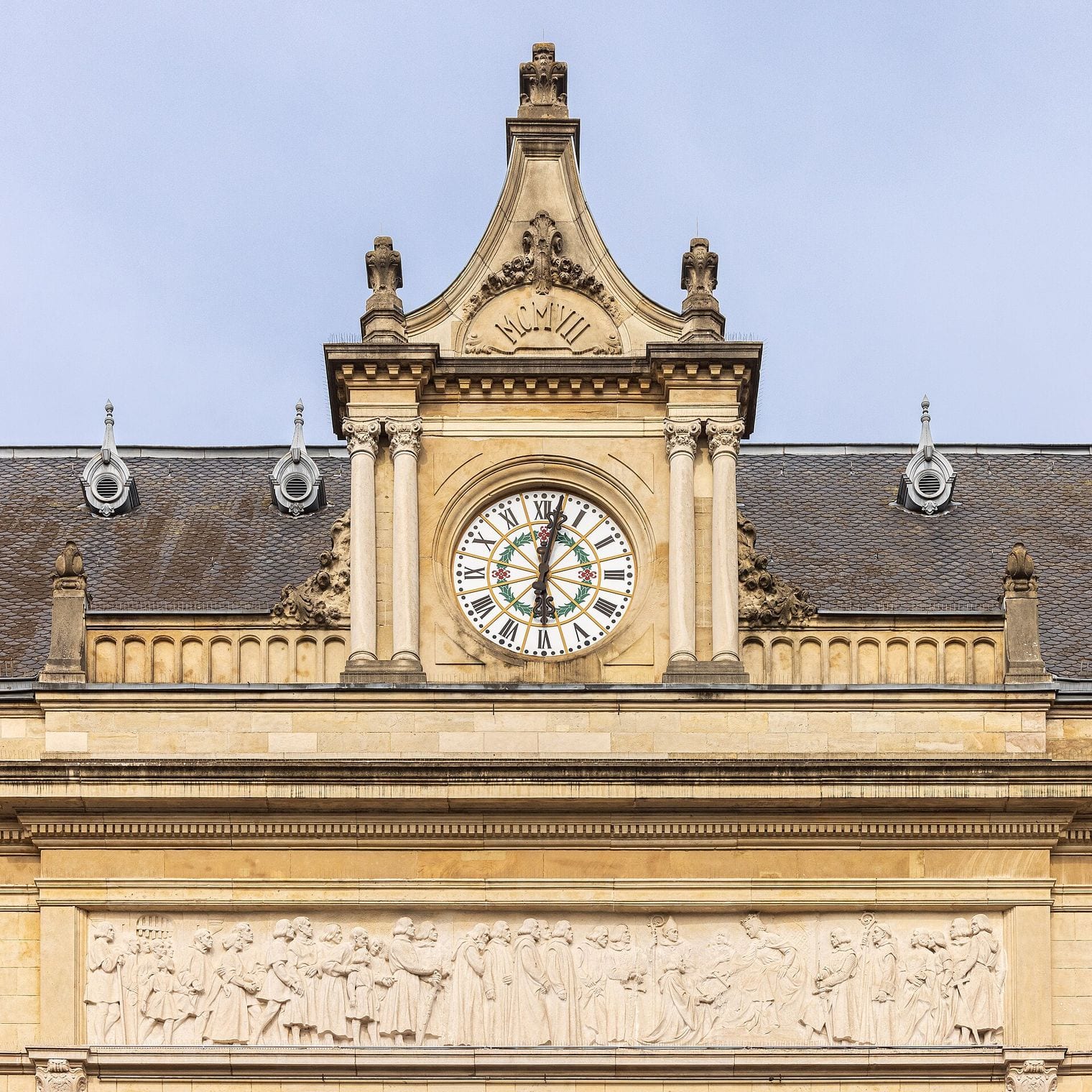
The neo-baroque pile closing the eastern end of Place d'Armes matters far more than it looks. Pierre and Paul Funck won the competition for the Cercle Municipal in 1904; the shell was finished in 1906, the interiors in 1909, and the building was inaugurated in 1910. The frieze running across the facade shows Countess Ermesinde granting the city its charter of freedoms in 1244 — the founding moment of Luxembourg's civic self-government, carved above its front door.
From 1953 to 1969 the High Authority of the European Coal and Steel Community sat in these rooms, which makes the building the working home of the first supranational European institution and a quiet founding site of the EU.
It runs today as Cercle Cité, linked by a footbridge to a 1950s block housing the city library, and its Ratskeller exhibition space in the cellars is free to walk into. Check the programme before you go: it is temporary shows rather than a collection, so there is not always something on.
The wedge of rock where the Pétrusse and Alzette gorges meet has been built on since a Holy Ghost monastery was founded there in 1234. After Louis XIV took the city in 1684, Vauban's engineers turned the whole spur into a bastioned citadel between 1685 and 1687, and the Citadelle du Saint-Esprit is what survives of it: high retaining walls, a rampart walk and a broad terrace right at the point, all of it part of the UNESCO-listed fortifications.
It is free, unenclosed and open at any hour, and the view is the point — the Pétrusse valley on one side, the Grund and the Alzette on the other, with La Passerelle and Pont Adolphe both in frame and the whole cliff-top city behind you. The modern Cité judiciaire, Luxembourg's law courts, occupies the flat ground on top, which sounds worse than it is; the ramparts are the part you walk, and almost nobody else does.
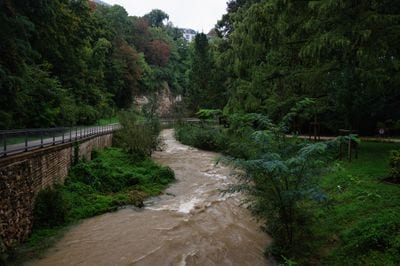
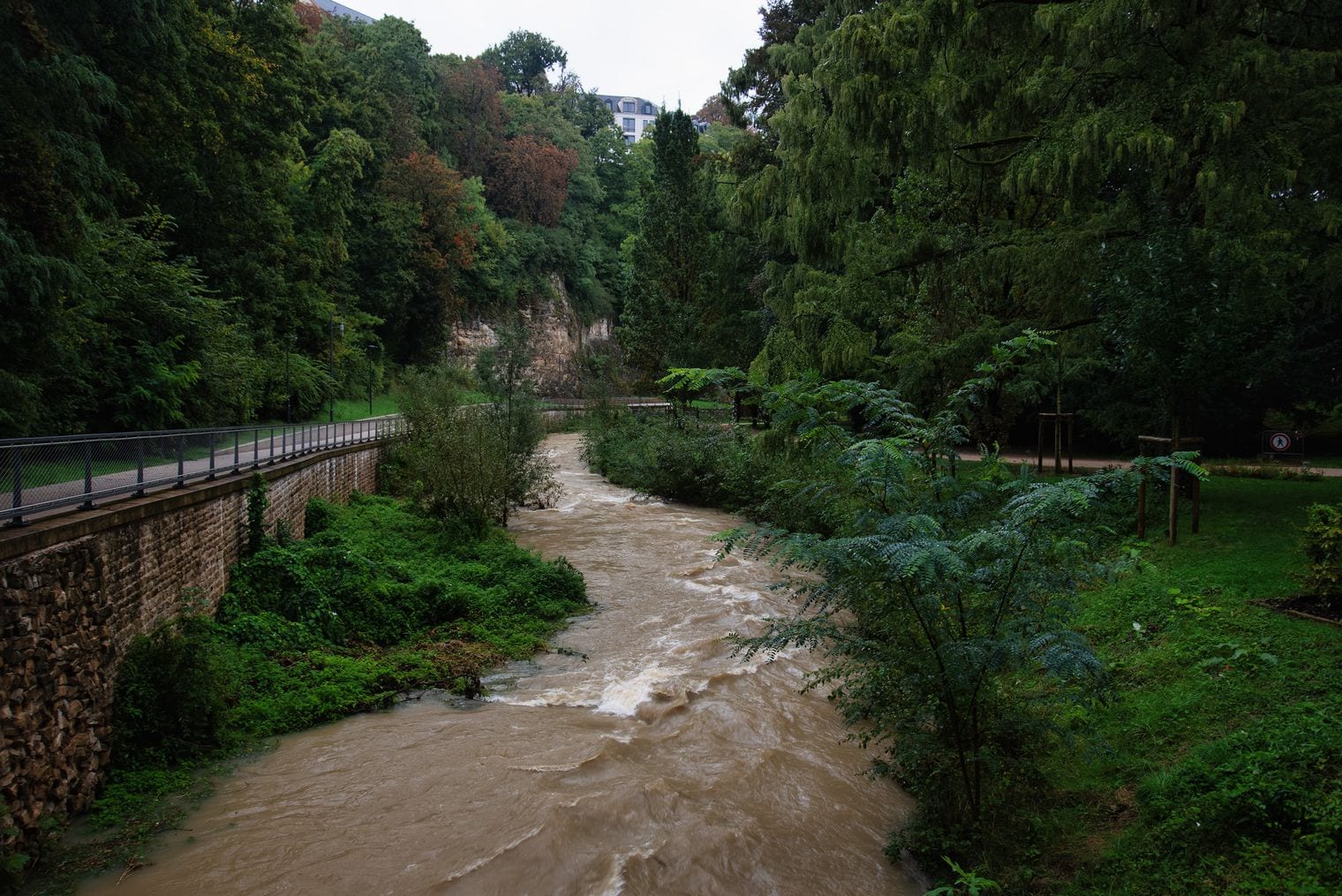
The Pétrusse gorge runs west from the Grund, under La Passerelle and Pont Adolphe, and its entire floor is public parkland — laid out on ground the 1867 Treaty of London ordered cleared when the great fortress was dismantled.
Stone stairways drop into the Pétrusse valley from the upper town and from the station quarter, and the moment you are down there the traffic vanishes: you walk beneath the viaducts instead of across them, with the cliffs and the old Vauban walls above you.
There is a 2,500-square-metre skatepark set into the hollow below those walls, laid out like a public square with terraced seating, plus lawns, playgrounds, free outdoor fitness equipment and a mini-golf.
The city is renaturing the stream in stages, tearing out the concrete channel and letting the Pétrusse find its own bed again — worth knowing before you go, because the stretch between the old Bourbon lock and rue d'Anvers is a building site until roughly 2027 and the riverside path there is closed, with detours signed. Everything downstream towards the Grund is open as normal.
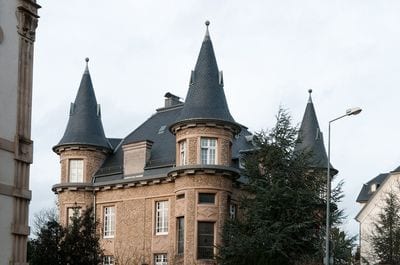
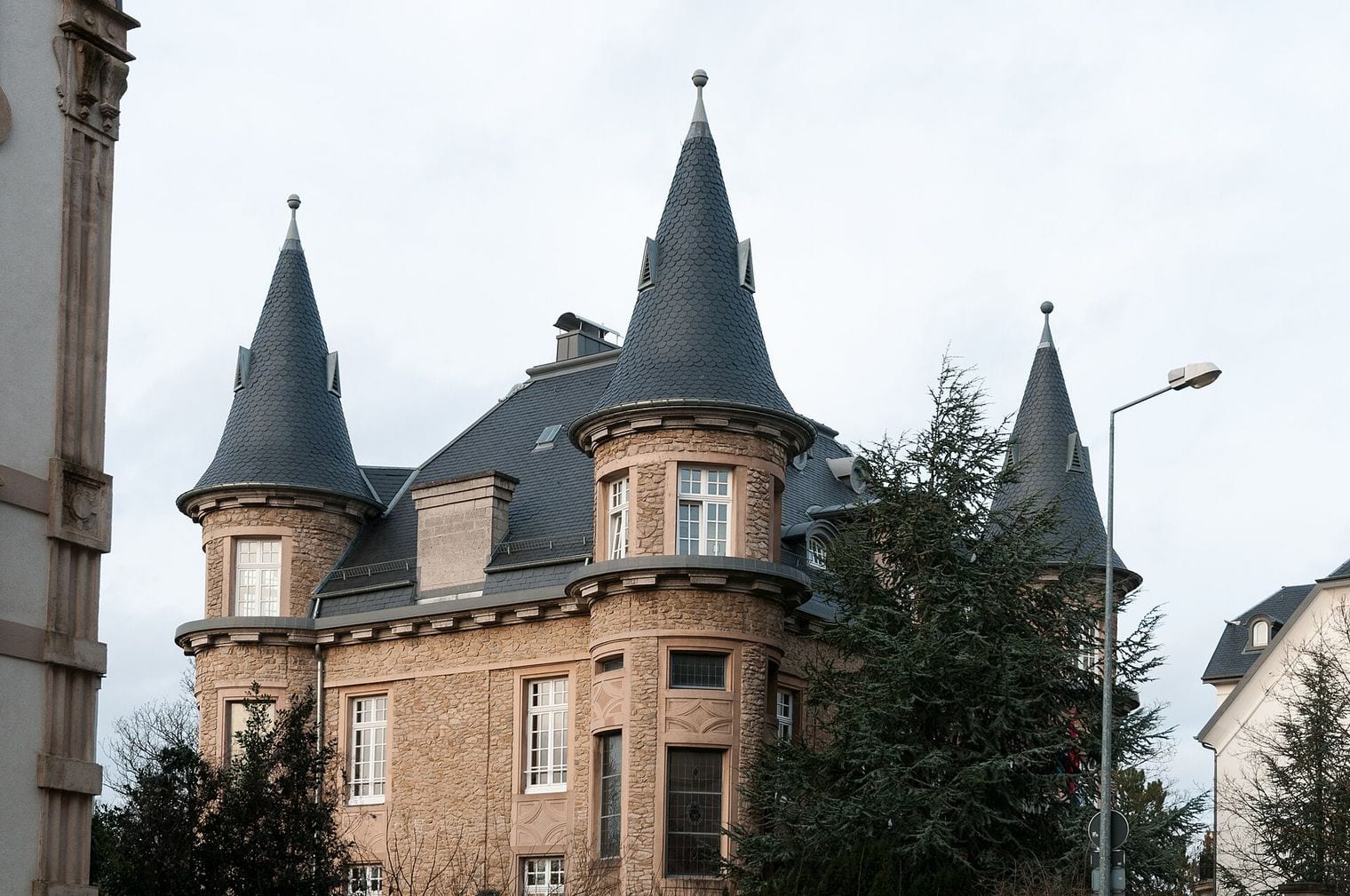
A turreted stone villa on the boulevard above the Pétrusse, built in the 1920s as a private house, Villa Pauly was requisitioned in 1940 as the Gestapo headquarters for occupied Luxembourg. Members of the resistance and others were held, interrogated and tortured in the cellars, and the deportation of the country's Jewish population was co-ordinated from the offices above them. The state bought the house in 1960 and it was listed as a national monument in 1989.
It now holds the institutions that keep that memory — the committee for the memory of the Second World War, the national resistance foundation and the Luxembourg foundation for the memory of the Shoah — and the cells downstairs are preserved.
It opens on Tuesday to Friday afternoons, from one o'clock until half past four, with guided visits by arrangement, and closes at weekends and over the Christmas fortnight. It makes a short, sobering counterweight to the Luxembourg American Cemetery: the occupation seen from inside the city rather than from the war that ended it.
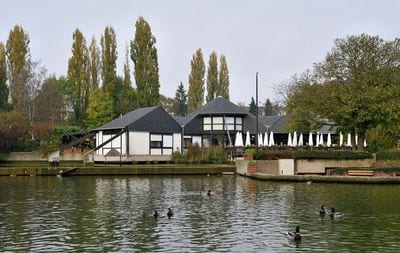
Six hectares of lawn, mature trees and a pond between the residential streets of Merl, Belair and Hollerich, Merl Park is where the city goes at the weekend.
It is not a sight in the fortress sense and there is nothing to queue for — it is simply the best ordinary park in Luxembourg, and after two days of ramparts and tunnels that turns out to be exactly what you want. It is a short bus or tram hop from the centre, or half an hour on foot.
The reason to make the trip with children is the playground, rebuilt as a 7,500-square-metre inclusive play area: accessible ramps and paths throughout, a large sand-and-water zone, climbing and balancing frames, tunnels and slides, and two tall play towers themed on wind and hydro power.
The rest is open lawn for a picnic, a café looking over the water and a stretch of the park used as an open-air gallery for temporary exhibitions. It is free and open from early morning until late, and parking is scarce enough that the tram is the sensible way in.
John the Blind, Count of Luxembourg and King of Bohemia, signed the charter for a fair on 20 October 1340: it was to open on the eve of St Bartholomew's day and run for eight days.
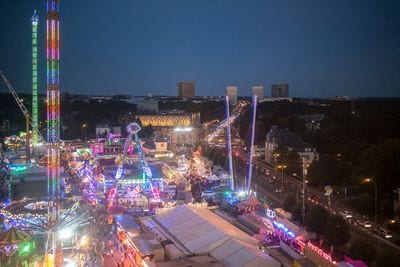
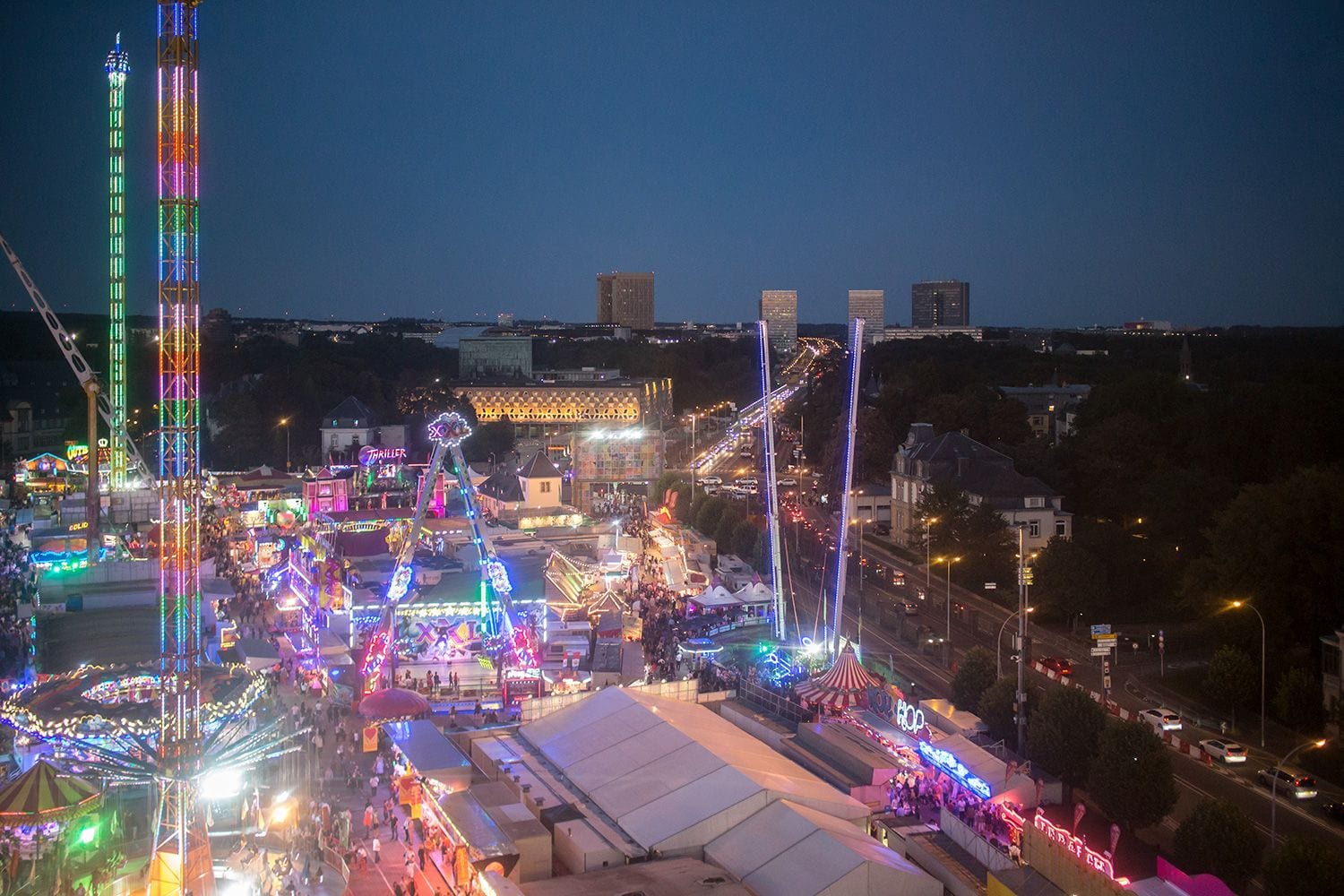
Nearly seven centuries later the Schueberfouer is still going, stretched now to about three weeks from late August into the first days of September. It is the biggest funfair in the Grand Duchy and one of the largest in Europe, drawing around two million visitors to a capital of roughly 130,000 people.
It has been held on the Glacis at Limpertsberg since 1610, ten minutes' walk north of the old town, having begun on the plateau that is now the Citadelle du Saint-Esprit. Getting in costs nothing; the rides, the shooting galleries and the food are what you pay for.
Come for the Gromperekichelcher — fried potato cakes — and the fried-fish stalls as much as for the rides, and if you are in town at the opening, the Hämmelsmarsch, a procession of sheep through the streets behind a brass band, is a genuinely medieval survival. The dates shift a little each year, so check before you plan around it.
Plan your trip
Best Time to Visit Luxembourg City
Late spring and early autumn are the sweet spots. May and June bring long evenings, open café terraces and the gorge at its greenest, while September holds the warmth without the summer crowds and adds the grape harvest along the nearby Moselle. October turns the beech woods around the valleys copper, and the fortress viewpoints are at their clearest.
Summer is busiest, and it is the only stretch when the Grand Ducal Palace opens its interior to guided visits; it also brings the Schueberfouer, the huge late-summer funfair the city has held since 1340. December is worth a trip for the Christmas markets that fill the main squares. January and February are cold, damp and dark by mid-afternoon, though the casemates and museums are blissfully empty.
Getting to Luxembourg City
Luxembourg Findel Airport sits about six kilometres east of the centre, close enough that the bus into town takes a matter of minutes. It is a small airport with good European coverage; many visitors instead fly into Brussels or Frankfurt and come the rest of the way overland, which is straightforward given the distances involved.
By road, the A1 runs east towards Trier and Germany, the A3 south into France, the A6 west towards Arlon and Belgium, and the A7 north through the Ardennes. By rail, the main station lies just south of the centre across the Pétrusse valley, with high-speed services reaching Paris in a little over two hours and regular cross-border trains to Trier, Metz and Brussels.
Getting Around Luxembourg City
You almost certainly do not need a car. All public transport in the country is free to use in second class, and the capital's tram runs from the main station through the centre and out to the Kirchberg plateau, which covers most of what a visitor wants. Buses fill in the rest.
The upper town is compact and best walked, but remember that this is a city built on cliffs: the distance between the old town and the quarters below is measured vertically as much as horizontally.
A free panoramic lift and a funicular do that work for you, and using them is far pleasanter than the stairs. If you do drive in, leave the car at a park-and-ride on the edge and take the tram rather than trying to park in the old town.
Where to Stay in Luxembourg City
The Ville Haute, the old town on the clifftop, puts you inside the UNESCO area and within walking distance of nearly every sight in this guide — the most atmospheric base, and the priciest. The Gare quarter around the railway station is the practical alternative: a short tram ride or a walk across the viaduct from the centre, well connected in every direction, and much better value.
For atmosphere over convenience, the Grund and Clausen put you down on the river beneath the ramparts, though you will be climbing or riding a lift every time you go out. Kirchberg suits anyone here for the institutions or the museums, while Belair and Limpertsberg are quiet leafy residential districts a short ride from the centre.
Where to Eat in Luxembourg City
The Grund and the old brewery district at Clausen are the evening heart of the city, with riverside terraces under the cliffs; Place d'Armes and the streets around it carry the daytime café trade; and the Gare quarter is where the city's large Portuguese and Italian communities have shaped a genuinely good, unpretentious eating scene. The twice-weekly farmers market on Place Guillaume II is the cheapest good lunch in the centre.
Look for the national dish, Judd mat Gaardebounen — smoked pork collar with broad beans — alongside Bouneschlupp green bean soup and Gromperekichelcher, the fried potato cakes sold at markets and fairs. Kachkéis is a pungent spreadable cheese eaten on bread with mustard, and Quetschentaart, a plum tart, appears everywhere in late summer. Drink the dry Rieslings and the sparkling Crémant from the Moselle terraces east of the city.
Day Trips from Luxembourg City
The country is small enough that almost all of it is a day trip. Trier, just over the German border about fifty kilometres east, is the oldest city in Germany and carries a remarkable set of Roman monuments.
Echternach and the sandstone gorges of the Mullerthal lie half an hour east for the best walking in the Grand Duchy, and Vianden's hilltop castle sits about forty kilometres north in the Ardennes. The Moselle wine villages are closer still, a short run east to the river border.
Further afield, Metz is about an hour south in France, and Brussels is a two-to-three hour run northwest — long for a day trip, but an easy onward stop if you are continuing through the region by train.
Before you go
Mobile dataAn eSIM gives your phone local data when you land, with no SIM card to swap.via AiraloGet an eSIM
Airport transferA driver meets you at arrivals and takes you to your hotel, at a price fixed when you book.via Welcome PickupsBook a transfer
We may earn a commission when you buy through these links, at no extra cost to you. How we make money.
One Day in Luxembourg City
Morning
Start at the Casemates du Bock while the tunnels are still quiet, then come up onto the Chemin de la corniche and walk the ramparts with the valley opening below you. Drop into Église Saint-Michel at the top of the Fish Market before the streets fill.
Follow the Alzette past Neumünster Abbey, then climb back up to Place d'Armes, where the terraces spread across the square and there is usually music from the bandstand. If you would rather stay below, the riverside bars of Clausen sit a few minutes further along the water.
Its fortress. The city is built over two gorges, and the cliffs are honeycombed with the Casemates du Bock, the tunnel network that earned the old quarters their UNESCO listing. It is also known for the Chemin de la corniche rampart walk, the Grand Ducal Palace of the world's only grand duchy, and the panoramic cliff lift at Pfaffenthal.
How many days do you need in Luxembourg City?
Two full days is the sweet spot. One day covers the casemates, the old town, the ramparts and a descent into the Grund. A second lets you add the museums, the Kirchberg plateau and the American cemetery at Hamm without rushing. A third day is best spent on a trip out to the Mullerthal or the castles of the north.
What can you do in Luxembourg City for free?
A great deal. The Chemin de la corniche, the Pfaffenthal panoramic lift, the Grund, the Parc municipal, both main squares, the Plateau du Rham ramparts and the Three Towers all cost nothing, as do the cathedral, Saint Michael's and the American cemetery. Public transport across the entire country is free as well, which removes most of the usual travel costs.
Is Luxembourg City walkable?
Very, with one caveat: it is vertical. The upper town is compact and easily covered on foot, but the Grund, Clausen and Pfaffenthal sit far below at the bottom of cliffs. Free lifts and a funicular handle the descent and climb, so plan routes around them rather than tackling the stairs repeatedly.
When is the best time to visit Luxembourg City?
May, June and September are ideal — mild, long-lit and green, without high-summer crowds. Summer is the only season the palace interior opens to visitors. December brings Christmas markets to the squares, while January and February are dark and damp, though the tunnels and museums are at their quietest then.