We build and rank every list first. Booking links come after, and only where
a partner sells a ticket, tour or stay for that exact place, so a place with
nothing to book is listed exactly as prominently as one you can book.
So how do we earn? Some links on this page go to booking
partners, and if you book tickets, tours or a stay through
one, we may earn a commission. It costs you nothing extra.
That commission never decides which places make the list, the order they
appear in, or what we write about them. No entry is sponsored or a paid
placement.
By the CityViking Research TeamPublished 25 places · 18 min read
Sources Checked before launchOct 13, 202625 sources20 publishers6 encyclopedias & research19 venues & other sitesPublished · Oct 13, 2026Researched and checked before it went liveClick for every source and the full change log.
Short answer
Portland is known for its working harbor on a Casco Bay peninsula, brick streets down to fishing wharves and the lighthouses guarding its channel. Start with Portland Head Light in neighboring Cape Elizabeth, the cobblestone Old Port and the Portland Museum of Art, then take a Casco Bay Lines ferry to the islands. One full day covers the essentials; two to three days leave time for Peaks Island, the promenades and the South Portland lighthouses.
Portland is Maine's largest city and still a working harbor town, set on a hilly peninsula in Casco Bay. Brick streets run down to fishing wharves, ferries leave for the islands, and three lighthouses guard the channel within a short drive.
This guide covers the 25 best things to do in Portland, from the Old Port and the art museum to island hops, promenade walks and the lighthouses in Cape Elizabeth and South Portland. Allow two or three days, more if you plan to explore the small towns along the coast.
Portland is named after the Isle of Portland in Dorset, England. The settlement began as Casco, became part of Falmouth, and took its present name when it was formally founded in 1786.
It was Maine's first state capital, from statehood in 1820 until the capital moved north to Augusta in 1832.
The city seal shows a phoenix rising from the ashes, a nod to Portland's recovery from four devastating fires, including the Independence Day fire of 1866 that destroyed more than a thousand buildings.
Portland Head Light was completed in 1791 on a fund set up by George Washington, and it is still the oldest lighthouse in Maine.
The Portland Observatory, built in 1807, is the only known surviving maritime signal tower of its kind in the United States.
Although it is the most populous city in Maine, Portland had just 68,408 residents at the 2020 census, while its metro area is home to roughly 550,000 people.
11. Portland Head Light
Historical Landmark~3.5 miles (5.6 km) from center
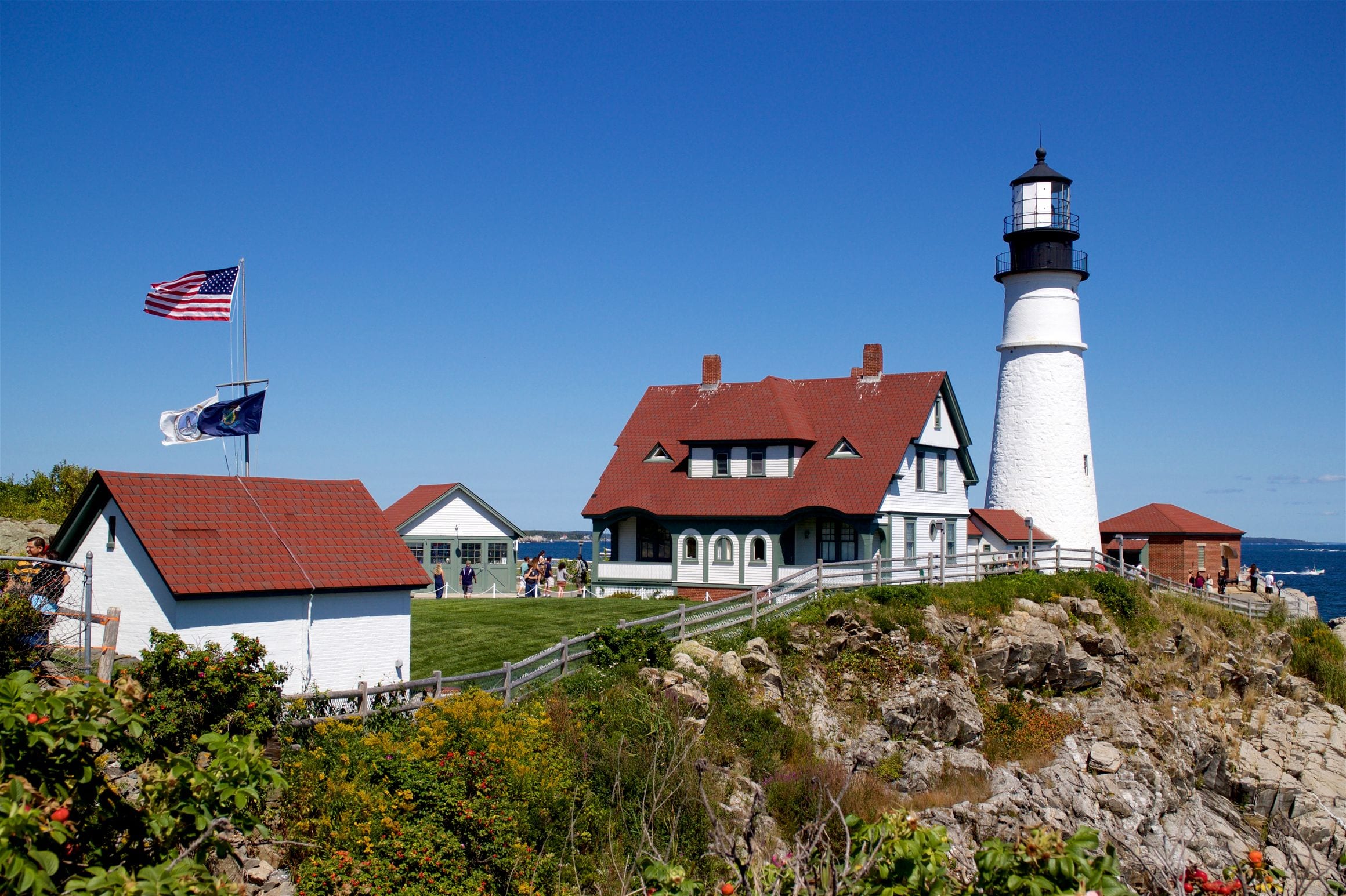
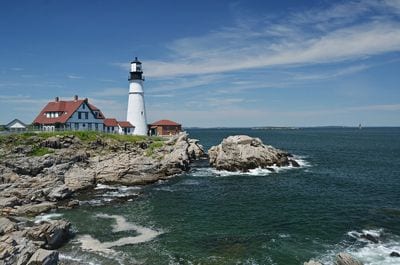
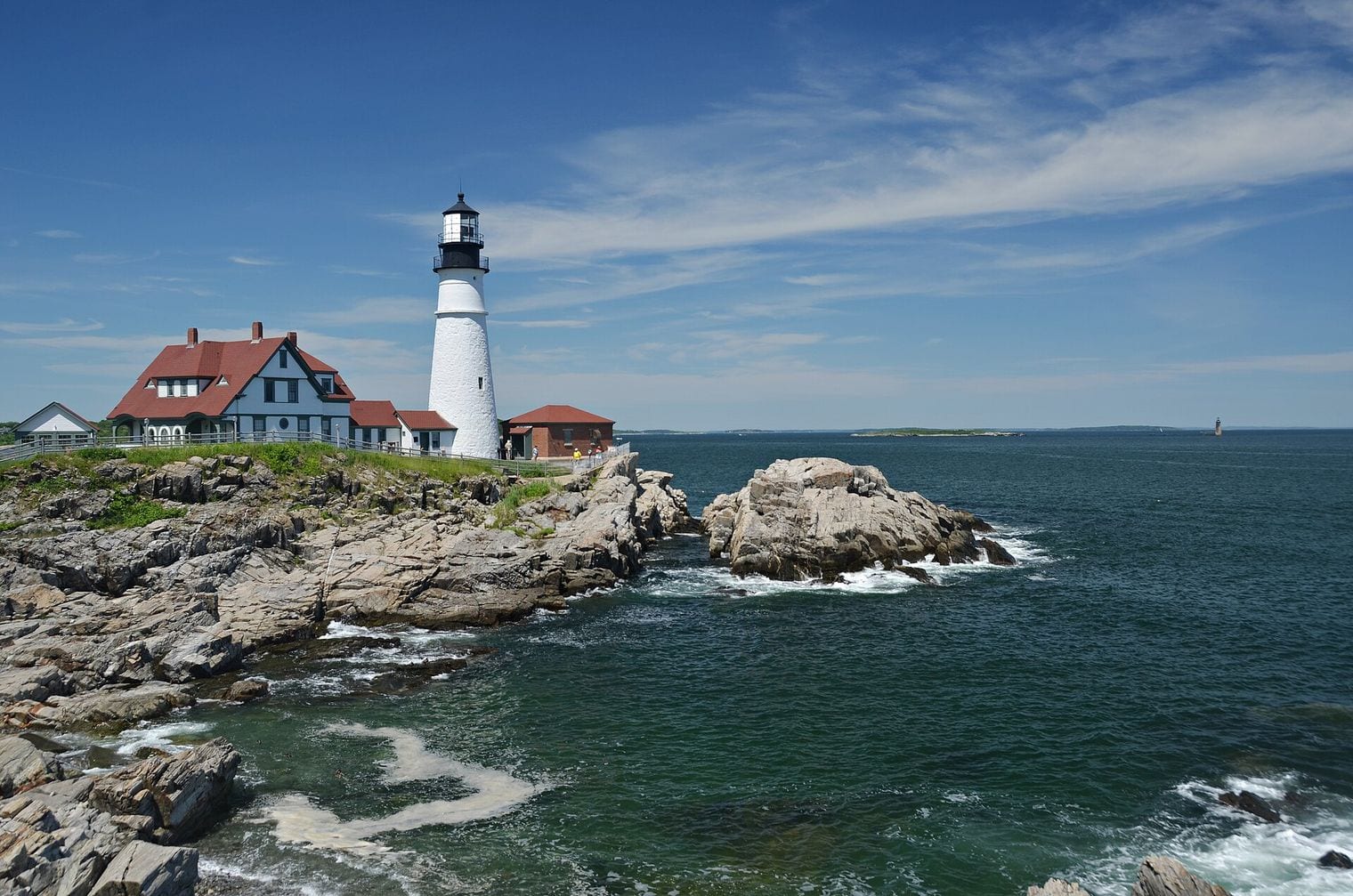
Portland Head Light is the image most people have of Maine: a white tower on dark ledges with surf breaking below. Completed in 1791, it is the oldest lighthouse in Maine. It stands about 4 miles from downtown in the neighboring town of Cape Elizabeth, inside Fort Williams Park, and the former keeper's house is now a small maritime museum.
Give the park itself an hour or two. Clifftop paths follow the shore past old gun batteries from the fort's Army years, the stone ruins of the Goddard Mansion stand in the middle of the lawns, and the rocks around the point are made for watching ships slip in and out of the harbor.
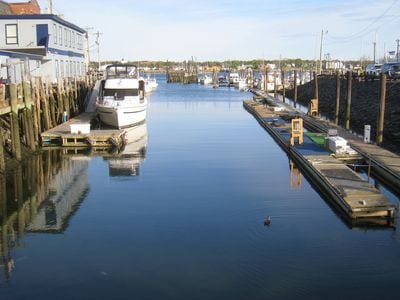
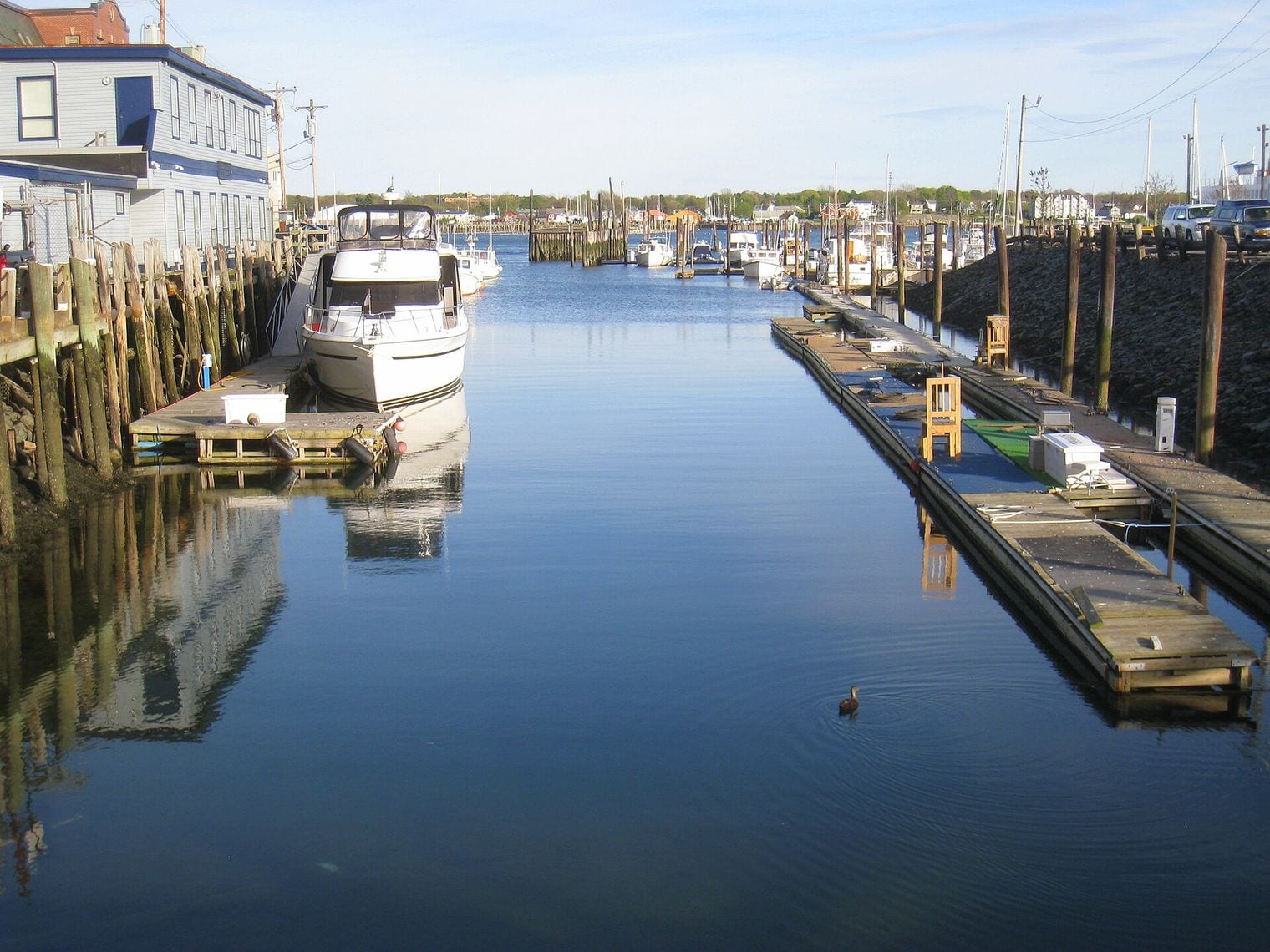
The Old Port is Portland's waterfront district: cobblestone lanes, 19th-century brick blocks and working piers where lobster boats still unload. Much of it was rebuilt after the great fire of 1866, which is why the streets have such a consistent Victorian look.
Wander Exchange, Fore and Wharf Streets for independent shops, galleries and some of the city's best seafood, then walk out along Commercial Street to watch ferries, fishing boats and the odd cruise ship come and go. It is the liveliest corner of the city in the evening and the natural base for exploring on foot.
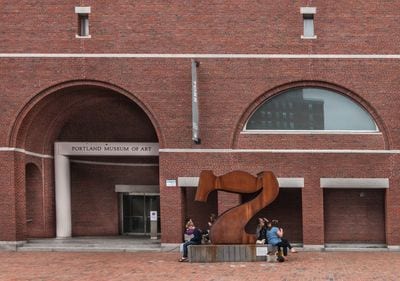
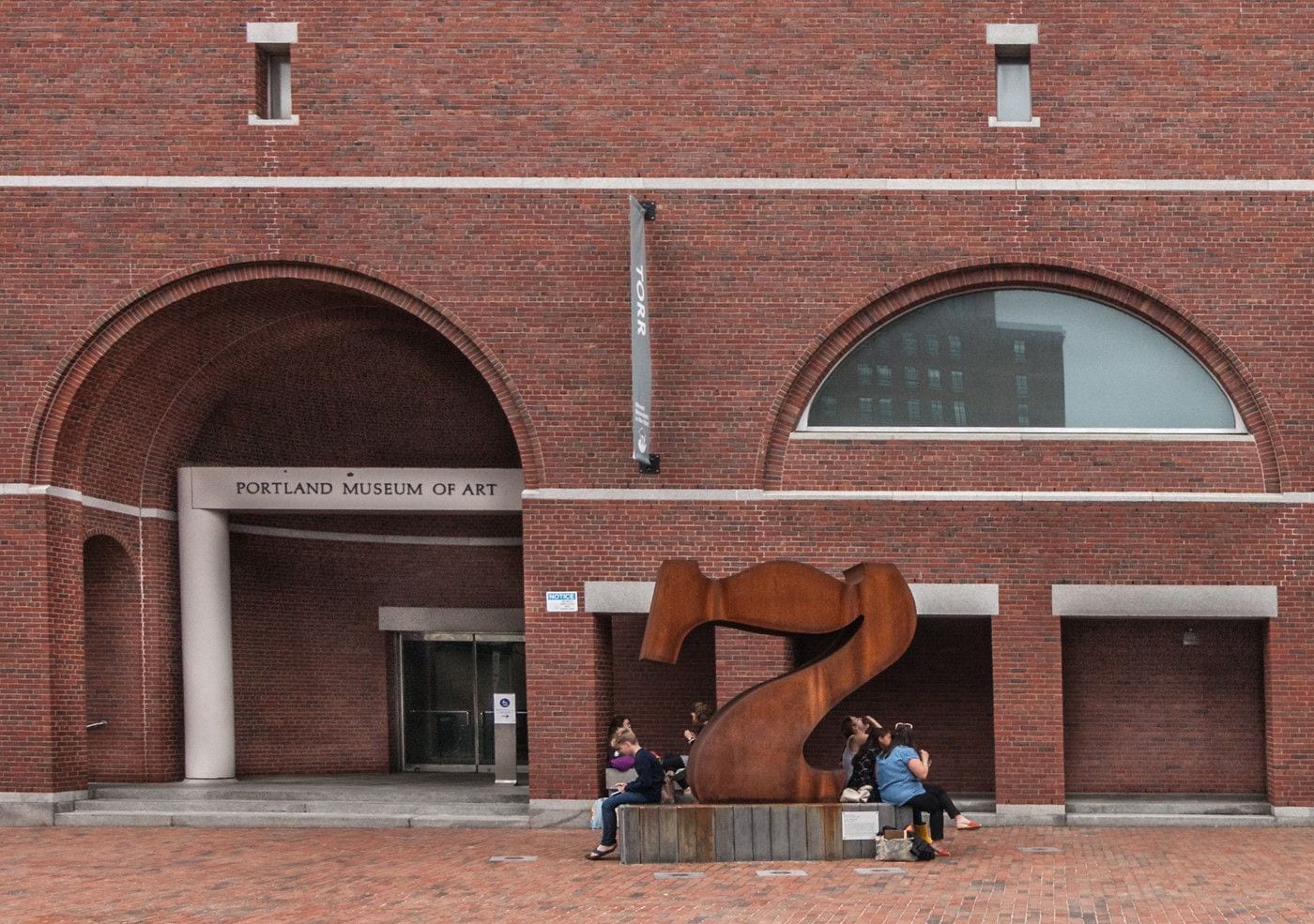
The Portland Museum of Art is the largest and oldest public art institution in Maine, founded as the Portland Society of Art in 1882. Its collection leans toward American and Maine art, with Winslow Homer's coastal paintings a highlight, alongside European works and changing contemporary shows.
The museum fills a small campus on Congress Street in the Arts District, where a bold brick building designed by Henry Nichols Cobb of I. M. Pei & Partners sits beside the museum's historic older buildings. Plan two hours, then continue along Congress Street to the galleries and cafes nearby.
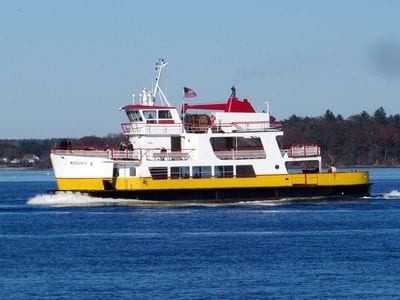
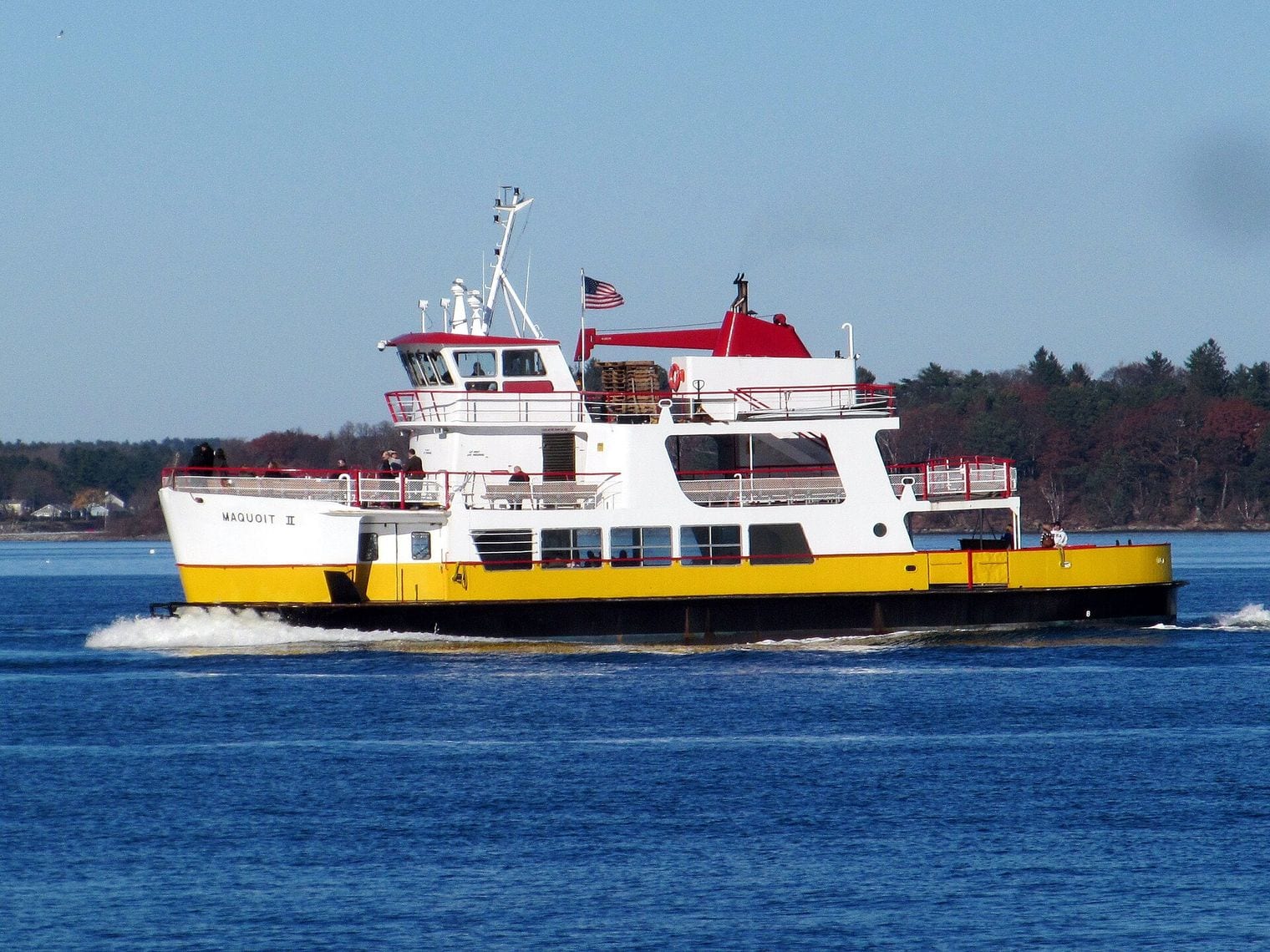
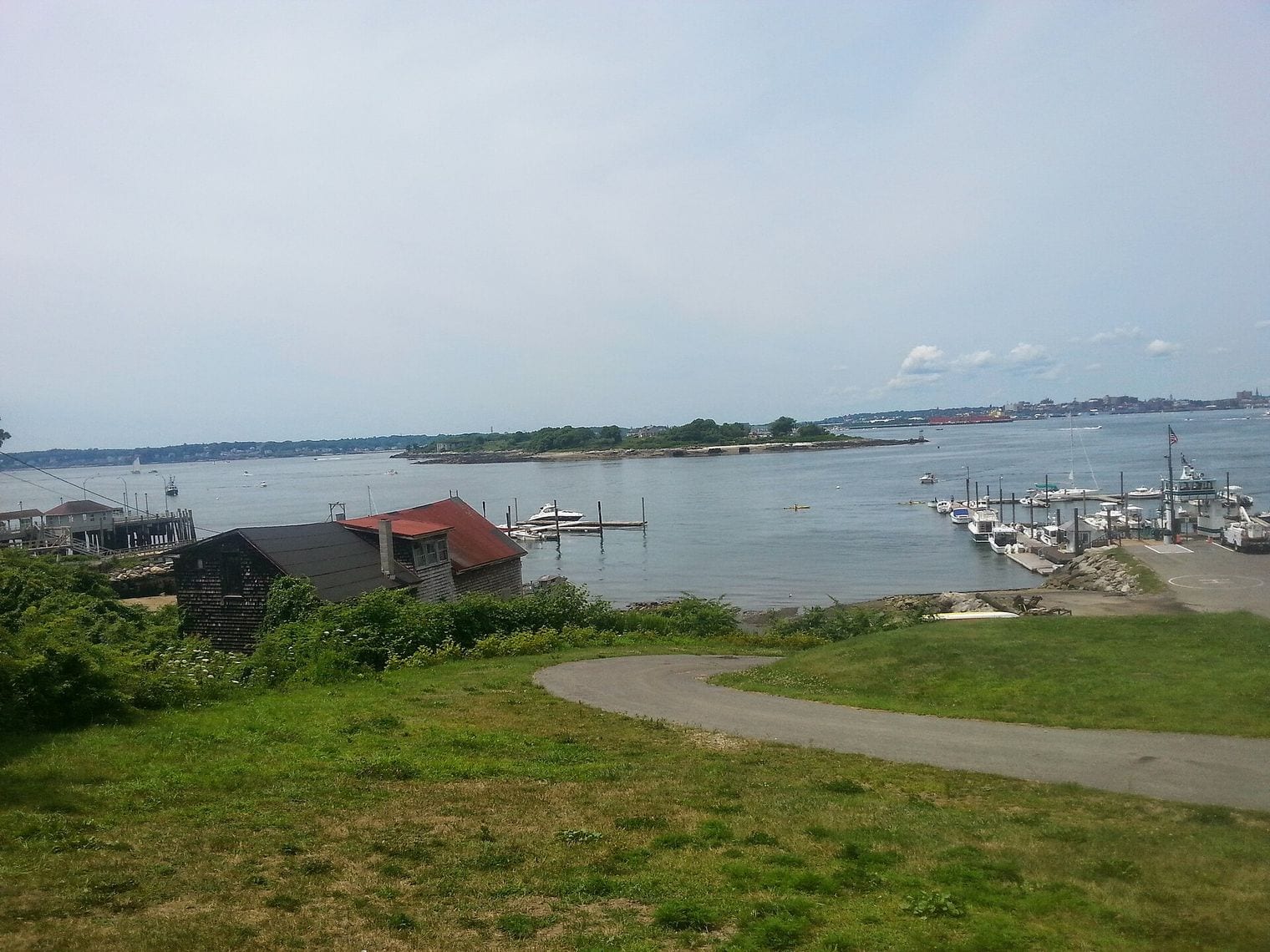
Casco Bay Lines is the public ferry service that links Portland with the inhabited islands of Casco Bay, and riding it is an inexpensive way to see the harbor from the water. For more than 150 years its boats have carried passengers, cars, mail and freight to islands such as Peaks, Long, Chebeague and the Diamonds.
For a sightseeing run, take the Mailboat Run, a working route that drops mail and cargo at several islands, or one of the longer narrated summer cruises past lighthouses, forts and old summer cottages. Boats leave from the terminal on Commercial Street, a short walk from the Old Port.
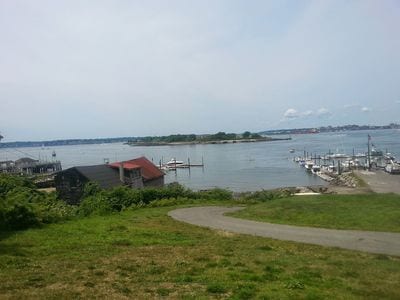
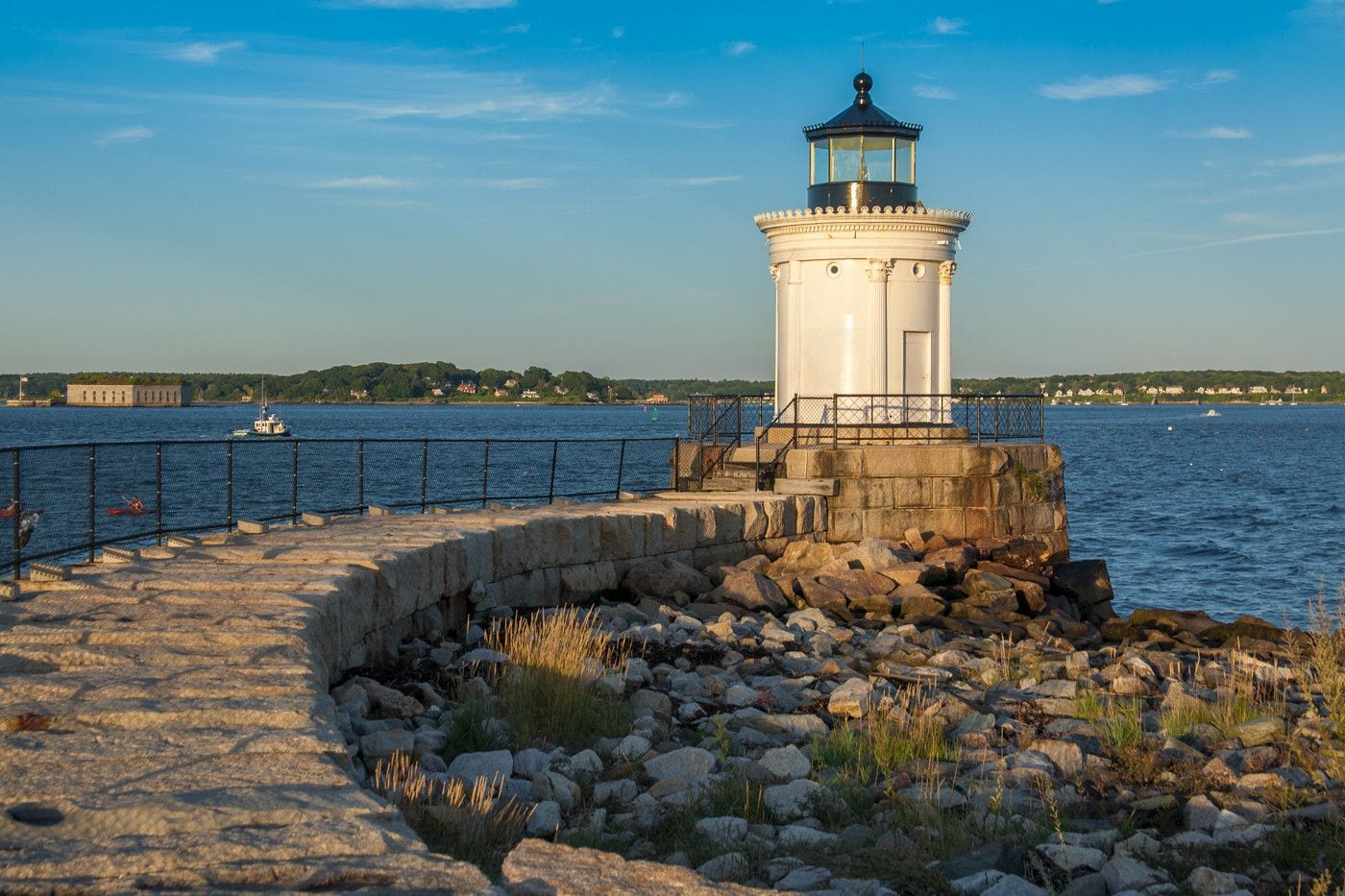
Bug Light Park sits across the harbor in South Portland, a breezy 9-acre lawn with some of the best views of the Portland skyline. Its namesake, the Portland Breakwater Light, is a tiny lighthouse from 1875 whose cast-iron tower is dressed with Corinthian columns, modeled on the Choragic Monument of Lysicrates in Athens.
The park also holds the Liberty Ship Memorial, a steel ship silhouette honoring the thousands of workers who built Liberty ships in South Portland's shipyards during World War II. Bring a kite or a picnic, and look in at the small Cushing Point Museum run by the South Portland Historical Society.
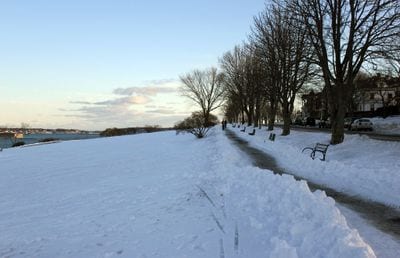
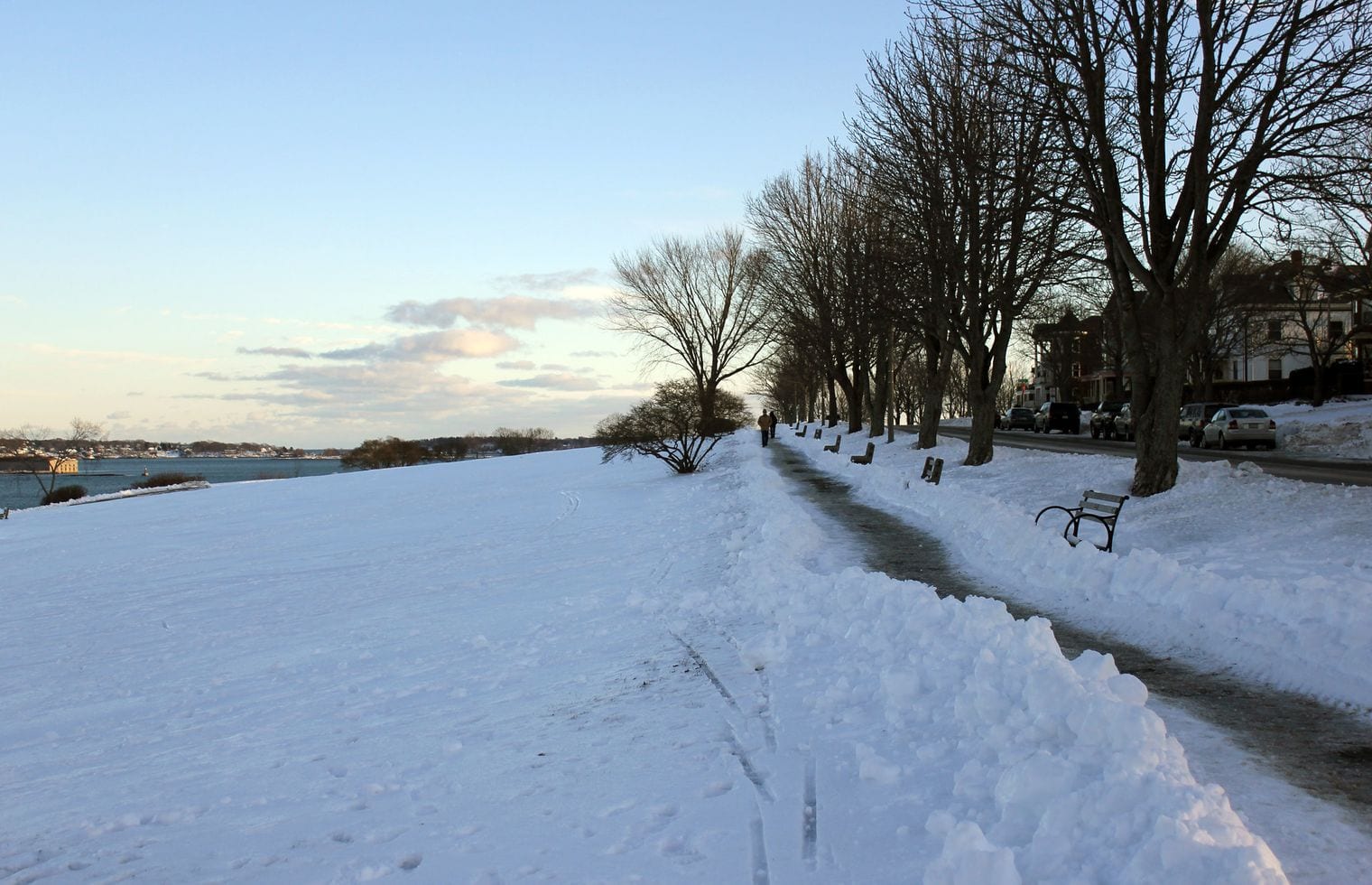
The Eastern Promenade is Portland's favorite outdoor space, a long park on Munjoy Hill with broad lawns sloping down to Casco Bay and its islands. The Olmsted Brothers firm designed it, and its paths lead down to East End Beach, a small sandy beach, and the waterfront trail along the shore.
Along the promenade, Fort Allen Park keeps a bandstand and naval relics, including a gun from the USS Maine and the foremast of the World War II cruiser USS Portland. Come in the evening, when locals spread blankets on the grass to watch the sailboats and ferries go by.
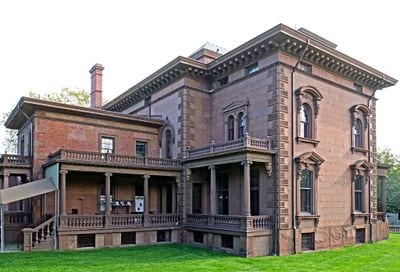
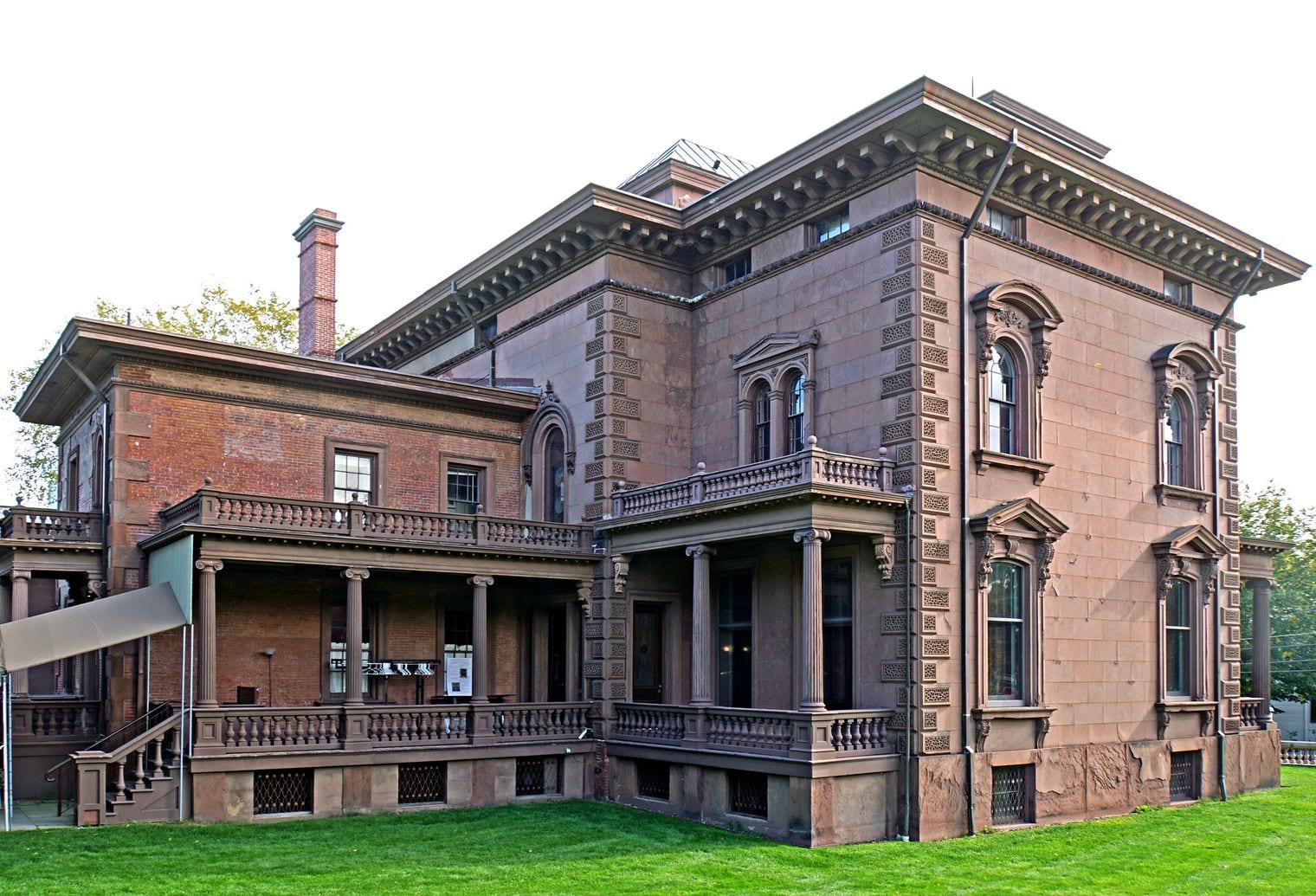
Victoria Mansion is a showpiece of Victorian luxury, a brownstone Italianate villa completed in 1860 as a summer home for hotelier Ruggles Sylvester Morse. It was declared a National Historic Landmark in 1971.
The interior is the reason to go. Thanks to the family who lived there next, about 97 percent of the original contents survive, from Herter furniture and painted walls to stained glass, gasoliers and the original carpets. Guided tours walk you through the parlors and bedrooms, and the house is a short walk from the Portland Museum of Art.
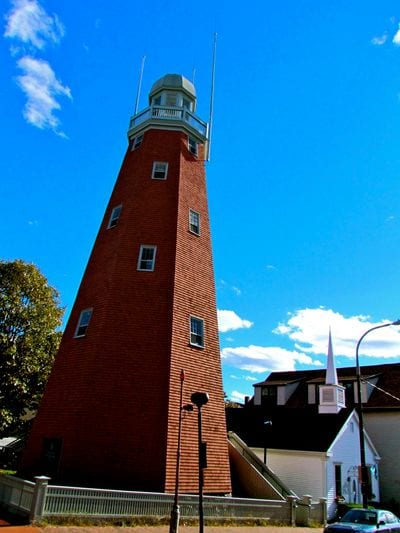
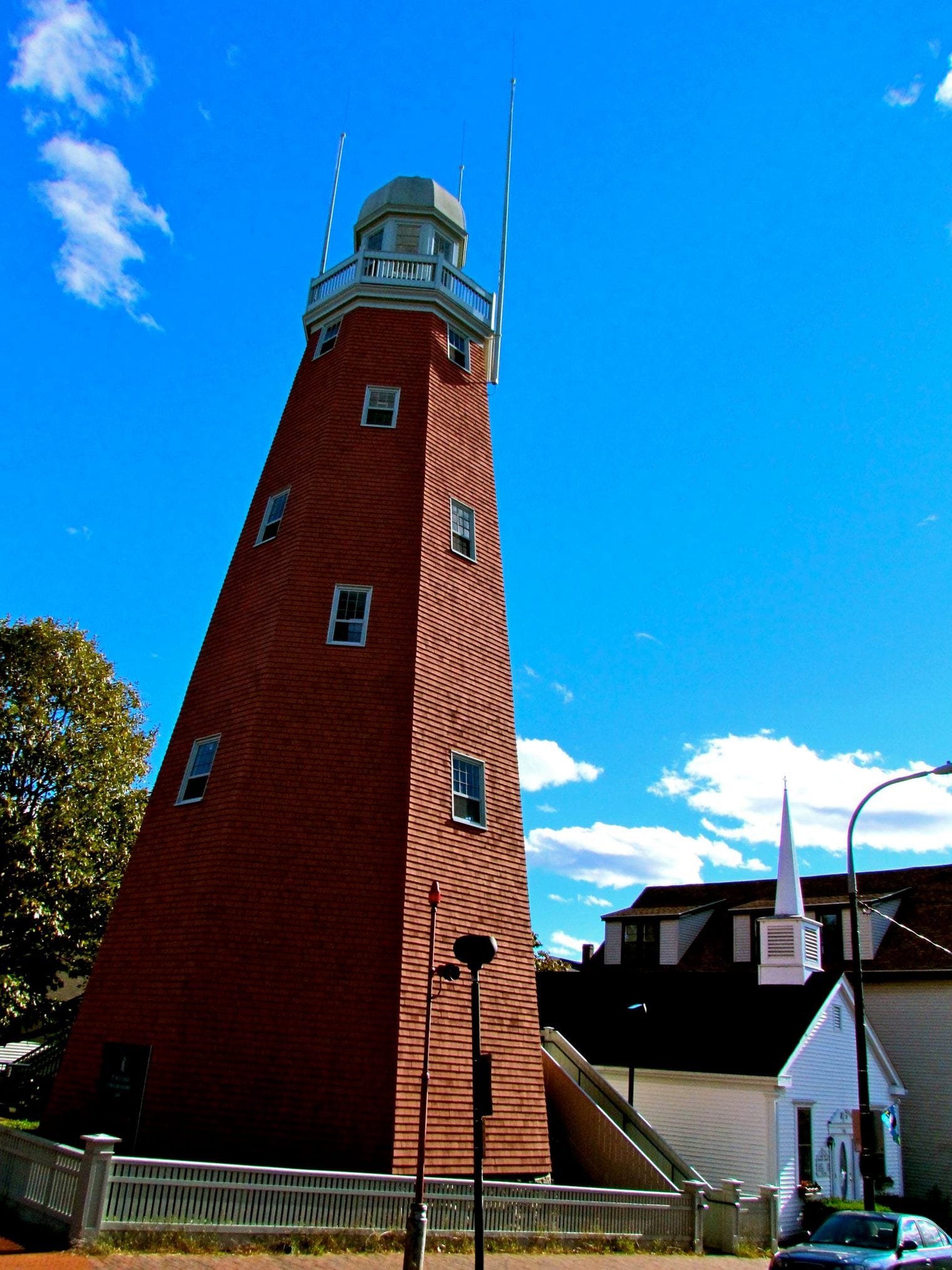
The Portland Observatory is a shingled tower on top of Munjoy Hill, built in 1807 by Captain Lemuel Moody so lookouts could spot incoming ships with a telescope and signal the wharves with flags. It is the only known surviving maritime signal tower of its kind in the United States and a National Historic Landmark.
Greater Portland Landmarks runs guided tours in the warmer months that climb the narrow stairs to the lookout deck, with views over the whole harbor and the islands. It is one of the best panoramas in the city.
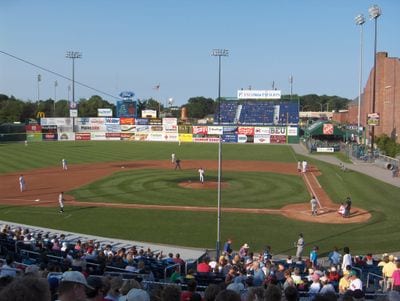
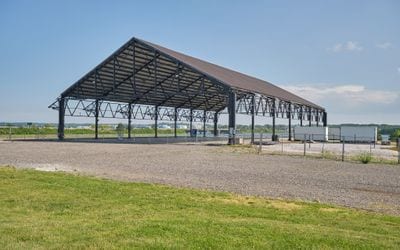
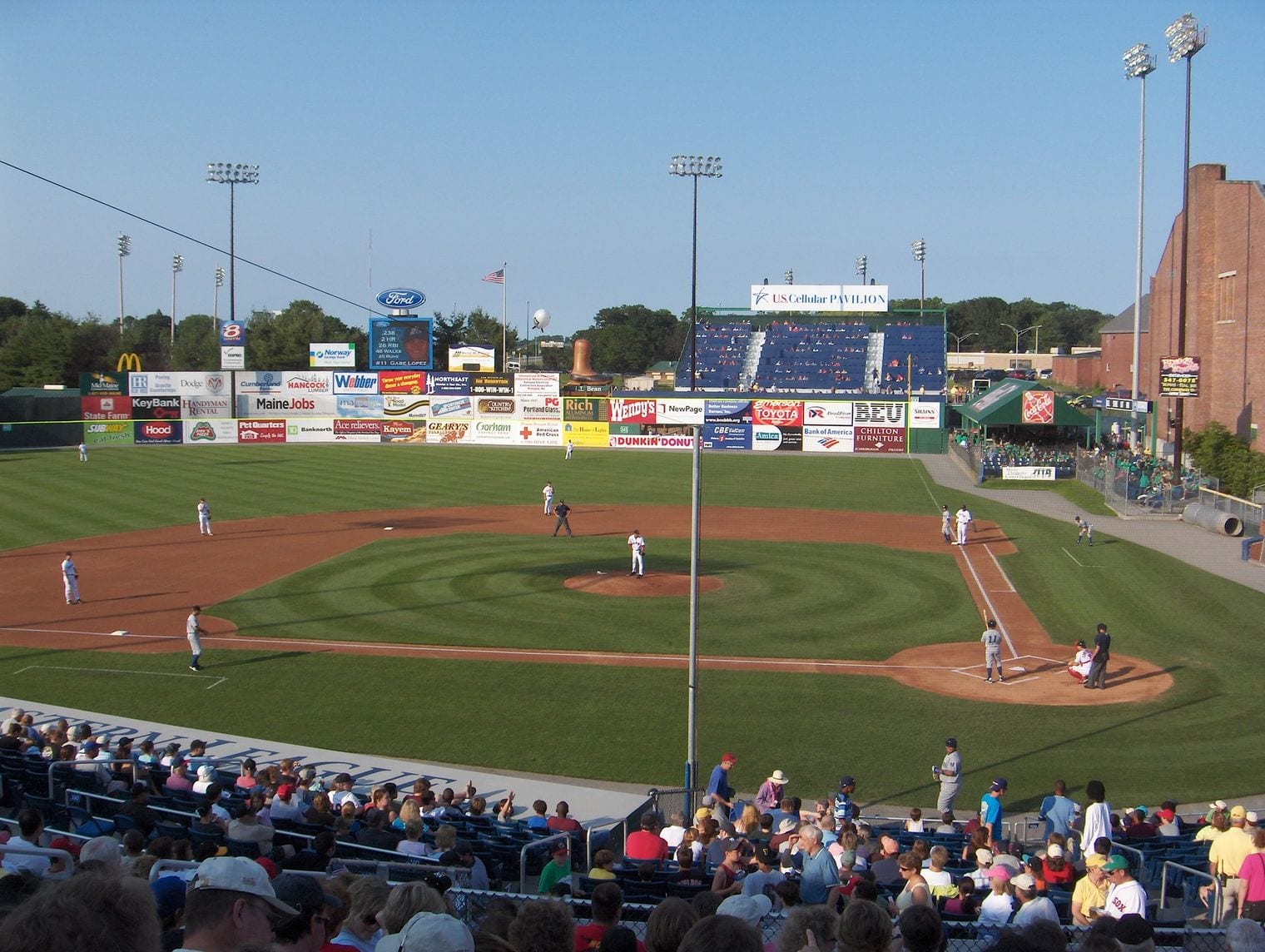
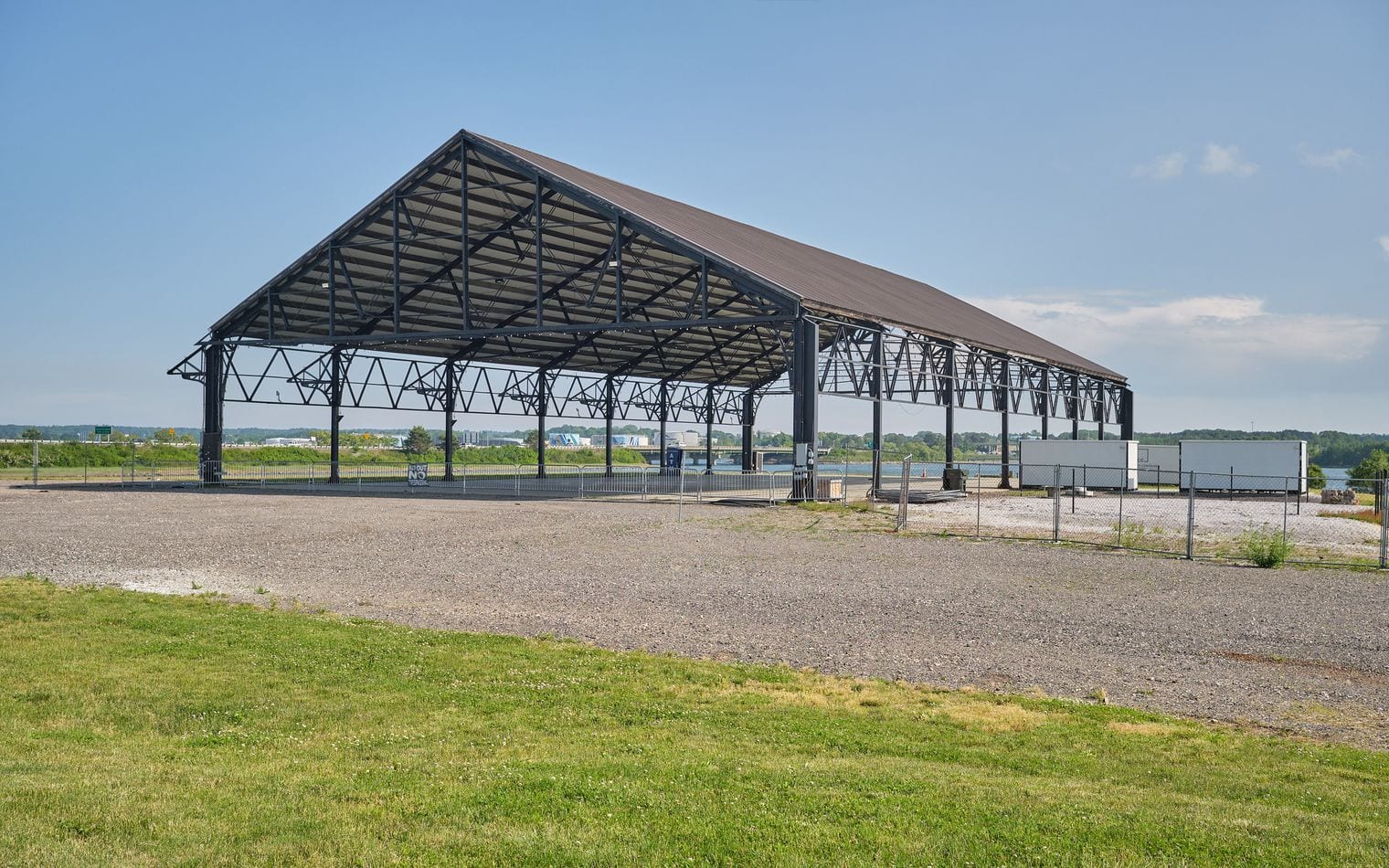
Hadlock Field is home to the Portland Sea Dogs, the Double-A affiliate of the Boston Red Sox, and a night at the ballpark is one of Portland's classic summer outings. The city-owned stadium sits just west of downtown, next to the historic Portland Exposition Building.
The park has a nod to Fenway at every turn. The left-field wall, nicknamed the Maine Monster, is a 37-foot green replica of Boston's Green Monster, and the park adds its own copy of the Citgo sign. Seats are close to the action and much easier to come by than at Fenway.
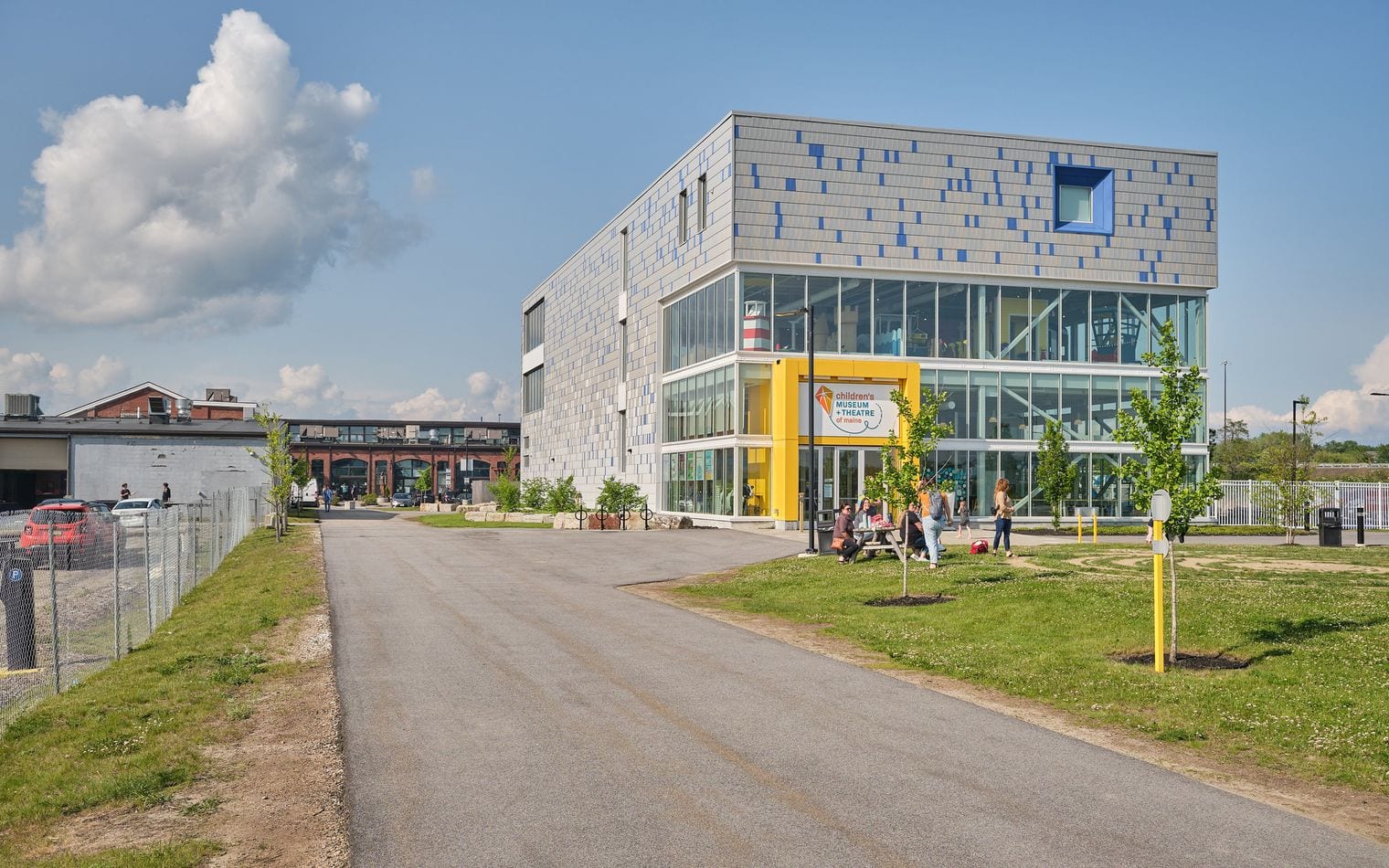
The Children's Museum & Theatre of Maine is the city's best stop for young families, with hands-on, play-based exhibits for young children. It moved from its old downtown home on Free Street to Thompson's Point on the Fore River.
The museum pairs its exhibit floors with a children's theatre that stages plays for young audiences, so a visit can easily fill a morning. It works well on a rainy day, and the riverside walk outside gives kids room to run off energy afterward.
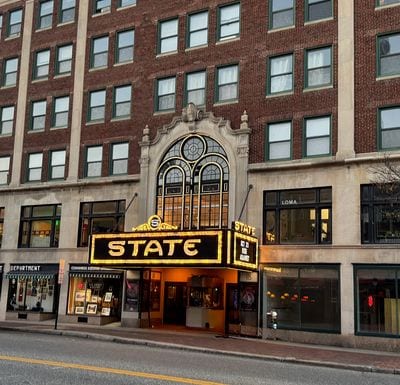
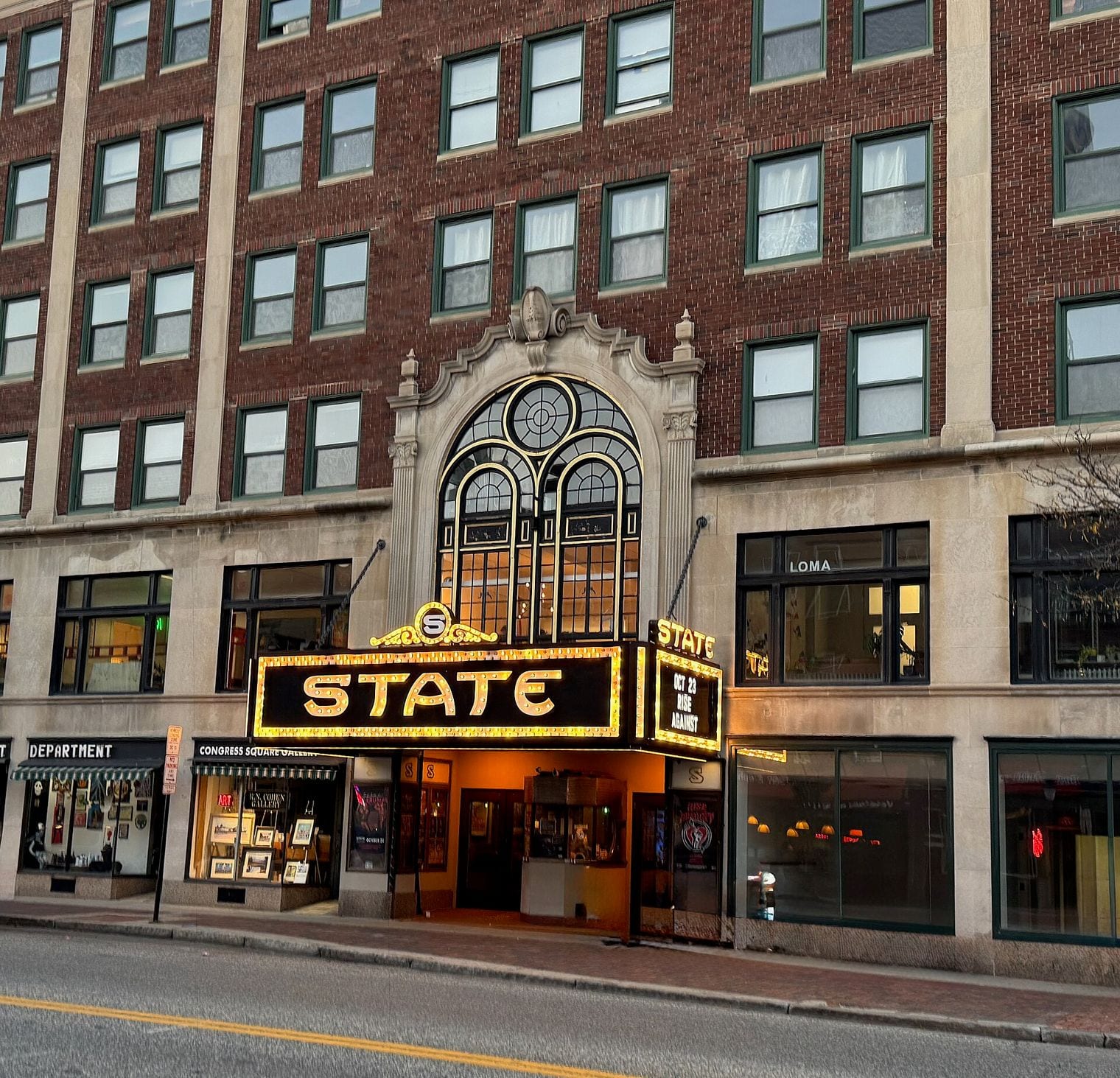
The State Theatre is Portland's grand old music hall on Congress Street, opened in 1929 as a movie palace with a mix of Moorish, Spanish and Art Deco design. After years dark, it reopened in 2010 as a 1,870-seat concert venue.
Today it books touring bands and comedians, and the restored interior is half the experience. Check the calendar before your trip, since many of the bigger shows sell out, and pair a show with dinner in the Arts District or the Old Port.
Free printable checklist of all 25 places
Tick them off as you go. Confirm your email to download it, plus one email every Thursday with new guides for the places you tick.
1212. Spring Point Ledge Light
Historical Landmark~1.7 miles (2.8 km) from center
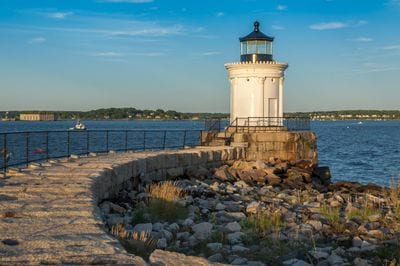
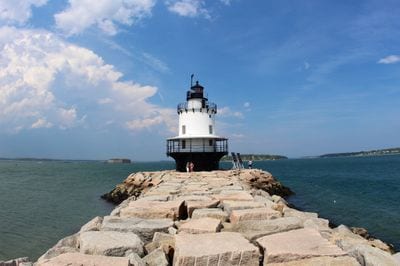
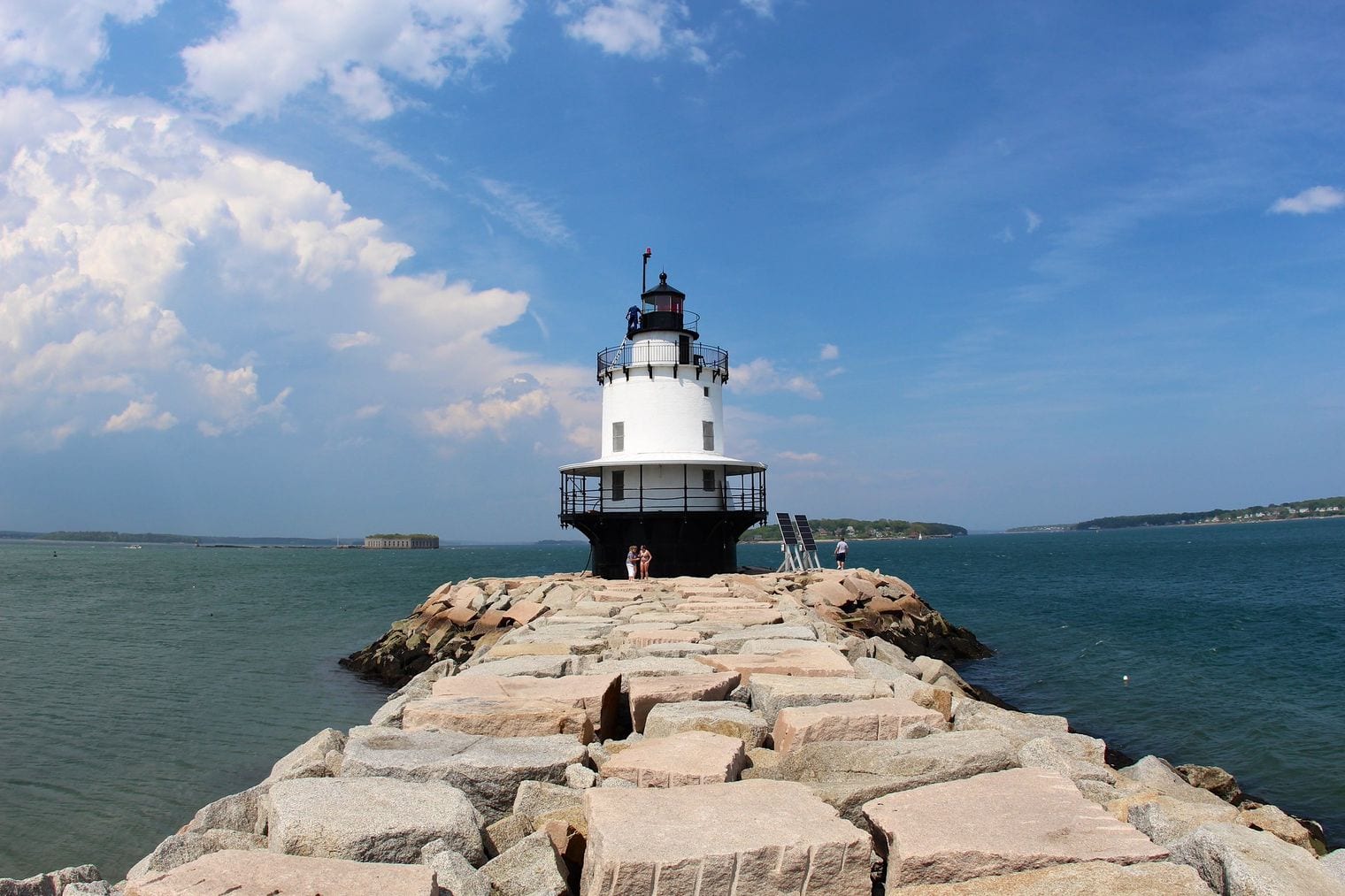
Spring Point Ledge Light is a stout sparkplug lighthouse in South Portland, built in 1897 to mark a dangerous ledge on the main channel into Portland Harbor. In 1951 a 900-foot granite breakwater linked it to the shore, and walking out along the boulders is the highlight.
The breakwater starts beside the ruins of Fort Preble, built in 1808 and now set among the lawns of Southern Maine Community College. From the end you can watch ships pass close by, with Fort Gorges and the Portland waterfront across the water.
Thompson's Point is a promontory on the Fore River southwest of downtown, where 19th-century brick railroad buildings have been turned into an entertainment hub. In summer its riverside lawn becomes Portland's big outdoor concert venue, drawing national touring acts.
The old rail sheds now hold breweries, a winery and places to eat, and the point has hosted a winter ice-skating rink in the colder months. Check the concert schedule before you visit, and come early for a drink by the water before the show.
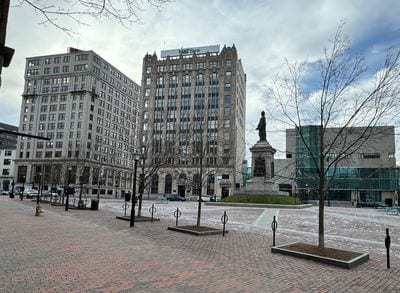
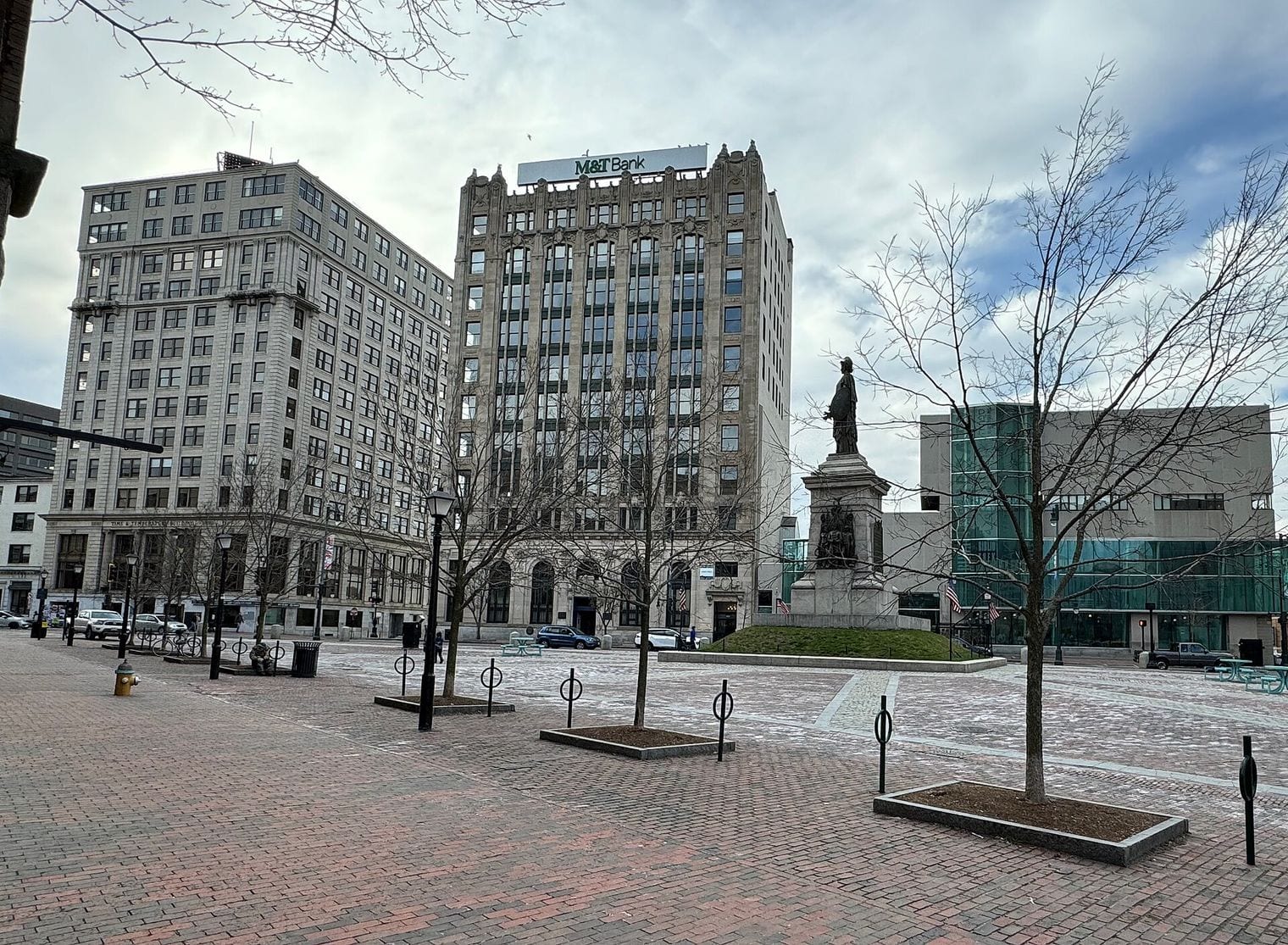
Monument Square is the civic heart of downtown, a brick plaza on Congress Street that was once Portland's market square. In its center stands the Soldiers' and Sailors' Monument, the Civil War memorial known as Our Lady of Victories, on the site of the old city hall.
The square is ringed by landmarks, including the Time and Temperature Building, the main branch of the Portland Public Library and the bronze Maine Lobsterman statue nearby. It is a busy meeting point for street events and a good spot to start a walk between the Arts District and the Old Port.
Peaks Island is the most populous island in Casco Bay and part of the city of Portland, about three miles from downtown. Once you step off the ferry, it feels like a different place: quiet lanes, cottages, rocky shores and wide views back to the mainland.
Bring a bike, rent a golf cart or a kayak, or simply walk the shore road around the island. Along the way look for the Fifth Maine Museum, an 1888 hall built by Civil War veterans, the concrete remains of Battery Steele from World War II in the woods, and the quirky Umbrella Cover Museum.
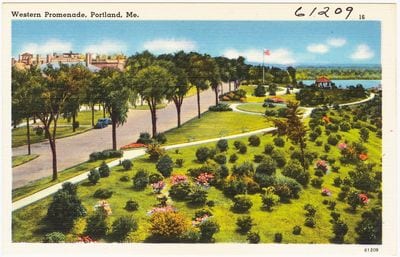
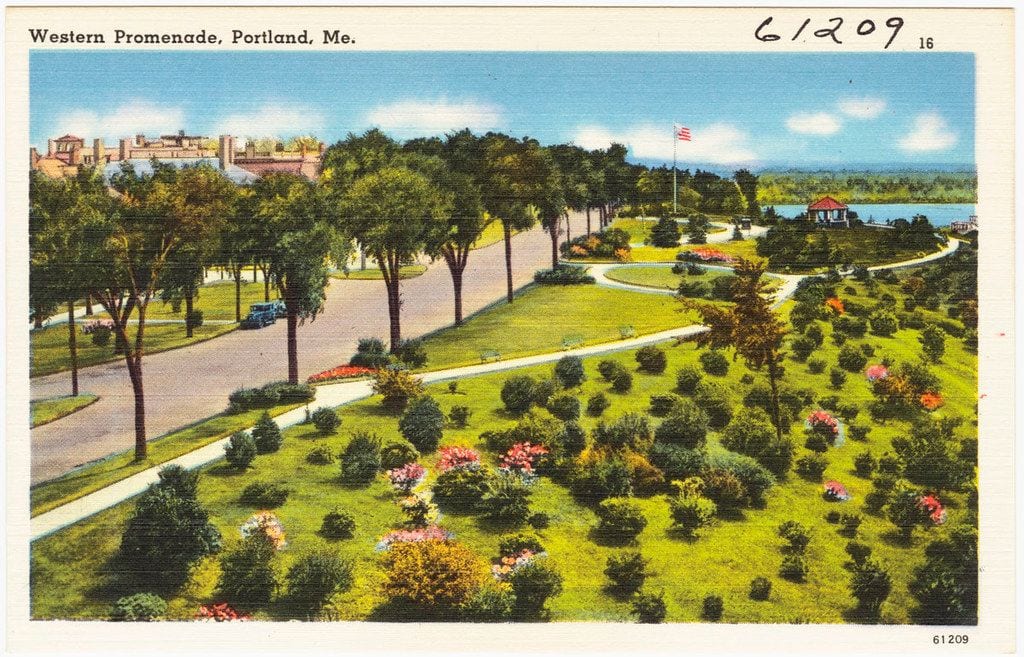
The Western Promenade is a historic park on the bluff at the edge of the West End, with landscaping by the Olmsted Brothers. It looks west over the Fore River and, on clear days, all the way to the White Mountains of New Hampshire, which makes it Portland's favorite sunset spot.
Behind the lawns lies one of the city's grandest neighborhoods, lined with grand 19th-century homes. Walk the surrounding streets for the architecture, then wait for the sun to drop behind the hills.
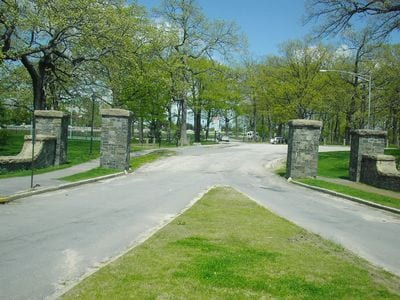
Deering Oaks Park is a 55-acre city park just west of downtown, established in 1879 and listed on the National Register of Historic Places. Old oaks shade its lawns, and a central pond, once a tidal basin connected to Back Cove, is the centerpiece.
It is also home to the Portland Farmers' Market, where Maine growers sell produce, cheese and baked goods in season. Add a playground, tennis courts and ball fields, and it is an easy place to spend a relaxed morning with or without children.
1818. Wadsworth-Longfellow House & Maine Historical Society
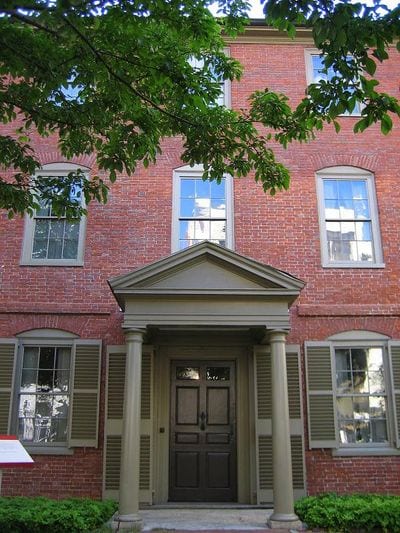
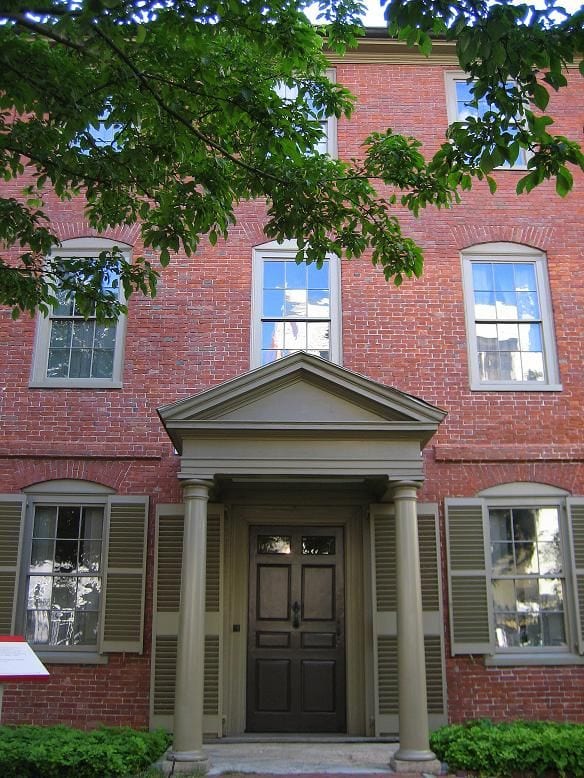
The Wadsworth-Longfellow House on Congress Street was built in 1785 and 1786 by General Peleg Wadsworth and is the oldest standing building on the Portland peninsula. It was also the childhood home of his grandson, the poet Henry Wadsworth Longfellow.
The Maine Historical Society runs the house as a museum, with furnishings and belongings of the Wadsworth and Longfellow families, and shows exhibits on Maine history next door. Behind the house a quiet garden makes a calm break from busy Congress Street.
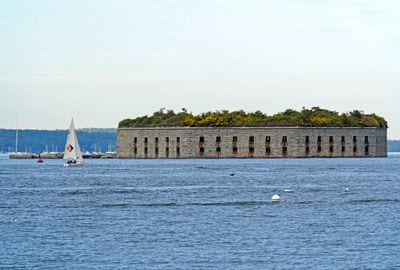
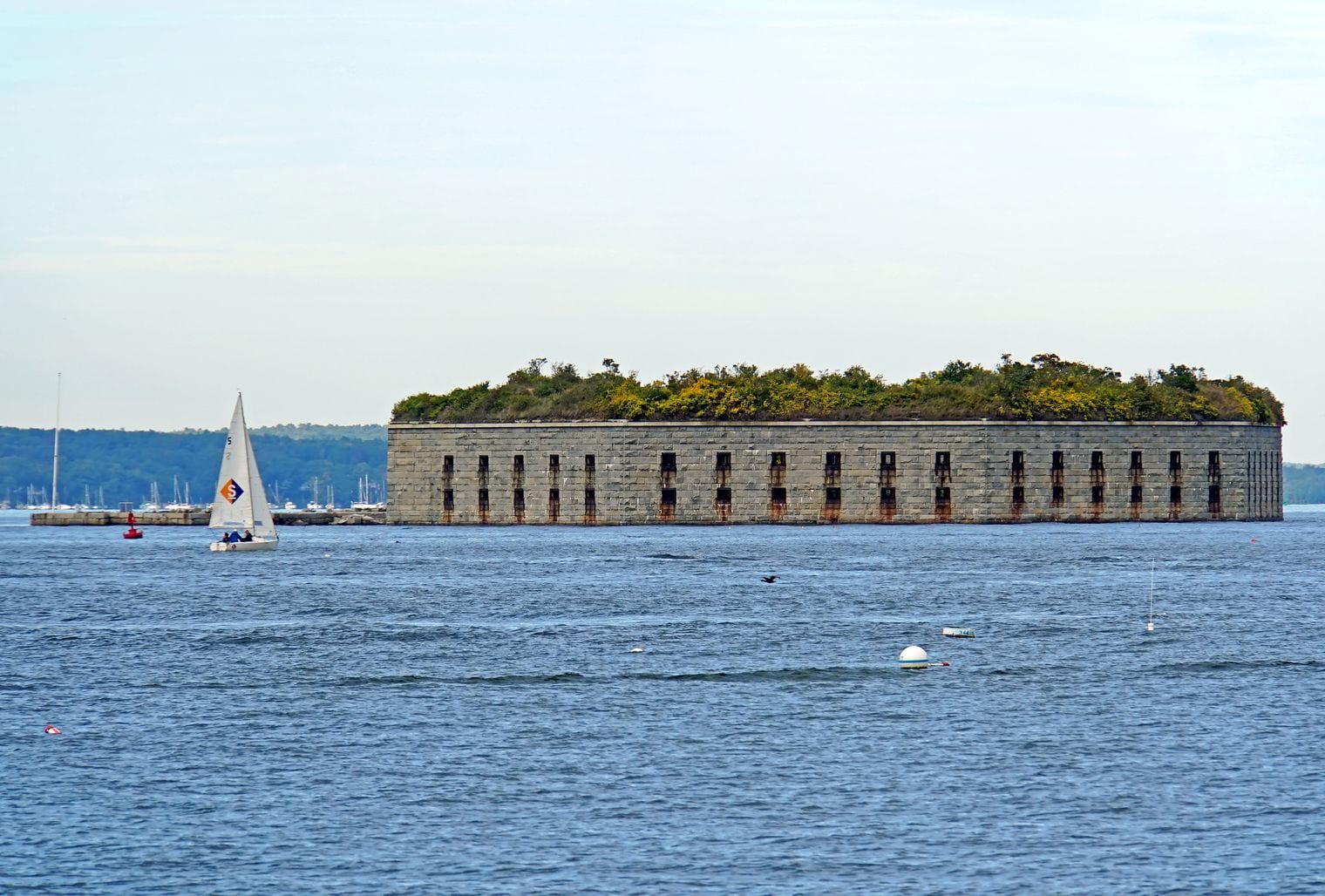
Fort Gorges is a granite fort on Hog Island Ledge in the middle of Portland Harbor, built between 1858 and 1865. Advances in naval guns made it obsolete before it was ever used, and no troops were ever stationed there.
Today it is a city park reachable only by private boat or kayak, and paddling out from the East End is a popular summer adventure. Inside, arched casemates and grassy ramparts make for great photos, but visits are at your own risk, so watch your footing and the tides. Most visitors simply admire it from the ferry or the Eastern Prom.
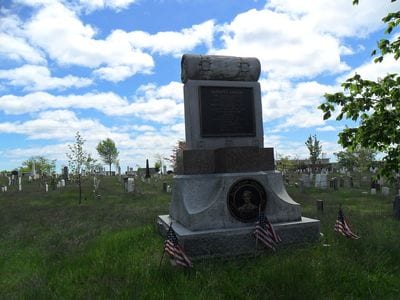
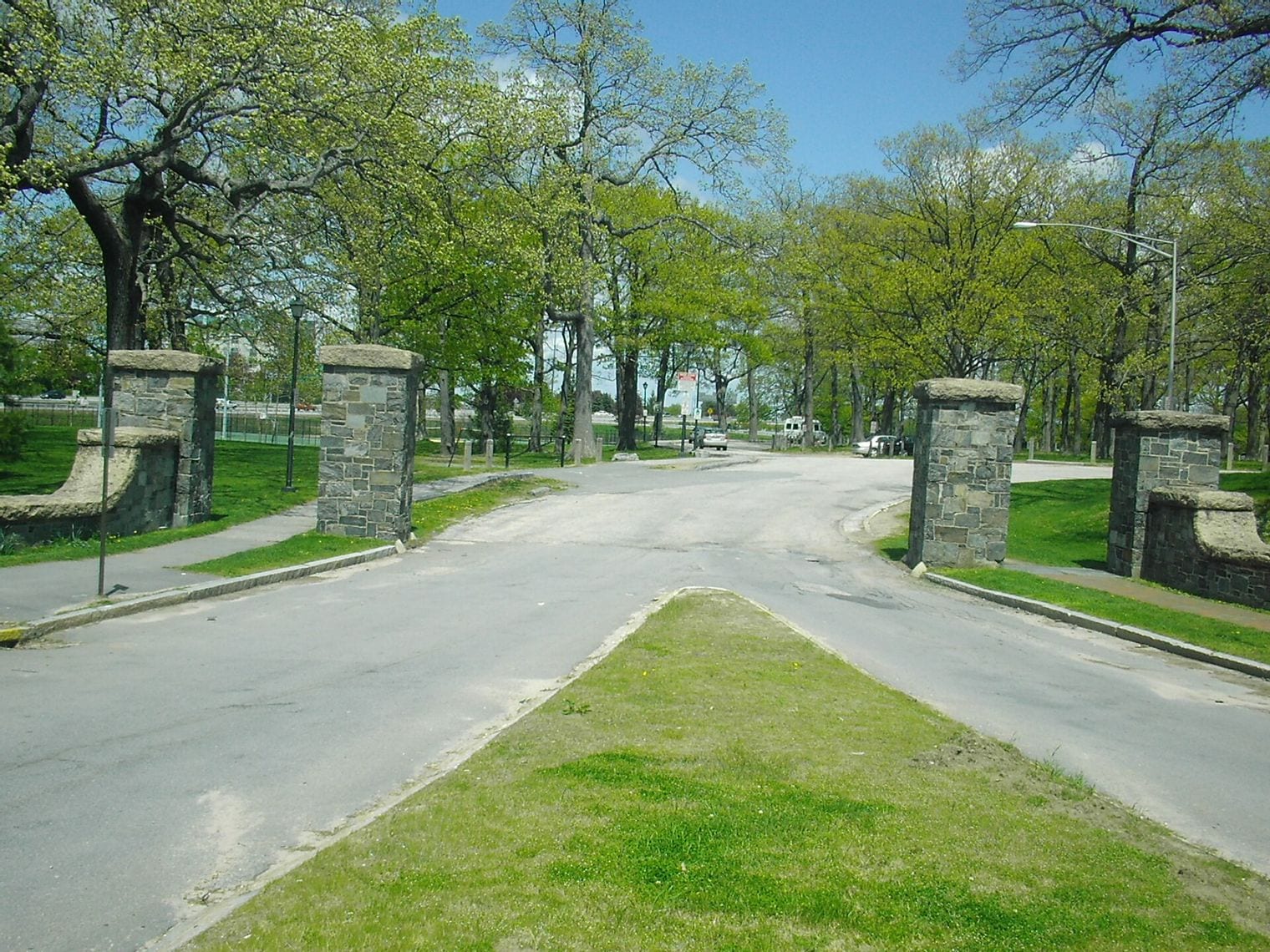
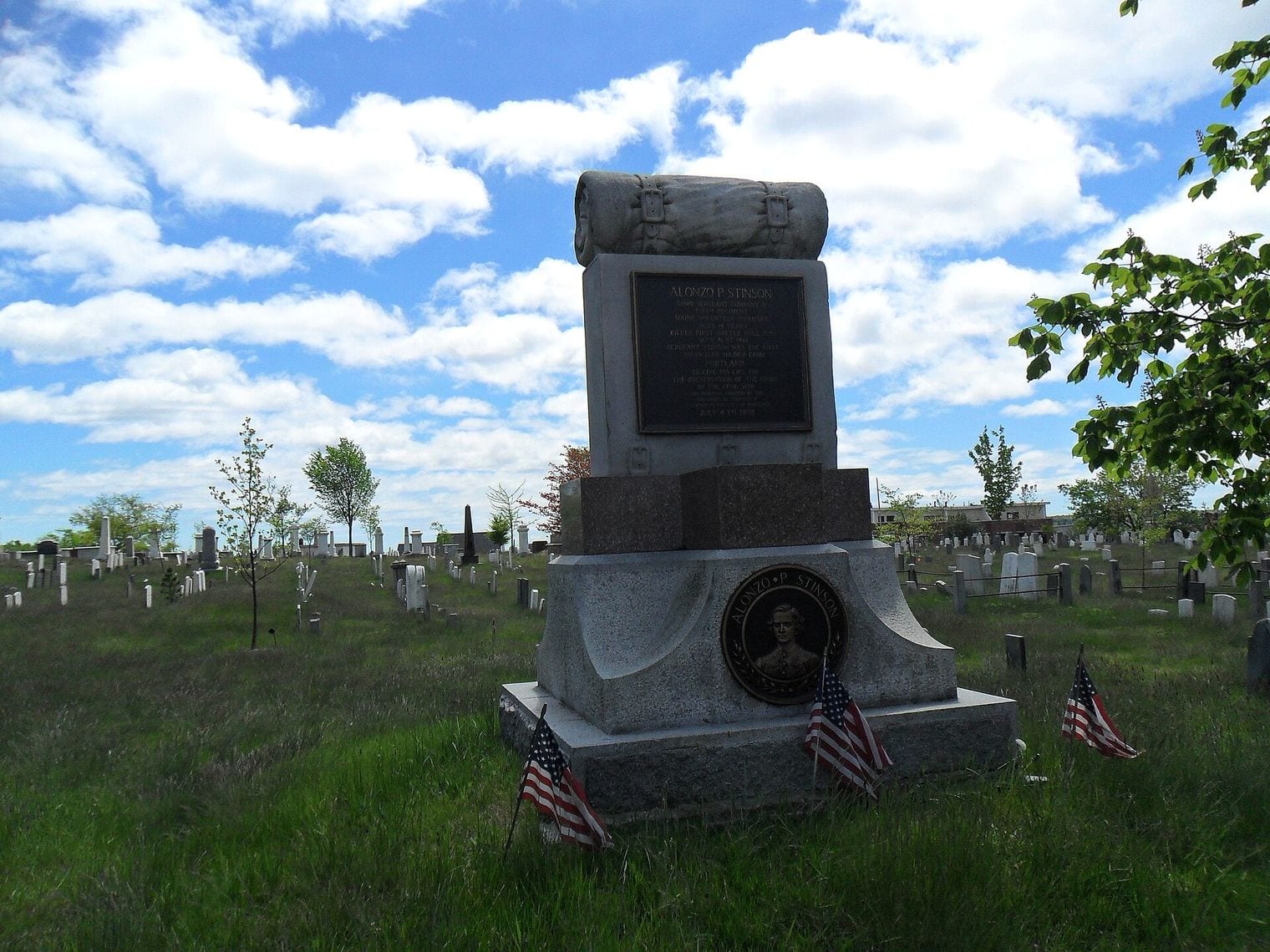
Eastern Cemetery on Munjoy Hill dates from 1668 and is the oldest historic site in Portland. More than 4,000 marked graves, many with old carved headstones, fill the hillside, along with an estimated 3,000 unmarked burials.
The best way in is on a guided walk with Spirits Alive, the volunteer group that cares for the cemetery and tells the stories of the sea captains, merchants and ordinary townspeople buried here. Its tours run in the warmer months from the Congress Street gate.
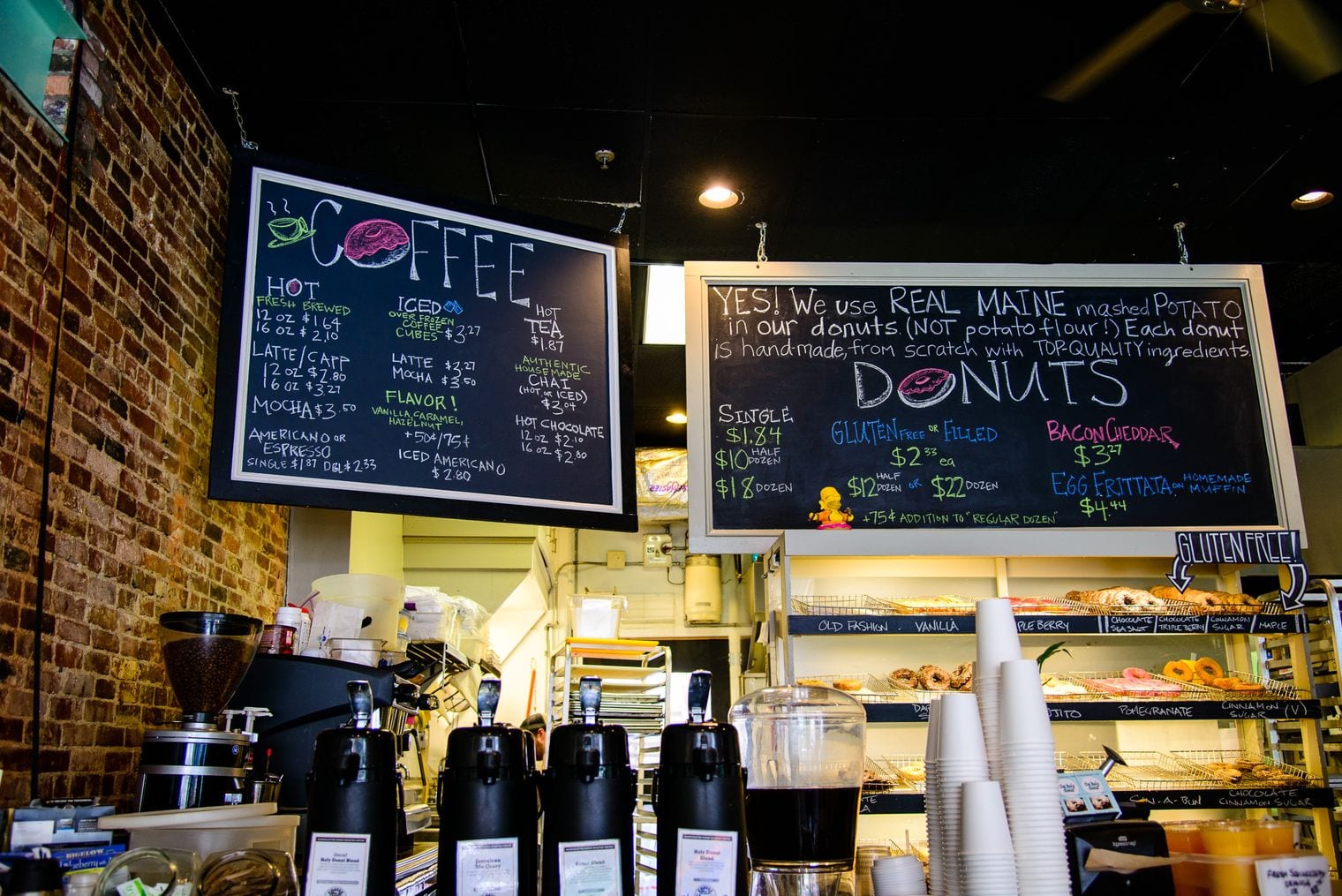
The Holy Donut has become one of Portland's best-known food stops for one reason: donuts made with mashed Maine potatoes, which gives them a dense, moist crumb. Flavors range from a simple glaze to more inventive seasonal creations.
The original shop is on Park Avenue, west of downtown, and a second one sits on Commercial Street in the Old Port. Go early, because the most popular flavors can sell out, and take a box down to the waterfront.
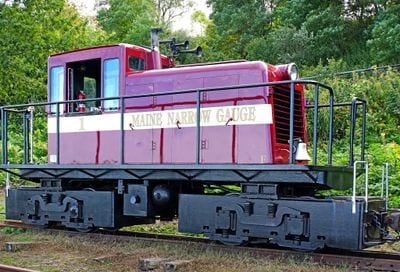
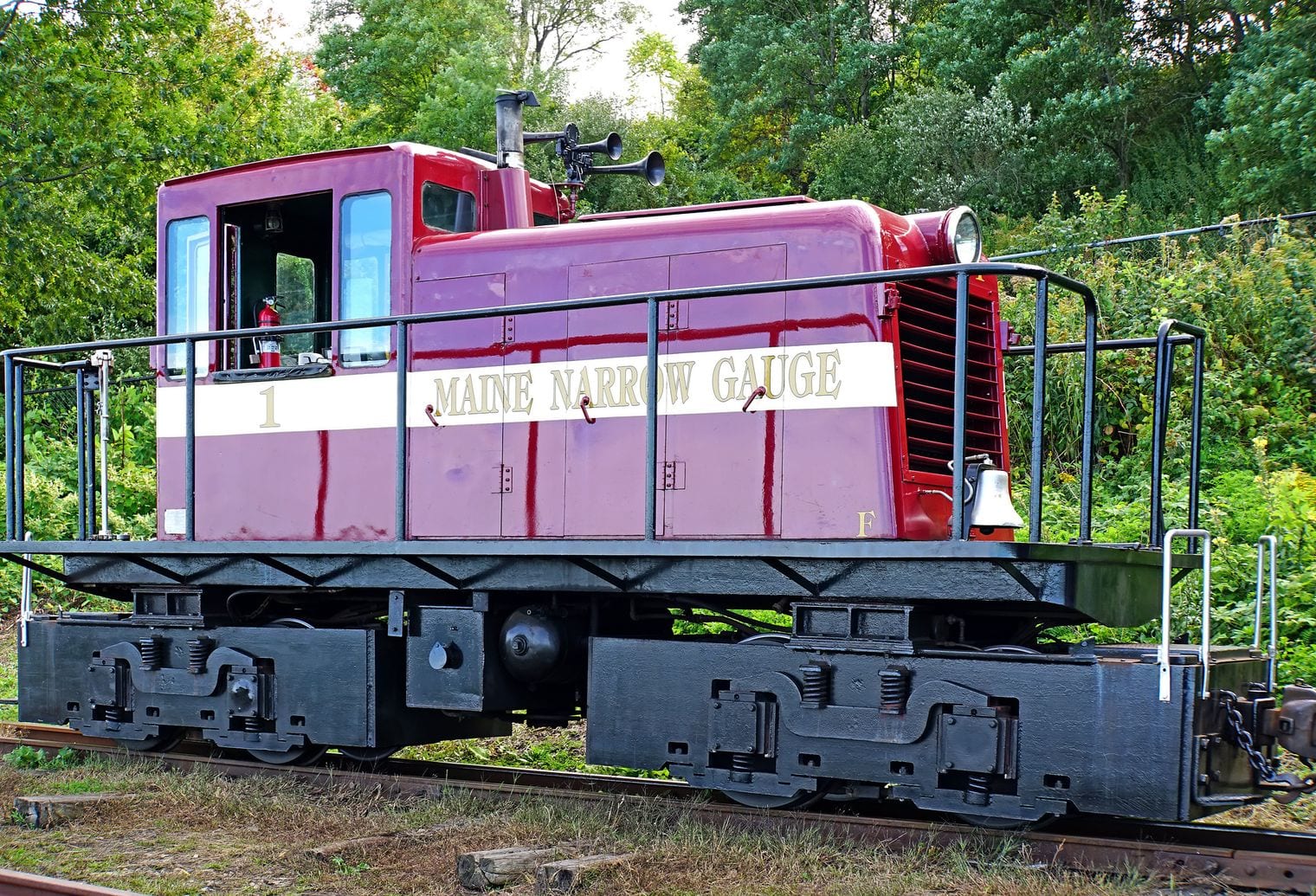
The Maine Narrow Gauge Railroad Co. & Museum keeps alive the two-foot-gauge railways that once ran through rural Maine. Its collection of small locomotives and passenger cars shows how these tiny lines carried freight and passengers through the state.
The highlight is the train ride itself, which runs along the shore of the Eastern Promenade with open views over Casco Bay and its islands. It is a gentle trip that suits small children and railway fans alike, and the trains leave from the waterfront near the foot of Munjoy Hill.
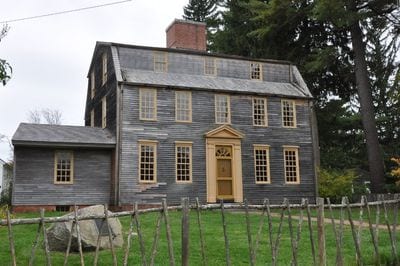
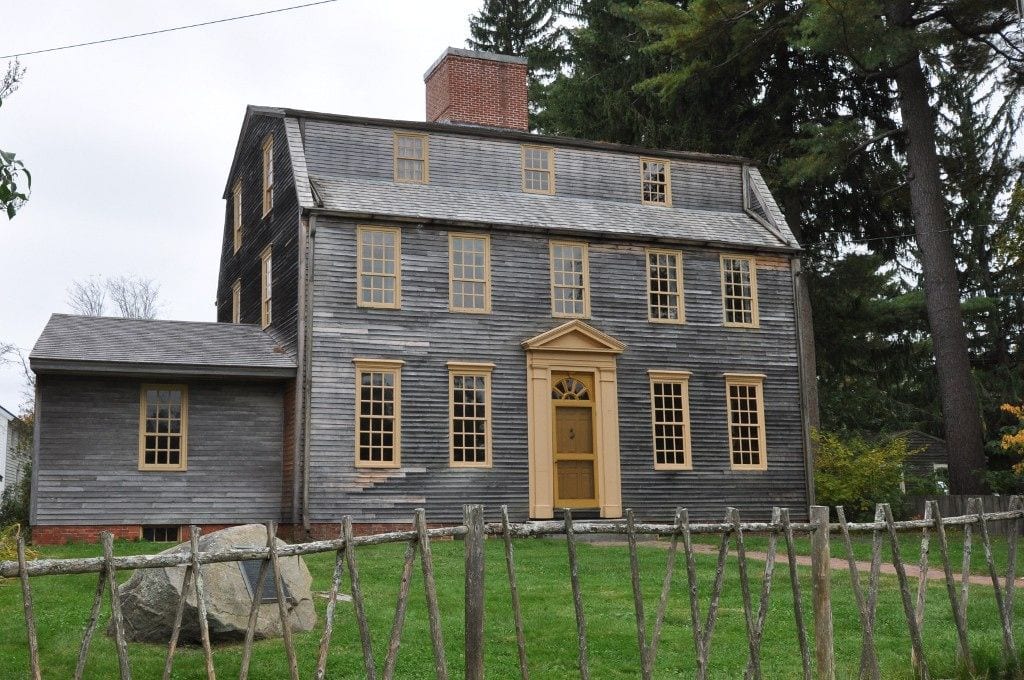
The Tate House is a rare colonial survivor in the Stroudwater neighborhood, built in 1755 for George Tate, the agent who oversaw the shipping of giant pine masts for the Royal Navy. Its unusual clerestory gambrel roof earned it National Historic Landmark status.
Because it stood well away from the old town, the house escaped the fires that swept Portland, and it has been a museum since 1935. Small guided tours show the period rooms, and the setting near the Fore River feels far from downtown.
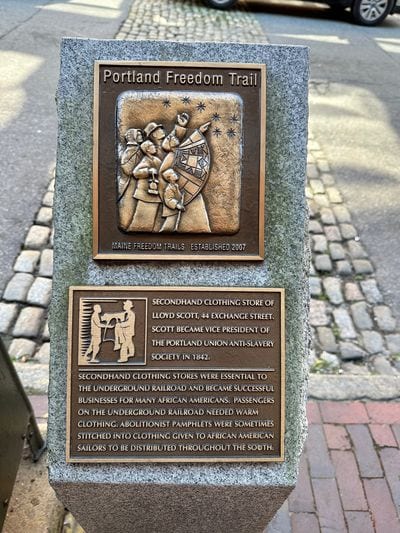
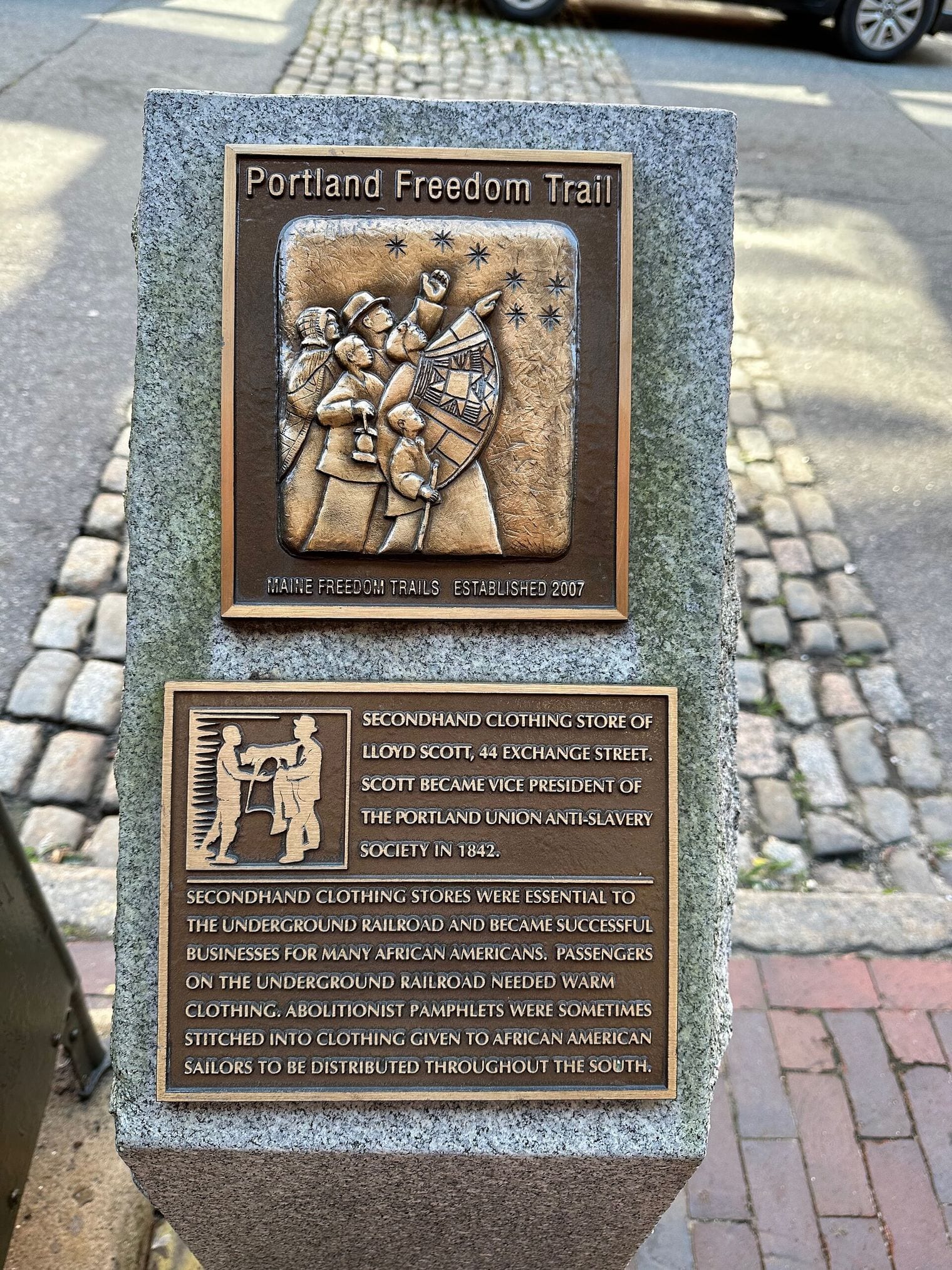
The Portland Freedom Trail is a self-guided walking route, set up in 2007, that tells the story of the city's Black community and its role in the Underground Railroad. Its markers run for about two miles through the Old Port and the Arts District, with more than a dozen stops.
One of the most important is the Abyssinian Meeting House on Munjoy Hill, built from 1828 by free African Americans and the oldest African American church building in Maine. Pick up the route anywhere downtown and follow the markers at your own pace.
The Back Cove Trail is a 3.6-mile loop around the tidal Back Cove, and the city's most popular route for walkers, runners and cyclists. It was the idea of former mayor James Phinney Baxter, and much of it follows the parkway named after him, Baxter Boulevard.
The path is flat and wide, with views of the downtown skyline across the water, especially at sunrise and sunset. Under Tukey's Bridge it links up with the Eastern Promenade trail, so you can extend the walk along the waterfront.
Plan your trip
Best Time to Visit Portland, Maine
Summer is Portland's peak season. The days are warm but rarely hot, ferries run their fullest schedules, the Sea Dogs play at Hadlock Field and the big outdoor concerts take over Thompson's Point. It is also the busiest and most expensive time for rooms, so book ahead.
Early fall is the sweet spot for many visitors, with crisp weather, autumn color and thinner crowds, although several seasonal sights, such as the Observatory and the historic houses, close for the year by mid-autumn. Winter is cold and quiet but good for museums, theatre and cozy dining, while spring arrives late and damp on the Maine coast.
Getting to Portland, Maine
Portland International Jetport sits just west of downtown and has flights to several major US hubs. Many travelers instead fly into Boston Logan, about two hours south by car. Interstate 95 (the Maine Turnpike) and Interstate 295 both serve the city, and US Route 1 runs up the coast through it.
Without a car, Amtrak's Downeaster train links Portland with Boston, and intercity buses connect the city with Boston and other towns in Maine and New England.
Getting Around Portland, Maine
The downtown peninsula is compact and walkable, with the Old Port, the Arts District, Munjoy Hill and the West End all within a short, if hilly, walk of each other. Local buses cover the wider city, ferries reach the islands, and the Back Cove and Eastern Promenade trails make cycling easy.
A car is the simplest way to reach the lighthouses in Cape Elizabeth and South Portland and the outlying sights. Downtown has public parking garages and metered street parking, which fills quickly on summer weekends.
Where to Stay in Portland, Maine
The Old Port and the waterfront are the most convenient base, with restaurants, ferries and nightlife on the doorstep, though they are also the busiest and priciest area. The Arts District around Congress Street puts you close to the museums and the State Theatre, while the West End offers quieter streets and historic homes near the Western Promenade.
Munjoy Hill and the East End suit travelers who want a residential feel near the Eastern Promenade. For lower rates, the hotel strip near the Jetport and in South Portland works well if you have a car.
Where to Eat in Portland, Maine
Portland has an outsized food scene for its size, and the Old Port and Commercial Street hold the densest cluster of seafood restaurants, oyster bars and wharfside lobster shacks. The East End and Munjoy Hill have a newer wave of neighborhood restaurants, bakeries and cafes, and the city's many craft breweries and tasting rooms spread from downtown to the industrial edges.
Look for the classics: lobster rolls served cold with mayonnaise or warm with butter, steamed clams, fried clams, creamy chowder and oysters from Maine's tidal rivers. For something sweet, try a whoopie pie, blueberry pie or a potato donut at The Holy Donut.
Day Trips from Portland, Maine
Some of Maine's best small towns are an easy drive away. Freeport, known for its outlet shopping, is about 20 minutes north, while Kennebunkport and Ogunquit, with their beaches and the cliff walk along Marginal Way, are 40 to 45 minutes south. Head about an hour north on I-295 to Augusta, the state capital, for the State House and the Maine State Museum.
For a bigger city break, Boston is about two hours south on I-95. Closer to home, the beaches and lighthouse views of Cape Elizabeth's state parks are only 20 minutes from downtown.
One Day in Portland, Maine
Morning
Start early with the drive out to Portland Head Light in Cape Elizabeth, before the tour buses arrive, and walk the clifftop paths of Fort Williams Park. On the way back, cross into South Portland for the harbor views and the little lighthouse at Bug Light Park.
Park downtown and spend the middle of the day on foot. Grab lunch in the Old Port, then walk up to the Arts District for the Portland Museum of Art and the lavish interiors of Victoria Mansion, two blocks apart.
Head east to Munjoy Hill to climb the Portland Observatory in season, then stroll the lawns of the Eastern Promenade as the light softens over Casco Bay.
Portland is best known for its working waterfront and seafood, the cobblestone Old Port and its lighthouses. The top sights are Portland Head Light in neighboring Cape Elizabeth, the Old Port, the Portland Museum of Art, the Casco Bay Lines island ferries and the little Bug Light in South Portland.
How many days do you need in Portland, Maine?
One full day covers the essentials: Portland Head Light, the Old Port, the art museum and a promenade sunset. Two to three days leave time for a ferry to Peaks Island, the historic houses, a Sea Dogs game and the South Portland lighthouses, with an extra day for a trip along the coast.
Is Portland Head Light in Portland?
Not quite. Portland Head Light stands in the town of Cape Elizabeth, about 4 miles south of downtown Portland, inside Fort Williams Park. Bug Light and Spring Point Ledge Light are across the harbor in South Portland. All three are a short drive from the city center, and you can see the first two in one morning.
What can you do in Portland, Maine for free?
Plenty. Walking the Old Port, the Eastern and Western Promenades, Deering Oaks Park and the 3.6-mile Back Cove Trail costs nothing, and neither does following the Portland Freedom Trail through downtown. Across the harbor, Bug Light Park and the Spring Point Ledge Light breakwater in South Portland are free to explore too.
Can you visit the Casco Bay islands from Portland?
Yes. Casco Bay Lines runs public ferries all year from its terminal on Commercial Street, next to the Old Port. Peaks Island is the easiest island to visit, a short crossing away, with walking and biking on quiet lanes. The longer Mailboat Run and summer cruises show off several islands in one trip.
Is the International Cryptozoology Museum still in Portland?
No. After more than two decades in Portland, the International Cryptozoology Museum moved north to Bangor in 2026. Fans of the museum can now find it in Bangor, about two hours north of Portland on I-95, alongside that city's other sights.
Sources & updates
How this guide was verified
Checked before launch
Sources cited
25
Publishers
20
Every place on this list was confirmed open and pinned on the map before publication, and what we say about each one was checked against its own website or an official source.
A PDF with a box to tick for every place. Confirm your email to download it, and get one email every Thursday with our newest guides for the places you tick.
Free Portland printable checklist
All 25 places in one PDF
Tick them off as you go. Confirm your email to download it, plus one email every Thursday with new guides for the places you tick.
We use cookies to analyze site traffic and improve your experience.
You can accept or reject analytics cookies. See our
May we use analytics cookies? See ourCookie Policy.