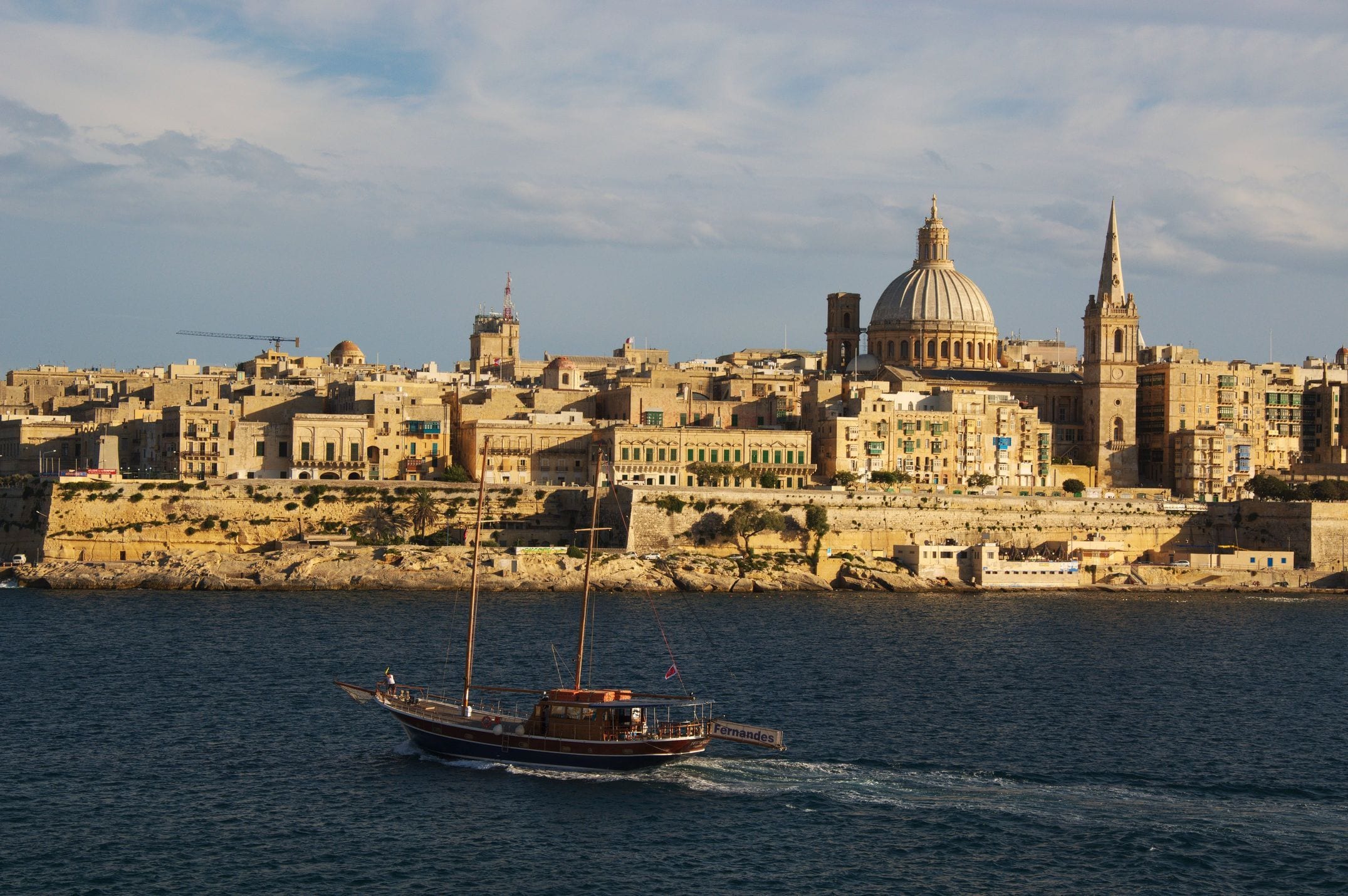
Nowhere else can you stand in a temple older than the pyramids in the morning and swim off a Baroque harbour wall by lunchtime.
Malta is a three-island archipelago in the middle of the Mediterranean, 80km south of Sicily and small enough to cross by bus in an hour. Its capital, Valletta, is a walled Baroque city built by the Knights of St John after the Great Siege of 1565, and the countryside around it holds stone temples raised a thousand years before the pyramids. Add limestone sea cliffs, a swimmable coast from May to October and English as an official language, and it packs more into 316 square kilometres than almost anywhere in Europe.
The best walking weather of the year — warm days, green valleys and wildflowers on the garigue, with the sea still too cool for most swimmers until late May.
SummerJun–Aug
Hot, dry and reliably cloudless, regularly into the mid-30s°C. The sea is at its warmest and the village festa season is in full swing, but shade is scarce and the beaches are busiest.
FallSep–Nov
Arguably the sweet spot: the sea holds its summer warmth well into October while the crowds thin out. The first real rain usually arrives in November.
WinterDec–Feb
Mild rather than cold, typically around 15°C, and the wettest, windiest stretch of the year. Too cool for swimming, but ideal for walking Valletta and Mdina without the heat or the queues.
Regions
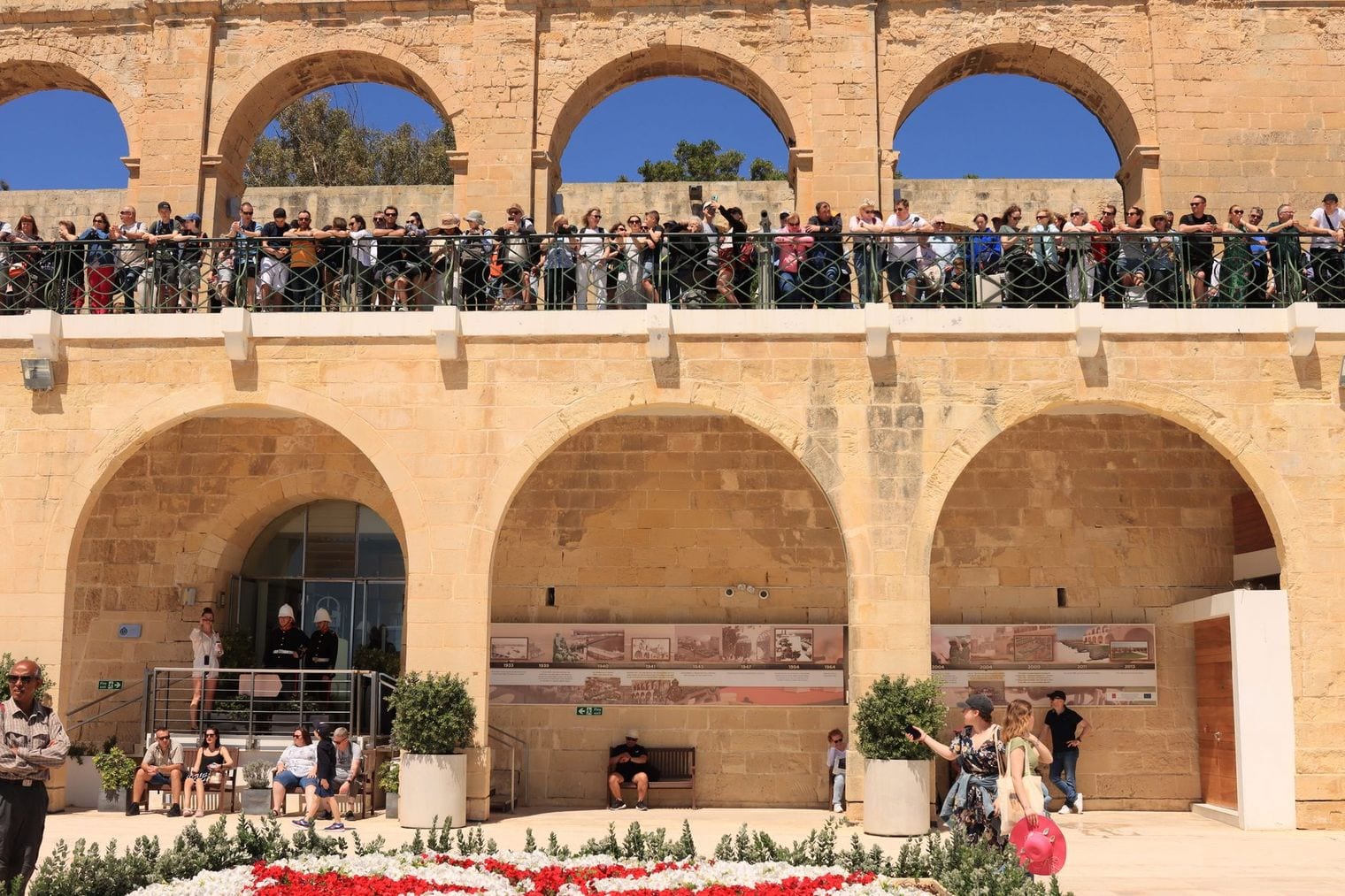
Valletta & FlorianaThe fortified capital on its peninsula — St John's Co-Cathedral, the Grandmaster's Palace and the Upper Barrakka terrace — with Floriana's gardens and granaries just outside the landward walls.
The Three CitiesBirgu, Senglea and Cospicua, the older fortified towns facing Valletta across the Grand Harbour. Quieter and more lived-in than the capital, and reached in minutes by the harbour ferry.
Sliema, St Julian's & the east coastWhere most visitors sleep and eat: a near-continuous seafront of hotels, promenades and rocky swimming shelves, with Spinola Bay at its centre and the nightlife of Paceville at its edge.
Mdina, Rabat & central MaltaThe island's high inland core, crowned by the walled former capital of Mdina. Rabat spreads below it with Roman townhouses and early-Christian catacombs, and Mosta's great dome is close by.
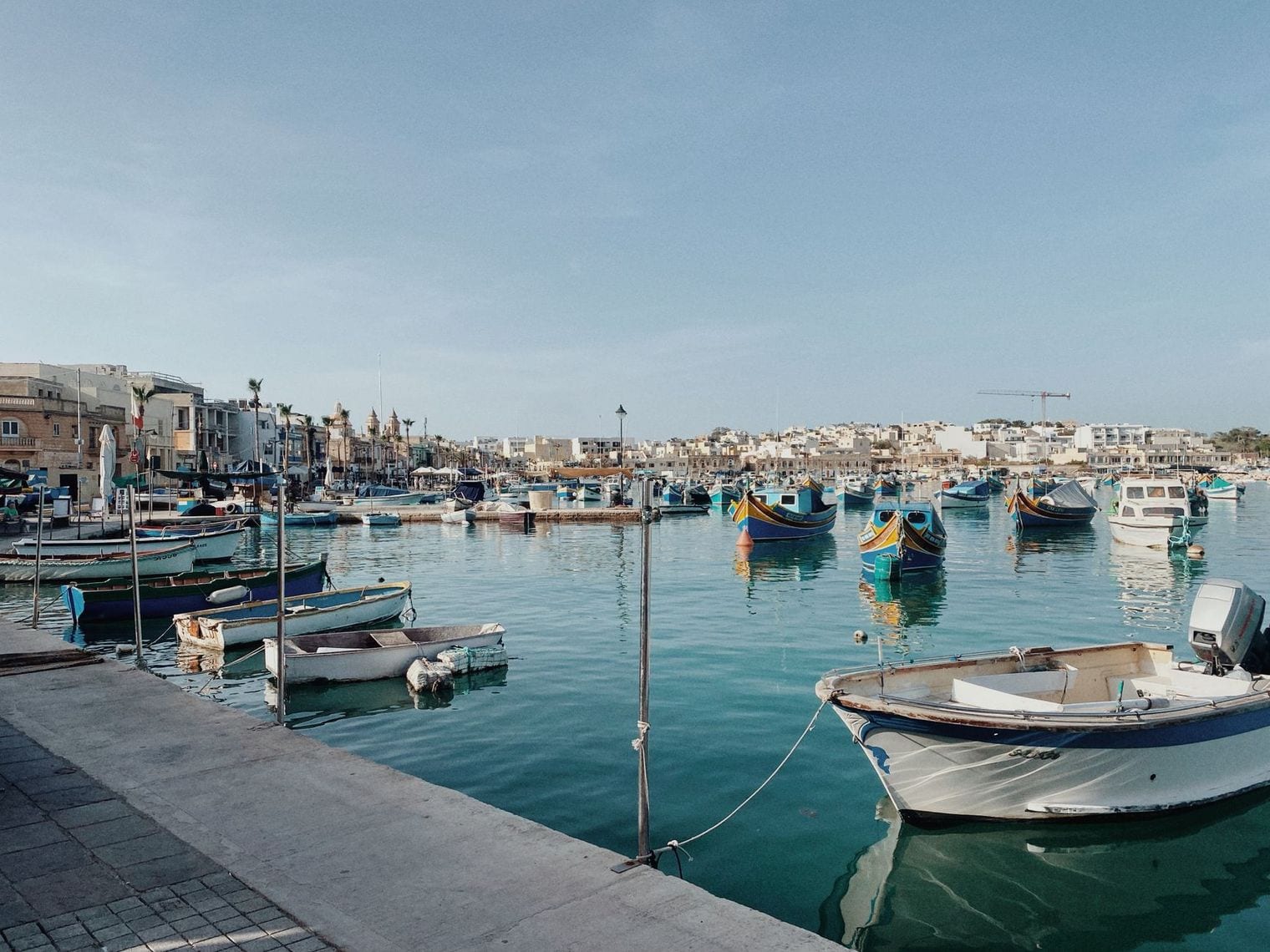
The south & the temple coastThe oldest and least built-up stretch of Malta — the Ħaġar Qim and Mnajdra temples above the sea, the Blue Grotto, the Dingli cliffs and the fishing harbour at Marsaxlokk with its painted luzzu boats.
The north, Gozo & CominoMalta's sandiest beaches around Mellieħa and Golden Bay, and the Ċirkewwa ferry port that serves the two smaller islands: greener, slower Gozo with its hilltop Cittadella, and near-empty Comino with the Blue Lagoon.
Malta's signature sights
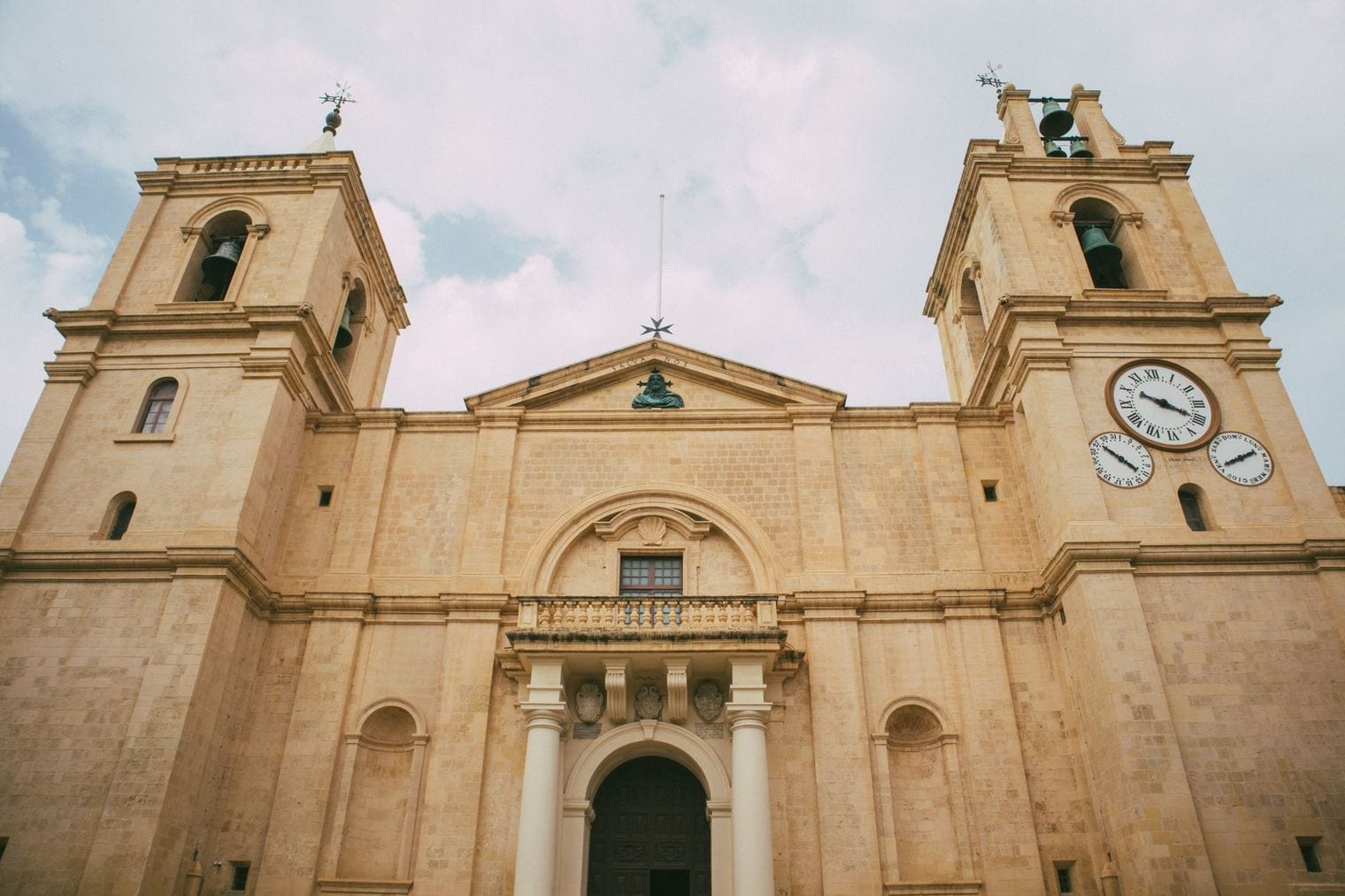
St John's Co-CathedralA plain façade hiding the most ornate Baroque interior in the Mediterranean, a floor of inlaid marble knight's tombs and two Caravaggios.Basecamp: Valletta
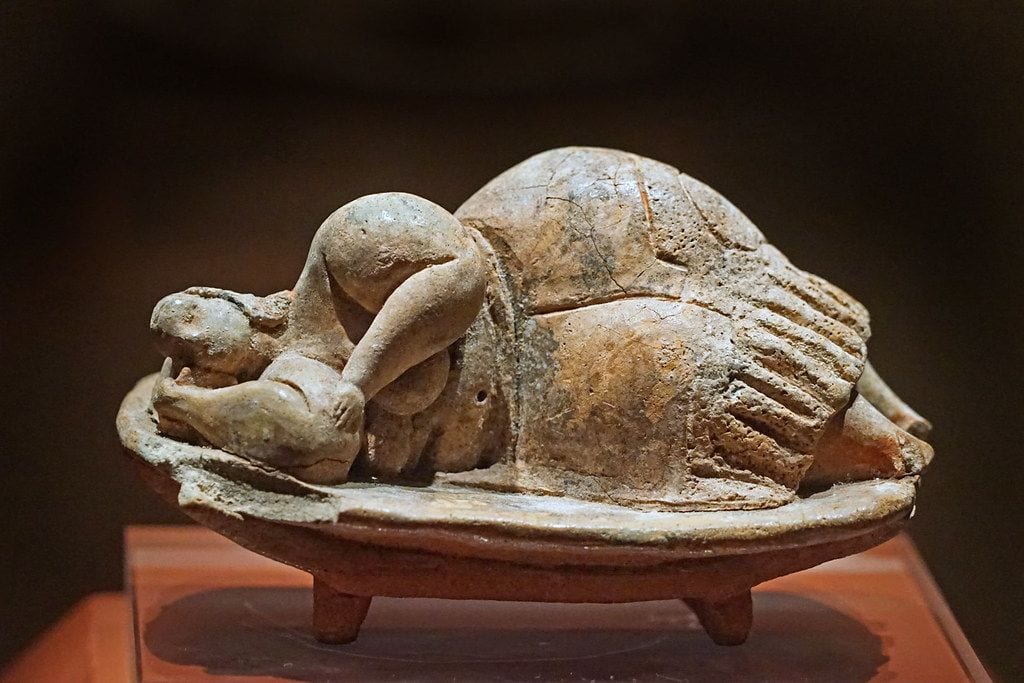
Ħal Saflieni HypogeumA three-level burial complex cut into solid rock around 4000 BC. Daily admission is strictly capped, so it is the one sight to plan a trip around.Basecamp: Paola
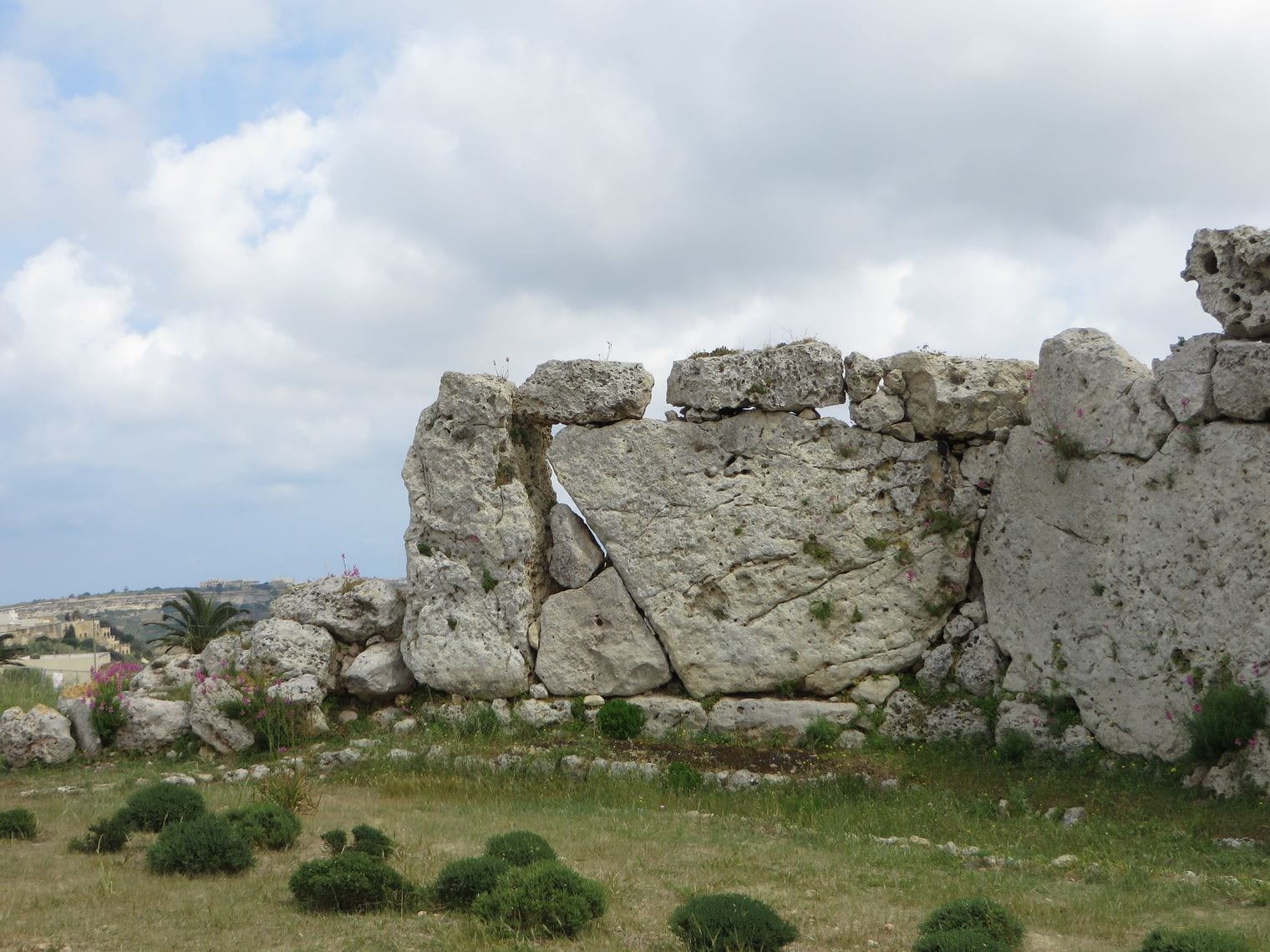
Ġgantija TemplesAmong the oldest free-standing structures anywhere on earth — older than Stonehenge and the Egyptian pyramids alike.Basecamp: Xagħra, Gozo
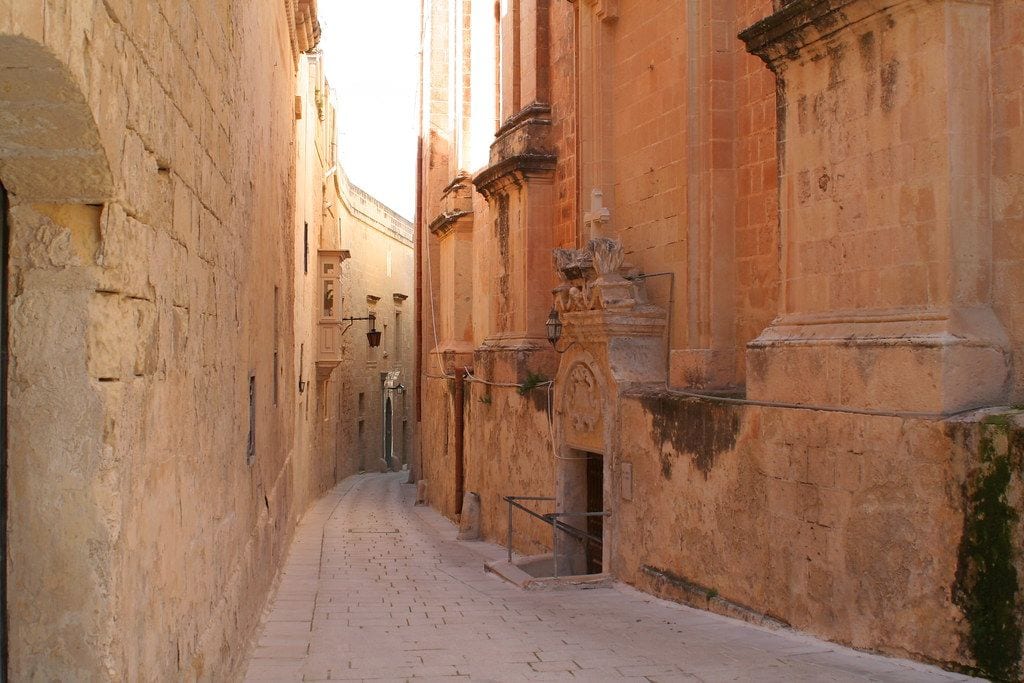
MdinaA walled medieval capital of noble palaces and cathedral squares that empties of traffic and day-trippers after dark, hence 'the Silent City'.Basecamp: Mdina
The Blue LagoonA shallow turquoise channel between Comino and the islet of Cominotto, reachable only by boat and startlingly clear.Basecamp: Comino
Upper Barrakka Gardens & the Grand HarbourThe classic view over one of the great natural harbours in Europe, with the Saluting Battery on the terrace below and the Three Cities opposite.Basecamp: Valletta
Suggested routes
Malta in a long weekend
3–4 days
The essential loop, all of it doable on buses and harbour ferries from a single base in Valletta or Sliema.
1Valletta — Base — two days' worth on its own
2The Three Cities — Harbour ferry from Valletta
3Mdina & Rabat — Half a day inland
4Marsaxlokk — Fishing harbour, best on a Sunday
The temple trail
2 days
Malta's prehistoric sites in rough chronological order — a genuinely world-class run of UNESCO-listed megalithic architecture, and the reason many people come.
1Tarxien Temples — Carved reliefs, easiest to reach
2Ħal Saflieni Hypogeum — Book far ahead — capped entry
3Ħaġar Qim & Mnajdra — Clifftop pair above the sea
4Ġgantija — On Gozo — the oldest of the lot
Gozo & Comino by ferry
2–3 days
Slow down on the two smaller islands. Worth an overnight on Gozo rather than a day trip, which is what most visitors regret.
1Ċirkewwa — Ferry port at Malta's northern tip
2Blue Lagoon, Comino — Go early or late to dodge the boats
3Victoria & the Cittadella — Gozo's walled hilltop core
4Dwejra & Ramla Bay — West coast, then the red-sand beach
Late spring and early autumn. April to June gives warm, walkable weather and green countryside, while September and October keep the sea at its warmest with far fewer people than August. Midsummer is hot, crowded and short on shade; winter is mild and quiet but too cool for swimming.
How many days do you need in Malta?
Four to five days covers Valletta, the Three Cities, Mdina and a temple site or two without rushing. Allow a week if you want to give Gozo a proper overnight rather than a day trip, or if you plan to spend real time swimming.
Do you need a car in Malta?
No. The bus network reaches nearly everything a visitor wants and the whole country is barely 30km end to end, so many people never rent. A car helps for the remote south and west, or if you are staying on Gozo. Bear in mind that Malta drives on the left, the roads are narrow and busy, and parking in Valletta and Sliema is difficult.
What is Malta known for?
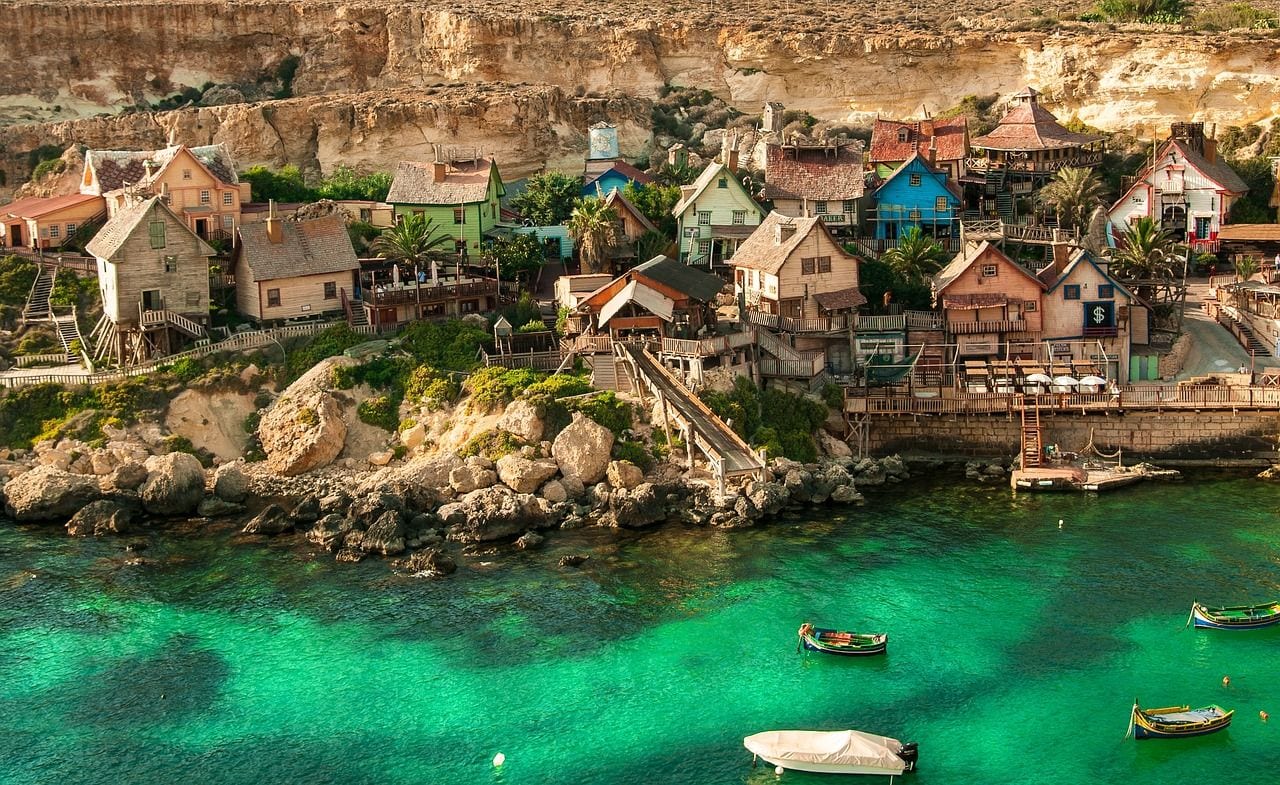
The Knights of St John and the walled cities they built, prehistoric temples older than the pyramids, one of Europe's great natural harbours, and a limestone coast that is swimmable for roughly half the year. It is also a long-standing film location, standing in for ancient Rome, Troy and King's Landing.
Do they speak English in Malta?
Yes. English is an official language alongside Maltese, a legacy of British rule that lasted until 1964. Signage, menus and museum labelling are routinely in English, and you can travel the whole country without a word of Maltese.
What currency does Malta use, and is it in the EU?
Malta uses the euro. It has been a member of the European Union since 2004, joined the eurozone in 2008, and is part of the Schengen Area, so travel from most of mainland Europe involves no border check.
What food is Malta known for?
Pastizzi — flaky pastries filled with ricotta or mushy peas — are the everyday snack, sold from hole-in-the-wall shops. Look also for ftira, a flattish sourdough loaf dressed with tuna, capers and tomato; rabbit stew, which Maltese families traditionally eat as a shared fenkata; and lampuki, the dorado that shows up on menus in autumn.
What kind of trip is Malta best for?
History, swimming and short-hop island trips.
We use cookies to analyse site traffic and improve your experience.
You can accept or reject analytics cookies. See our Cookie Policy.