We may earn a commission if you book or buy through a link on
this page, at no extra cost to you. It never affects which places we list or how
we rank them (how we make money).
Short answer
Malta's three essentials are the Ħal Saflieni Hypogeum, a three-level burial complex carved from solid rock around 4000 BC, the Ġgantija Temples on Gozo — among the oldest free-standing structures on earth — and St John's Co-Cathedral, whose plain façade hides the most extravagant Baroque interior in the Mediterranean. Four to five days covers the main island comfortably; add two more for Gozo and Comino.
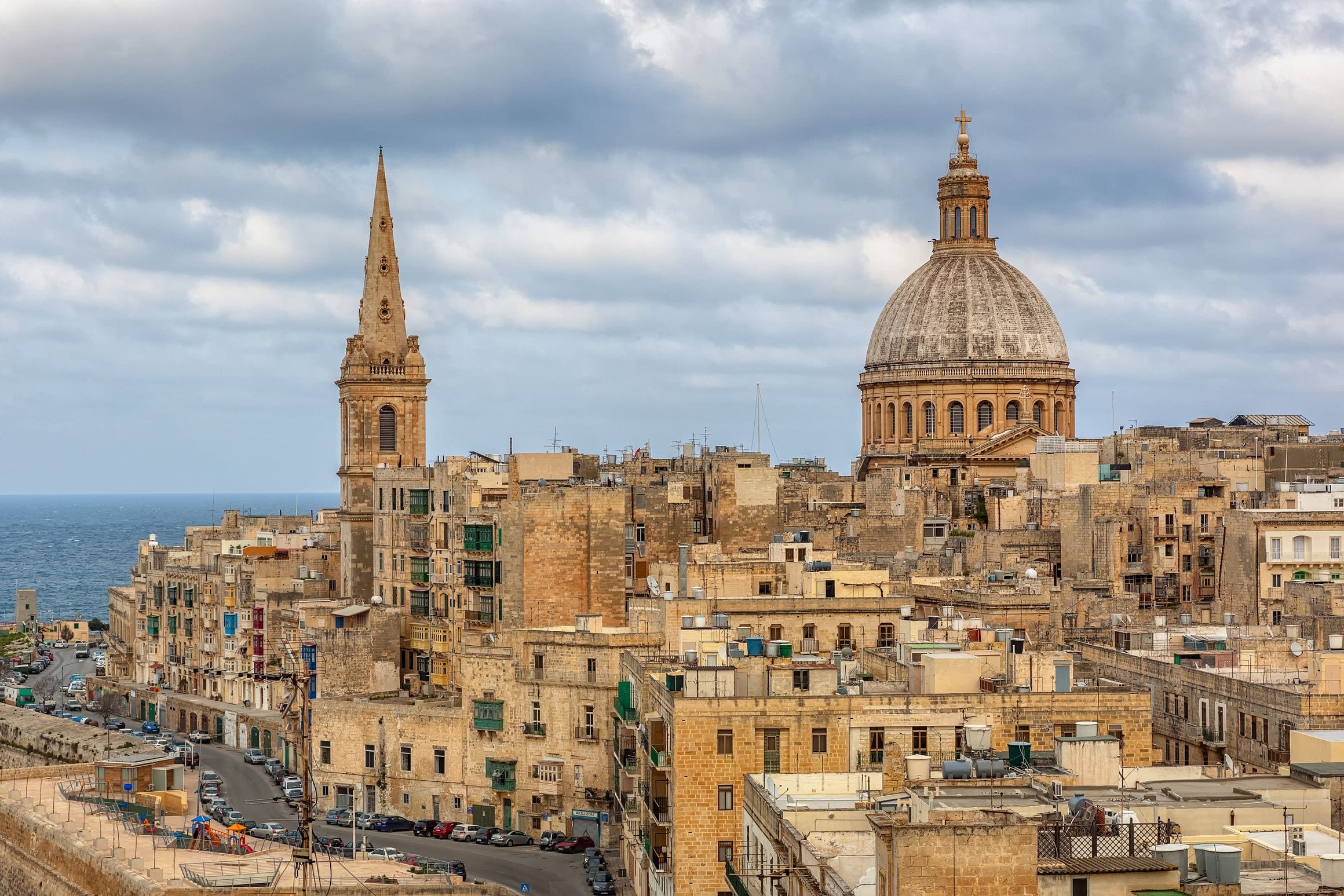
Malta packs an improbable amount into 316 square kilometres. Three inhabited islands sit midway between Sicily and North Africa, stacked with honey-coloured limestone cities, sheer sea cliffs and stone temples raised before the pyramids.
This guide runs to 50 places spread across Malta, Gozo and Comino — walled capitals, Knights' fortresses, fishing harbours and a turquoise lagoon or two. Four or five days covers the essentials; a week lets you slow down on Gozo.
Maltese is the only Semitic language written in the Latin alphabet, and the only Semitic official language of the European Union — Arabic in its bones, but carrying centuries of Italian and English loanwords.
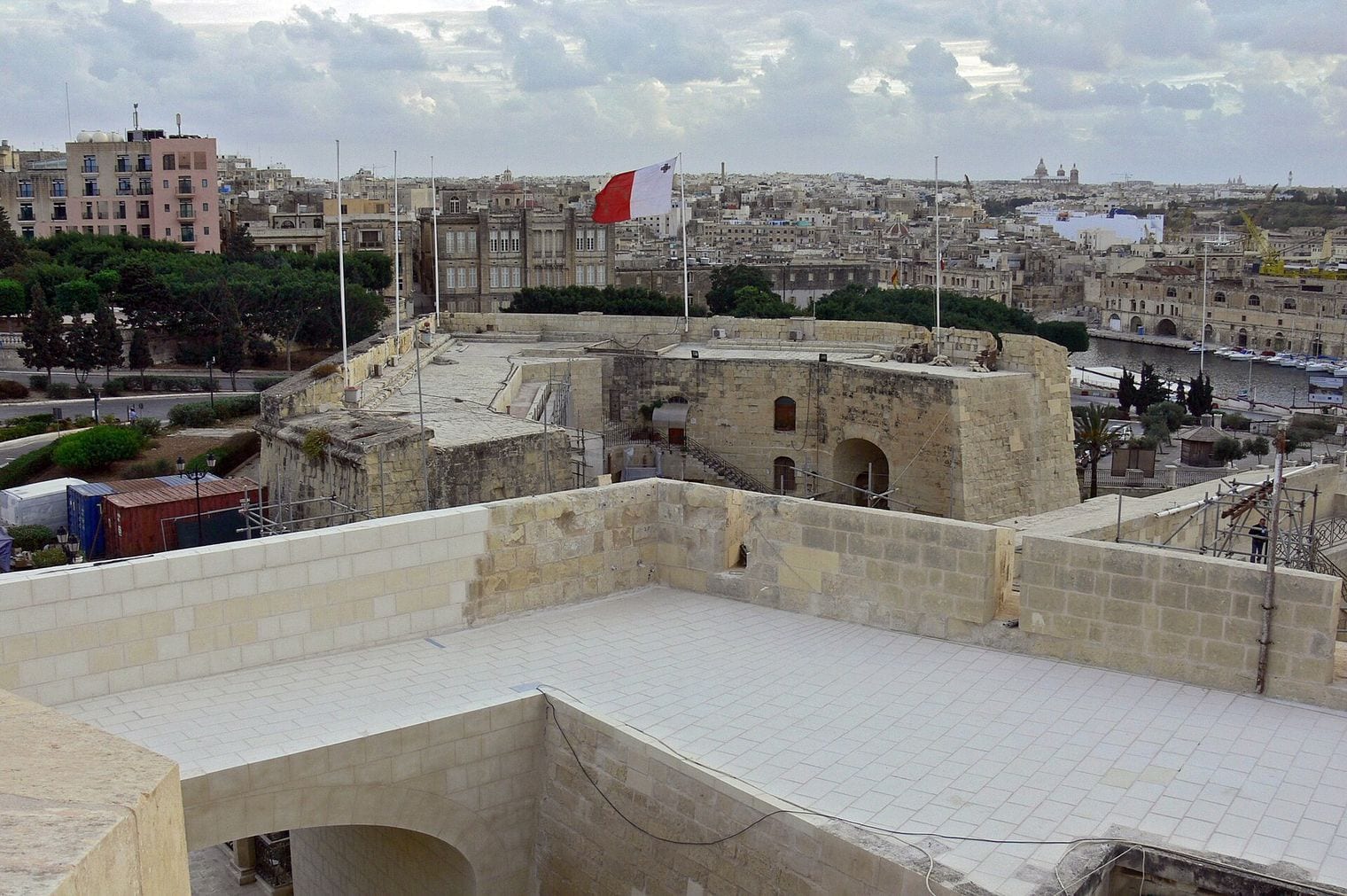
The cross in the corner of the flag is a George Cross awarded to the entire island rather than to a person: King George VI decorated Malta by letter in April 1942 for its endurance under siege, and it has stayed on the flag ever since.
The Ġgantija temples on Gozo predate the pyramids of Giza and Stonehenge, which puts them among the oldest free-standing buildings anywhere on earth.
Malta drives on the left and uses British three-pin plugs — leftovers of British rule, which lasted until independence in 1964.
Malta has three UNESCO World Heritage Sites, and one of them is a single listing covering seven separate megalithic temples spread across six locations on two islands.
11. Ħal Saflieni Hypogeum
Historical Landmark~6.3 km (3.9 miles) from centre
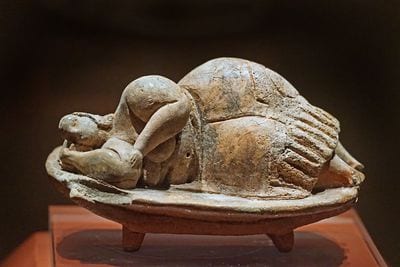
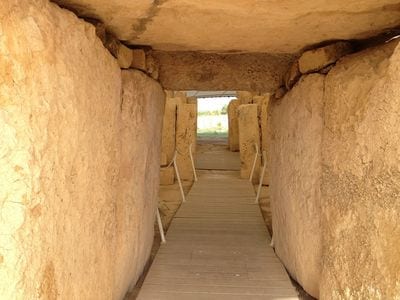
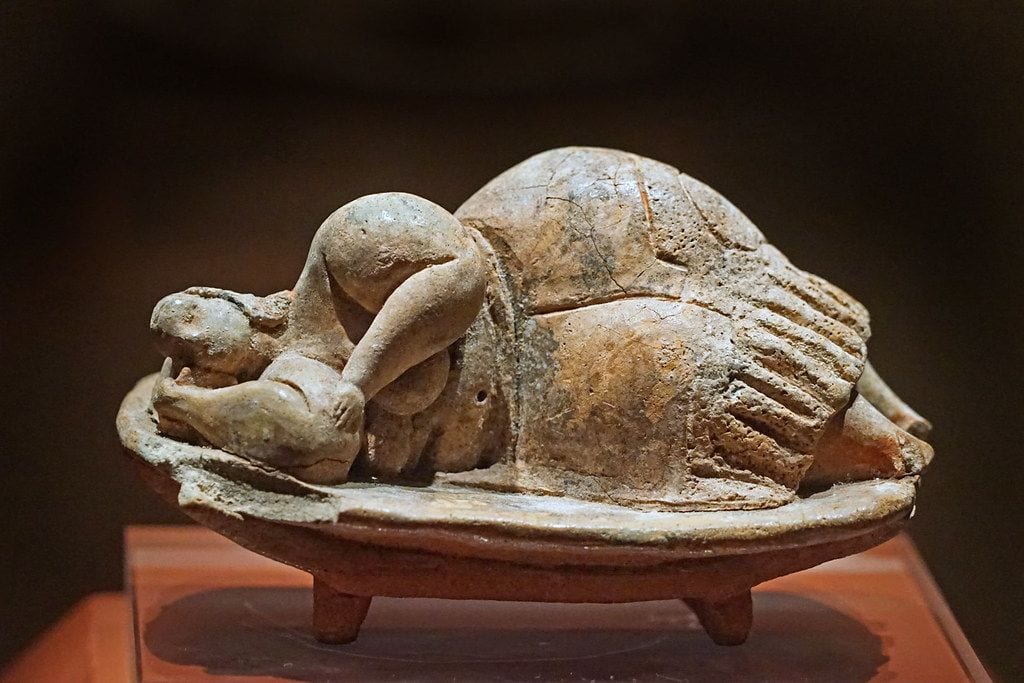
Cut three levels down into solid rock beneath the town of Paola, the Ħal Saflieni Hypogeum is a prehistoric burial complex with no equal anywhere in the world. Its chambers were hollowed out with stone tools, and the builders carried the shapes of their above-ground temples underground with them, carving doorways and corbelled ceilings into living rock.
It is a UNESCO World Heritage Site, and the number of visitors admitted each day is strictly capped to protect the fragile microclimate inside. That makes it the one sight in Malta you plan a trip around rather than drop in on — tickets are released well in advance and routinely sell out.
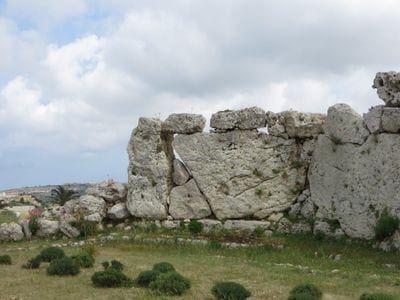
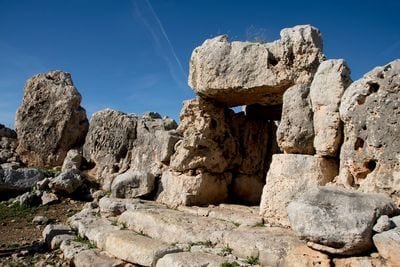
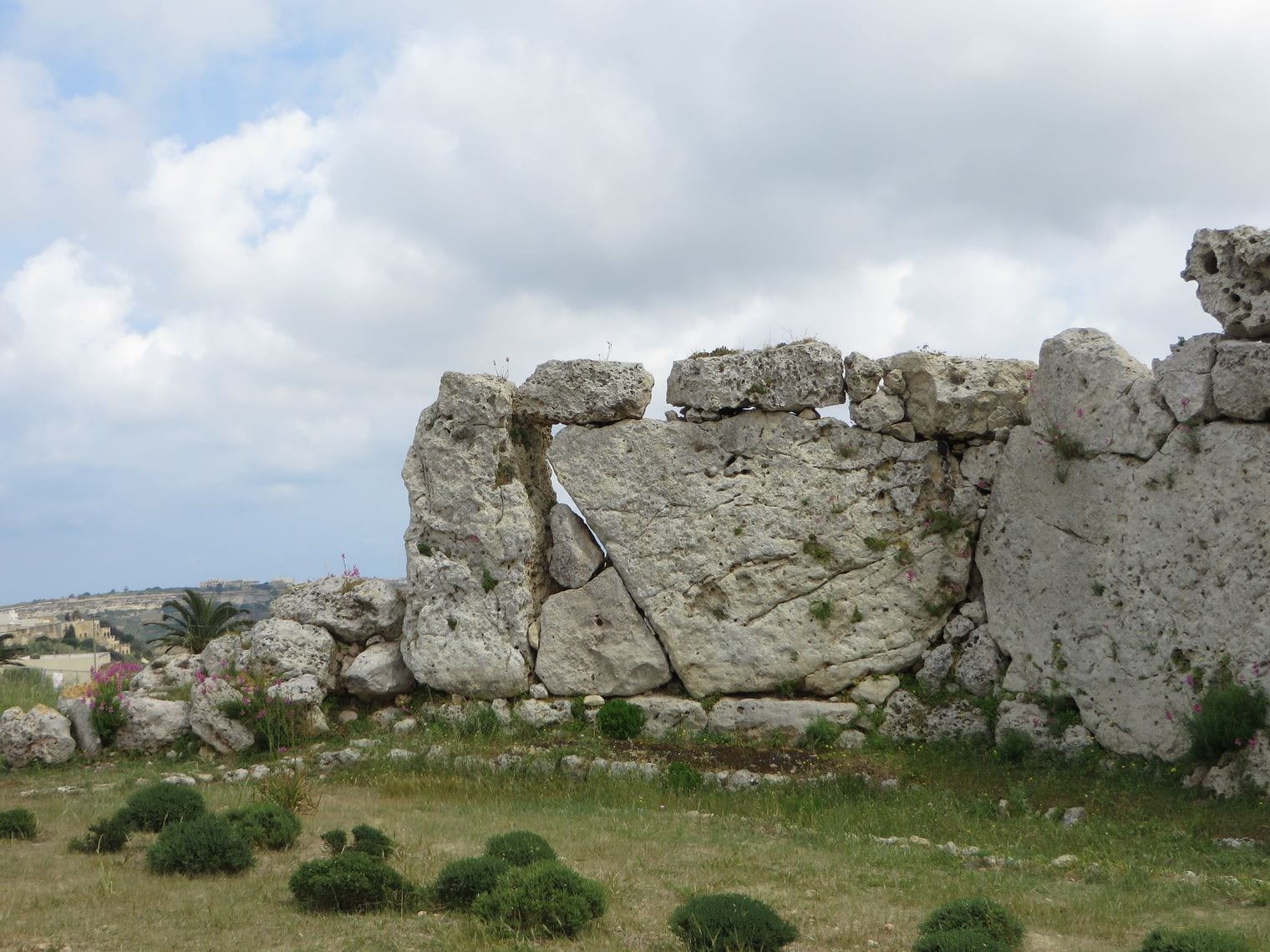
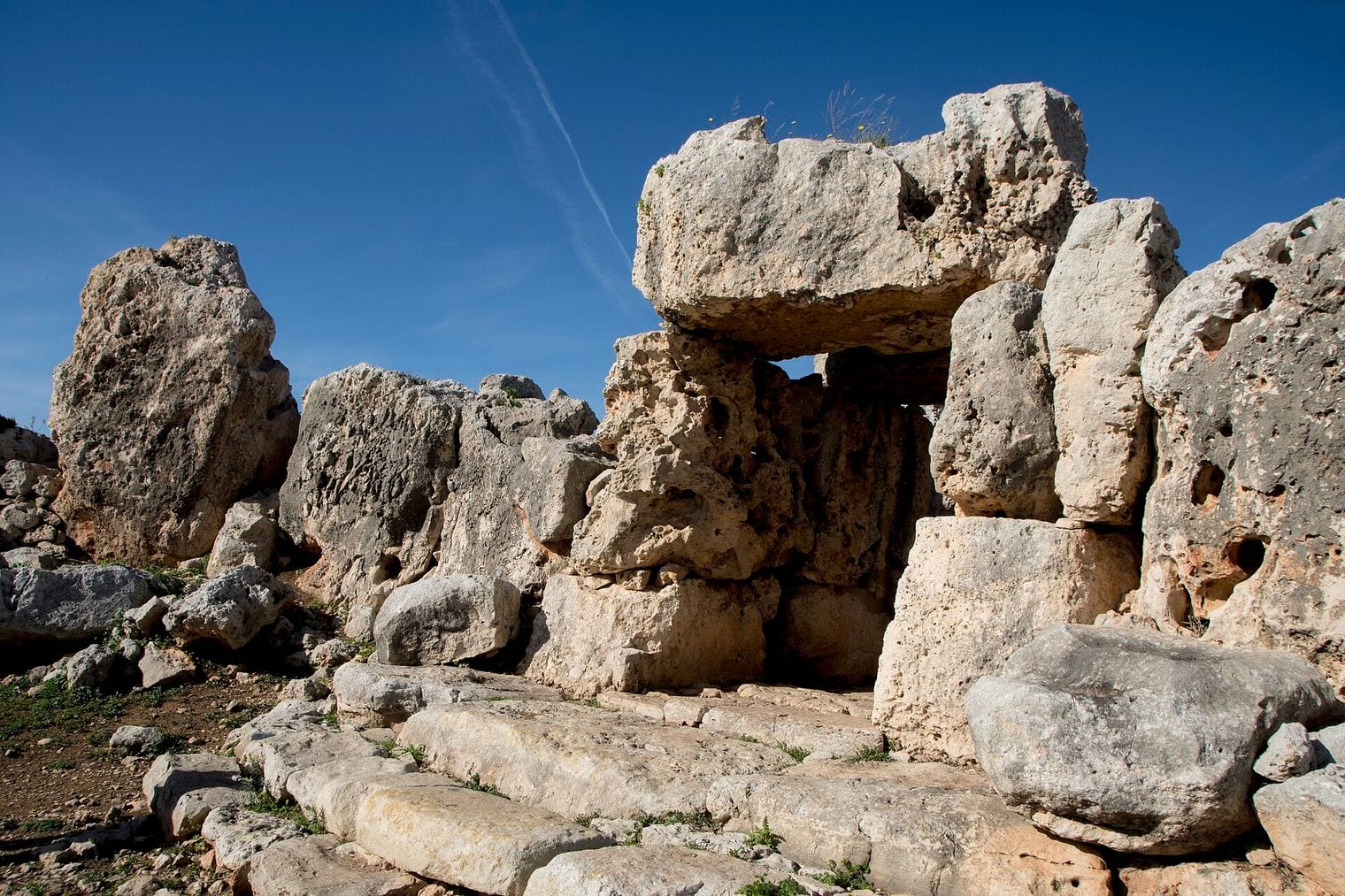
On a plateau above Xagħra on Gozo stand two temples built from limestone blocks so large that Maltese folklore credited them to a giantess. The Ġgantija Temples are among the oldest free-standing structures anywhere on earth, raised well before the pyramids of Giza and before Stonehenge.
A small interpretation centre sets out what archaeologists have recovered from the site before you walk out to the temples themselves. The scale registers immediately: some of the boulders in the outer wall stand taller than the people looking at them, and they were moved without metal tools or the wheel.
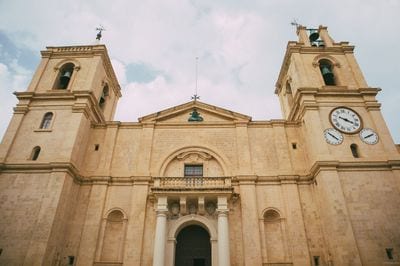
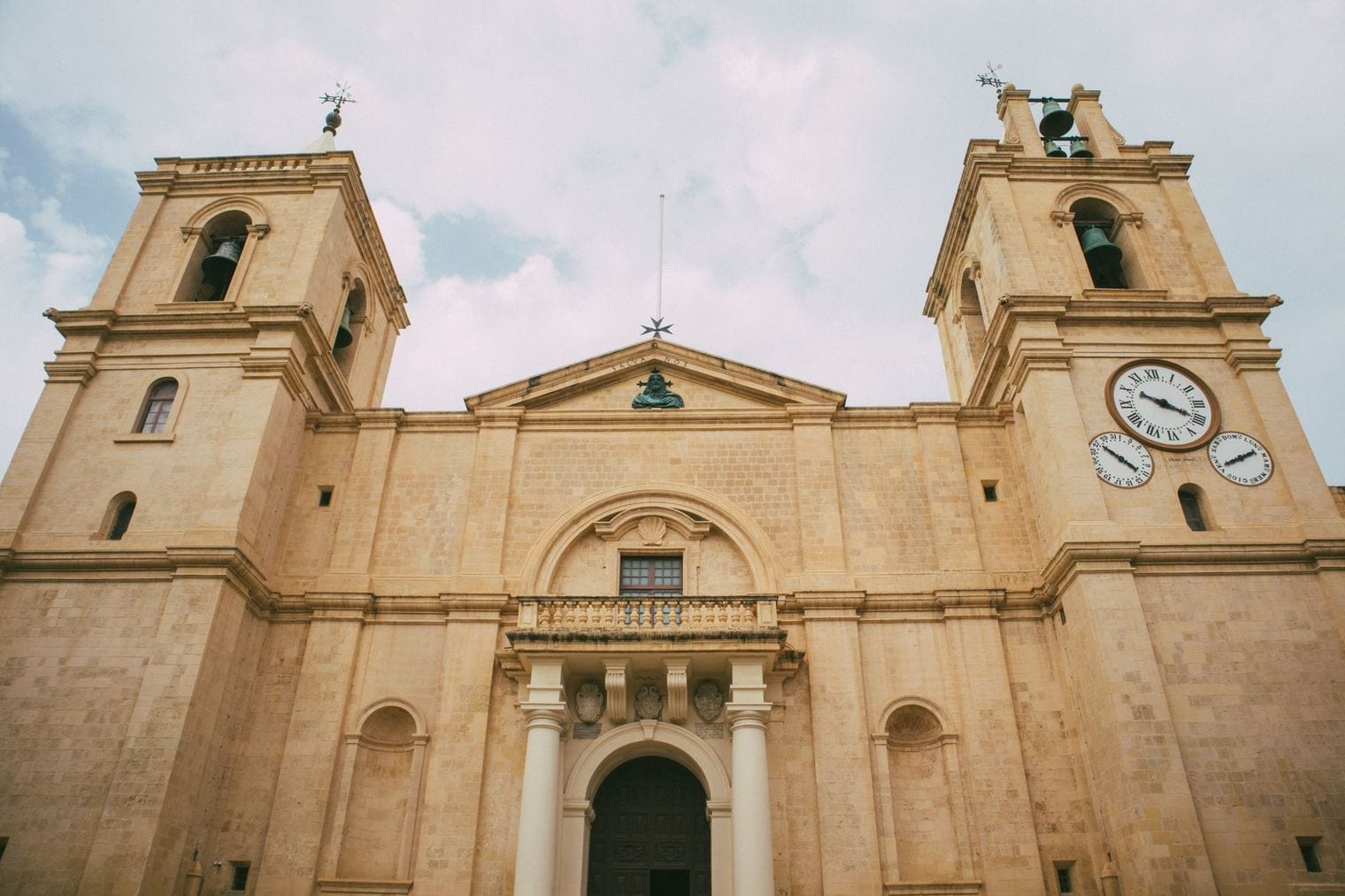
From the street, St. John's Co-Cathedral is a plain, fortress-like box. Step inside and it becomes the most extravagant Baroque interior in the Mediterranean — gilded walls, a vaulted ceiling painted end to end, and a floor paved with the inlaid marble tombstones of the Knights of St John.
The oratory holds Caravaggio's The Beheading of Saint John the Baptist, the only painting the artist ever signed, along with a second Caravaggio nearby. The contrast between the cathedral's severe exterior and what it conceals is the single most Maltese thing in Valletta.
44. Mdina
Historical Landmark~3.4 km (2.1 miles) from centre
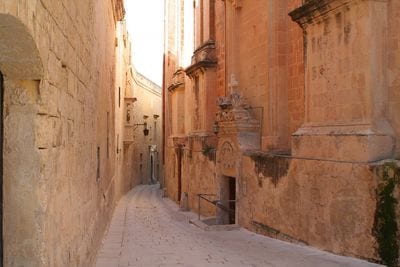
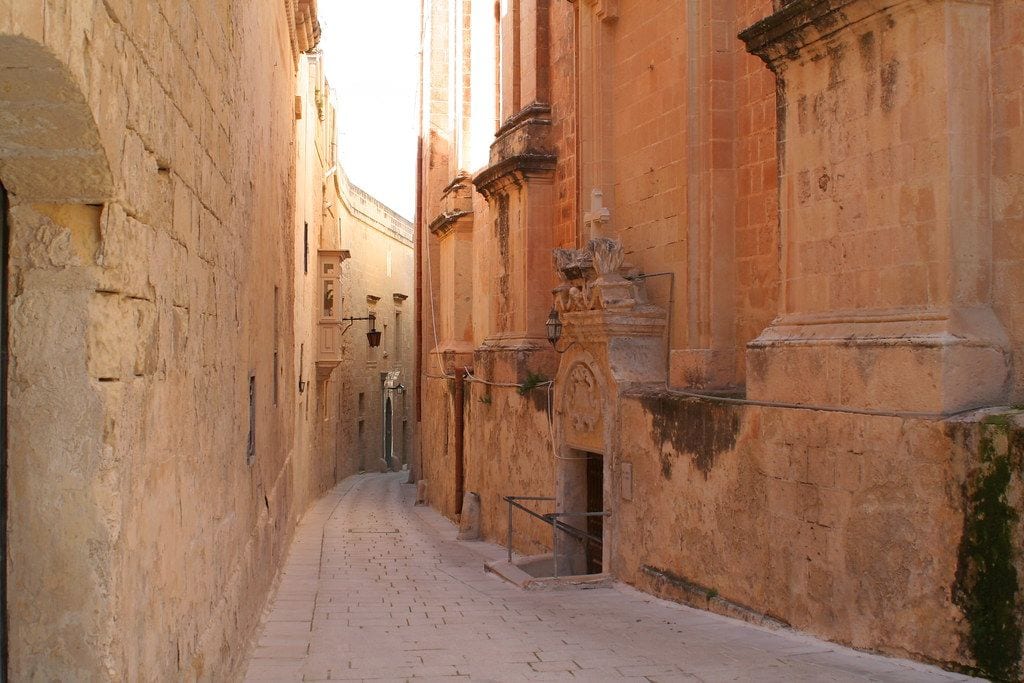
Mdina was Malta's capital for the better part of two thousand years, and it still sits on its inland hilltop behind honey-coloured walls, reached across a bridge and through a Baroque gate. Only a few hundred people live inside, and cars are almost entirely banned.
Daytime brings coach parties, but the crowds thin at dusk and the nickname earns itself: the Silent City. Wander the narrow lanes after dark, when your own footsteps echo off the palace walls, and climb to the bastions for a view that reaches clear across the island to the sea.
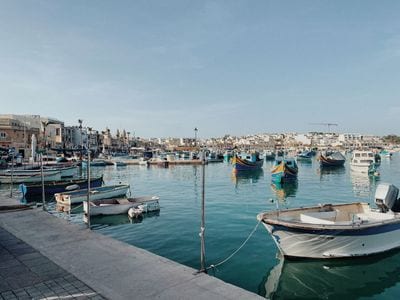
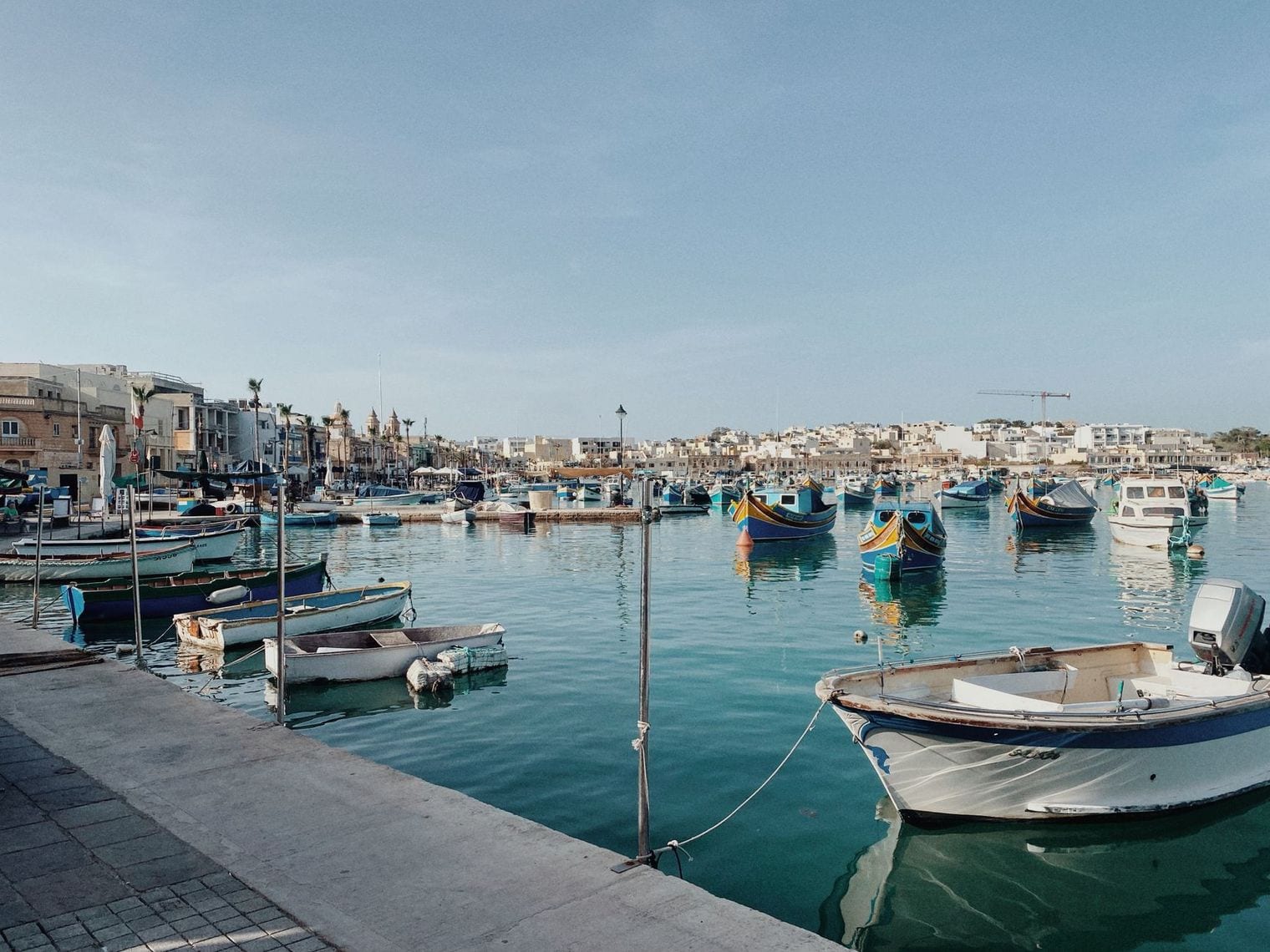
Marsaxlokk Harbour is a working fishing port on the southeast coast, and its water is crowded with luzzus — high-prowed wooden boats painted in blocks of blue, yellow and red. Each one carries a pair of eyes on the bow, a protective symbol Maltese fishermen inherited from Phoenician sailors.
The waterfront fills with a market on Sunday mornings, when the catch comes ashore alongside stalls of produce and household goods. Come midweek instead and it reverts to what it is the rest of the time: a quiet harbour where nets are mended on the quay.
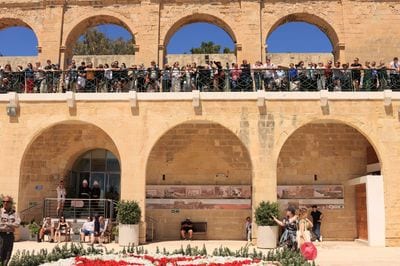
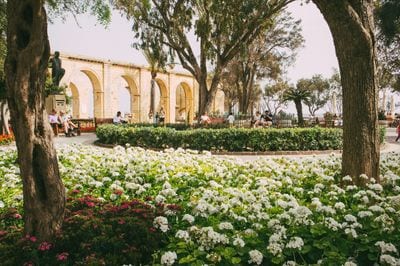
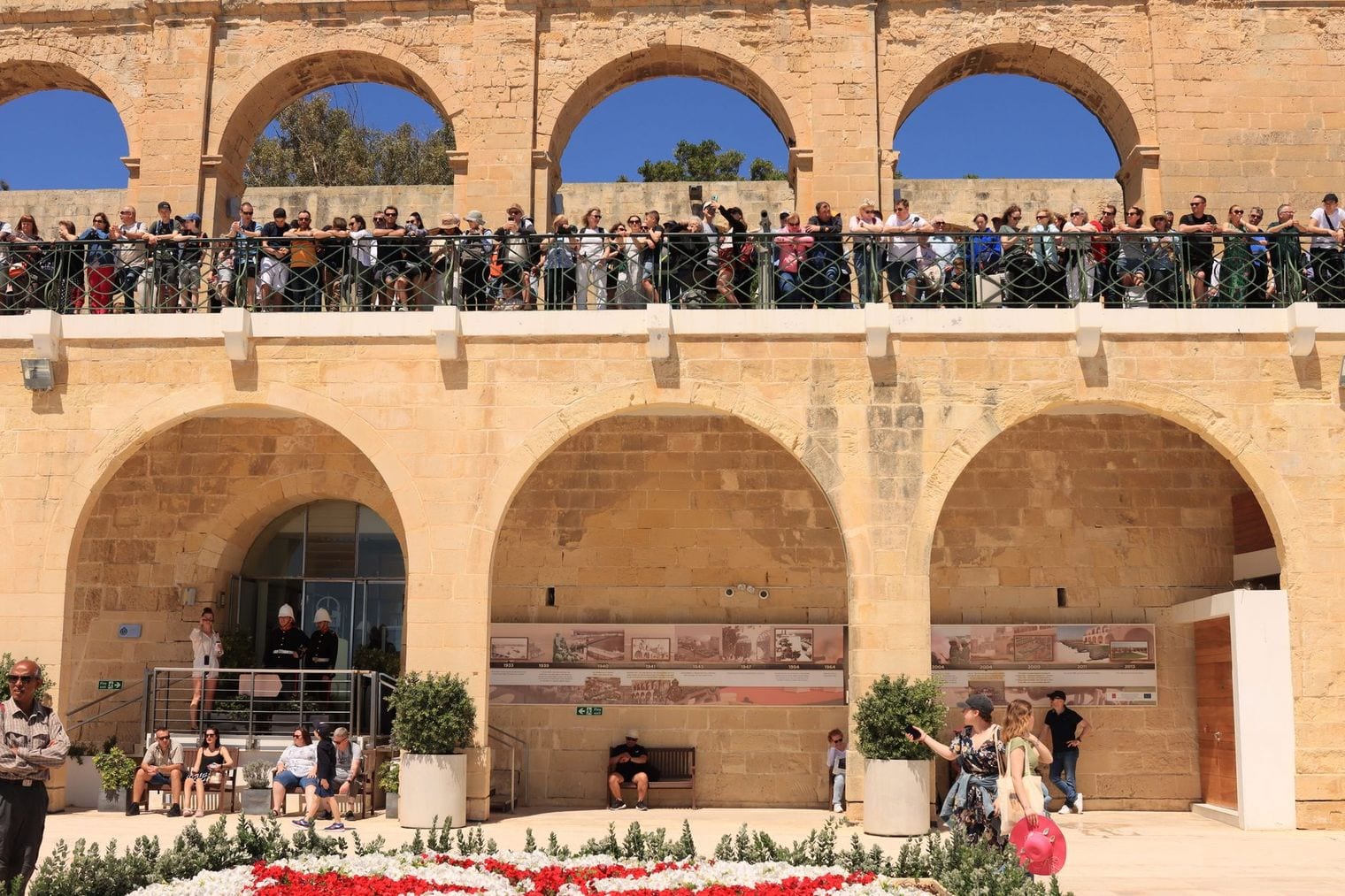
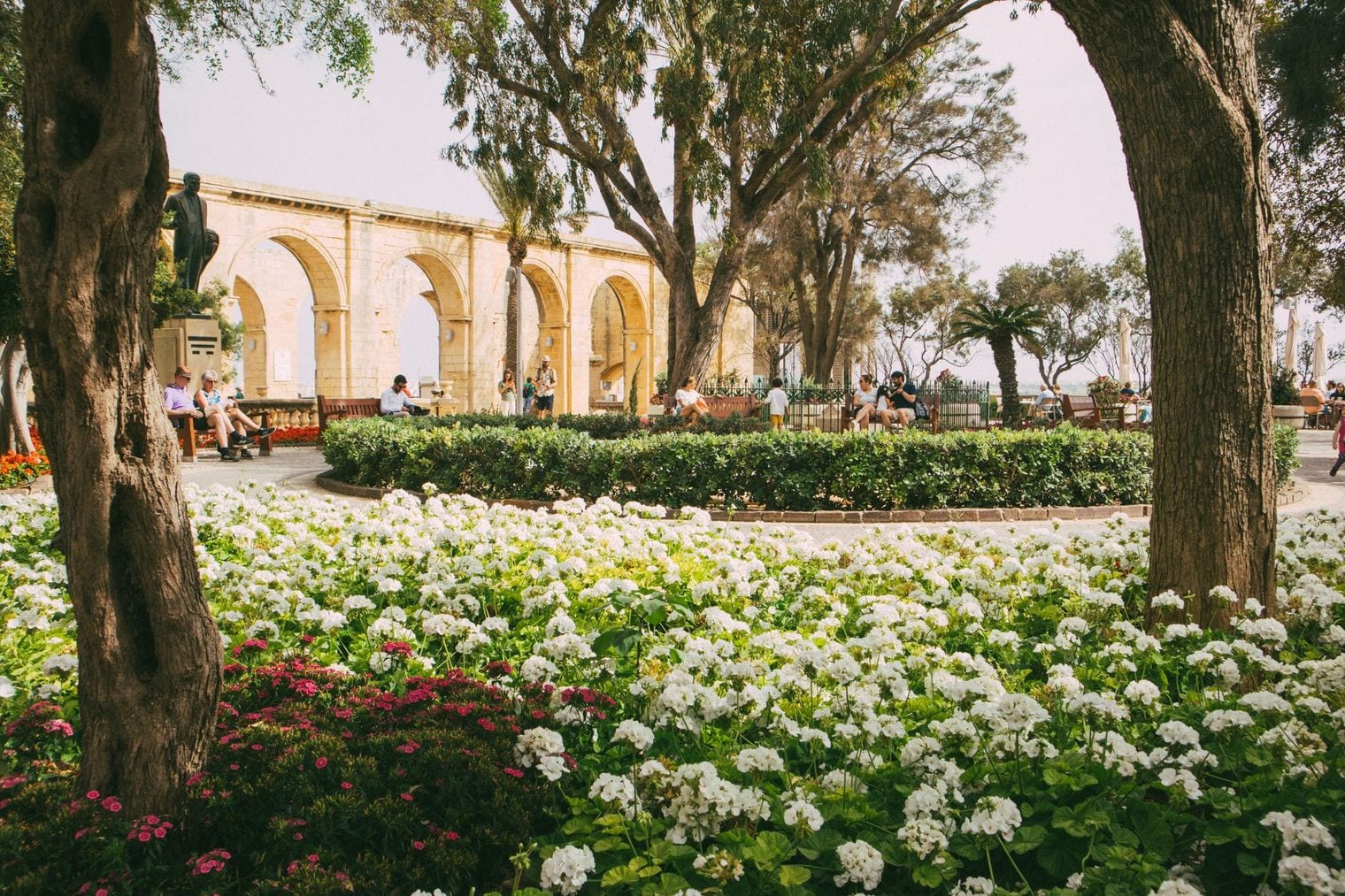
Built on the upper tier of Valletta's bastions, the Upper Barrakka Gardens give you the view that sells Malta — the whole sweep of the Grand Harbour, with the fortified Three Cities directly opposite and warships and cruise liners threading between them.
The Saluting Battery sits on the terrace below, where cannon are still fired ceremonially each day. A lift drops from the gardens to the harbour quay in seconds, which makes this the natural starting point for a walk that ends on the water.
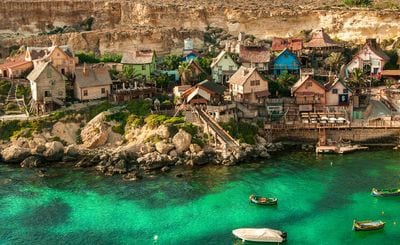
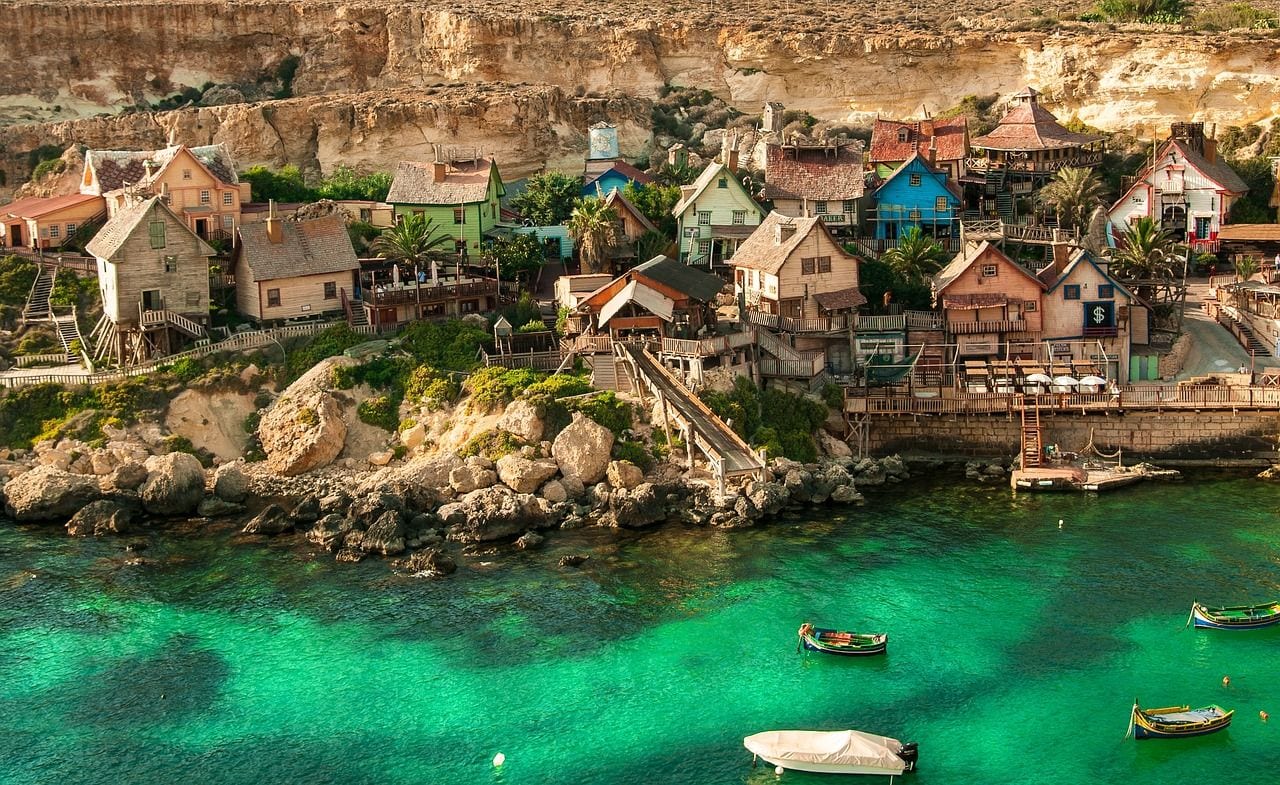
A ramshackle cluster of timber houses tumbles down the cliffs at Anchor Bay, and it exists because a film crew built it. Popeye Village was constructed as the set for the 1980 musical starring Robin Williams, and rather than demolish it, Malta kept it.
It now runs as a family attraction, with the original buildings open to wander through, a small beach and a boat trip around the bay. Even if the film means nothing to you, the setting is genuinely striking — a painted village wedged into a limestone cove.
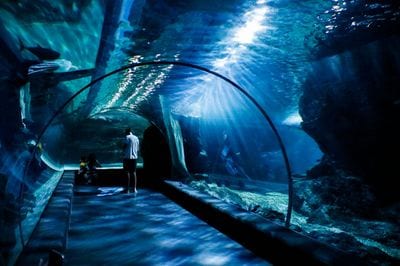
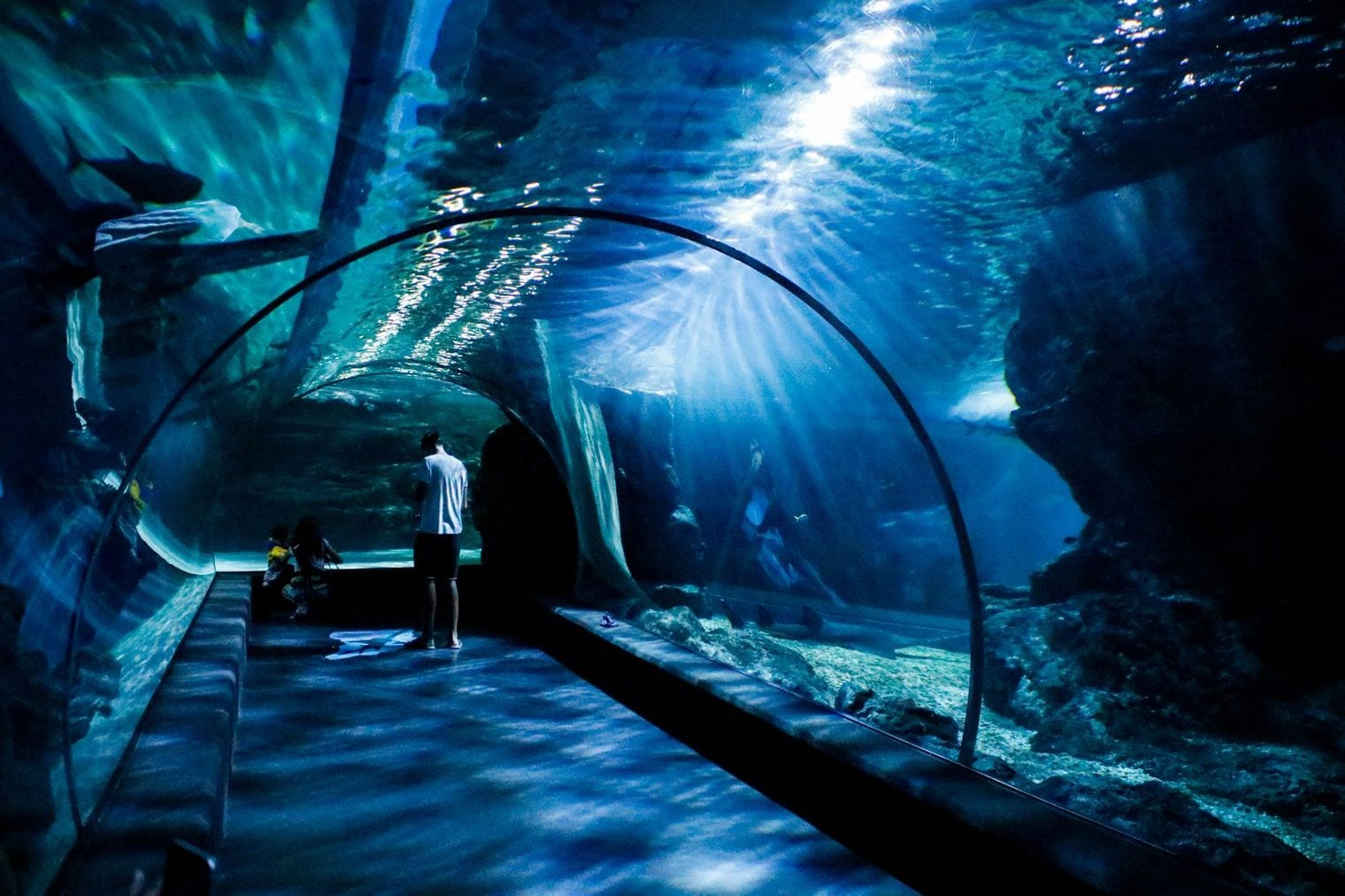
Shaped like a giant starfish on the seafront at Qawra, the Malta National Aquarium presents the marine life of the Mediterranean alongside tanks of tropical and freshwater species. A walk-through tunnel puts rays and sharks directly overhead.
It is the most reliable wet-weather option on the island and an easy win with children, but it earns its place on merit too: the displays concentrate on species you might actually meet while snorkelling off a Maltese beach, which makes the rest of the trip read differently.
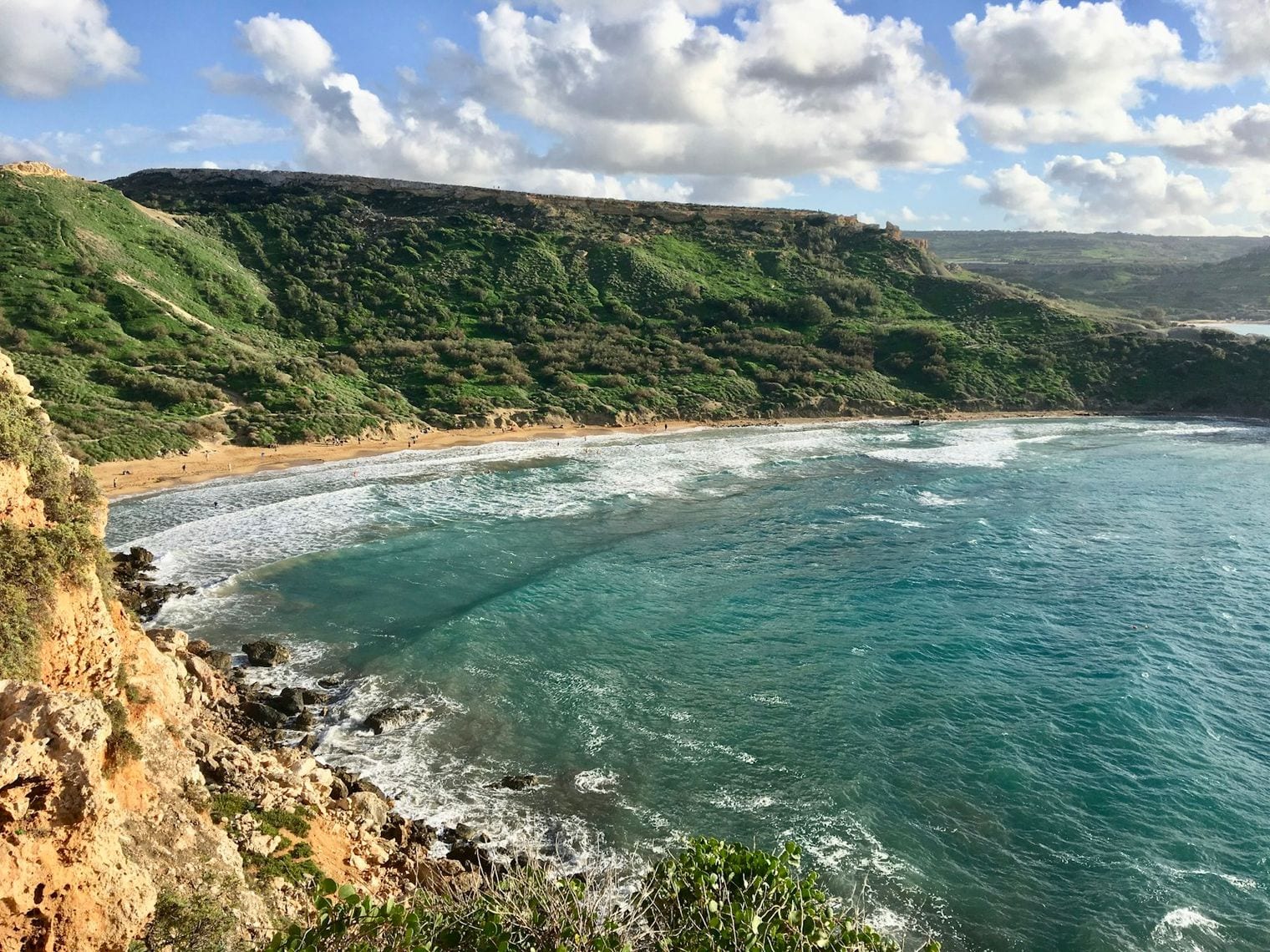
Malta's coastline is mostly rock, which is what makes Golden Bay notable — a broad crescent of genuine sand on the northwest coast, backed by low cliffs and open to the sunset. It is among the easiest beaches on the island to reach by bus.
The bay shelves gently and is patrolled in high season, so it draws families and swimmers rather than divers. Walk south over the headland and you drop into Għajn Tuffieħa, a steeper, quieter bay reached by a long flight of steps.
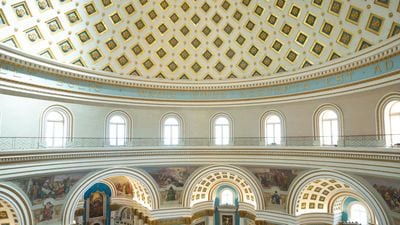
The Mosta Rotunda is a parish church carrying one of the largest domes in Europe, and it dominates the skyline of central Malta from every approach. The interior is a vast circular space in blue and gold, startling for a town of Mosta's size.
Its fame rests on an afternoon in April 1942, when a German bomb pierced the dome during Mass, skidded across the floor and failed to explode with the congregation still inside. A replica of the bomb is displayed in the sacristy, and the parish has treated the event as a miracle ever since.
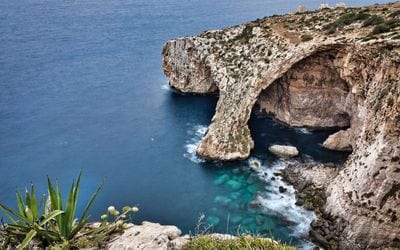
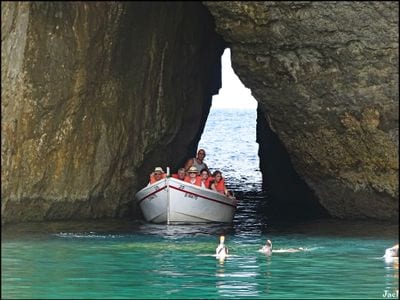
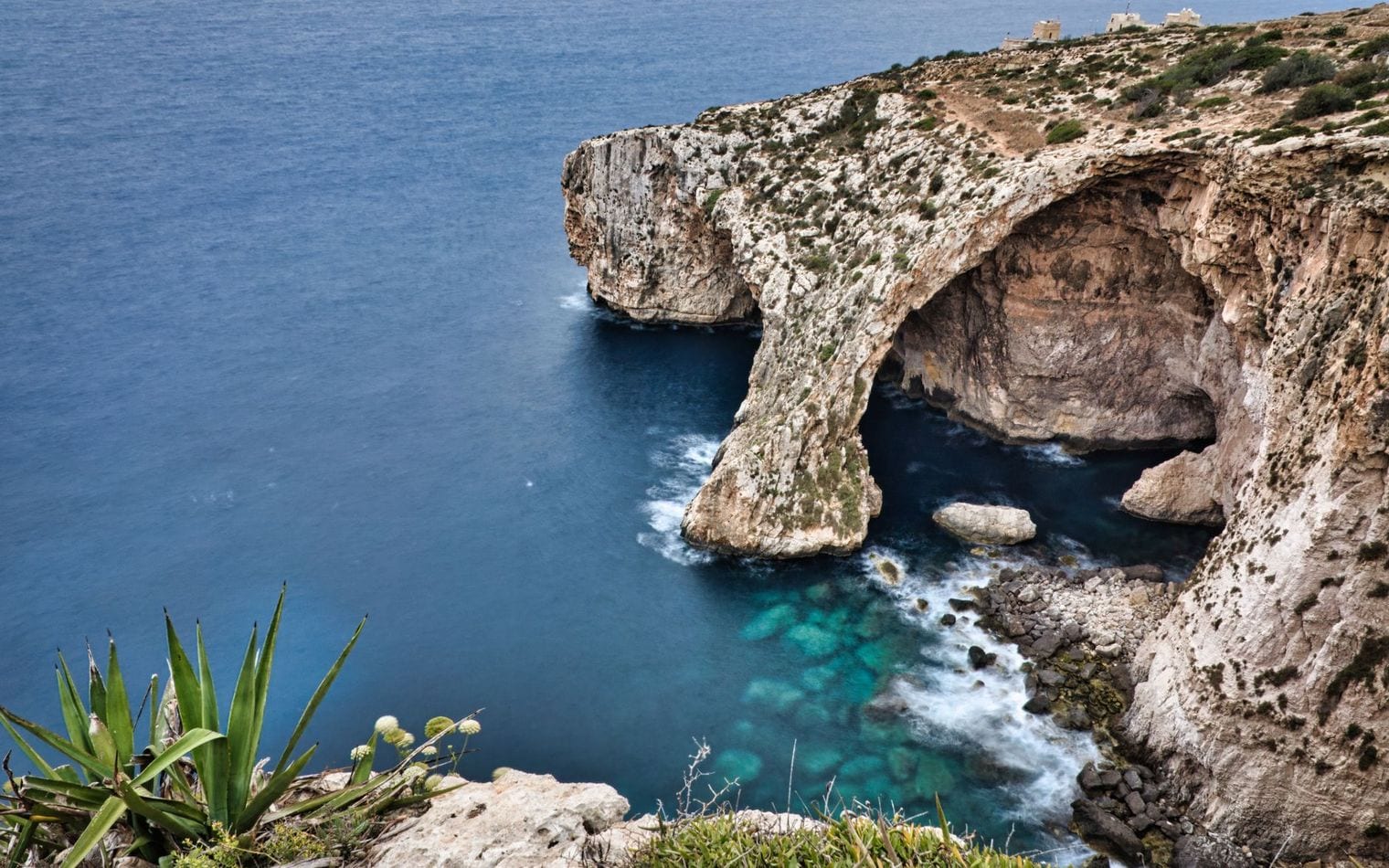
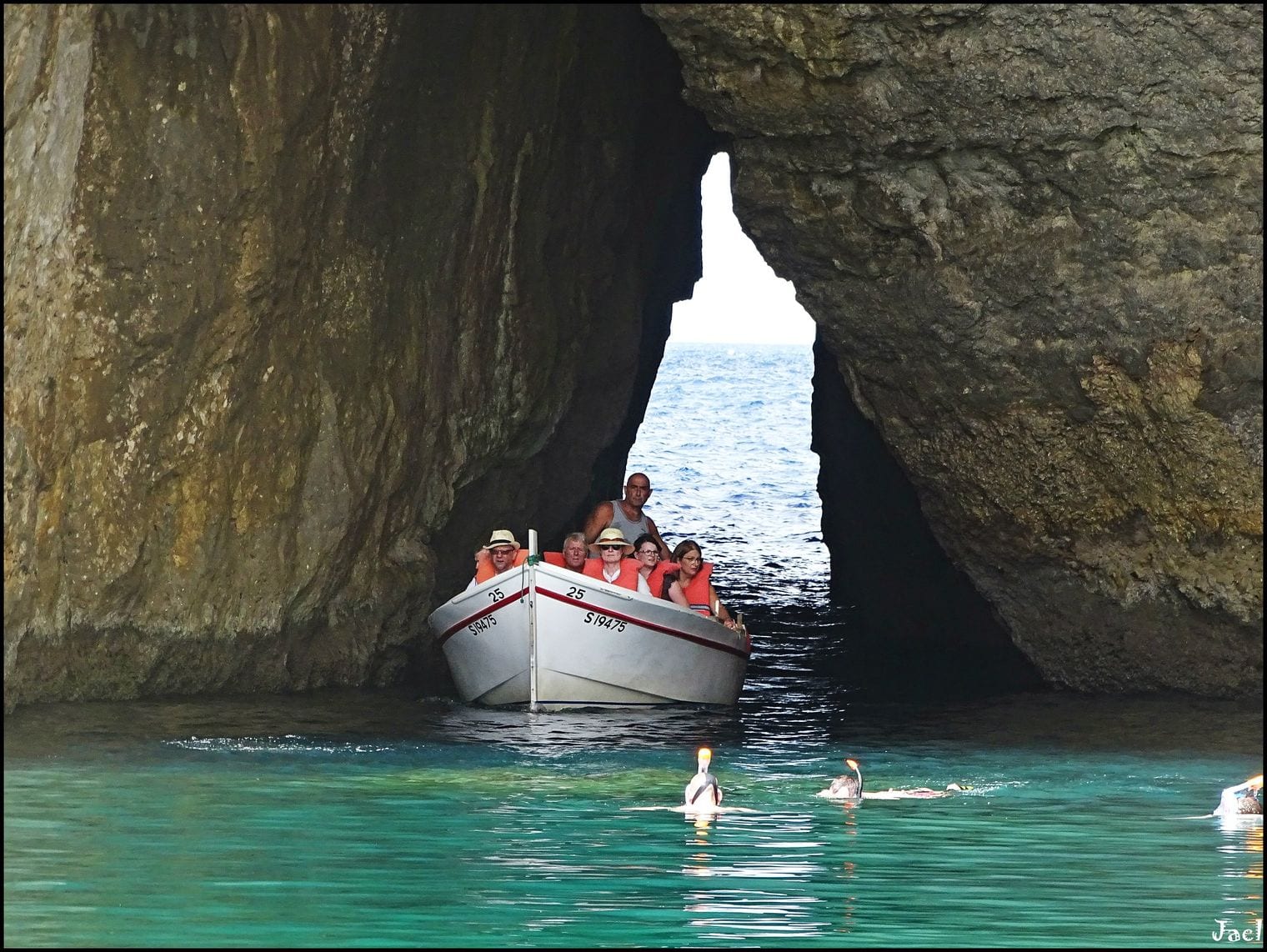
A short boat ride from the inlet at Wied iż-Żurrieq takes you under a natural limestone arch and into a chain of sea caves along the southern cliffs. Inside the Blue Grotto, sunlight refracting off the white sand bed turns the water a luminous electric blue.
Trips run in small open boats in the morning, when the light is at its best and the sea is usually calmest; they are cancelled outright in rough weather. The viewpoint on the road above is worth the stop on its own, arch and all, if the boats are not running.
The Valletta Waterfront is a long terrace of Baroque warehouses along Pinto Wharf, built by the Knights to store grain and goods and restored into a row of restaurants and bars. Each doorway is painted a different colour, which makes the whole quay read as a single striped facade from the water.
Cruise ships dock directly alongside, so it swings between bustling and near-empty depending on the day. Come in the evening, when the lights come on across the Grand Harbour and the fortifications opposite are floodlit.
Beneath Rabat lies the largest complex of its kind on the island: a Roman-era underground cemetery of interconnected passages and rock-cut tombs, in use for centuries. St Paul's Catacombs were dug outside the walls of the ancient city, as Roman law required burials to be.
The site is run by Heritage Malta and lit for visitors, with walkways threading between burial chambers and the circular stone tables where relatives once shared funerary meals. It is cool underground even in August, and it gives a far older picture of Malta than the Knights' architecture above.
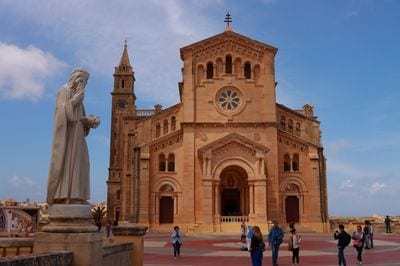
Ta' Pinu Basilica stands almost alone in the Gozitan countryside near Għarb, a pale stone church rising straight out of farmland with no town around it. It marks the spot where a local woman reported hearing the Virgin's voice in the late nineteenth century, and it has been a Marian pilgrimage site ever since.
The interior is unusually restrained for Malta, and a corridor beside the nave is lined with letters, photographs and offerings left by pilgrims. The setting does most of the work: the basilica is visible for miles across open fields, and the drive out is one of the loveliest on Gozo.
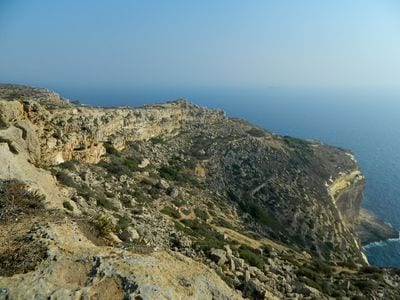
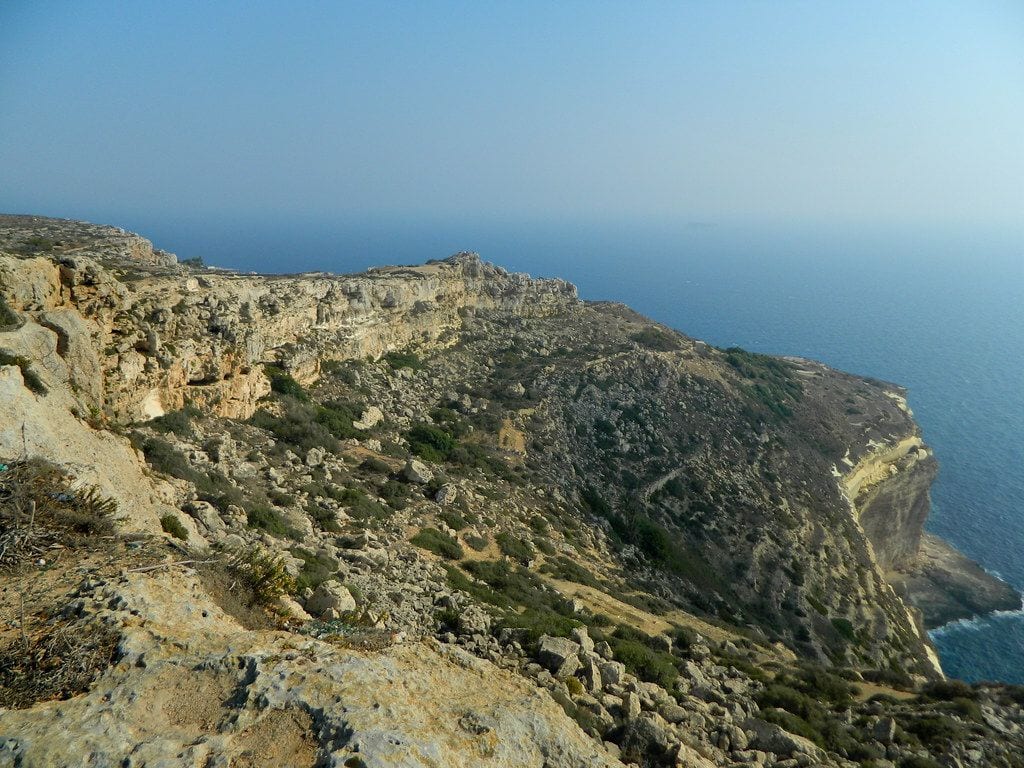
The southwest coast of Malta ends abruptly, and the Dingli Cliffs are where the island reaches its highest point above the sea. There is no beach and no development — just a cliff-edge lane, terraced fields running to the drop, and the Mediterranean a long way below.
A path runs along the top for as far as you want to walk, and the tiny chapel of St Mary Magdalene sits out on the edge. It is the standard sunset spot on the island, and on a clear evening the uninhabited islet of Filfla is visible offshore.
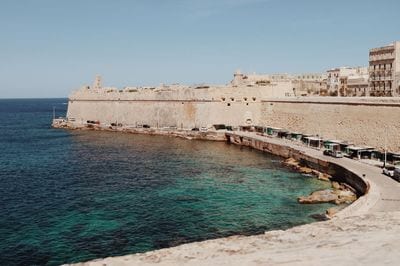
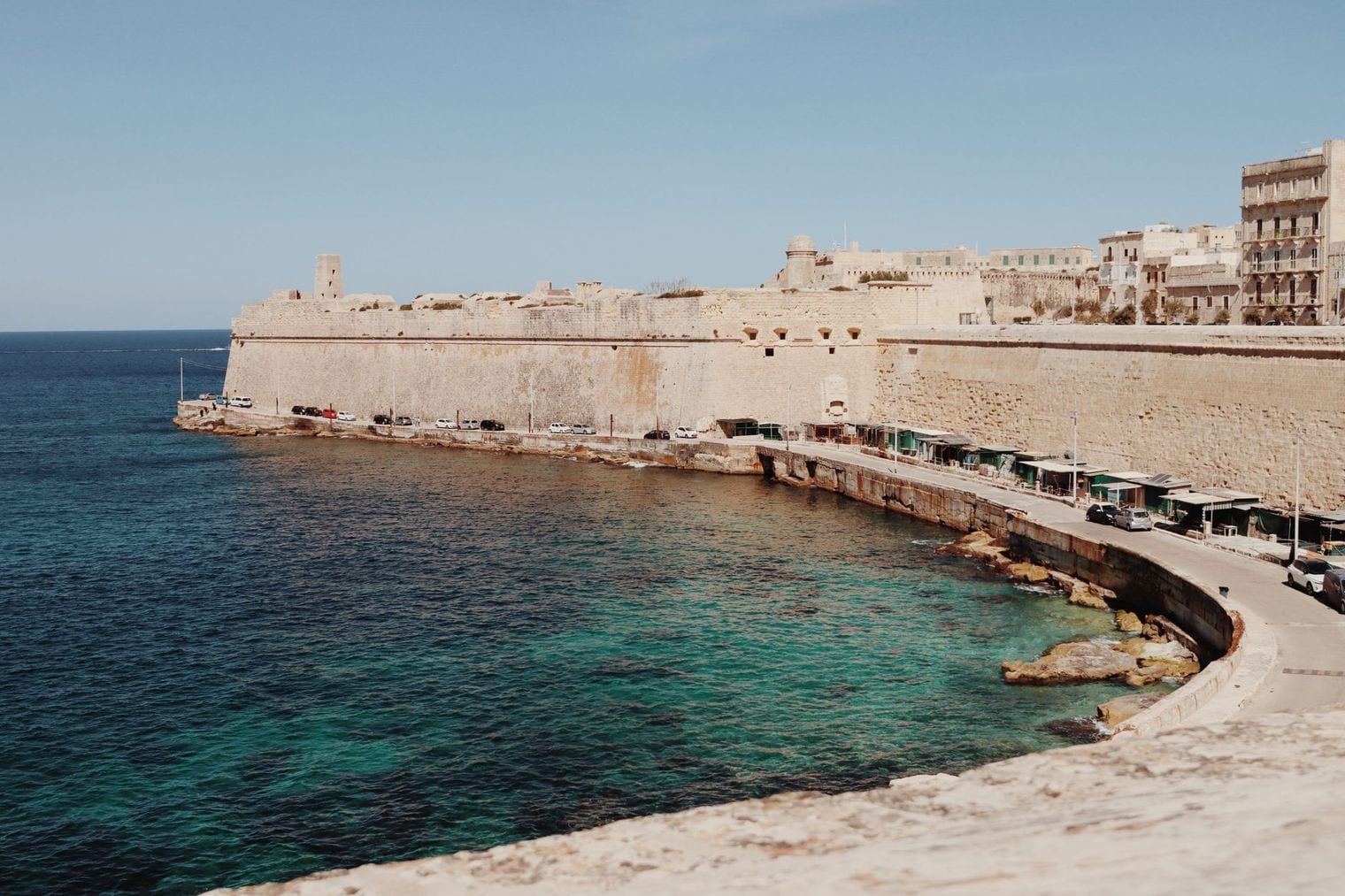
Fort St Elmo occupies the seaward tip of the Valletta peninsula, guarding the mouths of both harbours. It held out for weeks against Ottoman bombardment during the Great Siege of 1565 before falling, and the delay it bought is generally credited with saving the rest of the island.
The restored star fort now houses the National War Museum, which runs from Bronze Age artefacts through the Knights to Malta's punishing experience in the Second World War. The George Cross awarded to the island in 1942 is displayed here.
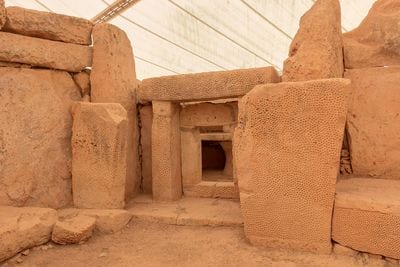
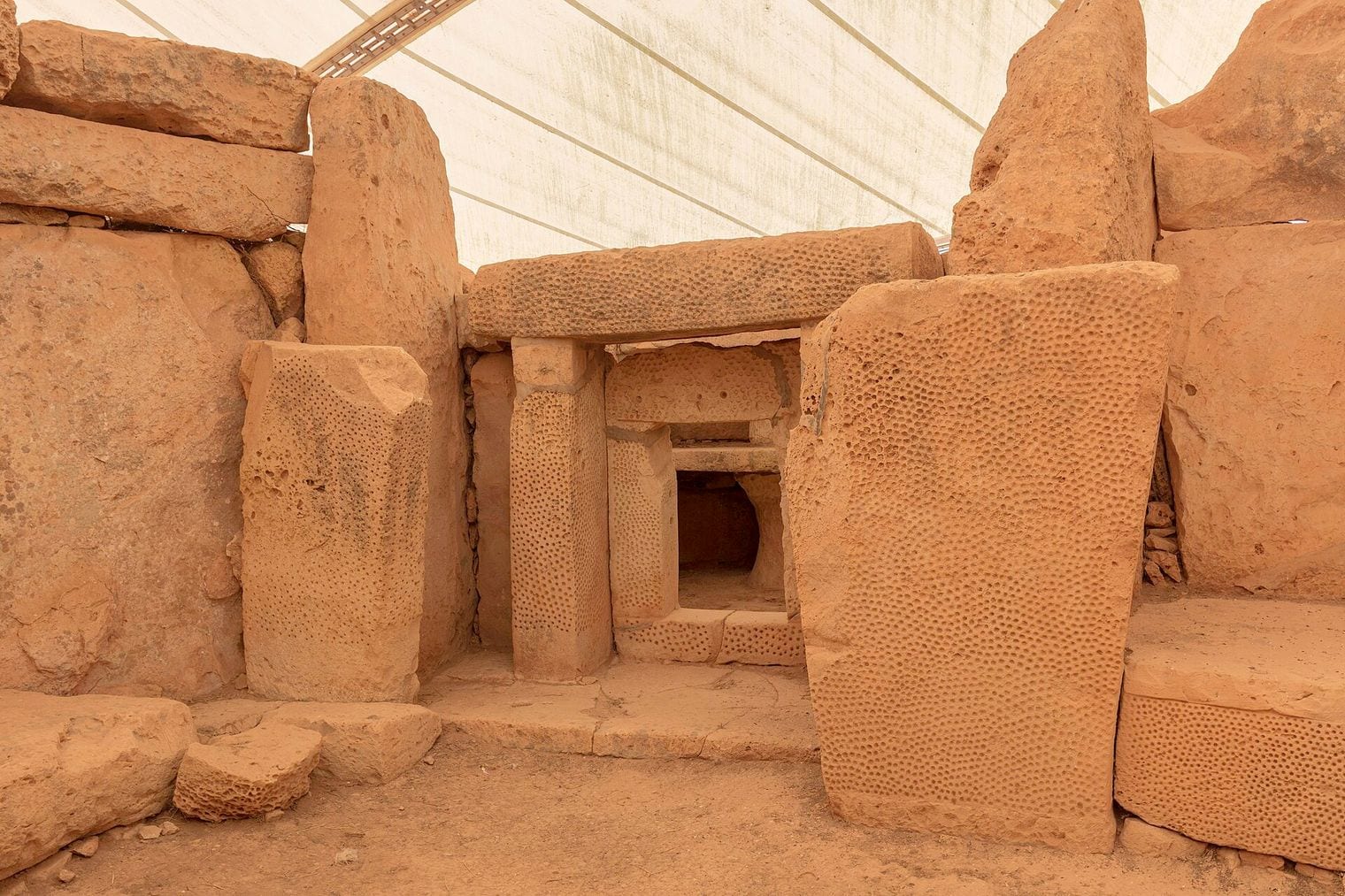
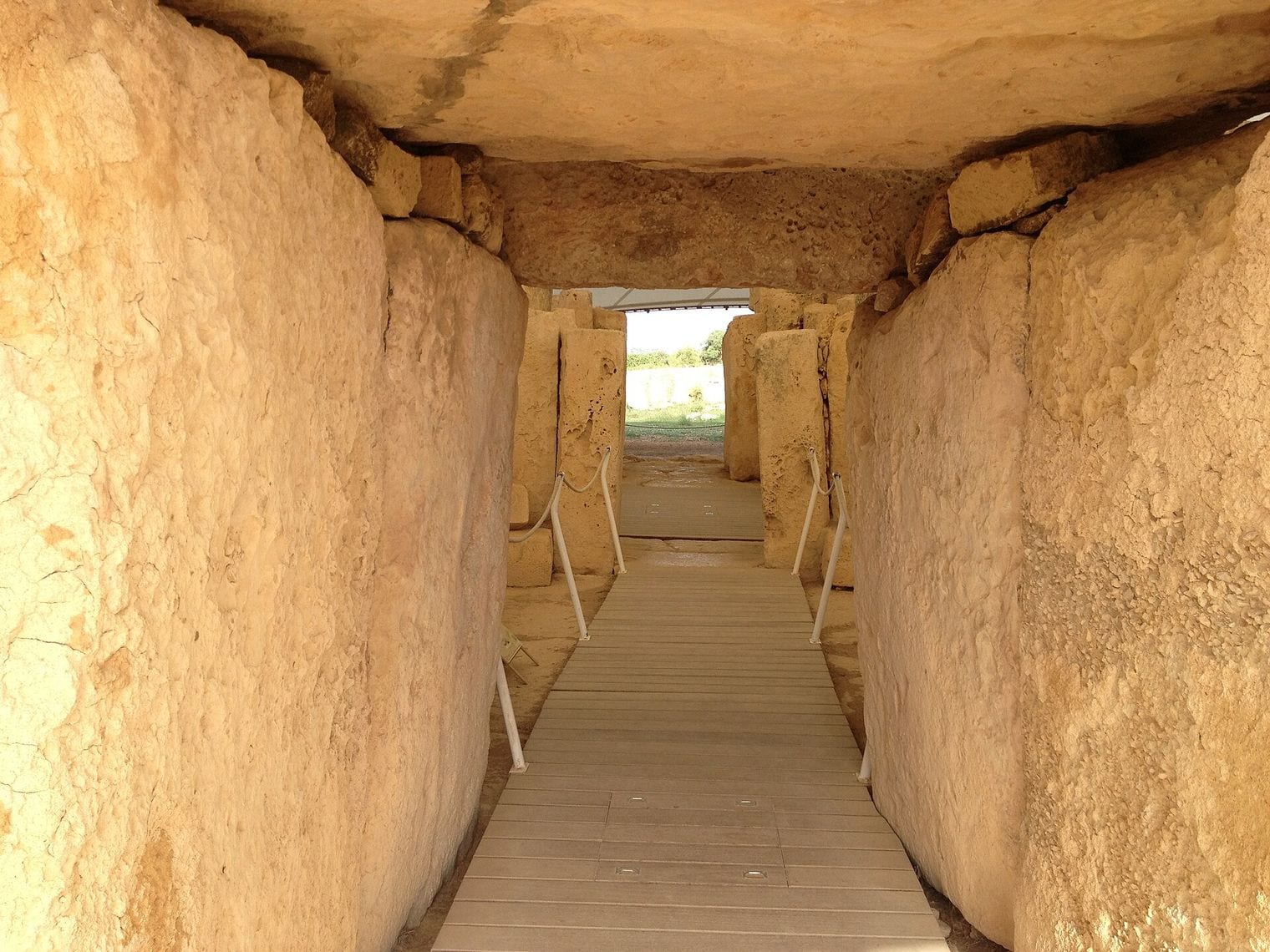
Ħaġar Qim sits on a ridge above the southern cliffs, looking out to the open sea and the islet of Filfla. Its megalithic builders used the largest stones found at any Maltese temple, and one upright in the outer wall is a genuinely astonishing slab.
A tented canopy now shelters the site from erosion, and the neighbouring temple of Mnajdra lies a short walk downhill toward the water — close enough that the two are visited on one ticket. Both are UNESCO-listed, and the walk between them, with nothing but sea ahead, is half the point.
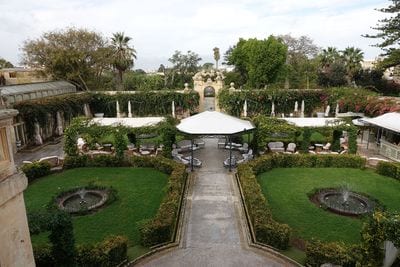
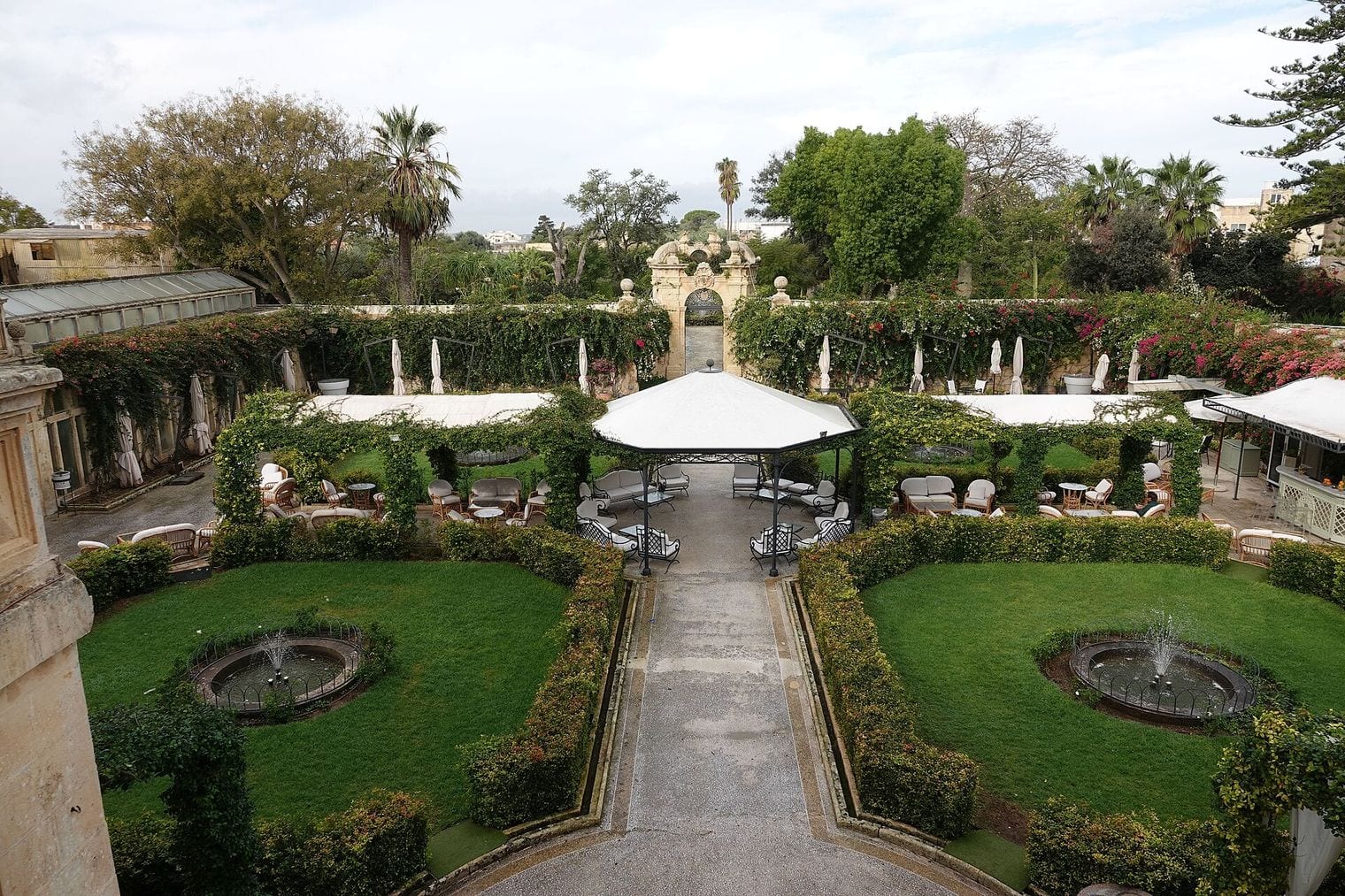
Laid out around a seventeenth-century summer palace at Attard, San Anton Gardens are the most generous public gardens on the island: avenues of mature trees, fountains, a small aviary and beds of citrus and bougainvillea walled off from the traffic outside.
The palace itself is the residence of Malta's President and is closed to visitors, but the gardens are free and open daily. They function as central Malta's shaded back garden, and after a morning on bare limestone the difference in temperature under the trees is not subtle.
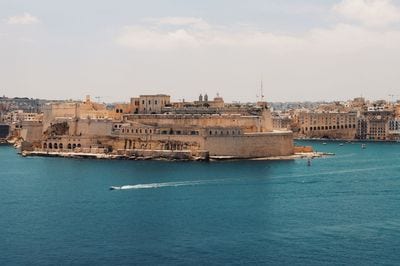
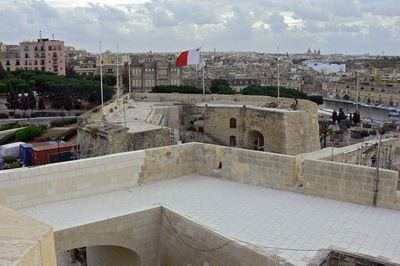
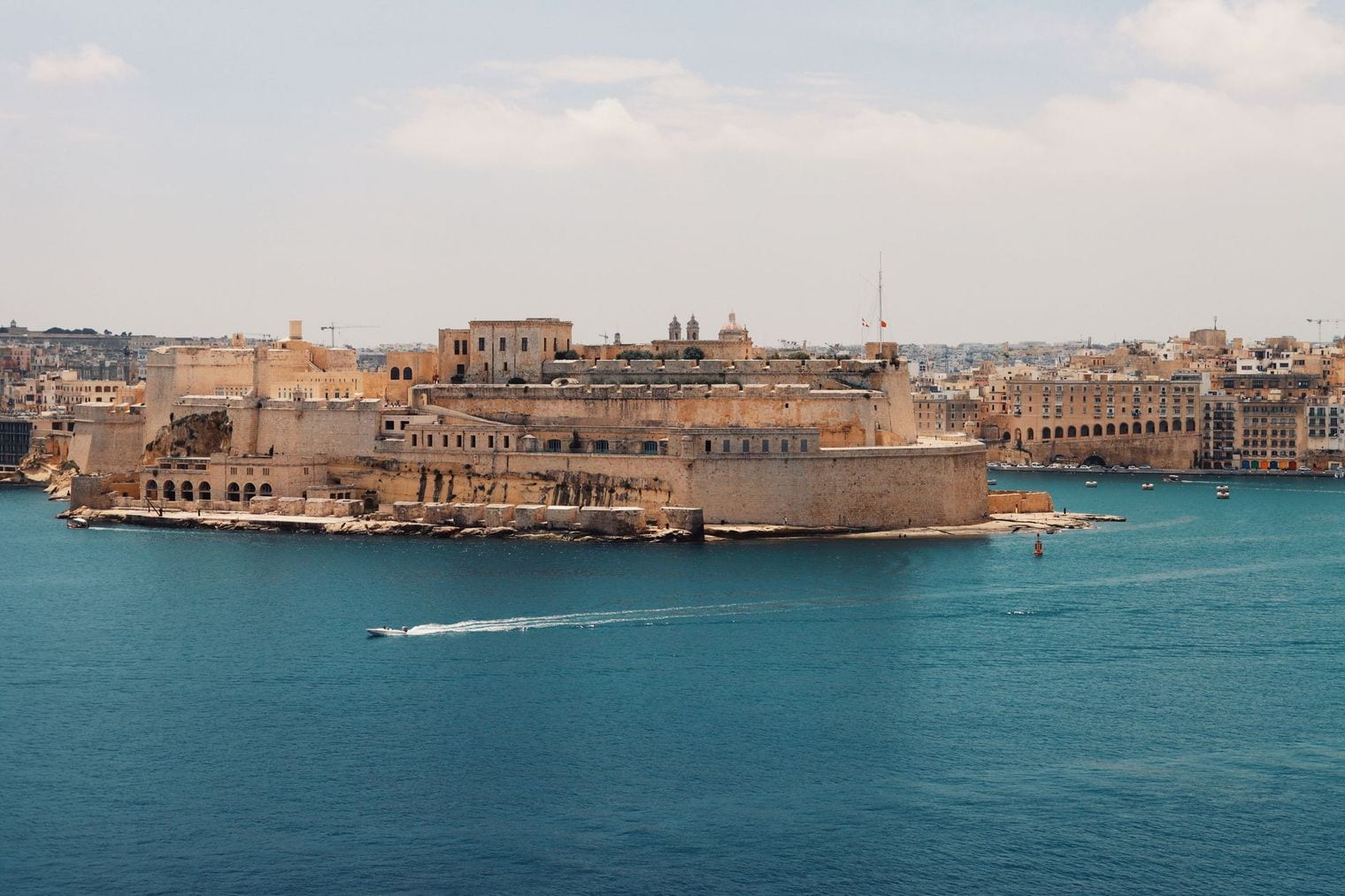
Fort St Angelo occupies the tip of the Birgu peninsula, thrust into the middle of the Grand Harbour with water on three sides. It served as the headquarters of the Knights during the Great Siege of 1565 and was later a Royal Navy shore establishment.
Restored and open to visitors, it climbs through gun batteries and vaulted chambers to an upper terrace with a full circle of harbour views — back to Valletta, across to Senglea, and down onto the yachts in the marina. The Three Cities around it are worth an afternoon in their own right.
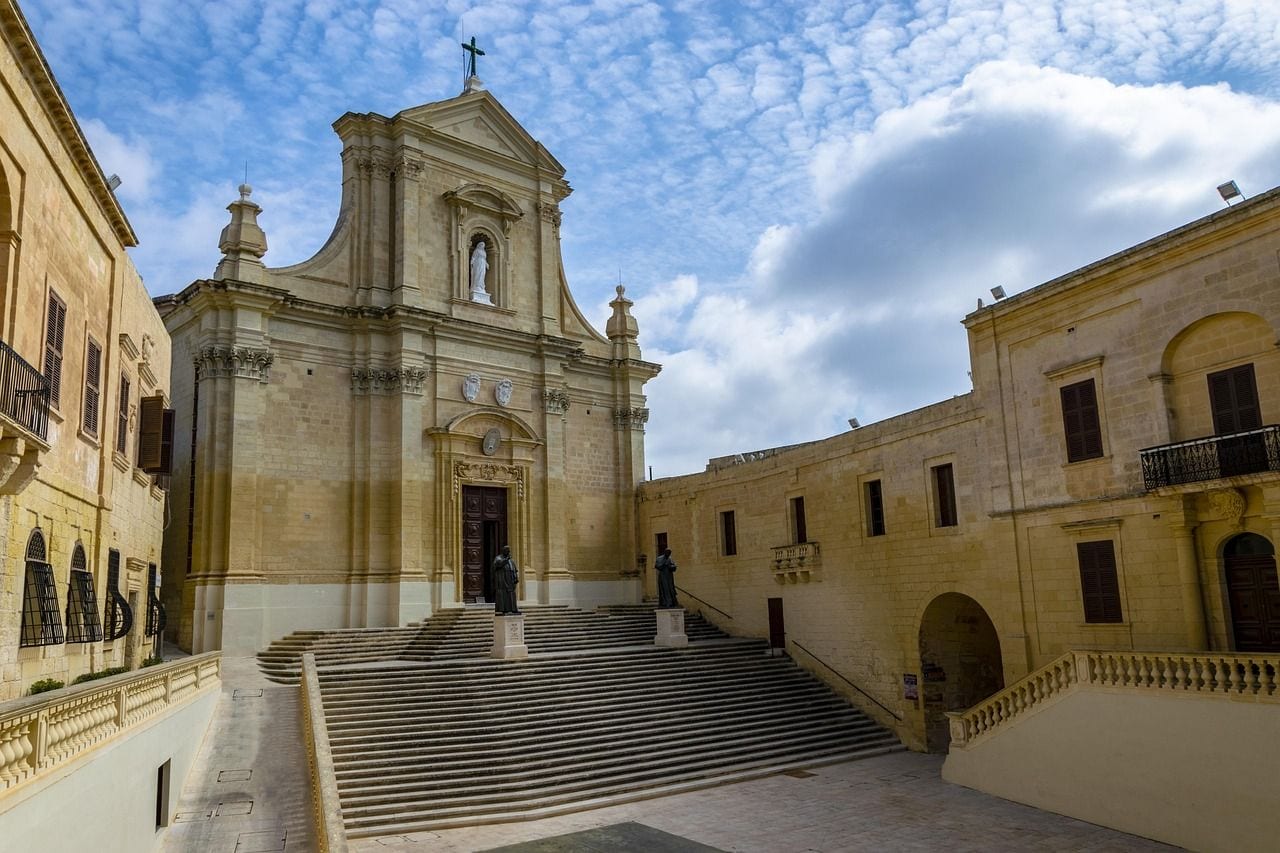
Gozo's capital is built around a fortified hill, and the Cittadella crowns it — a compact walled citadel of lanes, a cathedral, and ramparts you can walk all the way round. For centuries the island's entire population was required to shelter inside it overnight against corsair raids.
From the walls you can see most of Gozo at once: village domes, terraced fields and the sea beyond on nearly every side. Several small museums occupy the buildings within, and the restored visitor centre explains how the citadel grew out of a Bronze Age settlement.
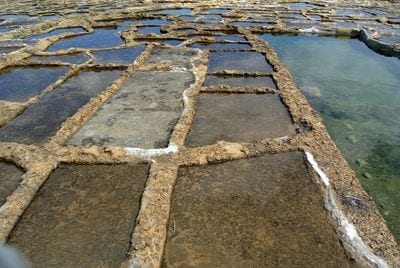
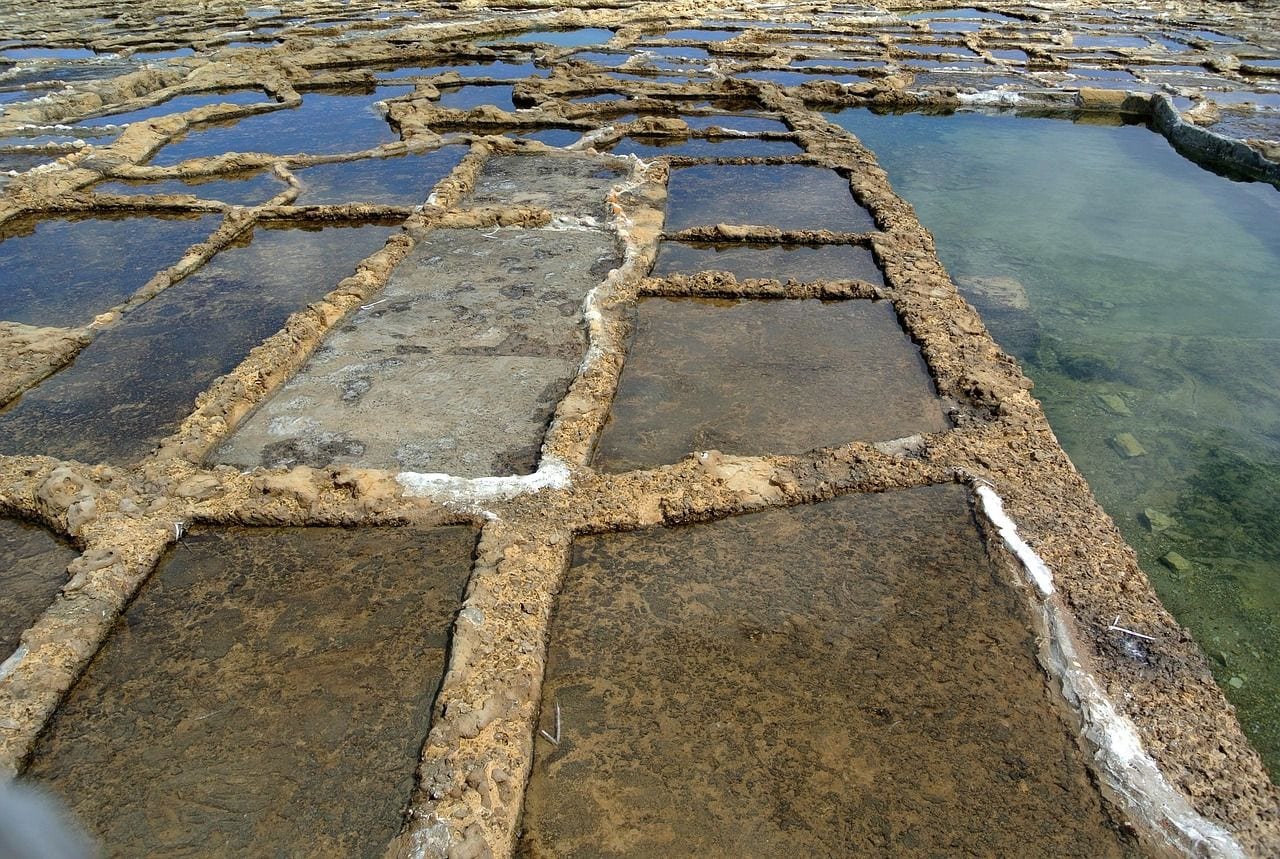
Along the coast west of Marsalforn on Gozo, the rock has been cut into a chequerboard of shallow rectangular basins running for hundreds of metres. The Xwejni Salt Pans are still worked in summer, when seawater is let in, left to evaporate and the salt raked up by hand.
The same families have held these pans for generations and sell the salt from stalls beside the road. Late afternoon is the time to come, when the low sun turns the flooded squares into a grid of mirrors against the dark rock.
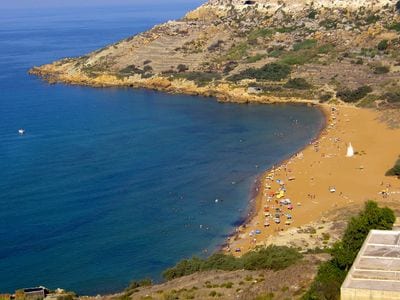
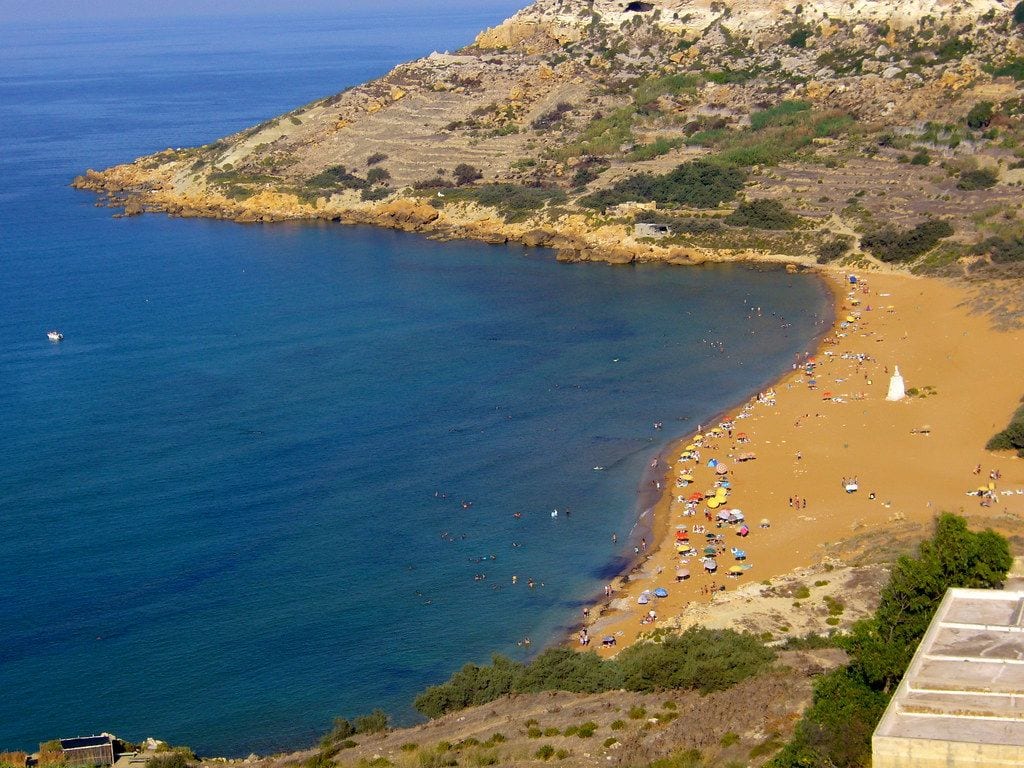
Ramla Bay is the great beach of Gozo — a wide arc of coarse orange-red sand at the foot of a green valley, noticeably warmer underfoot than the pale sand elsewhere in the islands. It stays comparatively undeveloped, with no hotel strip behind it.
A path climbs the eastern side of the bay to Calypso's Cave, the viewpoint traditionally linked to the nymph who detained Odysseus. The cave itself is little more than a hollow and has been closed off at times, but the outlook down over the red sand is the finest on the island.
2323. Tarxien Temples
Historical Landmark~6.7 km (4.2 miles) from centre
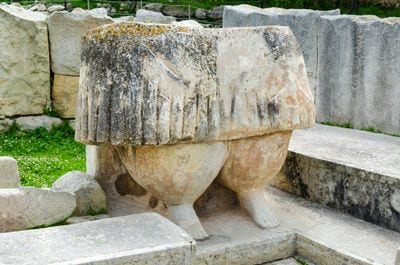
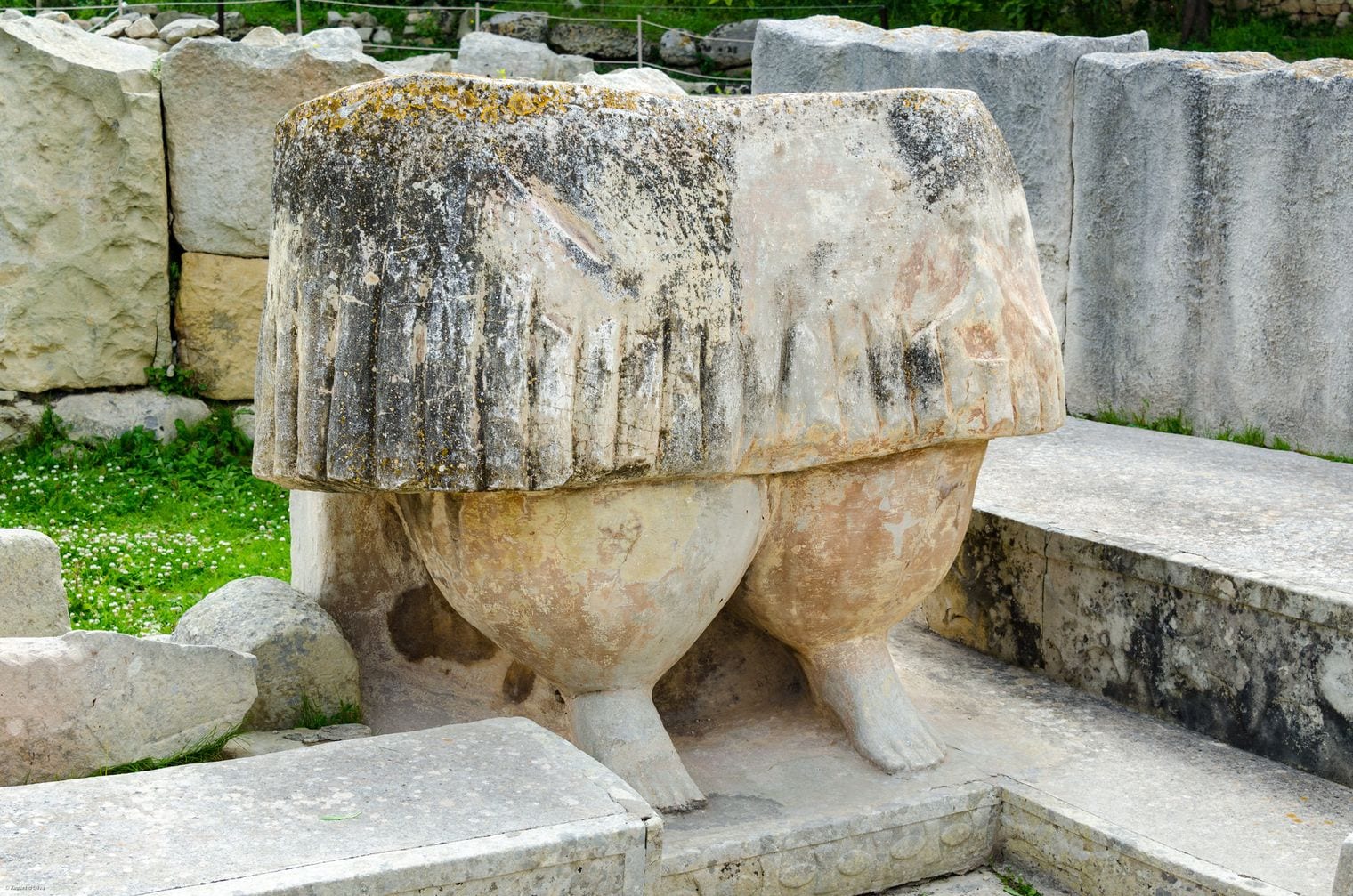
Hemmed in by suburban housing, the Tarxien Temples are easy to underestimate from the street and then hard to forget once inside. The complex holds the richest carved decoration found at any Maltese megalithic site — spirals, running friezes and relief panels of domestic animals cut into the stone.
The lower half of a colossal stone figure stands near the entrance, and traces of the temples' later reuse as a Bronze Age cremation cemetery survive alongside. A raised walkway carries visitors over the site, and a canopy protects the carvings that remain in place.
2424. Grand Master's Palace
Historical Landmark~6.7 km (4.2 miles) from centre
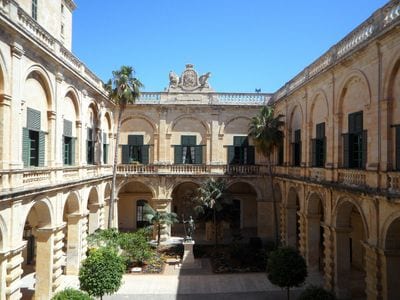
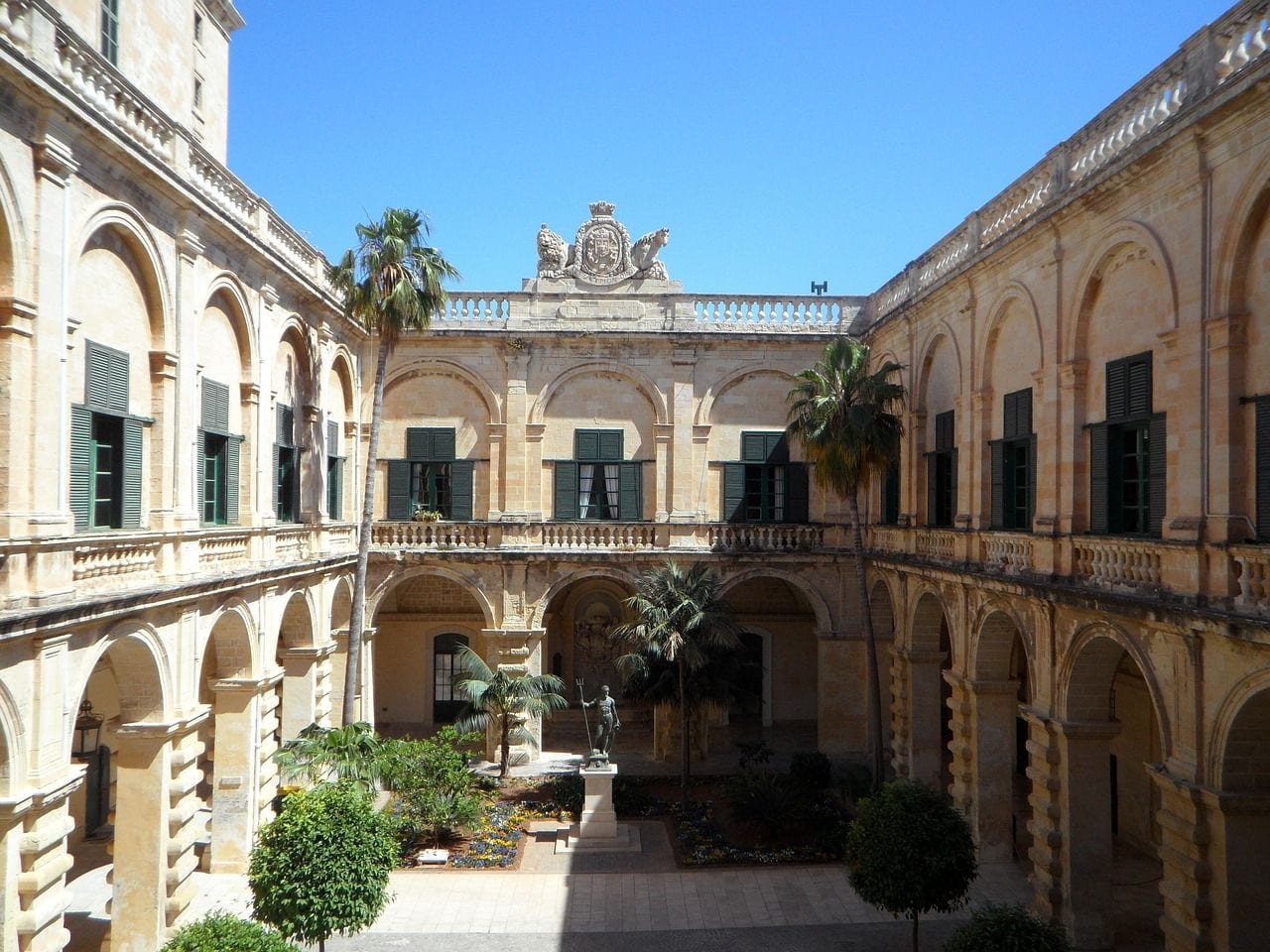
The Grand Master's Palace takes up an entire block in the centre of Valletta and was, for more than two centuries, the seat of the Order's ruling Grand Master. It later served as the British governor's residence and then housed Malta's parliament.
Reopened after a long restoration, it is toured for its state rooms — tapestried halls, painted friezes recording the Great Siege, and a long corridor of portraits — and for the armoury in the former stables, which holds one of the most complete collections of working armour to survive anywhere in Europe.
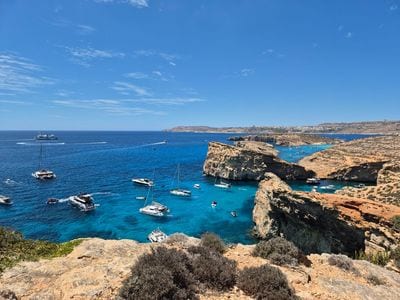
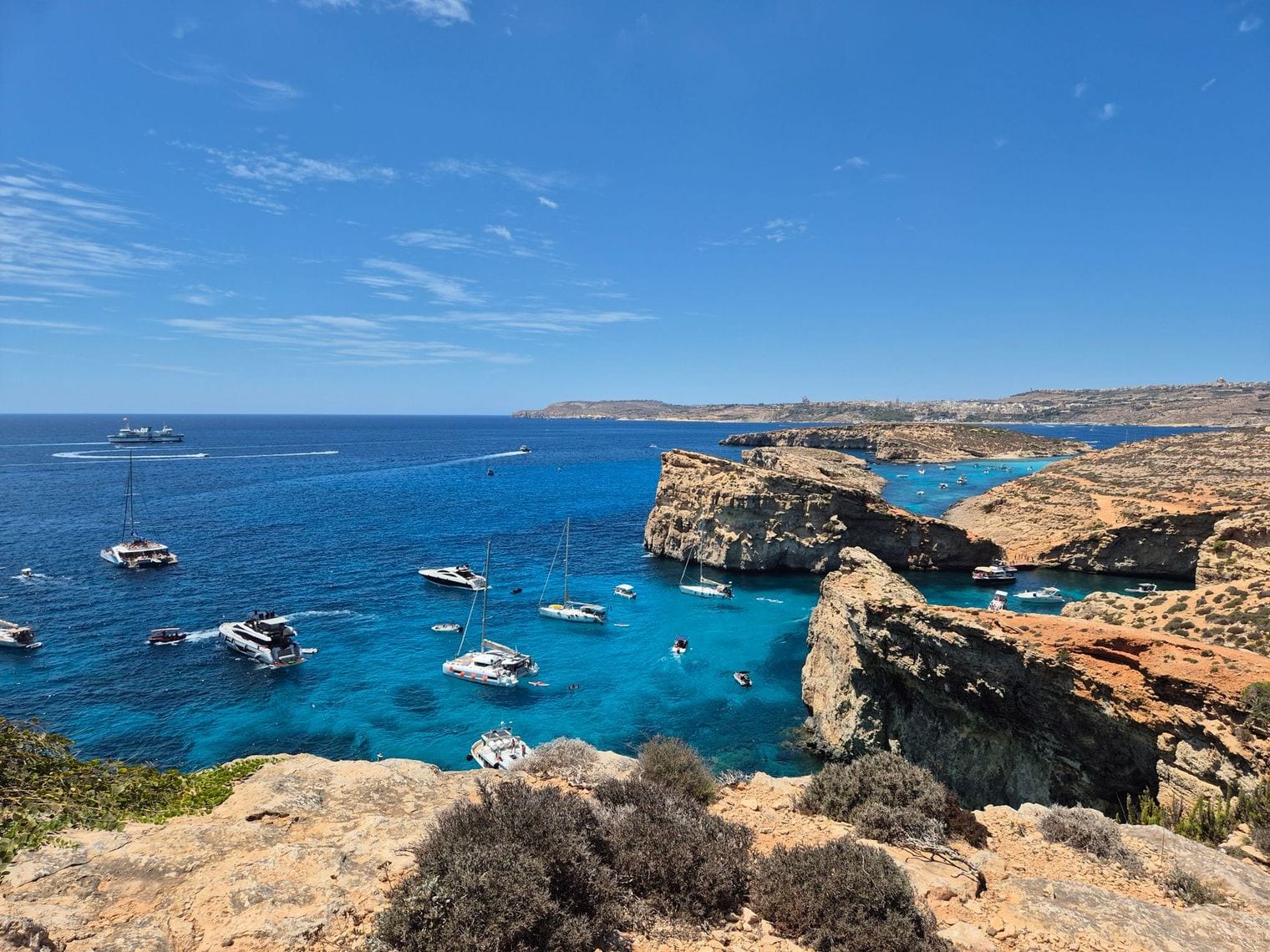
Between Malta and Gozo sits Comino, an island of barely three square kilometres with almost no permanent population and no cars. The Blue Lagoon is the shallow channel separating it from the islet of Cominotto, and the water over its pale sand bed is a startling, near-tropical turquoise.
Boats run across from Ċirkewwa and Marfa and it is genuinely crowded through the middle of the day in summer. Take an early or late crossing, or walk ten minutes over the ridge to Santa Marija Bay, and you get a version of Comino worth the trip.
2626. Mnajdra Temples
Archaeological Site~6.8 km (4.2 miles) from centre
Five hundred metres downhill from Ħaġar Qim, on a shelf of rock above the sea, Mnajdra is the temple most visitors skip because reaching it takes a walk. Three linked buildings stand facing a slope down to the water, with the uninhabited islet of Filfla offshore.
The south temple is aligned so that at the equinoxes the sunrise runs straight down its central corridor, and at the solstices strikes the edges of the doorway — an astronomical instrument built around 3000 BC. It shelters under the same protective canopy as Ħaġar Qim, and one Heritage Malta ticket covers both.
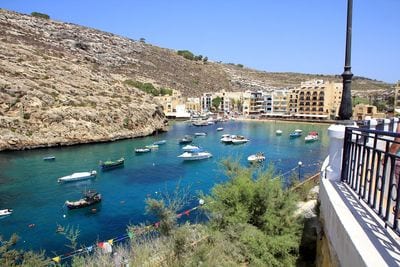
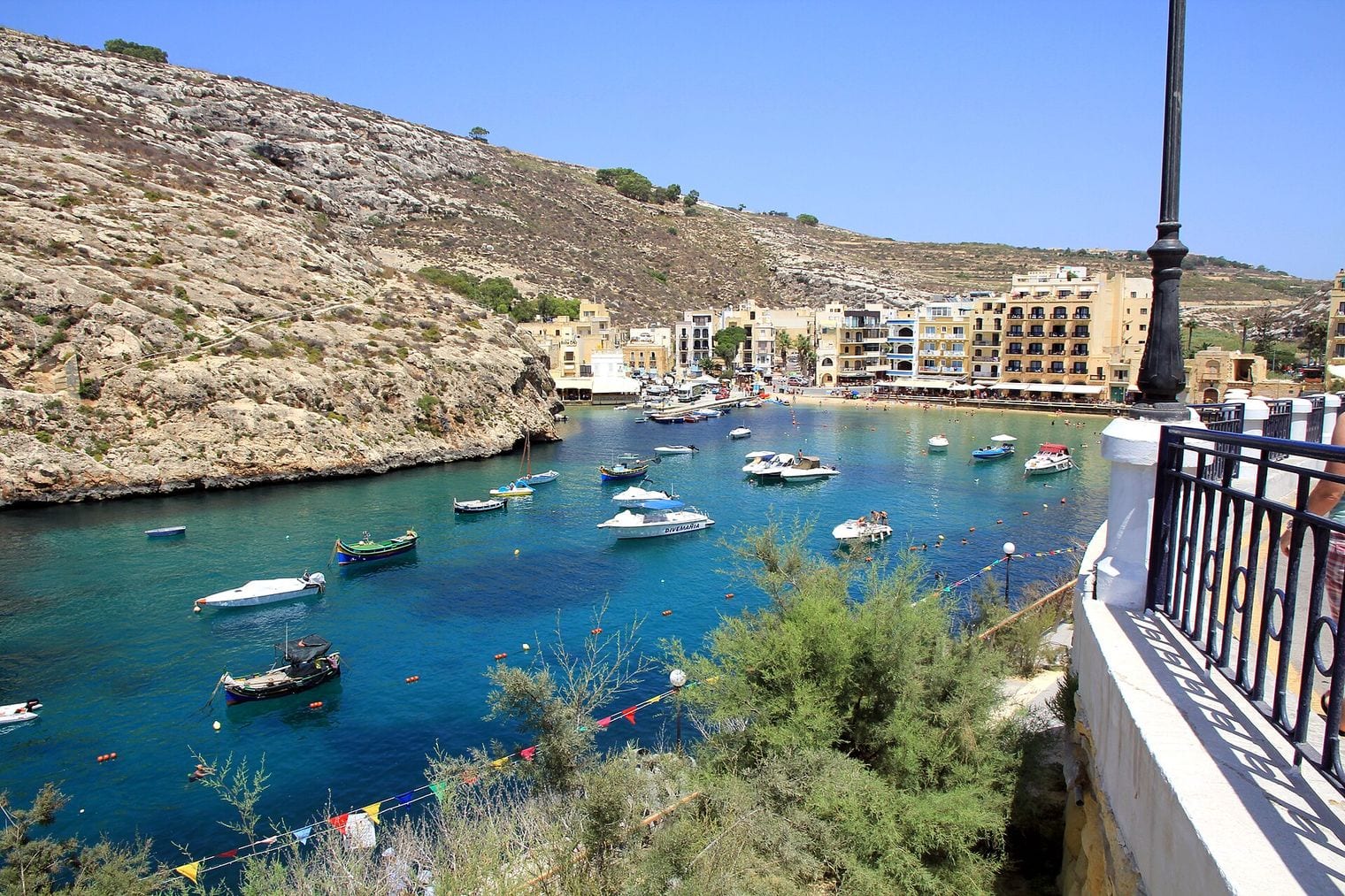
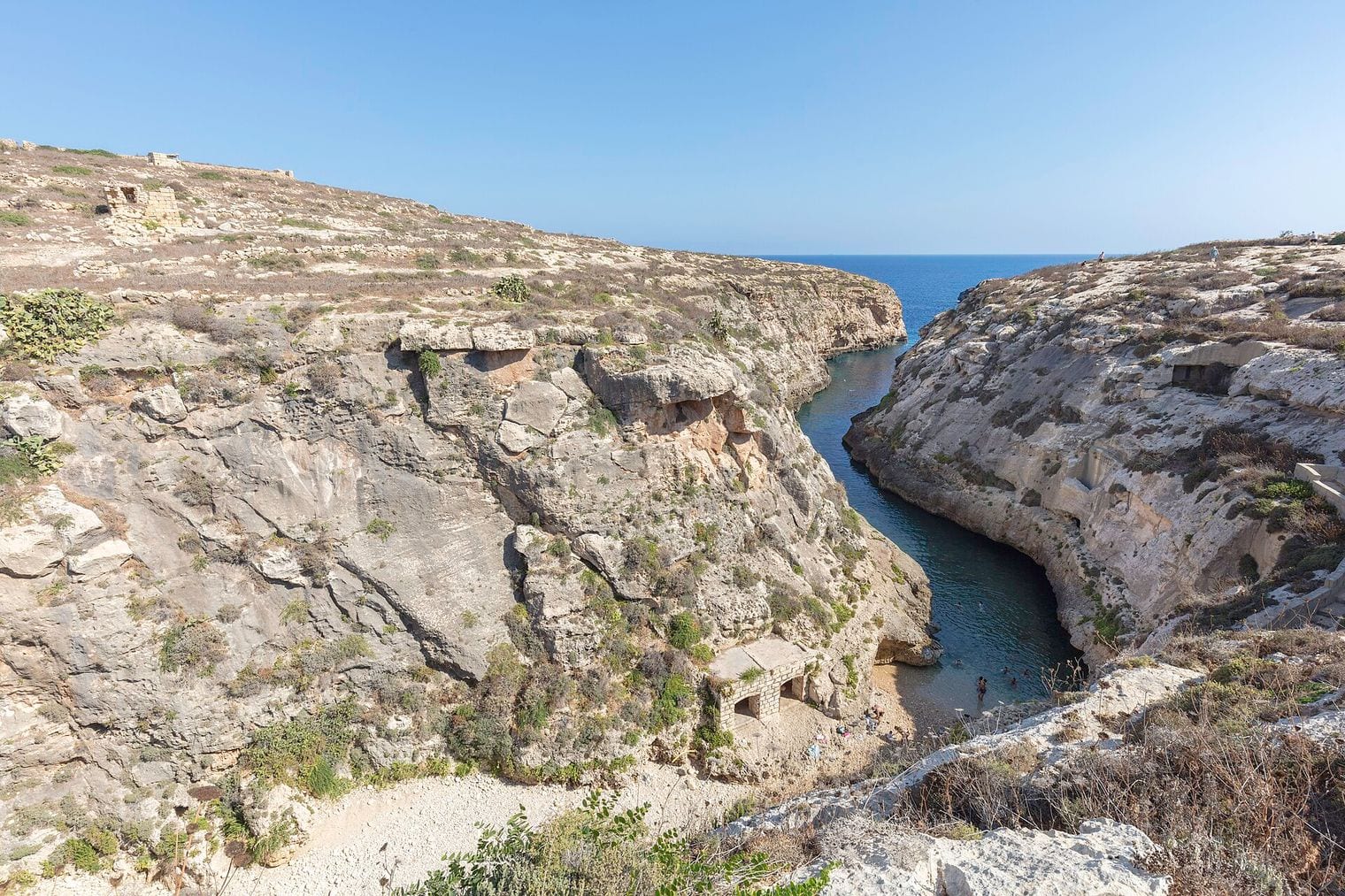
Xlendi Bay is a narrow inlet on Gozo's south-west coast, walled by cliffs on both sides and closed at its head by a short promenade of restaurants. It is the island's default swimming bay, small enough that the water stays flat when the north wind is blowing everywhere else.
A path cut into the rock on the south side runs out to a seventeenth-century watchtower and a set of salt pans, and on the north side a short tunnel leads through to the open sea. Snorkelling is good along either wall, and the bay is deep enough that boats moor a few metres from the steps.
Inside the Couvre Porte counterguard at the entrance to Birgu, the Malta at War Museum tells the story of the 1940–43 siege from the point of view of the people who sat it out underground. Ration books, propaganda posters and Luftwaffe reconnaissance photographs fill the rooms above.
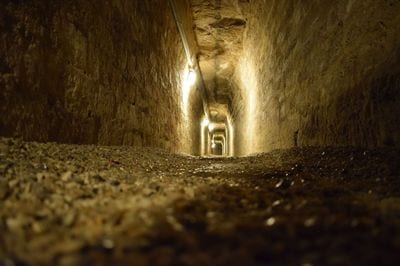
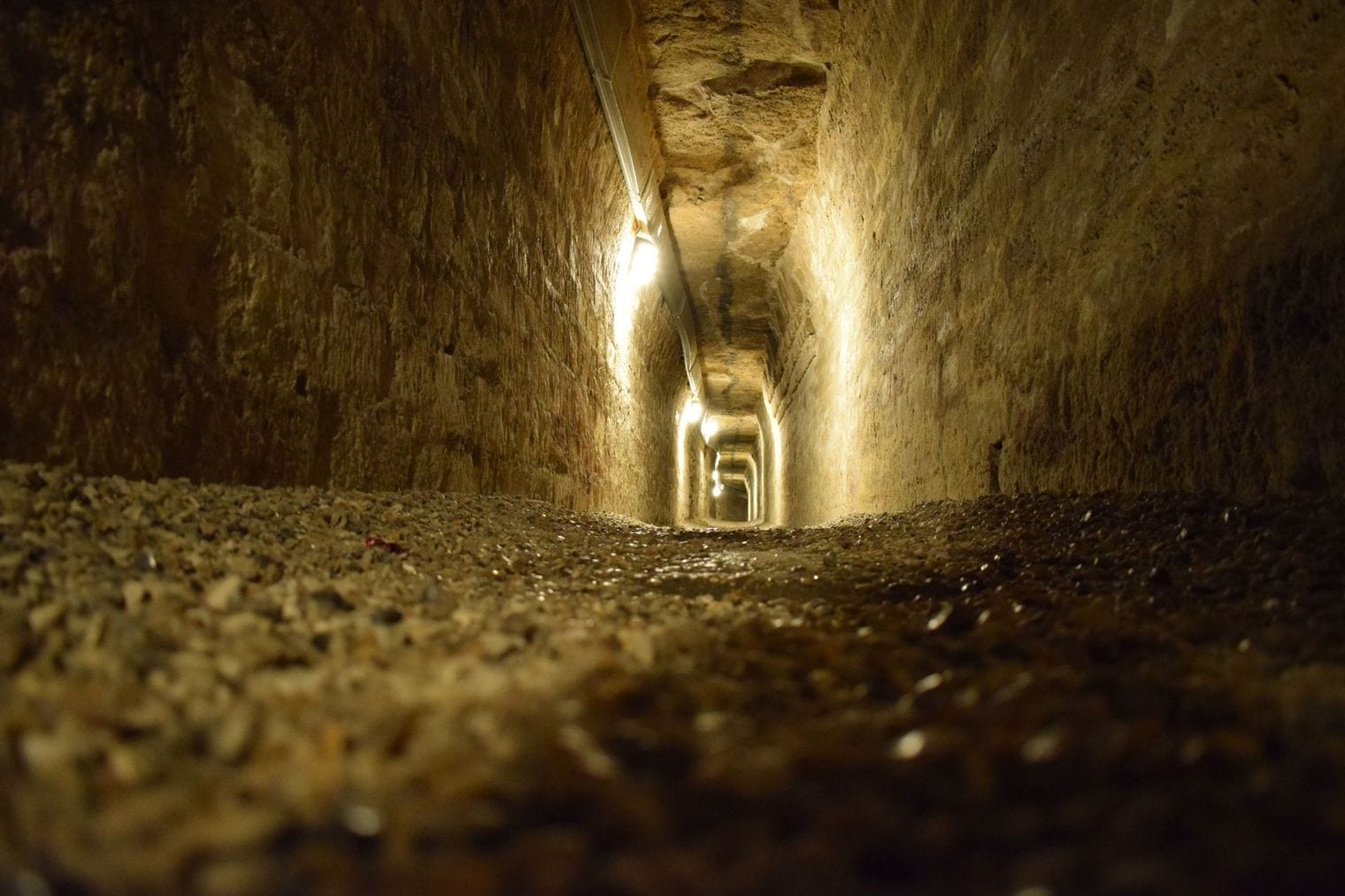
The real exhibit is beneath them: one of the largest air-raid shelters cut anywhere in Malta, a rock-hewn warren of corridors, family cubicles and a maternity chamber, dug by hand while the bombing went on. Guided groups go down by stair, the temperature drops sharply, and the tunnels run much further than the entrance suggests.
Dwejra, on Gozo's west coast, is where the Azure Window stood until it collapsed into the sea during a storm in March 2017. What remains is arguably the better half of the site: a flooded sinkhole called the Inland Sea, joined to the Mediterranean by a tunnel driven through eighty metres of cliff.
Small boats run visitors through that tunnel and out along the cliff face for a few euro whenever the swell allows. Across the bay stands Fungus Rock, a limestone stack the Knights fenced off and guarded for a plant they believed staunched bleeding, and divers still come for the Blue Hole beside the fallen arch.
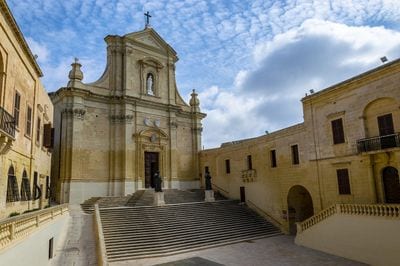
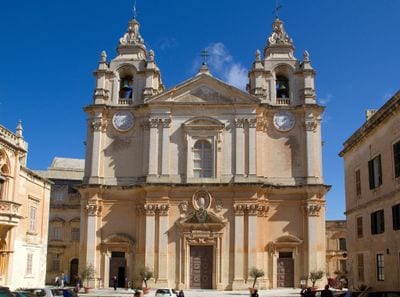
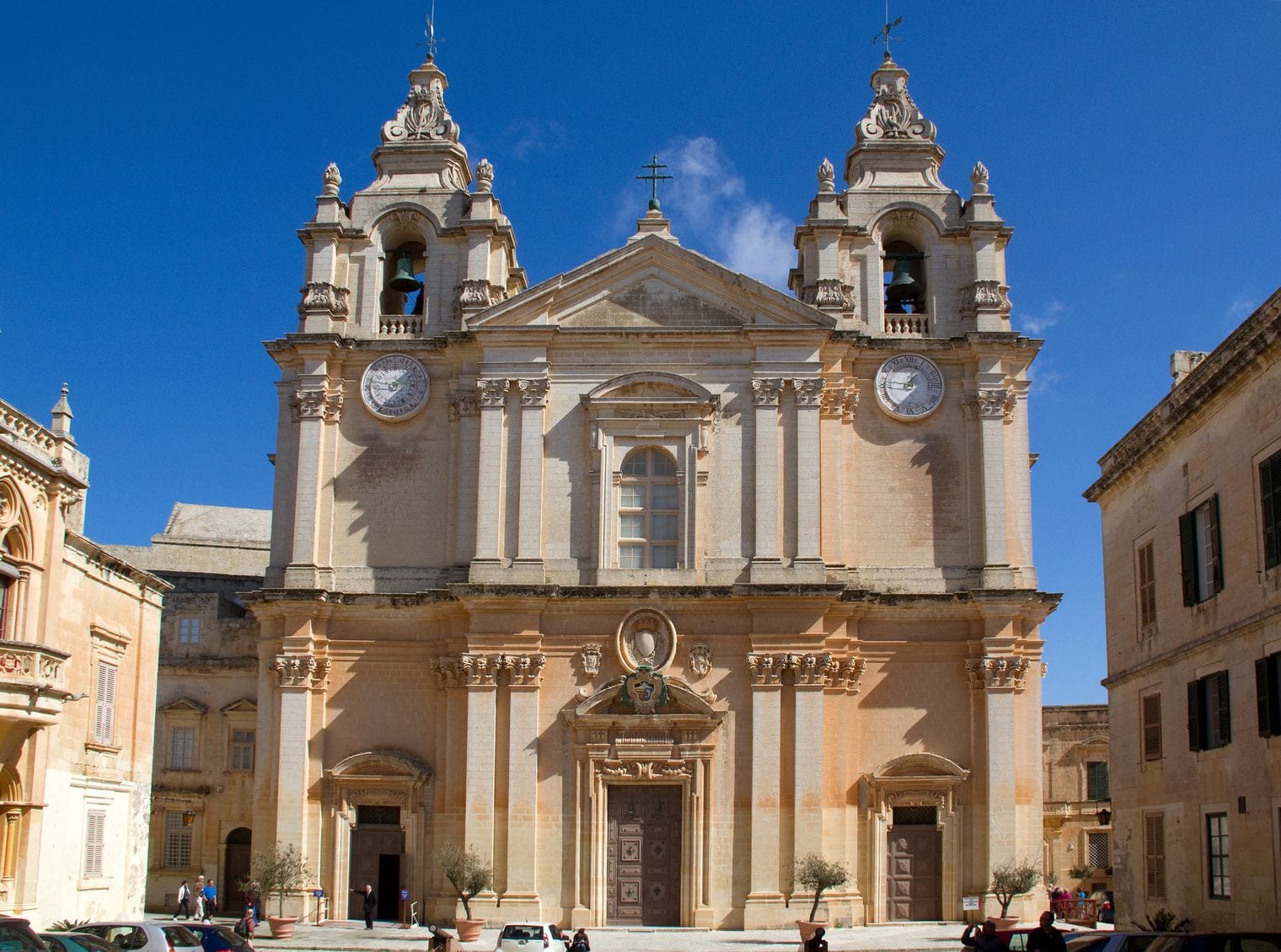
St Paul's Cathedral stands where, by tradition, the Roman governor Publius met St Paul after the shipwreck of AD 60. The earthquake of 1693 brought the medieval building down, and Lorenzo Gafà rebuilt it between 1696 and 1705 into what is generally reckoned his masterpiece.
The choir and sacristy survived the earthquake and were built into the new church, along with a font of 1495 and a doorway of 1530. The floor is a carpet of inlaid marble tomb slabs for canons and noble families, and the cathedral museum next door holds seventy-six original Dürer woodcuts.
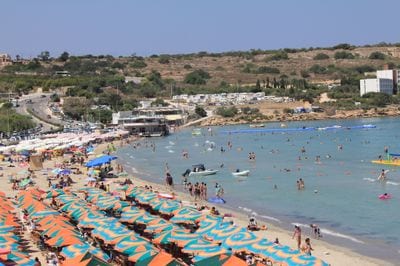
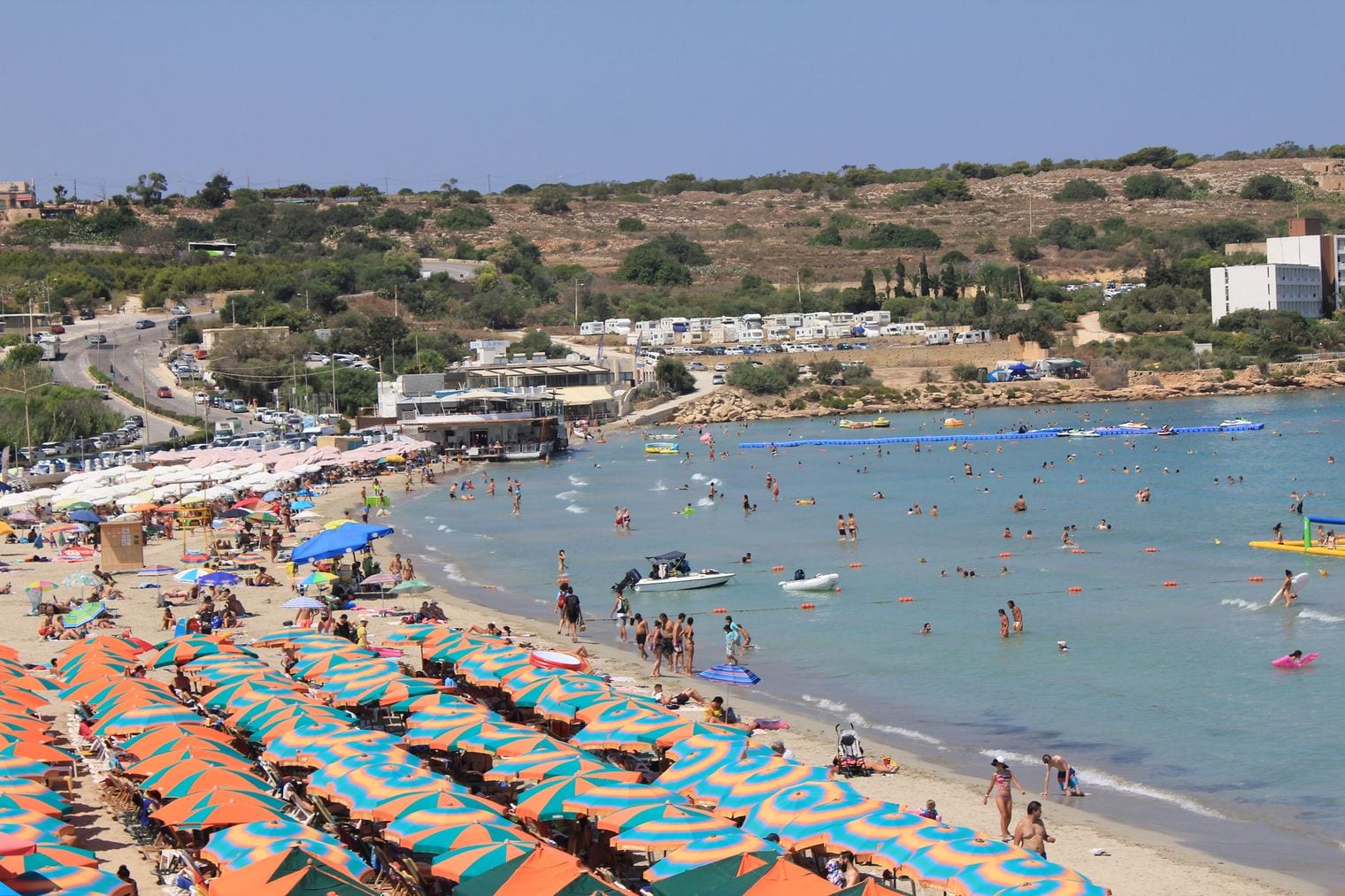
Also called Għadira, Mellieħa Bay is the longest stretch of sand in Malta and the one beach where a family can genuinely spread out. The bottom shelves so gradually that you can wade a long way before the water reaches your waist, which is why it fills with children through July and August.
Behind the road lies the Għadira Nature Reserve, a saltmarsh run by BirdLife Malta and a staging post for migrating waders each spring and autumn. Buses from Valletta and Buġibba stop at the bay, and the village of Mellieħa sits on the ridge above it with its sanctuary church.
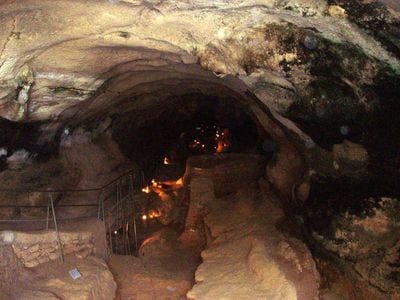
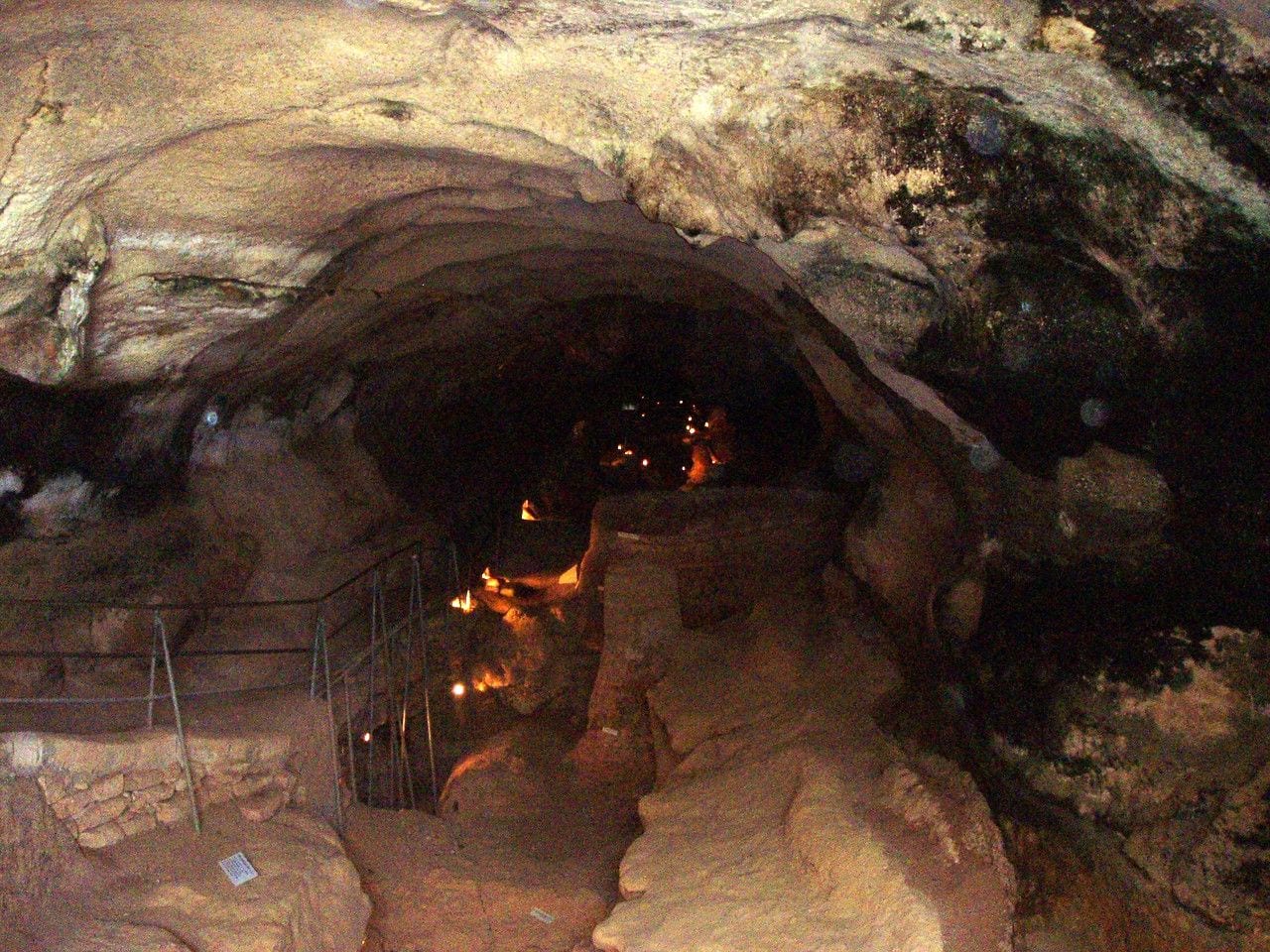
The Cave of Darkness is a water-cut tunnel on the edge of Birżebbuġa running some 145 metres into the hillside, and the deposits on its floor are the oldest record of life on Malta. The bone layer at Għar Dalam yielded dwarf elephants and dwarf hippopotami that walked in when the islands were still attached to Sicily.
The museum at the entrance keeps those bones in the Victorian cabinets they were first arranged in, stacked from floor to ceiling, and a short boardwalk carries you into the lit section of the cave itself. It is also the earliest known human settlement on the islands, dated to roughly 5200 BC.
3333. The Victoria Lines
Historical Landmark~5.9 km (3.7 miles) from centre
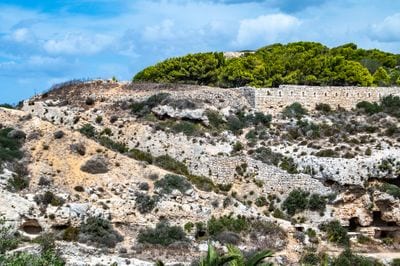
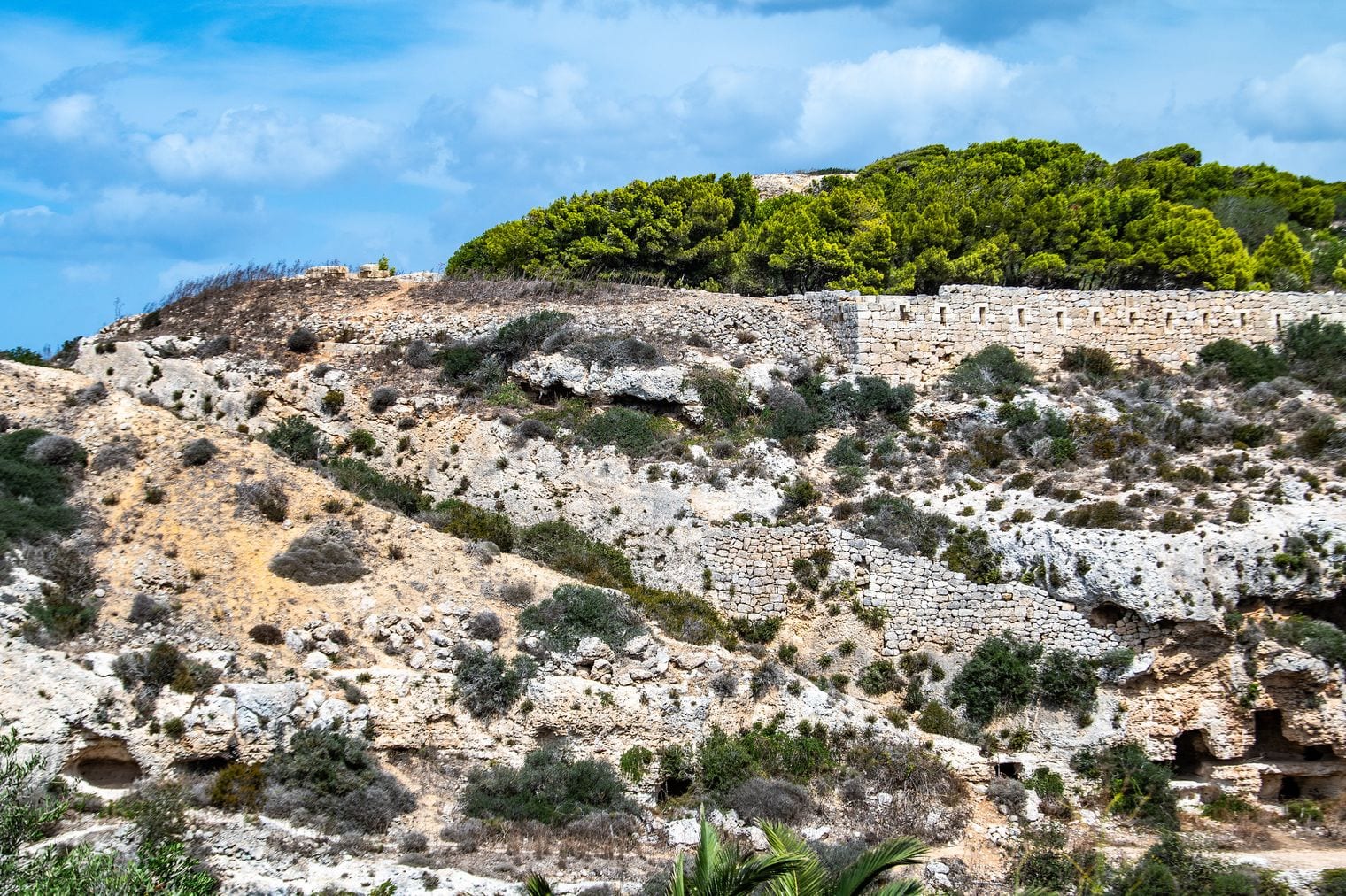
From the 1870s the British built a fortified wall along the Great Fault, the limestone ridge that cuts right across Malta from Madliena in the east to Fomm ir-Riħ in the west. Some twelve kilometres of parapet, forts and batteries were finished in 1899 and named the Victoria Lines for Victoria's Diamond Jubilee.
They were obsolete almost as soon as they were done and never once fought over, which is why so much of the wall is still standing. It now makes the best long walk on the island: the Bingemma and Dwejra Lines sections are the most complete, with the whole northern half of Malta spread out below the parapet.
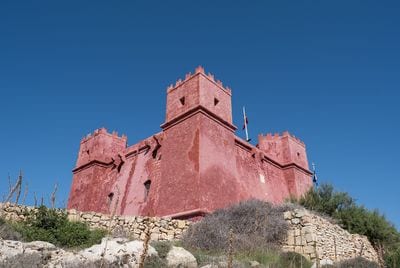
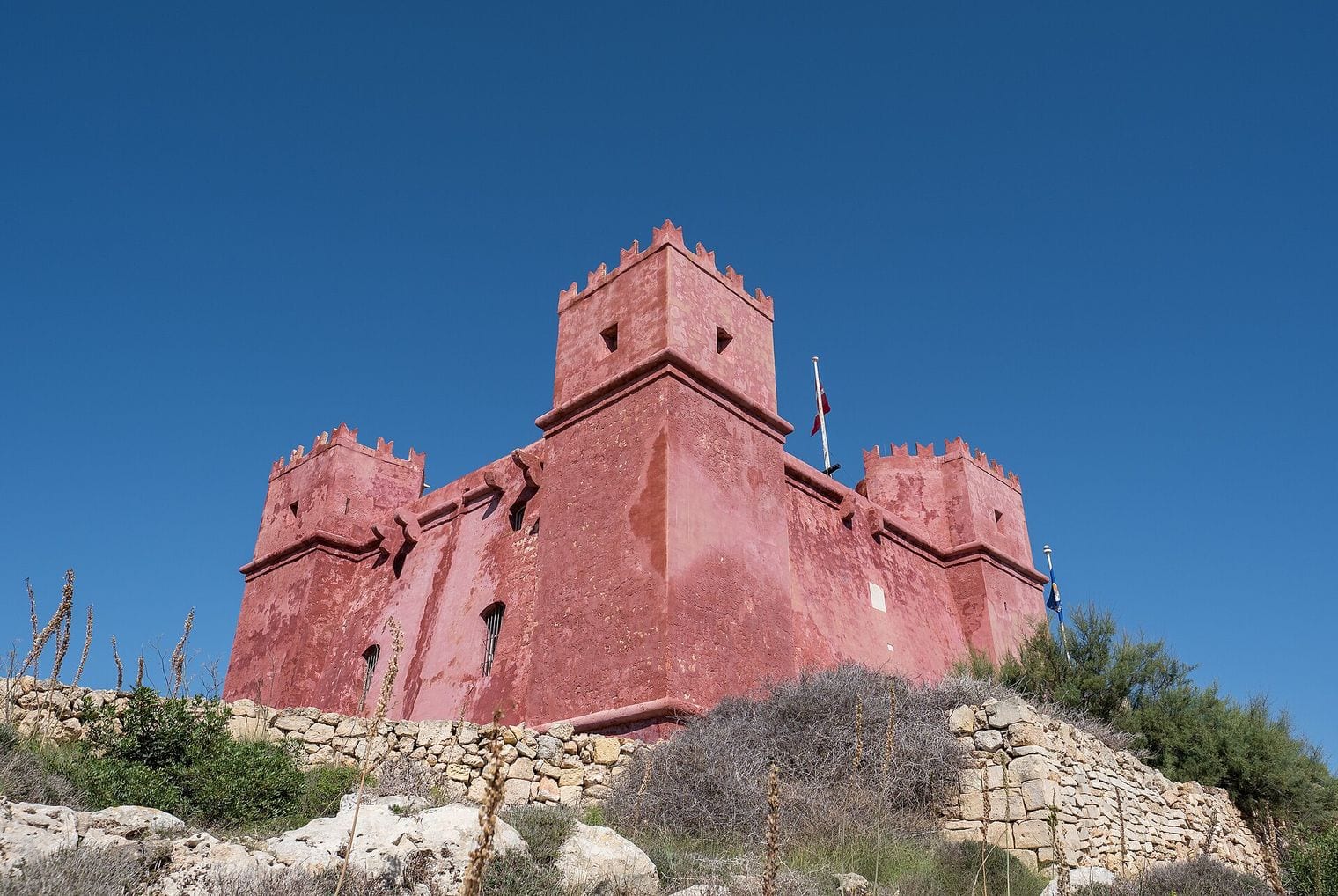
Saint Agatha's Tower stands alone on the Marfa Ridge above Mellieħa, painted the deep ochre-red that gives it the name everyone actually uses. Grand Master Lascaris had it built between 1647 and 1649 as the strongest of Malta's coastal watchtowers — square, four-turreted and walled thickly enough to take a siege.
It was one link in a signal chain that could pass a warning from Gozo to Valletta in minutes. Din l-Art Ħelwa restored the tower and keeps it open to visitors, and from the roof you look across to Comino, the length of Gozo and, on a very clear day, the coast of Sicily.
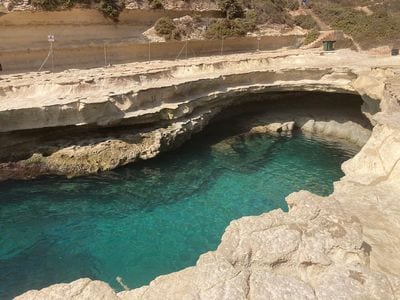
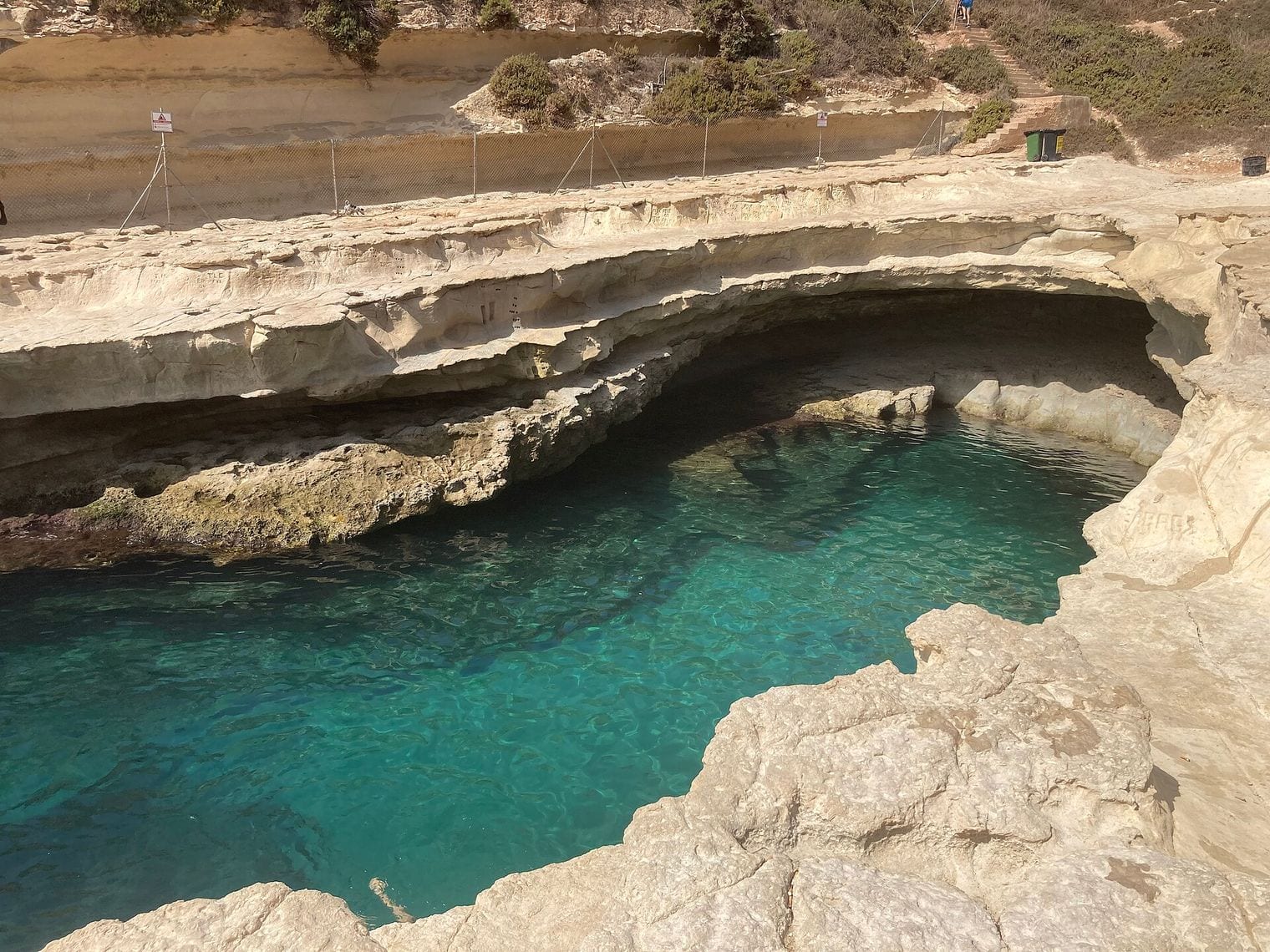
Out on the Delimara peninsula beyond Marsaxlokk Harbour, the sea has cut a near-perfect basin into flat white limestone. St Peter's Pool has no sand and no facilities — just a natural swimming pool with ledges to sit on and deep, glass-clear water you enter straight off the rock.
The flat slabs around the rim are why people arrive with a towel and stay all day; the higher ledges are why others arrive to jump. It is a half-hour walk from Marsaxlokk or a short drive down a rough lane, and the boat trips that leave the harbour usually stop here too.
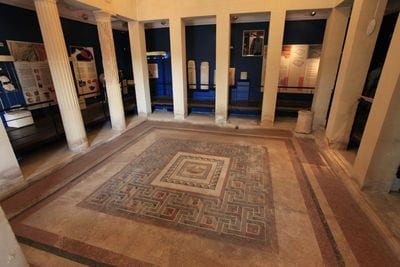
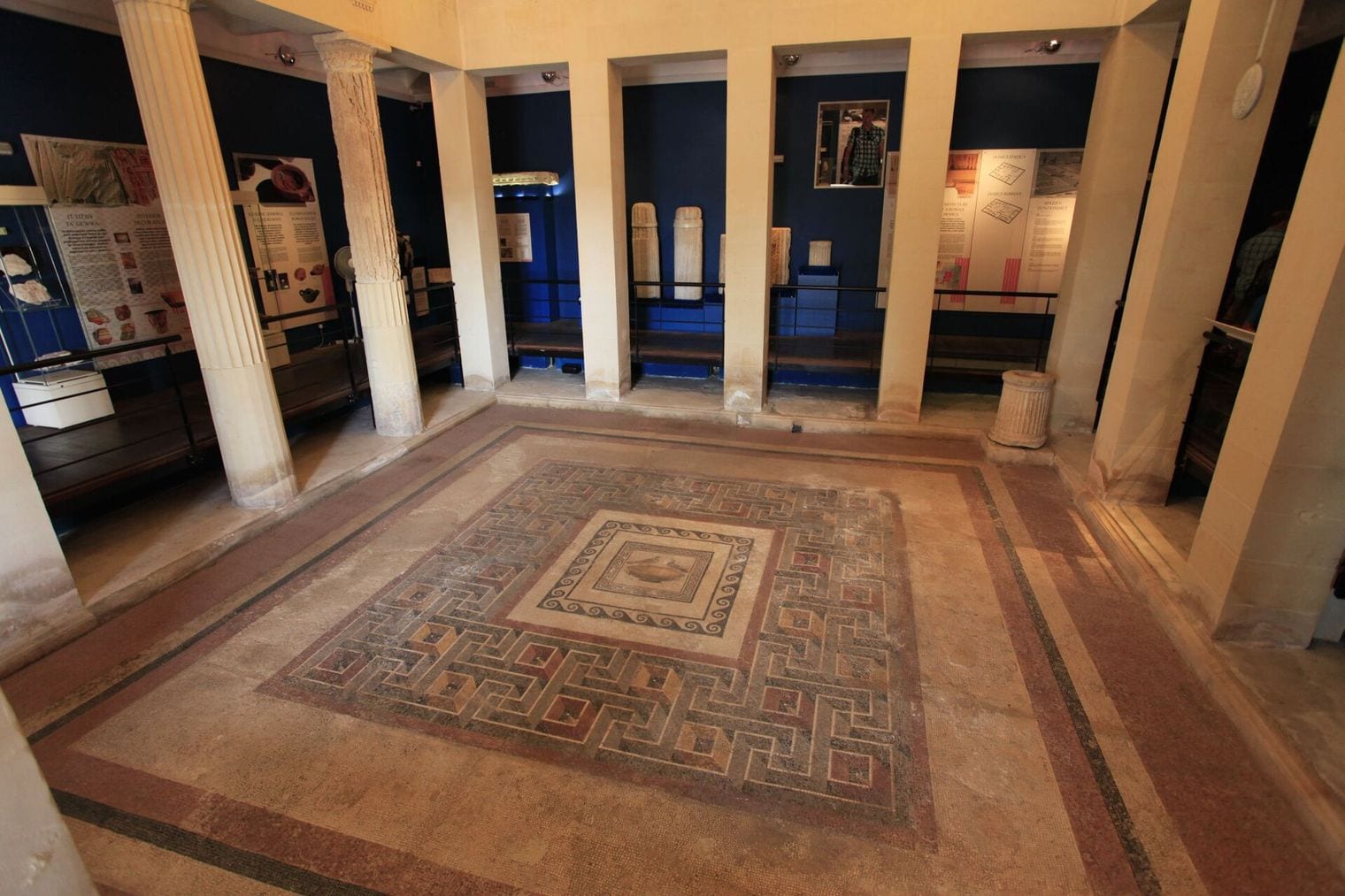
On the boundary between Mdina and Rabat, a museum has been built directly over the remains of a wealthy Roman townhouse uncovered in 1881. The Domvs Romana keeps its mosaic floors exactly where they were laid, and they rank among the finest Roman mosaics in the western Mediterranean.
The centrepiece is a peristyle floor bordered with doves drinking from a bowl, worked in tesserae small enough to shade like paint. Around it stand statues associated with the family of the emperor Claudius, Punic and Roman glass, and the Muslim tombstones from the cemetery that later covered the ruins.
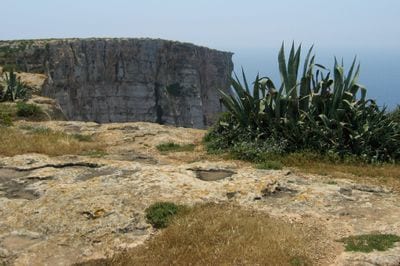
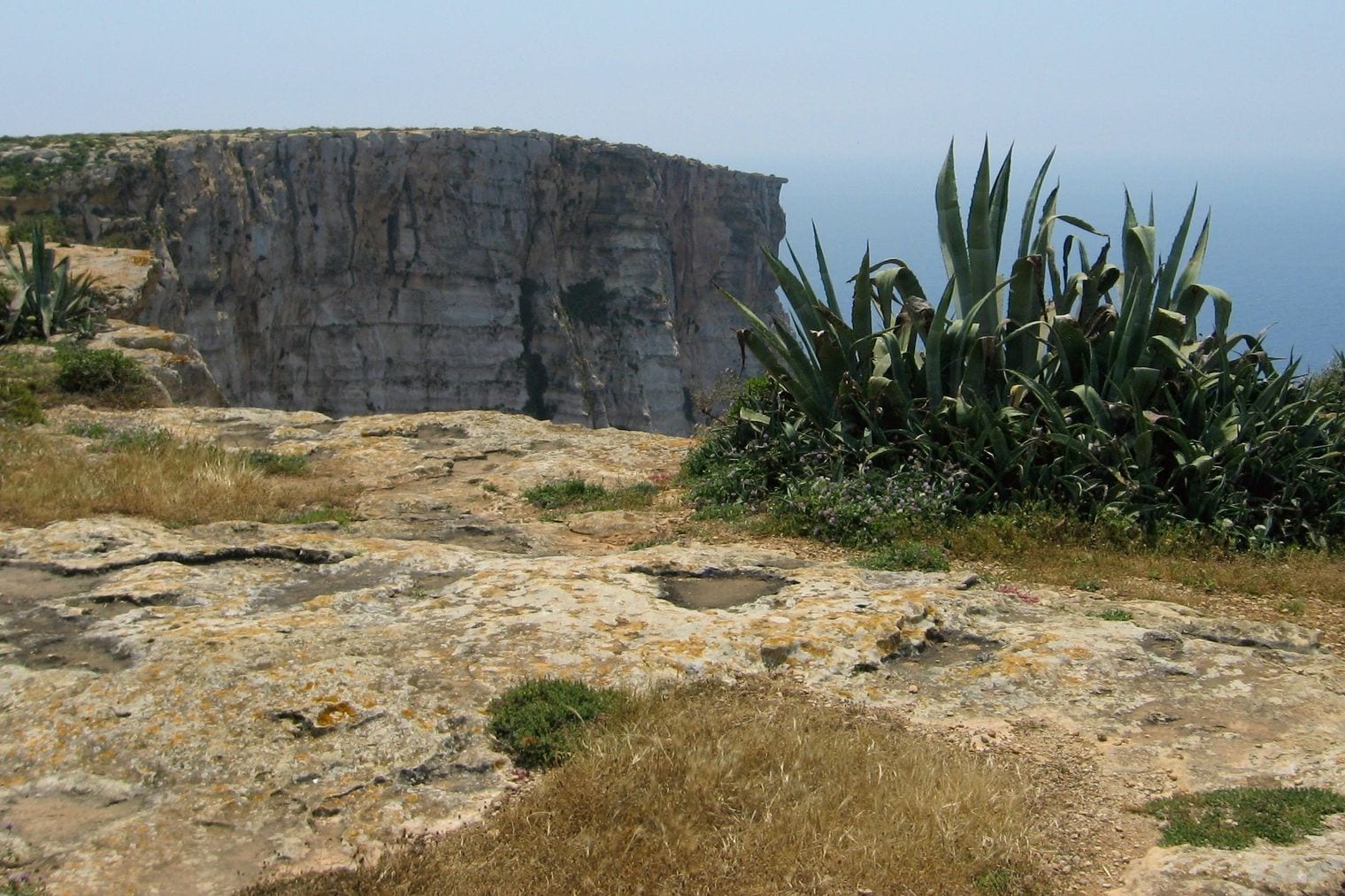
The south coast of Gozo drops off in one long wall, and at Ta' Ċenċ above Sannat it falls around 130 metres straight into the water. The plateau on top is open garigue — thin soil, wild thyme and rubble walls — with no railing, no kiosk and usually nobody else on it.
It is the most important seabird site in the Maltese islands, with Yelkouan and Scopoli's shearwaters nesting in the cliff face and coming ashore only after dark. On the walk out from the village you pass a dolmen and a stretch of prehistoric cart ruts scored into the bare rock.
3838. Senglea and the Gardjola Gardens
Historical Landmark~6.6 km (4.1 miles) from centre
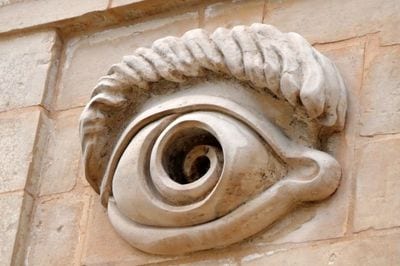
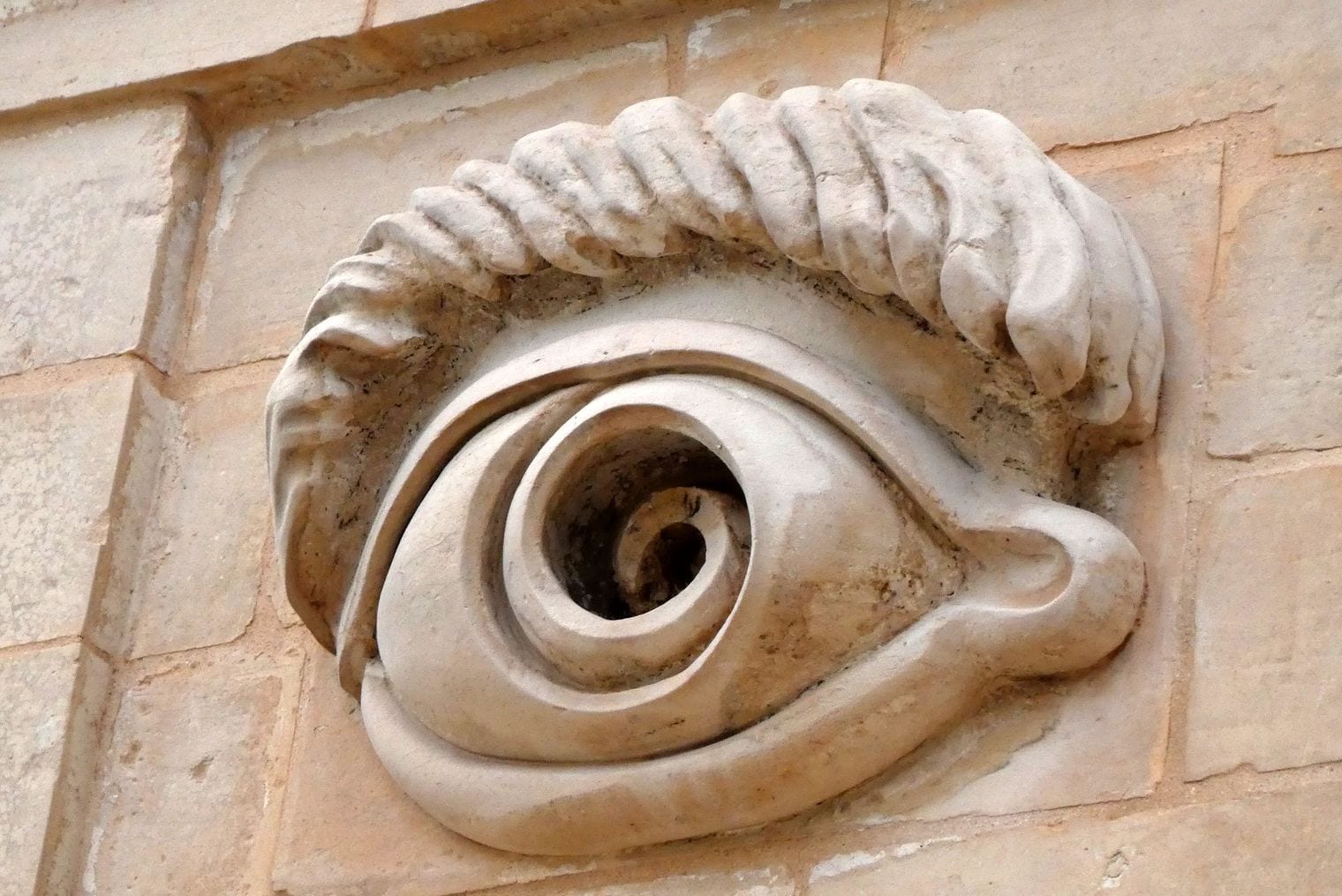
Senglea is the narrowest of the Three Cities, a single ridge of peninsula pushed out into the Grand Harbour opposite the capital. At its tip the Gardjola Gardens end in a stone watchtower carved with an eye and an ear — the vedette that has become the standard postcard image of Malta.
The view from it takes in Valletta's bastions, Fort St Angelo and the whole working harbour at once. Behind the gardens Senglea is a lived-in place of washing lines and steep side streets rather than a museum piece, and it takes ten minutes to walk end to end. Our guide to Valletta covers the capital across the water.
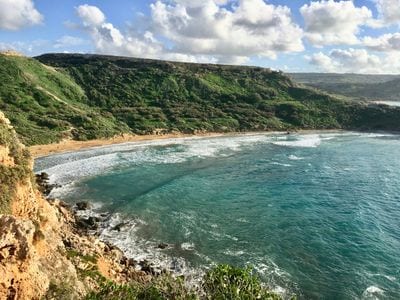
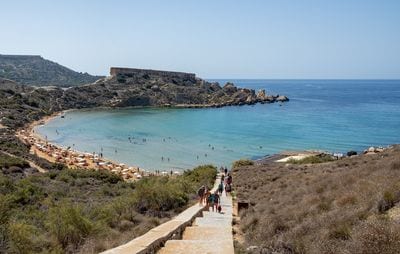
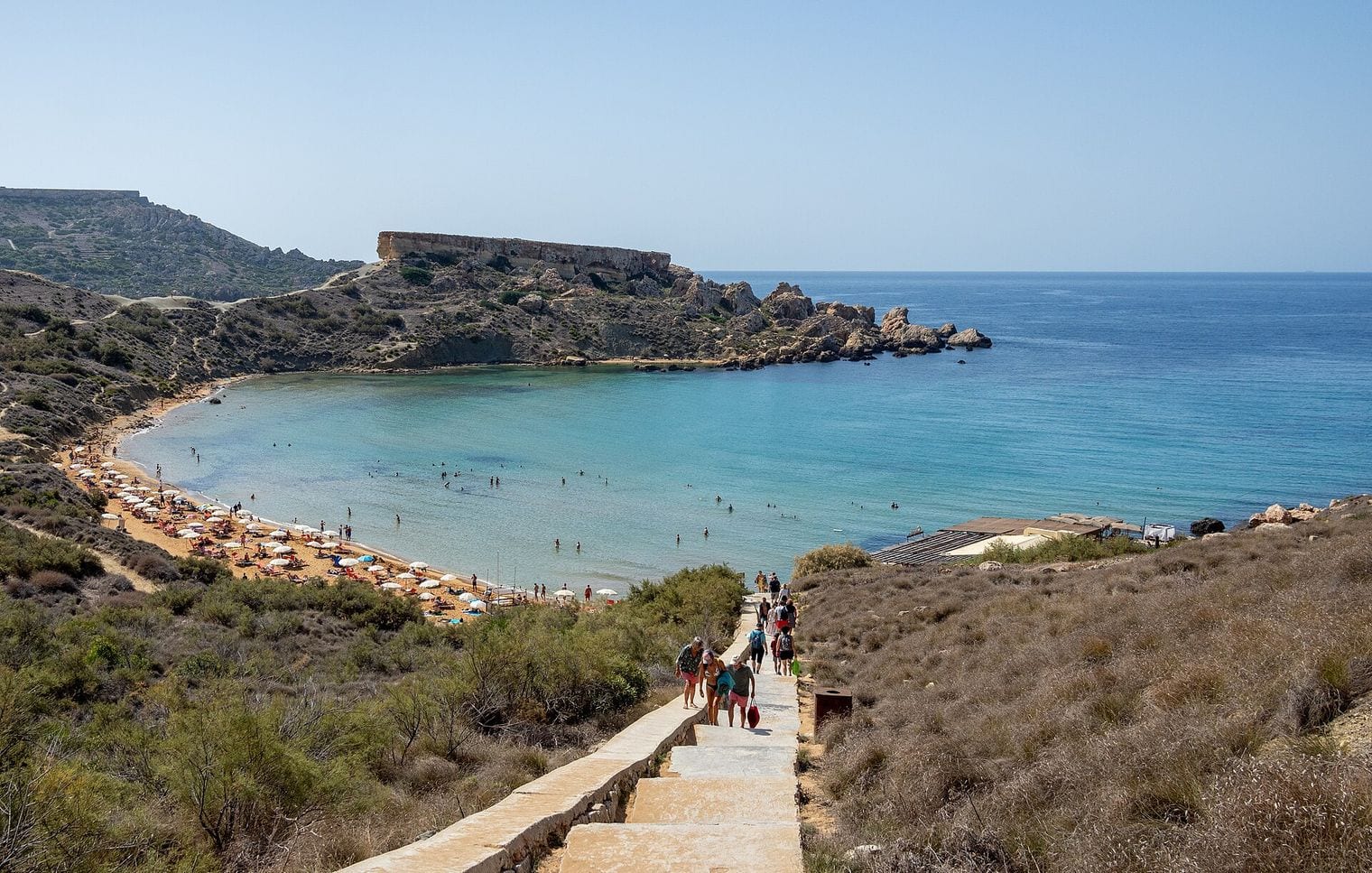
Over the headland from Golden Bay, Għajn Tuffieħa is reached by a long flight of steps down a clay slope, and that descent is what keeps it quieter than its neighbour. The sand is reddish, the bay is framed by a crumbling ridge, and there is a single kiosk at the bottom.
The clay is unstable and the swell can run strong, so the beach is patrolled through the summer and flagged when swimming is unsafe. The headland between the two bays carries a watchtower of 1637 and a footpath on to Ġnejna Bay, which together make a good hour's walk over the ridge.
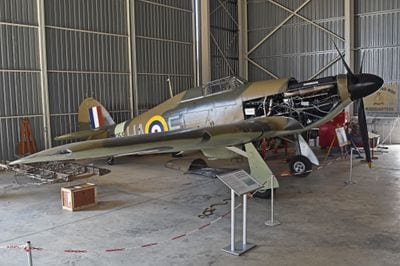
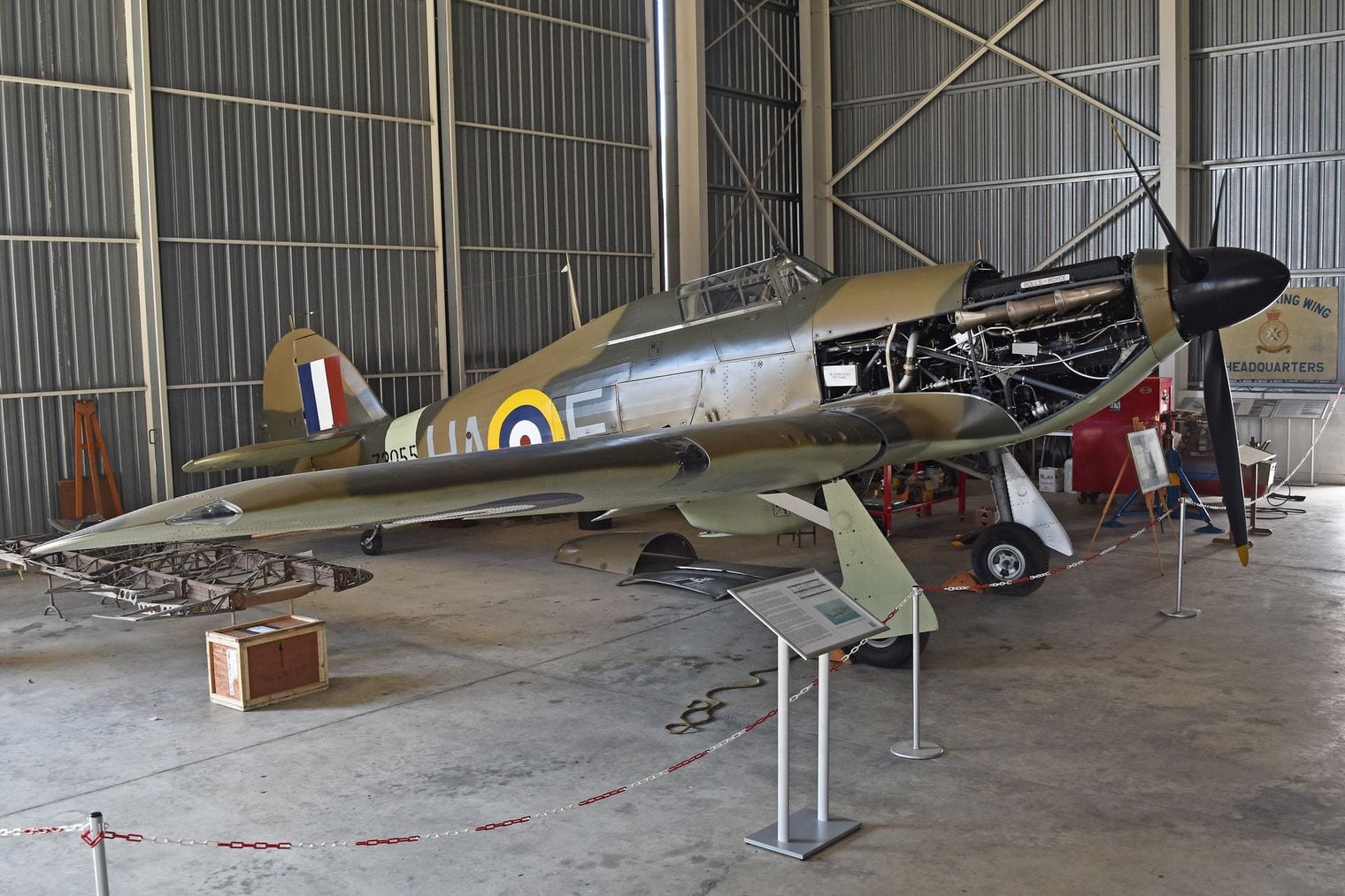
Three hangars on the edge of the old RAF Ta' Qali airfield hold what volunteers have spent four decades dragging out of scrapyards and up off the seabed. The Malta Aviation Museum centres on a Spitfire Mk IX in Malta markings, alongside a Hawker Hurricane rebuilt from a wreck recovered off the coast.
A working restoration hangar forms part of the visit, so there is usually an airframe in pieces and someone willing to explain it. The rest runs from a Tiger Moth to a de Havilland Vampire and a Fiat G.91, with cabinets of squadron material from the siege years and a Dakota parked outside.
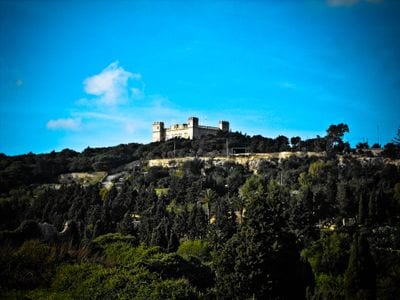
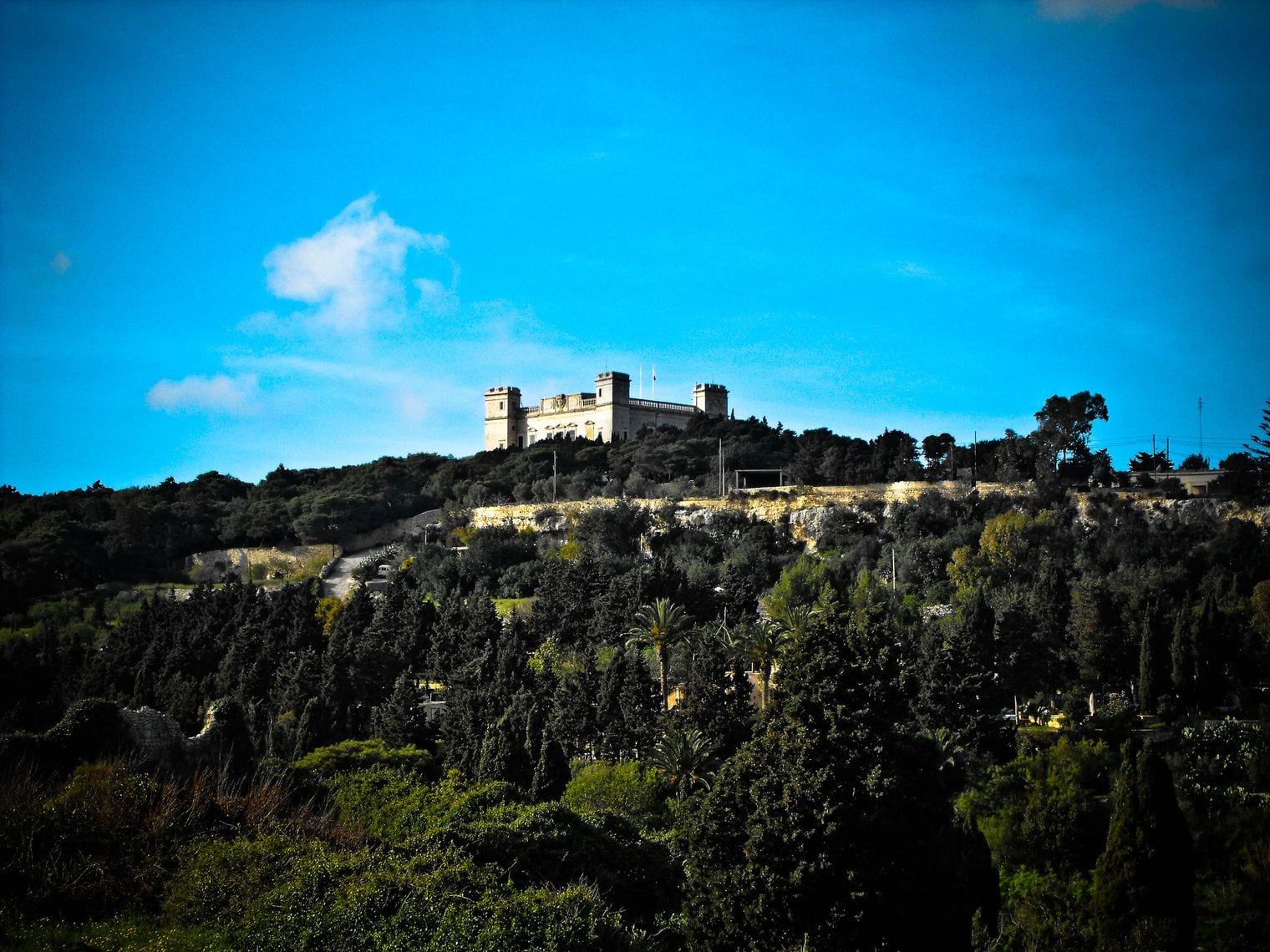
Buskett Gardens is the only real woodland in Malta — a valley of Aleppo pine, holm oak, orange and olive planted by the Knights as a hunting ground below Verdala Palace. On an island with almost no natural shade, a stand of mature trees is a genuine novelty rather than a garden feature.
Verdala Palace above it was built in 1586 for Grand Master Hugues de Verdalle to a design by Girolamo Cassar, and now serves as the President's summer residence, so it is normally admired from outside. The gardens are free and open daily, and they fill on 28–29 June for the Mnarja harvest festival.
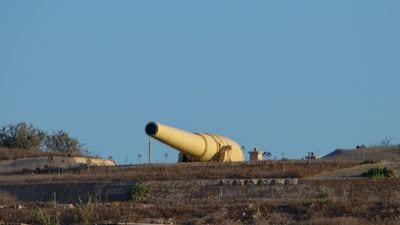
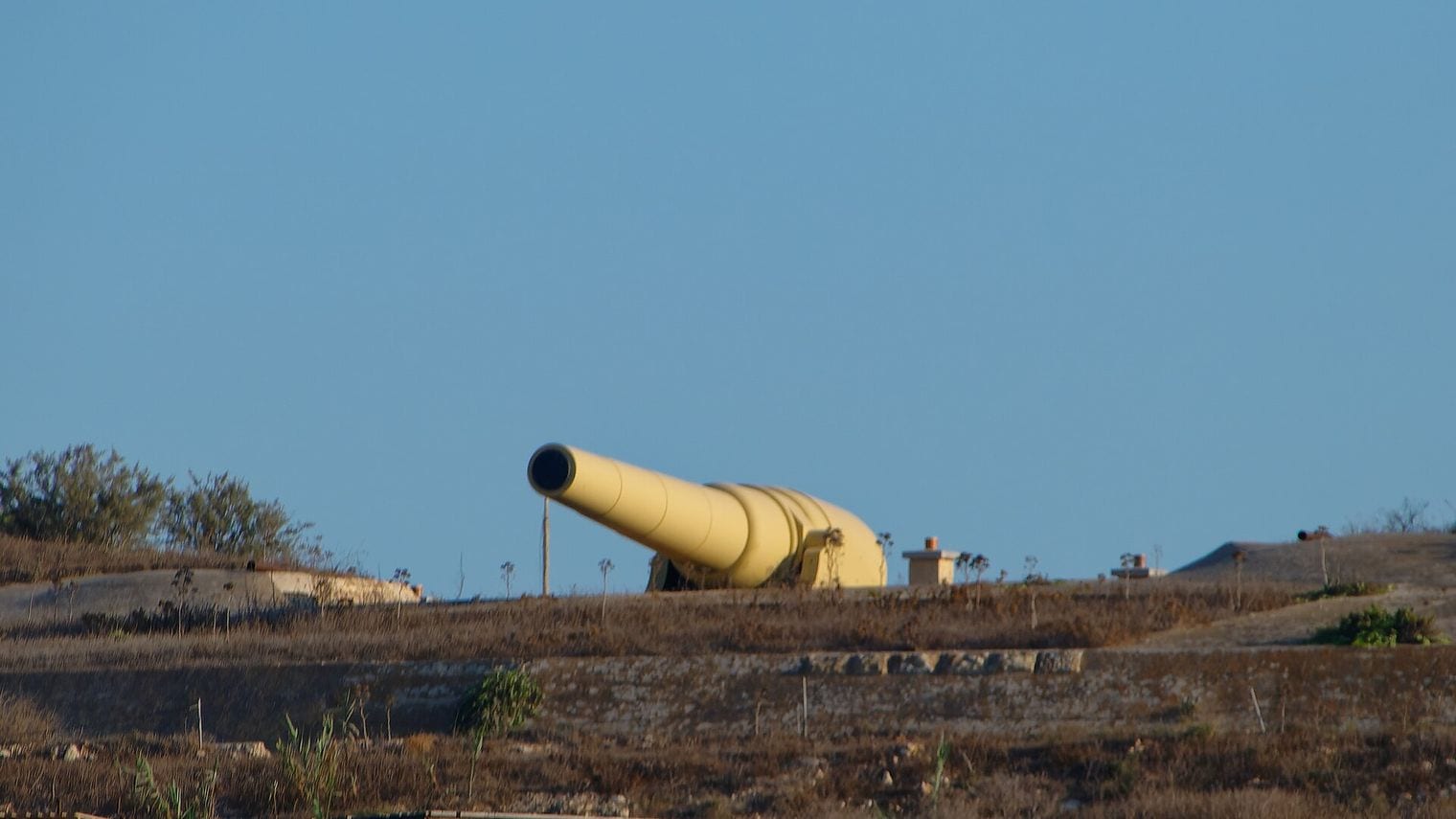
Fort Rinella was built by the British in the 1880s for a single purpose: to hold one Armstrong 100-ton gun, the largest muzzle-loading gun ever made. Its shell weighed a ton and could punch through 21 inches of wrought-iron ship armour at a range of three miles.
Four were installed for the British — two in Malta, two at Gibraltar — and this is one of the pair that survive. Fondazzjoni Wirt Artna runs the fort as a living museum with costumed drills, musket and cannon firing, and the machinery that loaded the gun demonstrated rather than described on a label.
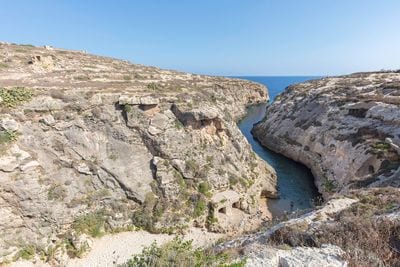
A valley on Gozo's north coast narrows into a gorge and then into a cleft barely wide enough for two swimmers, opening at the bottom onto a pebble beach a few metres across. Wied il-Għasri is reached by a flight of steps cut into the rock face, and there is no other way down.
The water inside the cleft is still and startlingly clear, and divers use it as an entry point for the cave systems along this coast. There is nothing there — no kiosk, no shade, no lifeguard — so it works as a morning stop, usually combined with the Xwejni Salt Pans a little to the east.
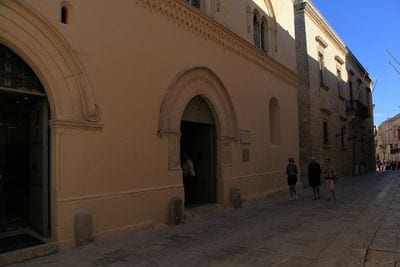
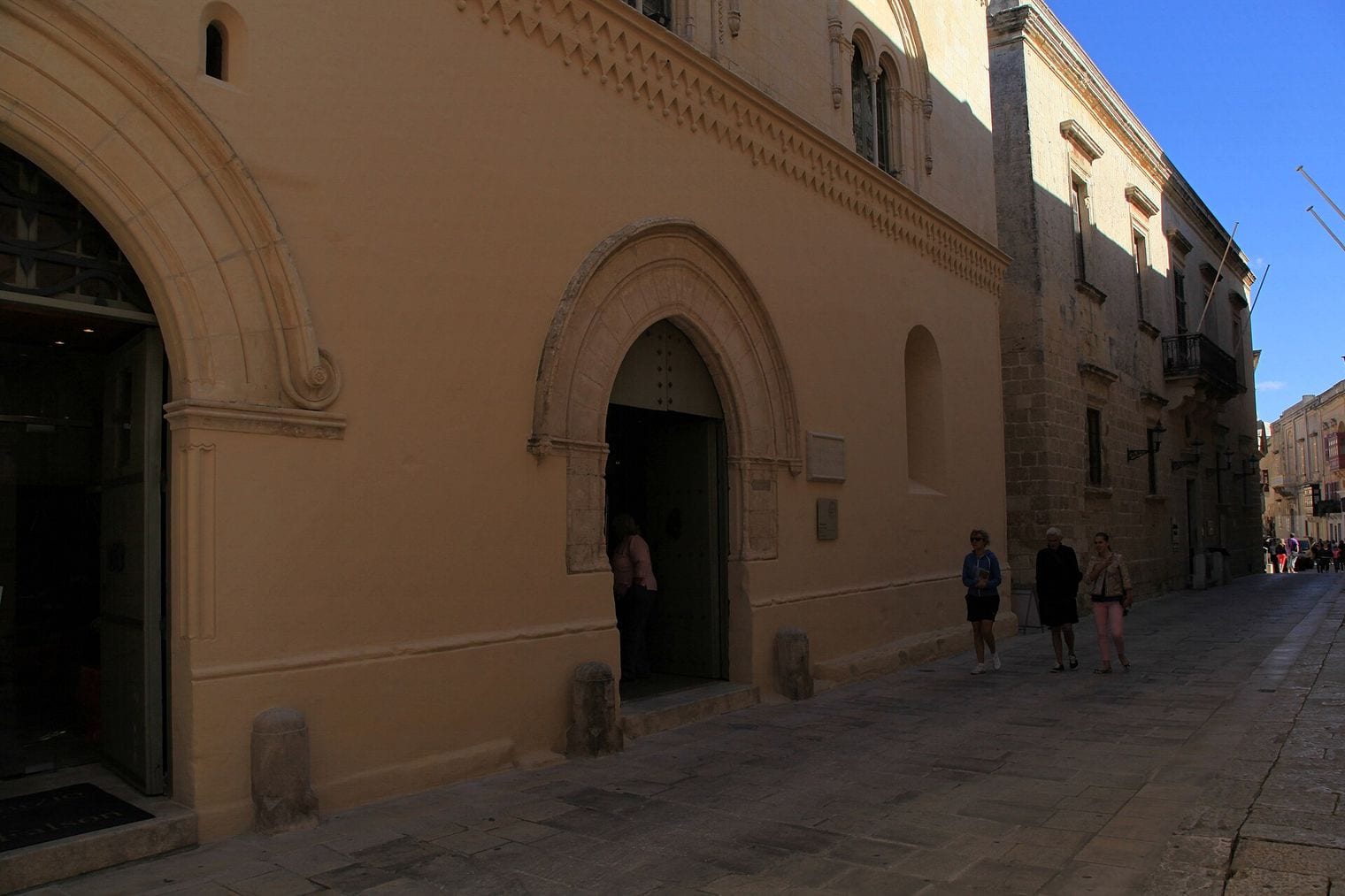
The second-oldest building in Mdina is a thirteenth-century townhouse built around a courtyard, and it was left as it stood by Olof Gollcher — artist, soldier and collector — who bought it in 1927 and lived there until his death in 1962. Palazzo Falson opened as a museum with his rooms intact.
The collection runs from fifteenth-century armour and silver to jewellery, coins, paintings, fans and oriental rugs, arranged as a private house rather than a row of display cases. The audio guide comes with the ticket, the roof terrace looks out over half of Malta, and it is far quieter than the cathedral end of the street.
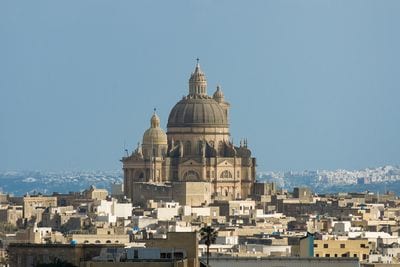
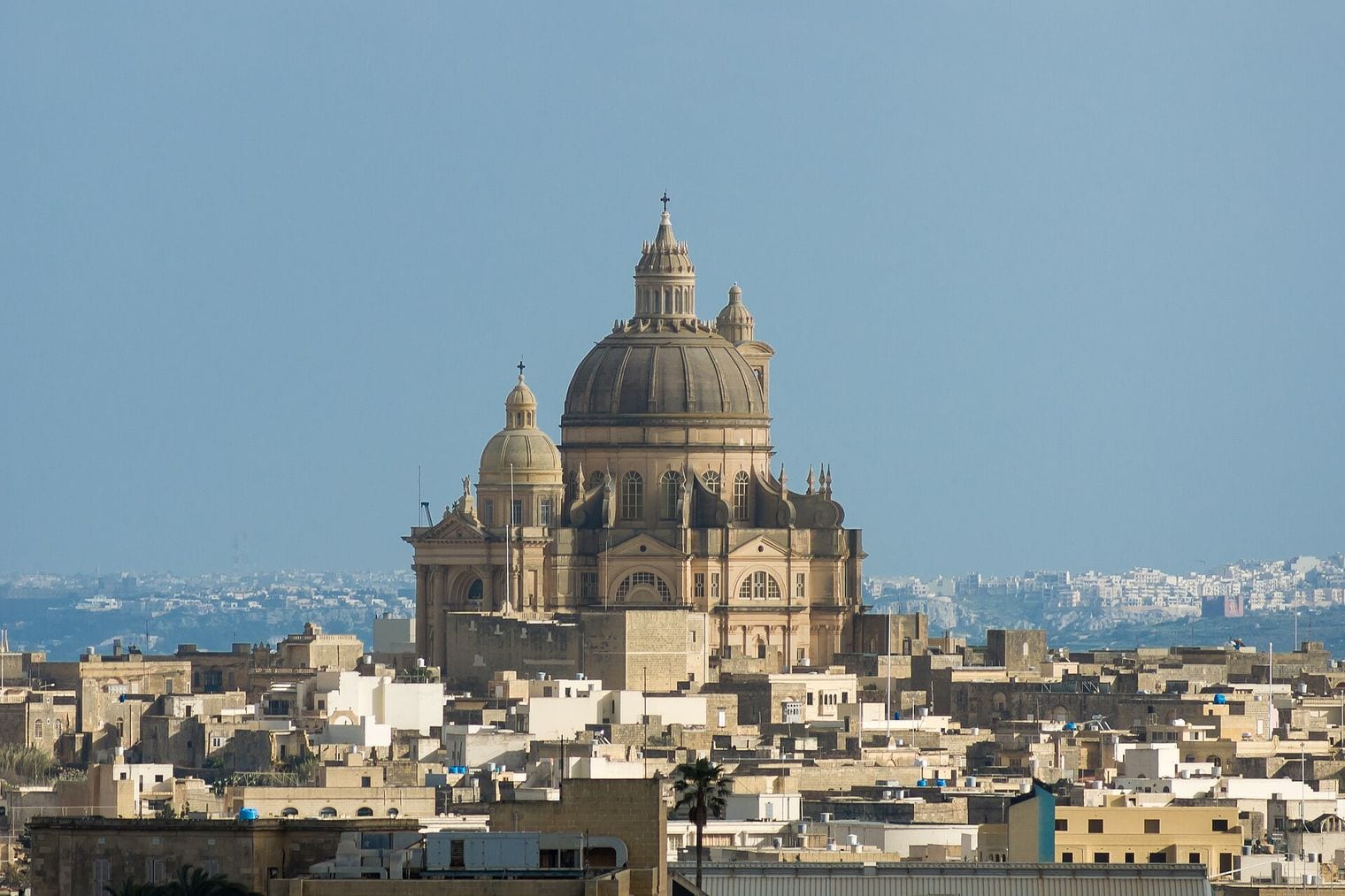
The dome of Xewkija's parish church rises 75 metres and is visible from almost anywhere on Gozo, which is startling for a village of a few thousand people. The Rotunda of St John the Baptist was raised between 1951 and 1971 around the older church, which stayed in use until the new one closed over it.
Villagers quarried and hauled much of the stone themselves, and the dome rests on eight stone-clad columns rather than a solid drum. A lift runs up to a gallery inside it and out onto a balcony above the rooftops, and the baroque fittings of the old church are kept in a small museum beside the sacristy.
4646. Ta' Ħaġrat and Skorba Temples
Archaeological Site~7.4 km (4.6 miles) from centre
The two least-visited of Malta's UNESCO-listed temples sit a kilometre apart on the edge of Mġarr village. Ta' Ħaġrat is a small, well-preserved pair of structures with a monumental doorway; Skorba is far less to look at but more important, because its excavation in the 1960s produced the dating for the whole temple sequence.
Skorba's remains include huts that predate the temples, and they are where almost everything known about domestic life in Neolithic Malta comes from. Both sites open on Tuesdays, Thursdays and Saturdays only, tickets are sold online rather than at the gate, and no more than fifteen people are admitted at a time.
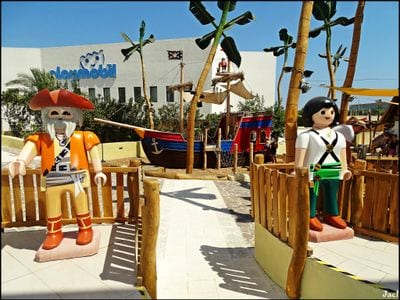
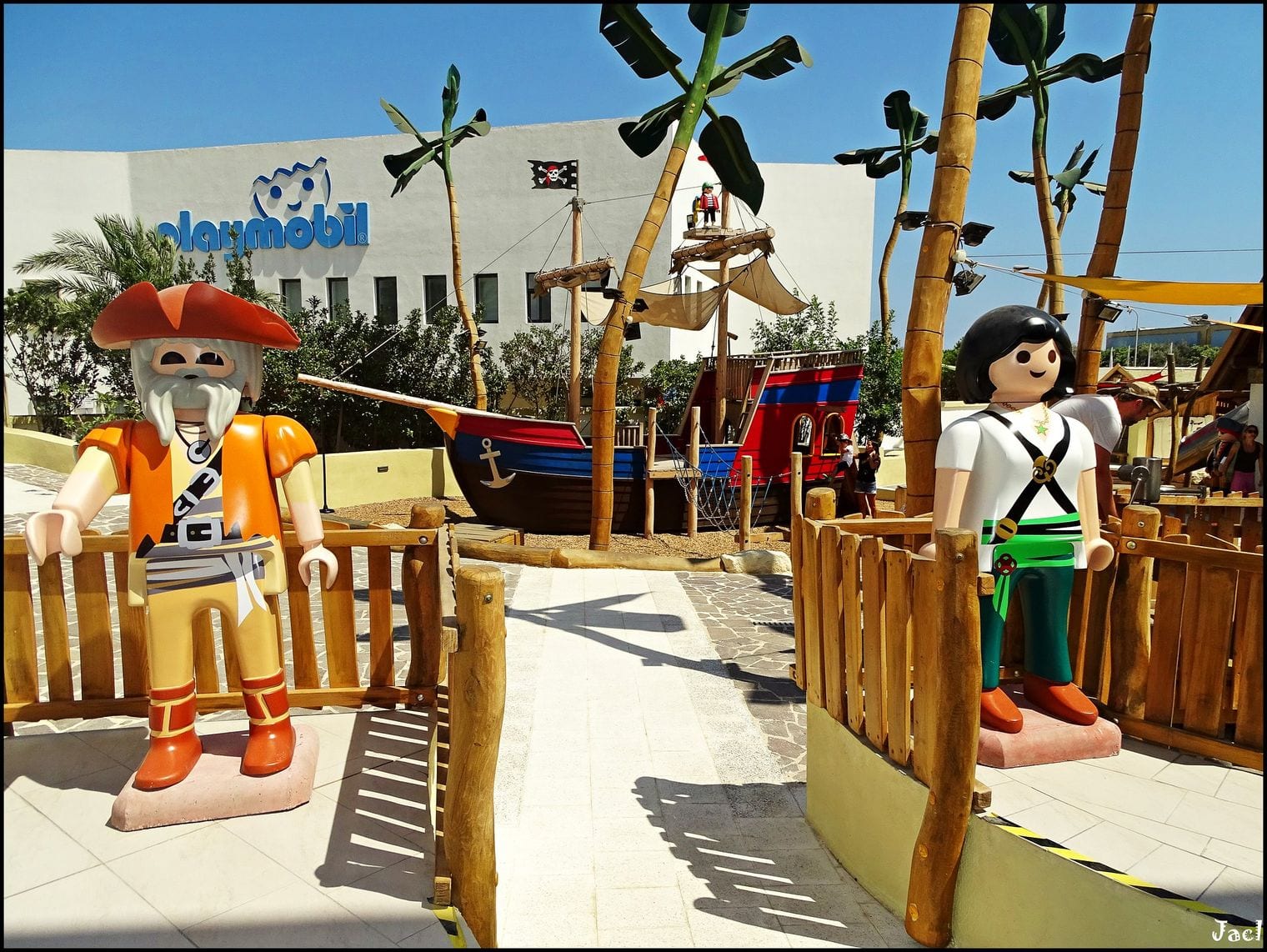
Playmobil's Maltese plant at Ħal Far has a play park attached to it, and the Playmobil FunPark is squarely for under-twelves. Themed zones cover knights, pirates, police and fairy tales, there is a climbing-and-slide structure, and several thousand loose pieces are set out to build with.
Admission costs a few euro rather than theme-park money, and the park opens daily with longer hours at weekends. It sits twenty minutes from Valletta and a few minutes from the airport, which makes it the standard wet-afternoon stop or last morning before a flight. The outdoor half is the better one in good weather.
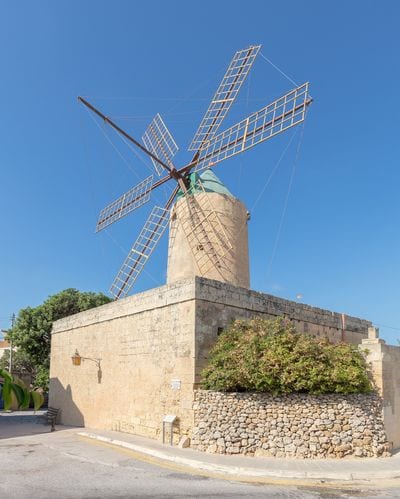
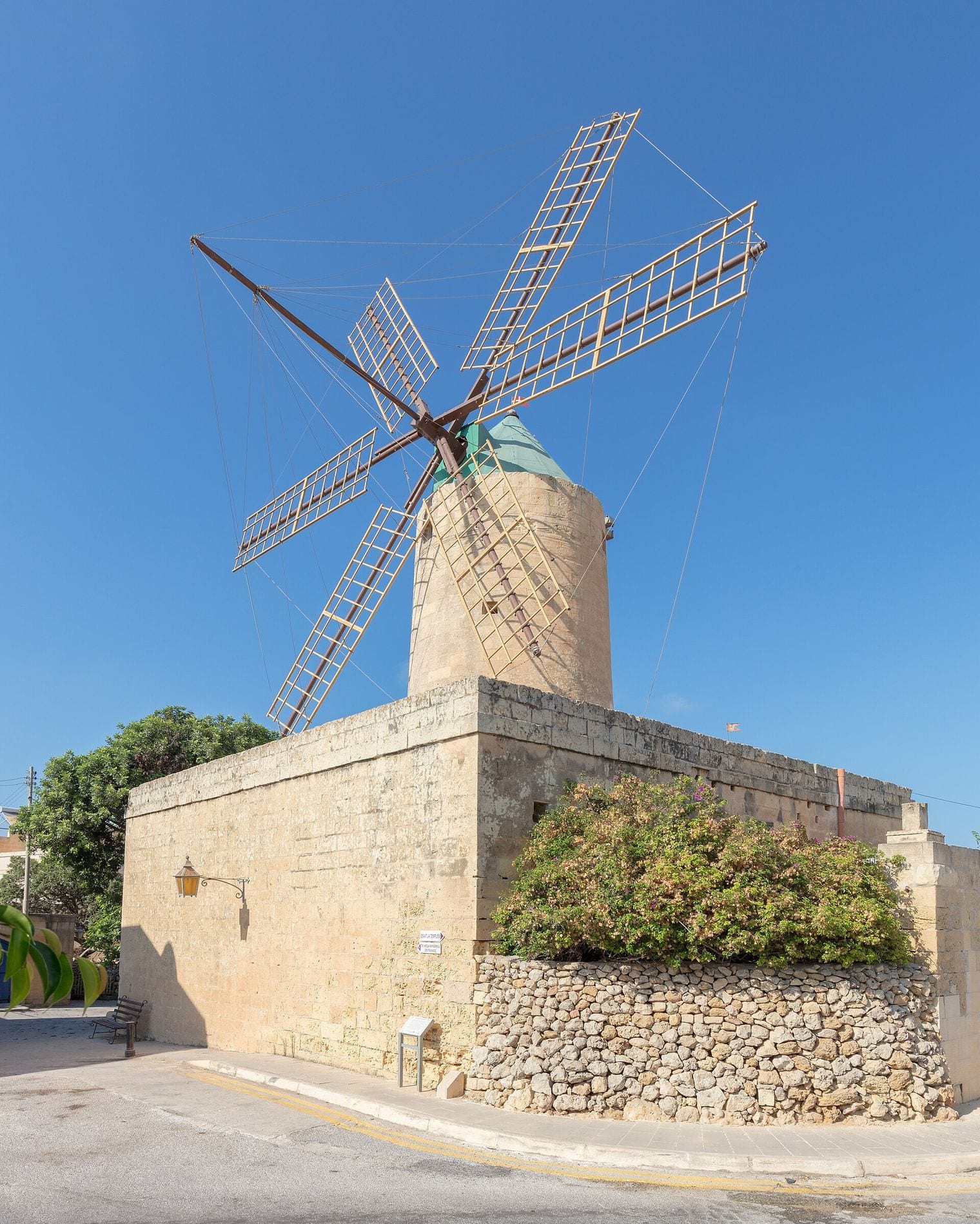
A few minutes' walk from the Ġgantija Temples, Ta' Kola Windmill is one of the few mills built under the Knights still standing, put up in 1725 in the reign of Grand Master Vilhena. It ground grain for Xagħra into the twentieth century and now works as a museum of Gozitan rural life.
The miller's living quarters are furnished as they were left, and the workshop keeps the tools of Żeppu ta' Kola, the last miller, whose name the building carries. The wooden machinery and millstones survive on the upper floor up a tight stone stair, and one ticket covers the mill together with Ġgantija.
Behind a restrained façade on Naxxar's main square is the most extravagant private interior on the islands — a gilded ballroom, a frescoed staircase and a piano nobile the Scicluna family had decorated by Italian craftsmen in the early 1900s. Palazzo Parisio is routinely called Malta's miniature Versailles, and for once the label fits.
The walled gardens behind it are the only privately owned gardens in Malta open to the public, and the only entry outside Italy in the Grandi Giardini Italiani collection. House and gardens open Tuesday to Sunday; the garden-only ticket is worth it on its own if you are passing through Naxxar.
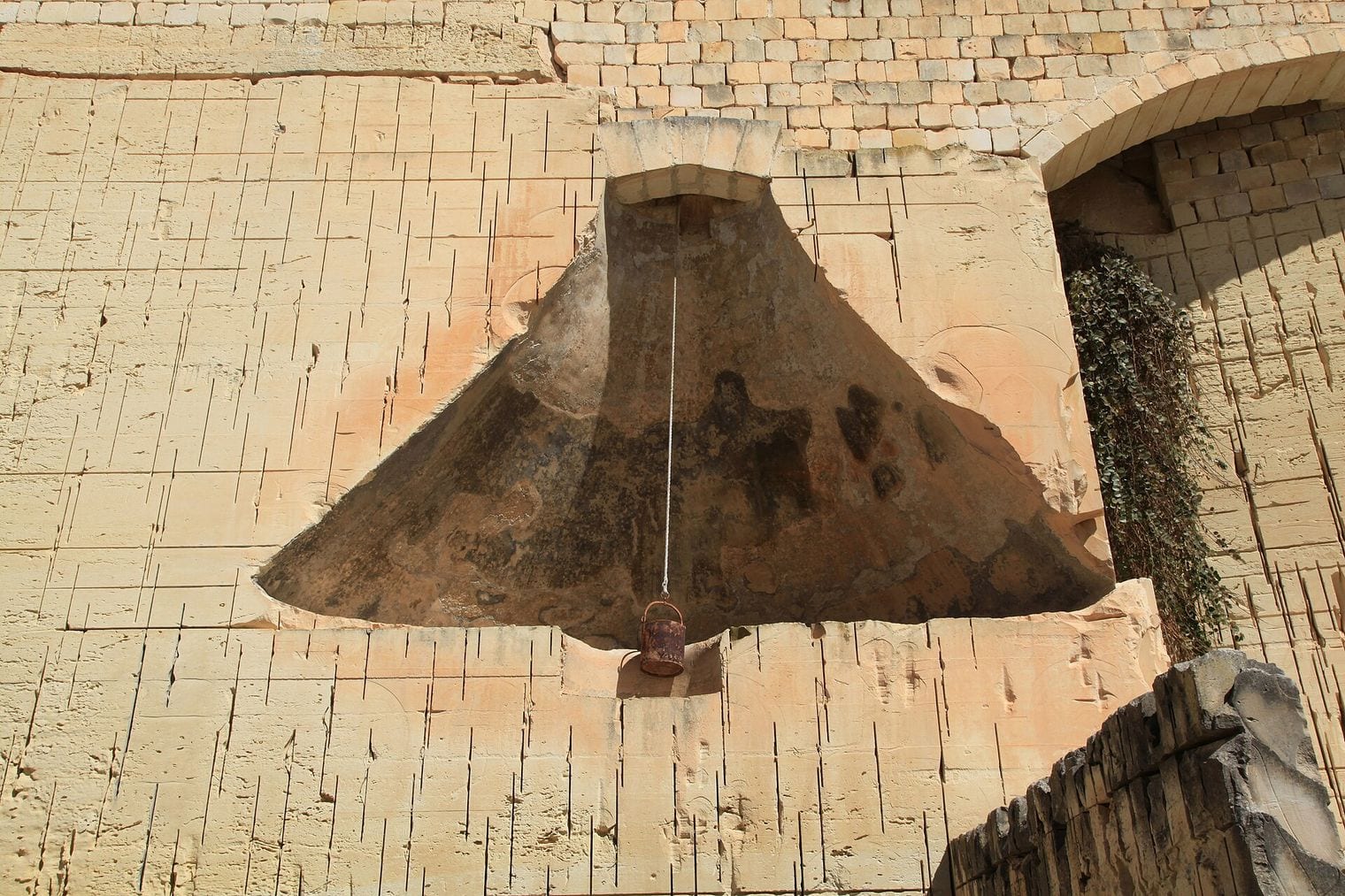
Malta is built out of one material, and this disused quarry at Siġġiewi exists to explain it. The Limestone Heritage Park lays a walking route through the cut faces, showing how blocks were sawn out by hand before machinery arrived and what the two Maltese limestones — the hard blue and the soft golden globigerina — are each good for.
Stonemasons carve on site and visitors can try cutting a block themselves. The quarry floor has been planted into a garden with citrus trees, a duck pond and farm animals, which turns something that sounds like an industrial museum into an hour children will happily spend.
Free Things to Do in Malta
A surprising share of the best of Malta costs nothing. You can walk the whole of Mdina without paying to enter, wander the quay at Marsaxlokk Harbour among the painted luzzus, and take in the Grand Harbour from the Upper Barrakka Gardens. The Valletta Waterfront is a free stroll along a restored Baroque quay, and San Anton Gardens at Attard opens daily at no charge.
The coast is free almost everywhere. Golden Bay and Gozo's red-sand Ramla Bay cost nothing to swim from, the Dingli Cliffs are simply a lane along the island's highest edge, and the Xwejni Salt Pans can be walked past on the coast road.
Four to five days covers the main island comfortably — Valletta, the Three Cities, Mdina and a temple site or two — without rushing between them. Add two more if you want Gozo as an overnight rather than a day trip, which is what most visitors say they wish they had done.
Is Malta worth visiting?
Yes, and particularly if you like history layered thickly. Few places pack three UNESCO World Heritage Sites, a Baroque capital, prehistoric temples and a swimmable coast into an area you can drive across in under an hour. English is an official language, which makes it unusually easy to travel independently.
Late spring and early autumn. April to June brings warm walking weather and green countryside, while September and October hold the sea at its warmest with far fewer people. Midsummer is hot and short on shade; winter is mild and quiet but generally too cool for swimming.
Do you need a car in Malta?
Not necessarily. Buses reach almost everything a visitor wants and the country is barely 30km end to end, so many people never rent one. A car helps for the remote south and west, or if you are based on Gozo. Malta drives on the left, and roads are narrow and busy.
Can you visit Gozo and Comino as day trips?
Both are straightforward. A car and passenger ferry crosses to Gozo from Ċirkewwa at Malta's northern tip, and boats run to Comino and the Blue Lagoon from the same area. Gozo rewards an overnight stay, but the Cittadella, the Ġgantija Temples and Xlendi Bay fit into a single long day.