We build and rank every list first. Booking links come after, and only where
a partner sells a ticket, tour or stay for that exact place, so a place with
nothing to book is listed exactly as prominently as one you can book.
So how do we earn? Some links on this page go to booking
partners, and if you book tickets, tours or a stay through
one, we may earn a commission. It costs you nothing extra.
That commission never decides which places make the list, the order they
appear in, or what we write about them. No entry is sponsored or a paid
placement.
By the City Viking editorial teamPublished 20 places · 17 min read
Fact-checked Checked before launchOct 4, 202620 sources11 government & parks2 tourism boards7 venues & other sitesPublished · Oct 4, 2026Researched and checked before it went liveClick for every source and the full change log.
Short answer
Start with St. Michaels for its working harbor and the Chesapeake Bay Maritime Museum, Berlin for its Victorian Main Street a few miles from the Atlantic beaches, and Havre de Grace for its waterfront promenade to the 1827 Concord Point Lighthouse. Most towns on this list fill a relaxed day, while Annapolis and Ocean City deserve a weekend.
Maryland is a small state with a very long shoreline, and its best small towns follow the water: colonial ports on the Eastern Shore, harbor towns on the Chesapeake Bay and a canal village where ocean-going ships glide past the porches. To the west, railroad and canal towns climb into the Catoctin and Allegheny mountains.
This guide ranks 20 of the best, from St. Michaels and Berlin to Oakland in the far west, and many are an easy day trip from Baltimore or Washington, D.C. Most fill a relaxed day, and the Eastern Shore towns pair neatly into a weekend.
The Maryland State House in Annapolis is the oldest state capitol still in continuous legislative use. It served as the U.S. capitol in 1783 and 1784, and it is topped by the largest wooden dome in the country built without nails.
St. Mary's City, founded in 1634, was Maryland's first capital until 1695, and its assembly passed the Maryland Toleration Act in 1649 to protect Catholic and Protestant worship alike.
Boonsboro's stone tower on South Mountain, raised by townspeople on July 4, 1827, was the first monument to George Washington to be completed, two years before the Washington Monument in Baltimore and decades before the one in the nation's capital.
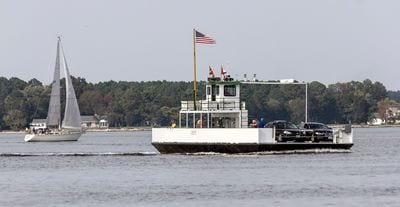
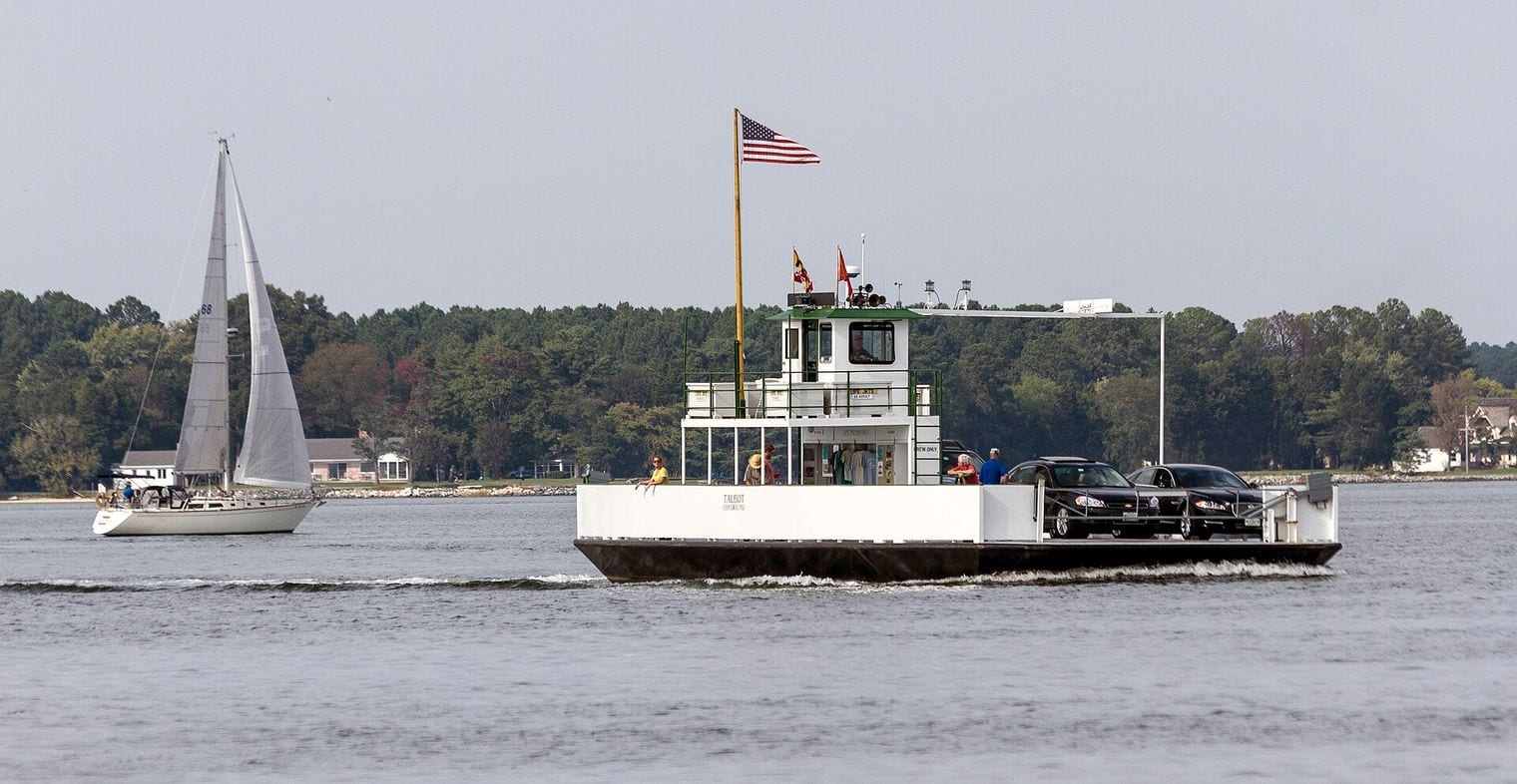
The Oxford-Bellevue Ferry has crossed the Tred Avon River since 1683 and is thought to be the oldest privately operated ferry service in the United States.
Western Maryland holds the state's two signature waterfalls: Muddy Creek Falls near Oakland, at 53 feet the highest free-falling waterfall in Maryland, and 78-foot Cunningham Falls near Thurmont, the largest cascading one.
Berlin has played two fictional towns on screen: Hale, Maryland, in Runaway Bride and Treegap in Tuck Everlasting.
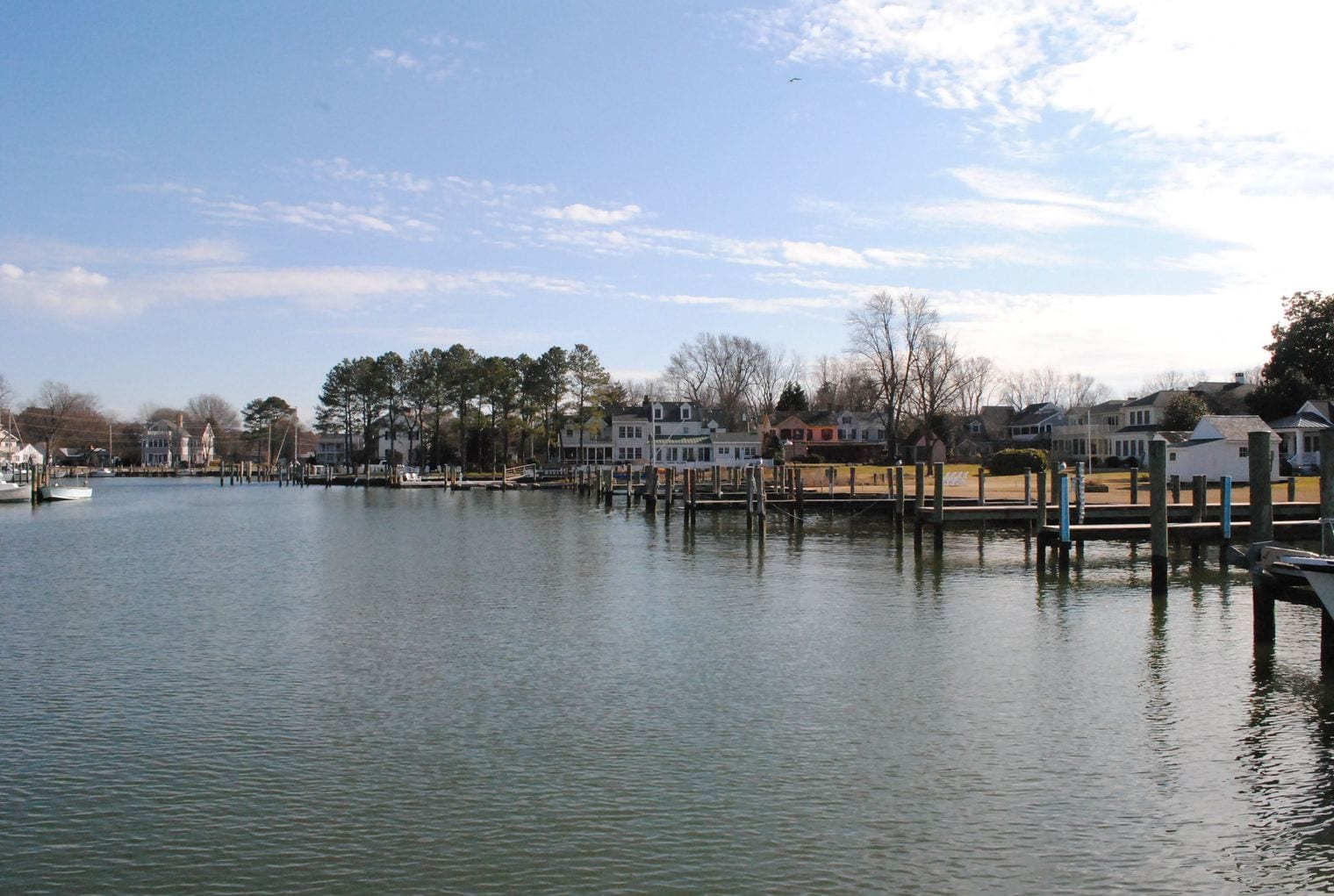
St. Michaels grew up around an Episcopal parish founded in the 1670s on the Miles River, and its shipyards once turned out the fast schooners later known as Baltimore clippers. In 1813 a British fleet shelled the town without doing much damage, and a story recorded nearly a century later credits residents with hanging lanterns in the trees so the cannonballs overshot. That legend gave St. Michaels its nickname: the town that fooled the British.
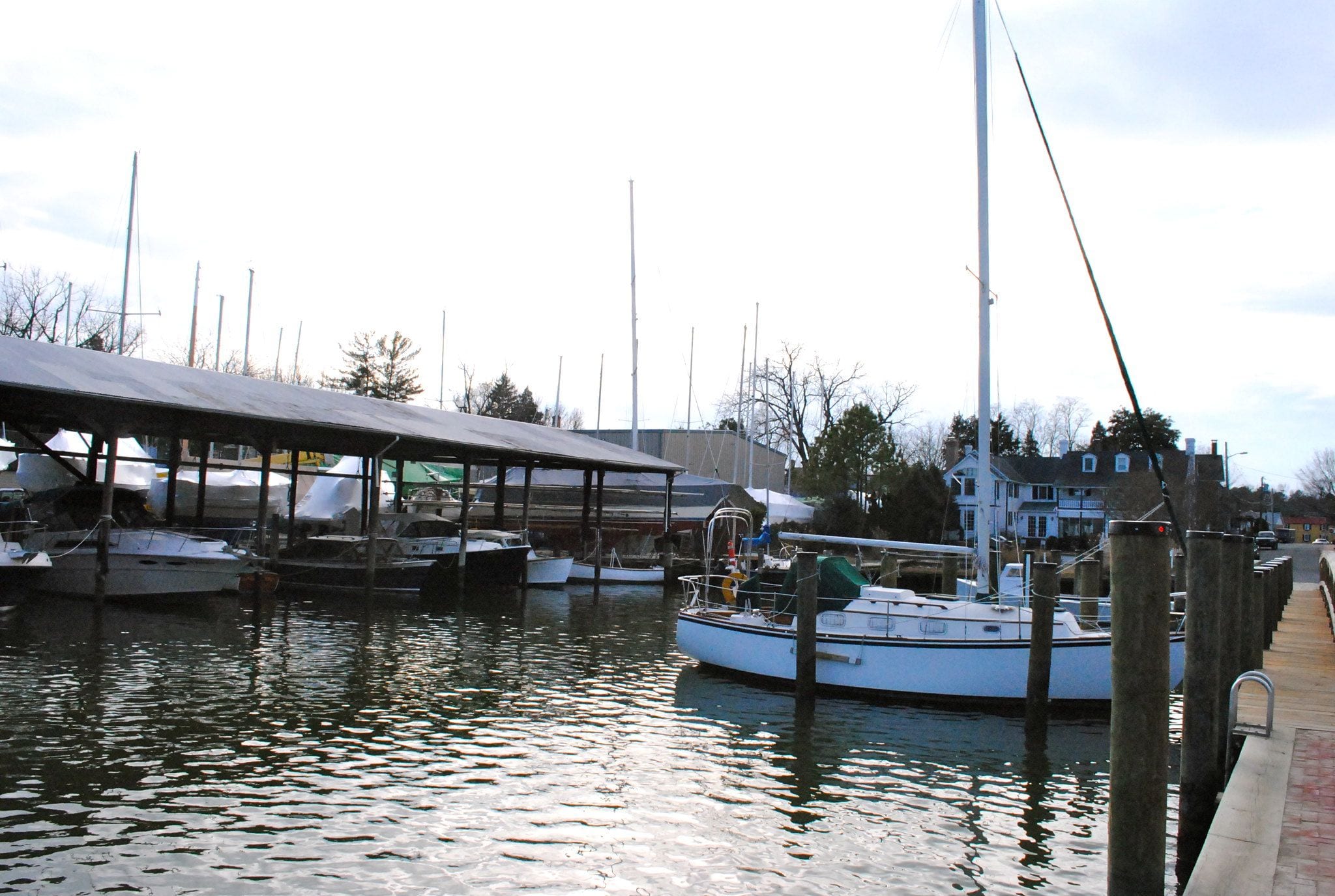
The harbor is the heart of a visit. The Chesapeake Bay Maritime Museum spreads across 18 acres of Navy Point, with a fleet of historic Bay boats and the Hooper Strait Lighthouse, a screw-pile light moved here from Dorchester County. Browse the shops and galleries along Talbot Street, look for the Cannonball House, reportedly struck during the 1813 attack, and watch the sailboats come and go from the waterfront.
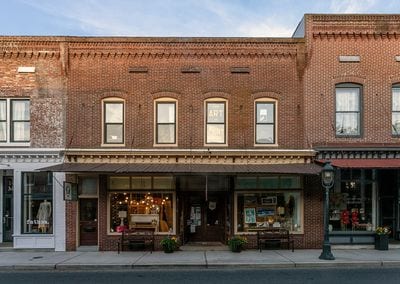
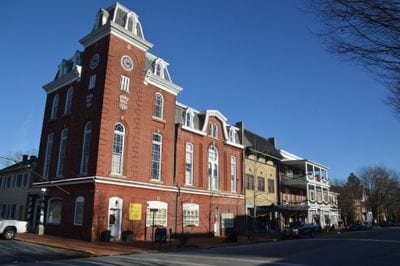
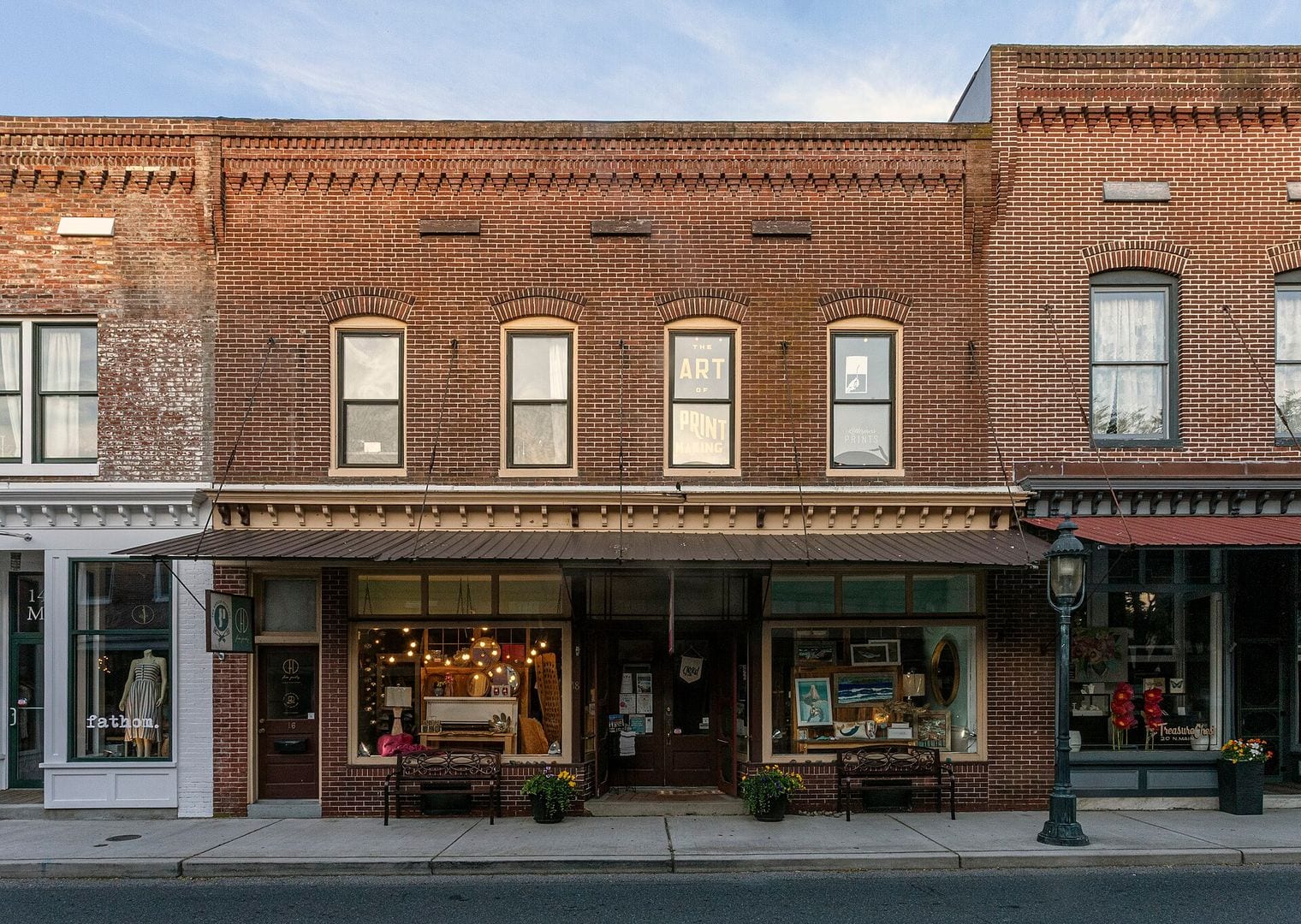
A few miles inland from the Atlantic beaches, Berlin won Budget Travel's reader poll for America's Coolest Small Town in 2014, and its Main Street makes the case. After a fire leveled much of downtown in 1895, merchants rebuilt in Queen Anne, Italianate and Second Empire styles, leaving a compact district of Victorian storefronts that Hollywood has borrowed more than once.
The street was dressed as the fictional town of Hale, Maryland, for Runaway Bride and became Treegap for Tuck Everlasting. Spend a morning on the antique shops, galleries and cafes, walk the side streets of old houses, then make the short drive to Assateague Island, where wild horses roam the dunes and beaches.
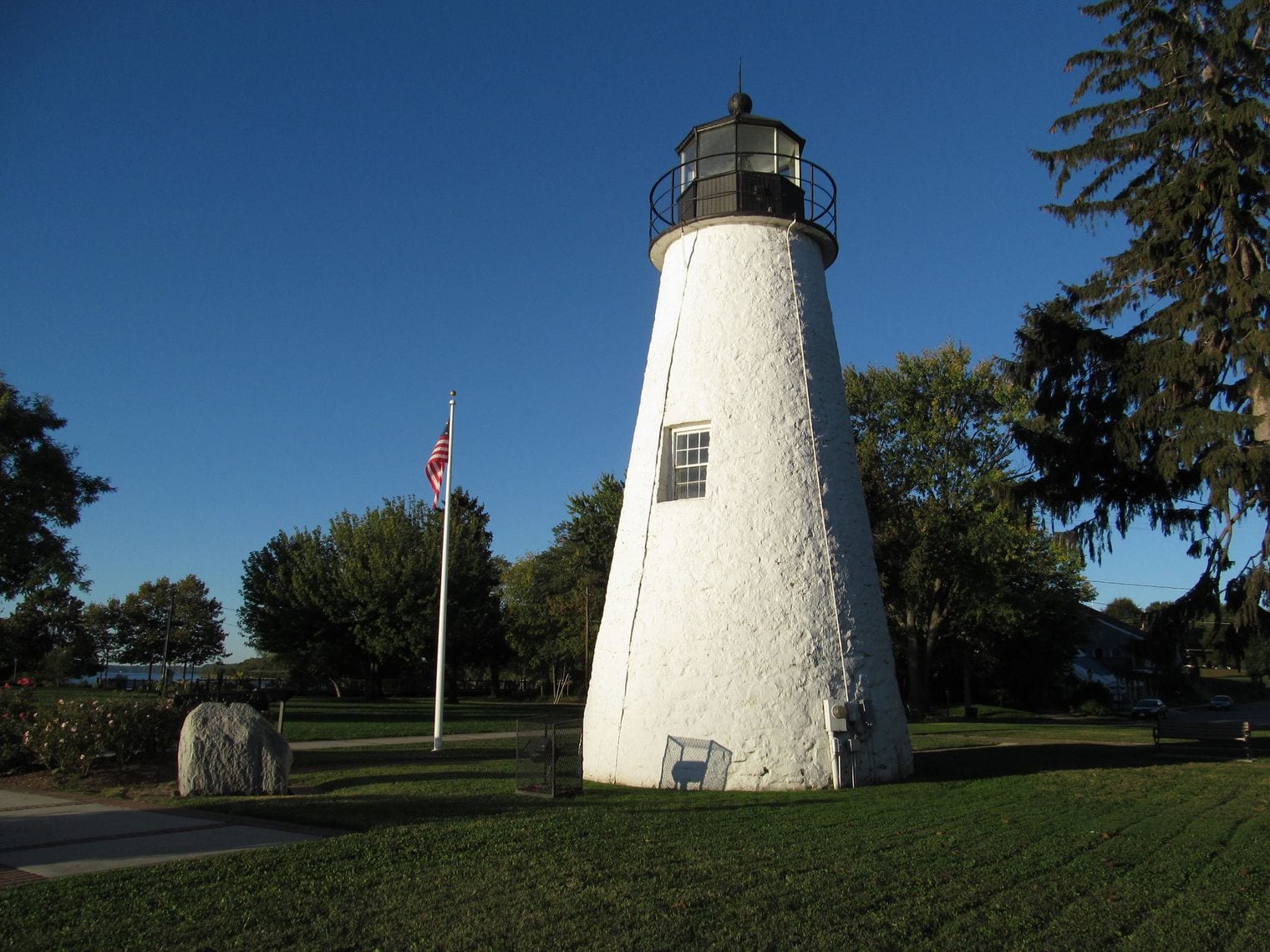
Havre de Grace sits where the Susquehanna River meets the head of the Chesapeake Bay, and it takes its name from the French port of Le Havre. In May 1813 British raiders burned much of the town, and Lieutenant John O'Neill, who manned a cannon to defend it, was later rewarded when the town made him and his descendants the hereditary keepers of the Concord Point Lighthouse.
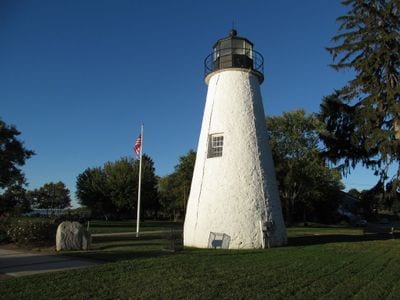
Built in 1827, the 36-foot light is the northernmost on the bay and the second-oldest tower lighthouse still standing on it. A waterfront promenade runs from the lighthouse past the Havre de Grace Maritime Museum toward Tydings Park, the Decoy Museum honors the local carvers whose hand-painted decoys became prized, and the Lock House Museum recalls the town's canal era.
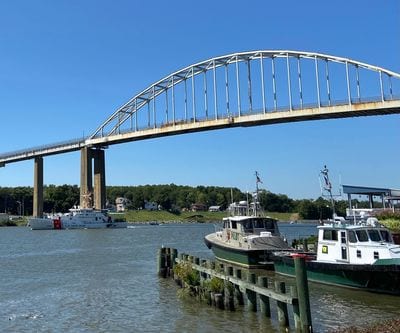
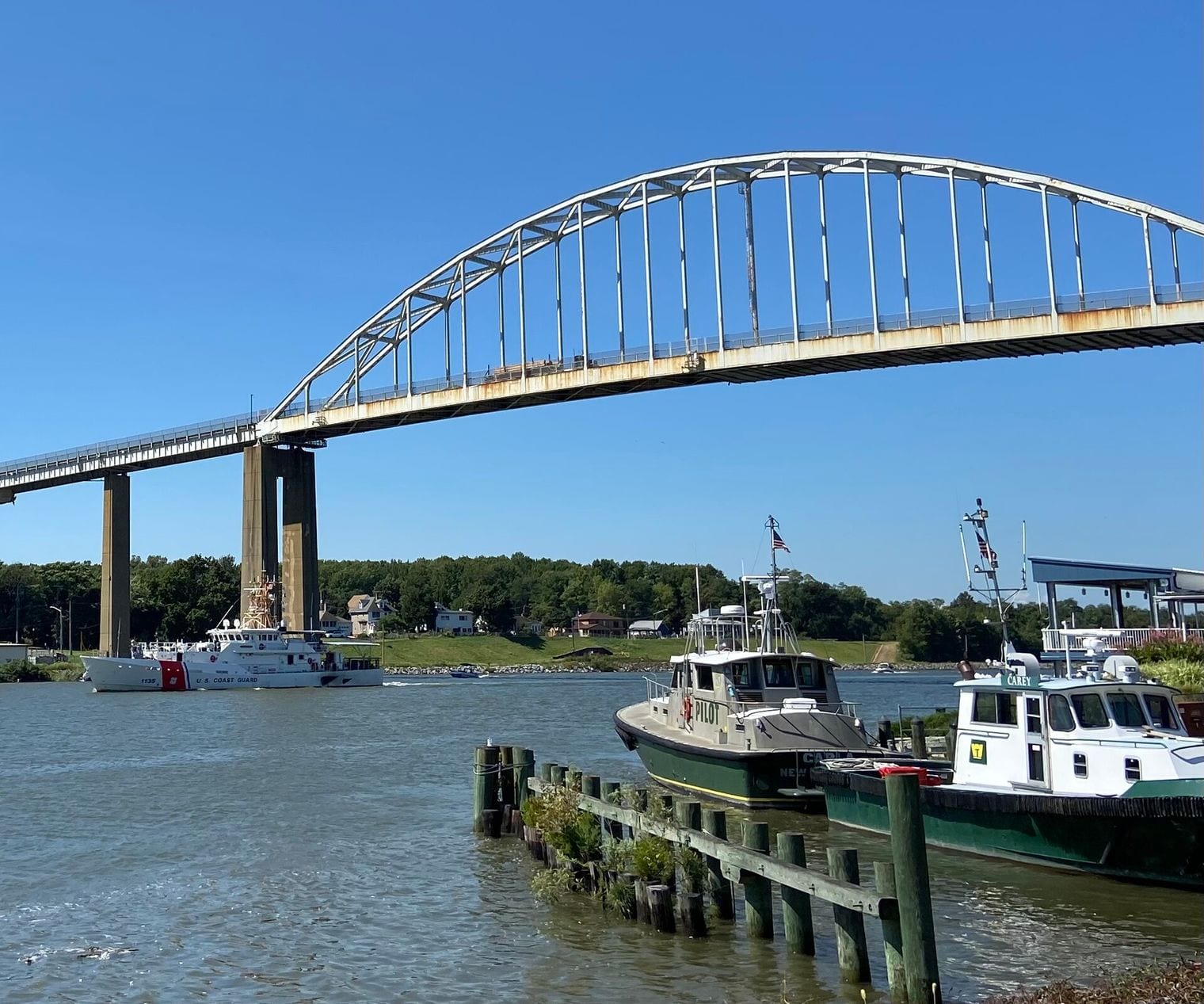
Ocean-going ships glide past the front porches of Chesapeake City, a village of 19th-century houses on the Chesapeake and Delaware Canal. The town was called Bohemia until 1839, a decade after the canal opened, and the waterway splits it into north and south halves, joined since 1949 by a high-arching bridge built tall enough for big tankers to pass beneath.
Most of the charm is on the south side, where the South Chesapeake City Historic District packs old homes, many of them now inns, shops and restaurants, into a few walkable blocks by the water. Watch freighters slide through the canal from the waterfront, look for the Old Lock Pump House from the canal's early years, and note that Wilmington, Delaware, is less than an hour's drive away.
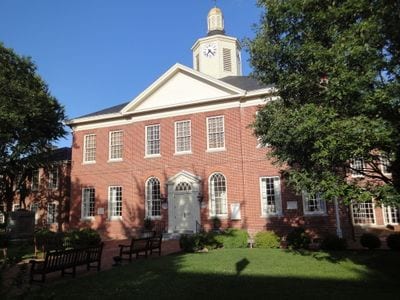
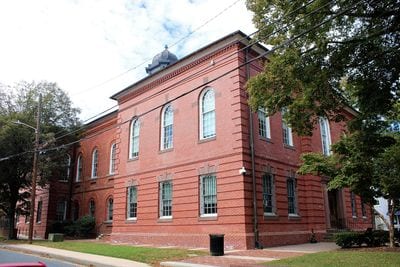
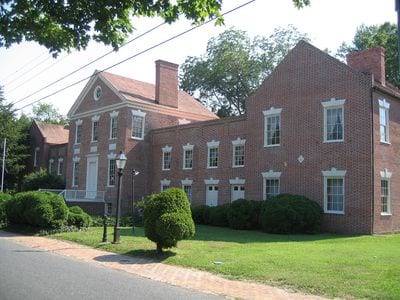
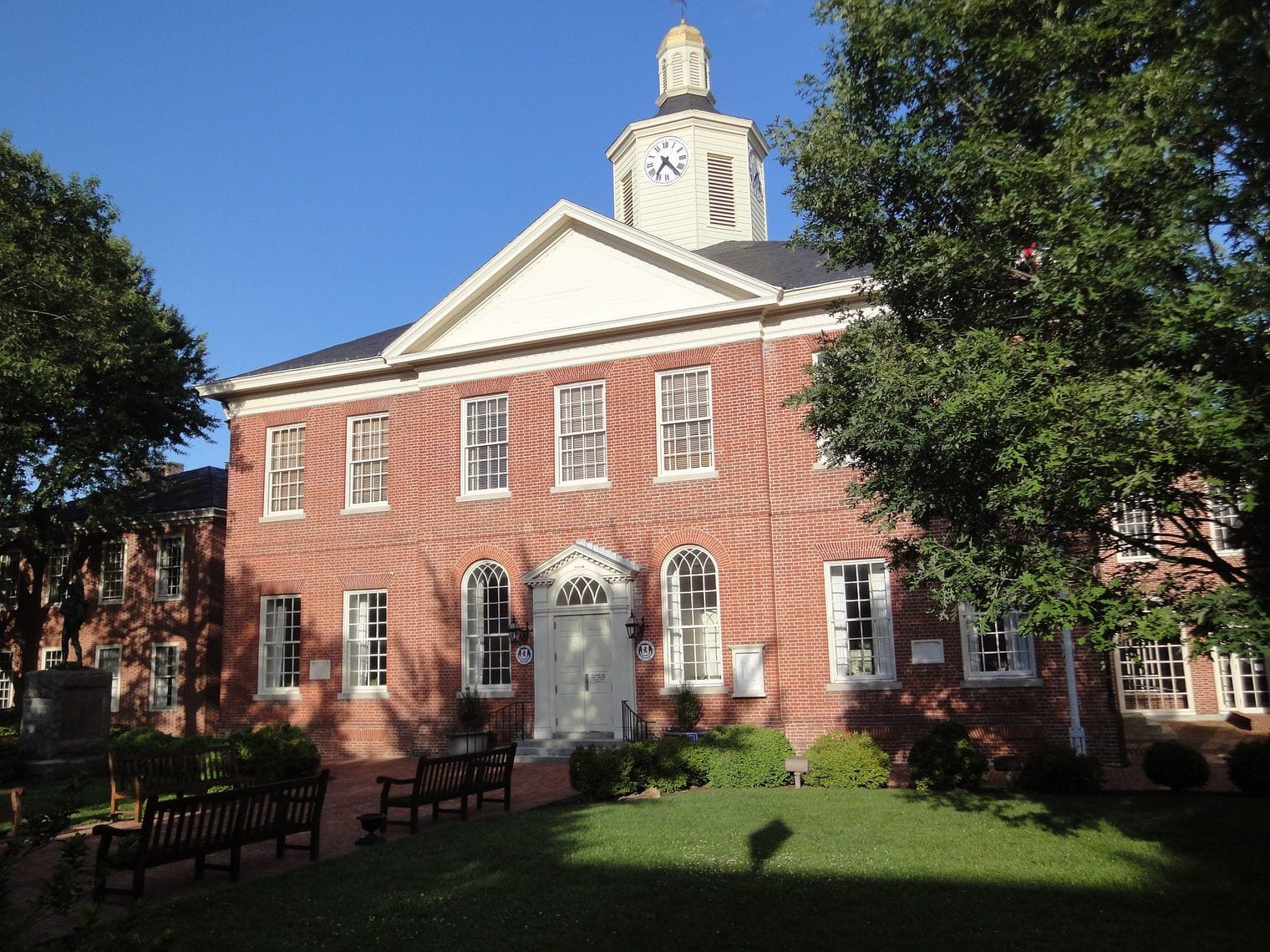
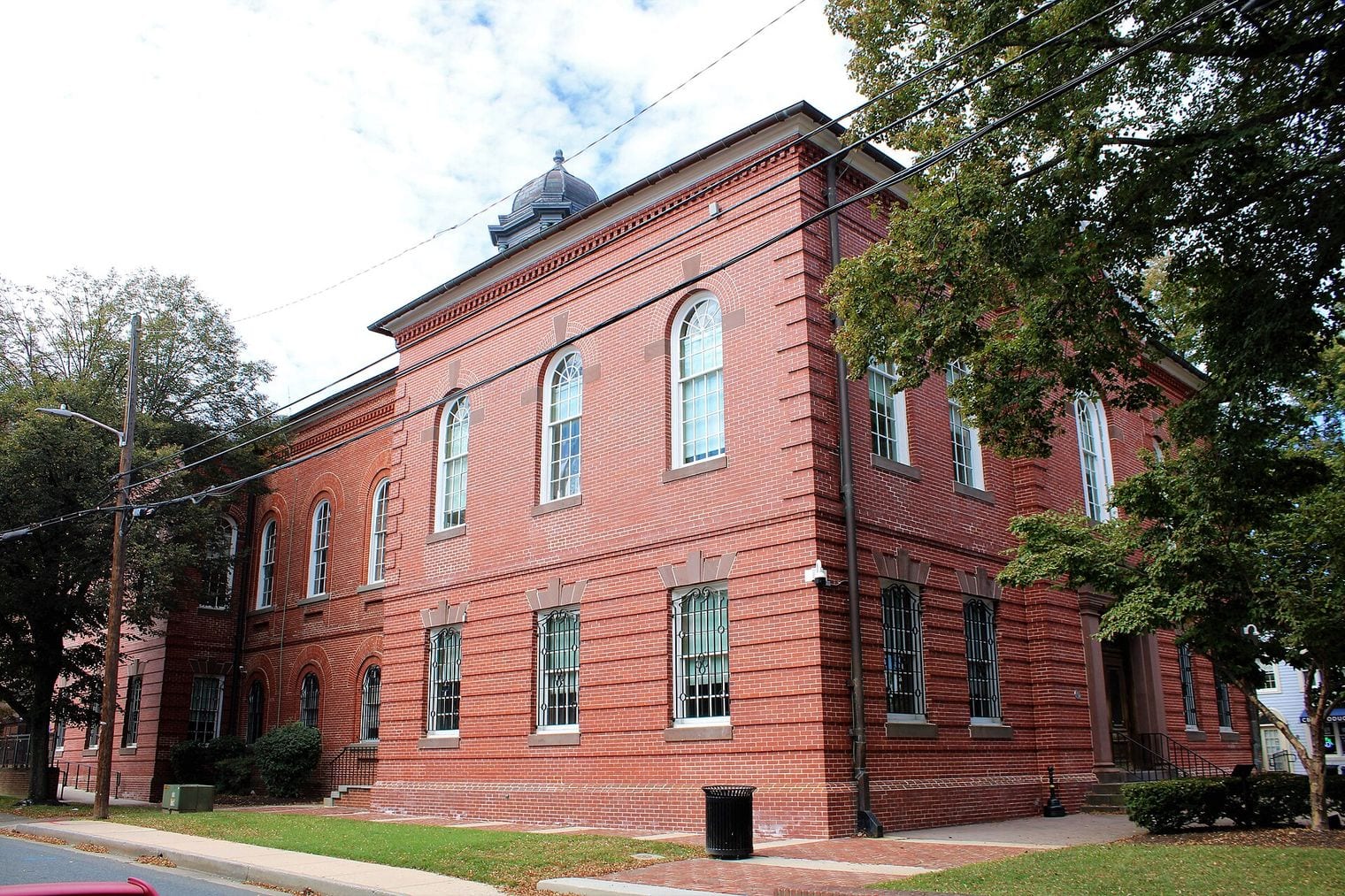
Talbot County's seat, Easton, is the Mid-Shore's town for galleries and dinner, with a historic district of brick sidewalks and old storefronts gathered around the county courthouse. A statue of Frederick Douglass, who was born into slavery in Talbot County, stands on the courthouse lawn where he gave a speech in 1878.
The Avalon Theatre, which opened as a cinema in 1921 and was billed as the Showplace of the Eastern Shore, now hosts concerts and plays, and the Academy Art Museum mounts exhibitions a short walk away. On the edge of town, the Third Haven Meeting House, where Quakers first gathered in 1684, is generally considered the oldest surviving Friends meeting house in America.
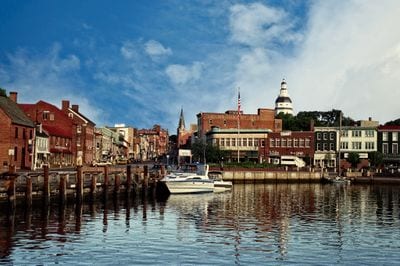
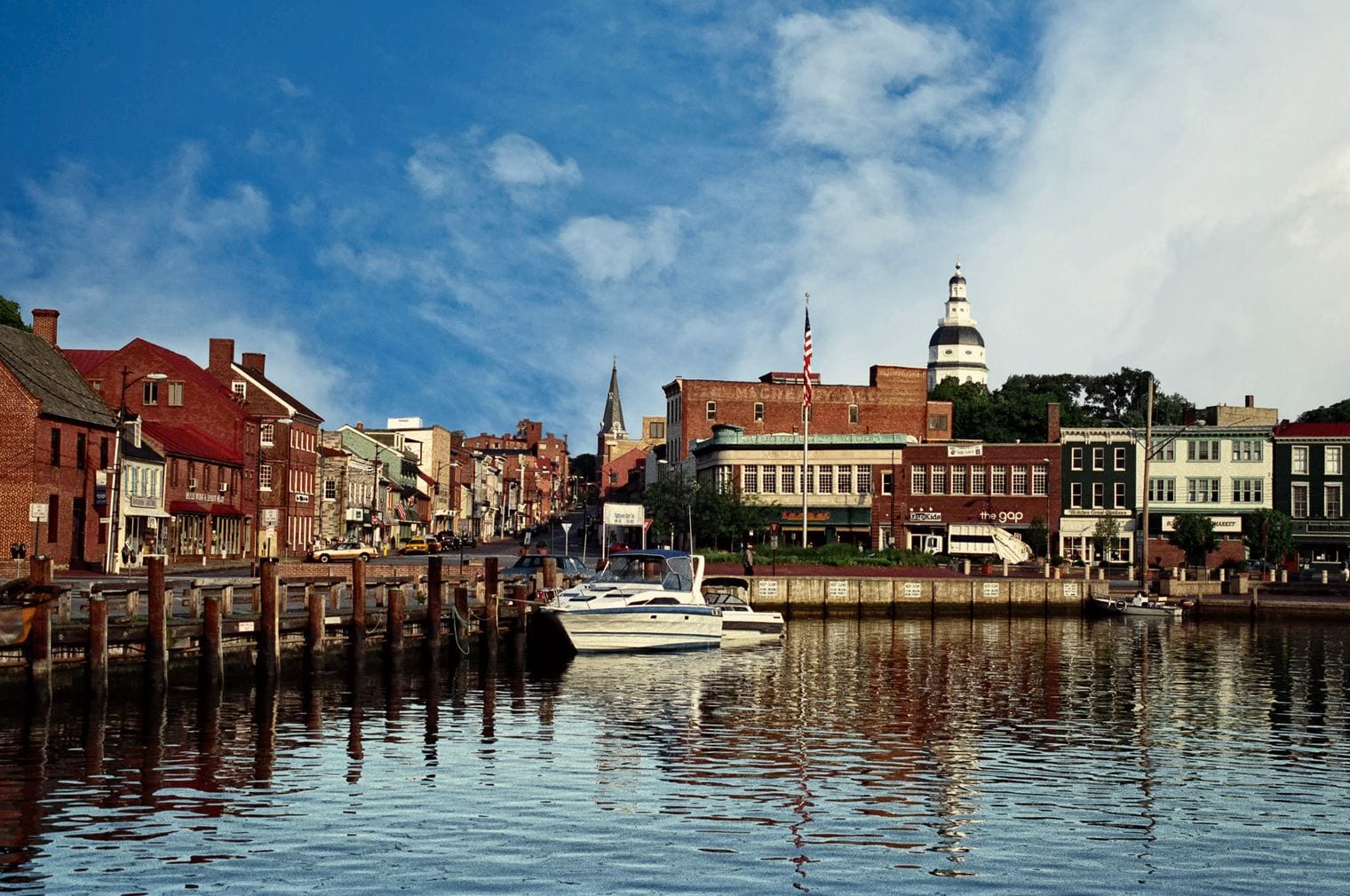
With about 40,000 residents, Maryland's capital is the largest town on this list, but its historic core still feels like a small colonial port. The Maryland State House, dating to 1772, is the oldest state capitol still in continuous legislative use, and in 1783 and 1784 it served as the capitol of the United States, where George Washington resigned his commission as commander of the Continental Army.
Brick lanes run downhill from State Circle to City Dock and the narrow harbor inlet locals call Ego Alley, where boats parade past the waterfront. Visit the U.S. Naval Academy, look in on St. John's College, founded in 1696, and get out on the water: Annapolis is known as America's Sailing Capital, and a harbor cruise or a sail on the Severn River shows why.
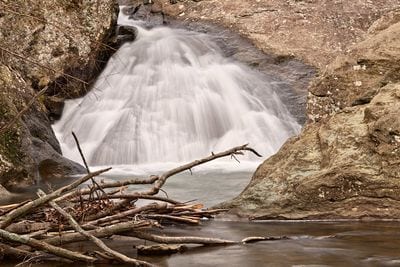
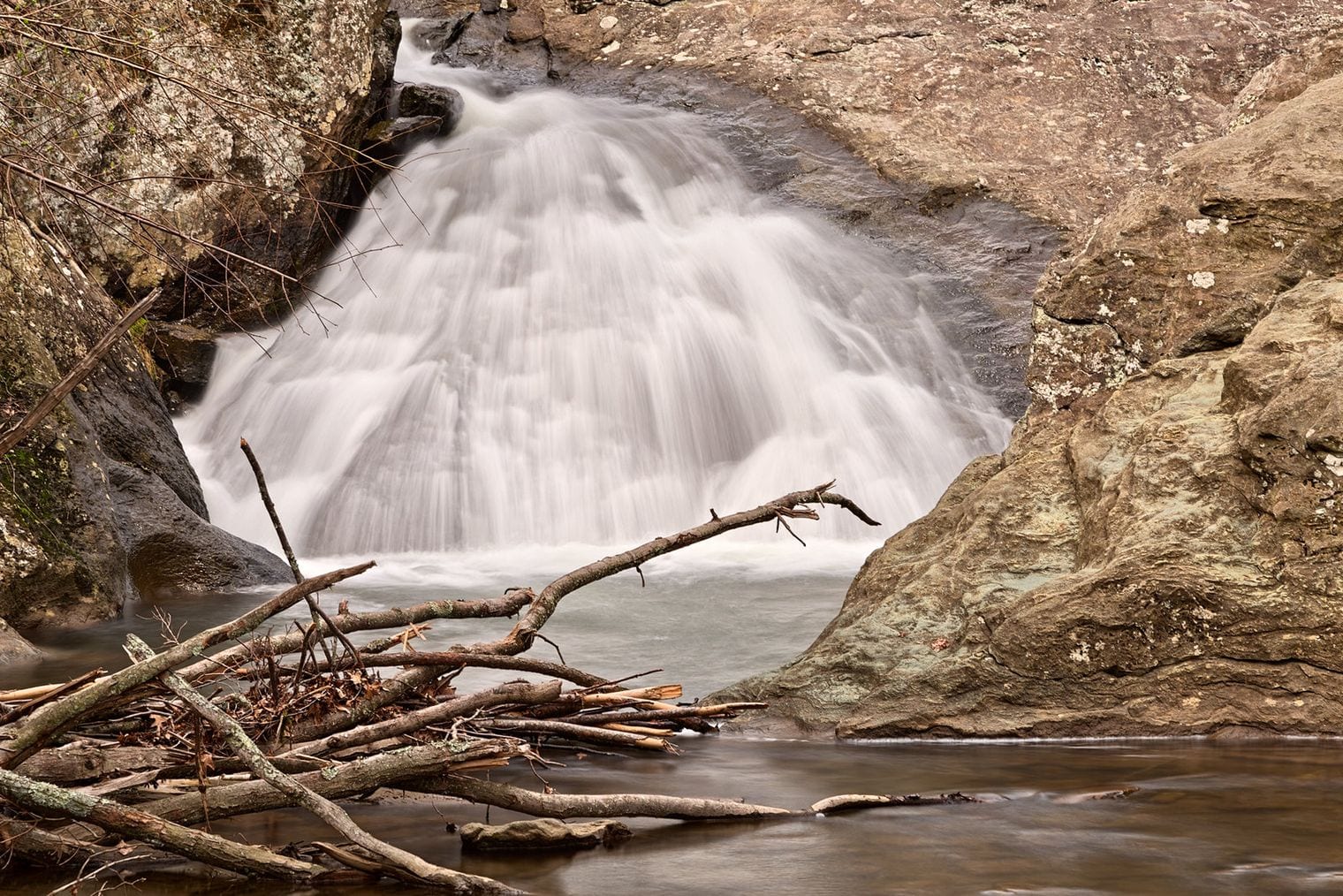
Thurmont's name blends the German thur, for gateway, with the Latin mons, for mountain, and the town lives up to it from its spot at the eastern foot of Catoctin Mountain. It is the jumping-off point for Cunningham Falls State Park, home to the 78-foot Cunningham Falls, the largest cascading waterfall in Maryland, and for Catoctin Mountain Park, the National Park Service forest that also holds the presidential retreat of Camp David, which is closed to visitors.
Hike to the falls or the rocky overlooks of Catoctin Mountain Park, swim and paddle on the state park's lake, and look for the ruins of a 19th-century iron furnace. Back in the valley, the Roddy Road and Loys Station covered bridges both cross Owens Creek near town, and each autumn the Catoctin Colorfest arts and crafts festival draws big crowds.
St. Mary's County's seat sits at the head of Breton Bay, and it has been the county's court town since 1708. First called Seymour Town, it was renamed about two decades later for Leonard Calvert, Maryland's first governor. Today Leonardtown is a walkable little county seat, with a town square of shops and cafes a few blocks above the water.
Walk down to Leonardtown Wharf, a waterfront park on Breton Bay that is made for sunset strolls, and stop at Tudor Hall, a Georgian brick house built about 1798 that is now home to the St. Mary's County Historical Society. Wineries dot the surrounding countryside, and the reconstructed colonial capital at St. Mary's City is about a half-hour drive south.
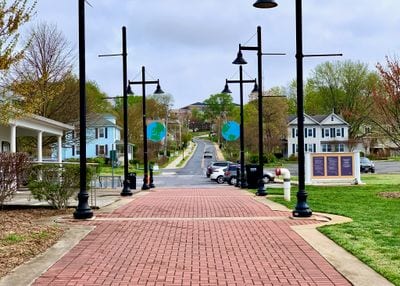
Harford County's seat has been its court town since 1782, just two years after it was laid out as 42 lots along a single road. That road, Main Street, is still the heart of Bel Air, lined with independent shops, restaurants and the county courthouse, and the town makes an easy half-day trip from Baltimore.
The Ma and Pa Trail follows the bed of the old Maryland and Pennsylvania Railroad through the woods of Heavenly Waters Park, with a spur to the Liriodendron mansion, and it doubles as a shortcut across town on foot or by bike. Rocks State Park, with its King and Queen Seat rock outcrop above Deer Creek, is a short drive northwest for a day in the hills.
Free printable checklist of all 20 places
Tick them off as you go. Confirm your email to download it, plus one email every Thursday with new guides for the places you tick.
Once Maryland's second-largest city and still nicknamed the Queen City, Cumberland grew where Wills Creek meets the Potomac in the Allegheny Mountains. Fort Cumberland stood here during the French and Indian War, when a young George Washington had his first military headquarters in town, and later the National Road, the railroads and the Chesapeake and Ohio Canal made it a gateway to the West.
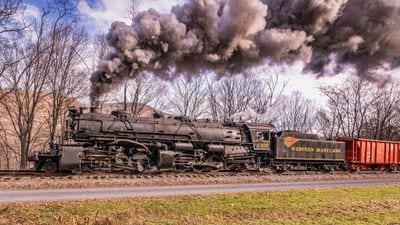
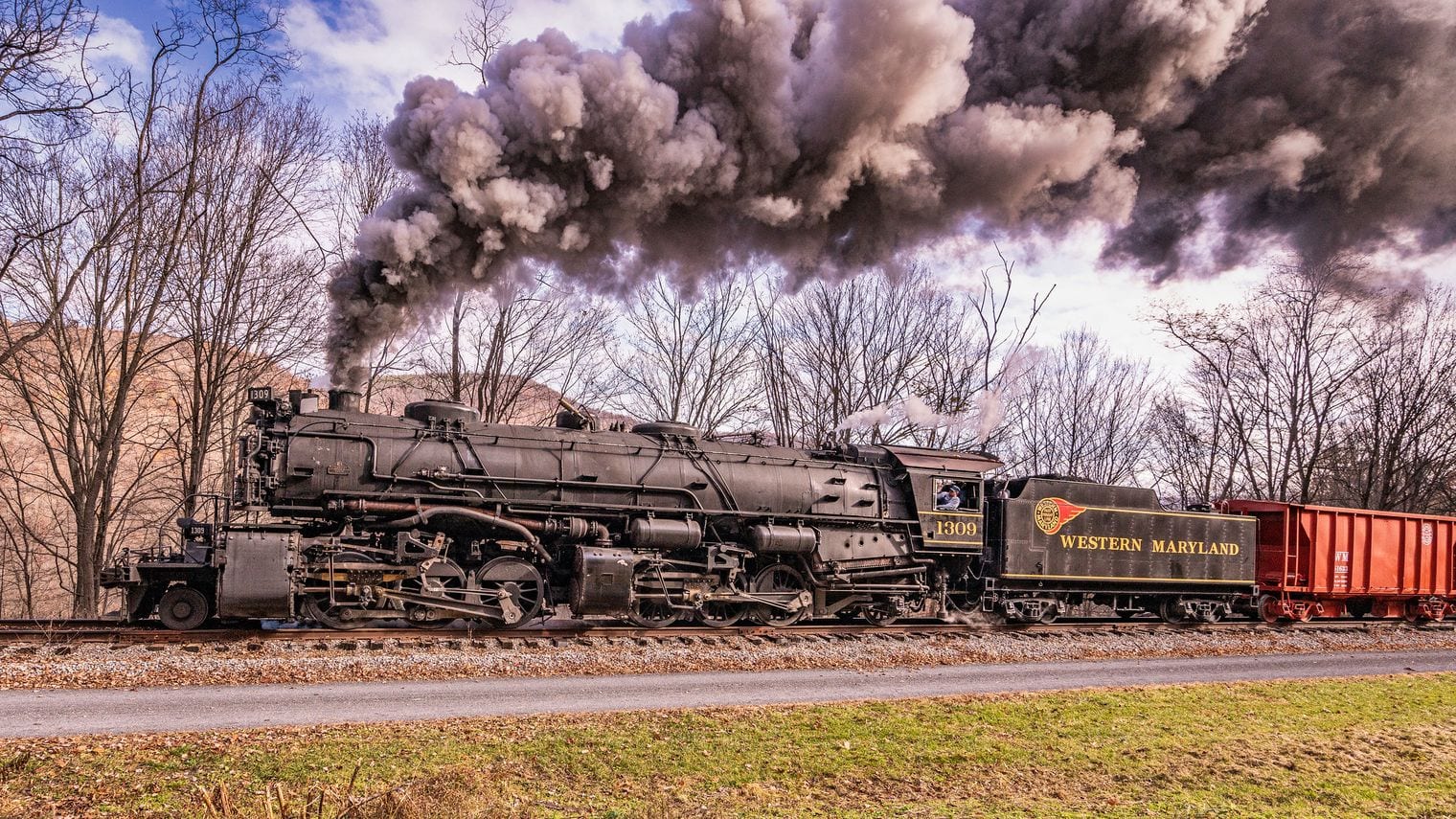
Canal Place marks the western end of the C&O Canal, whose towpath runs 184.5 miles to Washington, D.C., and the Great Allegheny Passage continues to Pittsburgh, so cyclists can ride more than 300 miles between the two cities. From the old Western Maryland Railway station, the Western Maryland Scenic Railroad runs steam and diesel excursions up the mountain to Frostburg.
Founded in 1706 at the navigable head of the Chester River, Chestertown grew rich as one of colonial Maryland's six Royal Ports of Entry, and by the mid-1700s only Annapolis outranked it as a Maryland port. The wealth still shows in its brick historic district, which is second only to Annapolis for the number of 18th-century houses still standing.
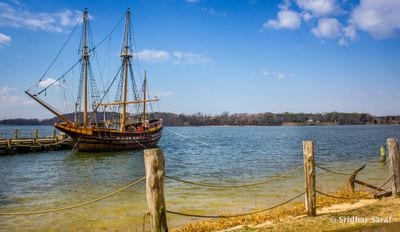
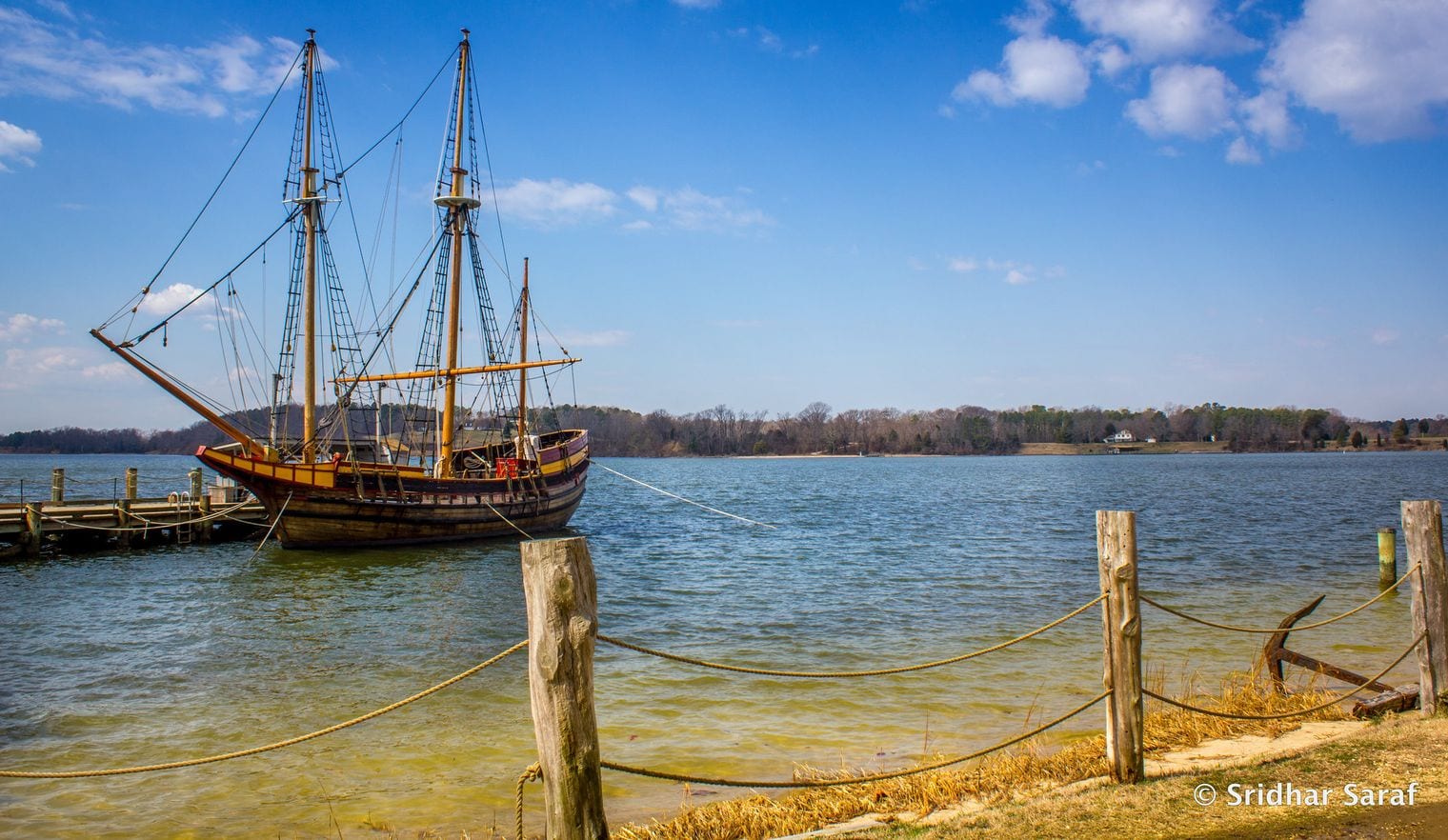
Washington College, founded in 1782 with George Washington's consent to bear his name and a pledge of 50 guineas, gives the town a lively campus feel. In May 1774 residents adopted resolves banning tea, and local tradition holds that they then staged a tea party of their own on the river; the Chestertown Tea Party Festival reenacts it each spring aboard the Sultana, a reproduction of an 18th-century Royal Navy schooner.
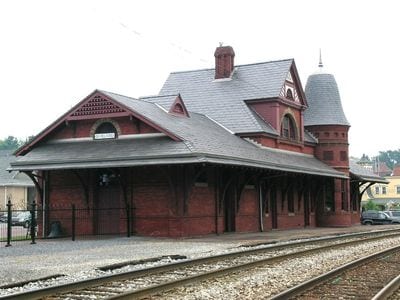
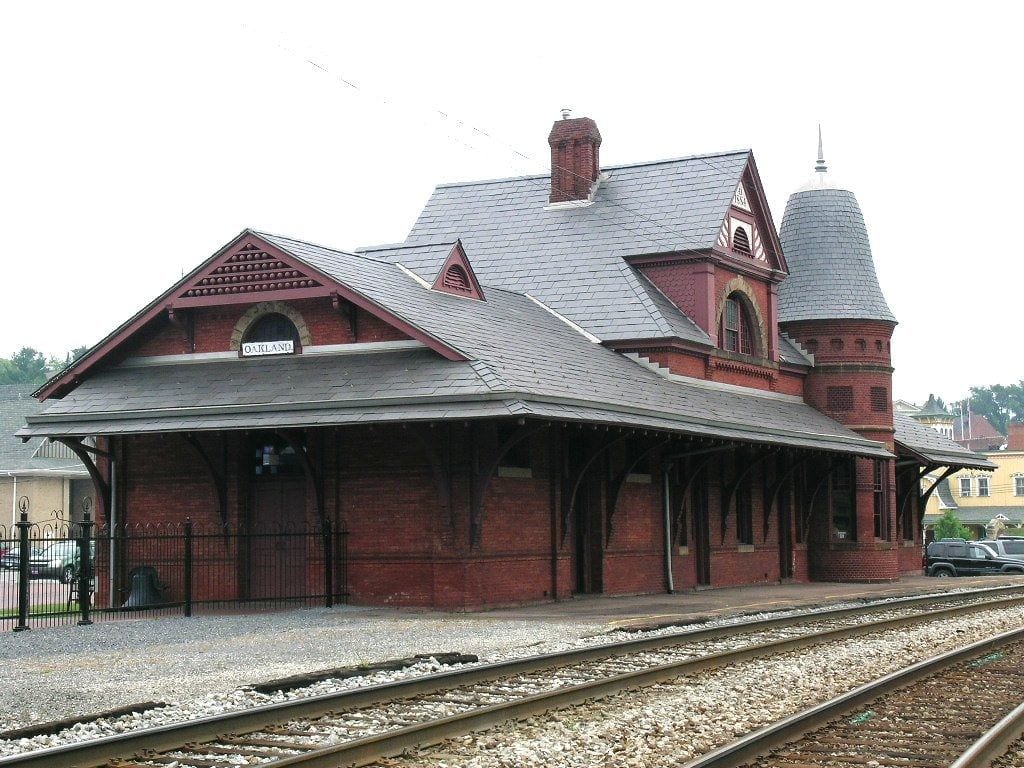
Garrett County's seat sits high in the Allegheny highlands, and it grew up as a railroad resort, where the Baltimore and Ohio built a grand hotel and, in 1884, a Queen Anne-style station that is one of the finest of its kind left in Maryland. The restored depot now houses the Oakland B&O Museum, with a steam locomotive on display, and trains still rumble along the tracks behind it.
Four presidents, Grant, Garfield, Cleveland and Benjamin Harrison, attended services at St. Matthew's Episcopal Church, now known as the Church of Presidents. Oakland is also the gateway to Garrett County's outdoors: Swallow Falls State Park, nine miles northwest, protects Muddy Creek Falls, at 53 feet the highest free-falling waterfall in Maryland, and Deep Creek Lake's 69 miles of shoreline lie a short drive north.
Settled in 1684 on the south bank of the Choptank River, Cambridge is one of Maryland's oldest colonial towns and the seat of Dorchester County, where Harriet Tubman was born and spent more than 25 years in slavery. Her story runs through town, and a celebrated mural of Tubman reaching out her hand covers the side of the Harriet Tubman Museum and Educational Center on Race Street.
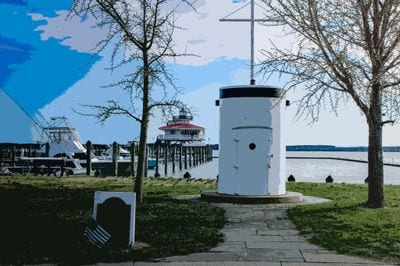
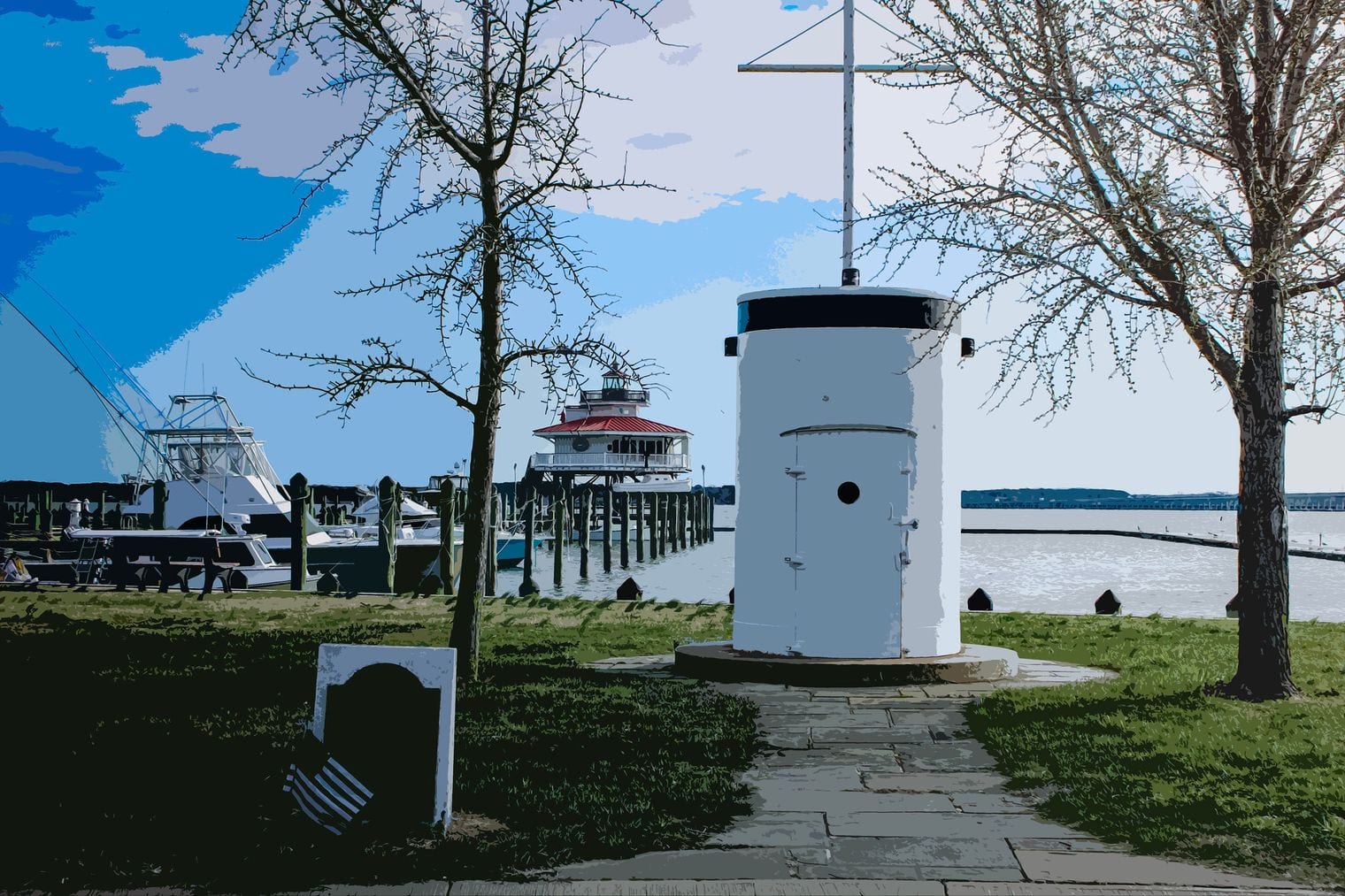
Stroll the brick sidewalks and old homes of High Street down to Long Wharf, where a replica of the Choptank River Lighthouse, dedicated in 2012, stands at the water's edge. South of town, the Harriet Tubman Underground Railroad National Historical Park tells her story amid the marshes, and Blackwater National Wildlife Refuge, about 12 miles south of Cambridge, is a haven for bald eagles and migrating waterfowl.
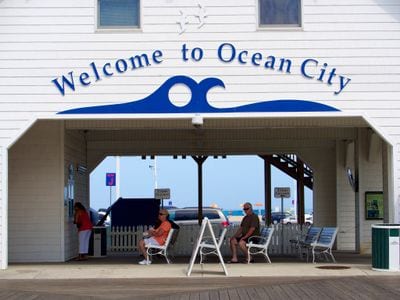
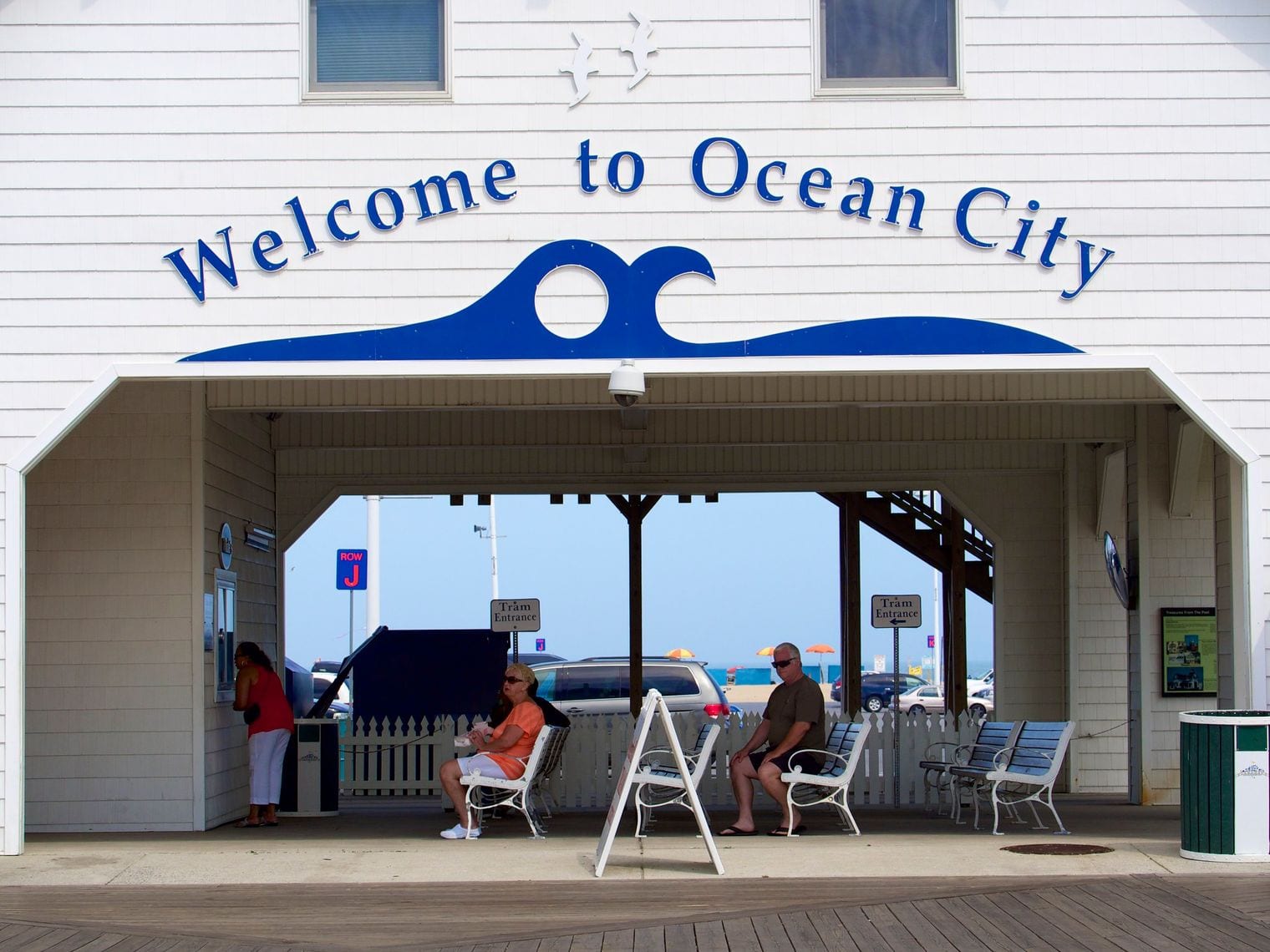
Maryland's beach town fills a narrow barrier island between the Atlantic and the coastal bays, and it has been welcoming summer crowds since its first major hotel opened in the 1870s. Year-round it is a town of fewer than 7,000 people, but on peak summer weekends hundreds of thousands of visitors pack the sand, which makes Ocean City the liveliest and loudest entry on this list.
The boardwalk stretches more than two miles north from the inlet, lined with arcades, snack stands, saltwater taffy shops and Trimper's Rides, an amusement park that dates to the 1890s. At the southern end, the Ocean City Life-Saving Station Museum looks over the inlet that a hurricane carved in 1933, and across the water lies Assateague Island, where wild horses roam the dunes.
Boonsboro sits at the foot of South Mountain in Washington County, and local lore says it was founded by George Boone, a cousin of Daniel Boone. On July 4, 1827, townspeople marched up the mountain to raise a stone tower to George Washington, and the finished monument was the first to him ever completed; the Civilian Conservation Corps later rebuilt it, and it now crowns Washington Monument State Park.
The tower stands right on the Appalachian Trail, with long views over the valley below, and the South Mountain and Antietam battlefields, both fought in September 1862, are a short drive away. Back in town, browse the shops around the square, then make the short trip to Crystal Grottoes, a show cave on the edge of Boonsboro.
Maryland began here. In 1634 settlers who had crossed the Atlantic on the Ark and the Dove founded St. Mary's City beside the St. Mary's River, and it served as the colony's capital until the government moved to Annapolis in 1695. It was one of the first places in North America founded as a haven for Catholics and Protestants alike, and in 1649 its assembly passed the Maryland Toleration Act.
Today the town site is Historic St. Mary's City, an outdoor living-history museum and working archaeological site where costumed interpreters bring the 1600s to life. Step aboard the Maryland Dove, a re-creation of the colonists' smaller ship, visit the reconstructed State House and a working colonial farm, and learn about Woodland Indian life, with the campus of St. Mary's College of Maryland next door on the river.
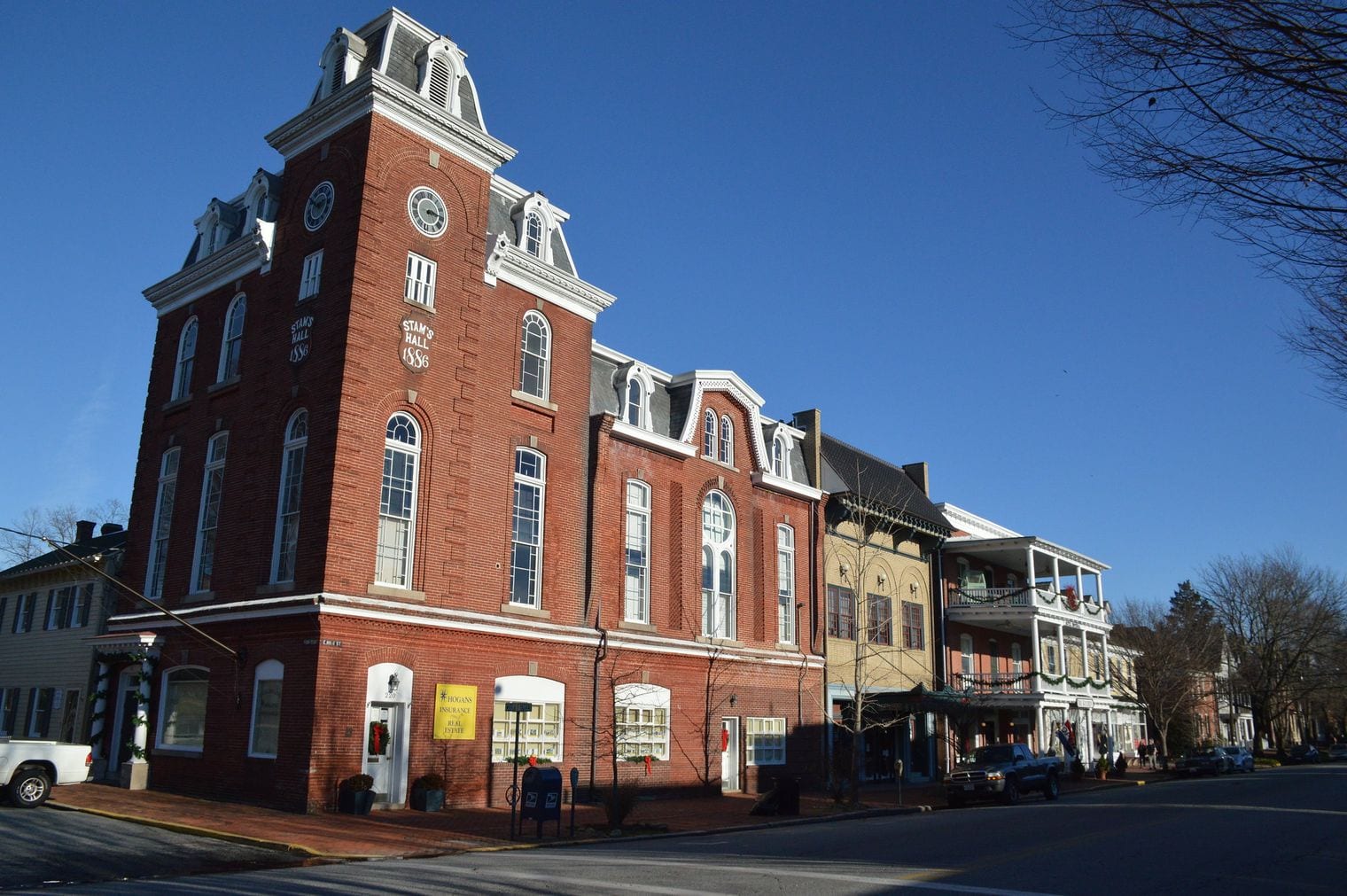
Oxford is one of Maryland's oldest towns, laid out in the 1660s on the Tred Avon River near its mouth on the Choptank, and in 1694 it was named one of just two ports of entry for the whole province, alongside the town that became Annapolis. Early residents included Robert Morris Jr., later known as the financier of the Revolution, and Tench Tilghman, George Washington's aide-de-camp, lies in the town cemetery.
Today Oxford is a quiet waterfront village of shady streets and sailboats, best seen on foot or by bike. Ride the Oxford-Bellevue Ferry across the Tred Avon, a crossing that dates to 1683 and is thought to be the oldest privately operated ferry service in the United States, then loop back by road to St. Michaels for one of the Eastern Shore's classic drives. The ferry runs in the warmer months.
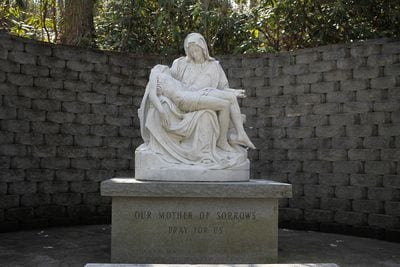
Just below the Mason-Dixon Line, Emmitsburg was founded in 1785 by William Emmit, and it has become a major Catholic pilgrimage destination. Elizabeth Ann Seton, the first native-born citizen of the United States to be canonized as a saint, established a convent and school here, and the National Shrine of Saint Elizabeth Ann Seton, both a minor basilica and a national shrine, honors her life and work.
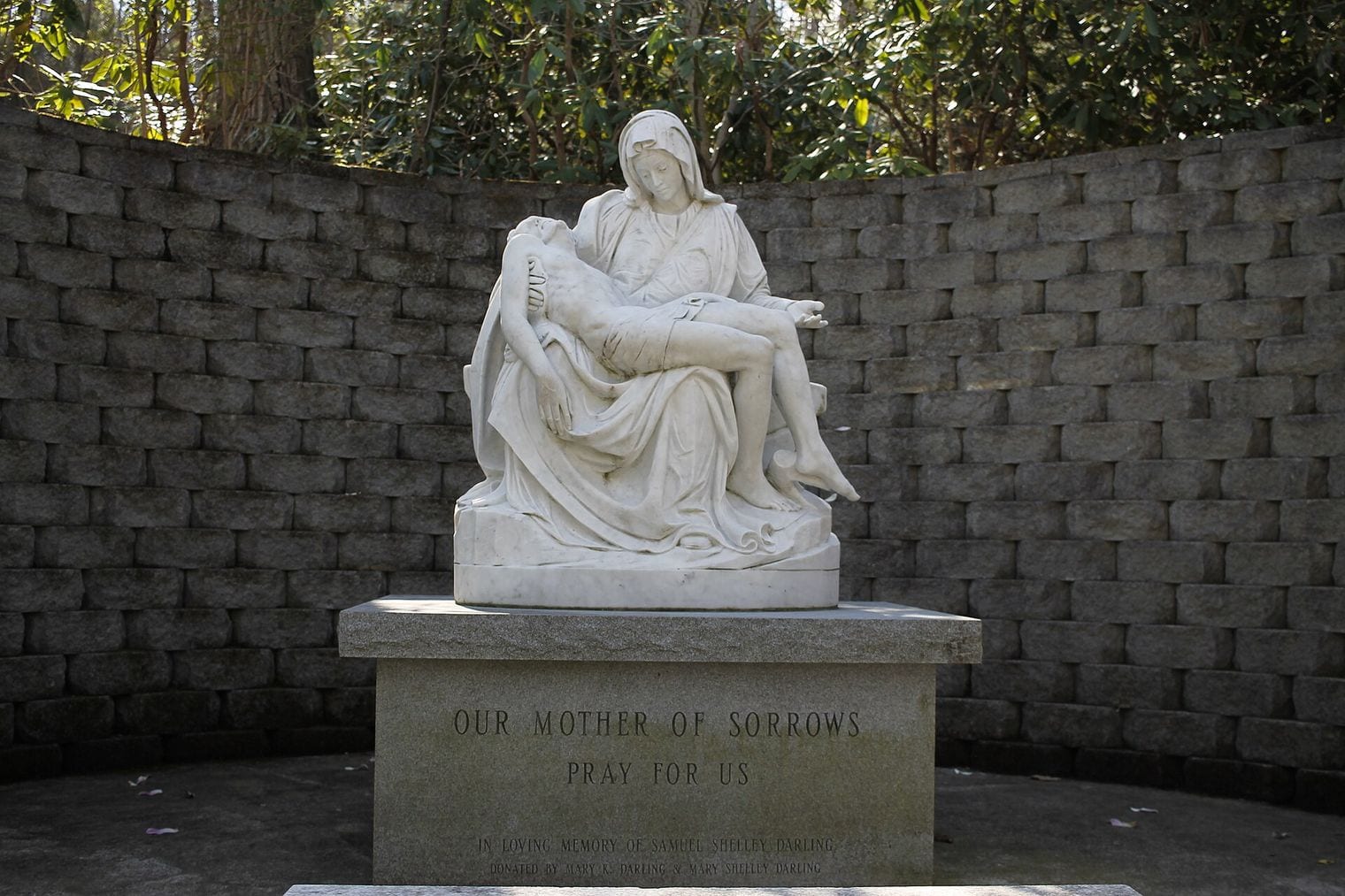
On the mountainside at Mount St. Mary's University, the National Shrine Grotto of Our Lady of Lourdes draws pilgrims to a replica of the famous grotto in France. The campus of the National Emergency Training Center in town is home to the National Fallen Firefighters Memorial, and the Gettysburg battlefield in Pennsylvania is a short drive north.
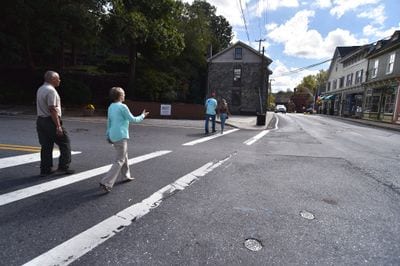
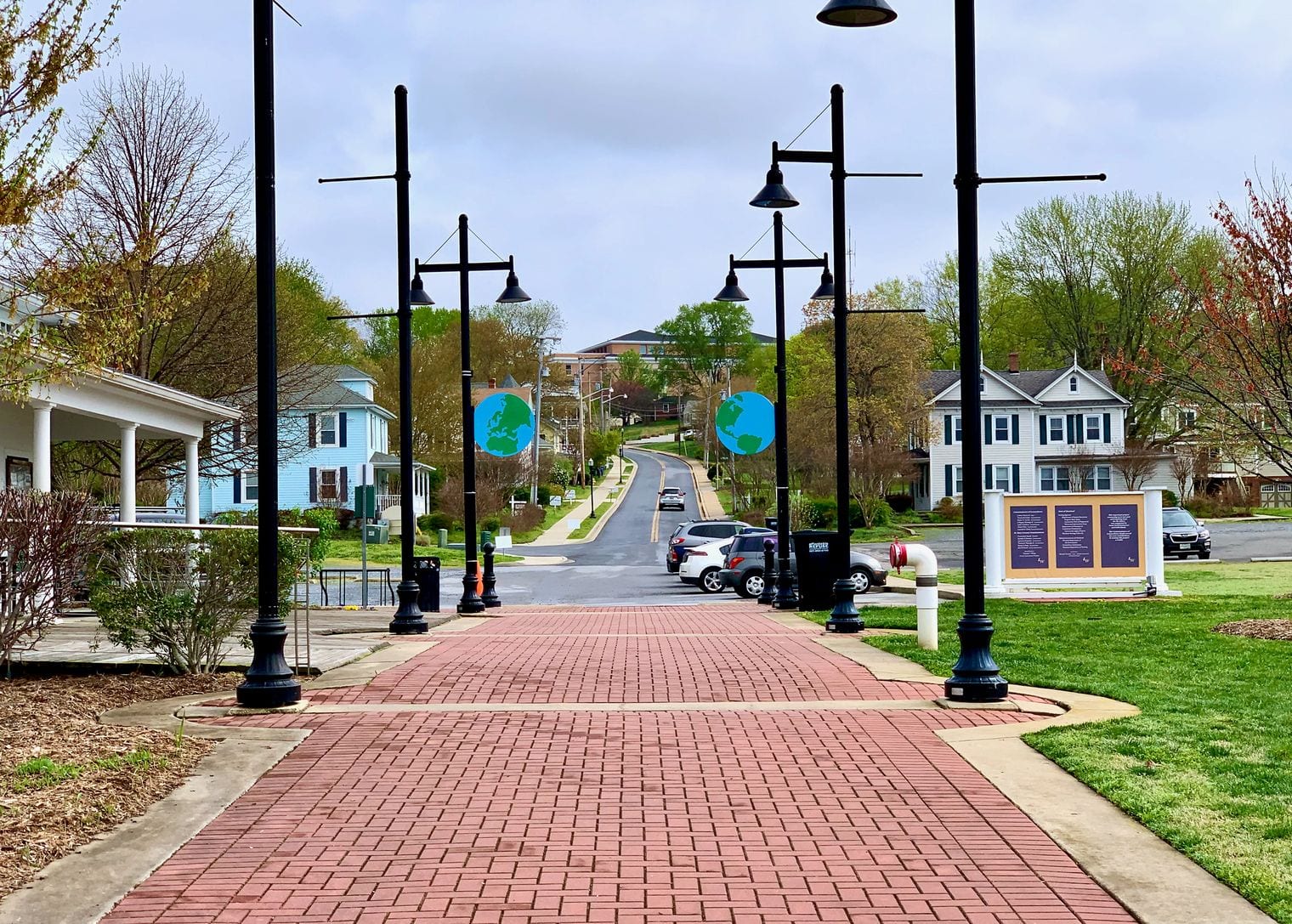
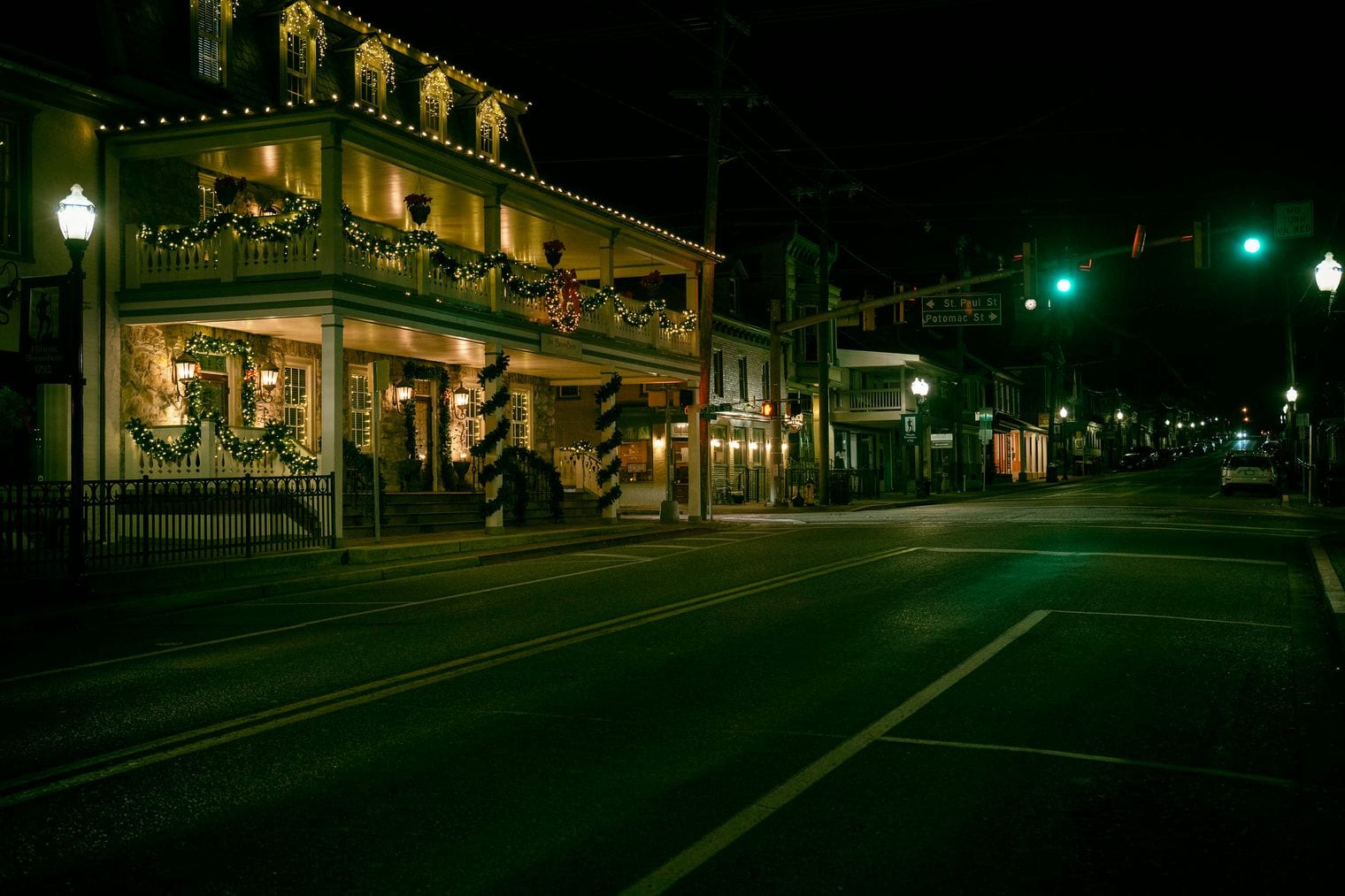
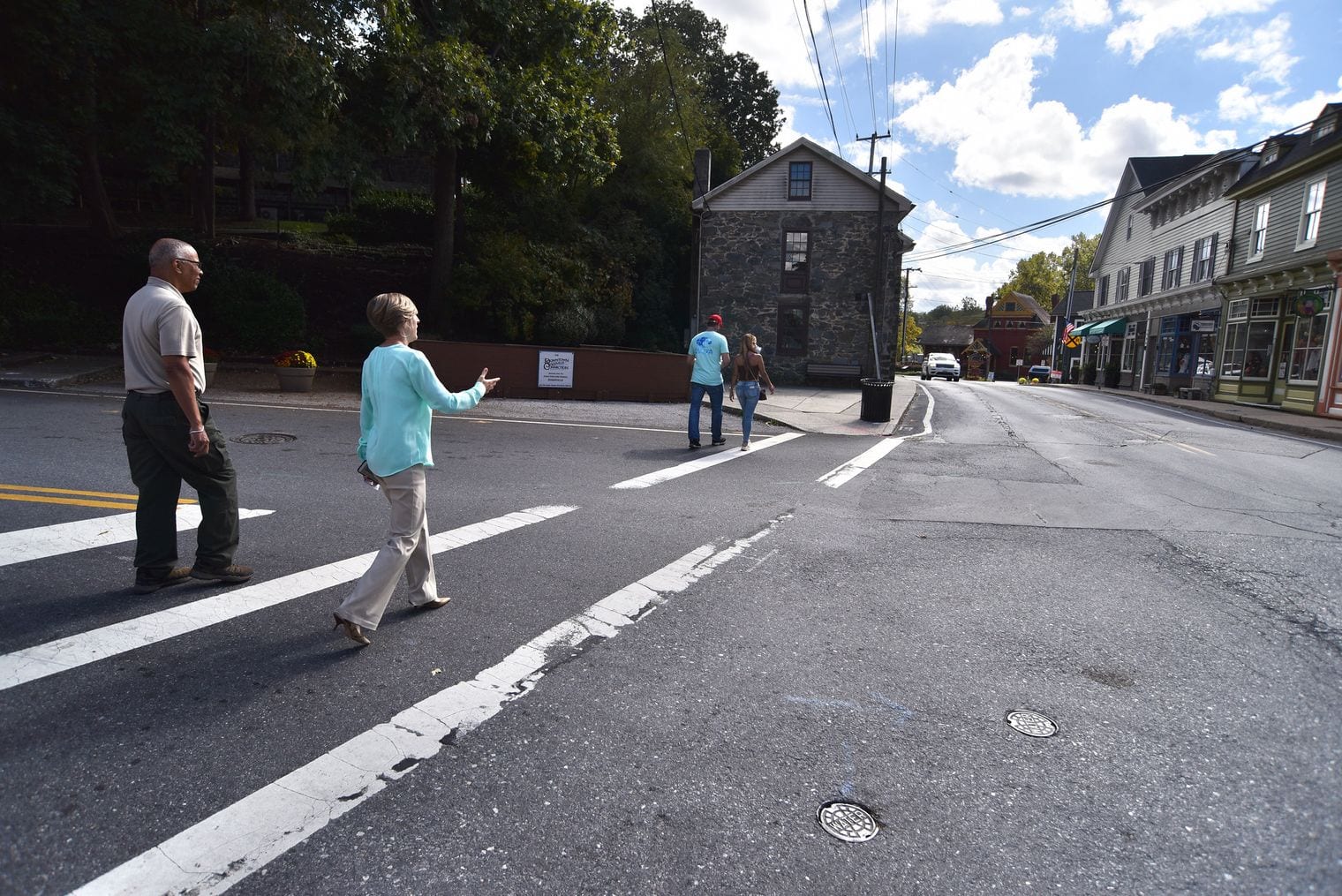
Sykesville grew up on the Patapsco River around a mill and the original main line of the Baltimore and Ohio Railroad, on land that James Sykes bought in 1825. Its Queen Anne-style station, designed by E. Francis Baldwin and built in 1883, still stands by the tracks at the bottom of Main Street, which climbs the hill through the Sykesville Historic District with a run of independent shops and cafes.
Look for the restored Sykesville Schoolhouse, a one-room school for Black children from 1904 to 1938, and the Gate House Museum of History, once home to workers at the nearby state hospital. Patapsco Valley State Park's riverside trails are close by, and Baltimore is only about 20 miles east, which makes the town an easy half-day trip.
Princess Anne was laid out in 1733 at the head of the Manokin River and named for Princess Anne, daughter of King George II, and it serves as the seat of Somerset County, the southernmost county in Maryland. About 300 structures across 150 acres of the old town make up the Princess Anne Historic District, a quiet grid of old homes and churches that rewards a slow walk.
The centerpiece is the Teackle Mansion, a Neoclassical house built between 1802 and 1819 for Littleton Dennis Teackle, with 19th-century period rooms and the Somerset County Historical Society inside. The University of Maryland Eastern Shore brings a college crowd to town, and the marshes and waterfront villages of the Lower Shore are close by.
Free Things to Do in These Maryland Towns
Many of the best moments on this list cost nothing. Walk the harbor in St. Michaels, the Victorian Main Street in Berlin and the waterfront promenade out to the lighthouse in Havre de Grace, then watch freighters slide through the canal at Chesapeake City.
Stroll City Dock and the brick lanes around the State House in Annapolis, find the covered bridges outside Thurmont, follow the Ma and Pa Trail through the woods in Bel Air and set off along the C&O Canal towpath from Canal Place in Cumberland. In Cambridge, see the Harriet Tubman mural on Race Street and walk out to Long Wharf, and in Ocean City the boardwalk and the beach are open to everyone.
Maryland is compact but split by the Chesapeake Bay, so the easiest way to see these towns is to pick one side of the water.
On the Eastern Shore, St. Michaels, Easton and Oxford sit within a short drive of one another in Talbot County, and the Oxford-Bellevue Ferry turns them into a classic loop, with Cambridge just across the Choptank River to the south. Chestertown and Chesapeake City lead north toward Wilmington, Delaware, while Berlin, Ocean City and Princess Anne anchor the Lower Shore near the Atlantic.
On the western shore, Annapolis, Bel Air, Havre de Grace and Sykesville are each within about an hour of Baltimore, and Annapolis is an easy run from Washington, D.C. Southern Maryland pairs Leonardtown with St. Mary's City, while Thurmont, Emmitsburg and Boonsboro make a mountain loop close to Gettysburg and Antietam. Interstate 68 carries you farther west to Cumberland, and US 219 runs south from it to Deep Creek Lake and Oakland.
Summer is beach season in Ocean City and sailing season in Annapolis and on the Eastern Shore. Fall brings color to the Catoctin and Allegheny mountains along with Thurmont's Colorfest, spring is festival time in towns such as Chestertown, and winter brings migrating waterfowl to the marshes of Blackwater near Cambridge.
FAQ: Visiting the Best Small Towns in Maryland
What is the best small town in Maryland?
St. Michaels is the best small town in Maryland for most visitors, with its working harbor on the Miles River, the Chesapeake Bay Maritime Museum and the shops along Talbot Street. Berlin follows for its Victorian Main Street near the Atlantic beaches, then Havre de Grace for its lighthouse promenade, Chesapeake City for its canal-side village and Easton for its galleries and the Avalon Theatre.
Which small towns in Maryland are closest to Baltimore and Washington, D.C.?
Sykesville lies about 20 miles west of Baltimore, Bel Air sits northeast of the city and Havre de Grace is a little farther up the Bay. Annapolis is about 25 miles south of Baltimore and 30 miles east of the capital, while Thurmont, Emmitsburg and Boonsboro make a scenic drive northwest from Washington toward the Pennsylvania line and Antietam.
What are the best small towns on Maryland's Eastern Shore?
St. Michaels, Easton and Oxford form a classic Talbot County trio, linked by the Oxford-Bellevue Ferry in the warmer months. Chestertown keeps a remarkable run of 18th-century houses on the Chester River, Cambridge carries the Harriet Tubman story, Chesapeake City watches ships pass on the canal, and Berlin and Princess Anne anchor the Lower Shore near the Atlantic.
Which small towns are in Maryland's mountains?
Thurmont and Emmitsburg sit below Catoctin Mountain in Frederick County, and Boonsboro lies at the foot of South Mountain on the Appalachian Trail. Farther west, Cumberland is the hub for the C&O Canal towpath, the Great Allegheny Passage and the Western Maryland Scenic Railroad, and Oakland is the gateway to Swallow Falls State Park and Deep Creek Lake.
When is the best time to visit small towns in Maryland?
Late spring through fall is the easiest time, with sailing on the Chesapeake, open-air dining on the waterfronts and beach season in Ocean City. Fall adds color in the Catoctin and Allegheny mountains and Thurmont's Colorfest, spring brings the Chestertown Tea Party Festival, and winter is quiet but rewarding for migrating waterfowl at Blackwater near Cambridge.
How many days do you need to visit a small town in Maryland?
Most towns on this list fill a relaxed day, and many make easy day trips from Baltimore or Washington, D.C. Annapolis and Ocean City deserve a weekend, while two or three days let you link the Talbot County towns of St. Michaels, Easton and Oxford, or pair Cumberland and Oakland with time on the trails and at Deep Creek Lake.
Sources & updates
How this guide was checked
Checked before launch
Sources cited
20
Every town on this list was pinned on the map and checked against official and local sources before publication.
A PDF with a box to tick for every place. Confirm your email to download it, and get one email every Thursday with our newest guides for the places you tick.
Free Maryland small towns printable checklist
All 20 places in one PDF
Tick them off as you go. Confirm your email to download it, plus one email every Thursday with new guides for the places you tick.
We use cookies to analyse site traffic and improve your experience.
You can accept or reject analytics cookies. See our
May we use analytics cookies? See ourCookie Policy.