We may earn a commission if you book tickets, tours or a stay through a link on
this page, at no extra cost to you. It never affects which places we list or how
we rank them (how we make money).
Short answer
Start with Concord for the Old North Bridge and the homes of Emerson, Hawthorne and Louisa May Alcott, Nantucket for its preserved whaling-era harbor town, and Rockport for Motif No. 1, the red fishing shack on its harbor. Most towns on this list fill a relaxed day, while Nantucket, Provincetown and the Martha's Vineyard towns deserve a weekend.
Beyond Boston, Massachusetts is a state of small towns with outsized stories: the bridge in Concord where minutemen fired the "shot heard round the world," whaling ports on Nantucket and Martha's Vineyard, artists' harbors on Cape Ann, shingled villages along Cape Cod and the Gilded Age retreats of the Berkshires.
This guide ranks 20 of the best, each home to fewer than 50,000 people at the 2020 census, from Concord to Falmouth. Most fill a relaxed day, Nantucket, Provincetown and the Vineyard towns deserve a weekend, and many pair neatly on a road trip.
Concord was the first inland colonial settlement in New England, established in 1635, and two centuries later it was where Louisa May Alcott wrote Little Women and Henry David Thoreau wrote Walden.
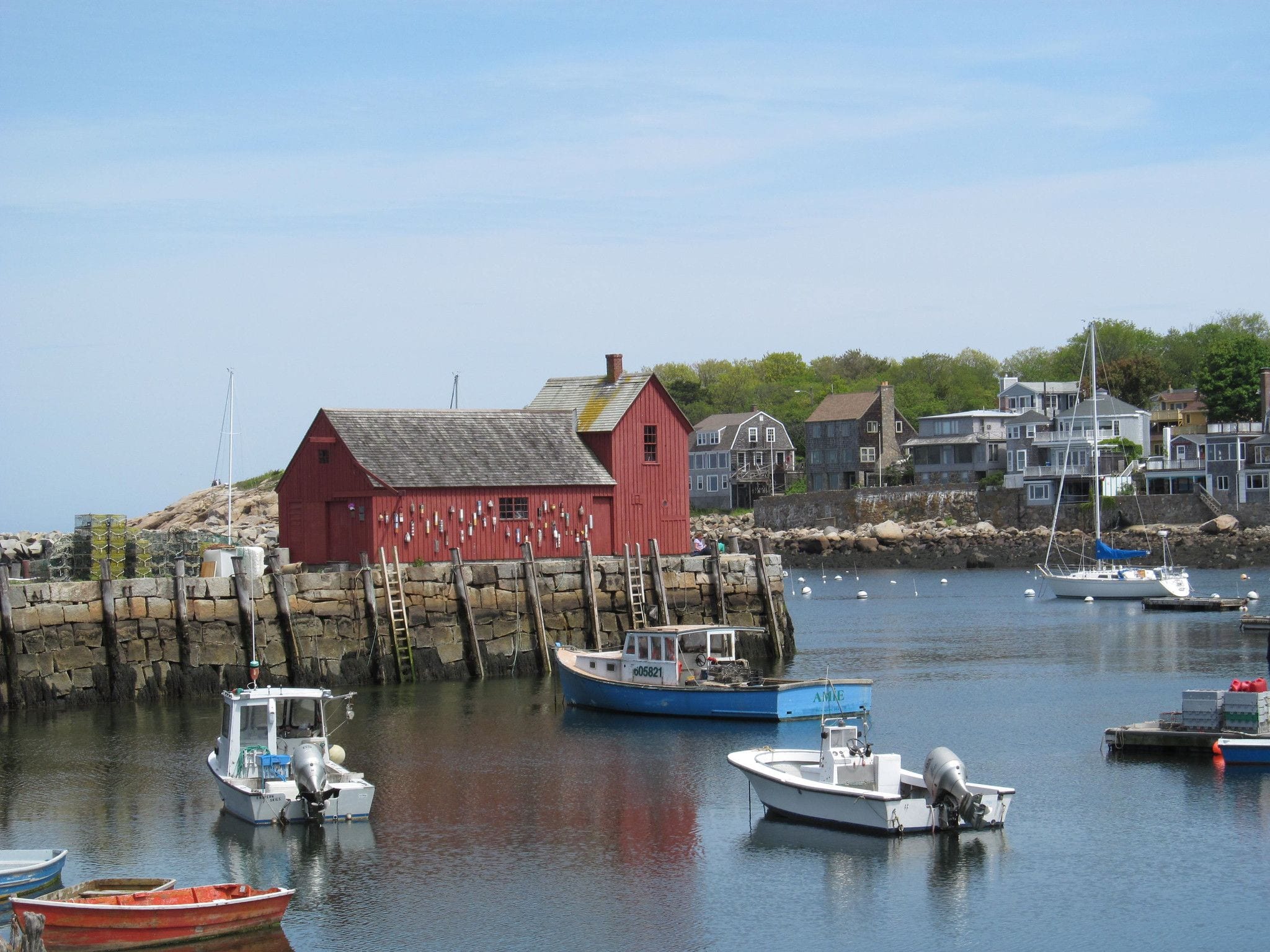
Rockport's Motif No. 1 is often called the most-painted building in America; the red fishing shack on the harbor today is an exact replica, built after the Blizzard of 1978 destroyed the 1884 original.
The Flying Horses Carousel in Oak Bluffs is the oldest operating platform carousel in the United States, and riders still reach for its brass ring.
Salem is the birthplace of the National Guard: the militia that became the Guard first mustered on Salem Common in 1636.
Provincetown's Pilgrim Monument is the tallest all-granite structure in the United States, built between 1907 and 1910 to mark the Pilgrims' first landfall in 1620.
Sandwich is the oldest town on Cape Cod, and its Latin motto, Post tot naufracia portus, means "after so many shipwrecks, a haven."
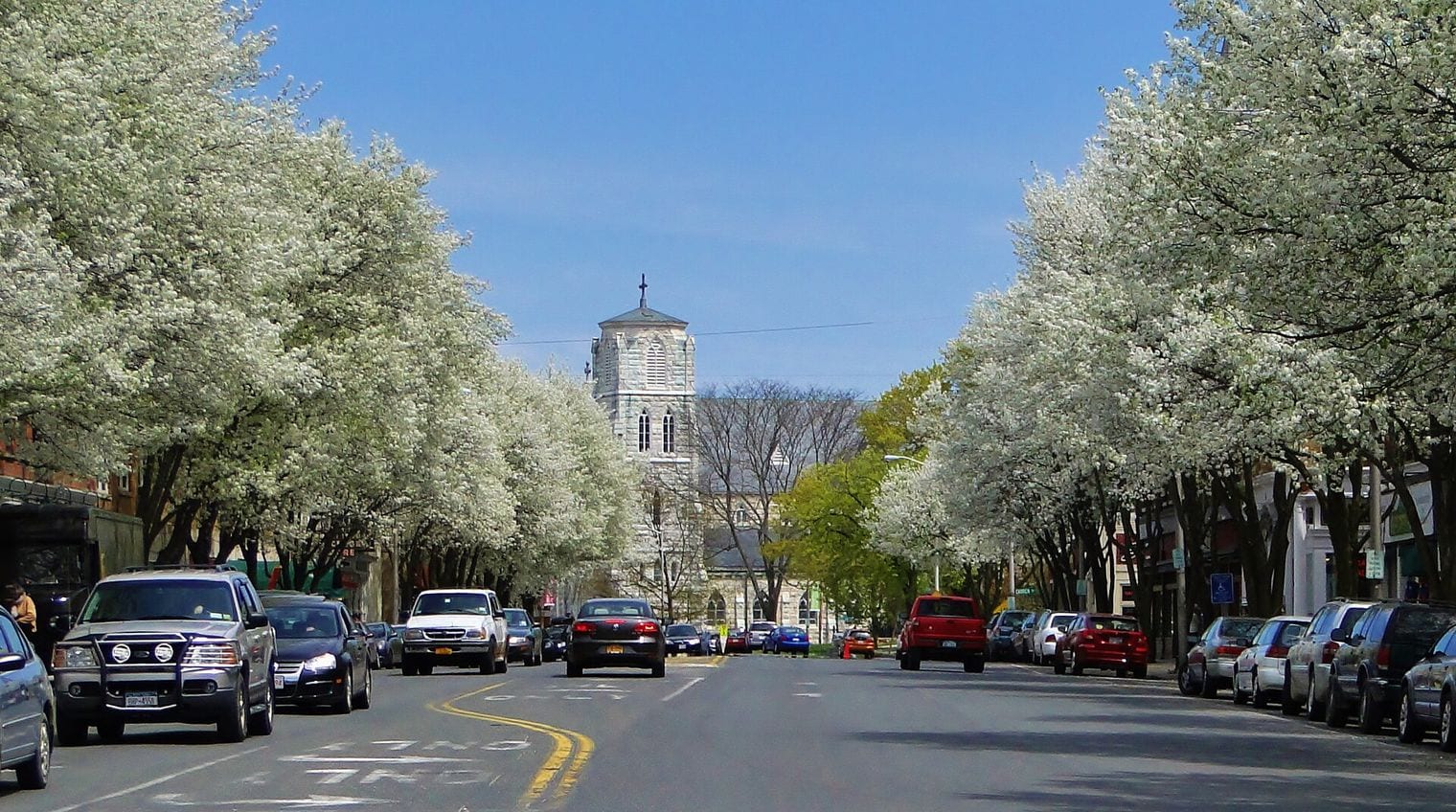
Few small towns hold as much American history as Concord, a leafy town west of Boston where the Sudbury and Assabet rivers join to form the Concord River.
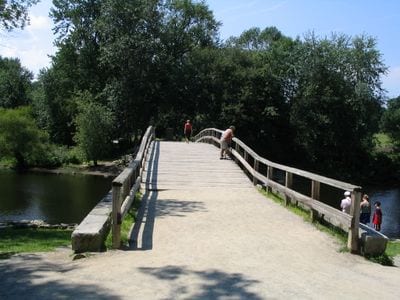
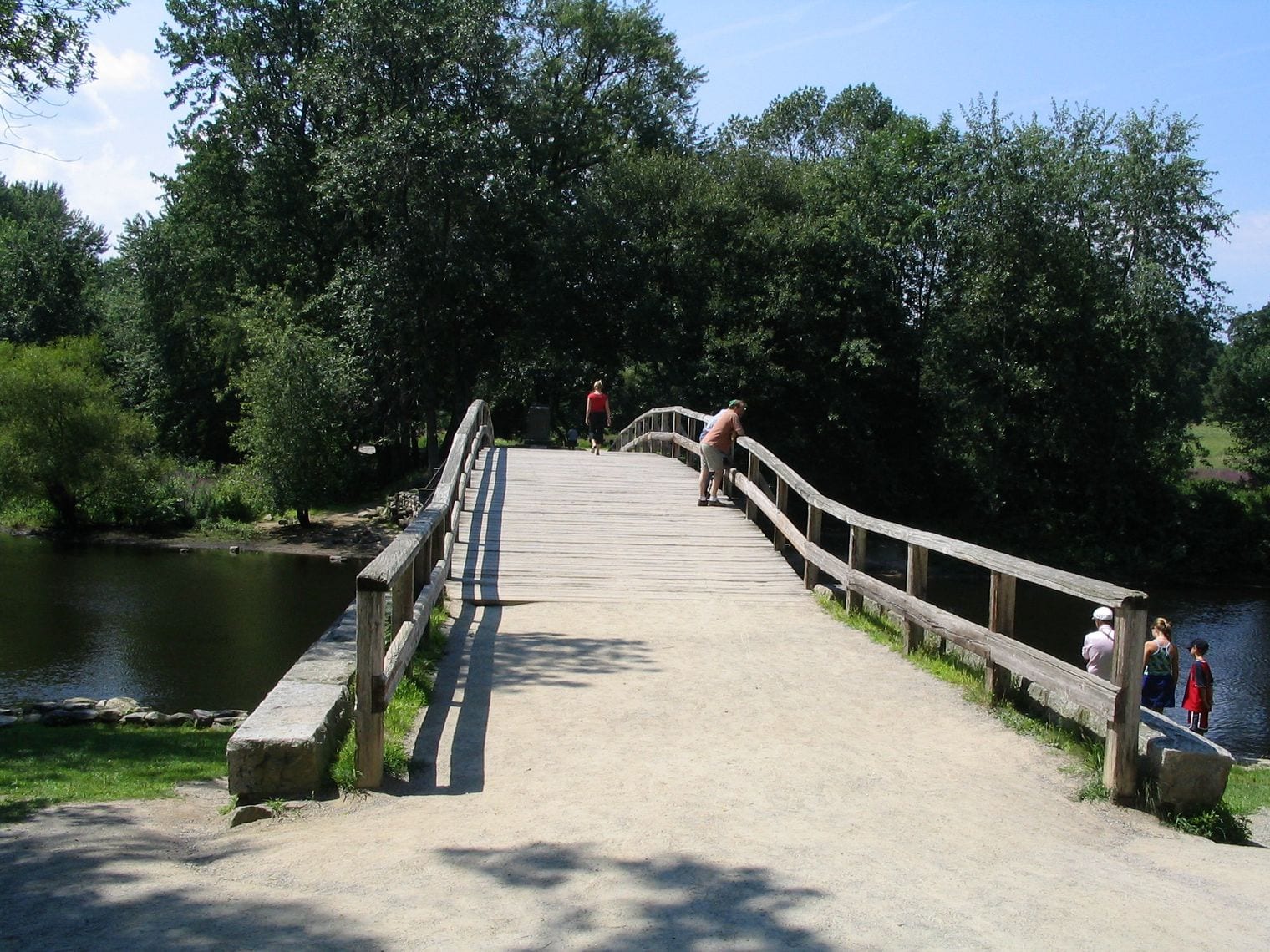
On April 19, 1775, colonial militia faced British regulars at the Old North Bridge, the fight Ralph Waldo Emerson later immortalized as the "shot heard round the world" in his Concord Hymn. The bridge and the road the British retreated along are preserved in Minute Man National Historical Park, the place to begin.
In the 19th century Concord became a literary hub. Emerson, Nathaniel Hawthorne, Henry David Thoreau and Louisa May Alcott all lived here, and you can tour the Old Manse beside the North Bridge and Orchard House, where Alcott wrote and set Little Women.
Several of them lie on Author's Ridge in Sleepy Hollow Cemetery. Then head south of the center to Walden Pond, where Thoreau spent two years in a cabin on the shore, now a state reservation for swimming and shoreline walks.
About 30 miles out to sea south of Cape Cod, Nantucket is an island that is also its own town and county, and its harbor town looks much as it did in the whaling era.
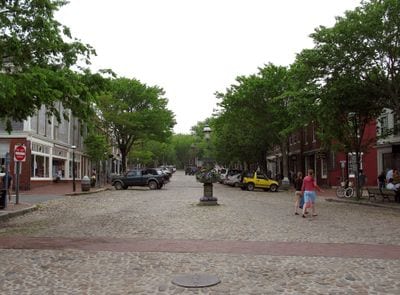
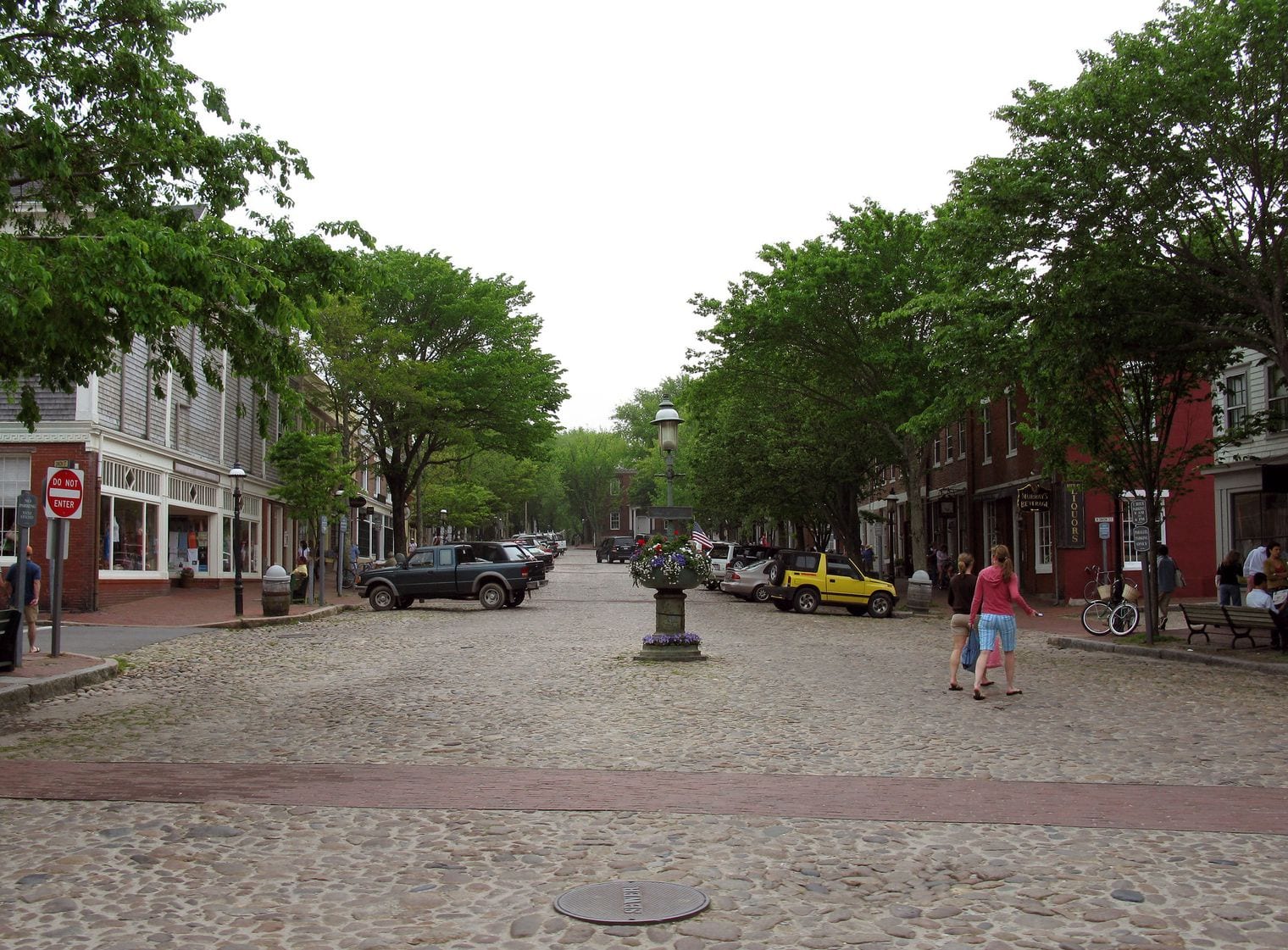
The National Park Service calls it the finest surviving example of a late 18th- and early 19th-century New England seaport town, and it was designated a National Historic Landmark district in 1966. Grey-shingled cottages, cobblestoned Main Street and grand captains' houses are the legacy of the whaling fortune.
Start at the Whaling Museum, set in an 1847 candle factory, where a 46-foot sperm whale skeleton hangs from the ceiling, then wander the lanes to little Brant Point Light at the harbor mouth, the tenth lighthouse to stand on the point. Bike paths lead out to the village of Siasconset and Sankaty Head Light on the island's eastern edge, and beaches ring the whole shore.
At the very tip of Cape Ann, about 40 miles northeast of Boston, Rockport is bordered by Gloucester on one side and the Atlantic on all the others.
It grew up as a granite-quarrying and fishing town and later drew a colony of artists, and their favorite subject still stands on Bradley Wharf: Motif No. 1, a red fishing shack often called the most-painted building in America. The one you see is an exact replica, built after the Blizzard of 1978 destroyed the 1884 original.
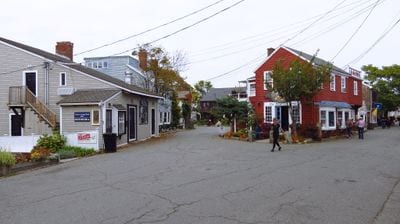
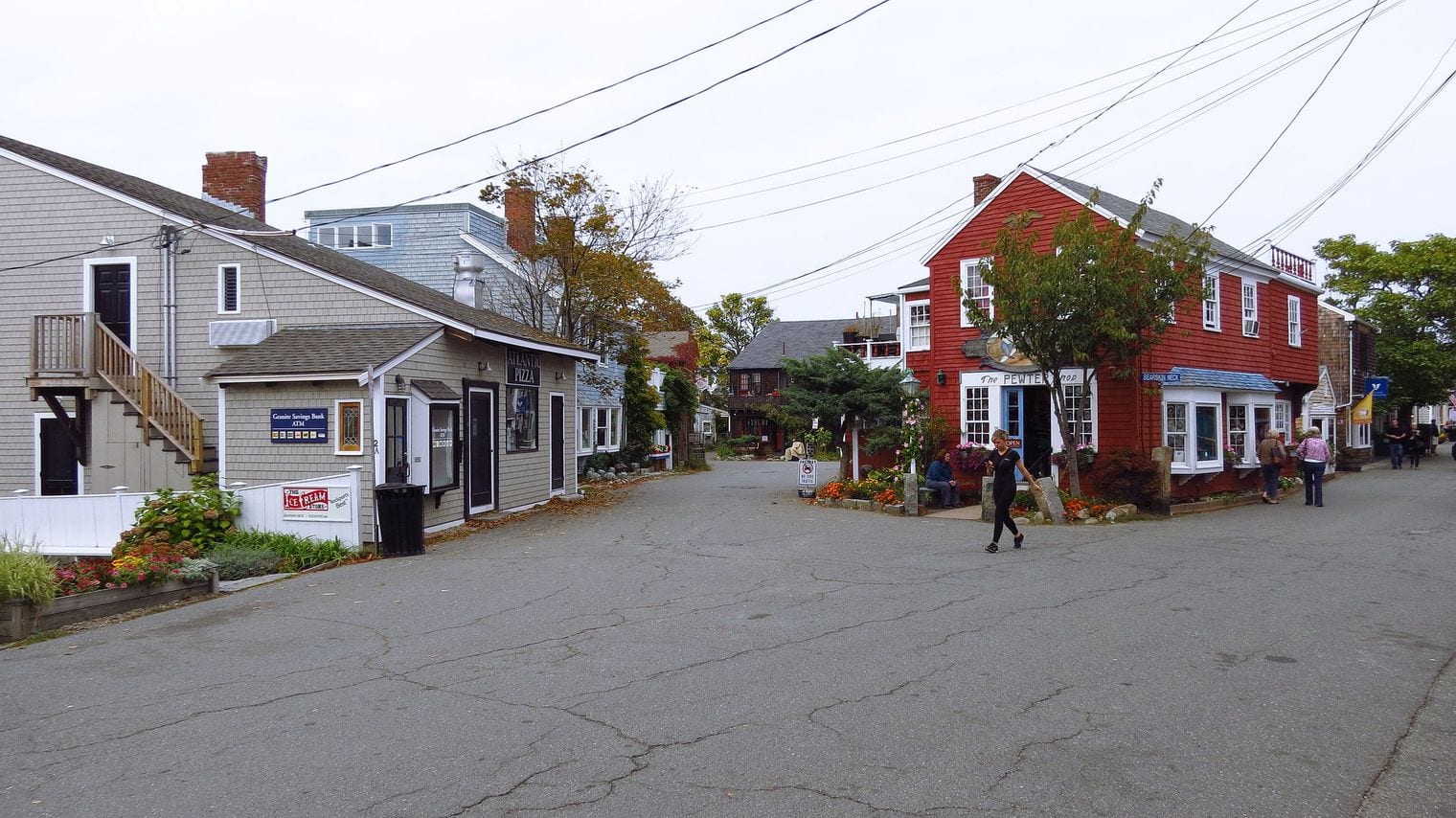
Bearskin Neck, the narrow peninsula beside the harbor, is lined with small shops, art galleries and seafood stands. For a wilder Cape Ann, walk the trails at Halibut Point State Park, a former granite quarry where the rocky shore faces the open ocean, or seek out the town's quiet coves. The commuter rail line from Boston ends in Rockport, which makes it an easy car-free day trip.
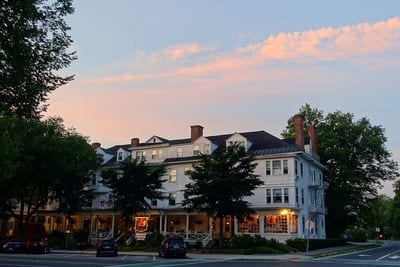
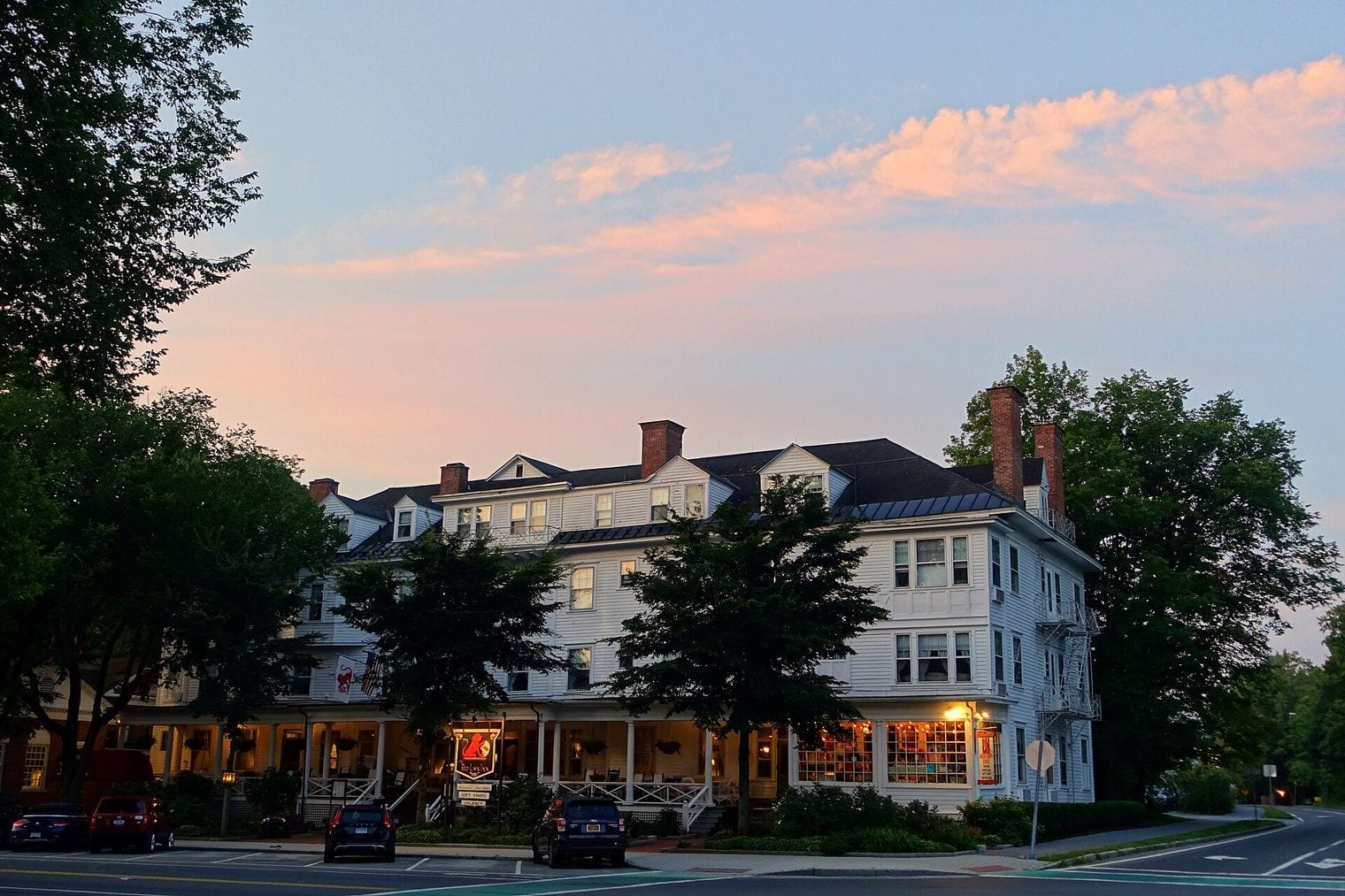
If one Main Street in America looks like a Christmas card, it is the one in Stockbridge. Norman Rockwell lived in this small Berkshires town from 1953 until his death in 1978, and his painting Stockbridge Main Street at Christmas turned its row of storefronts and its big old inn into an emblem of small-town America. The Norman Rockwell Museum, on the edge of town, holds the world's largest collection of his original art.
Stockbridge rewards a slow day. Tour Naumkeag, a Shingle Style country house designed by Stanford White, whose gardens were laid out by landscape designer Fletcher Steele, or Chesterwood, the home and studio of Daniel Chester French, the sculptor of the seated Abraham Lincoln in the Lincoln Memorial. Tanglewood, the Boston Symphony Orchestra's summer home, straddles the town line with Lenox, and the trails of Monument Mountain rise just to the south.
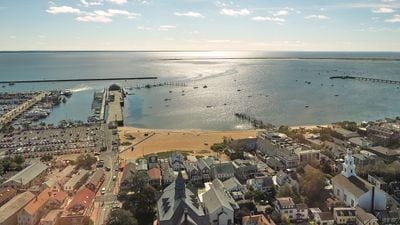
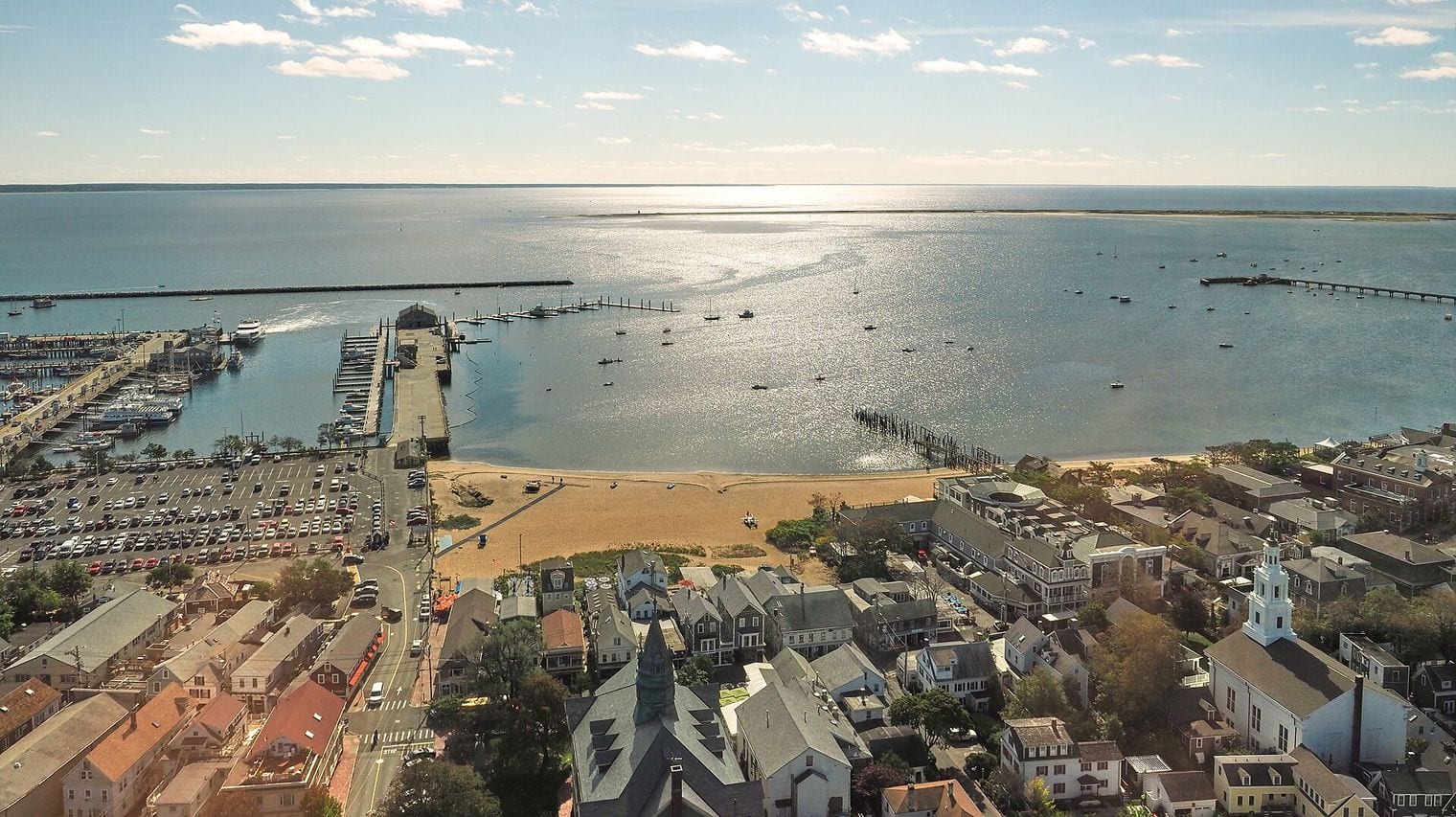
Out at the curled tip of Cape Cod, Provincetown is where the Mayflower Pilgrims first made landfall in 1620 and signed the Mayflower Compact aboard ship in the harbor, before sailing on to Plymouth. The 252-foot Pilgrim Monument, the tallest all-granite structure in the United States, commemorates the landing, and the view from the top takes in the town, the bay and the dunes.
Today P-town is a lively, artsy resort town famous as a destination for LGBTQ travelers, and Commercial Street, its long main drag, is lined with galleries, shops and seafood spots. Beyond the town, the Province Lands section of the Cape Cod National Seashore spreads into rolling sand dunes, bike trails and wide Atlantic beaches, and in summer whale-watching boats head out from the harbor.
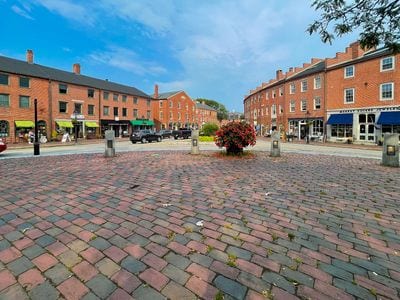
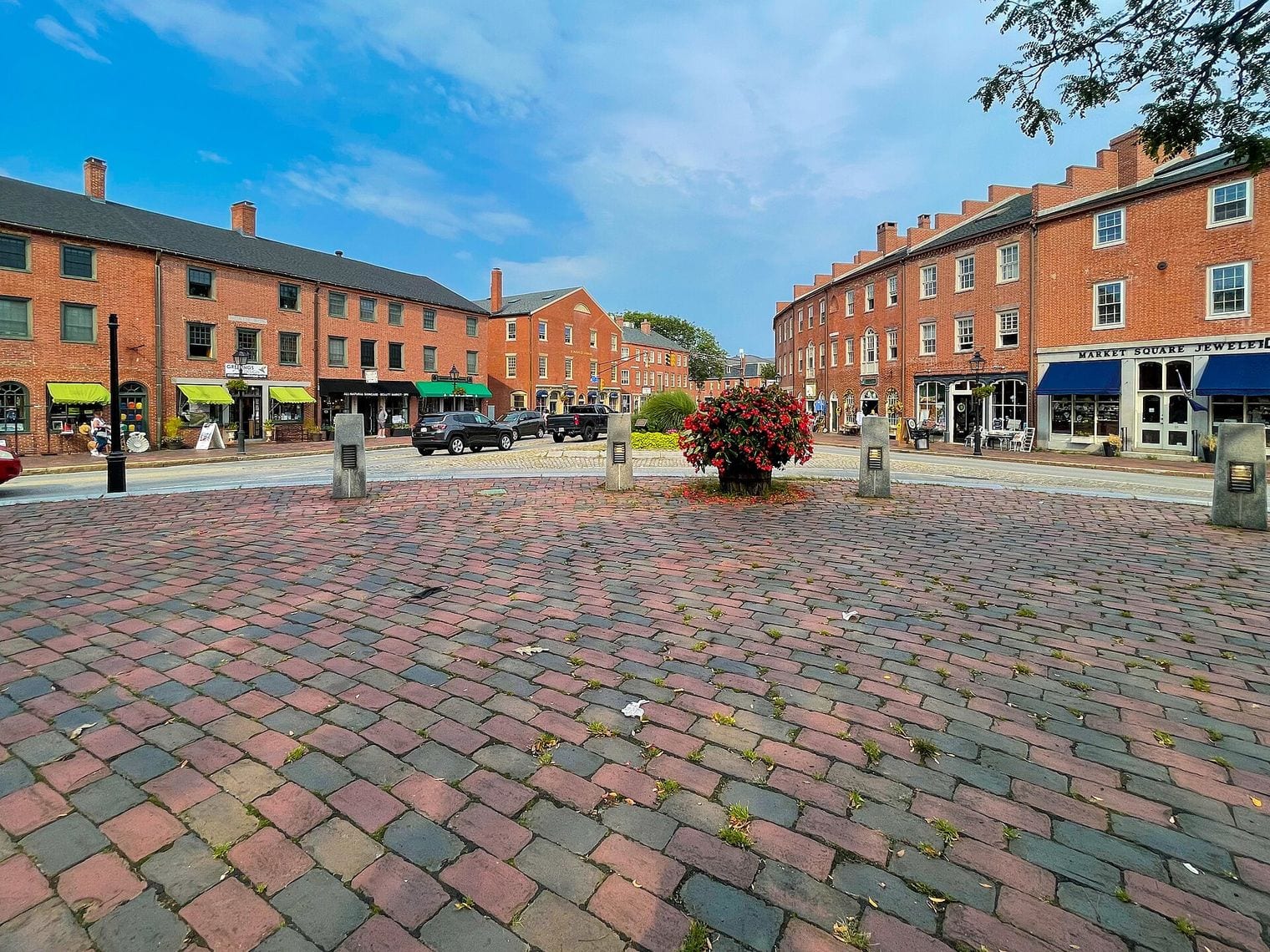
Where the Merrimack River meets the sea, Newburyport is a handsome old port city whose downtown was rebuilt in brick after a great fire in 1811. The result is the Market Square Historic District, a remarkable concentration of Federal-style brick buildings around Market Square, where the old Custom House is now a museum. The city sits at the end of the commuter rail line from Boston's North Station.
Stroll the waterfront and the shops along State Street, then admire the stately houses along High Street, many built by the merchants and sea captains who made the town rich. Just to the southeast, the Parker River National Wildlife Refuge covers most of Plum Island, a barrier beach of dunes and salt marsh on the Atlantic Flyway that draws birdwatchers during spring and fall migration, along with swimmers, surfers and anglers in summer.
Salem is forever tied to the witch trials of 1692, and the city embraces that dark chapter: witch logos decorate some of its police cars, and Proctor's Ledge, identified in 2016 as the site of the hangings, is now a memorial.
But its richest stories come from the sea. Salem was one of the most significant trading ports of early America, and its historic wharves, waterfront buildings and a replica tall ship make up Salem Maritime National Historical Park, which began as the country's first National Historic Site.
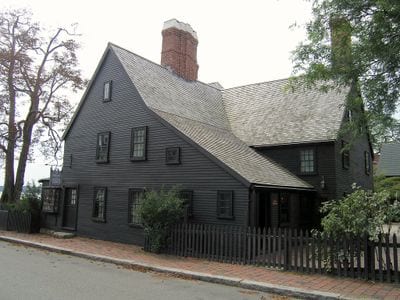
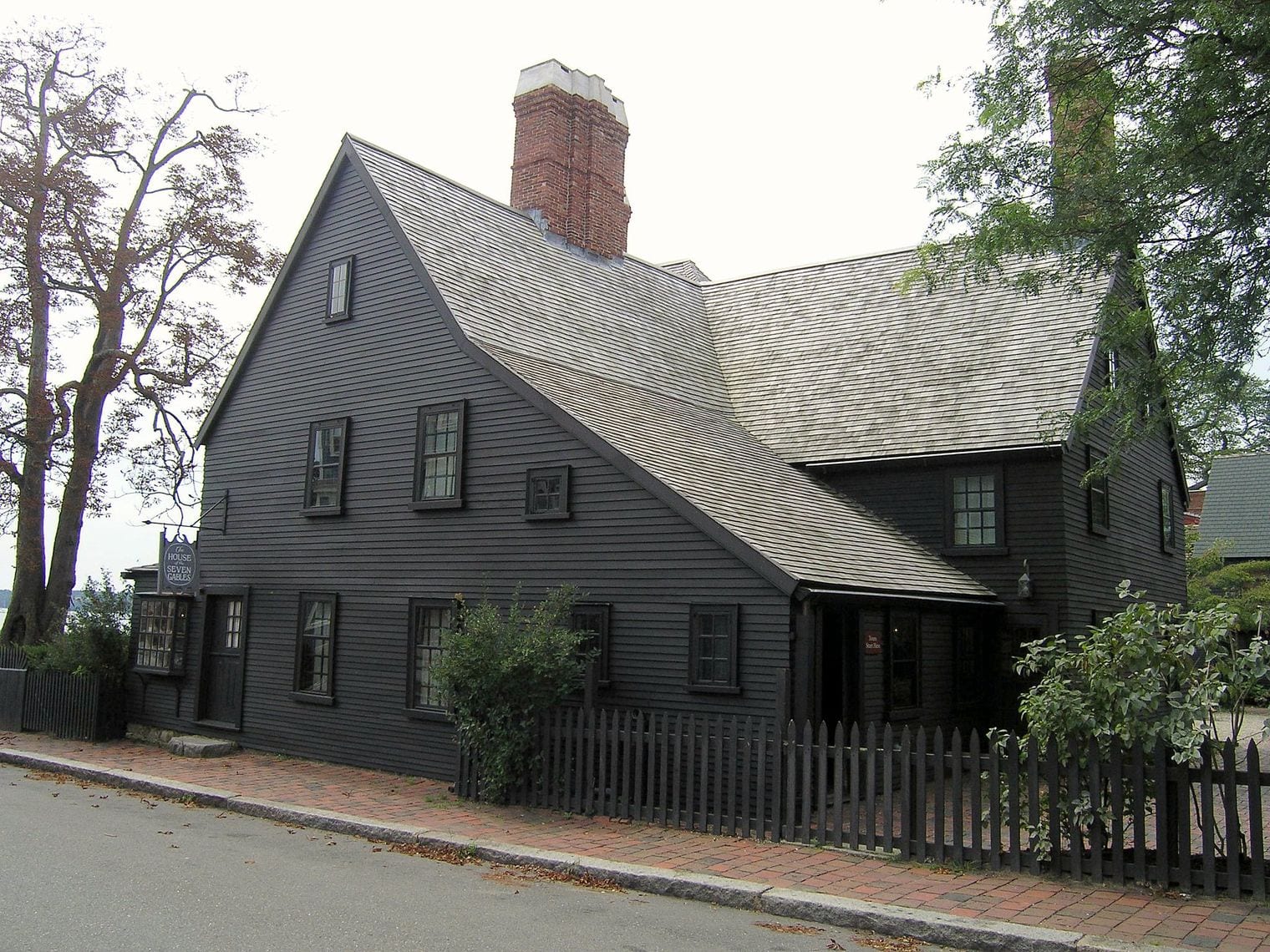
Spend a morning at the Peabody Essex Museum, one of the oldest continuously operating museums in the United States, which grew from the collections of Salem's sea captains and holds one of the country's major collections of Asian art. Then walk to the House of the Seven Gables, the 1668 waterfront mansion made famous by Nathaniel Hawthorne's novel, and across Salem Common, where the militia that became the National Guard first mustered in 1636. October brings the biggest crowds.
In the late 19th century, wealthy families built grand summer estates in the hills around Lenox, and the town still carries a Gilded Age polish. Its biggest draw is Tanglewood, the summer home of the Boston Symphony Orchestra since 1937, where concertgoers spread picnics on the lawn while the orchestra plays in the open-sided Shed.
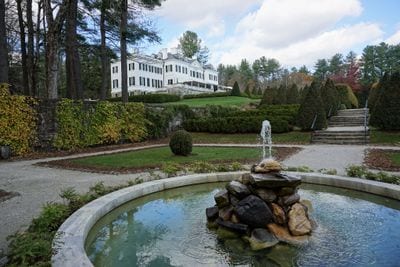
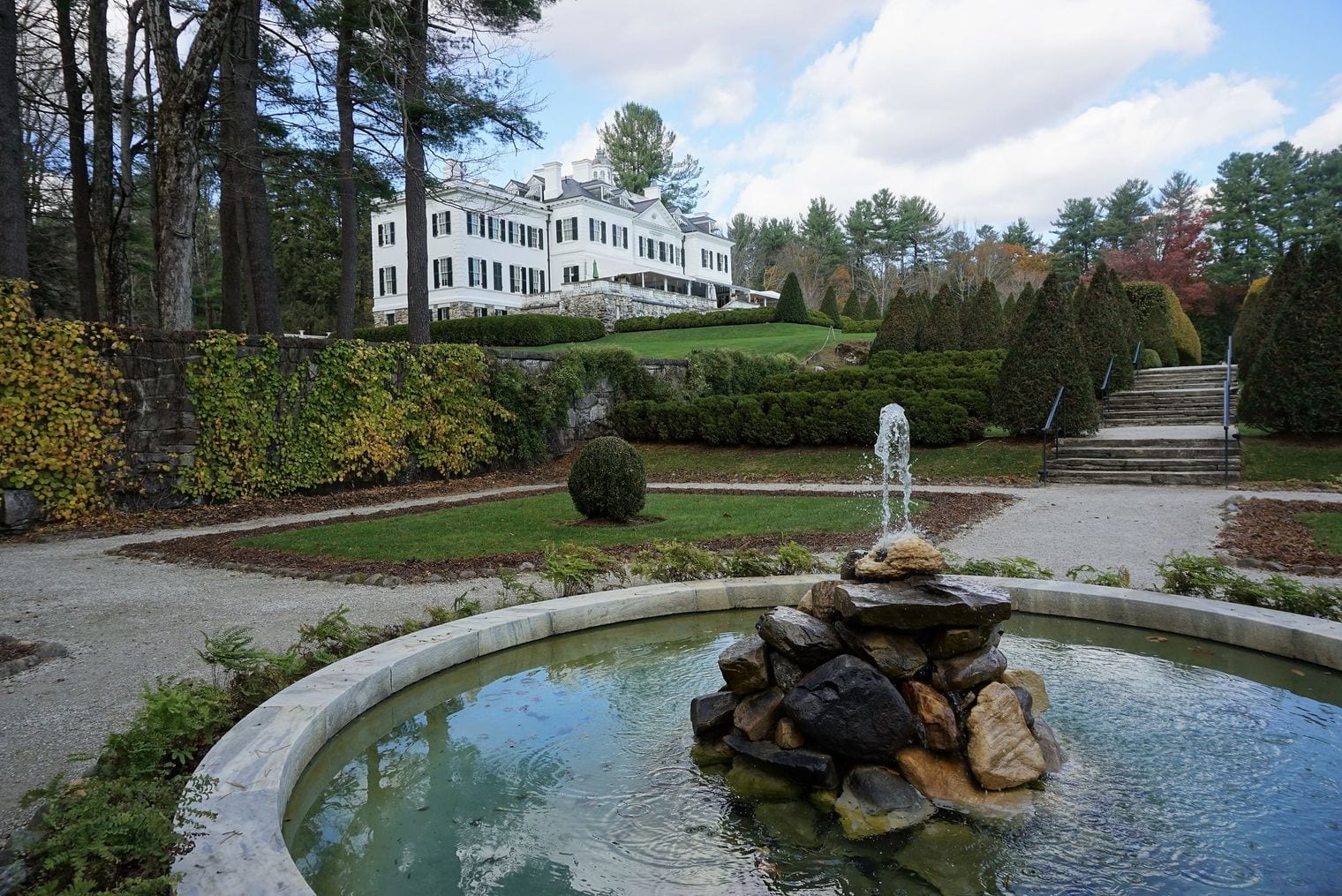
Edith Wharton designed both the house and the grounds at The Mount, her 1902 estate and now a National Historic Landmark, which is open for tours and keeps a busy program of talks and performances. Shakespeare & Company stages plays in town, and the walkable village center is filled with galleries, cafés and inns. In fall, the wooded hills around Lenox blaze with color, making it one of the classic foliage bases in the Berkshires.
Chatham sits at the elbow of Cape Cod, on its southeastern tip, and it has the feel of a classic Cape town: a tidy Main Street of shops, a working fishing fleet and summer crowds that swell the year-round population several times over. First settled by the English in 1664 and long a fishing community, it has always looked to the sea.
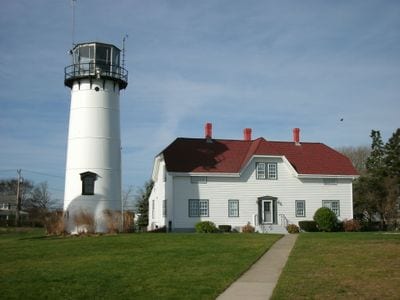
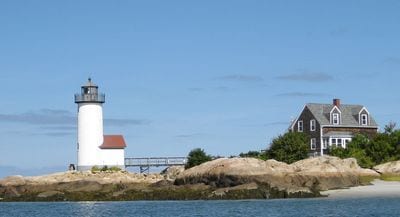
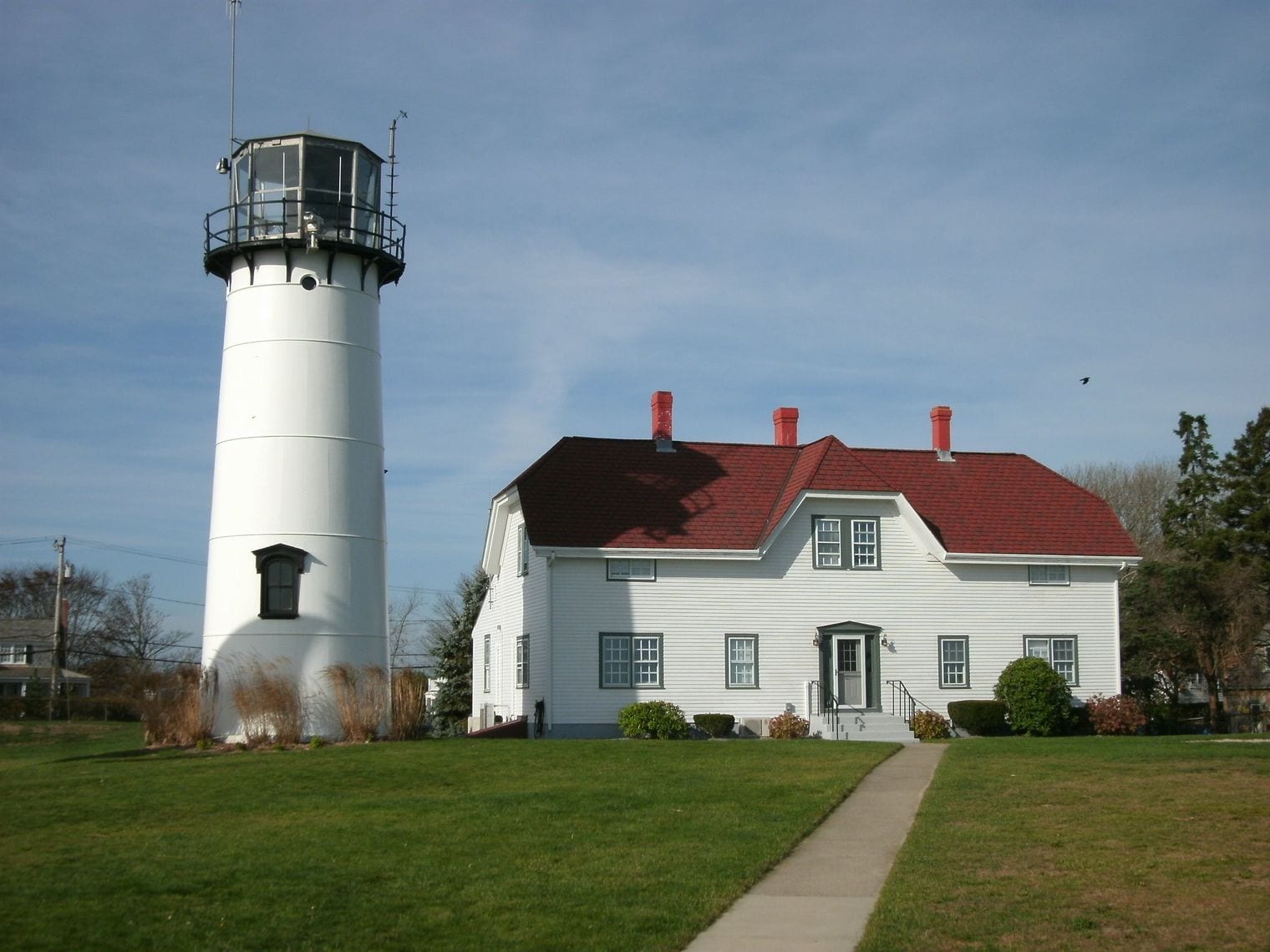
Chatham Light, an active Coast Guard lighthouse, stands above a sweeping beach and the shifting sandbars of the outer shore, and the fish pier is the place to watch the boats come in. Offshore lies the Monomoy National Wildlife Refuge, a long, wild barrier island where seals haul out on the sands and shorebirds nest, best seen on a boat tour from town.
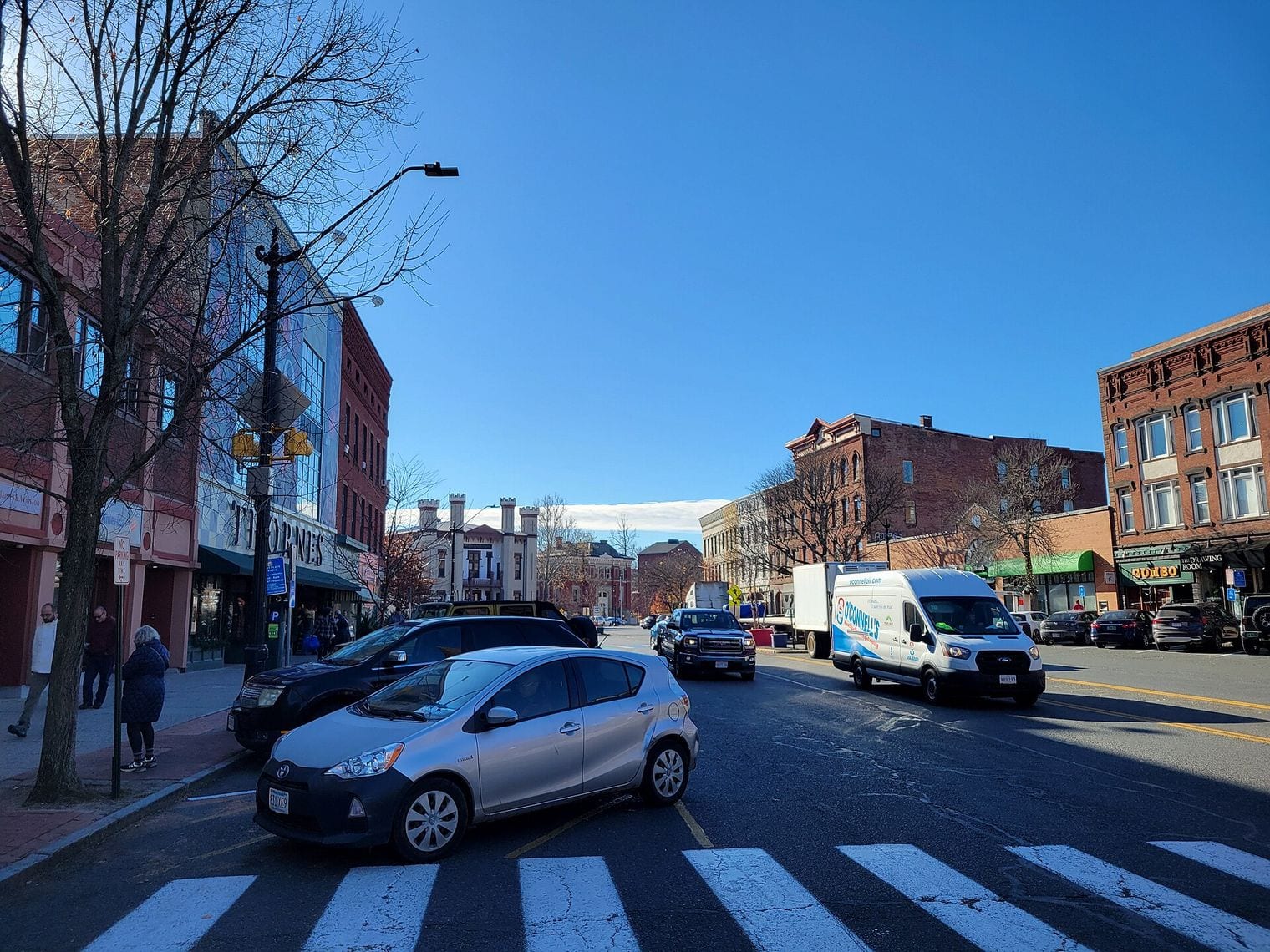
Northampton is the cultural heart of the Pioneer Valley, a small city of about 30,000 with a downtown full of shops, galleries, music venues and restaurants, and a long reputation as an academic, artistic and countercultural hub. Smith College, one of the historic Seven Sisters women's colleges, sits beside downtown, and the city is part of the Five College area with Amherst College, Mount Holyoke, Hampshire and the University of Massachusetts nearby.
Walk the Smith campus to its botanic garden and art museum, then spend the evening downtown, where live music spills out of clubs and theaters. Bike paths follow old rail lines out of town and the Connecticut River runs along its eastern edge, and Springfield is about 19 miles to the south.
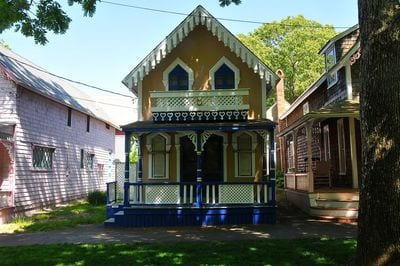
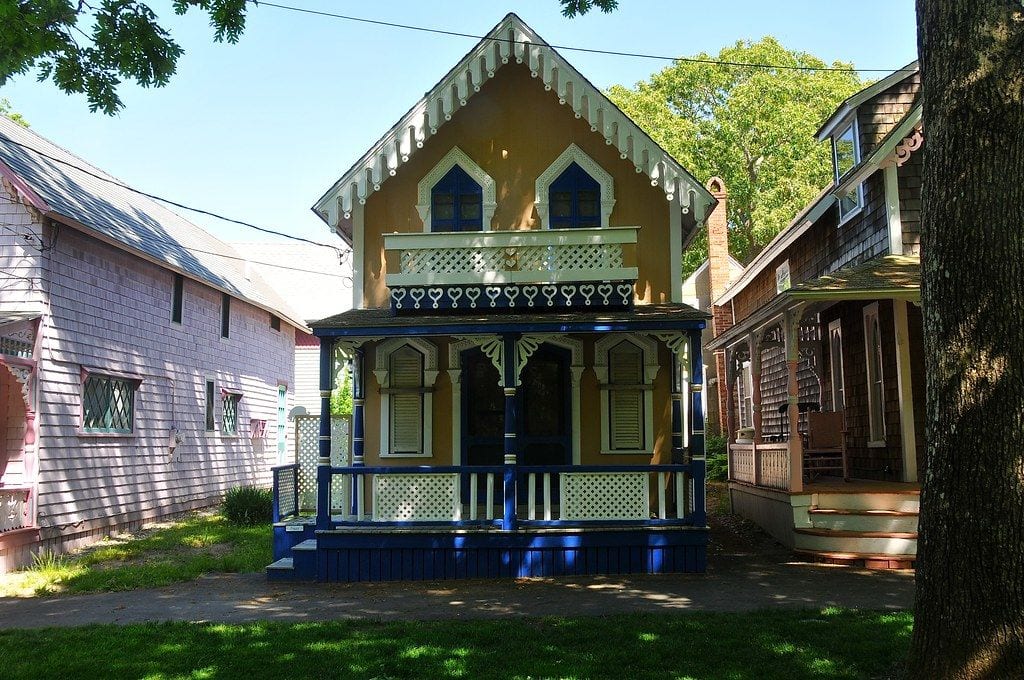
Oak Bluffs is the liveliest of the Martha's Vineyard towns and, for many visitors, the first one they see, since it is one of the island's main arrival points for ferries from the mainland. Its signature sight is Wesleyan Grove, the old Methodist camp meeting ground and the first summer religious camp in the United States, where around 300 Carpenter Gothic "gingerbread" cottages, painted in candy colors and trimmed with fretwork, gather around an open-air tabernacle.
A short walk away, the Flying Horses Carousel is the oldest operating platform carousel in the country, and riders still reach for the brass ring as it turns. Oak Bluffs has also been an important center of African American culture since the 18th century, with a long tradition of summering families. Stroll the harbor and the waterfront park, then follow the shore road and its bike path toward Edgartown.
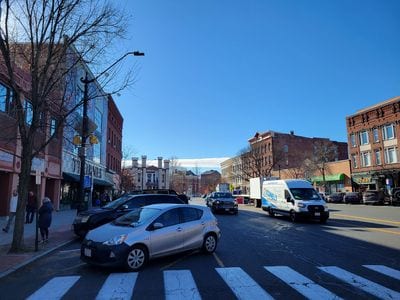
Great Barrington is the southern Berkshires' main town, and its Main Street of restored brick blocks, independent shops, restaurants and a historic theater has made it a favorite weekend escape. It is also the birthplace of W. E. B. Du Bois, the scholar and civil rights leader, and his boyhood homesite on the edge of town is a National Historic Landmark.
For a view, climb Monument Mountain just north of town, where trails lead to the knife-edge summit of Peeskawso Peak and a free-standing stone pillar known as Devil's Pulpit. The Housatonic River runs right through the center, with a river walk along its banks, and in winter skiers head to the slopes of Butternut.
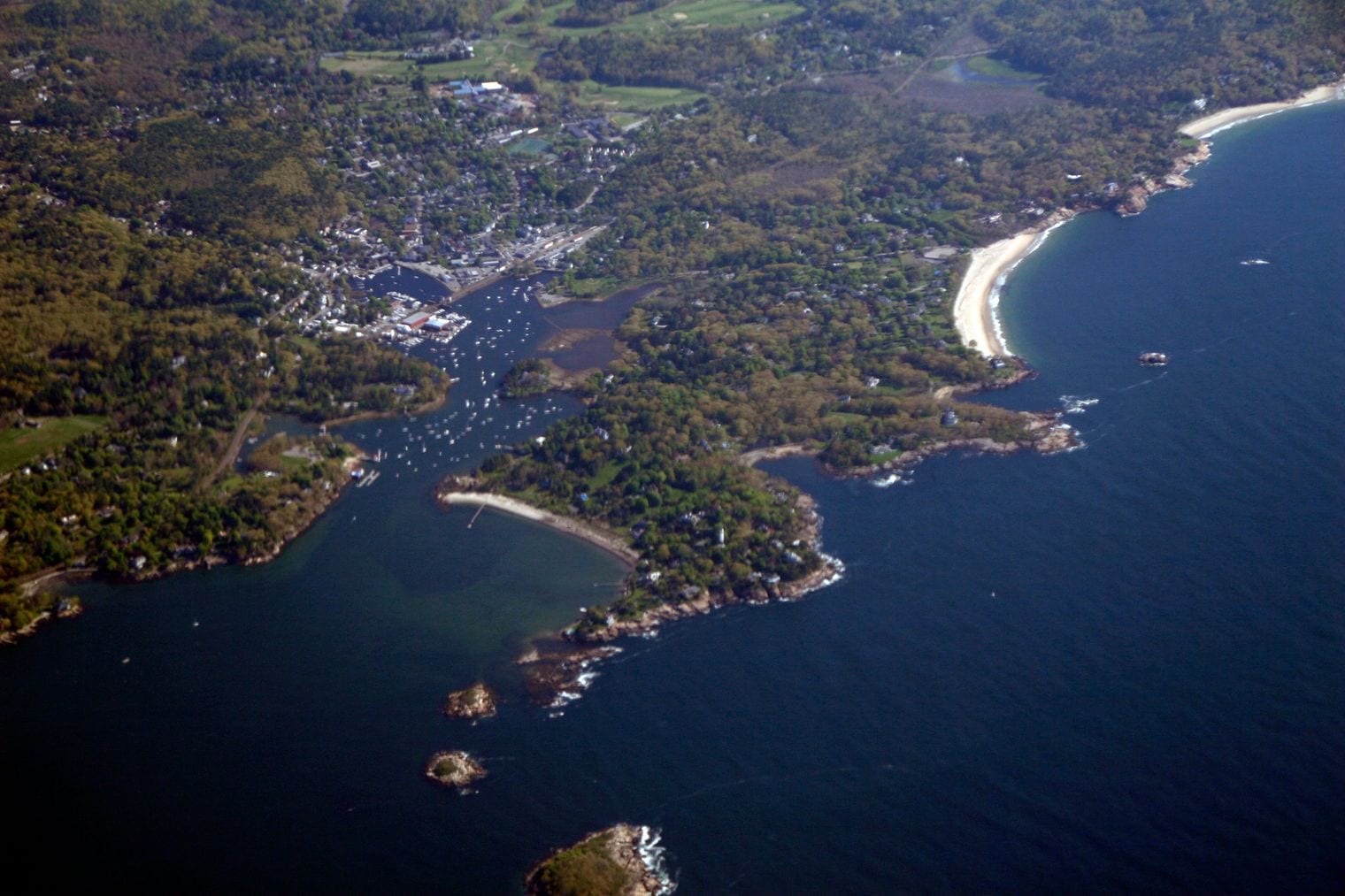
Manchester-by-the-Sea, a quiet harbor town on the southern side of Cape Ann, was a fishing village almost from its founding and became a fashionable seaside resort in the mid-1800s. Its official name was simply Manchester until 1990, and it gained wider fame through the 2016 film that shares it. The compact center wraps around a harbor full of moored boats, and the commuter rail from Boston stops right in town.
The big draw is Singing Beach, named for the squeak its dry sand makes underfoot. It is within walking distance of the train station, which makes it one of the easiest car-free beach days from Boston. Afterward, wander the quiet lanes around the harbor, where the old summer houses recall the town's resort heyday.
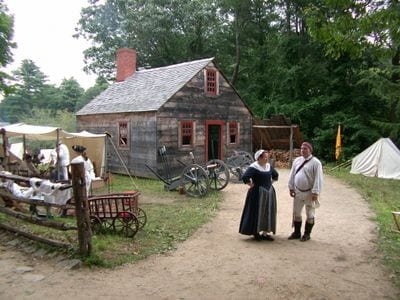
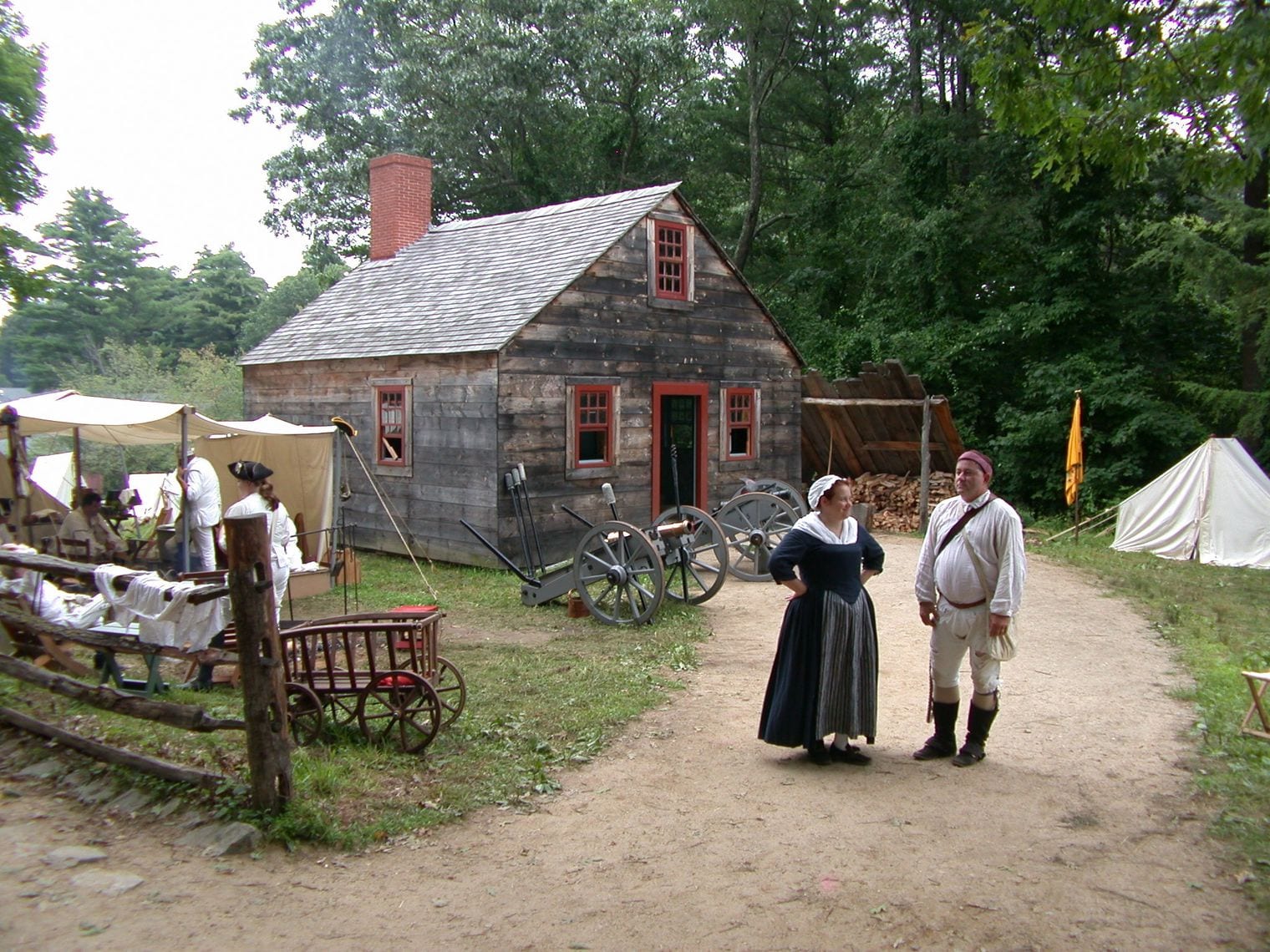
Sturbridge, in the rolling hills of central Massachusetts, is home to Old Sturbridge Village, the largest living museum in New England. Spread across more than 200 acres, it recreates rural New England life from the 1790s to the 1830s, with dozens of antique buildings, three water-powered mills and a working farm.
Costumed interpreters demonstrate the crafts and farm work of 19th-century life, from the blacksmith's forge to the fields, making it a favorite outing for families and school groups. Beyond the village, the town is an easy stop off the Massachusetts Turnpike, with country roads, antique shops and Tantiusques, a historic graphite mine site in the woods.
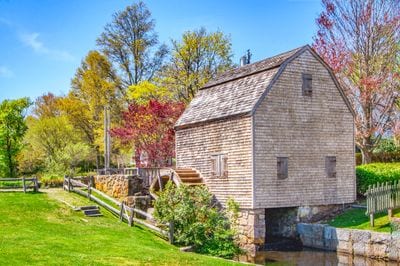
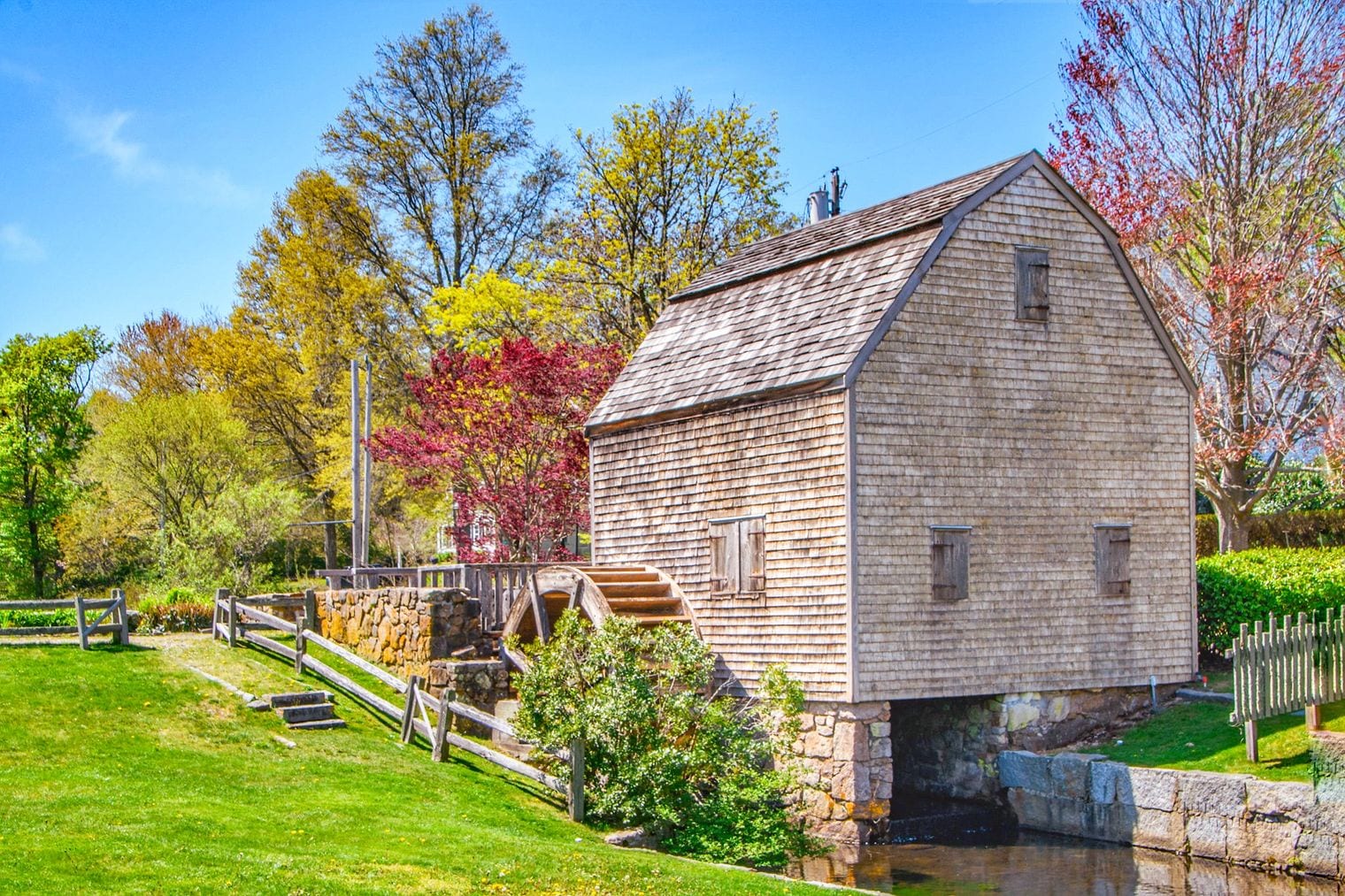
Sandwich is the oldest town on Cape Cod, and its village center still looks the part, with old houses gathered around Shawme Pond and the Dexter Grist Mill beside the water. The town motto, Post tot naufracia portus ("after so many shipwrecks, a haven"), suits a place just east of the Cape Cod Canal, where the Cape begins.
The Sandwich Glass Museum tells the story of the Boston & Sandwich Glass Company, founded here in 1825, with cases of colorful pressed glass and live glassblowing demonstrations. Heritage Museums & Gardens spreads over 100 acres of rhododendrons and daylilies, with galleries of antique automobiles and a working 1919 carousel. To finish, walk the Sandwich Boardwalk across Mill Creek and the salt marsh to Town Neck Beach.
Gloucester was settled in 1623, and fishing has defined it ever since; boats still work its busy harbor on Cape Ann, and it remains an important center of the fishing industry. On the harbor's edge stands the Gloucester Fisherman's Memorial, the bronze "Man at the Wheel" erected in 1925, which honors the thousands of local fishermen lost at sea.
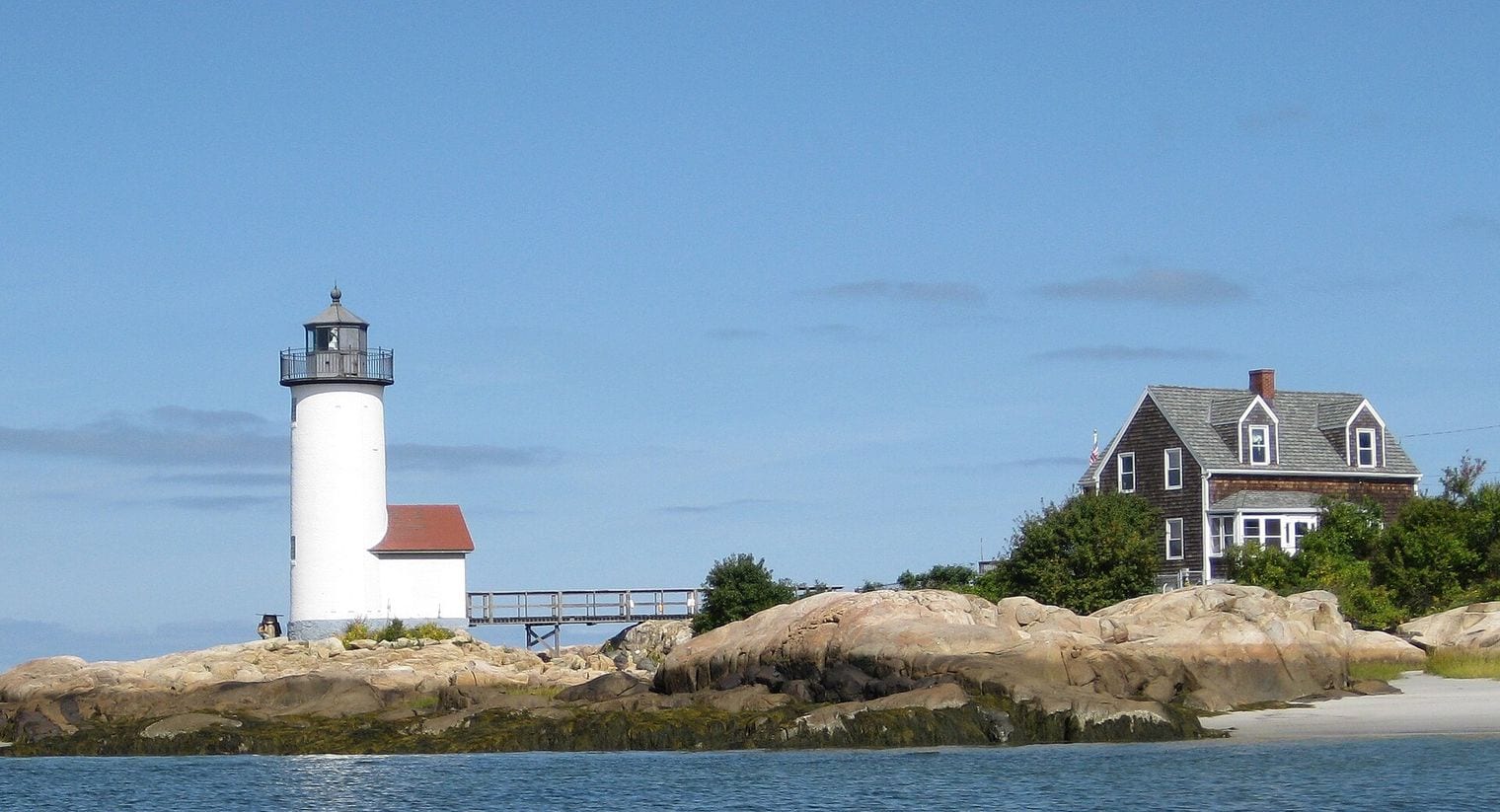
Across the harbor, Rocky Neck is one of the oldest continuously operating art colonies in the country, where Winslow Homer and Edward Hopper once worked and galleries and studios still fill the waterfront. Whale-watching boats head out from the harbor in season, Good Harbor Beach and Wingaersheek Beach are local favorites, and the villages of Annisquam and Lanesville show the city's quieter, rockier side.
Wellfleet is the Outer Cape at its most unspoiled: about 70 percent of the town's land is protected, and nearly half of it lies within the Cape Cod National Seashore. The town is famous for its oysters, raised in the waters of Wellfleet Harbor, and its small harbor-side center keeps a low-key mix of galleries, oyster bars and old Cape houses.
On the ocean side, Marconi Beach sits beneath steep sand bluffs, and nearby the Marconi Station Site marks where Guglielmo Marconi's station handled the first transatlantic wireless exchange between the United States and Europe in 1903. Mass Audubon's Wellfleet Bay Wildlife Sanctuary protects more than 1,000 acres, with walking trails along the edge of the harbor.
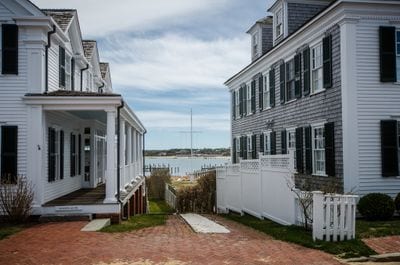
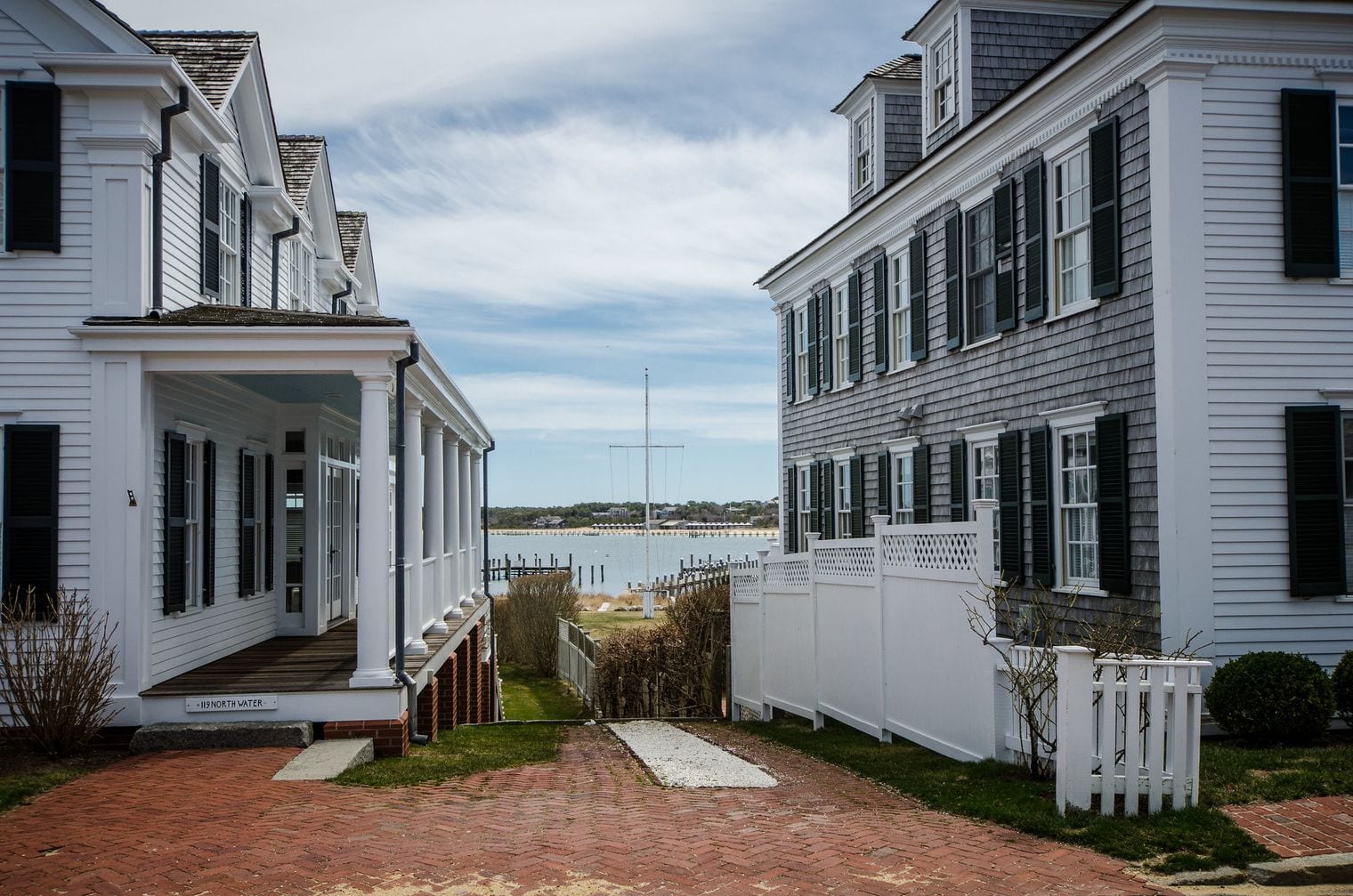
Edgartown was once a major whaling port, and the white captains' houses along its streets have been carefully preserved, making it the most polished of the Martha's Vineyard towns. It is also the county seat of Dukes County, and its large harbor fills with sailboats and yachts in summer.
Walk out to Edgartown Harbor Light, a cast-iron tower from 1939 that once stood on an artificial island and is now joined to the shore by a beach that built up around its causeway. A short ferry ride crosses to Chappaquiddick Island, part of the town, where quiet roads lead to beaches, birding and the small Japanese-style Mytoi garden, while South Beach at Katama faces the open Atlantic.
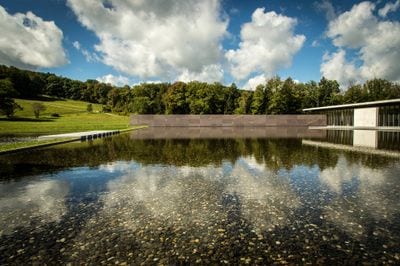
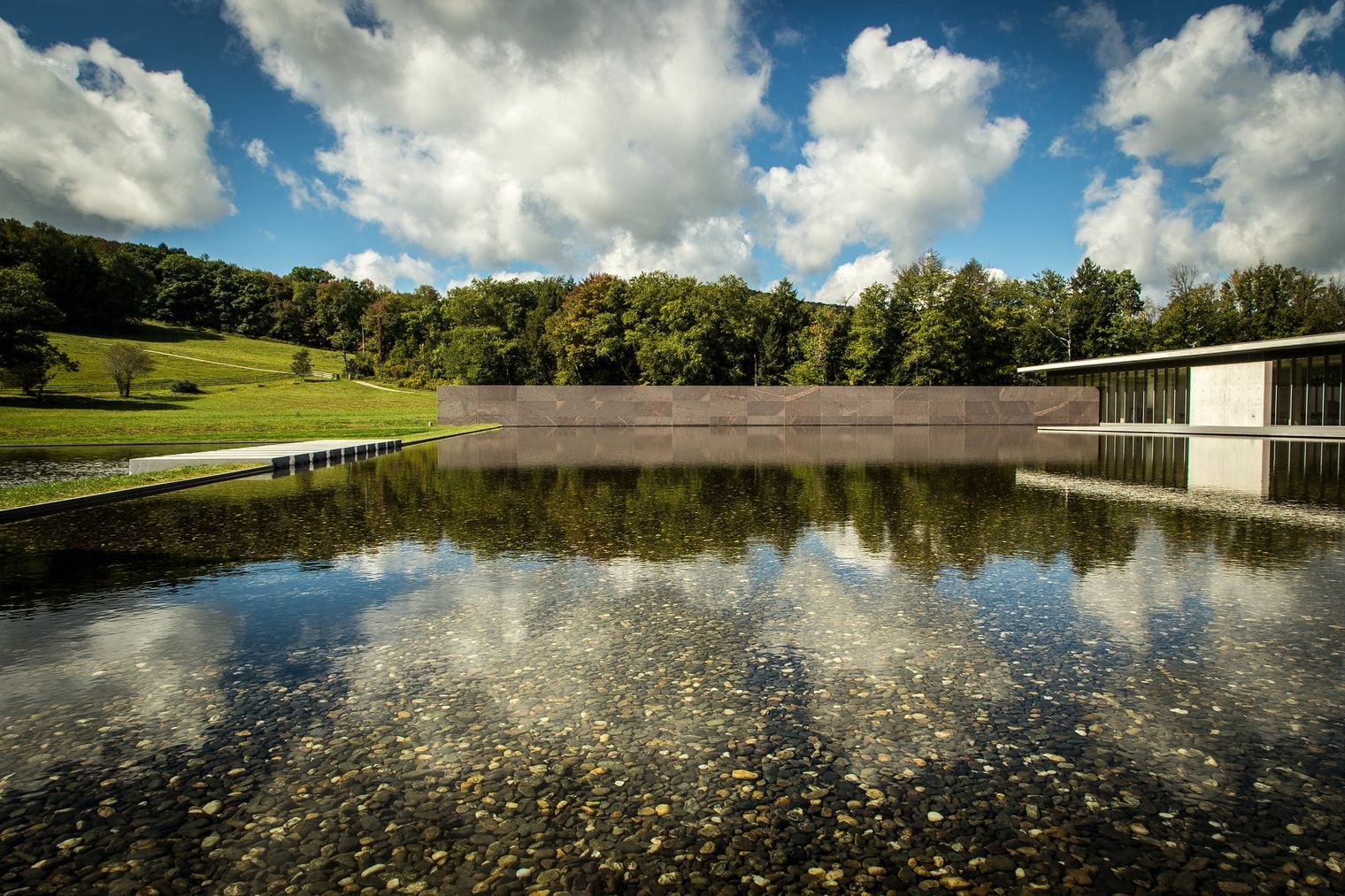
Tucked into the far northwest corner of the state, where Massachusetts meets Vermont and New York, Williamstown is a college town ringed by green mountains. Williams College spreads through the center, and the town punches far above its size in art, with the Clark Art Institute, known for its European and American paintings, and the Williams College Museum of Art.
Spend an afternoon at the Clark, whose grounds open onto meadows and walking trails, then catch a play in summer at the Tony-awarded Williamstown Theatre Festival. Mount Greylock, the highest point in Massachusetts, rises to the southeast, with hiking trails and a seasonal road to the summit, and MASS MoCA, the contemporary art museum in neighboring North Adams, is a short drive east.
Falmouth, on Cape Cod's southwestern corner, is the second-largest town on the Cape after Barnstable and a pleasant mix of village green, beaches and bike paths. Its most famous corner is the village of Woods Hole, home to a cluster of marine science institutions, including the Woods Hole Oceanographic Institution and the Marine Biological Laboratory, and to the ferry terminal for Martha's Vineyard.
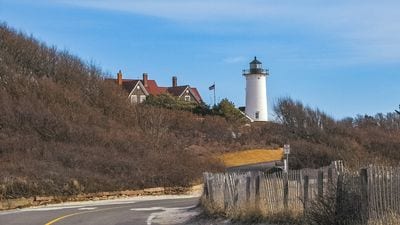
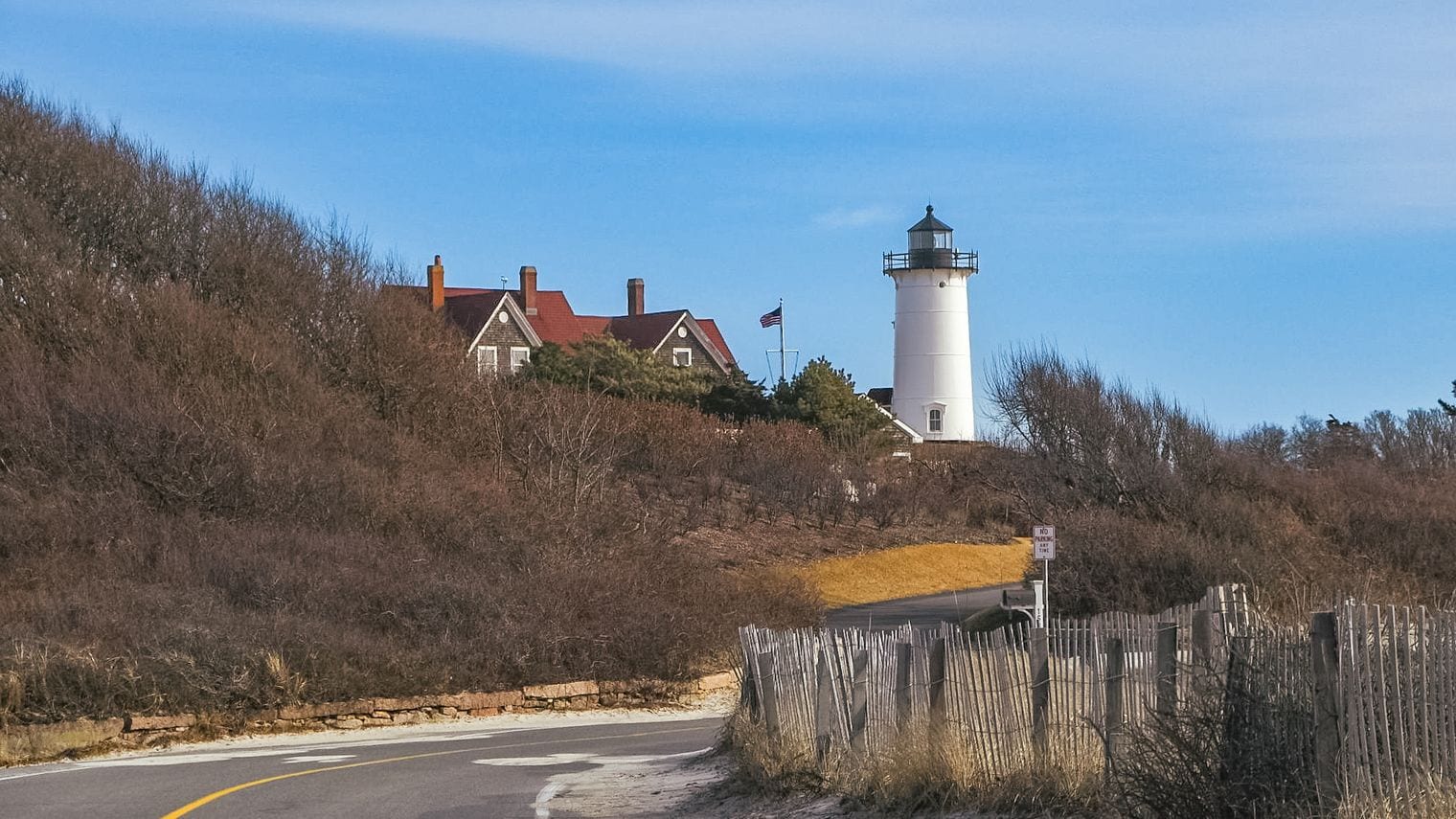
Ride the Shining Sea Bikeway, a 10.7-mile rail trail that runs from the Woods Hole ferry terminal to North Falmouth, and stop at Nobska Light, an 1876 iron tower looking out over Vineyard Sound to Martha's Vineyard. Falmouth is also the birthplace of Katharine Lee Bates, who wrote the words to "America the Beautiful."
Free Things to Do in These Massachusetts Towns
Many of the best moments on this list cost nothing. Walk the Old North Bridge in Concord, the cobblestoned lanes of Nantucket town and Bearskin Neck in Rockport, then stand on the Main Street in Stockbridge that Norman Rockwell painted. Browse the galleries of Commercial Street in Provincetown and Rocky Neck in Gloucester, where the Fisherman's Memorial looks out over the harbor.
In Salem, visit the Proctor's Ledge memorial and walk Salem Common; in Oak Bluffs, wander among the gingerbread cottages of Wesleyan Grove. Ride the Shining Sea Bikeway in Falmouth, cross the boardwalk to Town Neck Beach in Sandwich, watch the boats come in at the fish pier in Chatham and stroll the brick blocks of Market Square in Newburyport.
Massachusetts is compact, but its small towns cluster in distinct regions, so the easiest plan is to pick one and link several together. North of Boston, Salem, Manchester-by-the-Sea, Gloucester and Rockport line the shore toward Cape Ann, with Newburyport near the New Hampshire line, and commuter trains reach all five from the city.
Concord is an easy half-day west of Boston, and Sturbridge sits off the Massachusetts Turnpike on the way to the Pioneer Valley, where Northampton lies a short drive north of Springfield.
In the west, U.S. Route 7 strings together Great Barrington, Stockbridge, Lenox and Williamstown, and Williamstown is about an hour's drive from Albany, New York. On Cape Cod, Route 6A follows the bay shore east from Sandwich, and Route 6 runs the length of the Cape out to Wellfleet and Provincetown, with Chatham a short detour south.
From Woods Hole in Falmouth, ferries cross to Martha's Vineyard for Oak Bluffs and Edgartown, while Nantucket ferries leave from Hyannis. Summer is peak season on the coast and islands, fall brings color to the Berkshires and Concord, and the off-season is quieter everywhere.
FAQ: Visiting the Best Small Towns in Massachusetts
What is the best small town in Massachusetts?
Concord is the best small town in Massachusetts for most visitors, with the Old North Bridge, Minute Man National Historical Park and the homes of Emerson, Hawthorne and Louisa May Alcott. Nantucket follows for its preserved whaling-era town, then Rockport for Motif No. 1, Stockbridge for its Norman Rockwell Main Street and Provincetown at the tip of Cape Cod.
Which small towns in Massachusetts are closest to Boston?
Concord lies just west of the city and makes an easy half-day trip. Up the North Shore, Salem is the closest, and Manchester-by-the-Sea, Gloucester, Rockport and Newburyport are all on commuter rail lines from Boston, so you can reach their beaches, harbors and historic downtowns without a car.
What are the best small towns on Cape Cod and the islands?
On Cape Cod, start with Provincetown at the tip, Chatham at the elbow, Wellfleet for oysters and the National Seashore, Sandwich, the Cape's oldest town, and Falmouth with the science village of Woods Hole. Offshore, Nantucket is a preserved whaling town, while on Martha's Vineyard, Oak Bluffs has its gingerbread cottages and Edgartown its captains' houses and lighthouse.
Which Berkshires towns are worth visiting?
Stockbridge has the Norman Rockwell Museum and the Main Street he painted, Lenox has Tanglewood and Edith Wharton's The Mount, Great Barrington has a lively Main Street and Monument Mountain, and Williamstown has the Clark Art Institute and Williams College. All four lie along U.S. Route 7, so they pair easily on one trip.
When is the best time to visit small towns in Massachusetts?
Summer is peak season on Cape Cod, the islands and the North Shore, when the beaches are warm and Tanglewood's concert season fills the Berkshires. Fall is the classic time for the Berkshires and Concord, when the foliage turns, and October also brings the biggest crowds to Salem. Spring and late fall are quieter, with fewer visitors and easier parking.
How many days do you need to visit a small town in Massachusetts?
Most towns on this list fill a relaxed day, and many make easy day trips from Boston. Nantucket, Provincetown and the Martha's Vineyard towns deserve a weekend because of the ferry or the long drive, while a week lets you link several towns in one region, such as the Berkshires along Route 7 or the Outer Cape.