We may earn a commission if you book tickets, tours or a stay through a link on
this page, at no extra cost to you. It never affects which places we list or how
we rank them (how we make money).
Short answer
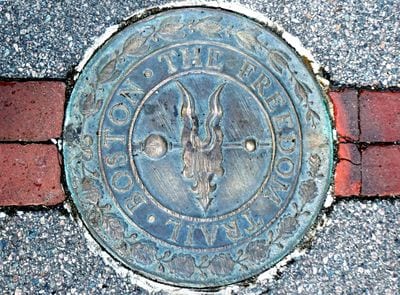
Start with the Freedom Trail, the red-brick line that leads from Boston Common past the Old State House and Faneuil Hall to the North End and USS Constitution, then catch a Red Sox game at Fenway Park or ride the Swan Boats in the Public Garden. Plan three days to see the highlights without rushing, adding the Museum of Fine Arts, the harbor islands and a trip across the river to Harvard.
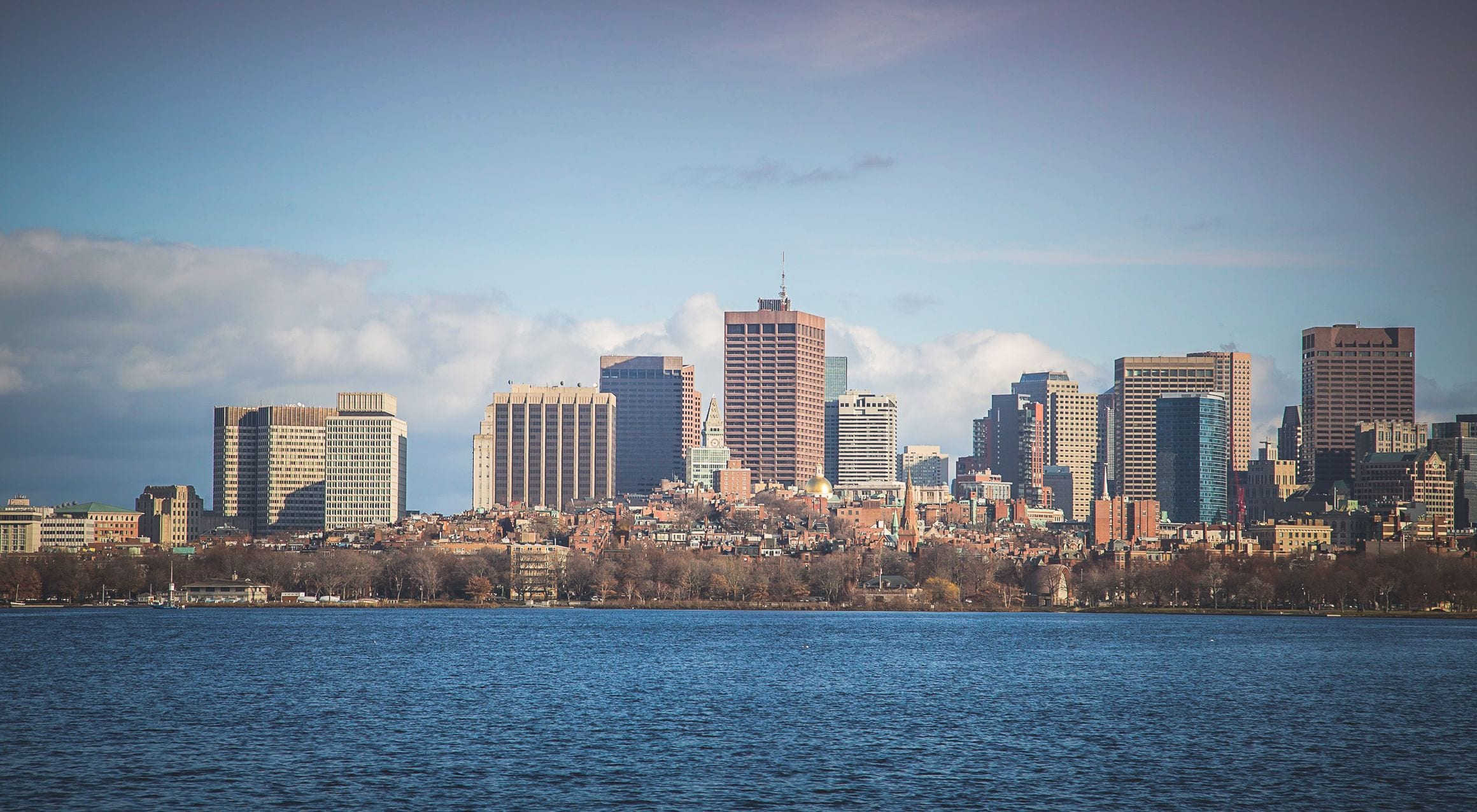
Boston packs almost four centuries of American history into a compact, walkable city. Colonial meeting houses stand in the shadow of glass towers, the red line of the Freedom Trail threads through brick lanes, and the capital of Massachusetts still wears its Revolutionary past proudly.
This guide ranks the 35 best things to do in Boston, from the Freedom Trail, Fenway Park and USS Constitution to world-class museums, the harbor islands and a short hop across the Charles to Harvard. Plan three days to see the highlights without rushing.
Boston Common, set aside in 1634, is the oldest city park in the United States — colonial families grazed their cows on it until the practice was banned in 1830.
Boston Latin School, founded in 1635, is one of the oldest existing schools in the country and has been teaching continuously ever since.
The Tremont Street subway opened in 1897 and is the oldest subway tunnel in North America — Green Line trains still run through it today.
First run in 1897, the Boston Marathon is the world's oldest annual marathon, held each year on Patriots' Day in April and finishing on Boylston Street.
In 1919 a storage tank burst in the North End and sent a wave of molasses roaring down Commercial Street, killing 21 people in what became known as the Great Molasses Flood.
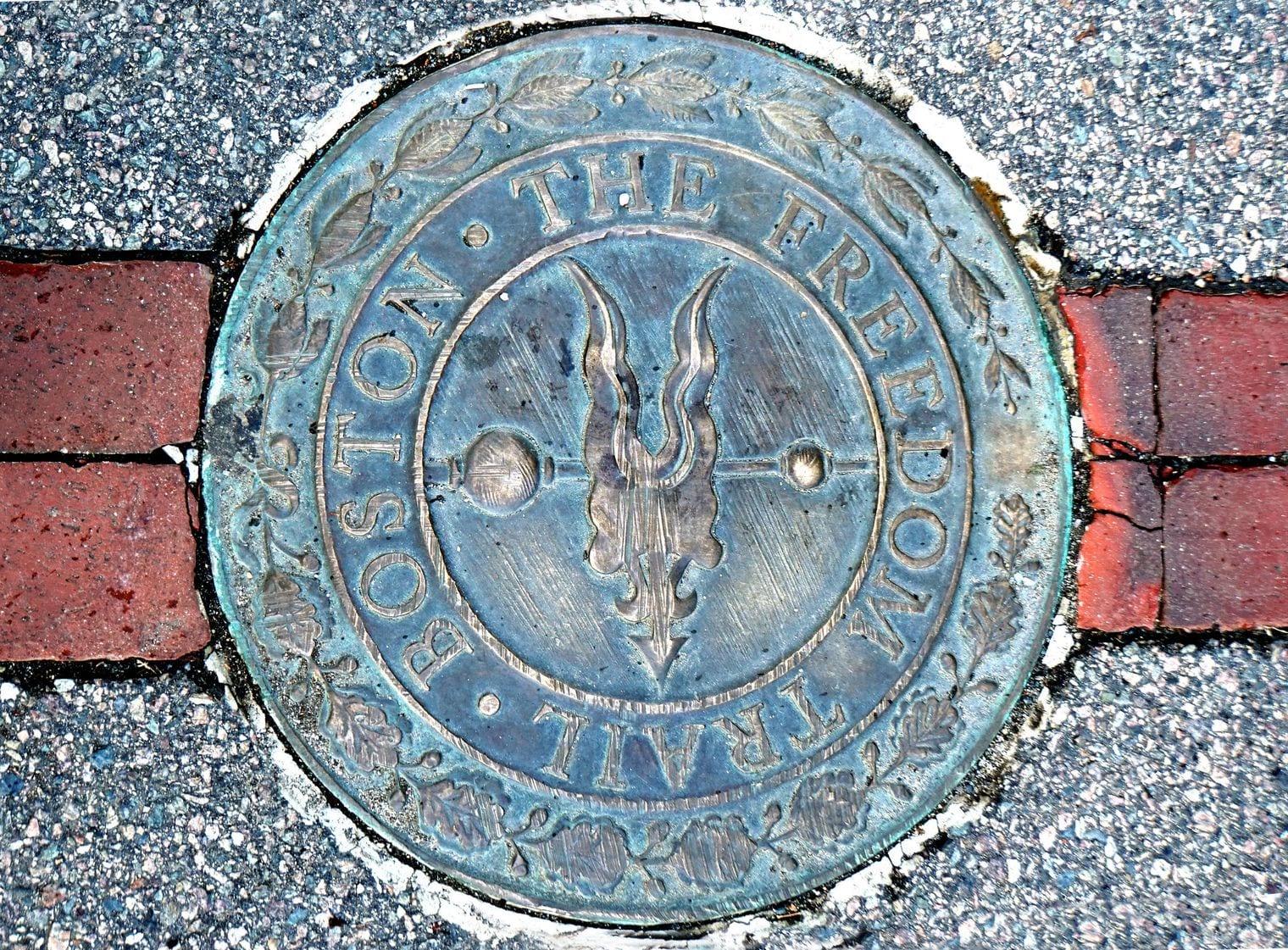
The Freedom Trail is the thread that ties Boston's Revolutionary story together: a 2.5-mile line of red brick and paint set into the sidewalks, linking 16 historic sites from Boston Common to the Bunker Hill Monument in Charlestown. Marked out in 1951, it leads past churches, meeting houses, burying grounds and the warship that earned fame in the War of 1812.
You can walk it on your own in a few hours, or join a guided tour led by costumed interpreters to hear the stories behind each stop. Many of the sites along the way are free to enter, and following the red line is the easiest way to see downtown, the North End and Charlestown in a single day.
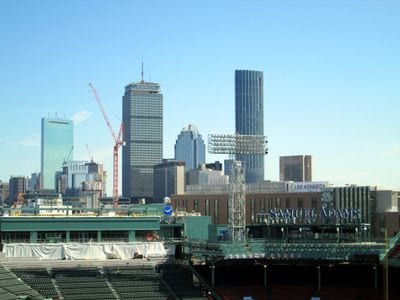
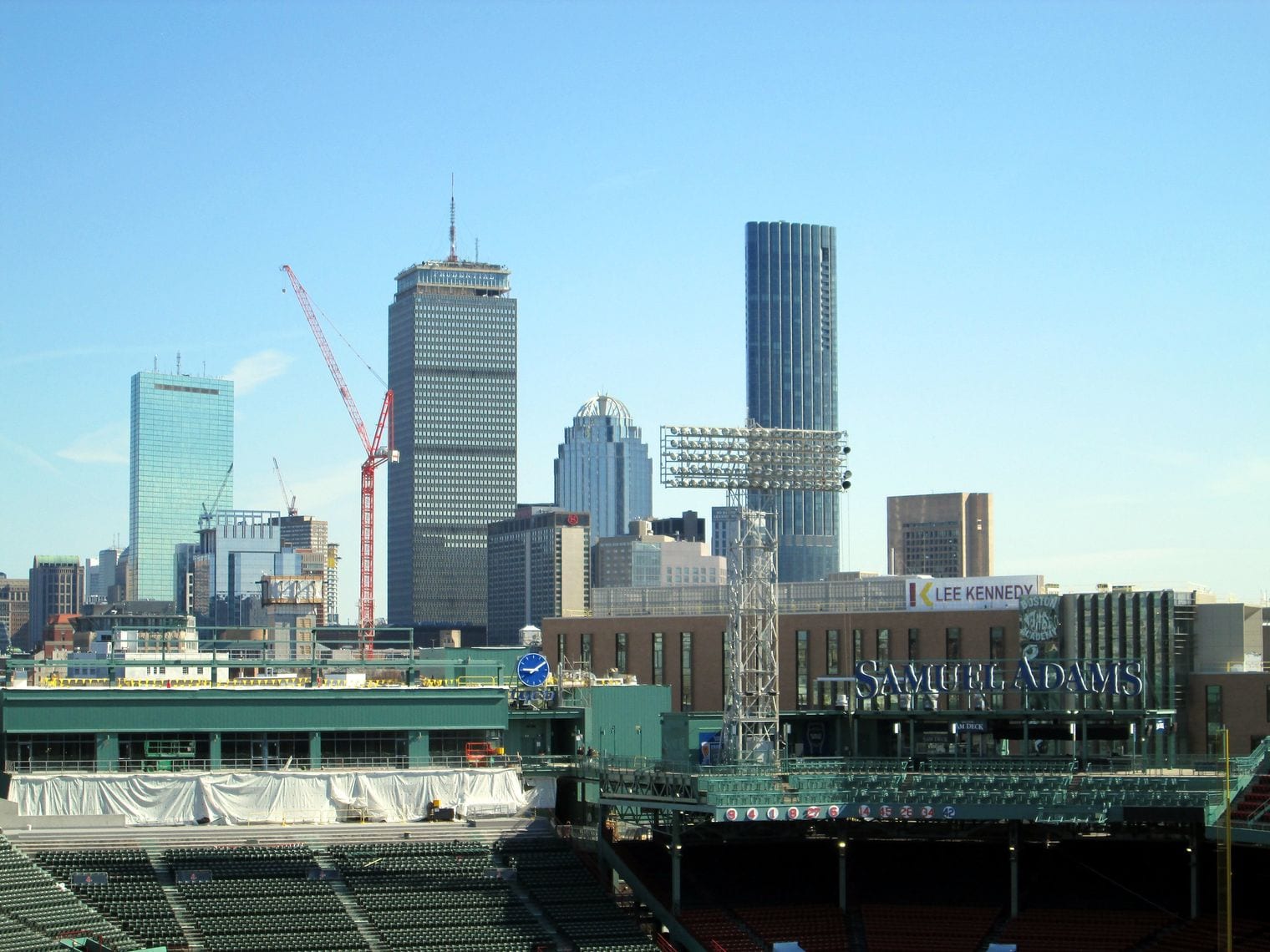
Fenway Park, home of the Boston Red Sox since it opened in 1912, is the oldest active ballpark in Major League Baseball. Its quirks are part of the legend: the towering left-field wall known as the Green Monster, the right-field foul pole called Pesky's Pole, and a single red seat in the bleachers marking the longest home run ever hit inside the park, by Ted Williams.
Catching a game on a summer evening, packed in with the crowd under the lights, is a quintessential Boston experience. Outside the season, guided ballpark tours take you behind the scenes, and on game days the surrounding Fenway neighborhood hums with fans long before the first pitch.
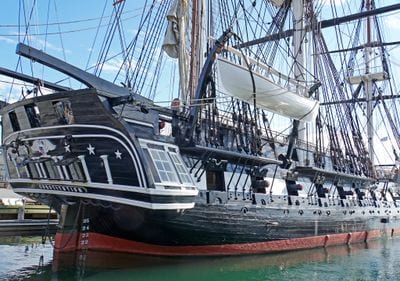
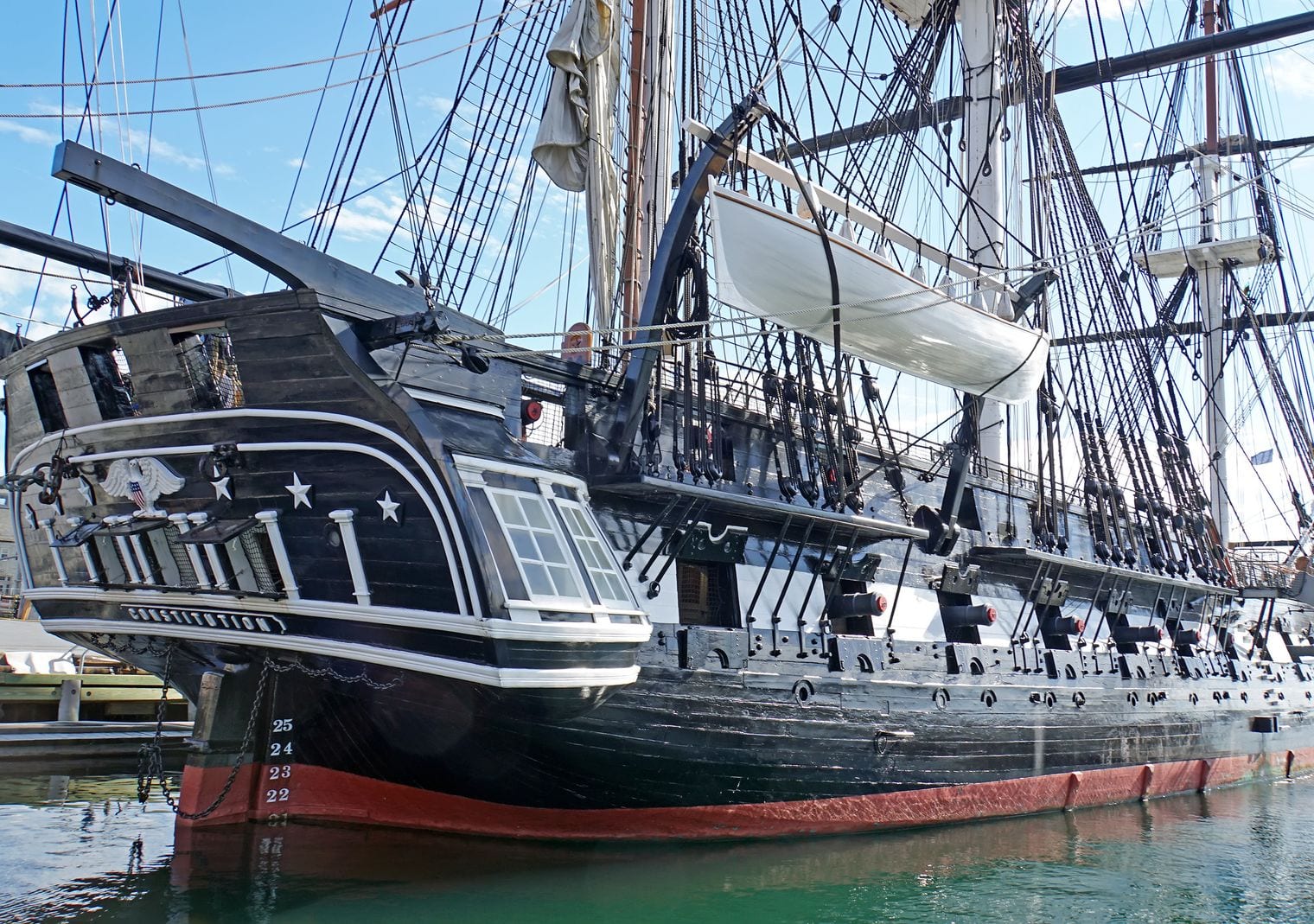
Launched in 1797, USS Constitution is the oldest commissioned warship still afloat, and it earned the nickname "Old Ironsides" in the War of 1812, when British cannonballs seemed to bounce off its hull. The ship is crewed by active-duty U.S. Navy sailors, who show visitors around its decks, and going aboard is free.
It is berthed in the Charlestown Navy Yard, which built and repaired warships from 1800 until 1974 and is now part of Boston National Historical Park. Beside the ship, the USS Constitution Museum brings its story to life with hands-on exhibits, and you can also explore USS Cassin Young, a World War II destroyer moored nearby.
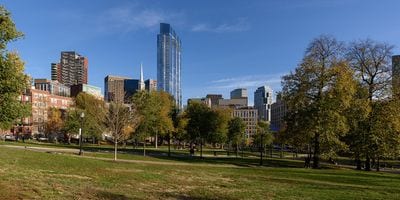
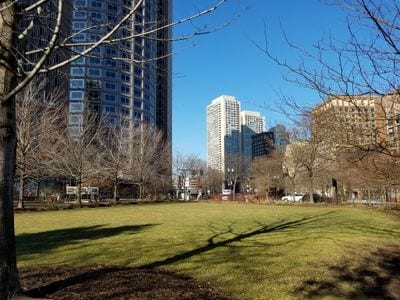
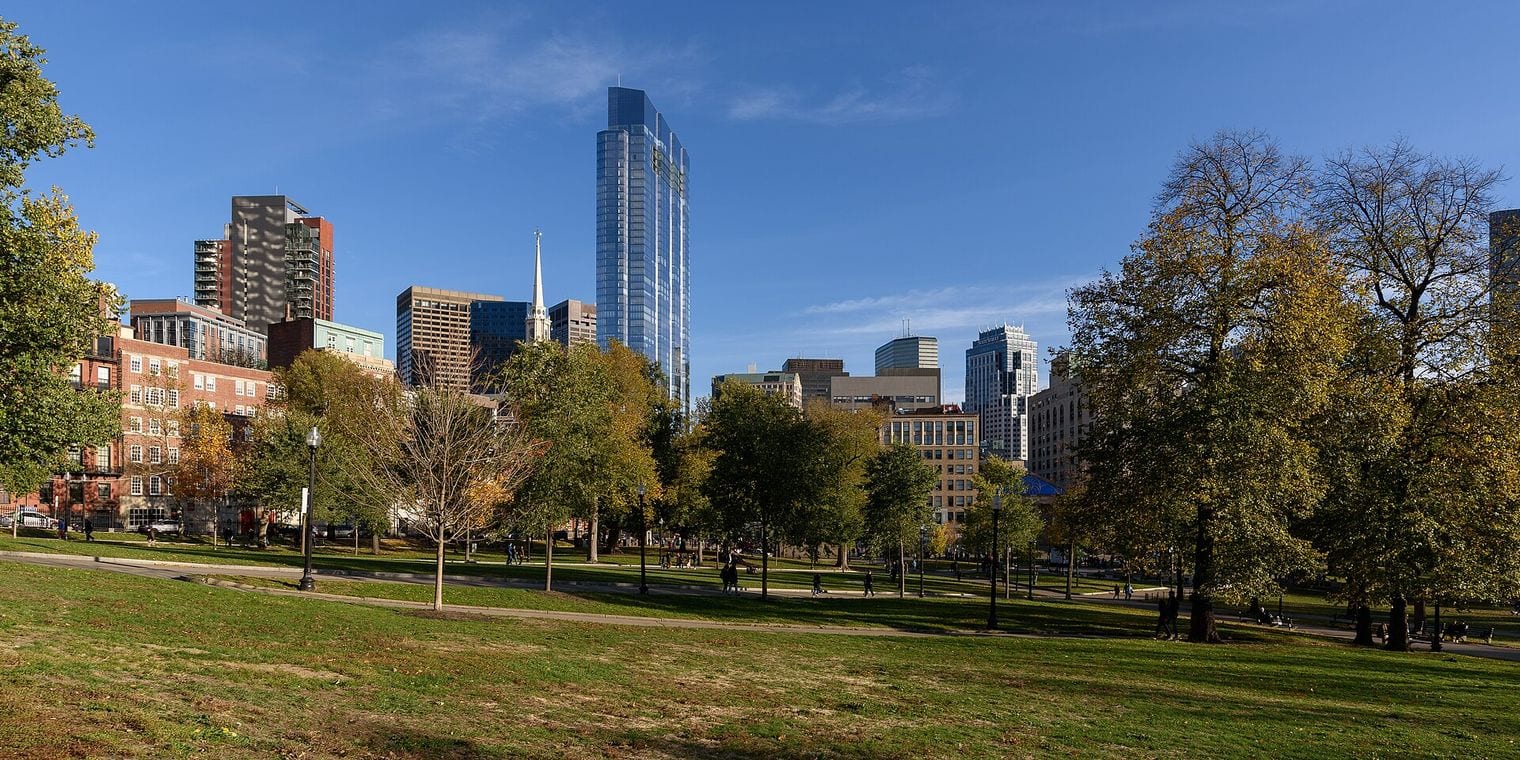
Set aside in 1634, Boston Common is the oldest city park in the United States, a 50-acre sweep of lawns, paths and old trees in the heart of downtown. Colonial families once grazed their cows here, and the Common has hosted gatherings, speeches and celebrations ever since.
Today it is where the Freedom Trail begins, and where Bostonians come to picnic, people-watch and cut across town. The Frog Pond becomes a skating rink in winter and a spray pool in summer, and the Soldiers and Sailors Monument on Flagstaff Hill honors the city's Civil War dead.
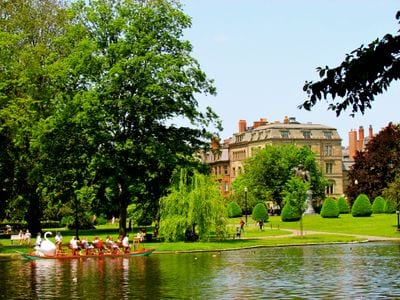
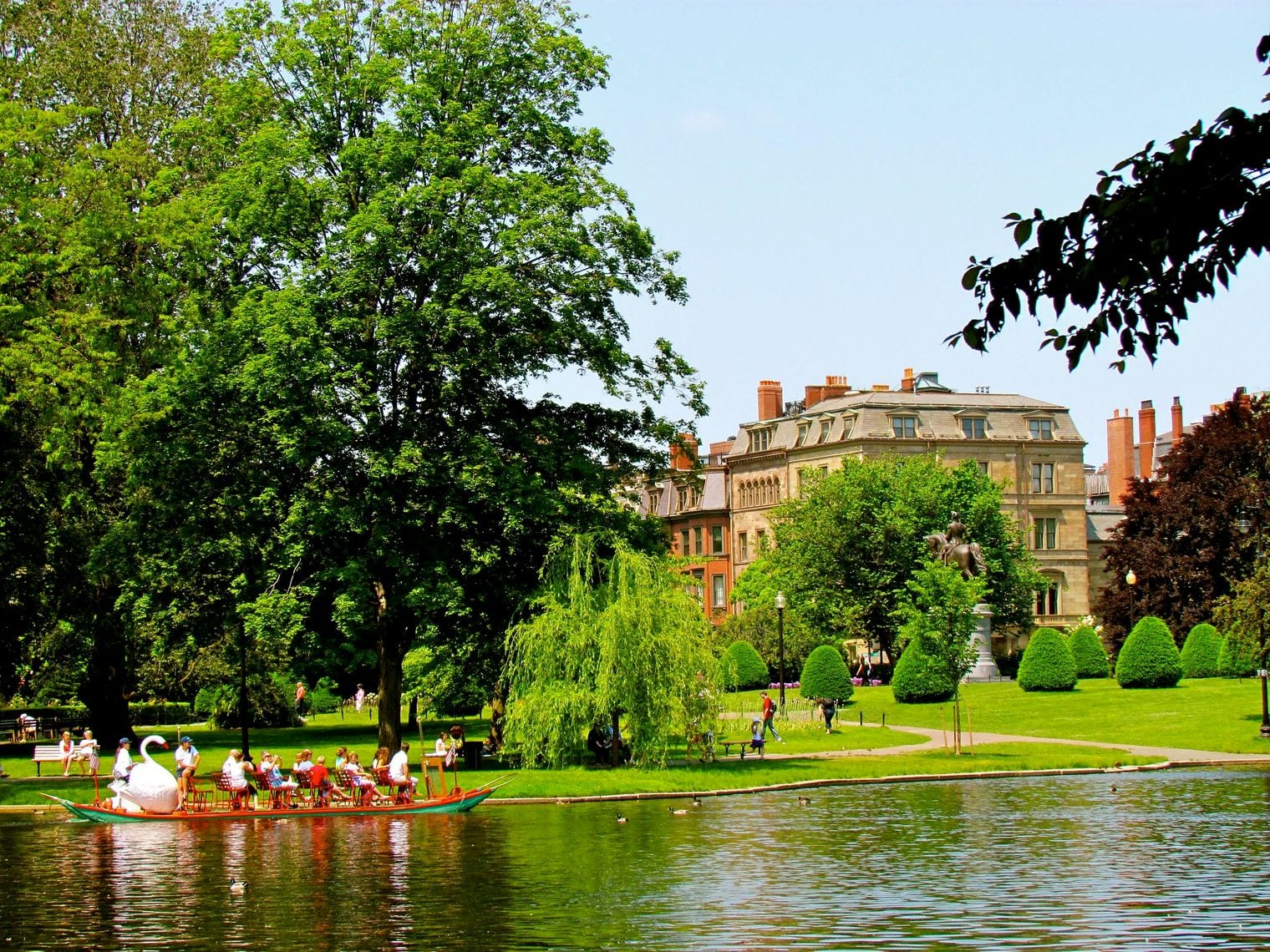
Right next to the Common, the Public Garden was founded in 1837 as the first public botanical garden in America, and it still feels like the city's formal front parlor, with flower beds, weeping willows and a lagoon crossed by a small footbridge. The pedal-powered Swan Boats have glided around that lagoon since 1877.
Children make a beeline for the Make Way for Ducklings bronzes, a mother duck and her ducklings from Robert McCloskey's classic picture book. A grand equestrian statue of George Washington stands at the Arlington Street entrance, and the garden is one of the prettiest places in Boston for an evening stroll.
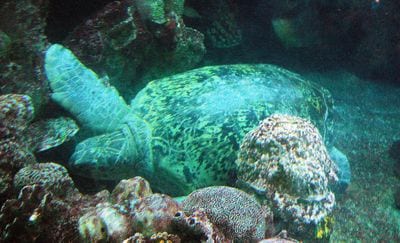
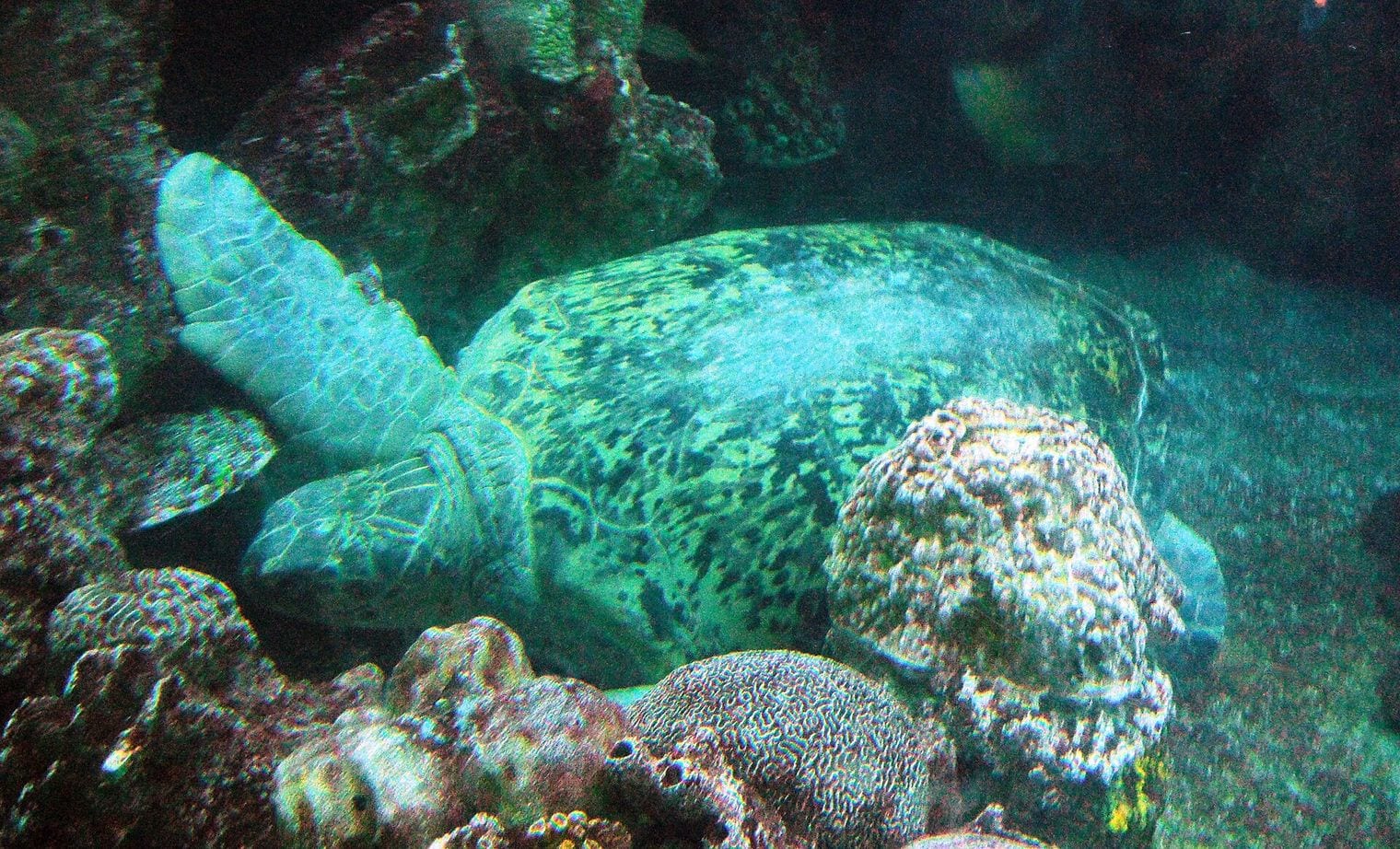
On Central Wharf, the New England Aquarium is built around its Giant Ocean Tank, a 200,000-gallon cylinder recreating a Caribbean coral reef, where sea turtles, sharks and schools of fish swirl past as you climb the spiral ramp around it. At its base, colonies of African and rockhopper penguins keep up a noisy show.
Other galleries are home to seals and sea lions and a touch tank of sharks and rays. The aquarium also runs whale watches out to Stellwagen Bank and has a big-screen theater, making it an easy half day on the waterfront.
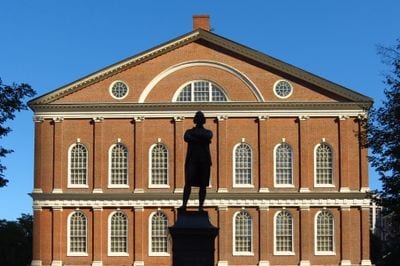
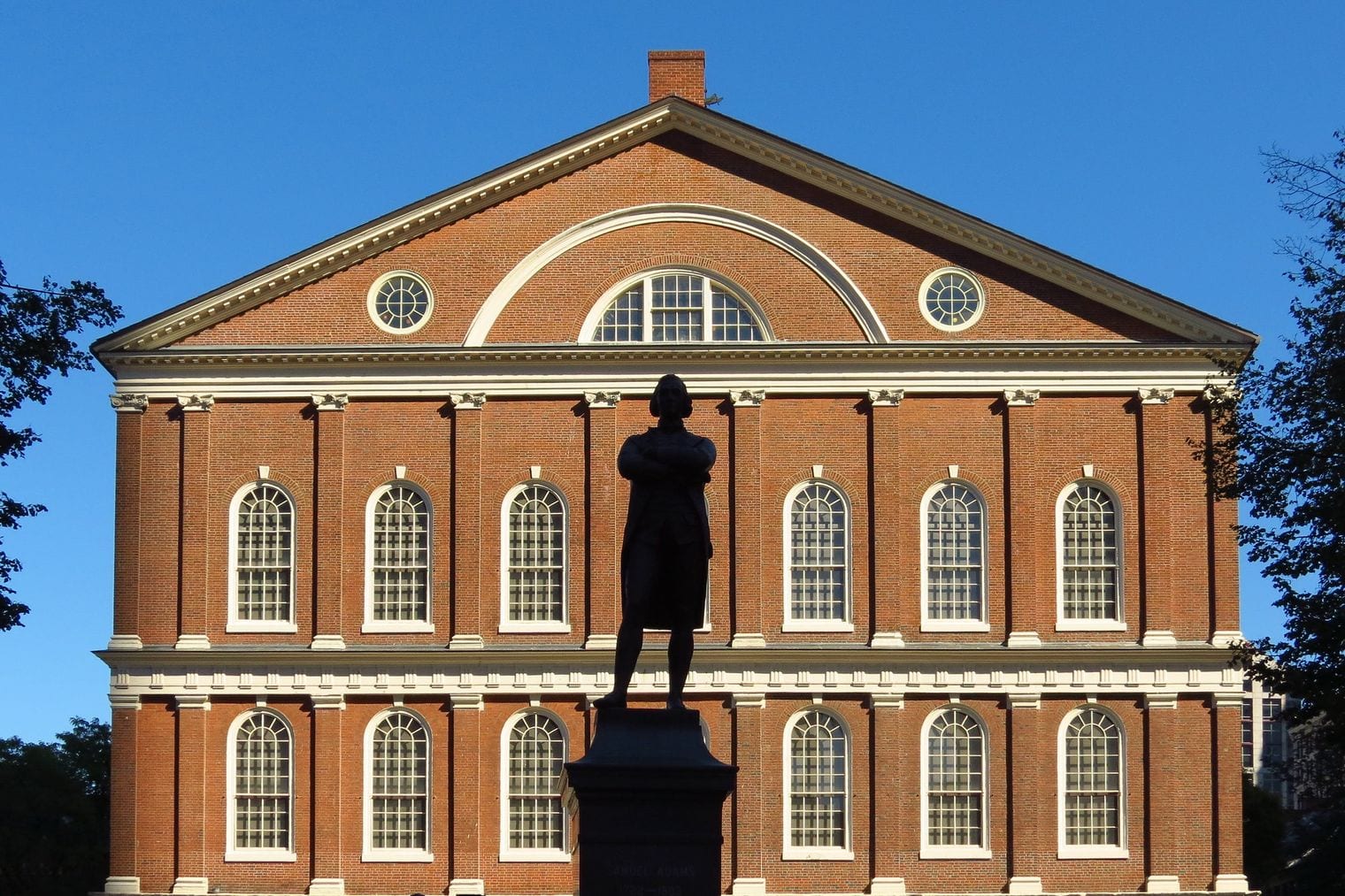
Faneuil Hall Marketplace grew up around Faneuil Hall itself, a brick market house opened in 1742 whose upstairs Great Hall rang with Patriot speeches and earned the building its nickname, the "Cradle of Liberty." A gilded grasshopper weathervane still turns on its roof.
Behind it, the long granite Quincy Market building, completed in the 1820s, is now a food hall lined with counters selling chowder, lobster rolls and snacks of every kind, flanked by the North and South Market buildings full of shops. Street performers work the cobbled plazas, making this one of the liveliest corners of downtown.
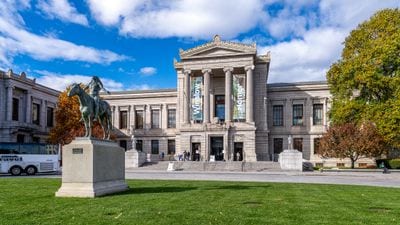
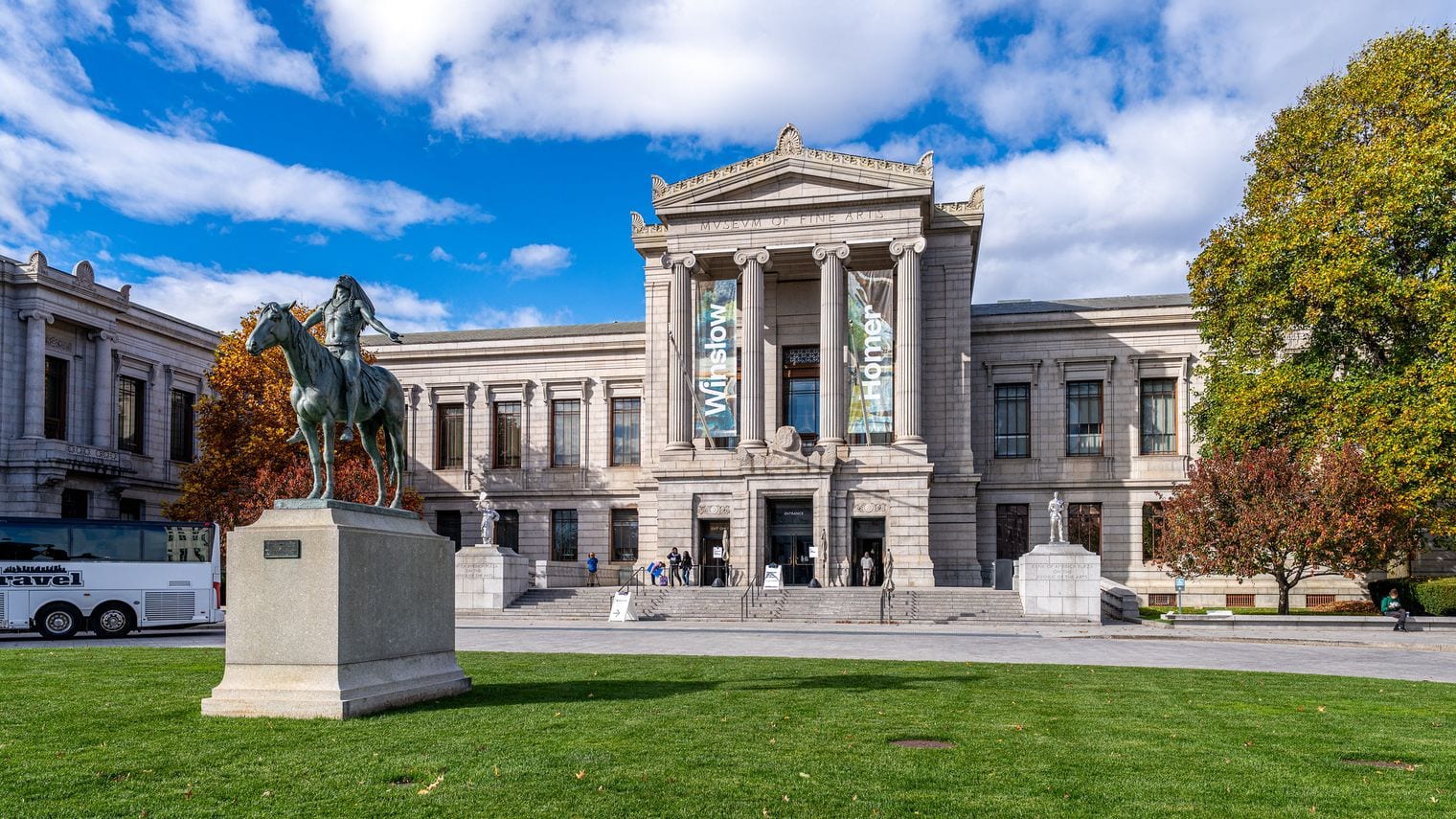
Founded in 1870, the Museum of Fine Arts is one of the great encyclopedic art museums of the country, with more than 450,000 works spanning ancient Egypt to the present day. Highlights include its Egyptian galleries, an enormous Japanese collection and a strong showing of French Impressionists, among them Monet.
The Art of the Americas wing moves from early American craft to modern painting, and murals by John Singer Sargent decorate the rotunda. Give yourself at least half a day; it's easy to lose far longer.
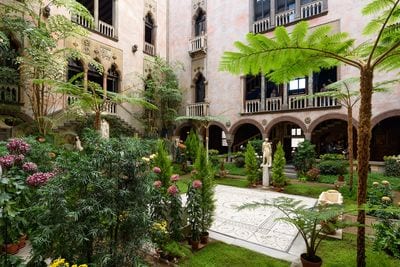
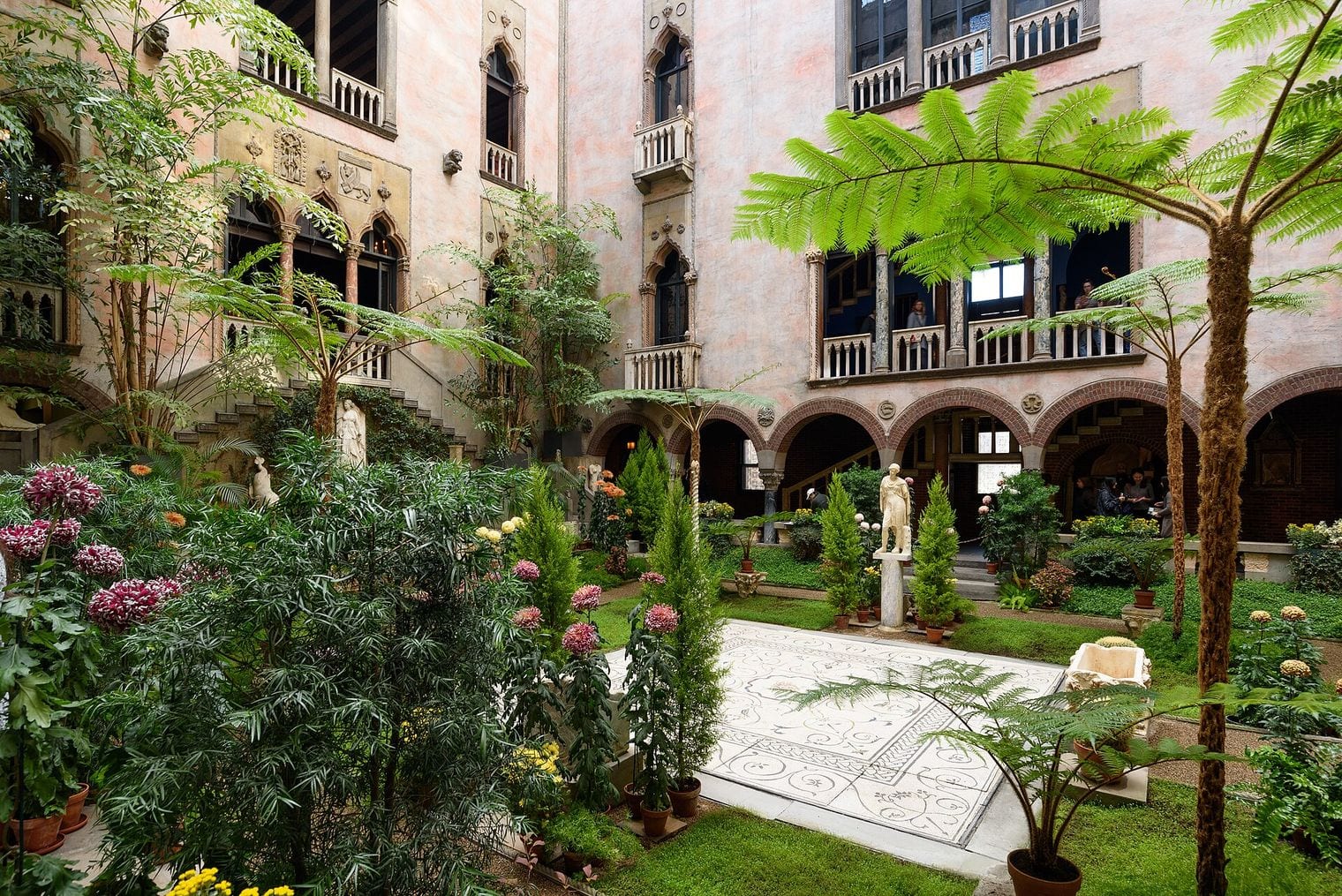
The Isabella Stewart Gardner Museum is one collector's vision frozen in time. Gardner built it to evoke a 15th-century Venetian palace, filled it with the paintings, sculpture and furniture she had gathered, and opened it in 1903: three floors of galleries wrapped around a courtyard that blooms in every season.
It is also the scene of one of the most famous unsolved art thefts in history. In 1990, thieves took 13 works, and empty frames still hang in the Dutch Room where some of them once were. A modern wing by Renzo Piano, completed in 2012, hosts concerts and exhibitions, and anyone named Isabella gets in free.
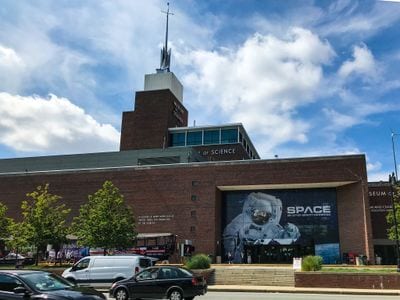
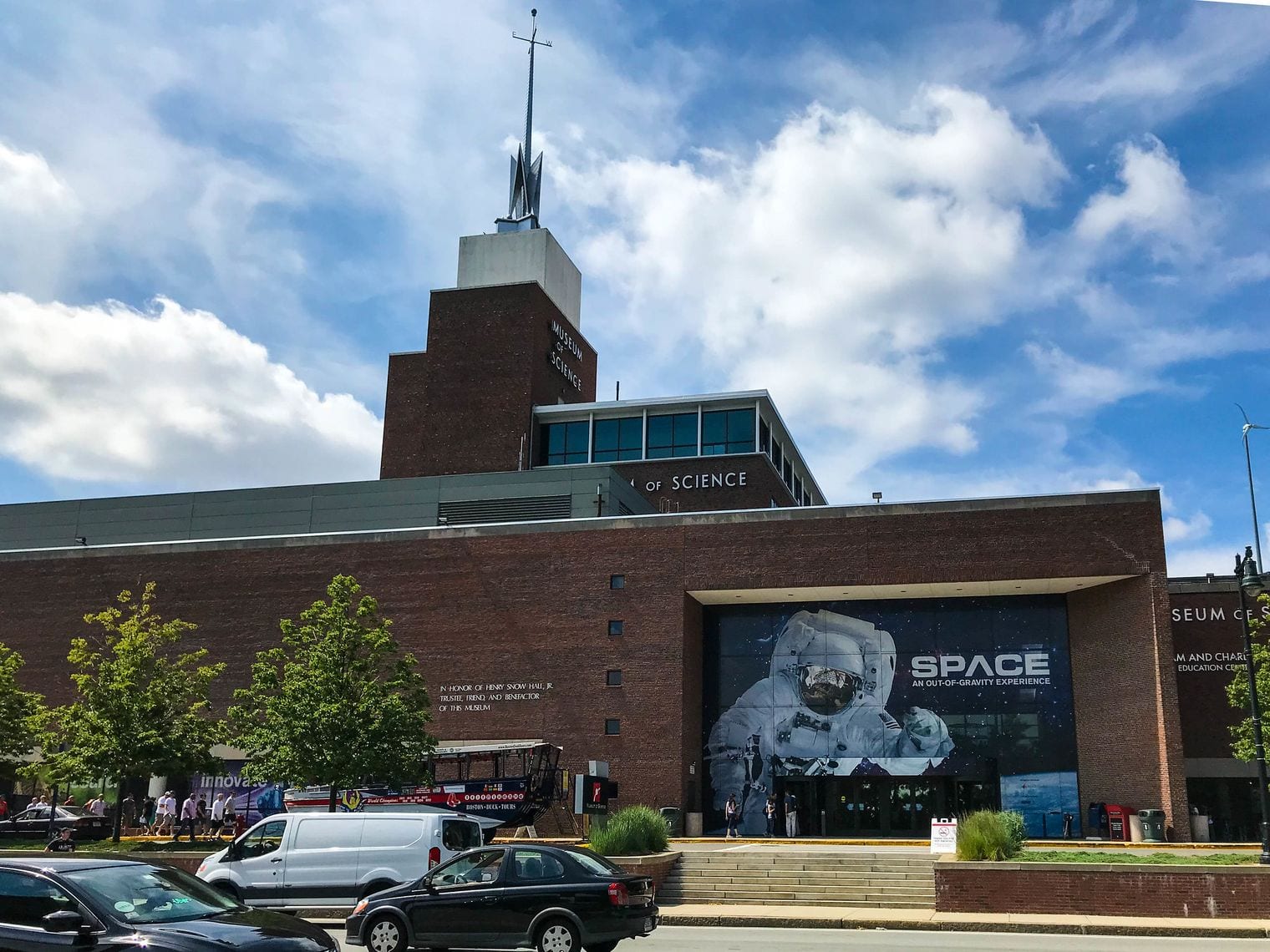
Straddling the Charles River at Science Park, the Museum of Science has hundreds of interactive exhibits covering everything from the natural world to engineering and space. Its showpiece is the Theater of Electricity, where the world's largest air-insulated Van de Graaff generator throws indoor lightning bolts during live shows.
The Charles Hayden Planetarium and a giant domed theater round out a visit, and the whole place is built for curious kids and adults alike. Budget a few hours, especially on a rainy day.
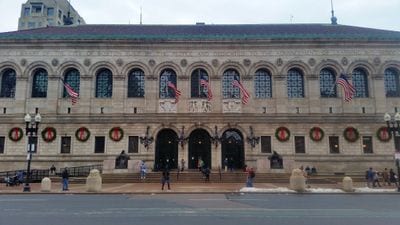
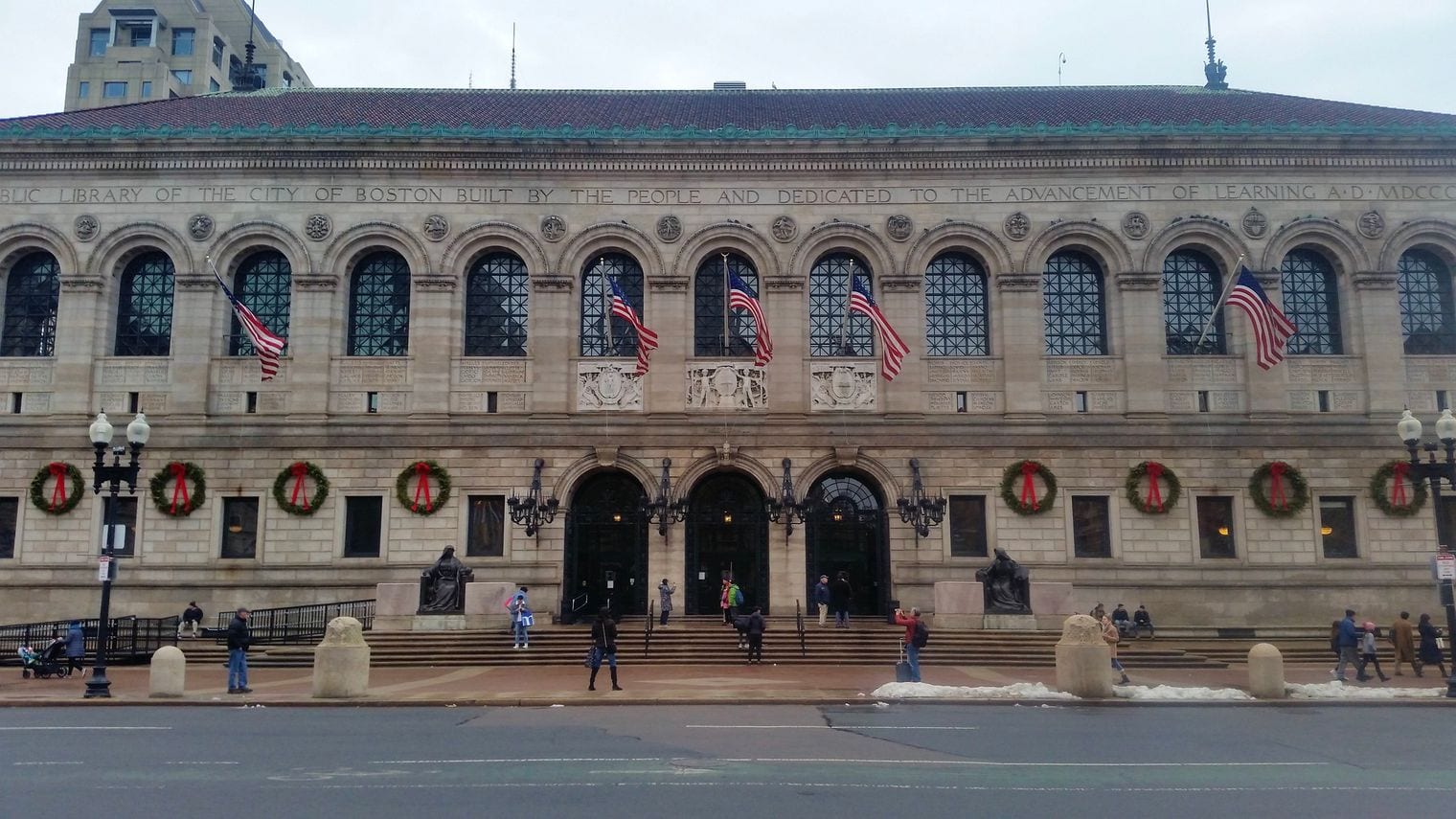
Facing Copley Square, the central Boston Public Library is as much a palace as a library. The McKim Building, completed in 1895, holds the barrel-vaulted reading room of Bates Hall, grand stair halls lined with murals and an arcaded courtyard where you can sit with a book beside the fountain.
Founded in 1848, the library was one of the first large free public libraries in the country, and in 1870 it opened the first branch library in the United States. Guided art and architecture tours explain the building's details, and the modern Johnson Building next door, designed by Philip Johnson, opened in 1972.
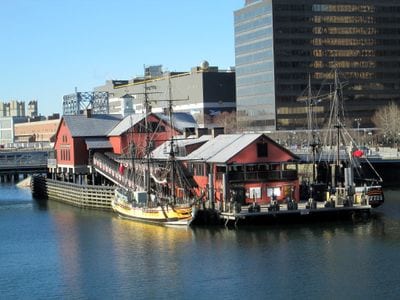
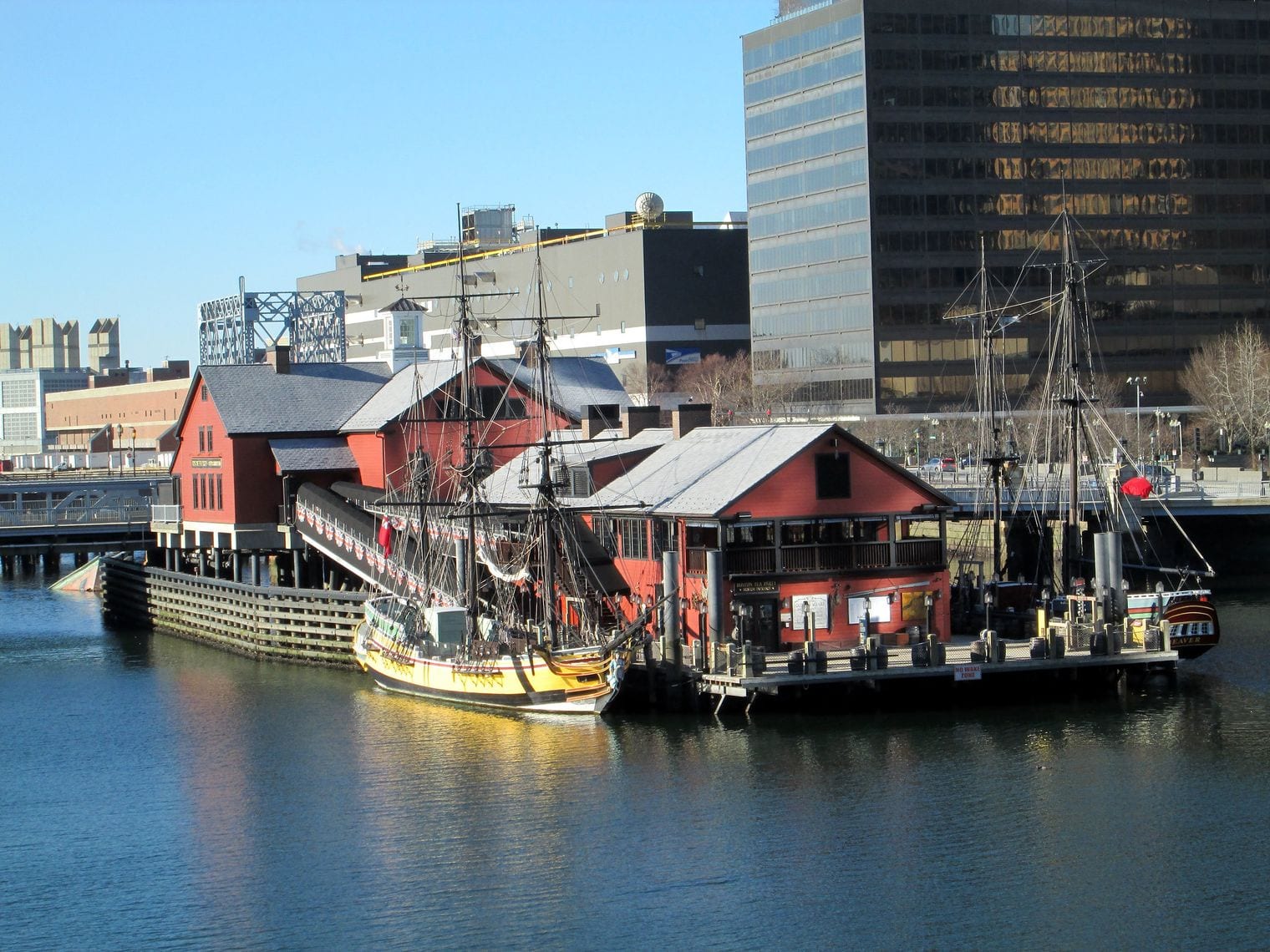
Moored at the Congress Street Bridge on the Fort Point Channel, the Boston Tea Party Ships and museum restage the protest of December 16, 1773, when colonists dumped hundreds of chests of British tea into the harbor. Costumed actors hand you a role, rally the crowd in a recreated town meeting and lead you aboard replica ships.
The highlight for many is hurling your own bale of tea over the side. Exhibits and a short film then fill in the history, and the museum displays one of only two known surviving tea chests from that night.
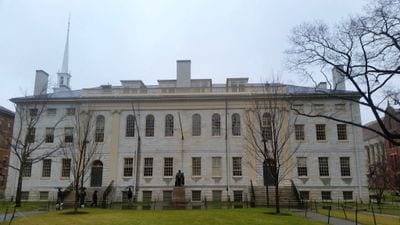
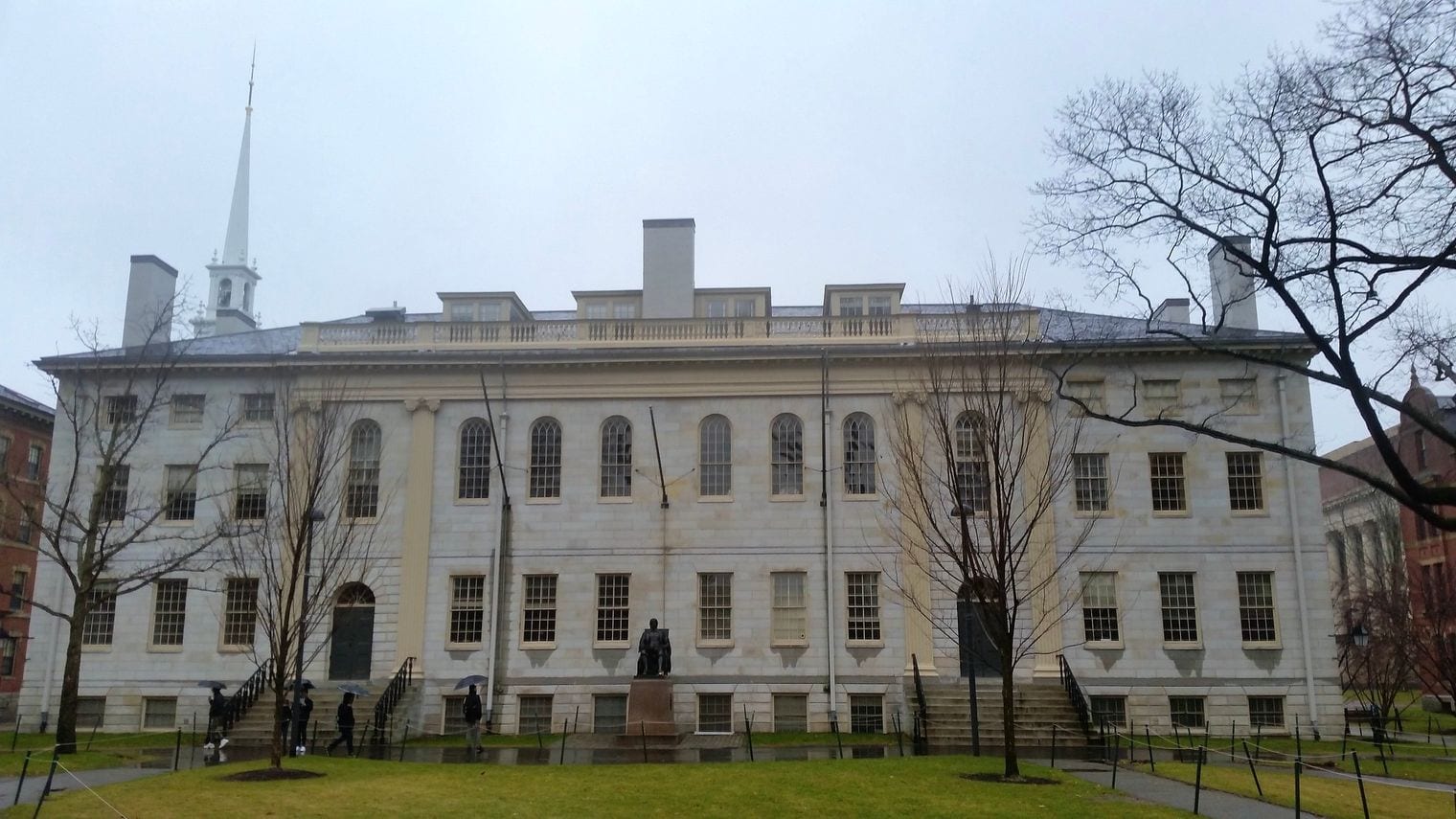
Harvard University sits across the Charles River in Cambridge, a separate city from Boston, and founded in 1636 it is the oldest institution of higher learning in the United States. Walking through its gates into Harvard Yard, with its red-brick halls, leafy lawns and the seated statue of John Harvard, is a rite of passage for visitors.
Student-led tours share campus history and lore, and the university's museums are worth the trip on their own, from the Harvard Art Museums to the Harvard Museum of Natural History. Harvard Square, just outside the Yard, is a lively spot for bookstores and coffee, and the subway makes the trip from downtown quick.
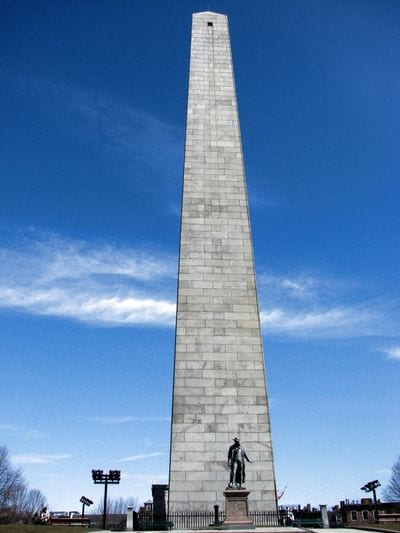
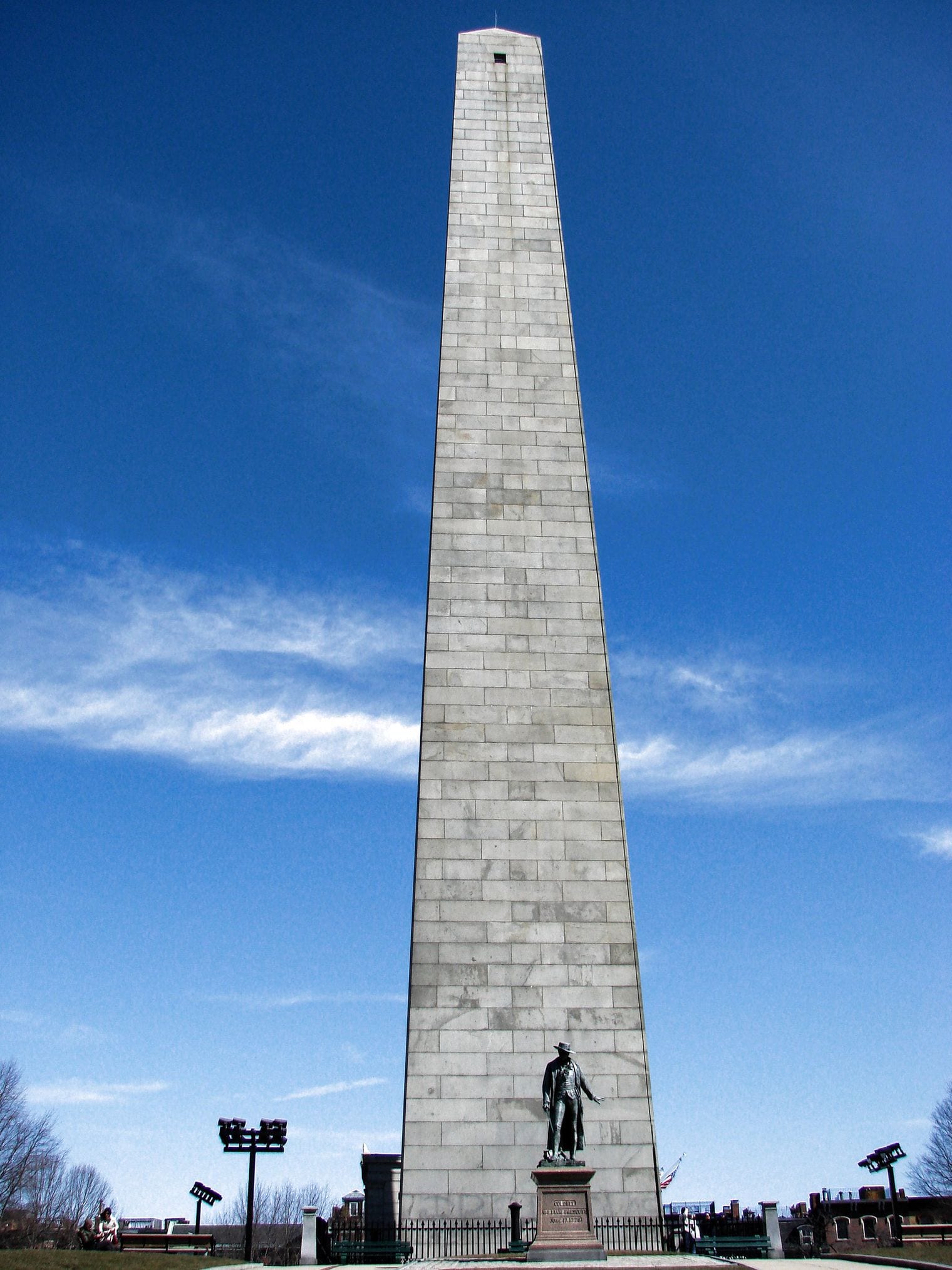
The Bunker Hill Monument, a 221-foot granite obelisk in Charlestown, marks one of the first major battles of the American Revolution, fought on June 17, 1775. Despite the name, the fighting centered on Breed's Hill, where the monument stands, and although the British took the ground, they paid for it with heavy losses.
Climb the 294 steps to the top for views over the harbor, the Navy Yard and the downtown skyline, then stop in at the Bunker Hill Museum nearby for exhibits on the battle. The monument is the final stop on the Freedom Trail.
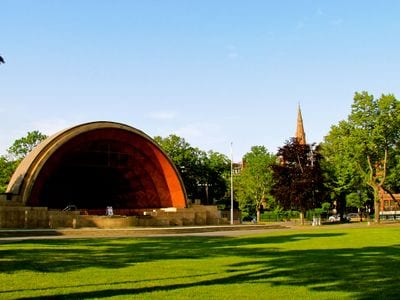
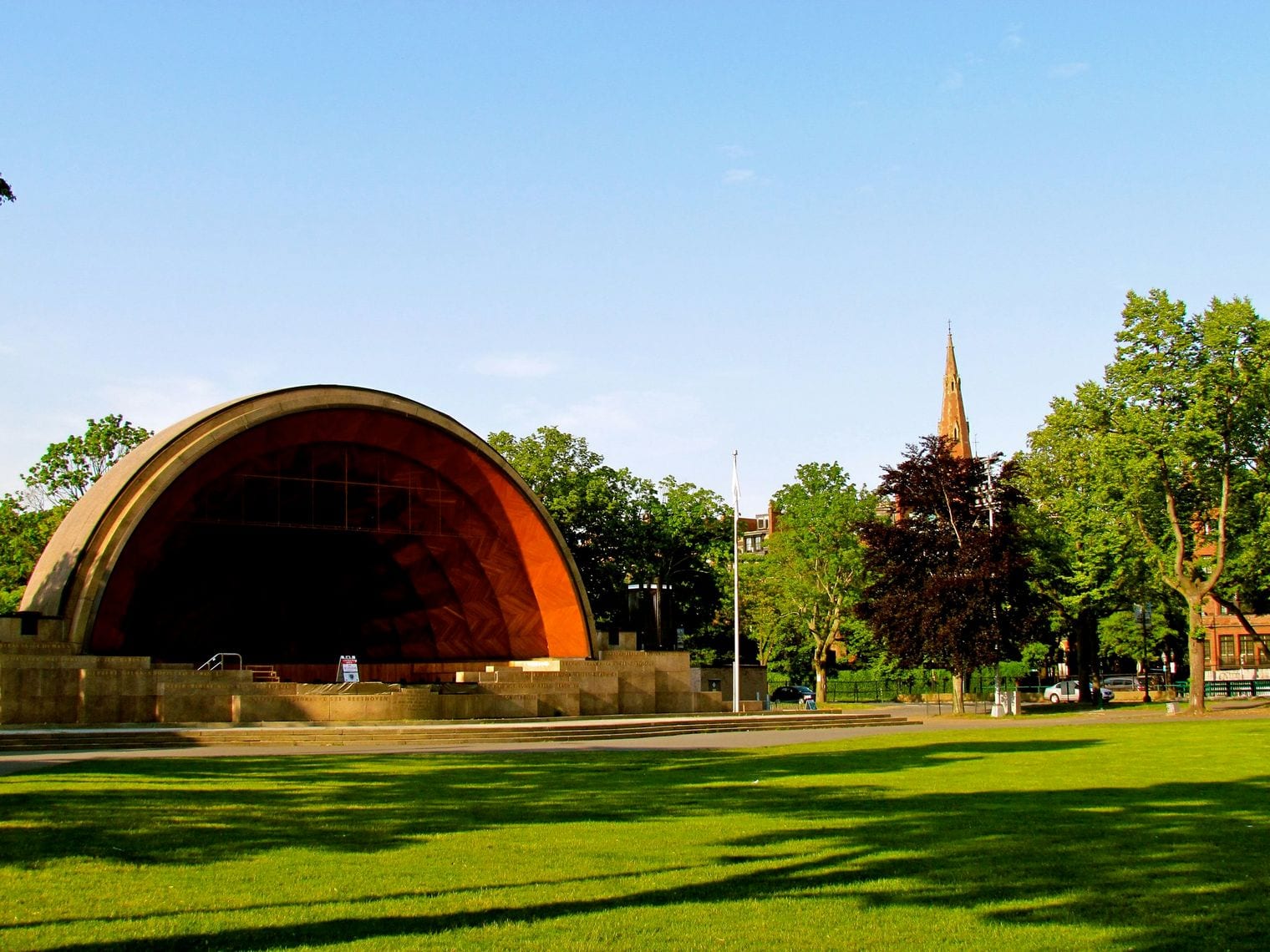
Stretching along the Boston bank of the Charles River in the Back Bay, the Charles River Esplanade is the city's favorite riverside park, with shady paths, lagoons, docks and grassy islands looking out at sailboats and the Cambridge skyline. Its riverside path is part of a longer loop around the basin that's popular with runners and cyclists.
The Hatch Memorial Shell hosts free outdoor concerts and films in summer and is the stage for the Boston Pops' famous Fourth of July concert and fireworks. Community Boating, the country's first public boating program, teaches sailing from its dock on the river.
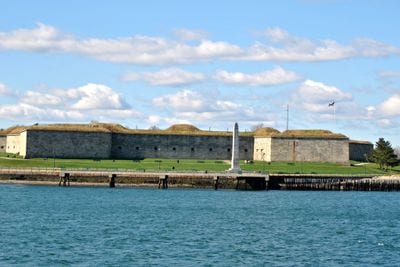
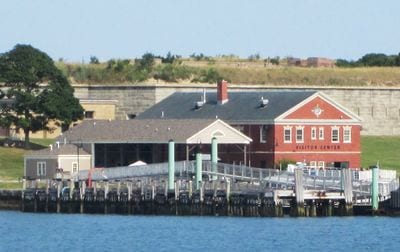
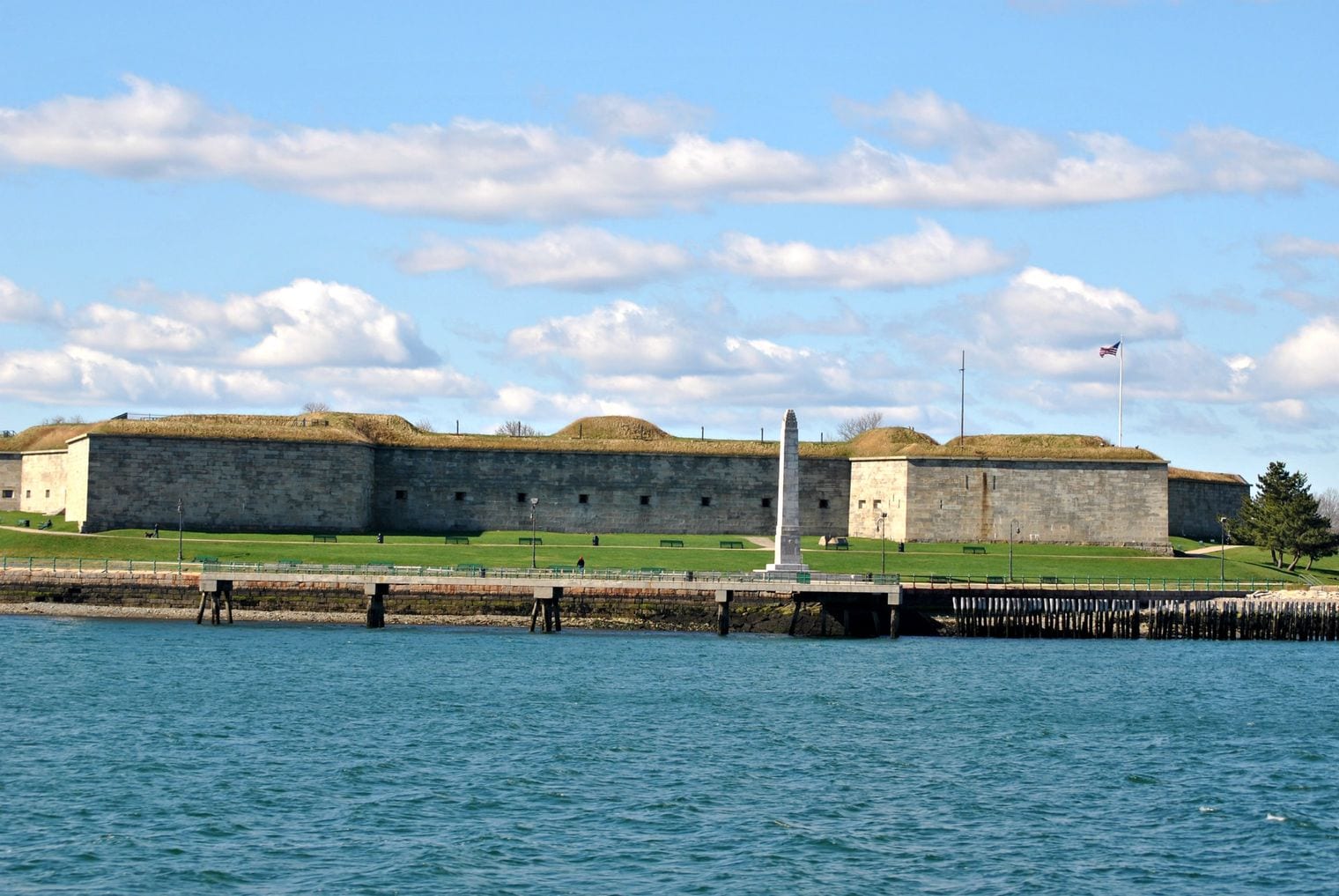
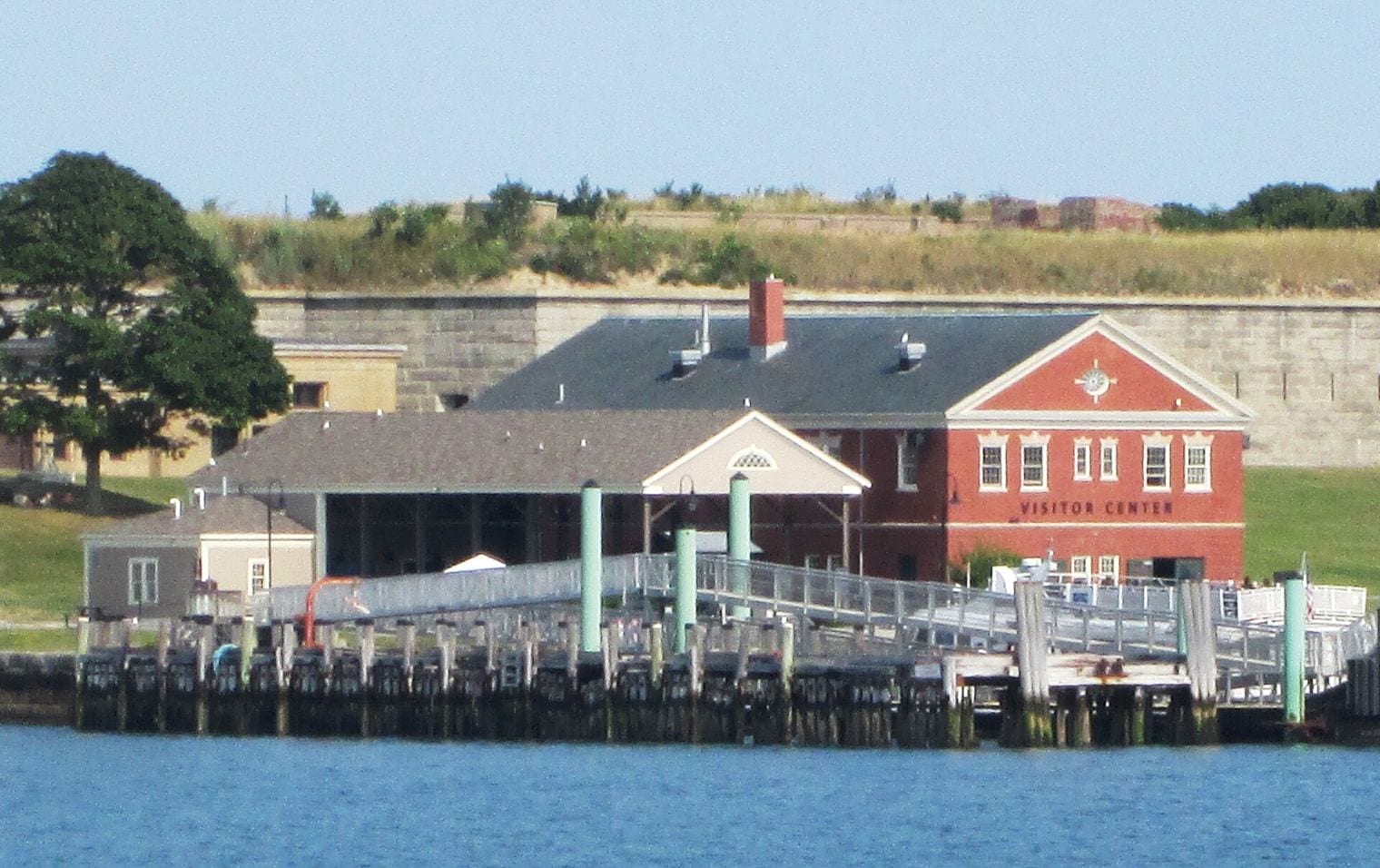
Despite the name, Castle Island in South Boston has been joined to the mainland since 1928, and you can drive, bike or walk right out to it. At its center stands Fort Independence, a granite fort built between 1833 and 1851 on a site that has been fortified since the colonial era.
The loop path around Pleasure Bay makes a breezy walk with harbor views, and you can watch planes coming and going from Logan Airport across the water. Local legend says a tale Edgar Allan Poe heard while serving here as a young soldier inspired his story "The Cask of Amontillado."
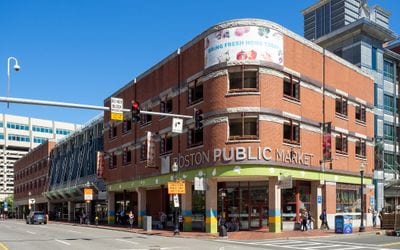
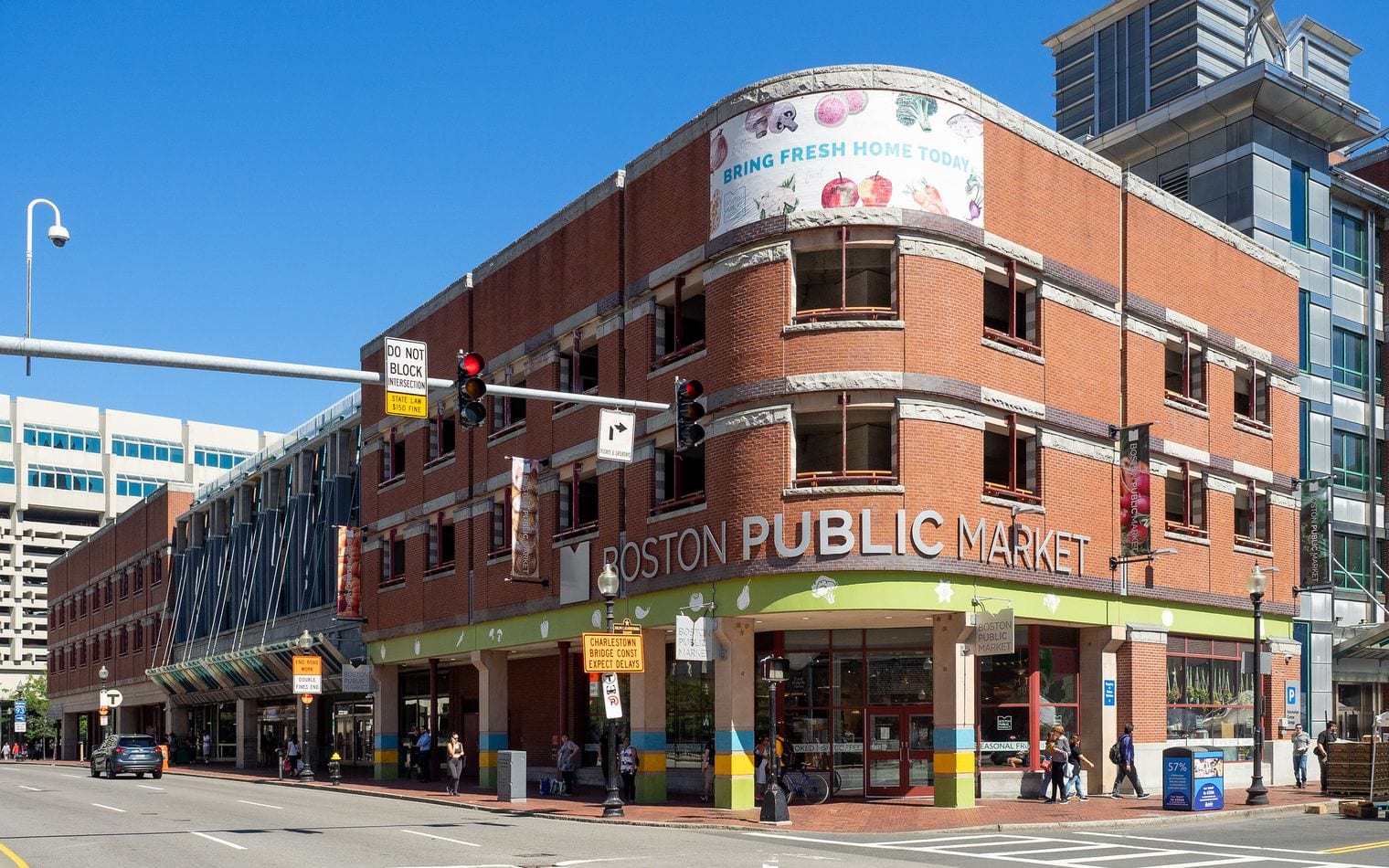
Opened in 2015 near Haymarket, the Boston Public Market is an indoor, year-round market where everything on sale is grown, caught or made in New England. Stalls sell local cheese, seafood, baked goods, maple syrup, produce and crafts.
It is an easy place to grab lunch while walking the Freedom Trail or the Greenway, which runs right past the door, and on market days the open-air Haymarket produce stalls set up nearby.
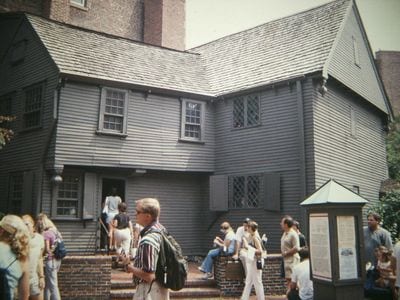
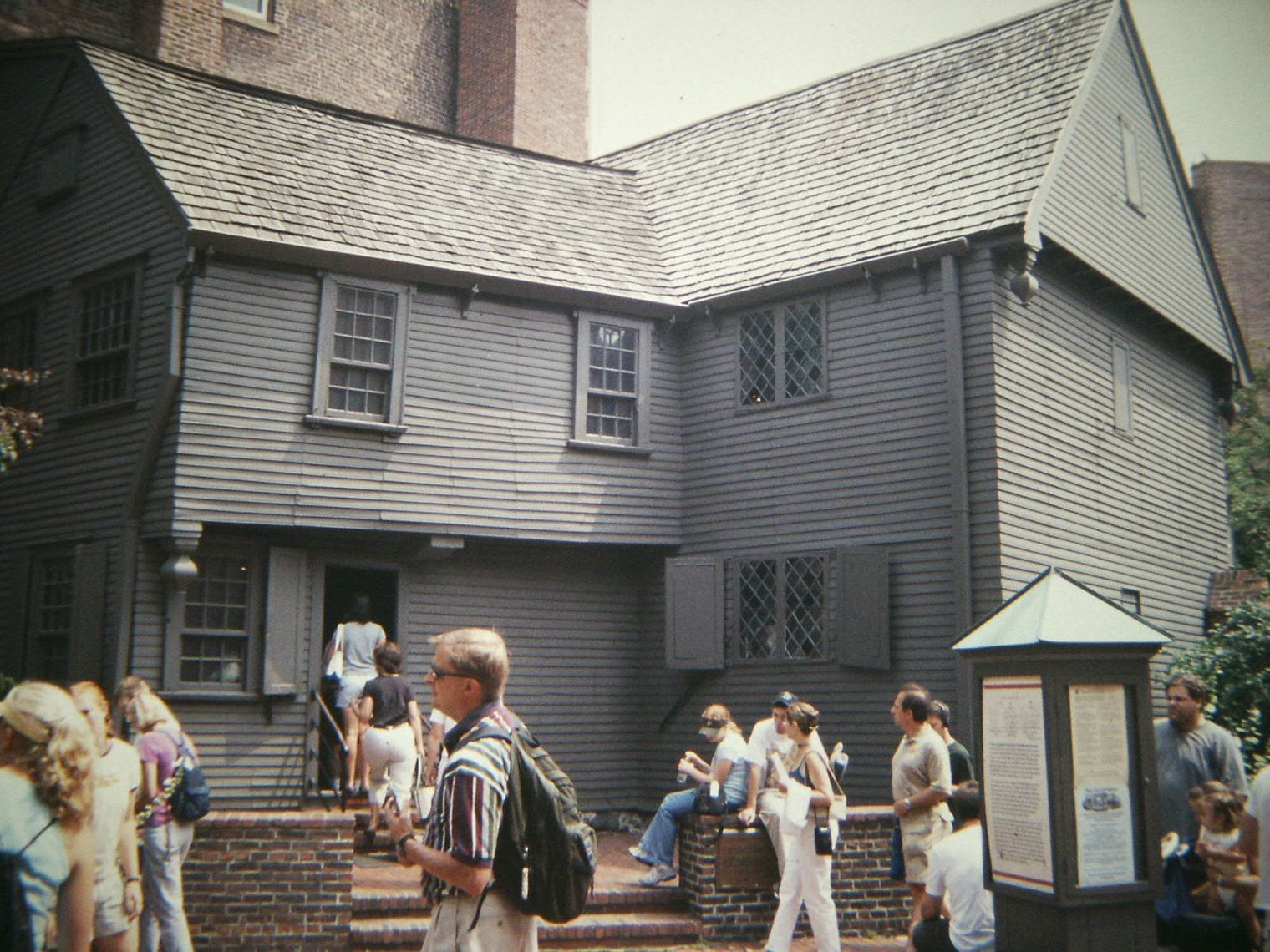
Built around 1680, the Paul Revere House in North Square is the oldest surviving residence in downtown Boston, and it was Revere's home when he set off on his famous midnight ride in April 1775. The small wooden house has been open to the public as a museum since 1908.
Inside, period rooms show how the silversmith and his large family lived, and exhibits cover his craft and his role in the Revolution. Its low ceilings and small rooms give a vivid sense of the crowded colonial North End.
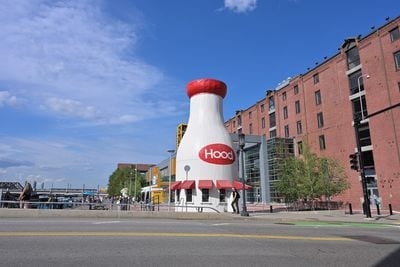
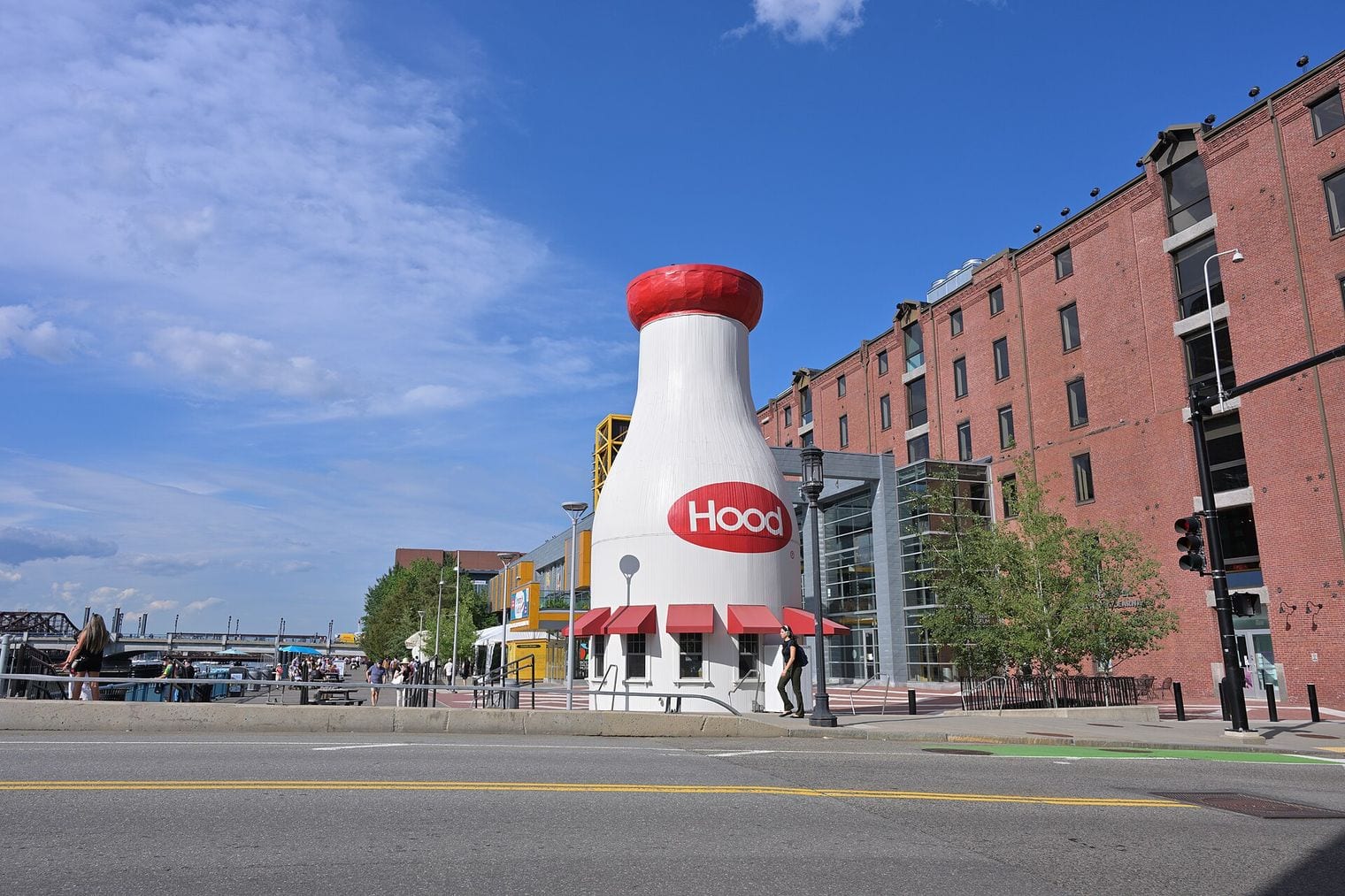
Look for the giant Hood Milk Bottle on the Fort Point Channel waterfront and you've found the Boston Children's Museum, which opened in 1913 and is the second-oldest children's museum in the country. Inside, hands-on exhibits let kids build, climb, splash and experiment.
Favorites include a towering three-story climbing structure and an authentic Japanese silk merchant's house donated by Kyoto. It is aimed at younger children and pairs easily with the Tea Party Ships a short walk away.
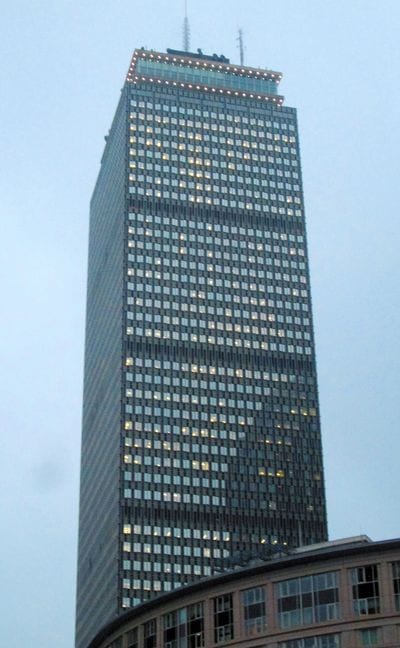
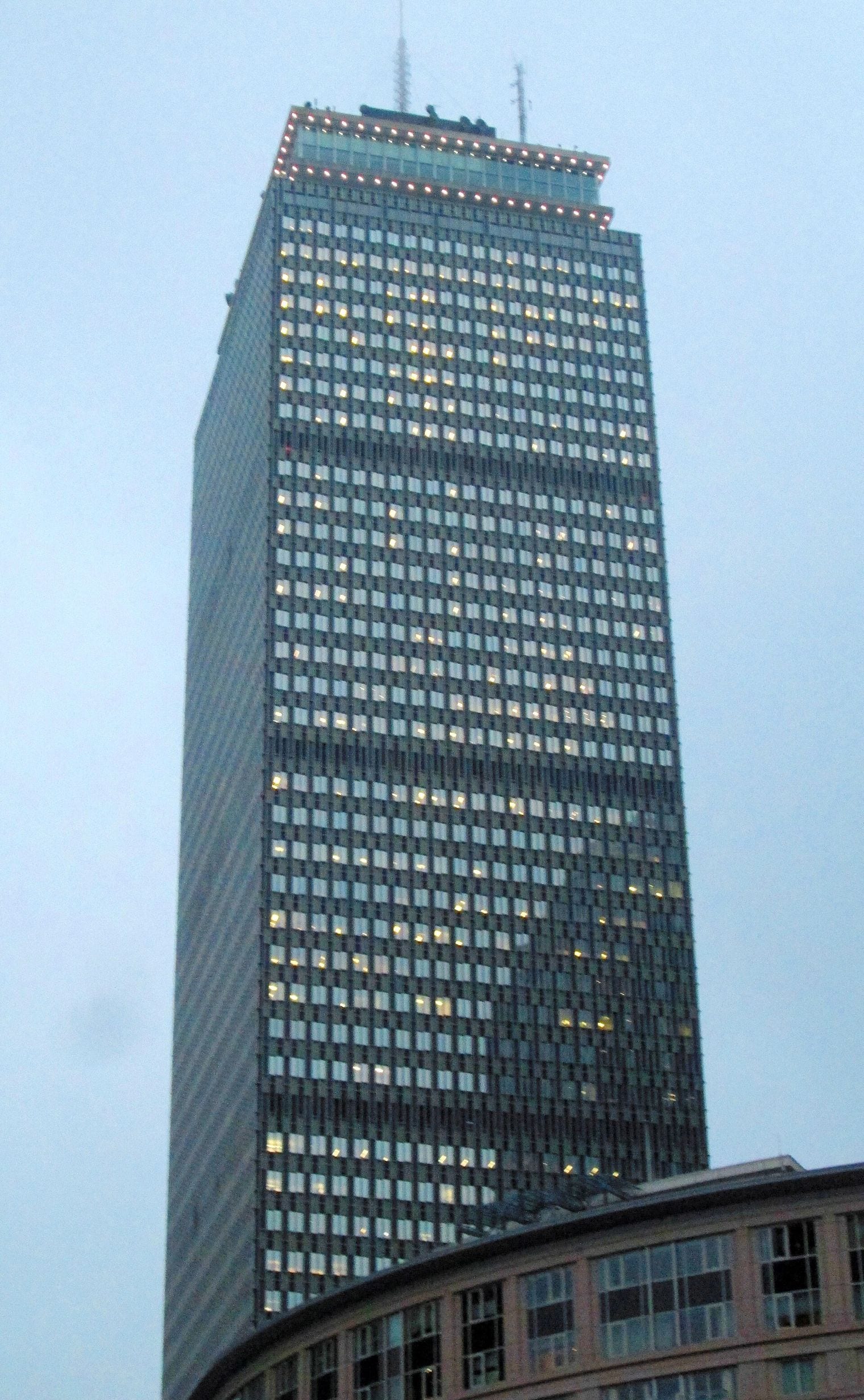
View Boston occupies the top floors of the Prudential Tower in the Back Bay, the second-tallest building in the city, with indoor and outdoor observation decks and 360-degree views over the Charles River, Fenway Park, the harbor and far beyond on clear days.
Opened in 2023 in place of the former Skywalk Observatory, it pairs the views with interactive exhibits about the city. It is a great first stop for getting your bearings, and even better around sunset.
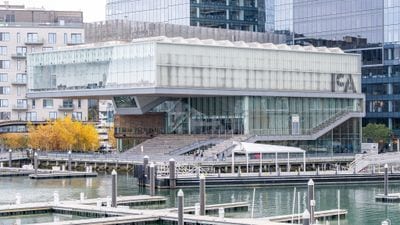
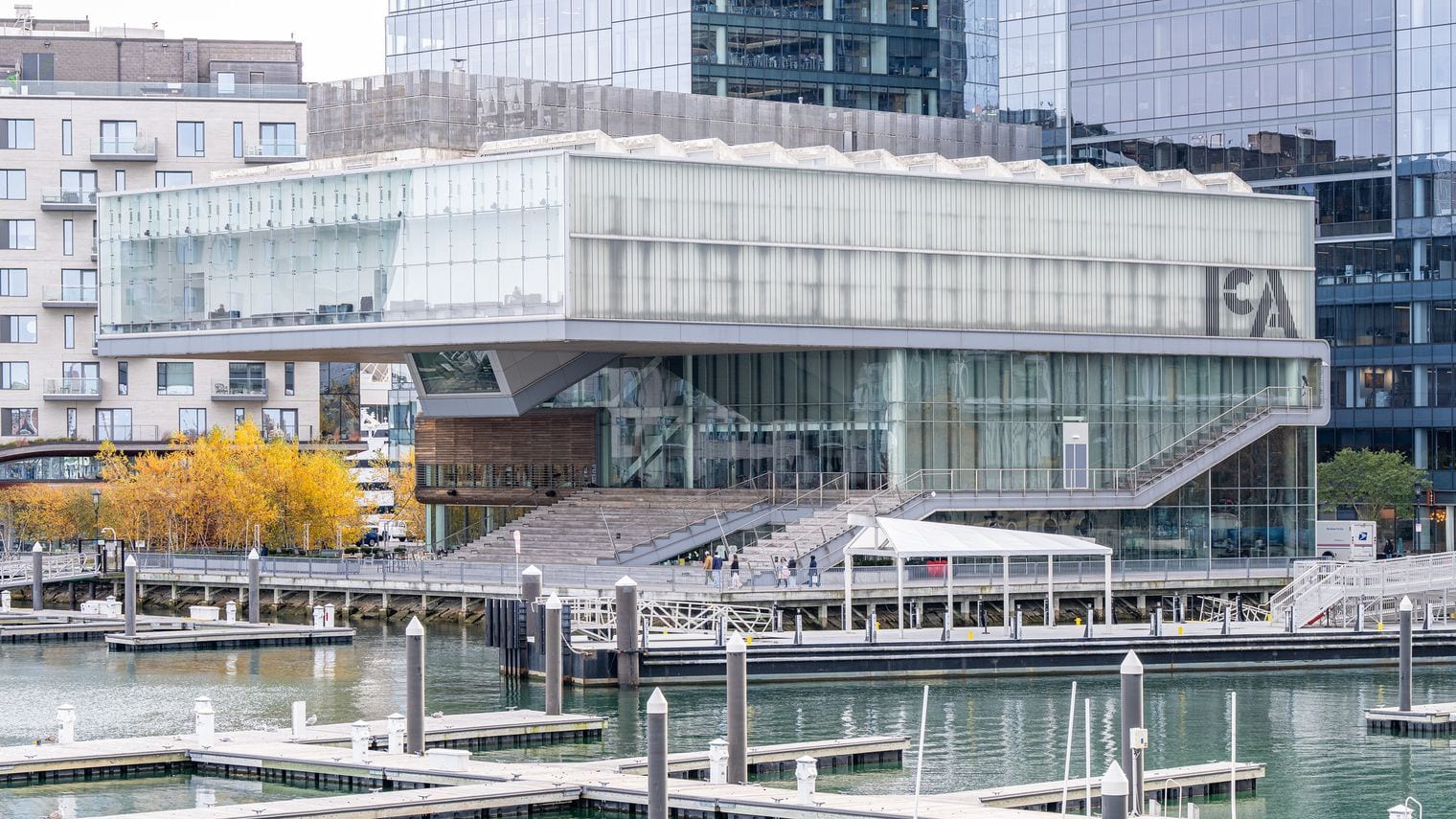
The Institute of Contemporary Art sits on the Seaport waterfront in a striking glass building by Diller Scofidio + Renfro, opened in 2006, whose upper floor cantilevers out toward the harbor. Founded in 1936, the museum shows contemporary art in all media, from painting and sculpture to video and performance.
Don't miss the grand wooden steps facing the water, a favorite place to sit on a sunny day. In the warmer months, the ICA also opens the Watershed, a free exhibition space across the harbor in East Boston, reached by ferry.
Boston Harbor Islands National and State Park takes in 34 islands and peninsulas scattered across the harbor, and ferries from Long Wharf reach the main islands in well under an hour. Georges Island is dominated by Fort Warren, a Civil War-era fort you can explore, dark passageways and all.
Spectacle Island, a former dump capped with soil from the Big Dig tunnel project, now has walking trails up its grassy hills, a swimming beach and skyline views. Pack a picnic, and watch for Boston Light on the outer harbor, the oldest lighthouse station in the United States.
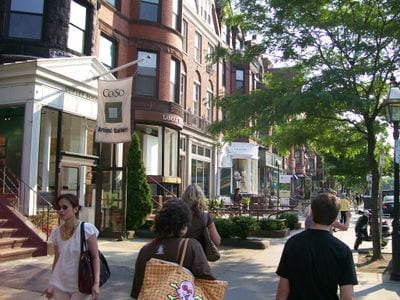
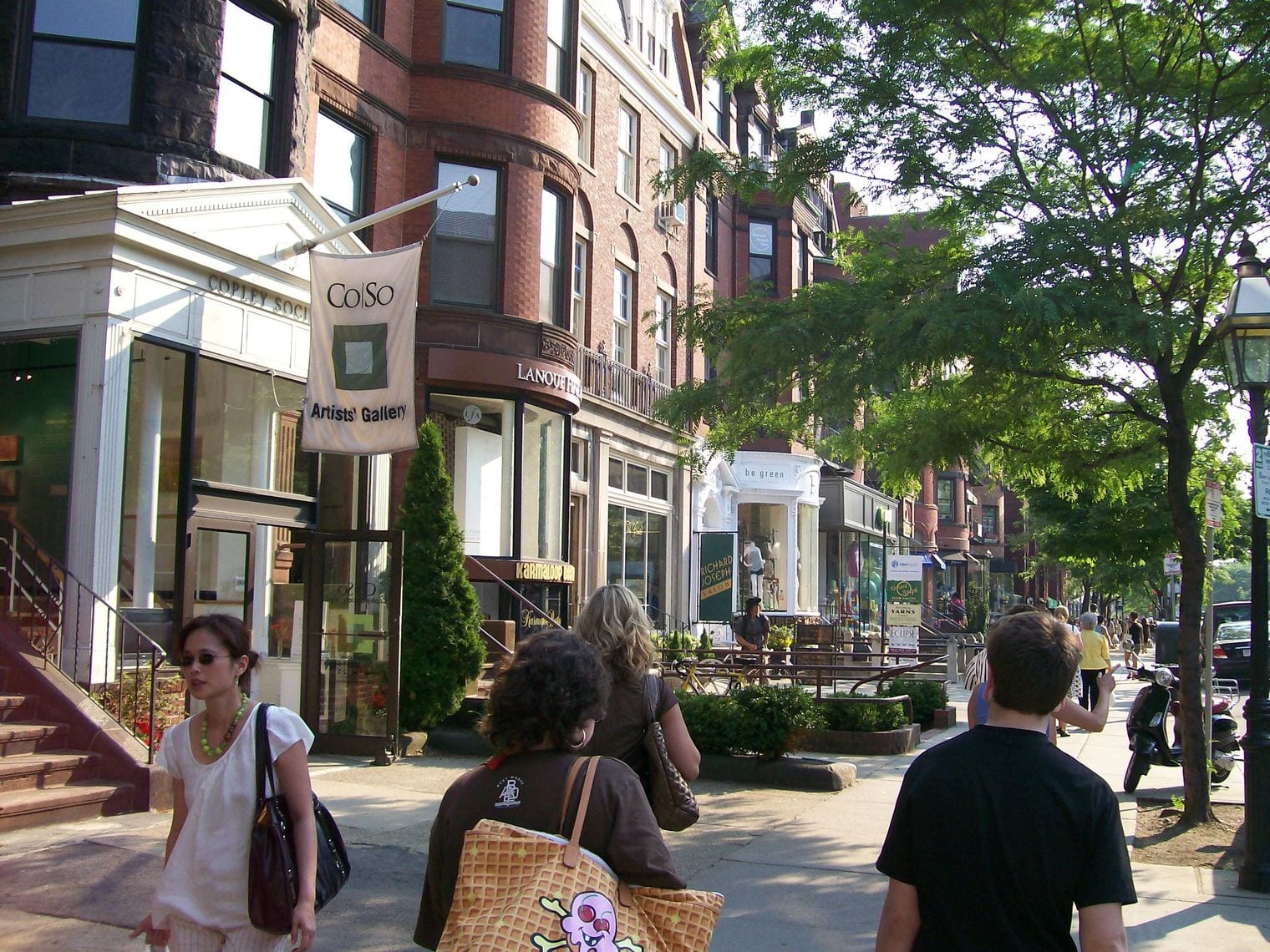
Newbury Street runs through the Back Bay from the Public Garden toward Massachusetts Avenue, lined with 19th-century brownstones whose stoops and bay windows now hold boutiques, galleries, salons and cafes. The eastern end leans upscale; heading west, the shops grow younger and quirkier.
It is Boston's best street for window-shopping and people-watching, and patios fill up fast on warm days. Pair it with a stroll along the tree-lined Commonwealth Avenue Mall one block north, and notice the Back Bay's alphabetical cross streets, running Arlington, Berkeley, Clarendon and on to Hereford.
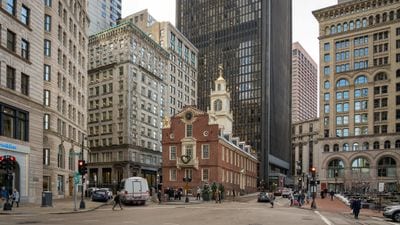
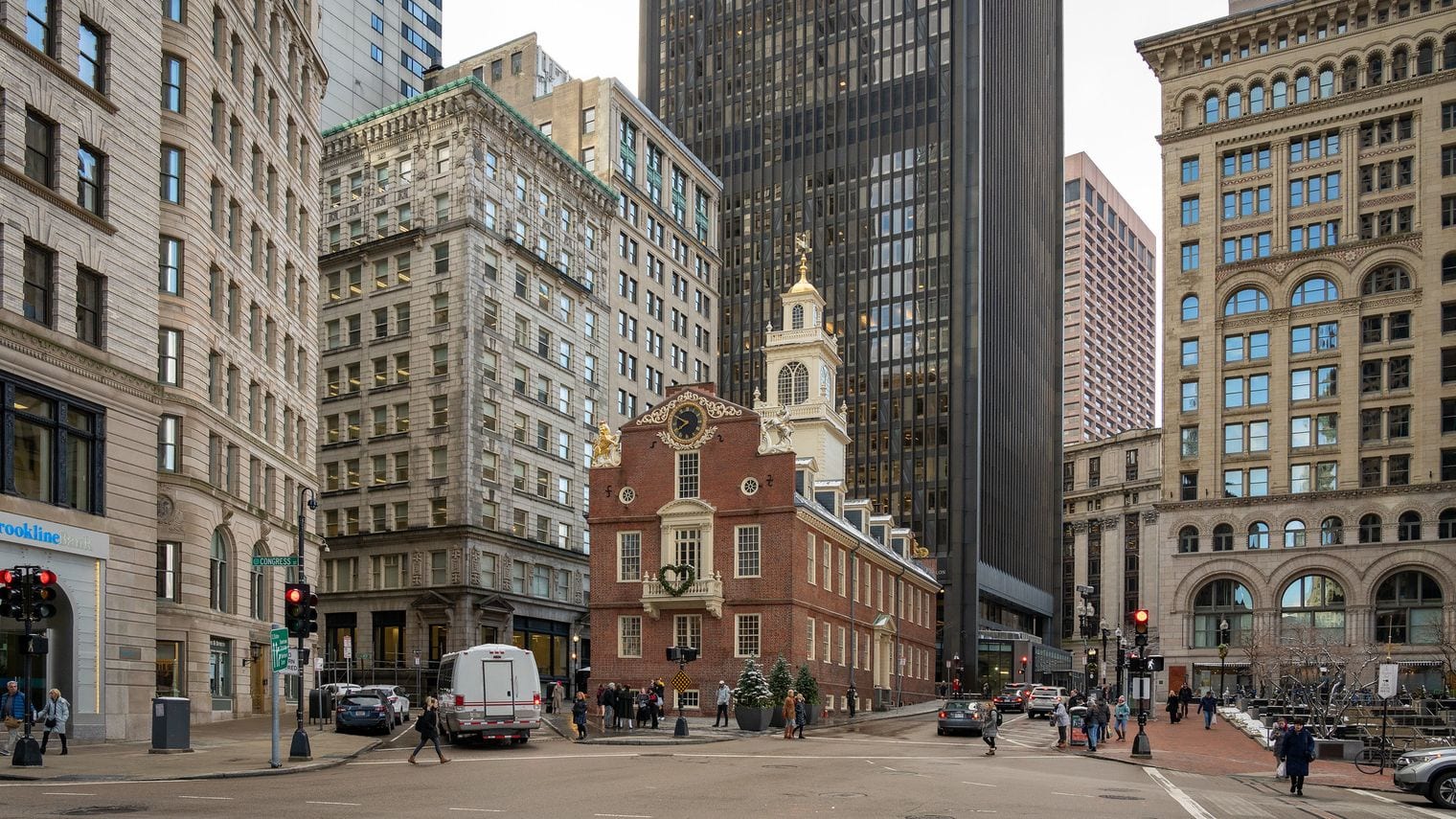
Completed in 1713, the Old State House is the oldest surviving public building in Boston, its brick facade and the lion and unicorn of the British crown now dwarfed by the towers of the Financial District. From its balcony, the Declaration of Independence was read to Bostonians on July 18, 1776.
On the pavement just outside, a ring of cobblestones marks the site of the Boston Massacre of 1770, when British soldiers fired into a crowd. Inside, a museum run by Revolutionary Spaces tells the story of the building and the city's road to revolution.
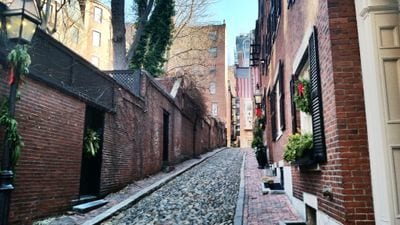
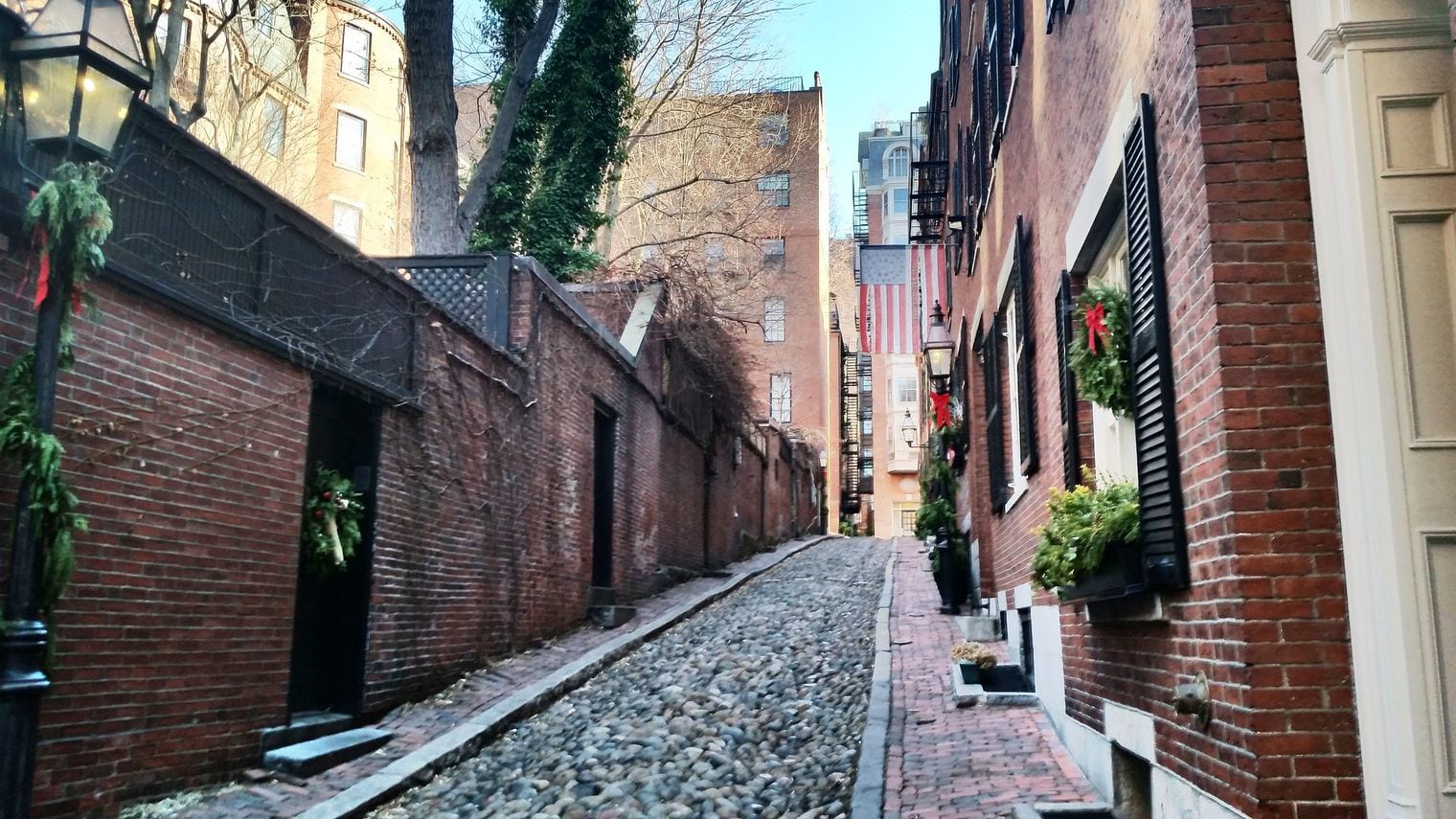
Beacon Hill is Boston at its most picturesque: steep, narrow streets of Federal-style brick rowhouses, gas lamps and brick sidewalks. Tiny cobblestoned Acorn Street is often called one of the most photographed streets in America, and Louisburg Square, with its private garden and grand townhouses, is the neighborhood's most prestigious address.
Charles Street at the foot of the hill is lined with antique shops and cafes, while the Black Heritage Trail traces the neighborhood's African American history, centered on the African Meeting House. The gold-domed State House crowns the top of the hill.
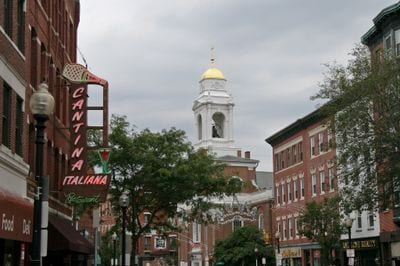
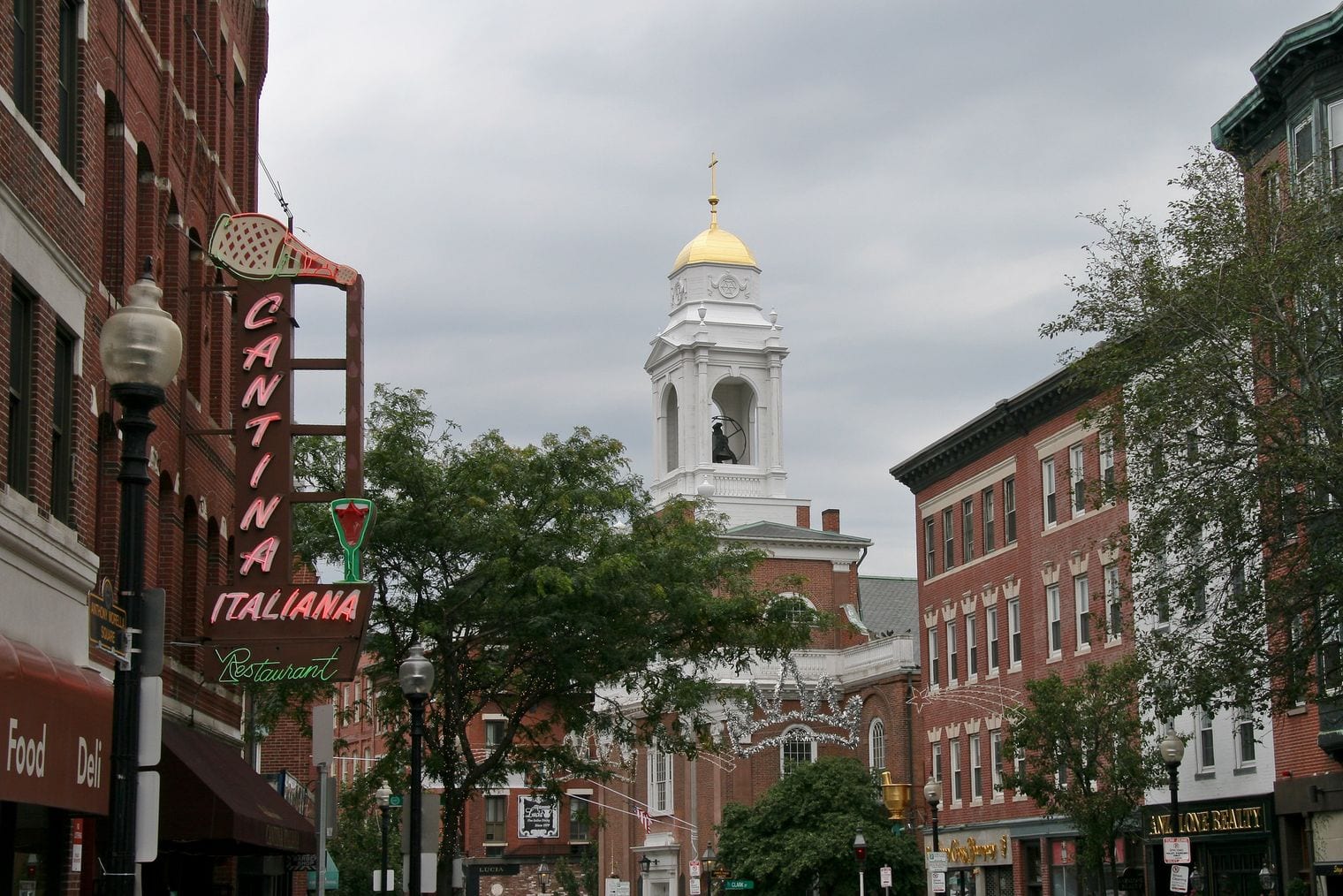
Boston's oldest residential neighborhood, the North End has been lived in since the 1630s and is best known today for its Italian American heritage. Hanover Street, its main artery, is lined with Italian restaurants, cafes and pastry shops, and there's endless friendly debate over who makes the best cannoli.
Just off Hanover, the brick plaza of the Paul Revere Mall, anchored by Cyrus Dallin's equestrian statue of Revere, leads to the Old North Church. In summer, the neighborhood's saints' feasts fill the streets with processions, music and food.
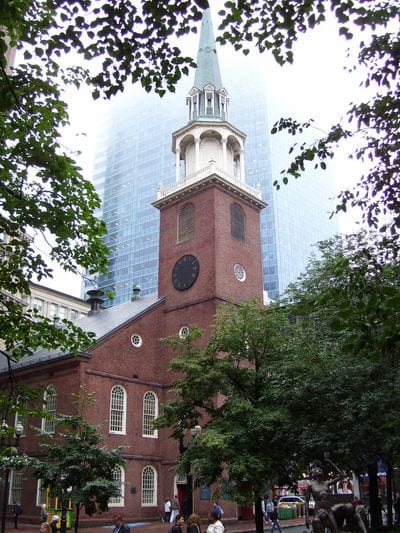
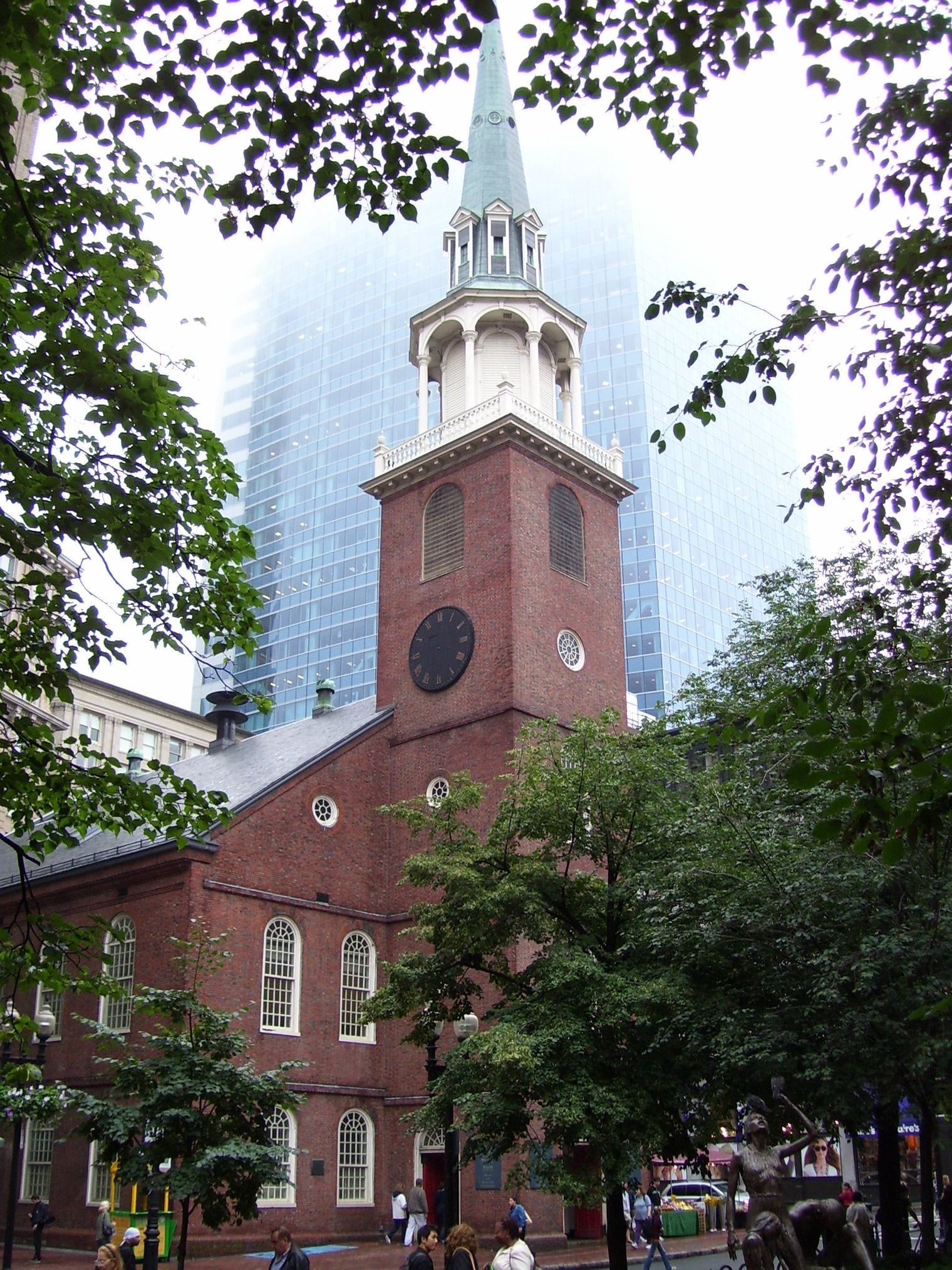
Built in 1729, the Old South Meeting House is where thousands of colonists gathered on December 16, 1773, to protest the tax on tea; when the meeting broke up, a group headed to the waterfront and dumped the tea into the harbor. Benjamin Franklin was baptized in the congregation's earlier building, and the poet Phillis Wheatley was a member.
Saved from demolition in the 1870s in one of New England's first successful preservation campaigns, it is now a museum run by Revolutionary Spaces, which also hosts talks and debates in the spirit of the building's history.
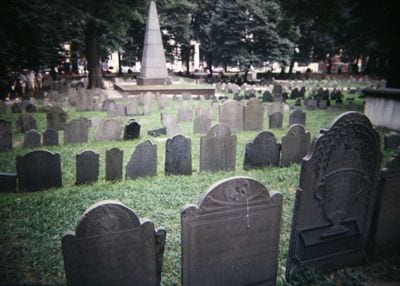
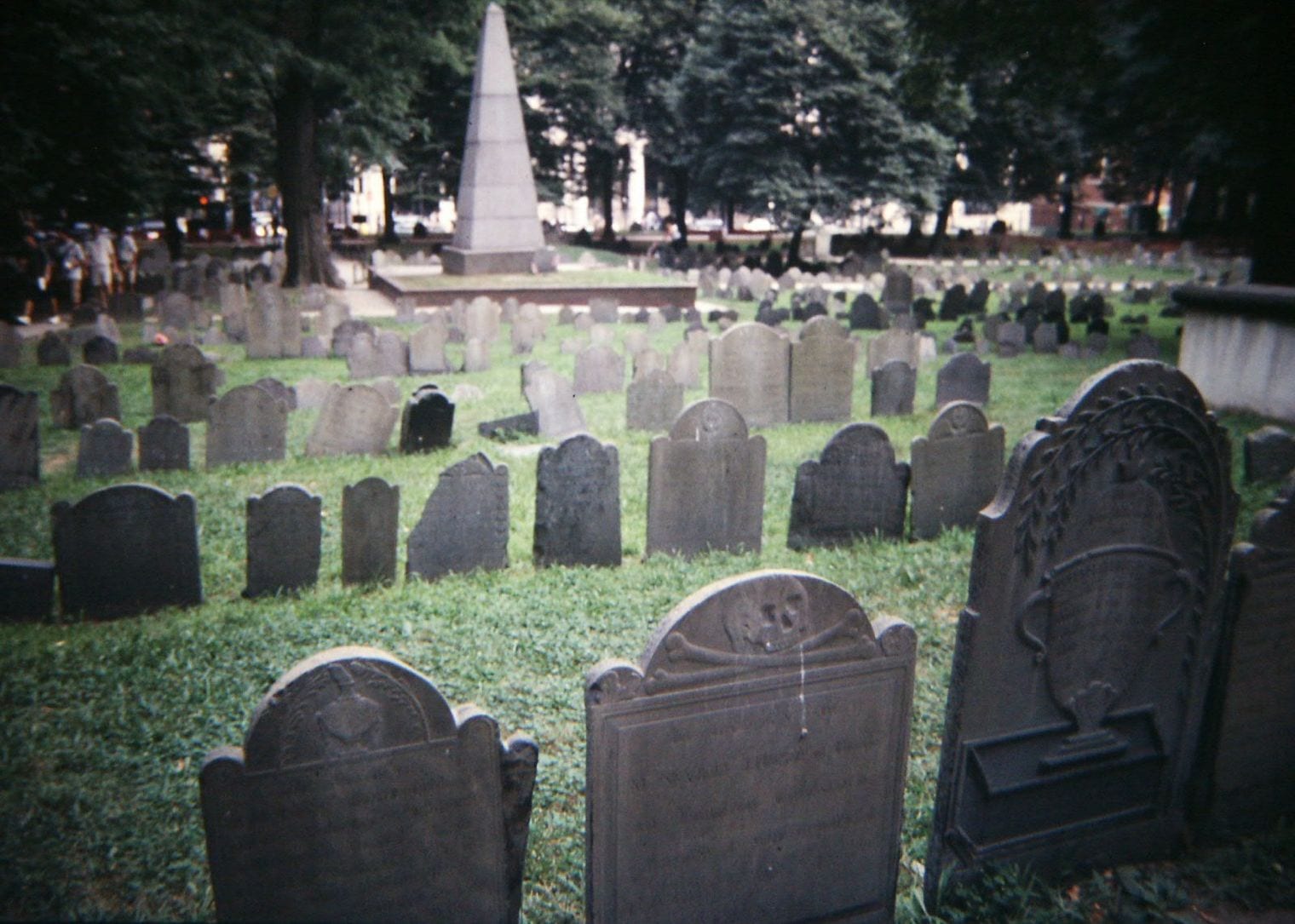
Founded in 1660, the Granary Burying Ground on Tremont Street is Boston's third-oldest cemetery and one of its most crowded with famous names. Paul Revere, John Hancock and Samuel Adams are buried here, along with the five victims of the Boston Massacre and Benjamin Franklin's parents.
Old slate headstones carved with winged skulls lean at odd angles beneath the trees, and an Egyptian Revival gate frames the entrance. It is a quick, free stop on the Freedom Trail, and one of the most atmospheric.
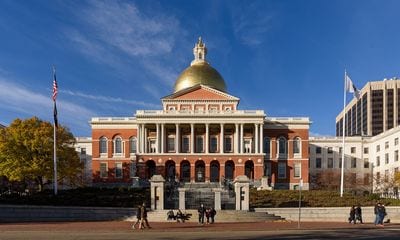
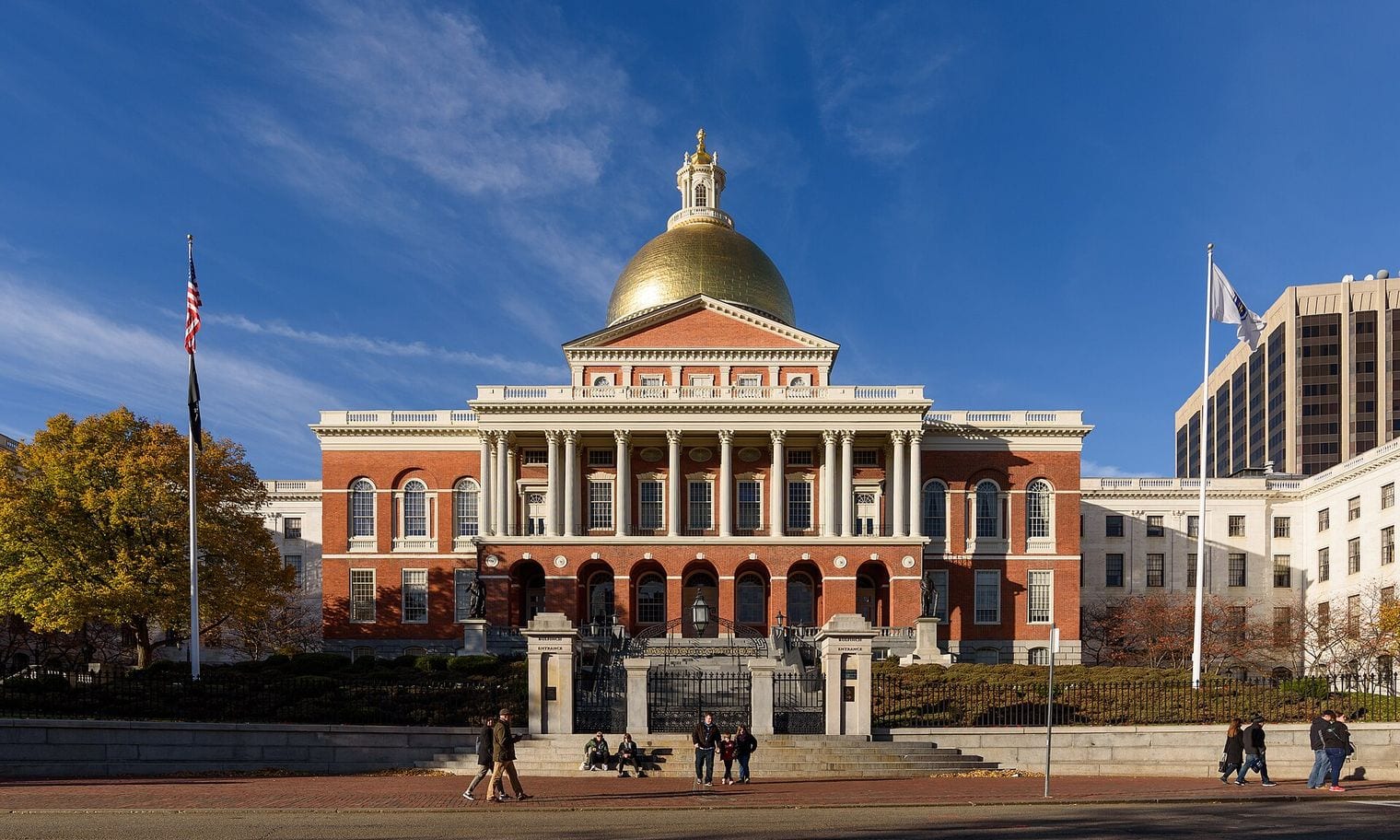
Designed by Charles Bulfinch and completed in 1798, the Massachusetts State House crowns Beacon Hill opposite Boston Common, on land once owned by John Hancock. Its dome was sheathed in copper by Paul Revere's company and later covered in gold leaf, and it glows over the city on a sunny day.
Free tours lead through the Senate and House chambers and other historic rooms. In the House chamber, look up for the Sacred Cod, a carved wooden fish that symbolizes how much fishing has meant to Massachusetts.
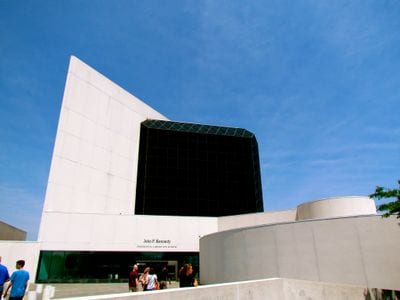
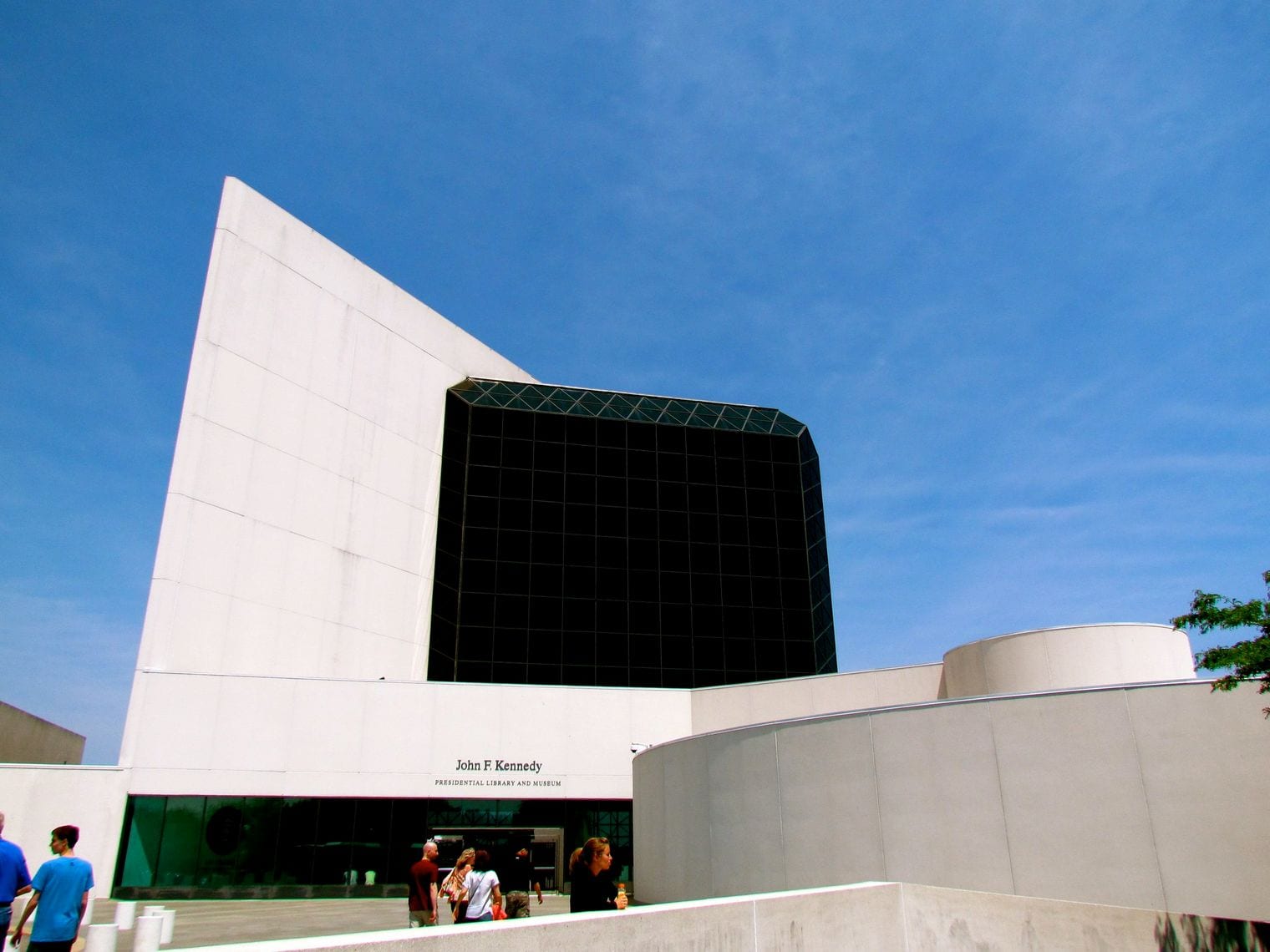
3030. John F. Kennedy Presidential Library and Museum
On Columbia Point in Dorchester, the John F. Kennedy Presidential Library and Museum is housed in a striking I. M. Pei building, dedicated in 1979, whose soaring glass pavilion looks out over the water. Exhibits trace Kennedy's life, his 1960 campaign and his presidency.
The library also holds the bulk of Ernest Hemingway's manuscripts, and the Edward M. Kennedy Institute for the United States Senate next door makes a natural pairing for anyone interested in how American government works.
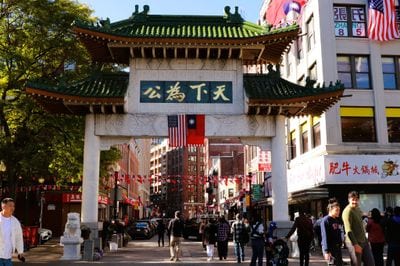
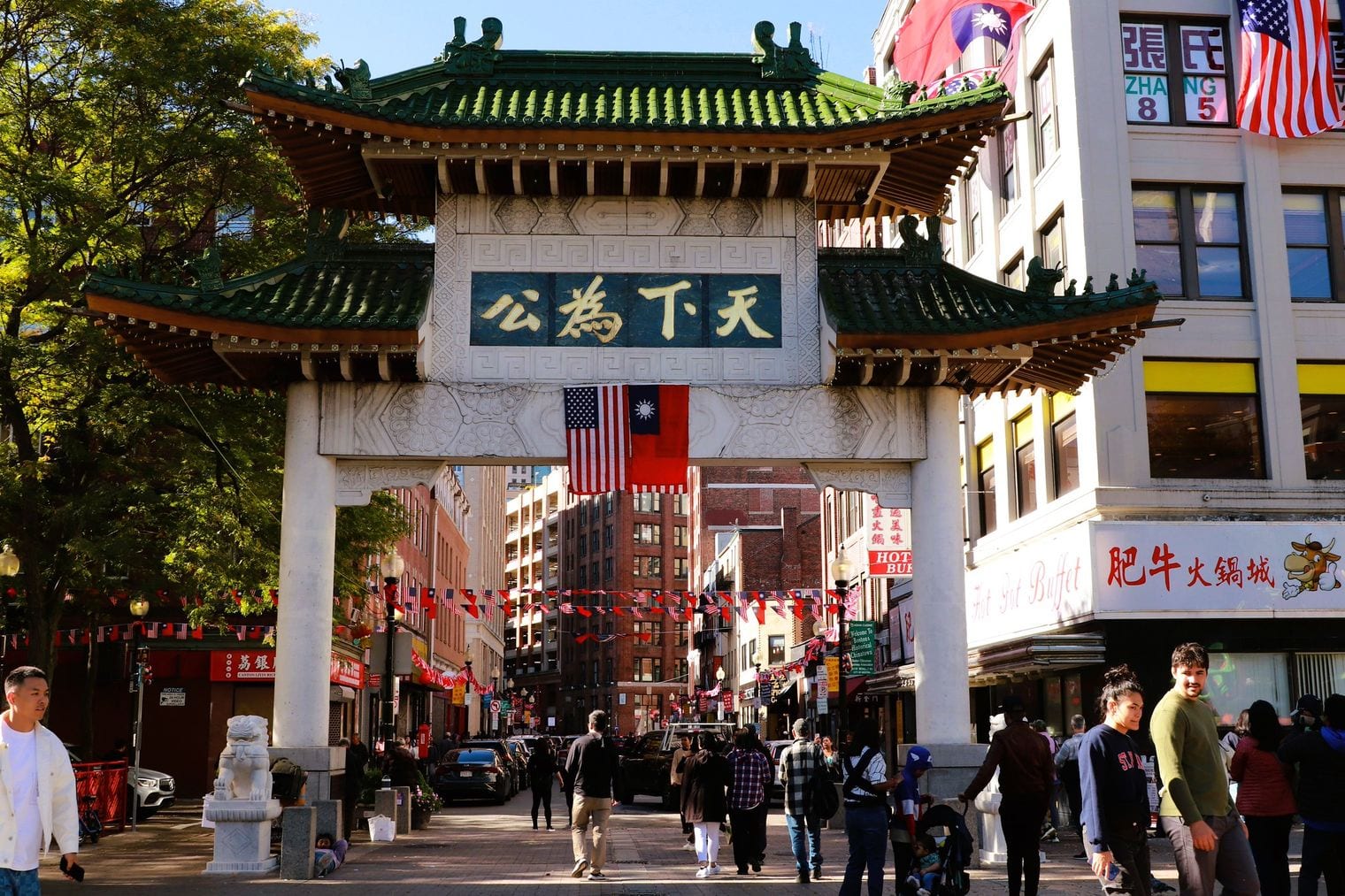
Boston's Chinatown is the only surviving historic Chinese neighborhood in New England and one of the largest Chinatowns outside New York City. Its entrance is marked by the ornate China Trade Gate on Beach Street, a traditional paifang given to the city by Taiwan in 1982 and inscribed with a phrase meaning "everything under the sky is for the people."
Beyond the gate, compact streets are packed with dim sum halls, bakeries, bubble tea shops and Vietnamese kitchens, and the southern end of the Rose Kennedy Greenway links the neighborhood to the rest of downtown.
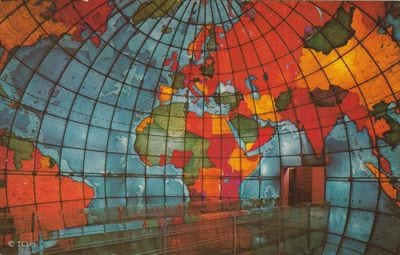
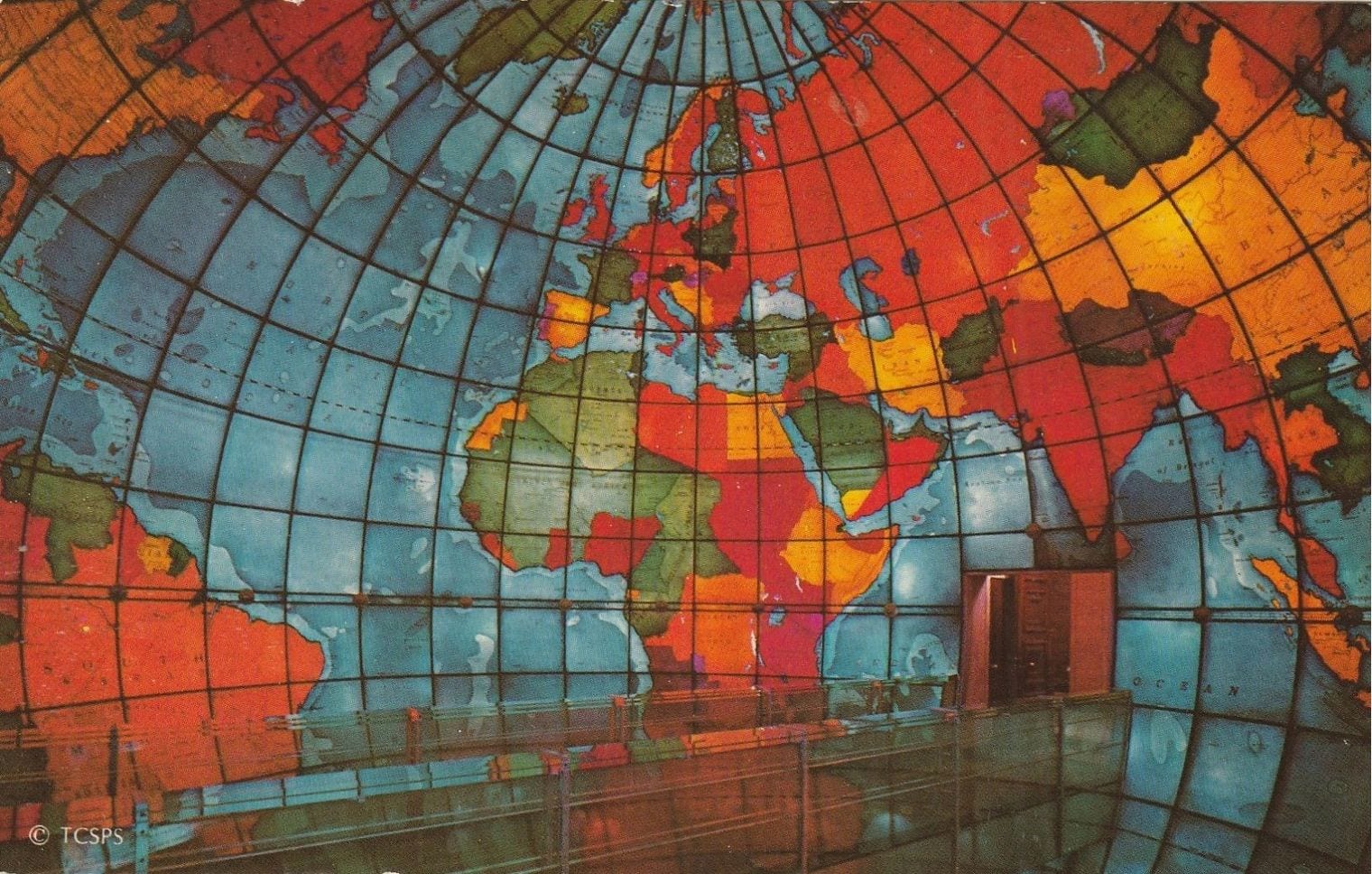
Inside the Mary Baker Eddy Library on Christian Science Plaza, the Mapparium is a three-story stained-glass globe that you walk through on a bridge across its center. Built in 1935 from 608 glass panels, it shows the world's political borders as they were then, with long-vanished countries still on the map.
The sphere also has remarkable acoustics: a whisper at one end of the bridge can be heard clearly at the other. The surrounding plaza, with its long reflecting pool and the domed Mother Church, is worth a stroll too.
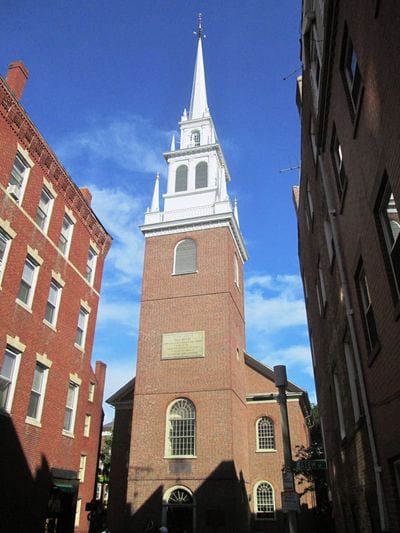
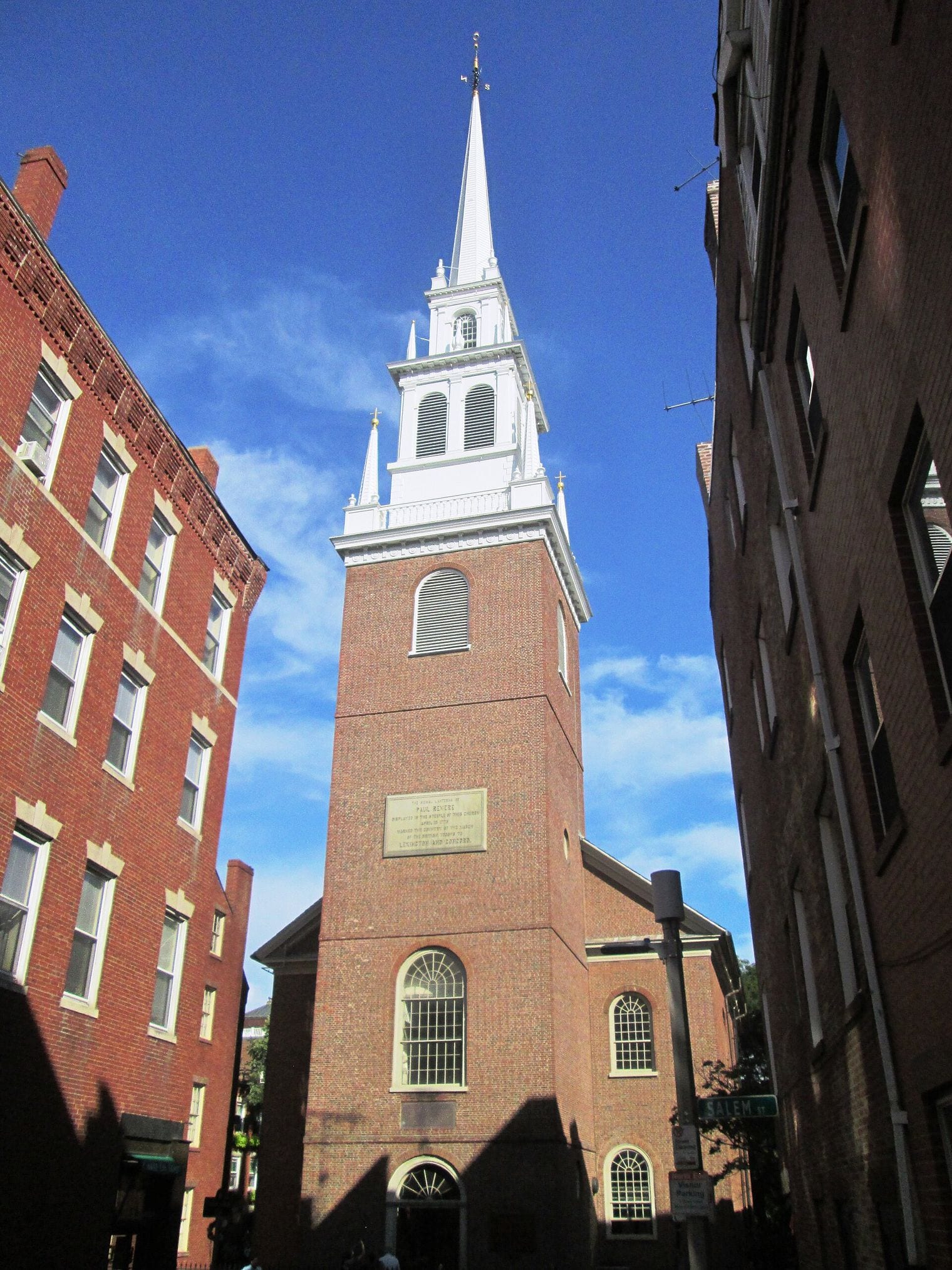
Built in 1723, the Old North Church is the oldest standing church building in Boston, and its white steeple played a starring role on the night of April 18, 1775, when two lanterns were hung there to warn that British troops were crossing by water: "one if by land, and two if by sea," as Longfellow put it in "Paul Revere's Ride."
It is still an active Episcopal church, with high white box pews inside, and its bells, cast in 1744, are the oldest change-ringing bells in North America. It sits at the heart of the North End, a short walk from the Paul Revere House.
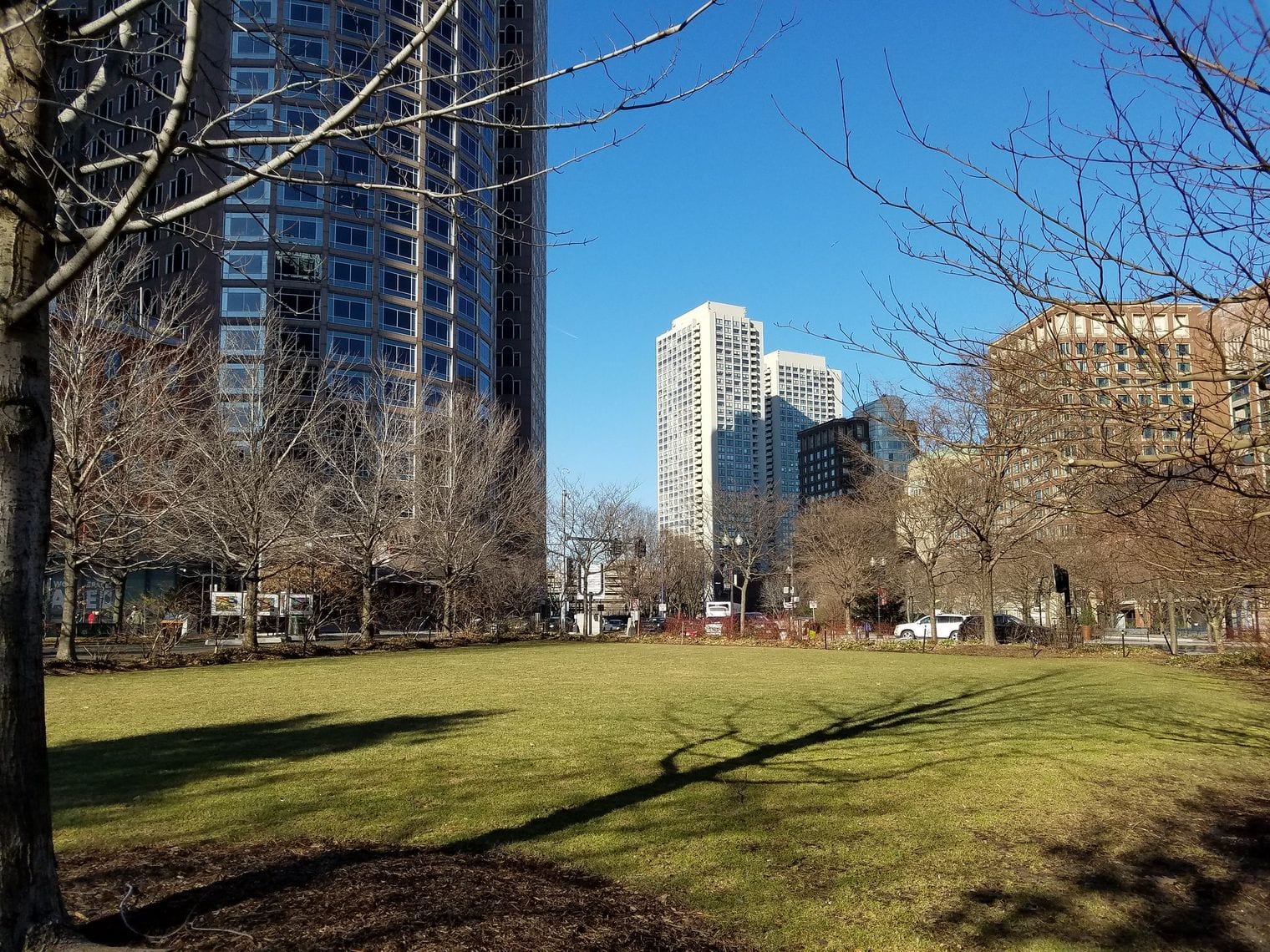
The Rose Kennedy Greenway is a ribbon of parks, fountains and gardens running more than a mile through the heart of downtown, on land freed up when the elevated Central Artery highway was torn down and buried in the Big Dig. Named for Rose Fitzgerald Kennedy, who was born in the North End, it links Chinatown, the Financial District, the Waterfront and the North End.
Kids love the Greenway Carousel, whose hand-carved creatures are animals found in and around Boston and its harbor, inspired by drawings from Boston schoolchildren, and the Rings Fountain for summer splashing. Food trucks and rotating public art keep things lively.
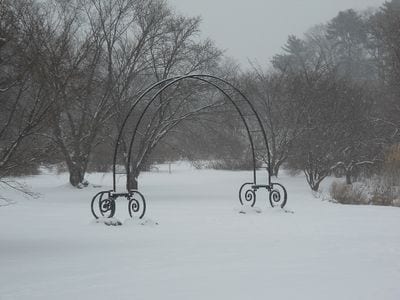
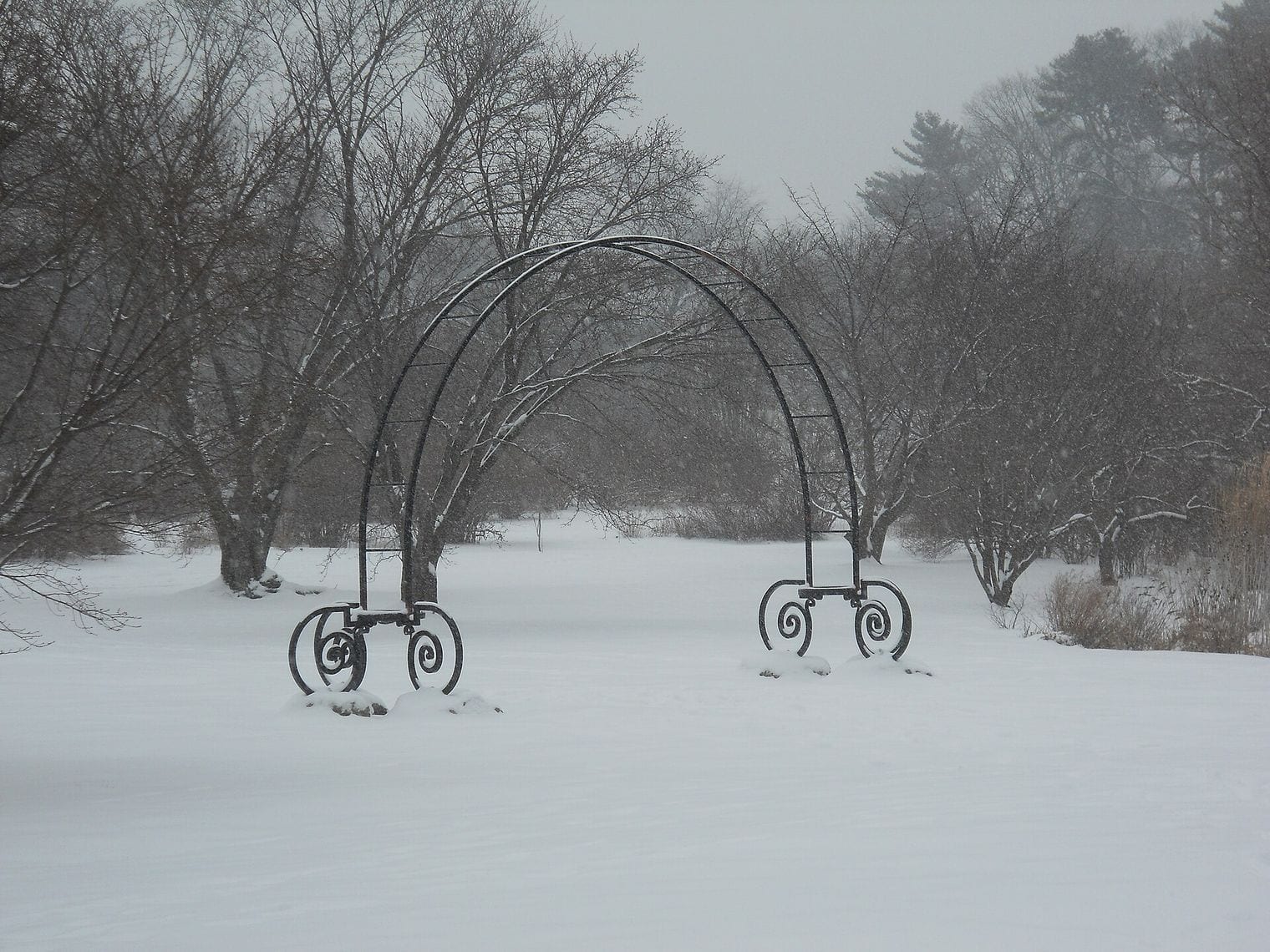
Founded in 1872, the Arnold Arboretum in Jamaica Plain is the oldest public arboretum in North America: 281 acres of trees, shrubs and flowering plants from around the world, managed by Harvard University and free to visit. Its landscape, laid out with Frederick Law Olmsted, forms a key link in Boston's Emerald Necklace of parks.
The collection is famous for its lilacs, which draw crowds every spring, and the trees put on a fine show of fall color. Climb Peters Hill, the arboretum's highest point, for a view back to the downtown skyline.
Plan your trip
Best Time to Visit Boston
Late spring and early fall are the sweet spots. May and June bring blossoms in the Public Garden and comfortable walking weather, while September and October offer crisp days and blazing fall foliage across New England. Patriots' Day in April brings the Boston Marathon and Revolutionary reenactments in the towns west of the city.
Summer is warm, often humid and the busiest season, with ferries running to the harbor islands and outdoor concerts along the Charles. Winters are cold, snowy and windy, but museums are quieter and the Frog Pond on Boston Common turns into a skating rink.
Getting to Boston
Boston Logan International Airport sits across the harbor in East Boston, only a few miles from downtown and linked to the city by road tunnels, the subway and water taxis. It has direct flights from across the United States and from Europe and beyond.
Amtrak trains on the Northeast Corridor arrive at South Station and Back Bay from New York, Providence and Washington, D.C., and trains from Maine pull into North Station. By car, Interstate 90 (the Massachusetts Turnpike) comes in from the west and Interstate 93 runs north to south through downtown, with Interstate 95 circling the metro area. Intercity buses also leave from South Station.
Getting Around Boston
Boston is one of the most walkable big cities in the country, and most of the top sights, from the Freedom Trail to Back Bay, sit within a couple of miles of each other. The MBTA subway, known locally as the T, fills the gaps and reaches Cambridge, Fenway and the airport.
A car is more trouble than it is worth downtown: streets are narrow, twisting and often one-way, and parking is scarce and expensive. Bike share, rideshare and harbor ferries cover the rest, and commuter rail makes day trips easy without a car.
Where to Stay in Boston
Back Bay is the classic first-time base, with Newbury Street, Copley Square and the Prudential Center on the doorstep and easy access to the Esplanade and Fenway. Downtown and the Waterfront put you on the Freedom Trail and steps from Faneuil Hall, the Aquarium and the harbor ferries.
The Seaport is the city's newest district, modern and harbor-facing, close to the ICA and the Tea Party Ships. For character, look at Beacon Hill's quiet brick streets, while Cambridge, around Harvard Square, suits visitors who want a college-town feel a short subway ride from downtown.
Where to Eat in Boston
Seafood is the headline: creamy New England clam chowder, lobster rolls, fried clams and raw oysters from nearby waters. Boston cream pie, the official dessert of Massachusetts, and baked beans, the dish behind the nickname Beantown, are local classics, and Quincy Market is an easy place to sample many of them at once.
The North End is the city's Italian quarter, with trattorias and pastry shops known for their cannoli. Chinatown is the place for dim sum and late-night noodles, while the South End, Back Bay and the Seaport are the go-to districts for chef-driven dining and patios.
Day Trips from Boston
History runs deep within an hour of the city. Lexington and Concord, about 40 minutes west, are where the first battles of the Revolution were fought in April 1775, and Minute Man National Historical Park links the sites along the Battle Road; Concord adds the literary homes of its famous writers and Walden Pond.
Salem, around 40 minutes northeast, is known for the witch trials of 1692, its historic waterfront and its museums, while Plymouth, about an hour southeast, marks the Pilgrims' landing.
Farther afield, Cape Cod's beaches and dunes begin about an hour southeast. Across the state line, Providence, Rhode Island, is about an hour south and known for its riverfront and food scene, and Springfield, about an hour and a half west, is home to the Basketball Hall of Fame in the city where the game was invented.
Boston is best known for its role in the American Revolution, told along the Freedom Trail, and for Fenway Park, the oldest active ballpark in Major League Baseball. USS Constitution, the oldest commissioned warship afloat, Boston Common, the country's oldest city park, and the Public Garden's Swan Boats round out its signature sights.
Is Boston worth visiting?
Yes. Few American cities pack so much history into such a compact, walkable center, and Boston pairs it with world-class museums such as the Museum of Fine Arts and the Isabella Stewart Gardner Museum, a lively waterfront, historic neighborhoods like Beacon Hill and the North End, and big-league sports, all within easy reach of Cambridge.
How many days do you need in Boston?
Plan three days to see the highlights without rushing. Spend one on the Freedom Trail and the North End, a second on the museums, Back Bay and the Public Garden, and a third across the river at Harvard, out on the harbor islands or at a game at Fenway Park. Add a day for Lexington, Concord or Salem.
What can you do in Boston for free?
Plenty. The Freedom Trail, Boston Common and the Public Garden are free to walk, and you can board USS Constitution, climb the Bunker Hill Monument and tour the Massachusetts State House at no cost. The Boston Public Library, the Esplanade, Castle Island, the Greenway and the Arnold Arboretum are free too.
Is Harvard in Boston?
No. Harvard University is in Cambridge, a separate city just across the Charles River from Boston. It is only a short subway ride from downtown, so most visitors fold Harvard Yard, the university's museums and Harvard Square into a Boston trip. The Harvard-run Arnold Arboretum, however, is in Boston's Jamaica Plain neighborhood.
When is the best time to visit Boston?
Late spring and early fall offer the most comfortable weather, with September and October adding brilliant foliage. Summer is the busiest season, when harbor ferries and outdoor concerts are in full swing, while winter is cold and snowy but quieter at the museums. See the Best Time to Visit section above for more detail.