We build and rank every list first. Booking links come after, and only where
a partner sells a ticket, tour or stay for that exact place, so a place with
nothing to book is listed exactly as prominently as one you can book.
So how do we earn? Some links on this page go to booking
partners, and if you book tickets, tours or a stay through
one, we may earn a commission. It costs you nothing extra.
That commission never decides which places make the list, the order they
appear in, or what we write about them. No entry is sponsored or a paid
placement.
20 Best Things to Do in Worcester, Massachusetts (2026)
By the City Viking editorial teamPublished 20 places · 16 min read
Fact-checked Checked before launchOct 15, 202620 sources12 publishers8 encyclopedias & research12 venues & other sitesPublished · Oct 15, 2026Researched and checked before it went liveClick for every source and the full change log.
Short answer
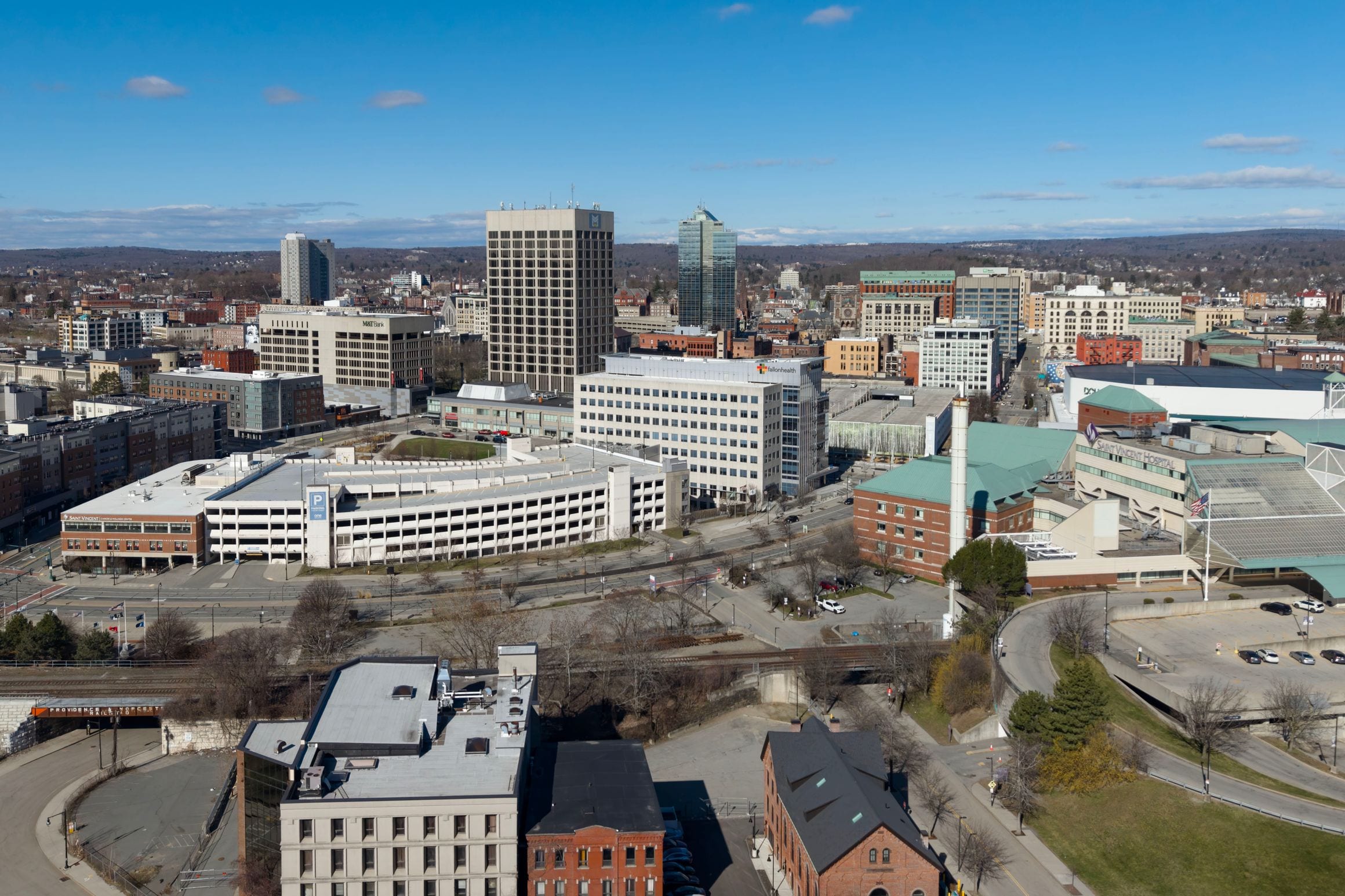
Worcester is known for its industrial past of brick mills and lunch-car diners, its "Heart of the Commonwealth" nickname and the smiley face of local artist Harvey Ball. Start with the Worcester Art Museum and neighboring Elm Park, then head downtown for Mechanics Hall and Worcester Common, and finish with a WooSox game at Polar Park. One full day covers the downtown highlights; two let you add the EcoTarium, Green Hill Park and Lake Quinsigamond.
Worcester, the second-most populous city in New England after Boston, sits in the hills of central Massachusetts and wears its industrial past proudly: brick mills, lunch-car diners and grand civic halls built on manufacturing money. Those halls now fill with concerts, and a Triple-A ballpark anchors the revived Canal District.
This guide covers 20 of the best things to do in Worcester, from a major art museum and a science centre with its own little steam train to Olmsted-landscaped parks, historic houses and a lakeside state park. One full day covers the downtown highlights; two let you add the outer parks and the lake.
Map of Things to Do in Worcester, Massachusetts
Things to Do in Worcester, Massachusetts
Things to Do in Worcester, Massachusetts at a Glance
Worcester is nicknamed the Heart of the Commonwealth because it lies near the geographic center of Massachusetts, and a heart is the city's official symbol.
Worcester-born artist Harvey Ball designed a yellow smiley-face button in 1963 for a local insurance company, a design widely credited with popularizing the modern smiley face.
The first perfect game in Major League history was pitched in 1880 by Lee Richmond for Worcester's National League team.
Esther Howland began making and selling Valentine's Day cards from her Worcester home in 1847, helping turn the valentine into an American business.
The Worcester Lunch Car Company built 651 diners between 1906 and 1957 and shipped them across the Eastern Seaboard, which is why the city still has classic lunch-car diners.
Rocket pioneer Robert H. Goddard was born in Worcester and returned as a teenager to finish high school in the city before studying physics at Worcester Polytechnic Institute.
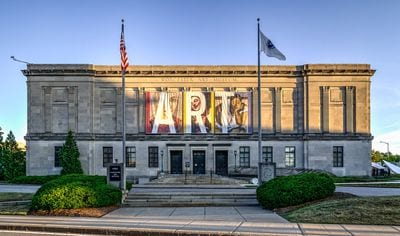
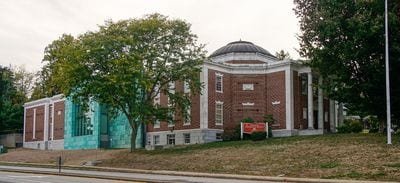
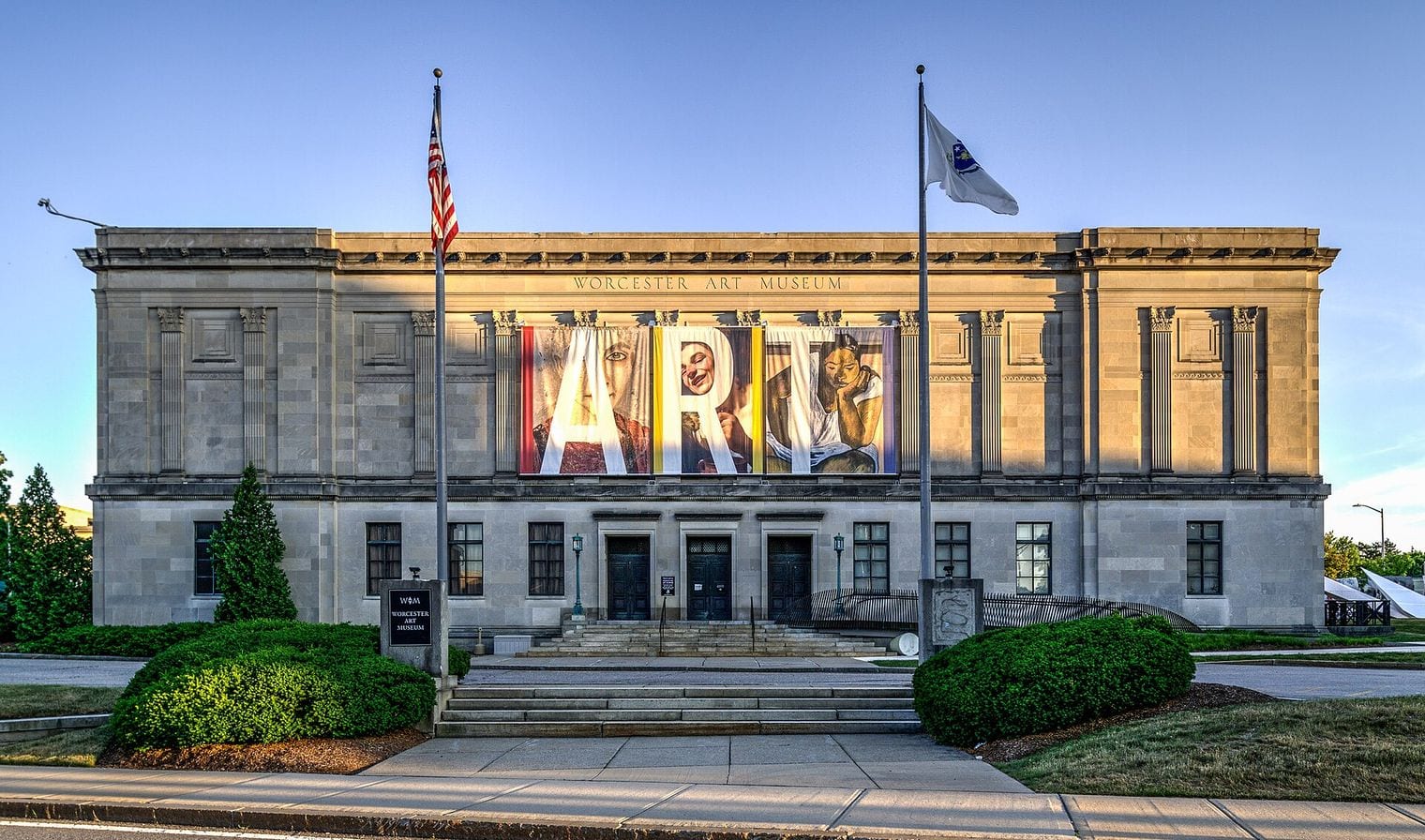
The Worcester Art Museum has been the city's cultural flagship since it opened in 1898, and its collection of more than 38,000 works reaches from antiquity to the present day. Highlights include Roman mosaics recovered from ancient Antioch, a medieval Chapter House rebuilt inside the galleries, a major holding of Japanese prints and paintings by Monet and Gauguin.
Since absorbing the Higgins Armory collection in 2013, the museum has also held one of the largest collections of arms and armor in the Americas, so knights in full plate share the building with Old Masters. Give it at least two or three hours, and check the website for its free community days.
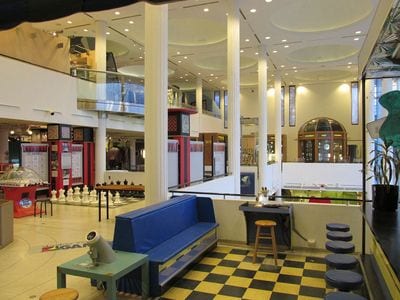
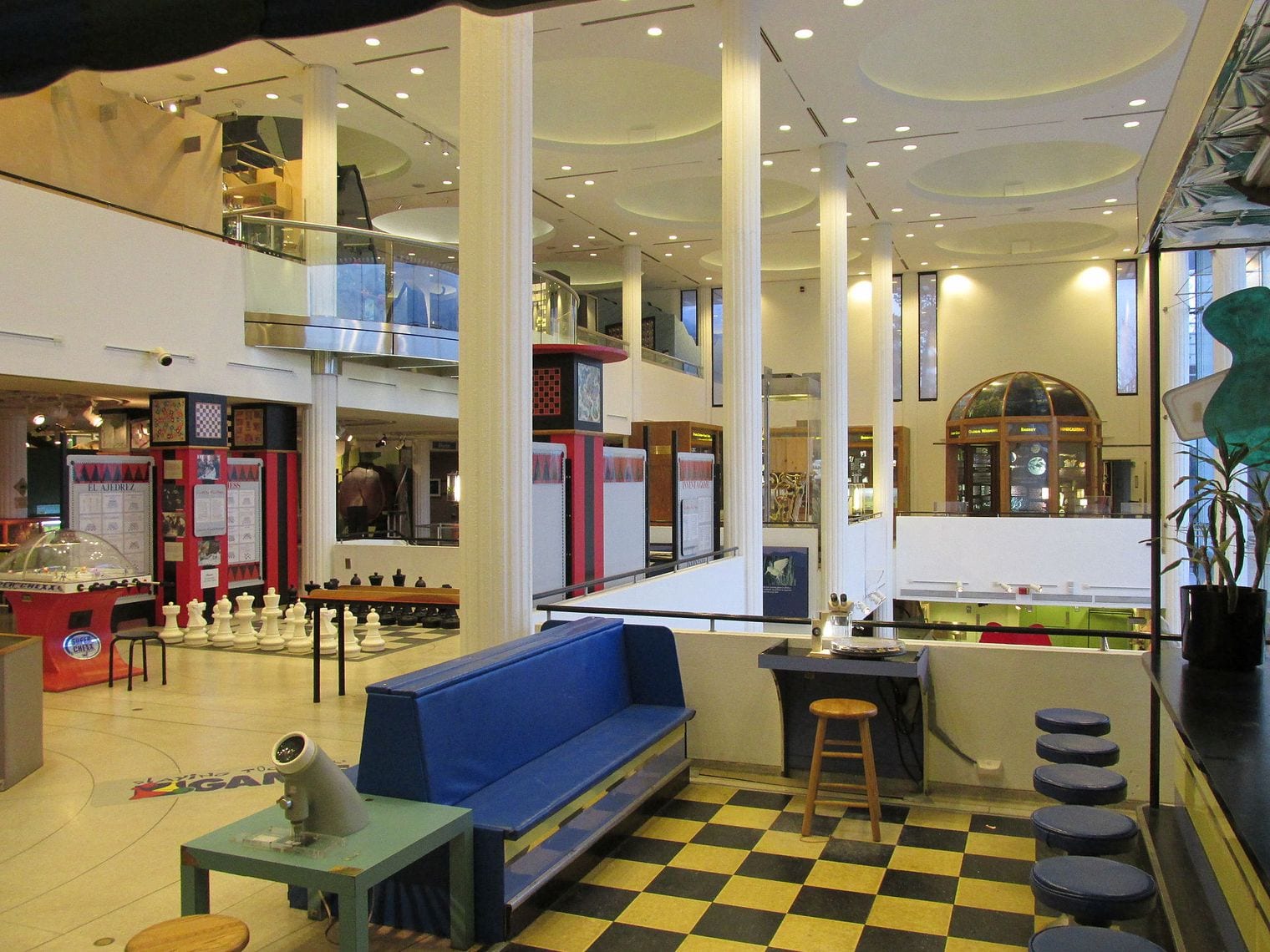
Families head to the EcoTarium, a science and nature museum spread over wooded grounds on the east side of the city. Indoors there are hands-on exhibits and the Alden Planetarium; outside, live animal habitats sit along the trails.
The favorite with younger visitors is the narrow-gauge train, pulled by a scale model of an 1860s steam engine, that loops through the grounds. Traveling exhibitions rotate through the year, so it is worth a look at the program before you go.
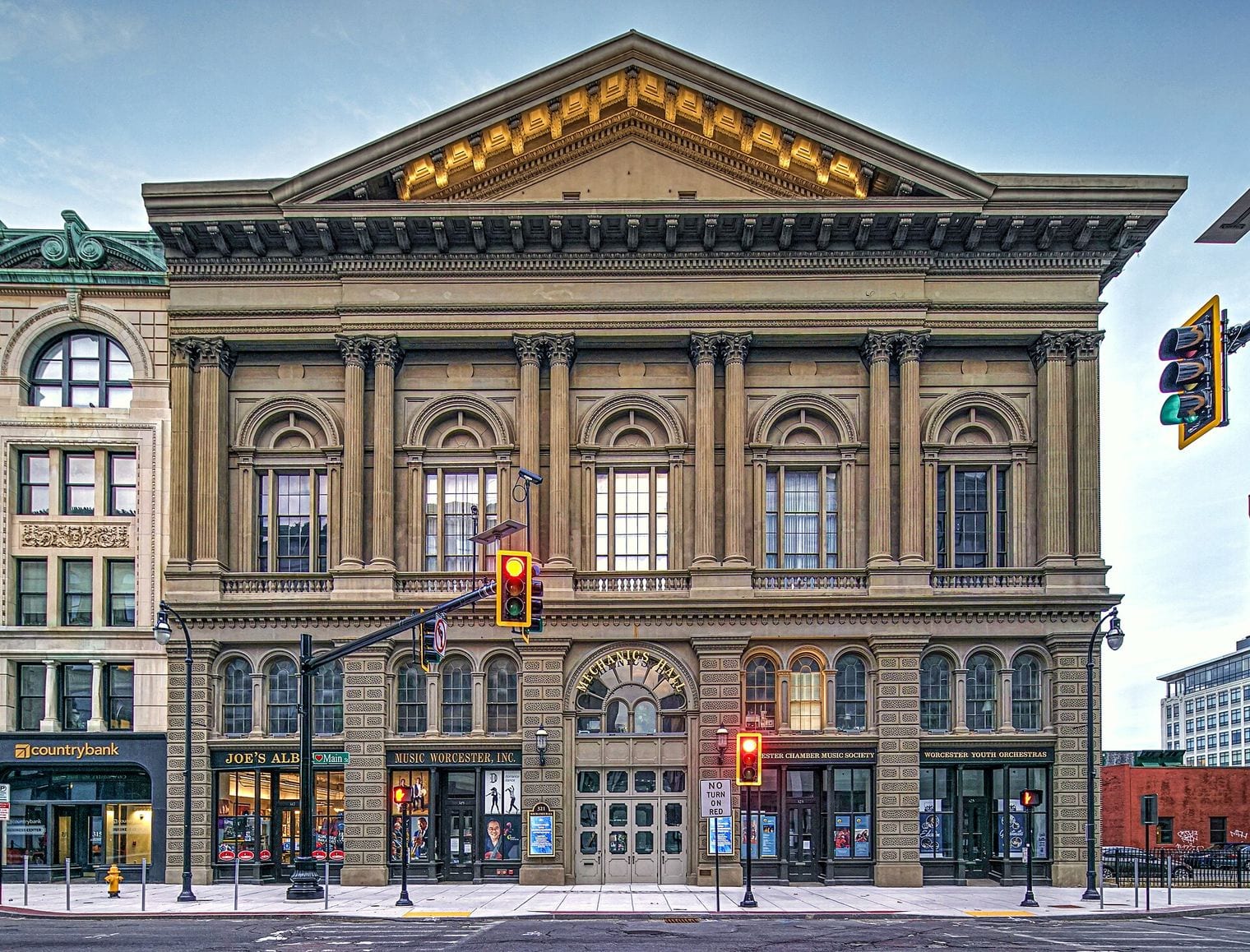
Built in 1857 by the Worcester County Mechanics Association as part of the workers' self-improvement movement, Mechanics Hall is widely praised as one of the finest concert halls in North America. The Renaissance Revival building was restored in 1977, and musicians prize it for its acoustics.
The Great Hall is dominated by the 1864 Hook organ, known as the Worcester Organ, and the gallery walls are lined with portraits, from local figures such as Ichabod Washburn to national names like George Washington and Abraham Lincoln. Catch a classical or organ concert if you can; the hall also hosts free lunchtime concerts during its season.
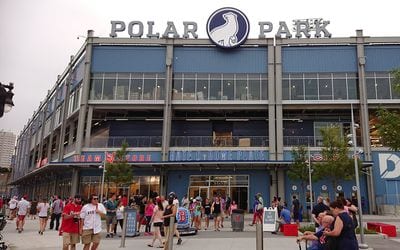
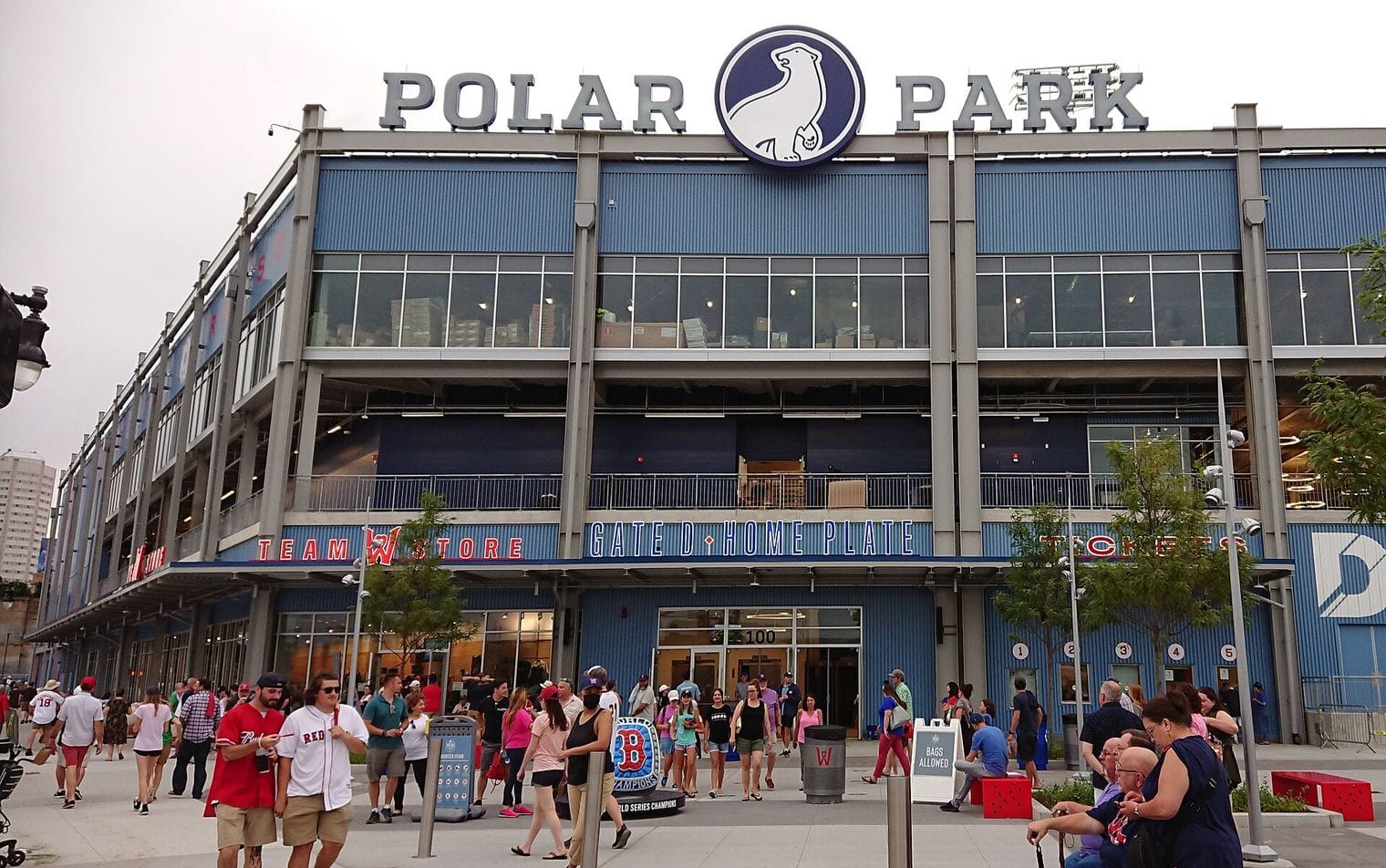
Polar Park opened in 2021 as the home of the Worcester Red Sox, the Triple-A affiliate of the Boston Red Sox, and a summer evening at a WooSox game has quickly become a Worcester ritual. The ballpark seats about 9,500, close enough to the field that there are few bad views.
It sits beside Kelley Square in the Canal District, so build in time before or after the game for the neighborhood's breweries, bars and restaurants, or for the Worcester Public Market, an indoor market hall of local food vendors.
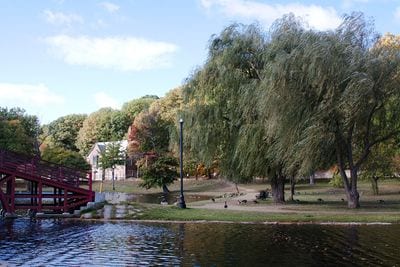
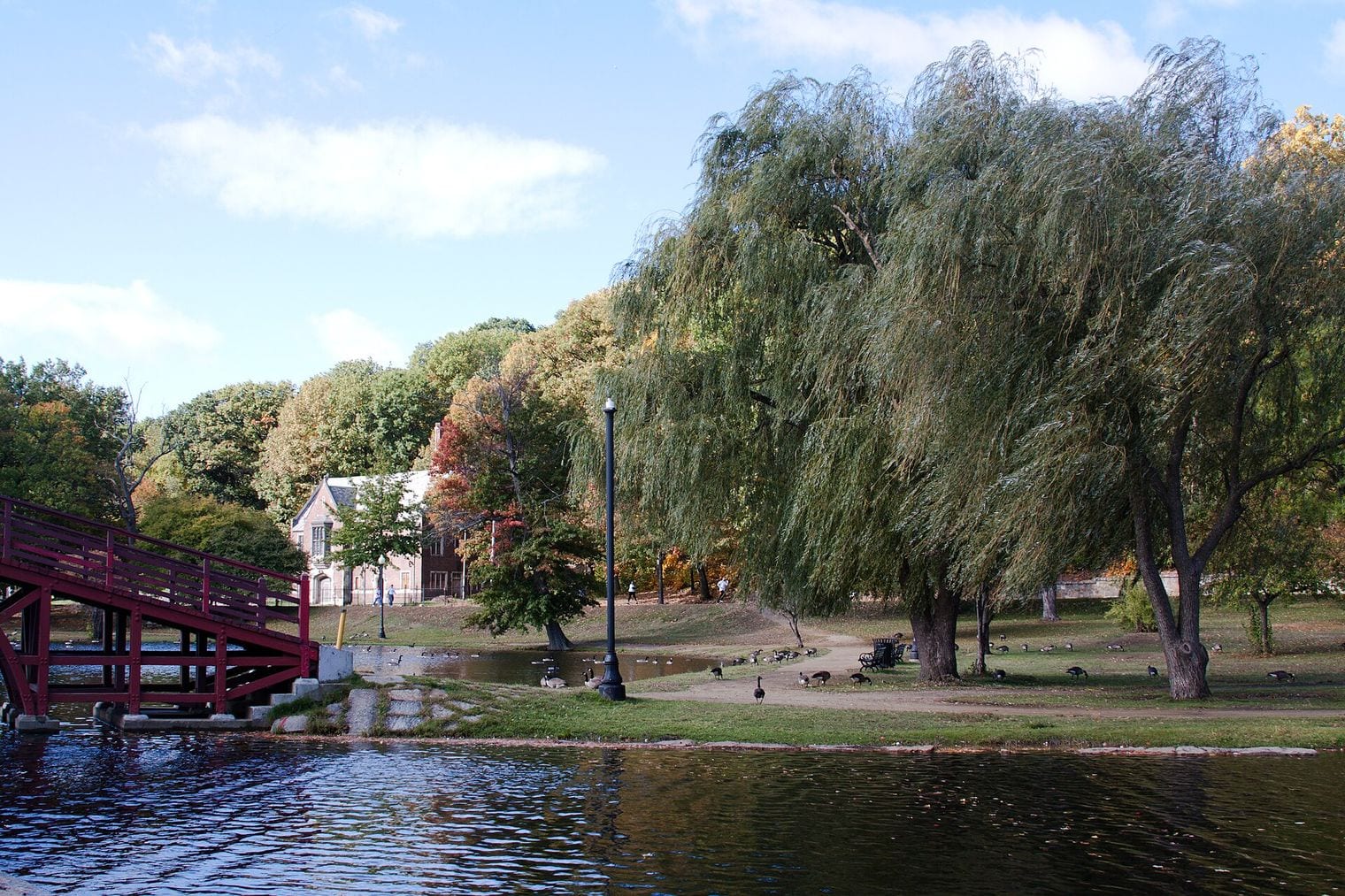
Elm Park traces its origins to 1854, when the city bought the land, making it one of the earliest public purchases of land for a municipal park in the United States. The Olmsted Brothers firm later redesigned it, and its ponds, footbridges and old shade trees make it the city's favorite place for a stroll.
Across Park Avenue, Newton Hill adds wooded trails and a popular disc golf course, and the picturesque iron footbridge over the pond is a favorite photo spot. The park sits right beside the Worcester Art Museum, so the two pair naturally.
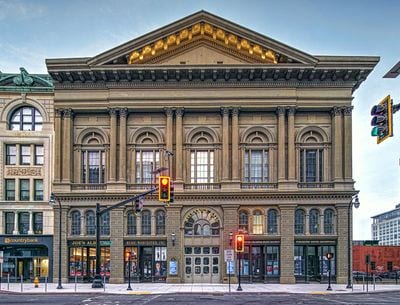
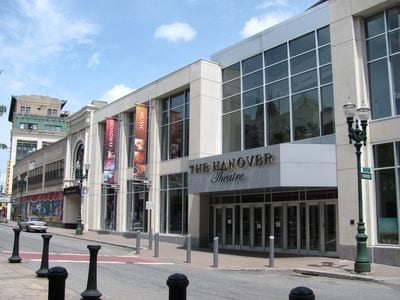
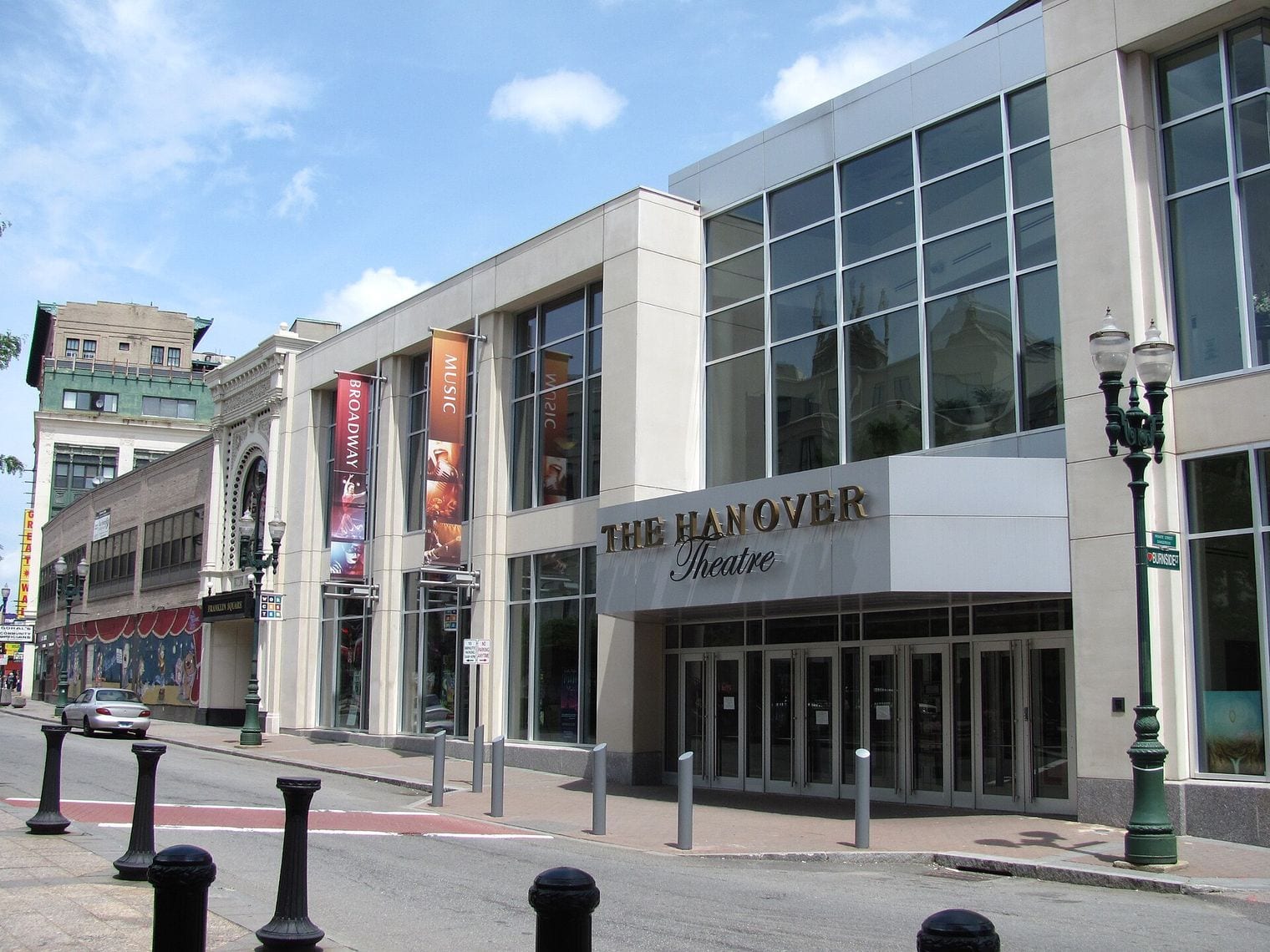
The Hanover Theatre began life in 1904 as the Franklin Square Theatre, became a vaudeville and movie palace under Sylvester Poli, and after years of decline reopened in 2008 following a major restoration. The auditorium, with its grand staircase, gilded detail and chandelier, is worth seeing in its own right.
Today the theater hosts Broadway national touring productions, concerts, comedians and family shows, and its holiday programming is a seasonal favorite. It is the city's go-to stage for a big touring musical.
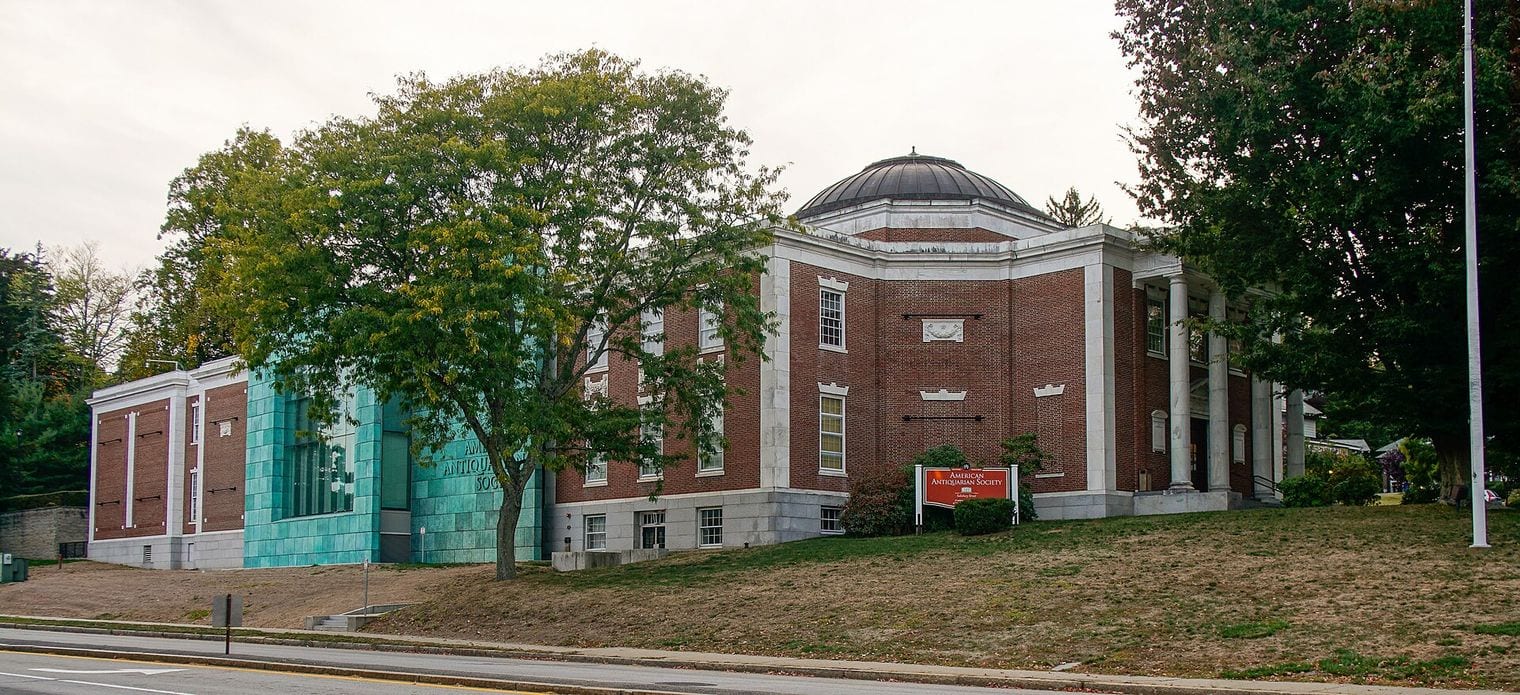
Founded in 1812 by printer Isaiah Thomas, the American Antiquarian Society is a national research library devoted to American history and print culture up to 1900, and its home, Antiquarian Hall, is a National Historic Landmark. Its collections include a copy of the Bay Psalm Book, the first book printed in British North America.
This is a working research library rather than a museum, but the society offers free public tours that explain how it collects and preserves early American books, newspapers and prints. Check its website for the tour schedule before you go.
88. Bancroft Tower
Historical Landmark~1.2 miles (1.9 km) from centre
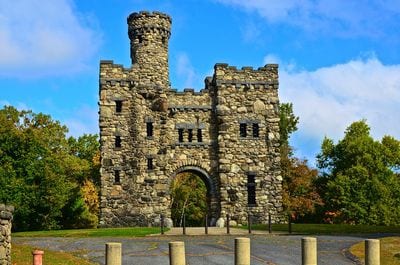
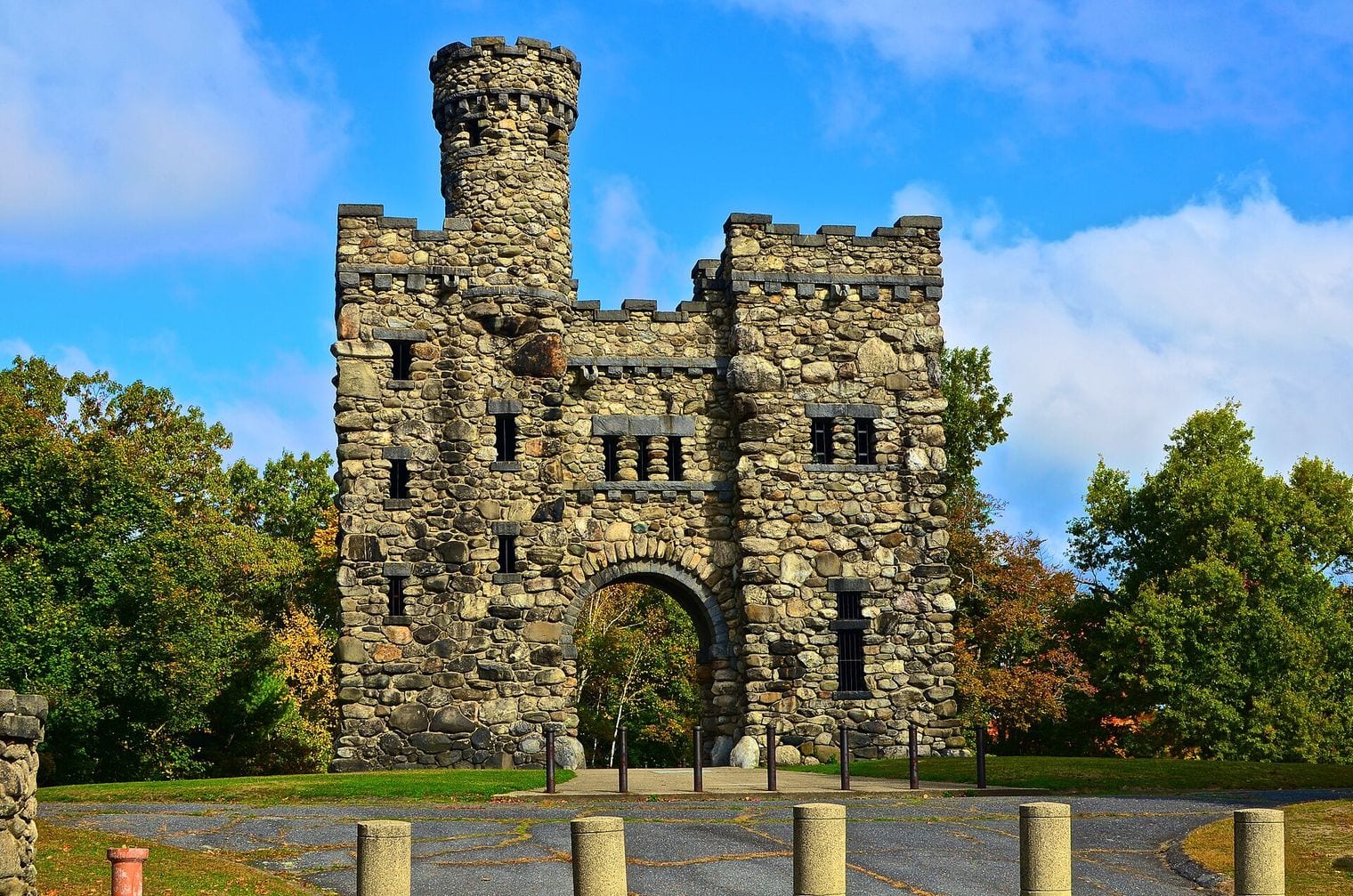
Bancroft Tower is a 56-foot granite folly built in 1900 to look like a miniature feudal castle, a memorial to the Worcester-born historian and statesman George Bancroft. It stands on a high point in Salisbury Park and is listed on the National Register of Historic Places.
The interior is closed to the public apart from occasional special tours, so this is a stop for the exterior and the setting: walk around the turreted stone walls and take in the views over the city from the park grounds. It makes a short, scenic detour from Elm Park.
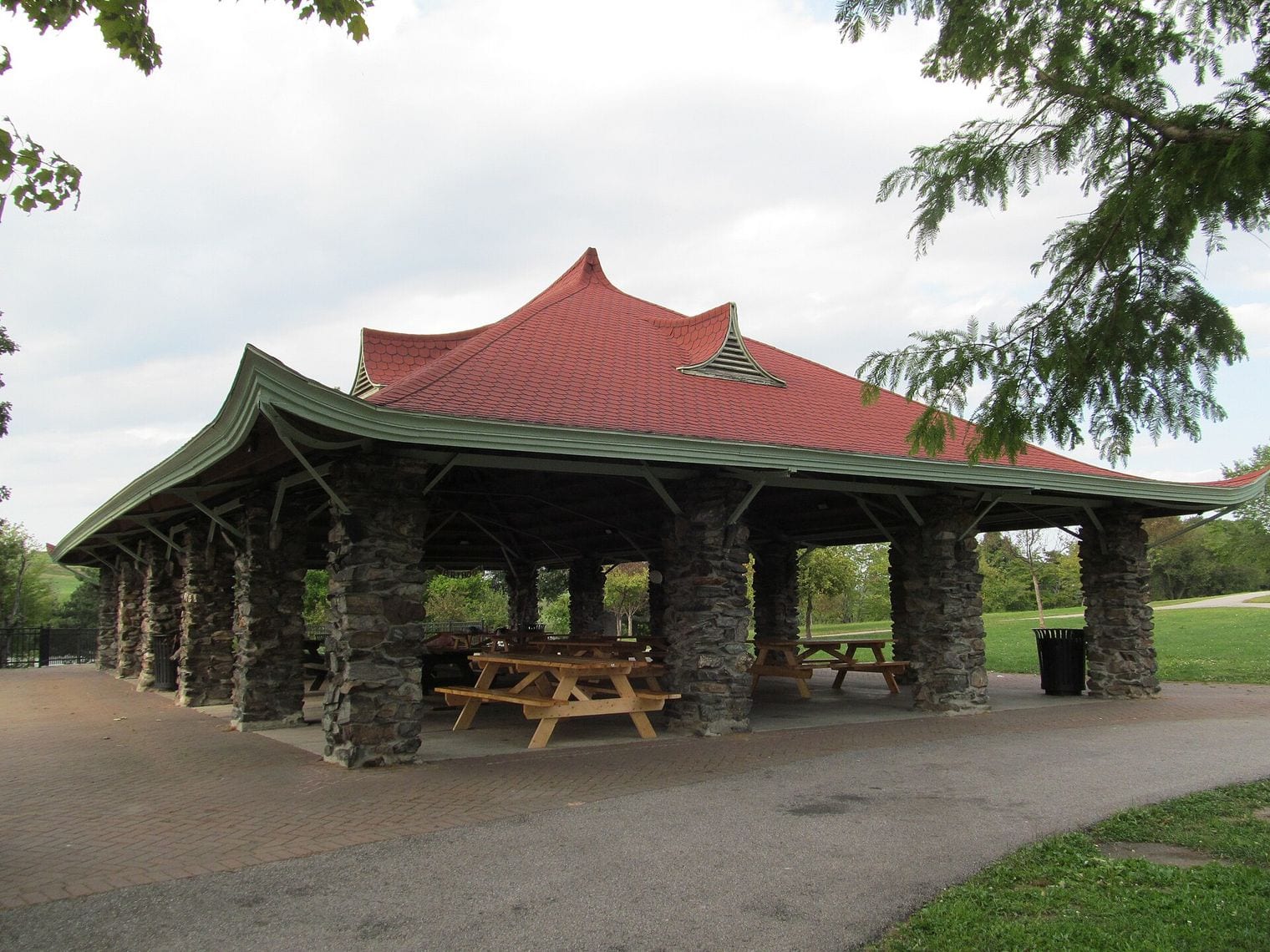
Covering more than 480 acres, Green Hill Park is the largest park in Worcester, with open lawns, woodland trails and picnic areas. Families make for the Green Hill Park Farm, a free city-run farm where alpacas, goats, sheep, pigs and poultry live.
The park is also home to the Massachusetts Vietnam Veterans Memorial, a quiet and moving place that honors the state's Vietnam War veterans. With picnic spots and plenty of room to roam, it is an easy half-day outing.
Free printable checklist of all 20 places
Tick them off as you go. Confirm your email to download it, plus one email every Thursday with new guides for the places you tick.
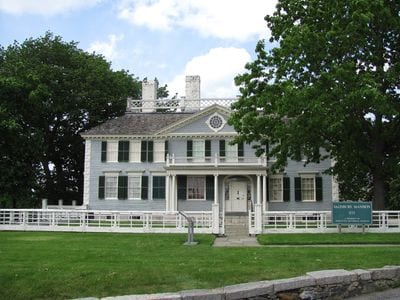
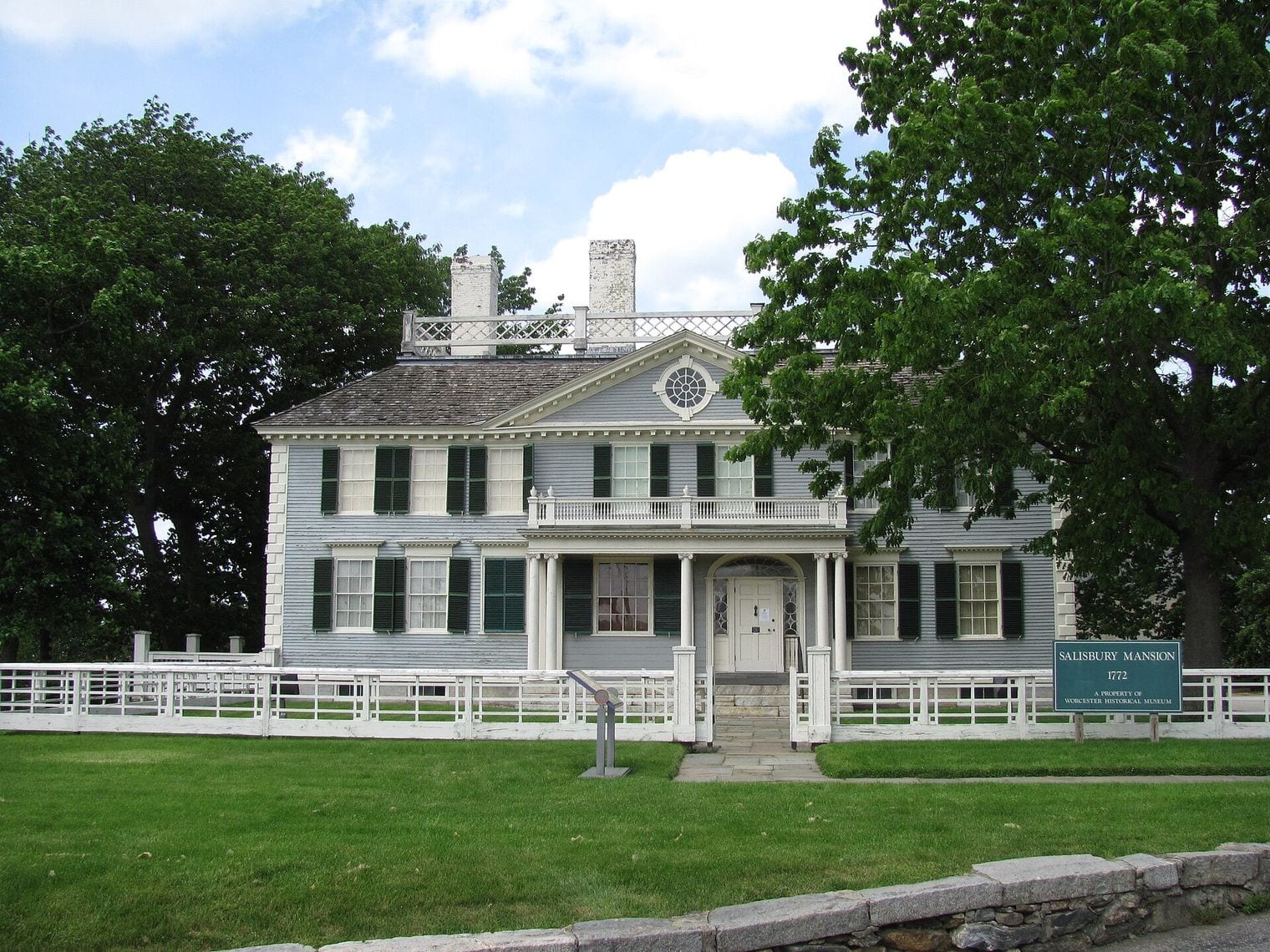
Salisbury Mansion was built in 1772 by merchant Stephen Salisbury I as a combined home and store on Lincoln Square, then moved to its present site on Highland Street in the twentieth century. Run by the Museum of Worcester, it is restored to reflect life in Worcester in the 1830s.
Guided tours walk you through the family rooms and tell the story of one of the families that shaped the city, whose later generations were major benefactors of the Worcester Art Museum and the American Antiquarian Society. Check the tour days before you visit.
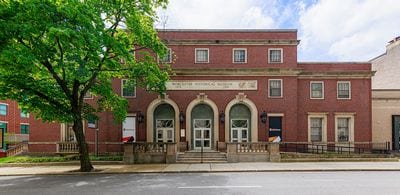
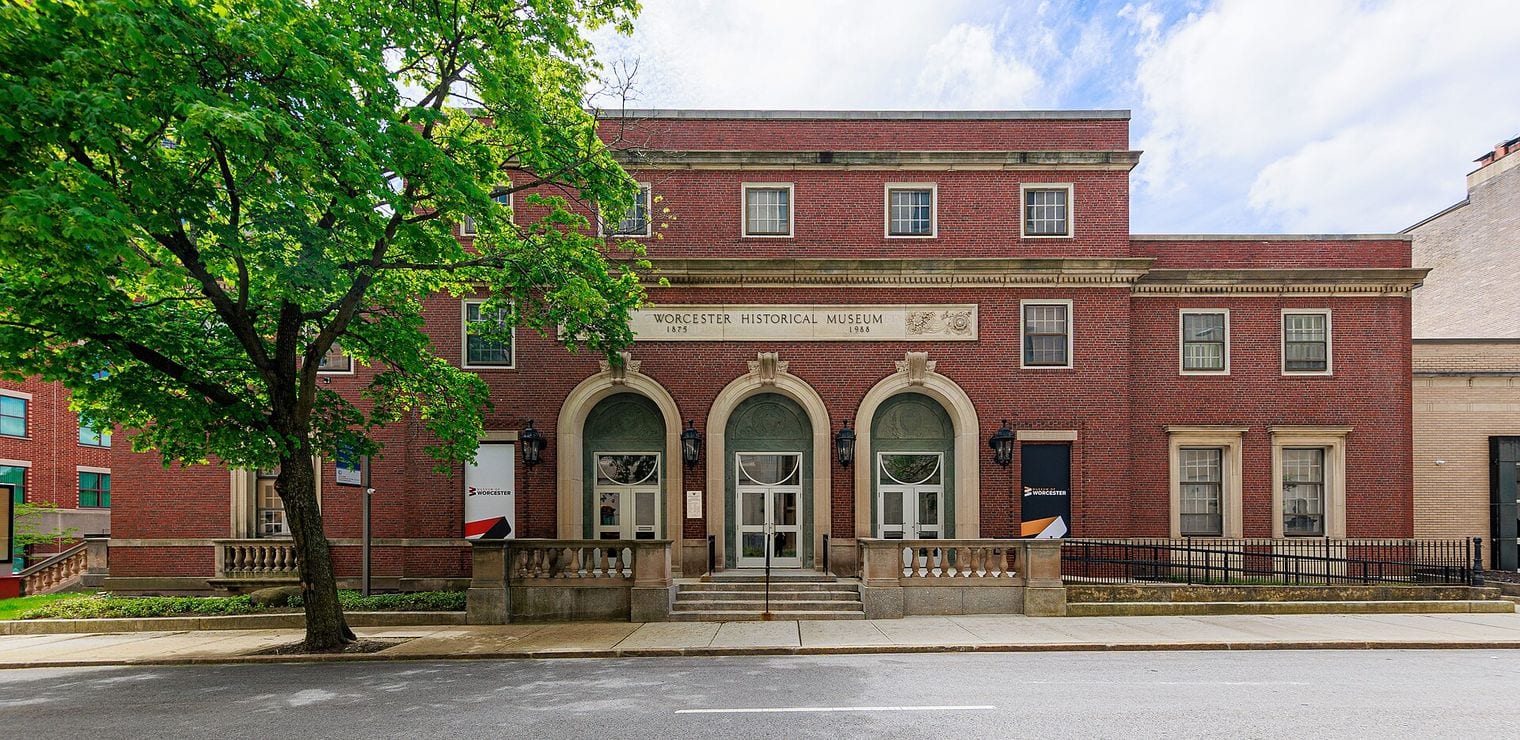
The Museum of Worcester, known until its 150th anniversary as the Worcester Historical Museum, tells the story of the city from its early settlement through its industrial heyday. The reinstalled Fuller Gallery of Industrial History shows how the city's factories and inventors helped shape American manufacturing.
The museum also partners on the Major Taylor Museum, which honors the champion cyclist who made Worcester his home, and it runs nearby Salisbury Mansion. Start here to make sense of the mills, monuments and neighborhoods you will see around town.
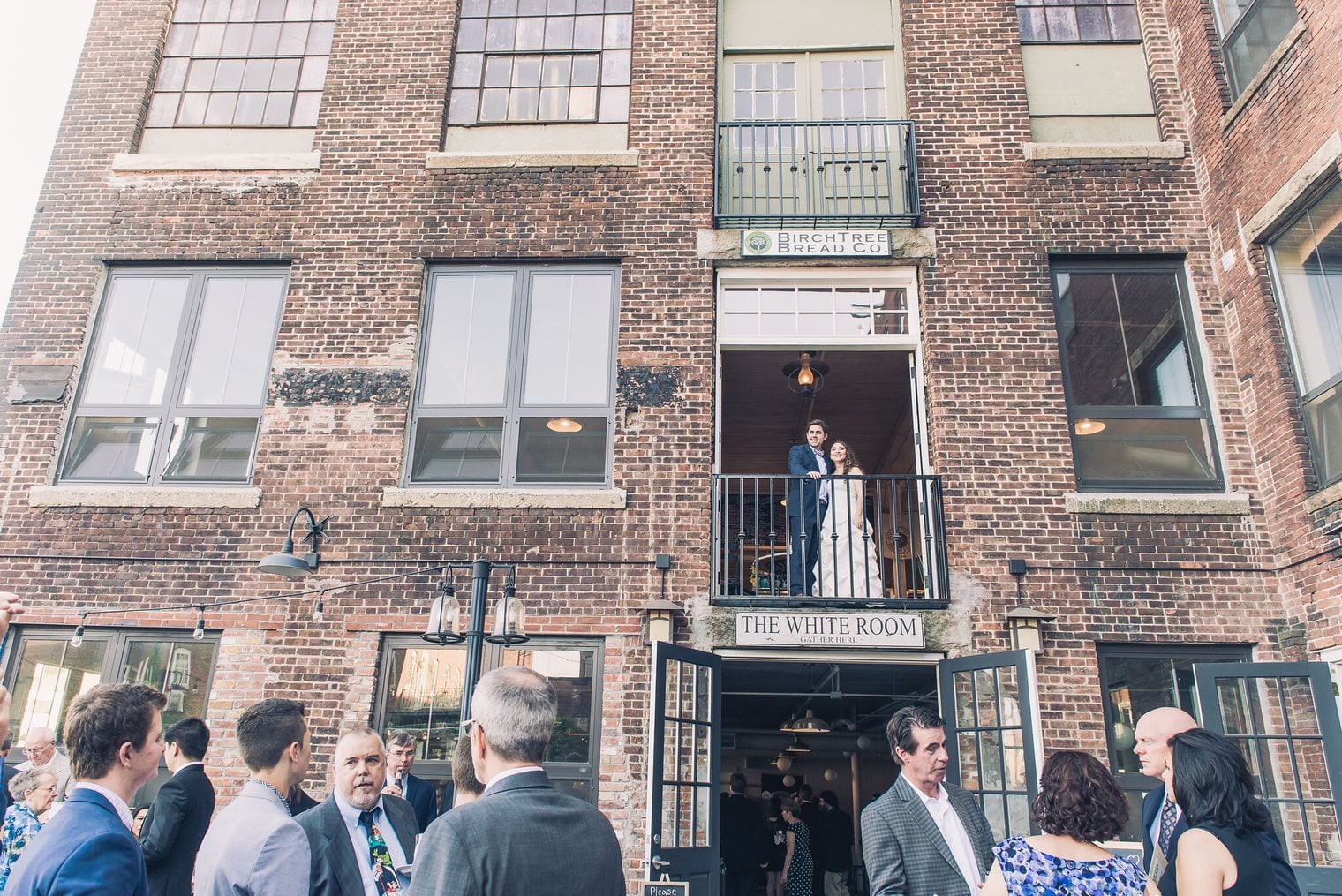
Crompton Collective is a vintage and handmade marketplace inside Crompton Place, a former loom works dating from 1860 on Green Street in the Canal District. Close to a hundred local vendors fill the space with antiques, furniture, vintage clothing and work by local makers.
The restored mill building also holds other small independent shops, which makes it an easy place to linger for an hour. Pair it with a walk around the Canal District and a game at nearby Polar Park.
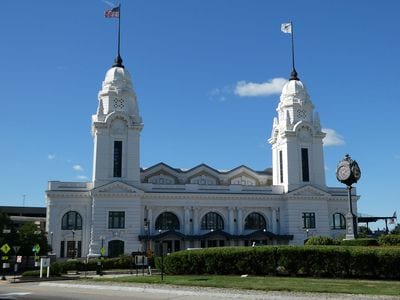
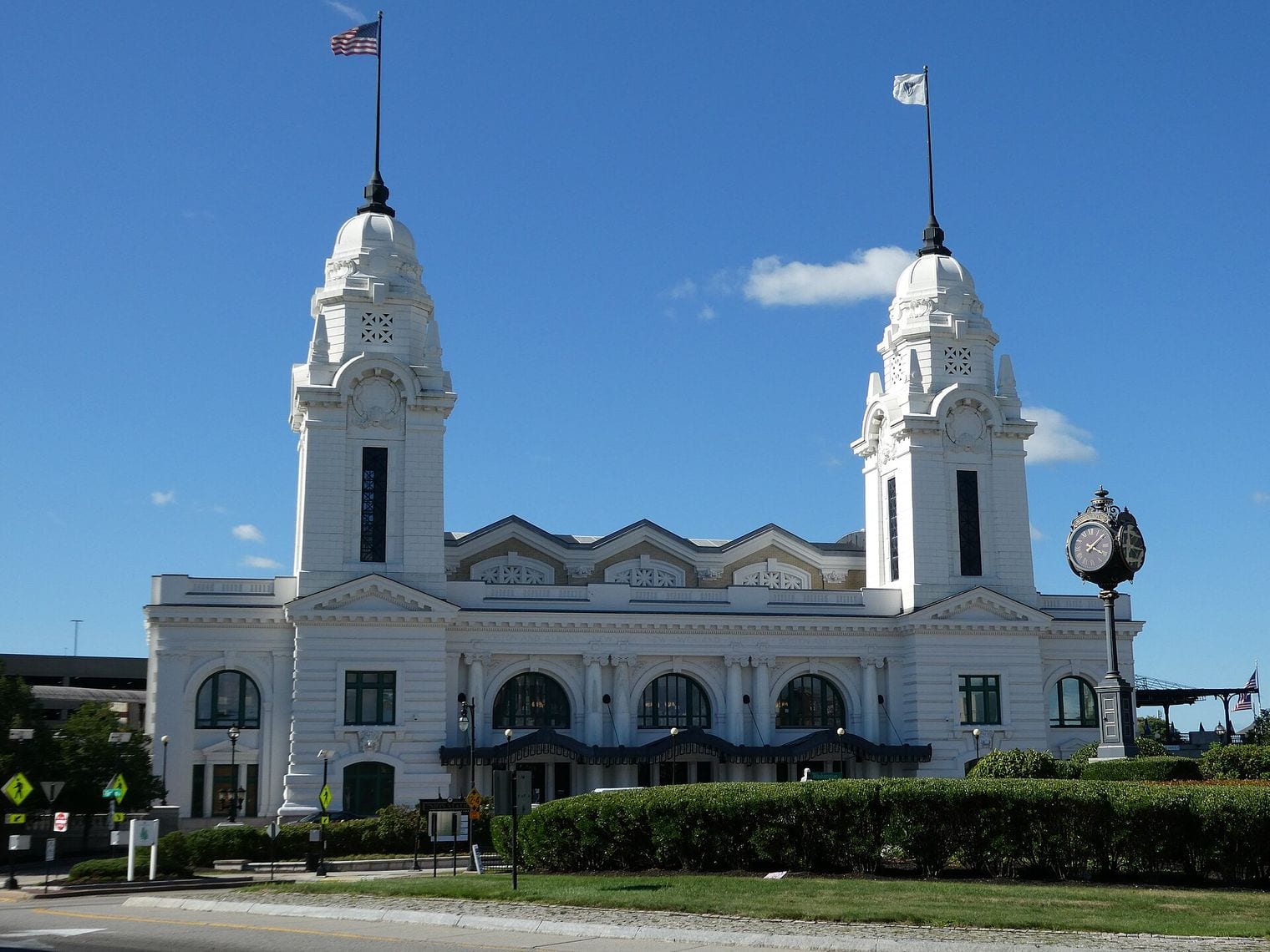
Worcester's Union Station opened in 1911 as a grand French Renaissance Revival terminal, fell into disuse in the late twentieth century, and returned to rail service in 2000 after restoration. Its restored grand hall is one of downtown's most handsome interiors.
It is still a working station, served by Amtrak and the MBTA Commuter Rail to Boston, so you can step inside to admire the hall even if you are not catching a train. The bus terminal beside it is the hub for the city's local buses and a stop for intercity coaches.
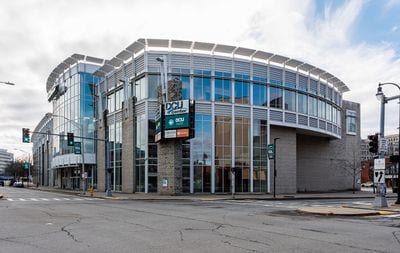
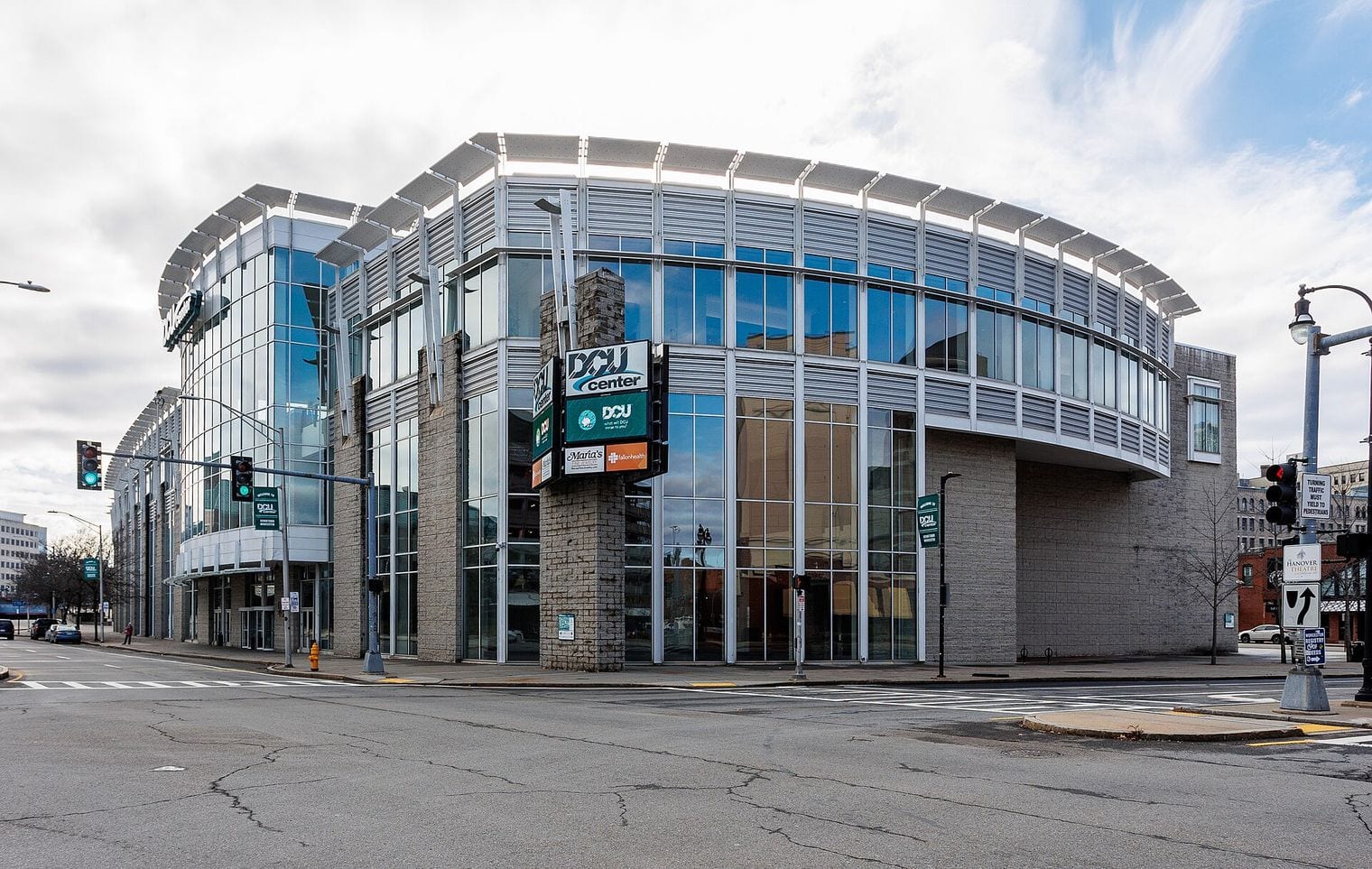
The DCU Center, long known locally as the Worcester Centrum, is downtown's indoor arena and convention center, with around 14,800 seats for its biggest events. It draws touring concerts, family shows and conventions throughout the year.
In hockey season it is home ice for the Worcester Railers of the ECHL. Check the event calendar when you plan your trip, as there is often something on.
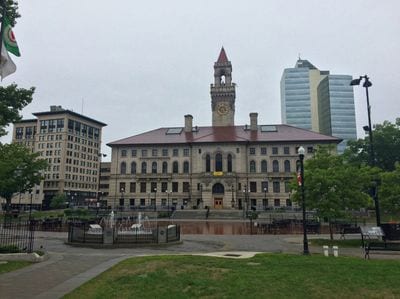
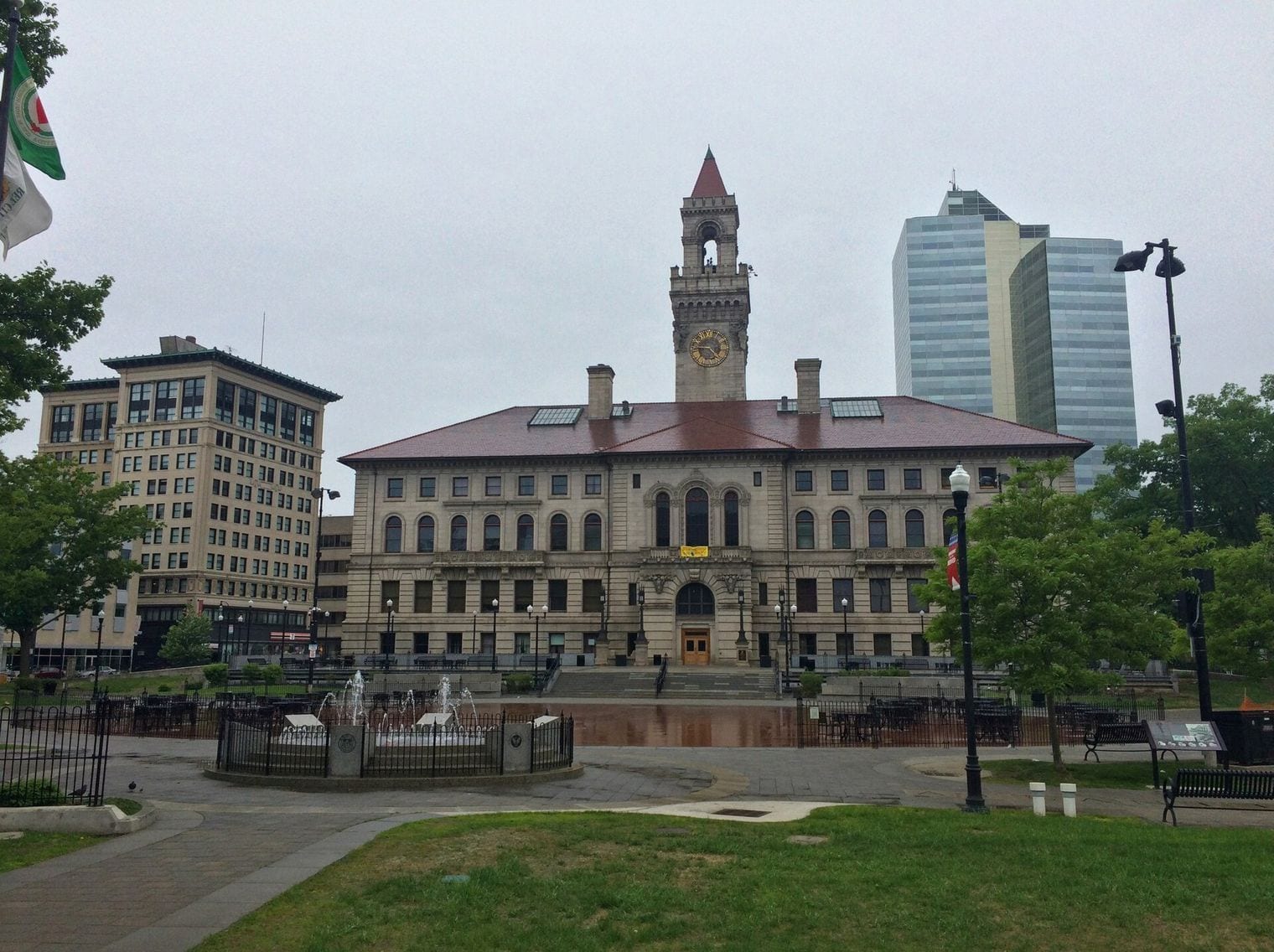
Worcester Common, laid out in 1669, is the civic heart of the city, overlooked by the granite Italianate City Hall of 1898 whose tower echoes Florence's Palazzo Vecchio. City Hall stands on the site of the old meetinghouse, from whose porch Isaiah Thomas gave the first public reading of the Declaration of Independence in Massachusetts in July 1776.
Look for the Soldiers' Monument to the city's Civil War dead near the northeast corner and, at the southeast corner, the Burnside Fountain, whose bronze boy riding a sea turtle is affectionately known as Turtle Boy. In winter the Worcester Common Oval, an outdoor skating rink, opens on the Common, and it is a natural starting point for a downtown walk.
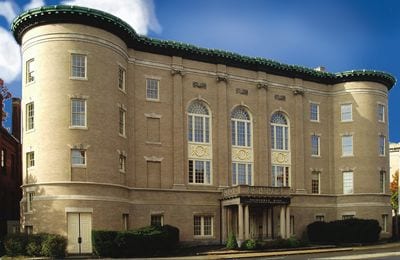
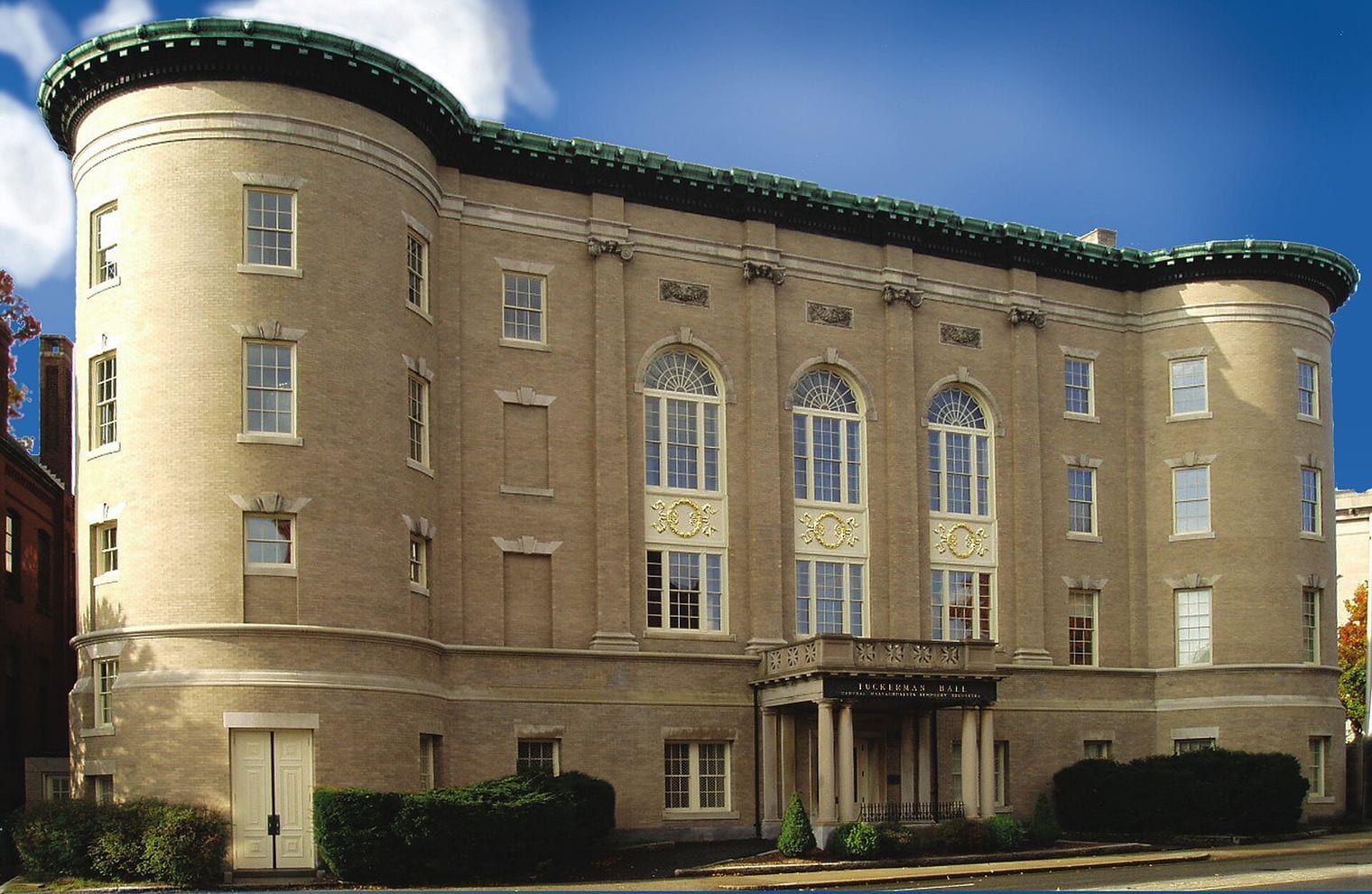
Tuckerman Hall was built in 1902 as the clubhouse of the Worcester Woman's Club, designed by Josephine Wright Chapman, a pioneering architect often credited as the first American woman to start and head her own firm. The Neoclassical building was restored in 1999.
Its intimate hall is home to the Massachusetts Symphony Orchestra and hosts chamber music and other concerts, a smaller and more personal setting than Mechanics Hall. Look at the program for the season if you enjoy classical music.
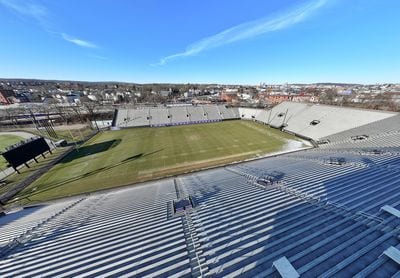
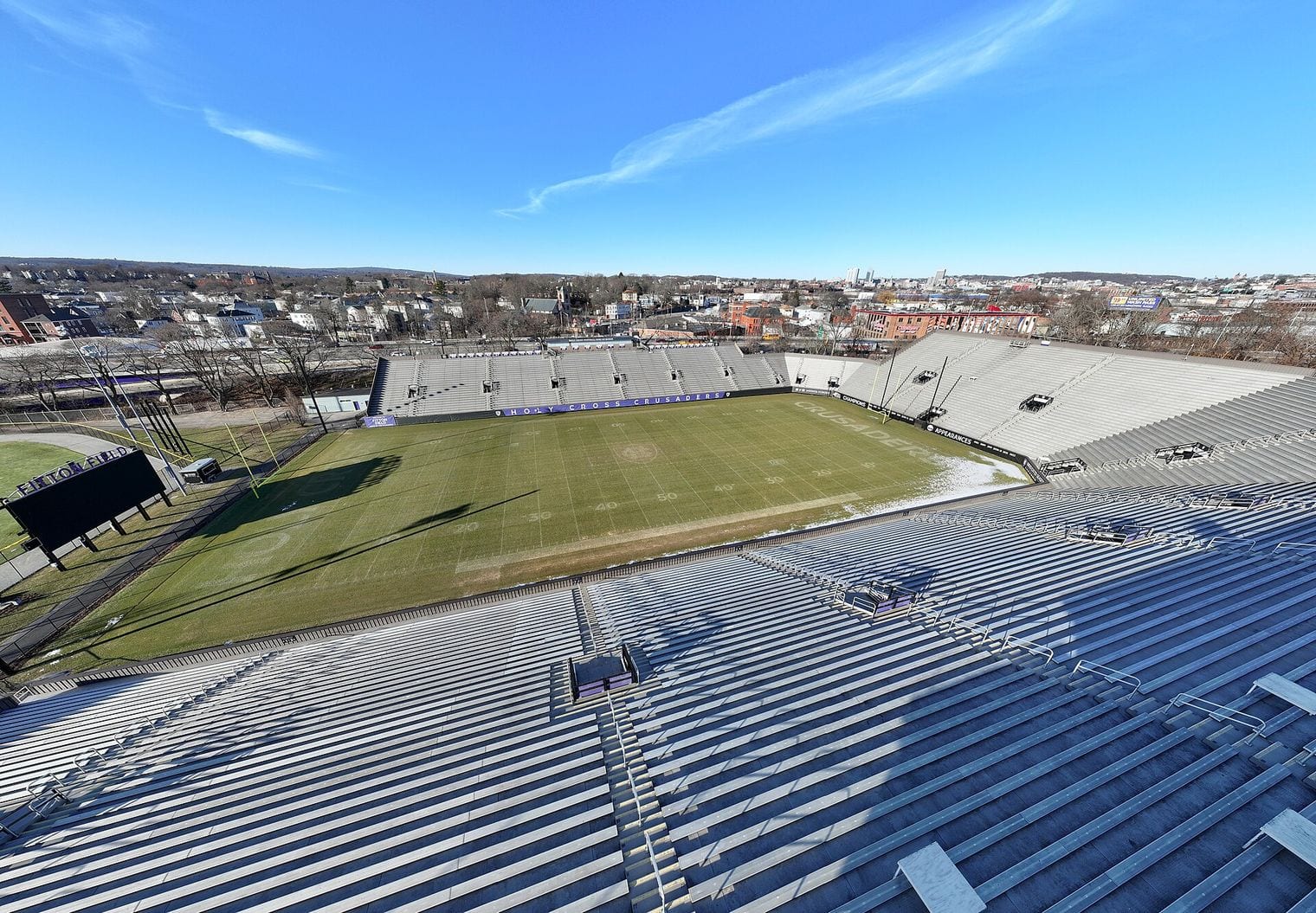
Fitton Field has been home to Holy Cross football since 1908, a horseshoe-shaped stadium on the edge of the College of the Holy Cross campus with a capacity of about 23,500. It is named for Reverend James Fitton, who donated the land on which the college was founded.
A fall Saturday game here is a classic slice of New England college sport. The hilltop Holy Cross campus, with its historic buildings and views over the city, is worth a walk in its own right.
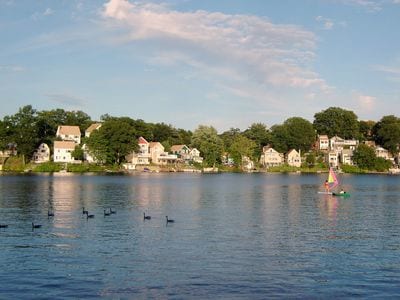
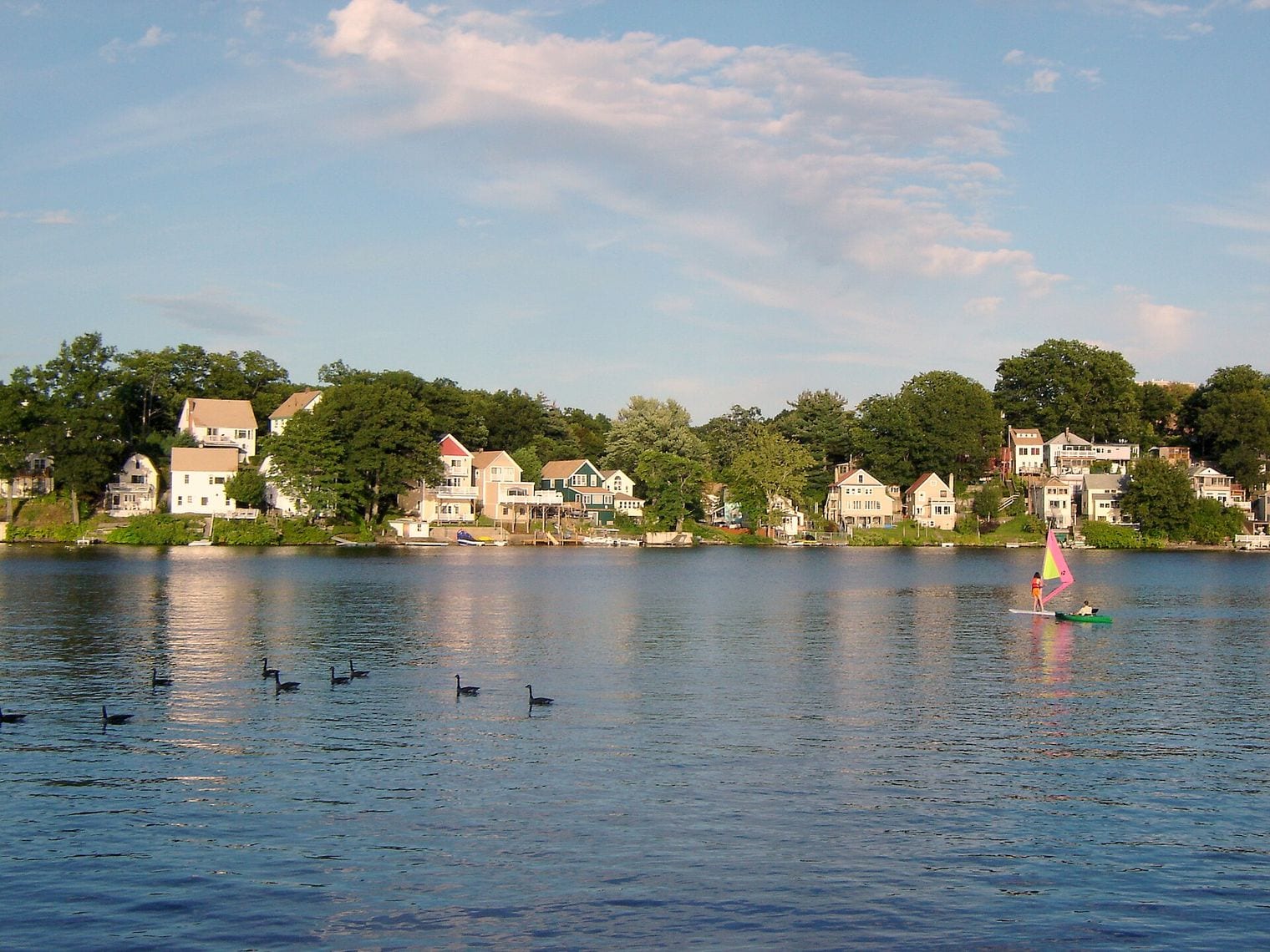
Quinsigamond State Park covers two day-use areas, Regatta Point and Lake Park, on the western shore of Lake Quinsigamond, a long, narrow lake about four miles from end to end on Worcester's border with Shrewsbury. Lake Park has a swimming beach in summer, picnic areas and lawns along the water.
The lake is a celebrated rowing venue, and on regatta days college and school crews race past Regatta Point. Bring a picnic and watch the boats; Regatta Point is also home to a community sailing program.
The Central Massachusetts Korean War Memorial, dedicated in 2003 at Foster and Front Streets, honors the 191 men from Worcester County who died in the Korean War. Their names are inscribed on a polished black granite wall near Washington Square.
A bronze statue of an American GI and a Korean child, added later, recalls the many orphans saved by soldiers during and after the war, and a tree-lined Walkway of Honor completes the site. It is a short walk from Union Station and the DCU Center, so it is easy to fold into a downtown visit.
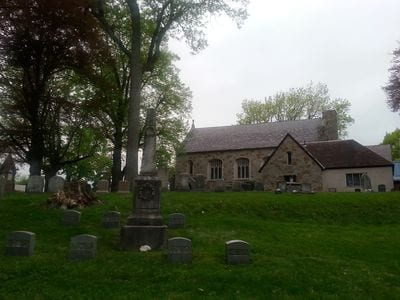
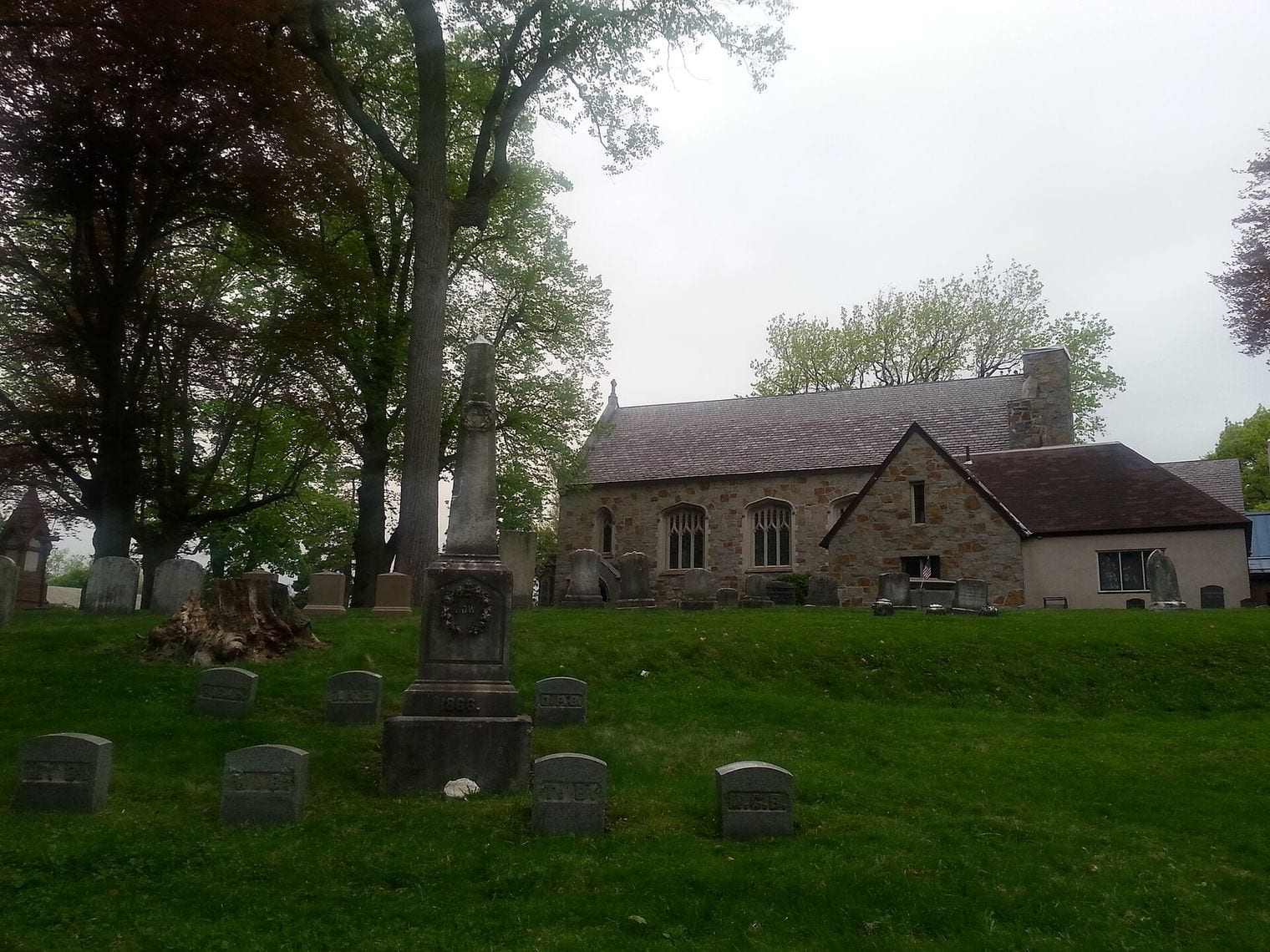
Rural Cemetery on Grove Street was incorporated in 1838, inspired by the garden-cemetery model of Mount Auburn Cemetery in Cambridge, with monuments set across rolling, tree-shaded ground. More than 13,000 people are buried here, among them congressmen, mayors and governors.
Its winding paths and old trees make it a peaceful place to walk, and the carved monuments trace two centuries of Worcester history. Visit respectfully, as it is still an active cemetery.
Plan your trip
Best Time to Visit Worcester
Late spring through early fall is the easiest time to visit. Baseball season brings WooSox games to Polar Park, the beach at Lake Park opens for summer swimming, rowing crews race on Lake Quinsigamond in spring, and the city's parks are at their greenest. Fall is the standout season: the trees around Elm Park, Green Hill Park and Rural Cemetery turn, Holy Cross football fills Fitton Field, and the concert season starts up again at Mechanics Hall and Tuckerman Hall.
Winters are cold and often snowy, but they have their own rhythm: an outdoor skating rink opens on Worcester Common, holiday shows fill The Hanover Theatre, and the indoor sights, from the Worcester Art Museum to the EcoTarium, are uncrowded. Summers can be warm and humid, so plan outdoor walks for the morning.
Getting to Worcester
Worcester sits at the crossroads of central Massachusetts. Interstate 290 runs right through downtown, the Massachusetts Turnpike (I-90) passes just south of the city, I-190 heads north toward Fitchburg, and Route 146 runs south toward Providence. Boston is roughly an hour's drive east, depending on traffic.
Worcester Regional Airport has limited service, so most visitors fly into Boston Logan International Airport, about an hour away, or Rhode Island T. F. Green International Airport near Providence. Union Station downtown is the city's rail gateway, with MBTA Commuter Rail trains on the Framingham/Worcester Line from Boston and Amtrak service, and intercity buses stop at the terminal beside it.
Getting Around Worcester
Downtown is compact enough to walk: Worcester Common, Mechanics Hall, The Hanover Theatre, the DCU Center and Union Station are all within a few blocks of each other, and the Canal District and Polar Park are a short walk south. The city is famously hilly, though, so comfortable shoes help.
For the outer sights, such as the EcoTarium, Green Hill Park, Fitton Field and Lake Quinsigamond, a car is the simplest option, and parking is generally easier to find than in Boston. Local buses fan out from the hub at Union Station, and rideshare covers the gaps, especially after an evening game or show.
Where to Stay in Worcester
Downtown is the most practical base, with the theaters, the DCU Center and Union Station on the doorstep, and it suits visitors arriving by train from Boston. The Canal District, just south, puts you closest to Polar Park and the neighborhood's bars and restaurants, which is ideal for a baseball weekend.
The quieter West Side, around Elm Park and the Worcester Art Museum, has a residential, leafy feel, while the hotels along the main highway corridors are handy for drivers who plan to explore the lake, the outer parks and day trips across central Massachusetts.
Where to Eat in Worcester
Worcester is a diner city: it was home to the Worcester Lunch Car Company, and classic lunch-car diners still serve breakfast around town. Shrewsbury Street, just east of downtown, is the city's best-known restaurant row, with a long tradition of Italian dining.
The Canal District around Kelley Square is the busiest spot for casual eating and drinking, especially before and after games at Polar Park, and the Worcester Public Market gathers local food vendors under one roof. Highland Street, near Worcester Polytechnic Institute, has more relaxed spots popular with students.
Day Trips from Worcester
Some of central Massachusetts' best-loved sights lie just outside the city. Old Sturbridge Village, a living-history museum of early New England life, is about half an hour southwest in Sturbridge; the New England Botanic Garden at Tower Hill in Boylston is about 20 minutes north; Purgatory Chasm State Reservation in Sutton, a granite gorge with scrambling trails, is about 25 minutes south; and Wachusett Mountain in Princeton, for hiking in summer and skiing in winter, is about half an hour north. For more ideas, see our guide to the best small towns in Massachusetts.
Worcester is also a convenient base for bigger cities. Boston is about an hour east by car or commuter rail, Springfield, home of the Basketball Hall of Fame, is about an hour west along the Massachusetts Turnpike, and Providence, Rhode Island, is about an hour south on Route 146.
One Day in Worcester
Morning
Start at the Worcester Art Museum when it opens, then walk next door into Elm Park for the ponds and footbridges. If you have the energy, carry on up the hill to the castle-like Bancroft Tower in Salisbury Park for views over the city.
Browse the vintage stalls at Crompton Collective in the Canal District, then stay in the neighborhood for a WooSox game at Polar Park in baseball season, or book a show at The Hanover Theatre the rest of the year.
Worcester is known as the Heart of the Commonwealth, the second-most populous city in New England, and for its industrial heritage and lunch-car diners. Visitors come for the Worcester Art Museum, the EcoTarium science and nature museum, the acoustics of Mechanics Hall, WooSox baseball at Polar Park and the Olmsted-designed landscapes of Elm Park.
How many days do you need in Worcester?
One full day covers the downtown highlights: the Worcester Art Museum and Elm Park in the morning, Worcester Common and the Museum of Worcester in the afternoon, and a game or show in the evening. Two days let you add the EcoTarium, Green Hill Park and a lakeside afternoon at Quinsigamond State Park.
What can you do in Worcester for free?
Plenty. Elm Park, Green Hill Park and its farm animals, Worcester Common, the grounds of Bancroft Tower, Rural Cemetery and the Central Massachusetts Korean War Memorial are all free to visit. The American Antiquarian Society offers free public tours, and the restored hall of Union Station is open to anyone passing through.
Is Worcester a good day trip from Boston?
Yes. Worcester is about an hour west of Boston by car, and MBTA Commuter Rail trains run between Boston and Worcester's Union Station, which sits within walking distance of the Common, Mechanics Hall and the Canal District. A day is enough for the art museum, a walk downtown and an evening ballgame.
When is the best time to visit Worcester?
Late spring through early fall is best, when WooSox games are on at Polar Park, Lake Quinsigamond is open for swimming and rowing, and the parks are green. Fall adds foliage and college football at Fitton Field, while winter brings skating on Worcester Common and holiday shows at The Hanover Theatre.
Sources & updates
How this guide was checked
Checked before launch
Sources cited
20
Publishers
12
Every place on this list was confirmed open and pinned on the map before publication, and what we say about each one was checked against its own website or an official source.
A PDF with a box to tick for every place. Confirm your email to download it, and get one email every Thursday with our newest guides for the places you tick.
Free Worcester printable checklist
All 20 places in one PDF
Tick them off as you go. Confirm your email to download it, plus one email every Thursday with new guides for the places you tick.
We use cookies to analyse site traffic and improve your experience.
You can accept or reject analytics cookies. See our
May we use analytics cookies? See ourCookie Policy.