Pyramids in the jungle, cenotes under the limestone, and a coastline that runs from the Caribbean to the Sea of Cortez.
Mexico packs an extraordinary amount into one country — Caribbean beaches and Pacific surf breaks, Maya and Aztec cities still standing in the jungle and the highlands, colonial towns built on silver money, and a food culture that UNESCO lists in its own right. The Yucatán draws the most visitors, where Cancún's white sand sits within reach of Chichén Itzá and hundreds of freshwater cenotes, but the capital, the canyons of the north and the markets of Oaxaca reward anyone who goes further. Use this hub to plan your trip: browse our Mexican city guides below, or read on for the regions, seasons and routes that tie the country together.
The tail of the dry season and the hottest stretch before the rains arrive — clear skies almost everywhere, parched brown highlands, and building heat and humidity on both coasts and across the Yucatán. Semana Santa, the week before Easter, is the biggest domestic travel week of the year, so beaches and colonial towns fill with Mexican families.
SummerJun–Aug
The wet season, though rain here usually means a heavy afternoon downpour rather than a washed-out day. The highlands turn green and stay pleasantly mild thanks to altitude, while the coasts are hot and humid. This is also when Atlantic hurricane season opens, and when whale sharks gather off the Yucatán's Caribbean coast.
FallSep–Nov
September and October carry the highest hurricane risk on the Caribbean and Gulf coasts, and are the quietest, cheapest months there. From about mid-October the rains ease and the dry season returns. Día de Muertos on 1–2 November is the country's most striking celebration, marked most famously in Oaxaca and Mexico City.
WinterDec–Feb
The dry season at its best and the peak travel window: warm, sunny days and low humidity on the coasts, cool and crisp evenings in the highlands, where Mexico City and the colonial towns sit high enough to need a jacket after dark. Grey whales calve in the Baja lagoons, and the beach resorts are at their busiest and priciest.
Regions
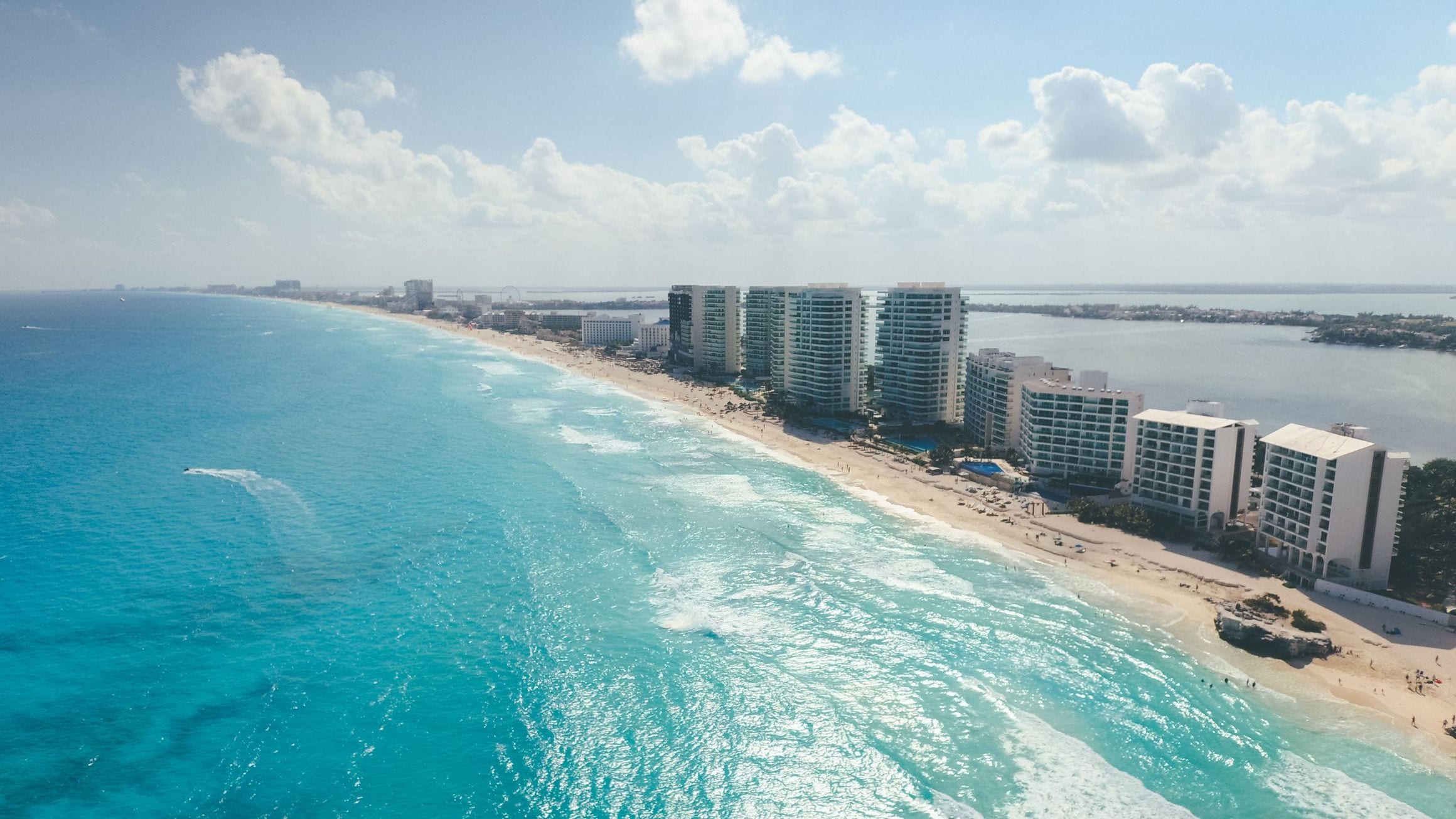
The Yucatán & the Caribbean coastThe flat limestone peninsula that draws the most visitors, where Cancún and the Riviera Maya line the Caribbean with white sand and reef, and inland lie Chichén Itzá, Uxmal, the colonial city of Mérida and thousands of cenotes — freshwater sinkholes you can swim in.
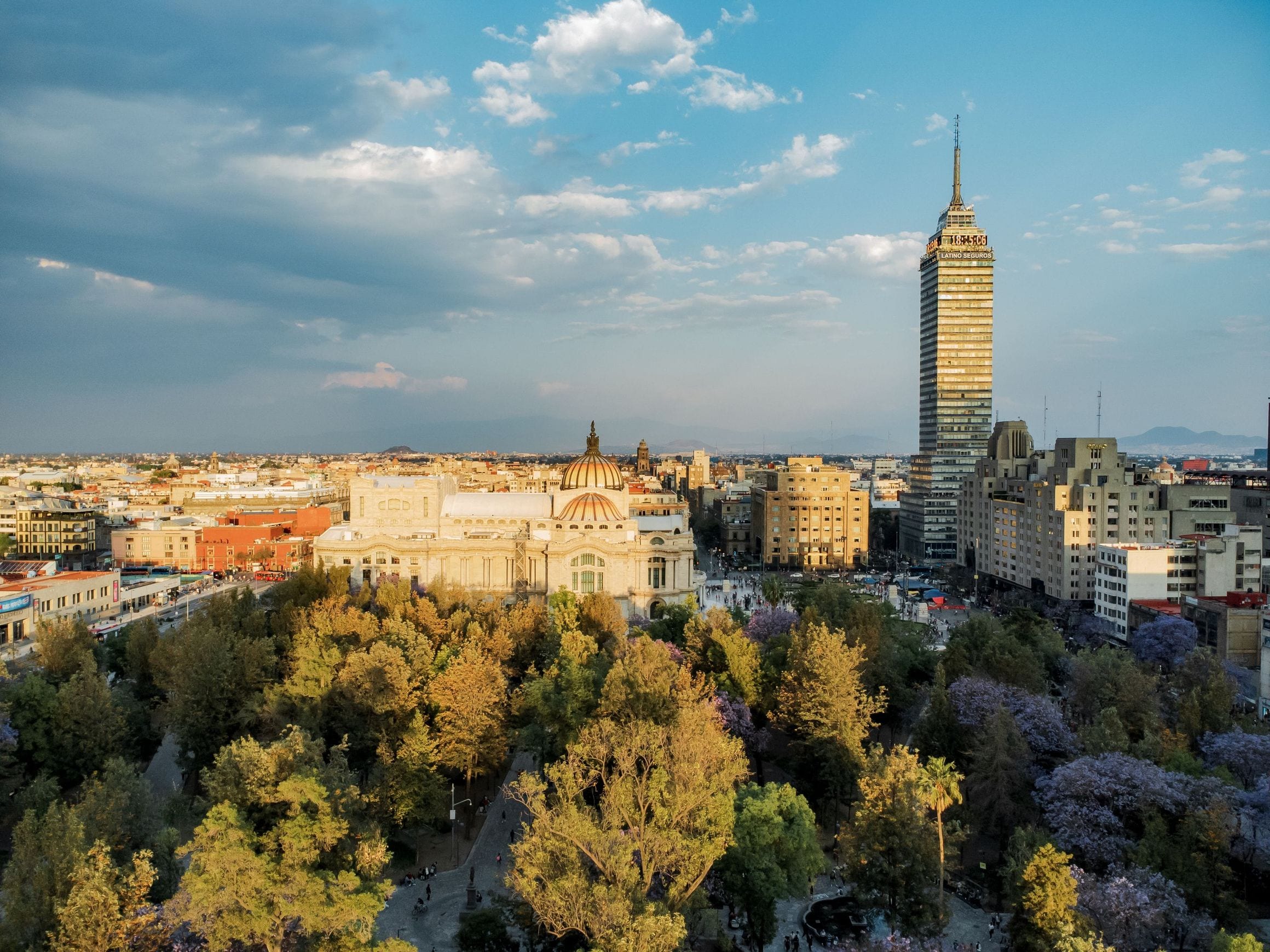
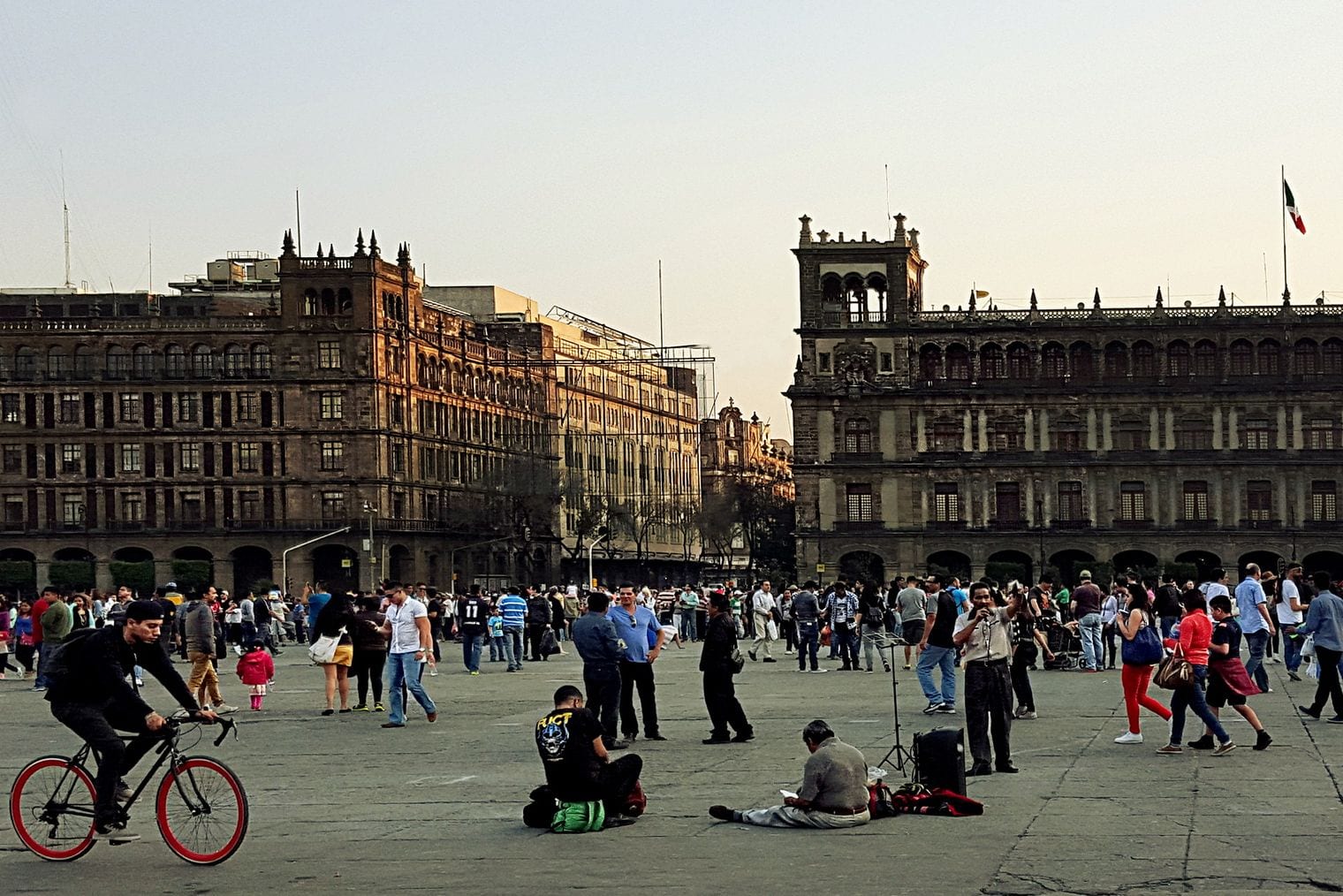
Mexico City & the central highlandsThe vast, high-altitude capital and the valley around it, layering Aztec ruins, Spanish colonial squares and world-class museums, with the pyramids of Teotihuacán, the tiled city of Puebla and the volcanoes of the Sierra Nevada within easy reach.
Oaxaca & the southMexico's culinary and indigenous heartland, where the city of Oaxaca sits below the Zapotec ruins of Monte Albán amid mezcal country, and neighbouring Chiapas holds highland San Cristóbal, the jungle temples of Palenque and the Sumidero Canyon.
The colonial Bajío & silver citiesThe highland heart of the country, built on colonial silver wealth — the artist enclave of San Miguel de Allende, tunnel-riddled Guanajuato, elegant Querétaro and Zacatecas, plus Guadalajara and the agave fields of tequila country.
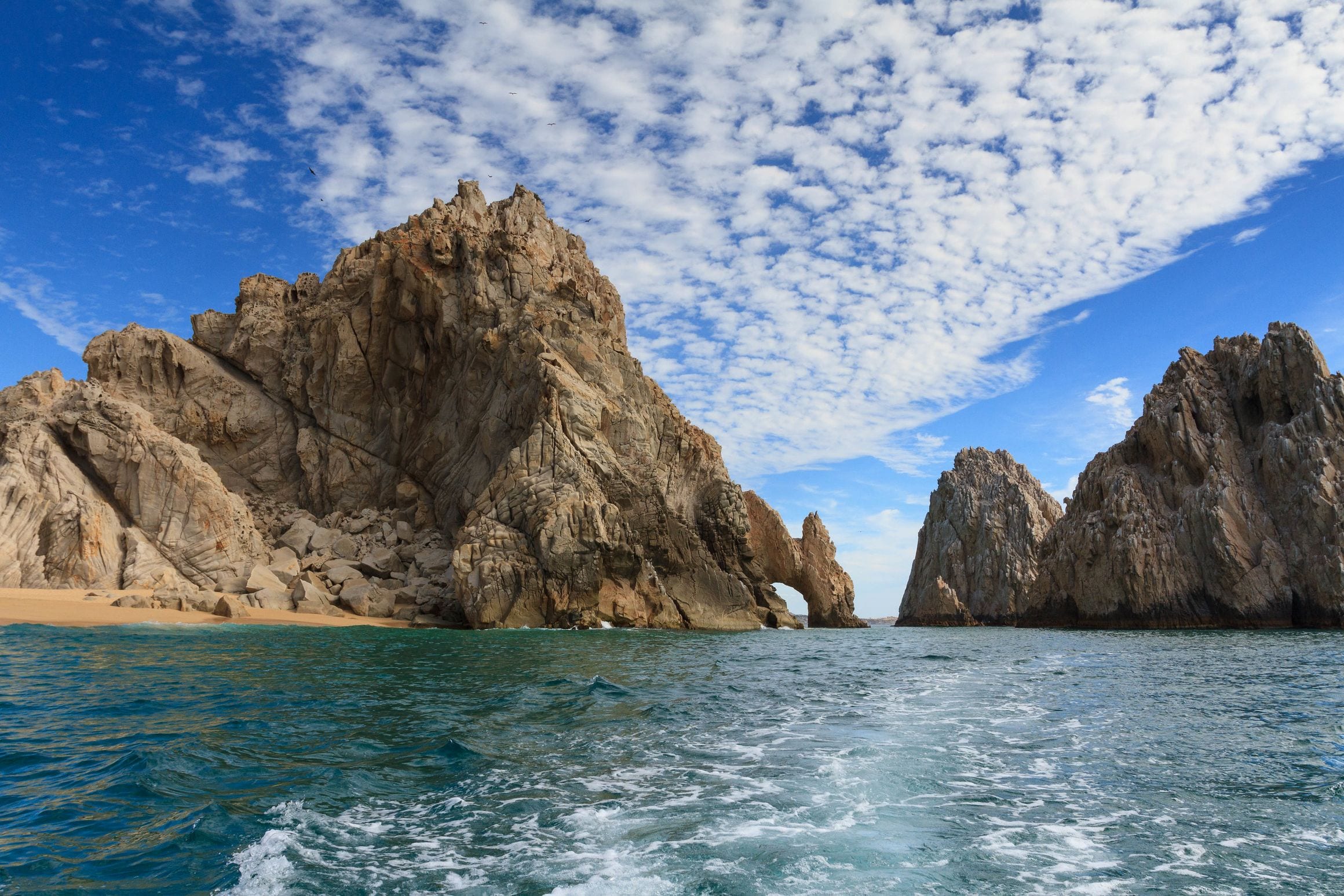
Baja CaliforniaThe long desert peninsula between the Pacific and the Sea of Cortez, running from the wine valleys south of Tijuana down to the resorts and sport fishing of Los Cabos, with grey-whale lagoons, island diving and empty beaches along the way.
The Pacific coast & the northThe mainland's western shoreline of surf towns and resort bays — Puerto Vallarta, Mazatlán, Acapulco and the Oaxacan coast — backed by the Sierra Madre and, further north, the vast Copper Canyon system and the desert cities of the border states.
Mexico's signature sights at a glance
Chichén ItzáThe most famous Maya city of all, crowned by the stepped pyramid of El Castillo — a UNESCO site and one of the New Seven Wonders of the World.Basecamp: Yucatán
Cancún & the Caribbean coastThe white sand and turquoise water that made Mexico a beach destination, with Maya ruins, an underwater sculpture museum and the reef all inside the city.Basecamp: Cancún
Oaxaca & Monte AlbánMexico's food capital, famous for mole and mezcal, sitting below a Zapotec city carved into a flattened mountaintop overlooking the valley.Basecamp: Oaxaca
Copper CanyonA canyon system in the Sierra Madre larger and deeper than the Grand Canyon, crossed by one of the world's great railway journeys.Basecamp: Chihuahua
Suggested routes
The Yucatán loop
~1 week
The classic first trip to Mexico, pairing Caribbean beach time with the peninsula's Maya cities and cenotes. Distances are short, the roads are good, and the Tren Maya now links most of the stops if you would rather not drive.
1Cancún — fly in; beaches, ruins & the Hotel Zone
2Tulum — clifftop Maya ruins above the sea
3Valladolid — colonial town & nearby cenotes
4Chichén Itzá — the great pyramid of El Castillo
5Mérida — the Yucatán's elegant colonial capital
Mexico City & the pyramids
3–5 days
A city break in one of the world's great capitals, mixing Aztec and colonial history with museums, markets and food, plus a day trip out to the largest pyramids in the country.
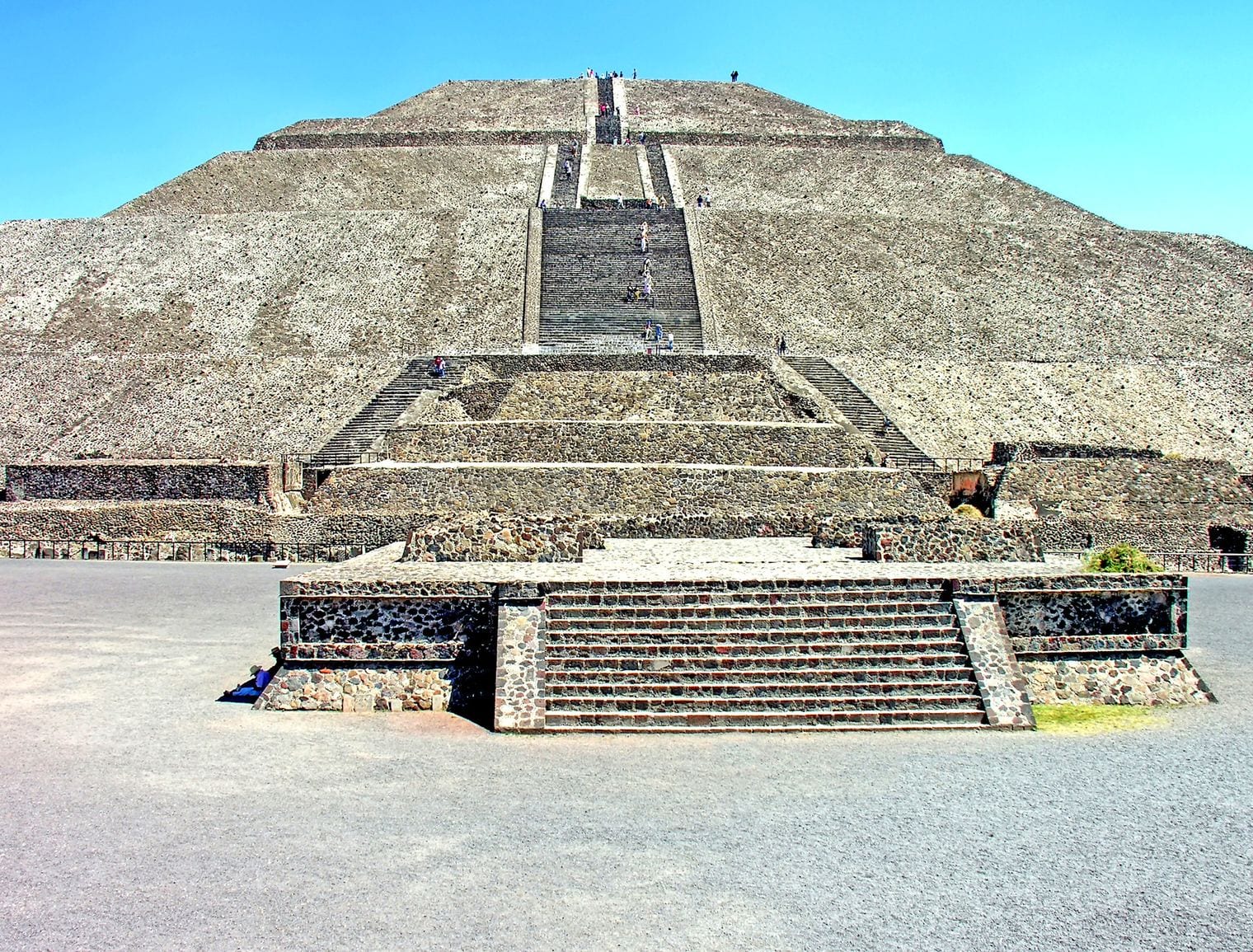
2Teotihuacán — day trip to the Pyramids of the Sun & Moon
3Coyoacán — Frida Kahlo's Blue House & the old village
4Xochimilco — the surviving Aztec canals by trajinera
Oaxaca: food, ruins & mezcal
4–5 days
A slower trip through Mexico's culinary heartland, built around markets, mole and mezcal, with Zapotec archaeology and craft villages within an easy drive of the city.
1Oaxaca city — basecamp — markets, mole & colonial streets
2Monte Albán — Zapotec ruins on a levelled mountaintop
3Hierve el Agua — petrified mineral waterfalls & spring pools
4The mezcal villages — Santiago Matatlán & the palenques
Mexico travel FAQ
Eight questions travellers ask before they go.
When is the best time to visit Mexico?
Late autumn through spring — roughly November to April — is the sweet spot almost everywhere: it's the dry season, with warm sunny days on the coasts and comfortable temperatures in the highlands. December to February is the peak window and the most expensive. September and October are the wettest and carry the highest hurricane risk on the Caribbean and Gulf coasts, which also makes them the quietest and cheapest months to visit the Yucatán.
How many days do you need in Mexico?
A beach trip to Cancún or Los Cabos works well in four to five days. A week lets you pair a coast with something inland — Cancún with Chichén Itzá and Mérida, for example, or Mexico City with the pyramids at Teotihuacán and a colonial town. Ten days to two weeks is enough to combine two very different regions, though the distances are large: plan on flying between them rather than driving.
Do you need a car in Mexico?
Not for a city or resort trip. Mexico City has an extensive metro, the historic centres are walkable, and first-class long-distance buses connect the country comfortably and cheaply. A car is genuinely useful on the Yucatán peninsula, in Baja and along the Pacific coast, where cenotes, ruins and beaches sit between the towns. If you do drive, use the toll roads where possible and avoid rural highways after dark.
What is Mexico best known for?
Mexico is best known for its beaches and Caribbean resorts, above all Cancún and the Riviera Maya, and for the ancient cities left by the Maya and the Aztecs — Chichén Itzá, Teotihuacán, Tulum and Palenque among them. It's equally famous for its food, which UNESCO recognises as intangible cultural heritage, for tequila and mezcal, for Day of the Dead, and for colonial cities and colourful colonial architecture.
Is English widely spoken in Mexico?
In the resort areas, yes — Cancún, the Riviera Maya, Los Cabos and Puerto Vallarta are geared to international visitors and you'll be served in English almost everywhere. In Mexico City and the larger tourist towns you'll usually find English in hotels, restaurants and at major sights. Away from those places it thins out quickly, and a little Spanish goes a long way; translation apps cover most of the rest.
What currency does Mexico use, and should you take cash?
The Mexican peso, written with a dollar sign — so a menu price of $350 means about 19 US dollars, not 350. Cards are widely accepted in hotels, restaurants and shops in the cities and resorts, but cash is still king for markets, street food, small towns, taxis and tips. Resort areas will often take US dollars, though usually at a poor rate, so paying in pesos is almost always cheaper.
What should you eat and drink in Mexico?
Tacos are the national staple and vary enormously by region — al pastor in Mexico City, cochinita pibil in the Yucatán, fish tacos in Baja. Look for mole in Oaxaca, tamales and pozole across the country, and ceviche and aguachile on the coasts. Drink-wise, Mexico is the home of tequila and its smokier cousin mezcal, alongside micheladas, fresh fruit aguas frescas and hot chocolate — a drink the country has been making since long before the Spanish arrived.
What kind of trip is Mexico best for?
Beach resorts, ancient sites and road trips.
We use cookies to analyse site traffic and improve your experience.
You can accept or reject analytics cookies. See our Cookie Policy.