We may earn a commission if you book or buy through a link on
this page, at no extra cost to you. It never affects which places we list or how
we rank them (how we make money).
Short answer
Cancun's essentials are Playa Delfines, the postcard beach with no hotels in front of it, Mercado 28 downtown — the most-reviewed place in the city and the counterweight to the Hotel Zone — and Coco Bongo for the show that made Cancun nightlife famous. Three to four days covers the city itself; a week lets you add Chichén Itzá, Tulum and the island ferries.
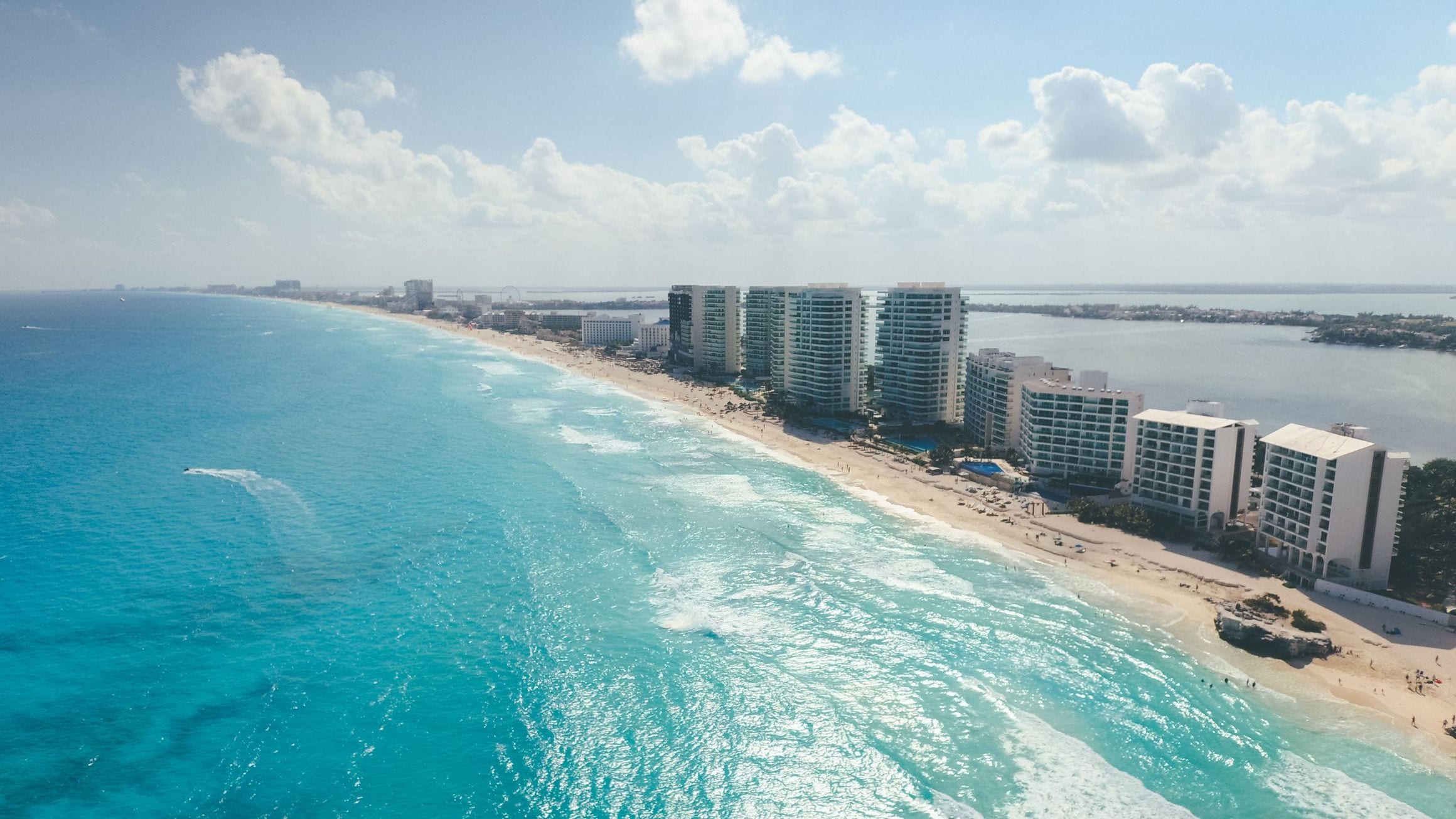
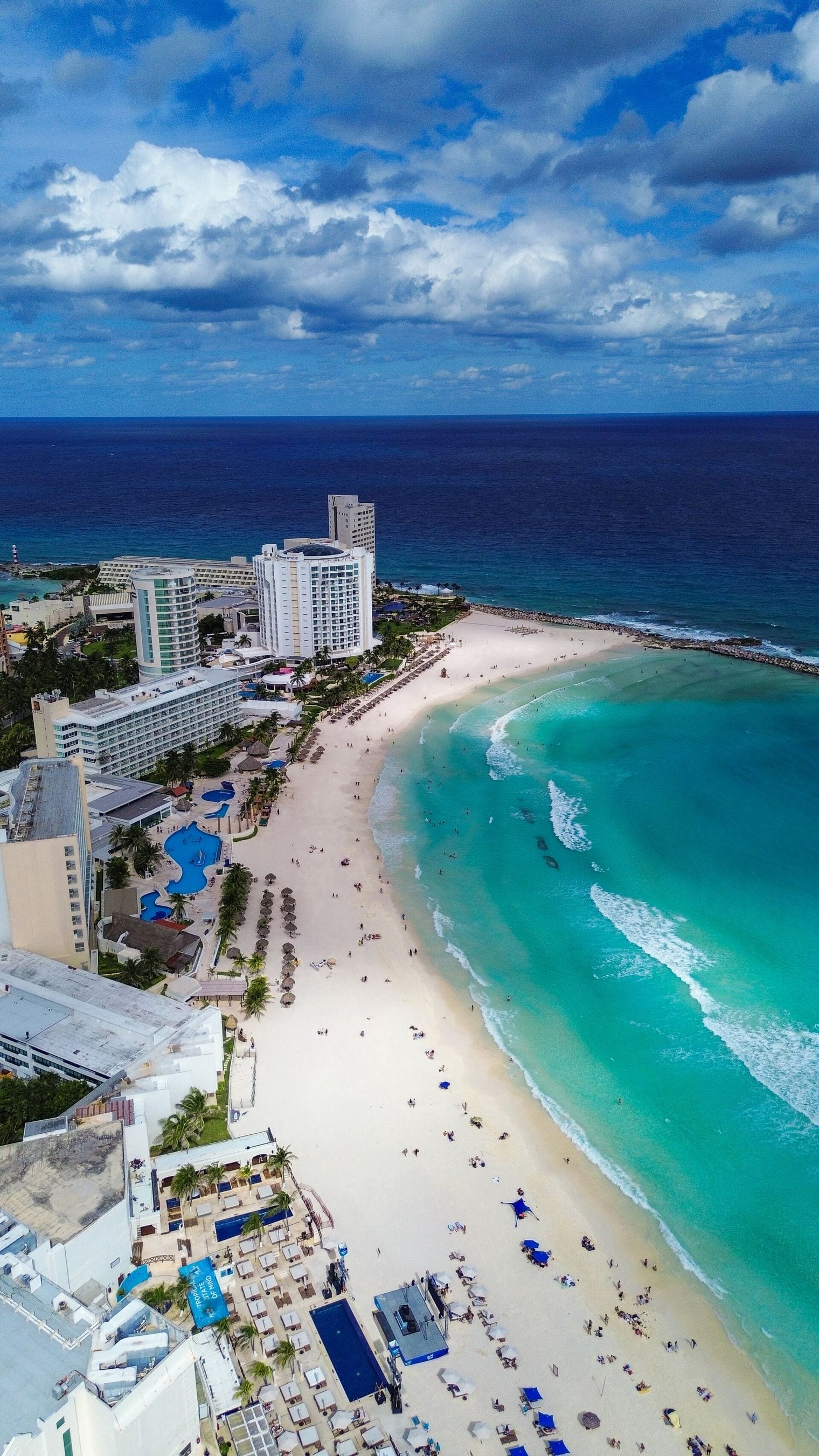
Cancun was empty sand and low jungle until Mexican planners drew a resort city onto the map in the early 1970s. What grew is really two places: a barrier island of white beaches and glass towers curling out into the Caribbean, and a working city downtown where the markets and taquerias are.
Beyond the resorts sit Maya ruins, an underwater sculpture gallery and a mangrove lagoon full of birds. This guide ranks 30 things to do across both halves of the city, with enough range for a long weekend or a full week.
A computer chose the site. In 1967 the Mexican government fed data on rainfall, temperatures, hurricanes and visitor numbers into a computer model to find the best place to build a resort city from nothing. It picked this stretch of empty Caribbean sand.
Three people lived here when work began. Construction started on 20 April 1970, when Isla Cancun had just three residents — the caretakers of a coconut plantation — with about 117 more in the fishing village of Puerto Juarez up the coast.
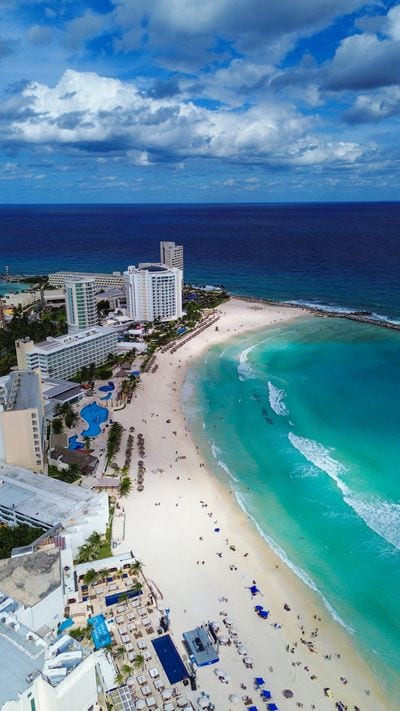
The Hotel Zone is shaped like a number 7. It is not really part of the mainland at all but a narrow barrier island, joined to the city by bridges at each end and wrapped around the Nichupte lagoon.
Cancun keeps its own time. Quintana Roo runs an hour ahead of Mexico City on its own zone, adopted so the resort coast gets more daylight in the evening rather than the early morning.
The reef offshore is the largest in the Americas. Cancun sits at the northern tip of the Mesoamerican Barrier Reef, which runs south past Belize and Guatemala to Honduras — second in size only to Australia's Great Barrier Reef.
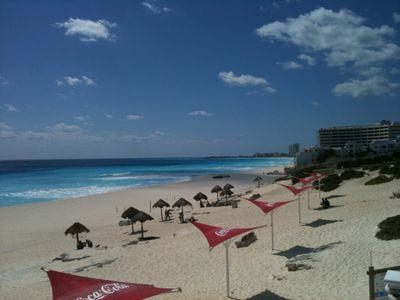
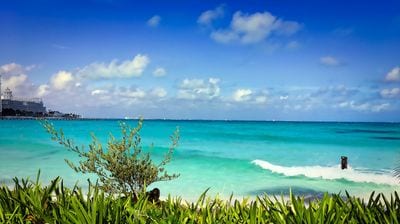
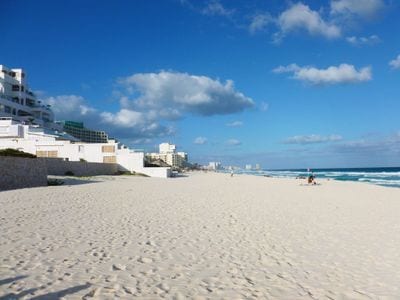
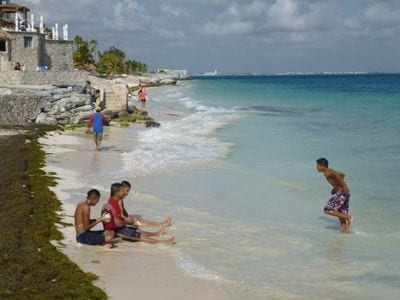
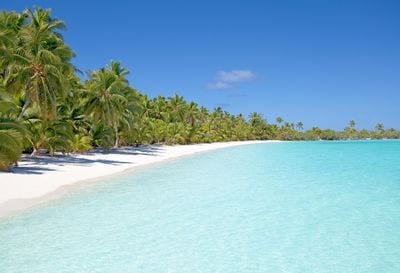
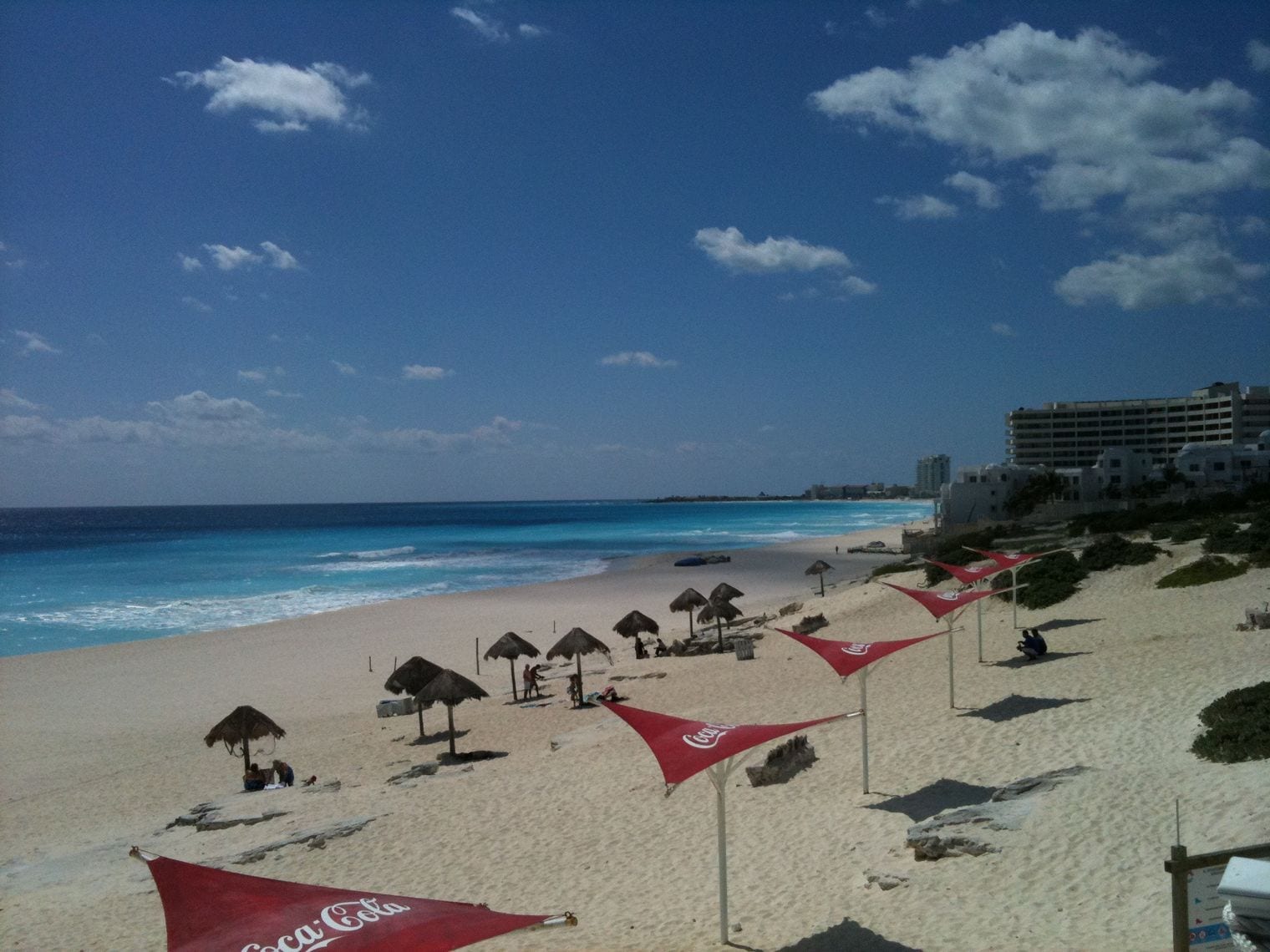
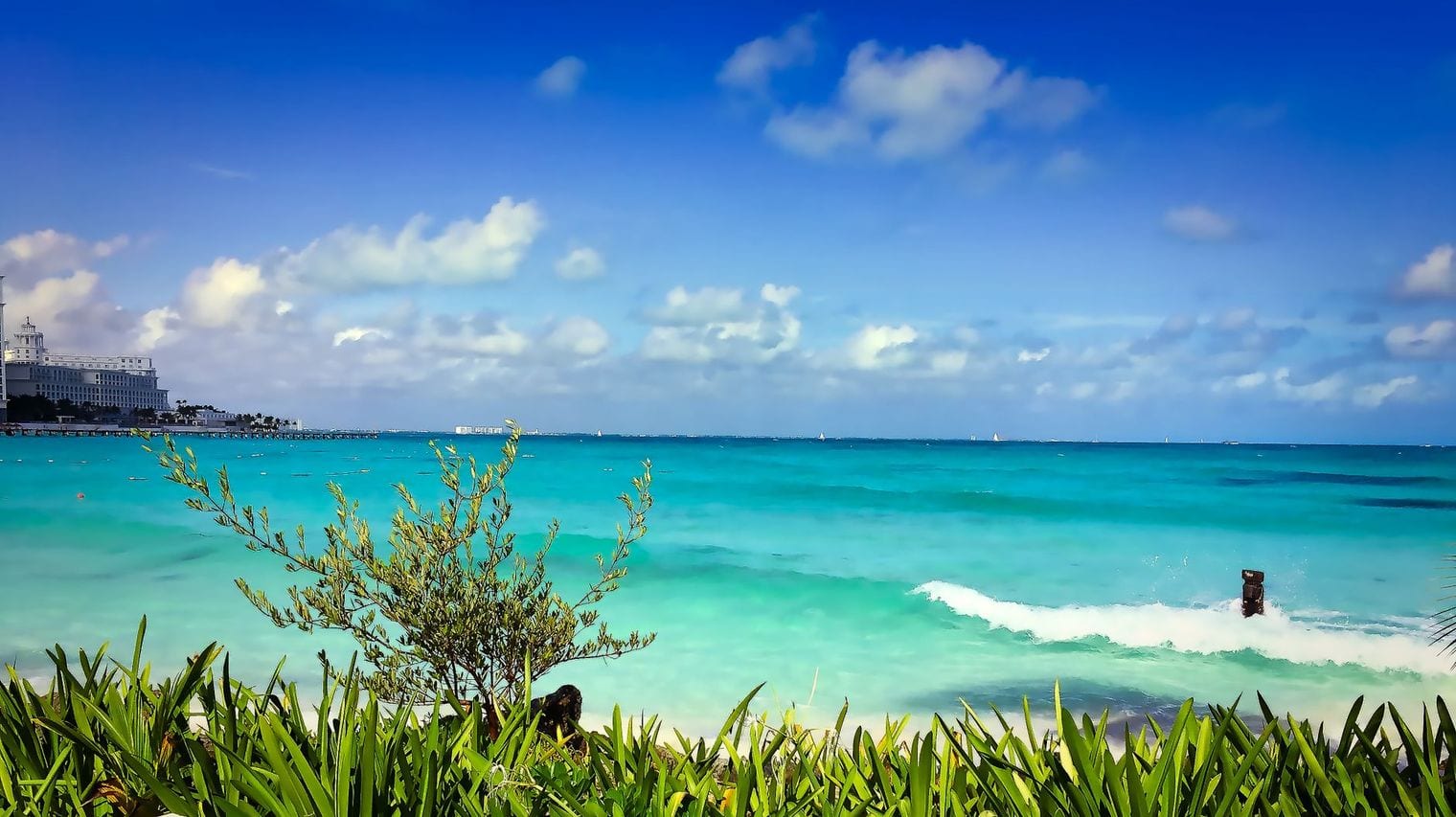
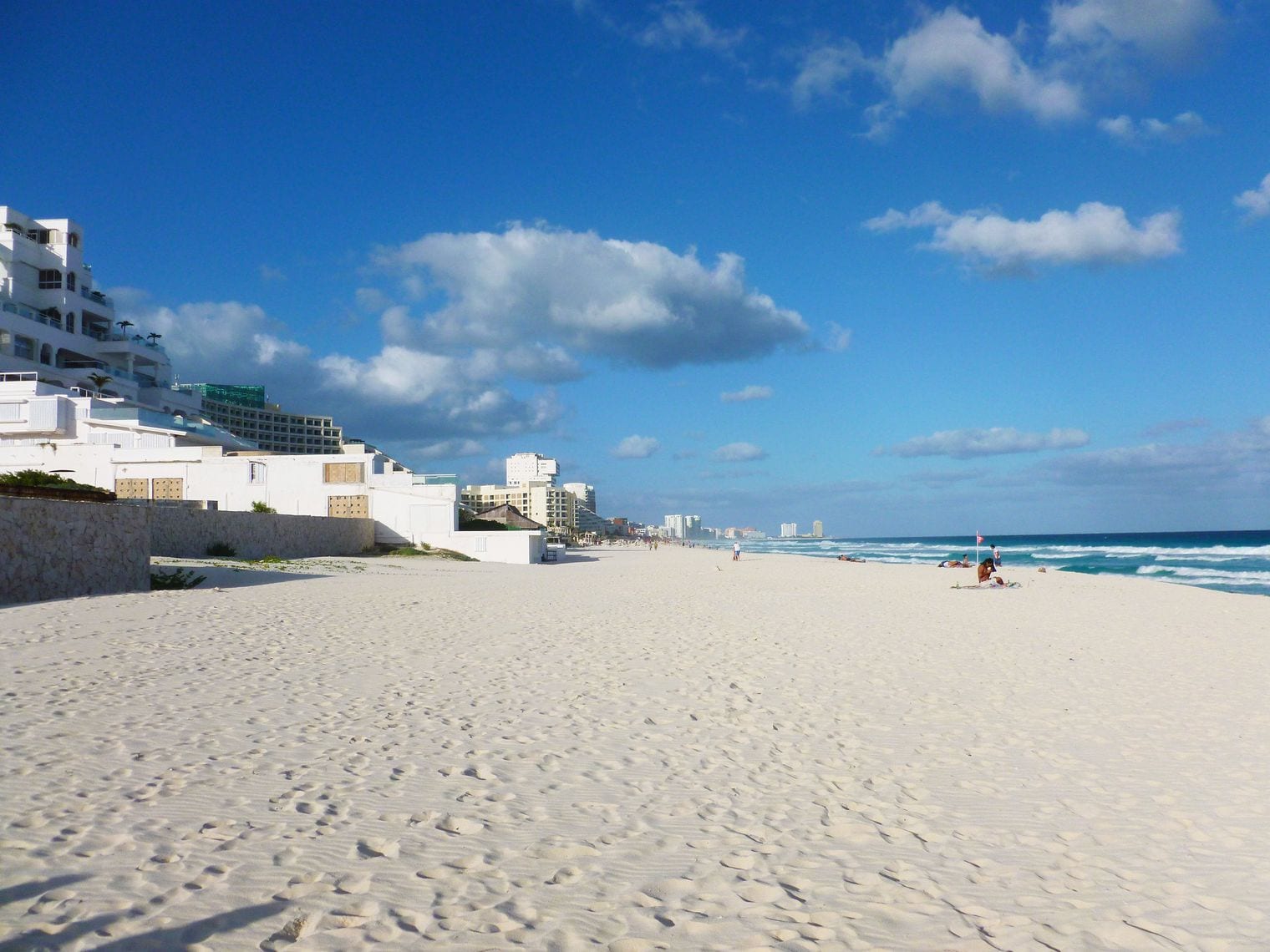
If Cancun has one postcard, this is it. Playa Delfines sits at the far southern end of the Hotel Zone on a low bluff, which is why it gets the view no other beach in the city can match: an open sweep of Caribbean running through every shade from pale turquoise to deep blue, with the resort towers reduced to a distant line behind you.
It is also the most genuinely public beach on the island, with its own parking, palapas and the giant sculpted CANCUN letters that everyone photographs. The trade-off is the water. This side faces open ocean rather than a sheltered bay, so the surf can be strong and the currents real — watch the warning flags, and treat it as a beach for walking and swimming close in rather than drifting out.
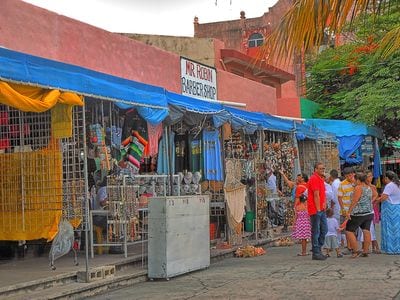
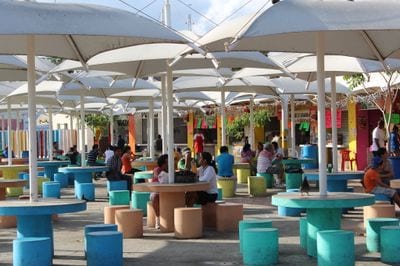
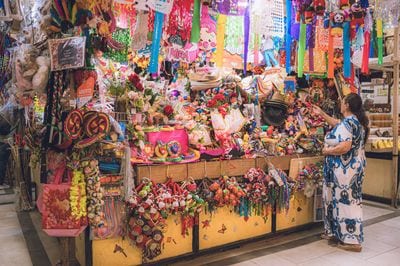
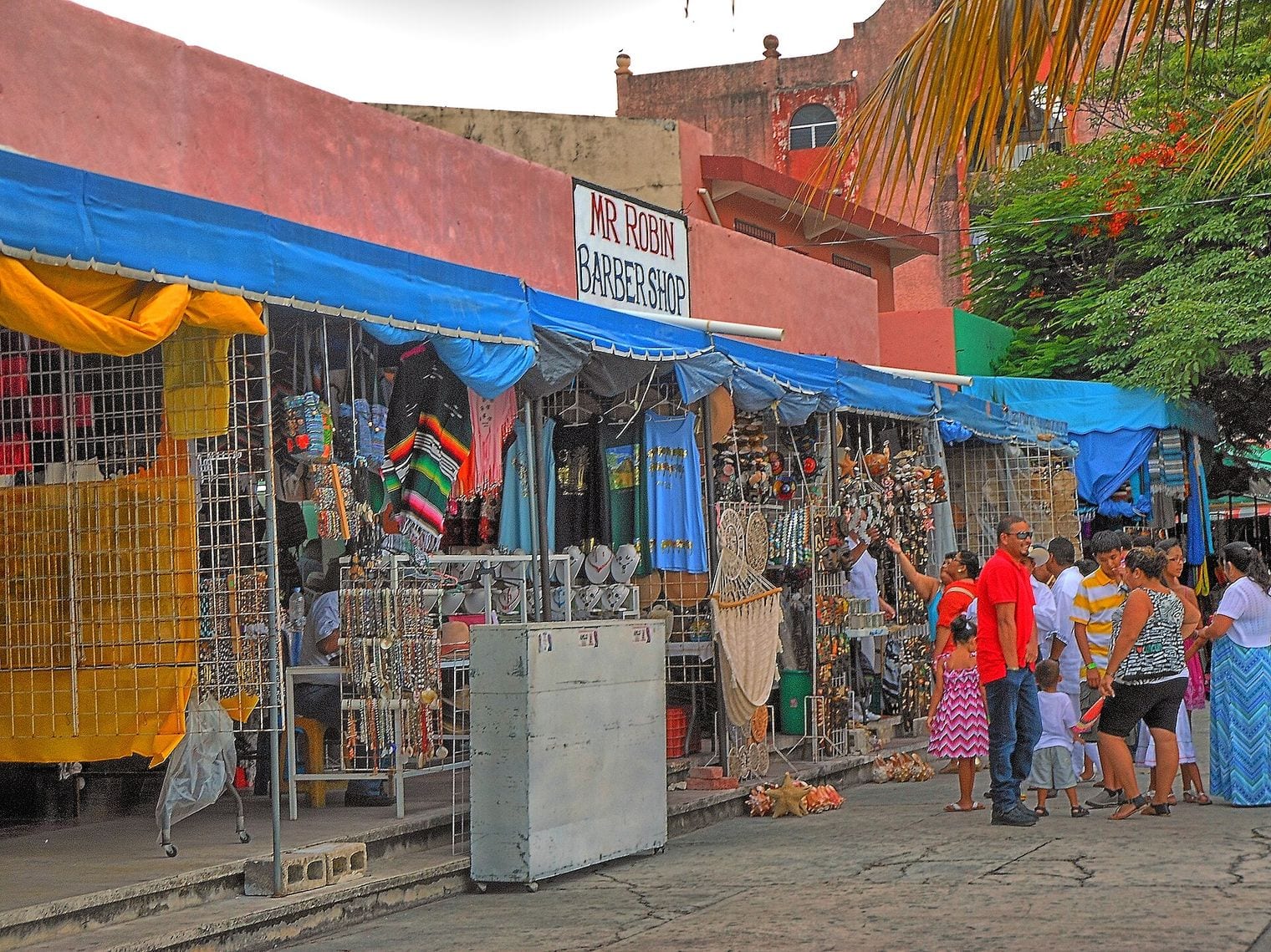
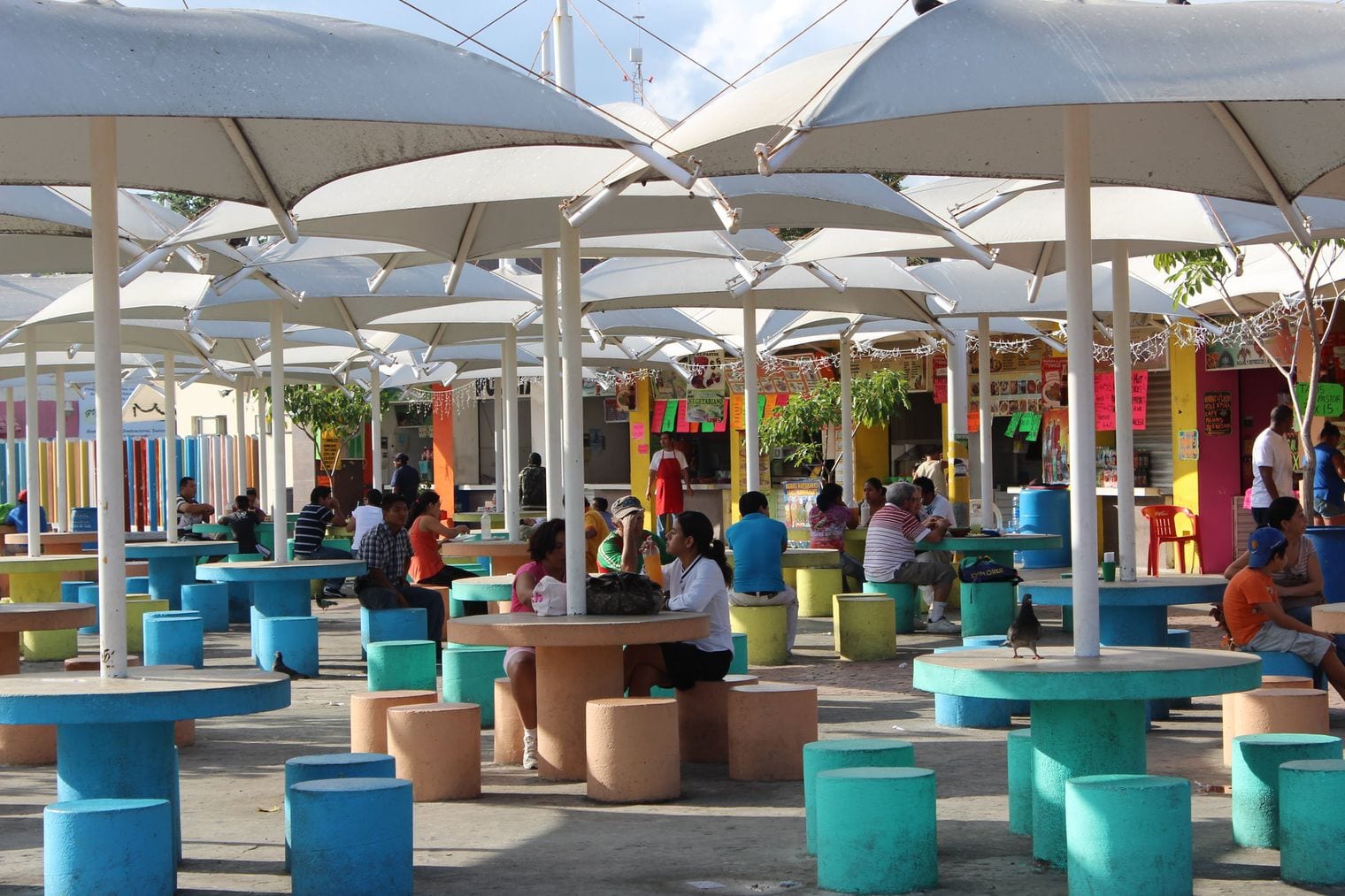
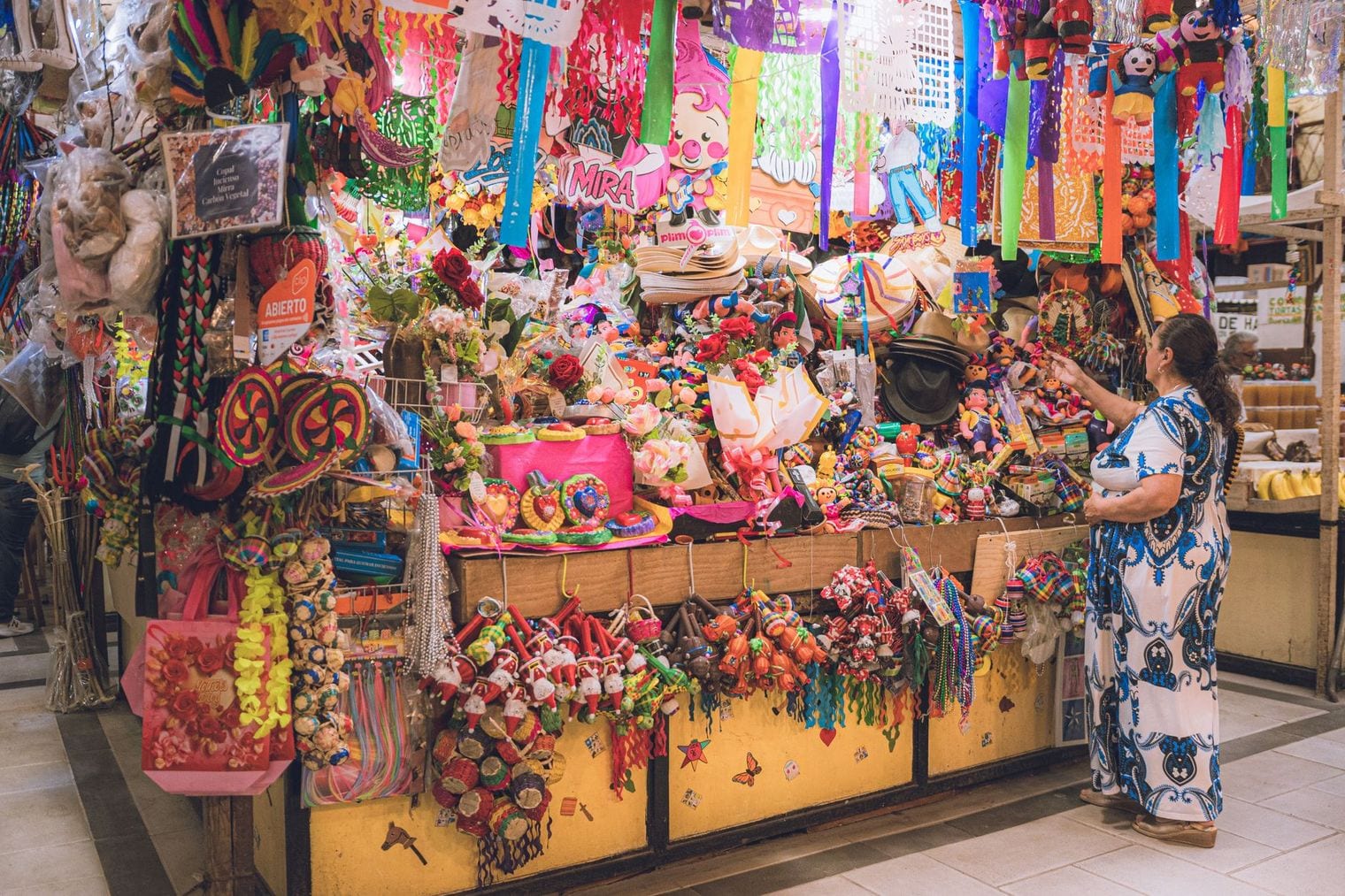
Mercado 28 is the busiest market in Cancun and the easiest way to see the city that exists behind the resorts. It fills a block downtown with a warren of stalls selling hammocks, embroidered blouses, silver, leather, lucha libre masks and a great deal of brightly painted pottery, and it is loud, crowded and entirely geared to bargaining.
The better reason to come is the food. Ringing the craft stalls is an open-air court of family-run loncherias where cochinita pibil, sopa de lima and fresh juices cost a fraction of Hotel Zone prices. Haggling is expected on crafts and not on food, prices are rarely marked, and a slow first lap before you buy anything is the standard approach.
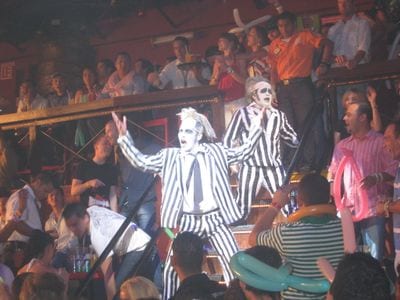
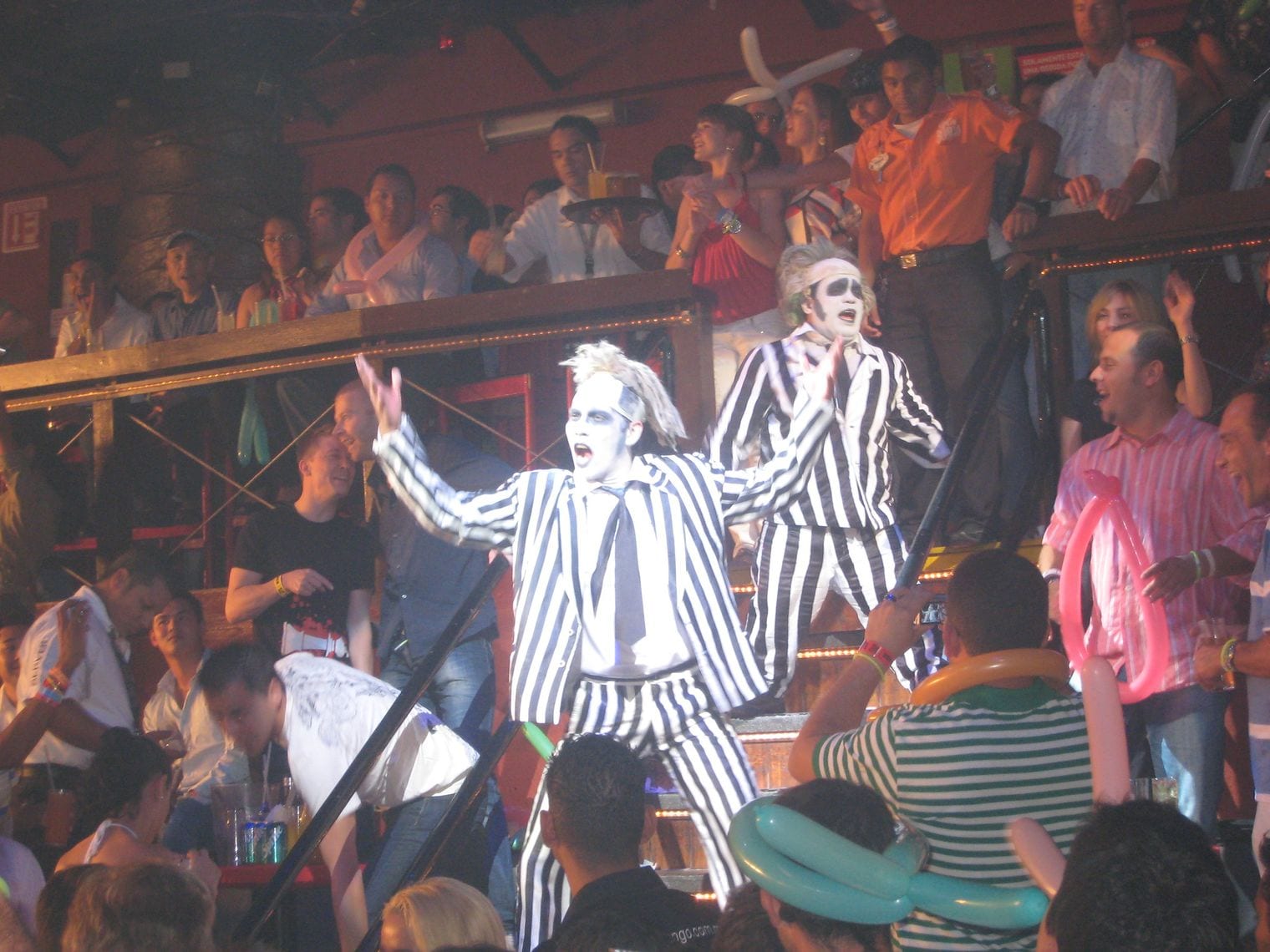
Coco Bongo is less a nightclub than a variety show that happens to serve drinks, and it is the single venue most associated with Cancun nightlife worldwide. The format is relentless: acrobats drop from the ceiling on silks, tribute performers work through film and music sequences, confetti cannons fire, and the whole thing runs as a rolling stage production rather than a DJ set.
It sits in the middle of the Hotel Zone's nightlife strip near Punta Cancun, where most of the island's big clubs cluster within a short walk. Entry is typically an open-bar ticket, there is no real seating unless you pay for a table, and the experience is deliberately overwhelming — go for the spectacle, not for a quiet conversation.
Parque de las Palapas is the heart of downtown Cancun and the best free evening in the city. By day it is an ordinary town square with a bandstand and shade trees; after dark it fills with families, balloon sellers, buskers and couples dancing to whatever the speakers are playing, and the atmosphere is entirely local rather than staged for visitors.
The eating is the draw. One whole side is lined with palapa-roofed food stands turning out marquesitas, elotes, tacos, panuchos and fresh fruit cups, and the surrounding streets add more. Bring cash in small notes, expect to queue at the busiest stands, and come hungry — this is where you eat if you want Cancun rather than the Hotel Zone.
Playa Langosta faces the sheltered northern side of the barrier island rather than the open sea, and that single fact makes it the most family-friendly beach in Cancun. The water is shallow, clear and unusually calm, staying waist-deep a long way out, and the sand shelves so gently that small children can wade without much drama.
It is a compact beach with a pier used by boats heading out to Isla Mujeres, a handful of restaurants behind it, and easy access straight off the main boulevard. Come early if you want space — it is small, popular with local families at weekends, and fills faster than the long open beaches further south.
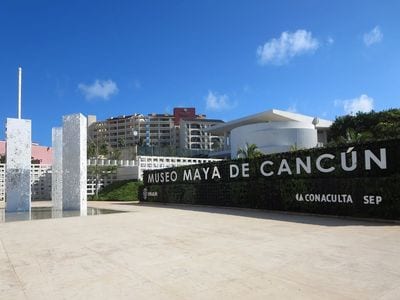
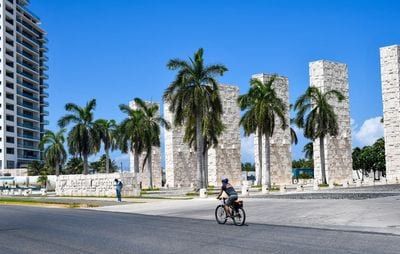
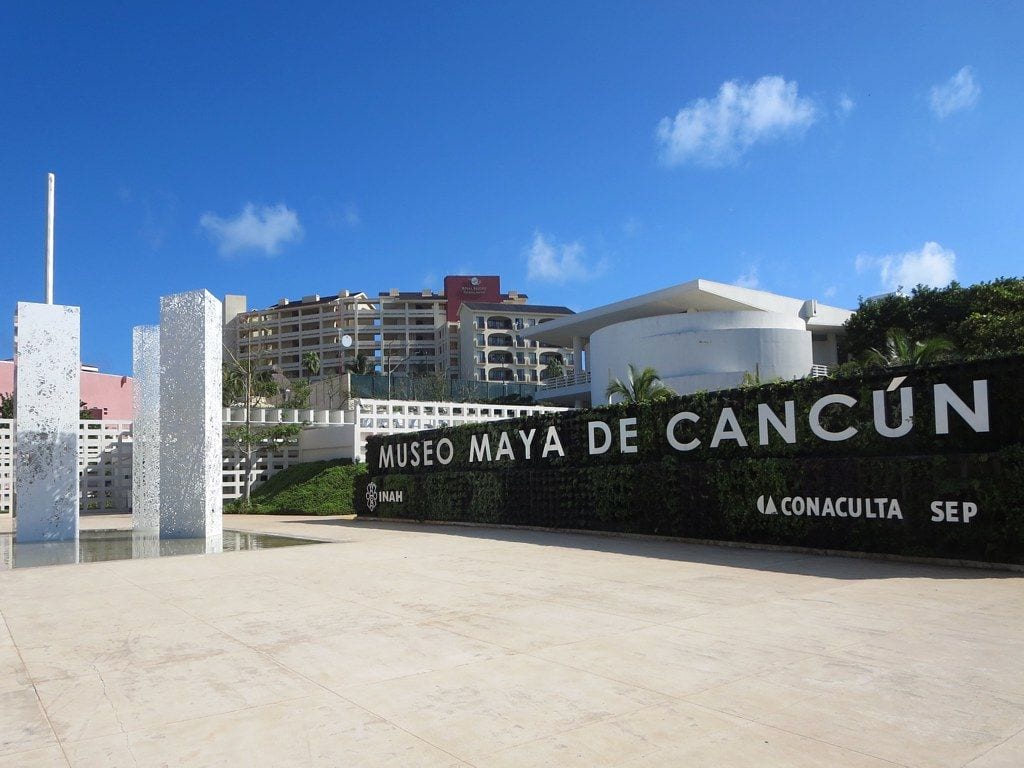
The Museo Maya de Cancún is the best single introduction to the civilisation whose cities fill the rest of the peninsula, and it is easy to reach because it sits right on the Hotel Zone boulevard. Its galleries hold artefacts drawn from sites across Quintana Roo, arranged to explain Maya settlement of this coast rather than to present treasures in isolation.
The ticket also covers San Miguelito, the archaeological site in the museum's own grounds, so you walk out of the galleries and straight into a shaded path past platforms, dwellings and a pyramid, usually with iguanas basking on the stones. Doing the two together takes a couple of hours and makes far more sense than either alone.
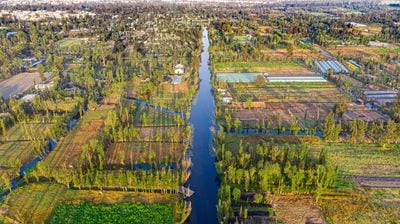
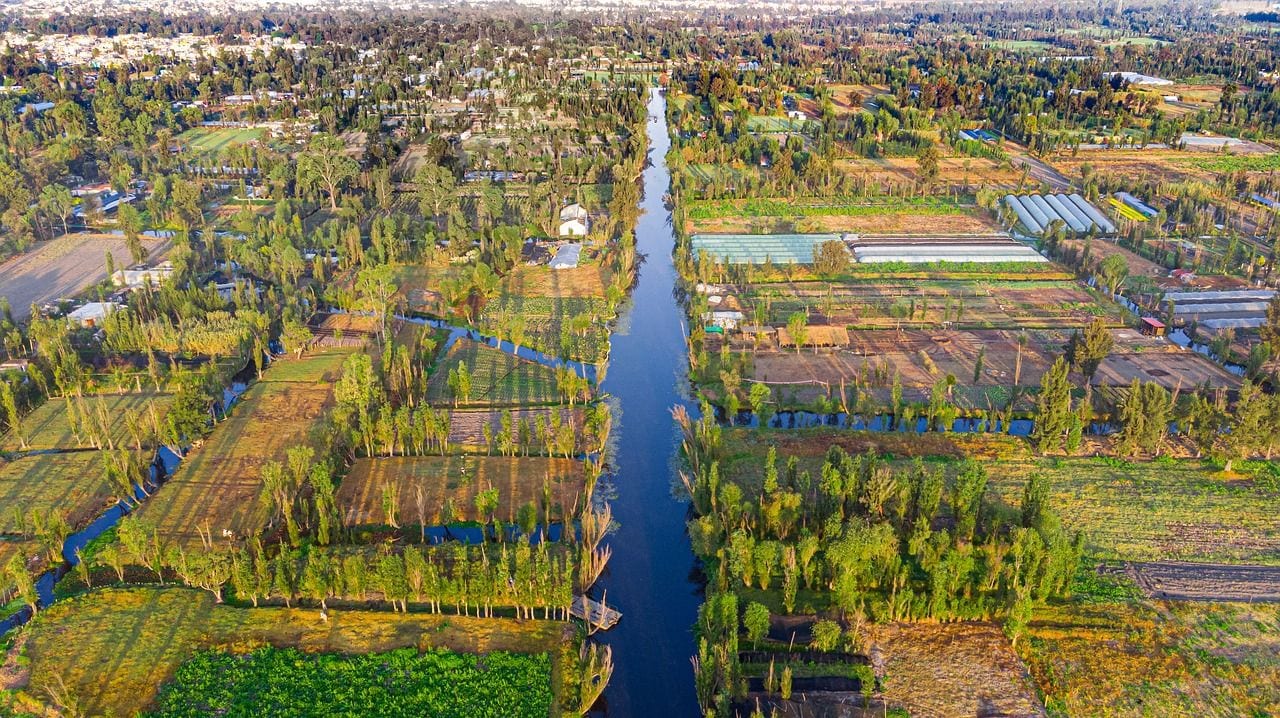
Xoximilco takes the trajinera boats of Mexico City's canals and rebuilds the idea as a night out near Cancun. You board a flat, brightly painted barge with a long table down the middle, share it with other groups, and drift through a network of lit canals while musicians move from boat to boat playing mariachi, marimba, jarocho and norteño.
Dinner and drinks come aboard as a set menu of regional Mexican dishes, and the whole evening is designed around getting strangers singing together, so it works far better for a group than for a quiet couple. It runs in the evenings only, sits inland away from the coast, and includes transport from most Hotel Zone pickup points.
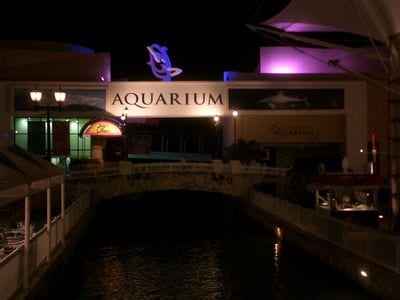
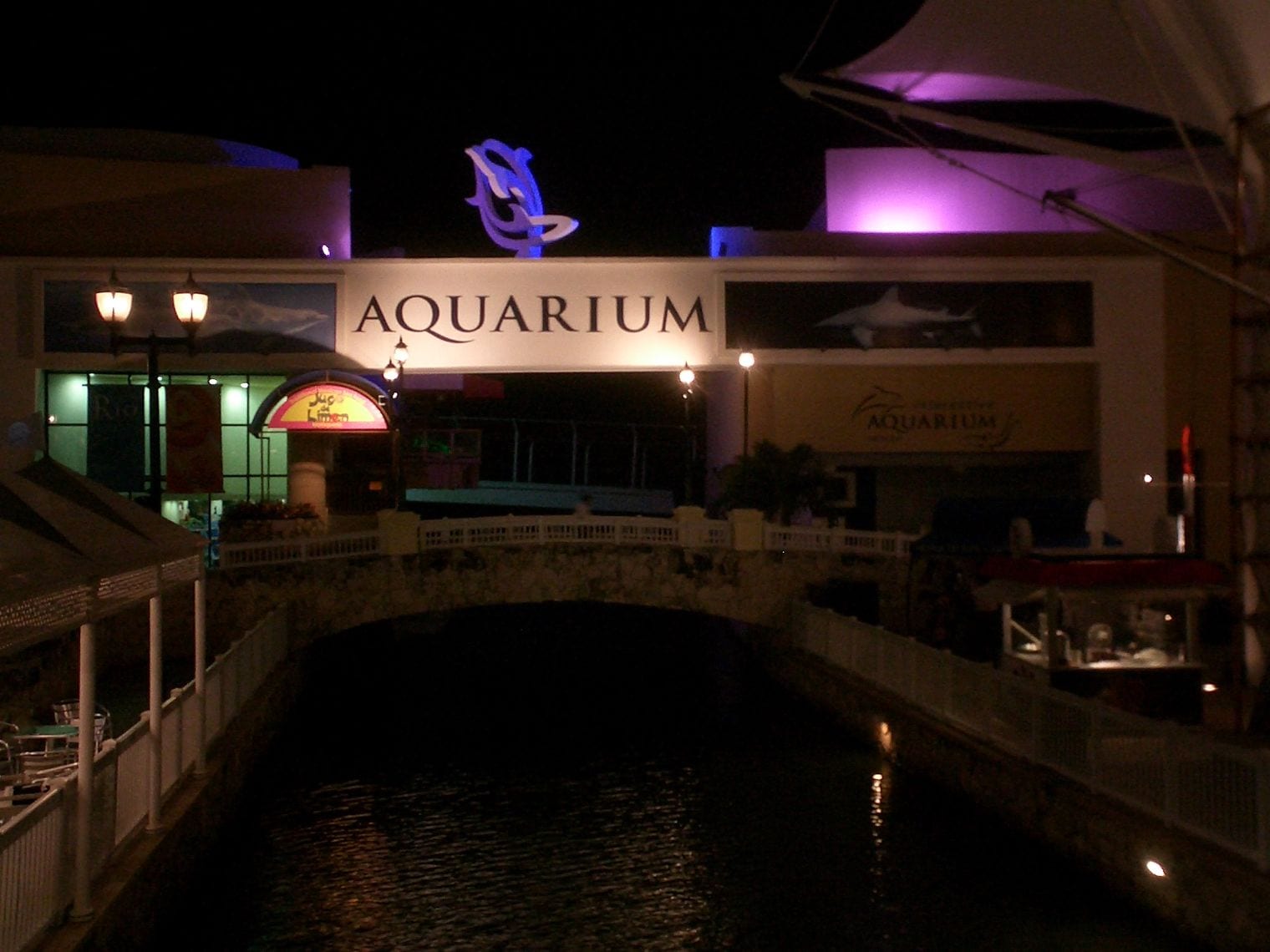
The Interactive Aquarium Cancún sits inside the La Isla shopping complex, which makes it one of the easiest attractions in the Hotel Zone to combine with something else. Its tanks cover Caribbean reef species, sharks and rays, with a walkthrough tunnel and regular feeding presentations, and the scale is modest rather than world-class.
The interactive part is what people book it for: supervised encounters with rays and other species in shallow pools, plus paid dolphin programmes. Those encounters are the main cost and sell out, so they need booking ahead. It is a reliable option for a hot afternoon or a rainy hour, particularly with younger children in tow.
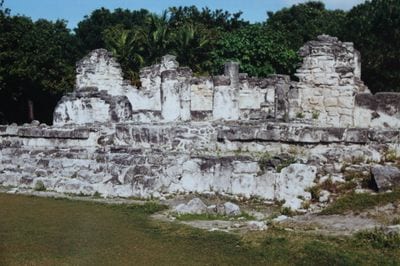
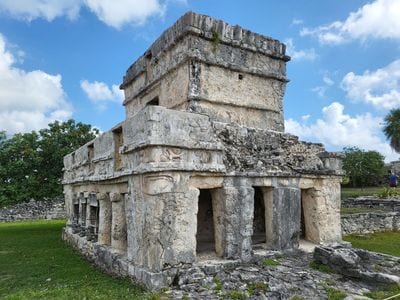
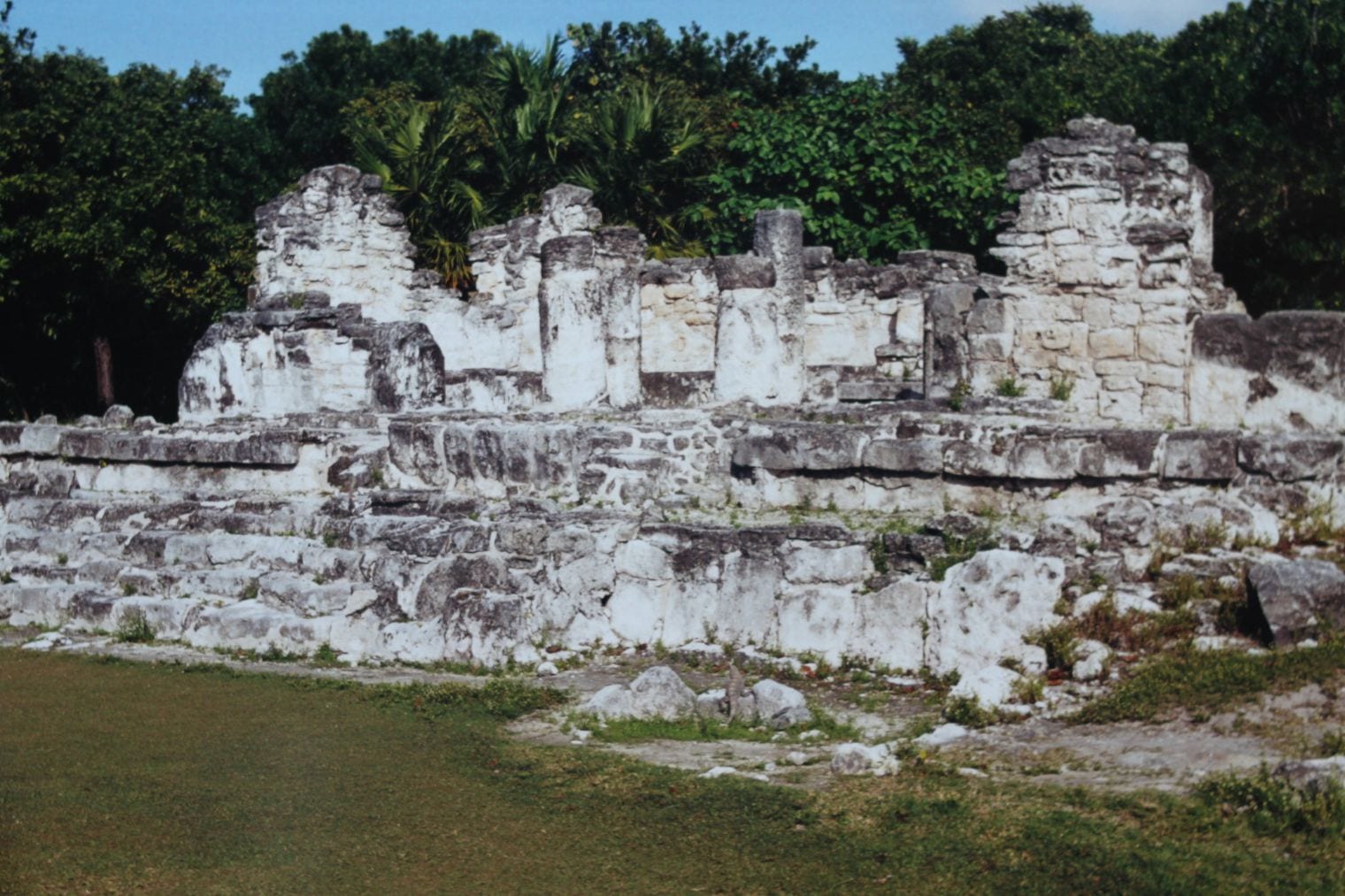
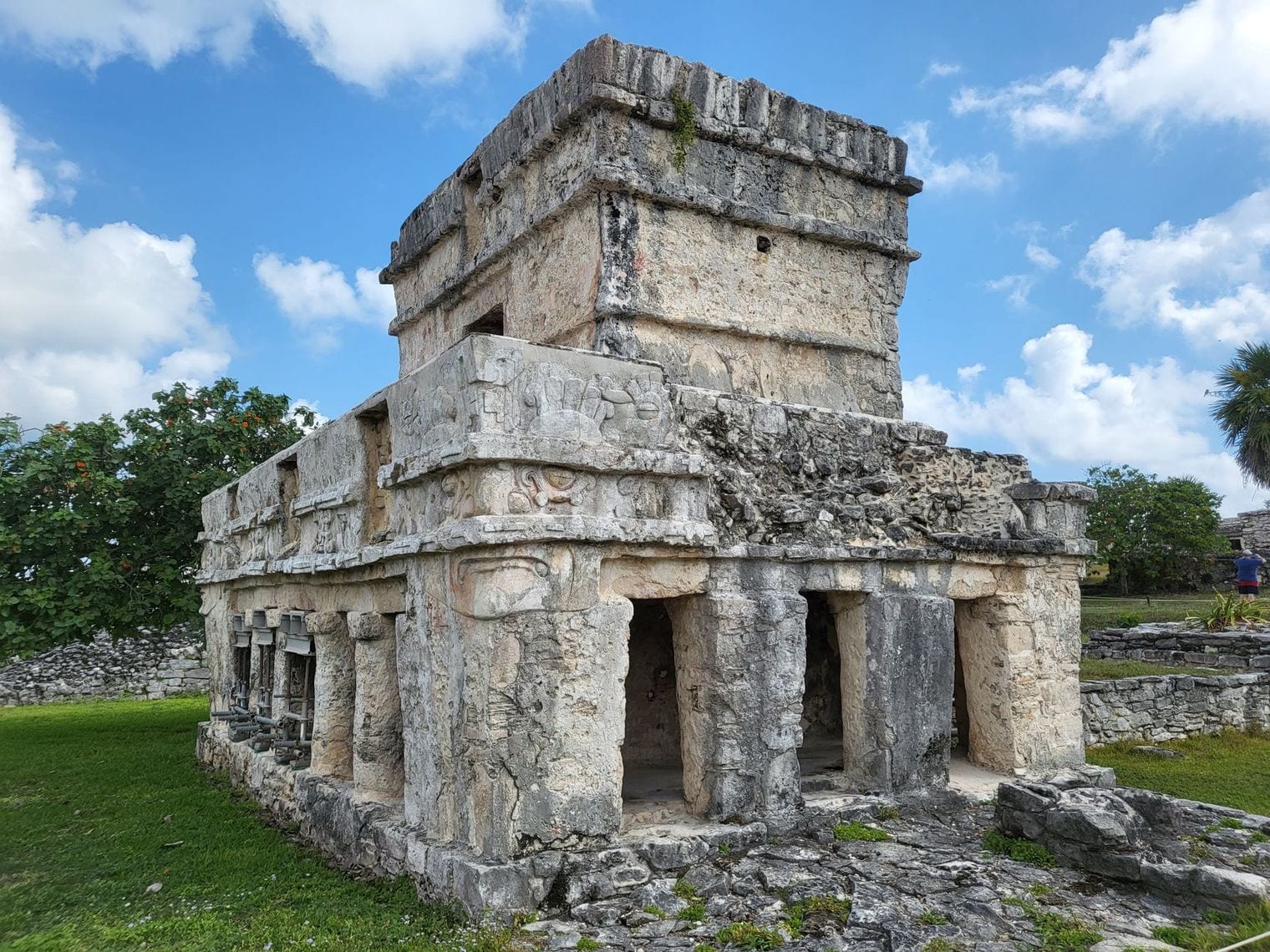
El Rey is the Maya site most visitors to Cancun actually see, strung along a low ridge between the lagoon and the sea near the southern end of the Hotel Zone. Its remains are modest in height but unusually legible — plazas, a central avenue and the bases of its 47 recorded structures, laid out clearly enough that you can read the shape of a small coastal settlement as you walk.
It is also, unmistakably, the iguana site. Hundreds of them live among the stones and sun themselves on the platforms, largely indifferent to visitors. There is almost no shade, so go early or late, take water, and allow about an hour to walk the whole circuit at a reasonable pace.
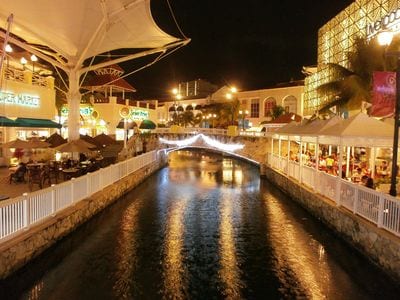
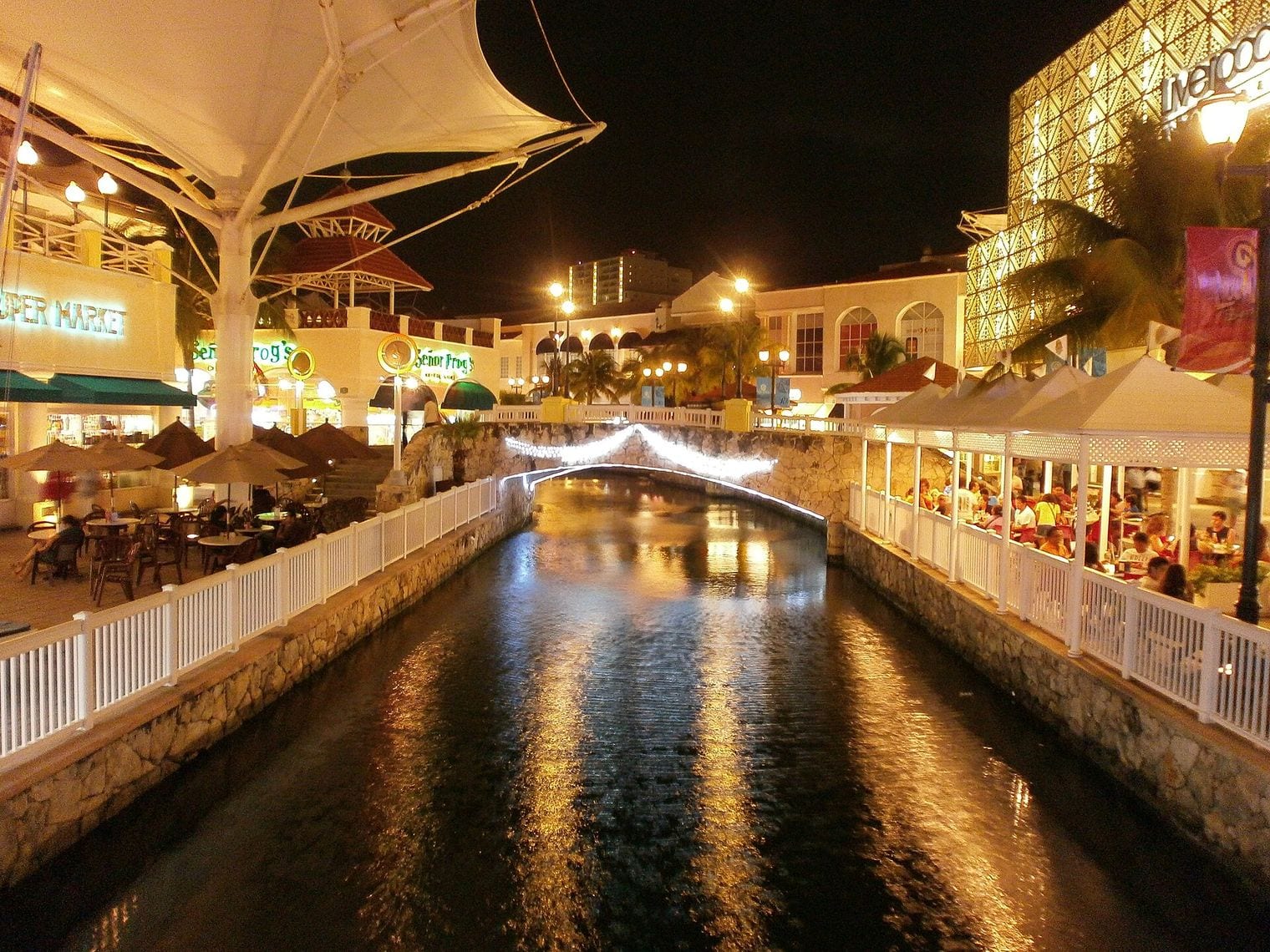
La Isla is the most pleasant place to shop in the Hotel Zone because it barely feels like a mall. It is built open-air around a network of canals and bridges on the lagoon side of the boulevard, so you browse between water and planting rather than under strip lighting, and the layout catches whatever breeze is coming off Nichupté.
Alongside the international chains and a luxury wing, it holds the Interactive Aquarium, a cinema, a big Ferris wheel and a long row of restaurants and bars overlooking the lagoon. Sunset is when it earns its keep: the western aspect across the water is the best free view on this side of the island.
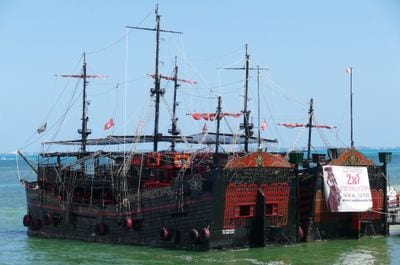
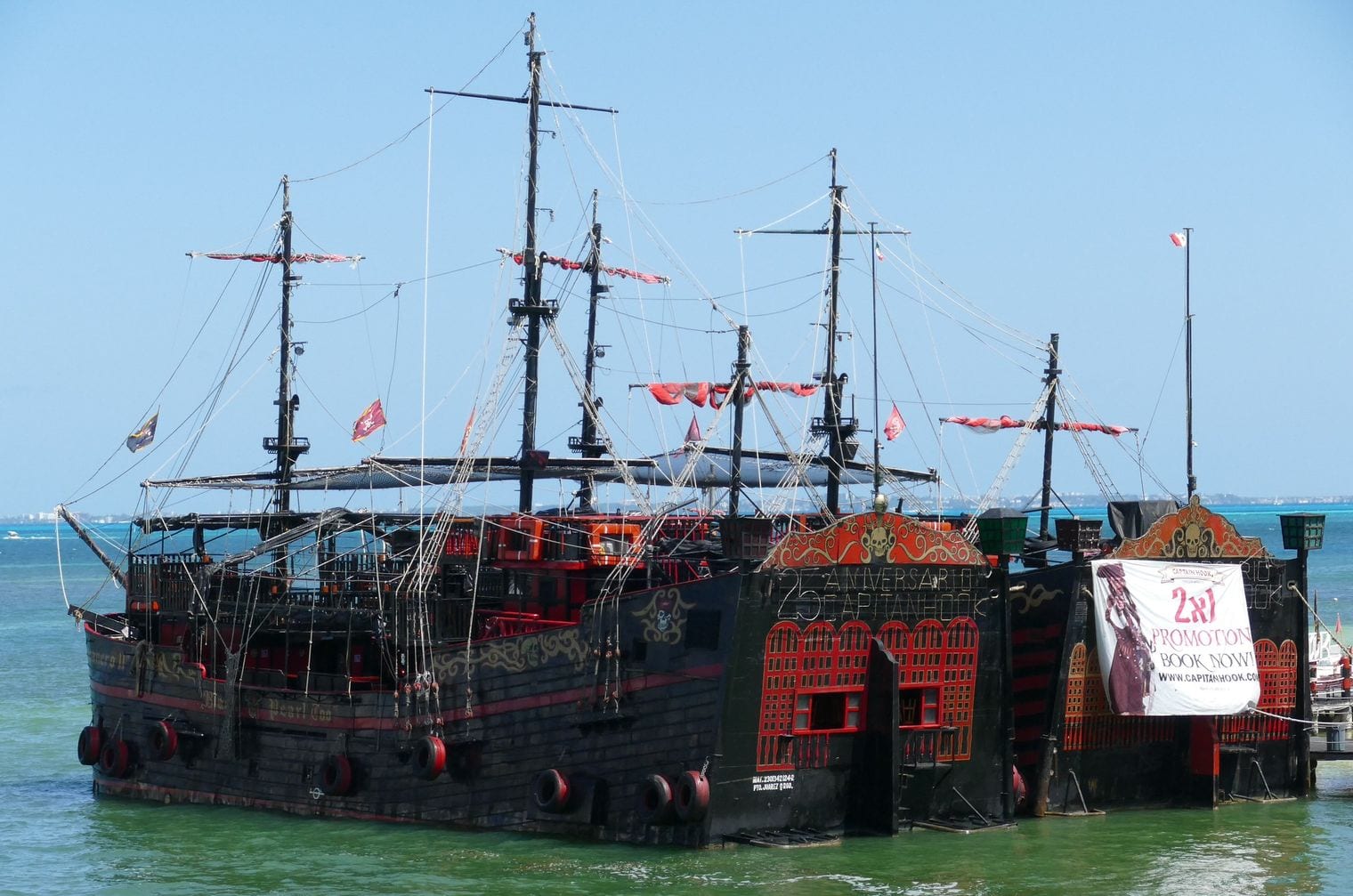
Captain Hook runs dinner cruises aboard replica Spanish galleons that sail out of the Hotel Zone into the bay after dark. The format pairs a set dinner with a full pirate-themed show — staged sword fights, a running comic plot, audience participation and a mock battle between the two ships once they are out on the water.
It is unapologetically theatrical and pitched squarely at families and groups rather than at anyone looking for a quiet sail. What it does deliver is the city seen from the water at night, with the whole lit curve of the Hotel Zone laid out behind you. Boarding is well before sunset, and the whole trip runs to several hours.
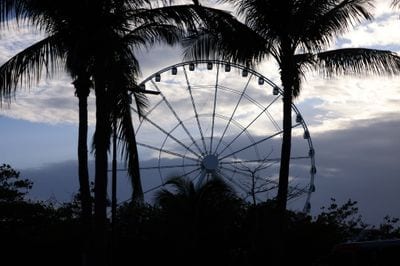
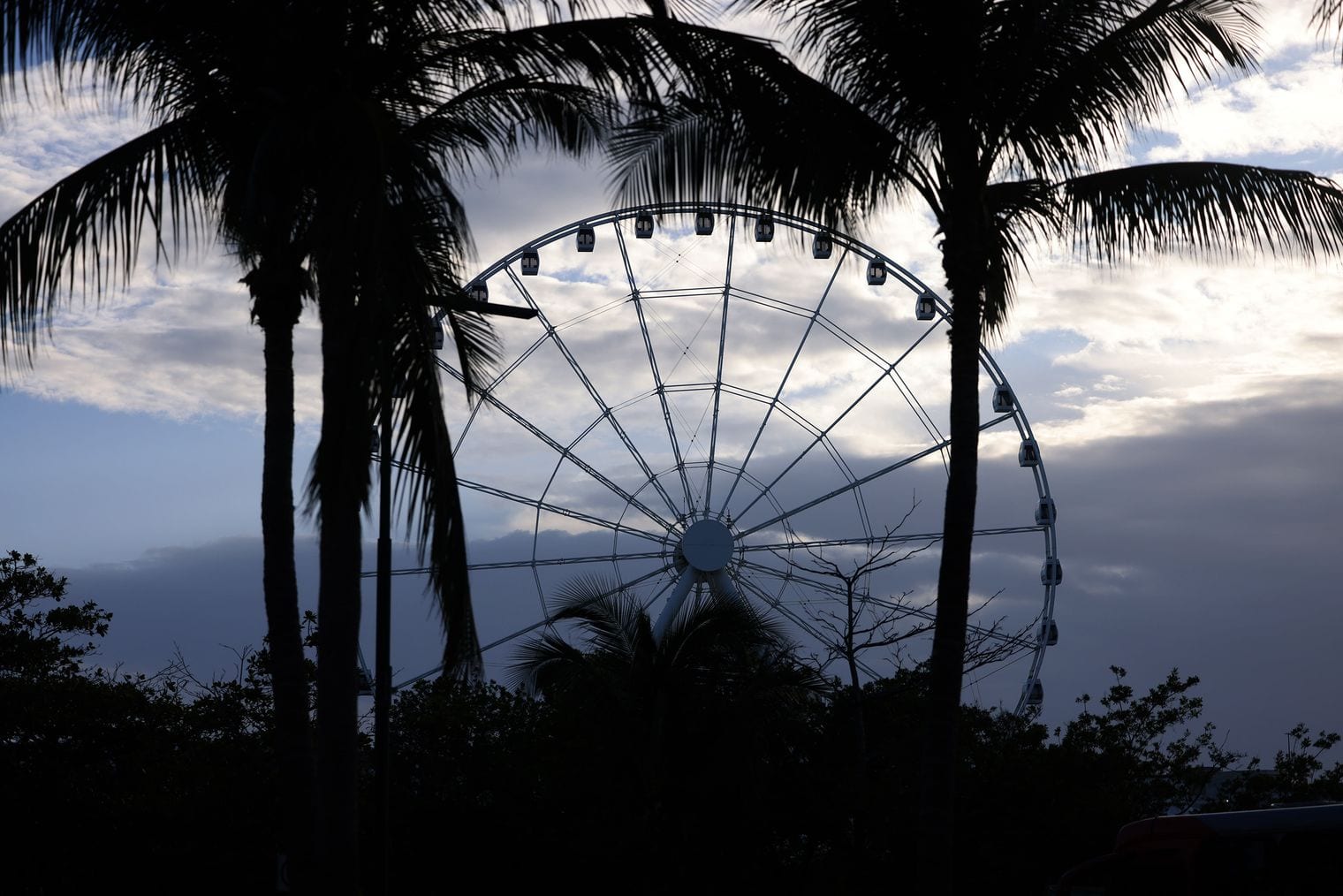
The SkyWheel is the giant observation wheel at El Embarcadero, and it solves a problem Cancun otherwise has: the Hotel Zone is flat and built up, so there are very few places to get above it. A slow rotation in an enclosed, air-conditioned gondola lifts you over the marina and gives a clear line along the barrier island in one direction and across Laguna Nichupté in the other.
It is a short attraction rather than an afternoon, which is why it works best combined with the rest of El Embarcadero — the marina, the boat departures and the restaurants are all in the same complex. Go near sunset if you can, when the lagoon side turns and the island lights start coming on.
Playa Marlín is one of the longest open stretches of public sand in the Hotel Zone, and it is where you go when the small northern bays feel too crowded. It faces the open Caribbean along the island's eastern side, so it has real surf, a wide beach that stays walkable even at busy times, and none of the enclosed feel of the sheltered coves.
Access is straightforward from the boulevard, and there is enough space that you can usually find a quiet patch by walking a few minutes in either direction. As on all the ocean-facing beaches here, the swimming is conditional: check the flag system before going in, and stay within your depth when the surf is up.
Mercado 23 is the market Cancun actually shops at, and it is a very different experience from its famous neighbour. Tucked into a downtown side street, it is smaller, scruffier and almost entirely local, selling produce, spices, dried chillies, herbs, piñatas, religious candles and household goods to people doing their weekly rounds.
For a visitor the appeal is the food and the absence of a sales pitch. A handful of tiny kitchens and juice counters serve some of the cheapest and best eating in the city, nobody is working the aisles for tourists, and prices are simply what they are. Go in the morning when the stalls are fully stocked and the kitchens are busiest.
The Torre Escénica is the rotating observation tower at El Embarcadero, and it delivers the widest view available in Cancun. A circular gondola rises up the mast and turns slowly through a full circle, so in one ride you see the entire barrier island, the lagoon behind it, the reef line offshore and, on a clear day, Isla Mujeres sitting out to the north.
The ride is short and narrated, and the whole thing works best as an orientation exercise early in a trip — from up there the odd shape of Cancun, a thin strip of sand hooked around a lagoon, finally makes sense. It shares a site with the marina, so it pairs naturally with a boat trip or dinner.
Parque Ecológico Kabah is a genuine piece of preserved jungle sitting inside the city, and it is the best place in Cancun to see what this coast looked like before the resorts. Paved and unpaved paths run through dense low forest along Avenida Kabah, with interpretive signs and a long shaded circuit that locals use for walking and running.
The wildlife is the reason to make the trip. Deer, coatis, iguanas and a great many birds live in the park and are used enough to people that you will usually see something without trying. Mornings are best for both animals and heat, and mosquito repellent is worth taking any time of year.
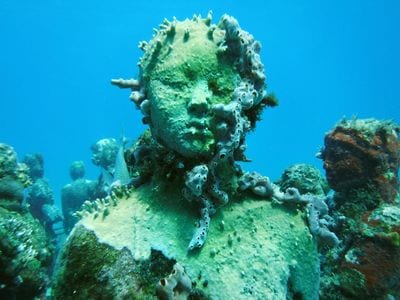
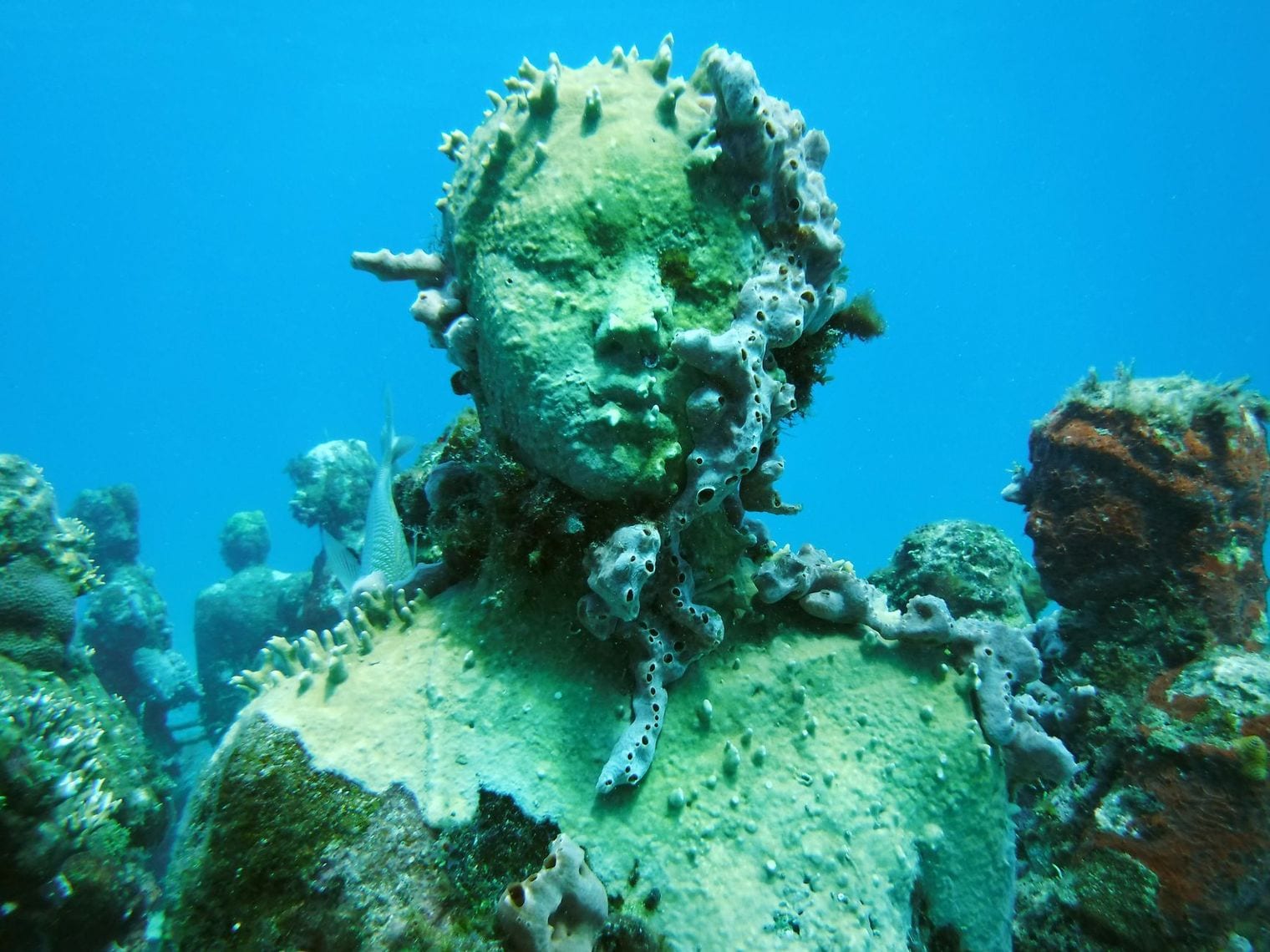
MUSA, the Museo Subacuático de Arte, is the most unusual thing to do in Cancun: a gallery of submerged sculptures standing on the sea floor between the city and Isla Mujeres. The figures were placed as an artificial reef, cast from a pH-neutral material designed to encourage coral to colonise them, and they have been steadily changing ever since as marine growth takes hold.
That slow transformation is the point — the works are meant to be reclaimed rather than preserved. You reach them by snorkel tour, dive or glass-bottom boat, all departing from Cancun. The shallower Punta Nizuc gallery suits snorkellers, while the deeper installation needs certification, so choose the trip that matches how you want to see it.
Playa Gaviota Azul sits at the elbow of the Hotel Zone where the island turns south, which gives it a broad wedge of sand and consistently good waves. It is the closest thing Cancun has to a surf beach, and boards are a common sight alongside the sunbathers, particularly outside the calmest months.
It is also the city's beach-club beach, backed by venues that run day parties with music, loungers and table service, so the mood is livelier and considerably louder than the family bays to the north. The sand itself remains public, so you can perfectly well use it without buying into any of that — just be clear that this is not the stretch to choose for quiet.
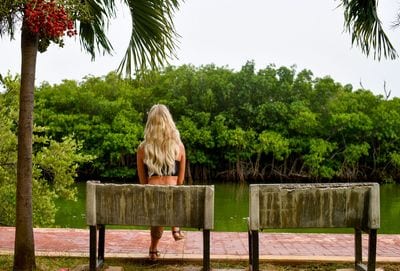
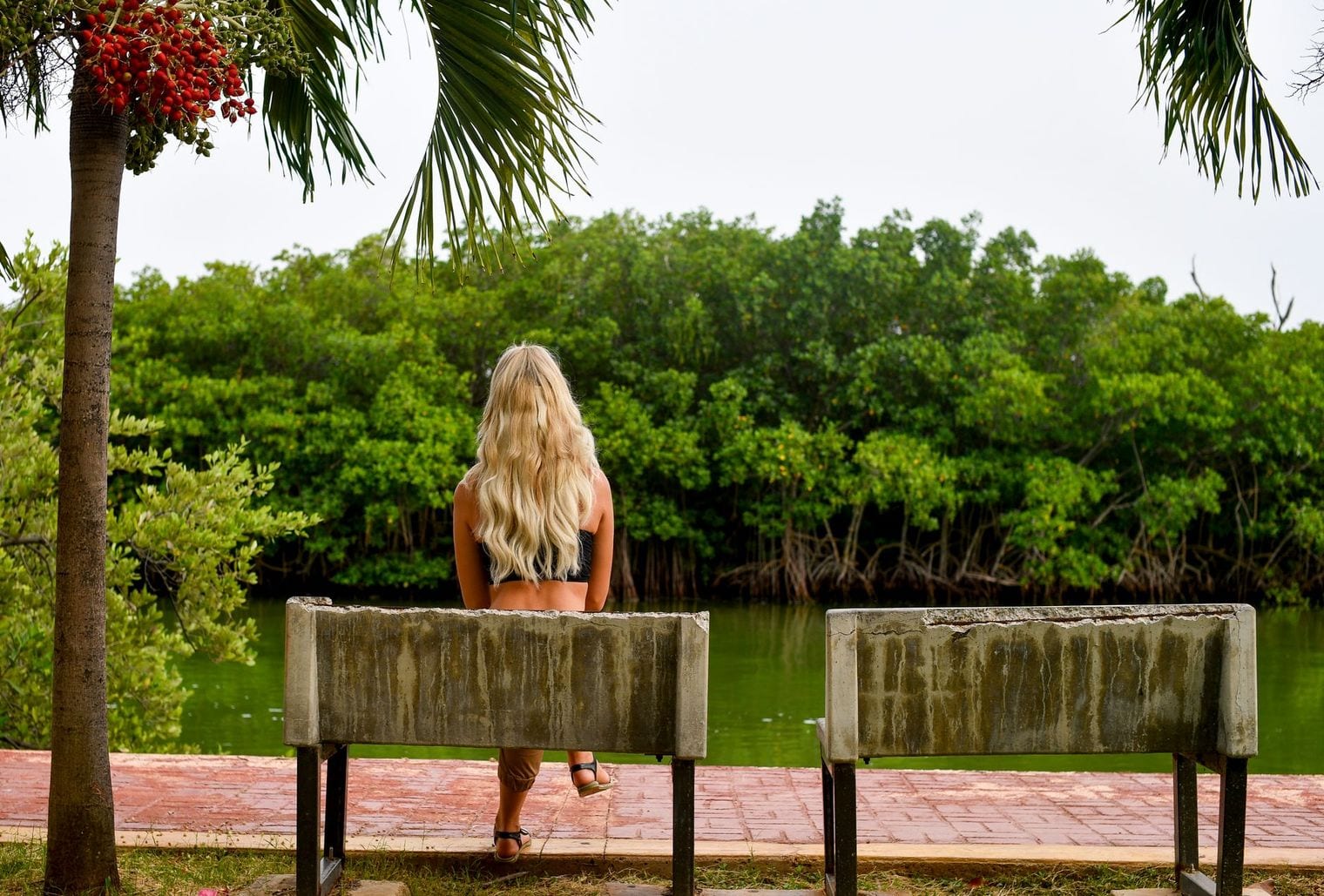
Malecón Tajamar is a boardwalk along the lagoon edge on the mainland side of the city, and it is where Cancun goes to walk, run and watch the sun go down without paying for the privilege. A wide paved promenade runs beside the water past stretches of surviving mangrove, with benches, viewpoints and open ground alongside.
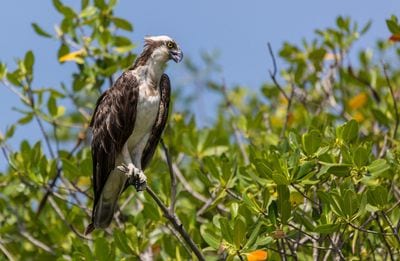
It is a birdwatching spot as much as a promenade — herons, egrets, cormorants and pelicans all work the shallows, and crocodiles live in the lagoon, so read the warning signs and keep to the path. The view west across Nichupté to the Hotel Zone silhouette is one of the best sunsets in the city and costs nothing.
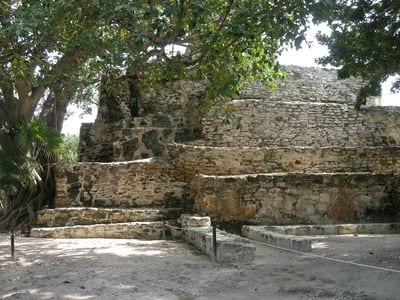
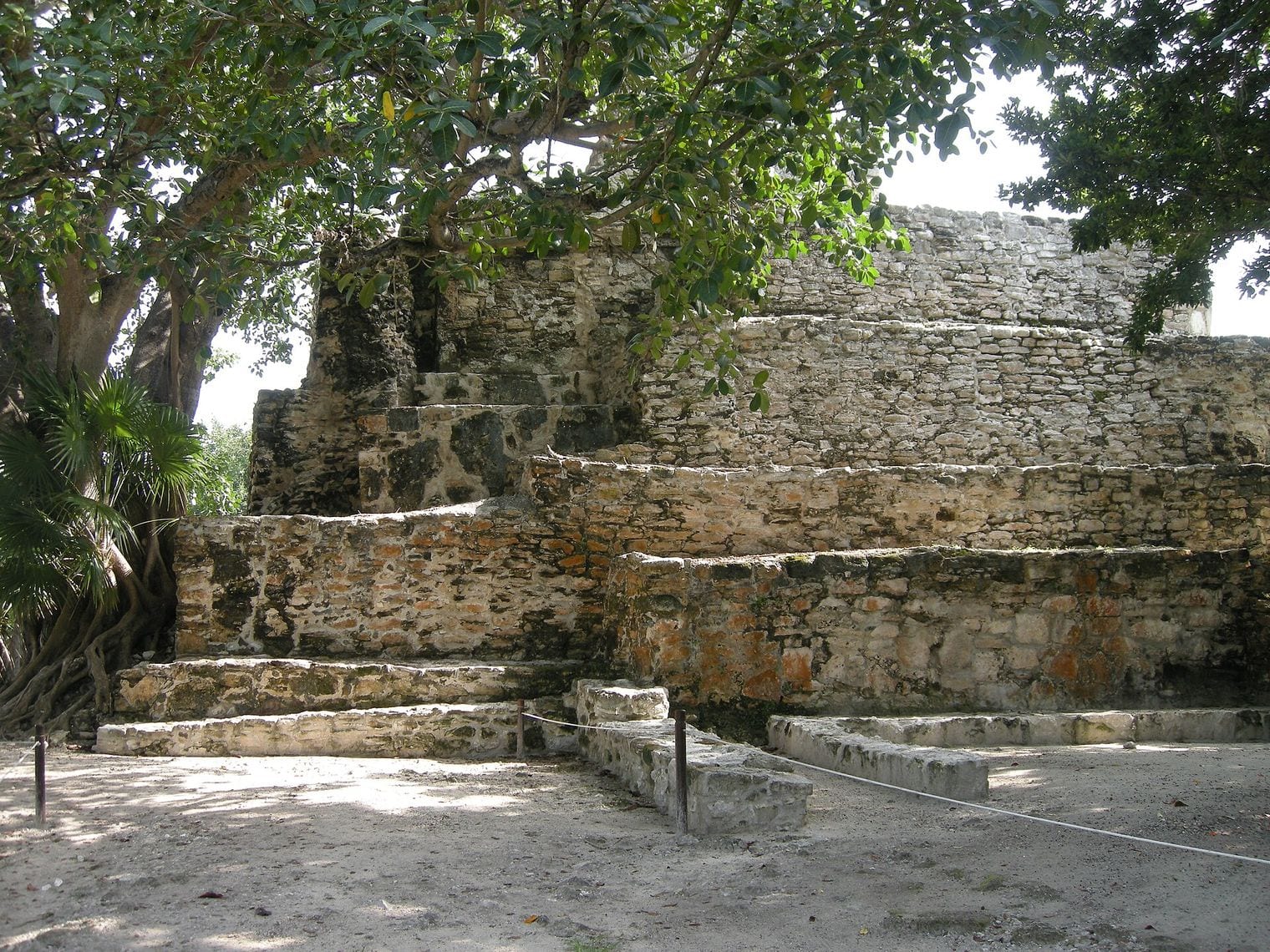
El Meco is the quietest Maya site in Cancun and, for many visitors, the most rewarding. It sits north of downtown near the Puerto Juárez ferry terminals, well away from the Hotel Zone circuit, and receives a fraction of the traffic that El Rey does — it is entirely normal to have the place close to yourself.
Its main structure, El Castillo, is the tallest ancient building in the Cancun area, a stepped pyramid with a temple on top and carved serpent heads at the base. The surrounding plazas and platforms are compact enough to see in under an hour, and the site's position once made it a working port controlling the crossing to Isla Mujeres.
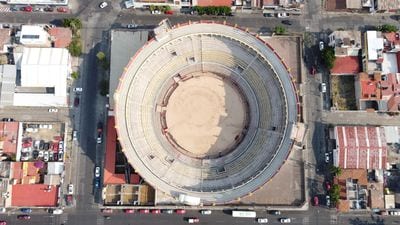
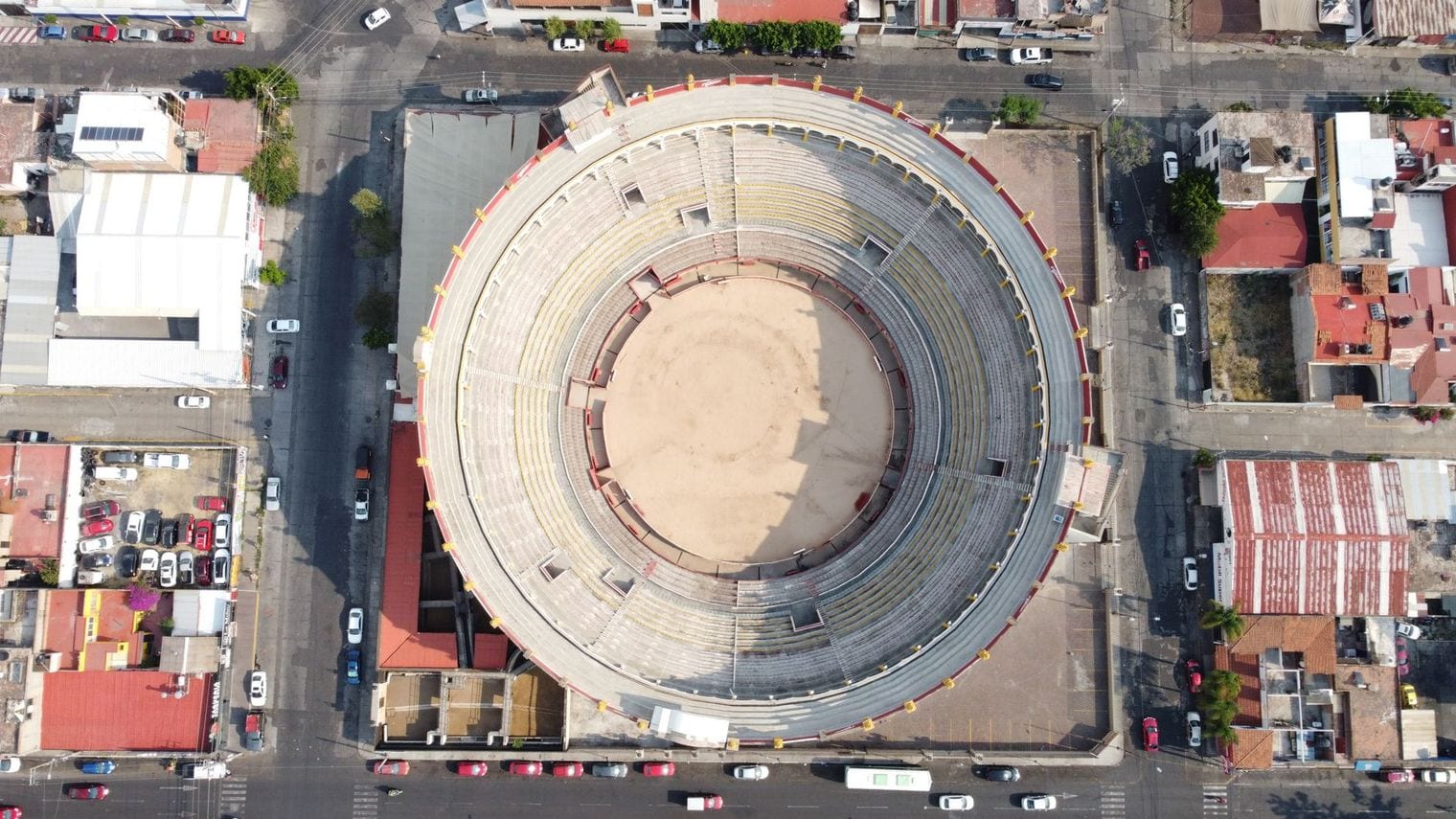
The Plaza de Toros is downtown Cancun's bullring, a compact circular arena that has stood since the city's early decades and now functions largely as an events and entertainment venue. Its whitewashed walls and arched entrances are a genuine landmark on Avenida Bonampak, and the ring itself is far smaller and more intimate than the great arenas of central Mexico.
The surrounding complex has grown into the real attraction: bars, restaurants and live-music venues wrap the arena and stay busy well into the night, drawing a mostly local crowd. It is an easy add-on to a downtown evening, and a reminder that Cancun has a civic life that predates the resorts on the island.
Playa Tortugas is a small, sheltered beach on the calm northern shore, and it packs more into a short stretch of sand than almost anywhere else in the Hotel Zone. The water is shallow and protected, there is a pier used by ferries and boat tours, and the beach is backed by casual restaurants and bars rather than resort walls.
It has long been the city's bungee and watersports beach, with a jump tower on the pier and operators running parasailing, jet skis and snorkel trips from the same spot. That makes it lively rather than restful — a good choice if you want something to do in the water, less so if you came for silence.
2323. Downtown Cancún (El Centro)
Historical Landmark~2.7 km (1.7 miles) from centre
Most visitors never leave the island, which means they never see the city that actually houses Cancun's residents. El Centro, the downtown core on the mainland, is laid out along broad avenues around the market district and Parque de las Palapas, and it runs on Mexican rather than resort rhythms — busiest in the early evening, quiet through the worst of the afternoon heat.
It is where the eating, the shopping and the prices become normal. Avenida Yaxchilán and Avenida Tulum carry most of the restaurants and bars, the markets sit a short walk away, and the buses running the length of the boulevard make it a straightforward trip from the Hotel Zone. Go for one evening at minimum.
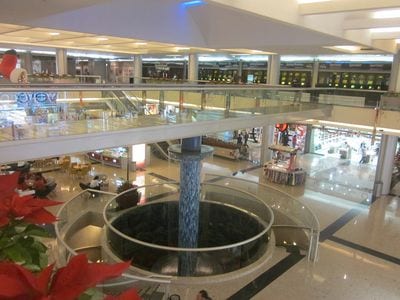
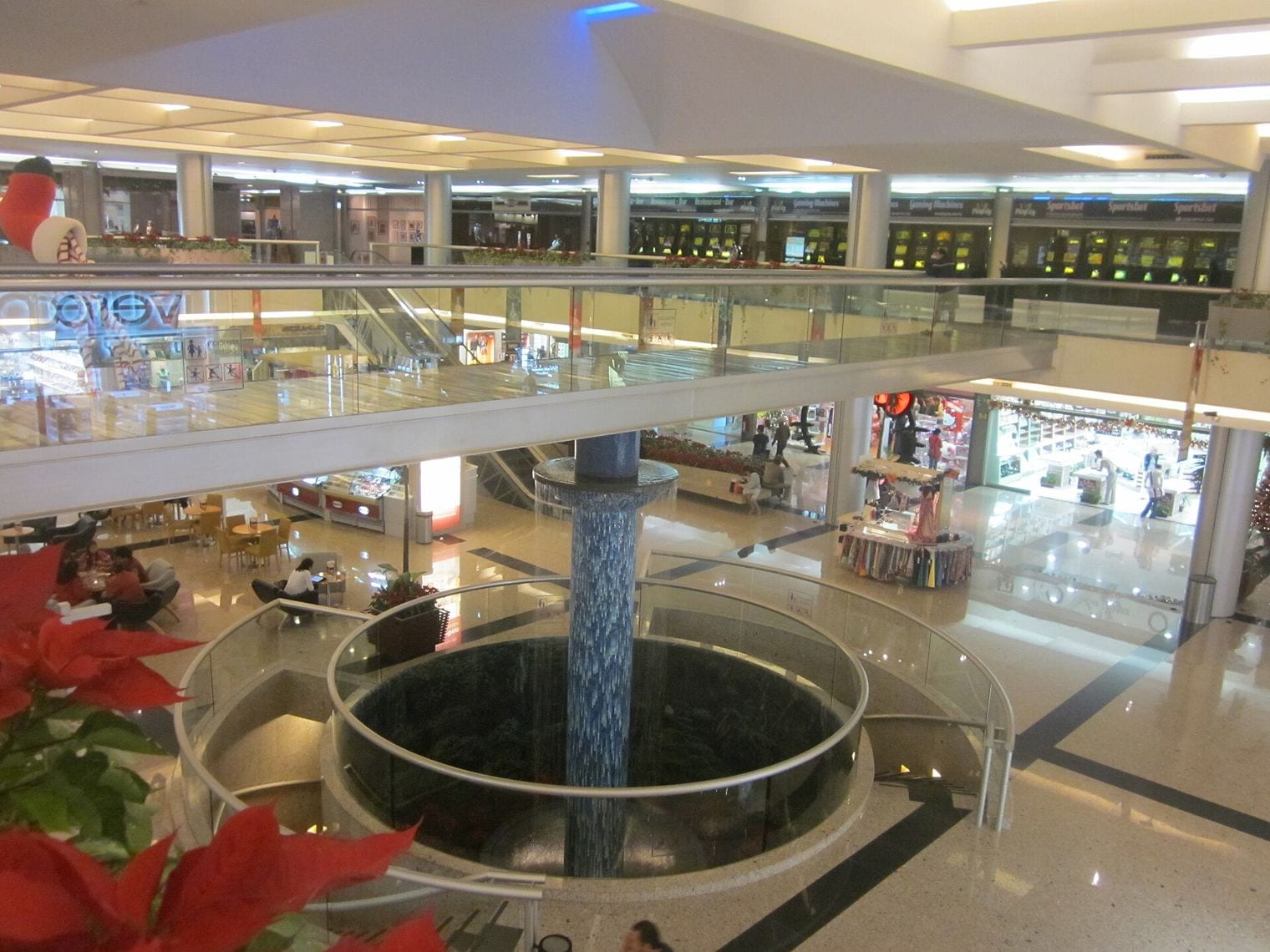
Kukulcan Plaza is the large enclosed mall on the Hotel Zone's southern stretch, and its main virtue is straightforward: it is thoroughly air-conditioned, which on this coast is a genuine attraction in its own right. Inside are international brands, a luxury section, restaurants, a food court and enough covered space to walk off an afternoon.
It also holds a scattering of non-shopping attractions that make it more than a retail stop, including a small aquarium and other paid family activities, and it sits directly on the main bus route so it is easy to reach from anywhere on the island. Treat it as the wet-weather or midday-heat option rather than a destination in itself.
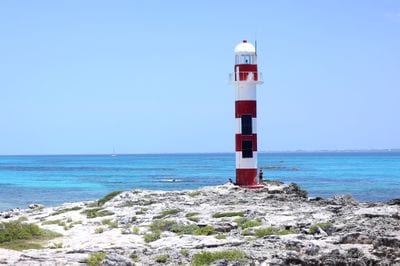
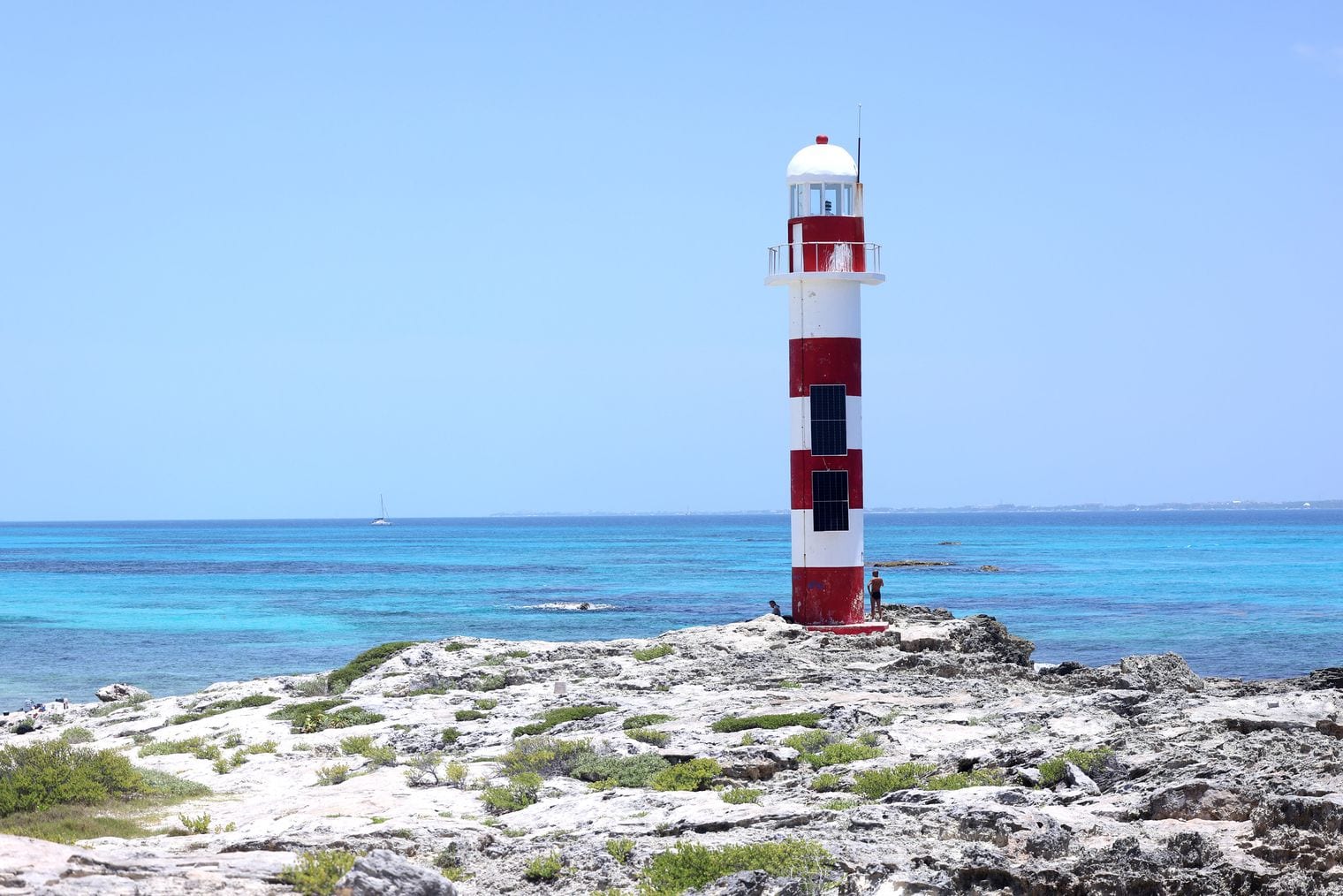
The Punta Cancún Lighthouse marks the corner where the barrier island pivots from facing north to facing east, and it is a useful landmark as well as a photogenic one. The white tower sits on the headland at the busiest point of the Hotel Zone, close to the convention centre and the main nightlife cluster, and the rocky shoreline around it gives clear views in both directions along the coast.
It is a short stop rather than a visit in itself, but the setting is genuinely good — open water on two sides, waves breaking on the rocks below, and Isla Mujeres visible offshore on a clear day. Early morning is the calmest time to see it, before the surrounding strip wakes up.
Yamil Lu'um is the smallest archaeological site in Cancun and the one most people walk past without noticing. It consists of a modest stone temple standing on a low rise between two resorts in the middle of the Hotel Zone, occupying what is reckoned to be the highest natural ground on the whole barrier island.
The structure is usually identified as a lookout or navigational marker, which fits its position overlooking the sea, and it is often called the Scorpion Temple after a carving found there. There is not much to it and you will not need long, but seeing a Maya ruin sitting quietly between two modern hotels says a great deal about how this city was built.
Playa Las Perlas is the first public beach you reach heading onto the barrier island, and it is the most local of the Hotel Zone beaches. It faces the sheltered northern water, so the sea is calm and shallow, and the crowd is weighted towards Cancun families rather than resort guests, particularly at weekends.
It is a modest beach with basic facilities, a small park behind it and a few casual places to eat nearby, and its position at the mainland end makes it the easiest to reach by bus. If you want somewhere to swim without a resort backdrop and without the noise of the beach-club stretch, this is the straightforward answer.
Jardín del Arte is a small shaded park downtown that turns into an open-air art market, and it is one of the quieter pleasures in Cancun. Local painters, illustrators and craftspeople set out work under the trees, and the setting is relaxed enough that browsing turns into conversation more often than into a hard sell.
The park is a pleasant stop in its own right on any day, with mature shade and benches a short walk from the main downtown squares. It is at its best when the stalls are out and there is something on, so it pairs naturally with a downtown evening that ends at Parque de las Palapas a few streets away.
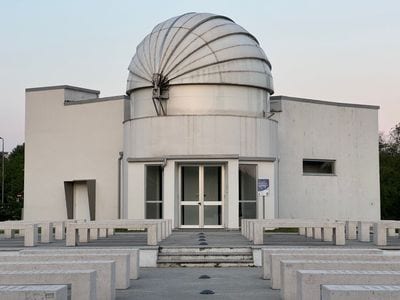
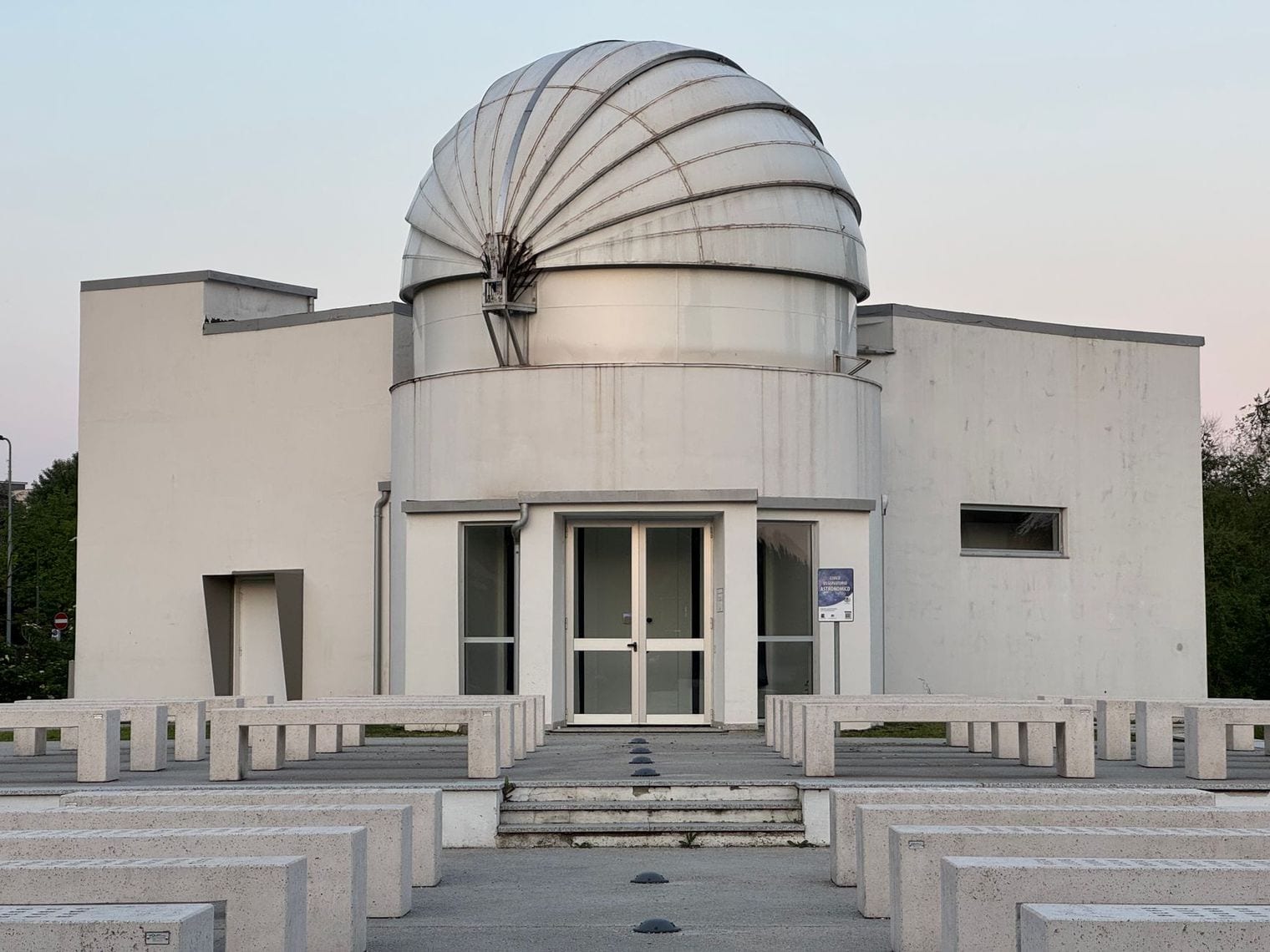
The Planetario de Cancún, known as Ka'Yok', is the city's science centre, and the one place in Cancun set up for looking at the sky. Its domed theatre runs projected shows on astronomy and the natural world, and the surrounding exhibition space covers science topics with hands-on displays aimed largely at children and school groups.
What lifts it above a wet-weather standby is the connection to Maya astronomy, a subject with deep roots on this peninsula, and the telescope sessions it runs on clear evenings. It sits downtown rather than in the Hotel Zone, shows are mostly in Spanish, and it is inexpensive compared with almost anything on the island.
Reserva Natural Ombligo Verde is a pocket of protected green space in the middle of downtown Cancun, and it exists because residents pushed to keep it rather than because anyone planned it as an attraction. Its name translates roughly as green navel, and it preserves a patch of native low forest surrounded on all sides by city.
Paths run through the trees past interpretive signs, and it functions as a neighbourhood park and an urban wildlife refuge, with birds, iguanas and butterflies all easy to spot in a short walk. It is small and takes very little time, but it is free, genuinely peaceful, and a useful reminder of what the whole peninsula once looked like.
Plan your trip
Best Time to Visit Cancun
The dry season, roughly December through April, is when Cancun is at its best: warm days, low humidity, calm seas and reliable sunshine. It is also the busiest and most expensive stretch, particularly around the winter holidays and the spring-break weeks, when the Hotel Zone beaches and nightlife strip are at their fullest. Late April and May bring rising heat but thinner crowds, and are a good compromise if you want the good weather without the peak-season crush.
From June the rains arrive, usually as short heavy afternoon downpours rather than washed-out days, and Atlantic hurricane season runs through to November with the highest risk in September and October — the quietest and cheapest months to visit.
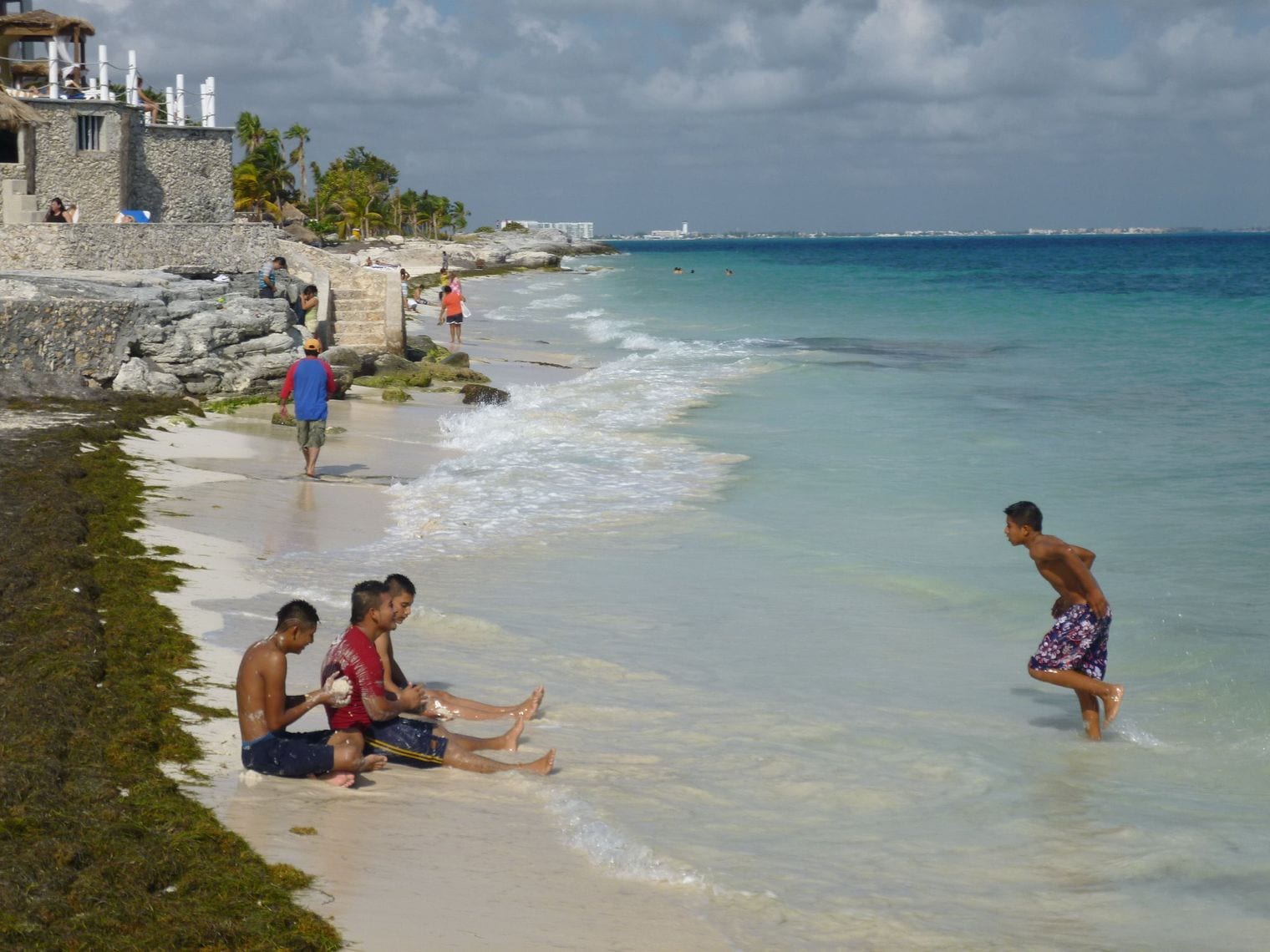
Two seasonal patterns are worth planning around: whale sharks gather offshore in the summer months, and sargassum seaweed can wash onto the Caribbean-facing beaches in spring and summer, which is why the sheltered northern bays hold up better in those months than the open eastern stretches.
Getting to Cancun
Cancun International Airport sits about twenty kilometres south of the city and is the busiest gateway on this coast, with direct flights from across North America, Europe and Latin America.
It is a straightforward arrival: shuttles, colectivos, buses and taxis all run from the terminals to the Hotel Zone and downtown, and the trip takes roughly half an hour depending on where along the boulevard you are staying. Pre-arranging transfers is common, and the airport is also the pickup point for most rental cars.
By road, Highway 307 runs south along the coast towards Playa del Carmen and Tulum, while Highway 180 heads west across the peninsula to Valladolid and Merida. Long-distance buses are excellent in this part of Mexico and arrive at the downtown terminal from all over the Yucatan, and the Tren Maya rail line now serves the city as well, which makes reaching the inland Maya sites and the colonial towns considerably easier than it used to be.
Getting Around Cancun
The city is unusually easy to navigate because its layout is so simple. The Hotel Zone is a single boulevard running the length of a barrier island, so there is essentially one road and everything sits on it, addressed by kilometre marker.
Public buses run that boulevard constantly, day and night, and continue into the downtown centre — they are cheap, frequent and the way most people move between the two halves of the city. Taxis are plentiful but generally not metered, so agree the fare before getting in.
Downtown is genuinely walkable around the market district and the main squares, and the Hotel Zone is walkable in short hops rather than end to end, since the island runs for over twenty kilometres. A car is unnecessary for a stay based in the city and mostly a liability given parking, but it earns its keep if you plan to explore the cenotes, ruins and smaller beaches inland and down the coast under your own schedule.
Where to Stay in Cancun
The choice comes down to which Cancun you want. The Hotel Zone puts you on the beach, and its character shifts along the island: the northern end around Punta Cancun is the nightlife and convention core, closest to the clubs and the sheltered family beaches, while the long southern stretch is quieter, faces open ocean and feels more removed from everything. Anywhere on the boulevard, the bus into town is simple.
El Centro, the downtown core on the mainland, is where you stay for a fraction of the price and a far more Mexican experience, within walking distance of the markets and the evening life around the main square — at the cost of a bus ride to the sand.
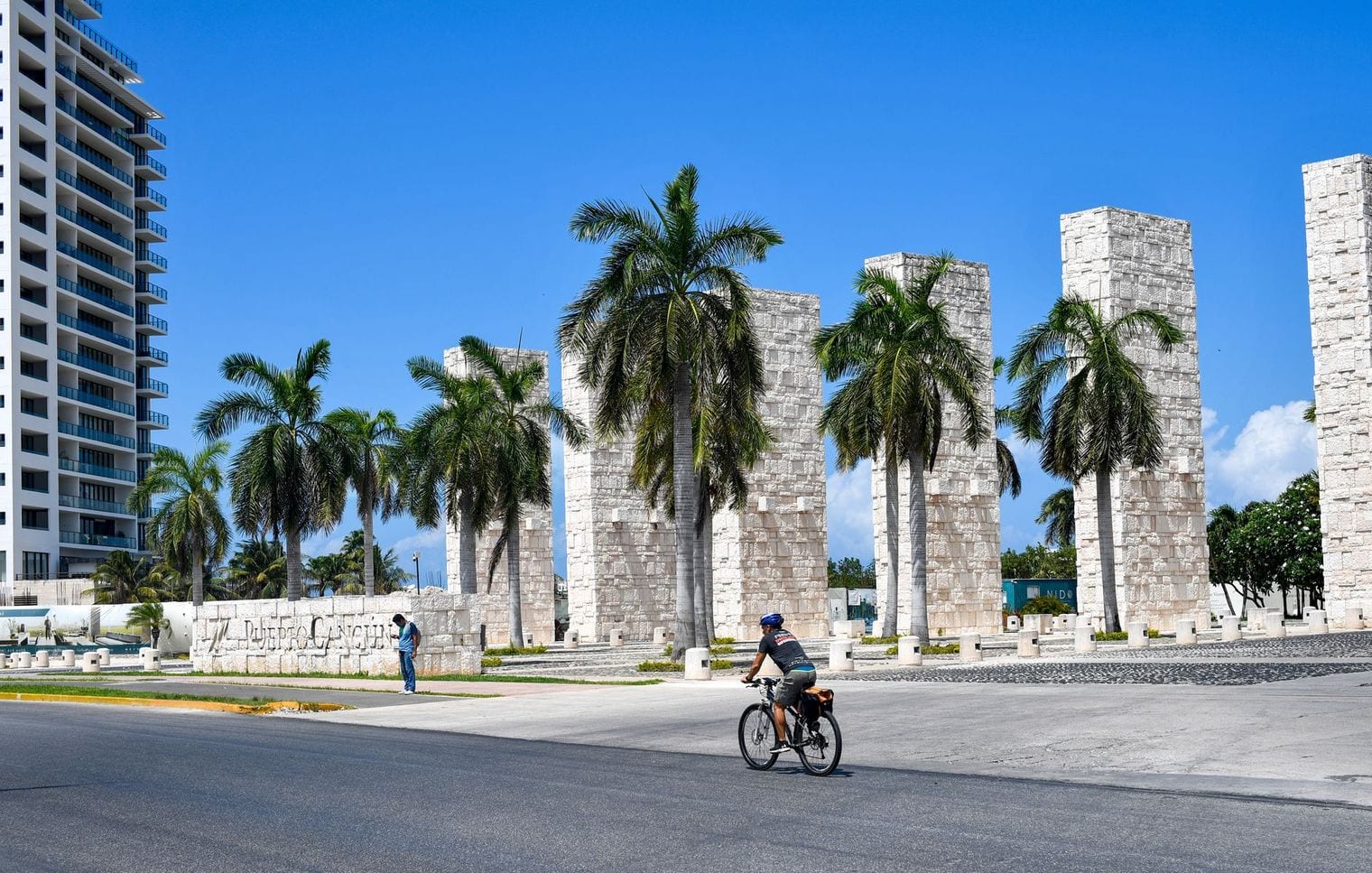
Puerto Cancun, the marina district between the two, is a newer and more residential option, and the area around Puerto Juarez in the north suits anyone planning frequent trips over to Isla Mujeres.
Where to Eat in Cancun
Eating well here means leaving the boulevard. The Hotel Zone runs on international menus and resort pricing, while the food that makes the Yucatan distinctive is downtown: the palapa-roofed stands around Parque de las Palapas, the open-air loncherias inside Mercado 28, the tiny kitchens at Mercado 23, and the long run of restaurants and bars along Avenida Yaxchilan, which is the city's real dining street.
The regional cooking is worth seeking out specifically, because Yucatecan food is unlike the rest of Mexico. Look for cochinita pibil, slow-roasted pork with achiote and sour orange; sopa de lima, a lime and turkey broth; panuchos and salbutes, both built on fried tortillas; and tikin xic, fish grilled in achiote.
On the coast, ceviche and aguachile are everywhere. For dessert, the marquesita — a crisp rolled crepe filled with cheese and caramel — is a street-stall speciality of this peninsula.
Day Trips from Cancun
The easiest escape is Isla Mujeres, a small, low-key island reached by passenger ferry from Puerto Juarez in around twenty minutes, with calmer water and a slower pace than anywhere on the mainland.
South down Highway 307, Playa del Carmen is about an hour away and Tulum roughly two, the latter pairing clifftop Maya ruins above the sea with the cenotes and jungle behind it. Puerto Morelos, only half an hour south, gives quick access to a string of cenotes without a long drive.
Heading west takes you into the interior. Chichen Itza, the most famous Maya city on the peninsula, is around two and a half hours away and best reached early to beat both the heat and the crowds, while the colonial town of Valladolid sits on the same route and makes a natural stop.
Ek Balam and Coba offer quieter ruins for anyone who has already seen the headline site, and the Tren Maya has made several of these trips practical without a car.
Before you go
Mobile dataAn eSIM gives your phone local data when you land, with no SIM card to swap.via AiraloGet an eSIM
Airport transferA driver meets you at arrivals and takes you to your hotel, at a price fixed when you book.via Welcome PickupsBook a transfer
We may earn a commission when you buy through these links, at no extra cost to you. How we make money.
One Day in Cancun
Morning
Start at Playa Delfines before the heat builds, when the light on the water is at its best and the beach is still quiet. From there it is a short hop down the boulevard to El Rey, where the iguanas are already out on the stones and the ruins can be walked in about an hour while there is still some shade.
Move north to the Museo Maya de Cancún, which pairs its galleries with the San Miguelito site in the same grounds and puts everything you saw at El Rey into context. Escape the worst of the afternoon indoors, then continue up the island to La Isla for lunch on the lagoon side and, if you want the overview, a ride on the SkyWheel at nearby El Embarcadero.
Take the bus into town for El Centro and eat at Parque de las Palapas, where the food stands and the crowd both hit their stride after dark. Finish either there with a marquesita, or back on the island at Coco Bongo if you want the full Cancun night out.
Cancun is best known for its white-sand Caribbean beaches, above all Playa Delfines with its giant CANCUN letters, and for a nightlife scene led by Coco Bongo. Beyond the resorts it is known for Maya sites like El Rey, the downtown market life around Mercado 28, and the sheltered family beaches such as Playa Langosta.
How many days do you need in Cancun?
Three to four days is enough to cover the city itself — a couple of beaches, the Maya sites in the Hotel Zone, a downtown evening and one night out. A week lets you add day trips to Isla Mujeres, Chichen Itza or Tulum without rushing, which is how most visitors use the extra time, since the city works well as a base for the wider Yucatan peninsula.
What can you do in Cancun for free?
All Mexican beaches are public, so the sand costs nothing anywhere in the Hotel Zone. Malecón Tajamar offers a lagoon-side boardwalk with birdlife and sunsets, Yamil Lu'um is a Maya ruin you can see without a ticket, and Jardín del Arte and Reserva Natural Ombligo Verde are free green spaces downtown.
Is Cancun walkable?
Partly. Downtown is comfortably walkable around the markets and main squares, but the Hotel Zone stretches more than twenty kilometres along a single boulevard, so it is walkable only in short sections. The constant public buses along that boulevard, and onward into the centre, are cheap and frequent enough that most visitors never need anything else.
Do you need to leave Cancun to see Maya ruins?
No. El Rey and the San Miguelito site beside the Museo Maya de Cancún are both in the Hotel Zone, Yamil Lu'um stands between two resorts, and El Meco lies just north of downtown. Chichen Itza is the famous one, but you can see genuine Maya architecture without leaving the city.