We may earn a commission if you book or buy through a link on
this page, at no extra cost to you. It never affects which places we list or how
we rank them (how we make money).
Short answer
Puerto Vallarta's three defining sights are the Malecón, the sculpture-lined seafront promenade that runs through the old town; the crowned Parroquia de Nuestra Señora de Guadalupe a block behind it; and Playa Los Muertos, the town beach the Zona Romántica opens onto. Three days is the sweet spot: one for the old town and the climb to the Hill of the Cross, a second for the coast south to Mismaloya and the Vallarta Botanical Gardens, and a third for a boat trip to the southern beaches the road never reaches.
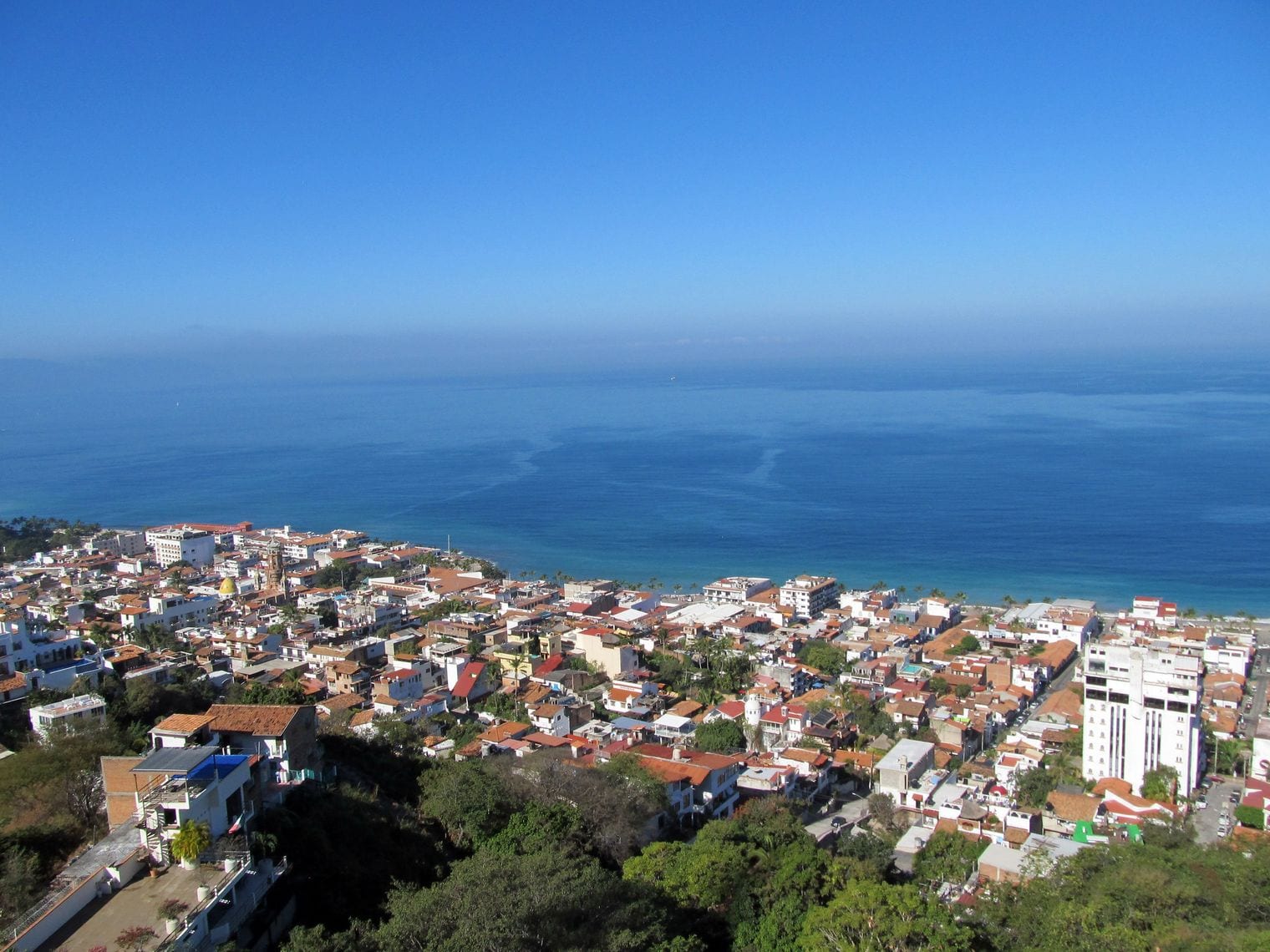
Puerto Vallarta stacks red-tiled roofs against the Sierra Madre and spills them down to Banderas Bay. Cobblestone streets climb from the seafront promenade into jungle, and south of the Cuale river the Zona Romantica keeps the galleries, the taco stands and the beach the whole town orients itself around.
This guide ranks 25 things to do by how many travellers actually rate them, from the Malecon sculpture walk to a botanical garden fifteen miles down the coast. Three days covers the town comfortably, with a fourth for a boat trip.
The town started life under a much longer name — it was founded on 12 December 1851 as Las Peñas de Santa María de Guadalupe, and was renamed later for Ignacio Vallarta, a former governor of Jalisco.
An earthquake knocked the crown off the parish church. The quake that struck off the Colima coast on 9 October 1995 shook the ornate crown from the top of the Parroquia de Nuestra Señora de Guadalupe; what you photograph today is its replacement.
Hollywood put the town on the map in 1963, when The Night of the Iguana was filmed down the coast at Mismaloya — the production, and the press that followed its cast, turned a quiet fishing town into a resort.
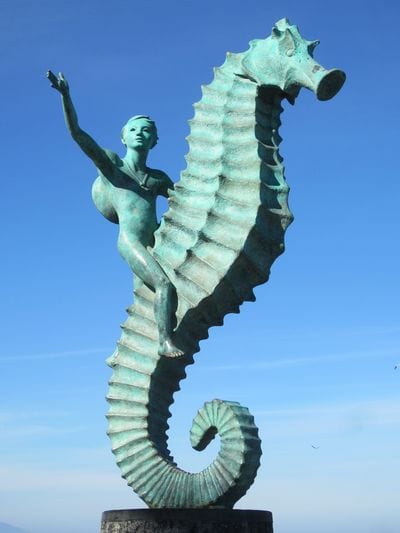
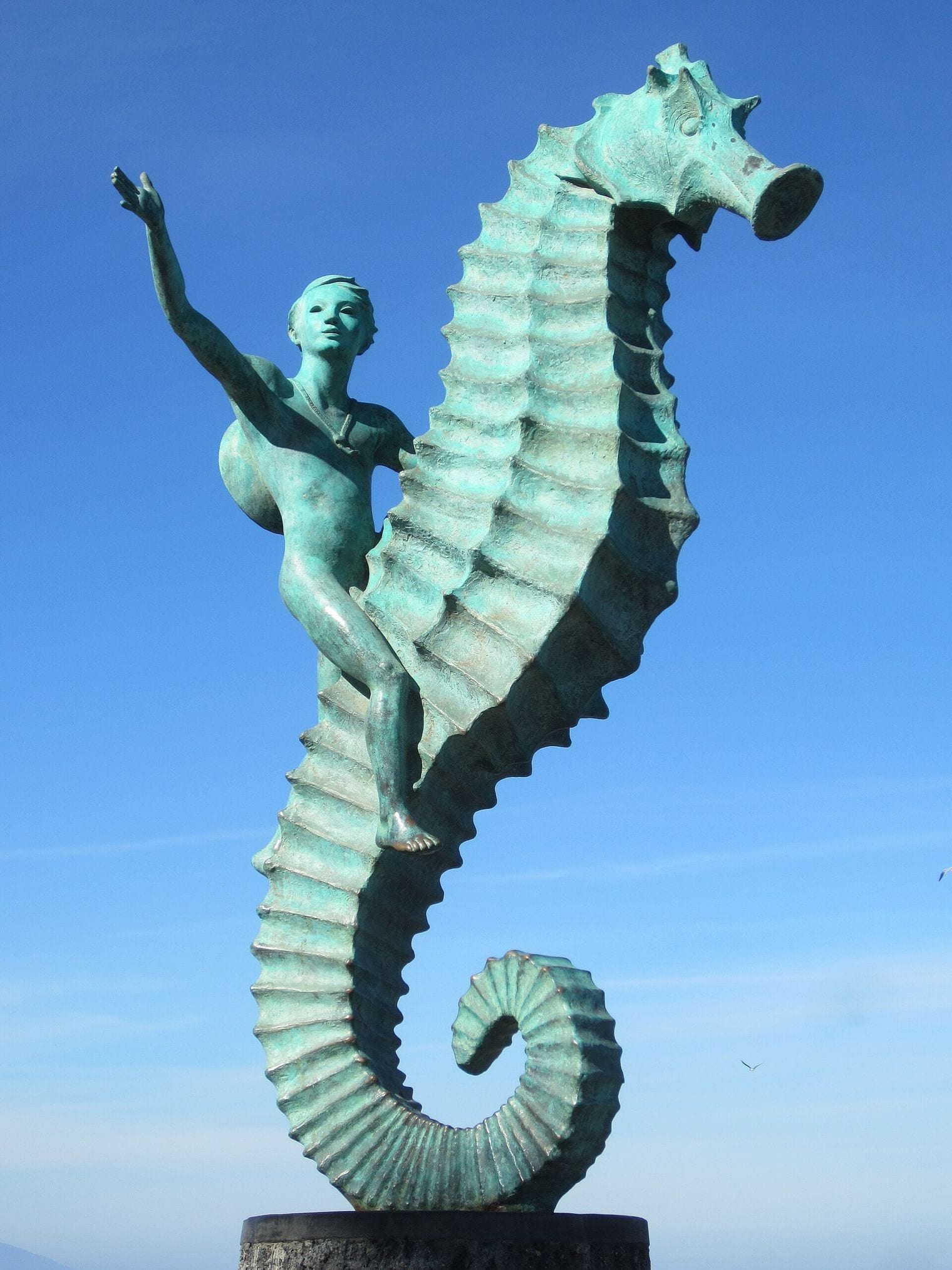
There are two Boy on the Seahorse sculptures. Rafael Zamarripa made the original in 1960 for Los Muertos Beach and the sea took it; the larger replica unveiled on the Malecón in 1976 was the promenade's first sculpture, and the original was later recovered.
The Malecón you walk today is barely two decades old — it was rebuilt after Hurricane Kenna damaged it in 2002, and its walkways and sculpture collection took their current form in 2010.
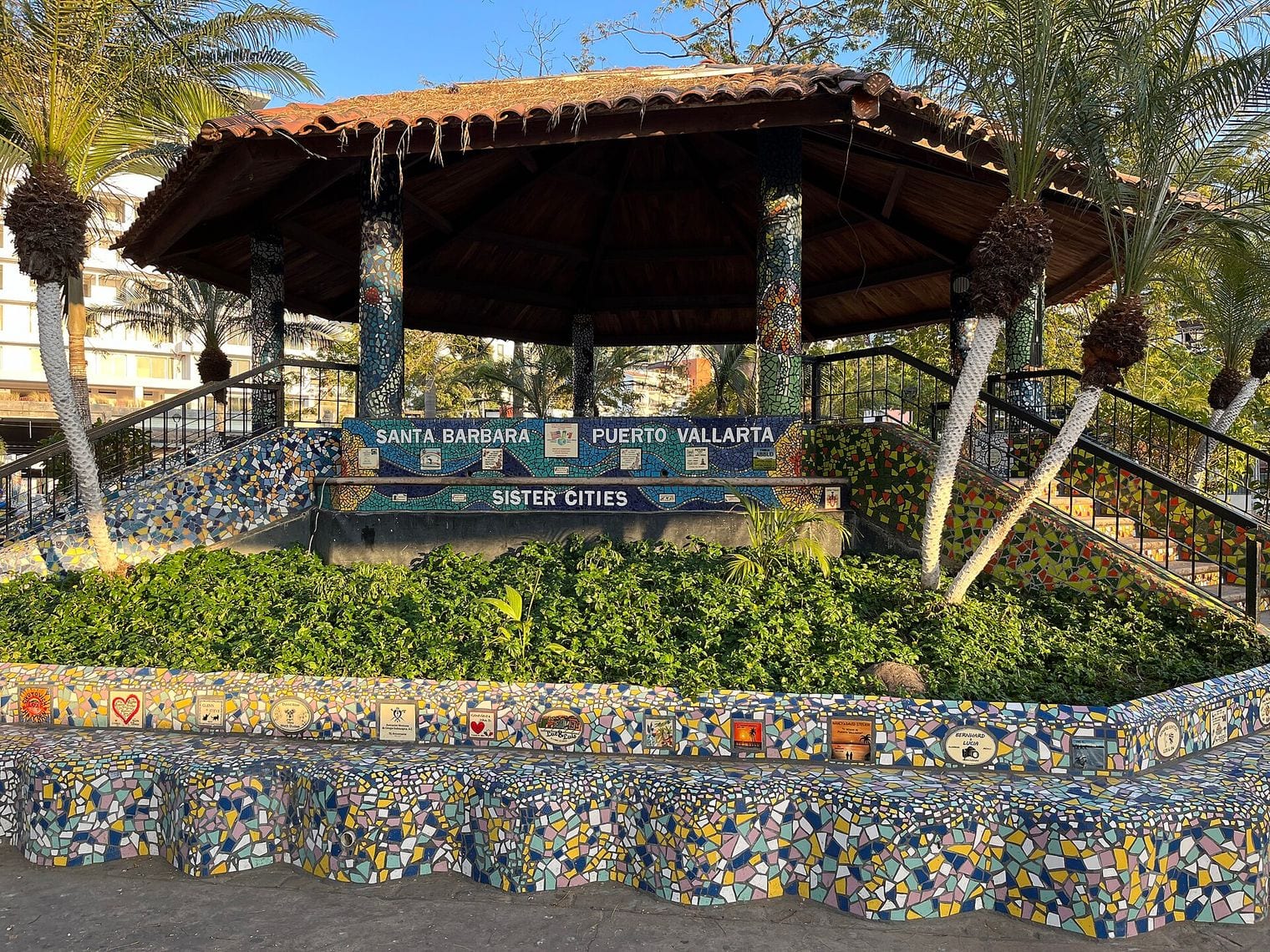
Isla Cuale is known for its cats. The wooded island splitting the river through the middle of town has long been famous for the colony that lives among its market stalls and trees.
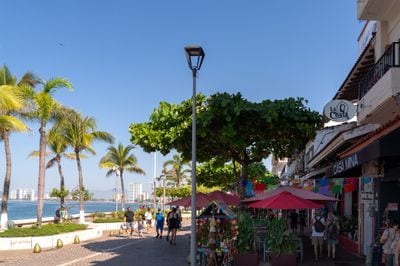
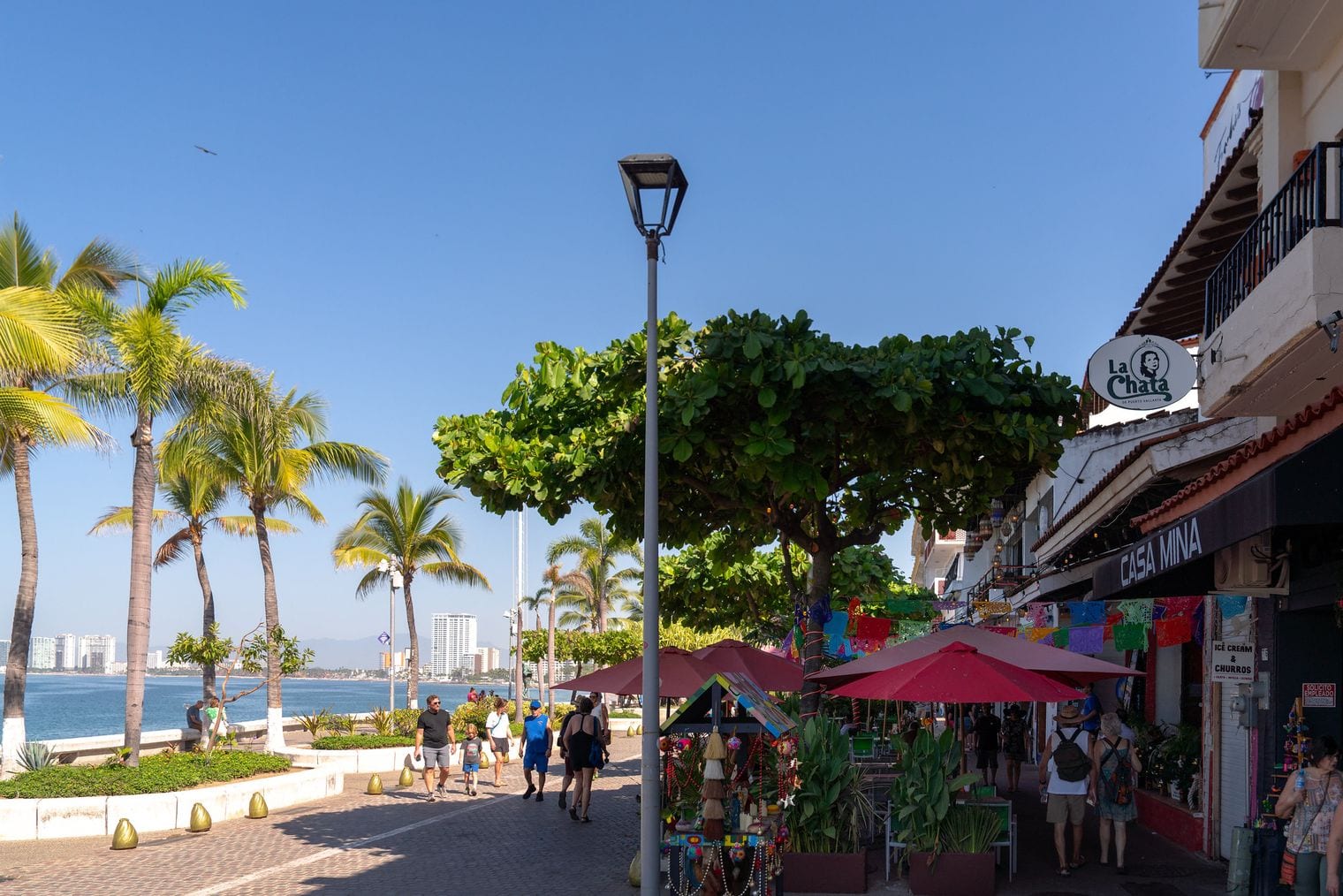
The Malecon is the spine of Puerto Vallarta and the first place most visitors walk. A broad ribbon of pedestrian seafront runs down to the mouth of the Cuale river, wide enough to absorb the whole city at sunset, with the bay on one side and a wall of restaurants, galleries and bars on the other. It was rebuilt after Hurricane Kenna damaged it in 2002 and given its current walkways and sculpture collection in 2010.
What makes it more than a promenade is the open-air gallery strung along its length. Bronze figures stand every few dozen paces, some famous enough to have their own nicknames, and the crowd rearranges itself around them as the light goes. Street performers set up near the arches, sand sculptors work the beach below, and the whole stretch stays busy long after dark.
The Parroquia de Nuestra Senora de Guadalupe is the building Puerto Vallarta puts on its postcards. Its brick bell tower rises over the tiled roofs of the old town, topped by an ornate openwork crown that is visible from most of the Malecon and from the hills above. The church sits a couple of blocks inland from the seafront, at the head of a short street that fills with worshippers and photographers in roughly equal measure.
The crown has had a harder life than it looks. An earthquake off the Colima coast on 9 October 1995 shook it from the top of the church, and the replacement is what stands there today. Inside, the nave is plainer than the exterior suggests, and it remains a working parish rather than a monument, so services run throughout the week.
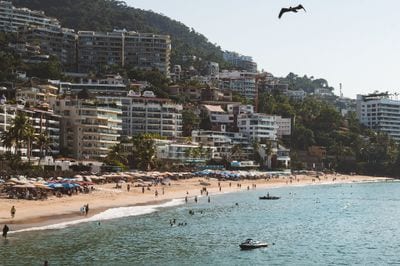
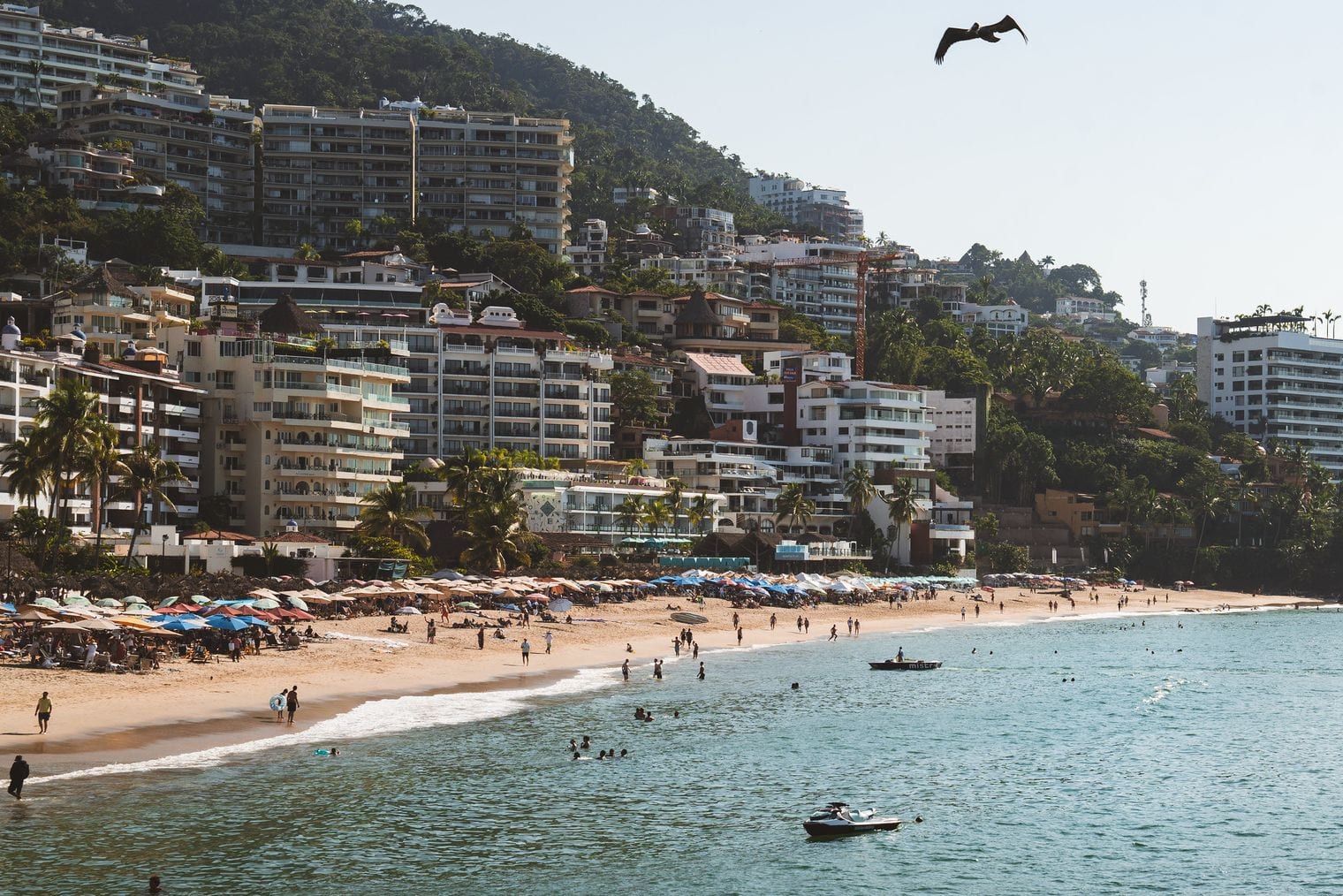
Playa Los Muertos is the town beach, the one the Zona Romantica opens onto and the busiest stretch of sand in the city. It runs south from the mouth of the Cuale river beneath a bank of hotels and apartment blocks, with the water calm enough for swimming most of the year and a steady traffic of vendors working the sand with fruit, jewellery and grilled fish.
The beach is really a series of social zones rather than one crowd. The northern end near the pier is the busiest and most mixed; further south the palapa restaurants set out loungers and it quietens down. It is the easiest place in Puerto Vallarta to spend an afternoon without planning anything, and the sunsets from the water line are the reason the restaurants behind it all face west.
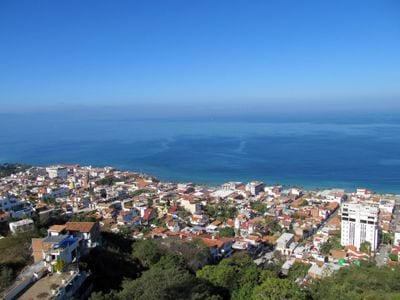
The Cerro de la Cruz is the short, steep climb that gives you the whole city at once. A staircase leads up from the streets behind the Malecon, past houses built into the slope, to a cross on a small terrace above the rooftops. It is not a long walk, but it is almost entirely steps, and the heat makes an early start or a late-afternoon attempt considerably more pleasant.
The reward is the definitive Puerto Vallarta view. From the terrace the old town lies directly below with the church crown in the middle distance, the Malecon traces the shoreline, and Banderas Bay opens out to the horizon with the Sierra Madre falling into it on both sides. It is the shot that explains the town geography better than any map.
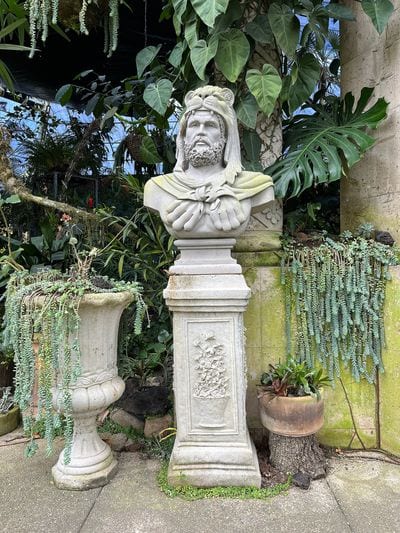
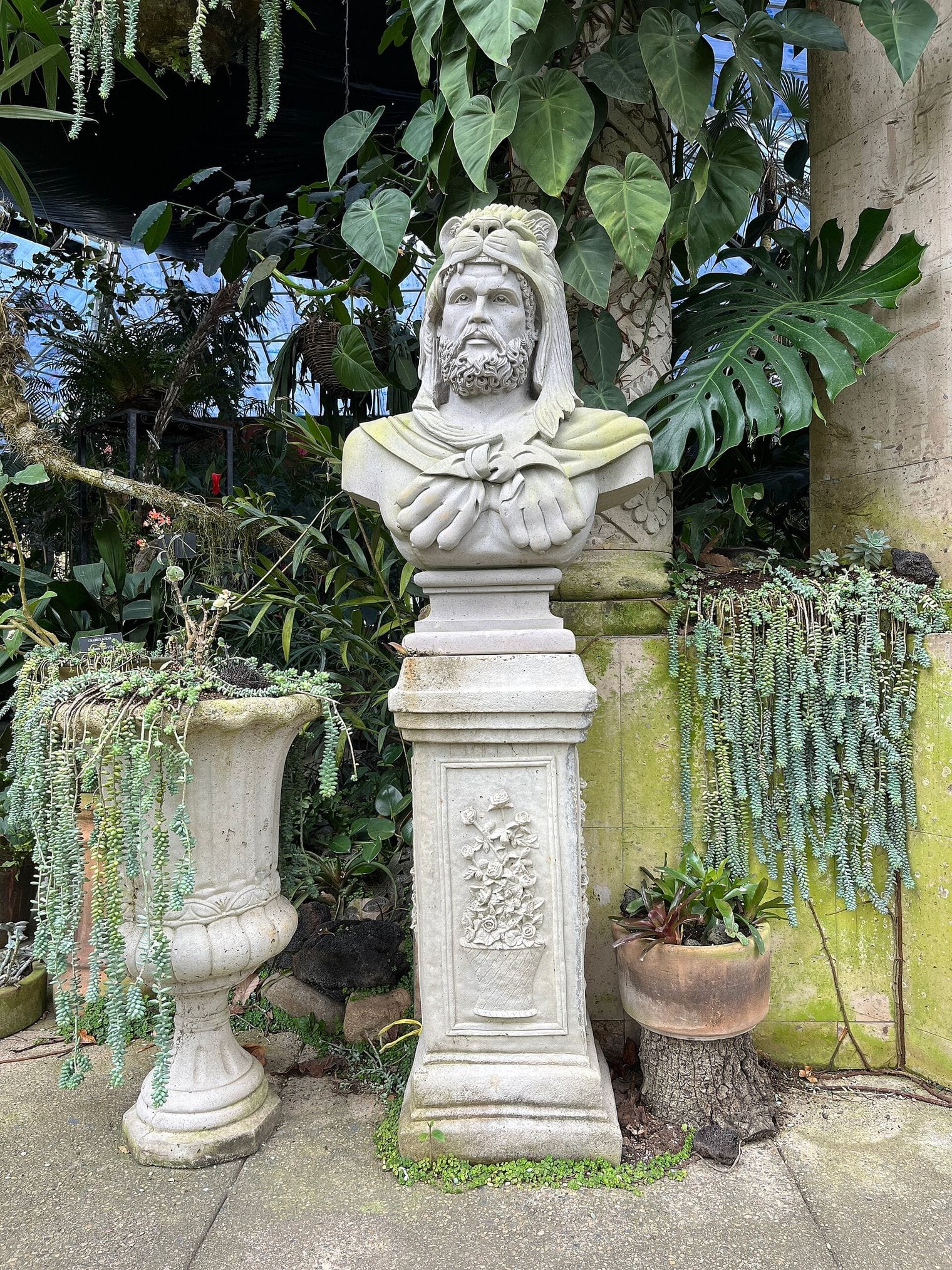
The Vallarta Botanical Gardens sit fifteen miles south of the city, up in the Sierra Madre foothills where the coast road turns inland along the Los Horcones river. Founded in 2004 and opened to the public the following year, the gardens occupy a stretch of jungle hillside that has been planted, labelled and threaded with trails without ever being tidied into a park.
What visitors tend to remember is the birdlife. More than a dozen hummingbird species work the feeders and flowering beds, and the terraces look out over forested valley rather than manicured lawn. Paths drop from the visitor building down towards the river, the restaurant balcony is a destination in its own right, and the change in temperature as you climb away from the coast is noticeable enough to be part of the appeal.
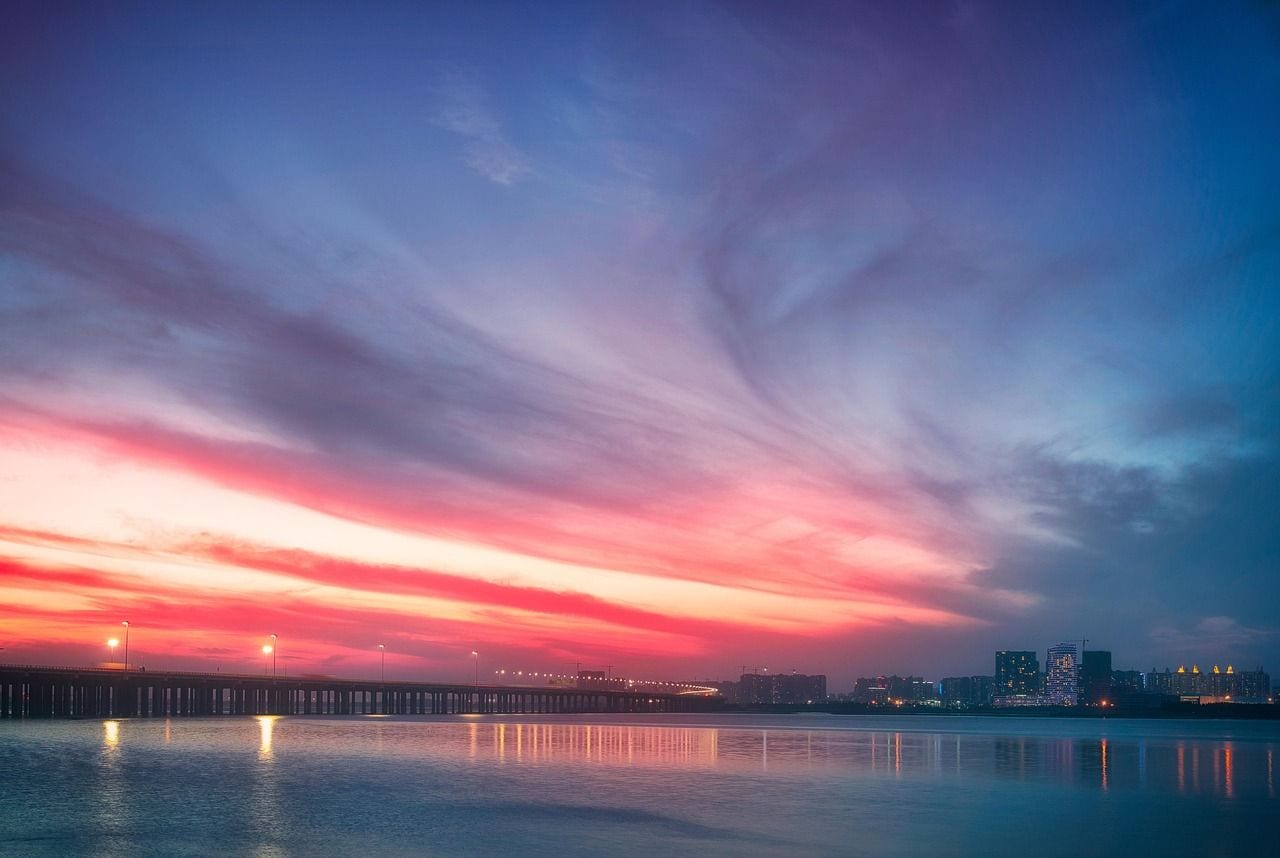
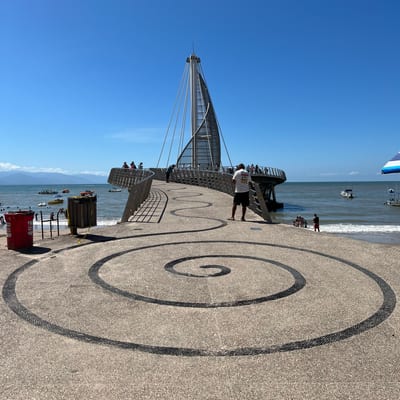
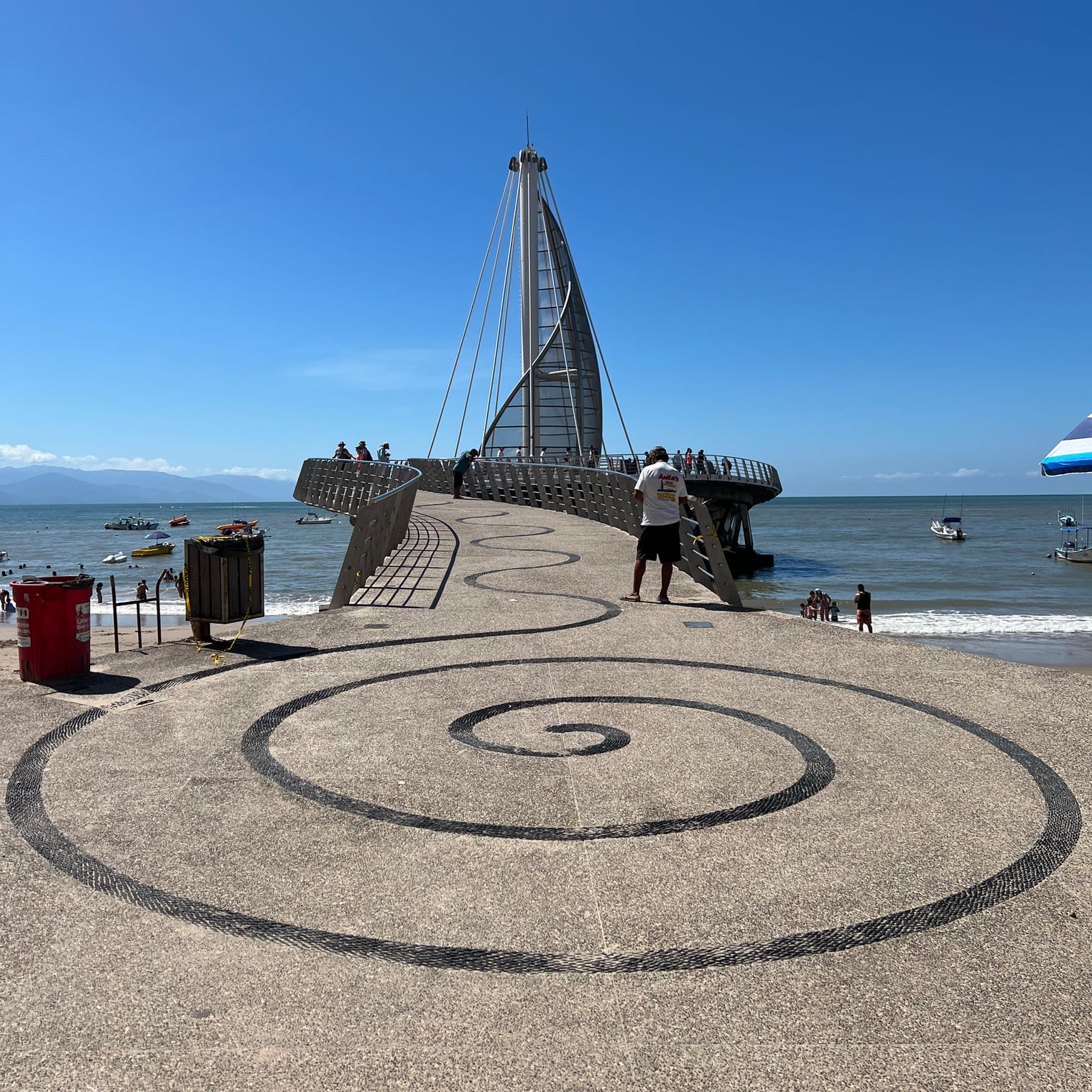
The pier at Playa Los Muertos is the most striking piece of modern architecture on the seafront, a white mast and cabled canopy that reads as a sail from a distance and lights up after dark. It replaced an older working pier and now functions as both a landmark and a promenade, with people walking out to the end all day for the view back at the beach and the hills behind it.
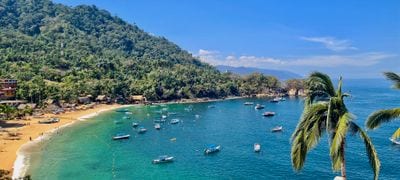
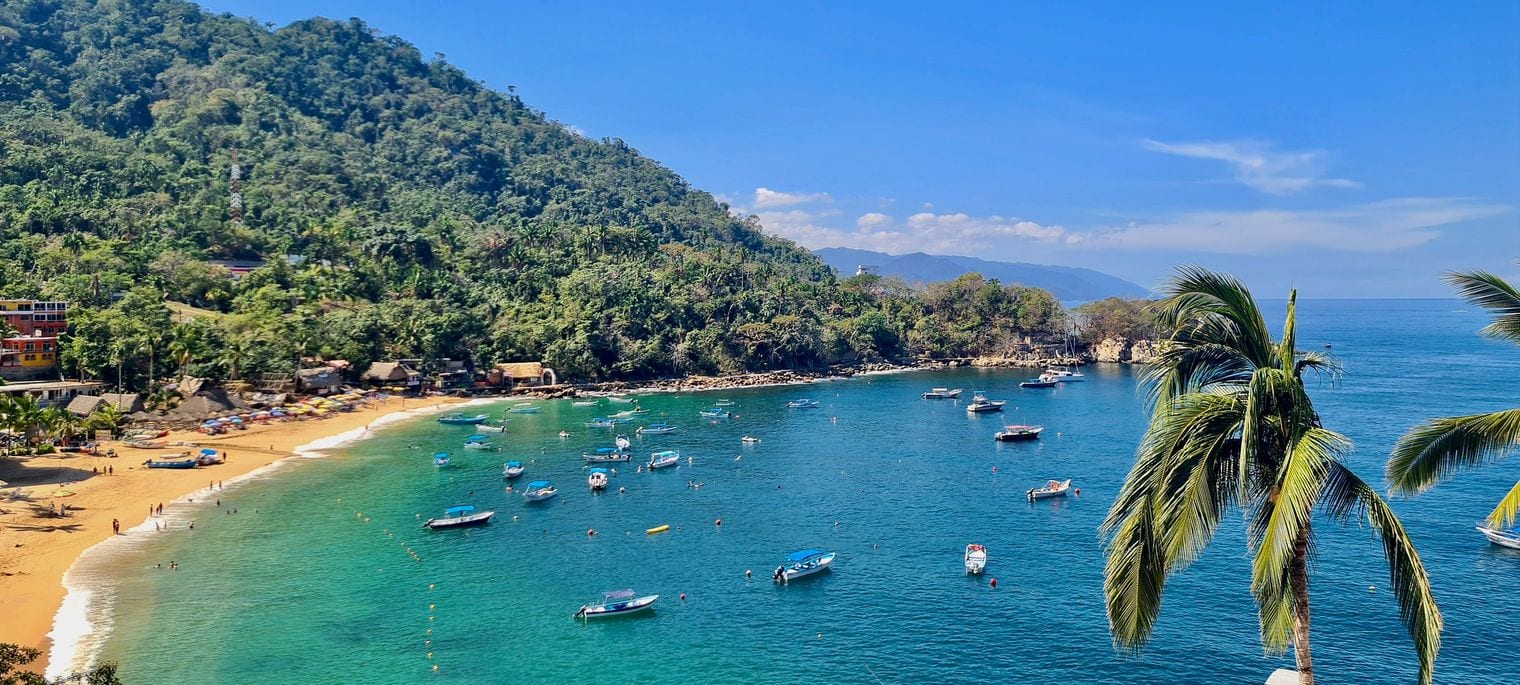
It is also genuinely useful. Water taxis leave from here for the southern beaches that the coast road does not reach, which makes the pier the practical starting point for a day at Las Animas, Quimixto or Yelapa. Arrive early for the boats and late for the light, when the structure is floodlit and the whole bay turns orange behind it.
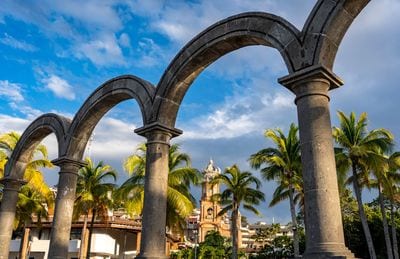
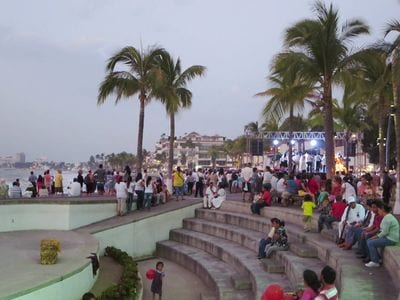
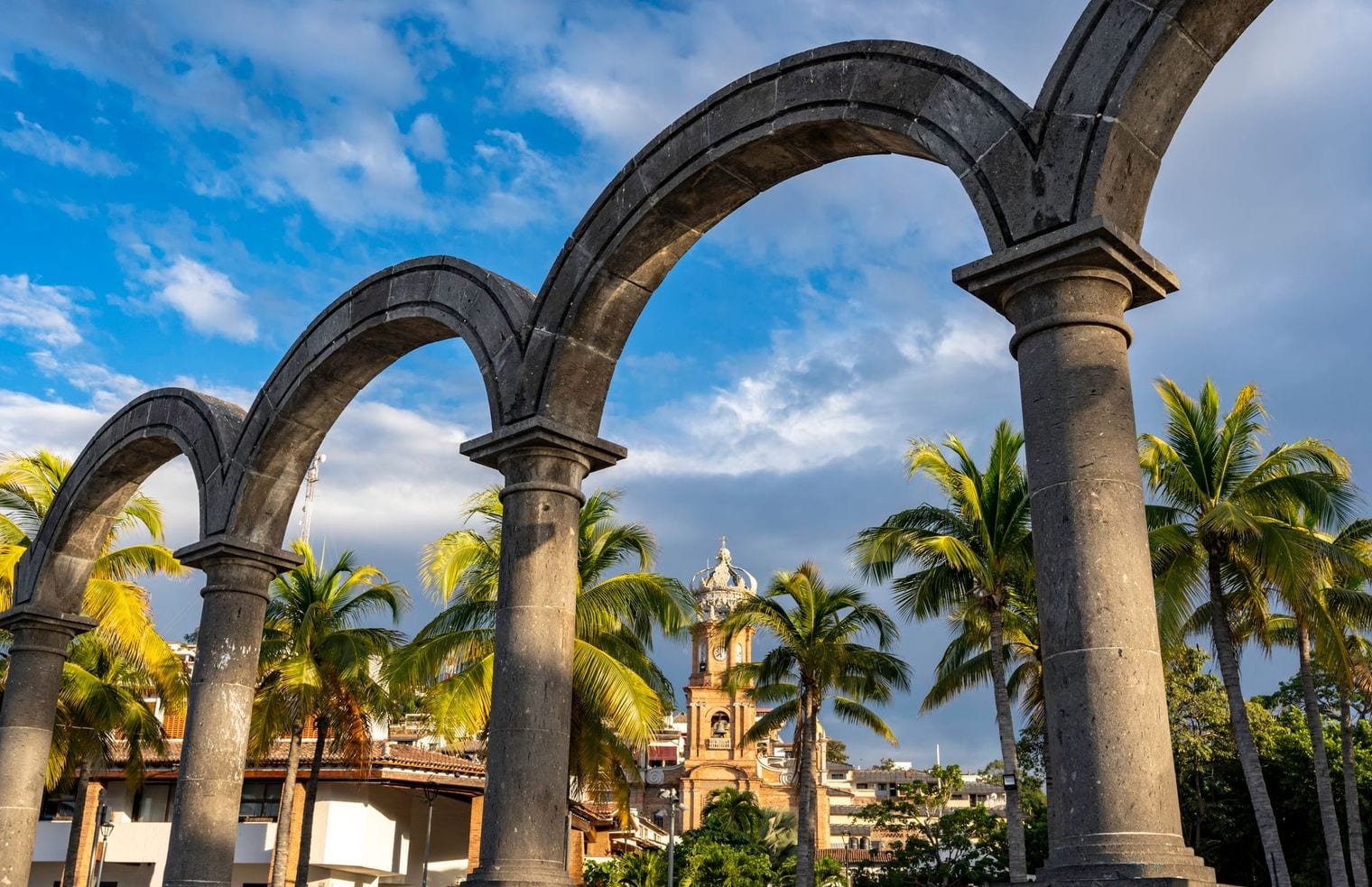
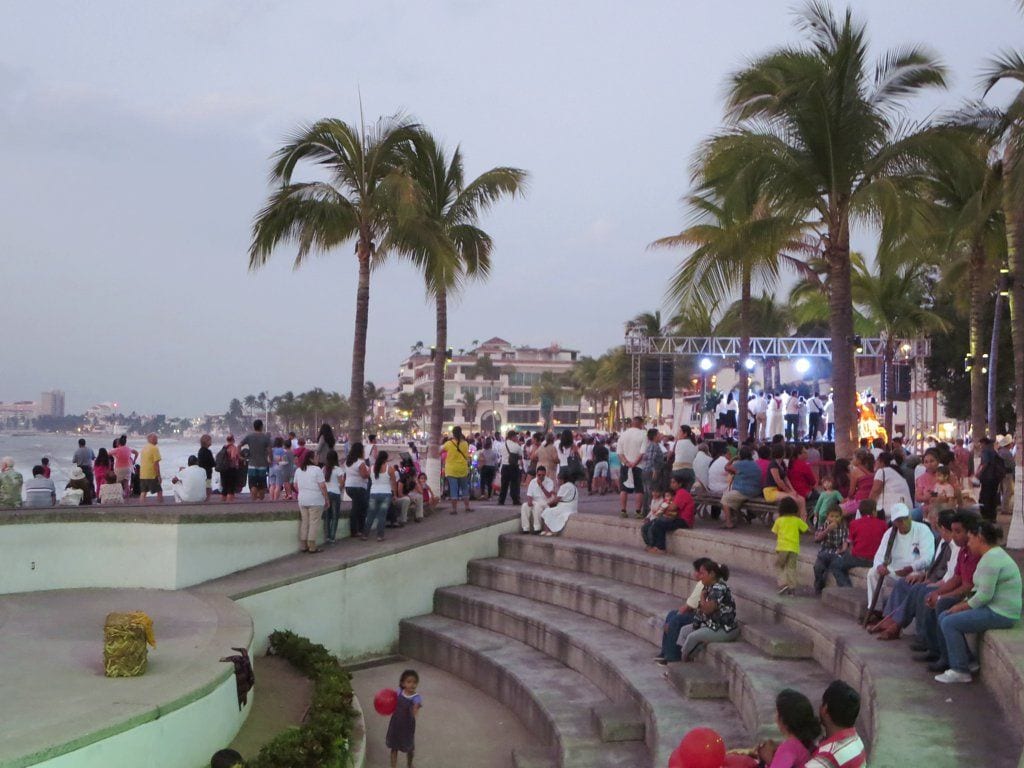
Los Arcos is the row of open stone arches set into the Malecon opposite the main square, framing the bay and doubling as the backdrop to the city outdoor stage. The arches themselves are the most photographed structure on the promenade after the sculptures, partly because they frame the water so neatly and partly because they are the natural meeting point of the whole seafront.
The amphitheatre in front of them is the reason to linger. Steps drop towards the sea and fill up most evenings for whatever is on, which ranges from folkloric dance troupes to buskers who have claimed the spot for the night. Nothing is ticketed and nothing is scheduled far in advance, so the reliable approach is simply to walk past after dark and see what has taken the stage.
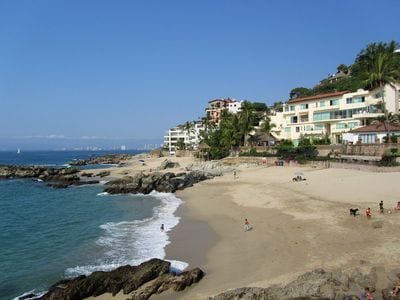
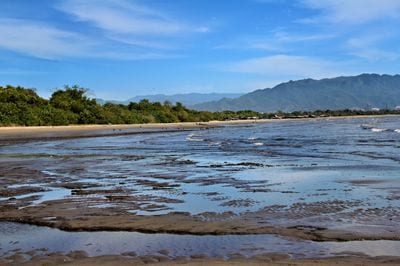
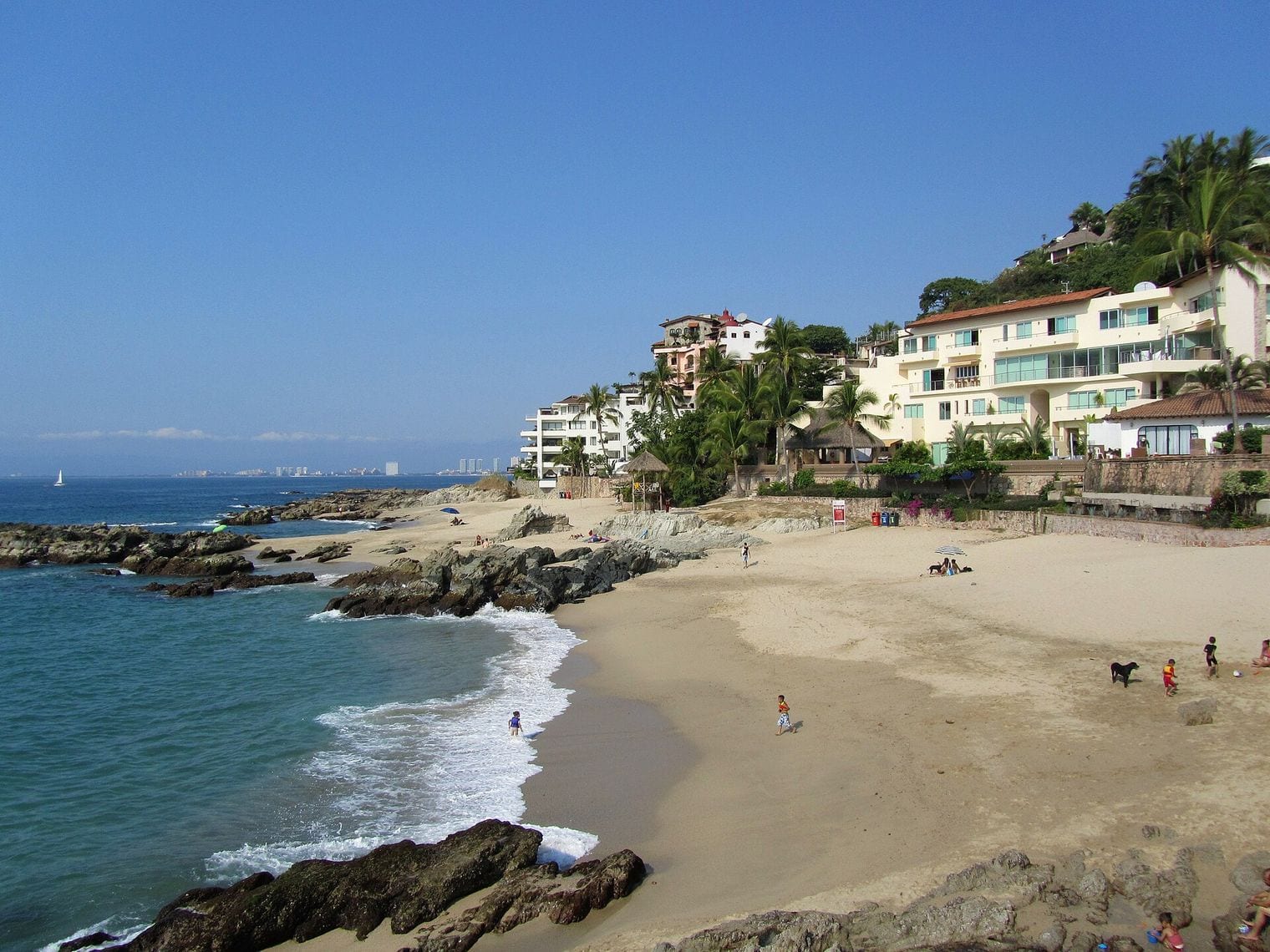
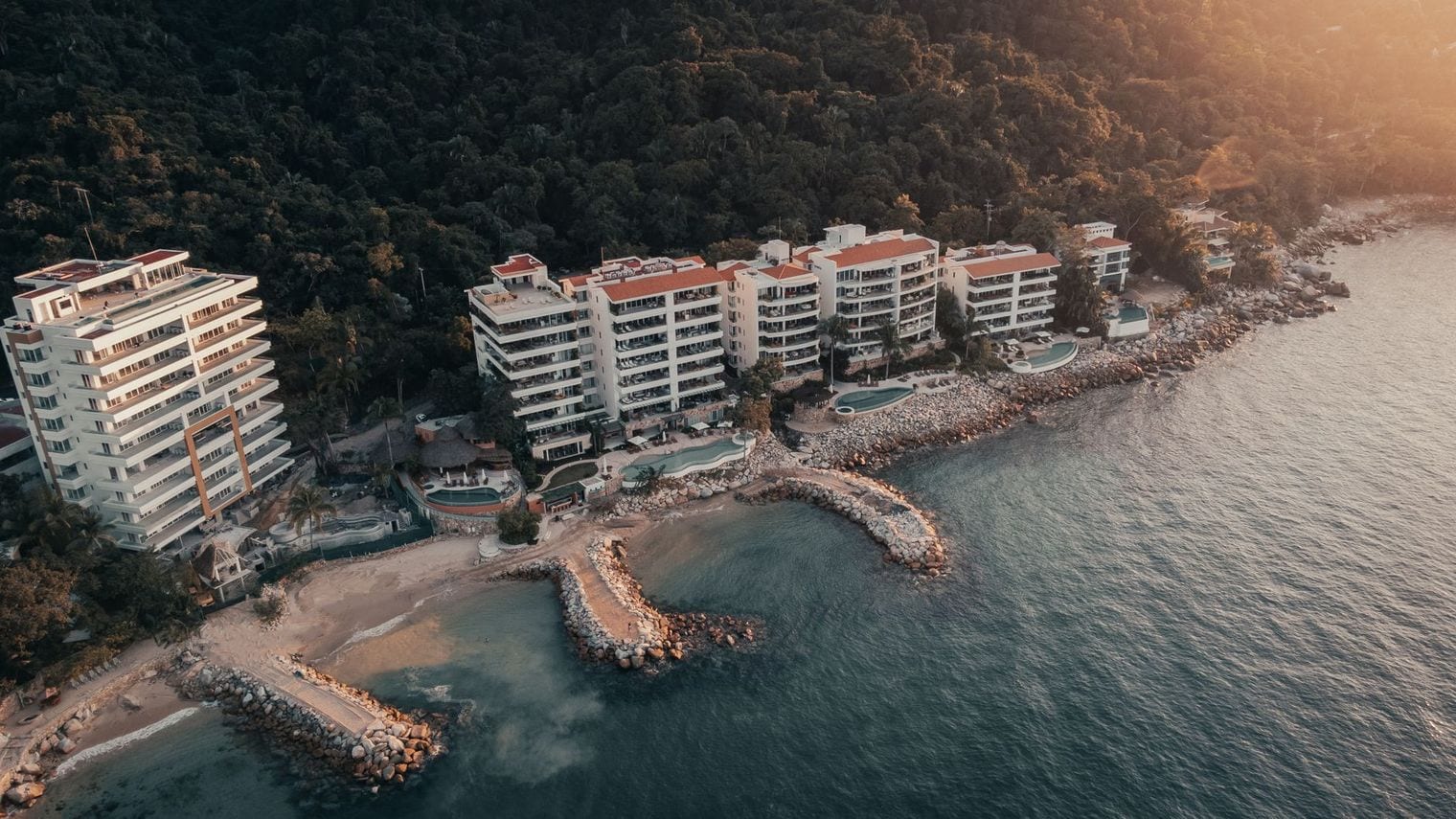
Conchas Chinas is the cove beach immediately south of the old town, tucked beneath the cliffside villas that give the neighbourhood its name. Rounded boulders break the shoreline into a series of small sandy pockets and shallow pools, which makes it a poor place for long swims and an excellent one for wading, snorkelling around the rocks and finding a patch of sand to yourself.
Getting down takes a little effort, which is why it stays quieter than the town beaches. Access is by staircases and short lanes running down from the coast highway between houses, and there is no boardwalk of restaurants behind it. Bring what you need for the afternoon, and time a visit for low tide when the rock pools are exposed and the pockets of sand are at their widest.
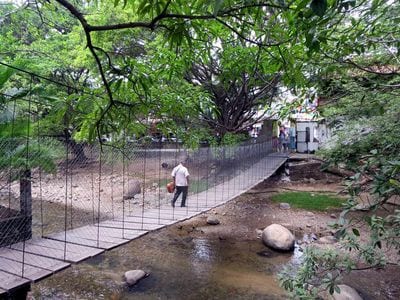
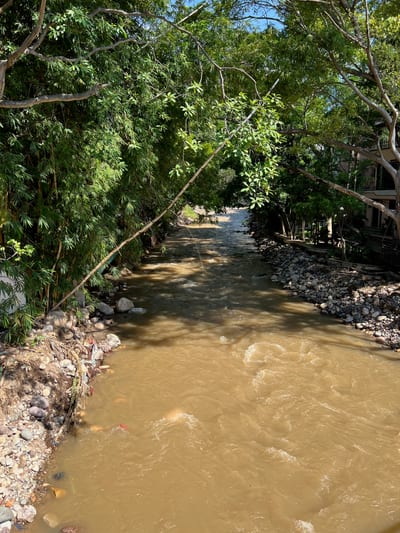
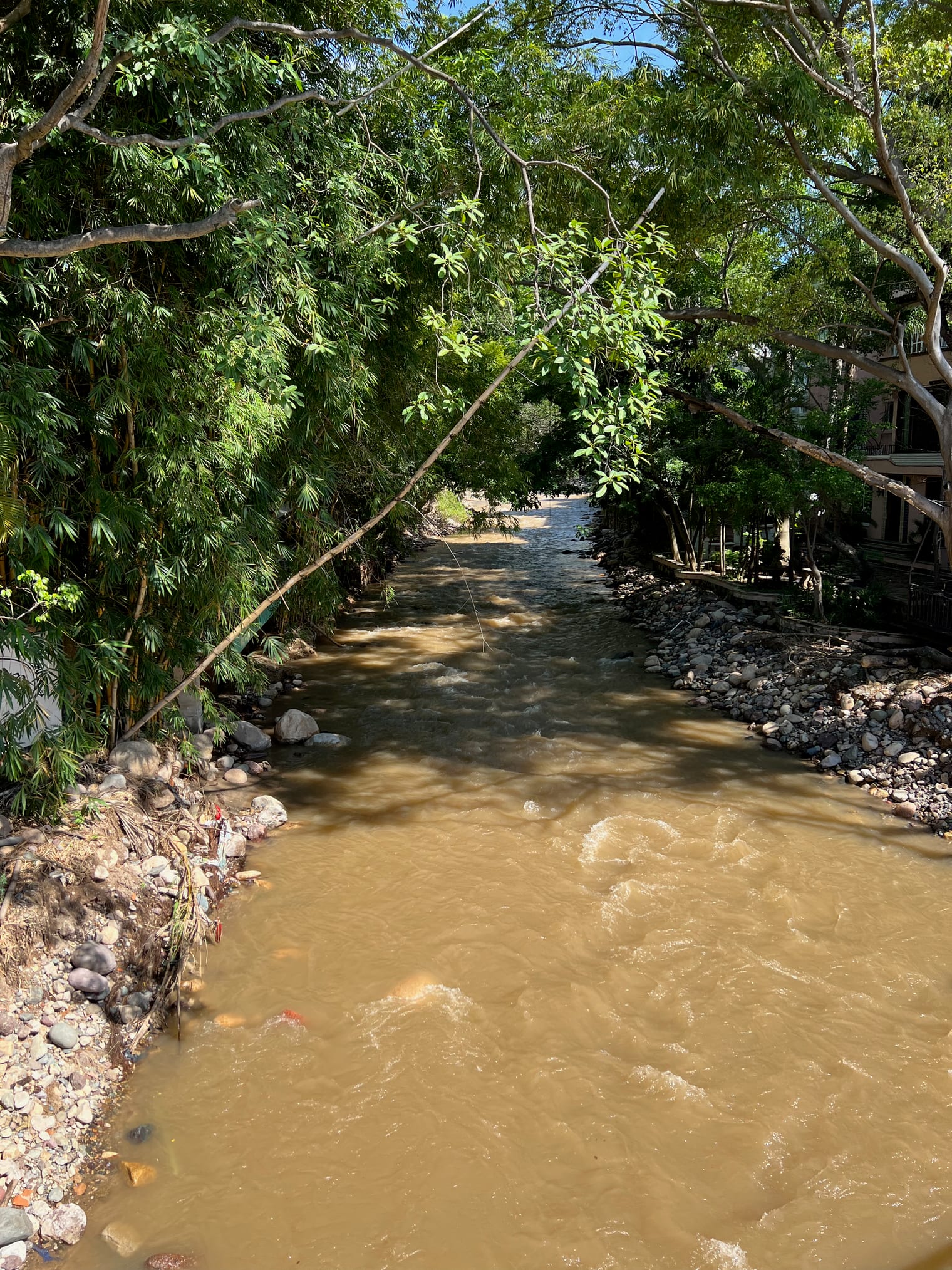
The market on Isla Cuale runs the length of the wooded island that sits in the middle of the river between the old town and the Zona Romantica. Stalls line the shaded walkways selling Huichol beadwork, hammocks, silver, textiles and the usual run of souvenirs, and the setting does most of the work: it is several degrees cooler under the trees than on the streets either side.
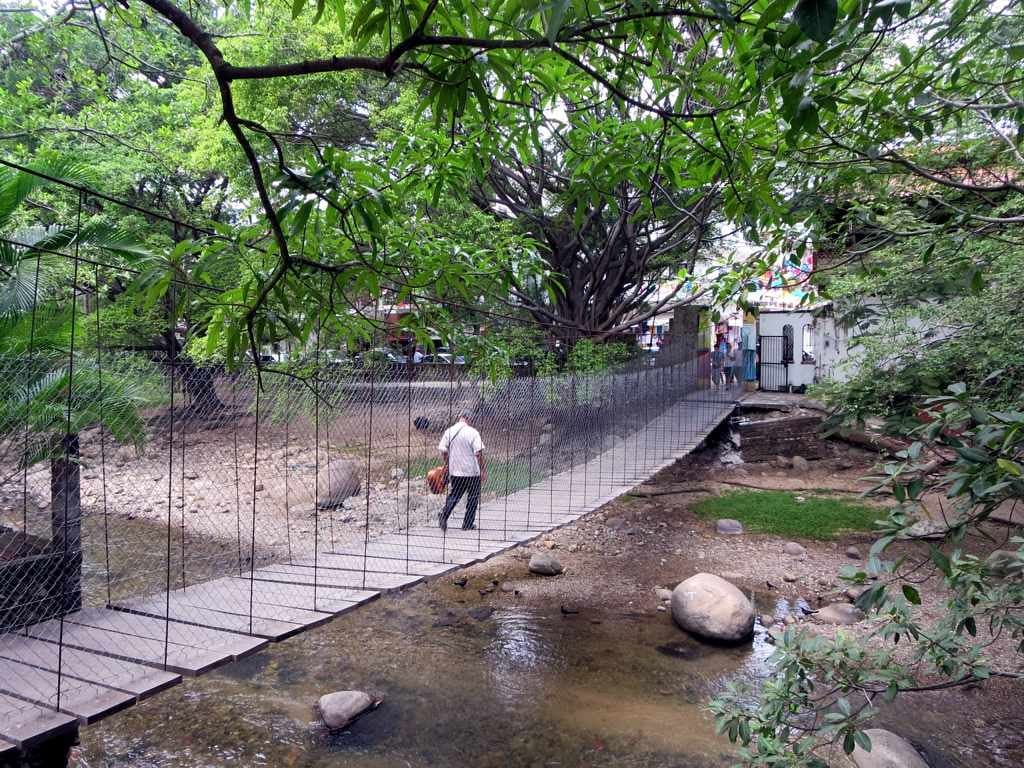
It is best treated as a walk that happens to have shopping on it. The island is crossed by suspension footbridges at both ends, cafes and a couple of restaurants occupy the wider stretches, and the river runs shallow and loud alongside. The island has long been known for its resident cat population, and haggling is expected rather than resented.
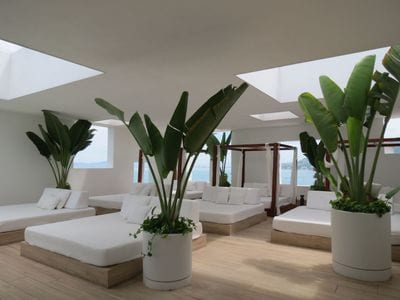
Mangos Beach Club occupies a stretch of sand north of the Malecon in the 5 de Diciembre neighbourhood, and it is the most straightforward way to turn a beach afternoon into a full day. Loungers and umbrellas run down to the water, a bar and kitchen sit behind them, and a minimum spend gets you a spot for as long as you want it.
The appeal is the position rather than the polish. This part of the shoreline is far calmer than Los Muertos, the sand is broad, and the view runs back down the coast towards the town with the hills stacked behind. It draws a mix of visitors and locals, gets livelier as the afternoon goes on, and is close enough to walk to from the north end of the promenade.
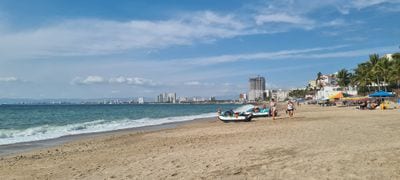
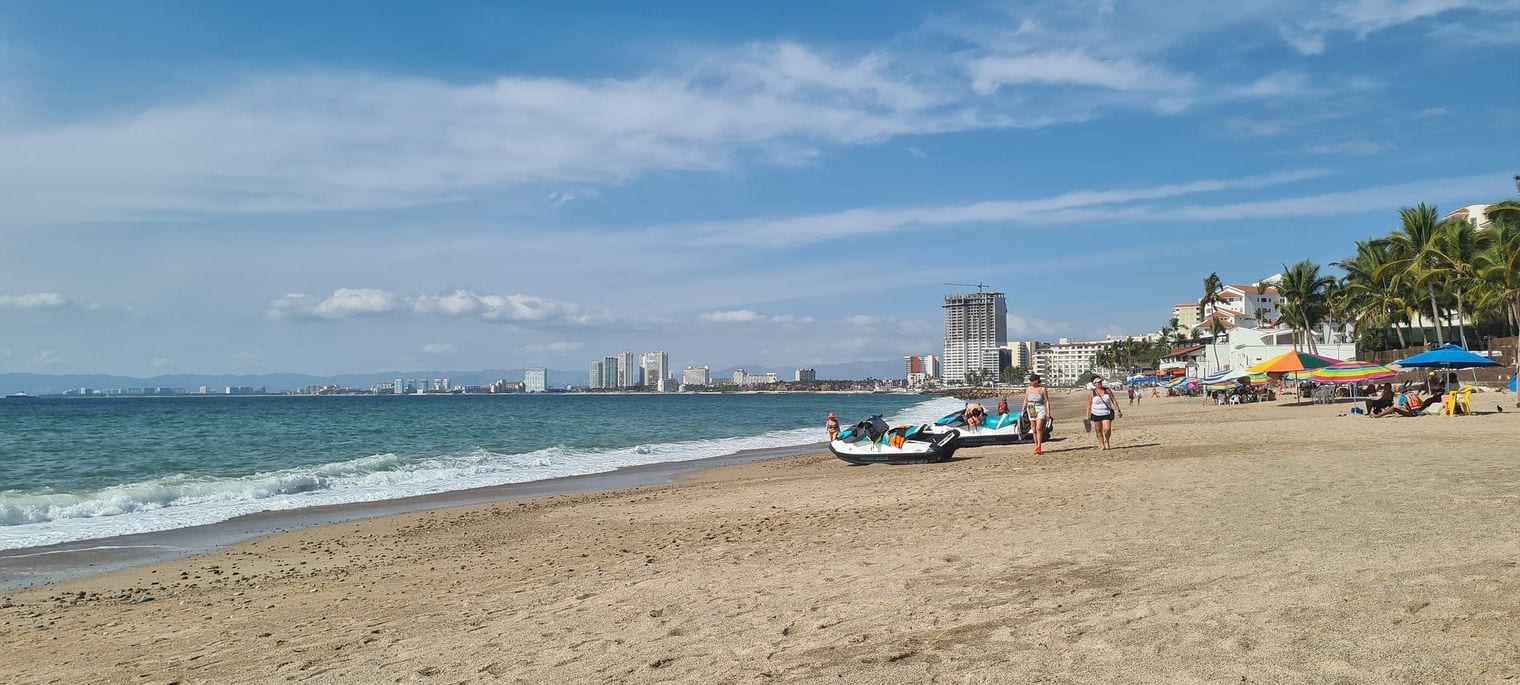
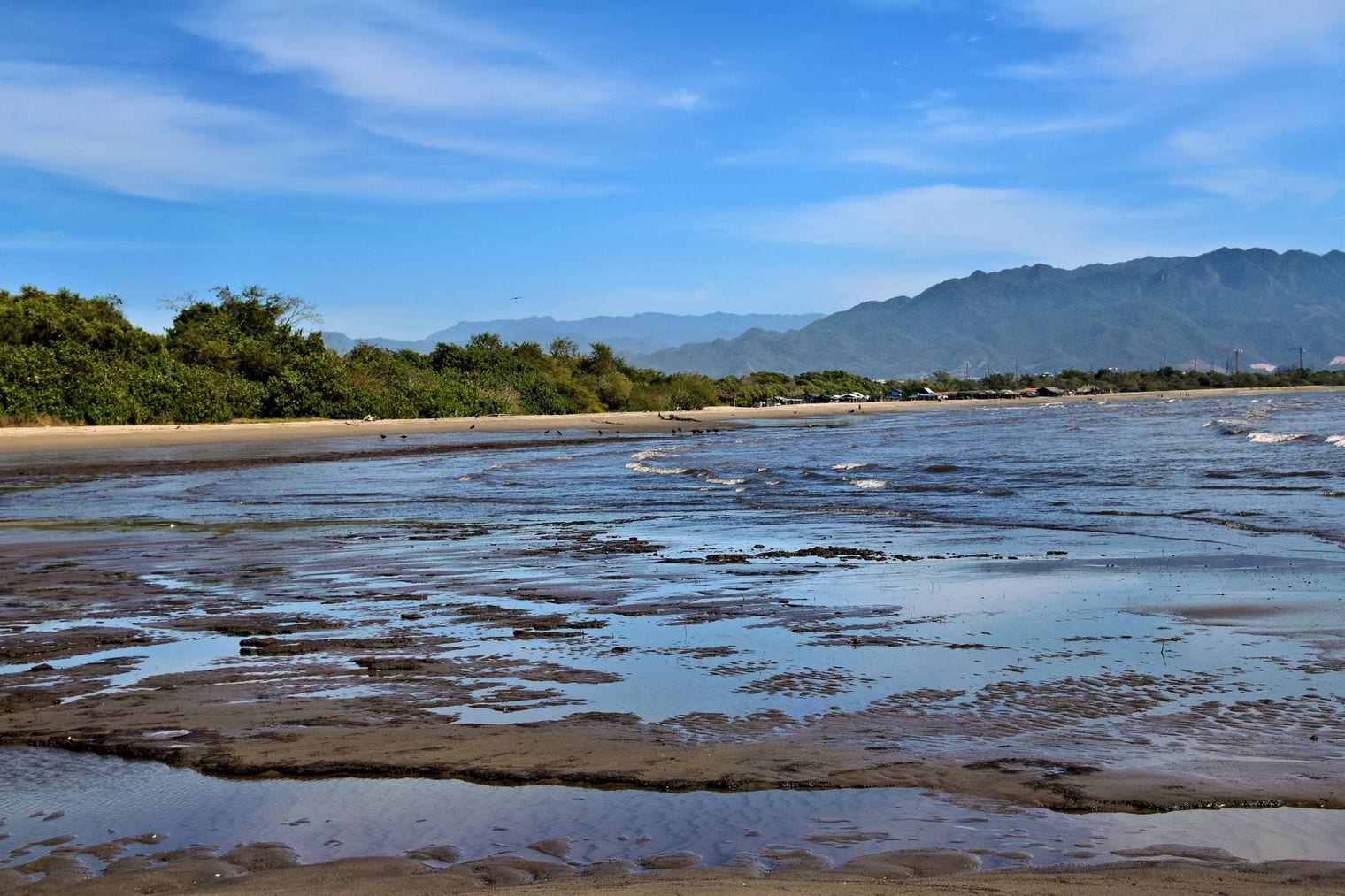
Playa Camarones is the long beach that picks up where the Malecon ends and runs north along the 5 de Diciembre waterfront. It is the town beach without the town crowd: the same water and the same view across Banderas Bay, but a fraction of the foot traffic of Los Muertos, and enough width that groups spread out rather than stack up.
A line of casual restaurants and beach clubs backs the sand, so shade and food are never far, and the swimming is generally gentle. It is also the best place in the city to watch the fishing pangas come and go, and because the shoreline curves here the sunsets line up squarely down the beach rather than off to one side.
The Boy on the Seahorse is the single image most associated with Puerto Vallarta, a bronze of a naked child riding a rearing seahorse out of the water at the edge of the Malecon. It is the work of Rafael Zamarripa, and it was the first sculpture ever placed on the promenade, unveiled there in 1976.
Its history is more eventful than its size suggests. Zamarripa made the original in 1960 for Las Pilitas at Los Muertos Beach, where a storm washed it out to sea; the version on the Malecon is a larger replica commissioned afterwards by the local government. The original was eventually recovered, lost again after Hurricane Kenna, and recovered a second time, so the city now has two seahorses rather than none.
Mismaloya is the cove south of the city, off the coast road, where the jungle comes down to a small crescent of sand at the mouth of a river. It is a genuinely pretty spot in its own right, with headlands closing in on both sides and calm, clear water that makes it one of the better swimming and snorkelling beaches within easy reach of town.
It is also where Hollywood found Puerto Vallarta. The Night of the Iguana was filmed here in 1963, and the production is the reason the wider world learned the town existed at all. Palapa restaurants line the sand, boats leave from the beach for the Los Arcos rocks offshore, and the ruins associated with the film still sit on the southern headland above the cove.
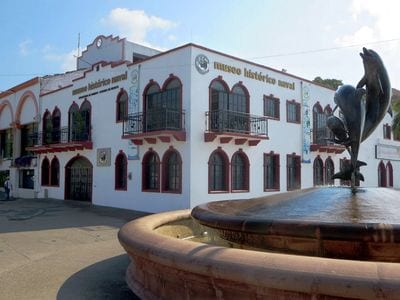
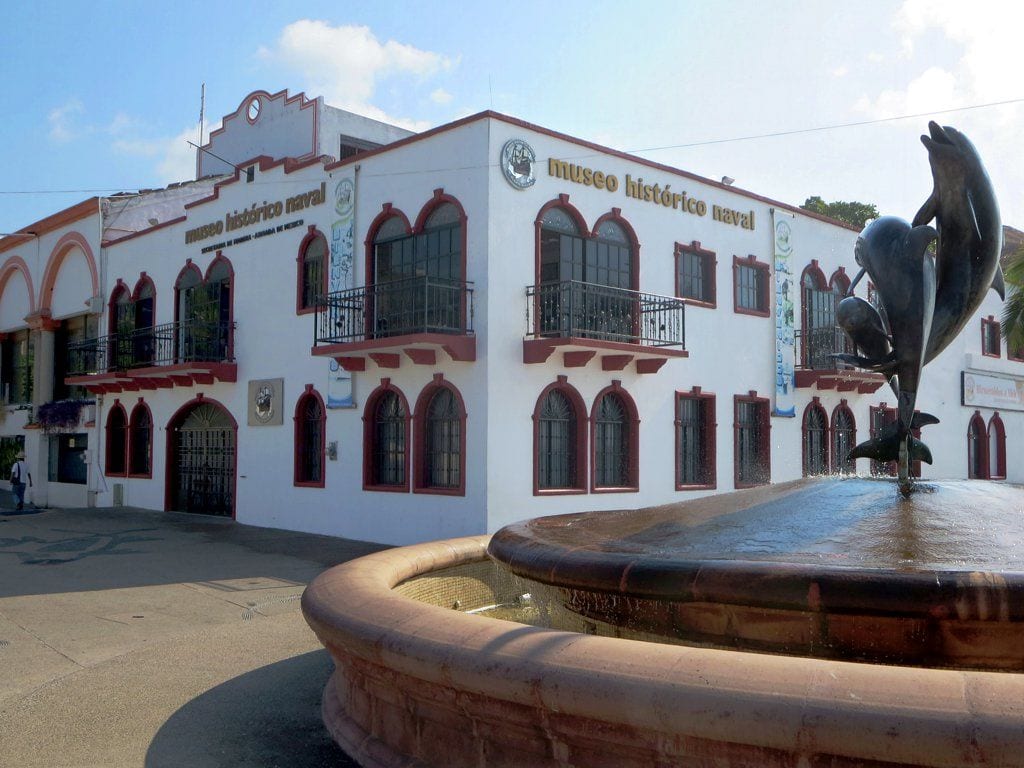
The Naval History Museum occupies a handsome building at the southern end of the Malecon, a short walk from the main square, and is run by the Mexican navy. Its galleries cover Mexican maritime history broadly, using ship models, charts, uniforms and salvaged hardware, with the region seafaring past given particular attention.
It is a small museum and an easy hour, which is exactly what makes it useful. It is air-conditioned, it sits directly on the route most visitors are already walking, and it puts the town in a maritime context that the beaches and bars do not. Labelling is largely in Spanish, though the ship models and the artefacts carry a good deal of the story on their own.
River Park is the adventure complex up the Cuale river valley east of the city, where the road leaves the coast and climbs into genuine jungle. It packages the mountain into a half or full day, with ziplines strung across the canyon, river crossings, off-road vehicle routes and walking trails through forest that feels a long way from the beach despite being a short drive from it.
The setting is the real draw. The river runs through a steep-sided valley of dense green, and the activities are arranged around getting you over, across and into it. Transport from town is generally part of the arrangement, which removes the hardest part of the logistics, and the temperature drop as you gain height is welcome after a few days at sea level.
Parque Lazaro Cardenas is the shaded square at the heart of the Zona Romantica, a block of mature trees, benches and paths a short walk back from Los Muertos beach. It is the neighbourhood common ground, busy with dog walkers in the morning, quiet in the heat of the day, and steadily livelier from late afternoon as the surrounding restaurants open.
Its other life is as the anchor of the district arts scene. The square hosts the Old Town art walk and regular open-air markets, and the galleries of Basilio Badillo and the streets around it radiate out from here. Even outside those, it is the most pleasant place in the Zona Romantica to sit down for a while, and it is genuinely free.
Skydive Vallarta runs tandem jumps over Banderas Bay from the airfield north of the city, and it is the most dramatic way to see the geography that the Cerro de la Cruz shows you from the ground. The aircraft climbs out over the water, and the exit puts the whole bay, the coastline and the Sierra Madre in a single frame.
No experience is needed, since tandem jumps are flown attached to an instructor and the briefing covers what little you have to do. The descent runs from freefall through several minutes under canopy, which is the part where the view actually registers, and landings are on the beach or the drop zone. Book with weather in mind and allow a flexible morning.
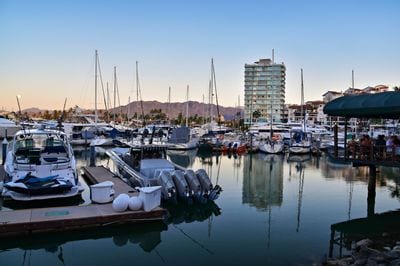
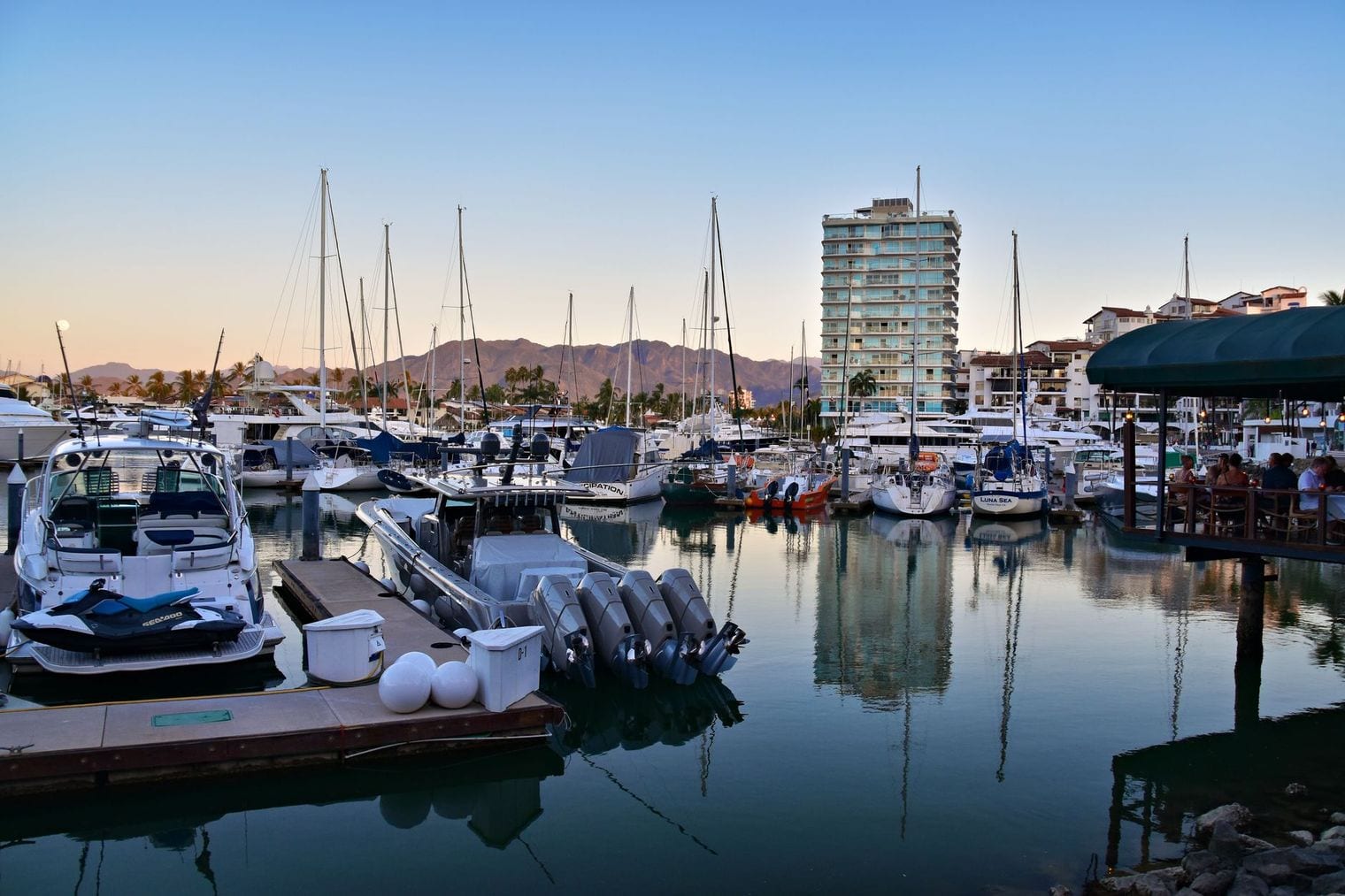
The Marina is the yacht basin north of the old town, ringed by a boardwalk of restaurants, bars, galleries and charter offices. It is the departure point for most of the bay boat traffic, from whale-watching and snorkelling trips to sunset cruises and the fishing fleet, so it is where a good many visitors start a day even if they do not linger.
The walk around the basin is pleasant in its own right, particularly in the evening when the boats light up and the restaurants put tables out along the water. A lighthouse tower stands at one corner with a bar in the top offering a full circle of the marina, the hotel zone and the bay, and the whole district is flat, easy and a world away from the cobbles of the centre.
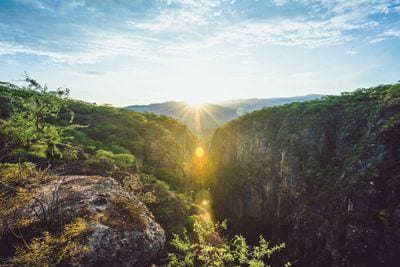
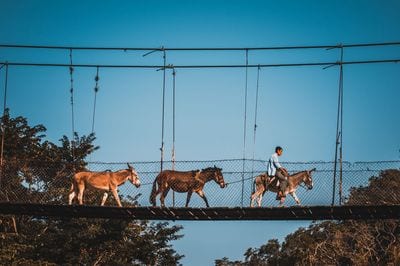
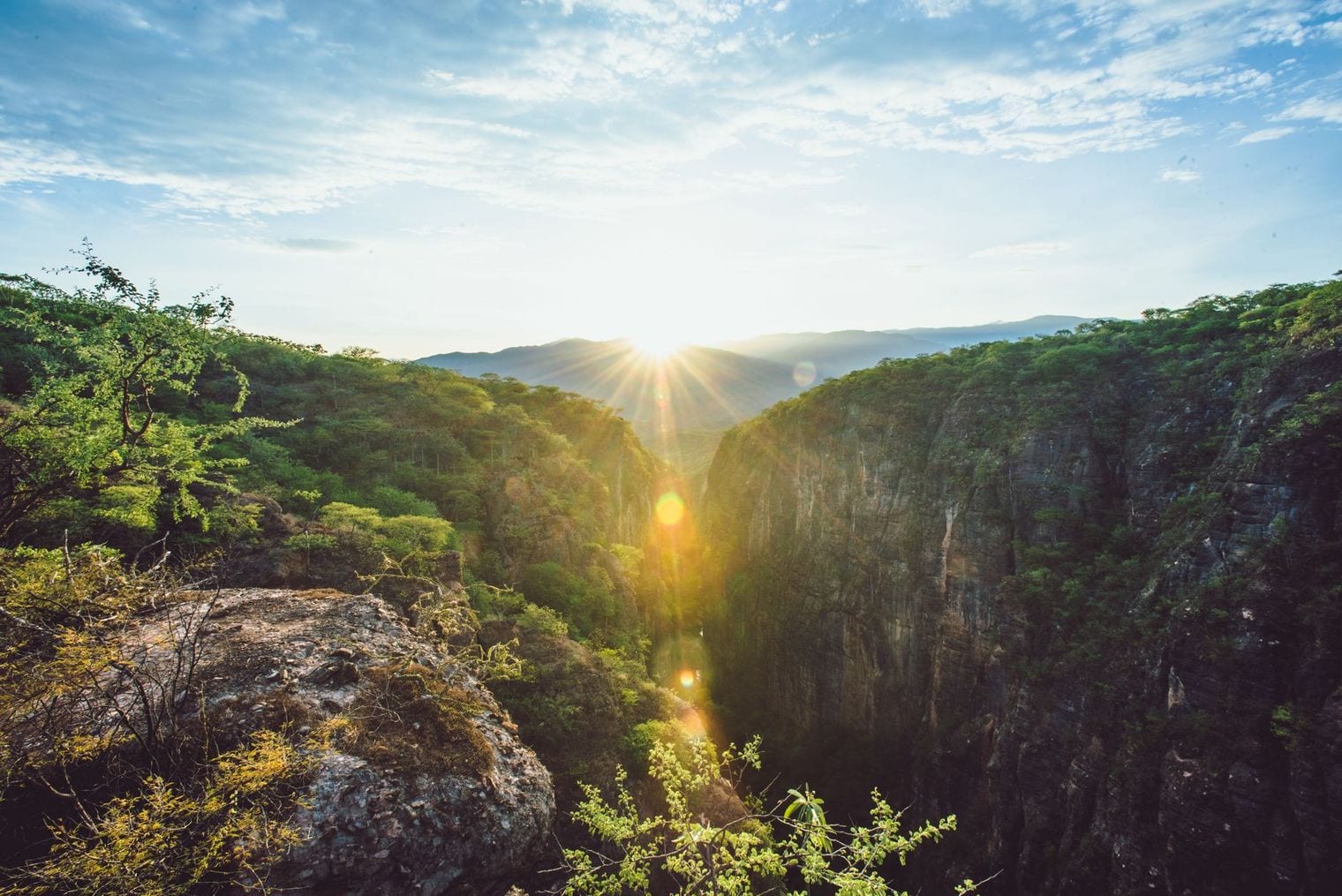
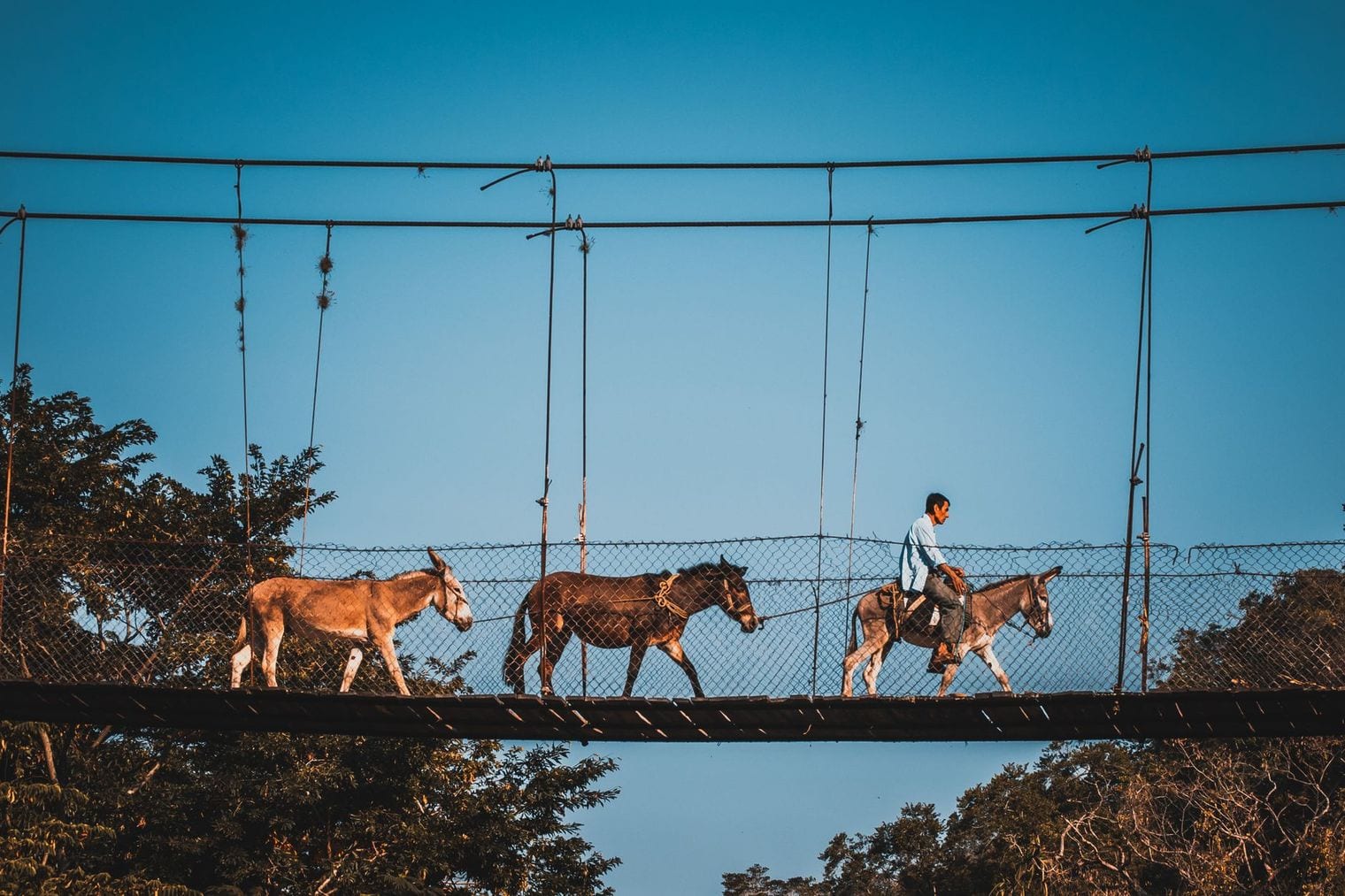
The Jorullo bridge is a suspension footbridge slung across the canyon of the Cuale river in the mountains inland from Puerto Vallarta, reached through the River Park complex. It hangs high above the valley floor on cables anchored into the ridges either side, and crossing it is the centrepiece of a visit rather than a means of getting anywhere.
The walk out is deliberately unnerving. The deck moves underfoot, the drop below opens onto jungle and river, and the far side gives you the length of the span with the Sierra Madre stacked behind it. It is reached as part of the wider adventure park rather than independently, and it pairs with the ziplines and river activities that share the same valley.
The Mariposario Jardin Magico is a butterfly house on the edge of the city where native species are bred and released into a planted enclosure you walk through. It is small, calm and shaded, and the whole point is proximity: the butterflies move freely around visitors, feeding on the flowers and fruit stations set through the garden.
It works particularly well with children and as a break from the heat and noise of the seafront. Staff explain the life cycle and the breeding programme as you go, there are usually chrysalises at various stages on display, and a visit takes well under an hour. Wear light colours and move slowly, and the butterflies will land on you without any encouragement.
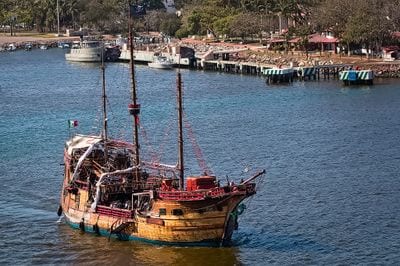
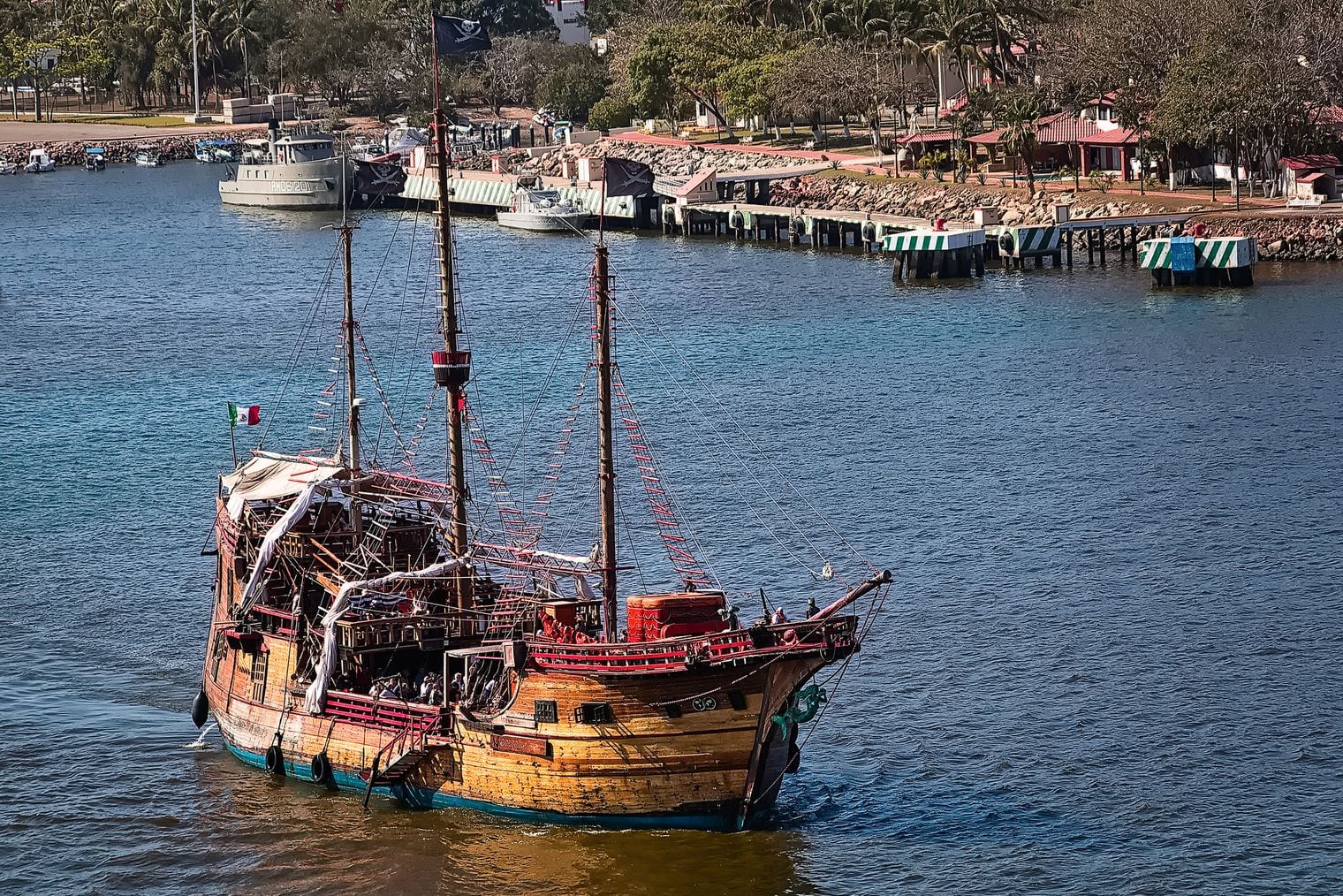
The pirate ship is a full-size replica Spanish galleon that sails out of Puerto Vallarta on day and evening cruises, and it is impossible to miss from the seafront. Under sail in the bay it is a genuinely handsome vessel, and the trips combine time on the water with beach stops, snorkelling and food depending on which sailing you take.
The entertainment is broad, cheerfully performed and firmly aimed at families, with a crew in costume, sword fights and audience participation throughout. Take it in that spirit and it is a good day out; the evening sailing swaps some of the pantomime for a dinner show and the sunset over the bay, which is the version most adults prefer.
The Estero El Salado is a protected mangrove estuary that survives inside the city itself, hemmed in by the hotel zone and the airport road yet still functioning as genuine wetland. A raised boardwalk and a viewing tower run out into the mangroves, and guided walks take small groups through on a schedule rather than letting visitors wander at will.
The wildlife is the reason it is protected and the reason to visit. Crocodiles live in the channels and are regularly visible from the walkway, along with herons, iguanas, turtles and a great deal of birdlife, all a short taxi ride from the Malecon. It is one of the few places anywhere to see undisturbed coastal mangrove in the middle of a working resort city.
The Centro Cultural Cuale occupies the eastern tip of Isla Cuale, where the river splits around the island, and it is the arts hub of the old town. The building houses exhibition space and studios, and runs a programme of classes, concerts, readings and shows that is aimed at residents as much as at visitors.
It is a low-key, welcoming place and free to walk into. Exhibitions change regularly and lean towards regional and Mexican artists, the setting under the trees with the river on both sides is one of the most pleasant in the centre, and it sits at the end of the island market so it folds naturally into a walk you are probably already taking.
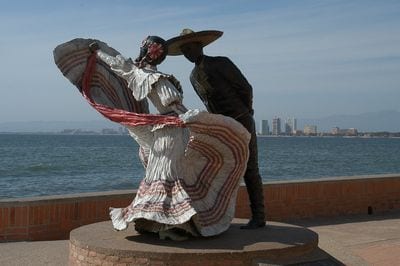
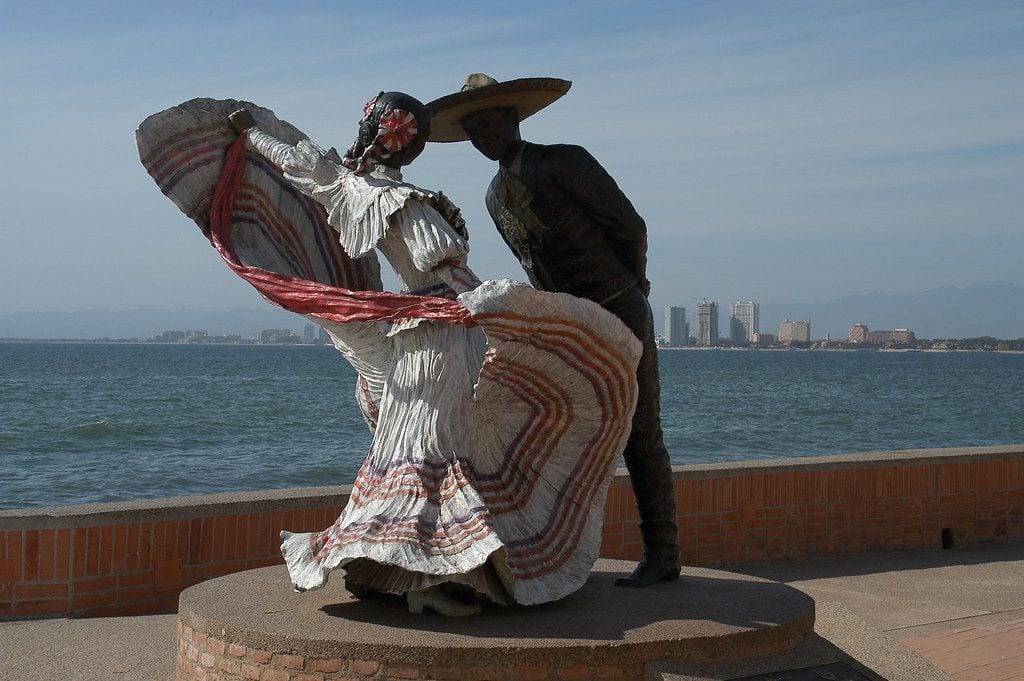
The Vallarta Dancers is the bronze of a couple caught mid-step that stands on the Malecon, one of the most recognisable pieces in the promenade sculpture collection. The figures are lifted onto a low plinth at the edge of the seafront with the bay directly behind them, which is why it is one of the most photographed spots on the whole walk.
It is also a useful landmark. The sculpture sits on the busiest stretch of the promenade near the amphitheatre, so it doubles as a meeting point, and the area around it is where dance groups and street performers most often set up in the evening. Come after dark when it is lit and the crowd is thickest, or at dawn if you want it to yourself.
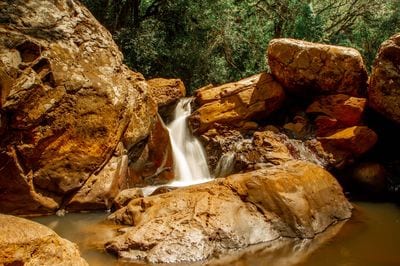
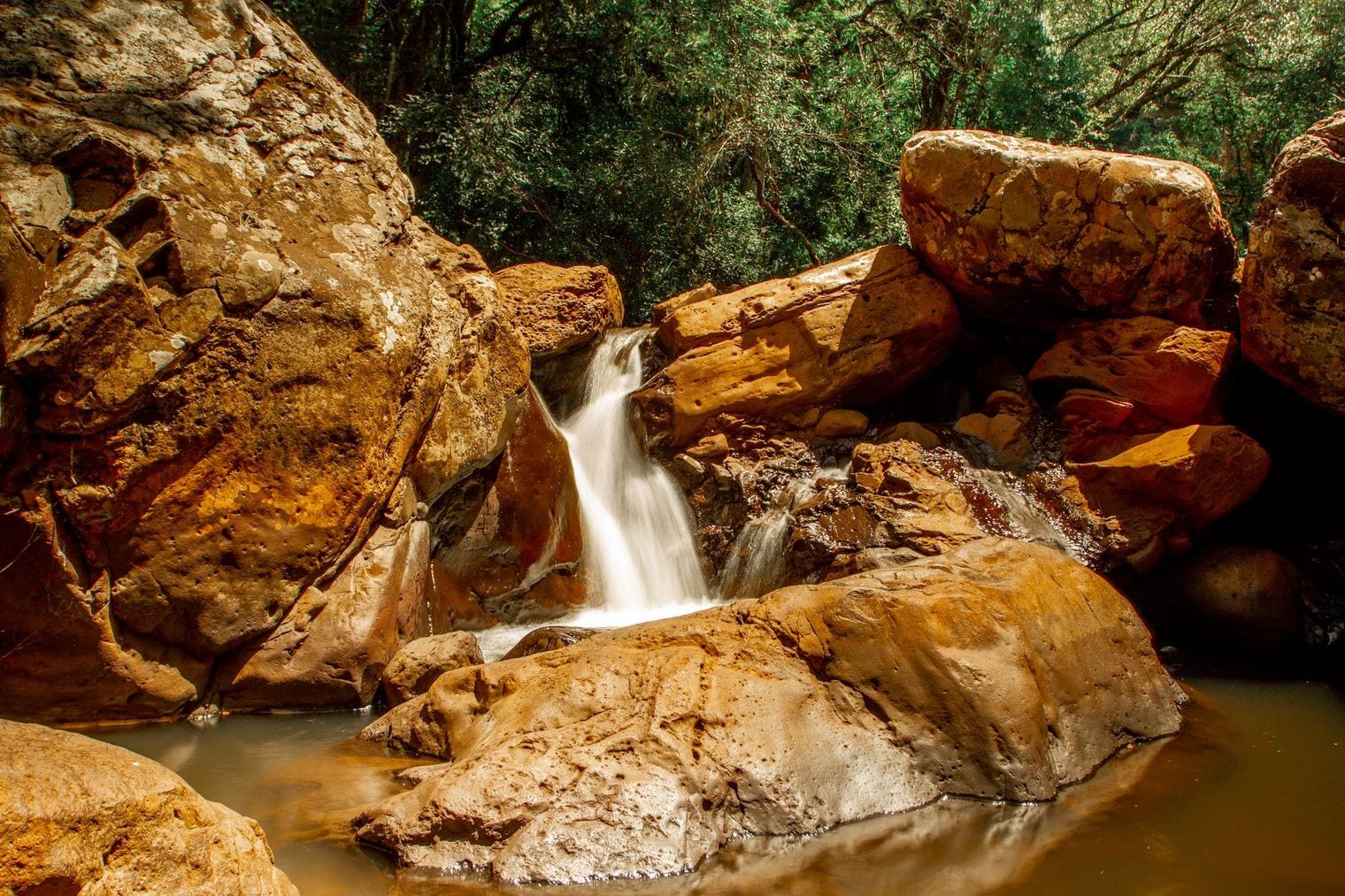
The Palo Maria waterfall lies up a river canyon off the coast highway south of Puerto Vallarta, reached on foot from a roadside trailhead. The walk in follows the riverbed through jungle, crossing the water repeatedly, and ends at a fall dropping into a pool deep enough to swim in.
It is a genuine hike rather than a viewpoint, and worth treating as one. Footing is on wet rock throughout, shoes that can get soaked are essential, and the flow varies a great deal with the season, so the fall is at its most impressive after the rains and can be modest late in the dry months. Go early, take water, and expect to have the pool largely to yourself on a weekday.
Plan your trip
Best Time to Visit Puerto Vallarta
The dry season, roughly November through April, is when Puerto Vallarta is at its most reliable: warm days, low humidity, calm water and almost no rain. It is also the busiest and priciest stretch, with the weeks around Christmas and Easter the most crowded of the year. The shoulder weeks at either end — late November, and April into early May — give you much the same weather with noticeably thinner crowds.
Summer and early autumn bring the rains. From June to October the humidity climbs, afternoon storms are common, and the hills turn a startling green that the dry months never show.
It is the cheapest time to come and the water is at its warmest, but plan around the weather rather than through it. Winter has one bonus the dry weather does not explain: humpback whales move into Banderas Bay for the cooler months, which is why boat trips fill up between December and March.
Getting to Puerto Vallarta
Puerto Vallarta has its own international airport, Licenciado Gustavo Diaz Ordaz, sitting just north of the city between the hotel zone and the marina. It is unusually close in — the drive to the old town takes only a few minutes outside rush hour — and it carries direct flights from a long list of North American cities as well as domestic routes from across Mexico.
By road, Federal Highway 200 runs the length of the coast and is the route in from the north through Nayarit and from the south through Jalisco. Highway 544 climbs inland over the Sierra Madre towards Guadalajara, a drive of roughly four hours that trades the coast for mountain country. Long-distance buses serve the city from Guadalajara, Mexico City and the coastal towns, and the cruise terminal north of the marina brings ships into the bay directly.
Getting Around Puerto Vallarta
You do not need a car in Puerto Vallarta, and for most visitors one is a liability. The old town, the Malecon and the Zona Romantica form a compact, walkable core, and almost everything in this guide within the centre is reachable on foot — though the cobbles are uneven and the hills behind the seafront are genuinely steep, so proper shoes matter more than they sound like they should.
Beyond the centre, city buses run frequently along the coast road and out to Pitillal and the marina for a few pesos, and taxis and rideshare are cheap and plentiful.
The most useful transport here, though, floats: water taxis from the Los Muertos pier and from Boca de Tomatlan are the only way to reach the southern beaches, which the coast road never gets to. Rent a car only if you plan several trips up or down Highway 200 under your own steam.
Where to Stay in Puerto Vallarta
The Zona Romantica, south of the Cuale river, is the obvious base for a first visit: it puts Playa Los Muertos, the best concentration of restaurants and galleries, and the Malecon all within a short walk, and it has the liveliest evenings in the city. Centro, immediately north across the river, is quieter at night while still being squarely in the old town, and it puts the parish church and the main square on your doorstep.
Further out, the choices trade walkability for calm. Marina Vallarta is flat, modern and organised around the yacht basin, which suits travellers who want boats, golf and easy airport access. The Hotel Zone along the northern beaches is where the large all-inclusive resorts sit, on much broader sand than the town beaches.
Conchas Chinas, on the cliffs just south of Old Town, is the quiet, residential option with the best views and the least street life, and Versalles is the inland neighbourhood to pick if you would rather eat where residents eat than where cruise passengers do.
Where to Eat in Puerto Vallarta
The dining heart of the city is the Zona Romantica, and Basilio Badillo in particular, where restaurants, galleries and bars sit end to end for several blocks. Olas Altas, running down to the beach, is the other concentration in the old town.
For a version aimed at residents rather than visitors, Versalles has become the city foodie district over the last decade, and the plaza at Pitillal is where you go for taco carts, birria and the atmosphere of a Mexican square at night.
Eat from the coast and the region. Pescado zarandeado — a whole fish split, marinated and grilled over wood — is the signature dish of this stretch of the Pacific, and ceviche and shrimp are everywhere along the beach.
Inland Jalisco supplies birria, tacos al pastor and, for something genuinely local, raicilla, the regional agave spirit distilled in the mountains behind the city. The markets on Isla Cuale and in the Zona Romantica are the easiest way to graze through several of these in one go.
Day Trips from Puerto Vallarta
The most rewarding trips out of the city go by boat, because the south shore of Banderas Bay has no road.
Water taxis from Boca de Tomatlan reach Las Animas, Quimixto and Majahuitas in well under an hour, and Yelapa — a village at the far southern end of the bay with a waterfall behind it and no through road at all — takes a little longer. Any of them makes a straightforward half day, and the boat ride along the jungle coast is half the point.
Inland, San Sebastian del Oeste is the standout: a silver-mining town in the mountains about an hour and a half east, high enough to be cool, with a cobbled plaza that has barely changed in a century.
North along Highway 200 in neighbouring Nayarit, the surf town of Sayulita and its quieter neighbour San Pancho are roughly forty-five minutes away, and the Marietas Islands off Punta Mita are a boat trip from the same stretch of coast. Further inland, the town of Tequila is a long but genuinely worthwhile day if you are heading towards Guadalajara.
Before you go
Mobile dataAn eSIM gives your phone local data when you land, with no SIM card to swap.via AiraloGet an eSIM
Airport transferA driver meets you at arrivals and takes you to your hotel, at a price fixed when you book.via Welcome PickupsBook a transfer
We may earn a commission when you buy through these links, at no extra cost to you. How we make money.
One Day in Puerto Vallarta
Morning
start with the climb while it is cool. The staircase to the Hill of the Cross Viewpoint takes maybe twenty minutes from the streets behind the seafront and lays the whole city out beneath you, which makes everything that follows easier to place. Come back down through the old town to the Parroquia de Nuestra Señora de Guadalupe.
walk the Puerto Vallarta Malecón south along the water, stopping at The Boy on the Seahorse and the rest of the sculpture collection, then cross into the market on Isla Cuale for shade, crafts and lunch under the trees. From the far side of the island it is a few minutes into the Zona Romantica and onto Playa Los Muertos for a swim and an hour on the sand.
take the Los Muertos Beach Pier out over the water for sunset, which is the best free view in the city and gets the whole bay turning orange behind the mast. Then head back north to the Los Arcos Amphitheatre, where street performers and dance groups take the steps after dark, and finish along Basilio Badillo.
Puerto Vallarta is best known for the Malecon, its broad seafront promenade lined with bronze sculptures, and for the crowned parish church of Nuestra Señora de Guadalupe that rises behind it. Beyond those it is known for Playa Los Muertos and the Zona Romantica around it, the Cerro de la Cruz viewpoint, and the jungle-and-bay setting that put it on screen in the 1960s.
How many days do you need in Puerto Vallarta?
Three days is the sweet spot for most visitors. One covers the old town — the Malecon, the church, Isla Cuale and Playa Los Muertos; a second takes you south to Mismaloya, the Los Arcos viewpoint or the botanical gardens; and a third leaves room for a boat trip to the roadless southern beaches. Add a fourth if you want the mountains as well.
Is Puerto Vallarta worth visiting?
Yes, and it stands apart from Mexico purpose-built resort towns because it was a working town first. The cobbled centre, the parish church and the neighbourhood plazas are genuinely old and still used by residents, so you get a real Mexican city and a beach holiday in the same place rather than having to choose between them.
When is the best time to visit Puerto Vallarta?
November through April is the dry season and the most dependable weather, with the shoulder weeks in late November and April offering the same conditions with fewer people. Come between December and March if you want to see humpback whales in Banderas Bay. June to October is hot, humid and wet, but far cheaper and much greener.
What can you do in Puerto Vallarta for free?
Walk the Malecon and its sculpture collection, climb the staircase to the Hill of the Cross viewpoint, watch the sunset from the Los Muertos pier, and catch whatever is playing on the steps of the Los Arcos amphitheatre. All Mexican beaches are public, so Playa Los Muertos, Playa Camarones and the coves at Conchas Chinas cost nothing beyond getting there.
Do you need a car in Puerto Vallarta?
No. The old town, the Malecon and the Zona Romantica are walkable, city buses run along the coast for a few pesos, and taxis are inexpensive. The southern beaches are reached by water taxi rather than road, so a car does not help there at all. Rent one only for repeated trips along the coast highway.
Is Puerto Vallarta walkable?
The central districts are, and pleasantly so. The Malecon, the old town and the Zona Romantica connect on foot across the Cuale river bridges, and most of the attractions in the city centre are within twenty minutes of each other. The streets are cobbled and the hills behind the seafront are steep, so wear real shoes and allow for the heat.