We build and rank every list first. Booking links come after, and only where
a partner sells a ticket, tour or stay for that exact place, so a place with
nothing to book is listed exactly as prominently as one you can book.
So how do we earn? Some links on this page go to booking
partners, and if you book tickets, tours or a stay through
one, we may earn a commission. It costs you nothing extra.
That commission never decides which places make the list, the order they
appear in, or what we write about them. No entry is sponsored or a paid
placement.
25 Best Things to Do in Grand Rapids, Michigan (2026)
By the City Viking editorial teamPublished 25 places · 18 min read
Fact-checked Checked before launchOct 15, 202625 sources19 publishers3 government & parks1 tourism board7 encyclopedias & research14 venues & other sitesPublished · Oct 15, 2026Researched and checked before it went liveClick for every source and the full change log.
Short answer
Grand Rapids is known for its "Furniture City" past, the public art of its ArtPrize competition and a craft-beer scene that won the "Beer City USA" title. Start with Frederik Meijer Gardens & Sculpture Park, the Gerald R. Ford Presidential Museum and the Grand Rapids Public Museum, then walk from Rosa Parks Circle across the Blue Bridge. Two days covers the highlights comfortably, with a third if you want a Lake Michigan beach town.
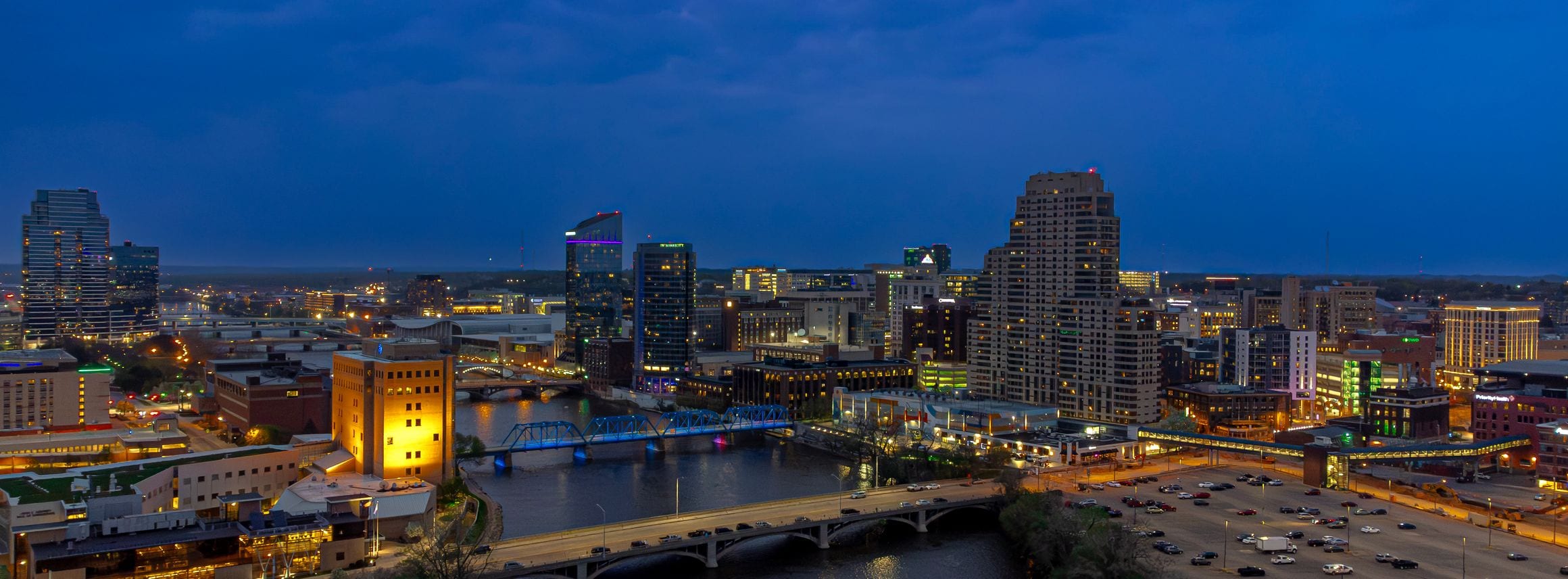
Grand Rapids straddles the Grand River about 25 miles inland from Lake Michigan, and the state's second-largest city has traded its old "Furniture City" nickname for public art, riverfront museums and a serious craft-beer scene. Since 2009 the ArtPrize competition has periodically turned its downtown into an open-air gallery.
This guide ranks the 25 best things to do in Grand Rapids, from Frederik Meijer Gardens and the Gerald R. Ford Presidential Museum to historic neighborhoods, river parks and concert halls. Two days covers the highlights; add a third for Holland and the Lake Michigan shore.
Map of Things to Do in Grand Rapids, Michigan
Things to Do in Grand Rapids, Michigan
Things to Do in Grand Rapids, Michigan at a Glance
Grand Rapids was the first city in the world to fluoridate its drinking water, starting on January 25, 1945, as a test of whether fluoride could prevent tooth decay.
The city earned the nickname "Furniture City" from the furniture-making industry that boomed here, and office-furniture makers still anchor the local economy.
Alexander Calder's La Grande Vitesse was the first public artwork funded by the National Endowment for the Arts' Art in Public Places program, and a stylized version of it appears in the city's logo.
Grand Rapids shared the "Beer City USA" title with Asheville in 2012 and won the online poll outright in 2013.
President Gerald Ford grew up here, and his presidential museum is the only one run separately from its library, which sits about 130 miles east in Ann Arbor.
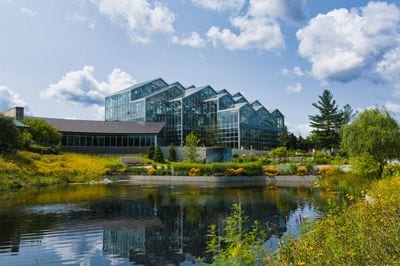
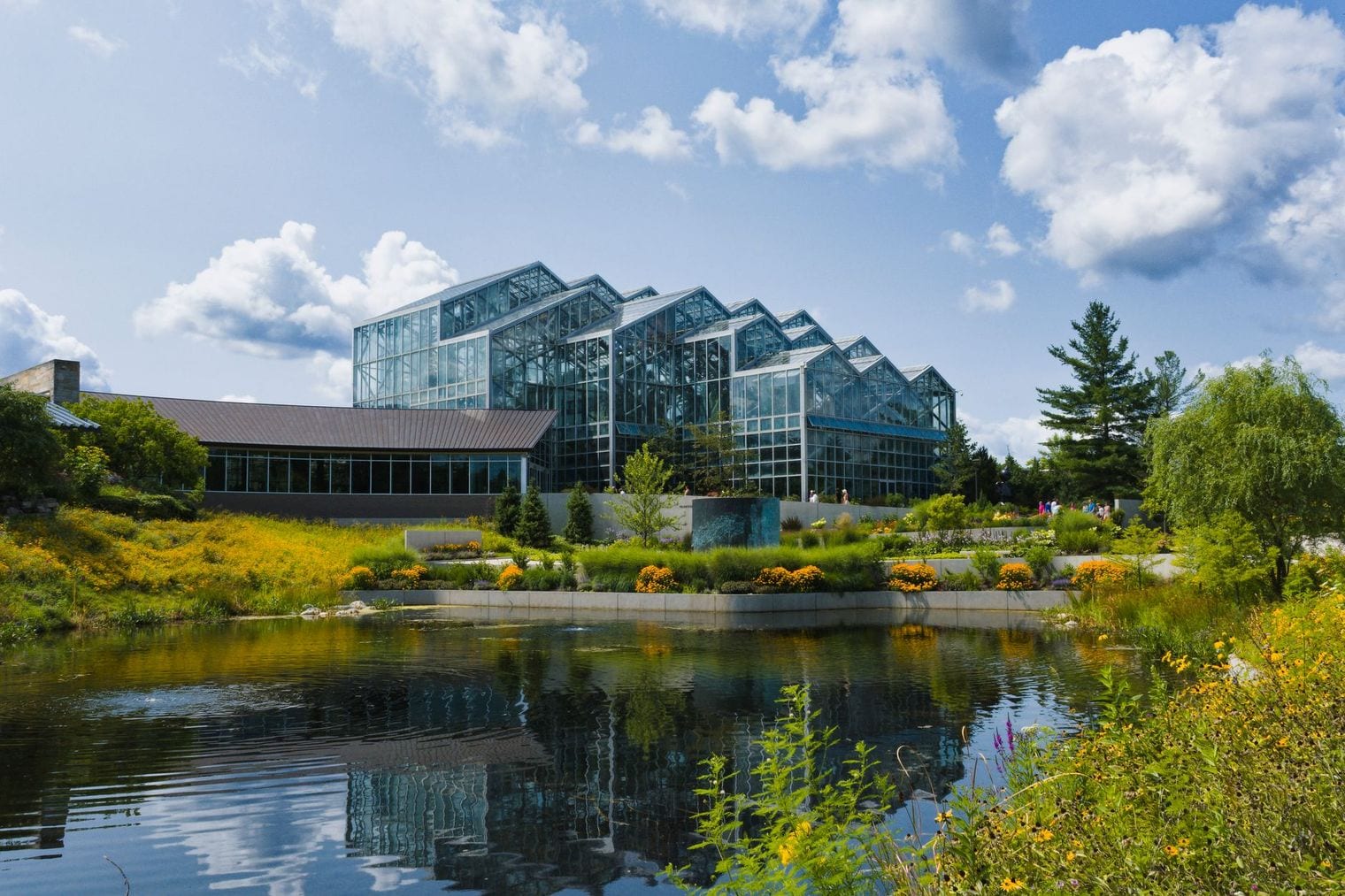
Frederik Meijer Gardens & Sculpture Park is the sight nearly every visitor puts first, even though its 158 acres lie just outside the city limits in Grand Rapids Township, a short drive east of downtown. Opened in 1995, it pairs a five-story tropical conservatory with an 8-acre Japanese garden, themed outdoor gardens and woodland nature trails.
The sculpture collection is what makes it unforgettable. Modern and contemporary works by major artists stand in the galleries and across the grounds, led by The American Horse, a 24-foot bronze based on a design Leonardo da Vinci never completed. Give it at least half a day, and check the calendar for its seasonal exhibitions.
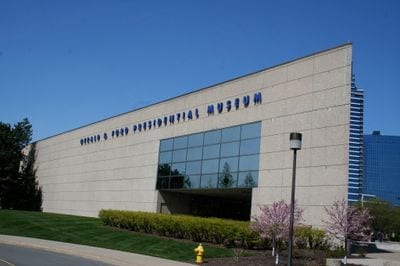
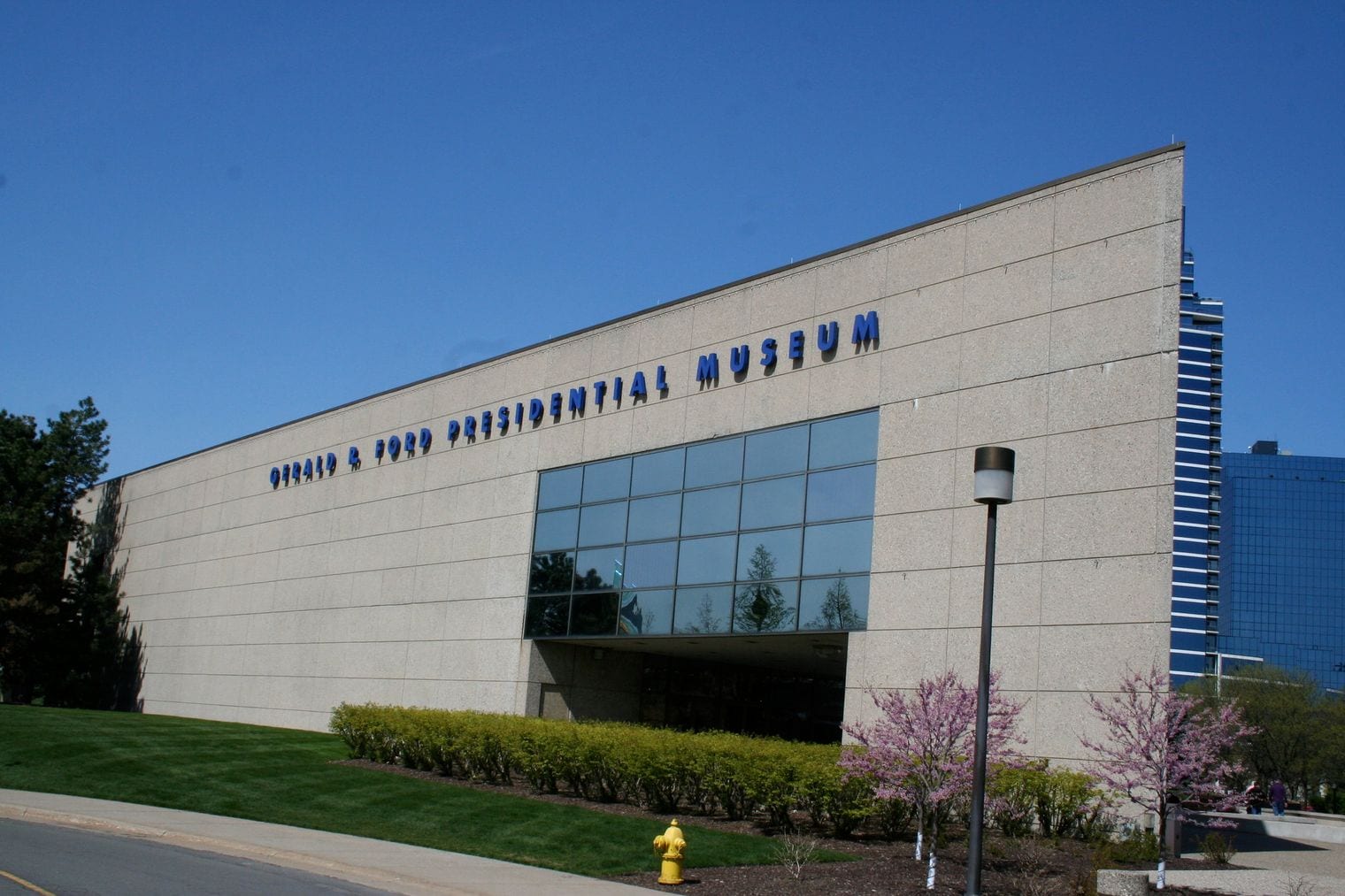
Gerald Ford grew up in Grand Rapids and represented the city in Congress for nearly a quarter century, so the Gerald R. Ford Presidential Museum sits fittingly on the west bank of the Grand River downtown. Its galleries follow the 38th president from his Navy service in World War II to his unexpected rise to the White House, with a replica of the Oval Office among the highlights.
A wall of glass on the museum's river side frames the downtown skyline, and Gerald and Betty Ford are buried on the grounds overlooking the water. Unusually, the museum stands apart from Ford's presidential library in Ann Arbor, and the grassy riverbank of Ah-Nab-Awen Park next door makes an easy stroll afterward.
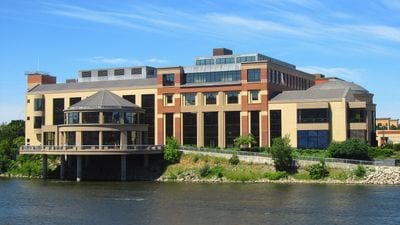
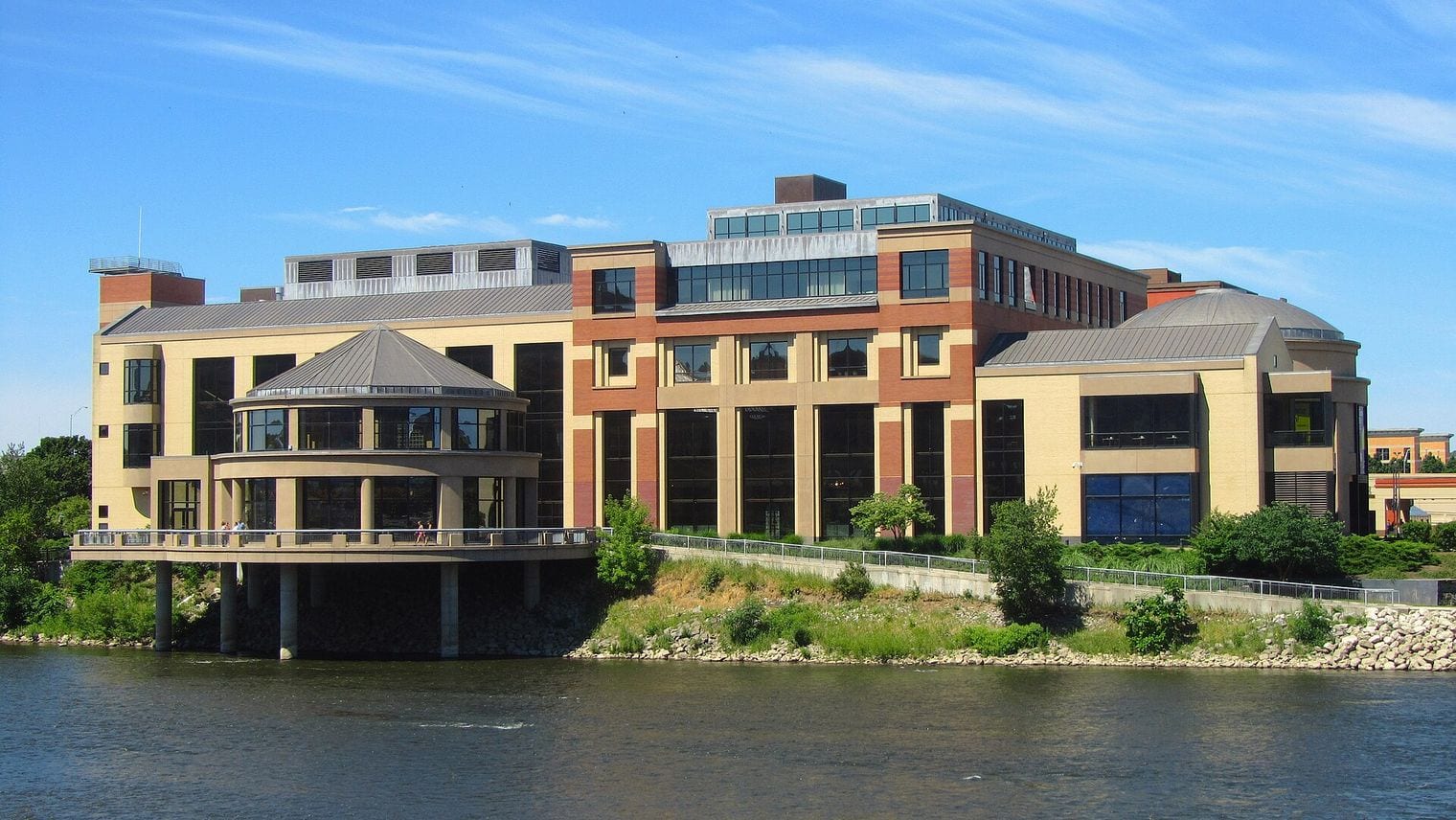
Founded in 1854, the Grand Rapids Public Museum is among the oldest history museums in the United States, and its riverfront home on Pearl Street tells the story of the city and West Michigan, from its earliest communities to the furniture factories that made Grand Rapids famous. In 1971 it became the first museum accredited by the American Association of Museums.
Two extras make it a family favorite. The 1928 Spillman carousel spins in a pavilion over the Grand River to the tunes of a Wurlitzer band organ, and the Roger B. Chaffee Planetarium inside the building runs sky shows under its dome.
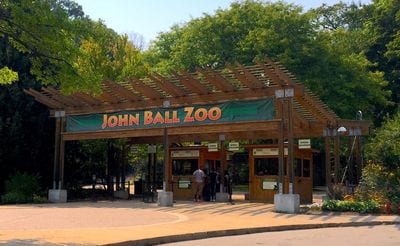
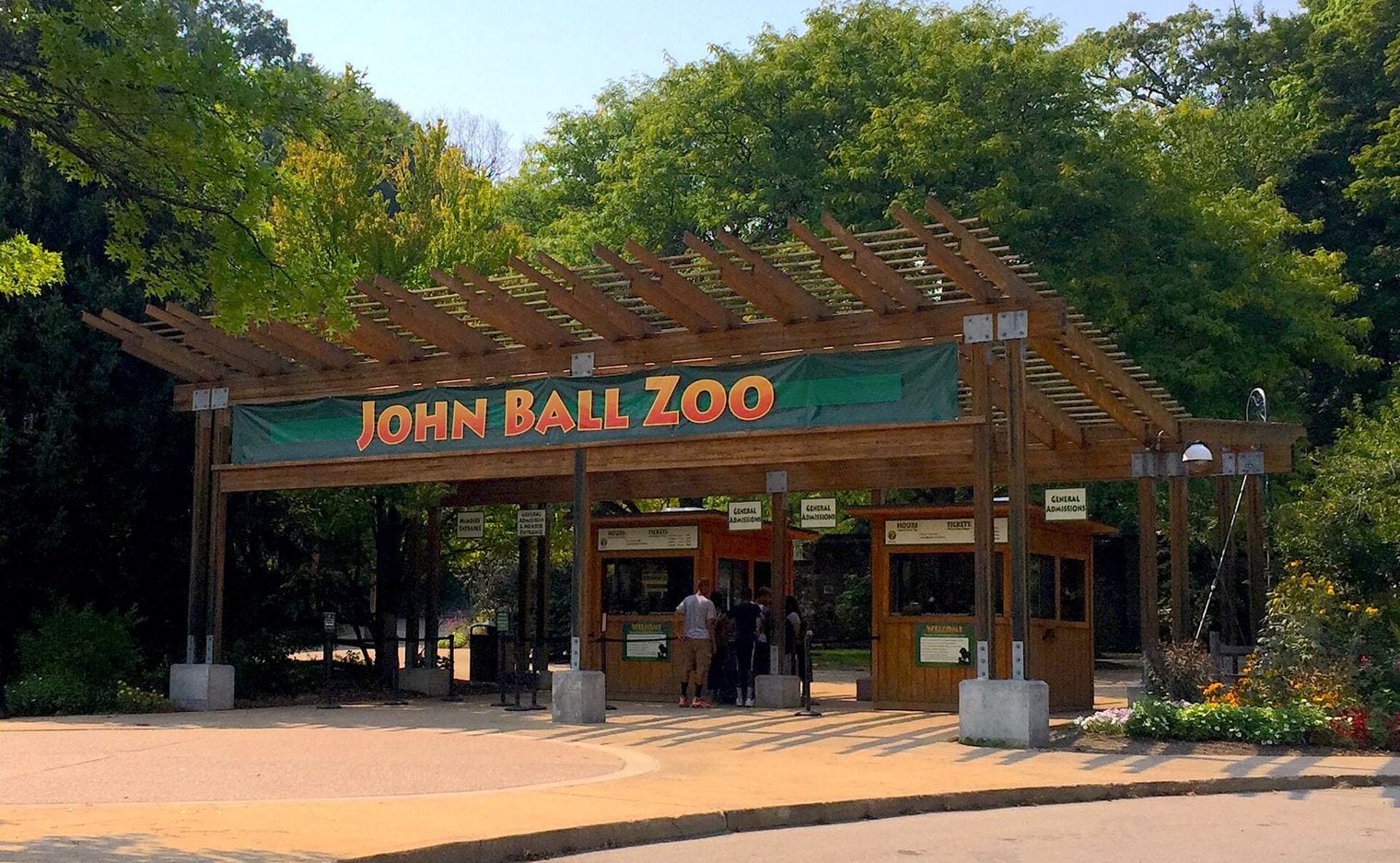
Set among the wooded ravines and bluffs of the city's west side, John Ball Zoo is home to more than 2,000 animals representing over 200 species. It was the first zoo in Michigan to earn accreditation from the Association of Zoos and Aquariums.
Paths climb and dip through the hillside, so wear good shoes, and a funicular helps with the steepest stretch. The zoo is at its best from spring through fall, when the outdoor habitats are busiest and families can easily fill a morning.
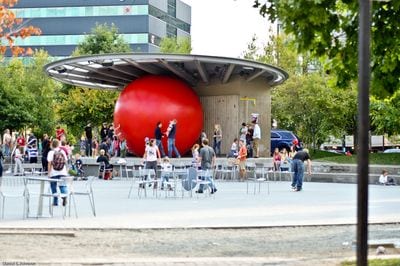
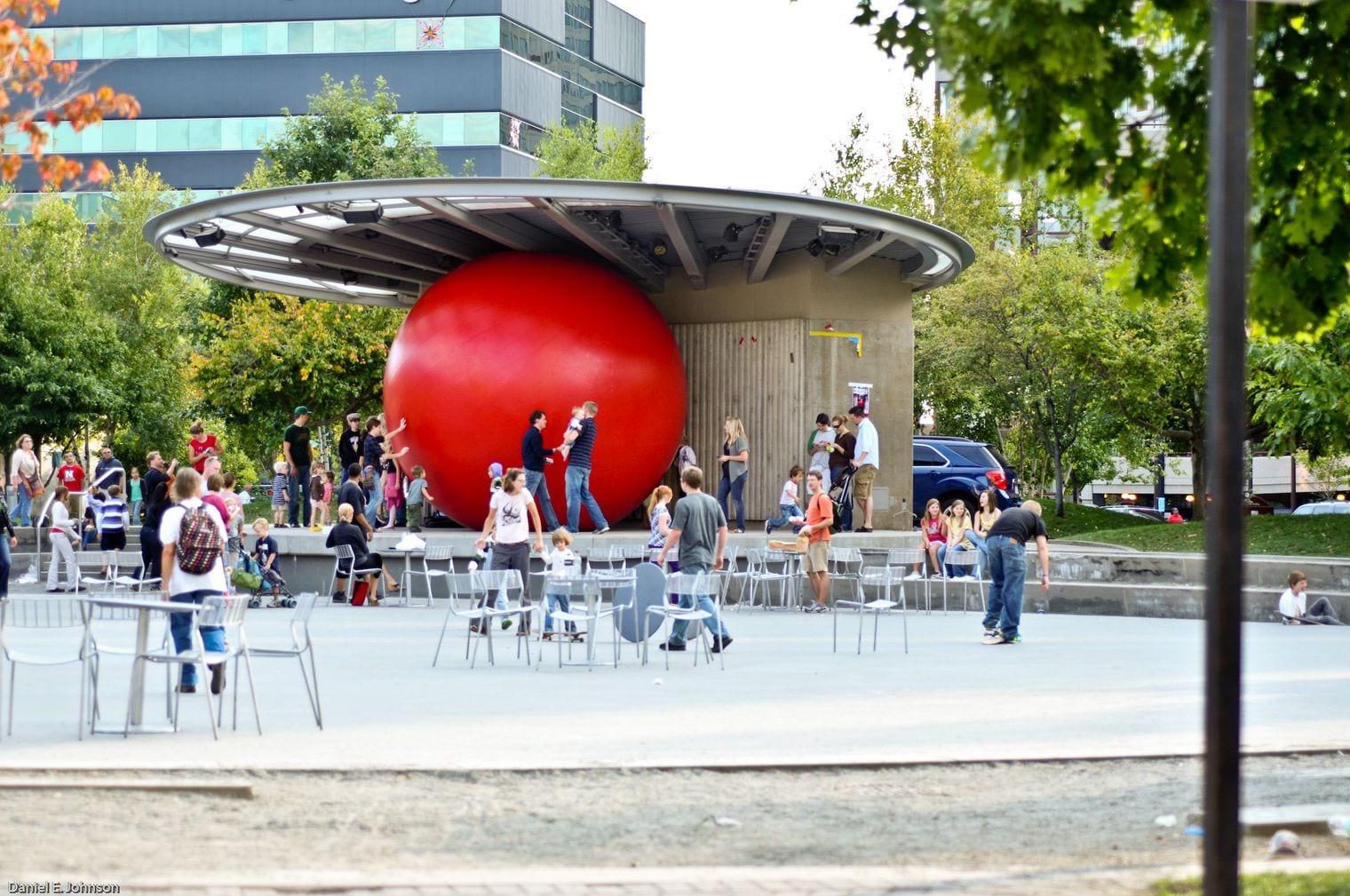
Rosa Parks Circle is the civic heart of downtown, a plaza designed by Maya Lin, the architect of the Vietnam Veterans Memorial. In the warmer months its terraced amphitheater hosts concerts, swing dances and festival crowds, and a statue honors Rosa Parks, the civil-rights pioneer who lived in Michigan for most of her later life.
In winter the Circle becomes an outdoor ice rink, and beneath the ice 166 fiber-optic lights trace the Michigan night sky as it appeared at midnight on January 1, 2000, the idea at the heart of Lin's artwork, Ecliptic. The Grand Rapids Art Museum faces the plaza, and during ArtPrize this is one of the busiest gathering spots in town.
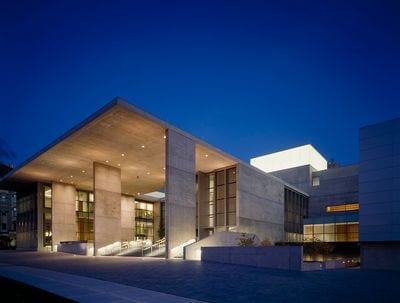
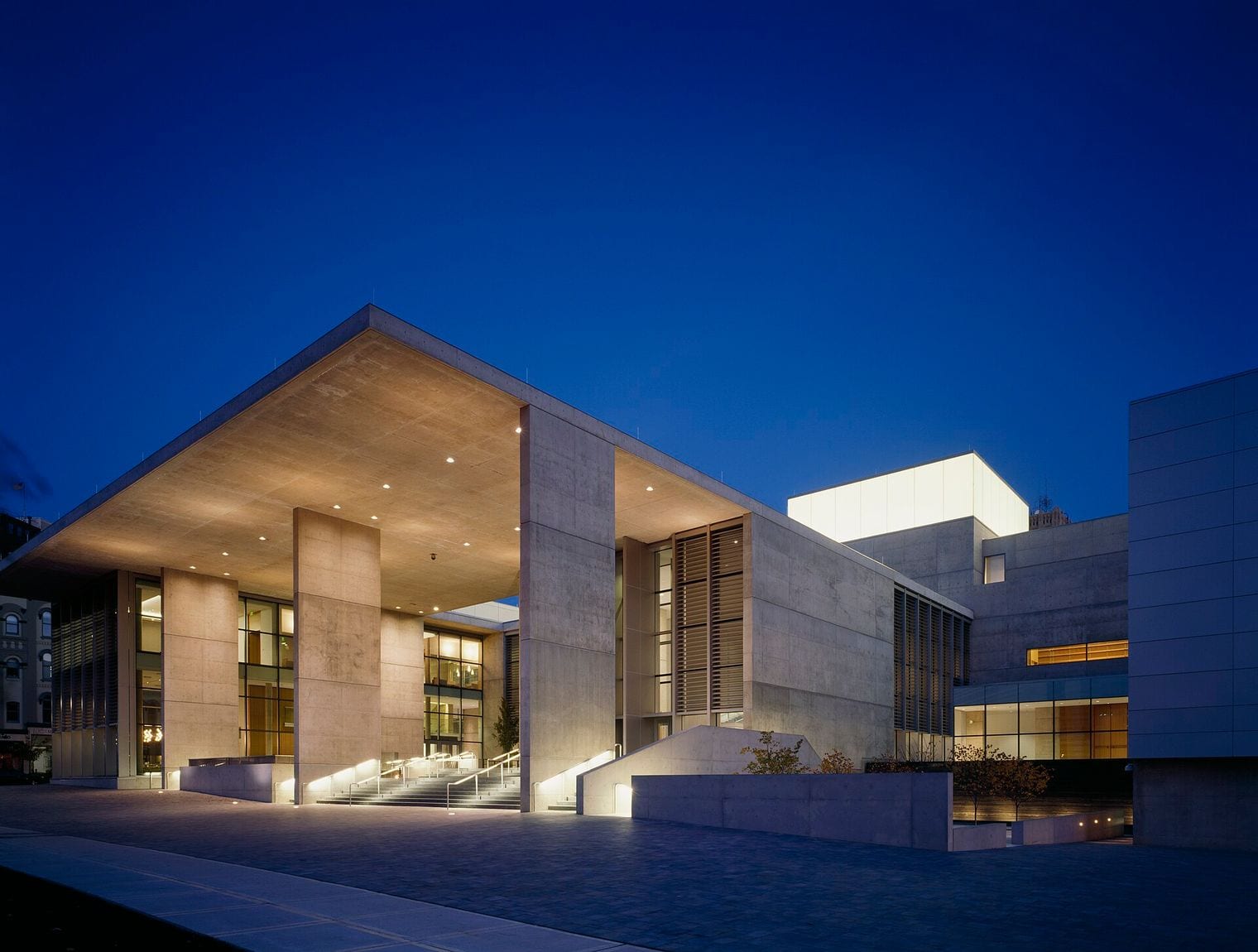
Facing Rosa Parks Circle, the Grand Rapids Art Museum holds about 5,000 works ranging from the Renaissance to modern art, with particular strength in 19th- and 20th-century European and American art and a deep collection of prints, drawings and photographs. The museum traces its founding to 1910.
The building is part of the visit: a light-filled modern museum certified LEED Gold, with galleries that look out over the plaza. Rotating exhibitions keep repeat visits fresh, and the museum makes a natural pairing with an ice-skating session or summer concert outside.
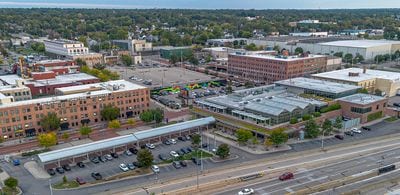
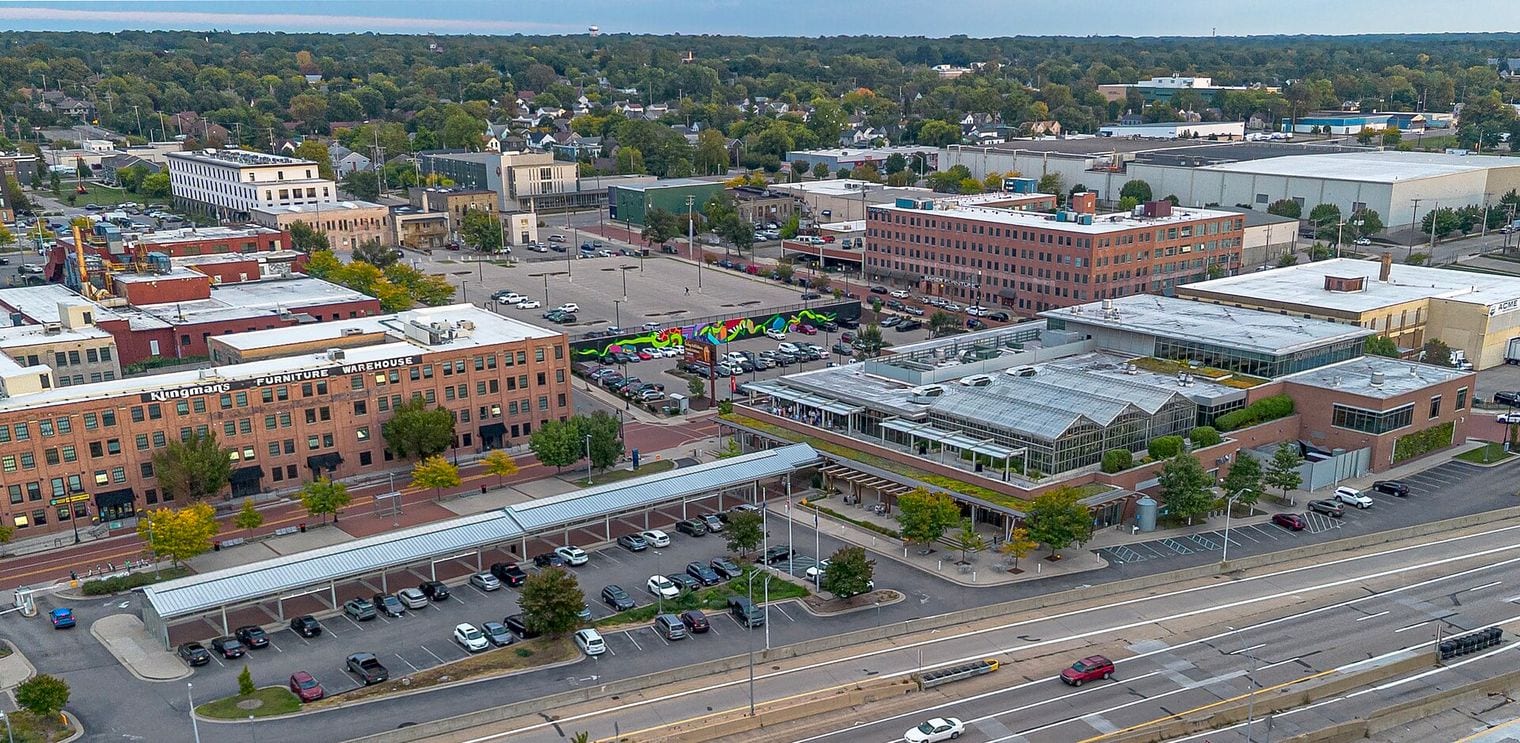
Opened in 2013 just south of the downtown core, the Grand Rapids Downtown Market is an indoor public market and food hall where local food vendors and cooks share one airy hall. It is an easy place to graze through West Michigan flavors without committing to a single restaurant.
In the warmer months the market's outdoor sheds fill with farm vendors, and the building also hosts cooking classes and community events. Come hungry around lunchtime, then walk off the meal along the nearby river or in the Heartside district.
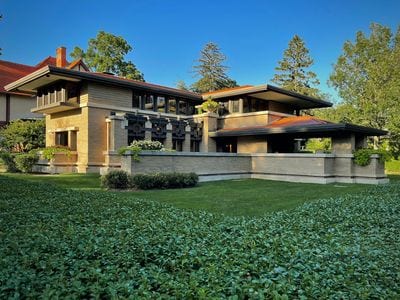
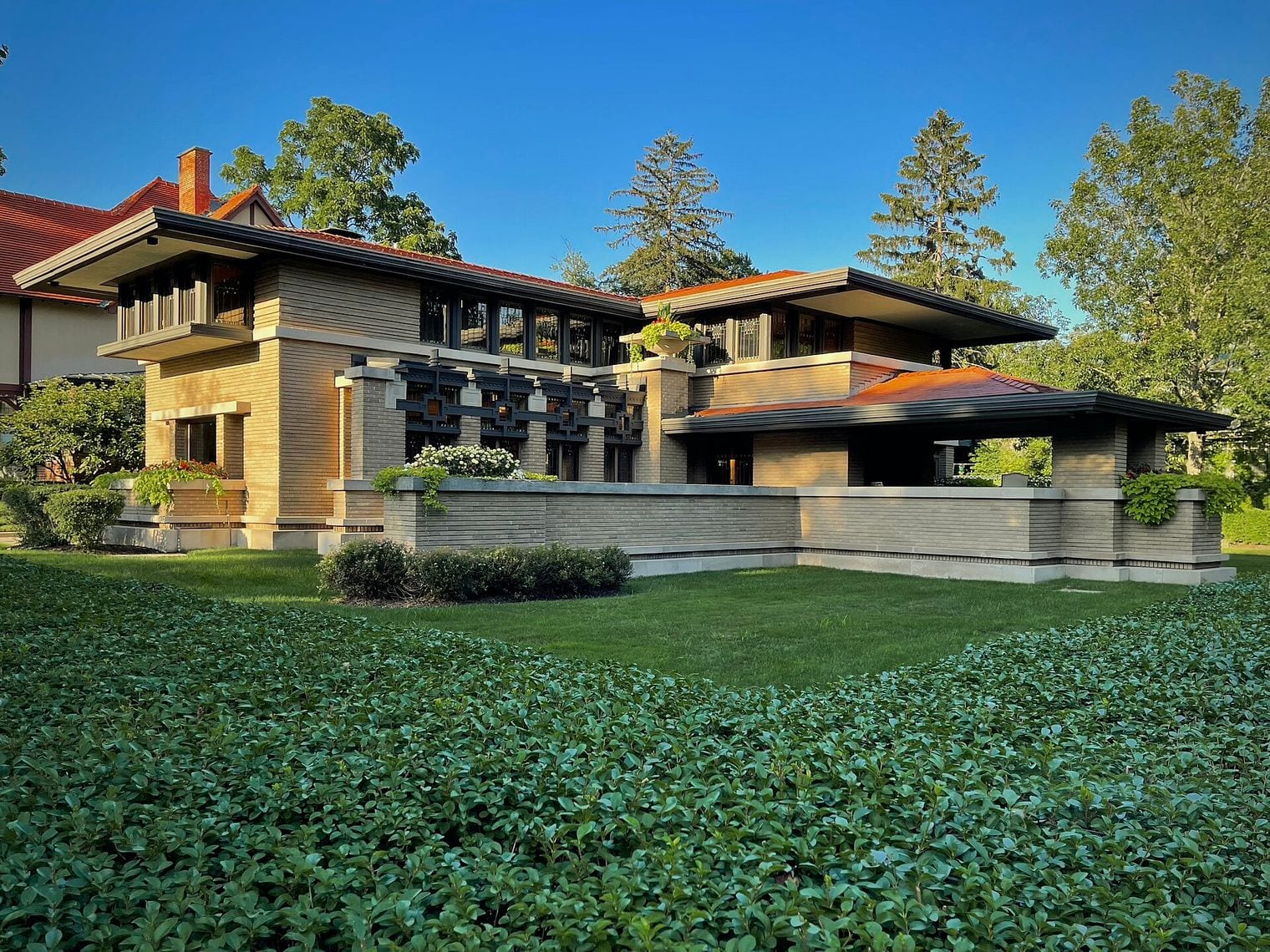
Built in 1908 and 1909 for local clothier Meyer May, the Meyer May House is Frank Lloyd Wright's Prairie School masterpiece in Michigan and is considered one of the most completely restored of his Prairie houses. Its long, low lines stand out among the Victorian mansions of Heritage Hill.
The furniture maker Steelcase bought the house in 1985, restored it inside and out, and has opened it for free guided tours that include the art-glass windows, built-in furniture and Wright-designed details. Tour days are limited, so book ahead before you plan around it.
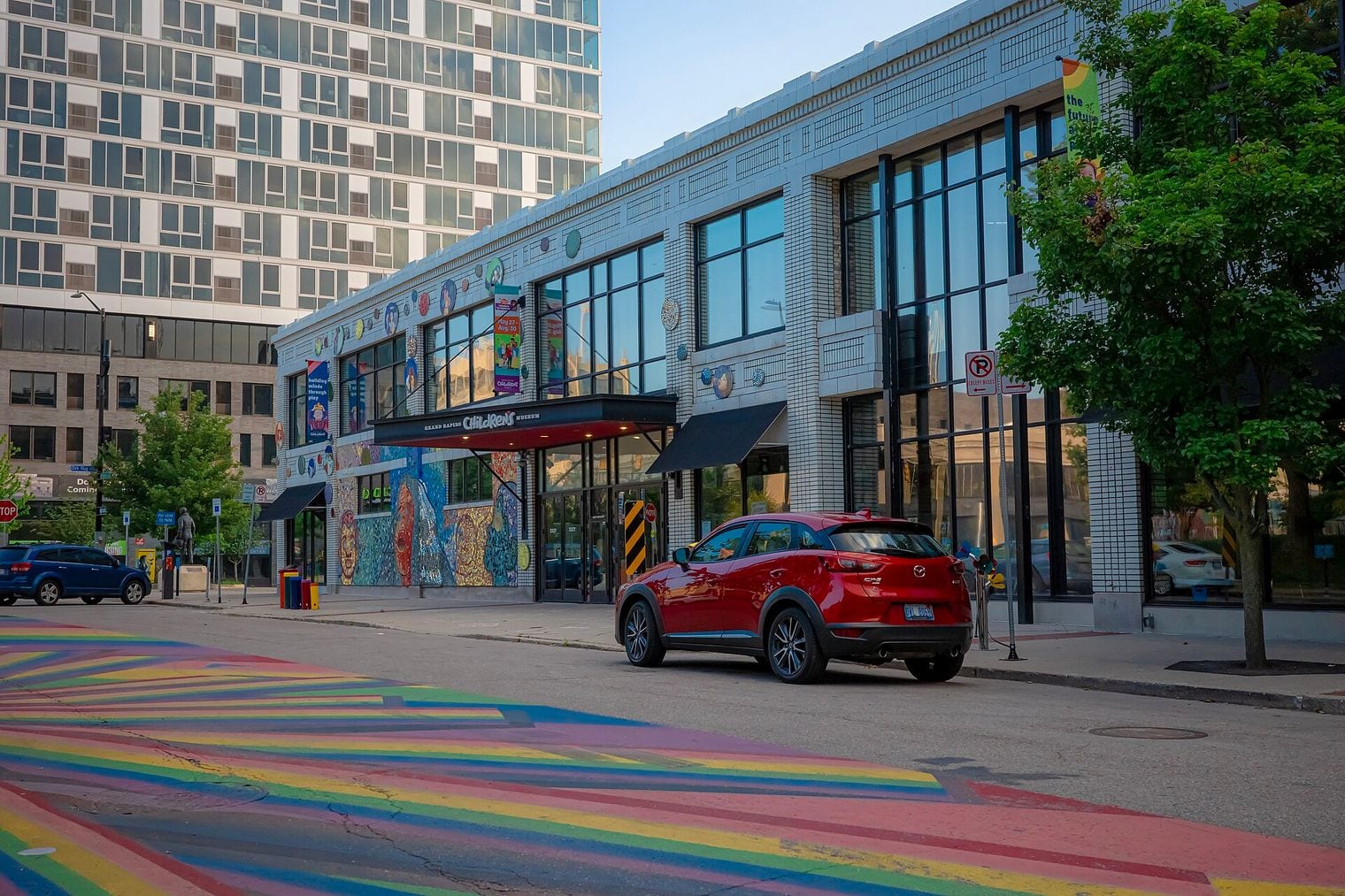
Two floors of hands-on exhibits on Sheldon Avenue make the Grand Rapids Children's Museum a reliable stop for families with kids roughly 2 to 10, especially on a rainy day. Children can shop, bank and mail packages in a pint-sized version of Grand Rapids, blow giant bubbles, build, and make music.
The museum is a short walk from Rosa Parks Circle and the art museum, so parents can split a downtown day between grown-up galleries and play time. Visits rarely need more than a couple of hours, which suits younger attention spans.
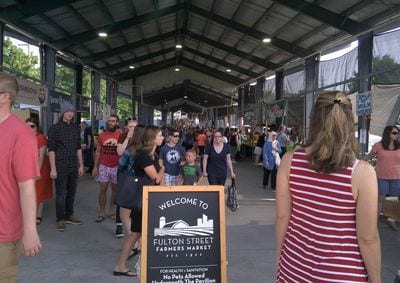
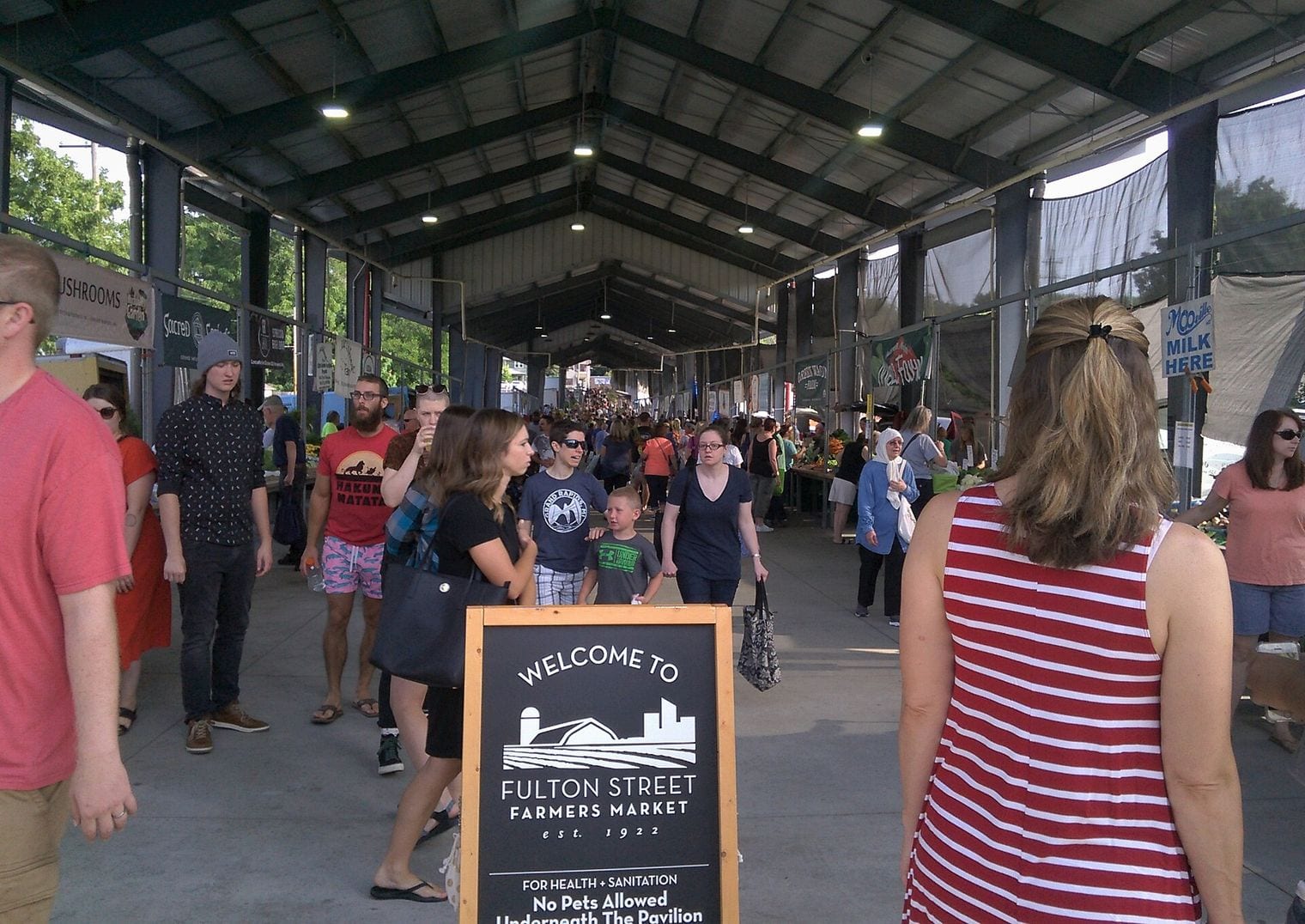
Grand Rapids has been shopping at the Fulton Street Farmers Market since 1922, when it opened after local women's clubs lobbied the city for a dedicated place for farmers to sell. Today its covered stalls in the Midtown neighborhood east of downtown fill with West Michigan growers, bakers and makers.
Saturday mornings in summer and early fall are the liveliest, when the stalls overflow with berries, sweet corn, apples and flowers. It is a cheerful, low-key way to see the city's agricultural backyard, and eligible vendors accept food-assistance benefits as well as cash and cards.
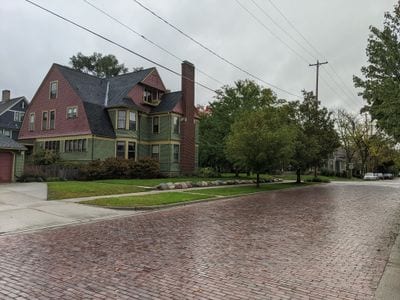
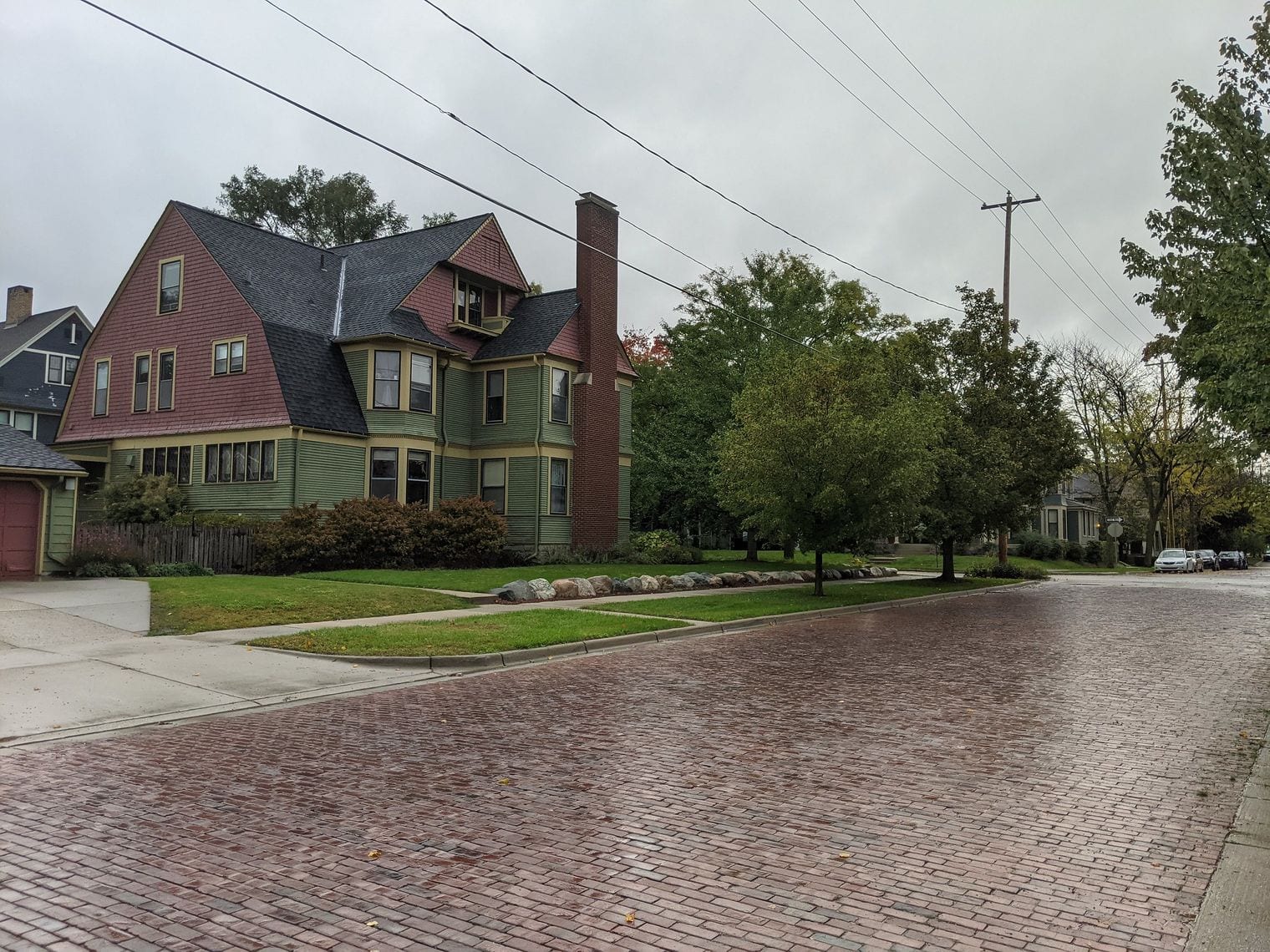
Rising just east of downtown, the Heritage Hill Historic District is the city's oldest residential neighborhood and one of the largest urban historic districts in the United States. Its roughly 1,300 homes, the earliest dating from 1844, span dozens of architectural styles, from Greek Revival and Italianate to Queen Anne and Chateauesque.
The neighborhood almost disappeared: urban-renewal plans in the 1960s called for demolishing much of it before residents organized to save it. A self-guided walk along its tree-lined streets is free, and the neighborhood association runs a periodic tour of homes that opens private interiors.
Free printable checklist of all 25 places
Tick them off as you go. Confirm your email to download it, plus one email every Thursday with new guides for the places you tick.
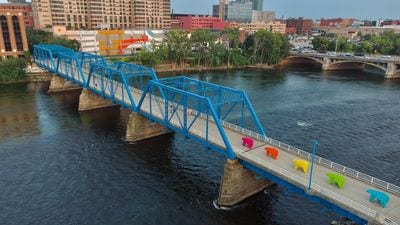
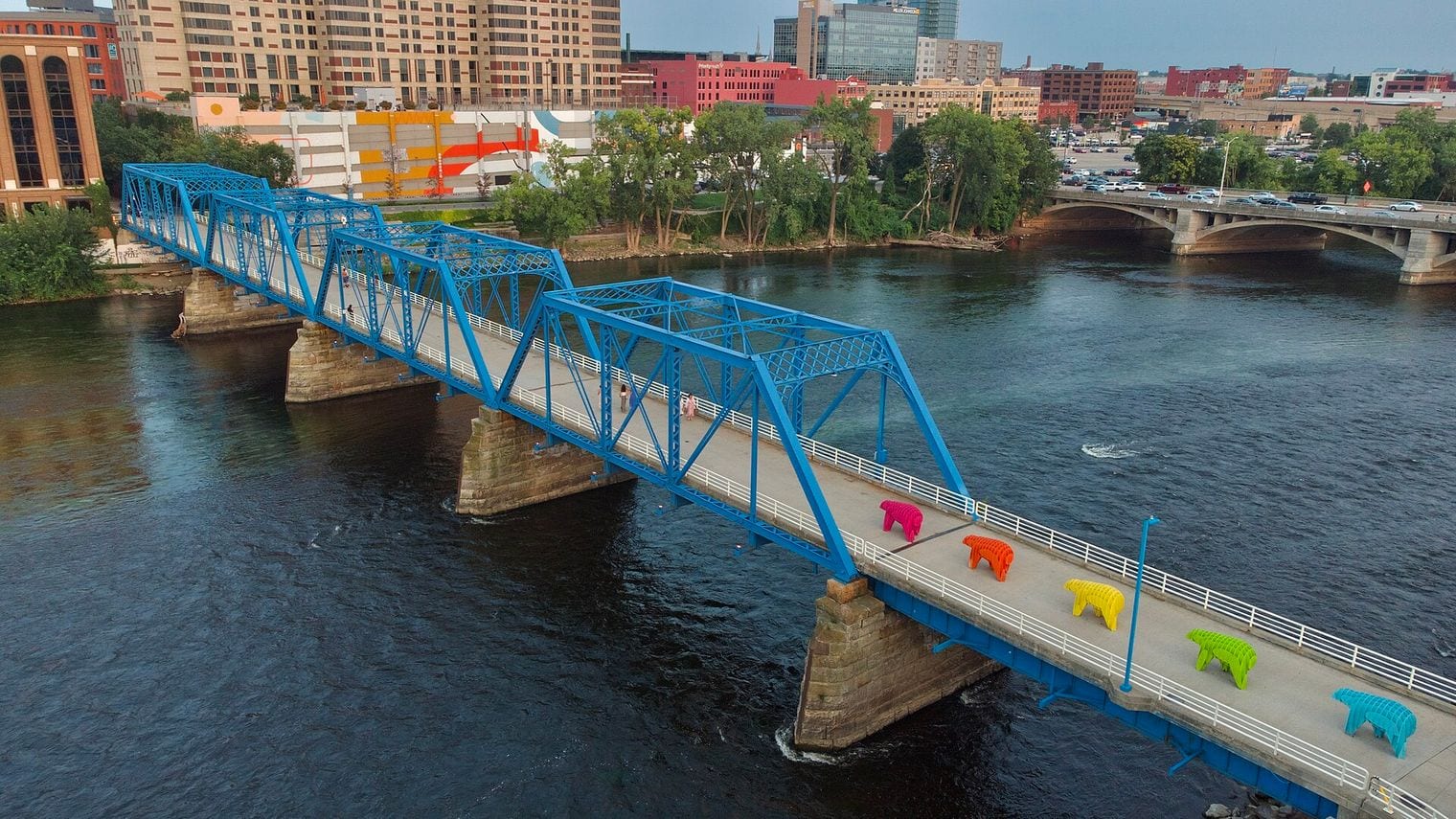
The Blue Bridge carries walkers and cyclists across the Grand River on a steel truss built in 1892 for the Grand Rapids & Indiana Railroad, the oldest railroad bridge in the city. When trains stopped using it in the 1980s, it was restored, painted its signature blue and reopened as a pedestrian crossing.
Today it links the museums on the west bank with downtown, and its midpoint is the best free viewpoint for the skyline and the river below. Walk it at sunset, then continue along the riverwalk toward the Ford Museum or Rosa Parks Circle.
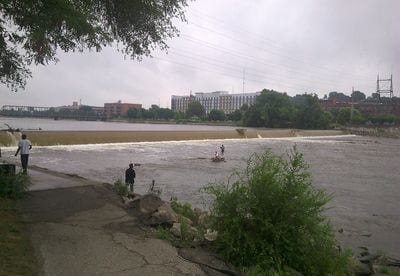
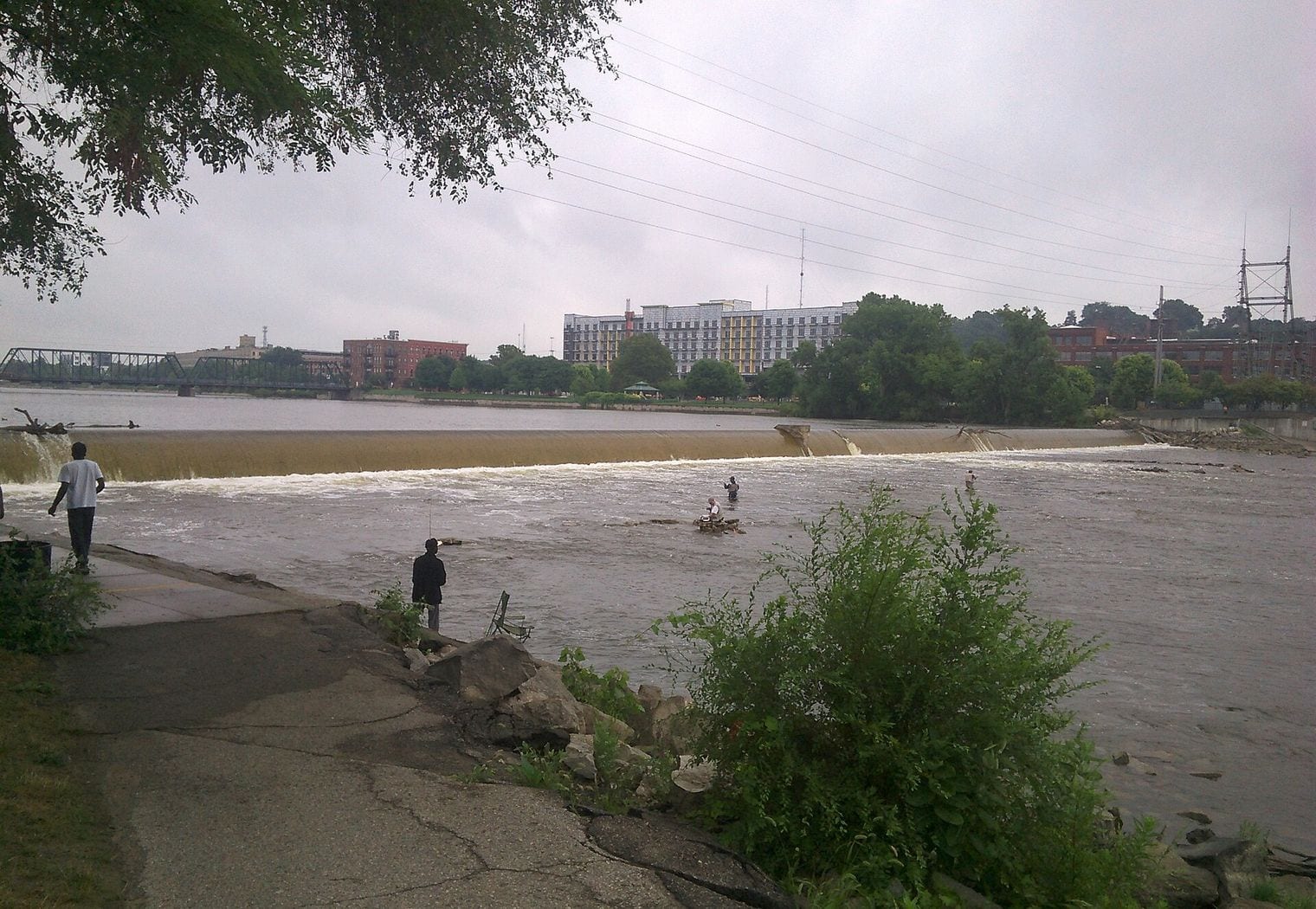
Fish Ladder Park is part public sculpture, part working fish pass. In 1974 local artist Joseph Kinnebrew designed its stepped concrete ladder beside the Sixth Street Dam so migrating salmon and steelhead could climb past the dam, turning a practical structure into a walk-through artwork.
In fall, when the salmon are running, people line the railings to watch fish leap from pool to pool, and anglers crowd the river below. The rest of the year it is a quiet riverside perch on the west bank, a short walk north of downtown.
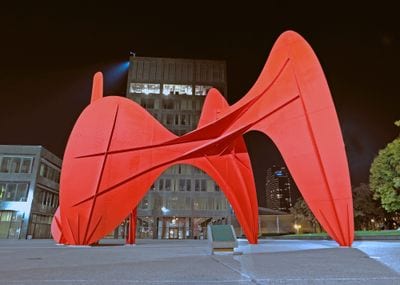
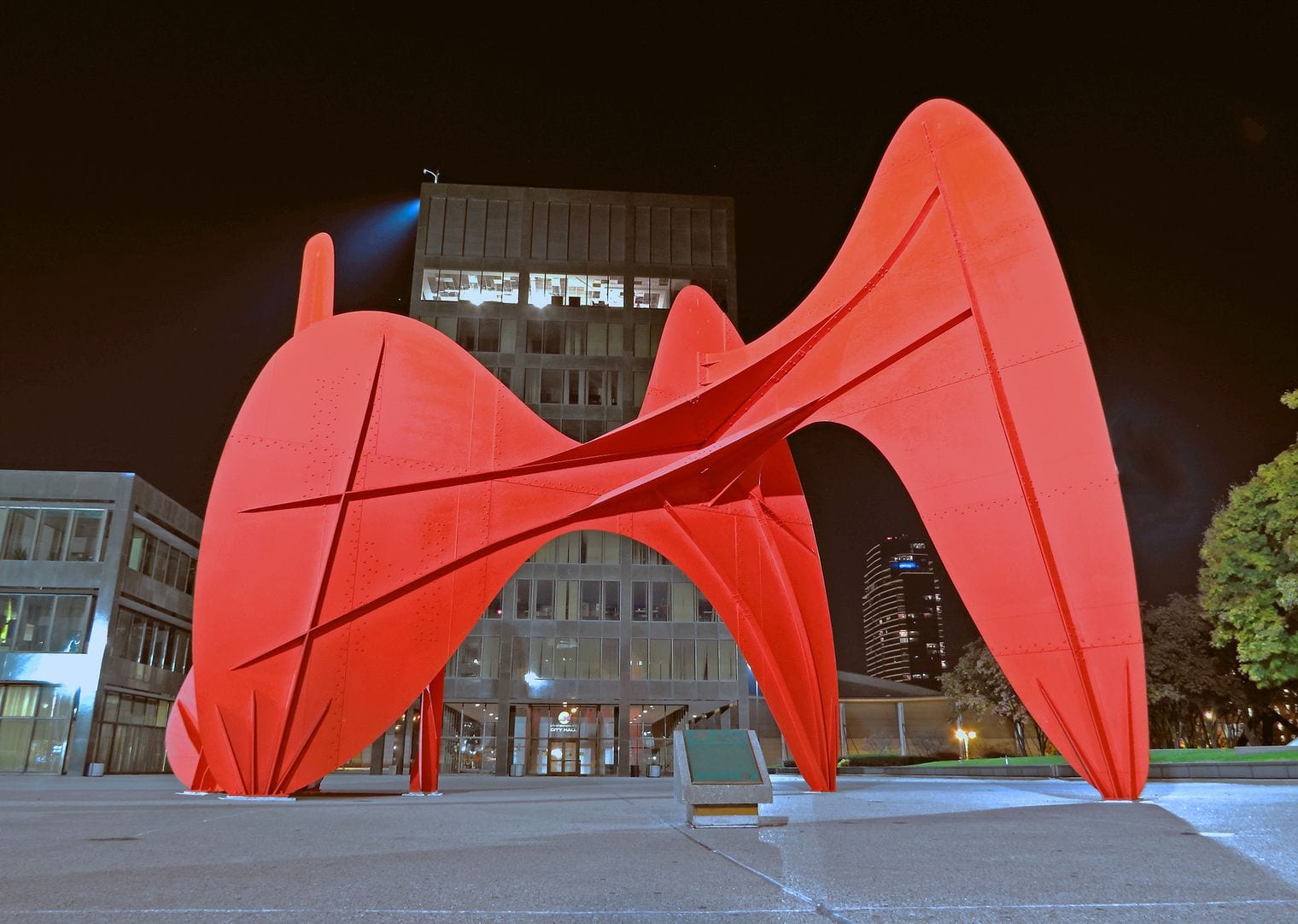
Alexander Calder's red steel stabile La Grande Vitesse has stood on the plaza around City Hall and the Kent County Building since 1969, and it has become the symbol of Grand Rapids; an abstraction of it even appears in the city's logo. It was the first public artwork funded by the Art in Public Places program of the National Endowment for the Arts.
Locals simply call it "the Calder," and the plaza around it is known as Calder Plaza. Its French title translates roughly as "the great swiftness," and the sculpture has long been the centerpiece of the city's early-summer Festival of the Arts.
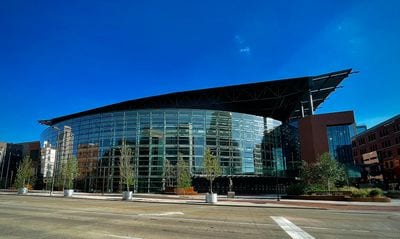
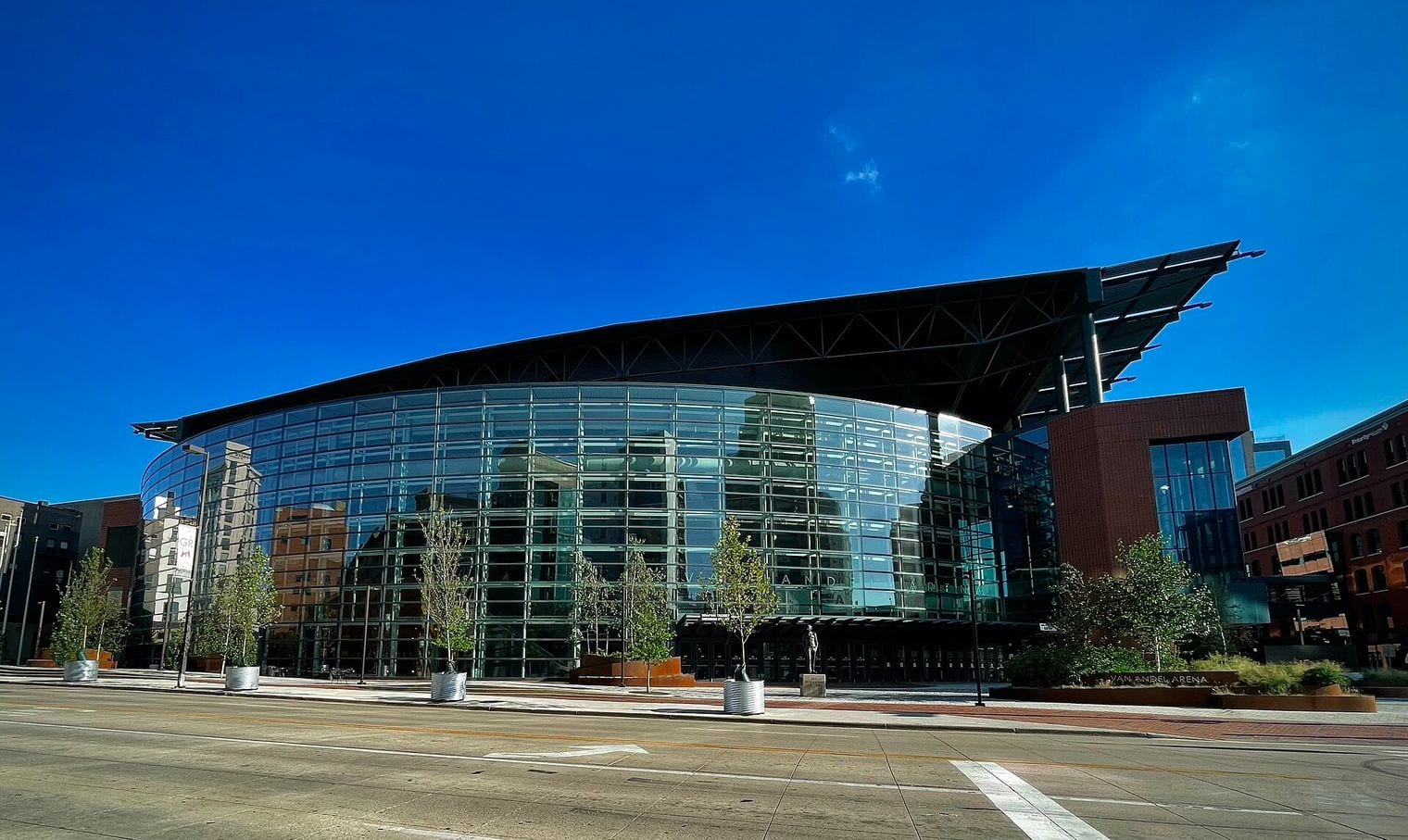
Opened in 1996 in the Heartside district, Van Andel Arena is West Michigan's largest arena and the fourth-largest in the state, seating more than 13,000 for concerts. It is home ice for the Grand Rapids Griffins of the American Hockey League and a regular stop for big touring acts.
The arena sits a few blocks from the river, ringed by bars and restaurants, so a game or concert slots easily into a downtown evening. Check the schedule before you go, since hockey season runs through the colder months.
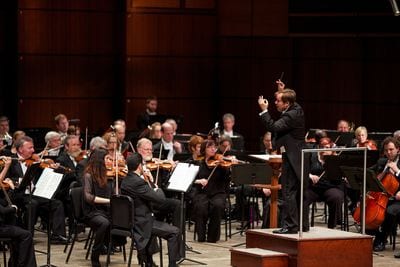
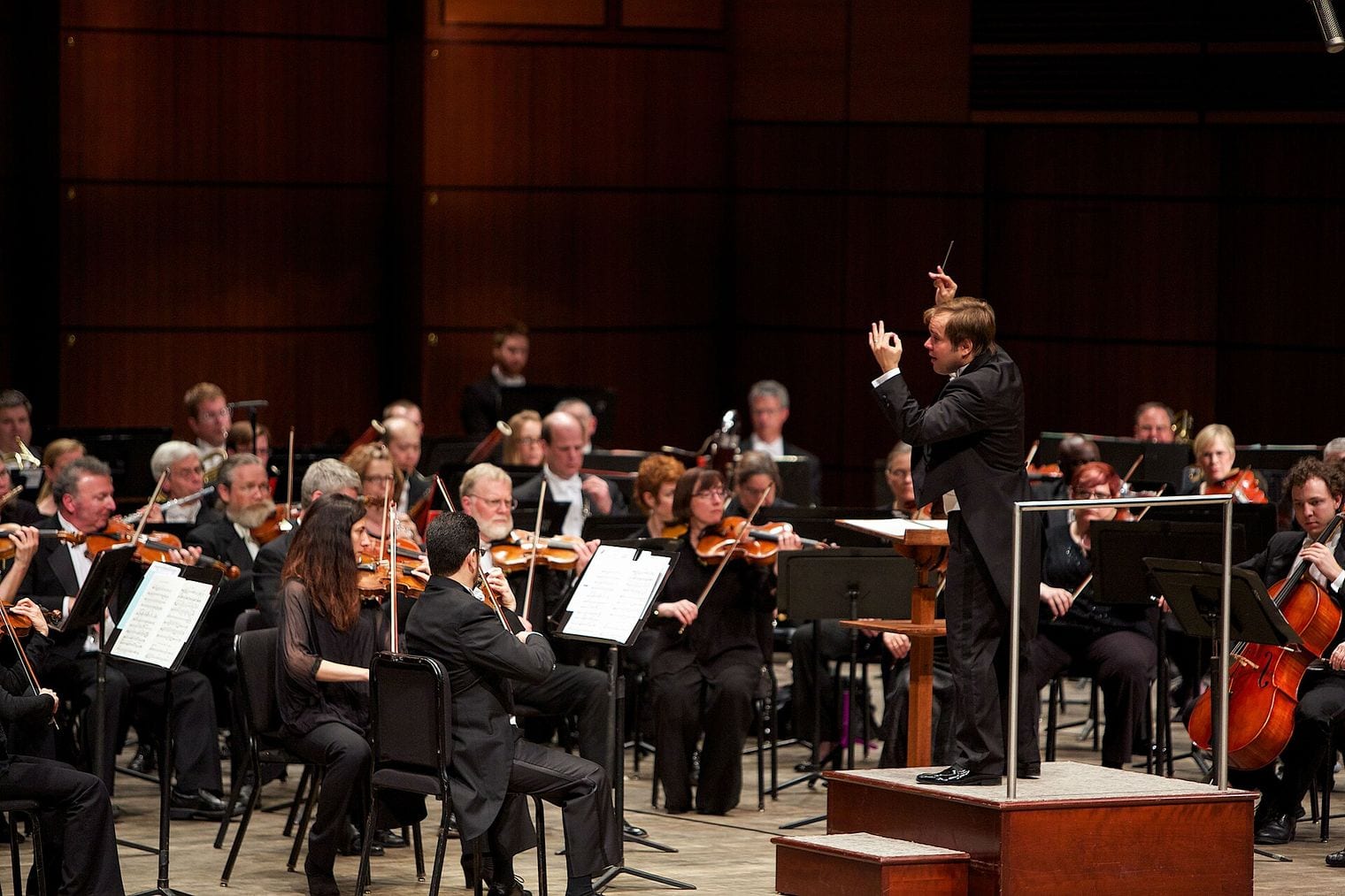
DeVos Performance Hall on Monroe Avenue is the city's main stage for the performing arts. It hosts touring shows from Broadway Grand Rapids along with seasons by the Grand Rapids Symphony, Grand Rapids Ballet and Opera Grand Rapids, plus concerts and comedy.
The hall is part of the DeVos Place complex on the Grand River, steps from downtown hotels and restaurants. If you can, time a visit around a symphony concert or the ballet's holiday performances for a classic Grand Rapids night out.
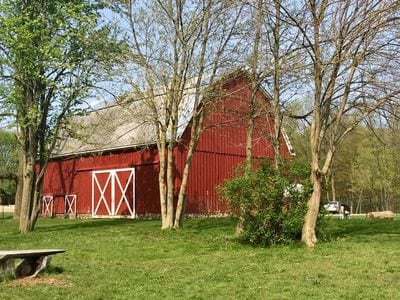
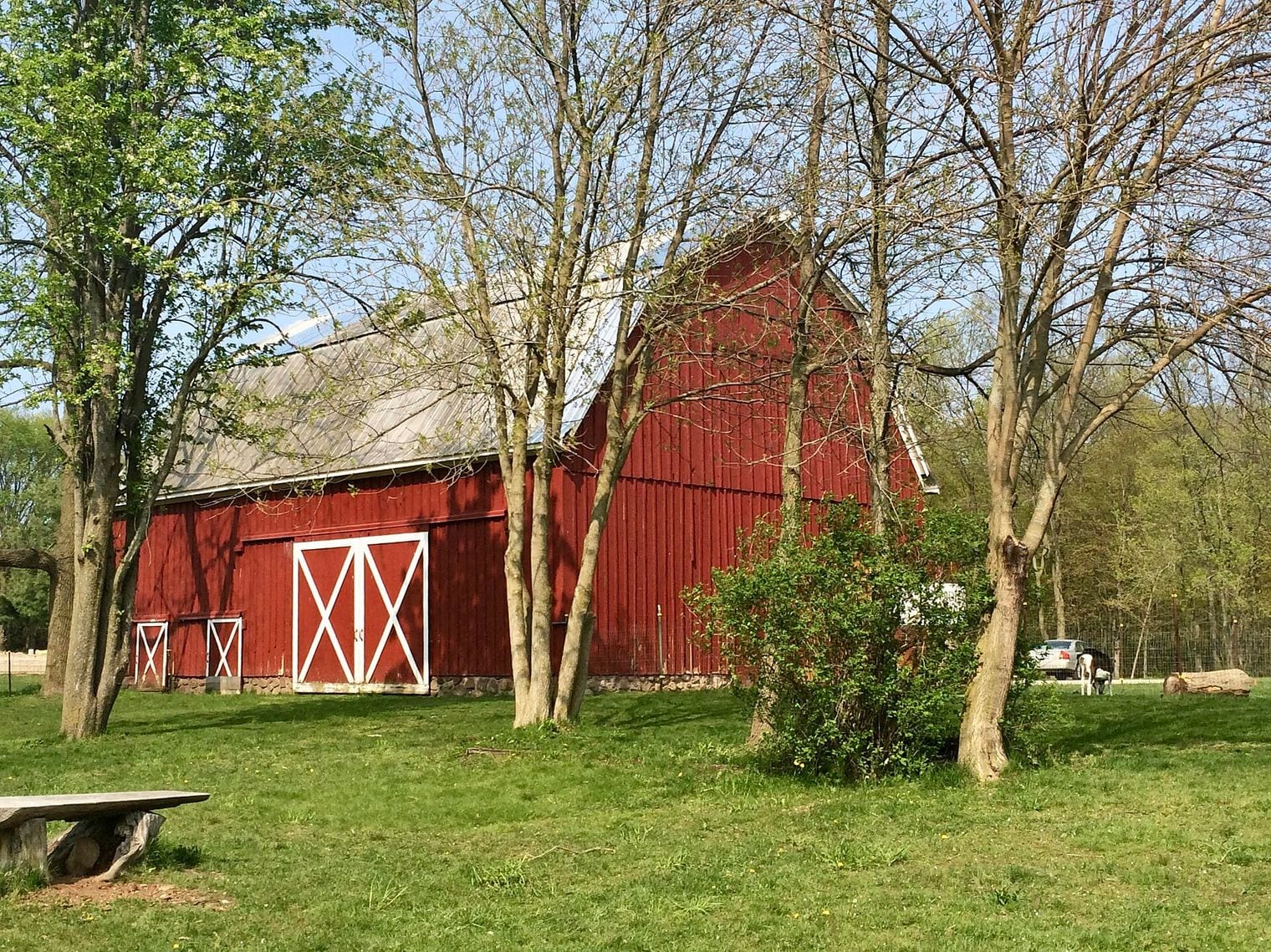
On the city's northwest side, Blandford Nature Center covers about 264 acres of forest, wetland and meadow laced with some 8 miles of trails, including accessible paths. It grew from a small land gift that local naturalist Mary Jane Dockeray persuaded the Blandford family to make, and it has expanded steadily since.
Besides the trails, the center has an interpretive center, a demonstration farm and several historic buildings that show how the area was settled. It is a peaceful half-day escape that feels far from downtown, with spring wildflowers and fall color the standout seasons.
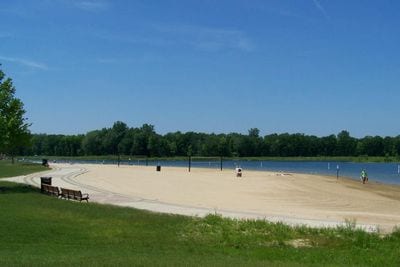
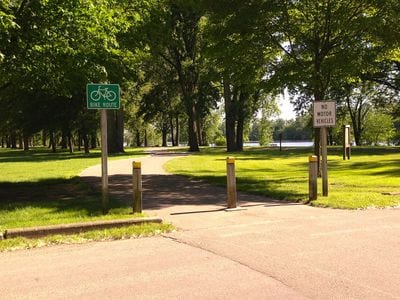
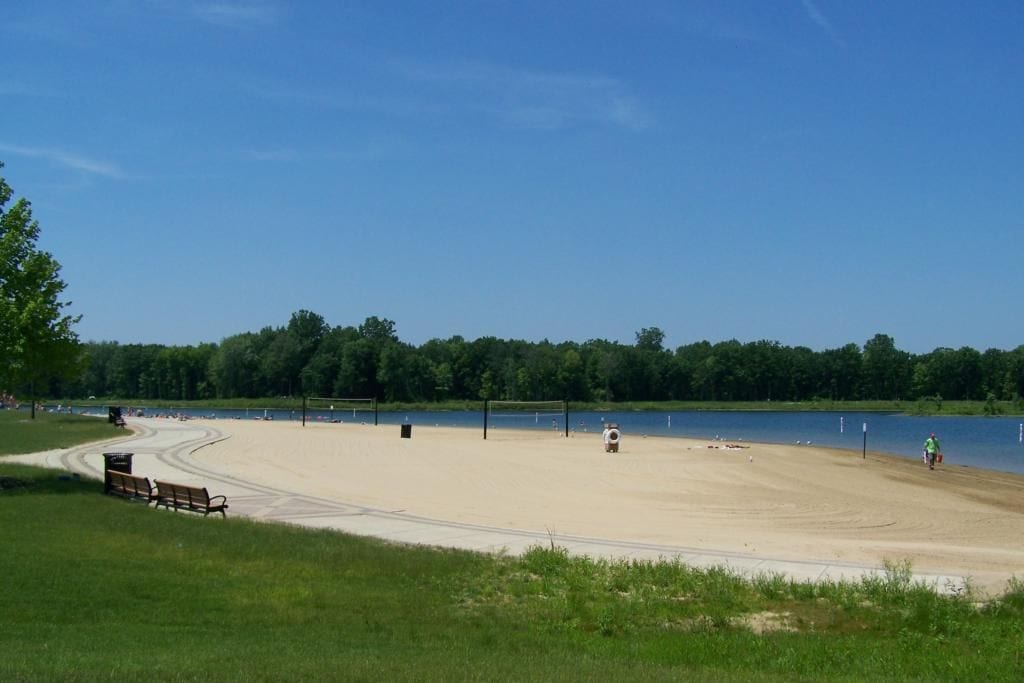
Kent County's Millennium Park is the largest urban park in West Michigan, sprawling across the southwest edge of Grand Rapids where the city meets Walker, Grandville and Wyoming. It was built on former gypsum mines and gravel pits, which now hold lakes and ponds ringed by paved trails.
In summer the park's swimming beach and splash pad draw families, while the trails, fishing spots and picnic areas work year-round for walkers and cyclists. It is the best place near the city for a long, easy bike ride or a lazy afternoon by the water.
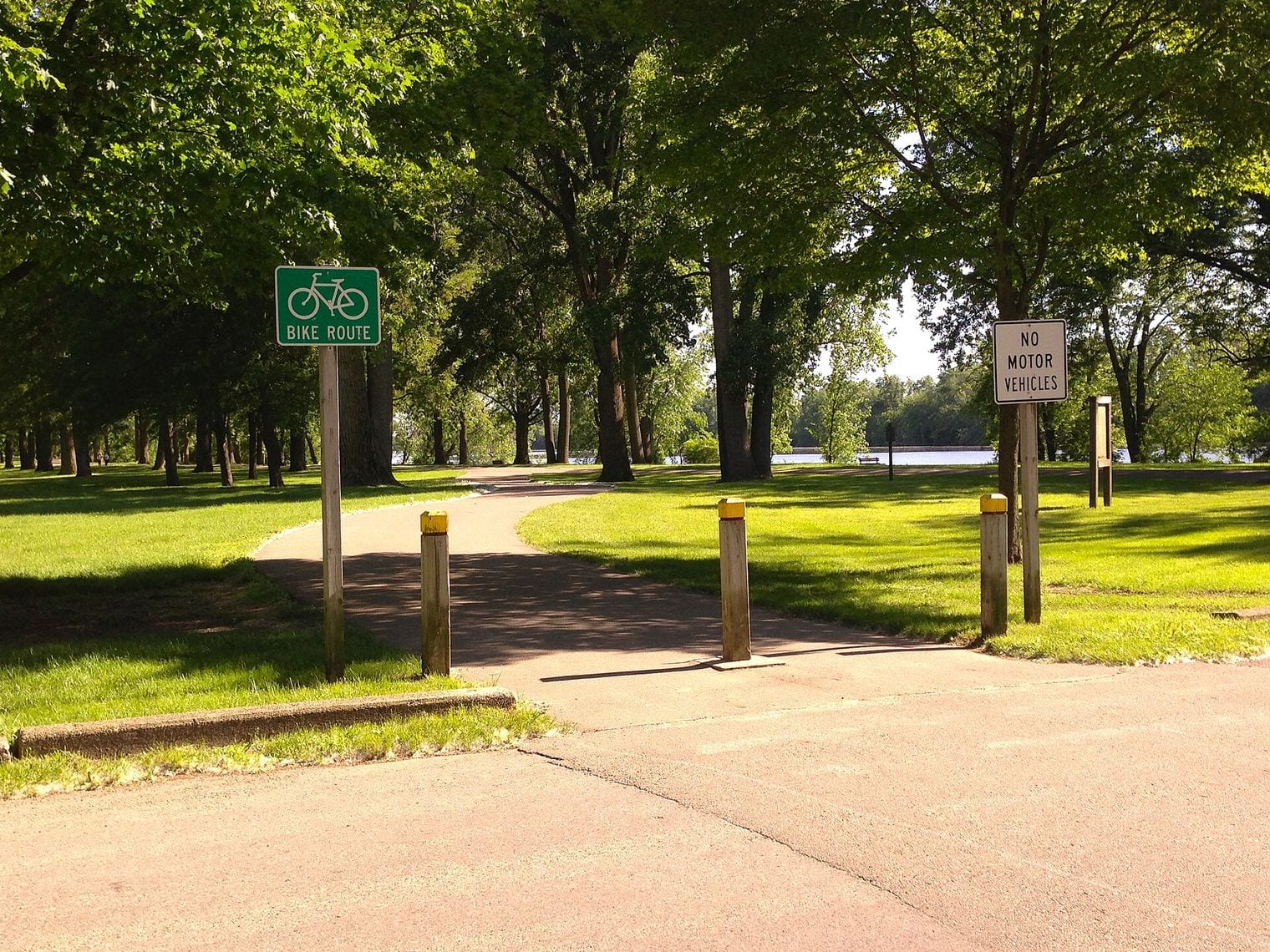
Stretching along Monroe Avenue on the city's north side, Riverside Park follows the Grand River for a long, green ribbon of picnic shelters, ball fields, disc golf and walking paths. It is where locals come to run, fish and launch a kayak, away from the downtown bustle.
An accessible launch on the park's lagoon makes paddling easy for all abilities, and the northern segment of the Grand River Edges Trail runs nearby toward the White Pine Trail. Pack a picnic and spend a slow summer evening watching the river.
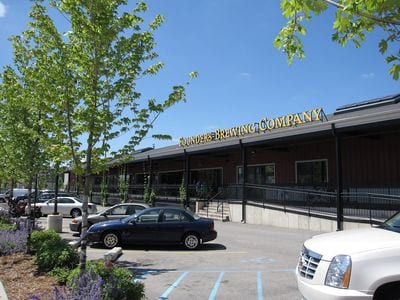
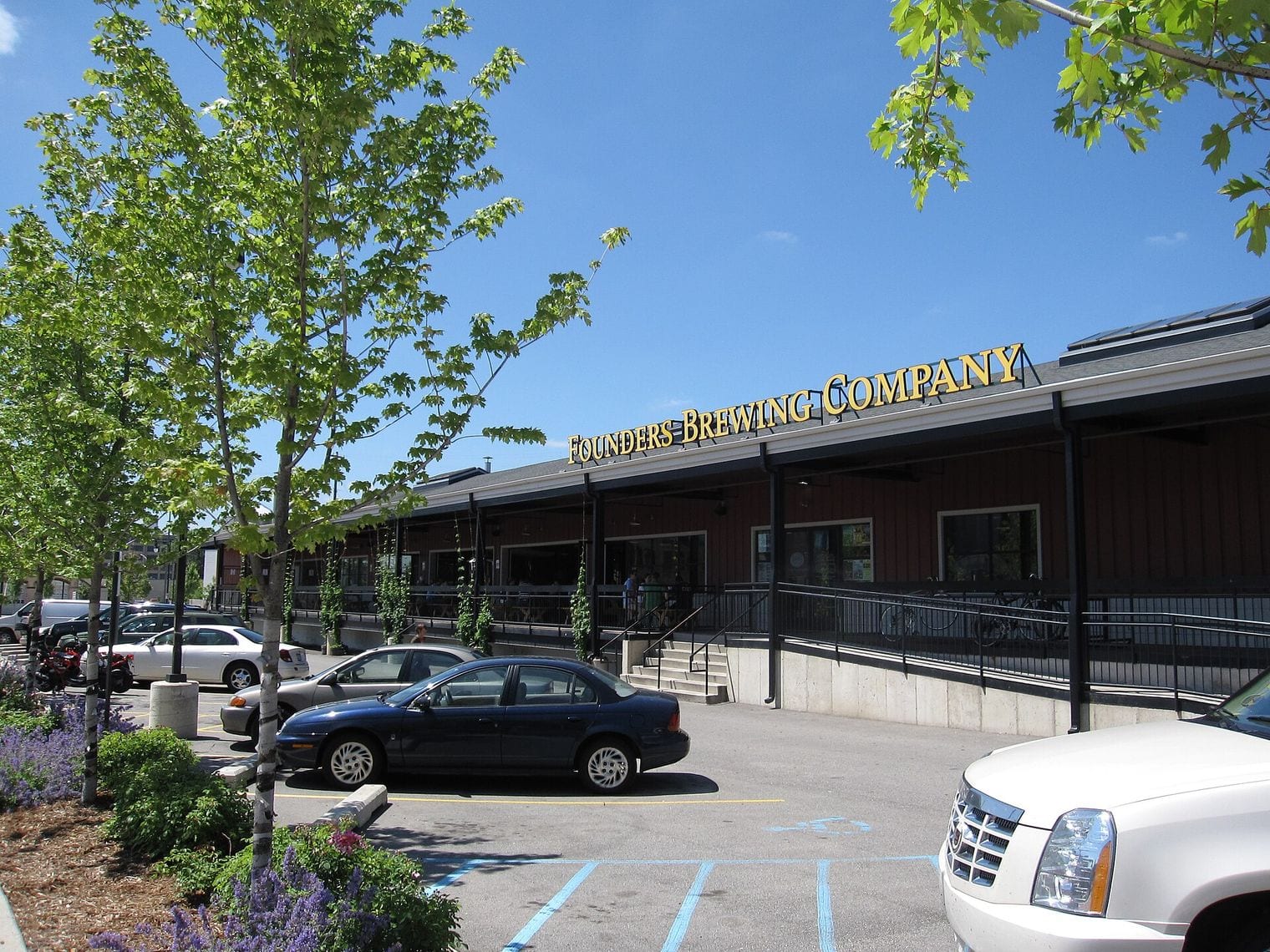
Founders Brewing Co., on Grandville Avenue just southwest of downtown, is the best-known name in a city that won the "Beer City USA" online poll in 2012, sharing the title with Asheville, and outright in 2013. Its taproom pours the brewery's flagship ales, including Centennial IPA, Dirty Bastard and the cult-favorite KBS stout.
Founders is just one stop on the wider Beer City Ale Trail, which links dozens of local breweries. If you have time for a second pint, Brewery Vivant in East Hills specializes in Belgian- and French-style beers, and several smaller taprooms cluster within walking distance of downtown.
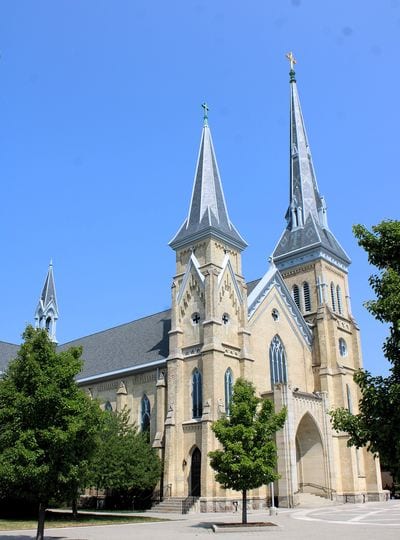
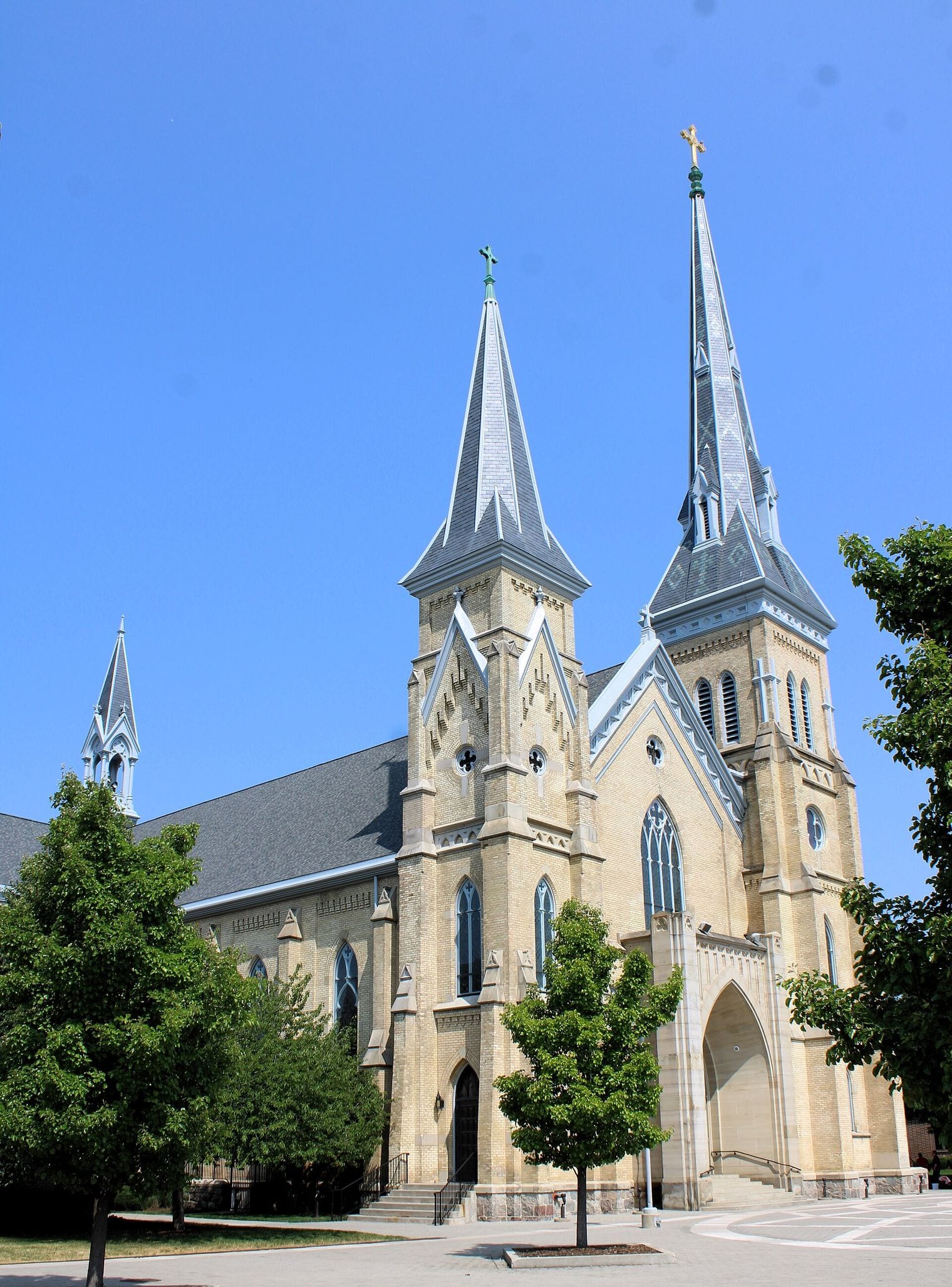
St. Andrew's Cathedral, formally the Cathedral of Saint Andrew, has been the mother church of the Catholic Diocese of Grand Rapids since the diocese was created in 1882. The parish's roots reach back to the city's pioneer days, and the diocese's first bishop was consecrated here in 1883.
The cathedral stands on Sheldon Boulevard on the south edge of downtown and welcomes visitors outside service times. Step inside for a quiet moment, a calm counterpoint to the nearby arena and nightlife district.
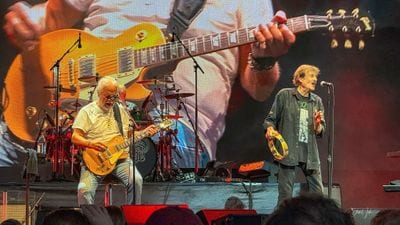
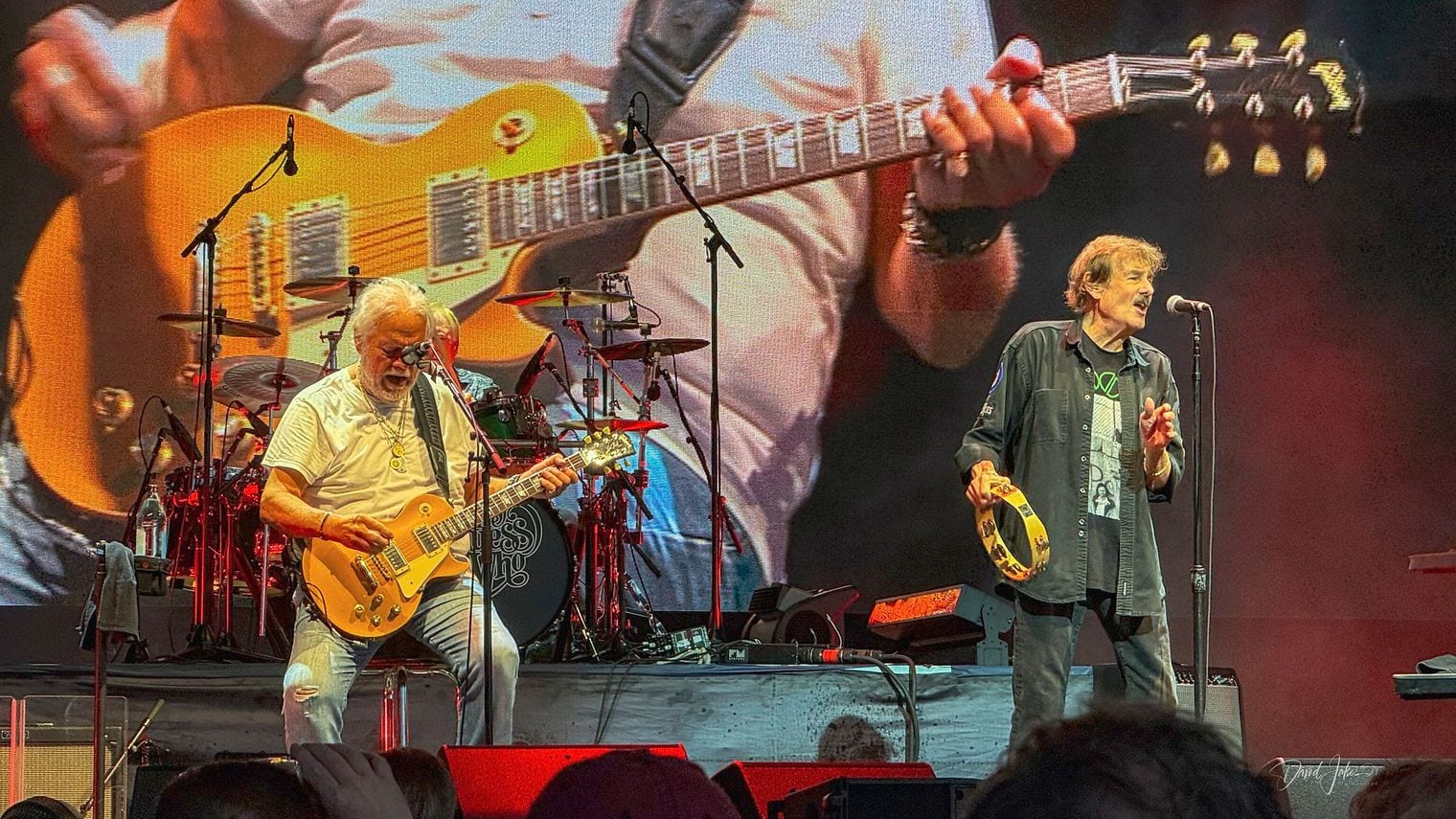
Acrisure Amphitheater opened in May 2026 on the riverfront just south of downtown, giving Grand Rapids a 12,000-capacity outdoor venue for big summer concerts. Its open-air setting beside the Grand River makes it the city's warm-weather counterpart to Van Andel Arena.
Shows run through the warmer months, roughly late spring to early fall. Downtown's restaurants and breweries are a short walk away, so you can make an evening of dinner, a concert under the sky and a nightcap afterward.
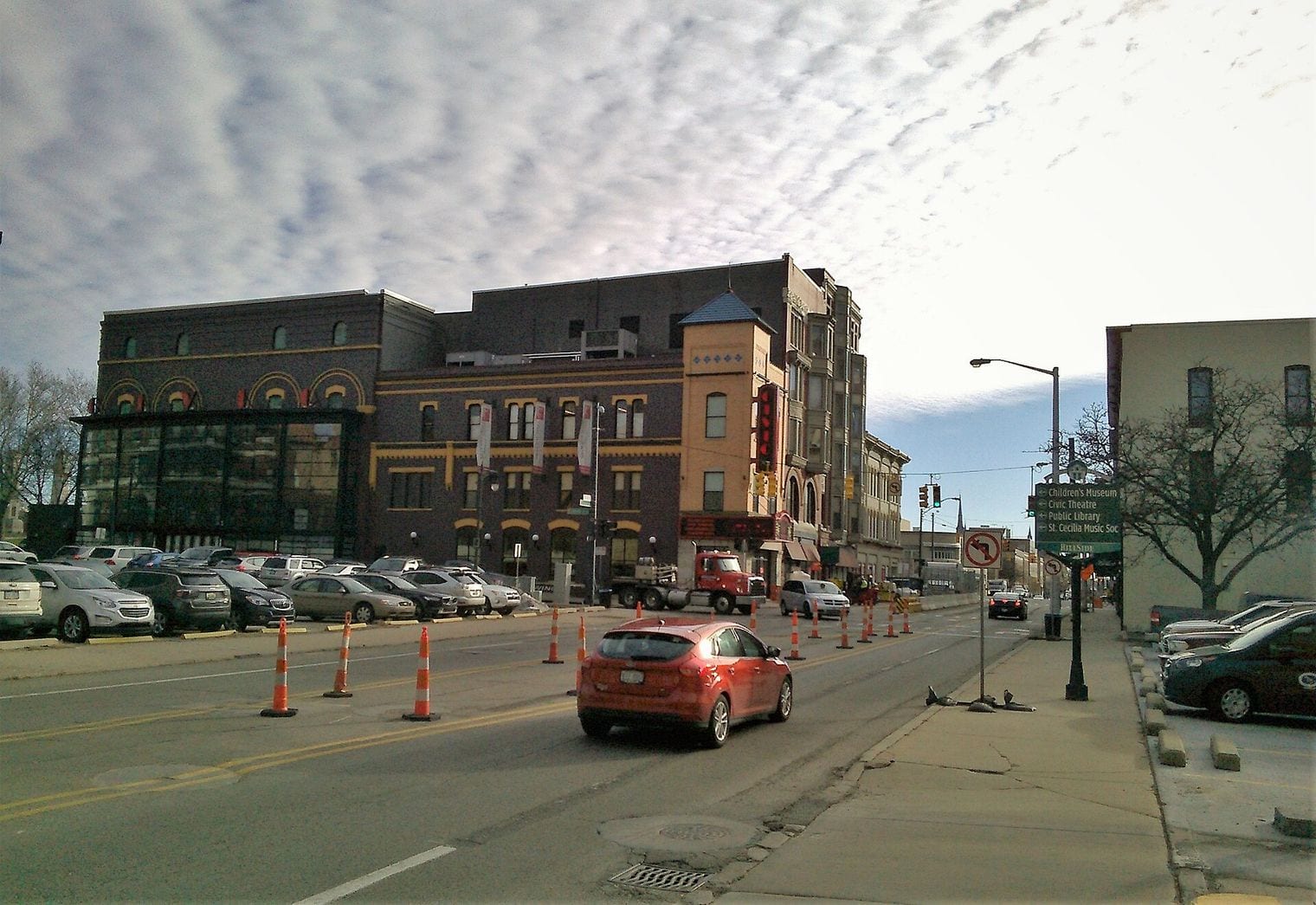
Founded in 1925, the Grand Rapids Civic Theatre is one of the largest community theaters in the United States. Its home on Division Avenue occupies four historic buildings, anchored by the Majestic Theatre of 1903, which was rescued and renovated in the 2000s.
The theater stages a full season of musicals, plays and family shows performed largely by local volunteers, and its school of theatre arts trains young performers. It is a warm, affordable alternative to touring Broadway productions.
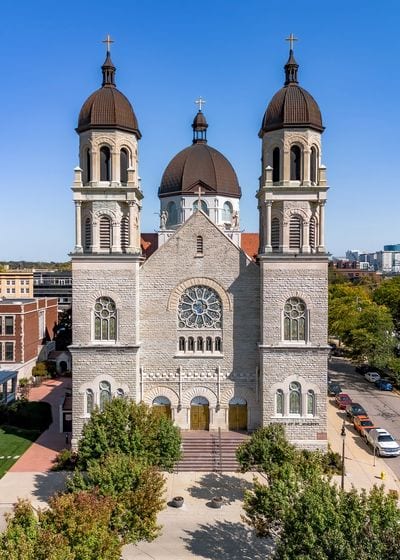
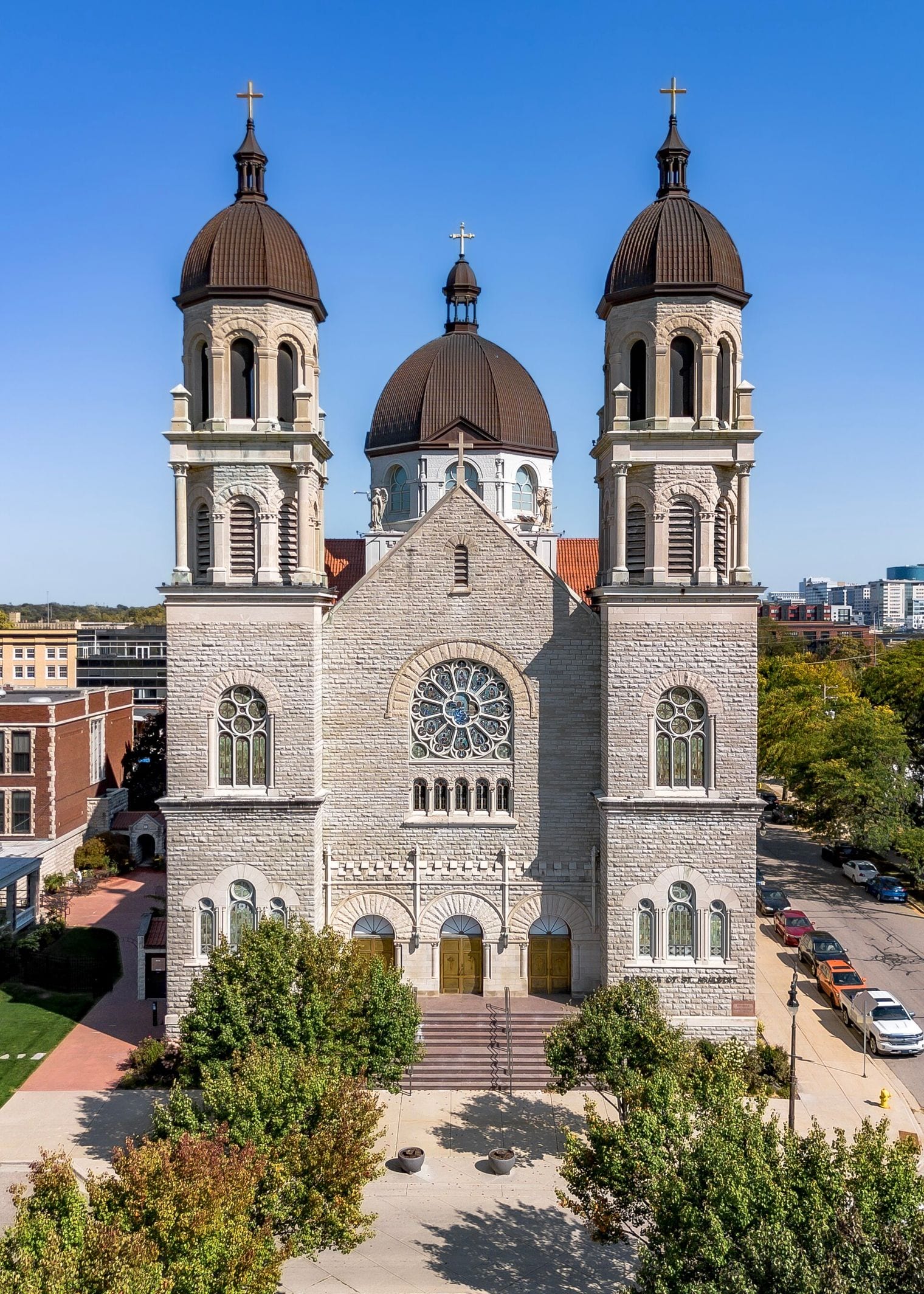
On the city's West Side, the Basilica of St. Adalbert was built between 1907 and 1913 by Polish immigrants and is a minor basilica of the Catholic Church. Its parish traces back to an 1872 aid society that helped newcomers from Poland find housing and work, and it remains an active church today.
The basilica rises above the surrounding streets of the historic West Side, long the city's Polish and working-class neighborhood. Visit outside service times to see the interior, then explore the nearby Bridge Street corridor of shops and restaurants.
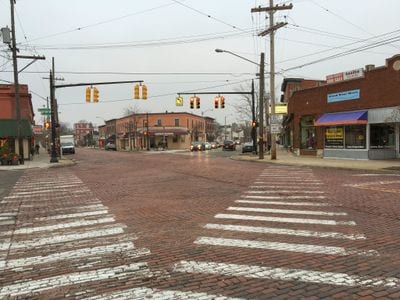
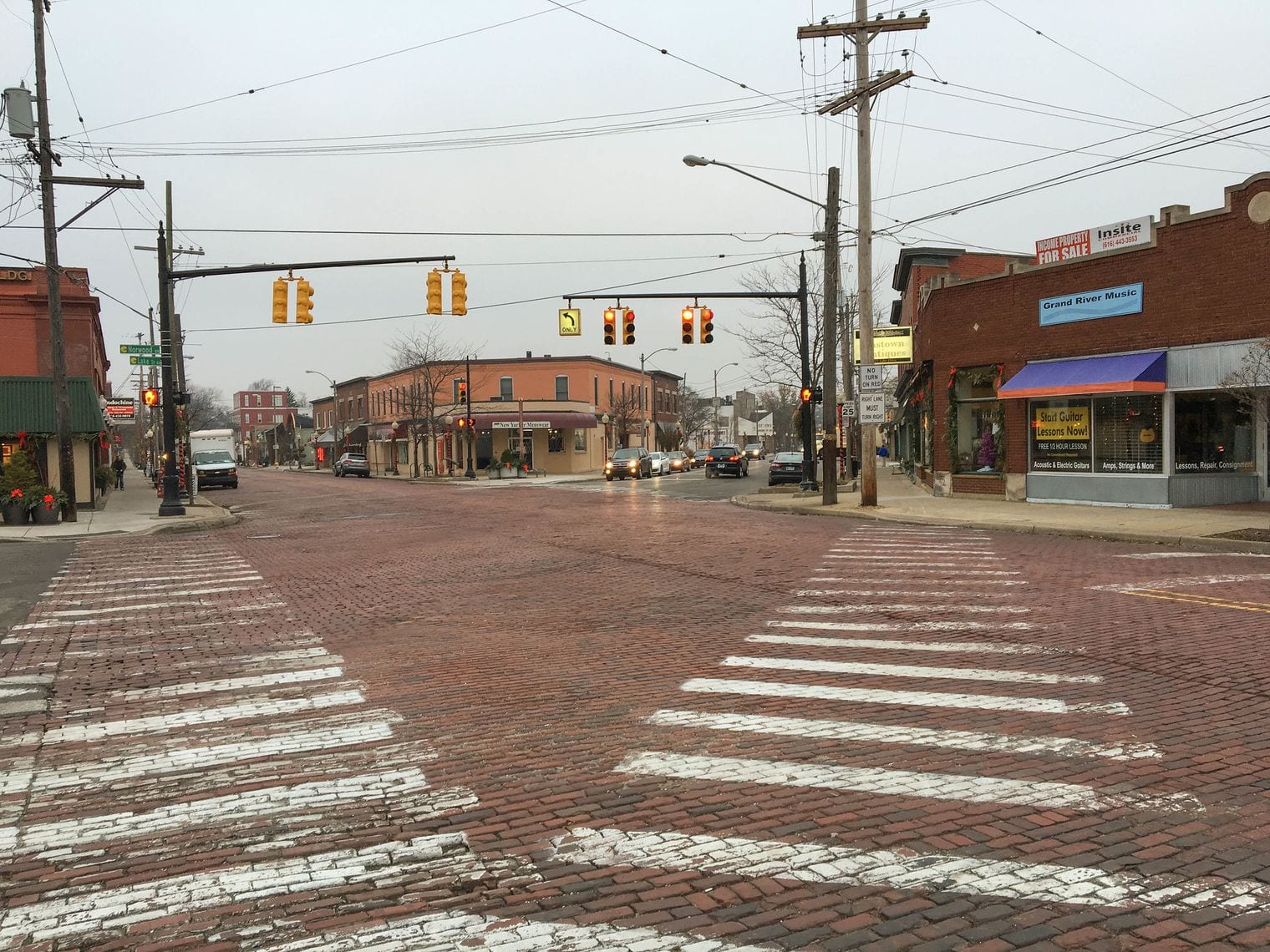
Sometimes called the Greenwich Village of Grand Rapids, Eastown is a walkable, roughly 70-block neighborhood centered on the junction of Wealthy Street and Lake Drive. It began as a streetcar suburb halfway between downtown and Reeds Lake, and its brick storefronts still give it a village feel.
Today it is the city's bohemian corner, with coffee shops, vintage and record stores, independent bookshops and casual bars. Spend an afternoon wandering, then continue east to the lakeside parks of East Grand Rapids or back west along Wealthy Street.
Plan your trip
Best Time to Visit Grand Rapids
Late spring through early fall is the easiest time to visit. Summer brings outdoor concerts, the early-summer Festival of the Arts around Calder Plaza, beach days at Millennium Park and busy Saturday farmers markets, while September and October add fall color, apple season and the salmon run at Fish Ladder Park. In recent years the ArtPrize competition has also returned to downtown in the fall.
Winters are cold and snowy, but they have their own appeal: skating on the rink at Rosa Parks Circle, hockey at Van Andel Arena and the warm tropical conservatory at Meijer Gardens. Hotel demand tends to spike around big festivals and conventions, so book early if your dates overlap one.
Getting to Grand Rapids
Gerald R. Ford International Airport sits on the southeast side of the metro area, roughly 20 to 25 minutes from downtown by car, with nonstop service to major hubs. Travelers flying into Chicago or Detroit face a drive of about three hours or two and a half hours respectively.
By road, Interstate 96 links the city with Detroit to the east and Muskegon to the west, Interstate 196 runs southwest toward Holland and the Lake Michigan shore, and US 131 is the main north–south route. Amtrak's long-running Pere Marquette line connects Grand Rapids with Chicago, and intercity buses also serve the city.
Getting Around Grand Rapids
Downtown is compact and walkable, and the riverwalk and pedestrian bridges make it easy to move between the museums on the west bank and the arena, theaters and Rosa Parks Circle on the east side. A free downtown circulator and the regional bus network cover the core, and rideshare is widely available.
A car is the simplest way to reach outlying sights such as Meijer Gardens, Millennium Park, Blandford Nature Center and Riverside Park. Downtown parking is mostly in public ramps and metered streets, and the city's bike lanes and river trails suit cyclists in the warmer months.
Where to Stay in Grand Rapids
Downtown is the best base for a short trip: it puts the museums, Van Andel Arena, DeVos Performance Hall and most of the breweries within walking distance, and it has the largest choice of hotels. The West Side around Bridge Street is a good alternative for a livelier, neighborhood feel close to the river.
For a quieter stay, look at the guesthouses and inns of Heritage Hill or the East Hills and Eastown areas, which are walkable to cafés and restaurants. Travelers with a car on a budget will find plenty of chain hotels along the highway corridors south and east of the city, near the airport.
Where to Eat in Grand Rapids
The city's food scene centers on a few walkable districts: downtown and the Heartside area around the Downtown Market, the Bridge Street corridor on the West Side, and the restaurant strips of East Hills, Wealthy Street and Eastown. Brewpubs are everywhere, and many pair house-made beer with burgers, sandwiches and seasonal plates.
Look for farm-to-table menus built around West Michigan produce, especially summer berries and fall apples, along with Polish dishes such as pierogi that reflect the West Side's immigrant history. A beer flight is practically required in a city that has voted itself Beer City USA.
Day Trips from Grand Rapids
Lake Michigan is less than an hour away. Holland, about 40 minutes southwest, is famous for its Dutch heritage, spring tulips and a sandy state-park beach, and the beach towns of Grand Haven and Saugatuck are a similar drive to the west and southwest. Farther north, Ludington, about two hours away, pairs dune-backed beaches with a classic lighthouse walk.
For a longer outing, Ann Arbor, about two hours east, makes a lively college-town day trip, and Traverse City, close to three hours north, is better as an overnight among the cherry orchards and wineries. To build a wider road trip, browse the best small towns in Michigan, many of them within a few hours of Grand Rapids.
Grand Rapids is best known for Frederik Meijer Gardens & Sculpture Park, the Gerald R. Ford Presidential Museum, the Grand Rapids Public Museum, John Ball Zoo and Rosa Parks Circle. It is also famous for public art, including Alexander Calder's La Grande Vitesse, its "Furniture City" heritage and a craft-beer scene that earned it the Beer City USA title.
Is Grand Rapids worth visiting?
Yes. Grand Rapids packs a presidential museum, one of the country's oldest history museums, a world-class sculpture park and a riverfront full of public art into a compact, walkable downtown. Add historic neighborhoods, a deep craft-beer scene and easy access to Lake Michigan beaches, and it rewards a weekend far more than its size suggests.
Is Frederik Meijer Gardens in Grand Rapids?
Frederik Meijer Gardens & Sculpture Park has a Grand Rapids address but sits just outside the city limits in Grand Rapids Township, a short drive east of downtown. Most visitors combine it with the downtown museums on the same day, so plan on a car or rideshare to get there and back.
How many days do you need in Grand Rapids?
Two days covers the highlights comfortably: one for the downtown museums, riverfront and public art, and one for Meijer Gardens, the zoo and a neighborhood such as Eastown or Heritage Hill. Add a third day if you want to reach Holland or another Lake Michigan beach town on the coast.
What can you do in Grand Rapids for free?
Many top sights are free, including Rosa Parks Circle, La Grande Vitesse on Calder Plaza, the Blue Bridge, Fish Ladder Park, the Fulton Street Farmers Market, the Heritage Hill Historic District and Riverside Park. The Meyer May House has also offered free guided tours, though tour days are limited.
When is the best time to visit Grand Rapids?
Summer and early fall are the best time to visit Grand Rapids, with outdoor concerts, farmers markets, beach days and, in September and October, fall color and the salmon run at Fish Ladder Park. Winter is cold but brings ice skating at Rosa Parks Circle and the warm conservatory at Meijer Gardens.
Sources & updates
How this guide was checked
Checked before launch
Sources cited
25
Publishers
19
Every place on this list was confirmed open and pinned on the map before publication, and what we say about each one was checked against its own website or an official source.
A PDF with a box to tick for every place. Confirm your email to download it, and get one email every Thursday with our newest guides for the places you tick.
Free Grand Rapids printable checklist
All 25 places in one PDF
Tick them off as you go. Confirm your email to download it, plus one email every Thursday with new guides for the places you tick.
We use cookies to analyse site traffic and improve your experience.
You can accept or reject analytics cookies. See our
May we use analytics cookies? See ourCookie Policy.