We build and rank every list first. Booking links come after, and only where
a partner sells a ticket, tour or stay for that exact place, so a place with
nothing to book is listed exactly as prominently as one you can book.
So how do we earn? Some links on this page go to booking
partners, and if you book tickets, tours or a stay through
one, we may earn a commission. It costs you nothing extra.
That commission never decides which places make the list, the order they
appear in, or what we write about them. No entry is sponsored or a paid
placement.
By the City Viking editorial teamPublished 35 places · 24 min read
Fact-checked Checked before launchOct 7, 202635 sources33 publishers8 government & parks10 tourism boards17 venues & other sitesPublished · Oct 7, 2026Researched and checked before it went liveClick for every source and the full change log.
Short answer
Start with Grand Marais for its Lake Superior harbor and the Gunflint Trail, Stillwater for its lumber-era downtown and 1931 lift bridge on the St. Croix, and Red Wing for the view from Barn Bluff over the Mississippi. Most towns on this list fill a relaxed day, while Grand Marais, Ely and the Brainerd Lakes towns deserve a weekend.
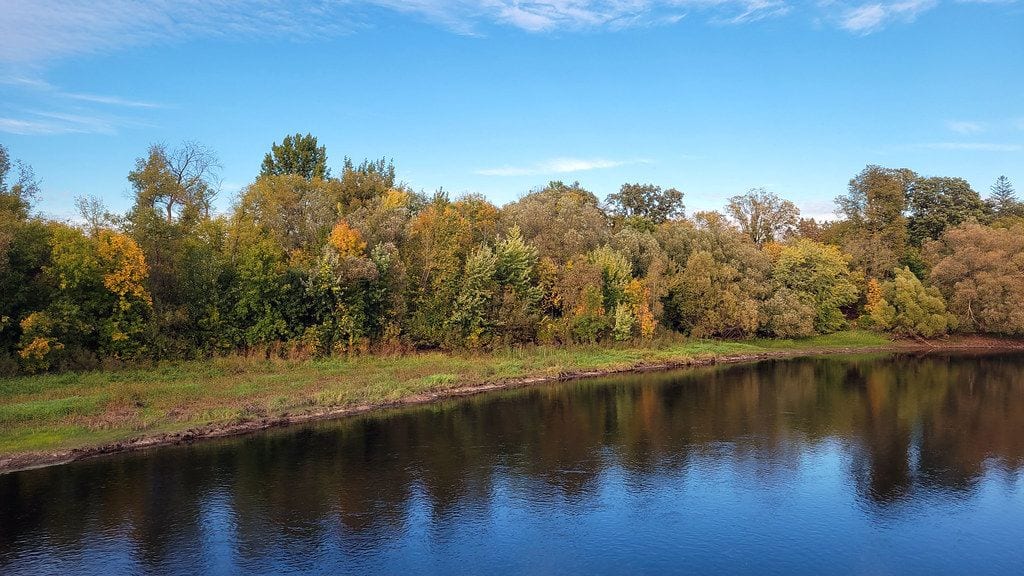
Minnesota's small towns follow its water: harbor towns on Lake Superior's North Shore, lumber and river towns beneath the Mississippi and St. Croix bluffs, resort towns in the northern lakes and outfitting posts on the edge of the Boundary Waters. Many still keep their brick main streets and immigrant festivals.
This guide ranks 35 of the best, from Grand Marais and Ely in the north woods to Stillwater, Excelsior and Northfield within an hour of Minneapolis. Most fill a relaxed day, the North Shore and lake towns reward a weekend, and many pair up neatly on a road trip.
Water skiing was invented on Lake Pepin: Ralph Samuelson first skied there in the summer of 1922, which is why Lake City calls itself the Birthplace of Water Skiing.
3M began in Two Harbors, up the North Shore from Duluth, where five businessmen founded the Minnesota Mining and Manufacturing Company as a mining venture and made its first sale in 1902.
Itasca State Park was Minnesota's first state park, established in 1891 around the headwaters of the Mississippi River, and it is the second-oldest state park in the United States after New York's Niagara Falls State Park.
Judy Garland was born in Grand Rapids as Frances Ethel Gumm on June 10, 1922; her parents ran a movie theater in town that showcased vaudeville acts.
The Kensington Runestone, which a Swedish immigrant farmer reported finding near Alexandria in 1898, was presented as a relic of pre-Columbian Norse explorers; scholars regard it as a 19th-century hoax, but it remains the star of the town's Runestone Museum.
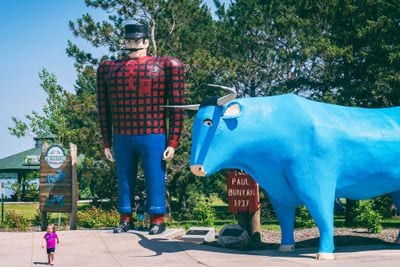
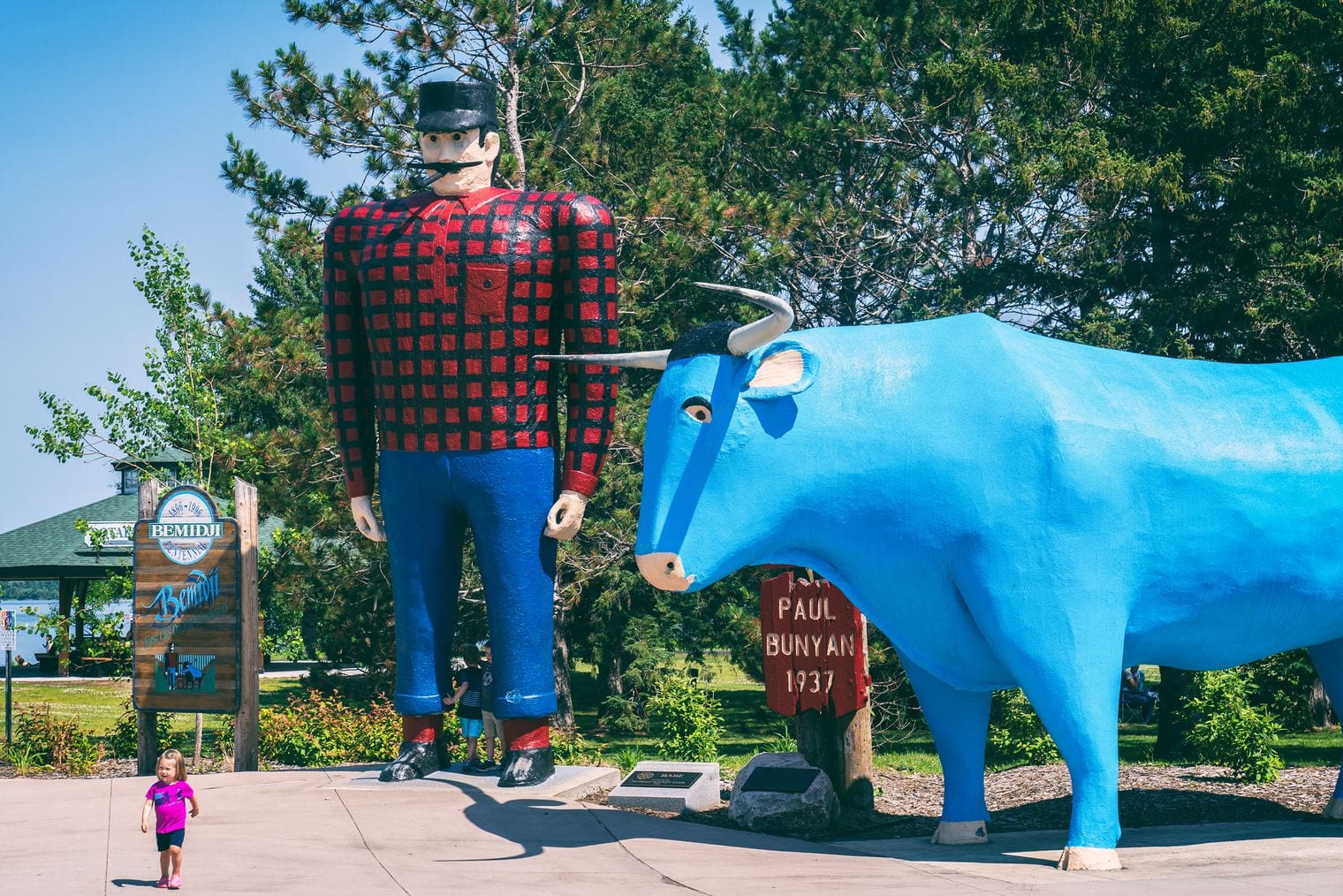
Bemidji's giant Paul Bunyan statue was unveiled on January 15, 1937, to kick off a winter carnival that drew more than 10,000 visitors.
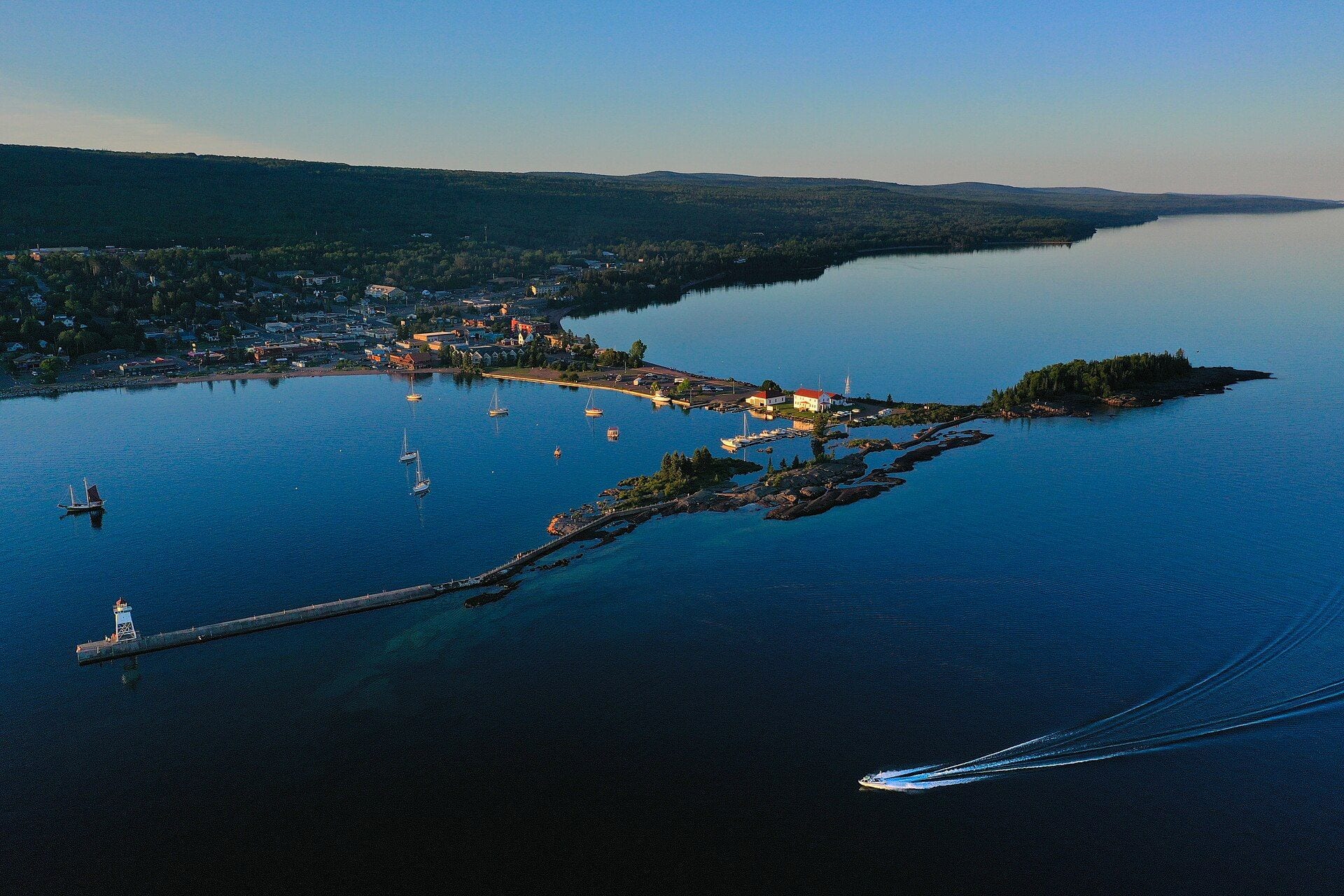
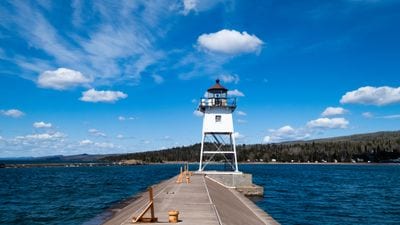
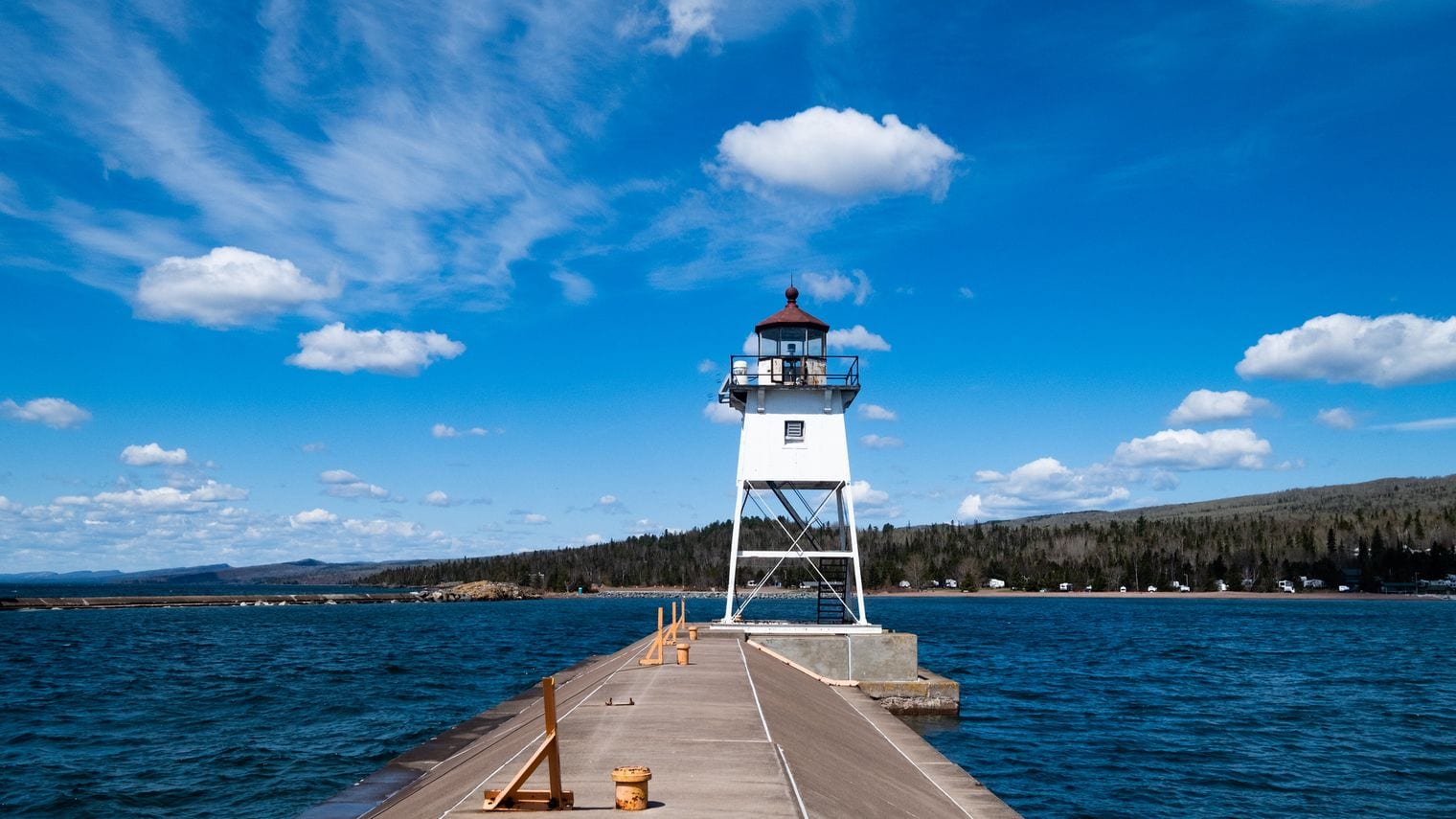
Grand Marais, the seat of Cook County and the only incorporated town in it, curls around a sheltered harbor on Lake Superior's North Shore. The harbor is guarded by Artist's Point, an old lava island joined to the shore by a gravel bar, and walking out across its bare rock, with the open lake on one side and the harbor on the other, is the classic Grand Marais stroll.
The town has long drawn artists: the Grand Marais Art Colony and the North House Folk School, which teaches traditional northern crafts, anchor a town of galleries showing local and regional work. The Gunflint Trail, a National Scenic Byway, begins here and climbs inland through Boundary Waters lake country toward the Canadian border, and each summer Fisherman's Picnic brings a parade and fireworks over the harbor.
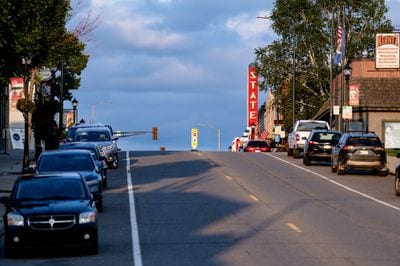
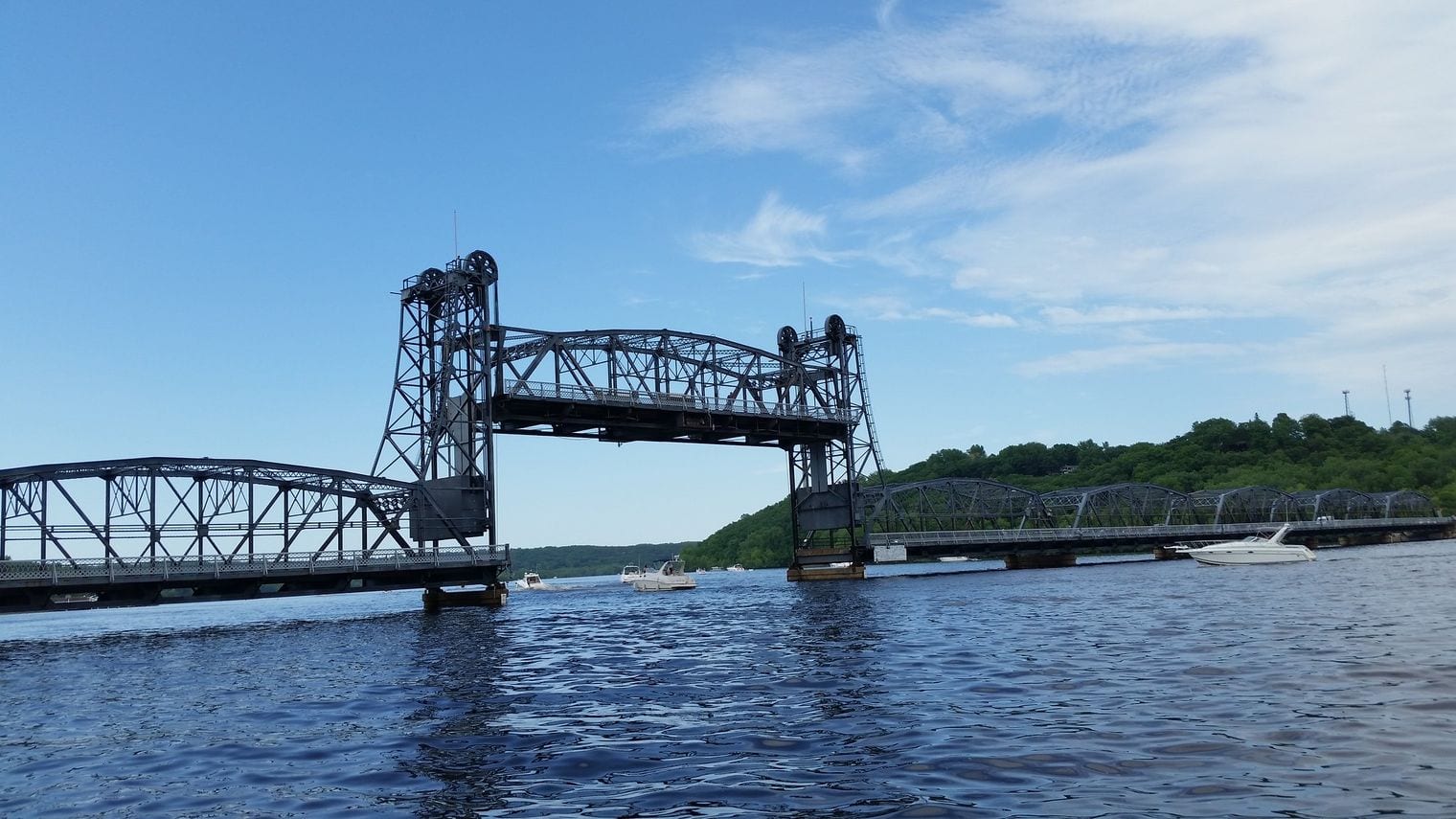
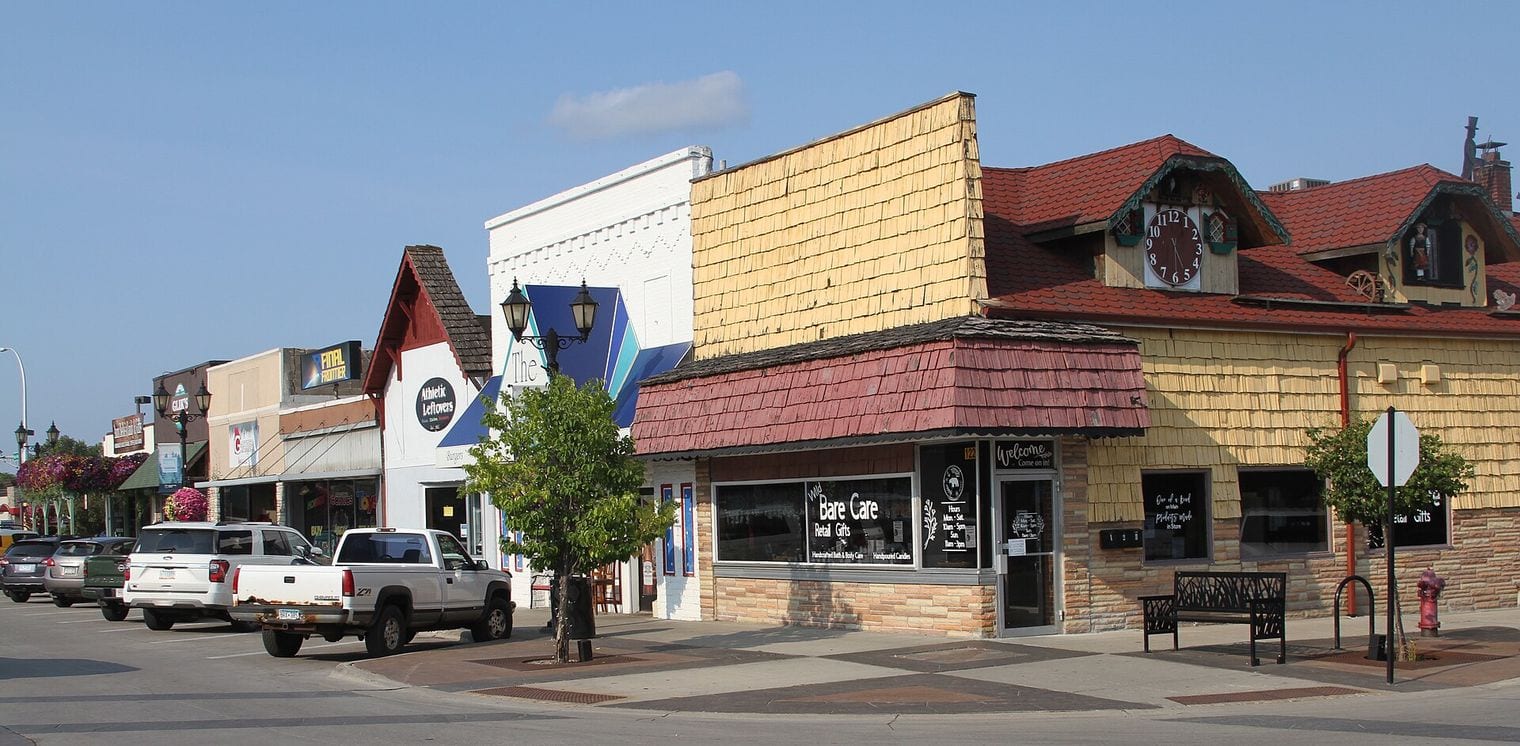
Stillwater, on the west bank of the St. Croix River facing Wisconsin, is often called the birthplace of Minnesota, because the 1848 territorial convention that began the push for statehood met here. Lumbermen founded the town in 1843, and the brick downtown they built beneath the river bluffs is now a browsable strip of antique shops, cafes and riverfront parks.
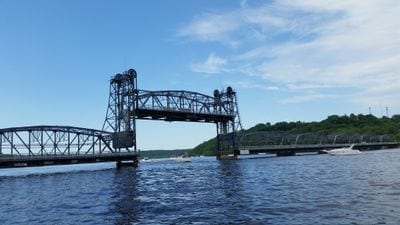
The 1931 Stillwater Lift Bridge is the town's signature landmark. Since a new highway bridge opened downstream it no longer carries cars, and it has become part of a five-mile walking and cycling loop between Stillwater and Houlton, Wisconsin. Lumberjack Days, held since the 1930s, keeps the logging story alive each summer, and the river itself invites an afternoon of paddling or a boat ride.
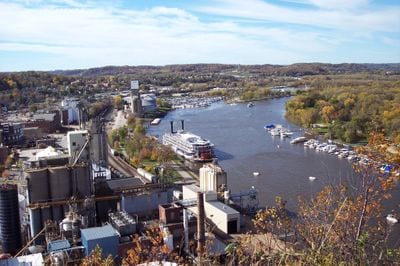
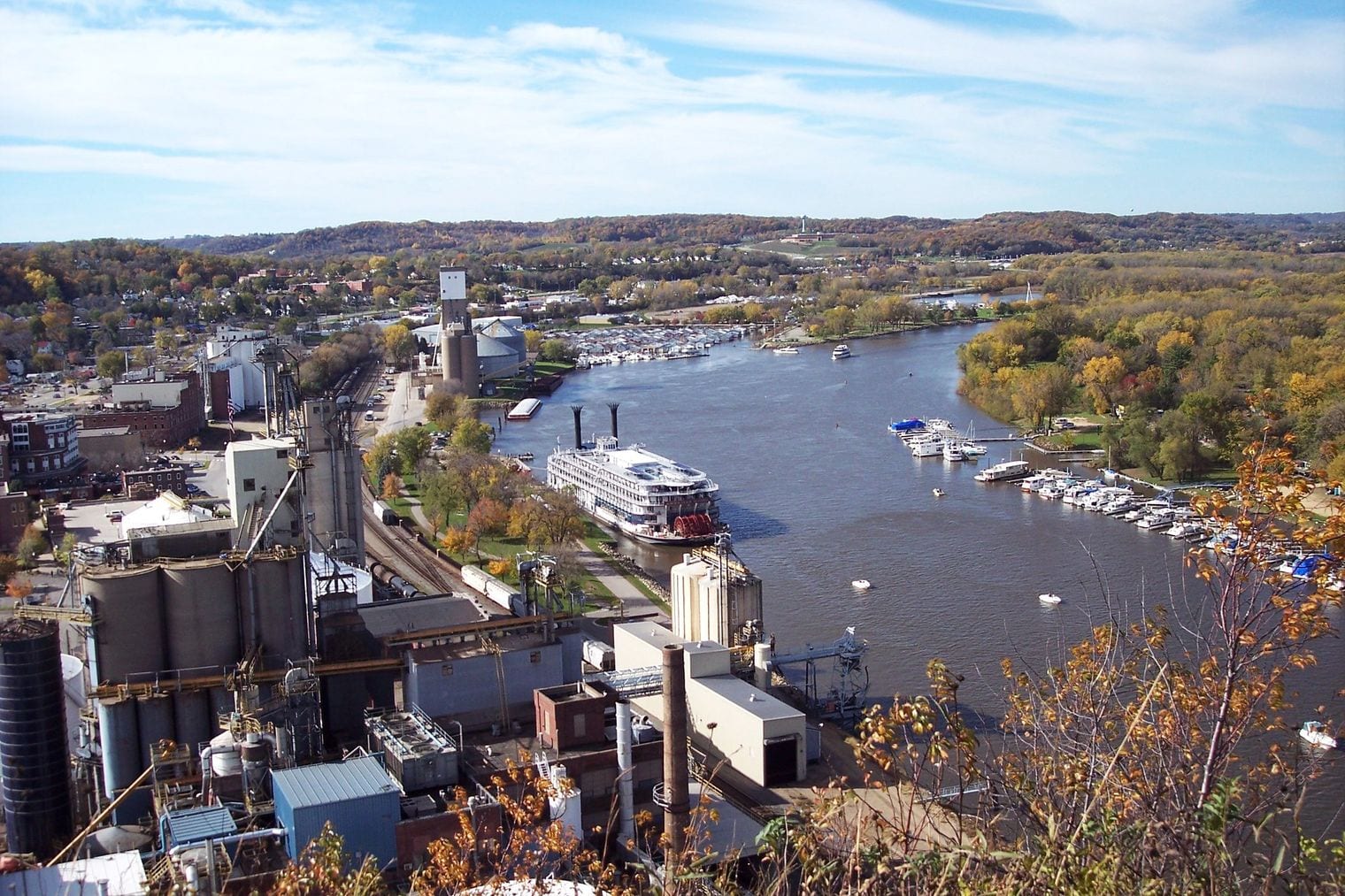
Red Wing spreads along the Mississippi beneath He Mni Can–Barn Bluff, a towering river bluff with trails to the top and long views over the valley and the town's handsome brick downtown. In 2008 the National Trust for Historic Preservation named Red Wing one of its distinctive destinations, praising its architecture and its natural setting.
The town's name travels the world on boots: Red Wing Shoes and Red Wing Stoneware are both made here, and the local pottery industry dates to 1861, when a potter found rich clay beds near Hay Creek. Cyclists can start the Cannon Valley Trail in Red Wing and follow a former rail line for 20 miles up the valley to Cannon Falls.
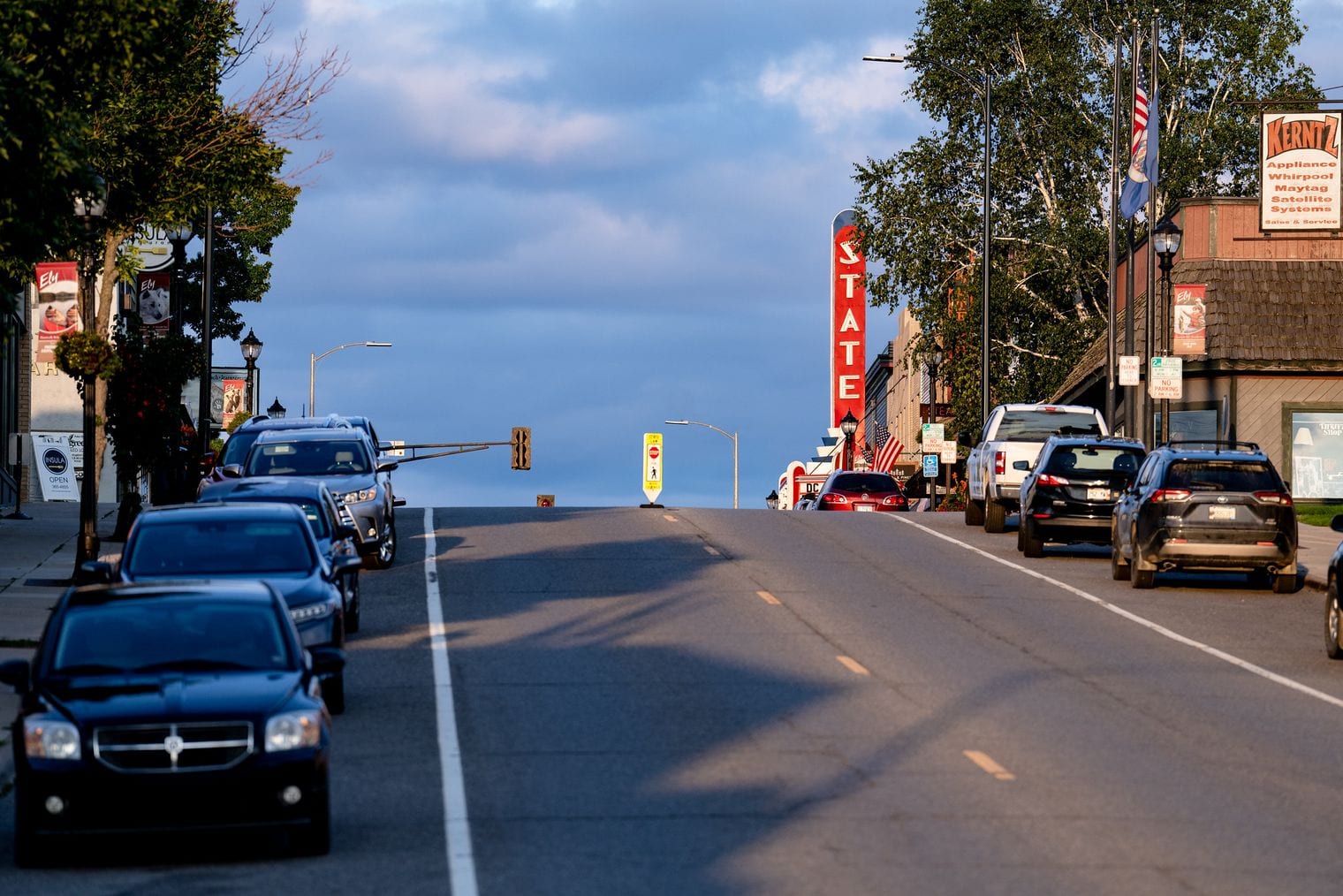
Ely, a former iron-mining town on the Vermilion Range, is the last stop before the Boundary Waters Canoe Area Wilderness, one of the most visited wilderness areas in the country, a vast web of lakes and forest reaching to the Canadian border about 16 miles north. The town sits inside the Superior National Forest, and its main street, Sheridan Street, is lined with canoe outfitters, outdoor stores and cafes.
Two nature centers make Ely worth a stop even without a paddle: the International Wolf Center, opened in 1993, and the North American Bear Center, opened in 2007, where windows look out over a forested enclosure home to resident black bears. The Dorothy Molter Museum tells the story of the Root Beer Lady, who lived for 56 years on Knife Lake deep in the Boundary Waters.
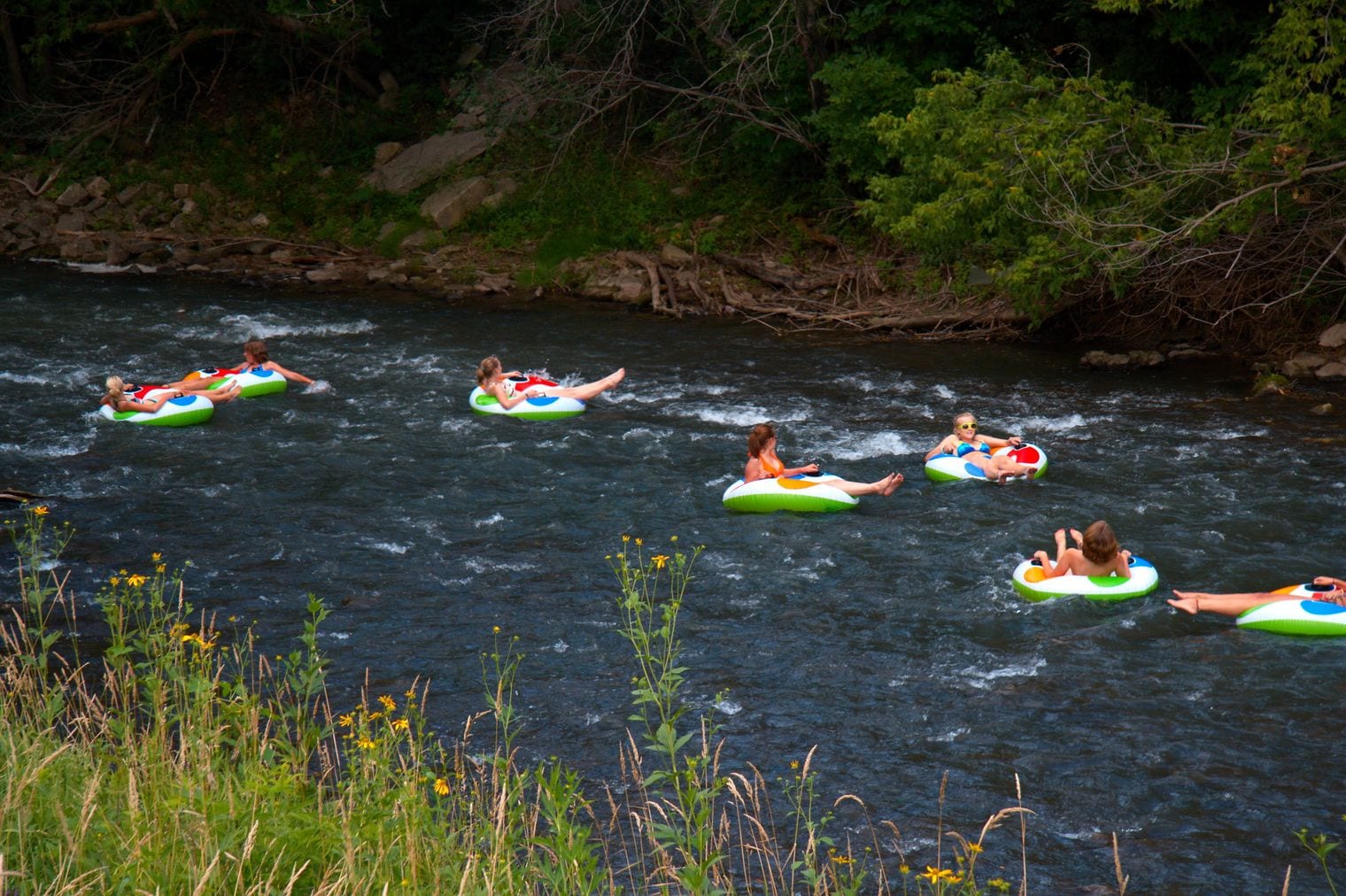
Lanesboro, a village of about 700 people in Minnesota's Bluff Country, sits in a valley where the South Branch of the Root River spills over a dam across from Sylvan Park. The Root River State Trail runs right through town, and Lanesboro is the classic base for cycling the rail trail along the river between the wooded bluffs.
For its size, Lanesboro packs in a surprising amount of culture. The professional Commonweal Theatre Company has been based here since 1989, and next door Lanesboro Arts runs the Mane Theater, giving the village its own small theater district. Shops and restaurants fill the historic main street, and an Amish community lives in the countryside around town.
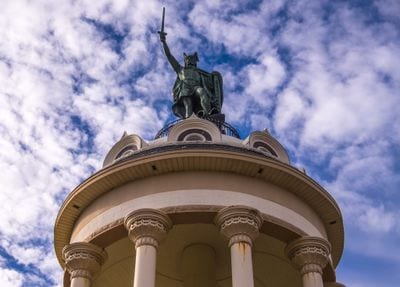
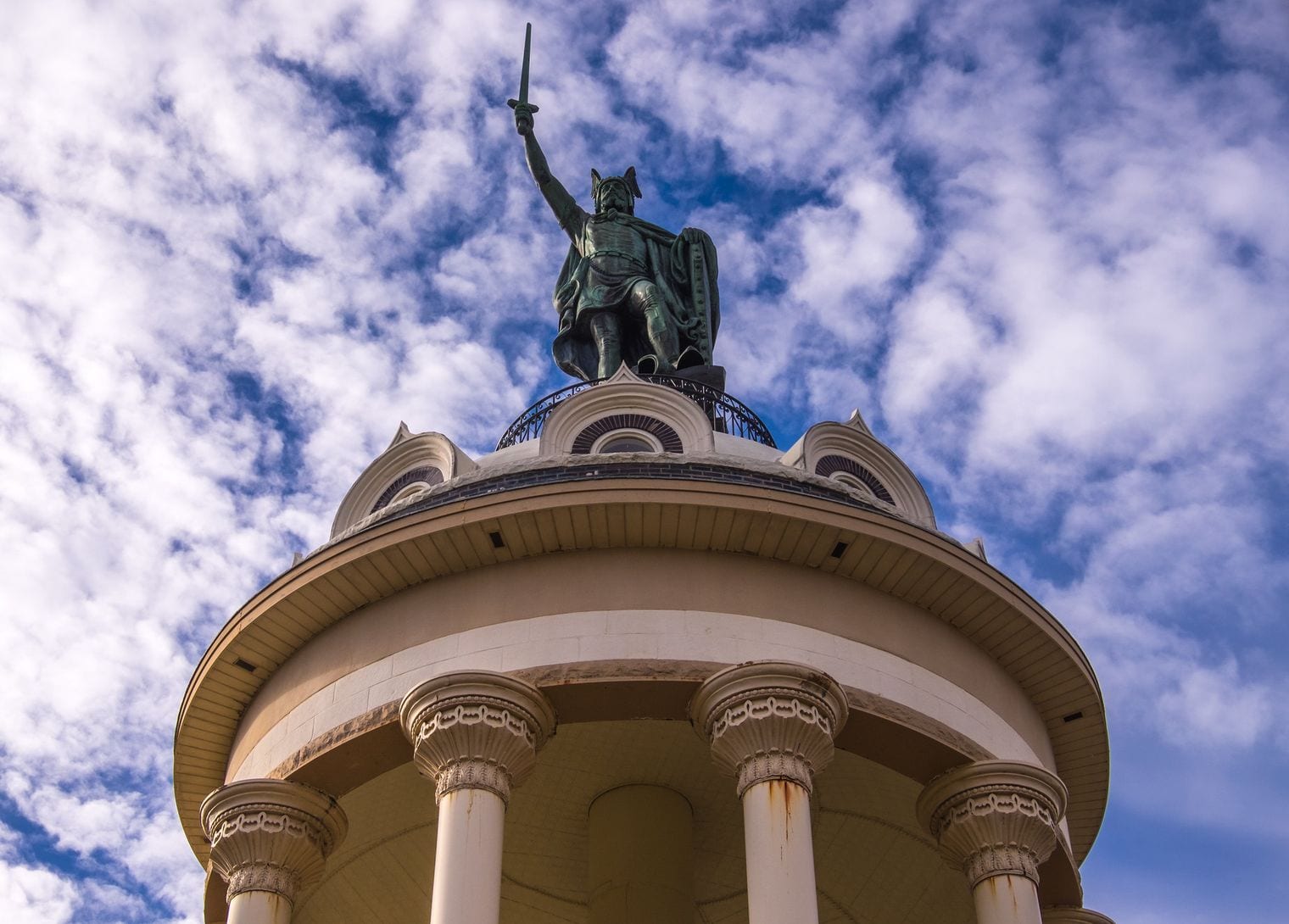
New Ulm was founded in 1854 where the Cottonwood River meets the Minnesota River, and German settlers, soon joined by colonists from the Turner Society, gave it the German character it still wears. Downtown, the Glockenspiel in Schonlau Park is one of the world's few free-standing carillon clock towers, and on the hill above town the Hermann Heights Monument, inspired by Germany's Hermannsdenkmal, looks out over the valley.
The August Schell Brewing Company, founded in 1860, is the second-oldest family-owned brewery in America and still brews in New Ulm. The Minnesota Music Hall of Fame is here too, Flandrau State Park lies along the Cottonwood River, and sites from the U.S.–Dakota War of 1862 add a sobering chapter to the town's story.
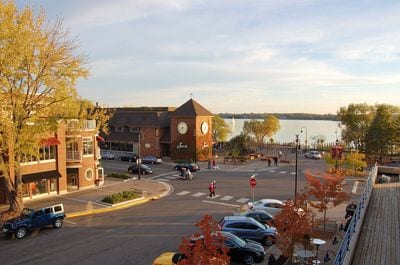
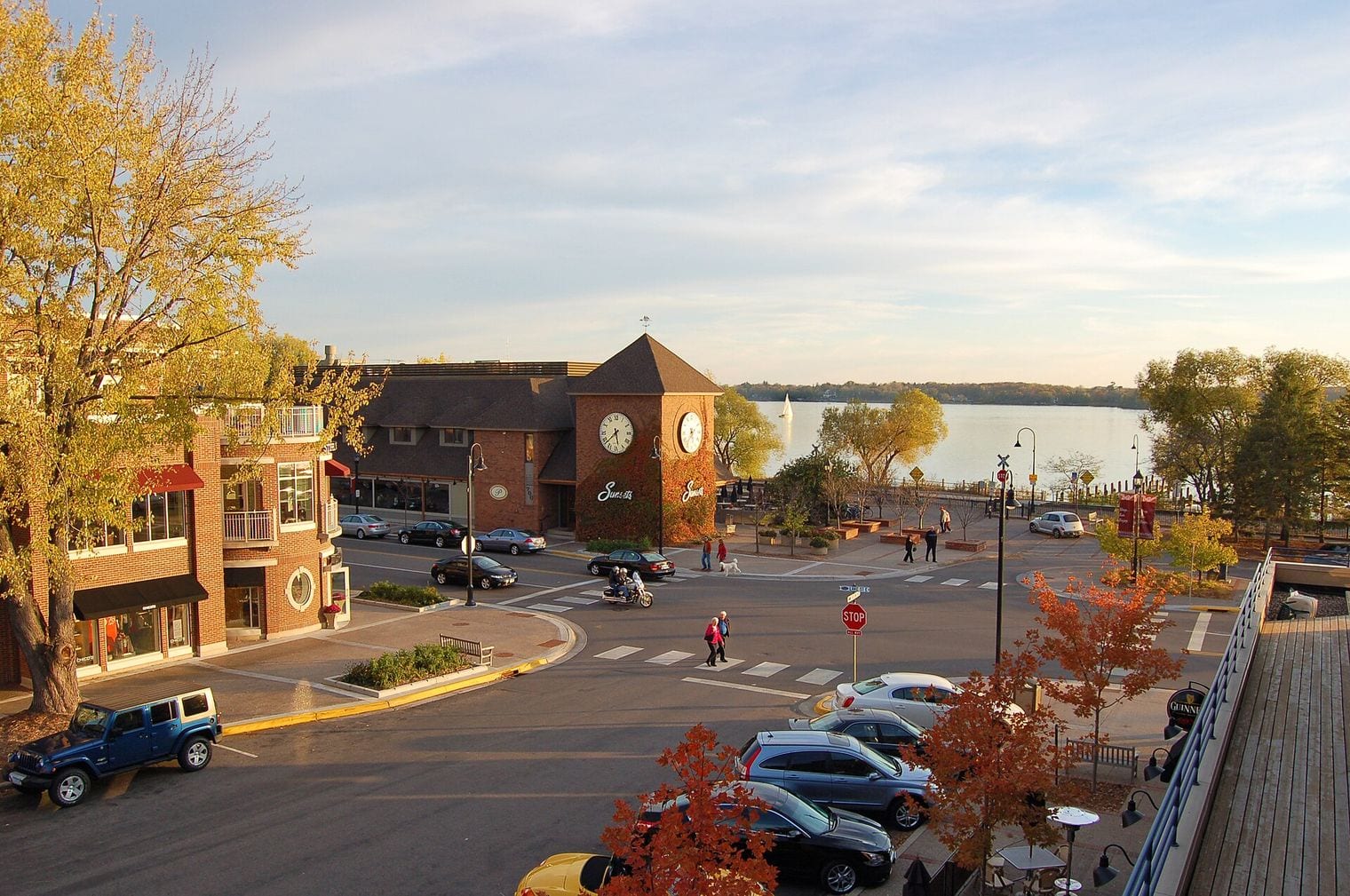
Excelsior, on the southern shore of Lake Minnetonka about 16 miles southwest of downtown Minneapolis, is the lake's classic day-trip town. Its Water Street commercial district is listed on the National Register of Historic Places, and the side streets are lined with Victorian-era houses a short walk from the water.
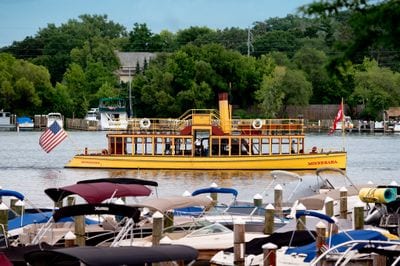
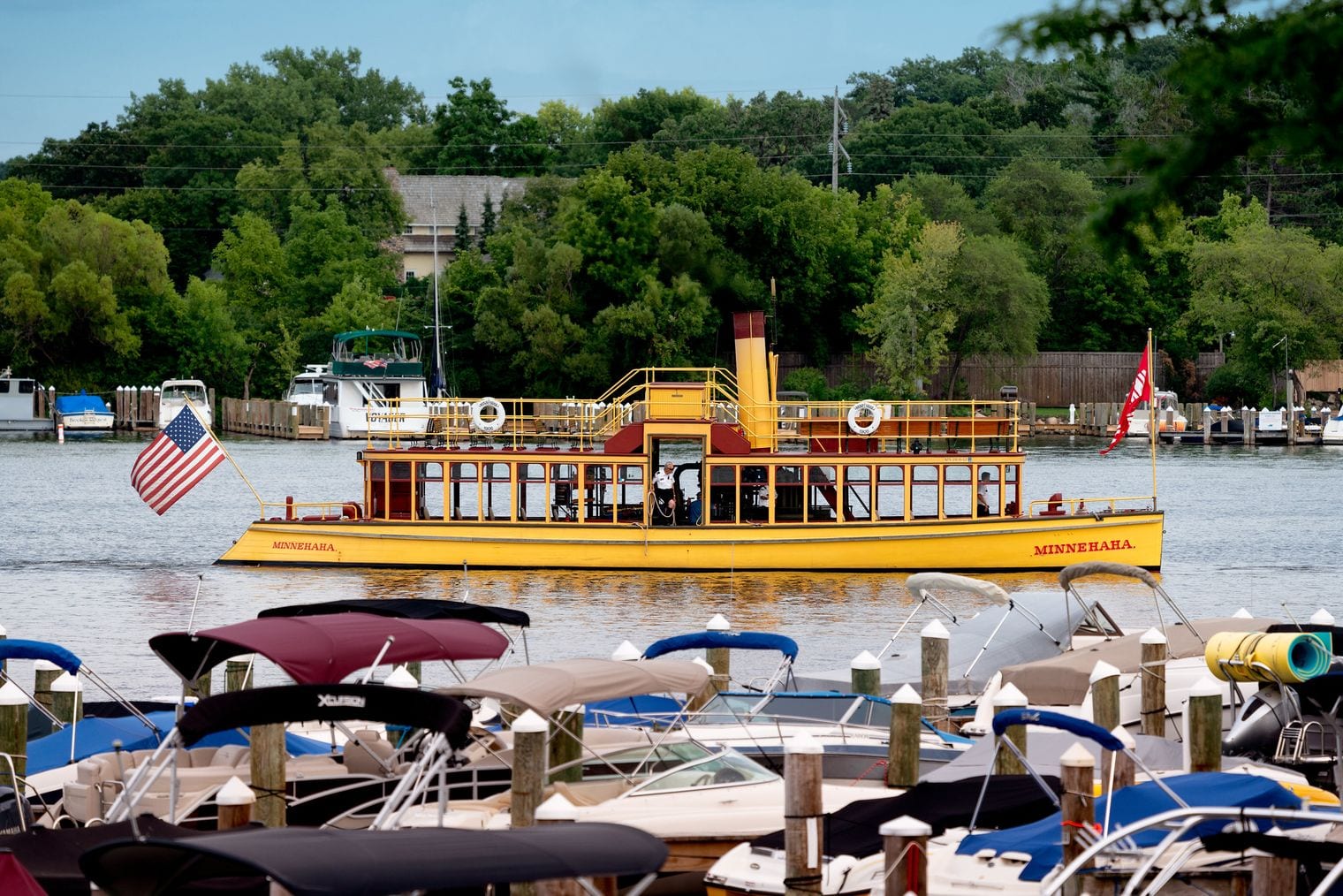
The Commons, a lakefront park set aside in 1854, gives Excelsior a big green front yard on Lake Minnetonka beside the docks of the Port of Excelsior. The restored 1906 steamboat Minnehaha, raised from the bottom of the lake in 1980 and returned to service in 1996, is based here, and the Minnesota Streetcar Museum runs vintage streetcars on a heritage line in town.
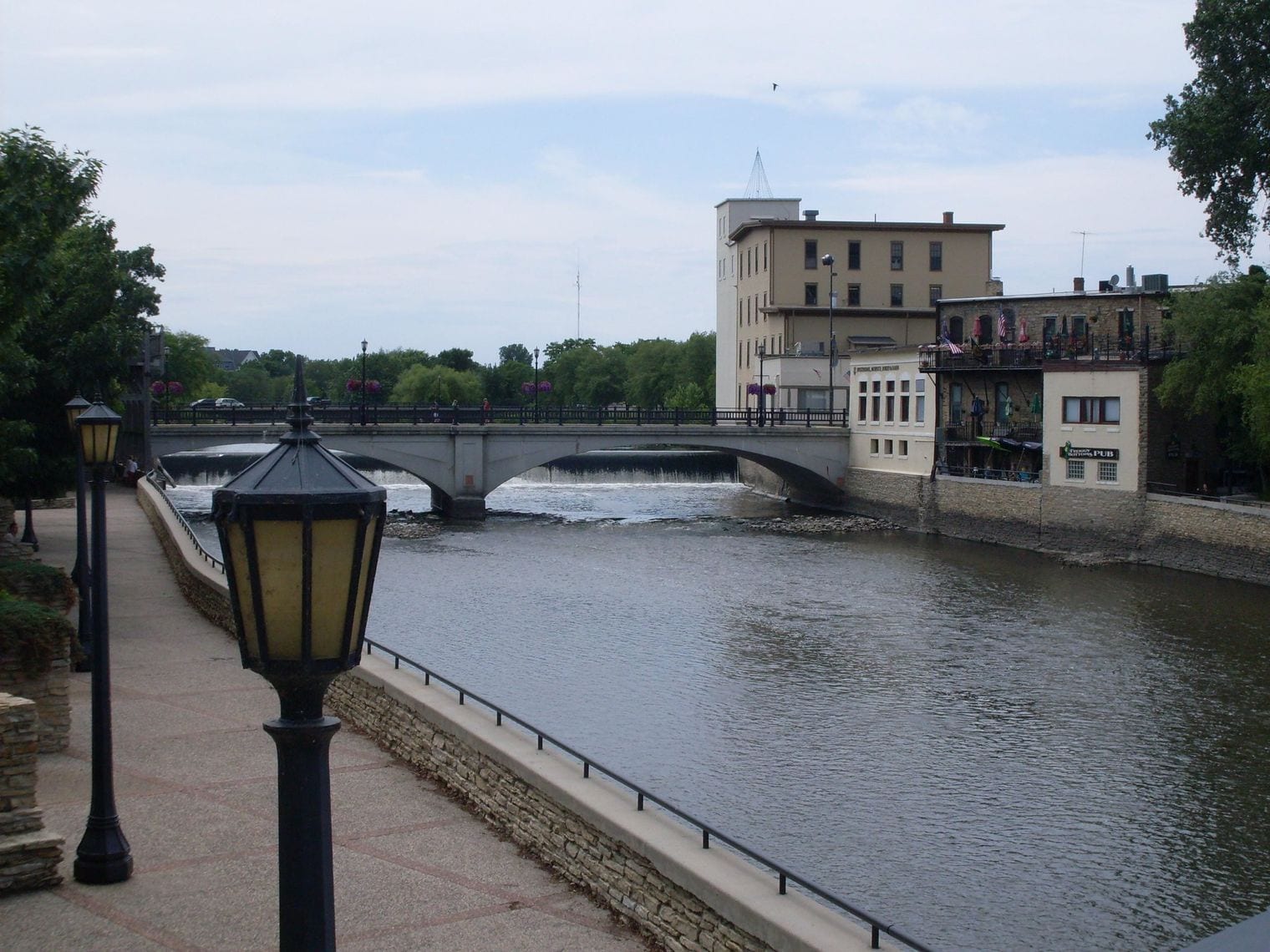
Northfield, on the Cannon River about 40 miles south of Minneapolis and St. Paul, is a college town twice over, home to Carleton College and St. Olaf College. Its motto, Cows, Colleges, and Community, nods to the dairy farms around it, and its riverside downtown grew up around the flour mills that once ran on the Cannon's water power.
On September 7, 1876, the James-Younger Gang tried to rob the First National Bank of Northfield, and the raid went badly wrong: two gang members were killed in the street, and the Younger brothers were later cornered near Madelia. The bank building is now a museum run by the Northfield Historical Society, and the town relives the story each year at the Defeat of Jesse James Days festival.
Lindstrom, in the Chisago Lakes country about 35 miles northeast of the Twin Cities, calls itself America's Little Sweden. Swedish immigrants settled the area in the 1850s, and the journals of one early settler helped inspire Vilhelm Moberg's novels of Swedish emigration, whose pioneer couple, Karl Oskar and Kristina, became the town's emblem.
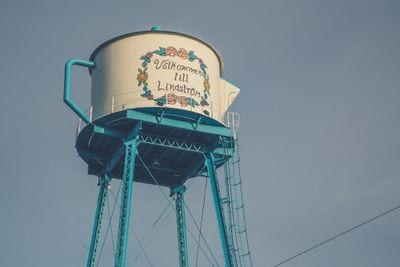
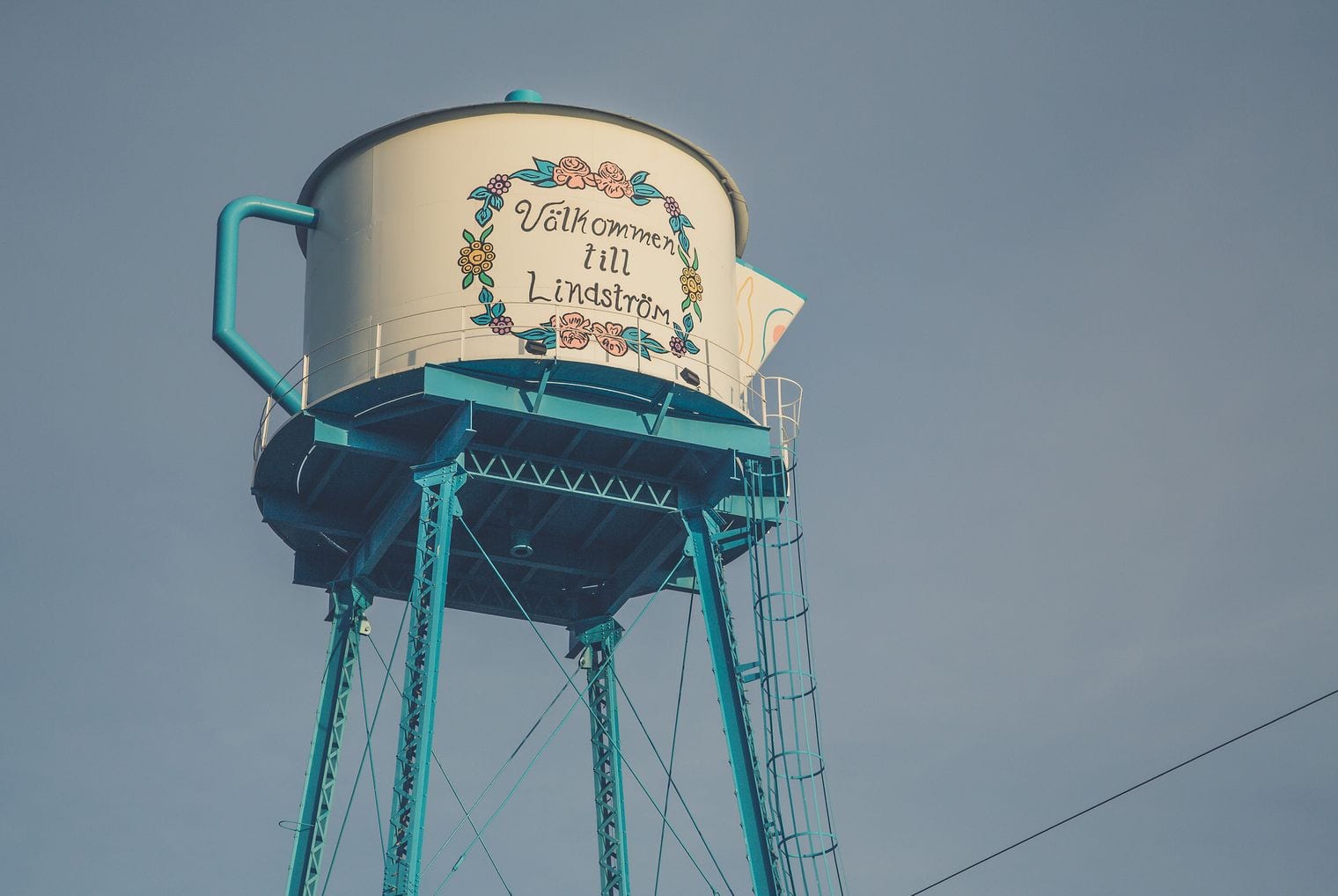
Statues of Karl Oskar and Kristina stand in town, and Lindstrom's old water tower has been dressed up as a giant Swedish coffee pot, a much-photographed roadside landmark. Karl Oskar Days in July brings parades, a street dance and fireworks, and the lakes all around make the town an easy summer escape from the city.
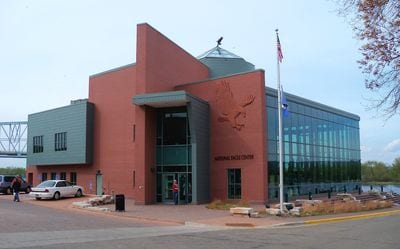
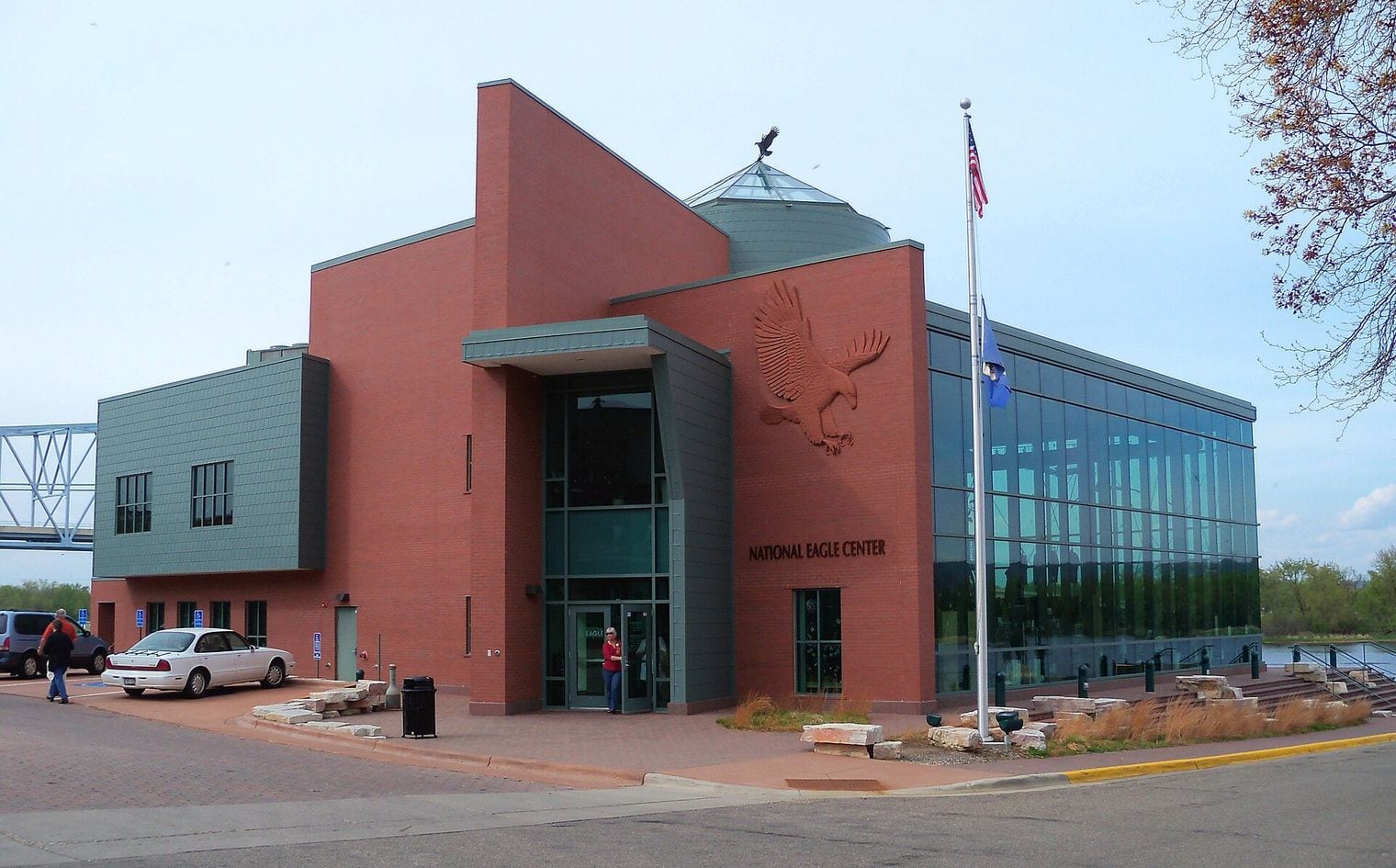
Wabasha sits on the Mississippi River at the foot of Lake Pepin, near where the Zumbro River comes in, with a small downtown along the water. Its headline stop is the National Eagle Center on the riverbank, where non-releasable bald eagles live on exhibit and viewing decks look out over the river for wild eagles.
Movie fans know the name from Grumpy Old Men: the 1993 comedy and its sequel are set in Wabasha, though they were filmed elsewhere in Minnesota, and a sign at the city limits welcomes visitors to the Home of Grumpy Old Men. The historic Grace Memorial Episcopal Church, with its Tiffany stained-glass window, is worth a look on a walk through town.
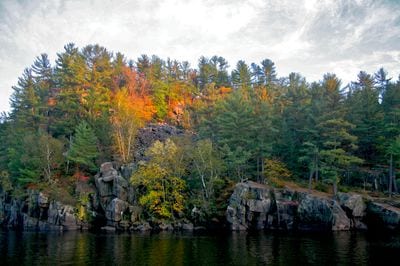
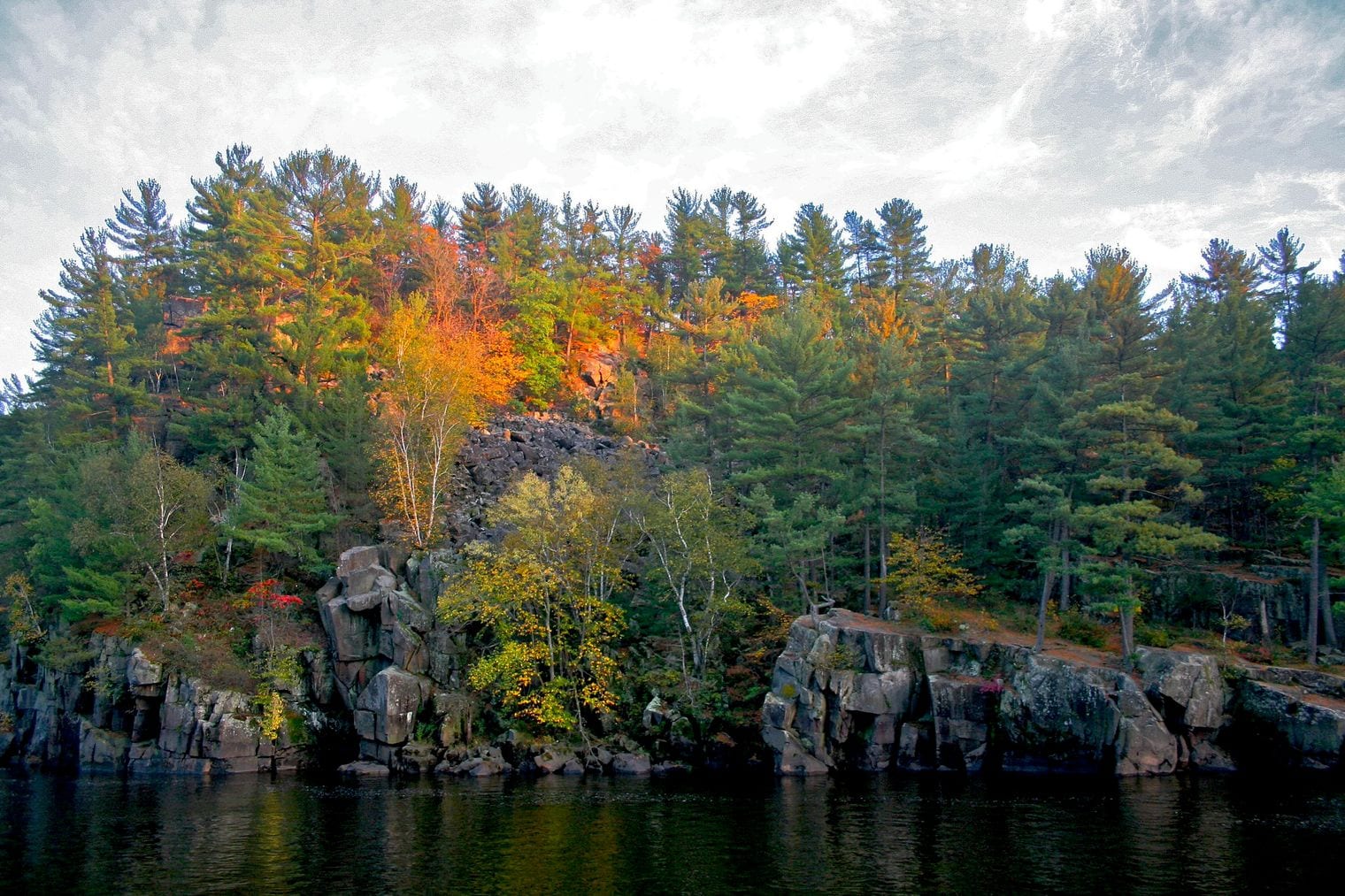
Taylors Falls sits beside the Dalles of the St. Croix, a deep basalt gorge where the river squeezes between dark cliffs on the Minnesota–Wisconsin border. Interstate State Park, created in 1895 as Minnesota's second state park, protects the Minnesota side, with glacial potholes worn deep into the rock, river overlooks and popular rock-climbing routes.
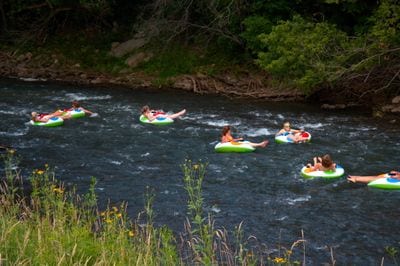
Above the small downtown, the historic Angel Hill District holds the Folsom House and other early buildings, and the Old Jail and the town library add to the historic streetscape. Paddling the St. Croix is the summer favorite here, and Taylors Falls pairs neatly with Lindstrom and the other Chisago Lakes towns nearby.
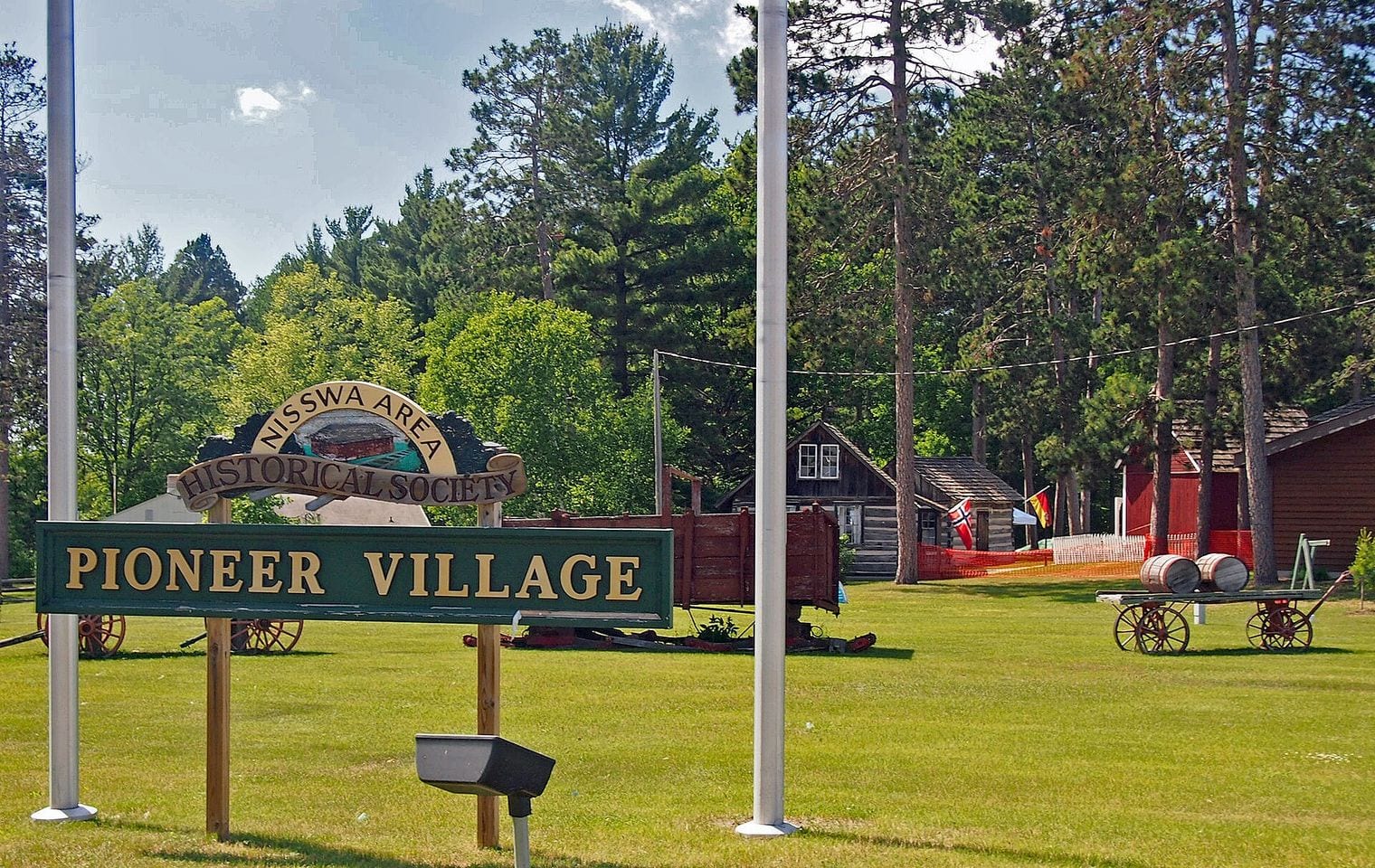
Nisswa is one of the Brainerd Lakes area's most popular small-town stops, a compact main street of shops surrounded by resorts and lakes, among them Gull Lake, Nisswa Lake, Roy Lake and Lake Hubert. It sits on Highway 371 a short drive north of Brainerd, at the center of classic Minnesota cabin country.
The Paul Bunyan State Trail, a rail trail that runs 120 miles from the Brainerd area to Bemidji, passes right through town, so cyclists can ride between Nisswa and the neighboring lake towns. In summer the town holds weekly turtle races, a much-loved family tradition, and the lakes around it fill with boaters and anglers.
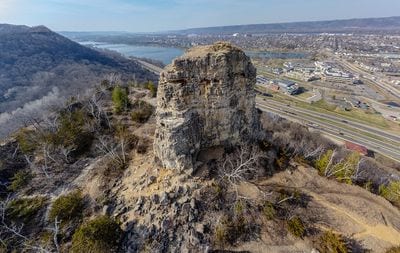
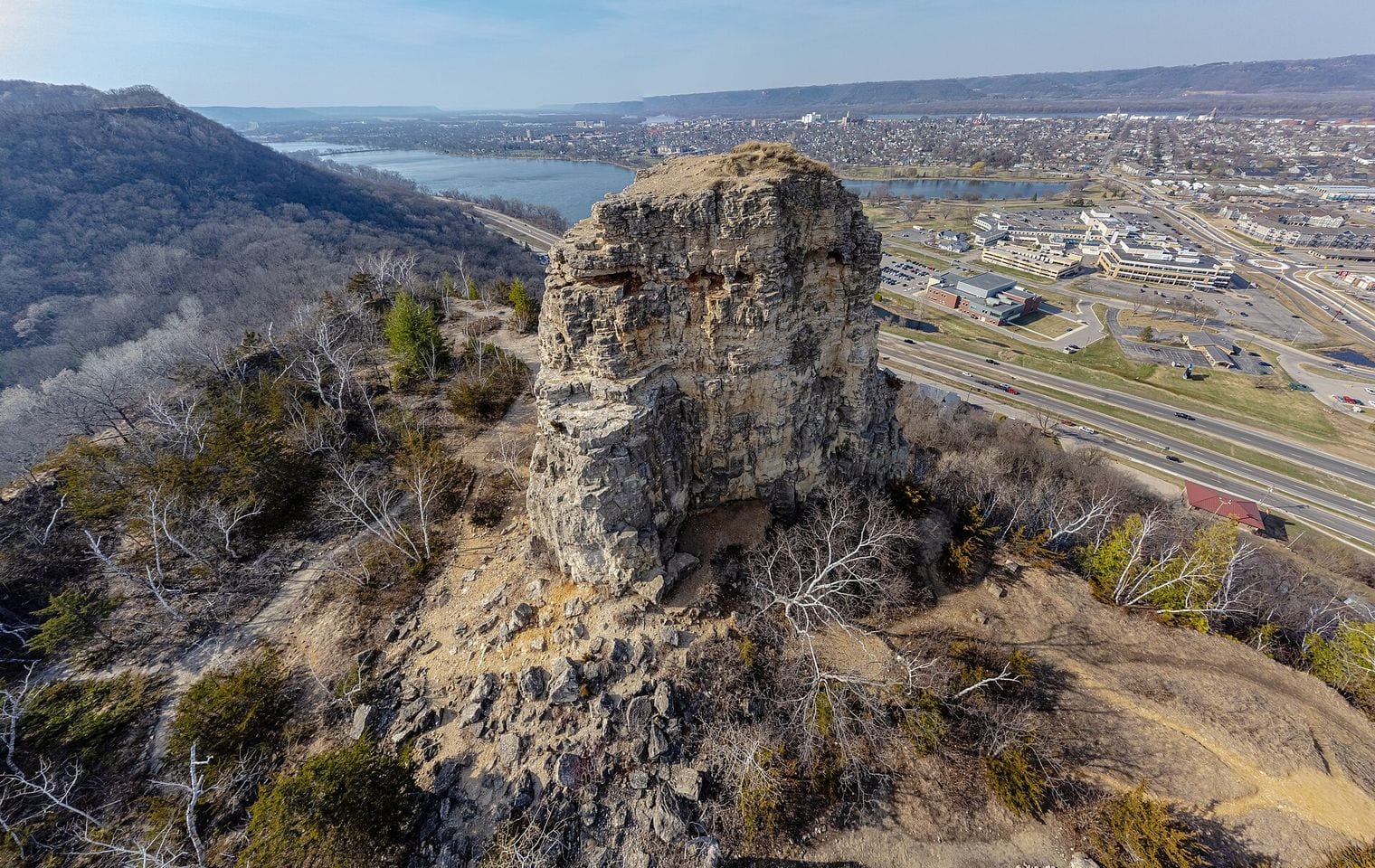
Winona sits on the Mississippi in the bluff country of the Driftless Area, watched over by Sugar Loaf, a river bluff crowned by a rock pinnacle left behind by 19th-century quarrying. Across the channel, Latsch Island has long been home to a community of houseboat residents, one of the more unusual neighborhoods in the state.
The Minnesota Marine Art Museum, devoted to art inspired by water, is the town's headline sight, and Winona's glass studios have earned it the nickname Stained Glass Capital of the United States. Each summer the Great River Shakespeare Festival stages professional productions, and two universities, Winona State and Saint Mary's, keep the town lively.
Minnesota's Grand Rapids, the seat of Itasca County, grew up as a logging town at a stretch of Mississippi River rapids that once marked the upper limit of steamboat travel; the rapids now lie beneath a paper-mill dam. It is a gateway to the lakes and forests of north-central Minnesota and sits on the edge of the Iron Range.
Judy Garland was born here in 1922 as Frances Ethel Gumm, and the Judy Garland Museum celebrates the town's most famous daughter. The Forest History Center, a state historic site, is a living history museum that recreates life in a turn-of-the-20th-century logging camp, a fitting stop in a town built on timber.
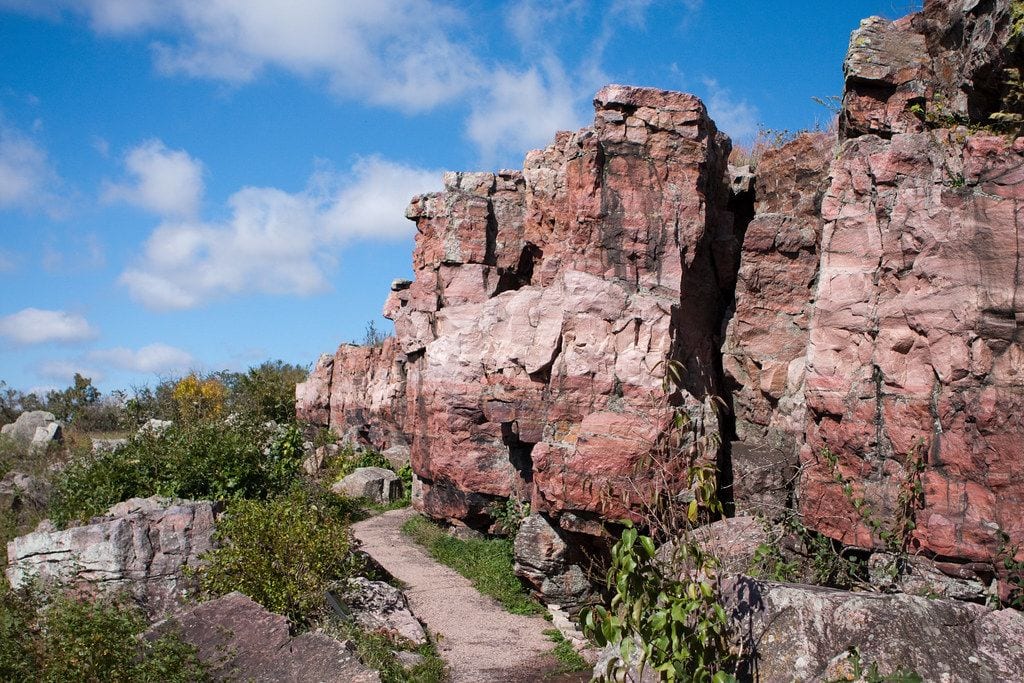
Pipestone, in Minnesota's southwest prairie corner near the South Dakota line and an easy drive from Sioux Falls, is a town built of red quartzite quarried nearby. The stone gives many downtown buildings their warm color, and the 1899 Pipestone County Courthouse is the most elaborate of them all.
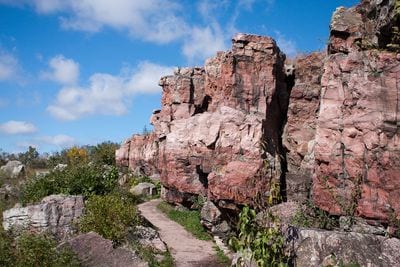
On the edge of town, Pipestone National Monument protects the quarries where Native Americans have dug the red pipestone for ceremonial pipes for centuries, a practice that continues today under permits for enrolled tribal members. A three-quarter-mile trail loops past the quarries and a waterfall, and in summer craftworkers demonstrate pipemaking at the visitor center.
Park Rapids, the seat of Hubbard County, was founded in 1890 beside the rapids of the Fish Hook River, and its main street was laid out unusually wide to fit the long horse-drawn teams of its early days. That broad street, with parking down the middle, is now lined with shops, and Fish Hook, Long and Potato lakes surround the town.
Park Rapids is the gateway to Itasca State Park, about 21 miles north, where visitors can walk across the rocks at the very start of the Mississippi River as it leaves Lake Itasca. The town is also the start of the Heartland State Trail, one of the oldest rail-trail projects in the country, which runs to Walker and on toward Cass Lake.
Free printable checklist of all 35 places
Tick them off as you go. Confirm your email to download it, plus one email every Thursday with new guides for the places you tick.
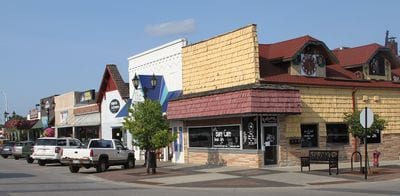
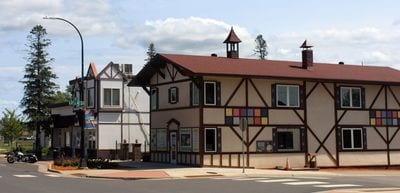
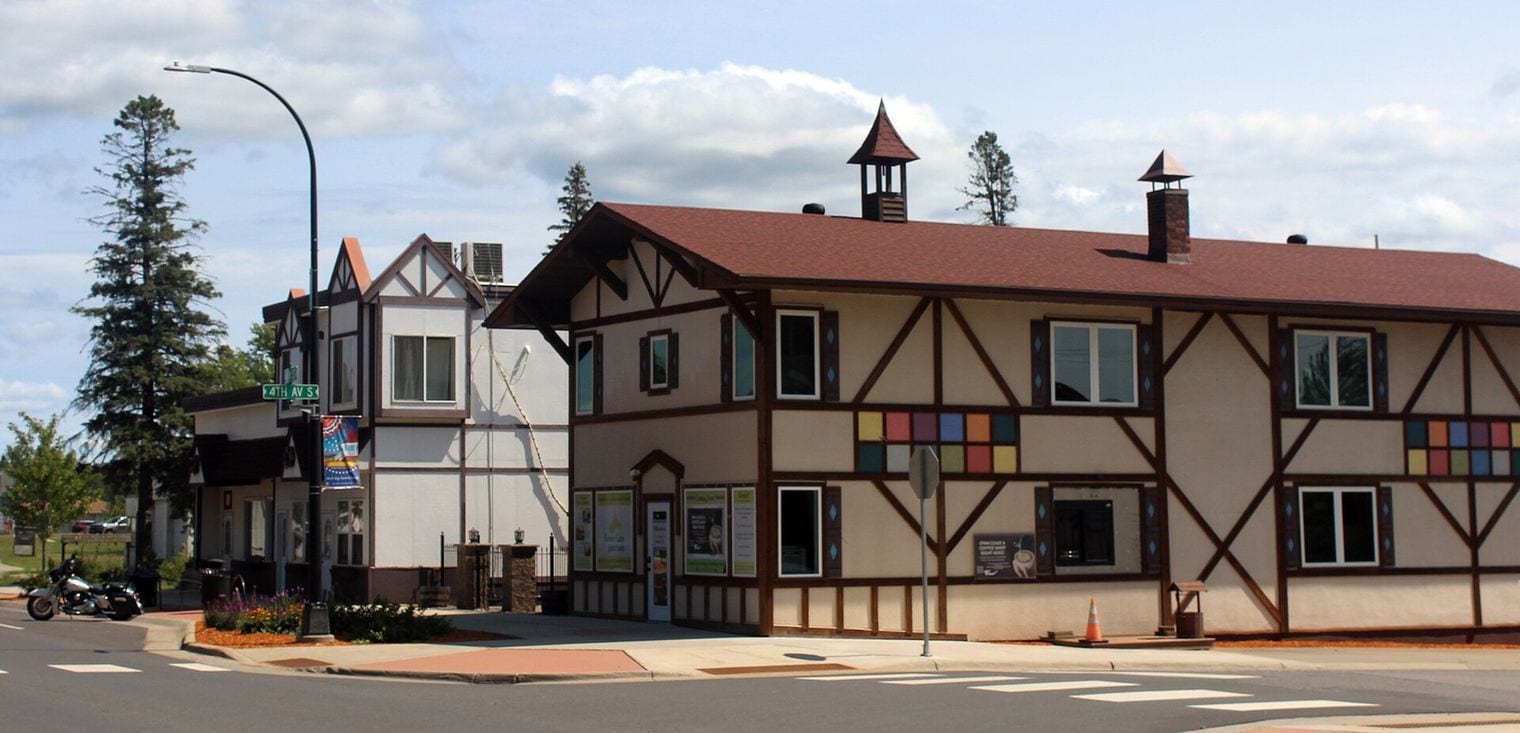
Biwabik, whose name comes from the Ojibwe word for iron, had the first large mine on the Mesabi Iron Range, and today this town of under a thousand people greets visitors with a Bavarian-themed downtown. It is the gateway to Giants Ridge, a year-round resort with a ski area, two golf courses and lift-served downhill mountain-bike trails.
The Mesabi Trail links Biwabik to Giants Ridge and a campground on Embarrass Lake, making the town a base for cycling the Iron Range. Its festivals lean into the Bavarian theme: Honktoberfest each fall honors Honk the Moose, the hero of a children's book inspired by a moose that visited town in 1915, and Weihnachtsfest lights up early December.
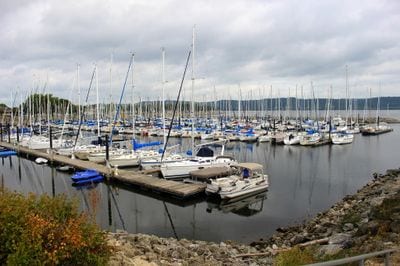
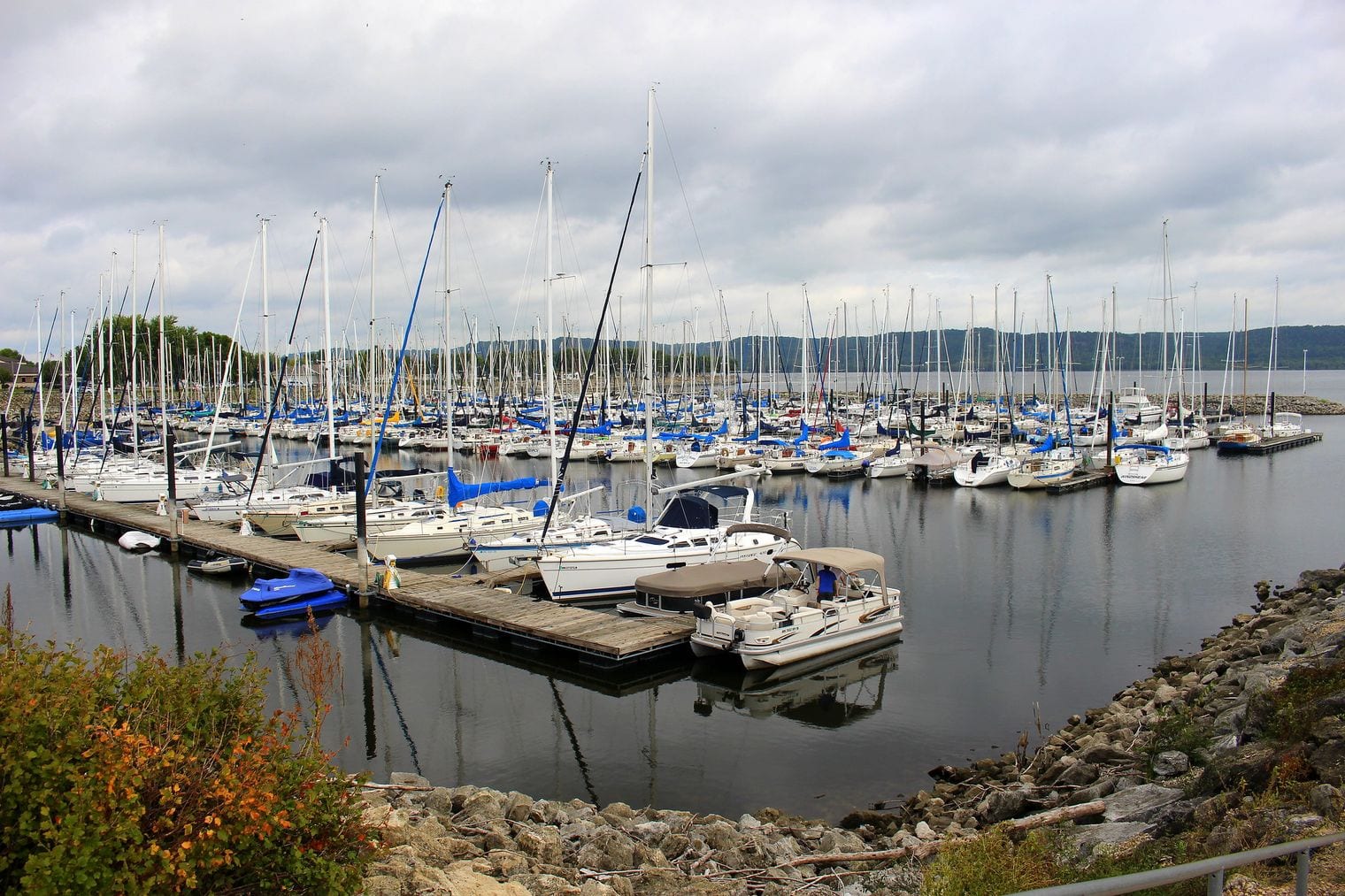
Lake City stretches along Lake Pepin, a naturally occurring lake formed by a wide stretch of the Mississippi River, and it is the largest town on the lake's shore. In the summer of 1922, local resident Ralph Samuelson invented water skiing here on Lake Pepin, and the town proudly calls itself the Birthplace of Water Skiing.
Water Ski Days, held each June, celebrates with ski shows, live music and a parade, and the lakefront is the town's front yard, with room for boating and sailing on one of the widest reaches of the river. Lake Pepin's waters were deep enough for a 19th-century grain port, and the bluffs around the lake make the drive here one of the most scenic in southern Minnesota.
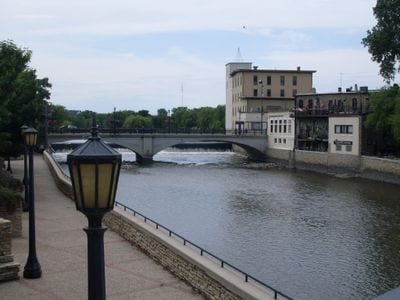
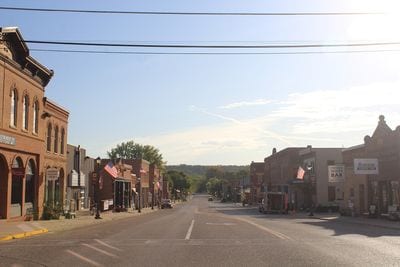
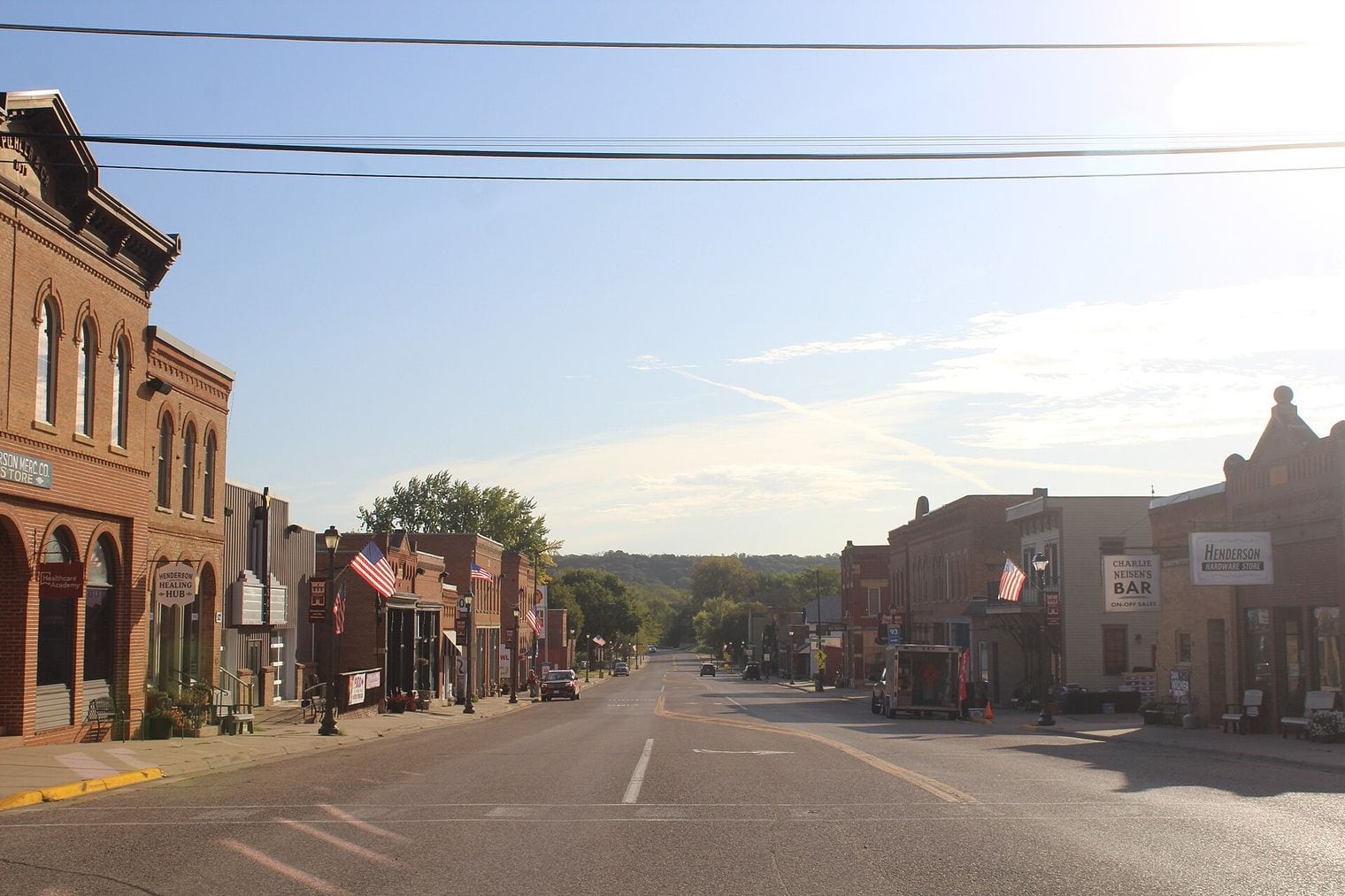
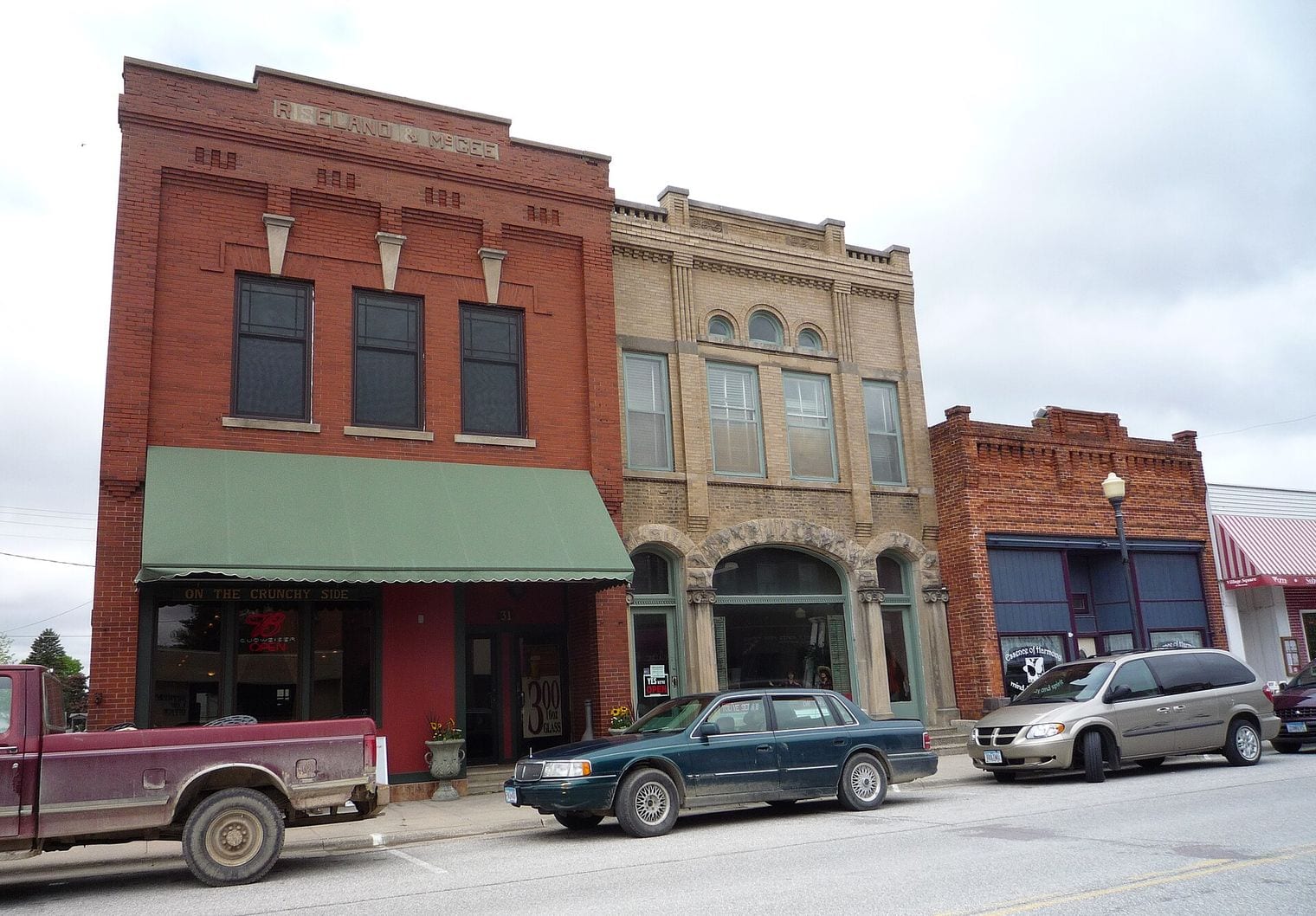
Henderson, a town of fewer than a thousand people on the Minnesota River in Sibley County, quickly became a distribution center for the settlements spreading up the valley in its early years. Two 19th-century brickyards supplied the brick buildings that still line its main street, giving the town an old-fashioned, unhurried look.
The Sibley County Historical Museum and the Joseph R. Brown Minnesota River Center tell the valley's story, and the 446-acre Ney Nature Center nearby offers room to wander outdoors. The town's farming roots are celebrated each year at Sauerkraut Days, a hometown festival held in Bender Park.
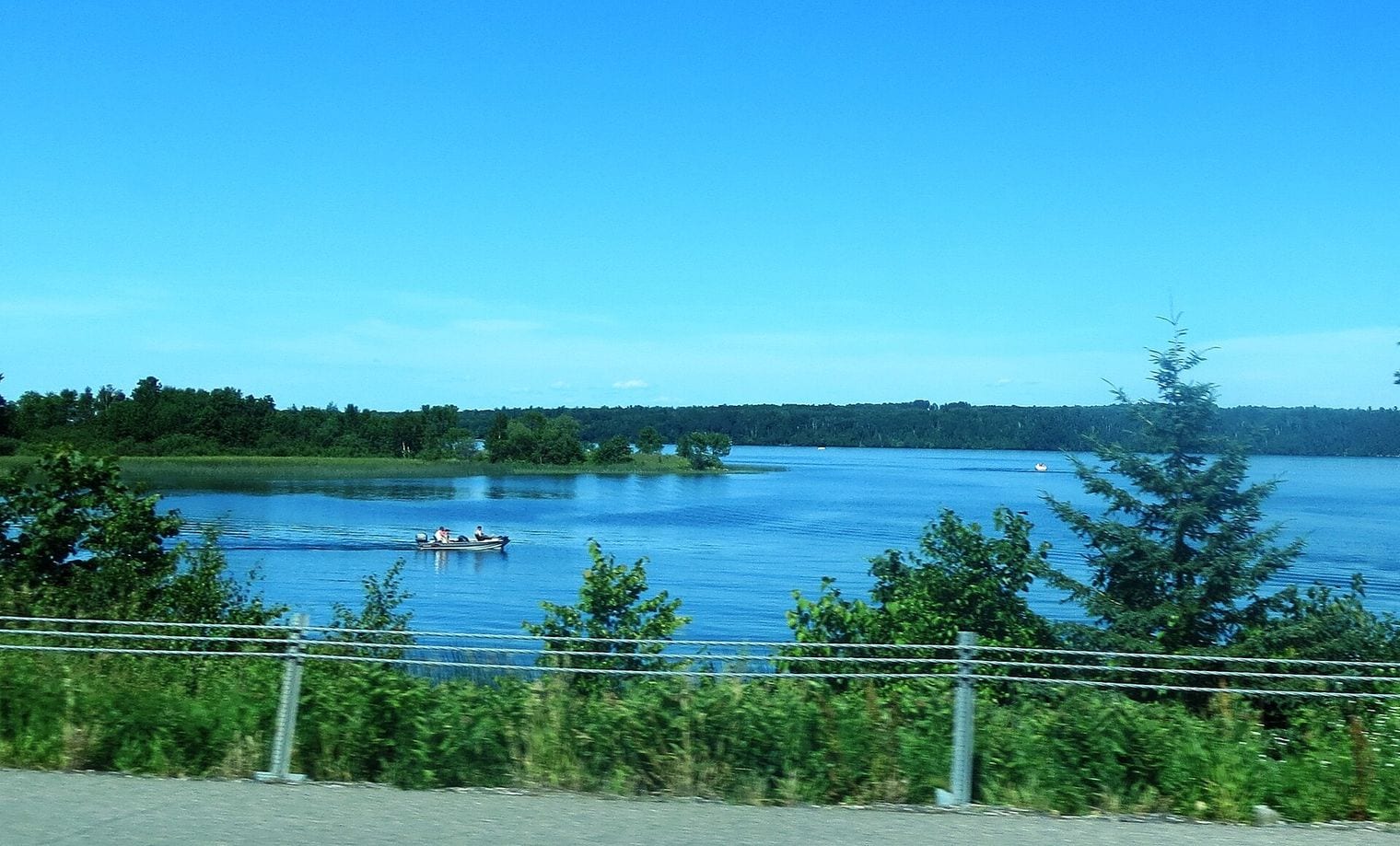
Bemidji sits on the shore of Lake Bemidji, the northernmost lake feeding the Mississippi River, which earns it the nickname First City on the Mississippi. On the waterfront stand the giant statues of Paul Bunyan and Babe the Blue Ox; Paul was unveiled on January 15, 1937, to kick off a winter carnival, and the pair have posed for visitors' cameras ever since.
Lake Bemidji State Park is just outside town, a bike trail of about 17 miles circles the lake, and the Paul Bunyan State Trail heads south toward Brainerd. Itasca State Park and the Mississippi headwaters are within easy reach, and the town, a regional hub for three nearby Ojibwe reservations, also bills itself as the curling capital of the United States.
Brainerd straddles the Mississippi a few miles above its meeting with the Crow Wing River, a town founded where the railroad was to cross the river, and it is now the hub of the Brainerd Lakes area. Film fans may recognize the name from the Coen brothers' Fargo, which is partly set here.
Crow Wing State Park guards the confluence of the two rivers south of town, while Brainerd International Raceway hosts road racing and drag racing northwest of the city. The Paul Bunyan State Trail begins in the Brainerd area for its 120-mile run north through Nisswa and Walker to Bemidji, and the lakes all around make the town an easy base for a summer week.
Walker sits on Walker Bay at the southwest corner of Leech Lake, Minnesota's third-largest lake, with about 195 miles of shoreline to explore. The seat of Cass County is a small lakefront town of under a thousand residents that serves as the hub for the fishing resorts and cabins scattered around the lake.
The Chippewa National Forest covers much of the surrounding country and keeps a ranger district office in Walker, and the Cass County Museum tells the region's history. Two of Minnesota's long-distance trails meet near town, the Paul Bunyan State Trail along the lake and the Heartland State Trail from Park Rapids, making Walker a natural stop on a cycling trip.
Two Harbors, the seat of Lake County, is a working port on Lake Superior named for its two natural harbors, Agate Bay and Burlington Bay, and giant ore docks on Agate Bay still load lake freighters with iron ore from the Iron Range. The town grew up in the 1880s as the railroad's shipping point for that ore.
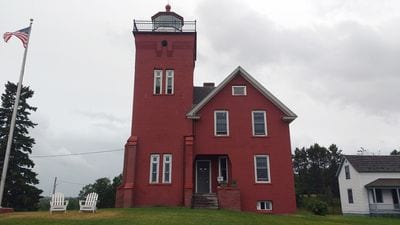
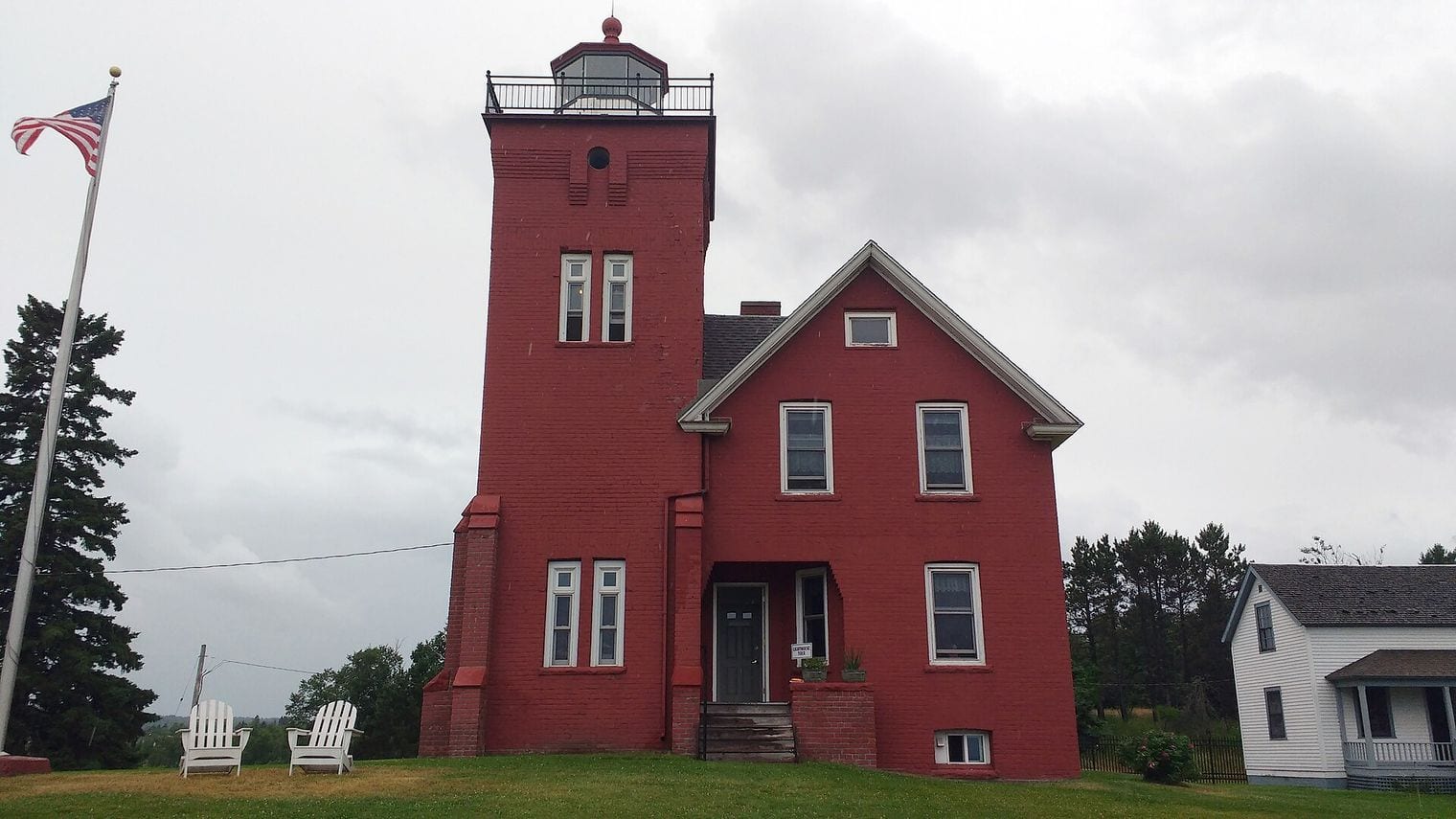
The Two Harbors Light Station, first lit in 1892, is the oldest operating lighthouse in Minnesota, and visitors can tour the tower and the keeper's buildings. The retired tug Edna G., built in 1896 and the last coal-fired steam tug working on the Great Lakes until 1981, is another local landmark, and Gooseberry Falls State Park and its waterfalls lie 13 miles up the shore.
Alexandria, the seat of Douglas County, sits among a chain of lakes in west-central Minnesota and has long been a resort town, where summer revolves around boats, fishing and lake cabins. Interstate 94 makes it an easy stop between the Twin Cities and Fargo, and Lake Carlos State Park lies about ten miles north.
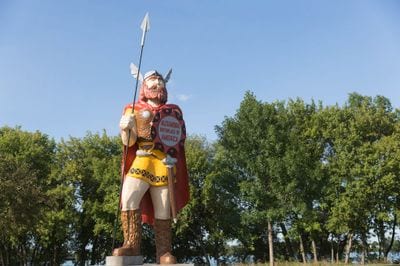
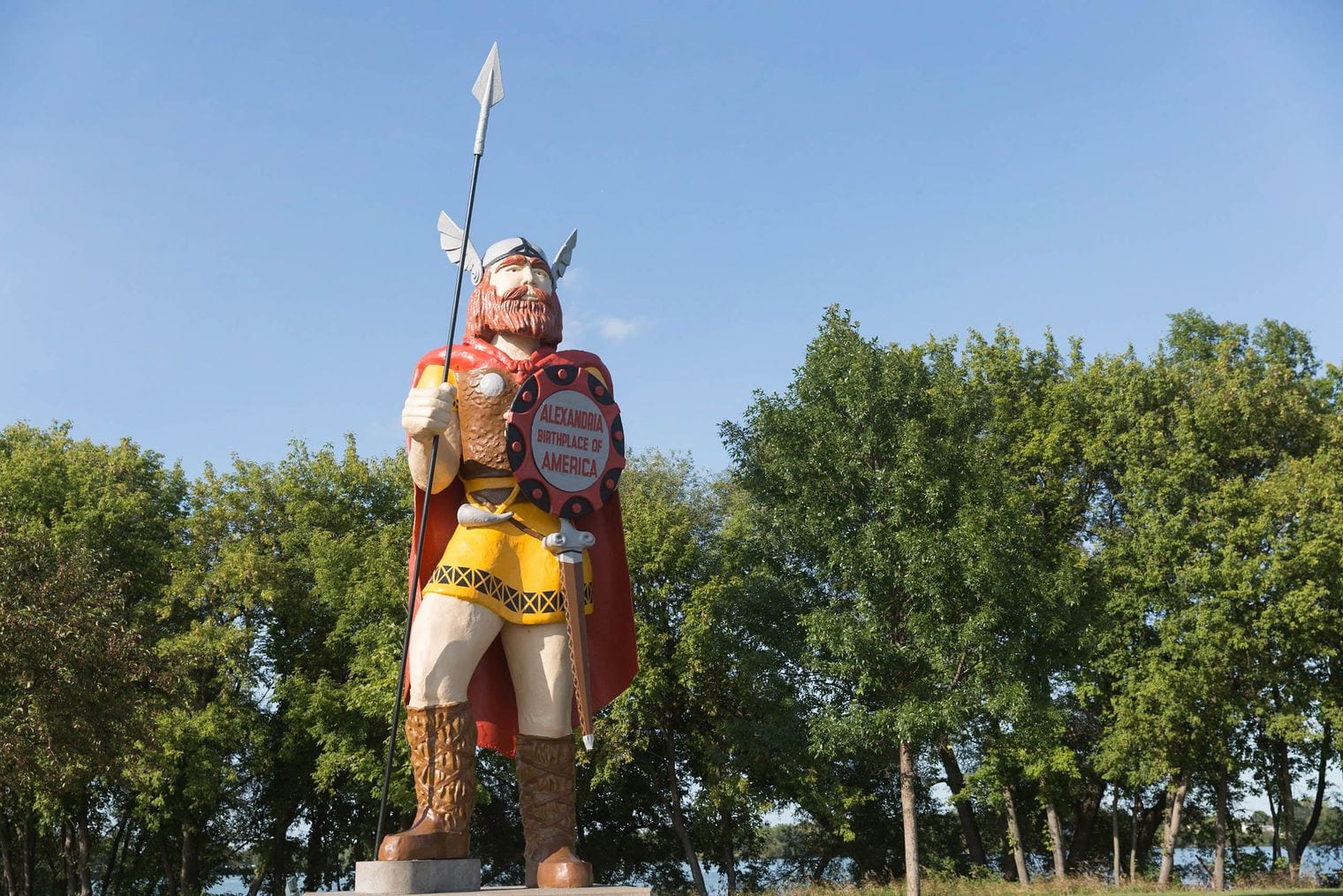
The Runestone Museum displays the Kensington Runestone, a slab carved with runes that a Swedish immigrant farmer said he unearthed nearby in 1898; scholars have long regarded it as a 19th-century hoax, but the debate made the town famous. Outside stands Big Ole, a giant Viking statue built for the 1965 New York World's Fair, whose shield proclaims Alexandria the Birthplace of America.
Wayzata, on the northern shore of Lake Minnetonka about nine miles west of Minneapolis, earned its nickname, the Gateway to Lake Minnetonka, in the railroad era, when most summer visitors arrived here by train. Its name comes from the Dakota word for north, and grand country estates rose along the nearby shore in the early 1900s.
Today Wayzata is known for its upscale shopping and dining district along the lakeshore, and the waterfront invites a stroll or a summer boat ride on Wayzata Bay. The 1906 Great Northern depot, which railroad builder James J. Hill declared the handsomest on his line, still stands on Lake Street and houses the Wayzata Historical Society's museum.
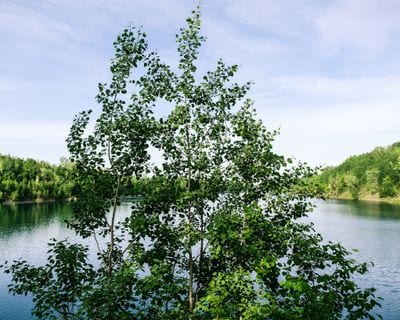
Crosby, on the old Cuyuna Iron Range, has reinvented itself as a mountain-biking destination. Right next door, the Cuyuna Country State Recreation Area has turned abandoned open-pit iron mines into clear, deep lakes ringed by purpose-built singletrack, recognized by the International Mountain Bicycling Association as a Ride Center.
The mine-pit lakes draw paddlers as well as riders, and Portsmouth Mine Pit Lake is considered the deepest lake in Minnesota. The town's mining past has a somber side too: the Milford Mine disaster of 1924, when lake water flooded a new tunnel and killed 41 miners, remains Minnesota's worst mining accident.
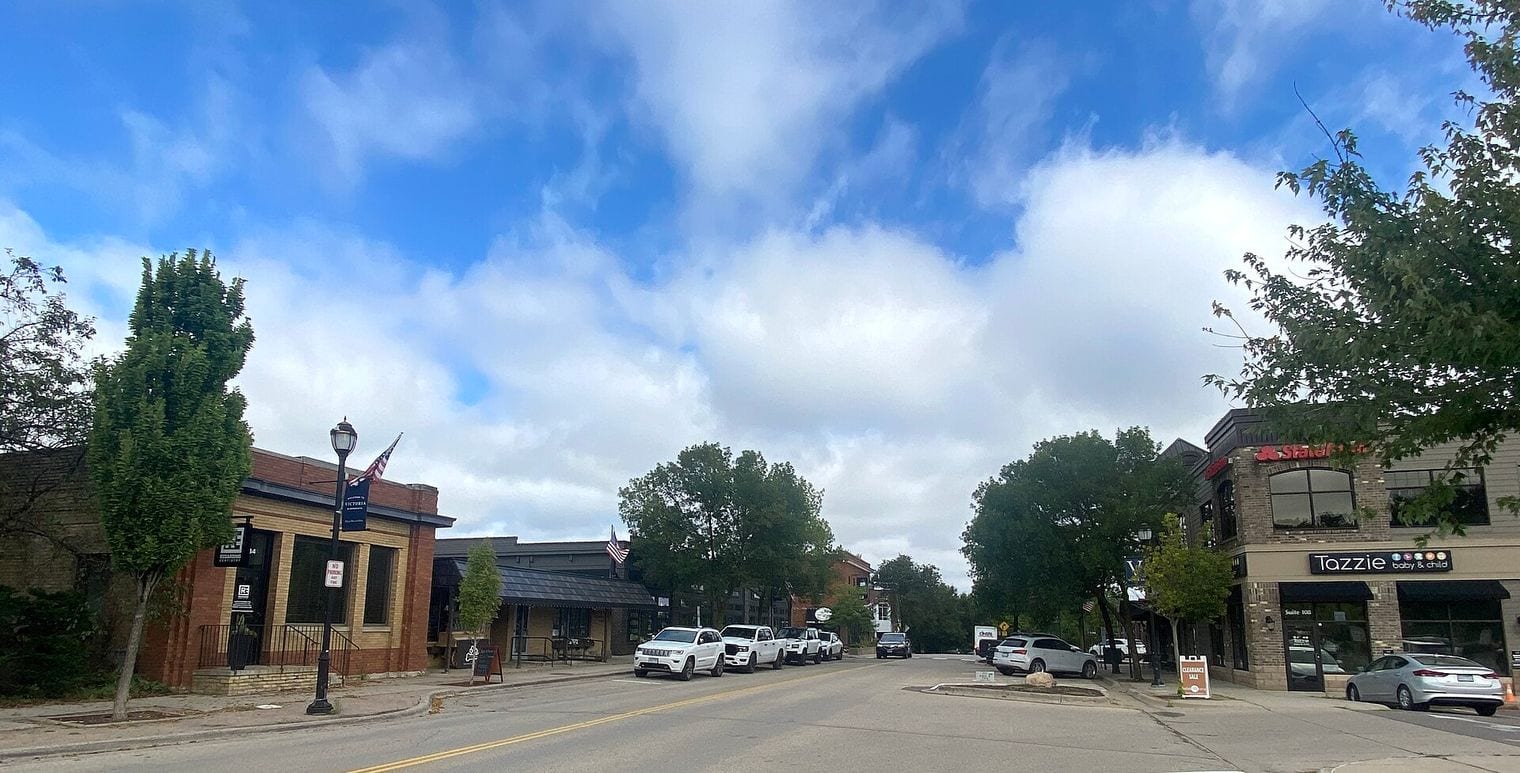
Victoria, in Carver County on the western edge of the Twin Cities, calls itself the City of Lakes and Parks, with thirteen lakes and 25 parks inside its borders. The town takes its name from a church built north of Lake Bavaria in 1857, and the Laketown Moravian Brethren's Church, founded a year later, is listed on the National Register of Historic Places.
Its centerpiece is the 1,800-acre Carver Park Reserve, with campgrounds, trails, a swimming beach and the Lowry Nature Center. That mix of water and open space makes Victoria an easy nature escape from the city, especially on a summer or fall weekend.
Harmony, which bills itself as the Biggest Little Town in Southern Minnesota, sits in Fillmore County at the heart of the state's largest Amish community. Amish families from Ohio began settling around Harmony in 1974, and their farms and Amish-run businesses in the surrounding countryside are the town's biggest draw, with guided tours of Amish country leaving from town.
Nearby Niagara Cave, discovered by a local farmer in 1926, takes visitors underground to a 60-foot waterfall in its largest room, about 200 feet below the surface. Cyclists can follow the Harmony-Preston Valley State Trail, which links Harmony to the Root River Trail system and on to Lanesboro.
Detroit Lakes, the seat of Becker County about 45 miles east of Fargo–Moorhead, is a lakes-country resort town whose population swells each summer with seasonal residents and visitors. Its mile-long city beach on Detroit Lake is the town's front porch and the setting for its Independence Day fireworks.
Since 1983, WE Fest, one of the largest country music festivals in the United States, has filled the Soo Pass Ranch each August. The surrounding lakes make Detroit Lakes a classic base for a cabin week, and the town draws visitors in winter too, when the frozen lakes turn into ice-fishing country.
Lutsen is barely a town at all, an unincorporated North Shore community of a couple of hundred residents strung along Highway 61 about 18 miles southwest of Grand Marais, inside the Superior National Forest. What it lacks in a main street it makes up for in scenery, with forested hills rising above Lake Superior.
Lutsen Mountains, often called the largest ski resort in the Midwest, spreads across four peaks above the lake, with a gondola running between them. Cascade River State Park and the Superior Hiking Trail are close by, and the community's lakeside resorts make Lutsen a classic North Shore getaway in every season.
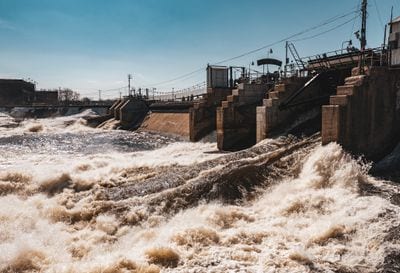
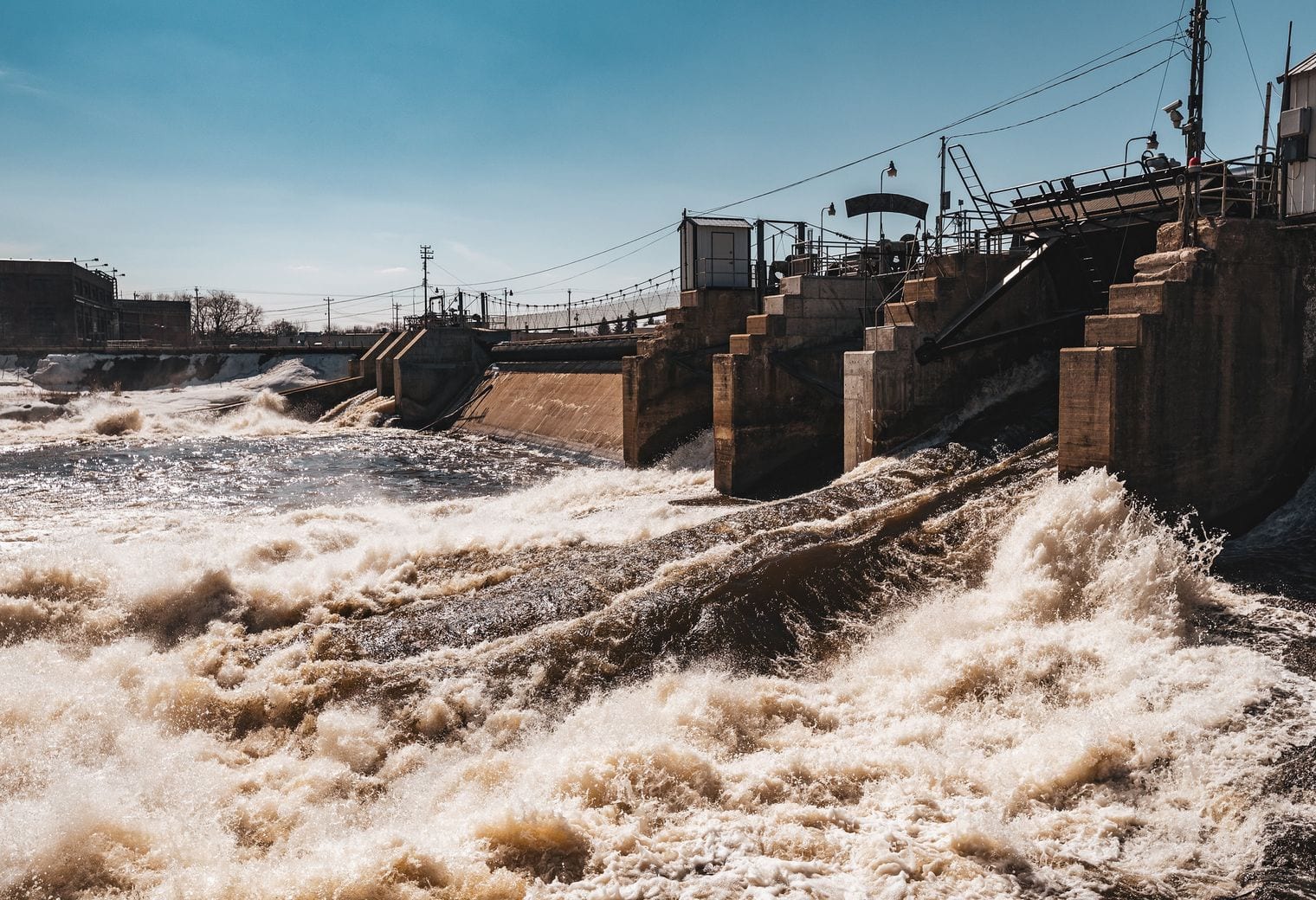
Little Falls grew up around a set of falls on the Mississippi near the geographic center of Minnesota, and a hydroelectric dam still spans the river at the heart of town. It was the boyhood home of aviator Charles Lindbergh, and the family's restored 1906 house, a National Historic Landmark run by the Minnesota Historical Society, sits inside Charles A. Lindbergh State Park.
The park is named for his father, a congressman, and next door the Weyerhaeuser Museum tells Morrison County's story from its lumber-boom days onward. The Minnesota Fishing Museum preserves the state's angling heritage, and the town's Arts and Crafts Fair is held each year on the weekend after Labor Day.
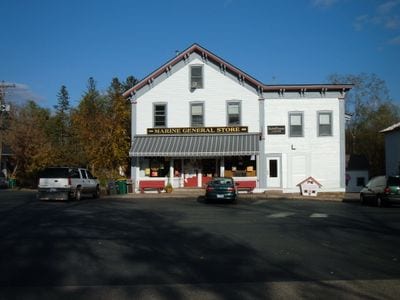
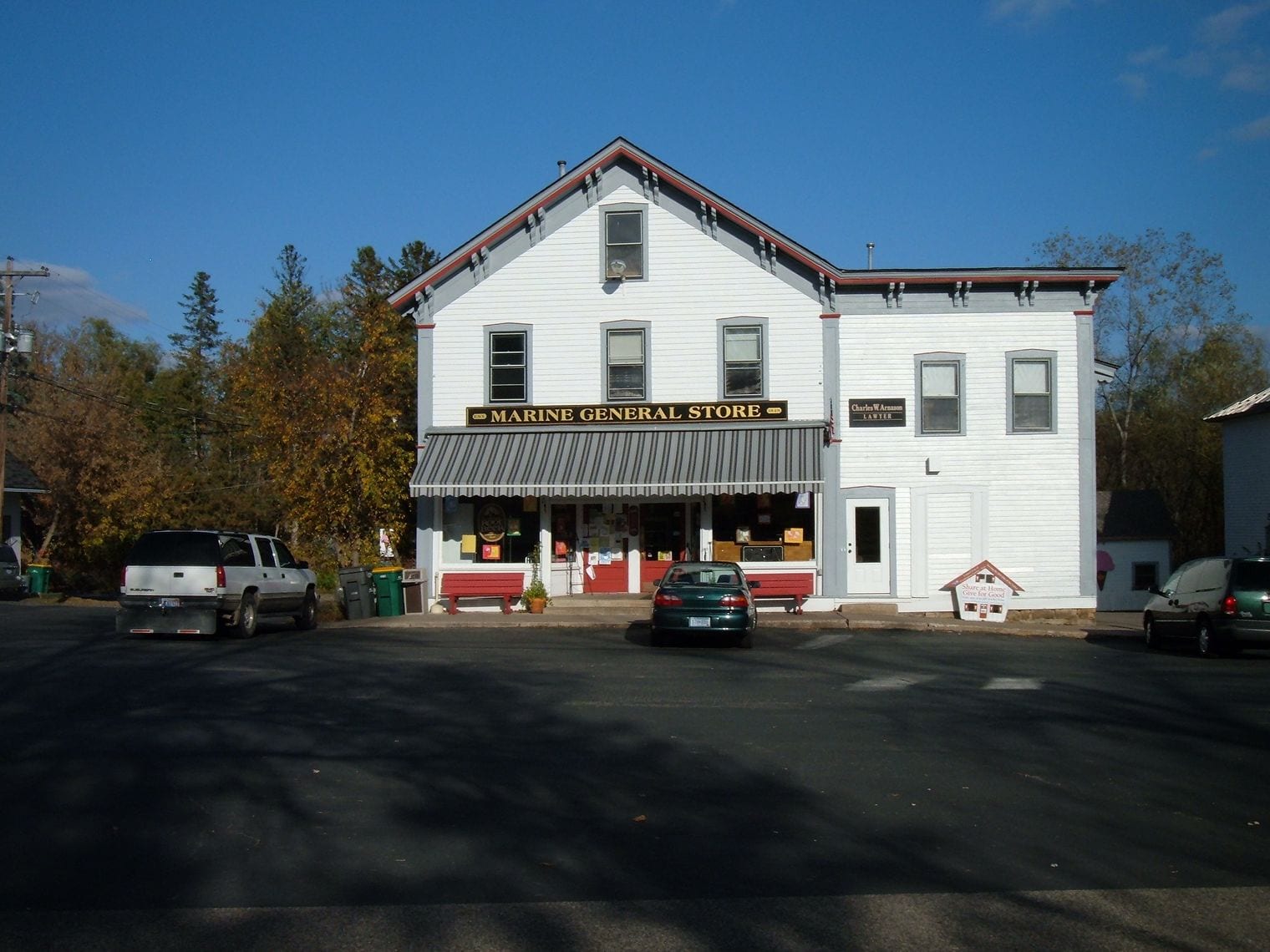
Marine on St. Croix was founded in 1839 as Marine Mills, around what became the first commercial sawmill in Minnesota, and the mill's footings are still visible by the river. Today it is a quiet village of about 650 people, and much of it is protected as a historic district on the National Register of Historic Places.
The heart of town is the General Store, built in 1870, alongside the 1872 Stone House Museum and the 1888 Village Hall, all within a few minutes' walk of the St. Croix. William O'Brien State Park, about two miles north, adds riverside trails, canoeing and camping, making Marine an easy, unhurried day trip from the Twin Cities.
New Prague was laid out in 1856 and named for the capital of Bohemia, and Czech immigrants made it the center of Minnesota's Bohemian Triangle. The town straddles a county line, with Scott County to the north of Main Street and Le Sueur County to the south.
Its brick Main Street took shape when the town was a flour-milling center nicknamed the Flour City, and Czech and German traditions still shape local life. The highlight of the year is Dožínky, a Czech harvest festival patterned after the Old Country original, and the town makes a pleasant stop on a drive through the farm country southwest of the Twin Cities.
New London sits on the Middle Fork of the Crow River in Kandiyohi County, where a dam forms the Mill Pond at the outlet of Lake Monongalia, and boaters can launch from town straight onto the lake. The town of about 1,250 people was named after New London, Wisconsin, and served as the seat of the short-lived Monongalia County until it merged into Kandiyohi County in 1870.
Sibley State Park lies a short drive away on the shores of Andrew Lake, and the Glacial Lakes State Trail runs through town on its way between Willmar and Hawick. Together they make New London an easy stop on a bike ride or a summer drive through the lakes country west of the Twin Cities.
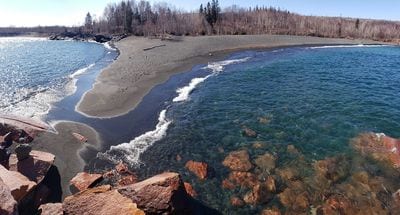
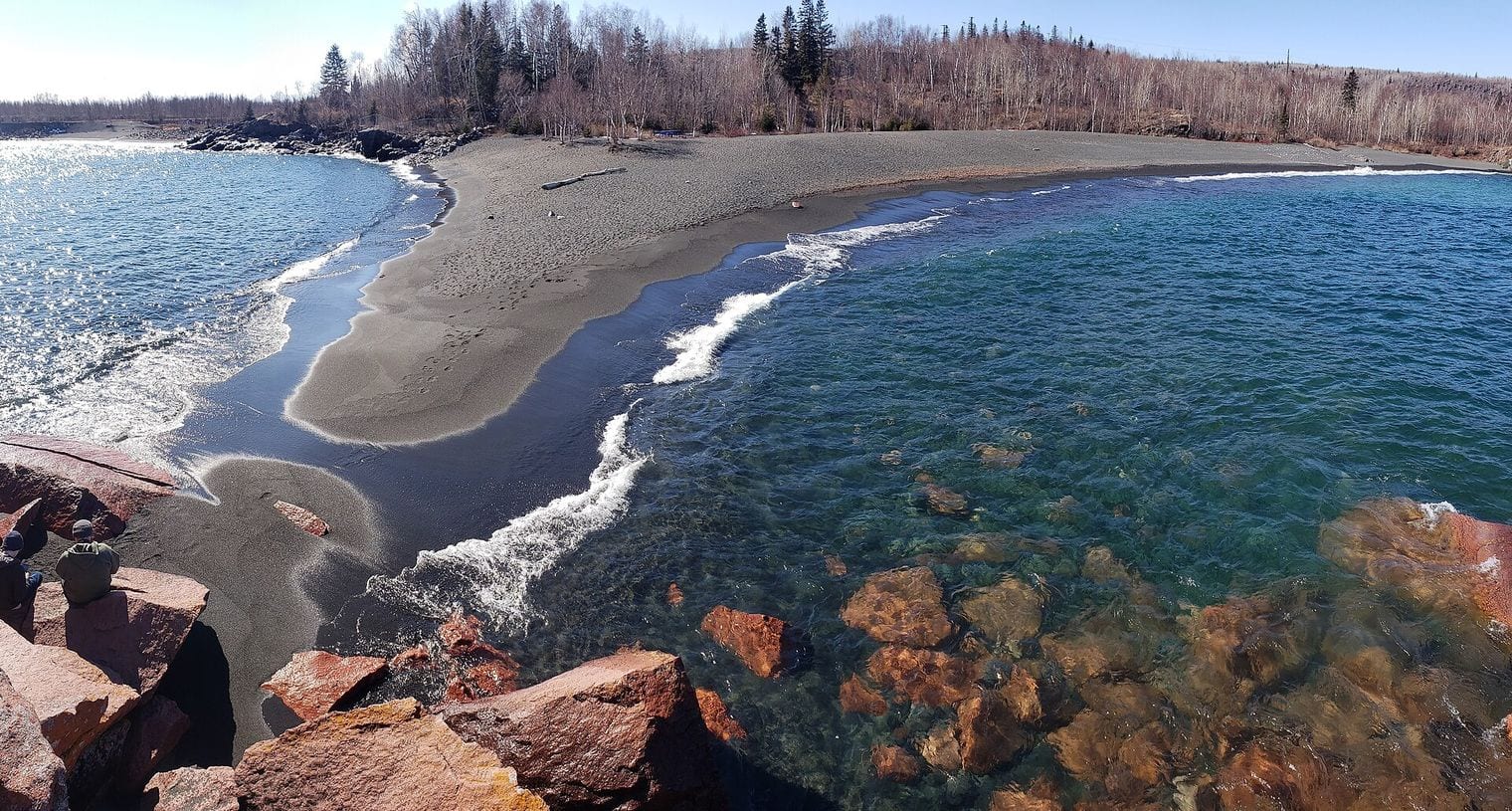
Silver Bay was founded in 1954 as a company town to process taconite shipped by rail from the mines near Babbitt, and it remains a working Lake Superior port for iron ore. It is also the largest community on one of the North Shore's most scenic stretches, and its Black Beach, whose dark sand comes from taconite tailings, opened to the public in 2015.
Palisade Head, a sheer lava cliff about three miles northeast of town, gives one of the most dramatic views on the shore, and nearby Tettegouche State Park is home to High Falls, the tallest waterfall entirely within Minnesota. Split Rock Lighthouse, completed in 1910, stands on its cliff a short drive southwest of town.
Free Things to Do in These Minnesota Towns
Plenty of the best moments on this list cost nothing. Walk out across the bare rock of Artist's Point in Grand Marais, cross the St. Croix on foot over the old lift bridge in Stillwater, and hike up Barn Bluff for the view over the Mississippi in Red Wing.
In New Ulm you can watch the Glockenspiel downtown, in Lindstrom find the coffee-pot water tower and the statues of Karl Oskar and Kristina, and in Bemidji pose with Paul Bunyan and Babe the Blue Ox beside the lake. Big Ole stands guard outside the Runestone Museum in Alexandria, Detroit Lakes has its mile-long city beach, and in Two Harbors you can watch lake freighters at the ore docks on Agate Bay.
Minnesota's small towns fall into natural clusters, so the easiest plan is to pick a region and link several together. The North Shore towns line Highway 61 northeast of Duluth: Two Harbors first, then Silver Bay, Lutsen and Grand Marais.
Stillwater, Marine on St. Croix and Taylors Falls follow the St. Croix River east and northeast of the Twin Cities, with Lindstrom close to Taylors Falls, while Excelsior and Wayzata sit on Lake Minnetonka west of Minneapolis, with Victoria just beyond. In the southeast, Red Wing, Lake City, Wabasha and Winona follow the Mississippi, and Lanesboro and Harmony sit together in Bluff Country.
In the central lakes, Brainerd, Nisswa and Crosby cluster together, and the Paul Bunyan State Trail continues north to Walker and Bemidji, with Park Rapids and Itasca State Park to the west and Grand Rapids east of Bemidji on the way to the Iron Range towns of Biwabik and Ely.
Alexandria, Detroit Lakes and Little Falls are easy stops in the west and center of the state, while New Ulm, Henderson and New Prague lie in or near the Minnesota River Valley southwest of the Twin Cities, Northfield sits to the south, and New London is near Willmar. Pipestone, in the far southwest, pairs well with a visit to Sioux Falls, South Dakota.
FAQ: Visiting the Best Small Towns in Minnesota
What is the best small town in Minnesota?
Grand Marais is the best small town in Minnesota for most travelers, a Lake Superior harbor town of artists and galleries at the start of the Gunflint Trail. Stillwater leads for river-town history and antiques, while Red Wing, Ely and Lanesboro round out the top five for Mississippi bluffs, Boundary Waters canoeing and Bluff Country cycling.
What are the best small towns near Minneapolis?
Excelsior and Wayzata sit on Lake Minnetonka within about 16 miles of downtown Minneapolis, and Victoria's Carver Park Reserve is close by. Stillwater and Marine on St. Croix line the St. Croix River to the east, Northfield is about 40 miles south, and Lindstrom and Taylors Falls make an easy pair to the northeast.
What are the best small towns on Minnesota's North Shore?
Grand Marais is the North Shore's favorite harbor town, and Lutsen, about 18 miles southwest, adds Lutsen Mountains and the Superior Hiking Trail. Two Harbors has the oldest operating lighthouse in Minnesota and working ore docks, while Silver Bay sits close to Split Rock Lighthouse, Palisade Head and Tettegouche State Park.
Which small towns in Minnesota are best for biking?
Lanesboro is the classic base for the Root River State Trail, and Harmony connects to the same trail system. Crosby has the Cuyuna mountain-bike trails, Park Rapids starts the Heartland State Trail, and the Paul Bunyan State Trail links Brainerd, Nisswa, Walker and Bemidji. Red Wing anchors one end of the Cannon Valley Trail.
When is the best time to visit Minnesota's small towns?
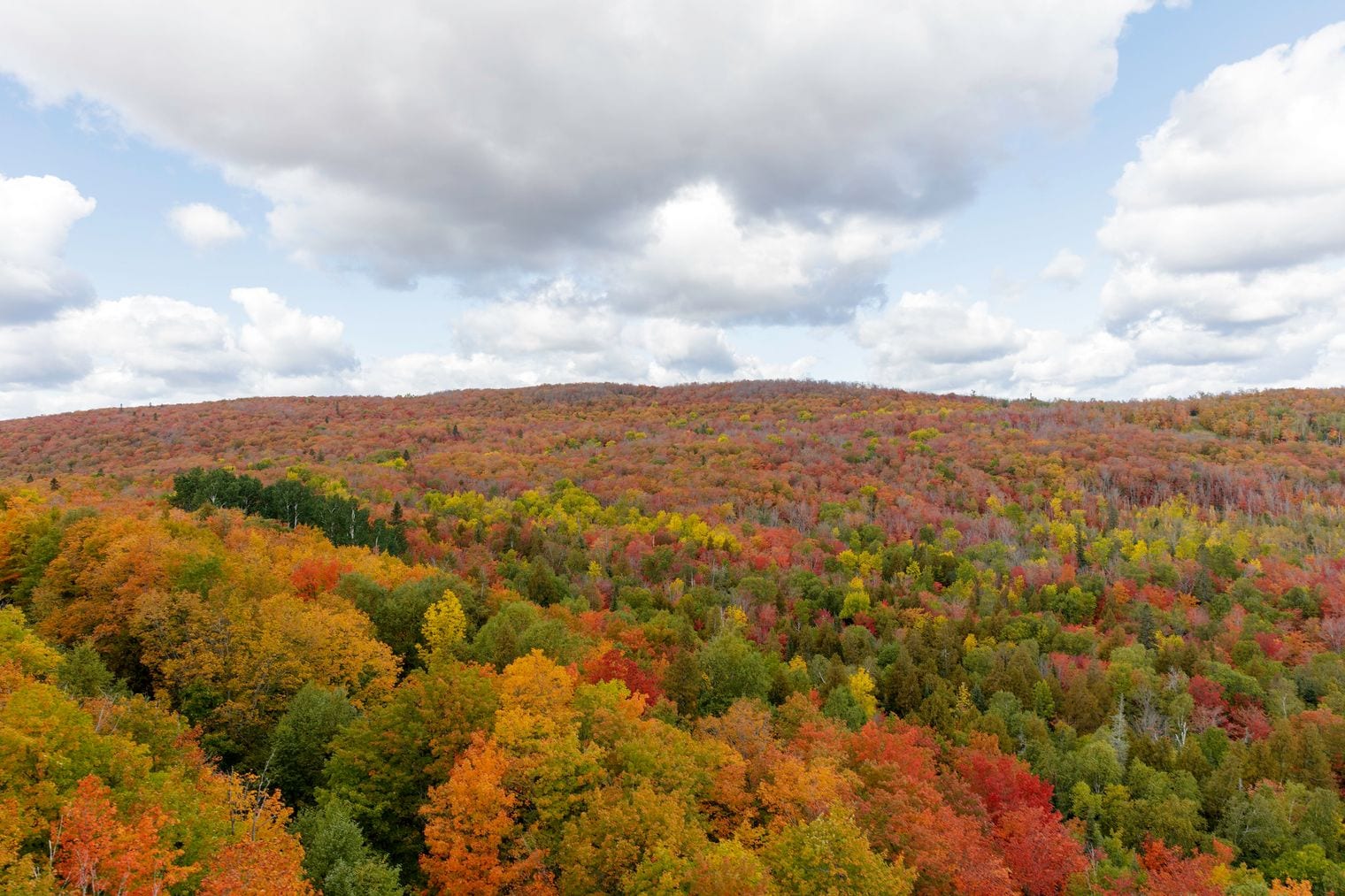
Summer is the main season, when the lakes warm up, canoe trips head into the Boundary Waters and town festivals fill the calendar. Fall brings color to the Mississippi bluffs and the North Shore, and winter has its own following, with skiing at Lutsen Mountains and Giants Ridge and ice fishing on the northern lakes.
How many days do you need to visit a small town in Minnesota?
Most towns on this list fill a relaxed day, and many pair up easily on a drive. Grand Marais, Ely and the Brainerd Lakes towns deserve a weekend, while a week lets you link several towns in one region, such as the North Shore, the Mississippi river towns from Red Wing to Winona, or Bluff Country around Lanesboro.
Sources & updates
How this guide was checked
Checked before launch
Sources cited
35
Publishers
33
Every town on this list was pinned on the map and checked against official and local sources before publication.
A PDF with a box to tick for every place. Confirm your email to download it, and get one email every Thursday with our newest guides for the places you tick.
Free Minnesota small towns printable checklist
All 35 places in one PDF
Tick them off as you go. Confirm your email to download it, plus one email every Thursday with new guides for the places you tick.
We use cookies to analyse site traffic and improve your experience.
You can accept or reject analytics cookies. See our
May we use analytics cookies? See ourCookie Policy.