We build and rank every list first. Booking links come after, and only where
a partner sells a ticket, tour or stay for that exact place, so a place with
nothing to book is listed exactly as prominently as one you can book.
So how do we earn? Some links on this page go to booking
partners, and if you book tickets, tours or a stay through
one, we may earn a commission. It costs you nothing extra.
That commission never decides which places make the list, the order they
appear in, or what we write about them. No entry is sponsored or a paid
placement.
30 Best Things to Do in Saint Paul, Minnesota (2026)
By the City Viking editorial teamPublished 30 places · 23 min read
Fact-checked Checked before launchOct 5, 202630 sources21 publishers7 government & parks1 tourism board2 encyclopedias & research20 venues & other sitesPublished · Oct 5, 2026Researched and checked before it went liveClick for every source and the full change log.
Short answer
Saint Paul is known for being the capital half of the Twin Cities, for its Winter Carnival and ice palaces, and as F. Scott Fitzgerald's birthplace. Start with the Minnesota State Capitol, the Cathedral of Saint Paul and the Victorian mansions of Summit Avenue, then the free Como Park Zoo & Conservatory. One full day covers the downtown core; two days add Como Park, the Minnesota History Center, Lowertown and a riverside park.
Saint Paul is the capital half of Minnesota's Twin Cities, a river city of domed landmarks, Victorian mansions and leafy parks right next door to Minneapolis. Its downtown grew up on the bluffs above the Mississippi, and many of its grandest buildings still stand within an easy walk of each other.
This guide covers the 30 best things to do in Saint Paul, from the State Capitol and the Cathedral to Como Park's free zoo, the riverside regional parks, Lowertown's ballpark and market, and the Winter Carnival. Plan two days to see the highlights at an easy pace.
Saint Paul started life as "Pig's Eye", a settlement named after the tavern of fur trader turned bootlegger Pierre "Pig's Eye" Parrant; the name changed when Father Lucien Galtier told settlers to adopt the name of his new Chapel of Saint Paul.
The city has been the capital since territorial days: the legislature of the Minnesota Territory made the Town of Saint Paul its capital in 1849, nine years before statehood.
The State Capitol's dome is often cited as the second-largest self-supported marble dome in the world, after St. Peter's Basilica in Vatican City, which inspired architect Cass Gilbert.
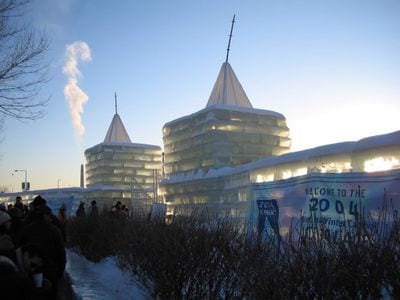
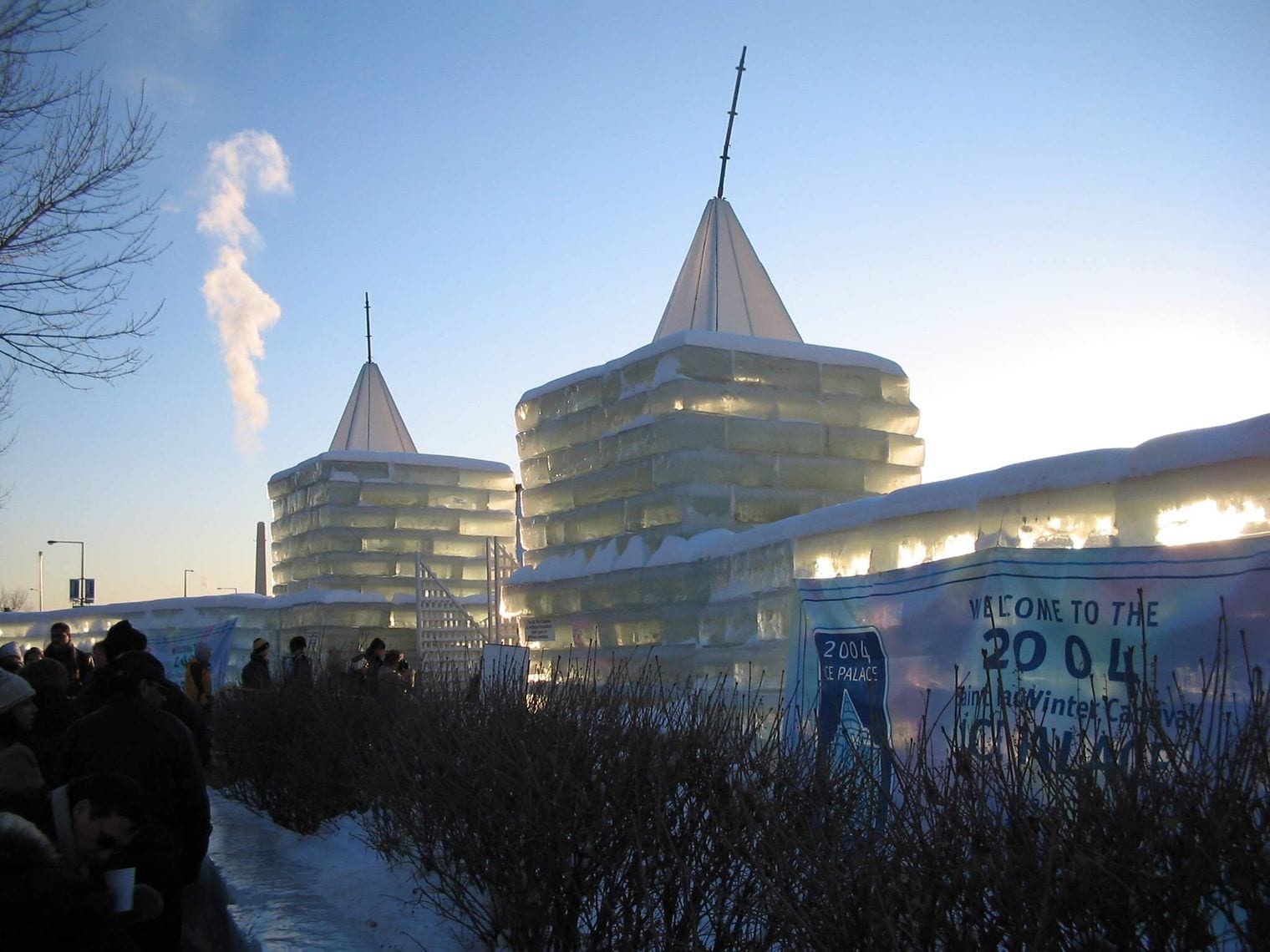
The Winter Carnival dates back to 1886, and the ice palaces it builds in selected years, made from blocks of Minnesota lake ice, have become the festival's best-known icon.
Snoopy once took over the streets: in 2000 the city placed 101 five-foot Snoopy statues around town to honor Charles M. Schulz, who grew up in Saint Paul, and bronze Peanuts characters still stand downtown.
F. Scott Fitzgerald was born in Saint Paul, and in the summer of 1919 he rewrote the manuscript of his first novel, This Side of Paradise, in a rowhouse at 599 Summit Avenue.
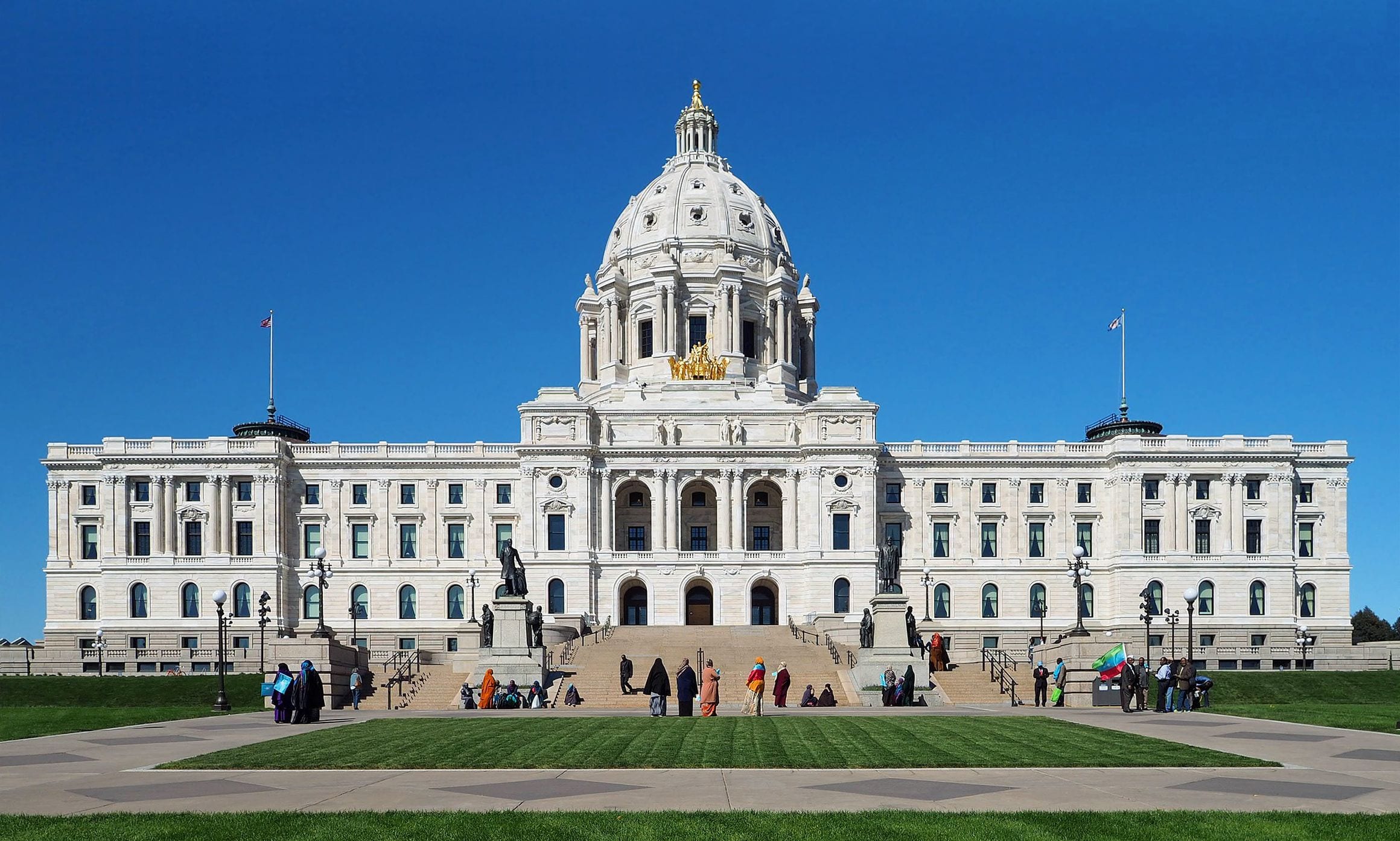
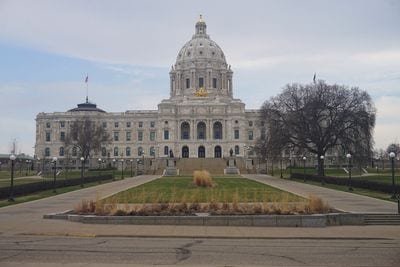
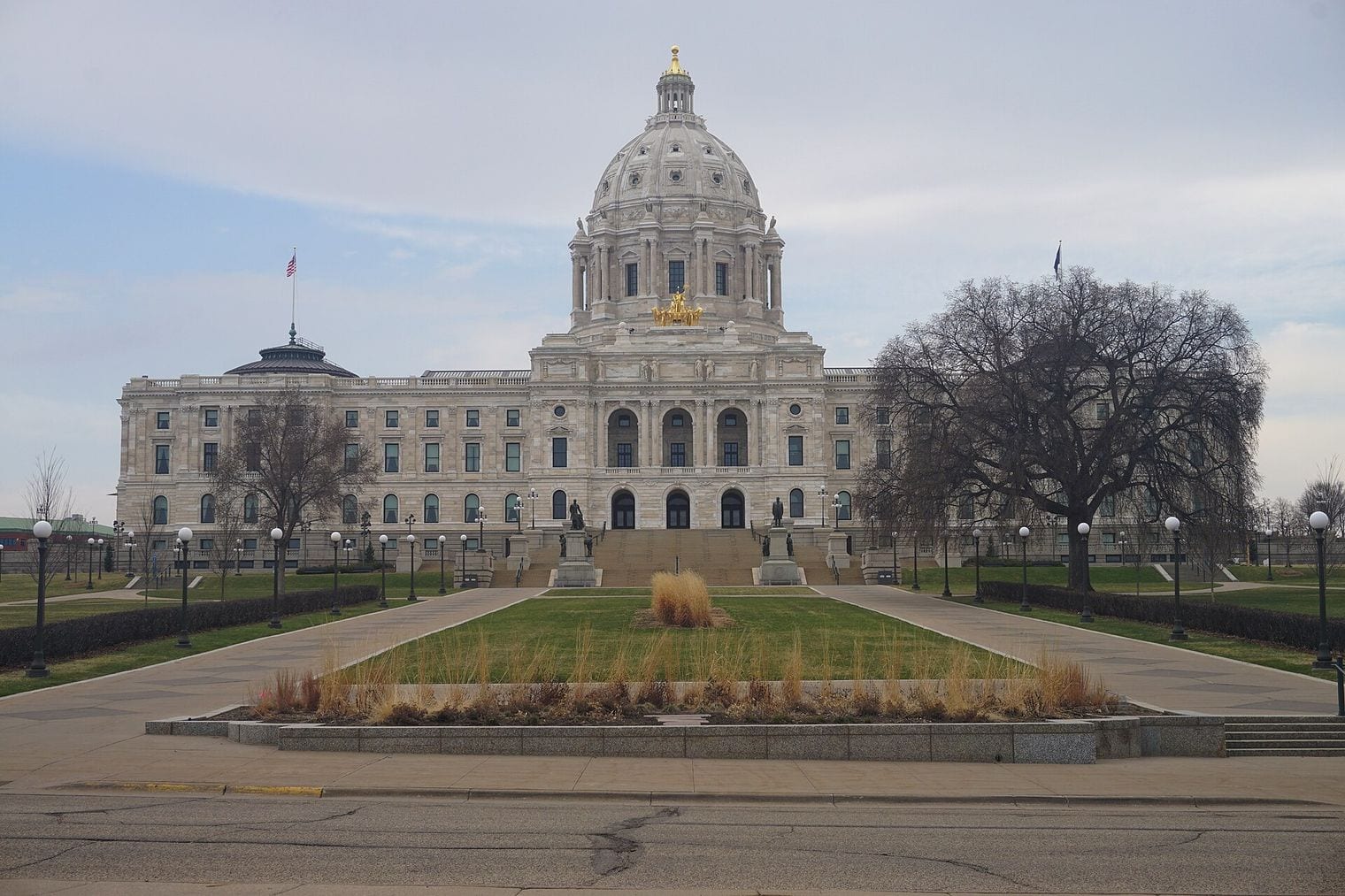
The Minnesota State Capitol crowns a rise just north of downtown, and its white marble dome is the first landmark many visitors notice in Saint Paul. Designed by Cass Gilbert and completed in 1905, the Beaux-Arts building took its cues from Chicago's 1893 World's Columbian Exposition, and the gilded quadriga known as Progress of the State gleams above the main entrance.
Inside, the rotunda and the Senate, House and Supreme Court chambers are rich with murals, carved stone and painted ceilings, all cleaned and repaired during a major restoration from 2013 to 2017. The Minnesota Historical Society leads guided tours, or you can explore on your own, then stroll the Capitol Mall and its memorials out front.
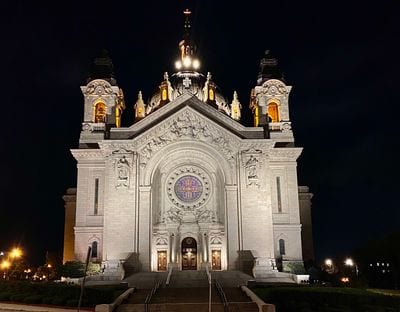
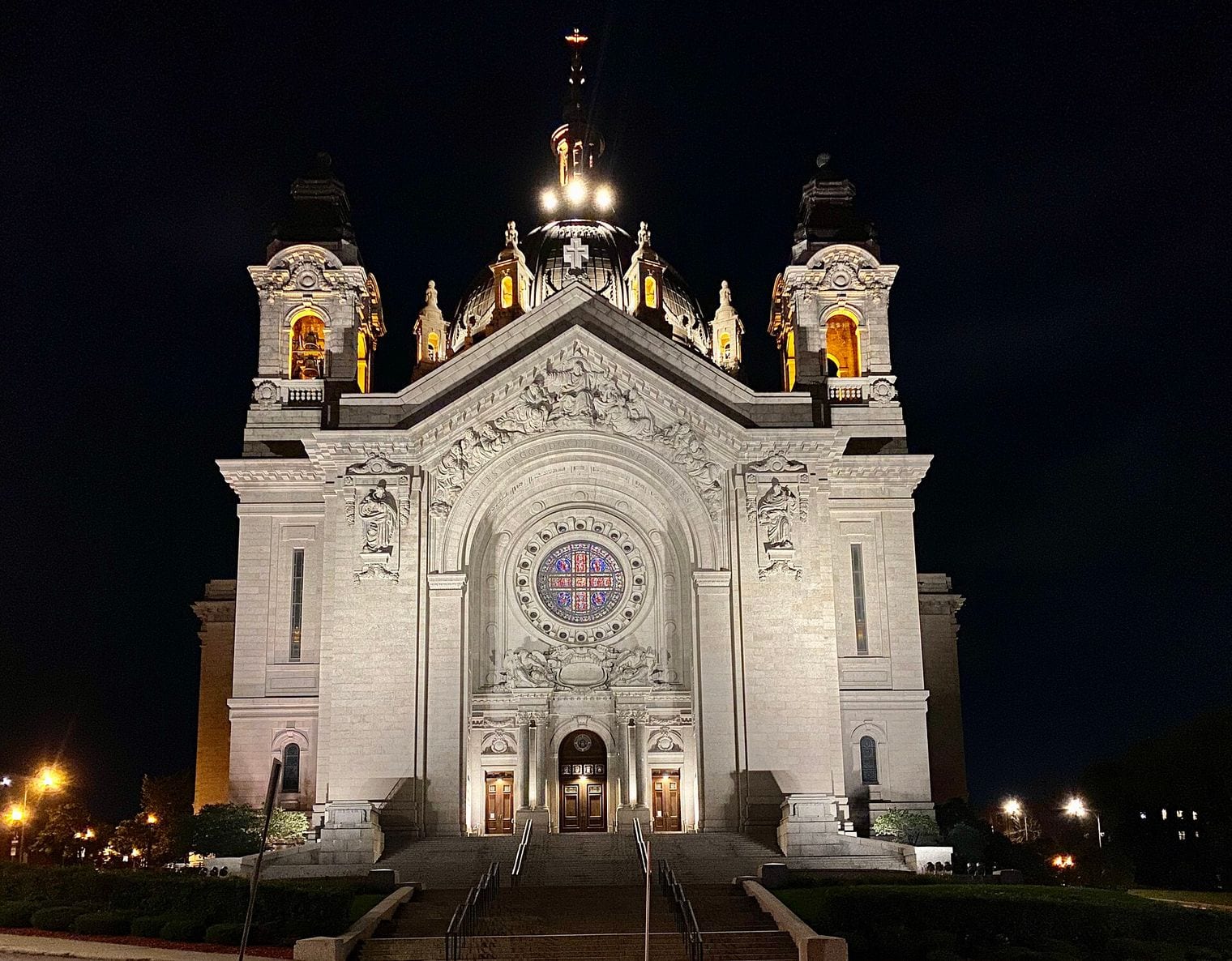
Set on Cathedral Hill overlooking downtown, the Cathedral of Saint Paul is impossible to miss, thanks to its great copper-clad dome. French architect Emmanuel Louis Masqueray designed the Beaux-Arts church, which opened in 1915 and ranks among the largest Catholic cathedrals in the United States.
Step inside to feel the scale of the soaring interior, where Masqueray's open plan gives visitors an unobstructed view of the altar and pulpit, and take time over the side chapels and stained glass. Designated the National Shrine of the Apostle Paul in 2009, the cathedral is an active church with regular services, so visit quietly and plan around Mass times.
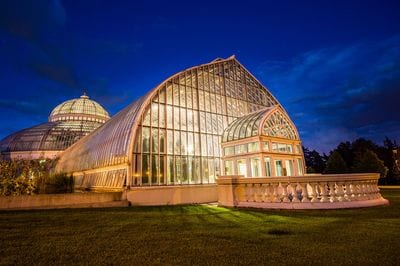
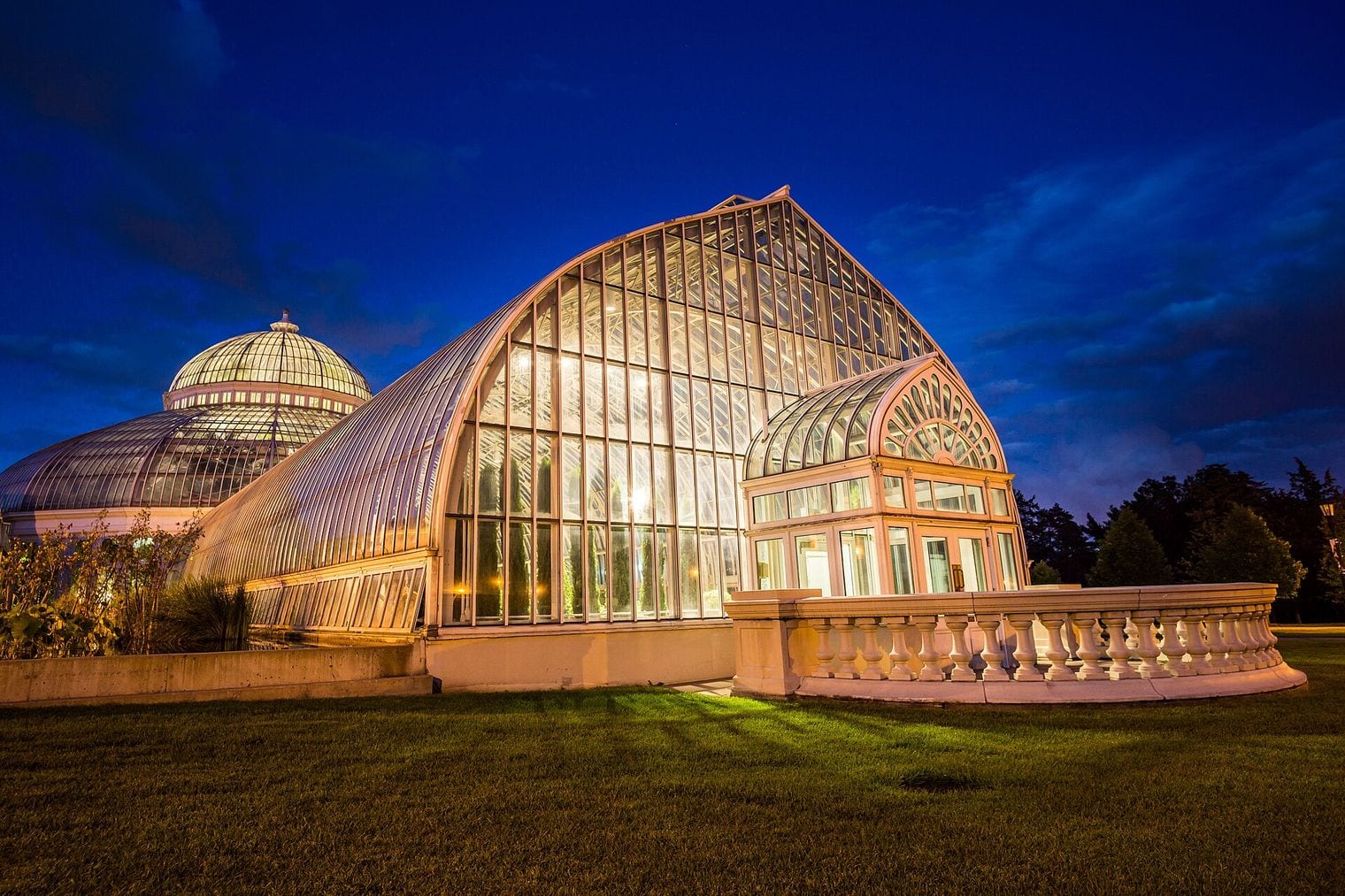
Como Park Zoo & Conservatory sits inside Como Park, a large regional park in the north of the city, and admission to both the zoo and the Marjorie McNeely Conservatory is free, with a voluntary donation suggested. The zoo is compact enough to see in a few hours, while the glass-domed conservatory is packed with palms, orchids and changing seasonal flower shows, a welcome blast of warmth in a Minnesota winter.
Make a day of the rest of Como Park: walk the path around Lake Como, ride the vintage Cafesjian's Carousel, and in the warmer months slip into the tranquil Como Ordway Japanese Garden beside the conservatory. The park also has picnic grounds, a golf course and an outdoor pool, so it's easy to fill an afternoon.
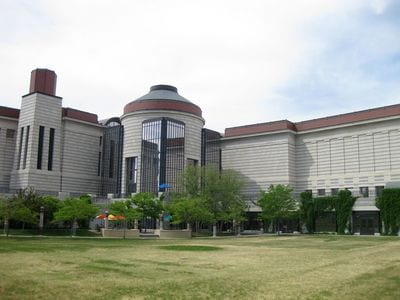
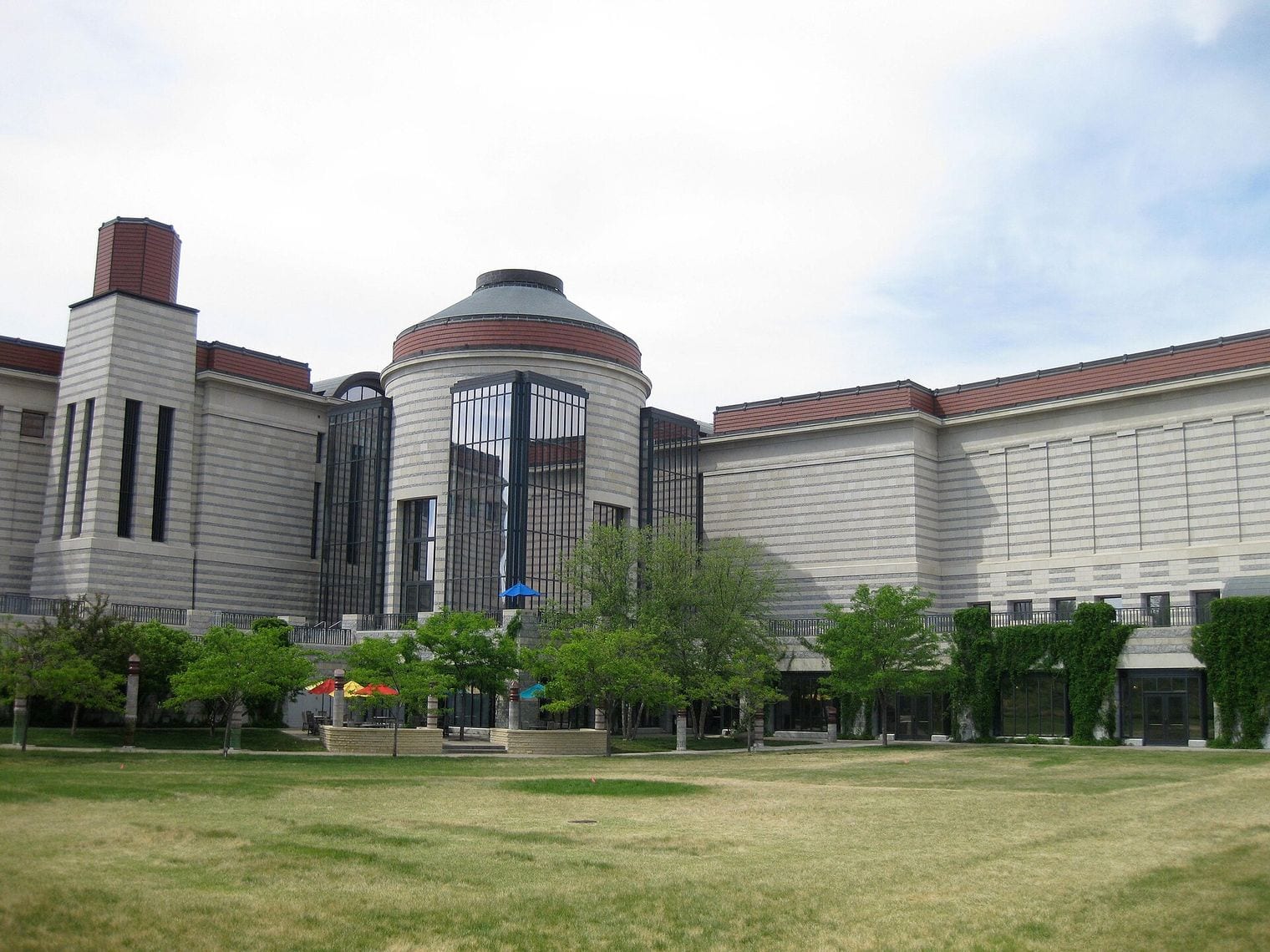
The Minnesota History Center is the headquarters of the Minnesota Historical Society and the best single place to get to grips with the state's story. Opened in 1992 on Kellogg Boulevard, it stands between the Mississippi River and the State Capitol, so it slots neatly into a downtown sightseeing day.
Its galleries mix long-running exhibits on Minnesota life with changing shows, and the hands-on displays make it a good stop for families as well as history buffs. Researchers can dig into the library and archives, and the building hosts lectures, concerts and special events through the year, so check what's on before you go.
55. Mississippi National River and Recreation Area
The Mississippi National River and Recreation Area is a national park with a difference: a 72-mile corridor of river, bluffs and floodplain running right through the Twin Cities, and the only national park site dedicated exclusively to the Mississippi River. In Saint Paul it ties together the riverfront parks, trails and overlooks that frame downtown.
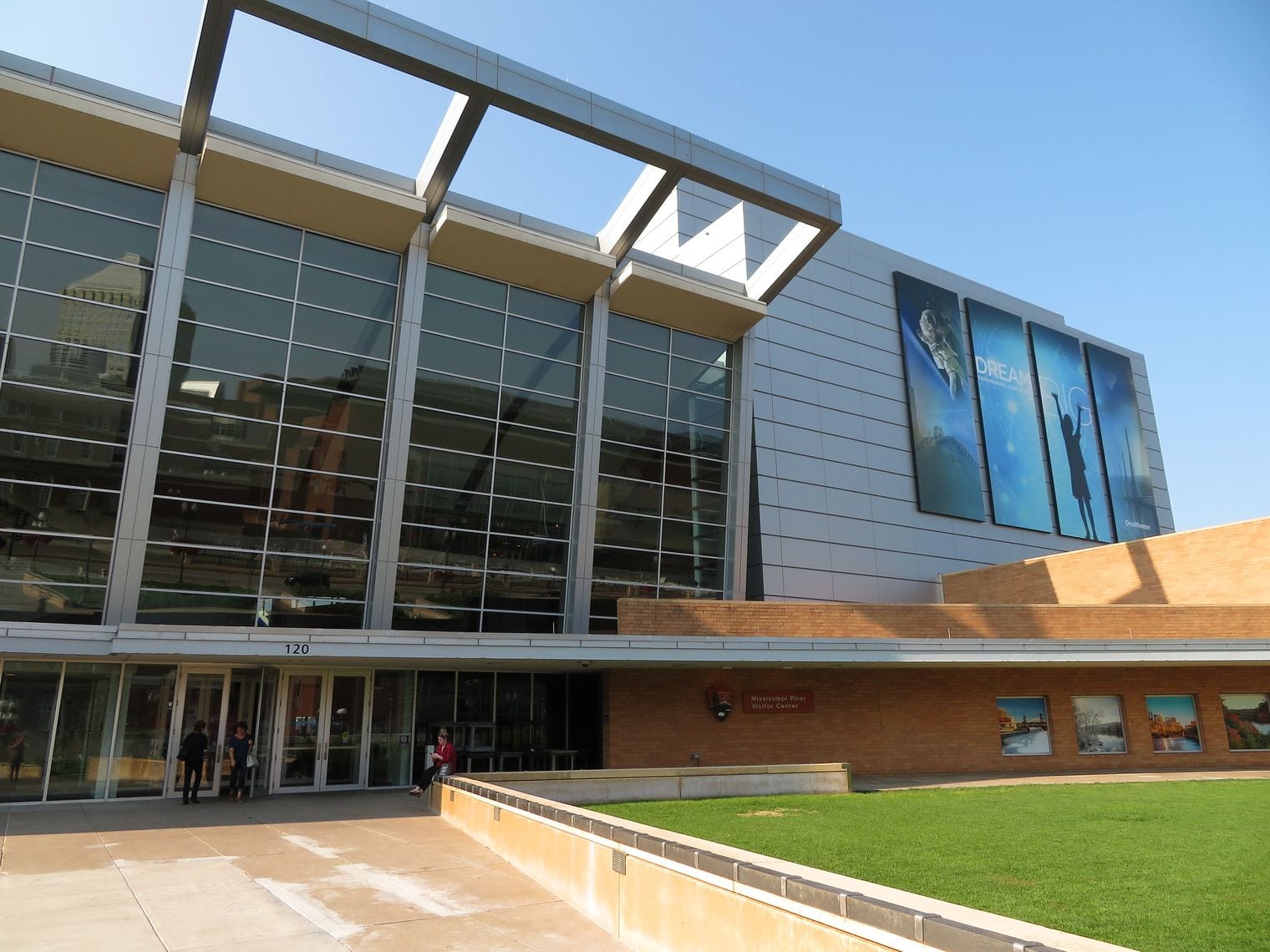
The park's Mississippi River Visitor Center sits just off the lobby of the Science Museum of Minnesota, where rangers can point you toward walks, bike routes, paddling put-ins and Junior Ranger activities. Pick up ideas there, then head out to the river itself, whether that means cycling a riverside trail, watching the water from a bluff-top overlook or launching a canoe on a calm stretch.
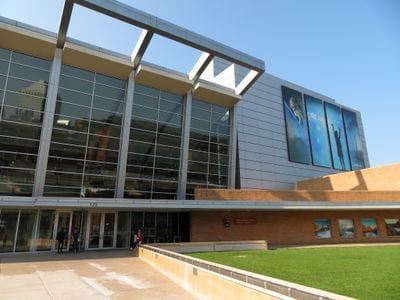
Perched on the bluff above the Mississippi at the edge of downtown, the Science Museum of Minnesota is one of the Twin Cities' best rainy-day stops. Founded in 1907 and housed in its riverside building since 1999, it covers natural history, technology, physical science and mathematics, with plenty of hands-on exhibits for all ages.
The Dinosaurs & Fossils Gallery is the crowd-pleaser, with skeletons including a Triceratops, a Diplodocus and a Stegosaurus, while the domed Omnitheater wraps giant-screen films right around you. Leave time for the river overlook and the museum's changing exhibitions, and you can easily spend half a day here with kids.
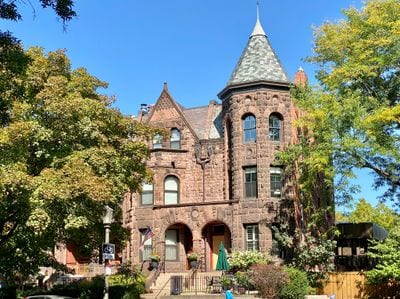
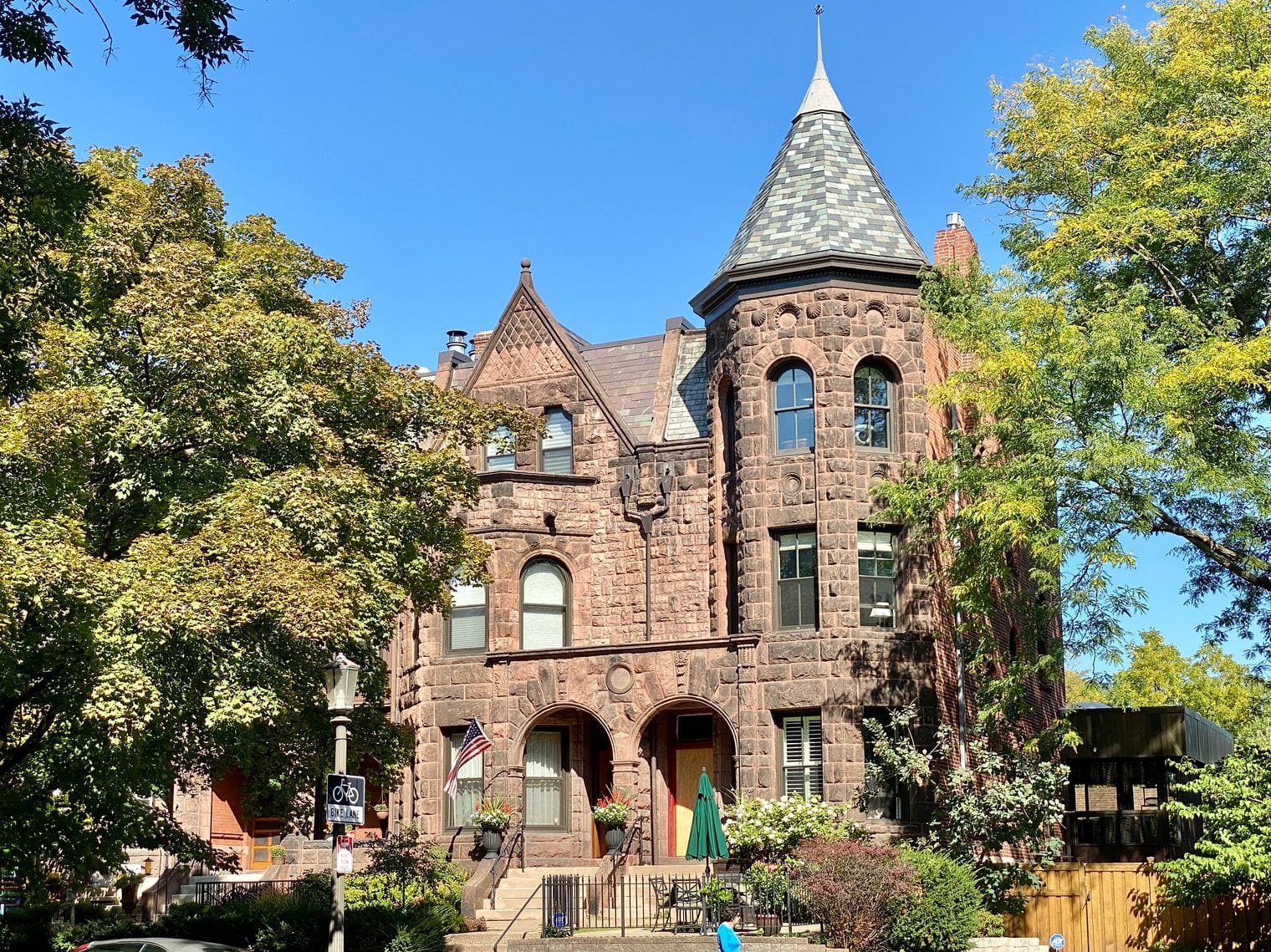
Summit Avenue runs about four and a half miles from the edge of downtown to the Mississippi River, and it is often described as the longest avenue of Victorian homes in the country. Historian Ernest R. Sandeen called it the best preserved example of the Victorian monumental residential boulevard, and a walk or bike ride along it is one of Saint Paul's classic free outings.
The grandest stretch lies at the eastern end, in the Historic Hill District near the Cathedral, where stone mansions, churches and rowhouses line the street. Look for 599 Summit, the rowhouse where F. Scott Fitzgerald rewrote the manuscript of his first novel, This Side of Paradise, in 1919; like most homes here it's a private residence, so admire it from the sidewalk.
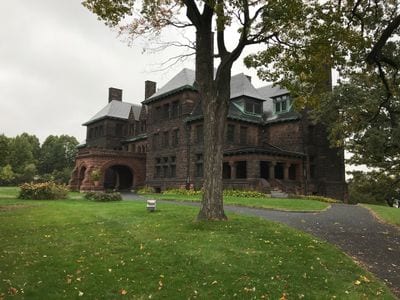
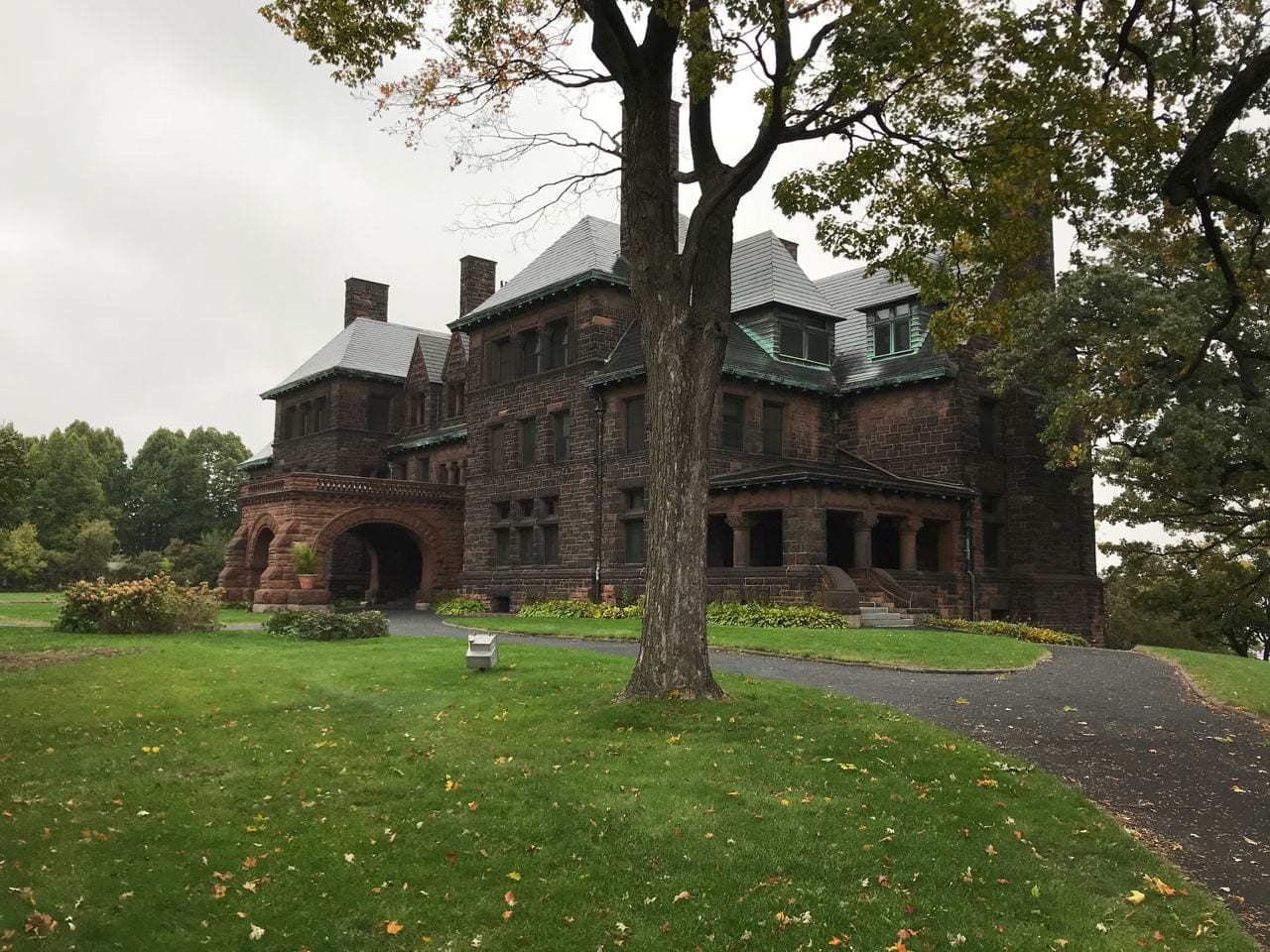
The James J. Hill House was the home of the railroad magnate behind the Great Northern Railway, and it shows. Completed in 1891 near the eastern end of Summit Avenue, the mansion has some 36,000 square feet of living space, was regarded in Hill's lifetime as the showcase of St. Paul, and is now a National Historic Landmark run by the Minnesota Historical Society.
Guided tours lead you through rooms filled with hand-carved woodwork, stained glass, chandeliers and fireplaces, and the highlight is a two-story, skylit art gallery. The house stands right beside the Cathedral, so the two make an easy pairing at the start of a Summit Avenue walk.
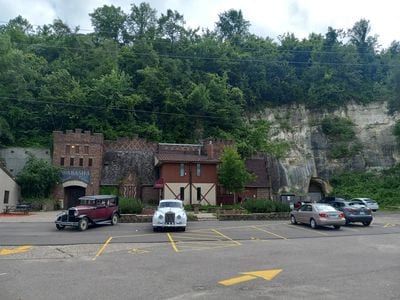
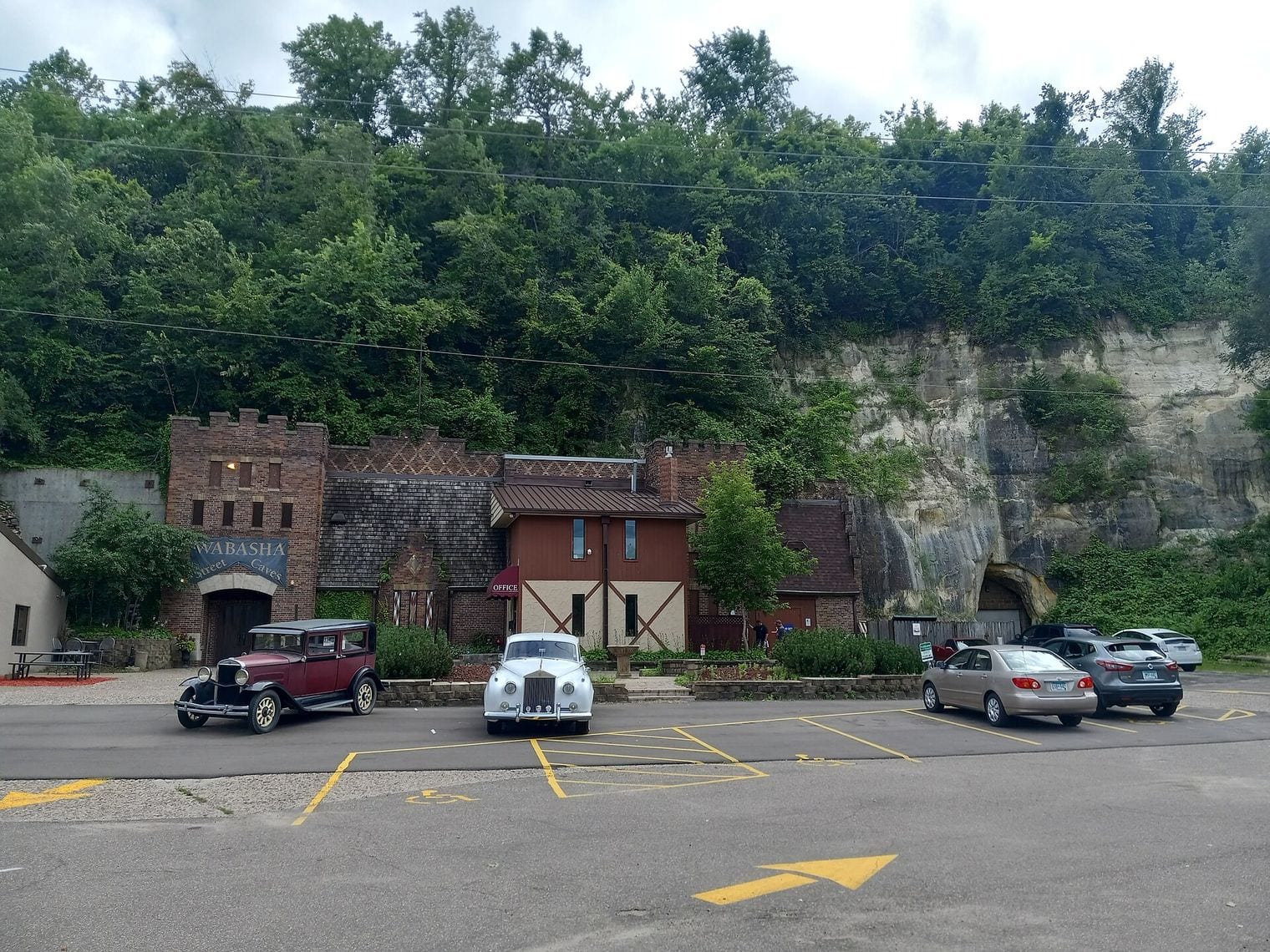
Dug into the sandstone cliffs on the West Side, just across the river from downtown, the Wabasha Street Caves have lived many lives: mushroom farm, storage space, speakeasy and nightclub. Today the cool, man-made caverns are an entertainment venue and one of the city's quirkiest attractions.
Guided history tours tell tales of Prohibition-era Saint Paul, including stories that gangsters such as John Dillinger and Ma Barker partied here; historians treat those visits as legend, but they make for a great yarn underground. The caves also host swing dance nights with live big bands and other events, so check the calendar if you'd like to pair a tour with a night out.
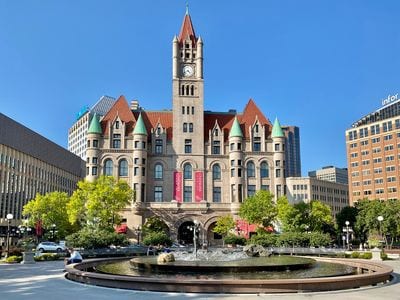
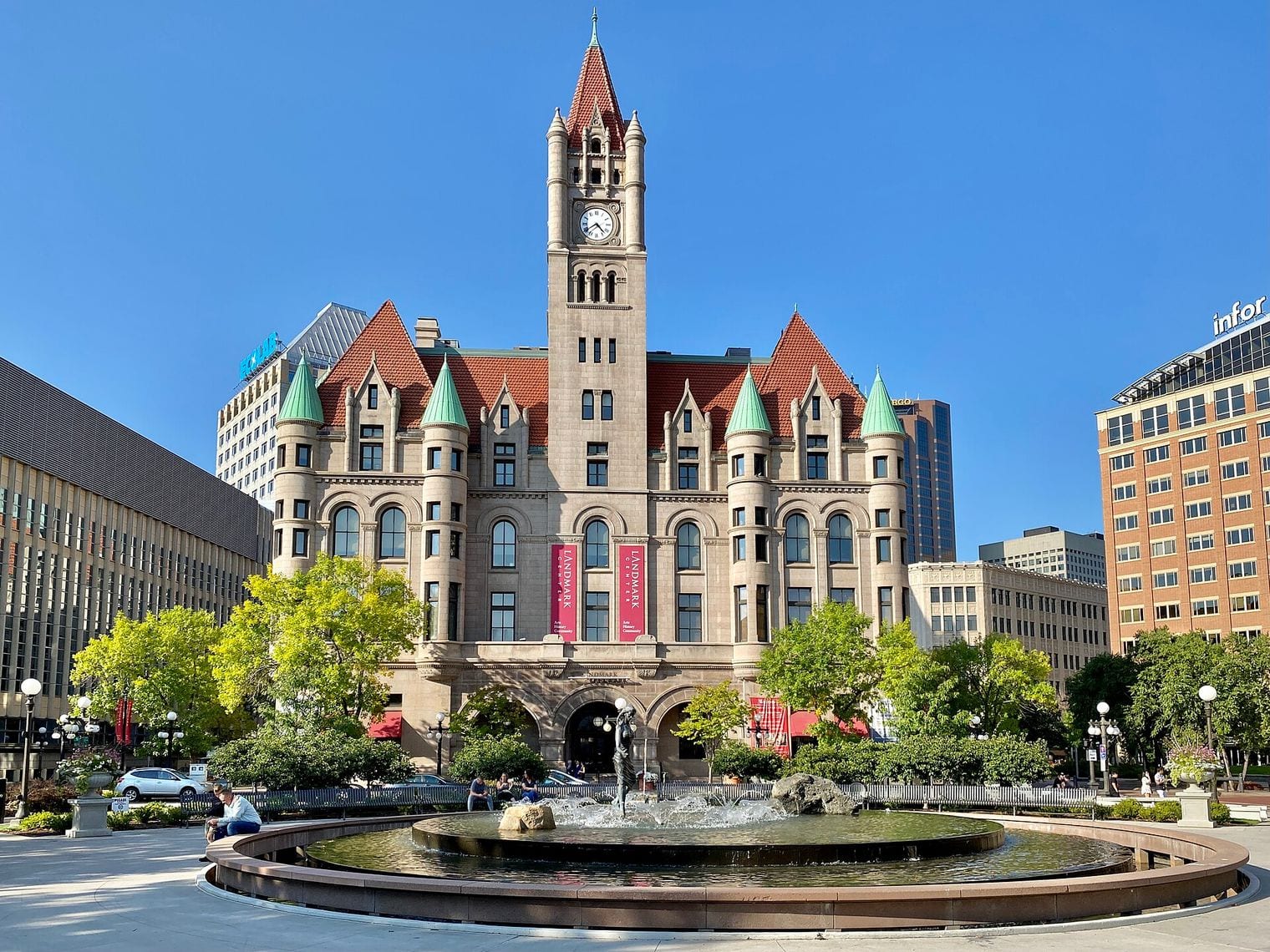
Landmark Center is the turreted pink-granite showpiece on the north side of Rice Park, completed in 1902 as the federal courthouse, post office and custom house for Minnesota. After a long renovation it reopened in 1978 as an arts and culture center, and its five-story, skylit interior courtyard alone is worth stepping inside to see.
The building is home to several arts groups and small museums, including the Schubert Club Museum with its collection of historic musical instruments, and the AAW Gallery of Wood Art. Rooms finished in marble and carved mahogany and oak recall the building's federal past, and the halls regularly host concerts, exhibitions and seasonal events.
The St. Paul Farmers' Market fills its sheds on East Fifth Street in Lowertown on weekend mornings, and it proudly bills itself as locally grown since 1854. Stalls brim with vegetables, fruit, meat, eggs, cheese, flowers and baked goods, and an indoor space nearby keeps the market going in the colder months.
Come early for the best selection, then wander the surrounding blocks with a coffee in hand. In late summer and fall the tables overflow with Minnesota sweet corn, apples and squash, which makes a Saturday morning here a fine snapshot of the state's farm country without leaving downtown.
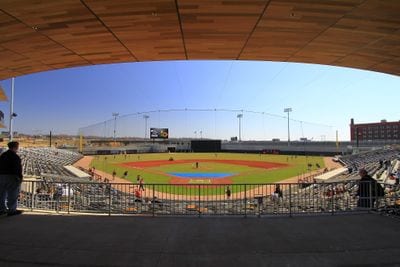
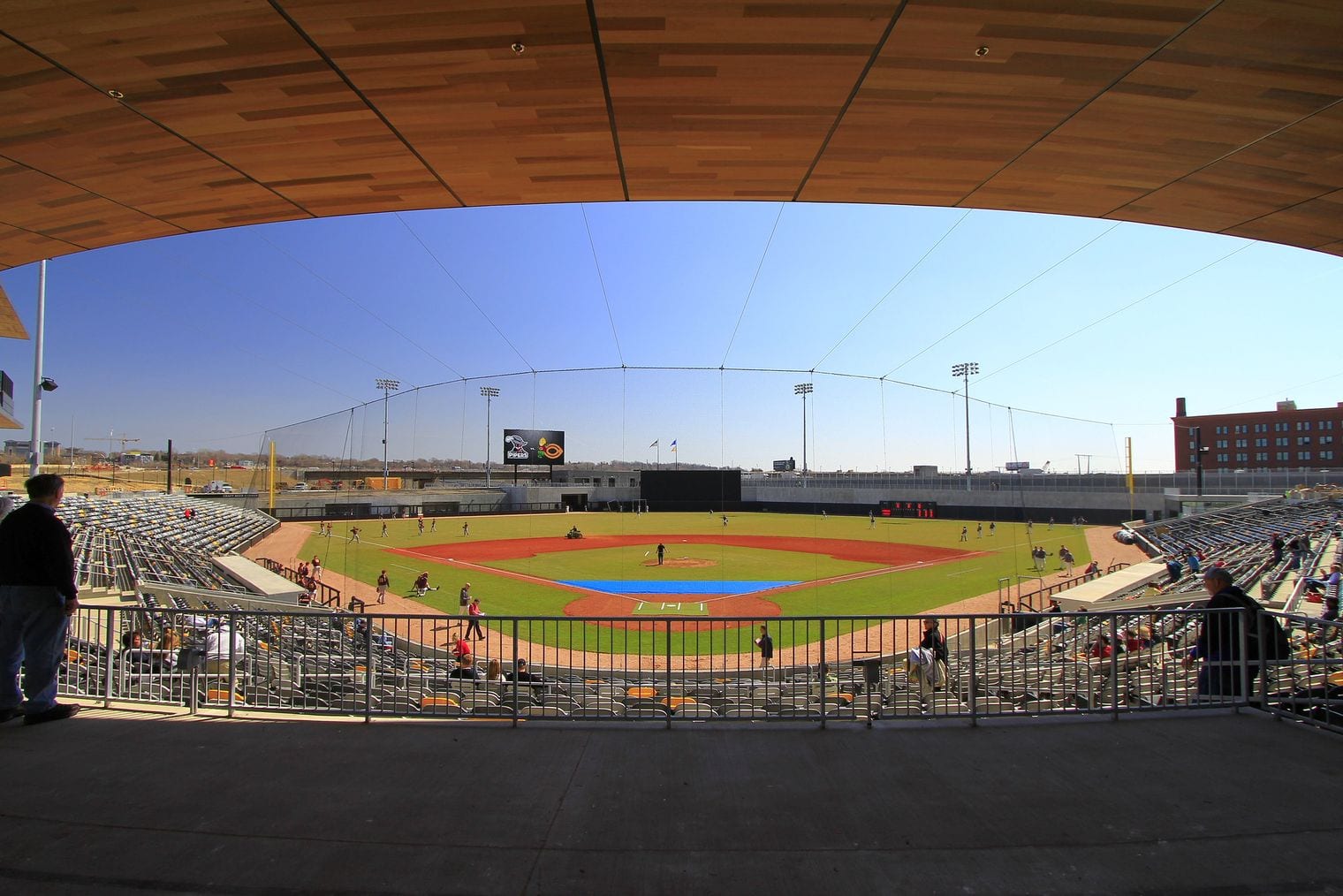
CHS Field is a compact, open ballpark in Lowertown that opened in 2015 and is home to the St. Paul Saints, the Triple-A affiliate of the Minnesota Twins. With the downtown skyline beyond the outfield and a relaxed, family-friendly game-day atmosphere, it's a great place to spend a summer evening.
Before the first pitch or between innings, find the City of Baseball Museum on the third-base concourse, which tells the story of Saint Paul's baseball past, from sandlot days to the Hall of Famers who grew up in the city. The ballpark also hosts college baseball and community events, so check the calendar even outside the Saints' season.
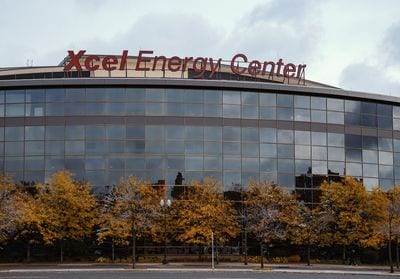
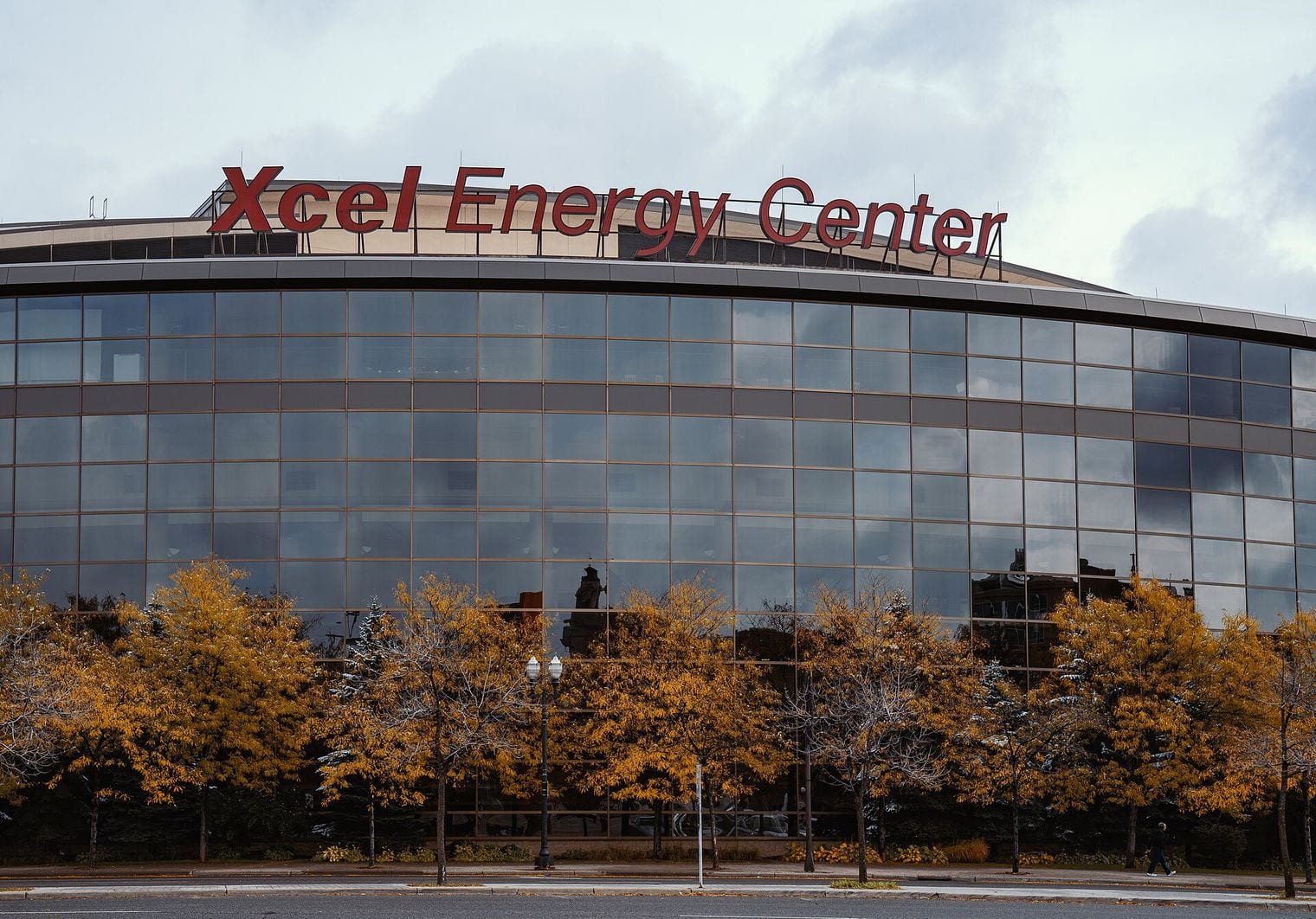
1313. Grand Casino Arena (formerly Xcel Energy Center)
Grand Casino Arena, known as the Xcel Energy Center until its 2025 renaming, is the big downtown arena where the NHL's Minnesota Wild play. Completed in 2000 and seating about 18,000, it is also home to the Minnesota Frost of the PWHL and hosts major concerts and touring shows.
Hockey runs deep in Minnesota, and a Wild game is one of the best ways to feel it, with a crowd decked out in team colors and plenty of noise. The arena shares its block with the RiverCentre and the Roy Wilkins Auditorium, a few steps from Rice Park, so it's easy to pair a game or concert with dinner downtown.
Free printable checklist of all 30 places
Tick them off as you go. Confirm your email to download it, plus one email every Thursday with new guides for the places you tick.
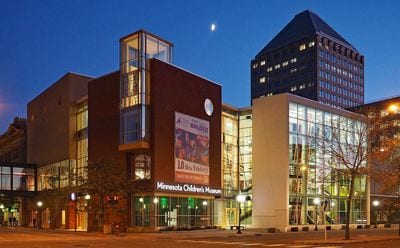
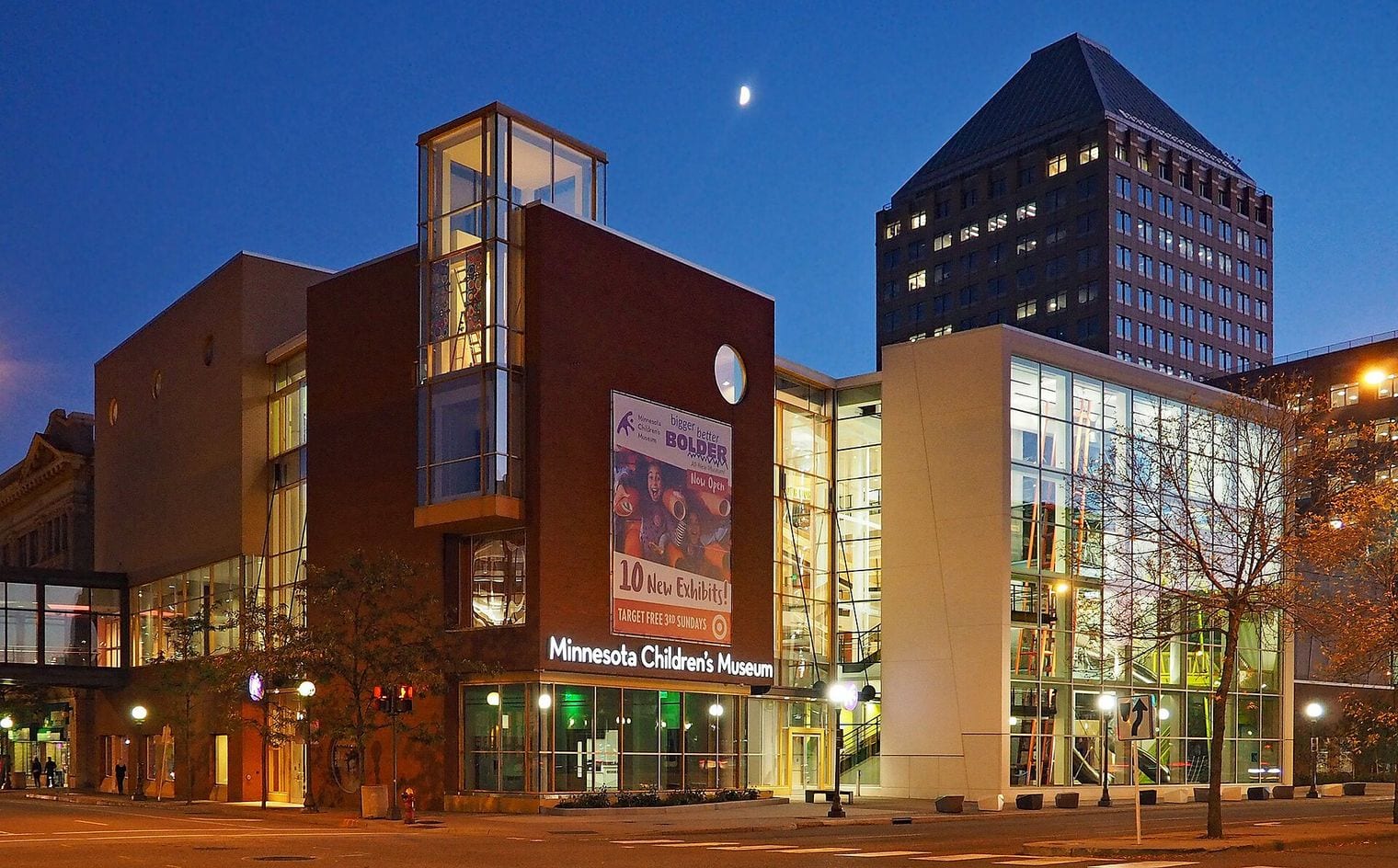
The Minnesota Children's Museum is built for young kids, with hands-on galleries that invite them to climb, build, explore and pretend. It moved to downtown Saint Paul in 1995 and reopened in 2017 after a major expansion and renovation, so the spaces feel bright and up to date.
Galleries range from Minnesota nature themes and play areas for the youngest visitors to creative problem-solving spaces and visiting traveling exhibits, which makes it best for babies, toddlers and younger children. Plan on a couple of hours, then combine it with Rice Park or the Science Museum nearby for a full family day.
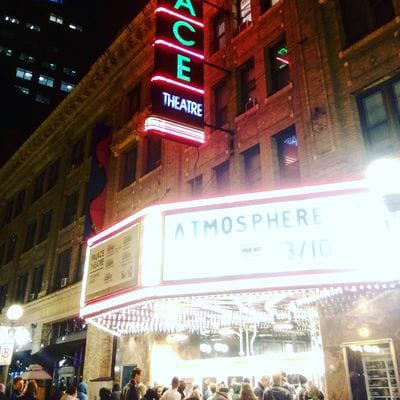
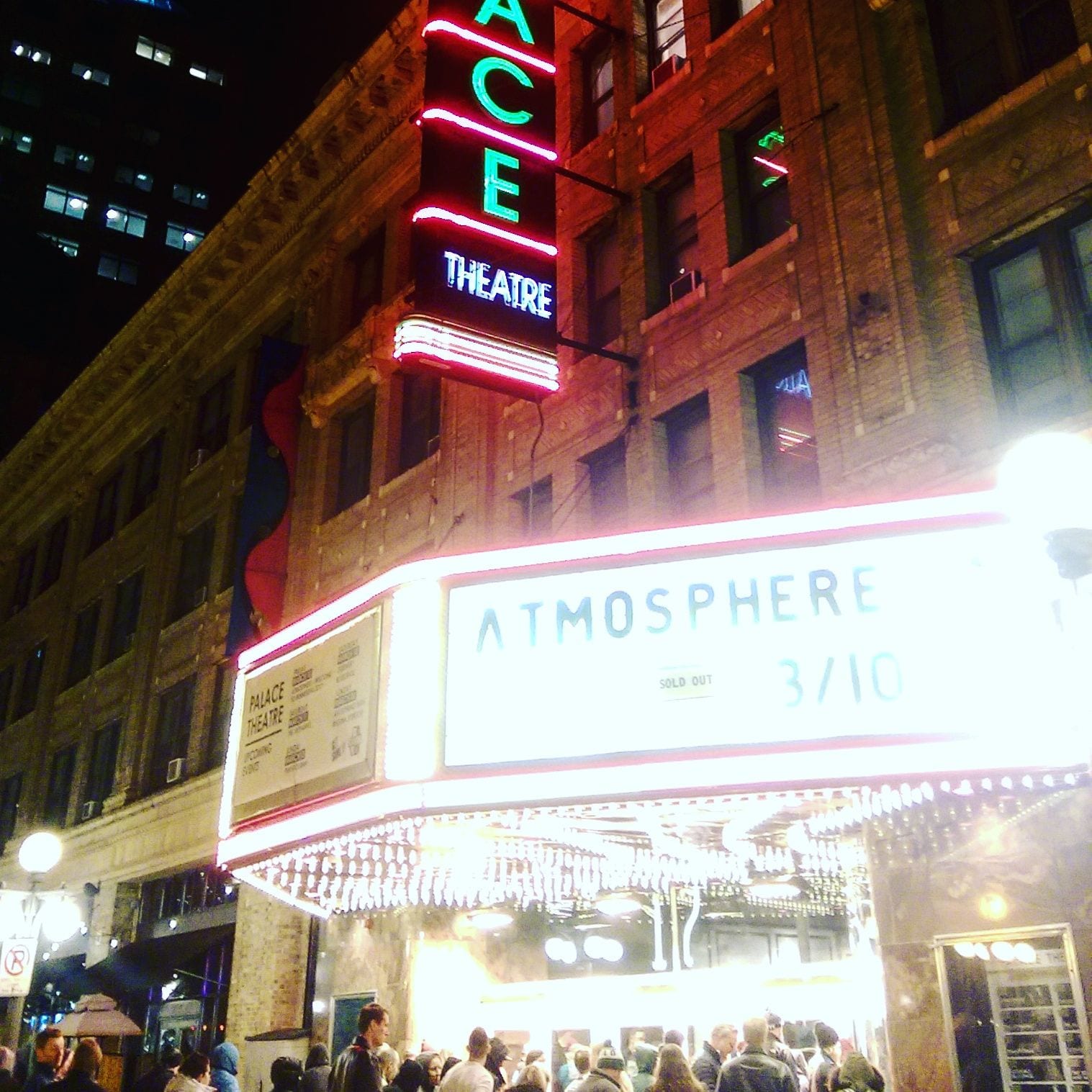
The Palace Theatre dates from 1916, but it sat dark for about three decades before the City of Saint Paul bought it in 2015 and turned it into a live music venue. It reopened in 2017, and the renovation deliberately preserved the old theater's rough edges, so traces of its faded grandeur still frame the stage.
Operated by the team behind Minneapolis's famed First Avenue club, the Palace Theatre books touring rock, hip-hop, indie and comedy acts throughout the year. Check the lineup when you plan your trip, since an evening show here pairs well with dinner on the surrounding downtown blocks.
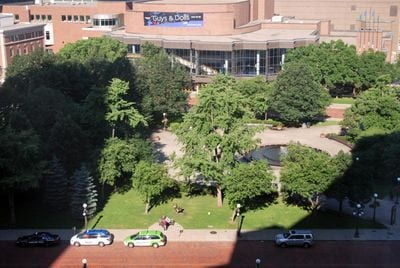
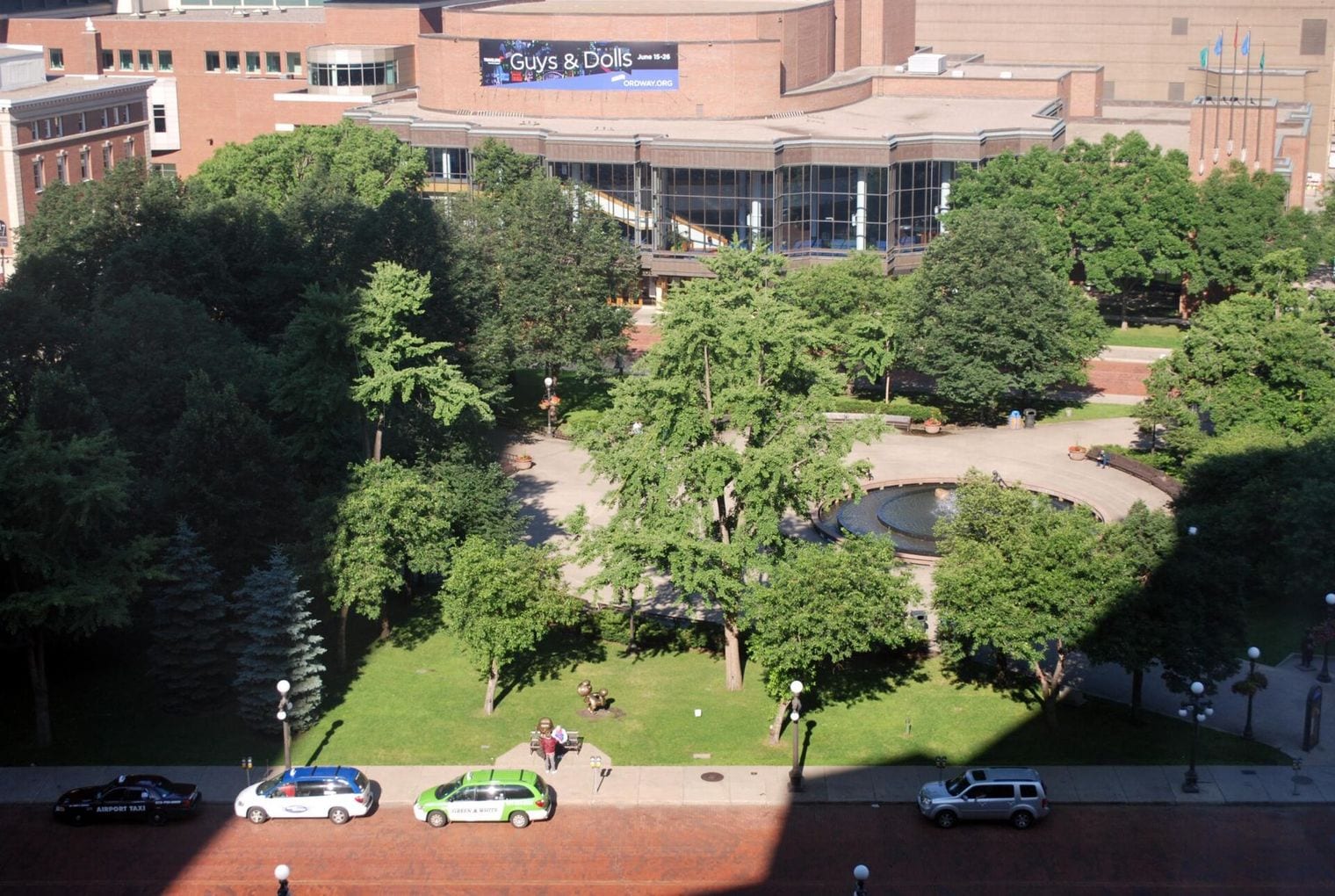
Rice Park is downtown Saint Paul's elegant central square, framed by Landmark Center, the Ordway, the George Latimer Central Library and a grand historic hotel. Its fountain, bandstand and sculptures make it a pleasant place to pause between sights, and bronze statues of the Peanuts characters nod to cartoonist Charles M. Schulz, who grew up in Saint Paul.
The square really comes into its own in winter, when it serves as one of the venues of the Saint Paul Winter Carnival, and in selected years an ice palace has risen here. In summer, the benches and lawns are a natural meeting point before a show at the Ordway or a walk down to the river.
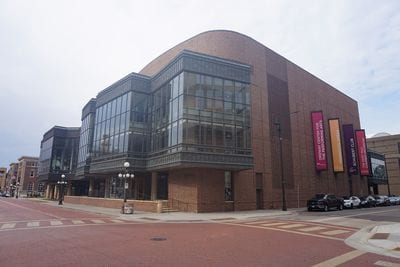
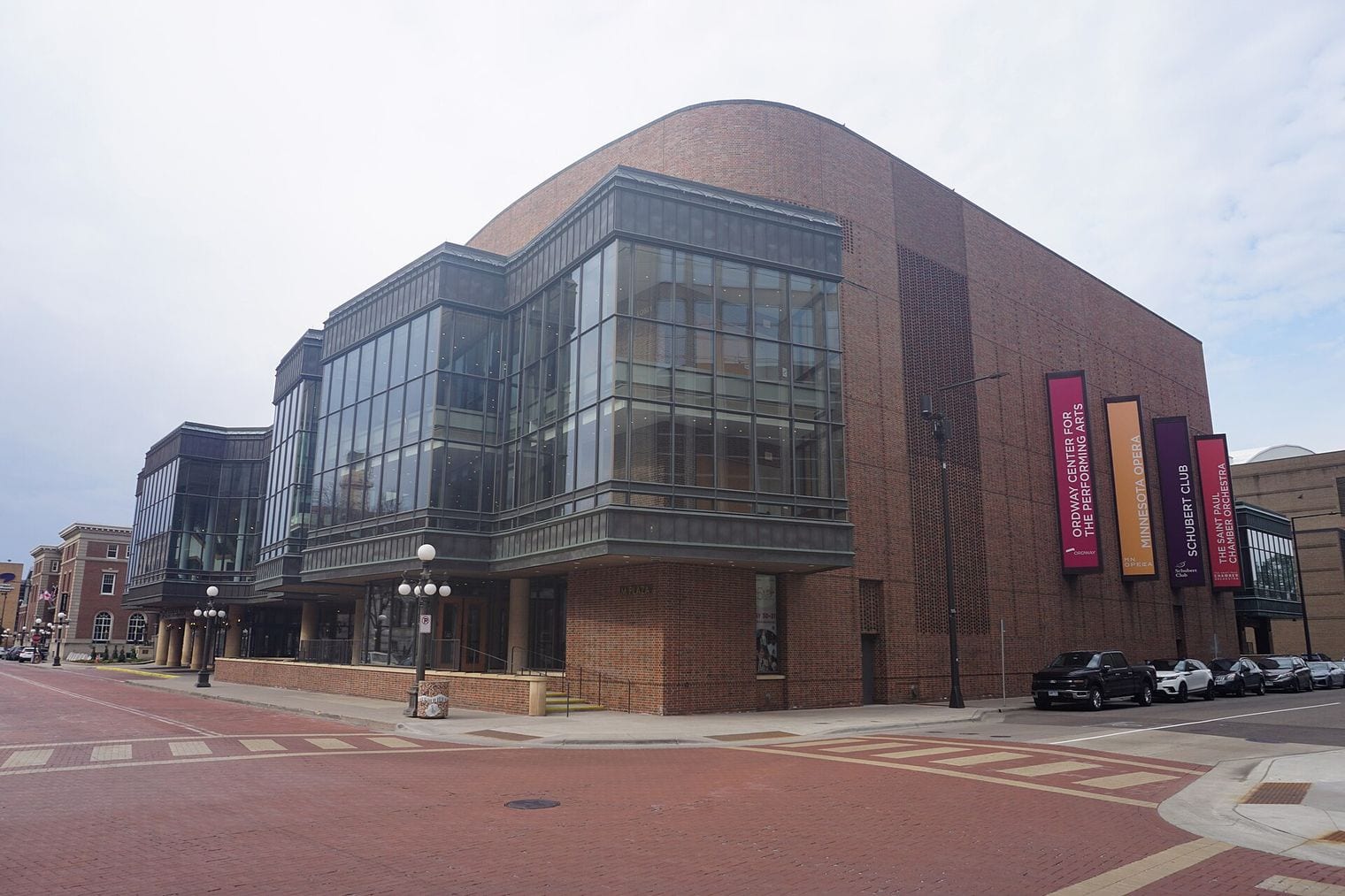
The Ordway Center for the Performing Arts faces Rice Park and has been downtown Saint Paul's main performing arts stage since it opened in 1985. It presents touring Broadway musicals and produces its own shows, and it is home to the Minnesota Opera, The Saint Paul Chamber Orchestra and The Schubert Club.
The complex pairs its main music theater with a concert hall that opened in 2015, so on a busy night you might choose between an opera, a chamber concert or a musical. Arrive early to stroll Rice Park before the curtain, and book ahead for popular Broadway runs.
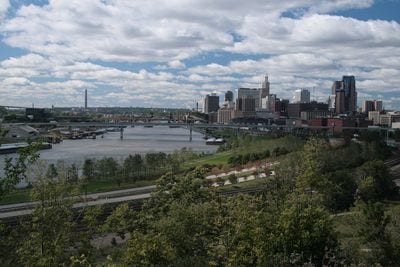
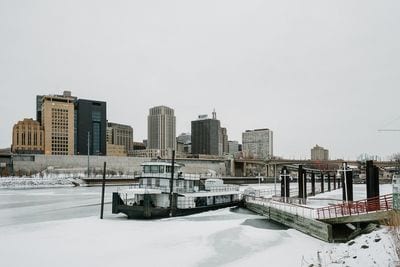
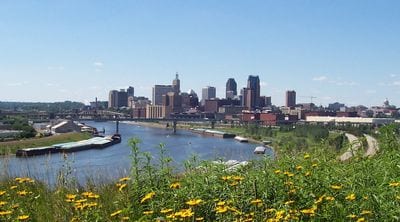
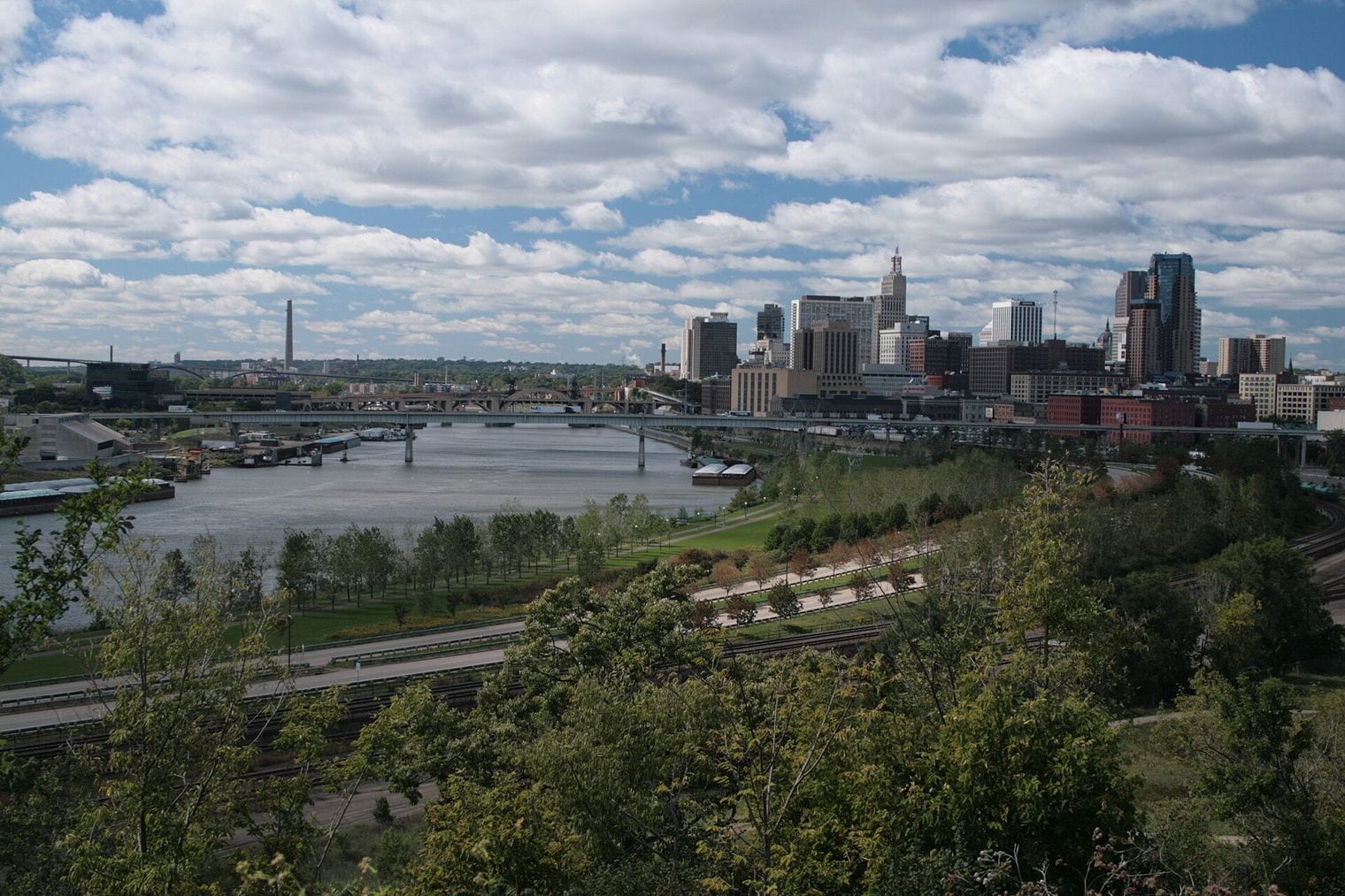
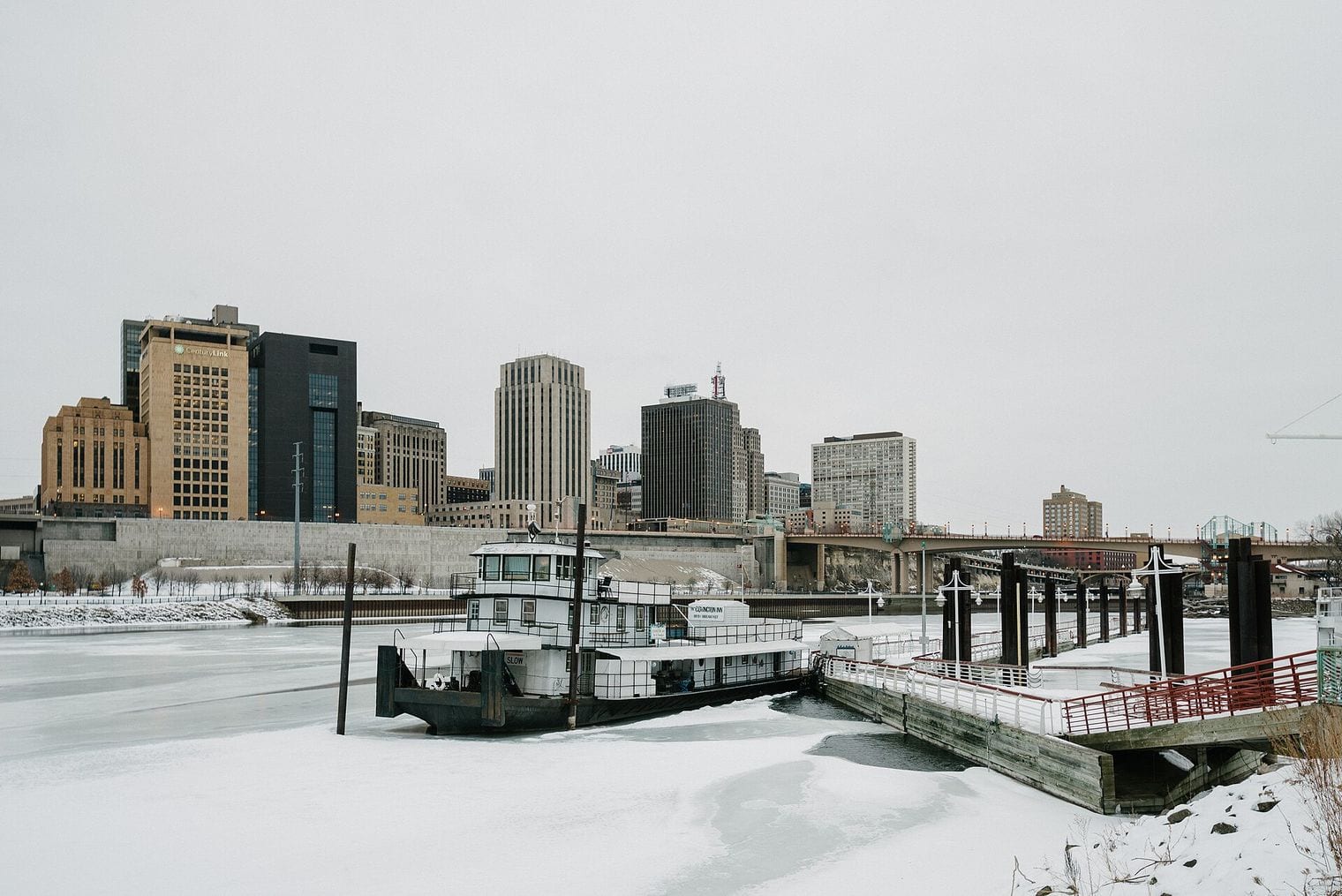
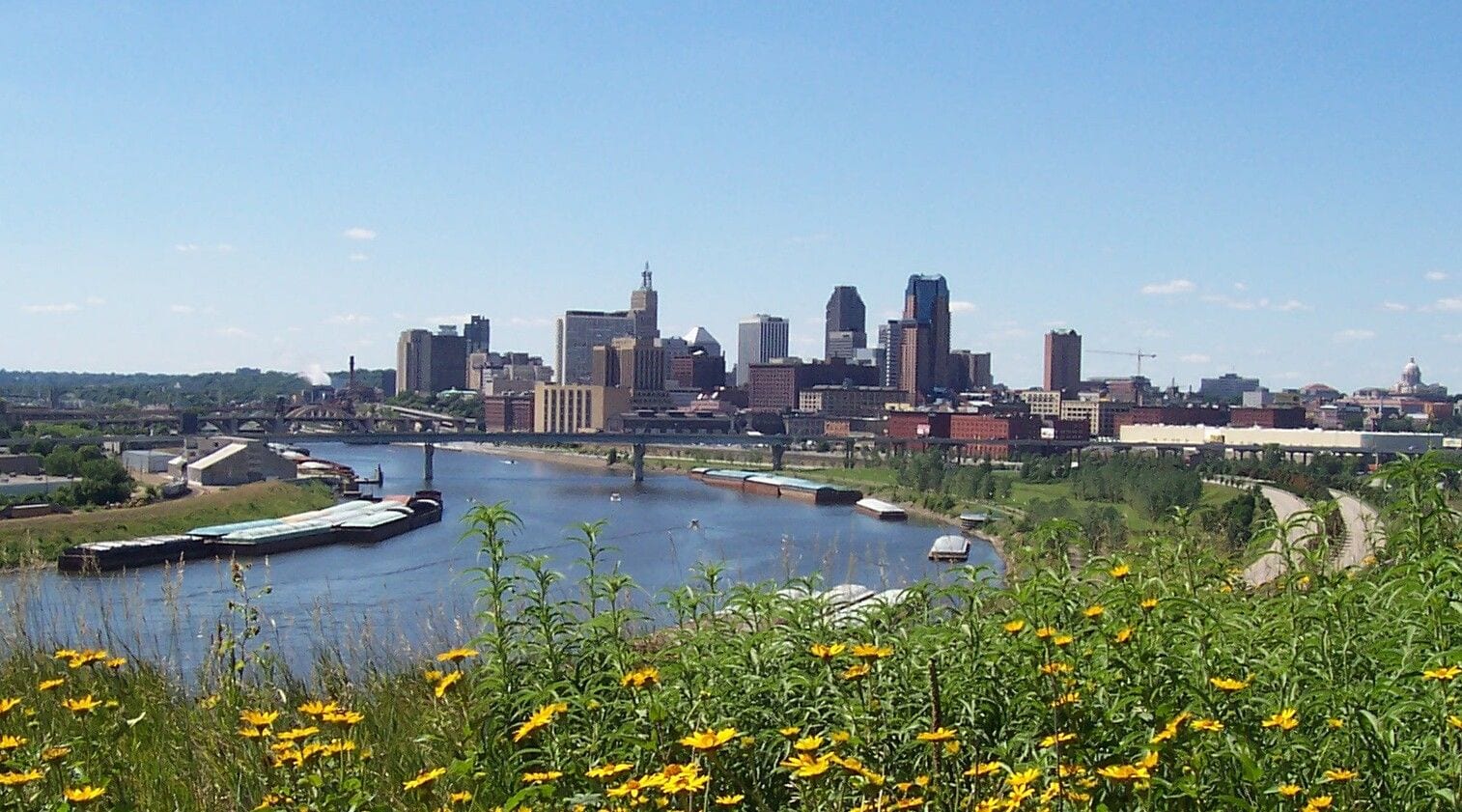
Harriet Island Regional Park lies on the Mississippi's south bank directly across from downtown, with one of the best views of the Saint Paul skyline. It was once a true island, named after pioneer teacher Harriet Bishop, until the channel separating it from the mainland was filled in 1950.
Today it's the city's big riverfront lawn and festival ground, with a riverwalk, public dock, picnic shelter, event pavilion and stage, and sightseeing riverboat cruises leave from its landing. Trails link it to the bluff-top Cherokee and Lilydale parks, and because the ground is low-lying, the riverfront can close when the river floods, so check ahead in a wet spring.
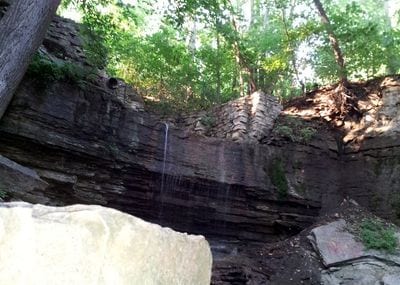
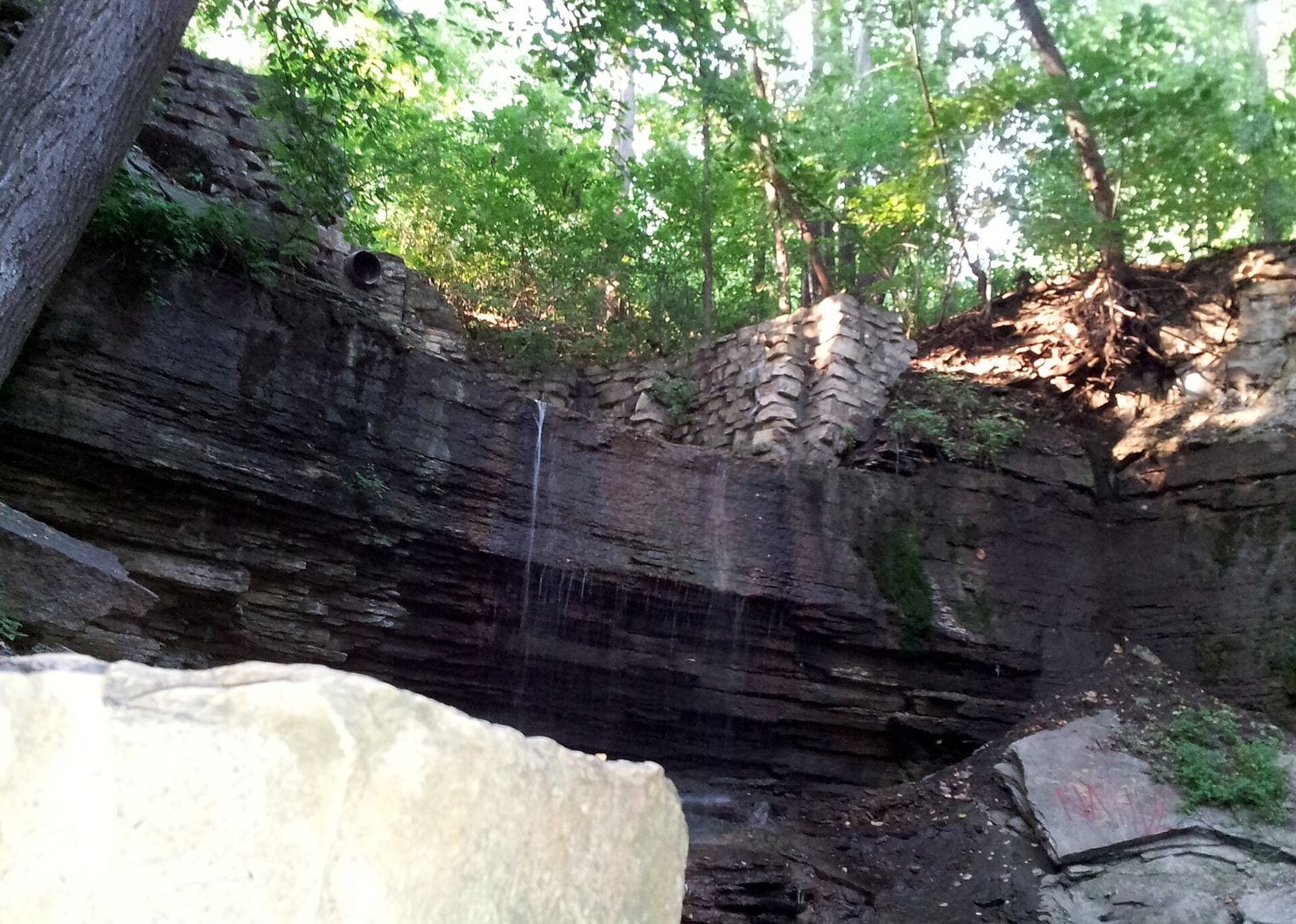
Hidden Falls Regional Park is a wooded escape along the Mississippi in the southwest corner of the city, named for the small, spring-fed waterfall that spills down the bluff. Its history runs deep: landscape architect Horace Cleveland picked the site in 1887 as one of four major parks for Saint Paul.
About 6.7 miles of paved trails wind through shady bottomland forest beside the river, past picnic areas and a boat launch, and link up with the Mississippi River Boulevard path. Reach the falls on foot from the lower parking area at the north entrance, or look down on them from the viewing plaza near the boulevard; after a dry spell the flow can slow to a trickle.
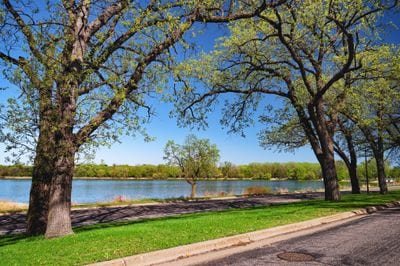
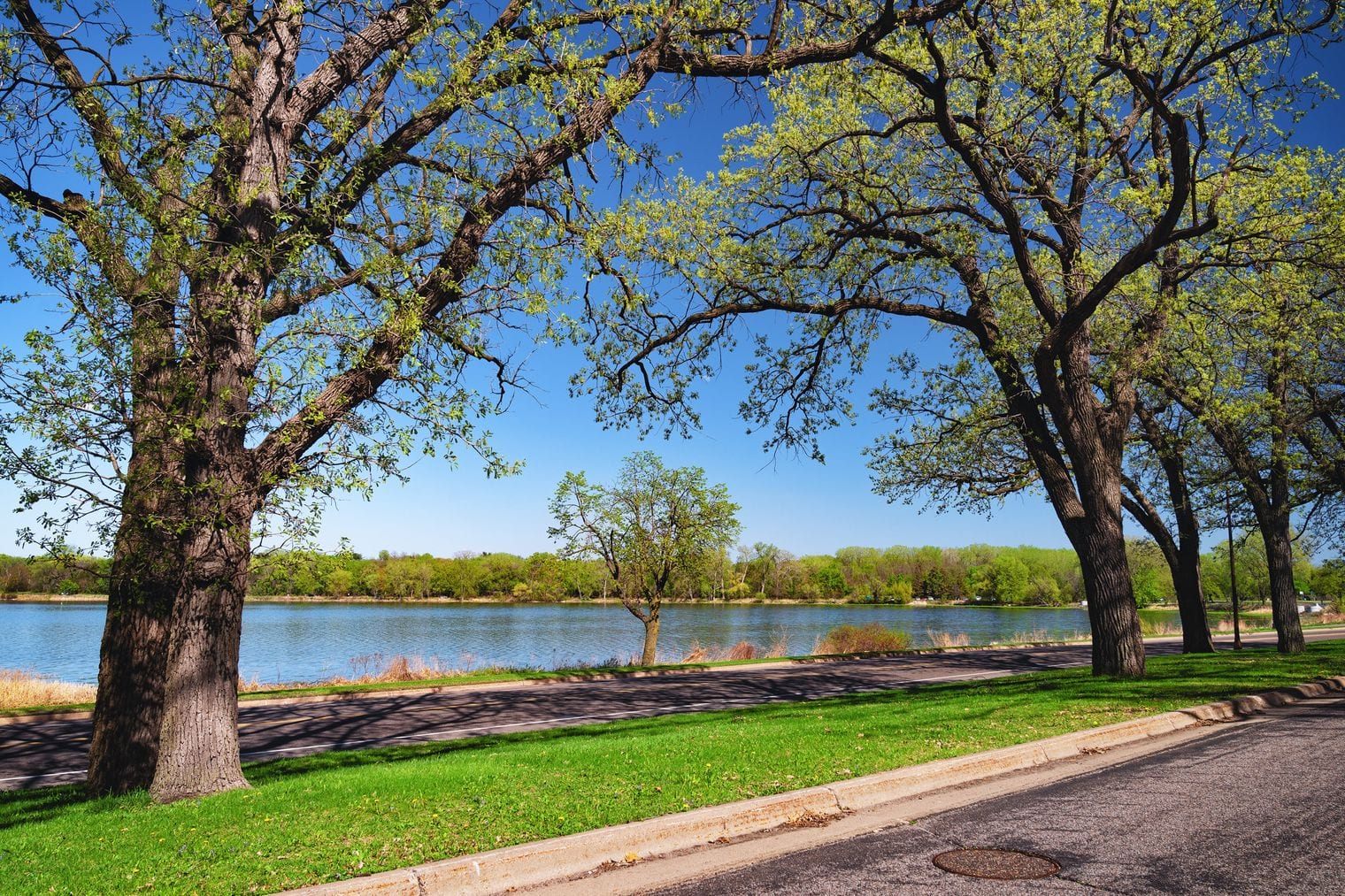
Phalen Regional Park on the city's East Side wraps around Lake Phalen, one of the largest lakes in Saint Paul, and together the lake and park cover about 494 acres. It's where locals come to swim, paddle, fish and loop the shoreline trail, and it feels a world away from downtown.
In summer you'll find a swimming beach with a splash pad, fishing piers, a boat launch, sailing lessons and a golf course, while in winter the trails turn into cross-country ski routes. Seek out the Phalen China Garden, a peaceful Chinese-style garden by the water, for a quieter corner of the park.
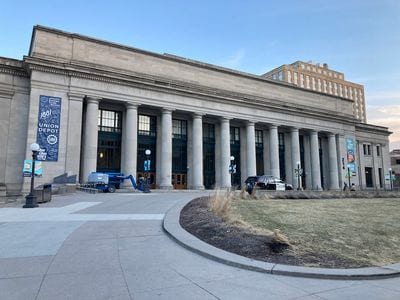
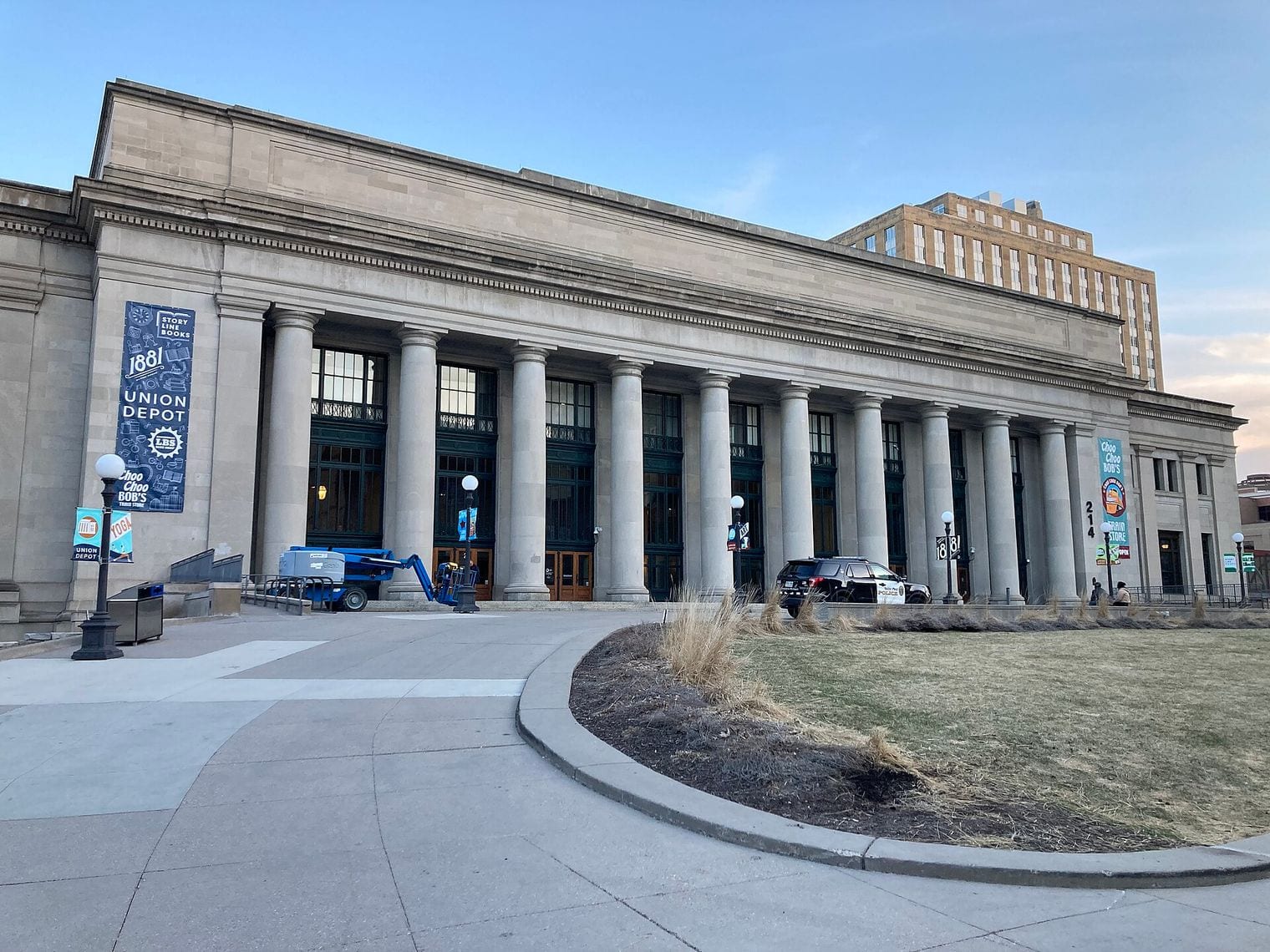
Union Depot in Lowertown is Saint Paul's grand neoclassical railroad station, restored and busy once again as a transit hub. Its headhouse was designed by Charles Sumner Frost, and the vast waiting room and concourse that stretch over the tracks are regarded as a great architectural achievement; the building has been on the National Register of Historic Places since 1974.
You're free to walk in and admire the waiting room, and the depot often hosts public events, markets and celebrations. It's also a practical stop, with Amtrak trains, intercity buses and the METRO Green Line light rail to Minneapolis all departing from here.
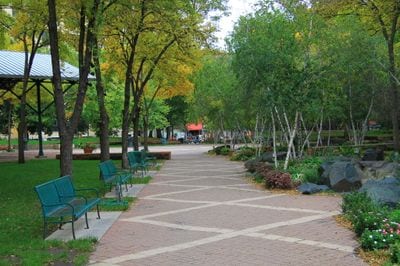
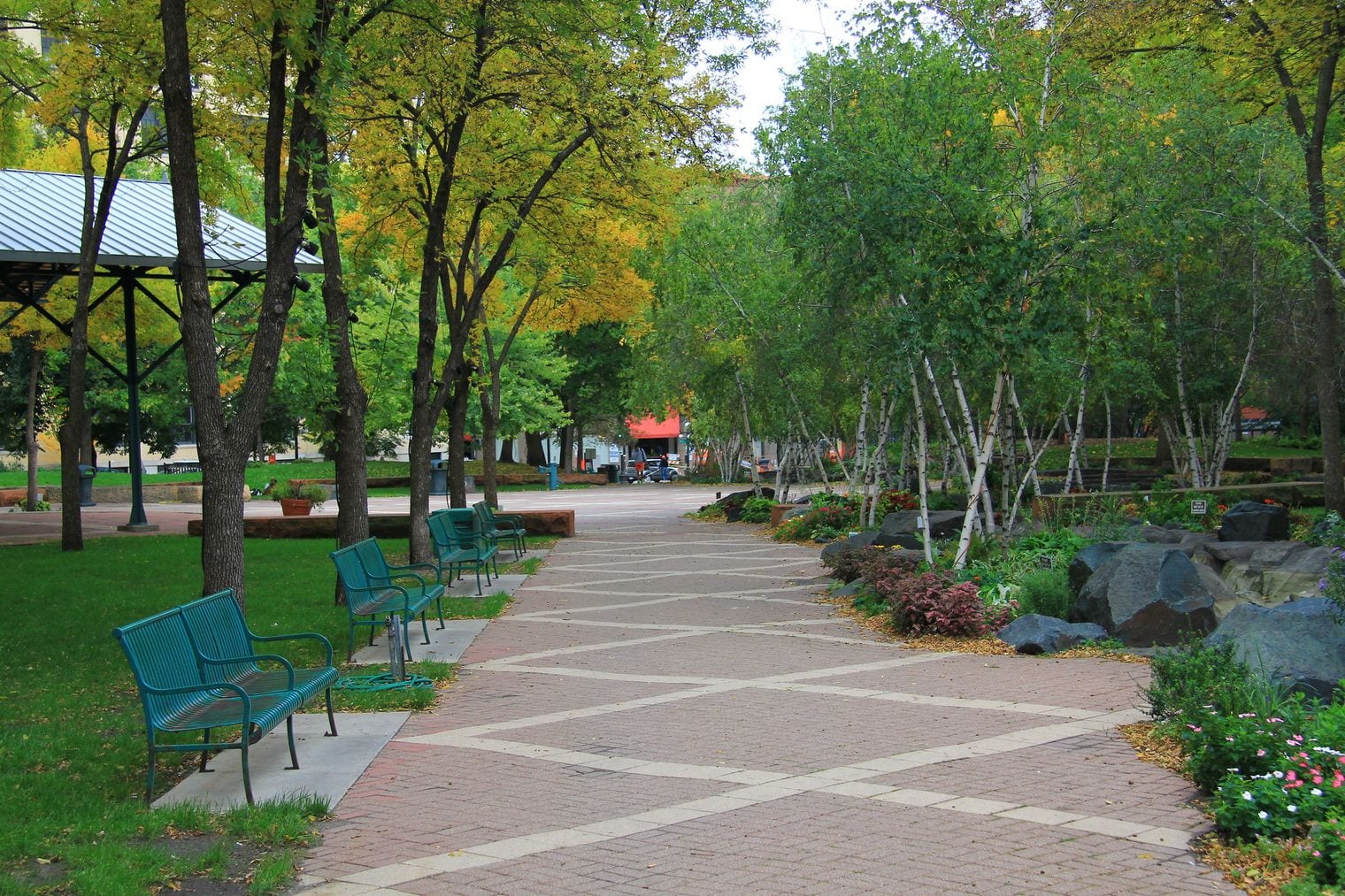
Mears Park is the green heart of Lowertown, a full city block surrounded by the brick warehouses of the old wholesaling district, many now lofts, galleries and restaurants. Its current design, by landscape architect Don Ganje and artist Brad Goldberg, opened in 1992 and threads a rocky little stream through trees and lawns, with a metal bandshell at one end.
On warm days people spread out on the grass, and the bandshell hosts concerts and festivals through the summer. Artists moved into Lowertown's empty warehouses in the 1970s and 1980s, and the neighborhood's creative streak still shows in the galleries and studios around the square.
Wicaḣapi Regional Park, known until 2025 as Indian Mounds Regional Park, sits high on the East Side bluffs above the Mississippi. It protects six Indigenous burial mounds, the oldest built roughly 2,500 years ago, and it remains a sacred place for Dakota people; the city's new name for the park is a Dakota word for a cemetery.
Treat the mounds with respect and stay on the paths, then take in the sweeping view over the river valley and the downtown skyline. Below the bluff, the former Bruce Vento Nature Sanctuary was renamed at the same time and is now called Waḳaŋ Ṭípi after the sacred cave there, while picnic shelters and a playground sit away from the mounds.
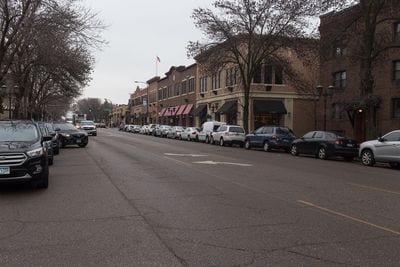
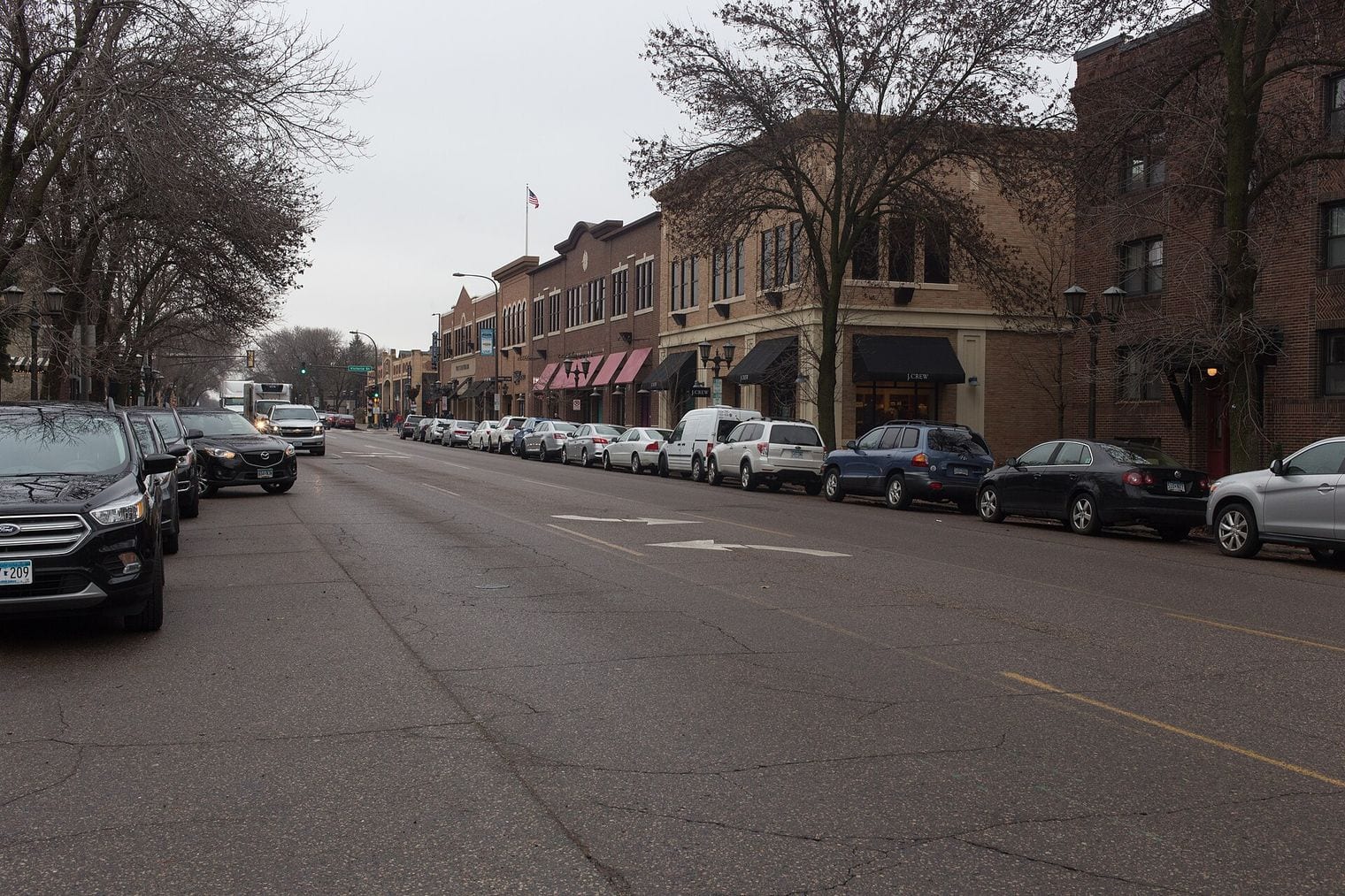
Grand Avenue runs just south of Summit Avenue, and its tree-lined commercial stretch is Saint Paul's best street for browsing. Over about 26 blocks you'll find independent boutiques, bookstores, gift shops, cafes, ice cream parlors and restaurants tucked among historic storefronts and homes.
It's a walkable, local-feeling alternative to a mall, with patios and coffee shops made for lingering. Combine a stroll here with the mansions of Summit Avenue for a classic Saint Paul afternoon, and come hungry, since the street has dining for every taste and budget.
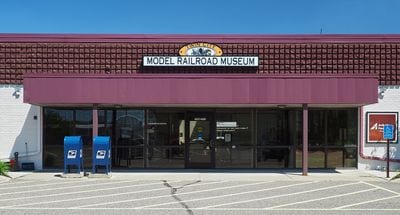
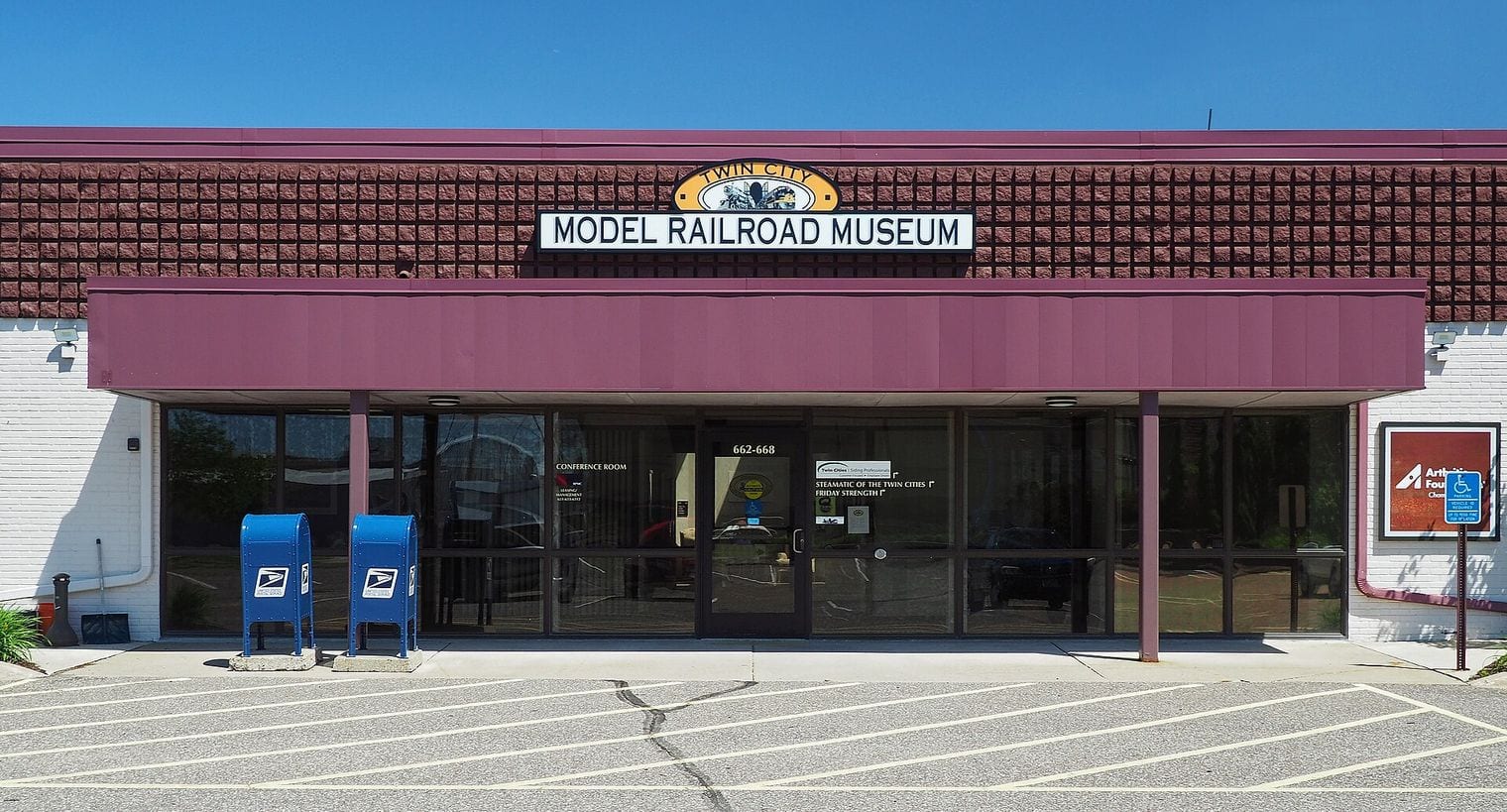
The Twin City Model Railroad Museum, west of downtown, is run with obvious love by rail enthusiasts. Its centerpiece is a 30-by-50-foot O-scale layout of the Twin City area, where detailed trains roll through miniature cityscapes and countryside.
A separate toy-train layout and other displays in different scales add variety, and young visitors can happily watch the trains loop for ages. The museum also hosts hobby shows and holiday events, which are a fun time to visit if you want to see the layouts at their busiest.
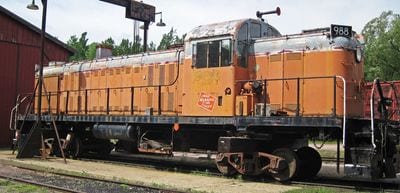
2626. Minnesota Transportation Museum (Jackson Street Roundhouse)
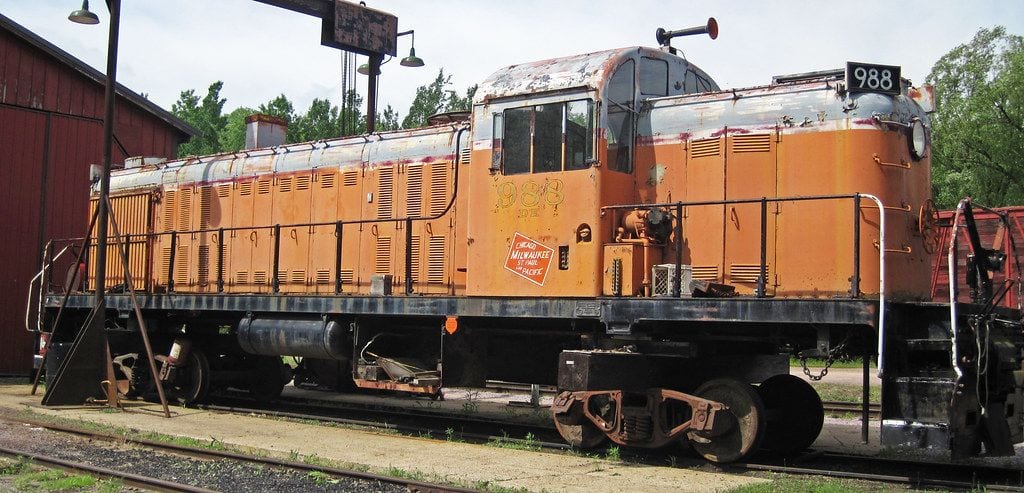
The Minnesota Transportation Museum makes its home at the Jackson Street Roundhouse, a working railroad roundhouse built by the Great Northern Railway in 1907 and one of the last of its kind in the country. Volunteers still restore locomotives and rail cars here, so the building feels more like a busy workshop than a hushed museum.
On open days you can climb aboard restored train cars, browse model train sets and railway memorabilia, and take a short caboose ride. The museum also runs seasonal excursion trains in the St. Croix River Valley, a fun add-on for families with train-mad kids.
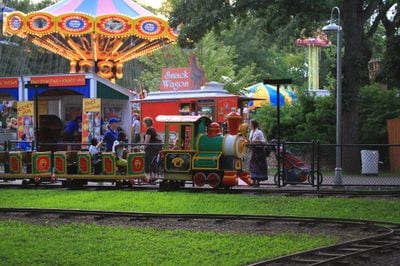
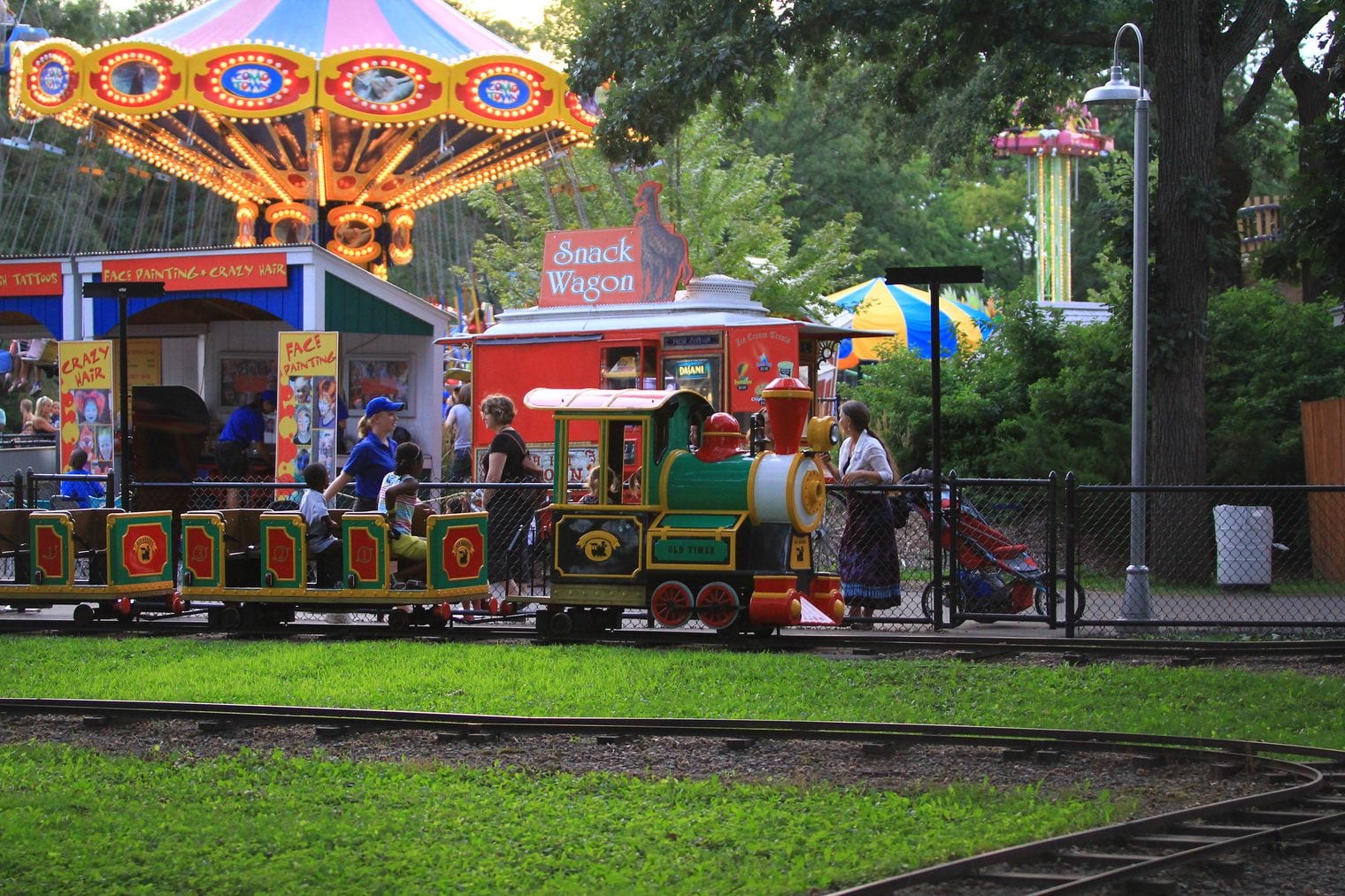
Como Town is a kid-sized amusement park right next to the zoo and conservatory in Como Park, with rides grouped for the littlest visitors, the whole family and braver older kids. It's a seasonal park, open in the warmer months, and makes a great reward after a morning with the animals.
Rides are covered by day passes or flexible points passes rather than a single admission, so you can tailor the visit to a toddler's attention span or a full afternoon. Pack a picnic for the lawns of Como Park and you have an easy family day out.
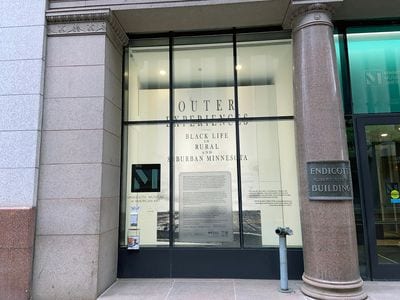
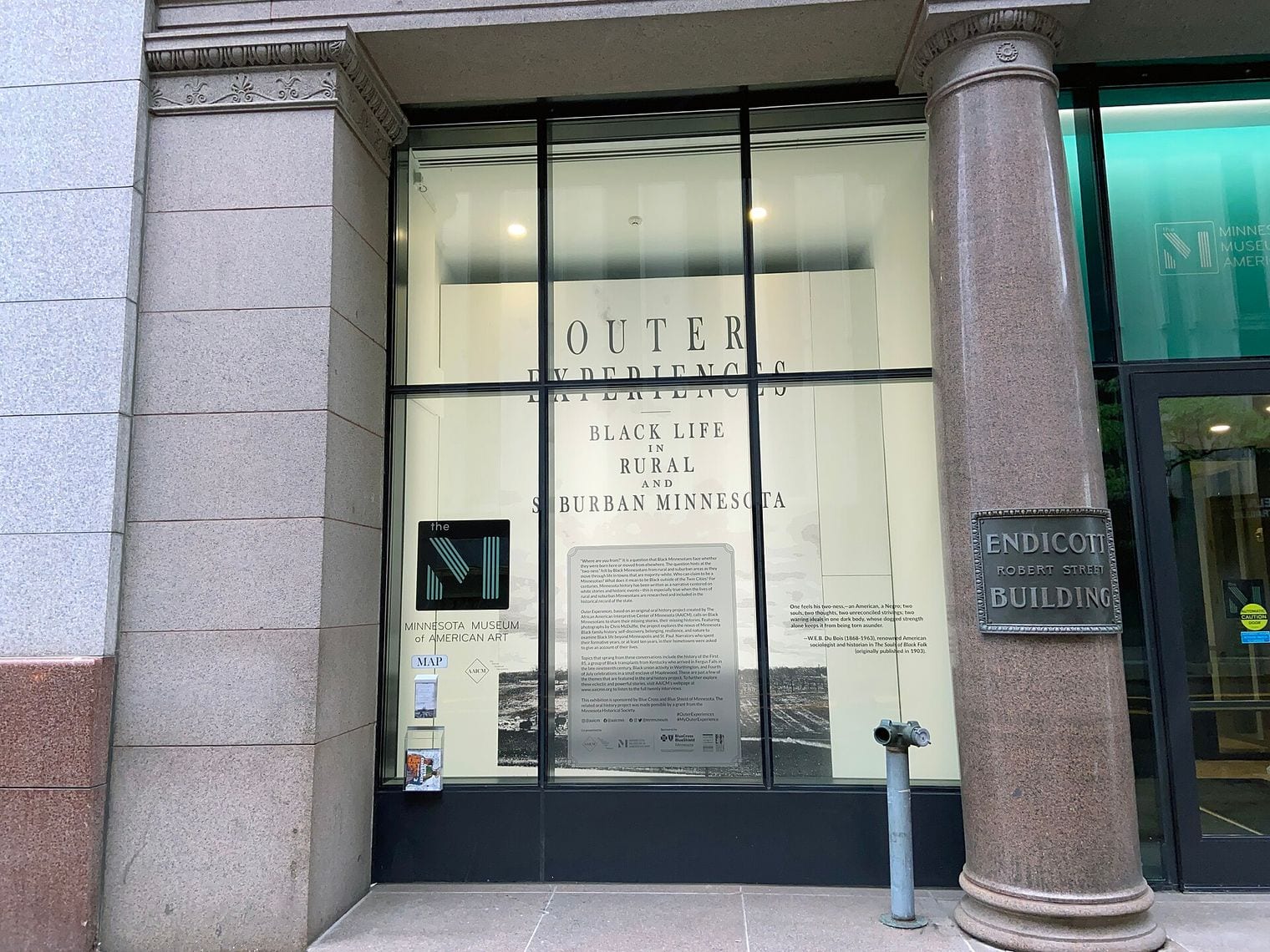
The Minnesota Museum of American Art, known locally as The M, occupies part of the historic Pioneer Endicott building downtown. Its collection of more than 5,000 works spans American art from the 19th century to the present, from historic paintings to contemporary pieces.
Exhibitions mix that history with new voices, including artists from communities of color and immigrant communities, so there's usually something fresh on the walls. Admission has been free, which makes it an easy drop-in on a downtown walk between Lowertown and Rice Park.
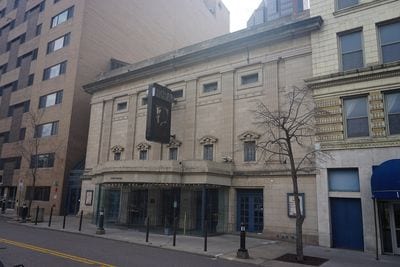
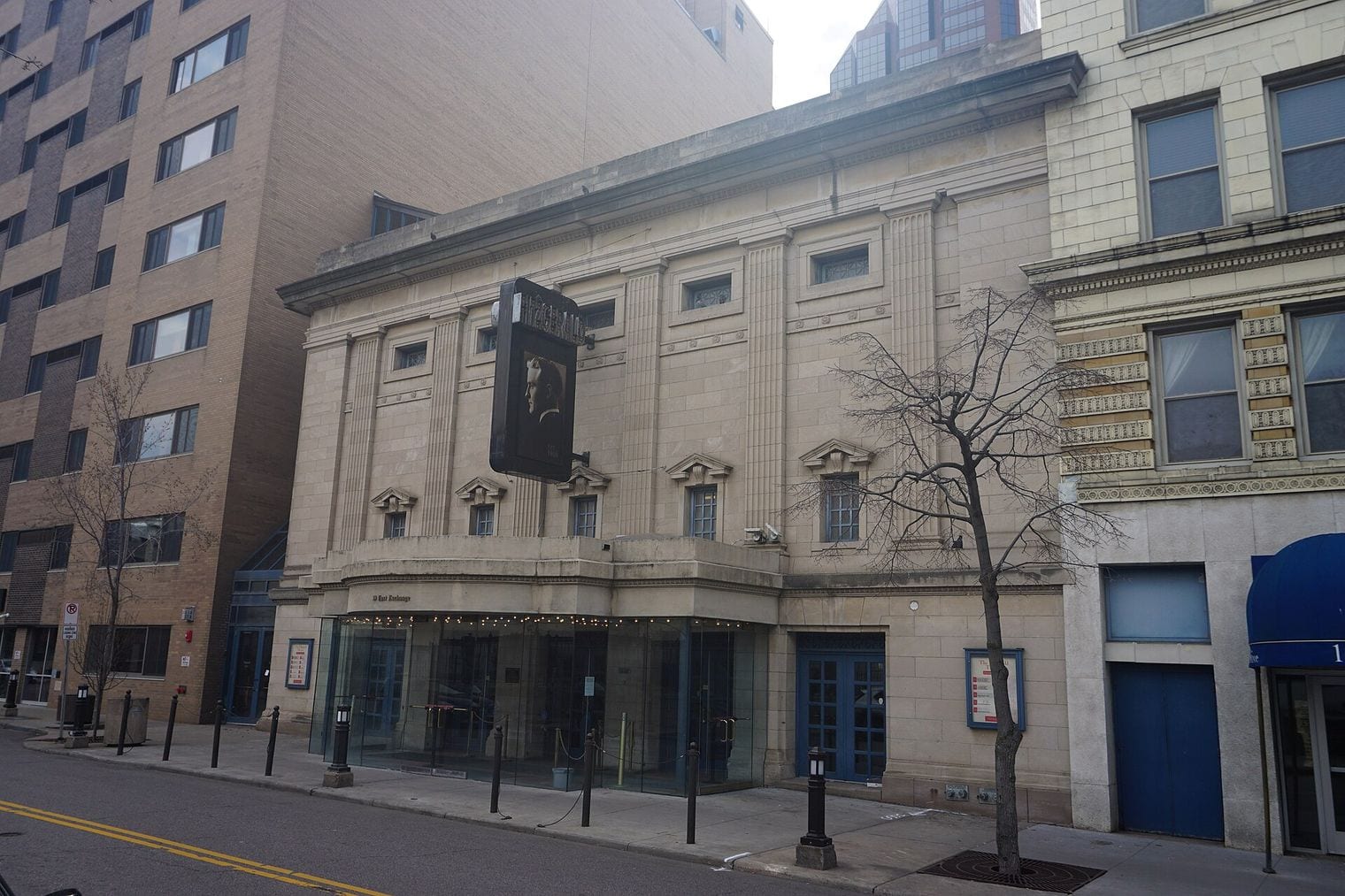
The Fitzgerald Theater is the oldest active theater in Saint Paul, built by the Shubert Theatre Corporation and designed by the Chicago firm of Marshall and Fox. Renamed in 1994 after Saint Paul native F. Scott Fitzgerald, it became famous nationwide as the longtime home of the public radio show A Prairie Home Companion.
Now operated by the team behind Minneapolis's First Avenue club, the intimate hall books concerts, comedy and talks, and its modest size keeps every seat close to the stage. Catch a show here for a slice of Saint Paul's cultural history along with the performance.
The Saint Paul Winter Carnival has turned the city's coldest weeks into a celebration since 1886. Held from late January into early February, it fills downtown with ice and snow sculptures, parades and family events, and in selected years an ice palace rises as the festival's centerpiece.
The carnival also stages its own playful legend, in which Boreas, King of the Winds, rules over the festivities until the fiery Vulcanus Rex and his Vulcans arrive to chase winter away. Many events are free, and it's the best time to see how Saint Paul embraces the cold rather than hiding from it.
Plan your trip
Best Time to Visit Saint Paul
Late spring through early fall is the easiest time to visit. The regional parks, river trails and lakes are at their best from June to September, the Japanese garden at Como Park and the Como Town rides open for the season, the farmers' market is at its busiest, and the Saints play at CHS Field.
Late summer also brings the Minnesota State Fair to neighboring Falcon Heights. Fall adds crisp days and colorful leaves along the Mississippi bluffs and Summit Avenue.
Winter is long and properly cold, but Saint Paul leans into it. The Winter Carnival fills late January and early February with ice sculptures and parades, hockey season is in full swing, and the free conservatory at Como Park offers a tropical refuge. In spring, keep an eye on the river: high water can close parts of Harriet Island and other riverfront parks.
Getting to Saint Paul
Minneapolis–Saint Paul International Airport sits between the two downtowns, roughly a 15- to 20-minute drive southwest of downtown Saint Paul, and handles flights from across the country. By road, Interstate 94 runs east to west through the city, linking it with Minneapolis and western Wisconsin, while Interstate 35E crosses it north to south.
Amtrak trains and intercity buses arrive at the restored Union Depot in Lowertown, which is also the eastern end of the METRO Green Line light rail from downtown Minneapolis.
Getting Around Saint Paul
Downtown Saint Paul is compact and walkable: the Capitol, Rice Park, the Science Museum, Lowertown and the riverfront are all within a mile or so of each other, and an enclosed skyway network links many downtown blocks, which is a blessing in winter. The Green Line light rail runs along University Avenue between downtown, the Capitol area and Minneapolis.
A car or rideshare is the easiest way to reach Como Park, Phalen, Hidden Falls and Wicaḣapi, though city buses serve the main corridors. Cyclists will find bike lanes on Summit Avenue and long riverside trails along the Mississippi. Downtown parking is mostly meters and ramps, and it gets busy on game and concert nights.
Where to Stay in Saint Paul
Downtown around Rice Park is the most convenient base for a first visit, within walking distance of the theaters, the arena, the museums and the river. Lowertown, a few blocks east, suits travelers who like converted warehouses, a lively evening scene and easy access to Union Depot and CHS Field.
For a quieter, neighborhood feel, look at Cathedral Hill and the Summit-University area near Grand Avenue, where historic homes, inns and short-term rentals sit close to the mansions and shops. Highland Park, in the southwest of the city, is handy for Hidden Falls and the airport.
Where to Eat in Saint Paul
Lowertown and downtown have the densest mix of restaurants, brewpubs and coffee shops, while Grand Avenue and Cathedral Hill's Selby Avenue are lined with neighborhood cafes and bistros. West Seventh Street has long been known for classic neighborhood bars, and University Avenue is the place for Hmong, Vietnamese and other Southeast Asian cooking.
Look for Minnesota favorites such as walleye, wild rice soup and hearty hotdish, and save room in summer for sweet corn and berries from the farmers' market.
Day Trips from Saint Paul
Minneapolis is right next door, about 15 minutes west by car or a ride on the Green Line, with its lakes, riverfront and big museums.
Stillwater, about half an hour east on the St. Croix River, is the classic short escape for antique shops and river views, and it's one of several Minnesota small towns that make easy day trips from the Twin Cities, along with Red Wing, about an hour southeast down the Mississippi. For shopping on a grand scale, the Mall of America in Bloomington is about 20 minutes southwest.
For a longer outing, Duluth sits about two and a half hours north on Interstate 35, at the head of Lake Superior, and makes a fine overnight trip. Closer in, Fort Snelling State Park, at the meeting of the Mississippi and Minnesota rivers just beyond the city limits, has easy trails and wildlife watching.
Saint Paul is best known as Minnesota's capital and for its grand landmarks: the Minnesota State Capitol, the domed Cathedral of Saint Paul and the Victorian mansions of Summit Avenue. It's also known for the free Como Park Zoo & Conservatory, the Minnesota History Center, the Mississippi riverfront and the Winter Carnival, held each year since 1886.
How many days do you need in Saint Paul?
One full day covers the downtown core: the Capitol, the Cathedral and Summit Avenue, Rice Park and the Science Museum. Two days lets you add Como Park Zoo & Conservatory, the Minnesota History Center, Lowertown and a riverside park, and a third day suits Hidden Falls, Phalen, a show or a day trip to Minneapolis or Stillwater.
Is Saint Paul worth visiting?
Yes. Saint Paul packs a state capitol, one of the country's largest cathedrals, a famous street of Victorian mansions, a free zoo and conservatory and miles of Mississippi riverfront into a compact, walkable city. It's calmer and more historic in feel than Minneapolis next door, which makes the two cities a rewarding pair.
What can you do in Saint Paul for free?
Plenty: tour the Minnesota State Capitol, visit Como Park Zoo & Conservatory for a suggested donation, step inside the Cathedral of Saint Paul, walk Summit Avenue and Grand Avenue, relax in Rice Park and Mears Park, admire Union Depot's waiting room, and explore Harriet Island, Hidden Falls, Phalen and Wicaḣapi regional parks.
When is the best time to visit Saint Paul?
June to September is the easiest time, with the parks, river trails, farmers' market and Saints baseball in full swing, and fall brings colorful bluffs. Visit in late January or early February if you want the Winter Carnival, but pack for serious cold.
Sources & updates
How this guide was checked
Checked before launch
Sources cited
30
Publishers
21
Every place on this list was confirmed open and pinned on the map before publication, and what we say about each one was checked against its own website or an official source.
A PDF with a box to tick for every place. Confirm your email to download it, and get one email every Thursday with our newest guides for the places you tick.
Free Saint Paul printable checklist
All 30 places in one PDF
Tick them off as you go. Confirm your email to download it, plus one email every Thursday with new guides for the places you tick.
We use cookies to analyse site traffic and improve your experience.
You can accept or reject analytics cookies. See our
May we use analytics cookies? See ourCookie Policy.