We build and rank every list first. Booking links come after, and only where
a partner sells a ticket, tour or stay for that exact place, so a place with
nothing to book is listed exactly as prominently as one you can book.
So how do we earn? Some links on this page go to booking
partners, and if you book tickets, tours or a stay through
one, we may earn a commission. It costs you nothing extra.
That commission never decides which places make the list, the order they
appear in, or what we write about them. No entry is sponsored or a paid
placement.
By the City Viking editorial teamPublished 20 places · 16 min read
Fact-checked Checked before launchOct 8, 202620 sources19 publishers1 government & parks11 tourism boards2 encyclopedias & research6 venues & other sitesPublished · Oct 8, 2026Researched and checked before it went liveClick for every source and the full change log.
Short answer
Start with Natchez for its antebellum mansions on the bluffs above the Mississippi River, Bay St. Louis for its arty Old Town on the Gulf Coast, and Ocean Springs for its live oaks and the Walter Anderson Museum of Art. Most towns on this list fill a relaxed day, while Natchez and Oxford deserve a weekend.
Mississippi saves much of its character for its small towns. Beyond the capital, Jackson, you find old river ports on the bluffs, Delta towns where the blues took shape, college towns built around courthouse squares and Gulf Coast villages shaded by live oaks.
This guide ranks 20 of the best, each home to fewer than 40,000 people at the 2020 census, from Natchez to Water Valley. Most fill a relaxed day, Natchez and Oxford deserve a weekend, and many pair up neatly along the Natchez Trace Parkway or on a loop through the Delta.
Coca-Cola was first bottled in Vicksburg, on March 12, 1894, by local confectioner Joseph A. Biedenharn, whose old candy store is now the Biedenharn Coca-Cola Museum.
Tupelo was the first city to receive power from the Tennessee Valley Authority, on February 7, 1934, which earned it the nickname “The First TVA City.”
William Faulkner was born in New Albany in 1897 and lived at Rowan Oak in Oxford from 1930 until his death in 1962, winning the 1949 Nobel Prize in Literature along the way.
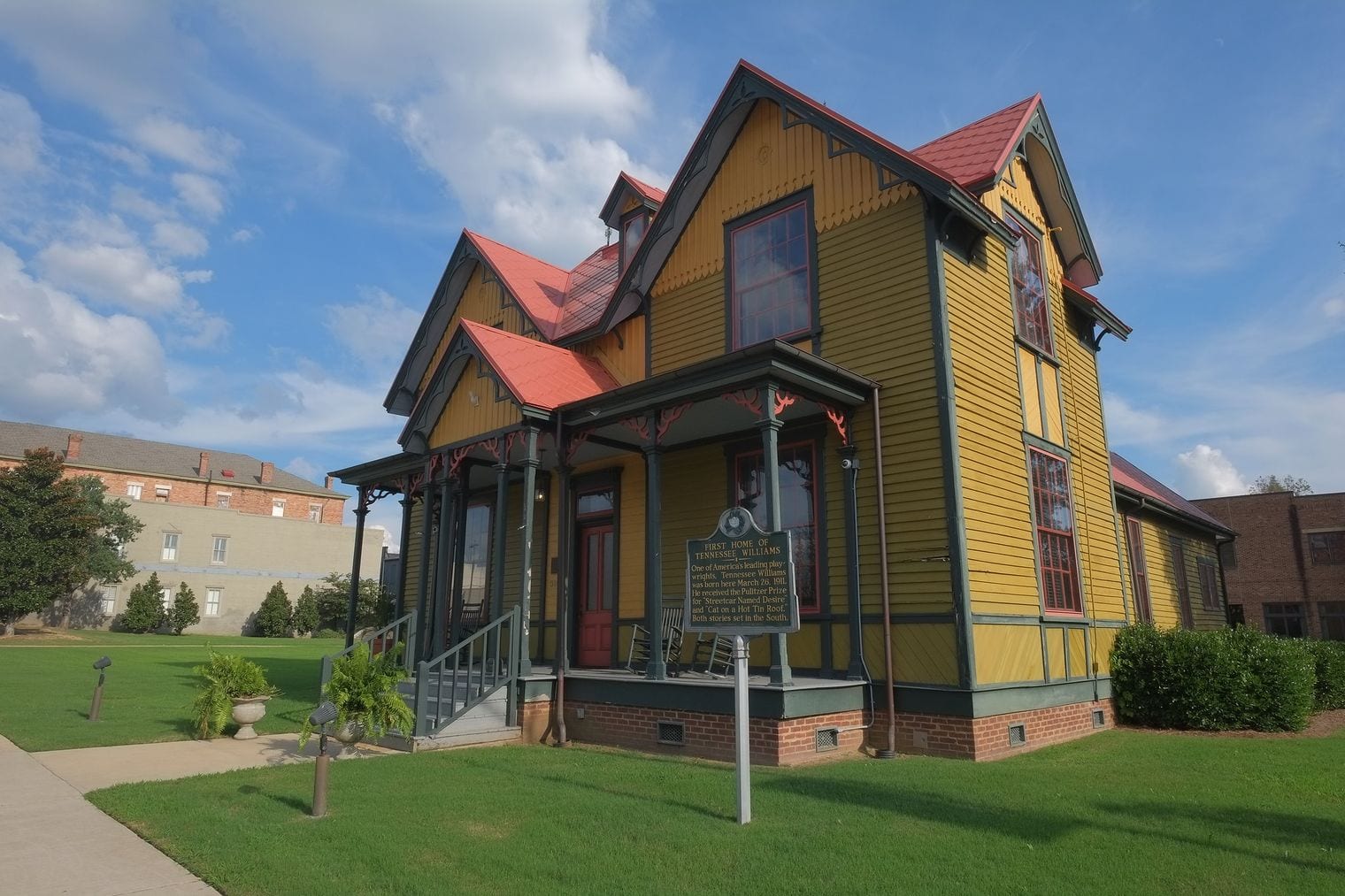
Tennessee Williams was born in Columbus in 1911, and the rectory of St. Paul's Episcopal Church, where his grandfather served as rector, is now the town's Tennessee Williams Welcome Center.
Mississippi University for Women in Columbus was the first public women's college in the United States when it was established.
Ocean Springs was briefly the capital of French Louisiana: Pierre Le Moyne d'Iberville founded Fort Maurepas there in April 1699, and the capital moved on to Mobile in 1710.
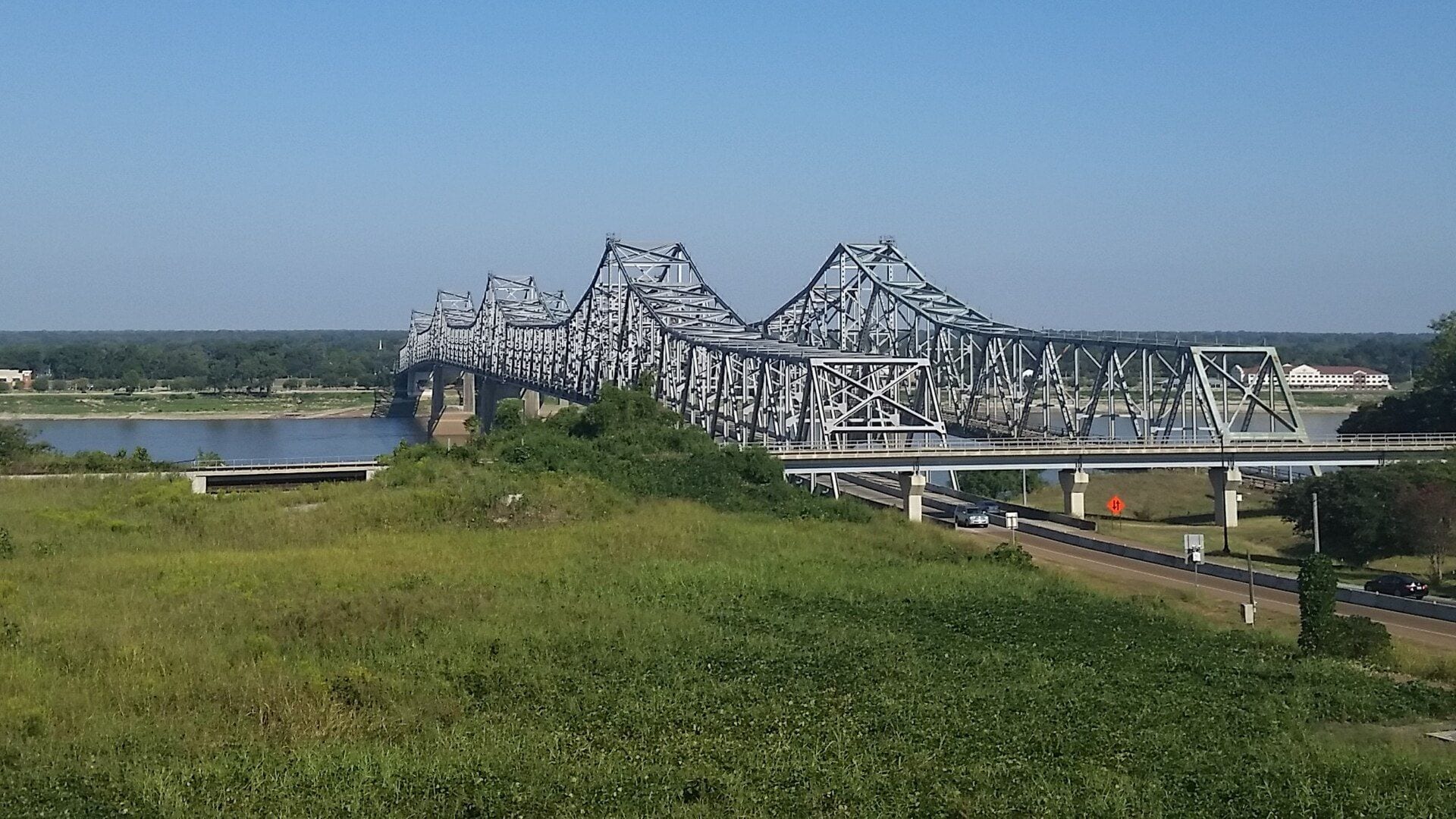
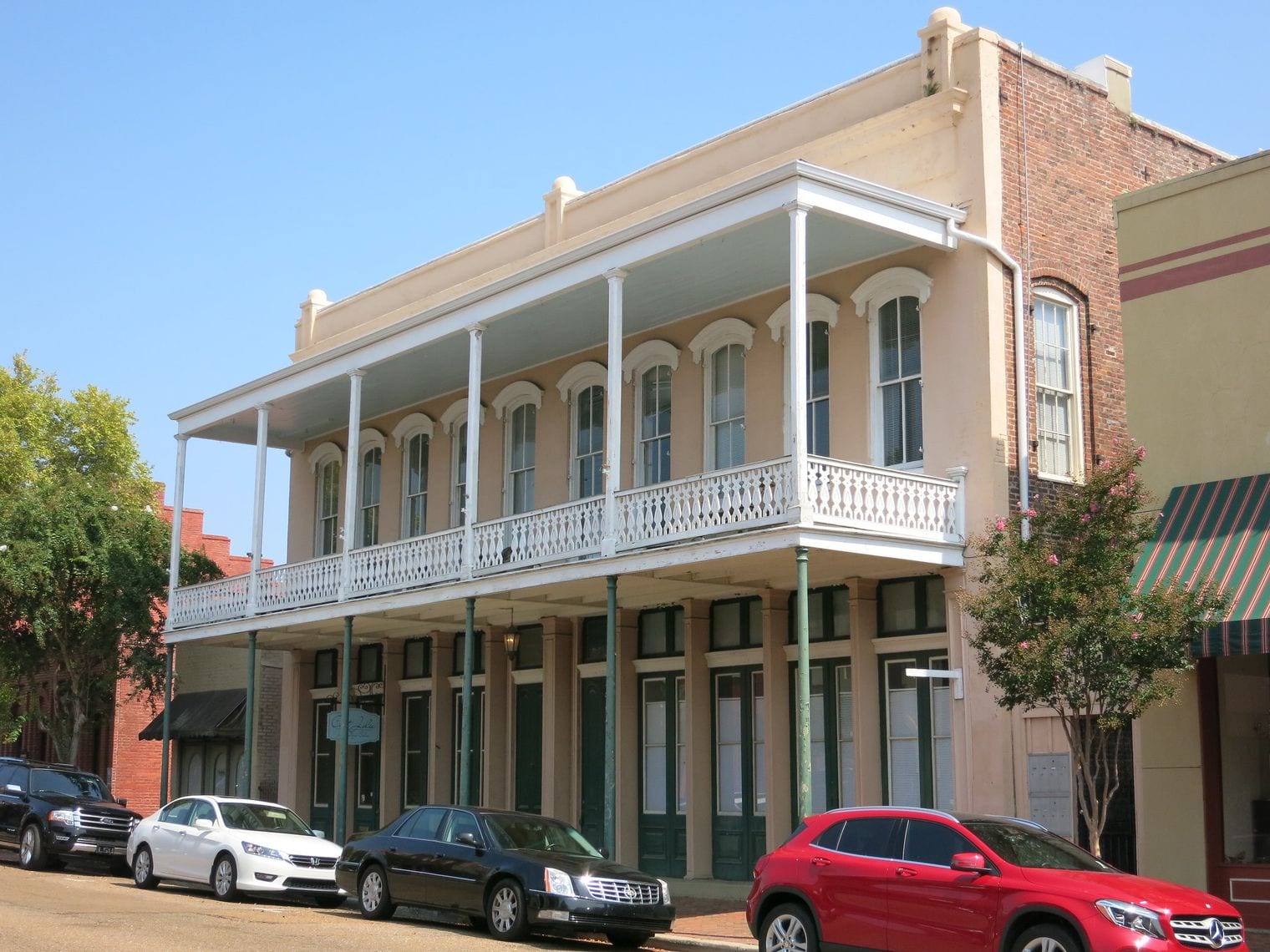
Perched on bluffs high above the Mississippi River, Natchez is the small town Mississippi is best known for. French colonists built Fort Rosalie here in 1716, making it one of the oldest European settlements in the lower Mississippi Valley, and the cotton and river-trade fortunes of the antebellum years left behind a remarkable collection of mansions, many of them open to visitors.
Tour Stanton Hall, an opulent Greek Revival house museum, and Longwood, the largest octagonal house in the United States, then visit Melrose, a Greek Revival estate preserved as part of Natchez National Historical Park. Seasonal pilgrimages open private homes to visitors, Natchez Under-the-Hill sits at the foot of the bluff beside the river, and the Natchez Trace Parkway begins its 444-mile run to Nashville right here in town.
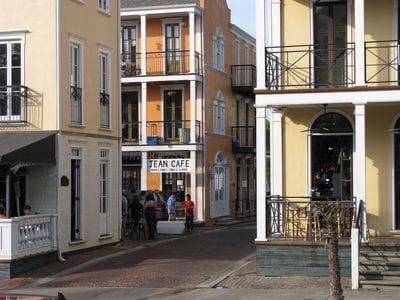
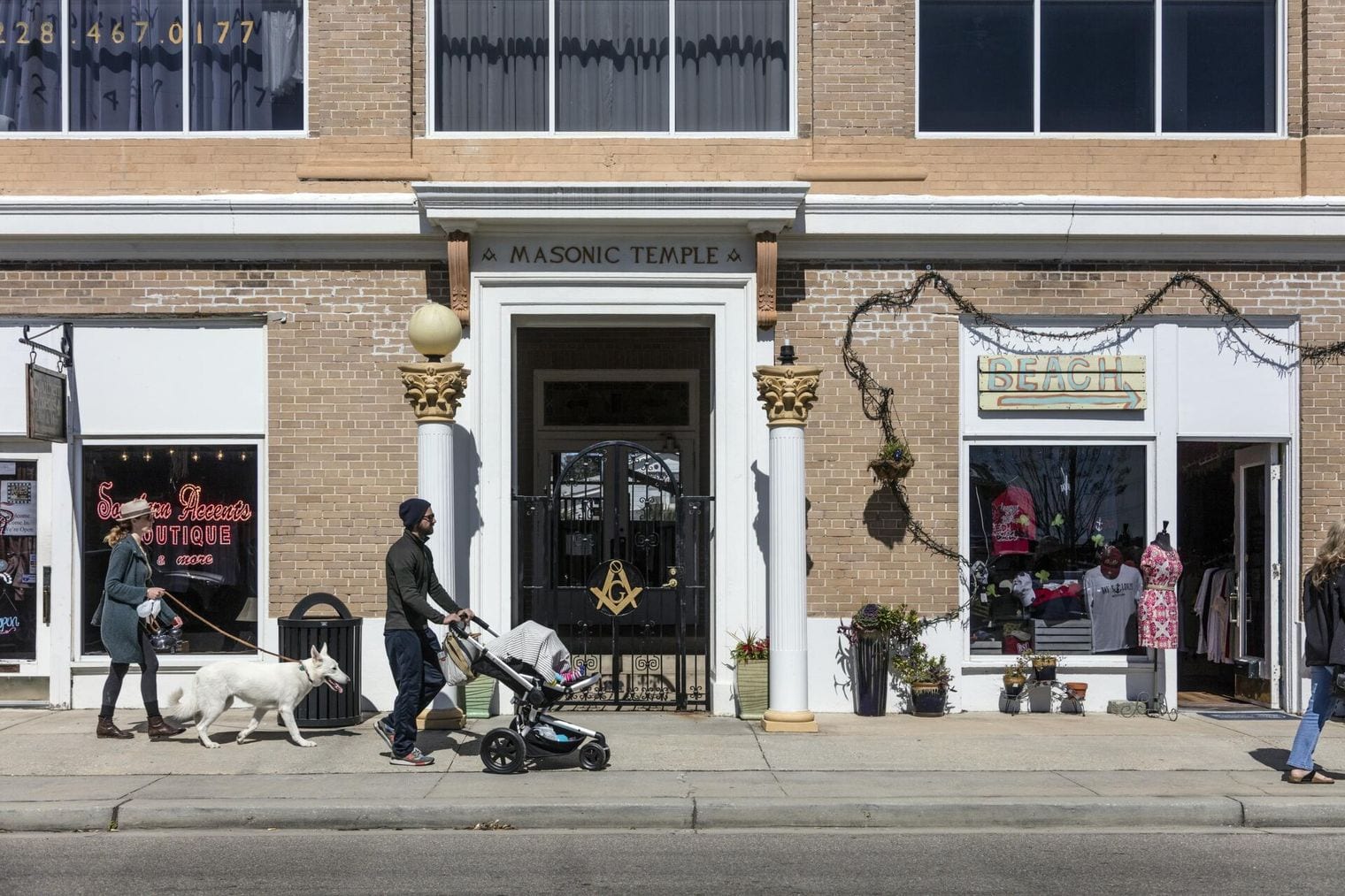
Artsy, unhurried and right on the water, Bay St. Louis is a Gulf Coast favorite, set on the west shore of the Bay of St. Louis. Its Old Town has streets lined with moss-draped oaks, one-of-a-kind shops, galleries and seafood restaurants, all a short walk from a long sand beach on the Mississippi Sound.
Hurricane Katrina made its final landfall just west of town in 2005, and Old Town rebuilt with a creative streak that still defines it. Browse the shops along Main Street and Beach Boulevard, visit the restored Spanish Revival L&N train depot, watch the boats come and go in the municipal harbor and stay into the evening for live music and Gulf seafood.
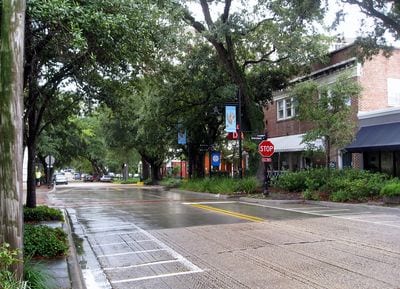
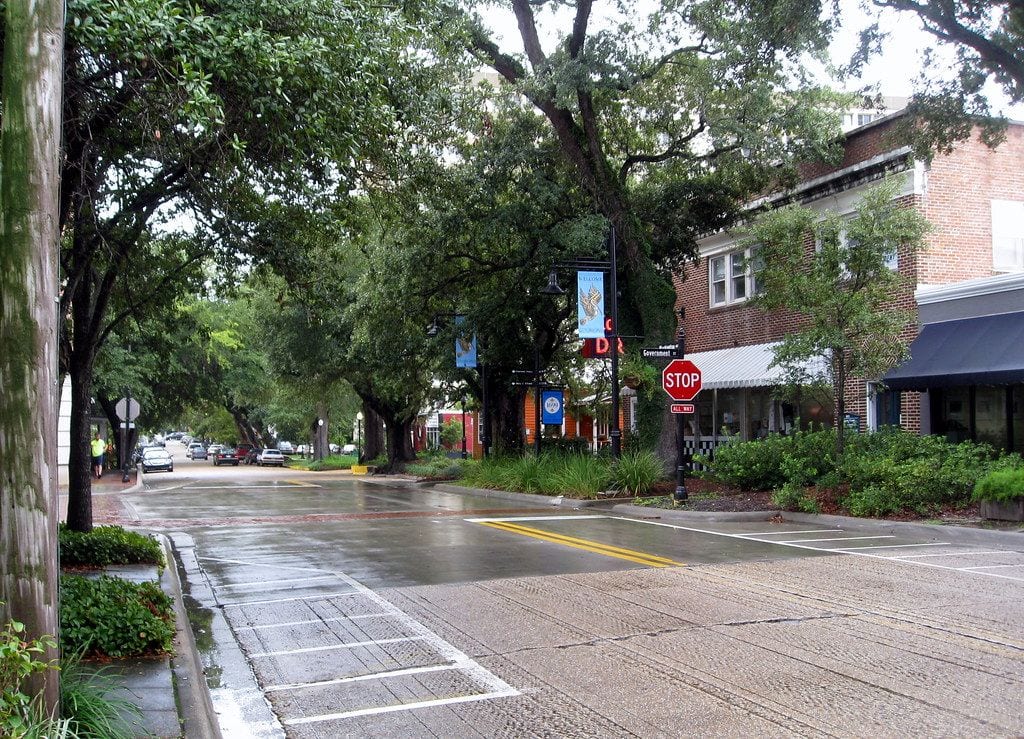
Just across Biloxi Bay from Biloxi, Ocean Springs has a reputation as the arts town of the Mississippi coast, with live oak–shaded streets and a walkable downtown full of galleries, shops, restaurants and bars. Its story begins in April 1699, when Pierre Le Moyne d'Iberville founded Fort Maurepas here, for a time the capital of French Louisiana.
Painter Walter Anderson drew his inspiration from this coast and its barrier islands, and the Walter Anderson Museum of Art on Washington Avenue celebrates his work alongside that of his brothers, including potter Peter Anderson, whose family's Shearwater Pottery has been making pottery in town since 1928.
Each November the Peter Anderson Arts & Crafts Festival fills downtown beneath the oaks, and the Davis Bayou Area of Gulf Islands National Seashore, near town, adds trails, boardwalks and a visitor center on the bayous.
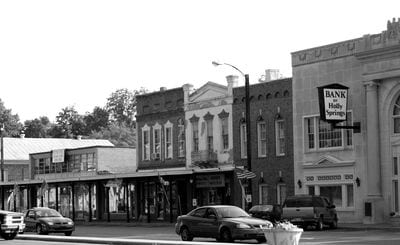
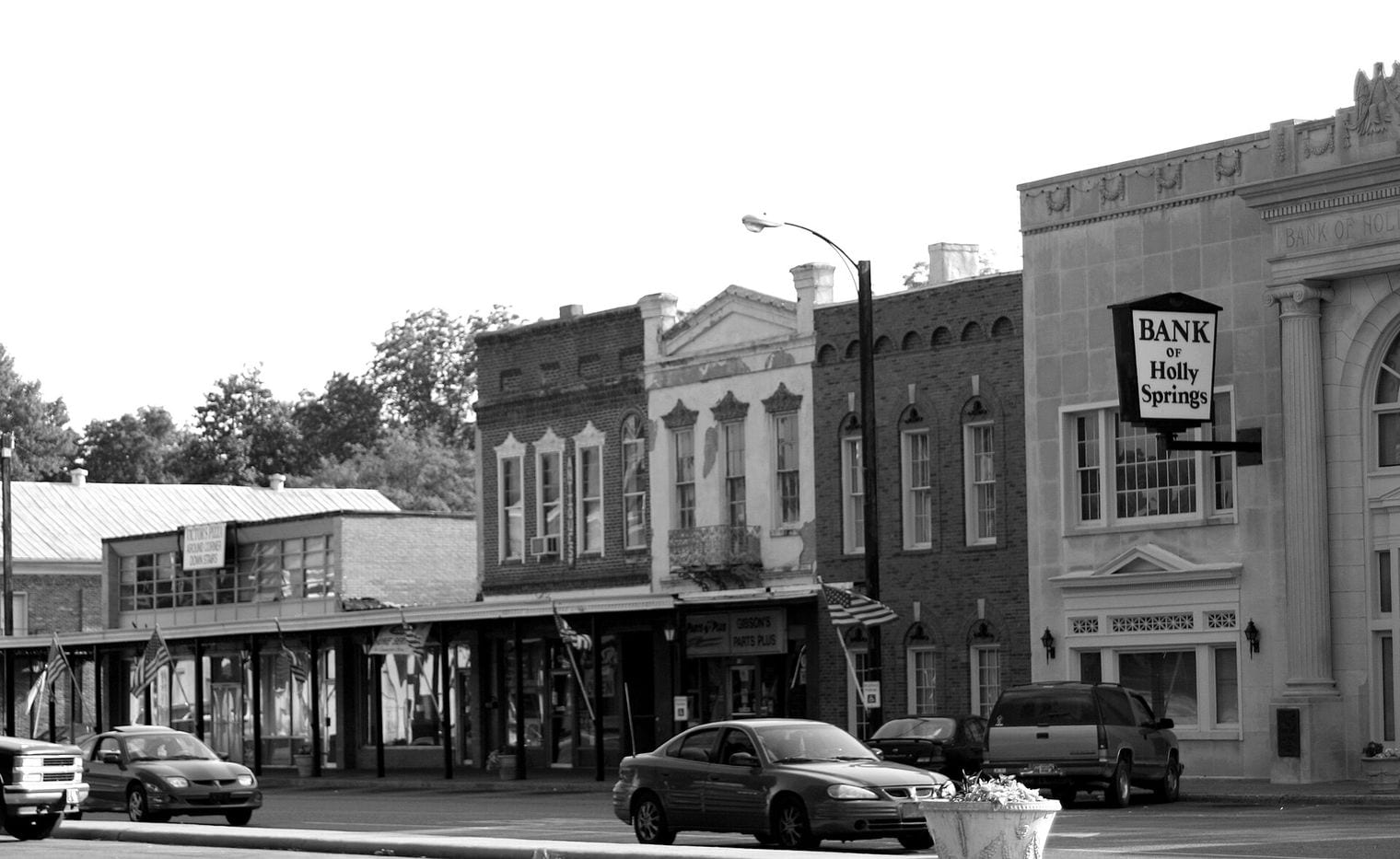
Holly Springs grew rich on cotton in the 1800s, and this courthouse town in the rolling hills near the Tennessee line still has the antebellum homes and churches to show for it. Several of its neighborhoods, including the courthouse square, are historic districts on the National Register of Historic Places, and during the Civil War Ulysses S. Grant briefly made the town his supply depot and headquarters in his campaign against Vicksburg.
Journalist and civil rights pioneer Ida B. Wells was born into slavery here in 1862, and a museum in the Bolling–Gatewood House, on the property where she was born, honors her life and work. Each spring the Holly Springs Pilgrimage opens historic homes such as Montrose to visitors, and Rust College, founded in 1866, is one of the oldest historically Black colleges still operating.
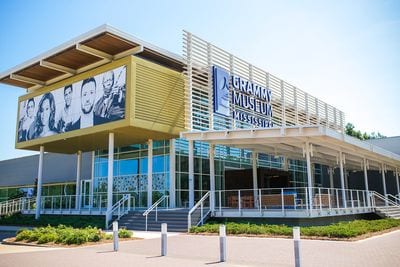
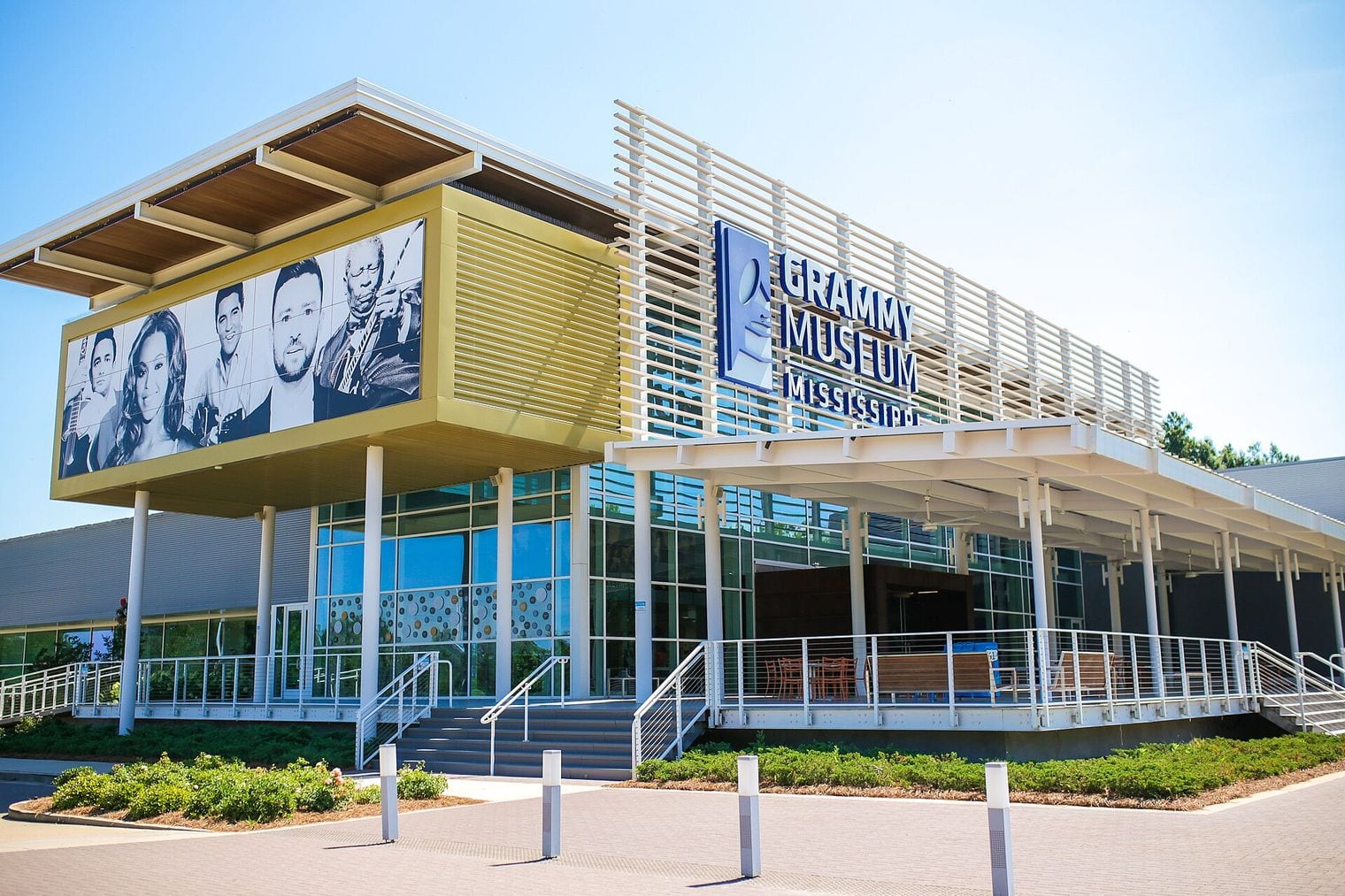
Cleveland is a lively Delta college town, home to Delta State University and a walkable downtown of shops, galleries and places to eat. Its headline sight is GRAMMY Museum Mississippi, the first GRAMMY Museum outside Los Angeles, whose interactive exhibits trace the history of American music in a state that calls itself the birthplace of America's music.
A short drive east, on the road to Ruleville, Dockery Farms is widely regarded as the place where the Delta blues was born: Charley Patton lived and played here, and Robert Johnson and Howlin' Wolf were among the musicians who spent time on the old plantation. It is preserved as a free, open-air stop on the Mississippi Blues Trail, and four more Blues Trail markers stand in Cleveland itself.
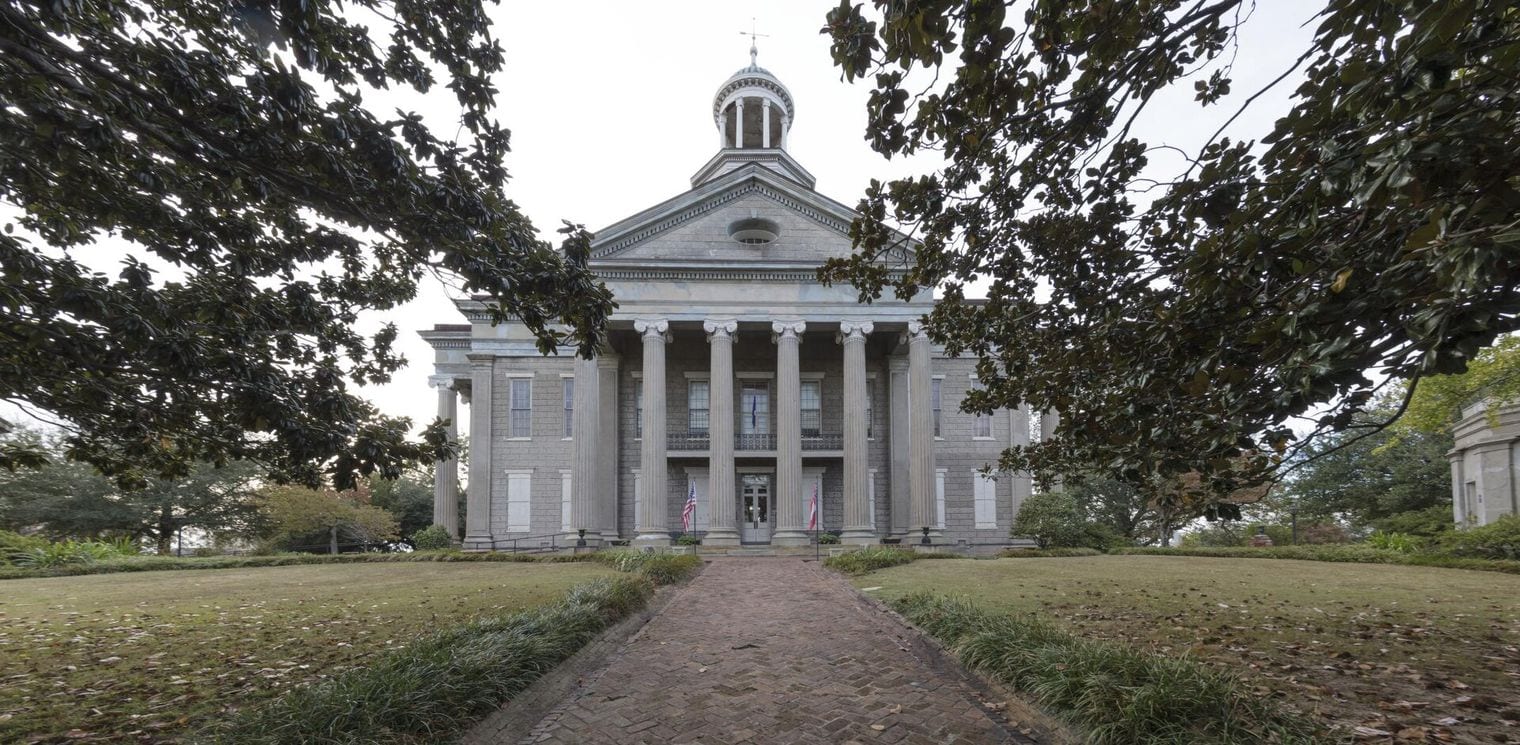
Few places in the South carry as much history as Vicksburg, set on high bluffs above the Mississippi River. Its 47-day siege ended with the city's surrender to Ulysses S. Grant on July 4, 1863, and together with the Union victory at Gettysburg that same week it marked the turning point of the Civil War.
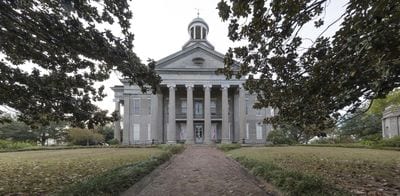
Vicksburg National Military Park preserves the siege lines in reconstructed forts and trenches, and its museum displays the remains of the ironclad USS Cairo, sunk by a mine in 1862. Downtown, the Biedenharn Coca-Cola Museum fills the candy store where Coca-Cola was first bottled, the Old Court House is now a history museum, and the riverfront murals painted on the floodwall tell the city's story scene by scene.
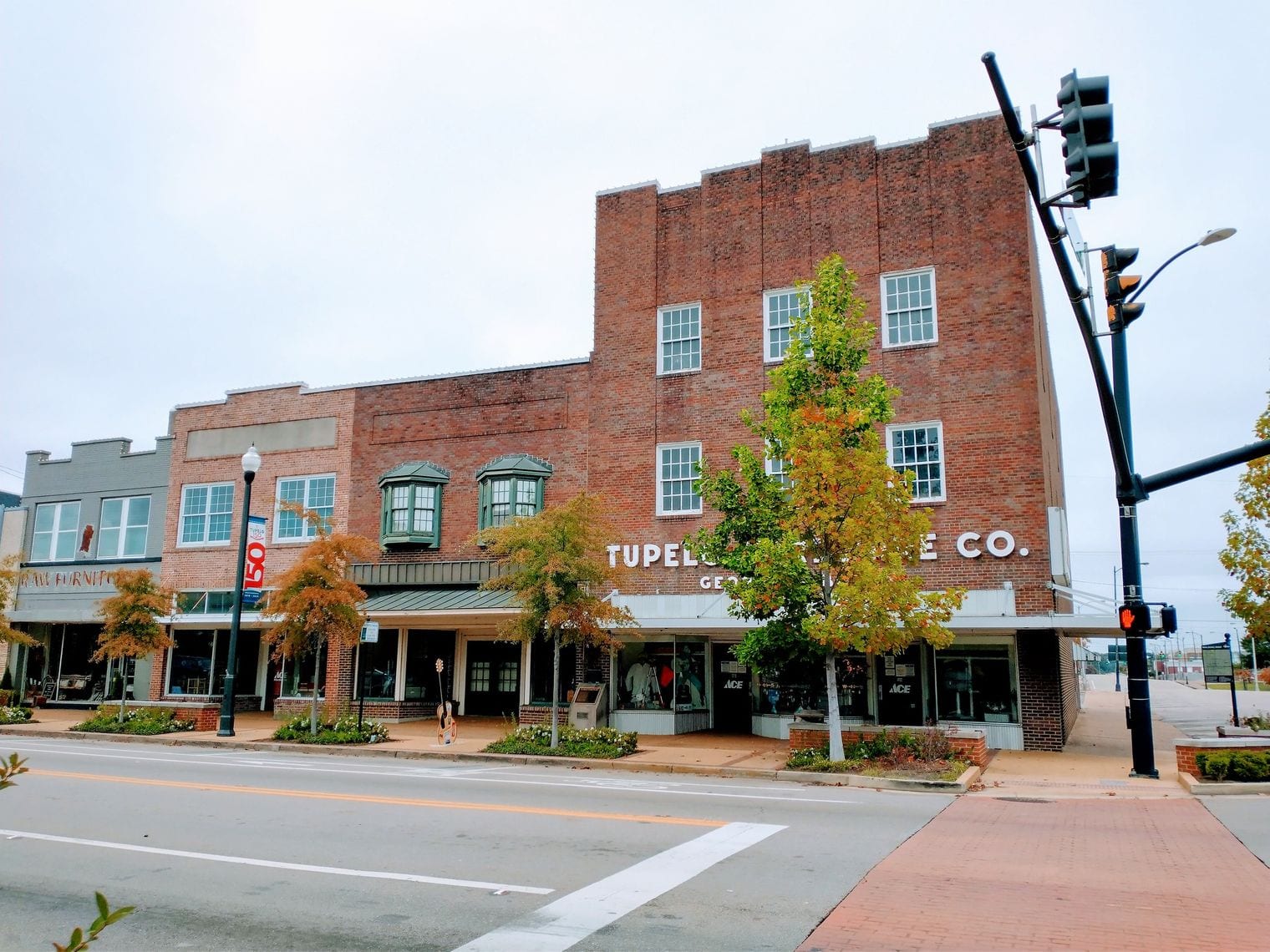
Tupelo is the biggest town on this list and the commercial hub of northeast Mississippi, but for most visitors it means one thing: Elvis Presley was born here on January 8, 1935. The modest two-room house where he was born is the centerpiece of the Elvis Presley Birthplace, a museum site that also includes a chapel, a museum and the church building where the Presley family worshiped.
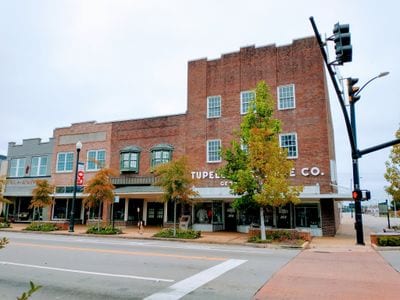
Downtown, Tupelo Hardware Company is best known as the store that sold the young Elvis his first guitar. The headquarters and visitor center of the Natchez Trace Parkway are on the north side of town, an easy starting point for a drive along the old trail, and Tupelo National Battlefield, a small park on Main Street, marks a July 1864 Civil War battle.
Laurel was incorporated in 1882 as a lumber town in the longleaf pine forests of the Piney Woods, and its leafy streets and brick downtown give it the look of a classic Southern main-street town. Since 2016 it has had a second claim to fame as the setting of HGTV's Home Town, in which Laurel's own Ben and Erin Napier restore houses around town.
Fans of the show come to walk the downtown streets they know from television, but Laurel's cultural gem predates the series by nearly a century. The Lauren Rogers Museum of Art, founded in 1923 as the first art museum in Mississippi, holds American and European paintings, Native American baskets, British Georgian silver and Japanese woodblock prints.
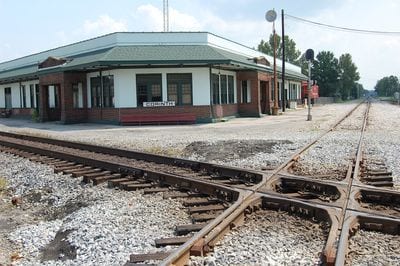
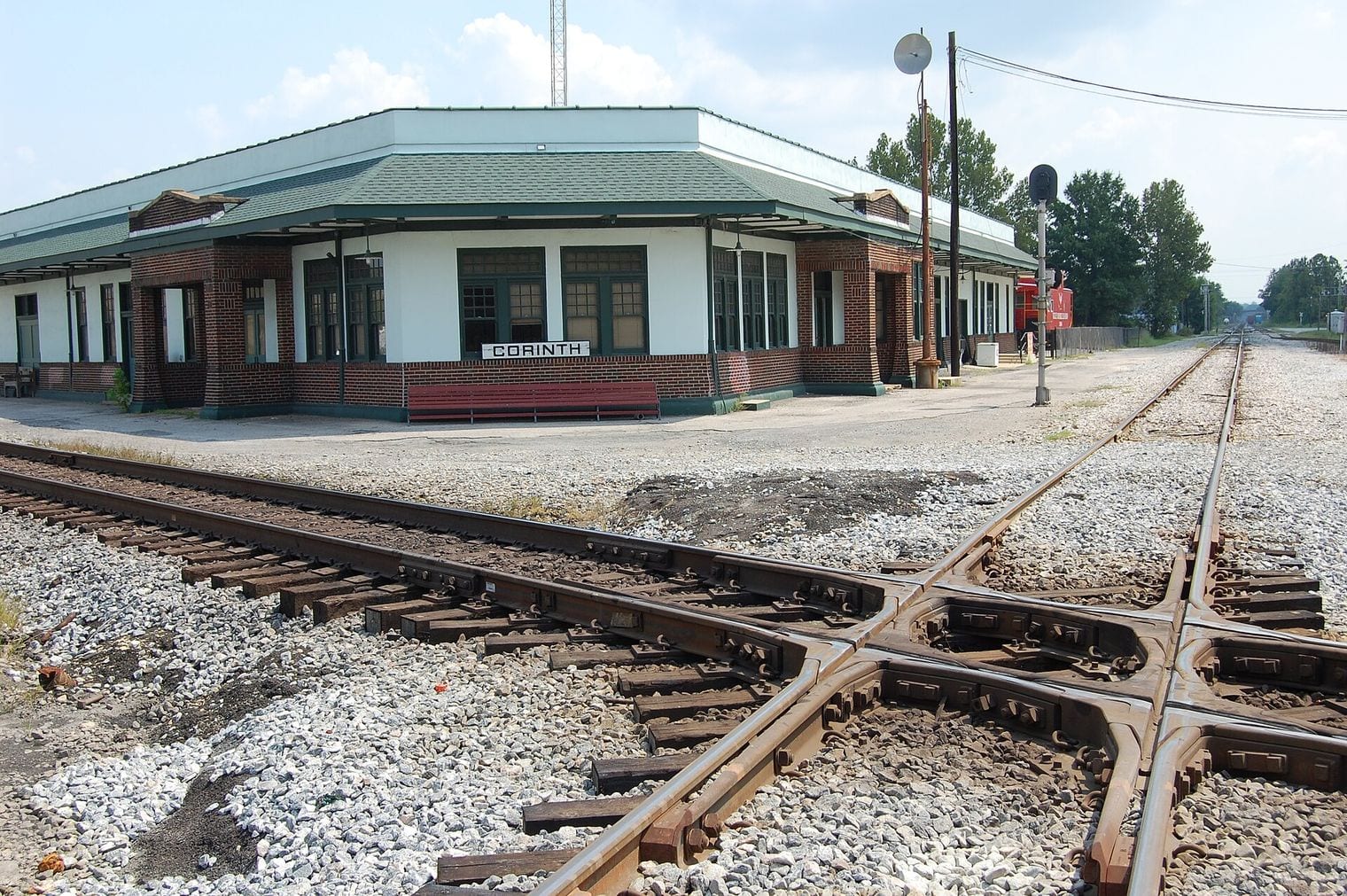
Corinth was founded in 1853 at the crossing of the Mobile & Ohio and Memphis & Charleston railroads, a junction so strategic that Union and Confederate armies fought over it through 1862. First called Cross City, it was renamed for the ancient Greek crossroads city, and it still calls itself the Crossroads of the South.
The Corinth Civil War Interpretive Center, part of Shiloh National Military Park, tells the story of the spring siege and the October 1862 Battle of Corinth, and the town also preserves earthworks and the site of a camp where people who escaped slavery found refuge. Downtown, wander past the historic depot and the old storefronts, and try a slugburger, the town's signature fried burger, at one of its old-school diners.
Free printable checklist of all 20 places
Tick them off as you go. Confirm your email to download it, plus one email every Thursday with new guides for the places you tick.
Port Gibson, a town of about 1,300 people just off the Natchez Trace Parkway, wears a Civil War legend as its motto. Local tradition says Ulysses S. Grant called it “too beautiful to burn” during his 1863 march toward Vicksburg, a story repeated more often than it is proven, and many of its antebellum homes and churches still stand in a downtown largely listed on the National Register of Historic Places.
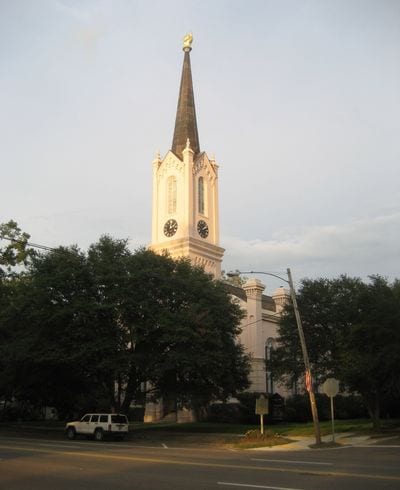
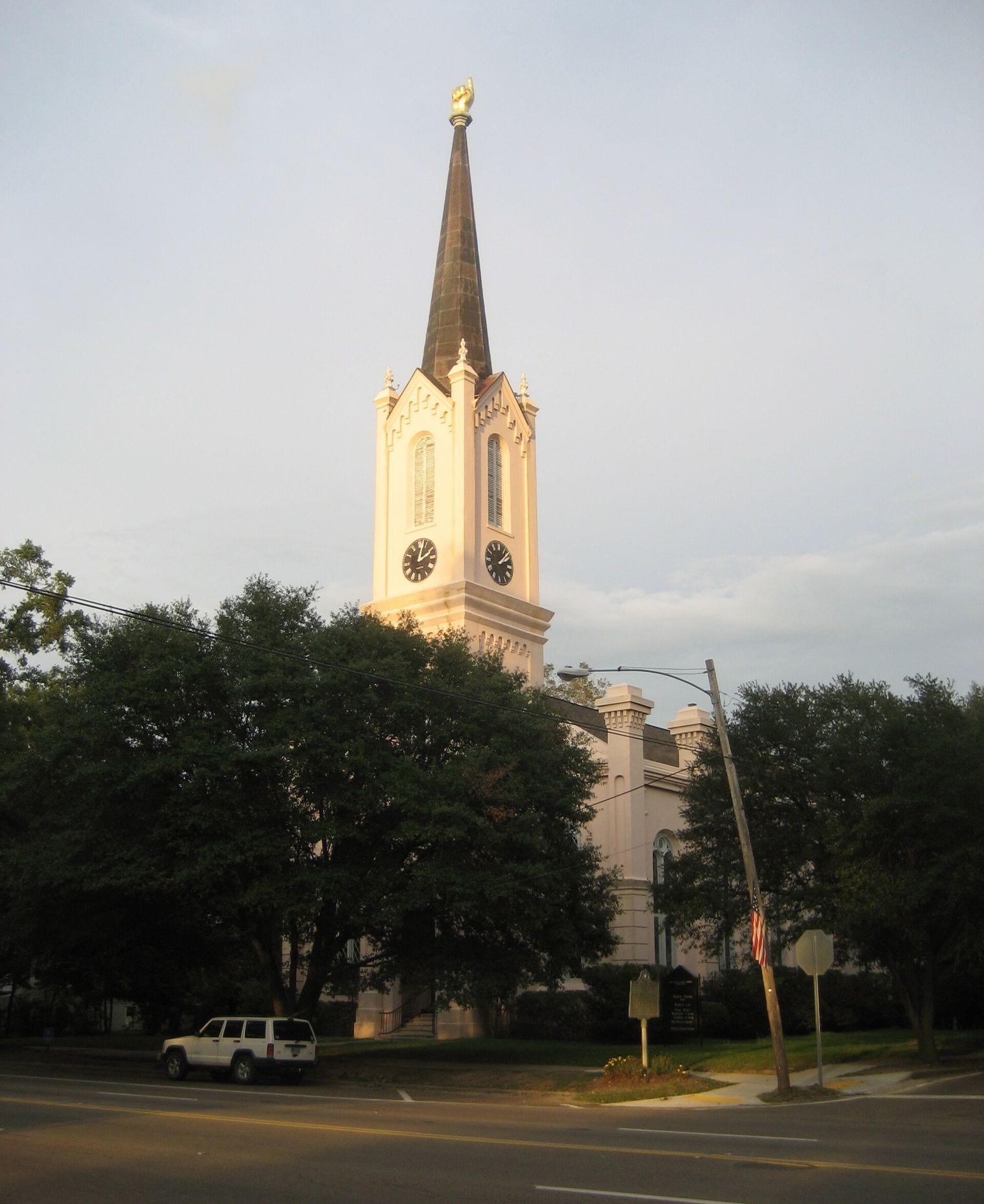
Look up at First Presbyterian Church, whose steeple is crowned by a gilded hand pointing toward heaven instead of a cross. About 10 miles southwest, the 23 standing columns of Windsor Ruins are all that remain of the largest antebellum Greek Revival mansion ever built in Mississippi, lost to fire in 1890, and Grand Gulf Military State Park, northwest of town, preserves Civil War forts, a museum and an observation tower.
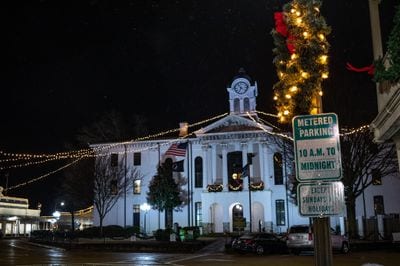
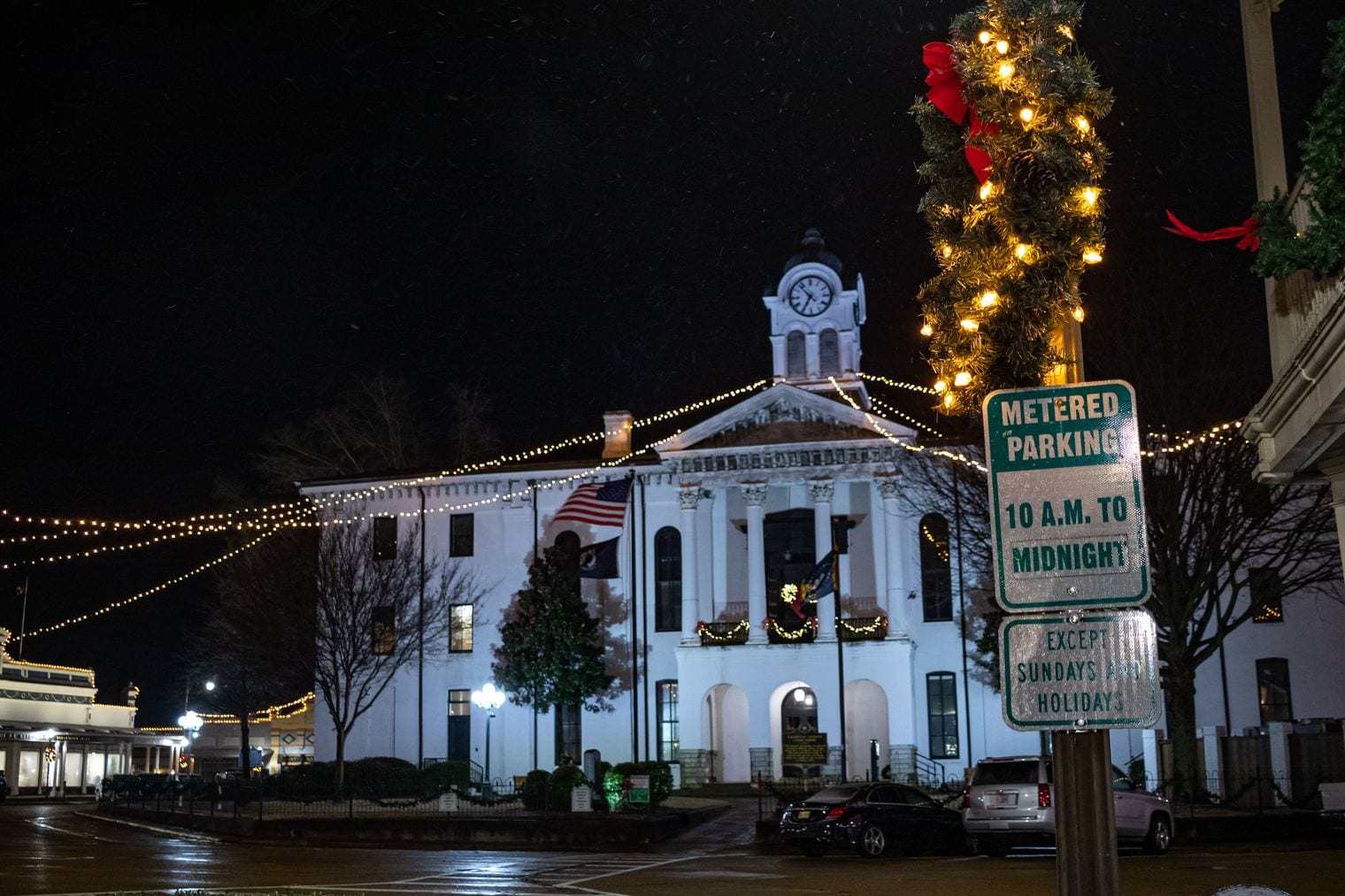
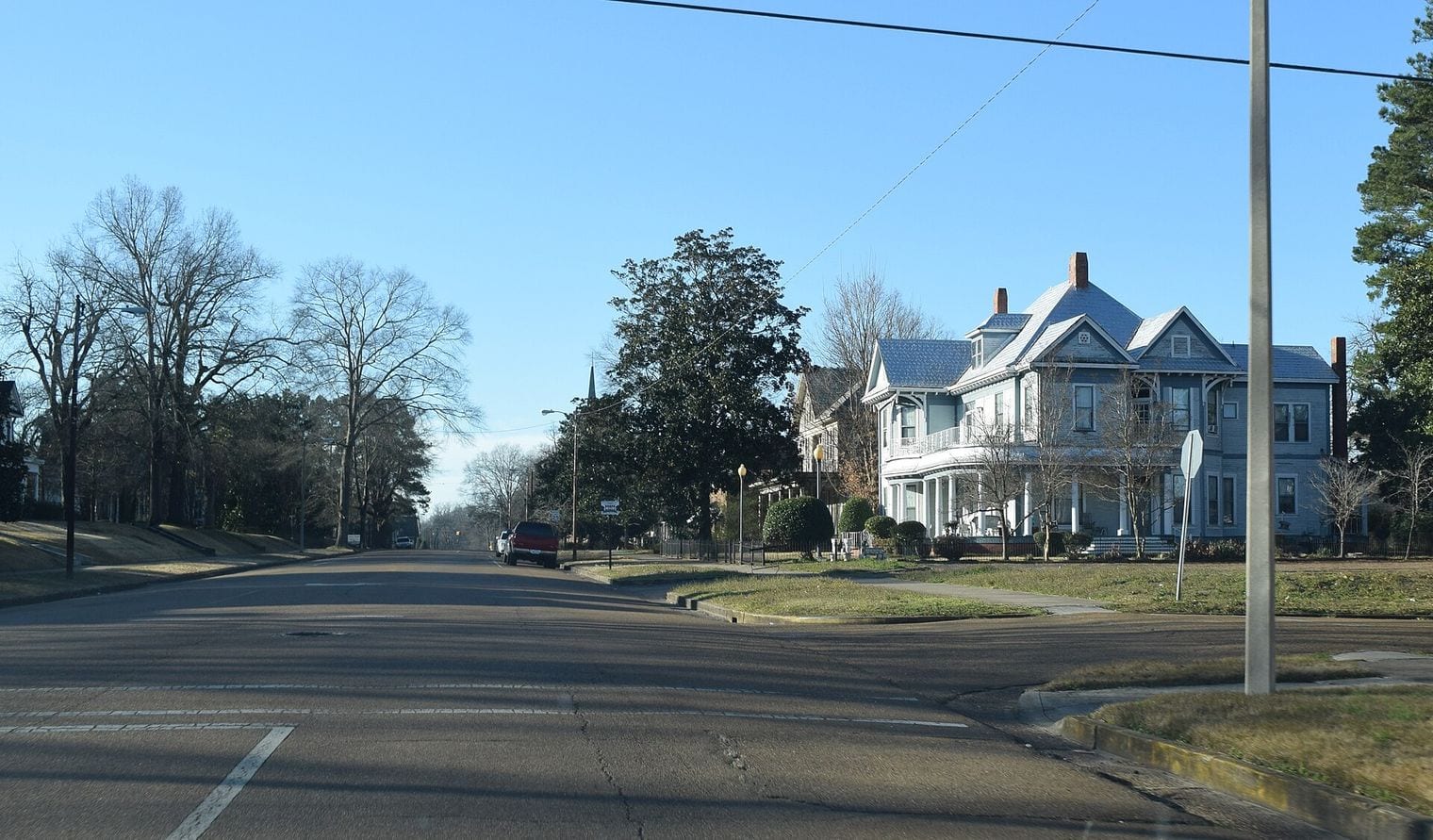
Oxford wears its literary reputation proudly. It is home to the University of Mississippi, known to everyone as Ole Miss, and it was home to William Faulkner, who drew on the town and county for his fictional Jefferson and Yoknapatawpha County. Life downtown revolves around the Square, where the historic Lafayette County Courthouse is ringed by locally owned shops, restaurants and galleries.
Rowan Oak, the 1840s Greek Revival house Faulkner bought in 1930 and lived in until his death in 1962, is owned by the university and open to visitors. Square Books, founded in 1979, spreads across three historic buildings on the Square and hosts author readings and the Thacker Mountain Radio show, and the Ole Miss campus is an easy stroll from downtown.
If the blues has a hometown, Clarksdale makes a strong claim to it. African American musicians developed the music in and around this Delta town before carrying it north to Chicago during the Great Migration, and Clarksdale bills itself as the Crossroads, tying the old legend of Robert Johnson trading his soul for his guitar skills to the junction of Highways 61 and 49.
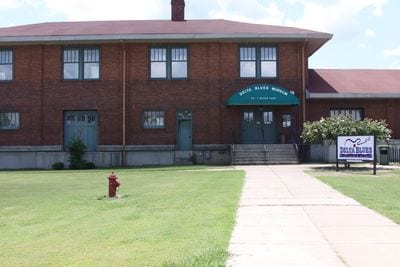
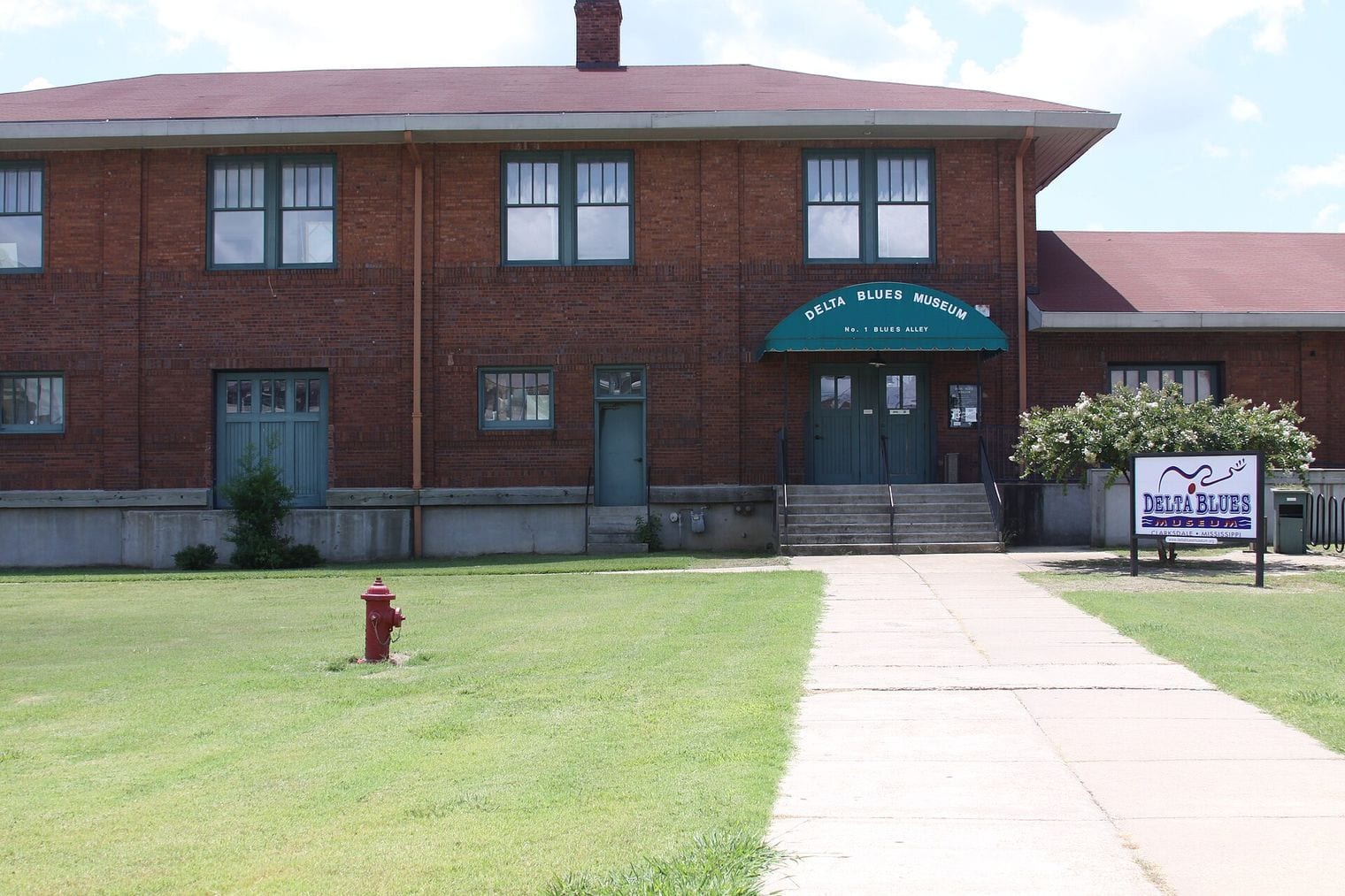
The Delta Blues Museum, in a former railroad depot, holds blues memorabilia and art, and Mississippi Blues Trail markers around town honor musicians including Muddy Waters, John Lee Hooker, Son House, Ike Turner and Sam Cooke. Live blues plays most nights in the downtown clubs and juke joints, and festivals such as the Juke Joint Festival and the Sunflower River Blues & Gospel Festival fill the streets with music.
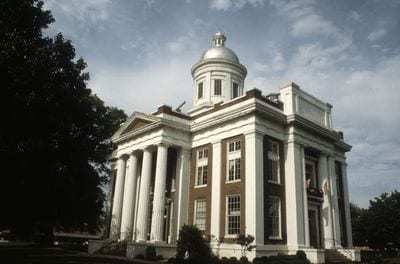
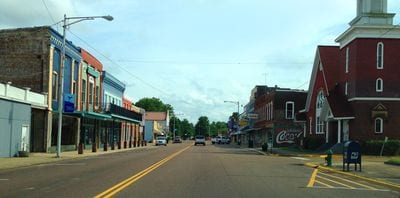
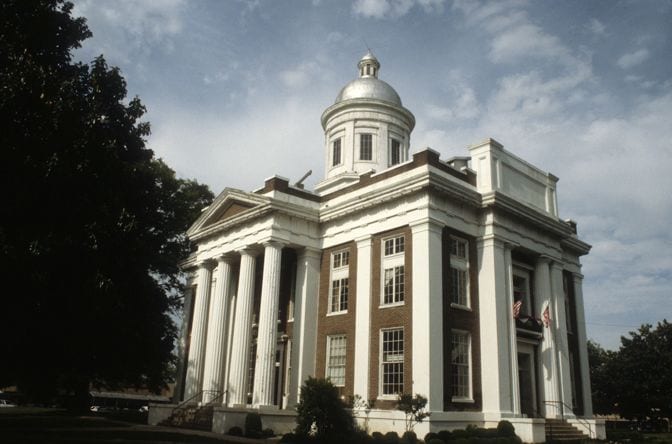
Canton, the Madison County seat a short drive north of Jackson, is built around a picturesque courthouse square. Its stately Georgian courthouse often appears in photographs of the South, and the streets around it form a historic shopping district of old storefronts.
Hollywood noticed: A Time to Kill, the 1996 film of John Grisham's novel, was made mainly in and around Canton, with most of its location filming around the Madison County Courthouse and the old county jail on its grounds. Every spring and fall the Canton Flea Market Arts & Crafts Show, which began in 1965 as a small art show along the courthouse fence, fills the square with artists and craftspeople from across the country.
New Albany, on the Tallahatchie River in the hills of northeast Mississippi, is where William Faulkner was born in 1897, before his family moved to Oxford. The town grew up in 1840 around a grist mill and sawmill near two old Chickasaw trade trails, and today two railroads still cross in a walkable, revitalized downtown.
New Albany is the northern gateway to the Tanglefoot Trail, a 43.6-mile paved rail-trail, the longest in Mississippi, that runs south through quiet farm country on a corridor first assembled by the writer's ancestor, Colonel William C. Falkner. In town, the Union County Heritage Museum covers local history and Faulkner's legacy and tends a garden of native plants, and the Tallahatchie Riverfest is the highlight of the town's calendar.
Starkville is Mississippi State University's college town, and on fall football Saturdays the whole place turns out for the Bulldogs. Founded in 1831 as Boardtown for its sawmill, it was renamed in 1837 for Revolutionary War general John Stark and grew into a college town after the university was chartered in 1878.
Between downtown and campus, the Cotton District is a walkable neighborhood of Greek Revival and Victorian-style cottages, often described as North America's first New Urbanist community, packed with restaurants and bars. On campus, Mitchell Memorial Library houses the Ulysses S. Grant Presidential Library, a self-guided tour leads to more than 15 murals around town, and the trails of the Noxubee National Wildlife Refuge are a short drive away.
Grenada came into being in 1836, when two neighboring towns, Pittsburg and Tullahoma, joined into one, and the boundary between them survives in the name of Line Street. Its historic downtown and quiet residential streets make a pleasant stop on Interstate 55 between Jackson and Memphis.
For most visitors, though, the draw is Grenada Lake, a vast flood-control reservoir on the Yalobusha River just northeast of town, built by the U.S. Army Corps of Engineers and opened in 1954. Its roughly 35,000 acres of summer water are known for crappie fishing, boating and camping, and Hugh White State Park, about five miles east of town, is a popular base for a weekend on the lake.
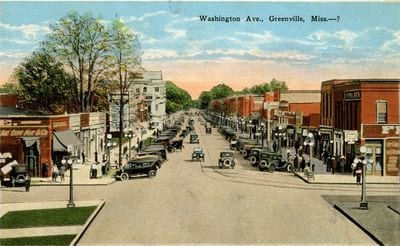
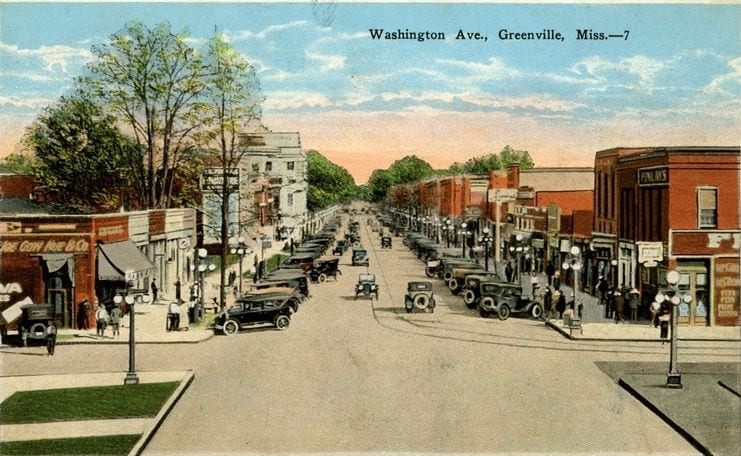
Greenville, the largest city in the Mississippi Delta, is a river town with an outsized literary and musical legacy. Historian Shelby Foote was born here, novelist Walker Percy grew up here, and Pulitzer Prize–winning journalist Hodding Carter ran the local newspaper, while in the 1940s and 1950s the clubs of Nelson Street drew crowds for Delta blues, jump blues and jazz.
Mississippi Blues Trail markers recall Nelson Street's heyday, and just north of town the Winterville Mounds, a National Historic Landmark, preserve platform mounds built by the Plaquemine Mississippian culture. Greenville also calls itself the Hot Tamale Capital of the World: spicy, simmered Delta-style tamales are a local staple, celebrated each October at the Delta Hot Tamale Festival.
Flora is a tiny Madison County town of about 1,600 people, a short drive northwest of Jackson, with a revived Main Street of shops and places to eat and a historic railroad depot at its heart. It makes an easy half-day escape from the capital, especially paired with the stranger sight just outside town.
That sight is the Mississippi Petrified Forest, a privately owned park where a nature trail leads past logs that turned to stone after they washed down an ancient river channel, an event believed to date back some 36 million years. A National Natural Landmark, it is one of only two petrified forests in the eastern United States, and its gem-mining flume and gift shop make it a hit with kids.
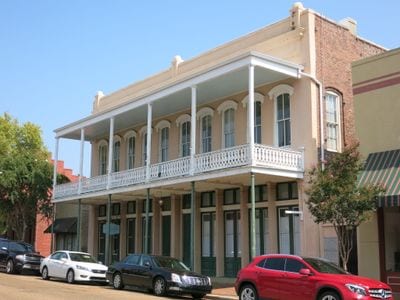
Columbus, on the Tombigbee River near the Alabama line, has a collection of antebellum homes considered second only to Natchez's in Mississippi, spared during the Civil War when Confederate cavalry kept Union troops from reaching the town. Many of them open their doors to visitors during the annual Pilgrimage.
Playwright Tennessee Williams was born here in 1911, and the old St. Paul's Episcopal rectory, his grandfather's home at the time, was moved and restored as the Tennessee Williams Welcome Center. Mississippi University for Women was the first public women's college in the United States, and at Friendship Cemetery local women decorated both Union and Confederate graves in April 1866, an early example of what became Memorial Day.
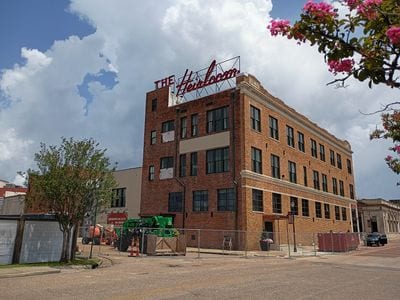
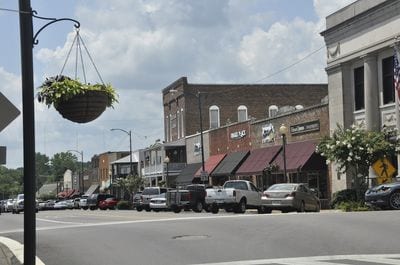
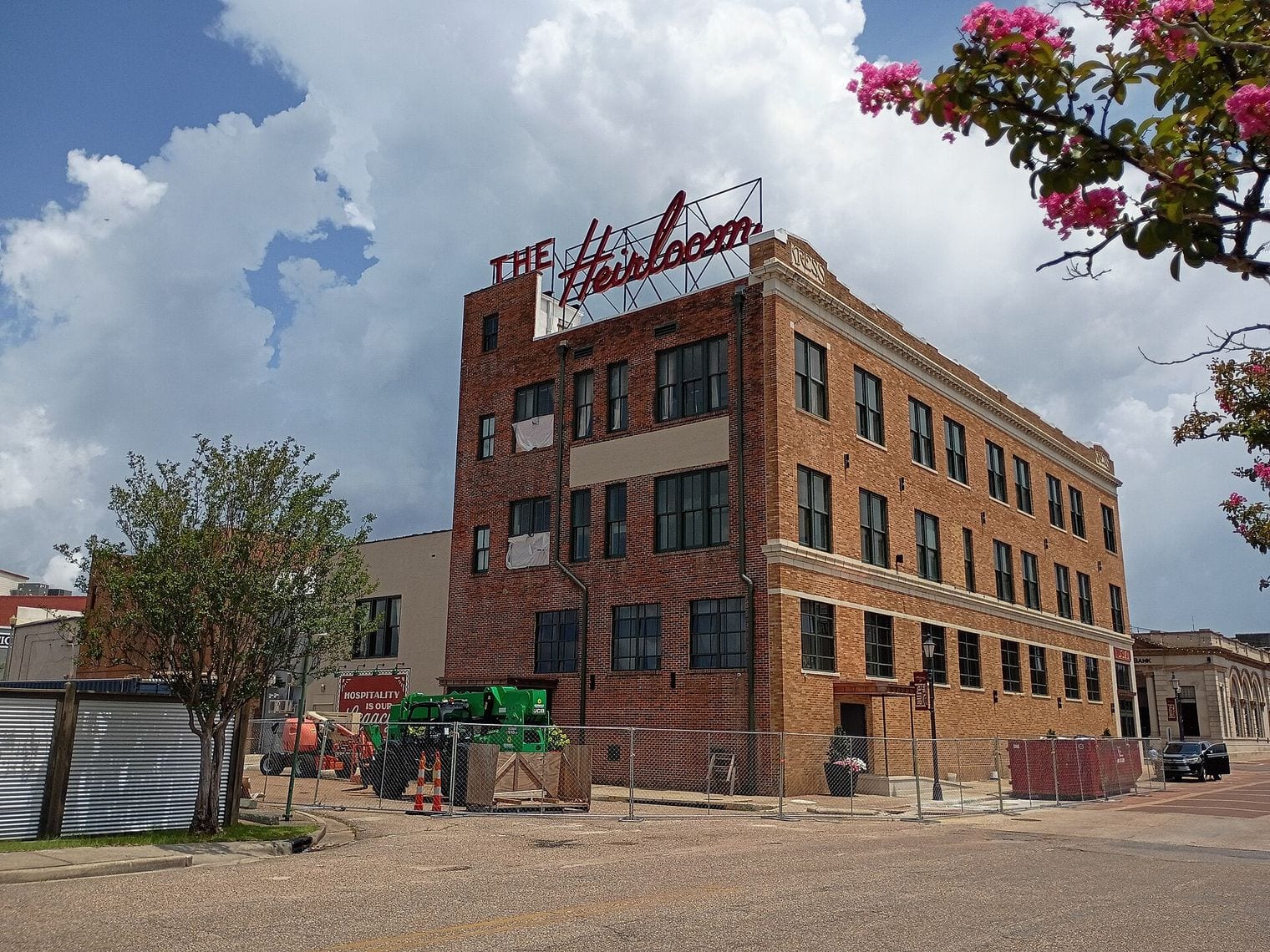
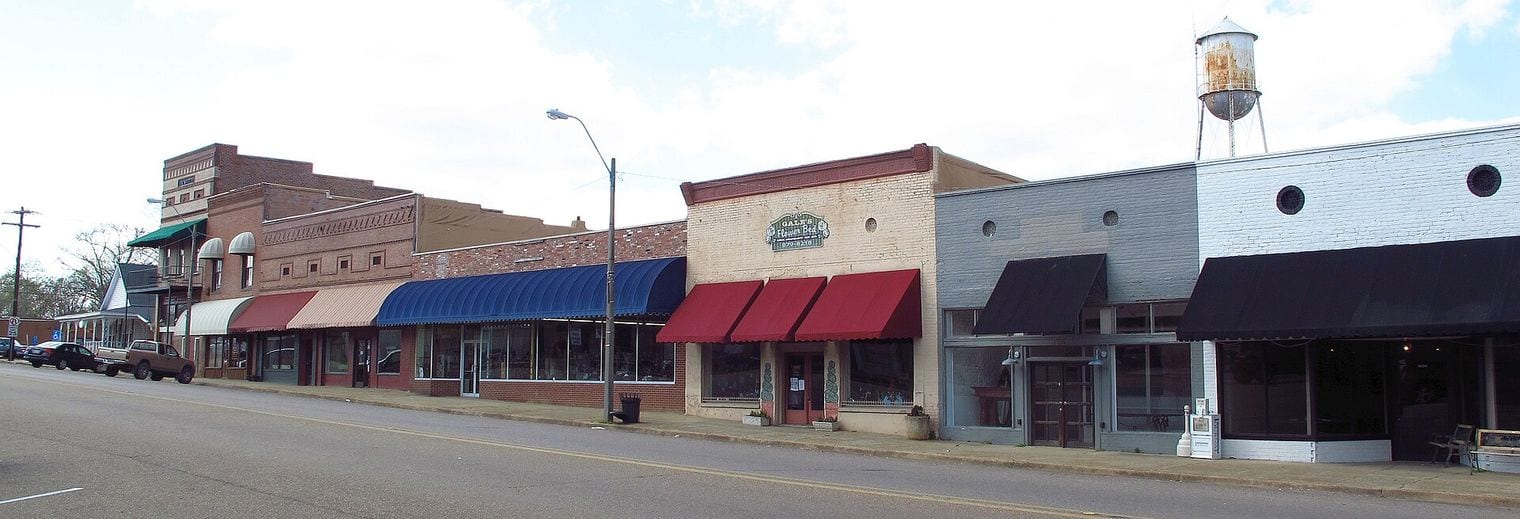
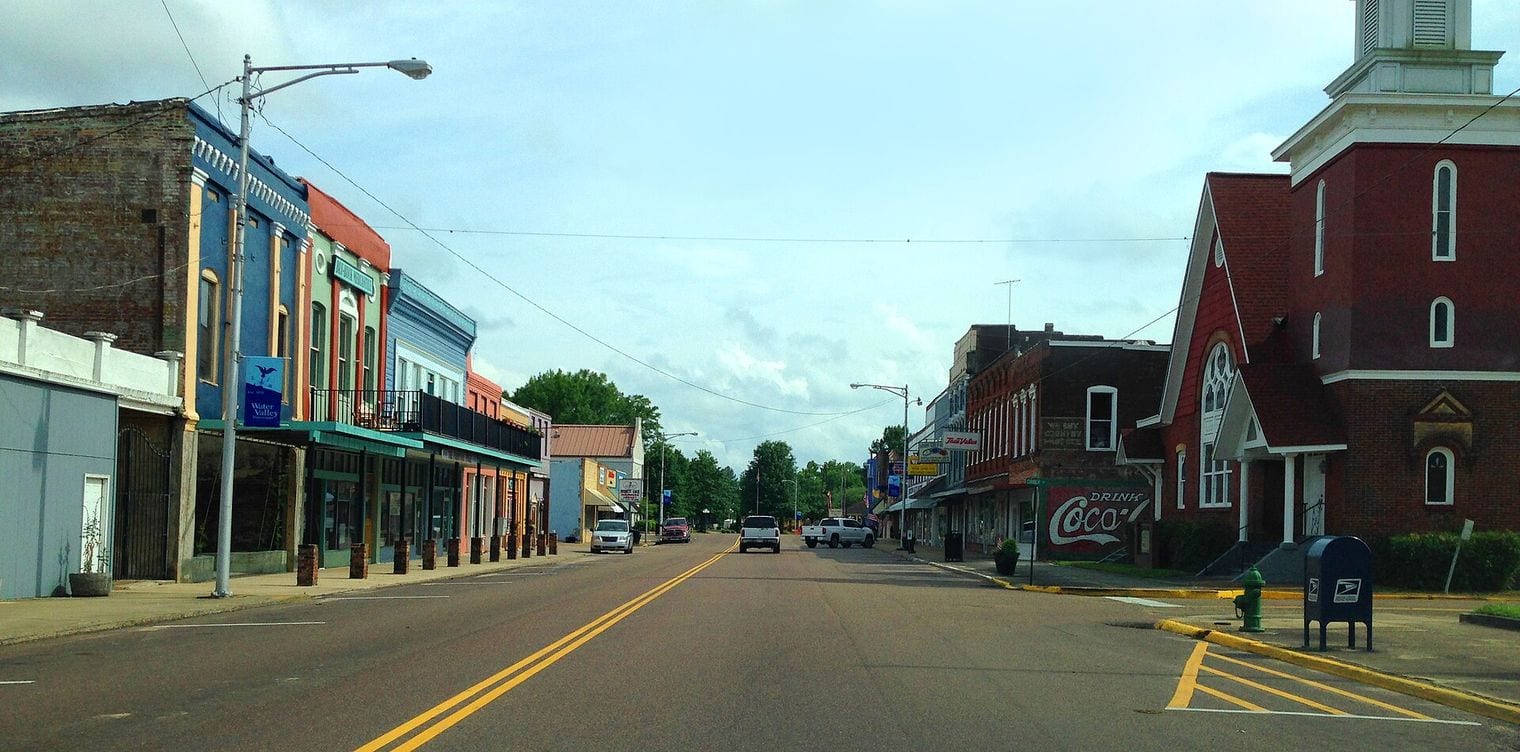
Water Valley is a railroad town reborn as an arts town. This Yalobusha County seat of about 3,400 people, south of Oxford, was once a center of railroad shops, and its Main Street, listed on the National Register of Historic Places, is lined with galleries, studios, shops and cafés.
Casey Jones, the engineer immortalized in song after his fatal 1900 wreck, once lived and worked here, and the restored depot houses the Casey Jones Railroad Museum with its railroad relics, photographs and an Illinois Central caboose. Time a visit for the town's annual art crawl, when studios and galleries across downtown open their doors, or simply browse Main Street before the easy drive back to Oxford.
Free Things to Do in These Mississippi Towns
Plenty of the best moments on this list cost nothing. Walk the bluff-top streets of Natchez and drive the first miles of the Natchez Trace Parkway, which charges no entrance fee, then stroll Old Town and the beach in Bay St. Louis and the oak-shaded downtown of Ocean Springs.
Dockery Farms outside Cleveland is a free open-air stop on the Mississippi Blues Trail, and Blues Trail markers in Clarksdale and Greenville tell the music's story on the street. Linger on the courthouse squares of Oxford, Canton and Holly Springs, walk or cycle part of the Tanglefoot Trail from New Albany, wander the Cotton District in Starkville and look up at the golden hand atop the church steeple in Port Gibson.
Mississippi is easiest to explore one region at a time. On the Gulf Coast, Bay St. Louis and Ocean Springs sit at either end of an easy drive along the beach highway, with Gulfport and Biloxi in between.
In the southwest, Natchez, Port Gibson and Vicksburg line up along the Mississippi River on US 61, the Natchez Trace Parkway links Natchez and Port Gibson to Jackson, and Natchez is about 85 miles north of Baton Rouge. Canton and Flora are each a short drive from the capital, the natural base for the middle of the state.
In the Delta, Clarksdale and Cleveland sit on Highway 61, with Greenville a short drive southwest of Cleveland. The northern hills hold the densest cluster: Oxford, Water Valley and Holly Springs are close neighbors; New Albany, Tupelo and Corinth lie to the east toward the Tennessee line; and Starkville and Columbus share the Golden Triangle to the south, with Grenada on Interstate 55 to the west.
Spring brings home pilgrimages to Natchez, Holly Springs and Columbus, fall brings football weekends to Oxford and Starkville, the Delta Hot Tamale Festival in Greenville and the Peter Anderson Arts & Crafts Festival in Ocean Springs, and the Canton Flea Market fills its square each spring and fall.
FAQ: Visiting the Best Small Towns in Mississippi
What is the best small town in Mississippi?
Natchez is the best small town in Mississippi for most visitors, with its antebellum mansions on the bluffs above the Mississippi River and the southern end of the Natchez Trace Parkway. Bay St. Louis follows for its arty Gulf Coast Old Town, then Ocean Springs for its live oaks and galleries, Holly Springs for its historic homes and Cleveland for the blues.
Which small towns in Mississippi are on the Gulf Coast?
Bay St. Louis and Ocean Springs are the standouts on the Mississippi Gulf Coast. Bay St. Louis has a walkable Old Town of galleries and shops near a long sand beach, while Ocean Springs has an oak-shaded downtown, the Walter Anderson Museum of Art and the Davis Bayou Area of Gulf Islands National Seashore nearby.
Where can you experience the blues in small-town Mississippi?
Head to the Delta. Clarksdale has the Delta Blues Museum and live blues in its clubs and juke joints most nights, Cleveland has GRAMMY Museum Mississippi and nearby Dockery Farms, and Greenville remembers the blues clubs of Nelson Street. Mississippi Blues Trail markers in all three towns tell the stories of the musicians who shaped the music.
When is the best time to visit small towns in Mississippi?
Spring and fall are the most comfortable seasons. Spring brings home pilgrimages in Natchez, Holly Springs and Columbus and blooming gardens, while fall brings cooler weather, college football in Oxford and Starkville and festivals such as the Delta Hot Tamale Festival in Greenville. Summers are long, hot and humid, best for the Gulf Coast beaches.
How many days do you need to visit a small town in Mississippi?
Most towns on this list fill a relaxed day, and many make easy day trips from Jackson, Memphis or the Gulf Coast. Natchez and Oxford deserve a weekend to see properly, while a week lets you link several towns in one region, such as the river towns along the Natchez Trace or the blues towns of the Delta.
Sources & updates
How this guide was checked
Checked before launch
Sources cited
20
Publishers
19
Every town on this list was pinned on the map and checked against official and local sources before publication.
A PDF with a box to tick for every place. Confirm your email to download it, and get one email every Thursday with our newest guides for the places you tick.
Free Mississippi small towns printable checklist
All 20 places in one PDF
Tick them off as you go. Confirm your email to download it, plus one email every Thursday with new guides for the places you tick.
We use cookies to analyse site traffic and improve your experience.
You can accept or reject analytics cookies. See our
May we use analytics cookies? See ourCookie Policy.