We build and rank every list first. Booking links come after, and only where
a partner sells a ticket, tour or stay for that exact place, so a place with
nothing to book is listed exactly as prominently as one you can book.
So how do we earn? Some links on this page go to booking
partners, and if you book tickets, tours or a stay through
one, we may earn a commission. It costs you nothing extra.
That commission never decides which places make the list, the order they
appear in, or what we write about them. No entry is sponsored or a paid
placement.
By the City Viking editorial teamPublished 20 places · 18 min read
Fact-checked Checked before launchOct 13, 202620 sources11 publishers3 tourism boards7 encyclopedias & research10 venues & other sitesPublished · Oct 13, 2026Researched and checked before it went liveClick for every source and the full change log.
Short answer
Missoula is known for its setting where five valleys meet, the University of Montana and the trout river running through its downtown. Start at Caras Park, with A Carousel for Missoula and the surfers of Brennan's Wave, then climb the M Trail on Mount Sentinel for the view. Two days covers the city, including Fort Missoula's museum and the Smokejumper Visitor Center; add a third for the Rattlesnake or a day trip.
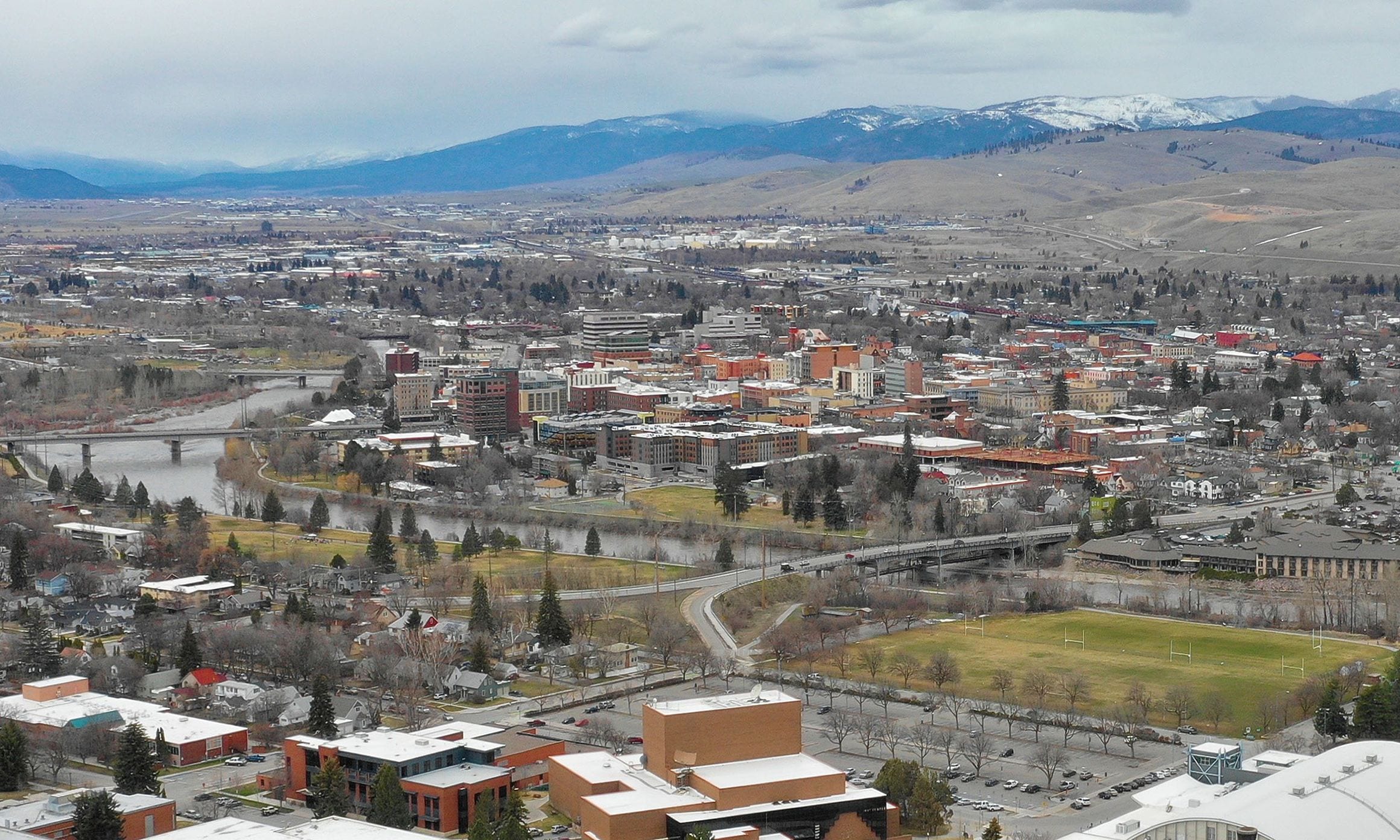
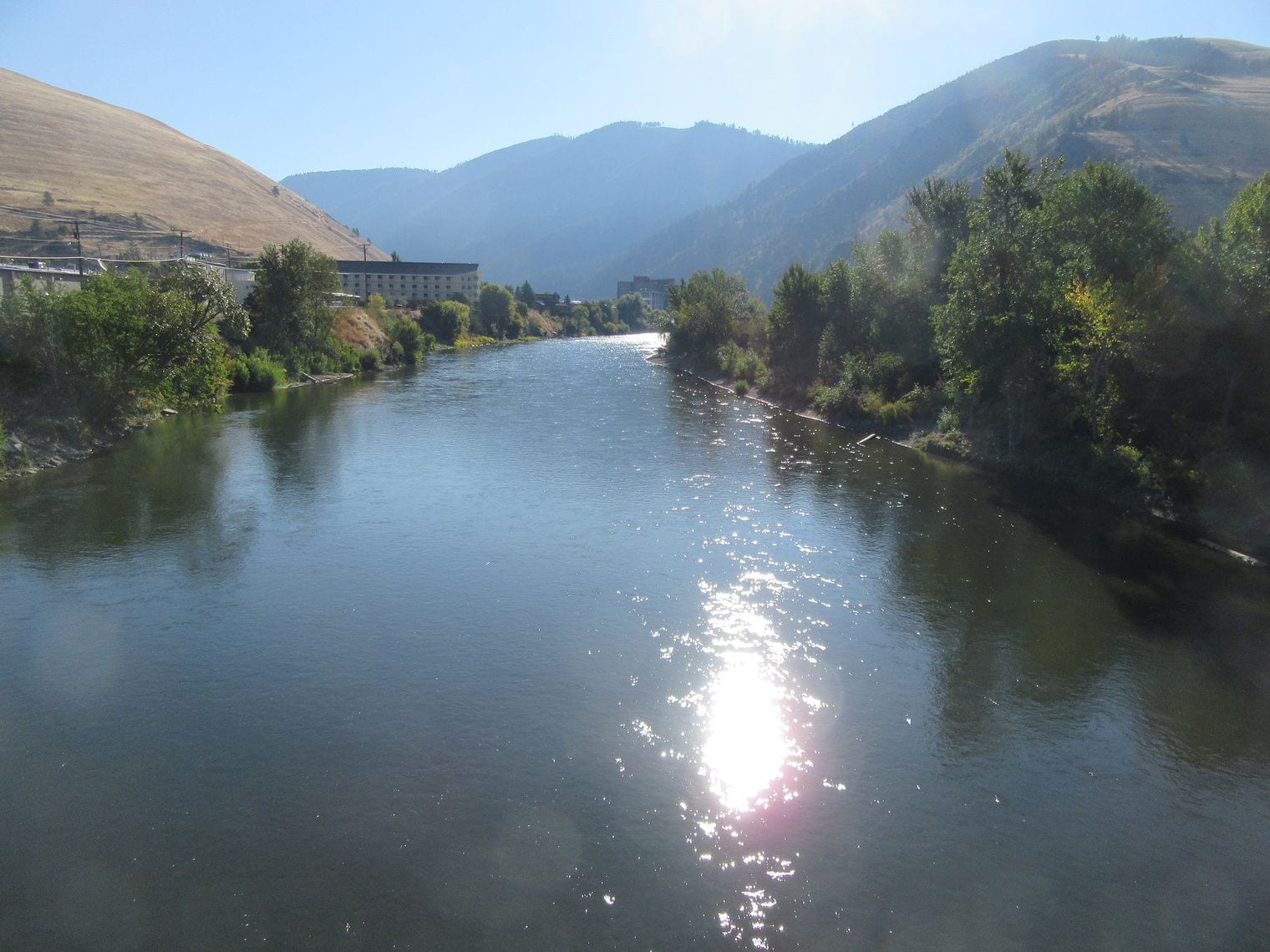
Missoula sits where five valleys meet along the Clark Fork River, a university town with a trout river running through downtown and trailheads at the end of residential streets. It pairs outdoor grit with historic theaters, a busy arts calendar and an easygoing taproom culture.
This guide covers the 20 best things to do in the city itself, from the riverfront carousel and the M Trail to the smokejumper base and Fort Missoula. Allow two days for town, more if you want to hike the Rattlesnake or explore western Montana and its small towns.
Missoula began as the Hellgate Trading Post in 1860, when this corner of the Rockies was still part of Washington Territory.
The city is often called the "hub of five valleys" because it sits where five mountain ranges converge around the Clark Fork, near its meeting with the Bitterroot and Blackfoot rivers.
At the end of the last ice age the valley lay under Glacial Lake Missoula, which held about 500 cubic miles of water, roughly half the volume of Lake Michigan; its old shorelines still show as faint horizontal lines on Mount Sentinel and Mount Jumbo.
In the 1890s the Buffalo Soldiers of the 25th Infantry at Fort Missoula tested the bicycle as military transport, on one trip riding all the way to St. Louis.
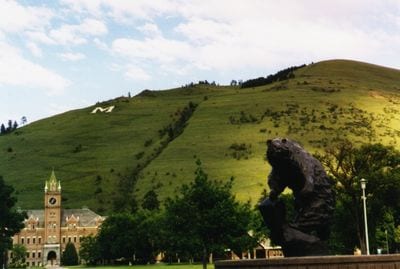
The "M" on Mount Sentinel started out in 1909 as a letter of whitewashed rocks that students carried up the mountain; today it is made of concrete.
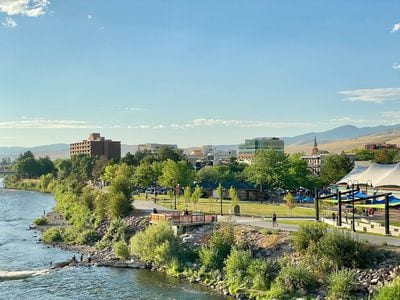
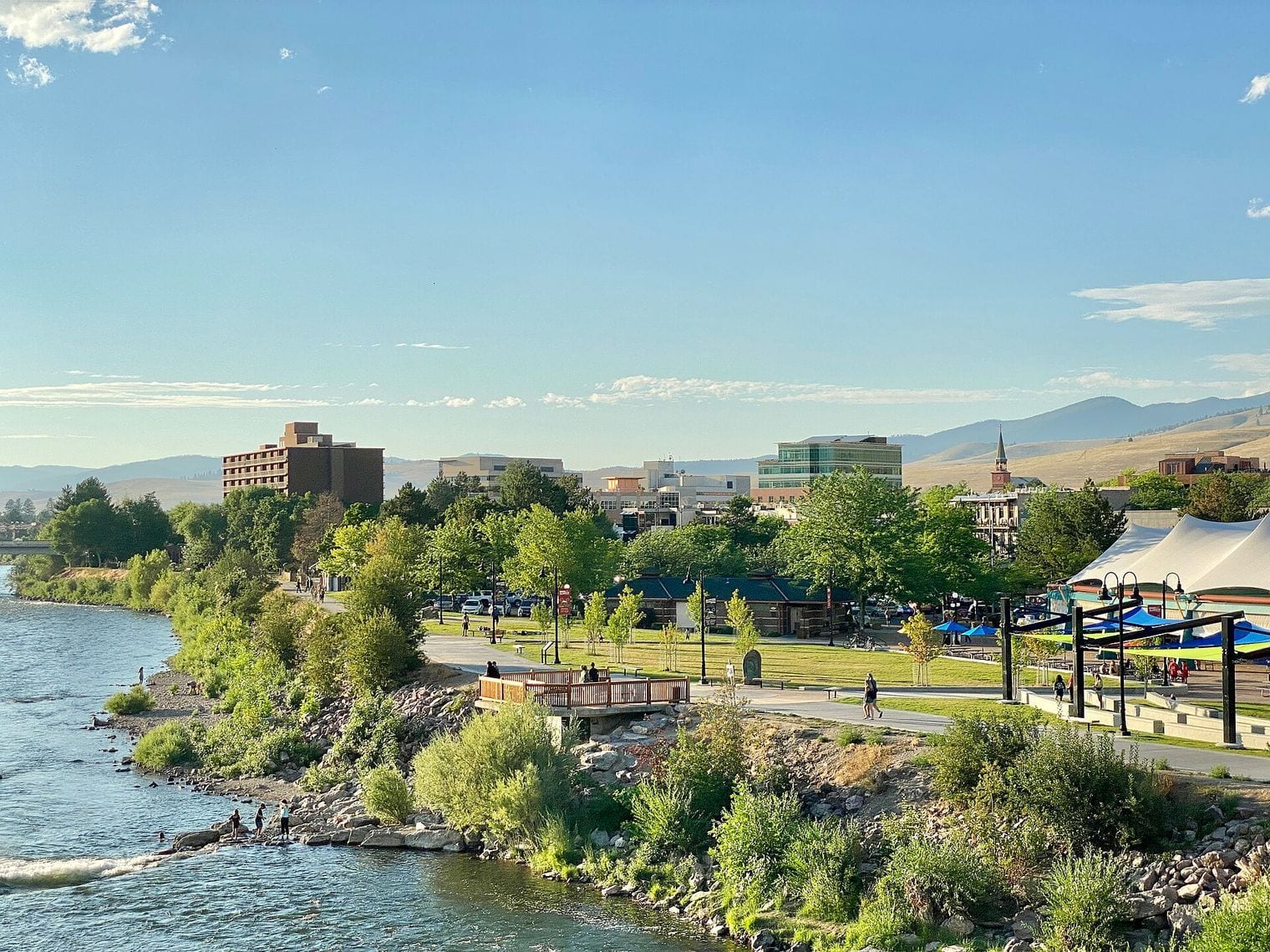
Caras Park is downtown Missoula's riverside living room, a grassy bowl on the bank of the Clark Fork where the city gathers for concerts, festivals and long summer lunches. The site was a neglected stretch of riverbank and junkyard before the city reclaimed it, and today its open-sided pavilion and bandshell stage anchor much of downtown's event calendar.
In summer the lawn fills for the Out to Lunch food-and-music series and the evening Downtown ToNight gatherings, while brew festivals, Symphony in the Park and the Missoula Marathon bring crowds at other points in the year. Even on a quiet day it is the natural starting point for the riverfront, with the carousel, a playground under the bridge and the surfers at Brennan's Wave all a short stroll away.
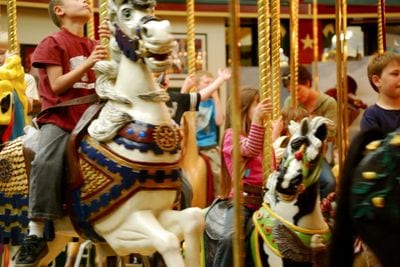
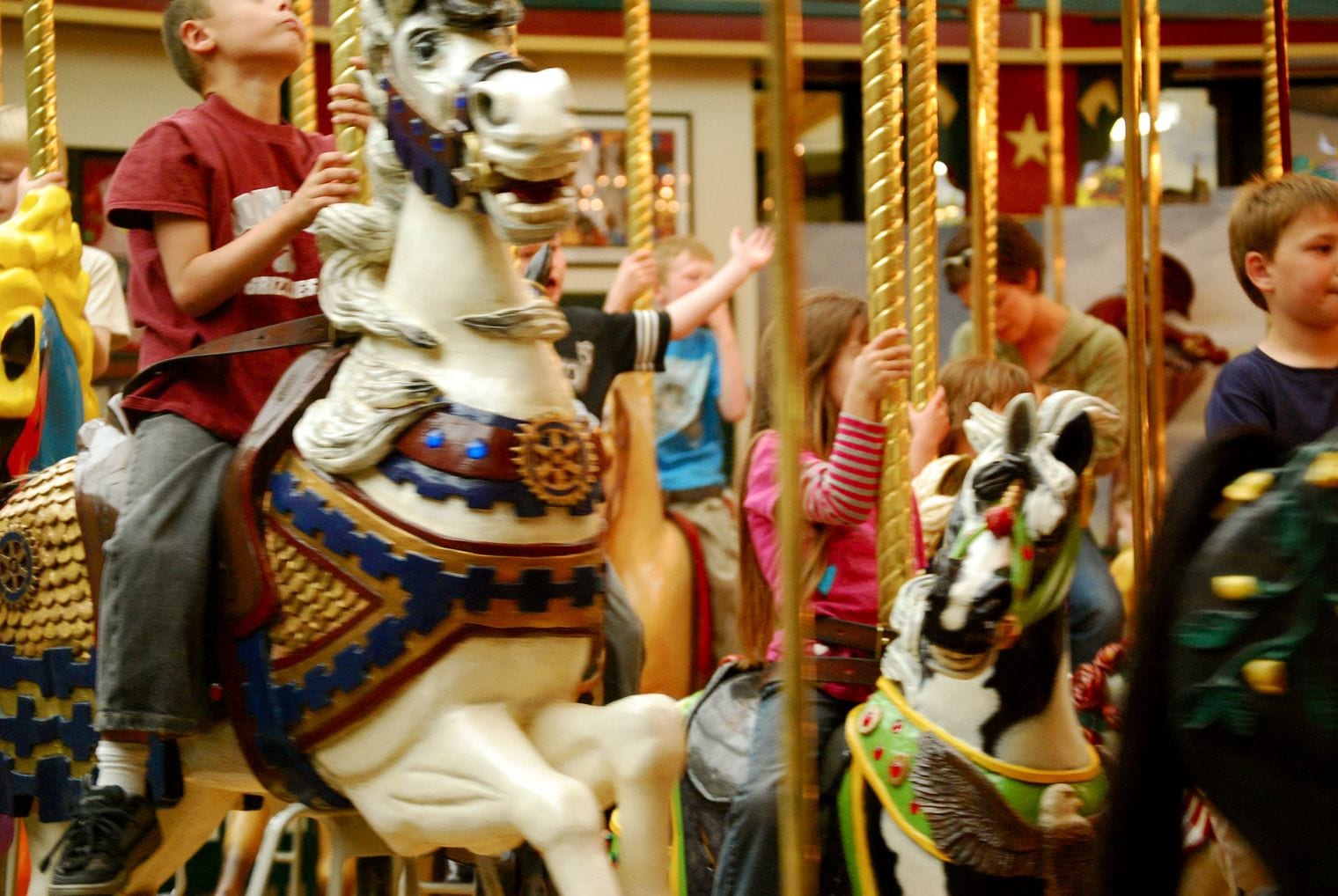
A Carousel for Missoula is a community project you can ride. Volunteers spent years carving, painting and assembling its ponies and chariots by hand, and the finished carousel was completed beside Caras Park in May 1995, with a painted style distinctive enough to earn the nickname "Garden City steeds."
Listen for the band organ, which is said to be the largest carousel band organ in continuous use in America. Right next door, Dragon Hollow is a volunteer-built playground that makes this corner of the riverfront the easiest win in town for families, and the riverside lawns around it are made for an ice cream break between rides.
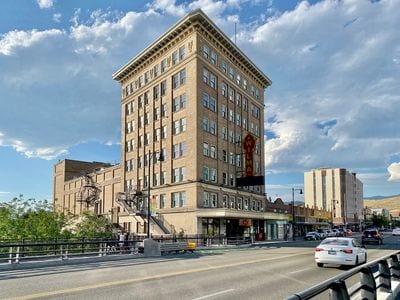
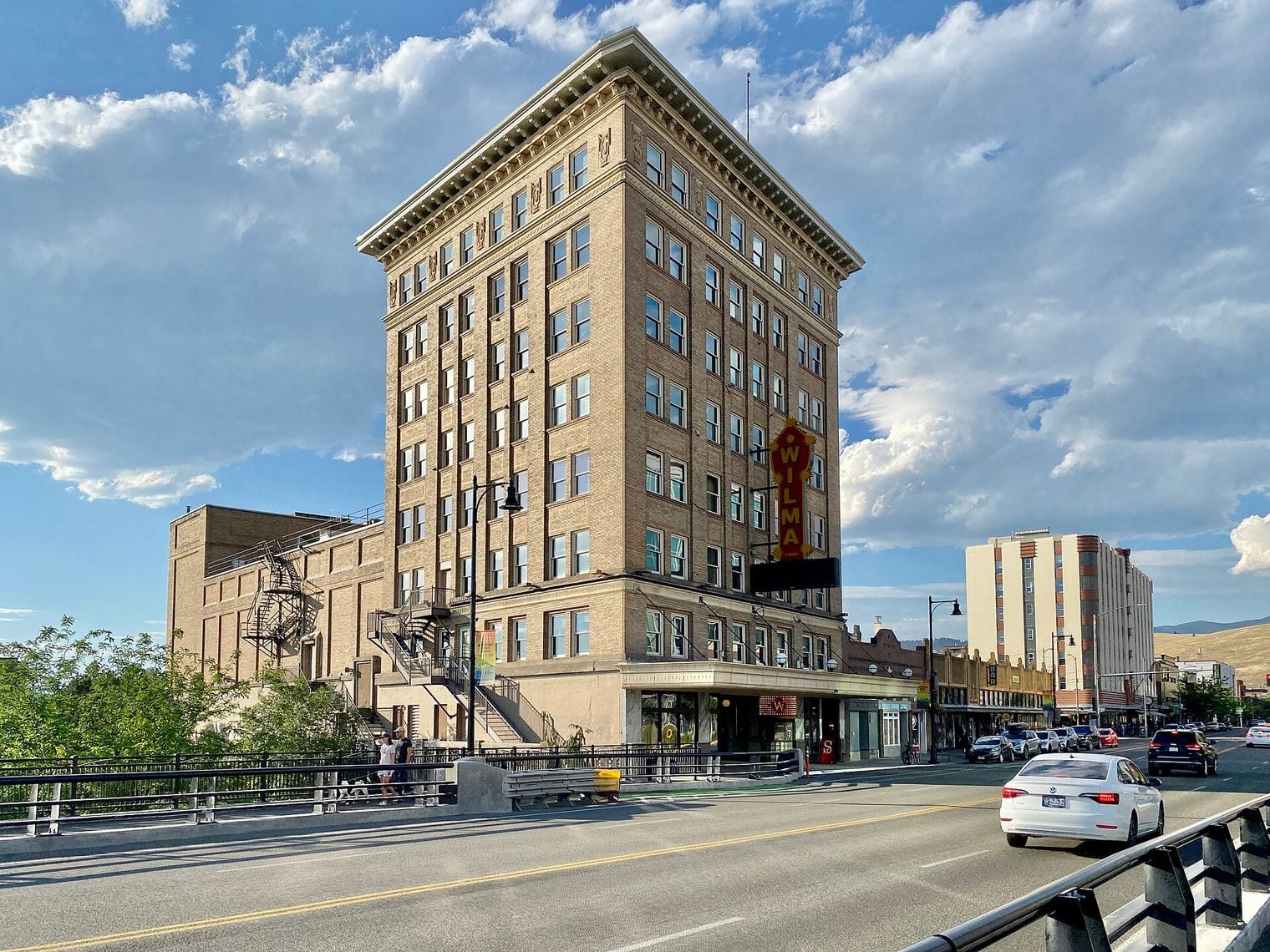
The Wilma has anchored the river end of downtown Higgins Avenue since 1921, when Billy Simons built the theater and dedicated it to his wife, light-opera singer Edna Wilma. Designed by Norwegian architect Ole Bakke, the eight-story building was the first steel-framed high-rise in Missoula, and its auditorium, dressed in gilded Louis XIV-style trim, still feels like a night out from another era.
Today it works as a concert hall, cinema and events venue, drawing touring musicians, film screenings and festival nights to a room that rewards a look around before the lights go down. It stands right on the riverbank, so after a show you can step out onto the Clark Fork path with Caras Park and the carousel a few steps away.
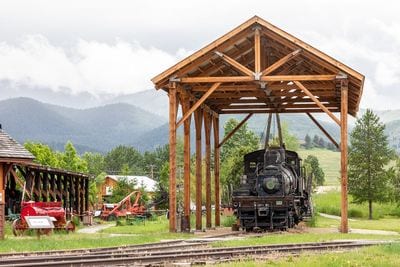
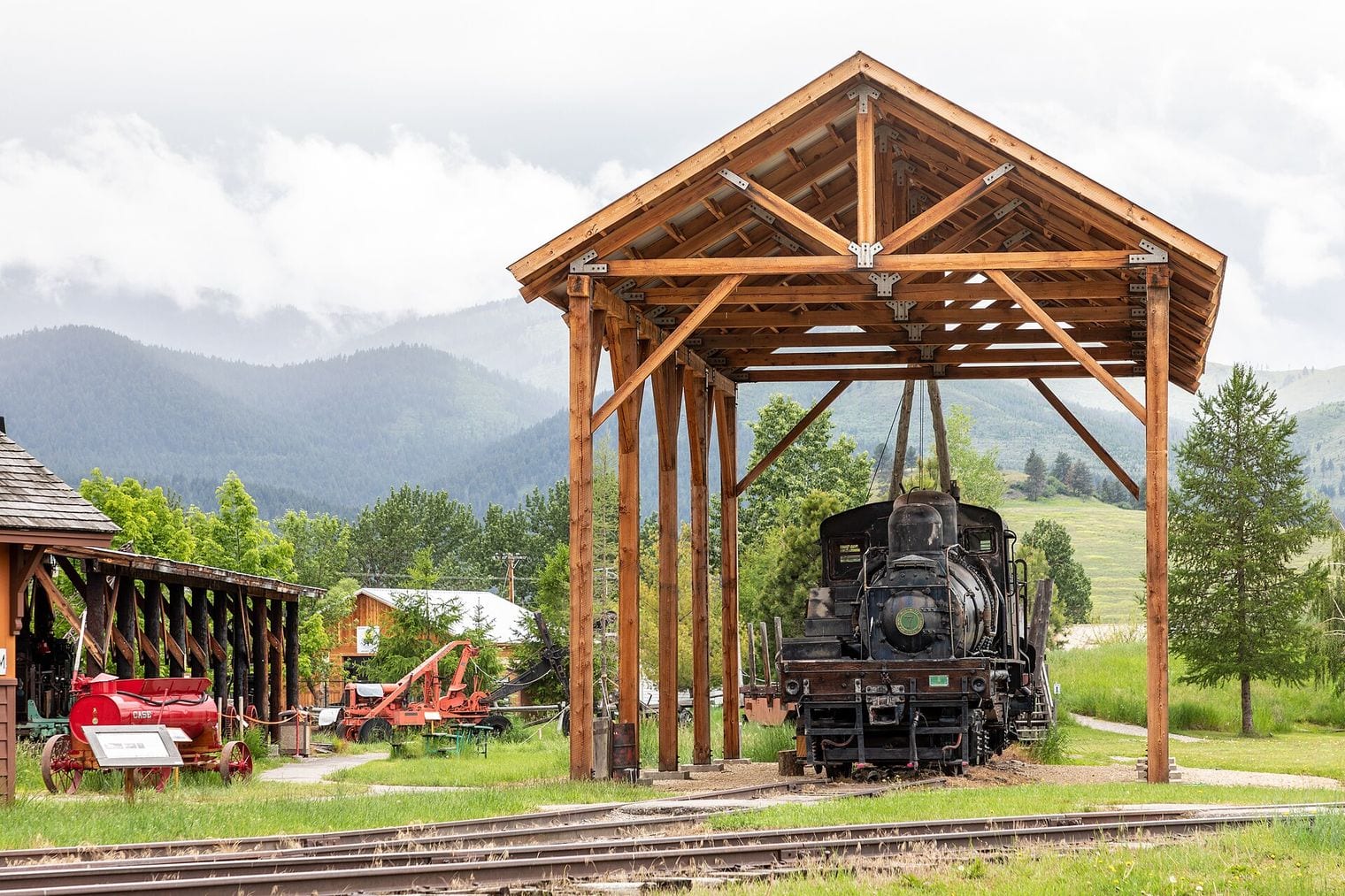
The Historical Museum at Fort Missoula tells the story of western Montana on the grounds of the army post established here in 1877. Founded in 1975, the museum spreads across a 32-acre site with indoor galleries of permanent and rotating exhibits and an outdoor collection of historic buildings and machinery, from homestead cabins and a vintage streetcar to a Willamette steam locomotive and a timber-era wood-waste burner.
The fort's own history is the real draw. Buffalo Soldiers of the 25th Infantry were stationed here from 1888 and famously tested whether troops could travel by bicycle, and during World War II the post held an internment camp for Italian detainees and Japanese residents arrested as "enemy aliens," a chapter told through structures that survive on the grounds. Allow a couple of hours, and pair it with a walk in the surrounding Fort Missoula Regional Park.
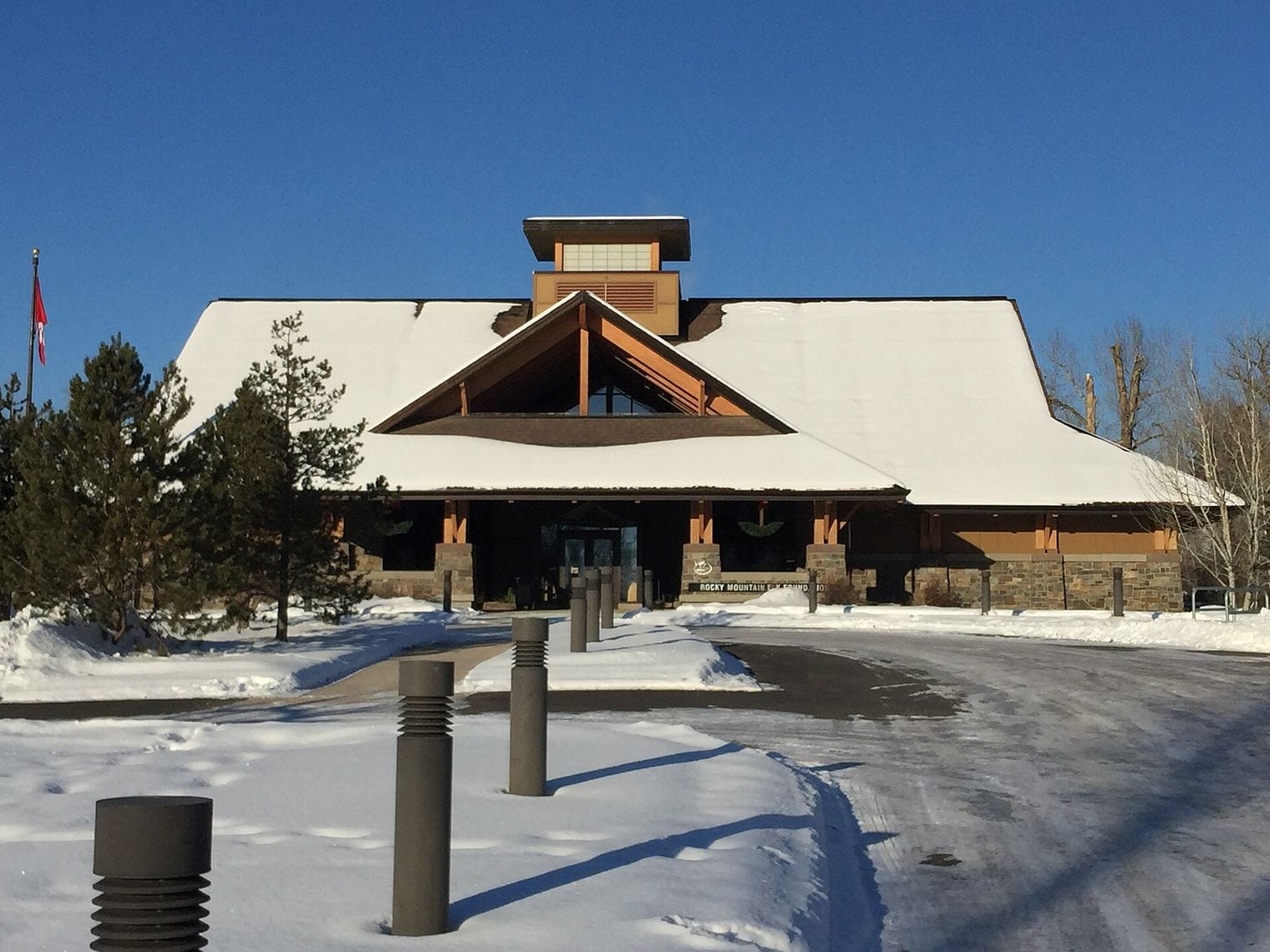
55. Rocky Mountain Elk Foundation Elk Country Visitor Center
Non-Profit Organization~3.7 miles (6 km) from centre
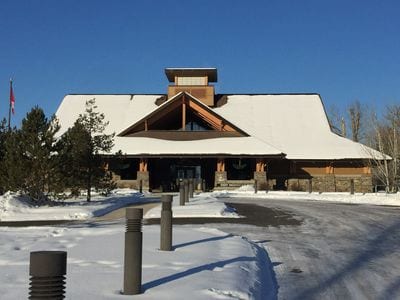
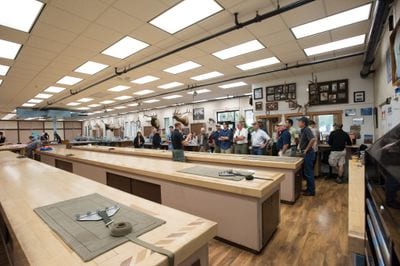
The Rocky Mountain Elk Foundation runs its national headquarters from Missoula, and the Elk Country Visitor Center on the city's northwest edge is its front door to the public. It is a natural stop for anyone curious about the big animals of the northern Rockies, with mounted wildlife displays and exhibits on elk ecology and the foundation's work conserving habitat and expanding public access to land across the West.
The exhibit hall has been rebuilt as the James R. Wilkins Jr. Conservation Education Center, with immersive floor-to-ceiling screens that put you inside an elk herd and touchscreens that walk you through a wildlife biologist's field work. It sits just north of Interstate 90 on Grant Creek Road, so it is easy to fit in on the way into or out of town.
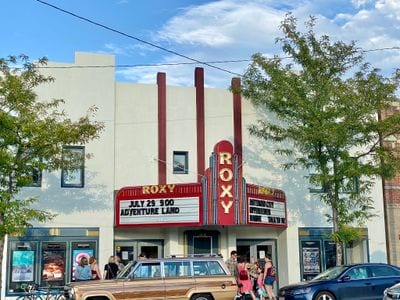
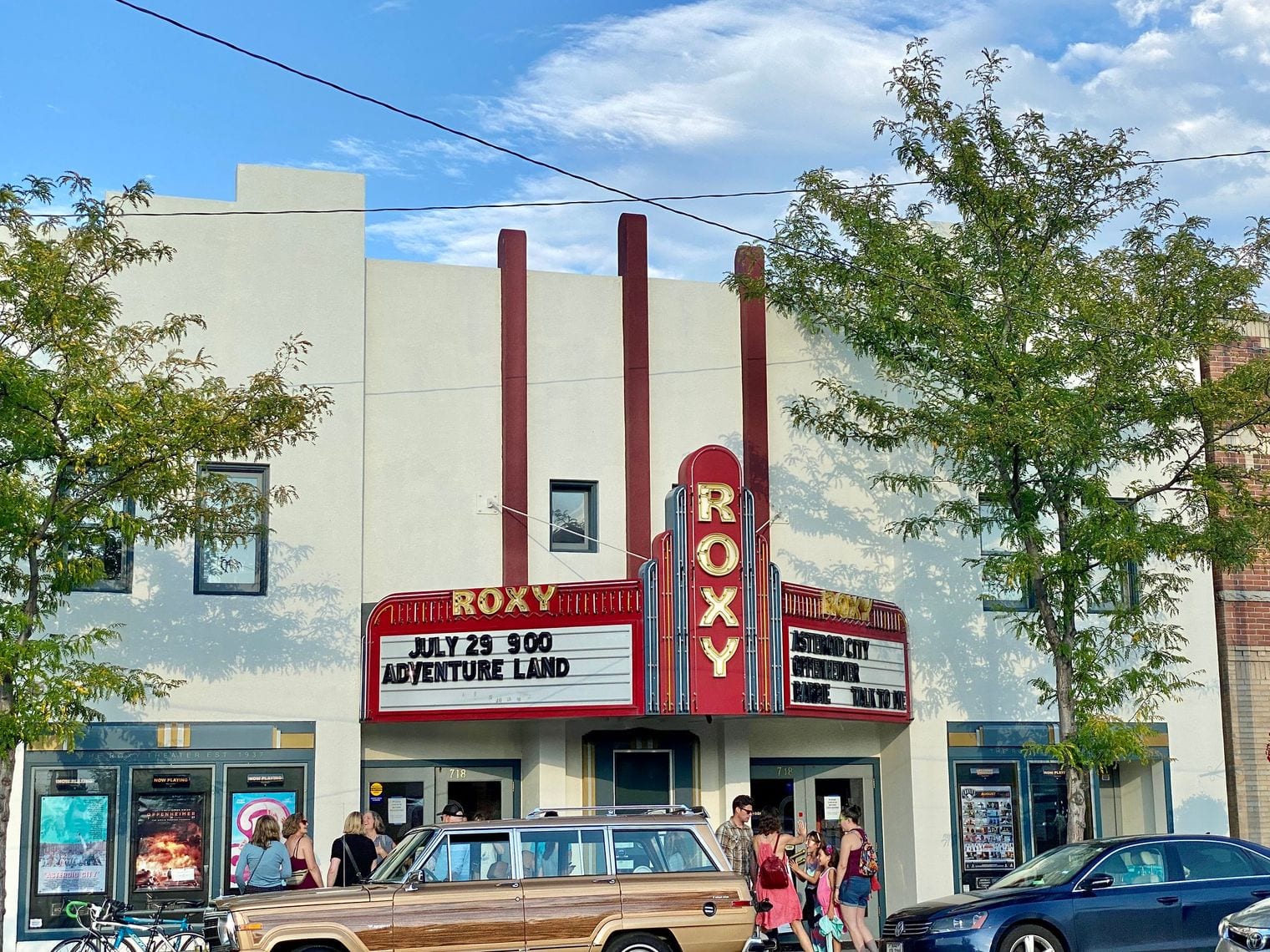
The Roxy Theater has been showing films on South Higgins Avenue since 1937, and today it runs as a nonprofit, community-owned cinema with several screens devoted to independent releases, documentaries and repertory favorites. It is the kind of neighborhood movie house where the programming is curated with care and the audience lingers to talk afterward.
The Roxy also hosts two of Missoula's signature film events, the International Wildlife Film Festival and the Big Sky Documentary Film Festival. It stands on the Hip Strip, the lively stretch of South Higgins just across the river from downtown, so you can pair a screening with the independent shops, cafes and bars on the same blocks.
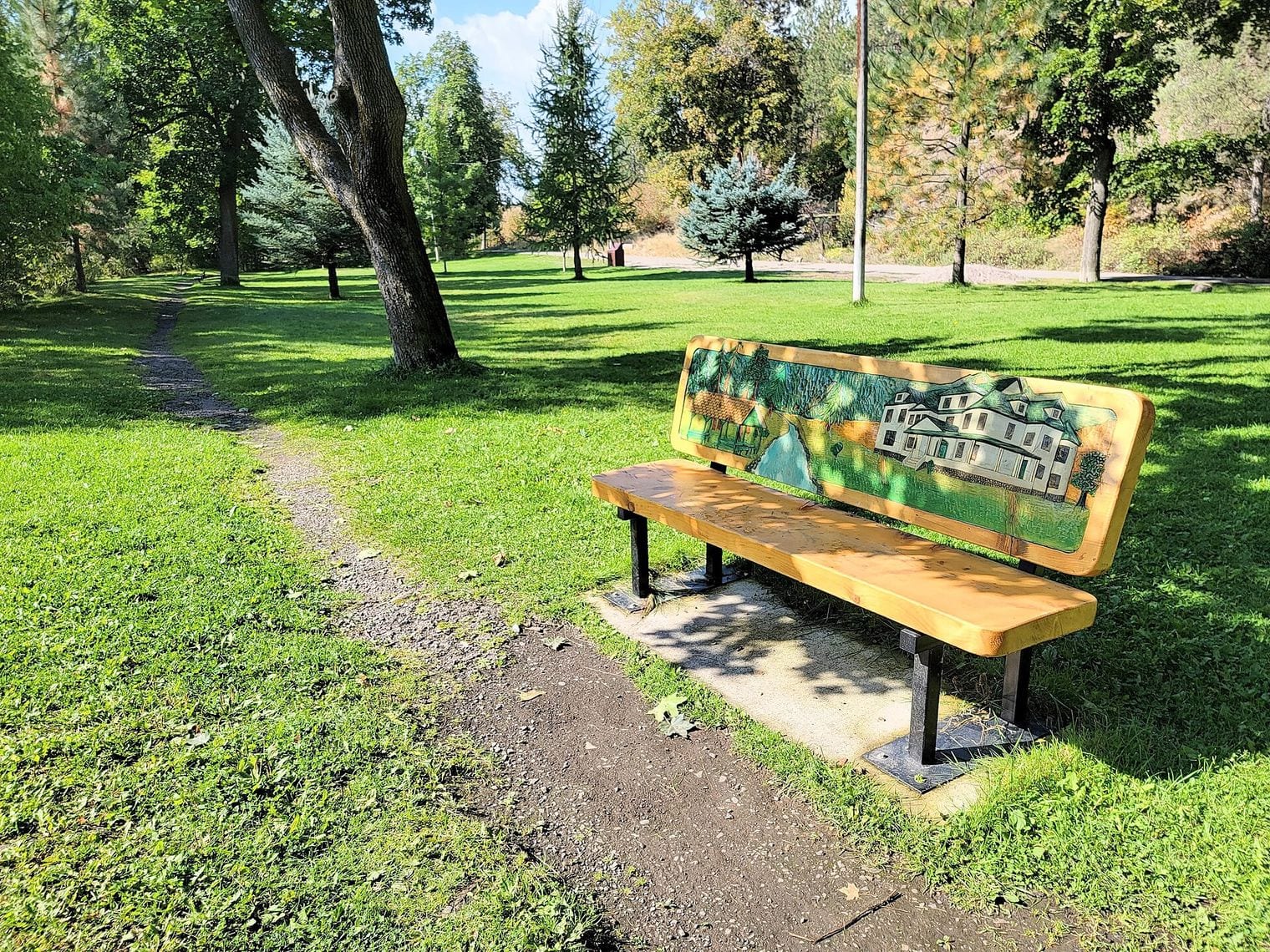
Greenough Park is Missoula's first park, 42 acres of cottonwood and pine woodland donated to the city by the Greenough family in 1902. Rattlesnake Creek runs straight through it, so a few minutes from downtown you are walking under a dense streamside canopy where the sound of water and birdsong drowns out the traffic.
A paved main trail, about a mile long, follows the creek and suits walkers, runners and unhurried bike rides, with a pavilion, playground and picnic tables for a lazy afternoon. It is at its best on a summer evening or in the gold of early fall, and it makes an easy add-on if you are heading up the valley toward the Rattlesnake.
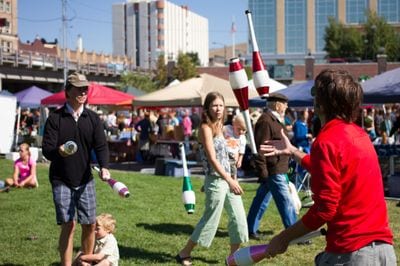
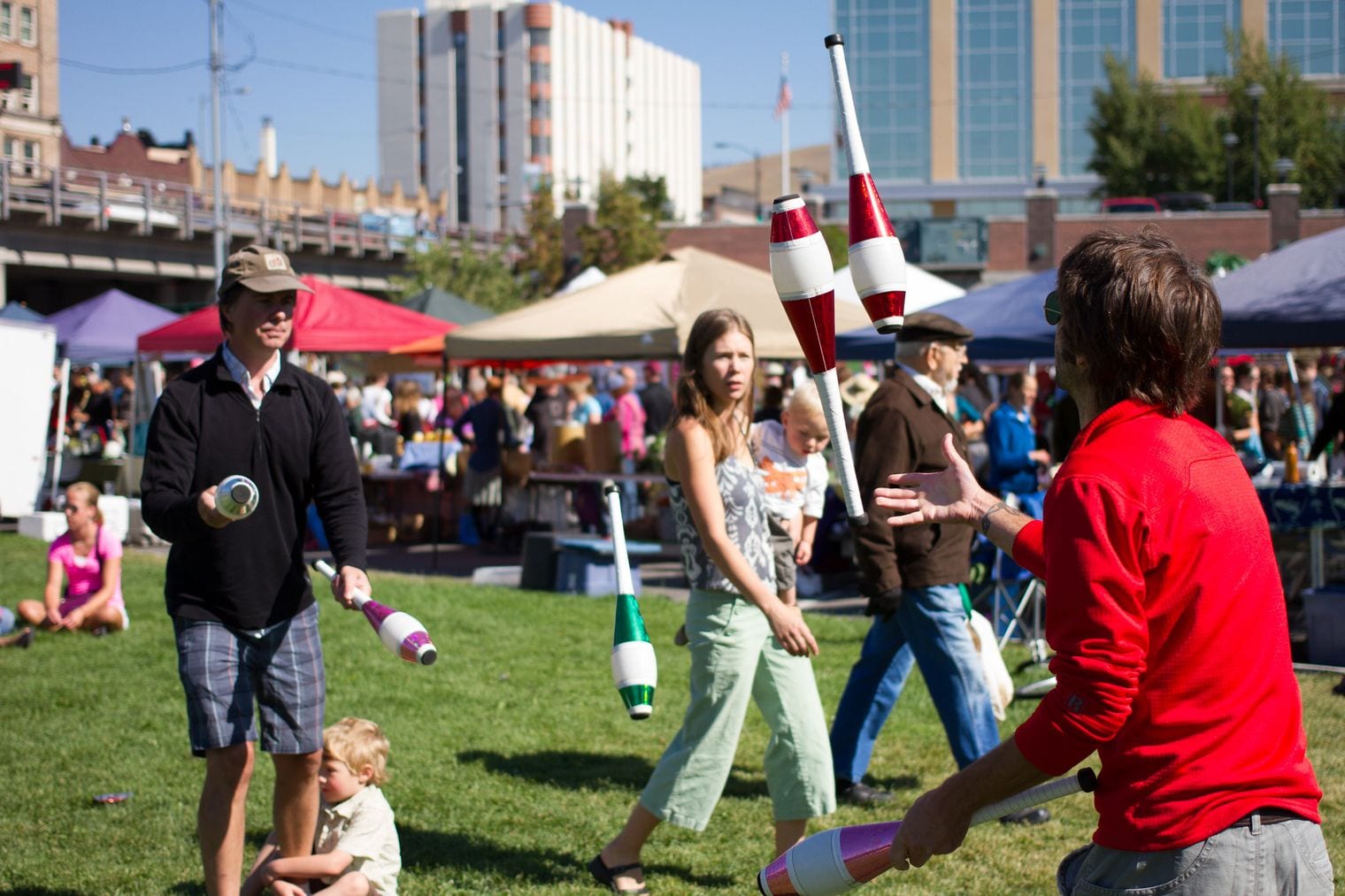
Missoula's Saturday Markets turn downtown into one long, walkable street fair from spring into fall. Three separate markets run within a few blocks of each other: the Missoula Farmers' Market, which dates to 1972 and sets up at Circle Square at the north end of Higgins Avenue near the old railroad depot; the People's Market of local artists and craftspeople along Pine Street; and the Clark Fork Market, the largest of the three, in the riverfront lot beside the Higgins Avenue bridge.
Between them you can graze on fresh bread, seasonal fruit, huckleberry treats and breakfast from the food stalls, then pick up pottery, prints or jewelry for the trip home. Go early for the best produce and the shortest lines, and expect buskers, dogs and half the town to be out with you.
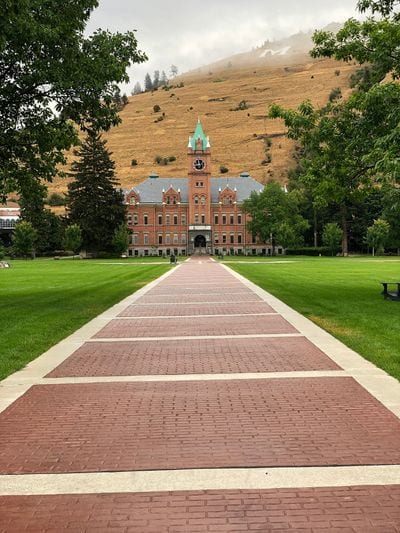
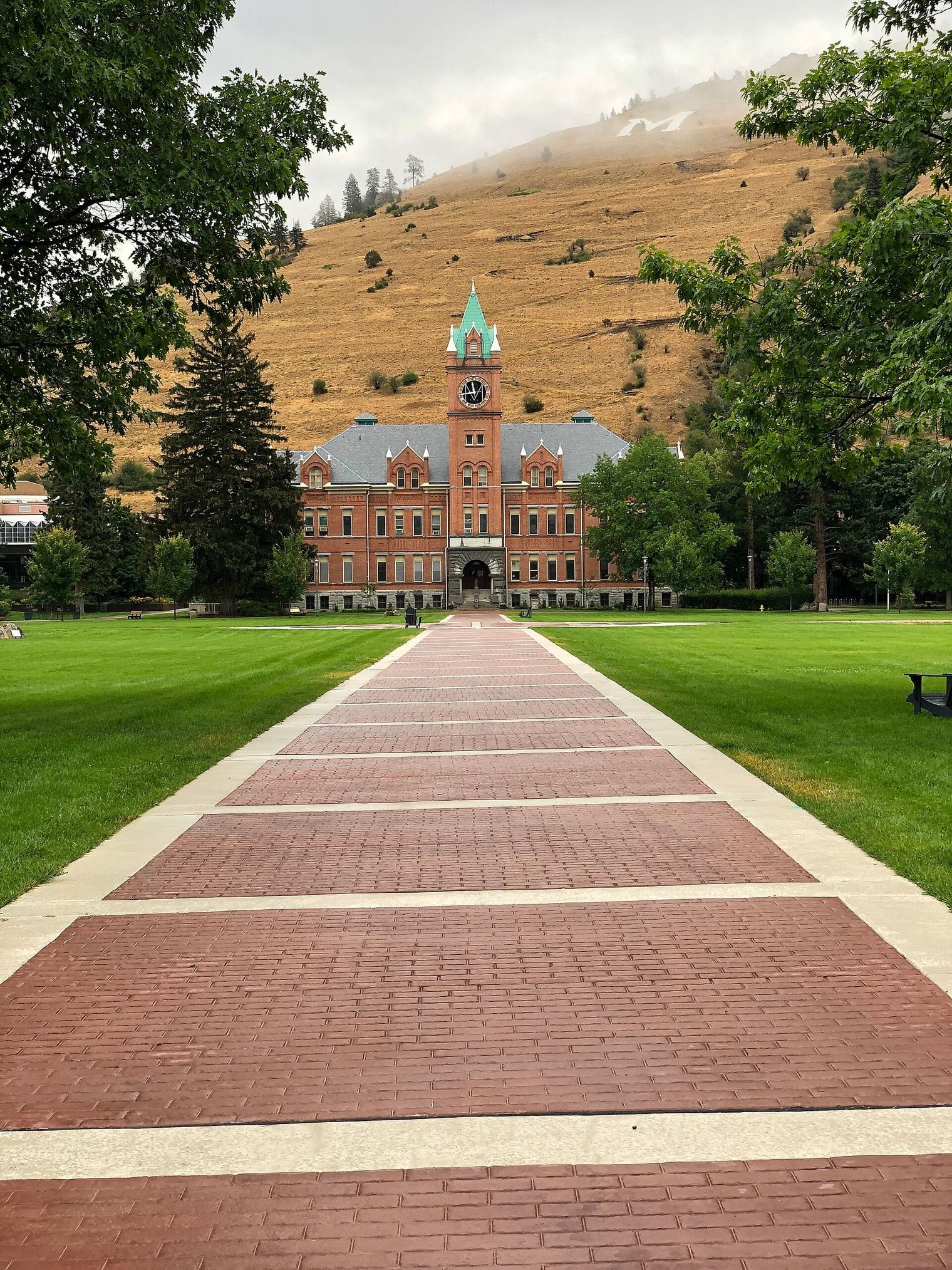
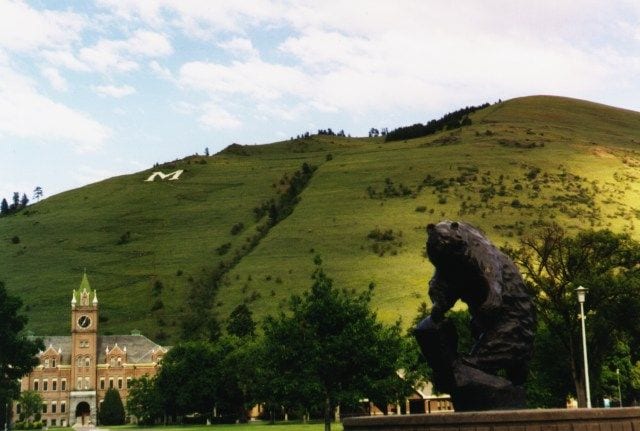
The University of Montana gives Missoula its college-town energy, and its leafy campus at the foot of Mount Sentinel is a pleasant place to wander even with no business there. Start at the Oval, the grassy heart of campus, where Main Hall and its clock tower look out over the lawns toward downtown, then stroll the tree-lined walks between the older brick halls.
Art lovers should look for the Montana Museum of Art & Culture, the university's art museum, which shows works from its permanent collection in campus galleries. On fall Saturdays the Grizzlies play football at Washington-Grizzly Stadium, and game days fill the town with maroon and silver.
Free printable checklist of all 20 places
Tick them off as you go. Confirm your email to download it, plus one email every Thursday with new guides for the places you tick.
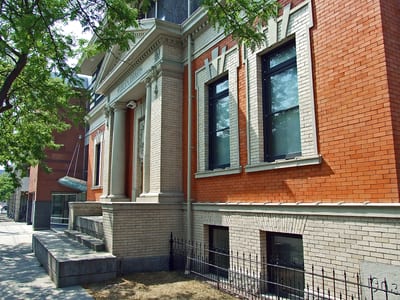
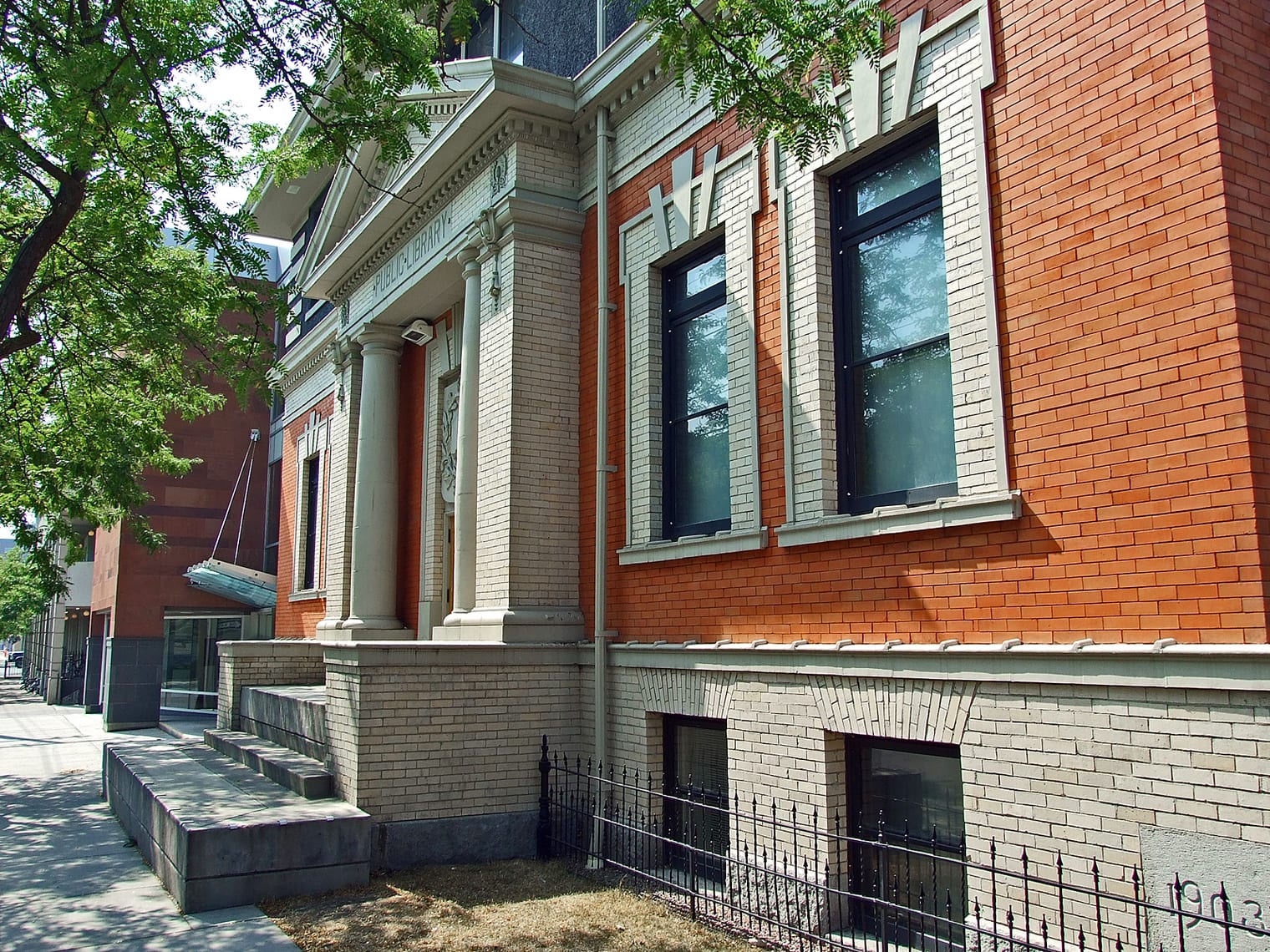
The Missoula Art Museum is devoted to contemporary art with roots in the community, the state and the wider region, and it occupies the city's old Carnegie Library, a century-old building fused with a sleek contemporary addition in 2006. The mix of old brick and glass suits a museum that has been accredited by the American Alliance of Museums since 1987.
Rotating exhibitions fill the galleries through the year, and the permanent collection includes work by Montana artists such as the ceramists Rudy Autio and Frances Senska. Admission is free, so it is an easy hour to fold into a downtown walk.
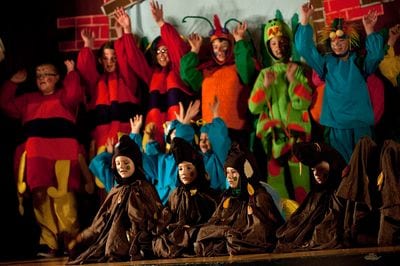
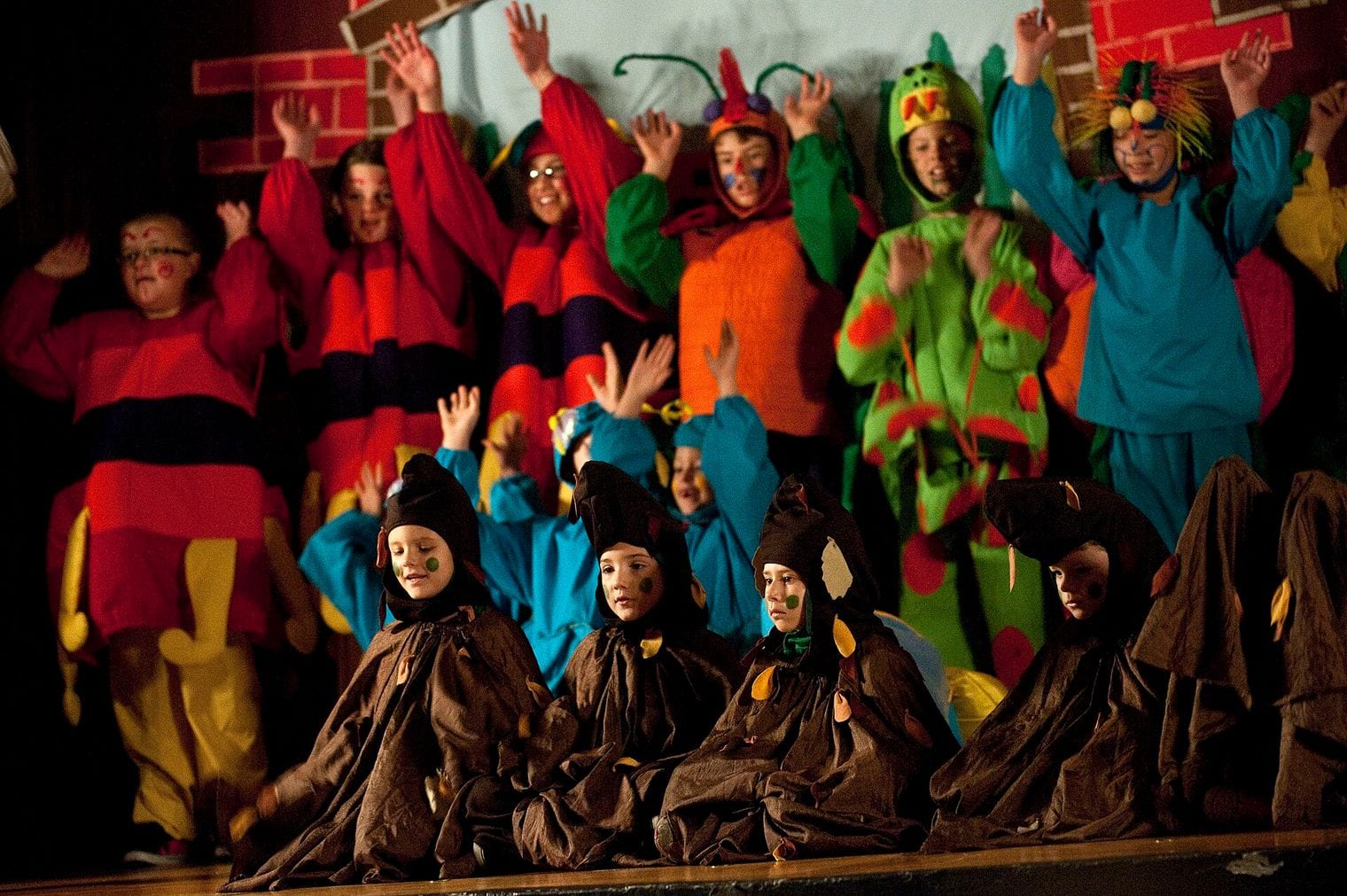
Missoula Community Theatre stages full-scale musicals and plays at the MCT Center for the Performing Arts on North Adams Street, a short walk from the Saturday markets. A main-stage season of productions draws on local performers of all ages, and an evening here is a good way to see how much of Missoula's creative energy comes from the town itself.
The same organization runs the Missoula Children's Theatre, a touring program that travels across the United States and abroad, casting local children in original plays based on classic stories. Believed to be the largest touring children's theater in the world, it has taken its shows to all 50 states, so Missoula's name turns up on school stages far beyond Montana.
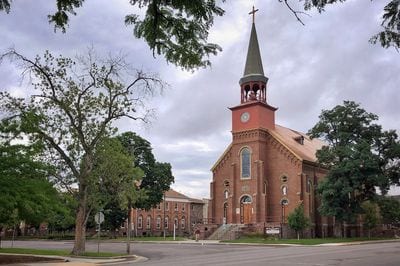
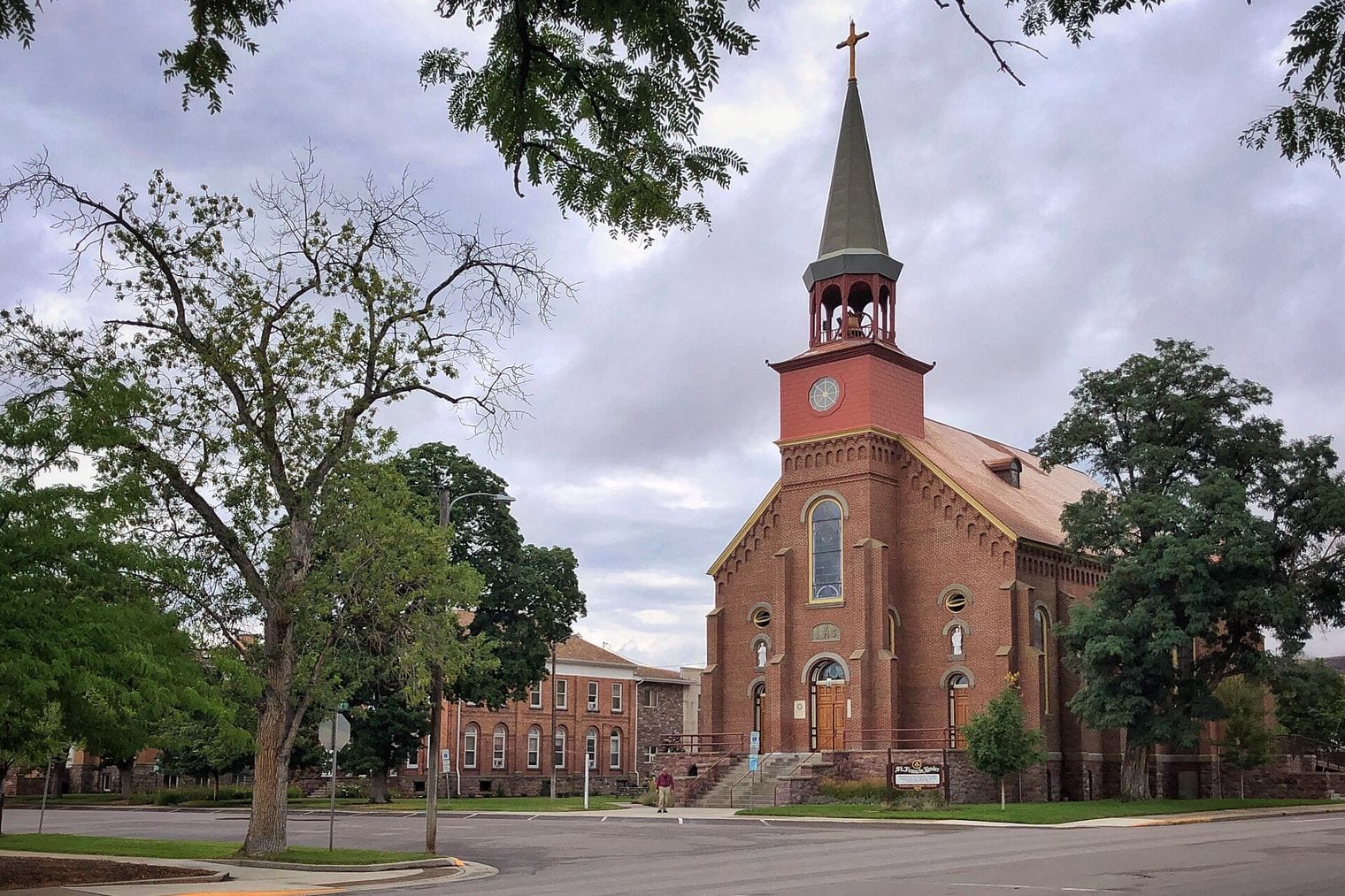
St Francis Xavier Catholic Church is the tallest church in Missoula, and its spire is a landmark above the west side of downtown. Built in 1892, it was reportedly the largest church in Montana when it opened, and it still towers over the low blocks around it.
The real treasure is inside. The walls and ceiling carry paintings more than a century old by Joseph Carignano, a Jesuit lay brother who worked as a kitchen helper and painted in his spare time, and who also painted the frescoes at the mission church in St. Ignatius, north of town. It is an active parish, so visit quietly outside of services.
The M Trail on Mount Sentinel is Missoula's signature workout: about three-quarters of a mile and eleven steep switchbacks climbing roughly 620 feet from behind the University of Montana's University Center to the big concrete M on the mountain's west face. Forestry students cut the first trail here in 1908, and the first M, built the following year, was made of whitewashed rocks.
The view from the letter takes in the whole valley, the campus and downtown, and the faint horizontal lines on the slopes around you are shorelines left by Glacial Lake Missoula at the end of the last ice age. Strong hikers can keep climbing to the summit; everyone else can catch their breath, take the photo and head back down. Start early on summer days, as the face gets little shade.
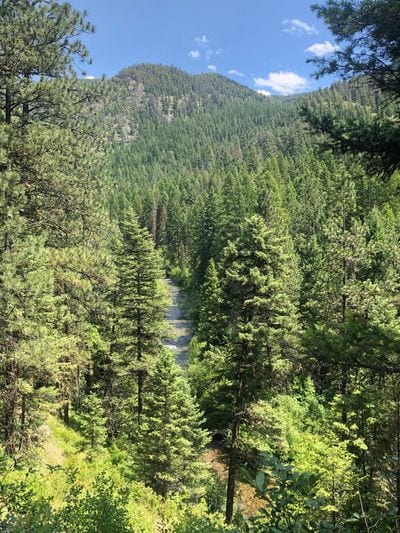
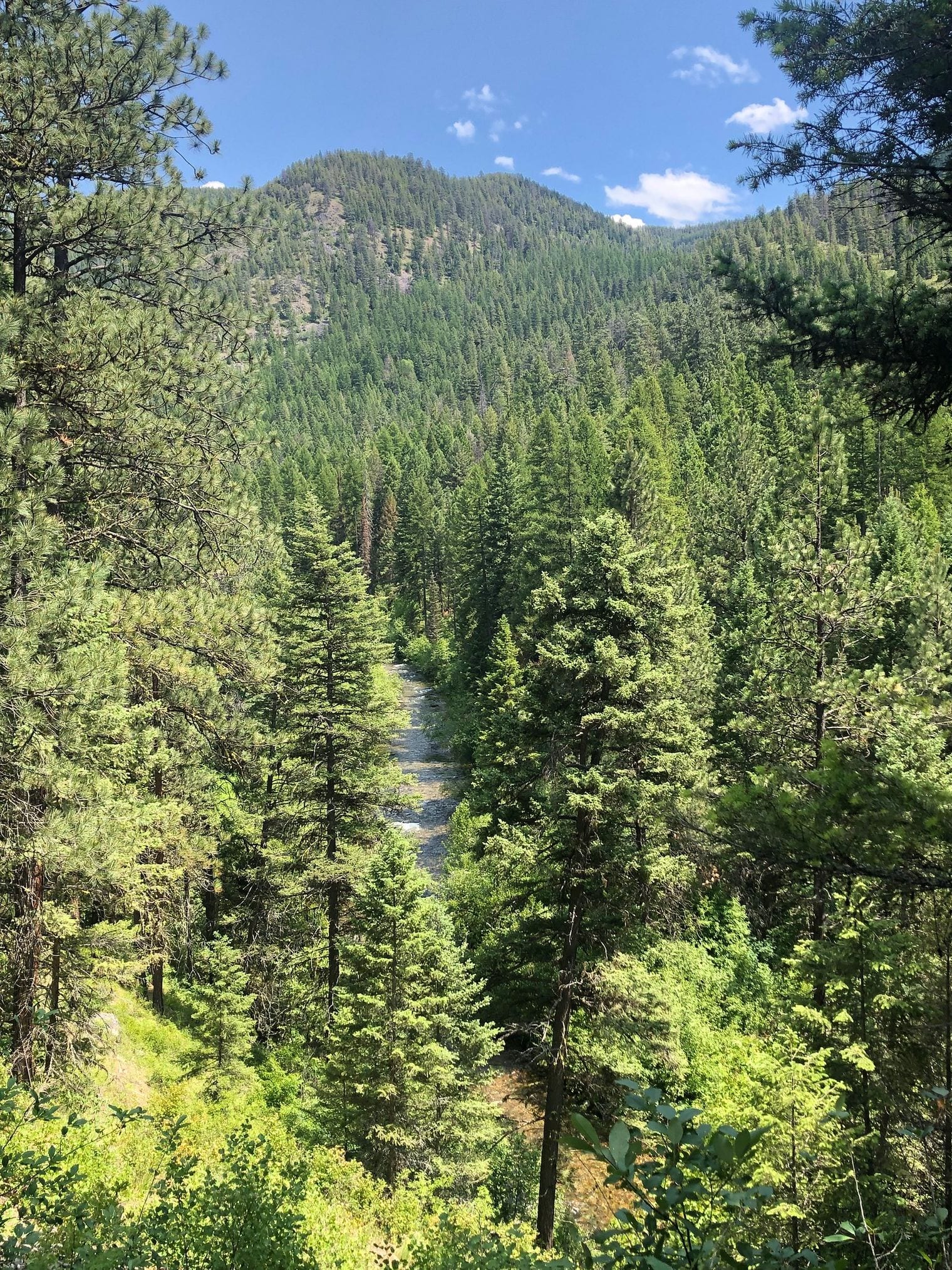
Rattlesnake National Recreation Area begins where the city ends: head north up the Rattlesnake valley and you reach the main trailhead for a vast sweep of forest, creek and mountain managed by the Lolo National Forest. Congress created the recreation area, together with the adjoining Rattlesnake Wilderness, in 1980, and it is laced with more than 70 miles of trails.
The broad main corridor along Rattlesnake Creek is easy going and shared by hikers, trail runners, mountain bikers and, in winter, cross-country skiers, while side trails climb into quieter side drainages. Bikes are welcome in the recreation area but not in the wilderness beyond it, so plan longer rides around that boundary.
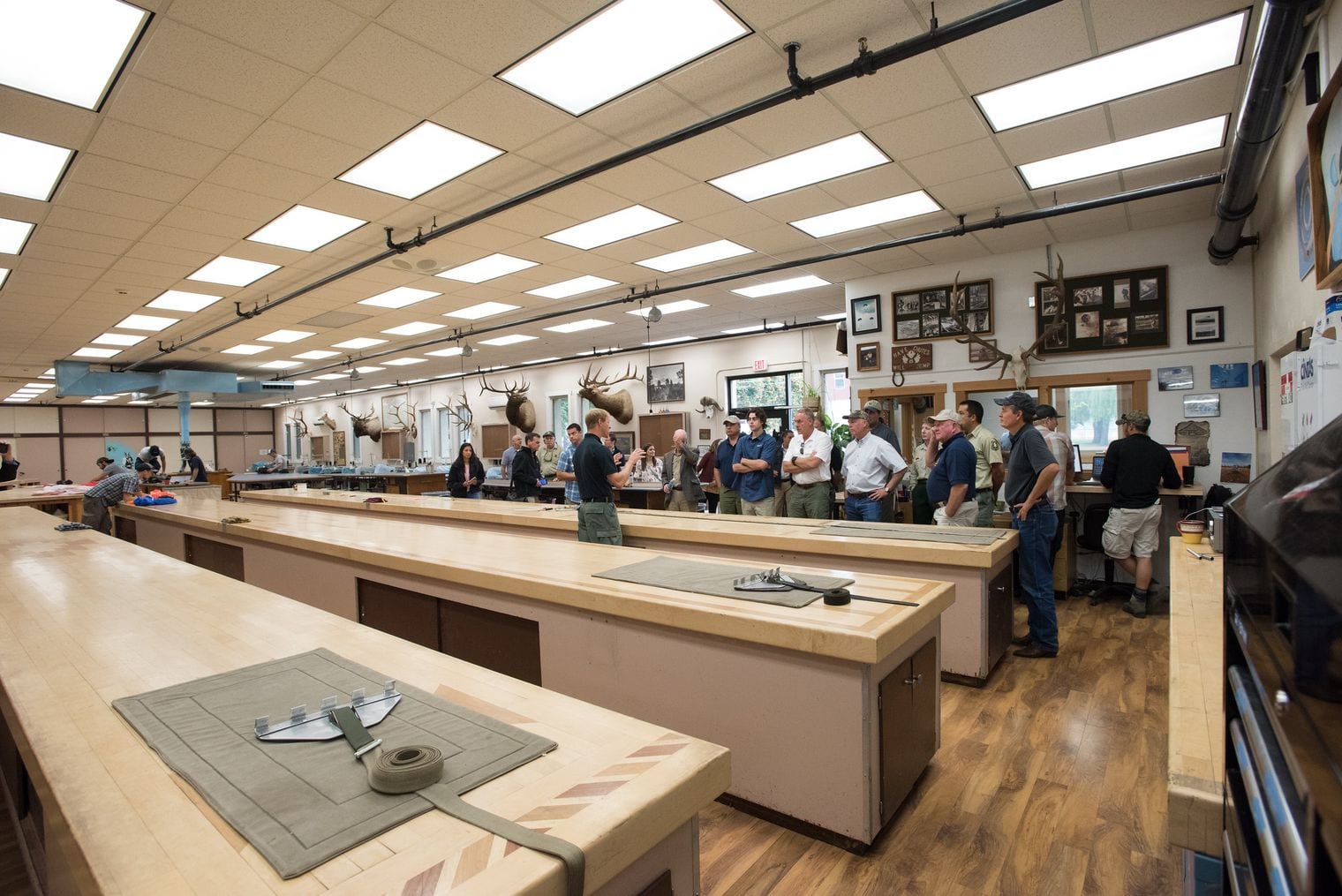
The Smokejumper Visitor Center sits beside Missoula's airport at one of the largest smokejumper bases in the country, the working home of the Forest Service firefighters who parachute into remote wildfires. Guided tours take you through the parachute loft, the ready room where crews gear up, and the National Smokejumper Memorial, and the site also displays a fire lookout tower originally built in 1938.
Because it is a working base, a summer visit can coincide with crews and aircraft heading out to fires, which makes the stories told on the tour feel very immediate. The center is seasonal, with tours through the summer, limited openings in fall and a midwinter closure, so check ahead; the Museum of Mountain Flying is a few minutes away for a full aviation afternoon.
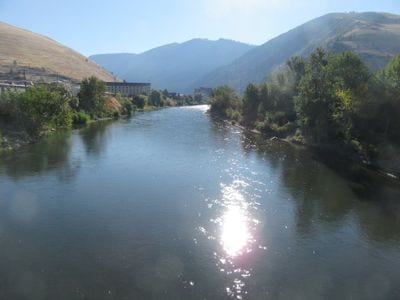
The Clark Fork Riverfront Trail threads paths along both banks of the river through the middle of town, linking downtown, the Hip Strip, the university and a string of riverside parks into one easy loop on foot or by bike. The riverfront path, listed on some trail maps as Ron's River Trail, is the simplest way to see how closely Missoula lives with its river.
Bridges let you cross back and forth as you please, and heading east past campus the route continues as the Kim Williams Trail, which follows an old Milwaukee Road rail grade for about four miles into Hellgate Canyon. In summer, watch for anglers working the riffles and inner-tube floaters drifting right through downtown.
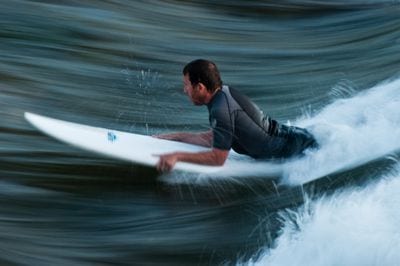
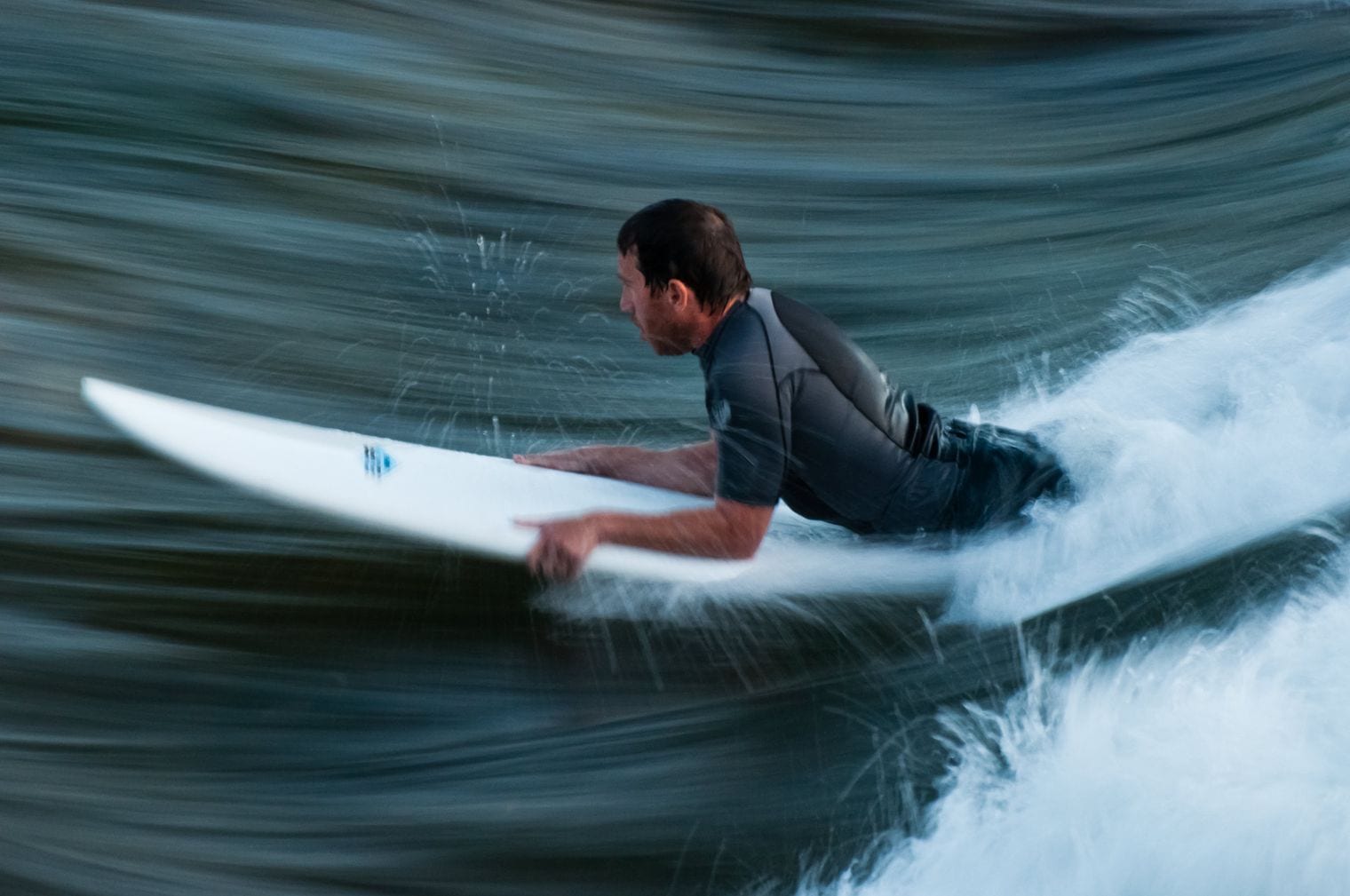
Brennan's Wave is a man-made standing wave in the Clark Fork right beside Caras Park, built in 2006 and named for kayaker Brennan Guth. When the flow is right, kayakers and river surfers line up on the bank and take turns dropping in, turning a downtown river into a surf break.
The best seats are on the Riverfront Terrace, an accessible viewing deck beside the wave, or up on the Higgins Avenue bridge, where you look straight down on the action. The river runs big during spring runoff and calmer by late summer, and the structure has needed repair work over the years, so how the wave behaves depends on when you come.
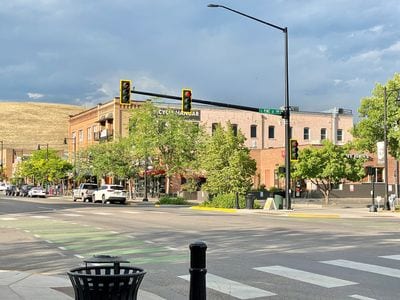
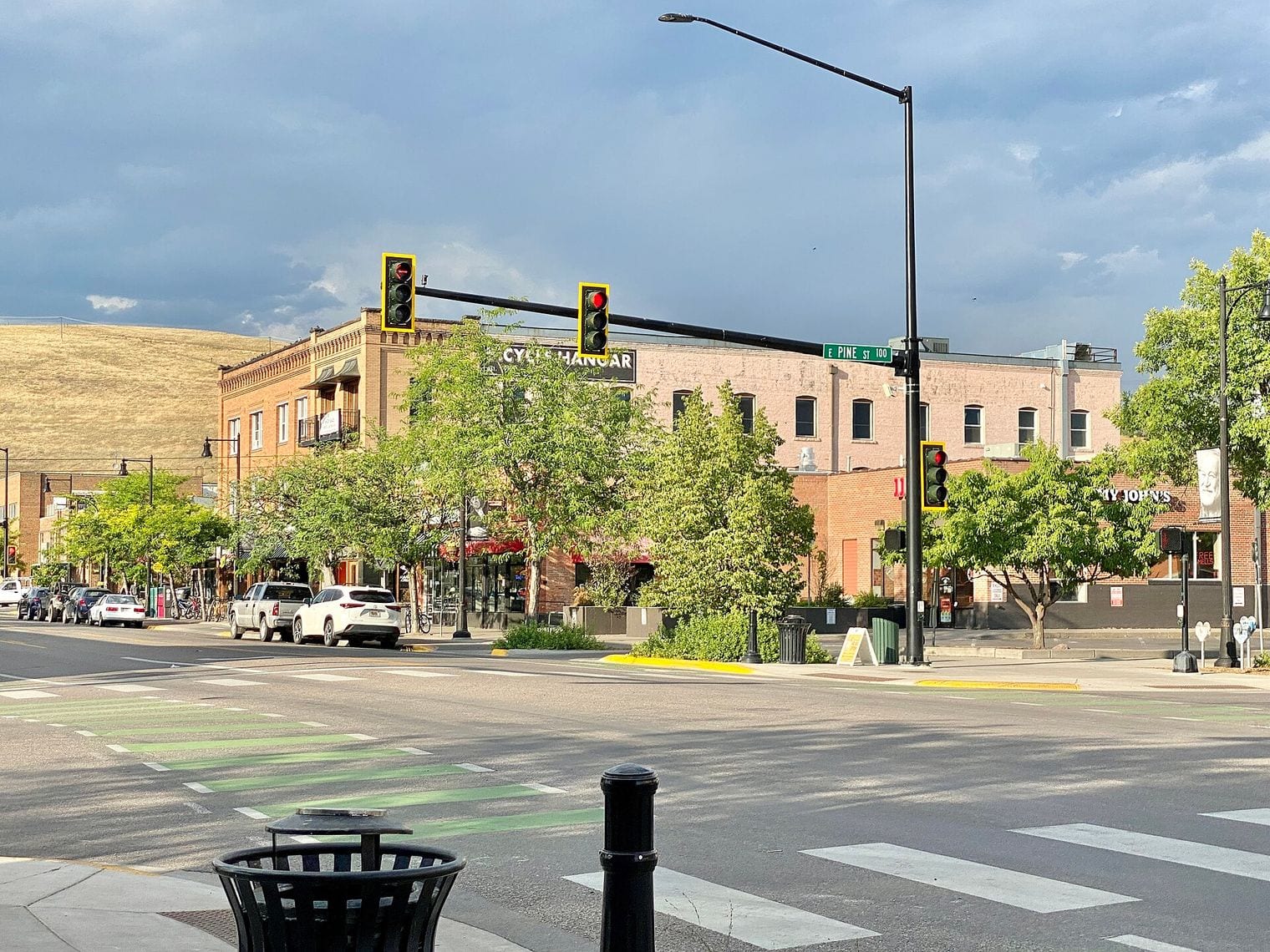
Downtown Missoula packs more than a century of Western main-street architecture into a compact, walkable grid between the Clark Fork and the old railroad depot at the head of Higgins Avenue. The brick blocks hold independent bookshops, outdoor outfitters, galleries, coffee shops and taprooms, with mountain views at the end of almost every cross street.
Come on the first Friday of the month for the First Friday gallery nights, when galleries, studios and shops open their doors in the evening for receptions and music. Through the summer the river parks fill with events, and the craft breweries in and around downtown make an easy evening crawl once you are done with sightseeing.
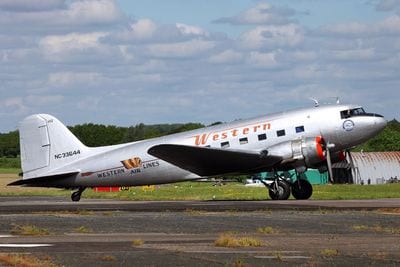
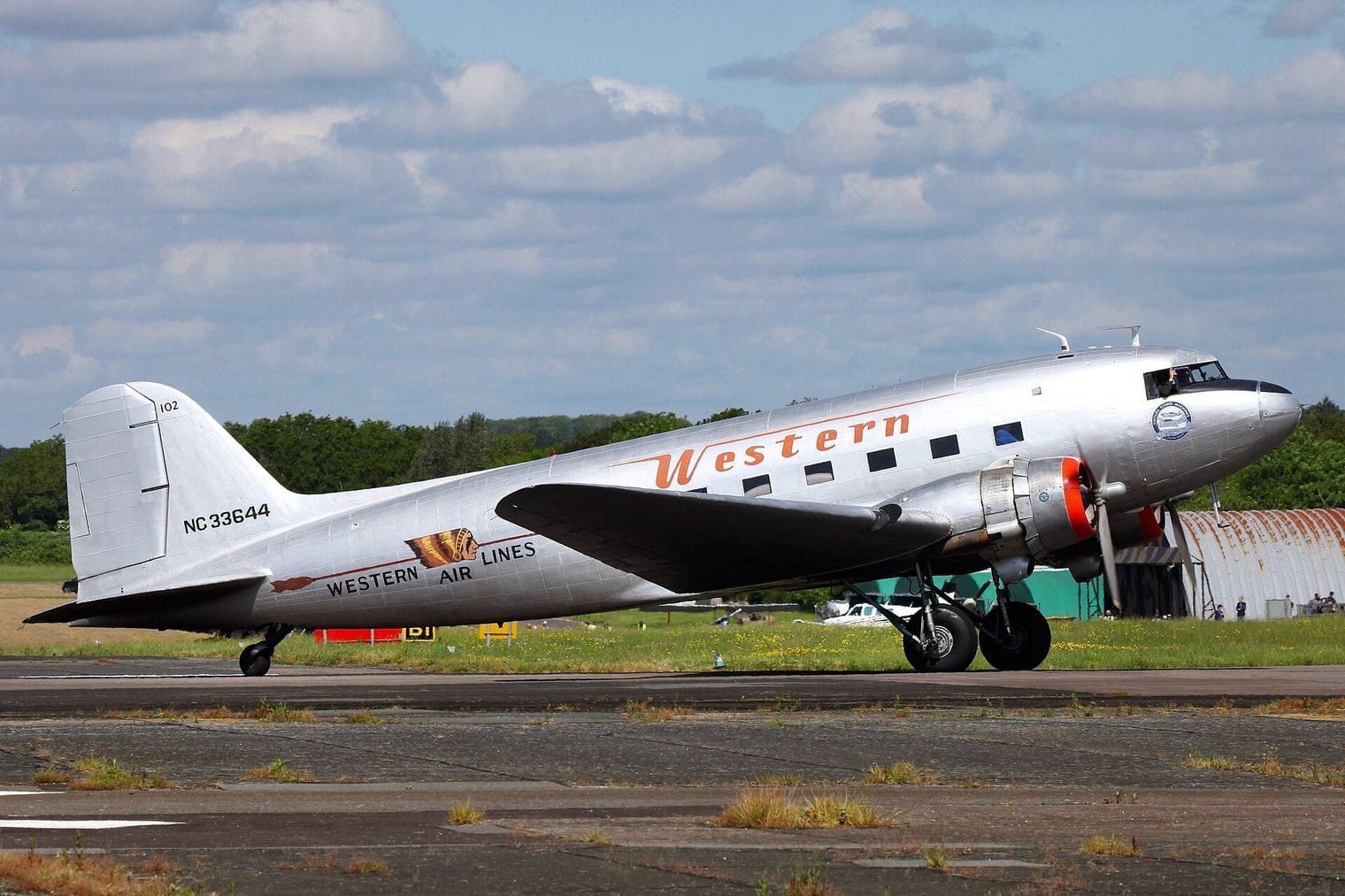
The Museum of Mountain Flying preserves the story of Johnson Flying Service, the Missoula company that was the leading mountain-flying operation in the Northern Rockies from the late 1920s to the early 1970s. Its volunteer-run hangar at the east end of the airport is filled with aircraft, artifacts and photographs from the era when bush pilots flew smokejumpers and supplies into the backcountry.
The star is the DC-3 known as Miss Montana, the aircraft that dropped the smokejumpers at the 1949 Mann Gulch fire, which volunteers restored and flew to France in 2019 for the 75th-anniversary D-Day flyover. The museum opens seasonally from late spring to early fall and pairs neatly with the nearby Smokejumper Visitor Center.
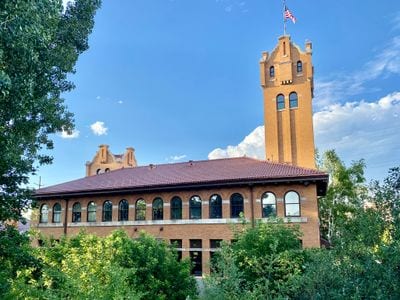
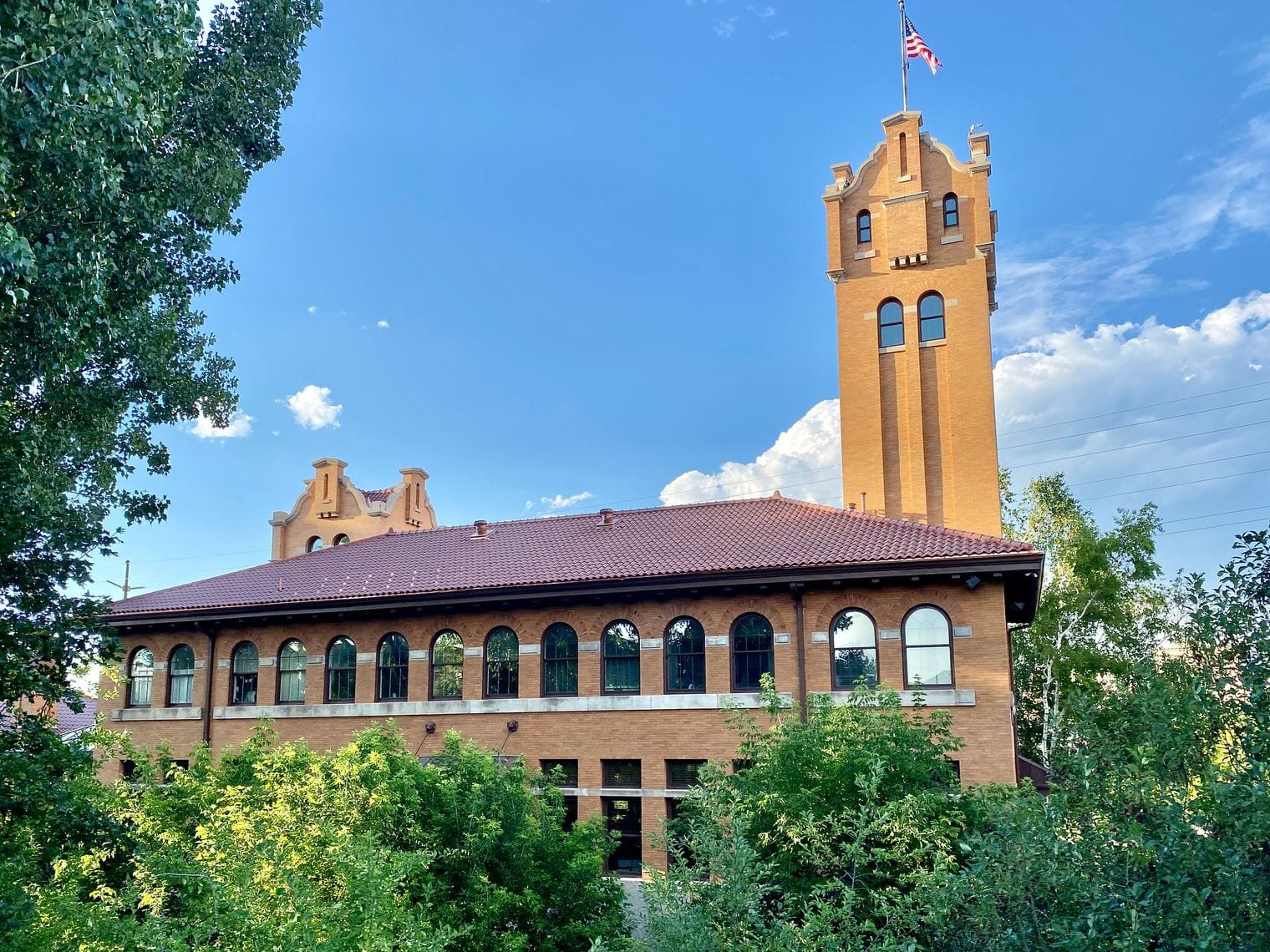
The Boone and Crockett Club, founded in 1887 by Theodore Roosevelt and George Bird Grinnell, is described as North America's oldest wildlife and habitat conservation organization, and it has made its national headquarters in Missoula since 1993. Its home is the restored 1910 Milwaukee Road depot on the riverfront, a handsome brick station with two towers built for the railroad's Pacific Extension.
The club's Visitors Gallery, opened in 2010 in the space linking the depot's two buildings, displays record-class North American big game, from grizzly bears to musk oxen, alongside exhibits on the club's conservation history and the railroad that built the station. It sits right on the riverfront trail, so it is easy to drop in during a walk along the Clark Fork.
Plan your trip
Best Time to Visit Missoula
Summer is Missoula at full volume: long, warm, dry days, the river busy with floaters and anglers, the Saturday markets in full swing and Caras Park hosting concerts and festivals most weeks. Late summer can bring wildfire smoke into the valley in some years, so keep plans flexible in August and September.
Fall is the local favorite, with golden cottonwoods along the river, quieter trails and Grizzlies football weekends that pack the town. Winter is cold and snowy, good for skiing at Montana Snowbowl just outside town, while spring brings high water, the biggest days at Brennan's Wave and the first markets of the year.
Getting to Missoula
Missoula Montana Airport sits on the western edge of town, a short drive from downtown, with direct flights from several major Western hubs. Interstate 90 runs along the north side of the city, linking it east to Bozeman in about three hours and west to Spokane in about three hours, while US 93 heads north toward Flathead Lake and south up the Bitterroot Valley.
There is no passenger rail service in Missoula itself; the nearest Amtrak stops are on the line across northern Montana, a few hours' drive north, so most visitors arrive by air or by car.
Getting Around Missoula
The core of the city is easy on foot: downtown, the Hip Strip and the university are all within about a mile of each other, linked by the riverfront trails and bridges. Missoula is a strongly bike-friendly town, and cycling the river paths is one of the best ways to get between sights.
A car makes sense for the sights on the edges of town, including Fort Missoula, the Elk Country Visitor Center and the airport-area smokejumper base and flying museum, as well as the Rattlesnake trailhead and any day trips. Local buses cover the main corridors, and downtown has metered street parking and public garages.
Where to Stay in Missoula
Downtown is the best base for a short trip, with the river, restaurants, theaters and the Saturday markets all on foot. The Hip Strip and the university district just across the river are quieter and suit visitors who want to walk to campus, Mount Sentinel and the riverfront trails.
The Reserve Street and Interstate 90 corridor on the west side has the widest choice of chain hotels and the easiest highway access, which suits road-trippers and anyone heading on to Glacier or the Bitterroot. Lodging near the airport is handy for early flights and for the smokejumper base.
Where to Eat in Missoula
Downtown and the Hip Strip hold most of the city's independent restaurants, cafes and brewery taprooms, and the city has a long-established craft beer scene. Expect a mix of Western comfort food, farm-to-table menus built on produce from the Saturday markets, and creative small plates.
Look for regional favorites: bison and Montana beef burgers, trout, and anything made with wild huckleberries, from pie and ice cream to lemonade and jam. Summer brings fresh fruit from the orchards around Flathead Lake to the markets and menus.
Day Trips from Missoula
Montana Snowbowl, the city's ski hill, is about half an hour northwest, and Travelers' Rest State Park in Lolo, where Lewis and Clark camped, is about 20 minutes south. Lolo Hot Springs lies under an hour southwest on the road toward Lolo Pass, and Garnet Ghost Town, a well-preserved gold-mining camp, is about an hour east, reached by a gravel mountain road.
Head north on US 93 and Flathead Lake is roughly 75 minutes away, with Glacier National Park roughly three hours from town for a long day or an overnight. South up the Bitterroot Valley, Stevensville and Hamilton are within about an hour, and to the southeast the old mining town of Philipsburg, one of the standouts among Montana's small towns, is about an hour and a half away. Longer drives along I-90 lead to Bozeman and its mountain trails.
Missoula is best known as the University of Montana's home and an outdoor town on the Clark Fork River. Visitors come for the riverfront at Caras Park, A Carousel for Missoula and Brennan's Wave, historic venues like The Wilma, the history at Fort Missoula and the Rocky Mountain Elk Foundation's visitor center, plus the hike to the M.
How many days do you need in Missoula?
Two days covers Missoula's main sights comfortably: one for the river, downtown, the university and the M Trail, and one for Fort Missoula, the Elk Country Visitor Center and the airport-area smokejumper base and flying museum. Add a third day for a longer hike in the Rattlesnake or a day trip to Flathead Lake.
What can you do in Missoula for free?
Plenty. Hike the M Trail or the Rattlesnake, walk the Clark Fork Riverfront Trail and Greenough Park, picnic in Caras Park and watch the river surfers at Brennan's Wave. The Missoula Art Museum and the Elk Country Visitor Center are free to enter, and the Smokejumper Visitor Center runs free tours in season.
What is there to do in Missoula with kids?
Start with A Carousel for Missoula and the Dragon Hollow playground beside it in Caras Park, then add the locomotive, streetcar and cabins at the Historical Museum at Fort Missoula and a summer tour of the Smokejumper Visitor Center. The Missoula Butterfly House and Insectarium and the spectrUM Discovery Area are good indoor options on a rainy day.
When is the best time to visit Missoula?
Summer brings the warmest weather, river floating, the Saturday markets and the busiest event calendar, while early fall offers golden cottonwoods, quieter trails and Grizzlies football. Late summer can be smoky in wildfire years, and winter suits skiers heading to nearby Montana Snowbowl.
Sources & updates
How this guide was checked
Checked before launch
Sources cited
20
Publishers
11
Every place on this list was confirmed open and pinned on the map before publication, and what we say about each one was checked against its own website or an official source.
A PDF with a box to tick for every place. Confirm your email to download it, and get one email every Thursday with our newest guides for the places you tick.
Free Missoula printable checklist
All 20 places in one PDF
Tick them off as you go. Confirm your email to download it, plus one email every Thursday with new guides for the places you tick.
We use cookies to analyse site traffic and improve your experience.
You can accept or reject analytics cookies. See our
May we use analytics cookies? See ourCookie Policy.