We build and rank every list first. Booking links come after, and only where
a partner sells a ticket, tour or stay for that exact place, so a place with
nothing to book is listed exactly as prominently as one you can book.
So how do we earn? Some links on this page go to booking
partners, and if you book tickets, tours or a stay through
one, we may earn a commission. It costs you nothing extra.
That commission never decides which places make the list, the order they
appear in, or what we write about them. No entry is sponsored or a paid
placement.
By the City Viking editorial teamPublished 25 places · 20 min read
Fact-checked Checked before launchOct 7, 202625 sources19 publishers5 government & parks7 tourism boards7 encyclopedias & research6 venues & other sitesPublished · Oct 7, 2026Researched and checked before it went liveClick for every source and the full change log.
Short answer
Start with Valentine for its Niobrara River floats and Smith Falls, Nebraska City for Arbor Lodge and the birthplace of Arbor Day, and Red Cloud for Willa Cather’s childhood home and the National Willa Cather Center. Most towns on this list fill a relaxed day, while Valentine and the Scotts Bluff area around Scottsbluff and Gering deserve a weekend.
Beyond Omaha and the Capitol dome in Lincoln, Nebraska is a state of small towns strung along its rivers and old trails: Missouri River villages older than statehood, Platte Valley railroad towns, Sandhills cattle country and Panhandle outposts beneath buttes and bluffs.
This guide ranks 25 of the best, each under 35,000 people at the 2020 census, from Valentine to Wayne. Most fill a relaxed day, Valentine and the Scotts Bluff area deserve a weekend, and many line up neatly along Interstate 80.
Arbor Day was born in Nebraska City: on the first one, April 10, 1872, Nebraskans planted an estimated one million trees at the urging of J. Sterling Morton.
Kool-Aid was invented in Hastings by Edwin Perkins in 1927, and it is now Nebraska’s official soft drink.
Seward is America’s Official Fourth of July City, a title from a 1979 resolution in Congress, and the town has celebrated the holiday almost every year since 1868.
Bailey Yard in North Platte is the world’s largest railroad classification yard, where Union Pacific crews sort, service and repair locomotives and cars bound across North America.
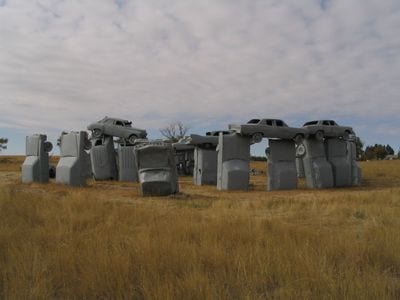
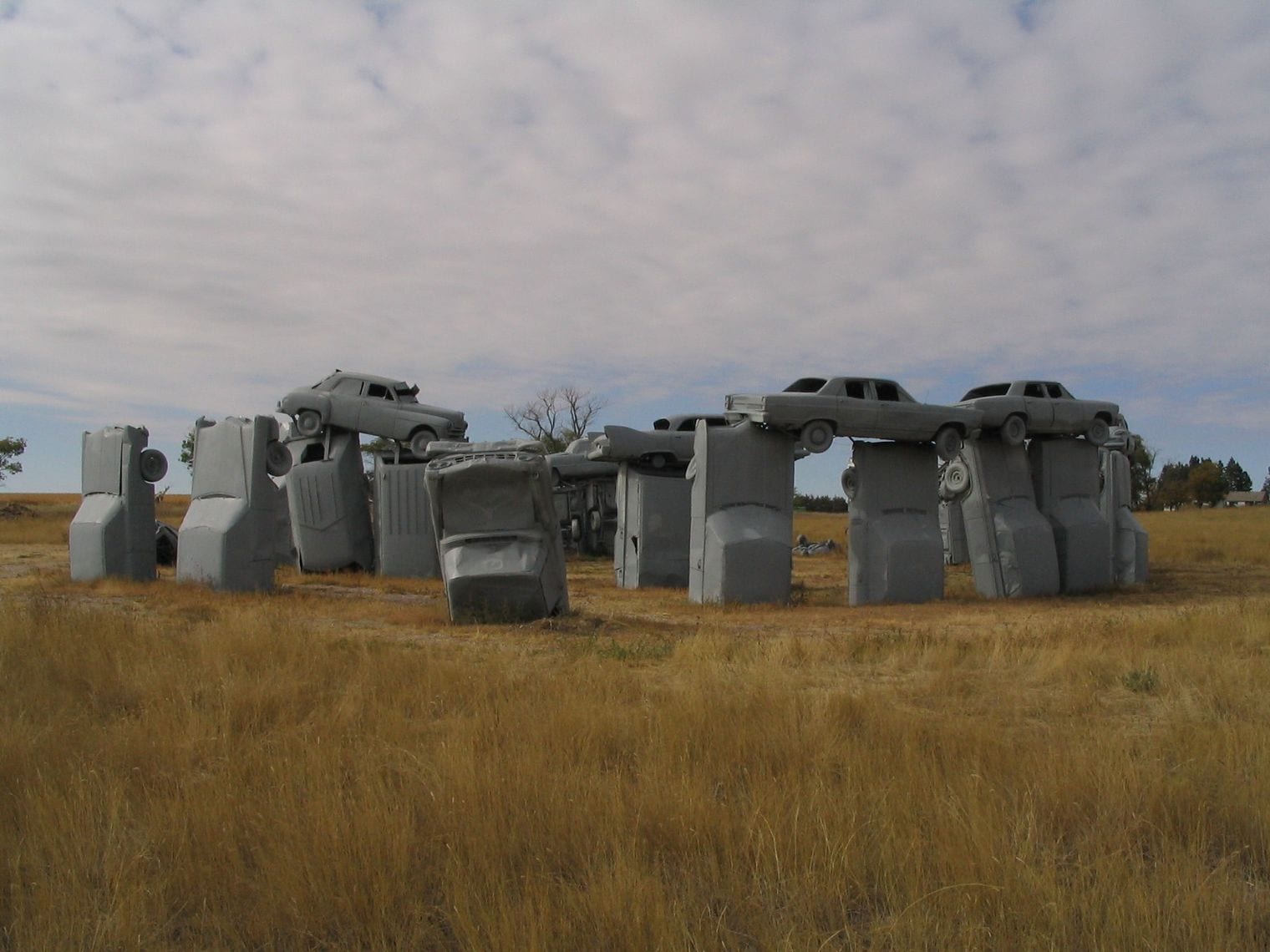
Carhenge, outside Alliance, is built from 38 vintage American cars painted gray and arranged like Stonehenge, and it was dedicated at the June 1987 summer solstice.
The only house Frank Lloyd Wright is known to have built in Nebraska is the Prairie-style Harvey P. Sutton House in McCook, designed between 1905 and 1907.
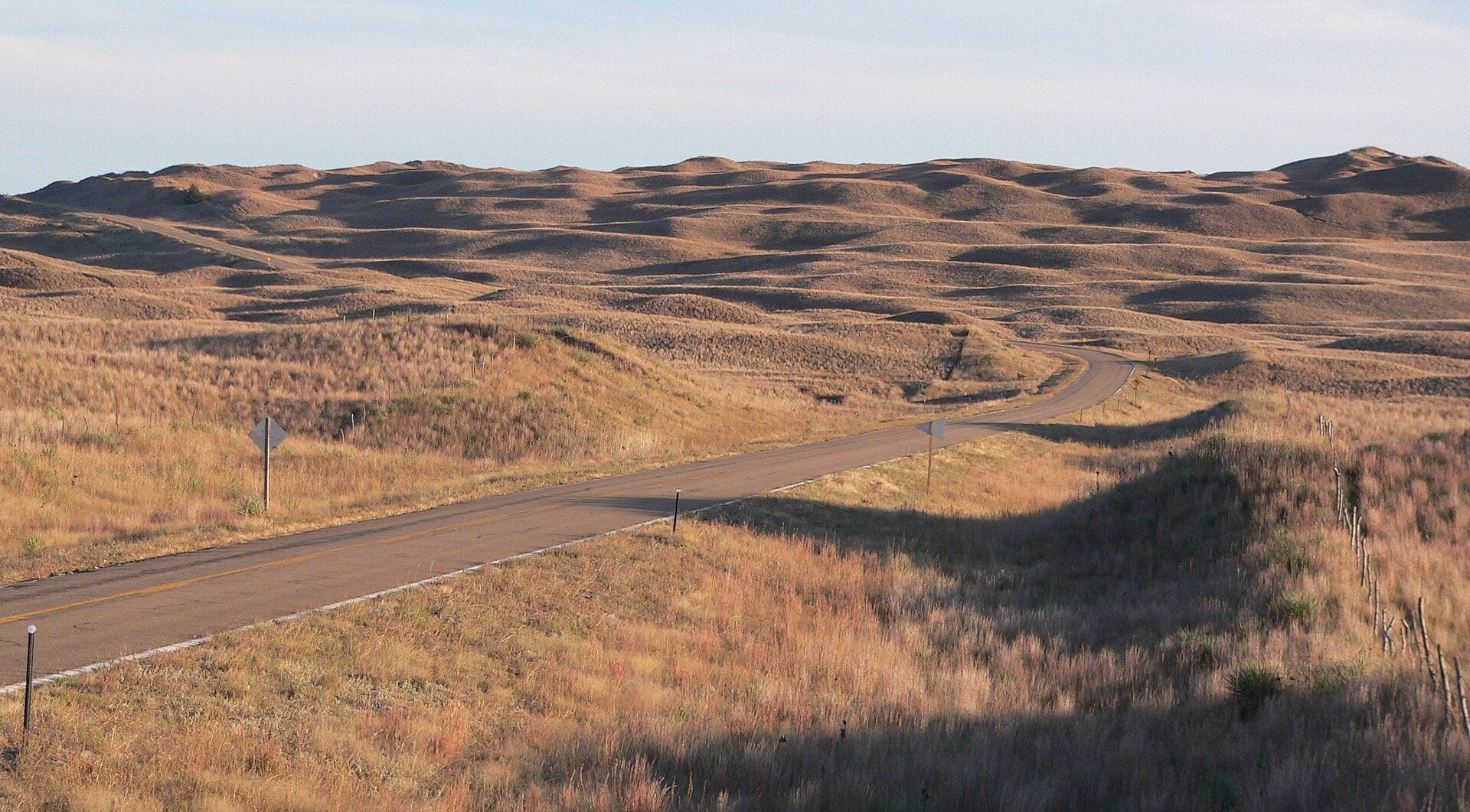
Perched above the Niobrara River on the northern edge of the Sandhills, Valentine is the Nebraska small town that most lists start with, and it earns the spot outdoors.
The town of about 2,600 people bills itself as America's Heart City, and a red neon heart glows from the pine-covered canyon wall at the north end of Main Street. It is the base for floating the Niobrara National Scenic River, a 76-mile stretch Congress set aside in 1991 for its scenery, wildlife and fossils.
Outfitters in town rent canoes, kayaks and tubes for lazy summer floats past wooded bluffs and waterfalls. East of town, Smith Falls State Park protects the highest waterfall in Nebraska, reached by a footbridge across the river, and the Fort Niobrara National Wildlife Refuge keeps bison and prairie dogs on the grounds of a former cavalry post. Cyclists can pick up the Cowboy Trail rail trail here and ride across its quarter-mile-long bridge high above the Niobrara.
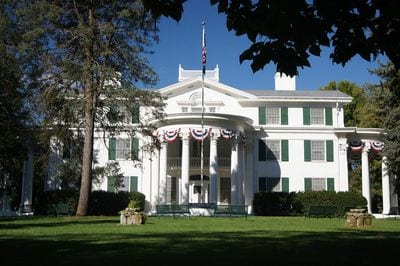
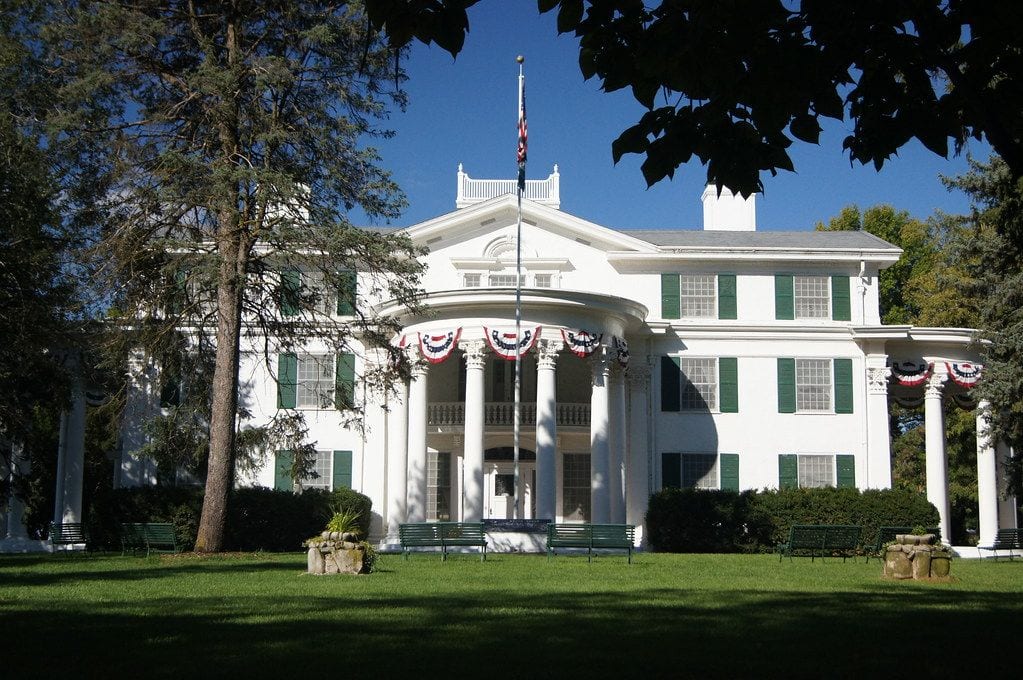
Arbor Day began in Nebraska City. J. Sterling Morton, who later served as Secretary of Agriculture under President Grover Cleveland, championed a tree-planting day for the prairie, and on the first Arbor Day in 1872 an estimated one million trees were planted across Nebraska. His home, Arbor Lodge, grew from a four-room frame house into a 52-room mansion that is now a state historical park, arboretum and National Historic Landmark.
On the edge of town, Arbor Day Farm mixes forest trails, a treetop village and apple orchards that open for picking each fall, the same season the AppleJack Festival fills the streets. The town of about 7,200, credited by the state legislature as Nebraska's oldest incorporated city, also has the Missouri River Basin Lewis and Clark Center and the Mayhew Cabin, the only site in Nebraska the National Park Service recognizes as a station on the Underground Railroad.
Willa Cather moved to Red Cloud at the age of nine in 1883, and this town of fewer than a thousand people turns up again and again in her fiction, most famously as Black Hawk in My Ántonia. Several of the 19th-century buildings she wrote about make up the Willa Cather Historic District, the largest district dedicated to an author on the National Register of Historic Places.
Start at the National Willa Cather Center downtown, opened in 2017 with a museum, an archive, a bookstore and the restored Red Cloud Opera House, then tour her childhood home on Cedar Street, a National Historic Landmark built in 1878. Just outside town, the 612-acre Willa Cather Memorial Prairie protects the kind of native grassland that runs through her prairie novels, a fine place to walk at sunset.
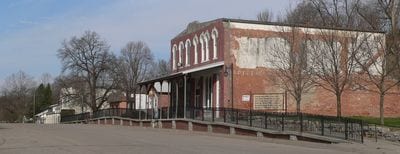
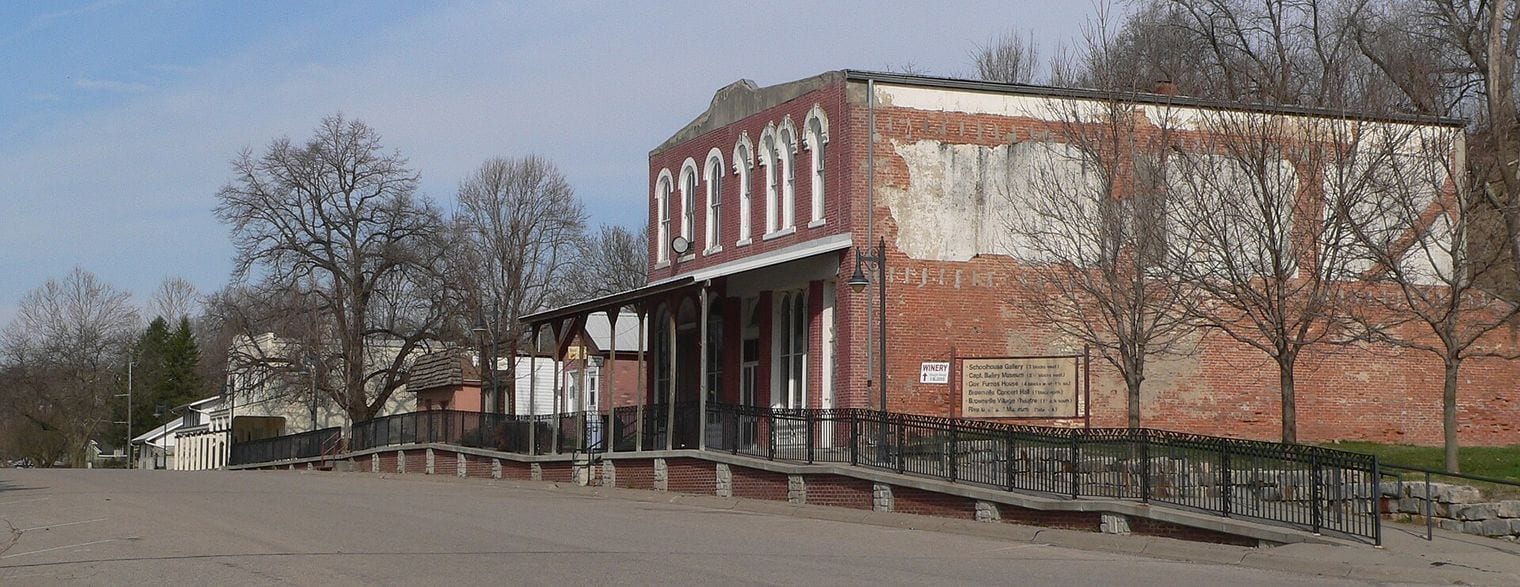
Founded in 1854, the year Nebraska Territory was created, Brownville is a Missouri River village of about 140 people with far more to see than its size suggests. It is one of the oldest towns in the state, and its historic district, listed on the National Register of Historic Places, keeps much of its 19th-century character.
Summer brings the Brownville Village Theatre, a rotating repertory company that has staged plays since 1967 in a former church. Down on the riverbank, the dredge Captain Meriwether Lewis, launched in 1931 to help tame the Missouri and now a National Historic Landmark, houses the Museum of Missouri River History, with exhibits on Native American life, exploration and westward expansion. Come for a show, stay for the quiet river views.
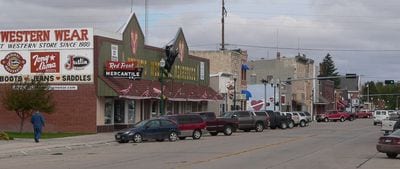
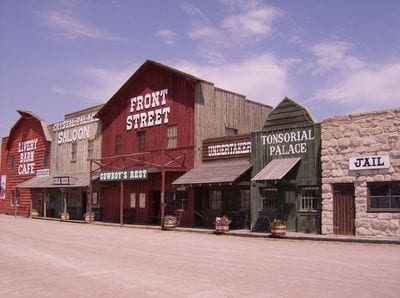
Ogallala grew up as the end of the trail for Texas cattle drives that met the Union Pacific railhead here, and its rowdy cowtown years earned it nicknames like the Gomorrah of the West. Before the cattle came, the site was a stop on the Pony Express, and today the town of about 4,900 sits on Interstate 80 beside the South Platte River.
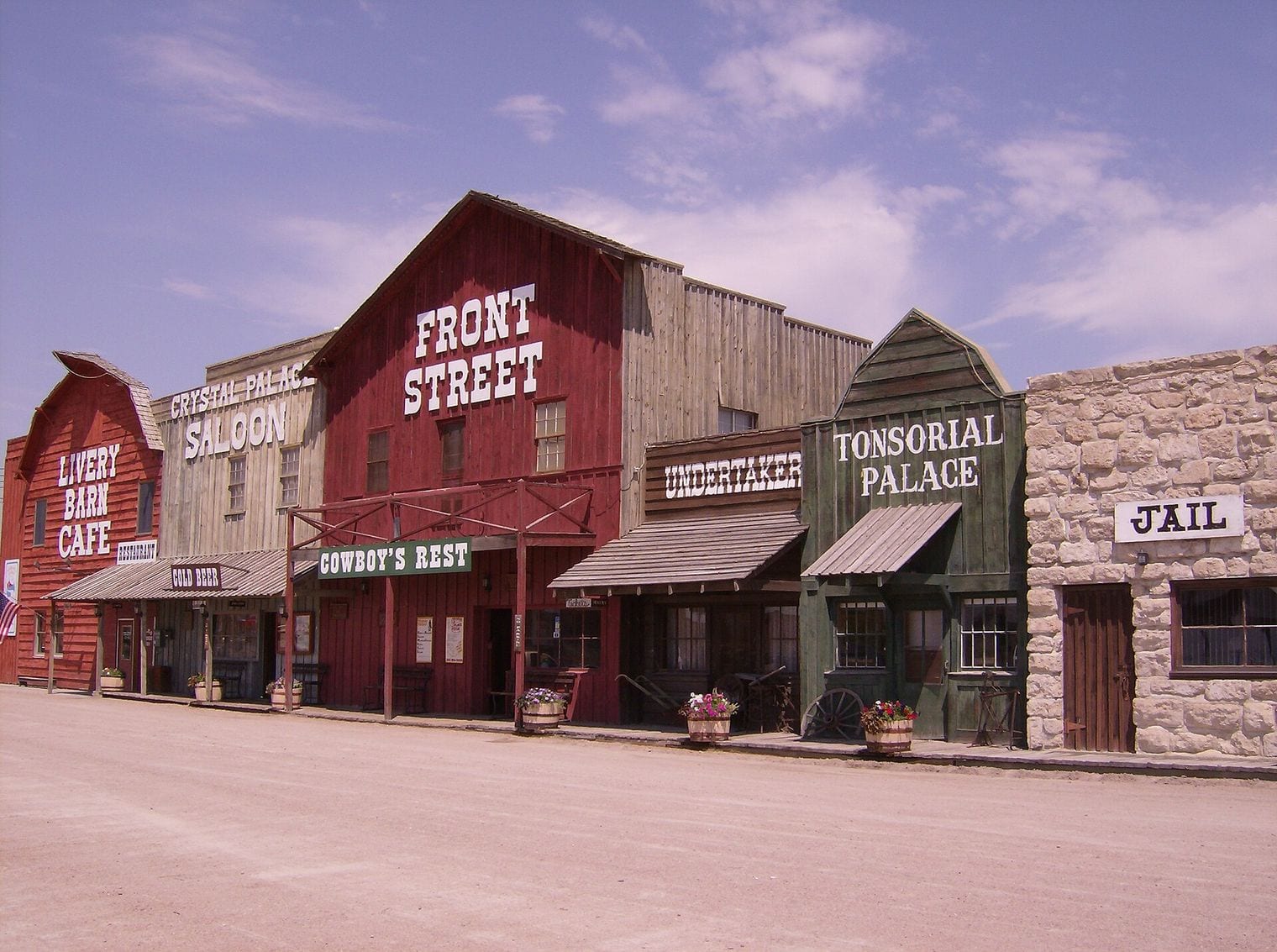
Front Street recreates the old cowtown strip with a small museum of trail-era artifacts, and Boot Hill, the frontier cemetery where cowhands and drifters were buried in the town's early days, still has a few grave markers. Nine miles north, Lake McConaughy, the largest reservoir in Nebraska, draws boaters, anglers, swimmers and campers to its sandy beaches all summer, with the smaller Lake Ogallala just below its dam.
Chadron sits on the prairie of Nebraska's northwest corner where a ridge of pine-covered hills rises to the south, a college town of about 5,200 that serves as Forest Service headquarters for the Nebraska National Forest. Its roots in the fur and hide trade are celebrated each July at Fur Trade Days, and in 1893 it was the starting line of a thousand-mile cowboy horse race to Buffalo Bill's Wild West show at the Chicago World's Fair.
Just outside town, the Museum of the Fur Trade stands on the site of the American Fur Company's Bordeaux Trading Post, a post built in the 1840s and faithfully reconstructed on its original footprint. Nine miles south, Chadron State Park, opened in 1921 as Nebraska's oldest state park, spreads ponderosa pine forest along Chadron Creek and the Pine Ridge escarpment.
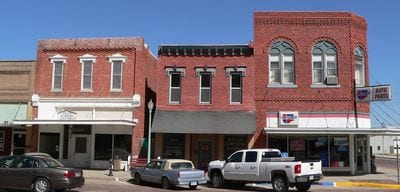
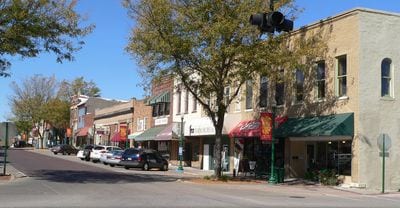
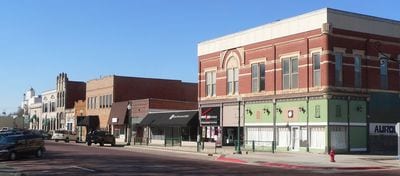
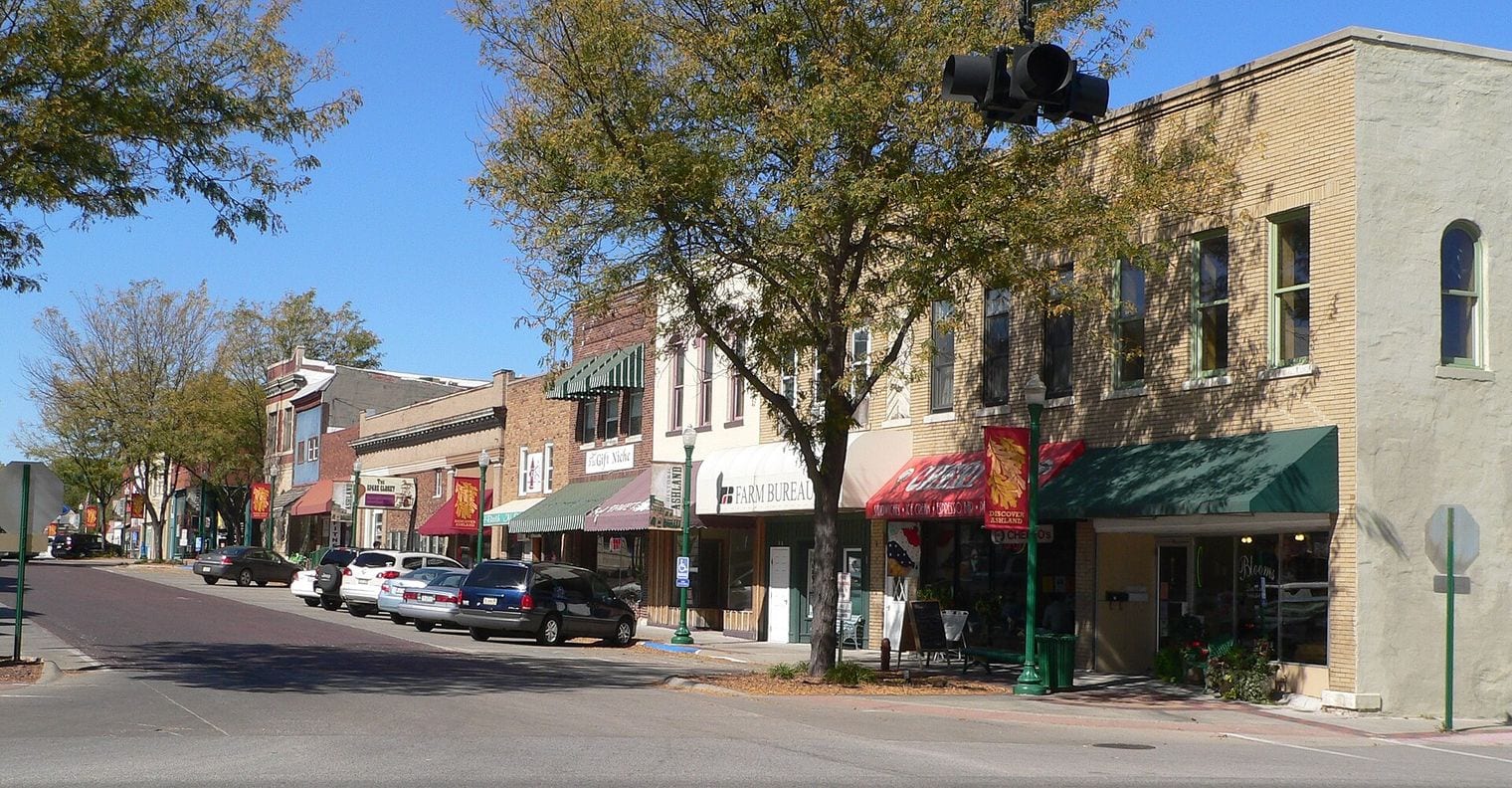
Between Omaha and Lincoln, Ashland grew up at a limestone ledge on Salt Creek that made a rare firm crossing for wagon trains during the great westward migrations. The town of about 3,000 was laid out in 1870 and named for Ashland, the Kentucky estate of Henry Clay, and its historic main street, Silver Street, is lined with brick storefronts from the late 1800s and early 1900s.
Ashland is also the gateway to a cluster of popular day-trip stops along Interstate 80. The Strategic Air Command & Aerospace Museum displays Cold War aircraft, missiles and space vehicles, Eugene T. Mahoney State Park has a 70-foot observation tower over the Platte River valley, and the Lee G. Simmons Wildlife Safari Park lets you drive past bison, elk and cranes across 440 acres of prairie and wetland.
Seward has celebrated the Fourth of July almost every year since 1868, and in 1979 a resolution in Congress named it America's Official Fourth of July City, Small Town USA. Every Independence Day the town of about 7,600 people throws the party it is known for, and the rest of the year it keeps the pace of a quiet county seat.
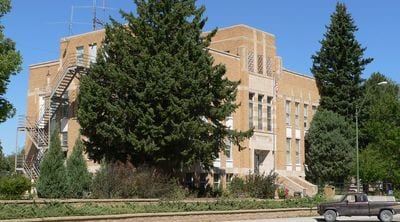
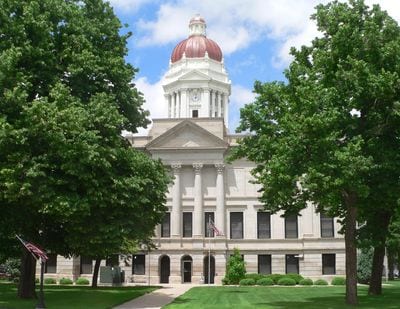
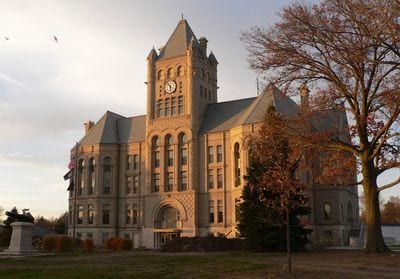
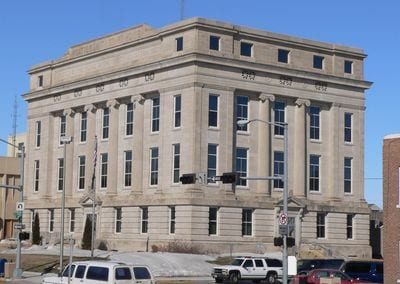
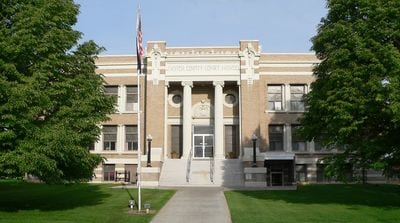
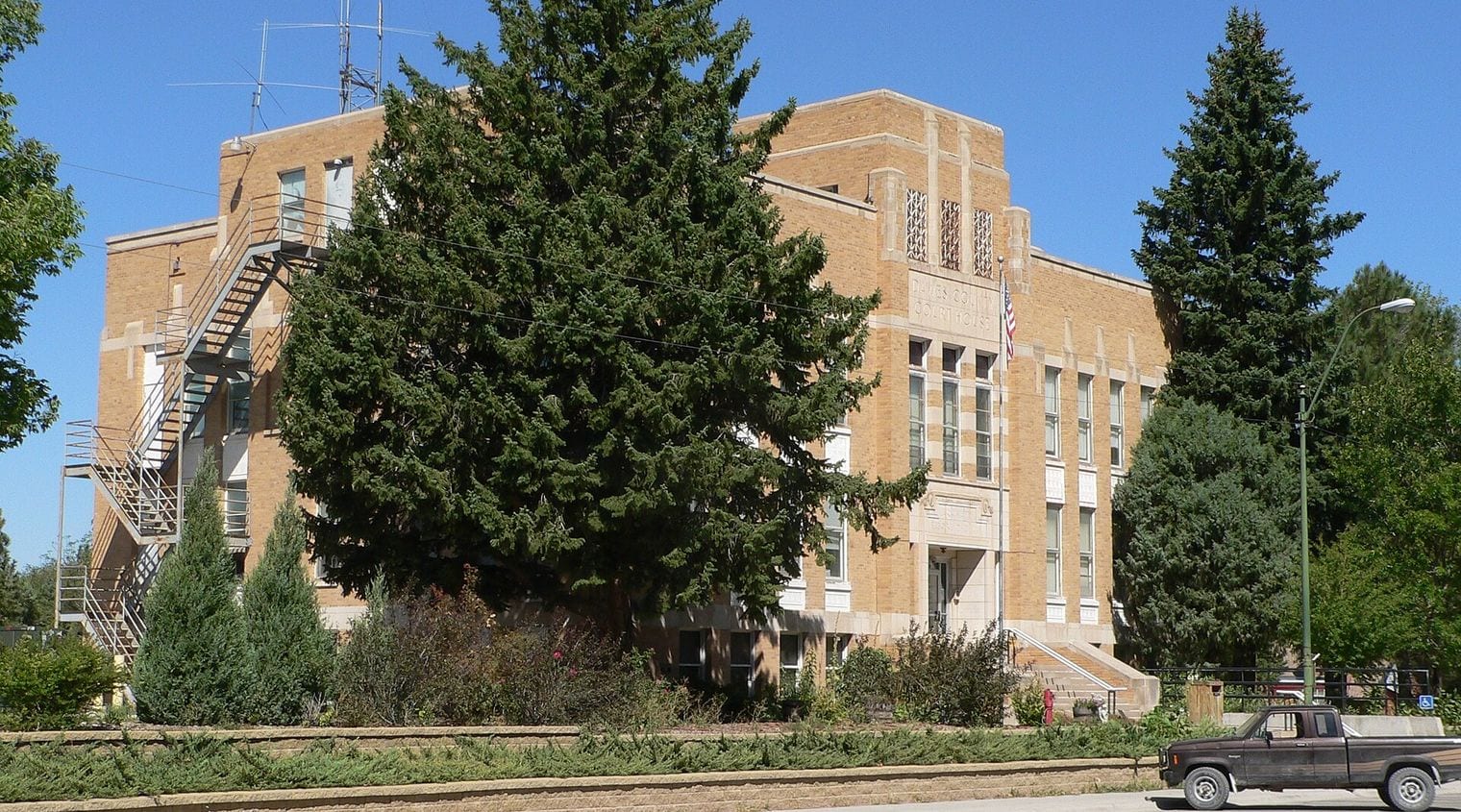
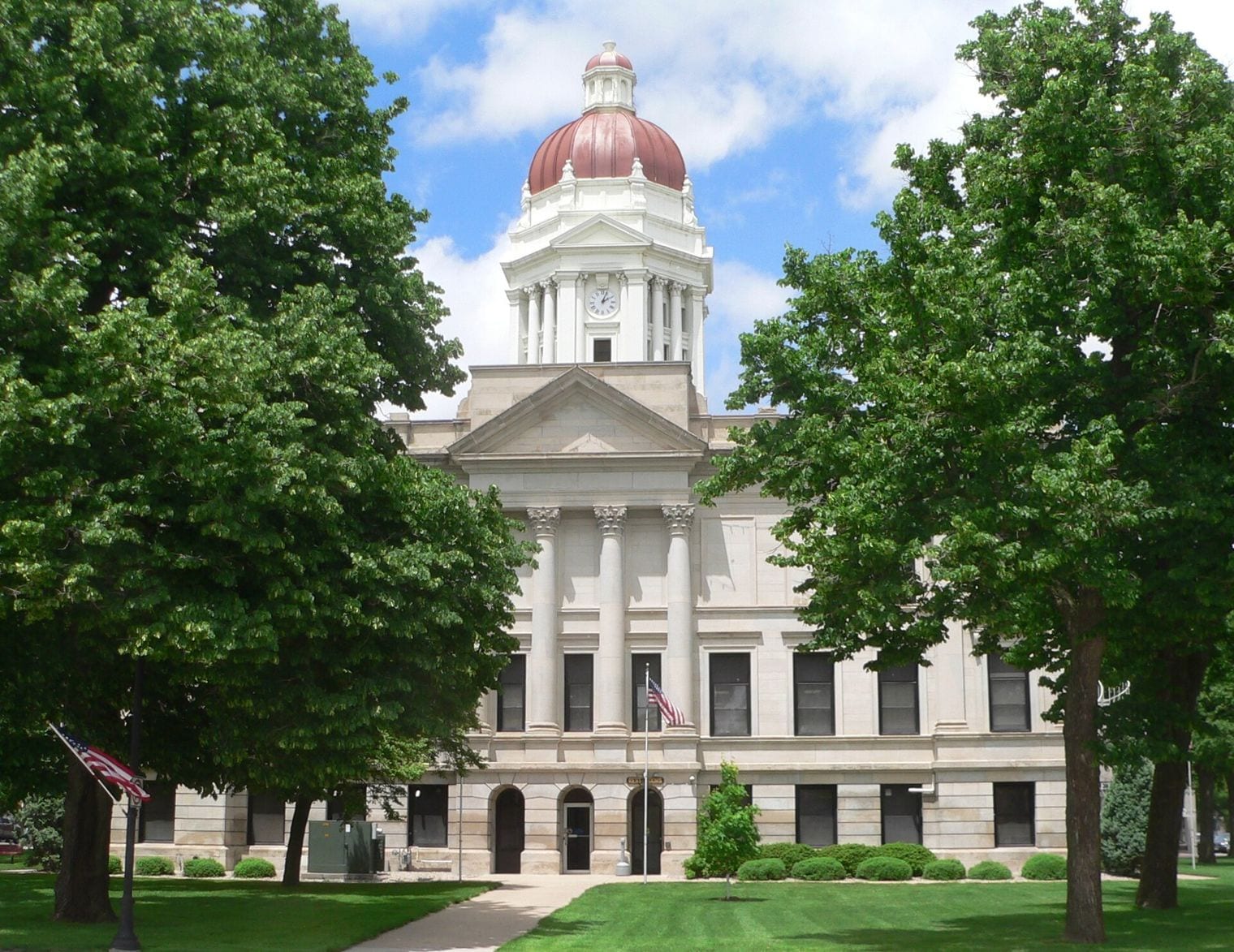
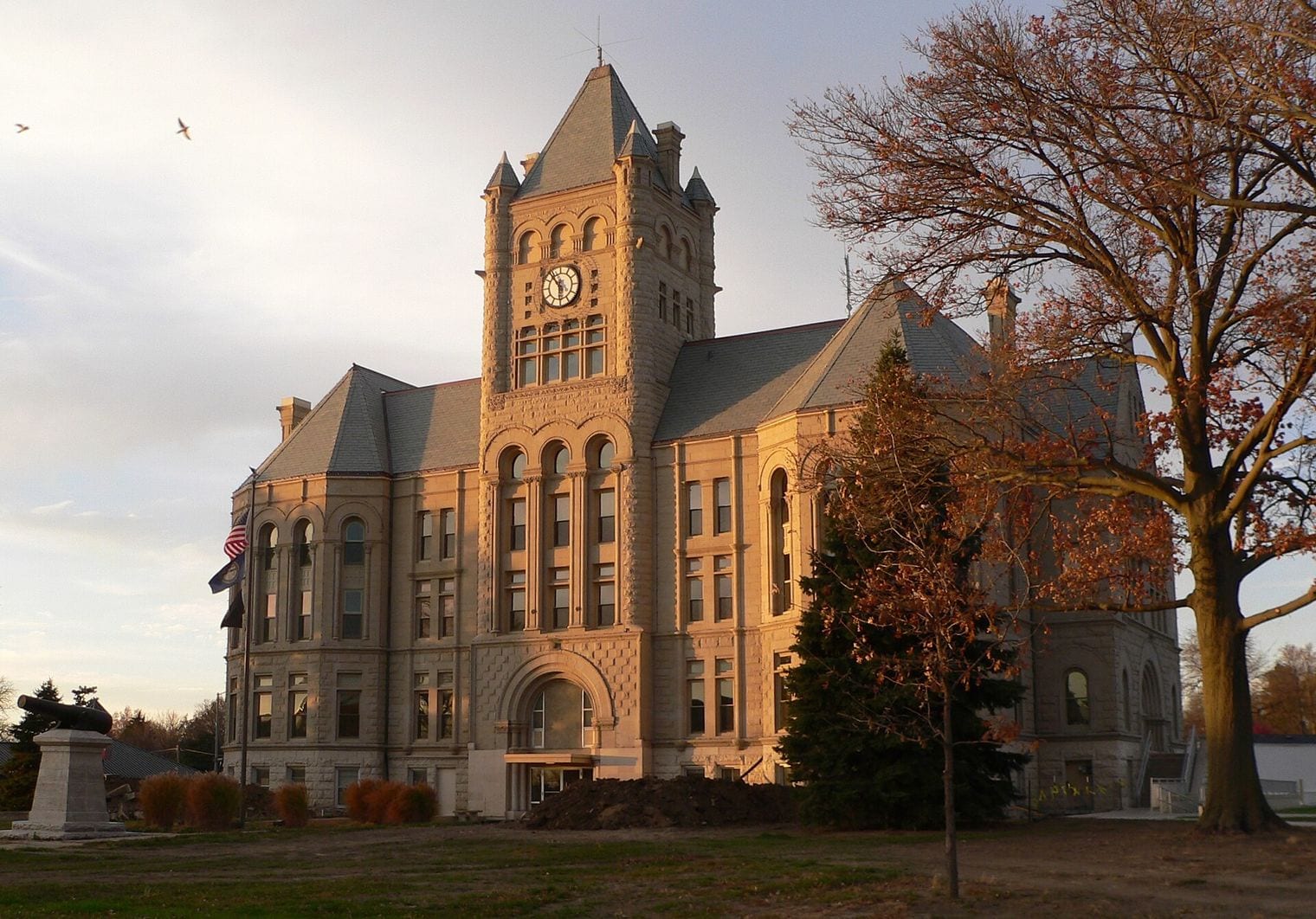
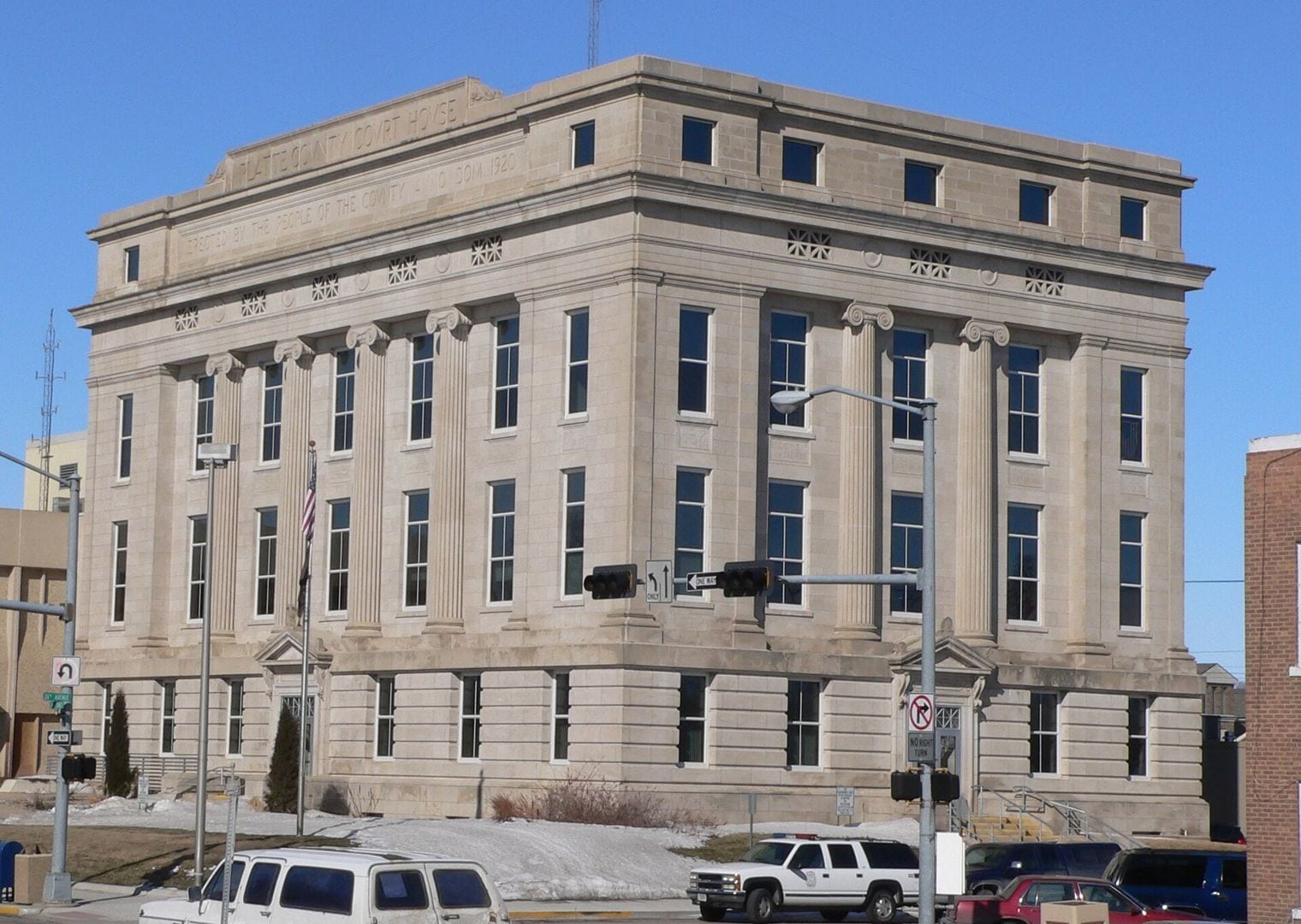
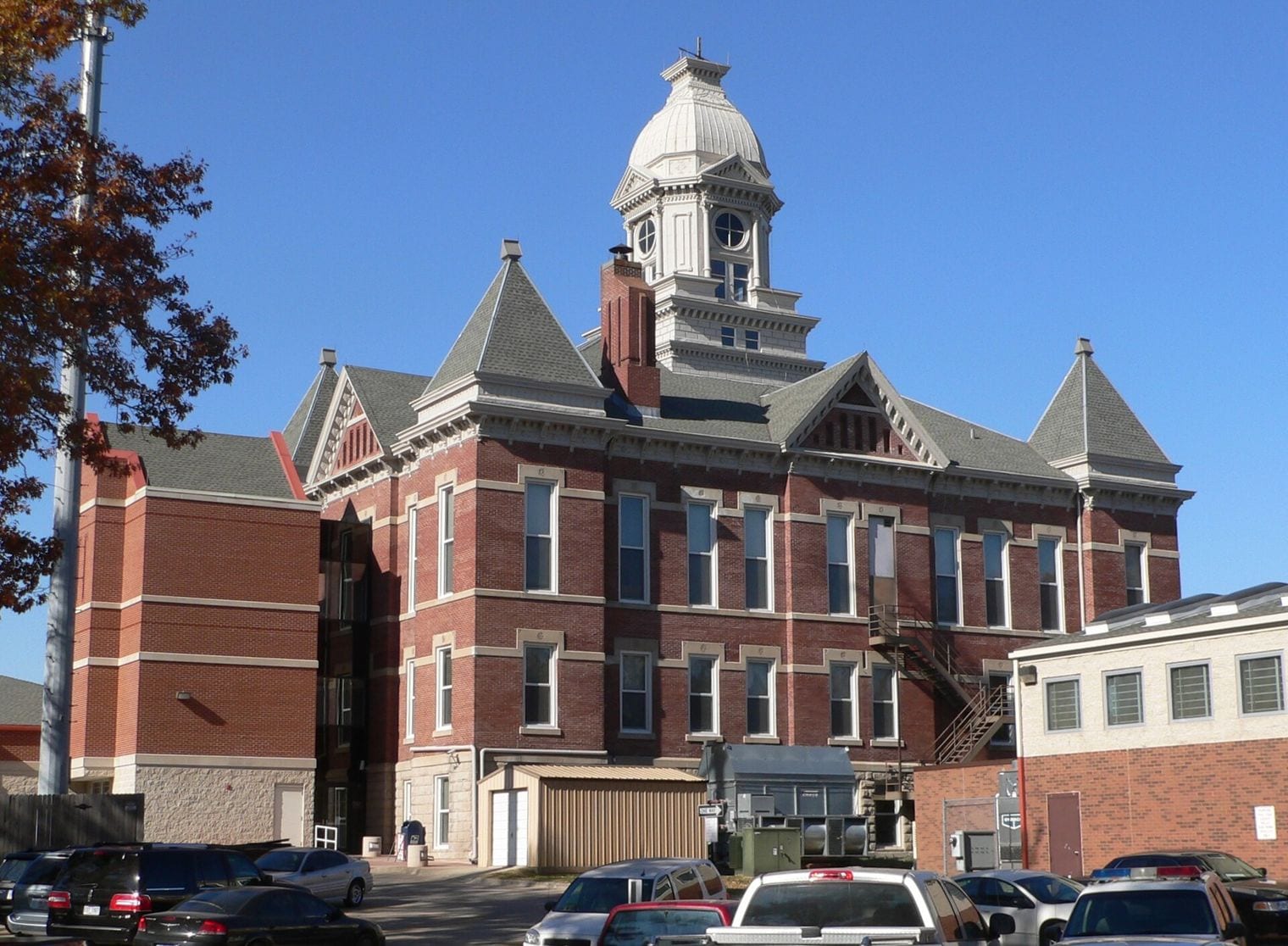
Seward is home to Concordia University, and the Classical Revival Seward County Courthouse, built between 1905 and 1907 on a farm once owned by the town's founder, anchors the downtown. The town is part of the Lincoln metropolitan area, so it makes an easy half-day trip from the capital.
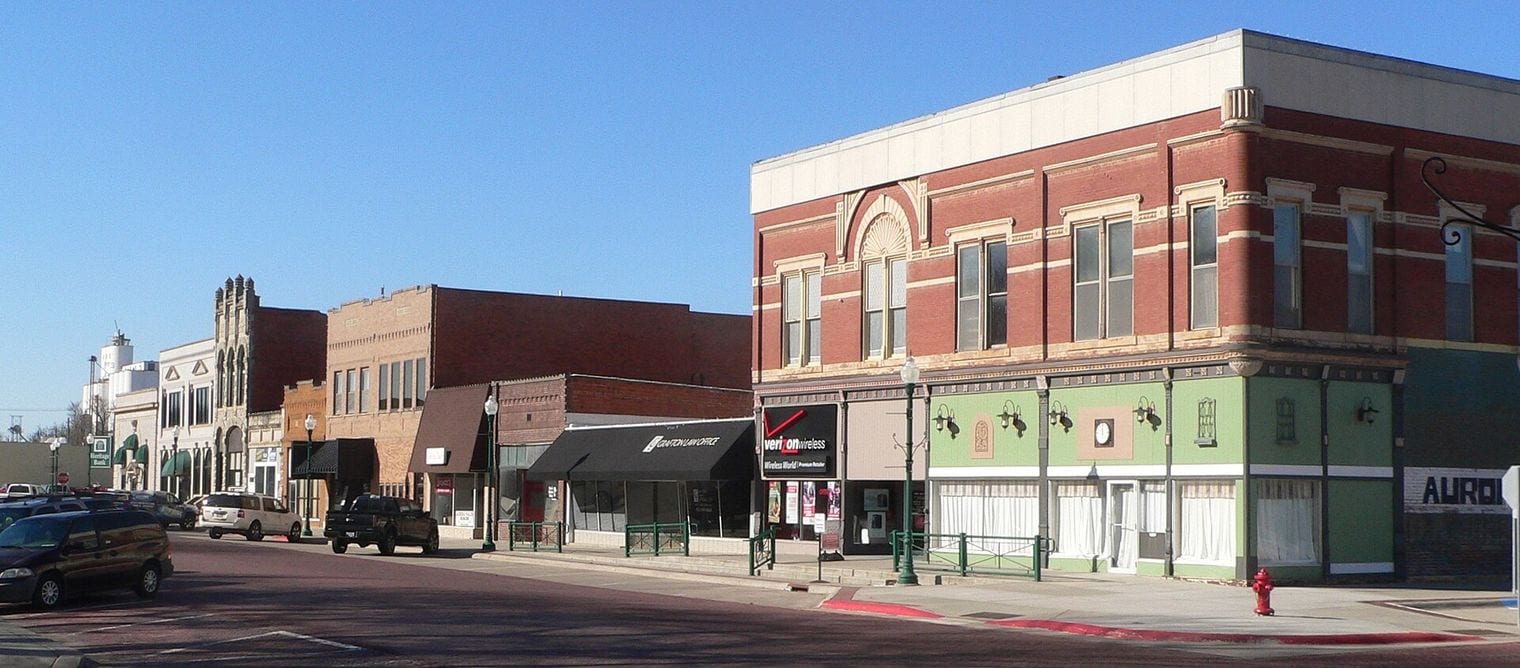
Aurora was laid out in 1871 by David Stone, who named it after his former hometown of Aurora, Illinois, and the town of about 4,700 grew into the seat of Hamilton County on the Platte Valley plain. Its most famous son is Harold "Doc" Edgerton, the MIT engineer who turned the stroboscope from an obscure laboratory instrument into a common device and pioneered electronic flash photography.
The Edgerton Explorit Center, dedicated in 1995, honors him with hands-on science exhibits on light, electricity, physics and strobe technology, an unexpected find in a farm-country county seat. The Plainsman Museum, dedicated during the 1976 bicentennial, tells the story of the settlers of the central plains through a complex of buildings and agricultural exhibits. Grand Island is a short drive west.
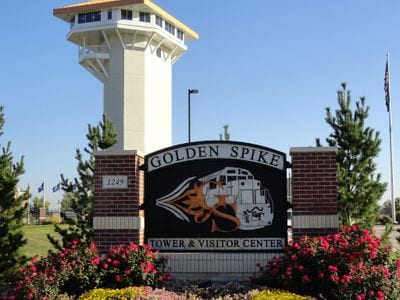
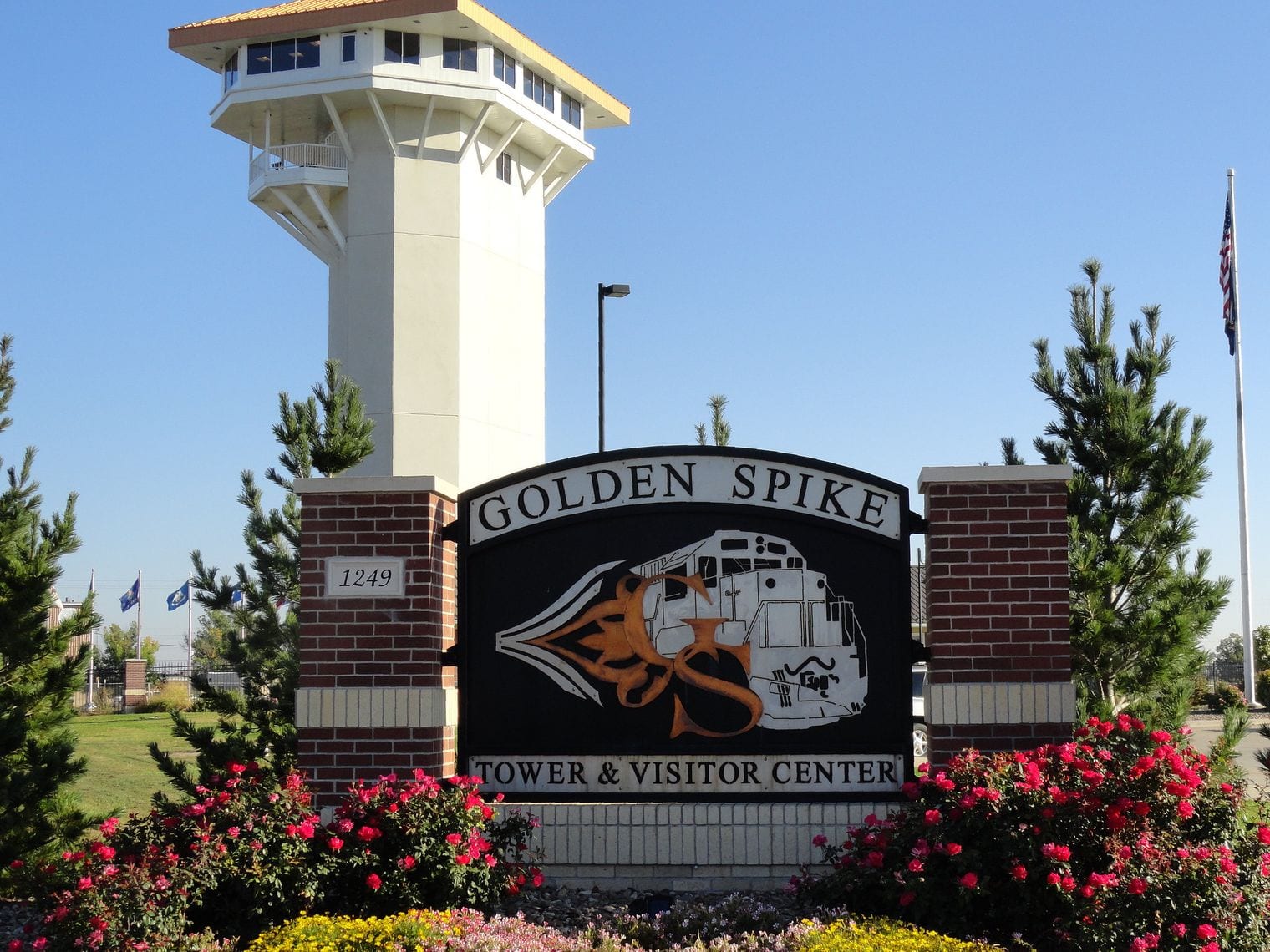
North Platte is a railroad town through and through. It began in 1866 as the end of the line for the Union Pacific, and today the railroad's Bailey Yard, the largest railroad classification yard in the world, spreads across the city. The eight-story Golden Spike Tower looks out over the tracks as crews sort, service and repair locomotives and cars bound for every corner of North America.
Buffalo Bill Cody made his home here too, and Buffalo Bill Ranch State Historical Park preserves Scout's Rest Ranch, his house and outbuildings at the edge of town. During World War II, local volunteers ran the North Platte Canteen at the depot, serving millions of soldiers passing through on troop trains, a story told at the Lincoln County Historical Museum. Each June, Nebraskaland Days brings parades, rodeos and concerts.
Minden is home to Harold Warp Pioneer Village, a roadside museum that has pulled travelers off U.S. Highway 6 since 1953. Its 28 buildings hold some 50,000 historical objects, including hundreds of early cars, airplanes, tractors and household appliances arranged in the order they were developed, plus a sod house, a school, a church and a steam-powered carousel.
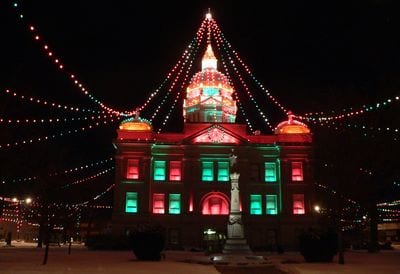
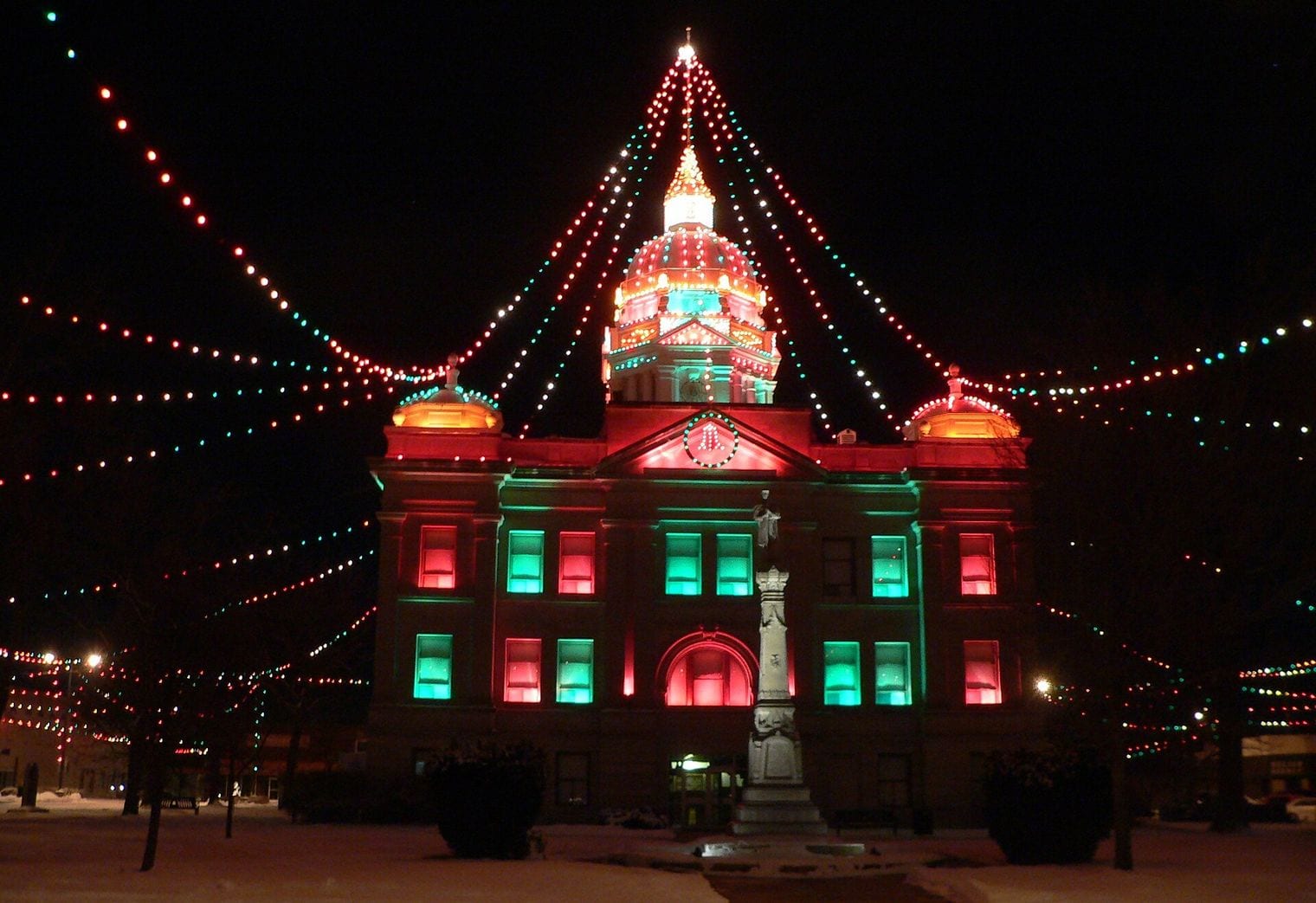
The town of about 3,100 also bills itself as Nebraska's Christmas City. The tradition began in 1915, when weather kept lights bought for a convention from going up and they became a Christmas display instead, and today thousands of bulbs light the Kearney County Courthouse square each holiday season while townspeople stage an annual Christmas pageant, The Light of the World.
Free printable checklist of all 25 places
Tick them off as you go. Confirm your email to download it, plus one email every Thursday with new guides for the places you tick.
McCook, a town of about 7,400 in Nebraska's southwest corner, has an unexpected treasure for a prairie railroad town: a Frank Lloyd Wright house. The Prairie-style Harvey P. Sutton House on Norris Avenue, designed by Wright in 1905 to 1907, is the only house he is known to have built in Nebraska, and Eliza Sutton was the driving force behind hiring him.
A short walk away, the Senator George W. Norris House preserves the home of the progressive senator who championed rural electrification and the Tennessee Valley Authority and pushed Nebraska to adopt its one-house Unicameral legislature. The town's main street was renamed Norris Avenue in his honor. The Museum of the High Plains fills a 1905 Carnegie library with local history.
Beatrice sits on the Big Blue River about 40 miles south of Lincoln, and its place in American history comes down to one night. Just after midnight on January 1, 1863, the day the Homestead Act took effect, Daniel Freeman persuaded a clerk to open the local land office so he could file his claim on a homestead four miles west of town, later recognized by Congress as the first in the country.
Homestead National Historical Park now covers Freeman's claim, with a heritage center on the act's sweeping effects, 100 acres of restored tallgrass prairie with hiking trails, a pioneer log cabin and the brick Freeman School, used as a one-room schoolhouse from 1872 to 1967. In town, the Gage County Museum fills the 1906 Burlington depot of this city of about 12,300.
Kearney is the largest town on this list, a university city of about 34,000, but its greatest show comes from the sky. Every spring, hundreds of thousands of sandhill cranes stop over on the central Platte River valley, and Audubon's Rowe Sanctuary near Gibbon offers guided viewing from blinds along the river as the birds come and go from their roosts.
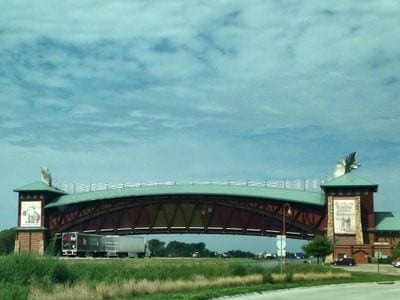
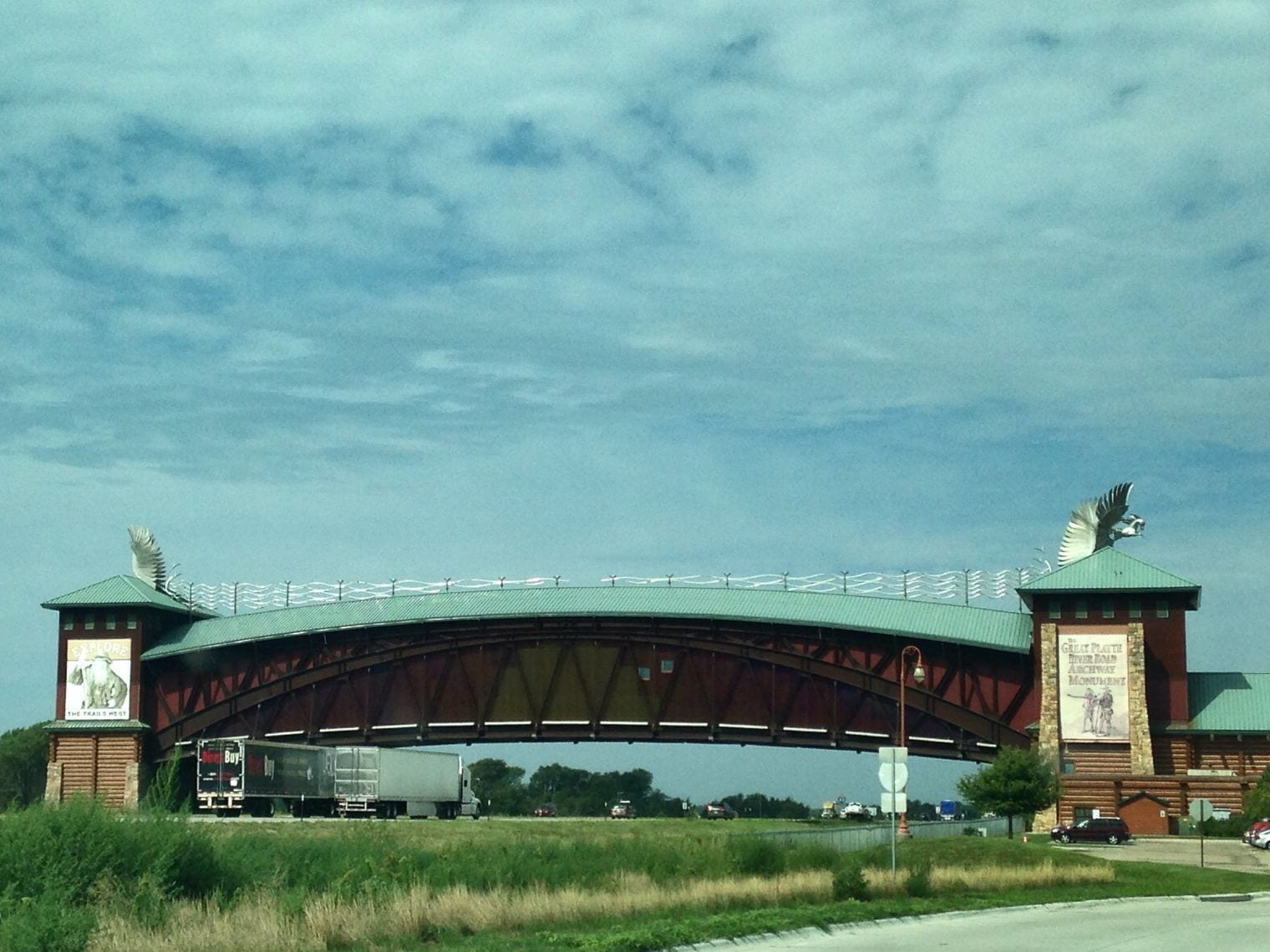
The Great Platte River Road Archway spans Interstate 80 just east of town, with exhibits that trace the river road from the Oregon Trail days to the present. In town, the Museum of Nebraska Art holds the state's official art collection in a former post office, and Fort Kearny State Historical Park, spelled without the e, preserves part of the 1848 Army post that gave the city its name.
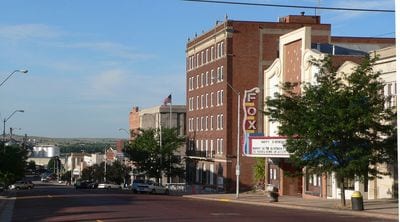
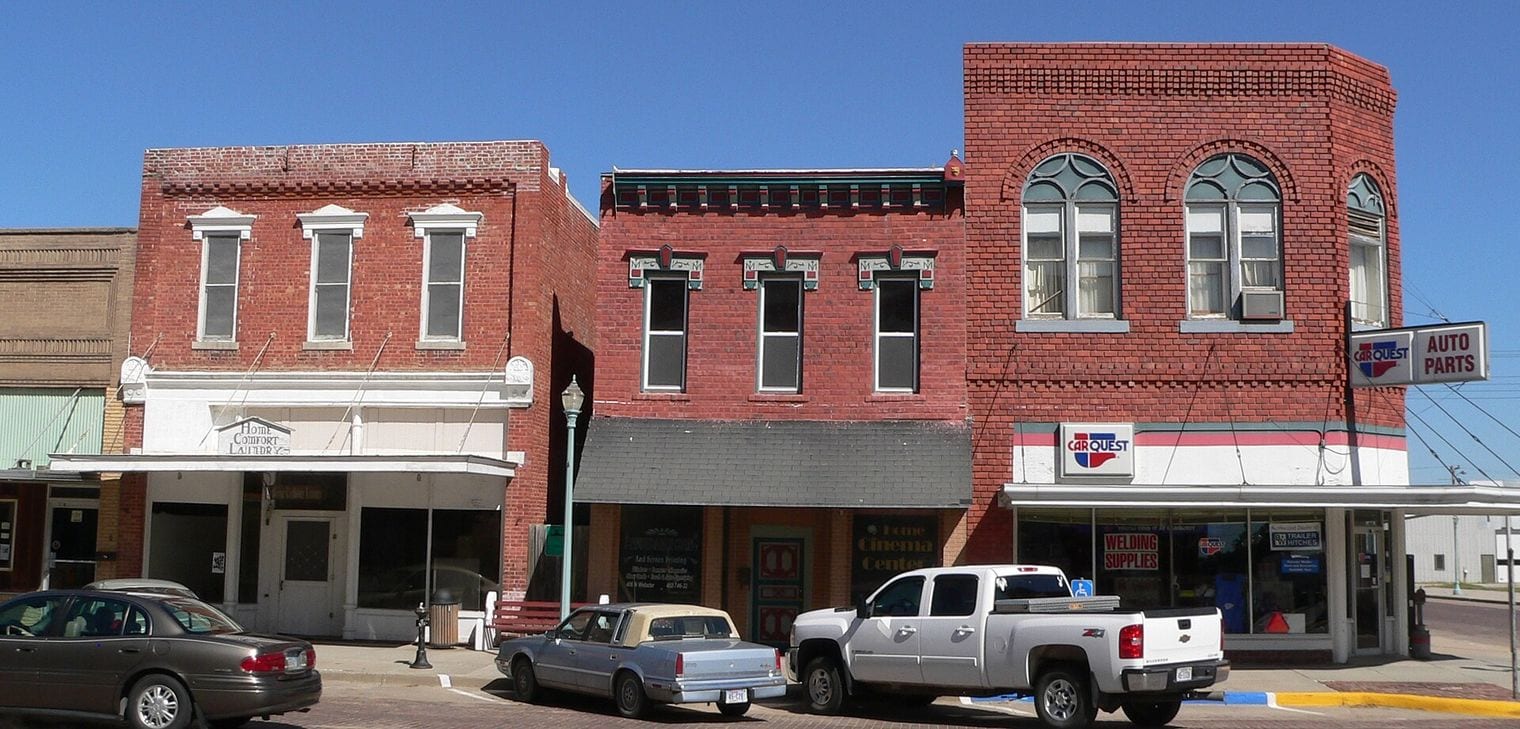
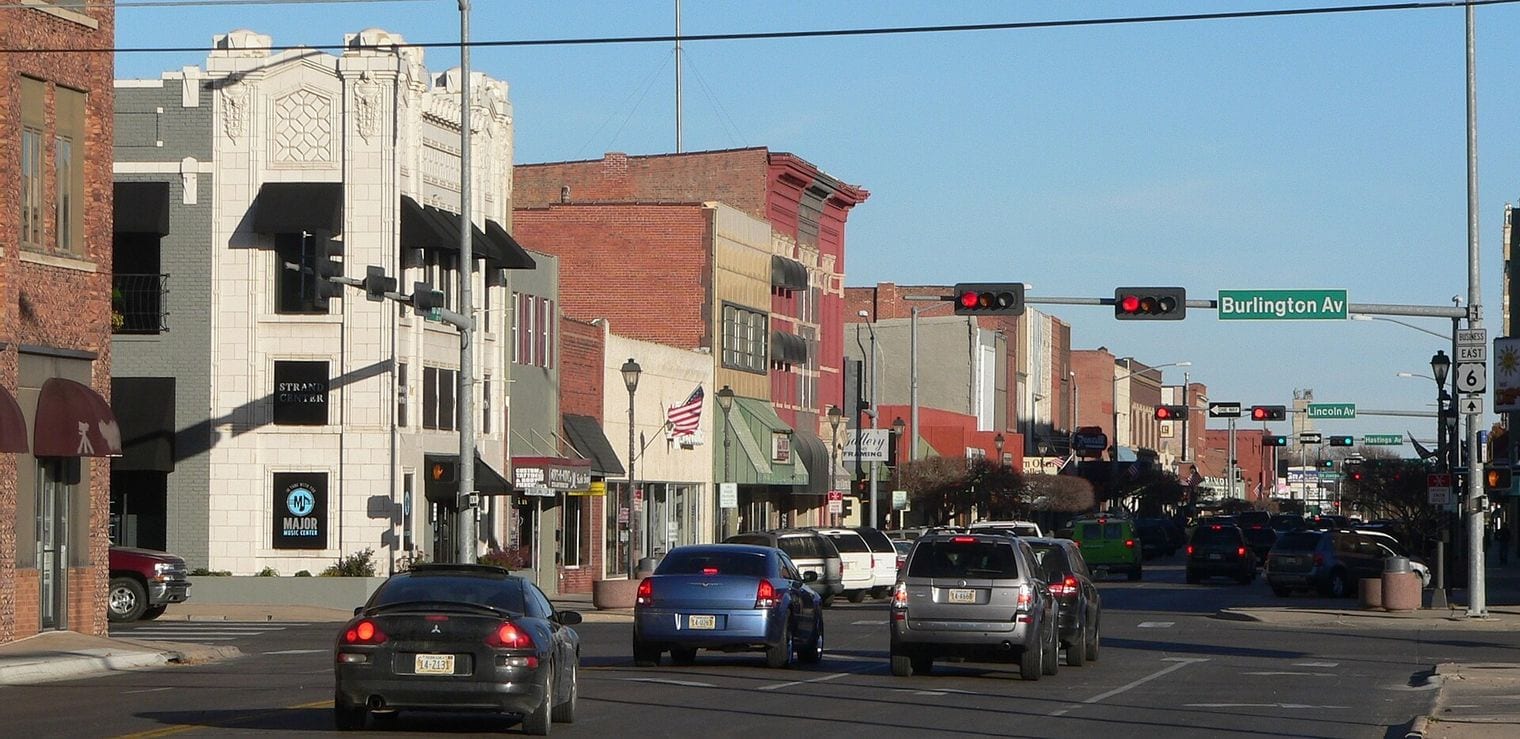
The largest city in the Nebraska Panhandle, Scottsbluff was founded in 1899 across the North Platte River from the bluff that gave it its name, the emigrant-trail landmark now protected as Scotts Bluff National Monument. With about 14,400 people, it is the main town of the valley, and its downtown landmarks include the old post office and the Midwest Theater.
Riverside Discovery Center, the city park and zoo along the river, is the only zoo in western Nebraska, with three lakes, campsites, gardens and a riverside trail. Lake Minatare State Recreation Area is a short drive away, and the national monument's trails and viewpoints are only minutes across the river in neighboring Gering.
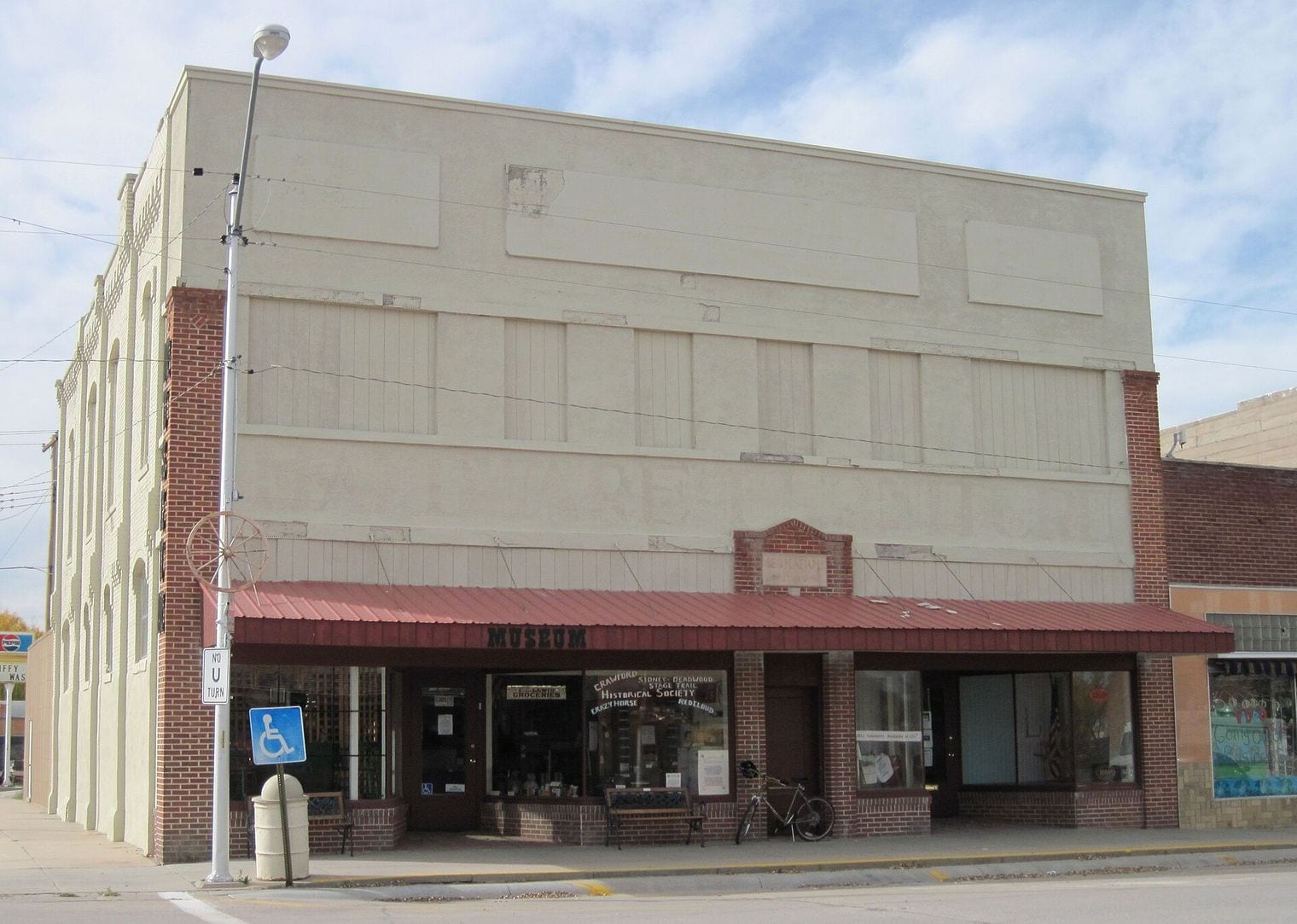
Crawford, a town of about 840 on the White River in the Pine Ridge, grew up beside a frontier Army post and took its name from Captain Emmet Crawford, who had been stationed there. That post, Fort Robinson, is now the heart of Fort Robinson State Park, a 22,000-acre spread of buttes, pine-dotted ridges and historic buildings just west of town.
The fort is a National Historic Landmark where the Lakota leader Crazy Horse was killed in 1877, and its story is told at the Fort Robinson Museum in the 1905 post headquarters and the Trailside Museum of Natural History in the old Army theatre. North of Crawford, a one-mile loop trail at Toadstool Geologic Park winds through badlands past rock formations shaped like toadstools and fossils you may look at but never take.
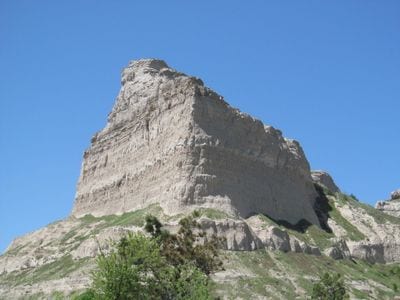
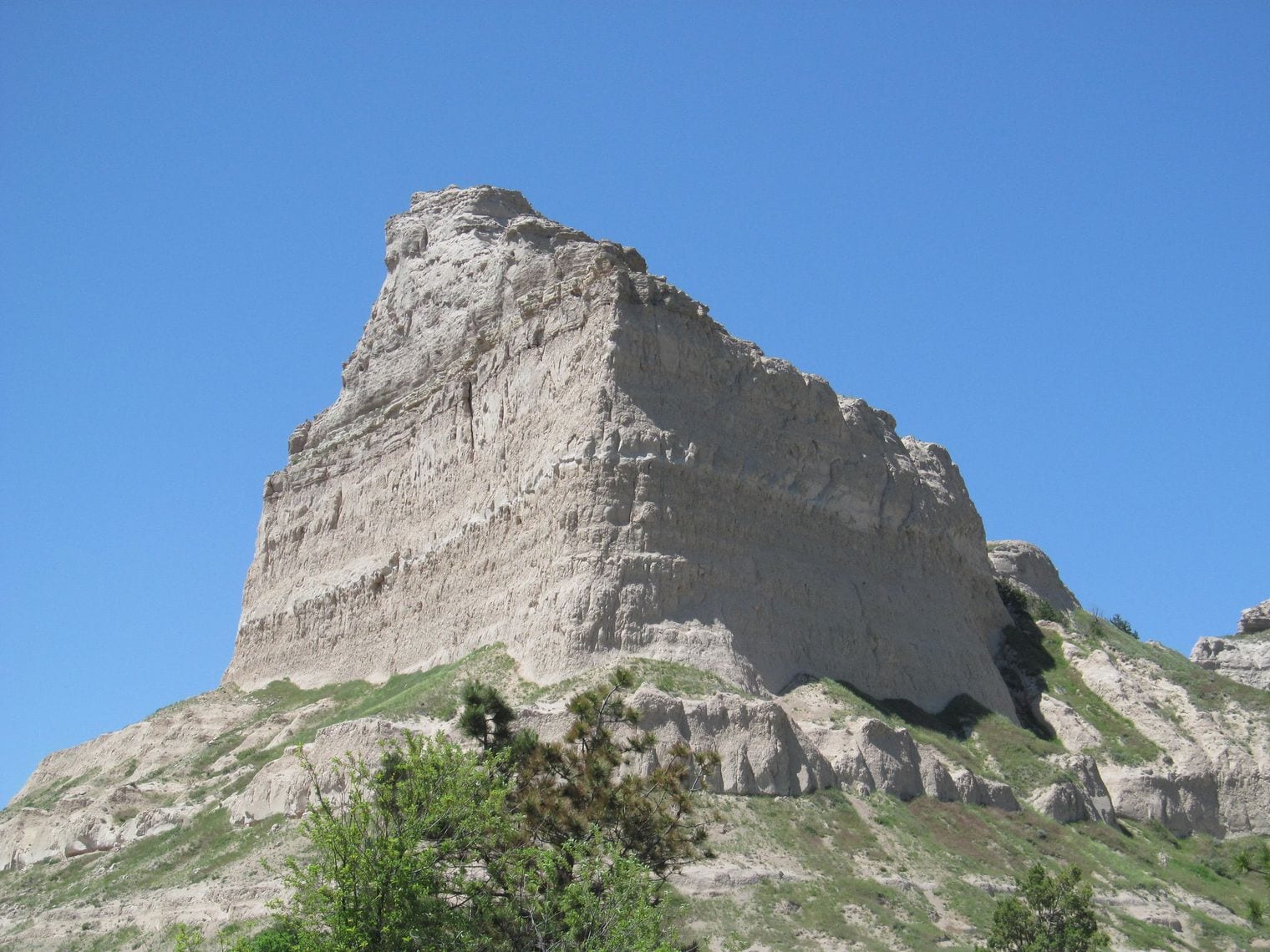
Gering, the Scotts Bluff County seat, was founded in 1887 at the base of the great bluff, and it remains the town on the monument's side of the North Platte River. Scotts Bluff National Monument rises just west of town, a landmark for Oregon, California and Pony Express trail travelers and one of the sights most often mentioned in pioneer journals.
Inside the monument, trails and viewpoints look across the valley, and remnants of the old wagon road still mark Mitchell Pass, the gap emigrants used from the 1850s. Next to the monument, the Legacy of the Plains Museum covers Native American history, the pioneer era and irrigated farming in the North Platte Valley, with a working farm run on antique equipment. The town of about 8,600 makes a quieter base than its bigger twin across the river.
Fremont was laid out in 1856 on the Platte River and named for the explorer John C. Frémont, and its location put it on nearly every route west: the Mormon Trail, the first transcontinental telegraph, the Union Pacific and the Lincoln Highway, whose original brick paving still survives east of town. Today the city of about 27,000 is the Dodge County seat and home to Midland University.
The Louis E. May Museum fills the Nye House, built in 1874 for the family of early resident Theron Nye, and the downtown makes an easy stroll between the two rivers that frame the city, the Platte and the Elkhorn. Three miles west, Fremont Lakes State Recreation Area strings 20 lakes along the Platte, popular with eastern Nebraska campers, anglers and swimmers.
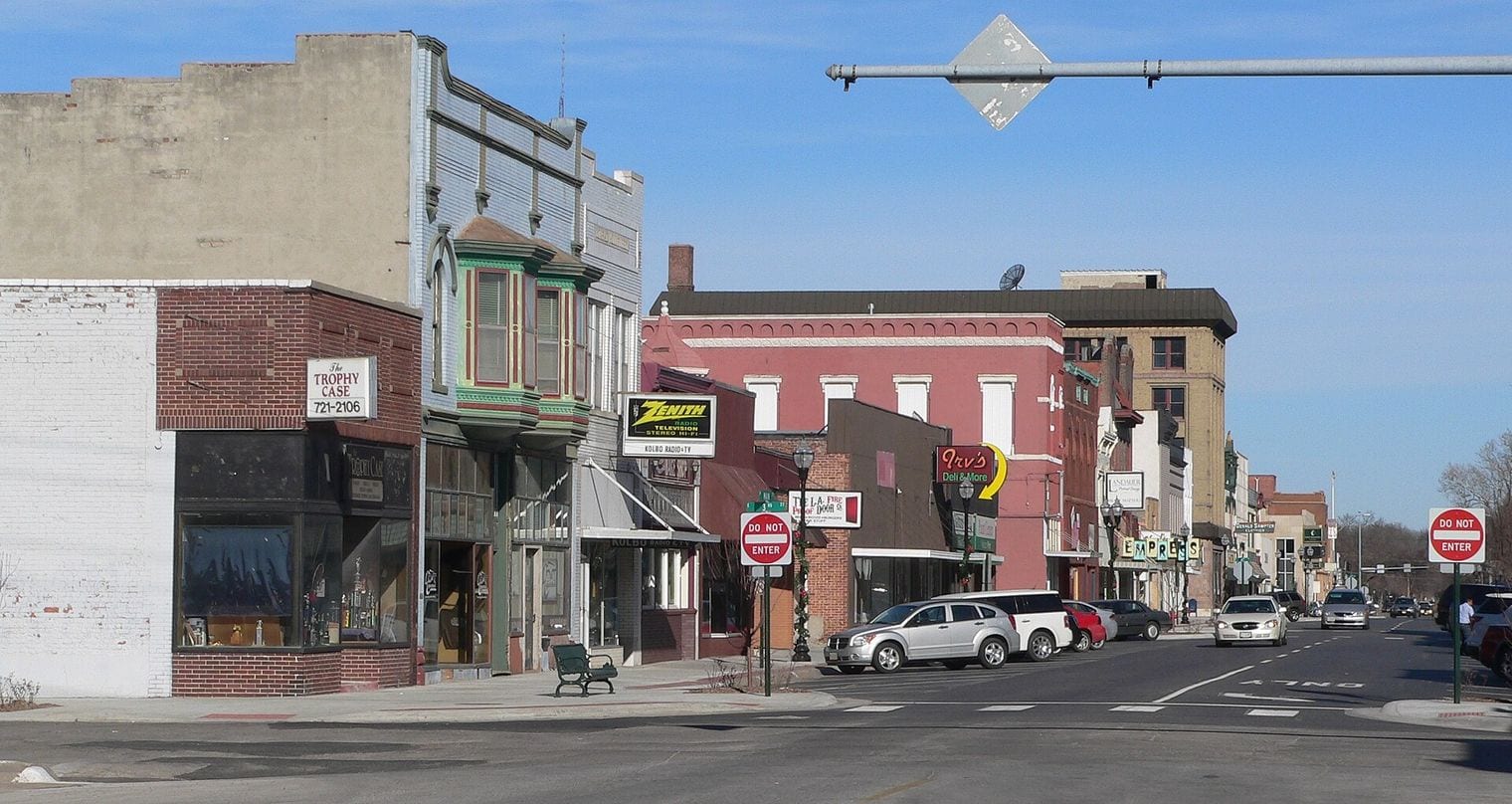
Columbus was settled in 1856 by a town company from Columbus, Ohio, where the Loup River meets the Platte, a crossing point for travelers on the Great Platte River Road. The city of about 24,000 is the Platte County seat, and its downtown grew up along 13th Street, the old Lincoln Highway, which the city paved and lit in the early automobile age to draw motorists.
Its most famous native is Andrew Jackson Higgins, designer of the Higgins boat landing craft used in World War II, and the Andrew Jackson Higgins National Memorial in Pawnee Park honors him with a life-size replica of the boat and bronze soldiers stepping into the sand. Columbus also makes a natural overnight stop between Omaha and the Sandhills.
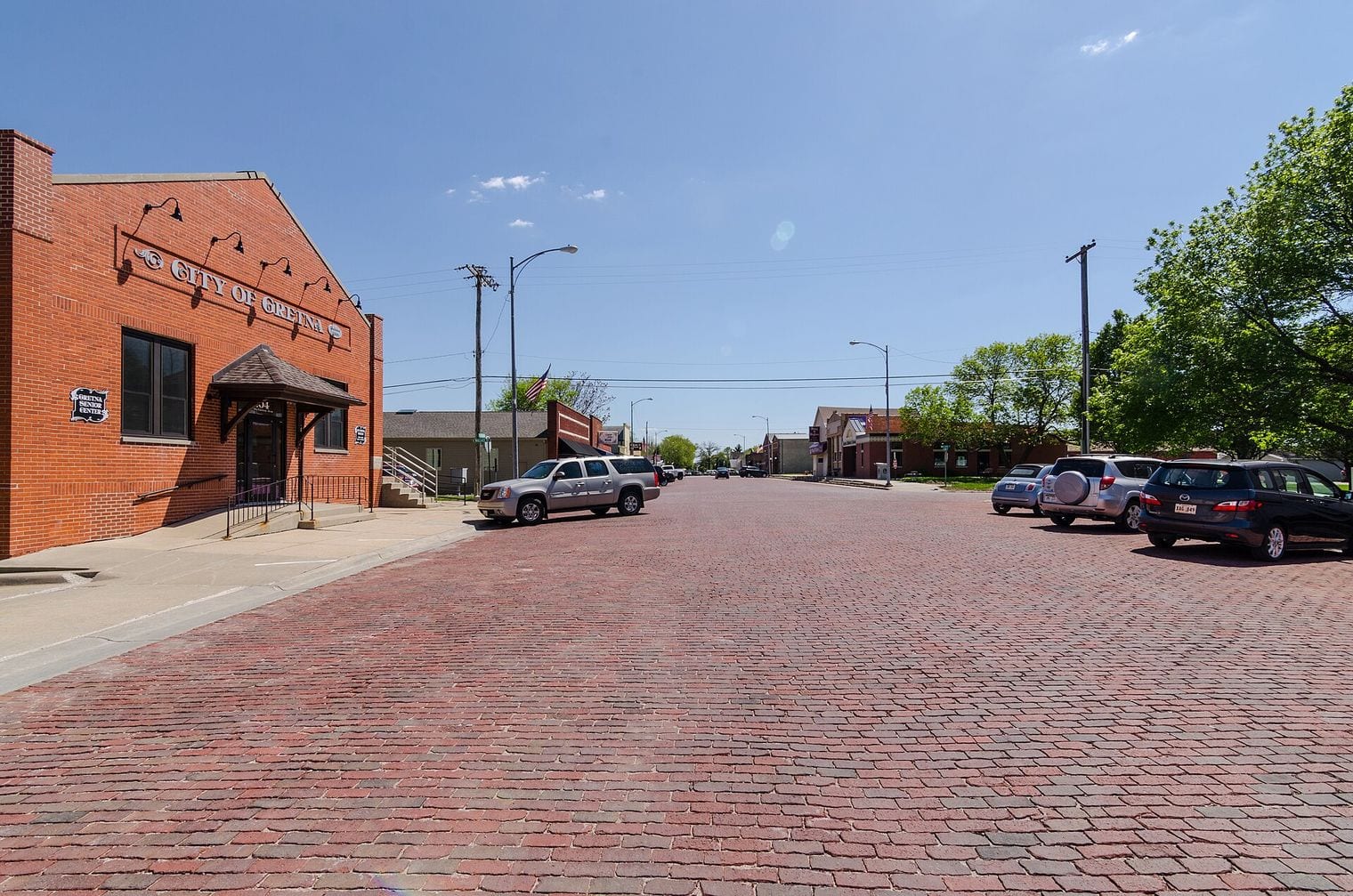
Gretna, a fast-growing town of about 5,000 at the 2020 census on the southwest edge of the Omaha metro area, turns into a big family draw every fall. Vala's Pumpkin Patch spreads a harvest festival across more than 150 acres, with pick-your-own pumpkin fields, hayrack and train rides, a haunted house and dozens of family attractions.
The rest of the year, Schramm Park State Recreation Area near the Platte River has wooded nature trails, an education center with viewing tanks of fish and reptiles, and the Gretna State Fish Hatchery, established in 1882 as the oldest fish hatchery in Nebraska and now a hatchery museum. A big outlet shopping center beside Interstate 80 rounds out an easy day trip from the city.
Hastings is where Kool-Aid was born. In 1927, local inventor Edwin Perkins found a way to turn his liquid drink concentrate, Fruit Smack, into a powder, and the city still celebrates with Kool-Aid Days each summer. Founded in 1872 where two railroads met, the city of about 25,000 once made more bricks than any other city in the state and, during World War II, ran the largest Naval Ammunition Depot in the United States.
The Hastings Museum, founded in 1926, tells the Kool-Aid story alongside natural history dioramas, pioneer exhibits, antique vehicles and a planetarium. Two of the city's oldest neighborhoods, Heartwell Park and Central Hastings, are listed on the National Register of Historic Places, and Hastings College, founded in 1882, adds a campus to the mix.
Broken Bow took its name, the story goes, from a broken bow a settler found at an old Native American camping ground, and the town platted in 1882 became the seat of Custer County, where Highway 2 heads northwest into the Sandhills. The geographic center of Nebraska lies about 10 miles southwest of town, and the population today is about 3,500.
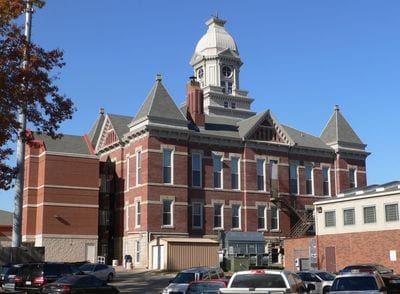
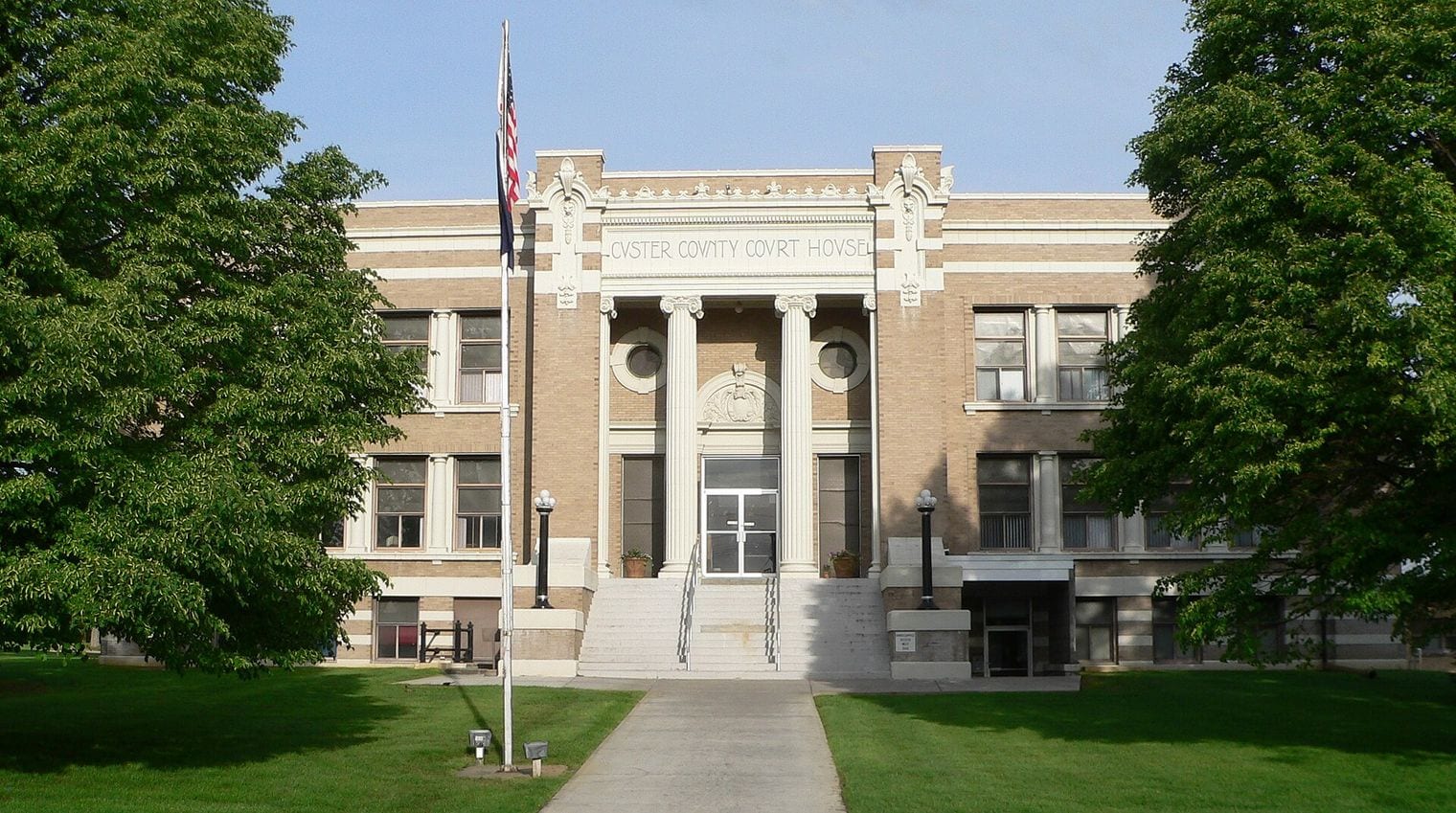
Broken Bow's downtown is built around a public square set aside in the original plat, landscaped with trees, walkways and a bandstand and ringed by brick commercial buildings listed together as a National Register historic district. The 1911 Classical Revival Custer County Courthouse stands nearby, and Solomon Butcher, the photographer who documented homestead life in central Nebraska, lived in town from 1915 to 1926.
Alliance is home to Carhenge, a replica of Stonehenge built from 38 vintage American cars, all spray-painted gray and set up in a field north of town. Jim Reinders and his family built it in the summer of 1987 and dedicated it at that year's summer solstice, and it has since become one of the cult roadside stops of the Great Plains, with a visitor center added in 2006.
The railroad made Alliance, a town of about 8,200 that was called Grand Lake until the Burlington line arrived in 1888, and long coal trains from Wyoming's Powder River Basin still rumble through. The Knight Museum and Sandhills Center covers the Sandhills, Native American history, ranch and homestead life, the railroad and the town's World War II air base.
Blair sits in the Loess Hills above the Missouri River valley north of Omaha, a town of about 7,800 named for the railroad magnate John Insley Blair. Danish Lutheran immigrants left their mark here: Dana College, whose name is a poetic form of the word Denmark, grew from a seminary founded in 1884 to train pastors for Danish congregations and taught students until it closed in 2010.
In Black Elk–Neihardt Park, the Tower of the Four Winds honors the Lakota holy man Black Elk and the poet John Neihardt, who told his story. Just east of town, DeSoto National Wildlife Refuge wraps an old oxbow of the Missouri and is a major stopover for migrating birds in spring and fall, while Fort Atkinson State Historical Park, near Fort Calhoun, preserves the site of the first U.S. Army post west of the Missouri River.
Wayne is a northeast Nebraska county seat of about 6,000 and the home of Wayne State College, which grew out of a normal college founded in 1891 and took its current name in 1963. The campus gives Wayne the feel of a college town in the middle of farm country.
Wayne is best known, though, for its summer Chicken Show, a free, tongue-in-cheek festival held each July since 1981. Expect a cluck-off, an egg toss, an egg drop, a chicken-flying contest and a mass chicken dance led by the college cheerleaders, along with a hot wing eating contest and fireworks.
Free Things to Do in These Nebraska Towns
Plenty of this list costs nothing. See the neon heart above Main Street in Valentine, walk the Willa Cather Historic District in Red Cloud and the old streets of Brownville, and look for the frontier graves on Boot Hill in Ogallala.
Homestead National Historical Park outside Beatrice and Scotts Bluff National Monument beside Gering charge no entrance fee, and Carhenge near Alliance is free to wander, with donations welcome. Stroll Norris Avenue past Frank Lloyd Wright's Sutton House in McCook, visit the Higgins boat memorial in Pawnee Park in Columbus, see the courthouse lights in Minden at Christmas, and in July join the free Chicken Show in Wayne.
Nebraska stretches a long way west from the Missouri River, so the easiest way to see these towns is to pick a region and link several together. In the east, Blair, Fremont, Ashland and Gretna are all easy day trips from Omaha, while Nebraska City and Brownville line up along the Missouri River to the south.
Seward and Beatrice sit within an hour of Lincoln, and Aurora, Hastings and Minden are each an easy drive from Grand Island, with Kearney just to the west.
Interstate 80 strings together the Platte Valley towns from Kearney to North Platte and Ogallala, and in March the sandhill cranes make it an unforgettable drive. In the Panhandle, Scottsbluff and Gering share the North Platte Valley, Highway 2 crosses the Sandhills between Broken Bow and Alliance, and U.S. Highway 20 links Chadron and Crawford with Valentine across the top of the state.
Late spring through early fall brings Niobrara floats and small-town festivals, fall adds apple picking in Nebraska City and pumpkins in Gretna, and winter belongs to Minden's Christmas lights. For the bigger sights in between, see our guide to the best things to do in Nebraska.
FAQ: Visiting the Best Small Towns in Nebraska
What is the best small town in Nebraska?
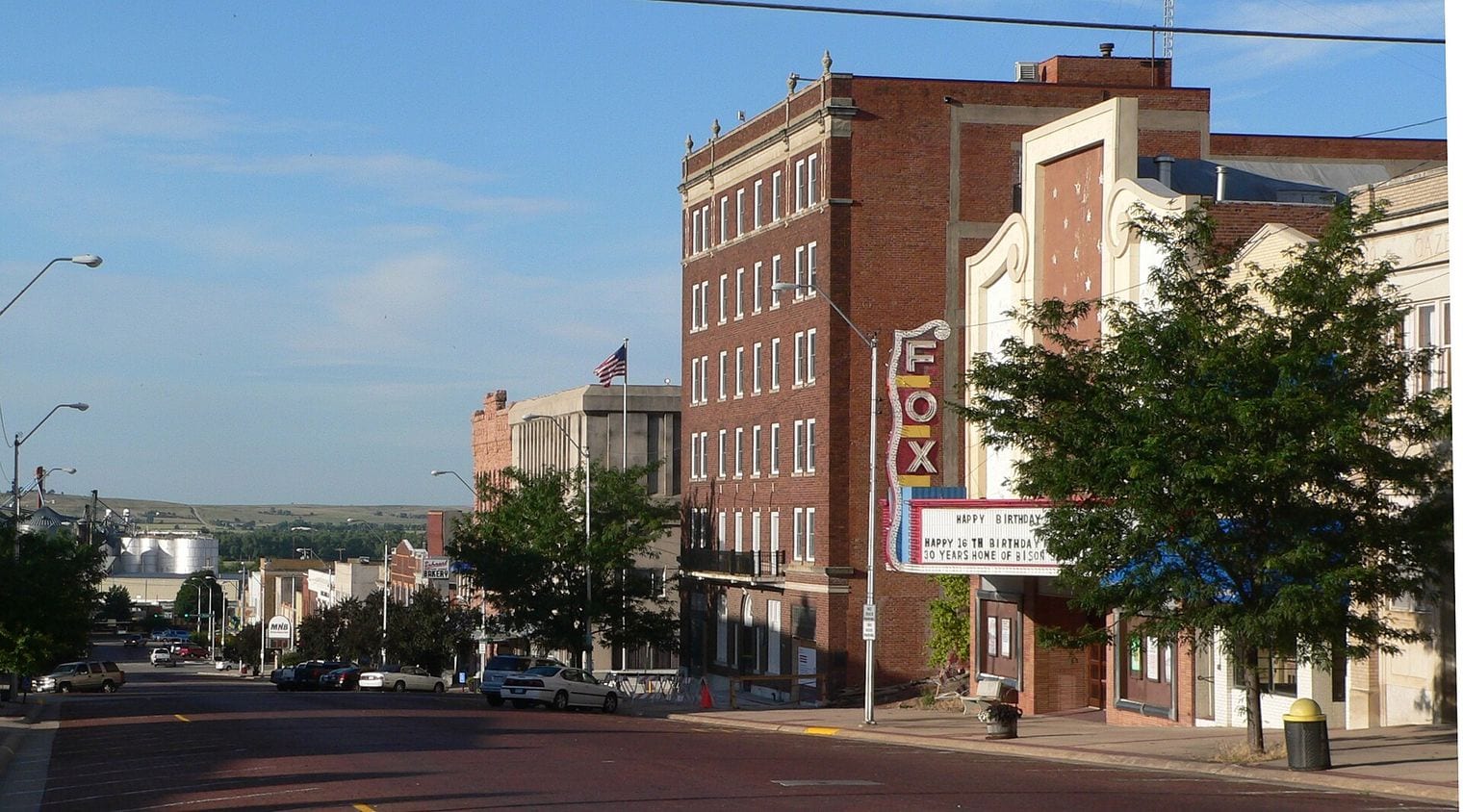
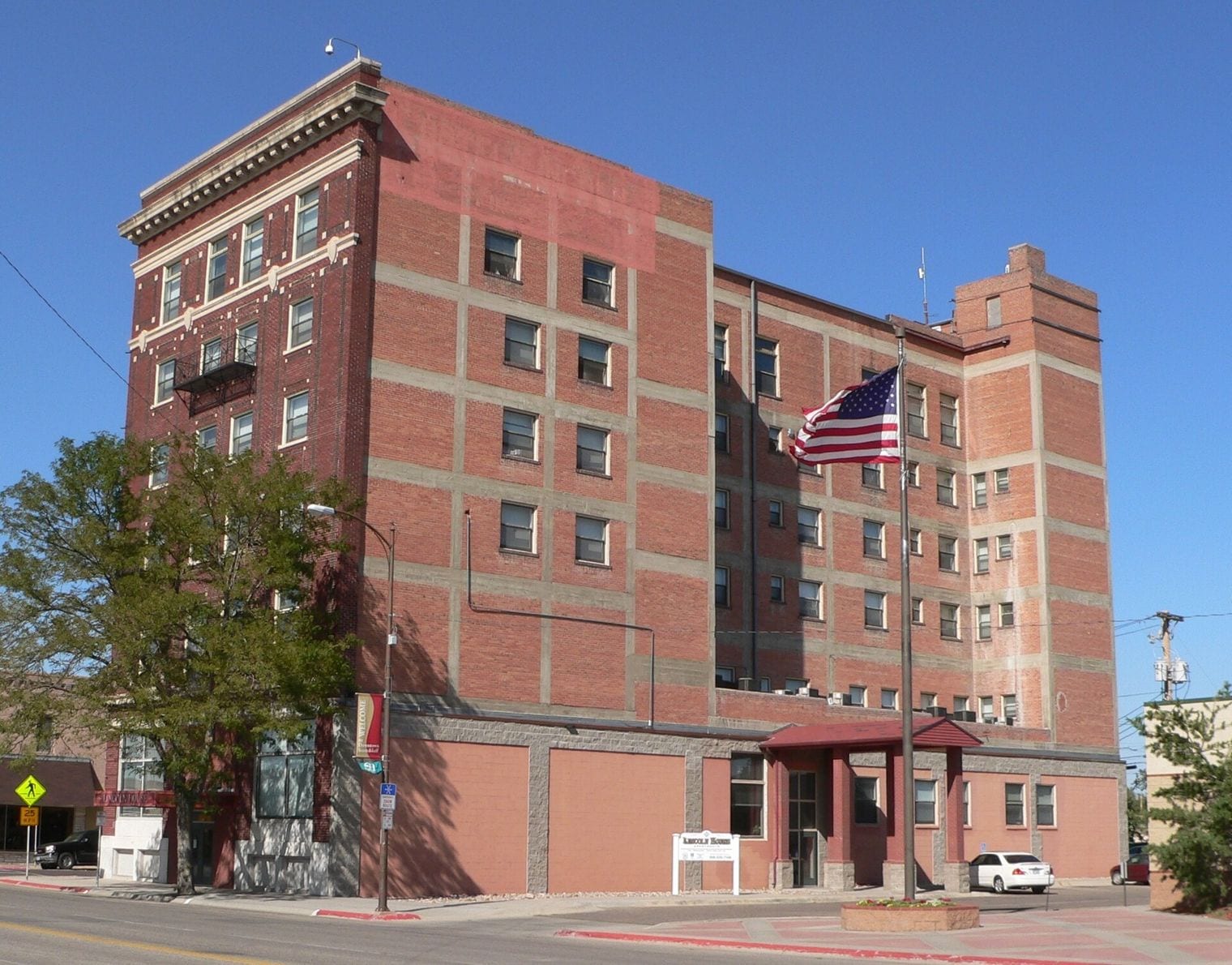
Valentine is the best small town in Nebraska for most visitors, with Niobrara River floats, Smith Falls and its Sandhills setting. Nebraska City follows as the home of Arbor Day and Arbor Lodge, then Red Cloud for Willa Cather, Brownville for its riverside historic district and summer theatre, and Ogallala for its cowtown history and Lake McConaughy.
Which small towns in Nebraska are closest to Omaha?
Gretna sits on the southwest edge of the Omaha metro area, and Blair lies just north of the city in the hills above the Missouri River. Fremont is about 35 miles northwest, and Ashland is a short drive southwest on Interstate 80, near the Strategic Air Command & Aerospace Museum. Nebraska City and Brownville make longer day trips south along the Missouri.
Which small towns are near Lincoln, Nebraska?
Seward, part of the Lincoln metropolitan area, is the closest, and it is known as America's Official Fourth of July City. Beatrice lies about 40 miles south, with Homestead National Historical Park just west of town. Ashland sits between Lincoln and Omaha on Interstate 80, and Nebraska City and its Arbor Day sights are an easy drive to the southeast.
What are the best small towns in western Nebraska?
In the Panhandle, Scottsbluff and Gering share Scotts Bluff National Monument, Alliance has Carhenge, and Chadron and Crawford sit in the Pine Ridge near Chadron State Park and Fort Robinson. Along Interstate 80, North Platte has Buffalo Bill's ranch and the Golden Spike Tower over Bailey Yard, and Ogallala is the gateway to Lake McConaughy.
When is the best time to visit small towns in Nebraska?
Late spring through early fall is the easiest time, with Niobrara floats from Valentine, lake days at McConaughy and summer festivals such as Seward's Fourth of July and Wayne's Chicken Show. March brings the sandhill cranes to the Platte near Kearney, fall brings apple picking to Nebraska City and pumpkins to Gretna, and Minden lights up for Christmas.
How many days do you need to visit small towns in Nebraska?
Most towns on this list fill a relaxed day, and the eastern ones make easy day trips from Omaha or Lincoln. Valentine and the Scotts Bluff area around Scottsbluff and Gering deserve a weekend, and a week lets you cross the state on Interstate 80 or Highway 2, or follow U.S. Highway 20 across the north from Valentine to Crawford.
Sources & updates
How this guide was checked
Checked before launch
Sources cited
25
Publishers
19
Every town on this list was pinned on the map and checked against official and local sources before publication.
A PDF with a box to tick for every place. Confirm your email to download it, and get one email every Thursday with our newest guides for the places you tick.
Free Nebraska small towns printable checklist
All 25 places in one PDF
Tick them off as you go. Confirm your email to download it, plus one email every Thursday with new guides for the places you tick.
We use cookies to analyse site traffic and improve your experience.
You can accept or reject analytics cookies. See our
May we use analytics cookies? See ourCookie Policy.