No country rewards travelling slowly by train and bicycle quite like this one — the distances are short, and the detours are the point.
The Netherlands packs an extraordinary amount into a country you can cross by train in three hours — a golden-age capital laced with canals, world-class art museums, windmills turning above reclaimed polder, and a coastline of wide grey-sand beaches. Amsterdam is the obvious way in, but the small distances are the real luxury here: Rotterdam's modern skyline, Delft's tiled lanes, Utrecht's sunken canal wharves and the North Sea dunes are all under an hour apart. Use this hub to plan your trip: browse our Dutch city guides below, or read on for the regions, seasons and rail routes that tie the country together.
The country's signature season. The bulb fields behind the dunes come into colour, café terraces reopen, and the light turns clear and long. Weather is changeable and often windy, but late April and May are as good as Dutch travel gets.
SummerJun–Aug
Long, mild days rarely far above the low twenties Celsius, with evenings that stay light until late. The cities are busiest and the coast fills up, but this is the best stretch for cycling, canal swimming spots and outdoor festivals.
FallSep–Nov
September keeps much of summer's warmth with thinner crowds and is arguably the smartest month to visit. By November the weather turns grey and wet, which is when the museum-heavy cities come into their own.
WinterDec–Feb
Cold, dark and often damp rather than deeply frozen — hard winters that freeze the canals are now rare. Compensations are real: quiet museums, lit-up canal bridges, brown cafés with the door shut against the wind, and low-season city prices.
Regions
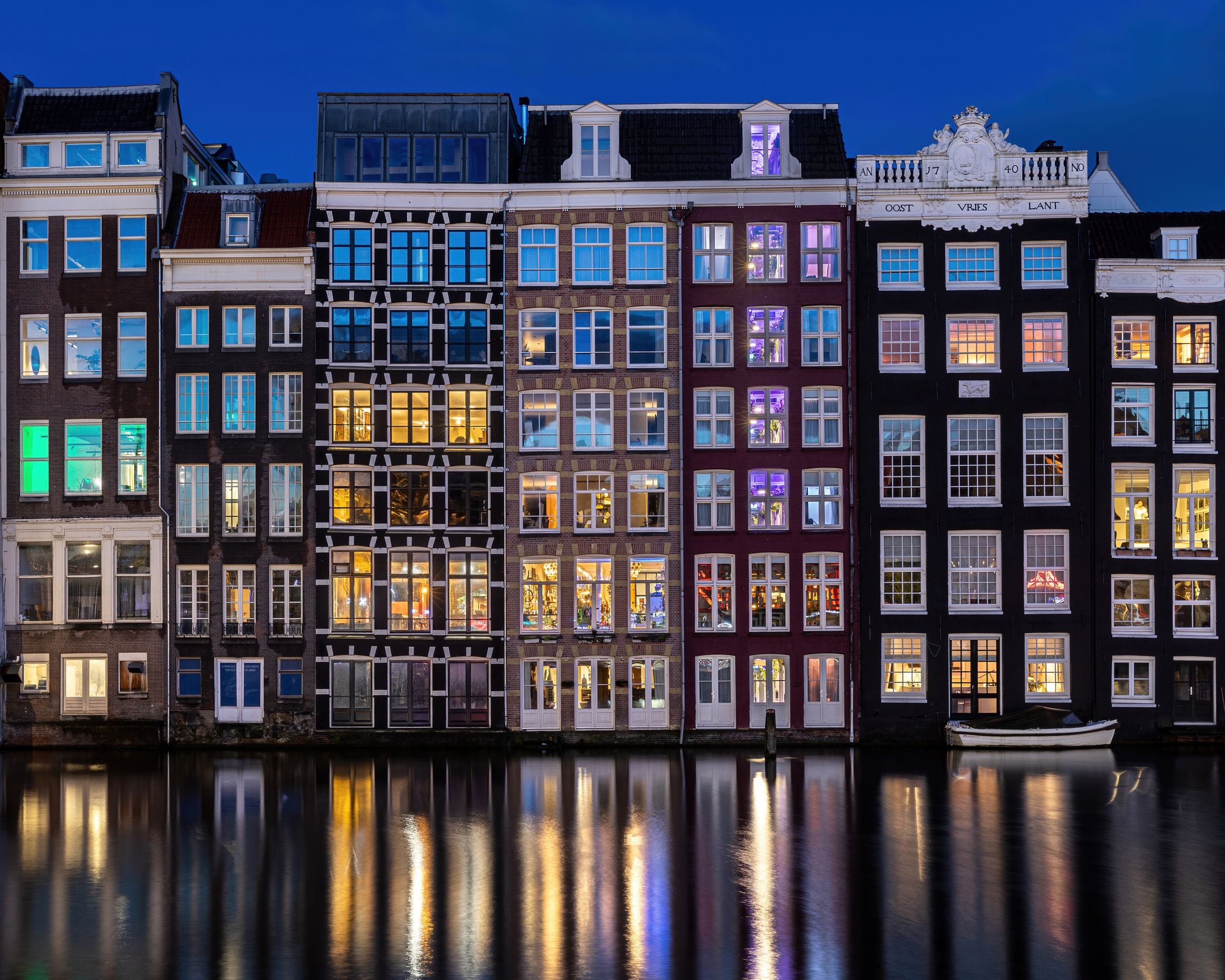
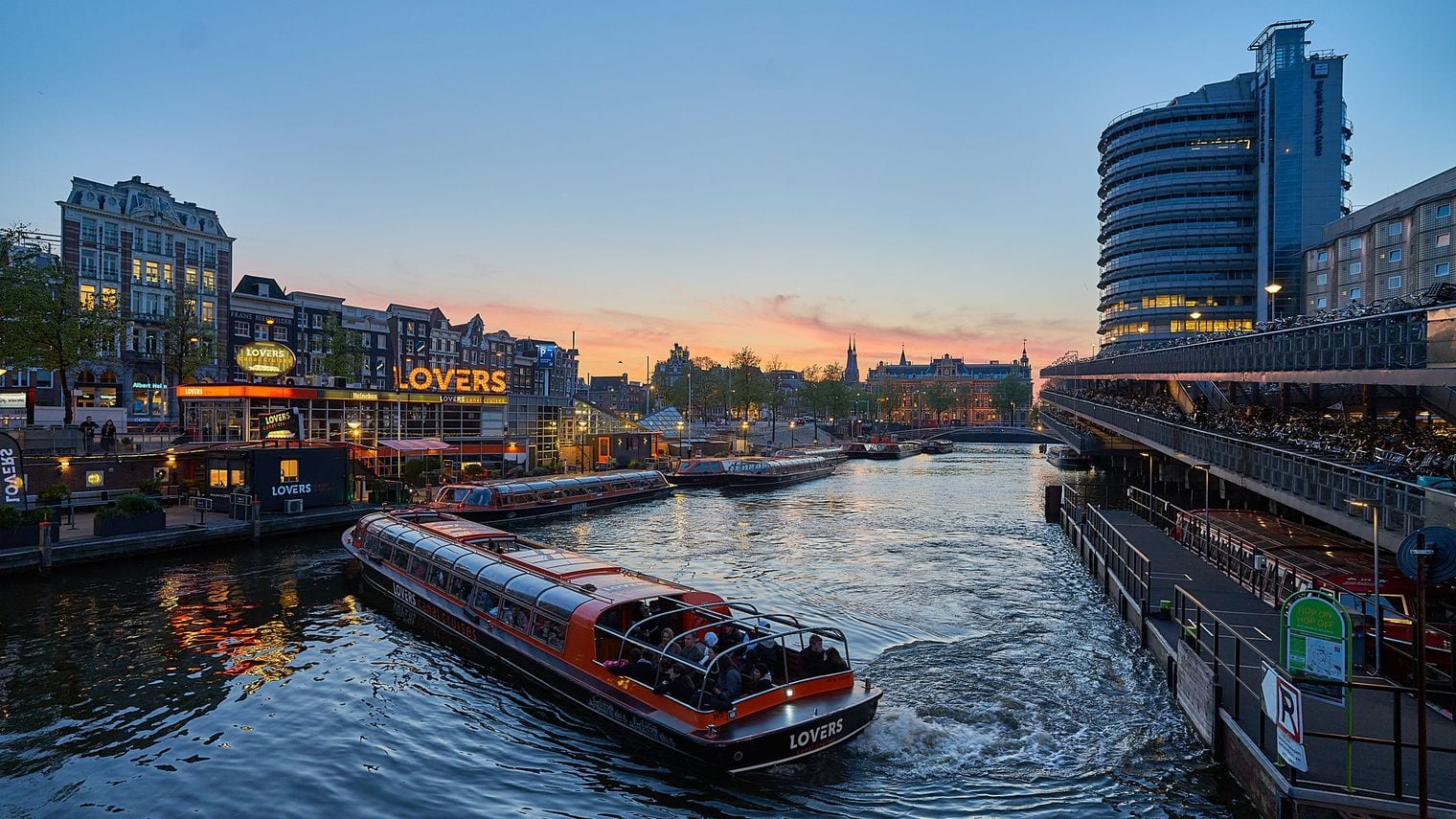
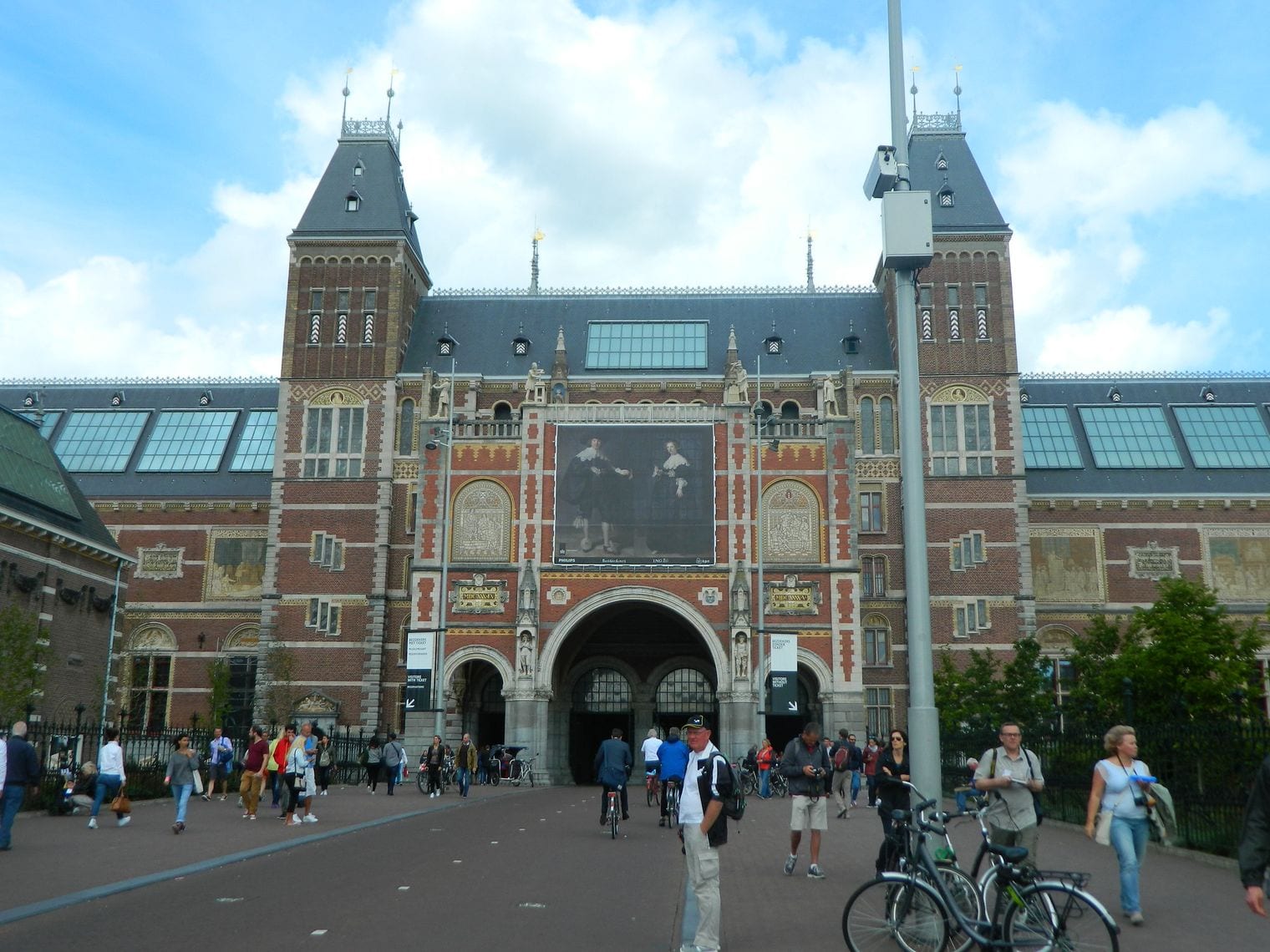
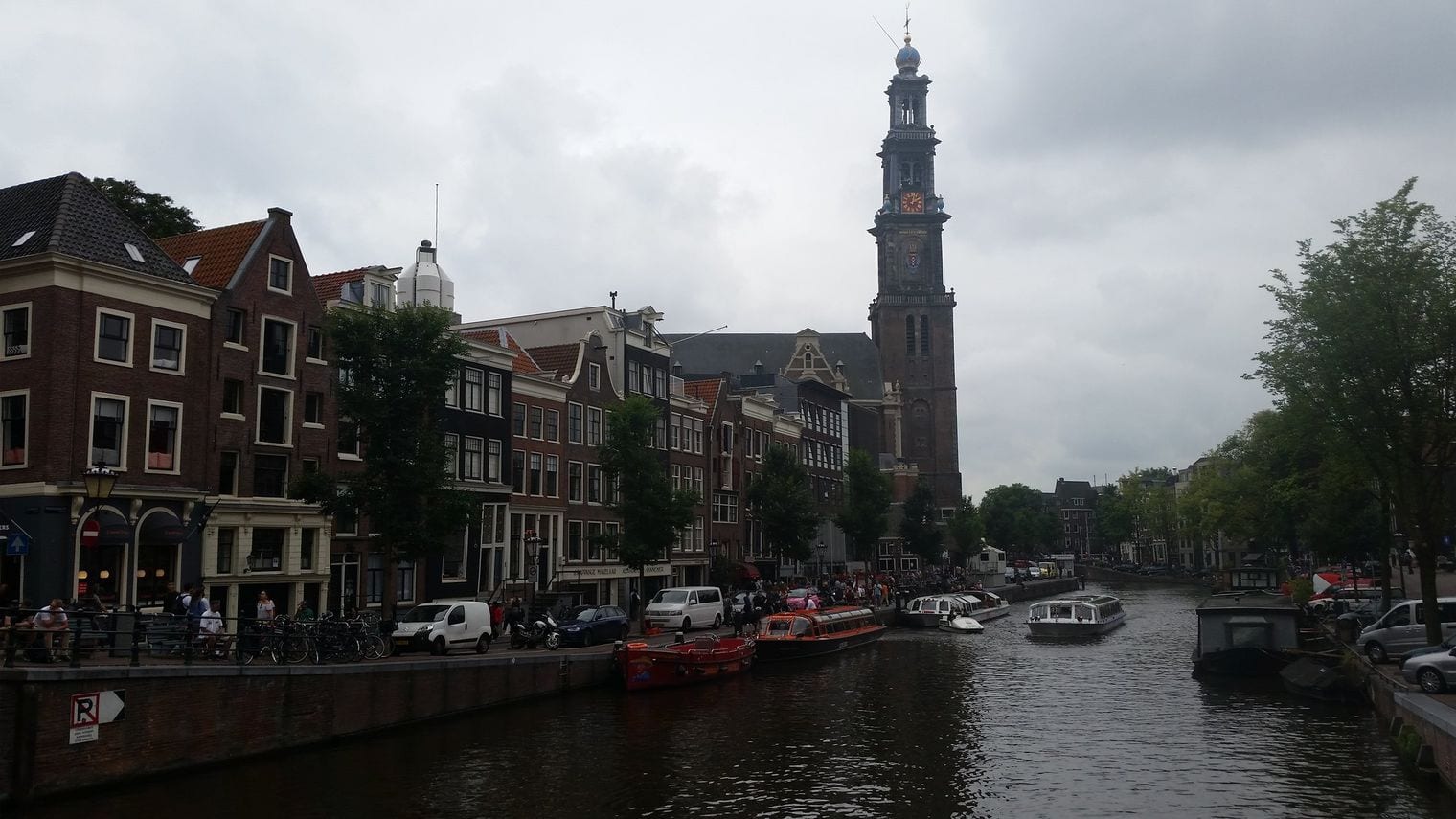
Amsterdam & the RandstadThe dense urban horseshoe holding most of the country's people and nearly all its famous sights. Amsterdam anchors it with the UNESCO-listed canal ring and the great museums, while Haarlem, Leiden and the North Sea beaches sit within half an hour by train.
South Holland: Rotterdam, The Hague & DelftThe counterweight to Amsterdam. Rotterdam rebuilt itself after the war into the country's boldest modern architecture, The Hague holds the government, the Mauritshuis and a proper seaside suburb at Scheveningen, and tiny Delft keeps the tiled lanes and the Vermeer connection.
Utrecht & the Green HeartThe geographic centre and the country's most underrated city, where the canals run a storey below street level with cafés on the old wharves. Around it lies the Groene Hart — a working landscape of polder, dikes, water meadows and small cheese towns like Gouda and Woerden.
North Holland & the old ZuiderzeeNorth of Amsterdam the land turns to dike-lined former seabed: the working windmills at Zaanse Schans, the harbour towns of Hoorn, Enkhuizen and Volendam that once faced an inland sea, and the long dune-backed beaches running up to Den Helder.
The north: Friesland, Groningen & the Wadden IslandsThe quiet end of the country, with its own Frisian language, a chain of lakes made for sailing, and the five inhabited Wadden Islands offshore. The Wadden Sea itself is UNESCO-listed — the largest unbroken system of intertidal sand and mud flats in the world.
The south: Brabant, Limburg & ZeelandA softer, more Catholic and more hilly Netherlands. Den Bosch and Maastricht bring Burgundian food culture and carnival, Limburg supplies the country's only real hills, and Zeeland's islands are stitched together by the Delta Works — the sea defences built after the 1953 flood.
KinderdijkNineteen 18th-century windmills standing in a row across the polder south-east of Rotterdam — the classic image of Dutch water management, and UNESCO-listed.
The Mauritshuis, The HagueA compact former palace holding Vermeer's Girl with a Pearl Earring and Fabritius's Goldfinch — arguably the best small gallery in the country.
The Wadden SeaA UNESCO-listed tidal wilderness along the northern coast, where guided mudflat walks cross the seabed at low tide to the offshore islands.
Suggested routes
The classic Randstad rail loop
~4–6 days
The essential first trip, and one that never needs a car: five historic cities within forty minutes of each other, linked by intercity trains running several times an hour. Run it in either direction.
1Amsterdam — fly in; two or three days for the canals and museums
2Haarlem — a compact golden-age town fifteen minutes away
3The Hague — the Mauritshuis, government quarter and the beach at Scheveningen
4Delft — tiled lanes, the Vermeer connection and the old Delftware works
5Rotterdam — post-war modern architecture and the harbour
6Utrecht — sunken canal wharves before the loop closes
Windmills, water and the old Zuiderzee
~3–4 days
A short northern circuit through the reclaimed land and harbour towns that once faced an inland sea, before the Afsluitdijk closed it off in 1932. Doable by train and bus, better by bicycle and ferry.
2Zaanse Schans — working windmills on the Zaan, twenty minutes out
3Marken & Volendam — former fishing villages on the old sea wall
4Hoorn — a Dutch East India Company harbour town
5Enkhuizen — the open-air Zuiderzee Museum and the ferry across
6Texel — the largest Wadden island, for dunes and beaches
The southern provinces
~5–7 days
The Netherlands most visitors never see: Burgundian food culture, the country's only hills, and the delta islands rebuilt behind the world's largest storm barriers. A car earns its keep in Zeeland.
1Utrecht — start centrally, then head south
2Den Bosch — Bosch's home town and its Gothic cathedral
3Maastricht — Roman roots, marl caves and the best food in the country
4Middelburg — the Zeeland capital, rebuilt after 1940
5The Delta Works — the sea barriers built after the 1953 flood
Netherlands travel FAQ
Eight questions travellers ask before they go.
When is the best time to visit the Netherlands?
Late April to early June is the sweet spot — the bulb fields are in colour, terraces are open and the days are long, without the peak-summer crowds. September is the quieter alternative and keeps much of the warmth. Winter is grey and damp rather than snowy, which suits a museum-led city break at low-season prices.
How many days do you need in the Netherlands?
Four or five days covers Amsterdam properly with a day trip or two. A week lets you add the Randstad loop — The Hague, Delft, Rotterdam and Utrecht — without rushing, since none of them is more than about forty minutes apart by train. Two weeks reaches the northern islands or the southern provinces.
Do you need a car in the Netherlands?
No, and for most trips a car is a hindrance. The rail network reaches almost everywhere frequently, city centres are hostile to parking, and bicycles cover the rest. Consider renting one only for the Wadden coast, Zeeland's delta islands or rural Limburg, where train services thin out.
What is the Netherlands best known for?
Canals, cycling and Golden Age painting, above all — plus windmills, tulips, cheese, and a national genius for reclaiming land from the sea. Roughly a quarter of the country lies below sea level, and the dikes, polders and storm barriers that make it habitable are sights in their own right.
Is English widely spoken in the Netherlands?
Yes, more so than almost anywhere else in Europe. English is near-universal in cities, museums, restaurants and transport, and staff will usually switch the moment they hear it. Learning a few words of Dutch is appreciated but genuinely unnecessary for travel.
What currency does the Netherlands use, and is it in the EU?
The euro, and yes — the Netherlands is a founding EU member and part of the Schengen area. Card payment is the norm and many places are card-only, including some supermarkets and museums, so carrying cash is optional. Note that some Dutch shops accept only local debit cards rather than credit cards.
What food should you try in the Netherlands?
Start with the everyday things done well: fresh herring from a street stall, hot stroopwafels pressed at a market, bitterballen with a beer in a brown café, and aged Gouda from a cheese shop rather than a supermarket. Indonesian food is the other national staple — a legacy of the colonial era — and a rijsttafel is worth building an evening around.
What kind of trip is Netherlands best for?
City breaks, museums and flat cycling routes.
We use cookies to analyse site traffic and improve your experience.
You can accept or reject analytics cookies. See our Cookie Policy.