We build and rank every list first. Booking links come after, and only where
a partner sells a ticket, tour or stay for that exact place, so a place with
nothing to book is listed exactly as prominently as one you can book.
So how do we earn? Some links on this page go to booking
partners, and if you book tickets, tours or a stay through
one, we may earn a commission. It costs you nothing extra.
That commission never decides which places make the list, the order they
appear in, or what we write about them. No entry is sponsored or a paid
placement.
By the City Viking editorial teamPublished 25 places · 20 min read
Fact-checked Checked before launchOct 9, 202625 sources16 publishers4 government & parks9 tourism boards4 encyclopedias & research8 venues & other sitesPublished · Oct 9, 2026Researched and checked before it went liveClick for every source and the full change log.
Short answer
Start with Virginia City for its Comstock-era C Street and Piper's Opera House, Ely for the steam trains of the Nevada Northern Railway, and Genoa for Mormon Station, the site of the first non-Native settlement in Nevada. Most towns on this list fill a relaxed day, while Virginia City and Ely each deserve a full weekend.
Away from the casinos, Nevada is a land of silver camps, railroad towns and green ranch valleys strung along long, empty highways. Many of its small towns were born in a mining rush, and their stone courthouses, opera houses and saloons still line streets that once held far more people than they do today.
This guide ranks the 25 best, from the Comstock boomtown of Virginia City to Baker at the gate of Great Basin National Park. Several make easy day trips from Reno or Carson City, while the remote towns along the Loneliest Road are best linked on a multi-day drive.
The pen name Mark Twain was born in Virginia City: Samuel Clemens first signed his work with it in February 1863, while reporting for the town's Territorial Enterprise newspaper.
Ely's Hotel Nevada was once the tallest building in the state: the six-story hotel opened in 1929 and held the title until 1931.
Gambling is banned in two Nevada towns: Boulder City, built to house Hoover Dam workers, and the Mormon-founded farm town of Panaca are the only places in the state that prohibit it.
Jarbidge unofficially keeps Mountain Time: the remote canyon town is legally in the Pacific Time Zone but sets its clocks by nearby Idaho.
A car first broke the sound barrier near Gerlach: on October 15, 1997, the British Thrust SSC reached 763 mph on the Black Rock Desert, the first land vehicle to officially go supersonic.
Nevada's state artifact comes from a cave near Lovelock: the tule duck decoy honors the woven reed decoys, more than 2,000 years old, that archaeologists found in Lovelock Cave in 1924.
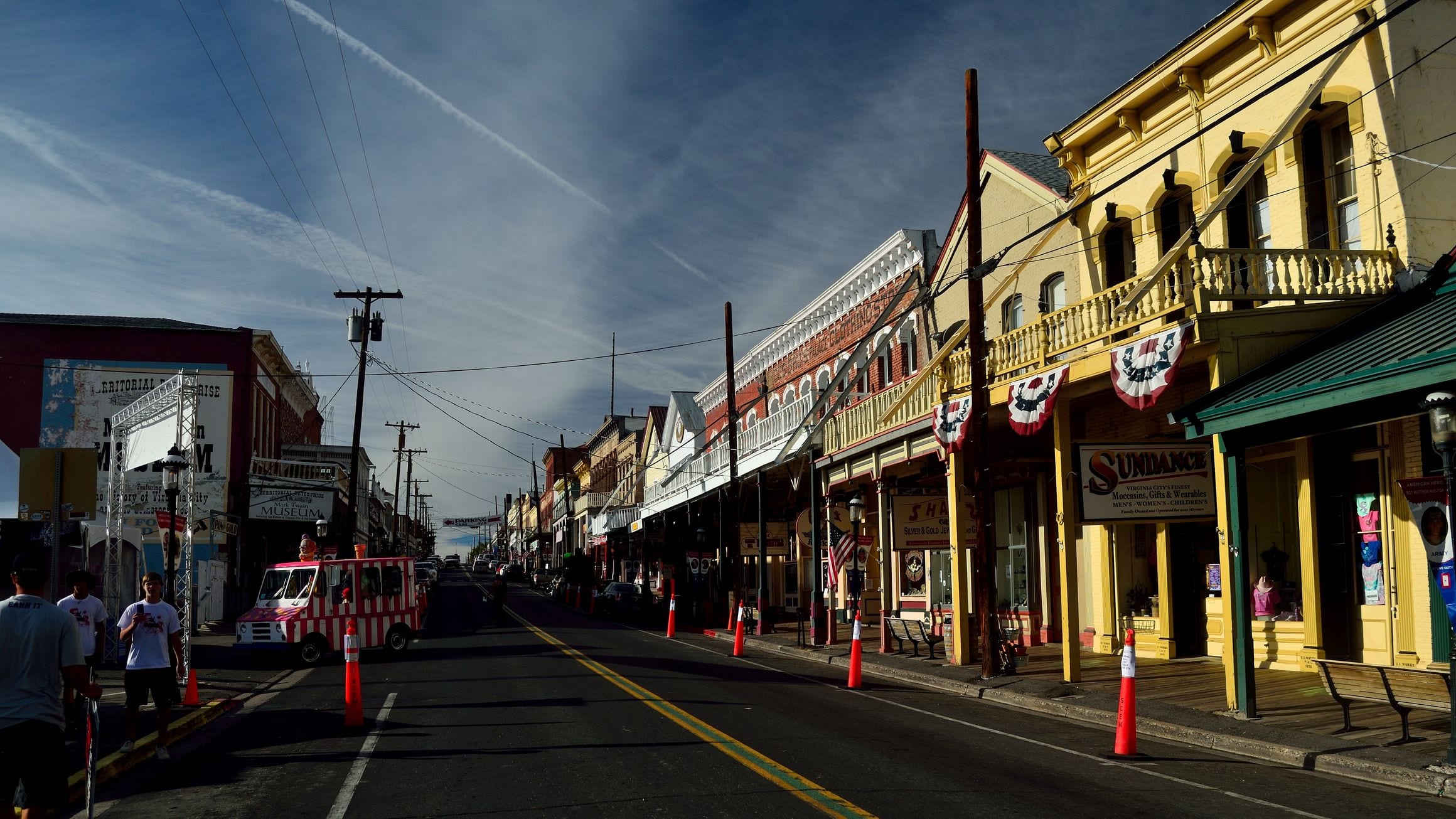
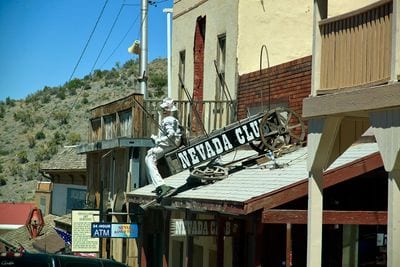
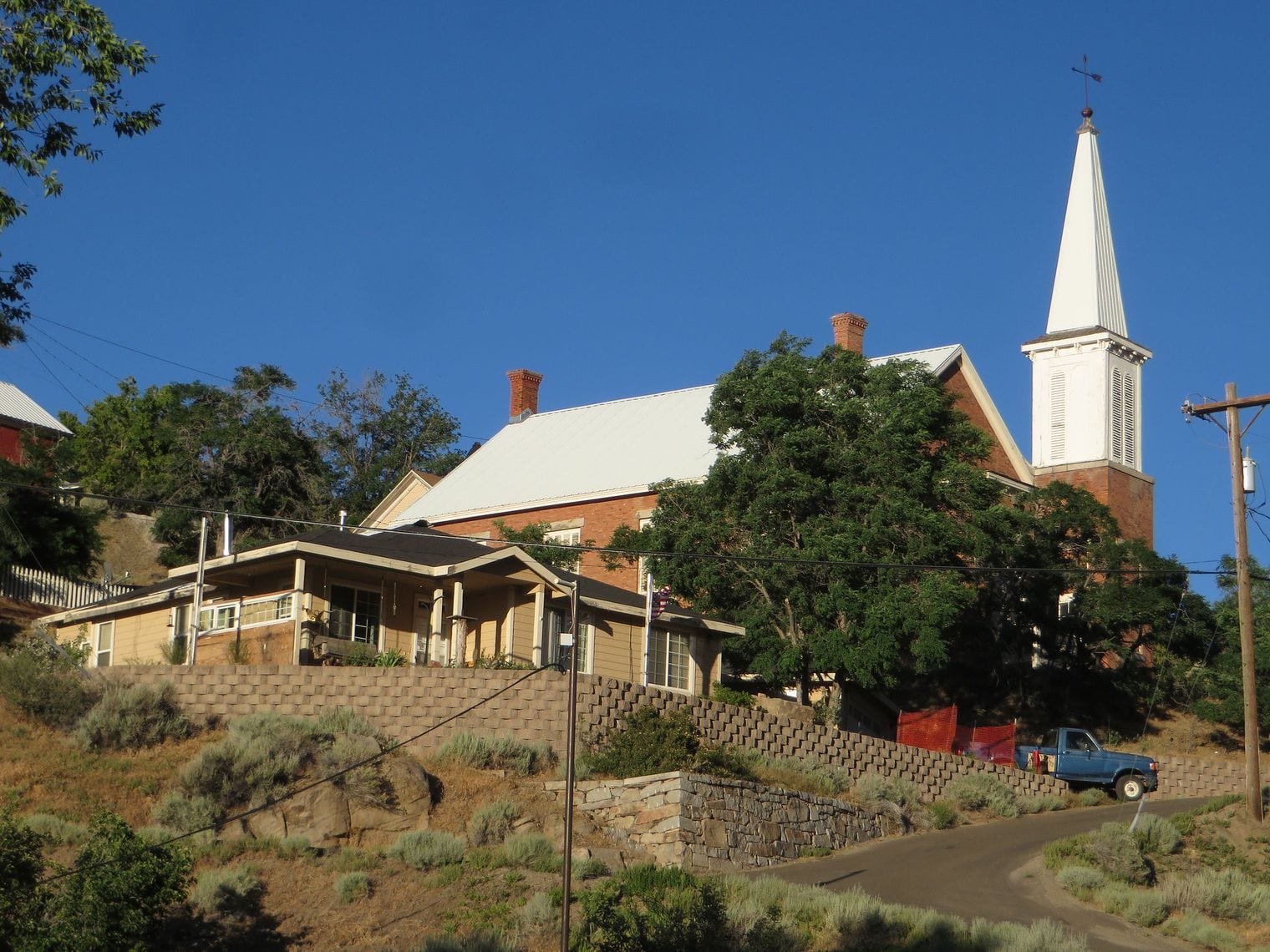
Silver made Virginia City. The Comstock Lode, discovered in 1859, turned a rough mining camp into one of the most important mining centers of the American West, and by the mid-1870s an estimated 25,000 people lived here. Samuel Clemens first signed his work "Mark Twain" while reporting for the town's Territorial Enterprise in 1863, and the historic district has been a National Historic Landmark since 1961.
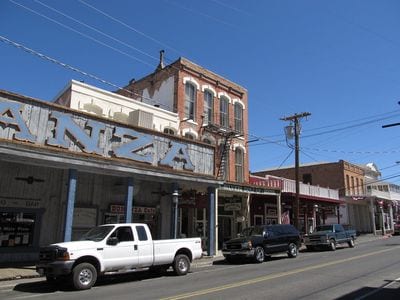
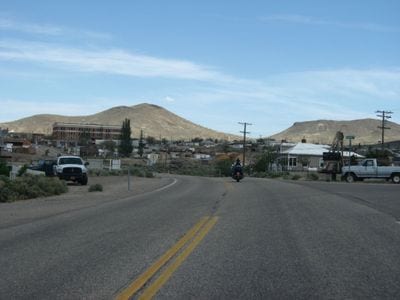
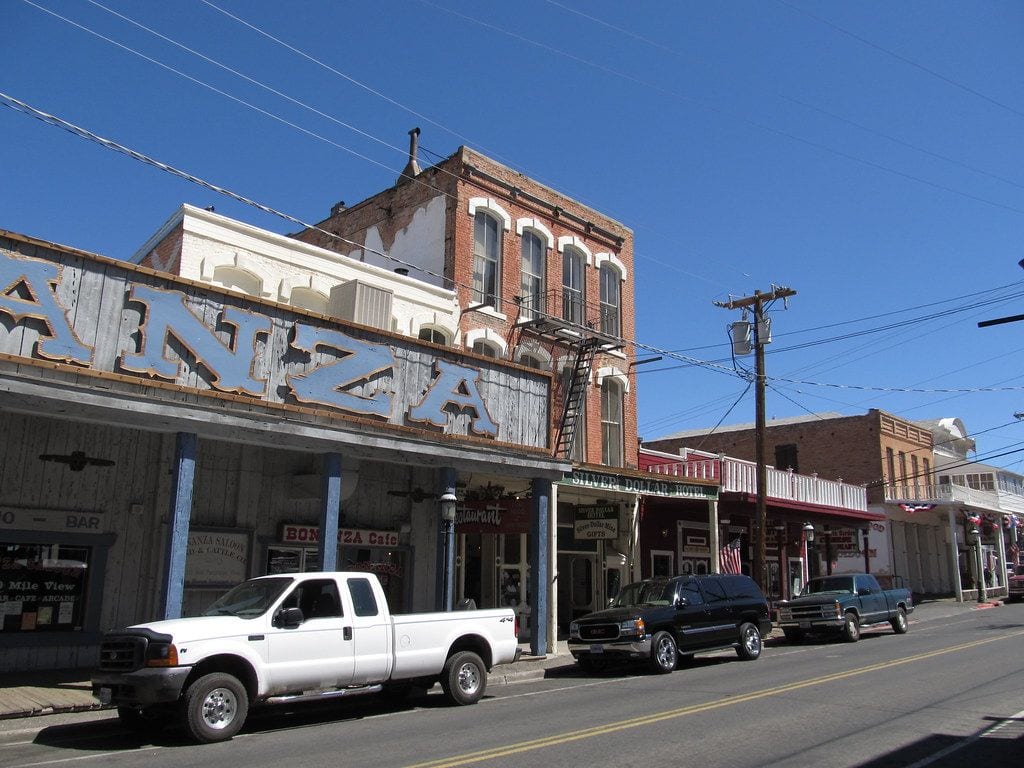
Today C Street is a run of wooden boardwalks, saloons and false-fronted shops, and the streets around it hold the Fourth Ward School, Piper's Opera House, rebuilt in 1885 after earlier fires, and the hillside Silver Terrace Cemetery. The Virginia & Truckee Railroad, revived as a heritage line, runs excursion trains out of town, and the views stretch east across the desert valleys.
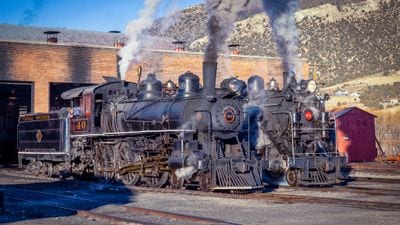
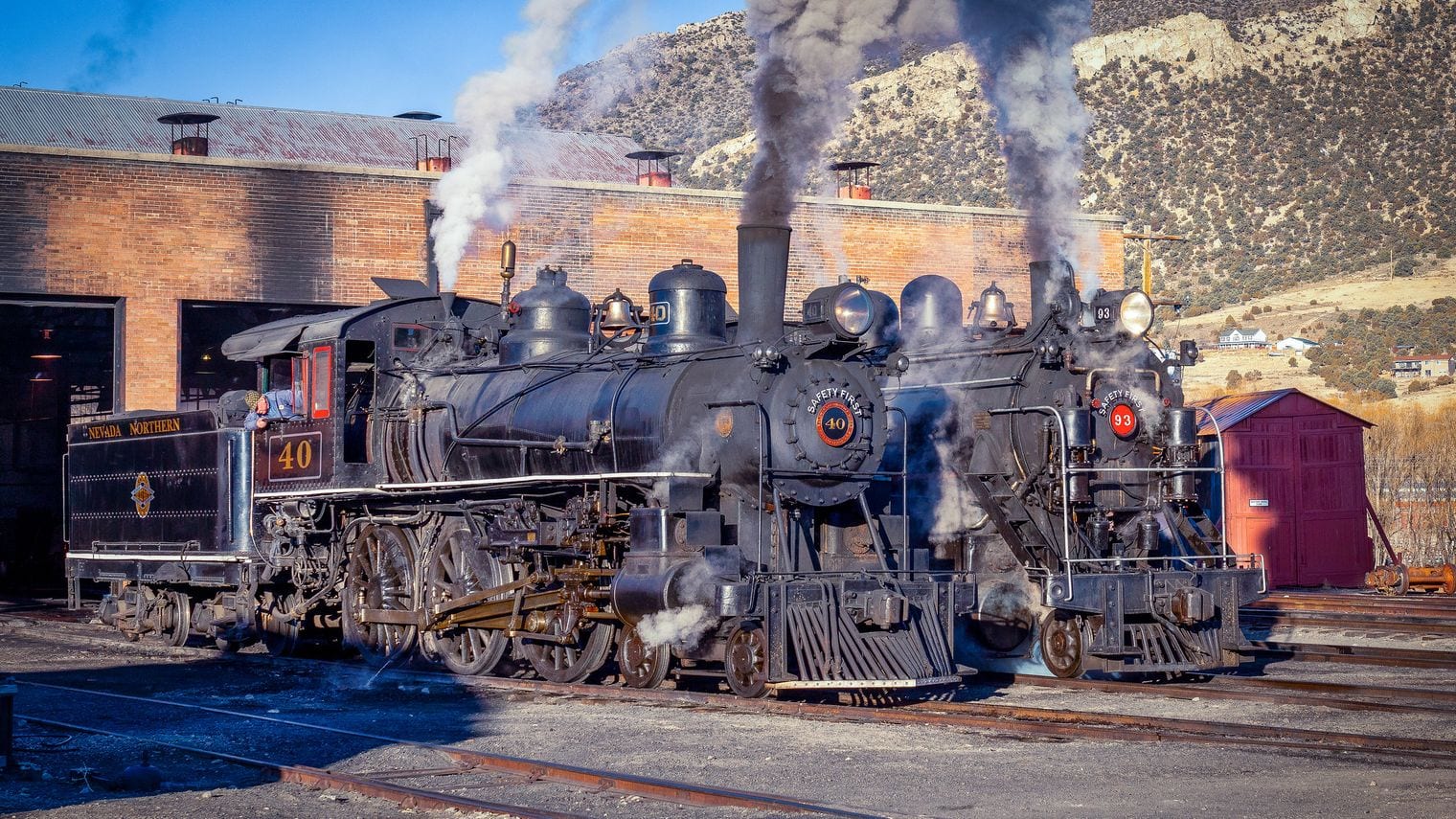
Ely began as a stagecoach station on the Central Overland Route and boomed later than most Nevada towns, after copper was discovered nearby in 1906. The railroad that served the copper district survives as the Nevada Northern Railway, whose East Ely yard was declared a National Historic Landmark in 2006 and still sends steam and diesel excursion trains, nicknamed the Ghost Train of Old Ely, out across the valley.
Downtown, the six-story Hotel Nevada opened in 1929 and was briefly the tallest building in the state, and more than 20 outdoor murals by the Ely Renaissance Society brighten the walls of older buildings. Twenty miles south, Ward Charcoal Ovens State Historic Park protects beehive-shaped ovens from the mining era, and Great Basin National Park lies to the east near Baker.
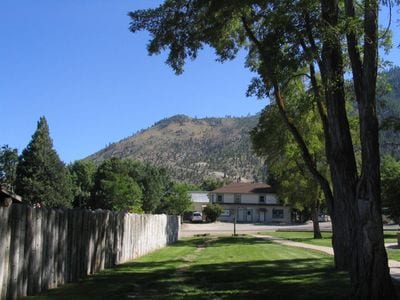
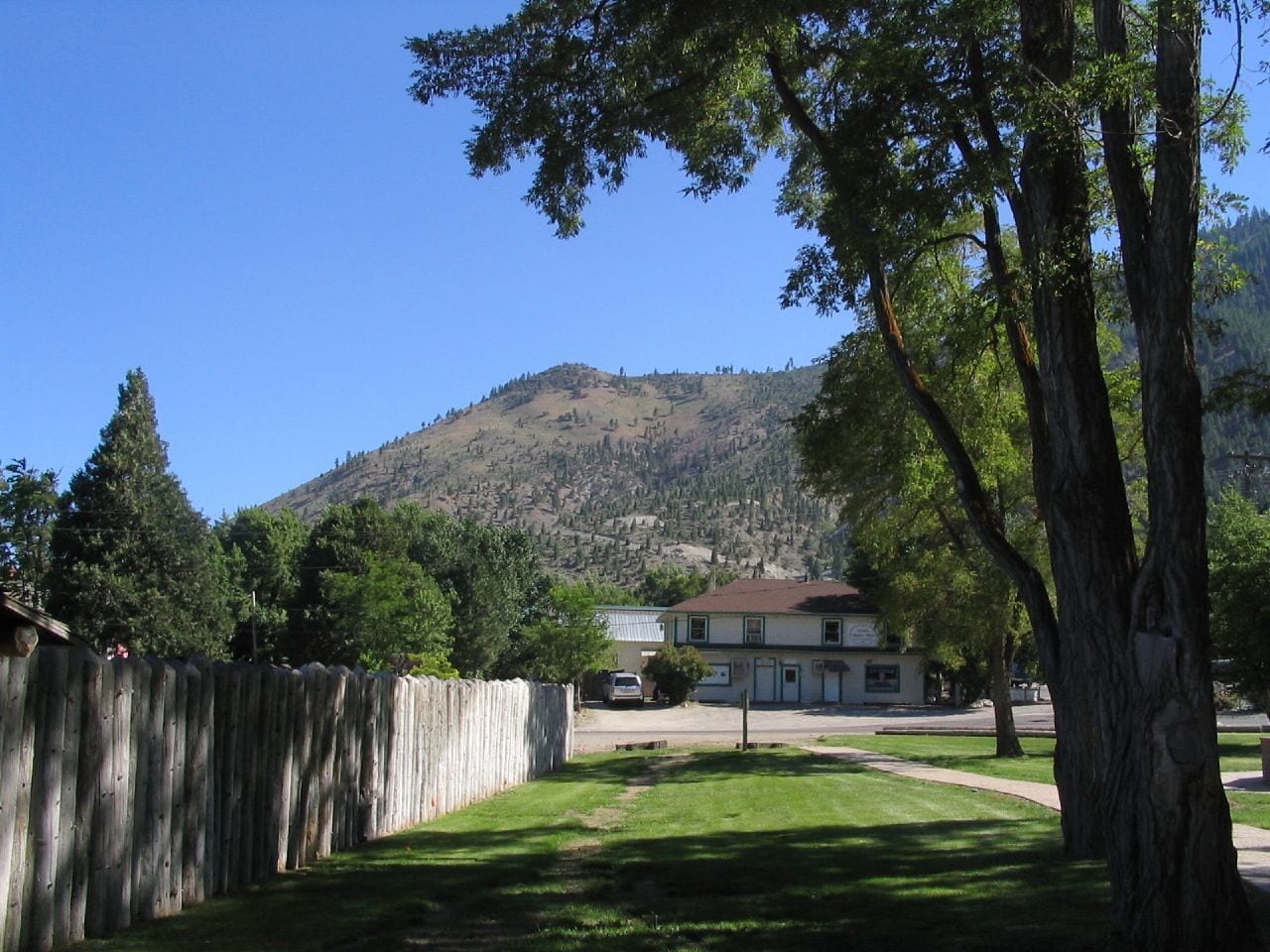
Founded as a trading post called Mormon Station in 1851, Genoa was the first settlement in what became Nevada Territory, and it still sits quietly beneath the mountains on the western edge of the Carson Valley. Mormon Station State Historic Park tells the story inside a replica of the original stockade, which burned down in 1910, and Nevada Territory's first newspaper, the Territorial Enterprise, was founded here in 1858 before it moved to Virginia City.
The Genoa Bar, which opened in 1853, bills itself as the oldest thirst parlor in Nevada, and the historic district's old homes and churches make for an easy stroll. Every year since 1919 the town has held the Candy Dance each fall, selling homemade candy, food and crafts to help pay for local government, and Carson City is only a short drive north.
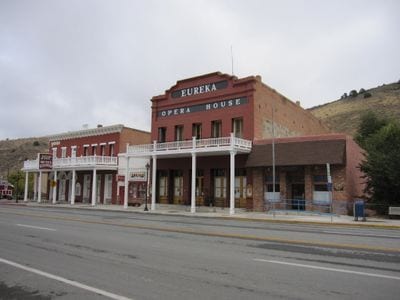
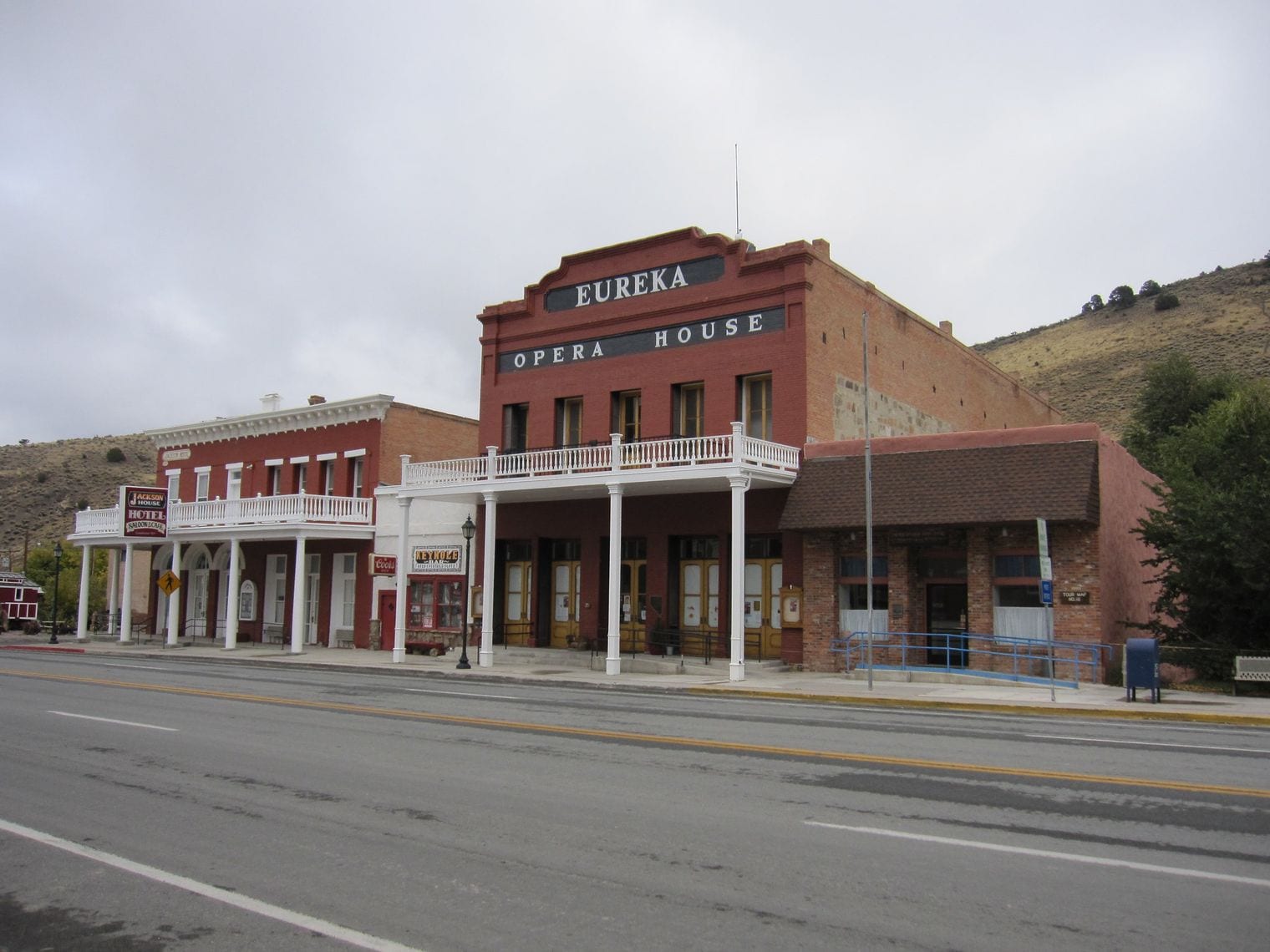
Prospectors from Austin found silver-lead ore at Eureka in 1864, and by 1878 it had about 9,000 people, at the time the second-largest town in Nevada. The boom left a remarkably intact downtown on US 50, the highway Life magazine dubbed the Loneliest Road in America in 1986, and the town has since adopted the nickname the Friendliest Town on the Loneliest Road.
The restored Eureka Opera House, built in 1880, is the centerpiece of the historic district, and the 1877 Jackson House Hotel and the Eureka Sentinel Museum, housed in the 1879 newspaper building, stand close by. With Austin about 70 miles west and Ely 77 miles east, Eureka is the natural place to break a drive across the middle of the state.
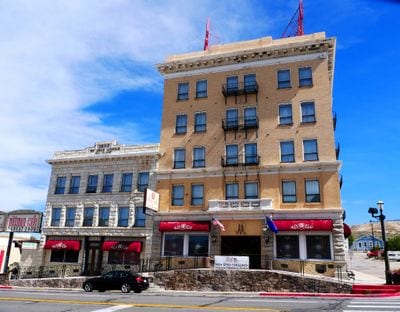
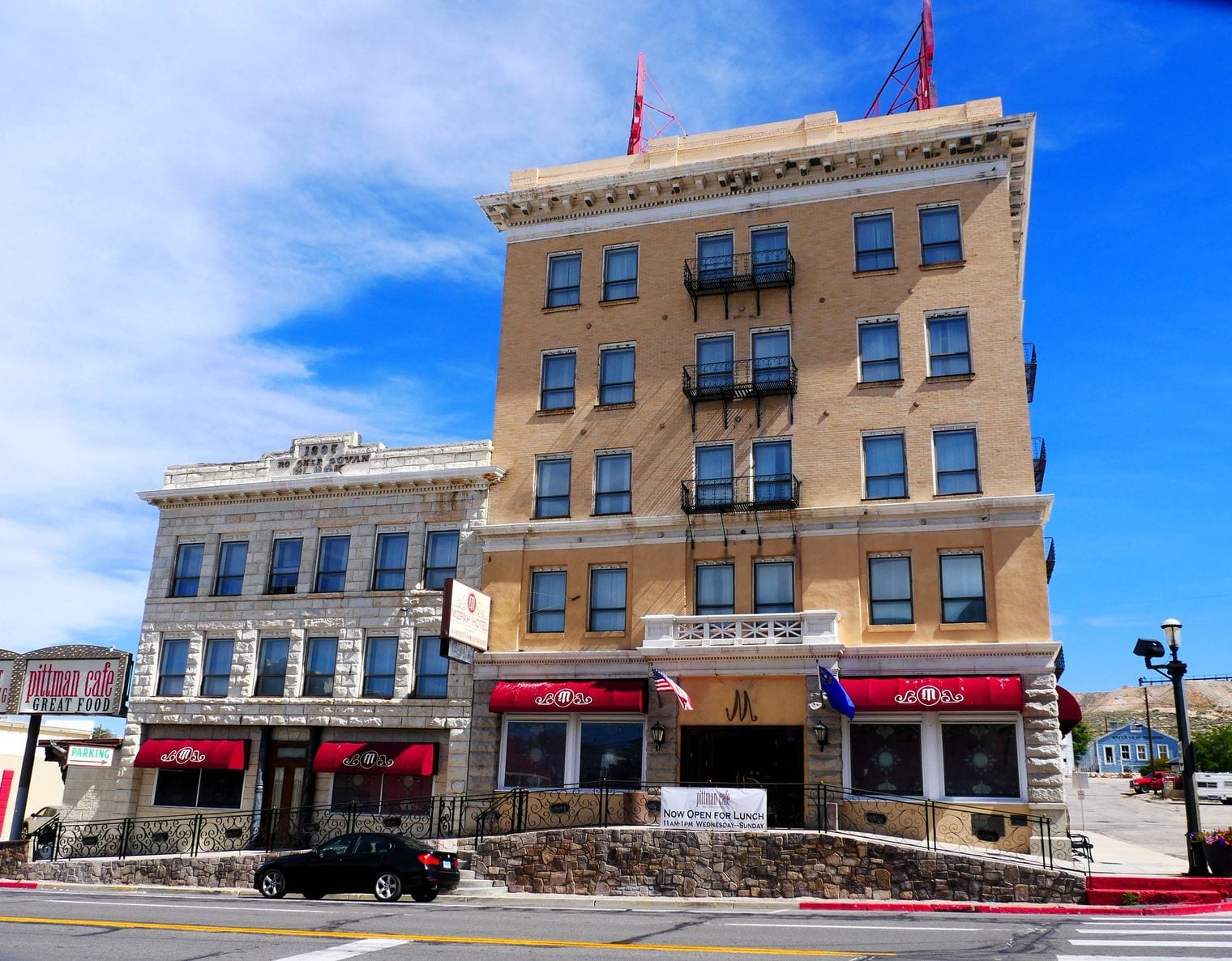
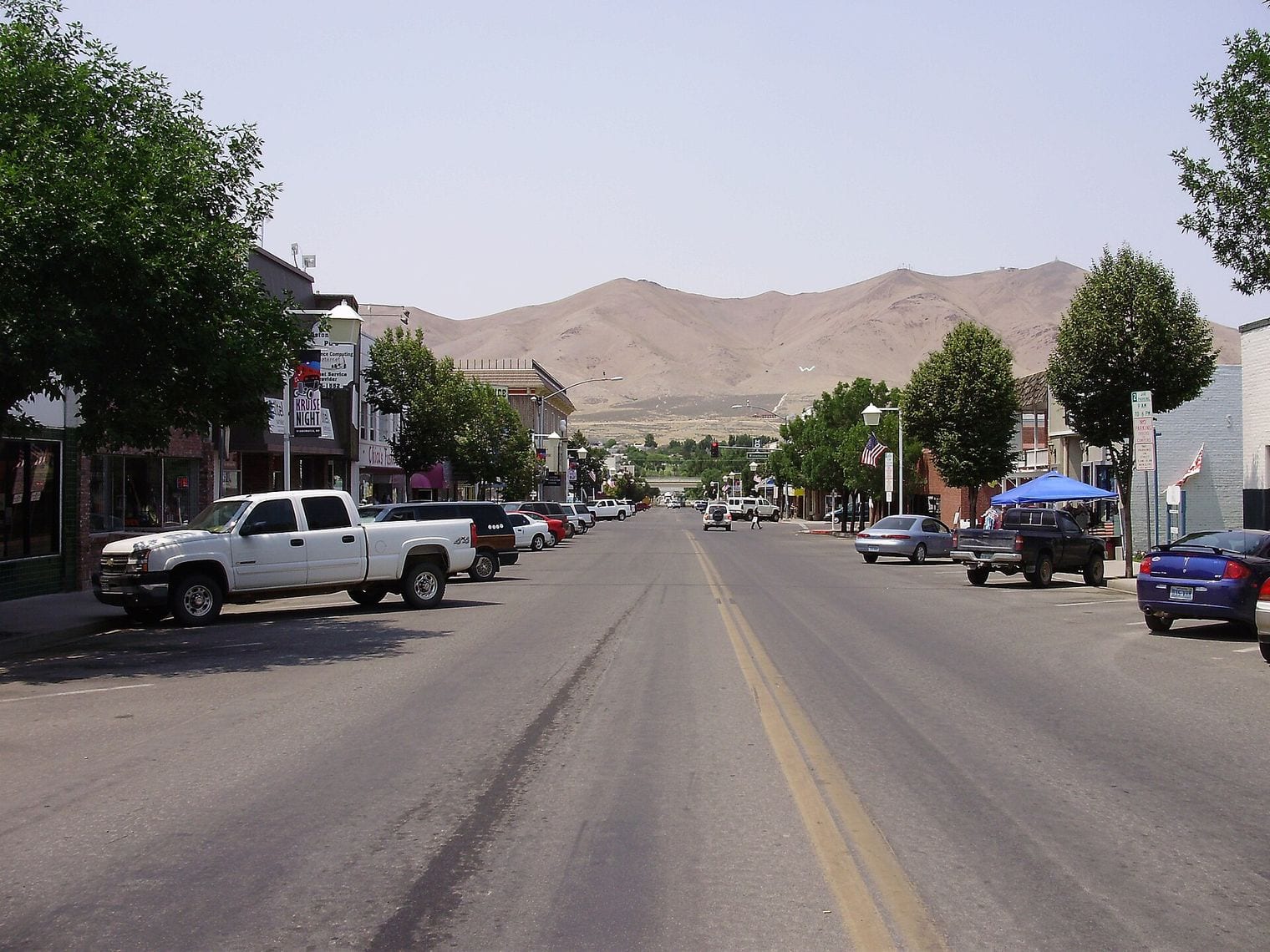
Nicknamed the Queen of the Silver Camps, Tonopah grew from prospector Jim Butler's silver find around 1900, the second-richest silver strike in Nevada history. A well-worn legend credits a stray burro with the discovery, but the tale is likely apocryphal: Butler's wife Belle was Paiute, and her family guided him to an area long known to Native people for its minerals. The town sits at the junction of US 6 and US 95, roughly halfway between Las Vegas and Reno.
The Tonopah Historic Mining Park preserves 113 acres of the old mines as an open-air museum, and the historic Mizpah Hotel, a landmark of the boom years, still welcomes guests. For something stranger, the Clown Motel beside the old Tonopah Cemetery has been called America's scariest motel, and on clear nights the empty desert around town is dark enough for serious stargazing.
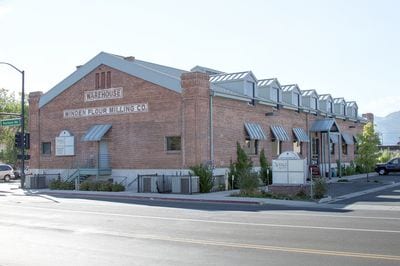
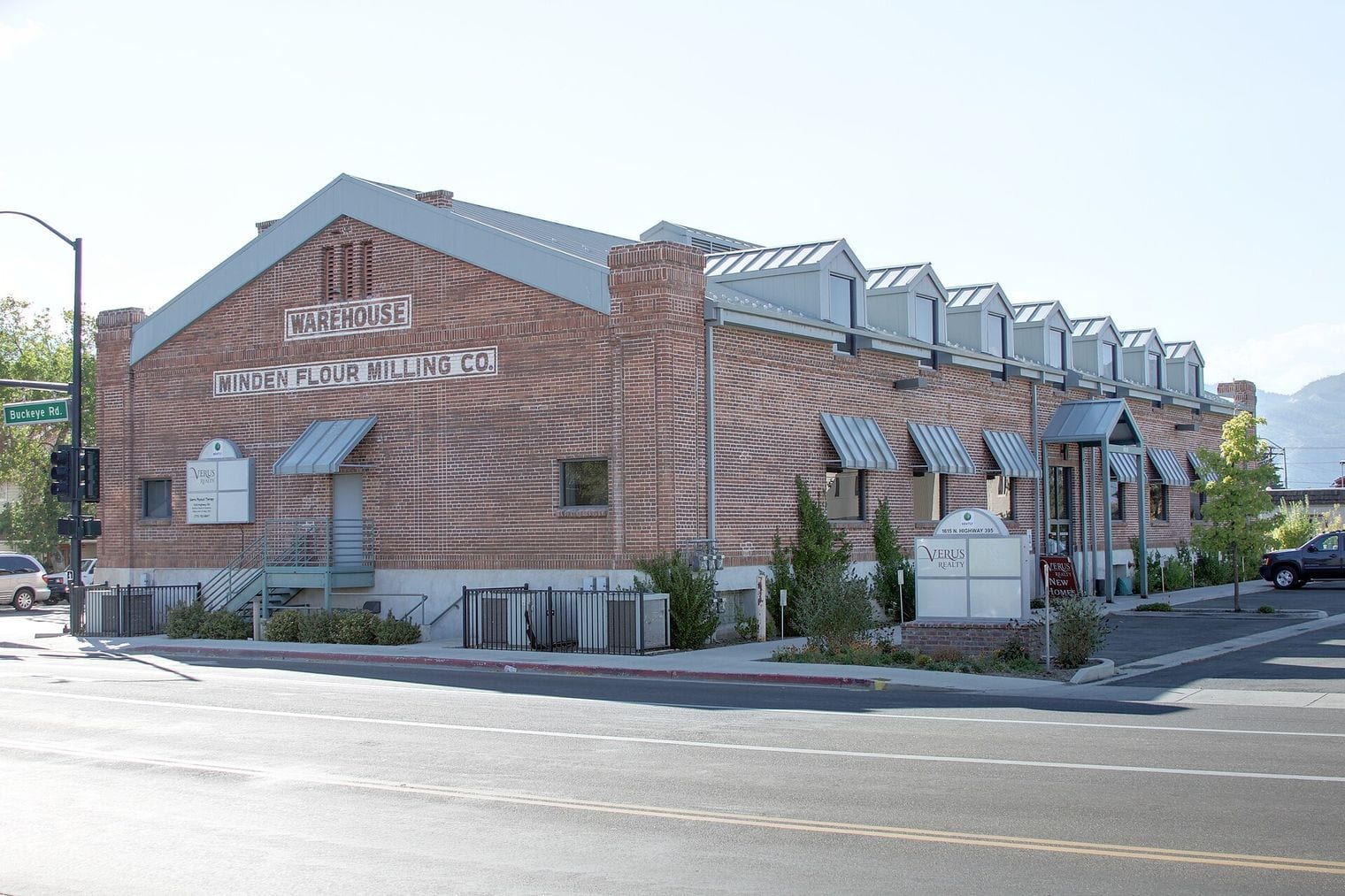
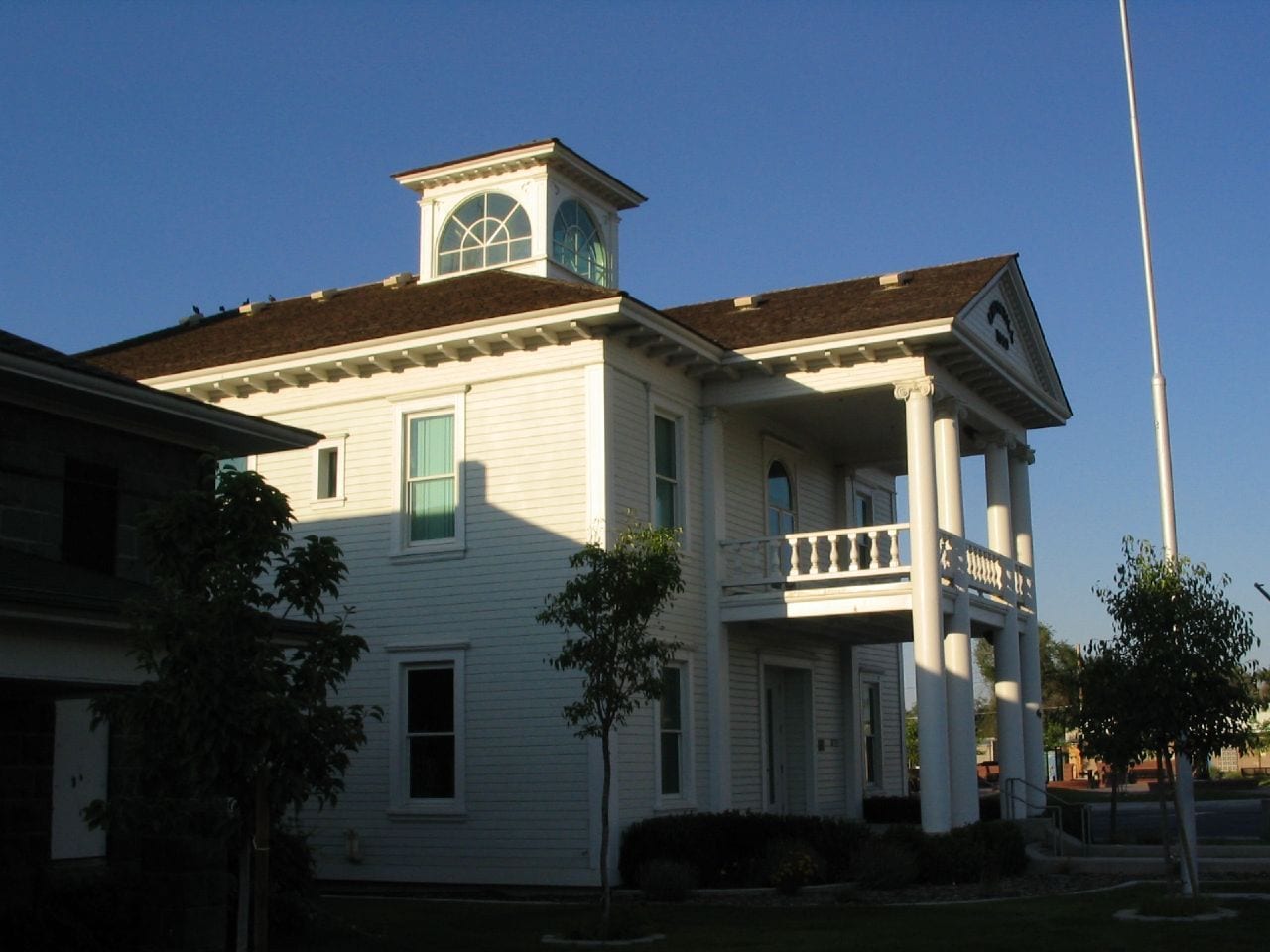
Minden was founded in 1906 by Heinrich Friedrich Dangberg Jr. on land belonging to his family's Home Ranch, and named after Minden in Prussia, near his father's birthplace. The Dangbergs commissioned most of the early buildings, and the brick Carson Valley Improvement Club Hall of 1912 and the Classical Revival Minden Inn, designed by Frederic DeLongchamps and now home to county offices, still frame the small downtown.
Dangberg Home Ranch Historic Park, just outside town, preserves one of Nevada's first ranches, and the Carson Valley spreads out green beneath the Sierra. The winds flowing off the mountains make Minden-Tahoe Airport a renowned base for glider soaring, Gardnerville runs straight into town to the south, and Lake Tahoe is a drive away up Kingsbury Grade.
Winnemucca takes its name from the 19th-century Northern Paiute chief Winnemucca, whose daughter Sarah Winnemucca published in 1883 what is often described as the first autobiography written by a Native American woman. The Central Pacific Railroad arrived in 1868, and on September 19, 1900, Butch Cassidy's gang robbed the town's First National Bank, the most famous chapter in its Wild West history.
Basque immigrants came to work as sheepherders from the mid-19th century, and their heritage lives on in the town's Basque dining rooms and an annual Basque festival. The Buckaroo Hall of Fame and Heritage Museum honors the region's working cowboys, and with Interstate 80 and US 95 meeting here, Winnemucca makes an easy overnight stop between Reno and Elko.
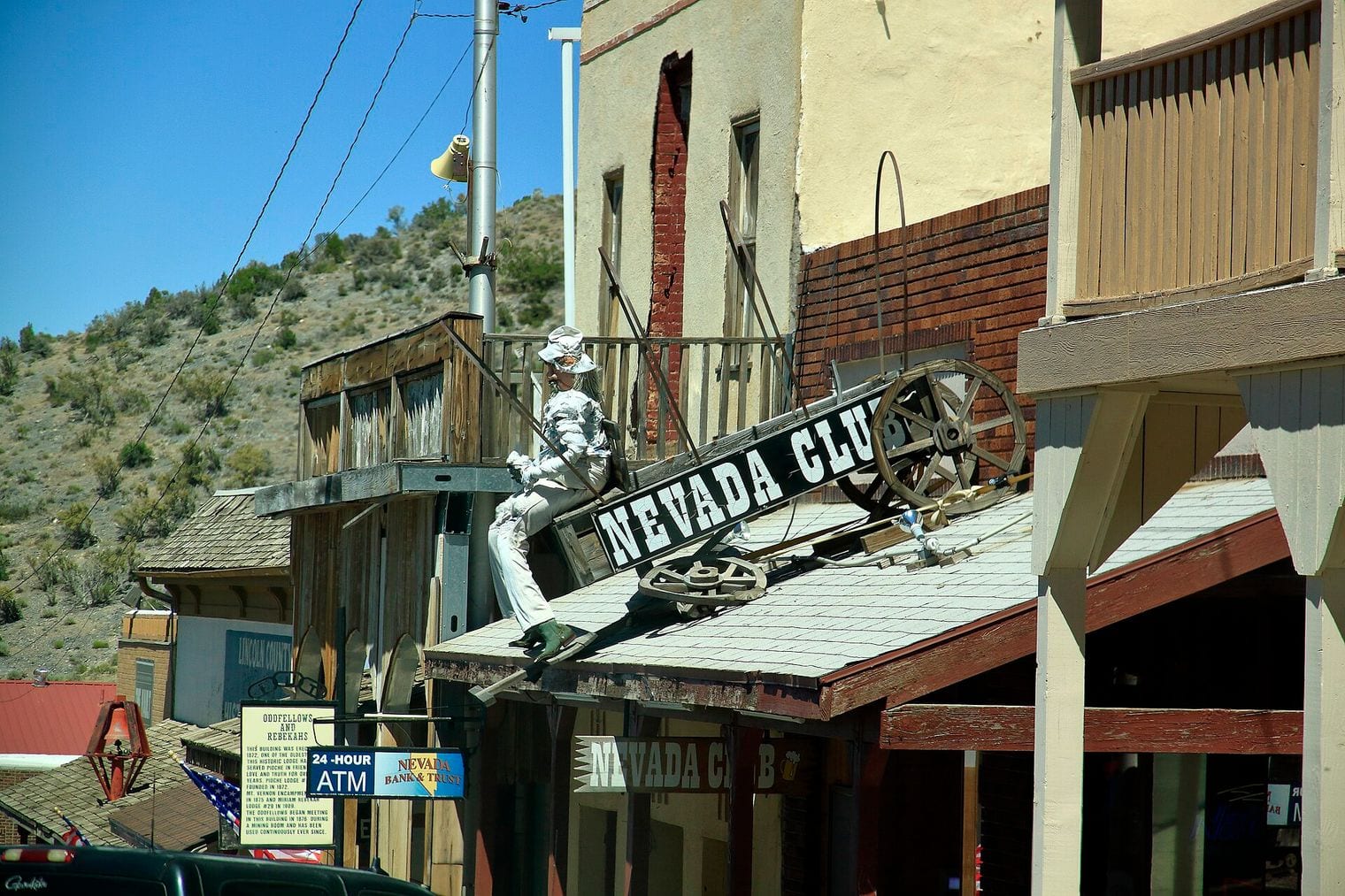
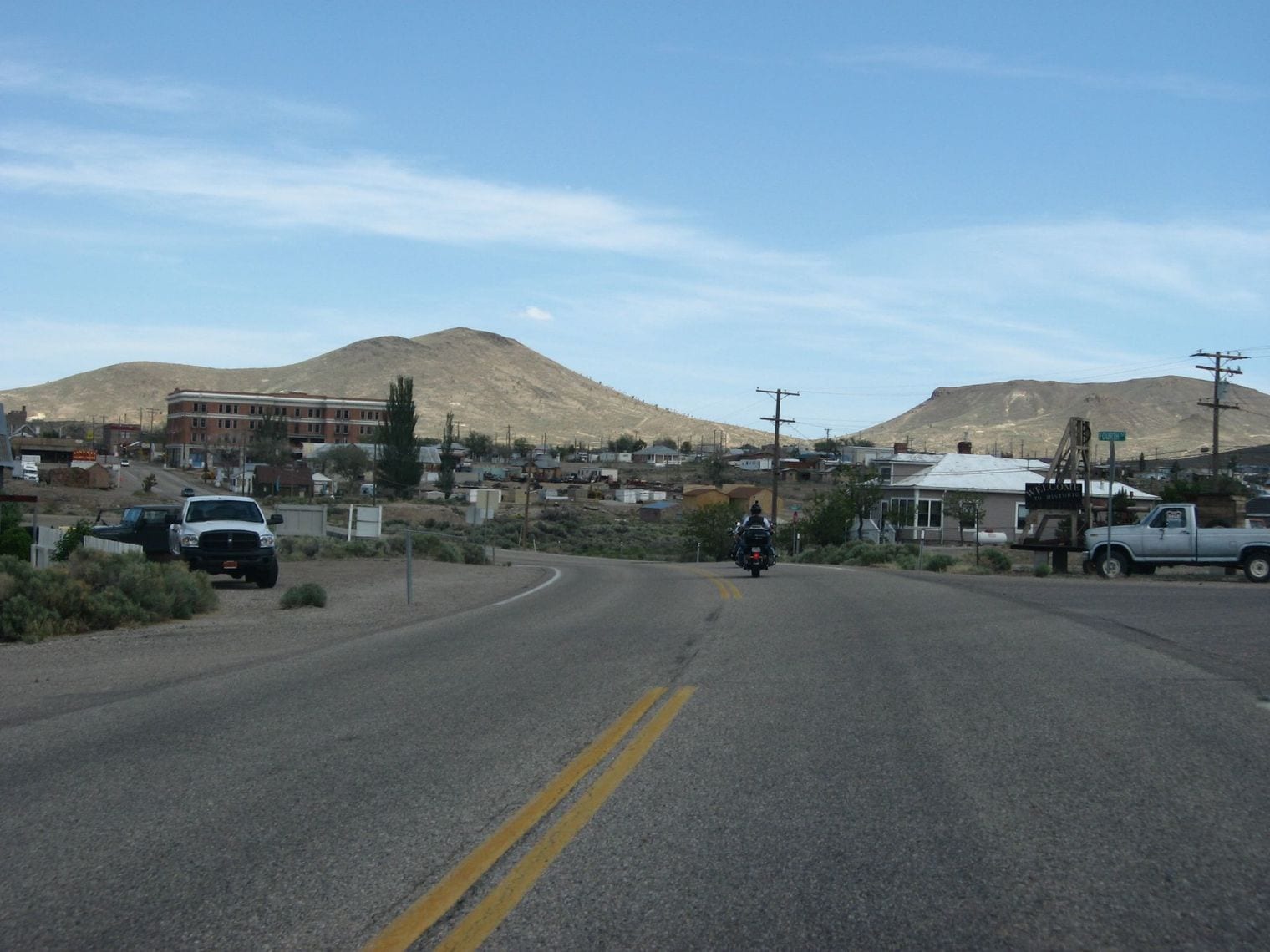
Silver made Pioche one of the most important mining towns in Nevada by the early 1870s, and its remoteness and violent fights over mining claims earned it a reputation as one of the roughest towns in the Old West. Its Boot Hill cemetery is the reminder, and the cables of an aerial tramway that carried ore in the 1920s and 1930s still stretch over parts of town, some with their original ore buckets.
Pioche is best known for its Million Dollar Courthouse of 1872, whose modest building cost ballooned through finance charges and mismanagement into a debt the county did not pay off until 1938. Thompson's Opera House, built in 1873 and restored in 2009, stands on a hill overlooking downtown beside the 1937 Gem Theater, and Cathedral Gorge State Park is a short drive south.
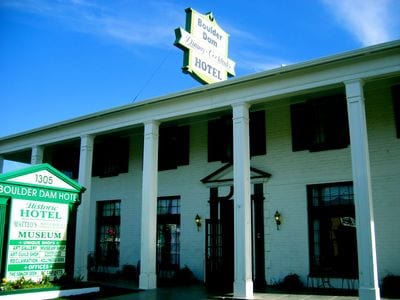
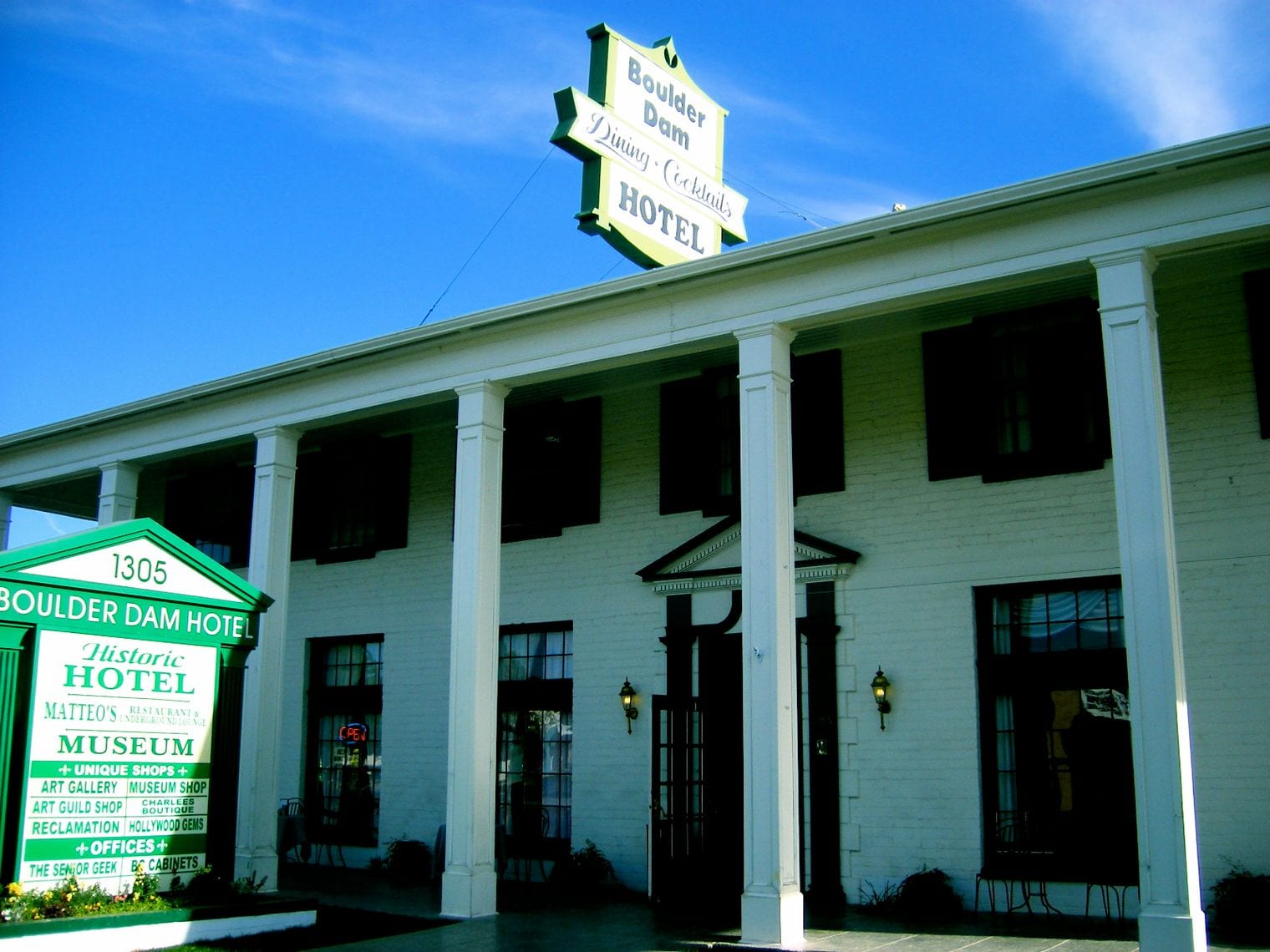
Boulder City was built in 1931 by the Bureau of Reclamation and Six Companies to house the workers building Hoover Dam, replacing the riverside tent camp known as Ragtown. It began life as a federal company town that banned gambling from the outset, and it remains one of only two places in Nevada, along with Panaca, where gambling is prohibited, a quiet contrast to Las Vegas about 26 miles away.
The Boulder Dam Hotel, listed on the National Register of Historic Places, houses the Boulder City/Hoover Dam Museum, which tells the story of the dam and the Depression-era workers who built it. Hoover Dam and Lake Mead are minutes from downtown, and the trails of Bootleg Canyon draw mountain bikers into the desert hills at the edge of town.
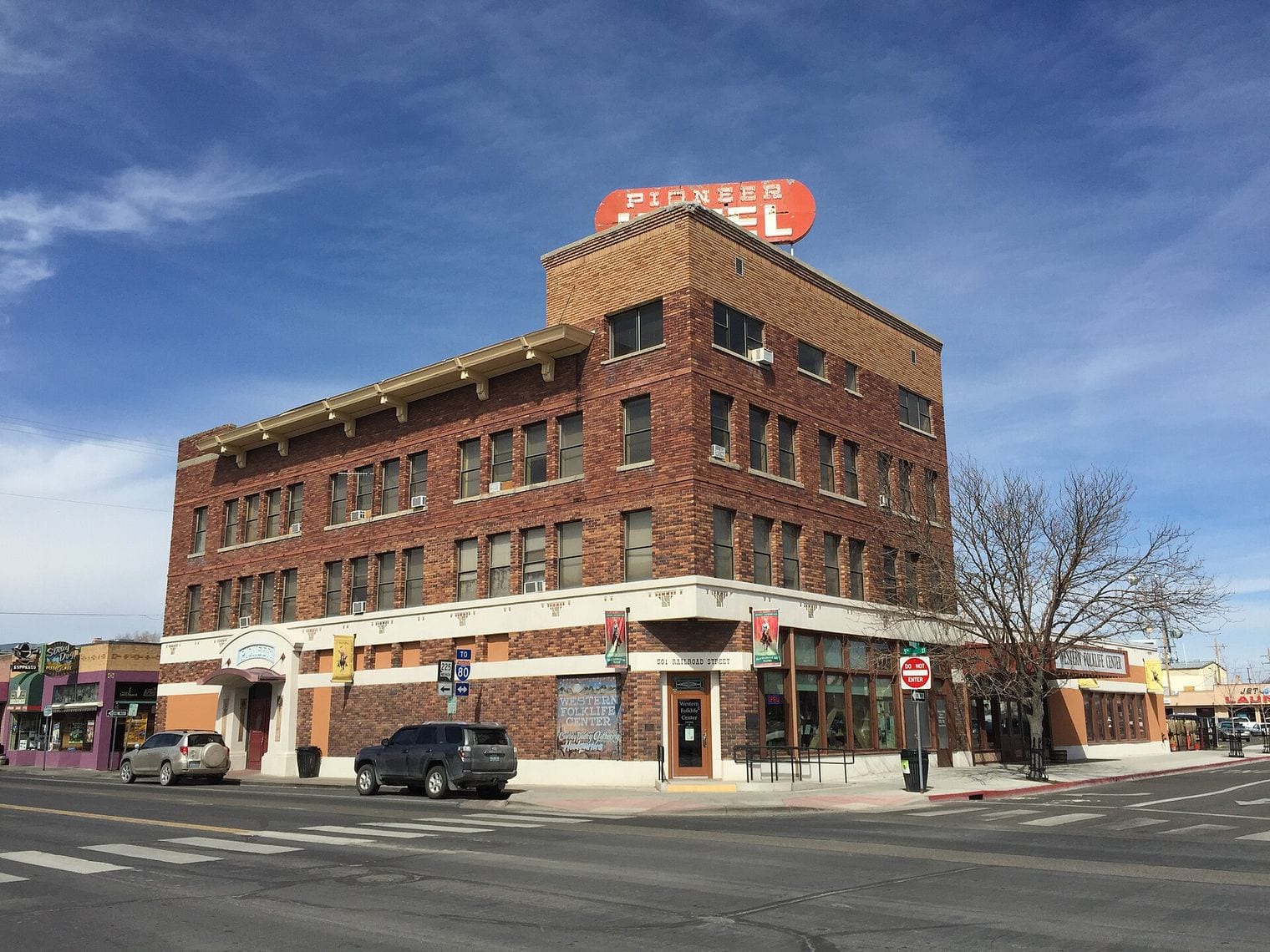
Elko began in 1868 at the end of the Central Pacific's tracks and stayed on as the ranching, mining and supply hub of northeastern Nevada after the railroad crews moved on. Cowboy culture is its calling card: the Western Folklife Center hosts the National Cowboy Poetry Gathering every winter, and the town's Basque heritage comes alive each July at the National Basque Festival.
Lamoille Canyon, the largest valley in the Ruby Mountains, lies about 20 miles from town, and its scenic byway climbs between glacier-carved walls toward high trailheads and alpine lakes. Elko is the largest city for more than 130 miles in every direction, which makes it the natural base for exploring the wide valleys and mountain ranges of the northeast.
Austin was laid out in 1862 during a silver rush on the western slopes of the Toiyabe Range, and legend says the ore was found when a Pony Express horse kicked over a rock. Within a year the Reese River district held more than 10,000 people; today fewer than 200 live in this living ghost town on US 50, at an elevation of more than 6,500 feet.
Three historic churches still stand, the Catholic and Methodist churches from 1866 and St. George's Episcopal Church from 1878, along with the old Lander County Courthouse and other buildings of the Austin Historic District. Just outside town, Stokes Castle is a three-story granite tower built in 1897 as a summer home for mining magnate Anson Phelps Stokes, and the Hickison Petroglyph Recreation Area lies 24 miles east along US 50.
Free printable checklist of all 25 places
Tick them off as you go. Confirm your email to download it, plus one email every Thursday with new guides for the places you tick.
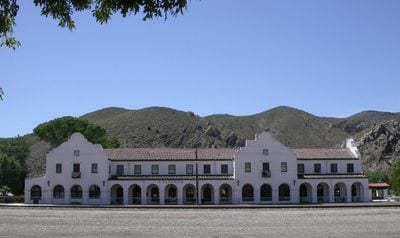
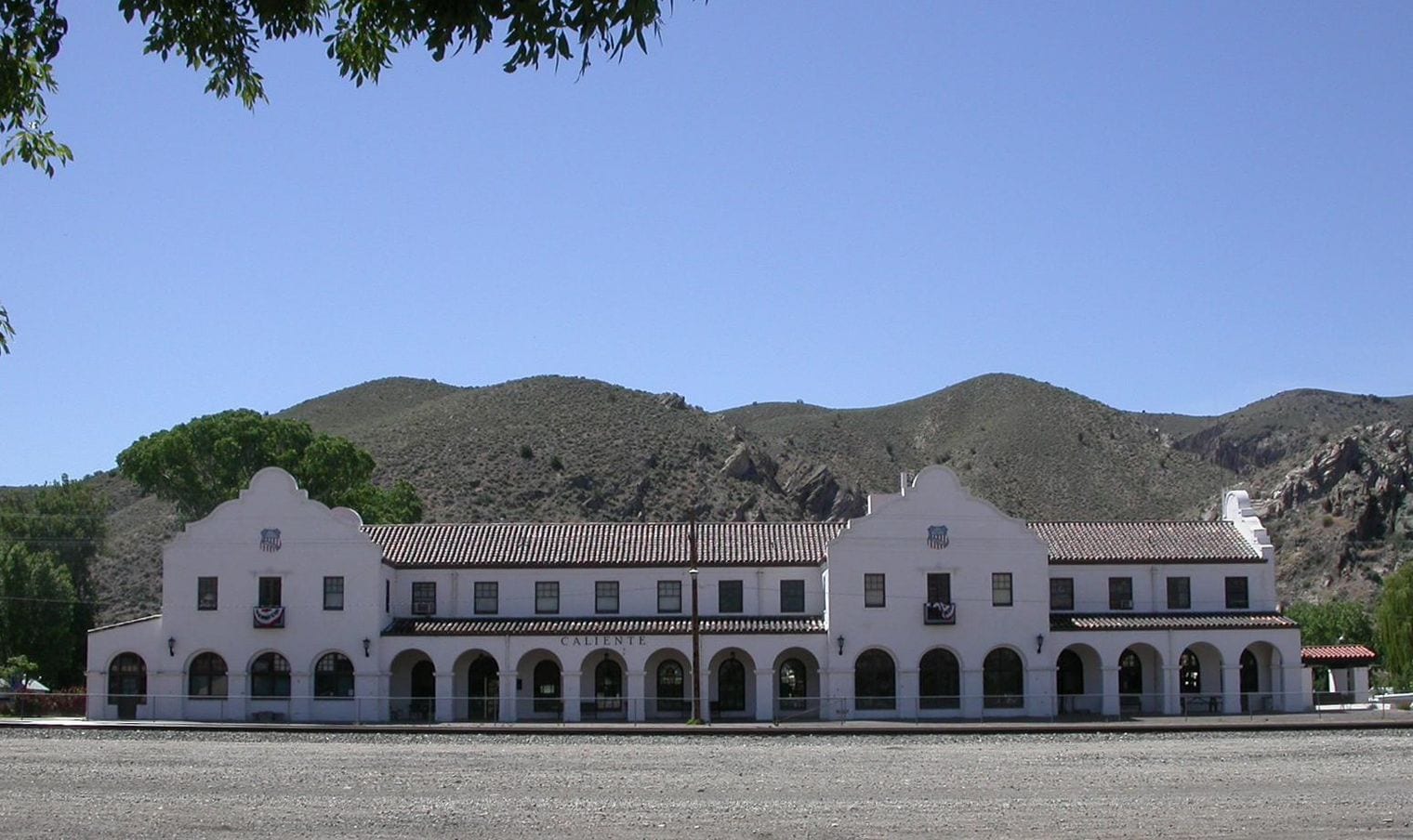
Caliente takes its name from the Spanish word for hot, after the hot springs found here, and grew up around the Los Angeles and Salt Lake Railroad, completed through town in 1905. Its centerpiece is the Mission Revival railroad depot of 1923, listed on the National Register of Historic Places, which now houses city offices, a library and a gallery.
Kershaw-Ryan State Park, two miles south at the head of Rainbow Canyon, has picnic areas, hiking trails and a small natural swimming pool, and Cathedral Gorge and Beaver Dam state parks are both within reach. The town has also built miles of purpose-built mountain-bike singletrack in the surrounding hills, drawing riders to this quiet corner of eastern Nevada.
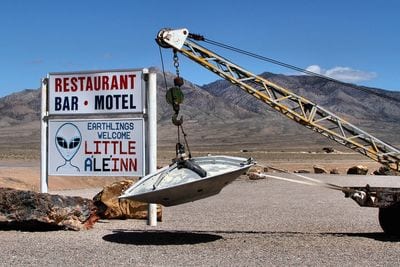
Rachel is the closest settlement to Area 51 and the Nellis Air Force Range, a hamlet of around 50 people on State Route 375, the road nicknamed the Extraterrestrial Highway. Founded in 1973 by an alfalfa farmer and known first as Tempiute Village and then Sand Springs, it was renamed in 1978 after Rachel Jones, the first baby born in the valley.
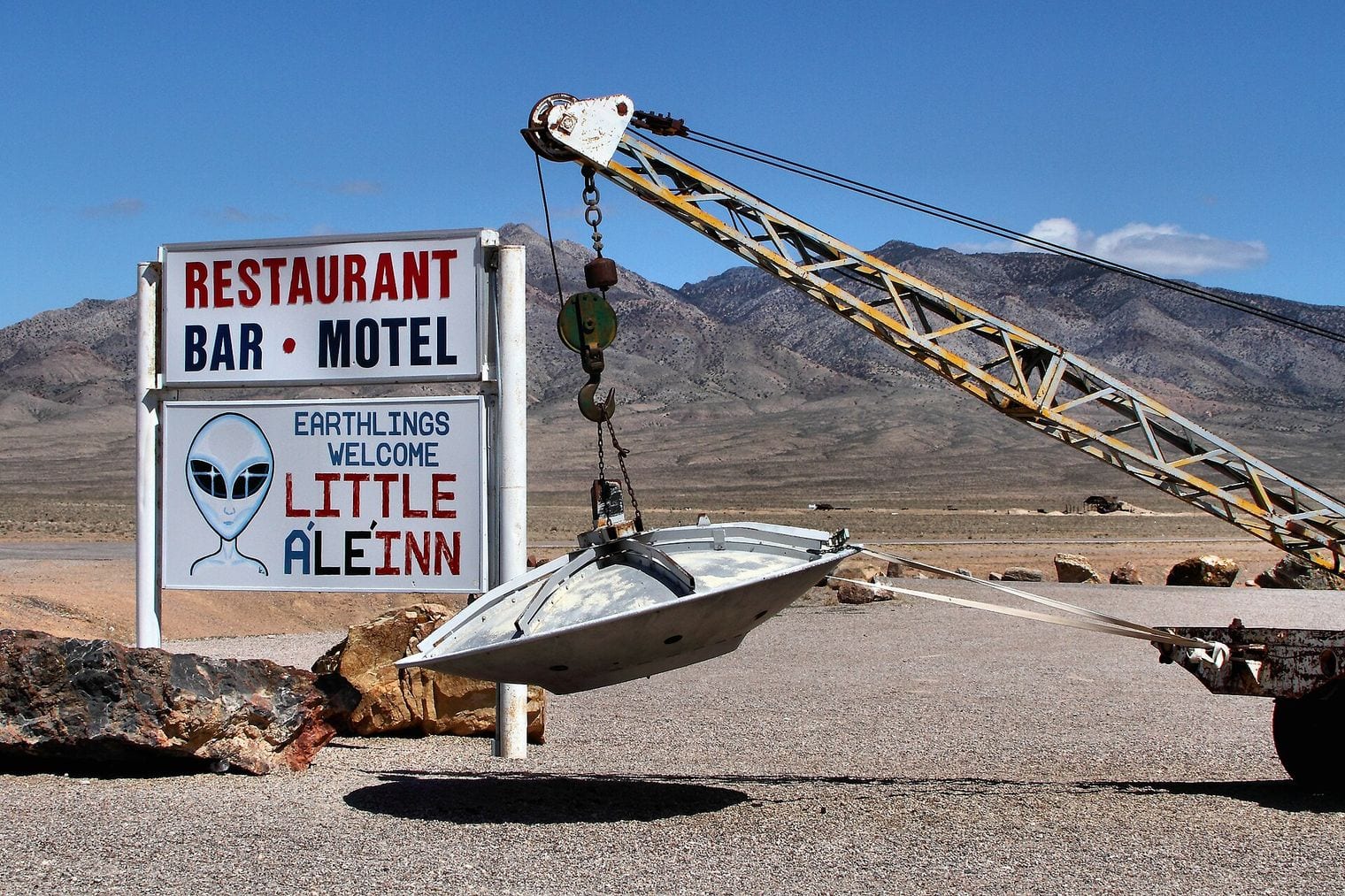
The alien-themed Little A'Le'Inn, a restaurant, bar and motel, is the town's social hub and a pilgrimage stop for UFO hunters, aviation enthusiasts and road-trippers alike. The base itself is strictly off-limits, so the appeal here is the lonely drive, the huge desert sky and the stories swapped over the bar, more than 100 miles north of Las Vegas.
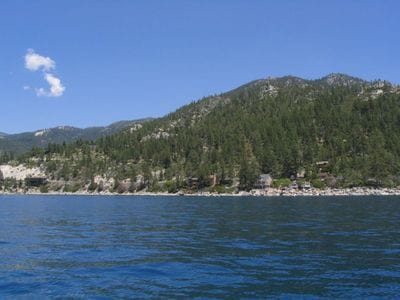
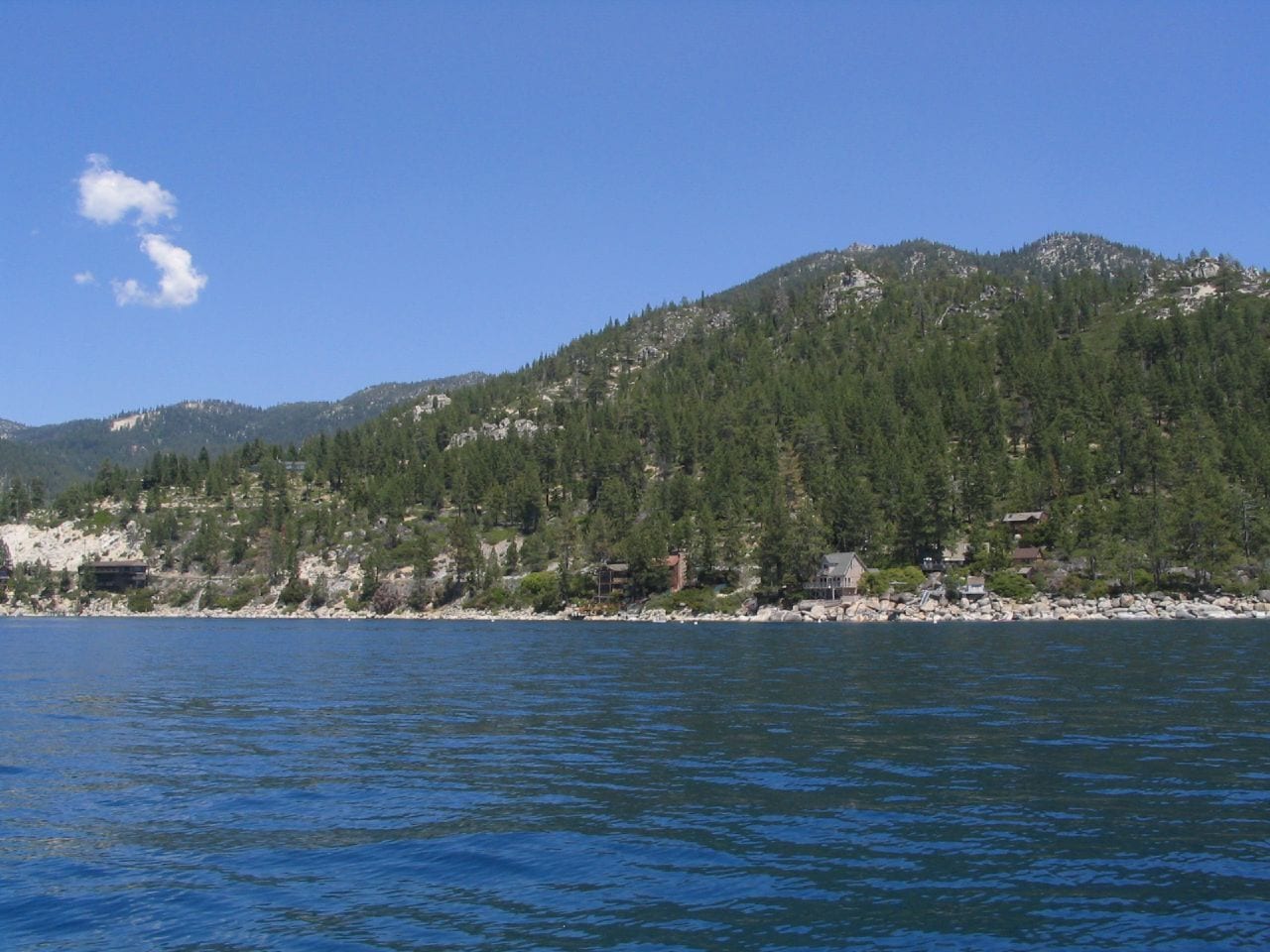
Incline Village, on the north shore of Lake Tahoe, takes its name from the incline railway that a 19th-century lumber company used to haul timber 1,400 feet up the mountainside, from where a flume carried it down toward the Comstock mines. Today it is an upscale lakeside community with beaches, forest trails and its own community-owned ski area, Diamond Peak.
Sand Harbor, part of Lake Tahoe Nevada State Park, is known for its clear water and boulder-strewn coves, and the paved Tahoe East Shore Trail runs about three miles from Incline Village toward its beaches with lake views most of the way. In winter the runs of Diamond Peak look out over the lake, and the Mount Rose Highway climbs over the pass toward Reno.
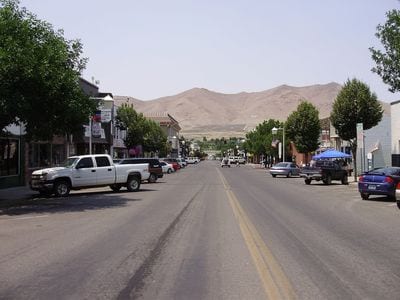
Gardnerville, named after the local cattleman John Gardner, runs straight into Minden along US 395 in the Carson Valley, with the Sierra rising to the west. Some of its older buildings were hauled down from Virginia City once the Comstock boom faded, and Main Street is now a friendly run of antique shops, boutiques and wine shops in ranch-era storefronts.
Gardnerville keeps the Carson Valley's Basque heritage alive: Basque hotels once gave room and board to the sheepherders who worked the valley, and family-style Basque dinners are still served in the old downtown. Kingsbury Grade climbs from town to Stateline on Lake Tahoe, and Genoa is a short drive north across the valley.
Gold was found at Goldfield in 1902, and within a few years the boomtown had about 20,000 people, by contemporary estimates the largest town in Nevada at the time. In 1906 it hosted a lightweight title fight between Joe Gans and Oscar "Battling" Nelson, but the boom faded quickly, and a fire in 1923 destroyed much of the town.
Survivors include the four-story Goldfield Hotel, built in 1907 and 1908 by mining magnate George Wingfield, and the 1907 Esmeralda County Courthouse, which still serves the county. On the edge of town, the International Car Forest of the Last Church plants dozens of graffiti-covered cars, trucks and buses nose-down in the desert, and the Goldfield Days festival fills the streets each August.
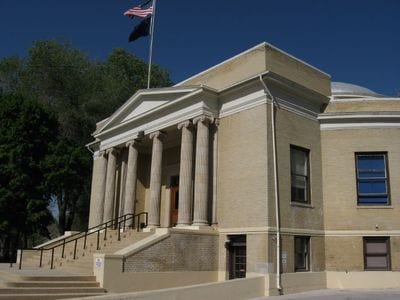
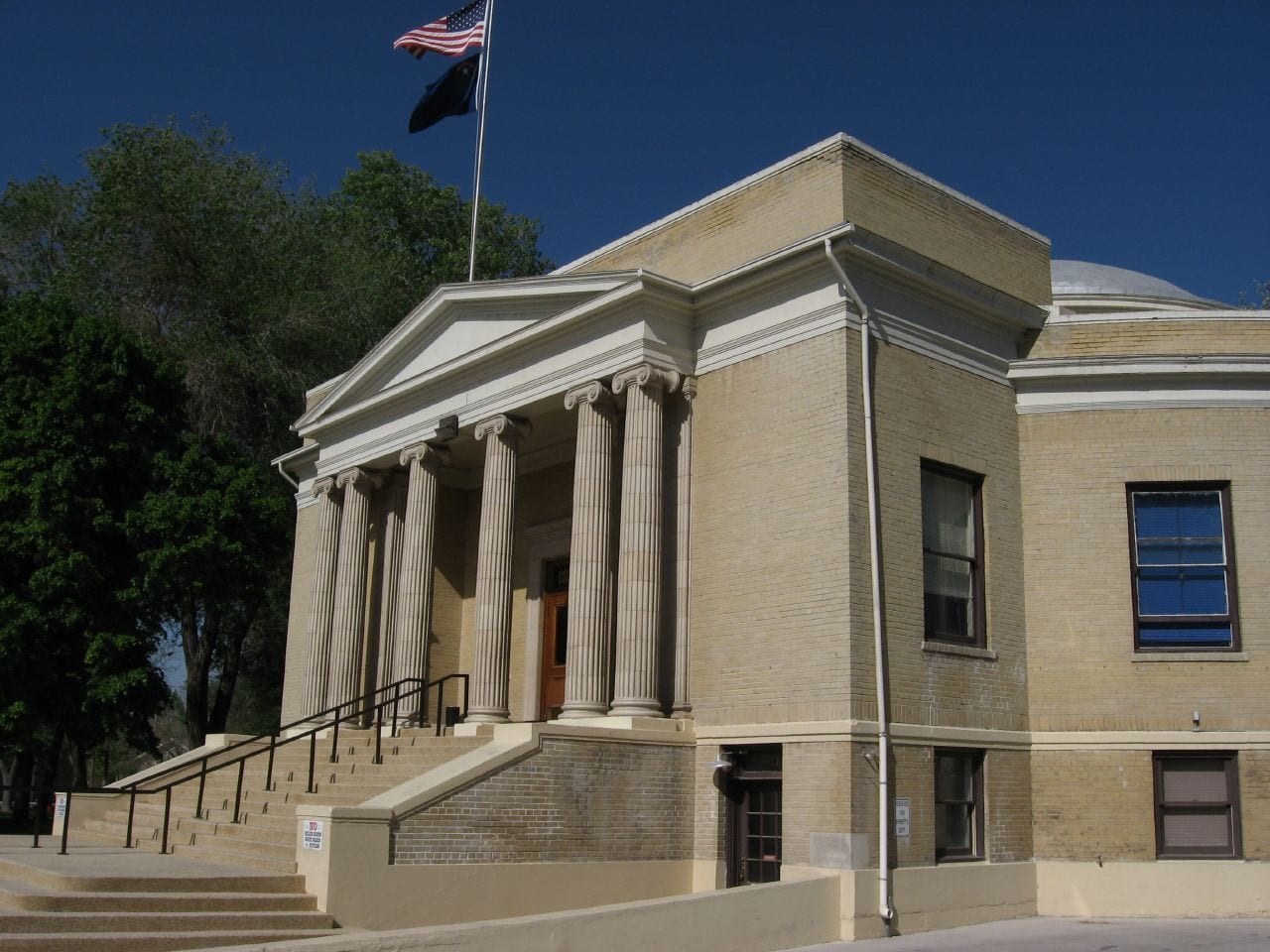
Lovelock grew up at the Big Meadows, a lush stop on the Humboldt Trail where emigrant wagon trains rested on the way to California, and takes its name from George Lovelock, an English settler who bought land here in 1866. Its landmark is the Pershing County Courthouse of 1920 and 1921, a domed Classical Revival building by Frederic DeLongchamps with a round courtroom at its center.
Behind the courthouse, Lovers Lock Plaza invites couples to fasten a padlock to an endless chain, a tradition begun on Valentine's Day 2005. South of town, Lovelock Cave is one of the most important archaeological sites in the Great Basin, where excavators in 1924 found duck decoys woven from tule reeds that are more than 2,000 years old.
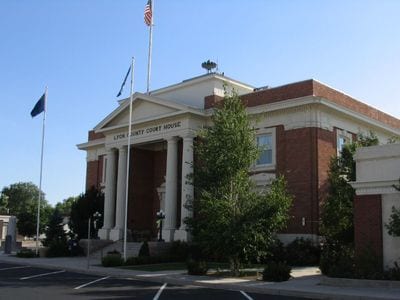
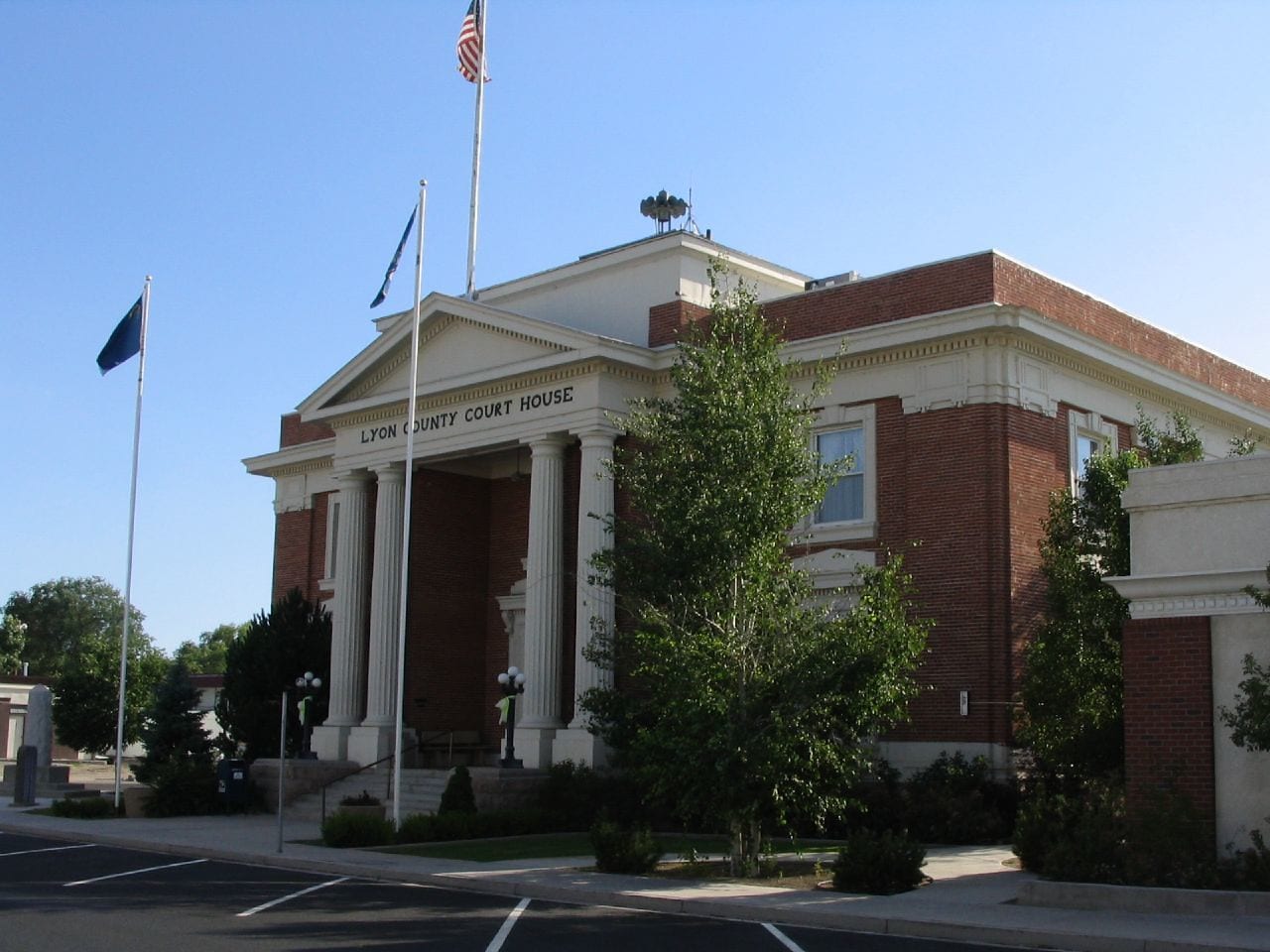
Yerington, the seat of Lyon County since 1911, is named after Henry M. Yerington, the longtime superintendent of the Virginia and Truckee Railroad, though early residents called it Pizen Switch after the poor whiskey sold at the old freight stop. It sits among the farms and ranches of the Mason Valley, watered by the Walker River.
The Paiute people have lived in the Smith and Mason valleys for about a thousand years, and the Yerington Paiute Tribe is headquartered here. Wovoka, the Paiute religious leader who launched the second Ghost Dance movement, spent most of his life in the Mason Valley and died in Yerington in 1932, and Fort Churchill State Historic Park, an 1860s army post and Pony Express station, lies to the north.
Fallon grew up in the Lahontan Valley, where some gold-rush emigrants stopped for good after crossing the Carson River, and was named for Michael and Eliza Fallon, whose ranch held the first post office in 1896. The old Lincoln Highway runs through town, and east of Fallon, US 50 becomes the stretch Life magazine christened the Loneliest Road in America.
Naval Air Station Fallon, southeast of town, has been home to the Navy's TOPGUN fighter weapons school since 1996, and an annual cantaloupe festival celebrates the valley's prized melons. East along US 50, the Grimes Point Archaeological Area shows boulders covered in ancient rock art, and Sand Mountain, a singing dune about two miles long and 600 feet high, rises from the desert 20 miles out.
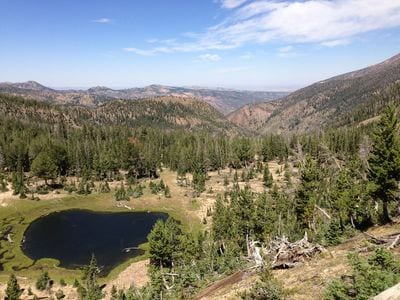
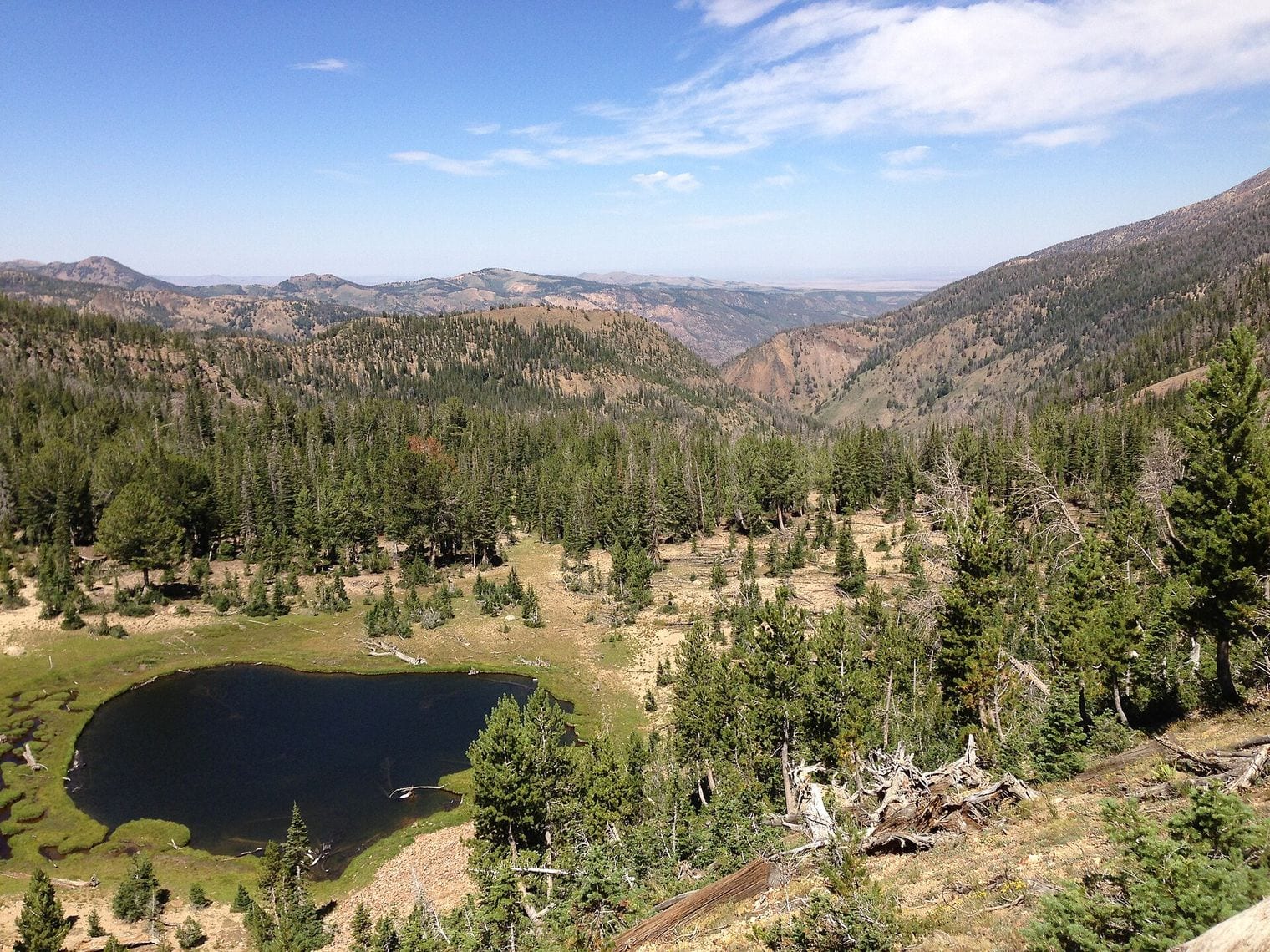
Hidden at the bottom of the Jarbidge River canyon about 10 miles south of the Idaho line, Jarbidge is noted for its extreme remoteness, and no paved road comes within almost 20 miles of it. Gold was found here in 1909 in one of the last gold rushes of the American frontier, and by 1911 the camp held close to 2,000 people.
Jarbidge is also remembered for the 1916 holdup of its stage, often called the last stagecoach robbery in the American West. Today the old camp is a base for hunters, campers and hikers heading into the Jarbidge Wilderness, and the roads in are long, partly unimproved and not maintained in winter, so plan a summer or early-fall visit.
Gerlach was founded in 1906 during construction of the Western Pacific Railroad's Feather River Route and named for the Gerlach Land and Cattle Company. With the next town, Nixon, about 60 miles south, this railroad hamlet is the last stop for fuel and groceries before the vast playa of the Black Rock Desert, where the Burning Man festival has been held every year since 1990.
The flat, empty playa has long drawn land-speed record attempts, and Fly Geyser, a small geothermal geyser whose mineral mound is streaked with color by heat-loving bacteria, sits about 20 miles north on Fly Ranch, which the Burning Man Project bought in 2016 and opens to the public only on a limited basis. Most visitors come for the silence, the light and the sense of standing at the edge of the map.
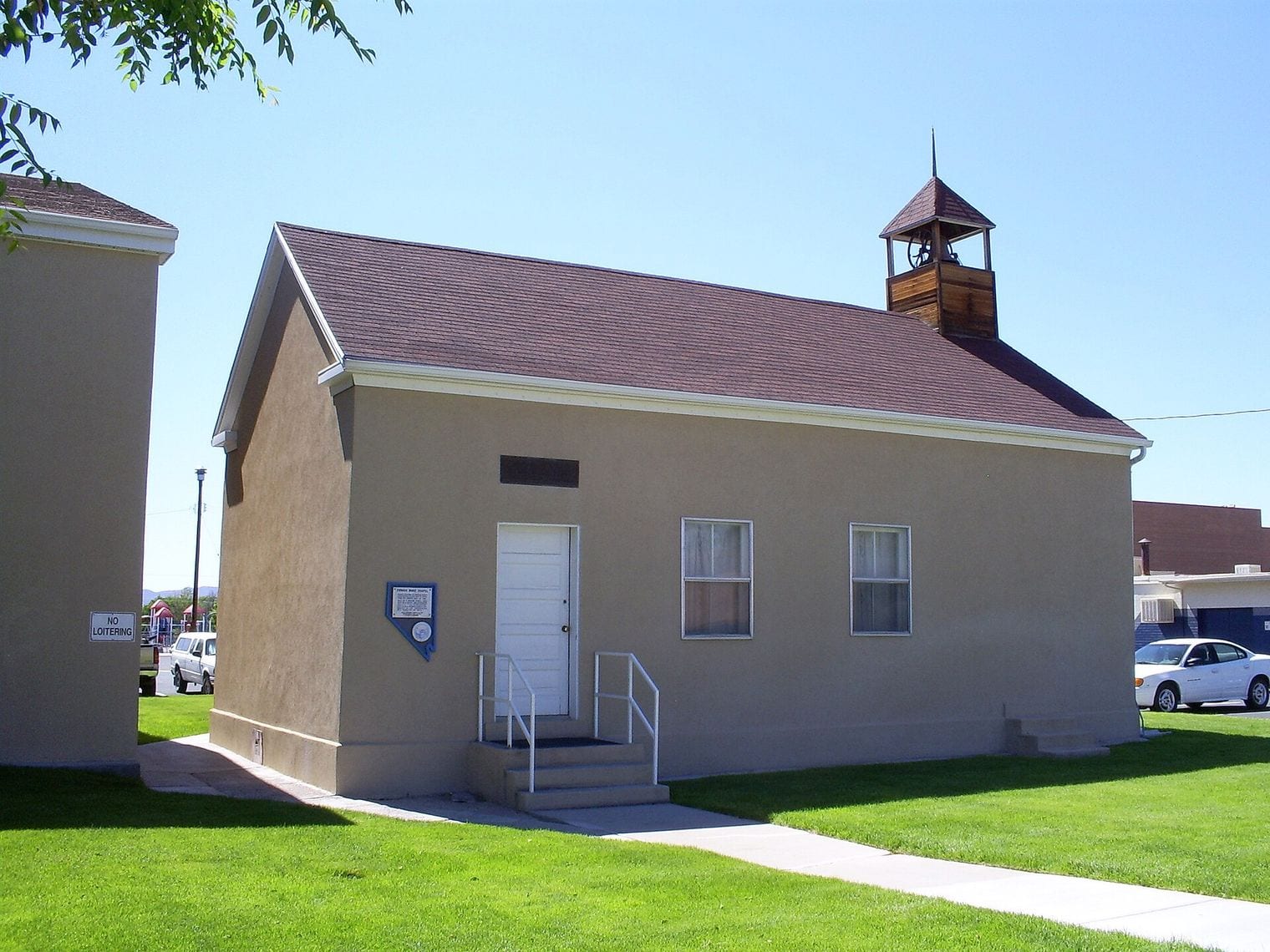
Panaca was founded as a Mormon colony in 1864, the first permanent settlement by European Americans in southern Nevada, and it began life as part of Washington County, Utah, until an 1866 boundary change moved it into Nevada. It remains a quiet farming town in the Meadow Valley, a dry community where alcohol sales are not allowed and one of only two places in Nevada, with Boulder City, that prohibit gambling.
Its biggest draw lies two miles northwest: Cathedral Gorge State Park, where erosion has carved soft bentonite clay into fluted cliffs, spires and narrow passages. Beehive-shaped charcoal kilns from the 1870s stand outside town along State Route 319, and every July the town celebrates Pioneer Day with games, a parade and a community dinner.
Alamo is a Pahranagat Valley ranch town on US 93 about 90 miles north of Las Vegas, settled largely by Mormon families and served by a post office since 1905. Nearby warm springs and the wetlands of the valley floor make it a green surprise after the long drive north through the desert.
Just south of town, the Pahranagat National Wildlife Refuge protects lakes and marshes that serve as a migration and wintering stop for waterfowl on the Pacific Flyway. Alamo is also a natural stop on the way to the Extraterrestrial Highway, and its gas stations do a lively trade in alien memorabilia for travelers heading north toward Rachel.
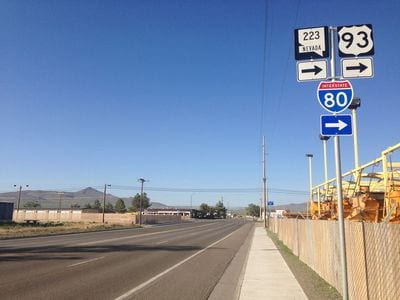
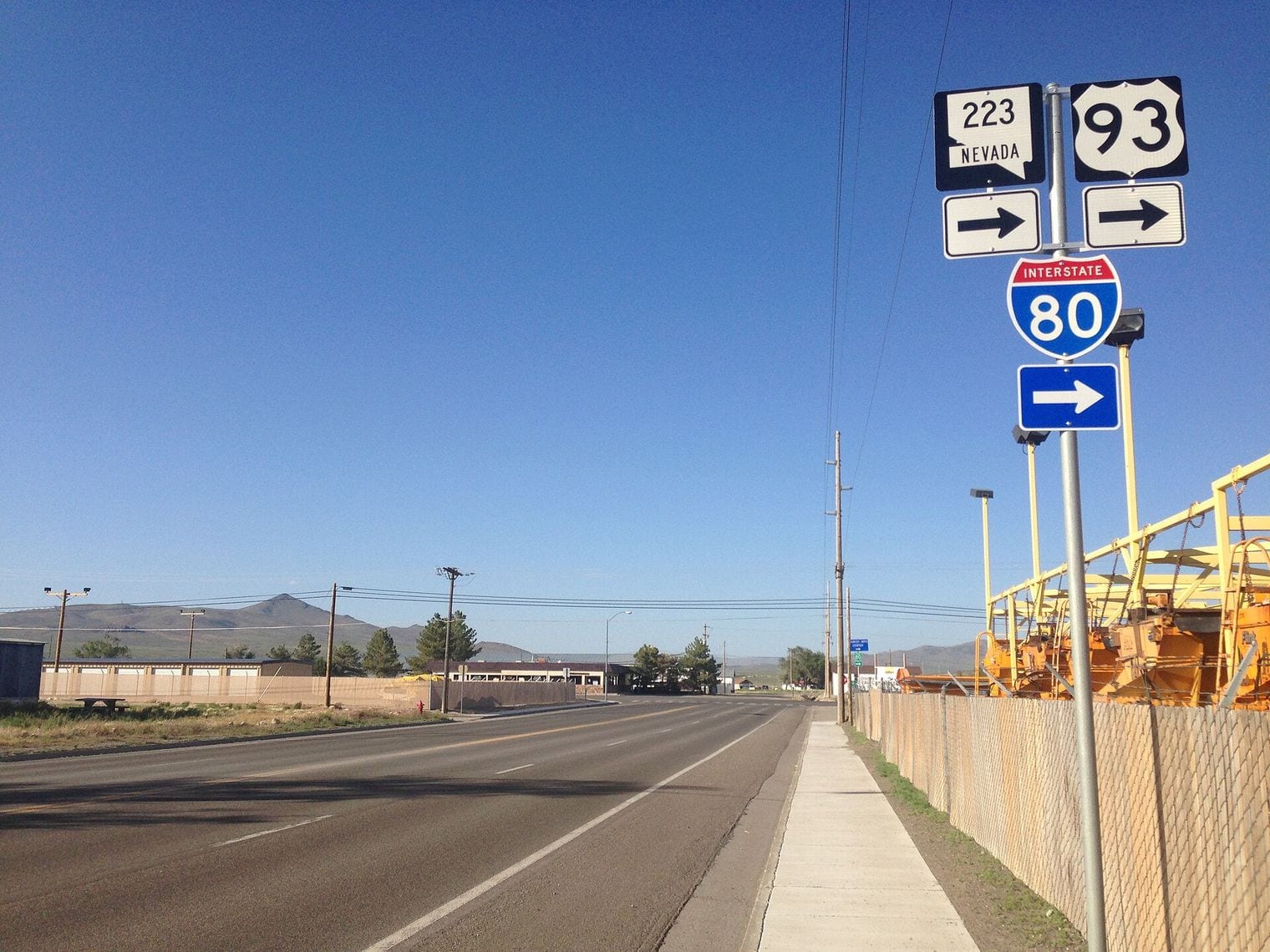
Wells began as Humboldt Wells, a cluster of springs on the California Trail at the source of the Humboldt River, and grew into a railroad town on the first transcontinental line. The story goes that the shorter name stuck after an 1877 telegraph reported that "Wells is burning"; the town rebuilt, and today it sits at the junction of Interstate 80 and US 93, about 50 miles east of Elko.
A 12-mile scenic road climbs from town into the East Humboldt Range to Angel Lake, a glacial tarn at more than 8,300 feet ringed by steep cliffs, and the ghost town of Metropolis, a failed 1910s farming venture, lies 12 miles northwest. A magnitude 6.0 earthquake caused significant damage in town in 2008, but Wells remains a handy base for the high country of the northeast.
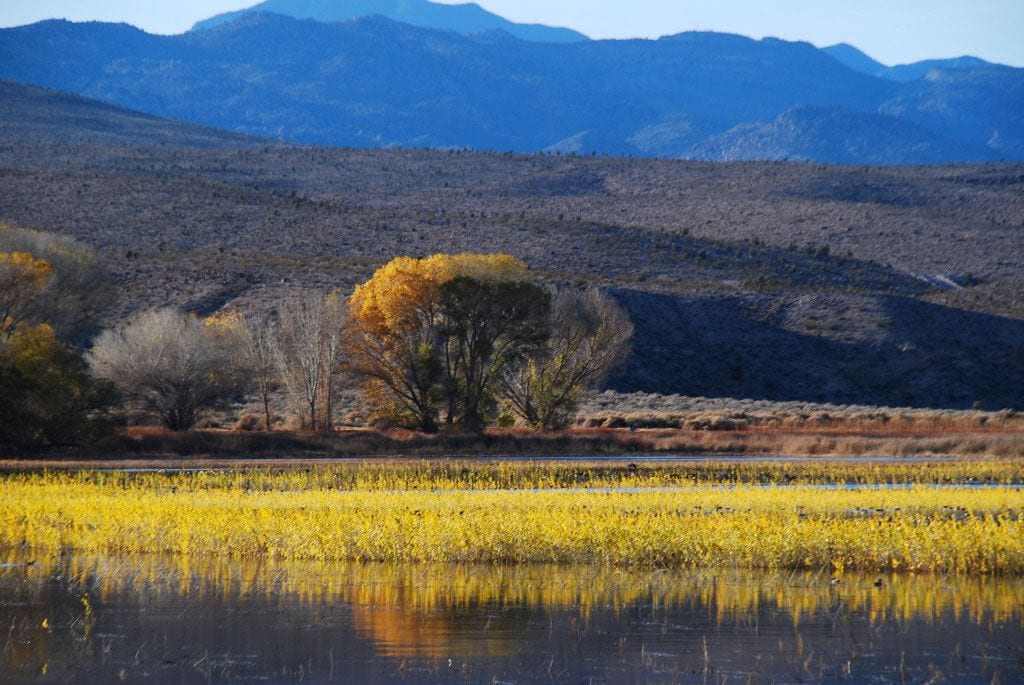
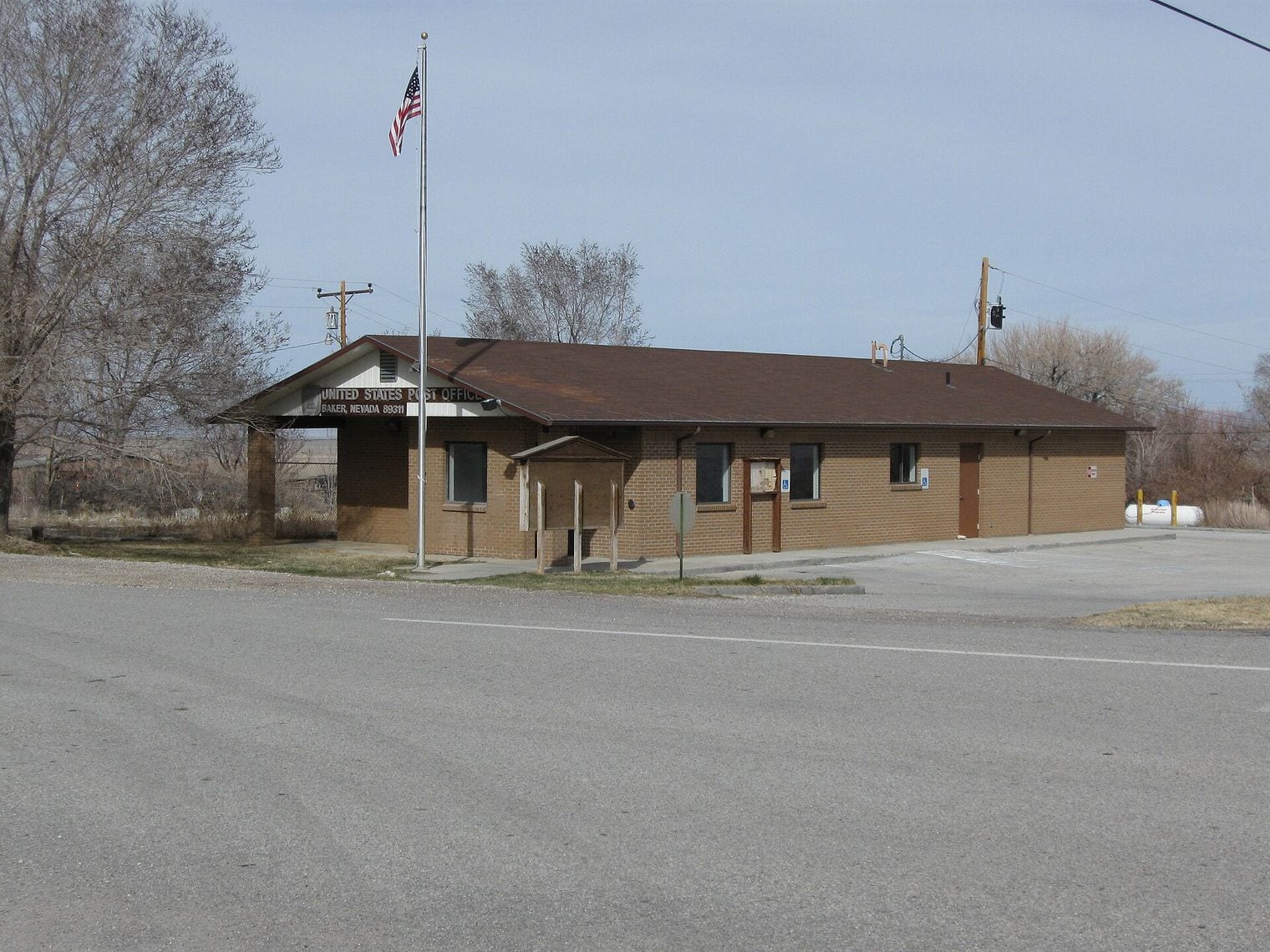
Baker is a tiny hamlet at the gate of Great Basin National Park near the Utah line, five miles east of the park's main entrance, and is named after an early settler, George W. Baker. With only a few dozen residents, it is the closest settlement to the park and the natural base for exploring it.
Inside the park, guided tours wind through Lehman Caves, richly decorated with stalactites and rare shield formations, and the Wheeler Peak Scenic Drive climbs toward Nevada's second-highest peak and groves of ancient bristlecone pines, among the oldest living trees on Earth. Great Basin is an International Dark Sky Park, so after dark the sky above Baker blazes with stars and the Milky Way.
Free Things to Do in These Nevada Towns
Many of the best moments on this list cost nothing. Stroll the boardwalks of C Street in Virginia City, hunt for the outdoor murals in Ely, and fasten a padlock to the endless chain at Lovers Lock Plaza in Lovelock.
Look up at Stokes Castle outside Austin and at the old ore tramway cables strung over Pioche, and wander among the graffiti-covered cars of the International Car Forest outside Goldfield. Out of town, the rock art at Grimes Point near Fallon and the lakes of the Pahranagat National Wildlife Refuge by Alamo are open to everyone, and the star-filled sky over Baker costs nothing at all.
Nevada's small towns fall into a few long, natural loops. In the west, Virginia City, Genoa, Minden, Gardnerville and Incline Village all lie within about an hour of Reno and Carson City, and Yerington and Fallon make an easy add-on to the east.
From Fallon, US 50, the Loneliest Road, crosses the middle of the state through Austin, Eureka and Ely toward Baker and Great Basin National Park, with 70 miles or more between towns. Across the north, Interstate 80 strings together Lovelock, Winnemucca, Elko and Wells, with long detours to Jarbidge from Elko and from Reno up to Gerlach and the Black Rock Desert.
Several of these towns sit close to a state line, so the drive can run on into our guides to the best small towns in Utah beyond Baker, Idaho north of Jarbidge, Oregon up US 95 from Winnemucca, California a few minutes from Incline Village, and Arizona across Hoover Dam from Boulder City.
In the south, US 95 links Tonopah and Goldfield on the long run between Reno and Las Vegas, while US 93 heads north from Las Vegas past Alamo to the Lincoln County towns of Caliente, Panaca and Pioche, with Rachel a detour northwest on the Extraterrestrial Highway.
Boulder City is an easy half-day from Las Vegas, and our guide to the best things to do in Nevada covers the bigger sights in between. Spring and fall are the most comfortable seasons for the desert towns, summer suits the high country around Ely, Austin, Jarbidge and Angel Lake above Wells, and winter snow can close remote mountain roads, so fill the tank in every town and check conditions before setting out.
FAQ: Visiting the Best Small Towns in Nevada
What is the best small town in Nevada?
Virginia City is the best small town in Nevada for most visitors, with its Comstock-era C Street, Piper's Opera House and the Virginia & Truckee Railroad. Ely follows for the Nevada Northern Railway's steam trains, then Genoa for Mormon Station, Eureka for its restored 1880 opera house and Tonopah for its historic mining park and the Mizpah Hotel.
Which small towns in Nevada are closest to Reno?
Virginia City is the closest town on this list to Reno, a short drive southeast into the hills, and Incline Village sits on the north shore of Lake Tahoe over the Mount Rose Highway. Genoa, about 42 miles south of Reno, and its Carson Valley neighbors Minden and Gardnerville make an easy day trip past Carson City.
Which small towns are on Nevada's Loneliest Road?
US 50 across central Nevada, which Life magazine named the Loneliest Road in America in 1986, links four towns on this list: Fallon, where the lonely stretch begins, then Austin, Eureka and Ely. Baker lies just off the highway at the gate of Great Basin National Park, and the gaps between towns run 70 miles or more.
When is the best time to visit small towns in Nevada?
Spring and fall suit most of the desert towns best, from Boulder City and Alamo in the south to Fallon and Lovelock in the west, when the heat eases. Summer is ideal for the high country around Ely, Austin, Baker and Jarbidge, while winter brings snow to the mountain roads and skiing at Diamond Peak in Incline Village.
How many days do you need to visit small towns in Nevada?
Most towns on this list fill a relaxed day, and many pair up neatly on one drive. Virginia City and Ely each deserve a full weekend, Ely with Great Basin National Park within reach, while a week lets you link the US 50 towns from Fallon to Baker or loop through the Lincoln County towns of Caliente, Panaca and Pioche.
Sources & updates
How this guide was checked
Checked before launch
Sources cited
25
Publishers
16
Every town on this list was pinned on the map and checked against official and local sources before publication.
A PDF with a box to tick for every place. Confirm your email to download it, and get one email every Thursday with our newest guides for the places you tick.
Free Nevada small towns printable checklist
All 25 places in one PDF
Tick them off as you go. Confirm your email to download it, plus one email every Thursday with new guides for the places you tick.
We use cookies to analyse site traffic and improve your experience.
You can accept or reject analytics cookies. See our
May we use analytics cookies? See ourCookie Policy.