We build and rank every list first. Booking links come after, and only where
a partner sells a ticket, tour or stay for that exact place, so a place with
nothing to book is listed exactly as prominently as one you can book.
So how do we earn? Some links on this page go to booking
partners, and if you book tickets, tours or a stay through
one, we may earn a commission. It costs you nothing extra.
That commission never decides which places make the list, the order they
appear in, or what we write about them. No entry is sponsored or a paid
placement.
20 Best Things to Do in Manchester, New Hampshire (2026)
By the City Viking editorial teamPublished 20 places · 18 min read
Fact-checked Checked before launchOct 13, 202620 sources12 publishers3 government & parks5 encyclopedias & research12 venues & other sitesPublished · Oct 13, 2026Researched and checked before it went liveClick for every source and the full change log.
Short answer
Manchester is known for its red-brick Amoskeag mills, once the largest cotton textile plant in the world, and its place as New Hampshire's most populous city. Start with the Currier Museum of Art and its tour of Frank Lloyd Wright's Zimmerman House, then the Millyard Museum and a Fisher Cats game at Delta Dental Stadium. One full day covers the downtown highlights; allow a second for Massabesic Lake, Rock Rimmon Park and, in winter, McIntyre Ski Area.
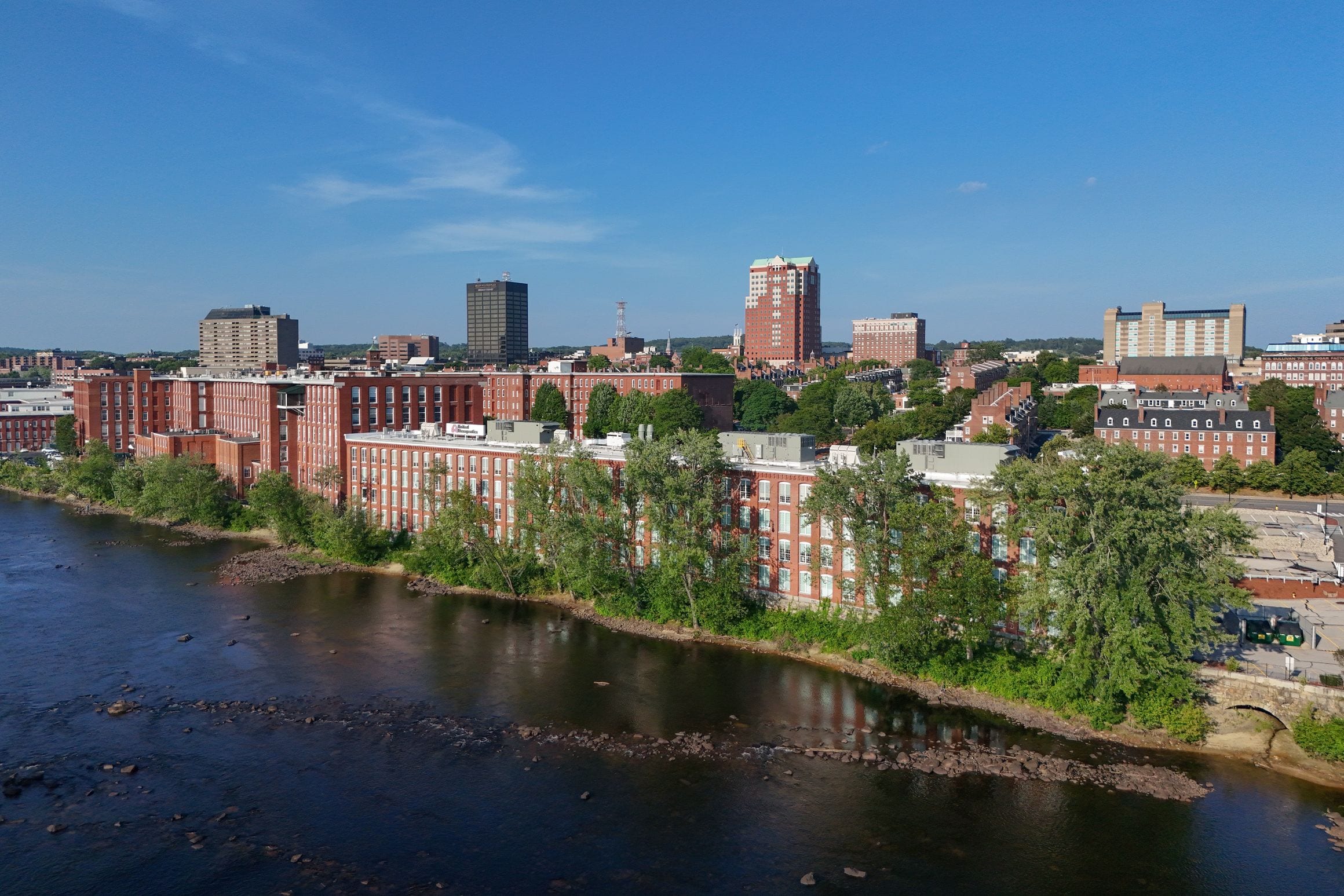
Manchester, New Hampshire, grew up around Amoskeag Falls on the Merrimack River, where a long wall of red-brick textile mills still lines the water. The state's largest city now fills those mills with museums, classrooms and offices, and keeps a lively downtown along Elm Street, about an hour's drive north of Boston.
This guide covers the 20 best things to do in Manchester, from an art museum with its own Frank Lloyd Wright house to minor-league baseball, a city ski hill and lakeside trails. One busy day covers downtown; allow two to add the parks and the lake, or use the city as a base for exploring New Hampshire.
Map of Things to Do in Manchester, New Hampshire
Things to Do in Manchester, New Hampshire
Things to Do in Manchester, New Hampshire at a Glance
Manchester is New Hampshire's most populous city, with 115,644 residents at the 2020 census, far more than the state capital, Concord, just up the Merrimack.
The city was named after Manchester, England: Samuel Blodget dreamed of a great industrial center on the Merrimack, and the town of Derryfield took the new name in 1810.
The Amoskeag Manufacturing Company grew into the largest cotton textile plant in the world during the 19th century, before it went bankrupt in 1935.
The name Amoskeag comes from the Pennacook word Namaoskeag, "good fishing place", for the falls where Native people fished long before the mills arrived.
New Hampshire's motto "Live Free or Die" comes from General John Stark, who closed an 1809 letter with the words; he is buried in Manchester's Stark Park.
The LEGO Millyard at the SEE Science Center holds the Guinness World Record for the largest permanent LEGO minifigure-scale installation, built from about three million bricks.
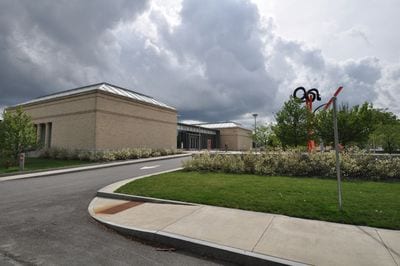
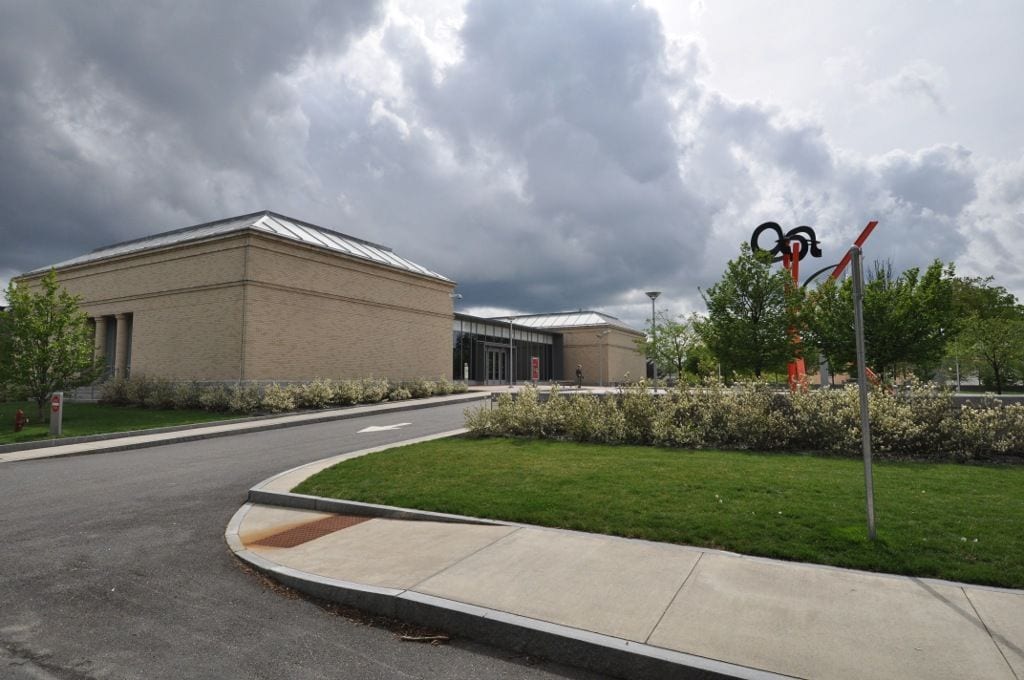
The Currier Museum of Art is the city's cultural anchor, a handsome museum in a quiet neighborhood a few blocks from Elm Street. Its galleries move through European and American painting, decorative arts, photography and sculpture, with works by Picasso, Monet, Georgia O'Keeffe, John Singer Sargent and Andrew Wyeth, so a single visit spans several centuries without ever feeling overwhelming.
The museum is also the gateway to Manchester's two Frank Lloyd Wright houses, since the guided Wright tours leave from here, so it makes sense to plan the two together. Beyond the galleries, the Currier runs tours, live classical music and family days with hands-on activities, which makes it as good a stop with children as it is for a quiet afternoon with the art.
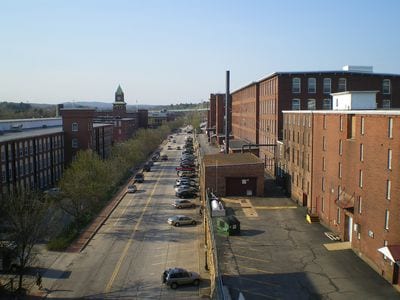
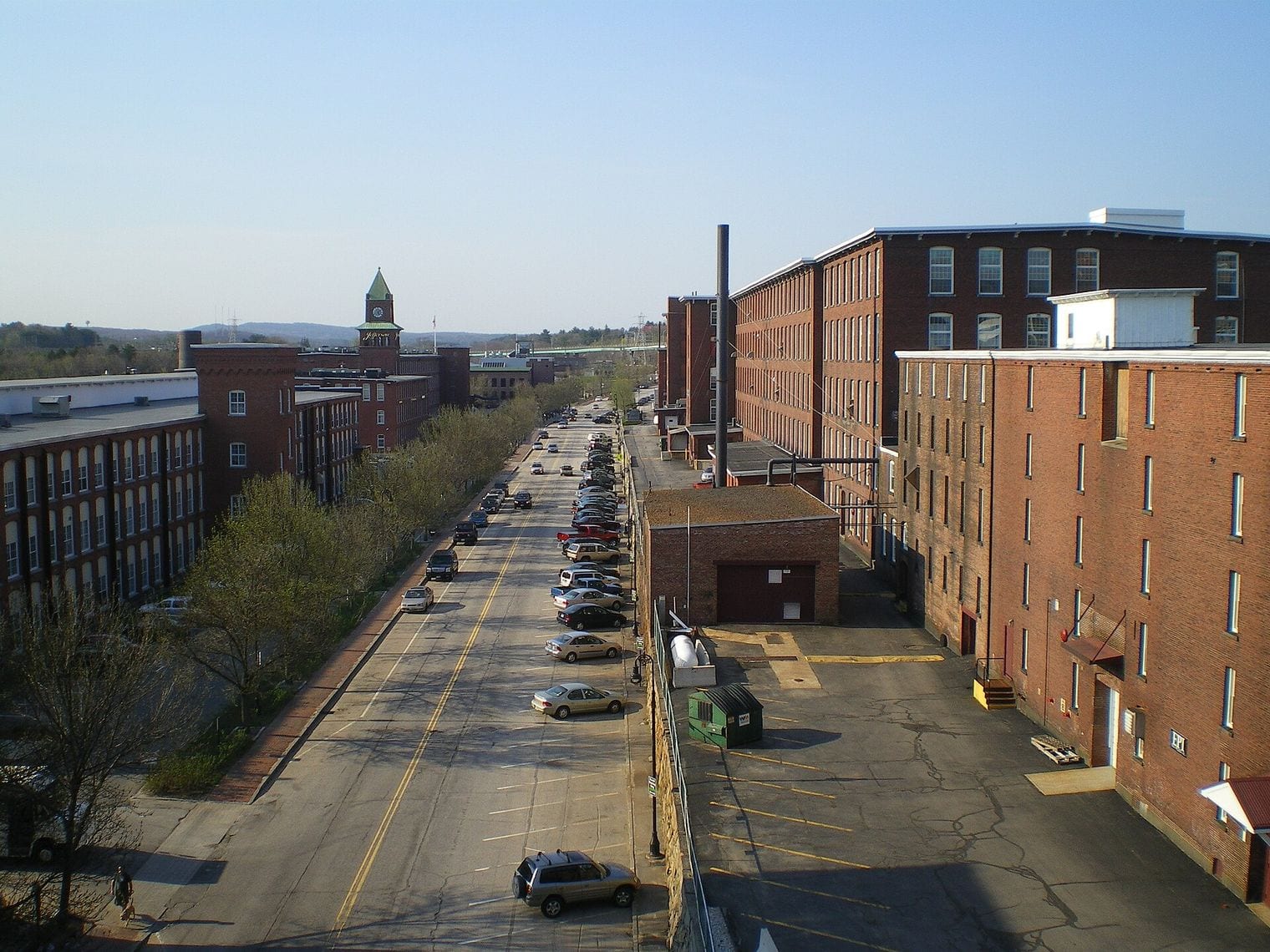
The Millyard Museum, run by the Manchester Historic Association, tells the story that shaped the whole city. It sits inside Mill No. 3 in the Amoskeag Millyard, and its permanent exhibit, Woven in Time, starts with the Native peoples who fished at Amoskeag Falls thousands of years ago before following the farmers, lumbermen and engineers who harnessed the river.
The heart of the story is the Amoskeag Manufacturing Company, which grew through the 19th century into the largest cotton textile plant in the world and drew immigrant workers from across Europe and Quebec before it went bankrupt in 1935. Walk out afterwards along Commercial Street and you can see the same mills, now full of offices, labs and classrooms, stretching along the riverbank.
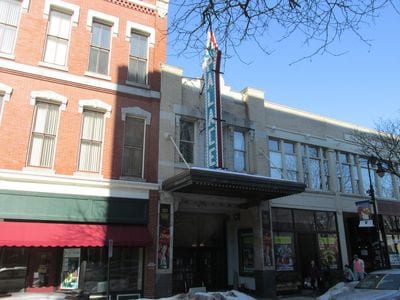
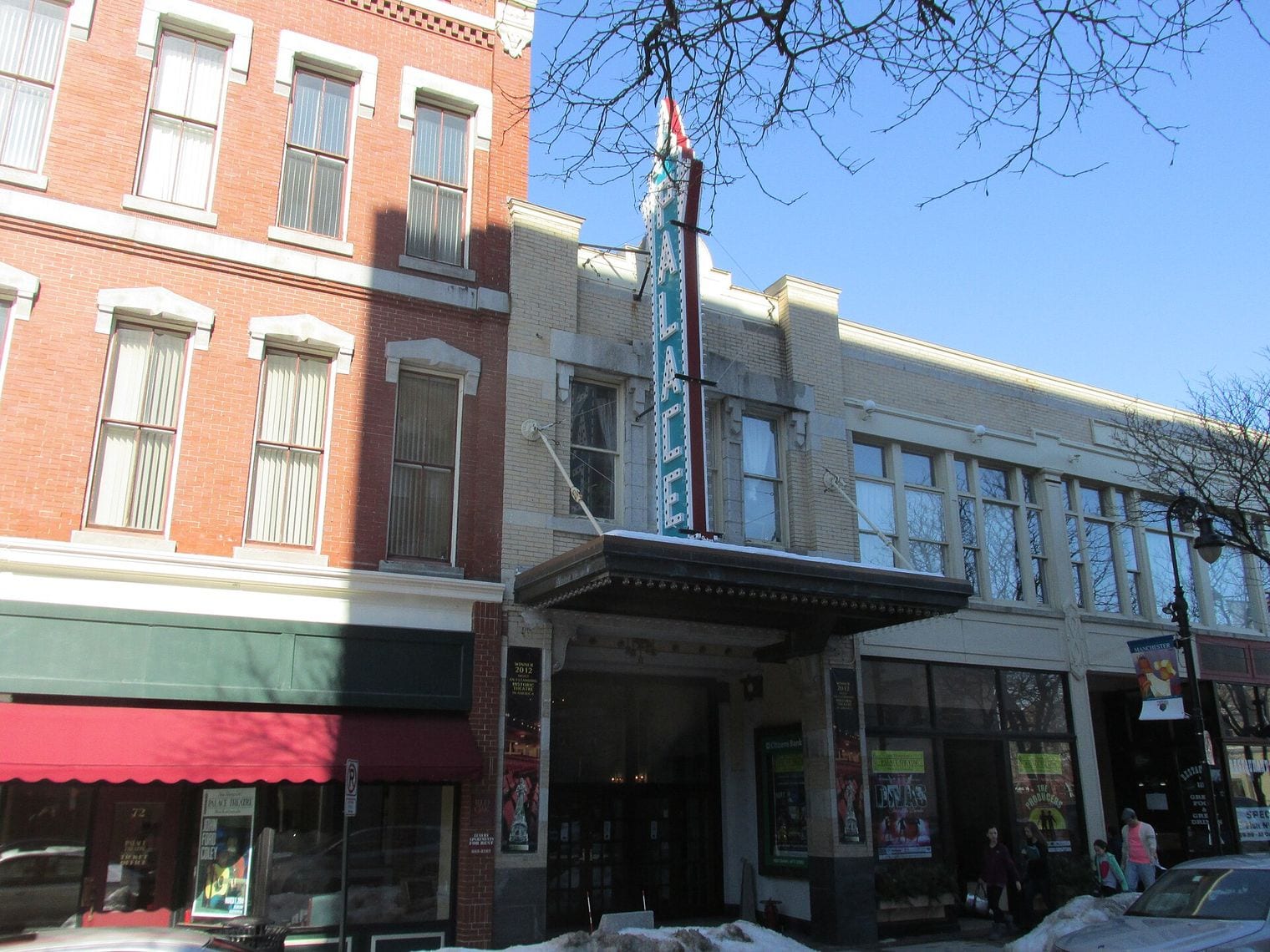
The Palace Theatre opened on Hanover Street in 1914, and in its vaudeville years the stage hosted touring stars such as Harry Houdini and the Marx Brothers. After decades of decline it was restored and reopened in 1974, and the intimate auditorium is once again the city's favorite night out.
The Palace stages its own Broadway-style musicals alongside concerts, comedy, holiday shows and productions by its youth theatre programs, so there is usually something on whatever the season. Its smaller sister venue, the Rex Theatre on Amherst Street, books more intimate concerts and comedy nights, and both sit within a short walk of the restaurants on Elm Street.
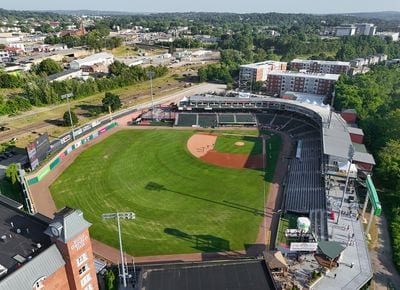
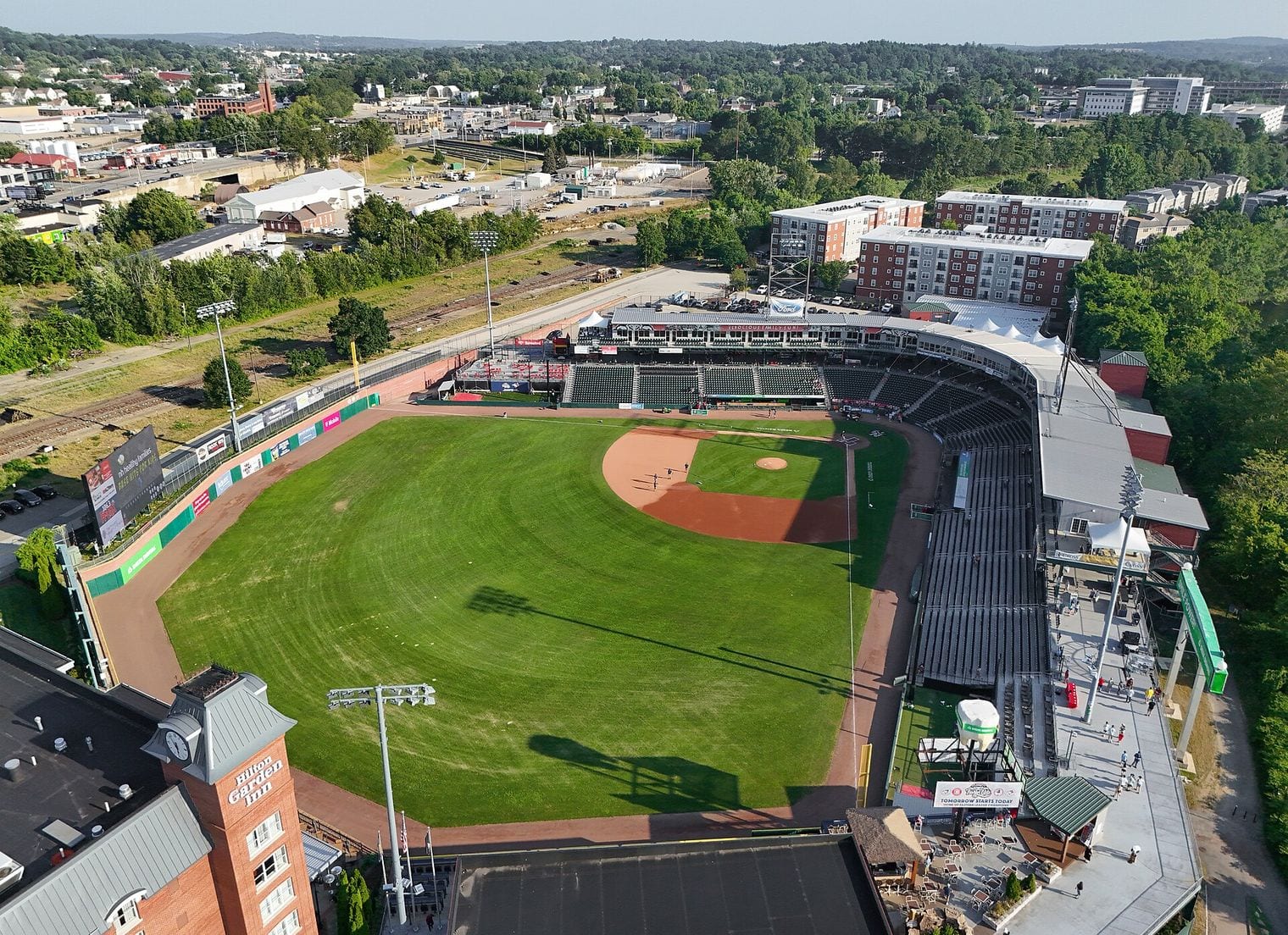
Delta Dental Stadium is home to the New Hampshire Fisher Cats, the Double-A affiliate of the Toronto Blue Jays, and it is one of the most enjoyable ways to spend a summer evening in the city. The ballpark sits downtown on the bank of the Merrimack River, faces back toward the city's skyline, and holds about 6,500 fans, so every seat is close to the action.
Minor-league baseball here is relaxed and family-friendly, with between-innings games, promotions and plenty of chances to watch tomorrow's big-league players up close. The stadium opened in 2005 and also hosts concerts and community events, and its riverside setting puts it within easy walking distance of the downtown hotels and the Elm Street restaurants.
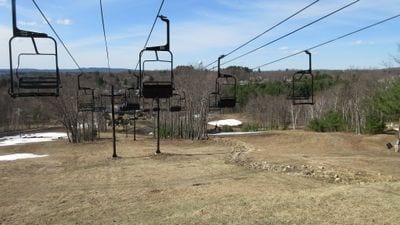
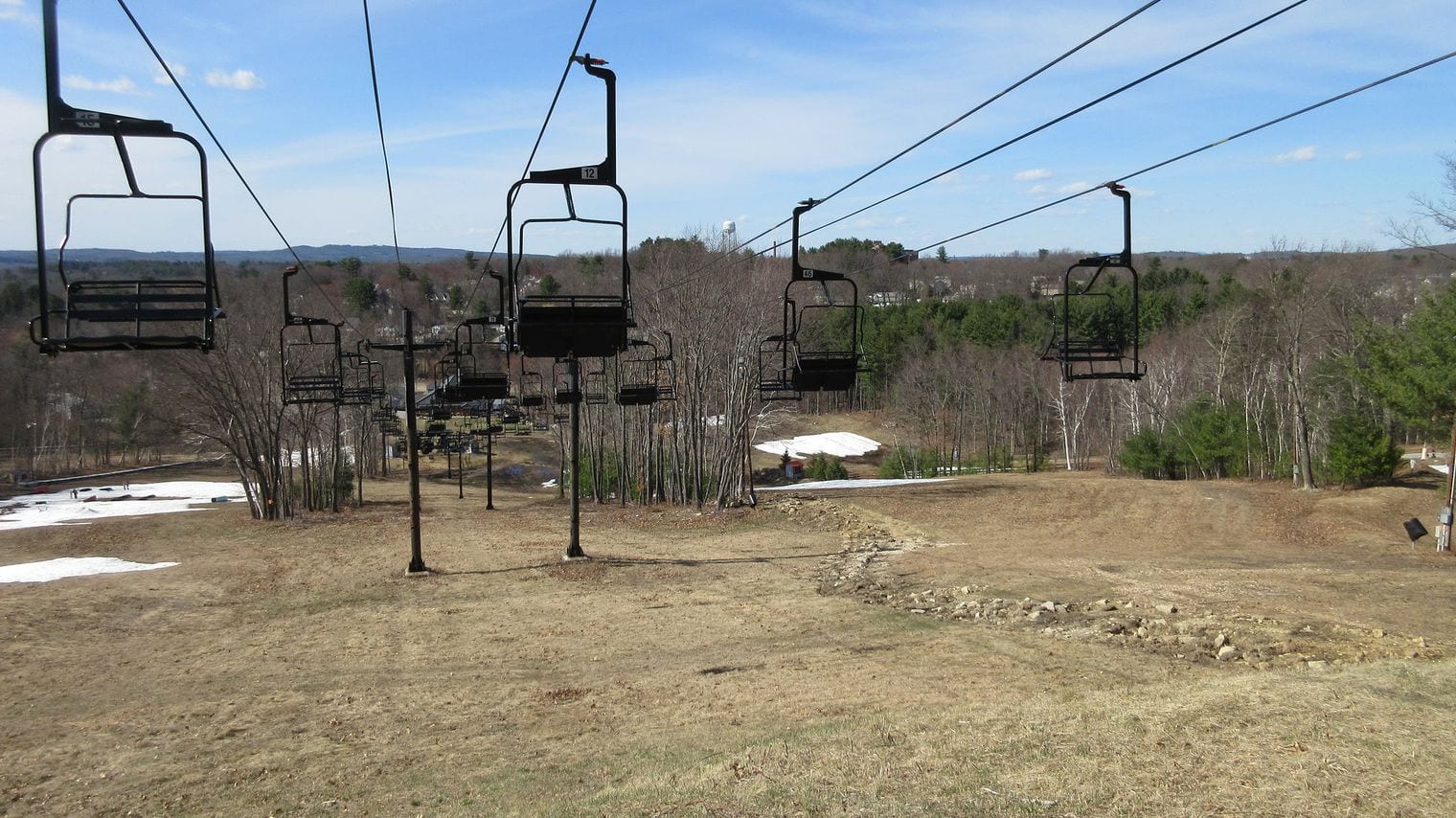
McIntyre Ski Area is a genuine ski hill inside city limits, set beside Derryfield Park and open since 1971. It is small, with around 200 vertical feet of terrain, two double chairlifts and gentle learning slopes, but that is exactly its appeal: you can be on snow minutes after leaving downtown.
Night skiing and snowmaking keep the season going through the heart of winter, and its ski school has taught generations of local children their first turns. Even if you do not ski, the snow tubing hill is a cheerful way to spend a winter evening, and the lodge makes an easy base for families with mixed abilities.
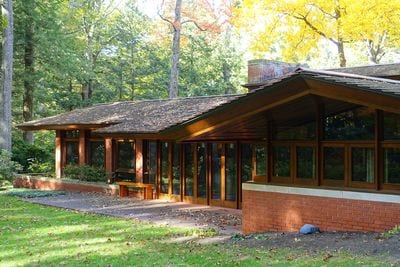
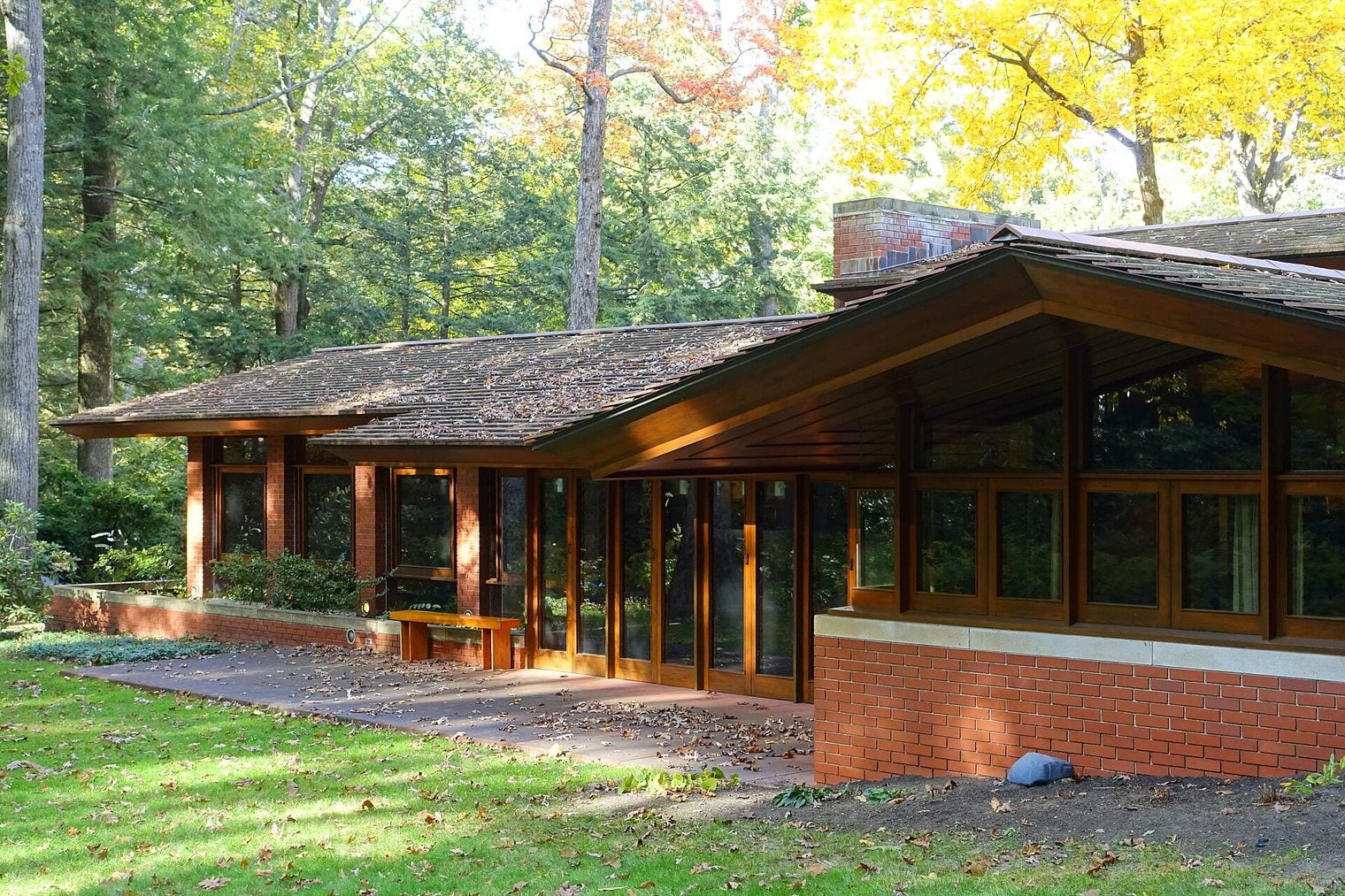
The Zimmerman House is a rare chance to step inside a Frank Lloyd Wright home in New England. Wright designed it in 1950 in his Usonian style for Dr. Isadore and Lucille Zimmerman, and it was built in 1951 on Heather Street in the North End, with Wright designing the furniture and furnishings as well as the house itself.
The Zimmermans left the house to the public, and the Currier Museum of Art now opens it on guided tours that leave from the museum. The tour also visits the Toufic H. Kalil House, a second Wright design built in 1955 on the same street, a rare chance to compare two of his houses in a single visit. Booking ahead is strongly recommended.
The SEE Science Center fills part of a historic mill building in the Amoskeag Millyard with hands-on science exhibits, from electricity and motion to a crackling Van de Graaff generator. It is designed for children to touch, build and experiment, which makes it one of the best rainy-day stops in Manchester for families.
Its showpiece is the LEGO Millyard, a model of the mills as they might have looked around 1900, built from about three million LEGO bricks and peopled with thousands of minifigures. Guinness World Records lists it as the largest permanent LEGO minifigure-scale installation, and spotting the tiny details on the canals, mills and streets can keep children and adults busy for longer than you might expect.
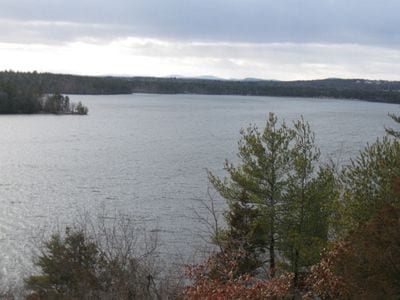
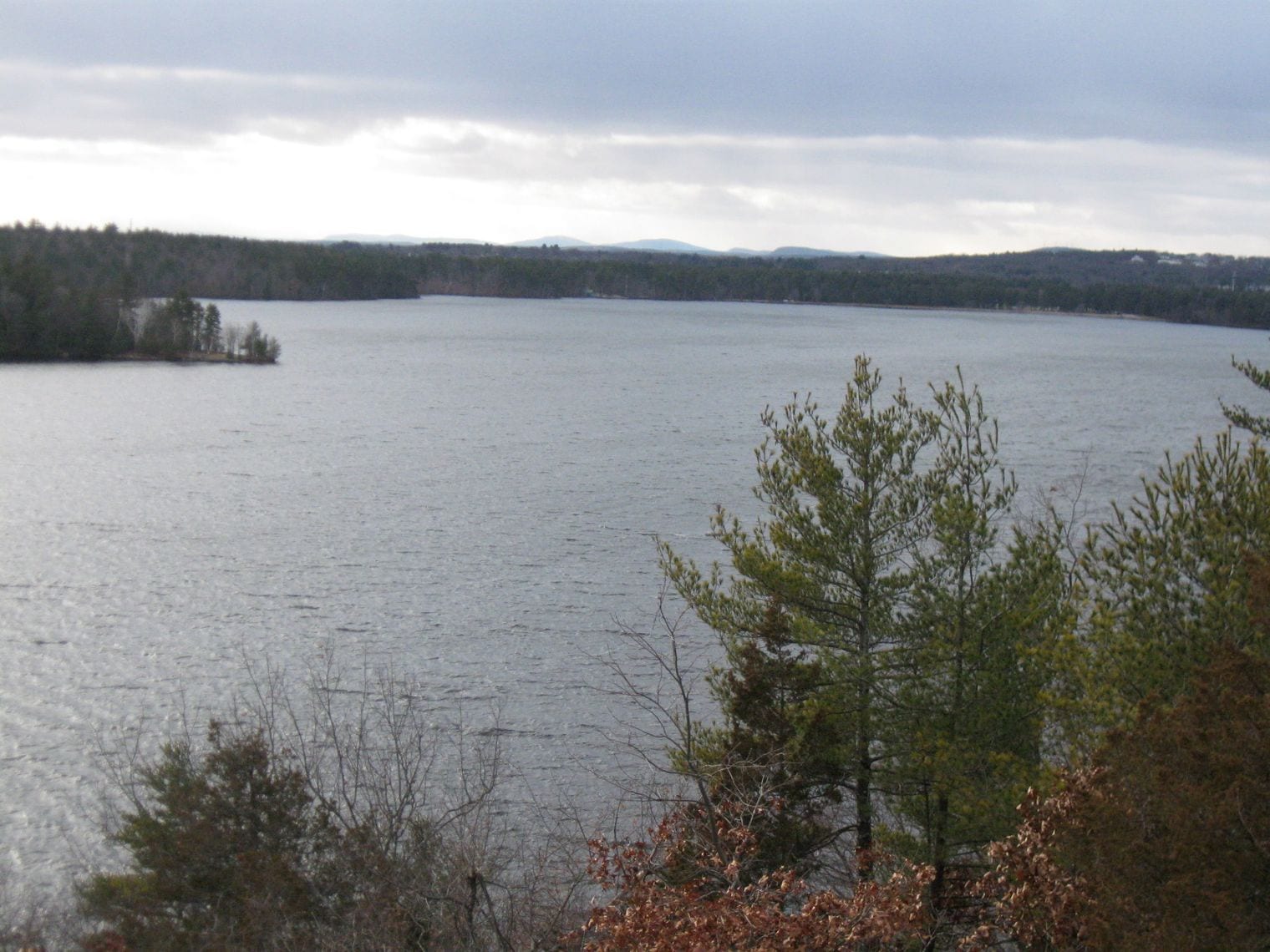
Massabesic Lake covers about 2,560 acres on the city's eastern edge, straddling the line between Manchester and the neighboring town of Auburn. Its name comes from an Abenaki word meaning "at the great water," and its wooded shores and wide views make it the city's favorite escape on a summer afternoon.
Because the lake supplies Manchester's drinking water, swimming and water skiing are not allowed, but sailing, kayaking and fishing are all popular. Trails follow parts of the shoreline through the surrounding forest, and the Massabesic Audubon Center, on the Auburn side, is a good place to learn about the birds and wildlife that live around the water.
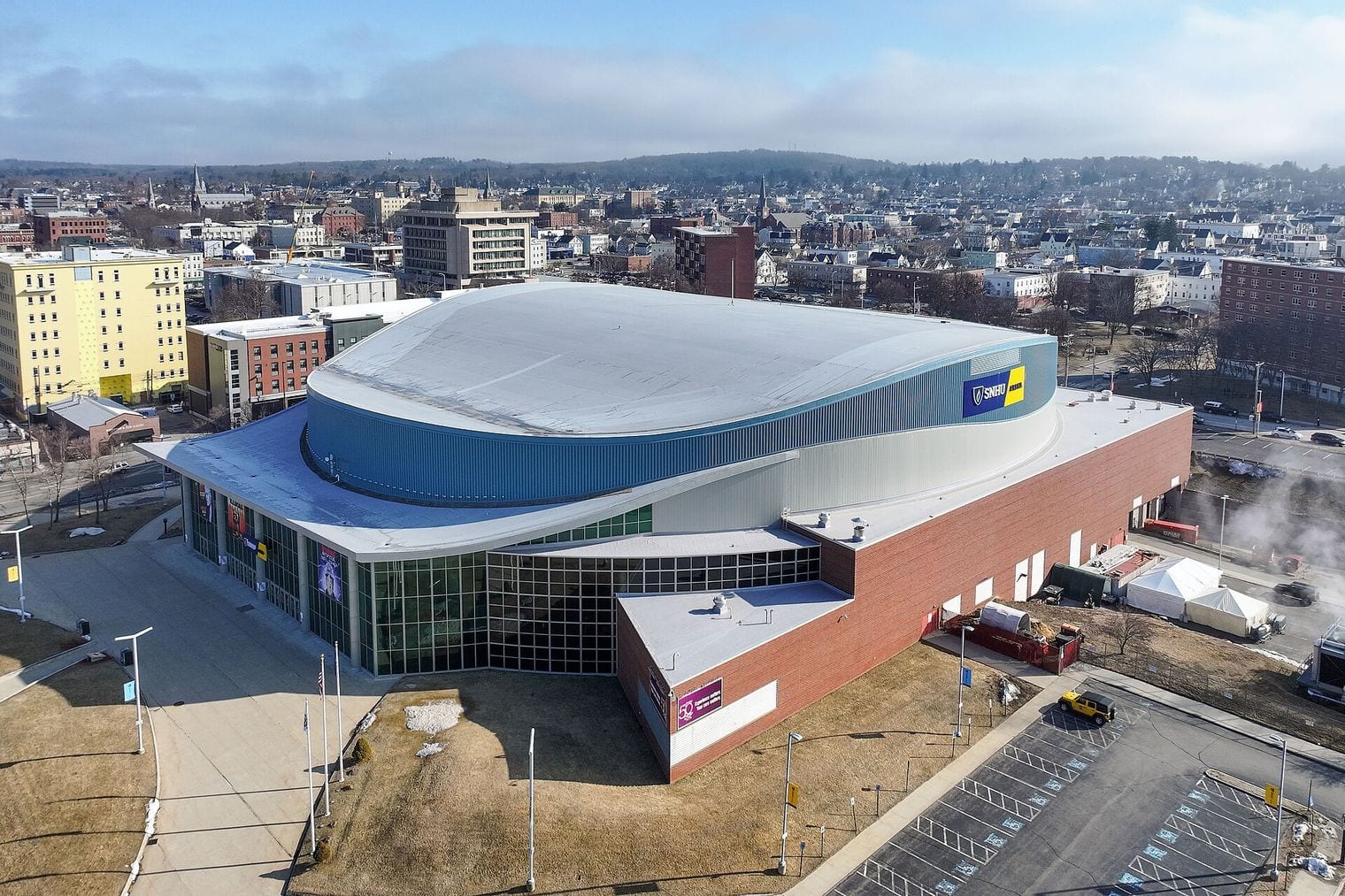
The SNHU Arena is Manchester's big downtown arena, holding up to about 11,770 people for concerts on Elm Street downtown. It opened in 2001, and many local signs still point to it by its construction-era name, the Manchester Civic Center.
The calendar mixes touring concerts, family shows, wrestling, college sports and fan conventions, and for many years it was home ice for the Manchester Monarchs hockey team. Its central location means you can walk to dinner beforehand and still be in your seat on time, which makes an event here an easy way to round off a day downtown.
Free printable checklist of all 20 places
Tick them off as you go. Confirm your email to download it, plus one email every Thursday with new guides for the places you tick.
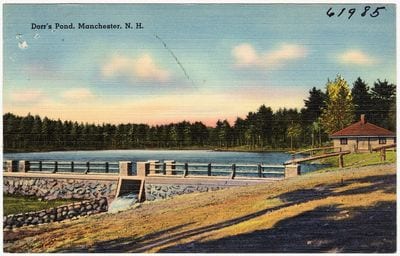
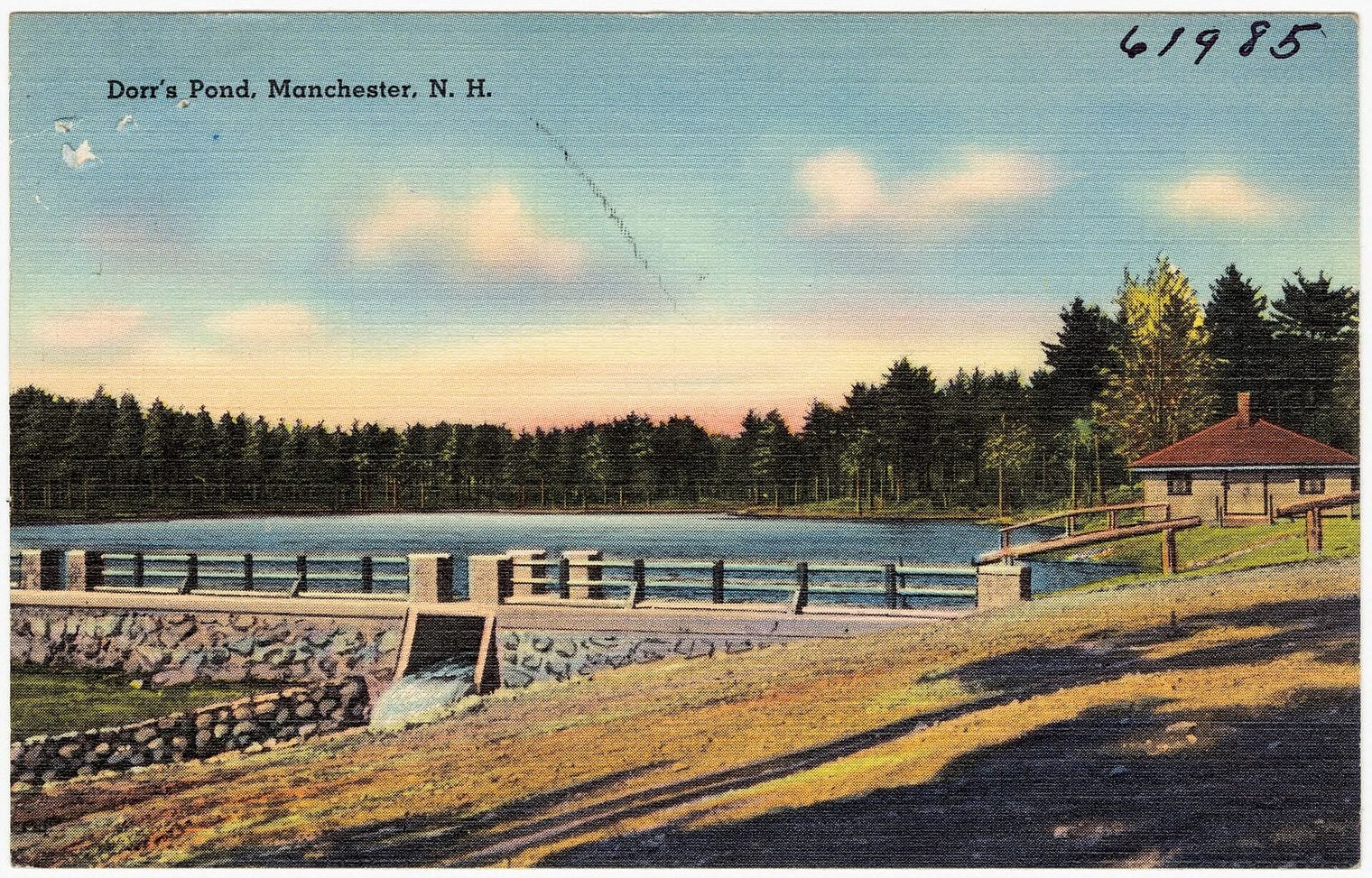
Livingston Park spreads across about 131 acres in Manchester's North End, and its centerpiece is Dorrs Pond, a quiet pond ringed by woods. An easy loop of just under a mile circles the water, with boardwalk sections over the wetlands, making it a favorite with local walkers, runners and birdwatchers.
In summer the park's outdoor pool, with its water features and slide, draws families, while anglers try their luck at the pond. Winter brings ice skating on Dorrs Pond when conditions allow, and the sports fields and playgrounds keep the park busy in every season, so it is a good place to see everyday Manchester at play.
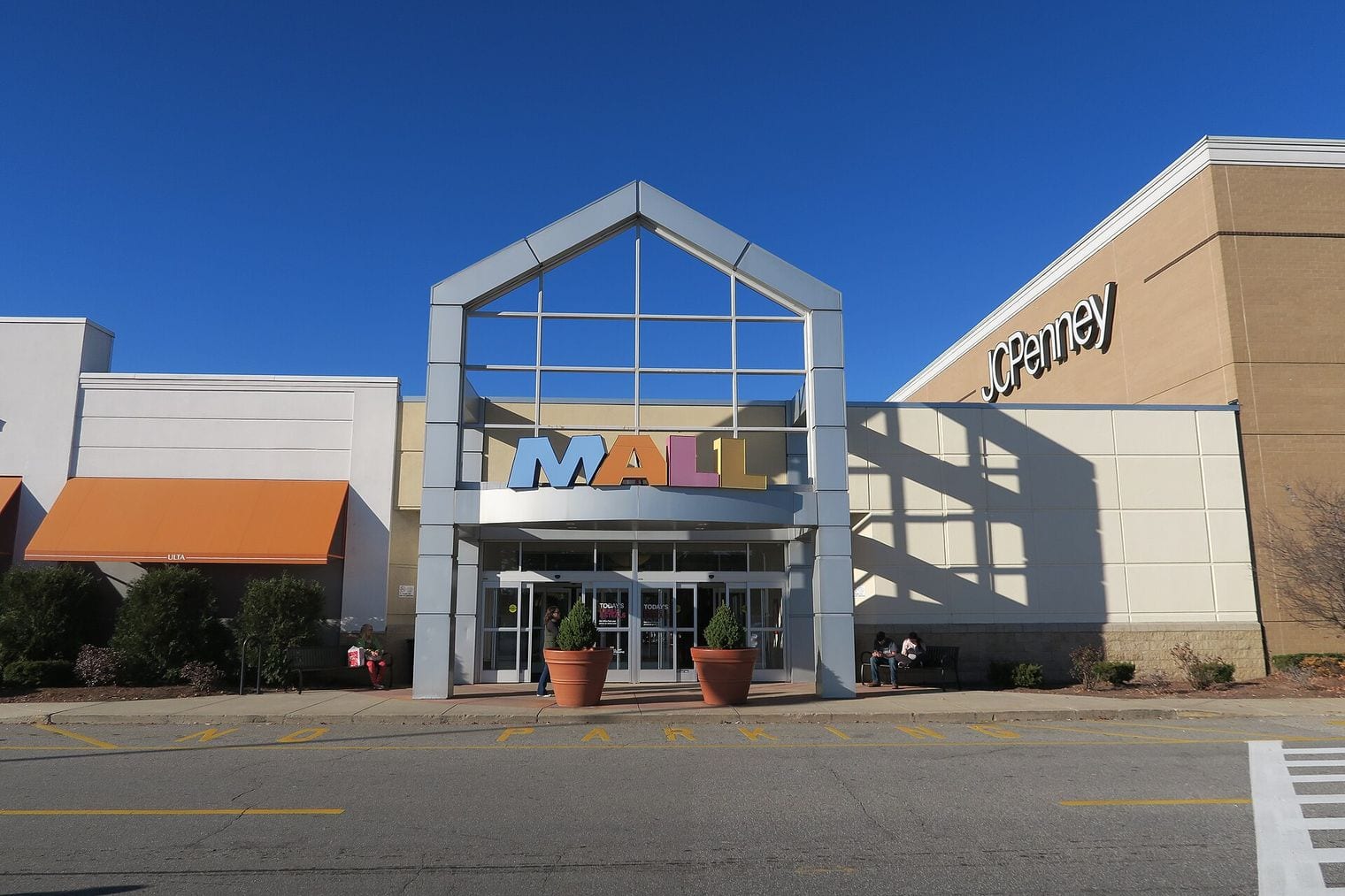
The Mall of New Hampshire, on South Willow Street, opened in 1977 as the state's first large-scale shopping mall and has grown into a regional shopping hub of more than a hundred stores, with a large food court and plenty of national chains under one roof.
New Hampshire has no general sales tax, which is part of the reason shoppers drive up from Massachusetts and beyond. The mall sits at the center of the busy South Willow Street retail strip near the airport, so it pairs easily with a rainy afternoon, a last-minute errand before a flight or a family entertainment stop inside.
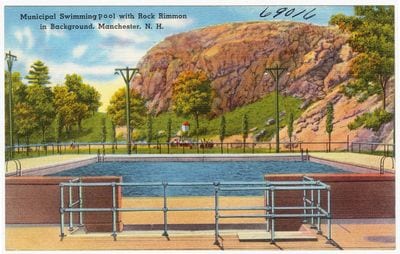
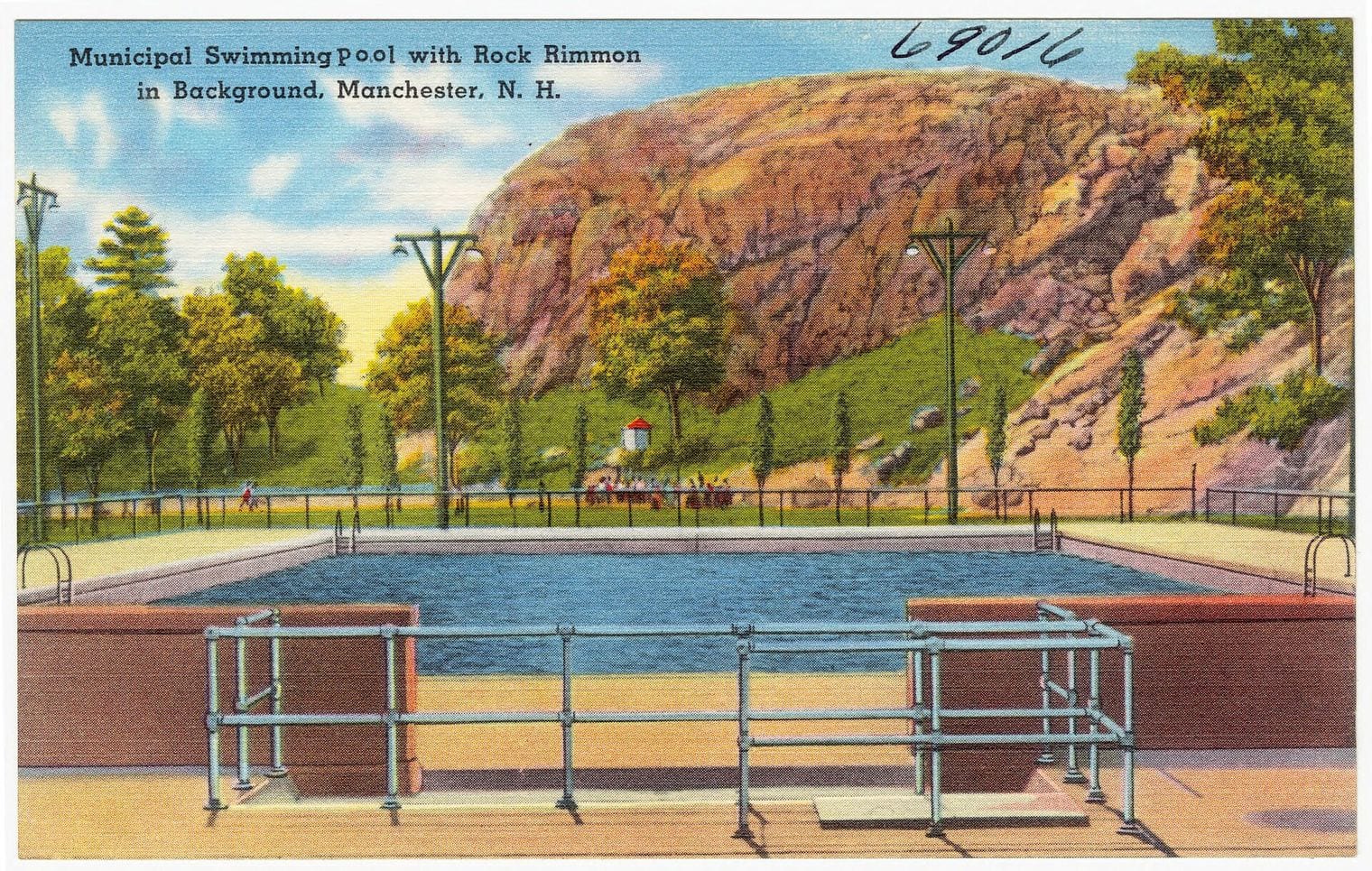
Rock Rimmon Park on the city's West Side is built around a dramatic granite ledge that rises straight out of the neighborhood. A short, steep walk leads to the top, where flat rocks make a perfect picnic spot and the views sweep across Manchester, with the Uncanoonuc Mountains rising to the west.
The cliff is also one of the area's favorite climbing crags, with top-rope routes that suit beginners as well as harder lines for experienced climbers. At the foot of the rock, a public pool, playground and courts make Rock Rimmon Park a full afternoon out for families, even if only some of the group heads up the ledge.
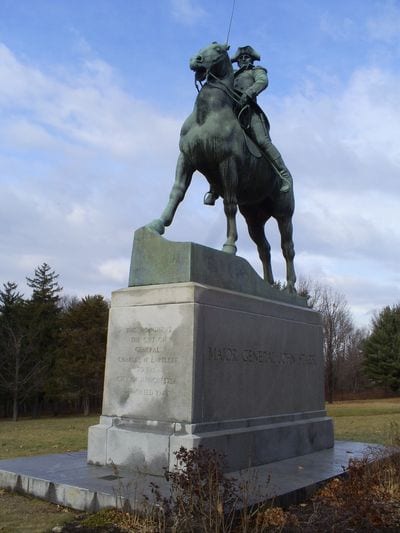
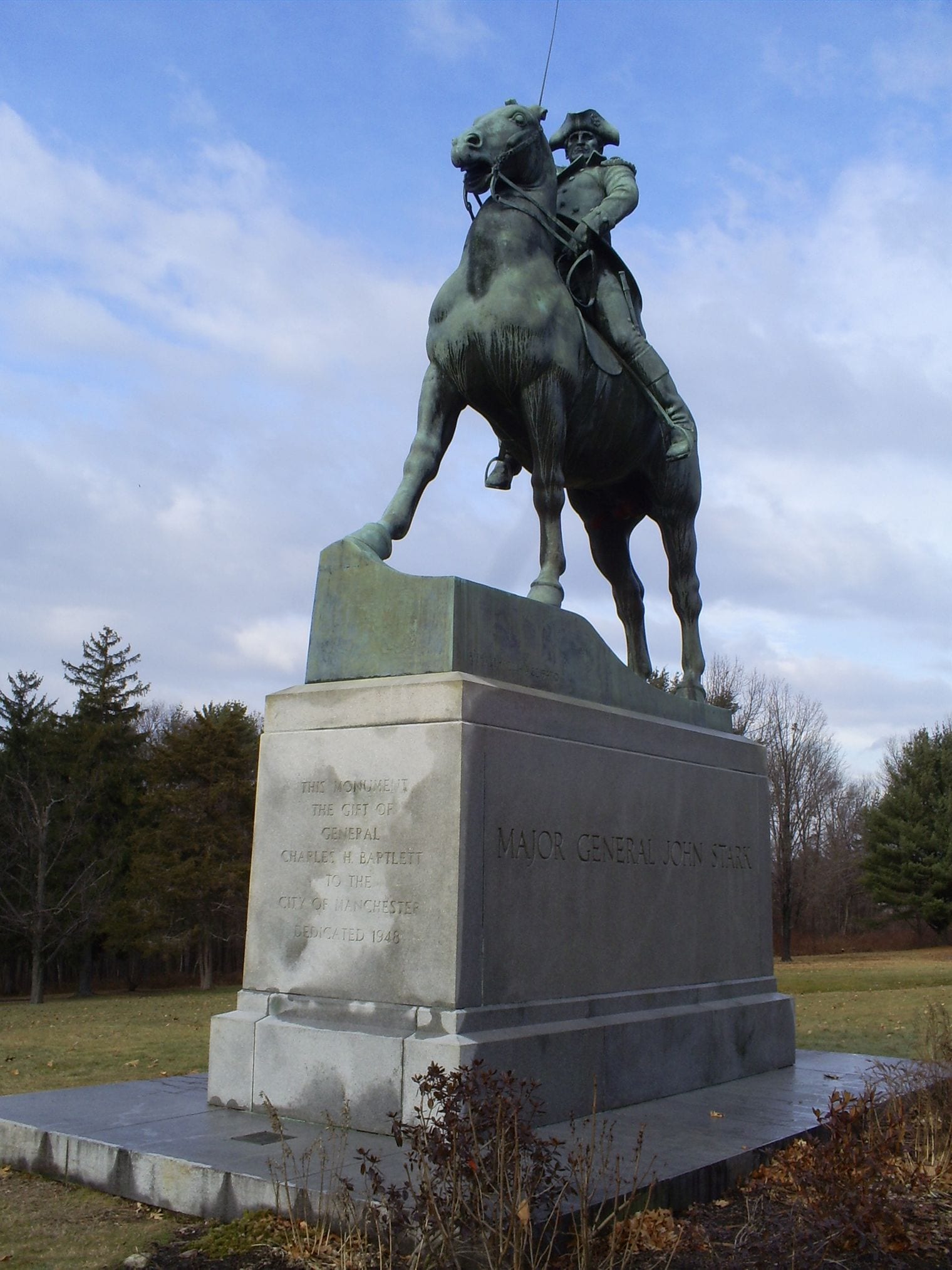
Stark Park is a 30-acre park on the north side of the city, between River Road and the Merrimack River, on land that was once part of the farm of Revolutionary War hero General John Stark. Its centerpieces are the Stark family burial ground, where the general lies, and a 1948 bronze equestrian statue of Stark by sculptor Richard Henry Recchia.
Stark is the reason New Hampshire's license plates read "Live Free or Die": the words close a letter he sent to his old comrades in 1809, and the phrase became the state motto in 1945. Beyond the history, the park's lawns, paths and riverside woods make it a peaceful spot for a walk or a picnic.
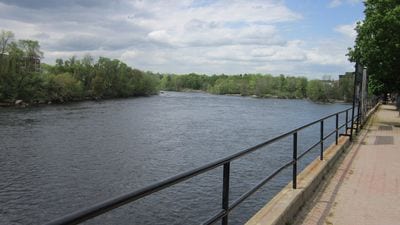
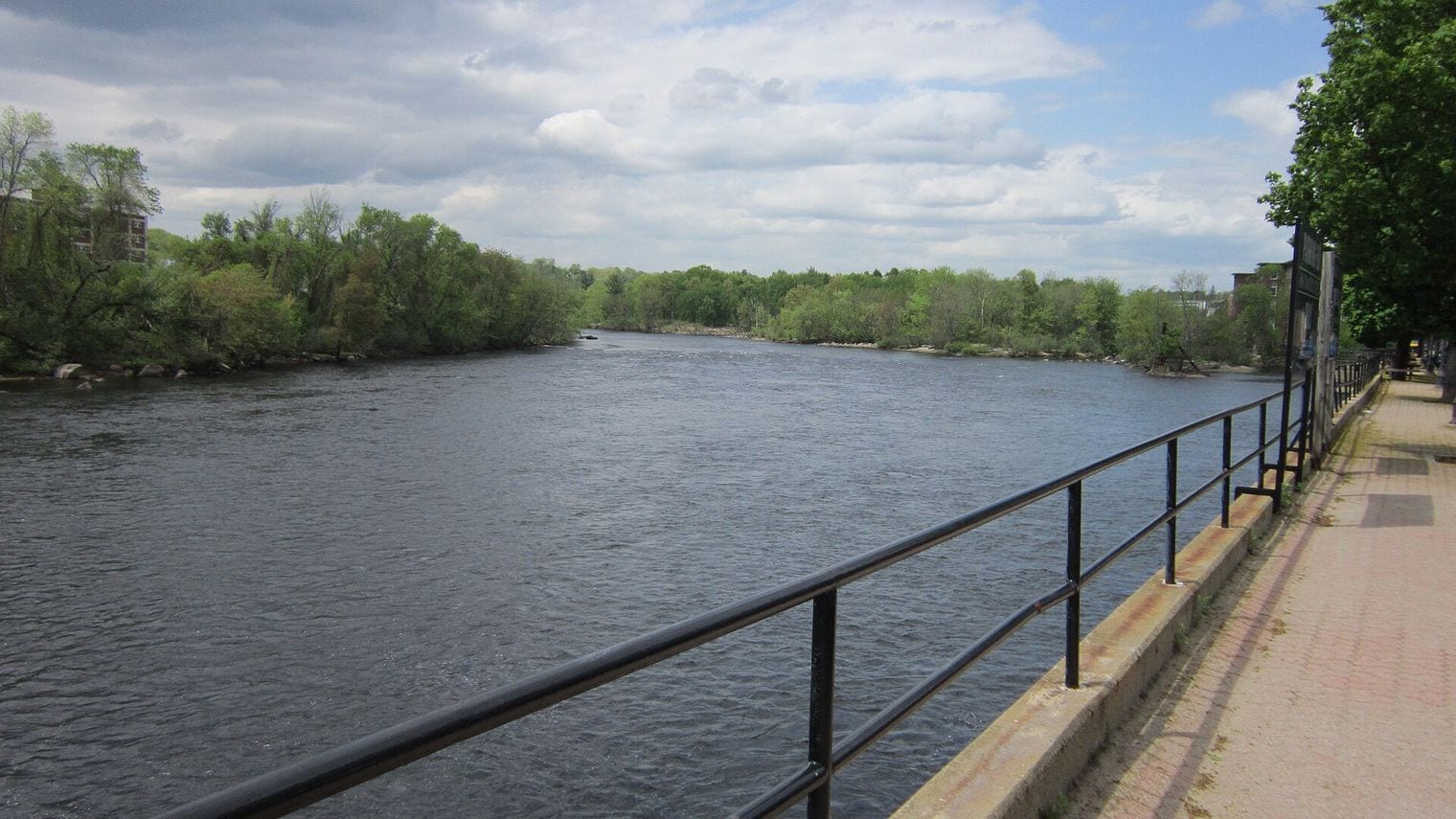
Arms Park is a strip of riverside green below the mills, between Commercial Street and the Merrimack, and the easiest place to see the Amoskeag Millyard from the water's edge. Look up from the river and the long brick facades rise above you; look upriver and you can follow the water toward Amoskeag Falls and the dam that once powered the mills.
The paved Riverwalk section of the Heritage Trail runs through the park, making it an easy stroll before or after a visit to the museums in the Millyard. The park's parking lot is also a handy place to leave the car while exploring the area on foot, and late-afternoon light on the mill walls makes it a rewarding spot for photographers.
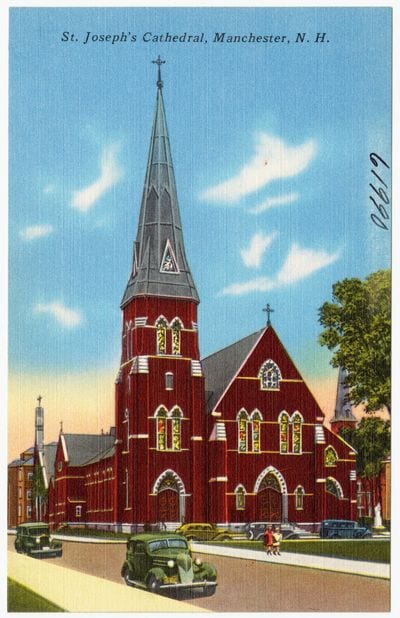
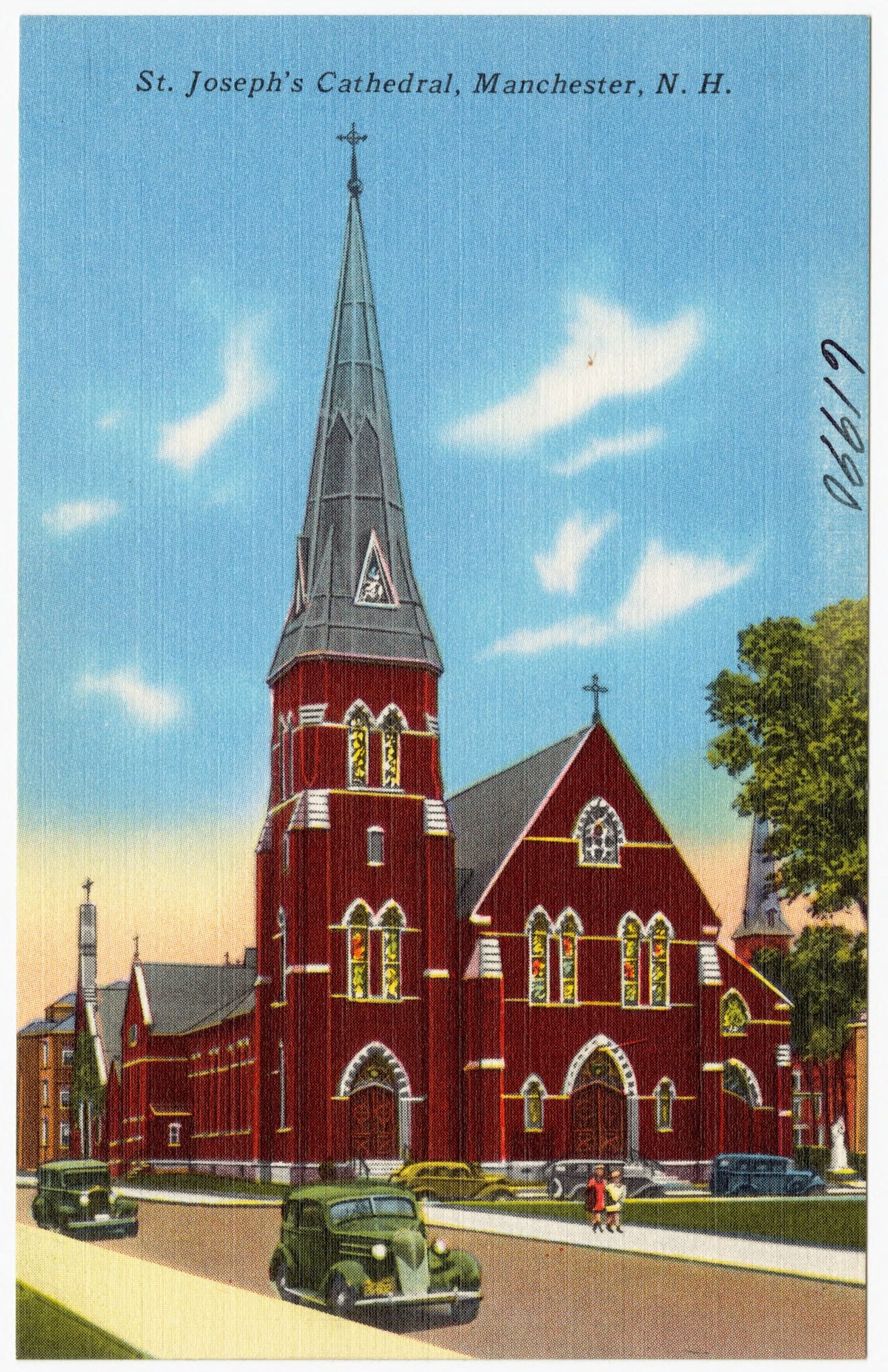
Saint Joseph Cathedral, on Lowell Street downtown, is the mother church of the Roman Catholic Diocese of Manchester. The parish was founded in 1869 to serve the city's Irish immigrants, and when the diocese was created in 1884 the church became its cathedral.
The cathedral is a reminder of how the mill economy drew Catholic workers from Ireland, Quebec and beyond. Its location, a short walk from Elm Street, makes it an easy addition to a downtown stroll, and it is a fine place to hear Mass in a historic setting.
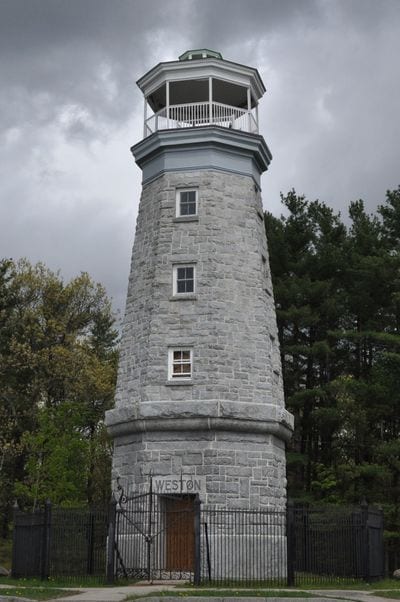
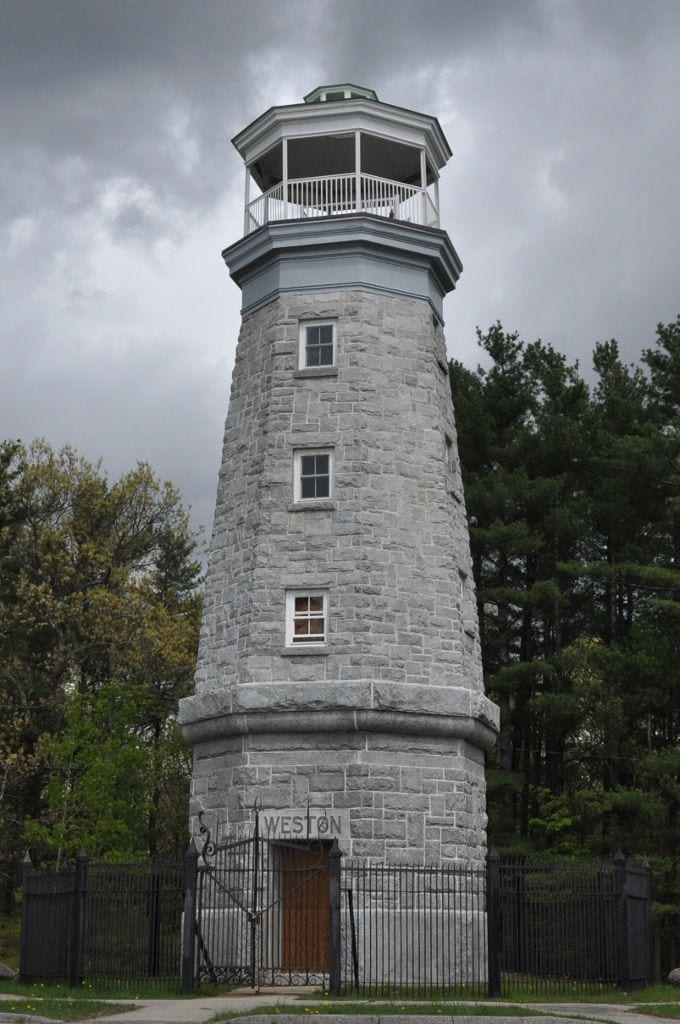
Derryfield Park climbs Oak Hill on the city's east side, and its open slopes give some of the best views over Manchester, the Merrimack valley and the hills beyond. On the summit stands the Weston Observatory, a granite tower built in 1897 and given to the city by James A. Weston, a Manchester native who served twice as governor of New Hampshire.
The park itself is open year-round for walks, picnics and the city view, and it borders McIntyre Ski Area. The tower is usually closed, but the Manchester Historic Association opens it on a few fall-foliage weekends, when the climb to the top rewards visitors with a panorama of autumn color in every direction.
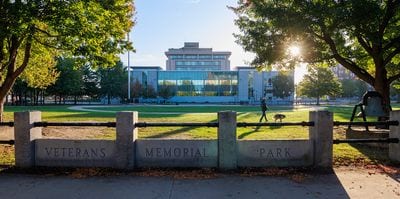
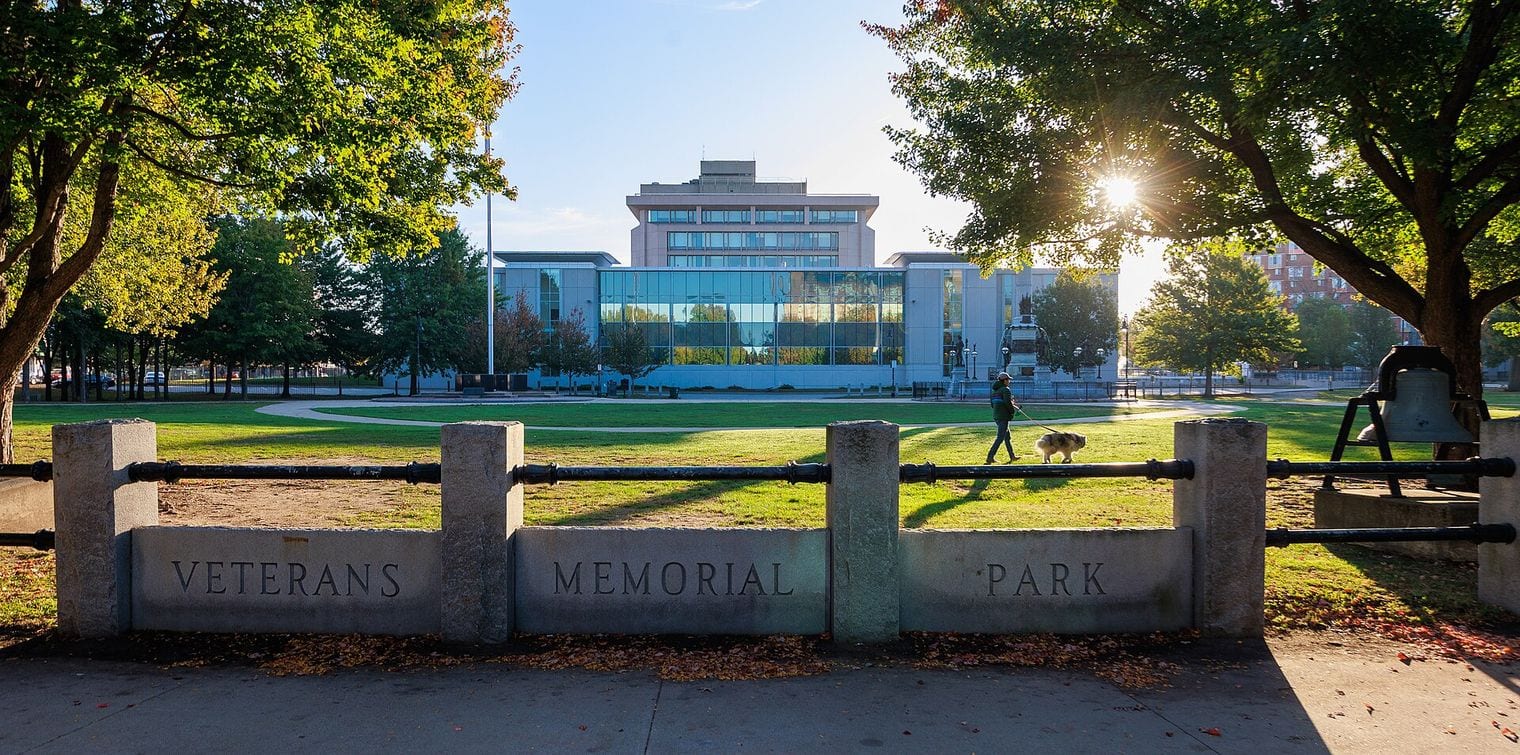
Veterans Memorial Park is a green square on Elm Street downtown, and it serves as the city's main place of remembrance. Its oldest landmark is a towering Civil War soldiers' monument whose cornerstone was laid in 1878, and later memorials honor the veterans of World War II, Vietnam, the Gulf conflicts and those still listed as prisoners of war or missing in action.
The park is the focus of the city's Memorial Day observances, when the parade and wreath-laying draw crowds downtown. Benches and shade trees make Veterans Memorial Park a pleasant pause on a walk along Elm Street, a short walk from the shops, cafés and the SNHU Arena.
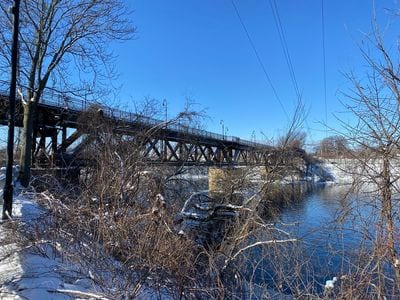
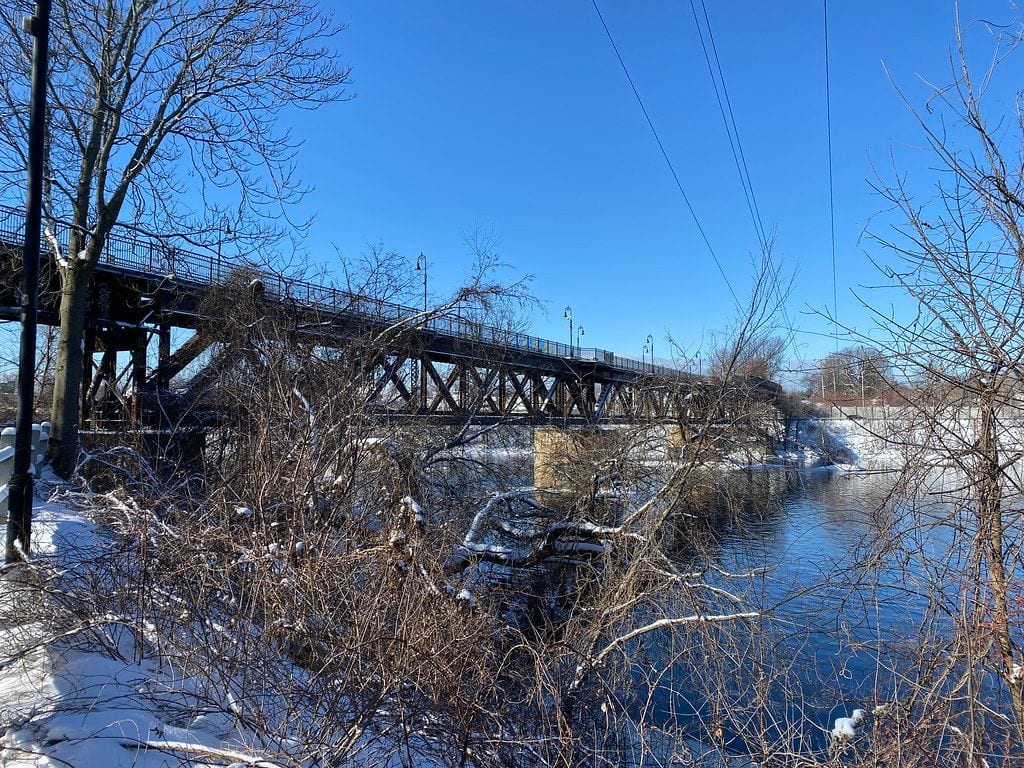
The Hands Across the Merrimack Footbridge turns an old Boston and Maine railroad truss bridge into one of Manchester's best walks. A citizens' group began the campaign in 2001, and the converted bridge opened to walkers and cyclists in 2008, carrying a wide wooden deck over the highway and then the river.
From the middle you get broad views up and down the Merrimack, toward the ballpark and the downtown skyline. The bridge links the West Side to downtown and connects with the Piscataquog Trail, a rail trail that heads west through the neighborhoods, so it is easy to fold into a longer walk or bike ride.
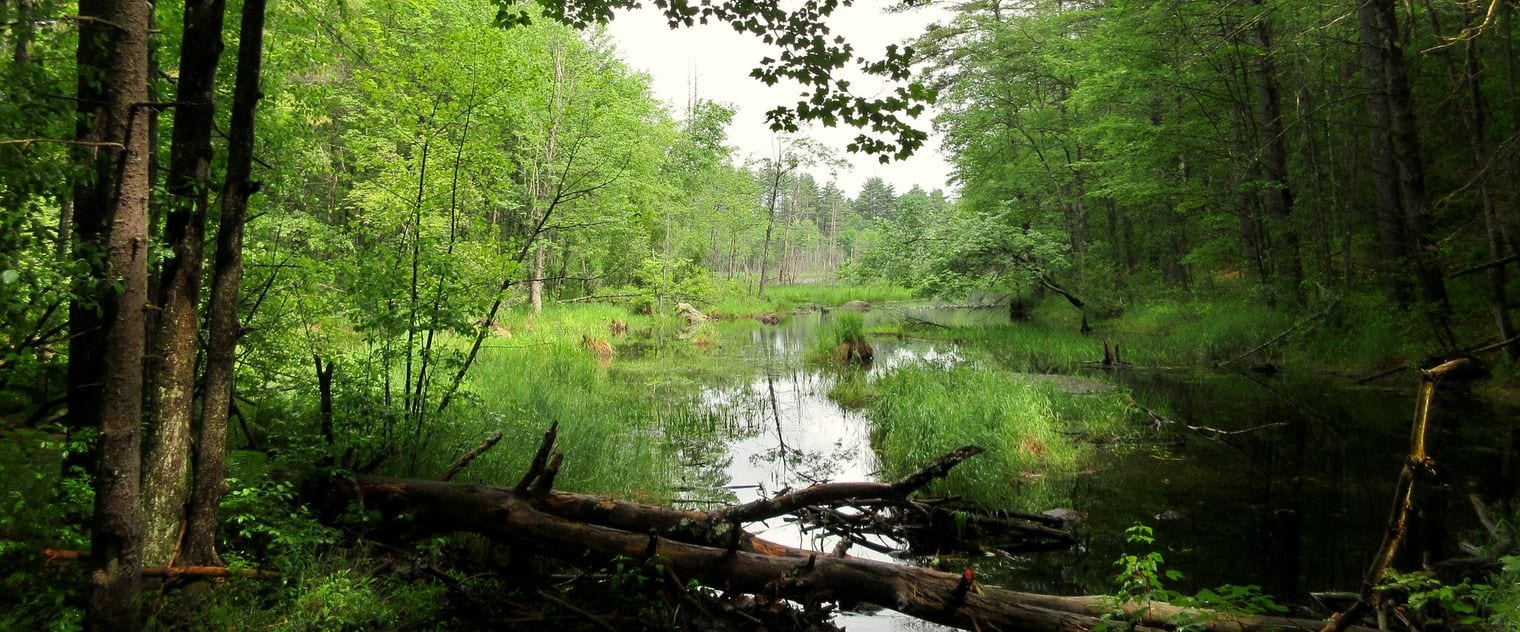
The Manchester Cedar Swamp Preserve, protected by The Nature Conservancy, covers about 640 acres in the Hackett Hill area west of the Merrimack and is the largest conservation area in the city. At its heart is a globally rare swamp of Atlantic white cedar and giant rhododendron, along with black gum trees that are more than 450 years old.
The 1.2-mile All Persons Trail was built with a wide, gentle surface and boardwalk sections so that visitors of all abilities can reach the swamp, and shorter loops branch off toward the cedars and rhododendrons. Come in summer, when the rhododendrons bloom, or on a quiet fall morning when the woods are full of birdsong.
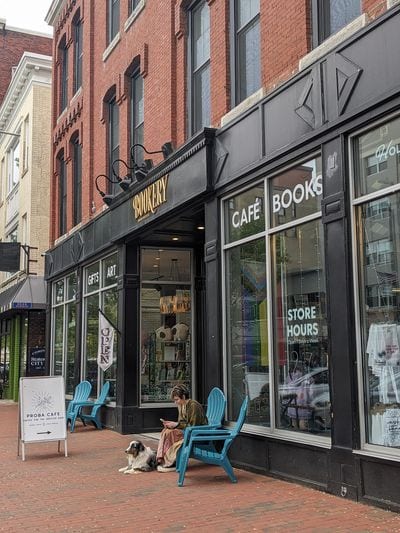
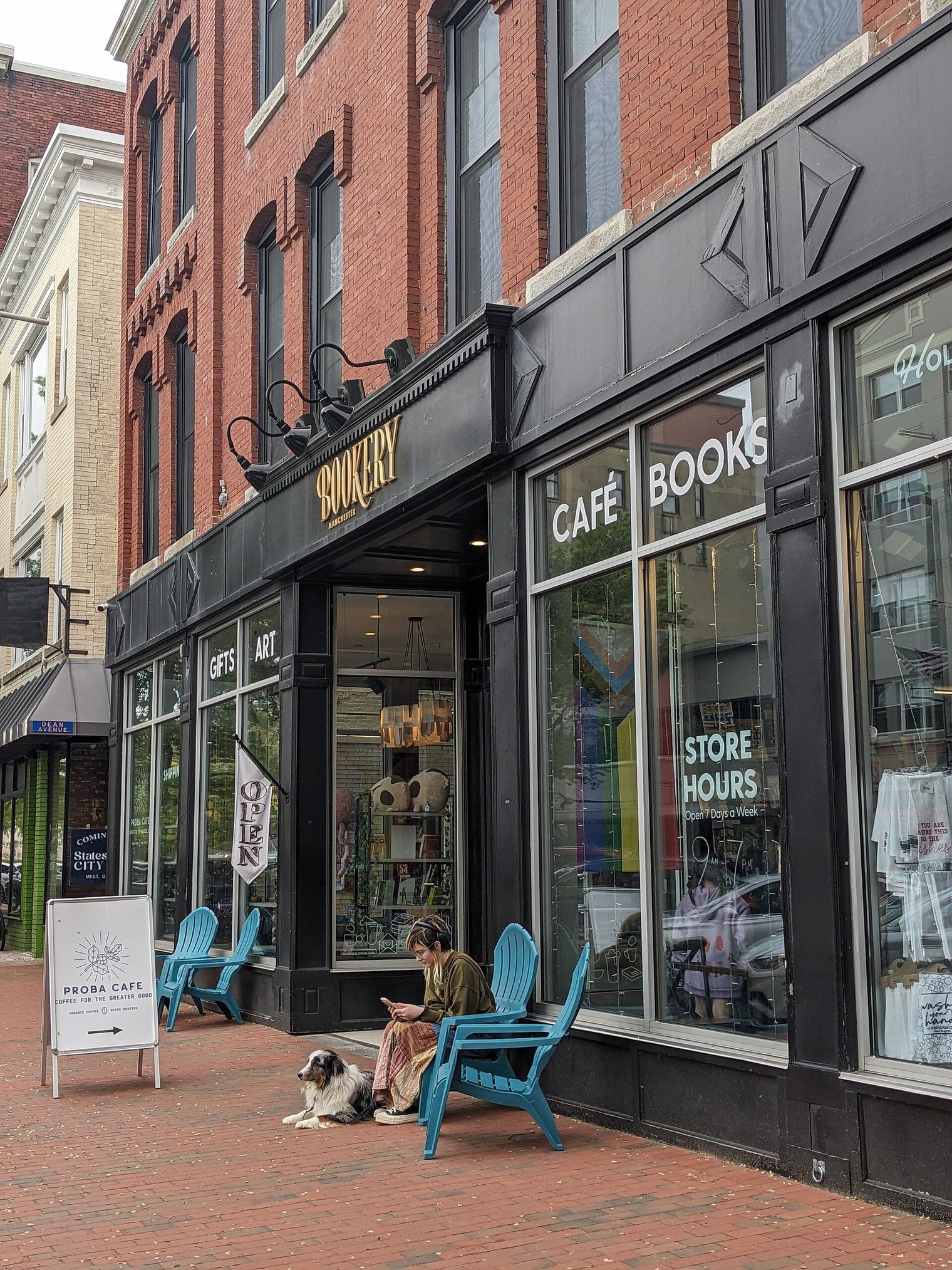
The Bookery is an independent bookstore and café at 844 Elm Street, opened in 2018 in the heart of downtown. Its shelves of new books sit alongside a coffee counter and comfortable corners, which makes it an easy place to spend an hour browsing or warming up on a cold day.
The Bookery also hosts author readings, book clubs and community events, and in the run-up to New Hampshire's first-in-the-nation presidential primary it has become a regular stop for candidates meeting voters. For visitors, it is a good place to pick up a local history or a book by a New England writer.
Plan your trip
Best Time to Visit Manchester
Summer and early fall are Manchester's best seasons. The Fisher Cats play at Delta Dental Stadium, sailboats and kayaks dot Massabesic Lake, and the trails at Livingston Park and the Cedar Swamp Preserve are at their greenest. Fall brings foliage color to Derryfield Park and Stark Park, and on a few autumn weekends the Weston Observatory tower opens for the view.
Winters are cold and snowy, which is good news at McIntyre Ski Area and for skating on Dorrs Pond, while the Currier, the Millyard museums and the Palace Theatre carry the indoor days. Every four years, the run-up to New Hampshire's first-in-the-nation presidential primary fills downtown with candidates, campaign events and national media.
Getting to Manchester
Manchester sits on Interstate 93 in southern New Hampshire, with Interstate 293 and the F.E. Everett Turnpike looping along the Merrimack through the west of the city, so most visitors arrive by car: Boston is about an hour south, Concord about 20 minutes north, and Route 101 runs east to the Seacoast.
Manchester-Boston Regional Airport is on the city's south side, a short drive from downtown, and Boston Logan International is about an hour away, traffic permitting. There is no passenger rail service in the city; intercity and commuter coaches link the region with Boston and Logan Airport.
Getting Around Manchester
Downtown is compact and walkable: Elm Street, the SNHU Arena, the Palace Theatre, Veterans Memorial Park and the Millyard are all within a few blocks of one another, and the ballpark is a short walk south along the river. The Currier and the Zimmerman House tour start a short drive or a long walk from Elm Street.
To reach Massabesic Lake, Rock Rimmon Park, McIntyre Ski Area or the Cedar Swamp Preserve you will want a car. The city has a local bus network and rideshare is widely available, and downtown parking garages and street parking make it easy to leave the car and explore on foot.
Where to Stay in Manchester
Downtown, around Elm Street and the Millyard, is the best base for a short stay: you can walk to the arena, the ballpark, the Palace Theatre and the museums, and to most of the city's restaurants.
Drivers and early flyers often choose the South Willow Street area near the airport and the Mall of New Hampshire, which has easy highway access and plenty of chain hotels. For quieter surroundings, the residential North End puts you close to the Currier, Livingston Park and the ski hill.
Where to Eat in Manchester
Elm Street is the city's main dining strip, with everything from classic diners and pubs to farm-to-table kitchens, and the Millyard has restaurants tucked into its old mill buildings. Hanover Street, near the Palace Theatre, is handy for a meal before a show.
Look for New England staples such as clam chowder, lobster rolls and roast turkey dinners, plus diner breakfasts that are a local institution. The city's mill-era immigrants left their mark too, especially the French-Canadian families of the West Side and the city's long-established Greek community.
Day Trips from Manchester
Concord, the state capital, is about 20 minutes north up Interstate 93, with the gold-domed State House and the McAuliffe-Shepard Discovery Center. Boston is about an hour south for a big-city day, and Portsmouth, on the Seacoast, is about an hour east along Route 101 for its harbor and historic streets.
Heading north, the Lakes Region around Lake Winnipesaukee is roughly an hour's drive, and the White Mountains are within reach for a long day. Portland, Maine, is a little under two hours northeast for its working waterfront and Old Port, and the state's best small towns make easy stops along the way on any of these drives.
One Day in Manchester
Morning
Start at the Currier Museum of Art, then join the museum's guided tour out to Frank Lloyd Wright's Zimmerman House in the North End (book it ahead).
In summer, catch a Fisher Cats game at Delta Dental Stadium on the river; the rest of the year, see what is on at the Palace Theatre and finish with dinner on Elm Street.
Manchester is best known for the Amoskeag Millyard, once home to the largest cotton textile plant in the world, which you can explore at the Millyard Museum. Visitors also come for the Currier Museum of Art and its Frank Lloyd Wright houses, shows at the 1914 Palace Theatre, Fisher Cats baseball at Delta Dental Stadium and skiing at McIntyre Ski Area.
Is Manchester, New Hampshire worth visiting?
Yes. New Hampshire's largest city packs a serious art museum, two Frank Lloyd Wright houses, a historic mill district, minor-league baseball and a busy theater into a compact downtown. Add lakeside trails, a city ski hill and easy drives to Boston, the Seacoast and the Lakes Region, and it makes a rewarding stop or a practical base.
How many days do you need in Manchester?
One full day covers the downtown highlights: the Currier Museum and the Zimmerman House tour, the Millyard Museum and SEE Science Center, and an evening ballgame or show. Allow a second day to add Massabesic Lake, Rock Rimmon Park, the Cedar Swamp Preserve and, in winter, McIntyre Ski Area, or to use the city as a base for day trips.
What can you do in Manchester for free?
Many of Manchester's best sights are free: the riverwalk at Arms Park, the Hands Across the Merrimack Footbridge, General John Stark's grave and statue in Stark Park, the trail around Dorrs Pond in Livingston Park, the ledge at Rock Rimmon Park, the hilltop views of Derryfield Park, Veterans Memorial Park and the boardwalks of the Manchester Cedar Swamp Preserve.
When is the best time to visit Manchester?
Summer and early fall are the best times to visit, with Fisher Cats baseball, paddling on Massabesic Lake, green trails and, in autumn, foliage views from Derryfield Park when the Weston Observatory tower opens on a few weekends. Winter suits skiers at McIntyre Ski Area and visitors focused on the museums and the Palace Theatre.
Sources & updates
How this guide was checked
Checked before launch
Sources cited
20
Publishers
12
Every place on this list was confirmed open and pinned on the map before publication, and what we say about each one was checked against its own website or an official source.
A PDF with a box to tick for every place. Confirm your email to download it, and get one email every Thursday with our newest guides for the places you tick.
Free Manchester printable checklist
All 20 places in one PDF
Tick them off as you go. Confirm your email to download it, plus one email every Thursday with new guides for the places you tick.
We use cookies to analyse site traffic and improve your experience.
You can accept or reject analytics cookies. See our
May we use analytics cookies? See ourCookie Policy.