We build and rank every list first. Booking links come after, and only where
a partner sells a ticket, tour or stay for that exact place, so a place with
nothing to book is listed exactly as prominently as one you can book.
So how do we earn? Some links on this page go to booking
partners, and if you book tickets, tours or a stay through
one, we may earn a commission. It costs you nothing extra.
That commission never decides which places make the list, the order they
appear in, or what we write about them. No entry is sponsored or a paid
placement.
By the City Viking editorial teamPublished 35 places · 26 min read
Fact-checked Checked before launchOct 9, 202635 sources30 publishers8 government & parks6 encyclopedias & research21 venues & other sitesPublished · Oct 9, 2026Researched and checked before it went liveClick for every source and the full change log.
Short answer
Start with Cape May for its Victorian streets, beaches and lighthouse, Lambertville for antiques, galleries and the Delaware River canal towpath, and Spring Lake for its quiet non-commercial boardwalk. Most towns on this list fill a relaxed day, while Cape May and Princeton deserve two days or a weekend.
New Jersey packs a remarkable amount of small-town character into a small state: Victorian seaside resorts on the Jersey Shore, Delaware River boroughs of canal towpaths and antique shops, and Revolutionary War towns where Washington's army camped. Most lie within an easy drive of New York City or Philadelphia.
This guide ranks 35 of the best, from Cape May and Lambertville to Hunterdon County river towns and shore boroughs of a few hundred people. Most fill a rewarding day, the bigger names deserve a weekend, and many pair up neatly on a road trip.
In 1976 the whole of Cape May was designated a National Historic Landmark district, making it the only city in the United States wholly designated a national historic district.
In 1858 a marl pit in Haddonfield yielded the first relatively complete dinosaur skeleton found in North America, Hadrosaurus foulkii, which became New Jersey's official state dinosaur in 1991.
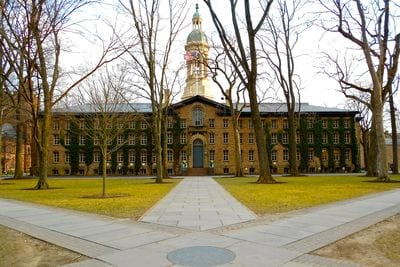
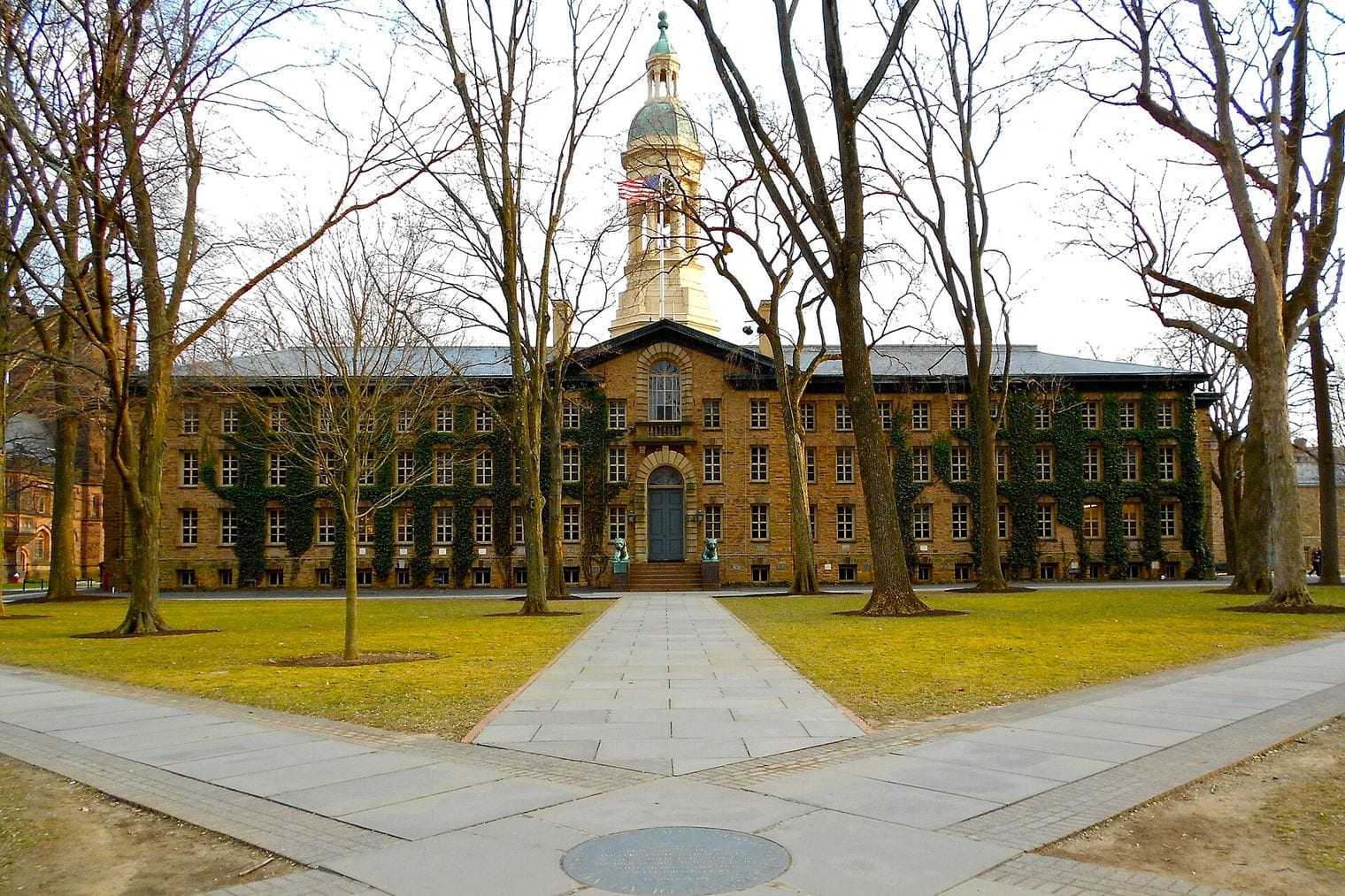
Nassau Hall in Princeton, the oldest building at Princeton University, served as the United States Capitol for four months in 1783.
Every summer, more than a hundred canvas tents are lived in around the Great Auditorium in Ocean Grove, a tradition dating back to the Methodist camp meeting that founded the town in 1869.
In 1852 Clara Barton, who later founded the American Red Cross, started New Jersey's first free public school in Bordentown.
The Tour of Somerville, first run in 1940 on Memorial Day weekend, is billed as the oldest competitive bicycle race in the country.
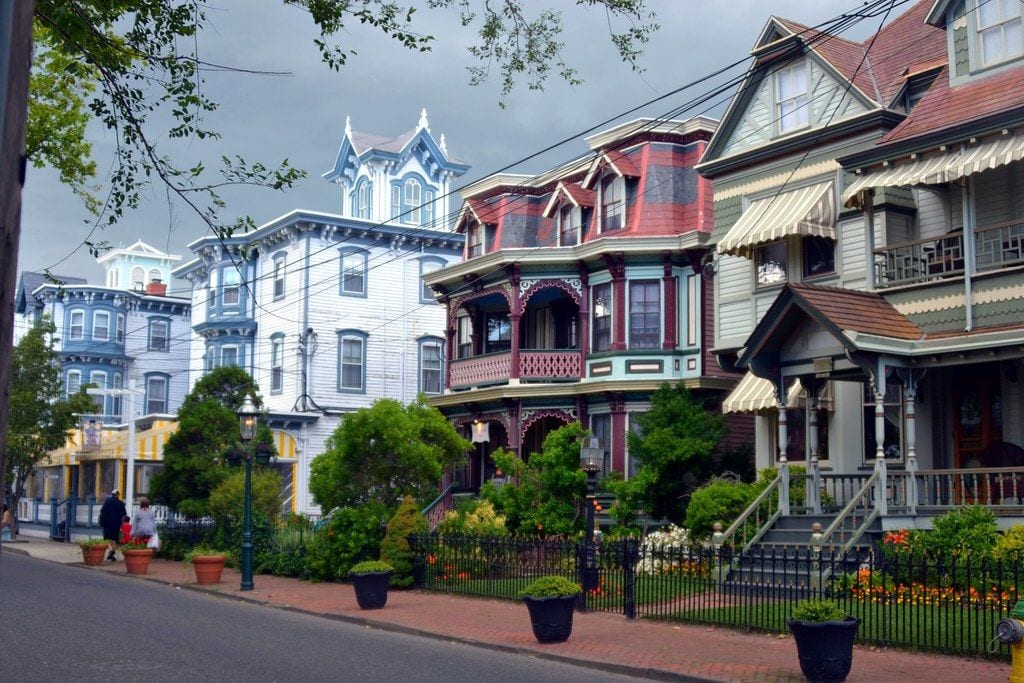
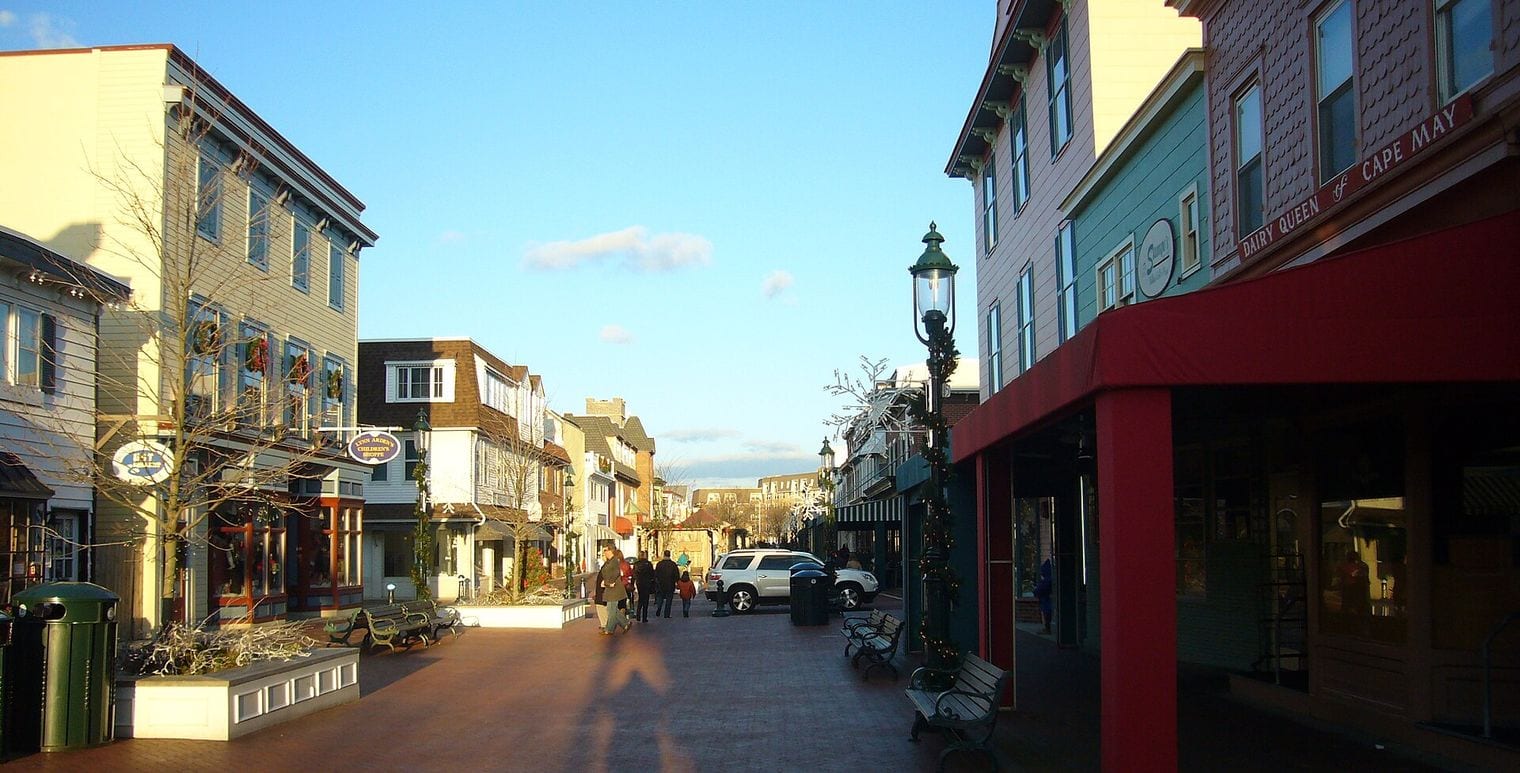
At the southern tip of the state, where the Atlantic meets Delaware Bay, Cape May is recognized as the country's oldest seaside resort; Philadelphians were vacationing here by the mid-18th century. A fire in 1878 destroyed some 30 blocks of the town center, and the rebuilt city, home to fewer than 3,000 year-round residents, is now designated in its entirety as a National Historic Landmark district, its streets lined with gingerbread-trimmed Victorian houses and deep porches.
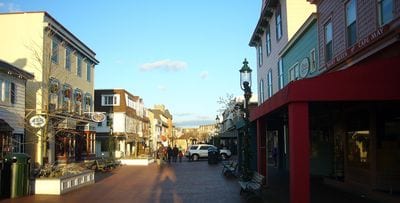
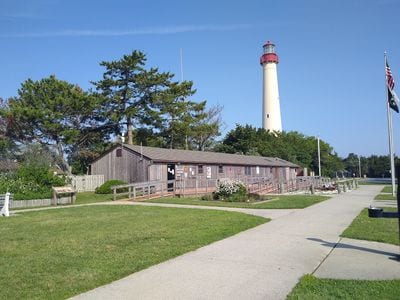
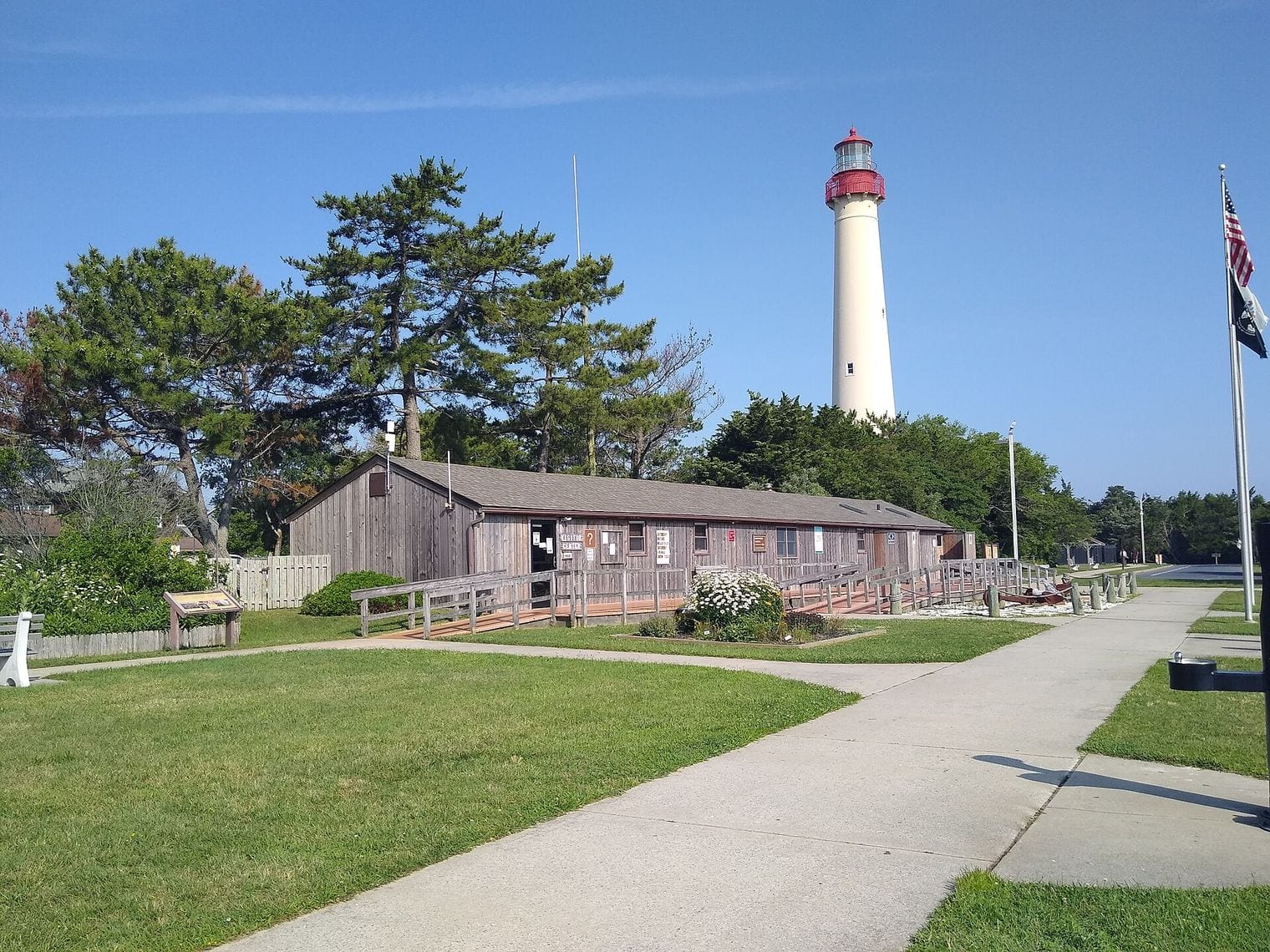
Stroll the pedestrian Washington Street Mall, tour the 1879 Emlen Physick Estate, a Victorian house museum run by the Mid-Atlantic Center for the Arts & Humanities, and spend the rest of the day on the beaches and the oceanfront promenade. The Cape May Lighthouse, built in 1859, stands just west of town in Cape May Point State Park, and the whole area is famous with birders for its spring and fall migrations.
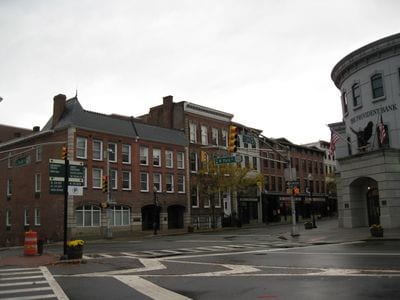
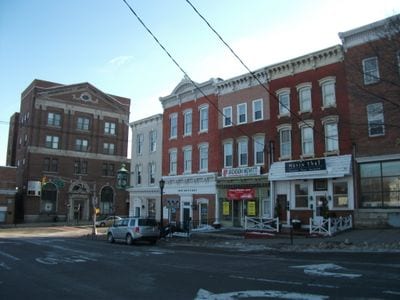
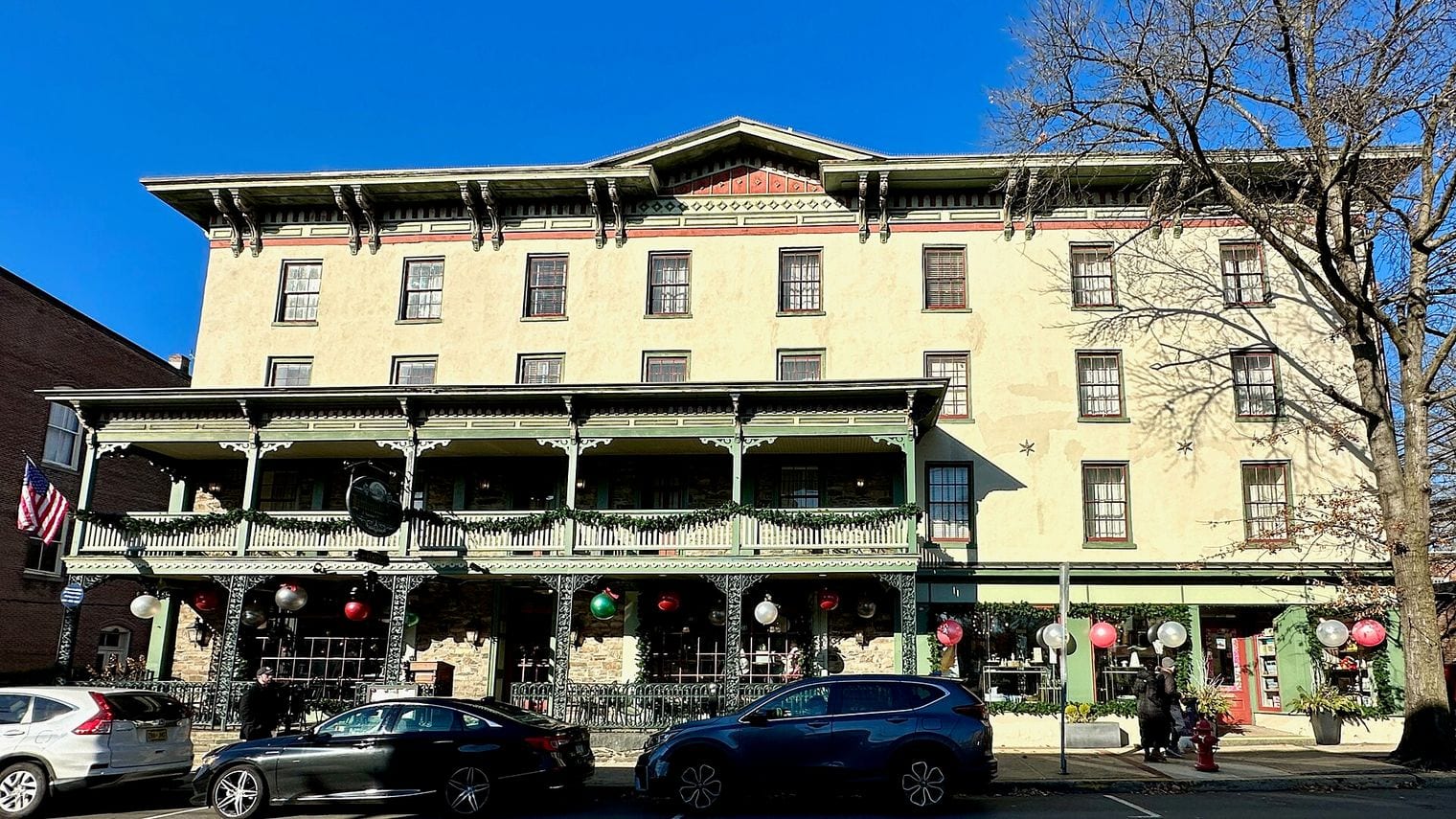
Lambertville, a Hunterdon County city of about 4,000 people, sits on the Delaware River directly across a bridge from New Hope, Pennsylvania, and nearly the whole town is listed as a historic district.
It grew up around a colonial ferry crossing on the road between New York and Philadelphia, took its name in 1810 from John Lambert, a U.S. senator and acting governor, and prospered with the Delaware and Raritan Canal, which still runs through the west side of town.
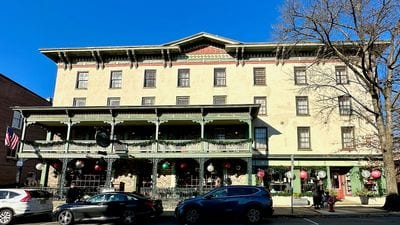
Today its streets of 19th-century row houses are filled with antique dealers, art galleries and cafés. Walk or cycle the canal towpath beside the river, pass the 1744 stone house of John Holcombe, where George Washington and his troops camped twice during the Revolutionary War, and come in April for ShadFest, which celebrates the return of the shad to the Delaware. Then walk across the bridge to New Hope for a two-state afternoon.
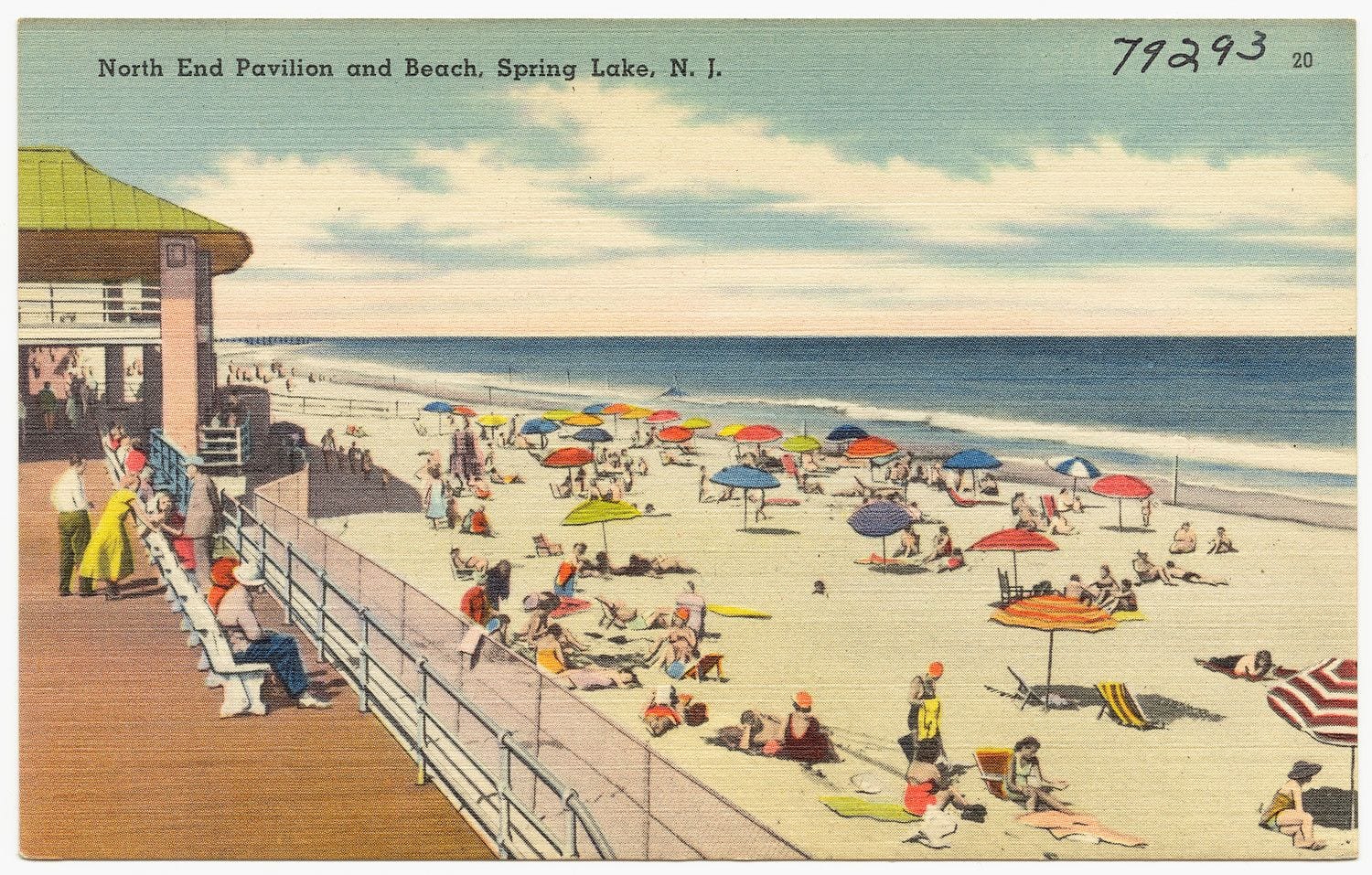
Spring Lake is the quiet, polished end of the Jersey Shore, a Monmouth County borough of fewer than 3,000 residents that grew into a Gilded Age resort for New York and Philadelphia society. It takes its name from the clear, spring-fed lake in the middle of town, crossed by footbridges and ringed by paths and grand old houses, and the area's large Irish-American population has earned it the nickname the Irish Riviera.
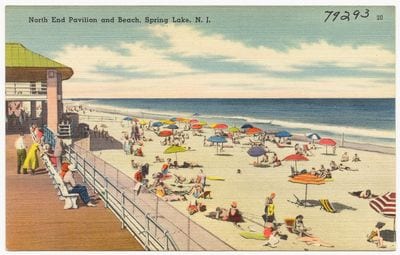
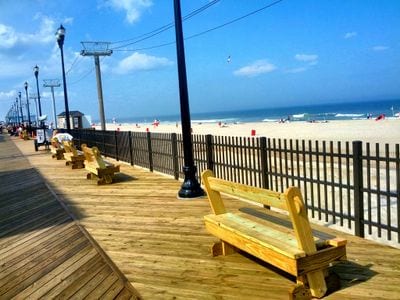
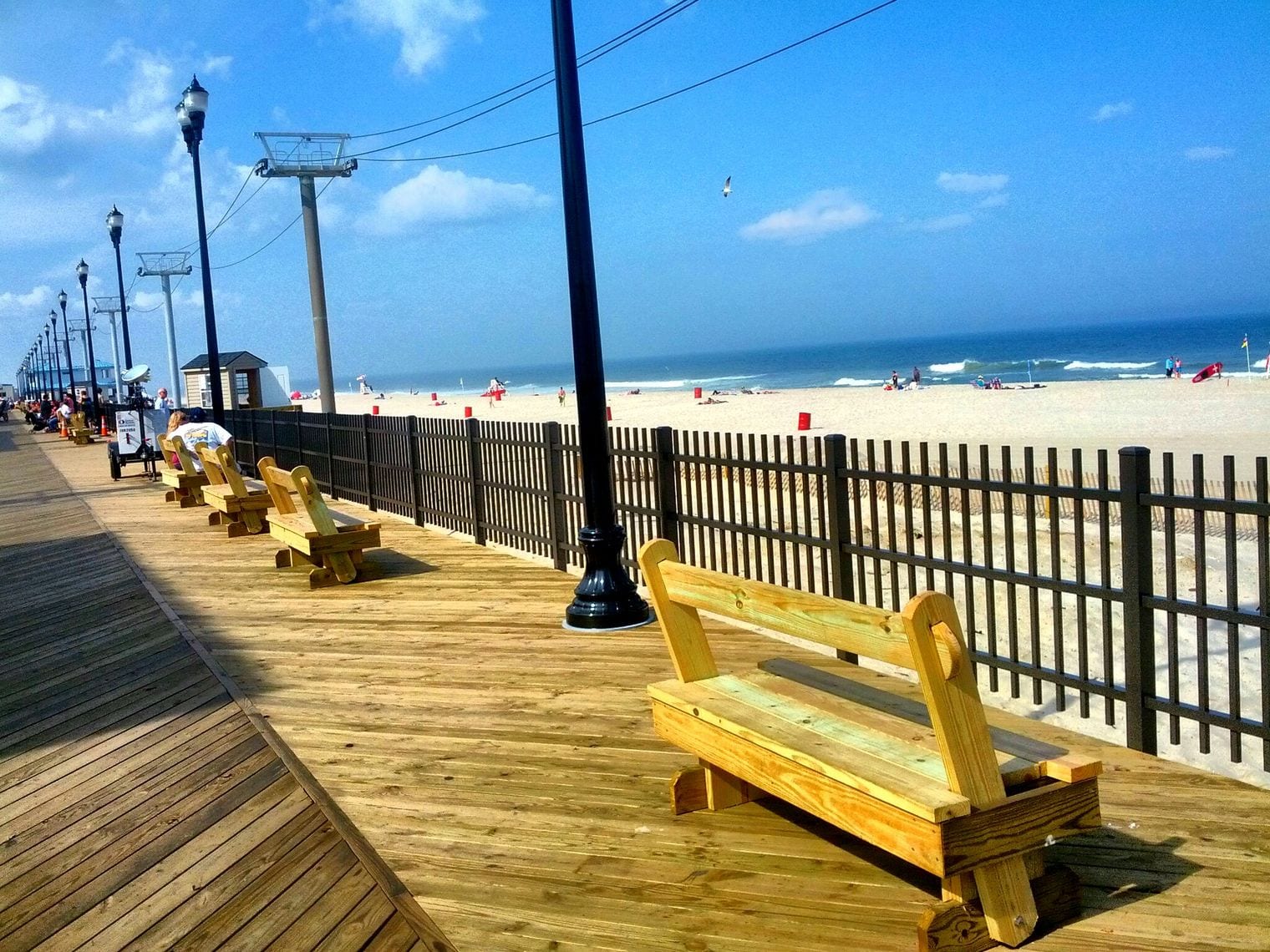
The beach is the main event: Spring Lake's boardwalk runs for about two miles and is entirely non-commercial, with no arcades or food stands, just ocean views, joggers and benches. Walk the paths around the lake, admire St. Catharine Church, built by a wealthy summer resident on a knoll above the water, and browse the small downtown of shops and cafés a few blocks inland.
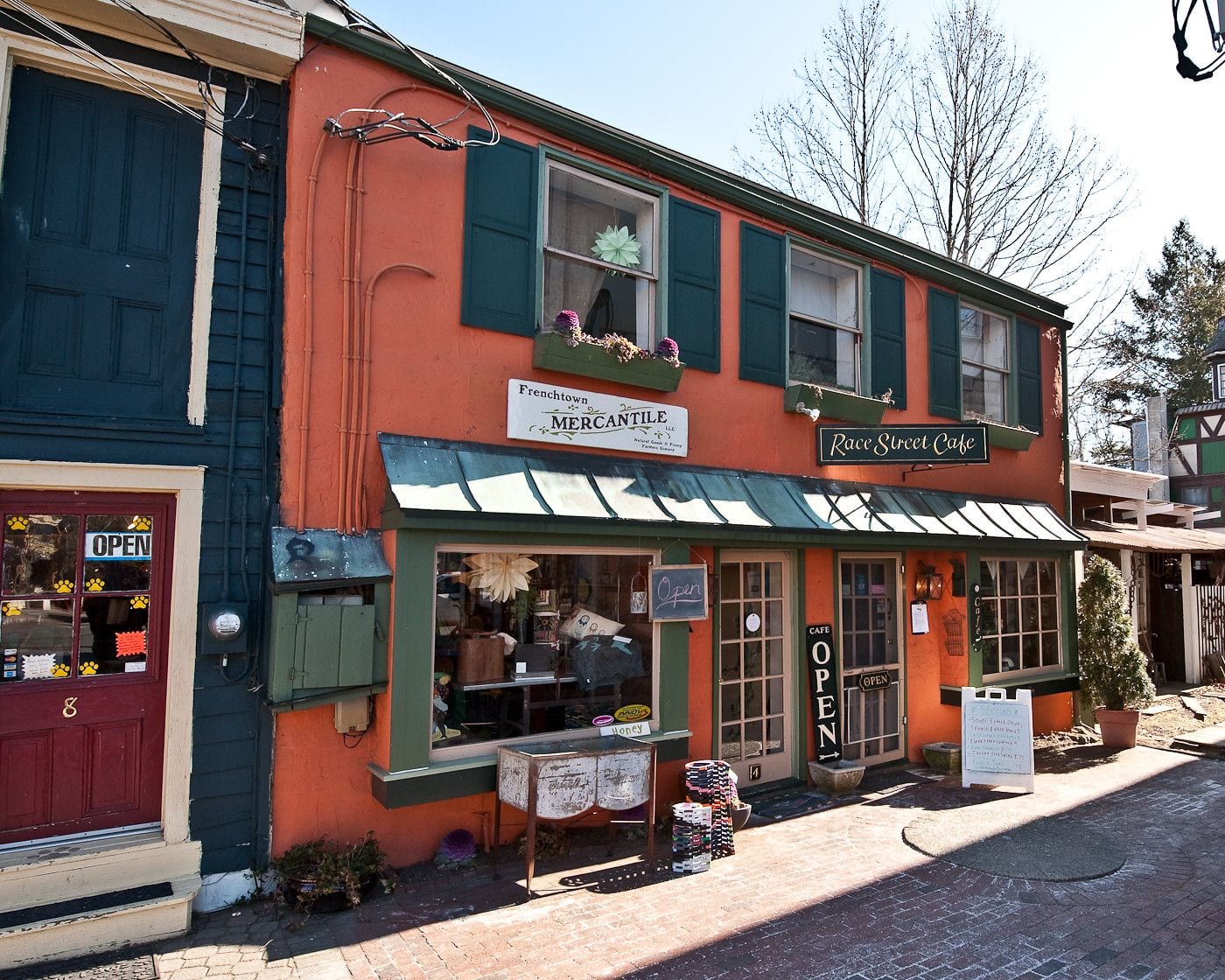
Frenchtown is a Delaware River borough of about 1,400 people in Hunterdon County, joined to Pennsylvania by the Uhlerstown–Frenchtown Bridge. Its name recalls Paul Henri Mallet-Prevost, a French-speaking Swiss refugee from the French Revolution who bought the land here in 1794, and the borough still leans into that heritage with a Bastille Day celebration every July.
The compact historic district holds about 400 historic buildings, from Greek Revival and Italianate houses to the 1850s railroad station by the bridge, and the main streets are lined with independent shops, galleries and cafés. The Delaware and Raritan Canal State Park trail passes right through town, making a flat, scenic bike ride south along the river toward Stockton and Lambertville.
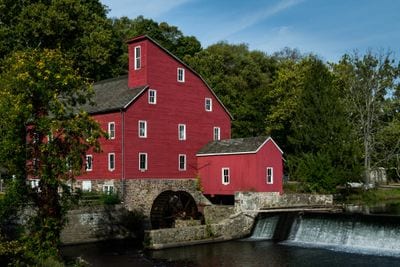
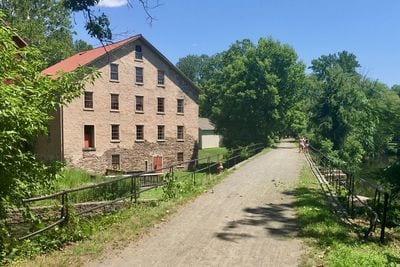
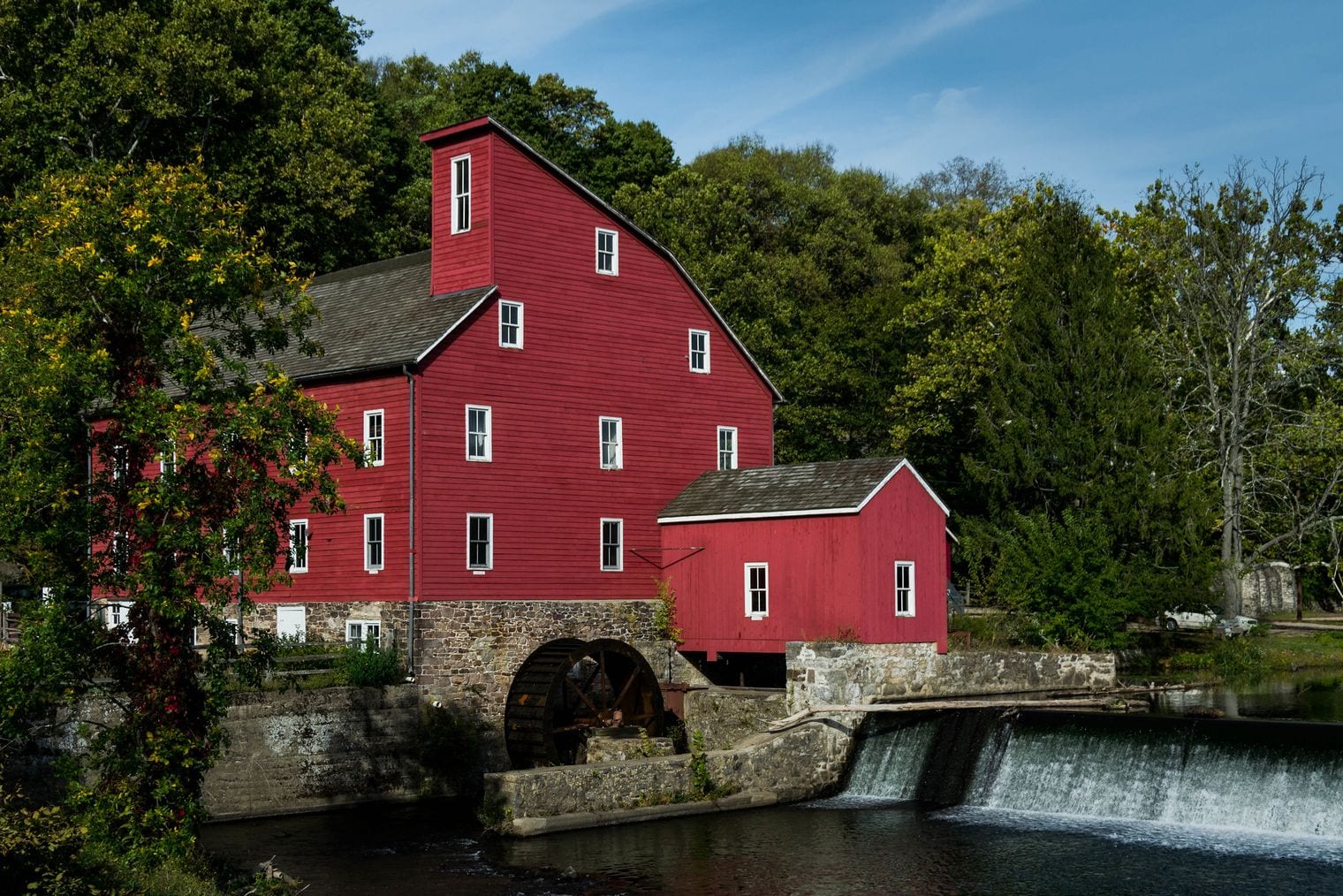
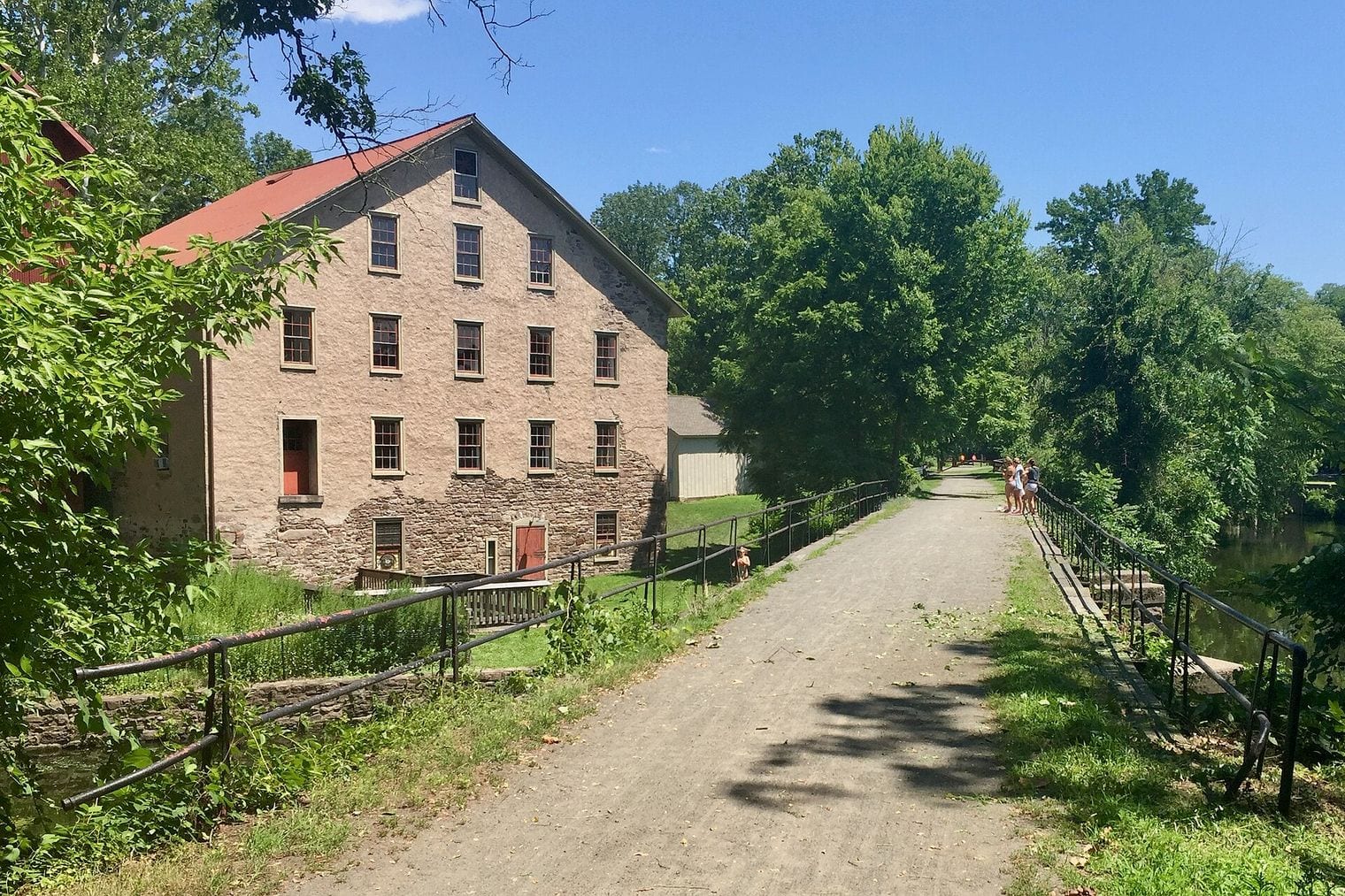
Clinton, a Hunterdon County town of about 2,800 people named for New York governor DeWitt Clinton, is best known for the pair of historic mills that face each other across the South Branch of the Raritan River. The Red Mill, built around 1810 as a wool-processing mill and later used to grind grain, plaster, talc and graphite, is one of the most photographed buildings in New Jersey.
Tour the Red Mill Museum Village, where the mill and its grounds tell the story of rural industry, then cross the river to the Hunterdon Art Museum, which shows contemporary art and craft in a stone gristmill rebuilt in 1836. Main Street, rebuilt after a great fire in 1891, is lined with shops and places to eat, and the big reservoirs of Spruce Run and Round Valley lie just outside town for boating, fishing and hiking.
Princeton is best known for its university, which moved here in 1756, and a walk across the campus past Nassau Hall, the university's oldest building, is the heart of any visit. The town of about 30,000 people also gave its name to the Battle of Princeton in January 1777, when George Washington's victory forced the British to evacuate southern New Jersey.
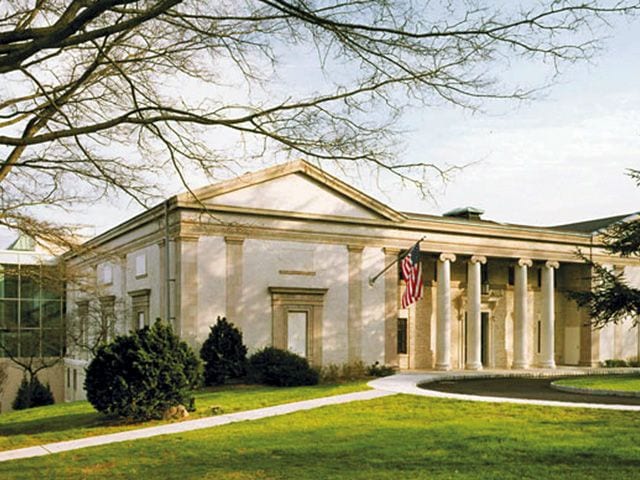
Visit the Princeton University Art Museum on campus, tour Morven Museum & Garden, the 18th-century home of Declaration of Independence signer Richard Stockton, and walk the fields of Princeton Battlefield State Park. Palmer Square and Nassau Street are the place for shops and cafés, Lake Carnegie and the Delaware and Raritan Canal towpath offer easy walks, and Albert Einstein's former home on Mercer Street can be seen from the sidewalk.
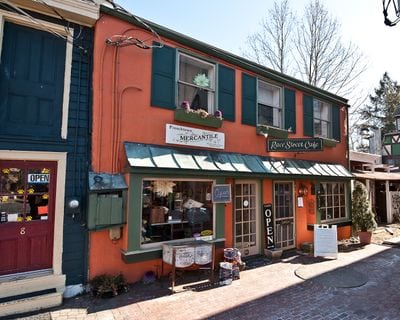
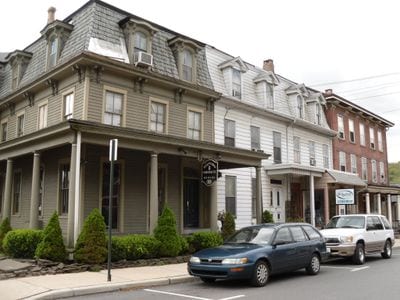
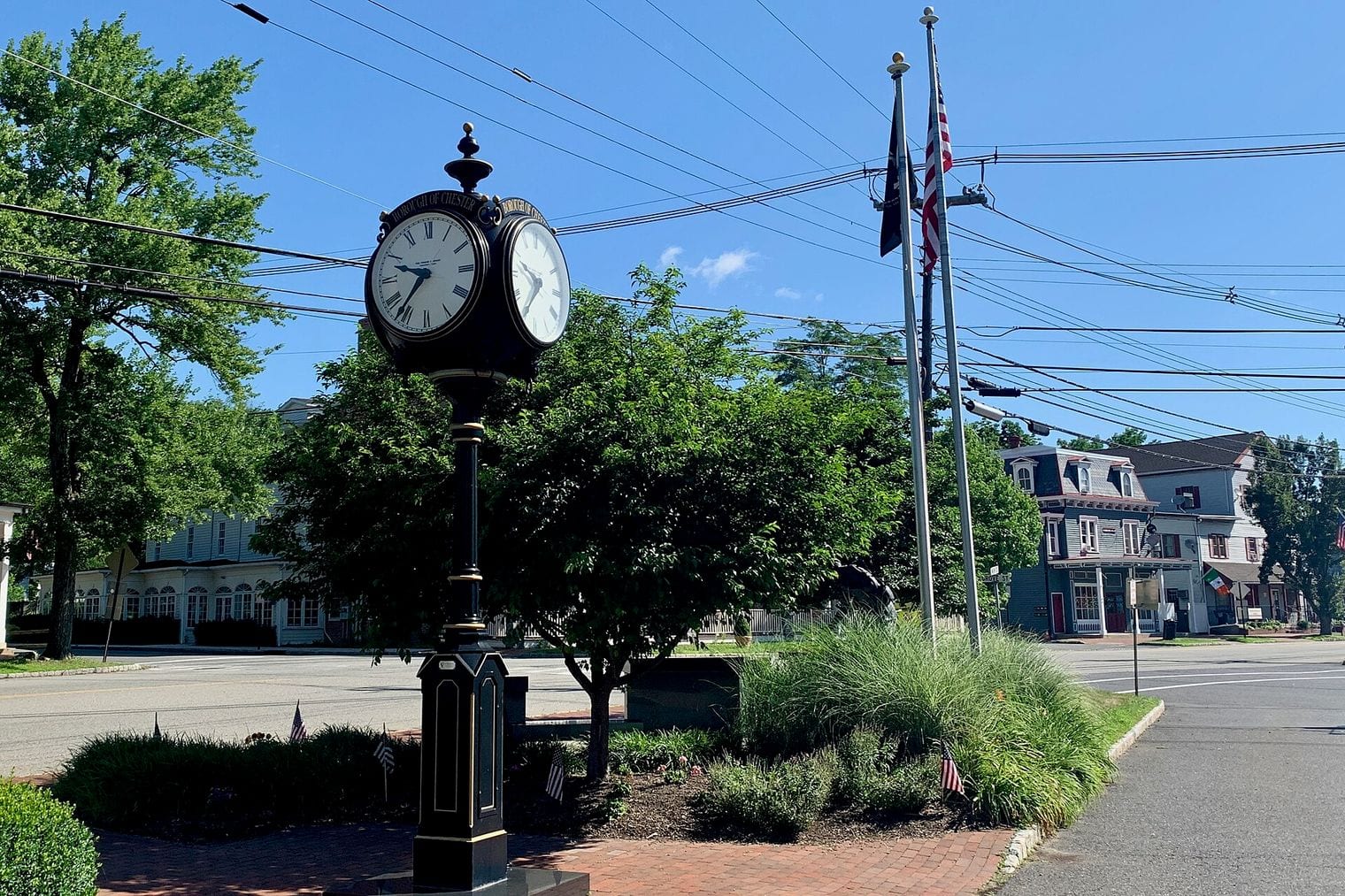
Chester is a Morris County borough of about 1,700 people, completely surrounded by Chester Township, and its short Main Street is one of the most rewarding small-town shopping streets in North Jersey. Buildings more than a century old hold antique stores, galleries, boutiques and specialty shops, and the town's spring and fall craft shows draw big crowds.
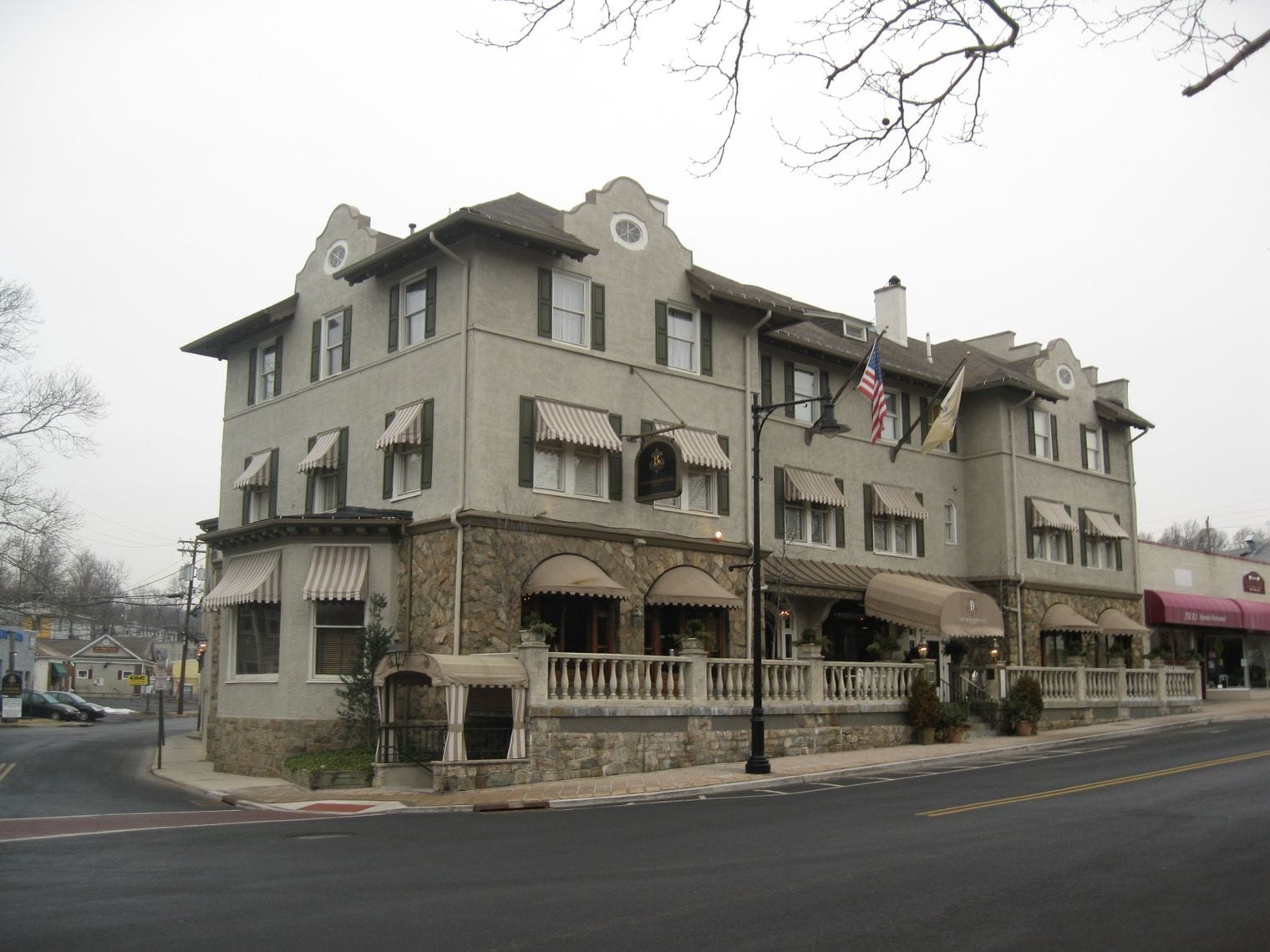
Look for the Chester House Inn at the corner of Main Street and Hillside Road, an old inn listed on the National Register of Historic Places, then head into the hills. Hacklebarney State Park, just outside town, has trails along the Black River, the restored Cooper Gristmill in Black River County Park shows how grain was once ground by water power, and the farms of the surrounding township are popular for picking fruit in summer and fall.
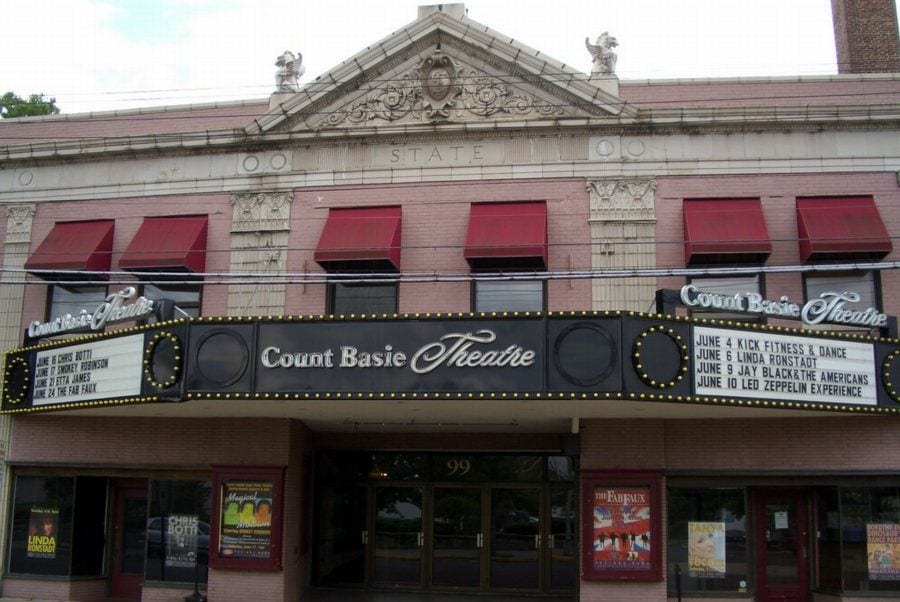
Red Bank, a Monmouth County borough of about 13,000 people, sits on the Navesink River, which made it an early river port and shipbuilding center; its name comes from the red soil along the riverbank. Today its compact downtown is one of the liveliest on the Jersey Shore, packed with boutiques, galleries, restaurants and theaters.
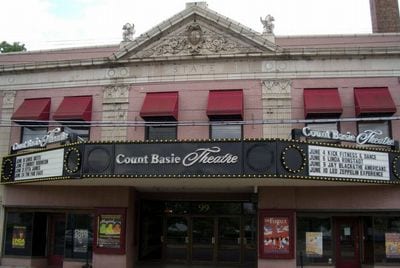
Jazz great Count Basie was born here, and the Count Basie Center for the Arts, in a restored historic theater, hosts concerts, comedy and touring shows, while the Two River Theater stages plays. Stroll the riverside lawns of Marine Park and Riverside Gardens Park, and in a hard winter watch for iceboats racing across the frozen Navesink, a local tradition that dates back to the 19th century.
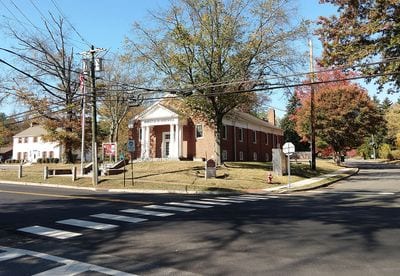
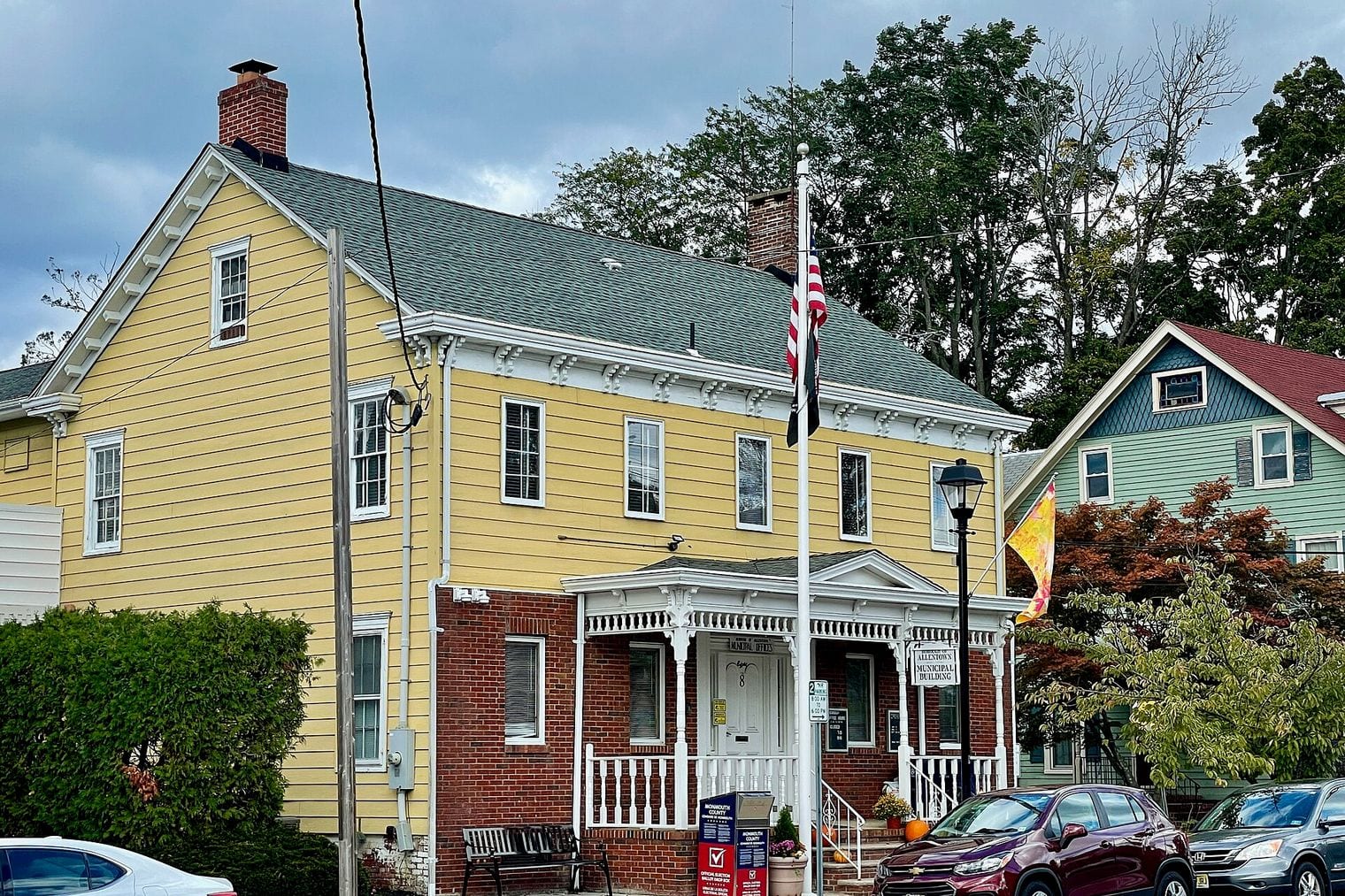
Not to be confused with the much larger city in Pennsylvania, Allentown is a Monmouth County borough of about 1,700 people, roughly halfway between New York City and Philadelphia. Almost the whole village is a historic district of more than 200 buildings along Main Street and its side streets, with Georgian and Greek Revival houses and churches that recall its long life as a farm-country mill town.
The centerpiece is the Allentown Mill, a gristmill built in 1855 on the site of a mill that Nathan Allen established in 1706. Browse the antique and specialty shops along Main Street, admire the 1837 Allentown Presbyterian Church, stroll through Heritage Park, and take a drive through the surrounding horse-farm country, home to the Horse Park of New Jersey.
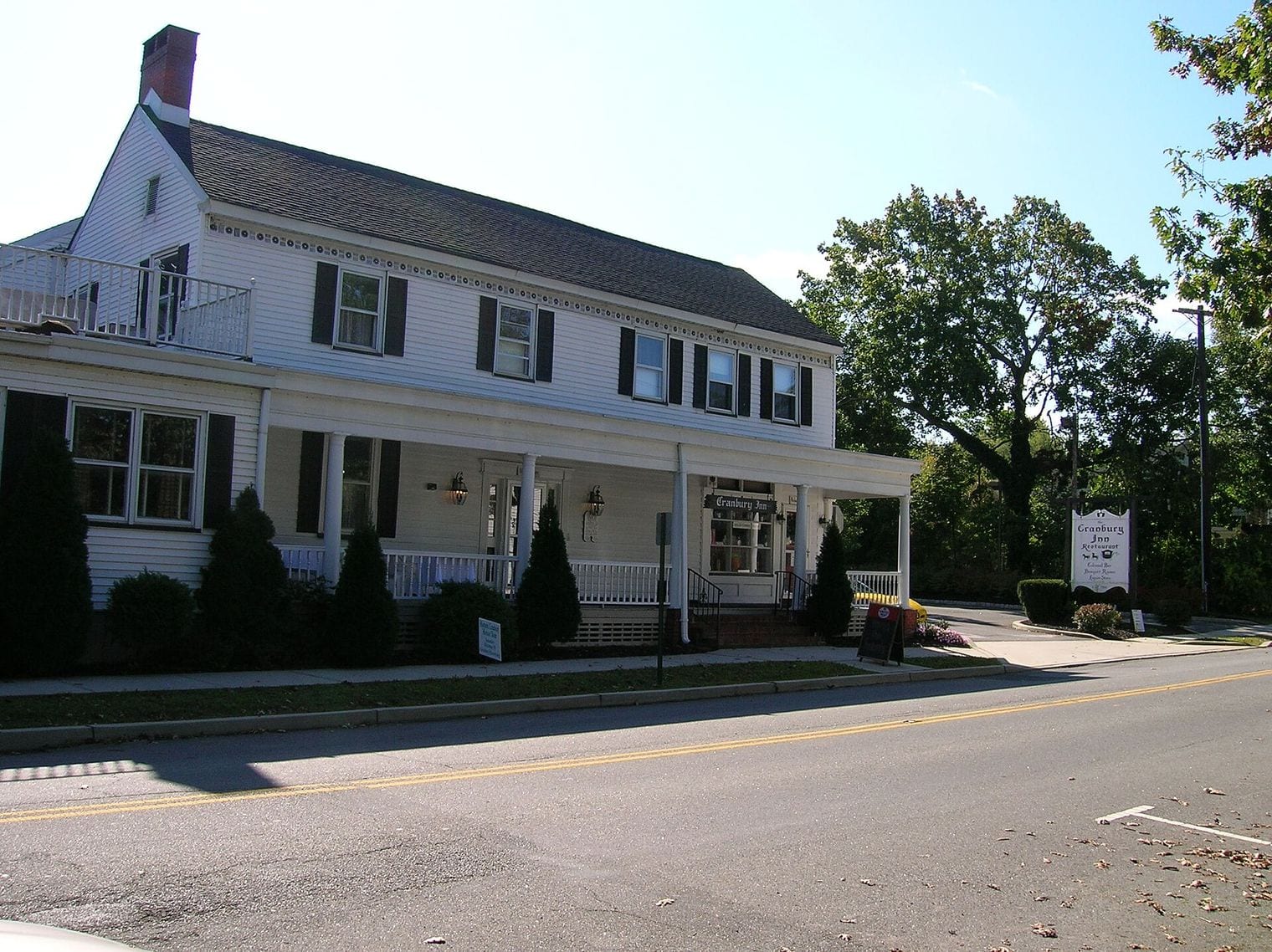
Cranbury feels like a step back in time, even though it sits amid the warehouses of central New Jersey. The township of about 3,800 people keeps the best-preserved 19th-century village in Middlesex County, a historic district of more than 170 buildings along Main Street and its side streets, many of them dating from the 18th or 19th century.
History runs deep here: George Washington stopped in Cranbury in June 1778 as his army pursued the British toward the Battle of Monmouth, and Aaron Burr passed through in 1804 while fleeing after his duel with Alexander Hamilton. Visit the Cranbury Museum, run by the local historical society, stroll past Main Street's shops and old churches, and finish at Brainerd Lake, the village's old millpond, with a shady park beside the water.
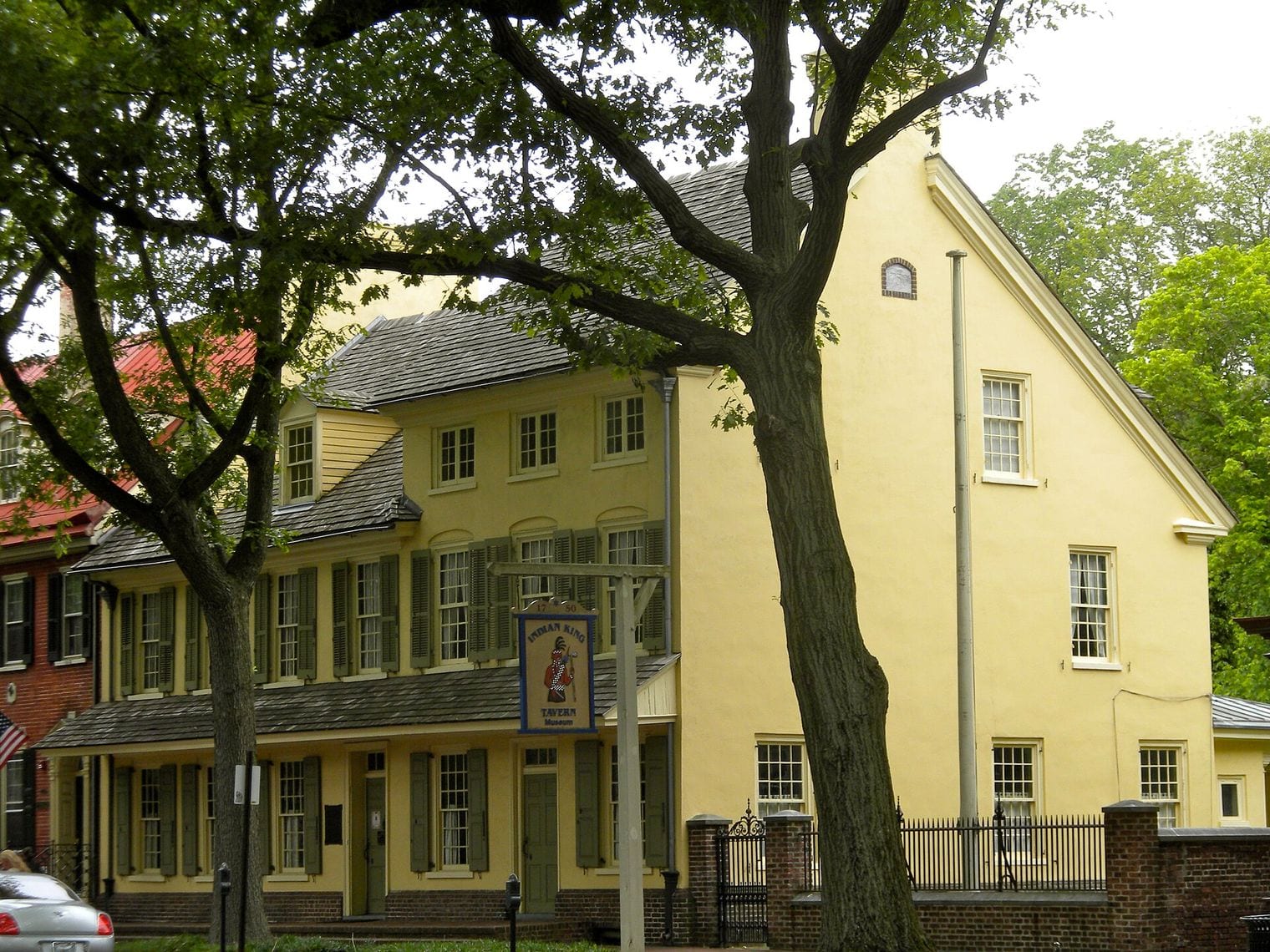
Haddonfield, a Camden County borough of about 12,500 people a few miles from Philadelphia, was settled by Quakers in the late 17th century and named for the Haddon family, whose daughter Elizabeth crossed the Atlantic alone in 1701 to develop the land. Its main street, Kings Highway, is lined with colonial and Victorian buildings, independent shops and cafés, and the whole center has the feel of a well-kept historic village.
Tour the Indian King Tavern, built in 1750, where the New Jersey legislature met in 1777 and adopted the state's Great Seal; it became New Jersey's first State Historic Site in 1903. Then look for the Hadrosaurus statue on Kings Highway and walk down to Pennypacker Park by the Cooper River, where the first nearly complete dinosaur skeleton found in North America was dug up in 1858.
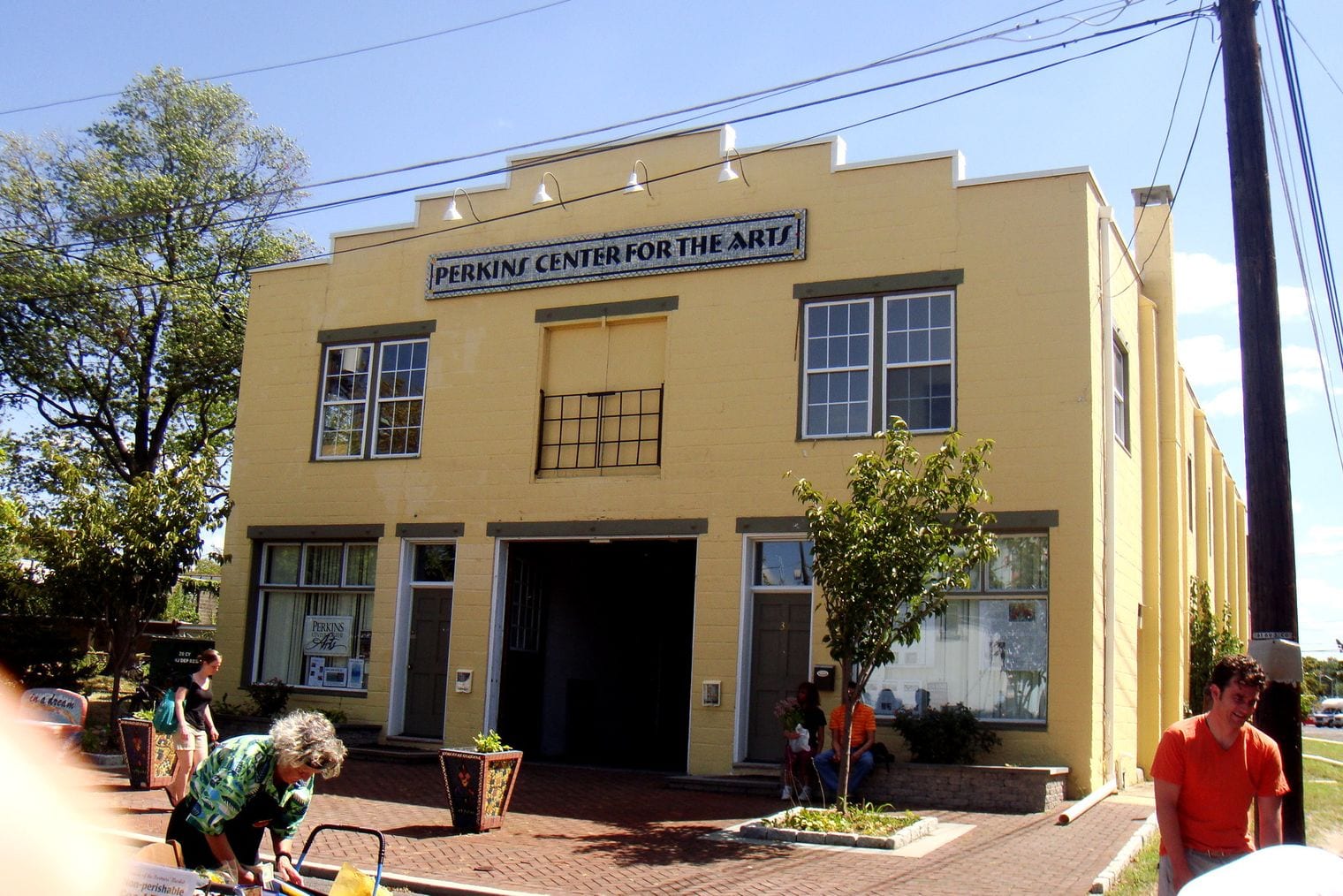
Just five miles from Center City Philadelphia, Collingswood is a Camden County borough of about 14,000 people whose Haddon Avenue has become one of South Jersey's best restaurant streets. Founded with Quaker roots as a dry town, it remains famous for bring-your-own-bottle dining, which gives the whole downtown a relaxed, neighborly feel.
Spend a Saturday at the farmers' market held under the PATCO train line from spring into fall, browse the shops and galleries along Haddon Avenue, and picnic in Knight Park, land donated in 1888 by sugar and railroad magnate Edward Collings Knight. The Scottish Rite Auditorium, built in 1930, hosts concerts and shows, and the PATCO station makes the town an easy car-free trip from Philadelphia.
Ocean Grove began in 1869 as a Methodist camp meeting by the sea, and it still feels like nowhere else on the Jersey Shore. Part of Neptune Township, the community of about 3,000 people is listed on the National Register of Historic Places and is famous for its Victorian architecture, its narrow streets packed with porch-fronted cottages running down to the ocean.
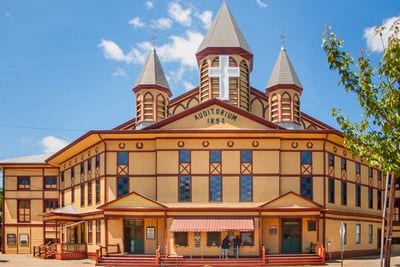
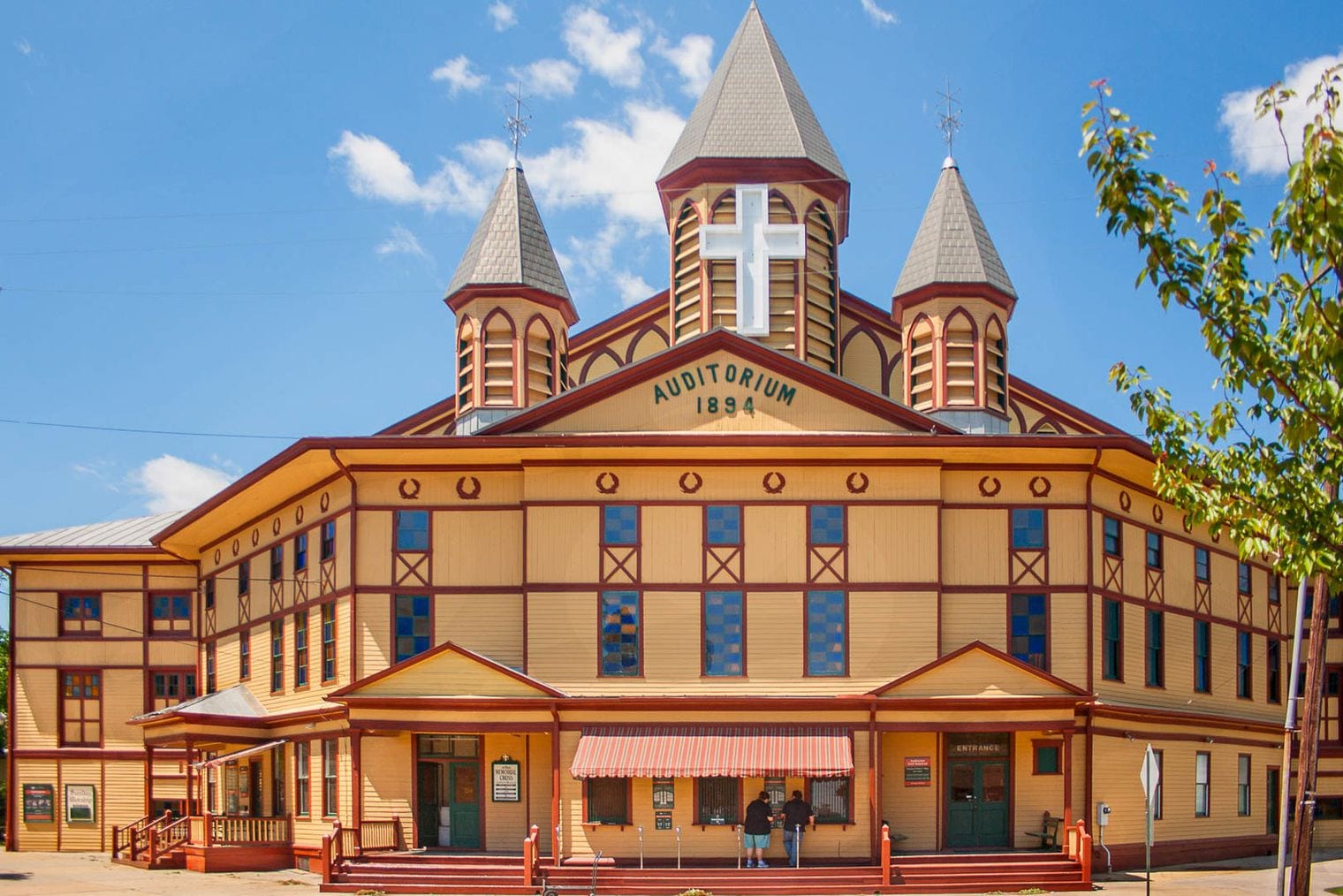
At its heart is the Great Auditorium, a vast wooden hall completed in 1894 and still used by the Ocean Grove Camp Meeting Association for worship services and concerts. Around it, more than a hundred canvas tents, each backed by a small wooden cottage, are lived in every summer, a tradition that goes back to the town's first season. Walk the boardwalk and visit the 1881 gazebo over the old Beersheba well.
Asbury Park is the Jersey Shore's music town, a Monmouth County city of about 15,000 people forever tied to Bruce Springsteen and the Jersey Shore sound. After hard decades in the late 20th century, its boardwalk and downtown have come back to life with restaurants, galleries, beach bars and live music most nights in summer.
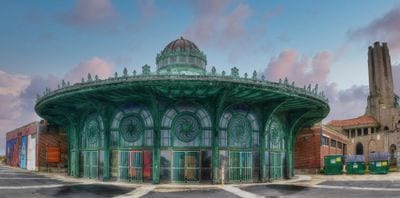
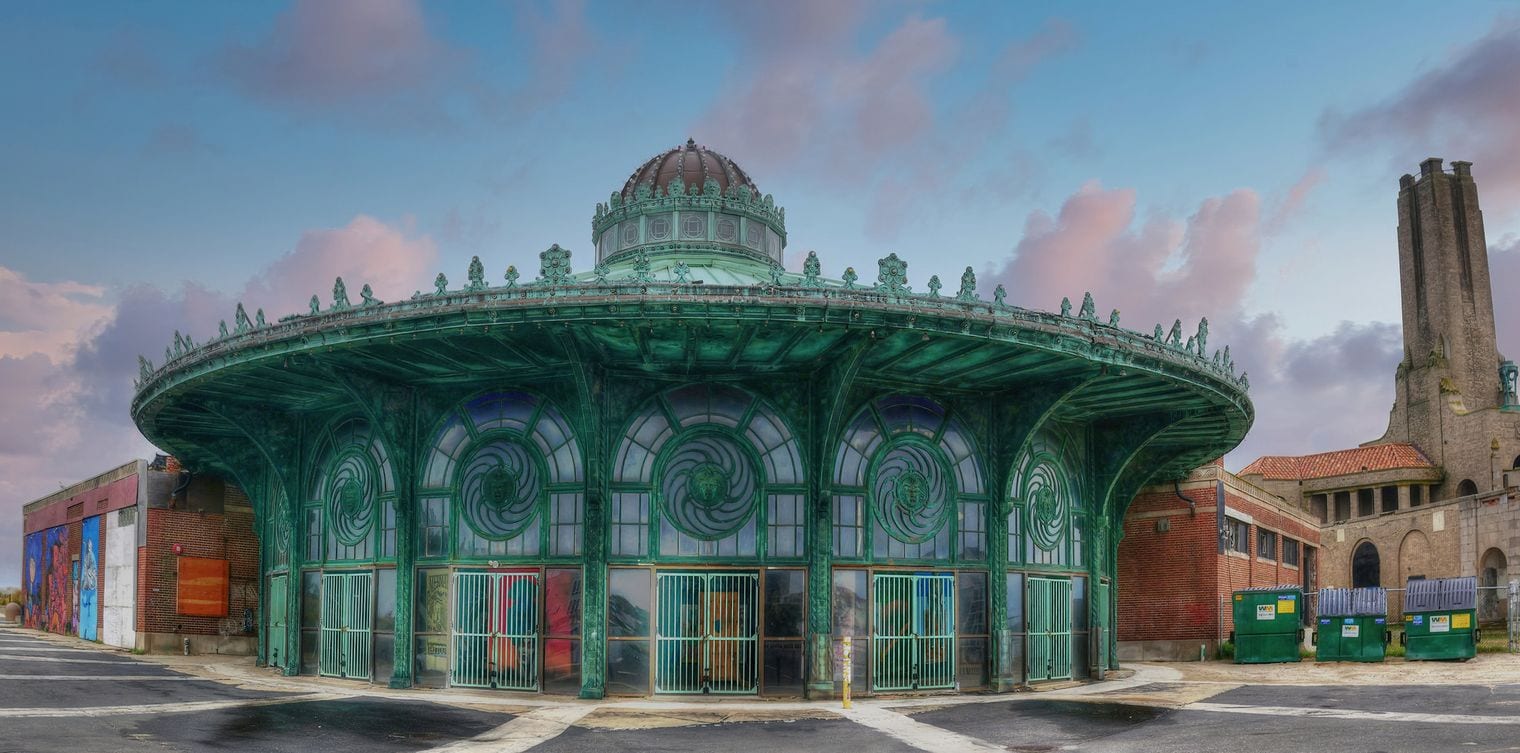
Walk the boardwalk to Convention Hall and the Paramount Theatre, a grand pair built in the 1920s and linked by an arcade, and play vintage pinball at the Silverball Retro Arcade & Museum. Catch a show at the Stone Pony, the rock club founded in 1974, then explore the downtown historic district around Cookman and Mattison avenues, lined with shops and restaurants.
Montclair, the largest town on this list at about 41,000 people, climbs the slopes of the Watchung Mountains in Essex County. Its name comes from the French for “clear mountain,” and it has long been one of North Jersey's cultural hubs, with a busy downtown, Montclair Center, that won the Great American Main Street Award in 2015.
Start at the Montclair Art Museum, open since 1914, with its collections of American and Native American art, then browse the shops and restaurants along Bloomfield Avenue. In late spring the Presby Memorial Iris Gardens on Upper Mountain Avenue burst into bloom, Van Vleck House and Gardens is lovely in every season, and Upper Montclair's village center and Anderson Park, designed by John Charles Olmsted, make a gentle afternoon walk.
Morristown has been called the military capital of the American Revolution: George Washington's Continental Army spent two winters here, including the harsh winter of 1779–80 at Jockey Hollow. Today the county seat of Morris County, a town of about 20,000 people, wraps a lively restaurant and shopping district around the Morristown Green, the old town common ringed by historic churches and monuments.
Morristown National Historical Park, the first national historical park in the country, preserves the Ford Mansion, which Washington used as his headquarters, along with the Jockey Hollow encampment site, where reconstructed soldier huts, the Wick farmhouse and miles of trails tell the story of the winter camp. Back in town, visit Acorn Hall, an 1853 Italianate mansion, and find the statue on the Green of Washington, Alexander Hamilton and the Marquis de Lafayette.
Free printable checklist of all 35 places
Tick them off as you go. Confirm your email to download it, plus one email every Thursday with new guides for the places you tick.
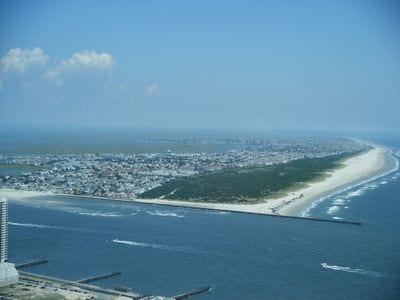
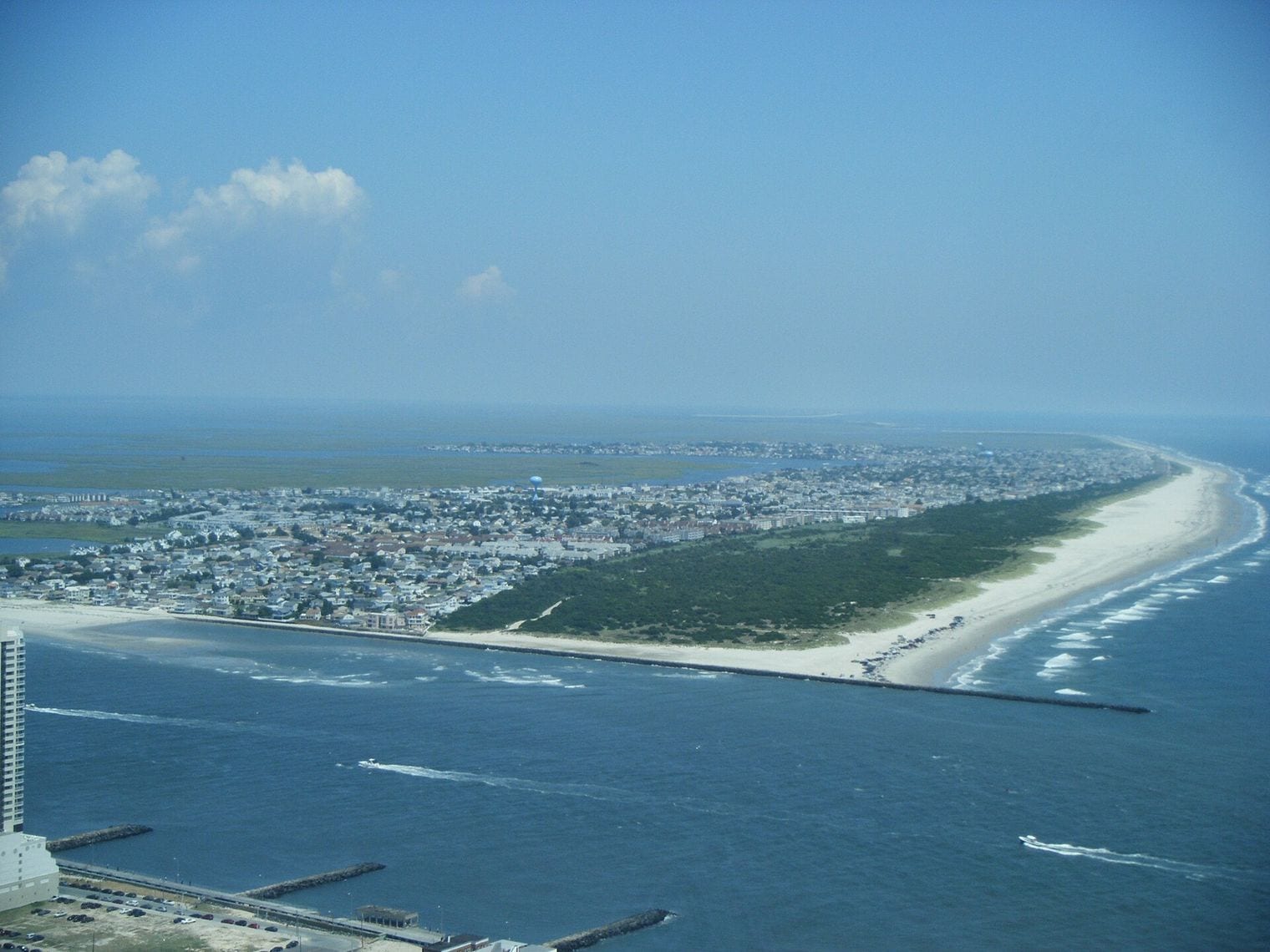
Brigantine, known locally as “the Island,” is a beach town of about 7,700 people on a barrier island just across the inlet from Atlantic City, yet it feels a world away from the casinos. Its wide, quiet beaches and residential streets make it a favorite with families, and the undeveloped northern end of the island is part of the Edwin B. Forsythe National Wildlife Refuge.
The town's symbol is the Brigantine Lighthouse, built by developers in 1926 to attract residents; it was never a working lighthouse. Visit the Marine Mammal Stranding Center, founded in 1978, which has rescued thousands of seals, dolphins, whales and sea turtles, and head to the north end beaches to walk, fish or watch protected shorebirds such as the piping plover.
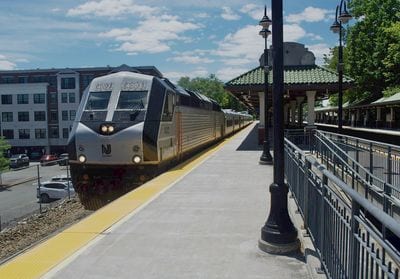
Westfield is a classic North Jersey railroad town, a Union County town of about 31,000 people some 16 miles southwest of New York City, whose downtown grew up beside the train station and still bustles with independent boutiques, national stores and dozens of restaurants. The village was settled in 1720, and its well-kept center won the Great American Main Street Award in 2004.
Stroll the downtown blocks north of the station, then relax in Mindowaskin Park, the green heart of town. History lovers should visit the Miller-Cory House Museum, a 1740 farmhouse where costumed guides demonstrate colonial crafts and cooking, and Echo Lake Park, on the edge of town, has ponds and a long paved path for walking and cycling.
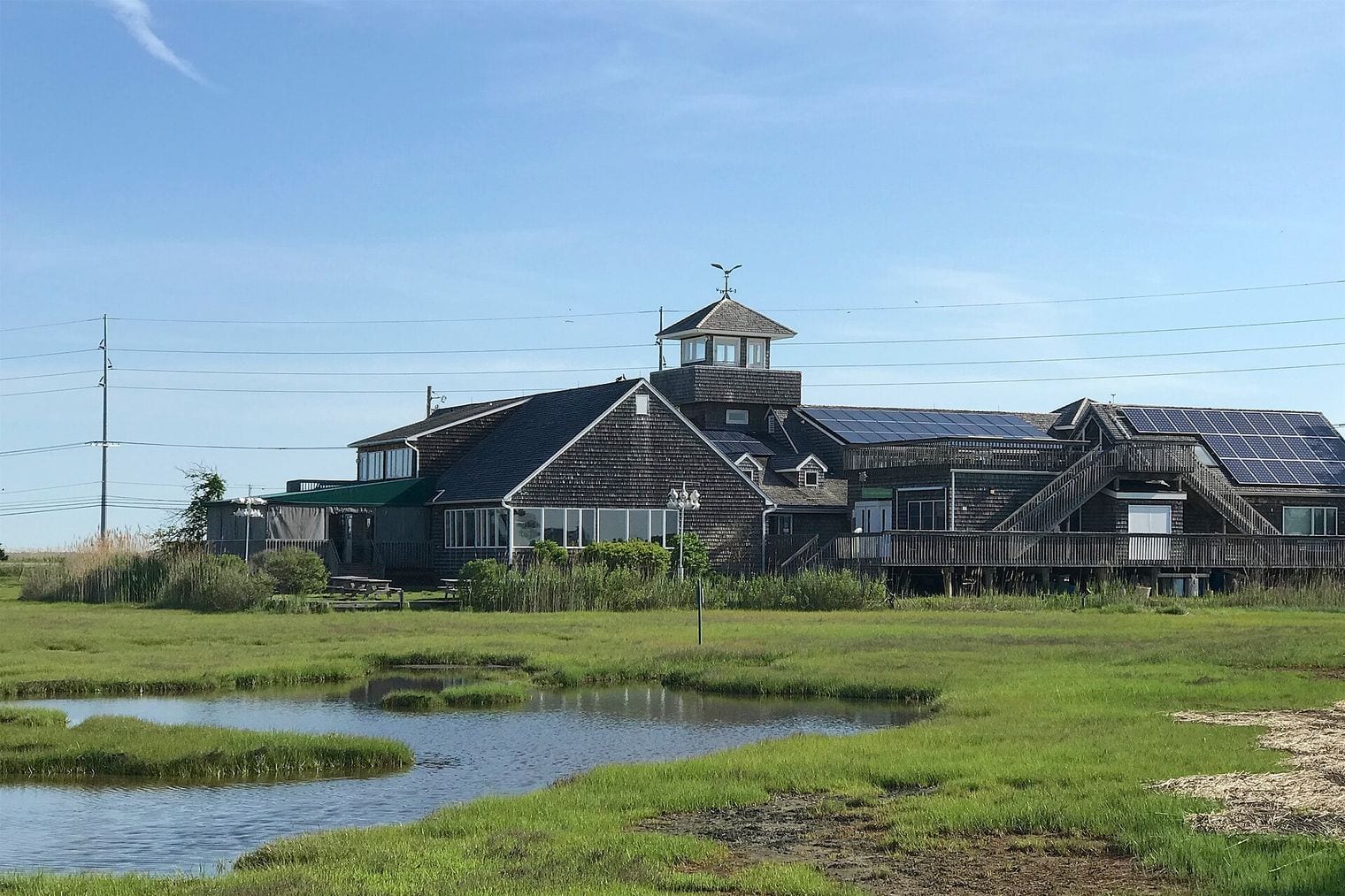
Stone Harbor shares Seven Mile Island with neighboring Avalon, and its year-round population of under 800 swells many times over in summer, when families from Philadelphia and beyond fill its beach houses. Developed as a seaside resort along the railroad in the late 19th and early 20th centuries, it keeps an unhurried, upscale feel, with a walkable shopping district a few blocks from the beach.
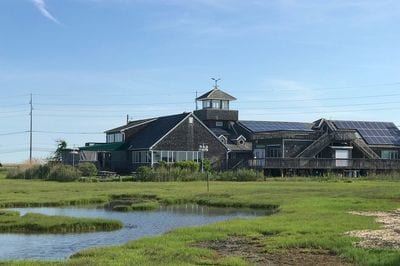
Nature is a big draw here. The Wetlands Institute, on the road into town, has a salt-marsh trail, exhibits and programs about the coastal wetlands, and the Stone Harbor Bird Sanctuary protects a pocket of maritime forest in the middle of town. Surfers head for Nun's Beach in front of a seaside convent, and the 1924 water tower is a landmark visible from almost anywhere on the island.
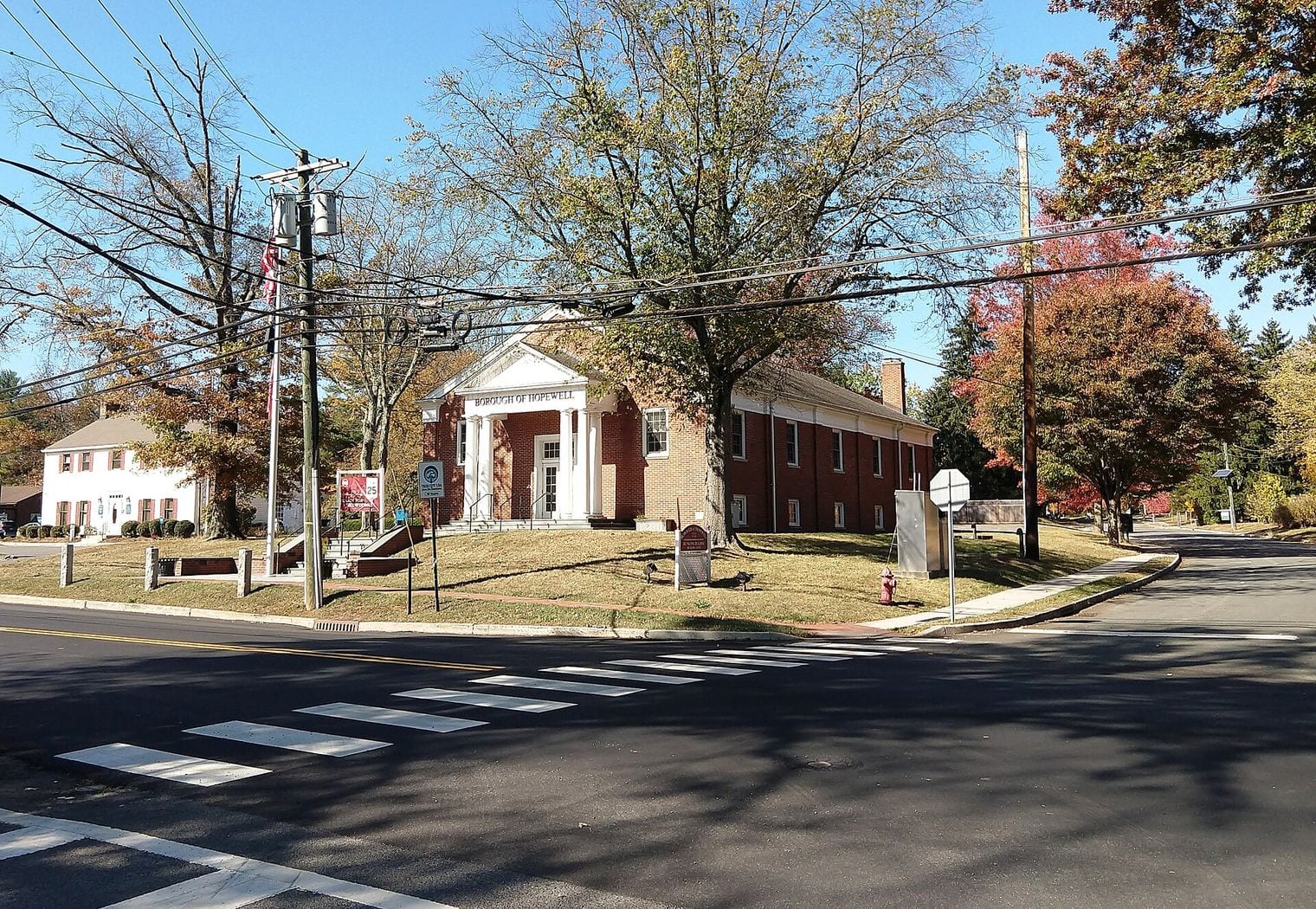
Hopewell is a small Mercer County borough of about 1,900 people, set in rolling farm country northwest of Princeton. Its roots go back to the early 1700s, when Baptist settlers organized a congregation here, and the Old School Baptist Church on West Broad Street recalls the meeting house that once drew worshipers from miles around and gave the town its start.
Broad Street is the main stroll, with cafés, shops and galleries in old storefronts, and the Hopewell Museum displays artifacts collected from local families. Look for the 1876 Hopewell train station, a reminder of the borough's railroad days, then head out into the surrounding Hopewell Valley for farm stands, vineyards and hiking in the nearby Sourland Mountains.
Ridgewood is a Bergen County village of about 26,000 people, roughly 20 miles northwest of Midtown Manhattan, with one of the most appealing downtowns in North Jersey. Leafy streets of handsome older houses surround a walkable center of independent shops, cafés and restaurants clustered near the historic train station.
History buffs should visit the Old Paramus Reformed Church, whose congregation dates to 1725 and whose 1800 church building was used by the Continental Army during the Revolutionary War. For fresh air, the Wild Duck Pond in Saddle River County Park links to a six-mile paved path for walking and cycling, and Graydon Park's beach-style pool is a summer favorite.
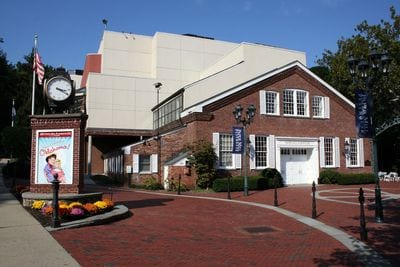
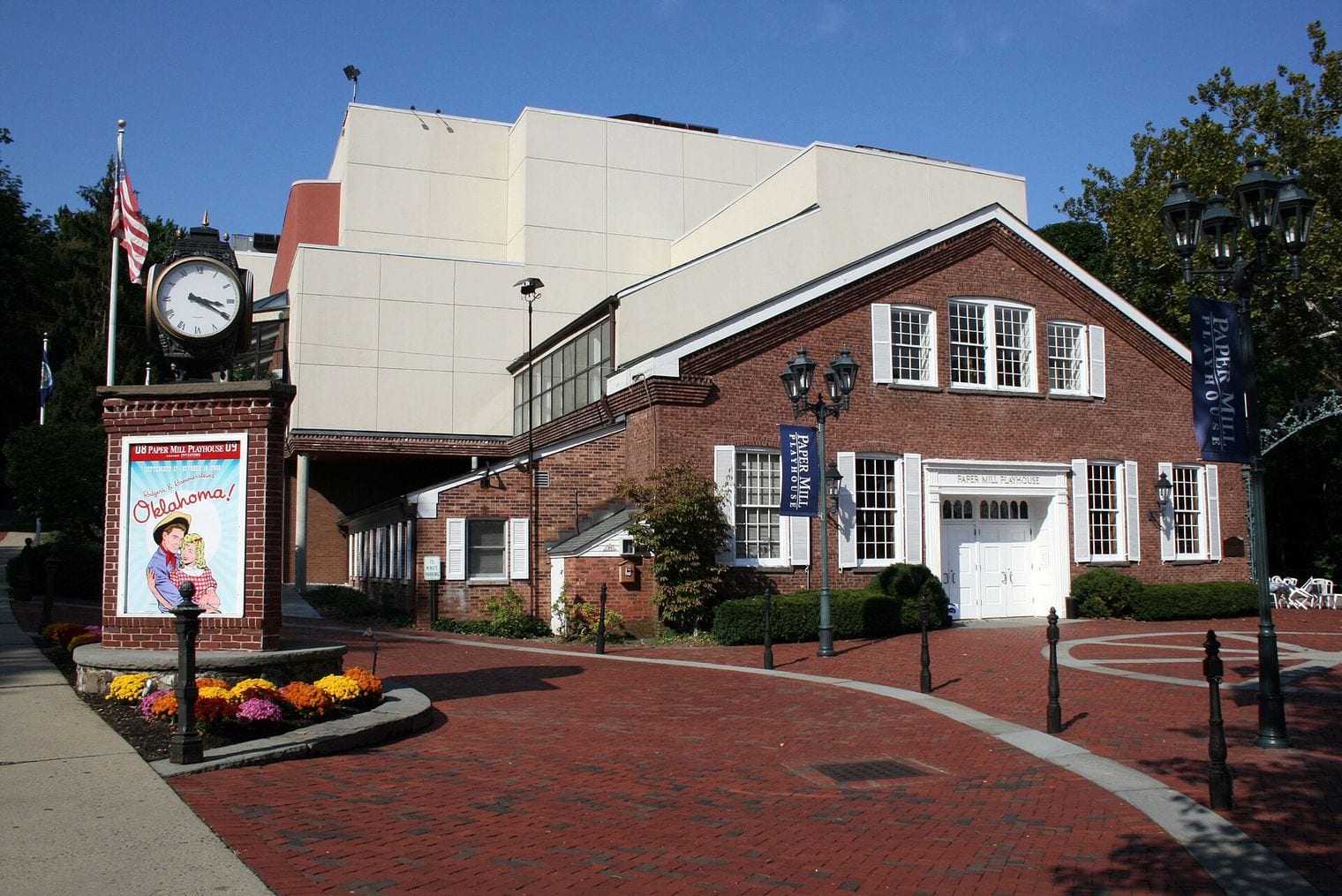
Millburn, an Essex County township of about 22,000 people that includes the community of Short Hills, is an old mill town on the Rahway River, where Samuel Campbell opened a paper mill in 1790. Its small downtown of shops and restaurants sits beside the river at the foot of the wooded South Mountain Reservation.
The town's star is the Paper Mill Playhouse, a 1,200-seat theater founded in 1938 and designated the State Theatre of New Jersey, known for its musicals. Hike to the waterfalls and overlooks of South Mountain Reservation, an Essex County preserve of more than 2,000 acres, and visit the Cora Hartshorn Arboretum and Bird Sanctuary or the historic estate gardens at Greenwood Gardens.
Cape May Point is the very tip of New Jersey, a tiny borough of about 300 year-round residents, separate from the city of Cape May just to the east. Its quiet streets of summer cottages sit among dunes and ponds, and the 1859 Cape May Lighthouse rises at its edge in Cape May Point State Park, where you can climb to the top for views over Delaware Bay and the Atlantic.
Walk the trails and boardwalks of the state park, famous for its fall bird migration, then head to Sunset Beach, where the wreck of the SS Atlantus, a World War I-era concrete ship, lies just offshore. Beachcombers hunt the sand for Cape May diamonds, polished quartz pebbles, and at day's end the beach is the place to watch the sun set over the bay.
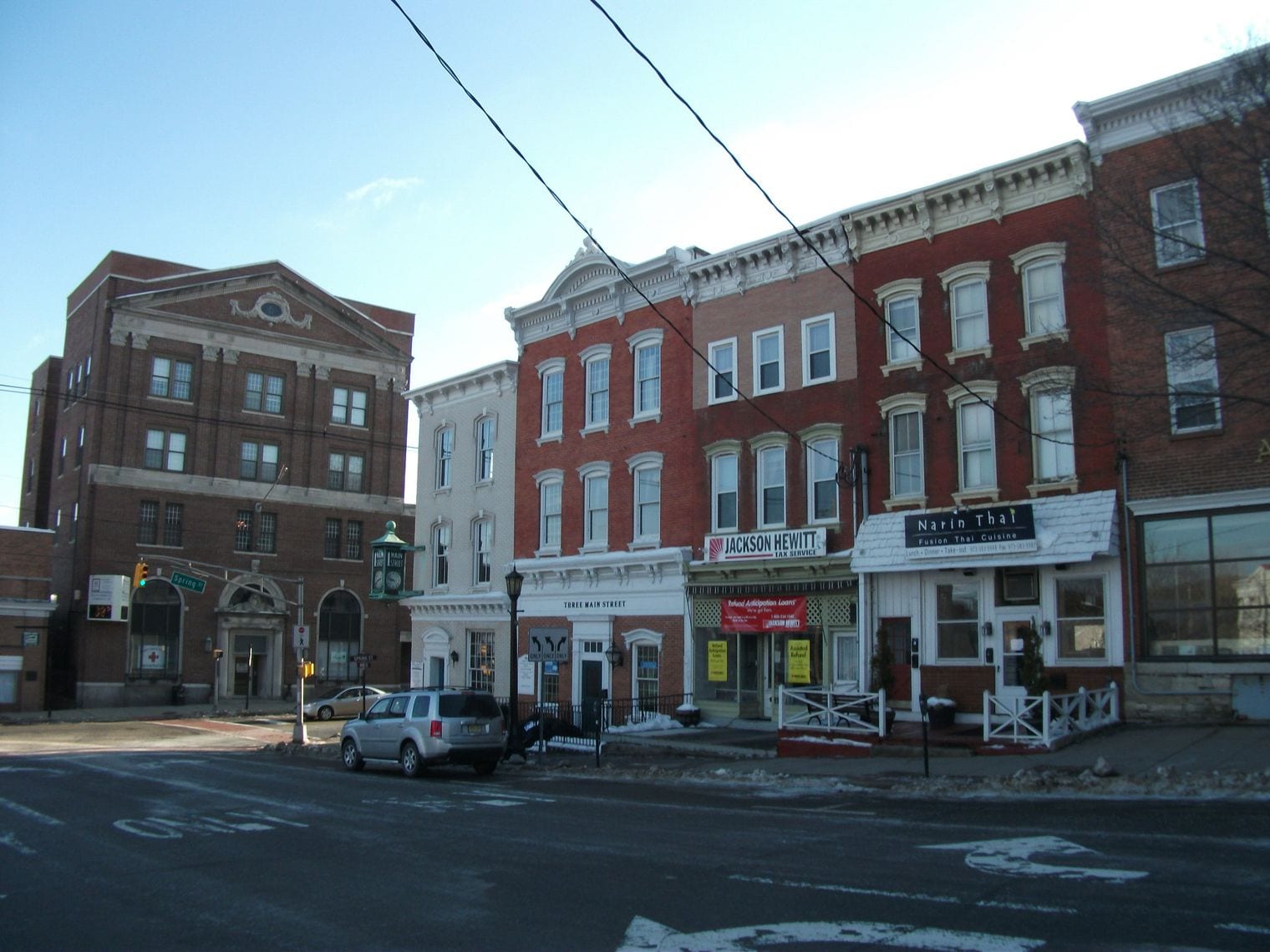
Newton, the county seat of Sussex County, is a town of about 8,400 people in the rolling hills of New Jersey's northwest corner, about 60 miles from New York City. Its historic core, the Town Plot, centers on a colonial-era green framed by the Sussex County Courthouse, rebuilt in 1848 after a fire, along with churches and a stately 1920s bank building.
Visit the Sussex County Historical Society's Hill Memorial Museum, among the oldest museum buildings in the state, with exhibits running from mastodon bones to World War II, and see the Old Newton Burial Ground, opened in 1762, with Father Time cast on its iron gates. A restored 1920s movie theater on Spring Street hosts concerts and plays, and Kittatinny Valley State Park, just outside town, has lakes and rail trails for paddling, hiking and biking.
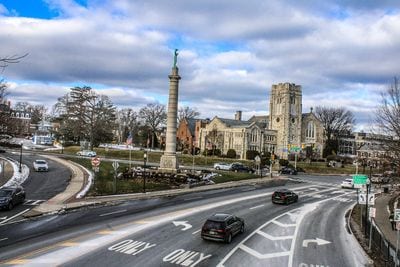
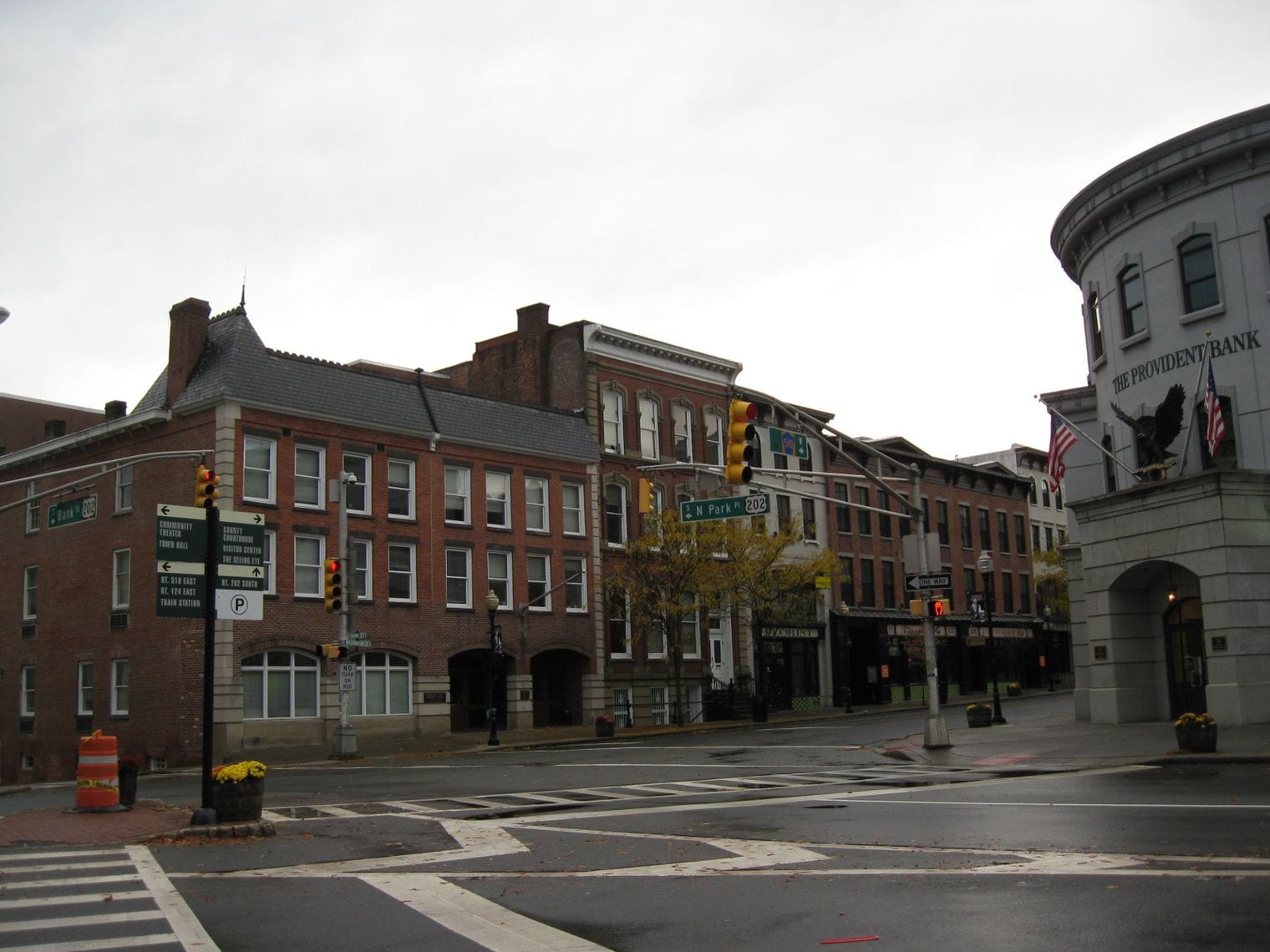
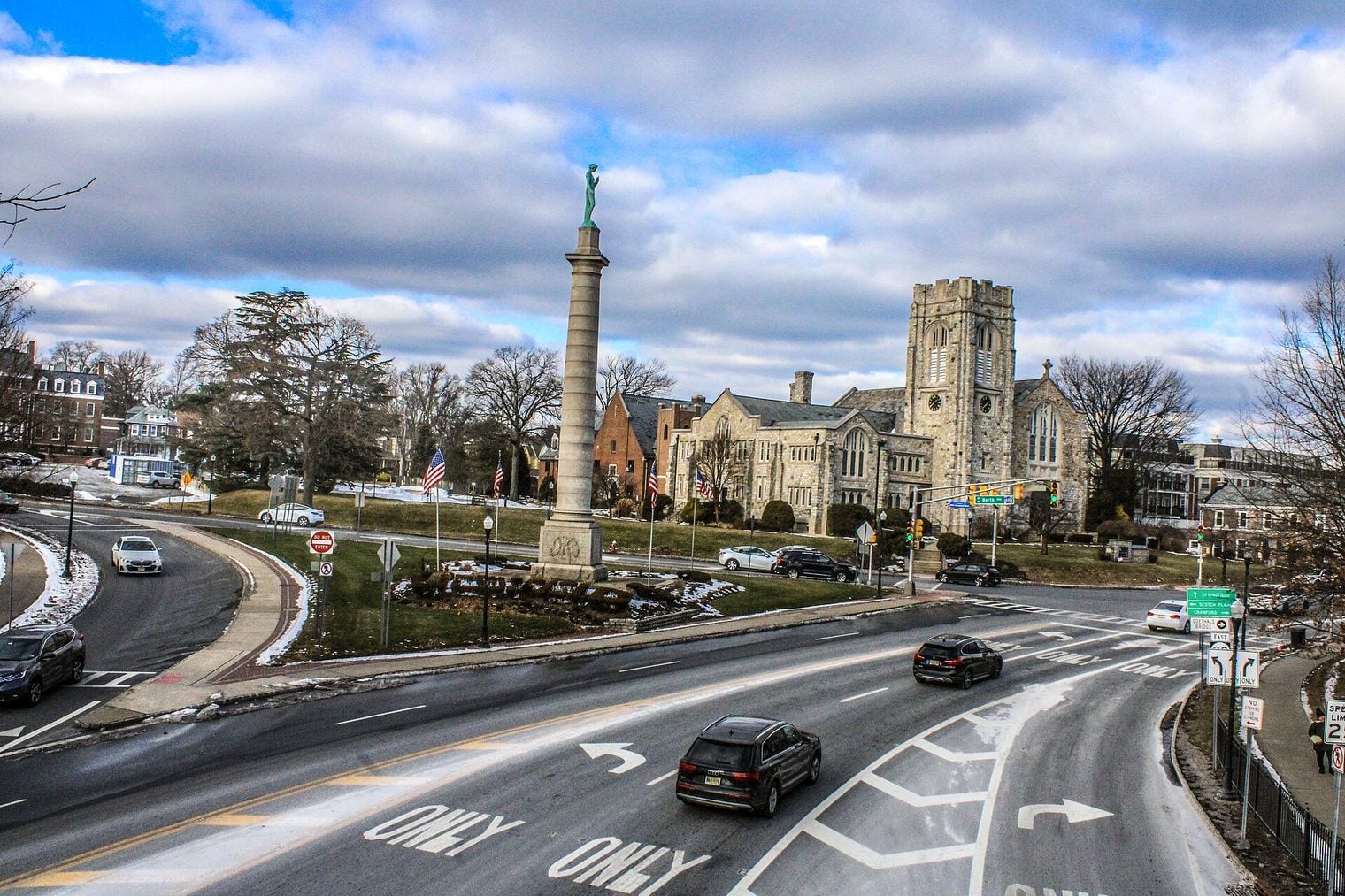
Somerville, the county seat of Somerset County, is a borough of about 12,000 people whose Main Street keeps most of its historic buildings, now filled with restaurants and shops that draw diners from all over central New Jersey. The white marble Somerset County Courthouse, completed in 1909, anchors the town, and singer, actor and activist Paul Robeson grew up here.
Tour the Wallace House, where George Washington made his headquarters during the Middlebrook encampment of 1778–79, and the nearby Old Dutch Parsonage, home of a founder and first president of what became Rutgers University. Each Memorial Day weekend the town hosts the Tour of Somerville bicycle races, and Duke Farms, the former estate of Doris Duke in neighboring Hillsborough, has miles of trails and gardens.
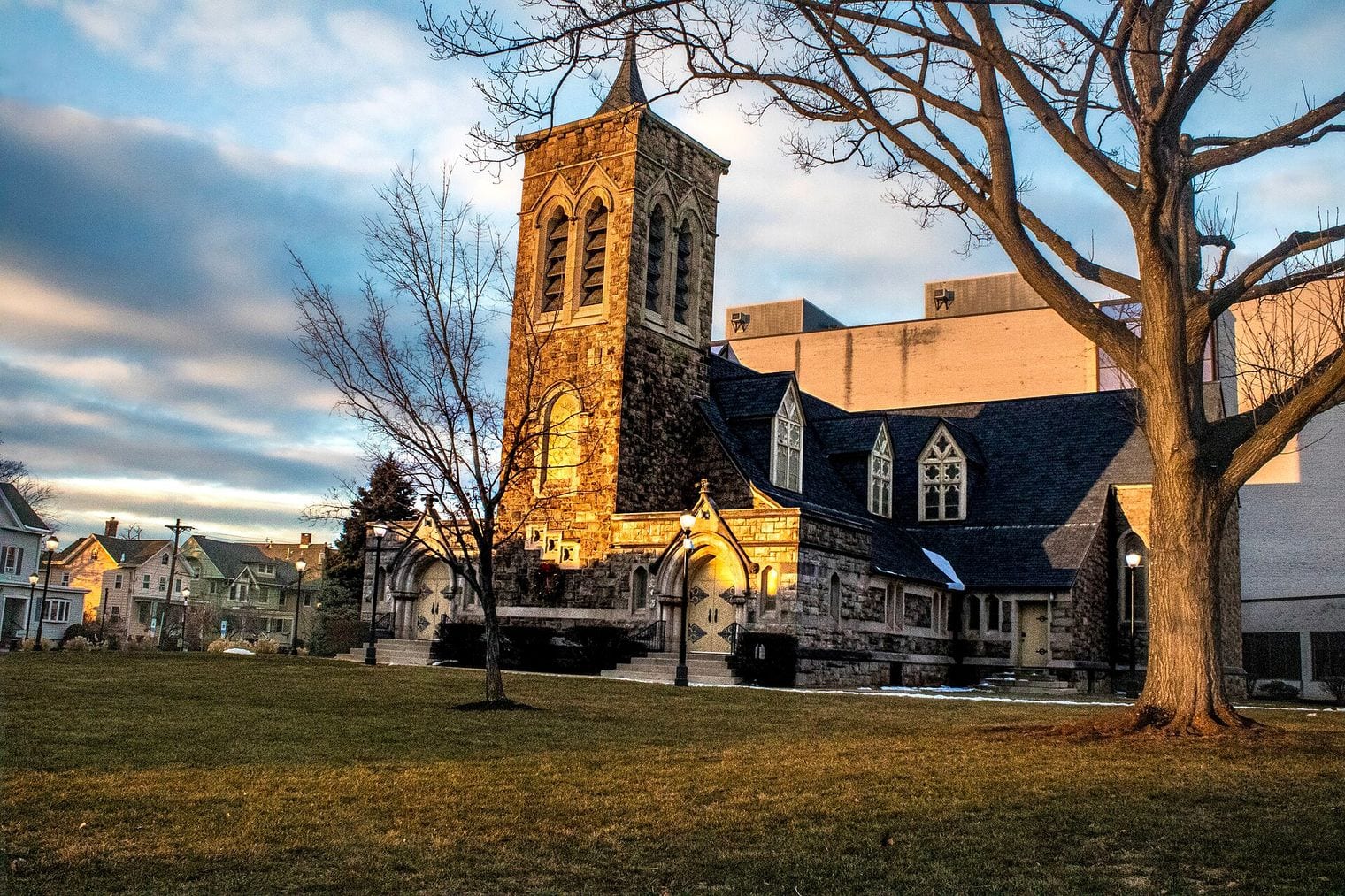
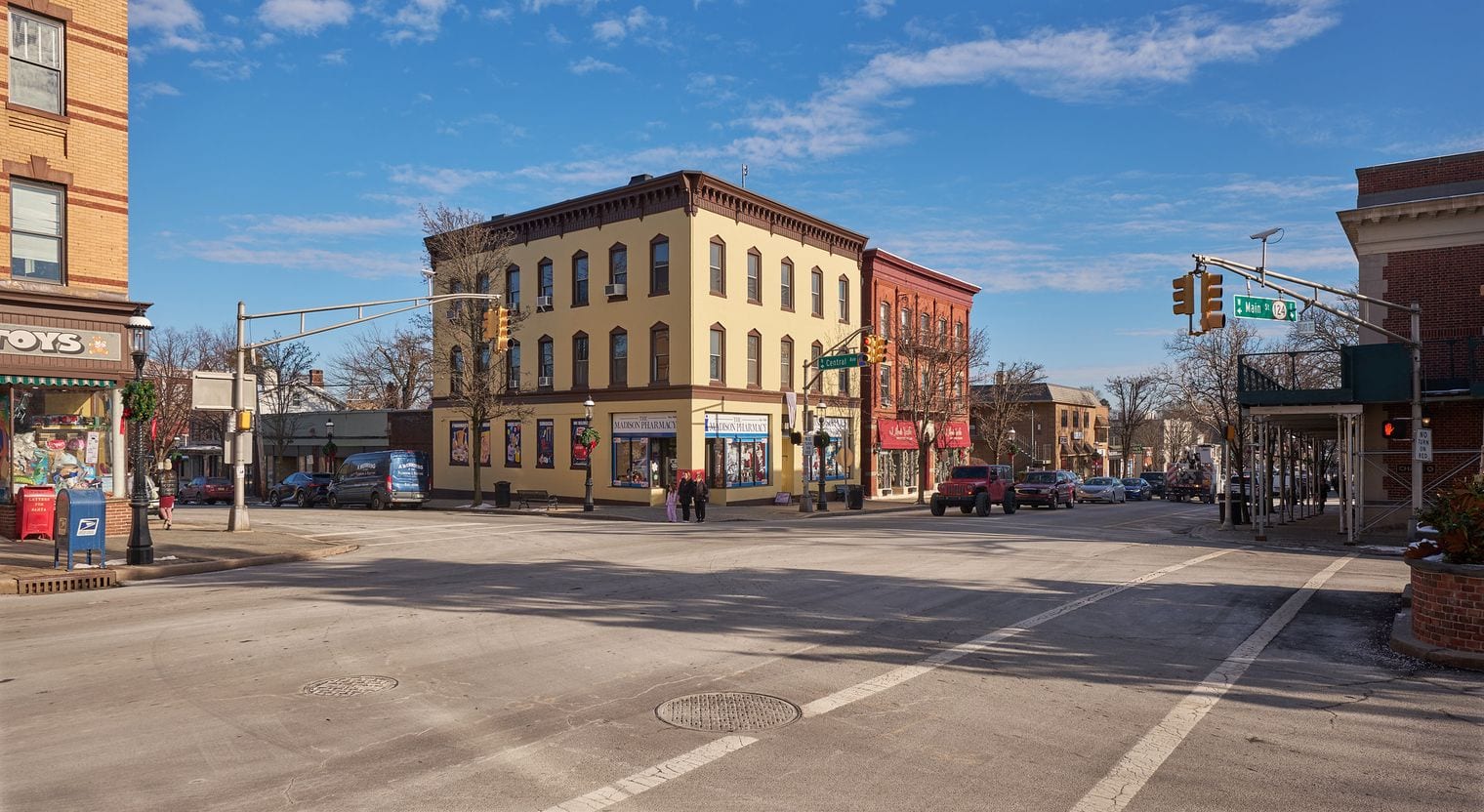
Madison, a Morris County borough of about 17,000 people named for President James Madison, is nicknamed the Rose City for the rose-growing industry that flourished here once the railroad arrived. Its handsome downtown, historic train station and grand Hartley Dodge Memorial borough hall form a historic district, and the wooded campus of Drew University sits on the edge of town.
See a play at the Shakespeare Theatre of New Jersey, the state's only professional company devoted to Shakespeare and the classics, which performs a short walk from downtown. The Museum of Early Trades and Crafts, in the town's former library building, shows the tools and skills of early New Jersey, and in 2017 a long-lost bust of Napoleon by Auguste Rodin was discovered inside the borough hall.
Seaside Heights is the Jersey Shore at its loudest and most fun, a borough of about 2,400 year-round residents on the Barnegat Peninsula that fills every summer with crowds drawn to its boardwalk, beaches and nightlife. The town boomed after a bridge from Toms River opened in 1914 and a carousel pavilion went up by the beach, and much later it found fame as the setting of MTV's Jersey Shore.
The boardwalk runs for about two miles, with arcades, games of chance, pizza and frozen custard stands, and Casino Pier stretches out over the ocean with roller coasters and rides. Across the street, the Breakwater Beach water park cools things off on hot days, and the wide beach is the place to spend the daytime before the boardwalk lights up at night.
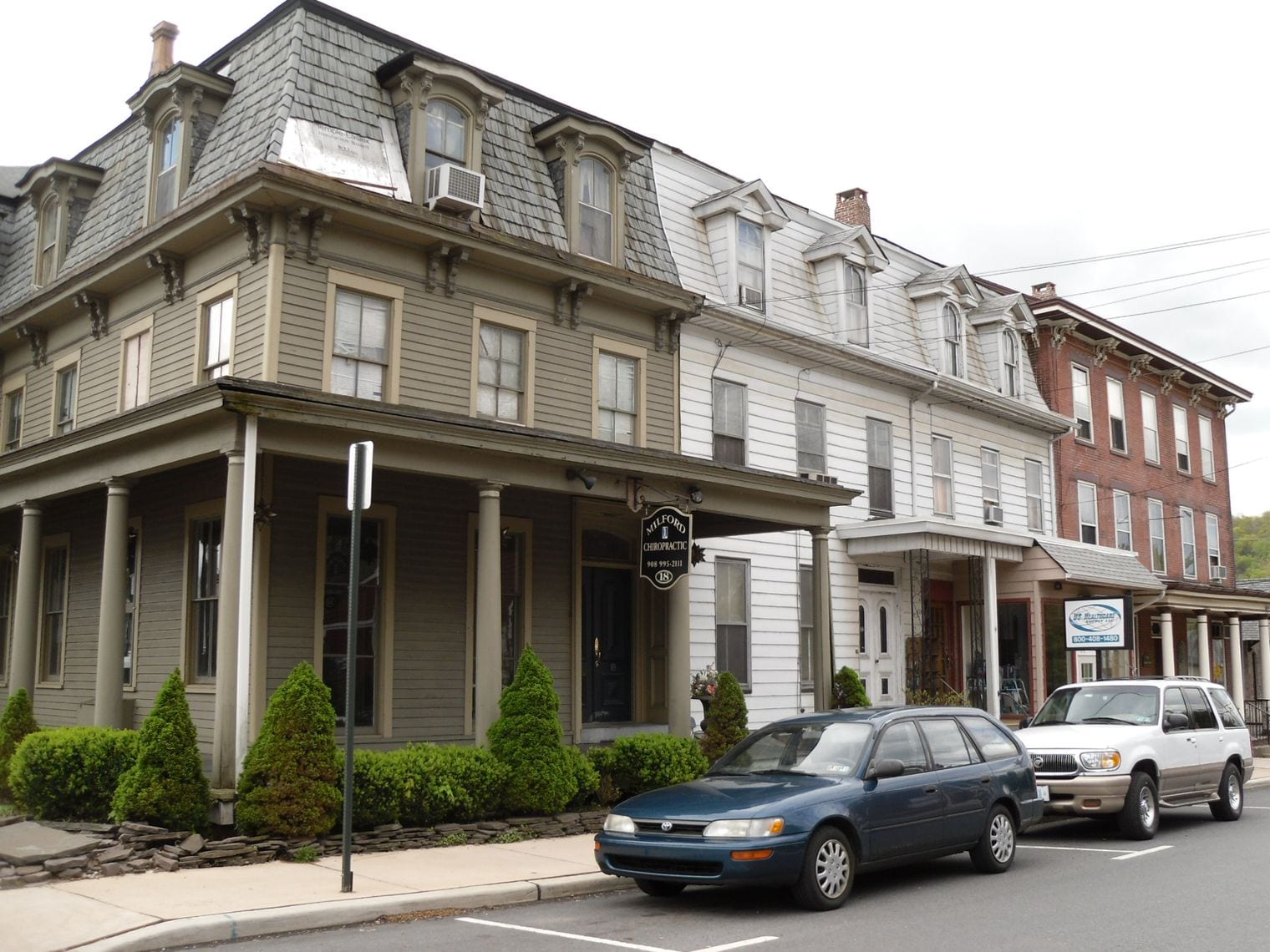
Milford, New Jersey, is a borough of about 1,200 people on the Delaware River in western Hunterdon County, not to be confused with the Milford in Pennsylvania's Pike County. Thomas Lowrey built the first hotel and gristmill on Bridge Street in the 1790s, and that short street is still the heart of town, lined with small shops, cafés and old houses running down to the river.
Walk across the 1933 steel truss bridge to Upper Black Eddy, Pennsylvania, built where a covered bridge once stood, and drive a few minutes to Ringing Rocks Park, where boulders ring like bells when struck with a hammer. Back on the Jersey side, the riverside road south toward Frenchtown makes one of the prettiest drives in the region.
Deal is one of the most exclusive addresses on the Jersey Shore, a Monmouth County borough of about 900 year-round residents whose population swells many times over each summer. Settled in the 17th century and named for the seaside town of Deal in Kent, England, it became a Gilded Age retreat where wealthy New Yorkers built grand summer “cottages” along Ocean Avenue.
The pleasure of a visit is a slow drive or bike ride along Ocean Avenue, past one grand estate after another with glimpses of the sea between them, and leafy side streets of Victorian and Foursquare houses inland. Deal pairs easily with its neighbors to the south, the small historic borough of Allenhurst and the boardwalk and music scene of Asbury Park.
Stockton is one of the smallest towns on this list, a Hunterdon County borough of about 500 people on the Delaware River between Lambertville and Frenchtown. First known by the names of its river ferries, it took its present name in 1851 in honor of Senator Robert Field Stockton, a driving force behind the Delaware and Raritan Canal, which still runs through town beside the river.
The highlight is Prallsville Mills, a complex of historic mill buildings beside the canal, now part of Delaware and Raritan Canal State Park and cared for by a local society that hosts concerts, art shows and events. Walk or bike the canal towpath from here toward Lambertville, or continue a few miles north to Bull's Island, where a footbridge crosses the river to Pennsylvania.
Bernardsville, the northernmost borough in Somerset County with about 7,900 residents, was known as Vealtown until 1840, when it was renamed for the colonial governor Sir Francis Bernard. After the Civil War, wealthy New Yorkers built grand country estates in the surrounding hills, an enclave known as the Mountain Colony, and commuted on a train nicknamed the millionaire's special.
Explore the Cross Estate Gardens, formal and native-plant gardens on an old estate that is now part of Morristown National Historical Park, and walk the woodland trails of New Jersey Audubon's Scherman Hoffman Wildlife Sanctuary, which covers nearly 300 acres along the headwaters of the Passaic River. The small downtown has shops and cafés for a break between walks.
Bordentown packs a surprising amount of history into a city of about 4,000 people on a bluff above the Delaware River, where Crosswicks Creek meets the river. Named for Joseph Borden, who ran a stage and boat line between New York and Philadelphia from here by 1740, it was home to the patriot writer Thomas Paine and, after Napoleon's fall, to his older brother Joseph Bonaparte, the former King of Spain.
Walk Farnsworth Avenue, the main street, for its bookshops, record stores, antique dealers and cafés, and look for the little Clara Barton Schoolhouse, where the future founder of the American Red Cross started New Jersey's first free public school in 1852. Point Breeze, Bonaparte's estate, lay just outside town, and the city's spring and fall festivals fill the streets.
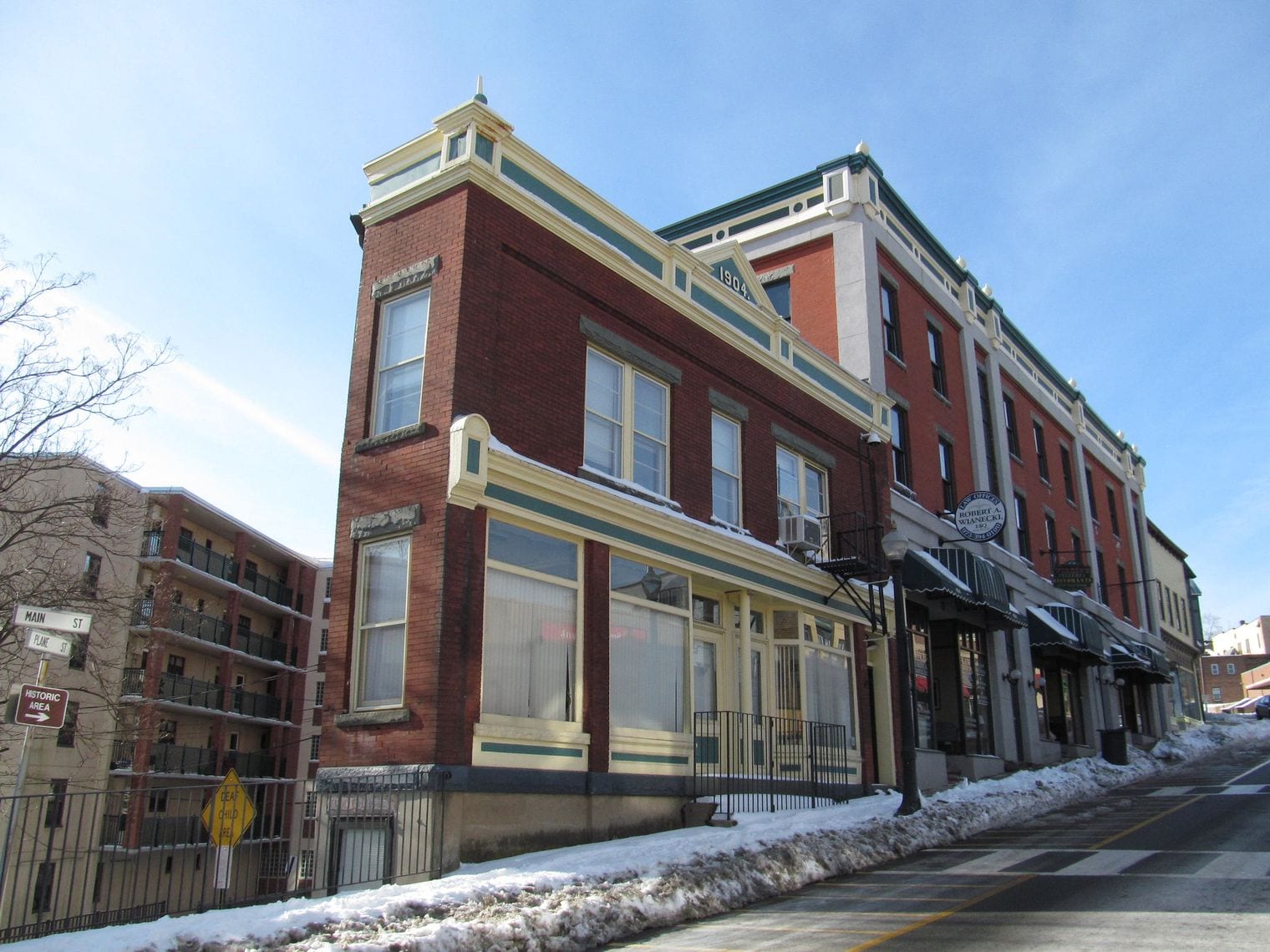
Boonton grew up in the 19th century as an iron-making town where the Morris Canal met the Rockaway River, and its Main Street still climbs the hill past storefronts from that era. The Morris County town of about 8,800 people takes its name from the colonial governor Thomas Boone, and the site of the original 18th-century settlement now lies under the Jersey City Reservoir just downstream.
Head down to Grace Lord Park to see Boonton Falls tumbling over the rocks and cross the single-span stone arch bridge built for the ironworks in 1866. The Boonton section of the Morris Canal Greenway starts here too, and back on Main Street, antique shops and restaurants fill the old buildings, while the Boonton Historic District includes a pair of unusual octagon houses on Cornelia Street.
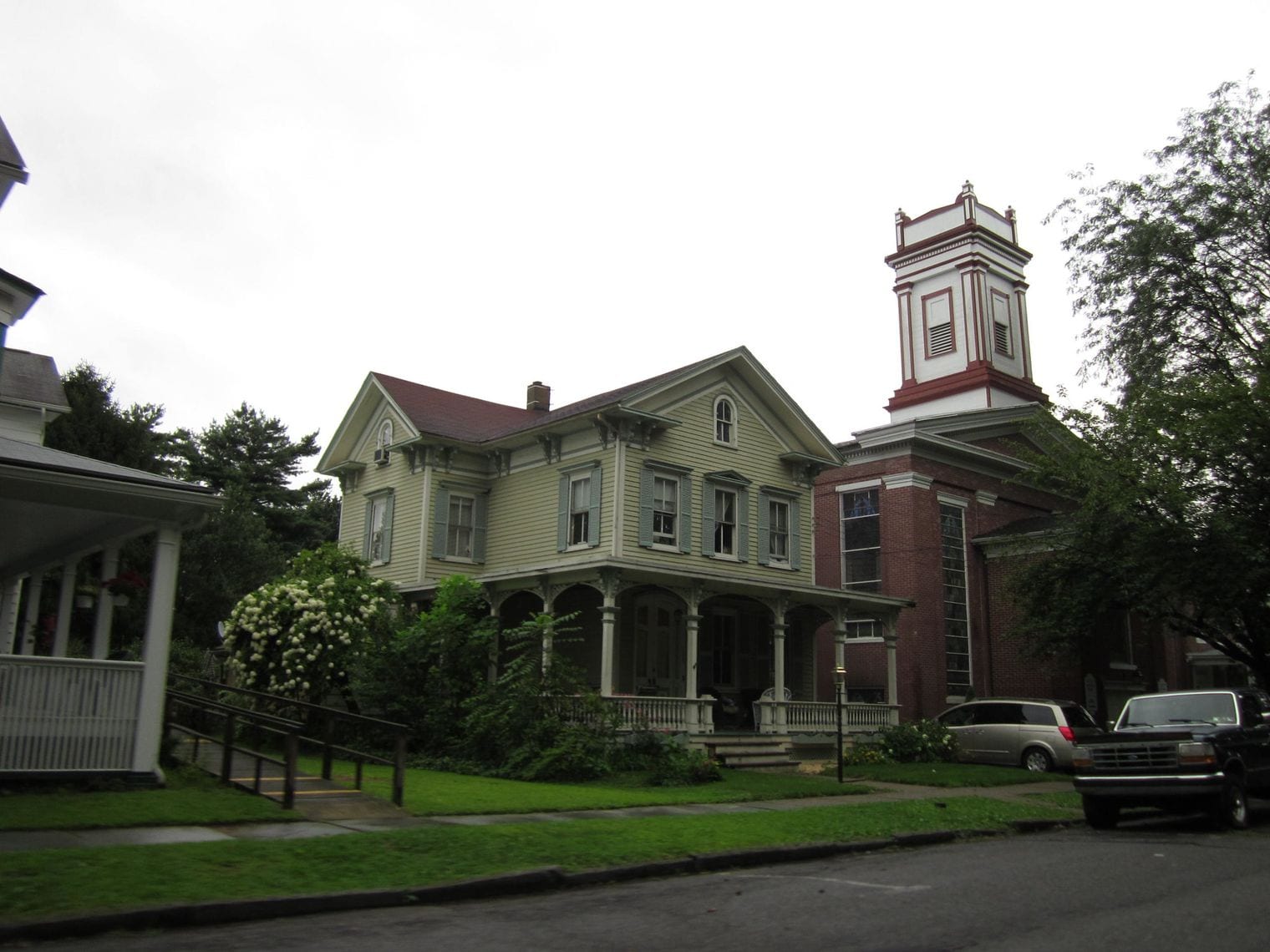
Belvidere, the county seat of Warren County, is a town of about 2,500 people where the Pequest River meets the Delaware, and its name is taken from the Italian for “beautiful to see.” Its center is a large, tree-shaded town square named for Garret D. Wall, surrounded by houses, churches and the Warren County Courthouse, completed in 1826.
Visit the Warren County Museum, in a mid-19th-century townhouse on the square, and the Belvidere Cemetery, where many Civil War-era figures are buried. In September the town turns back the clock for Victorian Days, with residents in 19th-century dress, and just south of town the Delaware races through Foul Rift, one of the river's most dangerous stretches of rapids, best admired from the bank.
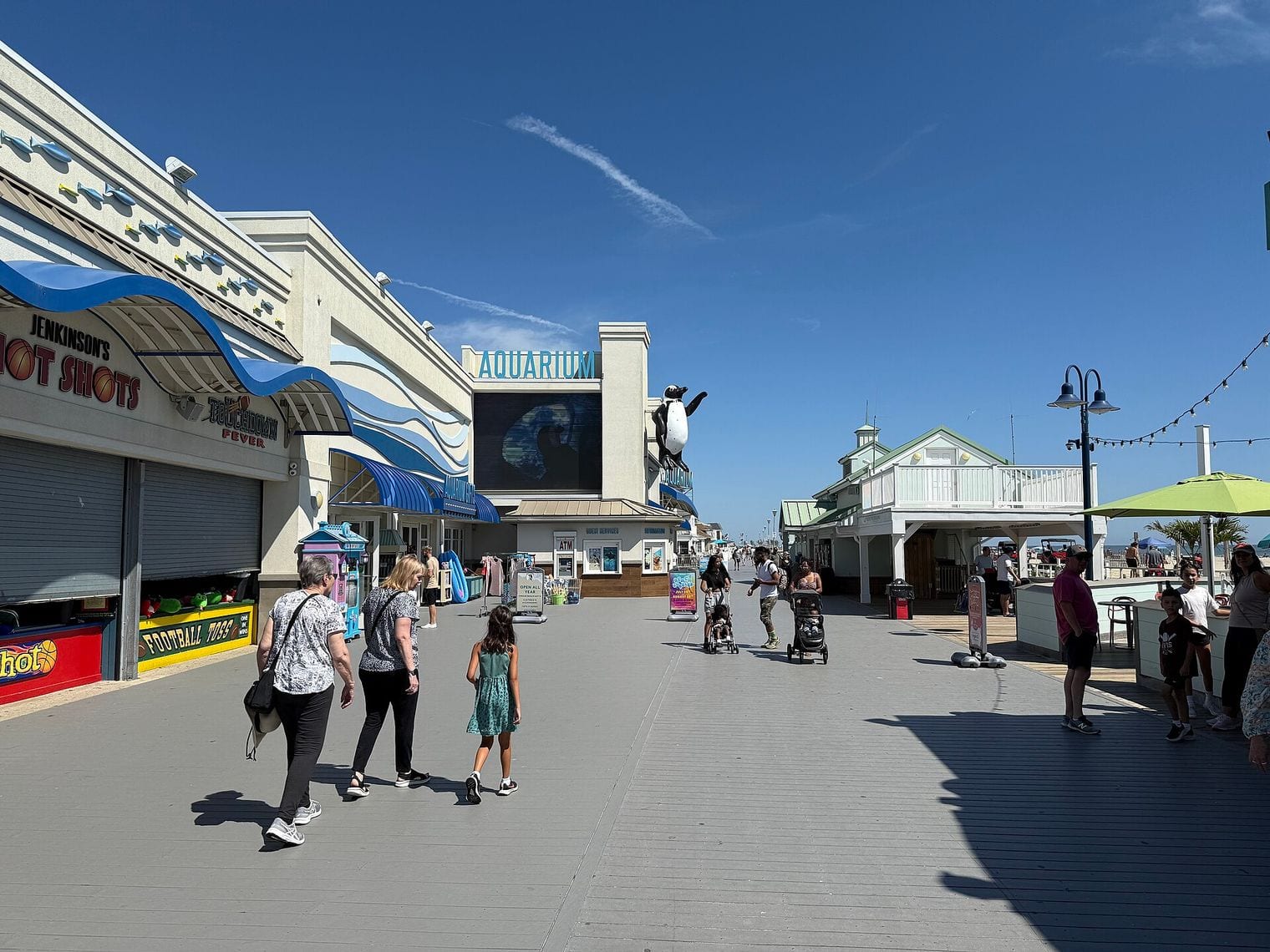
Point Pleasant Beach is the classic family boardwalk town, a borough of about 4,800 people at the northern tip of the Barnegat Peninsula, where the Manasquan Inlet meets the Atlantic. Henry Hudson's crew sailed past in 1609 and called it “a pleasant land to see,” and summer visitors have been coming since the 19th century, when a local farmhouse began taking in boarders.
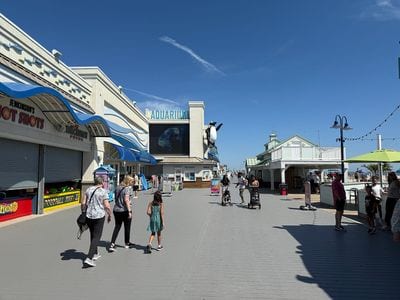
The boardwalk runs for about a mile south from the inlet, and its busy center is Jenkinson's Boardwalk, with rides, arcades, mini golf and an aquarium. Walk out along the inlet to watch the boats come and go between the river and the ocean, then settle on the beach for the rest of the day before the boardwalk lights up in the evening.
Free Things to Do in These New Jersey Towns
Many of the best moments on this list cost nothing. Walk the Victorian streets of Cape May, follow the canal towpath along the Delaware from Lambertville or Stockton, and stroll the non-commercial boardwalk at Spring Lake. In Princeton, wander the university campus and the fields of Princeton Battlefield State Park, and in Morristown hike the trails of Jockey Hollow.
Watch the sun set over the bay from Sunset Beach in Cape May Point, find the dinosaur site in Pennypacker Park in Haddonfield, see Boonton Falls in Grace Lord Park in Boonton, and walk the formal gardens of the Cross Estate in Bernardsville.
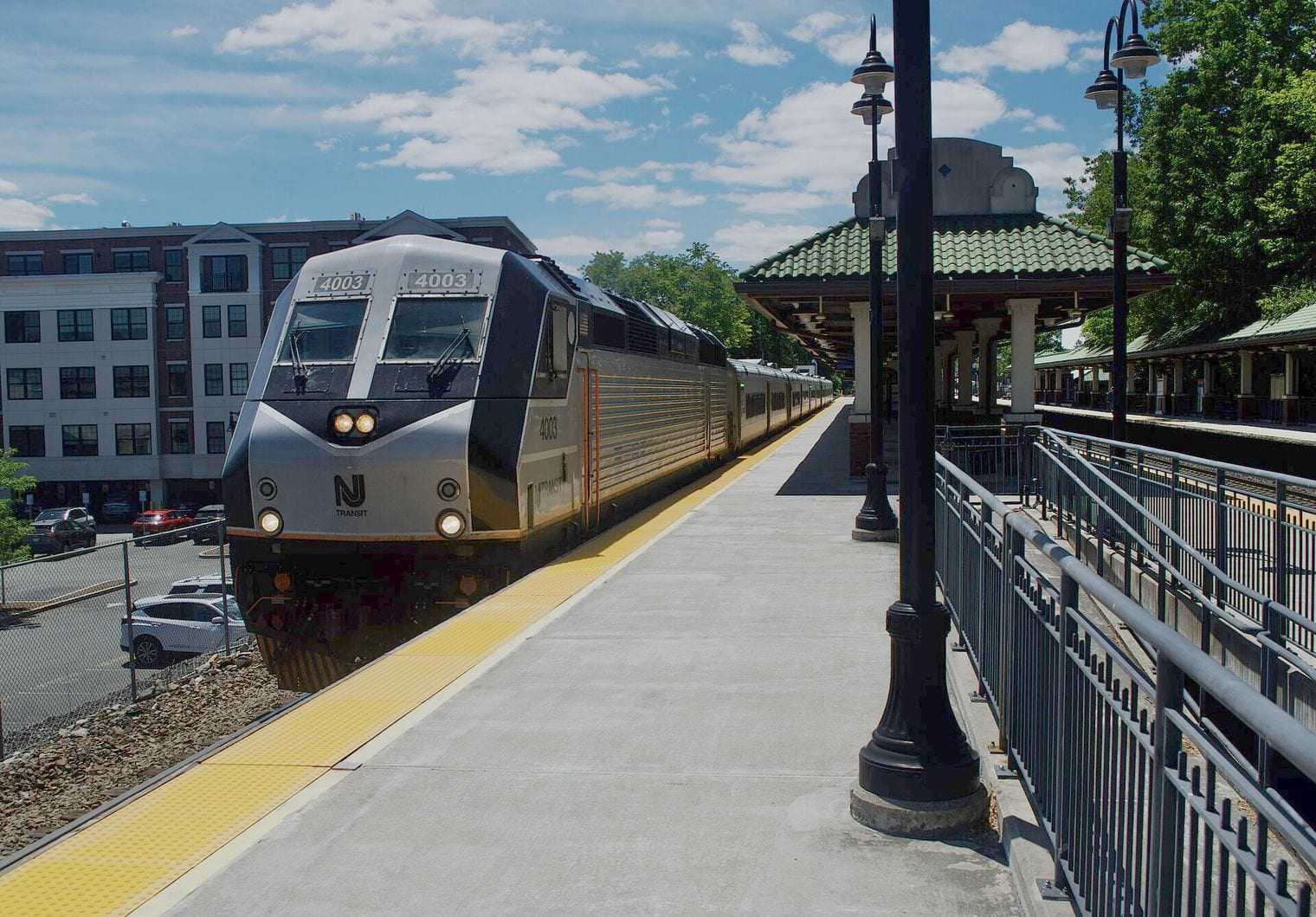
New Jersey is compact, so it is easy to string several of these towns together. The Delaware River makes the most scenic route: Belvidere, Milford, Frenchtown, Stockton and Lambertville line the river from north to south, with Clinton and Chester a short drive inland and Hopewell and Cranbury in the farm country around Princeton. Farther down the river, Bordentown and Allentown pair well, and Haddonfield and Collingswood make an easy day out from Philadelphia.
The Jersey Shore runs from Red Bank and Asbury Park south through Ocean Grove, Deal, Spring Lake, Point Pleasant Beach and Seaside Heights, while Brigantine, Stone Harbor, Cape May and Cape May Point fill the southern end.
In the north, Montclair, Ridgewood, Westfield, Millburn and Madison are all within easy reach of Jersey City and the Hudson waterfront, Morristown, Bernardsville, Boonton and Somerville link up through the hills of Morris and Somerset counties, and Newton anchors the lakes and farmland of the far northwest.
FAQ: Visiting the Best Small Towns in New Jersey
What is the best small town in New Jersey?
Cape May is the best small town in New Jersey, a Victorian seaside resort whose entire city is a National Historic Landmark district. Lambertville is the favorite on the Delaware River for antiques and galleries, while Spring Lake, Frenchtown and Clinton round out the top five for a quiet boardwalk, riverside shops and the photogenic Red Mill.
What are the best small towns near New York City?
Montclair, Ridgewood, Westfield, Millburn and Madison are all within about an hour of Manhattan and have lively, walkable downtowns near their train stations. Morristown adds Revolutionary War history, Red Bank brings river views and theaters, and Asbury Park and Ocean Grove make easy beach trips down the Jersey Shore.
What are the best small towns near Philadelphia?
Haddonfield and Collingswood sit just across the Delaware River from Philadelphia and are linked to the city by the PATCO train, with historic main streets full of shops and restaurants. Bordentown and Allentown lie a little farther north, Lambertville sits across the river from New Hope, and Cape May is the classic seaside escape.
Which small towns are on the Delaware River in New Jersey?
Belvidere, Milford, Frenchtown, Stockton and Lambertville line the river in the northwest and Hunterdon County, each with a bridge to Pennsylvania and quiet, walkable streets. The Delaware and Raritan Canal towpath links Frenchtown, Stockton and Lambertville, and farther south Bordentown looks out over the river from its bluff.
When is the best time to visit New Jersey's small towns?
Summer is the season for the Jersey Shore towns, from Cape May and Spring Lake to Seaside Heights and Point Pleasant Beach. Fall is the best time for the river and hill towns, when foliage colors the Delaware Valley and the hills around Chester, and spring brings ShadFest in Lambertville and blooming gardens in Montclair.
How many days do you need to visit a small town in New Jersey?
Most towns on this list fill a relaxed day, and many make easy day trips from New York City or Philadelphia. Cape May and Princeton deserve two days or a weekend to see properly, while a long weekend lets you link several towns in one region, such as the Delaware River towns or the Jersey Shore.
Sources & updates
How this guide was checked
Checked before launch
Sources cited
35
Publishers
30
Every town on this list was pinned on the map and checked against official and local sources before publication.
A PDF with a box to tick for every place. Confirm your email to download it, and get one email every Thursday with our newest guides for the places you tick.
Free New Jersey small towns printable checklist
All 35 places in one PDF
Tick them off as you go. Confirm your email to download it, plus one email every Thursday with new guides for the places you tick.
We use cookies to analyse site traffic and improve your experience.
You can accept or reject analytics cookies. See our
May we use analytics cookies? See ourCookie Policy.