We build and rank every list first. Booking links come after, and only where
a partner sells a ticket, tour or stay for that exact place, so a place with
nothing to book is listed exactly as prominently as one you can book.
So how do we earn? Some links on this page go to booking
partners, and if you book tickets, tours or a stay through
one, we may earn a commission. It costs you nothing extra.
That commission never decides which places make the list, the order they
appear in, or what we write about them. No entry is sponsored or a paid
placement.
By the City Viking editorial teamPublished 20 places · 16 min read
Fact-checked Checked before launchOct 16, 202620 sources16 publishers5 encyclopedias & research15 venues & other sitesPublished · Oct 16, 2026Researched and checked before it went liveClick for every source and the full change log.
Short answer
Newark is known for its Puritan roots, its place as New Jersey's largest city and the first municipal commercial airport in the country. Its three essential sights are Branch Brook Park's April cherry blossoms, the Newark Museum of Art and the Cathedral Basilica of the Sacred Heart, with dinner in the Ironbound. One full day covers the highlights; give it two to add a show at NJPAC or a game at the Prudential Center.
Newark was settled by Puritans in 1666 and grew into the largest city in New Jersey, yet many travelers know it only from the airport. Step off the train and you find French Gothic spires, Olmsted-designed parks, a major art museum and the Ironbound's Portuguese and Spanish dining streets.
This guide ranks the 20 best things to do in Newark, from the cherry blossoms of Branch Brook Park to concerts at NJPAC, Art Deco Penn Station and quieter historic churches. Plan one full day for the highlights or two to add a show, and pair it with nearby Jersey City.
Newark was settled in 1666 by Puritans from the New Haven Colony, led by Robert Treat, making it one of the oldest cities in the United States.
With more than 300,000 residents, Newark is the most populous city in New Jersey, ahead of nearby Jersey City.
Newark Liberty International Airport was the first municipal commercial airport in the United States, built on reclaimed marshland in the 1920s.
Branch Brook Park became the nation's first county park when the Essex County Parks Commission created it in 1895.
Gutzon Borglum's Wars of America in Military Park packs 42 human figures and two horses into one bronze, by the same sculptor who carved Mount Rushmore.
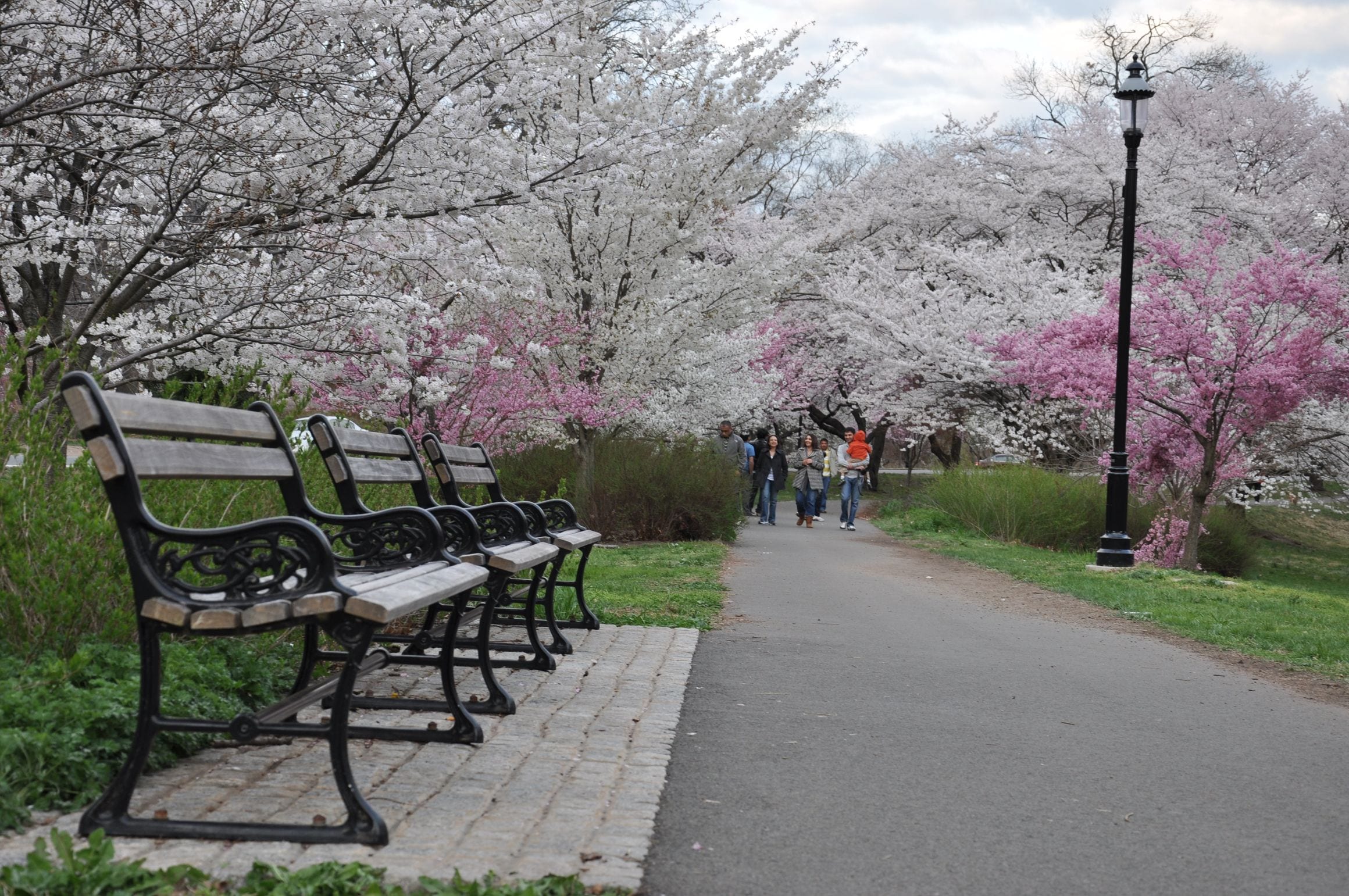
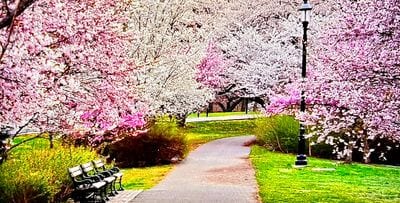
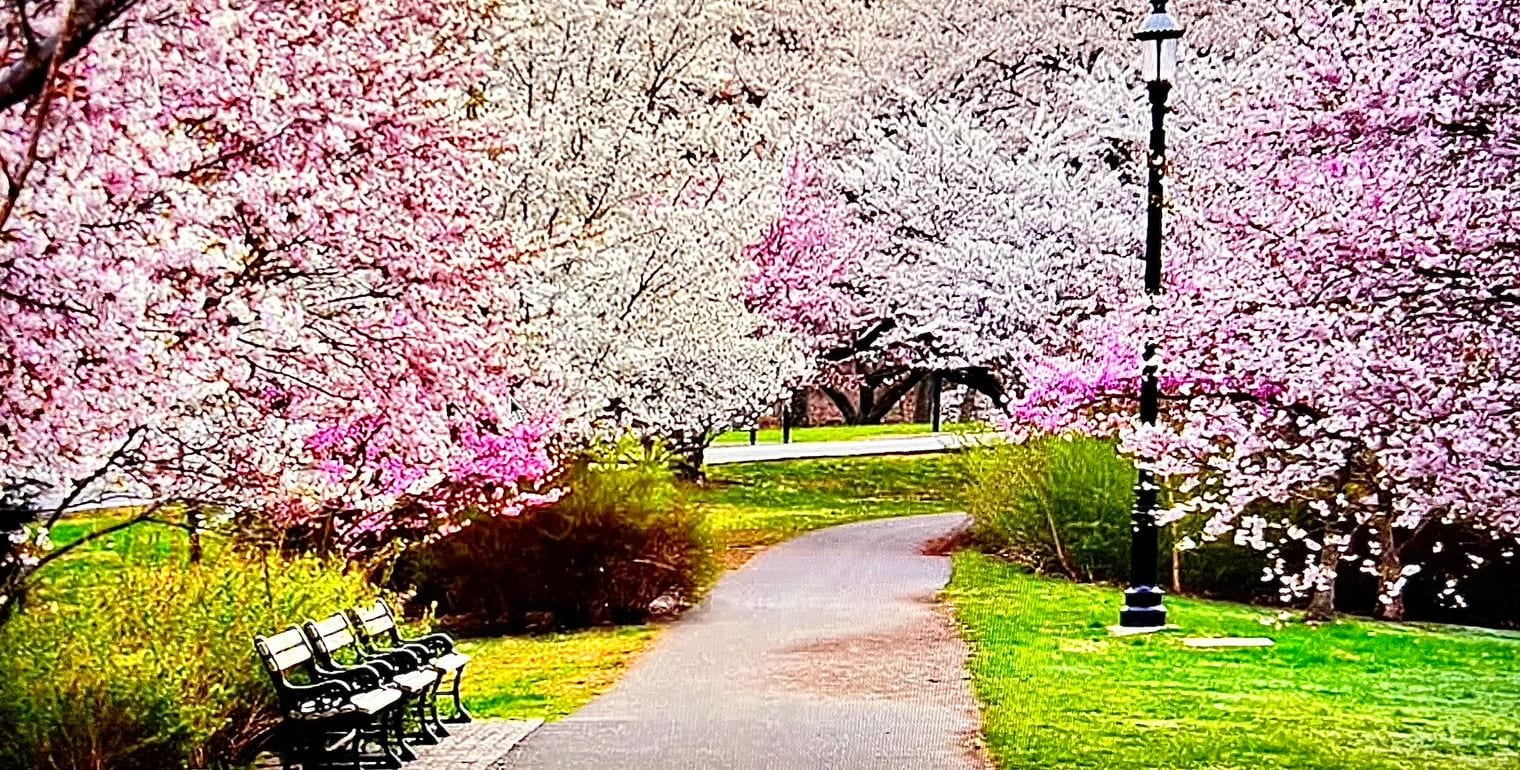
Branch Brook Park runs through Newark's North Ward, and every April it turns pink. The park holds more than 5,000 cherry trees in some 18 varieties, a collection widely billed as the largest in the United States, and the spring Cherry Blossom Festival fills its lawns and footpaths, with the Cherry Blossom Welcome Center as a handy first stop.
Created in 1895 by the new Essex County Parks Commission, it was the country's first county park, and the Olmsted Brothers later reshaped its 360 acres of lakes, meadows and stone bridges. Outside blossom season it is a fine place to walk, jog or picnic, with the towers of the Cathedral Basilica rising over its southern end.
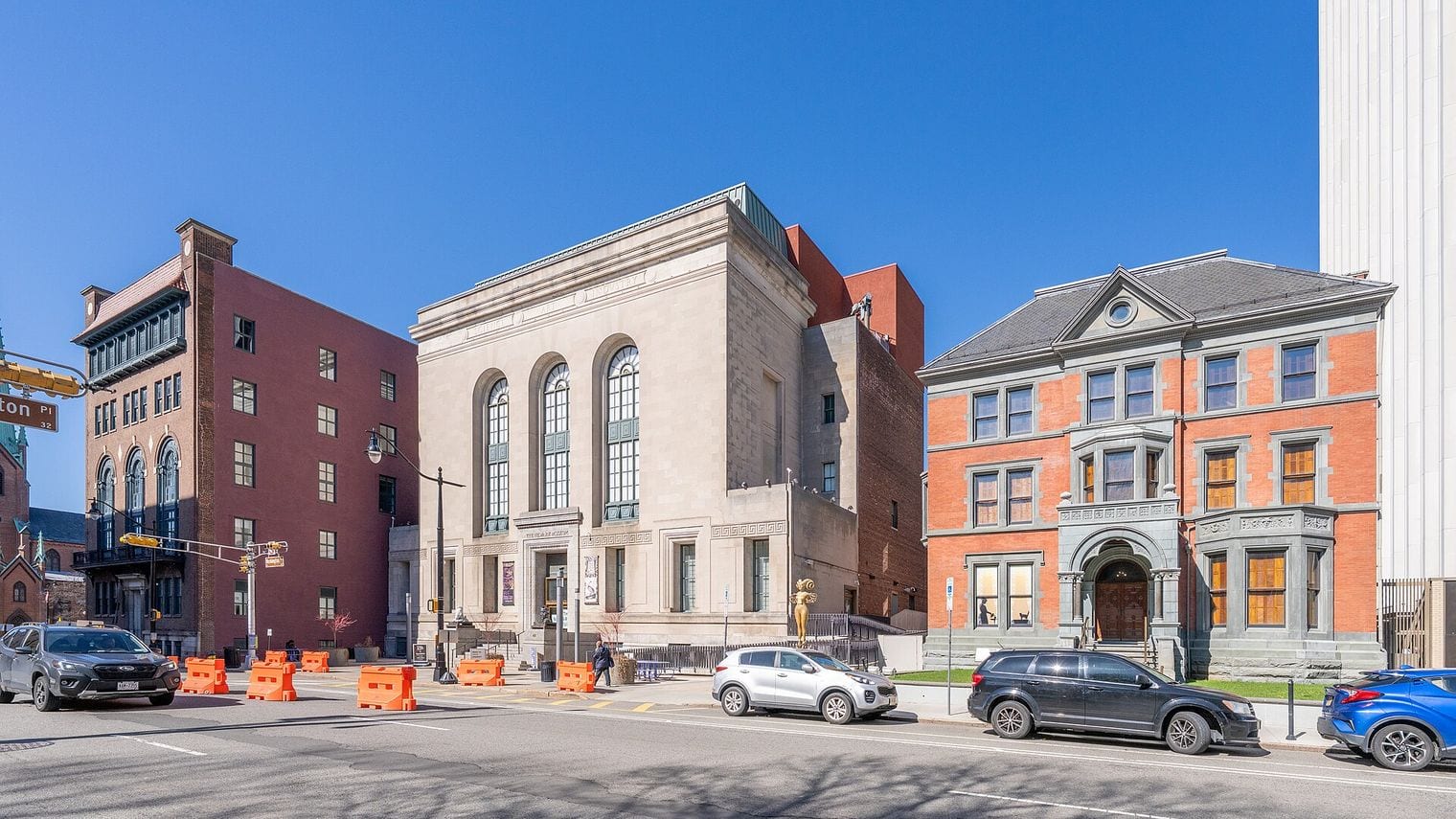
The Newark Museum of Art is the largest museum in New Jersey, founded in 1909 by the librarian John Cotton Dana. Its collections run from American paintings by Thomas Cole, Mary Cassatt and Georgia O'Keeffe to the arts of Africa, the Americas and the ancient world, and its large Tibetan collection is displayed around a Buddhist altar consecrated by the Dalai Lama.
The museum also takes in the 1885 Ballantine House, a brewer's mansion with period rooms, plus the Dreyfuss Planetarium and a natural science hall. Step outside to Harriet Tubman Square next door, where the Shadow of a Face monument honors Tubman and the city's place in Underground Railroad history.
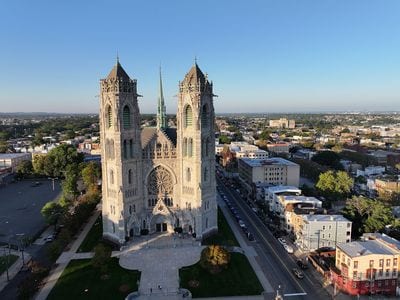
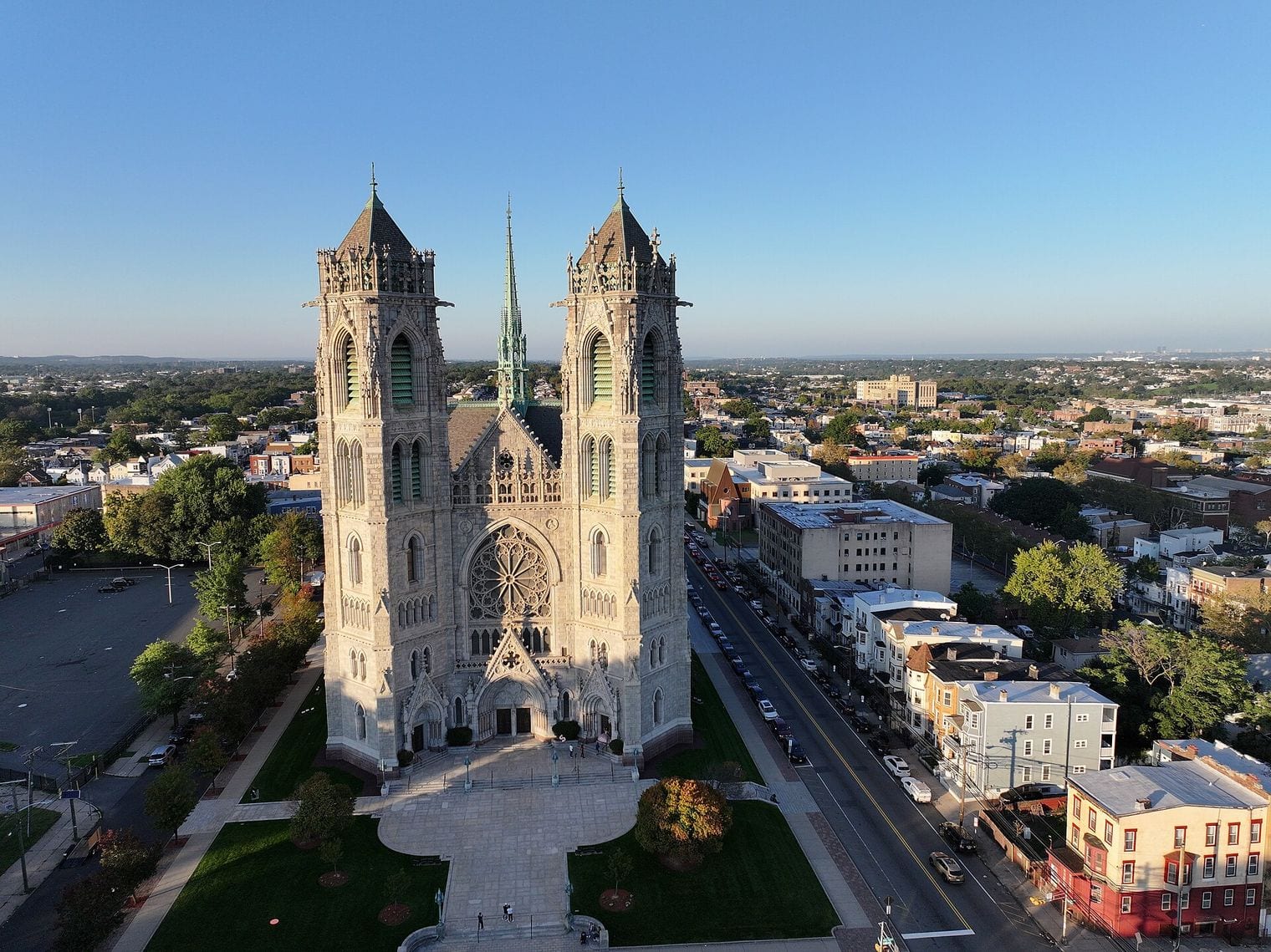
The Cathedral Basilica of the Sacred Heart is a French Gothic giant facing Branch Brook Park, with twin towers that rise higher than those of Notre-Dame in Paris. Construction began in 1899 and took until 1954, and the finished church ranks among the largest cathedrals in North America, roughly the size of Westminster Abbey.
Inside, the great rose windows of stained glass and the long, vaulted nave reward a slow circuit. Pope John Paul II led evening prayer here in 1995, entry is free outside services, and guided tours run on a regular schedule, so check the cathedral's site before you go.
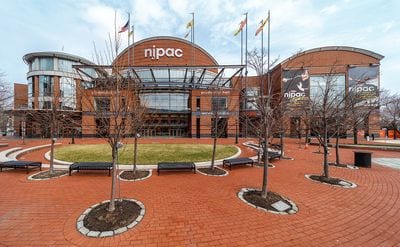
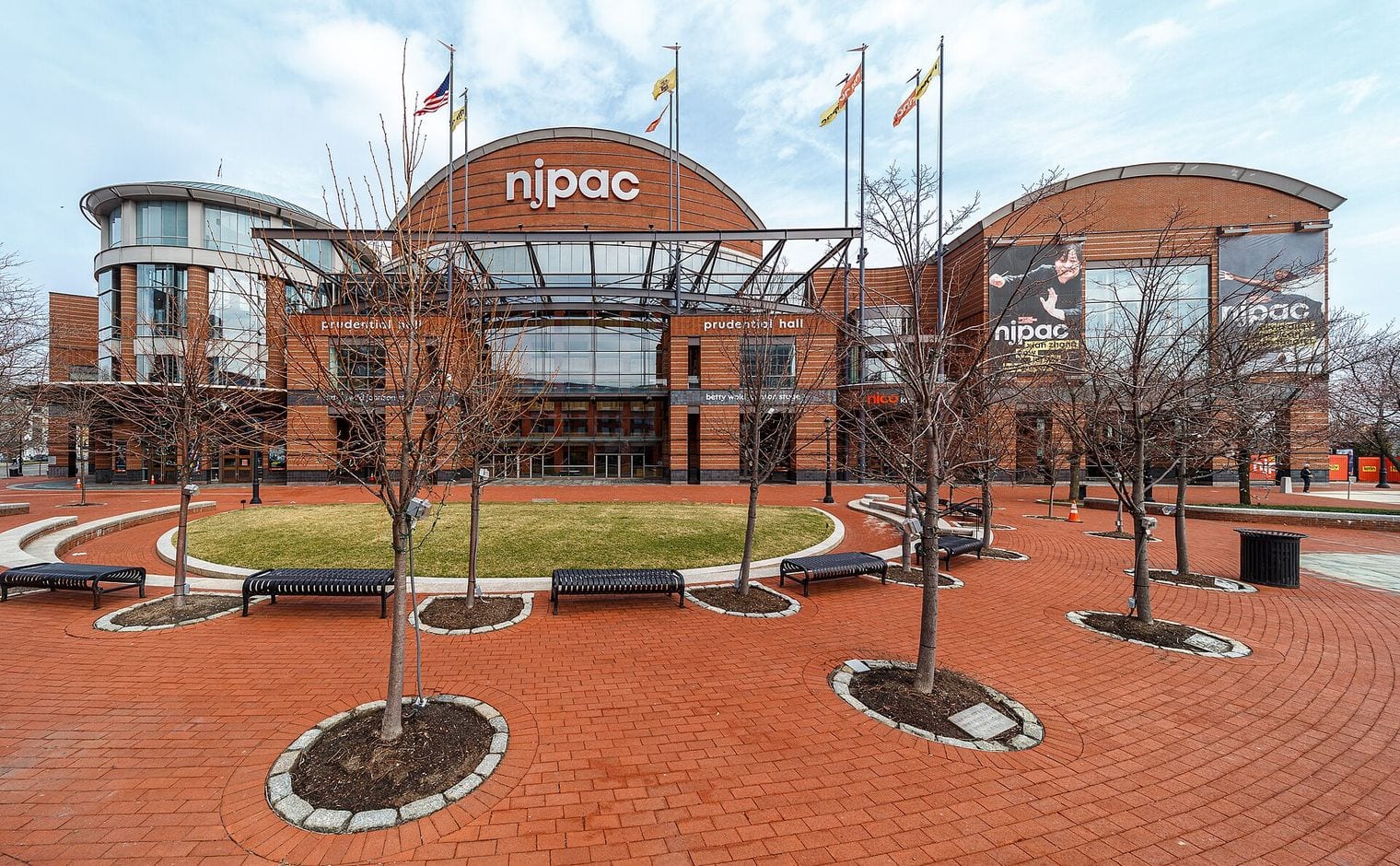
The New Jersey Performing Arts Center opened in 1997 beside Military Park and became the anchor of downtown Newark's revival. Known to everyone as NJPAC, it is home to the New Jersey Symphony and books a full season of jazz, comedy, dance, family shows and big-name concerts.
The center sits in the heart of the city's cultural district, with the Newark Museum of Art, the Historical Society and the main library all a short walk away. Check the calendar before your trip, since an evening show here is one of the best ways to spend a night in the city.
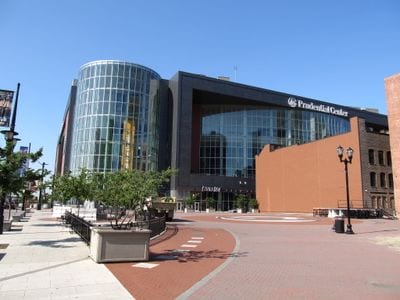
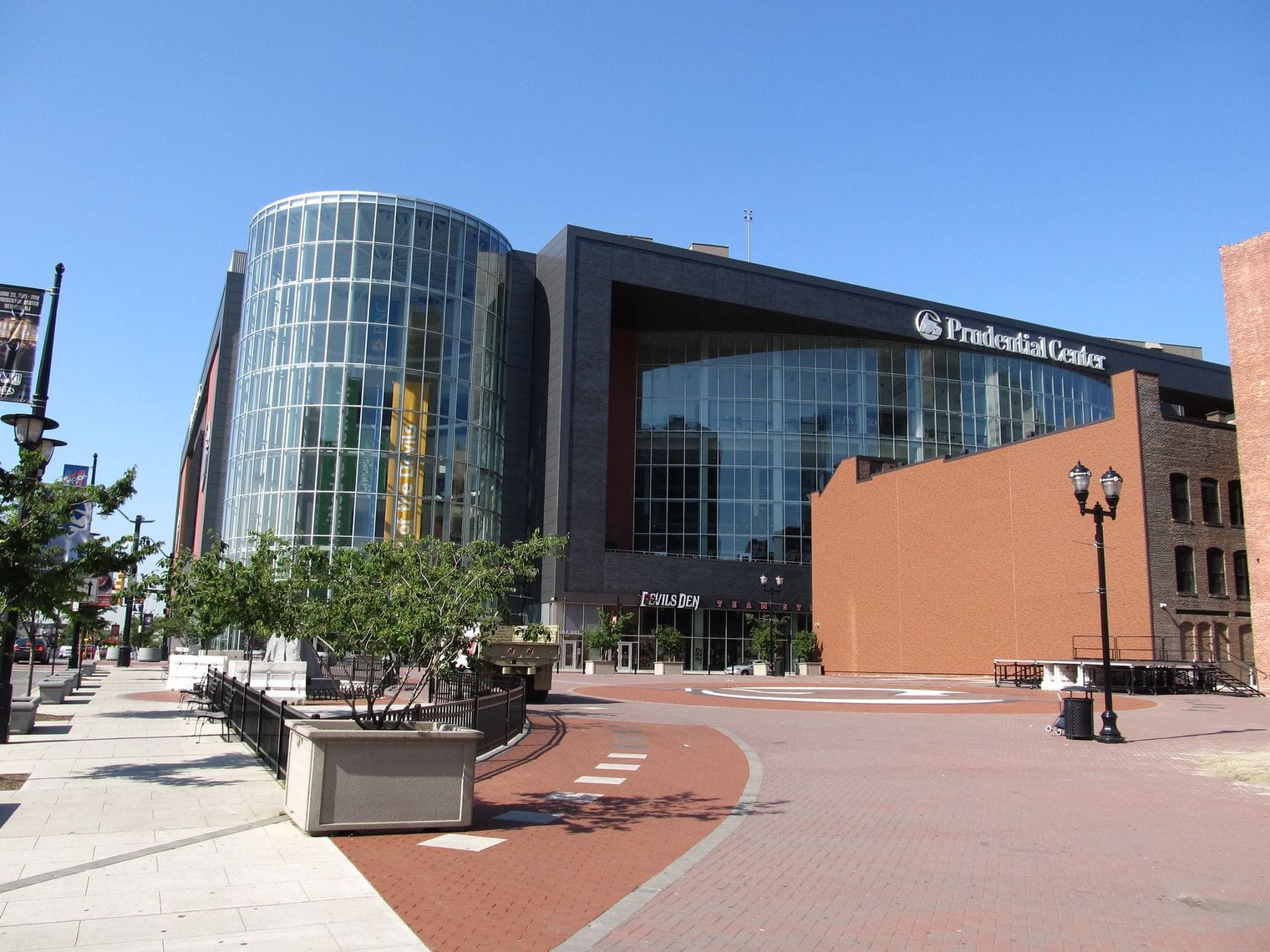
Prudential Center, the downtown arena locals call the Rock, opened in 2007 and is home to the NHL's New Jersey Devils and Seton Hall University's men's basketball team. It is also a major stop for arena concert tours, along with wrestling, college sports and family shows through the year.
A game night here is the easiest way to feel downtown's energy, with crowds spilling out toward the station and the bars nearby. The arena is a short walk from both Newark Penn Station and NJPAC, so it slots neatly into a day spent exploring downtown.
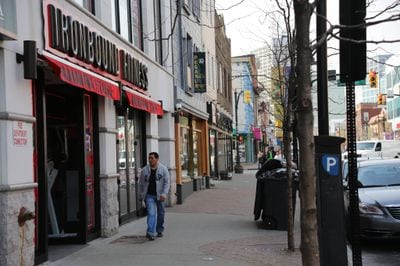
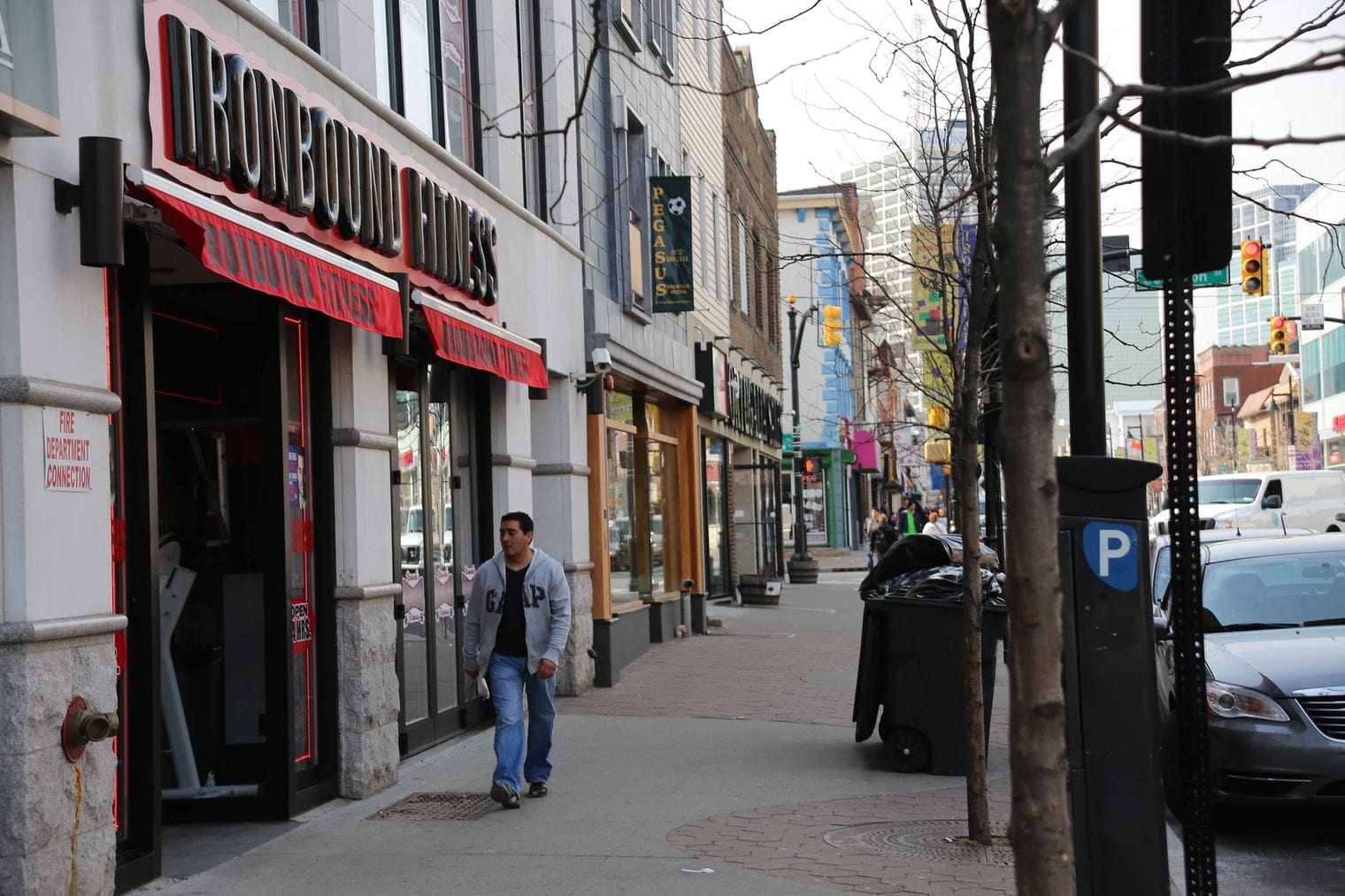
The Ironbound, a neighborhood of about four square miles just east of Newark Penn Station, is the city's liveliest place to eat. Portuguese and Spanish immigrants began arriving in the 1910s, later joined by Latin American families, and Ferry Street, the main commercial strip, is lined with bakeries, grills, seafood houses and cafés.
Come hungry and wander, since the side streets hold tidy row houses, churches and Portuguese social clubs as well as places to eat. Independence Park gives a green break in the middle of the neighborhood, and summer brings street festivals that celebrate its Portuguese roots.
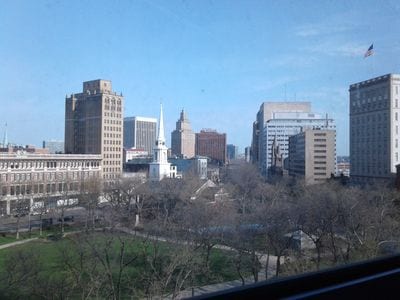
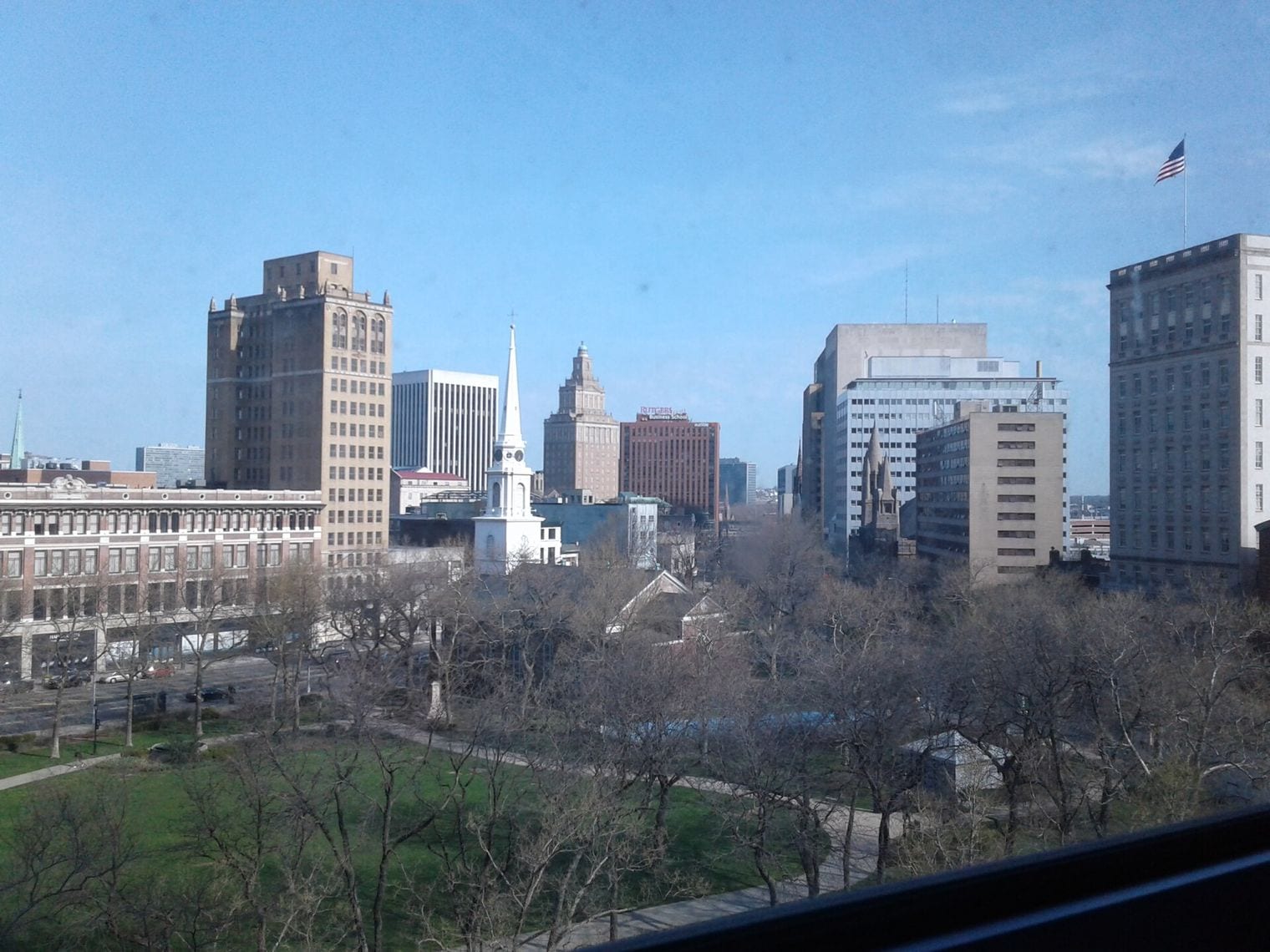
Military Park is one of three downtown greens laid out in Newark's colonial era, a six-acre triangle between Broad Street and Park Place. A renovation completed in 2014 refreshed its lawns and paths, and it now serves as the city's front yard, with NJPAC and the New Jersey Historical Society across the street.
The park's centerpiece is Wars of America, a colossal bronze by Gutzon Borglum, the sculptor of Mount Rushmore, erected in 1926 with 42 human figures and two horses. Trinity & St. Philip's Cathedral, the Episcopal cathedral of Newark, stands on the park, and its quiet churchyard is worth a look.
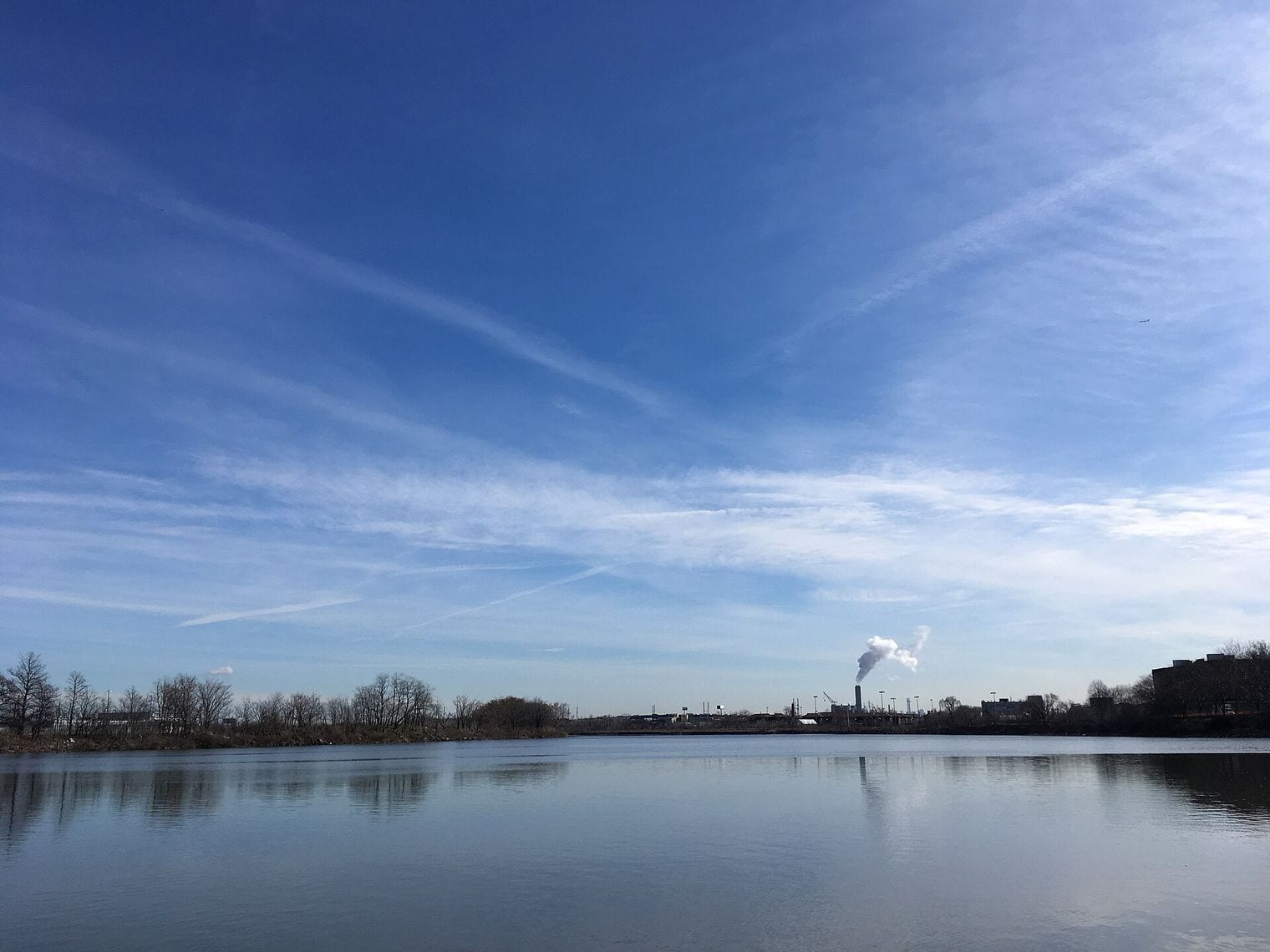
Newark Riverfront Park gave the city something it had long lacked: public access to the Passaic River. Built in phases on former industrial land along the Ironbound and downtown stretch of the river, it opened its first section in 2012, and its fluorescent orange boardwalk, visible from passing trains, has become its signature.
Walk or cycle the riverside paths, sit out on the boardwalk, or join one of the summer boat tours that leave from the park. The views take in the downtown skyline and the bridges over the Passaic, and the park is an easy walk from Newark Penn Station.
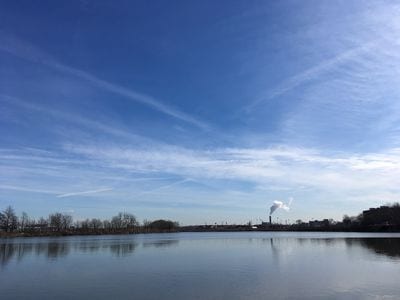
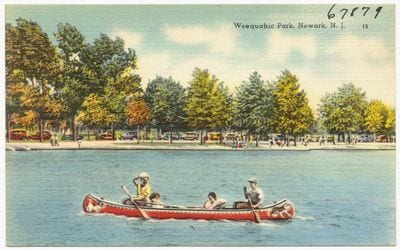
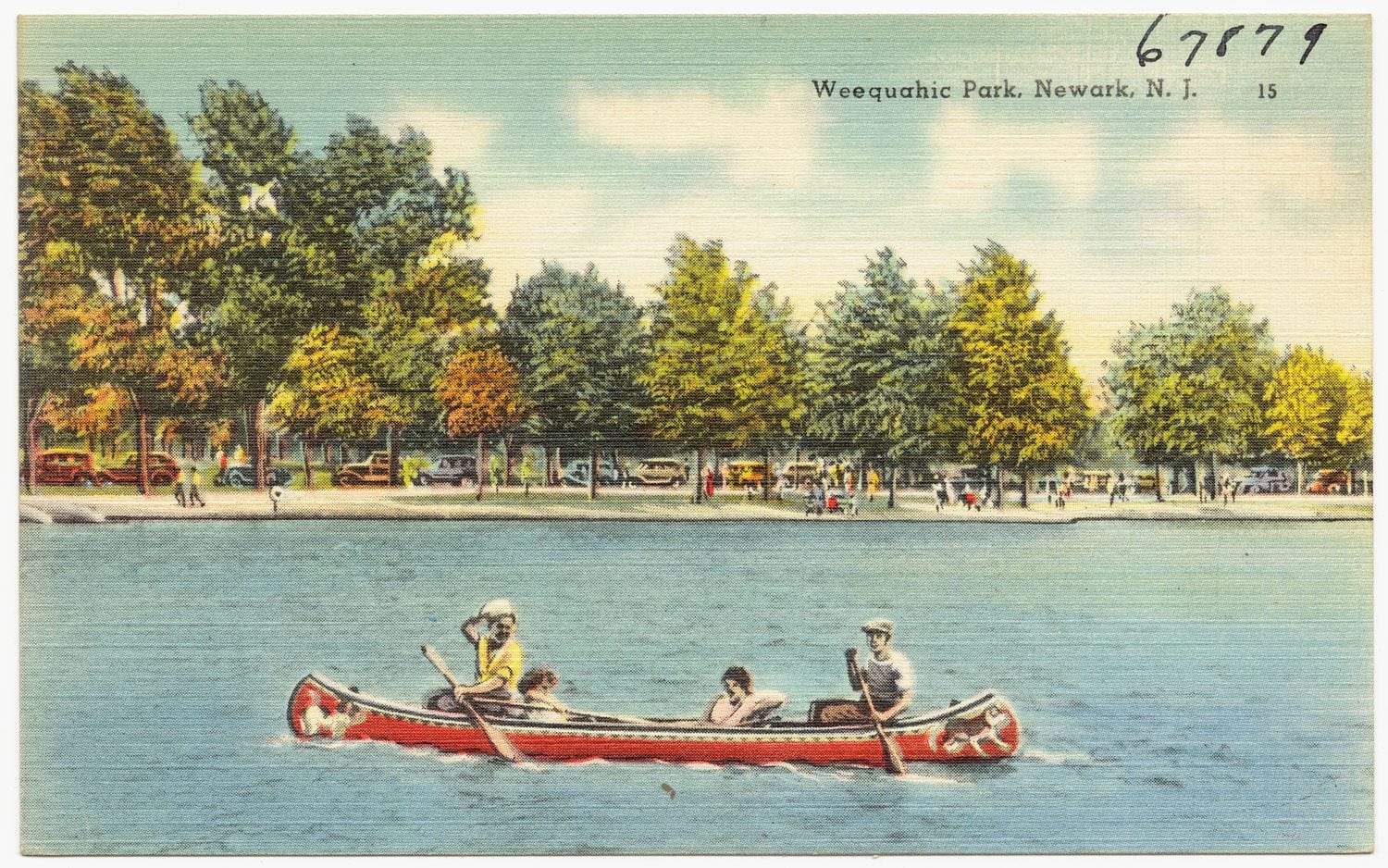
Weequahic Park (say Wee-QUAY-ic) in the South Ward is Newark's second great Olmsted Brothers landscape, 311 acres wrapped around an 80-acre lake. It is listed on the National Register of Historic Places as a historic district for its architecture and landscape design, and its paths and open water make it a favorite for long walks.
On its western edge, Weequahic Golf Course is among the oldest public courses in New Jersey, and a small Roman-style temple serves as a pavilion on Divident Hill. Bring a picnic, follow the lakeside paths, or catch a Rutgers–Newark baseball game, since the team plays its home games here.
Free printable checklist of all 20 places
Tick them off as you go. Confirm your email to download it, plus one email every Thursday with new guides for the places you tick.
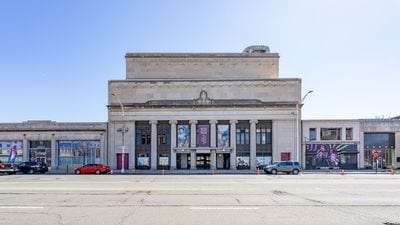
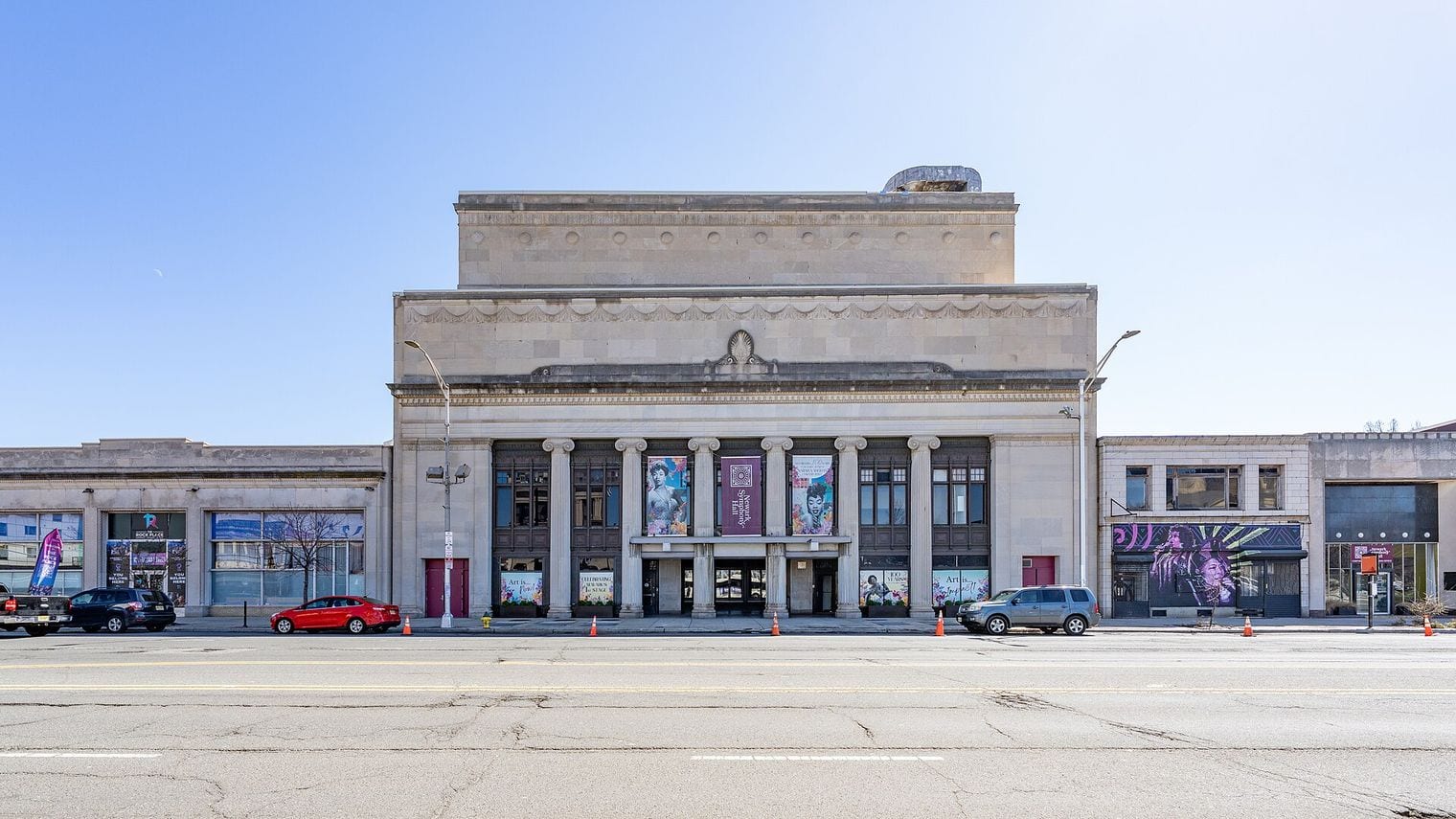
Newark Symphony Hall on Broad Street opened in 1925 as the Mosque Theater and spent decades as home to the New Jersey Symphony, the state opera and the state ballet. The grand auditorium is one of the city's historic stages, and the building was added to the National Register of Historic Places in 1977.
Today it hosts concerts, comedy, dance and community events across its spaces, including the Terrace Ballroom. A show here doubles as a look at the golden age of Newark's theaters, and the hall faces Lincoln Park, another of the city's old downtown greens.
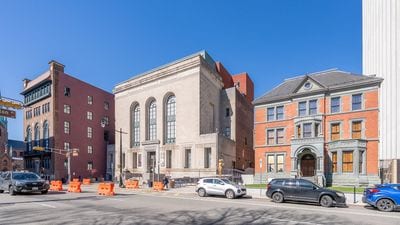
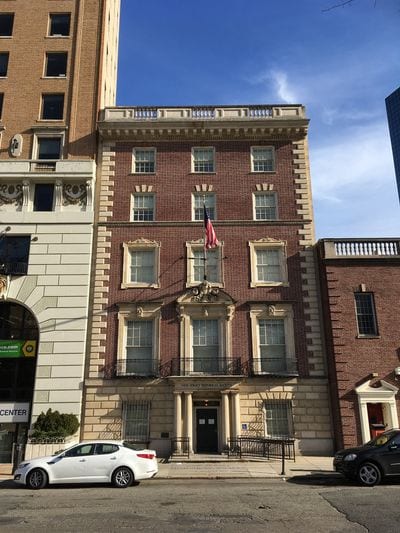
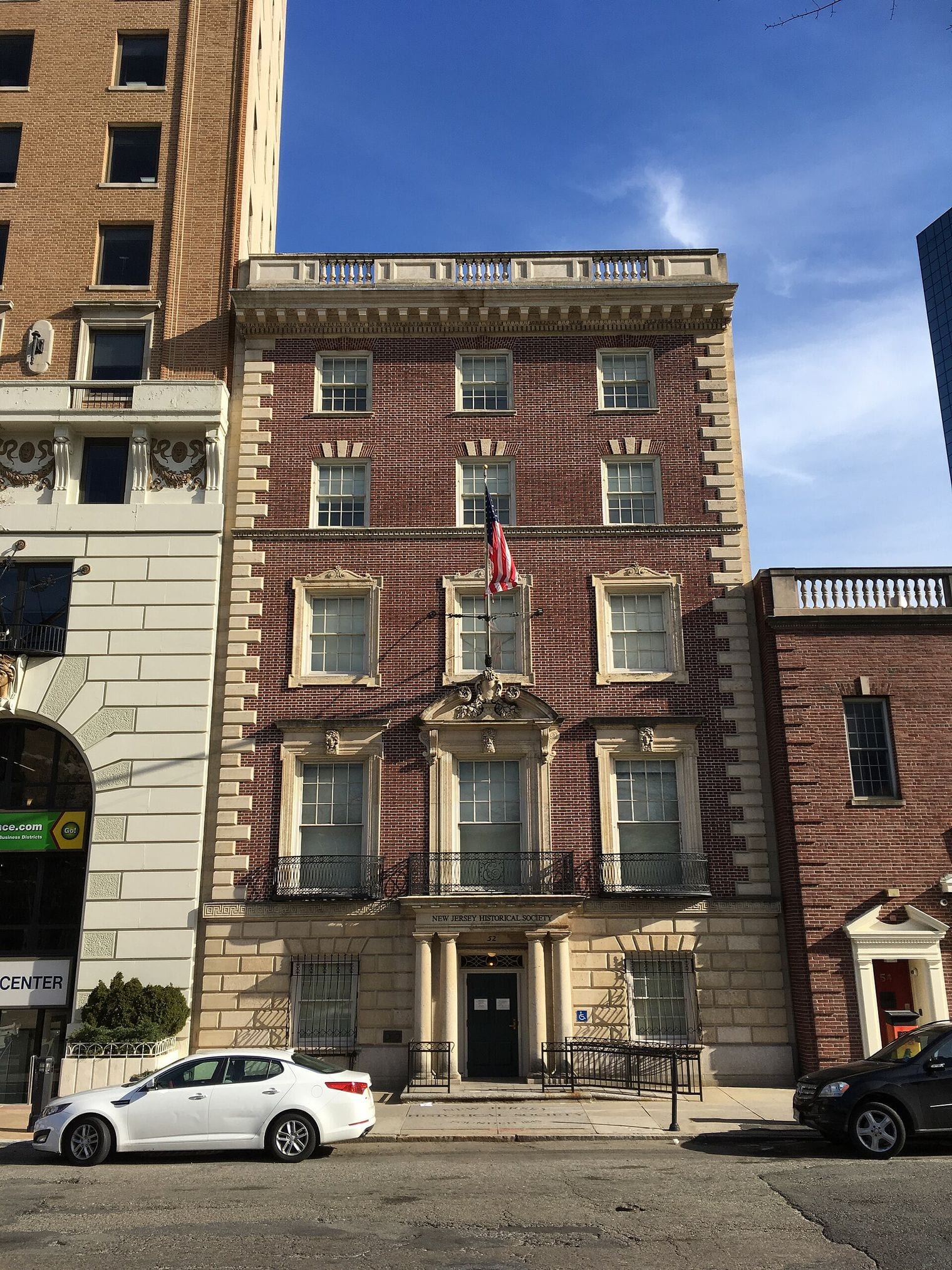
The New Jersey Historical Society, founded in 1845, has spent more than a century and a half collecting the state's story. Since 1997 it has occupied the former Essex Club, a Georgian-style building on Park Place facing Military Park, with exhibitions on its second and third floors.
Rotating shows draw on its archives, and the library reading room on the fifth floor welcomes anyone researching local or family history, ideally by appointment. The Society also runs occasional walking tours of Newark, a good way to put the downtown sights in context.
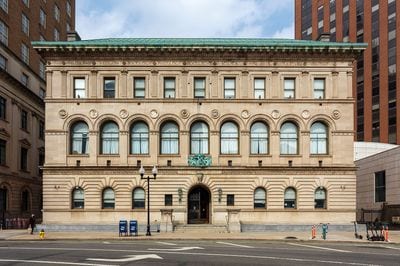
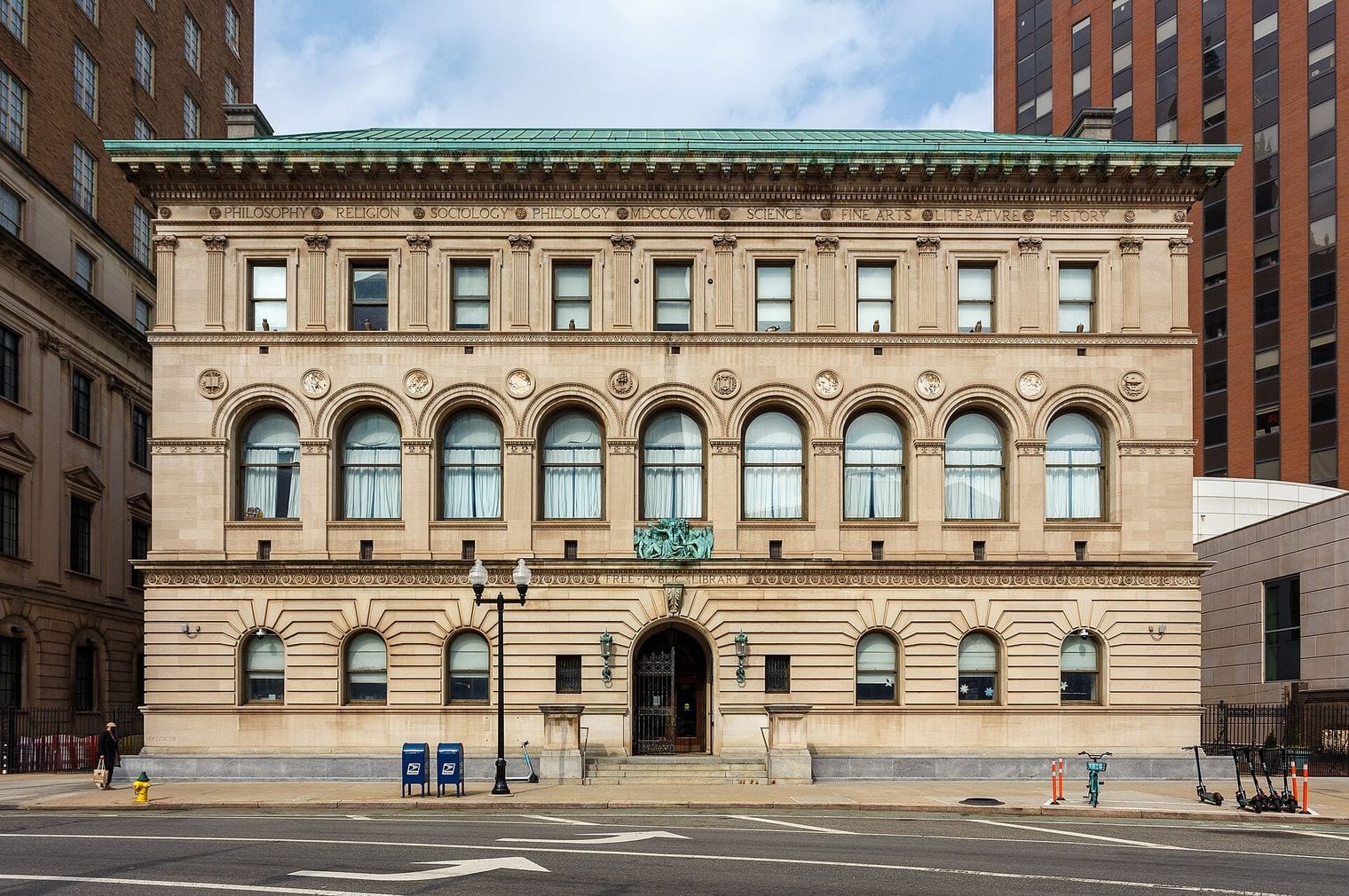
The main branch of the Newark Public Library, at 5 Washington Street, opened in 1901 in a building inspired by the Palazzo Strozzi, a Renaissance palace in Florence. It is a working public library with a stately interior, and it mounts free exhibitions drawn from its art and local history collections.
Literary visitors come for the Philip Roth Personal Library, the Newark-born novelist's own collection of some 7,000 books, which he left to the library. It faces Harriet Tubman Square beside the Newark Museum of Art, so the two make an easy pair.
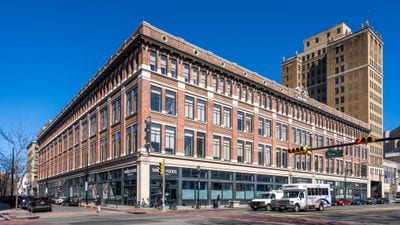
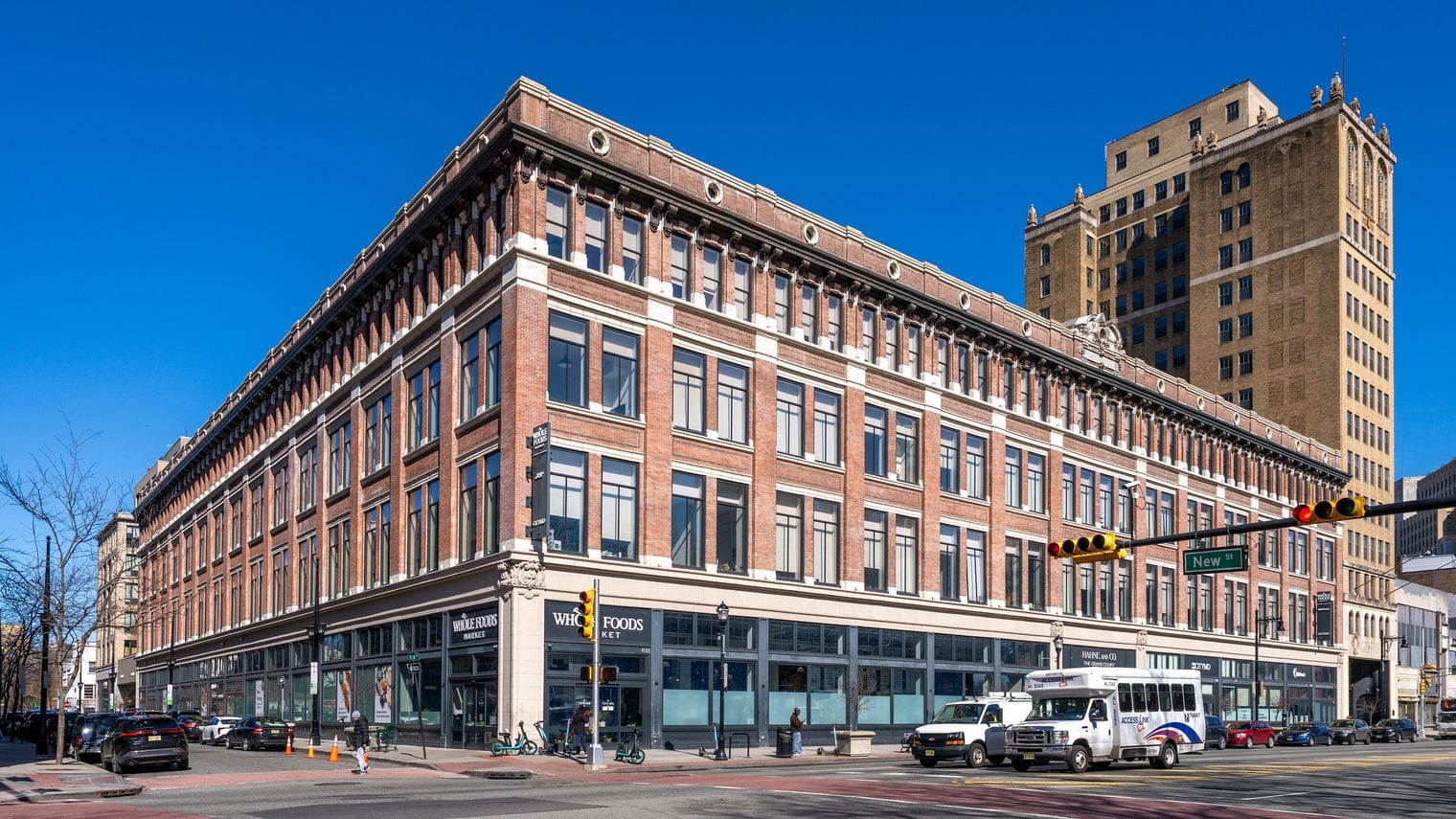
Express Newark fills three floors of the restored Hahne & Co. building, a 1901 department store on Halsey Street, as Rutgers University–Newark's arts hub. Opened in 2017, this self-described collaboratory mixes classes, studios and community programs, with the Paul Robeson Galleries on the third floor.
The galleries stage changing exhibitions of contemporary art, and the Newark Print Shop in the same building runs community printmaking workshops. Pair a visit with a stroll along Halsey Street, a downtown strip of shops and cafés a few minutes from Military Park.
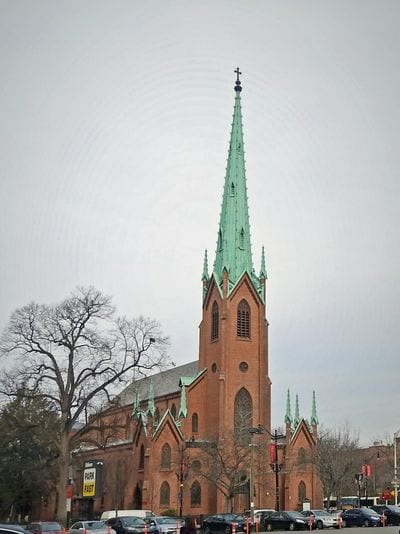
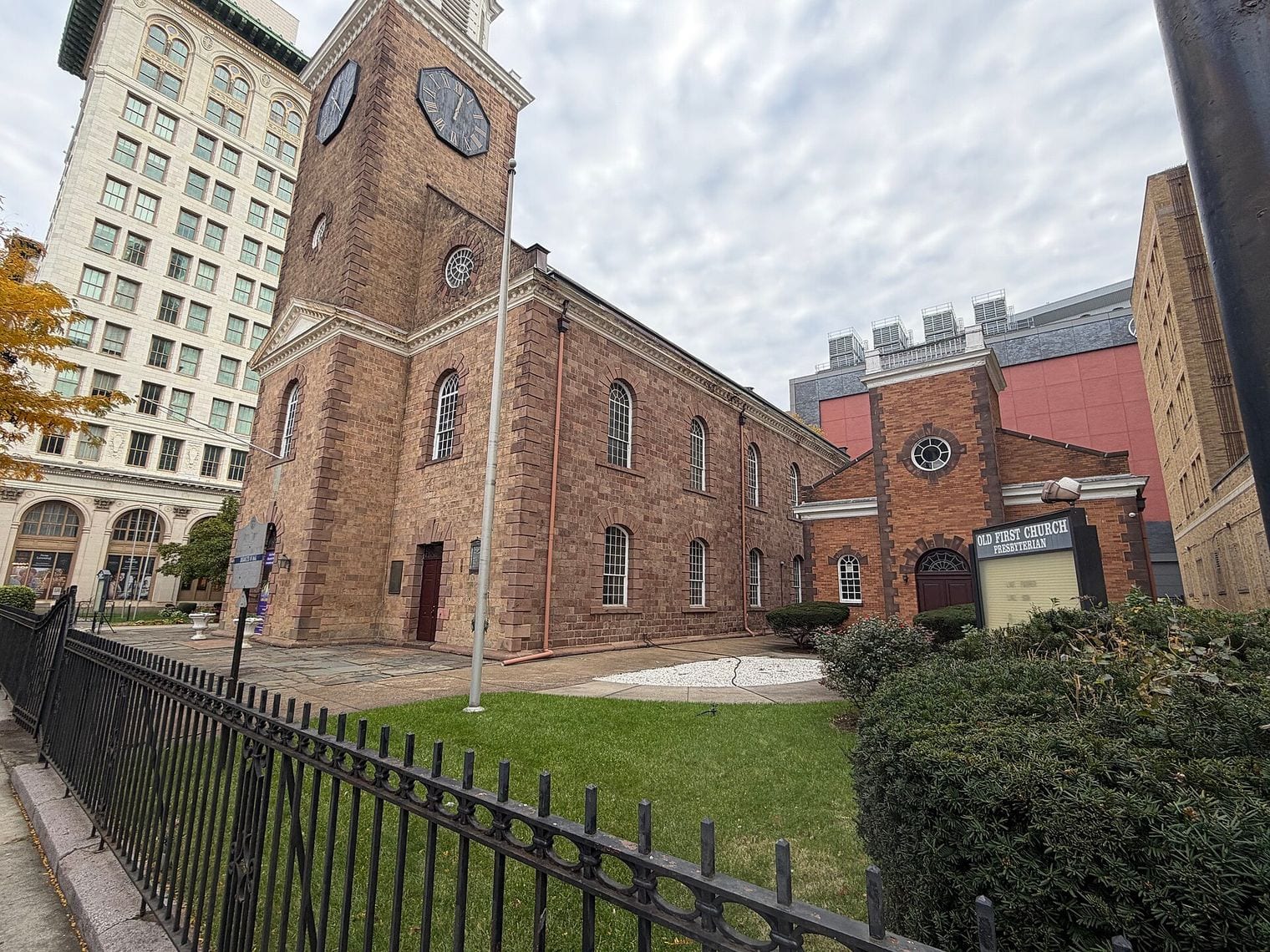
Old First Presbyterian Church is home to a congregation that came to Newark with its Puritan founders in 1666. The present church on Broad Street, the congregation's third, opened on New Year's Day 1791 and is listed on the National Register of Historic Places.
It anchors the Four Corners Historic District, and the old burial ground beside it holds colonial-era graves, including that of William Burnet, who represented New Jersey in the Continental Congress. Now known as First Church Newark, it still holds services, so visit respectfully or join a Sunday service to see the interior.
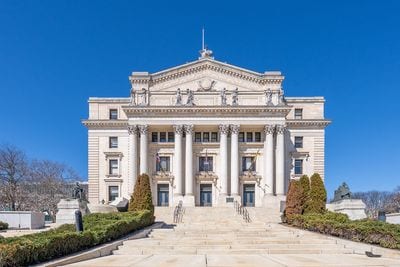
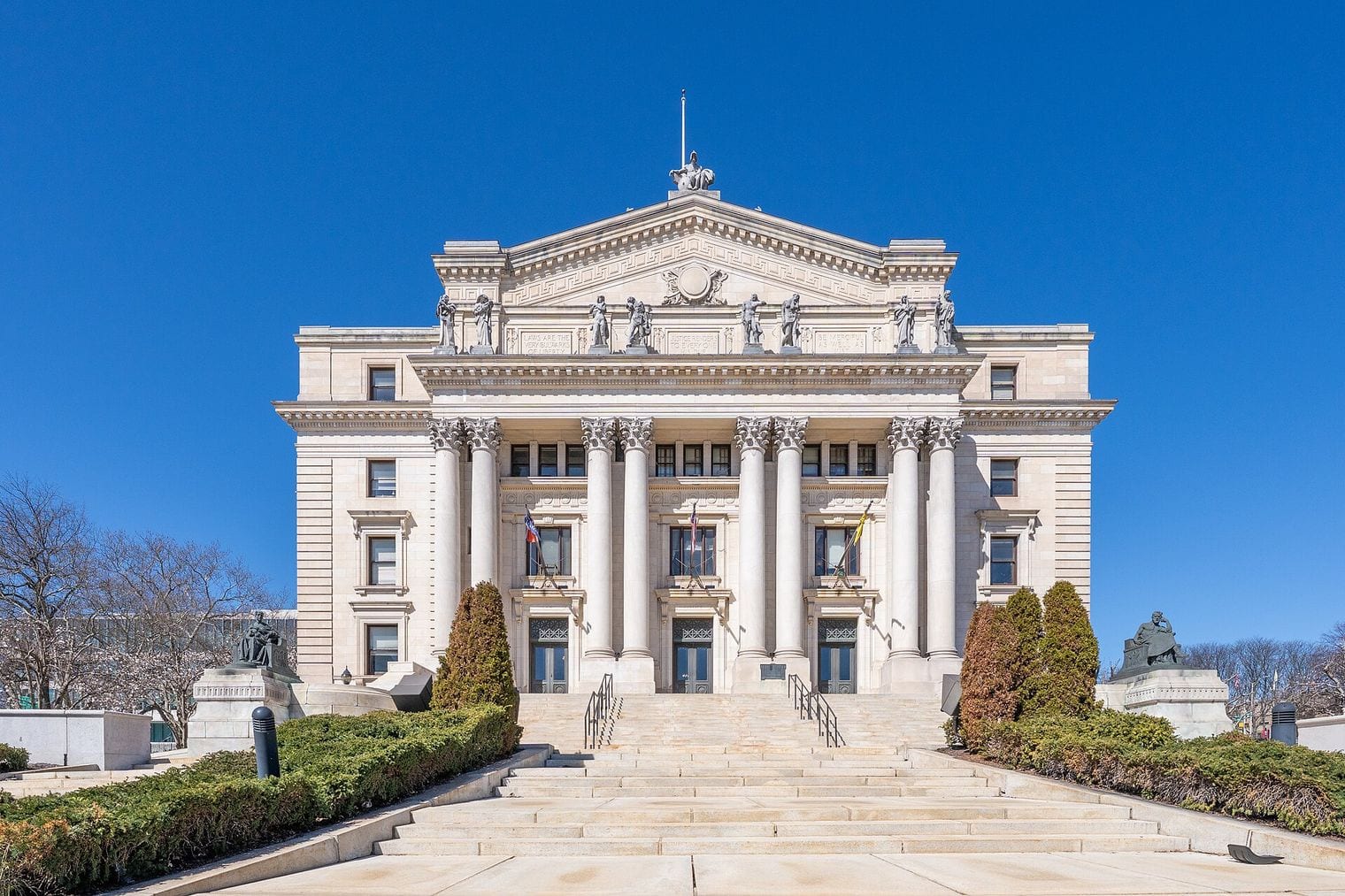
The Essex County Courthouse was designed by Cass Gilbert, the architect of New York's Woolworth Building, and completed in the early 1900s. Its four-story rotunda is crowned by a Tiffany skylight, and the facade carries sculptures by the Piccirilli Brothers, part of an art program by leading artists of the American Renaissance.
Most visitors come for the plaza out front, where Gutzon Borglum's 1911 Seated Lincoln shows the president resting at one end of a bronze bench, with room for you to sit beside him. The courthouse is still a working building, so admire it mainly from outside.
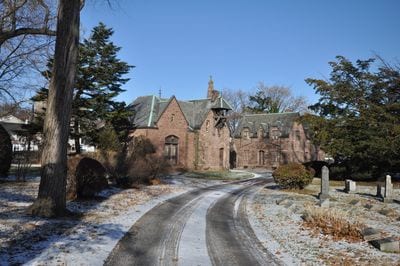
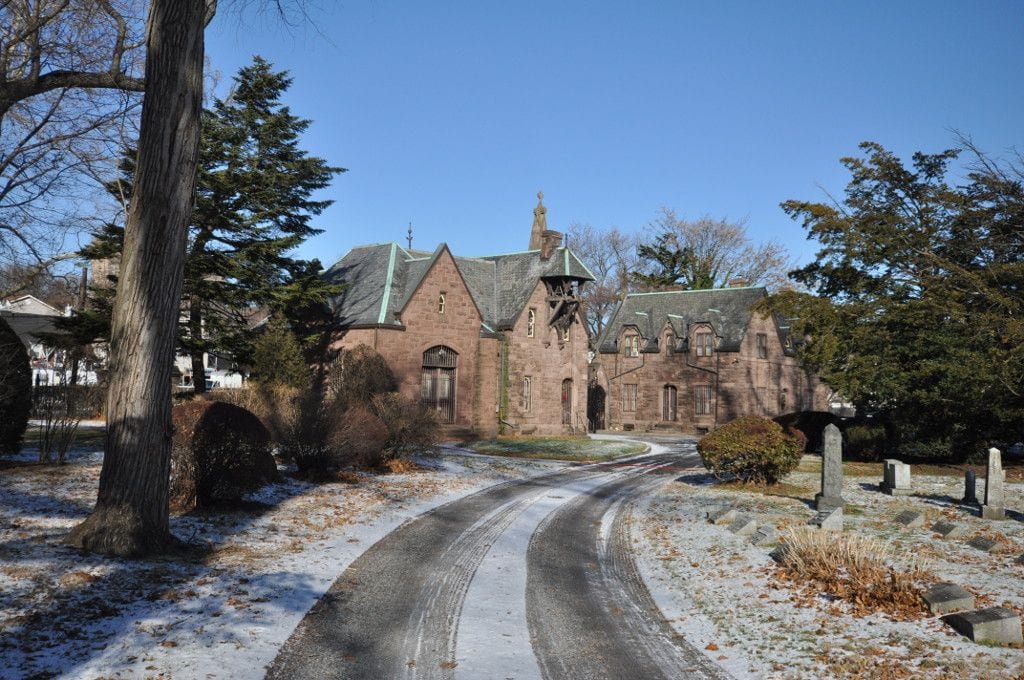
Mount Pleasant Cemetery, opened in 1844 on the west bank of the Passaic River, is a classic rural cemetery of winding lanes, old trees and Victorian monuments spread over about 40 acres. Designed by Horace Baldwin, it is listed on the National Register of Historic Places and feels as much like a park as a burial ground.
Many of Newark's leading citizens rest here, among them Prudential founder John Fairfield Dryden in a marble mausoleum, patent-leather pioneer Seth Boyden and Mary Stillman, Thomas Edison's first wife. Gate times are limited, so check before you go and treat the grounds with respect.
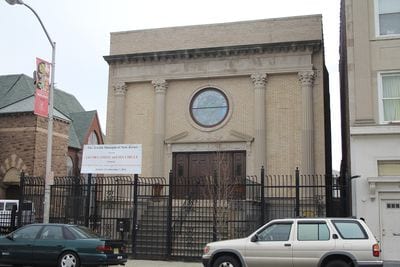
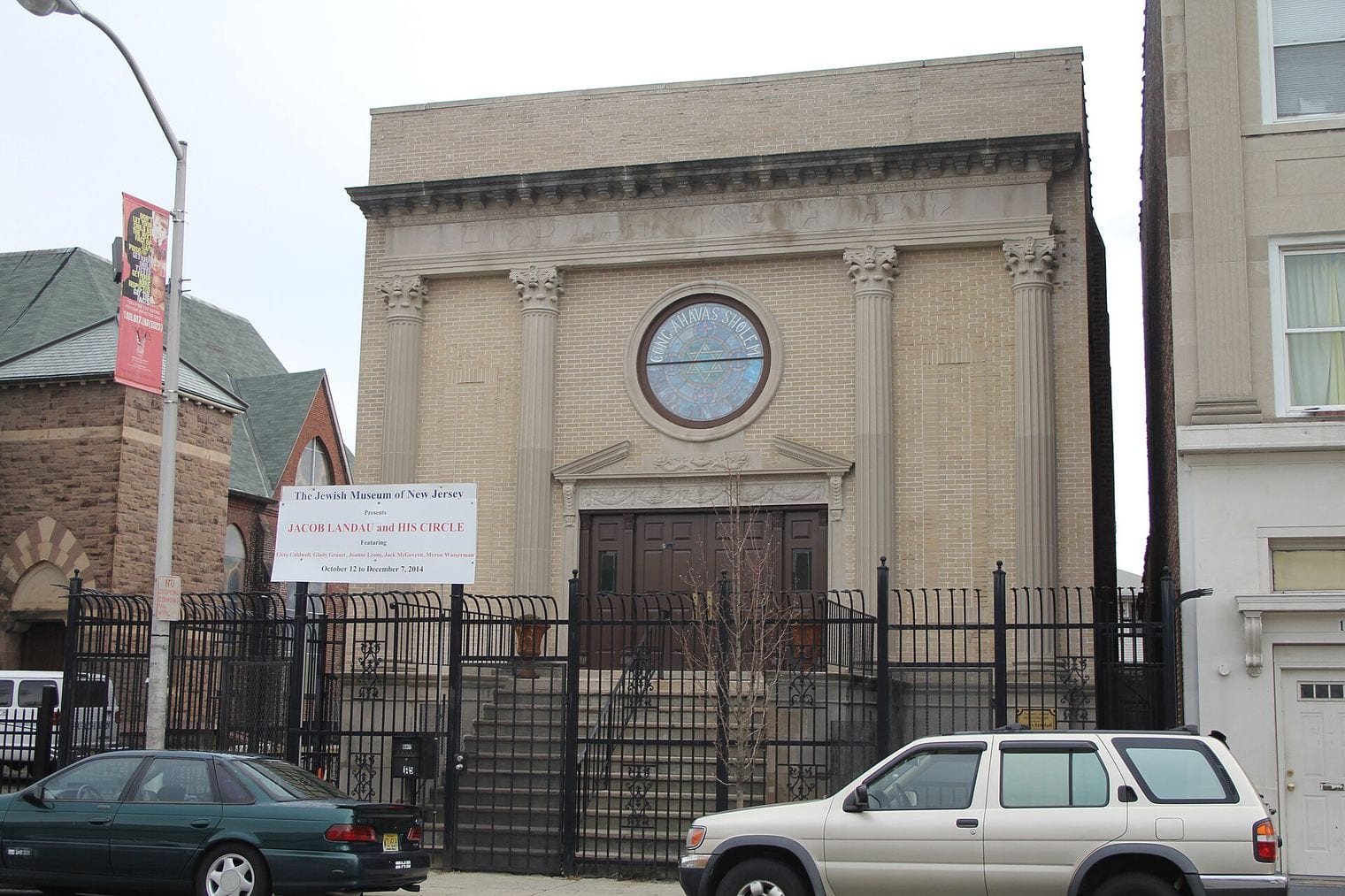
The Jewish Museum of New Jersey occupies Congregation Ahavas Sholom at 145 Broadway, a 1923 Classical Revival building that is the longest continually operating synagogue in Newark. The museum tells the story of a city that once had some fifty synagogues and one of the largest Jewish communities in the United States.
The showpiece is the ornate Holy Ark, built in the 1870s for an earlier Newark congregation. The museum opens for special exhibits and programs and by appointment rather than on daily hours, so arrange your visit in advance.
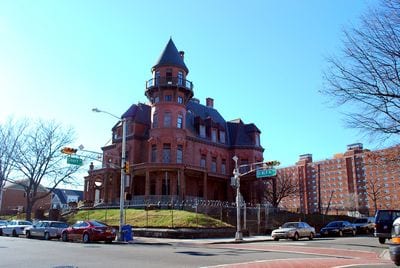
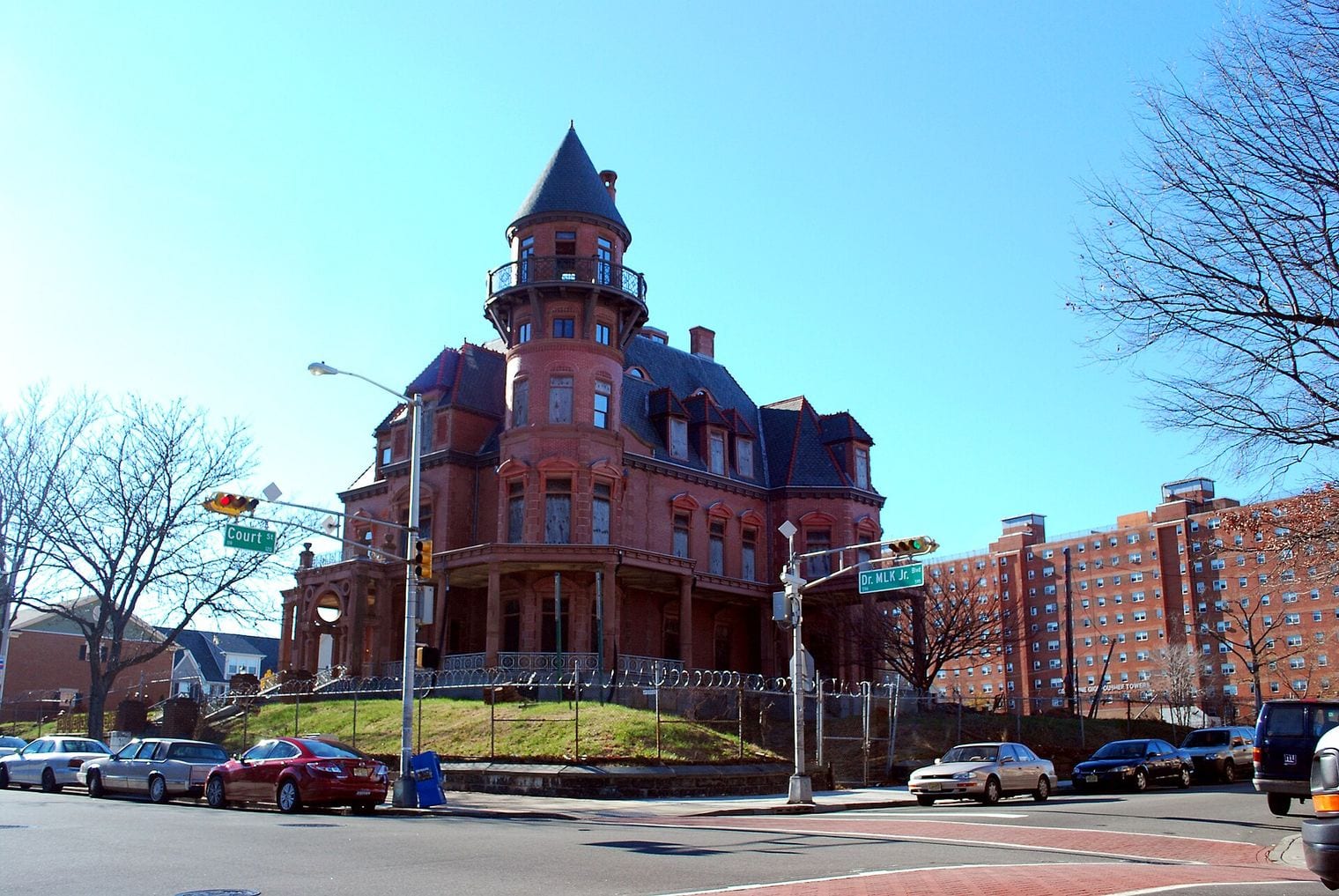
The Krueger-Scott Mansion is a 40-room Victorian showpiece built in 1888 by the brewer Gottfried Krueger at the corner of Court Street and today's Martin Luther King Boulevard. In 1958 it was bought by Louise Scott, who ran a beauty school on the first floor and lived upstairs, a celebrated chapter in the house's story.
After years of neglect, the mansion has been fully restored as a workspace for small makers and creative businesses, run by Makerhoods. It opens to the public for markets, events and guided tours, so check ahead to see inside.
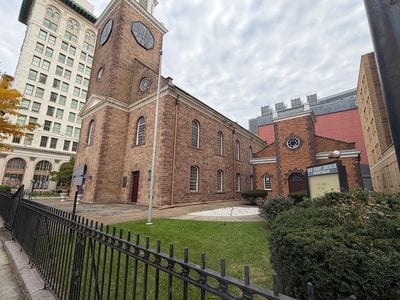
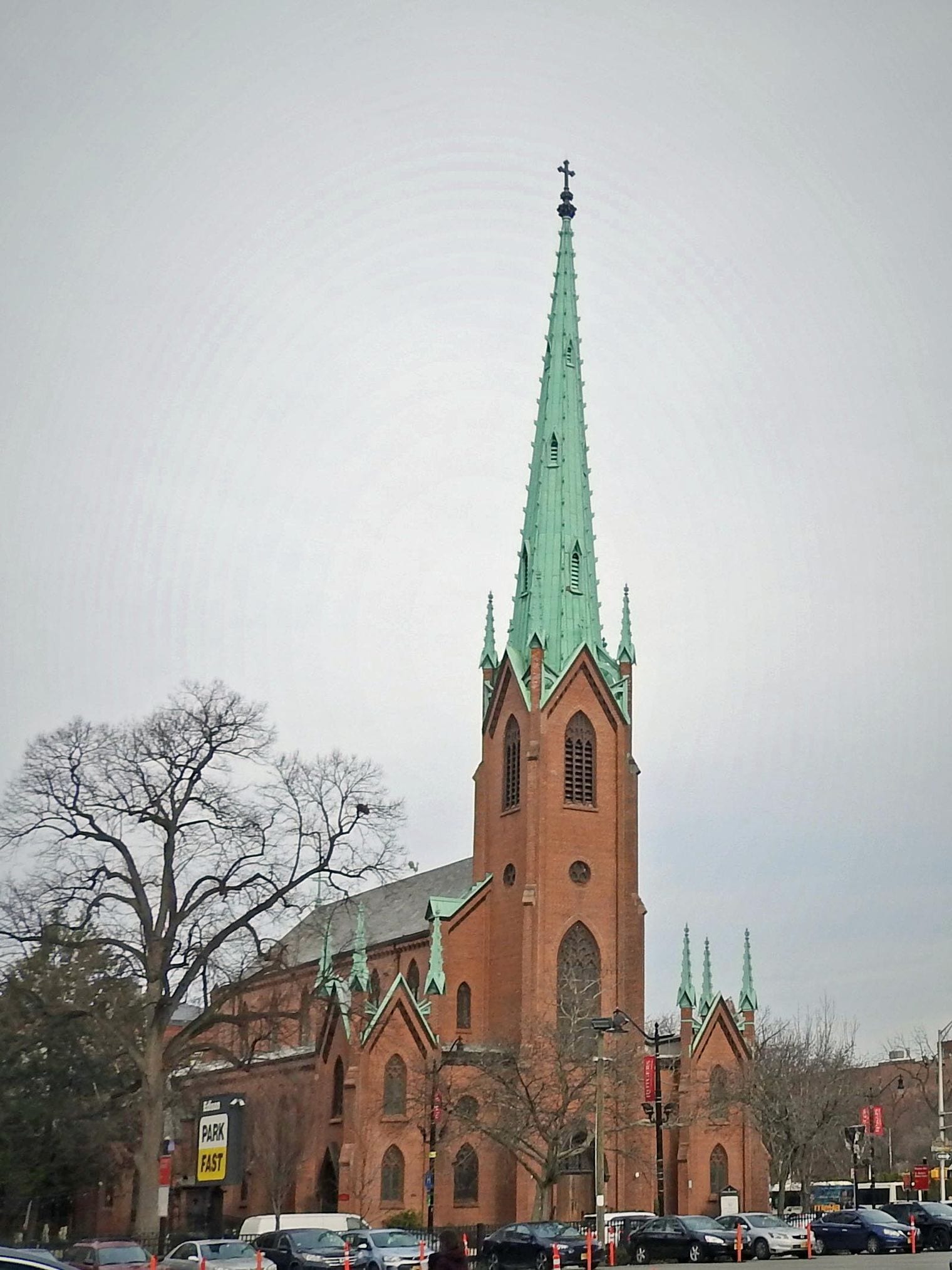
St. Patrick's Pro-Cathedral, dedicated in 1850, served as the seat of Newark's Catholic bishops from 1853 until the Cathedral Basilica of the Sacred Heart was finished. The red-brick Gothic Revival church, probably designed by Patrick Keely, has a central tower about 150 feet tall topped by a copper spire.
Still an active parish at Washington Street and Central Avenue, it keeps traditions from its days as Newark's Old Cathedral, and its interior is a calmer, more intimate contrast to its giant successor. It stands in the James Street Commons Historic District, a pocket of old downtown streets worth a short wander.
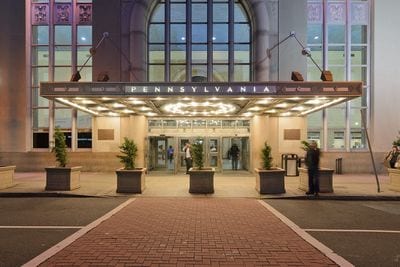
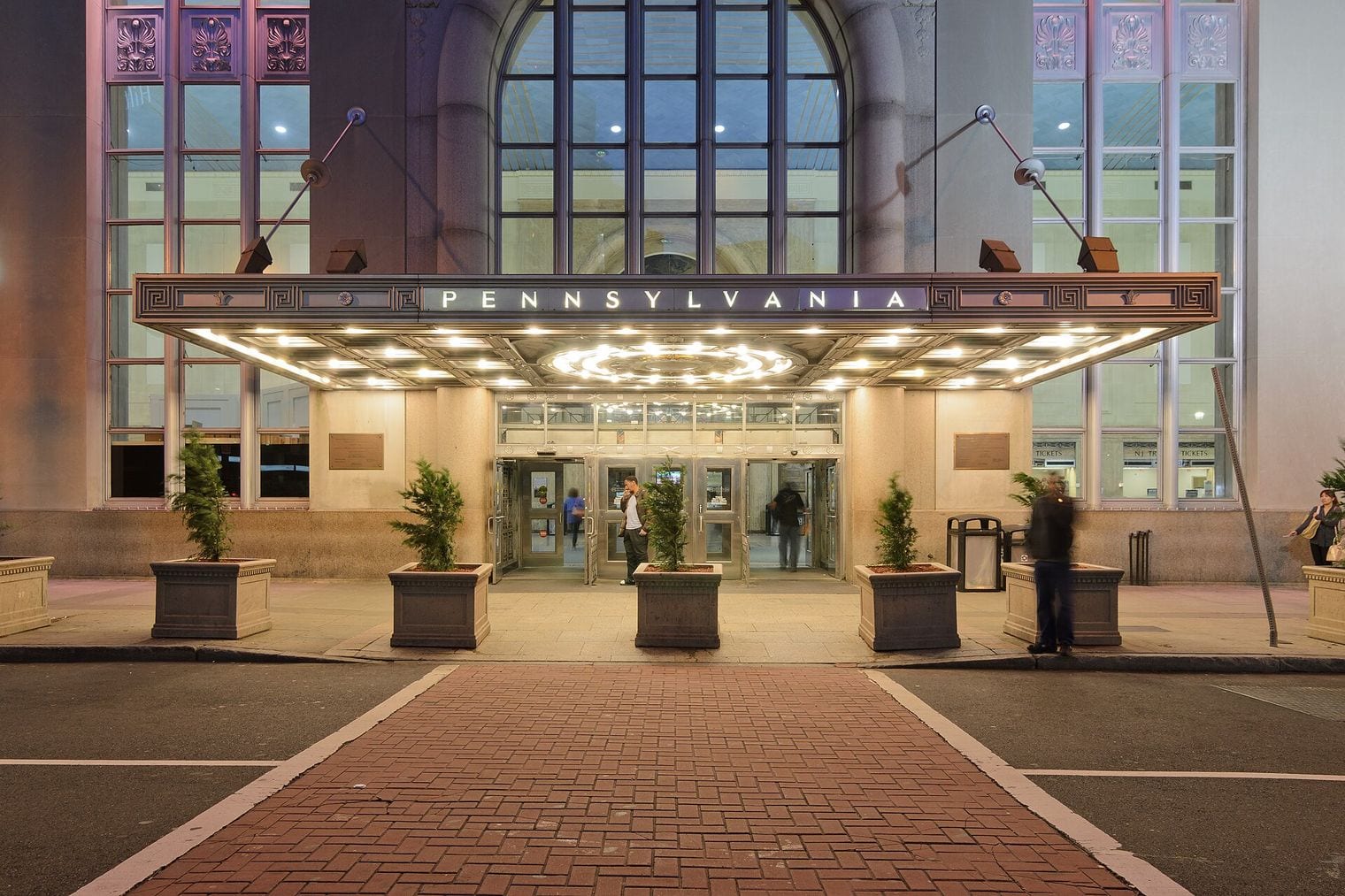
Newark Penn Station is a working transit hub and an architectural landmark at once. Dedicated in 1935 and designed by McKim, Mead & White, the firm behind New York's original Penn Station, it blends Art Deco and Neoclassical styles, and its chandeliers are decorated with signs of the zodiac.
The station handles NJ Transit trains, Amtrak's Northeast Corridor, PATH trains to Manhattan and the Newark Light Rail, so most visitors arriving by rail pass through. Pause in the main hall to take in the details, then walk out the east side straight into the Ironbound.
Plan your trip
Best Time to Visit Newark
Spring is Newark's showpiece season: in April the cherry trees of Branch Brook Park bloom and the park holds its Cherry Blossom Festival, while mild weather suits walking between the downtown parks and churches. Summer brings riverfront boat tours, outdoor events in the downtown parks and street festivals in the Ironbound, though July and August can be hot and humid.
Fall is just as good, with crisp walking weather, fall color in Weequahic Park and the new performing arts season at NJPAC and Symphony Hall. Winter is cold and gray, but it is hockey season at the Prudential Center, and the museums, library and historic interiors make easy indoor days.
Getting to Newark
Newark Liberty International Airport sits just south of downtown, and the AirTrain links its terminals to a rail station one stop from Newark Penn Station, so the trip downtown is quick. By car, the New Jersey Turnpike (I-95), I-78, I-280 and the Garden State Parkway all serve the city.
Newark Penn Station is one of the region's main rail hubs, with Amtrak's Northeast Corridor trains, NJ Transit commuter lines and PATH trains from Lower Manhattan all stopping there. From New York City, the train ride takes well under an hour, which makes Newark an easy add-on to a Manhattan trip.
Getting Around Newark
Downtown Newark is compact and walkable: the museum, library, Military Park, NJPAC, the Prudential Center and Penn Station are all within a short walk of one another, and the Ironbound starts just across the tracks. The Newark Light Rail ties Penn Station to downtown and runs north along Branch Brook Park, which makes the cherry blossoms and the cathedral easy to reach without a car.
For Weequahic Park, Mount Pleasant Cemetery or the Krueger-Scott Mansion, a rideshare, bus or car is simpler. Garages cluster around the arena and the downtown core, and on event nights it pays to arrive early or come by train.
Where to Stay in Newark
Downtown, around Military Park and the arena, is the most convenient base for first-timers, with NJPAC, the Prudential Center, the museums and the light rail all on foot. The streets near Newark Penn Station on the Ironbound side suit anyone arriving or leaving by train and put the city's best dining district at the door.
University Heights, home to Rutgers University–Newark and NJIT just west of downtown, is a quieter alternative, and the hotel cluster around the airport works for an early flight but leaves you a ride away from the sights.
Where to Eat in Newark
The Ironbound is the reason many visitors come hungry: Ferry Street and its side streets are packed with Portuguese and Spanish restaurants serving grilled meats, seafood stews, paella and sangria, along with Brazilian churrascarias and Portuguese bakeries known for custard tarts and fresh bread.
Downtown, the blocks around Halsey Street, the arena and NJPAC offer casual cafés and quick bites that suit a pre-show or pre-game meal.
Day Trips from Newark
Jersey City is about 20 minutes east by car or PATH train, with Liberty State Park's close-up views of the Statue of Liberty and the Manhattan skyline. About 20 minutes west, the Thomas Edison National Historical Park in West Orange preserves the inventor's laboratory and home, and roughly half an hour north, Paterson Great Falls National Historical Park where the Passaic River plunges through a rocky gorge.
Princeton, about an hour southwest, pairs its leafy university campus with a walkable downtown, and the state's small towns, from river villages to Jersey Shore resorts, make easy weekend extensions from Newark.
Newark is best known for the cherry blossoms of Branch Brook Park, the Newark Museum of Art, the French Gothic Cathedral Basilica of the Sacred Heart and a lively downtown arts and sports scene built around NJPAC and the Prudential Center. Its Ironbound neighborhood is famous across the region for Portuguese and Spanish food.
Is Newark worth visiting?
Yes, especially for travelers who already fly into Newark Liberty or stay near New York. The city packs a major art museum, one of North America's largest cathedrals, Olmsted-designed parks, historic churches and an exceptional dining neighborhood into a compact, train-friendly core, and spring blossom season makes it a destination in its own right.
How many days do you need in Newark?
One full day covers the highlights: Branch Brook Park and the cathedral in the morning, the museum, library and Military Park in the afternoon, and dinner in the Ironbound. Give it two days if you want to add a show at NJPAC or a game at the Prudential Center, Weequahic Park and the historic churches.
What can you do in Newark for free?
Plenty: walk Branch Brook Park and Weequahic Park, step inside the Cathedral Basilica of the Sacred Heart, see the Borglum sculptures in Military Park and outside the Essex County Courthouse, stroll the orange boardwalk at Newark Riverfront Park, browse exhibitions at the Newark Public Library and admire Art Deco Newark Penn Station.
When is the best time to visit Newark?
April is the standout month, when Branch Brook Park's cherry trees bloom and the Cherry Blossom Festival takes place. Late spring and early fall bring the most comfortable walking weather, while summer adds riverfront boat tours and Ironbound street festivals, and winter suits museums, concerts and hockey at the Prudential Center.
Sources & updates
How this guide was checked
Checked before launch
Sources cited
20
Publishers
16
Every place on this list was confirmed open and pinned on the map before publication, and what we say about each one was checked against its own website or an official source.
A PDF with a box to tick for every place. Confirm your email to download it, and get one email every Thursday with our newest guides for the places you tick.
Free Newark printable checklist
All 20 places in one PDF
Tick them off as you go. Confirm your email to download it, plus one email every Thursday with new guides for the places you tick.
We use cookies to analyse site traffic and improve your experience.
You can accept or reject analytics cookies. See our
May we use analytics cookies? See ourCookie Policy.