We may earn a commission if you book tickets, tours or a stay through a link on
this page, at no extra cost to you. It never affects which places we list or how
we rank them (how we make money).
Short answer
Albuquerque's three defining sights are the Sandia Peak Tramway, which climbs to the crest of the mountains above the city, the 1706 adobe Old Town Plaza, and the Indian Pueblo Cultural Center, run by New Mexico's 19 Pueblos. Two days covers the essentials: one for Old Town, its museums and Pueblo culture, a second for Petroglyph National Monument, the BioPark and the tramway at sunset.
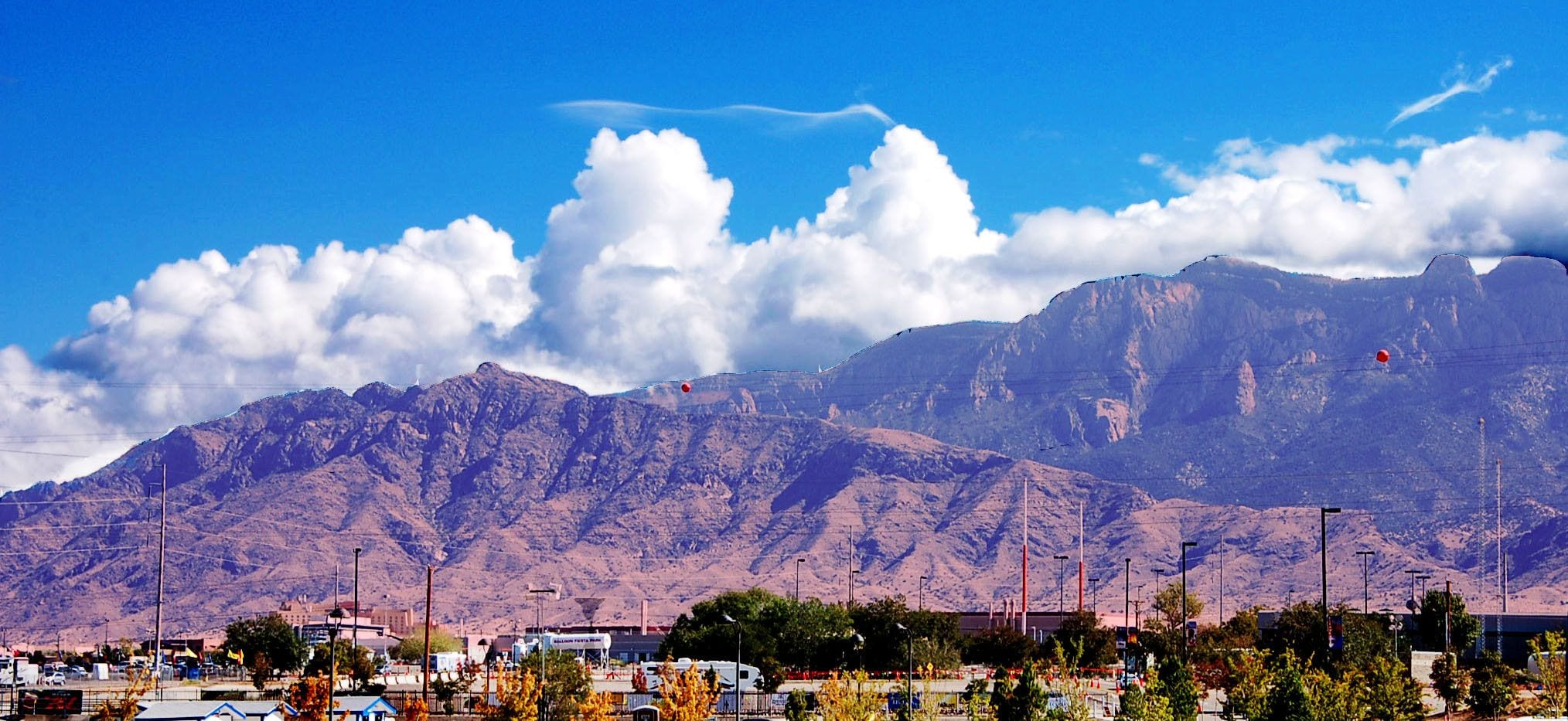
Albuquerque sits in the high desert where the Rio Grande runs below the Sandia Mountains, and the light alone is worth the trip: pink granite at sunset, cottonwoods along the river, adobe around a plaza three centuries old. Pueblo, Hispanic and Route 66 America all left their mark here.
This guide ranks the 20 best things to do, from the tramway to the crest to the museums of Old Town, and doubles as a base for a wider New Mexico road trip. Two days covers the essentials.
Map of Things to Do in Albuquerque, New Mexico
Things to Do in Albuquerque, New Mexico
Things to Do in Albuquerque, New Mexico at a Glance
Albuquerque is the largest city in New Mexico, and it takes its name from a Spanish viceroy, the Duke of Alburquerque. The first r has since dropped out of the spelling, but the nickname Duke City stuck.
Microsoft was founded in Albuquerque in 1975, when Bill Gates and Paul Allen set up shop here before moving the company to the Seattle area.
The corner of Fourth Street and Central Avenue is where Route 66 crosses itself: the original north-south alignment meets the straighter east-west route that replaced it in 1937.
The Balloon Fiesta began in 1972 with a handful of balloons launching from a shopping-center parking lot, and grew into the largest balloon festival in the world.
When it opened in 1966, the Sandia Peak Tramway was the longest aerial tramway in the world, and it is still the longest in the Americas.
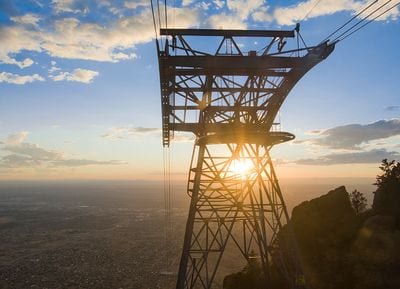
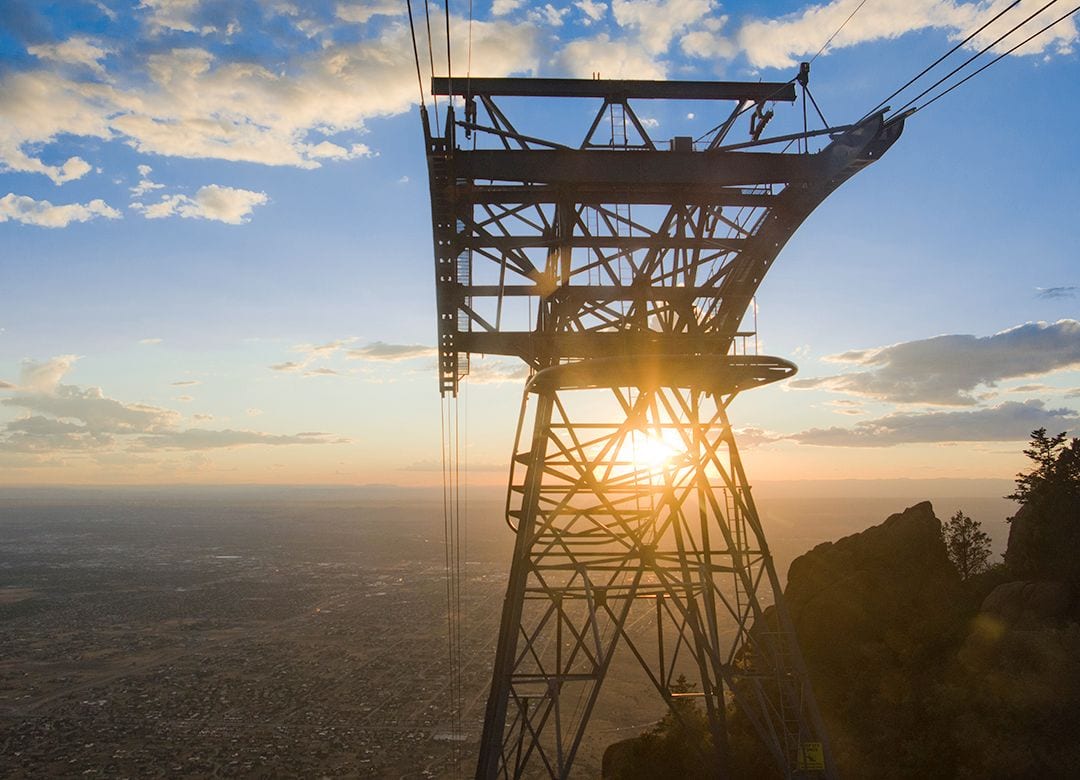
The Sandia Peak Tramway is the ride that defines a visit to Albuquerque. Since 1966 its cabins have climbed 2.7 miles from the foothills to a 10,378-foot perch on the crest of the Sandia Mountains, gliding over granite cliffs and deep canyons with nothing but cable between you and the rock. It is the longest aerial tramway in the Americas.
At the top, trails run along the crest through spruce and fir, and the view spills across the Rio Grande valley to distant volcanoes and mountain ranges. Time the ride for late afternoon: the mountains are named for the watermelon-pink glow they take on at sunset, and watching the city lights come on from the crest is the classic Albuquerque evening.
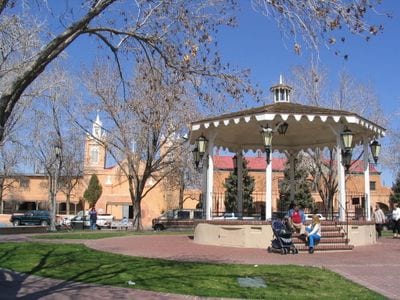
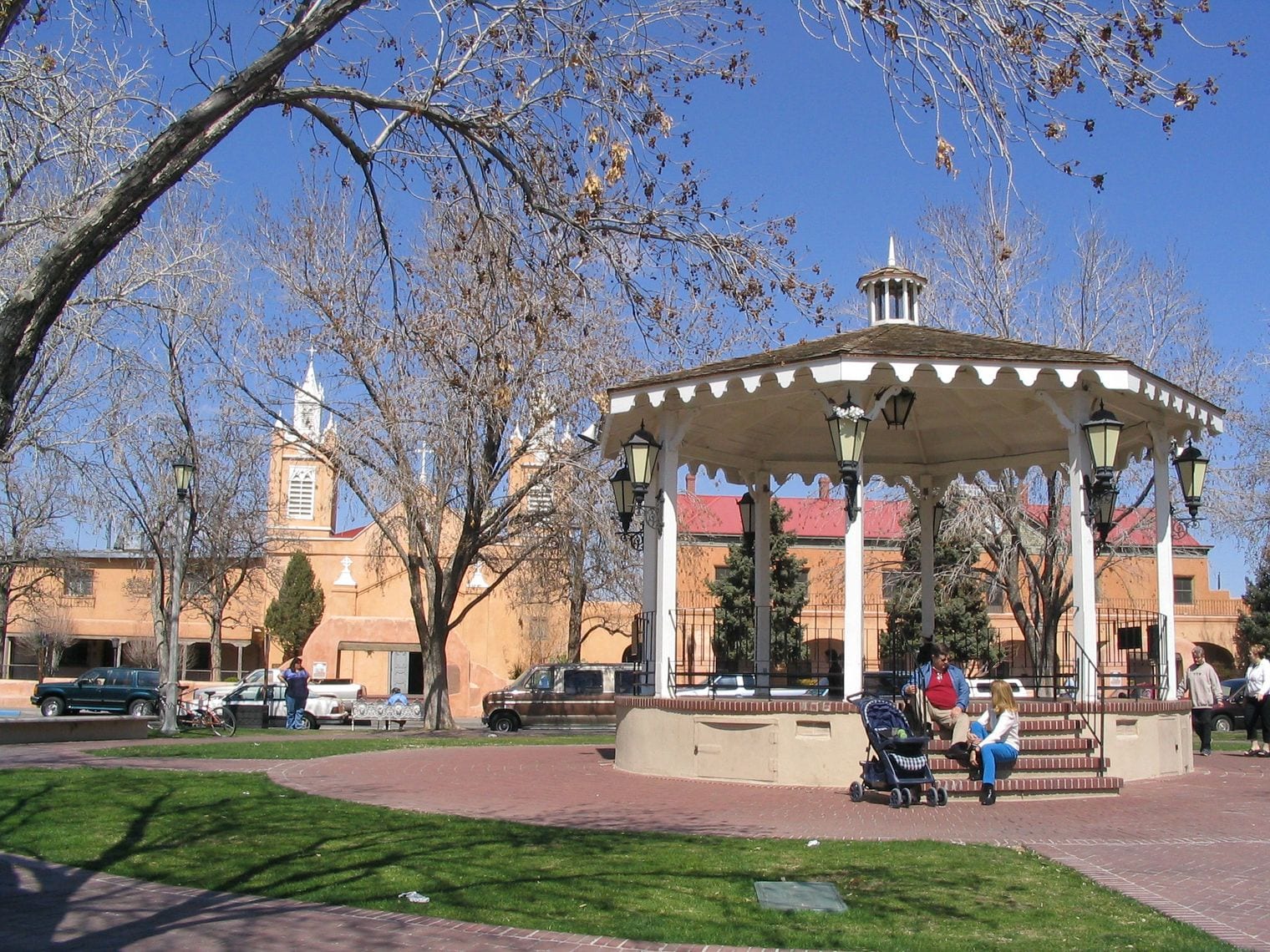
Old Town Plaza is where Albuquerque began, founded as a Spanish colonial villa in 1706. The plaza still has its shaded gazebo and benches, framed by low adobe buildings with wooden portals, and the lanes that fan out from it are packed with galleries, jewellery shops, courtyards and New Mexican kitchens.
Come early to wander before the day-trippers arrive, and look for Native American artisans selling jewellery under the portals. At Christmas the plaza is lined with thousands of luminarias, the paper-bag lanterns that are one of New Mexico's loveliest traditions, and the museums of the city's museum row are a short walk away.
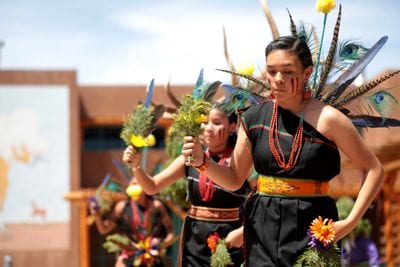
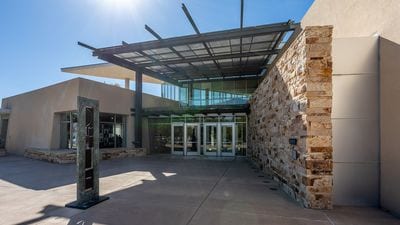
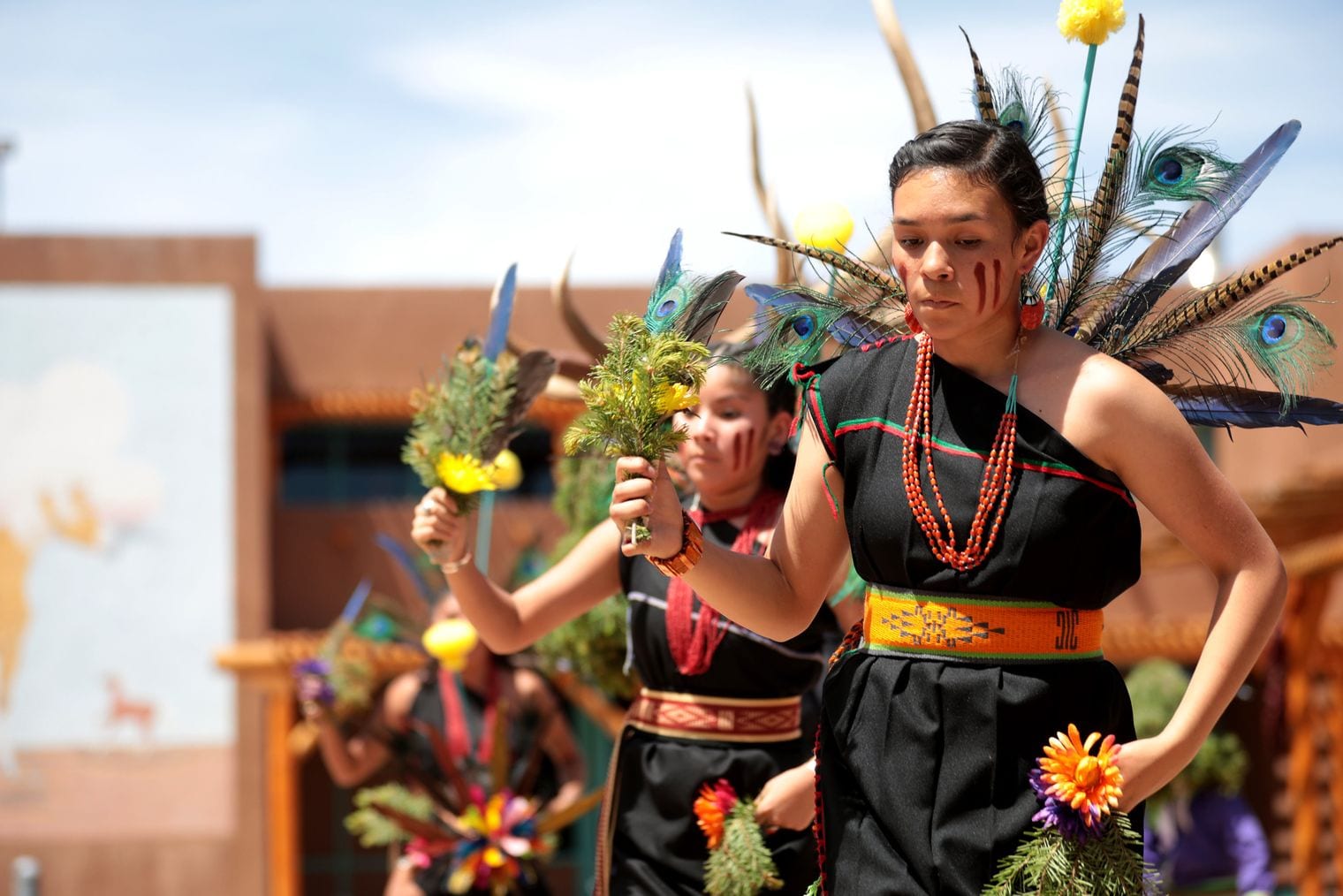
The Indian Pueblo Cultural Center is owned and operated by the 19 Pueblos of New Mexico, which makes it the best place in the city to learn about the people who have lived along the Rio Grande for centuries, told in their own voices. Its museum traces Pueblo history from ancestral villages to the present, with pottery, murals and exhibits on each community.
On many weekends traditional dancers perform in the central courtyard, and the center's restaurant serves Pueblo and New Mexican dishes. The shop is also one of the most trustworthy places in town to buy pottery, jewellery and other work made by Pueblo artists.
The National Museum of Nuclear Science & History tells the story of the atomic age in the state where it began, from the Manhattan Project at Los Alamos and the Trinity test to Cold War deterrence and nuclear medicine. A Smithsonian affiliate, it covers the science and the history without flinching from the ethical questions.
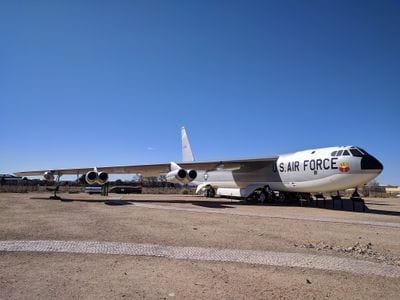
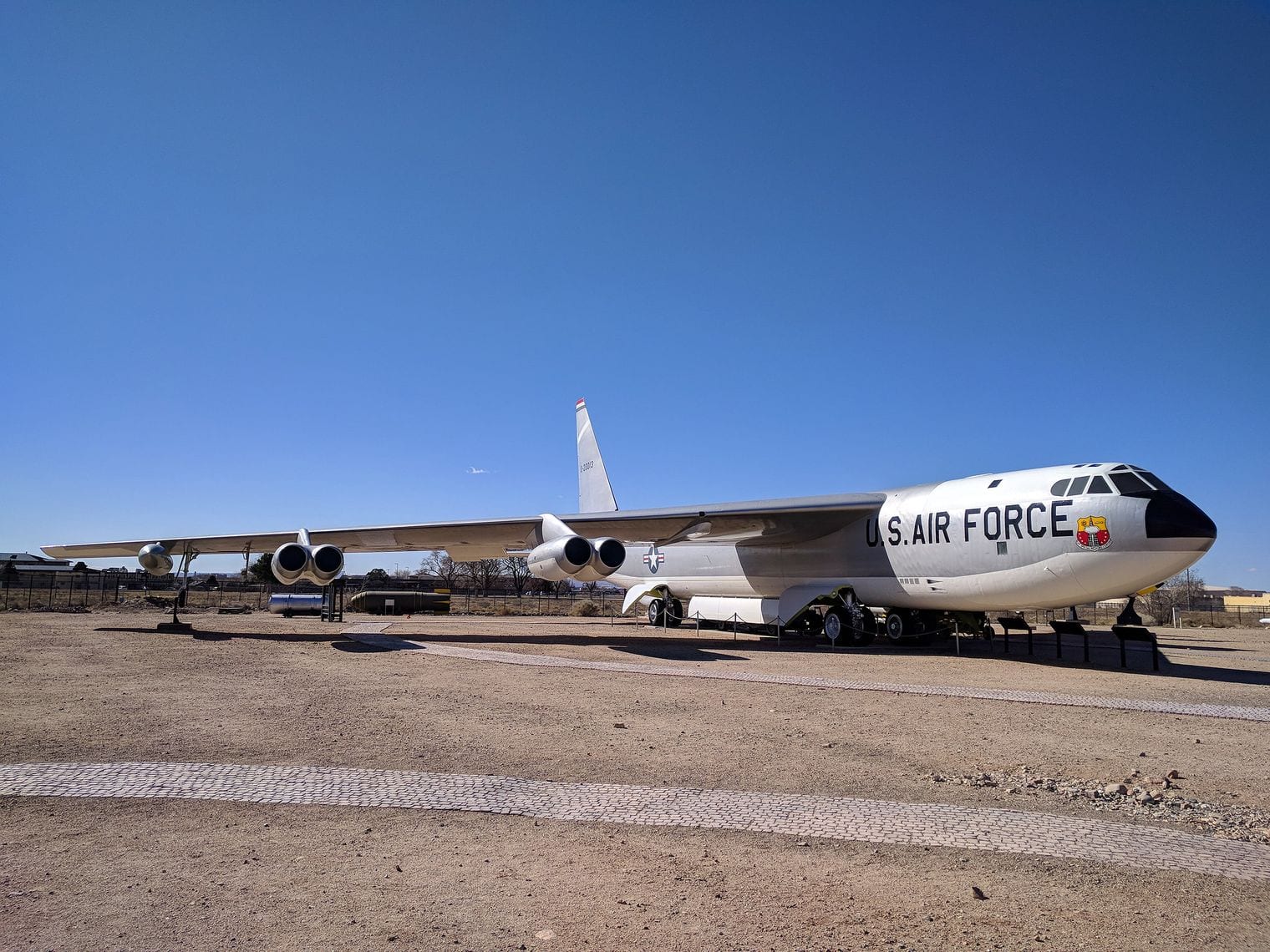
Outside, the museum's Heritage Park is lined with rockets, missiles and aircraft, including a towering B-52 bomber, which make an impressive sight against the desert sky. It sits on the southeast side of the city near Kirtland Air Force Base, and even visitors with little interest in physics tend to leave talking about it.
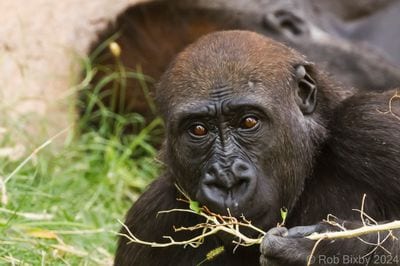
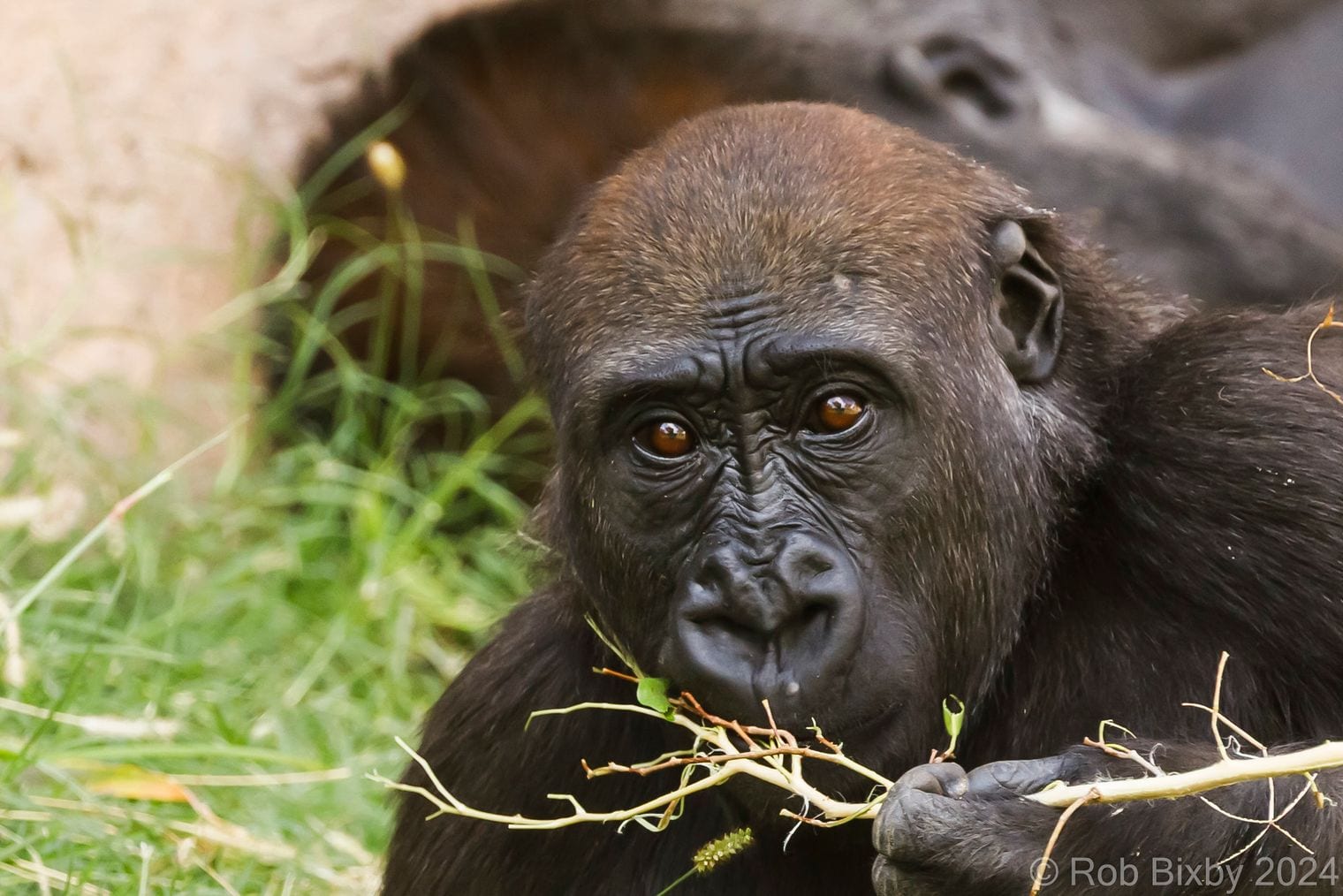
The ABQ BioPark Zoo is the most visited sight in Albuquerque, spread under big shade trees beside the Rio Grande bosque. Its habitats hold everything from polar bears and elephants to gorillas, big cats and a large Australian section, and the paths are easy walking for families.
The zoo is one of the four parts of the ABQ BioPark, and a little train links it with Tingley Beach and the aquarium and botanic garden upriver, so it is easy to make a full day of it. Arrive when it opens in summer, when the animals are most active and the afternoon heat has not yet settled in.
The ABQ BioPark Aquarium follows the Rio Grande on its journey from the mountains of New Mexico to the Gulf of Mexico, so the exhibits move from river fish to coastal marsh, coral reef and open ocean. It is a surprising thing to find in the high desert, and a welcome cool refuge on a hot afternoon.
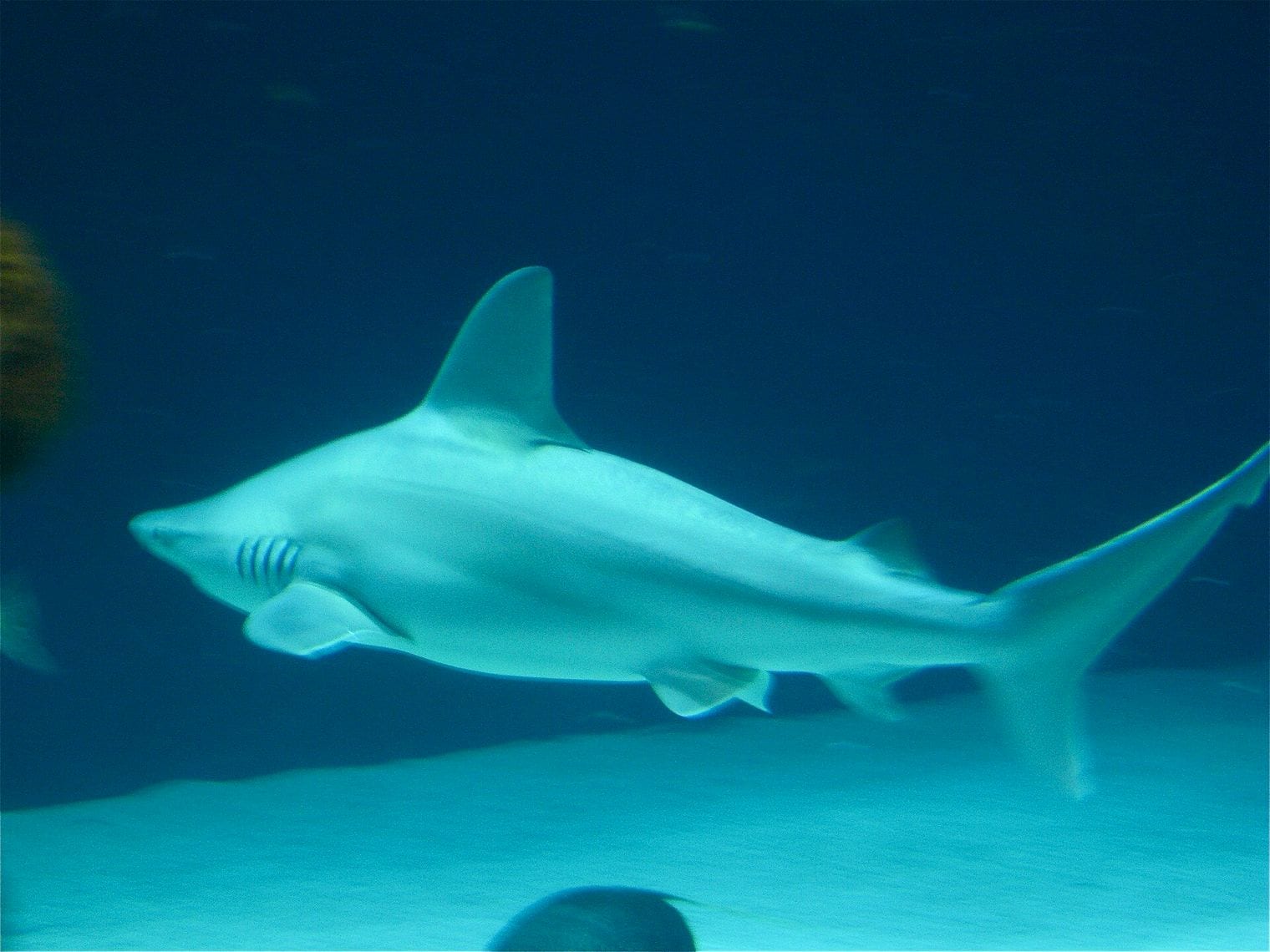
The highlight is the large ocean tank, where sharks, rays and sea turtles glide past a wall of glass, and the jellyfish and eel displays are close behind. The aquarium shares a campus with the botanic garden, so one visit easily covers both.
77. New Mexico Museum of Natural History and Science
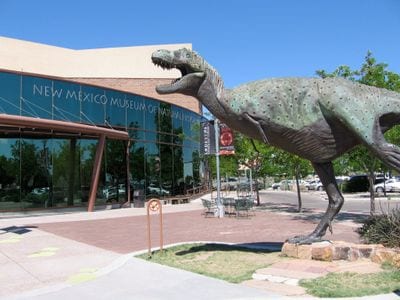
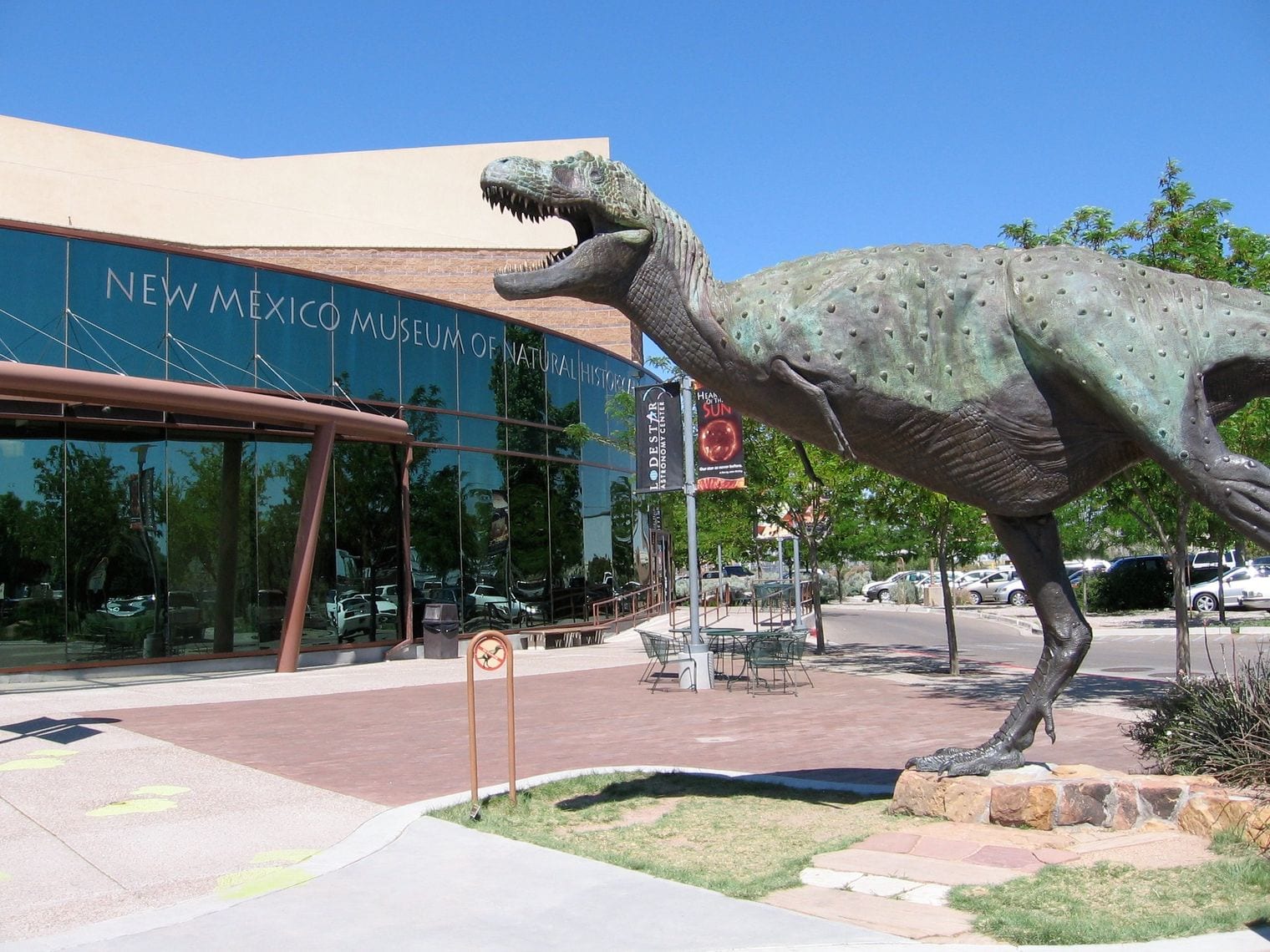
The New Mexico Museum of Natural History and Science walks you through billions of years of the state's past, and its dinosaur halls are the big draw, with skeletons of creatures that once roamed what is now New Mexico. A walk-through volcano and exhibits on the state's geology bring the desert landscape outside into focus.
The museum also has a planetarium and a large-format theater, so it is easy to spend half a day here. It sits on museum row just north of Old Town, easy to pair with a morning on the plaza.
88. Explora Science Center and Children's Museum of Albuquerque
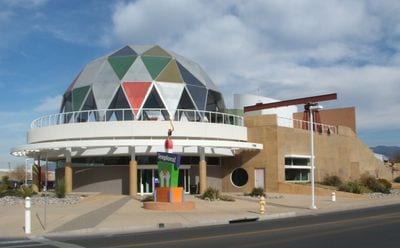
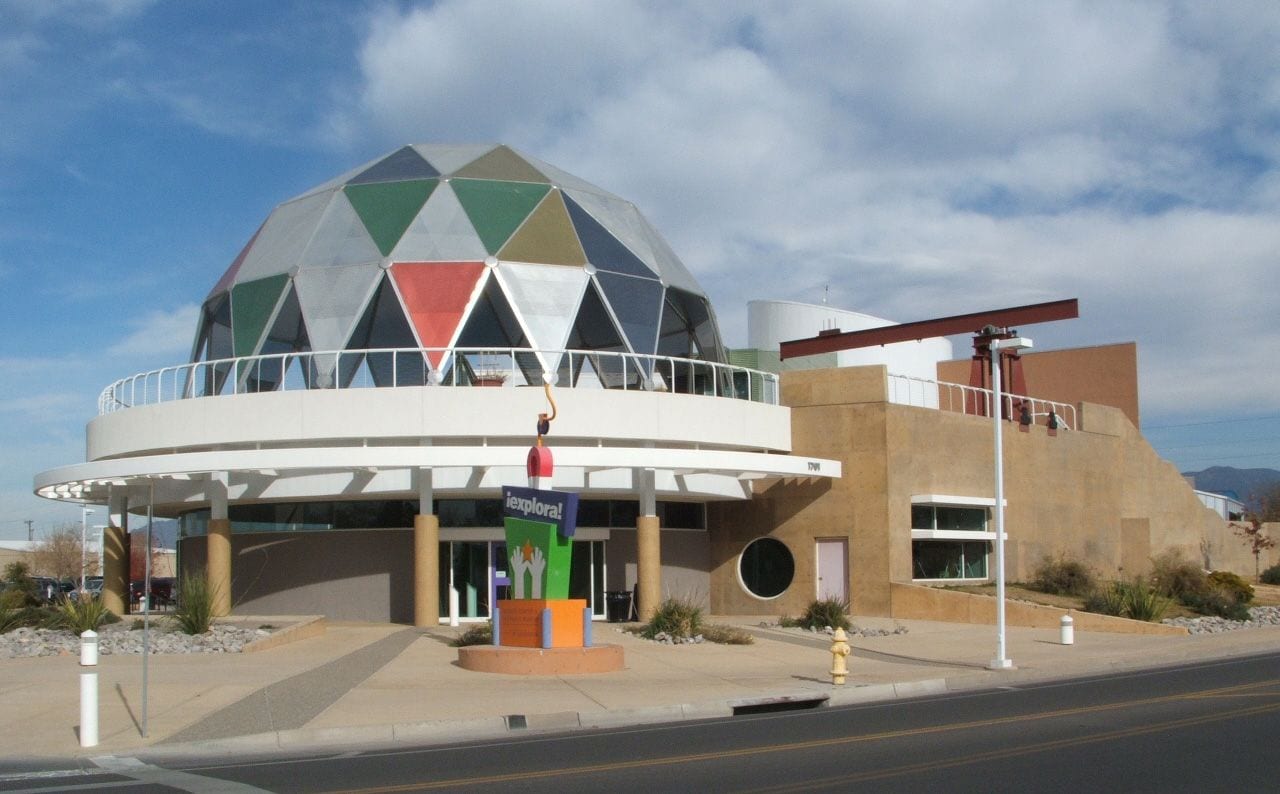
Explora is Albuquerque's hands-on science center and children's museum, and it is built for touching rather than looking. Kids can launch objects on air currents, play with water flow, build circuits and experiment with light and sound across two floors of open-ended exhibits.
The exhibits work for toddlers and teenagers alike, and plenty of adults end up just as absorbed. It sits on museum row beside the natural history museum, so it pairs well with a morning in Old Town and makes a good indoor plan for a hot or windy day.
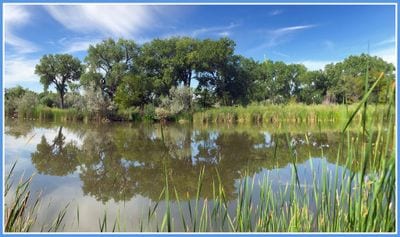
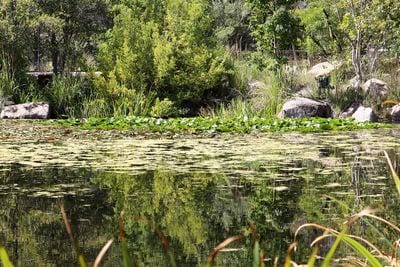
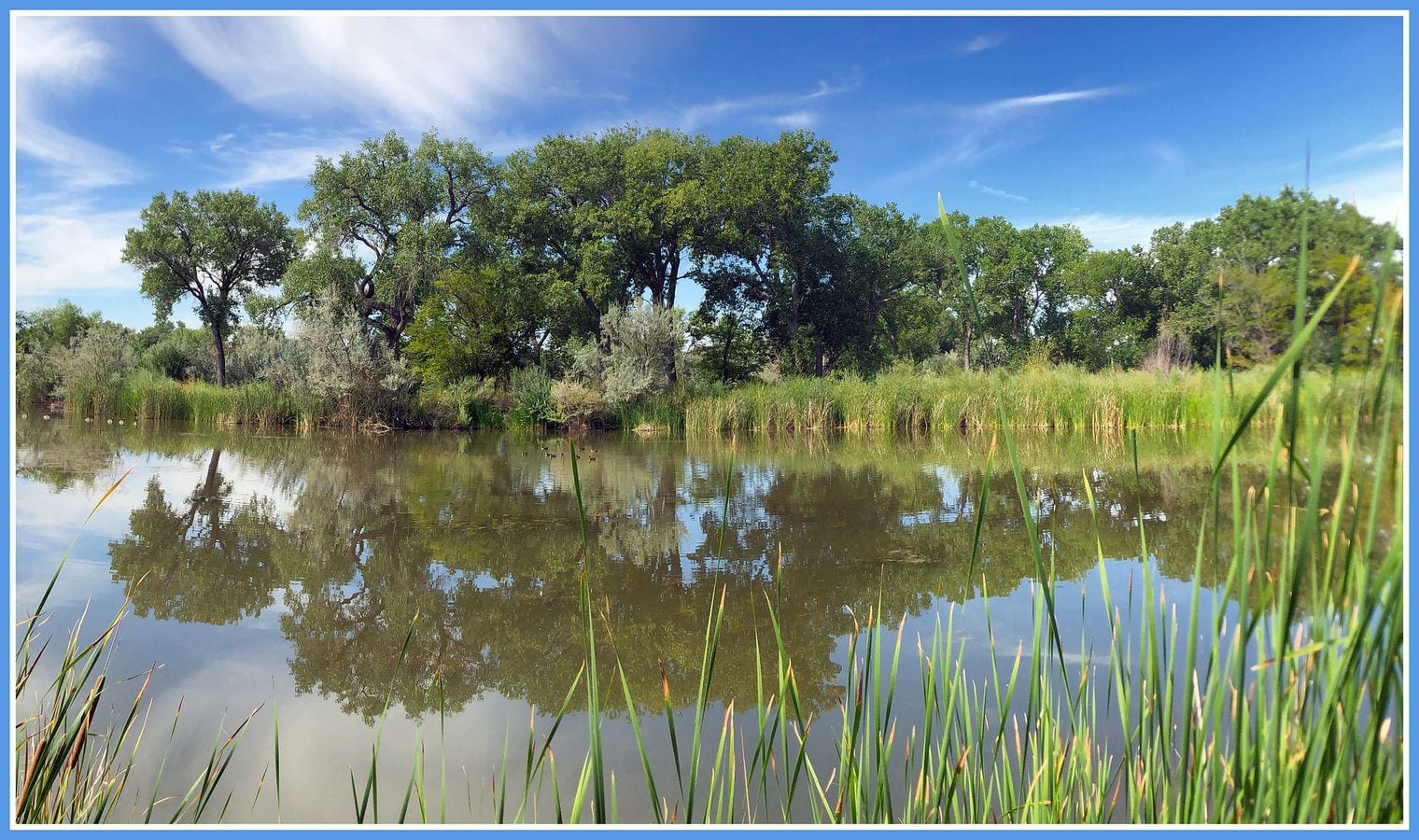
Tingley Beach is the ABQ BioPark's outdoor corner, a string of ponds along the Rio Grande where locals come to fish, stroll and let children sail model boats. There is no sand or swimming despite the name, but the paths around the water are a pleasant, easy walk with the cottonwood forest right beside them.
It is also a natural starting point for the bosque trails, including the Paseo del Bosque, which runs for miles along the river for walkers and cyclists. The BioPark train stops here between the zoo and the aquarium, so it is easy to slot into a BioPark day.
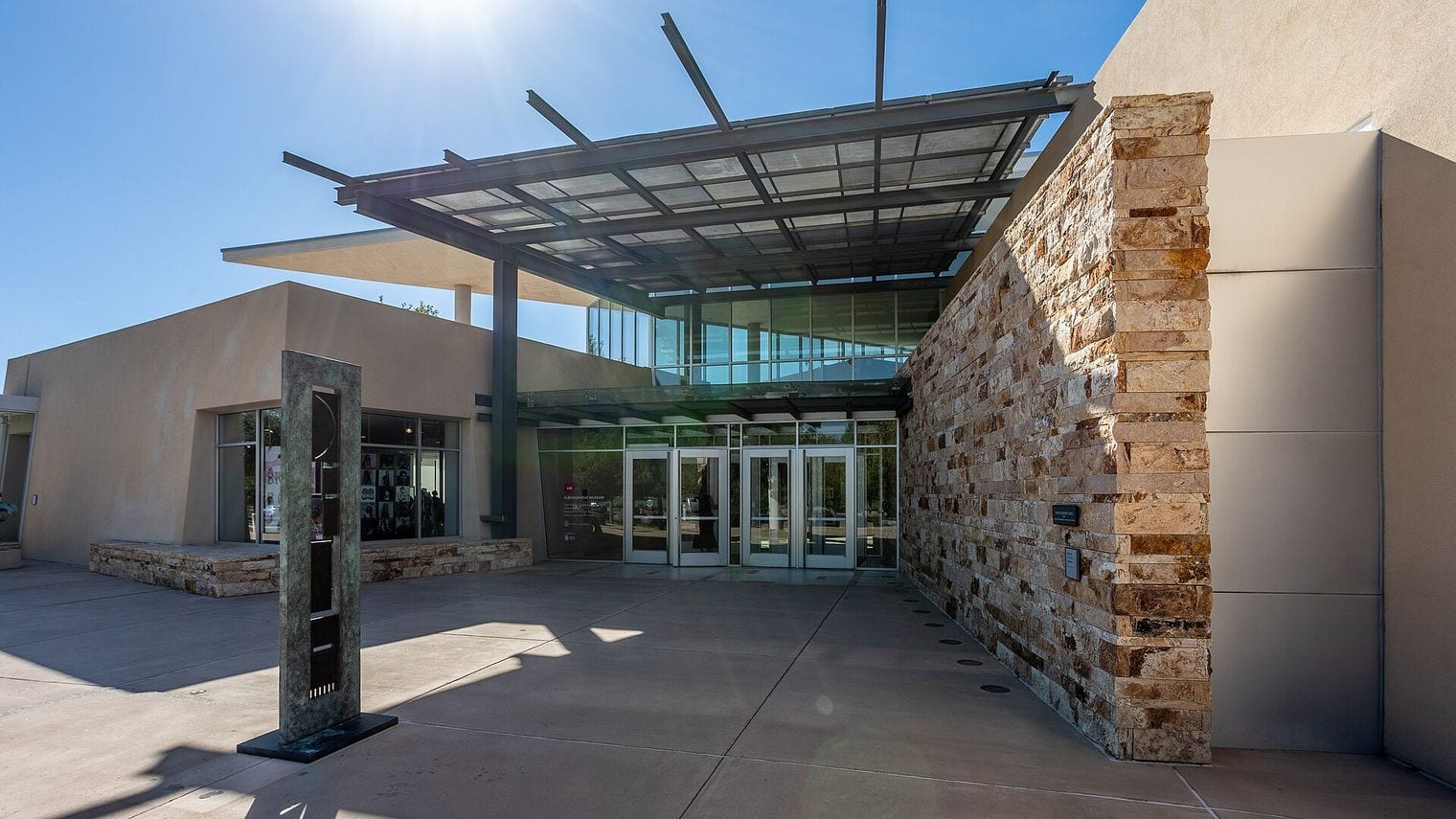
The Albuquerque Museum is the city's museum of art and history, set just off Old Town Plaza. Its history galleries trace four centuries of the region, from Spanish colonial armour and religious art to the railroad era and Route 66, and give real context to the adobe streets outside.
The art collection focuses on the Southwest, with painting, photography and sculpture from artists who worked in New Mexico, and the outdoor sculpture garden is free to wander. Walking tours of Old Town often begin here too, making it a natural first stop before exploring the plaza.
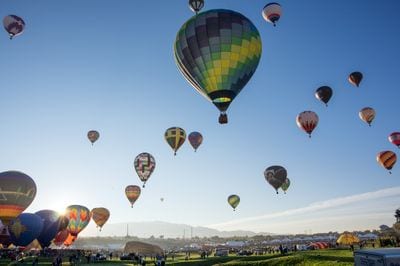
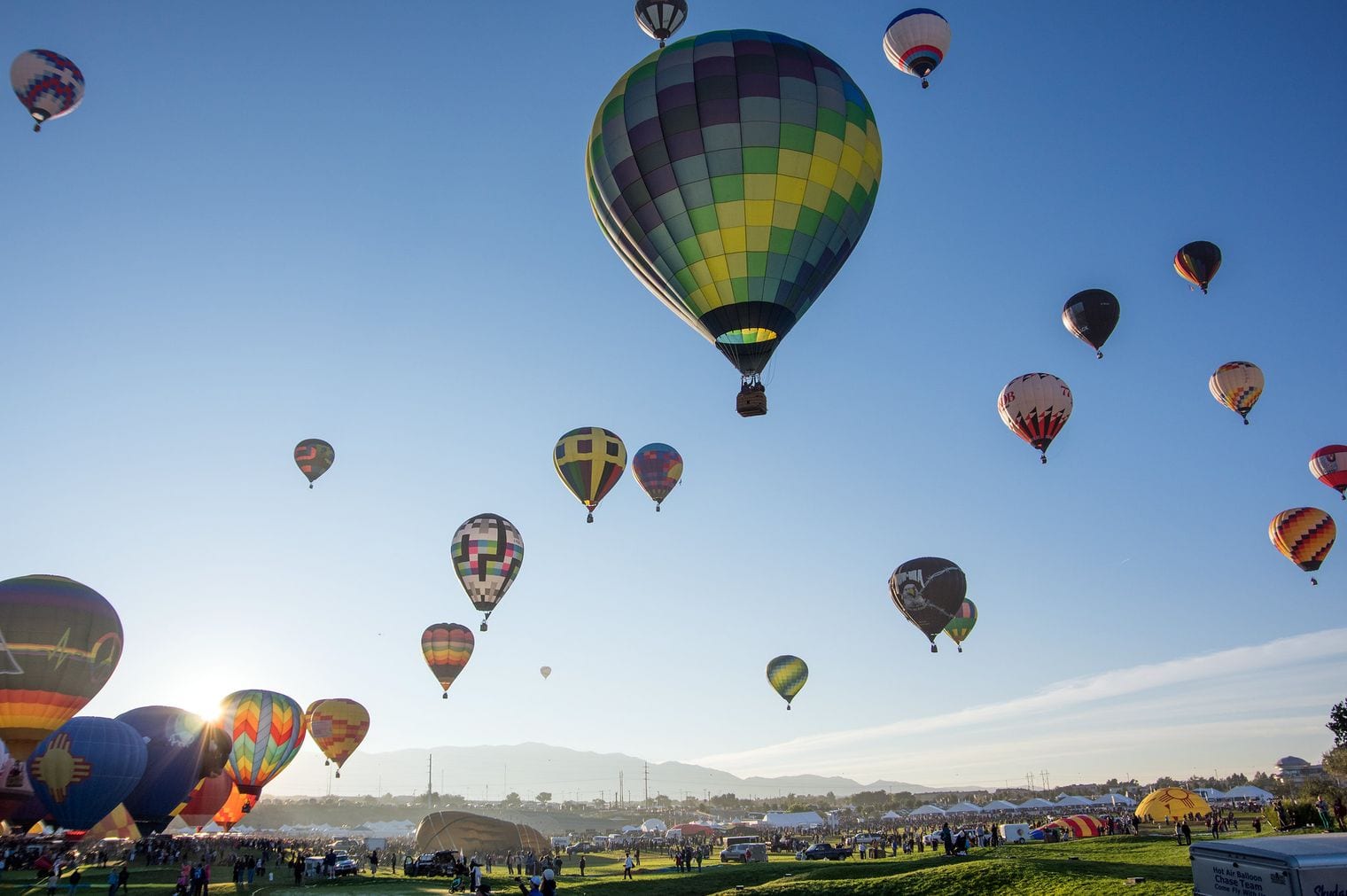
The Albuquerque International Balloon Fiesta is the event the city is famous for: for nine days each October hundreds of hot air balloons launch from Balloon Fiesta Park, and it is the largest balloon festival in the world. It began in 1972 with a handful of balloons in a shopping-center parking lot and has grown into one of the most photographed events in America.
The mass ascensions at dawn, when wave after wave of balloons rises into the sky, are unforgettable, and the evening balloon glows light up the field after dark. Book accommodation well ahead if you plan to visit during the fiesta, and outside October the park and the balloon museum beside it still tell the story.
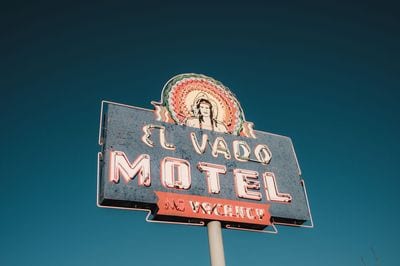
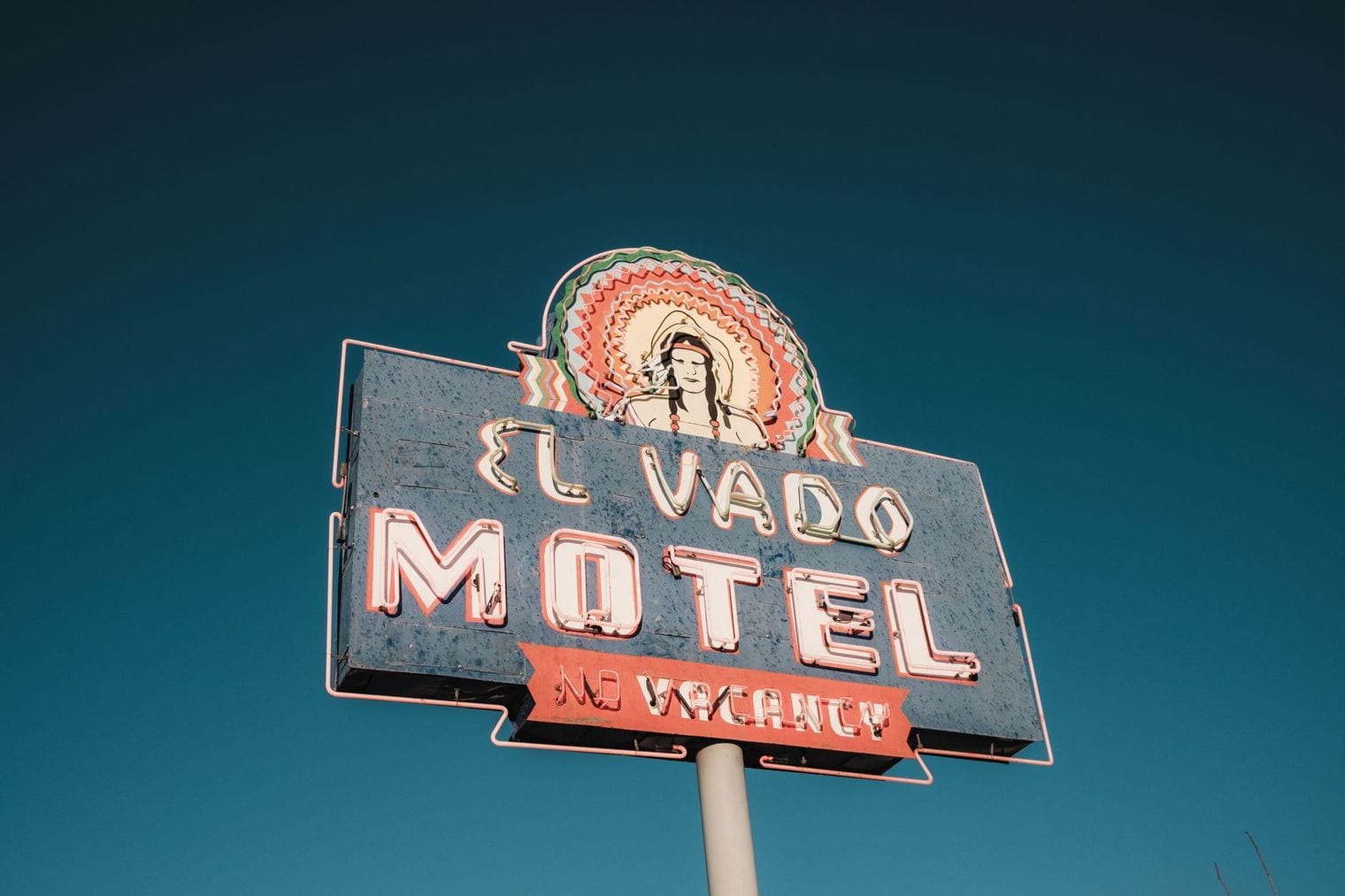
The El Vado Motel is a restored Route 66 motor court from 1937, and one of the best places to feel the Mother Road's golden age in Albuquerque. Its Pueblo Revival buildings and classic neon sign sit on Central Avenue close to Old Town, and the motel was saved and brought back to life rather than torn down.
You do not have to stay the night to enjoy it: the courtyard has casual places to eat and drink, and the neon is at its best after dark. Pair it with a drive along Central Avenue past the old motels, diners and signs that made Albuquerque a highlight of Route 66.
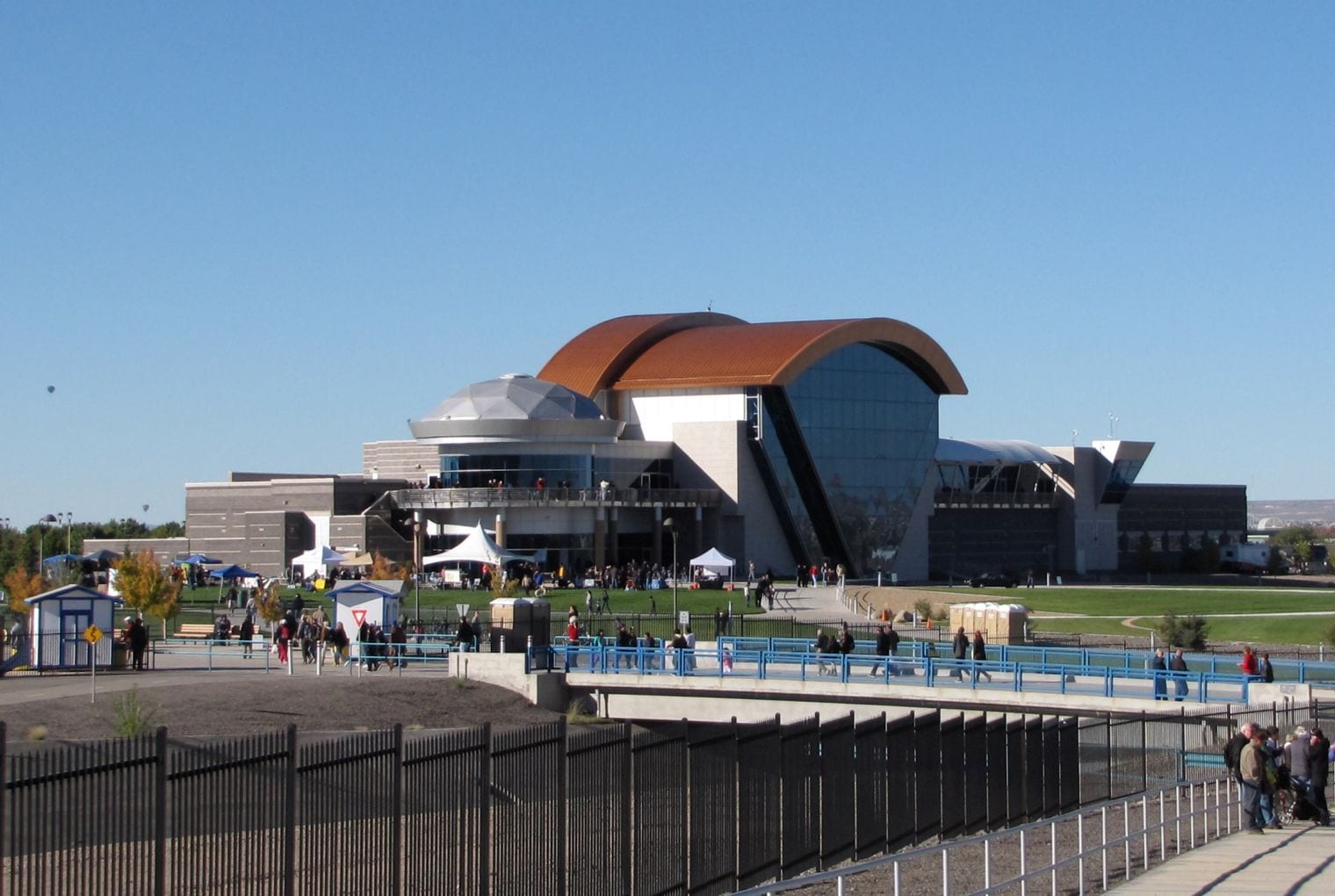
1313. Anderson Abruzzo Albuquerque International Balloon Museum
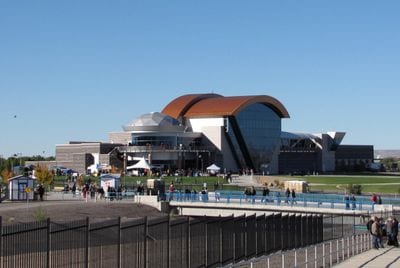
The Balloon Museum, beside Balloon Fiesta Park, is dedicated to the history and science of ballooning, from the first flights in eighteenth-century France to modern gas balloon racing. It is named for Ben Abruzzo and Maxie Anderson, the Albuquerque balloonists who were part of the Double Eagle II crew that made the first balloon crossing of the Atlantic.
The soaring main hall is hung with balloons and gondolas, and the exhibits explain how the city's famous wind pattern makes it such a good place to fly. It is the best way to experience Balloon Fiesta outside October, and the grounds look out over the launch field.
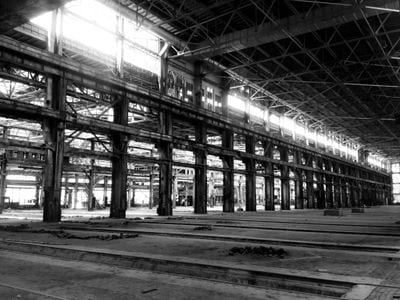
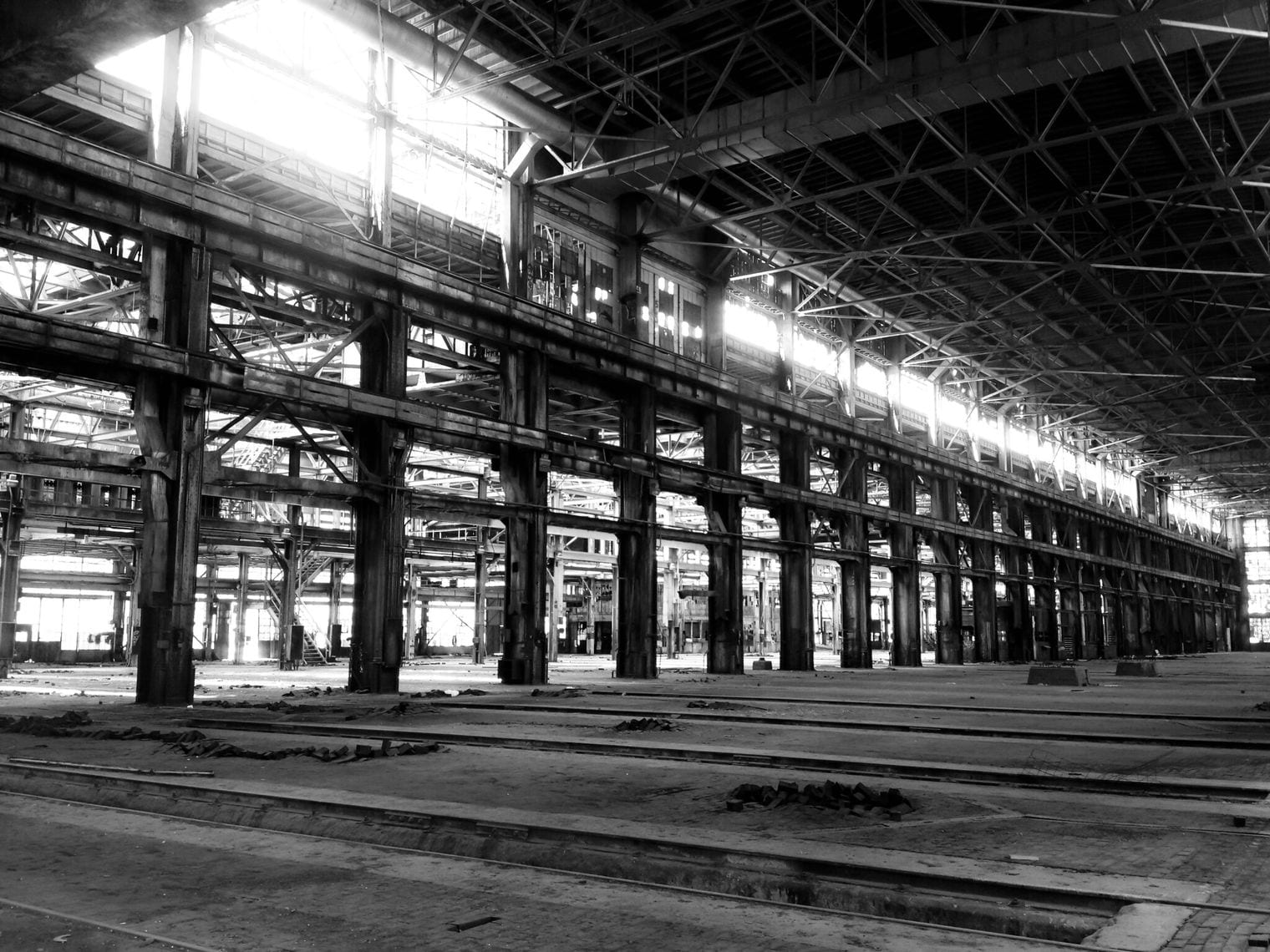
The Rail Yards Market is a community market held inside the historic Albuquerque rail yards, where the Santa Fe railway once repaired its steam locomotives. The cavernous machine shop, with its walls of glass and steel, is a spectacular setting and has appeared in several films and TV shows.
On market days local farmers, food vendors, artists and musicians fill the space, and it makes a lively, easygoing morning. It sits in the Barelas neighborhood south of downtown, a short hop from the National Hispanic Cultural Center.
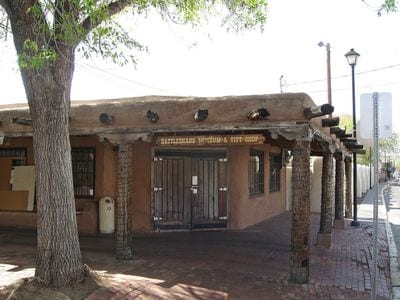
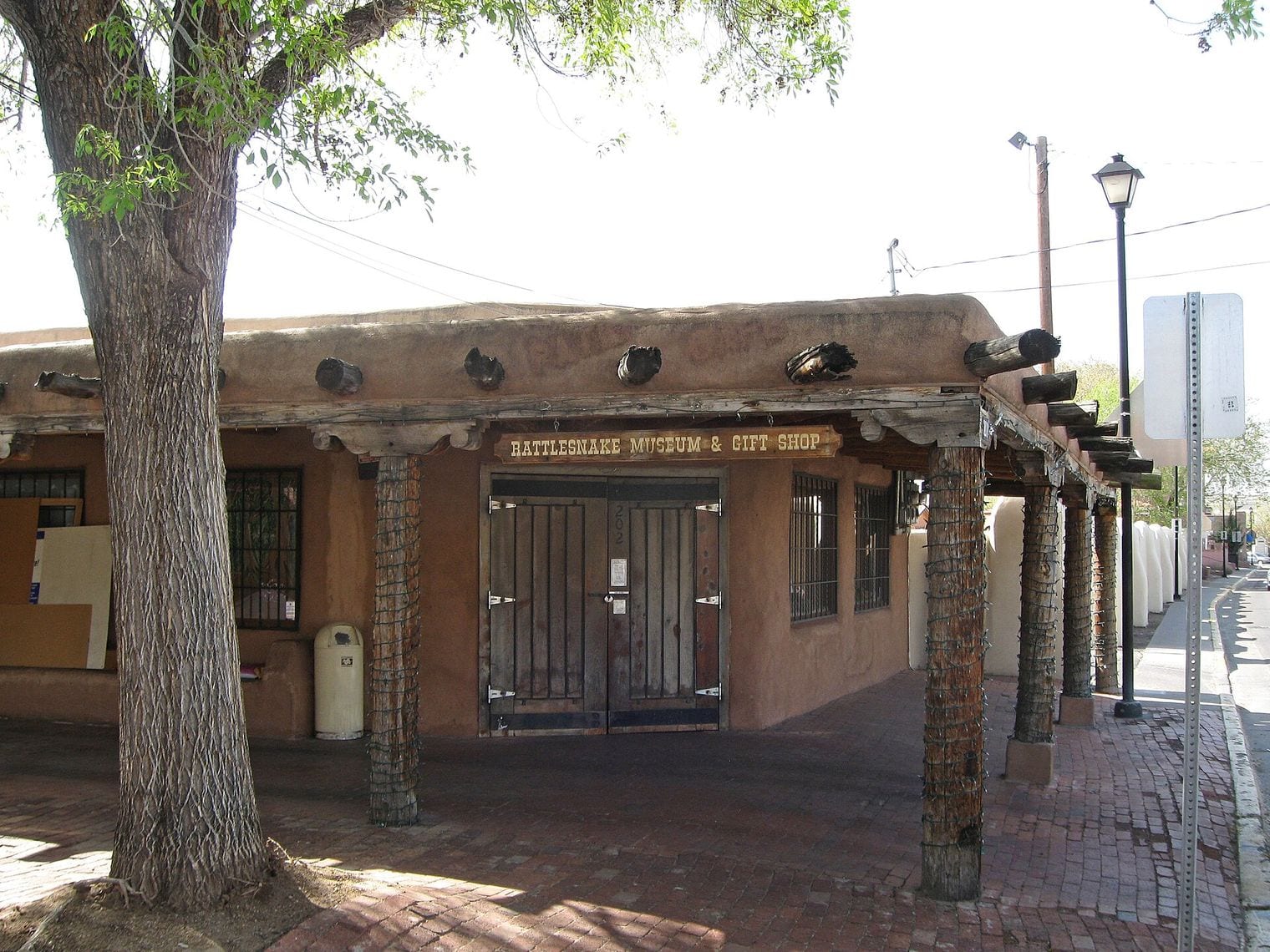
The American International Rattlesnake Museum is one of Old Town's quirkiest stops, a small museum dedicated to live rattlesnakes and the other reptiles of the Americas. Its collection of rattlesnake species is unusually wide, displayed in glass habitats that let you get safely close.
The museum's mission is conservation and education, and its displays are good at replacing fear with fascination, explaining how these snakes live and why they matter. It takes less than an hour and is an easy add-on to a walk around the plaza, especially with curious kids.
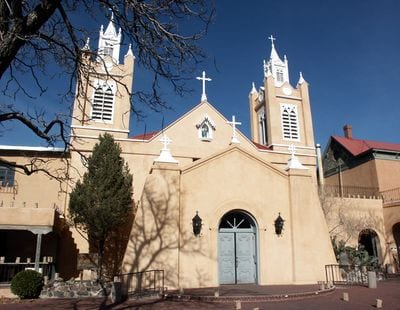
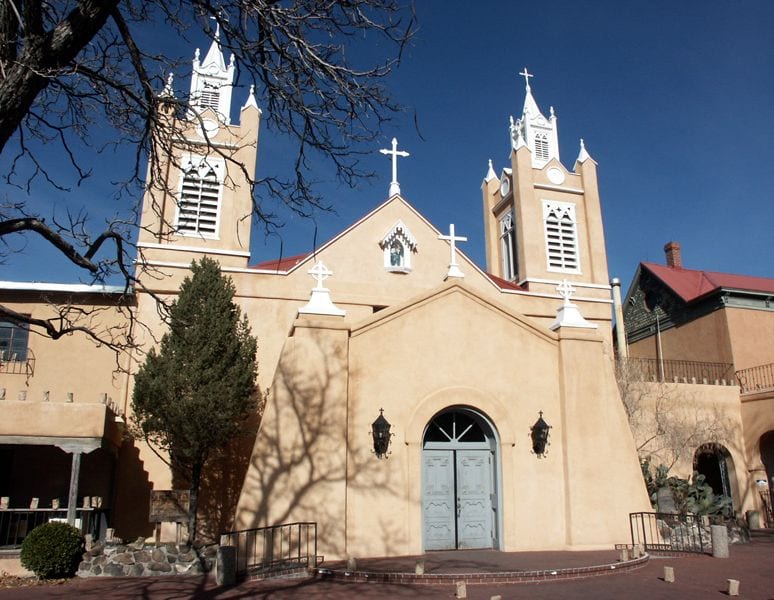
San Felipe de Neri Church stands on the north side of Old Town Plaza, and it has been the spiritual heart of Albuquerque since the parish was founded with the city in 1706. The present adobe church dates from the 1790s, with later twin bell towers and Gothic touches, making it one of the oldest buildings in the city.
It is still an active parish, so visit quietly and respect services, but its cool, candlelit interior is open to visitors outside services. The church is at its most photogenic at Christmas, when luminarias line its walls and the plaza.
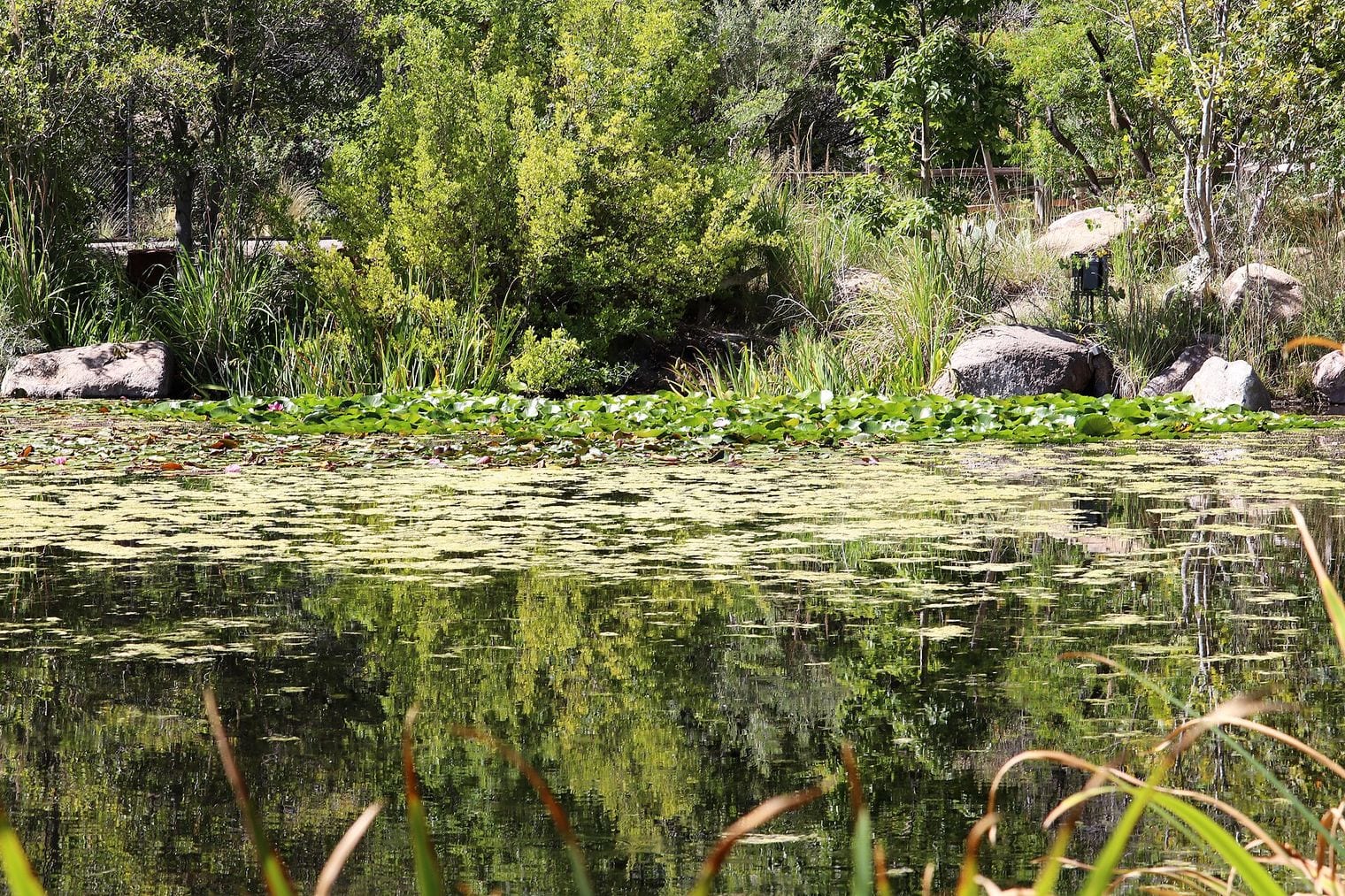
The ABQ BioPark Botanic Garden is a green oasis beside the Rio Grande, with desert and Mediterranean conservatories, a Japanese garden and the Rio Grande Heritage Farm, a re-creation of a historic farm complete with orchards and animals. Paths wind through themed gardens that show just how much grows in the high desert.
Children love the butterfly pavilion and the bug-themed exhibit, and the garden shares an entrance with the aquarium. In winter its River of Lights holiday display turns the grounds into one of the city's favourite seasonal outings.
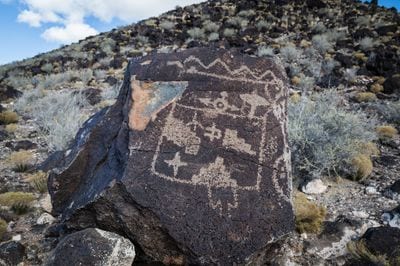
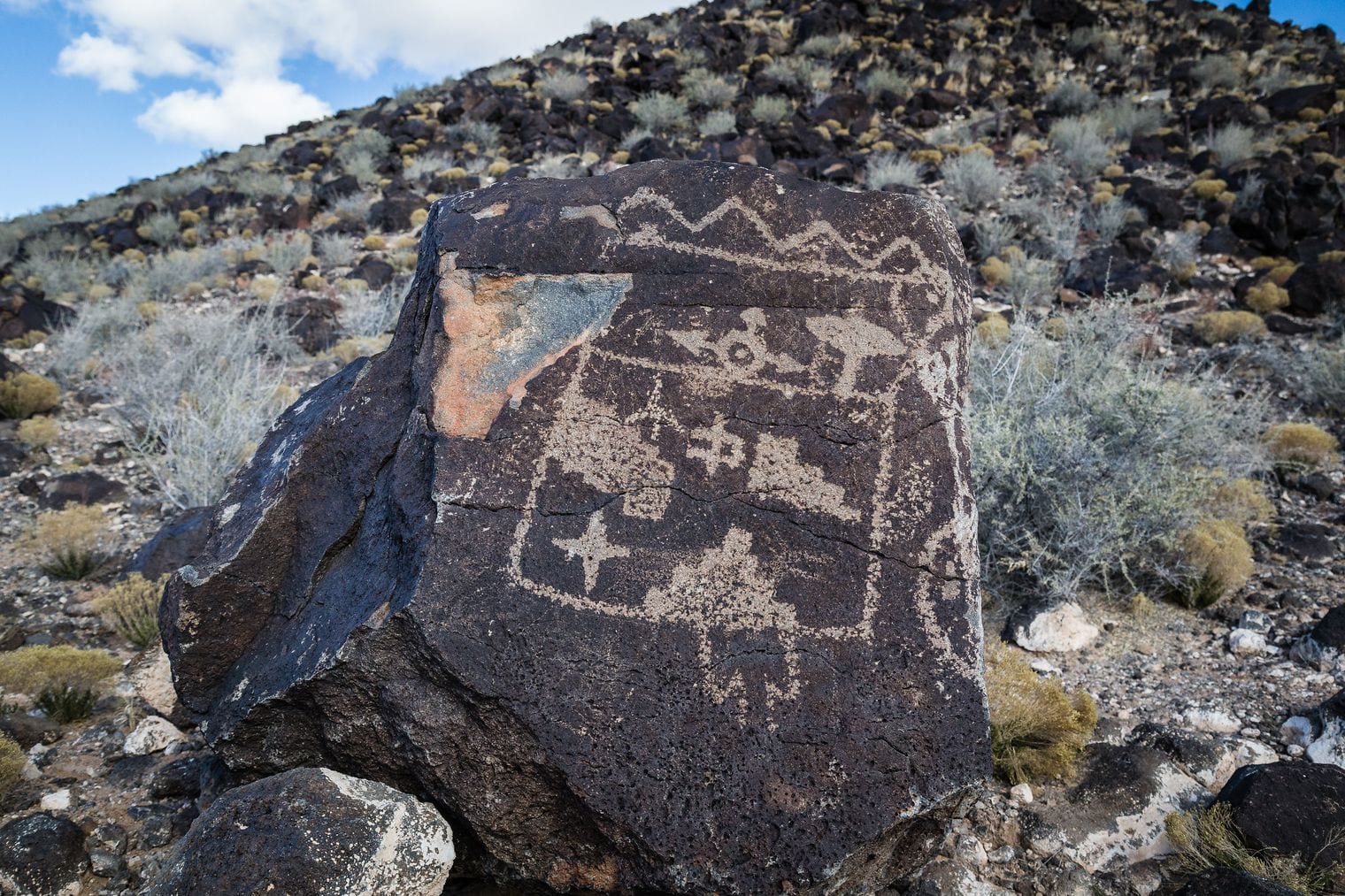
Petroglyph National Monument protects more than 20,000 images carved into volcanic rock along the West Mesa, most by ancestral Pueblo people and some by early Spanish settlers. Spirals, animals, masks and handprints cover the dark basalt boulders, and many are still sacred to Pueblo communities today.
The monument has several separate trail areas: Boca Negra Canyon is the easiest, with short paved paths past dense clusters of carvings, while Rinconada and Piedras Marcadas canyons offer quieter walks through the desert. Bring water and sun protection, and go early or late in the day when the low light makes the images stand out.
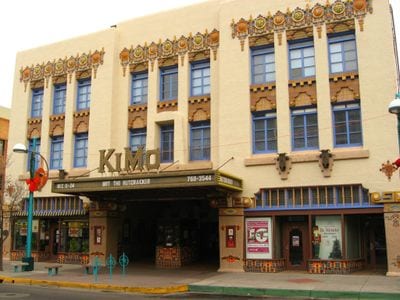
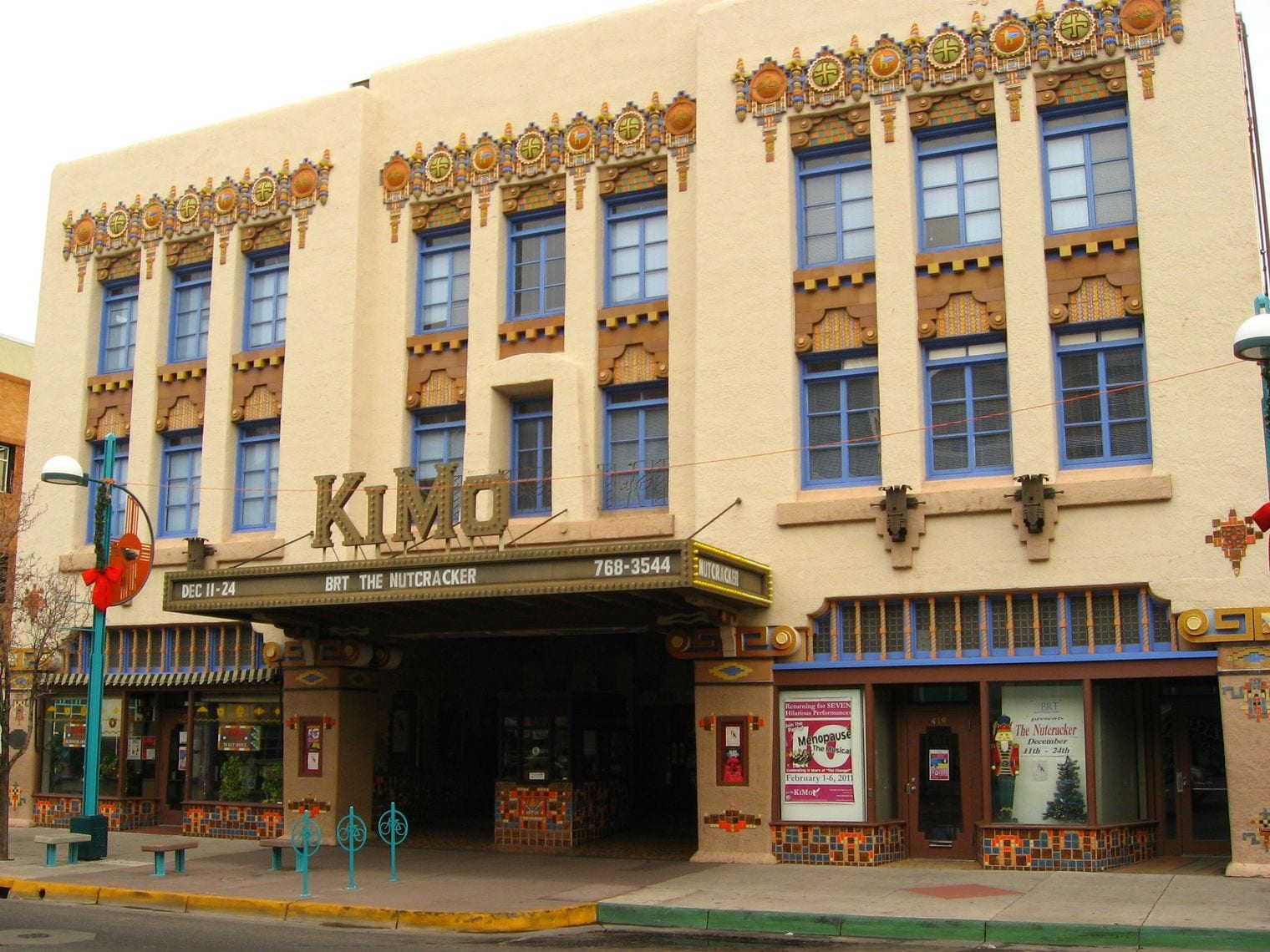
The KiMo Theatre is a 1927 movie palace on Central Avenue, and one of the finest examples of Pueblo Deco, a style that fused Art Deco with Pueblo and Navajo motifs. Its facade is covered in colorful tilework and its interior is full of painted beams, murals and fanciful Native American-inspired details.
Now owned by the city, it hosts films, concerts and performances, and guided tours sometimes let you see the auditorium without a ticket. Even from the sidewalk it is one of downtown Albuquerque's most striking buildings, and it sits right on the Route 66 alignment through the city center.
The National Hispanic Cultural Center, in the historic Barelas neighborhood, is dedicated to Hispanic arts and culture across New Mexico and the wider Spanish-speaking world. Its campus includes an art museum, performance halls, a library and a genealogy center, and it hosts concerts, flamenco and festivals throughout the year.
Do not miss the Torreón, a tower whose interior is covered by a fresco that spans some 4,000 square feet and took artist Frederico Vigil about a decade to paint. Depicting thousands of years of Hispanic and pre-Hispanic history, it is one of the largest frescoes in North America and a genuinely moving space to stand inside.
Plan your trip
Best Time to Visit Albuquerque
Fall is Albuquerque's finest season. Days are warm and clear, the cottonwoods along the Rio Grande turn gold, and the smell of roasting green chile drifts out of markets and grocery stores in late summer and early fall. October brings the Balloon Fiesta, the city's biggest event, so plan and book well ahead if you want to be here for it, or come just before or after for the same weather with fewer crowds.
Spring is mild but often windy, and summer is hot and bright, with afternoon thunderstorms rolling off the mountains in the monsoon months of July and August. Winter days are usually sunny and pleasant, though nights are cold at this altitude and snow dusts the Sandias. December is special: the Botanic Garden's holiday lights and the luminarias of Old Town on Christmas Eve are highlights of the year.
Getting to Albuquerque
Most visitors fly into Albuquerque International Sunport, the state's main airport, a short drive south of downtown. The city also sits at the crossroads of two major interstates: I-25 runs north to Santa Fe and Denver and south toward Las Cruces and El Paso, while I-40, which follows much of old Route 66, links Albuquerque with Amarillo to the east and Flagstaff to the west. The two meet at the interchange locals call the Big I.
Amtrak's long-distance Southwest Chief stops at the downtown transportation center, and the New Mexico Rail Runner Express commuter train connects Albuquerque with Santa Fe, which makes a car-free day trip to the state capital easy.
Getting Around Albuquerque
Albuquerque is spread out, and a car is the easiest way to see it: the Sandia Peak Tramway, the Balloon Fiesta grounds, the nuclear museum and Petroglyph National Monument are all several miles from the center. Old Town and the nearby museum row are compact and very walkable, though, and the ABQ BioPark's train links the zoo, Tingley Beach, the aquarium and the botanic garden.
City buses run along Central Avenue, the old Route 66, connecting Old Town, downtown, the university area and Nob Hill, and rideshare is widely available. Cyclists have one of the city's best assets in the Paseo del Bosque Trail, a long, flat paved path through the cottonwood forest along the river.
Where to Stay in Albuquerque
Old Town is the most atmospheric base, putting the plaza, San Felipe de Neri and the museum row within walking distance, with adobe inns and bed-and-breakfasts nearby. Downtown suits travelers who want restaurants, the KiMo Theatre and easy access to the Rail Yards and the National Hispanic Cultural Center, and it is close to the interstates.
Nob Hill, near the University of New Mexico, has a lively neighborhood feel along Route 66 with independent shops and cafes. The Uptown area and the stretches near the interstates are convenient for drivers and for the Balloon Fiesta, while the rural North Valley offers quieter stays among farms and cottonwoods.
Where to Eat in Albuquerque
Albuquerque is one of the best places anywhere to eat New Mexican food, a cuisine built around red and green chile. When you order, you will be asked "red or green?", and answering "Christmas" gets you both. Try enchiladas (often stacked flat and made with blue corn), carne adovada slow-cooked in red chile, green chile stew, posole and the city's famous breakfast burritos, and finish with sopaipillas drizzled with honey or biscochitos, the anise-scented state cookie.
Old Town is full of traditional New Mexican kitchens, while Nob Hill and downtown have the widest mix of restaurants, bars and breweries. The Sawmill district near Old Town has a busy food hall, and the city's craft beer scene is one of the strongest in the Southwest.
Day Trips from Albuquerque
Santa Fe, the state capital, is about an hour north on I-25 or by the Rail Runner train, and its adobe plaza, galleries and Canyon Road make an easy day out. The Turquoise Trail, a scenic back road along the east side of the Sandias, leads to the old mining towns of Madrid and Cerrillos, and Acoma Pueblo's Sky City, a village atop a sheer mesa, is about an hour west on I-40.
For longer road trips, Albuquerque is the natural starting point for the rest of the state. Las Cruces and the white dunes of White Sands National Park lie about three and a half hours south, and Roswell, famous for its UFO lore, is roughly three hours southeast.
Drive to the foothills in time to ride the Sandia Peak Tramway for sunset over the city. Back in town, finish with New Mexican food and a look at the neon of El Vado Motel on Route 66.
Albuquerque is best known for the International Balloon Fiesta each October and for the Sandia Peak Tramway, which climbs to the crest of the mountains above the city. Its 1706 Old Town Plaza, the Indian Pueblo Cultural Center, the National Museum of Nuclear Science & History, Route 66 neon and New Mexican chile cuisine round out its reputation.
How many days do you need in Albuquerque?
Two days covers the essentials: one for Old Town, the museum row and the Indian Pueblo Cultural Center, and a second for Petroglyph National Monument, the ABQ BioPark and the Sandia Peak Tramway at sunset. A third day lets you add a day trip to Santa Fe or the Turquoise Trail.
What can you do in Albuquerque for free?
Plenty. Wander Old Town Plaza and visit San Felipe de Neri Church, browse the Rail Yards Market, walk the petroglyph trails at Petroglyph National Monument, bike or walk the Paseo del Bosque Trail along the Rio Grande, and see the Route 66 neon on Central Avenue, including the restored El Vado Motel.
Is Albuquerque good for families with kids?
Very. The ABQ BioPark alone fills a day, with the zoo, aquarium, botanic garden and Tingley Beach linked by a little train. Explora and the New Mexico Museum of Natural History and Science are built for curious kids, the American International Rattlesnake Museum is a hit, and the Sandia Peak Tramway thrills every age.
Is Albuquerque walkable?
Parts of it are. Old Town and the museum row beside it are compact and easy on foot, and downtown and Nob Hill are pleasant to walk along Central Avenue. The city as a whole is spread out, though, so a car is the easiest way to reach the tramway, the petroglyphs and the Balloon Fiesta grounds.
When is the best time to visit Albuquerque?
Early fall is ideal, with warm, clear days, golden cottonwoods and the green chile roasting season, followed by the Balloon Fiesta in October. Spring can be windy and summer afternoons bring monsoon storms, while winter is sunny but cold at night, with luminarias lighting Old Town at Christmas.