We may earn a commission if you book tickets, tours or a stay through a link on
this page, at no extra cost to you. It never affects which places we list or how
we rank them (how we make money).
Short answer
Start with Cooperstown for the Baseball Hall of Fame on Otsego Lake, Lake Placid for its Olympic venues beneath the Adirondack High Peaks, and Cold Spring for its Hudson River Main Street and mountain trails. Most towns on this list fill a relaxed day, while Lake Placid, Saratoga Springs and Ithaca reward a full weekend.
Beyond the big city, New York is a state of small towns with deep roots: Dutch stone houses in the Hudson Valley, lakeside villages in the Finger Lakes, Adirondack mountain towns shaped by winter sports and old whaling ports at the far end of Long Island. Many still keep the main streets and village greens of the 1800s.
This guide ranks 35 of the best, from Cooperstown and Lake Placid to Finger Lakes towns within an easy drive of Syracuse. Most make a rewarding day trip, the bigger names deserve a weekend, and many pair up neatly on a road trip.
Lake Placid is the only place in the United States to have hosted the Winter Olympics twice, in 1932 and 1980, and the 1980 Games gave the world the US hockey team's "Miracle on Ice" win over the Soviet Union.
The 1969 Woodstock festival was not held in Woodstock at all, but on Max Yasgur's farm in Bethel, almost 60 miles away, where the Bethel Woods Center for the Arts now stands.
Kingston became New York's first state capital in 1777, and British troops burned the town that October.
The village of Sleepy Hollow was called North Tarrytown until 1996, when it adopted the name made famous by Washington Irving's 1820 tale of the Headless Horseman.
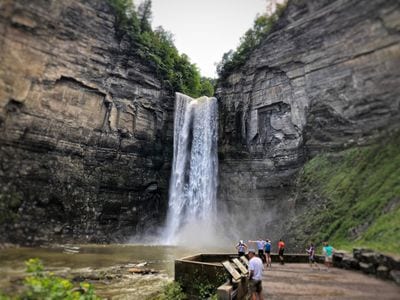
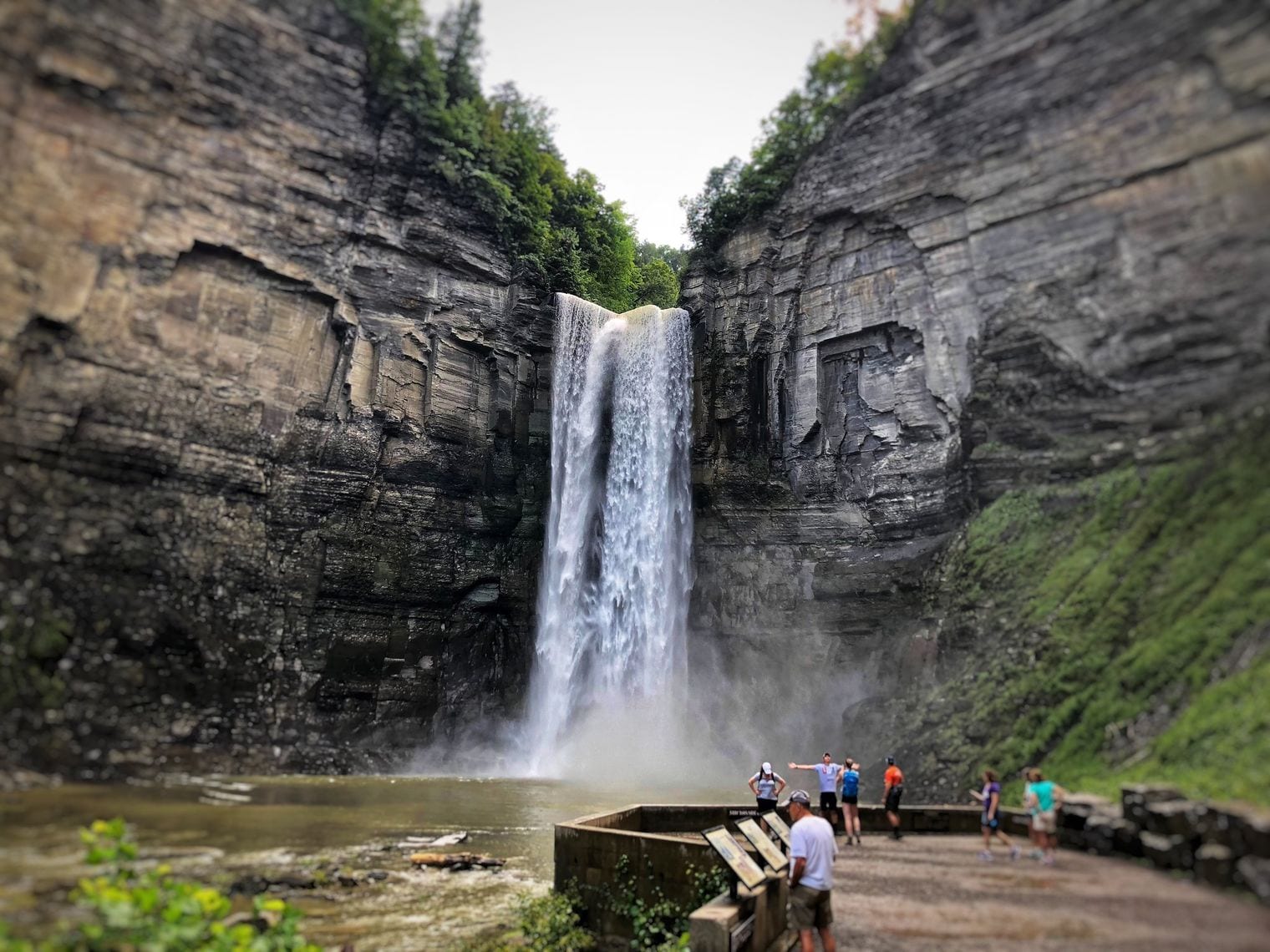
Taughannock Falls, near Trumansburg, plunges 215 feet, making it 33 feet taller than Niagara Falls.
In 1860, 11-year-old Grace Bedell of Westfield wrote to Abraham Lincoln urging him to grow a beard, and the newly bearded president-elect stopped in Westfield to meet her in February 1861.
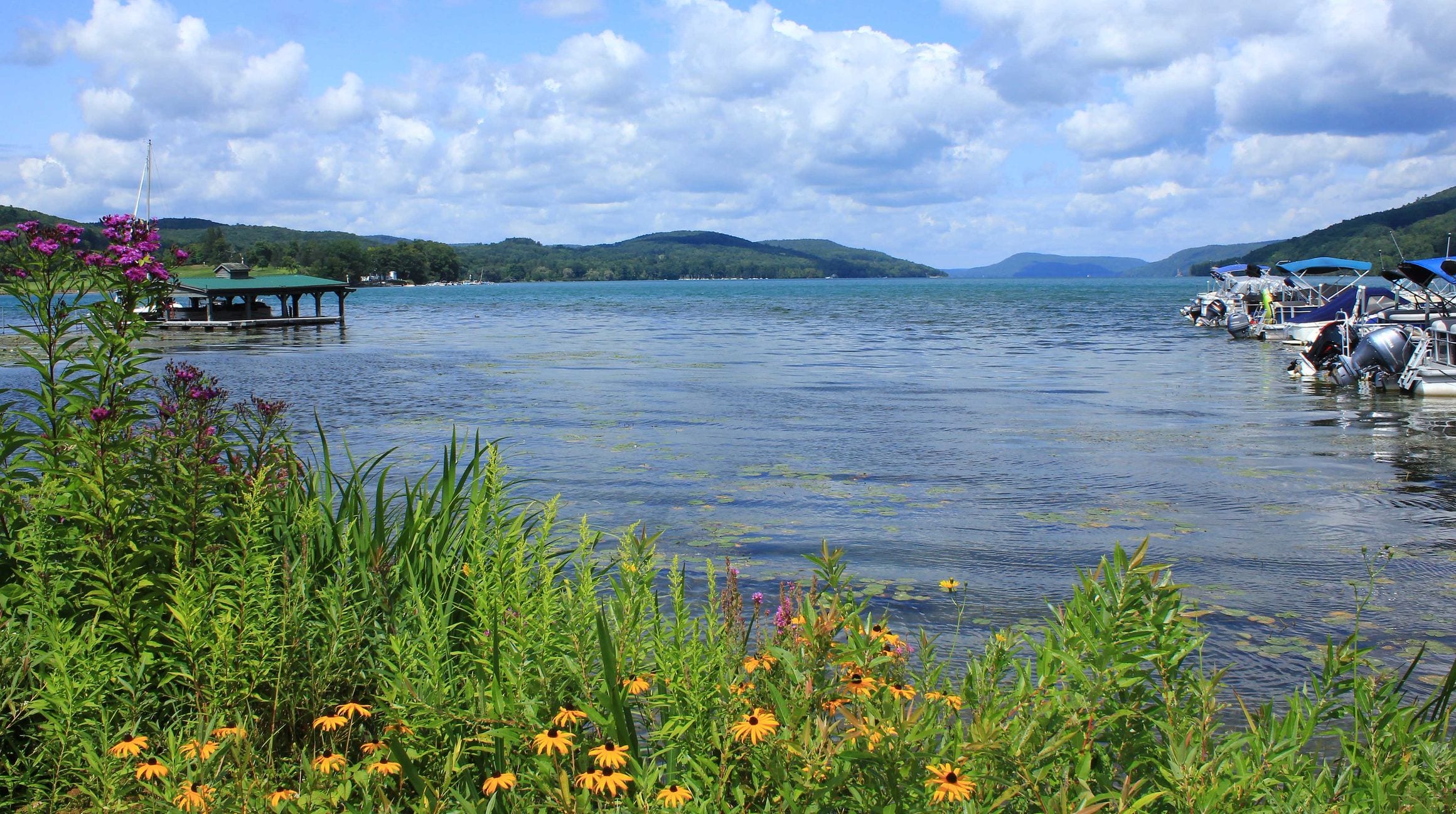
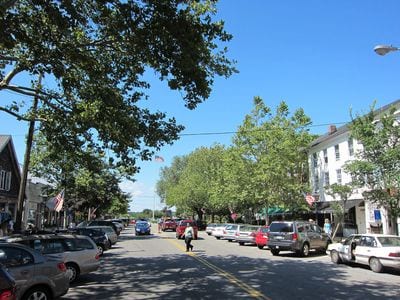
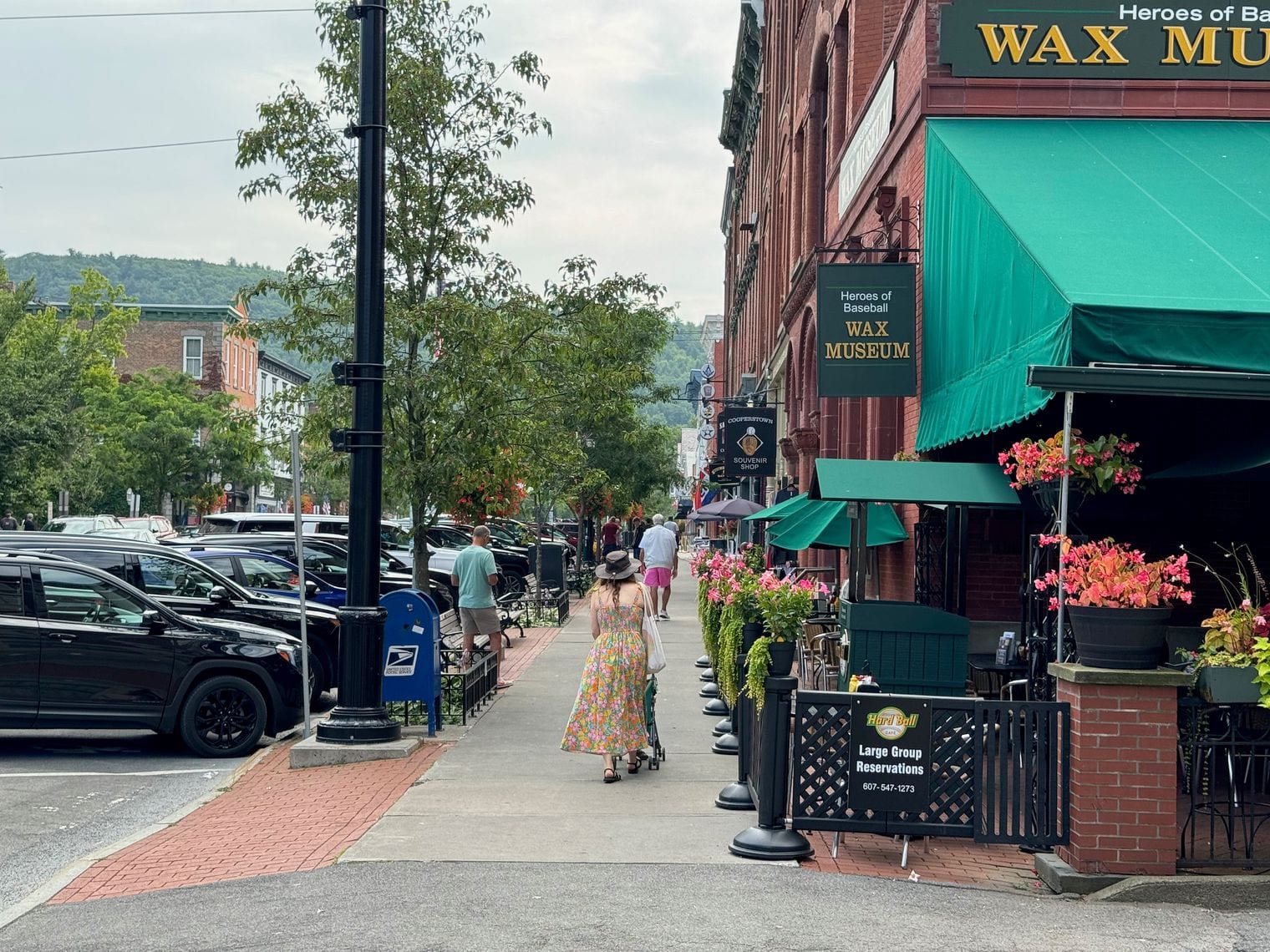
Cooperstown sits at the southern tip of Otsego Lake in Central New York, a village of fewer than 2,000 people whose name has become shorthand for baseball itself. It was founded in the late 18th century by William Cooper, father of the novelist James Fenimore Cooper, and most of its compact 19th-century core is protected as a historic district.
The National Baseball Hall of Fame and Museum, established in 1939, is the big draw, and Doubleday Field, two blocks away, has hosted games since 1920. Beyond baseball, the Fenimore Art Museum overlooks the lake with collections of American Indian and folk art, the Fenimore Farm & Country Village (formerly the Farmers' Museum) recreates 19th-century rural life in more than two dozen historic buildings, and summer opera plays at the Glimmerglass Festival farther up the lake.
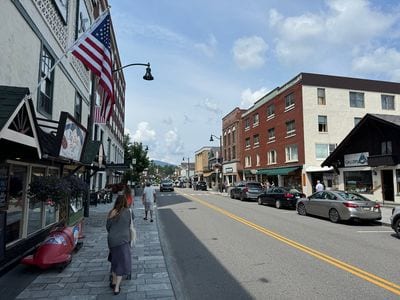
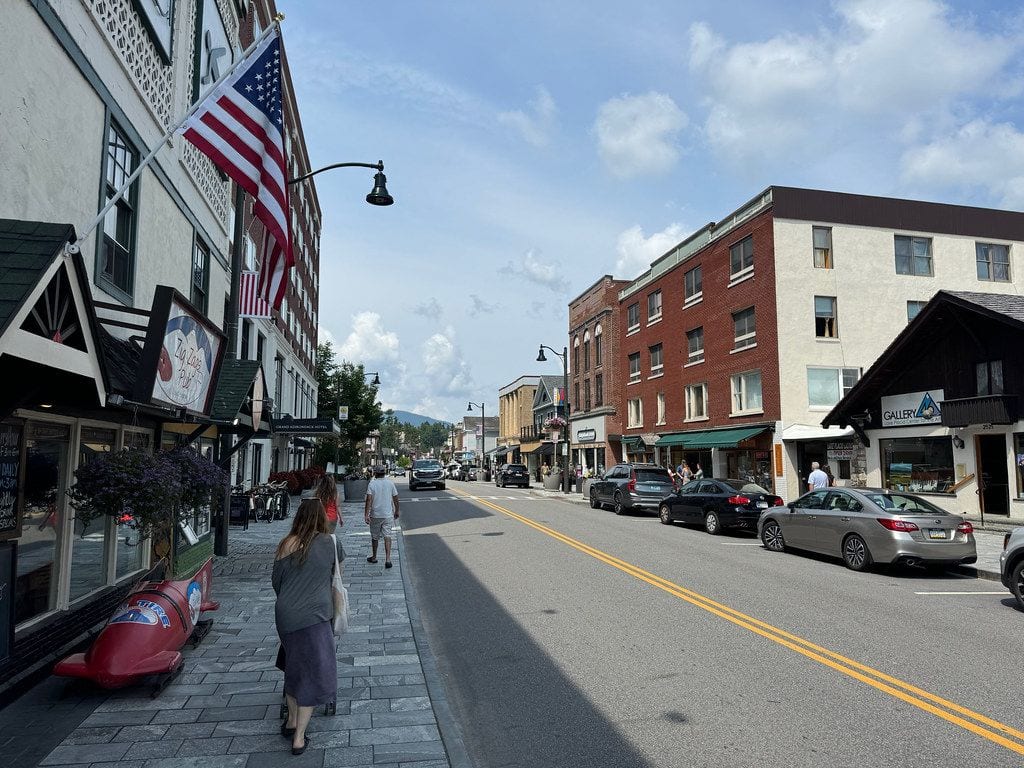
Lake Placid is the only American town to have hosted the Winter Olympics twice, in 1932 and 1980, and the Games still define this Adirondack village of about 2,200 people. Its Main Street runs along the shore of Mirror Lake, which lies between the village and the larger lake that shares its name, with the High Peaks rising all around.
Visit the Olympic Center, where the US hockey team beat the Soviet Union in the 1980 "Miracle on Ice", then take in the mountains from the observation deck at the Olympic ski jumps. The Mt. Van Hoevenberg bobsled run, used in both Olympics, is still a working track for bobsled, luge and skeleton, and the John Brown Farm State Historic Site preserves the grave of the famous abolitionist. Summer brings paddling and hiking, winter the full menu of snow sports.
Woodstock gave its name to the legendary 1969 music festival, but the festival itself took place on Max Yasgur's farm in Bethel, almost 60 miles away. The real Woodstock is a Catskills town in Ulster County that has been an artists' colony since 1902, when the Byrdcliffe Colony, one of the oldest arts and crafts colonies in America, was founded on the edge of town.
That creative streak still runs through its galleries, craft shops and music venues, and the Maverick Concerts bring summer chamber music to a rustic hall built in the woods in 1916. Hike Overlook Mountain to its fire tower for wide views over the Hudson Valley, visit the Karma Triyana Dharmachakra Tibetan Buddhist monastery, and if you want the festival story, continue to the museum at Bethel Woods, on the original 1969 site.
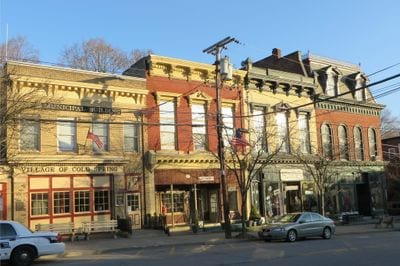
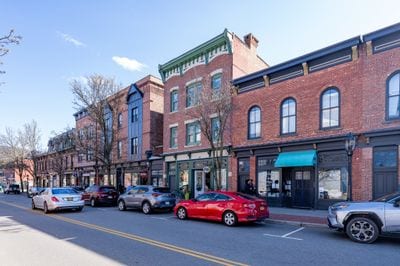
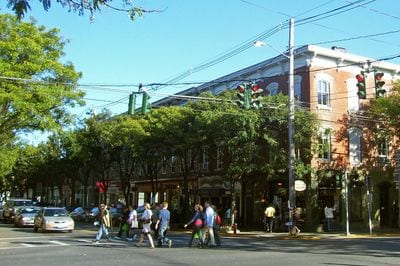
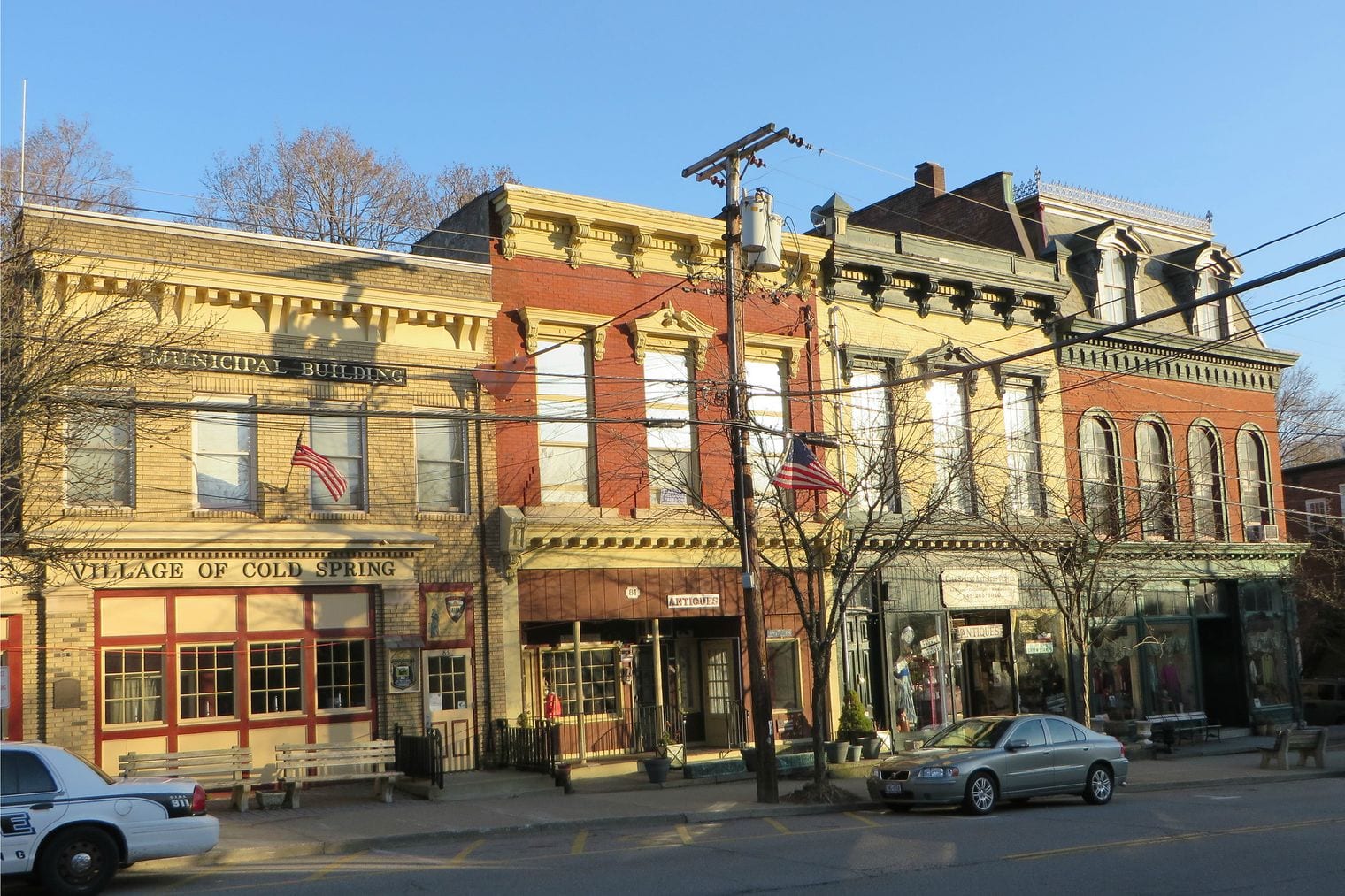
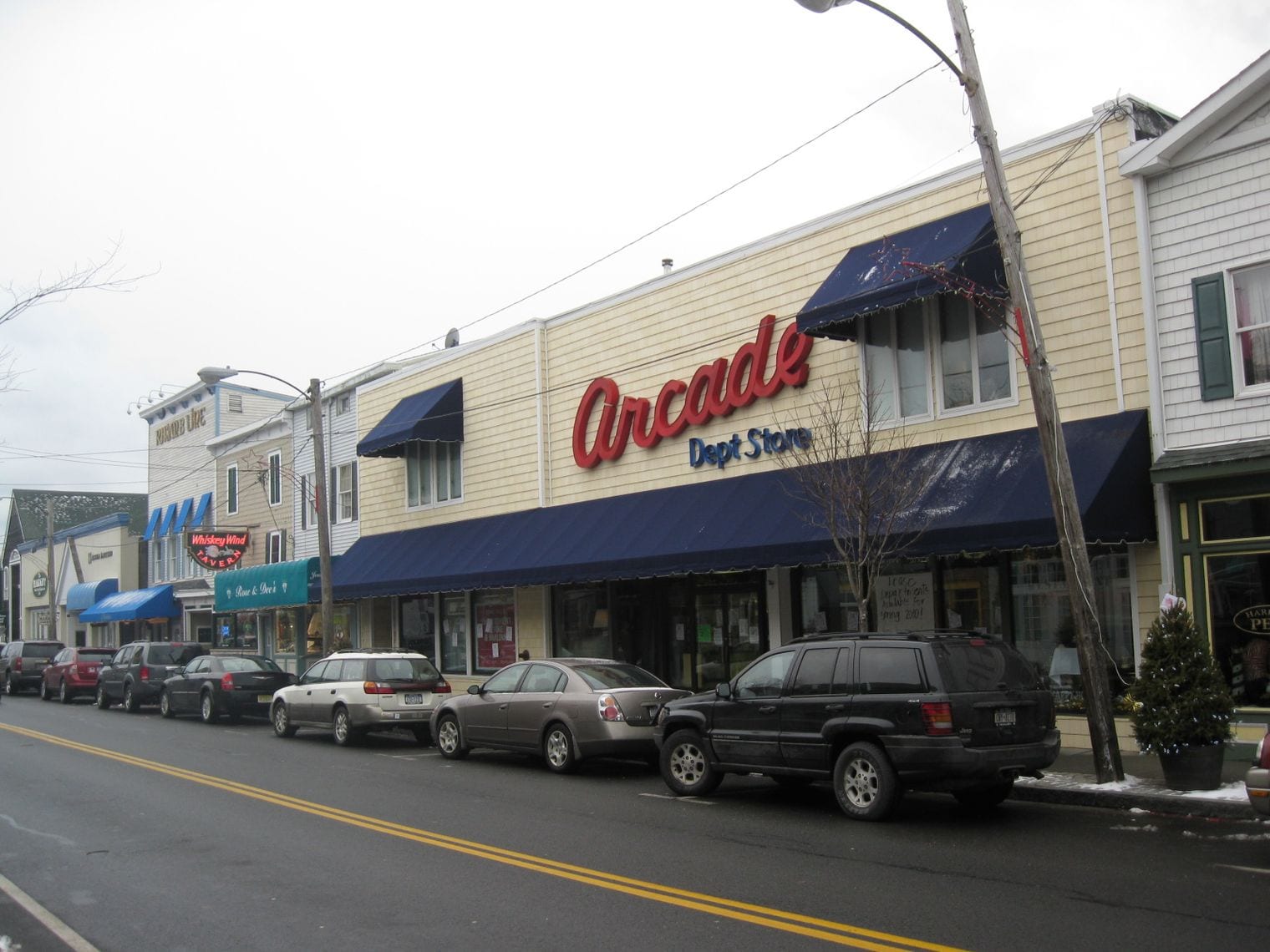
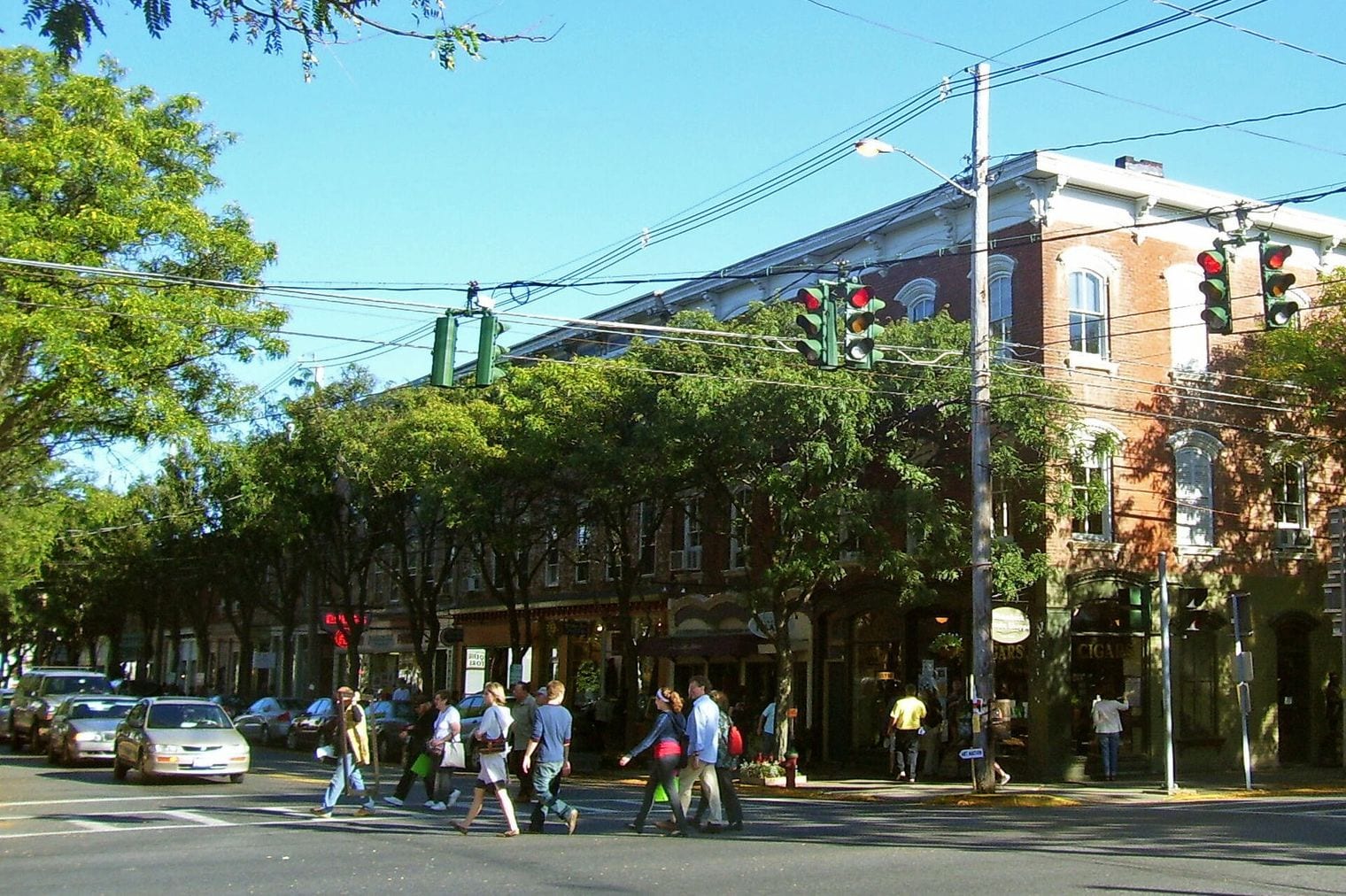
Cold Spring packs the drama of the Hudson Highlands into a village of about 2,000 people, its Main Street running downhill past antique shops and 19th-century storefronts to the riverfront, directly across from West Point. The Hudson reaches its deepest point here, and the mountains rising straight from the water were a favorite subject of the Hudson River School painters.
Many of the village's houses were built for workers at the West Point Foundry, which made Parrott rifled cannon for the Union during the Civil War; its ruins now sit in a preserve reached by a short trail from the train station. North of the village, the steep scramble up Breakneck Ridge in Hudson Highlands State Park is a favorite of hikers, and Metro-North trains from Grand Central make Cold Spring an easy car-free day trip.
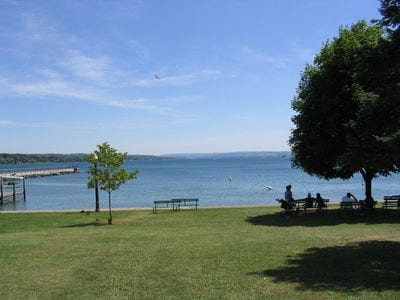
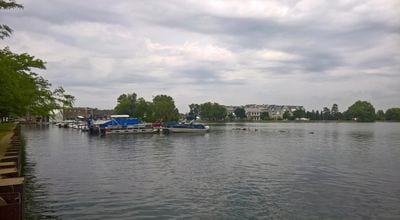
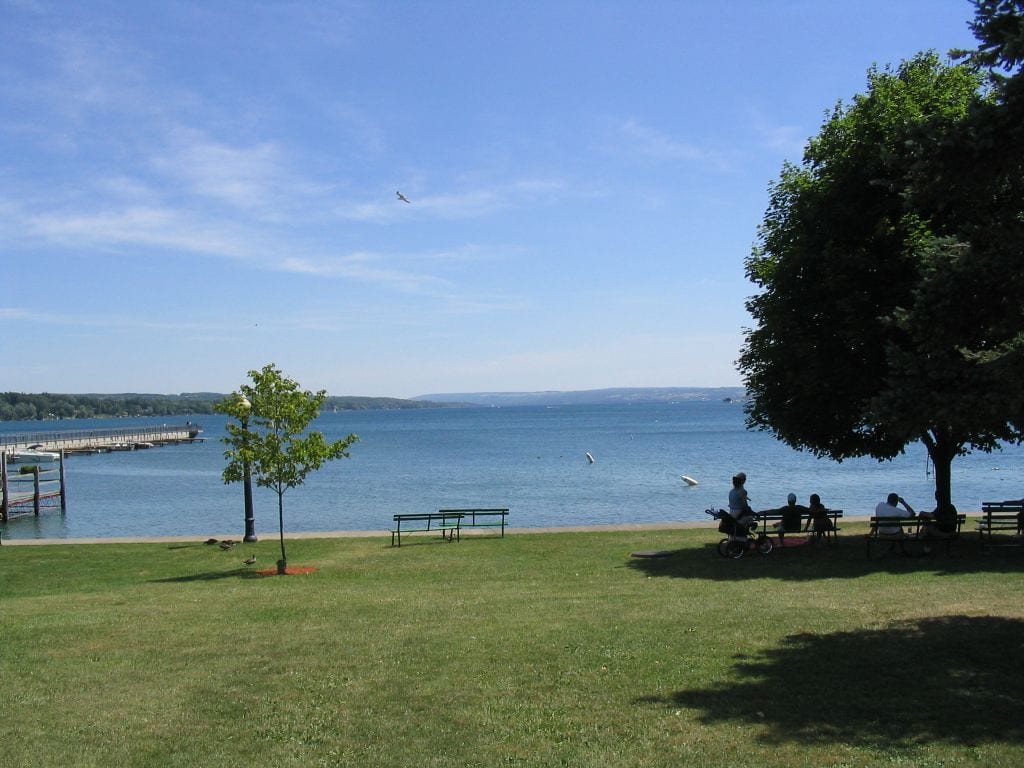
Skaneateles (say SKAN-ee-AT-less) is the Finger Lakes at their most polished, a village of about 2,500 people at the northern end of Skaneateles Lake. The lake is famous for its clear water, clean enough to supply a nearby city's drinking water without filtering, and the village's historic streets run right down to the shore.
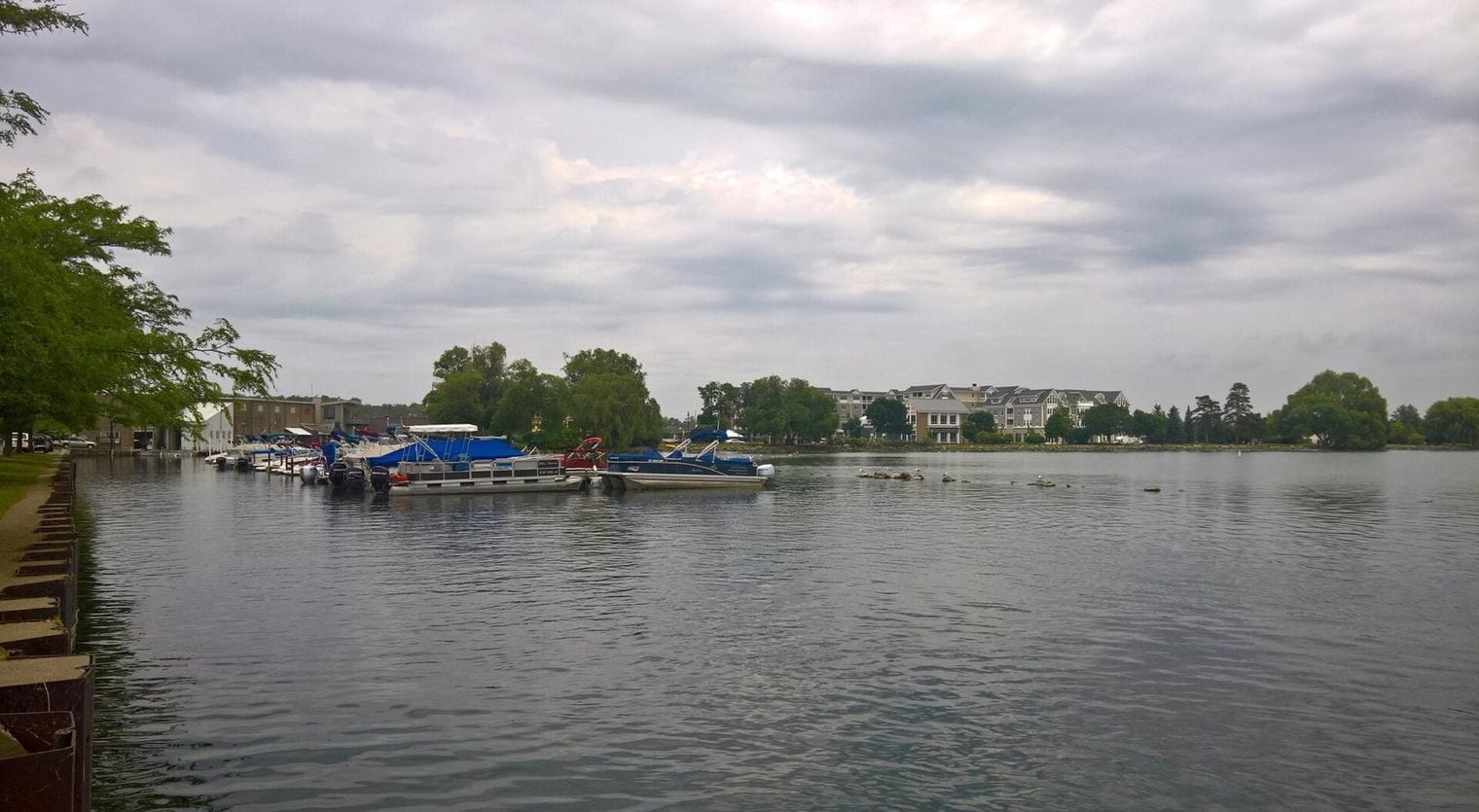
Genesee and Jordan streets form the heart of the historic district, lined with 19th- and early 20th-century buildings full of boutiques and restaurants, and three public parks sit on the lake in the downtown area. Take a boat cruise on the long, narrow lake, whose name means "long lake" in the Onondaga language, or simply sit by the water and watch the sailboats.
Ithaca is the biggest place on this list, a small city of about 32,000 at the southern end of Cayuga Lake, but it has the easygoing feel of a college town. Cornell University spreads across the hill above downtown, Ithaca College sits on the opposite hill, and glacial gorges cut right through the city on their way down to the lake.
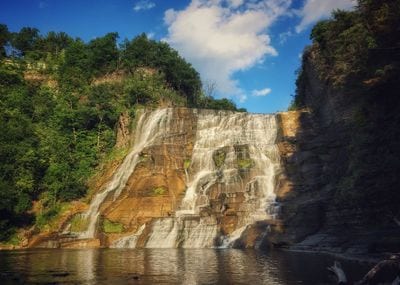
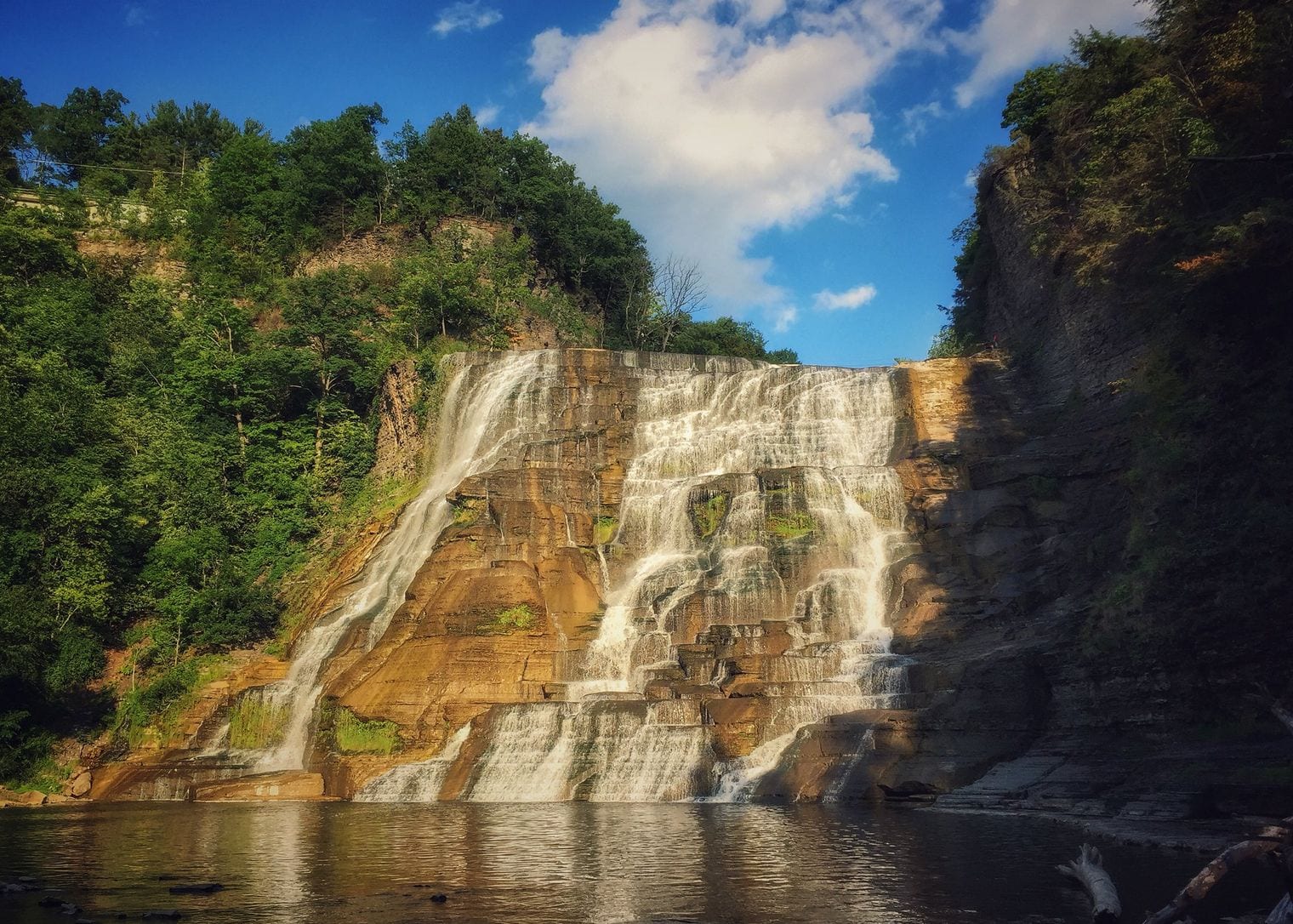
Ithaca Falls, 150 feet high, is an easy walk from downtown, and the Cascadilla Gorge trail climbs from the city toward the Cornell campus. Buttermilk Falls and Robert H. Treman state parks lie just southwest of town, while downtown Ithaca centers on the pedestrian Ithaca Commons, and the cooperative Ithaca Farmers Market has drawn Saturday crowds since 1973.
Saratoga Springs has been a resort for more than 200 years, first for its mineral springs and then for its horses, as the city's motto, "Health, History, and Horses", suggests. This city of about 28,000, a short drive north of Albany, has a lively downtown along Broadway and an elegant spa-town feel.
Saratoga Race Course, opened in 1863, is often called the oldest major sporting venue in the country, and its summer meet fills the town; the National Museum of Racing and Hall of Fame stands nearby on Union Avenue. Saratoga Spa State Park holds classical bathhouses, mineral springs and the Saratoga Performing Arts Center, and downtown Congress Park is home to the old Canfield Casino, which now houses the city's history museum.
Saranac Lake is the largest community inside the Adirondack Park, yet it still feels like a proper small town, with a downtown beside Lake Flower. It grew up as a place to "take the cure" after Dr. Edward Livingston Trudeau arrived in 1876 to treat his tuberculosis in the mountain air, and many of its historic cure cottages survive.
Robert Louis Stevenson spent the winter of 1887–88 here, and the cottage where he stayed is now a small museum. The village's Winter Carnival, first held in 1897, is famous for its Ice Palace, built from blocks of ice cut from Lake Flower, and in summer the Saranac Lakes just west of the village make a superb base for paddling, with Lake Placid only 9 miles away.
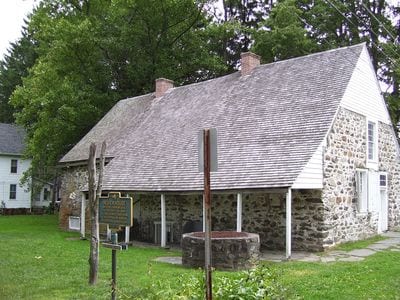
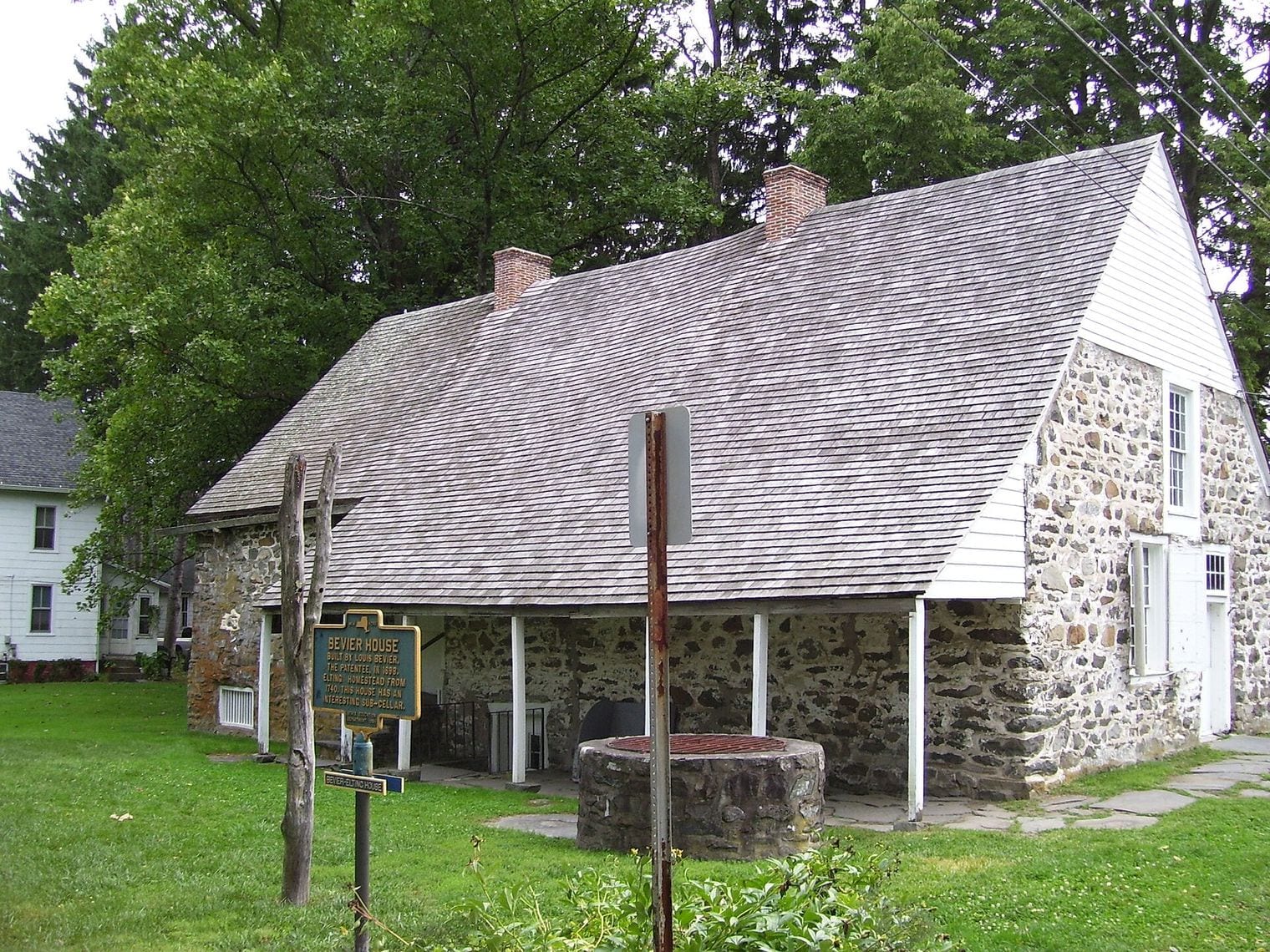
New Paltz mixes deep history with college-town energy, set on the Wallkill River about 80 miles north of New York City. Huguenot families fleeing persecution in France settled here in 1678, and their early 18th-century stone houses on Historic Huguenot Street now form a National Historic Landmark district.
West of the village rises the Shawangunk Ridge, known to climbers as the Gunks. The Mohonk Preserve has more than 1,000 climbing routes and miles of carriage roads, and Minnewaska State Park Preserve adds sky lakes, cliffs and views toward the Catskills. The Wallkill Valley Rail Trail runs right through New Paltz, and the students of SUNY New Paltz give Main Street a youthful buzz.
Sleepy Hollow is the Hudson River village of Washington Irving's 1820 tale of Ichabod Crane and the Headless Horseman, and it embraces the legend with gusto. Known as North Tarrytown until 1996, when it adopted the story's name, this village of about 10,000 lies 28 miles north of Midtown Manhattan on the Metro-North Hudson Line.
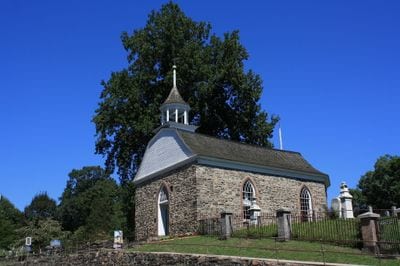
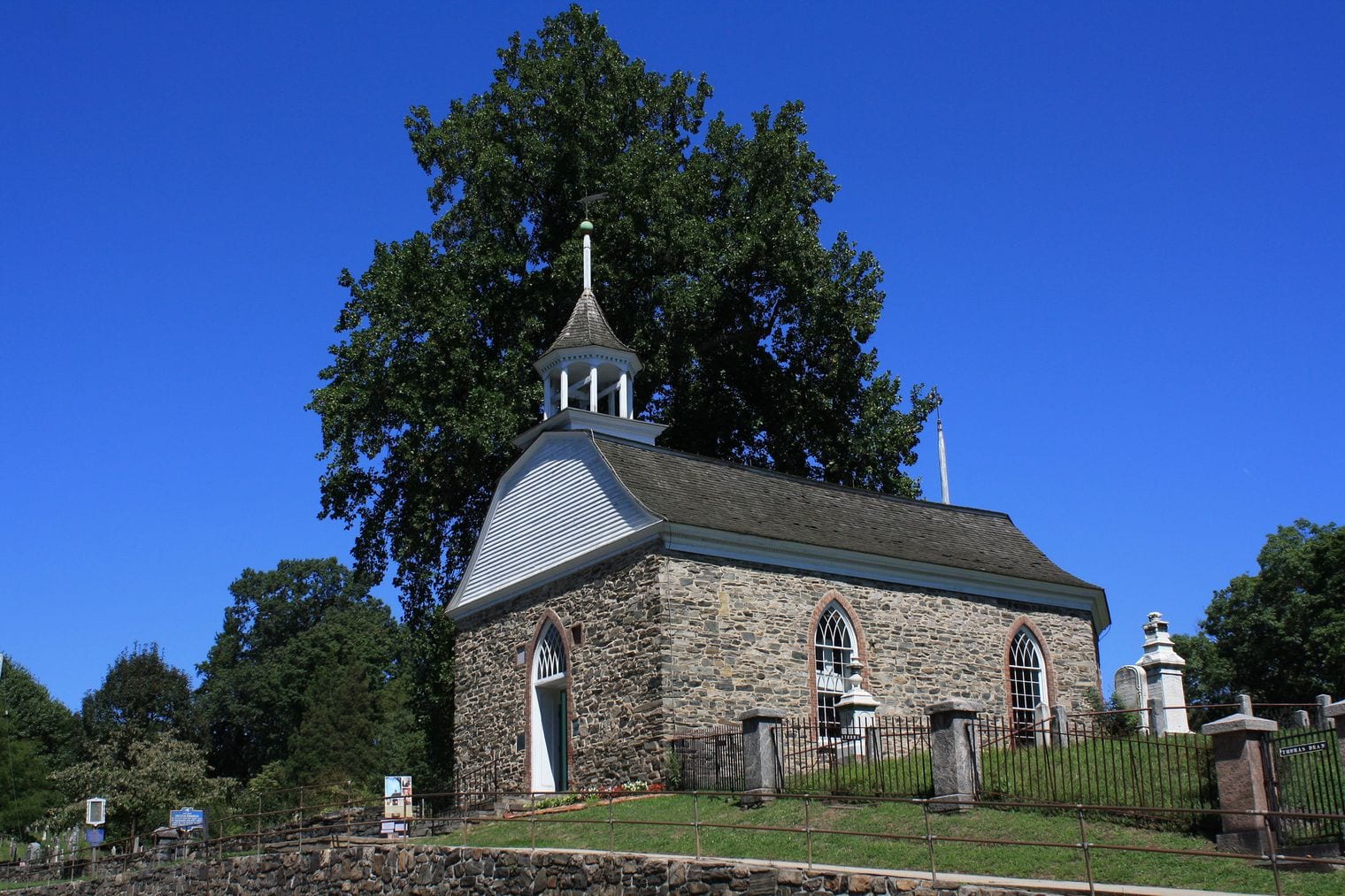
Irving himself is buried in Sleepy Hollow Cemetery, beside the Old Dutch Church, a 17th-century stone church that is the oldest surviving church in New York State and a setting in the story. Philipsburg Manor recreates a colonial-era manor house, water mill and trading site, the Rockefeller estate of Kykuit sits just beyond the cemetery, and each fall the village draws big crowds for lantern-lit cemetery tours and Halloween events.
Greenport is a salty maritime village near the end of Long Island's North Fork, and the only incorporated village in the town of Southold. It grew up on fishing and whaling, and although only a handful of commercial boats still work out of the harbor, its waterfront and compact downtown still feel like a real port.
Ride the 1920s carousel near the waterfront, visit the East End Seaport Museum or the Railroad Museum of Long Island in the old railroad buildings, and watch the ferries cross to Shelter Island. The village is the end of the line for the Long Island Rail Road's Main Line, which makes it an easy car-free trip, and the wineries and farm stands of the North Fork lie along the road west of town.
Beacon is a former factory city on the Hudson that has reinvented itself as a thriving arts town. Named for the signal fires lit on the mountains above it to warn the Continental Army of British movements, the city of about 14,000 began its revival in 2003, when Dia Beacon opened in a former Nabisco box-printing factory by the river.
Dia Beacon shows large-scale art from the 1960s to the present, and Main Street is lined with galleries, shops and restaurants in old Italianate buildings. Hike up Mount Beacon, once served by a steep incline railway that opened in 1902, to the fire tower on its southern summit for long views over the river, look for the ruins of Bannerman's Castle on Pollepel Island just downriver, and ride Metro-North home.
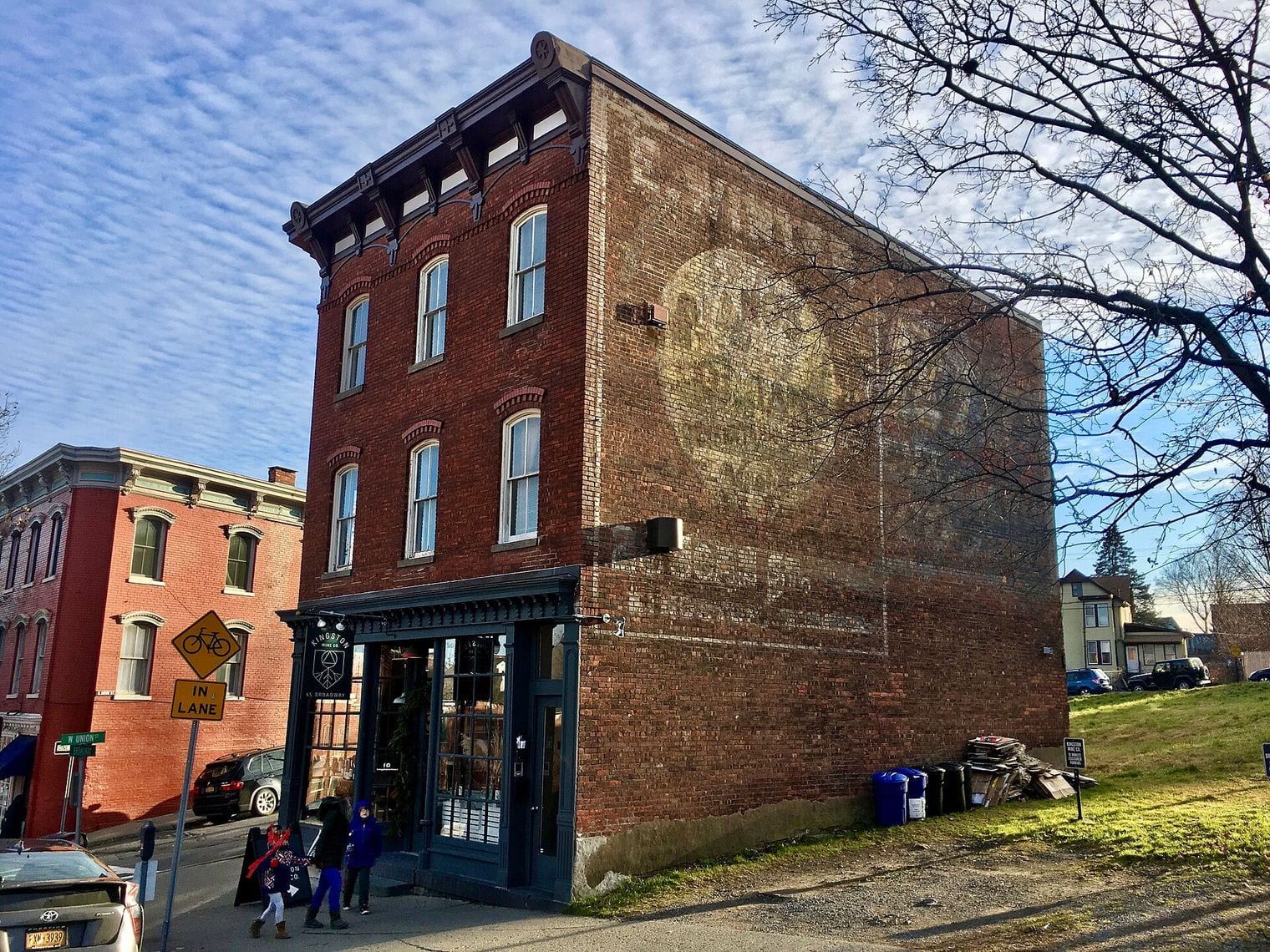
Kingston became New York's first state capital in 1777, and British troops burned it that October, yet its long story survives in three historic districts. This Ulster County city of about 24,000 sits where Rondout Creek meets the Hudson, with an old uptown on the hill and a waterfront neighborhood down by the creek.
Uptown, the Stockade District holds the Senate House State Historic Site, where the first New York State Senate met, among its historic stone buildings. Down at the Rondout, which made Kingston the busiest port between New York City and Albany in the 19th century, the Hudson River Maritime Museum tells the story of the river's shipping, and the waterfront is a pleasant place to stroll and eat.
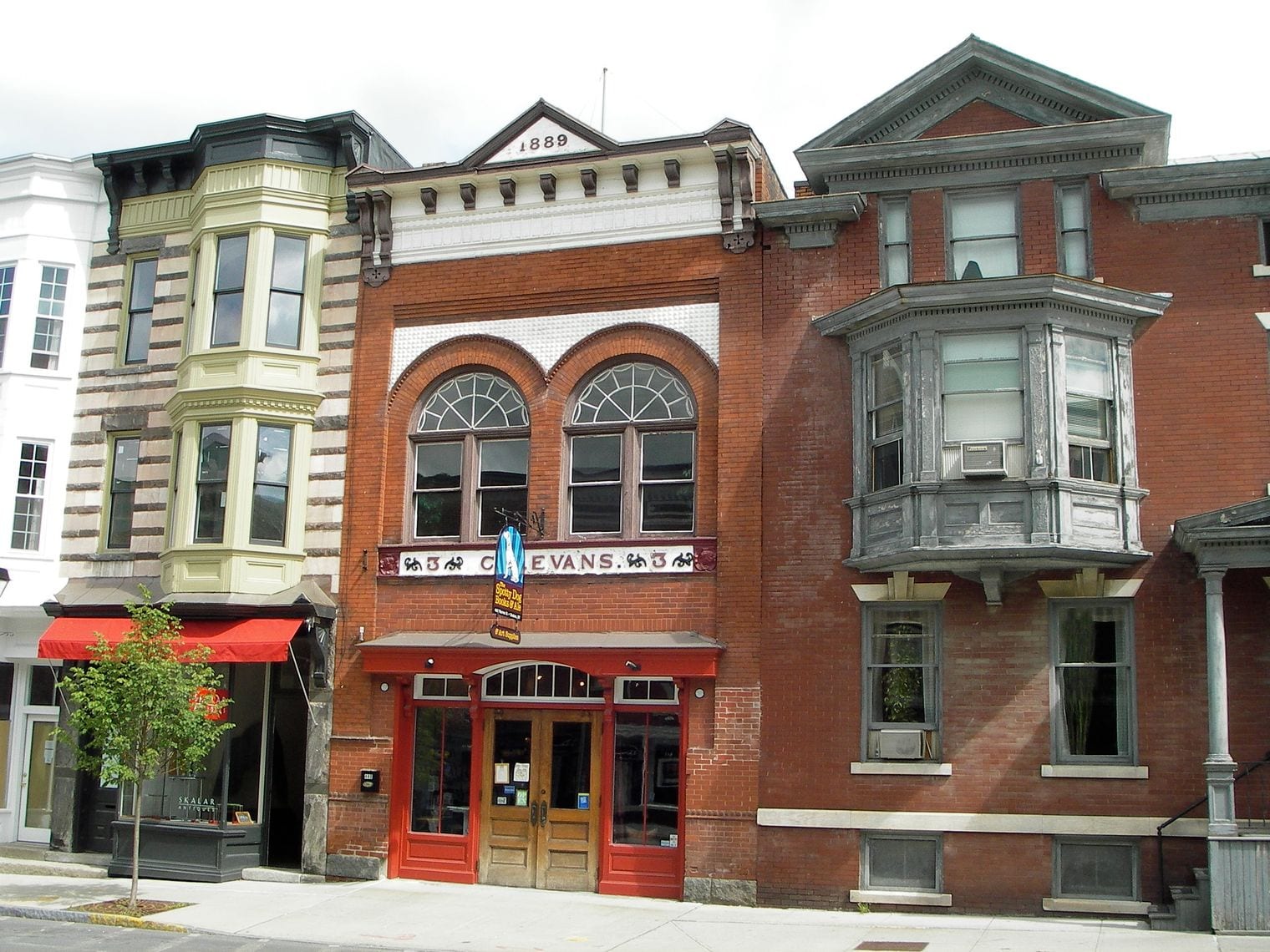
Hudson was settled in the 1780s by Quaker whalers and merchants from Nantucket, Martha's Vineyard and Providence, who built a port on the river 120 miles from the Atlantic. Today this small city of about 6,000, the seat of Columbia County, is a favorite weekend escape, sometimes called the Brooklyn of Upstate New York.
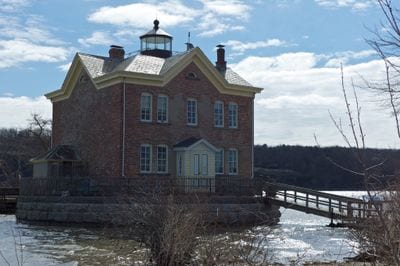
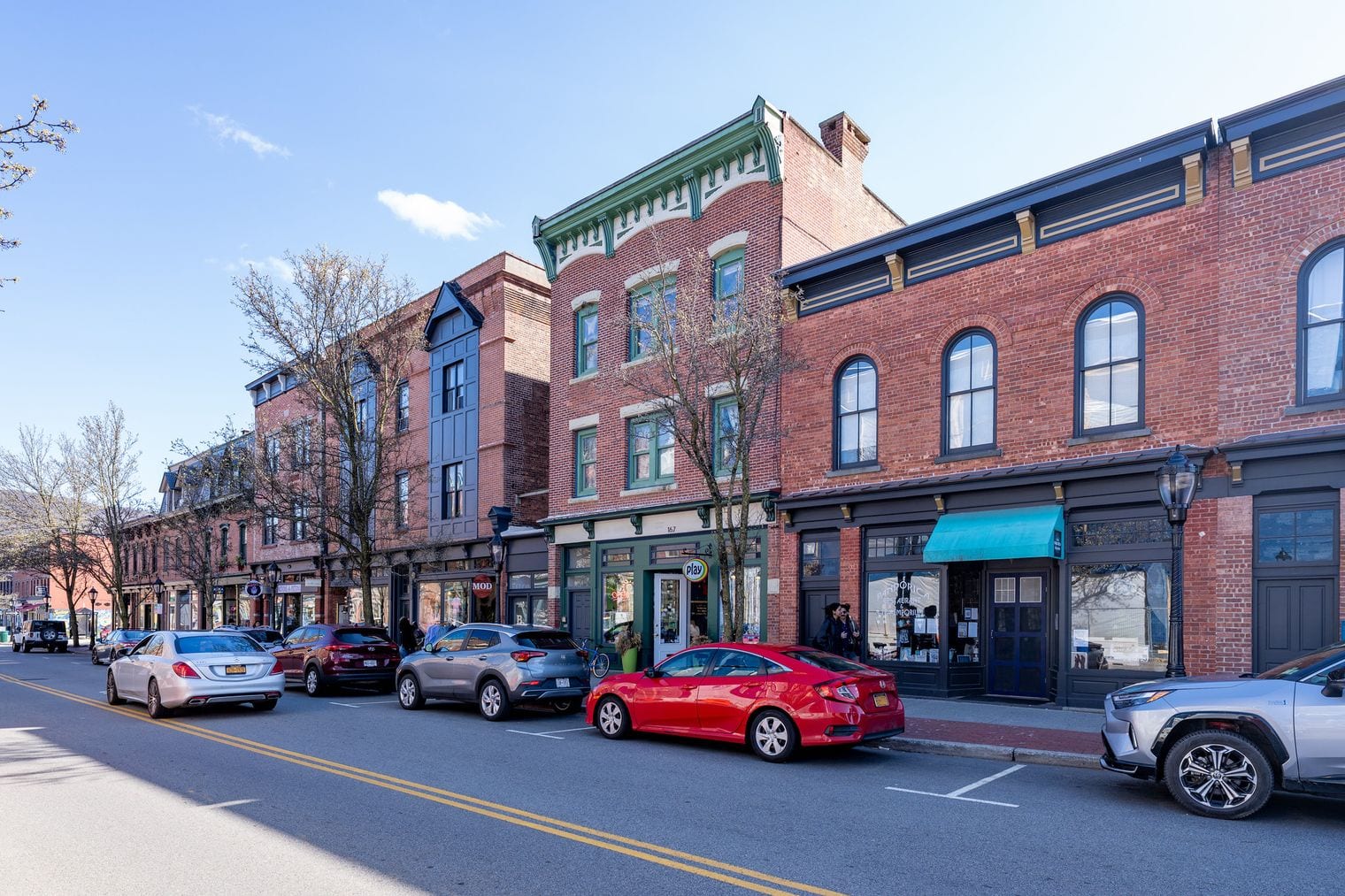
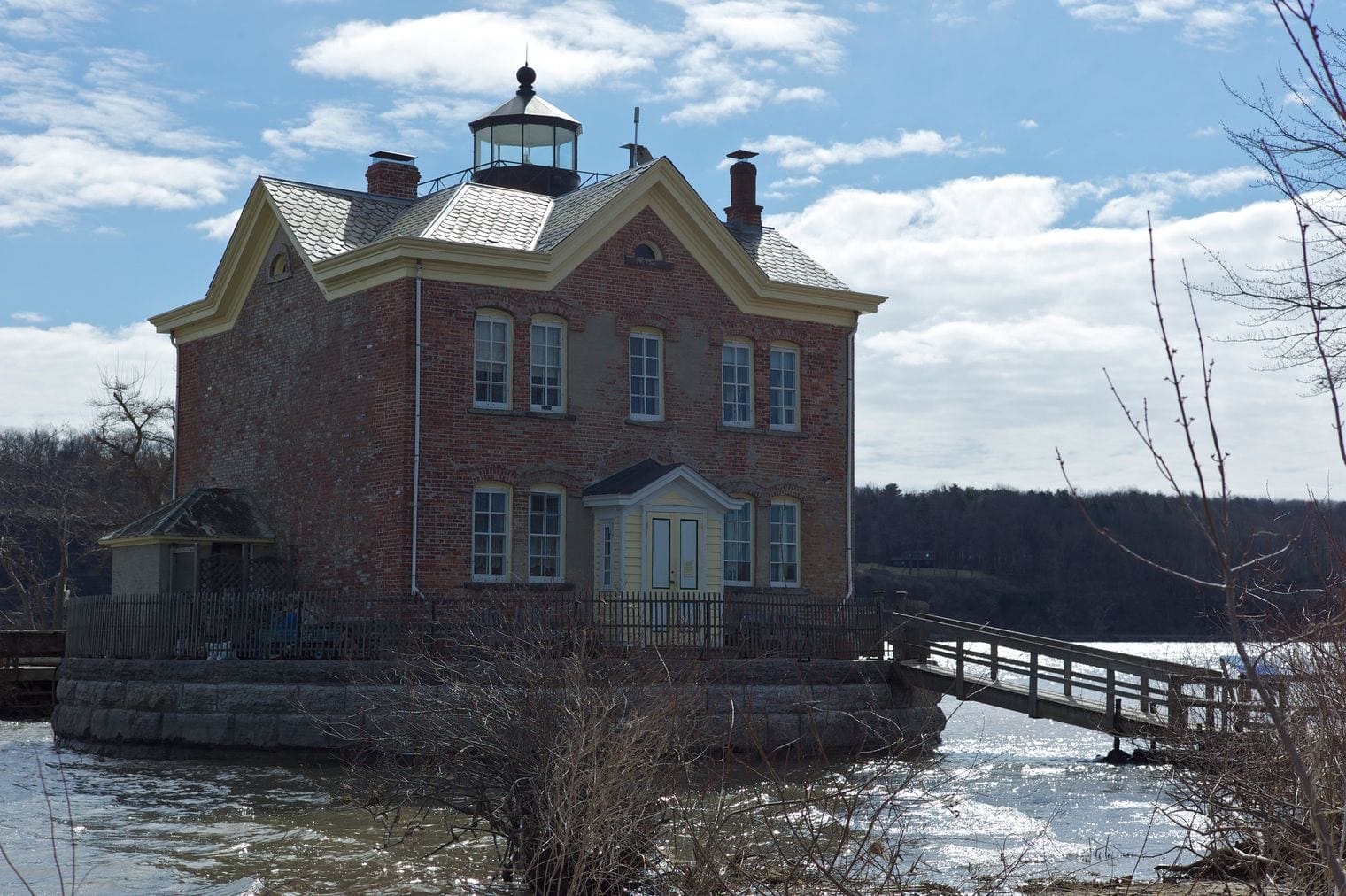
Warren Street, the main drag, has drawn antique dealers since the mid-1980s and is now lined with galleries, design shops and restaurants, with the Hudson Hall arts venue at its center. Just outside town, Olana, the eclectic villa of Hudson River School painter Frederic Church, looks out over the valley to the Catskills, and the 1874 Hudson–Athens Lighthouse stands in the river off the waterfront.
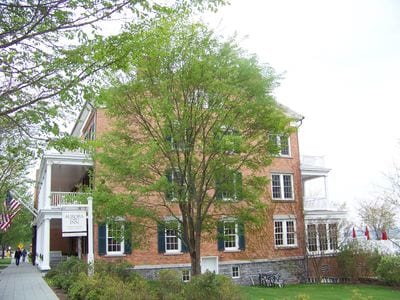
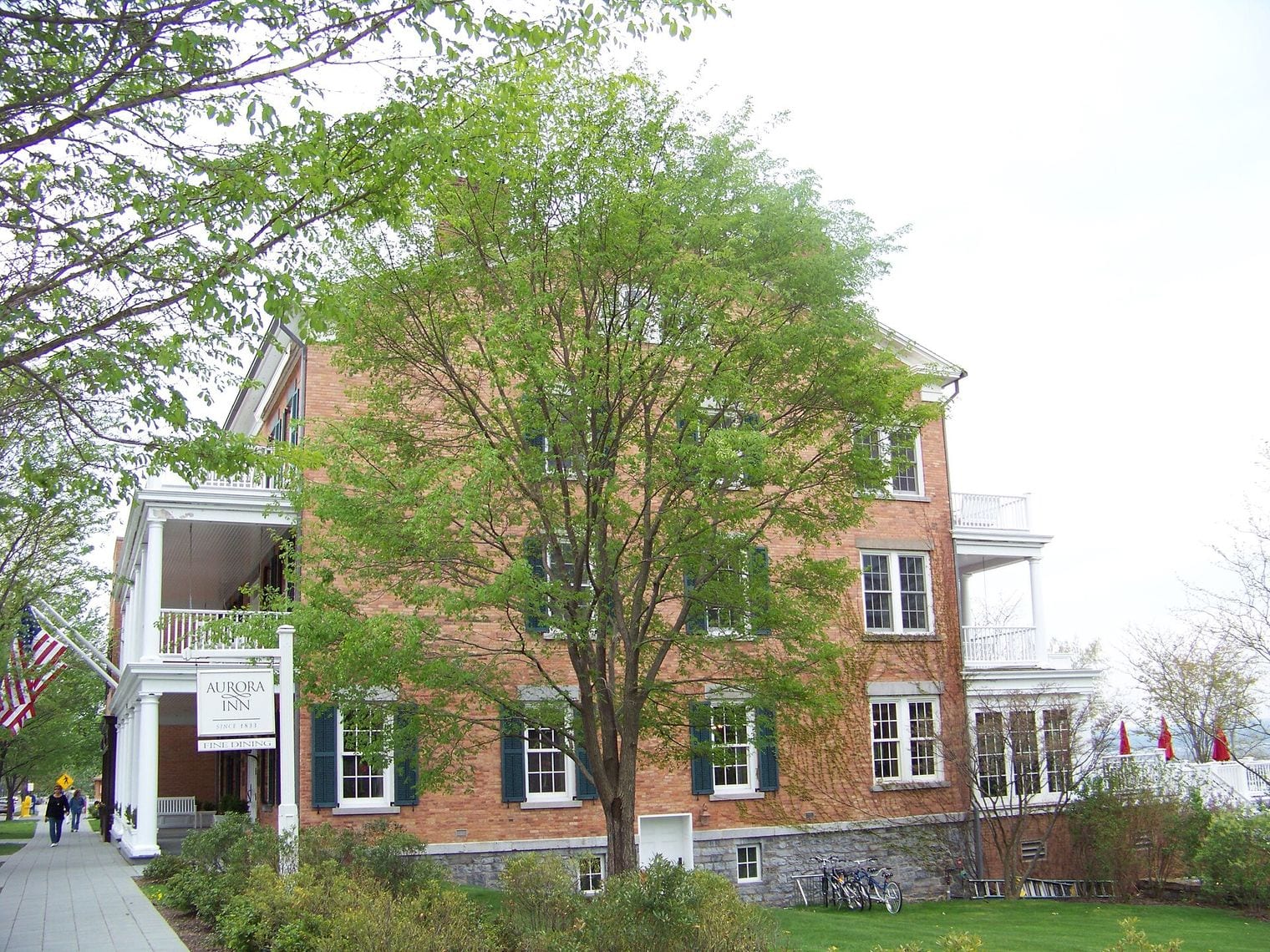
Aurora, also called Aurora-on-Cayuga, is a tiny village of a few hundred people on the east shore of Cayuga Lake, not to be confused with East Aurora near Buffalo. For more than 150 years it was a college town, home to Wells College, founded in 1868 by Henry Wells, co-founder of Wells Fargo and American Express.
The college closed in 2024, but the former Wells College campus still sits on the lakeshore as part of a historic district of more than 50 buildings listed on the National Register of Historic Places. Several of the village's historic inns and buildings were restored in the 2000s, the whimsical MacKenzie-Childs ceramics and home-decor company is based here, and the wineries of the Cayuga Lake shore are close by.
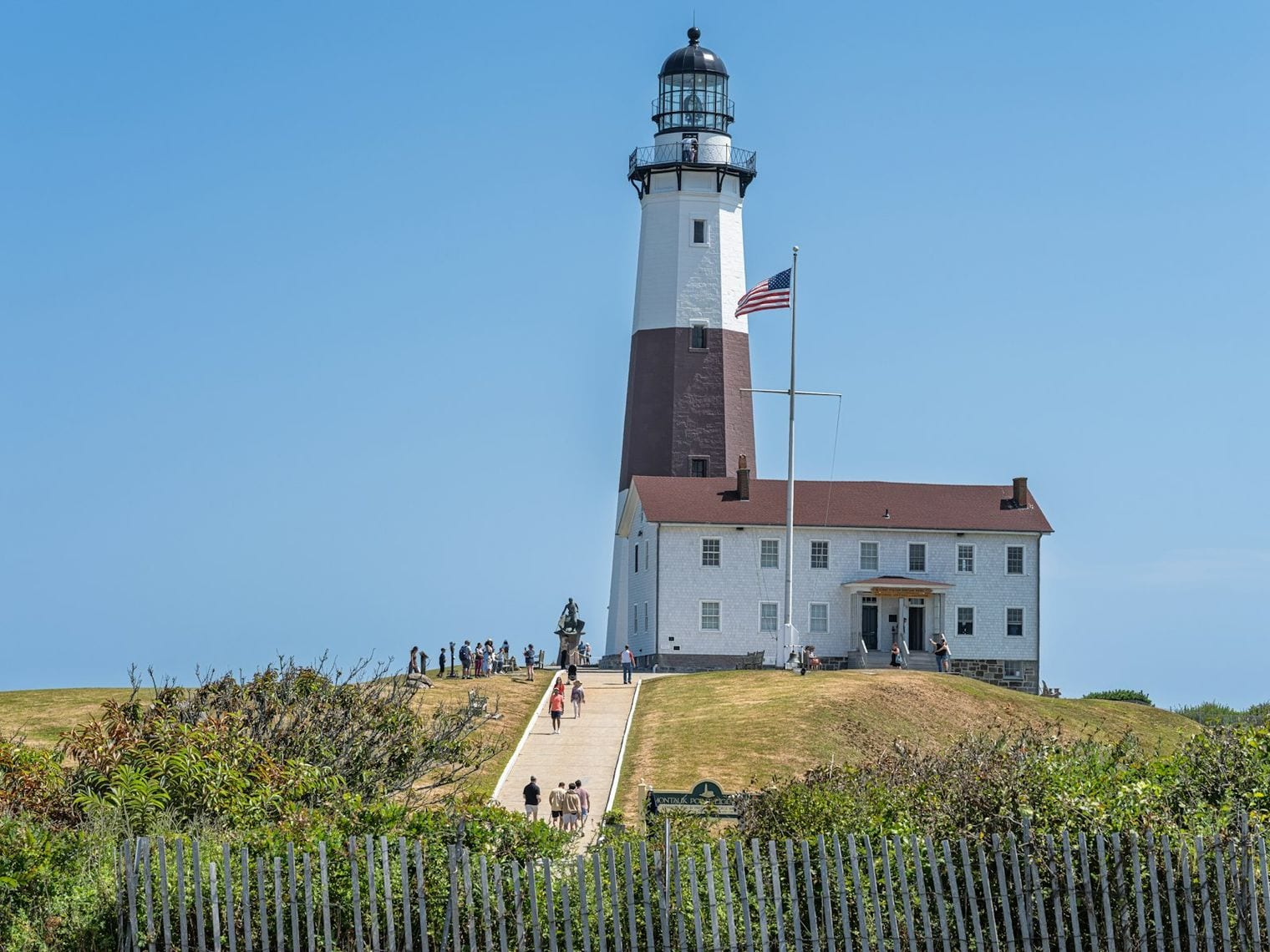
Montauk is the end of the road on Long Island's South Fork, a hamlet 118 miles east of New York City where the island runs out into the Atlantic. Part of the town of East Hampton but with a character all its own, it is a place of surf beaches, bluffs and the largest commercial and recreational fishing fleet in New York State.
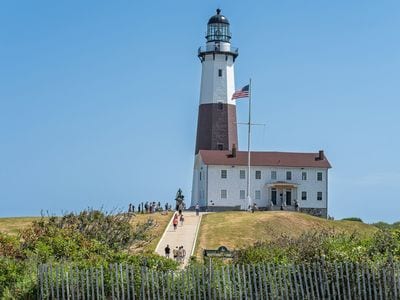
The Montauk Point Lighthouse, authorized under President George Washington and completed in 1796, was the first lighthouse built in New York State and still guards the easternmost tip of Long Island. Around it, six state parks protect beaches, woods and bluffs, including Camp Hero State Park on a former Air Force station, and the harbor claims more saltwater fishing world records than any other port.
Rhinebeck is a handsome Hudson Valley village in Dutchess County, settled by the Dutch in the 1680s and laid out where the old King's Highway crossed a Sepasco trail. Today its village center is lined with historic houses, shops and restaurants, and it makes a natural base for exploring the river estates of the mid-Hudson.
Wilderstein, a Queen Anne–style country house on the Hudson, is open as a museum, and just outside the village the Old Rhinebeck Aerodrome keeps airworthy aircraft from the pioneer era and World War I in a living museum. The Dutchess County Fair, one of the largest county fairs in the state, fills the Rhinebeck fairgrounds each summer.
Watkins Glen sits at the southern tip of Seneca Lake, the largest of the Finger Lakes, and it is famous for two very different things: a spectacular gorge and a racetrack. The small village, the county seat of Schuyler County, makes a relaxed base for both, with wineries on the lake slopes close by.
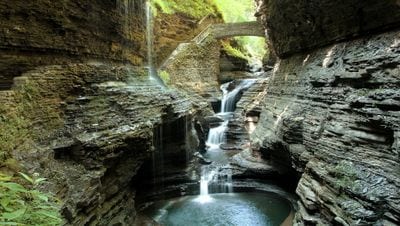
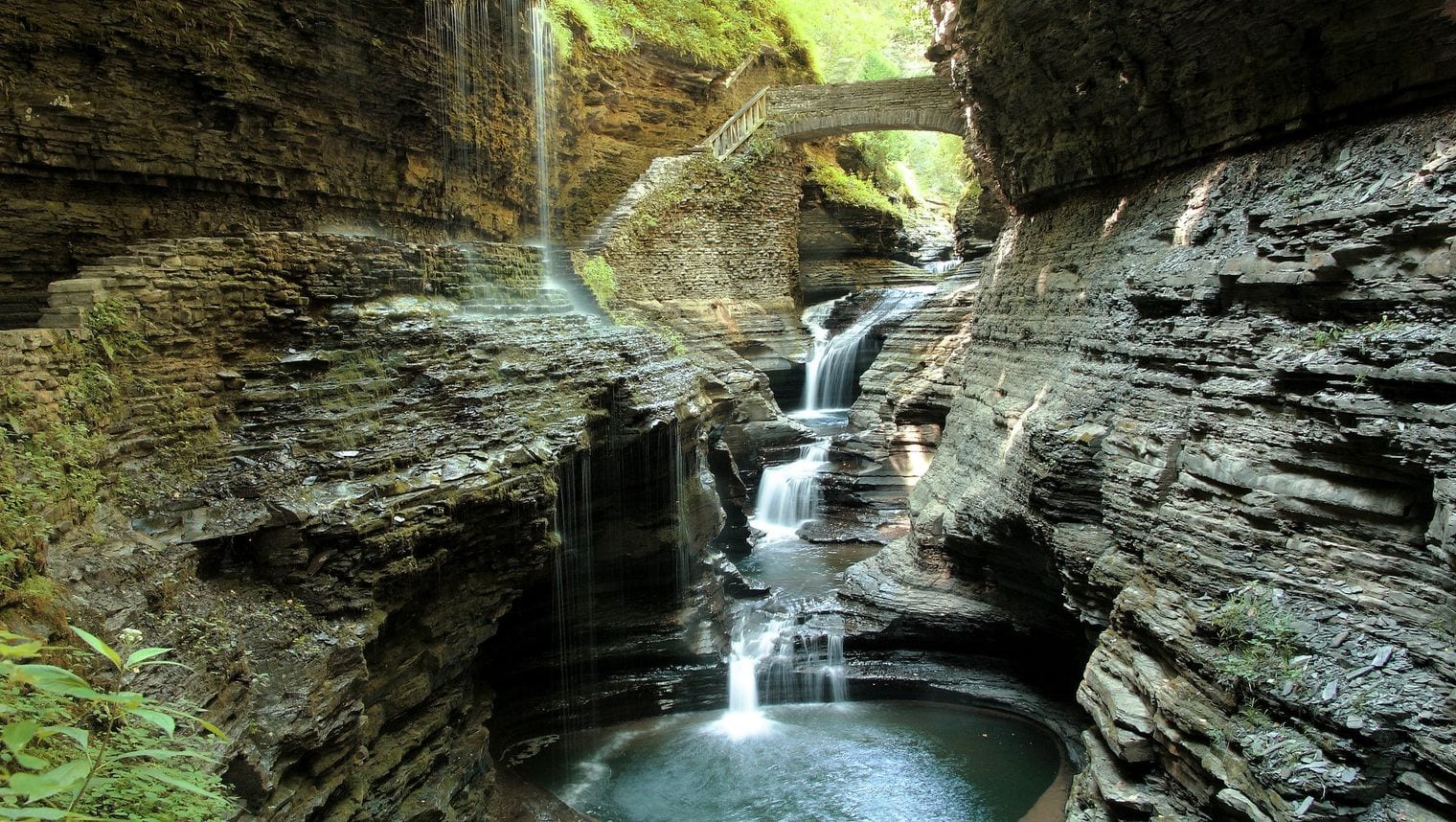
Watkins Glen State Park's Gorge Trail follows Glen Creek through a 400-foot-deep gorge, passing 19 waterfalls in about two miles on stone stairways, through tunnels and over and under waterfalls, including the spray of Cavern Cascade; the trail is open from late spring to fall. Just southwest of the village, Watkins Glen International, which hosted the United States Grand Prix for 20 years, is still a busy racing circuit.
Saugerties sits where Esopus Creek flows into the Hudson, a village of about 3,900 people with a walkable downtown of shops, galleries and restaurants on the edge of the Catskills. A low-key neighbor to Woodstock and Kingston, it makes a pleasant base for both.
The 1869 Saugerties Lighthouse stands at the mouth of the creek, reached by a nature trail; restored by a local conservancy, it has a small museum and even takes overnight guests. In the town of Saugerties, Opus 40 is sculptor Harvey Fite's extraordinary landscape of dry-stone ramps, pedestals and platforms, built in an old bluestone quarry and covering more than six acres.
Canandaigua sits at the northern end of Canandaigua Lake, the westernmost of the major Finger Lakes, whose Seneca name is usually translated as "the chosen spot". The small city of about 10,500 is the seat of Ontario County and lies about 24 miles southeast of Rochester, making it an easy lake escape from the city.
Sonnenberg Gardens and Mansion State Historic Park surrounds a Victorian mansion with 50 acres of gardens, and the City Pier reaches out into the lake from the waterfront. History runs deep here too: in 1873 the Ontario County Courthouse was the scene of Susan B. Anthony's trial for voting when only men were allowed to, and in summer a paddle-wheel tour boat cruises the lake.
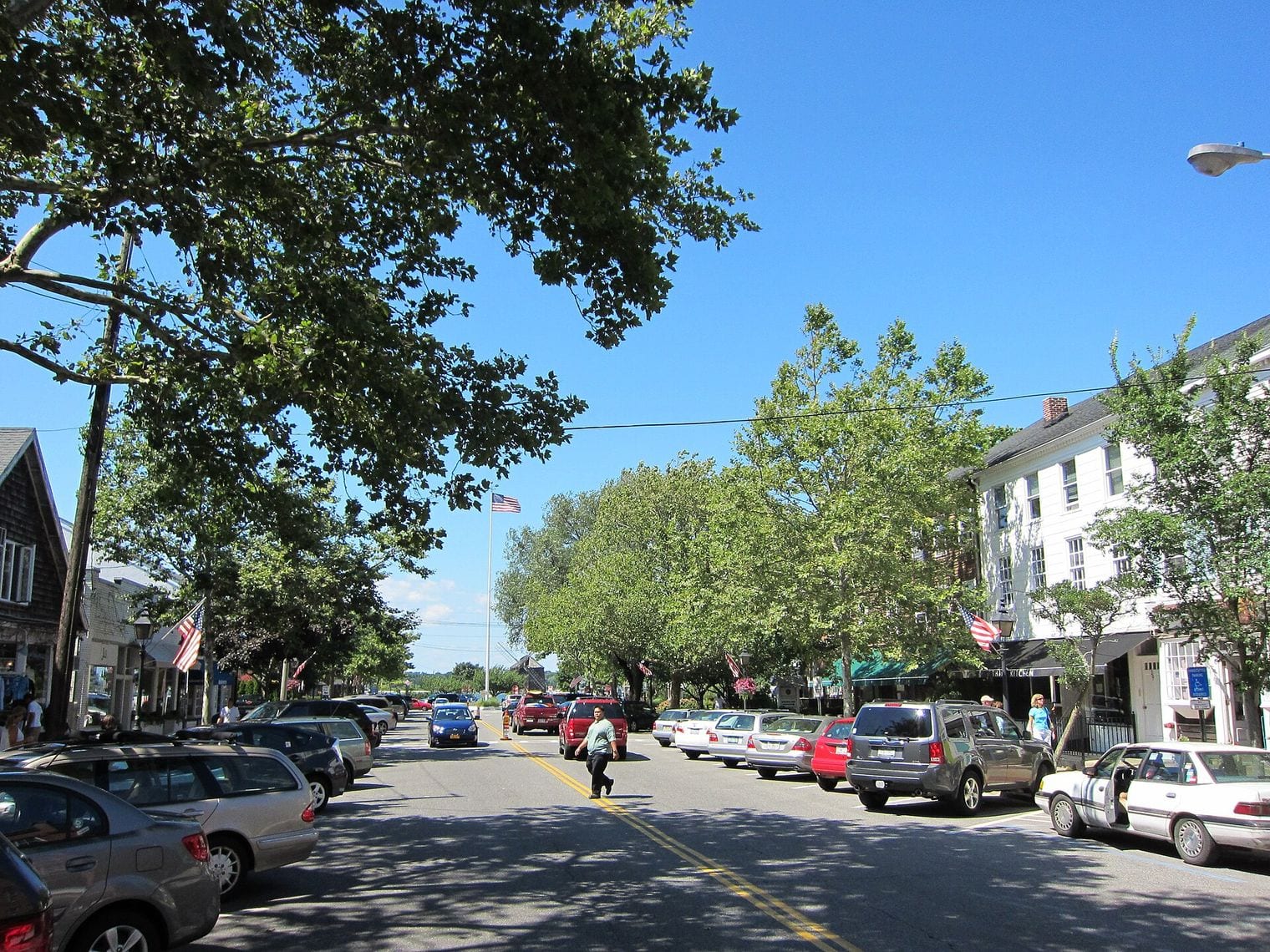
Sag Harbor was a major whaling and shipping port in the 19th century, and this Hamptons village of about 2,800 still looks the part, with its entire business district listed as a historic district. Its landmarks include the first custom house built on Long Island, and many of its old whaling-era buildings line Main Street.
The Sag Harbor Whaling and Historical Museum holds the largest collection of whaling equipment in New York State, and the Old Whalers' Church, built in 1844, is a striking Egyptian Revival landmark. Stroll Main Street down to Long Wharf, catch a show at the Bay Street Theatre in an old wharf building, and remember the village's literary side: John Steinbeck lived here from 1955 until his death in 1968.
Tarrytown is a Hudson River village in Westchester County, 25 miles north of Midtown Manhattan, with a lively Main Street of shops and restaurants. Right next door to Sleepy Hollow, it shares the area's Washington Irving heritage but has plenty of landmarks of its own, and Metro-North makes it an easy day trip from the city.
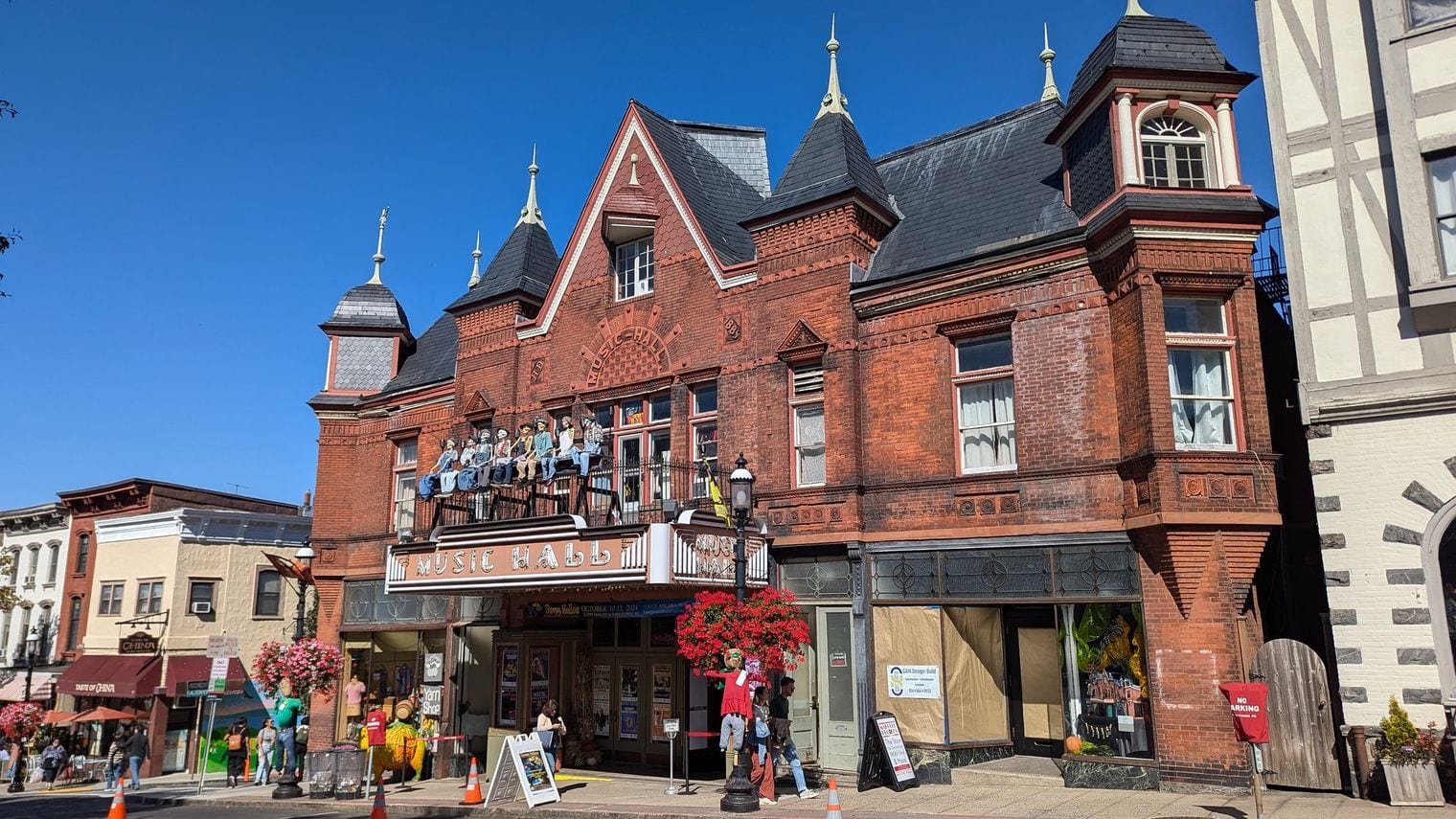
Lyndhurst, the Gothic Revival mansion of railroad tycoon Jay Gould, sits in a 67-acre park beside the river, and Sunnyside, Irving's own wisteria-covered home, is nearby. The Tarrytown Music Hall, the oldest theater in Westchester County still in use, hosts concerts and shows, and the shared-use path on the Governor Mario M. Cuomo Bridge lets you walk or cycle across the Hudson to Nyack.
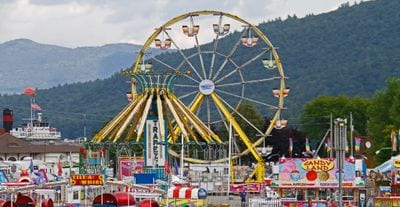
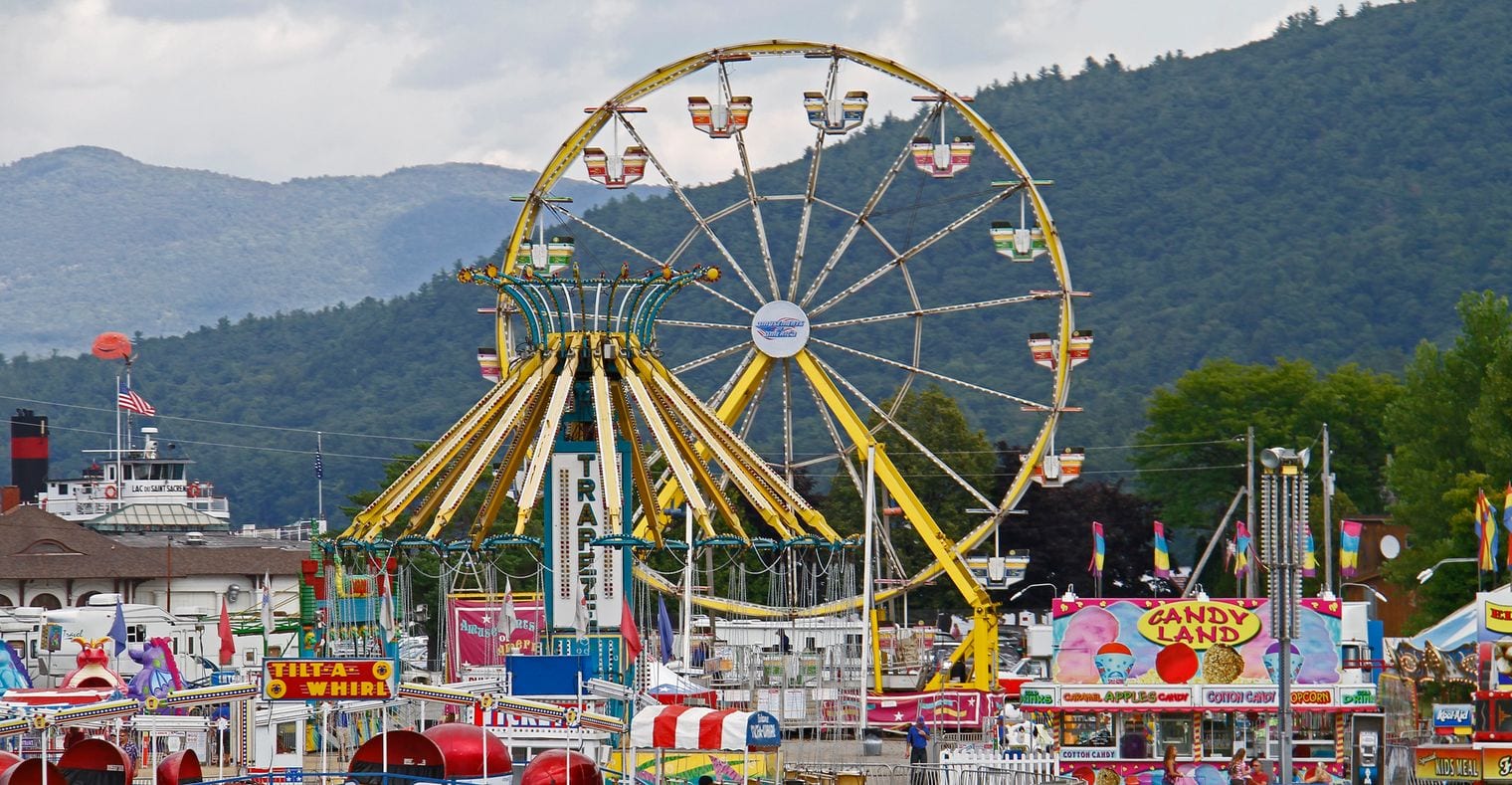
Lake George is the classic Adirondack summer resort, a village of about 1,000 people at the southern end of the 32-mile lake of the same name, known as the Queen of the Lakes. It has drawn summer visitors for generations, from the artists Alfred Stieglitz and Georgia O'Keeffe to families who come for its busy waterfront, beaches and boat rides.
Fort William Henry, a British fort whose 1757 siege and massacre were portrayed in James Fenimore Cooper's The Last of the Mohicans, was reconstructed in the 1950s and is now a living-history museum by the water. Take a steamboat cruise up the lake, or drive the Prospect Mountain Veterans Memorial Highway to a summit with views of up to 100 miles.
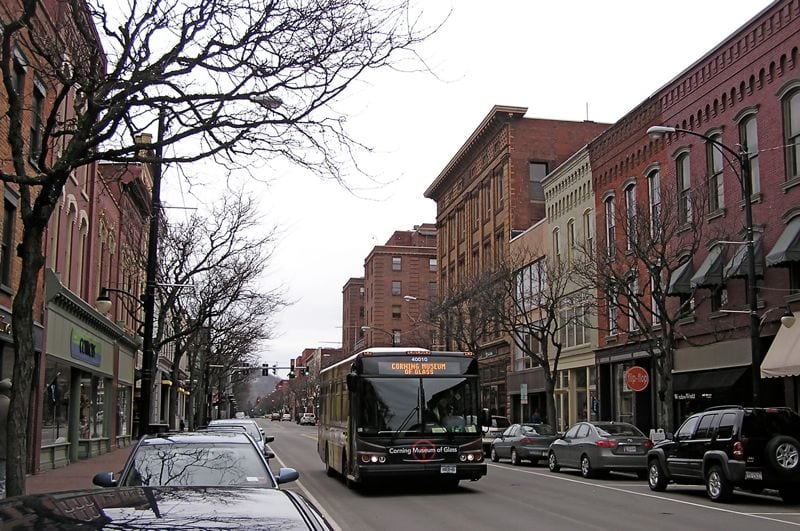
Corning is a Southern Tier city of about 10,500 on the Chemung River, and it was built on glass: it is the home of Corning Incorporated, the company once known as Corning Glass Works. Its restored downtown, the Gaffer District, takes its name from the term for a master glassblower, and Market Street is lined with shops and restaurants around a pedestrian square.
The Corning Museum of Glass, founded in 1951, holds more than 50,000 glass objects, some over 3,500 years old, and its live Hot Glass Show lets you watch glassblowers shape molten glass. Downtown, the Rockwell Museum, a Smithsonian Affiliate, shows art of the American West, including works by Frederic Remington and Charles M. Russell.
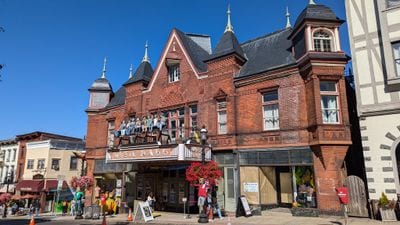
Geneva sits at the northern end of Seneca Lake, a small city of about 12,800 that calls itself the "Lake Trout Capital of the World". Said to be named after Geneva in Switzerland, it has a gracious Victorian side, with handsome old houses and a downtown anchored by the Smith Opera House, built in 1894.
The opera house, remodeled in 1931 with a mix of Art Deco and Baroque flourishes, is still a working theater, and Hobart and William Smith Colleges give the city an academic air. Just across the lake's northern end, Rose Hill Mansion is one of the finest Greek Revival houses in the country, and the wineries of the Seneca Lake Wine Trail are within easy reach.
Narrowsburg is a tiny Delaware River hamlet in Sullivan County, with fewer than 400 residents and a main street of galleries and shops. True to its name, the Delaware squeezes through a rock channel here only about 200 feet wide, right beside the Big Eddy, the river's deepest point at 113 feet.
Watch the river from the Big Eddy observation deck, see the exhibitions of the Delaware Valley Arts Alliance, and visit the Fort Delaware Museum of Colonial History, a re-created colonial-era fort. The Upper Delaware Scenic and Recreational River, a National Park Service unit, makes this stretch a favorite for canoeing and kayaking, and Pennsylvania lies just across the bridge.
Ellicottville is Western New York's ski town, a village of only a few hundred year-round residents in the hills of Cattaraugus County that fills up with skiers in winter. Named after Joseph Ellicott, the Holland Land Company's land agent, it has a small historic main street of shops, bars and restaurants.
The Holiday Valley ski resort sits just south of the village and the semi-private HoliMont just west, and the surrounding hills are just as appealing for hiking and fall color outside ski season. Allegany State Park, with its forest trails and lakes, is within an easy drive to the south.
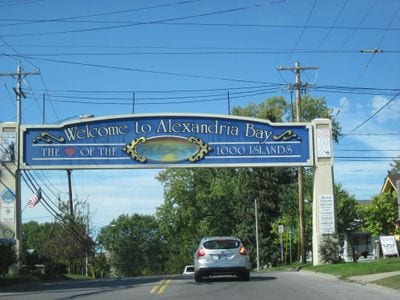
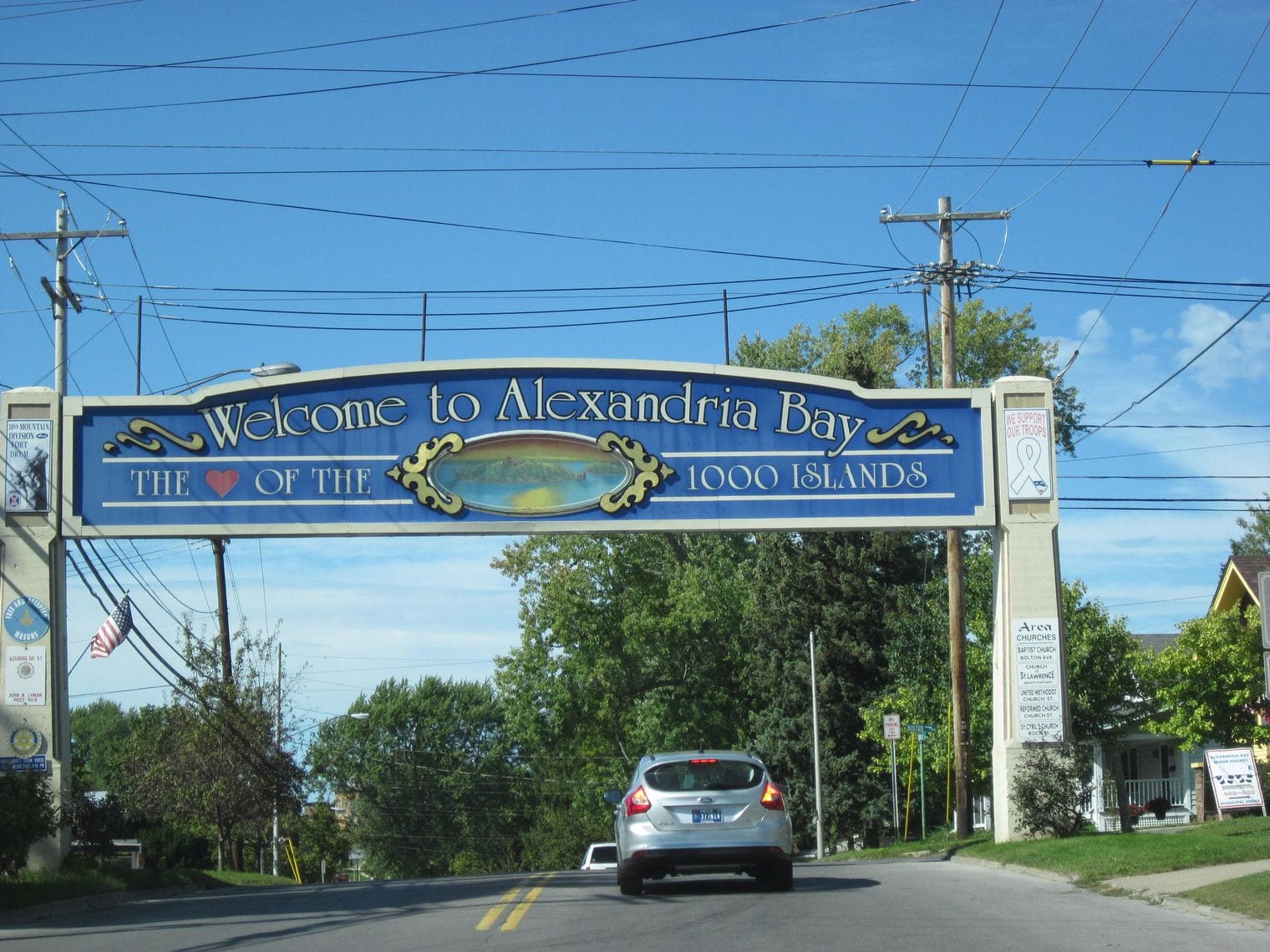
Alexandria Bay is the classic Thousand Islands resort village, set on the St. Lawrence River in Jefferson County near the Thousand Islands Bridge to Canada. With fewer than 1,000 year-round residents, it comes alive in summer, when boat tours head out from its docks among the islands.
The star is Boldt Castle on Heart Island, begun by the New York hotelier George Boldt; construction stopped abruptly in 1904 after the death of his wife, Louise, and the castle is now maintained as a seasonal visitor attraction. Boldt's huge yacht house stands on nearby Wellesley Island, and the river's islands, channels and old summer homes make every cruise a pleasure.
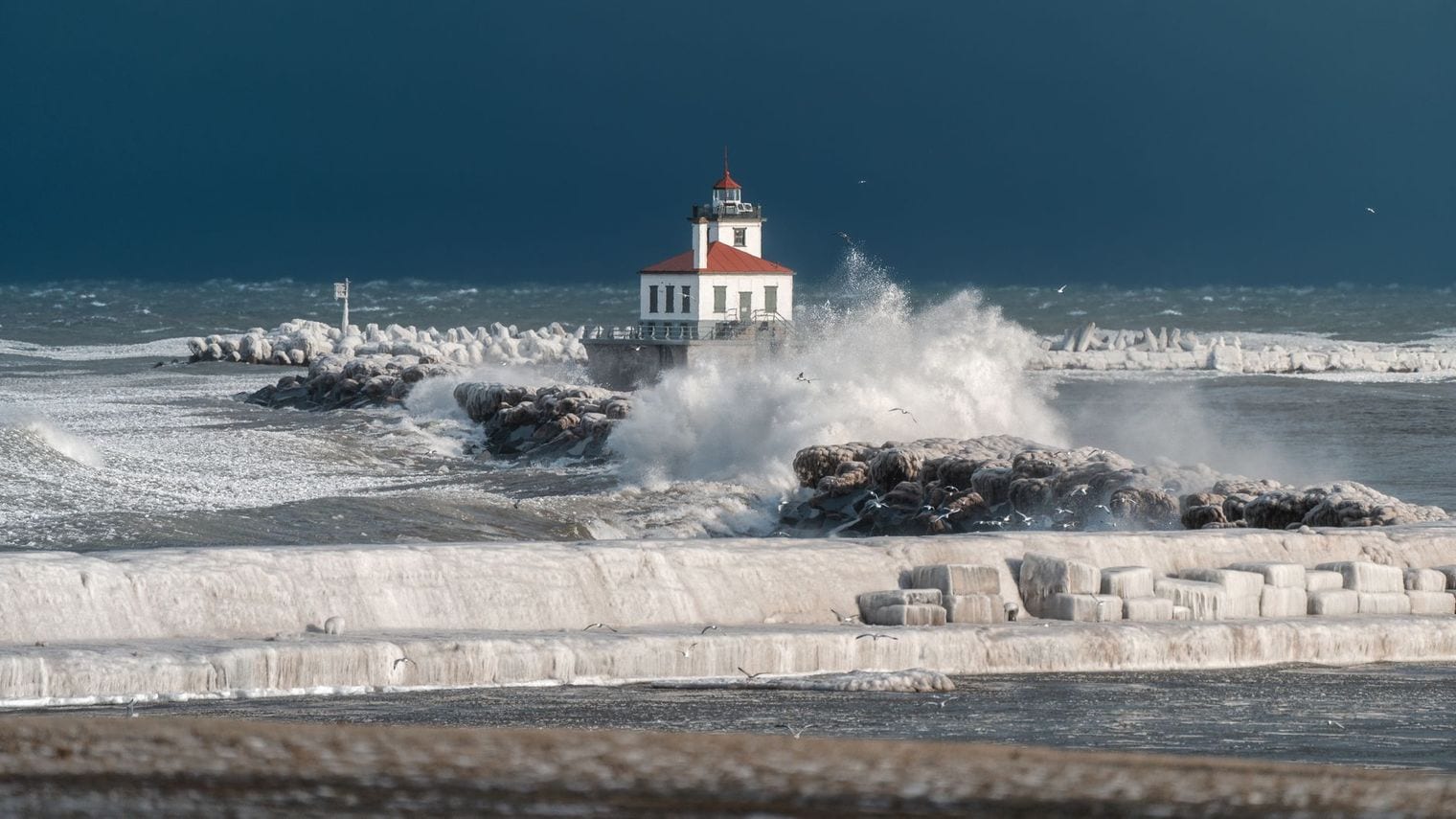
Oswego is a small port city of about 17,000 at the mouth of the Oswego River on Lake Ontario, about 40 miles northwest of Syracuse. It began as a British trading post in 1722, and its lakefront, harbor lighthouse and sunsets over the water give it a breezy maritime character.
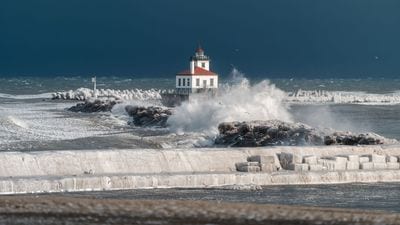
Fort Ontario State Historic Site preserves a five-bastioned fort first built by the British in 1755, and the nearby Safe Haven Holocaust Refugee Shelter Museum tells a moving story: from 1944 to 1945, the fort housed 982 refugees from Nazi-occupied Europe, the only such shelter in the United States during World War II. Look out to the 1934 West Pierhead Lighthouse at the end of its breakwater, or catch summer racing at Oswego Speedway.
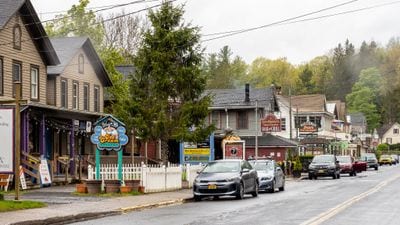
Phoenicia is a tiny Catskills hamlet of fewer than 300 people, tucked beneath Mount Tremper, Romer Mountain and Sheridan Mountain where Stony Clove Creek meets Esopus Creek. It grew up in the 19th century as a railroad stop for city visitors escaping the summer heat, and it is still a favorite getaway for New Yorkers.
Esopus Creek is known for trout fishing and for summer tubing through its rapids, and the Empire State Railway Museum occupies the hamlet's 1899 railroad station. Hikers climb Mount Tremper to its 1916 fire tower for views across the Catskills, and the hamlet's small main street of cafés and shops makes a relaxed stop on Route 28.
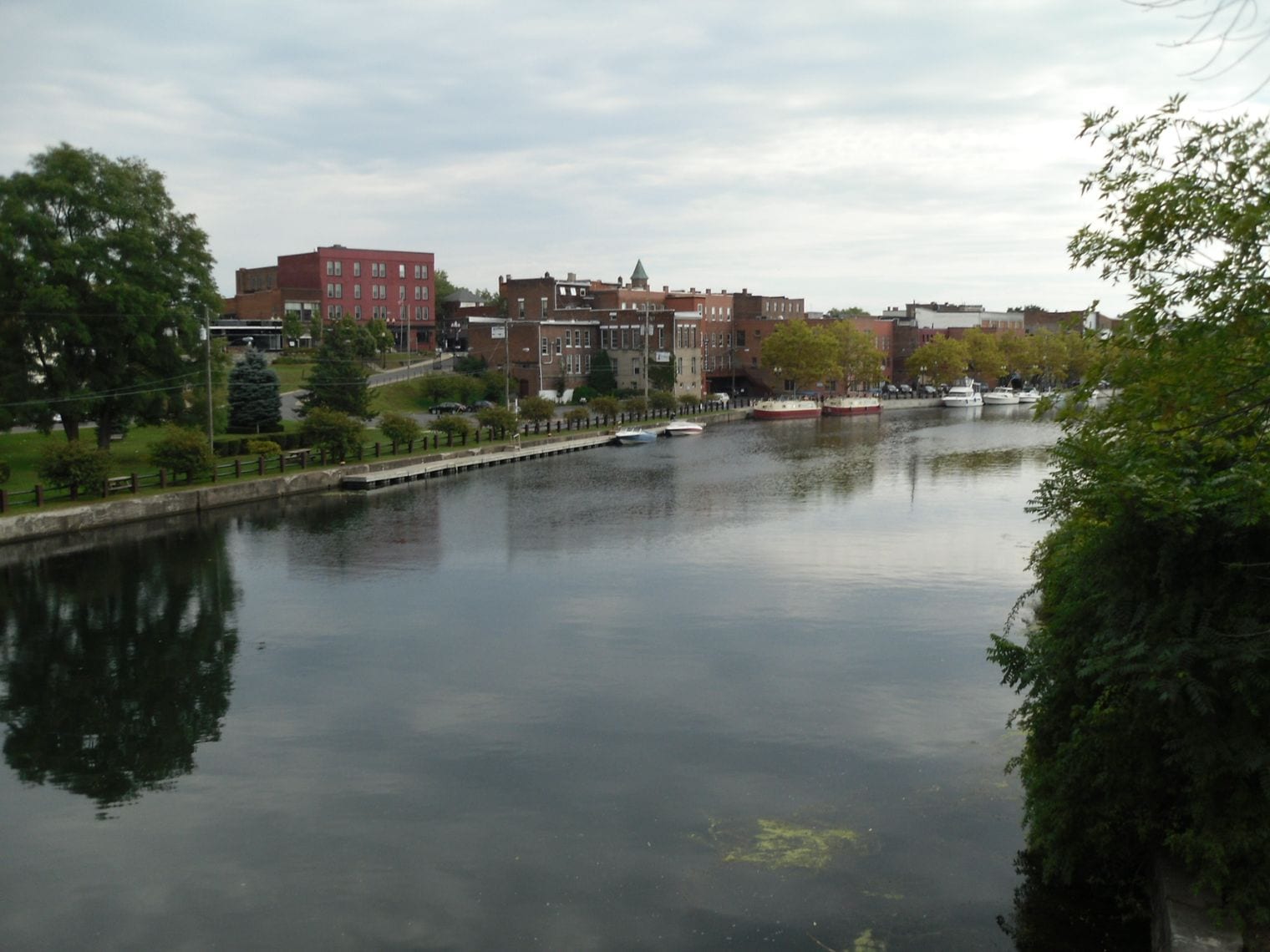
Seneca Falls calls itself the birthplace of women's rights: in July 1848, the first women's rights convention met in the Wesleyan Chapel here and adopted the Declaration of Sentiments. The canal town of about 6,800, on the Cayuga–Seneca Canal between two Finger Lakes, still wears that history proudly.
Women's Rights National Historical Park preserves the Wesleyan Chapel and the Elizabeth Cady Stanton House, and the National Women's Hall of Fame honors hundreds of American women. Stroll beside the canal through the historic village center, and listen for the local belief that Seneca Falls inspired Bedford Falls in Frank Capra's It's a Wonderful Life.
Chittenango is a small village in Madison County, about 16 miles east of Syracuse, and it is proud of its most famous son: L. Frank Baum, author of The Wonderful Wizard of Oz, was born here in 1856. The village has leaned into the connection, with yellow-brick sidewalks and Oz characters on signs around town.
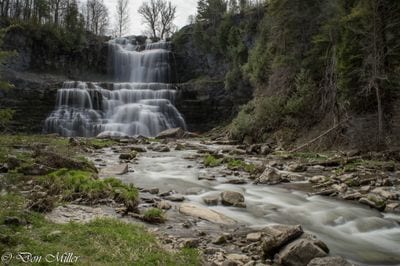
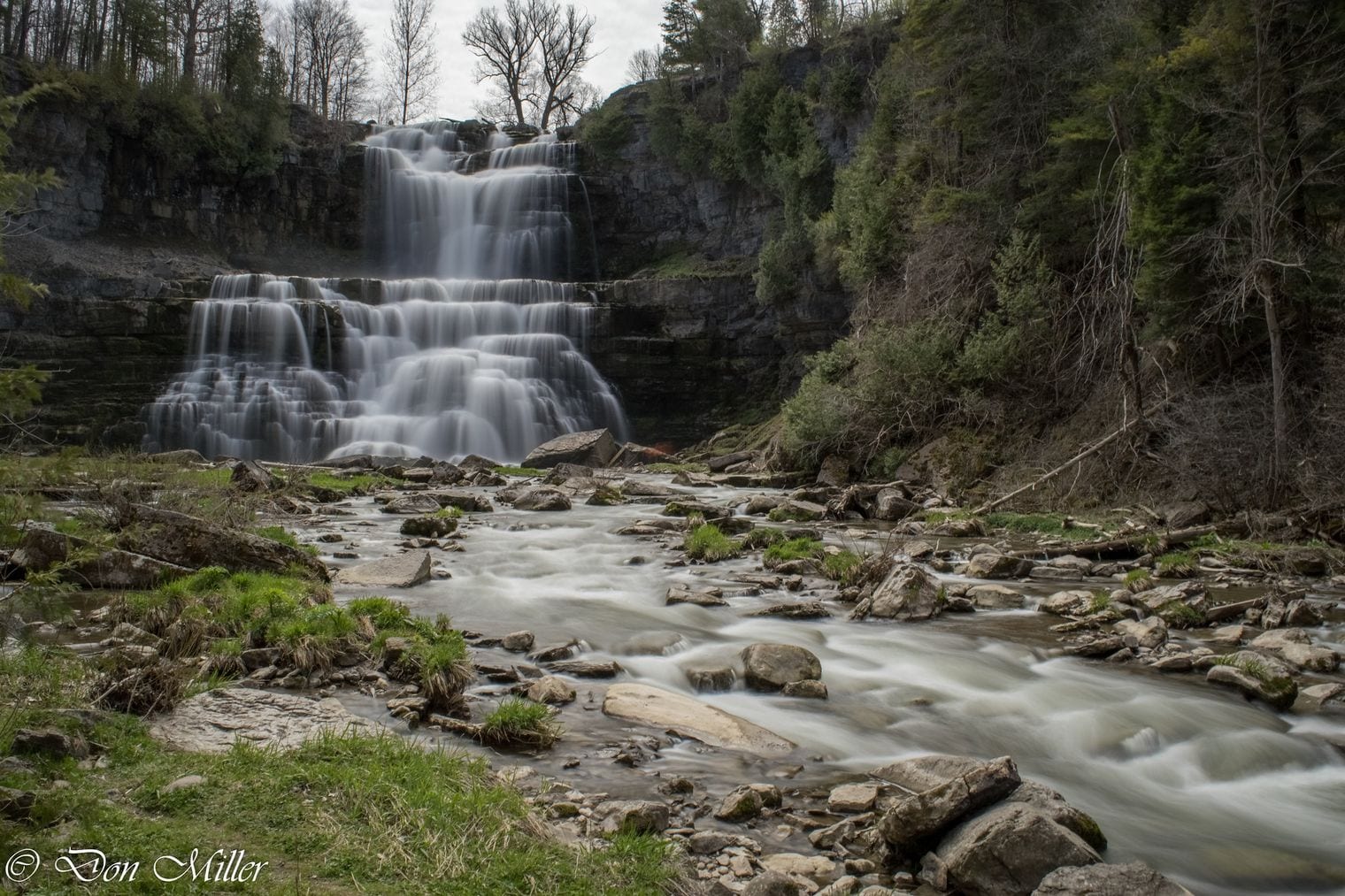
The All Things Oz Museum on the main street displays a large collection of Baum and Oz memorabilia, and the annual Oz-Stravaganza! festival brings parades and costumed fans. A few miles south, Chittenango Falls State Park has a 167-foot waterfall tumbling over 400-million-year-old rock, with a trail and a footbridge below the falls.
Trumansburg is a friendly village of about 1,700 people in the hills near the west shore of Cayuga Lake, about 10 miles northwest of Ithaca. Its name is a happy accident: the founder was Abner Treman, and a misspelling on the village's post office application stuck.
Next door, Taughannock Falls State Park is the big draw: its main falls plunge 215 feet into a deep gorge, and the Gorge Trail leads to the base while rim trails look down from above. The village's main street has cafés and shops, the Finger Lakes GrassRoots Festival of music and dance fills the fairgrounds each summer, and the wineries of Cayuga Lake are close by.
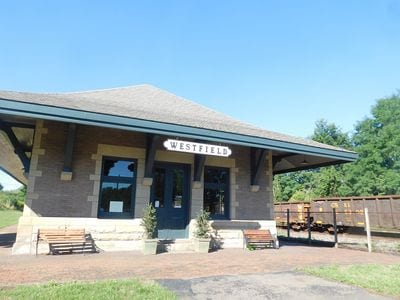
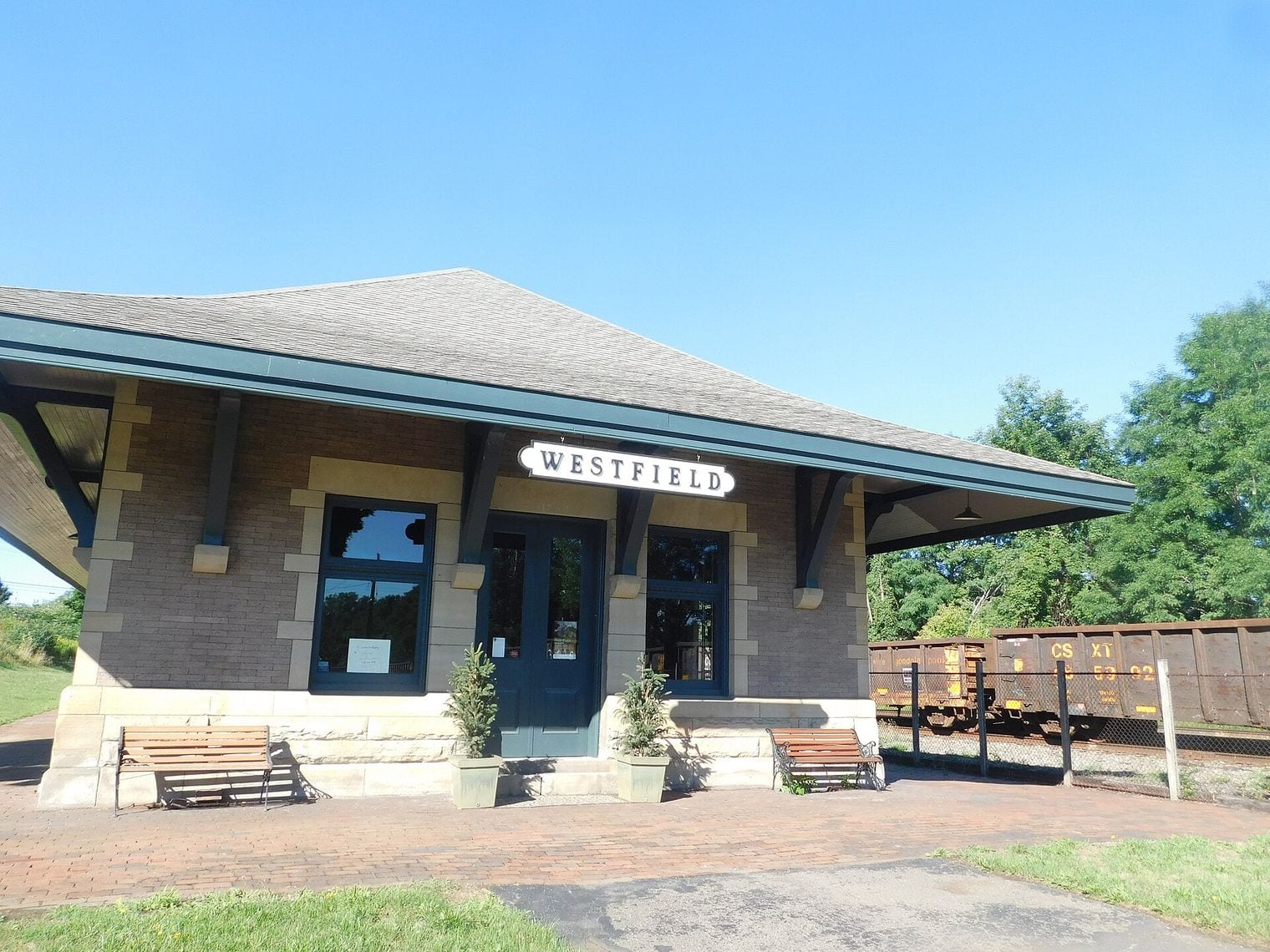
Westfield is the heart of New York's Concord grape country, a Chautauqua County village of about 2,900 near the shore of Lake Erie known as the grape juice capital of the world. Some 30,000 acres of vineyards surround it, and Welch's, which moved its grape juice business here in the 1890s, long had its headquarters in the village, where a processing plant remains.
It was here in February 1861 that Abraham Lincoln, on his way to his inauguration, stopped to meet Grace Bedell, the girl who had written urging him to grow a beard. Drive through the vineyards, visit the Barcelona Lighthouse on Lake Erie, the first lighthouse in the world to be powered by natural gas, and admire the historic McClurg Mansion and Patterson Library.
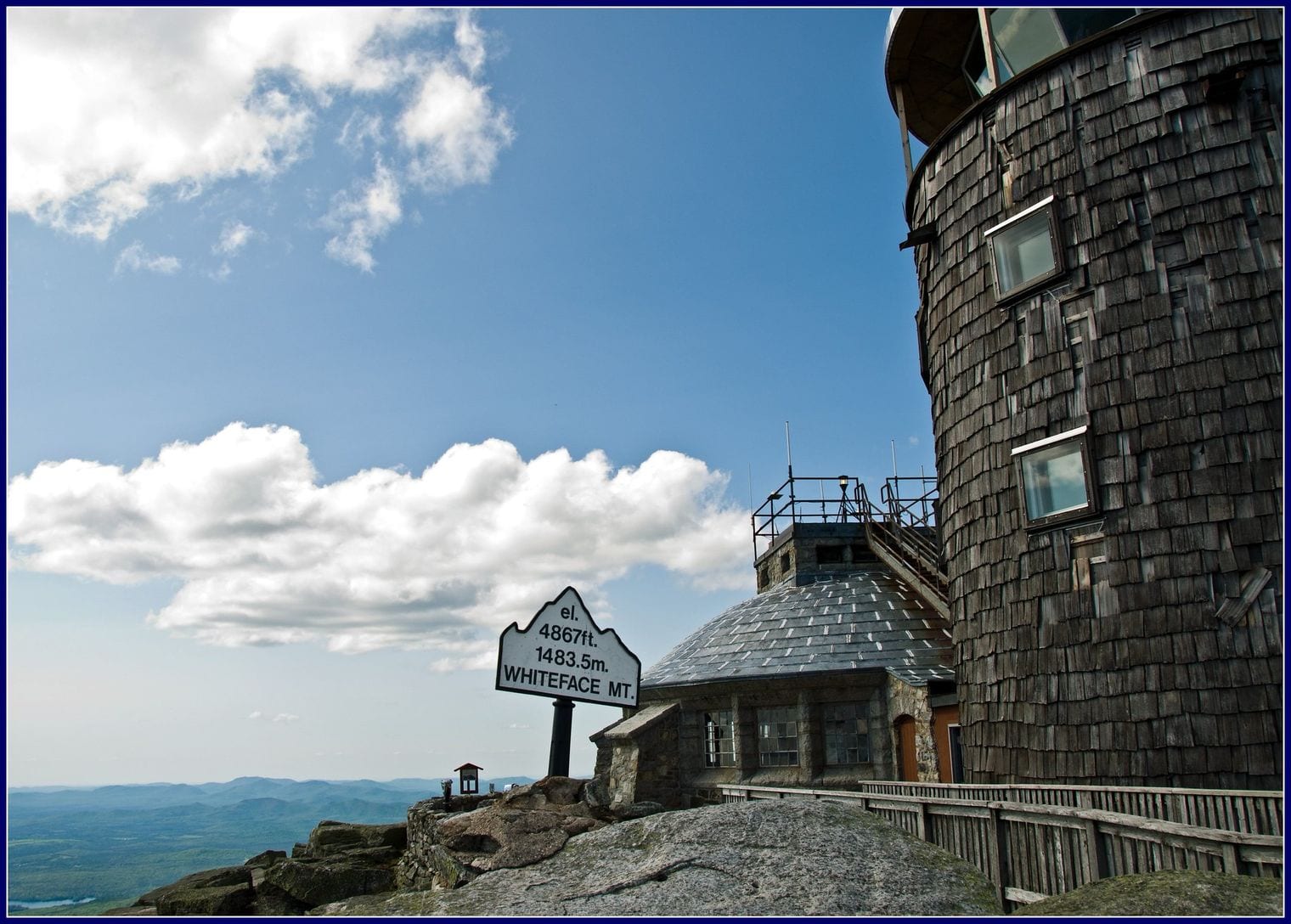
Wilmington is a small Adirondack town of about 1,100 people in Essex County, sitting at the foot of Whiteface Mountain along the West Branch of the Ausable River. A short drive from Lake Placid, it is a quieter base for the Whiteface region, with easy access to the mountain, the river and the High Peaks.
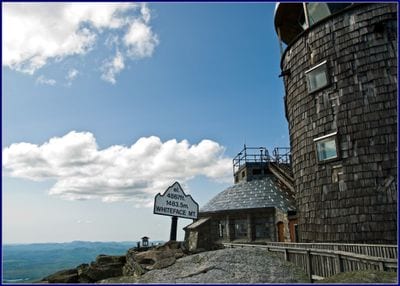
Whiteface Mountain, the fifth-highest peak in New York, hosted the alpine skiing events of the 1980 Winter Olympics, and in summer the Whiteface Veterans Memorial Highway, completed in 1935, climbs the mountain to clear-day views as far as Vermont and Canada. High Falls Gorge lets you walk bridges and paths above the Ausable River's waterfalls, and Santa's Workshop, one of the first American theme parks for children, has its own North Pole post office.
Free Things to Do in These New York Towns
Many of the best moments on this list cost nothing. You can stroll the Main Streets of Cooperstown and Cold Spring, browse Warren Street in Hudson and follow the yellow-brick sidewalks of Chittenango. Hiking is free too: climb the mountain above Beacon, walk to Ithaca Falls and up Cascadilla Gorge in Ithaca, or hike Overlook Mountain near Woodstock.
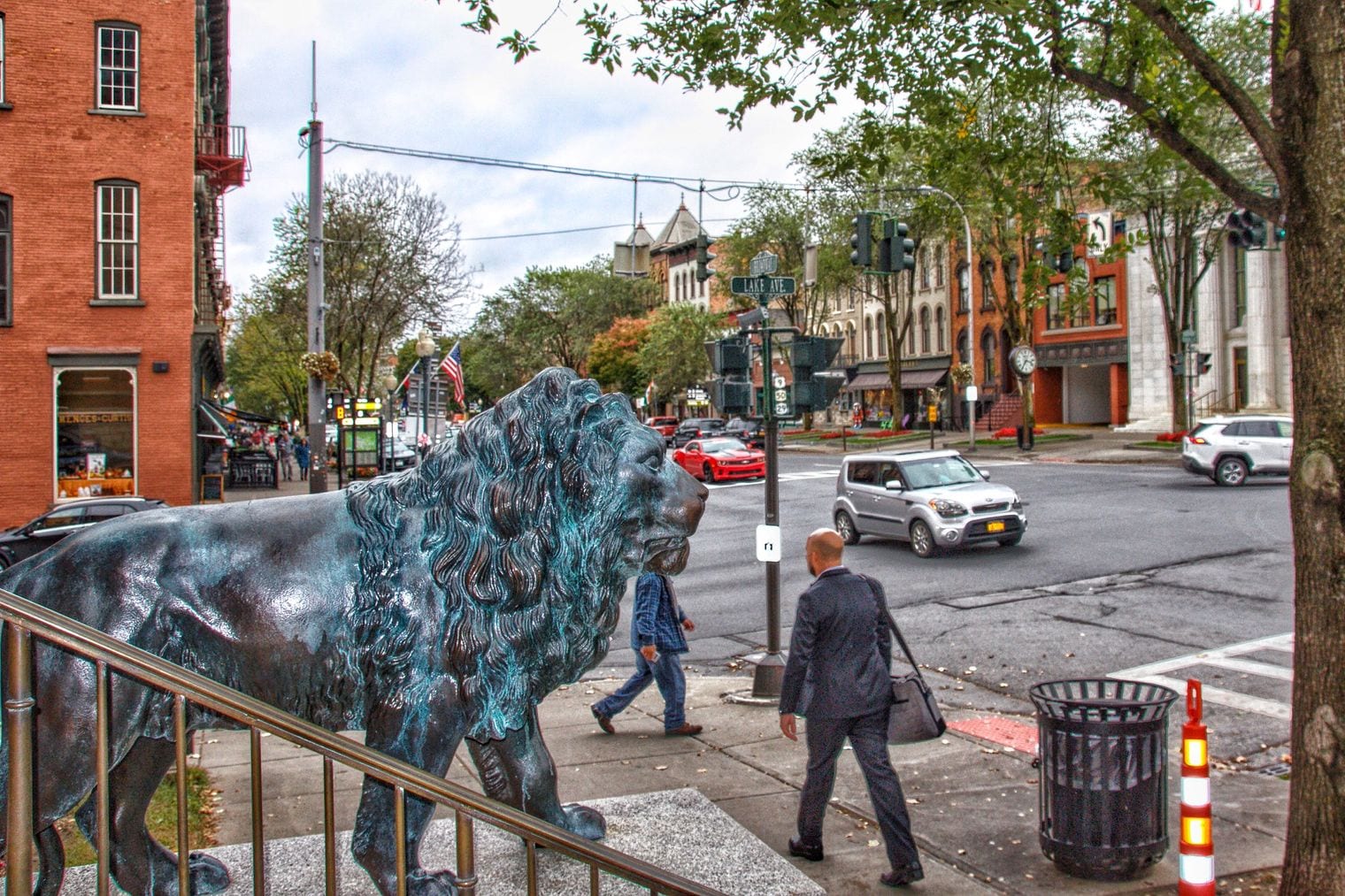
Walk or cycle across the Hudson on the bridge path from Tarrytown, ride the Wallkill Valley Rail Trail through New Paltz, watch the Delaware from the Big Eddy deck in Narrowsburg, and relax in the lakeside parks of Skaneateles or Congress Park in Saratoga Springs.
New York is a big state, so the easiest way to see these towns is to pick one region and link several together.
The Hudson Valley is the simplest from New York City: Sleepy Hollow, Tarrytown, Cold Spring and Beacon are all on the Metro-North Hudson Line, while New Paltz, Kingston, Saugerties, Woodstock, Rhinebeck and Hudson line up farther north, within reach of the state capital, Albany. Phoenicia and Narrowsburg add the Catskills, and Cooperstown and Saratoga Springs are both easy drives from Albany as well.
In the Finger Lakes, Skaneateles, Aurora, Seneca Falls, Geneva, Canandaigua, Watkins Glen, Trumansburg and Ithaca sit within a comfortable drive of one another, with Canandaigua an easy hop from Rochester and Corning just to the south; our Ithaca guide covers the region's liveliest base.
Farther afield, the Adirondacks pair Lake Placid, Saranac Lake and Wilmington, with Lake George to the south, Alexandria Bay anchors the Thousand Islands, Ellicottville and Westfield sit in the far west, and Greenport, Sag Harbor and Montauk make a Long Island weekend. Summer and fall are the classic seasons, fall color arrives first in the Adirondacks, and winter brings skiing and Saranac Lake's Winter Carnival.
FAQ: Visiting the Best Small Towns in New York
What is the best small town in New York?
Cooperstown is the best small town in New York for most visitors, with the National Baseball Hall of Fame on a lakeside Main Street and fine museums beside Otsego Lake. Lake Placid, twice a Winter Olympics host, the Catskills arts town of Woodstock, Cold Spring on the Hudson and Skaneateles in the Finger Lakes round out the top five.
Which small towns in New York can you reach by train from New York City?
Several towns on this list are easy car-free trips from New York City. Metro-North's Hudson Line stops in Tarrytown, Sleepy Hollow, Cold Spring and Beacon, and the Long Island Rail Road runs to Greenport and Montauk. Amtrak trains serve Hudson and Saratoga Springs, and Rhinecliff station is a short hop from Rhinebeck.
What are the best small towns in the Finger Lakes?
Skaneateles is the most polished Finger Lakes village, Ithaca the liveliest base, and Watkins Glen has the most famous gorge. Canandaigua and Geneva are handsome lake cities, Seneca Falls calls itself the birthplace of women's rights, and tiny Aurora and Trumansburg offer quiet lakeside charm, with Taughannock Falls on Trumansburg's doorstep.
Which New York small towns are best in winter?
Lake Placid is the top winter pick, with its Olympic venues and bobsled run, while Wilmington sits at the foot of Whiteface Mountain, where the 1980 Olympic alpine races were held. Saranac Lake builds an Ice Palace from lake ice for its Winter Carnival, and Ellicottville is Western New York's ski village beside Holiday Valley.
When is the best time to visit New York's small towns?
Summer and early fall are the most popular times, with lake swimming, boat cruises and open gorge trails. Fall color arrives first in the Adirondacks and later in the Hudson Valley and on Long Island, and many towns hold harvest festivals. Winter suits the Adirondack ski towns, while spring brings rushing waterfalls to the Finger Lakes gorges.
How many days do you need to visit a small town in New York?
Most towns on this list fill a relaxed day, and many make easy day trips from New York City, Albany, Syracuse or Rochester. Lake Placid, Saratoga Springs and Ithaca reward a full weekend, while a week lets you link several towns in one region, such as the Hudson Valley, the Finger Lakes or the Adirondacks.