We build and rank every list first. Booking links come after, and only where
a partner sells a ticket, tour or stay for that exact place, so a place with
nothing to book is listed exactly as prominently as one you can book.
So how do we earn? Some links on this page go to booking
partners, and if you book tickets, tours or a stay through
one, we may earn a commission. It costs you nothing extra.
That commission never decides which places make the list, the order they
appear in, or what we write about them. No entry is sponsored or a paid
placement.
30 Best Things to Do in Raleigh, North Carolina (2026)
By the City Viking editorial teamPublished 30 places · 22 min read
Fact-checked Checked before launchOct 17, 202629 sources20 publishers6 government & parks5 tourism boards9 encyclopedias & research9 venues & other sitesPublished · Oct 17, 2026Researched and checked before it went liveClick for every source and the full change log.
Short answer
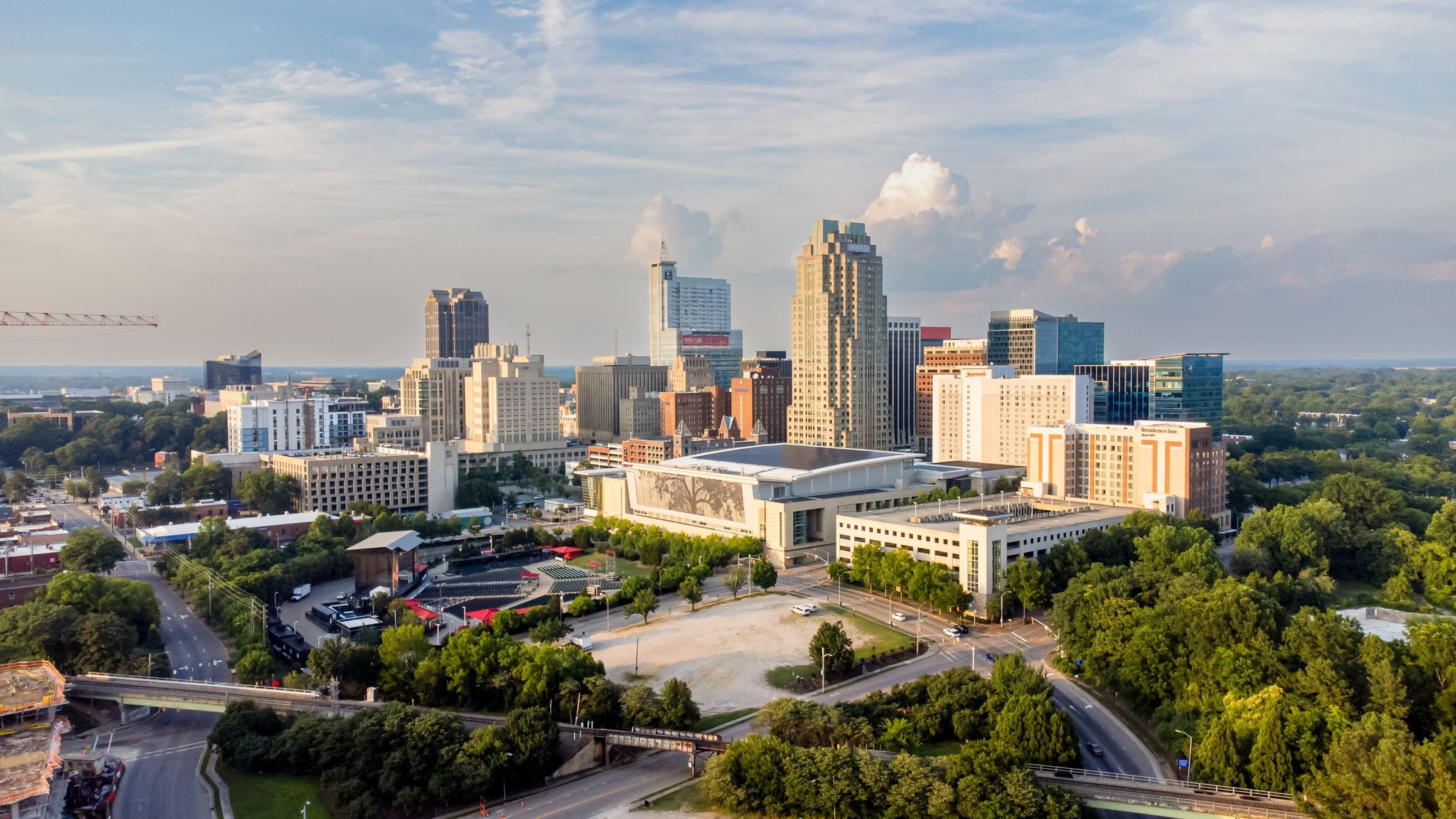
Raleigh, the City of Oaks, is known for its role as North Carolina's purpose-built capital, its leafy historic neighborhoods and its greenways. Start with the North Carolina Museum of Natural Sciences and the State Capitol downtown, then head west to the North Carolina Museum of Art and Pullen Park. Two full days cover the highlights; add a third for Umstead State Park, the lakes or a day trip to Durham or Chapel Hill.
Raleigh, the capital of North Carolina and the state's second-largest city after Charlotte, lives up to its nickname, the City of Oaks: leafy historic neighborhoods, free state museums around the Capitol and a greenway network that threads lakes, rivers and forest.
This guide ranks the 30 best things to do in Raleigh, from dinosaur halls and a 164-acre art park to the state's oldest public park, a weekend flea market and quiet house museums. Plan two to three days to see the highlights; the beaches around Wilmington are about two hours away.
Map of Things to Do in Raleigh, North Carolina
Things to Do in Raleigh, North Carolina
Things to Do in Raleigh, North Carolina at a Glance
Raleigh is a purpose-built capital: in 1792 the state bought 1,000 acres from Joel Lane, and surveyor William Christmas laid out a grid around a central Union Square for the State House, with four public squares at its corners.
The city is named for Sir Walter Raleigh, the Elizabethan courtier behind the lost Roanoke Colony on the North Carolina coast.
Its nickname is the City of Oaks, and on New Year's Eve Raleigh lowers a giant copper acorn, a sculpture made for the city's 1992 bicentennial.
Pullen Park, opened in 1887, is the oldest public park in North Carolina.
The Neuse River Trail, about 34 miles of paved path along the river, is the longest greenway in the state.
The Dueling Dinosaurs at the Museum of Natural Sciences include what the museum describes as the only 100% complete tyrannosaur skeleton yet discovered.
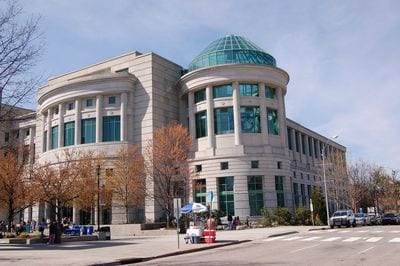
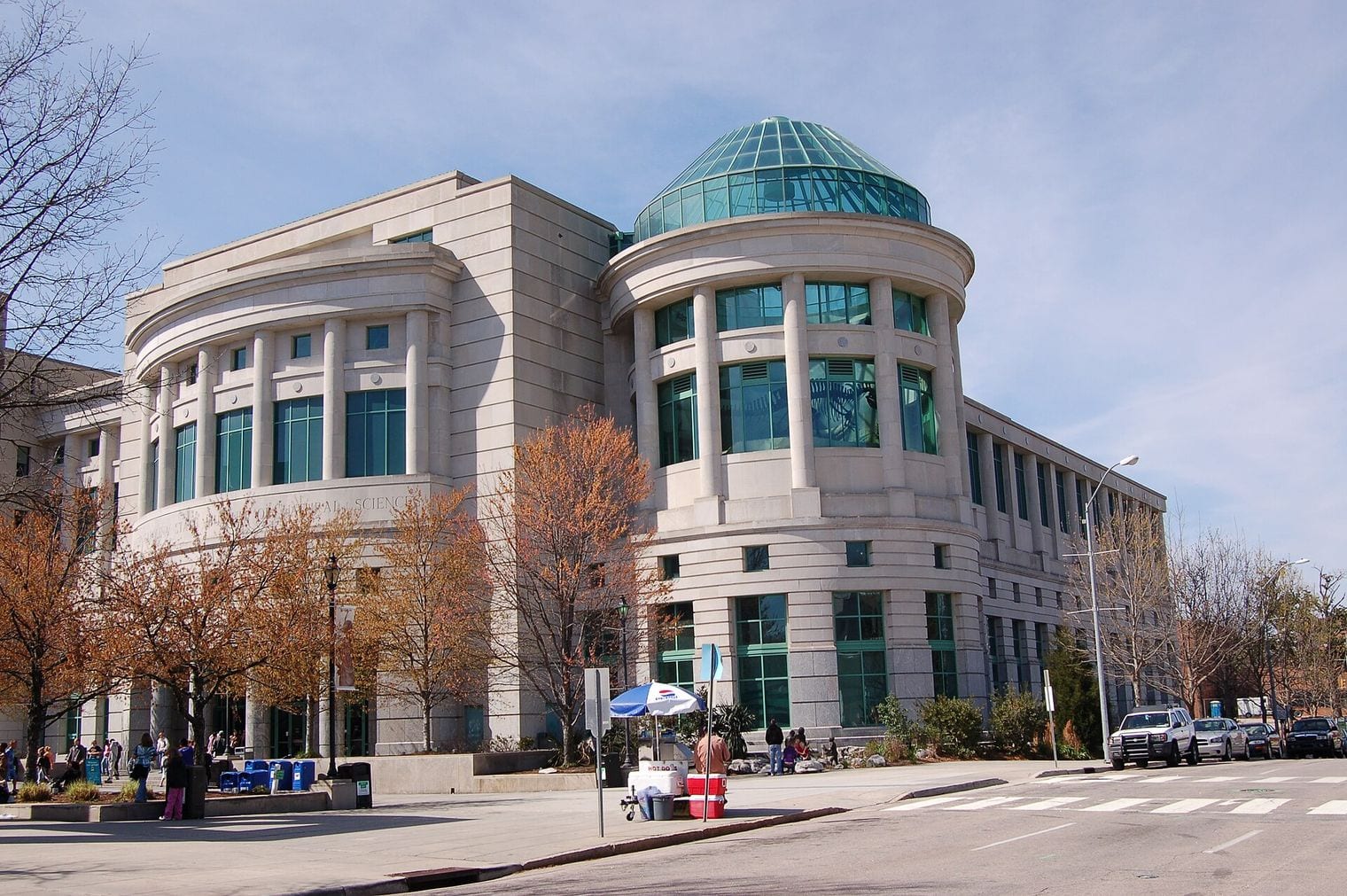
Start where most visitors do: the North Carolina Museum of Natural Sciences is the oldest museum in the state and the largest natural history museum in the Southeast, and general admission is free. Its two downtown buildings sit side by side on Jones Street: the Nature Exploration Center, where whale skeletons hang above the coastal hall and the hulking Acrocanthosaurus known as Acro stalks the dinosaur gallery, and the Nature Research Center, fronted by the globe-shaped Daily Planet.
The headline act is the Dueling Dinosaurs, a Tyrannosaurus and a Triceratops found together in Montana rock, shown beside a paleontology lab where the public can watch scientists work on the fossils. Leave time for the Living Conservatory, a warm tropical room with free-flying butterflies and a two-toed sloth.
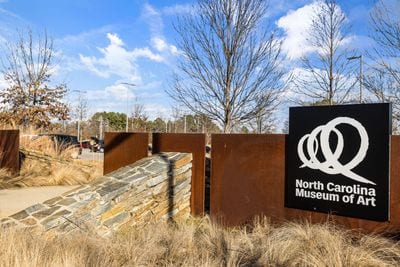
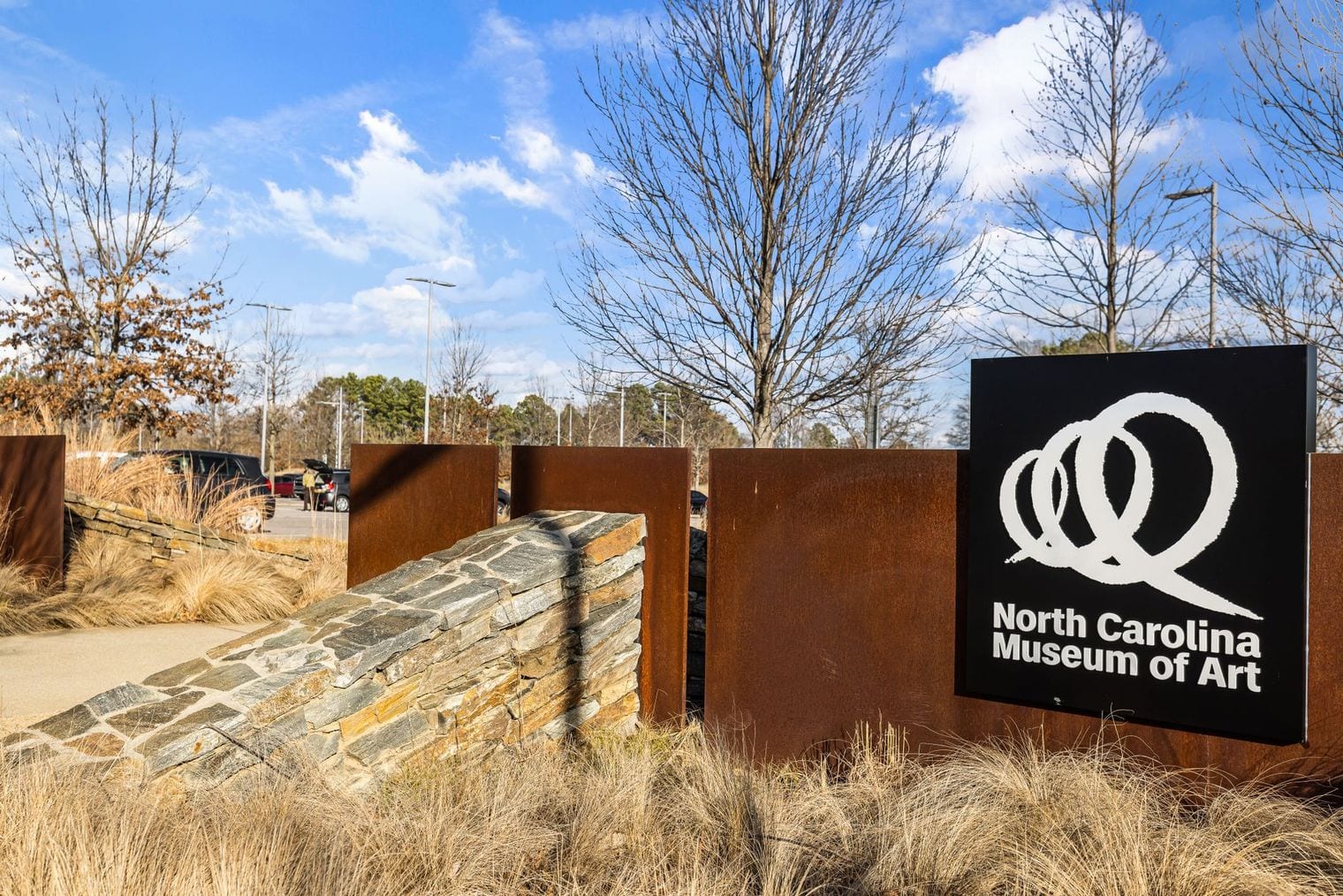
The North Carolina Museum of Art opened in 1956 as the first major museum collection in the country formed by state legislation and funding, and its permanent collection has been free ever since. The galleries span more than 5,000 years of art, from antiquity to the present, and much of the collection hangs in the West Building, an expansion that won an international award for its energy-efficient design.
Outside, the Ann and Jim Goodnight Museum Park spreads across 164 acres of meadows and woods, one of the largest museum parks in the United States. Paved trails link to the city's greenways and lead past more than a dozen commissioned works, among them the Gyre rings and Cloud Chamber for the Trees and Sky, so bring walking shoes or a bike.
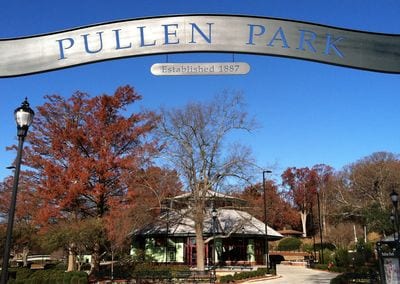
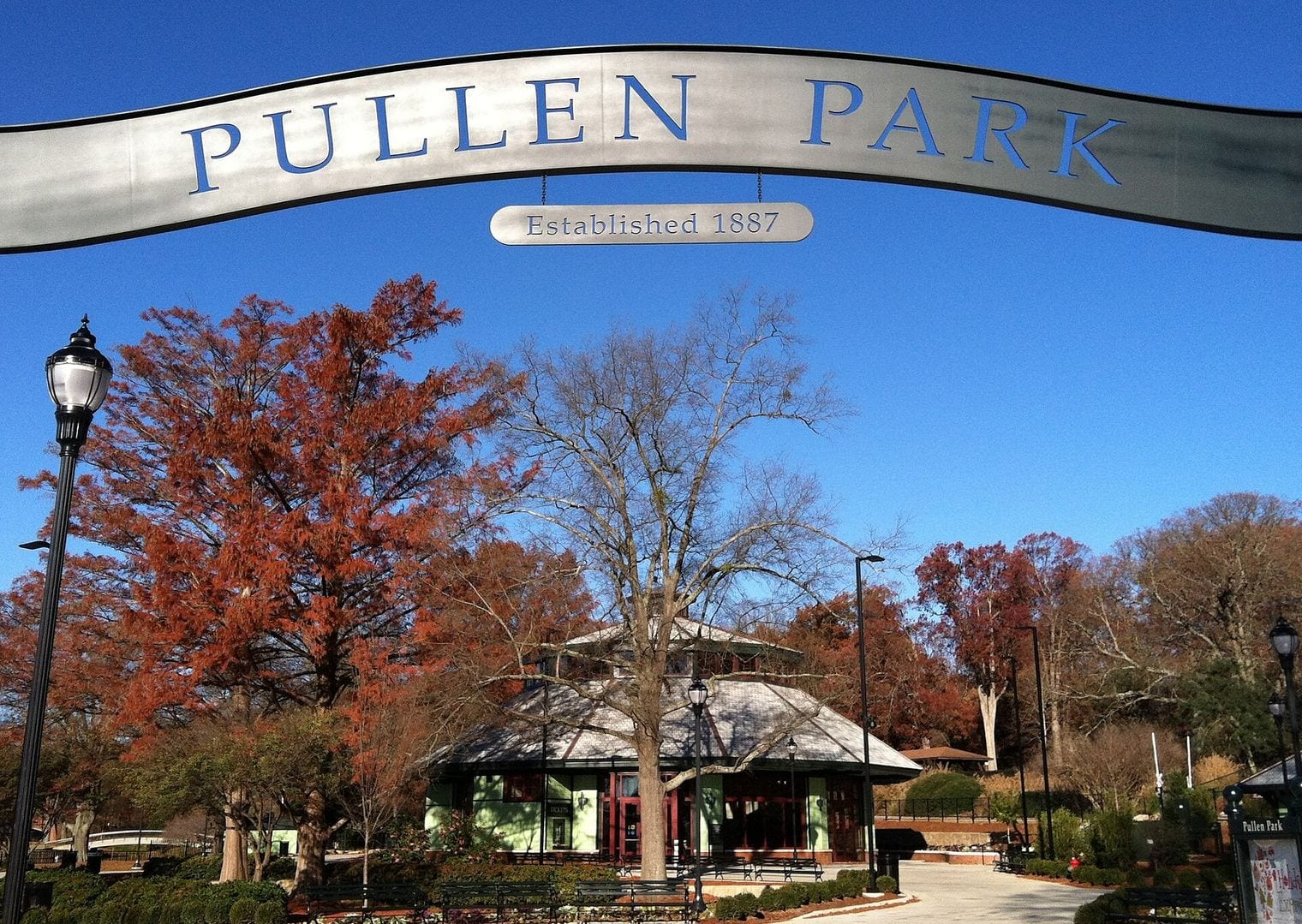
Founded in 1887, Pullen Park is the oldest public park in North Carolina, and it still runs on simple pleasures: a miniature train, kiddie boats, pedal boats on the small lake and a hand-carved Dentzel carousel that has turned here since 1921.
The park sits just west of downtown beside NC State, with picnic areas, an aquatic center, an arts center and Theatre in the Park on its 66 acres. It is Raleigh's classic family outing; come early on a warm weekend, and check the city's status alerts before you go, since the train and carousel close now and then for maintenance.
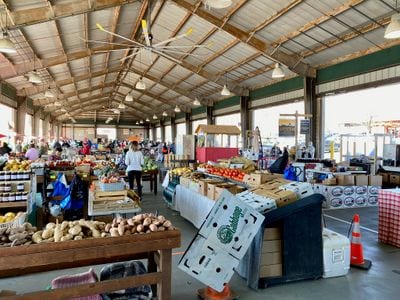
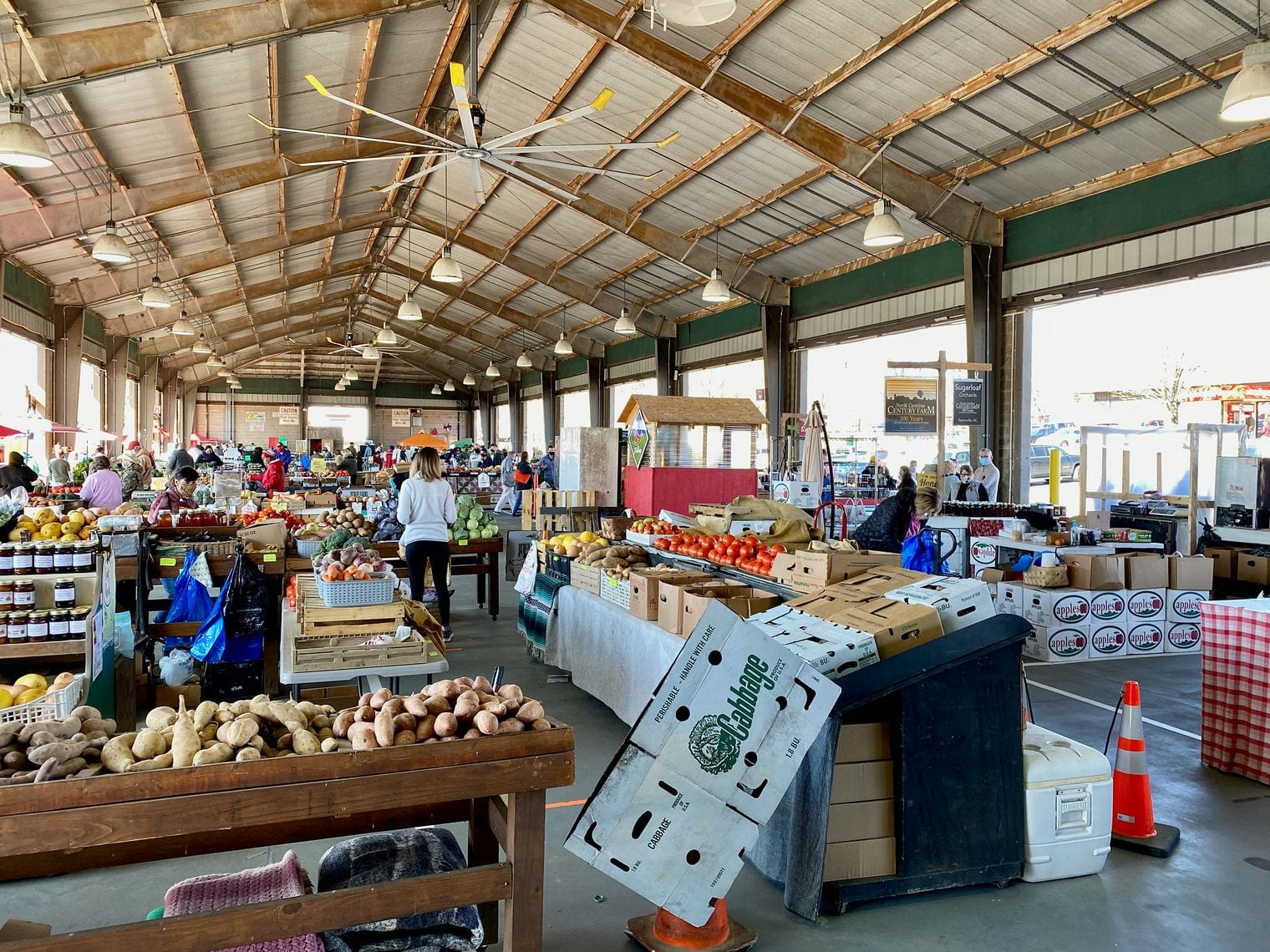
Run by the state agriculture department, the State Farmers Market on Agriculture Street is open every day of the year and spreads over 75 acres of sheds, shops and garden stalls south of downtown. Growers sell what is in season from across North Carolina, from spring strawberries to summer peaches, tomatoes and sweet corn and fall apples, sweet potatoes and pumpkins.
It is a working market as well as a sight, with a wholesale side alongside the retail sheds, so mornings are the liveliest time to wander. Browse the farm stands, then pick up plants, local honey or preserves to take home.
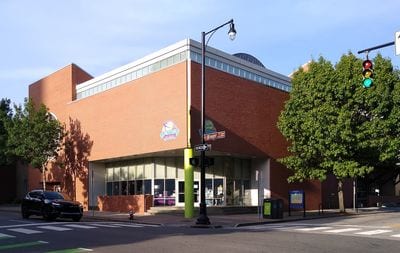
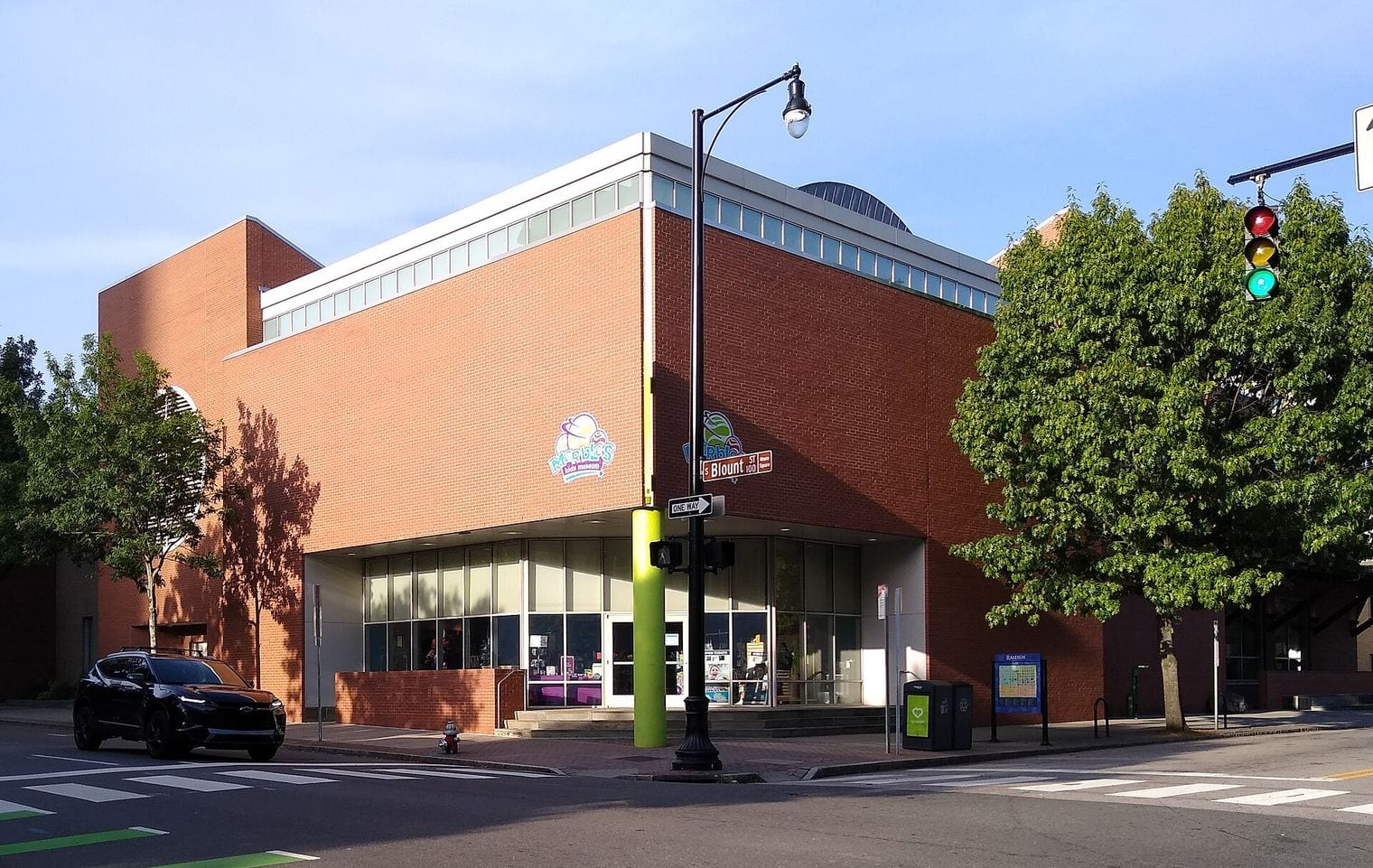
Marbles Kids Museum fills a downtown block beside Moore Square with hands-on, play-based exhibits for young children, built around its mission to spark imagination, discovery and learning through play. It formed in 2007 from the merger of two older Raleigh museums, Exploris and Playspace.
On the same campus, Marbles IMAX shows documentaries and Hollywood features on one of the largest conventional IMAX screens in North Carolina. Pair the two on a rainy day, then let the kids run off the rest of their energy on the lawn in Moore Square next door.
Tucked between Raleigh, Cary and Durham, William B. Umstead State Park covers more than 5,000 acres of hardwood forest, creeks and small lakes that feel far from the city even though the airport is next door. Narrow hiking trails wind through the woods, while wide multiuse trails welcome cyclists and horseback riders.
The park also has picnic areas, a family campground and educational programs, and a stretch of the East Coast Greenway runs through it. Bridge work closes parts of some multiuse trails from time to time, so look at the park's planning page before a long ride.
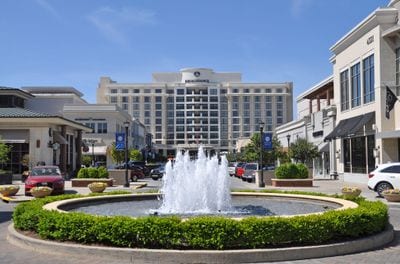
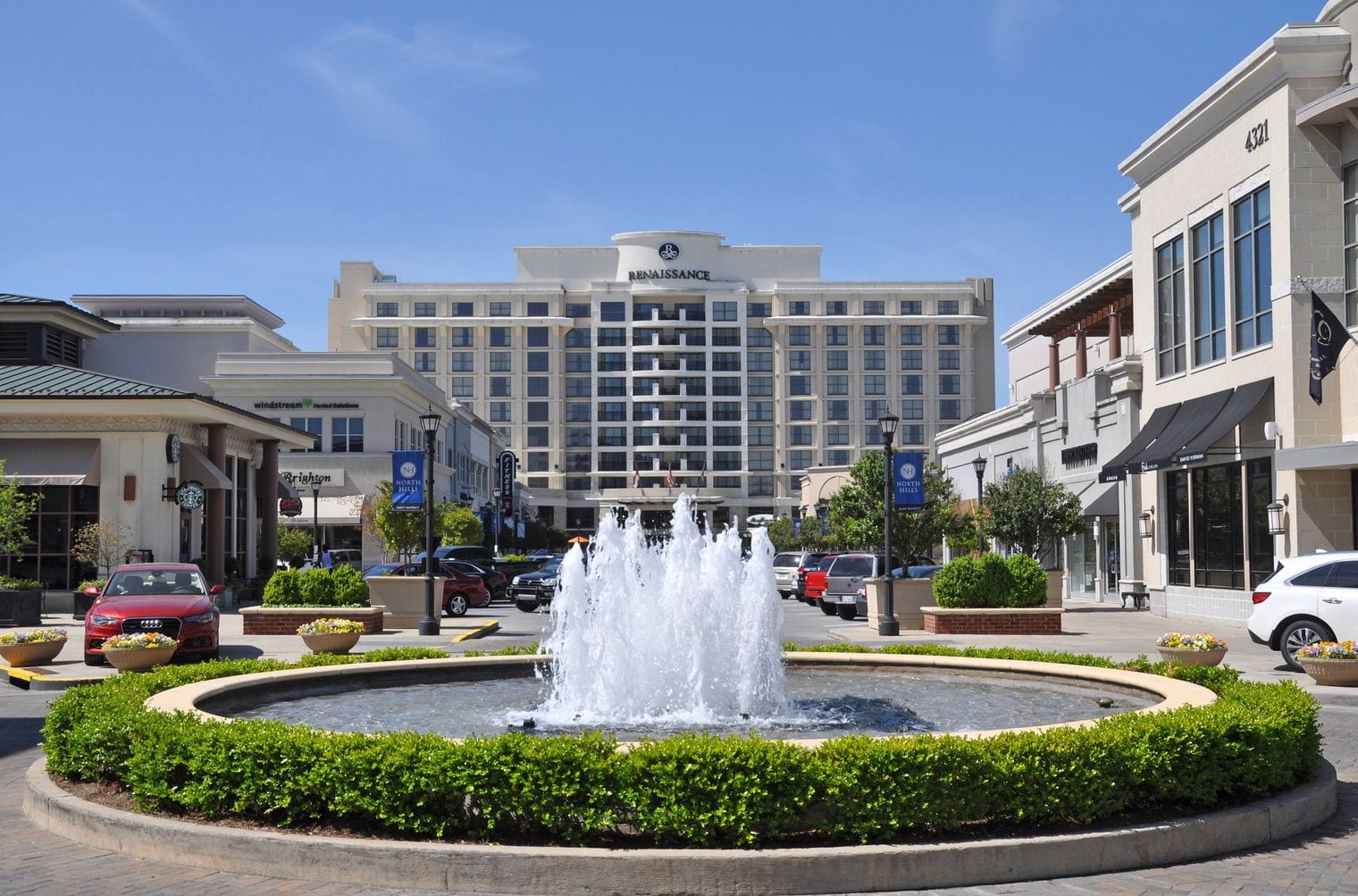
North Hills grew on the site of the old North Hills Mall, just north of the I-440 Beltline in Midtown, into a walkable mixed-use district of shops, restaurants, offices, homes and a cinema. It is where much of Raleigh comes to shop and eat without heading downtown.
The draw for visitors is the large outdoor commons, which hosts live concerts, festivals and a farmers' market through the year. Park once, stroll the streets and the plaza, and time an evening visit for one of the warm-weather concerts.
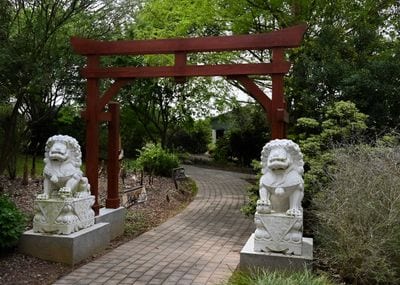
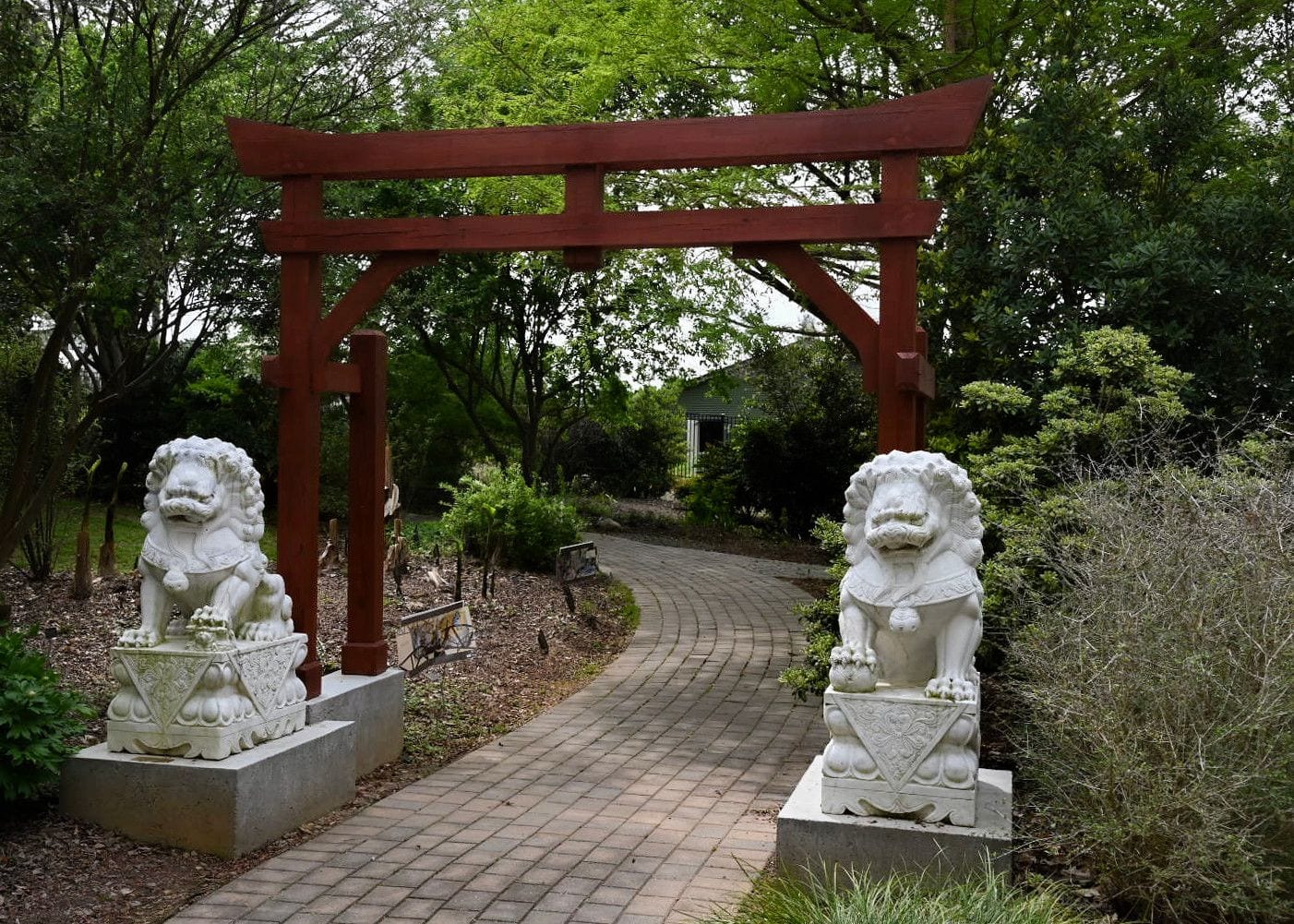
Run by NC State University, the JC Raulston Arboretum packs a remarkable range of plants into about 10 acres in west Raleigh, and it is free and open every day of the year. It collects and tests plants from around the world in search of superior choices for Southern landscapes, so the beds are full of rare trees, shrubs and perennials you will not see at a garden center.
Wander its themed gardens and collections with the online map in hand, and expect something in bloom in every season. Gardeners come to take notes; everyone else can simply enjoy one of the quietest green spaces in the city.
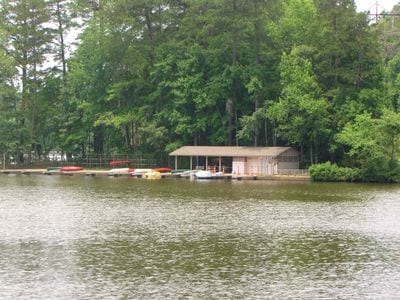
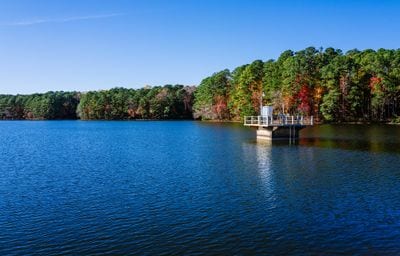
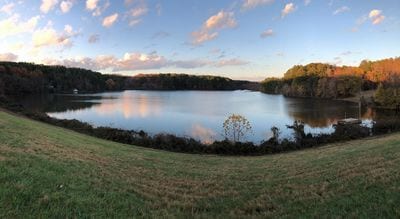
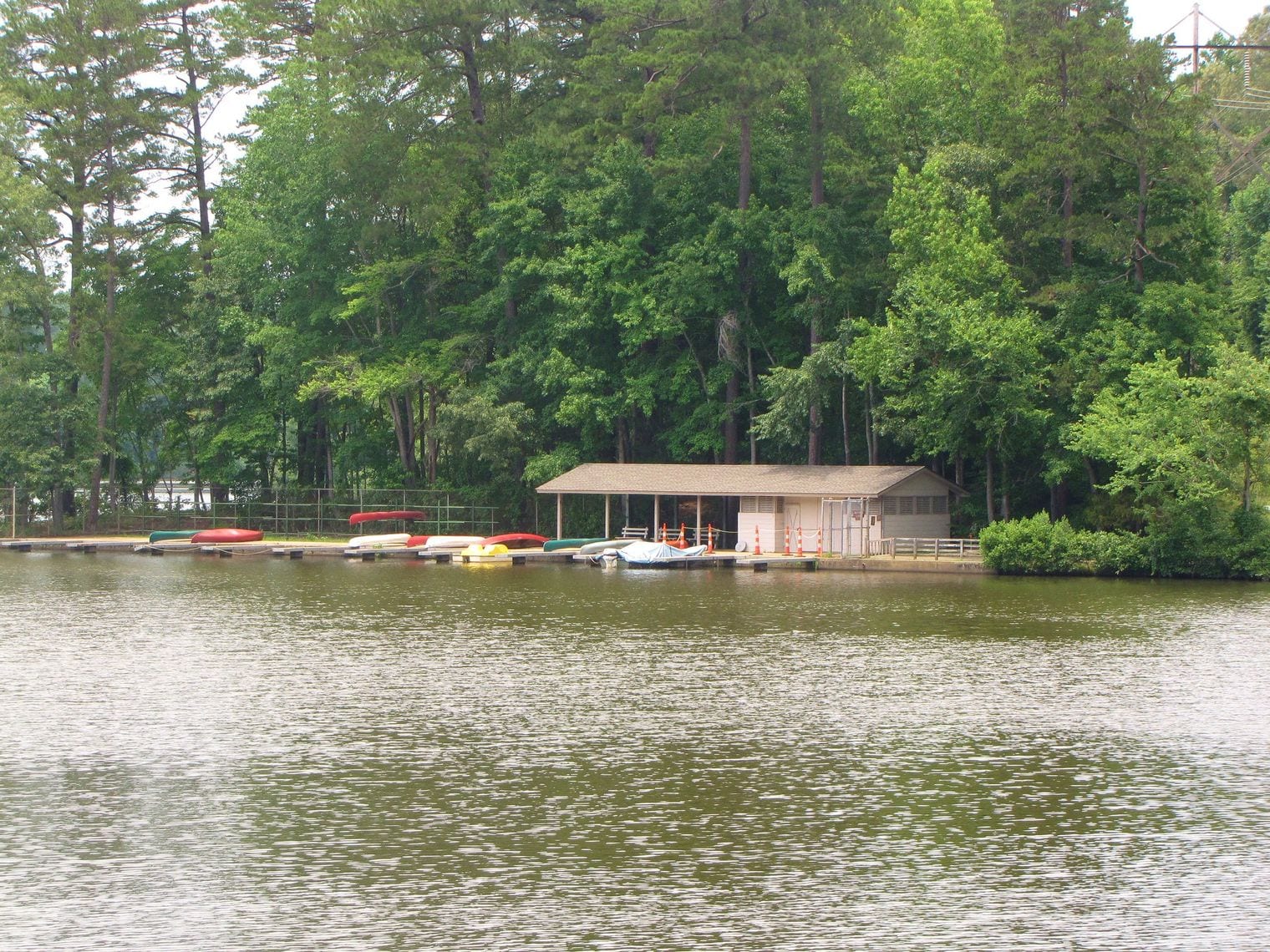
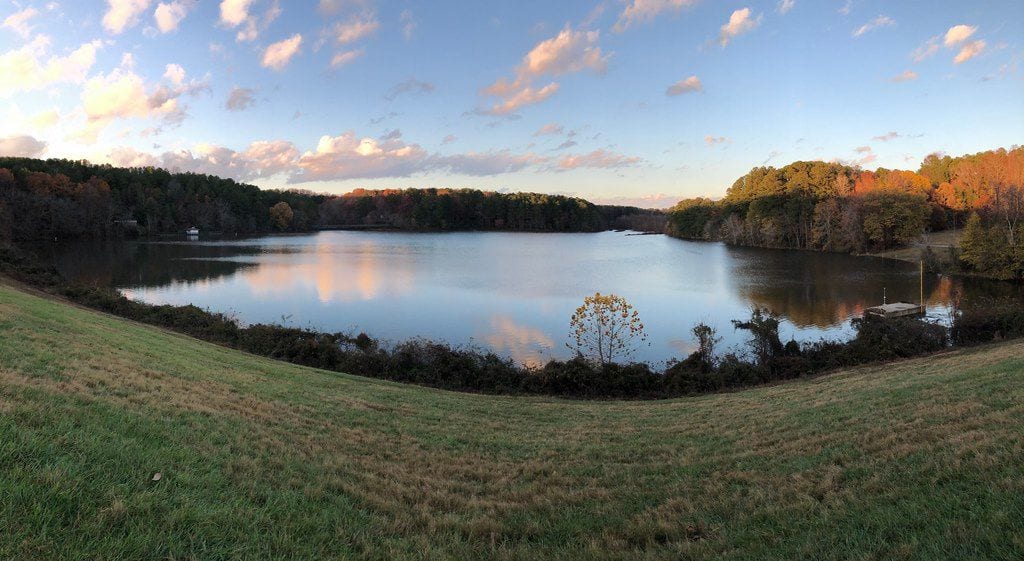
Lake Johnson Park wraps a 150-acre lake in southwest Raleigh, and its signature is the long wooden boardwalk that carries the greenway straight across the water. Paved loops and unpaved trails circle the shoreline through the woods, so you can walk as far as you like.
At the boathouse you can rent canoes, kayaks, paddleboards, small sailboats and pedal boats in season, or sit on the veranda and watch the water. Anglers fish from the boardwalk and pier for bass, crappie and catfish, and the trails link into the wider Capital Area Greenway.
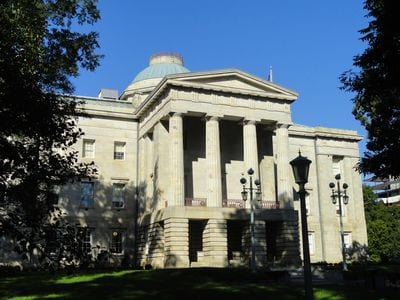
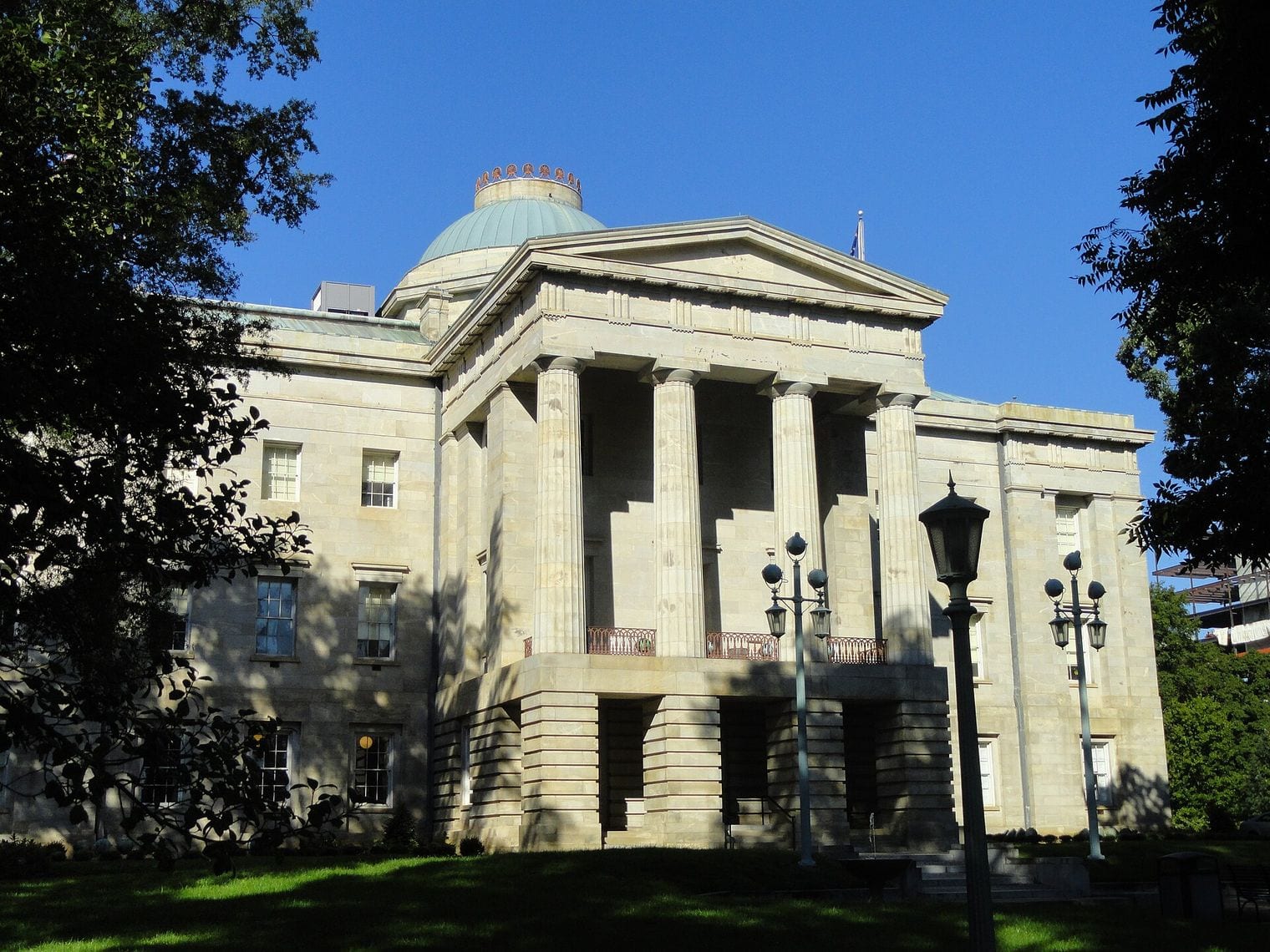
Completed in 1840, the North Carolina State Capitol is one of the finest and best-preserved major civic buildings in the Greek Revival style, a columned, domed landmark at the center of the city's original plan. It is a National Historic Landmark and still a working capitol: the governor's office is on the first floor.
Self-guided visits are free, and free guided tours run on some days. Inside, see the chambers where the General Assembly met until it moved to the Legislative Building in 1963, then walk the monuments of Union Square outside; the Executive Mansion and the state museums are a few minutes away on foot.
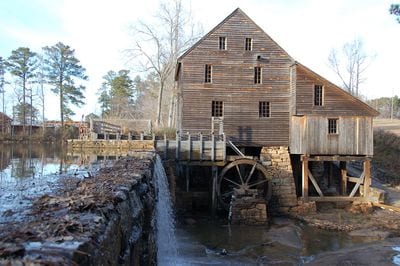
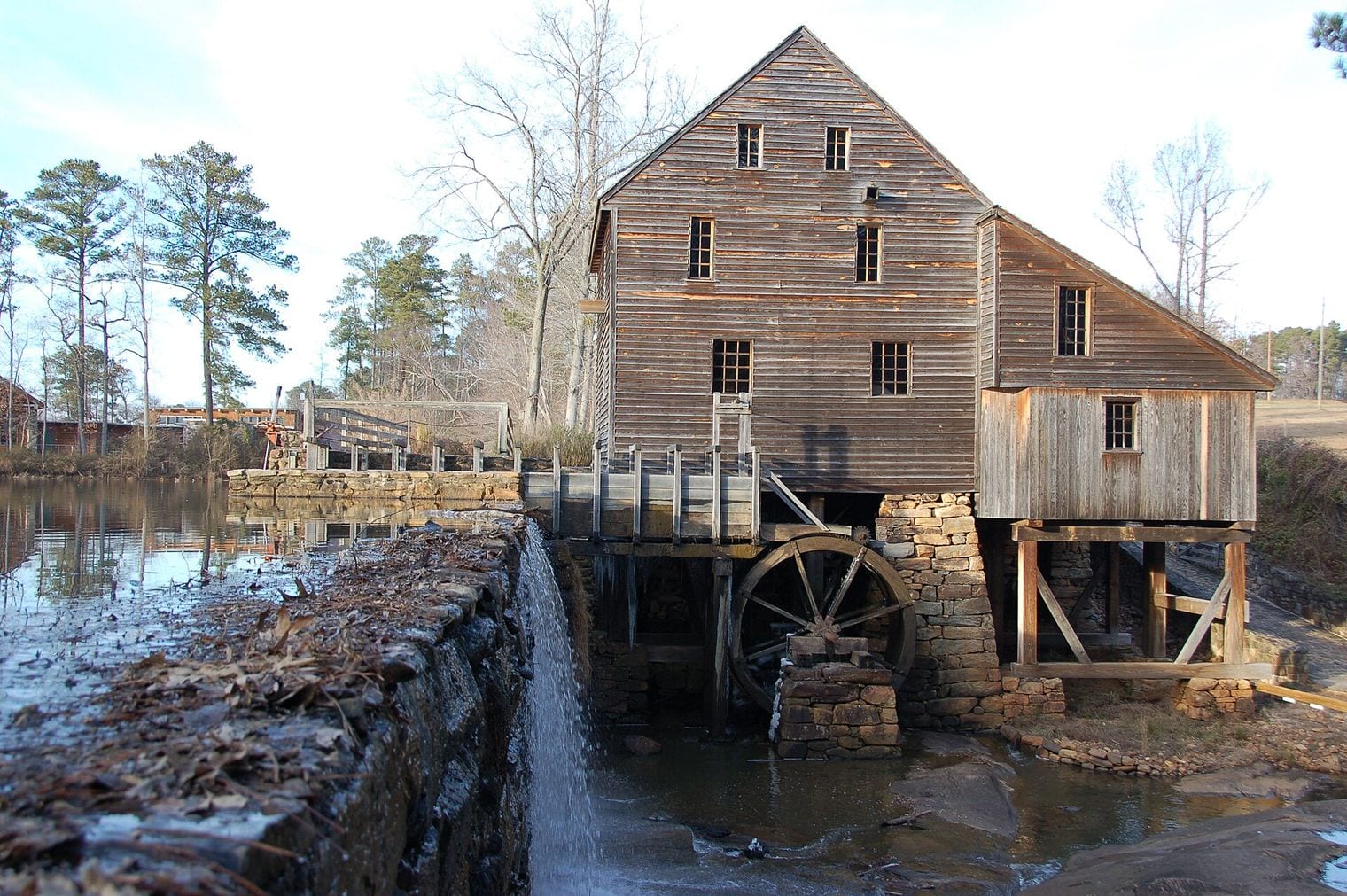
On Raleigh's southern edge, Historic Yates Mill County Park centers on a restored water-powered gristmill whose history reaches back to around 1756, the only operable gristmill left in the region. For nearly 200 years it milled corn and wheat, sawed lumber and carded wool for the farms around it.
The mill opens for demonstrations and history tours on scheduled days, and the visitor center explains milling and the area's natural history. Trails loop around the 20-acre millpond through woods managed as a wildlife refuge, so it makes a peaceful walk even when the mill is closed.
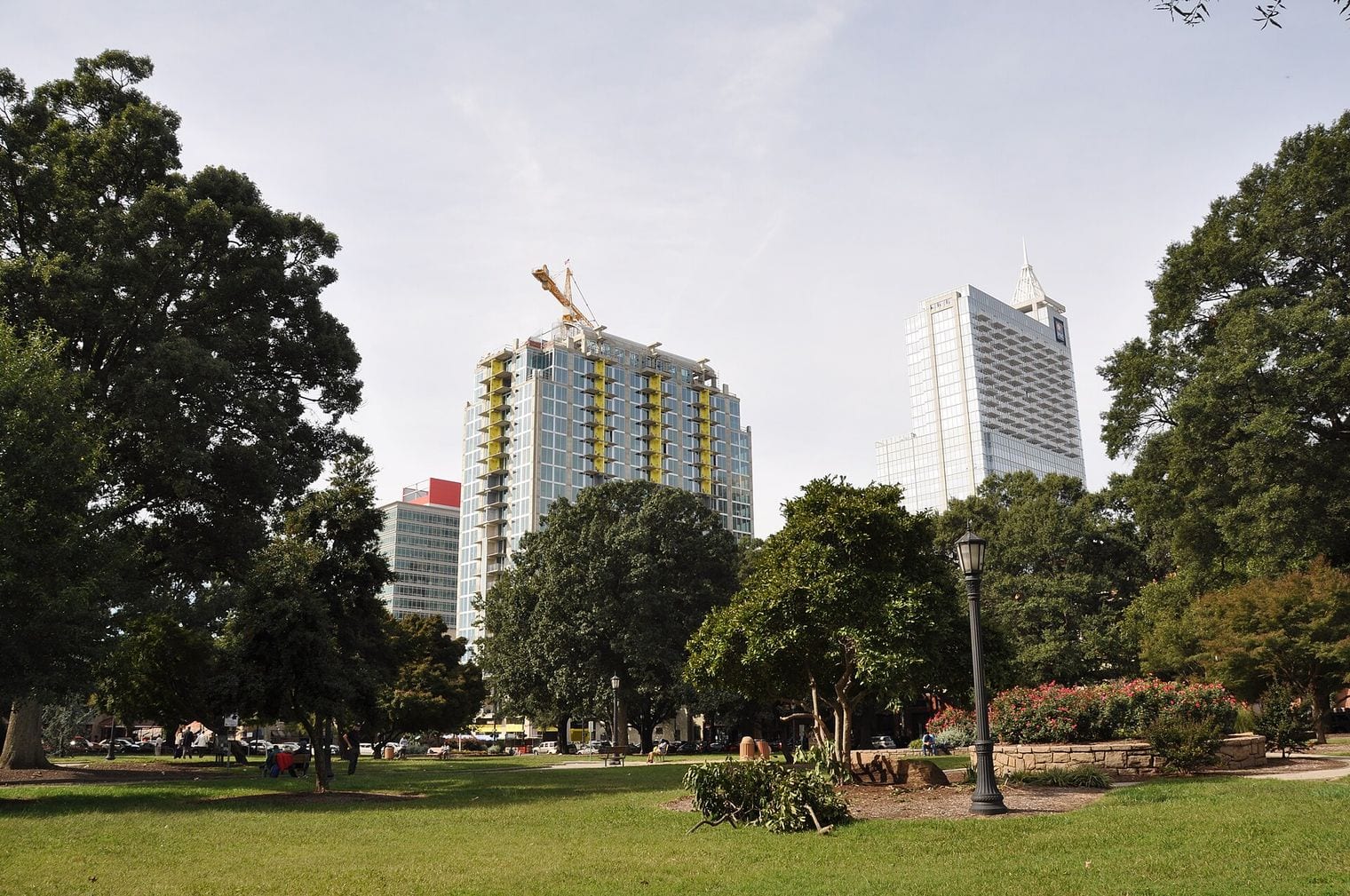
Moore Square is one of two four-acre public squares that survive from the 1792 plan that laid out Raleigh as a capital city, and it is named for Alfred Moore, a North Carolina judge who later sat on the U.S. Supreme Court. A redesign made it downtown's favorite green space, with a broad central lawn, shaded grove rooms, an interactive water feature and a natural play area.
The square anchors a historic district of brick storefronts, and East Hargett Street on its edge was once known as Raleigh's "Black Main Street" for its concentration of African American-owned businesses. Bring a coffee, let the kids splash in the fountain, and look out for festivals on the lawn.
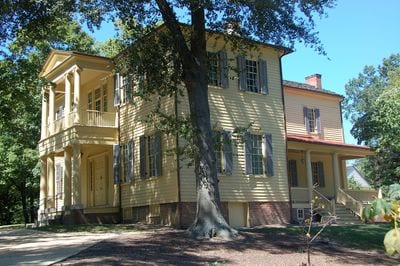
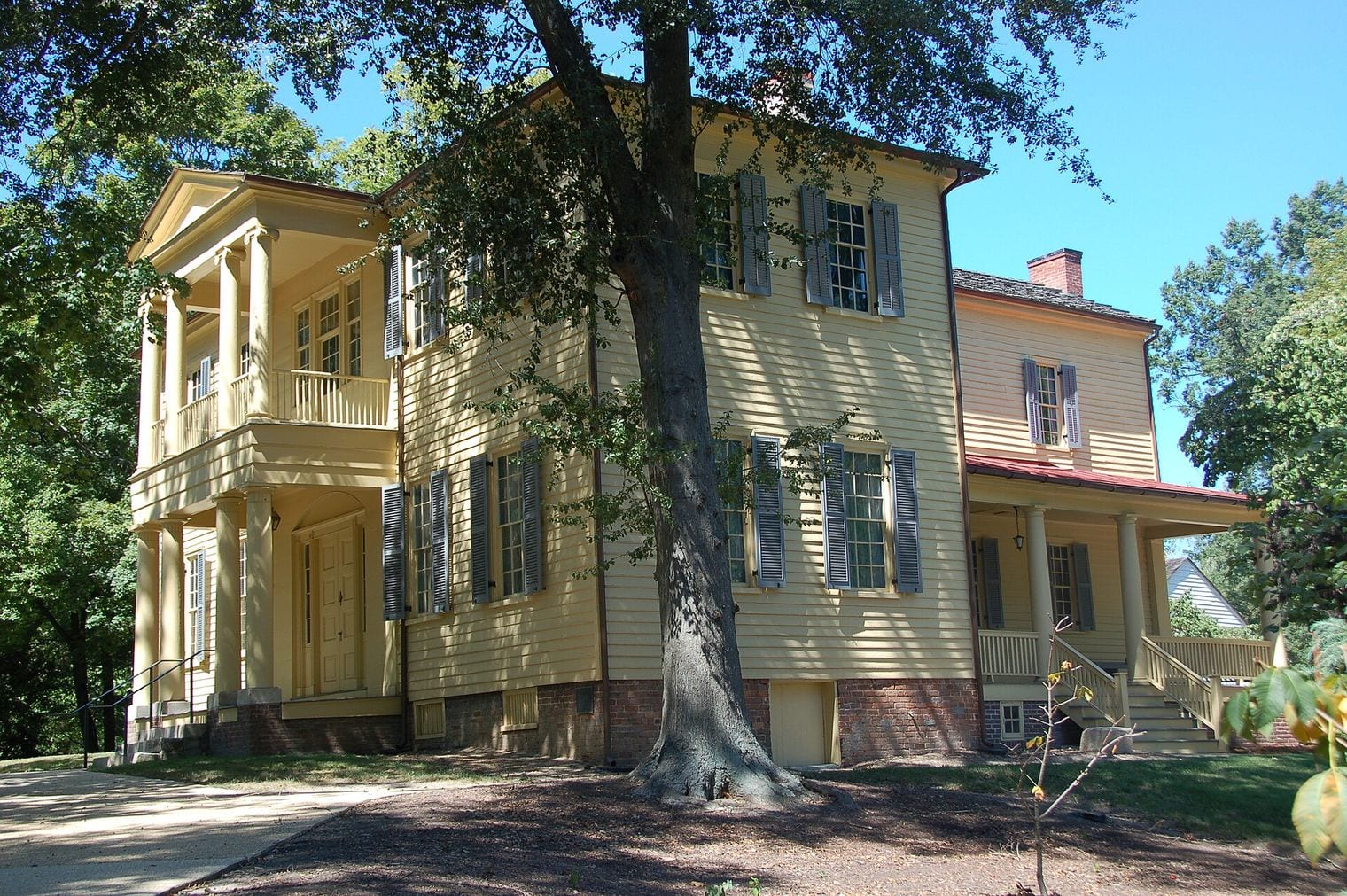
Mordecai Historic Park preserves the heart of what was once one of Wake County's largest plantations. The Mordecai House at its center, begun around 1785 by Joel Lane for his son Henry, is among the oldest houses in Raleigh still on its original site, and guided tours trace the lives of the Lane and Mordecai families and of the enslaved people who lived and worked here.
Other historic buildings have been moved onto the grounds, among them the small house said to be the birthplace of President Andrew Johnson. Tours leave from the visitor center on a set schedule, so check times before you go, and walk on to the Historic Oakwood neighborhood nearby.
Free printable checklist of all 30 places
Tick them off as you go. Confirm your email to download it, plus one email every Thursday with new guides for the places you tick.
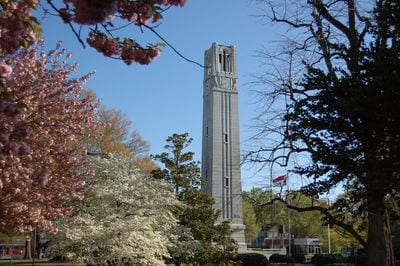
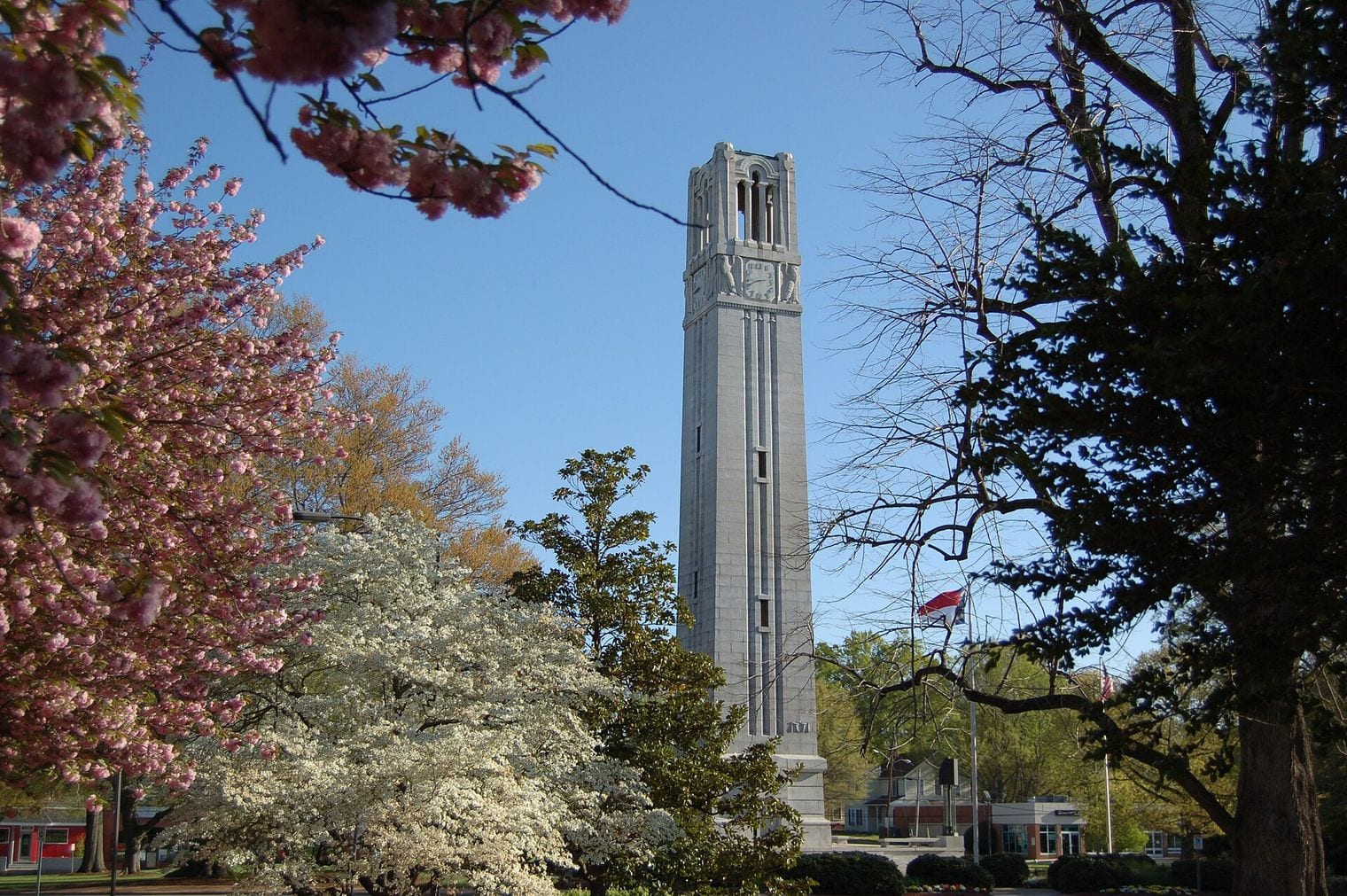
The NC State Memorial Belltower rises 115 feet at the edge of the North Carolina State University campus on Hillsborough Street, built from granite quarried at Mount Airy as a memorial to the alumni who died in World War I. Construction began in 1921 and stretched over decades before its formal dedication in 1949.
It is a landmark to admire from the outside, and it is at its most striking at dusk. Pair it with a stroll down Hillsborough Street or across the main campus, where the Gregg Museum and the JC Raulston Arboretum are close by.
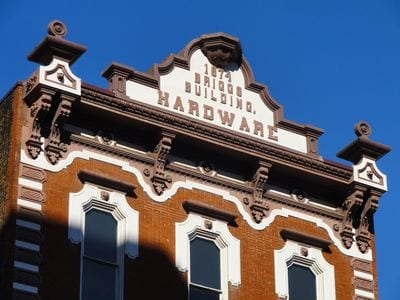
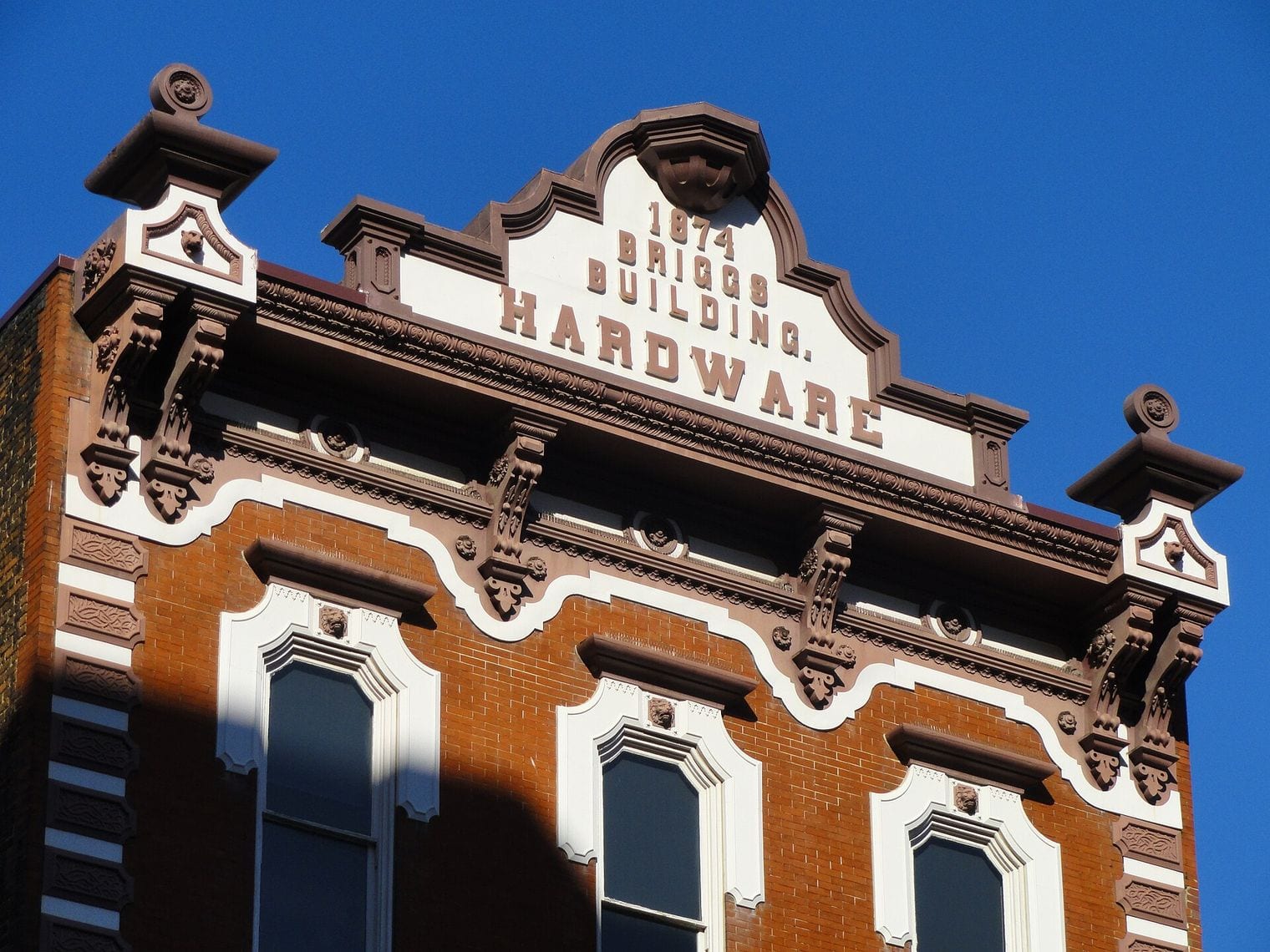
Set in the restored Briggs Hardware Building on Fayetteville Street, the City of Raleigh Museum tells the capital's own story, from its founding as a planned capital to the growing Research Triangle city of today. Its exhibits and many of its programs are free, and the displays change through the year.
It is a compact, worthwhile stop on a walk down Fayetteville Street from the State Capitol, and a good primer before you head out to the historic houses and neighborhoods on this list.
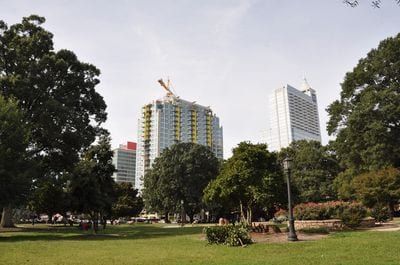
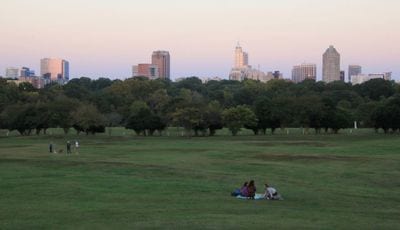
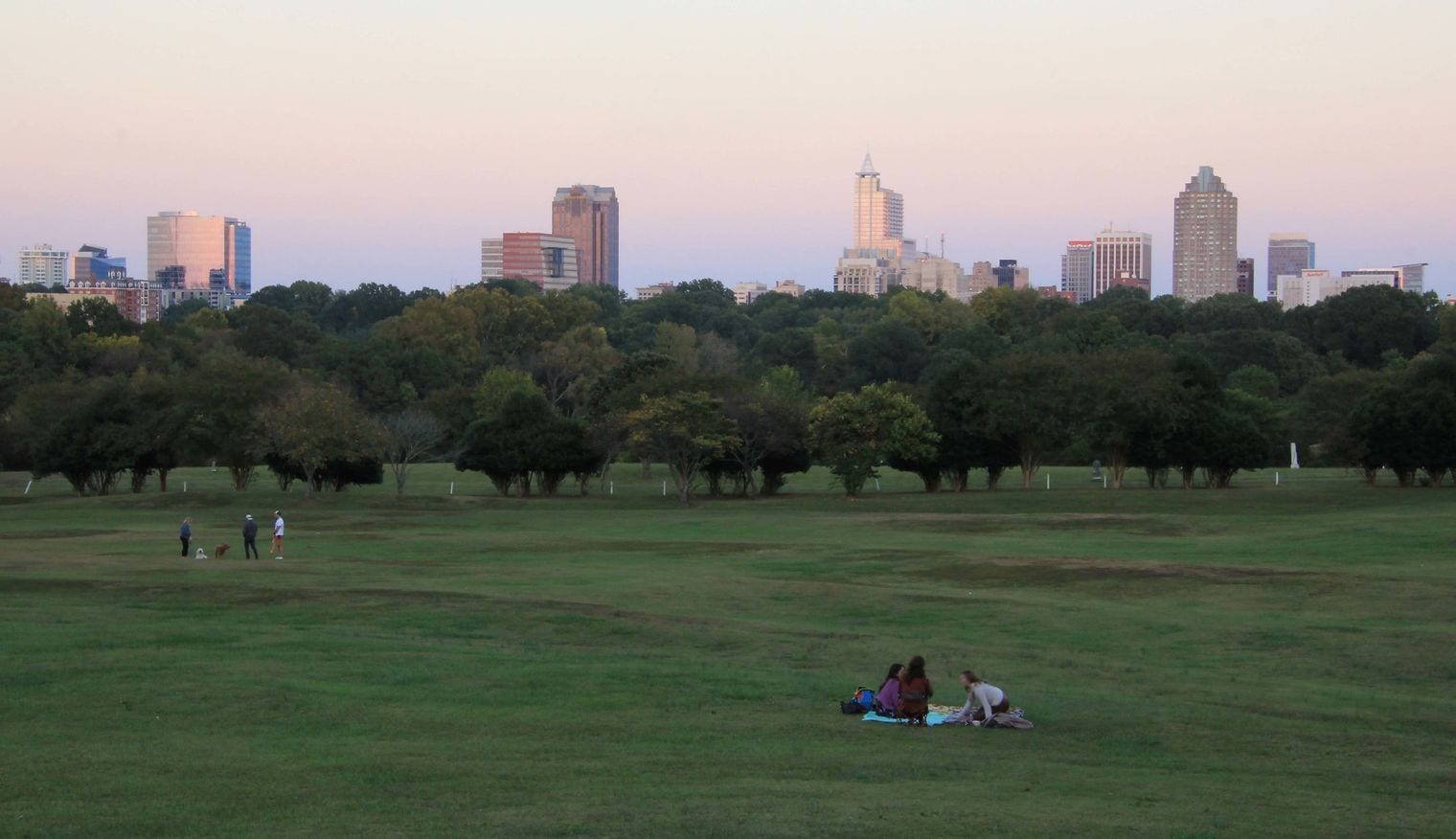
Dorothea Dix Park is Raleigh's big backyard: 308 acres of rolling lawns, meadows and oak-shaded hills on the grounds of the former Dorothea Dix Hospital, about a mile southwest of downtown. Its open fields frame some of the best views of the downtown skyline, and several historic hospital buildings still stand on the grounds.
Families head for Gipson Play Plaza, a huge destination playground with water features, play gardens and a sensory maze on the park's southern side. In July a five-acre sunflower field draws crowds of photographers, and the fields host festivals, concerts and dog walkers the rest of the year.
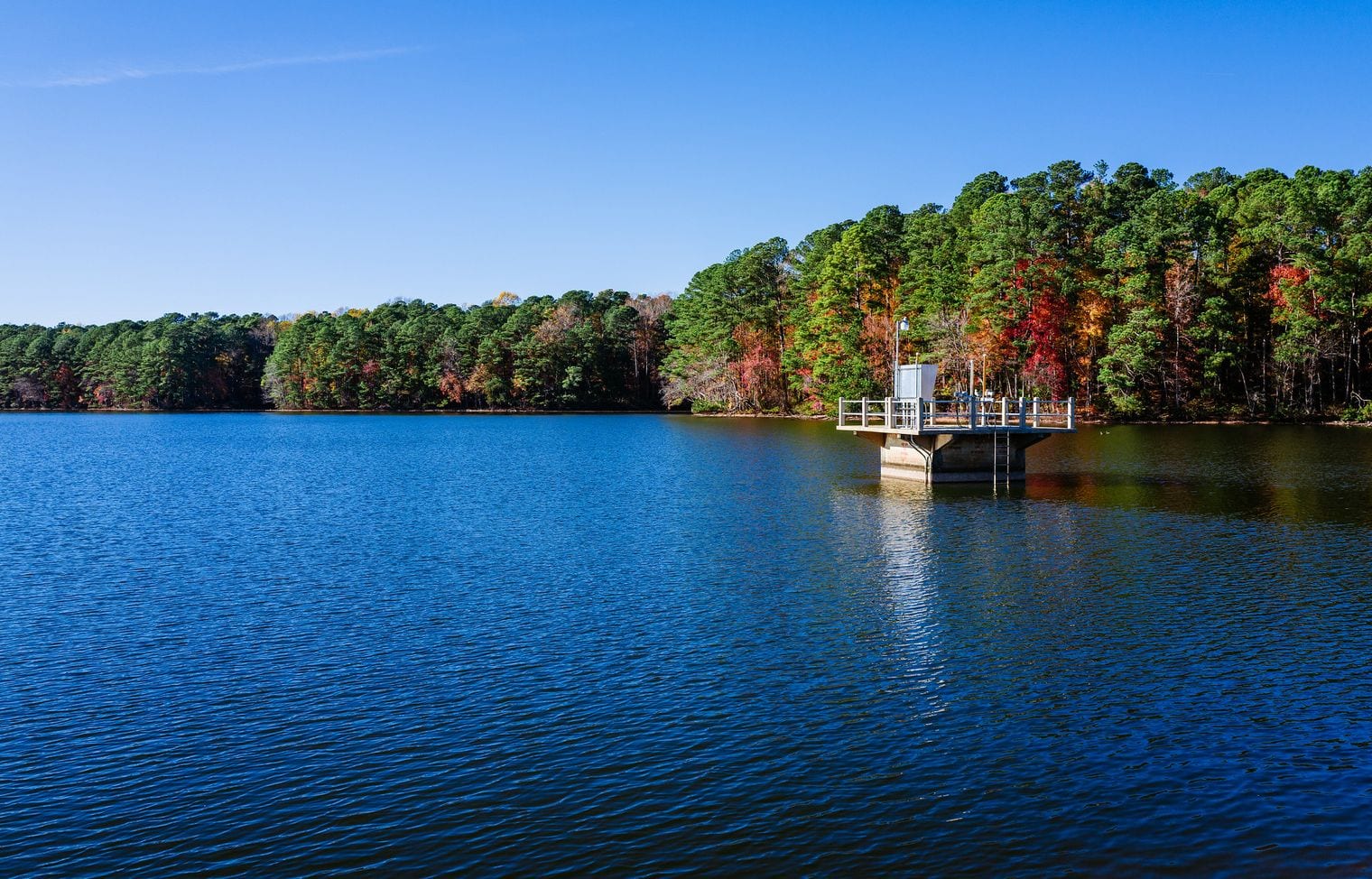
Shelley Lake Park in North Raleigh circles a 53-acre lake with a flat, paved two-mile greenway loop that suits strollers, joggers and an easy evening walk. Exercise stations dot the route, anglers cast from the banks, and the trail plugs into the wider Capital Area Greenway.
The loop starts beside the Sertoma Arts Center, a city arts center with studios and classes, so you can look in on local work before or after the walk. It is one of the most popular greenway loops in the city, so come early on weekends.
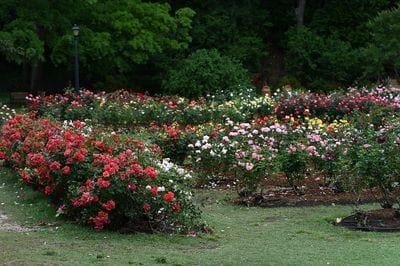
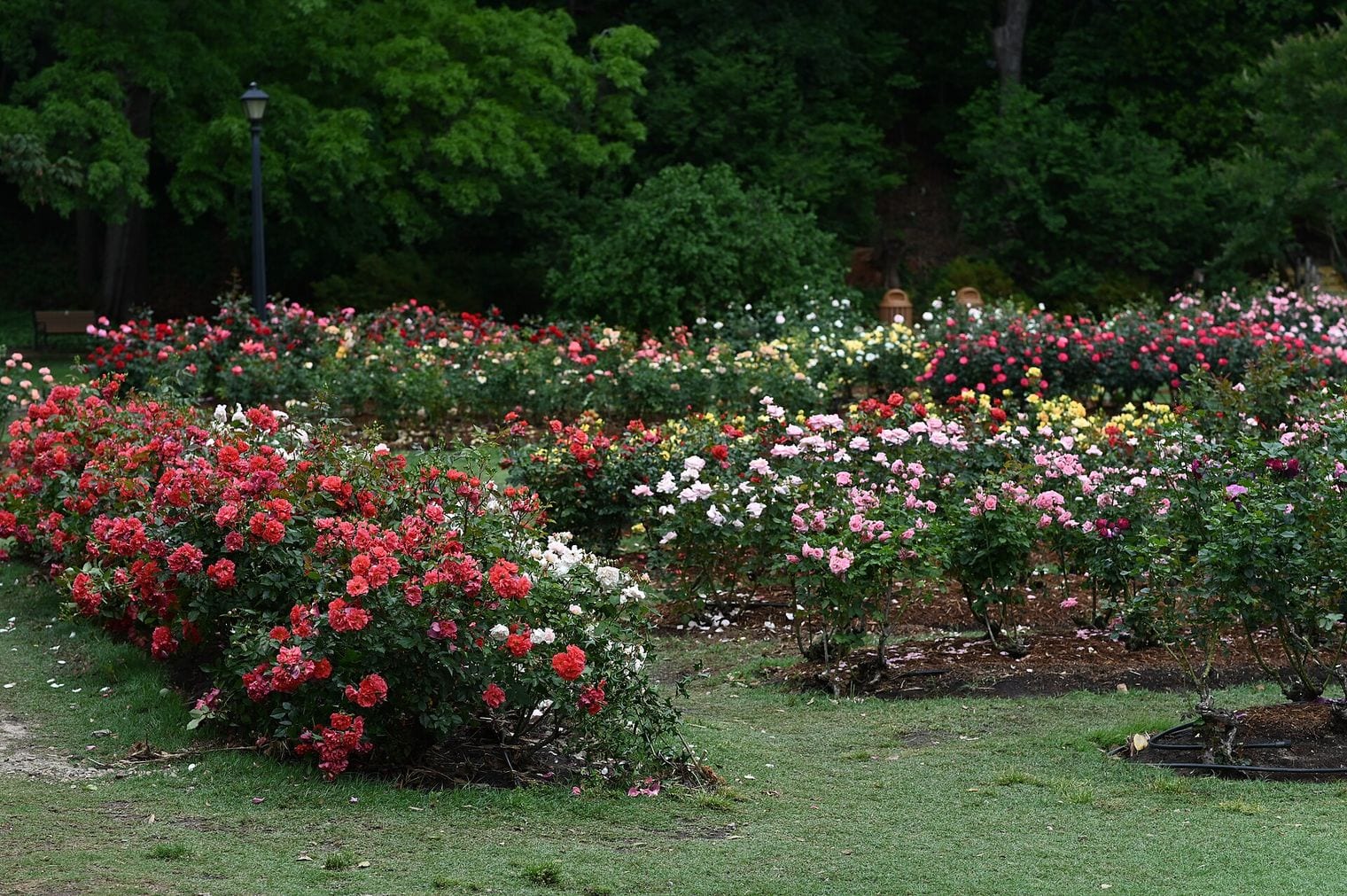
Laid out beside Raleigh Little Theatre, the Raleigh Rose Garden holds some 60 beds of hybrid teas, floribundas, grandifloras, miniatures and antique roses, framed by mature trees, and it is one of only three accredited rose gardens in North Carolina. It is free to wander and a favorite backdrop for wedding and graduation photos.
The roses are at their best from late spring into early summer, with more blooms into fall. Next door, the theater's outdoor amphitheater, built with the Works Progress Administration in the 1930s, makes a fine place to sit; check the Little Theatre's calendar for an outdoor show.
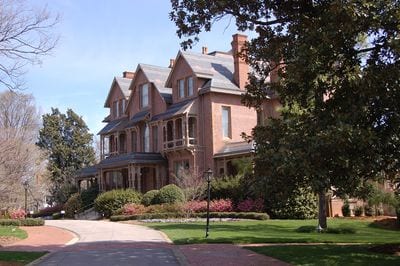
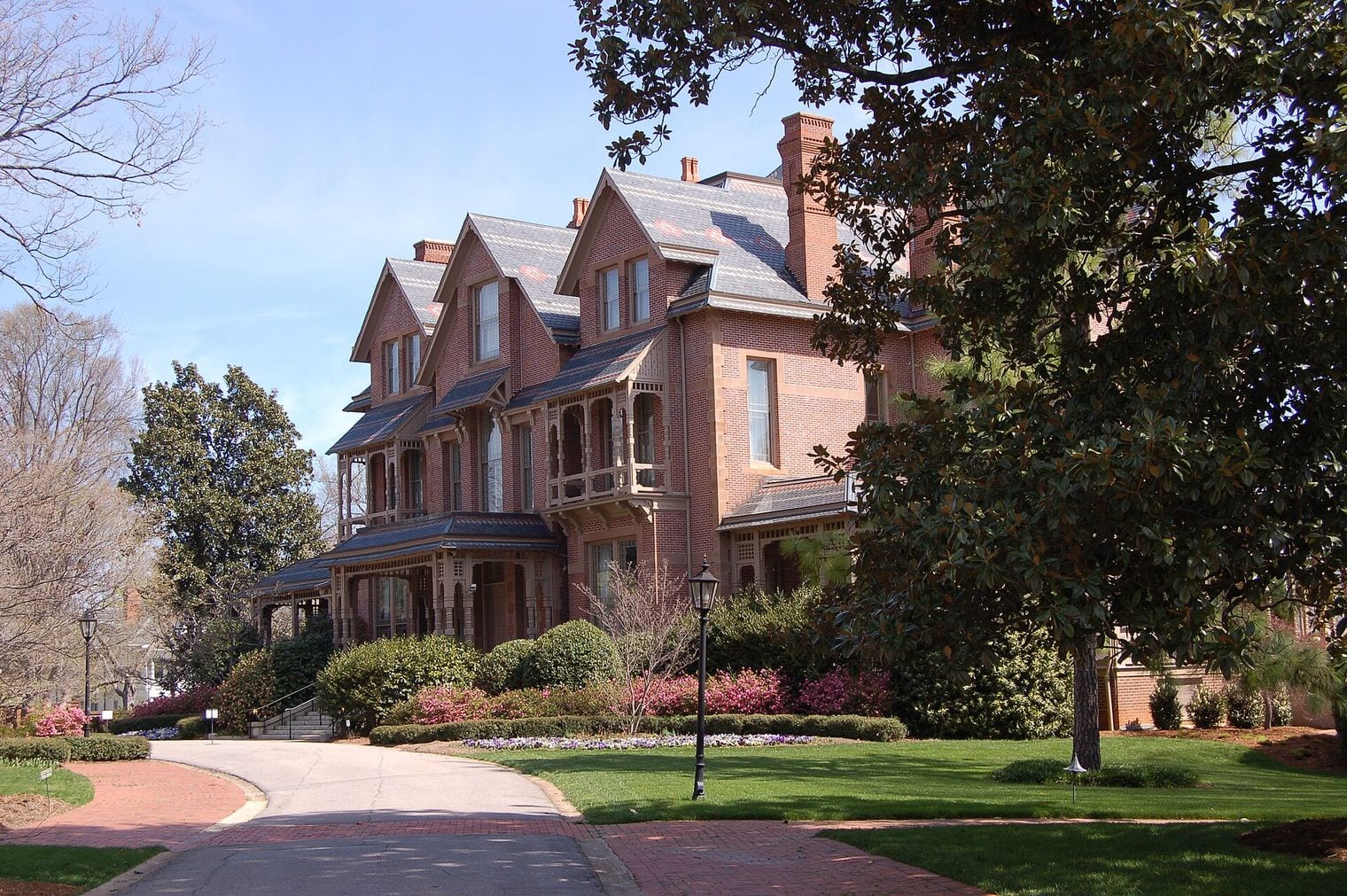
Completed in 1891, the North Carolina Executive Mansion is the official home of the governor and one of the state's finest examples of Queen Anne Victorian architecture, all gables, chimneys and ornate porches. It stands in the Blount Street Historic District, a few blocks from the Capitol among grand 19th-century homes.
Free house and garden tours run on scheduled dates and must be booked well in advance, so plan ahead if you want to see inside. Otherwise, admire the mansion from the street and walk Blount Street past its historic neighbors.
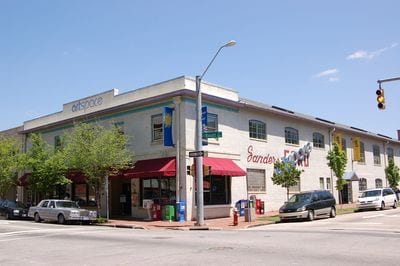
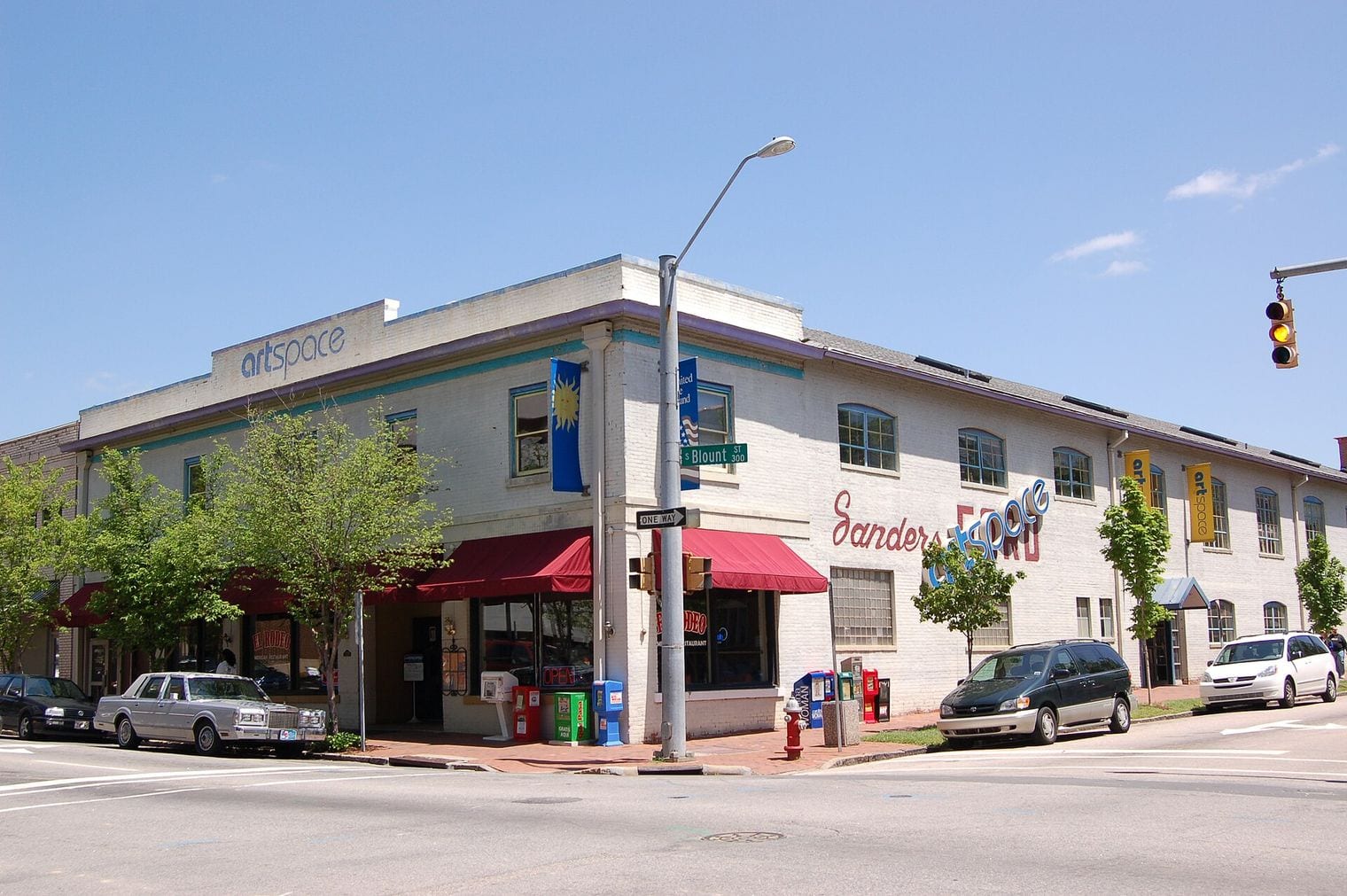
Artspace, a nonprofit visual arts center in a former livery and car dealership by City Market, lets you watch art being made: more than 30 artists keep working studios inside, and many open their doors to visitors. Three exhibition spaces show changing shows, and a shop sells work by artists.
It has been part of downtown's art scene since 1986 and is a natural stop on First Friday, when downtown galleries and studios open late. Admission is free, and its regular family art-making sessions make it an easy stop with kids.
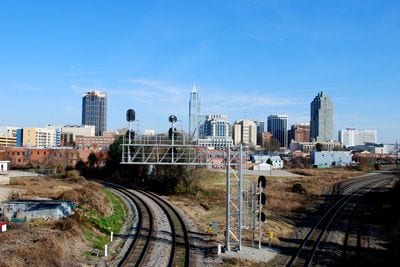
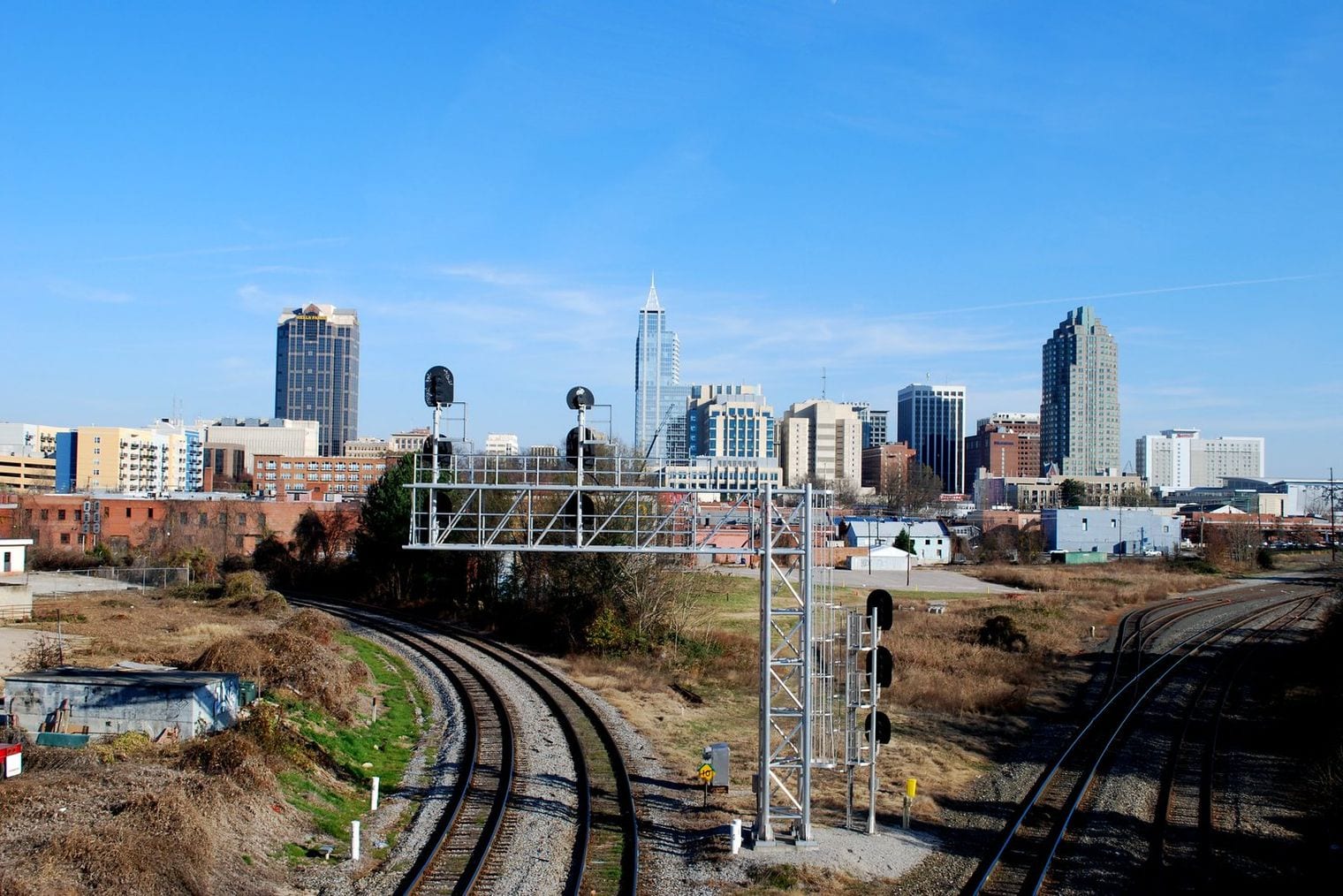
For the classic photo of downtown Raleigh, walk out onto the Boylan Bridge, which carries Boylan Avenue from the historic Boylan Heights neighborhood over the railroad toward the Warehouse District. From its walkway the skyline stacks up beyond the tracks and the rail yard.
There is no gate and nothing to buy, only a view; it is at its best at sunset and after dark, when the towers light up. Pair it with a wander through Boylan Heights' early 20th-century houses or the galleries and bars of the Warehouse District.
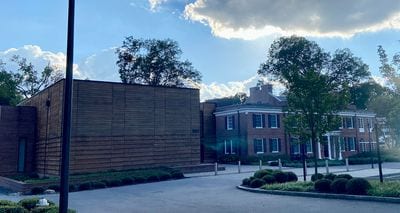
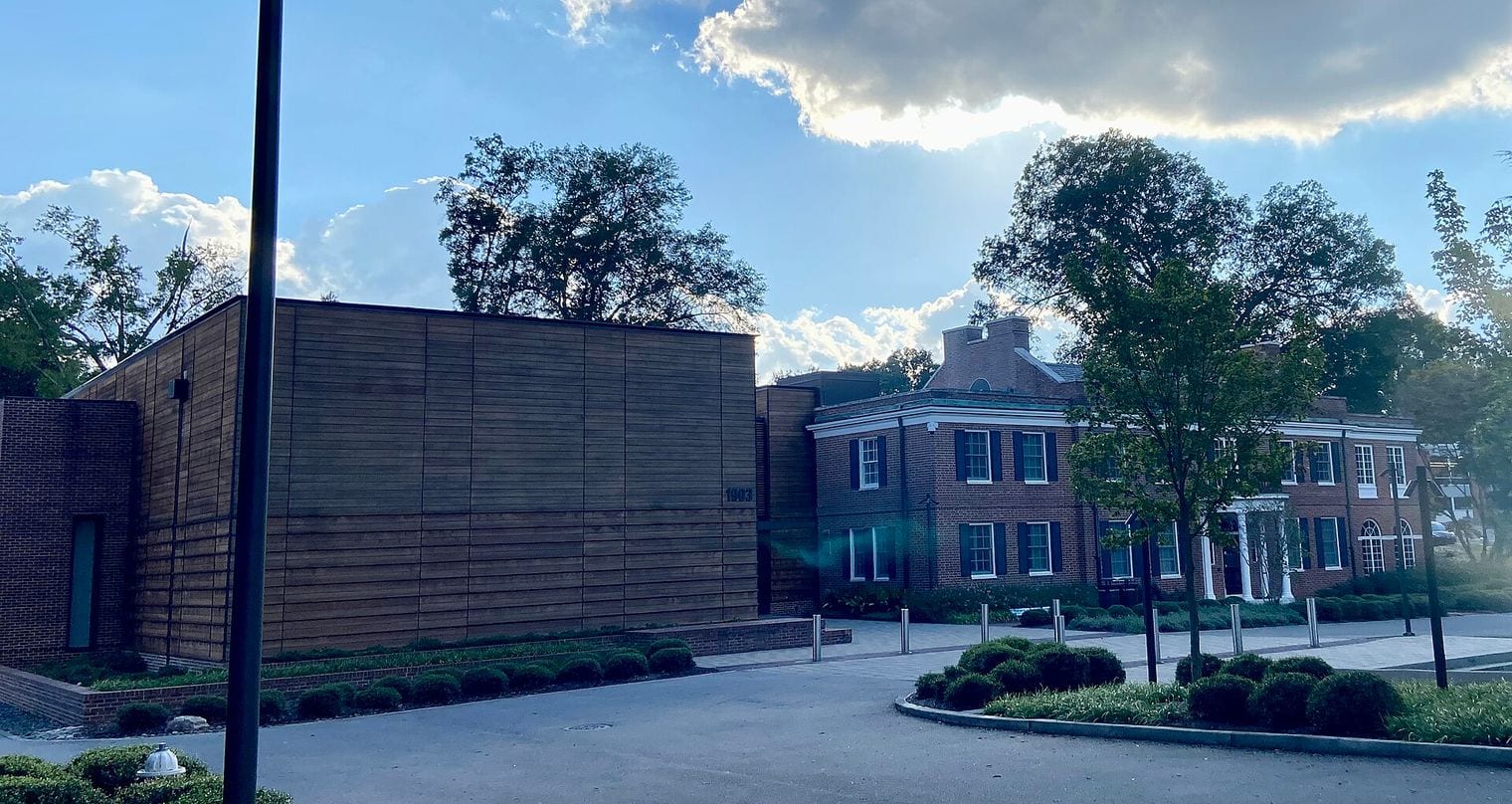
The Gregg Museum of Art & Design is NC State University's art museum, and it takes a wider view than most: its collection of more than 54,000 objects ranges across textiles and garments, ceramics, photography, modern furniture, architectural drawings and the largest collection of outsider art in North Carolina. The museum is free and sits on Hillsborough Street, in the university's Historic Chancellor's Residence, a 1928 house.
Exhibitions rotate through the year, so there is usually something new to see. Combine it with the Memorial Belltower and the JC Raulston Arboretum for an easy NC State afternoon.
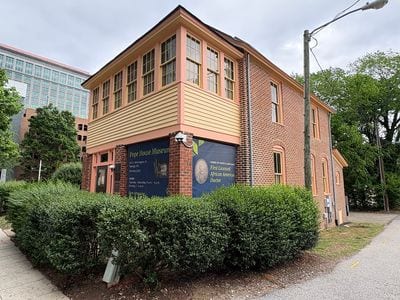
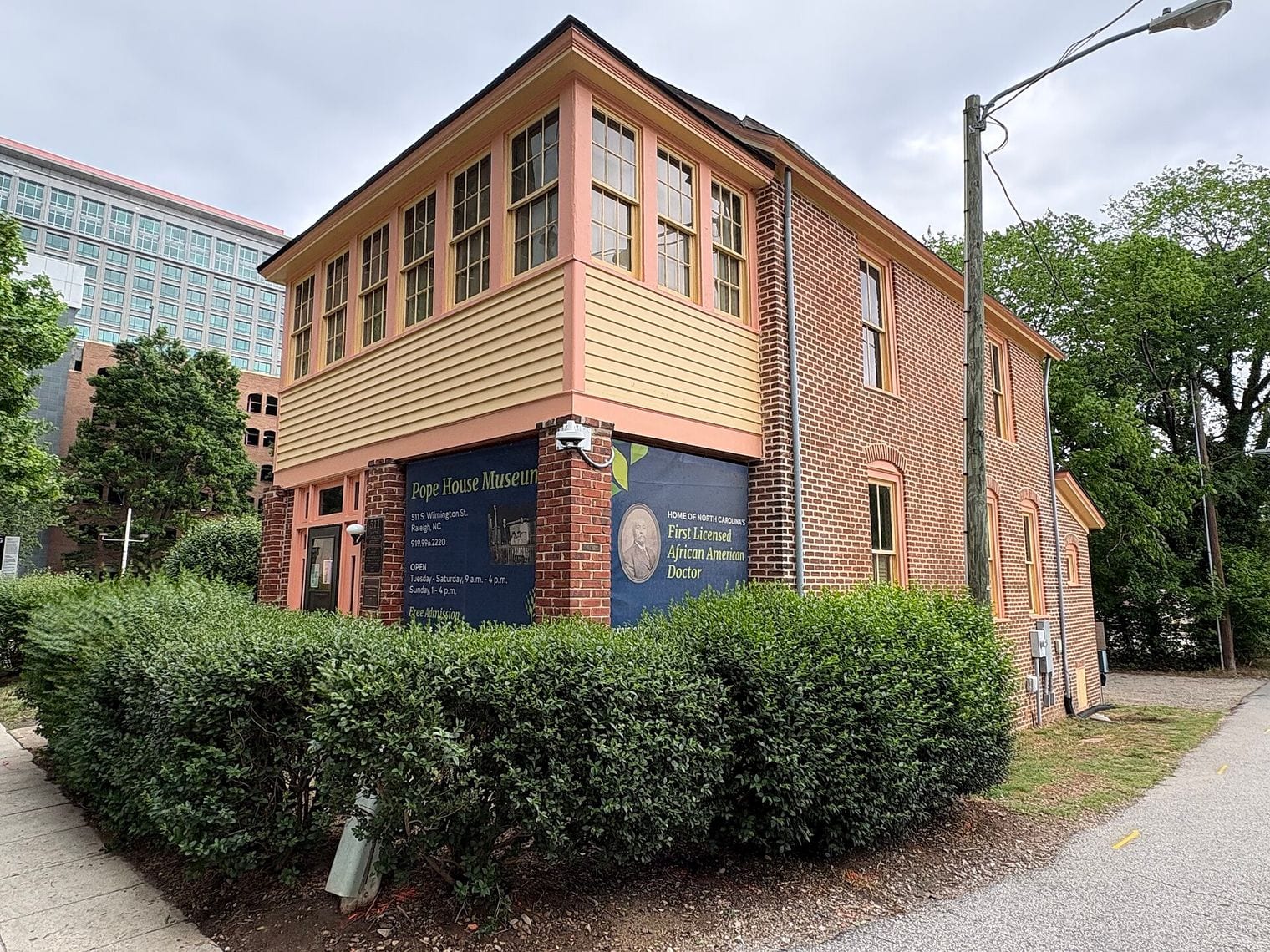
The Dr. M.T. Pope House Museum is the 1901 home of Dr. Manassa Thomas Pope, one of the first graduates of Shaw University's Leonard Medical School, an officer in the Spanish-American War and, in 1919, a candidate for mayor of Raleigh at the height of Jim Crow. The house stands on South Wilmington Street in what was the Third Ward, where Black professionals built their homes.
Guided tours lead through rooms that tell the family's story, drawing on a collection of more than 3,000 artifacts that includes his father's freedman papers and Dr. Pope's own doctor's bag. It is one of the most personal history stops in the city.
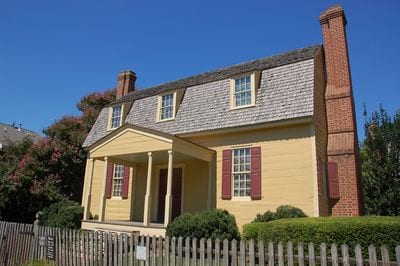
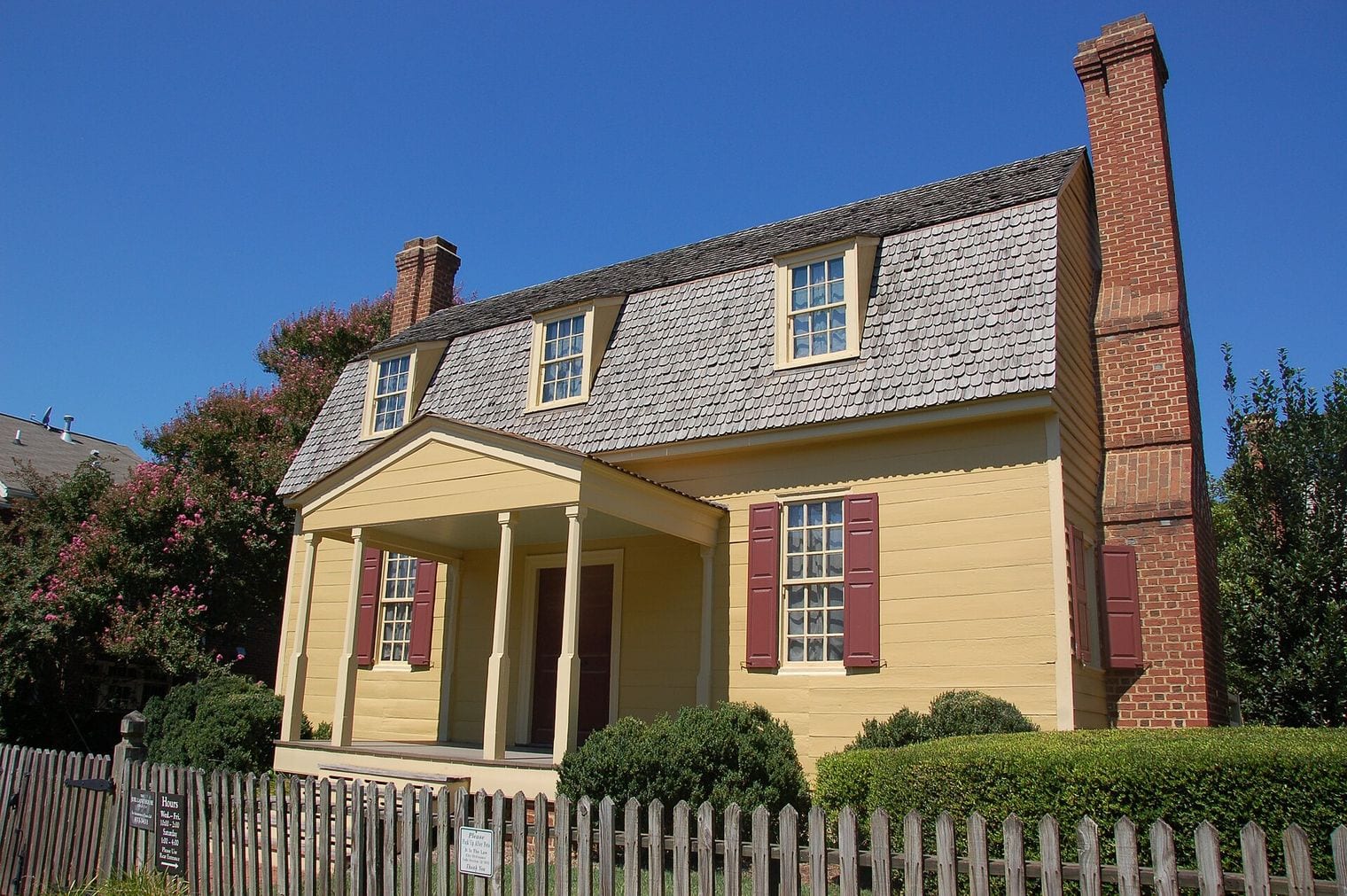
Built around 1769, the Joel Lane Museum House is considered the oldest dwelling in Wake County, and its owner is remembered as the Father of Raleigh: it was here, in 1792, that state commissioners settled on buying 1,000 acres of Lane's land for a new capital city. Free guided tours lead through rooms of 18th-century furnishings and artifacts.
The grounds add a period herb garden, a formal city garden and a second, smaller house from around 1790. Tours run on set days, so check the schedule before you go.
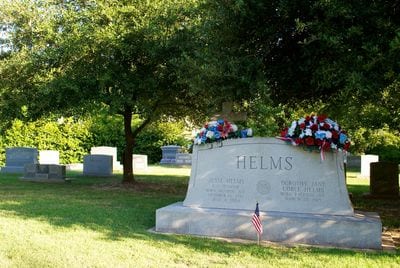
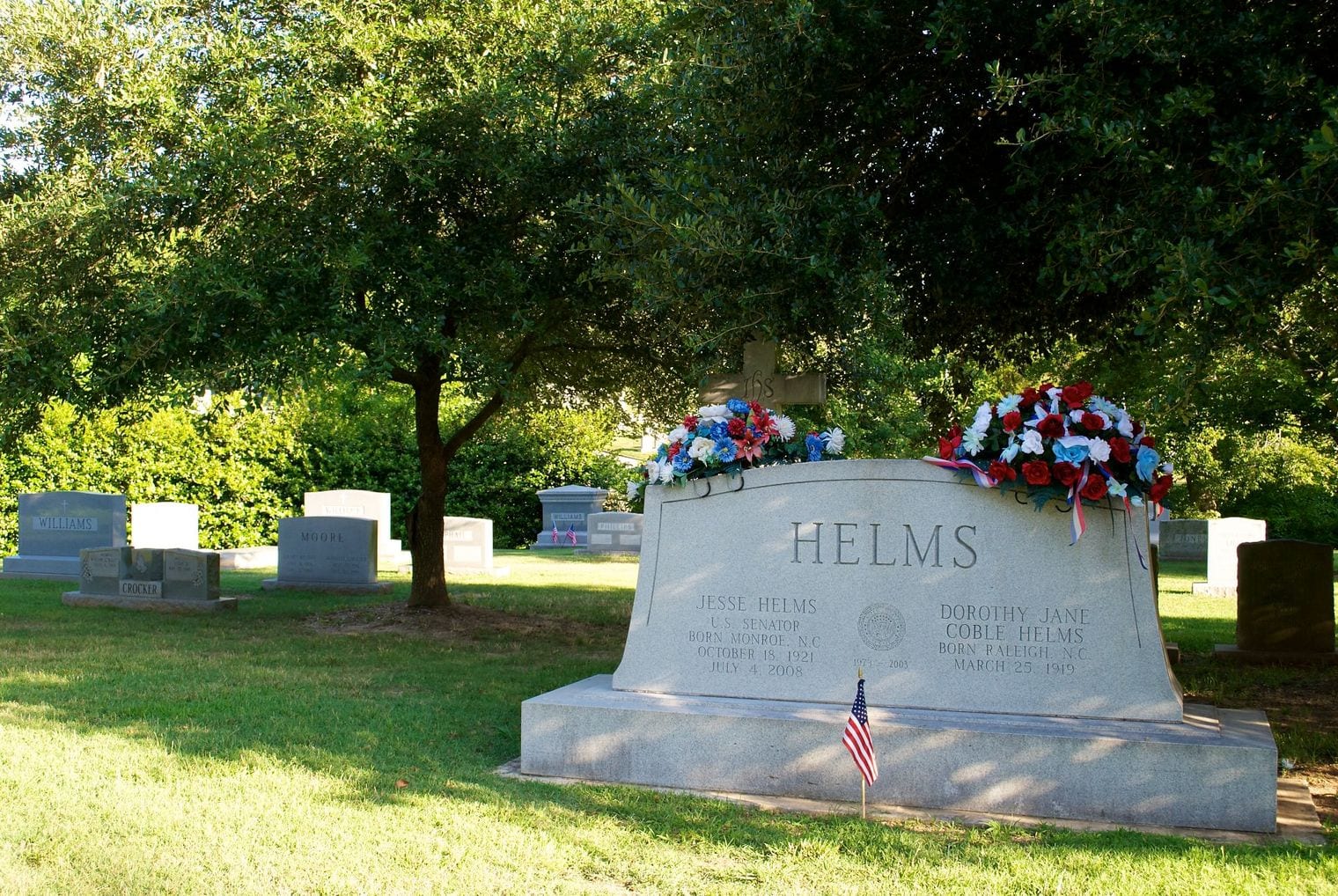
Founded in 1869 a short walk from the State Capitol, Historic Oakwood Cemetery spreads over 102 rolling, tree-shaded acres, with a Confederate section, a Hebrew cemetery and the graves of several North Carolina governors and U.S. senators, among them Jesse Helms. Its Victorian monuments and old trees make it one of the most atmospheric walks in the city.
Afterward, stroll the streets of the Historic Oakwood neighborhood next door, the largest intact 19th-century residential neighborhood in North Carolina, where Second Empire, Queen Anne and Italianate houses line the sidewalks. It is especially pretty in spring.
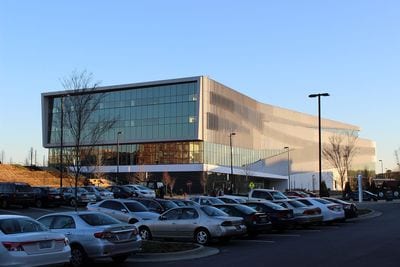
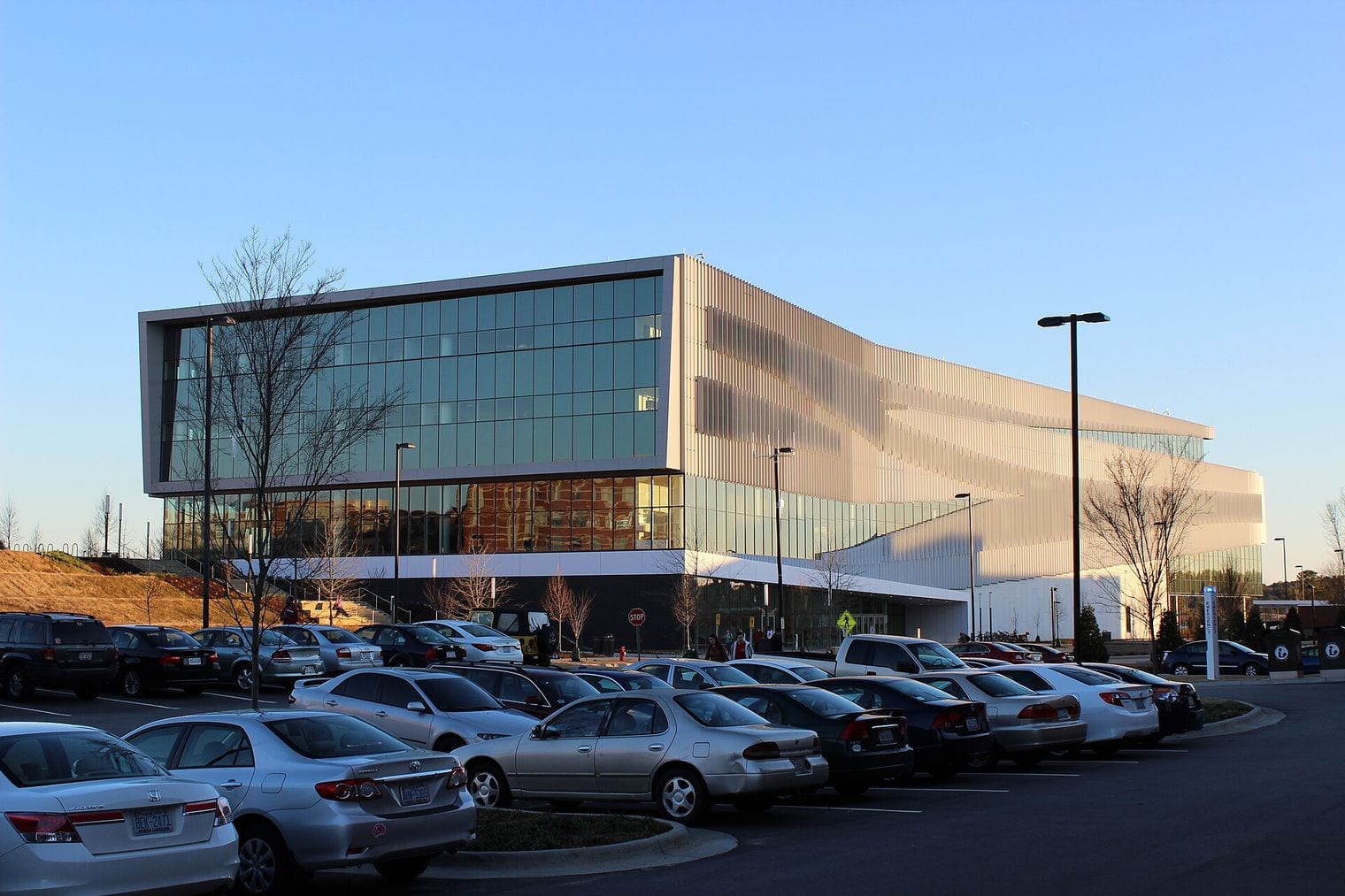
Even if you never borrow a book, the James B. Hunt Jr. Library on NC State's Centennial Campus is worth a look. Designed by the Norwegian firm Snøhetta and opened in 2013, it is known for its bold architecture and the bookBot, a robotic storage and retrieval system that holds much of the university's engineering and science collection.
Visitors can explore the striking public spaces and reading rooms, which make it a favorite with architecture fans and photographers. Remember it is a working university library, so keep voices down in the study areas.
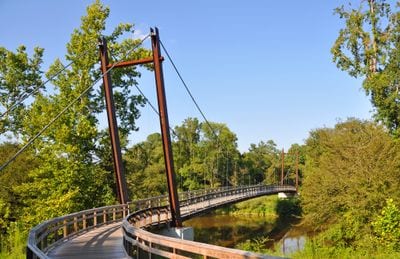
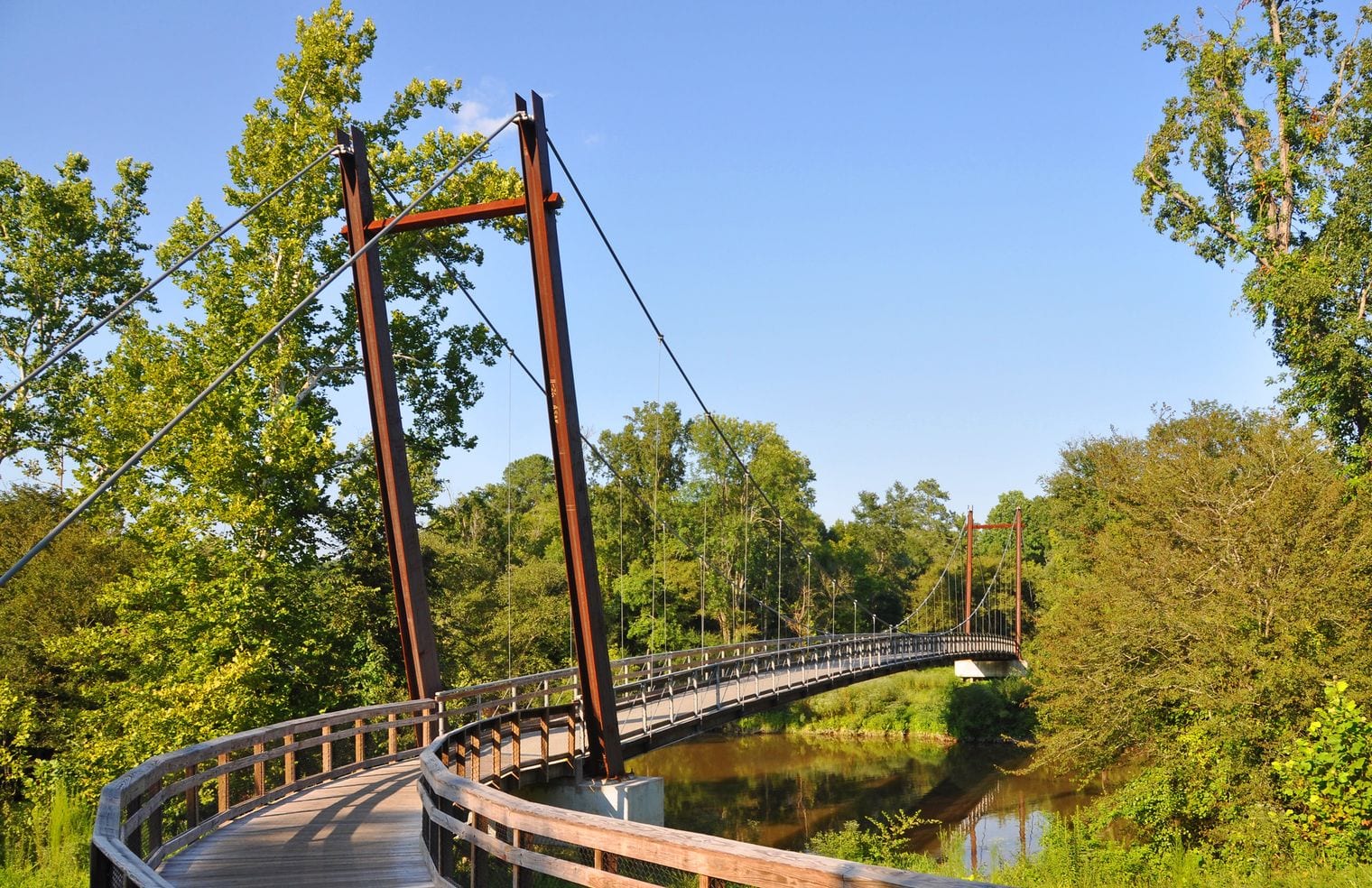
The Neuse River Trail is the longest greenway in North Carolina, a paved path of about 34 miles that follows the river from Falls Lake Dam in north Raleigh down to Clayton. It crosses wetlands on wooden bridges, spans the river on two suspension bridges, and forms part of both the Mountains-to-Sea Trail and the East Coast Greenway.
Cyclists ride long stretches end to end, while walkers pick a trailhead and do an out-and-back. Sections close for construction from time to time, so check the city's trail alerts before you set out.
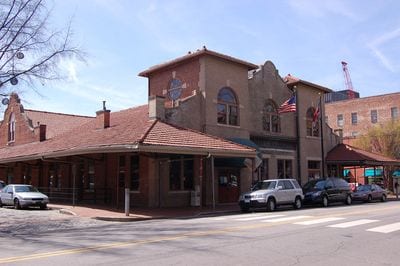
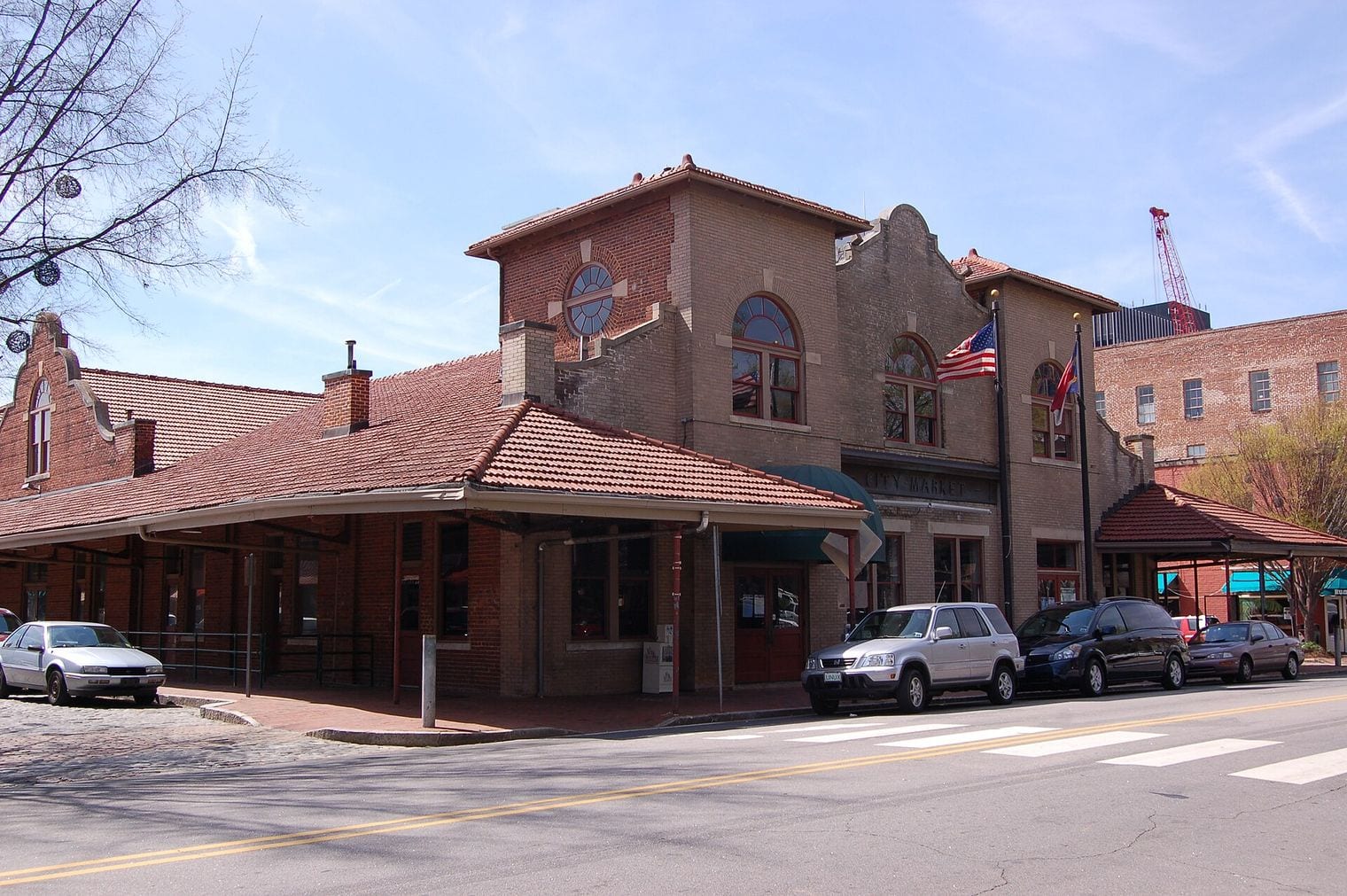
Raleigh City Market opened in 1914 on the east side of Moore Square as the city's public market, and its cobblestone block of low brick buildings now holds small shops, galleries and places to eat and drink. The cobbled street and old storefronts give this corner a different feel from the towers a few blocks west.
Come for First Friday, the monthly evening when the market and downtown galleries host art and music, or pair a browse with Artspace and Moore Square next door.
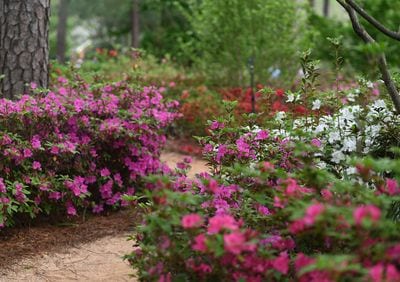
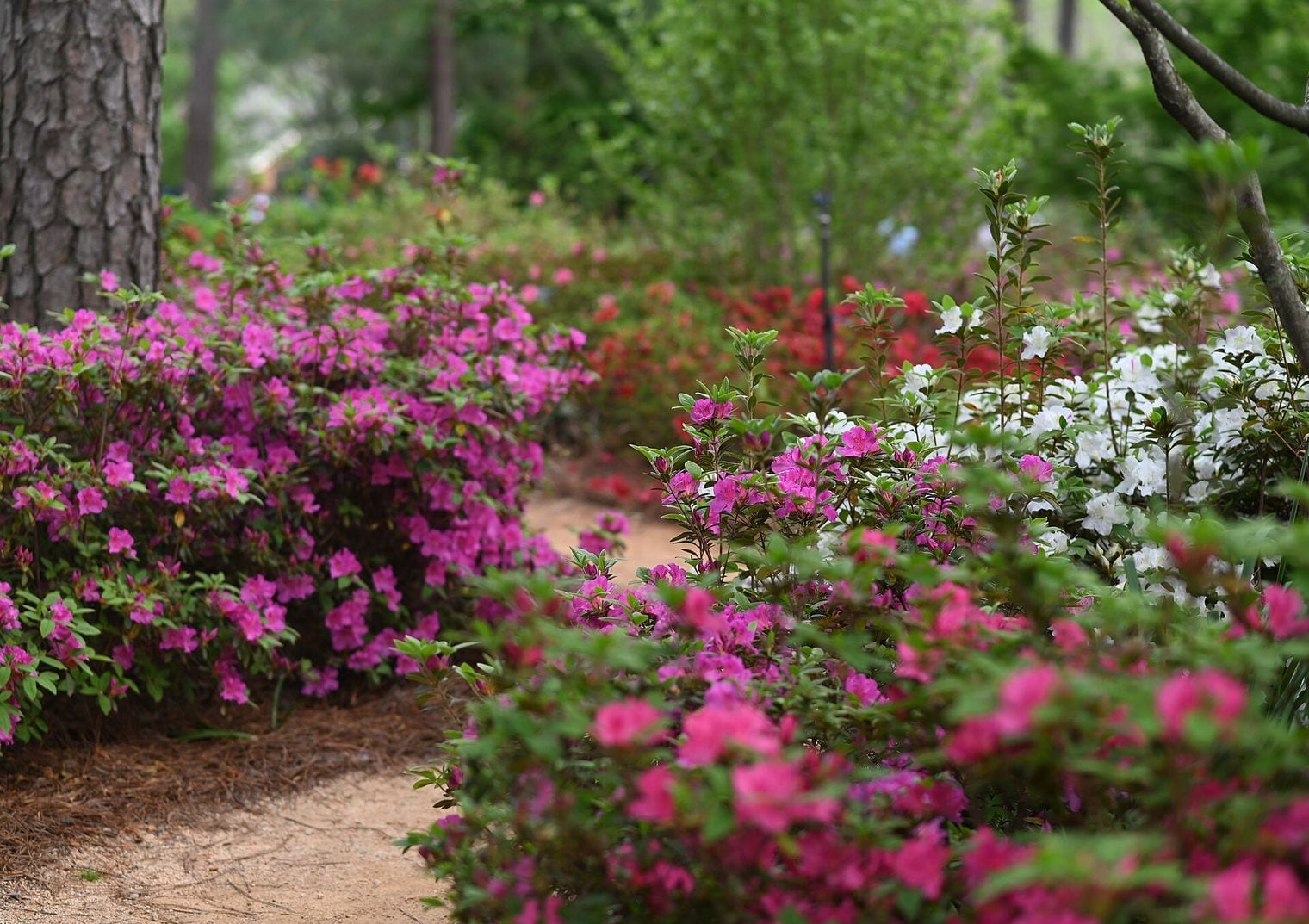
On the grounds of the WRAL-TV studios, the WRAL Azalea Gardens opened to the public in 1959, when broadcaster A.J. Fletcher planted a thousand azaleas as, in his words, a tribute to "beauty for beauty's sake." The gardens are free, open year-round, and an expansion has added a bridge and more room to roam.
Come in April, when the azaleas peak in drifts of pink, red and white; the rest of the year it is still a pretty, quiet spot for a short stroll and a favorite backdrop for prom and wedding photos.
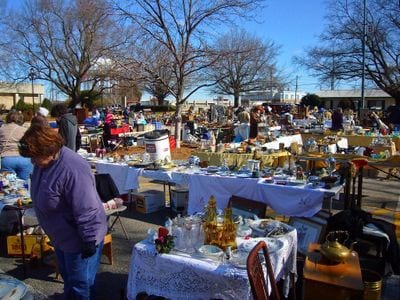
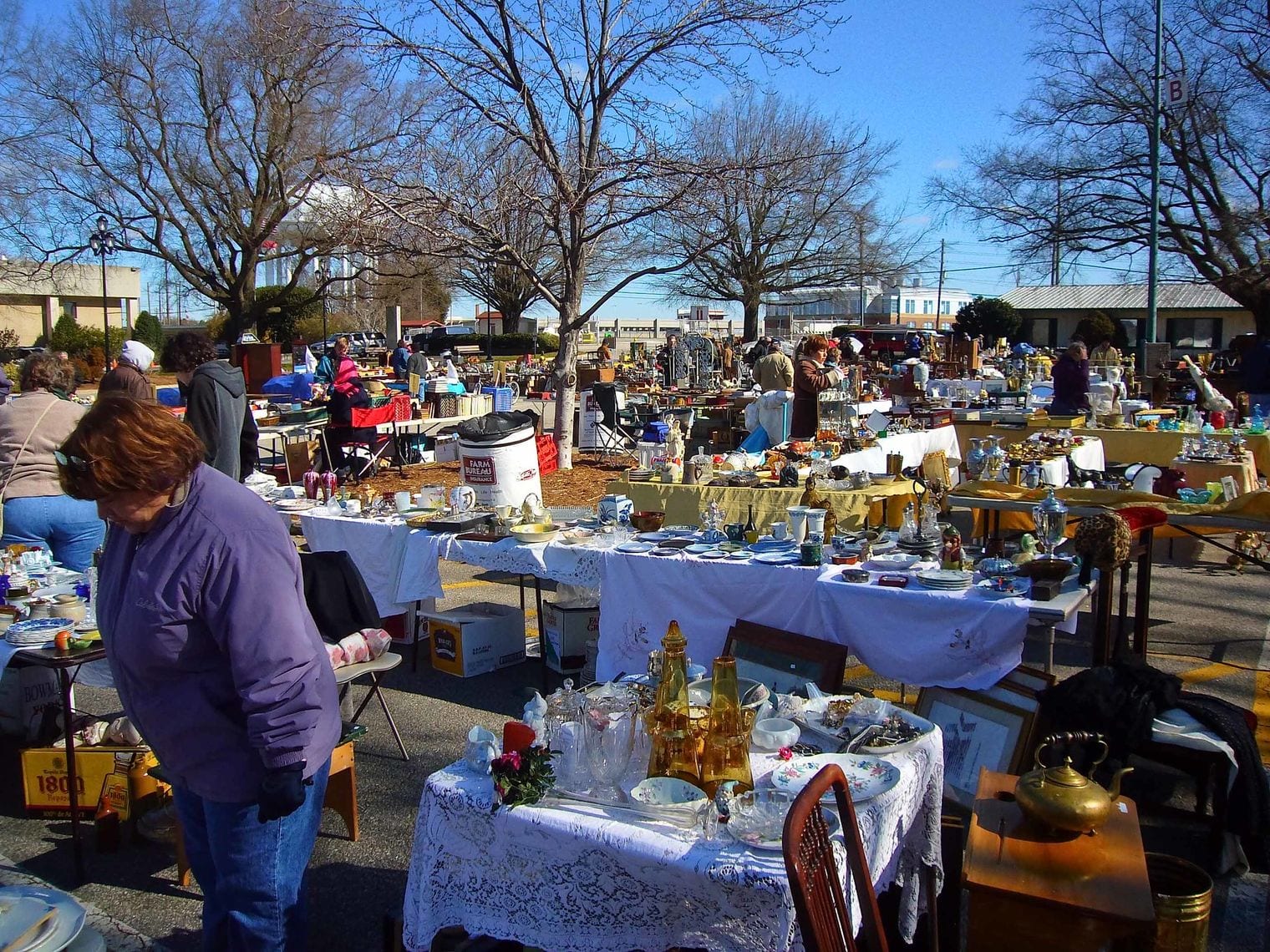
Every weekend except in October, when the State Fair takes over the grounds, The Raleigh Market fills buildings at the North Carolina State Fairgrounds with hundreds of vendors. It began in 1971 with a handful of tables and has grown into one of the region's best-known flea markets, selling antiques, collectibles, furniture, crafts, clothing, jewelry and plenty of oddities.
Arrive early for the best finds and bring cash for the smaller sellers. Note that it is a different place from the State Farmers Market across town, which sells produce every day.
Plan your trip
Best Time to Visit Raleigh
Spring is Raleigh at its best: dogwoods and azaleas bloom across the city, the WRAL Azalea Gardens peak in April, and the greenways and lakes are comfortable for long walks. Fall is the other sweet spot, with mild days, turning leaves in Umstead State Park and the North Carolina State Fair at the fairgrounds every October, when the weekend flea market closes.
Summers are hot and humid, so plan outdoor sights for the morning and save afternoons for the free, air-conditioned state museums; July brings the sunflower field at Dorothea Dix Park. Winters are short and generally mild, with the occasional ice storm or light snow, and downtown sees in the new year by lowering its giant copper acorn.
Getting to Raleigh
Raleigh-Durham International Airport (RDU) sits about 15 miles northwest of downtown, roughly a 20- to 25-minute drive via I-40, and serves the whole Research Triangle; Charlotte's much larger hub is close to three hours' drive to the southwest. By road, Raleigh sits on I-40 between the mountains and the coast, with I-95 passing about 30 miles to the east and I-85 reached to the north via Durham.
Amtrak trains stop at Raleigh Union Station on the edge of the Warehouse District, with service north toward Washington, D.C., and New York and west toward Greensboro and Charlotte. Intercity buses also serve the city.
Getting Around Raleigh
Downtown is compact and walkable: the State Capitol, the state museums, Moore Square, City Market and Fayetteville Street sit within a few blocks of one another, and the Warehouse District and Glenwood South are an easy stroll away. Beyond the center, Raleigh spreads out, and a car is the simplest way to reach the Museum of Art, Umstead State Park, the lakes and North Hills.
City buses cover the main corridors and rideshare is easy to find, while the Capital Area Greenway lets cyclists and walkers link many of the parks on this list away from traffic. Downtown has plenty of public parking decks, usually easier than hunting for a street space.
Where to Stay in Raleigh
Downtown is the most convenient base for a first visit, with the Capitol, the state museums and Moore Square on foot. Glenwood South, just northwest, suits travelers who want bars and late dining outside the door, and the Warehouse District sits beside Union Station. North Hills, in Midtown, is a polished, walkable alternative with quick access to the I-440 Beltline.
For a quieter or lower-cost stay, look along Hillsborough Street near NC State, close to Pullen Park and the Belltower, or near the airport and I-40 if you plan to explore Umstead State Park and the wider Triangle. Five Points and the historic neighborhoods have few places to stay but are lovely to walk.
Where to Eat in Raleigh
Raleigh sits in eastern North Carolina barbecue country, where whole-hog pork is chopped and dressed with a peppery vinegar sauce and served with slaw and hushpuppies. Downtown, the Warehouse District, Glenwood South and the blocks around City Market and Moore Square hold the densest mix of restaurants, from Southern cooking to a wide range of international kitchens, and downtown's food halls are an easy way to sample several in one stop.
For a casual meal close to the farms, head to the State Farmers Market, which has its own on-site eateries alongside the produce sheds. North Hills and Five Points round out the options away from the center.
Day Trips from Raleigh
The university towns of Durham and Chapel Hill are about half an hour and 40 minutes west, with leafy campuses, museums and lively main streets, and together with Raleigh they make up the Research Triangle. For water, Falls Lake stretches across the north of Wake County and Jordan Lake lies about 40 minutes to the southwest, both with swimming beaches, boat ramps and trails in state recreation areas.
For a longer day out, Fayetteville is about an hour south and Greensboro about an hour and a quarter west, while Wilmington and the beaches are roughly two hours southeast. For quieter detours, the small towns of the Piedmont and the coastal plain, many with historic main streets, are within an easy drive of the capital.
Raleigh is best known as North Carolina's capital and the City of Oaks, and for its free state museums. Its signature sights are the North Carolina Museum of Natural Sciences, the North Carolina Museum of Art and its park, Pullen Park, the State Farmers Market and Marbles Kids Museum, linked by a large greenway network.
How many days do you need in Raleigh?
Two full days cover the highlights: one downtown for the State Capitol, the Museum of Natural Sciences, Moore Square and City Market, and one west of the center for the Museum of Art, Pullen Park and Dorothea Dix Park. Add a third day for Umstead State Park, the lakes or a day trip to Durham or Chapel Hill.
Is Raleigh worth visiting?
Yes, especially for families, museum lovers and anyone who enjoys walkable green space. The major state museums are free, the parks, greenways and historic houses fill the gaps between them, and the city makes a convenient base for exploring Durham, Chapel Hill and the rest of the Research Triangle on the same trip.
What can you do in Raleigh for free?
Plenty. The Museum of Natural Sciences, the Museum of Art's permanent collection and park, the State Capitol, the City of Raleigh Museum, the Gregg Museum and the JC Raulston Arboretum are all free, as are Dorothea Dix Park, Pullen Park's grounds, the WRAL Azalea Gardens and the greenway trails around Lake Johnson and Shelley Lake.
When is the best time to visit Raleigh?
Spring and fall are best. April brings the azaleas and dogwoods and comfortable weather for the greenways, while October has mild days and the North Carolina State Fair. Summers are hot and humid, so plan outdoor sights for the morning and spend afternoons in the free museums.
Sources & updates
How this guide was checked
Checked before launch
Sources cited
29
Publishers
20
Every place on this list was confirmed open and pinned on the map before publication, and what we say about each one was checked against its own website or an official source.
A PDF with a box to tick for every place. Confirm your email to download it, and get one email every Thursday with our newest guides for the places you tick.
Free Raleigh printable checklist
All 30 places in one PDF
Tick them off as you go. Confirm your email to download it, plus one email every Thursday with new guides for the places you tick.
We use cookies to analyse site traffic and improve your experience.
You can accept or reject analytics cookies. See our
May we use analytics cookies? See ourCookie Policy.