We build and rank every list first. Booking links come after, and only where
a partner sells a ticket, tour or stay for that exact place, so a place with
nothing to book is listed exactly as prominently as one you can book.
So how do we earn? Some links on this page go to booking
partners, and if you book tickets, tours or a stay through
one, we may earn a commission. It costs you nothing extra.
That commission never decides which places make the list, the order they
appear in, or what we write about them. No entry is sponsored or a paid
placement.
By the City Viking editorial teamPublished 35 places · 23 min read
Fact-checked Checked before launchOct 23, 202635 sources25 publishers1 government & parks1 tourism board10 encyclopedias & research23 venues & other sitesPublished · Oct 23, 2026Researched and checked before it went liveClick for every source and the full change log.
Short answer
Cincinnati, the Queen City, is known for its German-built brick streets above the Ohio River, its chili and baseball's first all-professional team. Start with the Cincinnati Zoo & Botanical Garden, the Art Deco Cincinnati Museum Center at Union Terminal and Findlay Market in Over-the-Rhine, then catch a Reds game at Great American Ball Park. Plan two to three days to see the core sights, adding Eden Park, the Cincinnati Art Museum and the riverfront parks.
Cincinnati climbs from a broad bend of the Ohio River up a ring of steep hills, with Kentucky close enough to reach on foot across a 19th-century suspension bridge. Its brick German-built streets, Art Deco train station and riverfront ballparks make it the liveliest city break in southwest Ohio.
This guide ranks 35 things to do, from the zoo and Findlay Market to hilltop parks, historic houses and the bridges of the riverfront. Plan two or three days for the core sights, and add a day if you want to pair the city with Dayton or the rides at Kings Island.
The city began in 1788 as Losantiville and was soon renamed for the Society of the Cincinnati, an association of Continental Army officers from the Revolutionary War.
The 1869 Cincinnati Red Stockings were baseball's first all-professional team, with ten salaried players, and they went through that first season unbeaten.
Cincinnati created the first fully paid, professional fire department in the United States in 1853, and its first chief, Miles Greenwood, co-invented an early steam fire engine.
Cincinnati chili was born in 1922, when immigrant brothers Tom and John Kiradjieff began serving a spiced meat sauce at their Empress stand; order it over spaghetti with cheese as a "three-way".
Pork packing was once so big here that the city earned the nickname "Porkopolis", long before "the Queen City" stuck.
Martha, the last passenger pigeon, died at the Cincinnati Zoo in 1914, and the species went extinct with her.
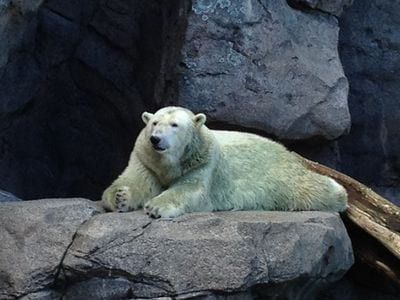
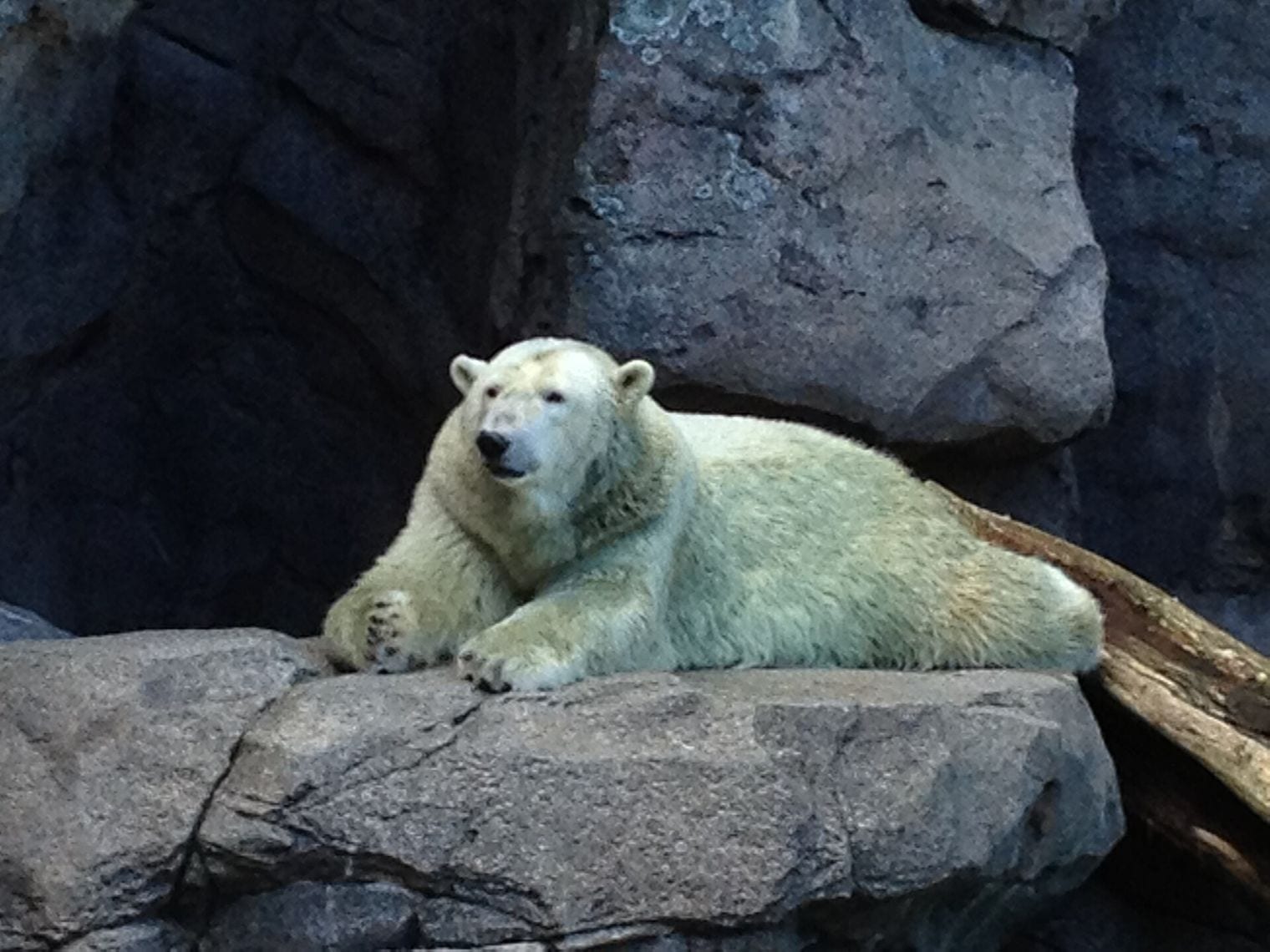
Opened in 1875, the Cincinnati Zoo & Botanical Garden is the second-oldest zoo in the United States, and several of its early buildings, including the Reptile House and the Elephant House, are protected as a National Historic Landmark. The grounds double as a botanical garden, so the walks between habitats are planted as carefully as the exhibits.
Beyond the big cats, manatees and a gorilla troop with a long breeding record, the zoo carries a poignant piece of history: Martha, the last passenger pigeon, lived here, and the Passenger Pigeon Memorial tells her story. In winter the paths glow during the zoo's long-running Festival of Lights.
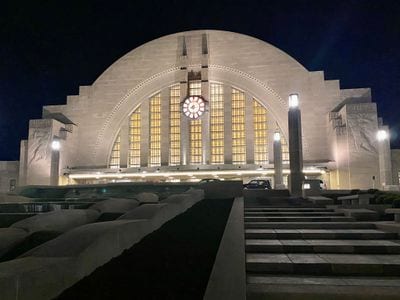
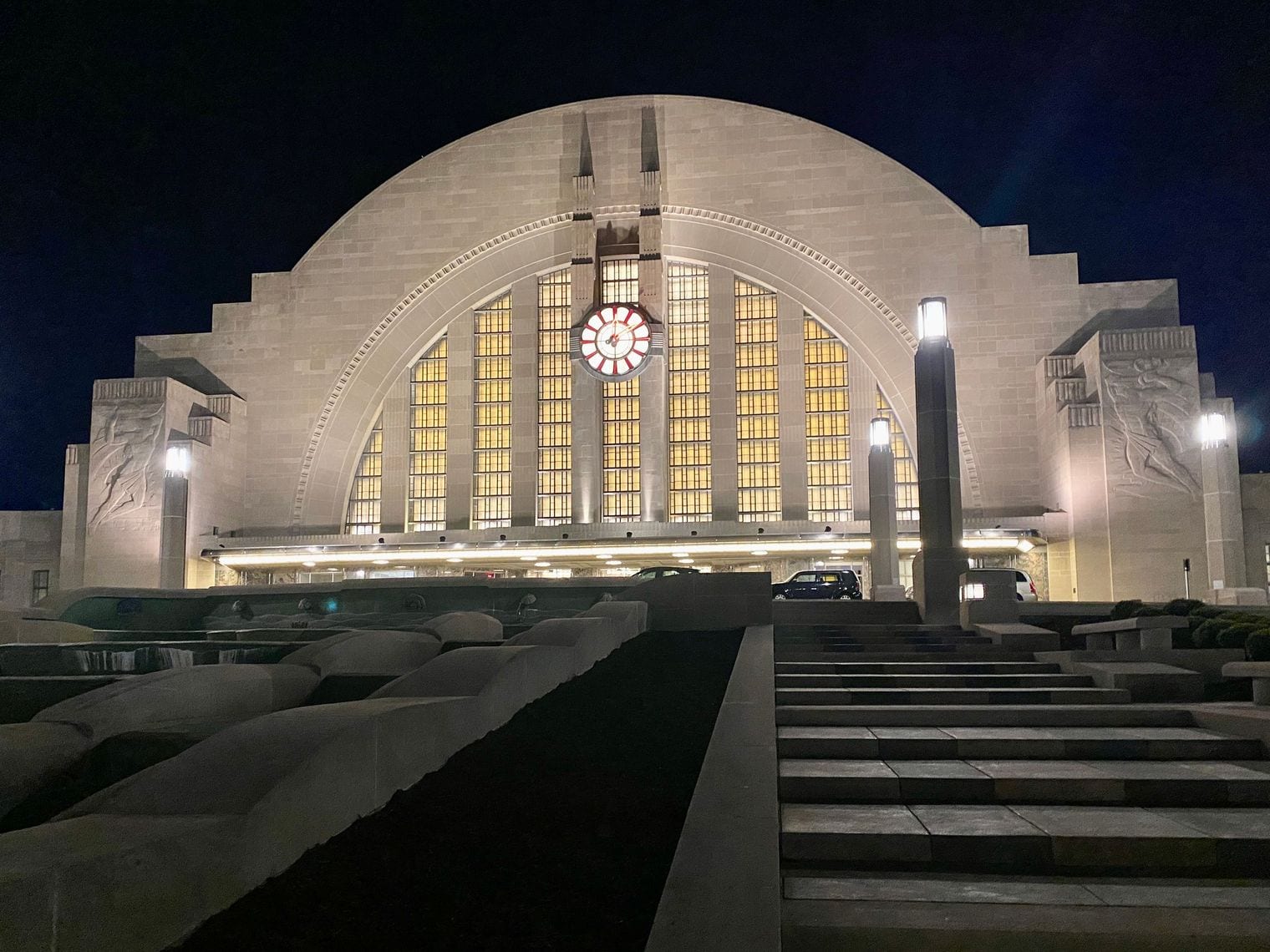
Union Terminal opened in 1933 as a monumental Art Deco railroad station, and its half-domed rotunda, wrapped in Winold Reiss's giant mosaic murals, still stops visitors in their tracks. Today the building is home to the Cincinnati Museum Center, which gathers several museums under one roof.
Inside are the Cincinnati History Museum, the Museum of Natural History & Science, the Duke Energy Children's Museum, an Omnimax theater and the Holocaust & Humanity Center, so families can easily spend most of a day here. Amtrak trains still call at the station, which keeps a little of its original purpose alive.
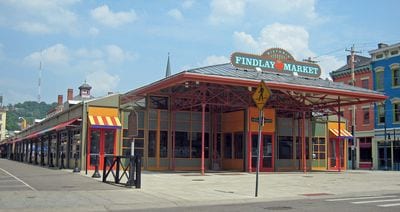
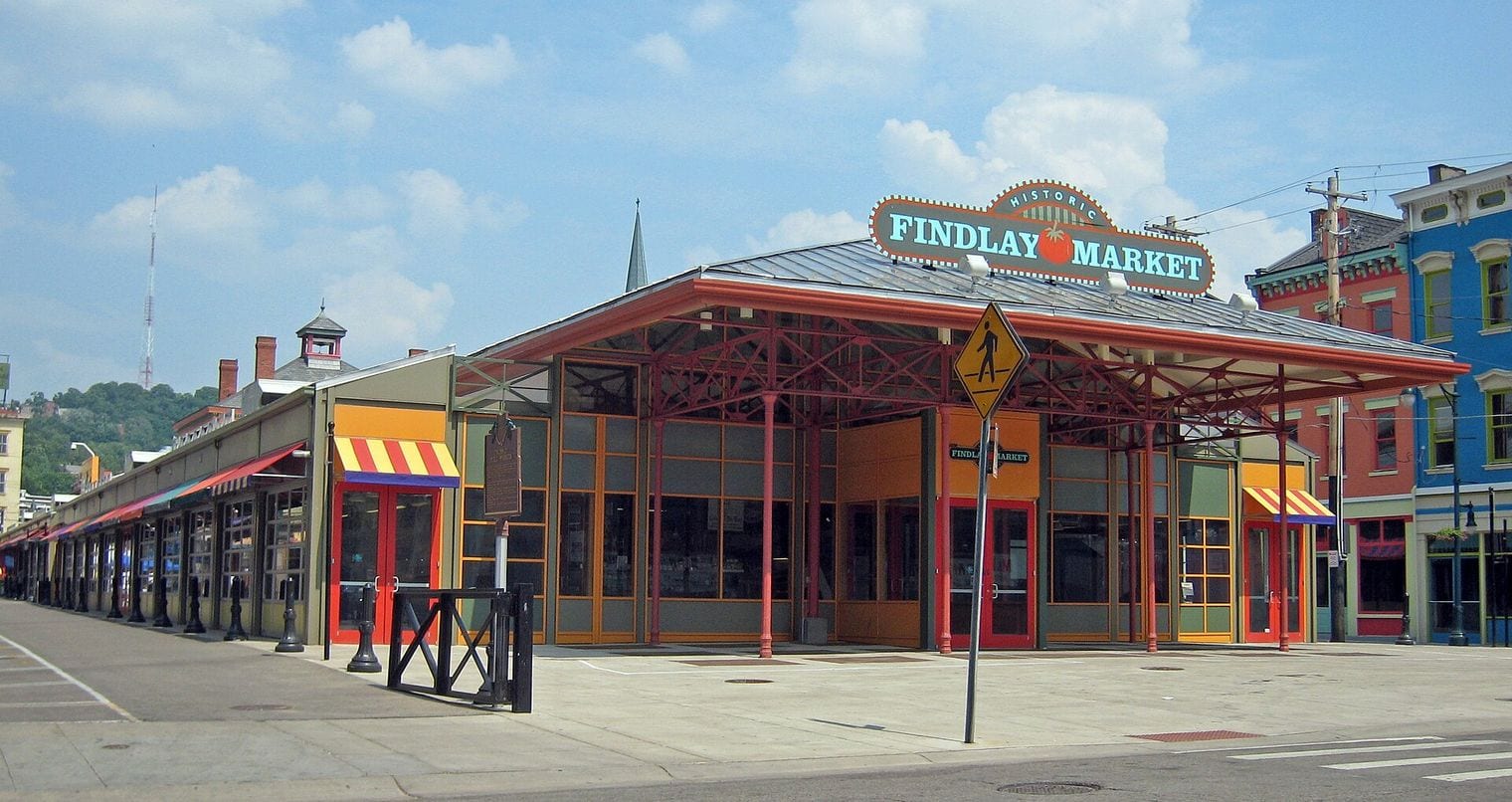
Founded in 1852, Findlay Market is Ohio's oldest continuously operated public market, a historic market house on the northern edge of Over-the-Rhine ringed by butchers, bakers, spice sellers and produce stalls. Weekend mornings bring farmers and makers to the outdoor sheds and a buzz that spills into the surrounding streets.
It is the easiest place to taste the city: pick up goetta, the oat-and-pork breakfast sausage Cincinnatians swear by, along with local cheeses and pastries, then eat at the tables around the market's edges. Craft breweries and cafés sit within a short walk.
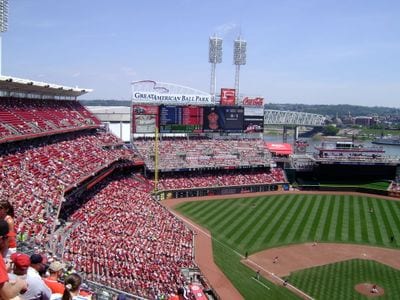
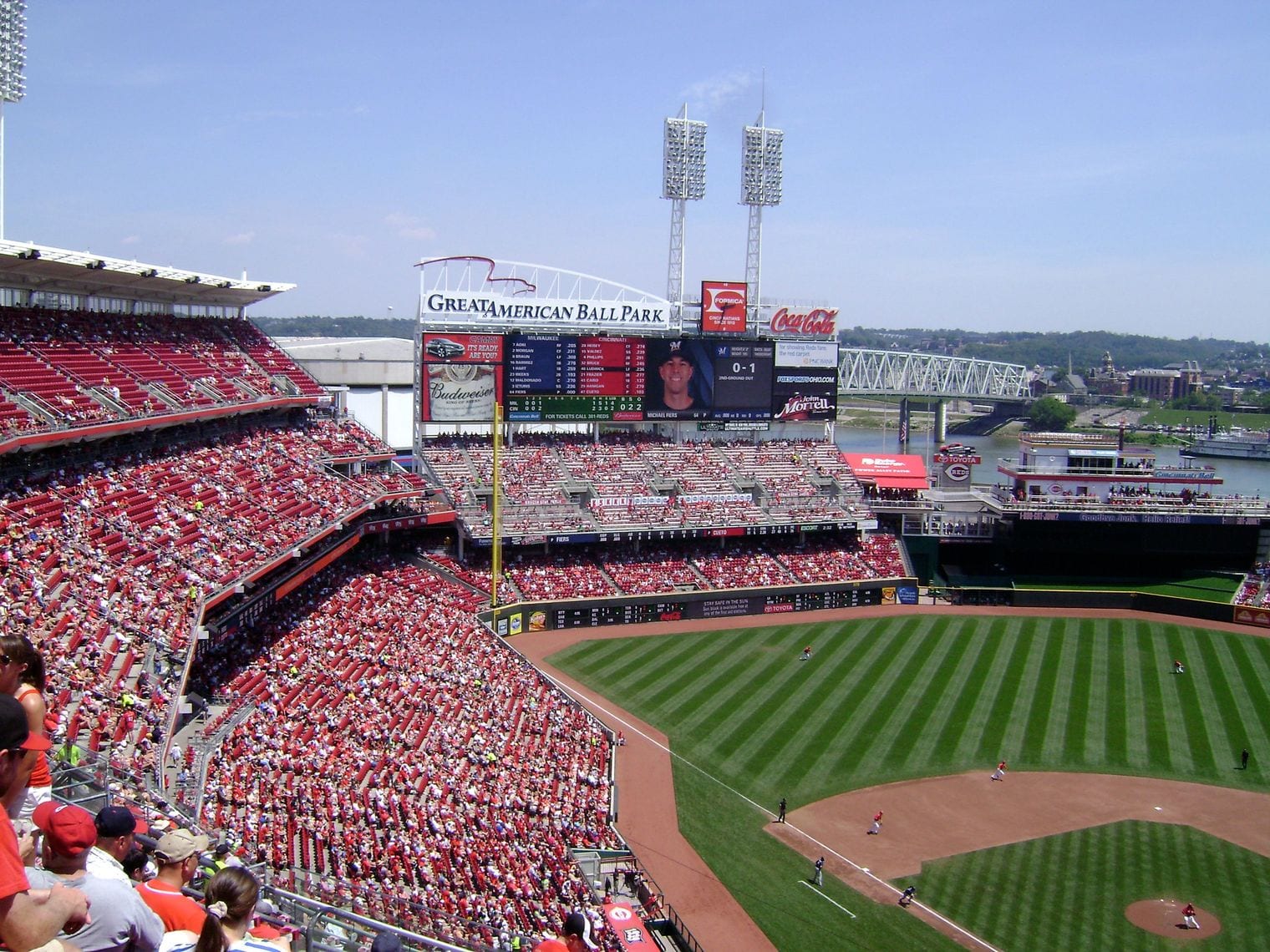
Great American Ball Park has been the home of the Cincinnati Reds since 2003, set on the riverbank with views across the Ohio River to the Kentucky shore. A game here is a summer ritual in a city that fielded baseball's first all-professional team back in 1869.
Watch for the two steamboat-style smokestacks in right-center field, which flash, shoot flames and launch fireworks to cheer the home team, and look closely at the bats on top: seven on each stack, a nod to Pete Rose's number 14. Ballpark tours give a look behind the scenes on non-game days.
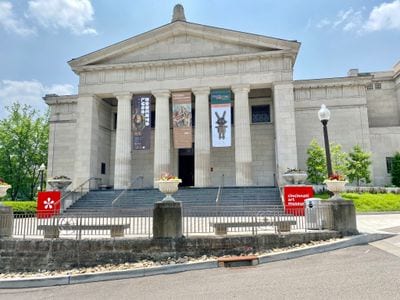
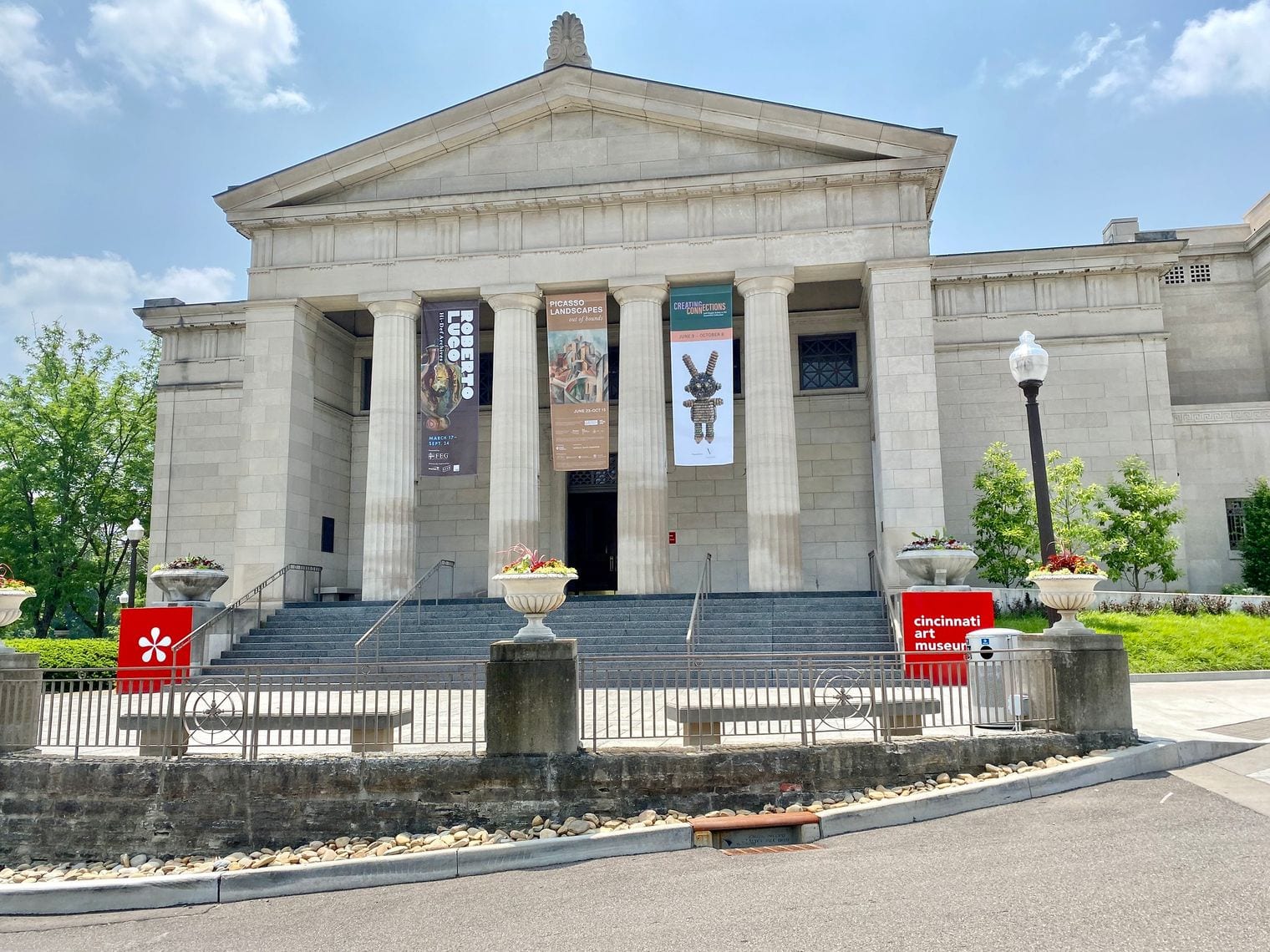
Founded in 1881 and open in Eden Park since 1886, the Cincinnati Art Museum was the first purpose-built art museum west of the Alleghenies, and general admission is free. Its collection of more than 73,000 works spans some 6,000 years, from antiquity through European masters to modern American art.
Don't skip the Cincinnati Wing, which tells the city's own art story through Rookwood Pottery, paintings by Frank Duveneck and Robert S. Duncanson, and locally made furniture. The hilltop setting means the walk in comes with views over the trees of the park.
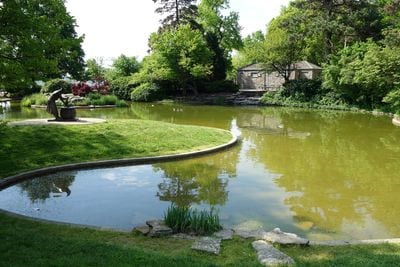
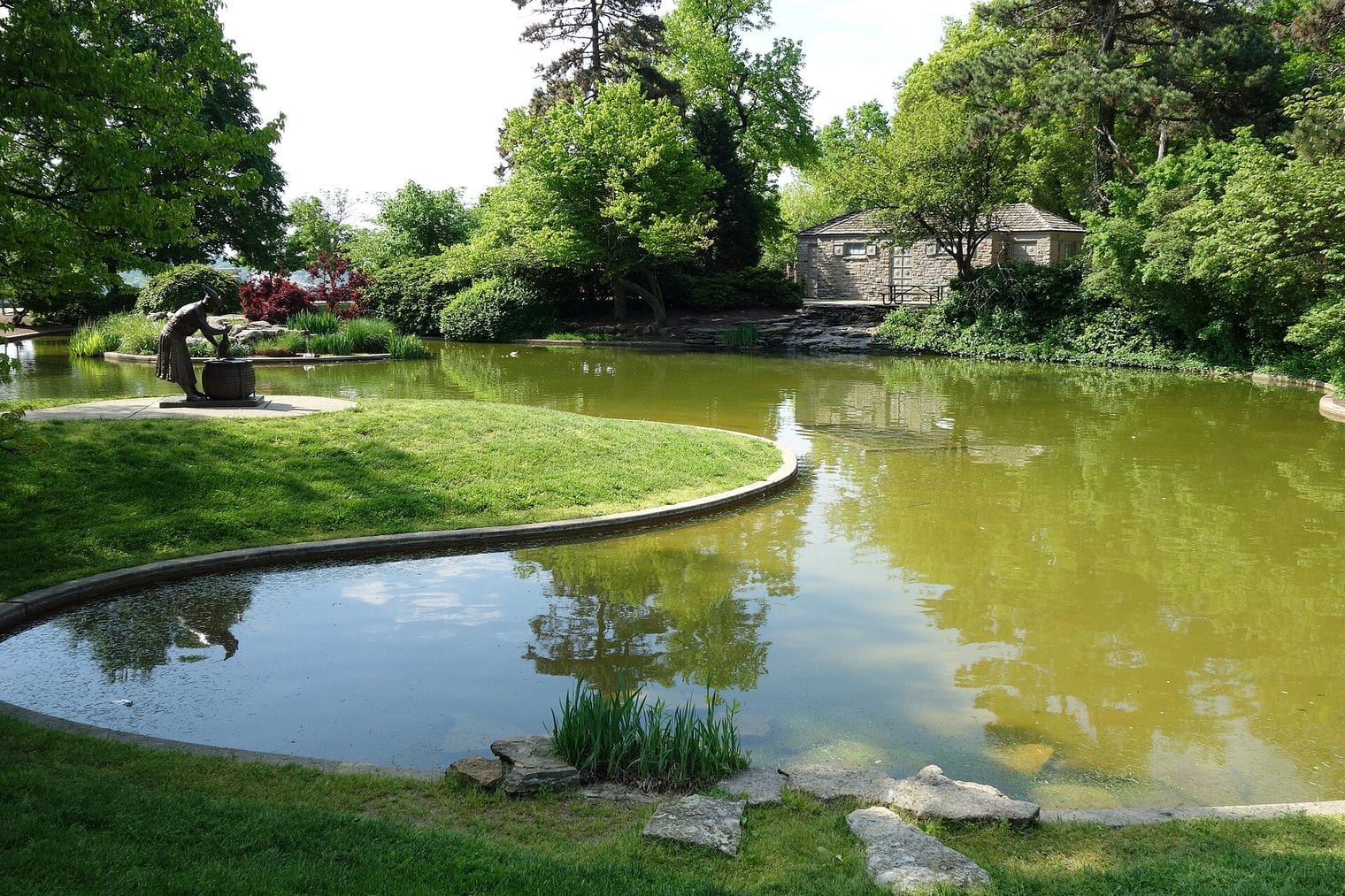
Spread over 186 acres on a hill above downtown, Eden Park is Cincinnati's showpiece park, with overlooks across the Ohio River valley. The old city reservoir was replaced by the Mirror Lake reflecting pool, and the Twin Lakes area, set in a former quarry, is crossed by a footbridge that photographers love.
Look for the Eden Park Water Tower, the Seasongood Pavilion where summer concerts play, and a replica of the Capitoline Wolf statue given by the City of Rome. The park also holds the art museum, the conservatory and Playhouse in the Park, so it is easy to fill a whole day here.
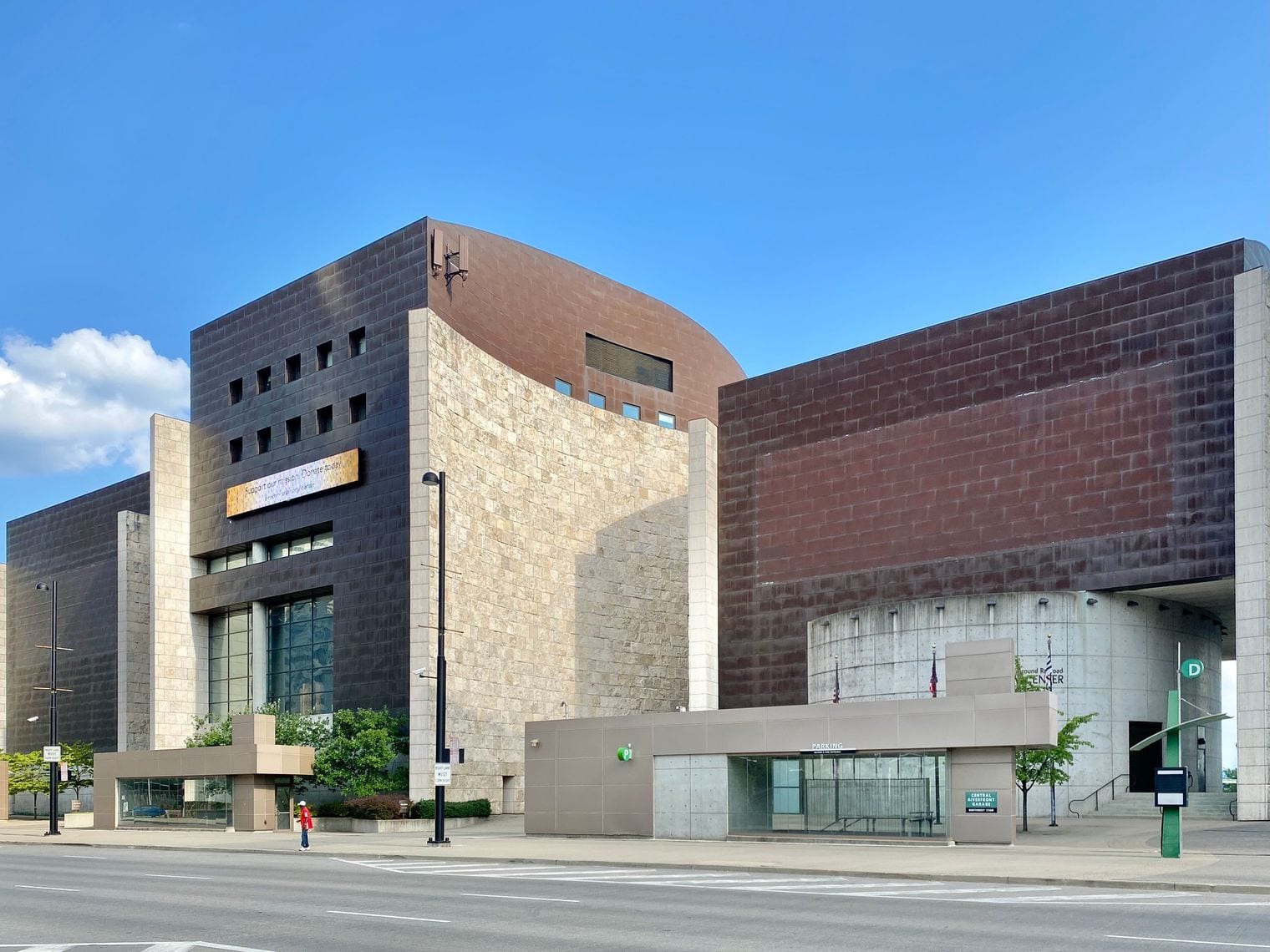
Opened in 2004 on the riverbank facing Kentucky, once a slave state, the National Underground Railroad Freedom Center tells the story of the people who escaped slavery across the Ohio River and those who helped them. The setting matters: for many freedom seekers, this stretch of water was the line between bondage and freedom.
Its most powerful artifact is a two-story log slave pen built in 1830, moved here from a farm in Mason County, Kentucky, where a tobacco barn had been built around it. Later galleries carry the story forward to the fight against human trafficking today.
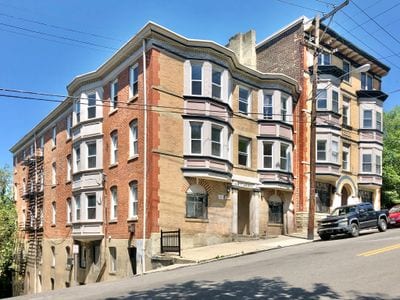
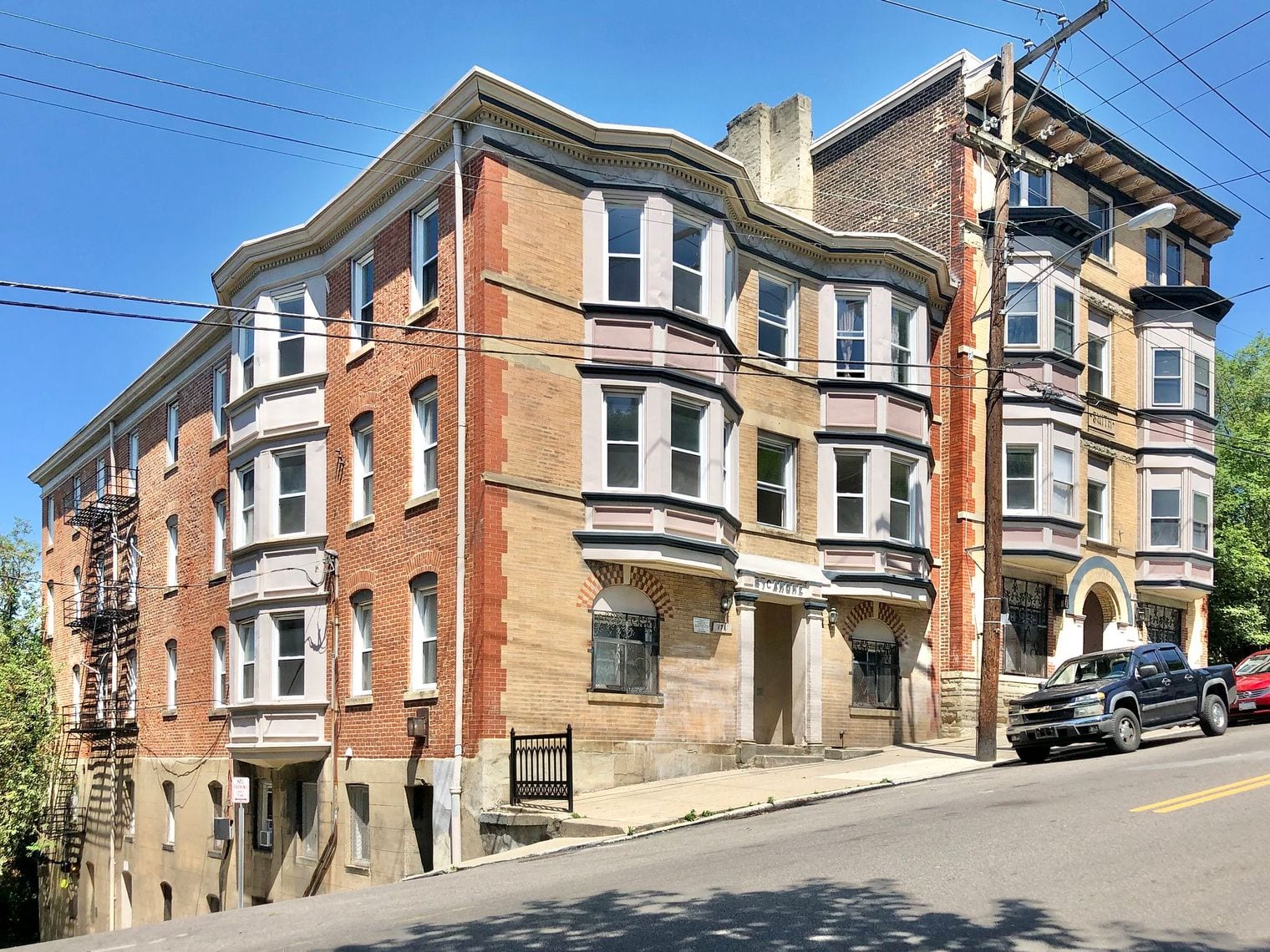
Over-the-Rhine is among the largest, most intact urban historic districts in the United States, a grid of 19th-century brick rowhouses settled by German immigrants. The Miami and Erie Canal that once divided it from downtown was jokingly called the Rhine, which gave the neighborhood its name.
Decades of restoration have turned Vine Street and its side streets into the city's liveliest place to eat, drink and browse. The brewing past runs deep: follow the Brewing Heritage Trail past former breweries, or join an underground tour into the old lagering cellars once used to store beer.
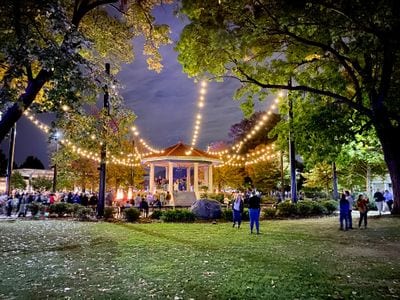
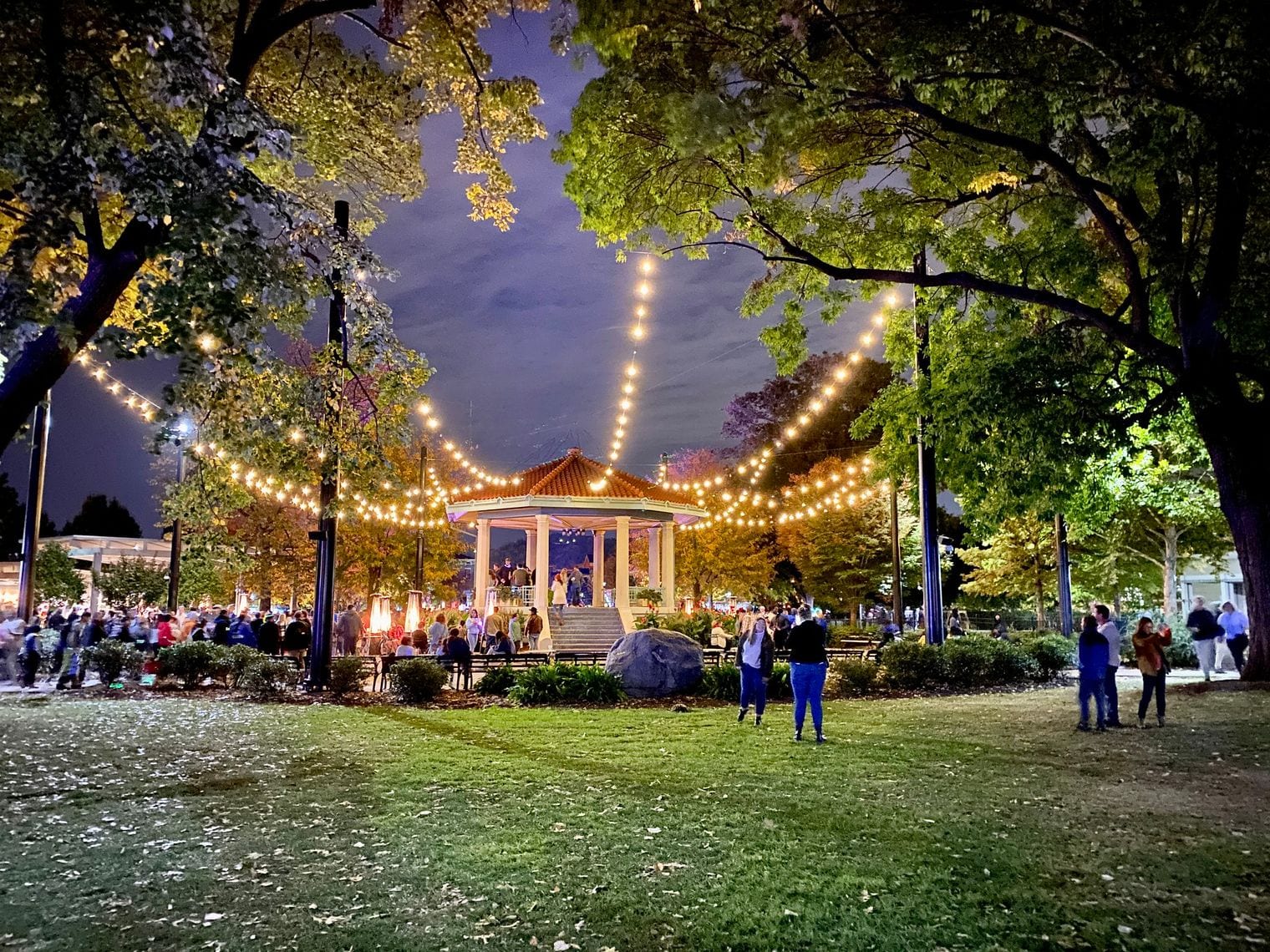
Washington Park is the green heart of Over-the-Rhine, reopened in 2012 after a major renovation that grew it to 8 acres and slipped a parking garage underneath. Its lawn faces Music Hall, which makes it a natural stop before or after a show.
The park packs a lot into a city block: an interactive fountain where kids splash in summer, a playground, a dog park, a bandstand and a stage that hosts free concerts, movies and festivals through the warmer months. Grab takeout from Vine Street and claim a patch of grass.
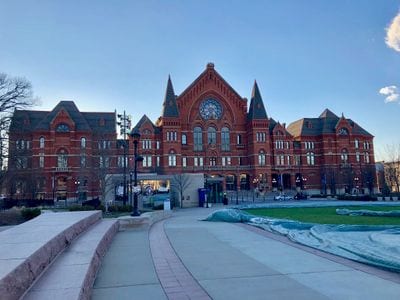
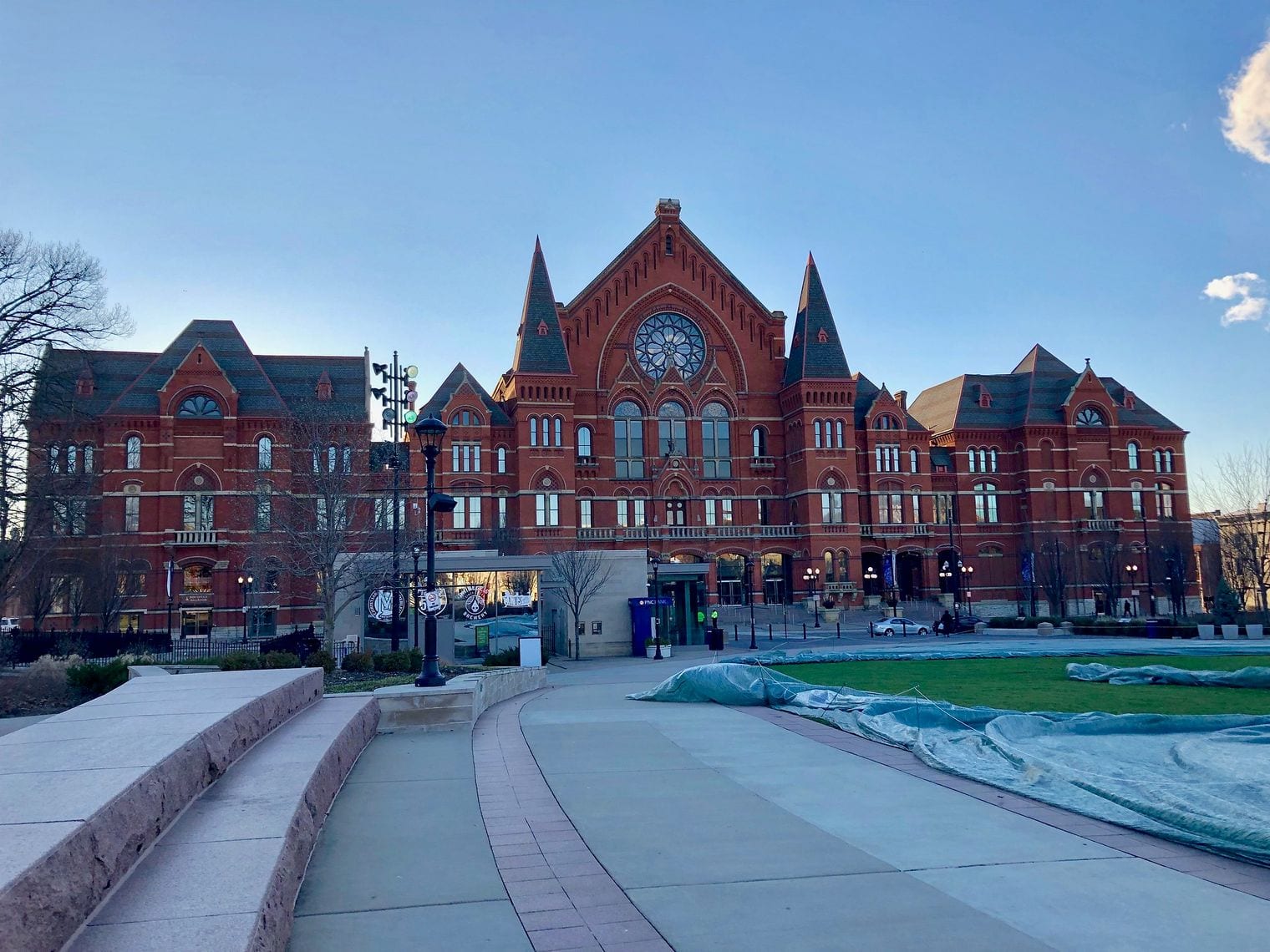
Completed in 1878, Cincinnati Music Hall is a Venetian Gothic landmark of red brick, towers and arched windows, named a National Historic Landmark in 1975. It is home to the Cincinnati Symphony Orchestra, the Cincinnati Pops, the Cincinnati Opera, the Cincinnati Ballet and the May Festival Chorus.
A major renovation completed in 2017 restored the halls and public spaces from top to bottom. Catch a performance if you can; otherwise, guided tours explore the architecture and the stories behind one of America's grand old concert halls.
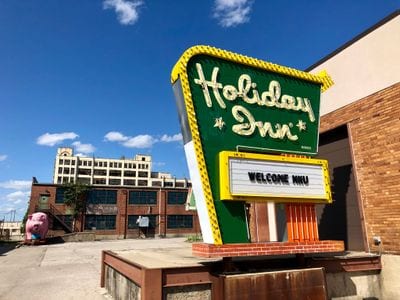
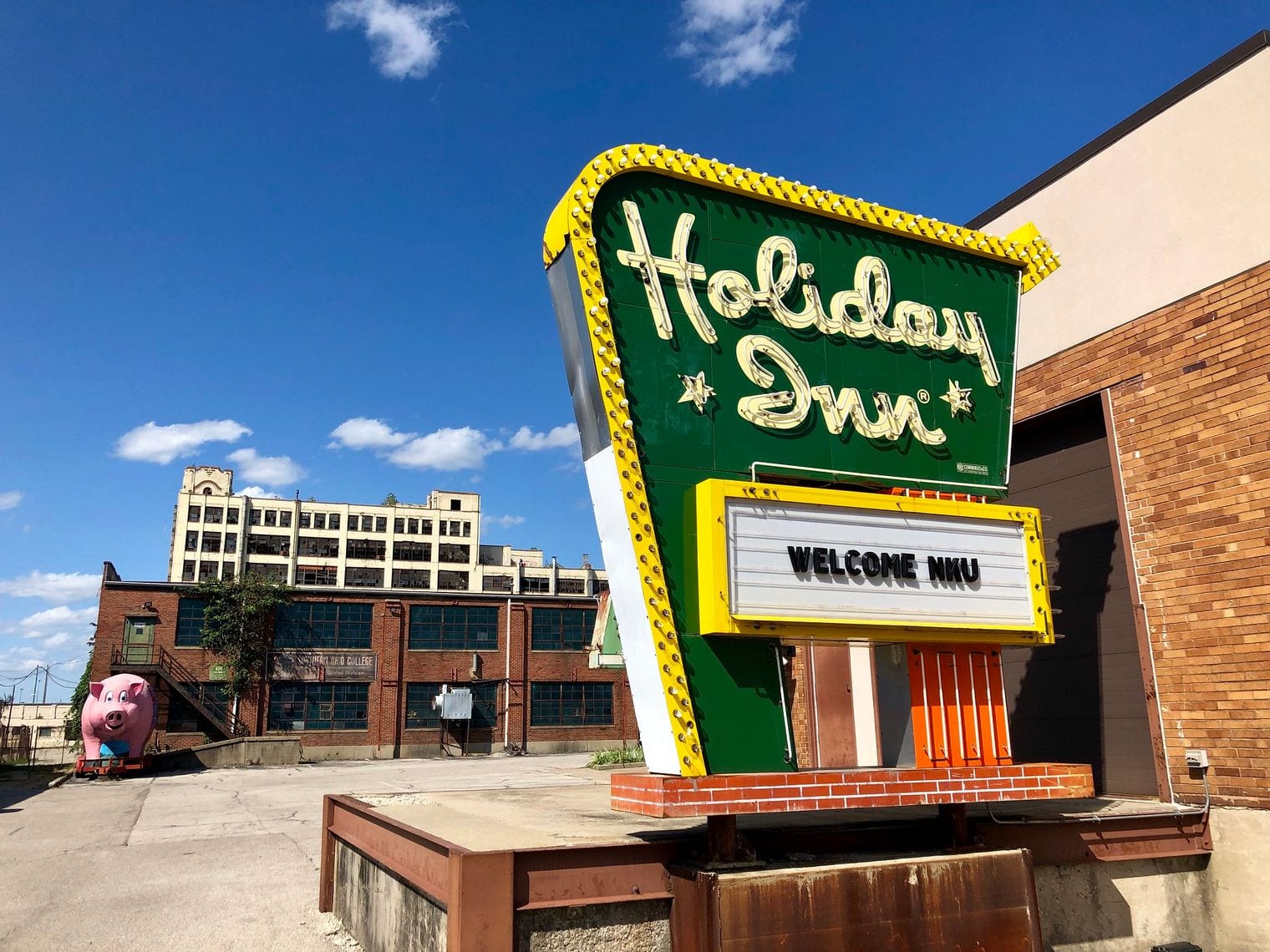
The American Sign Museum is a glowing, joyful trip through more than a century of American signage, from gold-leaf lettering to flashing neon motel signs and giant fiberglass figures. Founded by Tod Swormstedt, whose family publishes the trade journal Signs of the Times, it opened in 2005 and later moved to a former factory in Camp Washington.
The main hall is laid out as a streetscape of storefronts, so it feels like walking down Main Street through the decades. A working neon shop on site shows how the tubes are bent and lit, and it is one of the city's favorite photo stops.
Smale Riverfront Park is the city's front yard on the Ohio River, a string of lawns, gardens, fountains and walkways between the stadiums. Families come for Carol Ann's Carousel, whose hand-carved figures celebrate Cincinnati's history and landmarks, and for the spray fountains that light up at night.
The oversized porch swings in the riverside garden are the best seats in town for watching barges glide past, with the Roebling Bridge and the Kentucky shore in view. A monument here honors the Black Brigade, the African American volunteers who helped build defenses for the city during the Civil War.
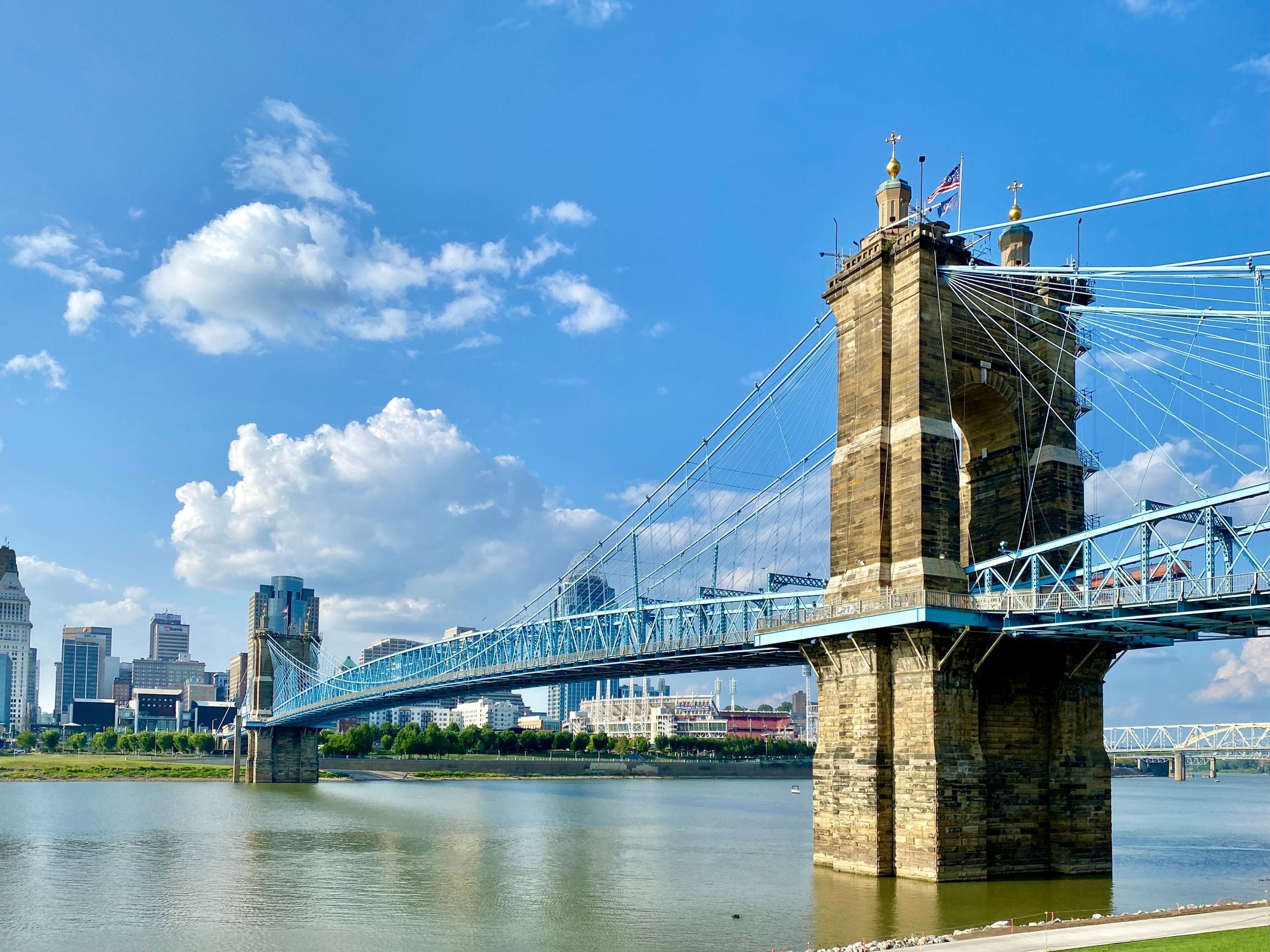
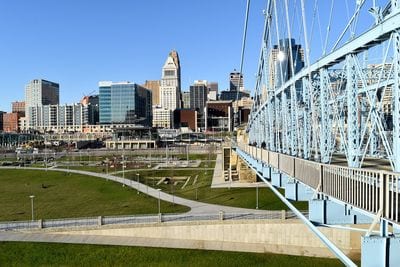
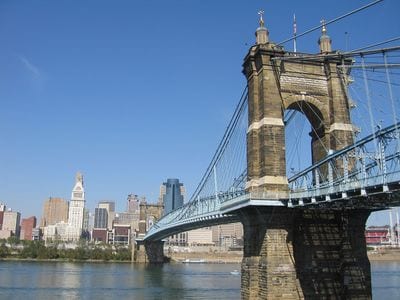
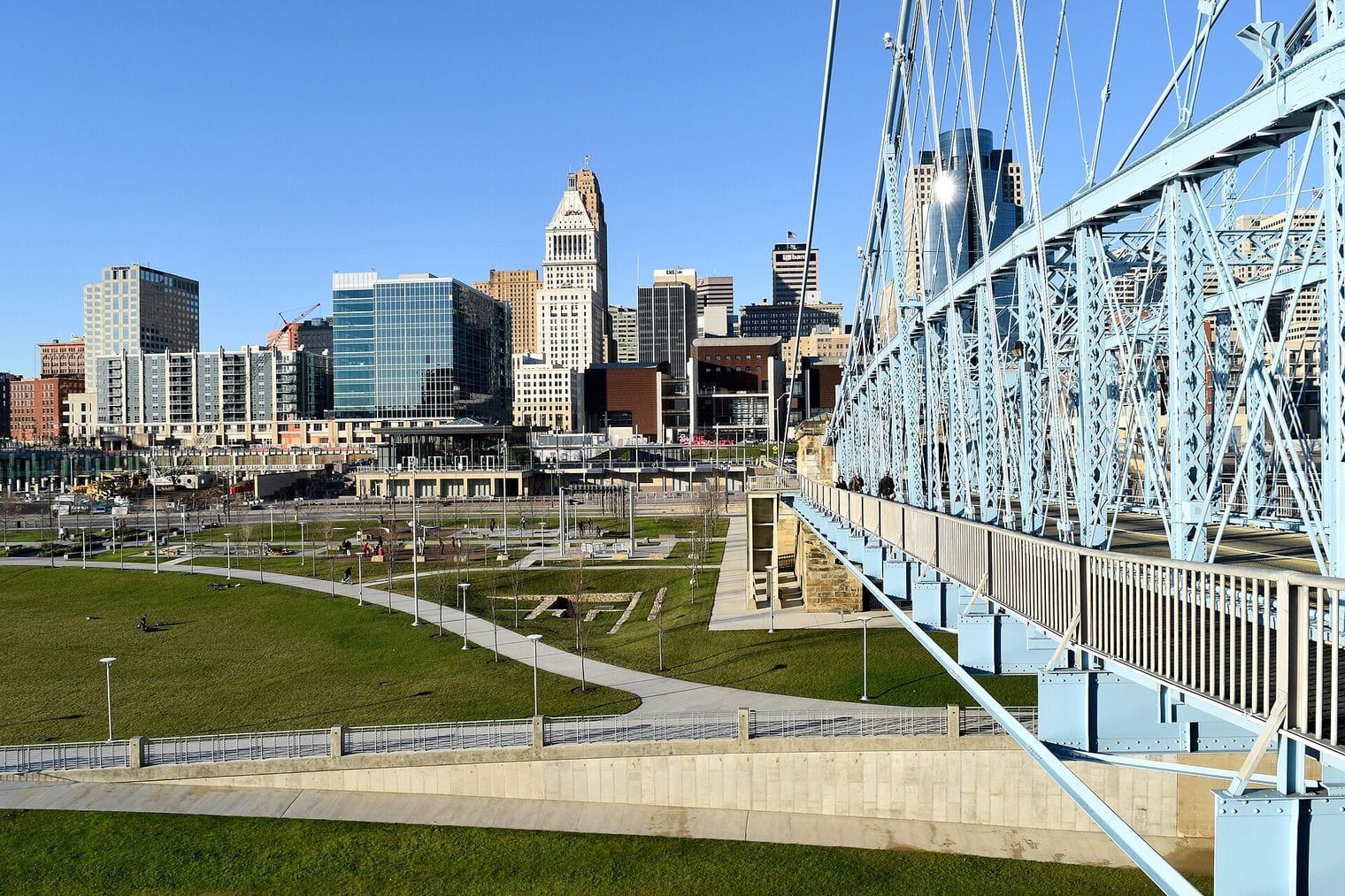
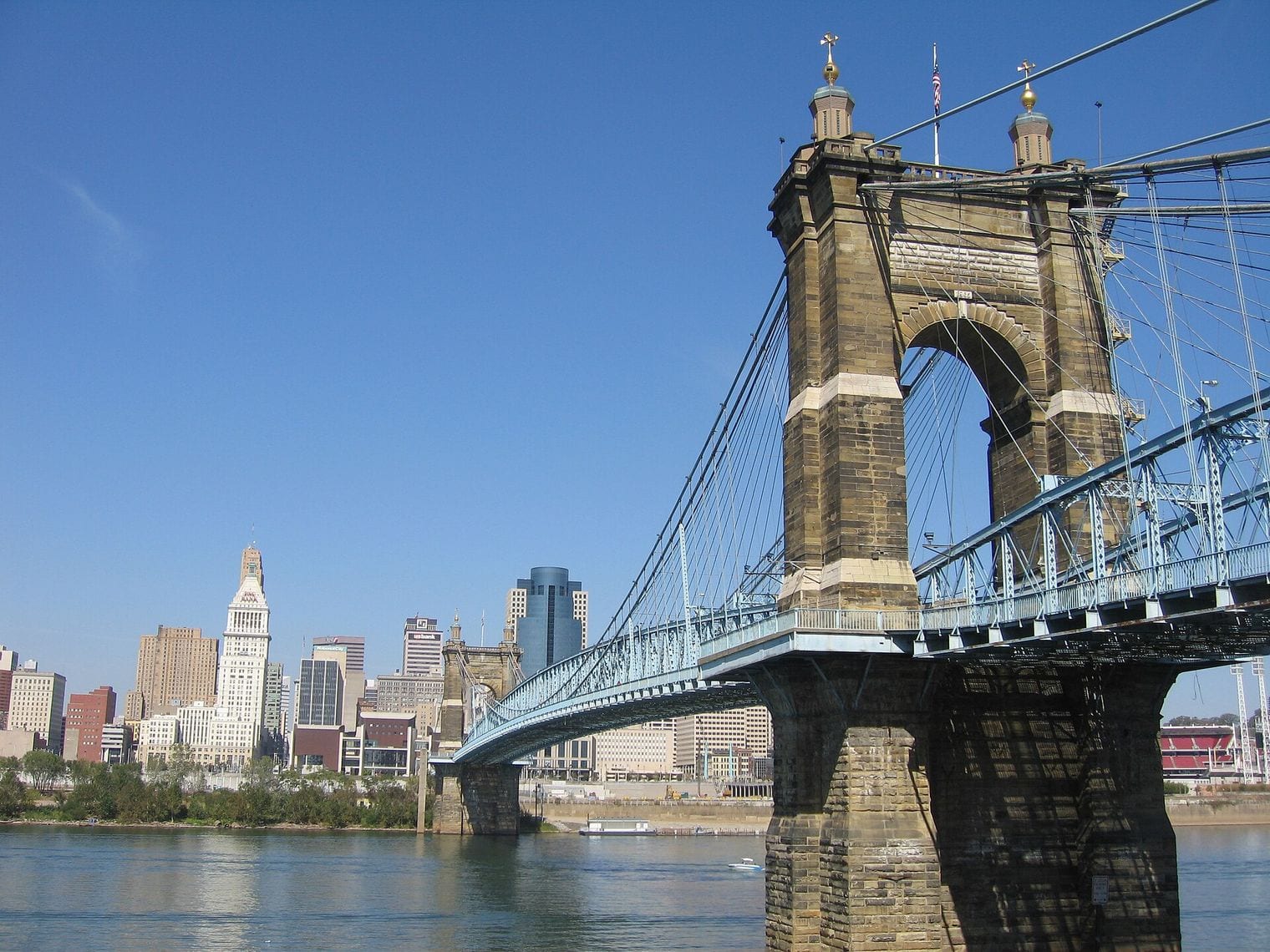
When the John A. Roebling Suspension Bridge opened to traffic on January 1, 1867, its 1,057-foot main span made it the longest suspension bridge in the world. Its engineer, John A. Roebling, went on to design the Brooklyn Bridge, and the family resemblance in the stone towers and swooping cables is easy to see.
The bridge still carries cars and pedestrians between Cincinnati and Covington, Kentucky, and walking it is one of the city's simple pleasures. Start from Smale Riverfront Park on the Ohio side and stop mid-span for the classic view back at the skyline.
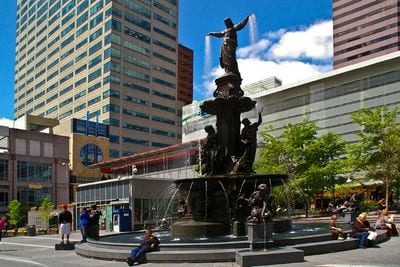
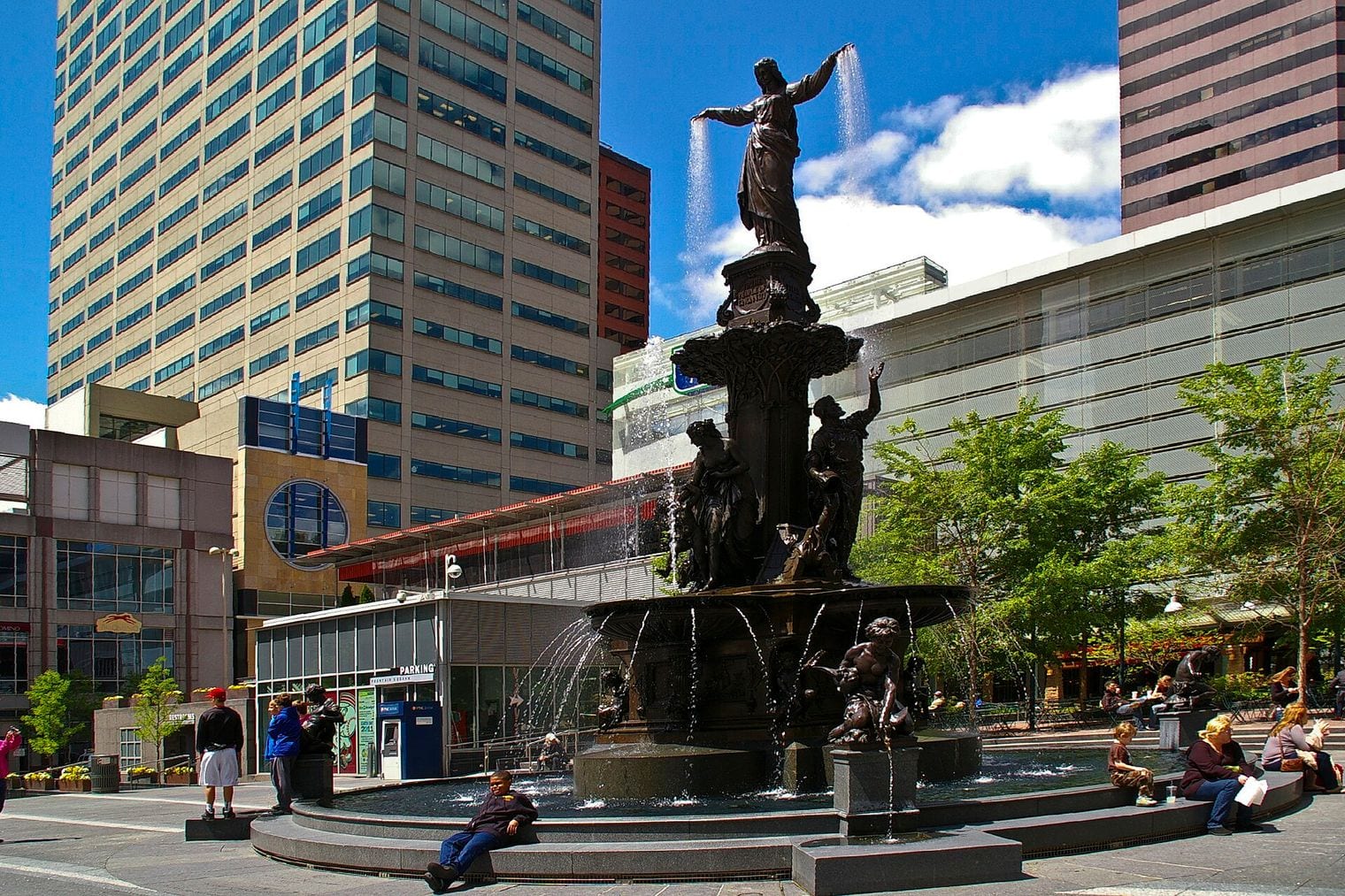
Fountain Square has been the symbolic center of Cincinnati since 1871, when the Tyler Davidson Fountain was unveiled on the site of an old butcher's market. The bronze figure on top, the Genius of Water, was cast in Munich and pours water over the city's busiest plaza.
The square is where Cincinnati gathers: lunchtime crowds and summer concerts in warm months, an ice rink and holiday lights in winter, and a giant video screen for watching the Reds and Bengals. Surrounded by office towers and shops, it makes an easy starting point for exploring downtown on foot.
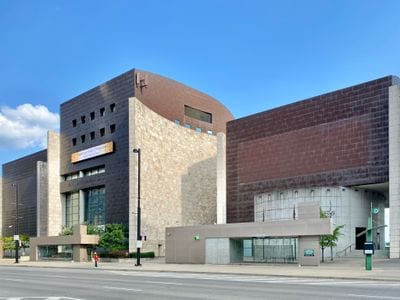
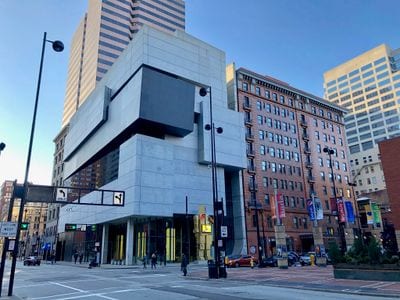
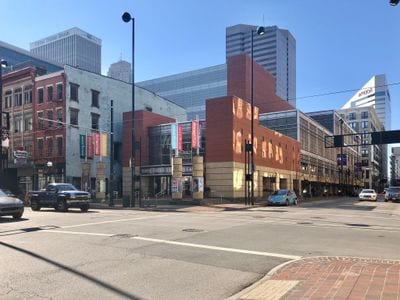
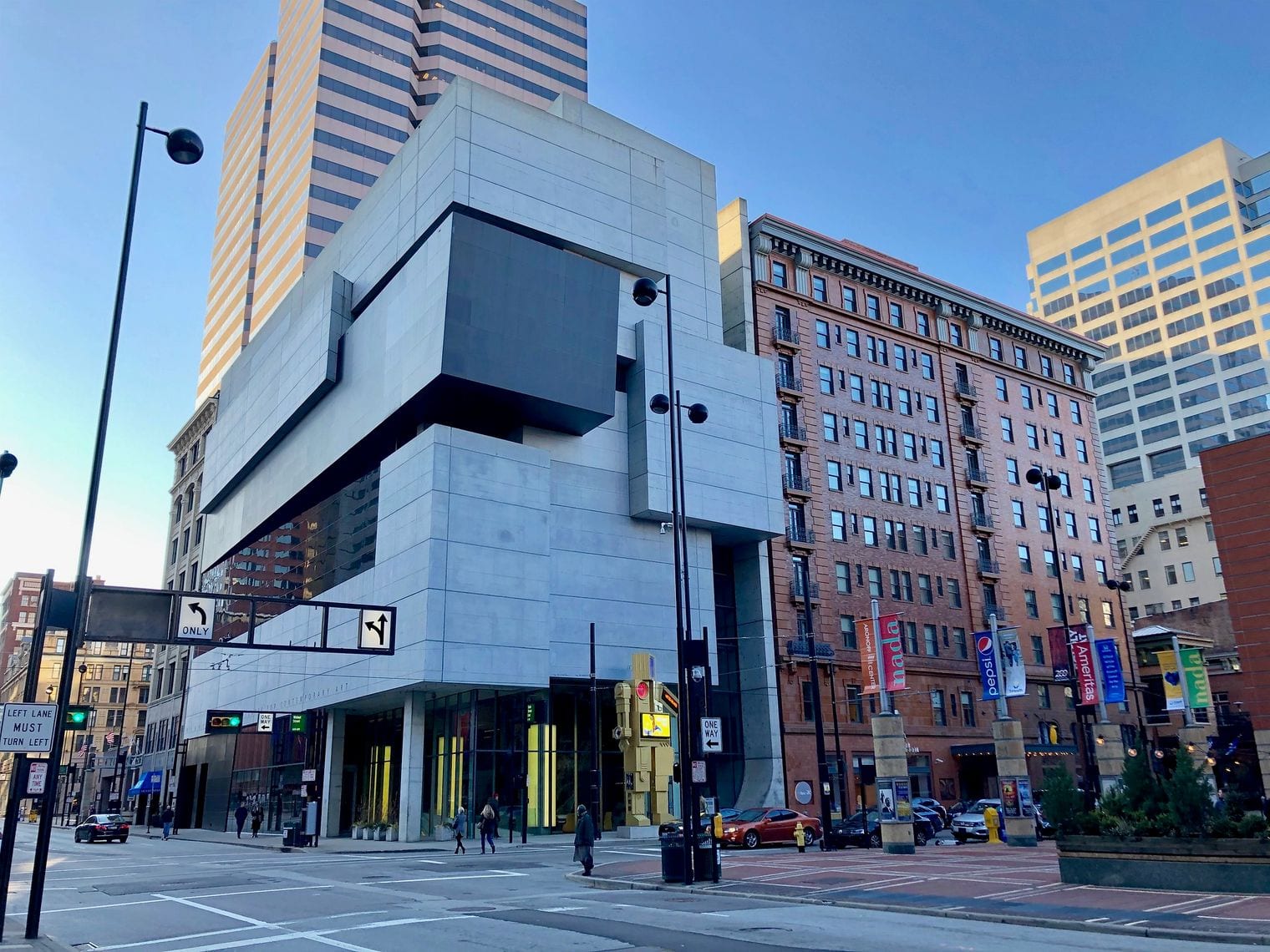
Founded in 1939, the Contemporary Arts Center is a non-collecting museum, which means everything on view is a changing exhibition of new painting, sculpture, photography, performance and media art. In 2003 it moved into a downtown building designed by Zaha Hadid, whose stacked, shifting volumes are a work of art in their own right.
The ground floor flows in from the sidewalk and curves up the back wall, an idea Hadid called an urban carpet, pulling passersby inside. Exhibitions change regularly, so there is usually something new, provocative or simply strange to see.
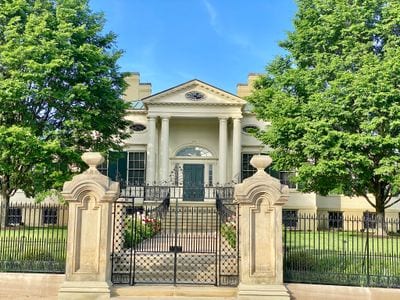
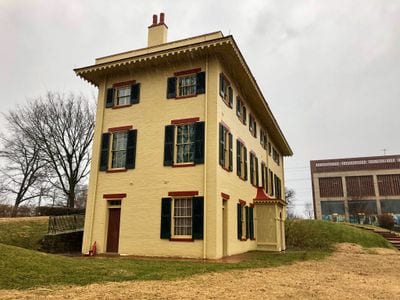
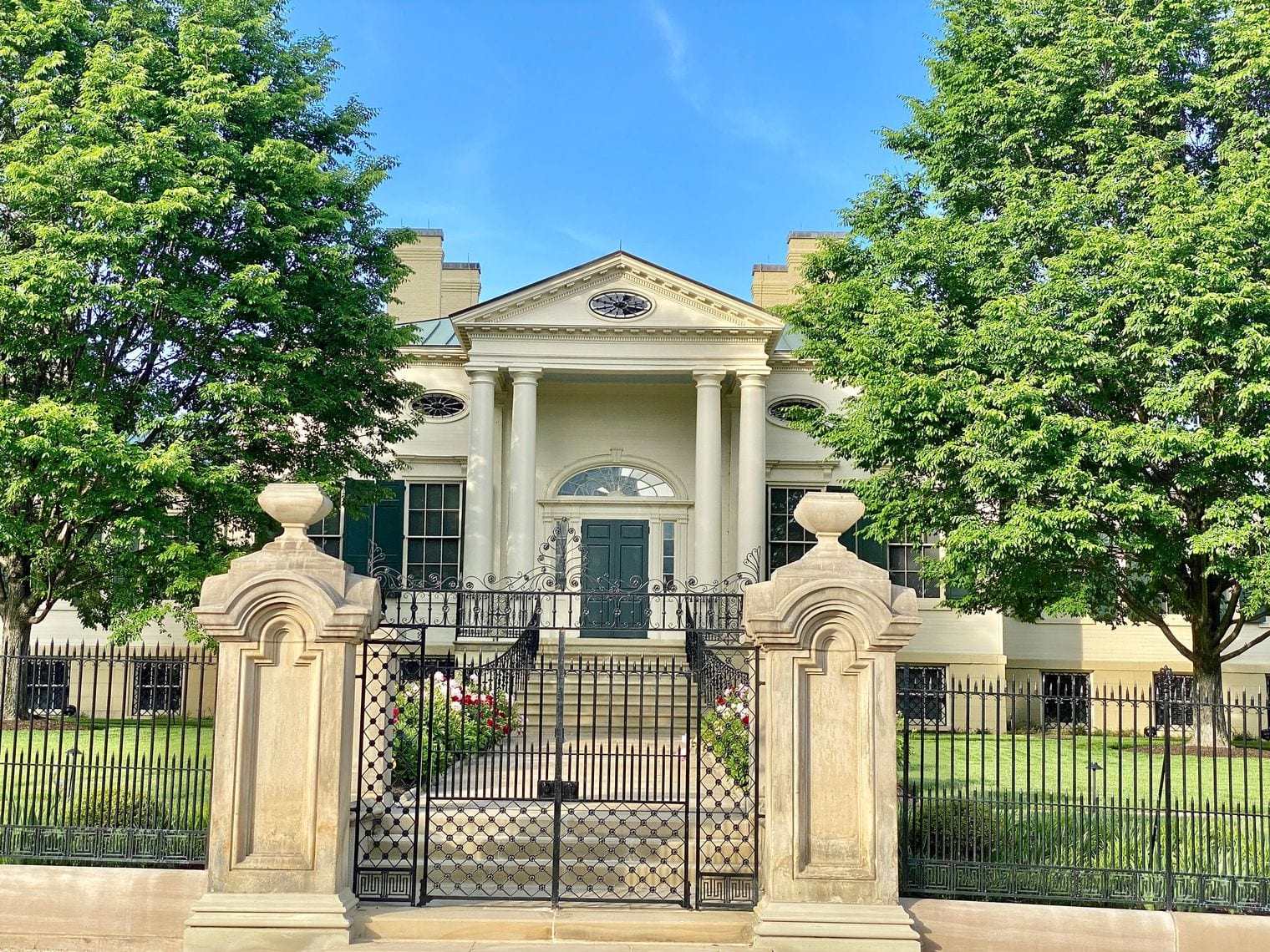
The Taft Museum of Art fills a Federal-style house built around 1820, the oldest domestic wooden structure in downtown Cincinnati. Charles Phelps Taft and Anna Sinton Taft gave the house and their collection to the city, and the museum opened in 1932.
The intimate galleries hold European masters including Rembrandt, Frans Hals, Gainsborough and J. M. W. Turner, alongside Chinese porcelains and decorative arts. The highlight is the set of landscape murals painted in the house by Robert S. Duncanson, the reason it was named a National Historic Landmark.
Free printable checklist of all 35 places
Tick them off as you go. Confirm your email to download it, plus one email every Thursday with new guides for the places you tick.
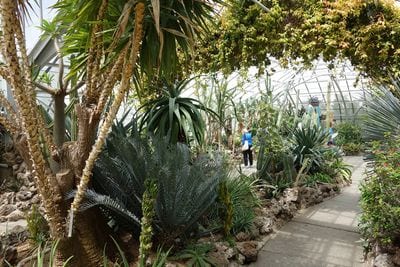
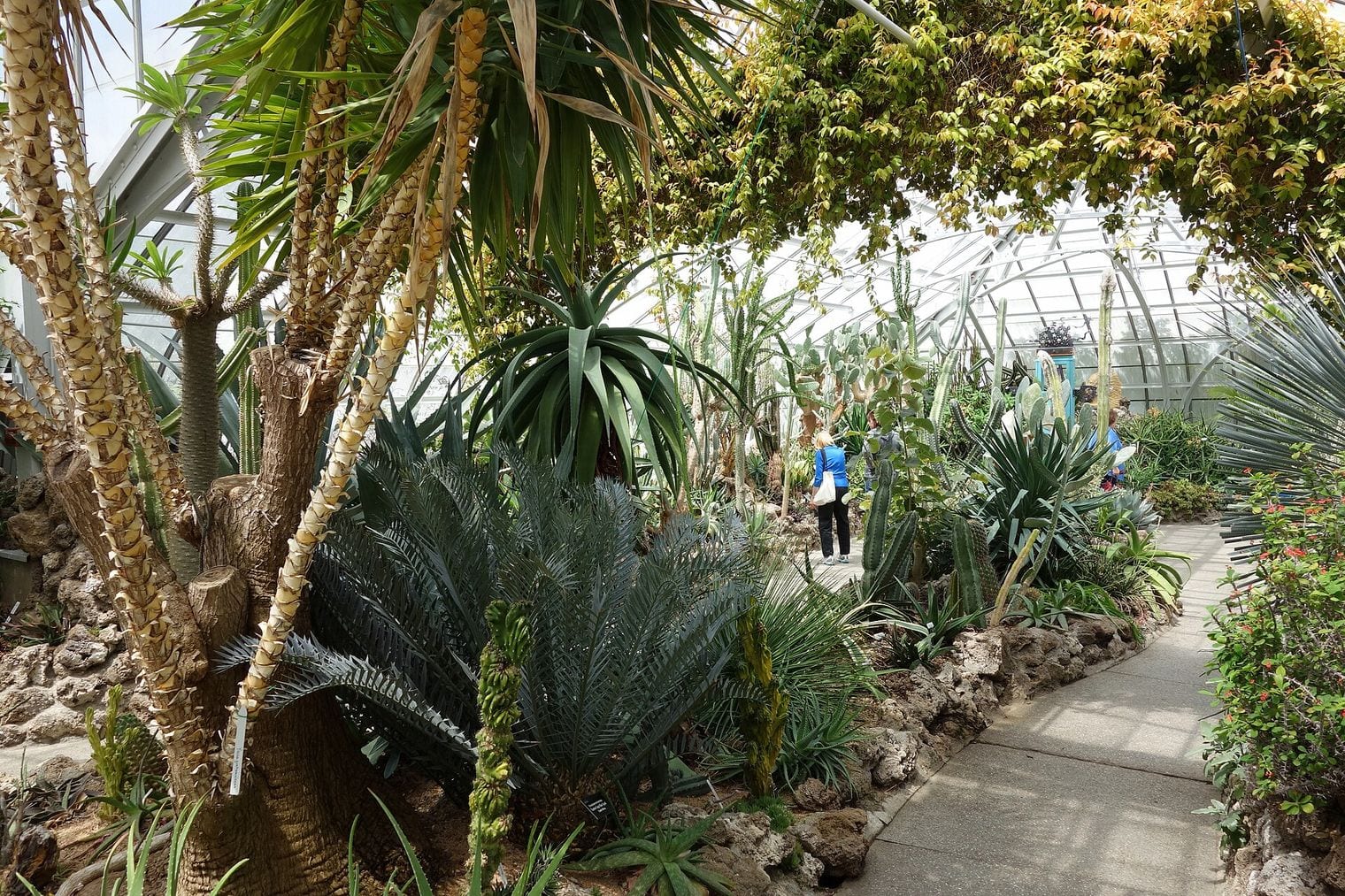
Krohn Conservatory is an Art Deco glasshouse in Eden Park, completed in 1933 in the shape of a Gothic arch. More than 3,500 plant species from around the world grow inside, spread across themed houses for palms, tropical plants, desert plants and orchids.
The Palm House is the showpiece, rising 45 feet over palms, rubber trees and bananas, with a 20-foot waterfall tumbling into a goldfish stream. Seasonal displays change through the year, including a popular spring butterfly show and a festive winter display, making it a warm escape on a gray day.
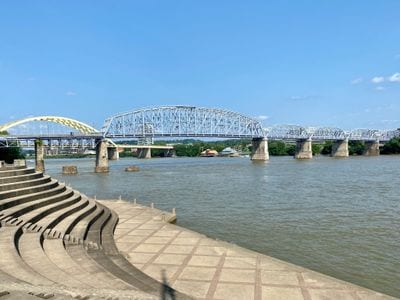
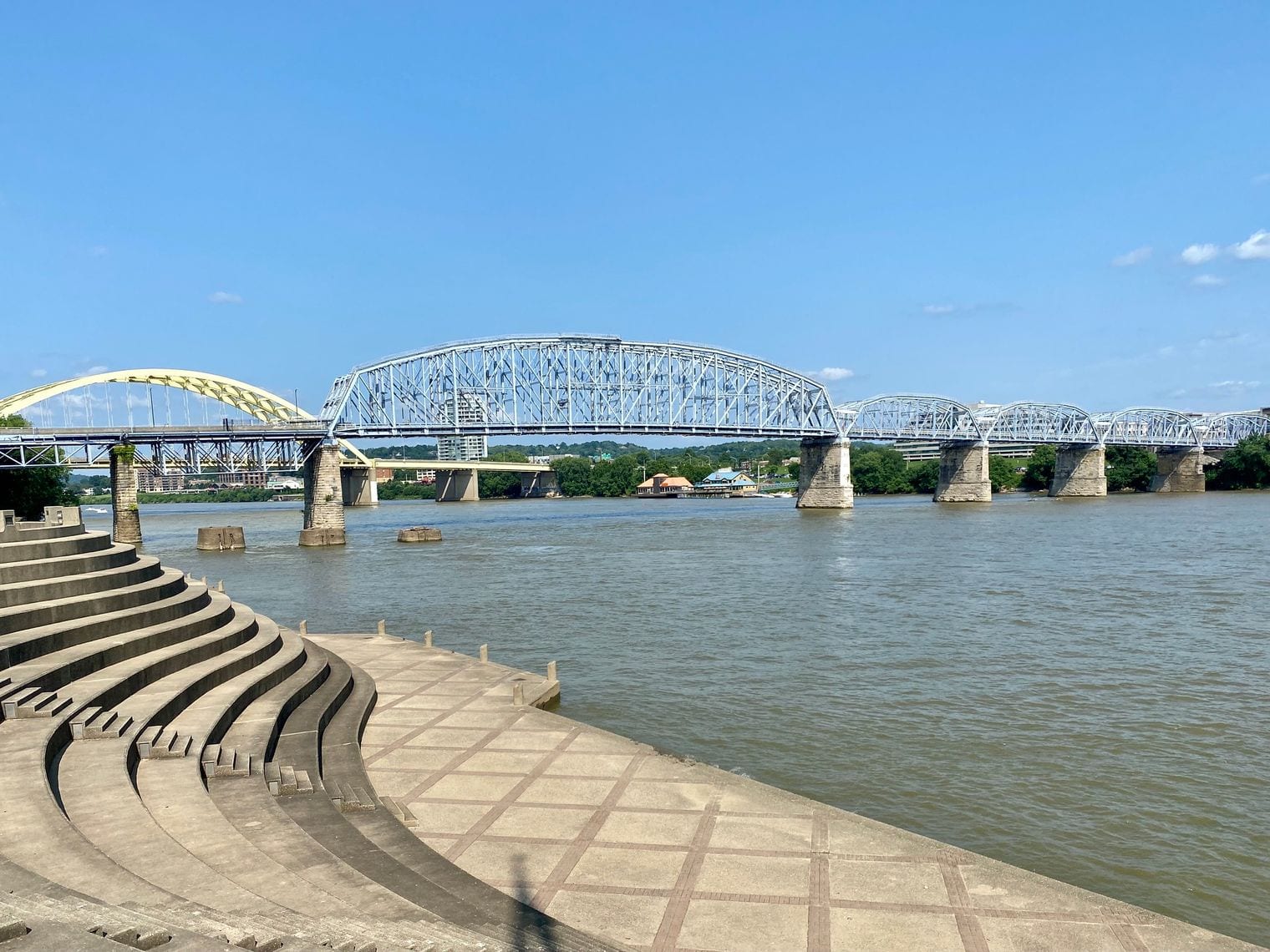
Sawyer Point and Yeatman's Cove are side-by-side riverfront parks that stretch about a mile along the Ohio River east of downtown. The stepped Serpentine Wall at Yeatman's Cove curves down to the water and is a favorite place to sit and watch the river roll by.
The parks are built for an easy afternoon, with walking and cycling paths, playgrounds, sports courts and big lawns that host festivals through the year. The Purple People Bridge to Kentucky starts at the eastern end, so a riverside stroll can turn into a walk across the state line.
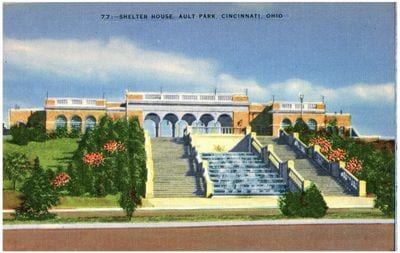
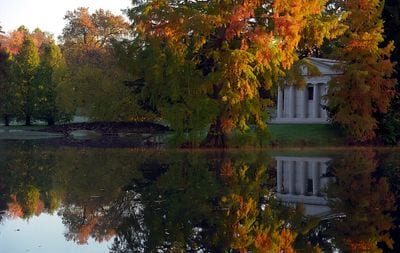
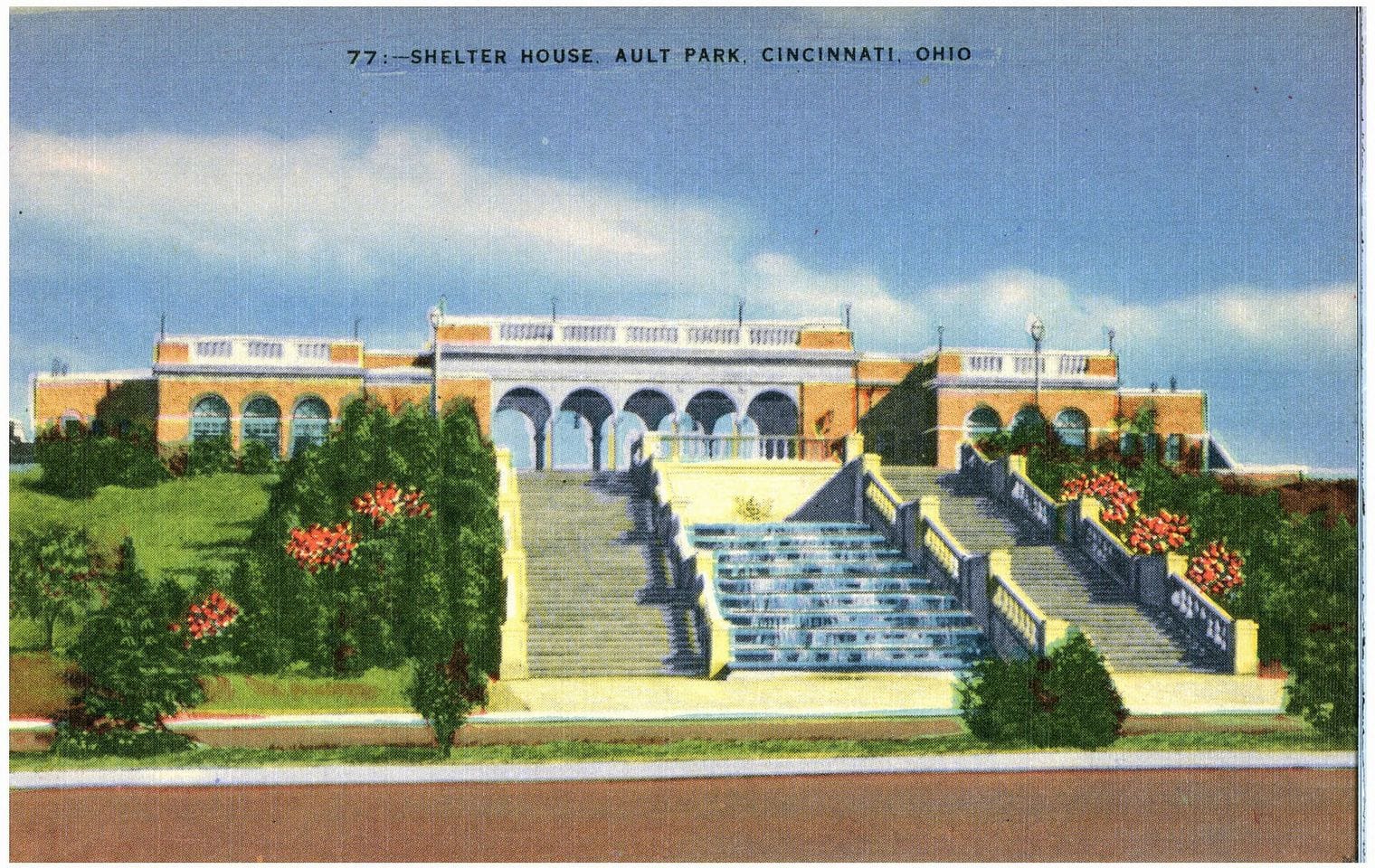
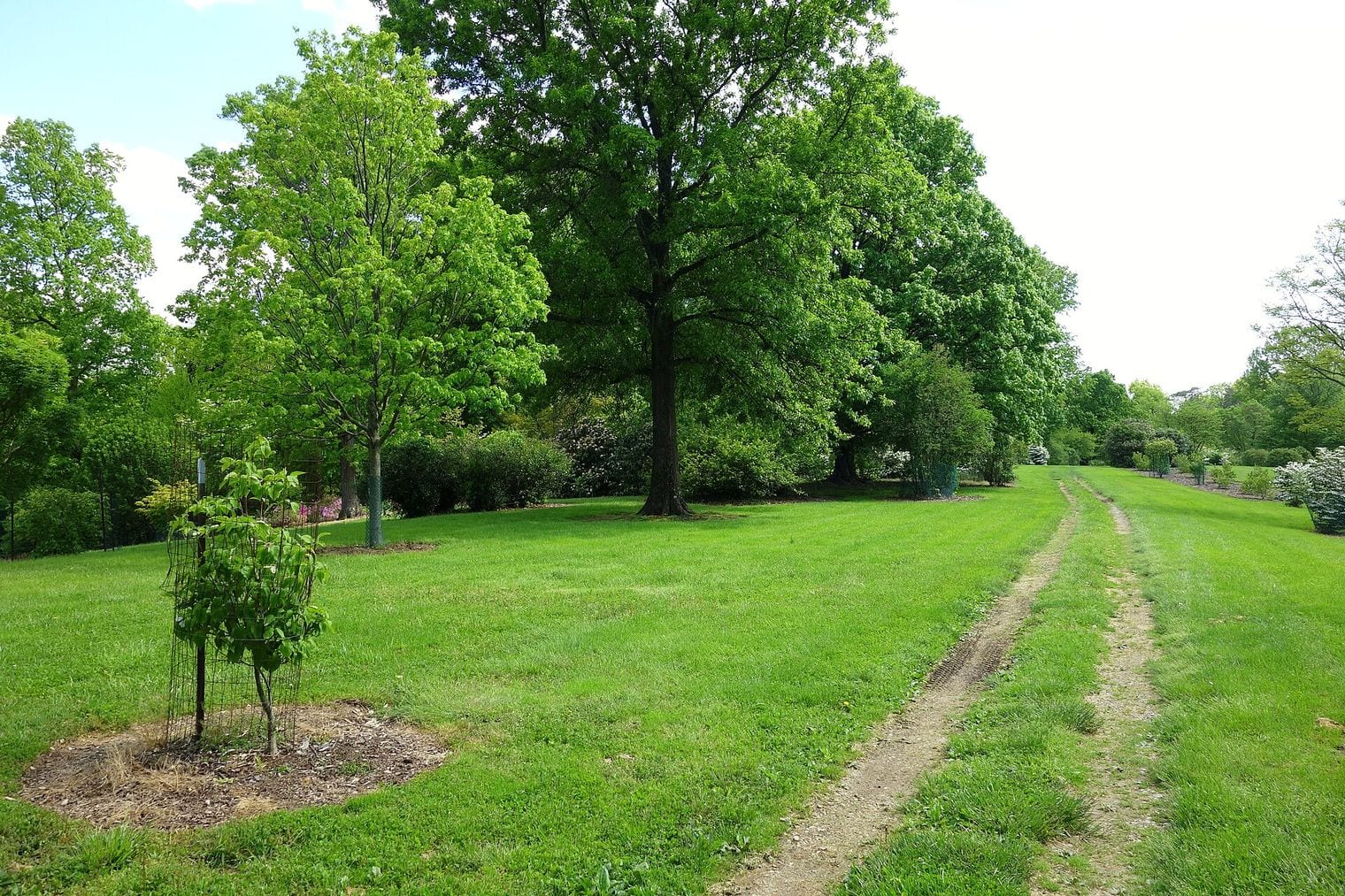
Ault Park covers about 224 acres in the Mount Lookout neighborhood and is one of the city's most romantic green spaces. At its heart stands an Italian Renaissance-style pavilion built in 1930, with formal flower gardens stepping down in front of it.
Volunteers have tended the gardens for decades, so the plots are full of color from spring into fall. Walk out to the overlook for wide views over the Little Miami River valley, or follow the wooded trails that ring the hilltop.
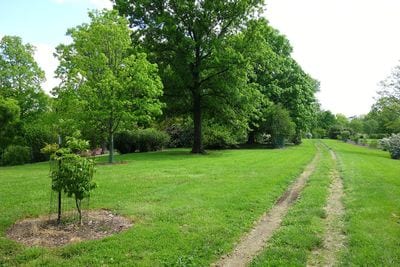
Established in 1911, Mount Airy Forest was one of the earliest urban reforestation projects in the United States, and at nearly 1,500 acres it is the largest park in Cincinnati's park system. What were worn-out hillside farms are now deep woods laced with hiking and bridle trails.
Don't miss Everybody's Treehouse, a wheelchair-accessible treehouse reached by a ramp rather than a ladder, or the park's arboretum with its collections of trees and shrubs. It is the place locals go when they want a proper walk in the woods without leaving the city.
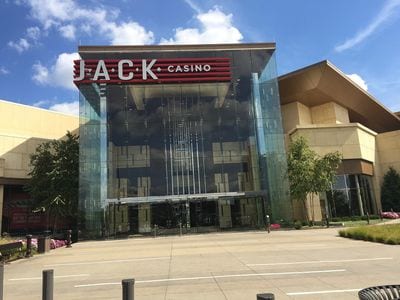
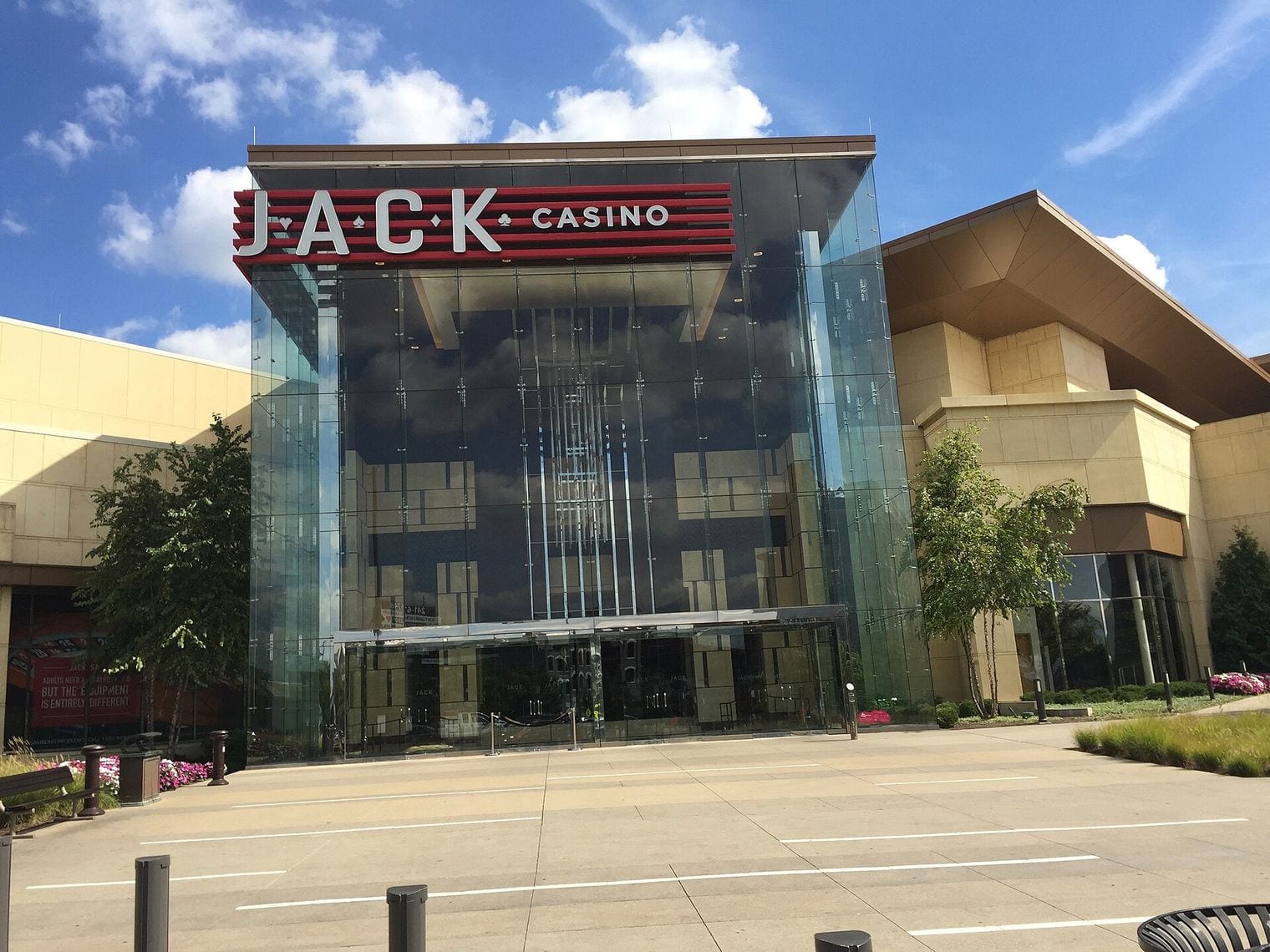
Hard Rock Casino Cincinnati opened in 2013 as the Horseshoe and later ran as JACK Cincinnati before taking the Hard Rock name. It sits at Broadway Commons on the eastern edge of downtown, an easy walk from Over-the-Rhine and the Banks.
The gaming floor mixes table games and slots with rock memorabilia and several bars and restaurants, including a Hard Rock Cafe, for a break between rounds. It is the city's only casino, and the place locals head for a night out with a bit of a gamble.
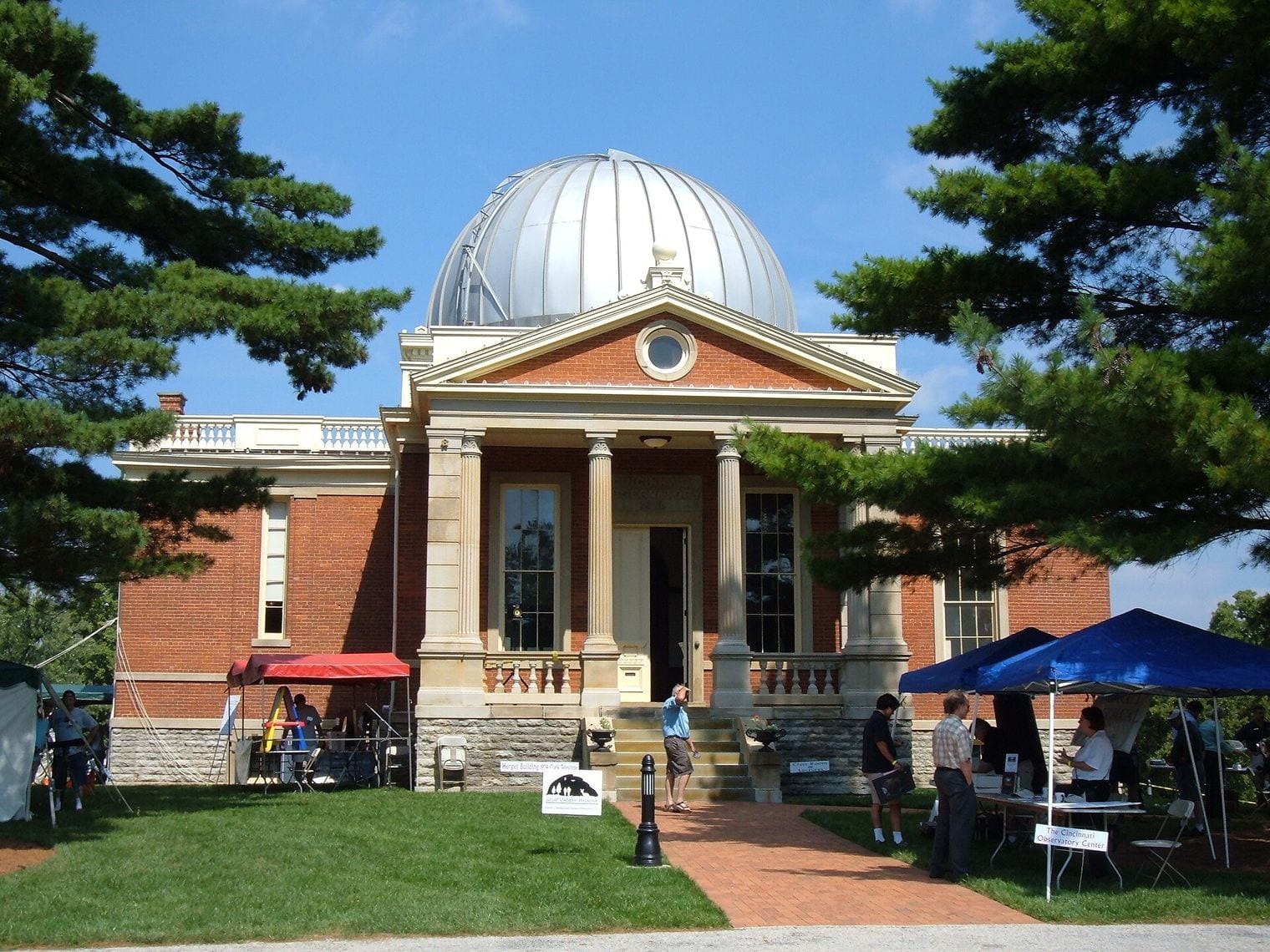
2222. Cincinnati Observatory
Historical Landmark~5.4 miles (8.7 km) from centre
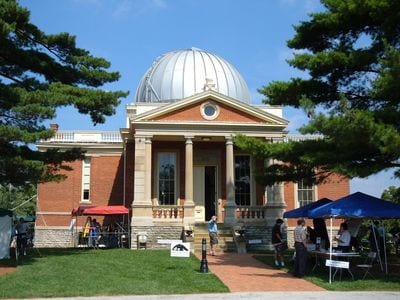
The Cincinnati Observatory is the oldest professional observatory in the United States, often called the birthplace of American astronomy. Former president John Quincy Adams laid its cornerstone in 1843, in what was his last public speech, on a hill that was renamed Mount Adams in his honor; the observatory later moved to Mount Lookout.
Its star attraction is the Merz und Mahler refractor, in use since 1845 and among the oldest working telescopes in the world. Public programs let visitors look through the historic instruments, weather permitting, while daytime tours cover the observatory's history.
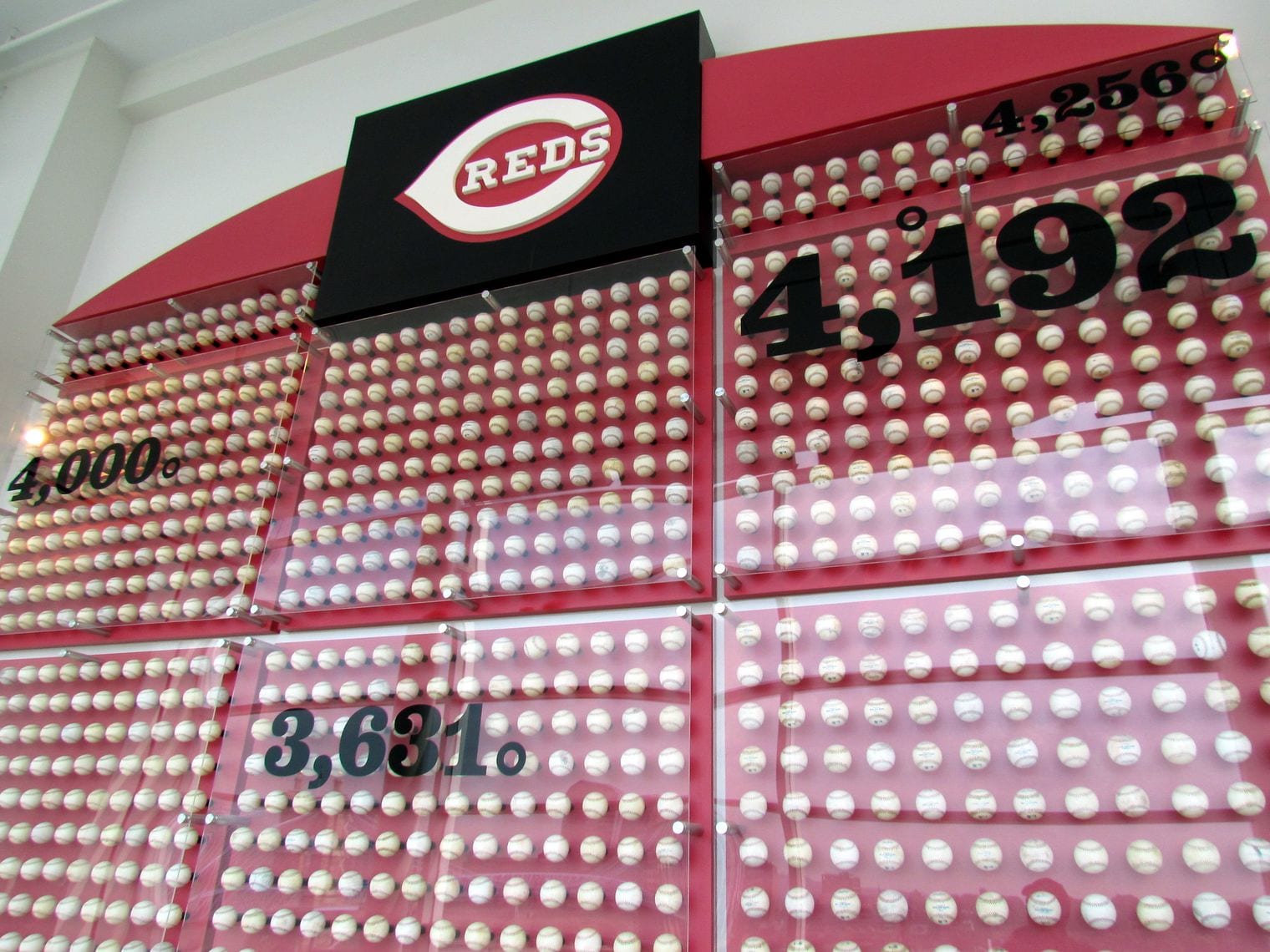
Next door to the ballpark, the Cincinnati Reds Hall of Fame and Museum opened in 2004 to honor the players, managers and executives of one of baseball's oldest franchises. Interactive exhibits trace the club's long history, with plenty of room for the Big Red Machine teams of the 1970s.
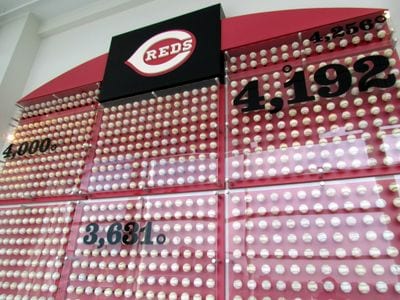
The showstopper is a wall of 4,256 baseballs, one for each of Pete Rose's career hits, and the museum also holds the bat and ball from his record-breaking 4,192nd hit. Allow an hour or two, and longer if you are a fan of the game.
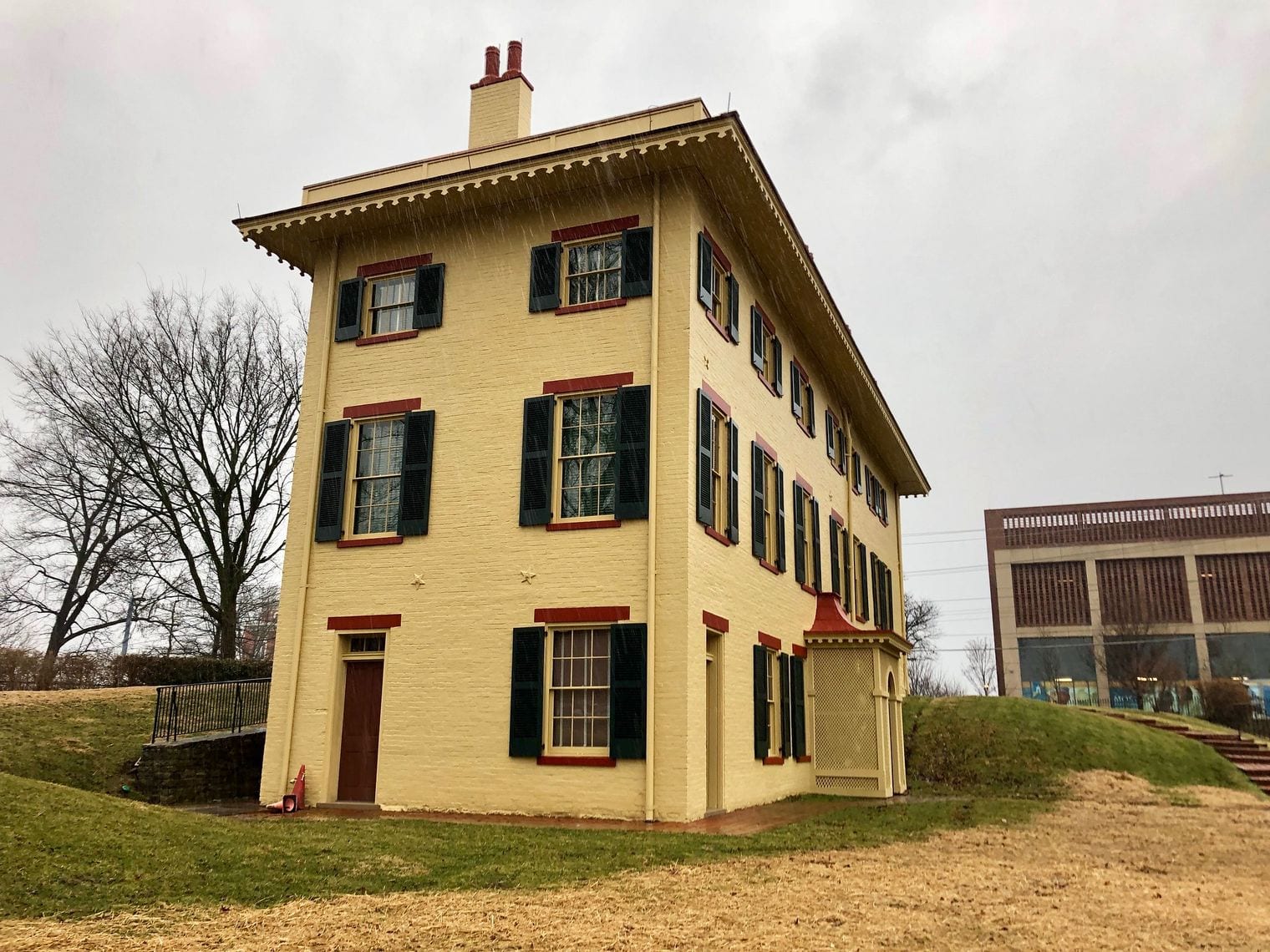
The William Howard Taft National Historic Site preserves the house in Mount Auburn where Taft was born and spent his childhood. Taft remains the only person to have served both as president of the United States and as chief justice of the Supreme Court.
Run by the National Park Service, the house has been restored to its look in the family's time, and rangers lead tours through the rooms. Exhibits in the adjoining education center follow Taft's career and his family's long role in public life.
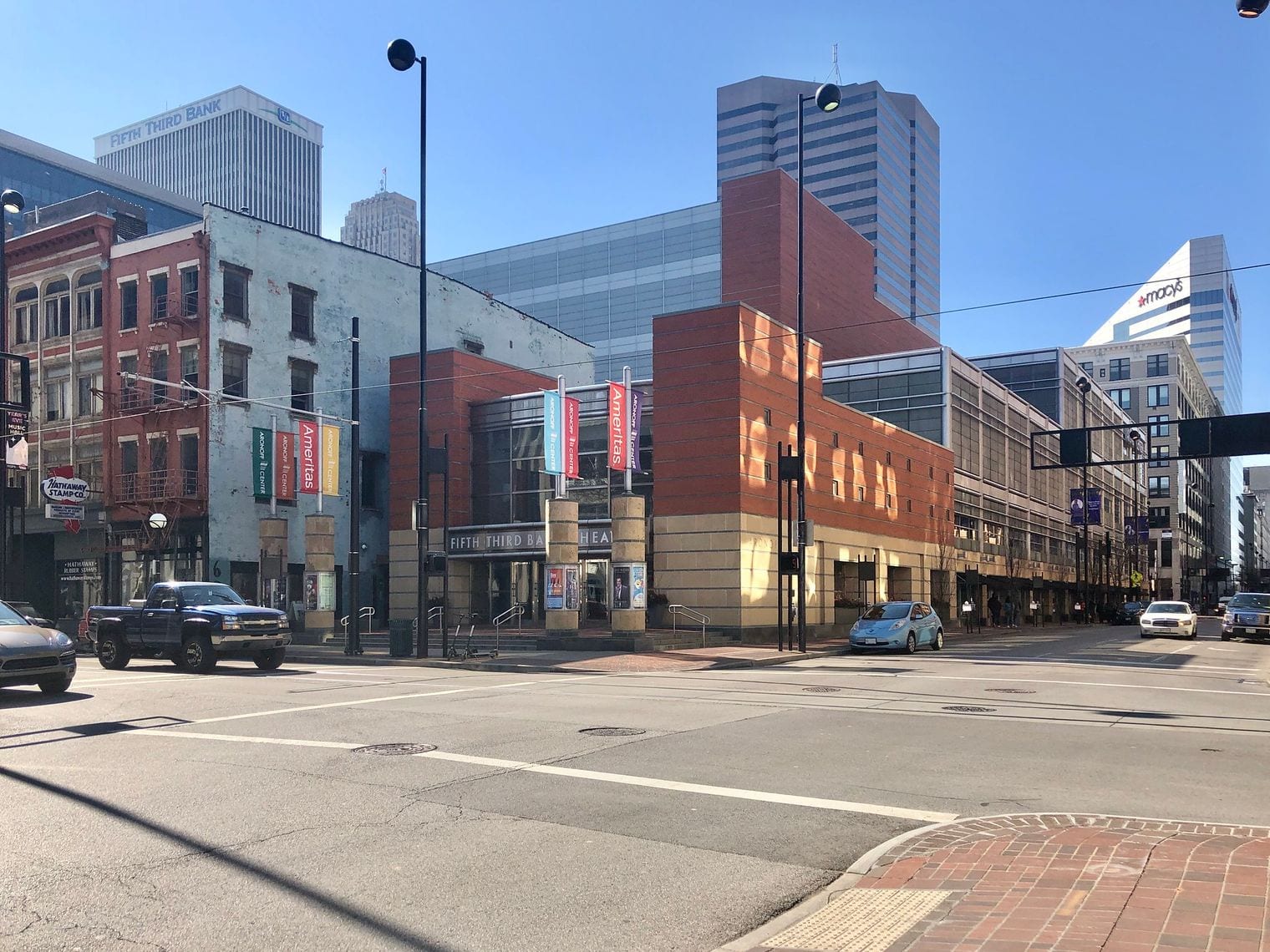
The Aronoff Center for the Arts is downtown's main stage for touring Broadway shows, a modern performing arts center designed by César Pelli that opened in 1995. It is named for Stanley Aronoff, the Cincinnati native and Ohio Senate president who secured much of its funding.
Three theaters host musicals, dance, comedy and local companies through the year, and the free Weston Art Gallery on the ground floor shows work by regional artists. Pair an evening show with dinner in the surrounding Backstage district.
Mount Adams is a steep hilltop neighborhood of narrow streets, colorful rowhouses and stairways that look down on downtown and the river. Originally called Mount Ida, it was renamed for John Quincy Adams, who laid the cornerstone of the city's first observatory up here in 1843.
The landmark is Holy Cross-Immaculata Church, where the faithful climb the hillside steps praying on Good Friday, a tradition that dates back to the 1850s. Wander the lanes for neighborhood bars with views, and walk across to Playhouse in the Park and Eden Park.
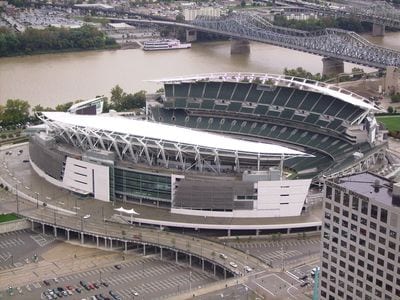
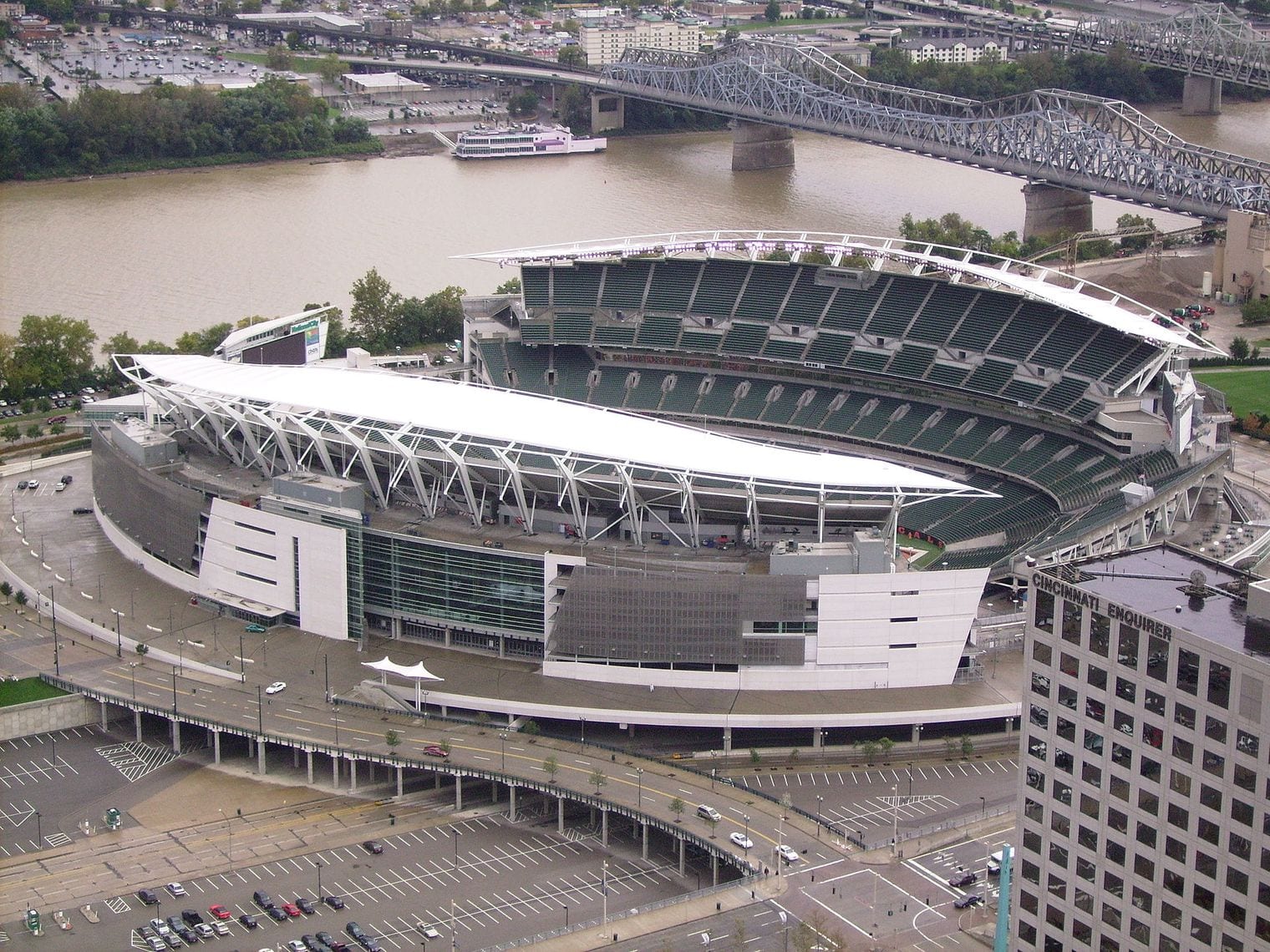
Paycor Stadium, called Paul Brown Stadium until a naming-rights deal, has been the home of the Cincinnati Bengals since it opened in 2000. Expect a sea of orange and black on game days, with tiger stripes on everything from jerseys to face paint.
The riverfront setting gives fans views of the Ohio River and the skyline, and game days fill The Banks with tailgates and Who Dey chants. Outside the NFL season, the stadium also hosts concerts and other big events.
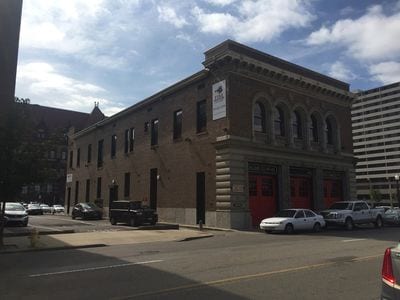
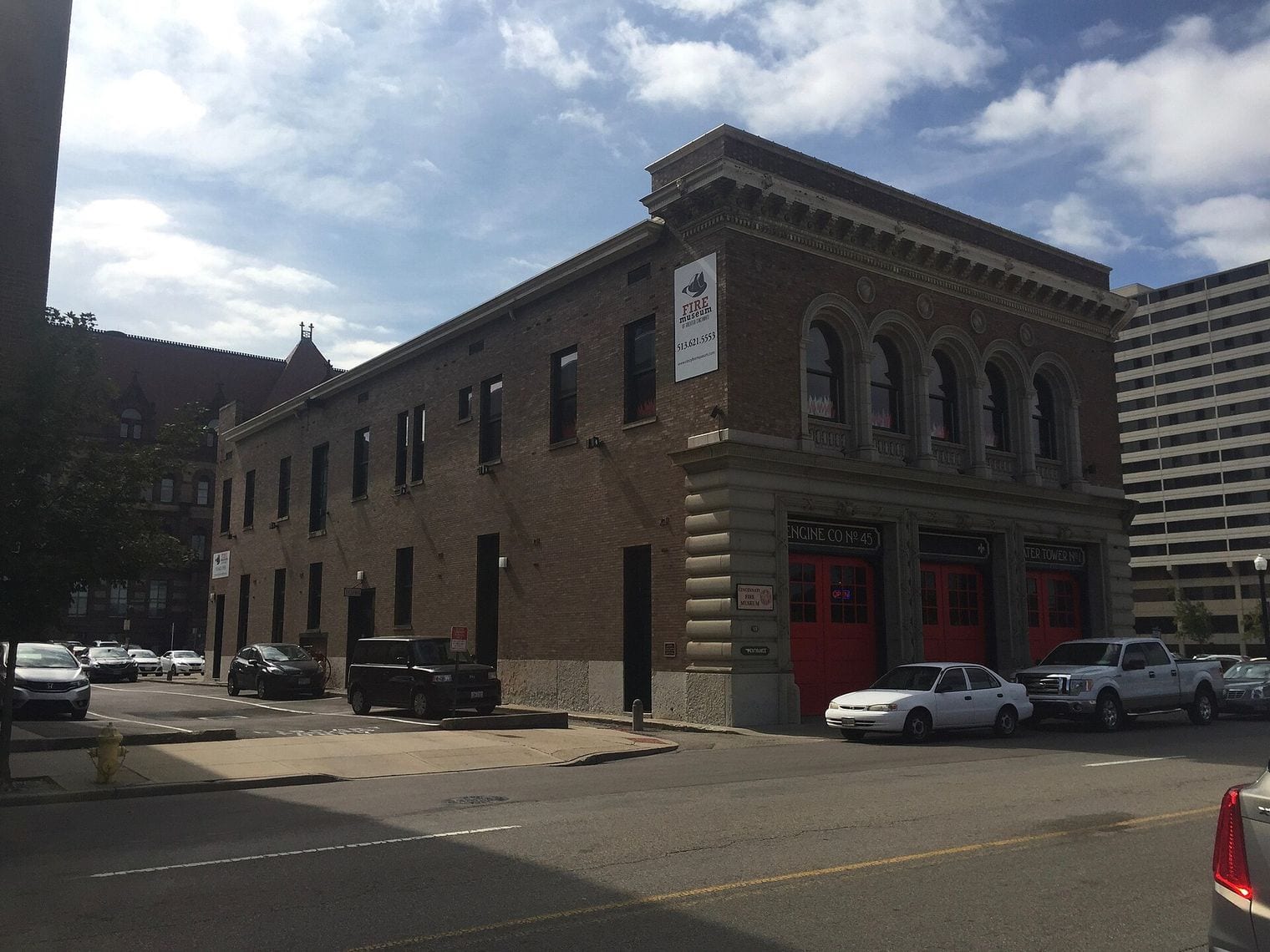
Cincinnati founded the first fully paid, professional fire department in the United States in 1853, and the Cincinnati Fire Museum tells that story from inside the restored 1906 Court Street Firehouse. Its collection spans more than two centuries of firefighting.
Look for early leather fire buckets, an 1808 fire drum, an 1836 hand pumper and the oldest surviving fire engine in the city. Kids love the modern fire engine cab, where they can ring the bell, flash the lights and sound the siren.
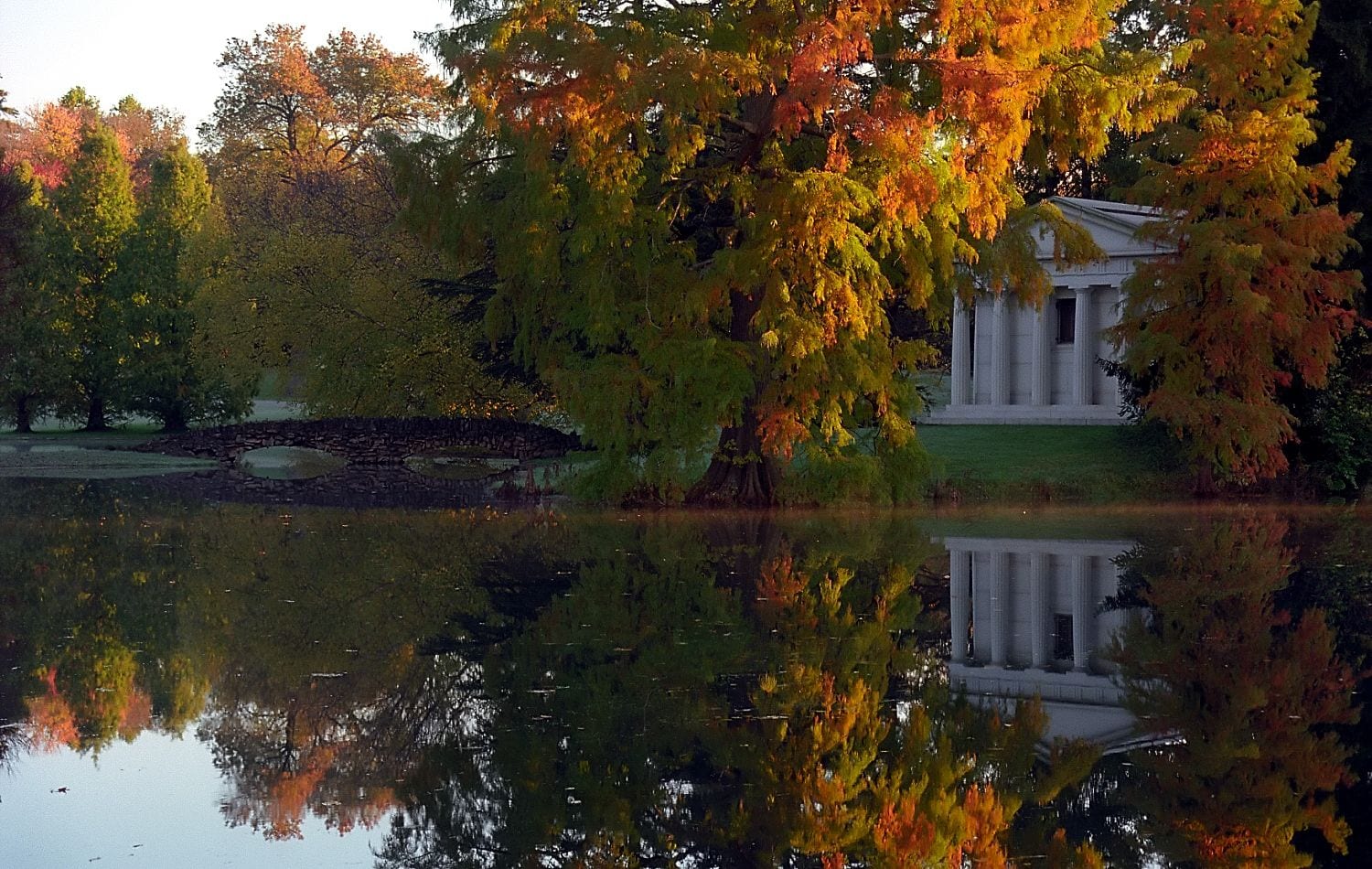
Walking or driving the grounds feels more like visiting a park than a graveyard, with historic chapels, grand mausoleums and the graves of governors, generals and business founders. Come in spring or fall, when the trees are at their most colorful.
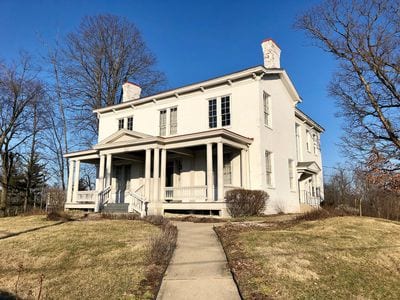
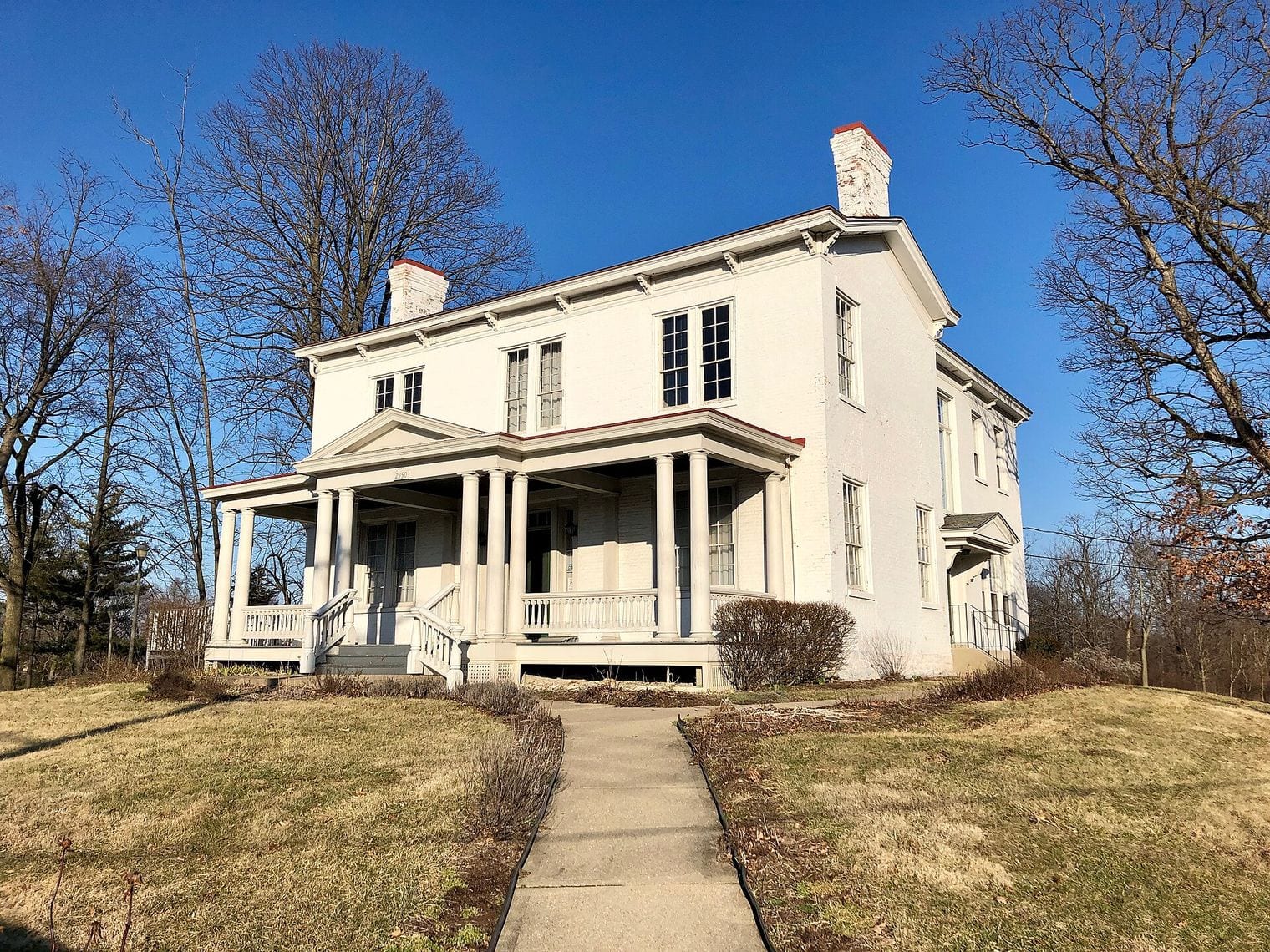
The Harriet Beecher Stowe House in Walnut Hills was the home of her father, Lyman Beecher, who moved the family to Cincinnati in 1832 to lead Lane Theological Seminary. Harriet lived here as a young woman, and what she saw of slavery just across the river in Kentucky helped inspire Uncle Tom's Cabin two decades later.
The house reopened in 2024 after a renovation, with exhibits on the Beecher family, the antislavery movement and the building's later life as the Edgemont Inn, a boarding house for African Americans. It pairs naturally with the Freedom Center.
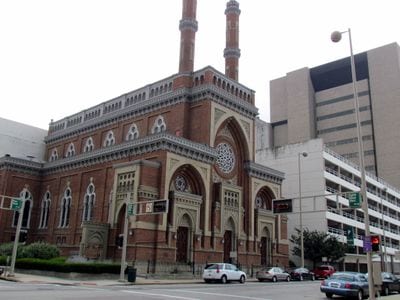
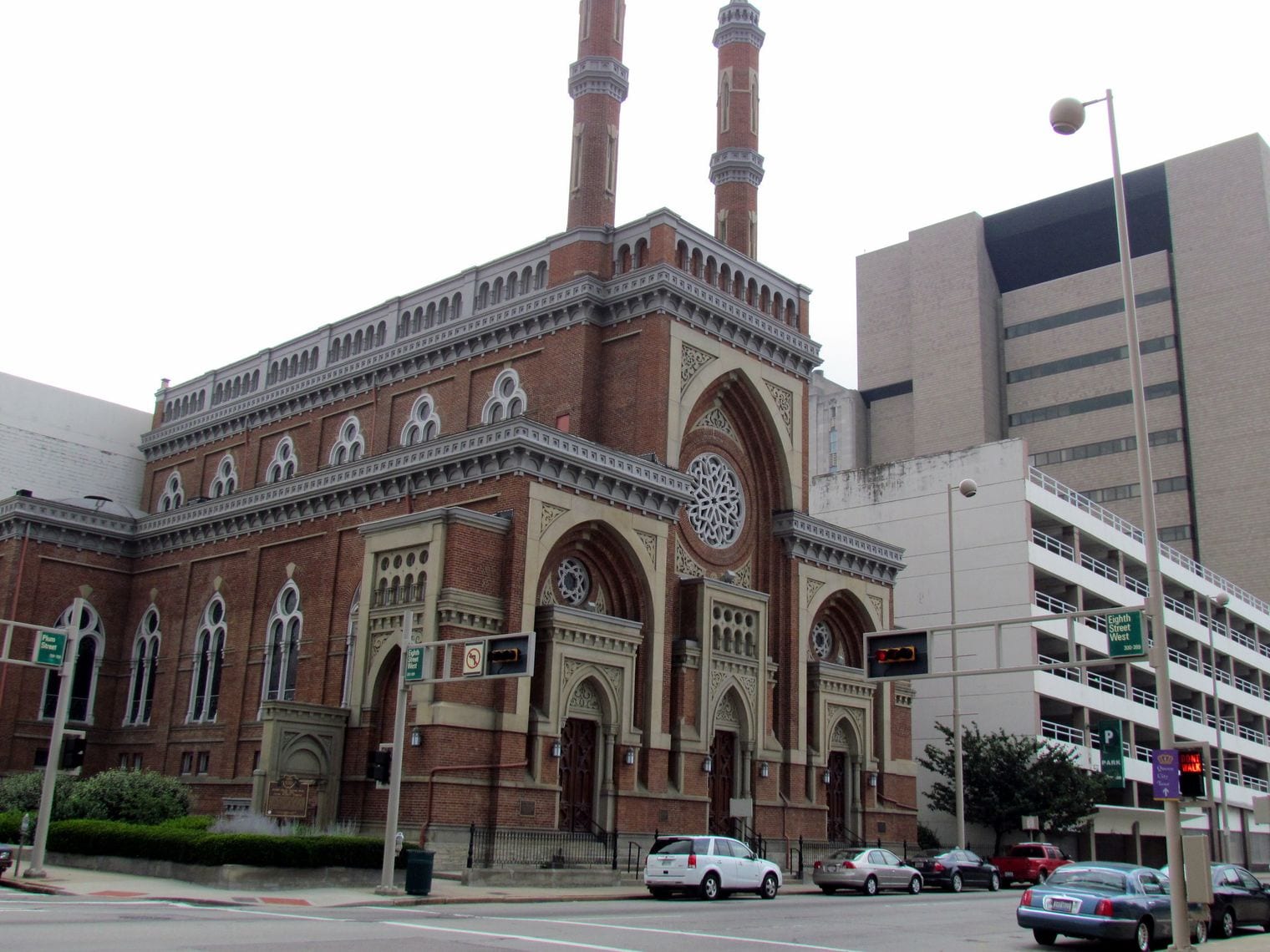
Dedicated in 1866, Plum Street Temple is among the oldest synagogue buildings in the United States and a National Historic Landmark. Architect James Keys Wilson drew on the Alhambra in Granada, so its twin minarets and Moorish arches look like nothing else in downtown Cincinnati.
The temple was built for Rabbi Isaac Mayer Wise, a founder of American Reform Judaism, and the congregation still uses it for services and celebrations. Its stenciled interior is breathtaking, and it stands across Plum Street from the Cathedral Basilica and City Hall, a striking trio of faith and civic pride.
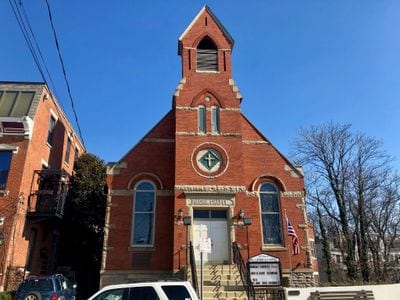
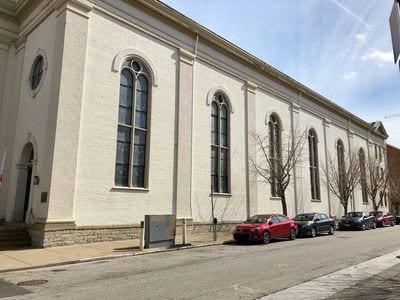
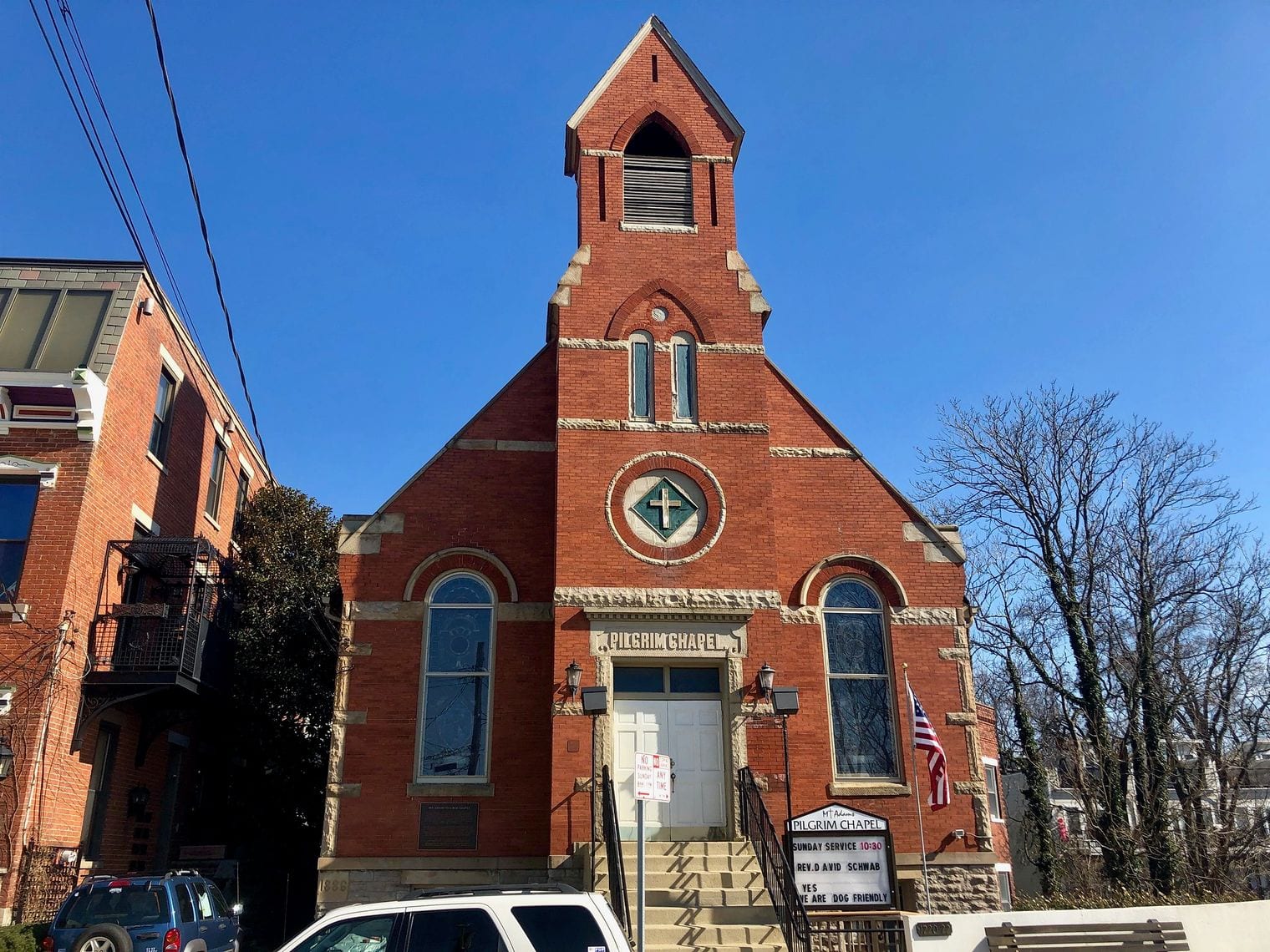
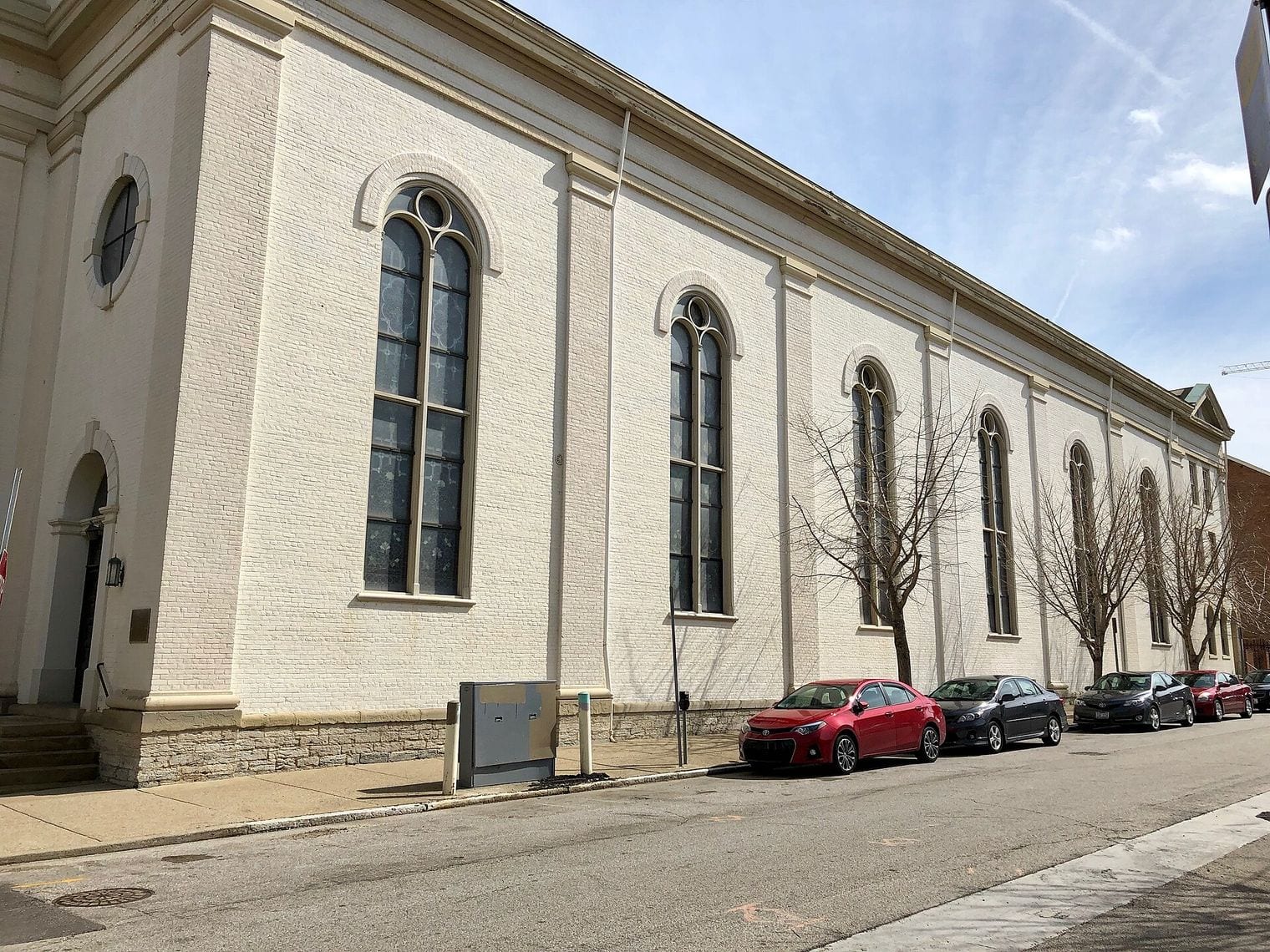
Old St. Mary's Church is the oldest church building still standing in Cincinnati and the city's oldest continually used house of worship. German immigrants organized the parish in 1840 and built this Greek Revival church in Over-the-Rhine, its tall clock tower rising above the rowhouses.
It remains a working parish, now home to the Cincinnati Oratory, and Mass is still offered in Latin, German and English. Step inside to see the ornate interior, then continue along the streets of the neighborhood it helped to found.
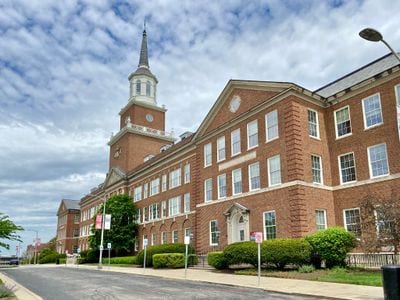
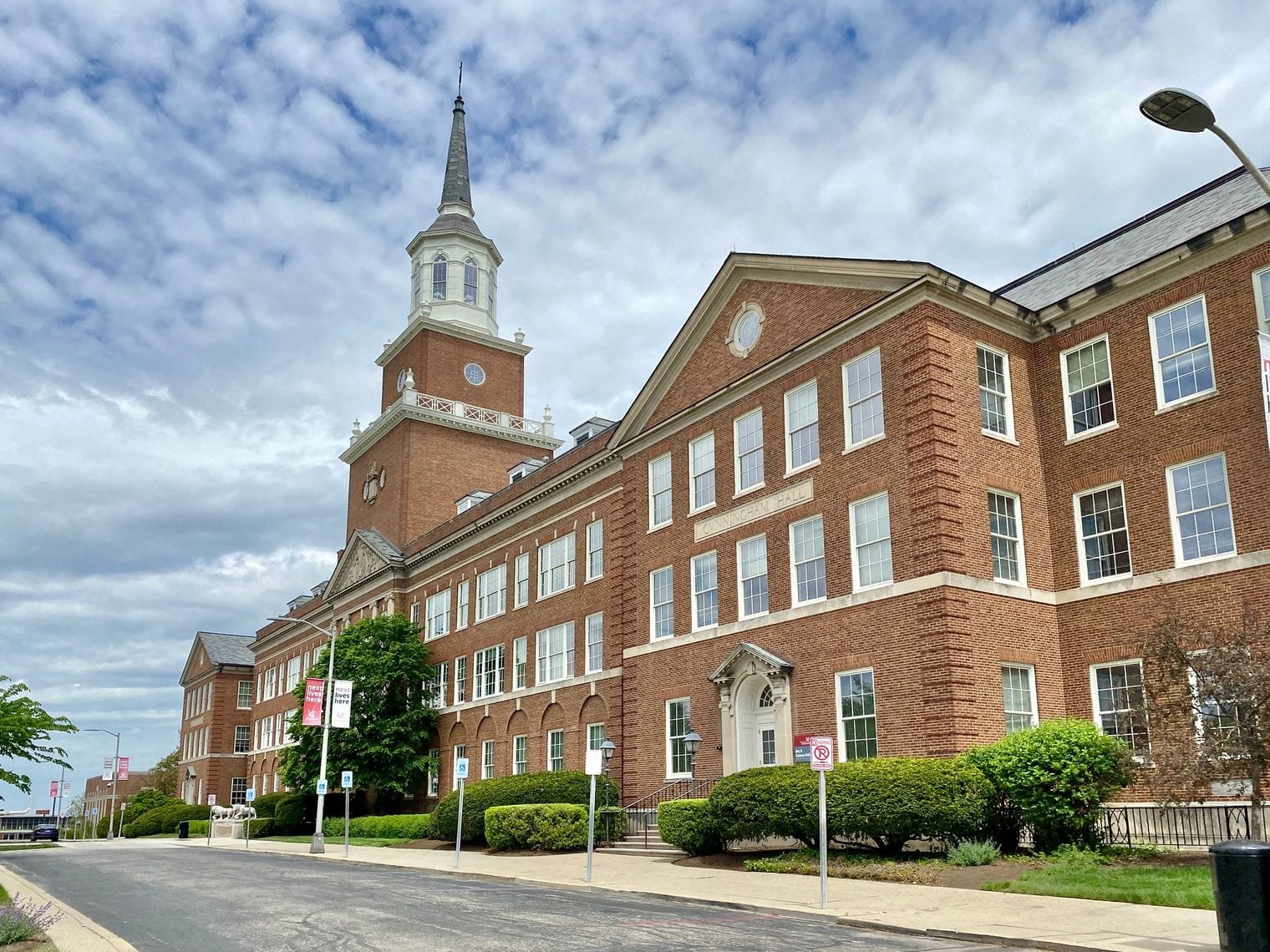
Founded in 1819, the University of Cincinnati is the city's big uptown campus, and it has become a showcase of contemporary architecture through its Signature Architecture Program. Walking the grounds is like flipping through a design textbook, with buildings by Frank Gehry, Peter Eisenman, Michael Graves and Morphosis.
Look for Gehry's crumpled brick Vontz Center for Molecular Studies, Eisenman's zigzagging Aronoff Center for Design and Art, and Morphosis's Campus Recreation Center. Nippert Stadium, home of Bearcats football, sits right in the middle of campus, ringed by the surrounding neighborhoods of Clifton.
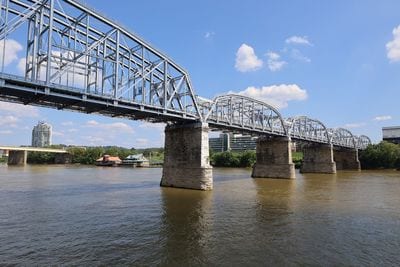
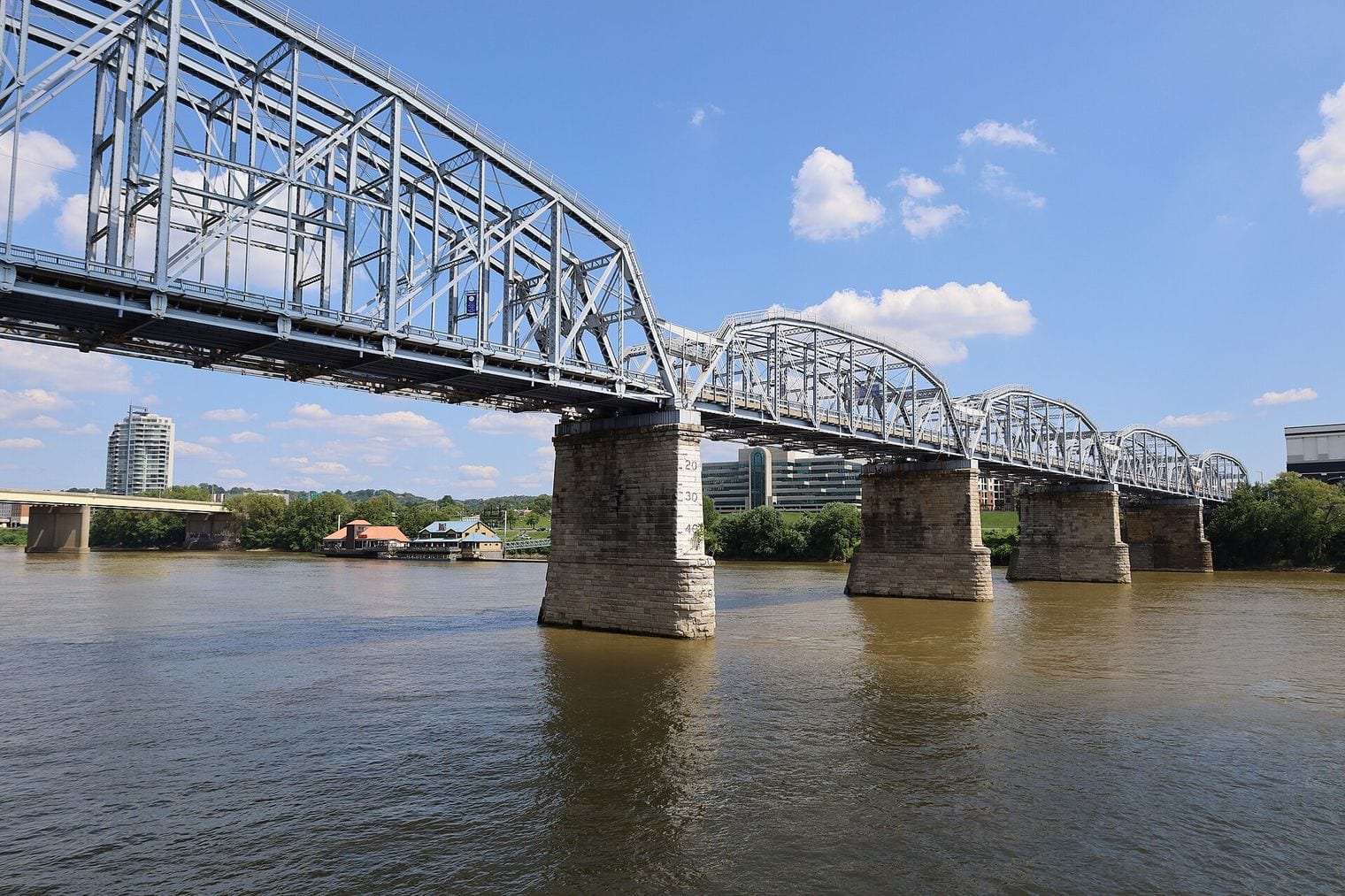
The Purple People Bridge is a 2,670-foot, pedestrian-only crossing of the Ohio River, painted a cheerful purple and linking Sawyer Point in Cincinnati with Newport, Kentucky. It first opened in 1872 as the city's first railroad bridge across the river, and today walkers and cyclists have it to themselves.
It is an easy stroll that serves up some of the best skyline views in the city, especially at sunset. Start on the Ohio side and stroll over for a look back at the riverfront parks and stadiums.
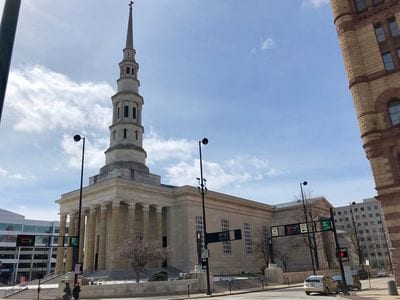
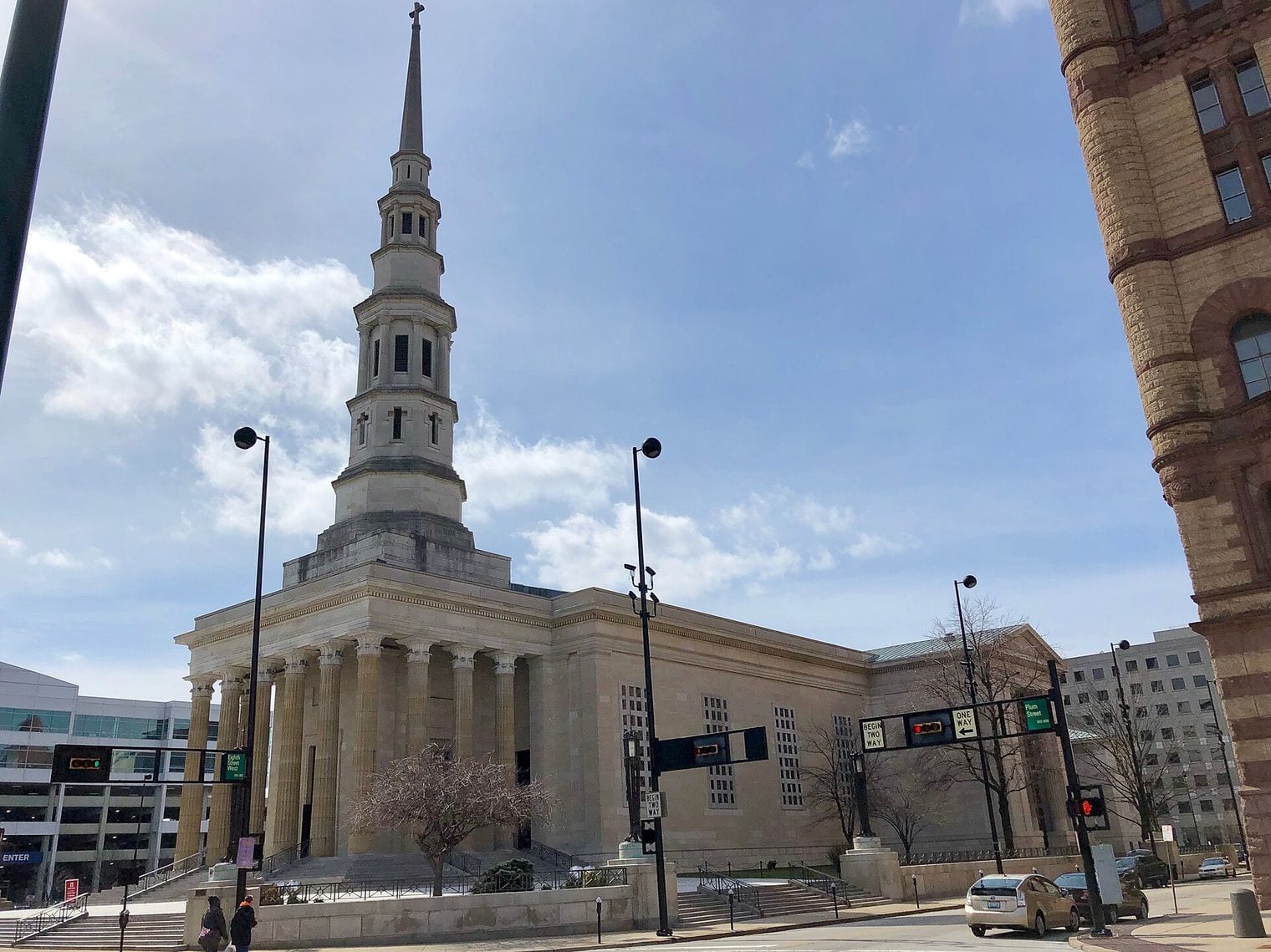
The Cathedral Basilica of St. Peter in Chains is a Greek Revival landmark on Plum Street, its cornerstone laid in 1841 and the church dedicated in 1845. The tall white stone spire and columned portico look more like an ancient temple than a typical cathedral.
Inside, the bright, column-lined nave keeps the same calm classical lines. The church was named a minor basilica in 2020, and it faces Plum Street Temple across the street.
Plan your trip
Best Time to Visit Cincinnati
Spring and fall are the sweet spots. Spring kicks off with baseball's Opening Day, which Cincinnati treats as an unofficial holiday with a parade that starts at Findlay Market, and the city's parks and gardens are at their freshest. Fall brings mild days, colorful hillsides in Eden Park and Mount Airy Forest, Bengals football and the city's big German-style Oktoberfest on the riverfront.
Summers are hot and humid but packed with Reds games, riverfront festivals and evenings in Washington Park. Winters are cold and gray, yet the zoo's Festival of Lights, the ice rink on Fountain Square and the holiday displays at Krohn Conservatory make December a cheerful time to visit.
Getting to Cincinnati
Cincinnati sits where I-71, I-74 and I-75 meet, with the I-275 beltway looping around the metro area, so the city is an easy drive from much of the Midwest and the South. Cincinnati/Northern Kentucky International Airport (CVG) lies across the river in Hebron, Kentucky, a short drive southwest of downtown, and Dayton's airport, about an hour north, is an alternative.
Amtrak's long-distance trains stop at Union Terminal, the Art Deco station that houses the Cincinnati Museum Center, and intercity buses link the city with Columbus, Indianapolis, Louisville and beyond.
Getting Around Cincinnati
Downtown, The Banks and Over-the-Rhine are compact and easy to explore on foot, and a streetcar loop connects the riverfront with downtown and the heart of Over-the-Rhine. Metro buses reach the uptown neighborhoods, and a bike-share network and rideshare fill the gaps.
The city is famously hilly, though, and many top sights, including the zoo, Eden Park, the observatory, Ault Park and Mount Airy Forest, sit on the hills above the basin. A car makes it much easier to combine them in one day. Garages are plentiful downtown, and street parking is easier in the outer neighborhoods.
Where to Stay in Cincinnati
Downtown and The Banks put you within walking distance of Fountain Square, the stadiums, the Freedom Center and the riverfront parks, and they have the widest choice of places to stay. Over-the-Rhine suits travelers who want restored historic buildings, Findlay Market and the best of the dining and nightlife scene on the doorstep.
For a quieter base, Mount Adams has hilltop views and is next to Eden Park, while Clifton and the uptown area around the University of Cincinnati are handy for the zoo. Covington and Newport, just across the river in Kentucky, are close enough to walk into downtown over the bridges.
Where to Eat in Cincinnati
No visit is complete without Cincinnati chili, a cinnamon-spiced meat sauce served over spaghetti or hot dogs at chili parlors all over town; order a "three-way" for spaghetti, chili and a mound of shredded cheese. Breakfast means goetta, a crisp-fried sausage of pork and oats, and Findlay Market is the place to graze through local meats, cheeses, pastries and international stalls.
Over-the-Rhine, especially Vine Street, has the city's densest cluster of restaurants, brewery taprooms and cocktail bars. The Banks is lively before and after games, while Mount Adams pairs dinner and drinks with views over downtown and the river.
Day Trips from Cincinnati
The closest escape is Covington and Newport, just across the river in Kentucky, while Mason, a 32-minute drive north, is home to the Kings Island theme park. Dayton, 56 minutes north, was the Wright brothers' hometown and is home to the vast National Museum of the U.S. Air Force.
Heading south, Lexington is 1 hour 22 minutes away by car, surrounded by the horse farms of the Bluegrass, and Louisville, 1 hour 33 minutes to the southwest, offers bourbon and the Kentucky Derby's home track.
Ohio's capital, Columbus, is a 1 hour 43 minute drive northeast, and Indianapolis is 1 hour 50 minutes to the northwest. Nature lovers can drive 1 hour 28 minutes east to the ancient effigy earthwork at Serpent Mound, or make a long day of it at Hocking Hills State Park, 2 hours 38 minutes away, for its gorges, caves and waterfalls.
Cincinnati is best known for the Cincinnati Zoo & Botanical Garden, the Art Deco Cincinnati Museum Center at Union Terminal, Findlay Market, Reds baseball at Great American Ball Park and the Cincinnati Art Museum. It is also famous for its own style of chili, the German-built Over-the-Rhine neighborhood and its hills overlooking the Ohio River.
How many days do you need in Cincinnati?
Two to three days is enough to see the core sights: one day for Over-the-Rhine, Findlay Market and the riverfront, another for the zoo or Union Terminal, and a third for Eden Park, the art museums and a ballgame. Add a day if you want a side trip to Kings Island or Dayton.
What can you do in Cincinnati for free?
Plenty. General admission to the Cincinnati Art Museum is free, and so are Eden Park, Washington Park, Smale Riverfront Park, Sawyer Point, Ault Park and Mount Airy Forest. You can also people-watch on Fountain Square and walk across the Roebling Suspension Bridge or the Purple People Bridge to Kentucky and back.
Is Cincinnati worth visiting?
Yes. Cincinnati packs a lot into a compact, walkable core: one of the country's oldest zoos, a landmark Art Deco train station turned museum center, a lively historic district in Over-the-Rhine, two riverfront stadiums and some of the best city views in the Midwest from its hilltop parks.
Is downtown Cincinnati walkable?
Yes. Downtown, The Banks and Over-the-Rhine sit close together in the river basin, and a streetcar loop links them. You can walk from Fountain Square to the riverfront parks or Findlay Market. For hilltop sights such as the zoo, Eden Park, the observatory and Ault Park, plan on driving, a bus or a rideshare.
Sources & updates
How this guide was checked
Checked before launch
Sources cited
35
Publishers
25
Every place on this list was confirmed open and pinned on the map before publication, and what we say about each one was checked against its own website or an official source.
A PDF with a box to tick for every place. Confirm your email to download it, and get one email every Thursday with our newest guides for the places you tick.
Free Cincinnati printable checklist
All 35 places in one PDF
Tick them off as you go. Confirm your email to download it, plus one email every Thursday with new guides for the places you tick.
We use cookies to analyse site traffic and improve your experience.
You can accept or reject analytics cookies. See our
May we use analytics cookies? See ourCookie Policy.