We build and rank every list first. Booking links come after, and only where
a partner sells a ticket, tour or stay for that exact place, so a place with
nothing to book is listed exactly as prominently as one you can book.
So how do we earn? Some links on this page go to booking
partners, and if you book tickets, tours or a stay through
one, we may earn a commission. It costs you nothing extra.
That commission never decides which places make the list, the order they
appear in, or what we write about them. No entry is sponsored or a paid
placement.
By the City Viking editorial teamPublished 25 places · 21 min read
Fact-checked Checked before launchOct 22, 202625 sources17 publishers7 encyclopedias & research18 venues & other sitesPublished · Oct 22, 2026Researched and checked before it went liveClick for every source and the full change log.
Short answer
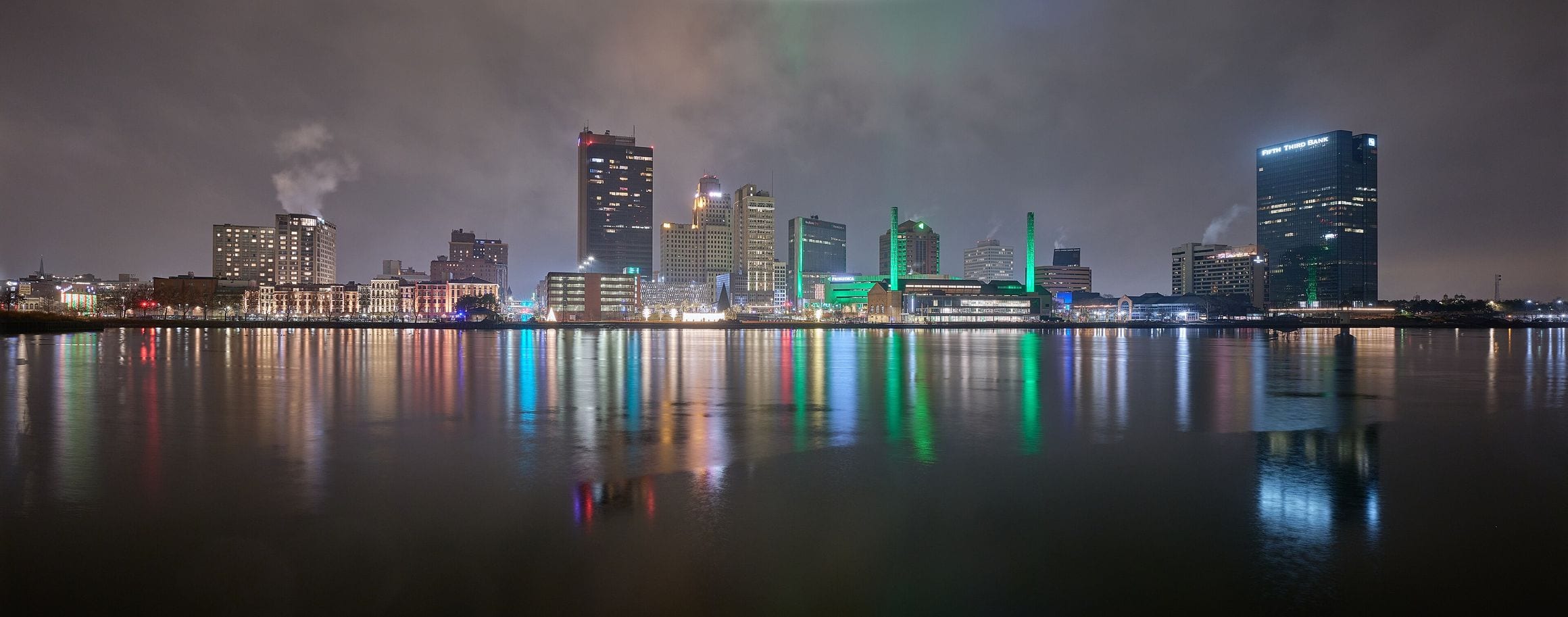
Toledo is known for its glassmaking past as the Glass City, its spot where the Maumee meets Lake Erie and the Toledo War with Michigan. Start with the free Toledo Museum of Art and its Glass Pavilion, then the Toledo Zoo & Aquarium and an evening Mud Hens game at Fifth Third Field. Two full days covers the highlights, and a third leaves time for the riverfront Metroparks and the National Museum of the Great Lakes.
Toledo sits where the Maumee River meets the western tip of Lake Erie, and the glassmakers who arrived in the 1880s gave it a lasting nickname: the Glass City. Their fortunes built a world-class art museum, and the riverfront they once lined is now a string of new parks, a science center and a maritime museum.
This guide covers 25 of the best things to do in Toledo, from the zoo and the Victorian streets of the Old West End to Warehouse District nights and riverside parks. Two full days covers the highlights; a third leaves time for the Metroparks and a ball game.
Toledo was founded in 1833 as part of the Michigan Territory. Ohio and Michigan both claimed the Toledo Strip, and the standoff, known as the Toledo War, ended with the land going to Ohio and Michigan taking most of the Upper Peninsula instead, a deal a Michigan convention in Ann Arbor at first rejected.
The "Glass City" nickname dates to the 1880s, when the first of many glass manufacturers arrived. One of them, Edward Drummond Libbey, founded the Toledo Museum of Art in 1901.
Toledo's other nickname, Frog Town, comes from the Great Black Swamp, the wetland that once covered the land just south of the city.
A team called the Mud Hens has played baseball in Toledo since 1896, named after the American coots, or "mud hens," that lived in the marsh beside an early ballpark.
Rosary Cathedral was designed with Toledo, Spain, in mind, and the cathedral describes it as the only American cathedral built in the Spanish Plateresque style.
On M*A*S*H, Toledo-born actor Jamie Farr played Corporal Klinger, a character who hailed from Toledo, and the show's mentions of Tony Packo's made the East Side cafe's Hungarian hot dogs famous nationwide.
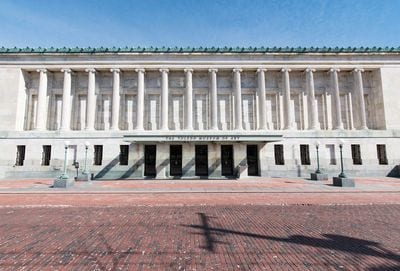
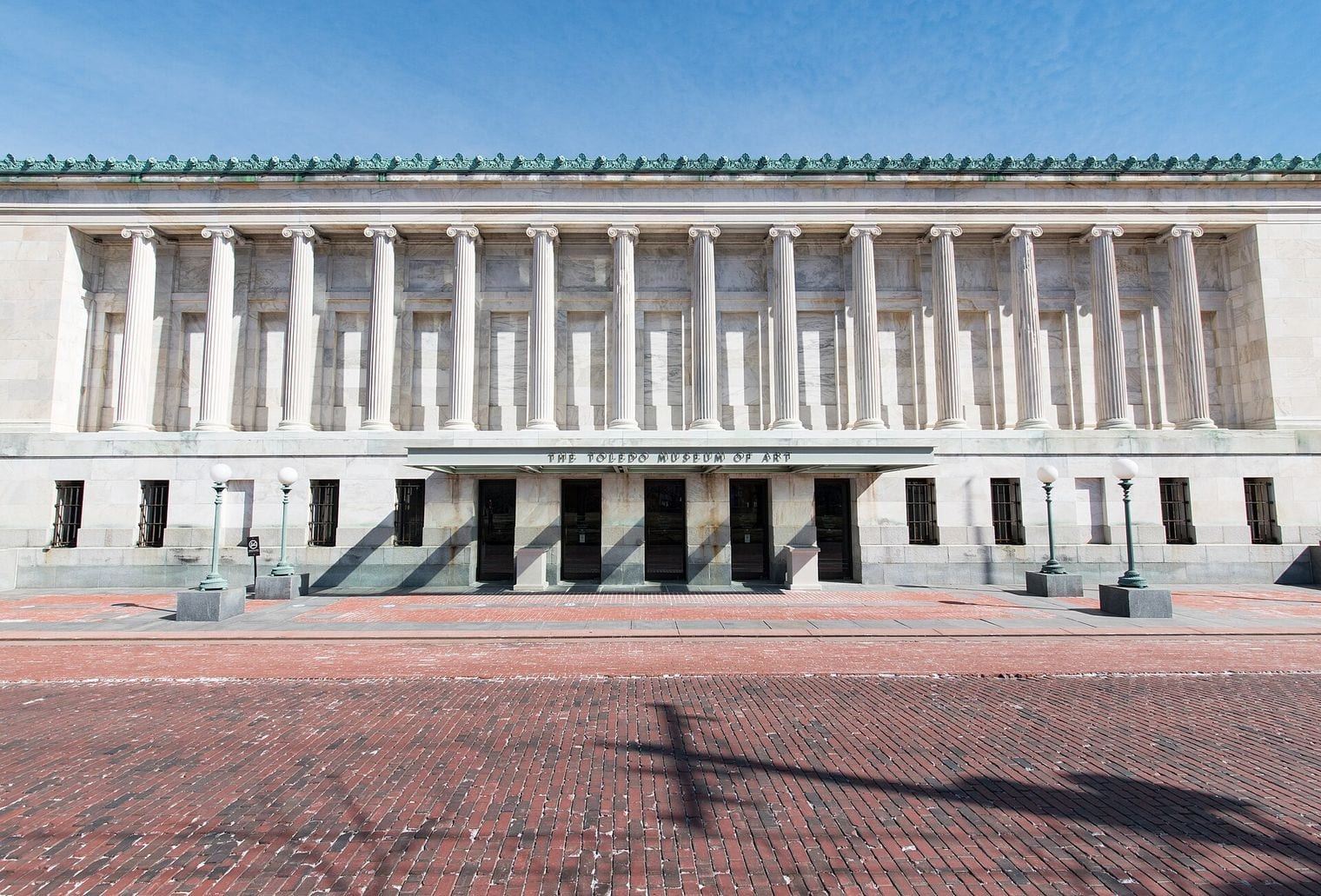
The Toledo Museum of Art is the reason many visitors come to the city, and general admission is free. Glassmaker Edward Drummond Libbey founded it in 1901, and since 1912 it has filled a grand Greek Revival building on Monroe Street at the edge of the Old West End, with some 45 galleries and a collection of more than 30,000 objects.
The highlights run from Rubens's The Crowning of Saint Catherine and Fragonard's Blind Man's Bluff to Van Gogh's Houses at Auvers and modern work by Willem de Kooning and Henry Moore. Leave time for the Cloister, the sculpture garden along the Monroe Street front, and the Peristyle, the columned concert hall where the Toledo Symphony Orchestra plays.
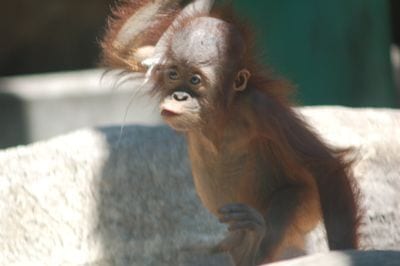
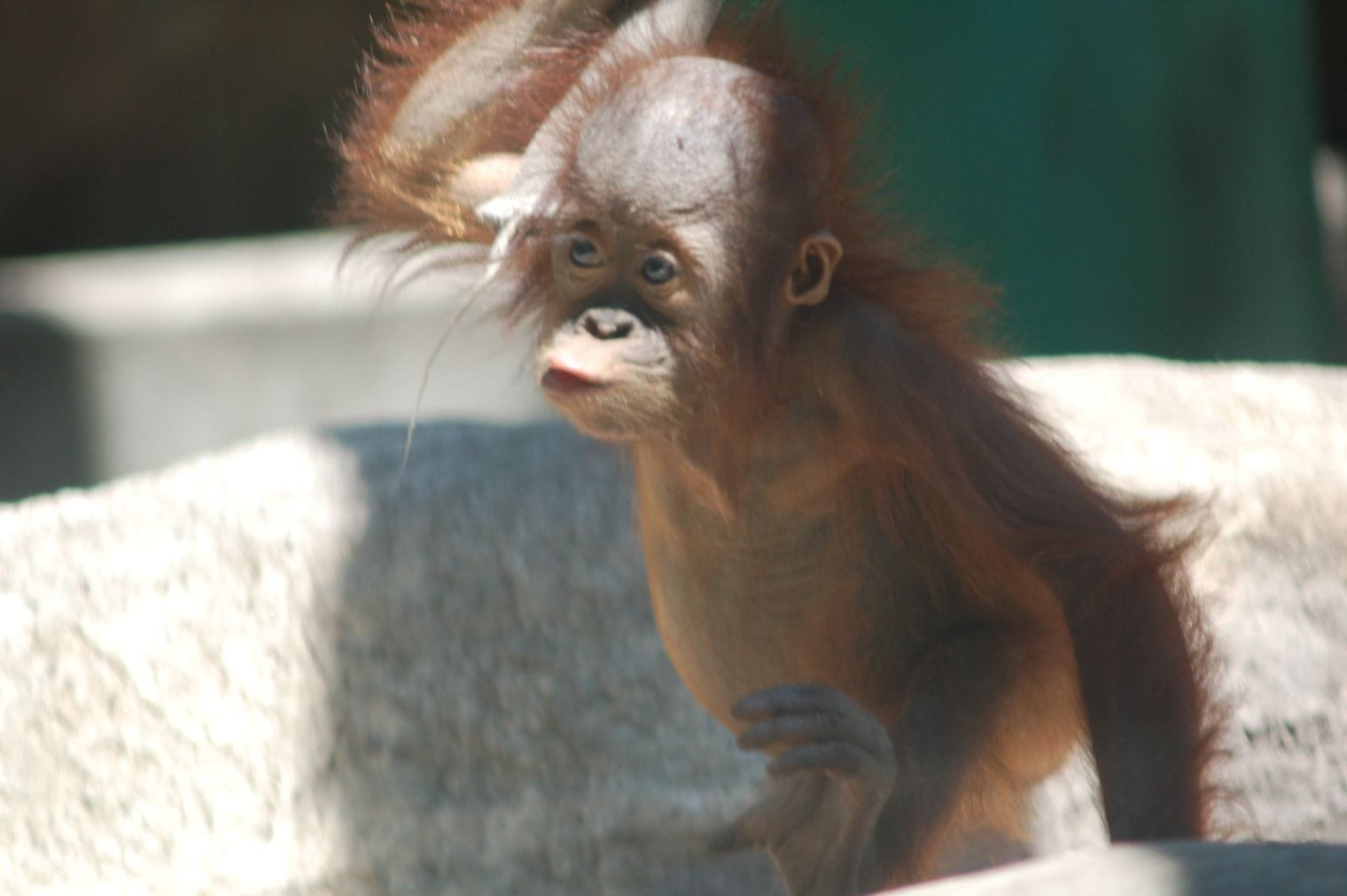
The Toledo Zoo & Aquarium is one of the most celebrated zoos in the Midwest, an accredited zoo with thousands of animals spread across a large campus south of downtown. Kodiak Ridge brings you close to brown bears, the aquarium fills its tanks with freshwater and ocean life, and a natural-history museum sits on the grounds too.
The older buildings are a sight in themselves. Several date from the 1930s, when Works Progress Administration crews built them from salvaged materials, among them the Reptile House and the original aquarium. In the winter season the grounds are lit up for the Lights Before Christmas, a long-running holiday tradition that draws crowds from across the region.
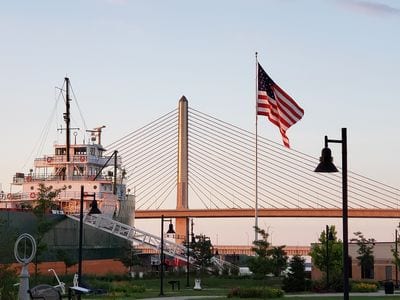
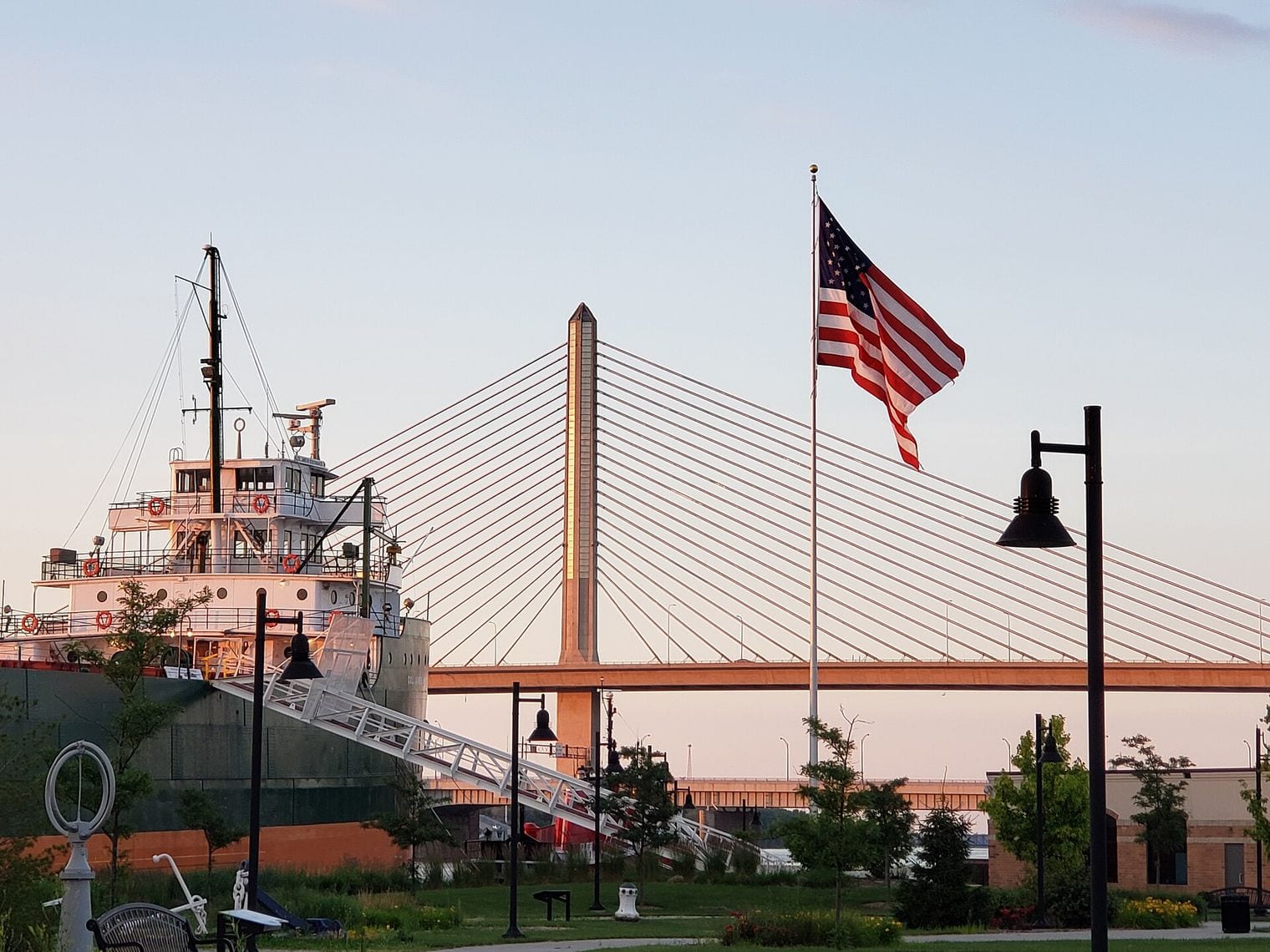
The National Museum of the Great Lakes tells the story of the five lakes from the American side: shipwrecks, storms, lighthouses, the freighters that hauled ore and grain, and the people who sailed them. Run by the Great Lakes Historical Society, it sits in the Toledo Maritime Center on the east bank of the Maumee River, with hands-on galleries that suit both history buffs and children.
The big draw is moored outside. The Col. James M. Schoonmaker, a lake freighter launched in 1911, lets you walk its decks, crew quarters and pre-radar pilothouse, and the retired tug Ohio sits alongside. The ships open to visitors in the warmer months, so plan a summer or early-fall visit if climbing aboard matters to you.
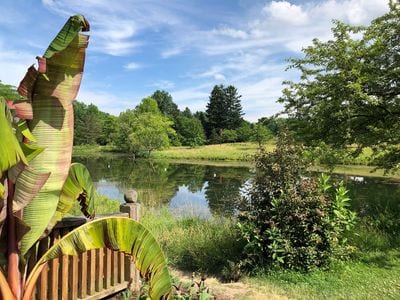
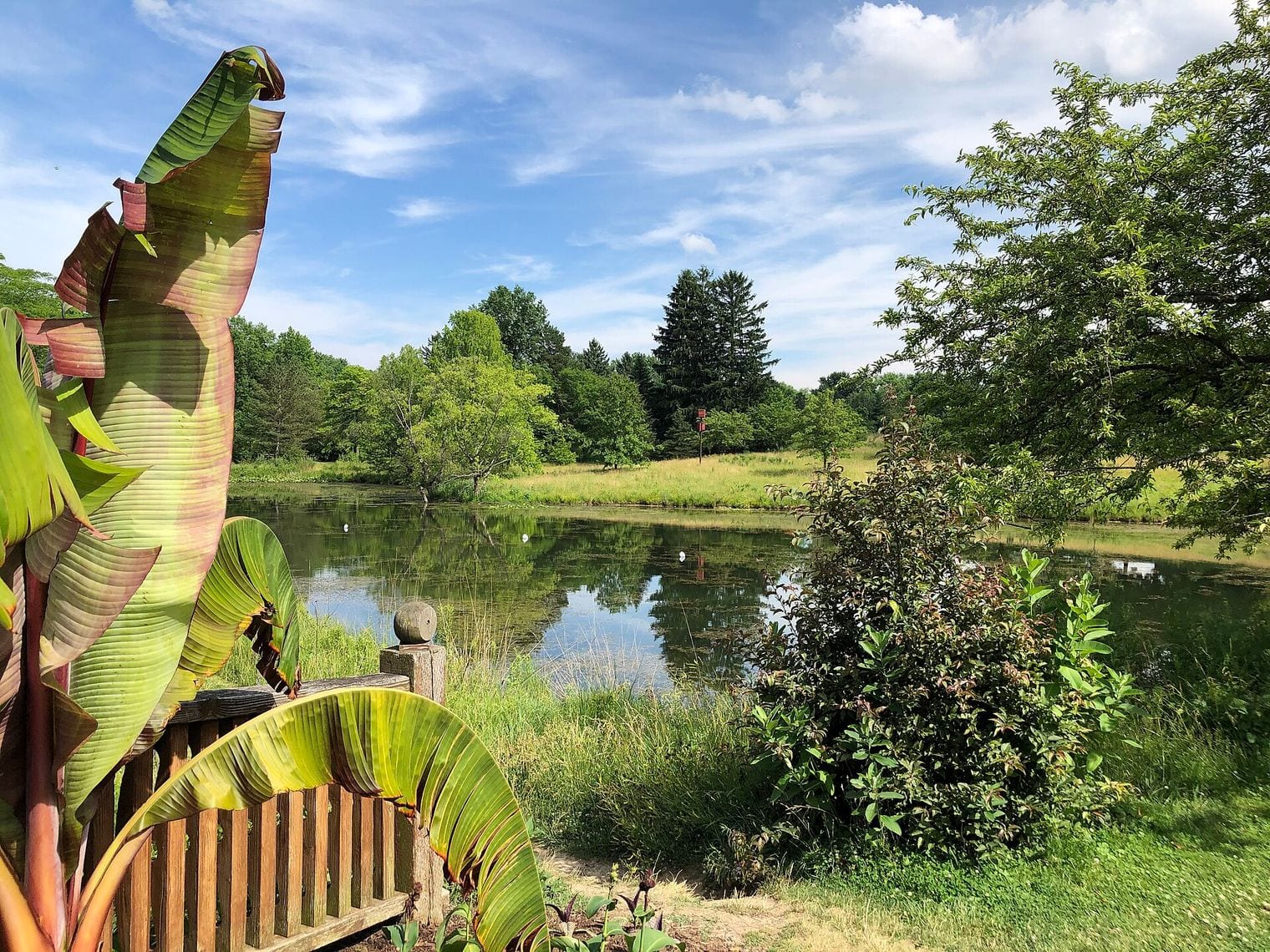
Toledo Botanical Garden began as 20 acres that George P. Crosby gave the city and has grown to about 60 acres of themed gardens in West Toledo, now run by Metroparks Toledo. Paths wind past a rose garden, an herb garden, perennial borders and a shade garden known for its hostas, with plenty of benches for a slow afternoon.
The garden doubles as an arts hub. An artist village of small studios and galleries sits on the grounds, and the Crosby Festival of the Arts fills the lawns each June with painters, potters and jewelers. Spring bloom and early summer are the prettiest times to come, though the garden is pleasant for a walk in any season.
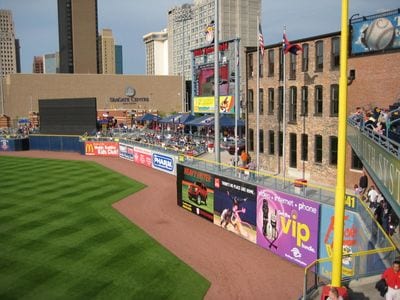
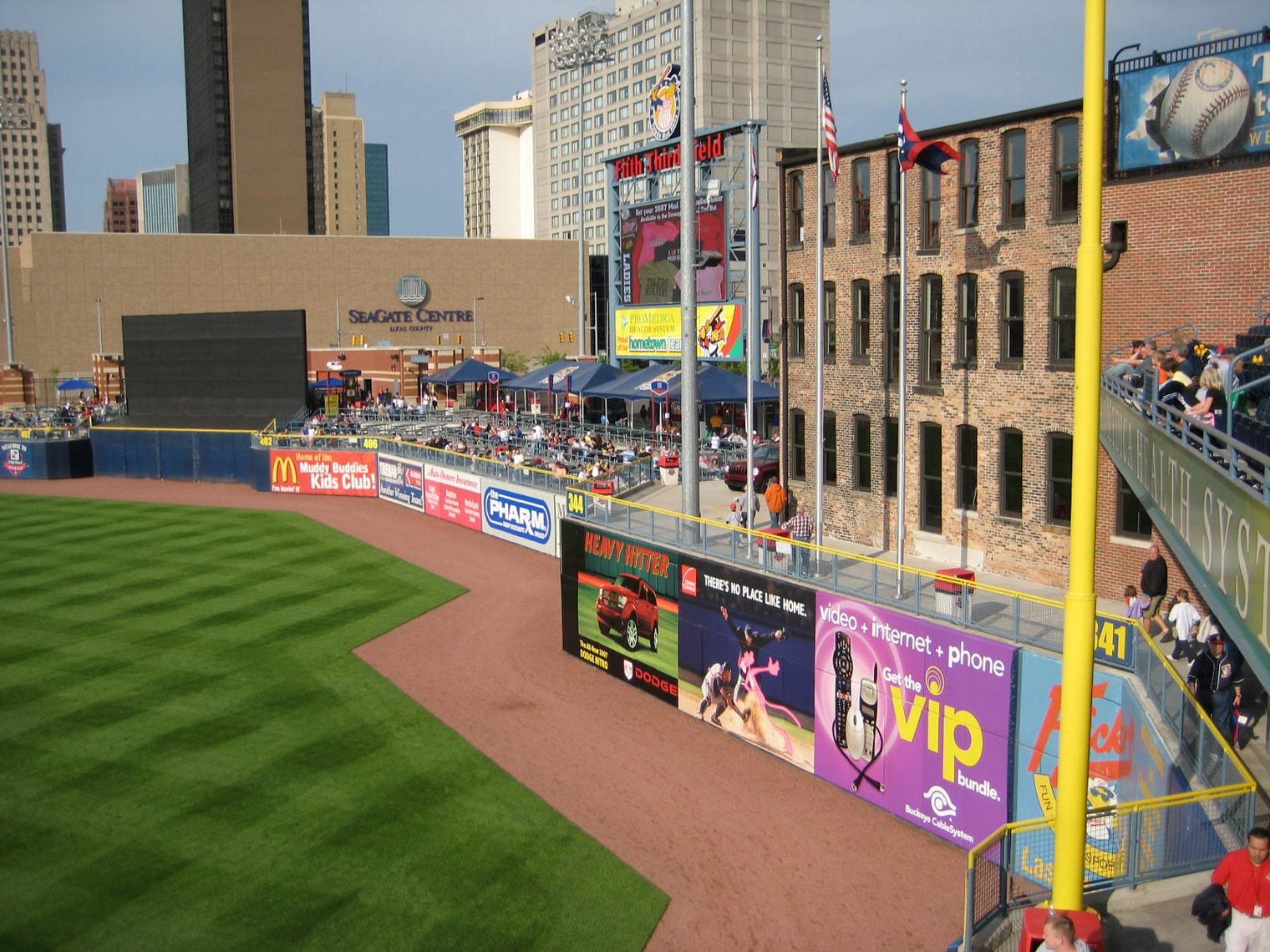
Fifth Third Field is the home of the Toledo Mud Hens, the Triple-A affiliate of the Detroit Tigers, and one of the most enjoyable nights out in Toledo. The downtown ballpark opened in 2002 and seats roughly 10,000, set among the old brick warehouses of the district, with a crowd that comes as much for the atmosphere as the score.
The team name is a piece of local history: a Mud Hens team first played here in 1896, named for the marsh birds that lived near the old ballpark. Before or after a game, walk over to Hensville, the pedestrian block of bars, patios and event space right behind the stadium that keeps the Warehouse District busy on game nights.
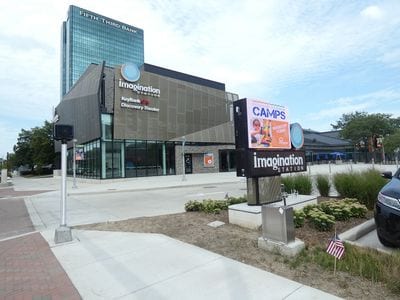
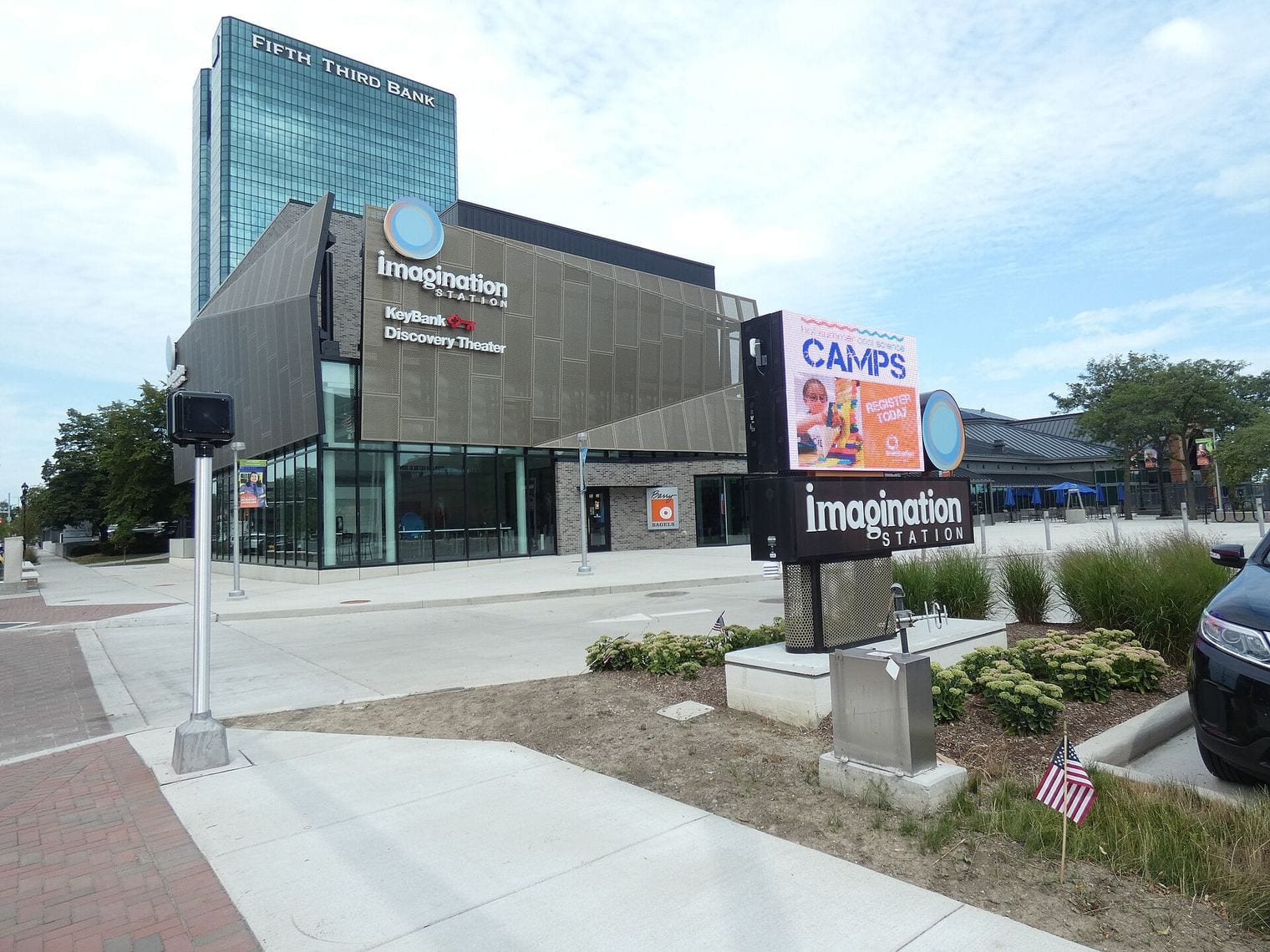
Imagination Station is Toledo's hands-on science center, right on the Maumee River downtown, with more than 300 exhibits built to be touched, pulled and climbed on. It opened in 1997 as COSI, closed for lack of funding at the end of 2007, and reopened under its current name in 2009 after voters backed a levy to save it.
Inside, children can build, test and tinker their way across the exhibit floors, and adults tend to get just as absorbed. The large-screen theater added in a recent upgrade shows science films, and the riverside setting makes it easy to pair a visit with a walk along the downtown waterfront.
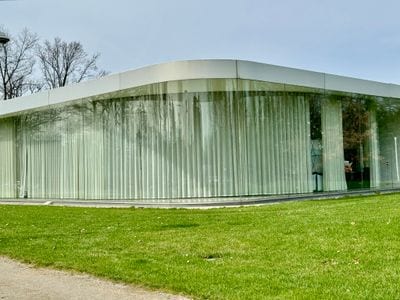
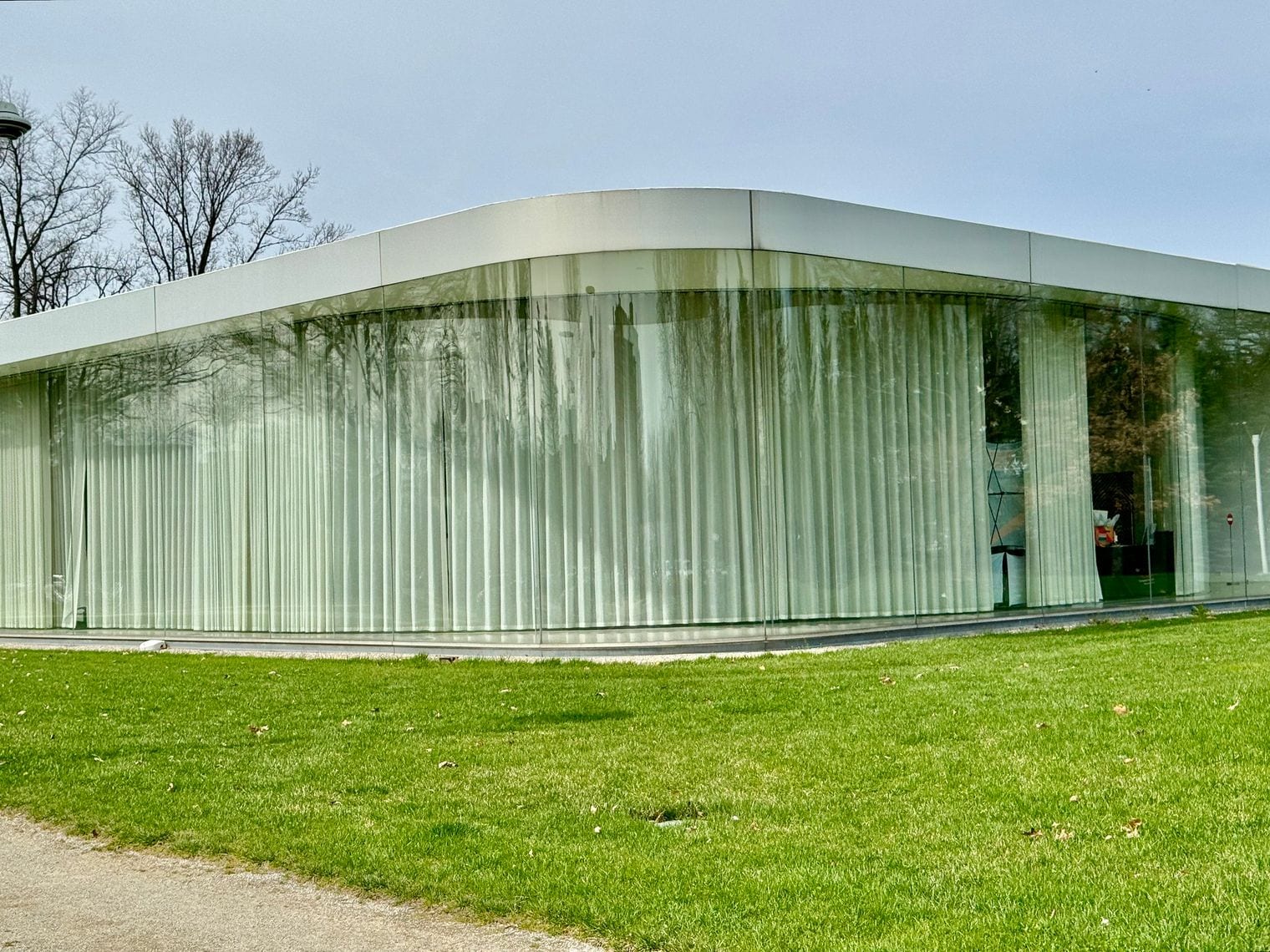
The Glass Pavilion is the Toledo Museum of Art's second building, across Monroe Street from the main museum, and the best place to understand why Toledo is called the Glass City. Designed by the Japanese firm SANAA and opened in 2006, the 74,000-square-foot pavilion is a low maze of curved glass walls that drew wide praise from architecture critics.
Inside is the museum's glass collection, from ancient pieces to contemporary work, including a large sculpture by Dale Chihuly. The building also holds working hot shops, where artists give free glassblowing demonstrations with narration from gallery seating. Watching molten glass take shape here, in the city where Libbey's factories made Toledo's name, is a highlight of any visit.
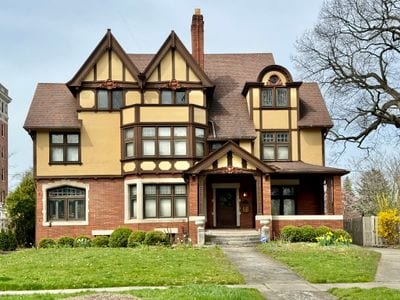
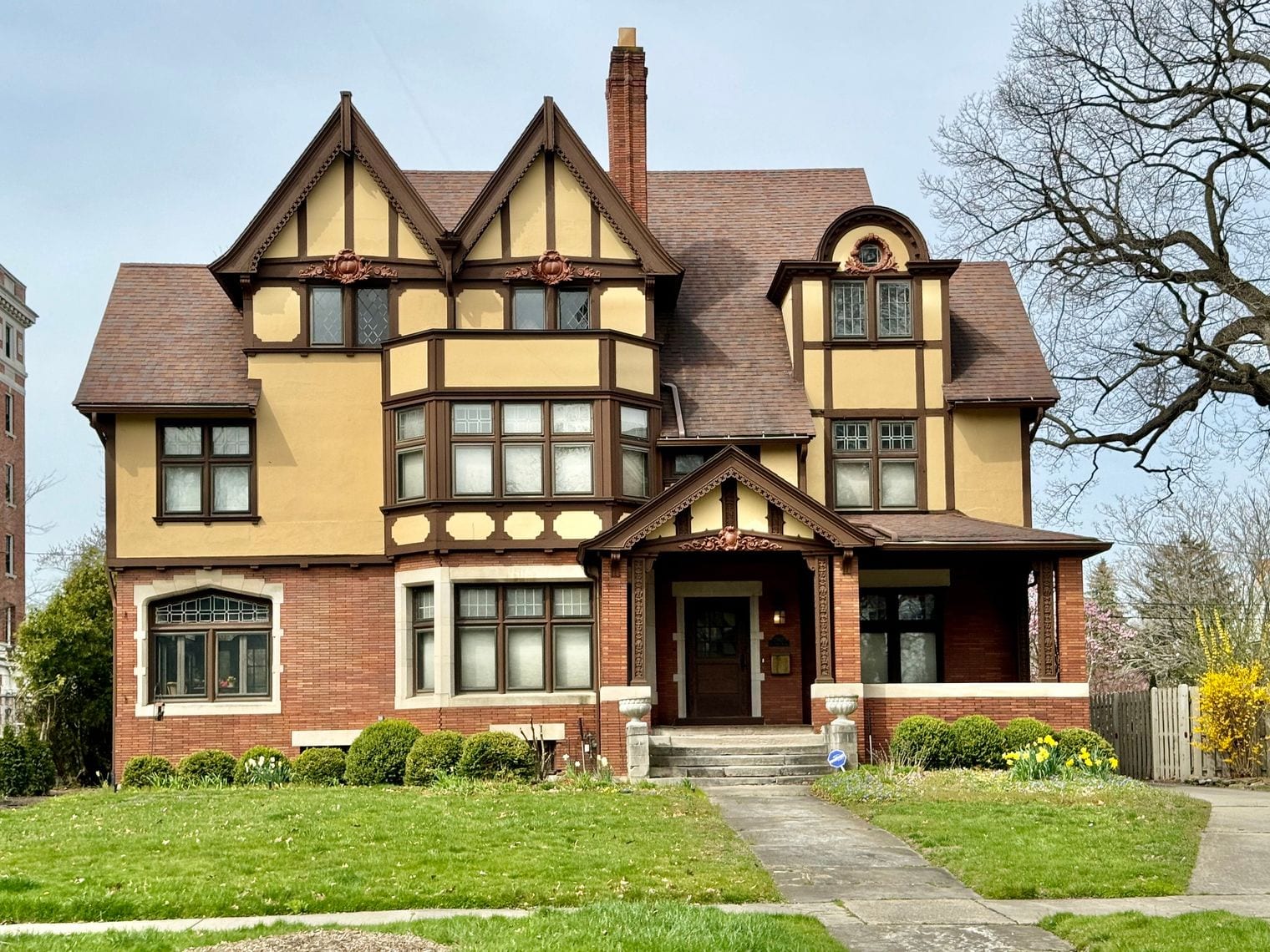
The Old West End is one of the finest historic neighborhoods in the Midwest, often described as the largest collection of late Victorian, Edwardian and Arts and Crafts homes east of the Mississippi. Its tree-lined streets begin just north of the art museum and are lined with turreted mansions, wide porches and carriage houses built by the city's industrial families.
Much of the neighborhood is on the National Register of Historic Places, and it is best explored on foot with no fixed plan. On the first weekend in June, the Old West End Festival opens the doors of private homes for tours, with an art fair, food and the King Wamba Carnival Parade, a Toledo tradition more than a century old.
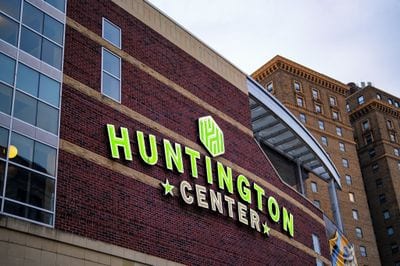
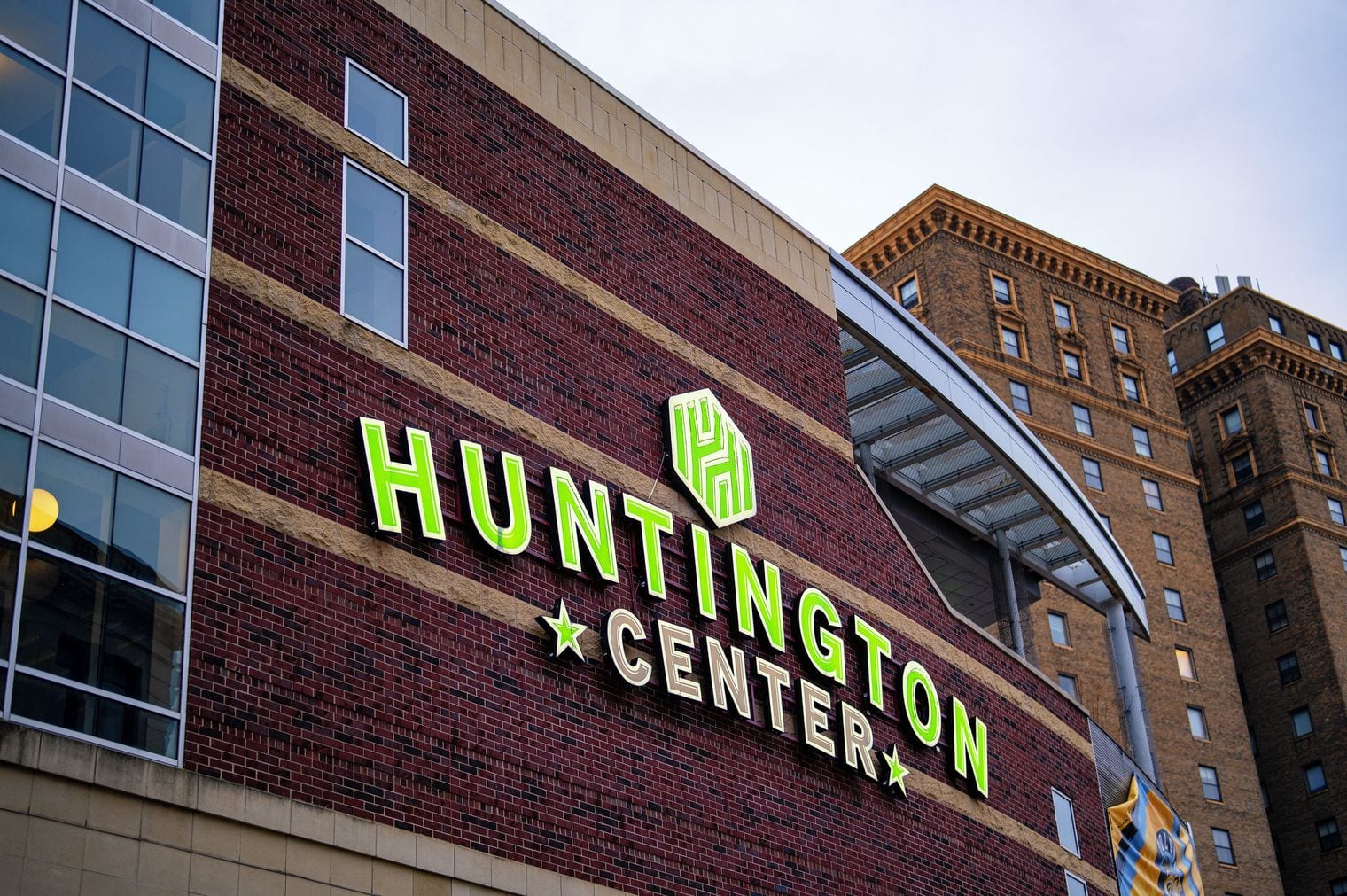
The Huntington Center is downtown Toledo's arena, an 8,000-seat venue that opened in 2009 on the edge of the Warehouse District. It is the home ice of the Toledo Walleye, the ECHL hockey team named after the game fish that fills Lake Erie and the Maumee River, and game nights draw big, noisy crowds through the winter.
Outside hockey season, the arena books touring concerts, comedy shows and family events, so check the calendar whatever time of year you visit. Its location makes an easy evening of it: dinner in the Warehouse District, a show or a game, then a drink at one of the bars a short walk away.
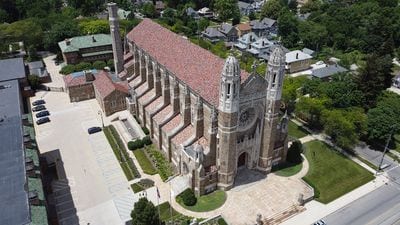
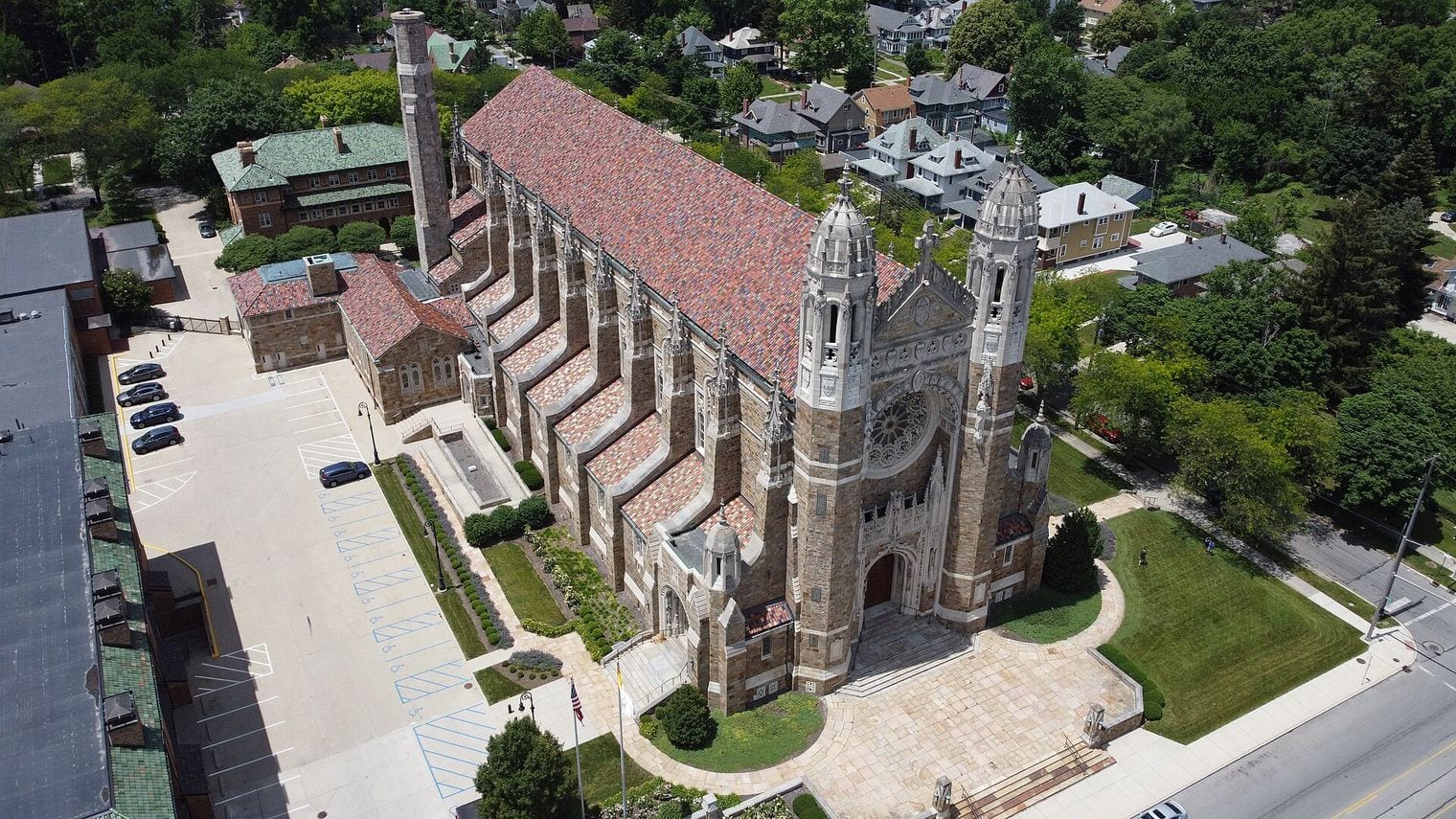
Rosary Cathedral, formally Our Lady, Queen of the Most Holy Rosary Cathedral, is the mother church of the Catholic Diocese of Toledo and one of the city's most striking buildings. Completed in 1931 on Collingwood Boulevard in the Old West End, it was designed with the city's Spanish namesake in mind, and the cathedral describes it as the only American cathedral in the Spanish Plateresque style.
The exterior is richly carved stone, but the interior is the reason to step in: a soaring nave with seating for about 1,400 and an ornate interior restored in a major project completed in 2000. It pairs naturally with a walk through the surrounding Old West End.
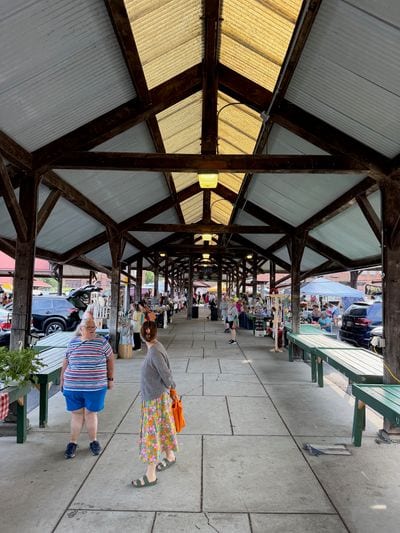
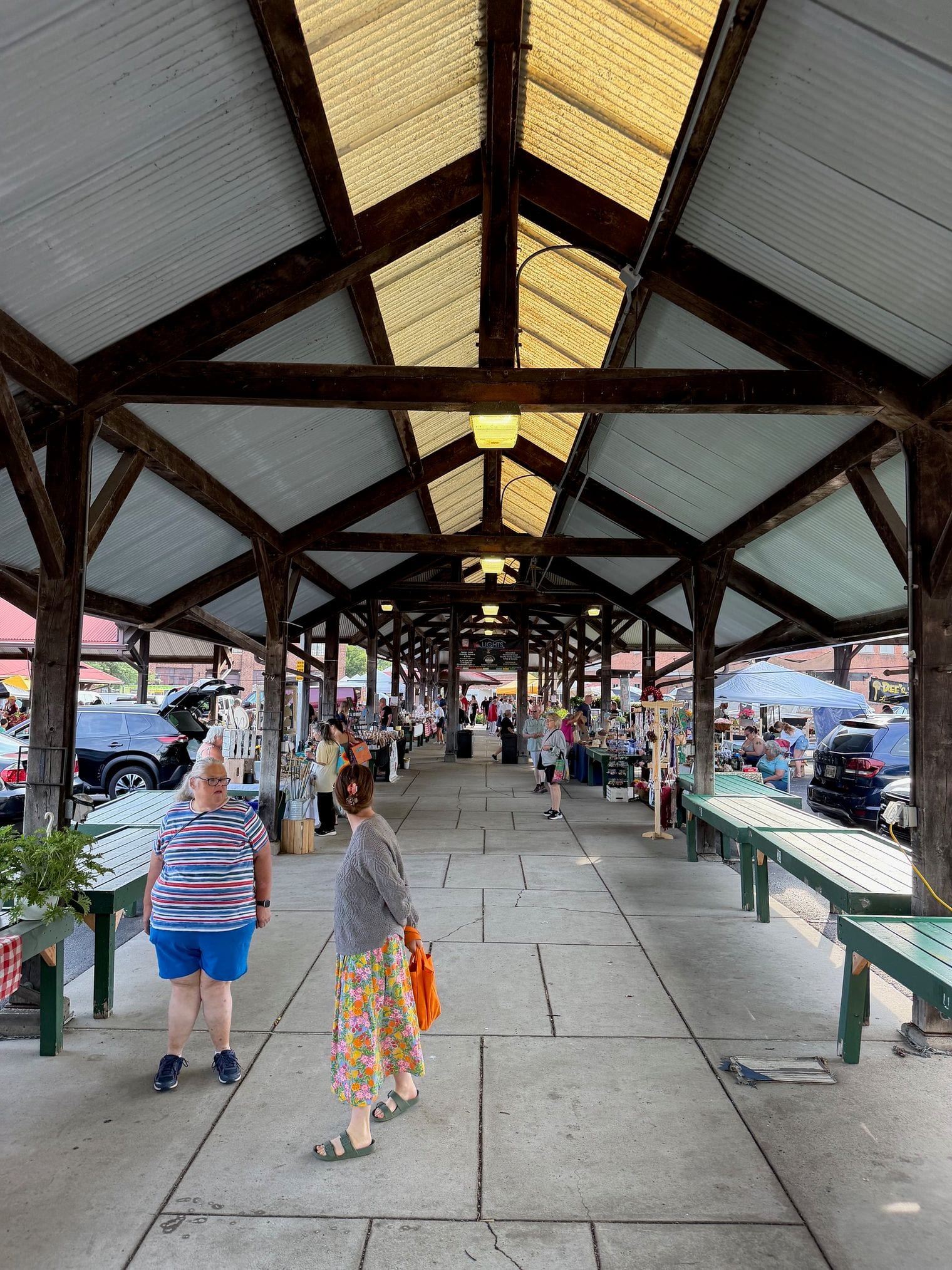
The Toledo Farmers' Market fills the open sheds on Market Street in the Warehouse District every Saturday, all year round, and it is one of the best ways to meet the city on a weekend morning. Local farms bring vegetables, fruit and herbs, joined by bakers, honey producers, florists, coffee roasters, meat vendors and makers of soaps and crafts.
Summer and early fall are the peak months, when the stalls overflow with Ohio sweet corn, tomatoes and peaches and the crowds spill into the surrounding streets. Come early for the best choice, then walk a few blocks to Fifth Third Field or the Warehouse District's cafes, which are at their liveliest on market mornings.
Free printable checklist of all 25 places
Tick them off as you go. Confirm your email to download it, plus one email every Thursday with new guides for the places you tick.
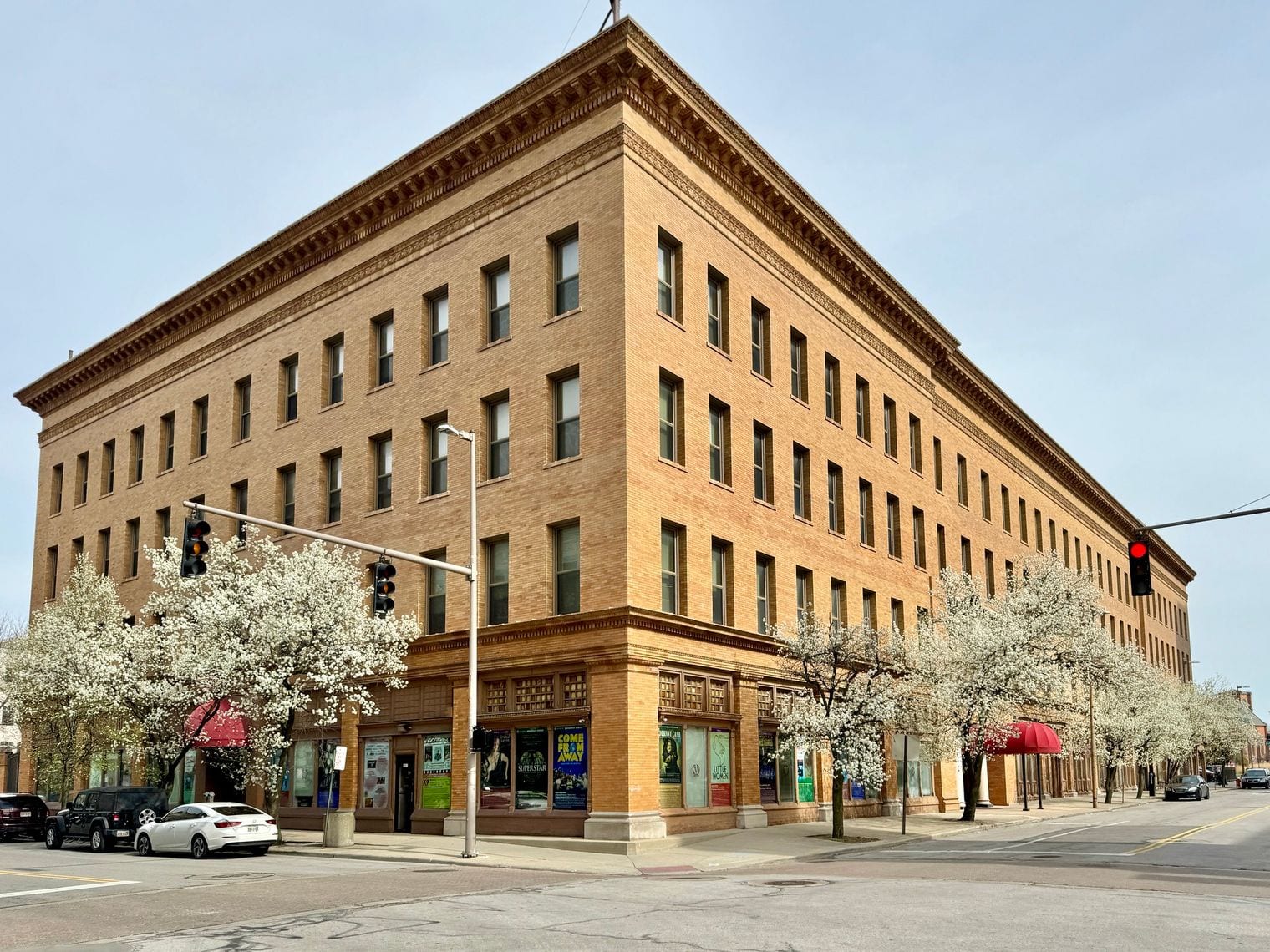
The Valentine Theatre is Toledo's grand old stage, a downtown landmark on the corner of Superior and Adams streets that first opened in 1895. After years of decline it was rescued by a long, painstaking restoration unveiled in 1999, and it is listed on the National Register of Historic Places.
Today the intimate, roughly 900-seat hall hosts concerts, dance, opera, comedy and touring productions, and its ornate interior is worth seeing in its own right. Seating is close to the stage throughout, which makes even a small show feel special. Pair a performance with dinner downtown or in the nearby Warehouse District.
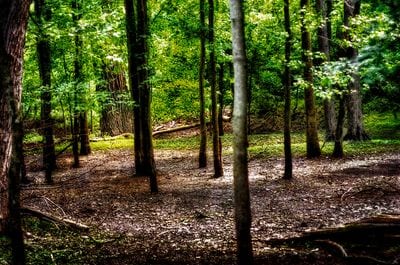
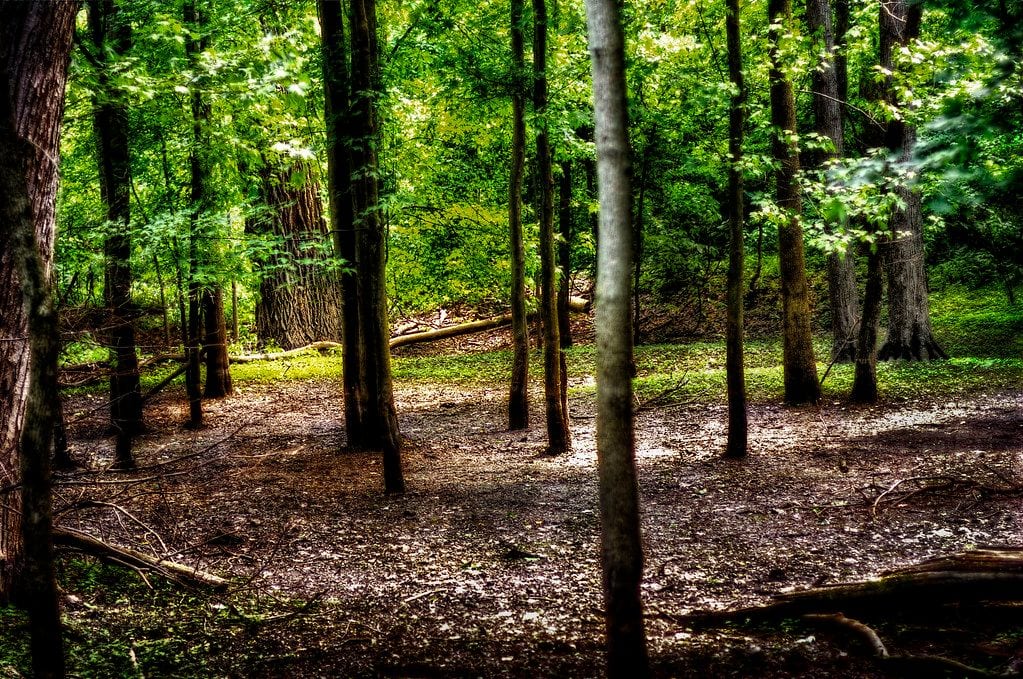
Swan Creek Preserve Metropark is a quiet patch of woods and wetland in South Toledo, threaded with several miles of trails that follow the winding creek it is named after. It is a favorite with local walkers, runners and birders, and it feels surprisingly far from the city for a park so close to downtown.
The paths wander through the woods and along the creek banks, and the park is open year-round from morning until dark. Spring brings wildflowers and migrating warblers, fall brings color to the canopy, and winter turns the trails into a peaceful snowy loop. Bring binoculars and plan an hour or two.
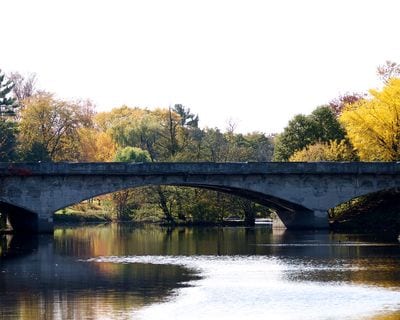
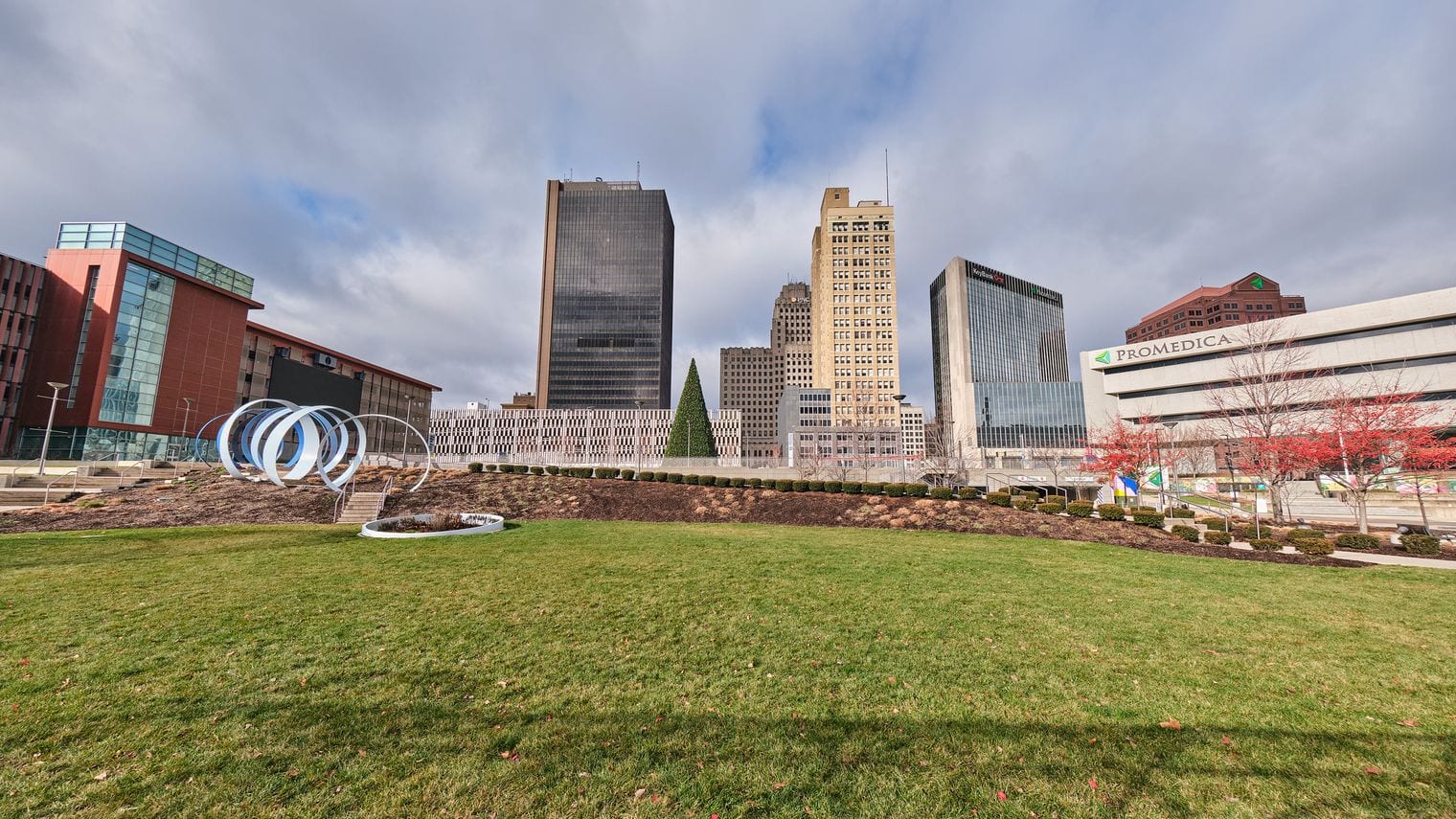
Promenade Park is Toledo's front lawn, a grassy riverfront park downtown on Water Street with a concert lawn, an amphitheater-style stage and a promenade along the Maumee River. It is part of the Glass City Riverwalk, the trail tying the downtown waterfront together, and a fine spot to watch freighters and pleasure boats glide past the skyline.
On summer evenings the park hosts free concerts and festivals that pack the lawn with picnickers. Across the river you can see the Glass City River Wall, a giant mural of sunflowers and Indigenous portraits painted on 28 grain silos and billed as the largest in the country; it is meant to be enjoyed from a distance. River sightseeing cruises board close by in summer.
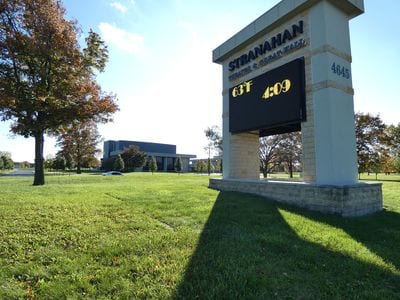
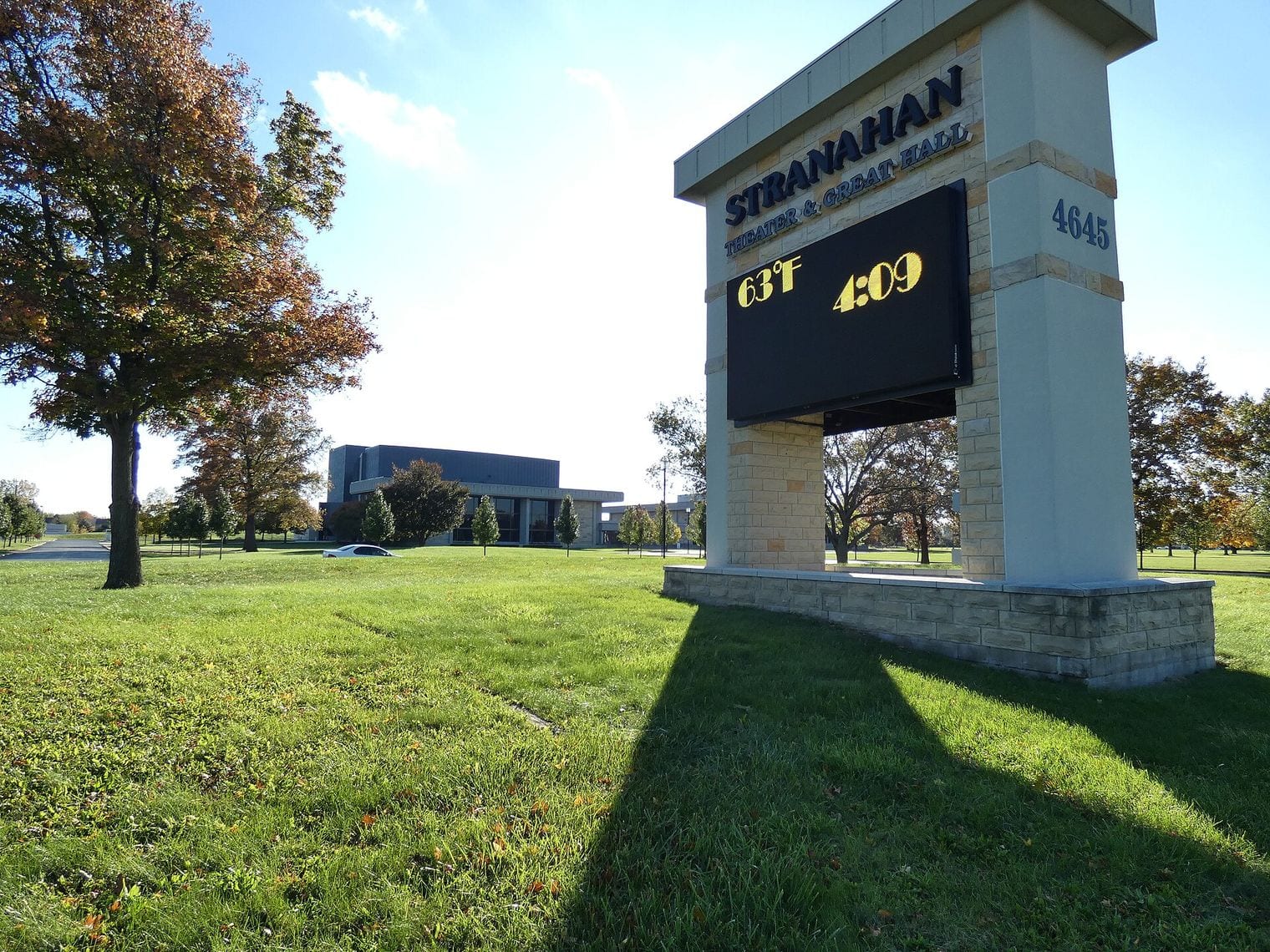
1515. The Stranahan Theater
Performing Arts Theater~7.2 miles (11.6 km) from centre
The Stranahan Theater is Toledo's home for touring Broadway shows, a large performance hall in South Toledo built in 1969 and known as the Masonic Auditorium until the 1990s. Big productions such as The Phantom of the Opera, The Lion King and Wicked have played here, along with comedians and concerts.
The theater is also a seasonal tradition for many local families, as the venue for Toledo Symphony Orchestra pops concerts, the Toledo Ballet's Nutcracker and the Toledo Rep's A Christmas Carol around the holidays. Its adjoining Great Hall hosts events, and there is plenty of parking on site, which makes it one of the easier big nights out in the city.
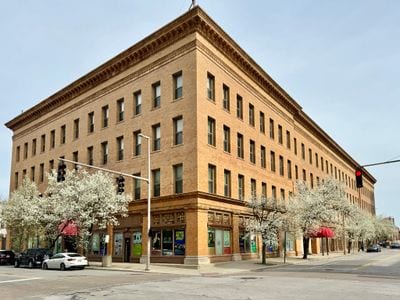
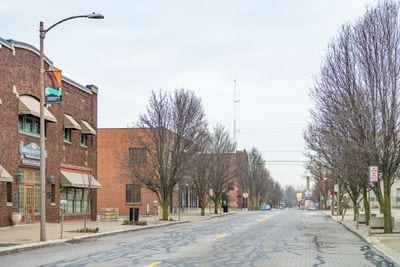
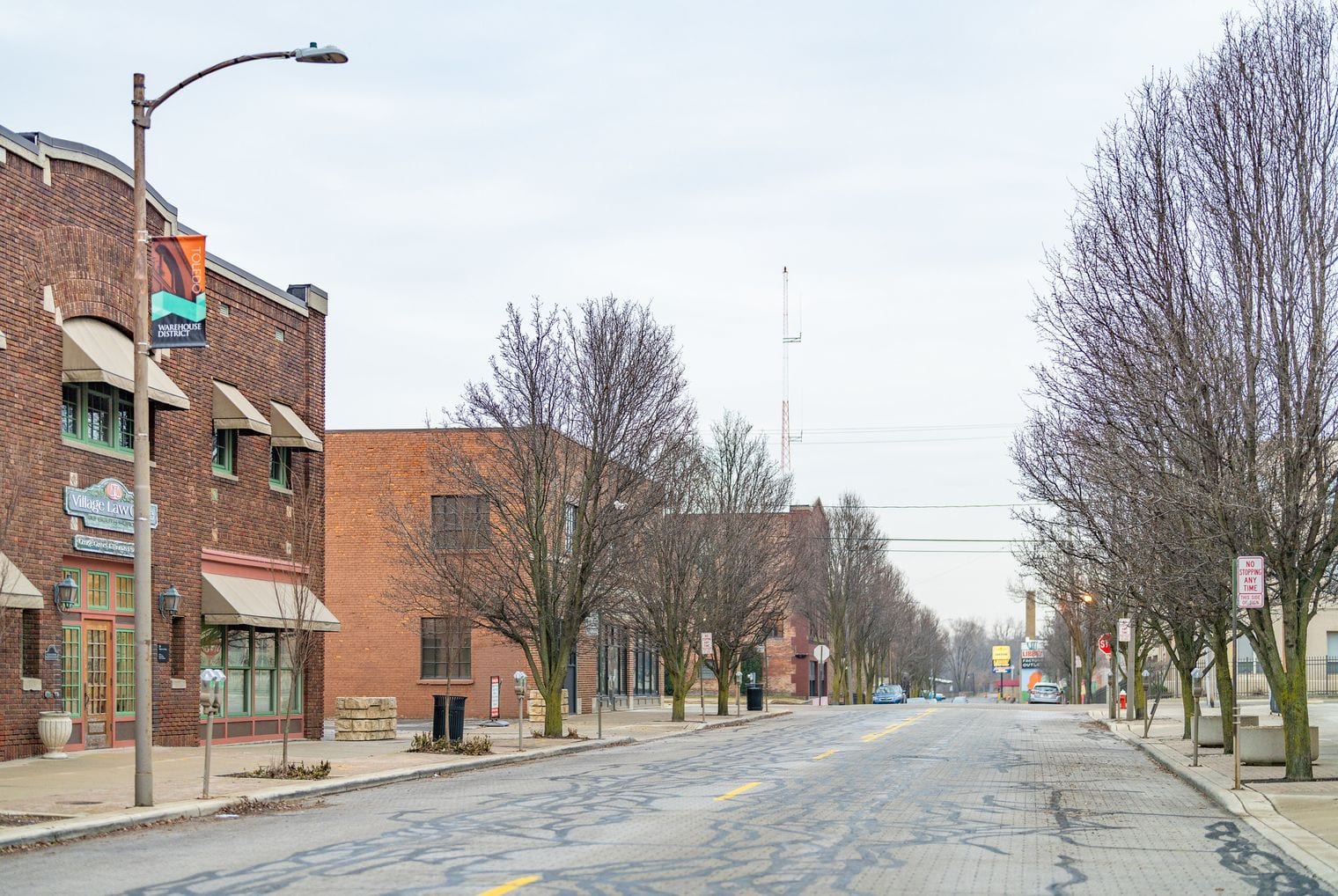
The Warehouse District is Toledo's liveliest neighborhood, a grid of 19th-century brick warehouses just south of downtown that now holds lofts, galleries, bars and restaurants. Fifth Third Field, the Huntington Center and the farmers' market all sit inside it, so it is where much of the city's nightlife and weekend life happens.
Its anchor is the Oliver House, a hotel designed by Isaiah Rogers that opened in 1859 and now houses the Maumee Bay Brewing Company, apartments and event spaces. Wander the side streets for street art and converted industrial buildings, then settle in at a patio on a game night, when the whole district fills with fans heading to the ballpark or arena.
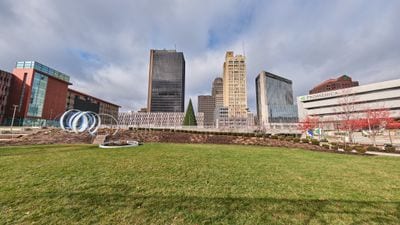
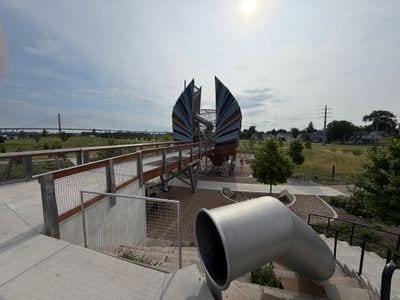
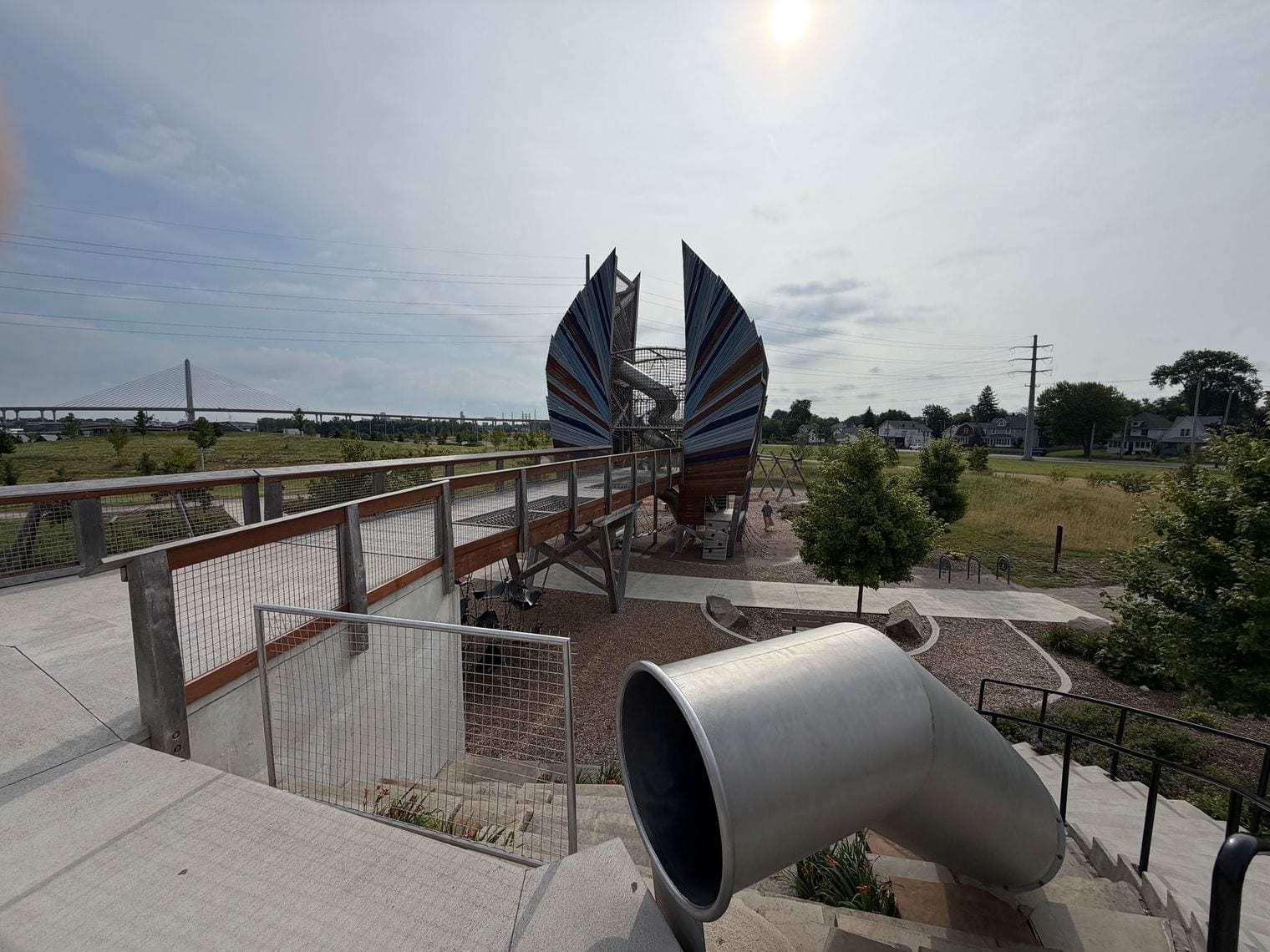
Glass City Metropark is Toledo's newest big park, reclaimed from an industrial brownfield on the east bank of the Maumee River and opened in stages since 2020. It is the showpiece of the Glass City Riverwalk project, with an event lawn, a sledding hill, nature-themed play areas, an adventure boardwalk and a kayak cove with access to the river.
Its signature feature is the Ribbon, a winding 1,000-foot trail used for ice skating in winter and roller skating in the warmer months. Public art reflects the city's glass and steel past, and the park looks straight across the water to the downtown skyline, a view that is especially good at sunset.
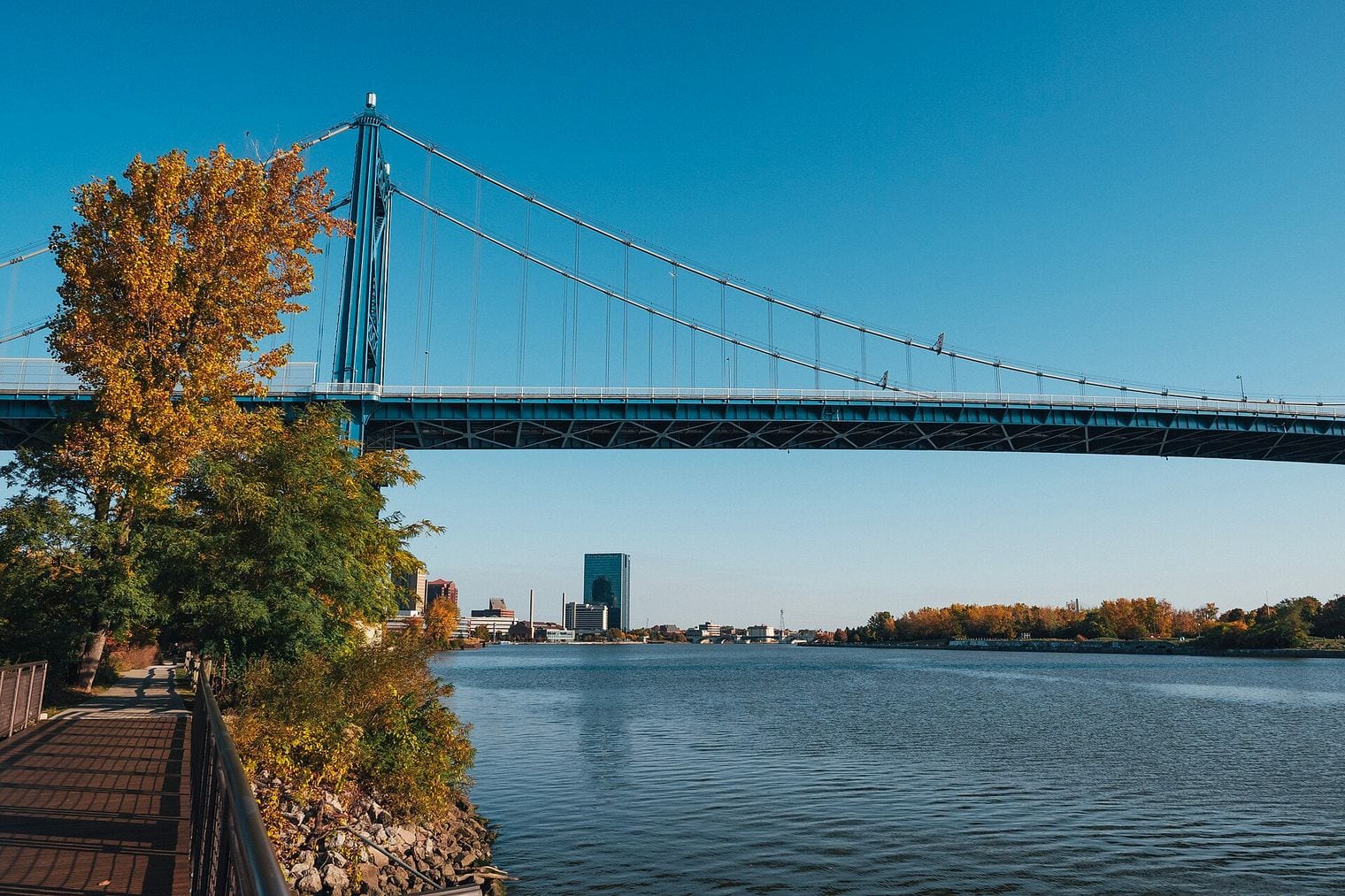
Middlegrounds Metropark is a 28-acre riverside park just south of downtown Toledo, built on reclaimed industrial land along half a mile of the Maumee River. Restoring it meant clearing thousands of tons of debris, and the result is an open green space with a 1.5-mile walking and biking path and wide views of the river.
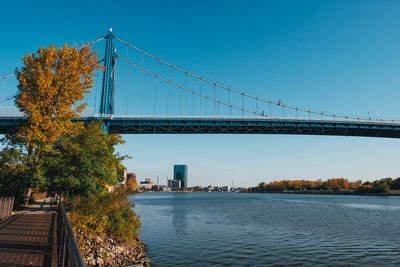
It is a calm spot to watch the working river; freighters regularly slide past under the nearby Anthony Wayne Bridge. There is a kayak cove for paddlers, an off-leash dog area, and easy links to the downtown riverfront trails, so it fits neatly into a longer walk or bike ride between the Warehouse District and the water.
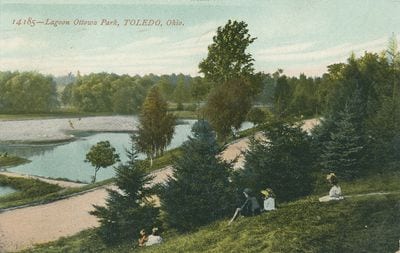
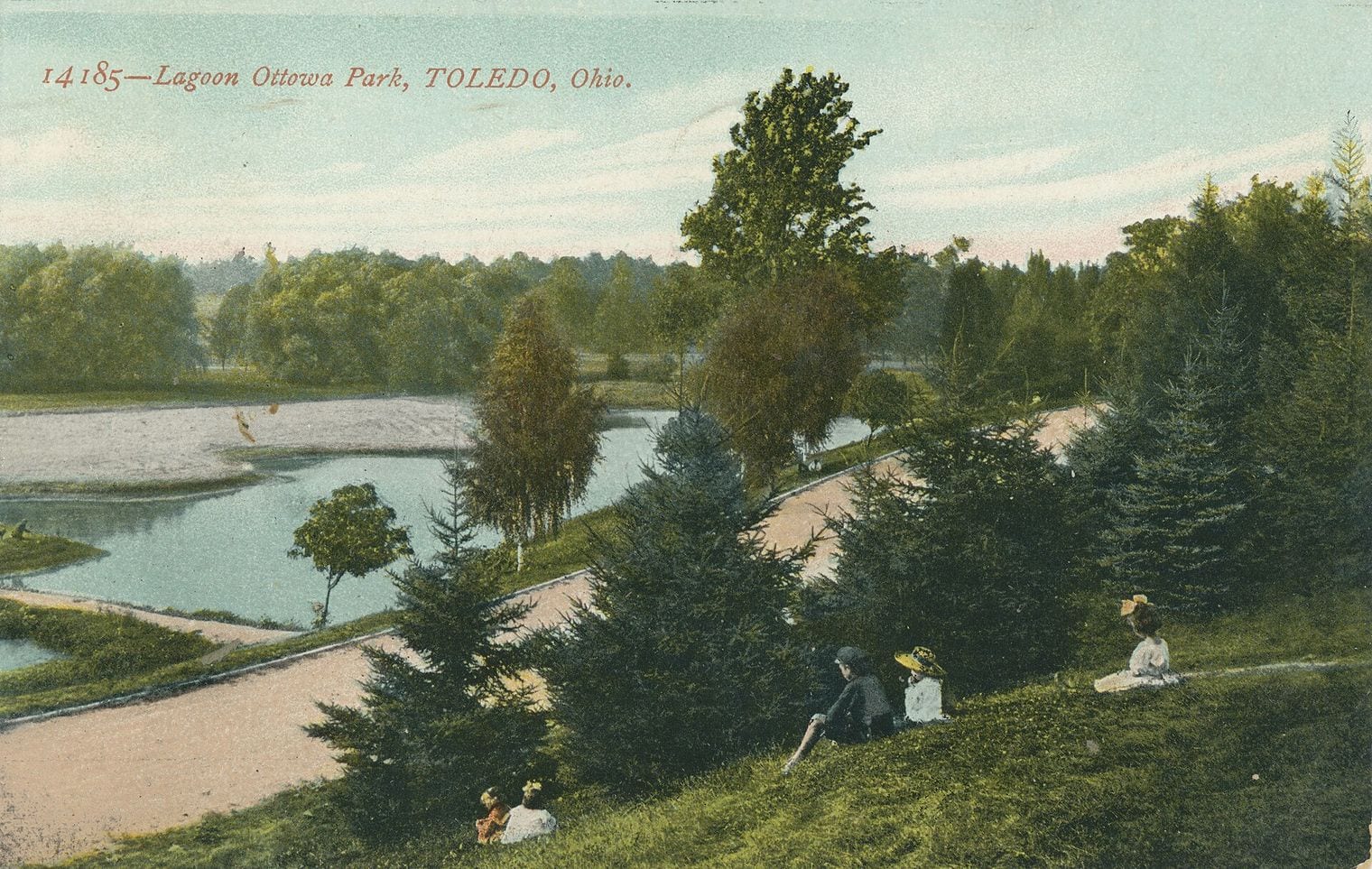
Ottawa Park is West Toledo's great green space, a large city park a short hop from the University of Toledo with something for nearly every season. It has a popular public golf course, and the park also has tennis courts, disc golf, mountain-bike trails and an amphitheater that hosts free summer concerts.
In winter, the outdoor ice rink is the place to be, with skaters circling under the trees on cold evenings. In summer, families spread out on the lawns and along the shaded paths. It is a good place to see everyday Toledo at play, and an easy add-on to a visit to the university next door.
Walbridge Park is a riverside city park on Broadway in South Toledo's historic Harvard Terrace neighborhood, directly across the street from the Toledo Zoo & Aquarium. It is one of the busiest parks in the city, with walking and bike paths, playgrounds, public art and open lawns that look out over the Maumee River.
The park also has a place in local history: the Toledo Zoo began here in 1900, when a woodchuck was donated to Walbridge Park. Today its indoor shelter house, outdoor pavilion and gazebo host picnics and family gatherings, and a stroll along the riverbank makes an easy, free add-on before or after a day at the zoo.
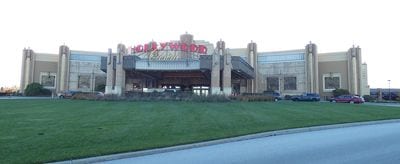
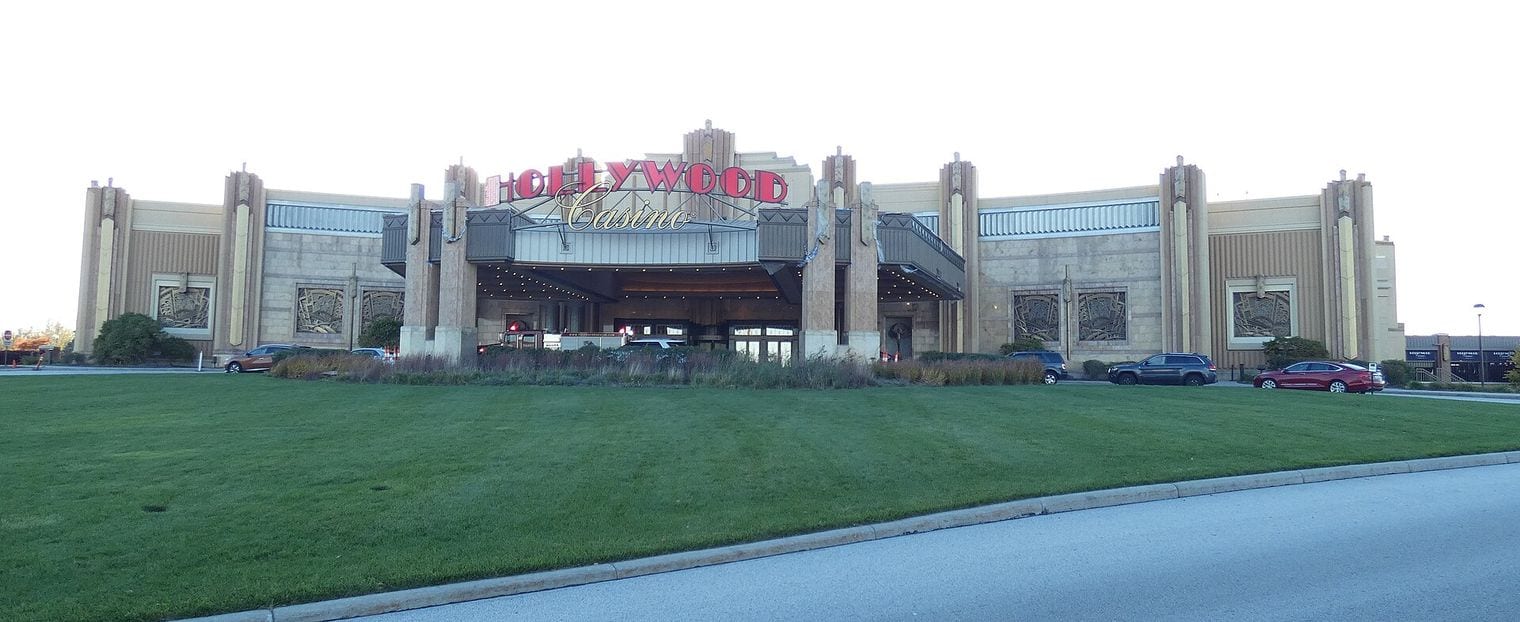
Hollywood Casino Toledo opened in 2012 on the Maumee River at Interstate 75, on the site of a former Pilkington glass plant, a fitting spot in the Glass City. The movie-themed casino is a large gaming floor filled with slot machines, table games and a poker room, open to guests 21 and over.
Beyond the tables, the complex has restaurants and bars, and it draws visitors from across northwest Ohio and southeast Michigan. It is easy to reach by car from downtown, and the riverside setting gives it a little more character than a roadside casino. Treat it as an evening out rather than a sightseeing stop.
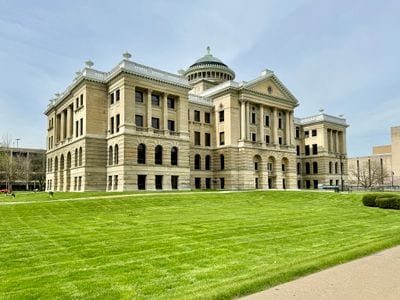
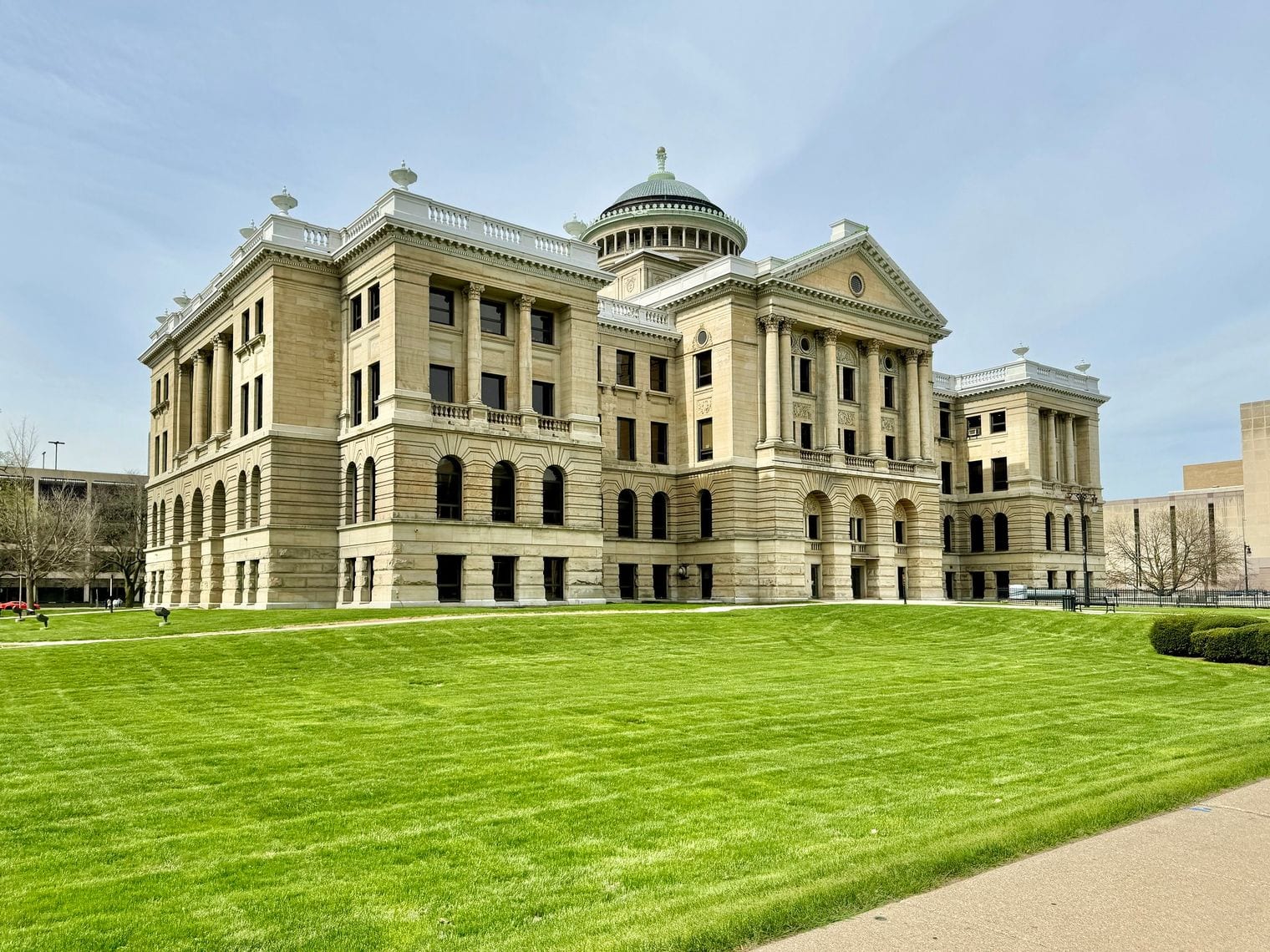
The Lucas County Courthouse is the architectural showpiece of downtown Toledo, a Beaux-Arts landmark at 700 Adams Street that opened in 1897. Designed by David L. Stine, it is one of the most architecturally significant buildings downtown, and it was added to the National Register of Historic Places in 1973.
Step inside the still-working courthouse to see the marble halls and the stained glass. Look down at the Adams Street entrance, where a small tile frog is set into the floor, often read as a nod to Toledo's old Frog Town nickname, which comes from the swampy land the city grew on. It is a quick but rewarding stop on any downtown walk.
2323. Toledo Lucas County Public Library Main Library
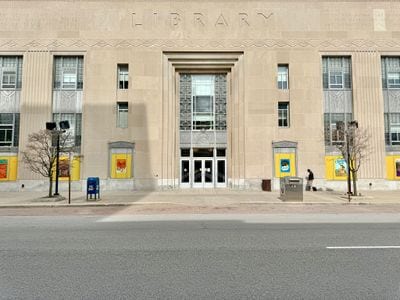
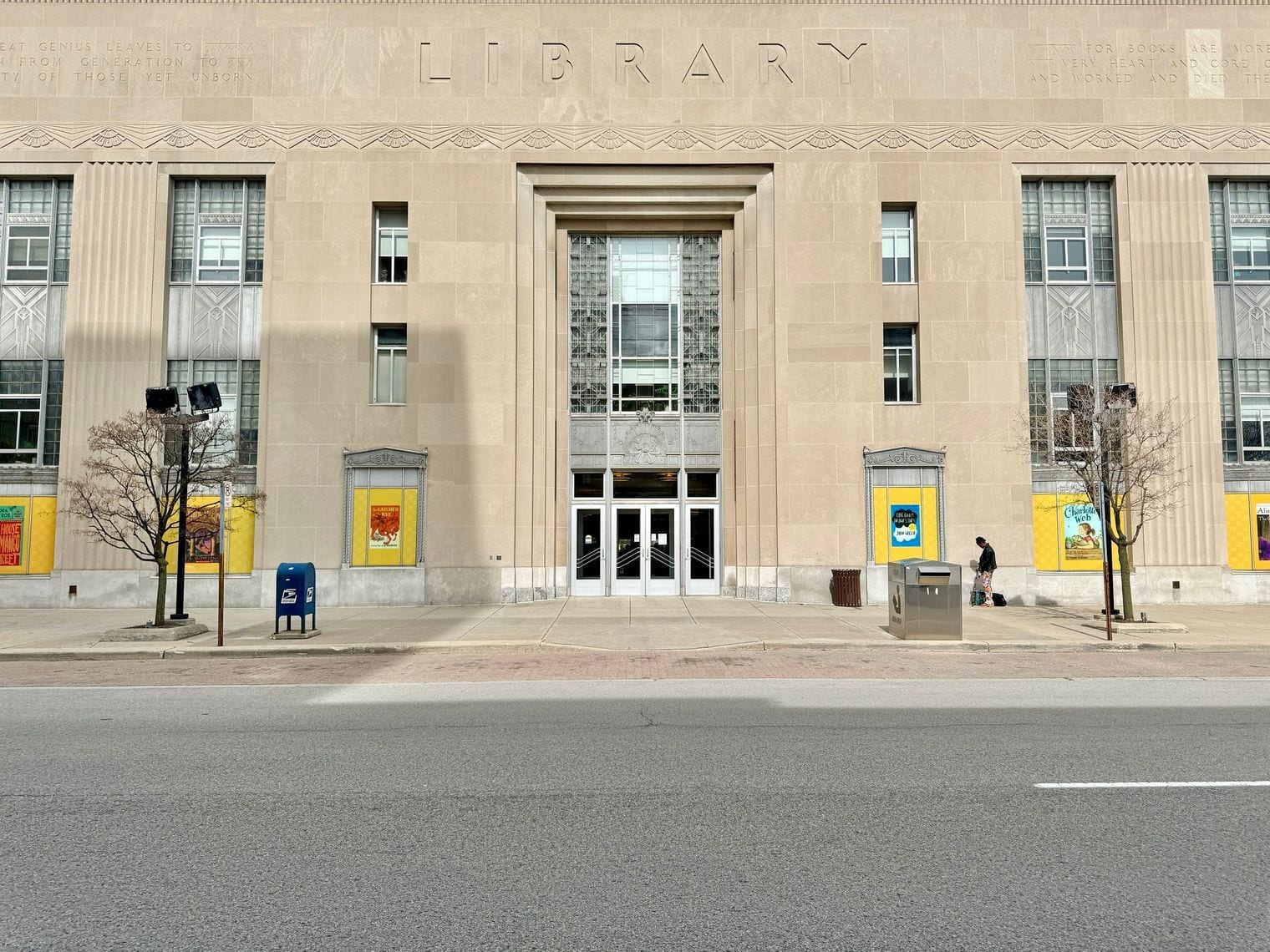
The Toledo Lucas County Public Library Main Library is far more than a place to borrow books. The downtown building opened in 1940 as a Public Works Administration project, designed by the firm of Hahn and Hayes, and it remains a fine piece of Depression-era civic architecture.
Its best-known treasures are the murals made of Vitrolite, a colorful structural glass, which line the Clyde Scoles Historic Court and the Children's Library. Wander in to see them, browse the local-history collections, or simply find a quiet seat. It is free to enter and a natural stop between the courthouse and the riverfront.
Historic Woodlawn Cemetery is a 160-acre rural cemetery in West Toledo, established in 1876 and laid out as a landscaped park of lawns, mature trees and winding drives. It is also an arboretum with more than 130 species of trees, and it is listed on the National Register of Historic Places.
Among the many notable graves are those of Morrison R. Waite, Chief Justice of the United States in the 1870s and 1880s, and William Harbeck, a victim of the Titanic. Walking or driving the grounds is a peaceful way to spend an hour, and docent-led tours in spring and fall bring the stories behind the monuments to life.
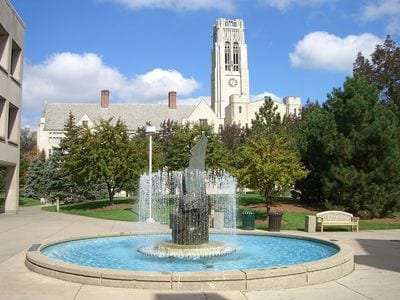
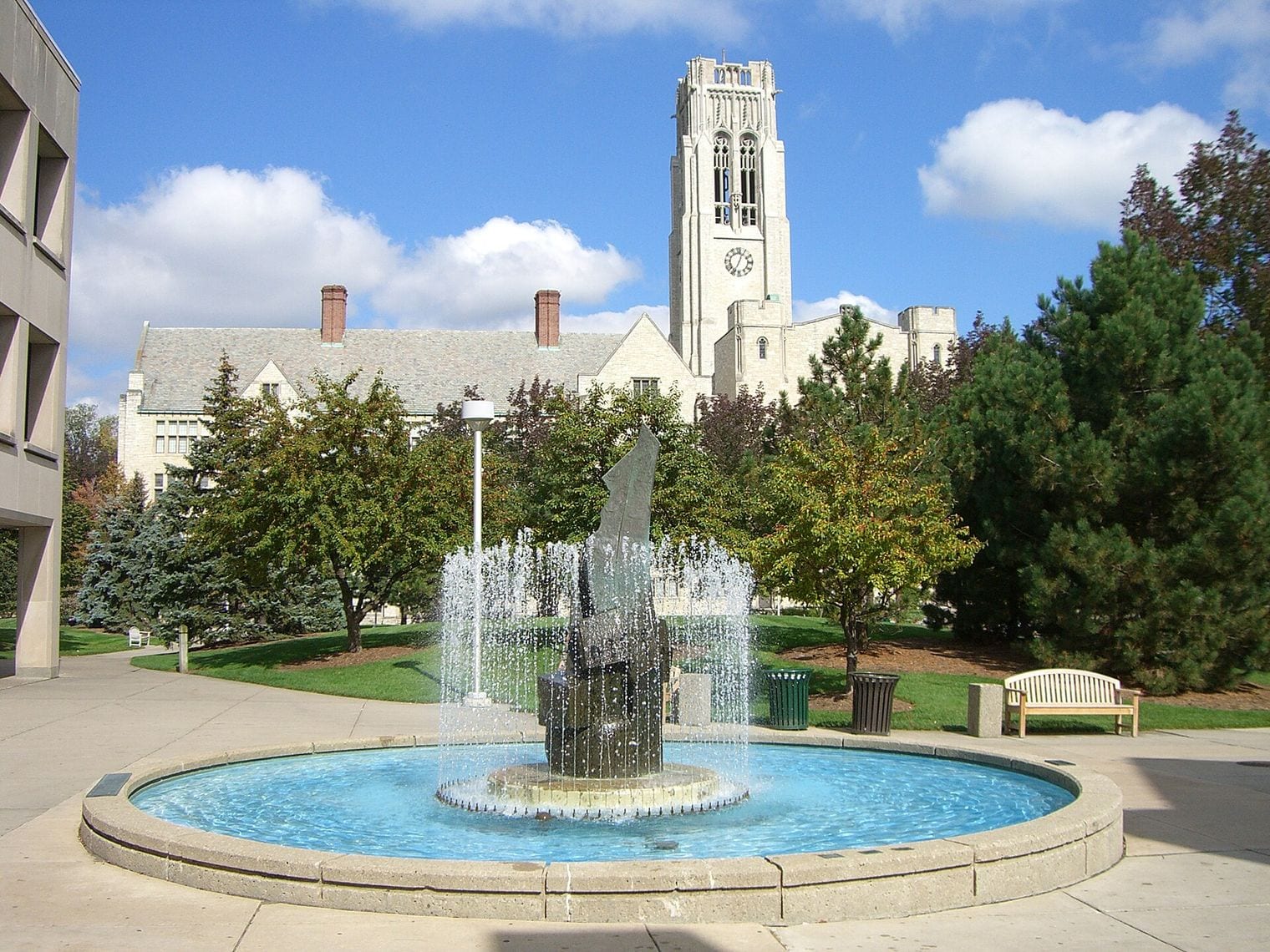
The University of Toledo is the city's public research university, founded in 1872 and on its main West Toledo campus since 1931. The campus is worth a stroll for University Hall, its Collegiate Gothic centerpiece with a tall bell tower, set among green quadrangles that are especially attractive in fall.
Visitors have a few good reasons to stop. The Ritter Planetarium runs public shows under its dome, sports fans can catch a Rockets game, and the campus sits beside Ottawa Park, so it pairs easily with a walk or a round of golf. The university's art department also works out of the Center for the Visual Arts at the Toledo Museum of Art.
Plan your trip
Best Time to Visit Toledo
Late spring through early fall is the best time to visit Toledo. Summer brings Mud Hens baseball at Fifth Third Field, free evening concerts on the riverfront, and June festivals such as the Old West End Festival and the Crosby Festival of the Arts at the botanical garden. Spring is migration season along the Lake Erie shore, when birders flock to Cullen Park and the marshes east of the city.
Fall is a close second, with crisp weather, color in the Metroparks and Woodlawn Cemetery, and fewer crowds. Winters are cold and often snowy off the lake, but the city stays busy: Walleye hockey fills the Huntington Center, skaters take to the Ribbon at Glass City Metropark and the Ottawa Park rink, and the zoo's holiday lights draw crowds through the season.
Getting to Toledo
Toledo sits at a major crossroads. Interstate 75 runs north to Detroit and south to Dayton and Cincinnati, and the Ohio Turnpike (I-80/90) passes just south of the city on its way between Cleveland and Chicago, with I-475 and I-280 linking both to downtown. Toledo Express Airport, west of the city, has limited service, so most visitors fly into Detroit Metropolitan Airport, a drive of under an hour to the north.
Amtrak's long-distance trains between Chicago and the East Coast stop at the downtown Toledo station, and intercity buses serve the city as well.
Getting Around Toledo
A car is the easiest way to see Toledo, since the major sights are spread out: the art museum and Old West End lie northwest of downtown, the zoo is to the south, and the parks are scattered along the Maumee River and its creeks. Parking is generally easy to find, including at the museum, the zoo and the Metroparks.
Downtown and the Warehouse District are compact and walkable, and the Glass City Riverwalk links the riverfront parks for walkers and cyclists, with bike-share stations along the way. Local buses and rideshare cover the rest of the city.
Where to Stay in Toledo
Downtown and the Warehouse District are the best bases for a short trip, putting you within walking distance of Fifth Third Field, the Huntington Center, the farmers' market, the riverfront parks and most of the city's nightlife. Staying here means you can leave the car parked for an evening.
For a quieter stay, look for bed-and-breakfast rooms in the restored homes of the Old West End, steps from the Toledo Museum of Art. Travelers on a road trip will find the widest choice of chain hotels near the interstate exits on the city's edges, convenient for the zoo and for day trips.
Where to Eat in Toledo
The Warehouse District is Toledo's main dining area, packed with brewpubs, gastropubs and casual restaurants that fill up on game nights. On the East Side, the old Hungarian neighborhood of Birmingham keeps the city's best-known dish alive: the Hungarian hot dog, a spicy sausage topped with chili sauce.
Toledo also has a long-established Lebanese community, so Middle Eastern bakeries and restaurants are easy to find across town. Being on Lake Erie, look for fried perch and walleye on menus, and in summer the farmers' market is the place for Ohio sweet corn and fruit.
Day Trips from Toledo
Some of the area's best outings sit just beyond the city limits. Wildwood Preserve Metropark, with its historic manor house and wooded trails, is just over the city line to the west, and the sand dunes and oak savanna of Oak Openings Preserve are about 40 minutes west.
Maumee Bay State Park, with its Lake Erie beach and boardwalk, is about half an hour east, and Fort Meigs, a reconstructed War of 1812 fort, is about 20 minutes south in Perrysburg.
Farther afield, Sandusky and its roller-coaster parks are about an hour east along the lake, and the college town of Ann Arbor, Michigan, is about an hour north. Findlay makes an easy small-city trip about 45 minutes south on I-75, and Cleveland is roughly two hours east for a full day of museums and the lakefront. For more ideas, browse our guide to Ohio's small towns.
Toledo is best known as the Glass City, a nickname from the glass industry that grew here from the 1880s. Its top sights reflect that history and more: the Toledo Museum of Art and its Glass Pavilion, the Toledo Zoo & Aquarium, the National Museum of the Great Lakes, the Toledo Botanical Garden, and Mud Hens baseball at Fifth Third Field.
How many days do you need in Toledo?
Two full days covers Toledo's highlights: one for the art museum, Glass Pavilion and Old West End plus an evening in the Warehouse District, and one for the zoo and the riverfront. Add a third day to explore the Metroparks, tour the Great Lakes museum ship, or catch a game or a show.
Is Toledo worth visiting?
Yes. Toledo punches well above its size, with a free art museum whose collection rivals far bigger cities, one of the Midwest's most loved zoos, a revitalized riverfront of new parks, and a lively Warehouse District built around a minor-league ballpark. It also makes a handy base for Lake Erie, Ann Arbor and Sandusky.
What can you do in Toledo for free?
Plenty. The Toledo Museum of Art and its Glass Pavilion have free general admission, glassblowing demonstrations included. You can also wander the Old West End's historic streets, walk the riverfront at Promenade Park and Glass City Metropark, hike Swan Creek Preserve Metropark, and see the Vitrolite murals inside the Main Library at no cost.
When is the best time to visit Toledo?
Late spring through early fall is ideal, with Mud Hens baseball, riverfront concerts and June festivals in the Old West End and at the botanical garden. Fall brings color to the Metroparks, while winter trades the ballpark for Walleye hockey, outdoor skating at Glass City Metropark and the zoo's holiday lights.
Sources & updates
How this guide was checked
Checked before launch
Sources cited
25
Publishers
17
Every place on this list was confirmed open and pinned on the map before publication, and what we say about each one was checked against its own website or an official source.
A PDF with a box to tick for every place. Confirm your email to download it, and get one email every Thursday with our newest guides for the places you tick.
Free Toledo printable checklist
All 25 places in one PDF
Tick them off as you go. Confirm your email to download it, plus one email every Thursday with new guides for the places you tick.
We use cookies to analyse site traffic and improve your experience.
You can accept or reject analytics cookies. See our
May we use analytics cookies? See ourCookie Policy.