We build and rank every list first. Booking links come after, and only where
a partner sells a ticket, tour or stay for that exact place, so a place with
nothing to book is listed exactly as prominently as one you can book.
So how do we earn? Some links on this page go to booking
partners, and if you book tickets, tours or a stay through
one, we may earn a commission. It costs you nothing extra.
That commission never decides which places make the list, the order they
appear in, or what we write about them. No entry is sponsored or a paid
placement.
By the City Viking editorial teamPublished 20 places · 19 min read
Fact-checked Checked before launchOct 9, 202620 sourcesPublished · Oct 9, 2026Researched and checked before it went liveClick for every source and the full change log.
Short answer
Start with Guthrie for its Victorian downtown and its story as Oklahoma's first state capital, Medicine Park for its cobblestone cottages beside the Wichita Mountains, and Pawhuska for the Osage Nation Museum and the tallgrass prairie. Most towns on this list fill a relaxed day, while Guthrie and Broken Bow deserve a weekend.
Away from the interstates, Oklahoma is a state of small towns with big stories: land-run main streets and a territorial capital, the capitals of the Cherokee, Chickasaw and Osage nations, cobblestone resort cottages, Route 66 museums and lake towns in the pine-covered hills of the southeast.
This guide ranks 20 of the best, each home to fewer than 40,000 people at the 2020 census, from Guthrie to Elk City. Most fill a relaxed day, Guthrie and Broken Bow deserve a weekend, and many pair up neatly on a road trip.
Guthrie was Oklahoma's first state capital, from statehood in 1907 until voters chose the larger Oklahoma City in a special election in 1910.
Sulphur was home to Oklahoma's only national park for 74 years: the springs protected there in 1902 became Platt National Park, which was folded into the Chickasaw National Recreation Area in 1976.
Pawhuska's Osage Nation Museum, founded in 1938, is the oldest tribally owned museum in the United States.
The fried onion burger, now a signature of Oklahoma cooking, is credited to El Reno in the 1920s, when cooks stretched ground beef with thinly sliced onions to keep burgers cheap.
Rodgers and Hammerstein's Oklahoma! is set in and around Claremore, adapted from Green Grow the Lilacs by playwright Lynn Riggs, who grew up on a farm near the town.
A sign outside Poteau bills Cavanal Hill as the "World's Highest Hill" at 1,999 feet, though its true summit stands at about 2,385 feet.
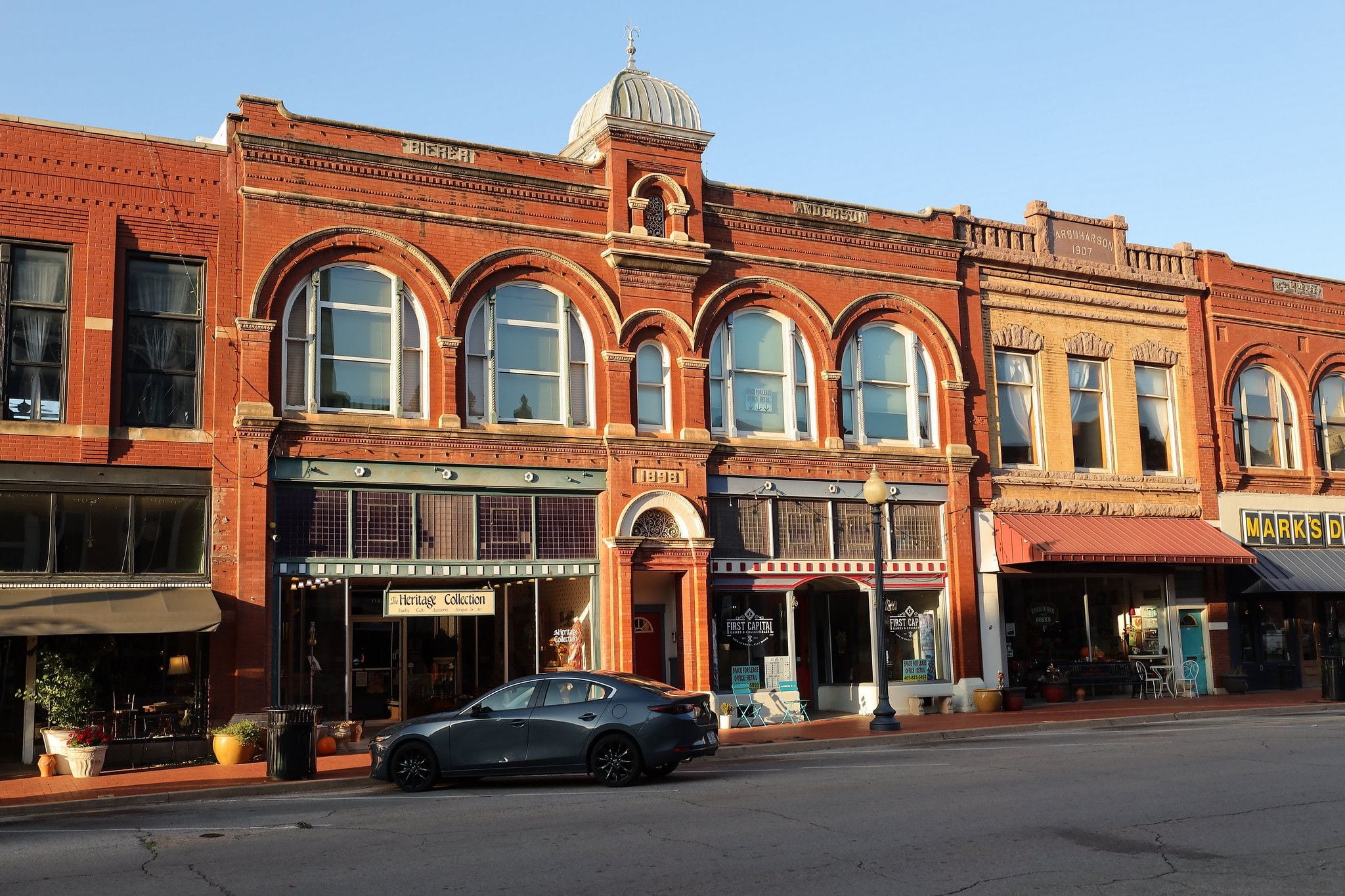
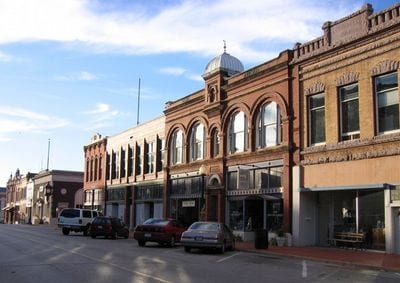
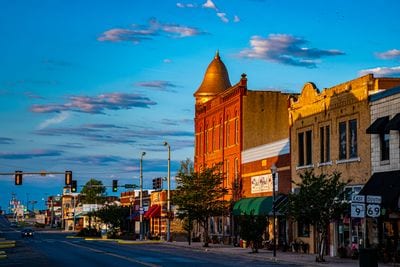
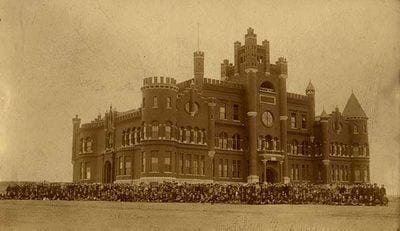
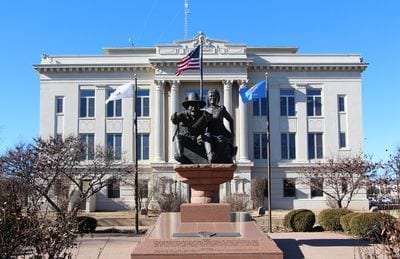
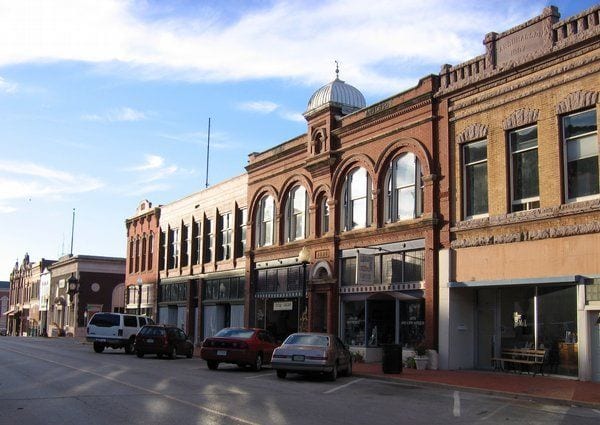
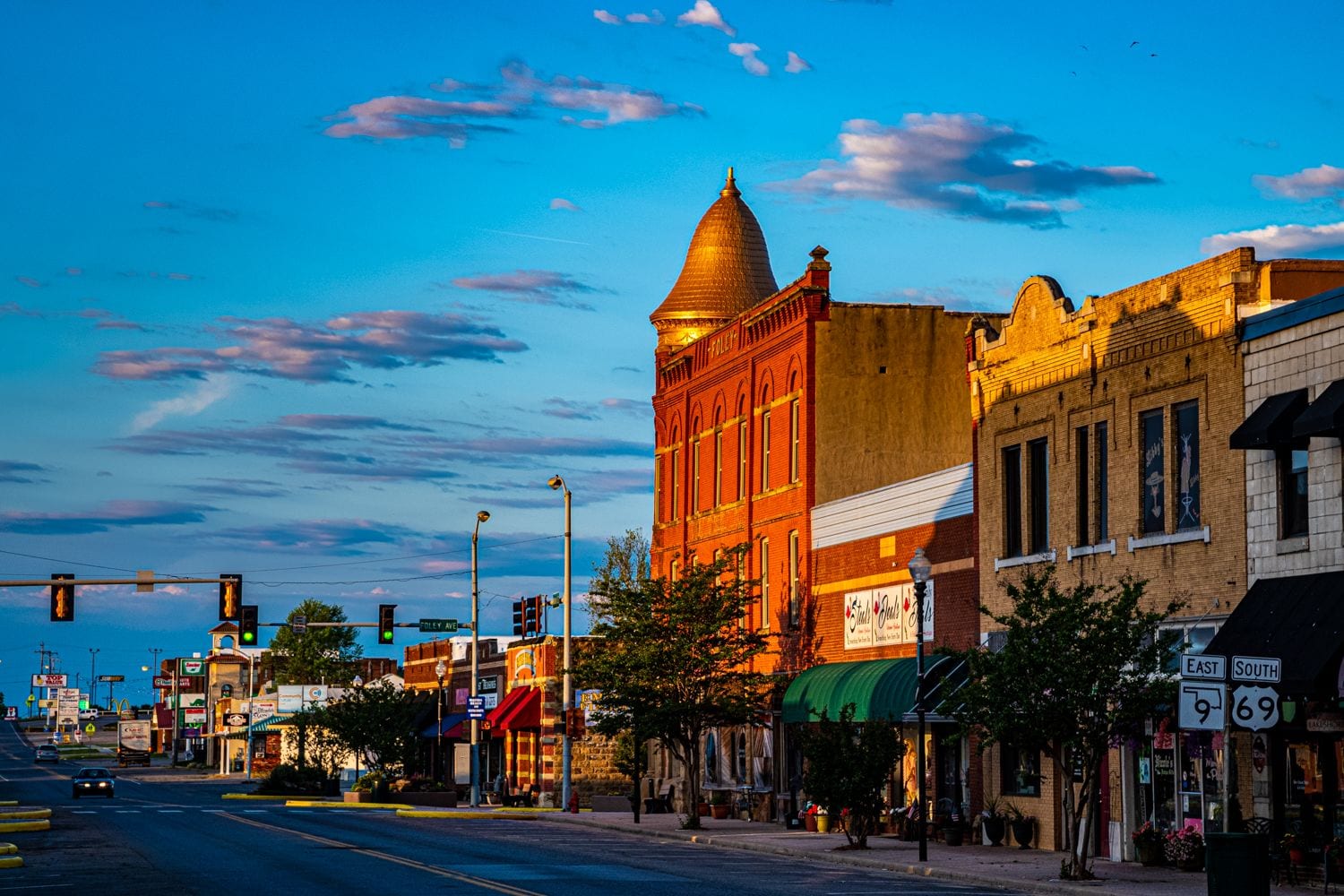
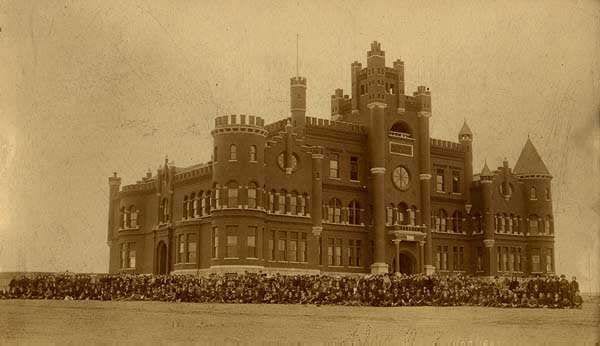
About 30 miles north of Oklahoma City, Guthrie was born in an afternoon. When the Land Run of 1889 opened the Unassigned Lands, around 10,000 people settled here within hours, and the railroad stop quickly grew into a brick-and-stone "Queen of the Prairie" that served as the territorial capital and, from 1907, the first capital of the new state. Voters moved the capital to Oklahoma City in 1910, and Guthrie's boom-era downtown was left largely intact.
Today the Guthrie Historic District, a National Historic Landmark, takes in more than 2,000 buildings, and an unhurried walk among its Victorian storefronts, galleries and antique shops is the main event. The Oklahoma Territorial Museum tells the story of the land run and the territorial years, the massive Scottish Rite Masonic Temple rises at the edge of downtown, and carriage rides and the Pollard Theatre keep the old streets lively after dark.
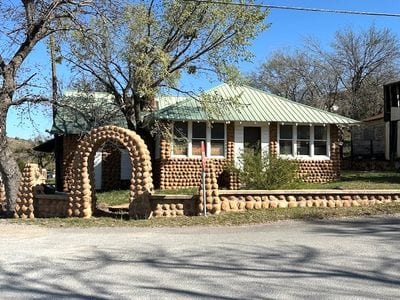
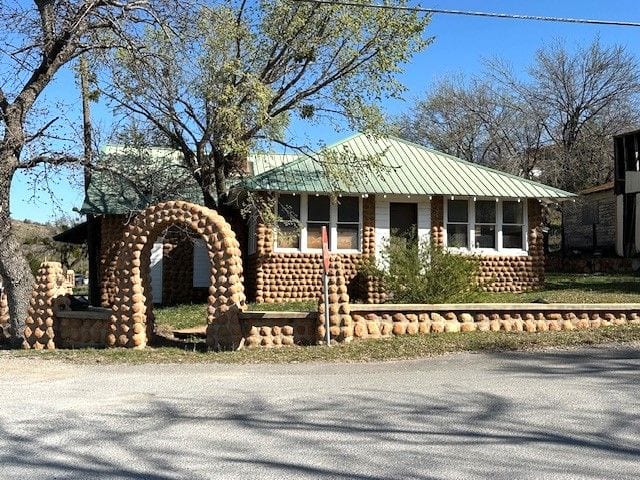
Founded on July 4, 1908, by Elmer Thomas, a young state senator who went on to serve in the U.S. Senate, Medicine Park is often called Oklahoma's first resort town, and it still looks the part. Its cottages, shops and garden walls are built from round red-granite cobblestones gathered from the Wichita Mountains, and Medicine Creek runs right through the middle of town, dammed into the Bath Lake swimming hole where visitors have cooled off for more than a century.
Spend a morning browsing the cobblestone storefronts along the creek, then drive a few minutes west into the Wichita Mountains Wildlife Refuge, protected since 1901 and described as the oldest managed wildlife facility in the U.S. Fish and Wildlife Service system. Bison and longhorn cattle graze its mixed-grass prairie, and a winding road climbs Mount Scott for wide views over the granite peaks. Lawton and Fort Sill lie just to the south.
The Osage Nation has been governed from Pawhuska since its reservation was established in 1872, and the town takes its name from the 19th-century Osage chief Paw-Hiu-Skah, or White Hair.
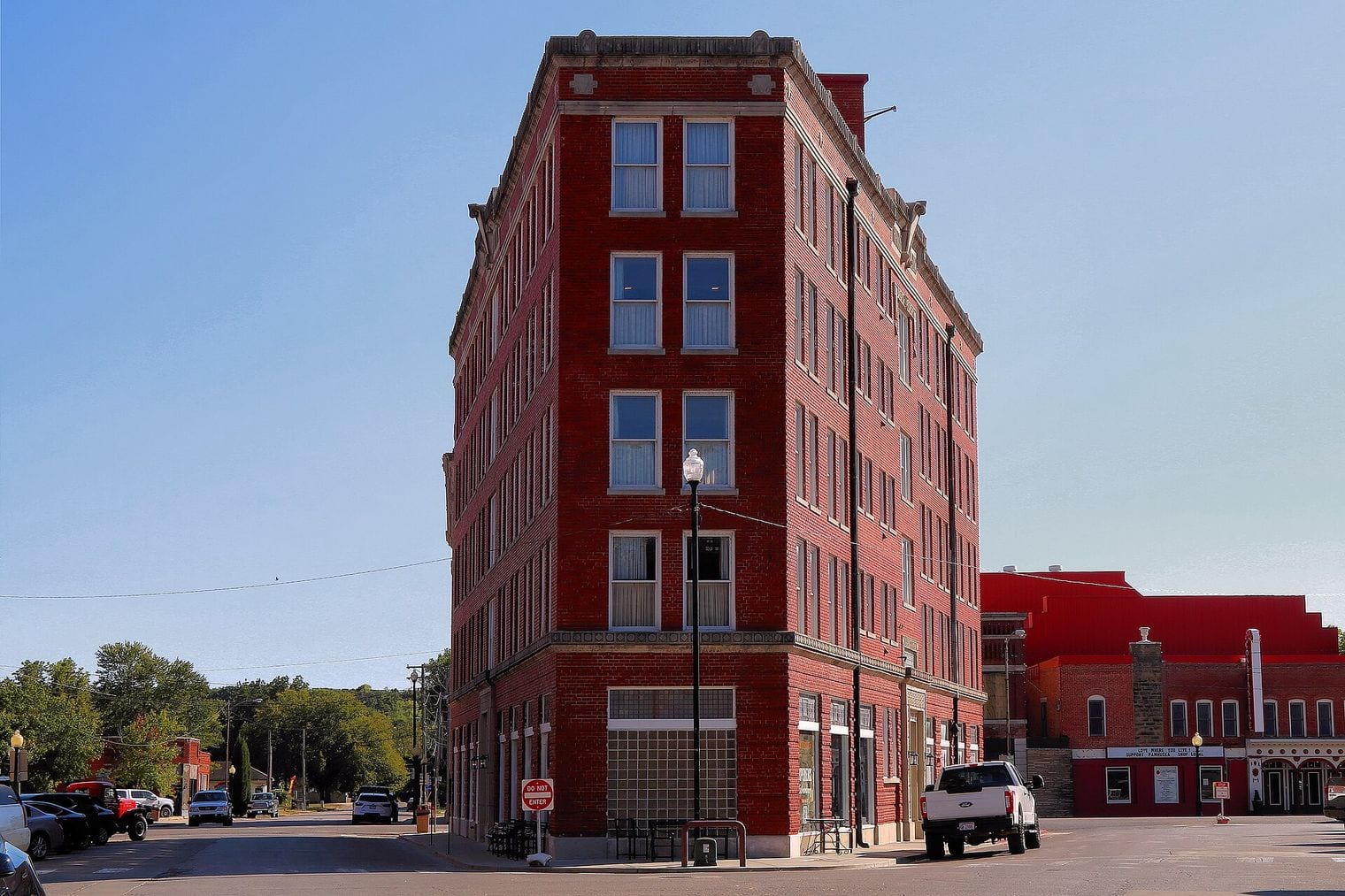
Pawhuska boomed on oil money in the 1910s and 1920s, when leases were auctioned under the "Million Dollar Elm" beside the Osage Council House, and that era still shows in the handsome brick and stone blocks downtown. Martin Scorsese's Killers of the Flower Moon, which tells a dark story from those years, was filmed largely in and around town.
Start at the Osage Nation Museum, founded in 1938 and the oldest tribally owned museum in the United States, then walk over to the Pioneer Woman Mercantile, Ree Drummond's general store, bakery and restaurant in a restored 1910 building. North of town, the Joseph H. Williams Tallgrass Prairie Preserve is the largest protected tract of tallgrass prairie in the world, where bison roam beside a scenic drive.
In the far southeastern corner of the state, Broken Bow grew up around a lumber company started by the Dierks brothers, who named the town after their former hometown of Broken Bow, Nebraska. Timber still frames everything here: the town sits at the edge of the pine-covered Ouachita foothills, and just to the north the land rises into some of the most scenic country in Oklahoma.
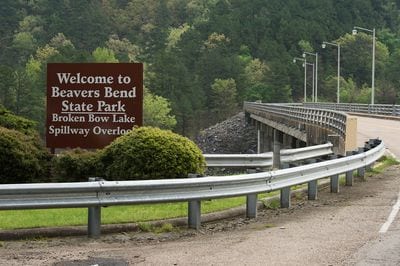
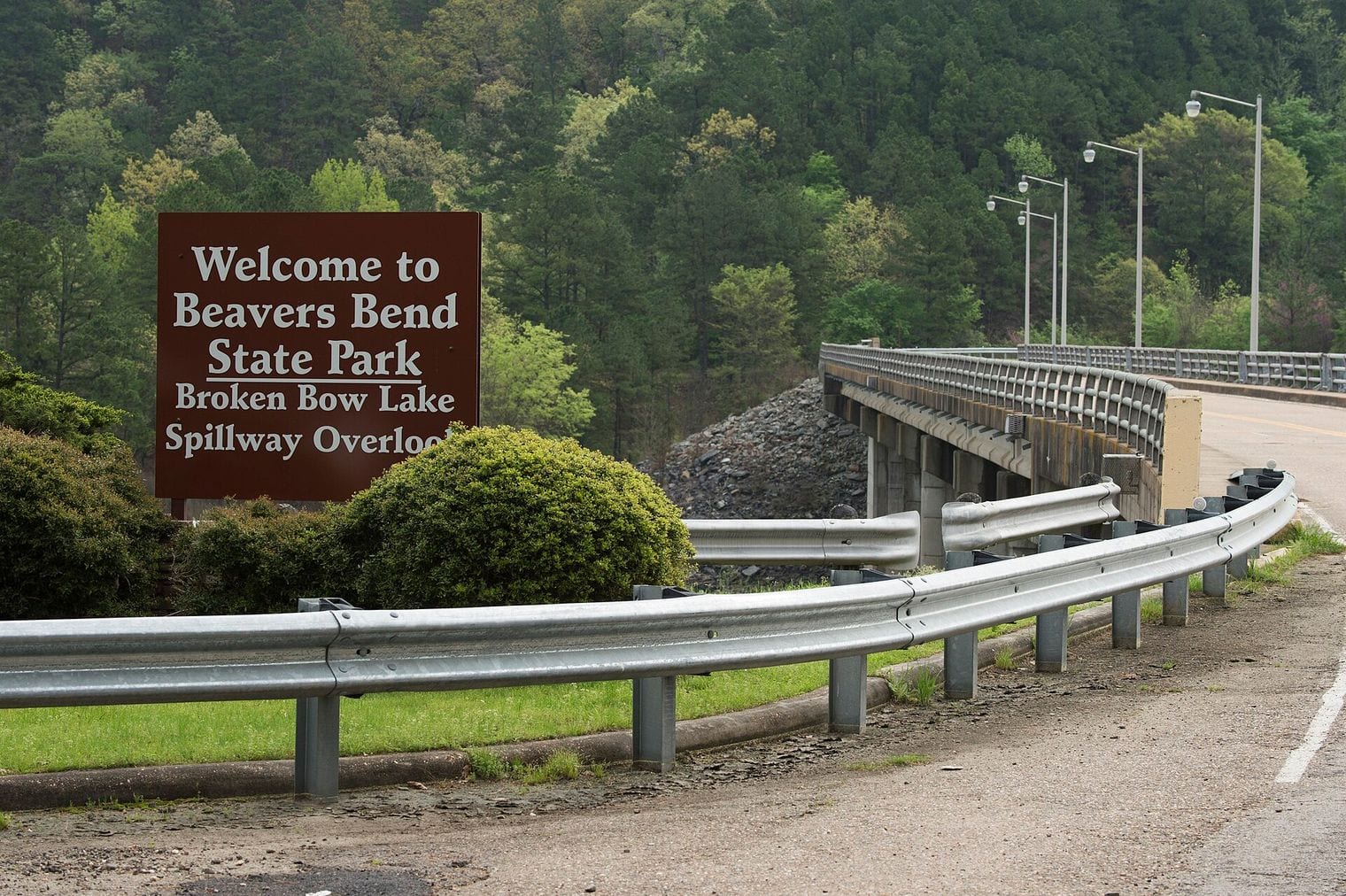
Most visitors head north on US-259 to Beavers Bend State Park, established in 1937 on the shores of Broken Bow Lake, where hiking trails, paddling and trout fishing on the cold, clear Mountain Fork River fill long weekends. Along the highway, the small town of Hochatown has grown into a busy strip of rental cabins, wineries, breweries and places to eat, making this corner of Oklahoma a favorite getaway for travelers from across the region.
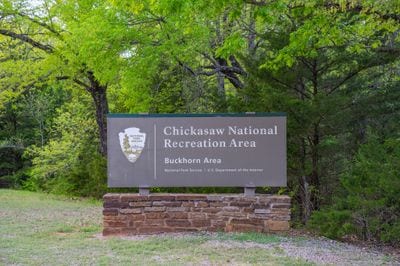
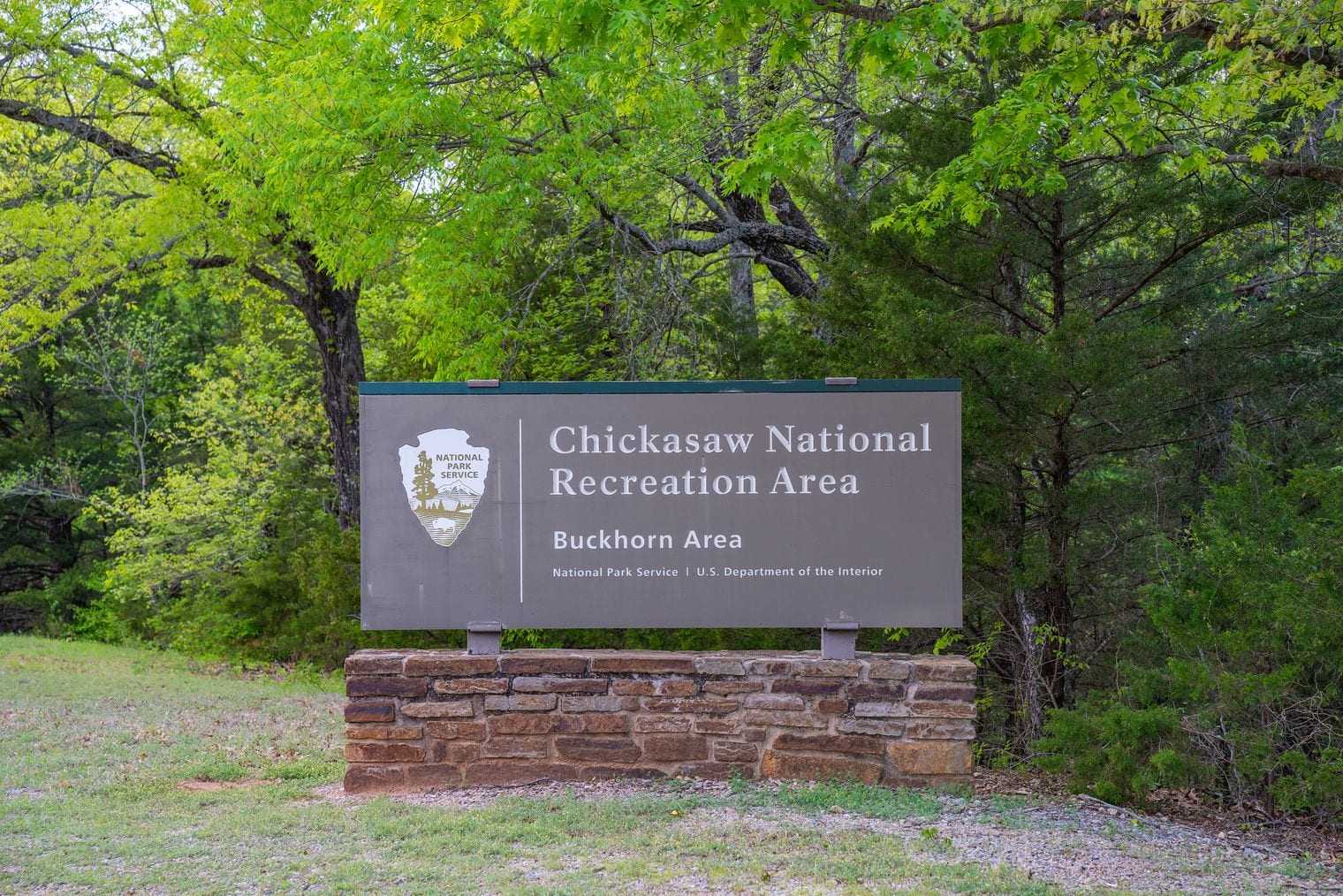
Sulphur was built around water. Mineral springs at the edge of town drew visitors long before the city was founded in the 1890s, and in 1902 the federal government and the Chickasaw Nation agreed to protect them as the Sulphur Springs Reservation, soon renamed Platt National Park. For 74 years it was Oklahoma's only national park, until it became part of the larger Chickasaw National Recreation Area in 1976.
The recreation area begins on the south side of town. Wade or swim in the spring-fed pools of Travertine Creek and Little Niagara, hike out to Antelope and Buffalo springs, and admire the stone pavilions built by the Civilian Conservation Corps in the 1930s. Just outside town, the Chickasaw Cultural Center, opened in 2010, explores Chickasaw history and culture across a wooded campus with exhibits, a traditional village and dance demonstrations.
Tahlequah became the capital of the Cherokee Nation in 1839, when the Cherokee people, forced west on the Trail of Tears, rebuilt their government in the Ozark foothills of Indian Territory. Today it is the capital of both the Cherokee Nation and the United Keetoowah Band of Cherokee Indians, and street signs around town are written in English and in the Cherokee syllabary created by Sequoyah.
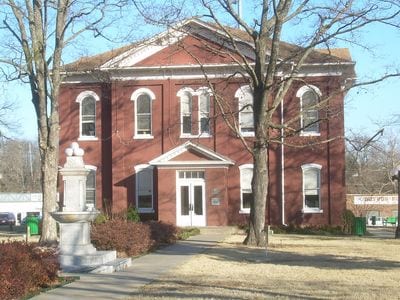
On the town square, the brick Cherokee National Capitol of 1869, a National Historic Landmark, now houses the Cherokee National History Museum, and the 1844 Supreme Court building, reputed to be the oldest public building in Oklahoma, has become a museum of the Cherokee courts, newspaper and language.
South of town in Park Hill, the Cherokee Heritage Center tells the story of the Trail of Tears, while the Illinois River, just east of town, is the classic spot for a lazy summer float trip.
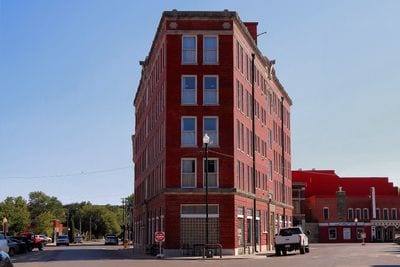
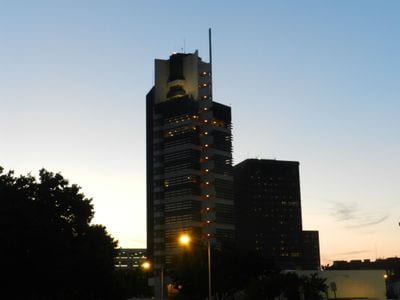
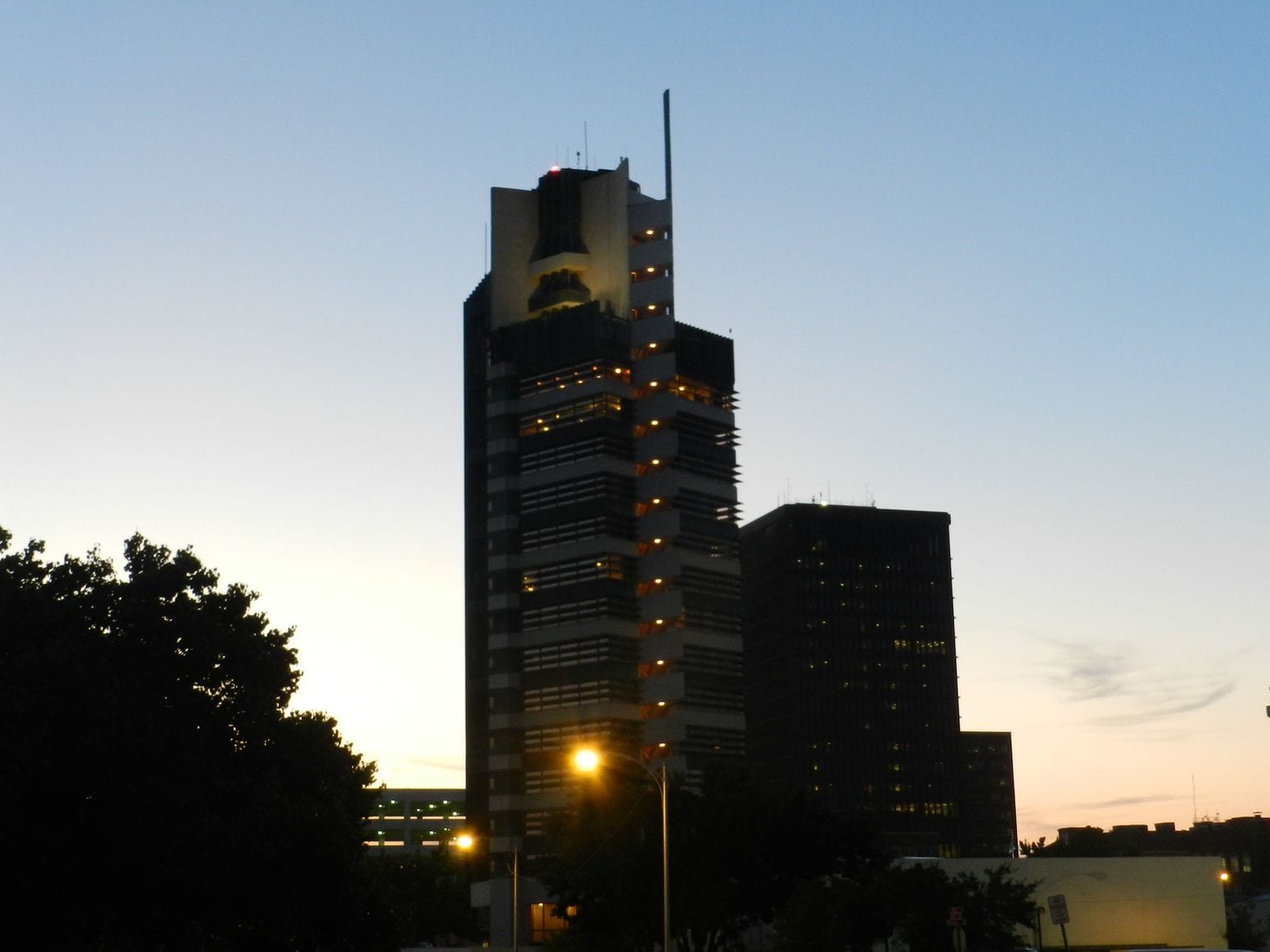
Bartlesville is an oil town with a cultured streak. Frank Phillips founded Phillips Petroleum here in 1905, while the area was still Indian Territory, and the fortunes made in the oil fields paid for the buildings that make the town worth a detour today. Its skyline is defined by the 19-story Price Tower, completed in 1956 and one of the very few skyscrapers designed by Frank Lloyd Wright, its cantilevered, copper-trimmed silhouette now a National Historic Landmark.
In town, the Frank Phillips Home preserves the oilman's mansion, and the downtown historic district rewards a slow walk. The bigger draw is Woolaroc, Phillips's ranch retreat in the Osage Hills about 12 miles southwest of town, where bison, elk and longhorn cattle roam a 3,700-acre wildlife preserve and a museum displays Western art, American Indian material and one of the largest collections of Colt firearms in the world.
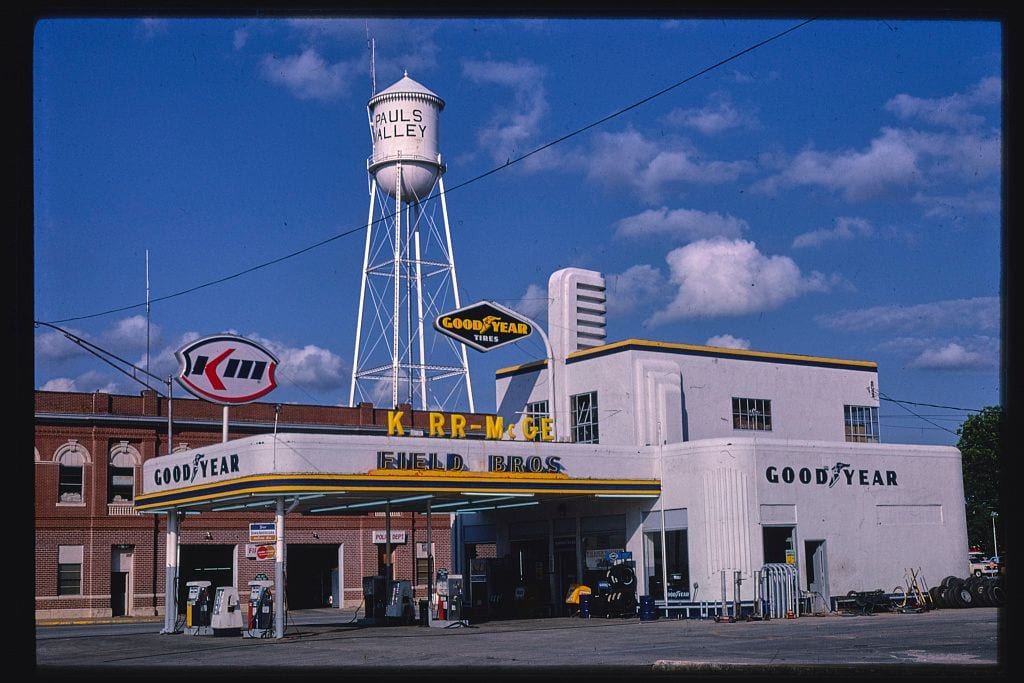
Named for Smith Paul, a North Carolina native who married into the Chickasaw Nation before the Civil War, Pauls Valley is a farm-and-oil county seat on the Washita River with a brick downtown and brick-paved streets first laid in 1909. Its 1905 Santa Fe depot, saved from demolition by a local campaign, now houses the historical society's museum.
The reason most travelers stop, though, is the Toy and Action Figure Museum, opened in 2005 in a former downtown store and packed with thousands of action figures, from vintage poseable toys to modern superheroes, with a whole room given over to Batman. It also houses the Oklahoma Cartoonists Hall of Fame, honoring illustrators from the state. Pauls Valley sits just off I-35, an easy break on a drive between Oklahoma City and the Arbuckle Mountains.
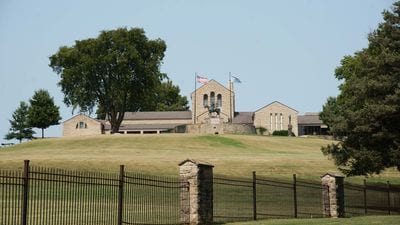
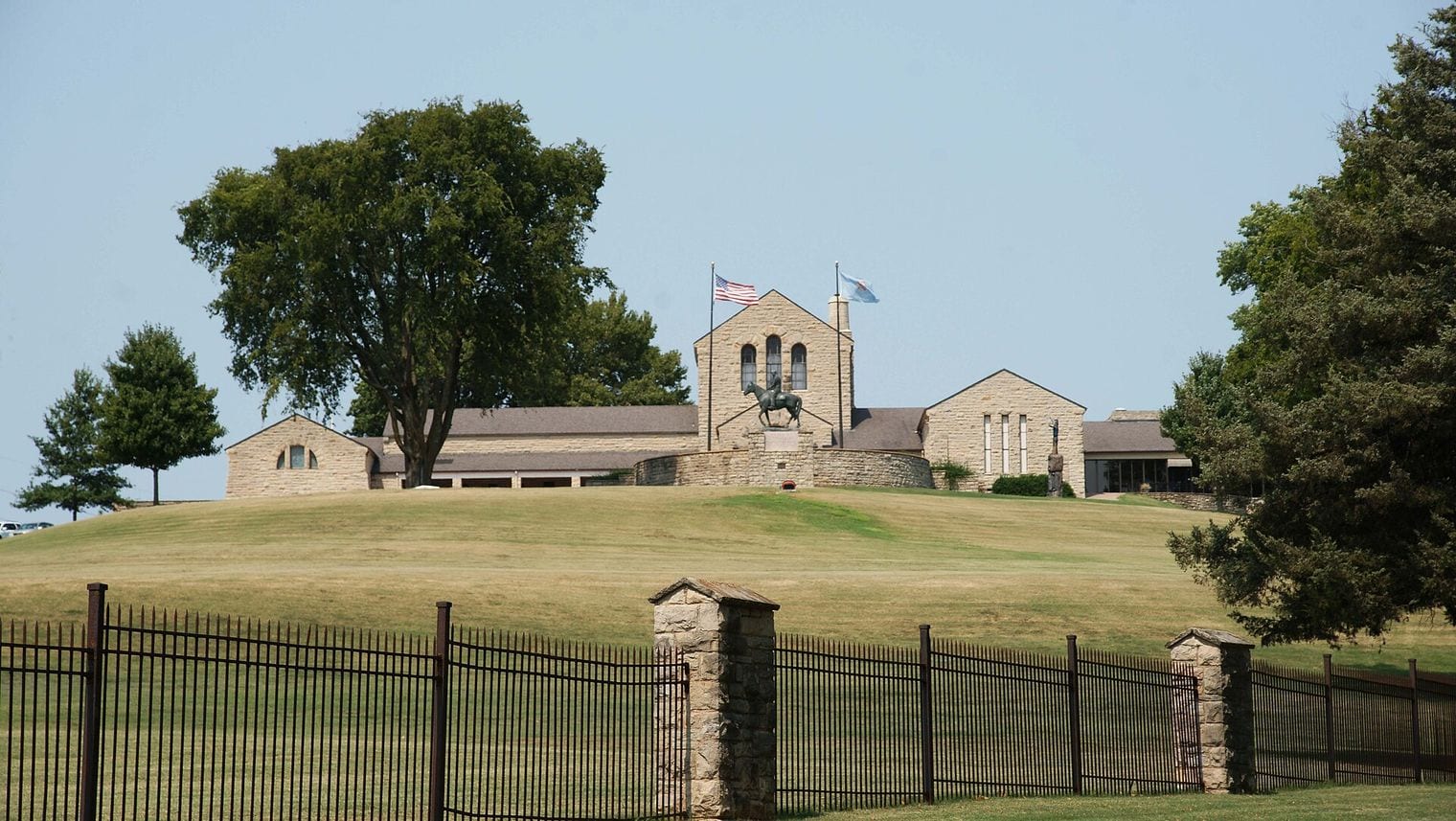
Will Rogers liked to call Claremore his hometown, and the town has returned the favor. The cowboy humorist was born on his family's ranch nearby in the Cherokee Nation, and the Will Rogers Memorial Museum now stands on a hill overlooking Claremore, with his tomb on its 20-acre grounds and galleries of his films, writings and memorabilia.
Historic Route 66 runs straight through town, and Claremore has its own roadside classic in the J.M. Davis Arms and Historical Museum, a collection that began when a local businessman displayed his guns for travelers on the old road and now fills a museum with thousands of firearms, beer steins and Western artifacts.
Rodgers and Hammerstein's Oklahoma! is set in and around Claremore, adapted from a play by Lynn Riggs, who grew up nearby, and the Blue Whale of Catoosa waits a short drive west along Route 66.
Free printable checklist of all 20 places
Tick them off as you go. Confirm your email to download it, plus one email every Thursday with new guides for the places you tick.
Eufaula takes its name from a Muscogee (Creek) town in Alabama, and it grew into a center of the Muscogee people after they were forced to Indian Territory in the 1830s, then into a railroad town when the Katy line arrived in 1872. Its brick business district along Main Street is listed on the National Register of Historic Places, and the McIntosh County seat feels pleasantly unhurried once the weekend boat traffic has headed home.
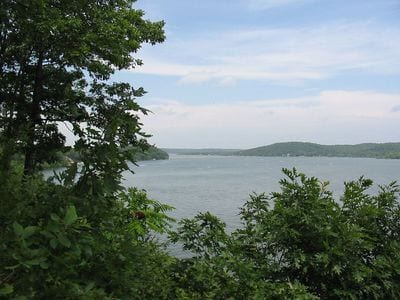
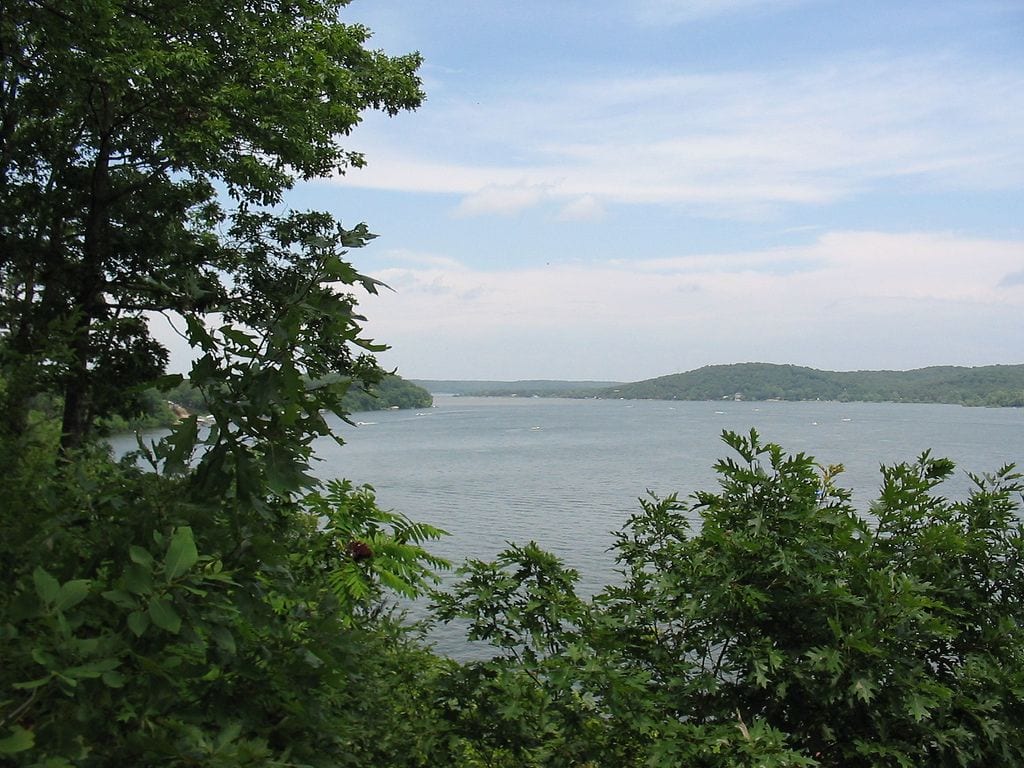
The lake is the reason to come. Lake Eufaula, on the Canadian River, is the largest lake in Oklahoma by volume, with about 600 miles of winding shoreline and coves made for fishing, boating and swimming, and Lake Eufaula State Park on its shores adds trails and campgrounds. Spend a day on the water, then come back to town for a slow evening on Main Street.
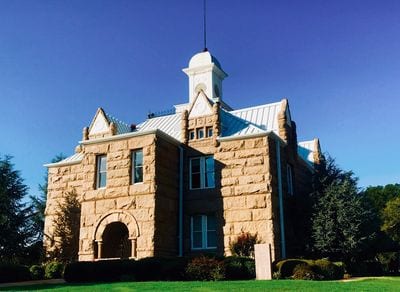
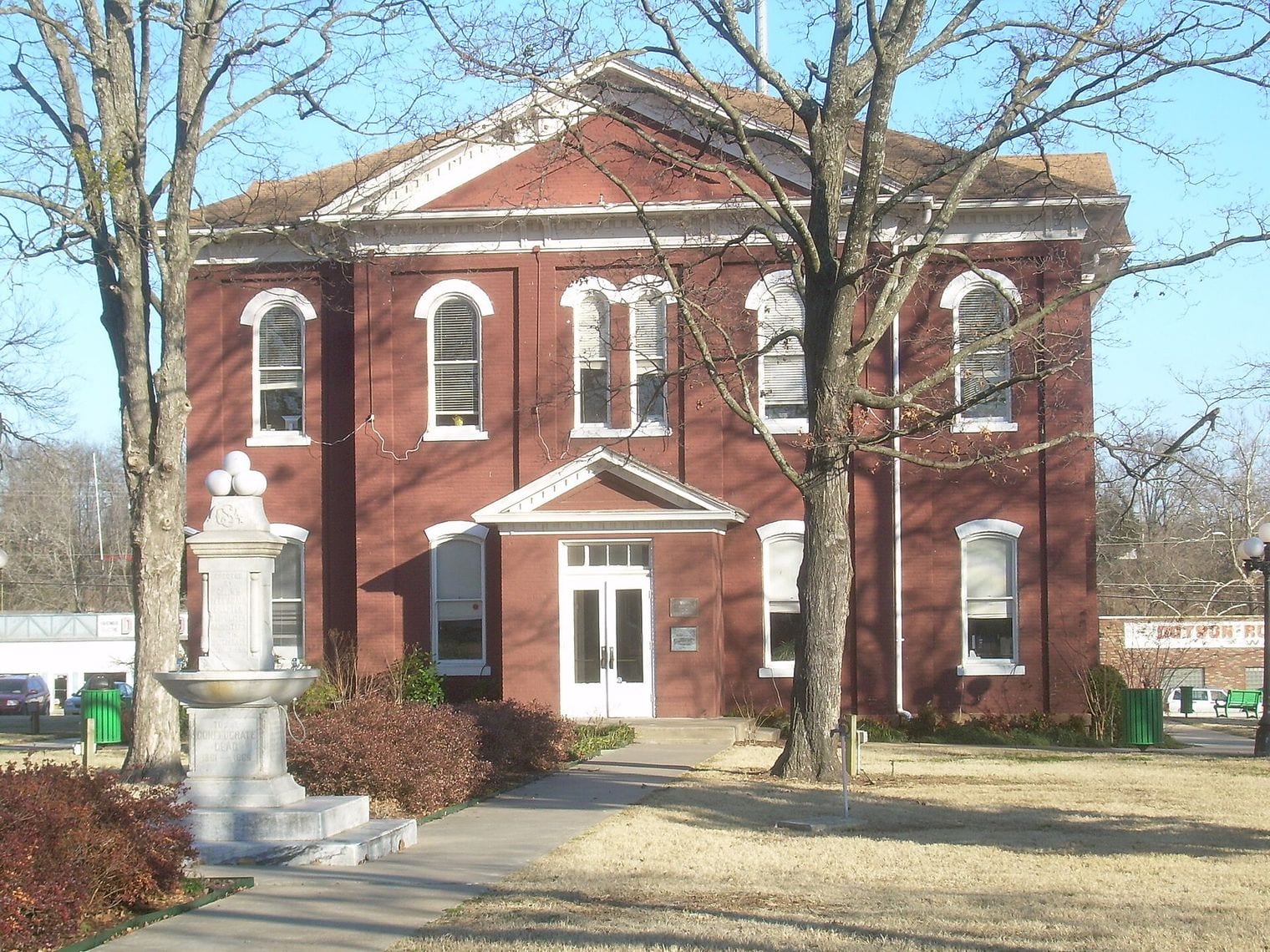
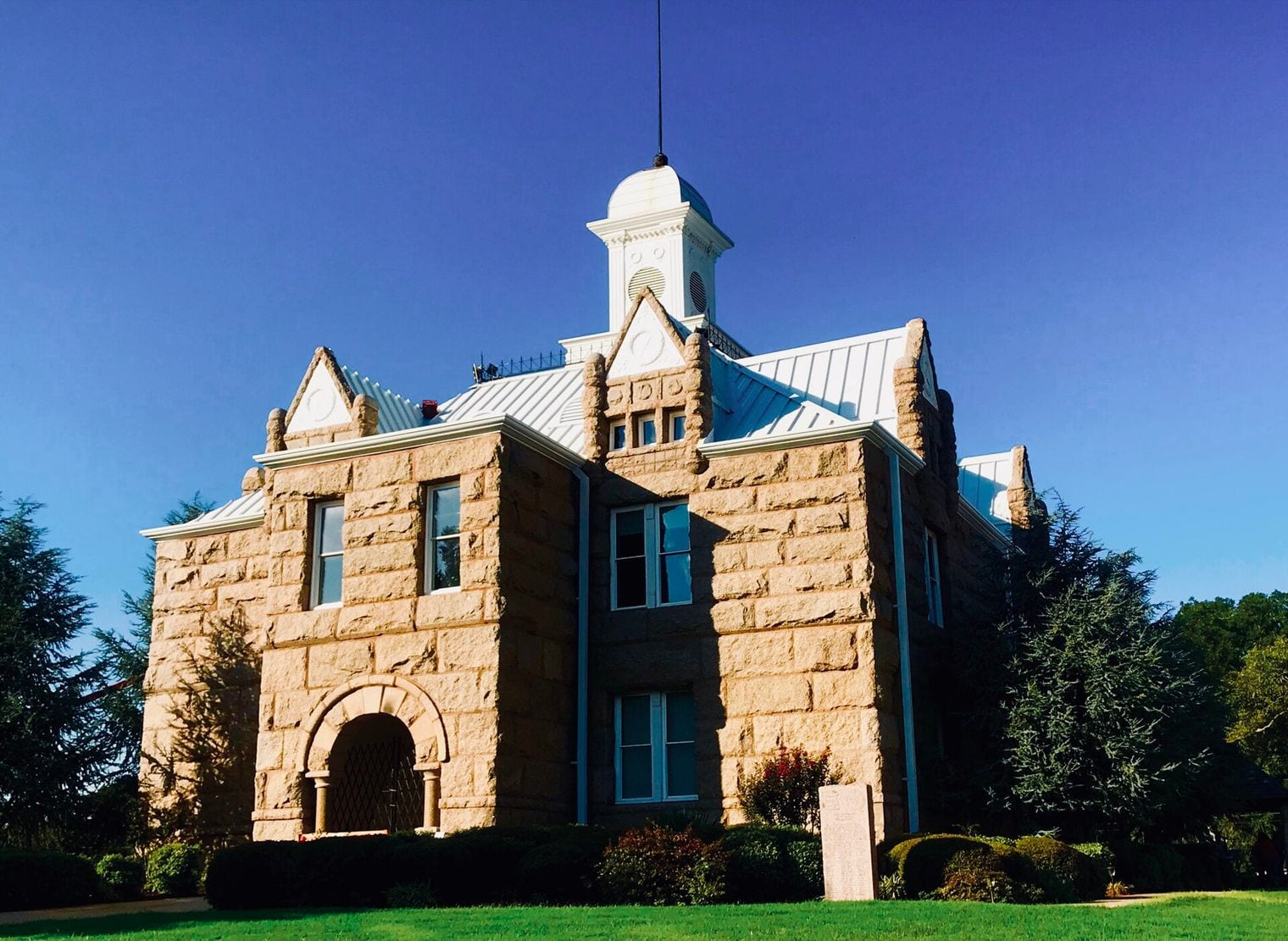
Set among springs and creeks in the south of the state, Tishomingo was the capital of the Chickasaw Nation from 1856 until Oklahoma statehood, and it is named for Tishomingo, a Chickasaw leader who died on the Trail of Tears. Its centerpiece is the Chickasaw Capitol, built of local red granite and dedicated in 1898, which the Chickasaw Nation bought back from the county and restored as a museum.
Nearby, the Chickasaw Council House Museum shelters a log council house from the 1850s and traces the tribe's removal from its Mississippi homeland. Outdoors, the Blue River draws trout anglers and swimmers to its clear, rocky pools, and the Tishomingo National Wildlife Refuge, on the upper reaches of Lake Texoma, is a quiet place for birdwatching and fishing. Murray State College gives the little town a campus at its edge.
Out on the plains of northwestern Oklahoma, near the Salt Fork of the Arkansas River, Alva was laid out as a federal land office town for the Cherokee Outlet land run of 1893, the largest of the land rushes that settled the state. Its courthouse square anchors a friendly downtown, and Northwestern Oklahoma State University, founded here in 1897, gives the town a college-town energy.
Learn about the land run and pioneer life at the Cherokee Strip Museum; the town's story also includes Camp Alva, where the U.S. Army held some of the most hard-line German prisoners of World War II.
Alva also makes a handy base for three very different state parks: the salt flats of Great Salt Plains, the gypsum caves of Alabaster Caverns and the sand dunes of Little Sahara. Fans of Mad Men may recognize the name, since Don Draper spends most of the show's penultimate episode in Alva.
El Reno grew up beside Fort Reno, the cavalry post established in 1874 that gave the town its name; the "El" was added by the local postmaster to tell it apart from nearby Reno City.
Historic Route 66 runs through town, and El Reno is best known for a burger: the fried onion burger, credited to local cooks in the 1920s who stretched ground beef with thinly sliced onions to feed customers cheaply, is still pressed onto griddles downtown and celebrated each spring at the Fried Onion Burger Day Festival.
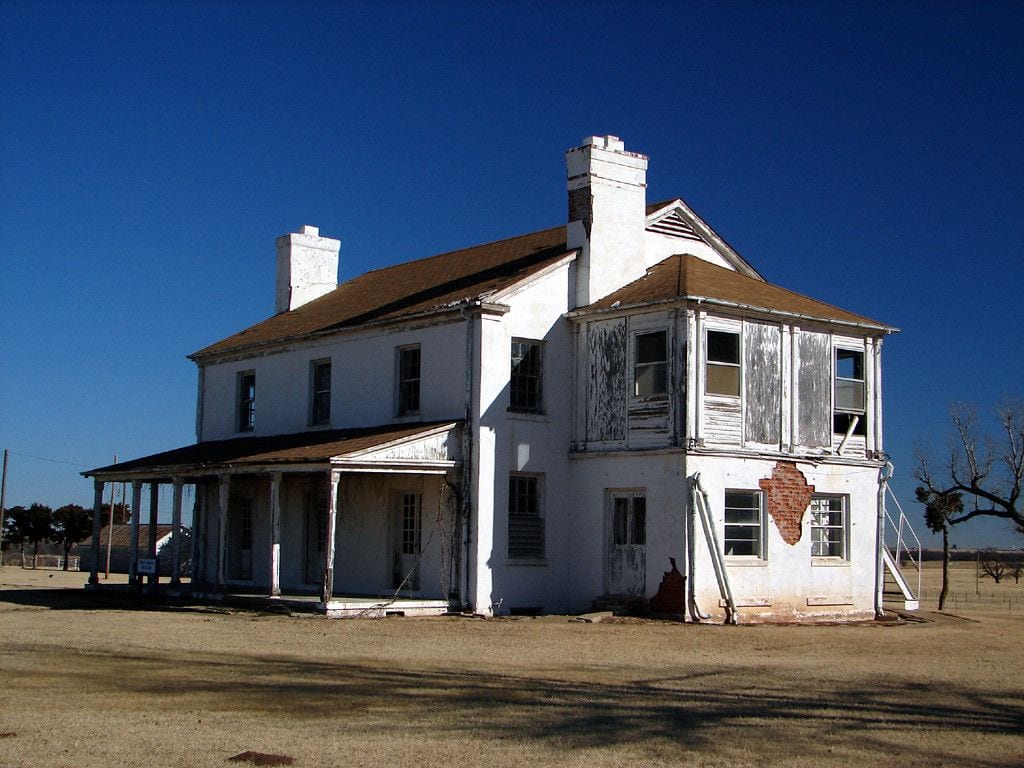
West of town, Historic Fort Reno preserves more than two dozen historic buildings, a visitor center and museum, and a cemetery where Buffalo Soldiers, Indian Scouts and German and Italian prisoners of World War II are buried. The post later served as an Army remount depot, supplying horses and mules through both world wars. El Reno lies about 25 miles west of downtown Oklahoma City, an easy half-day trip.
Grove sits on the shores of Grand Lake o' the Cherokees, one of Oklahoma's "Big Three" lakes, in the Ozark foothills of the state's northeast corner. In summer the town fills with boaters, anglers and bass-fishing tournaments, and the lake's coves, marinas and the long peninsula of Monkey Island give it the easy feel of a resort town.
Away from the water, Har-Ber Village Museum, created by Harvey and Bernice Jones on their lakeside land, gathers dozens of log cabins and pioneer-era buildings filled with antiques, with craft demonstrations and a nature trail along the shore. Nearby Lendonwood Gardens packs Japanese, English and azalea gardens into a few shaded acres, and Grove's Main Street is a pleasant place to browse between lake days.
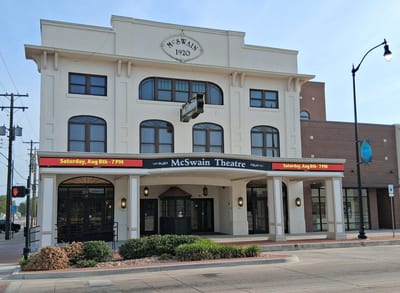
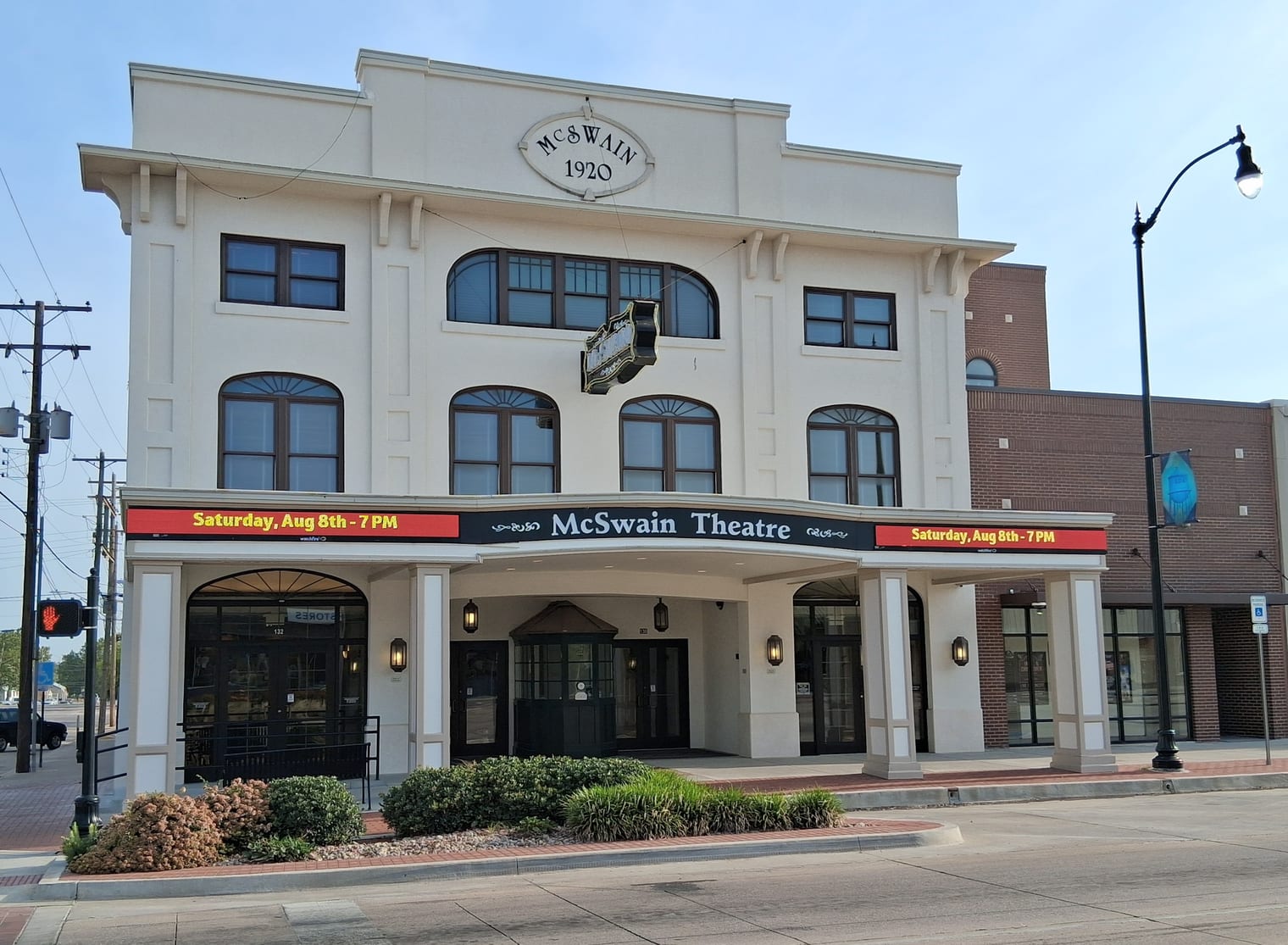
Ada is the capital of the Chickasaw Nation, which opened its headquarters here in 1975, and home to East Central University, founded after the women of Ada campaigned for a teachers' college in 1909. Named for Ada Reed, the daughter of an early settler, the Pontotoc County seat is an Oklahoma Main Street city with a lively downtown and the historic McSwain Theatre.
Its best-loved green space is Wintersmith Park, built by Depression-era work crews of the Civilian Conservation Corps, where a paved trail circles a small lake shaded by old trees. Ada also makes a convenient base for exploring Chickasaw Country: the springs of the Chickasaw National Recreation Area near Sulphur and the historic Chickasaw capital at Tishomingo are both within about an hour's drive.
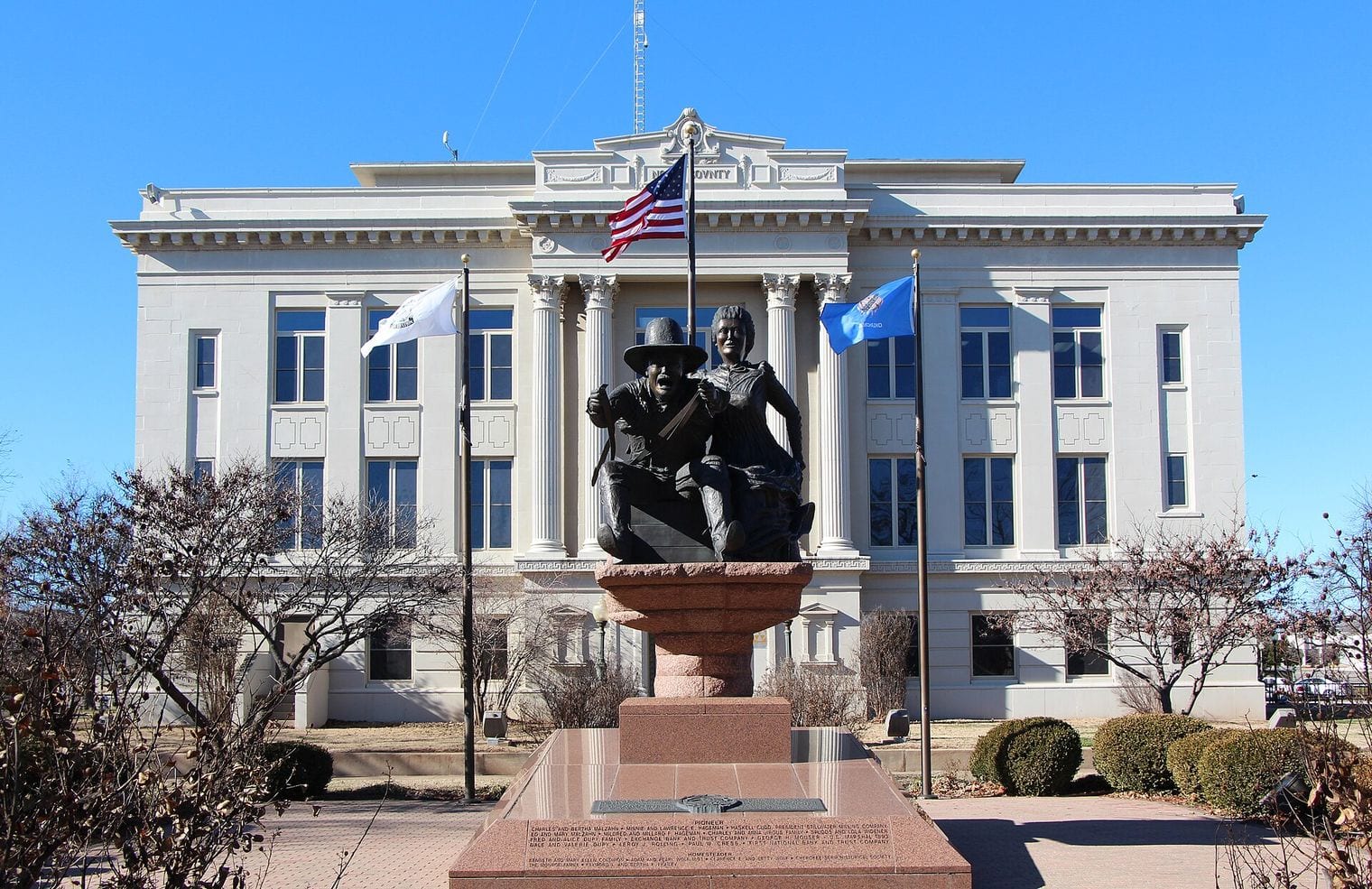
Perry was born on a single afternoon. At noon on September 16, 1893, the Cherokee Outlet opened to settlement, and by nightfall thousands of people were camped around the federal land office here, its rowdiest blocks soon nicknamed "Hell's Half Acre" for their saloons and gambling halls. The town settled down around a handsome courthouse square, today the Perry Courthouse Square Historic District, centered on the Noble County Courthouse.
The Cherokee Strip Museum, run by the Oklahoma Historical Society, tells the story of the run and the settling of the Outlet, with a historic schoolhouse and a blacksmith shop on its grounds.
Perry is also the home of Ditch Witch: the trenching machines grew out of a local blacksmith and machine shop, and Charles Machine Works still builds them here. The town sits on I-35 about an hour north of Oklahoma City, an easy stop on a drive toward Kansas.
Davis is the gateway to the Arbuckle Mountains, an old, worn-down range of limestone ridges and canyons that rises unexpectedly from the rolling country of south-central Oklahoma. The town itself is small, with a local history museum in its 1907 Santa Fe depot, but its city limits stretch south into the mountains to take in its main attraction.
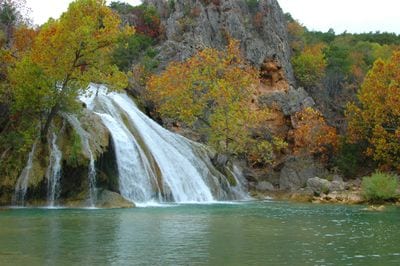
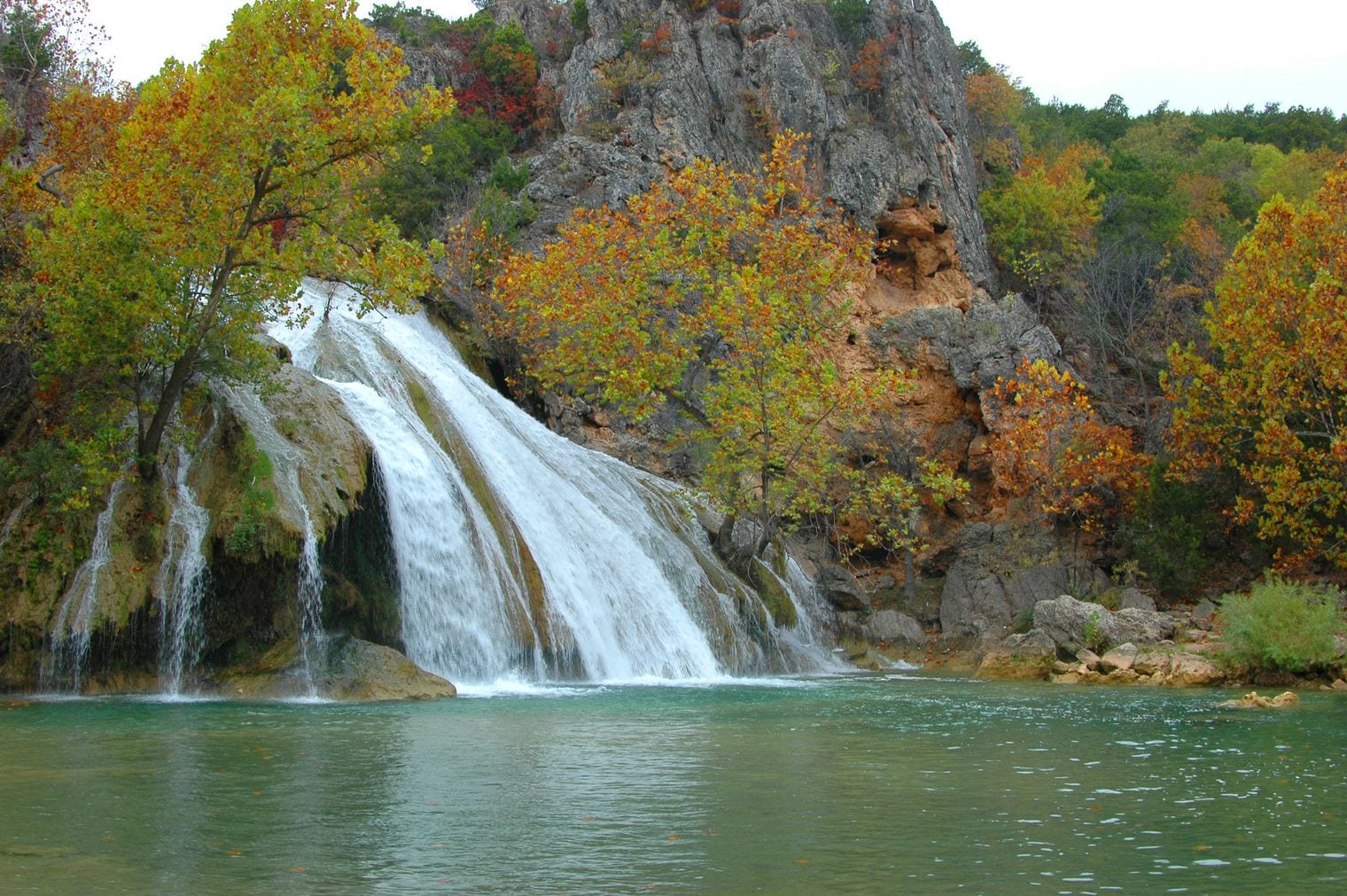
That attraction is Turner Falls Park, a wooded canyon along Honey Creek where a 77-foot waterfall, locally considered the tallest in Oklahoma, spills into a natural swimming pool. Summer brings crowds of swimmers to the creek's pools; cooler months are the time to hike its trails and explore its small caves and rock formations. The springs of the Chickasaw National Recreation Area lie a short drive east near Sulphur.
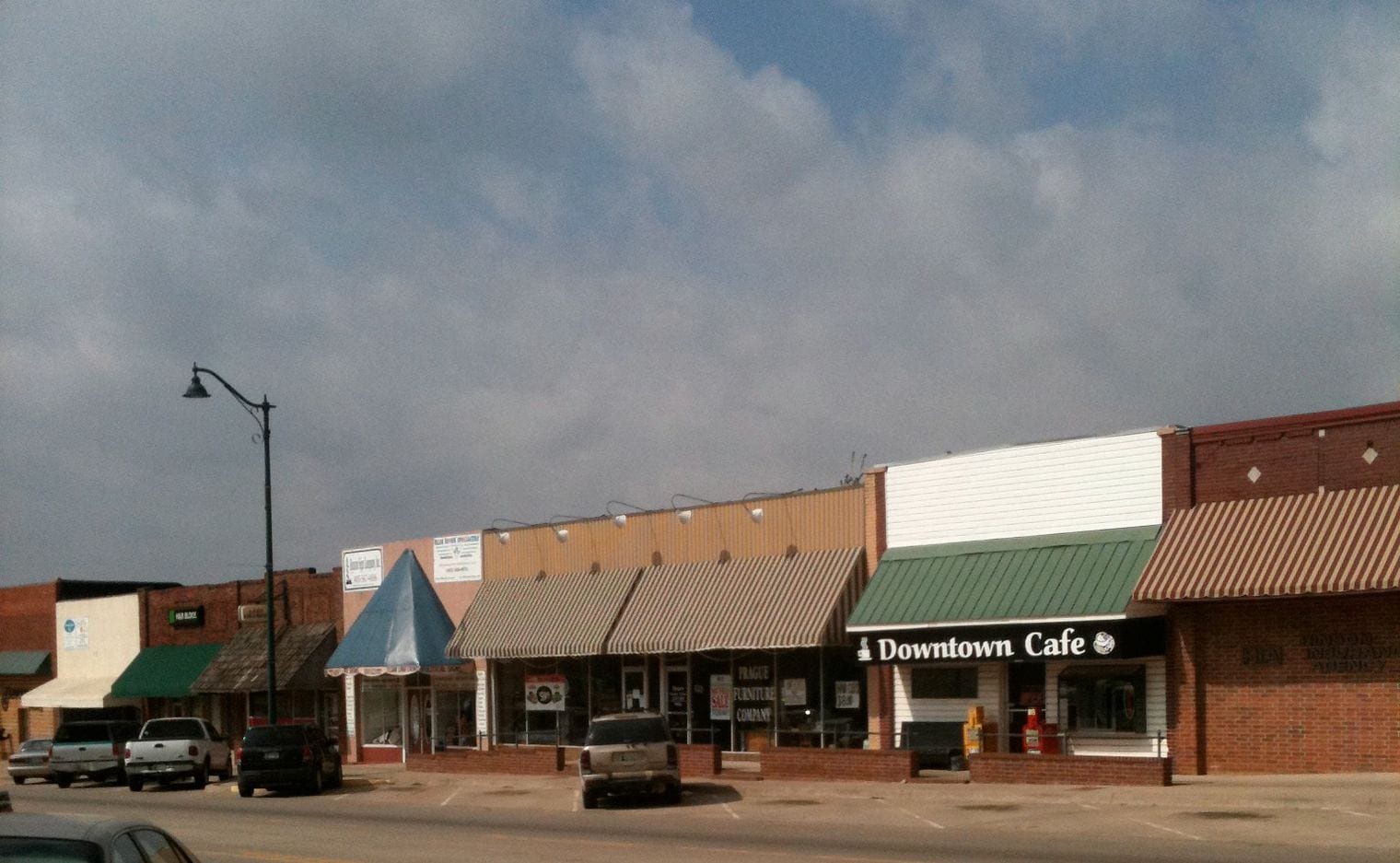
Czech immigrants founded Prague after the Sac and Fox lands were opened in a land run in 1891, and they named it after the capital of their homeland. That heritage still shapes the town, most famously at the Kolache Festival, held each May since 1965, when the main street fills with Czech music, dancing and trays of fruit-filled pastries.
Prague is also home to the National Shrine of the Infant Jesus of Prague, a papally authorized copy of the famous statue in the Czech capital, which draws pilgrims year-round. The main street is named for Jim Thorpe, the Sac and Fox athlete and Olympic champion who was born near here in 1887, and the small Prague Historical Museum on the same street tells the town's story.
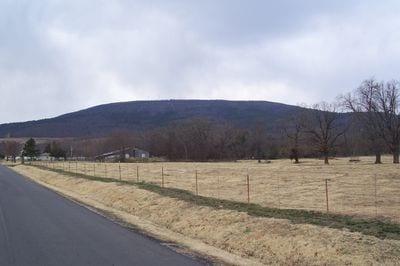
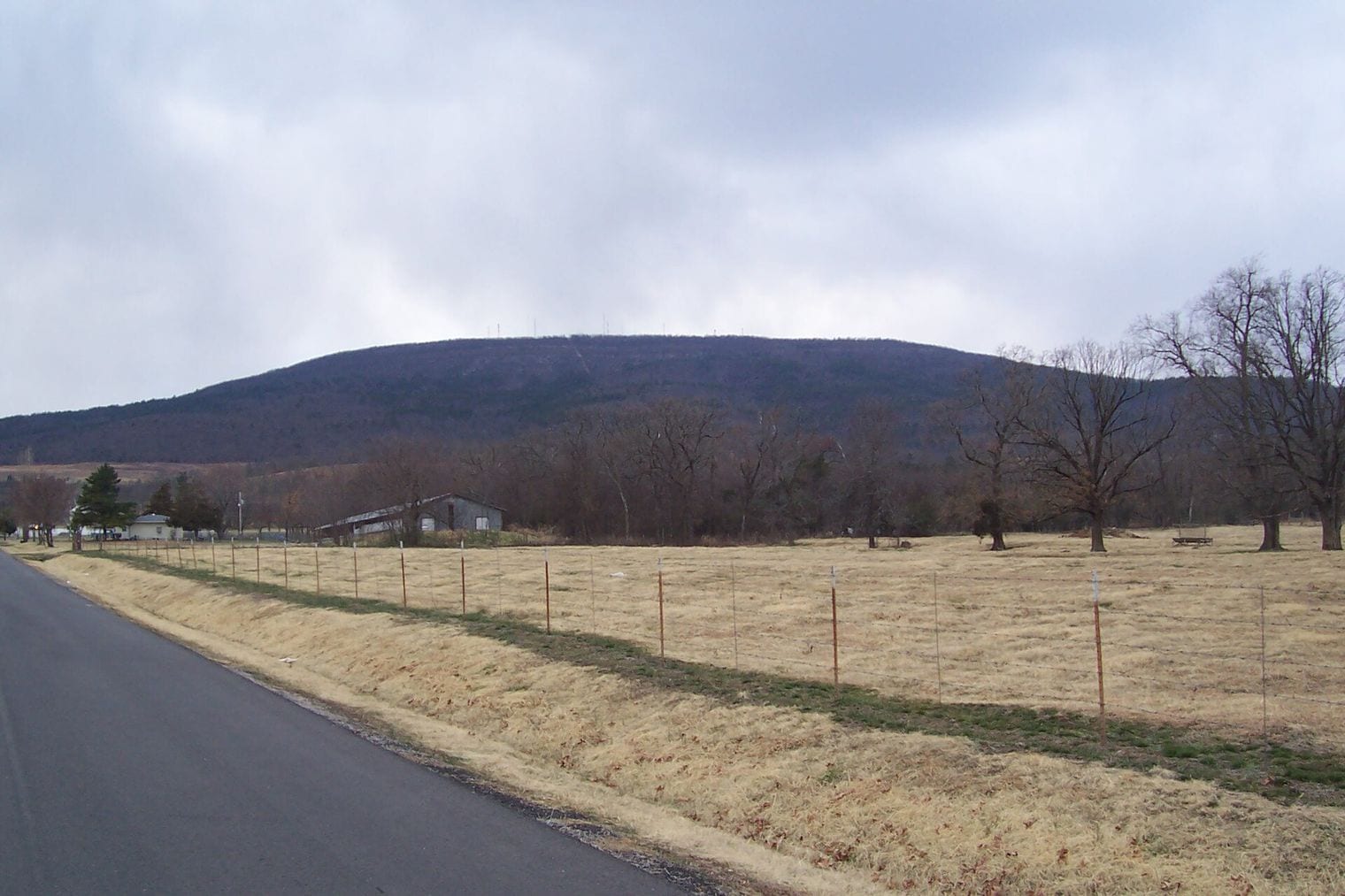
Poteau sits in a green valley of eastern Oklahoma, about 12 miles from the Arkansas line, beneath a long, forested ridge with a famous boast. A sign at the base of Cavanal Hill bills it as the "World's Highest Hill" at 1,999 feet, a foot shy of the 2,000-foot mark some use to separate a hill from a mountain; its true summit is higher still, and a paved road winds to the top for views over the Poteau River valley.
Lake Wister State Park, just west of town, is built around Lake Wister and offers fishing, boating and camping. The region's deeper history lies a short drive north at Spiro Mounds Archaeological Center, one of the most important prehistoric Native American sites in North America, while to the south, Heavener Runestone Park shelters a mysterious carved stone found on Poteau Mountain in 1923.
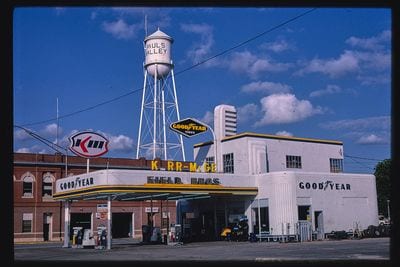
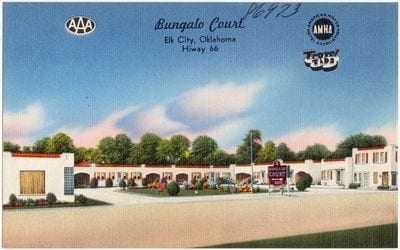
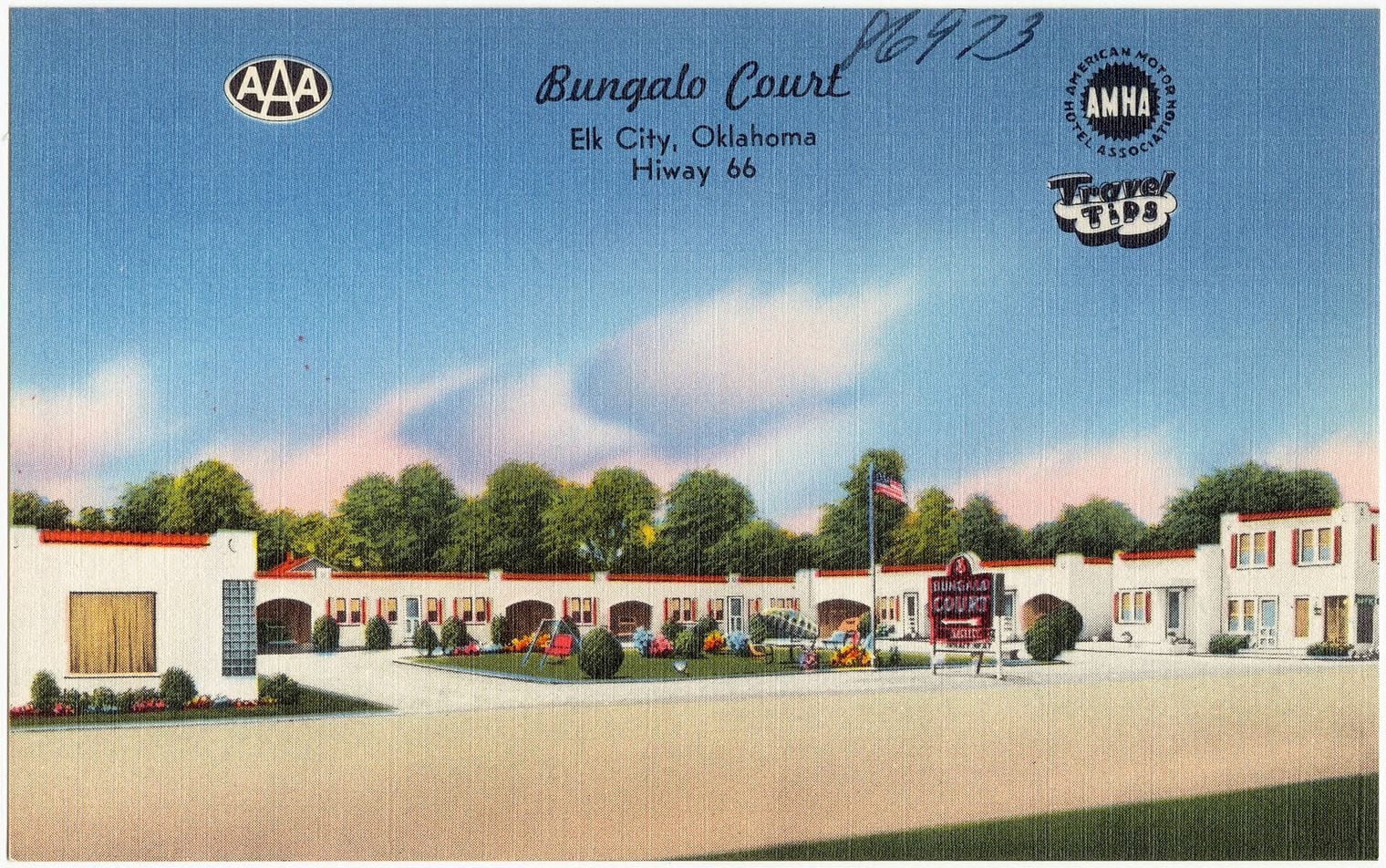
Elk City sits on Historic Route 66 in the wide-open country of western Oklahoma, about 110 miles west of Oklahoma City, and the old road is the reason to stop. The highway was built through the heart of town in the early 1930s, and Elk City has honored it with a sprawling museum complex.
The National Route 66 & Transportation Museum complex brings together the National Route 66 Museum, the Old Town Museum, the Transportation Museum, the Farm and Ranch Museum and the Blacksmith Museum, set among recreated early Elk City buildings including general stores, a bank and a railroad depot. Walk through decades of road-trip history, then follow the old road west toward Texas or east toward the Oklahoma Route 66 Museum in Clinton.
Free Things to Do in These Oklahoma Towns
Some of the best moments on this list cost nothing. Wander the Victorian blocks of the historic district in Guthrie, the cobblestone lanes of Medicine Park and the town square in Tahlequah, where street signs carry the Cherokee syllabary.
Drive among the bison on the tallgrass prairie north of Pawhuska and in the Wichita Mountains Wildlife Refuge beside Medicine Park, and wade into the spring-fed creeks of the Chickasaw National Recreation Area at Sulphur. Stroll the brick streets of Pauls Valley, the courthouse square in Perry and Main Street in Eufaula, then drive to the top of Cavanal Hill above Poteau for the view.
Oklahoma is a big state with little public transport between its small towns, so a car is essential, and the easiest plan is to pick one region and link several towns together. Around Oklahoma City, Guthrie, El Reno, Perry and Prague each lie within about an hour's drive, making easy day trips.
In the northeast's Green Country, Claremore, Bartlesville and Pawhuska form a loop north of Tulsa, while Tahlequah and Grove sit among the Ozark foothills and lakes farther east. In the southwest, Medicine Park is a short drive north of Lawton, and Elk City lies out west on Route 66 on the way to the Texas Panhandle.
South of Oklahoma City, I-35 ties Chickasaw Country together: Pauls Valley, Davis and Sulphur sit within half an hour of one another around the Arbuckle Mountains, with Ada and Tishomingo a short drive east and southeast. In the southeast, Broken Bow, Poteau and Eufaula reward a longer trip into the pine-covered hills and lake country, while Alva, in the northwest, is about two hours southwest of Wichita in Kansas.
Spring and fall are the most comfortable seasons, with prairie wildflowers in spring and fall color in the hills around Tahlequah and Broken Bow; spring is also storm season, so keep an eye on the forecast. Summer is the time for the lakes at Grove and Eufaula, the swimming holes at Sulphur and Turner Falls, and float trips on the Illinois River.
FAQ: Visiting the Best Small Towns in Oklahoma
What is the best small town in Oklahoma?
Guthrie is the best small town in Oklahoma for most visitors, with its National Historic Landmark downtown and its story as the first state capital. Medicine Park follows for its cobblestone cottages beside the Wichita Mountains, then Pawhuska for the Osage Nation Museum and tallgrass prairie, Broken Bow for Beavers Bend State Park and Sulphur for its springs.
Which small towns in Oklahoma are closest to Oklahoma City?
El Reno, about 25 miles west on Route 66, and Guthrie, about 30 miles north, are the closest and make easy half-day trips. Prague lies about an hour east, Perry about an hour north on I-35, and Pauls Valley about an hour south on the same interstate, on the way to the Arbuckle Mountains.
Which small towns in Oklahoma are near Tulsa?
Claremore is the closest, a short drive northeast along Route 66, and Bartlesville lies about 47 miles north of the city. Pawhuska and the Tallgrass Prairie Preserve are a little farther northwest, while Tahlequah and Grove, in the Ozark foothills to the east, each make a comfortable day trip or an easy weekend away.
Which Oklahoma small towns are on Route 66?
Three towns on this list sit on Historic Route 66: Claremore, home of the Will Rogers Memorial Museum, El Reno, where the fried onion burger is said to have been born, and Elk City, home of the National Route 66 Museum. Linking them makes a fine cross-state drive along the old road, from the Ozark foothills to the western plains.
Where can you learn about Native American history in Oklahoma's small towns?
Tahlequah is the capital of the Cherokee Nation, with the Cherokee National History Museum and the nearby Cherokee Heritage Center. Pawhuska is home to the Osage Nation and the oldest tribally owned museum in the country, while Tishomingo, Ada and Sulphur tell the Chickasaw story through a historic capitol, the nation's headquarters and the Chickasaw Cultural Center.
When is the best time to visit small towns in Oklahoma?
Spring and fall are the most comfortable seasons, with prairie wildflowers in spring and fall color in the Ozark and Ouachita hills. Summer is best for lake towns such as Grove and Eufaula and for the swimming holes at Sulphur and Turner Falls, while May brings Prague's Kolache Festival and El Reno's Fried Onion Burger Day Festival.
How many days do you need to visit a small town in Oklahoma?
Most towns on this list fill a relaxed day, and several make easy day trips from Oklahoma City or Tulsa. Guthrie and Broken Bow deserve a weekend to see properly, while a week lets you link several towns in one region, such as Chickasaw Country around the Arbuckle Mountains or Green Country in the northeast.
Sources & updates
How this guide was checked
Checked before launch
Sources cited
20
Every town on this list was pinned on the map and checked against official and local sources before publication.
A PDF with a box to tick for every place. Confirm your email to download it, and get one email every Thursday with our newest guides for the places you tick.
Free Oklahoma small towns printable checklist
All 20 places in one PDF
Tick them off as you go. Confirm your email to download it, plus one email every Thursday with new guides for the places you tick.
We use cookies to analyse site traffic and improve your experience.
You can accept or reject analytics cookies. See our
May we use analytics cookies? See ourCookie Policy.