We may earn a commission if you book tickets, tours or a stay through a link on
this page, at no extra cost to you. It never affects which places we list or how
we rank them (how we make money).
Short answer
Start with Gathering Place, Philbrook Museum of Art and Greenwood Rising, then catch a show at Cain's Ballroom, the home of Western swing. Two to three days is ideal for Tulsa, enough to add the Art Deco downtown, the Tulsa Zoo and the city's Route 66 stops.
Tulsa grew rich as the "Oil Capital of the World," and the boom left behind Art Deco towers, an oilman's villa turned art museum and a music history that runs from Western swing to Bob Dylan. Set on the Arkansas River about 100 miles northeast of Oklahoma City, it is also where Route 66 and the story of Black Wall Street meet.
This guide ranks the 30 best things to do in Tulsa, from Gathering Place and Greenwood Rising to Turkey Mountain's trails, with a map, a one-day plan and tips for exploring Oklahoma's second city. Plan on two to three days.
Tulsa was known as the "Oil Capital of the World" for most of the 20th century, and the boom paid for one of the nation's largest concentrations of Art Deco architecture.
In the early 1900s the Greenwood District was known as "Black Wall Street," one of the most prosperous Black communities in the United States, until the 1921 Tulsa Race Massacre burned more than 35 blocks of it.
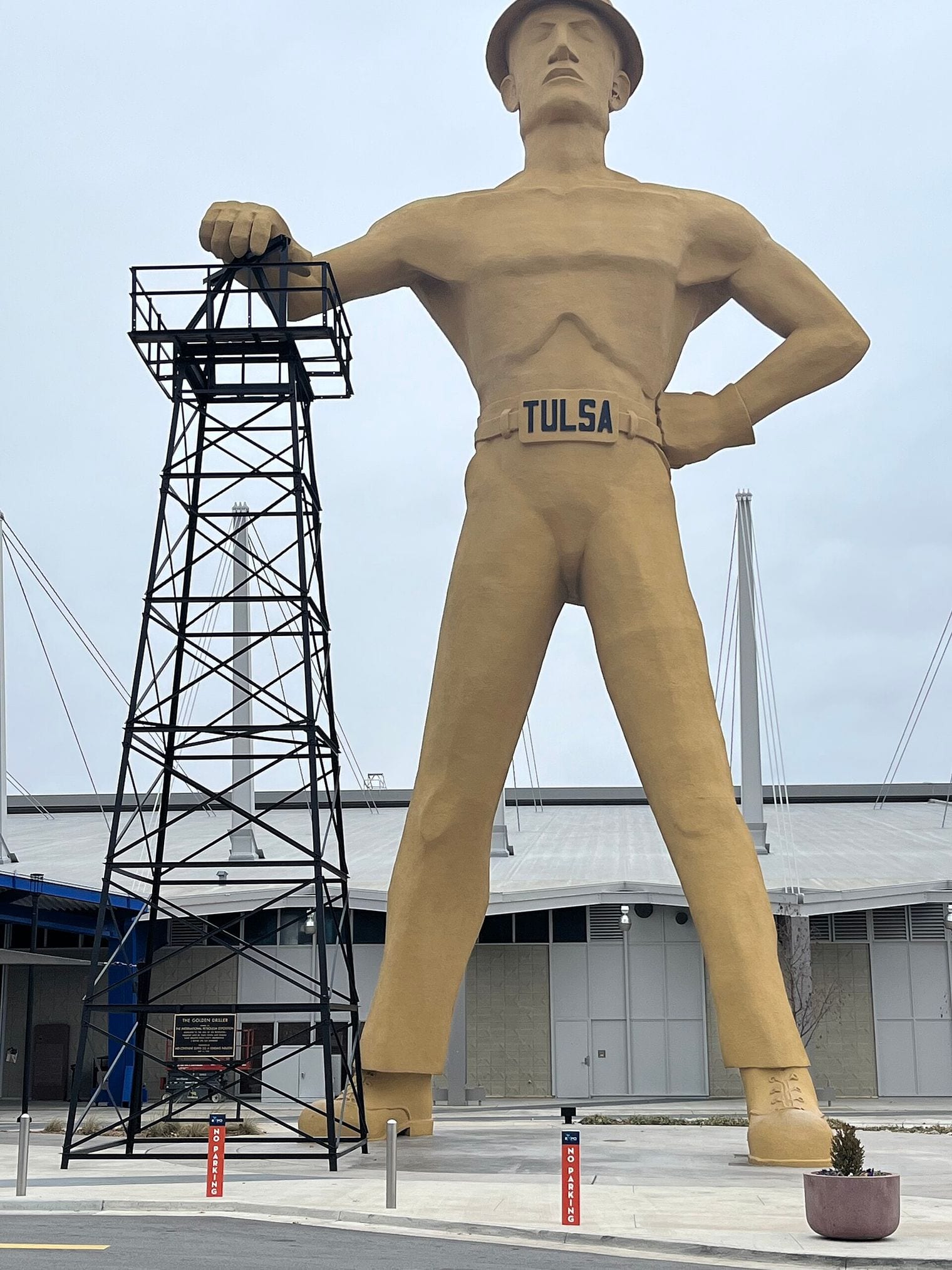
The Golden Driller is Oklahoma's official state monument, adopted by the Legislature in 1979; the 76-foot oil worker has stood at Expo Square since 1966.
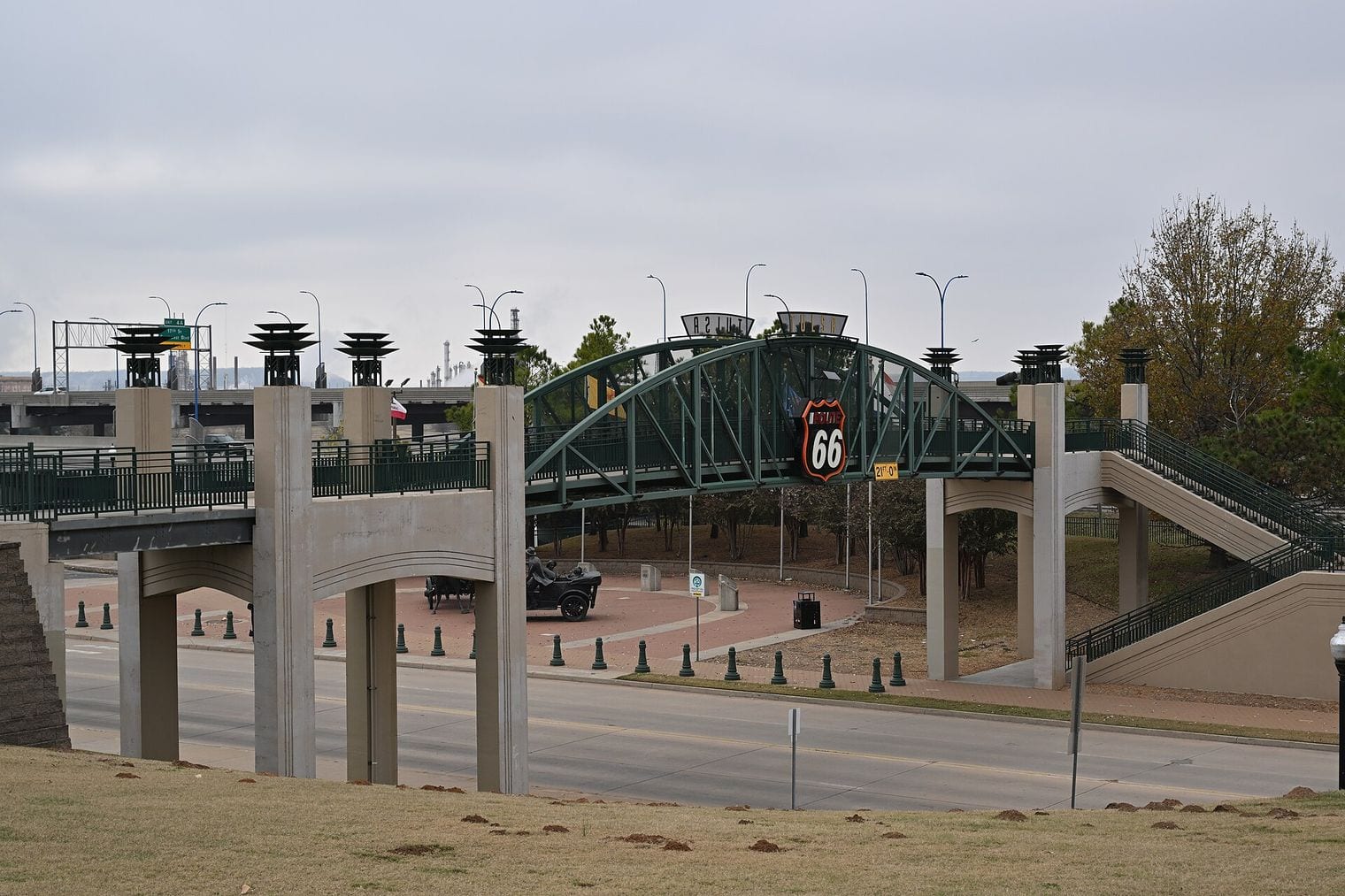
The bridge that carried Route 66 over the Arkansas River in Tulsa is named for Cyrus Avery, the "Father of Route 66".
Woody Guthrie's and Bob Dylan's archives sit a short walk apart, both in the Tulsa Arts District, so you can see the folk hero and the songwriter he inspired on the same morning.
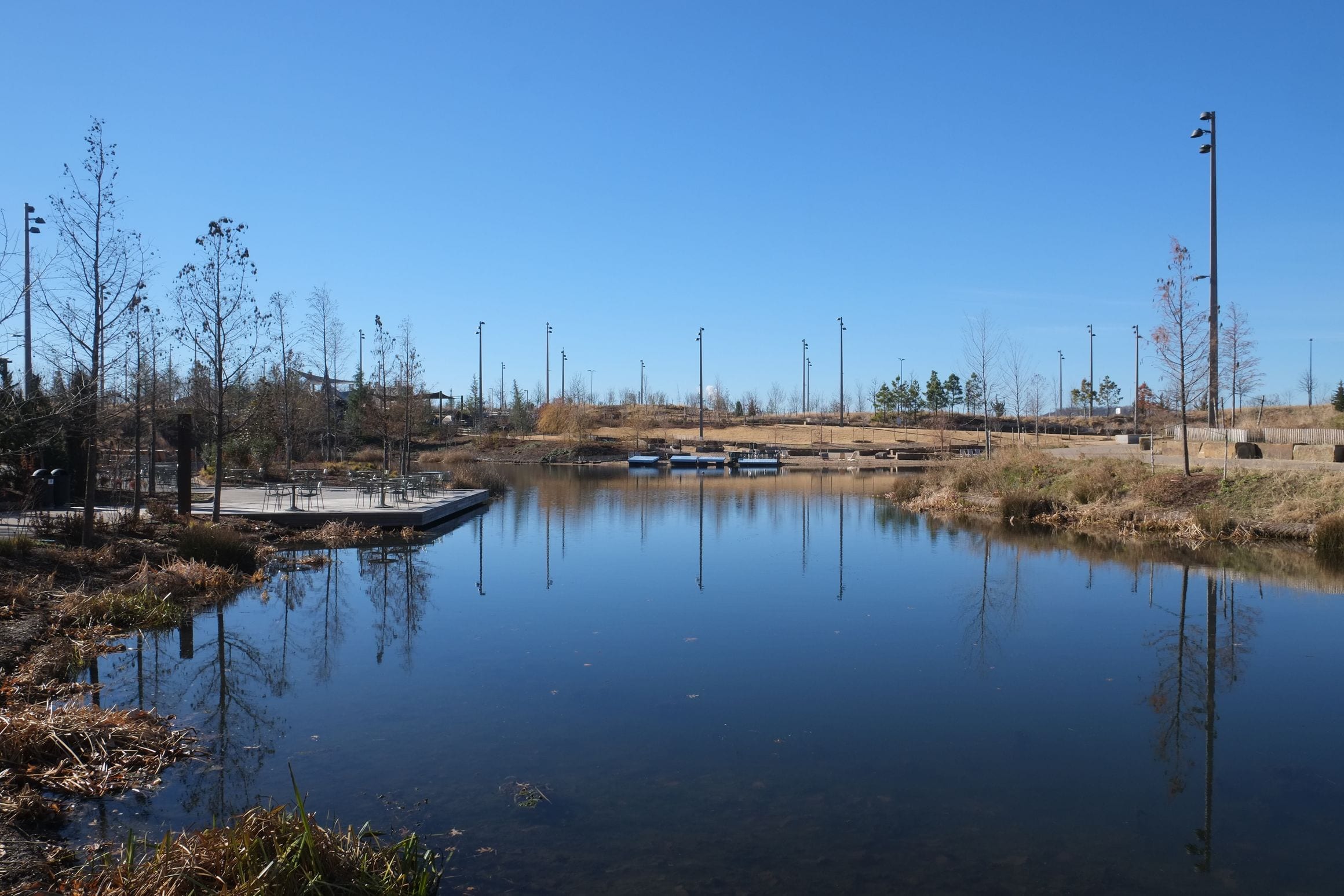
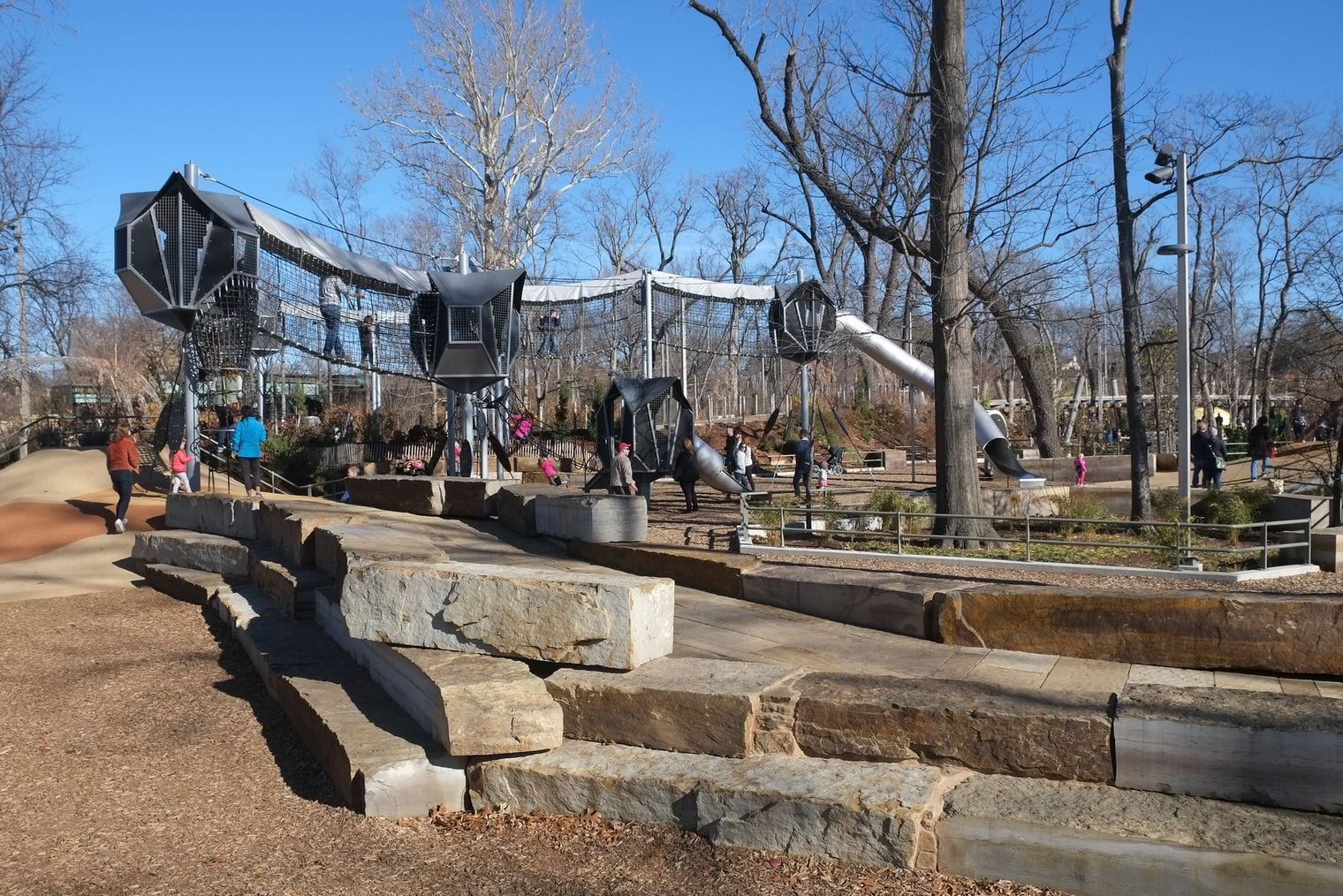
Gathering Place is the park Tulsa shows off first: 66.5 acres along the Arkansas River, created by the George Kaiser Family Foundation and designed by landscape architect Michael Van Valkenburgh. It opened in 2018, costs nothing to enter, and at $465 million it is described as the largest private gift to a community park in U.S. history.
Families make straight for the five-acre Chapman Adventure Playground and the Hunt Family Destination Playground, while others stroll the gardens around Peggy's Pond, watch the water from the ONEOK Boathouse or follow the riverside paths toward Zink Lake. There are sports courts, a skate park and a BMX pump track too, so come early on a fine weekend, when the lawns fill fast.
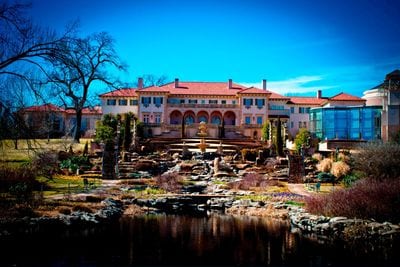
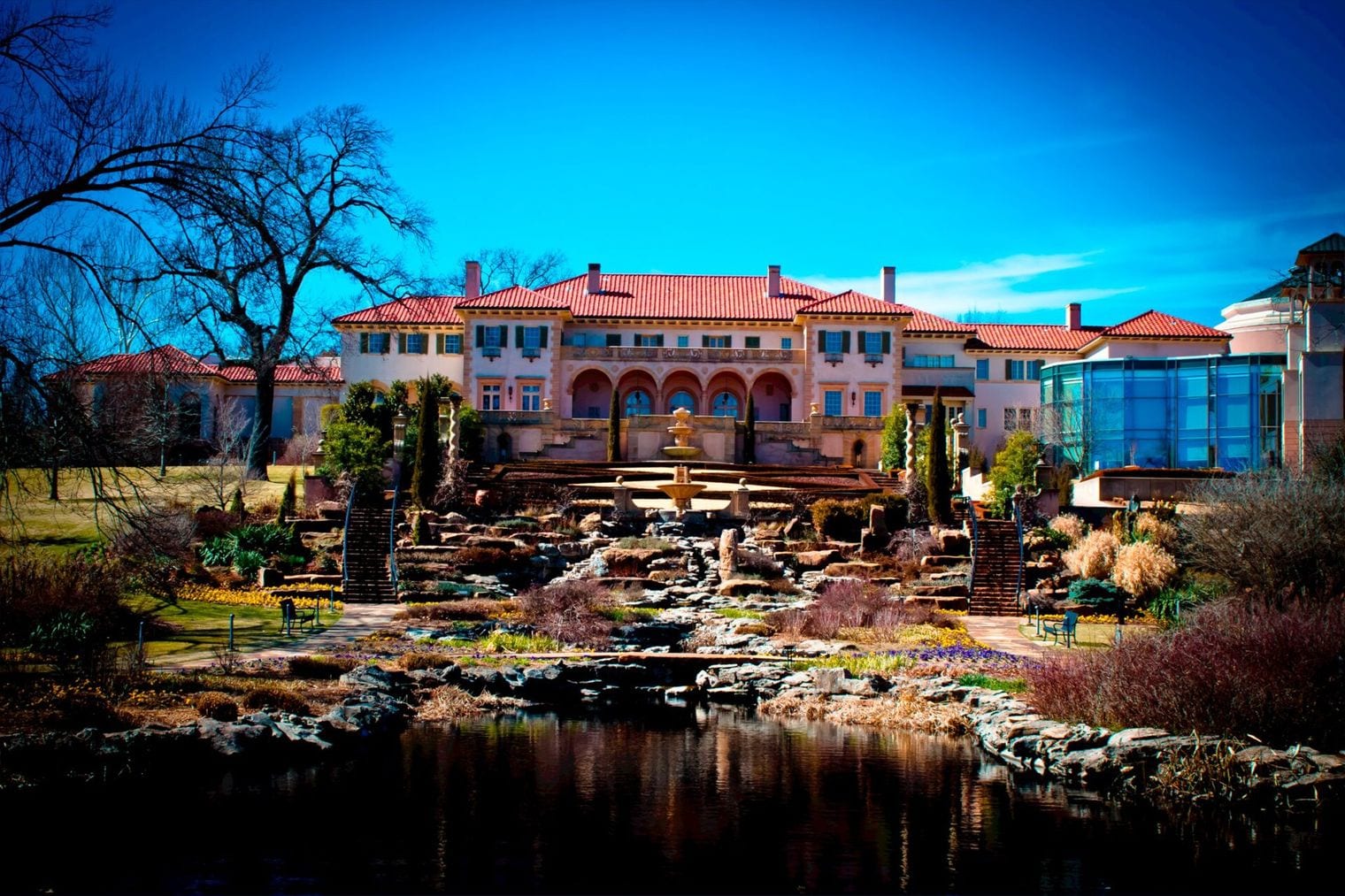
Philbrook Museum of Art fills Villa Philbrook, the 1920s Italian Renaissance-style home of oilman Waite Phillips and his wife Genevieve, which opened as a museum in 1939. Its collections span the world, but the cornerstone is Native American art: basketry, pottery, paintings and jewelry, shown alongside European, American and modern works.
Leave as much time for the outdoors as the galleries. The formal gardens step down behind the villa toward a classical garden temple and wilder planting beyond,. It sits in a leafy midtown neighborhood a short drive from Woodward Park and Utica Square.
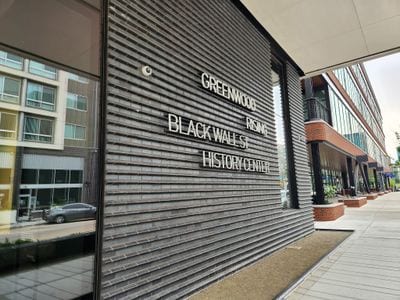
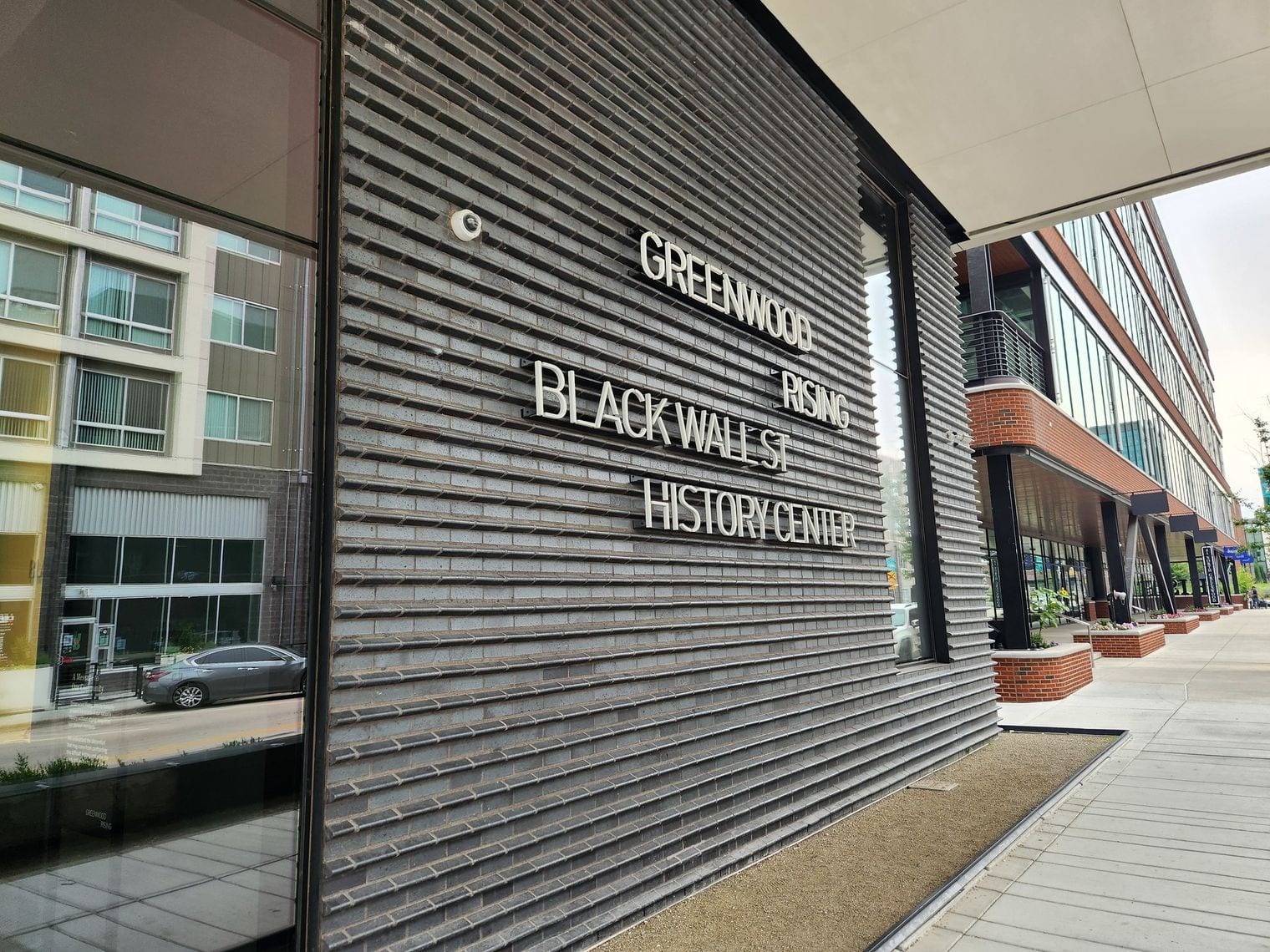
Greenwood Rising is the history center for Black Wall Street, the Greenwood District that grew into one of the most prosperous Black communities in the United States before a white mob burned more than 35 blocks of it during the 1921 Tulsa Race Massacre. Opened in 2021 on Greenwood Avenue, it traces how the community was built, how it was destroyed and what followed.
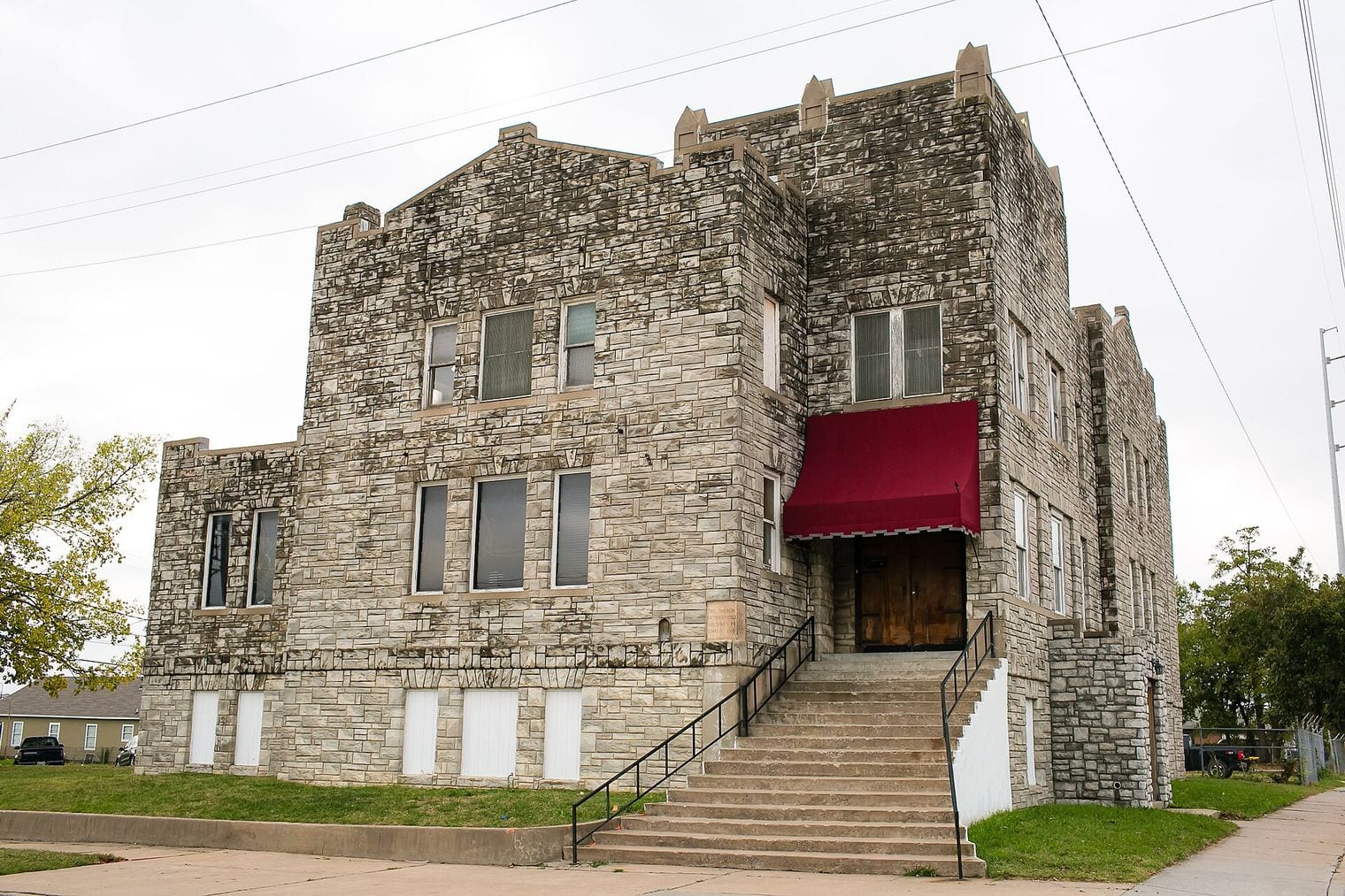
Afterward, walk the district itself. John Hope Franklin Reconciliation Park honors the victims, the historic Vernon AME Church still serves its congregation nearby, and the surviving brick storefronts of Greenwood Avenue sit in the shadow of the highway that later cut through the neighborhood. ONEOK Field and downtown are a few minutes away on foot.
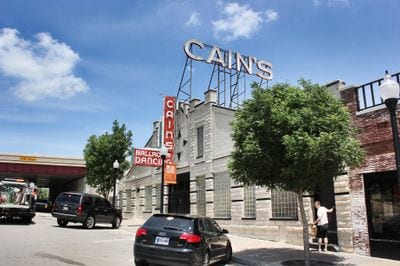
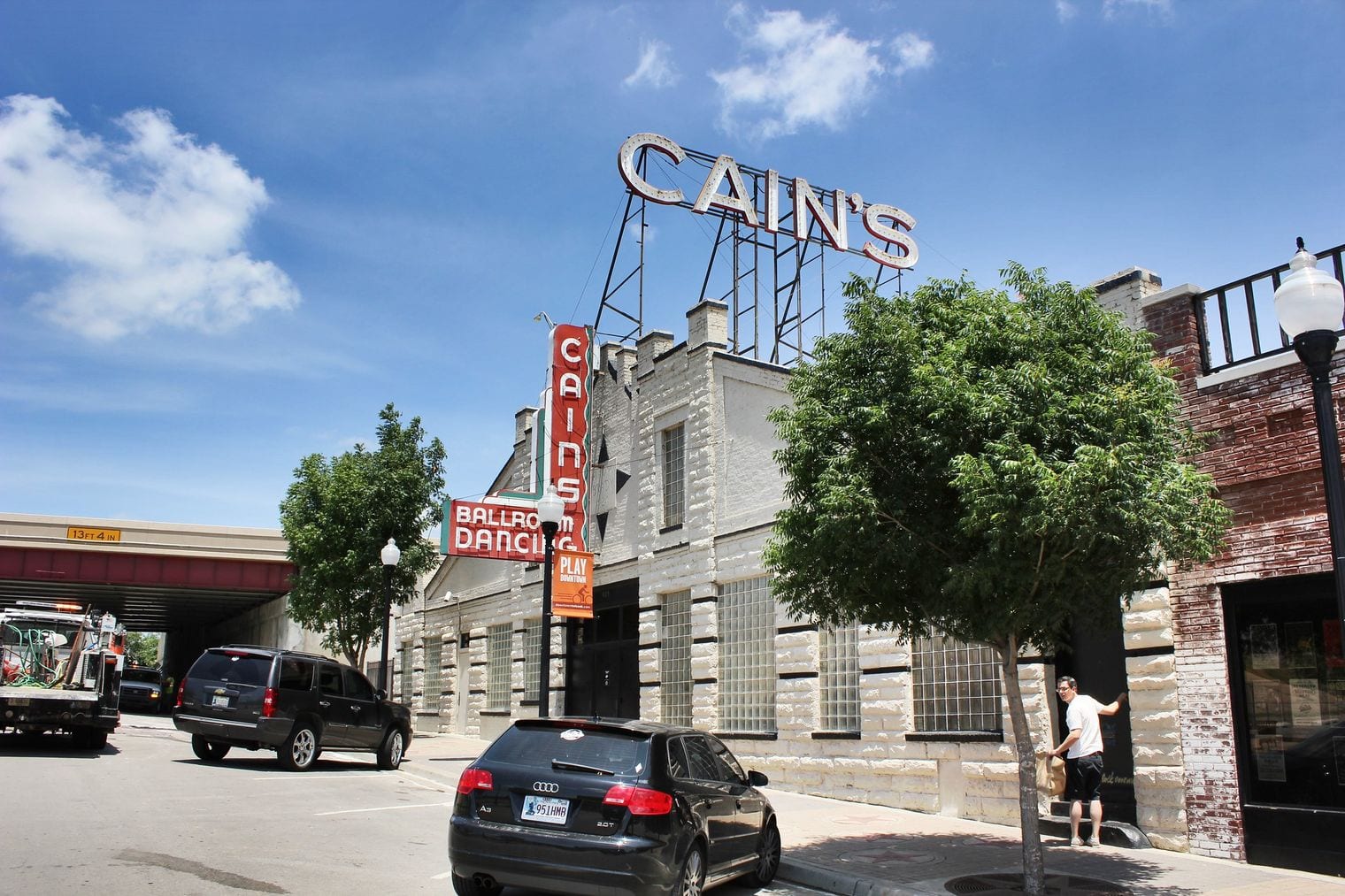
Cain's Ballroom was built in 1924 and became the "Home of Bob Wills" after Wills and his Texas Playboys began broadcasting from it on KVOO radio in the 1930s. Their Western swing made it famous, and it is still called the "Carnegie Hall of Western Swing," with a "Home of Bob Wills" banner hanging above the stage.
The Cain's never stopped booking music. The Sex Pistols played it on their only North American tour in 1978, and it is still a favorite stop for touring rock, country and indie acts. Even without a ticket, its marquee in the Tulsa Arts District is a photo stop.
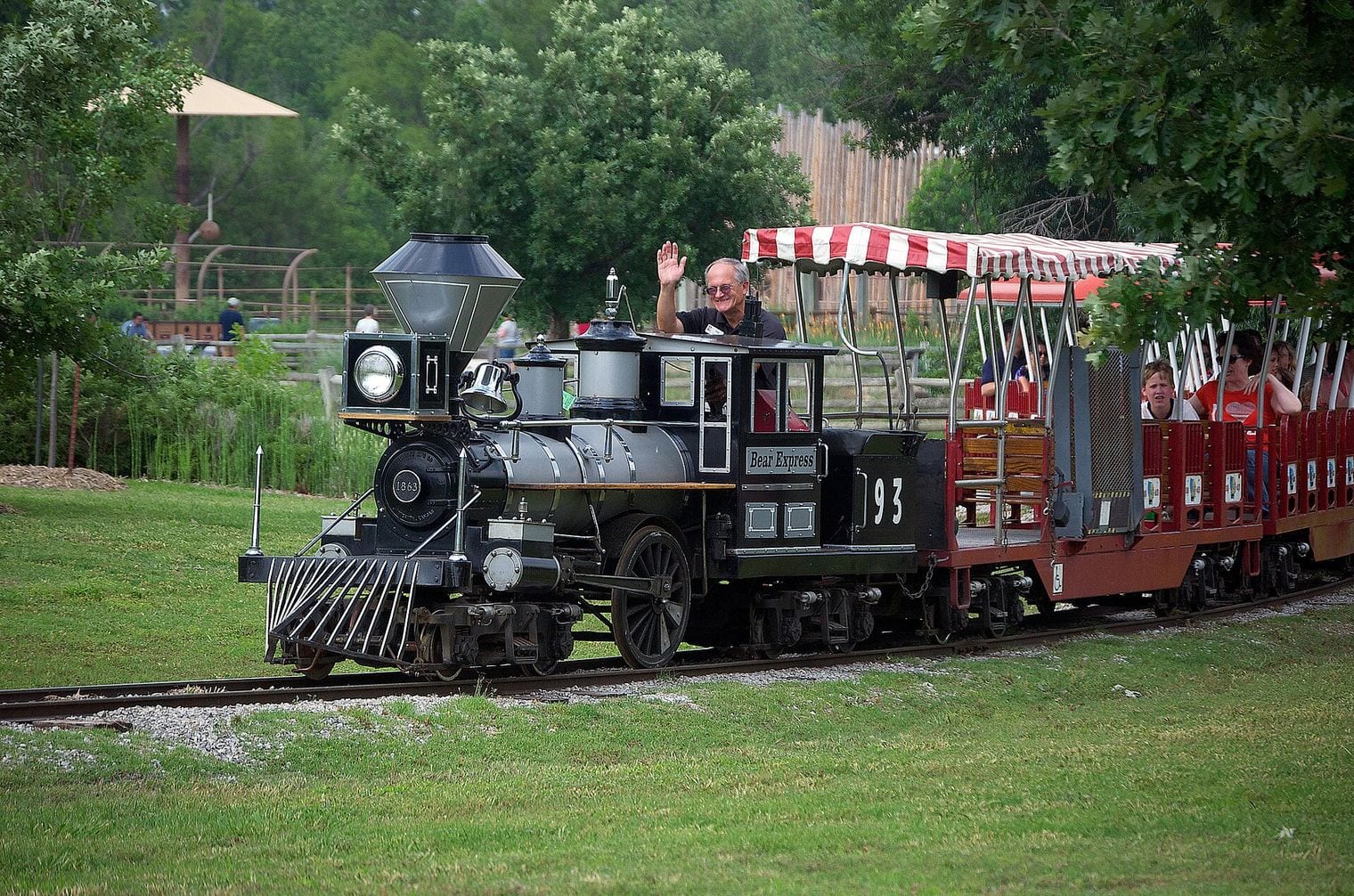
Tulsa Zoo spreads across 84 acres inside Mohawk Park, one of the largest municipal parks in the United States, on the city's north side. Its centerpiece is the Lost Kingdom, an Asian-themed complex inspired by temples such as Angkor Wat, with Malayan tigers, snow leopards, Chinese alligators and Komodo dragons.
Next door, the Valley of the Elephant gives the zoo's Asian elephants a large yard with indoor and outdoor viewing, and a rainforest exhibit holds jaguars, black howler monkeys and a green anaconda. It is accredited by the Association of Zoos and Aquariums, and most families give it a half day.
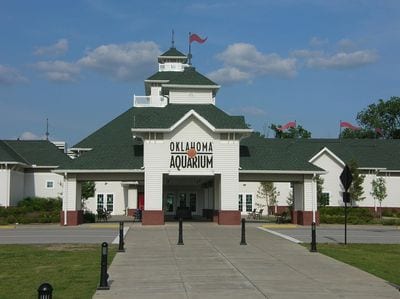
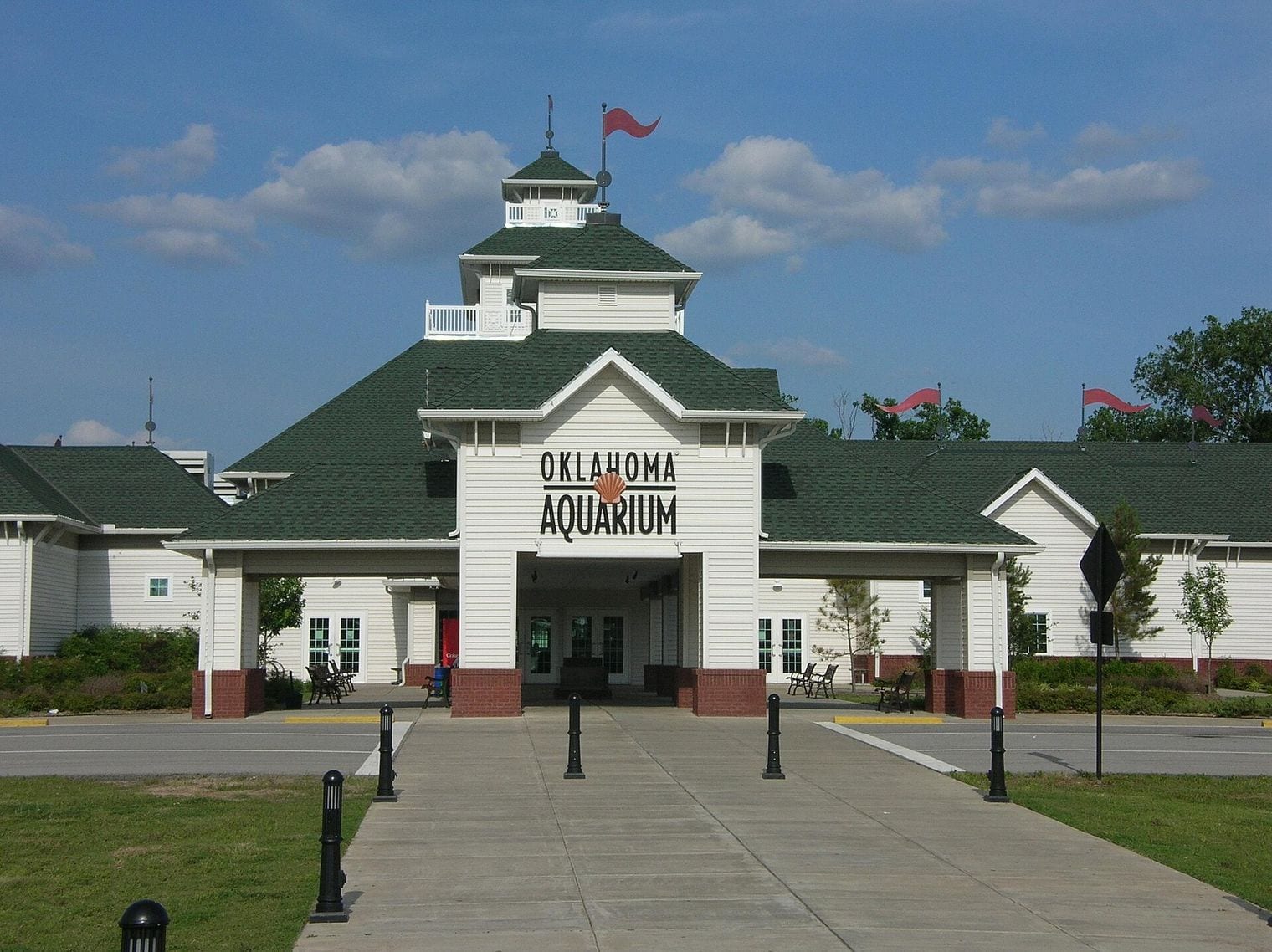
Oklahoma Aquarium sits in Jenks, just south of the Tulsa city line along the Arkansas River, and opened in 2003 as a 72,000-square-foot public aquarium. Its signature exhibit is the shark tank, a 500,000-gallon habitat of bull sharks that you walk beneath through a clear tunnel.
The galleries move from Oklahoma rivers and Ozark streams to a coral reef, with loggerhead sea turtles, zebra sharks and a humphead wrasse among the residents. It is an easy add-on to a day in south Tulsa and a reliable rainy-day plan with children.
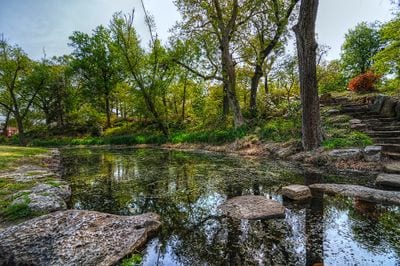
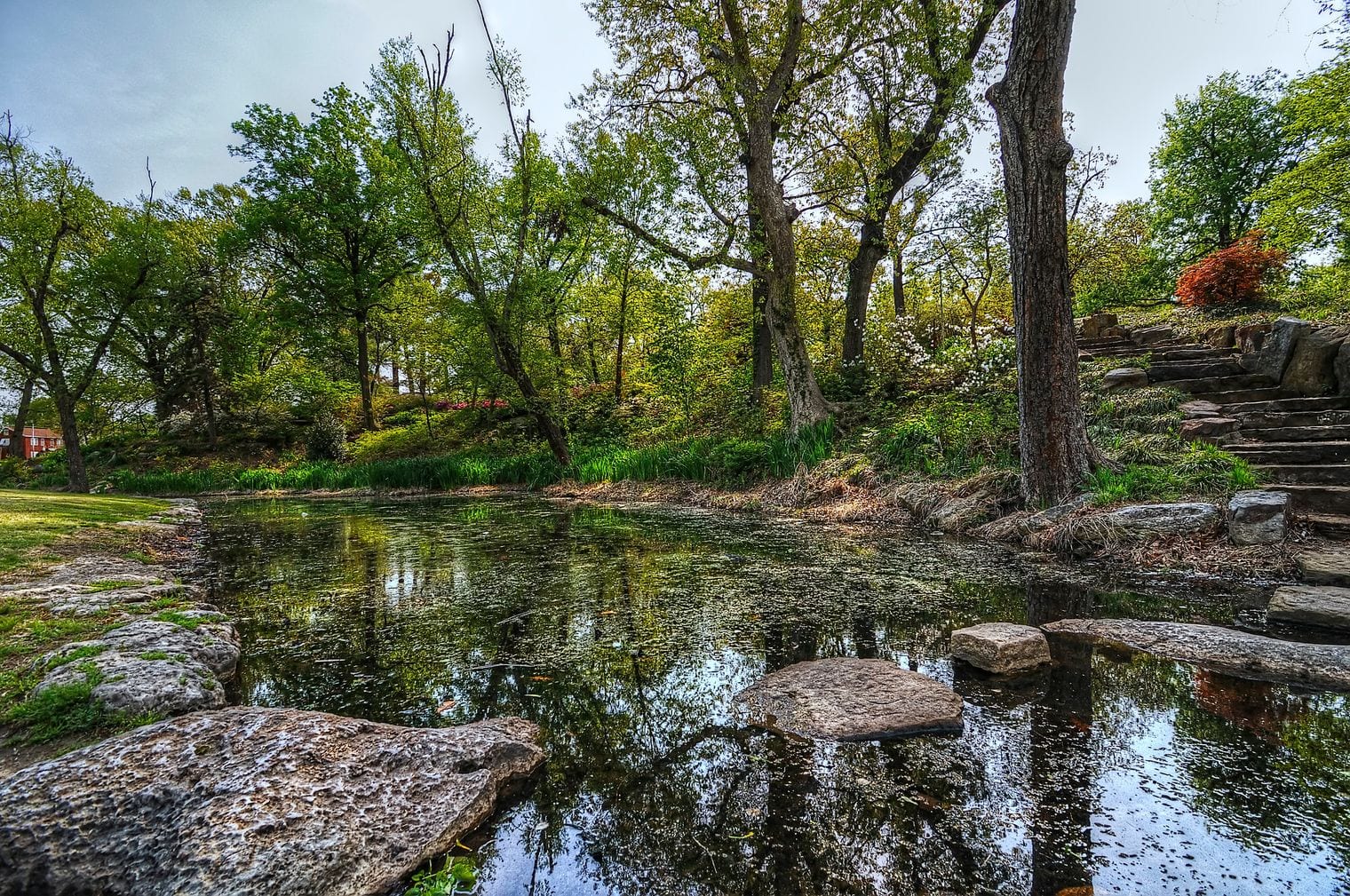
Woodward Park is a 45-acre public park, botanical garden and arboretum in midtown, established in 1929 and named for Helen Woodward, the original owner of the land. Rock paths, fountains and bridges wind through specialty gardens, and the hillside is famous for its azaleas, along with tulips, irises, dogwoods and redbuds.
In spring the park is at its showiest, and by late spring the terraced Tulsa Rose Garden, laid out in 1935, is in bloom with thousands of roses. The Tulsa Garden Center and the Linnaeus Teaching Garden sit inside the park, and it is free to wander.
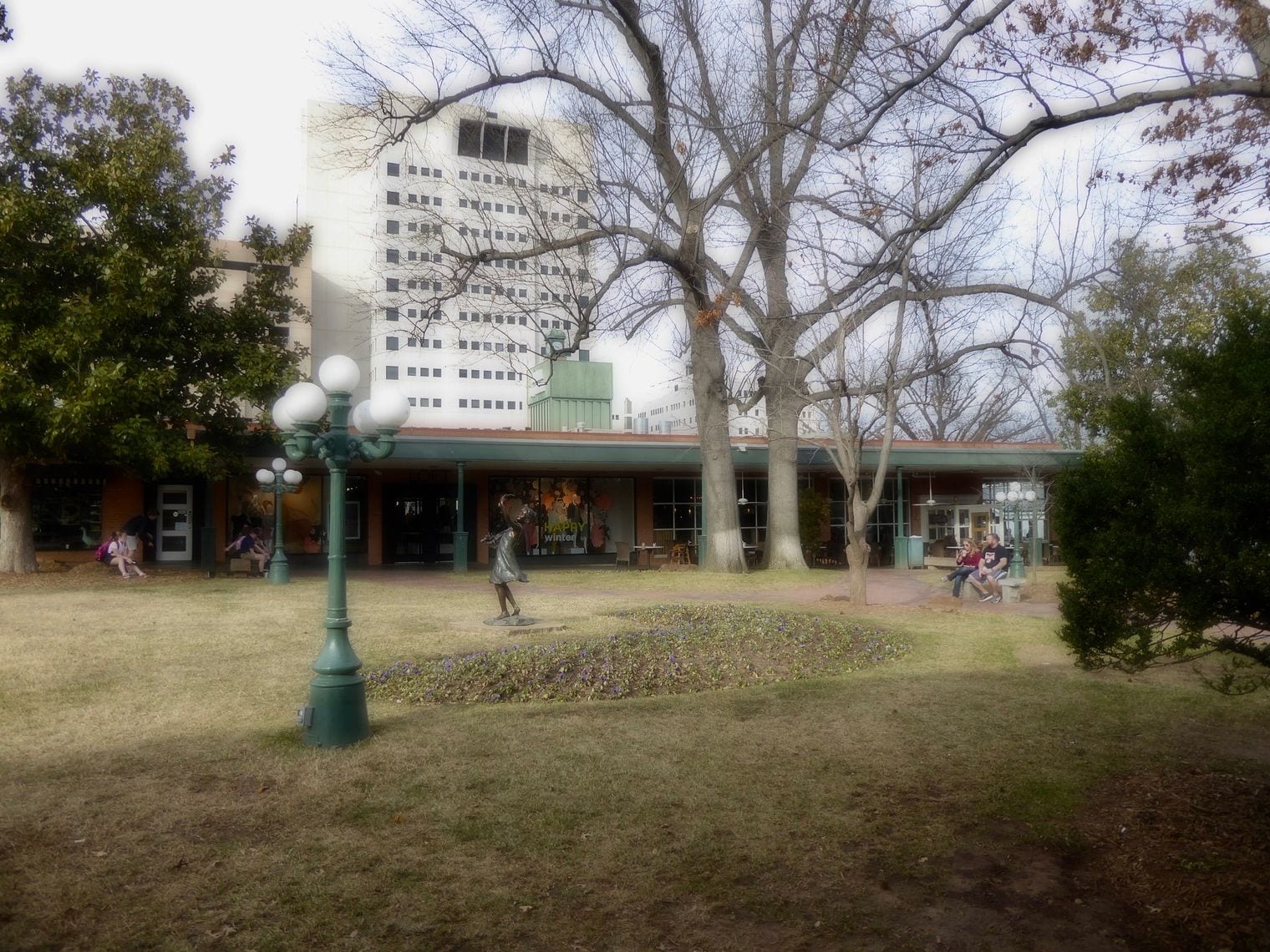
Utica Square opened in 1952 as Tulsa's first suburban shopping center, and it is still an open-air one: tree-lined walkways and seasonal plantings in midtown, with mostly independent boutiques mixed in with national names.
It works best as a stroll rather than a shopping mission. Wander the courtyards, stop for coffee or a long lunch on a patio, and come back after dark in the holiday season, when the center is strung with lights. Philbrook Museum of Art and Woodward Park are both a few minutes away.
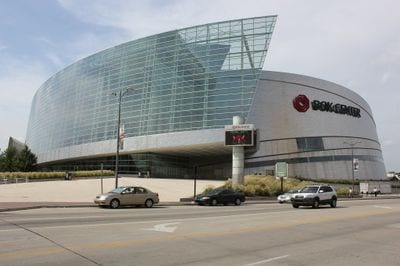
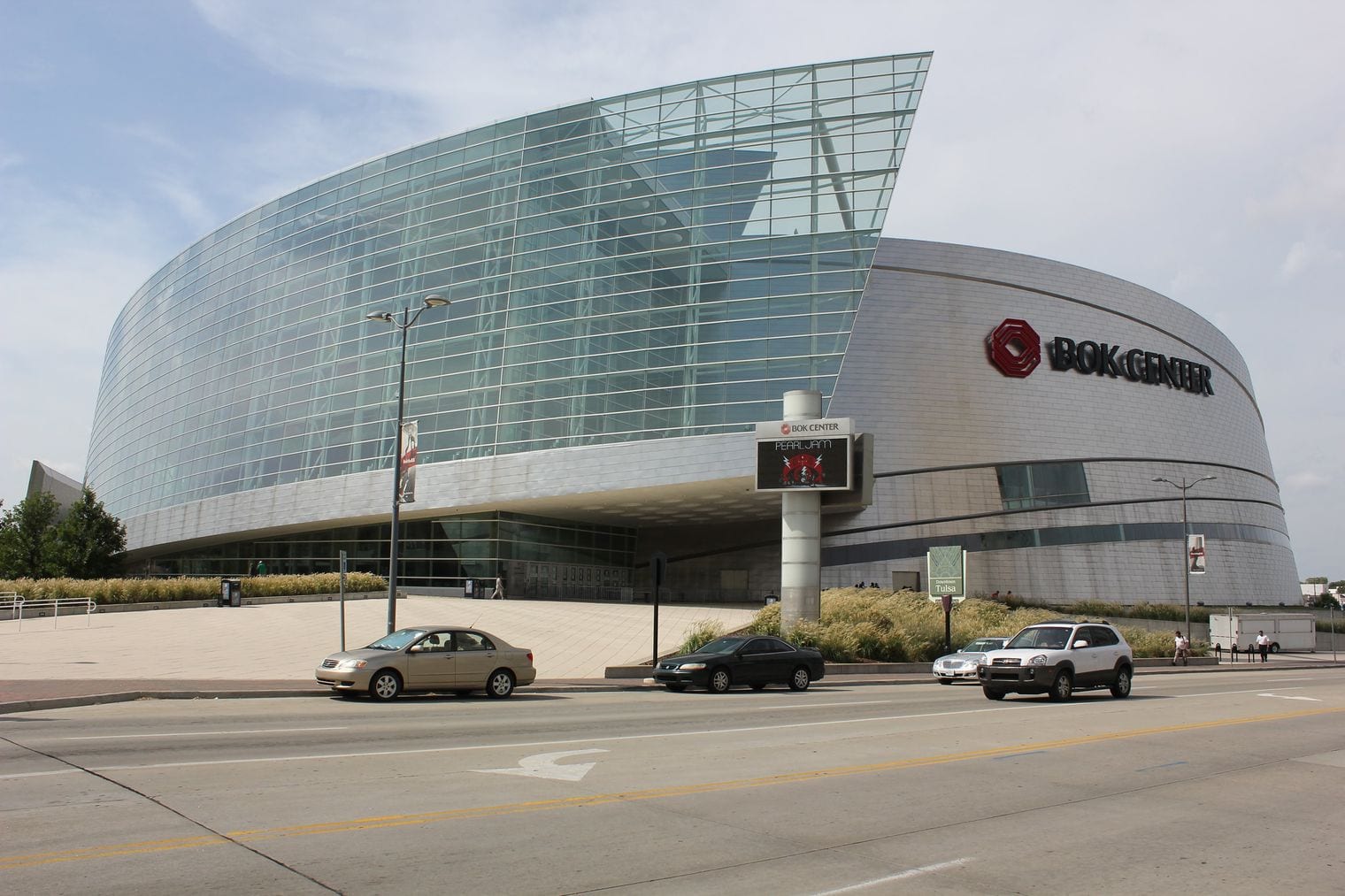
BOK Center is downtown's 19,199-seat arena, opened in 2008 and designed by César Pelli, the architect of the Petronas Towers in Kuala Lumpur. Pelli drew on Tulsa's own themes, mixing Native American, Art Deco and contemporary styles into a curving shell of metal and glass.
Inside, four 22-foot Native American medallions set into the concourse floor and a series of tallgrass prairie paintings are worth a look on the way to your seat. The arena hosts major concerts, family shows and minor-league hockey from the Tulsa Oilers.
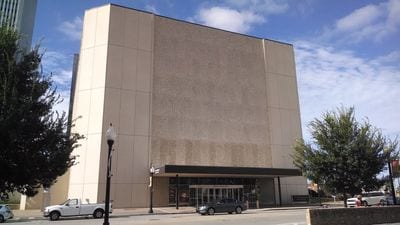
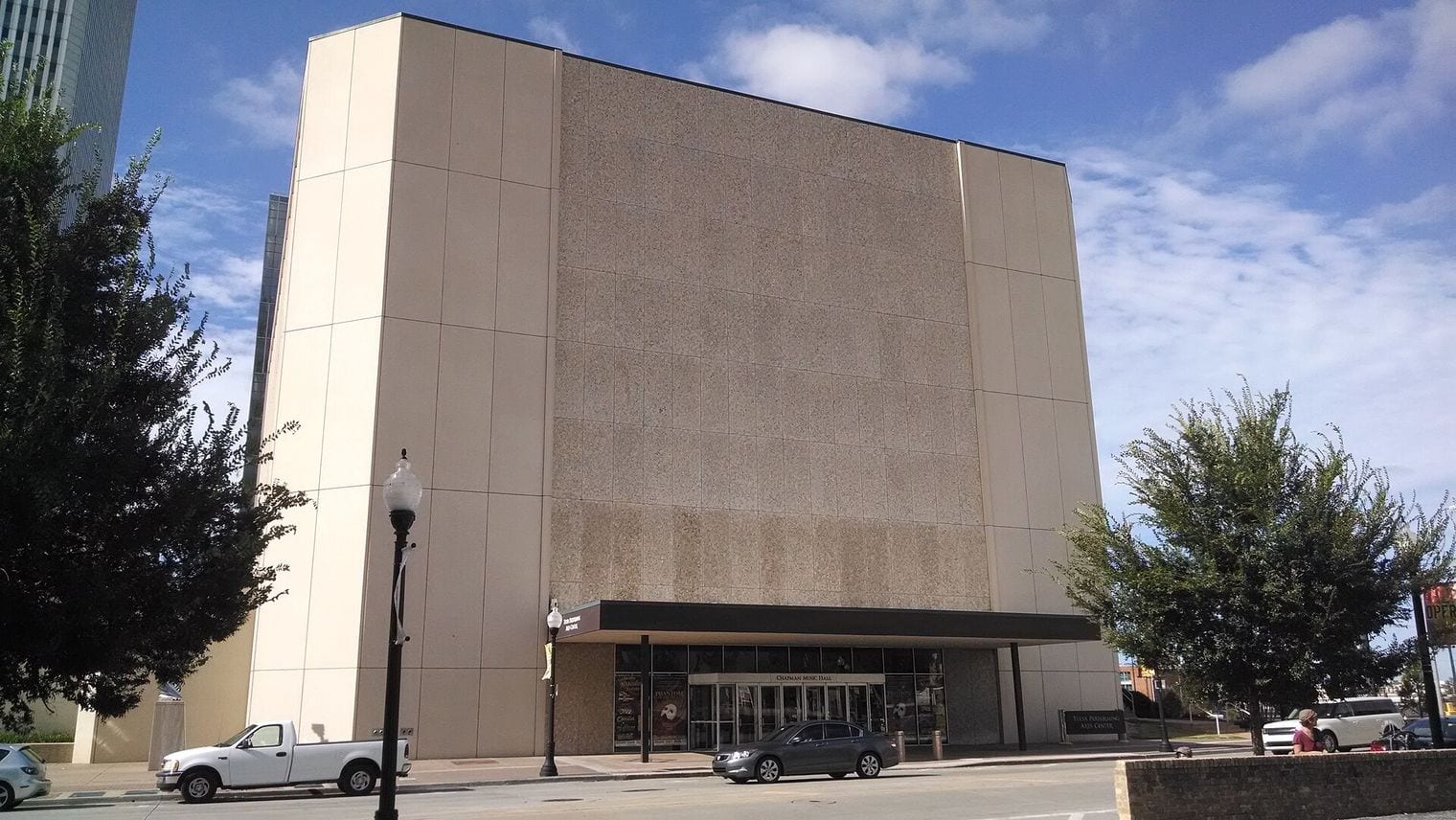
Tulsa Performing Arts Center opened in 1977 and houses four main theaters, a studio space and an art gallery under one roof downtown. Its largest stage, the 2,365-seat Chapman Music Hall, is home base for Tulsa Ballet, Tulsa Opera and the Tulsa Symphony.
Touring Broadway productions, comedians and speakers fill the rest of the calendar, while the smaller theaters host the city's community and repertory companies. Check the season schedule before you go, and pair an evening show with dinner in the Blue Dome District or the Tulsa Arts District.
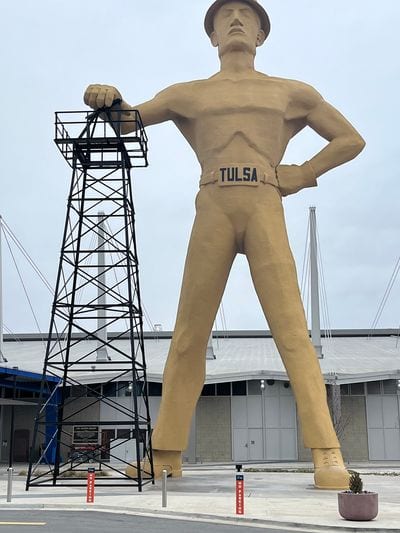
Golden Driller is a 76-foot statue of an oil worker that has stood in front of the Tulsa Expo Center since 1966, when it was installed for the International Petroleum Exposition. Its right hand rests on a real oil derrick moved from a depleted field in Seminole, Oklahoma, and its belt buckle reads "TULSA."
In 1979 the Oklahoma Legislature adopted it as the state monument, and it remains Tulsa's favorite selfie. The statue is free to visit at Expo Square, which also hosts the Tulsa State Fair each fall.
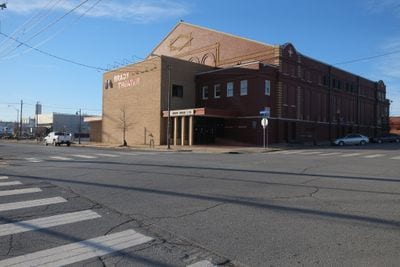
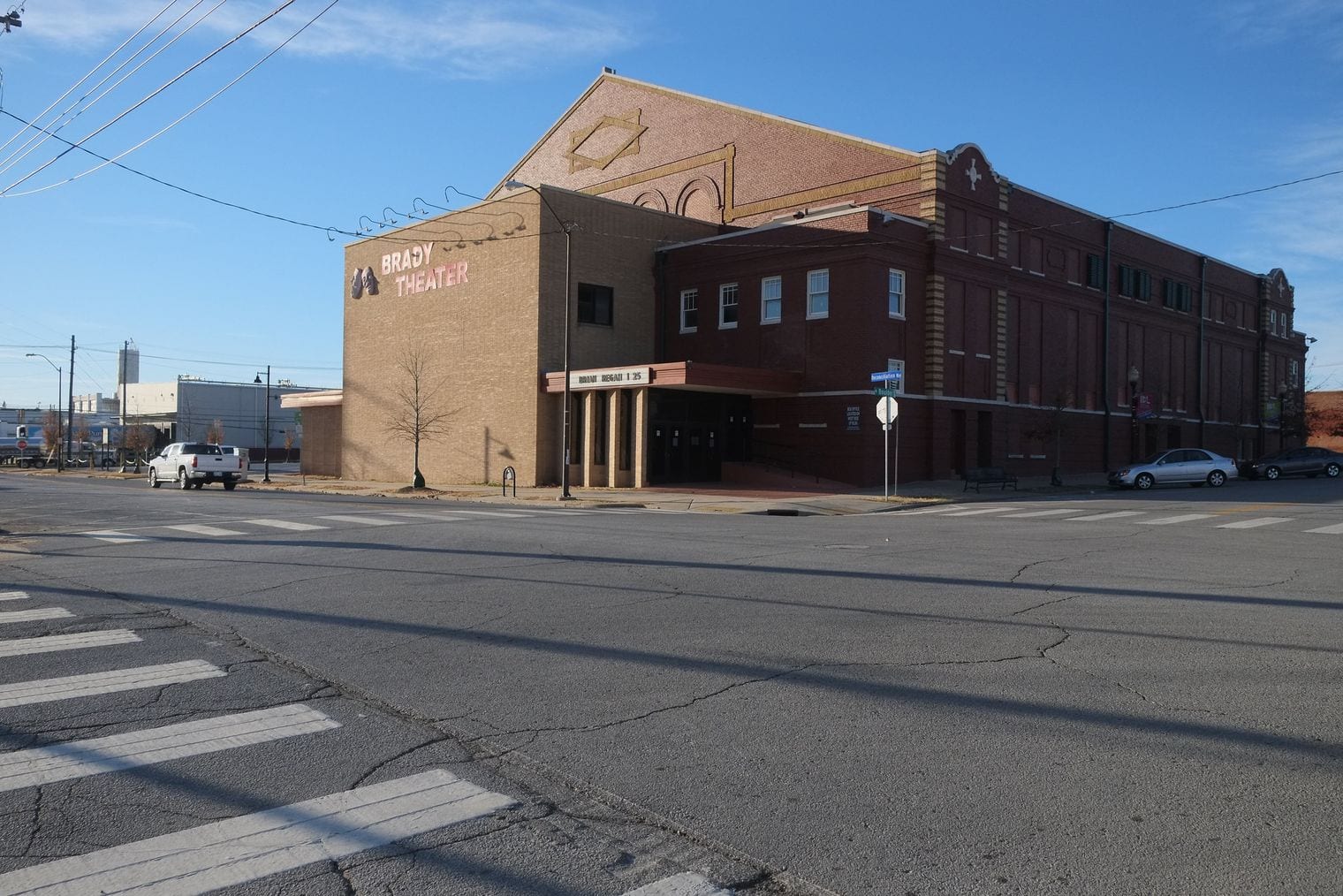
Tulsa Theater was completed in 1914 as a convention hall and remodeled in Art Deco style in 1930. Locals still call it the "Old Lady on Brady," and it is listed on the National Register of Historic Places.
The building also carries hard history: it was used as a detention center during the 1921 Tulsa Race Massacre, and it shed the name Brady Theater in 2019 because of Tate Brady's ties to the Ku Klux Klan. Today it hosts concerts and comedy in the Tulsa Arts District, a block or two from Cain's Ballroom.
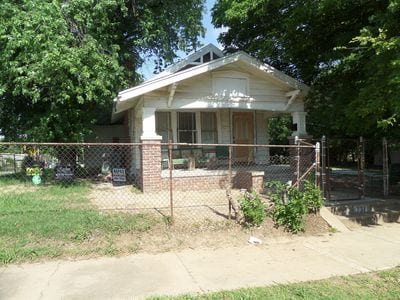
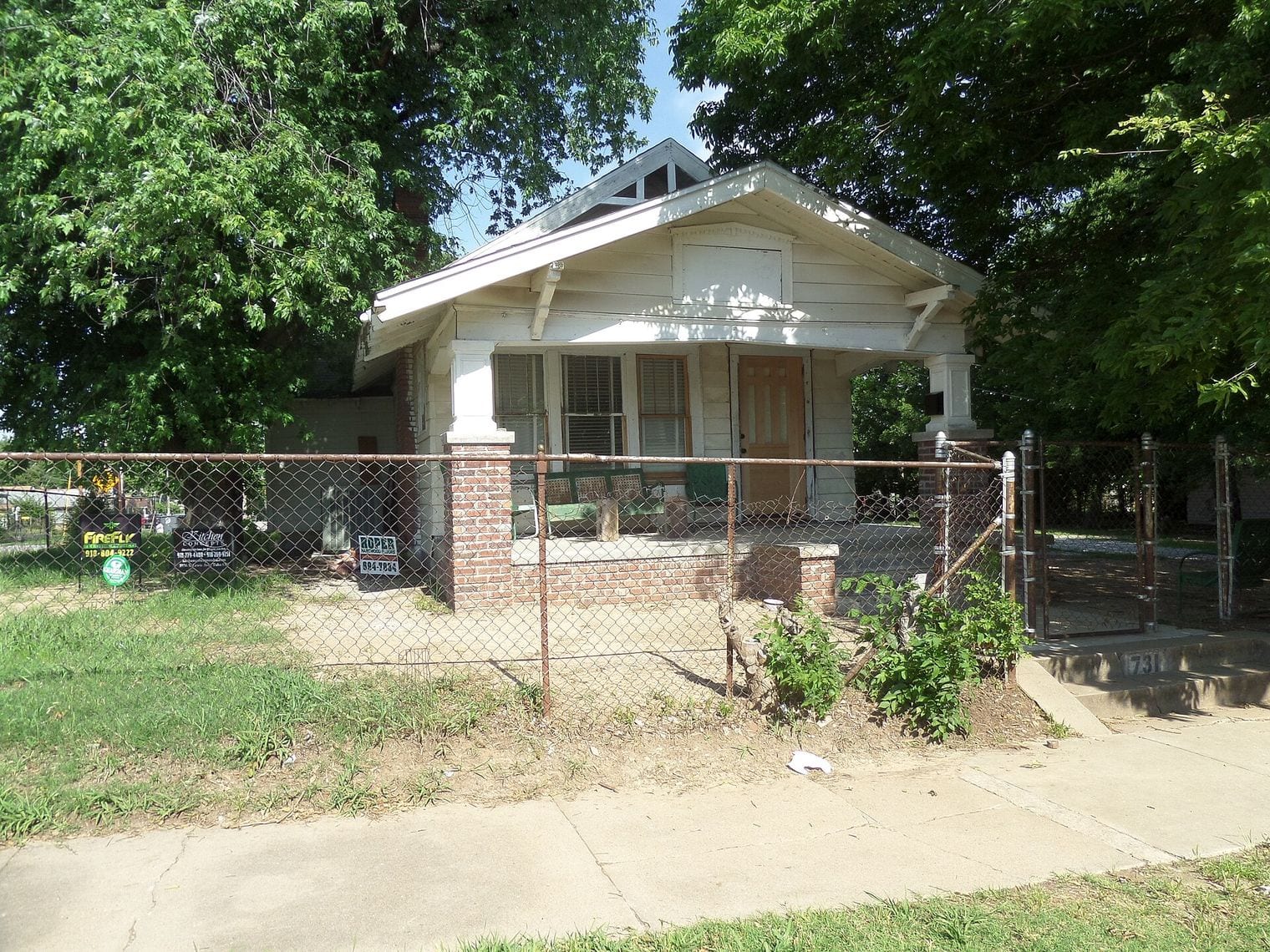
The Outsiders House Museum preserves the modest north Tulsa house that served as the Curtis brothers' home in Francis Ford Coppola's 1983 film of The Outsiders, adapted from S. E. Hinton's 1967 novel. Hip-hop artist Danny Boy O'Connor rediscovered it in 2009 and restored it, and it opened as a museum in 2019.
The restoration kept the house looking as it did on screen, down to the front door and the weathered fence, and the rooms are filled with memorabilia from the film. The project also restored the DX gas station that appears in the movie.
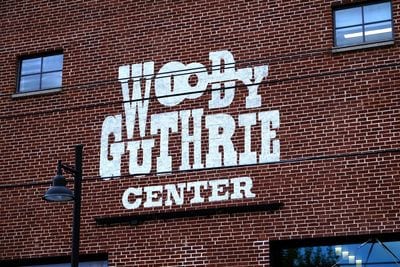
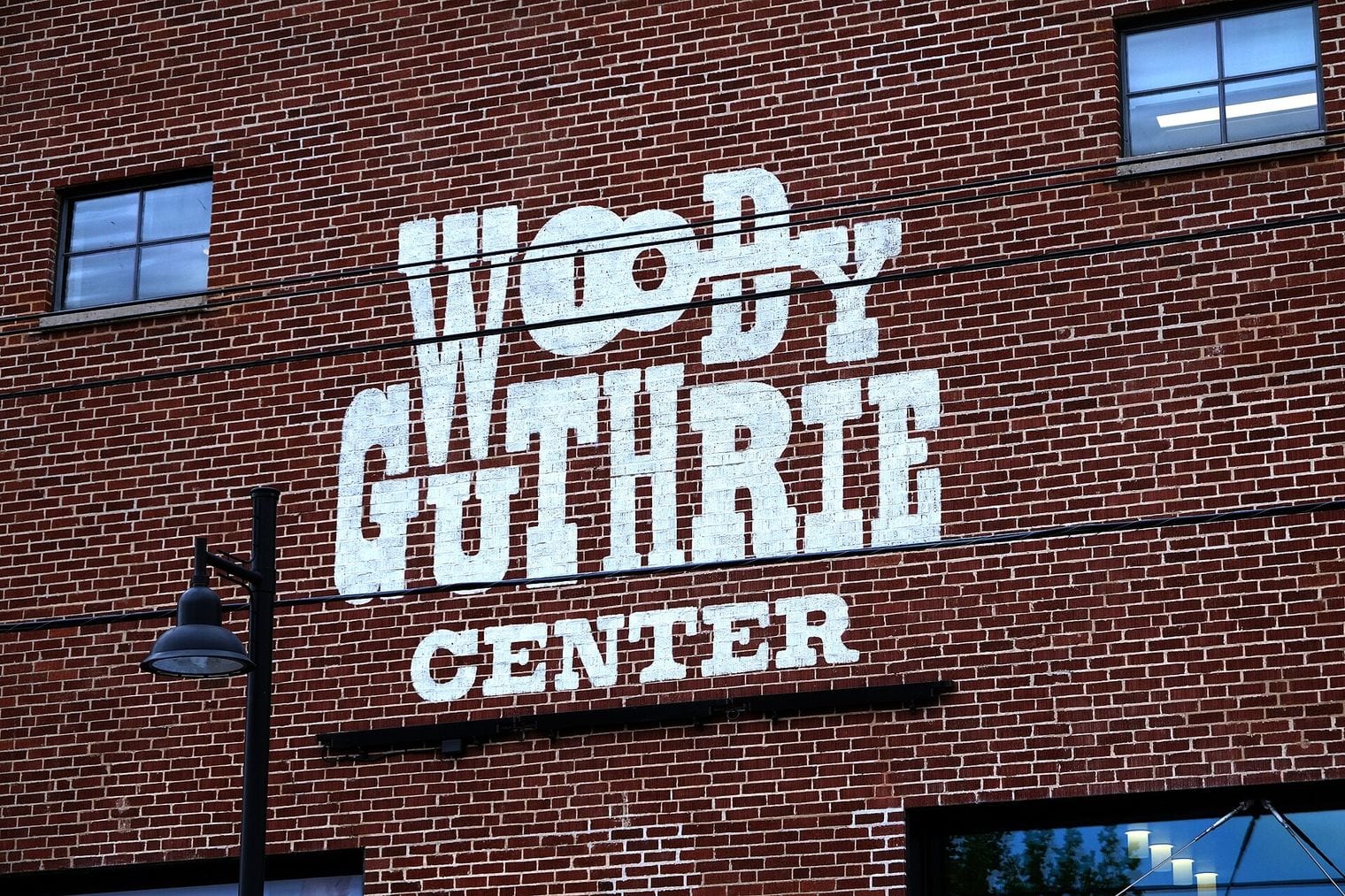
Woody Guthrie Center is a museum and archive devoted to the Oklahoma-born folk singer behind "This Land Is Your Land," opened in 2013 in the Tulsa Arts District. Exhibits show his instruments, his artwork, and notebooks and lyrics in his own handwriting, alongside photographs that trace his life and politics.
The center also holds the archive of protest singer Phil Ochs, and its interactive galleries make it easy to lose an hour. It faces Guthrie Green and sits steps from the Bob Dylan Center, so the two music museums pair naturally.
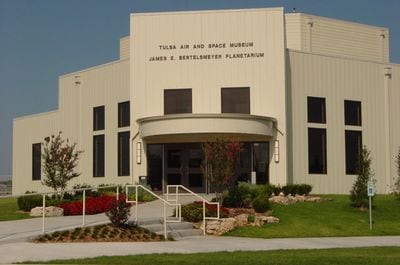
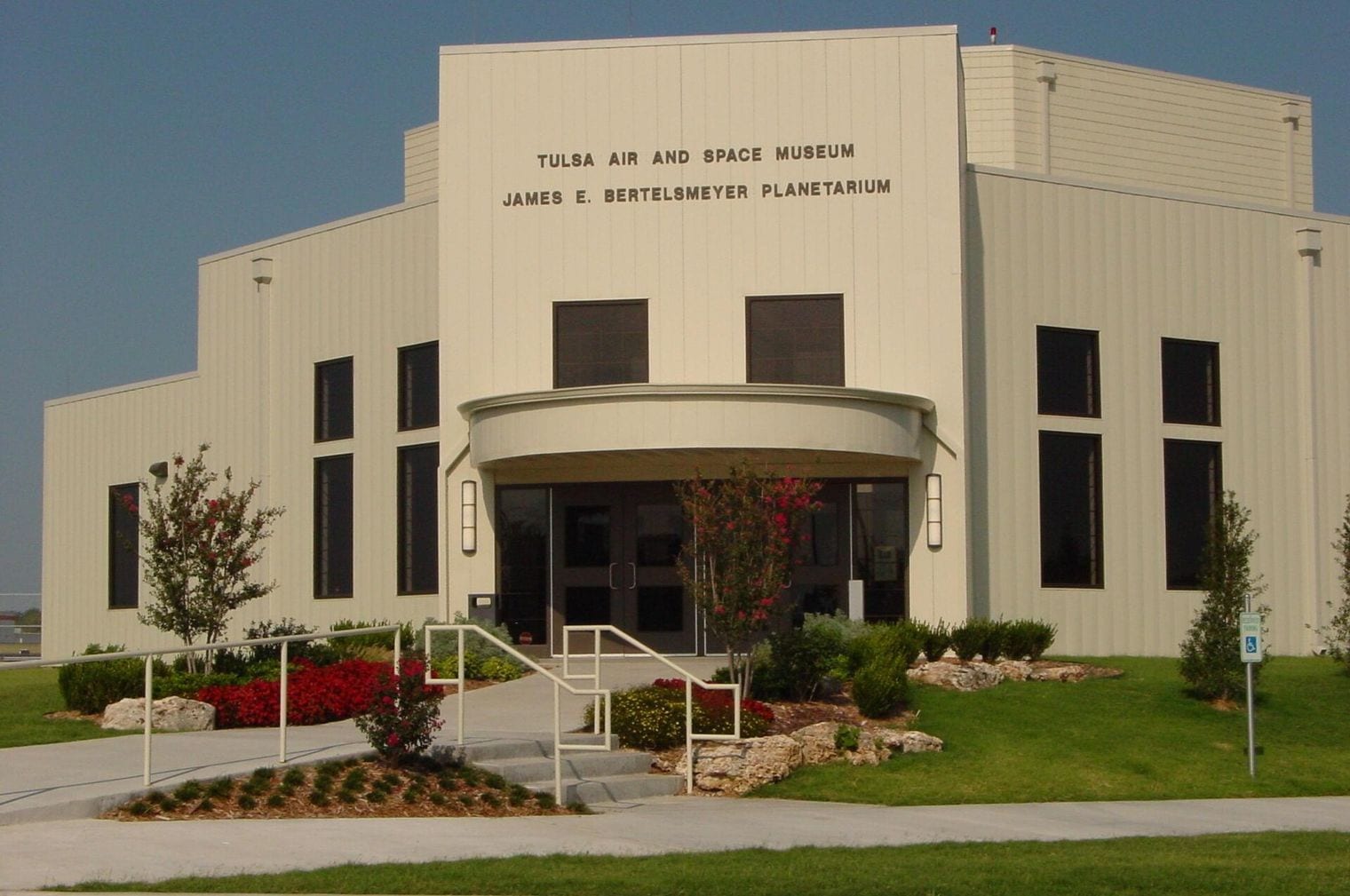
Tulsa Air and Space Museum fills 19,000 square feet on the northwest corner of Tulsa International Airport with vintage aircraft, hands-on exhibits and a chronological story of aviation in Tulsa, starting with the city's earliest flying pioneers.
The full-dome planetarium, added in 2006, runs star shows and films that make this a good stop for families on a hot or wet afternoon. It is a short drive from Tulsa Zoo, so the two combine easily on the north side.
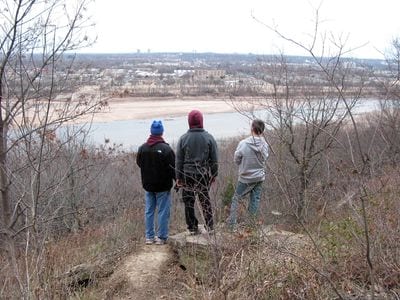
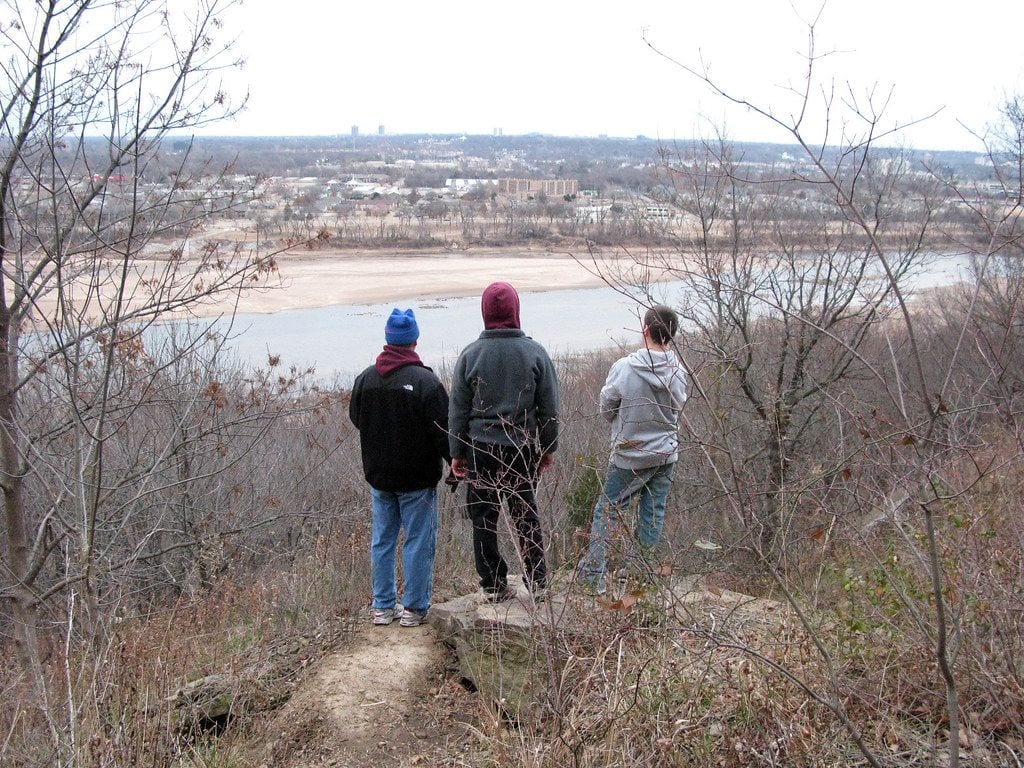
Turkey Mountain is a wooded hill on the west bank of the Arkansas River, kept as an urban wilderness of several hundred acres by the River Parks Authority. Its network of some 30 marked trails, from short loops to longer climbs, was named a National Recreation Trail in 2016.
Hikers, trail runners and mountain bikers share the paths, which feel surprisingly remote for a park inside the city limits. Wear proper shoes, as the rocky trails get muddy after rain, and start from the main entrance off 67th Street and Elwood Avenue.
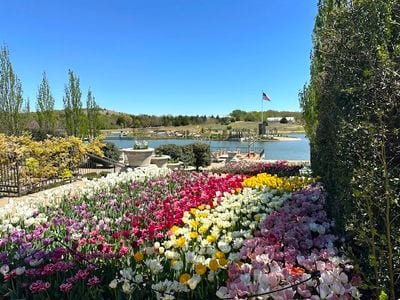
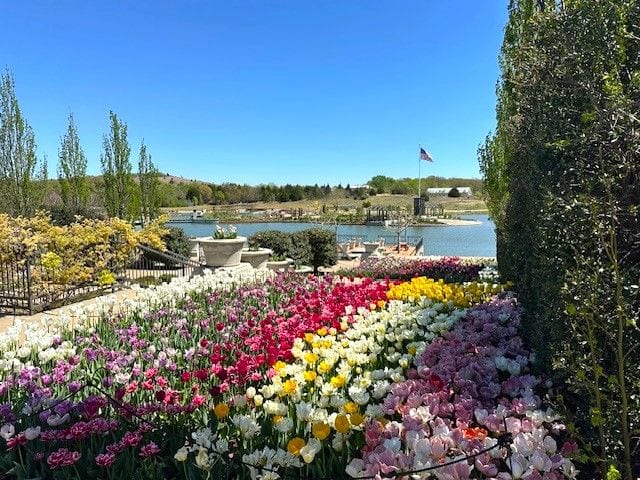
Tulsa Botanic Garden is a 170-acre garden still being developed in the Osage Hills, about eight miles northwest of downtown. A seven-acre lake anchors the grounds, with themed gardens and the Children's Discovery Garden spreading out from it.
Beyond the cultivated beds, the Cross Timbers Nature Trail shows off the native prairie and woodland of northeastern Oklahoma. Seasonal events fill the calendar, from fall festivities to a winter lights display, so check what is on before you drive out.
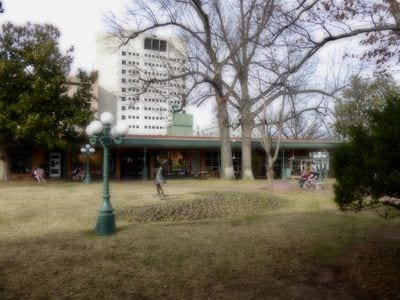
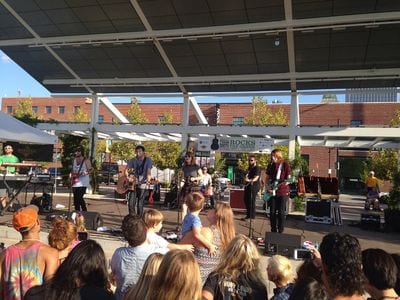
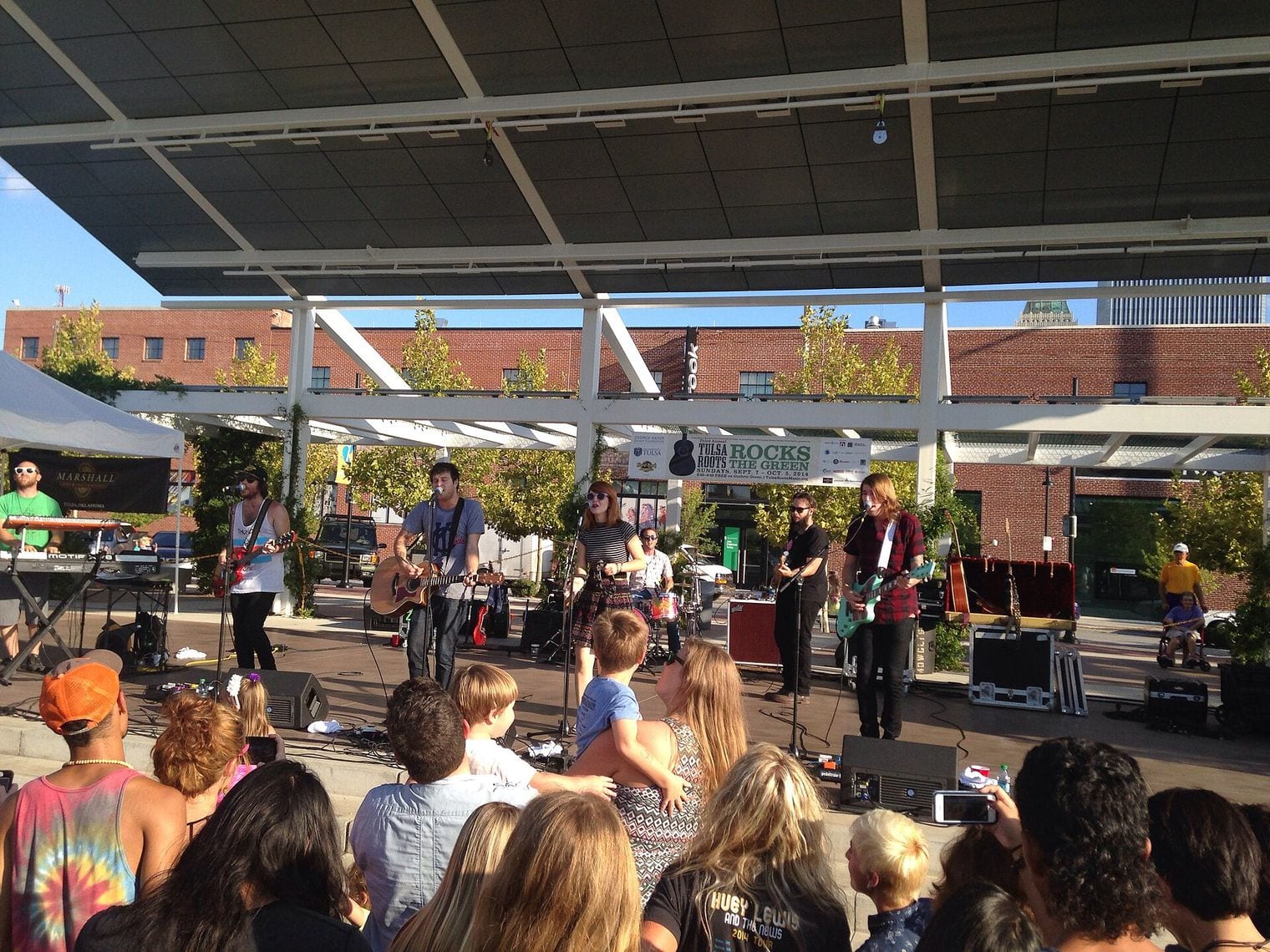
Guthrie Green is a 2.6-acre park in the Tulsa Arts District, opened in 2012 on a former brownfield and managed by the George Kaiser Family Foundation. It has a lawn amphitheater, a covered stage, interactive fountains, gardens and a café pavilion.
What makes it special is the free programming: concerts, movies, fitness classes and markets bring a crowd on most warm evenings. Beneath the lawn, a geothermal system of 120 wells helps heat and cool the neighboring arts buildings. The American Planning Association named it one of America's Great Public Spaces in 2016.
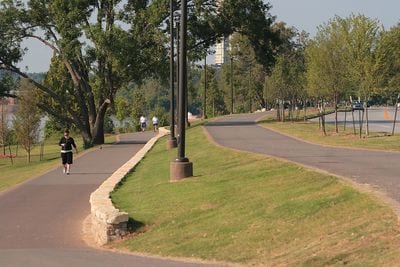
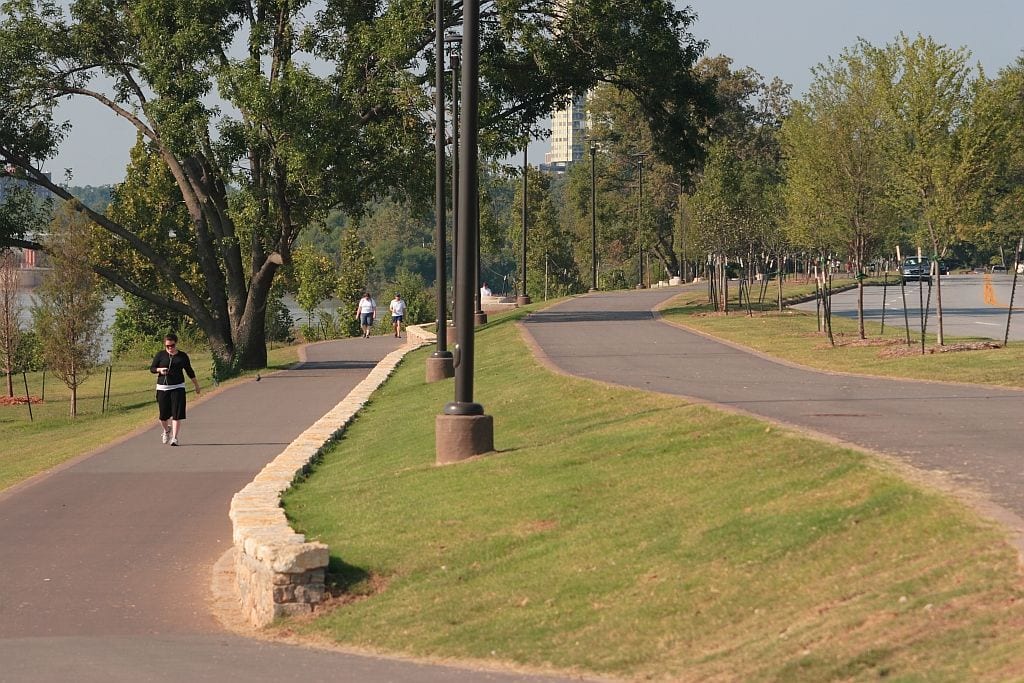
River Parks is the network of trails and parks running along both banks of the Arkansas River, managed by the River Parks Authority. Paved paths link the riverfront from downtown south past Gathering Place, and they are Tulsa's favorite place to walk, run, cycle or skate.
Along the way you will find River West Festival Park, the west-bank grounds that host big outdoor festivals, the 41st Street Plaza with its splashpad, playground and disc golf, and Zink Lake for paddling. It is free, so it makes a natural start or end to any day.
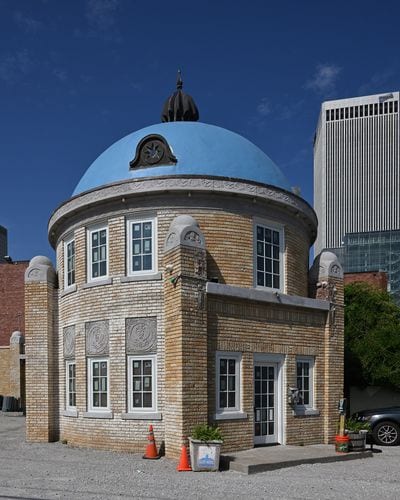
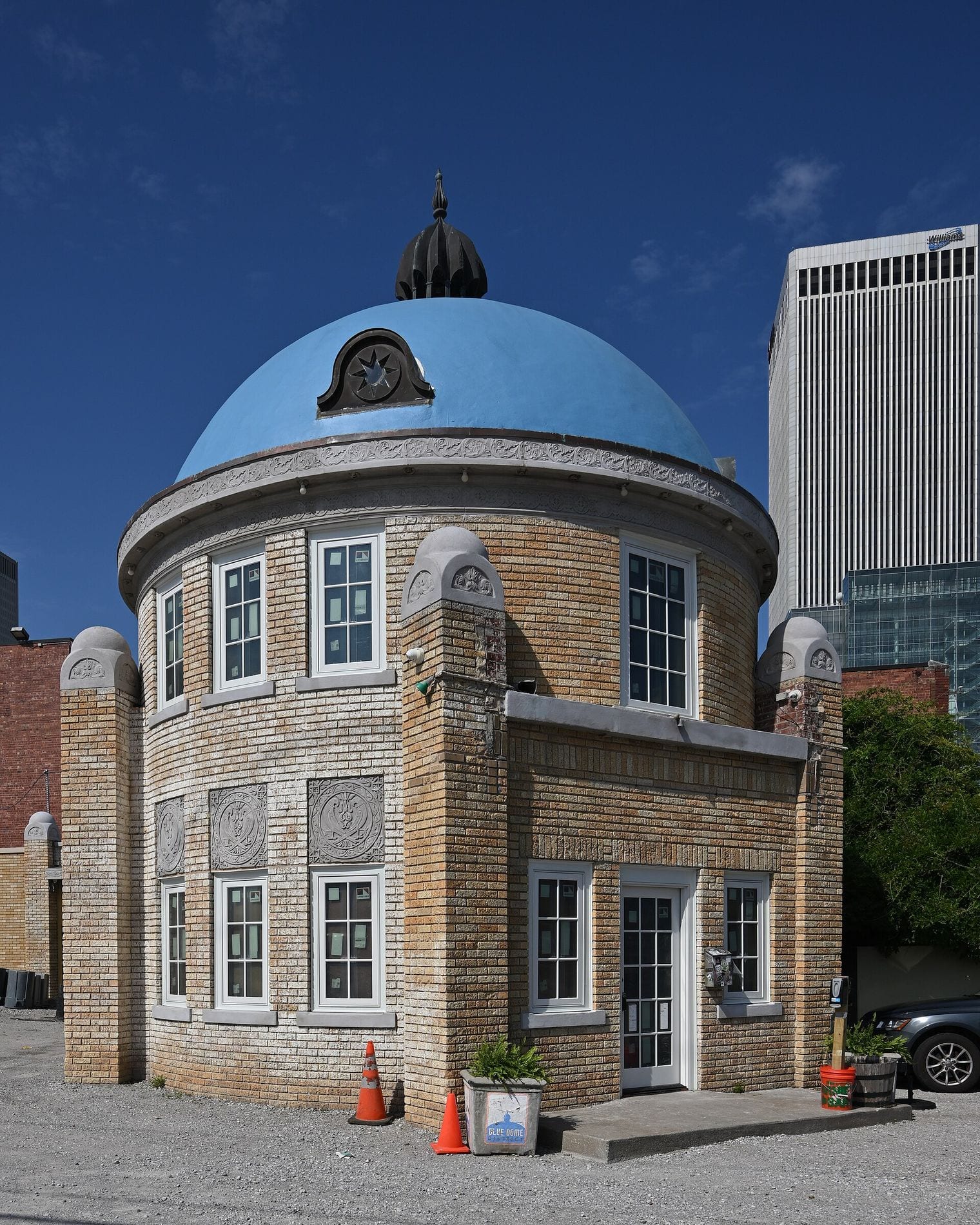
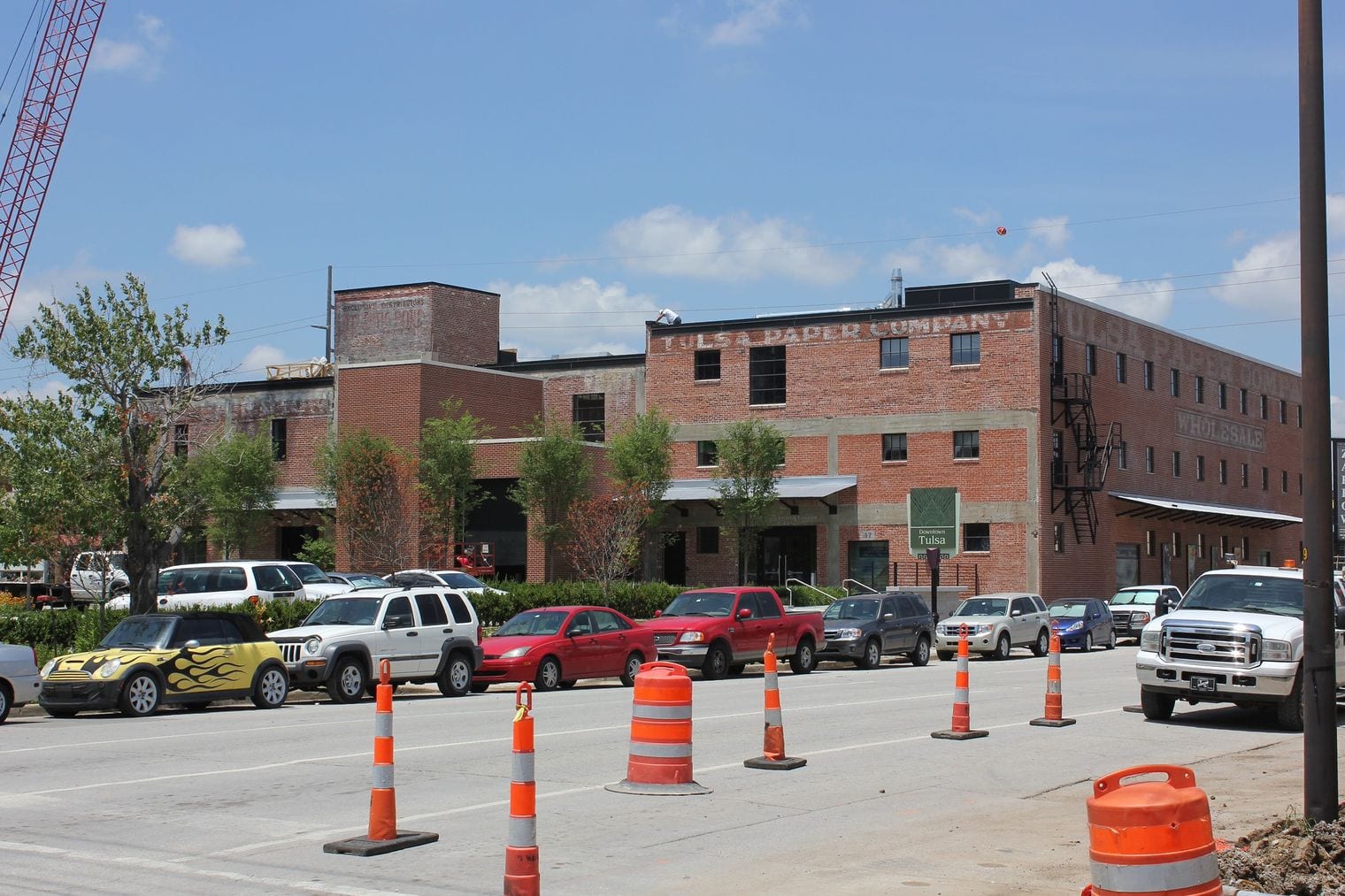
Blue Dome District is downtown's liveliest nightlife neighborhood, a historic district of former warehouses and commercial blocks just east of the business core. It takes its name from the Blue Dome, a former gas station on Second Street topped by a distinctive blue dome.
The district's bars, patios, restaurants and music spots draw crowds on weekends and after games and concerts. Listed on the National Register of Historic Places in 2016, it is an easy walk from ONEOK Field, the Tulsa Arts District and Greenwood.
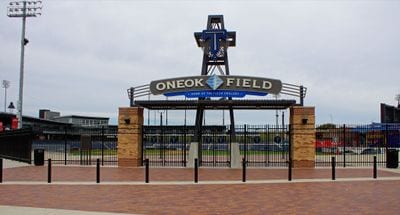
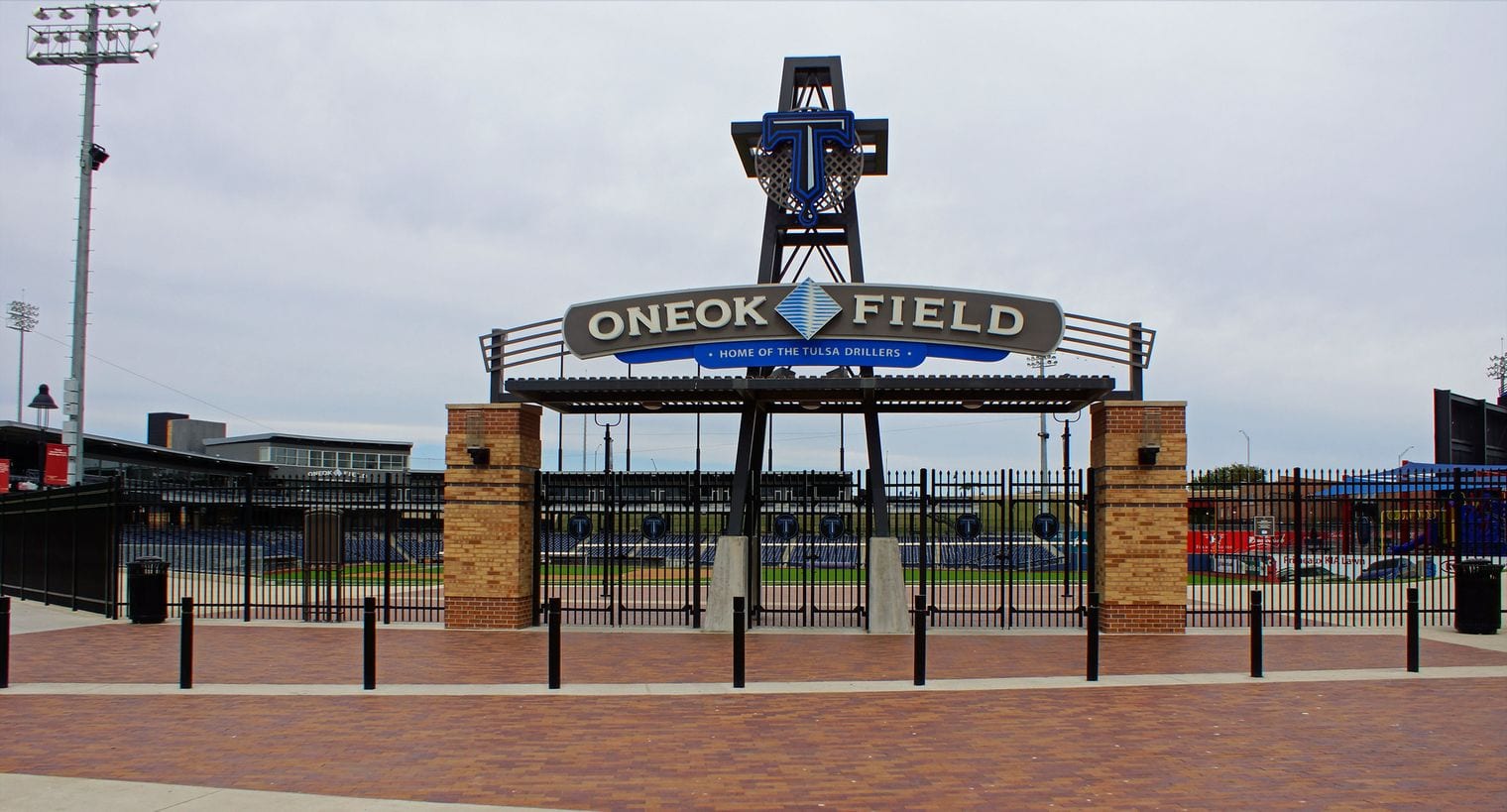
ONEOK Field is the downtown ballpark of the Tulsa Drillers, the city's minor-league baseball team, opened in 2010 in the historic Greenwood district. The ballpark is compact, so even the upper rows feel close to the action, with views of the downtown skyline.
A summer evening game here is one of the best-value nights out in Tulsa, with fireworks nights, family promotions and a relaxed crowd. Arrive early to walk Greenwood first, and head to the Blue Dome District afterward.
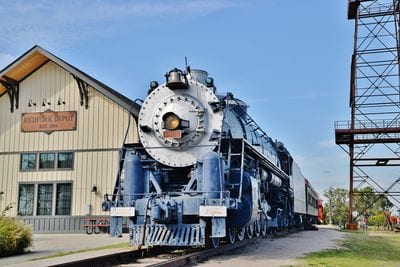
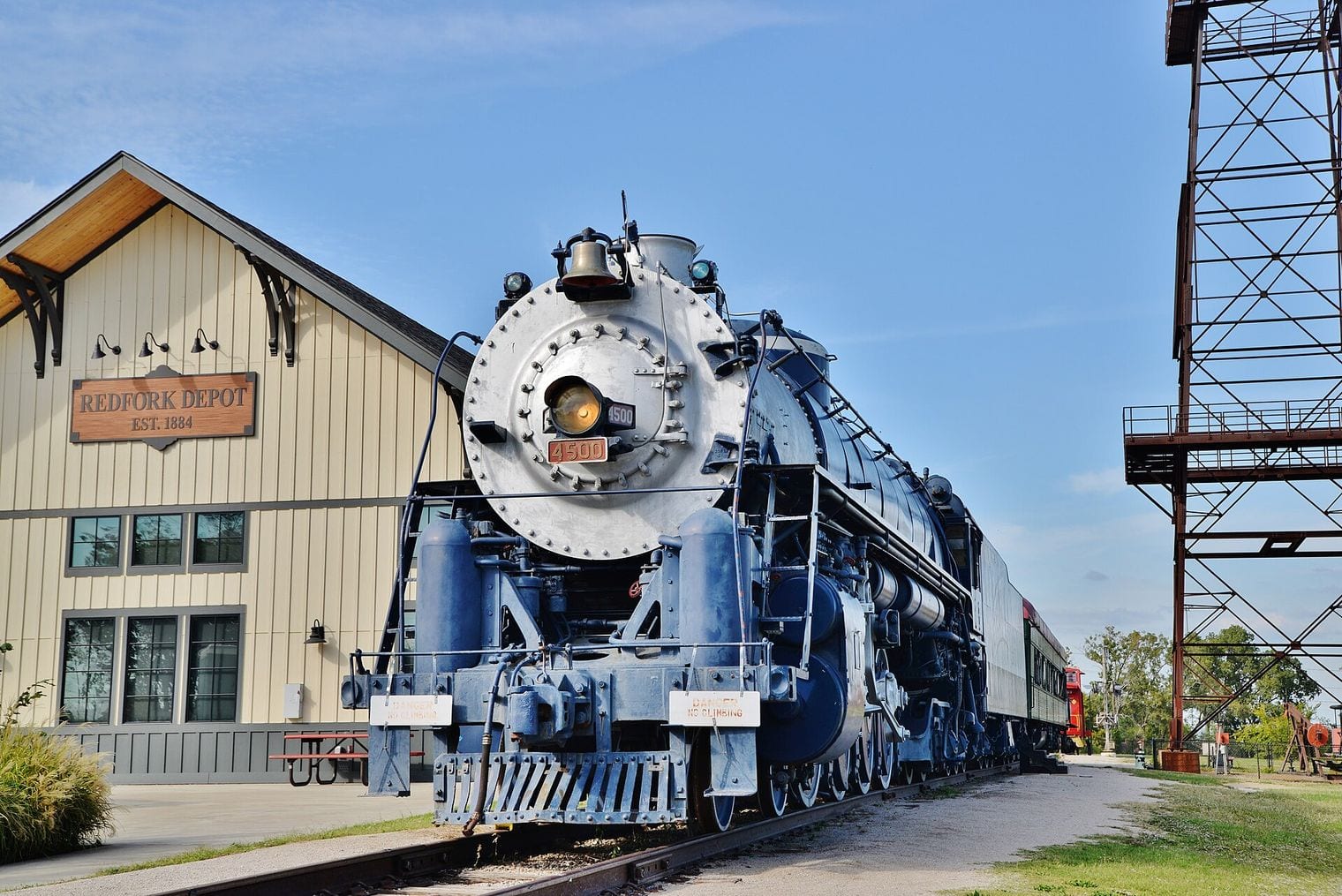
Route 66 Historical Village is an open-air museum on Southwest Boulevard, the old Route 66 alignment on the west bank of the Arkansas River. Its 194-foot oil derrick stands at the site of Tulsa's first oil strike in 1901, the discovery that set the city on the road to becoming the "Oil Capital of the World."
The star of the yard is Frisco 4500, a 1942 Baldwin steam locomotive that once pulled the Meteor passenger train, coupled to a passenger car, oil tank car and caboose. A visitor center modeled on a 1920s and 1930s gas station has a giant Route 66 map.
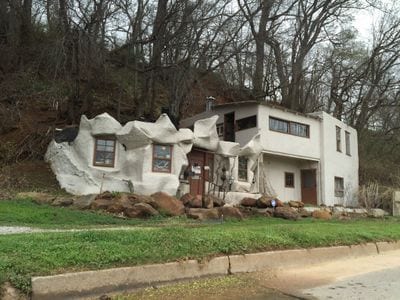
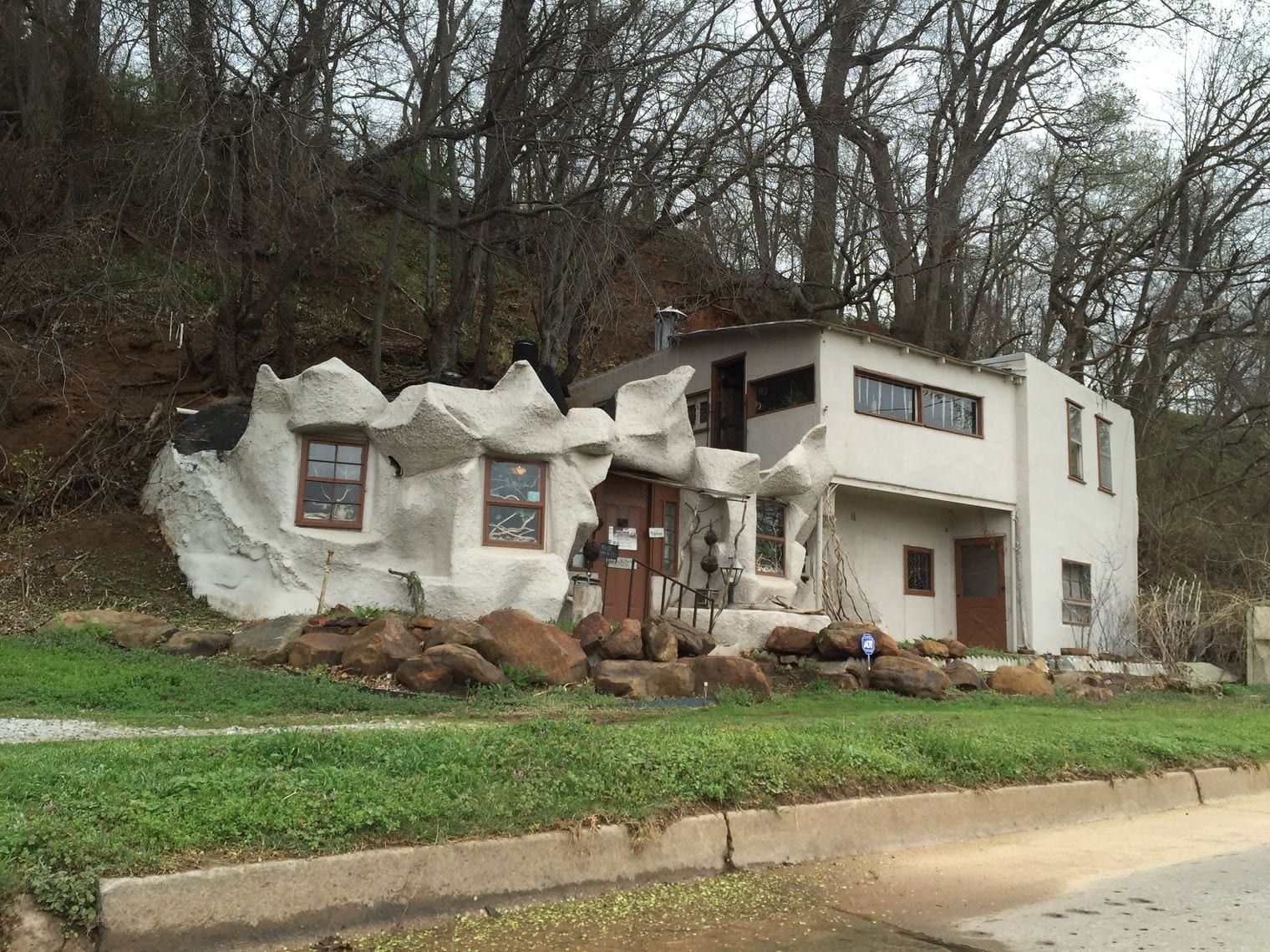
The Cave House is one of Tulsa's oddest landmarks, a hillside home on Charles Page Boulevard west of downtown whose sculpted facade looks like the mouth of a cave. It was built in the 1920s as the Cave Garden restaurant, and local accounts hold that it doubled as a speakeasy, with a tunnel to a hidden room under the hill.
The tunnel has long been sealed, but the house survives as a private museum with winding halls and a steep staircase. Tours are by appointment, so arrange one in advance rather than turning up.
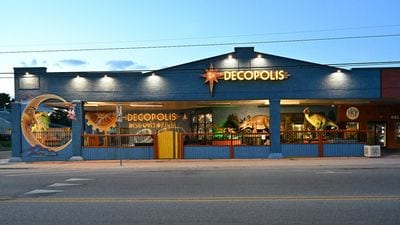
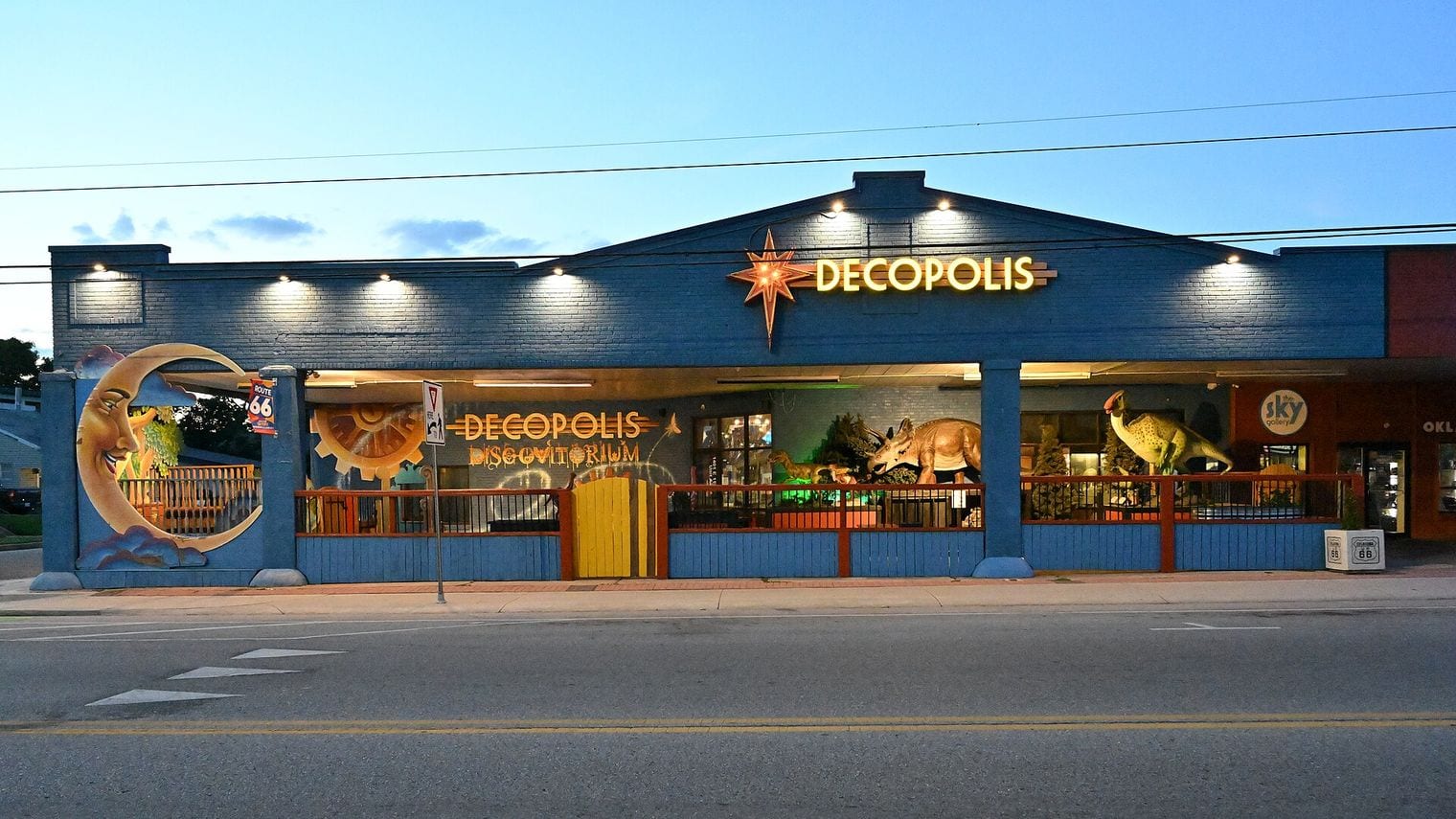
Decopolis is a playful Route 66 stop on 11th Street, created by a Tulsa muralist and built to feel like a little Art Deco town square. Part shop, part attraction, it sells Tulsa-themed and Deco-inspired souvenirs and hides a mini Tulsa Art Deco Museum full of artifacts from the city's oil-boom and Jazz Age years.
The neighboring Discovitorium leans into whimsy, with rooms where science and magic meet. Allow half an hour, then continue along 11th Street toward the Meadow Gold District and its restored Route 66 neon.
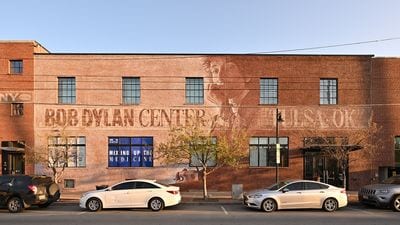
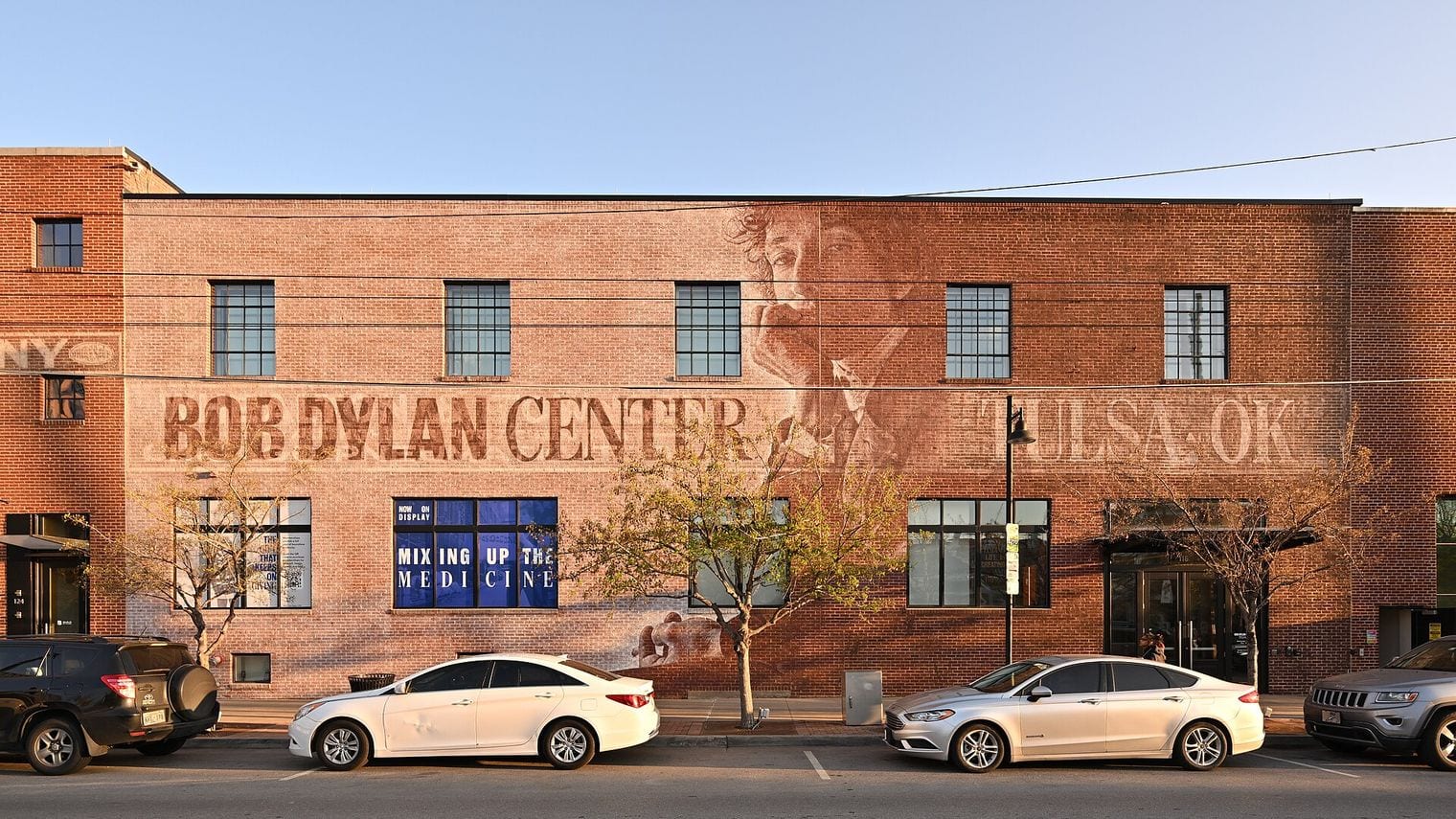
Bob Dylan Center opened in 2022 in the Tulsa Arts District after Dylan sold his archive in 2016 to the George Kaiser Family Foundation and the University of Tulsa. The museum draws on that archive for draft lyrics, notebooks, photographs, drawings, recordings and film.
The exhibits follow songs from early drafts to finished recordings, and there is plenty to listen to. It sits near the Woody Guthrie Center, a fitting neighbor given Guthrie's influence on the young Dylan, so plan to see both on the same morning.
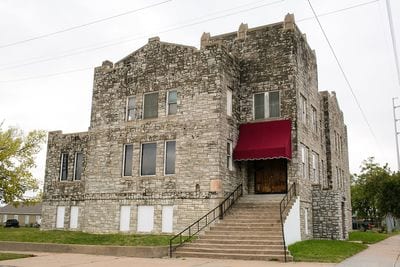
The Church Studio is a 1915 stone church in the Pearl District that Leon Russell converted into a recording studio in 1972. It became the home of his Shelter Records label and is often called the heart of the Tulsa Sound, and artists including Willie Nelson, Eric Clapton and Bonnie Raitt recorded within its walls.
After a restoration completed in 2022, it works again as a recording studio and also as a museum, with exhibits on Russell, Shelter Records and Tulsa's music history, plus vintage recording equipment. Book a guided tour for the full story.
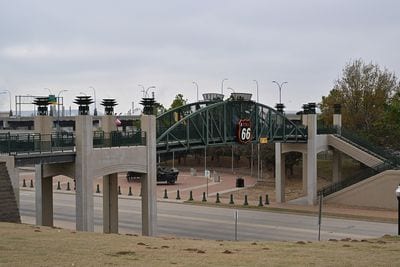
Cyrus Avery Centennial Plaza honors the Tulsa businessman known as the "Father of Route 66" at the east end of the 11th Street Bridge, which carried the highway across the Arkansas River and was renamed the Cyrus Avery Route 66 Memorial Bridge in 2004. The plaza sits where Southwest Boulevard meets Riverside Drive.
Its centerpiece is East Meets West, a large bronze by Robert Summers, unveiled in 2012, that shows Avery's family in a Model T meeting an oil-field wagon and its team of horses. It is free and a classic Route 66 photo stop.
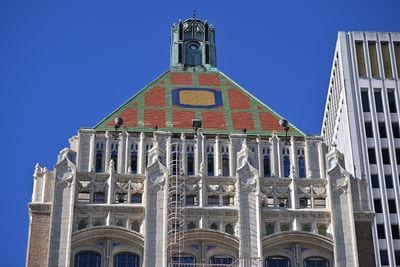
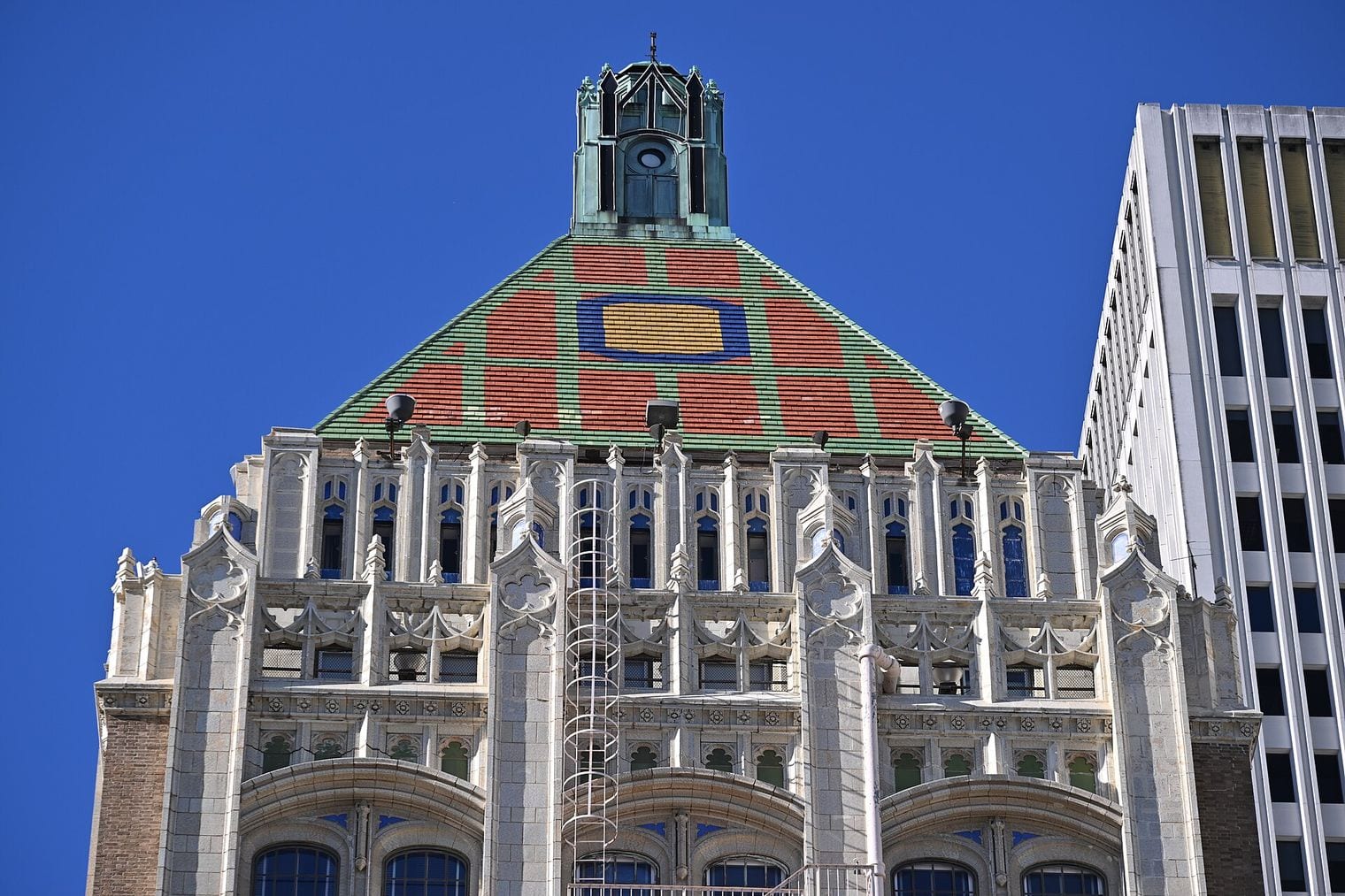
Philtower Building is the downtown skyscraper oilman Waite Phillips completed in 1928, a Gothic Revival tower with Art Deco touches crowned by a sloping tiled roof that is lit at night. In 1941 Phillips gave the 24-floor tower to the Boy Scouts of America along with most of his Philmont Ranch.
Step inside the lobby when the building is open to see its vaulted ceiling of carved stone rosettes, made in Italy and reassembled by the same craftsmen. Across Fifth Street stands the Art Deco Philcade, a separate building Phillips commissioned to complement it.
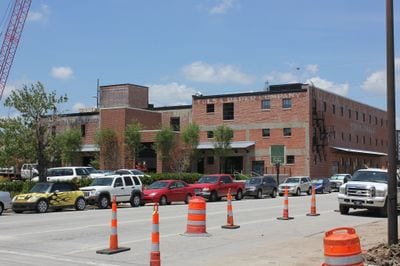
Tulsa Arts District is one of the oldest corners of downtown, a grid of red-brick former warehouses north of the railroad tracks that has become the city's cultural quarter. Galleries, studios, bars, restaurants and music venues fill the old buildings, and murals brighten many of the walls.
The best time to come is the First Friday Art Crawl, when galleries open late and the sidewalks fill with artists and visitors. On other days, walk the blocks between the music museums and venues and look into the small galleries and shops.
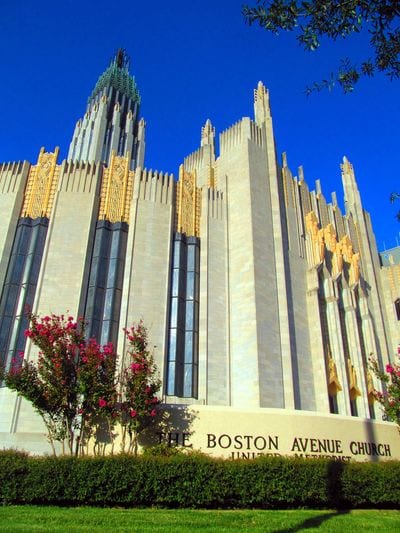
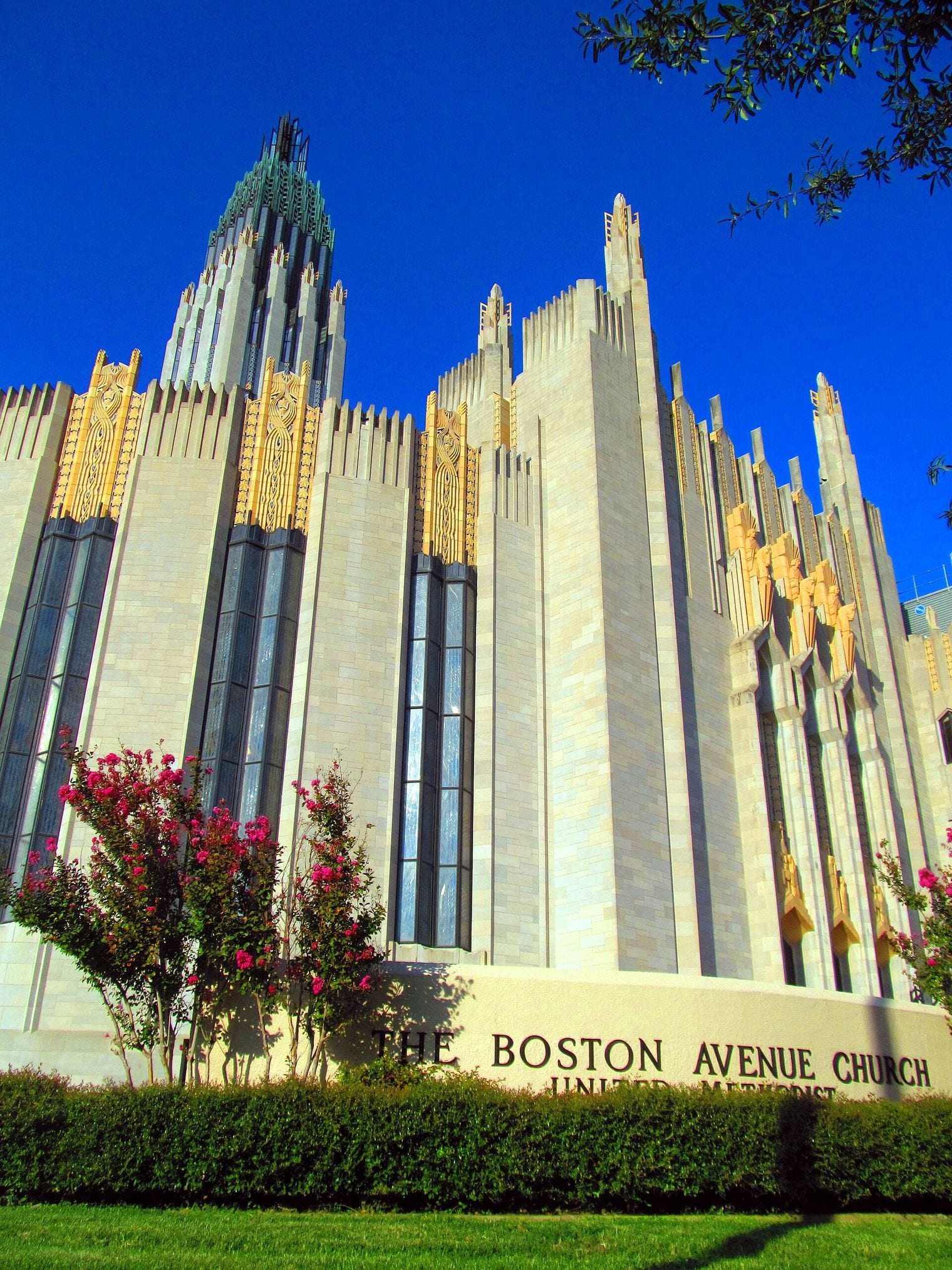
Boston Avenue Methodist Church was completed in 1929 and is considered one of the finest examples of ecclesiastical Art Deco architecture in the United States. A National Historic Landmark since 1999, it rises to a 225-foot tower whose vertical lines echo Gothic cathedrals.
Its design is credited to artist Adah Robinson and her former student Bruce Goff, a question of authorship still debated by architecture fans. Take in the sculpted details of the facade, and check ahead about visiting the sanctuary.
Plan your trip
Best Time to Visit Tulsa
Spring and fall are the most comfortable seasons. In spring the azaleas and redbuds turn Woodward Park into the city's showpiece and downtown hosts a large outdoor arts festival in May, though spring is also storm season in northeastern Oklahoma, so keep an eye on the forecast. Fall brings milder days, the Tulsa State Fair at Expo Square and ideal weather for the Turkey Mountain trails.
Summers are hot and humid, so plan outdoor sights for the morning and save the evenings for baseball at ONEOK Field, free events on Guthrie Green or a walk along River Parks. Winters are short but can bring cold snaps and the occasional ice storm; holiday lights at Utica Square and the Tulsa Botanic Garden brighten the season.
Getting to Tulsa
Tulsa International Airport lies about 15 minutes northeast of downtown and has nonstop flights to major US hubs; Oklahoma City's larger airport is roughly two hours away by road, and Dallas–Fort Worth about four. Interstate 44 is the main road in, running southwest to Oklahoma City on the Turner Turnpike and northeast toward Missouri on the Will Rogers Turnpike, while US 75 runs north–south and US 412 heads east to Northwest Arkansas.
Road-trippers can follow historic Route 66, which crosses the city on 11th Street and Southwest Boulevard. There is no passenger train service to Tulsa, but intercity buses stop in the city.
Getting Around Tulsa
Tulsa is spread out, and a car is the easiest way to reach the zoo, the aquarium in Jenks, the botanic garden and Turkey Mountain. Parking is generally easy, with garages and lots downtown and free parking at most attractions outside the center.
Downtown itself is walkable: Greenwood, the Tulsa Arts District and the Blue Dome District sit within a few blocks of each other. City buses link downtown with midtown, rideshare is widely available, and the paved River Parks trails make cycling from downtown to Gathering Place a pleasure.
Where to Stay in Tulsa
Downtown is the best base for a first visit, with hotels in restored historic buildings within walking distance of the Tulsa Arts District, Greenwood, the Blue Dome District, the BOK Center and ONEOK Field. It suits travelers who want concerts, ballgames and nightlife on their doorstep.
Midtown, around Cherry Street and Brookside, puts you close to Philbrook, Woodward Park, Utica Square and Gathering Place, with plenty of restaurants nearby. For lower rates and easy highway access, the chain hotels of south Tulsa are handy for the Oklahoma Aquarium in Jenks, while the airport area suits an early flight.
Where to Eat in Tulsa
Cherry Street and Brookside are midtown's classic dining strips, lined with patios, bakeries and bistros, while the Tulsa Arts District and the Blue Dome District pack restaurants, bars and breweries into a few walkable blocks. Along the old Route 66 alignments, the Meadow Gold District on 11th Street and Kendall Whittier on Admiral Place add casual spots in restored buildings, including a food hall.
Look for Oklahoma barbecue, chicken-fried steak, onion burgers and Tulsa's beloved coney-style hot dogs, along with Indian tacos built on fry bread, a staple across Oklahoma.
Day Trips from Tulsa
Several of the best small towns in Oklahoma lie within an hour or so. Claremore, about 30 minutes northeast, is home to the Will Rogers Memorial Museum; Bartlesville, about an hour north, has Frank Lloyd Wright's Price Tower; and Pawhuska, about an hour northwest, is the capital of the Osage Nation and the gateway to the bison herds of the Tallgrass Prairie Preserve.
Tahlequah, roughly an hour and a quarter southeast, is the capital of the Cherokee Nation and a base for floating the Illinois River.
For a bigger city, Oklahoma City is under two hours southwest on the Turner Turnpike, with its National Memorial, Bricktown canal and Western heritage museums. Heading east, Fayetteville in Northwest Arkansas is about two hours away, a lively college town on the edge of the Ozarks.
Drive to midtown for the galleries and formal gardens of Philbrook Museum of Art, then head down to the river and spend the late afternoon at Gathering Place.
Tulsa is best known for its oil-boom Art Deco architecture, its stretch of Route 66 and the history of Greenwood's Black Wall Street, told at Greenwood Rising. Visitors also come for Gathering Place, one of the country's most ambitious riverside parks, Philbrook Museum of Art, Western swing at Cain's Ballroom and the Tulsa Zoo.
Is Tulsa worth visiting?
Yes. Tulsa packs far more into a short trip than many visitors expect: a world-class art museum and gardens, one of America's most celebrated public parks, two major music museums, Art Deco landmarks, Route 66 stops and a moving history of Greenwood. It also has an easygoing pace, lively downtown districts and plenty of free sights.
How many days do you need in Tulsa?
Two to three days is ideal. One day covers the downtown core of Greenwood, the Tulsa Arts District and the Art Deco towers plus Philbrook and Gathering Place. A second day adds the Tulsa Zoo, Route 66 sights and a show, and a third leaves time for Turkey Mountain, the aquarium or a day trip.
What can you do in Tulsa for free?
Gathering Place is free and could fill a whole day on its own. Woodward Park, Guthrie Green, the River Parks trails, Turkey Mountain, the Golden Driller and Cyrus Avery Centennial Plaza are also free, and wandering the Tulsa Arts District and Blue Dome District costs nothing unless you stop for a drink.
When is the best time to visit Tulsa?
Spring and fall offer the most comfortable weather for Tulsa's parks, gardens and trails, with azaleas in spring and the Tulsa State Fair in fall. Summer is hot and humid but busy with evening events, and winter is quieter, with holiday lights and occasional cold snaps.