We may earn a commission if you book tickets, tours or a stay through a link on
this page, at no extra cost to you. It never affects which places we list or how
we rank them (how we make money).
Short answer
Start with Cannon Beach for Haystack Rock and its tide pools, Astoria for its Victorian river port at the mouth of the Columbia, and Hood River for windsurfing and orchards beneath Mount Hood. Most towns on this list fill a relaxed day, while the coast and the Columbia River Gorge reward a long weekend.
Oregon saves much of its charm for its small towns: sea-stack beaches and fishing harbors on the coast, orchards and wineries in the valleys, windy river towns in the Columbia River Gorge and Old West main streets beneath the snowy peaks of the Cascades and the Wallowas.
This guide rounds up the 30 best, from Cannon Beach and Astoria to Hood River, Sisters and Joseph, all plotted on one map so you can link several into a road trip. Most fill a relaxed day, while the coast and the Gorge reward a long weekend.
Astoria is the oldest city in Oregon — founded as a fur-trading post in 1811, it was the first permanent American settlement west of the Rocky Mountains.
A lost dog walked home to Silverton — in 1924 Bobbie the Wonder Dog turned up back in Silverton six months after going missing in Indiana, a journey of about 2,551 miles.
Florence once tried to blow up a whale — in 1970 highway crews used explosives to clear a dead whale from the beach, showering onlookers with blubber; residents later named a park after the event.
Keiko, the orca from Free Willy, lived in Newport — the Oregon Coast Aquarium was his home from 1996 until he was flown to Iceland in 1998.
Klamath Falls is heated from underground — geothermal hot water has warmed homes and buildings there since the early 1900s and keeps some sidewalks free of snow.
Gearhart has the oldest golf course west of the Mississippi — Gearhart Golf Links has been in continuous play since 1892.
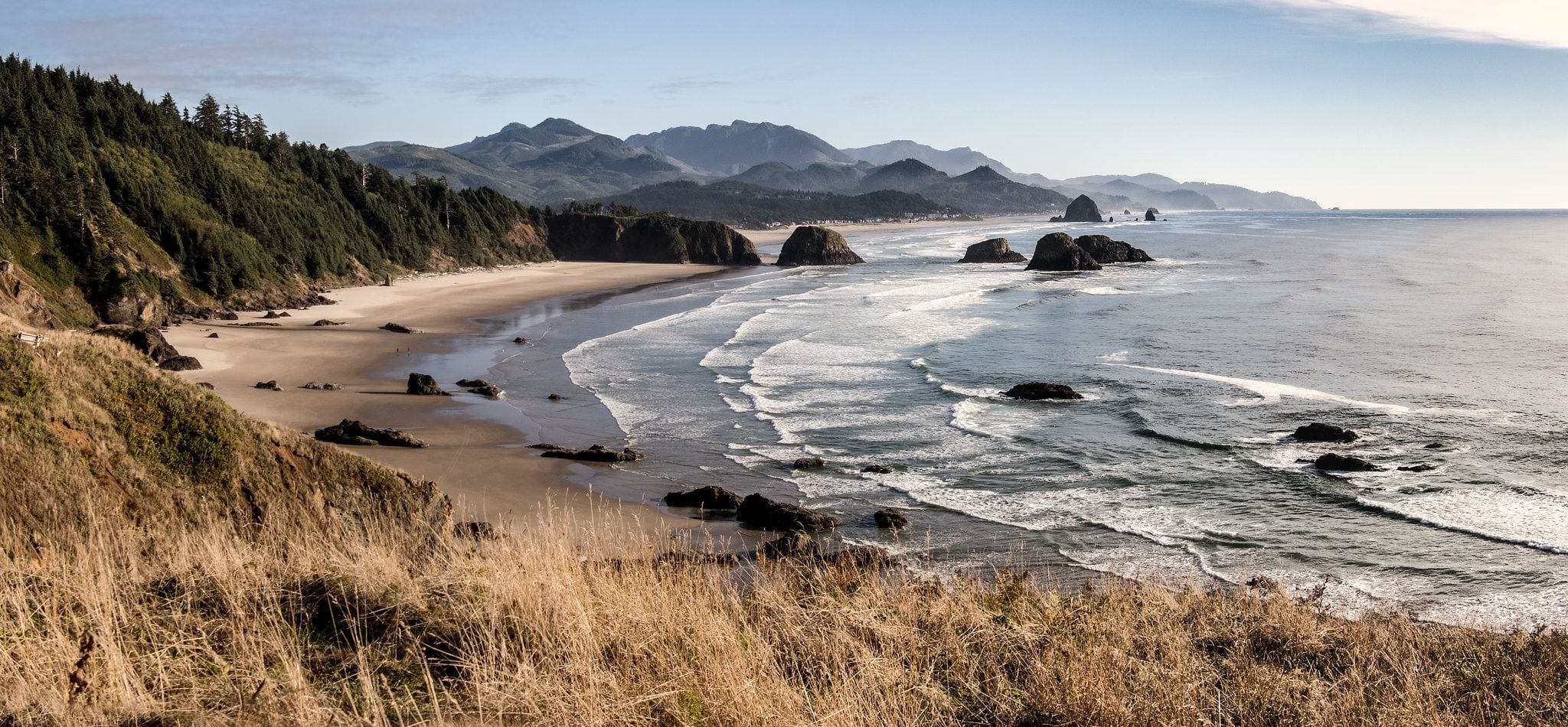
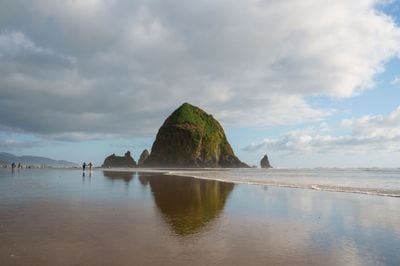
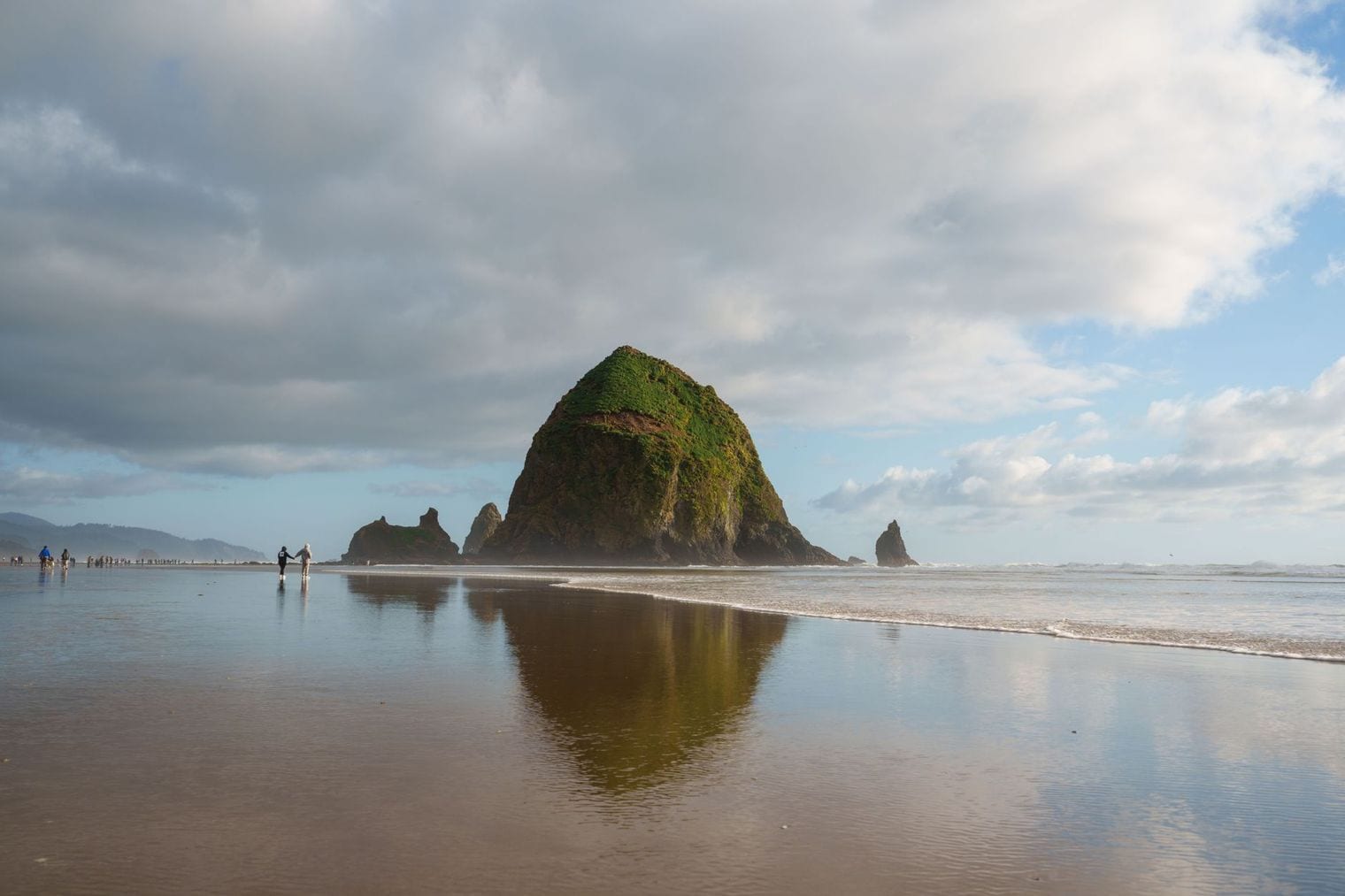
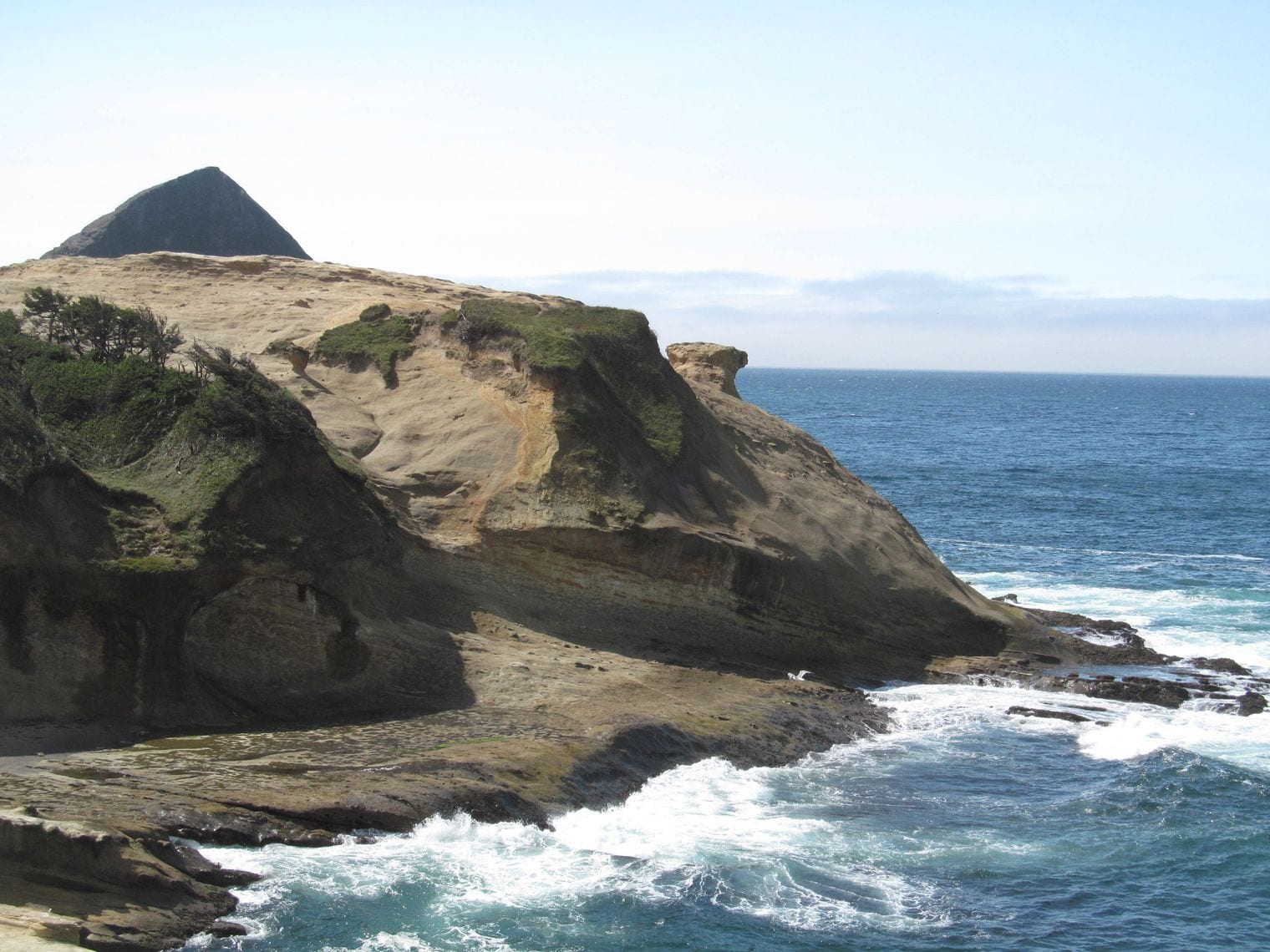
Cannon Beach is the postcard view of the Oregon Coast, a small arts town of galleries, cedar-shingled shops and a long sandy beach dominated by Haystack Rock. The 235-foot sea stack can be reached on foot at low tide, when its tide pools reveal sea stars, anemones and crabs, and seabirds, puffins among them, nest on its ledges in season.
Just north of town, Ecola State Park adds forest trails and headland viewpoints, including the spot William Clark described as one of the grandest prospects he had ever seen. The town is a favorite weekend escape from Portland, so come midweek or in the shoulder seasons for the quietest beach walks and the best chance of a sunset to yourself.
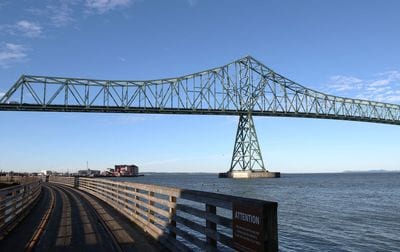
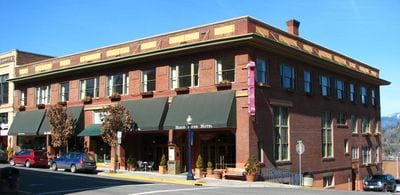
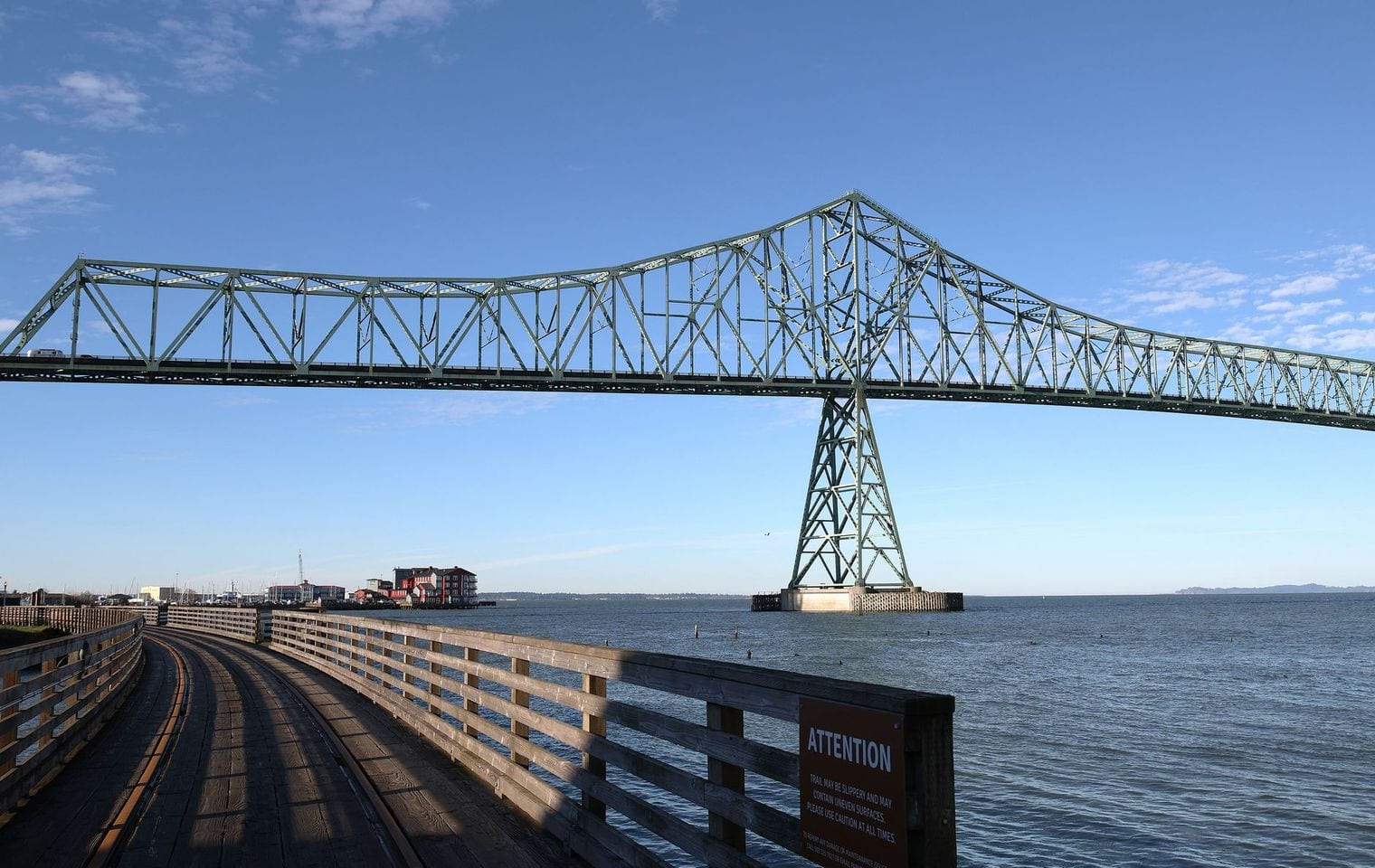
Founded in 1811 as a fur-trading post, Astoria is the oldest city in Oregon and was the first permanent American settlement west of the Rocky Mountains. Victorian houses climb the hills above the Columbia River, and the Riverwalk follows old cannery piers along the water toward the Astoria-Megler Bridge to Washington.
Climb the 164 steps of the Astoria Column, built in 1926 on Coxcomb Hill, for a view over the river mouth and the Pacific, then dig into the town's seafaring story at the Columbia River Maritime Museum. Film fans come to track down locations from The Goonies, the 1985 adventure shot on location here, as well as scenes from Kindergarten Cop and Free Willy.
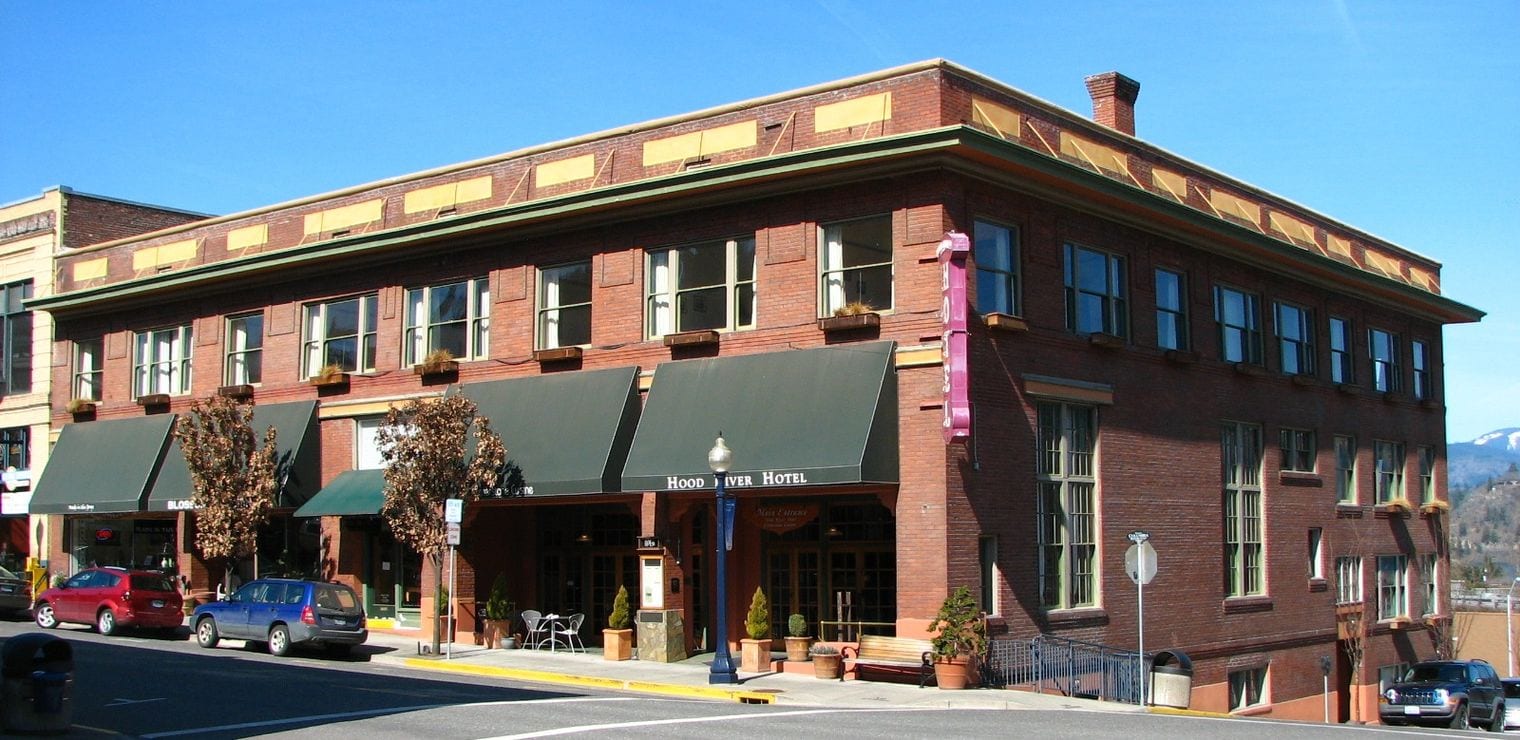
Hood River sits where strong winds funnel through the Columbia River Gorge, and that wind made the town famous for windsurfing and, more recently, kiteboarding. Watch the sails skim the river from the waterfront, then wander a hillside downtown of cafés, breweries and outdoor shops with Mount Hood, the state's tallest peak, rising to the south.
The Hood River Valley below the mountain is orchard country, known for apples, pears and cherries, and the Fruit Loop drive links farm stands, orchards and wineries in a scenic circuit. The town also makes a good base for the Gorge's waterfalls to the west and the car-free Twin Tunnels trail to the east.
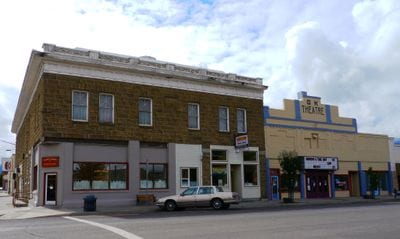
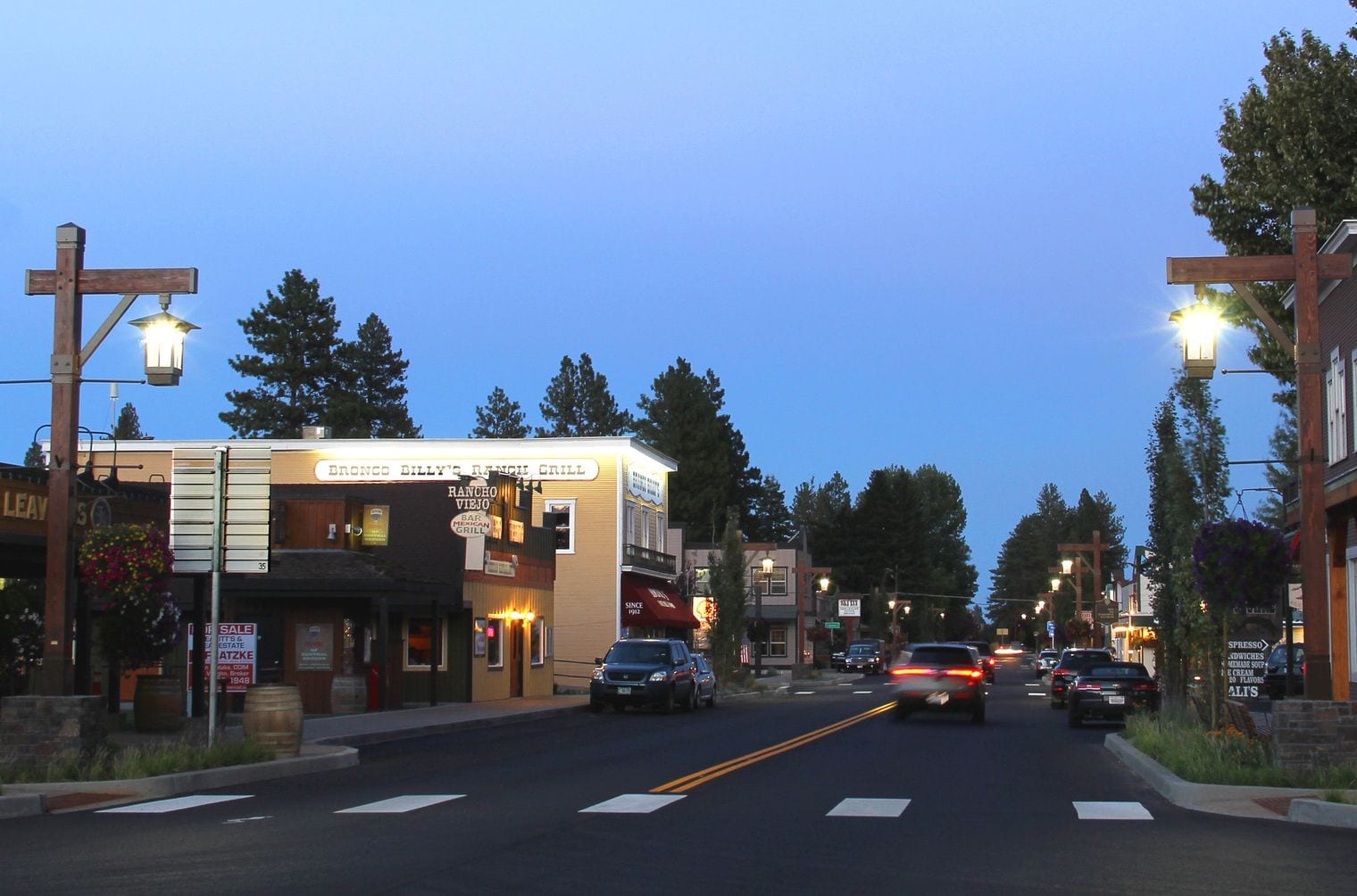
Sisters takes its name from the Three Sisters, the trio of volcanic peaks that fills the skyline west of town. Its downtown leans into the Old West on purpose: a city design code calls for 1880s-style false-front storefronts, so galleries, bakeries and outfitters all sit behind wooden facades and boardwalk-style frontages.
The town is best known for the Sisters Outdoor Quilt Show, when quilts hang from buildings all over town every July, and for the Sisters Rodeo each June. The rest of the year it is a gateway to ponderosa pine forests, the lava fields of McKenzie Pass and the trails of the Three Sisters Wilderness, with Bend a short drive to the southeast.
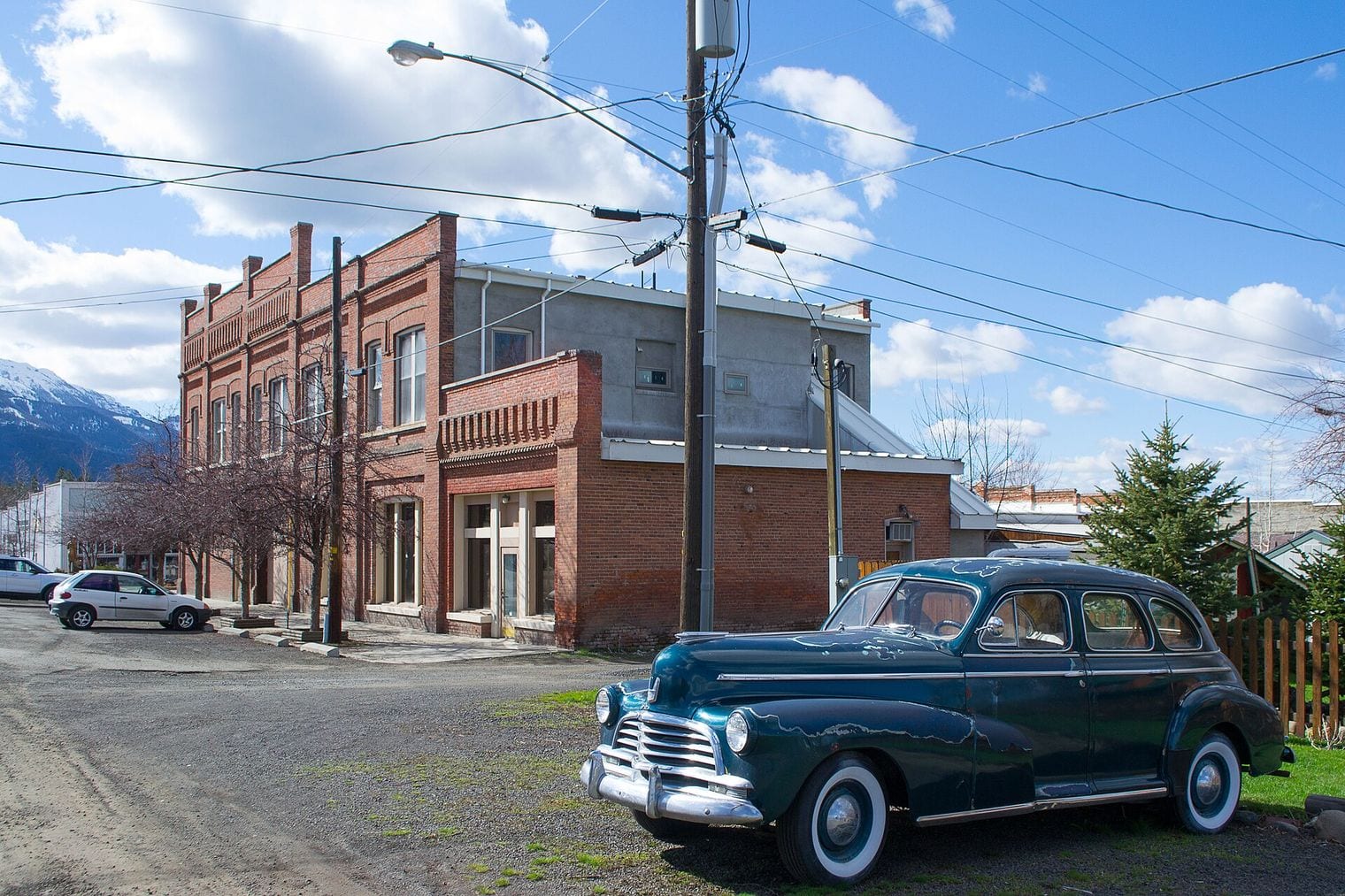
Joseph sits at the foot of the Wallowa Mountains, the snowy range that has earned this corner of northeast Oregon the nickname "Little Switzerland." The town is named for Chief Joseph of the Nez Perce, and since bronze foundries opened here in 1982 it has grown into an unlikely art town, with bronze sculptures lining Main Street and galleries filling its old storefronts.
Just south of town, glacier-carved Wallowa Lake is ringed by moraines and backed by peaks, with a state park at its far end for camping, boating and trailheads into the Eagle Cap Wilderness. The Wallowa Lake Tramway climbs high above the lake for mountain views, and the town's rodeo and festivals keep summer lively.
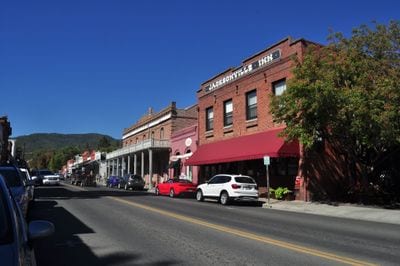
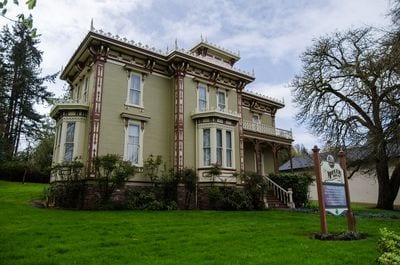
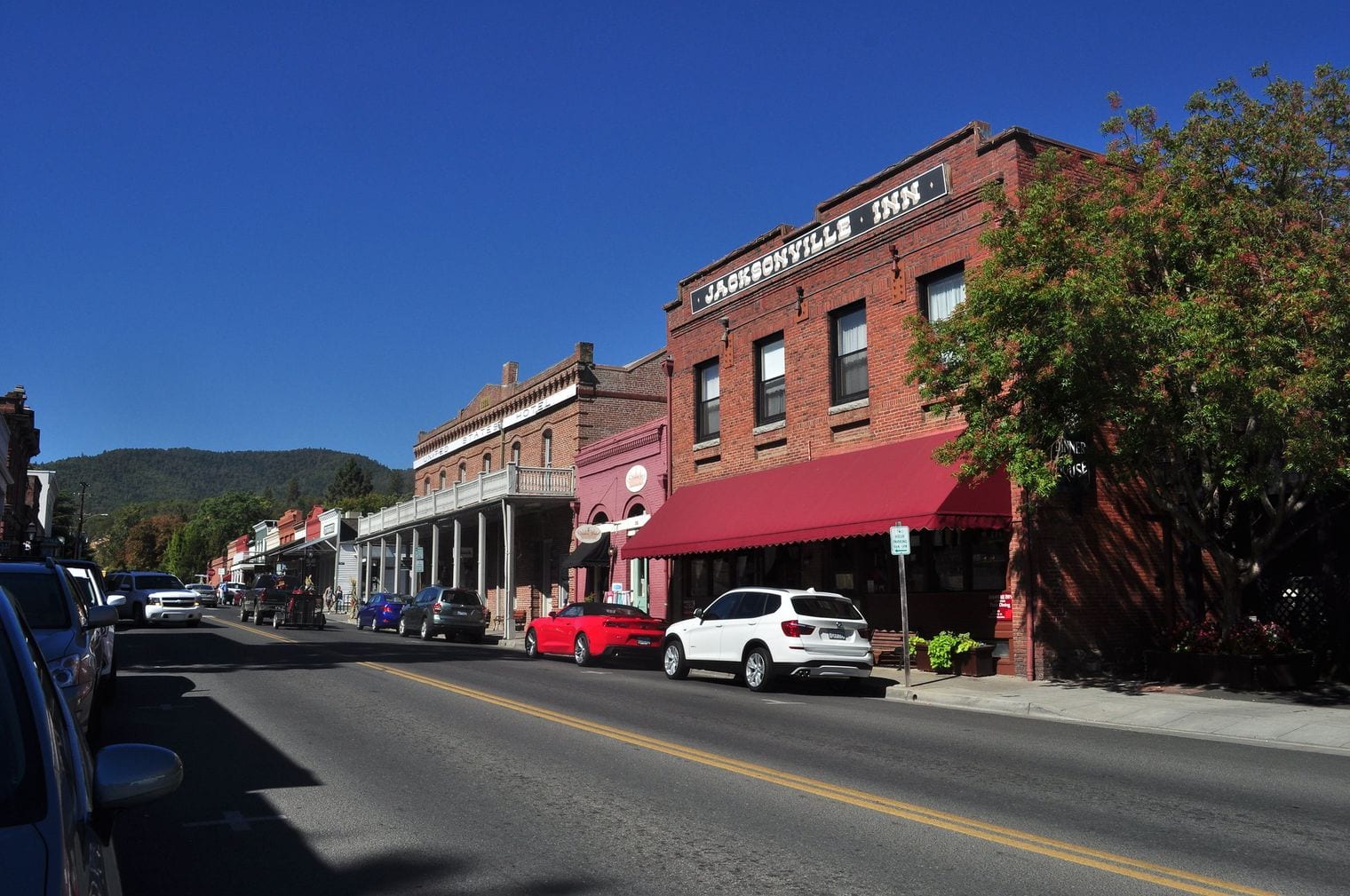
Jacksonville grew up almost overnight after gold was found along Jackson Creek in 1851 and 1852, and when the railroad bypassed it in 1884, the town was left largely frozen in time. Its brick and wooden downtown is a National Historic Landmark district, designated in 1966, and remains a remarkably intact gold-rush streetscape in the Rogue Valley.
Stroll California Street past historic storefronts, wander the hillside pioneer cemetery, and taste wines from the Applegate Valley vineyards just west of town. In summer, the Britt Festival brings concerts to an open-air amphitheater on the hillside grounds once owned by pioneer Peter Britt.
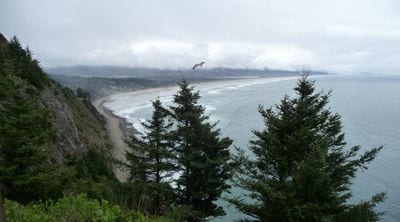
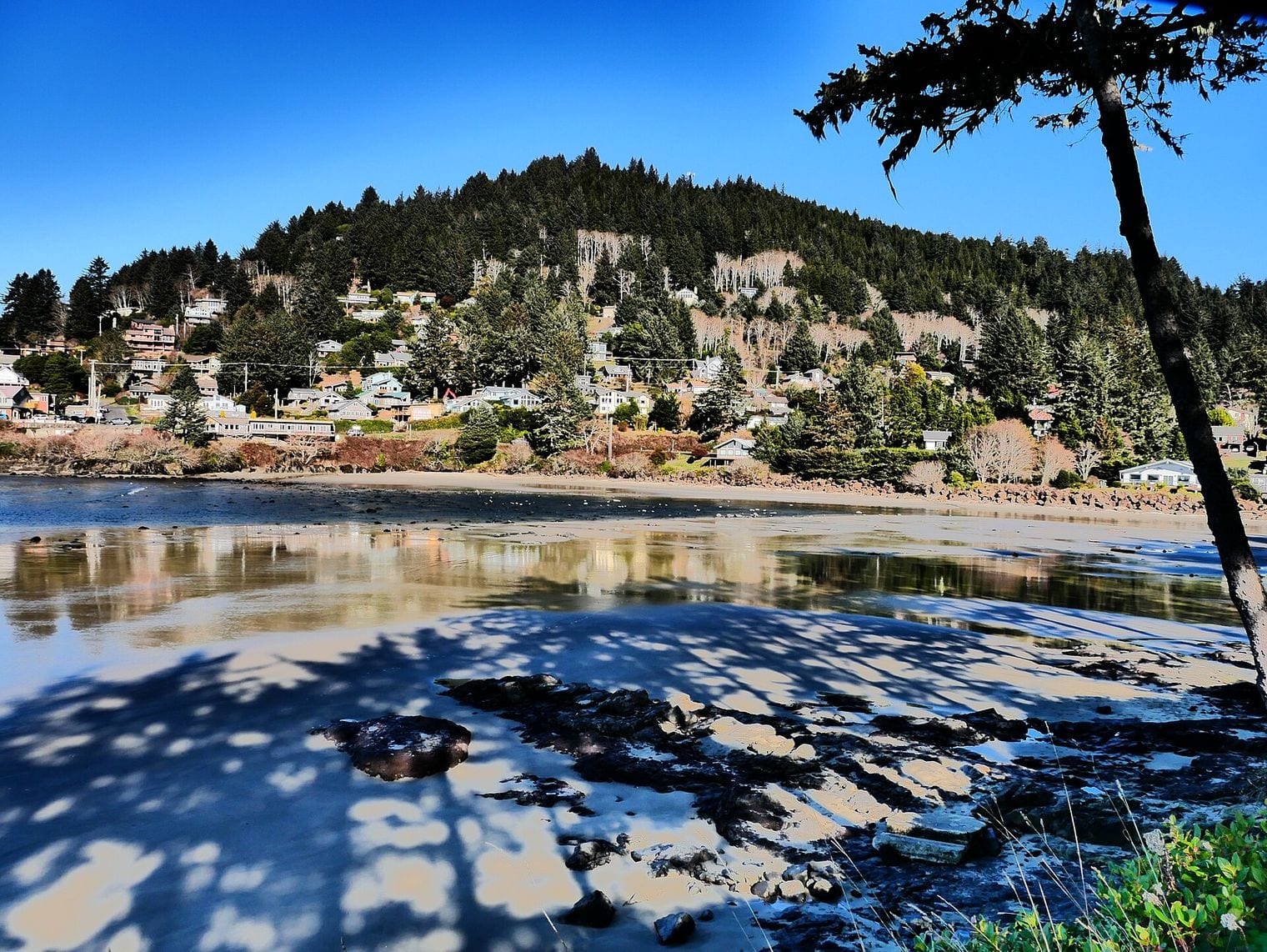
Yachats is a tiny village on the Central Coast where the Coast Range drops straight to a rocky shore, and its name, pronounced "YAH-hahts," is often said to mean "at the foot of the mountain." Instead of a big beach scene, you get a shoreline trail along black basalt ledges where waves burst through cracks and fill tide pools.
Just south of Yachats, Cape Perpetua rises more than 800 feet above the sea, with forest trails, a stone shelter built by the Civilian Conservation Corps and a famous trio of ocean features: Thor's Well, the Spouting Horn at Cook's Chasm and the Devil's Churn. Visit around high tide, when the swells make them most dramatic.
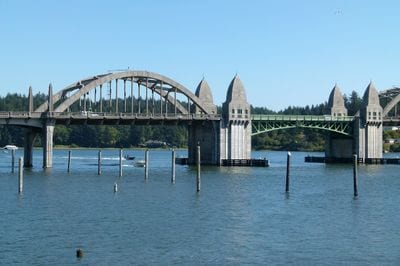
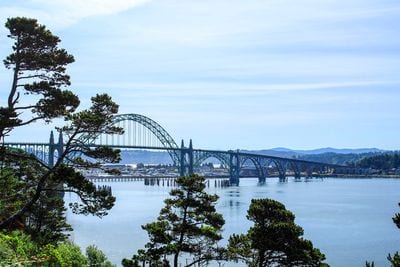
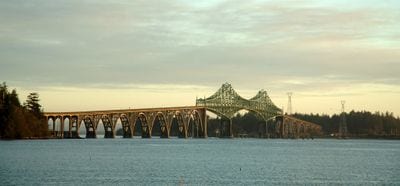
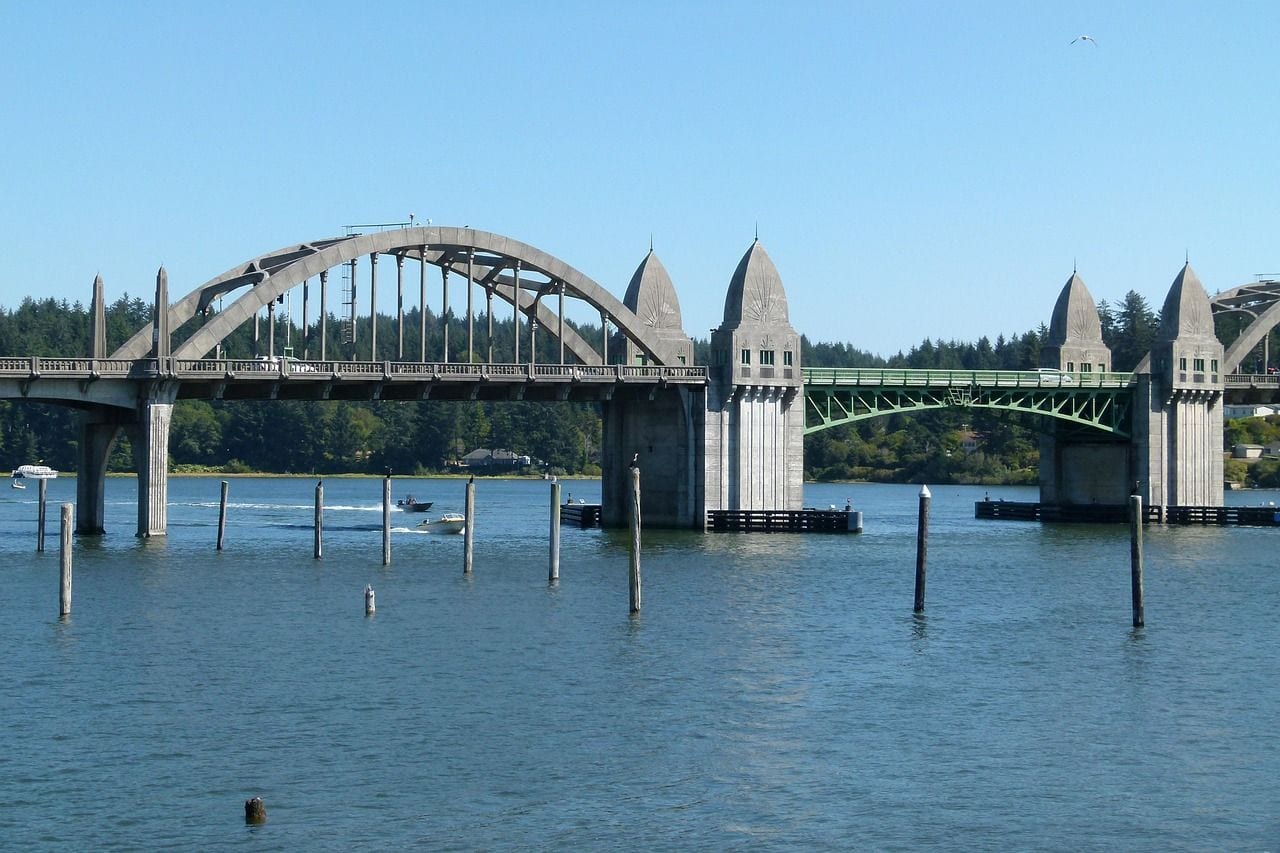
Florence sits at the mouth of the Siuslaw River, where a compact Old Town of shops and seafood stands looks across the water to the Art Deco Siuslaw River Bridge, opened in 1936. The town is the northern gateway to the Oregon Dunes National Recreation Area, a vast stretch of sand where you can hike, sandboard or ride dune buggies.
North of town, the coast turns rugged around Heceta Head, whose 1894 lighthouse stands on a headland above the surf, and Sea Lion Caves, a huge sea cave where Steller sea lions gather. Florence has also celebrated the blooming of its wild rhododendrons with a spring festival since 1908.
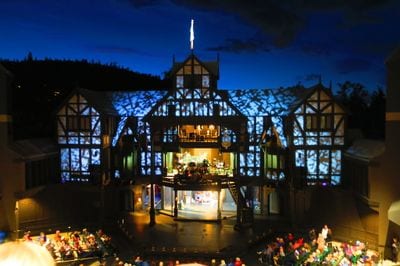
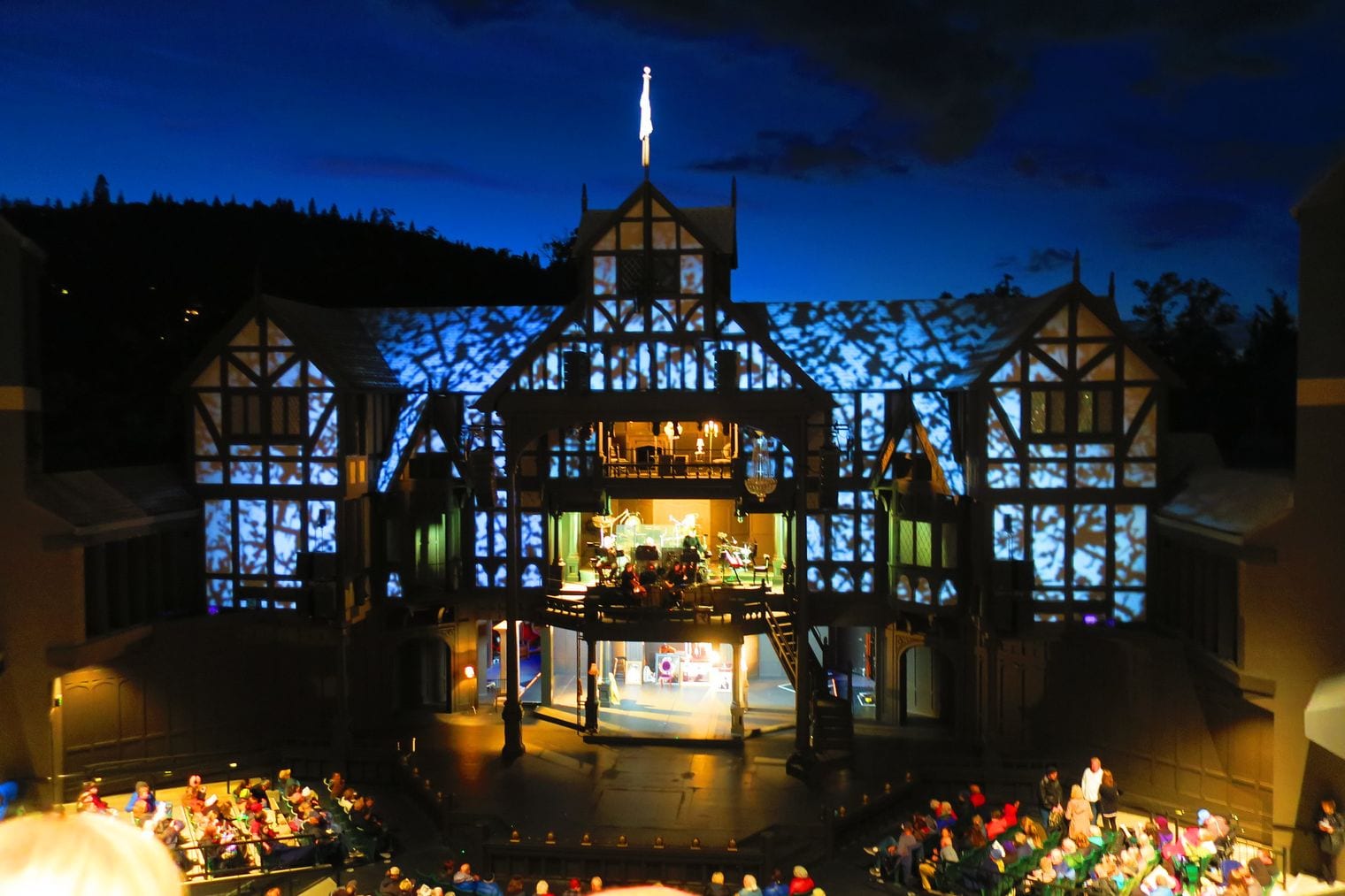
Ashland is the cultural heart of Southern Oregon, a lively college town best known for the Oregon Shakespeare Festival. Founded in 1935, the festival stages Shakespeare alongside classic and contemporary plays in its three theaters through much of the year, and restaurants, galleries and shops fill the streets around them.
Between shows, wander Lithia Park, a long, wooded park that follows Ashland Creek up from the downtown Plaza and was designed by John McLaren of Golden Gate Park fame, and try the mineral-heavy lithia water that gave it its name. Southern Oregon University keeps the cafés busy, and Rogue Valley wineries and the Siskiyou Mountains are close by.
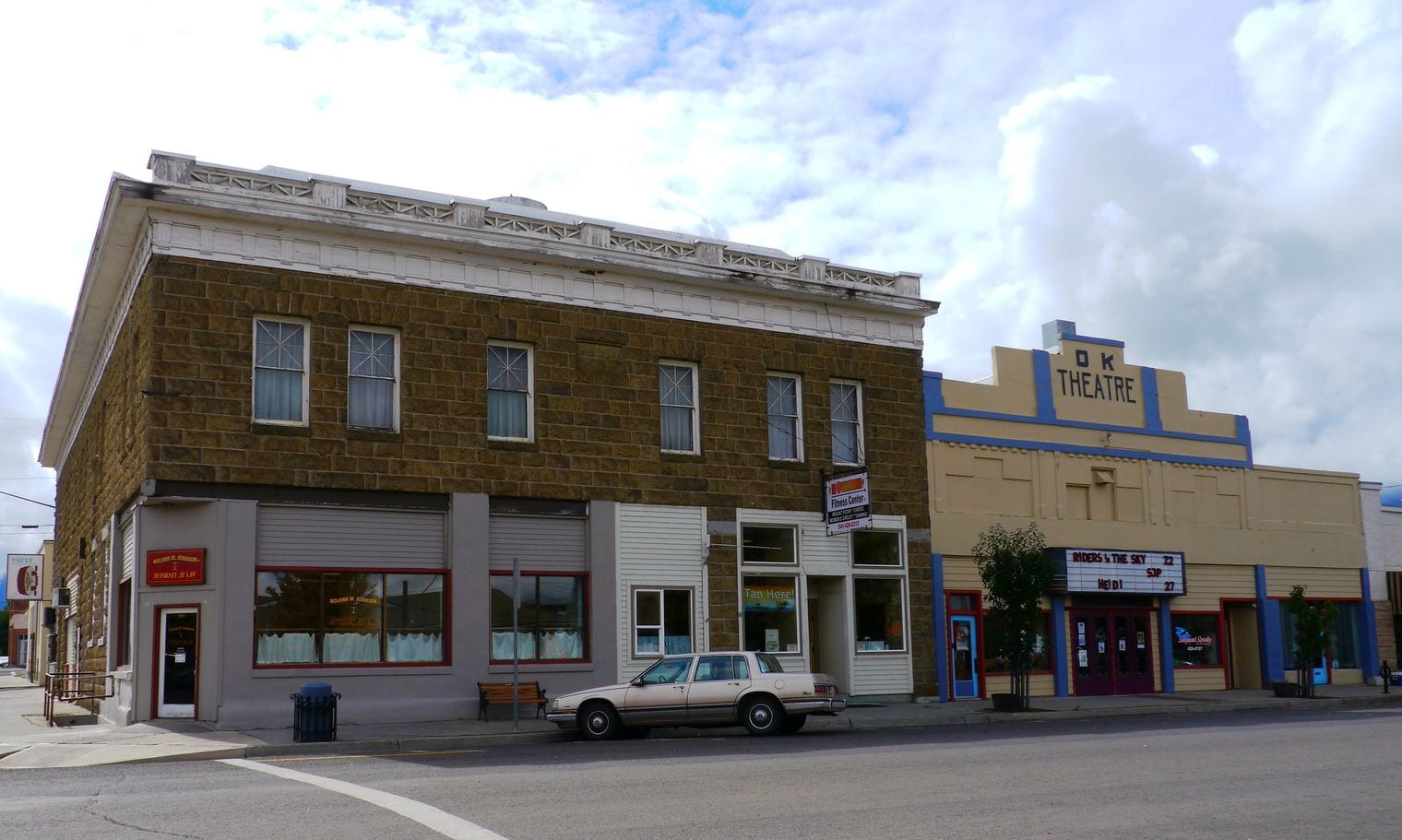
Baker City grew rich on gold from the surrounding mountains, and its downtown still shows it: a historic district of ornate brick and stone buildings centered on Main Street and listed on the National Register of Historic Places. Local gold displays include the Armstrong Nugget, which weighs more than 80 ounces, and the Powder River runs right through the center of town.
About five miles east of Baker City, the National Historic Oregon Trail Interpretive Center sits on a hilltop site where real wagon ruts still cross the grounds, telling the emigrants' story through exhibits and living history. The Elkhorn Mountains and the Wallowas frame the valley, putting hiking, skiing and old mining towns within easy reach.
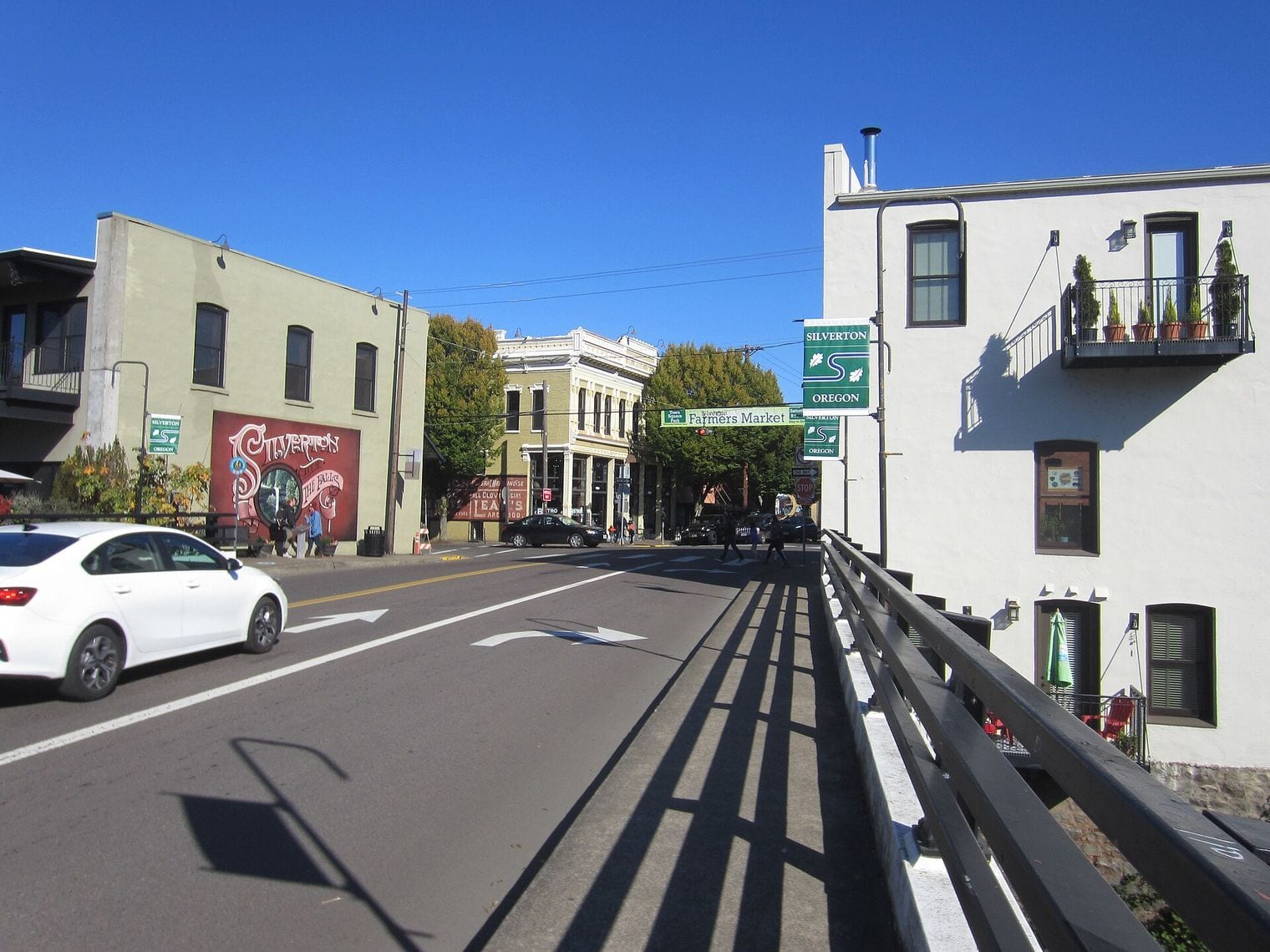
Silverton is a friendly Willamette Valley town on Silver Creek, about 14 miles northeast of Salem, and the gateway to Silver Falls State Park, Oregon's largest state park. The park's Trail of Ten Falls loops through a forested canyon and even passes behind several of its waterfalls, including the towering South Falls.
In town, The Oregon Garden spreads across rolling hills with themed gardens, and on its grounds stands the Gordon House, the only Frank Lloyd Wright-designed house in the Pacific Northwest that is open to the public. Back downtown, a shrine with a replica doghouse honors Bobbie the Wonder Dog, Silverton's most famous resident.
McMinnville is the hub of Yamhill County wine country, and its tree-lined Third Street is one of the most inviting main streets in Oregon, lined with tasting rooms, bakeries and restaurants in historic brick buildings. The town sits where the North and South Yamhill rivers meet, at the edge of the Coast Range foothills.
The big draw outside the center is the North American Aerospace Museum, formerly the Evergreen Aviation & Space Museum, home of Howard Hughes's giant flying boat, the Spruce Goose, along with more than 150 aircraft and spacecraft. Hundreds of wineries spread across the surrounding Willamette Valley hills, so the town makes an easy base for Pinot Noir country.
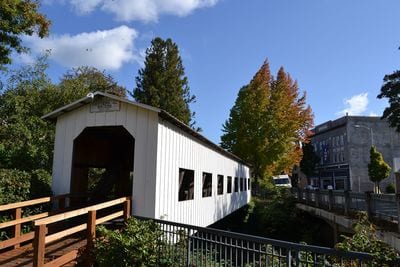
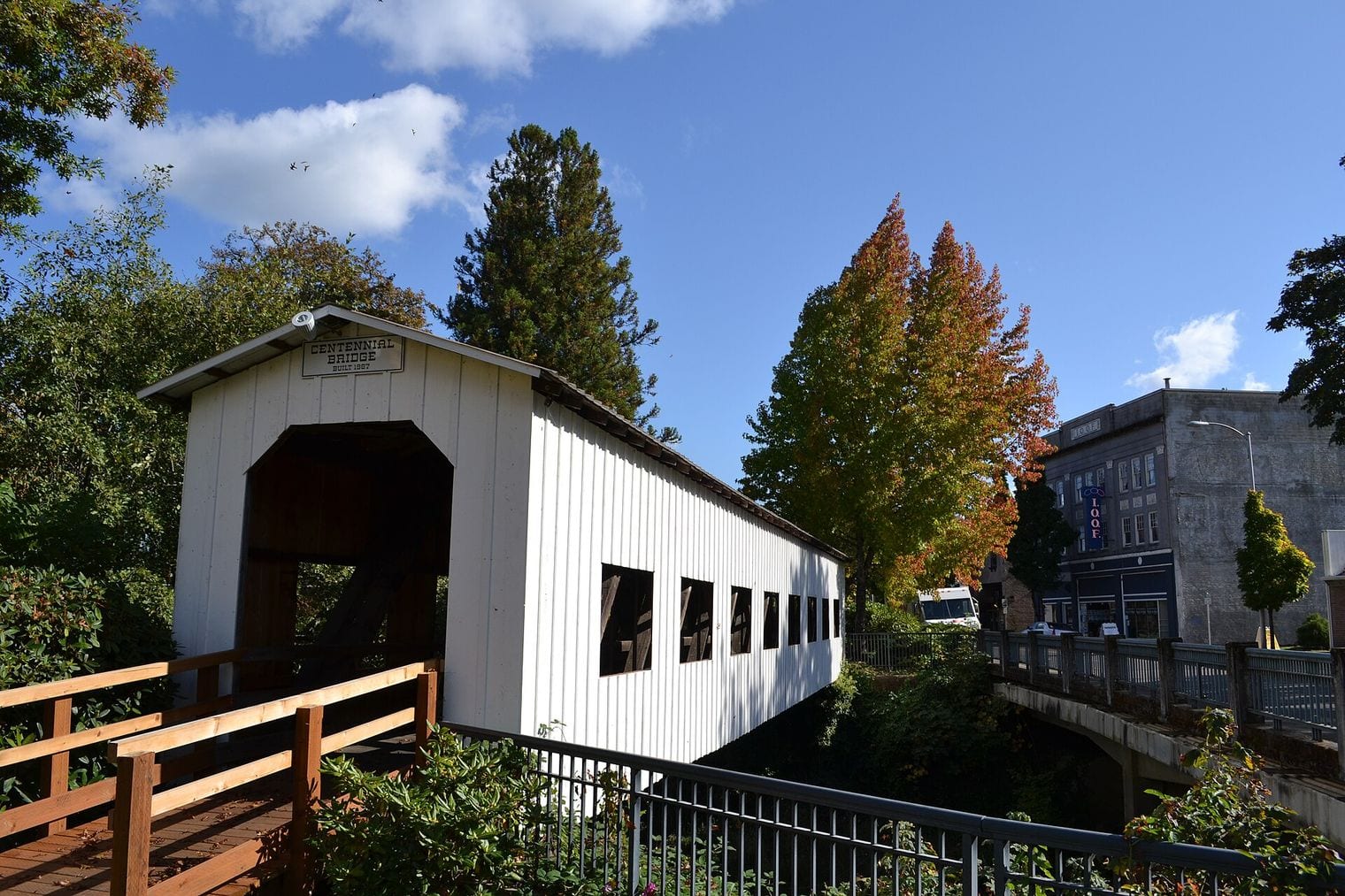
Cottage Grove calls itself the Covered Bridge Capital of Oregon, and a signed driving loop links six covered bridges around town and Dorena Lake, including the Chambers Railroad Bridge, the last covered railroad bridge standing in Oregon. The paved Row River Trail follows an old rail line east toward the lake, ideal for an easy bike ride.
Hollywood has long loved Cottage Grove: Buster Keaton filmed his silent classic The General here in 1926, and a mural shows him riding the locomotive's cowcatcher. The famous parade scene in Animal House was shot on the town's Main Street, and the gold-mining past of the nearby Bohemia district is celebrated every summer.
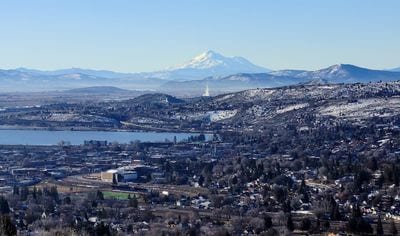
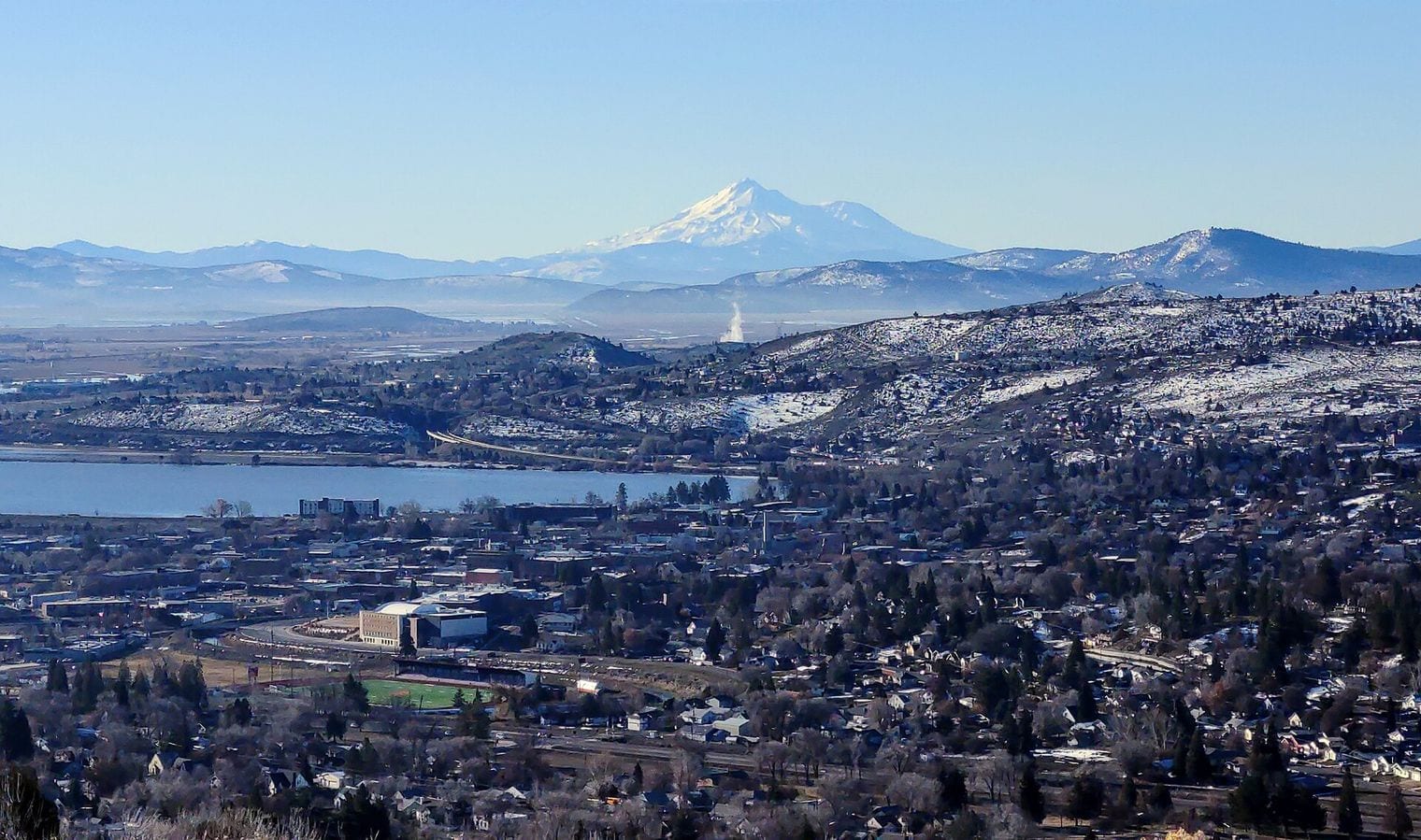
Klamath Falls spreads along the southeastern shore of Upper Klamath Lake, the largest body of fresh water in Oregon by surface area, at the foot of the Cascades. Founded as Linkville in 1867 beside the falls of the Link River, it is a down-to-earth Southern Oregon town with a historic downtown and a riverside trail along the Link River.
The town sits on a geothermal field, and underground hot water has heated homes and buildings here since the early 1900s and even melts snow off some sidewalks and roads. It is also a handy base for Crater Lake National Park to the north and for the Klamath Basin wildlife refuges, known for migrating waterfowl and wintering bald eagles.
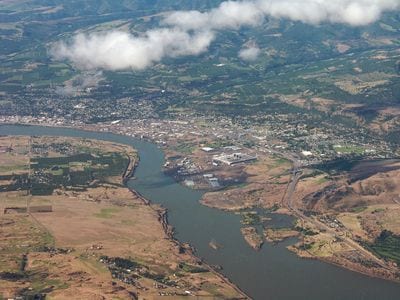
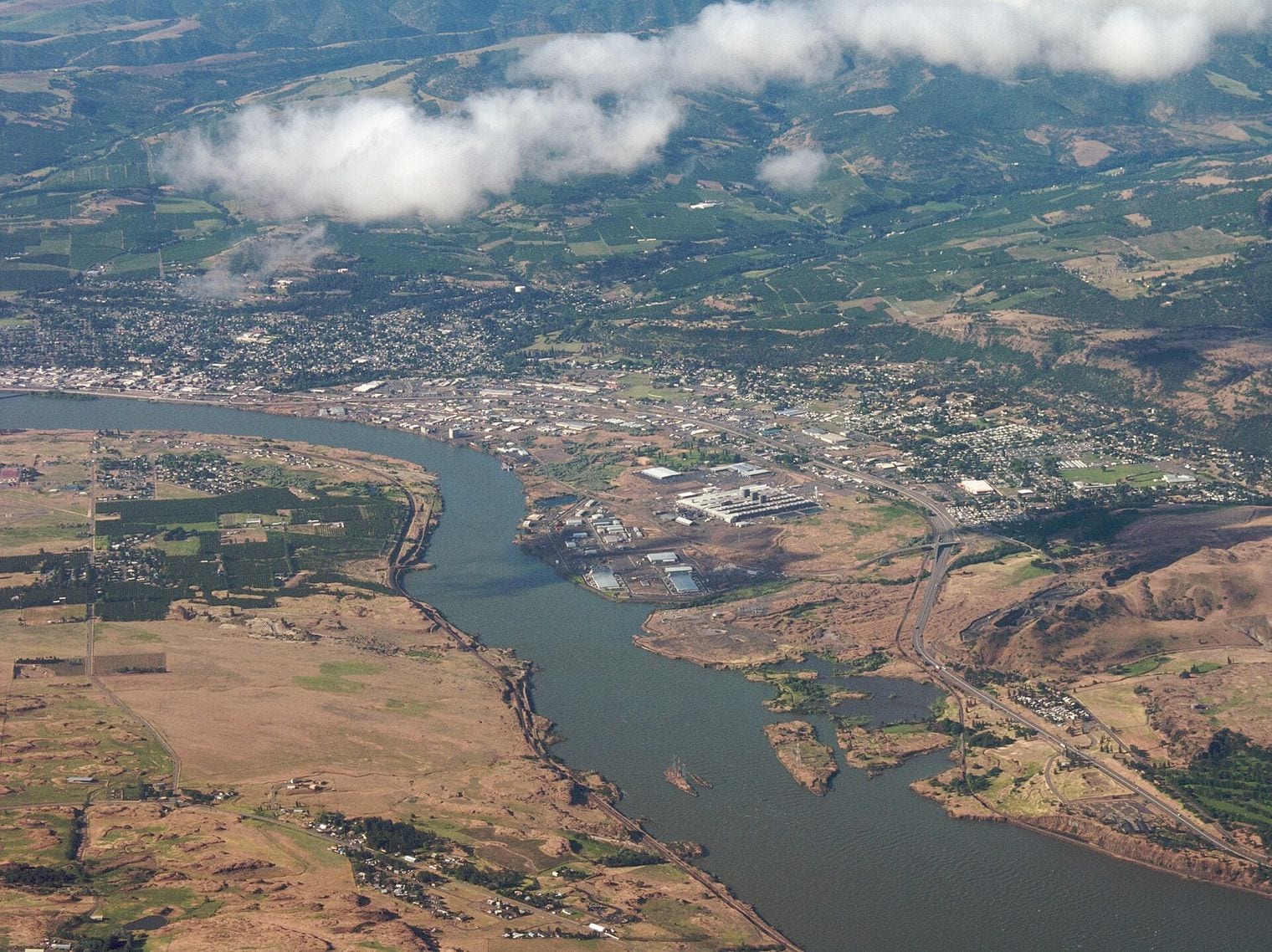
The Dalles is a historic river town on the dry eastern side of the Columbia River Gorge, where forests give way to grassland and basalt cliffs. Its name comes from a French word that French-Canadian fur traders used for the river's rapids, and Oregon Trail emigrants reached the Columbia here before the last hard push toward the Willamette Valley.
Learn the Gorge's natural and human story at the Columbia Gorge Discovery Center, the official interpretive center for the national scenic area, and visit the Fort Dalles Museum, Oregon's oldest history museum, in an 1856 surgeon's quarters. Just east of The Dalles, the dam completed in 1957 drowned Celilo Falls, for thousands of years one of the great fishing places of the Columbia's Native peoples.
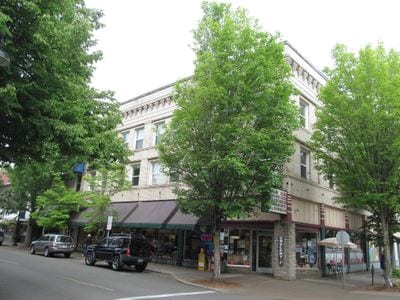
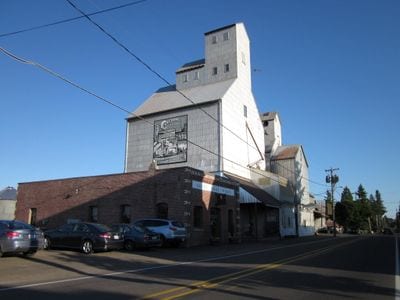
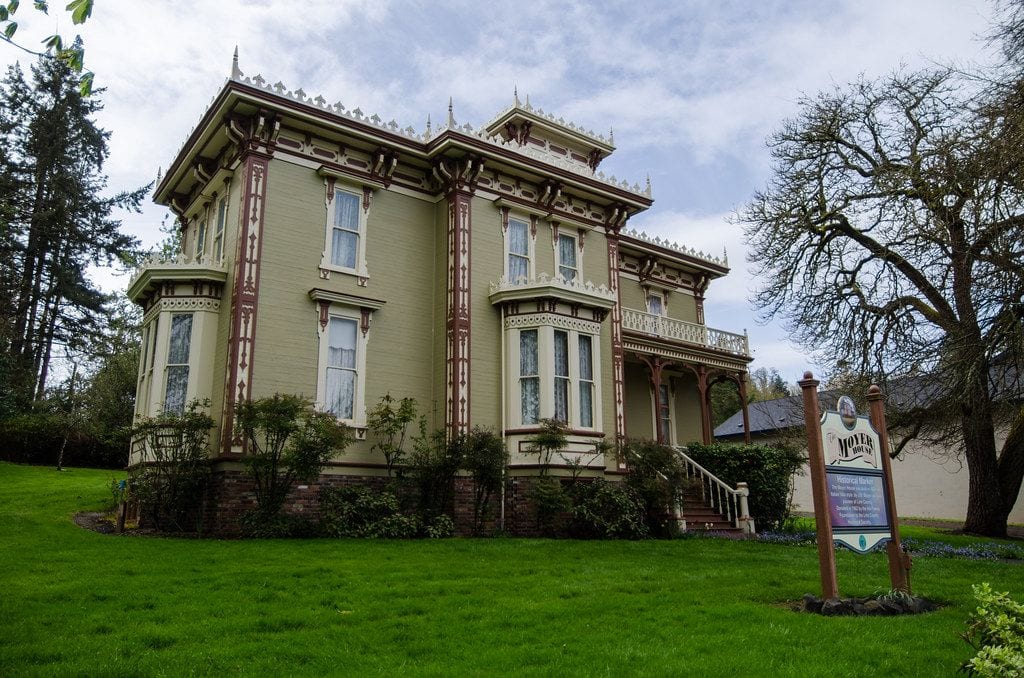
Brownsville is a quiet Willamette Valley town on the Calapooia River, often called the oldest town in Linn County, with a small historic downtown of 19th-century buildings, several of them listed on the National Register of Historic Places. The Linn County Historical Museum fills the old railroad depot, and the 1881 Moyer House shows off ornate Italianate decoration.
Movie fans know Brownsville as Castle Rock: Rob Reiner's Stand by Me was filmed in and around town in the summer of 1985, and the community has celebrated its role with Stand by Me Day events. The Linn County Pioneer Picnic, held here since 1893, is billed as Oregon's oldest continuous pioneer celebration.
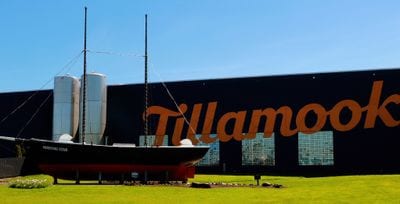
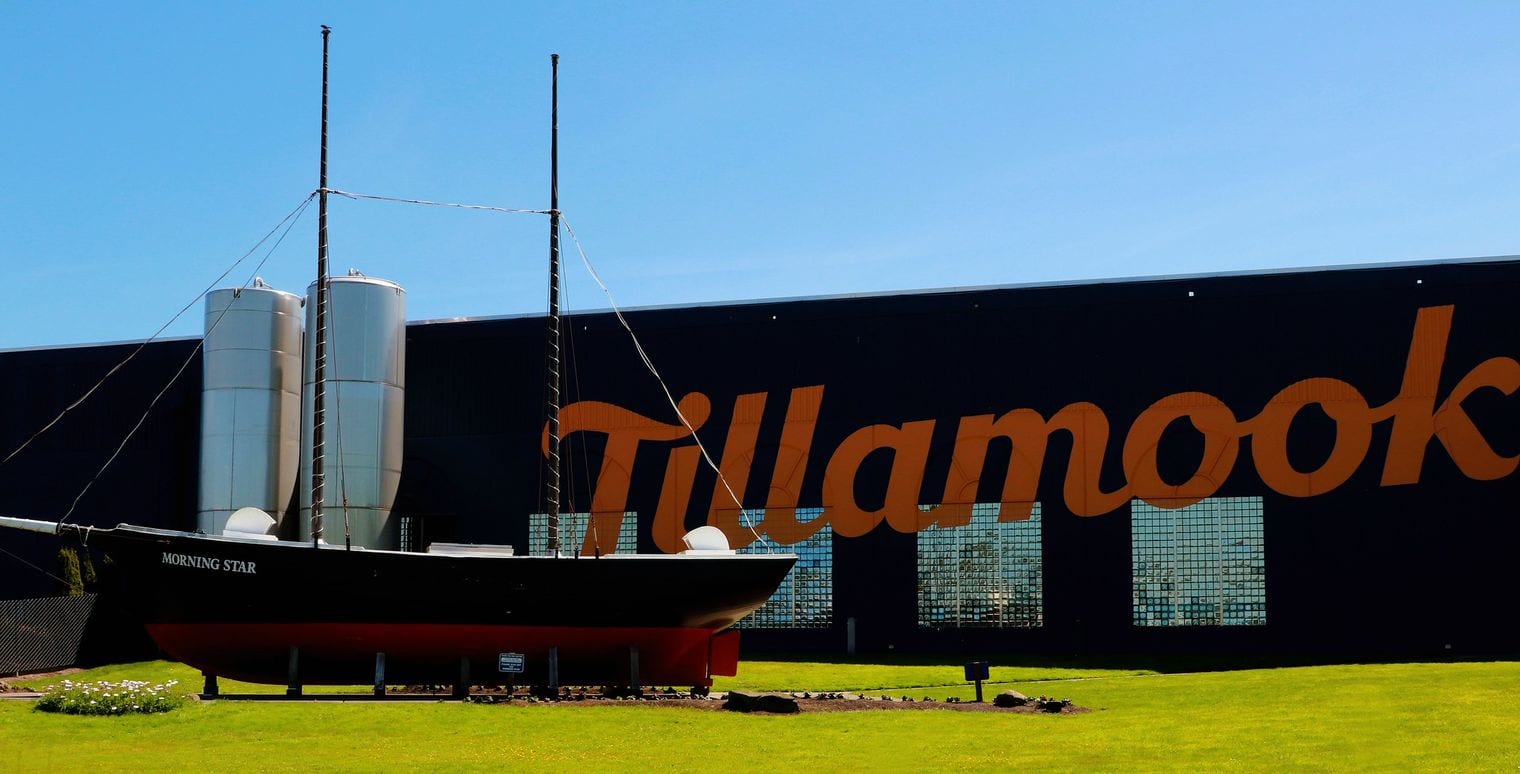
Tillamook is a dairy town at the head of Tillamook Bay, surrounded by green pastures whose milk goes to the farmer-owned cooperative behind the famous Tillamook cheddar. Its creamery, about two miles north of town on U.S. 101, is a popular stop to see cheese being made and finish with a scoop of ice cream.
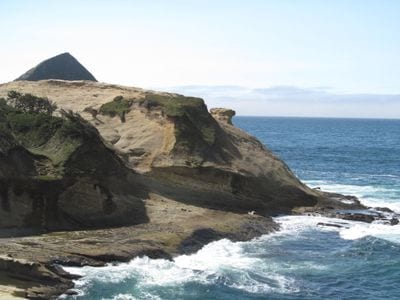
Tillamook is also the starting point for the Three Capes Scenic Route, which loops past Cape Meares, Cape Lookout and Cape Kiwanda with lighthouse views, sandy beaches and headland hikes. South of town stands a World War II Navy blimp hangar, one of the largest wooden structures in the world, a striking landmark rising above the farm fields.
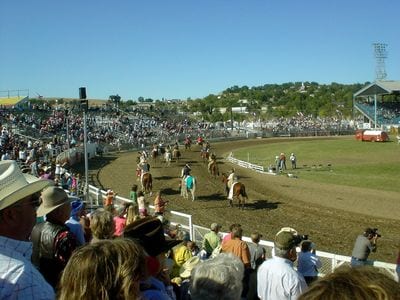
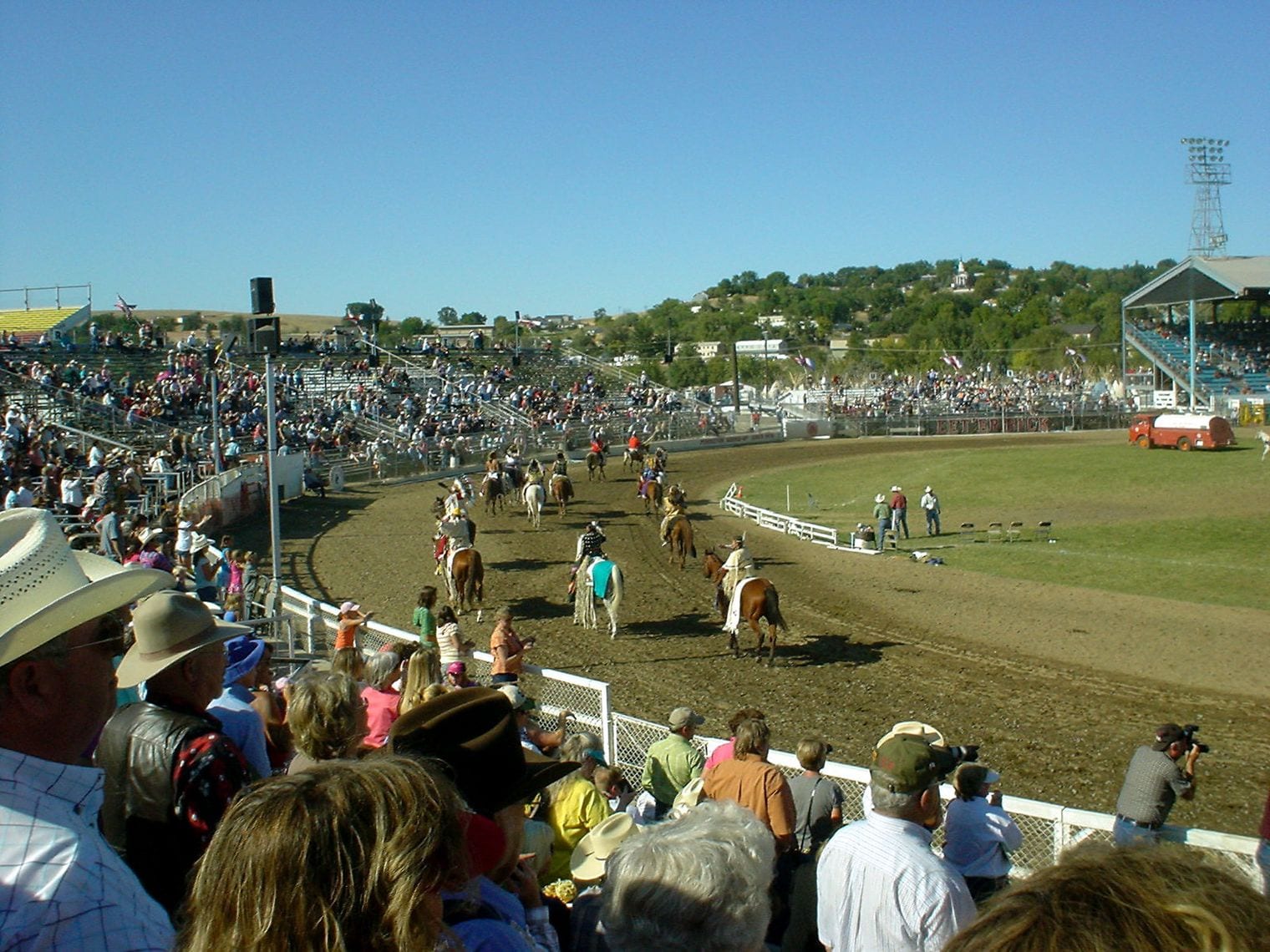
Pendleton is cowboy country in Eastern Oregon, best known for the Pendleton Round-Up, a rodeo first held in 1910 that fills town with tens of thousands of visitors every September. It is also home to Pendleton Woolen Mills, where the company's famous wool blankets have been woven for generations.
Beneath downtown, Pendleton Underground Tours lead visitors through tunnels and rooms tied to the town's rowdy past, from card rooms and bootlegging to the Chinese residents who lived and worked below the streets. On the Umatilla Indian Reservation just east of town, the Tamástslikt Cultural Institute tells the story of the Cayuse, Umatilla and Walla Walla peoples.
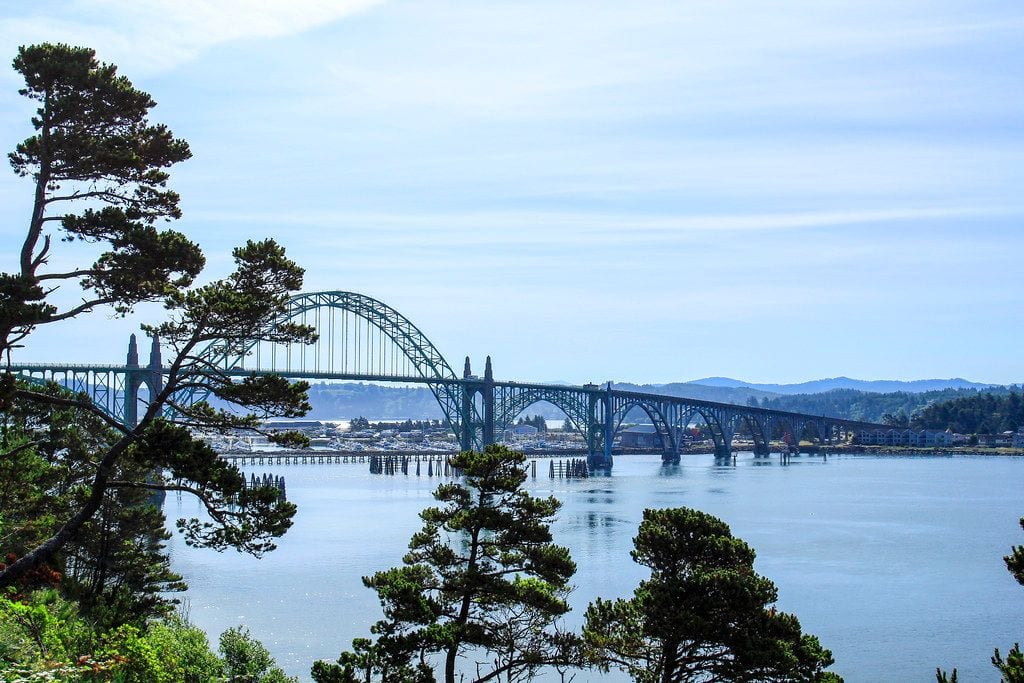
Newport is a working harbor town on the Central Coast, where fishing boats tie up along the historic Bayfront and sea lions bark from the docks beside seafood markets and processing plants. Across Yaquina Bay, the Oregon Coast Aquarium shows off the marine life of the Pacific Northwest, and the Hatfield Marine Science Center sits nearby.
Two lighthouses bookend Newport: the historic Yaquina Bay Light near the harbor mouth and Yaquina Head Light, the tallest lighthouse in Oregon, on a headland with tide pools to the north. On the ocean side of town, Nye Beach is an older beach neighborhood of galleries, cafés and inns.
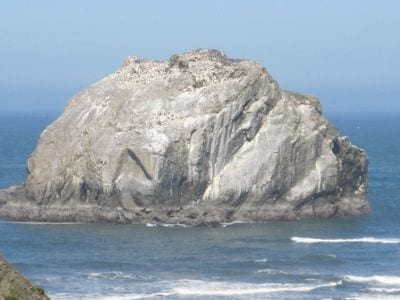
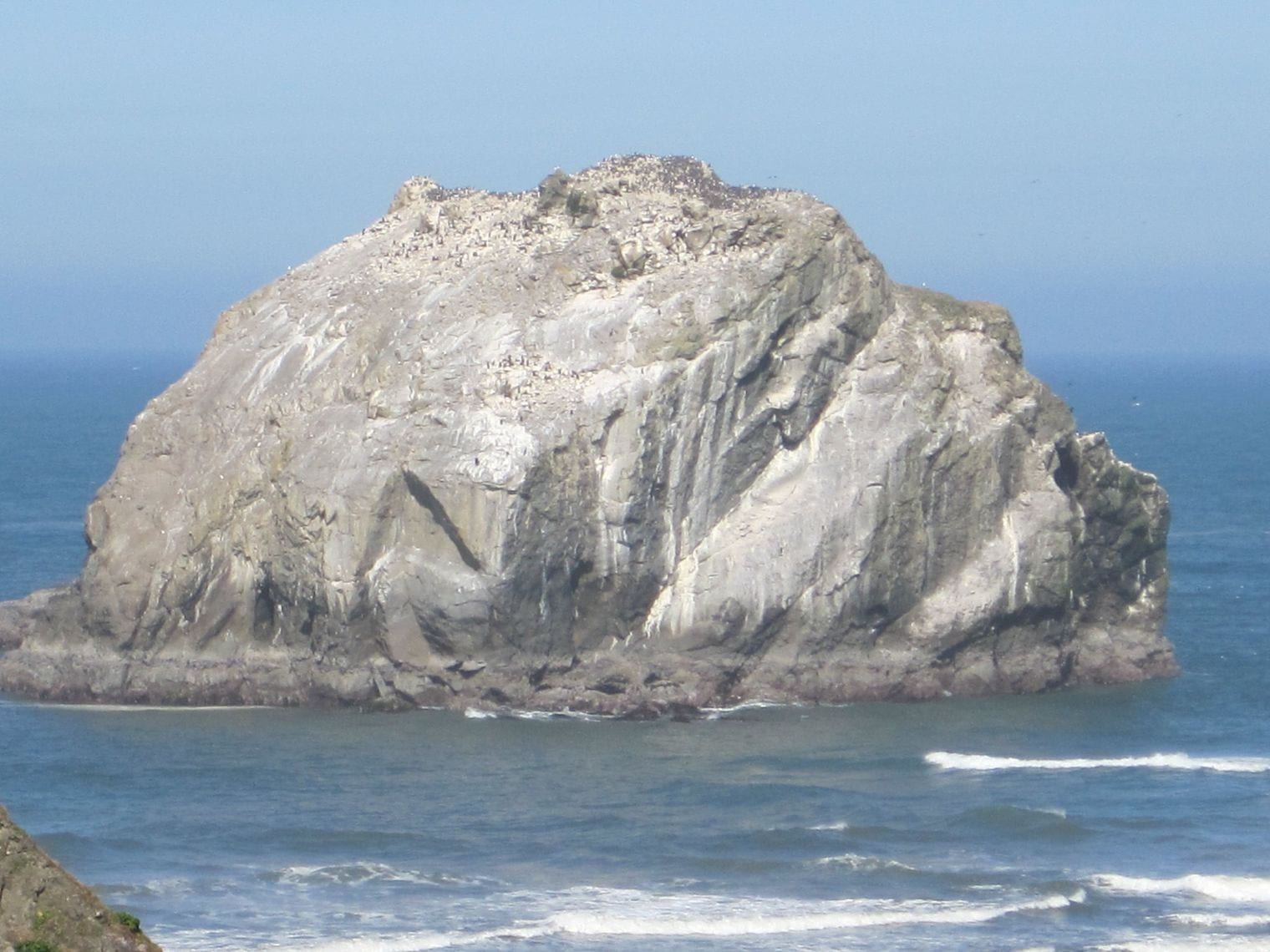
Bandon sits where the Coquille River meets the Pacific, and its beach is scattered with sea stacks and rock formations, Face Rock the most famous, best seen from the Face Rock State Scenic Viewpoint at low tide. Old Town, rebuilt after a fire swept through in 1936, has harbor-side shops and seafood stands, and the Coquille River Lighthouse stands across the river mouth.
Bandon was named by an Irish settler after his hometown in County Cork, and cranberries have been grown here since 1885, with bogs that are flooded for harvest each fall. Just north of town, the coastal dunes hold a celebrated complex of links golf courses that draws golfers from around the world.
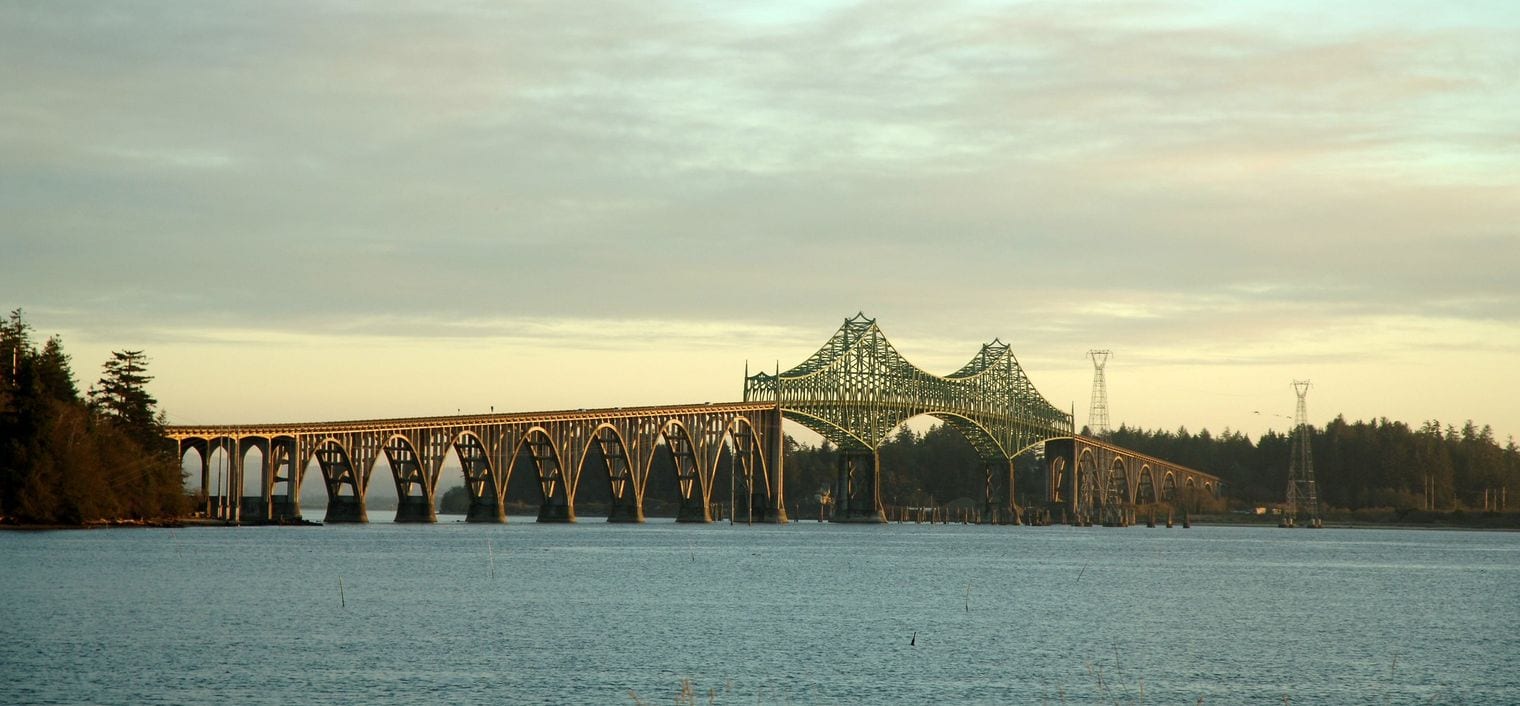
Coos Bay is the most populous city on the Oregon Coast, a working harbor on a large natural bay with a long history in timber and shipping. Its historic downtown, once the separate town of Marshfield, sits along the waterfront, and the city is the hometown of running legend Steve Prefontaine, remembered with murals and a self-guided tour of his old haunts.
The real treasure is the Cape Arago Highway southwest of town, which leads to the sheltered cove of Sunset Bay, the formal and Japanese gardens of Shore Acres State Park on a clifftop former estate, and Cape Arago, where seals and sea lions haul out on offshore rocks.
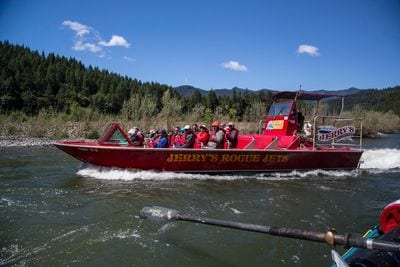
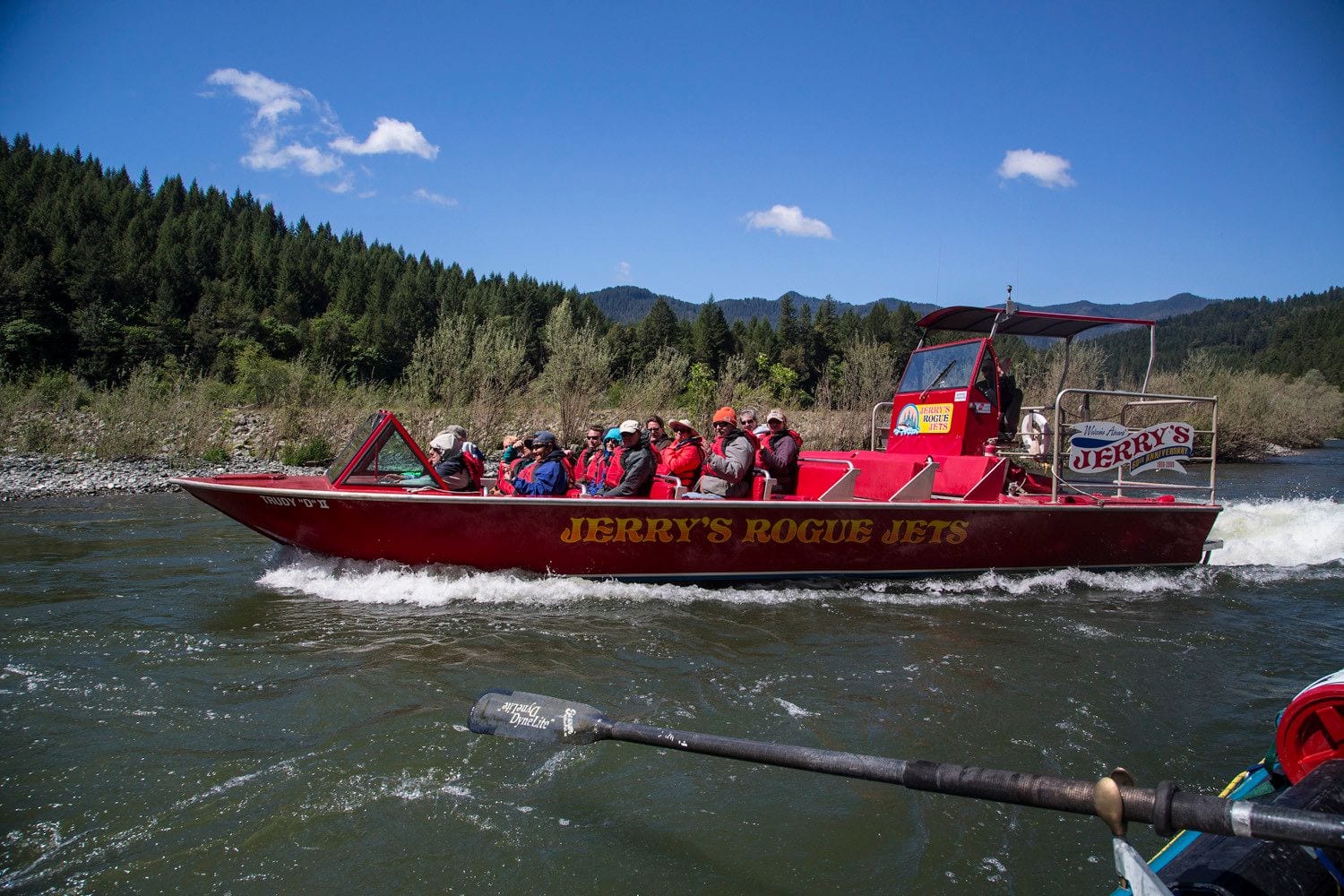
Gold Beach sits at the mouth of the Rogue River on the South Coast and takes its name from the beach near the river mouth where placer miners once worked the sands for gold. Jet boats head upriver into the wild canyon of the Rogue, and mail boats have carried mail upstream to the community of Agness since 1895.
The coast around Gold Beach is wild and lightly visited. Drive south to the Samuel H. Boardman State Scenic Corridor for natural arches, sea stacks and hidden coves, or explore the beaches and jetties right at the river mouth, where anglers come for the Rogue's salmon and steelhead runs.
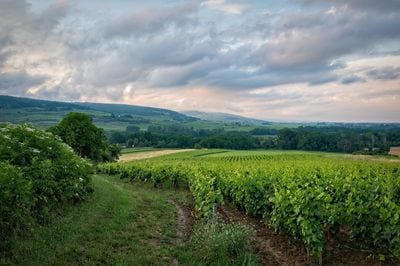
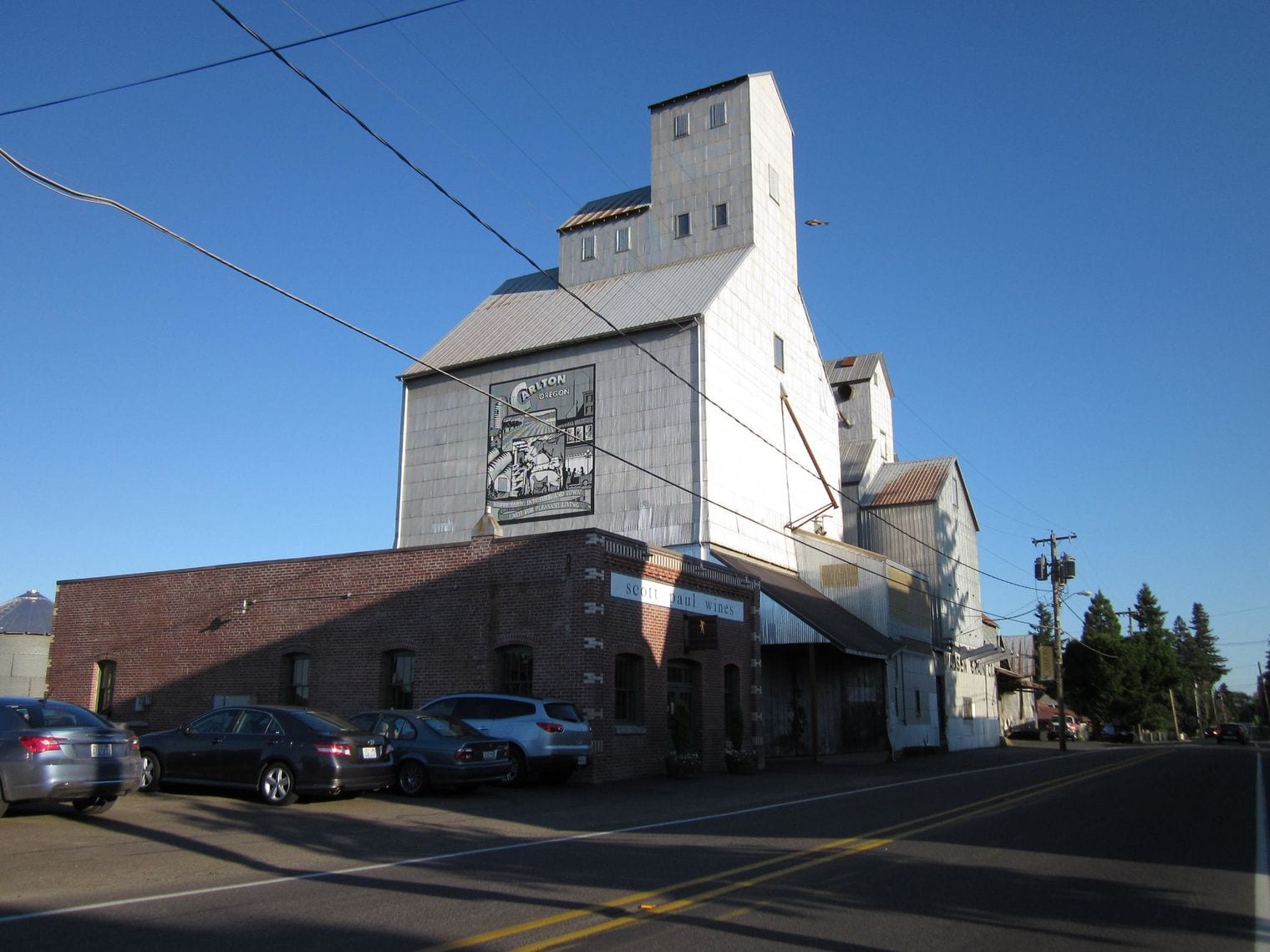
Carlton is a small Yamhill County town that has become one of the easiest places to taste Willamette Valley wine on foot, with more than a dozen tasting rooms clustered within a few blocks of downtown. It lends its name to the Yamhill-Carlton wine region, recognized as an official American Viticultural Area in 2004 and best known for Pinot Noir.
Between tastings, browse the small shops and bakeries on Main Street, then drive the farm roads out to hillside vineyards with views toward the Coast Range. McMinnville and Dundee are each a short drive away, which makes Carlton an easy stop on a wine-country loop.
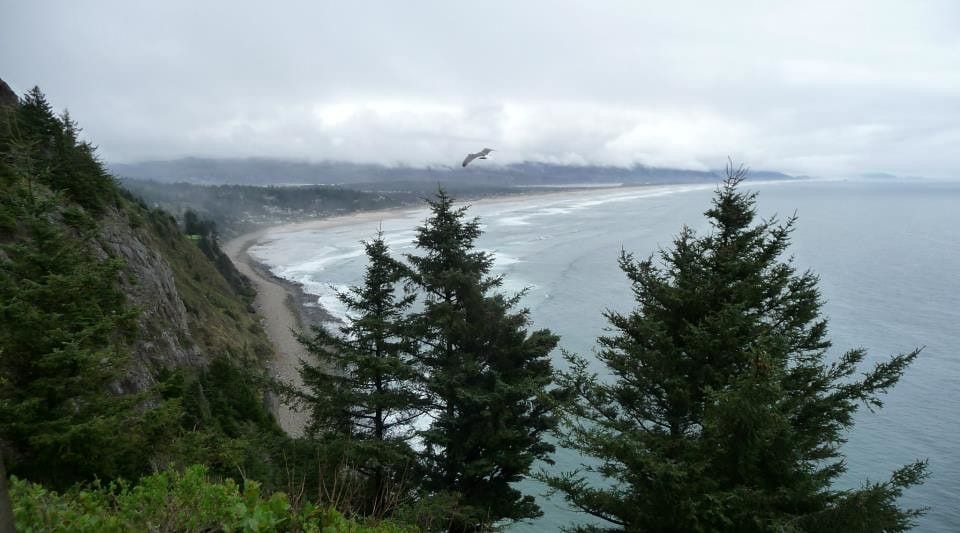
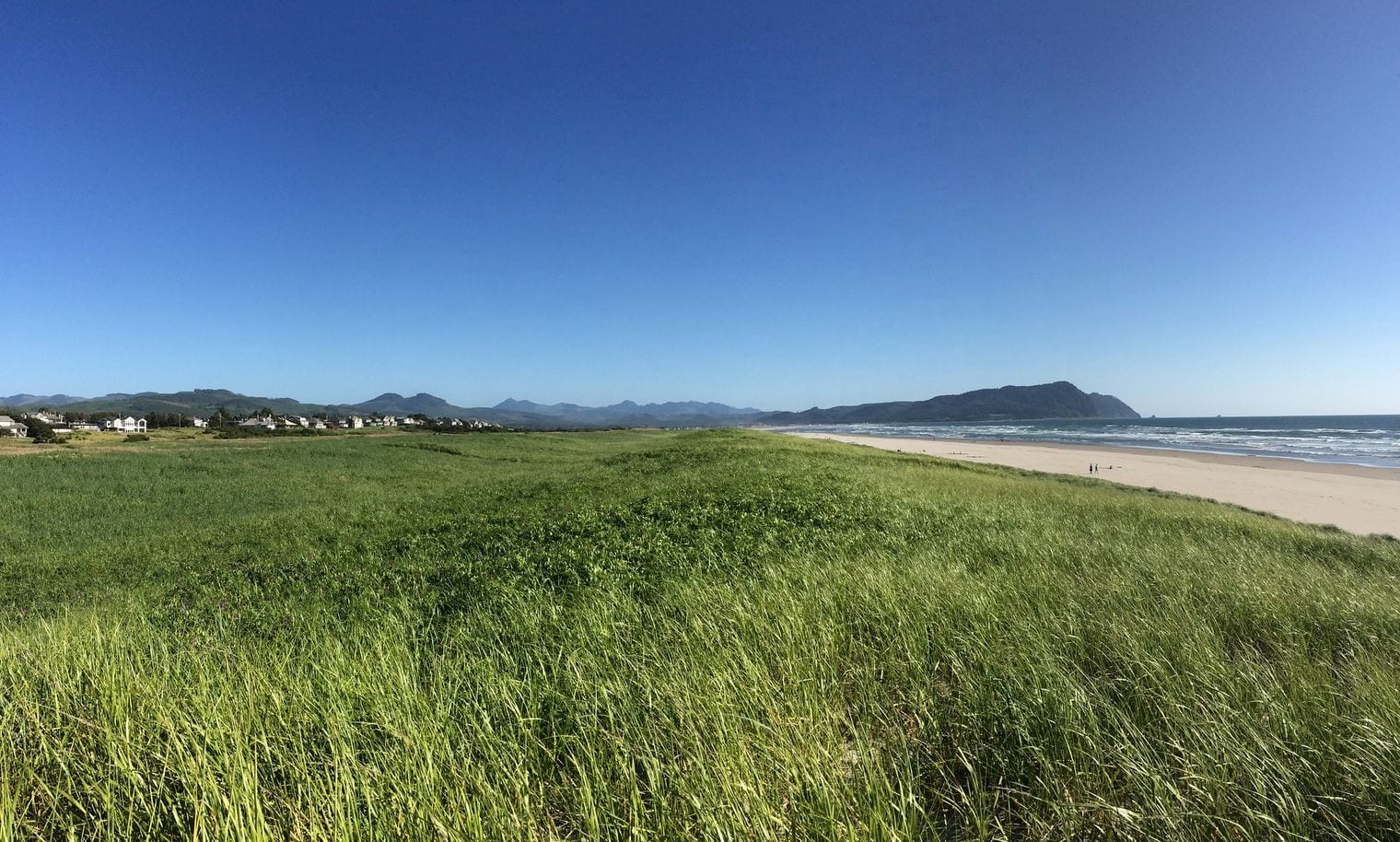
Manzanita is a quiet beach village on the North Coast, platted as a beach resort in 1912 and sitting beneath the forested slopes of Neahkahnie Mountain. Its wide sandy beach runs about seven miles south to the tip of Nehalem Bay State Park, so a long walk here can feel like having the coast to yourself.
Hike to the summit of Neahkahnie Mountain in Oswald West State Park for a sweeping view down the shoreline toward Manzanita, and listen for the local legend of Spanish treasure buried on its slopes, tied to the galleon Santo Cristo de Burgos, lost in 1693. Back in the village, small shops and cafés line the main street down to the beach.
Enterprise is the Wallowa County seat, a working ranch town in the broad Wallowa Valley a few miles north of Joseph, with the snowy Wallowa Mountains filling the southern skyline. The Wallowa County Courthouse, built in 1909 and 1910 from locally quarried stone, anchors its small downtown of shops and cafés.
Enterprise makes a practical base for the Wallowas and for Hells Canyon, North America's deepest river gorge, reached by scenic byways to the east. Its quieter streets and valley views offer a more everyday side of Wallowa County than busier Joseph, with ranch land, rivers and mountain trailheads close at hand.
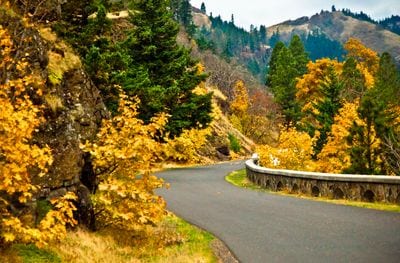
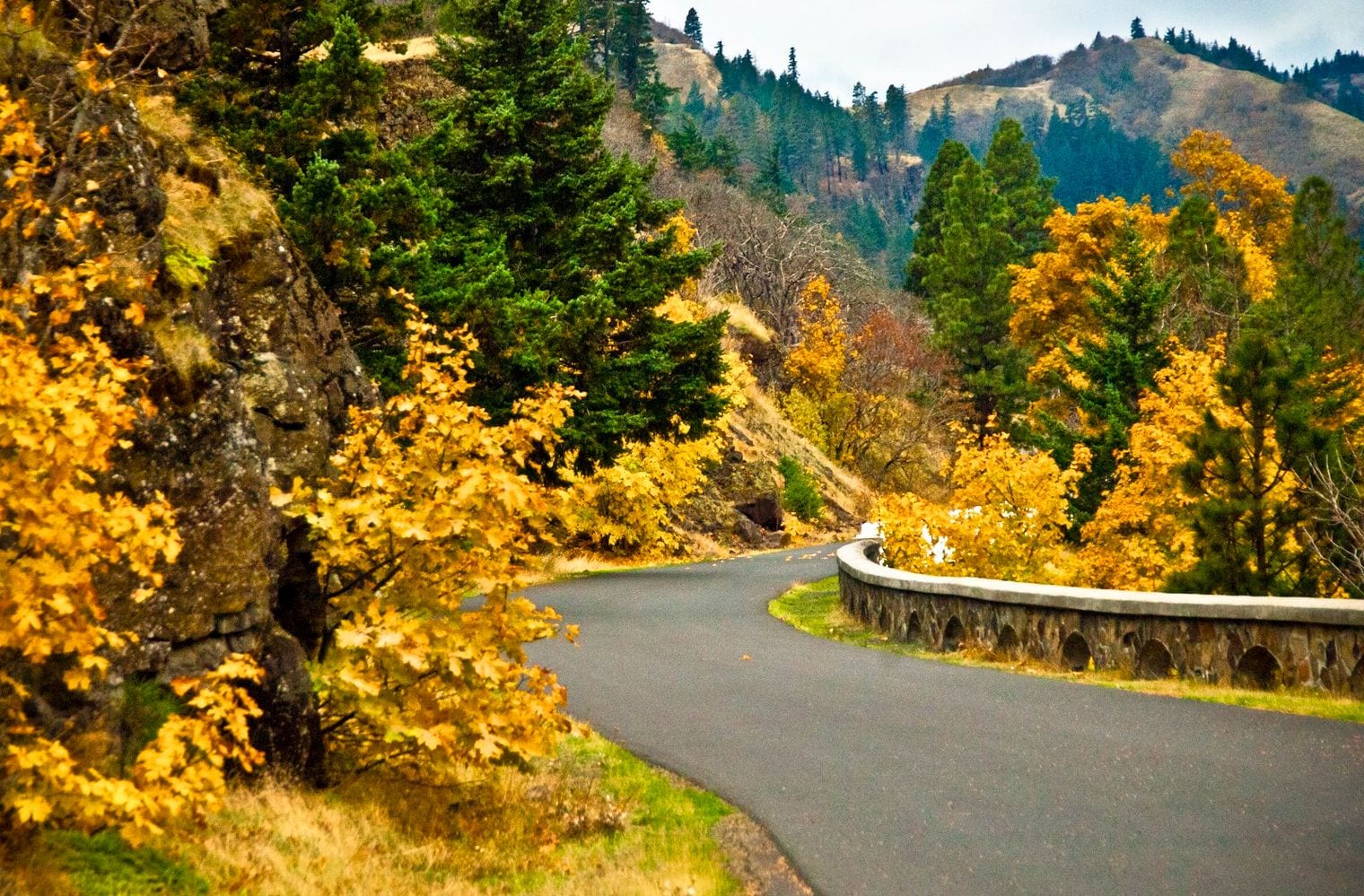
Mosier is a tiny town in the Columbia River Gorge, set among orchards and grassy hills at the east trailhead of the Historic Columbia River Highway State Trail. The car-free stretch between here and Hood River, known as the Twin Tunnels, passes through the Mosier Twin Tunnels, completed in 1920, with windows cut into the rock overlooking the river.
East of town the old highway climbs to Rowena Crest, a viewpoint above looping curves, where the Tom McCall Preserve bursts with wildflowers in spring. The short Mosier Plateau Trail climbs from town along Mosier Creek to oak-dotted bluffs with views over the Columbia.
Pacific City is a laid-back beach community on the North Coast, where the sandstone headland of Cape Kiwanda and a giant sand dune frame a wide beach, and a second Haystack Rock stands offshore. Climbing the dune is a local rite of passage, rewarded with views up the coast toward Cape Lookout.
The community is also home to the Pacific City dory fleet, whose flat-bottomed boats launch straight off the beach into the surf, a tradition that began in the 1920s and still lives on. Across the Nestucca River, the sand spit of Bob Straub State Park offers quieter beach walks and birdwatching.
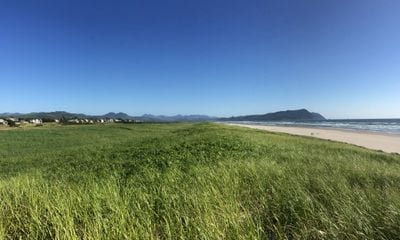
Gearhart is a quiet resort town on the Clatsop Plains just north of Seaside, known for weathered shingle cottages, dune grass and a broad, uncrowded beach. With no busy promenade or arcade strip, it suits travelers who want long walks, kite flying and clam digging on the sand.
Golfers come for Gearhart Golf Links, in continuous play since 1892 and widely billed as the oldest golf course west of the Mississippi. Astoria lies a short drive to the north and Cannon Beach to the south, so Gearhart makes a peaceful base for exploring the whole North Coast.
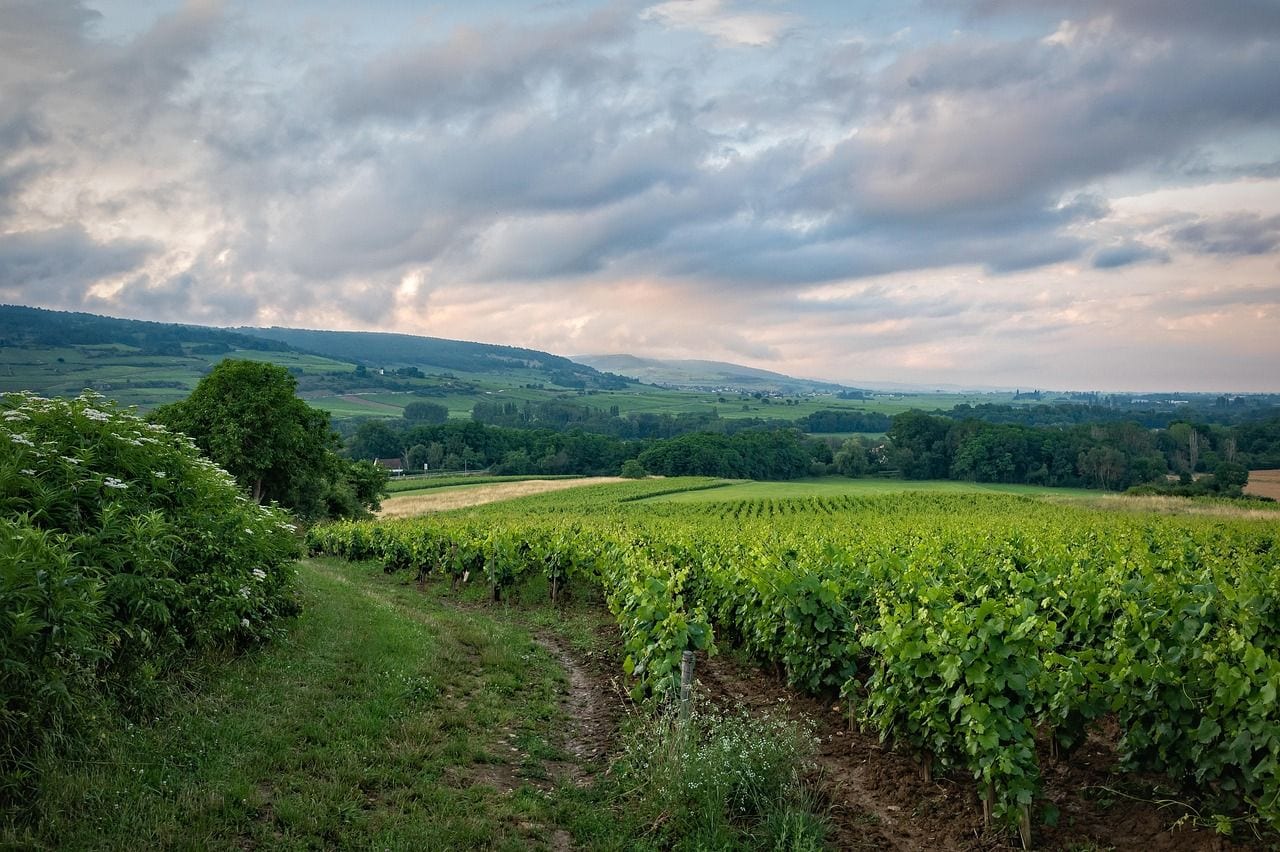
Dundee is a small town at the foot of the Dundee Hills, the red-soiled volcanic slopes where pioneering winemakers planted some of the Willamette Valley's first Pinot Noir vines in the 1960s. Today the hills are among the most celebrated wine areas in Oregon, and Dundee is the natural place to start exploring them.
Tasting rooms line Highway 99W through town, and narrow roads climb into the hills to winery terraces with views across the valley. Combine Dundee with nearby McMinnville and Carlton for a full day in Oregon wine country, and plan on a designated driver or a guided tour.
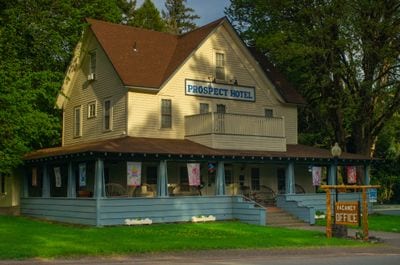
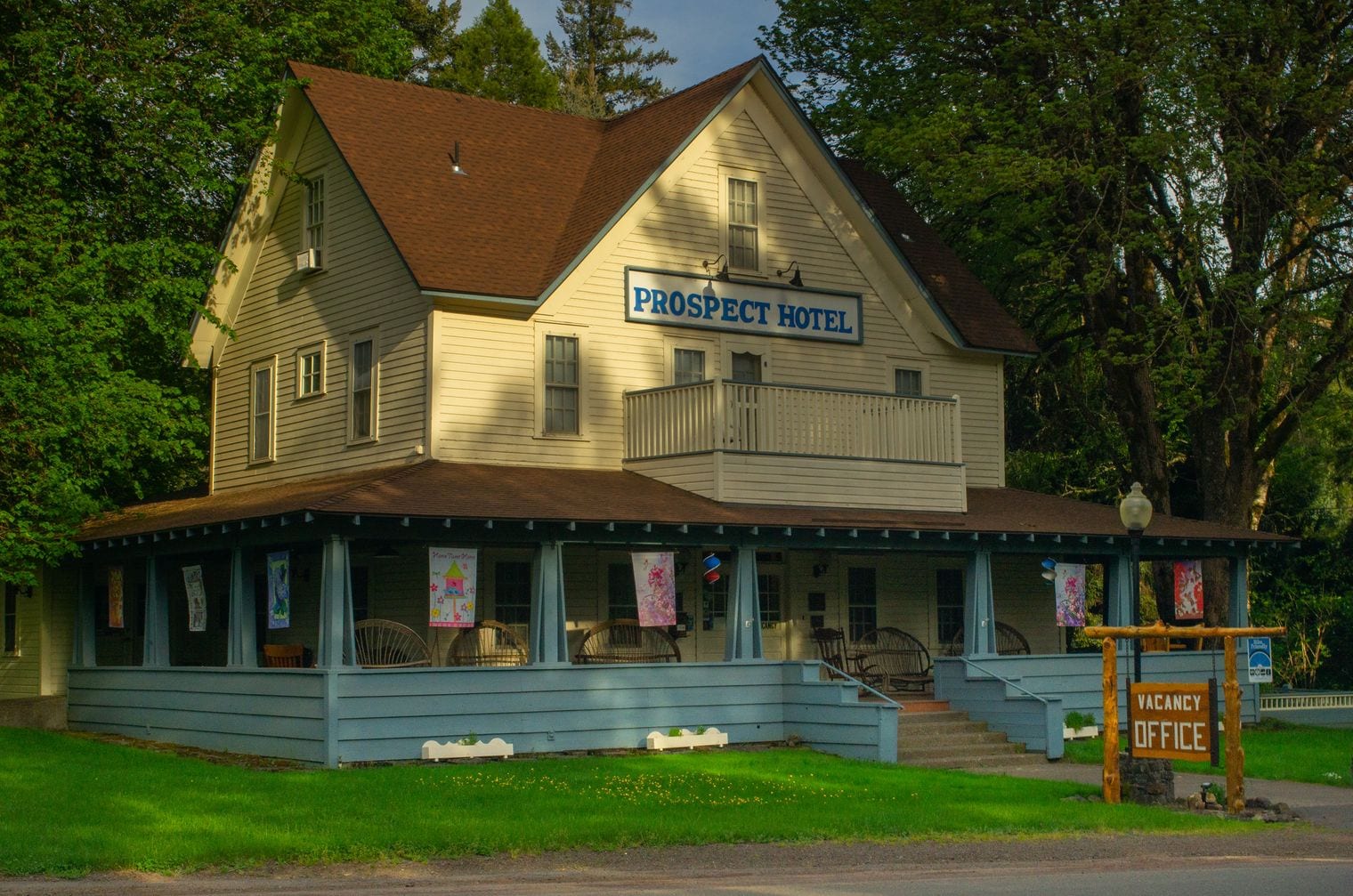
Prospect is a tiny unincorporated community in the forests of the Upper Rogue River, on Oregon Route 62 on the way to Crater Lake. Its name dates to 1889, when plans for a railroad up the Rogue promised to improve the community's prospects. Today it is a quiet woodland hamlet and a handy stop for hikers.
Just outside Prospect, an easy trail leads to Mill Creek Falls, which drops 173 feet into the Rogue River canyon, neighboring Barr Creek Falls and the Avenue of the Giant Boulders, where the river tumbles through huge volcanic boulders. Farther up the highway toward Crater Lake, the Rogue squeezes through a narrow lava gorge and vanishes underground at the Natural Bridge.
Plan your trip
Best Time to Visit Oregon's Small Towns
Summer and early fall are the classic seasons. July through September bring the driest, sunniest weather on the coast and in the mountains, the high trails of the Wallowas and the Cascades open up, and towns fill their calendars with rodeos, quilt shows, music festivals and county fairs. Fall adds the fruit harvest along the Hood River Valley, crush season in the Willamette Valley wine towns and quieter beaches once the summer crowds head home.
Spring is wildflower season in the Columbia River Gorge, when the slopes above Mosier and Rowena turn yellow and purple, and the waterfalls near Silverton run at their fullest. Winter is wet and mild west of the Cascades, ideal for storm watching from a cozy coastal town, while the east side turns snowy and Sisters, Joseph and Baker City become bases for skiing and snowshoeing.
Getting Around Oregon's Small Towns
A car is essential for this list. U.S. 101 strings the coastal towns together from Astoria to Gold Beach, Interstate 84 runs through the Columbia River Gorge past Hood River, Mosier and The Dalles and on to Pendleton and Baker City, and Interstate 5 links the Willamette Valley towns with Cottage Grove, Jacksonville and Ashland in the south.
Mountain passes over the Coast Range and the Cascades connect the regions, and some higher routes can close or require traction tires in winter.
The main airports are in Portland, Eugene, Medford and Redmond, the last a short drive from Sisters. There is no passenger rail to the coast, but Amtrak's Coast Starlight stops at Klamath Falls on its run between Seattle and Los Angeles. Once you arrive, most of these towns are compact enough to explore on foot or by bike.
Where to Stay in Oregon's Small Towns
The easiest approach is to pick a base in each region and make day trips from it. On the North Coast, Astoria offers historic inns and river views, while Cannon Beach and Manzanita suit a beach getaway.
Newport, Yachats and Florence are good central bases for the Central Coast, and Bandon is the most charming stop on the South Coast. In the Gorge, Hood River puts you within reach of both the waterfalls to the west and the drier country to the east.
Inland, McMinnville is the natural hub for Willamette Valley wine country, Ashland and Jacksonville split Southern Oregon between theater and gold-rush history, and Sisters works well for Central Oregon. In the far northeast, Joseph and Enterprise share the Wallowa Valley, with lakeside cabins and campgrounds at Wallowa Lake just south of Joseph.
Free Things to Do in These Oregon Towns
Many of the best moments on this list cost nothing, starting with the coast itself: Oregon's ocean beaches are open to the public, so you can explore the tide pools around Haystack Rock in Cannon Beach, climb the dune at Cape Kiwanda in Pacific City, walk the long sands of Manzanita and admire Face Rock from the bluff in Bandon.
Watch the sea lions along the Bayfront in Newport, stroll the Riverwalk in Astoria and browse Old Town Florence. Inland, wander Lithia Park in Ashland, the false-front streets of Sisters, the bronze sculptures of Joseph and the gold-rush storefronts of Jacksonville, or drive the covered-bridge loop around Cottage Grove.
Oregon is big, so the easiest way to see these towns is to pick one region and link several together. The North Coast pairs Astoria, Gearhart, Cannon Beach and Manzanita within an hour's drive, with Tillamook and Pacific City just to the south.
Farther down U.S. 101, Newport, Yachats and Florence make a Central Coast weekend, and Bandon, Coos Bay and Gold Beach anchor the wilder South Coast. Our guides to Astoria and Newport cover those two hubs in more depth.
In the Columbia River Gorge, Hood River, Mosier and The Dalles sit close together along the old highway. McMinnville, Carlton and Dundee make an easy wine-country loop, with Silverton, Brownsville and Cottage Grove farther south in the Willamette Valley. Southern Oregon links Jacksonville, Ashland, Prospect and Klamath Falls around Crater Lake National Park, Sisters pairs with the Cascades, and the long drive east rewards you with Pendleton, Baker City, Enterprise and Joseph.
FAQ: Visiting the Best Small Towns in Oregon
What is the best small town in Oregon?
Cannon Beach is the best small town in Oregon for most visitors, with Haystack Rock rising from its beach and a village of galleries and shops behind it. Historic Astoria at the mouth of the Columbia, windsurfing Hood River, Old West Sisters and Joseph in the Wallowa Mountains round out the top five.
What are the best small towns on the Oregon Coast?
Cannon Beach and Astoria lead the North Coast, with quieter Manzanita, Gearhart and Pacific City nearby. On the Central Coast, Yachats has the most dramatic rocky shoreline, Newport the liveliest harbor and Florence the gateway to the Oregon Dunes, while Bandon's sea stacks and Gold Beach on the Rogue River are highlights of the South Coast.
Which small towns are best for Oregon wine country?
McMinnville is the hub of Willamette Valley wine country, with a historic Third Street full of tasting rooms and restaurants. Carlton packs more than a dozen tasting rooms into a few walkable blocks, and Dundee sits beneath the Dundee Hills, where some of Oregon's first Pinot Noir was planted. In the south, Jacksonville is surrounded by Applegate Valley vineyards.
Which Oregon small towns are near Crater Lake?
Prospect is the closest town on this list to Crater Lake National Park, a tiny Upper Rogue community on Oregon Route 62 with waterfalls and river trails on its doorstep. Klamath Falls, south of the park, is the biggest town on this list within easy reach of it, and Jacksonville and Ashland make good bases for a longer Southern Oregon trip that includes the lake.
When is the best time to visit Oregon's small towns?
July through September brings the driest weather on the coast and opens the high mountain trails, while fall adds harvest season in Hood River and the wine towns. Spring is best for Gorge wildflowers and waterfalls, and winter suits storm watching on the coast or snow sports around Sisters and Joseph.
How many days do you need to visit a small town in Oregon?
Most towns on this list fill a relaxed day, and many pair easily with a neighbor down the road. The coast and the Columbia River Gorge reward a long weekend, while a week lets you link several towns in one region, such as the North Coast, Southern Oregon or the Wallowas in the far northeast.