We may earn a commission if you book tickets, tours or a stay through a link on
this page, at no extra cost to you. It never affects which places we list or how
we rank them (how we make money).
Short answer
Start with Gettysburg for its Civil War battlefield and the cemetery where Lincoln gave the Gettysburg Address, Jim Thorpe for its Victorian streets packed into the Lehigh Gorge, and Lititz for its Moravian main street and historic pretzel bakery. Most towns on this list fill a relaxed day, while Gettysburg and Hershey deserve two days or a weekend.
Much of Pennsylvania's story lives in its small towns: a Civil War battlefield, Moravian and Harmonist settlements, Victorian coal and lumber towns, Delaware River arts colonies and the valley where the oil industry began. Between them lie the Poconos, the Laurel Highlands and the forests of the Pennsylvania Wilds, where elk graze near villages of a few hundred people.
This guide ranks 40 of the best, from Gettysburg and the gorge town of Jim Thorpe to college towns on the Susquehanna and old oil towns within a drive of Erie. Most fill a rewarding day, the bigger names deserve a weekend, and many pair up neatly on a road trip.
Jim Thorpe was called Mauch Chunk until 1954, when it took the name of the Olympic champion, who is buried there even though he had no connection with the town in his lifetime.
In 1829 the Stourbridge Lion, tested on new track at Honesdale, became the first locomotive to operate in the United States.
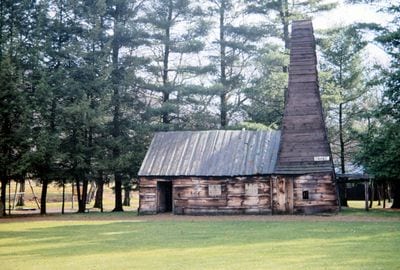
Titusville is known as the birthplace of the American oil industry: in 1859 Edwin Drake's well just south of town became the first successful commercial oil well in the United States.
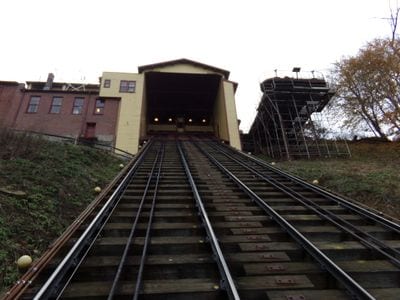
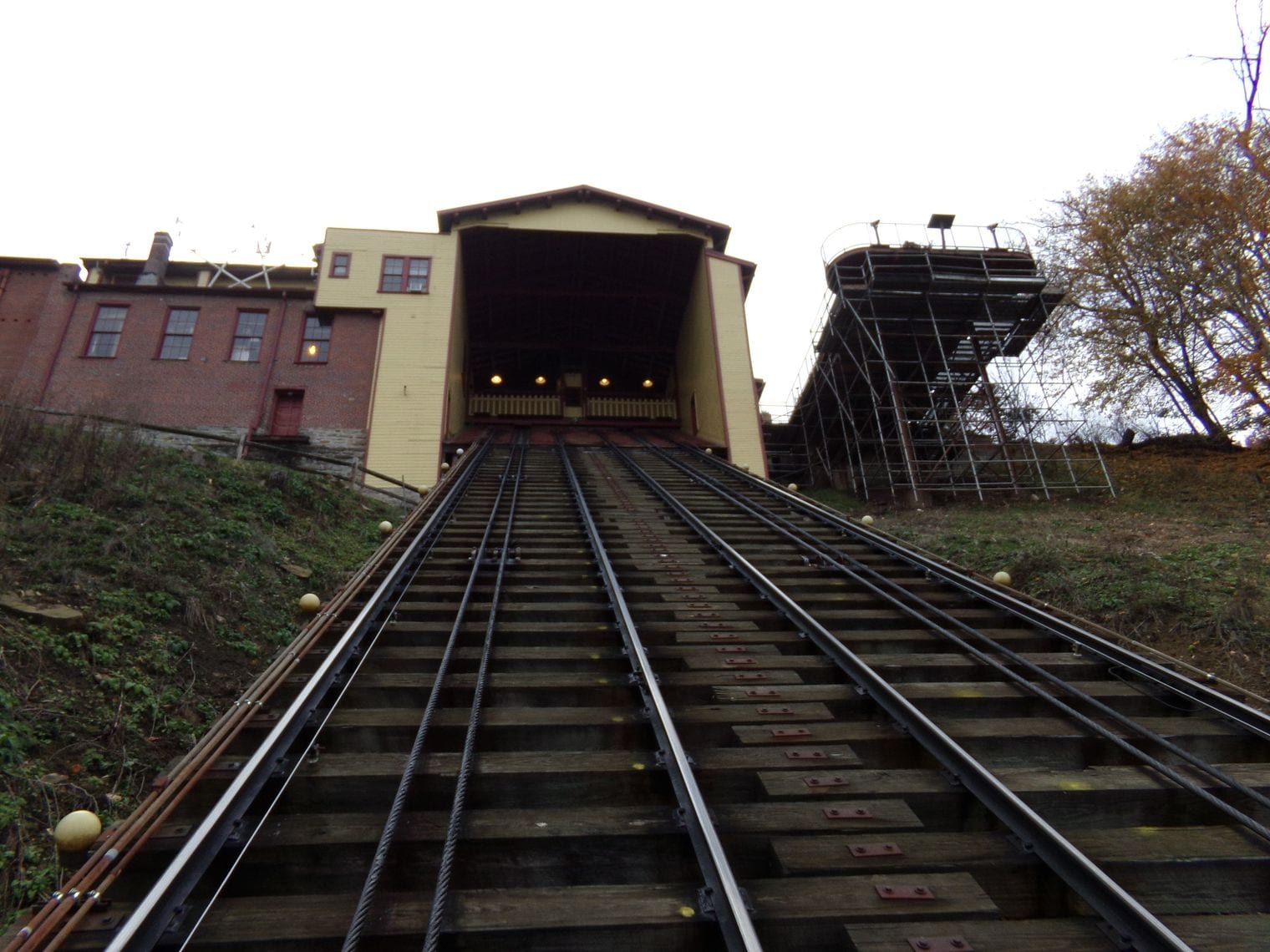
The Johnstown Inclined Plane, built in 1891 after the Johnstown Flood, holds the Guinness World Record as the steepest vehicular funicular in the world, climbing a grade of about 72 percent.
Farms around Kennett Square grow about half of the nation's mushroom crop, which is why the borough is sometimes called the Mushroom Capital of the World.
Bloomsburg is the only incorporated town in Pennsylvania; every other municipality in the state is a city, borough or township.
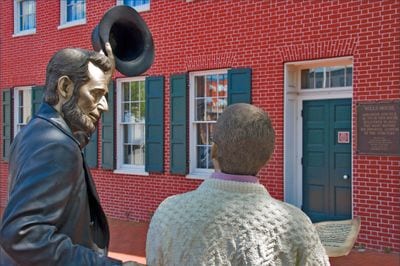
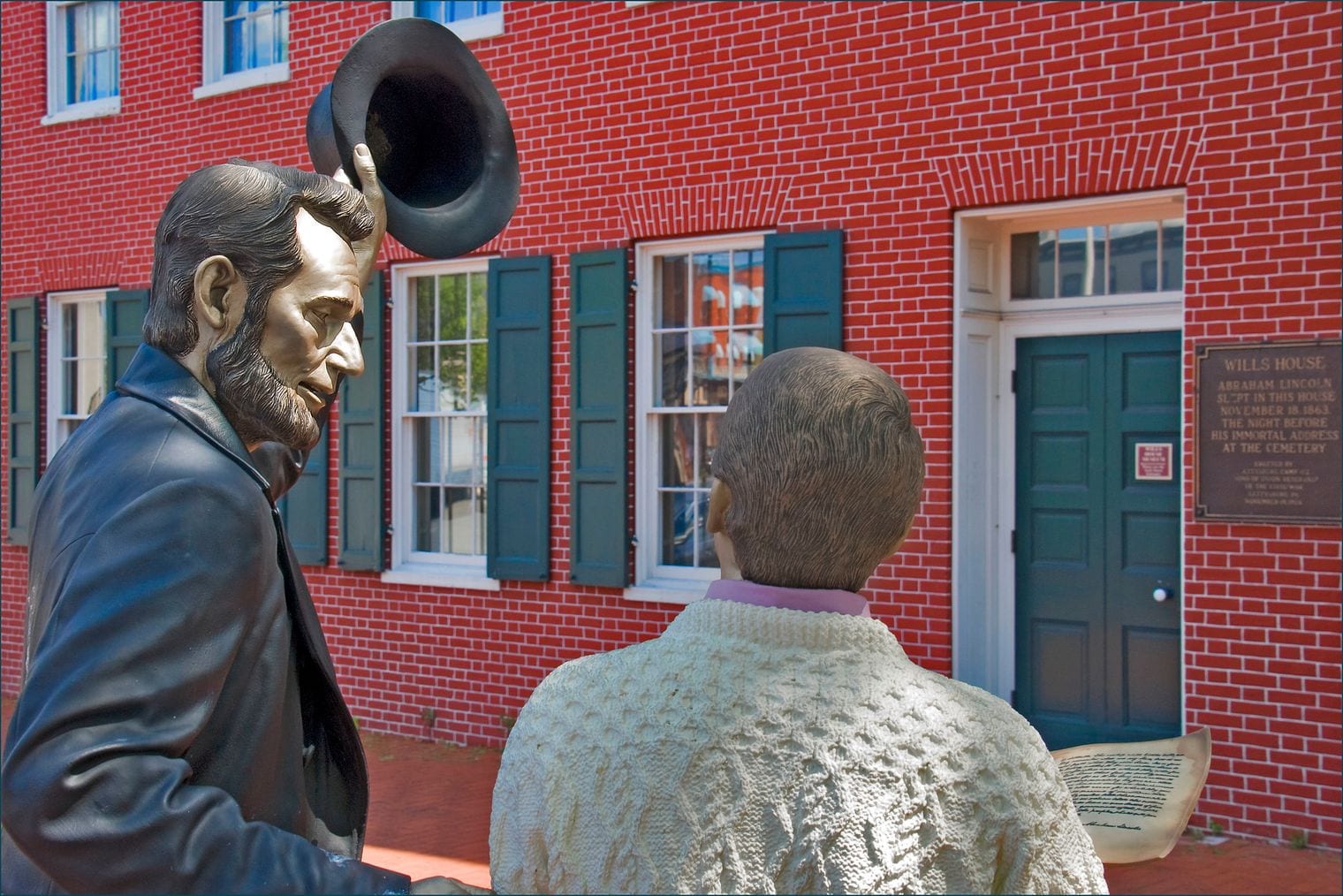
Few small towns carry as much history as Gettysburg, an Adams County borough of about 7,000 people surrounded by the fields where the Union army won the three-day battle of July 1863, the turning point of the Civil War. That November, Abraham Lincoln delivered the Gettysburg Address at the new national cemetery on the edge of town, and Gettysburg National Military Park now protects the battlefield around the streets.
Start at the park's Museum and Visitor Center, home of the Gettysburg Cyclorama, a vast 19th-century painting of Pickett's Charge, then tour Little Round Top, Cemetery Ridge and the Soldiers' National Cemetery by car, by bike or with a licensed battlefield guide. Back in town, the streets around Lincoln Square are full of shops and old taverns, and some houses still bear scars from the fighting.
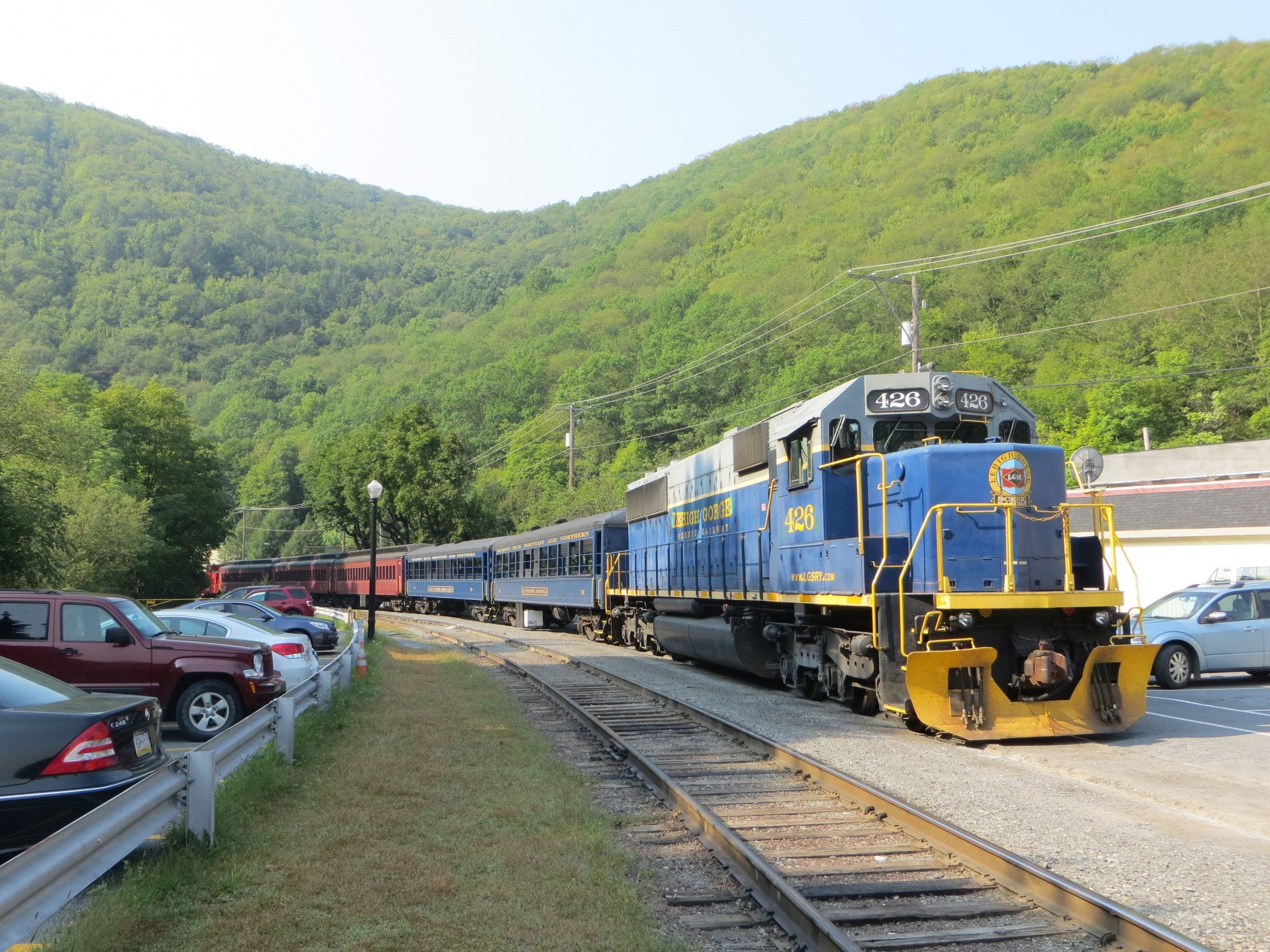
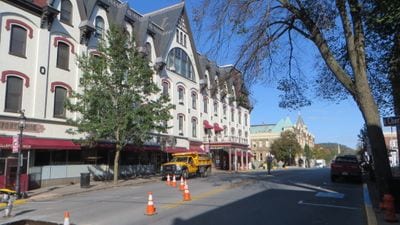
Squeezed into a narrow valley where the Lehigh River cuts through the Poconos, Jim Thorpe is a Victorian coal town long nicknamed the Switzerland of America. Known as Mauch Chunk until 1954, it grew rich shipping anthracite down the Lehigh, and its steep streets are still lined with the mansions, churches and brick row houses of that boom.
Tour the Asa Packer Mansion, the 1861 Italianate home of the coal and railroad magnate who founded Lehigh University, then step inside the Old Jail Museum, where legend says a condemned Molly Maguire left a handprint on his cell wall that has survived every attempt to erase it. Just upriver, Lehigh Gorge State Park is the place for whitewater rafting and riverside hiking.
Founded by Moravians in 1756 and named after a castle in Bohemia, Lititz has one of the most inviting main streets in Lancaster County, lined with independent shops, cafés and 18th-century buildings. For a century only members of the Moravian church could live here, and the old church and neighboring Linden Hall, the oldest girls' boarding school in continuous operation in the United States, still anchor the historic center.
Twist your own pretzel at the Julius Sturgis Pretzel Bakery, founded in 1861 and billed as the oldest commercial pretzel bakery in the country, then stroll through Lititz Springs Park, where the spring-fed Lititz Run begins its course through town. The brick lanes around Main Street make for an easy afternoon of browsing, snacking and people-watching.
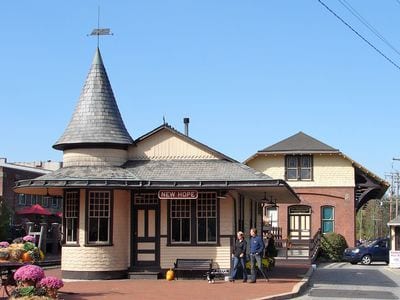
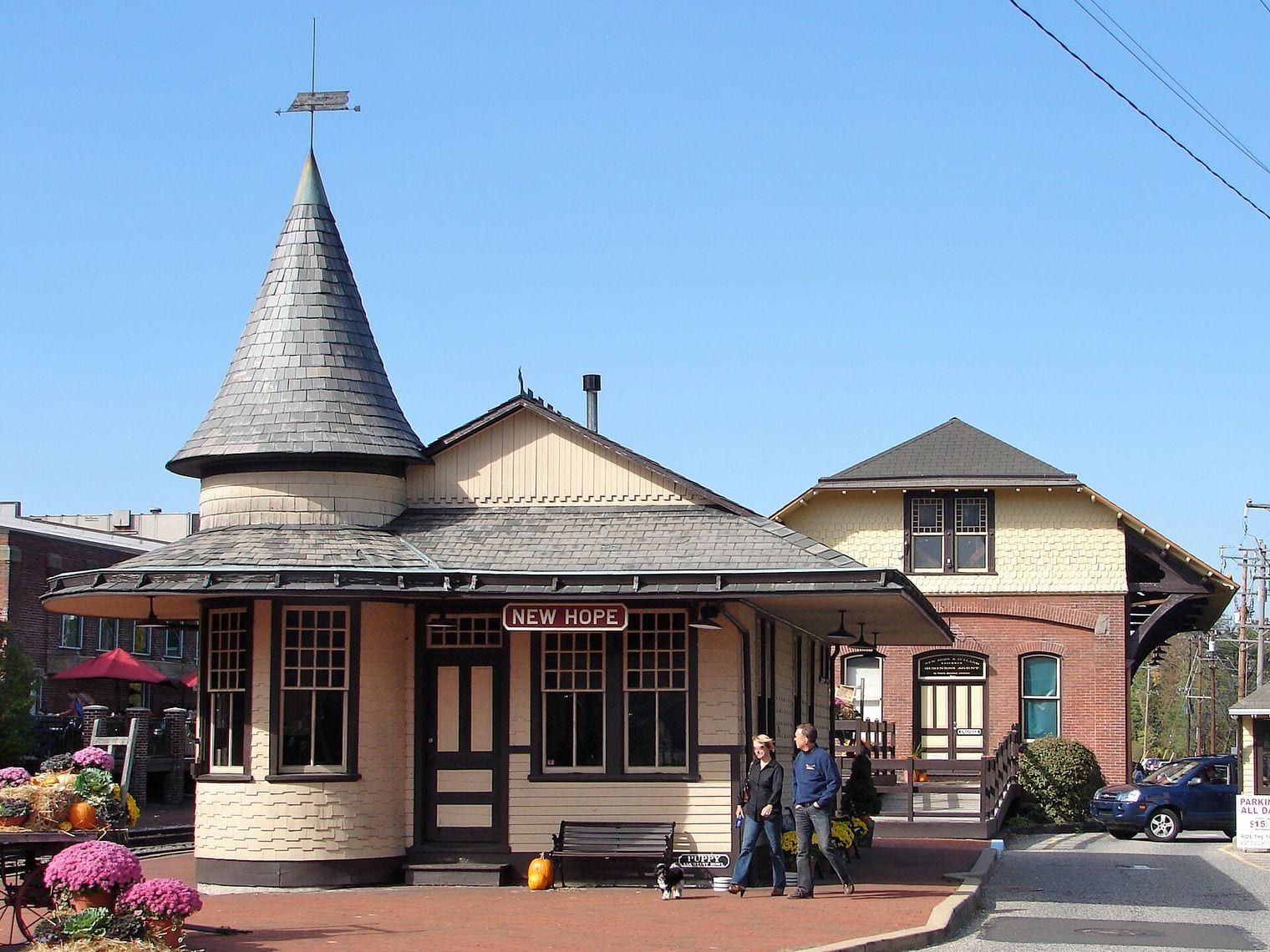
New Hope sits on the west bank of the Delaware River about 30 miles north of Philadelphia, and tourism has long been its main business. It took its name from the New Hope Mills that Benjamin Parry rebuilt after a fire in 1790, and it later grew into an artists' colony whose galleries, craft shops and riverside cafés still fill its narrow streets.
Catch a show at the Bucks County Playhouse, a converted mill that opened as a summer theater in 1939 and premiered Neil Simon's Barefoot in the Park, or ride a vintage train on the New Hope Railroad. Walk across the bridge to browse the antique shops of Lambertville, New Jersey, or follow the Delaware Canal towpath along the river.
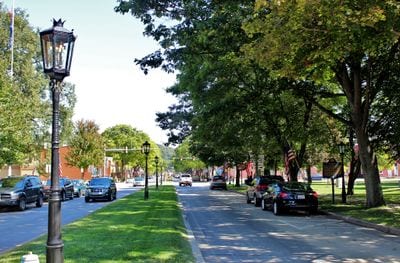
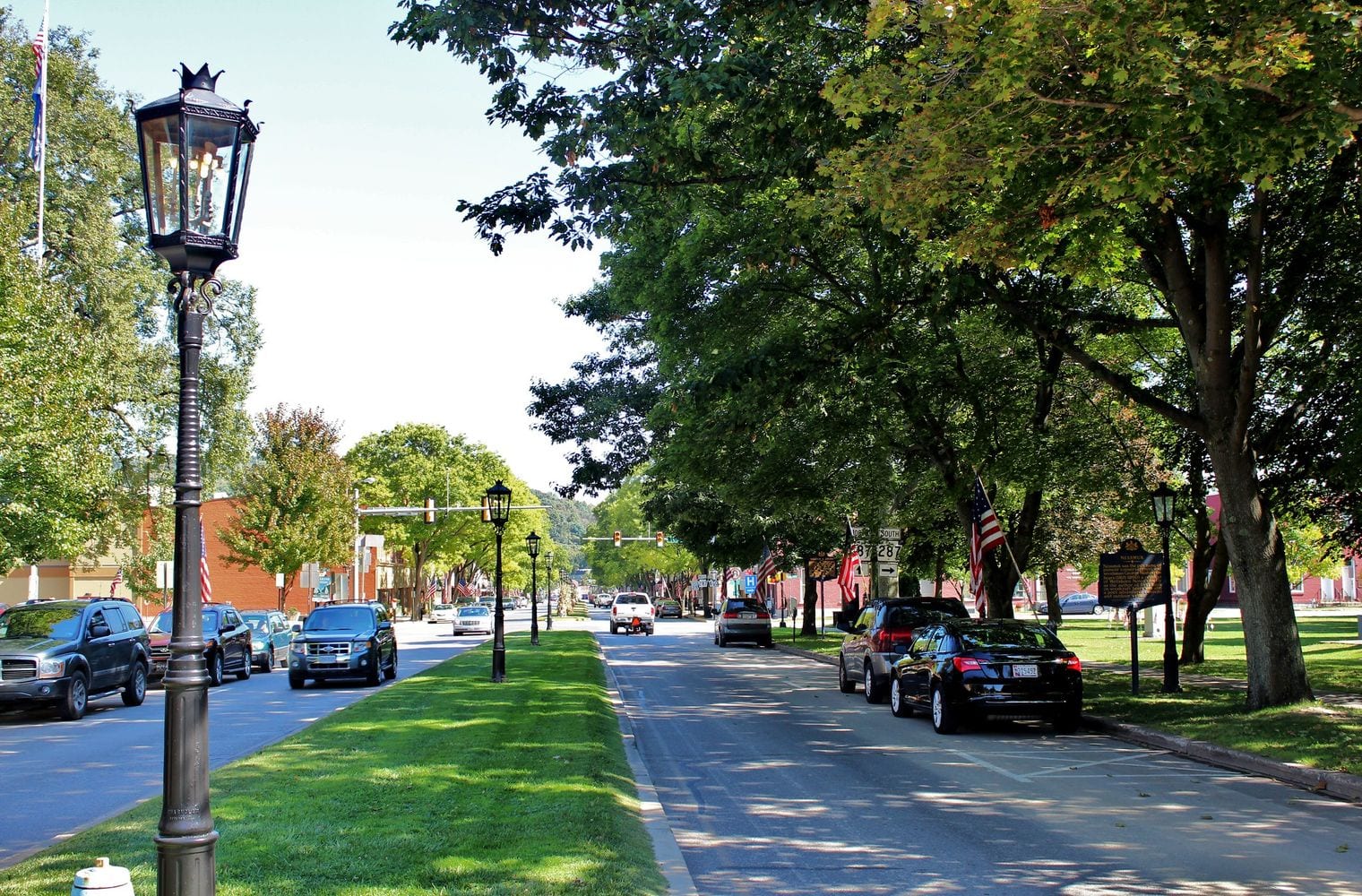
Wellsboro, the Tioga County seat, is known for the gas lamps that line the grassy median of its Main Street, a scene that makes the whole town feel like an old postcard. Settled in 1806, it grew into the trading center for a wide area of farms and mills, and today it is the gateway to the Grand Canyon of Pennsylvania.
Pine Creek Gorge runs south from near town for 47 miles, and at Leonard Harrison and Colton Point state parks its walls drop more than 800 feet to the creek. Hike to the rim overlooks, or cycle the Pine Creek Rail Trail, which begins just north of town and follows the creek through the gorge. The Pennsylvania State Laurel Festival fills the streets each June.
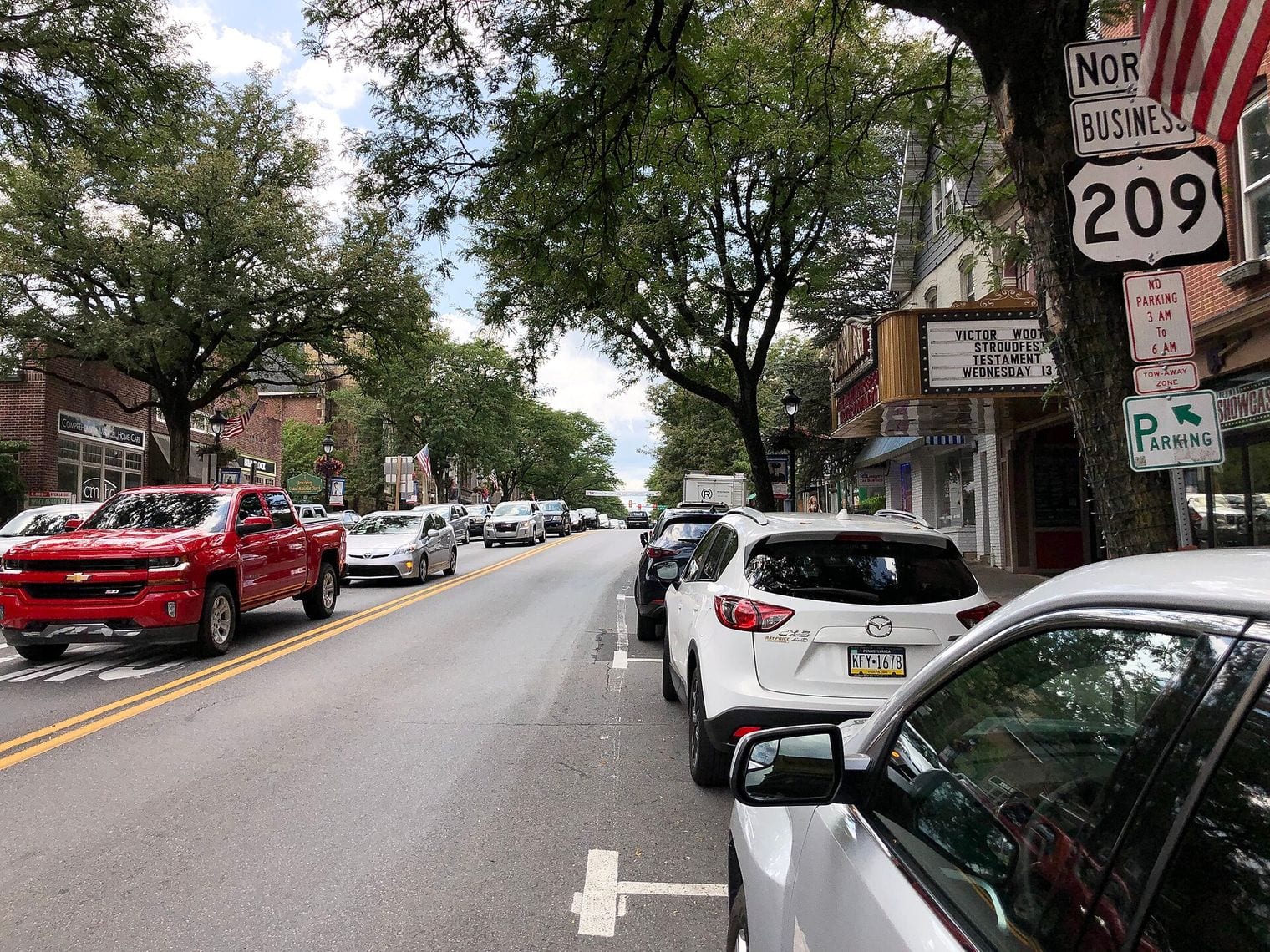
Stroudsburg, the Monroe County seat, is the main town of the Poconos, set where Brodhead, McMichaels and Pocono creeks meet about five miles from the Delaware Water Gap. Its wide, tree-lined Main Street is one of the liveliest downtowns in the mountains, with historic buildings full of restaurants, galleries, music venues and independent shops.
The town makes a handy base for the Delaware Water Gap National Recreation Area, where trails climb to river views and waterfalls tumble through wooded ravines, and the Appalachian Trail crosses the Delaware at the gap itself. Nearby, Quiet Valley Living Historical Farm is an open-air museum where costumed interpreters show rural family life from the 1760s to the early 1900s.
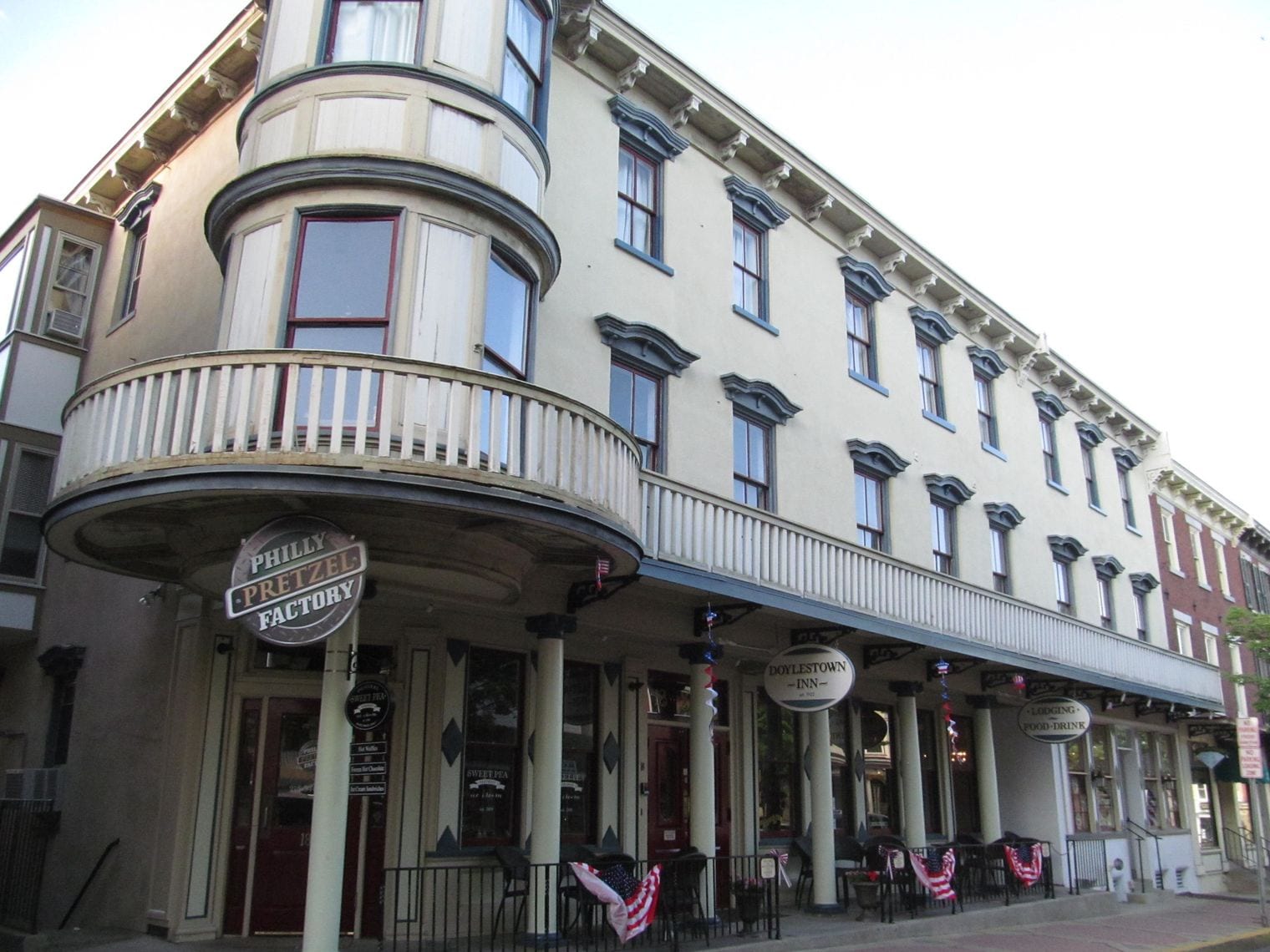
The Bucks County seat of Doylestown has a beautifully preserved downtown and more cultural clout than many towns several times its size. Its sidewalks lead past boutiques, cafés and the County Theater, a restored 1930s Art Deco cinema, and Oscar Hammerstein II lived in the area while writing some of his best-known musicals.
Its signature sights are the Mercer Mile of concrete landmarks built by archaeologist and tile maker Henry Chapman Mercer: Fonthill Castle, his eccentric home; the Mercer Museum, built to hold his vast collection of early American tools; and the Moravian Pottery and Tile Works, his arts-and-crafts tile factory, now a museum. The James A. Michener Art Museum, built around the ruins of the old stone jail, is known for its Pennsylvania Impressionist paintings.
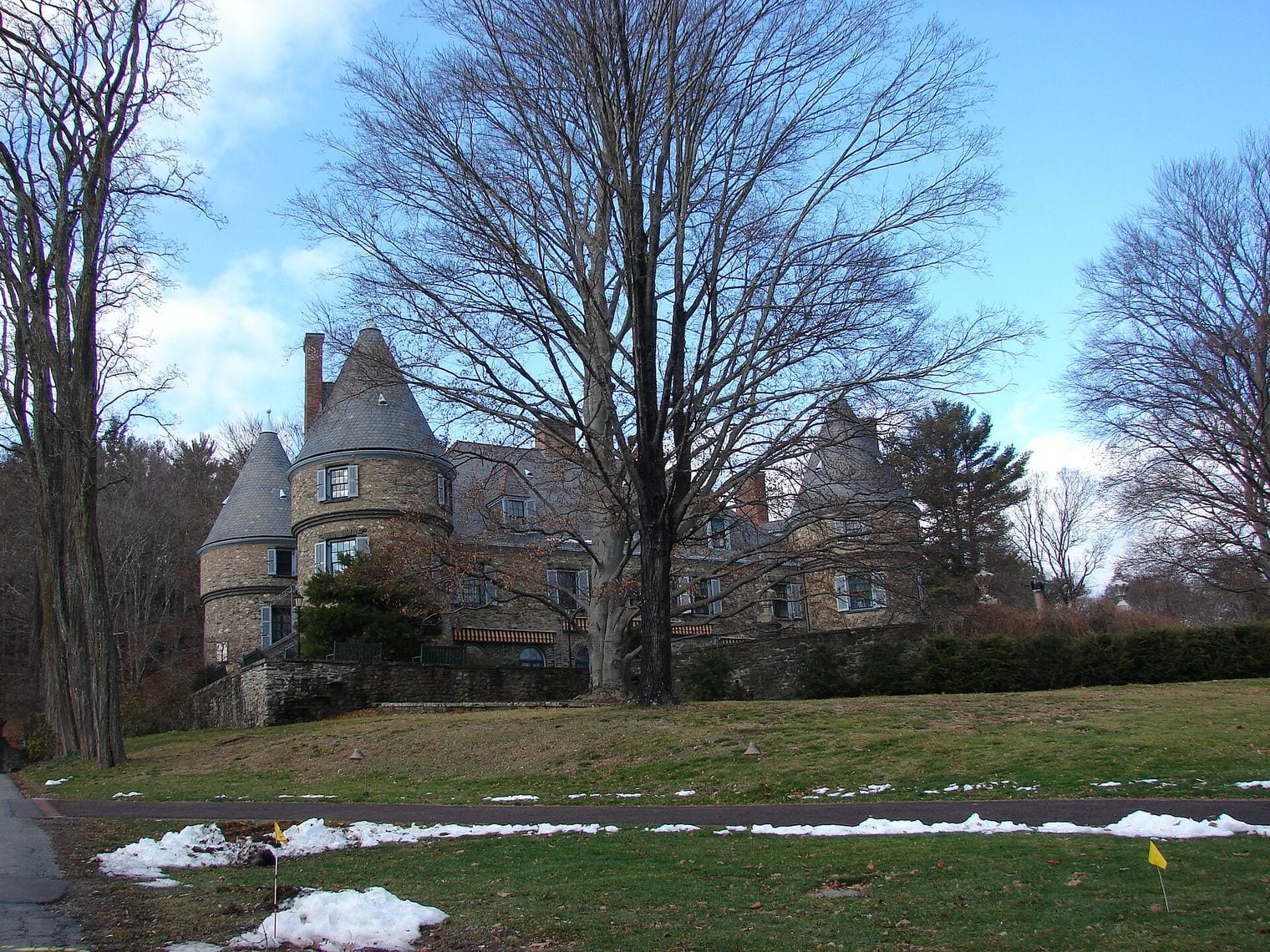
Milford, the Pike County seat, is a pretty borough of about 1,100 people above the upper Delaware River, and much of the town lies within a historic district of late Victorian houses and storefronts. Its few walkable blocks hold cafés, galleries and small shops, with the river and the wooded hills never far away.
Just west of town, Grey Towers National Historic Site preserves the French château-style summer home of Gifford Pinchot, the first chief of the U.S. Forest Service and twice governor of Pennsylvania, with gardens overlooking the Delaware; it is the only national historic site run by the Forest Service. Milford also sits at the northern end of the Delaware Water Gap National Recreation Area, where Raymondskill Falls and other waterfalls lie a short drive south.
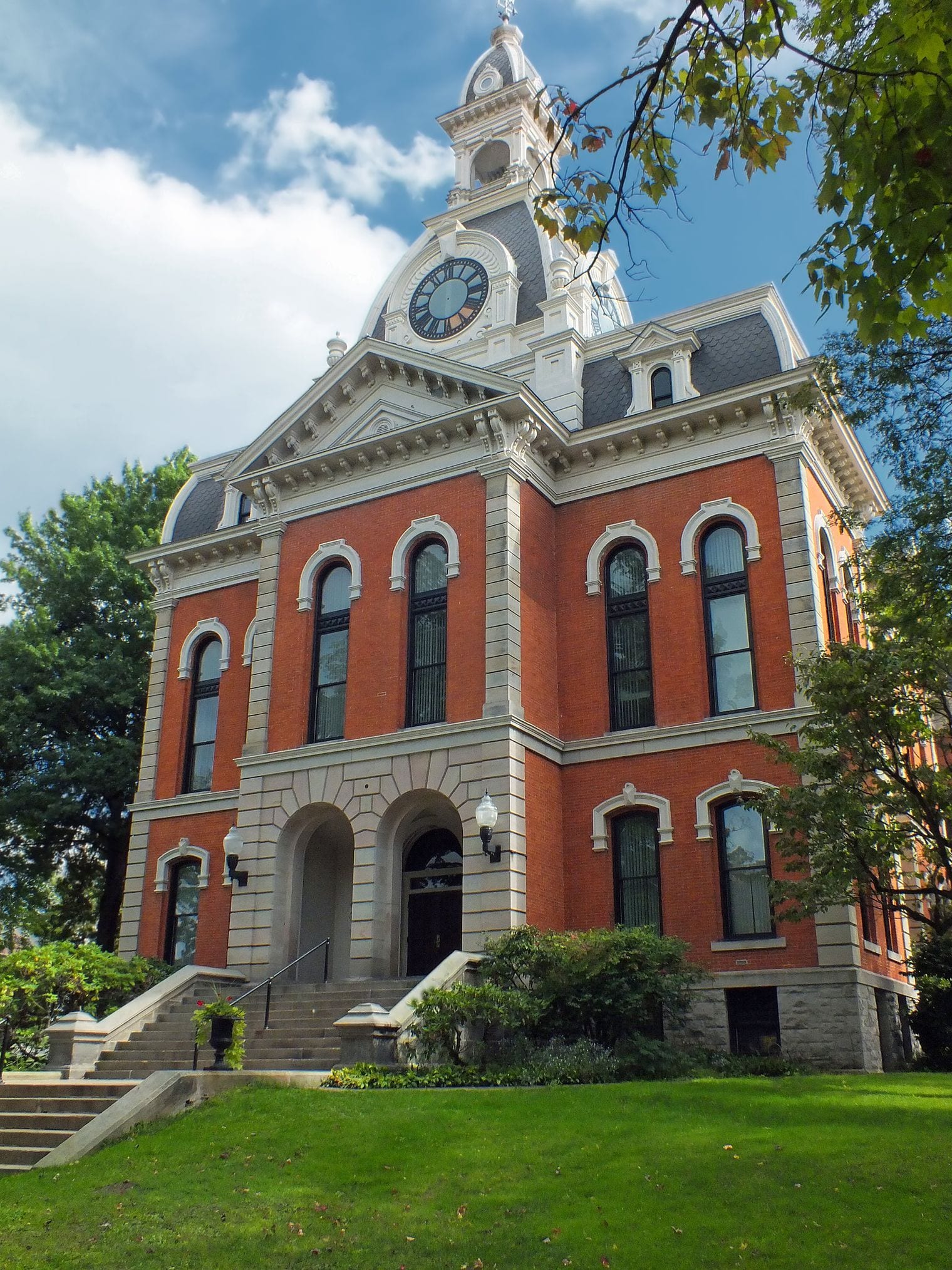
Ridgway, the Elk County seat, grew rich on lumber in the late 1800s, and around the start of the 20th century the town claimed more millionaires per capita than any other in the country. The fortunes of that era survive in the grand Victorian houses along its streets and in the historic Elk County Courthouse at the center of town.
Set in the valley where Elk Creek meets the Clarion River, Ridgway is a natural base for outdoor trips into the Pennsylvania Wilds. Paddle or fish the Clarion as it winds through forested hills, then head north into the Allegheny National Forest or southeast to the elk country around Benezette.
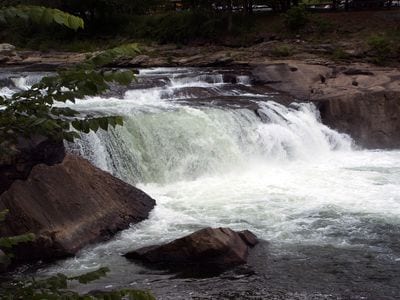
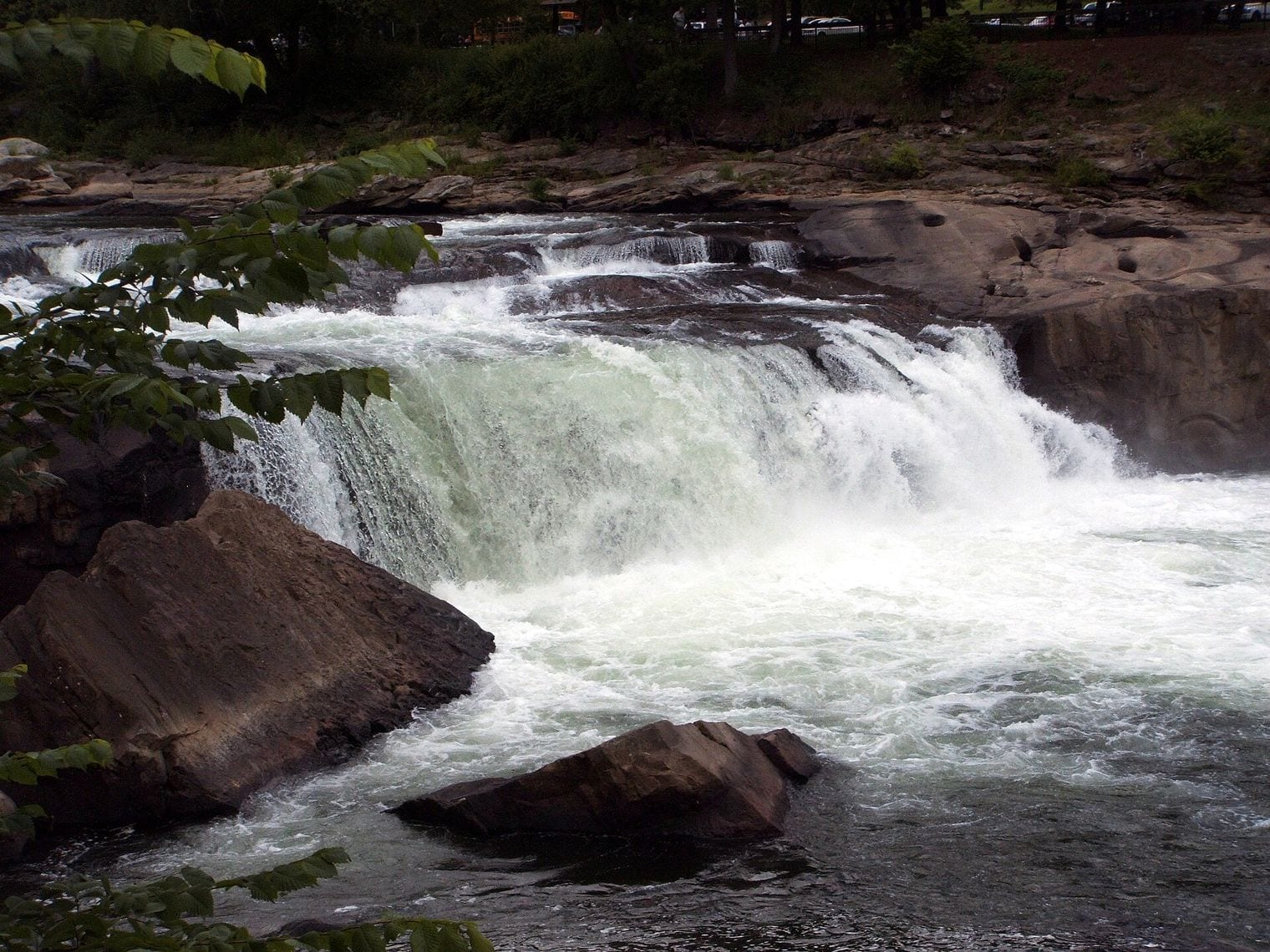
Ohiopyle has only a few dozen year-round residents, yet on warm weekends this Fayette County village fills with rafters, cyclists and hikers. It sits in the heart of Ohiopyle State Park, where the Youghiogheny River pours over Ohiopyle Falls into a forested gorge that runs for more than 14 miles through the park; the name comes from a Lenape phrase describing the frothy white water.
The first commercial whitewater rafting company east of the Mississippi started here in the 1960s, and the rapids of the Lower Yough remain the big draw for rafters and kayakers. The Great Allegheny Passage bike trail passes right through town on its way from Pittsburgh toward Washington, D.C., and Frank Lloyd Wright's Fallingwater, built over a waterfall on Bear Run, is a short drive north.
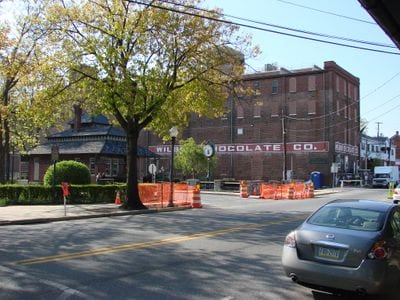
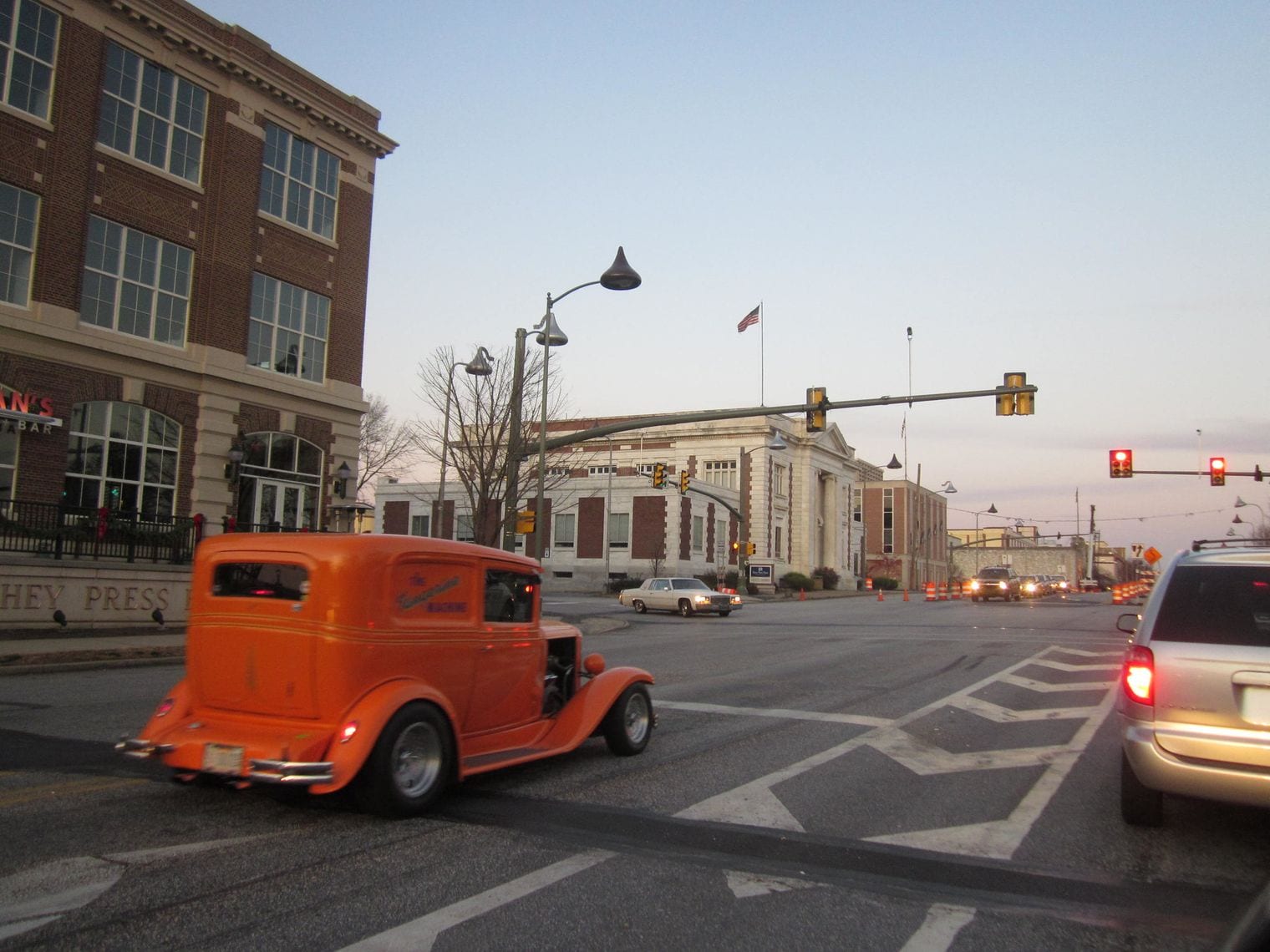
Hershey is the town that chocolate built: Milton S. Hershey laid it out around his chocolate factory, and even the streetlights along Chocolate Avenue are shaped like Hershey's Kisses, some wrapped and some unwrapped. Technically it is an unincorporated community of about 14,000 people in Derry Township, but it feels like a small town devoted to candy.
Hersheypark, founded in 1906 as a leisure park for the chocolate company's employees, has grown into a big theme park packed with roller coasters, while Hershey's Chocolate World offers a free chocolate-making tour ride and shelves of sweets. Hershey Gardens, on a hill above the park, covers 23 acres of themed gardens that Milton Hershey created as a gift to his community.
Johnstown, a small river-valley city in Cambria County, is forever tied to the Johnstown Flood of May 31, 1889, when the South Fork Dam upstream gave way and the torrent killed 2,208 people, by far the deadliest flash flood in U.S. history. Once a major steelmaking center, the city now tells that story with care.
The Johnstown Flood Museum recounts the disaster and its aftermath, when Clara Barton's American Red Cross led a major relief effort, and the Johnstown Flood National Memorial, run by the National Park Service, preserves what remains of the broken dam. Then ride the Johnstown Inclined Plane up Yoder Hill for a sweeping view over the valley and the rivers that shaped the city.
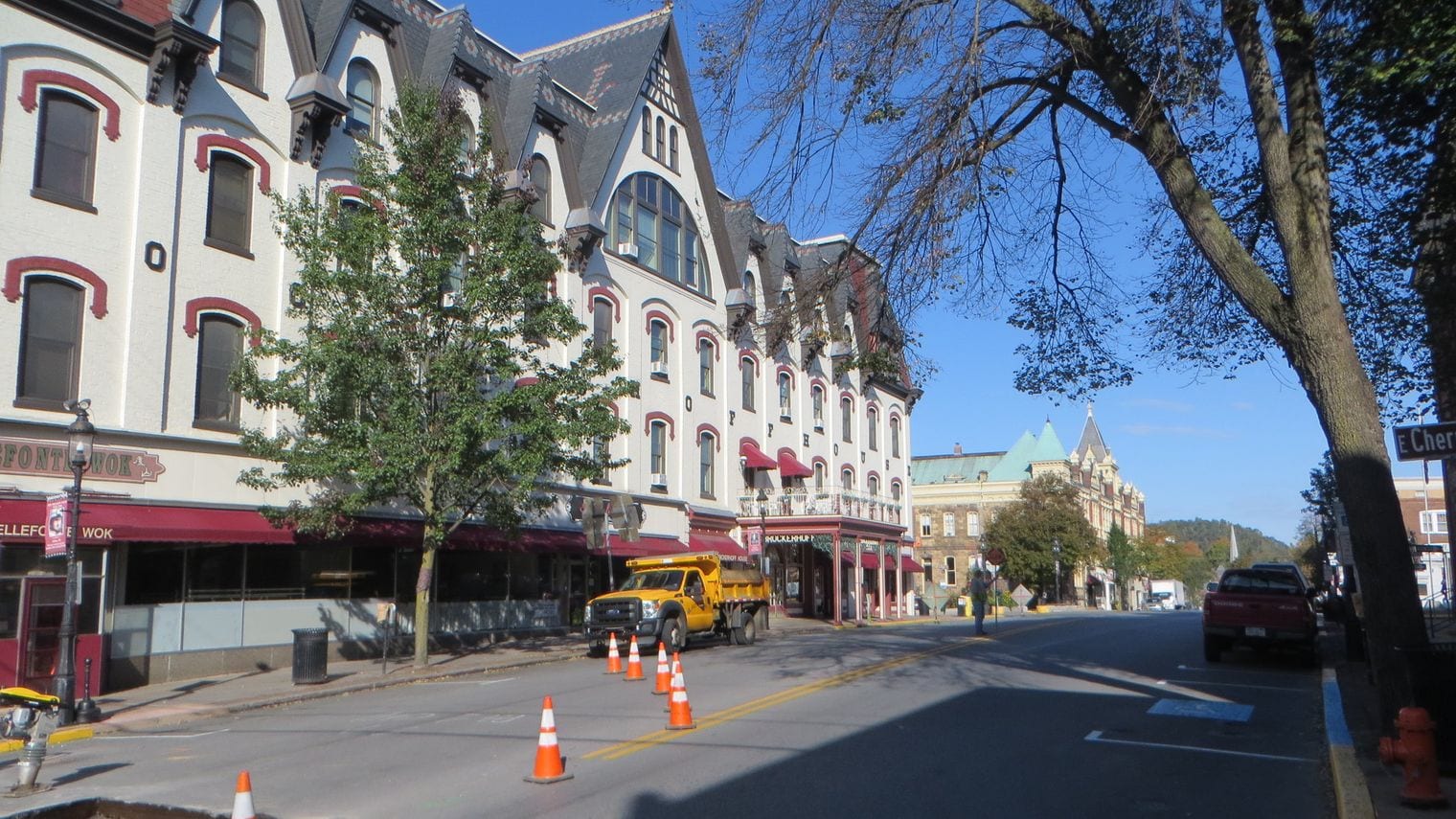
Bellefonte, the Centre County seat, calls itself Pennsylvania's Victorian Jewel, and its downtown of grand 19th-century houses, churches and commercial blocks, built on the wealth of the local iron industry, lives up to the name. The town has been home to five Pennsylvania governors, and legend says the French statesman Talleyrand named it for its big natural spring, la belle fonte.
The spring still supplies the town's water, and Talleyrand Park, beside Spring Creek downtown, holds a monument to the governors. Spring Creek itself is a clear trout stream that draws fly anglers, and State College and Penn State are only about 12 miles to the southwest.
Strasburg, a Lancaster County borough strung along the old Strasburg Road, is often called Train Town USA, and it is surrounded by the Amish farmland of Pennsylvania Dutch Country. Much of the borough is a historic district, and the 1985 film Witness was largely shot on a farm nearby.
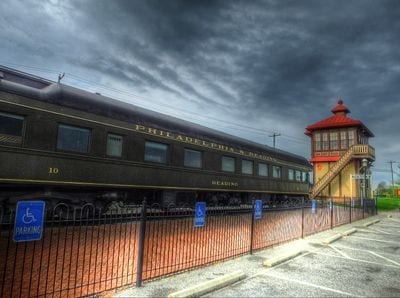
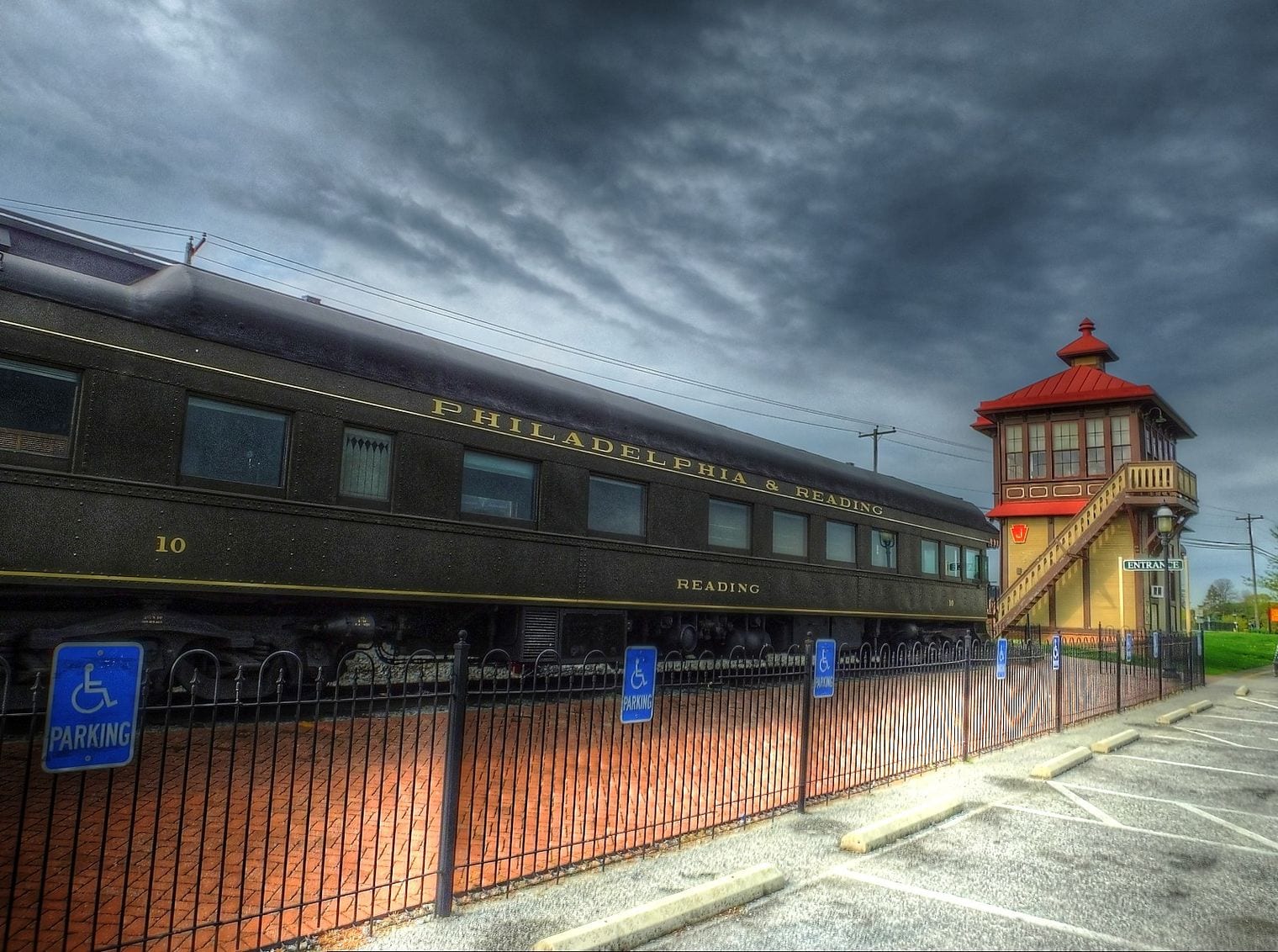
The Strasburg Rail Road, chartered in 1832 and the oldest continuously operating standard-gauge railroad in the Western Hemisphere, runs steam-hauled excursion trains east through the farm fields. Across the road, the Railroad Museum of Pennsylvania displays more than 100 historic locomotives and railroad cars, some of which you can climb aboard.
Bedford grew up around Fort Bedford, a British supply post built in 1758 on the frontier road west toward the Forks of the Ohio, and it later became a spa town known for its mineral springs. Its compact downtown on the Lincoln Highway is lined with historic buildings, among them the Espy House, where George Washington stayed in 1794 while leading troops against the Whiskey Rebellion.
The Fort Bedford Museum, housed in a replica blockhouse, tells the story of the frontier fort, and north of town Old Bedford Village is an open-air museum of historic buildings moved from around the county. Each October, the Fall Foliage Festival fills the streets with crafts, food and color.
DuBois (say doo-BOYZ) is the most populous community in Clearfield County, a former lumber and coal town on Interstate 80 that makes a practical base for the southern Pennsylvania Wilds. It takes its name from lumber magnate John DuBois, whose mill money helped build much of the early town, and his family's estate is now the Penn State DuBois campus.
The downtown has a good mix of local shops and restaurants, and forest country starts just outside the city. Parker Dam State Park, built by the Civilian Conservation Corps during the Great Depression, has a lake, cabins and woodland trails to the east, and the elk range around Benezette is an easy drive to the northeast.
Honesdale, the Wayne County seat on the Lackawaxen River, began as the starting point of the Delaware and Hudson Canal, which carried coal from northeastern Pennsylvania toward New York City. In 1829 the Stourbridge Lion, the first locomotive to run in the United States, made its trial run here, and the town's handsome Main Street still recalls those busy canal-and-rail years.
The Wayne County Historical Society Museum displays a full-size replica of the Lion, and the town is also the longtime editorial home of Highlights, the children's magazine founded here in 1946. Richard B. Smith, who wrote the lyrics of Winter Wonderland, was a native of Honesdale and is said to have been inspired by its Central Park under snow.
Ligonier, in the Laurel Highlands about 50 miles east of Pittsburgh, is a small borough of about 1,500 people built around the Diamond, a town-square park with a bandstand ringed by shops and restaurants. It grew into a summer resort in the late 1800s, and its historic district keeps that genteel, walkable feel.
Fort Ligonier, a reconstruction of the British fort that served as a staging post for the 1758 Forbes Expedition and was never taken by an enemy, has a museum of frontier-war artifacts beside it, and its cannons are fired during Fort Ligonier Days each fall. Just west of town, Idlewild and Soak Zone is a classic family amusement park that has won awards as the best children's park in the world.
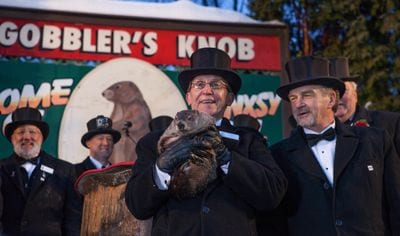
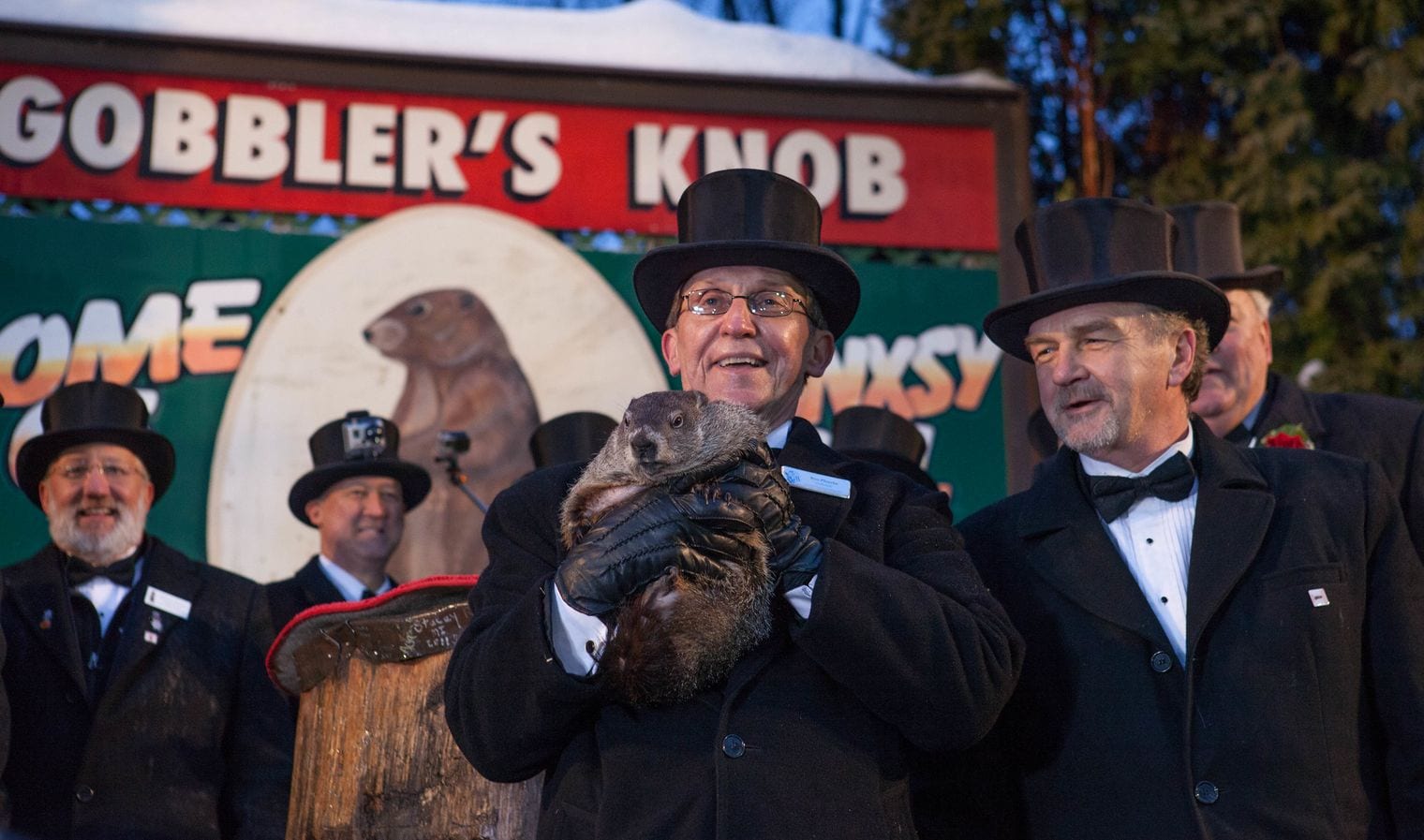
Punxsutawney, a Jefferson County borough of about 5,800 people, is famous for one small resident: Punxsutawney Phil, the groundhog whose February 2 forecast has been the heart of Groundhog Day here since 1887. Each year thousands of visitors and reporters gather at Gobbler's Knob, just outside town, to see whether Phil sees his shadow.
Arrive early for the sunrise ceremony, when the top-hatted members of the Groundhog Club's Inner Circle announce Phil's prediction, then spend the rest of the day enjoying the festivities in town. The 1993 film Groundhog Day is set here, although it was actually shot in Woodstock, Illinois, so the real town looks quite different from the movie.
Yardley is a small Bucks County borough on the Delaware River, a few blocks of historic houses, inns and shops facing Ewing, New Jersey, across the water. Before the Civil War it was a stop on the Underground Railroad, and a cellar room in Lakeside, the yellow house facing Lake Afton on Main Street, is thought to have been a hiding place for freedom seekers.
Lake Afton, a small lake at the heart of town, is a pleasant spot for a stroll, and the Delaware Canal towpath runs right through the borough for easy walks and bike rides beside the water. A few miles upriver, Washington Crossing Historic Park marks where George Washington's army crossed the icy Delaware on Christmas night in 1776.
Mifflinburg, a Union County borough settled by German immigrants in 1792, was once known as Buggytown: by the 1880s its more than 50 buggy and sleigh factories built more horse-drawn vehicles per capita than any other town in Pennsylvania. Its historic district of 19th-century houses and storefronts still recalls that prosperous era.
The Mifflinburg Buggy Museum includes the William A. Heiss House and Buggy Shop, a 19th-century carriage works, along with restored carriages and sleighs. Each December the town hosts a German-style Christkindl Market with crafts, food and music, and the Buffalo Valley Rail Trail links it with Lewisburg through rolling farmland.
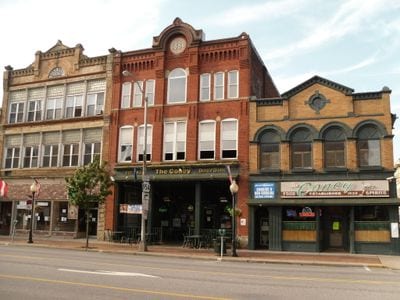
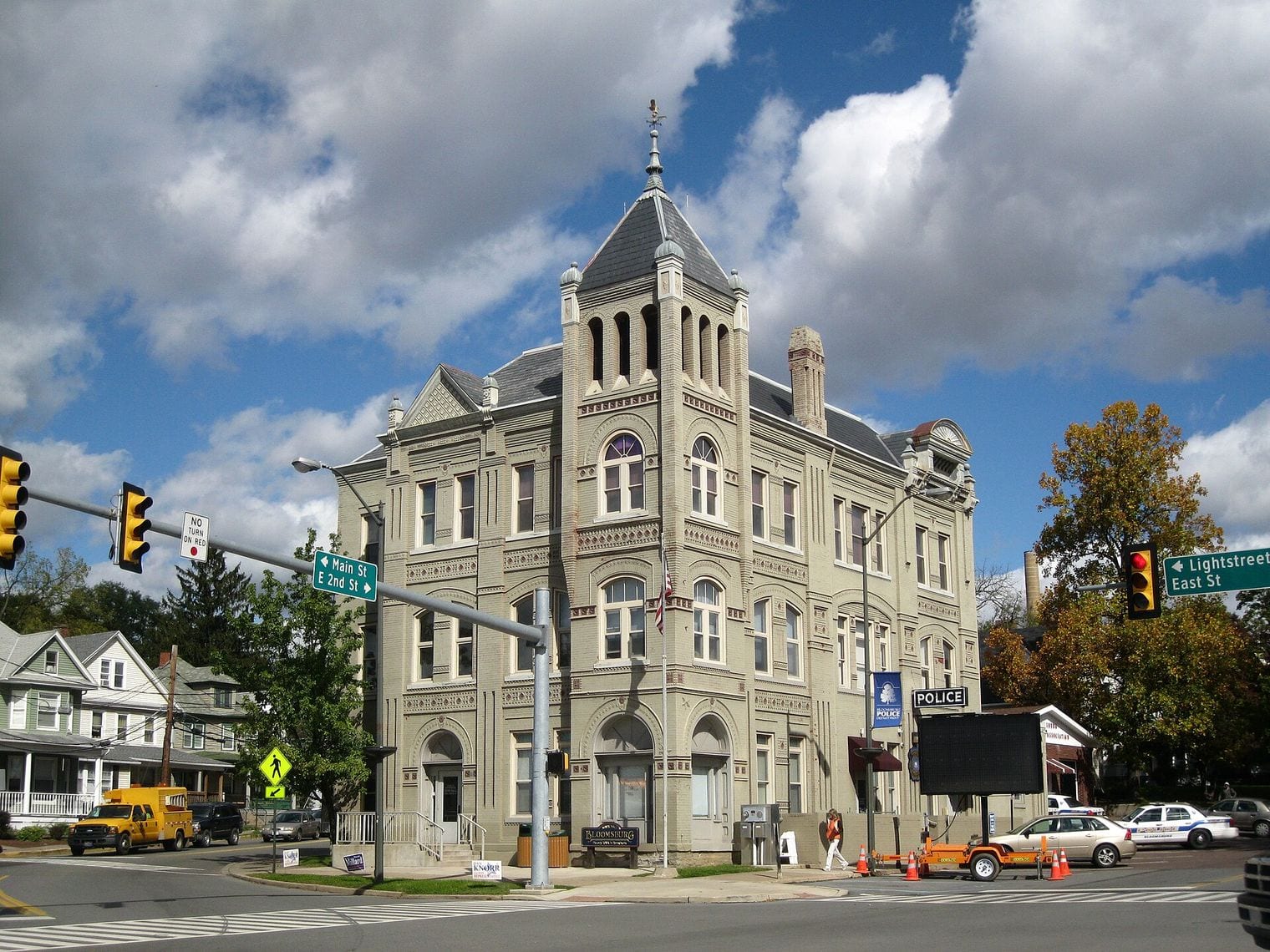
Bloomsburg, the Columbia County seat on the Susquehanna River, is the only municipality in Pennsylvania incorporated as a town, a status it proudly puts in its slogan. With about 12,700 residents and Bloomsburg University, it feels like a lively college town, with a large historic district and a downtown of shops and eateries along Main Street.
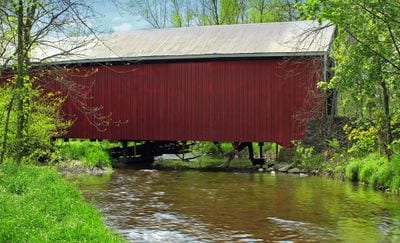
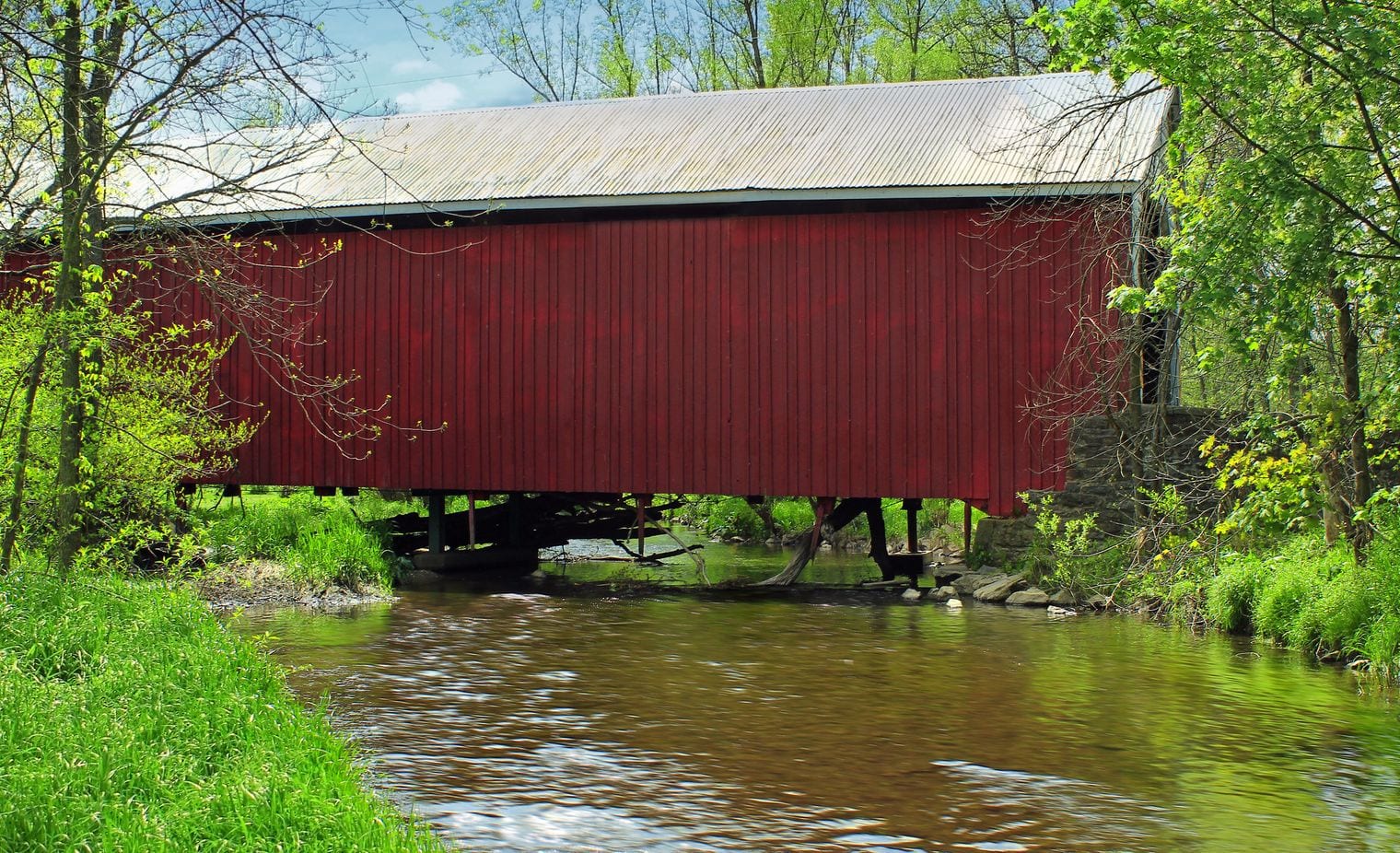
The town is best known for the Bloomsburg Fair, a big agricultural fair held here since 1855, with livestock shows, grandstand concerts and fair food each fall. The Rupert Covered Bridge and other covered bridges in Columbia County make for an easy backroads drive, and the riverbank is pleasant for a stroll.
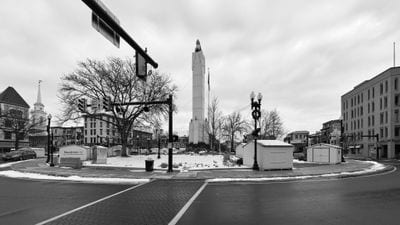
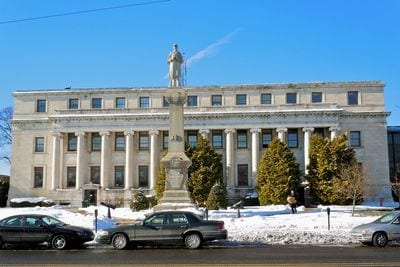
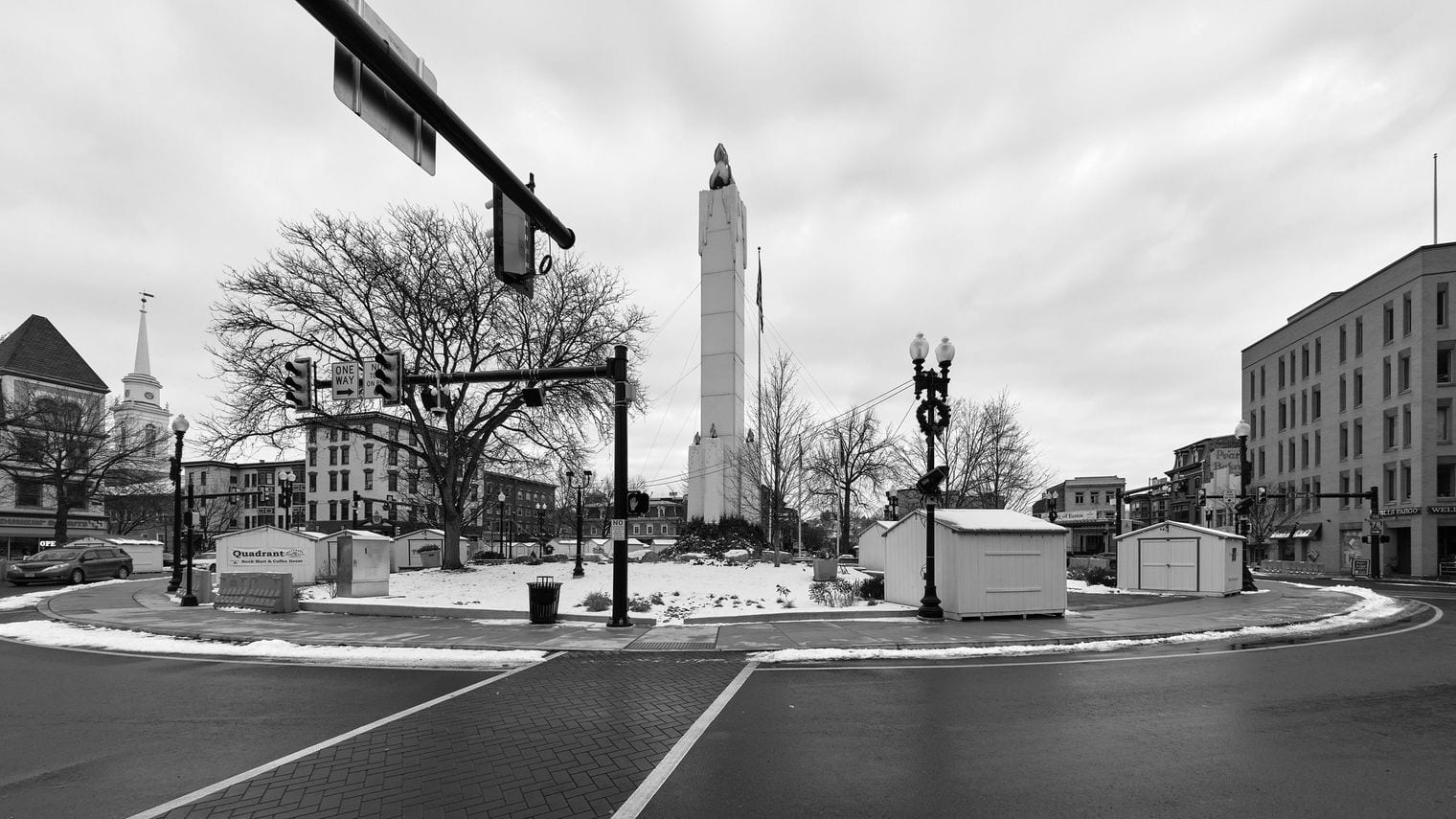
Easton is a small city of about 28,000 people where the Lehigh River flows into the Delaware, founded in 1752 on land set aside by the Penn family. On July 8, 1776, it was one of only three places where the Declaration of Independence was first read aloud in public, and Centre Square, with its Soldiers' and Sailors' Monument, is still the heart of downtown.
Families head for the Crayola Experience, a hands-on attraction from the crayon maker based just outside the city, while the National Canal Museum in Hugh Moore Park tells the story of the canals that carried coal to market. Each holiday season a giant Peace Candle is built over the monument, and the streets around the square are full of restaurants and the Easton Public Market.
Indiana, Pennsylvania, the Indiana County seat about 46 miles northeast of Pittsburgh, is a college town of about 14,000 people and the hometown of actor Jimmy Stewart. The area promotes itself as the Christmas Tree Capital of the World, because the national Christmas Tree Growers Association was founded here, and tree farms still dot the surrounding hills.
The Jimmy Stewart Museum, in the town's public library building, follows the star's life and films, and each holiday season the town celebrates him with a festival built around It's a Wonderful Life. Indiana University of Pennsylvania keeps the downtown busy with students, cafés and shops.
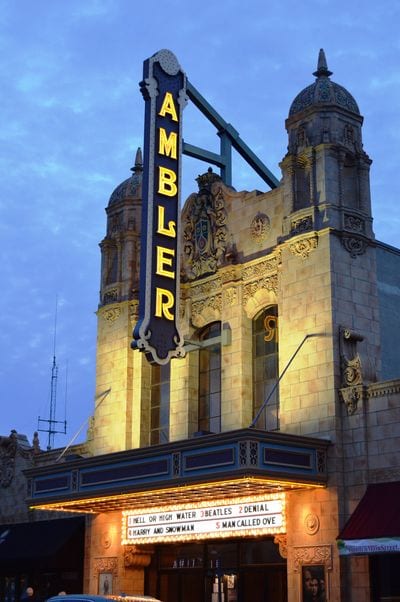
Ambler, a Montgomery County borough about 16 miles north of Center City Philadelphia, is named for Mary Ambler, a local Quaker who walked two miles to help the injured after the Great Train Wreck of 1856 and turned her home into a makeshift hospital. Once a factory town, it now has one of the most popular small downtowns in the Philadelphia suburbs, with Butler Avenue lined with restaurants and shops.
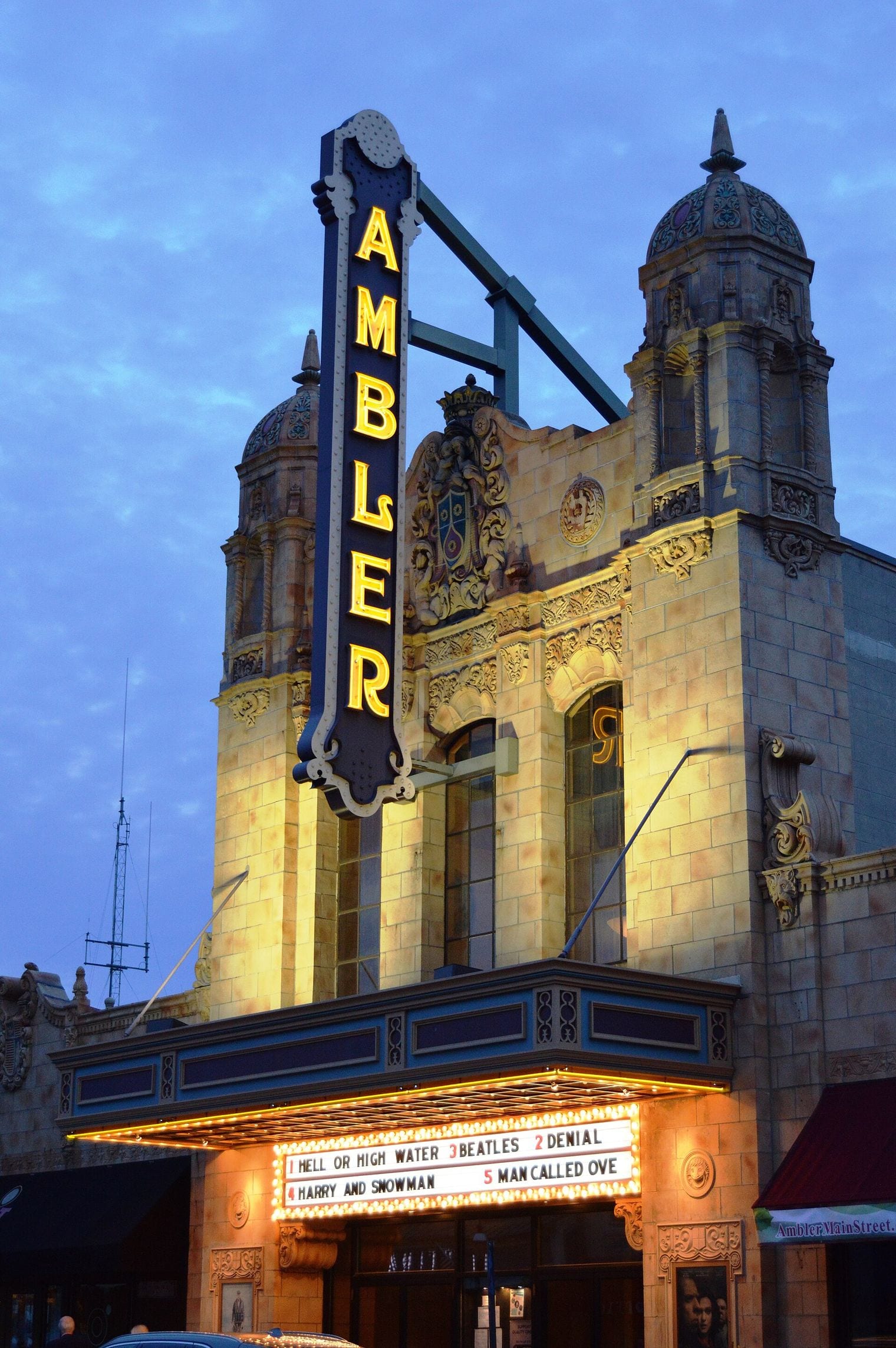
The Ambler Theater, which opened in 1928 as a Warner Brothers movie house, has been restored as a community-owned nonprofit cinema showing independent films, and its glowing marquee anchors the main street. The Ambler Arboretum of Temple University has gardens and woodland on the edge of town, and Fort Washington State Park is a short drive south.
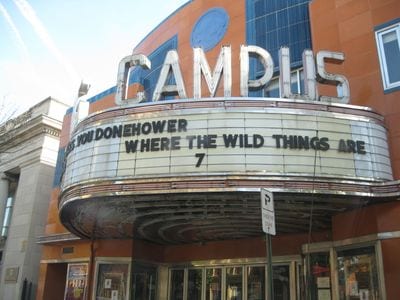
Lewisburg, the Union County seat on the West Branch of the Susquehanna River, is home to Bucknell University, whose campus rises above the river just south of downtown. Its 19th-century center, built around Market Street, is listed on the National Register of Historic Places and makes for a rewarding stroll.
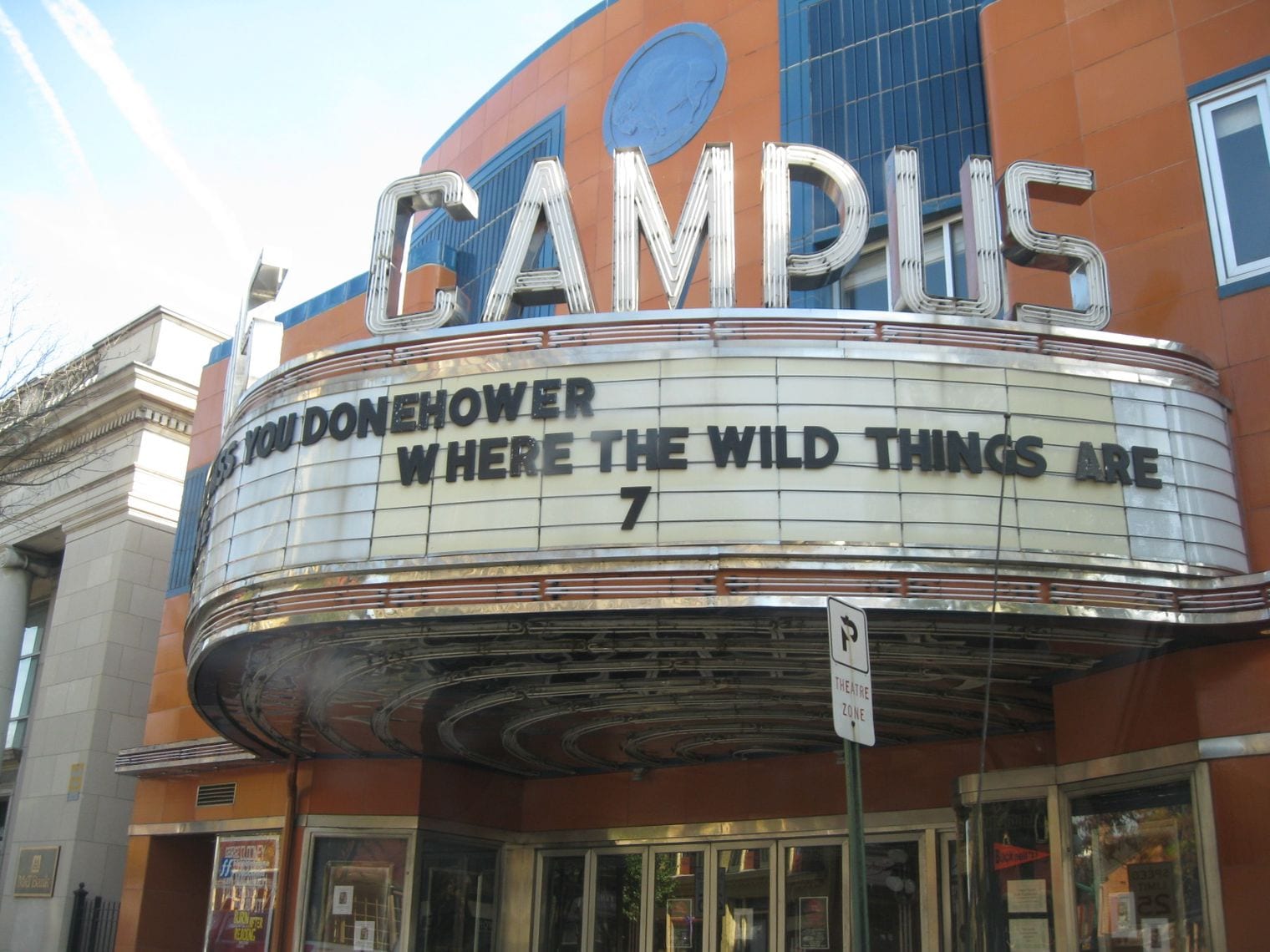
Along Market Street you will find independent shops, cafés and the Campus Theatre, a 1941 Art Deco movie house that is one of the few single-screen theaters of its kind still operating in the country. The Packwood House Museum occupies an old inn and tavern, and the Buffalo Valley Rail Trail heads west from town to Mifflinburg through farm country.
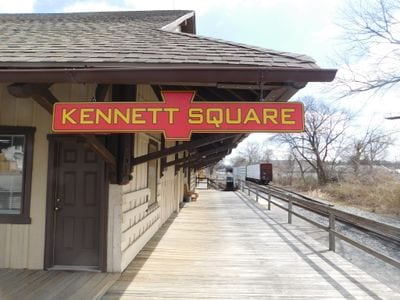
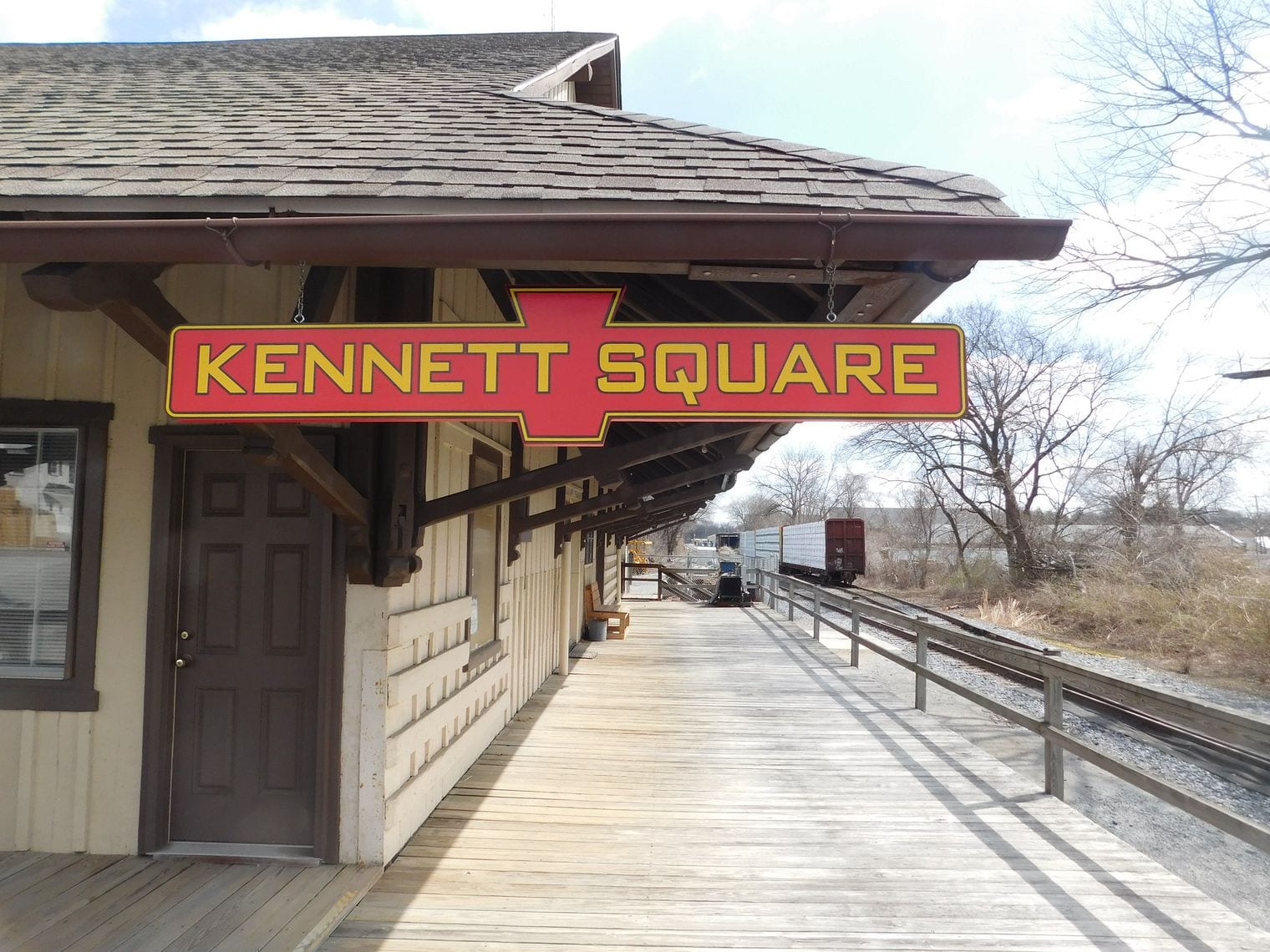
Kennett Square, a Chester County borough in the Brandywine Valley, is sometimes called the Mushroom Capital of the World, because the farms around it grow about half of the nation's mushroom crop. Its walkable State Street is lined with restaurants, galleries and shops, and the town celebrates its signature crop each September with the Mushroom Festival.
Longwood Gardens, one of the premier horticultural display gardens in the United States, lies about three miles away, with more than 1,100 acres of gardens, woodlands, meadows and conservatories. The historic estates and museums of the Brandywine Valley around Wilmington, Delaware, are also a short drive south.
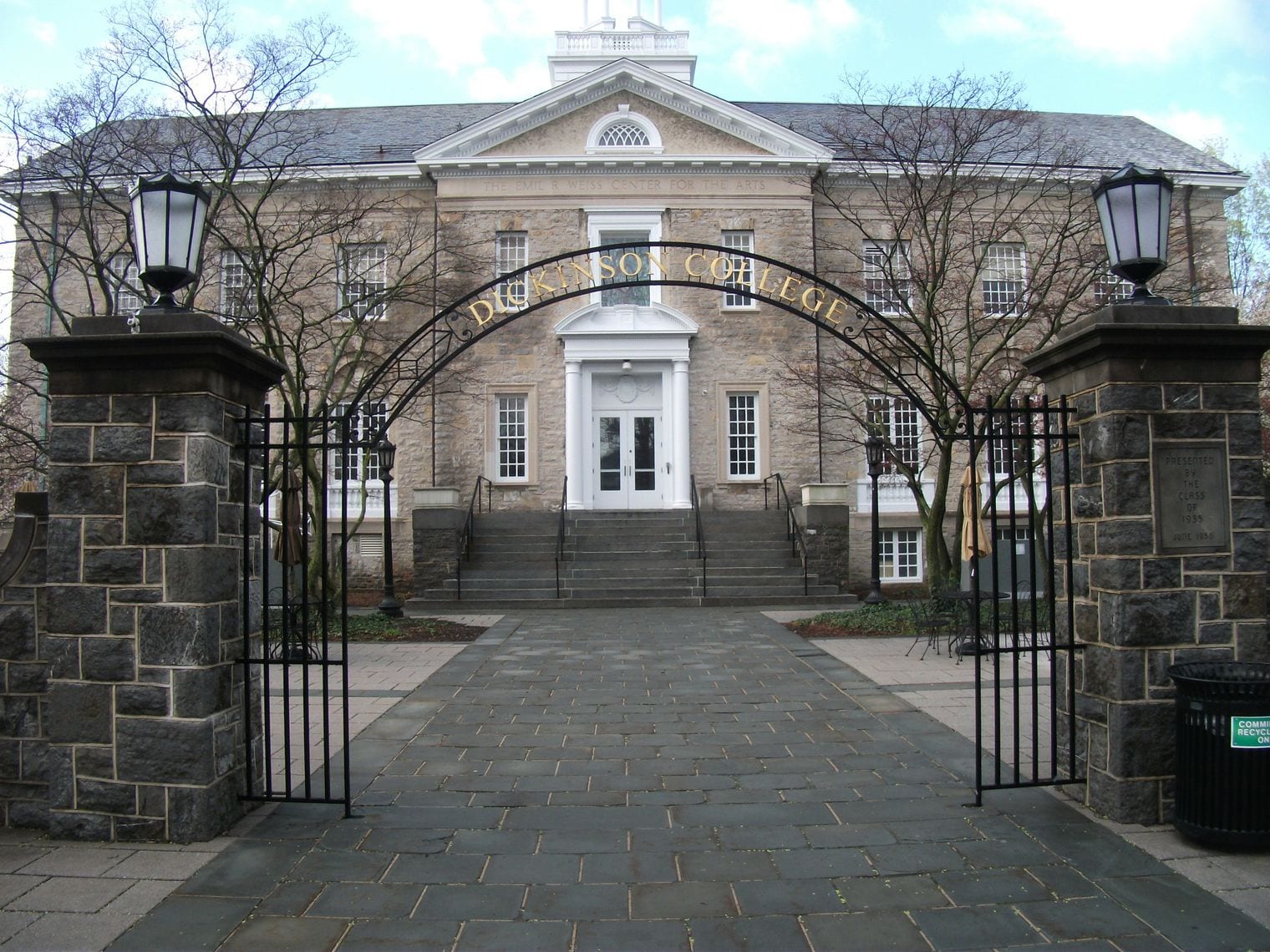
Carlisle, the Cumberland County seat, is a handsome borough of about 20,000 people in the farm country of the Cumberland Valley and the home of Dickinson College, founded by Declaration signer Benjamin Rush and chartered in 1783. Revolutionary War legend Molly Pitcher lies in its Old Public Graveyard, and the historic downtown is full of shops and restaurants.
Carlisle Barracks, among the oldest U.S. Army posts, is home to the Army War College and the U.S. Army Heritage and Education Center, a museum and archive complex open to the public. The barracks were also the site of the Carlisle Indian Industrial School, the flagship federal boarding school for Native American children, where Jim Thorpe starred at football, and the Carlisle Fairgrounds host big collector-car shows through the warmer months.
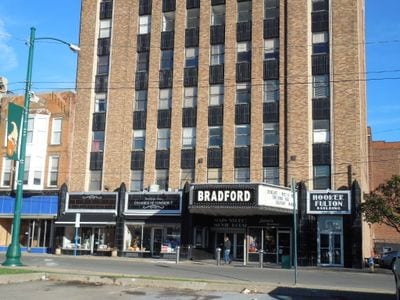
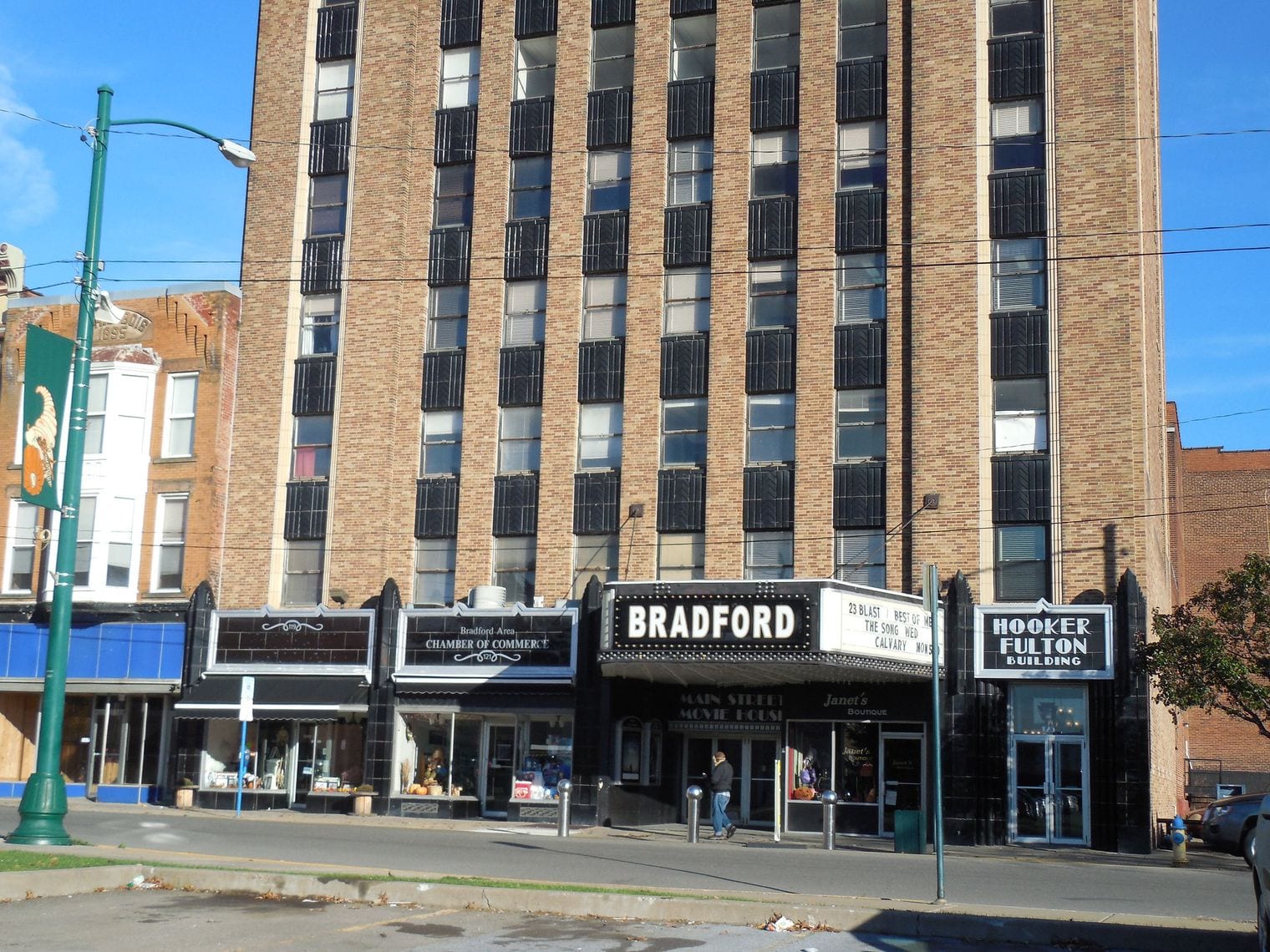
Bradford, a small city of about 7,800 people in McKean County near the New York line, boomed in the late 1800s as a wild oil town whose crude was prized for making fine lubricants. It is best known today as the home of Zippo, whose windproof lighters have been made here since the 1930s, and of Case, the pocketknife maker Zippo owns.
The Zippo/Case Museum showcases decades of lighters and knives, and the oil-boom buildings downtown and the University of Pittsburgh at Bradford give the city a lively core. The Allegheny National Forest spreads to the south and west, and Kinzua Bridge State Park, where a skywalk runs out onto the ruins of a tornado-toppled railroad viaduct, is an easy drive away.
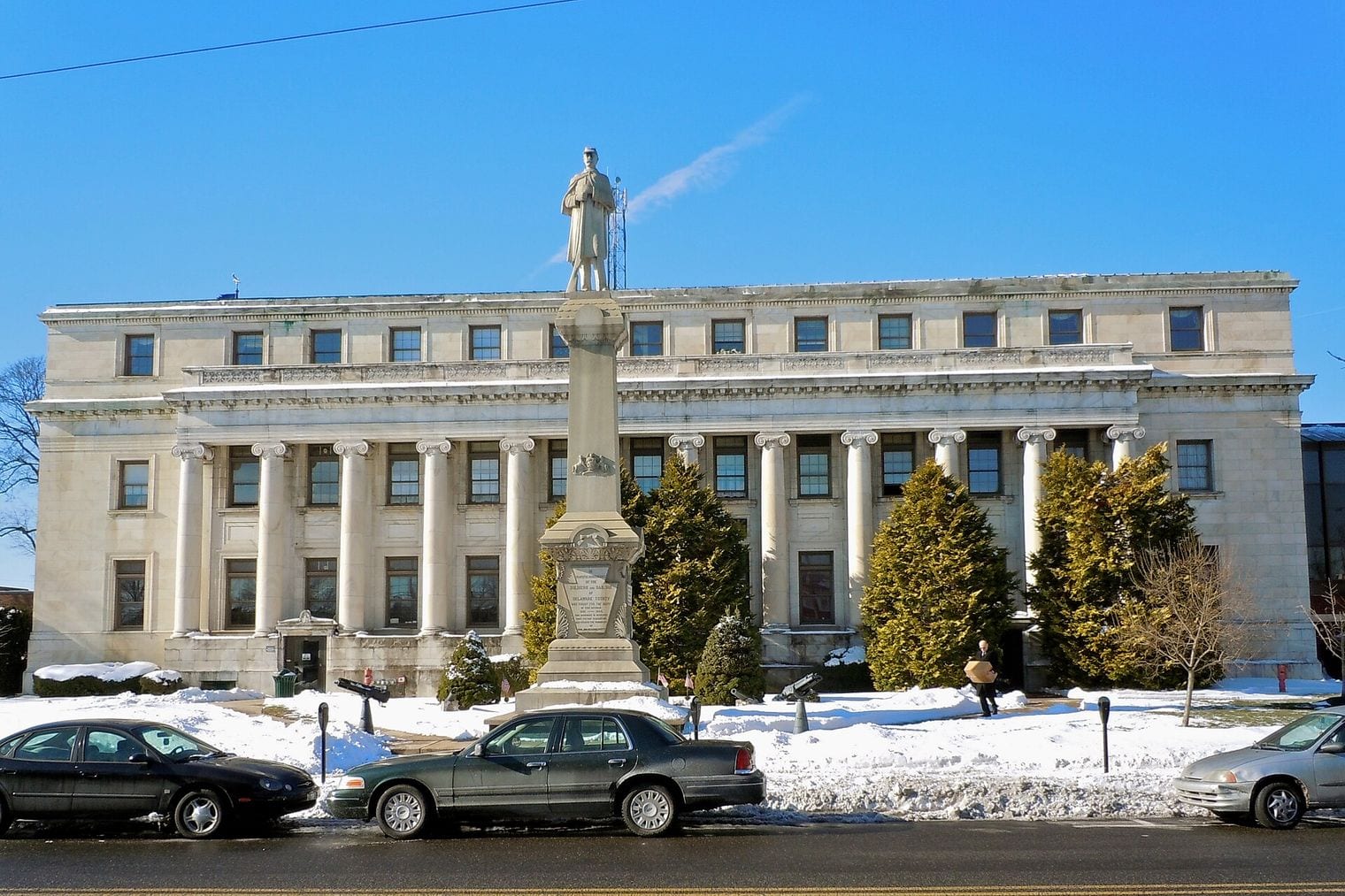
Media, the Delaware County seat about 13 miles west of Philadelphia, calls itself Everybody's Hometown, and its lively State Street makes the case, with restaurants, pubs and boutiques and a trolley line running right down the middle of the street. In 2006 it became the first town in the United States to earn fair trade certification.
The Media Theatre, which opened in 1927 as a vaudeville house and cinema, is now a professional regional theater staging musicals, and warm evenings bring outdoor dining to State Street. Just outside town, Ridley Creek State Park and the Tyler Arboretum offer miles of wooded trails, meadows and gardens.
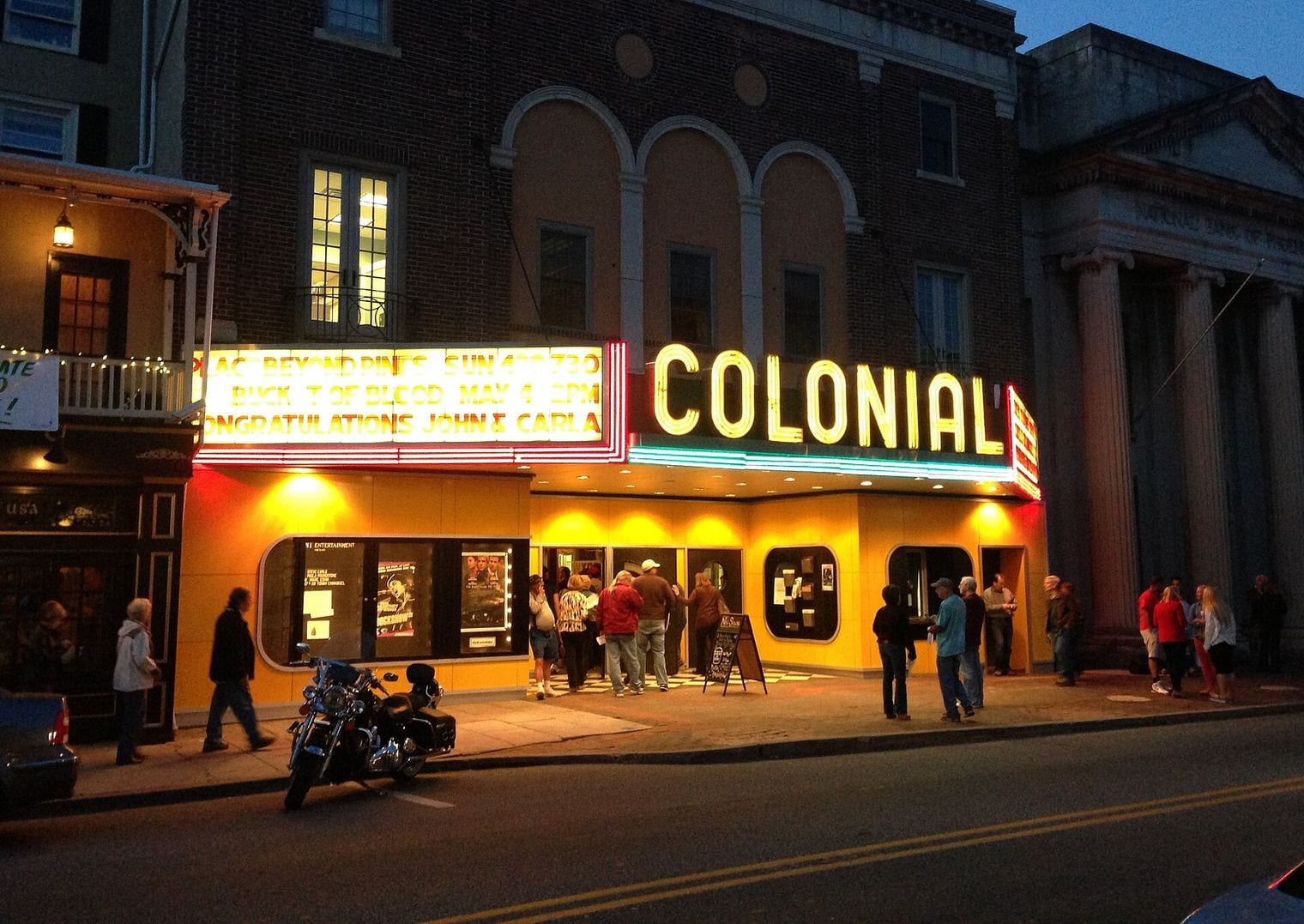
Phoenixville grew up around the Phoenix Iron Works where French Creek meets the Schuylkill River, turning out cannons for the Union Army and the Phoenix column, an important advance in construction. After the works closed in the 1980s the borough fell on hard times, but a long revival has filled Bridge Street with restaurants, bars and shops.
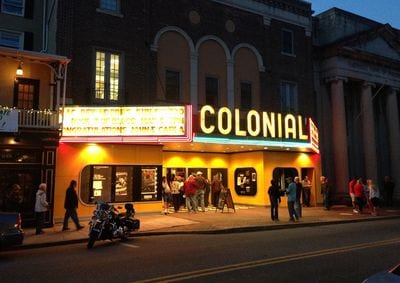
The Colonial Theatre, built in 1903, earned cult fame in the 1958 film The Blob, when the monster oozes out of its projection booth, and every summer since 2000 the town has thrown Blobfest, complete with a reenactment of moviegoers fleeing the theater. Valley Forge National Historical Park is only a few miles away.
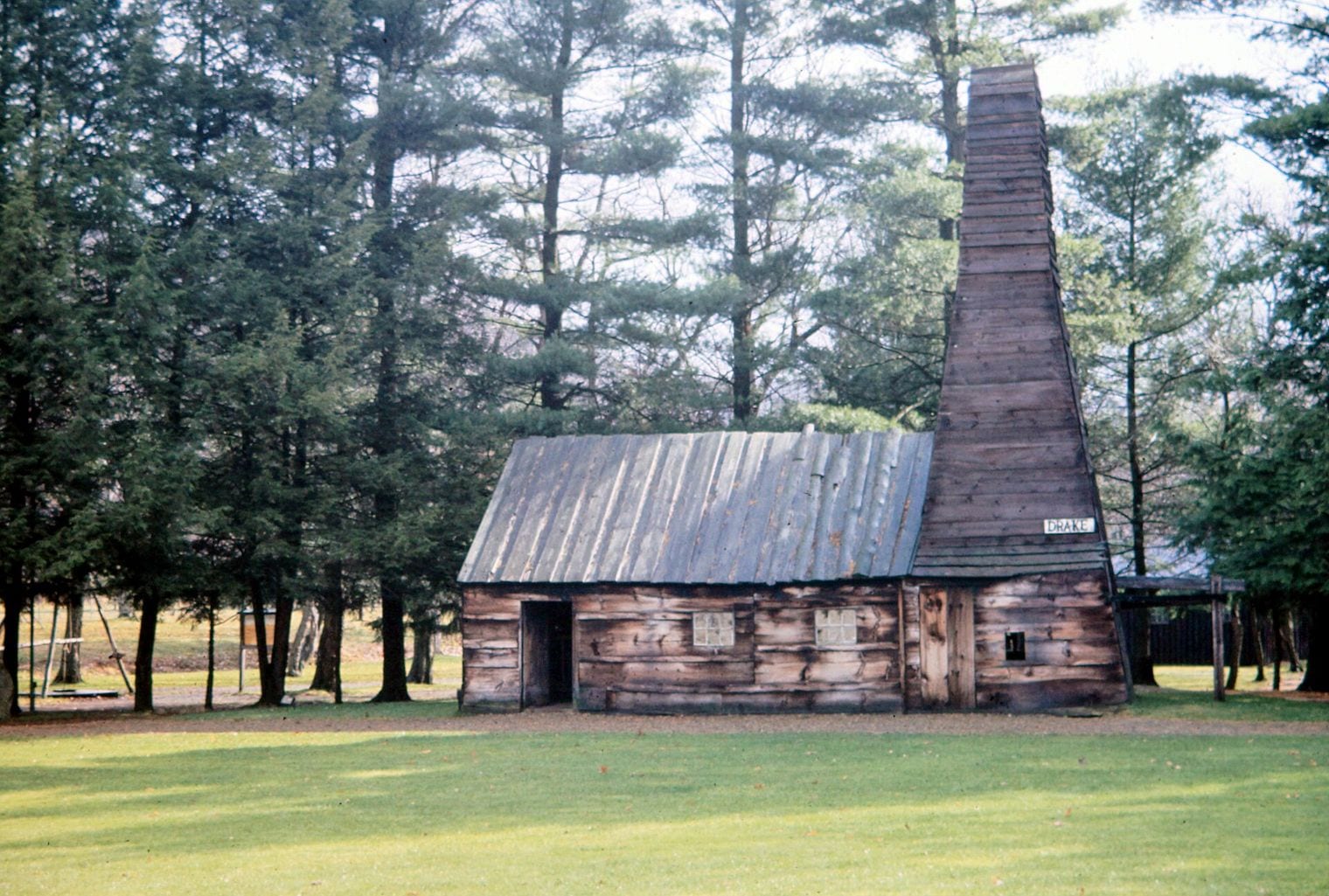
Titusville, a small city in the far eastern corner of Crawford County, is known as the birthplace of the American oil industry. In 1859 Edwin Drake's well just south of town struck oil, setting off a boom that for years made this valley the leading oil-producing region in the world, and the town also thrived on lumber and toolmaking.
Drake Well Museum and Park, about three miles south of town, has a reconstruction of the famous well and tells the story of the boom. From Titusville, the Oil Creek and Titusville Railroad runs excursion trains down the valley toward Oil City through Oil Creek State Park, whose trails pass the sites of the first oil boomtowns.
Zelienople, a Butler County borough about 28 miles north of Pittsburgh, owes its unusual name to Zelie, the daughter of its founder, Baron Dettmar Basse, a German aristocrat who arrived in 1802 and built himself a castle-style home here. Today its Main Street is a friendly stretch of shops, cafés and small businesses.
The Passavant House, built in 1808 and the boyhood home of Zelie's son, the Rev. William Passavant, is now open as a local history museum alongside the neighboring Buhl House. Harmony, the town founded on land Basse sold to the Harmony Society, is only a couple of miles east, so the two make an easy pairing.
Harmony is a tiny Butler County borough of fewer than 1,000 people, founded in 1804 by Johann Georg Rapp and the Harmony Society, a German religious community that held all its goods in common. Its core is preserved as a National Historic Landmark District, with buildings that date from the Harmonists' first settlement in America.
The Harmony Museum, in the heart of the district, tells the story of the Harmonists, who moved on after about a decade to found New Harmony, Indiana, and later Economy, now Ambridge, near Pittsburgh. Don't miss their cemetery, enclosed by a stone wall with a unique revolving stone door, then browse the shops and cafés on the town's few historic blocks.
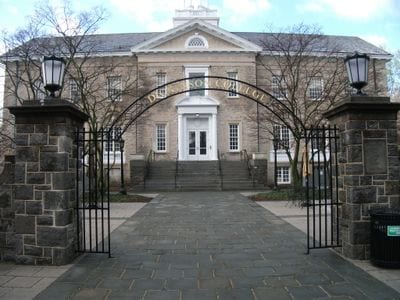
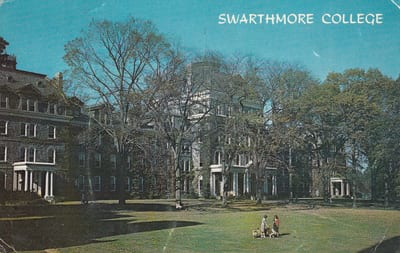
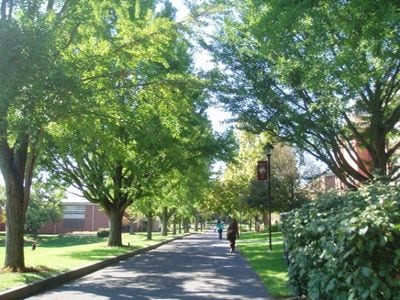
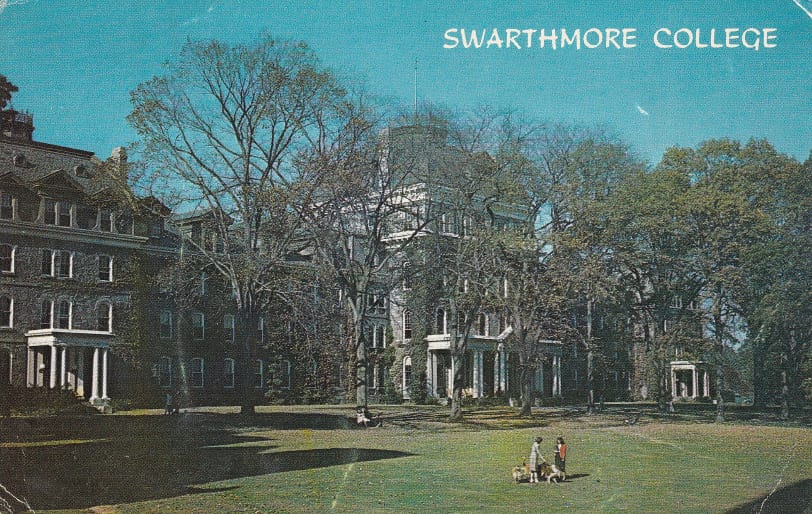
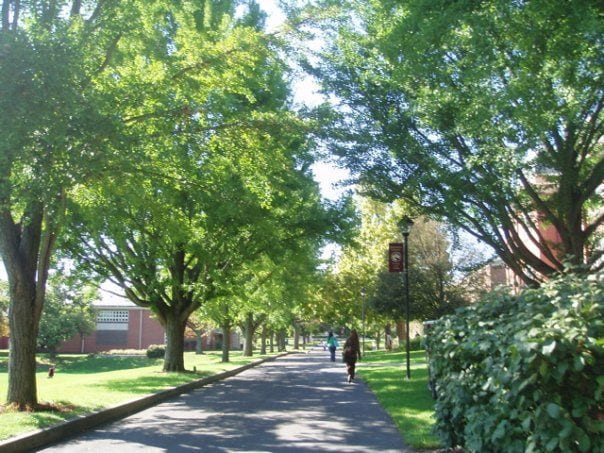
Swarthmore, a leafy Delaware County borough southwest of Philadelphia, grew up around Swarthmore College, founded by Quakers in 1864 and one of the earliest coeducational colleges in the country. The town was first called Westdale after the painter Benjamin West, whose birthplace still stands here, and commuter trains link its small center with Philadelphia.
The college campus doubles as the Scott Arboretum, which covers 357 acres with more than 4,000 kinds of labeled plants and is open to visitors daily free of charge. Wander its gardens and the woods along Crum Creek, then explore the small town center by the station.
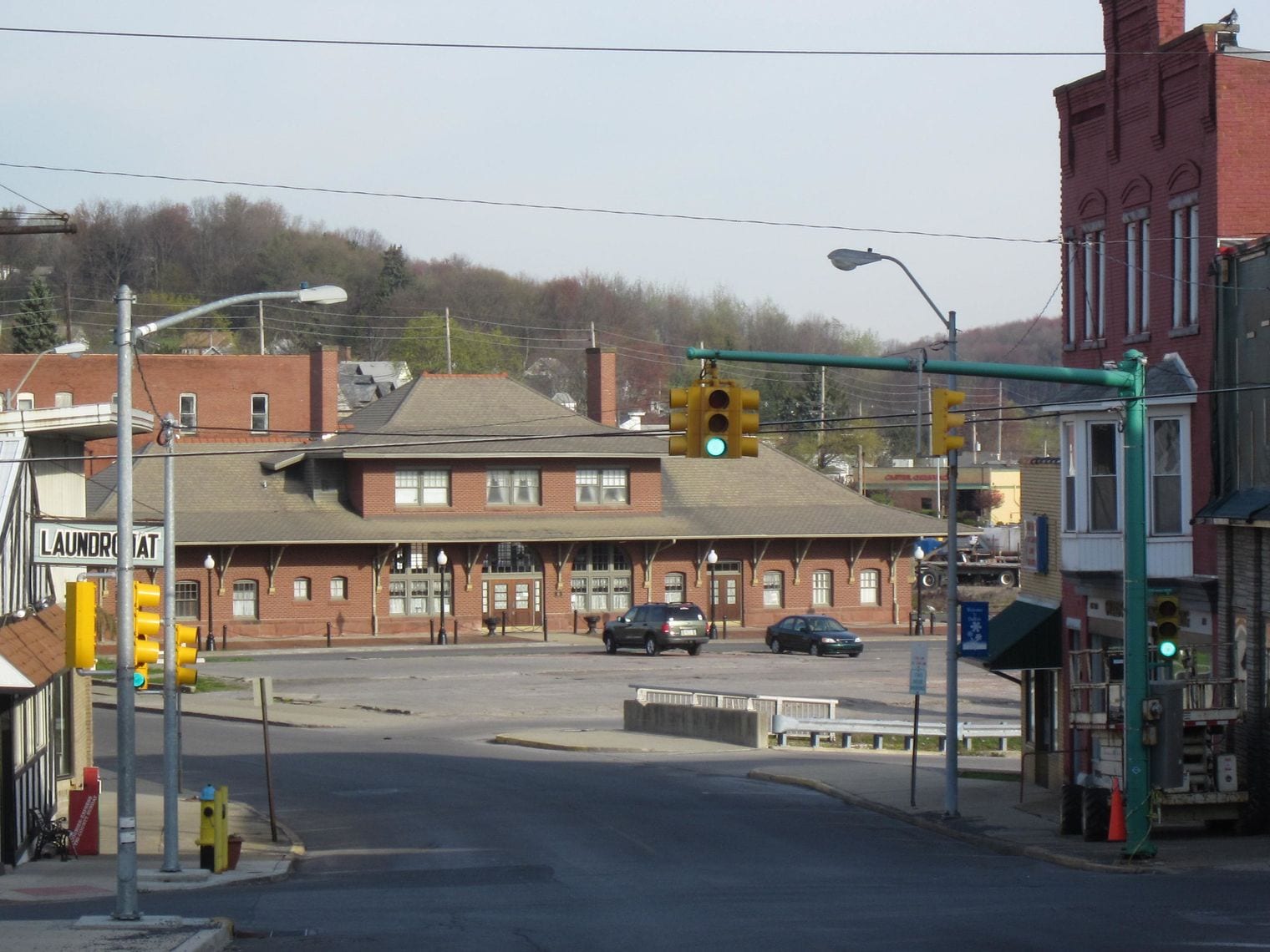
Hawley is a small Wayne County borough on the Lackawaxen River, a former coal-transport town near Lake Wallenpaupack, one of the Poconos' big summer playgrounds. Its old storefronts and restored industrial buildings now serve lake visitors with shops, cafés and galleries.
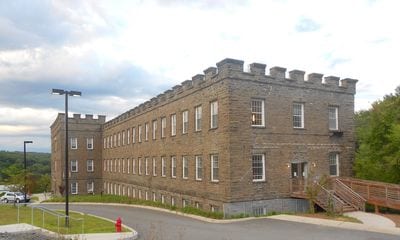
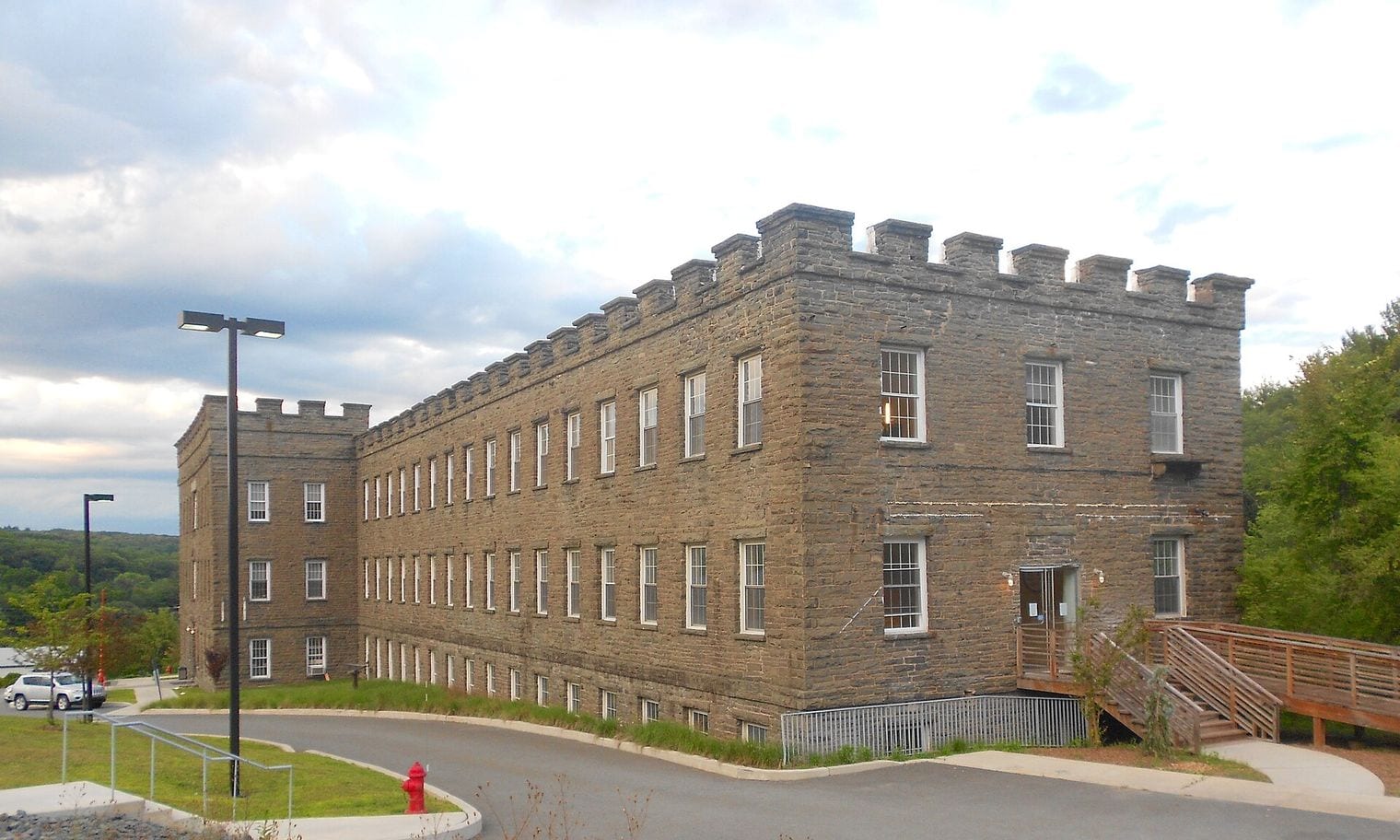
The Hawley Silk Mill, a massive stone mill regarded as the largest bluestone building in the world, has been restored as a home for shops, boutiques and offices. Lake Wallenpaupack, the second-largest lake entirely within Pennsylvania, offers boating, fishing and swimming along 52 miles of shoreline just outside town.
Selinsgrove, the largest borough in Snyder County, sits on the Susquehanna River in the middle of the valley and was founded in 1787 by Anthony Selin, a captain in the American Revolution. Market Street is its historic spine, lined with shops and cafés and home to the mansion of Simon Snyder, one of Pennsylvania's early governors.
Susquehanna University, founded in 1858, sits a short walk from downtown and brings concerts, lectures and a youthful energy to the borough. Stroll the riverbank for views across the wide Susquehanna, and pair a visit with nearby Lewisburg, Mifflinburg or Bloomsburg.
Bryn Athyn, a small Montgomery County borough just north of Philadelphia, was founded by members of the New Church, followers of the 18th-century Swedish thinker Emanuel Swedenborg, and its Welsh-inspired name was meant to mean hill of unity. Its center is a National Historic Landmark District of Arts and Crafts buildings made by craftsmen employed by the wealthy Pitcairn family.
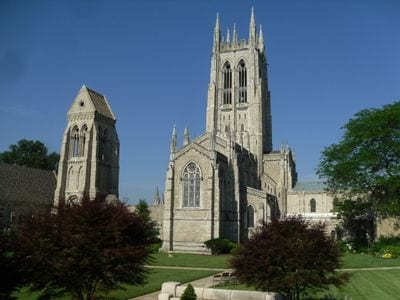
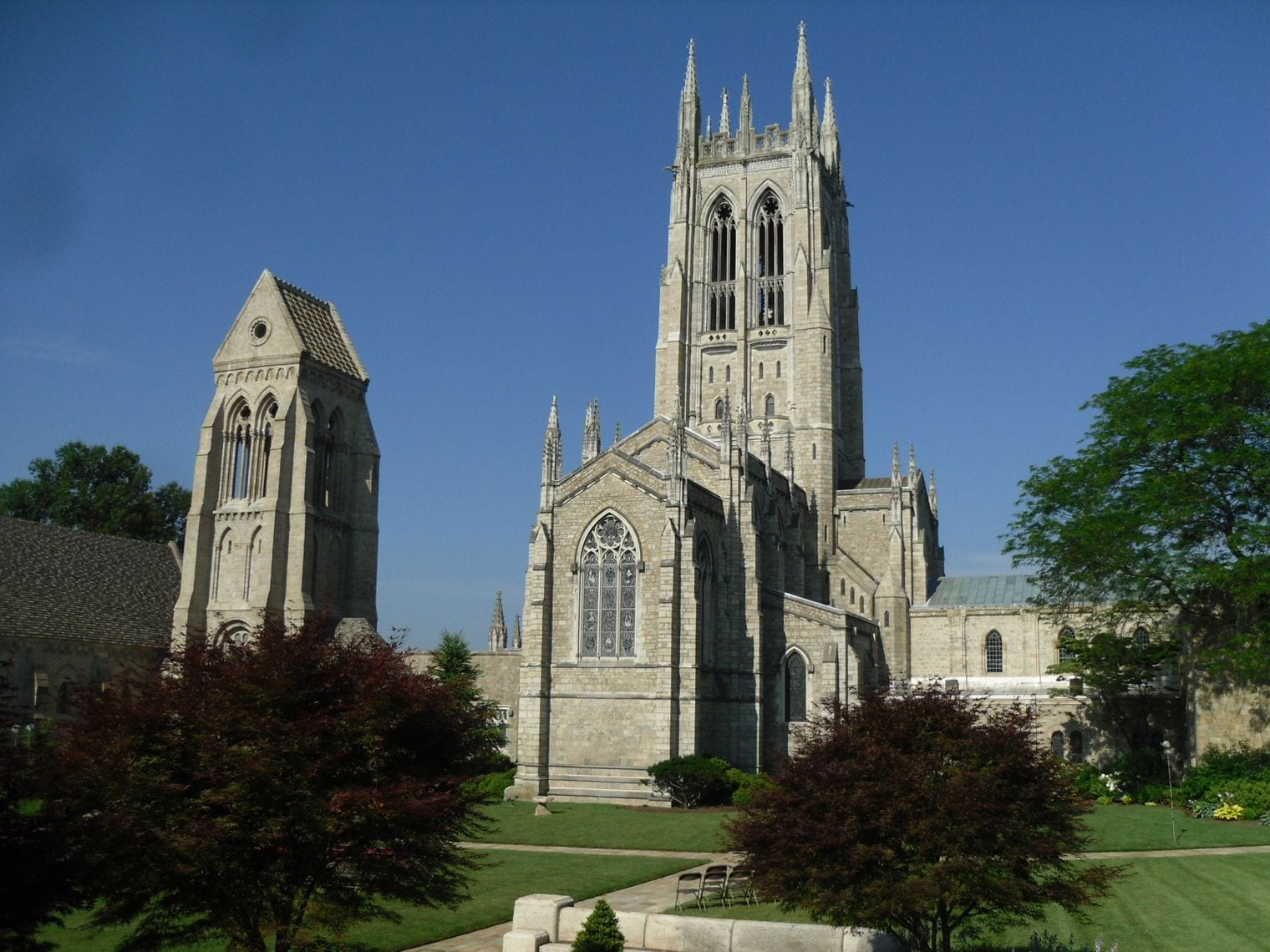
The Gothic Bryn Athyn Cathedral, the mother church of the General Church of the New Jerusalem, rises above the district, while the castle-like Glencairn Museum, once a Pitcairn home, displays about 8,000 mostly religious artworks from ancient Egypt to medieval Europe. Nearby Cairnwood, John Pitcairn's 1895 Beaux Arts estate with grounds laid out by the Olmsted firm, completes the ensemble.
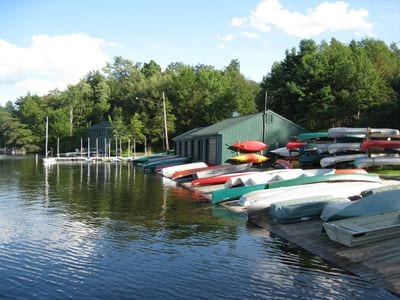
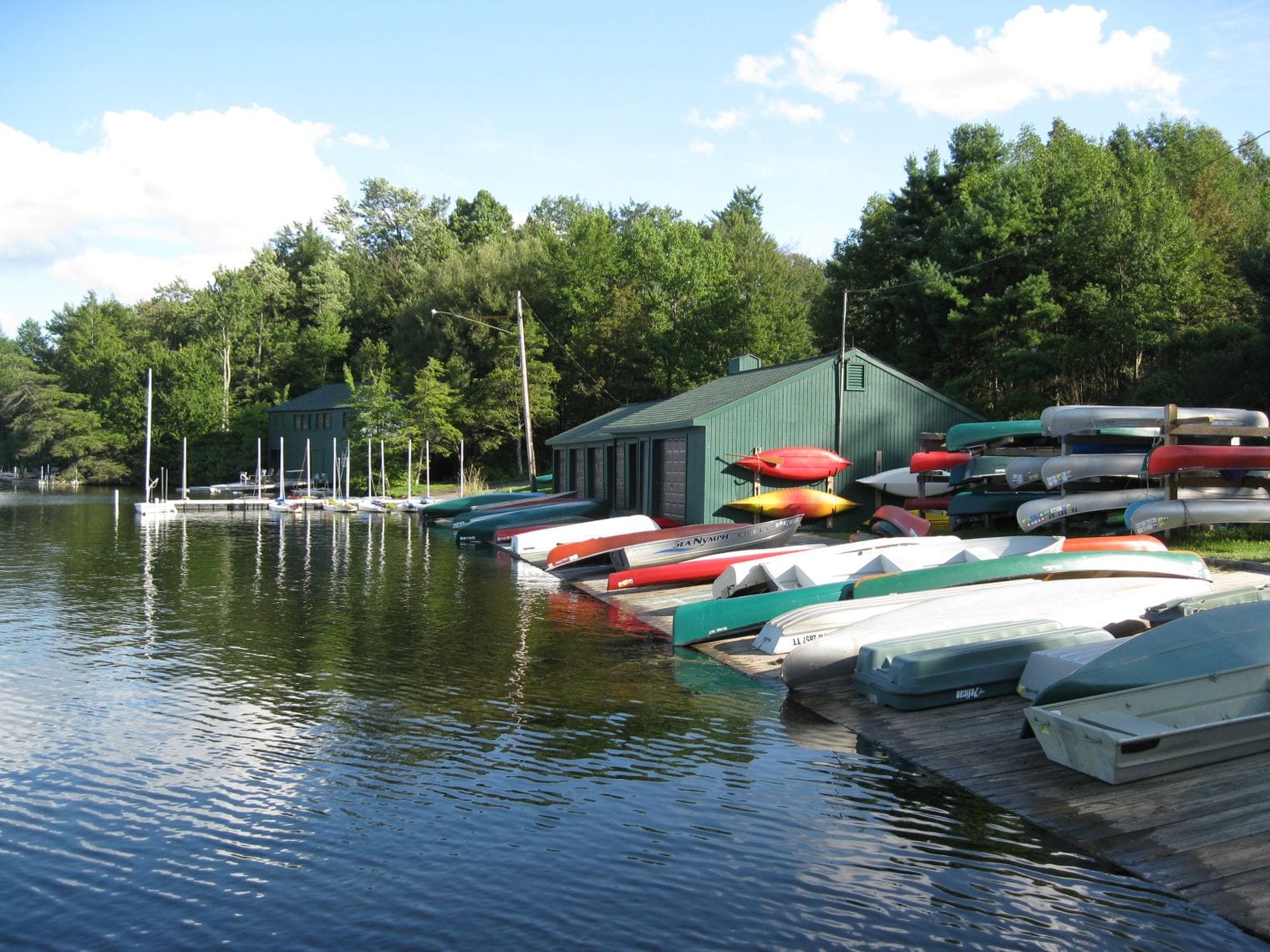
Eagles Mere, a borough of about 150 year-round residents in the Endless Mountains of Sullivan County, is a Victorian summer resort built around a mountain lake; its name means the eagle's lake. From the 1880s grand hotels drew summer crowds, and its historic district still keeps the unhurried feel of that era.
Walk or paddle around the lake in summer, and in cold winters look out for the town's beloved ice toboggan slide, a tradition since the early 1900s in which volunteers build a chute of lake ice and riders shoot out across the frozen lake. Worlds End State Park, with scenic vistas above Loyalsock Creek and cabins built by the Civilian Conservation Corps, is a short drive away.
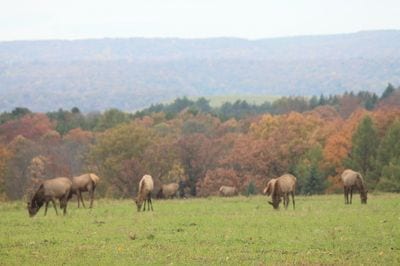
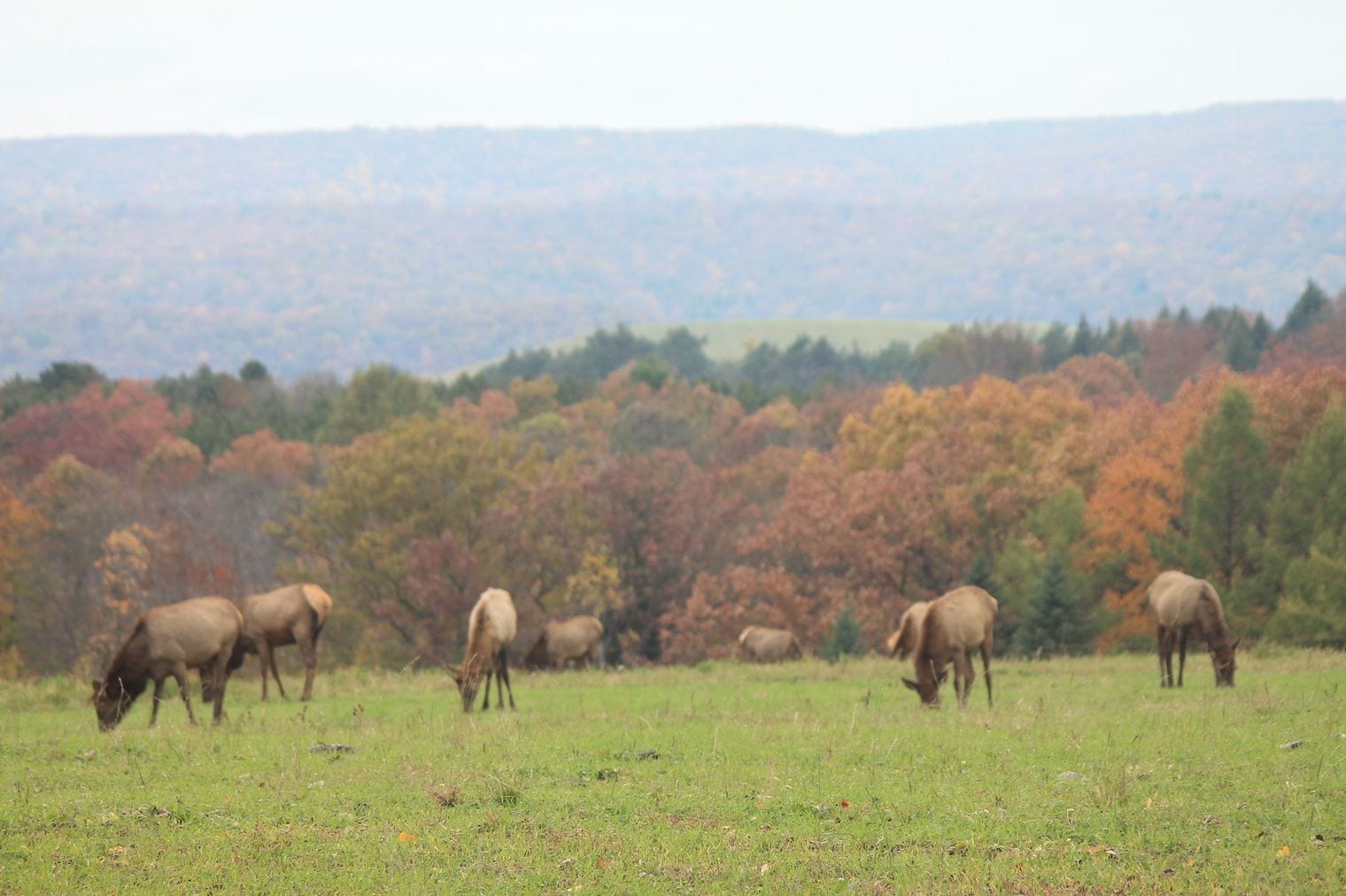
Benezette is a tiny village on the Bennett Branch in Elk County, but it sits at the heart of Pennsylvania's elk range, home to one of the largest wild elk herds in the eastern United States. Native elk disappeared from Pennsylvania in the 1800s and were restocked from 1913 with animals from Yellowstone, and today they often graze in the fields and yards around the village.
The Elk Country Visitor Center on Winslow Hill, opened by the state in 2010, has exhibits on the herd and viewing areas nearby, and pull-offs along the Elk Scenic Drive let you watch from the roadside. Fall, when the bulls bugle during the rut, is the most dramatic time to visit; keep your distance and never approach the animals.
Free Things to Do in These Pennsylvania Towns
Many of the best moments on this list cost nothing. You can drive or walk the battlefield at Gettysburg, look down into Pine Creek Gorge from the state park overlooks near Wellsboro and watch the Youghiogheny tumble over the falls at Ohiopyle.
The chocolate-making tour ride at Hershey's Chocolate World in Hershey is free, and so is the Scott Arboretum in Swarthmore. Walk the Delaware Canal towpath from New Hope or Yardley, admire the Victorian streets of Bellefonte, see the Peace Candle glowing over Centre Square in Easton at the holidays, and watch the elk graze in the fields around Benezette.
Pennsylvania is big, so the easiest way to see these towns is to pick a region and link several together. In the southeast, New Hope, Doylestown and Yardley cluster in Bucks County, and New Hope is only a short drive from Princeton across the river in New Jersey.
The Brandywine Valley strings Kennett Square, Media, Swarthmore and Phoenixville within easy reach of Longwood Gardens and Wilmington, Delaware, while Ambler and Bryn Athyn sit just north of Philadelphia. Lancaster County pairs Lititz and Strasburg, with Hershey a short drive west, and Gettysburg, an easy drive from Baltimore, leads on to Carlisle and Bedford along the old roads west.
In the northeast, Stroudsburg, Milford, Hawley and Honesdale make a Poconos loop, with Jim Thorpe to the southwest and Easton at the eastern edge of the Lehigh Valley. The Susquehanna Valley links Lewisburg, Mifflinburg, Selinsgrove and Bloomsburg, with Bellefonte to the west and Eagles Mere to the north.
A Pennsylvania Wilds loop takes in Wellsboro, Ridgway, Benezette, DuBois, Punxsutawney and Bradford, and Titusville is about an hour's drive from Erie. In the southwest, Zelienople, Harmony, Ligonier, Johnstown, Ohiopyle and Indiana are all within reach of Pittsburgh.
FAQ: Visiting the Best Small Towns in Pennsylvania
What is the best small town in Pennsylvania?
Gettysburg is the best small town in Pennsylvania for history, with its Civil War battlefield and the cemetery where Lincoln gave the Gettysburg Address. Jim Thorpe is the favorite for scenery, a Victorian coal town packed into the Lehigh Gorge, while Lititz, New Hope and Wellsboro round out the top five for Moravian charm, riverside arts and gas-lit streets.
What are the best small towns near Philadelphia?
New Hope, Doylestown and Yardley in Bucks County are the classic day trips north of Philadelphia, while Media, Swarthmore, Kennett Square and Phoenixville lie to the west and southwest. Closer in, Ambler and Bryn Athyn make easy half-day outings, and Lititz and Strasburg in Lancaster County reward a fuller day out in Amish farm country.
Which small towns are close to Pittsburgh?
Zelienople and Harmony sit about 30 miles north of Pittsburgh and pair easily for a history-filled day. Ligonier, about 50 miles east in the Laurel Highlands, has Fort Ligonier and Idlewild, and Ohiopyle adds whitewater and Fallingwater farther southeast. Indiana, Jimmy Stewart's hometown, lies about 46 miles northeast of the city.
Where can you see elk in Pennsylvania?
Benezette, in Elk County, is the center of Pennsylvania's elk range, and the Elk Country Visitor Center on Winslow Hill has exhibits and viewing areas nearby. Elk often graze in the fields around the village, and the Elk Scenic Drive links more viewing spots. Fall, when bulls bugle during the rut, is the most exciting time; Ridgway and DuBois make handy bases.
When is the best time to visit Pennsylvania's small towns?
Fall is the classic season, when foliage colors the mountains around Jim Thorpe, Wellsboro and Eagles Mere and towns such as Bedford and Bloomsburg hold their big fall festivals. Summer suits rafting at Ohiopyle and the lake country around Hawley, winter brings Groundhog Day in Punxsutawney and Christmas markets, and spring is quieter and green.
How many days do you need to visit a small town in Pennsylvania?
Most towns on this list fill a relaxed day, and many make easy day trips from Philadelphia or Pittsburgh. Gettysburg and Hershey deserve two days or a weekend to see properly, while a week lets you link several towns in one region, such as Bucks County, Lancaster County, the Poconos or the Pennsylvania Wilds.