We build and rank every list first. Booking links come after, and only where
a partner sells a ticket, tour or stay for that exact place, so a place with
nothing to book is listed exactly as prominently as one you can book.
So how do we earn? Some links on this page go to booking
partners, and if you book tickets, tours or a stay through
one, we may earn a commission. It costs you nothing extra.
That commission never decides which places make the list, the order they
appear in, or what we write about them. No entry is sponsored or a paid
placement.
50 Best Things to Do in Philadelphia, Pennsylvania (2026)
By the City Viking editorial teamPublished 50 places · 35 min read
Fact-checked Checked before launchOct 19, 202650 sources36 publishers4 government & parks2 tourism boards10 encyclopedias & research34 venues & other sitesPublished · Oct 19, 2026Researched and checked before it went liveClick for every source and the full change log.
Short answer
Philadelphia is known for being the City of Brotherly Love, the Declaration of Independence and the Constitution, both adopted here, and its murals. Start at Independence Hall and the Liberty Bell Center, then follow the Benjamin Franklin Parkway to the Philadelphia Museum of Art's Rocky Steps, with lunch at Reading Terminal Market. Three days covers the highlights: one for the historic district, one for the Parkway museums and one for the parks and neighborhoods.
Philadelphia is where the United States was argued into being: both the Declaration of Independence and the Constitution were debated and adopted inside Independence Hall. Pennsylvania's largest city backs that history with a museum mile along the Benjamin Franklin Parkway, food markets that have fed it for generations and miles of wooded parkland.
This guide ranks the 50 best things to do, from the Liberty Bell and the Rocky Steps to a 19th-century prison, a mosaic labyrinth and the Wissahickon gorge. Give the city three days: Old City first, then the Parkway, then the parks and neighborhoods.
Map of Things to Do in Philadelphia, Pennsylvania
Things to Do in Philadelphia, Pennsylvania
Things to Do in Philadelphia, Pennsylvania at a Glance
The city's name is Greek for "brotherly love", chosen by William Penn, an English Quaker and advocate of religious freedom, when he founded Philadelphia in 1682, which is why it is still called the City of Brotherly Love.
Philadelphia served as the nation's capital in 1775–76 and on several later occasions, the last stretch ending in 1800, when the new federal capital at Washington, D.C. was ready.
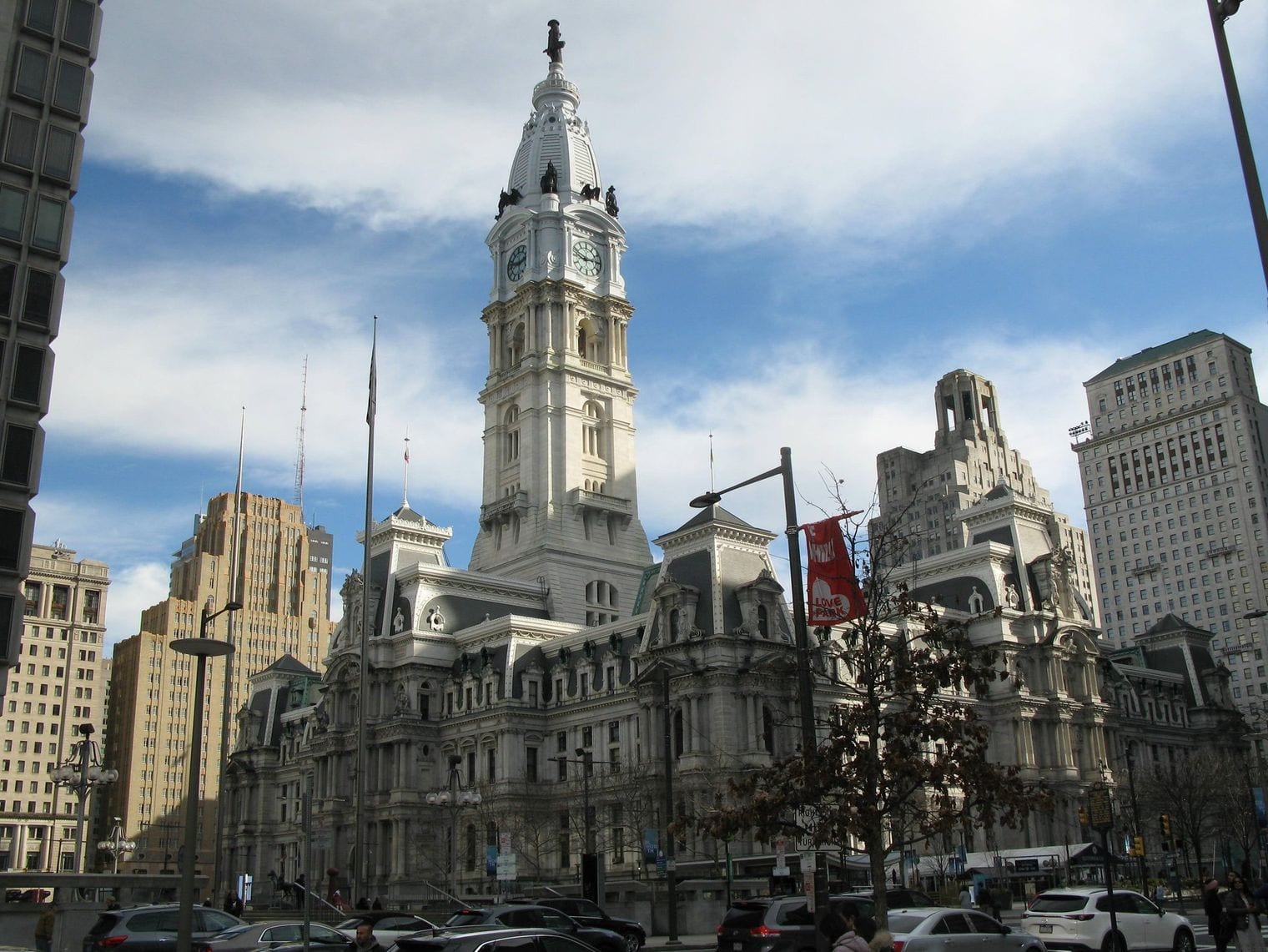
City Hall's tower was the world's tallest clock tower until 1909, and for most of the 20th century a gentlemen's agreement kept every Center City building below the William Penn statue on its top, until One Liberty Place broke it in 1987.
Philadelphia has more outdoor sculptures and murals than any other American city, and Mural Arts Philadelphia, which calls itself the nation's largest public art program, has created more than 4,000 murals.
It is a city of American firsts: the country's first library (Benjamin Franklin's Library Company, 1731), medical school (1765), stock exchange (1790) and zoo (1874) all started here.
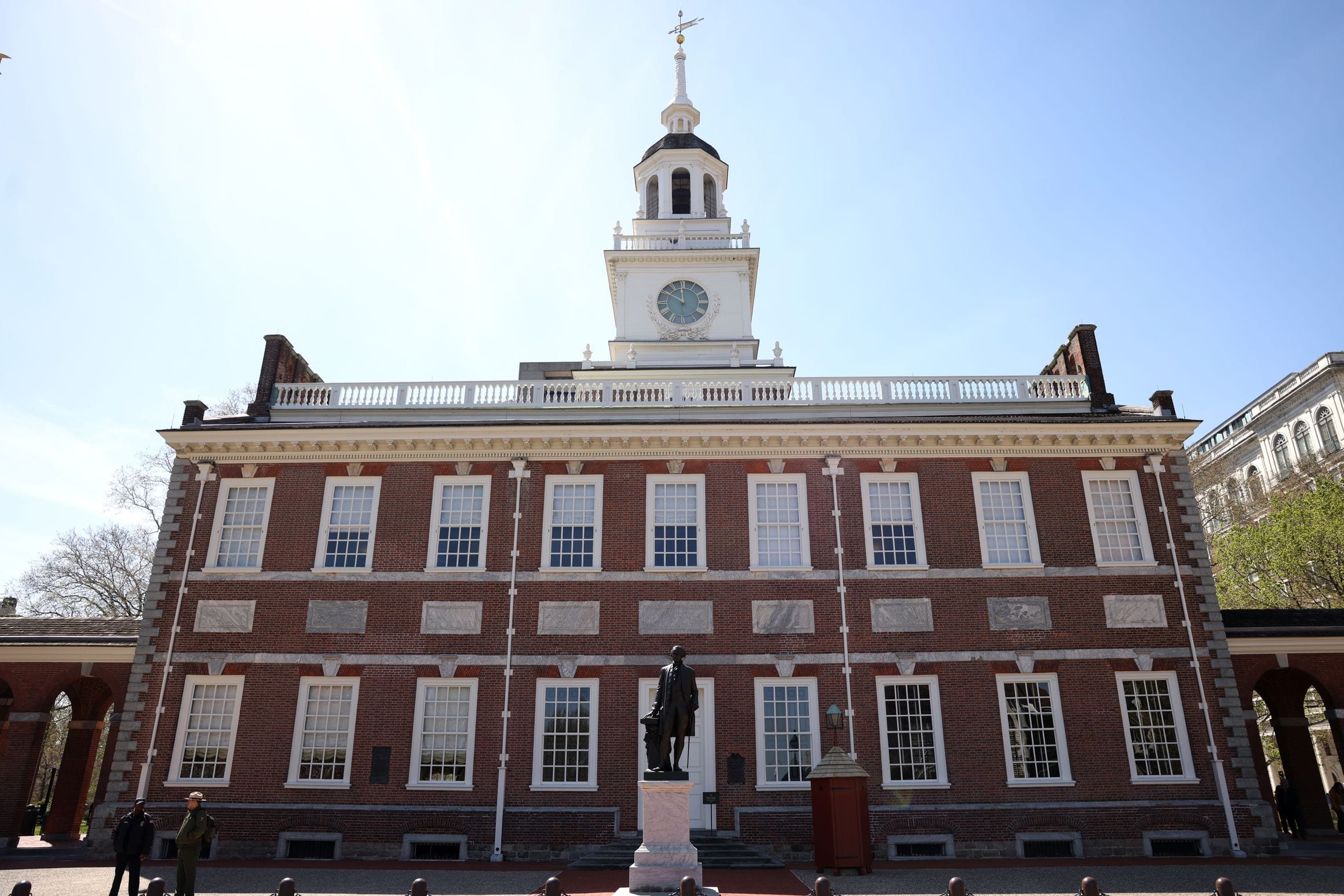
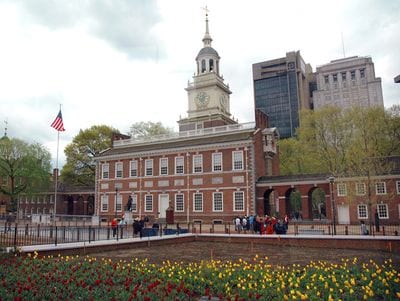
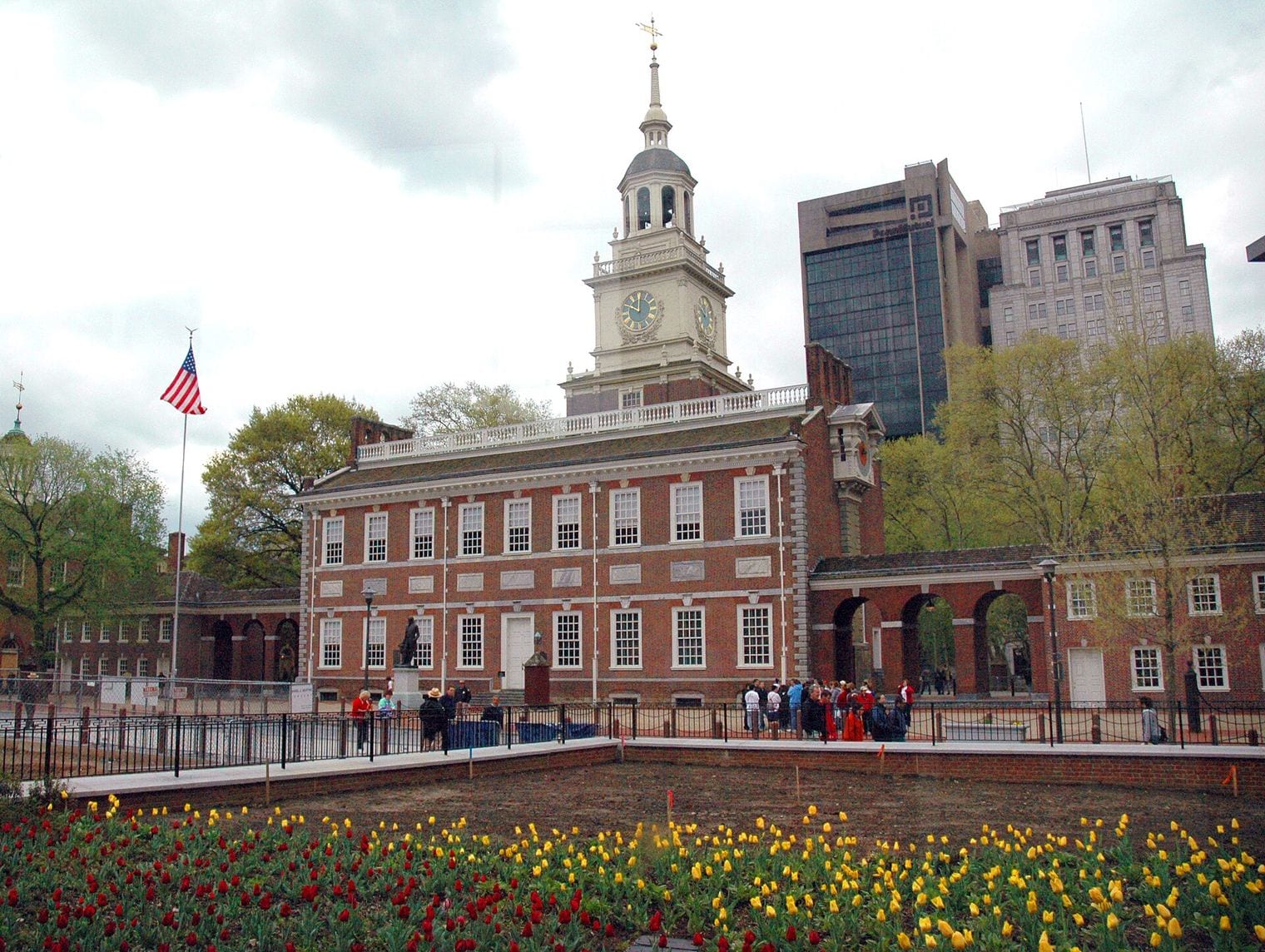
Independence Hall is where the United States was argued into existence, and it is the centerpiece of Independence National Historical Park. Completed in 1753 as the Pennsylvania State House, the brick Georgian building hosted the delegates who debated and adopted both the Declaration of Independence and the Constitution, and in its Assembly Room the Continental Congress named George Washington commander of the Continental Army. UNESCO inscribed it as a World Heritage Site in 1979.
Visits are by ranger-led tour, and free timed tickets are required for most of the year, so reserve ahead in the busy months, pick up maps at the Independence Visitor Center on Independence Mall, and allow time for the security check on Independence Square. The tour takes in the courtroom and the Assembly Room. Next door, Congress Hall, where the U.S. Congress met from 1790 to 1800, and Old City Hall complete the group of buildings on the square.
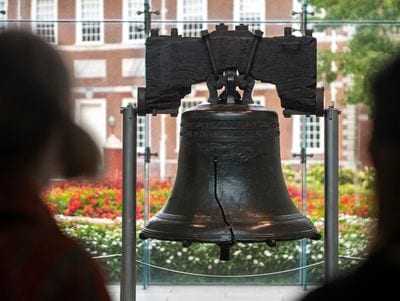
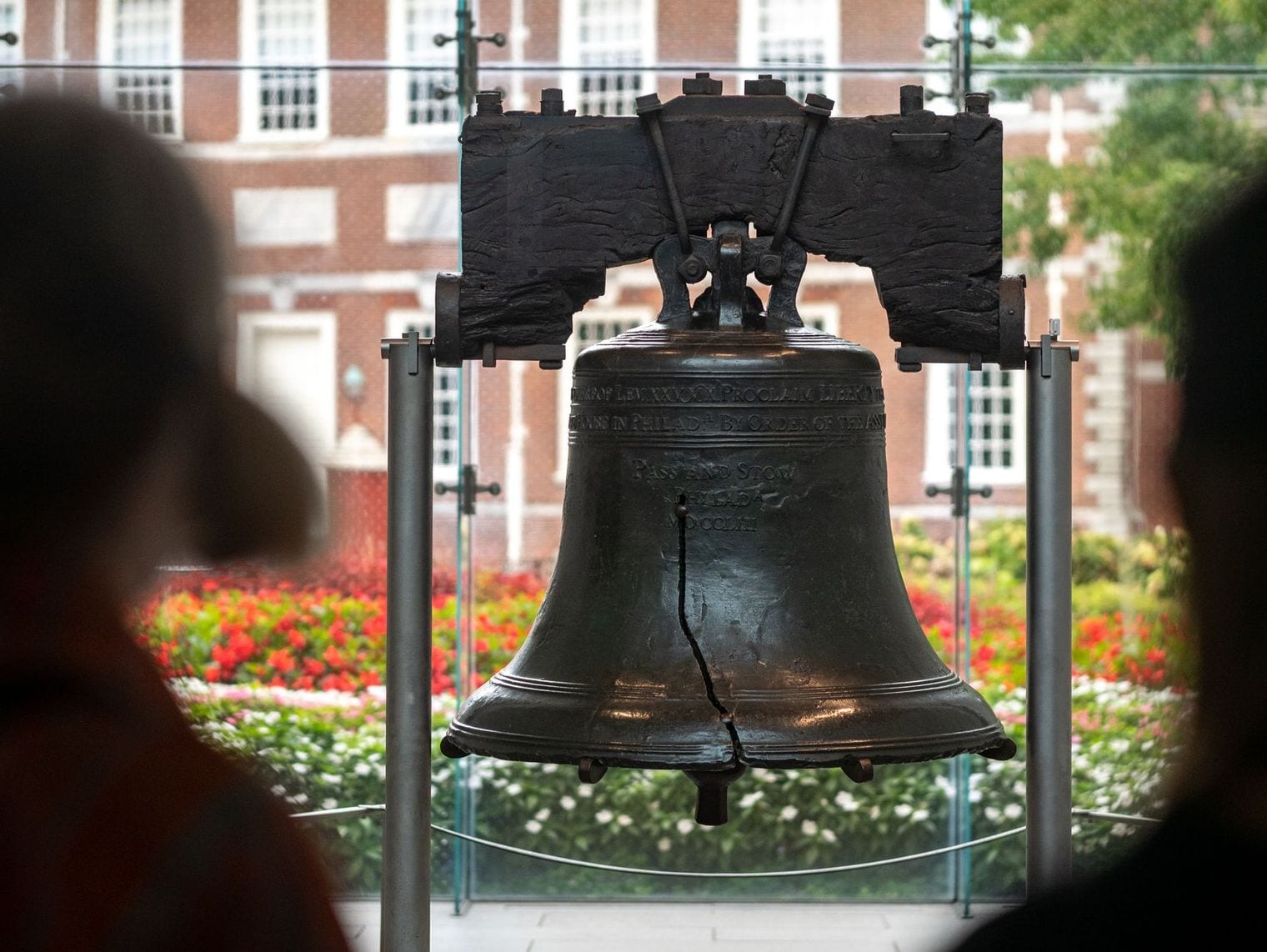
The Liberty Bell Center sits across Chestnut Street from Independence Hall, and the bell inside is smaller and more battered than many visitors expect. Commissioned in 1752 from a London foundry, it cracked the first time it was rung in Philadelphia and was recast twice by local workmen John Pass and John Stow, whose names it still carries. Abolitionists gave it its famous name in the 1830s, when they adopted it as a symbol.
Entry is free and needs no ticket, though the security line can be long on summer afternoons, so come early or late in the day. Exhibits along the approach trace the bell's journey from State House bell to emblem of the anti-slavery and civil rights movements. Just outside, the open-air President's House Site marks where George Washington lived as president and tells the stories of the enslaved people in his household.
33. Philadelphia Museum of Art and the Rocky Steps
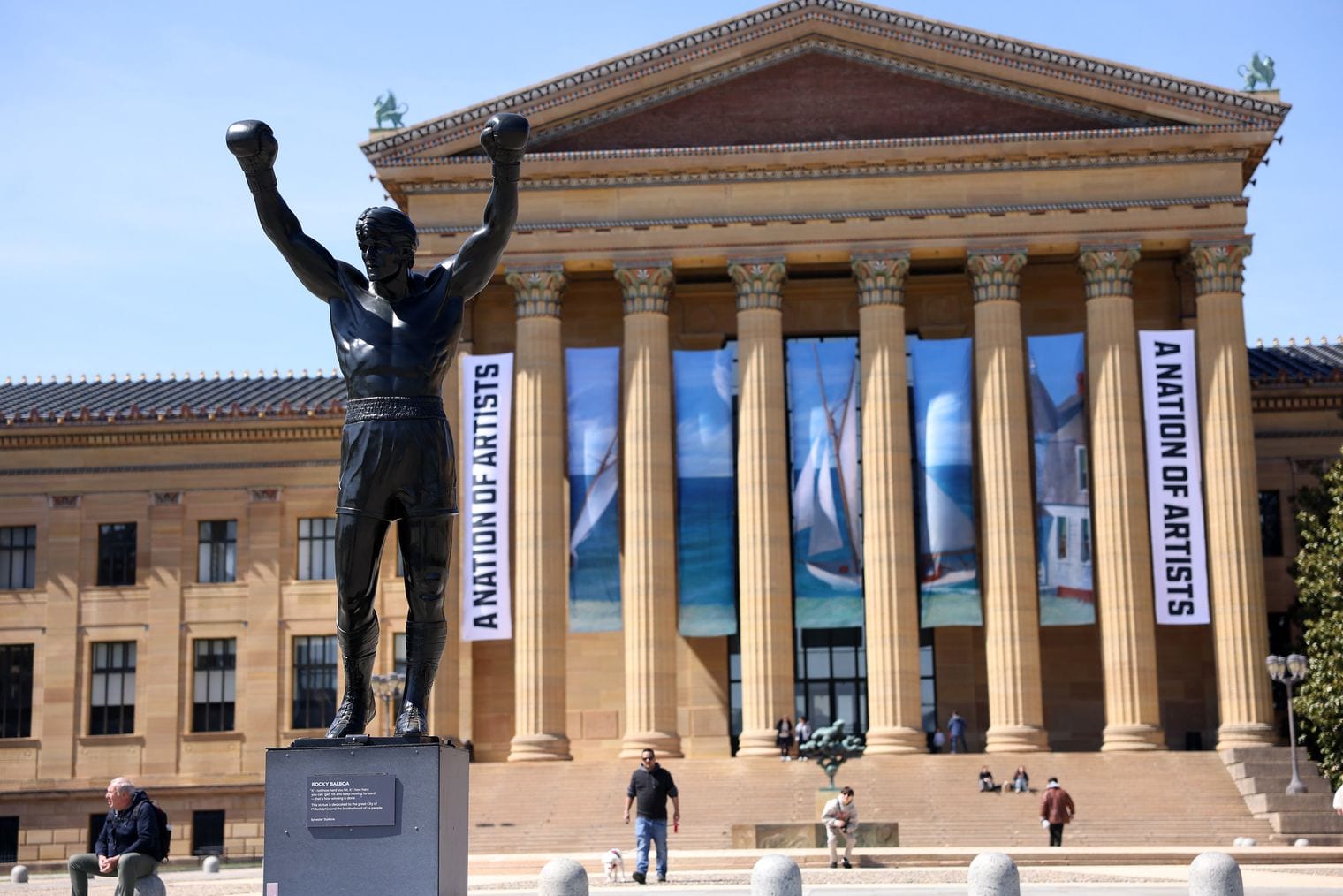
The Philadelphia Museum of Art crowns Fairmount, the hill at the top of the Benjamin Franklin Parkway, and its main building, completed in 1928, is one of the great temples of American art. The collections run to more than 240,000 objects from Europe, Asia and the Americas, including paintings, sculpture, decorative arts and arms and armor, and the Perelman Building across the street adds prints, photography and costume.
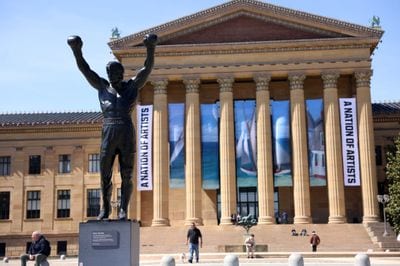
Even if you never go inside, the east entrance steps are a pilgrimage: Rocky Balboa ran up them in the 1976 film Rocky, and visitors have been sprinting to the top and throwing their arms in the air ever since. A bronze Rocky statue stands near the foot of the steps, and the view from the top runs straight down the Parkway to City Hall.
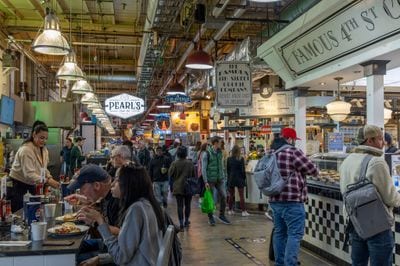
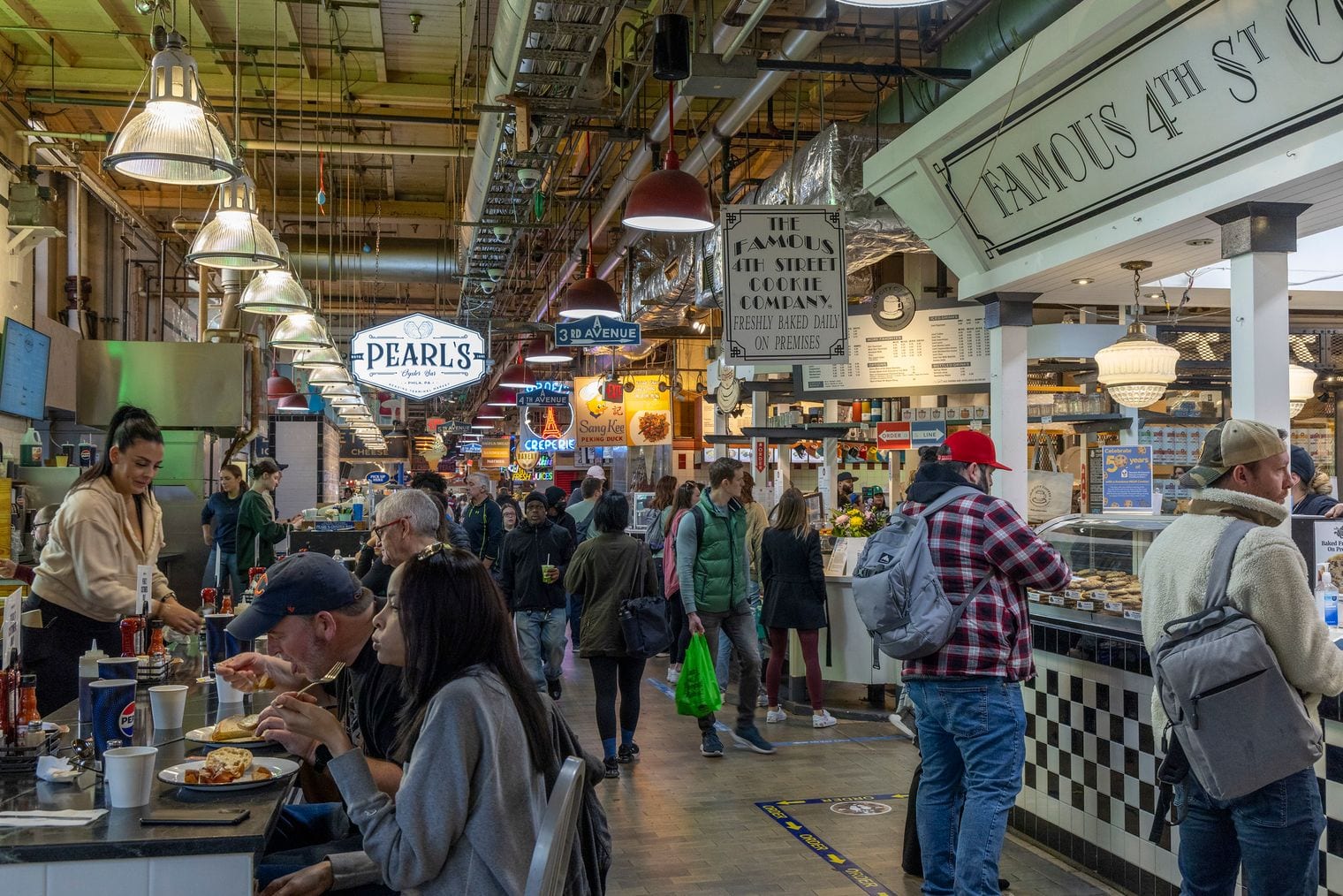
Reading Terminal Market has fed Philadelphia since 1893, when it opened beneath the train shed of the Reading Railroad at 12th and Arch Streets. The trains are long gone and the old terminal is now part of the Pennsylvania Convention Center, but the market still fills its ground floor with dozens of stalls selling produce, meat, cheese, baked goods and food to eat on the spot.
Come hungry and graze: a cheesesteak or a roast pork sandwich, a soft pretzel, scrapple at breakfast, and pies and pastries from the Pennsylvania Dutch merchants, who traditionally take Sundays off. Weekday lunch hours and weekends are crowded, so a mid-morning visit makes it easier to find a seat at the counters. Chinatown is a block away.
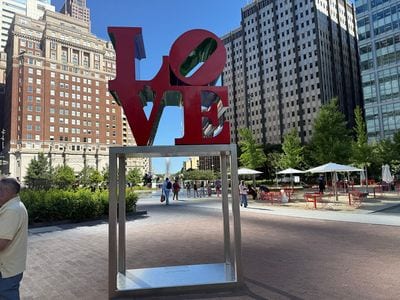
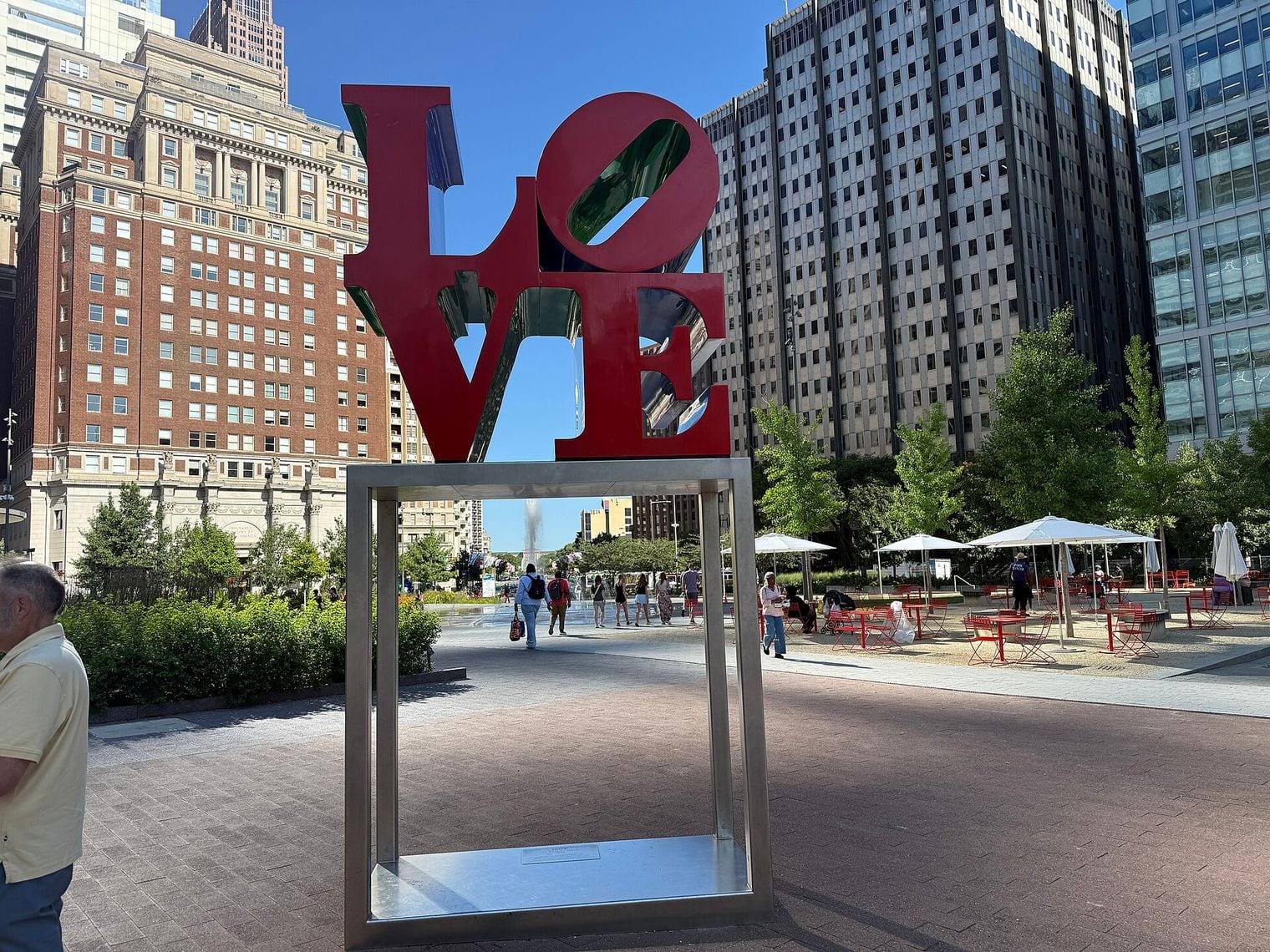
LOVE Park, officially John F. Kennedy Plaza since 1967, is the plaza across from City Hall where Robert Indiana's red LOVE sculpture tilts its O over the crowd. It is the city's favorite photo stop, and it also marks the start of the Benjamin Franklin Parkway, which runs diagonally from here to the Philadelphia Museum of Art.
In the 1990s and 2000s its granite ledges made it one of the most famous skateboarding spots in the world, despite repeated bans. Today it is a calmer, redesigned plaza with a fountain and lawn, an easy stop between City Hall, the Masonic Temple and the Parkway museums. Come early in the day if you want the sculpture without a queue of selfie-takers.
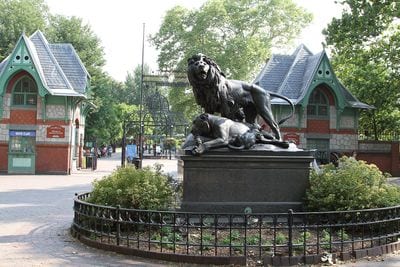
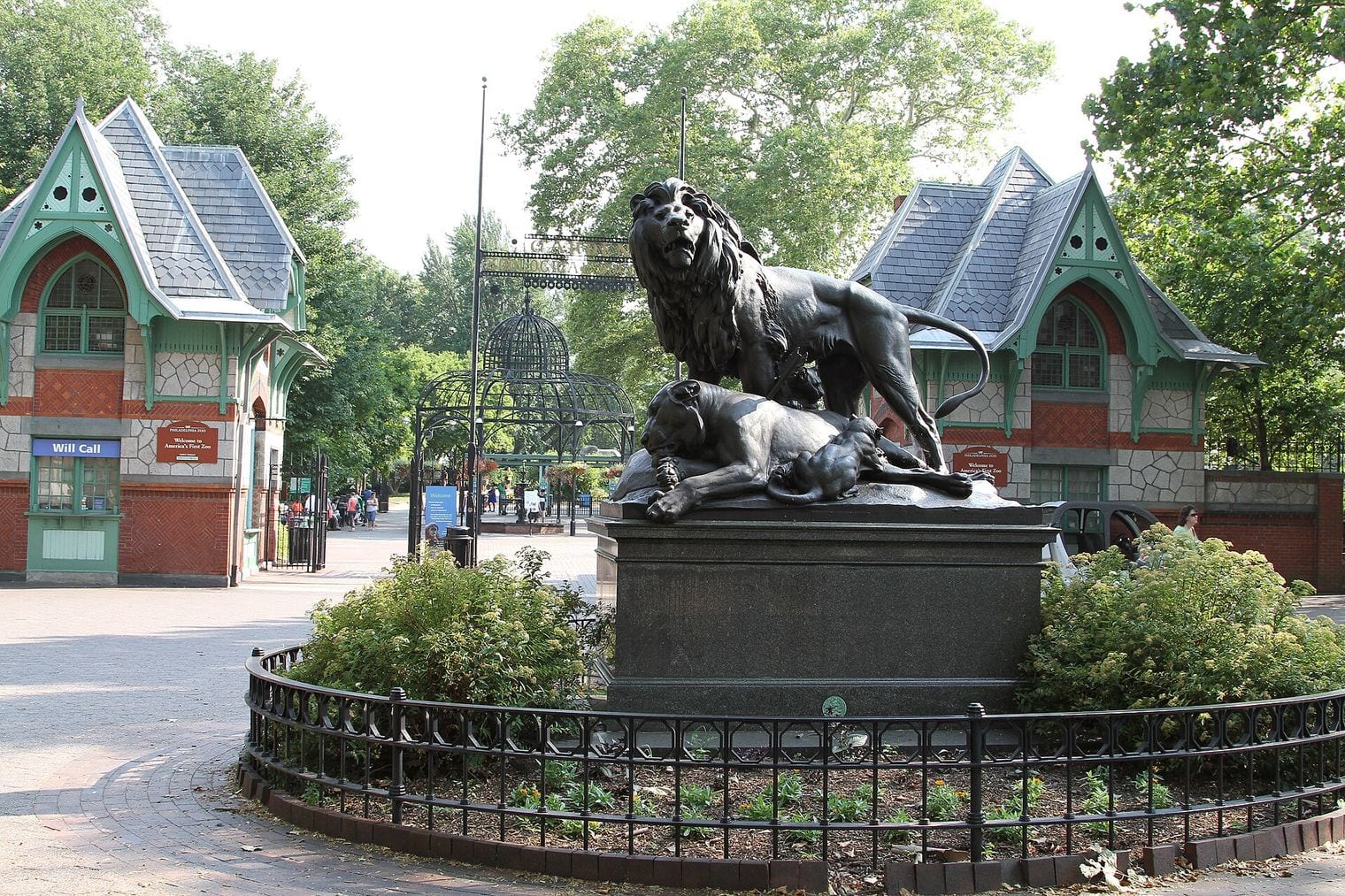
The Philadelphia Zoo was the first true zoo in the United States: chartered in 1859, it opened in 1874 after the Civil War delayed its debut. Its 42 acres sit in West Fairmount Park on the west bank of the Schuylkill River, and it is known for breeding animals that are difficult to breed in captivity, many of them rare and endangered.
Its signature is Zoo360, a network of see-through mesh trails that lets big cats, primates and other animals roam above and around visitors' heads. Add a children's zoo and a rainforest-themed carousel and it easily fills most of a day with kids, and it pairs neatly with the Please Touch Museum a short drive away.
77. Citizens Bank Park and the South Philadelphia Sports Complex
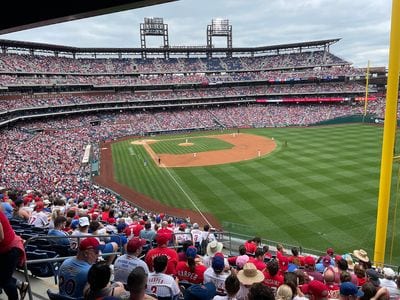
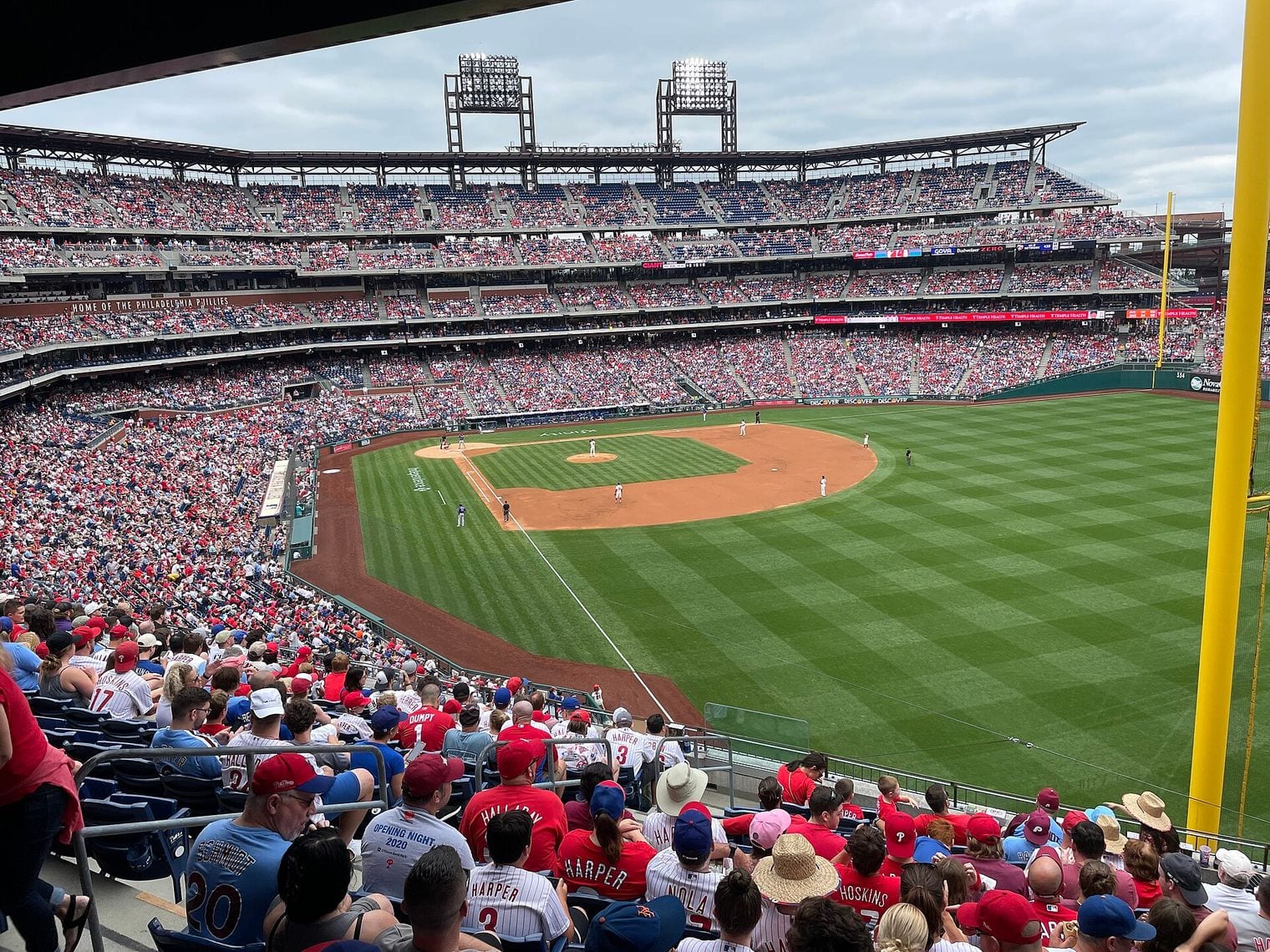
Citizens Bank Park has been home to the Philadelphia Phillies since 2004, a natural-grass ballpark with views of the Center City skyline and food stands built around regional favorites: cheesesteaks, hoagies, soft pretzels and local beer. It anchors the northeast corner of the South Philadelphia Sports Complex at the southern end of Broad Street.
The complex is a one-stop tour of the city's sports devotion. The Eagles play football at Lincoln Financial Field next door, and the 76ers and Flyers share Xfinity Mobile Arena, known until 2025 as the Wells Fargo Center. Game days bring tailgates to the parking lots, and the Broad Street subway runs straight here from Center City, which beats hunting for a space.
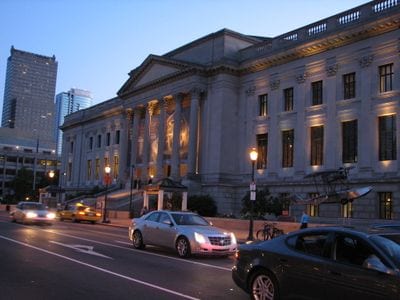
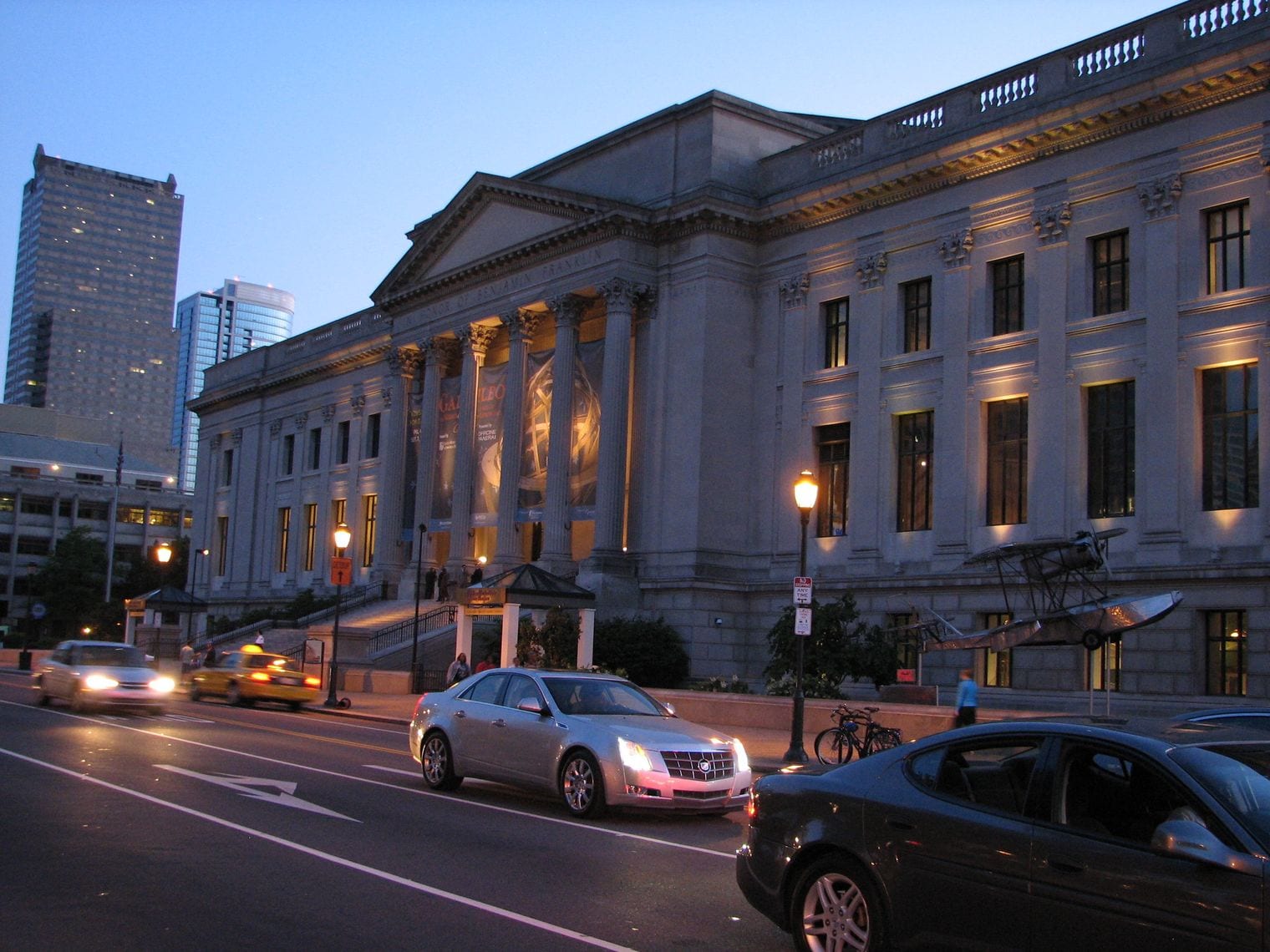
The Franklin Institute, founded in 1824, is one of the oldest centers of science education in the United States and a hands-on science museum that generations of Philadelphia schoolchildren remember fondly. Its rotunda holds the Benjamin Franklin National Memorial, with a giant seated statue of the man the institute is named for.
The best-loved exhibit is the Giant Heart, a walk-through model of a human heart that has been a Philadelphia icon since 1954. Other highlights include the Baldwin 60000 steam locomotive, rolled in while the building's walls were still going up, and the Fels Planetarium, which opened in the 1930s as only the second planetarium in the country. Allow at least half a day.
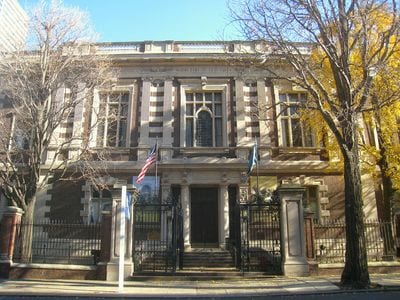
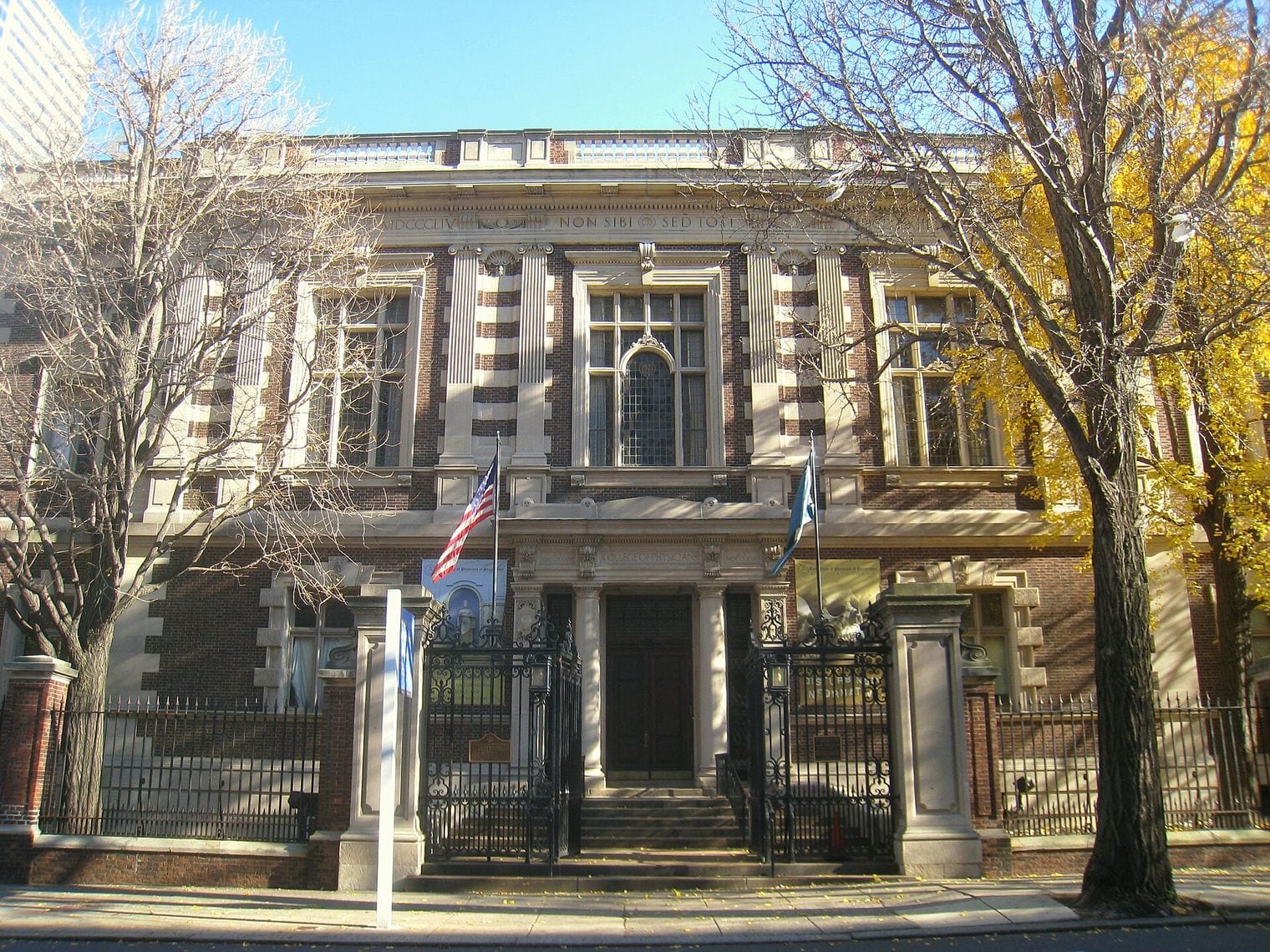
The Mütter Museum is Philadelphia's most gloriously strange museum, a cabinet of anatomical and pathological specimens, wax models and antique medical instruments run by the College of Physicians of Philadelphia. It grew from an 1858 gift by surgeon Thomas Dent Mütter to teach doctors and medical students, and it opened to the general public only in the 1970s.
Highlights include the Hyrtl Skull Collection of 139 human skulls gathered by an Austrian anatomist, and the famous Soap Lady, whose body turned to a waxy substance after burial. Only a fraction of its tens of thousands of specimens is on display at any time. It is not for the squeamish, and it suits older children and adults best.
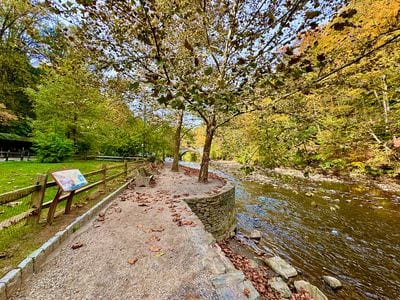
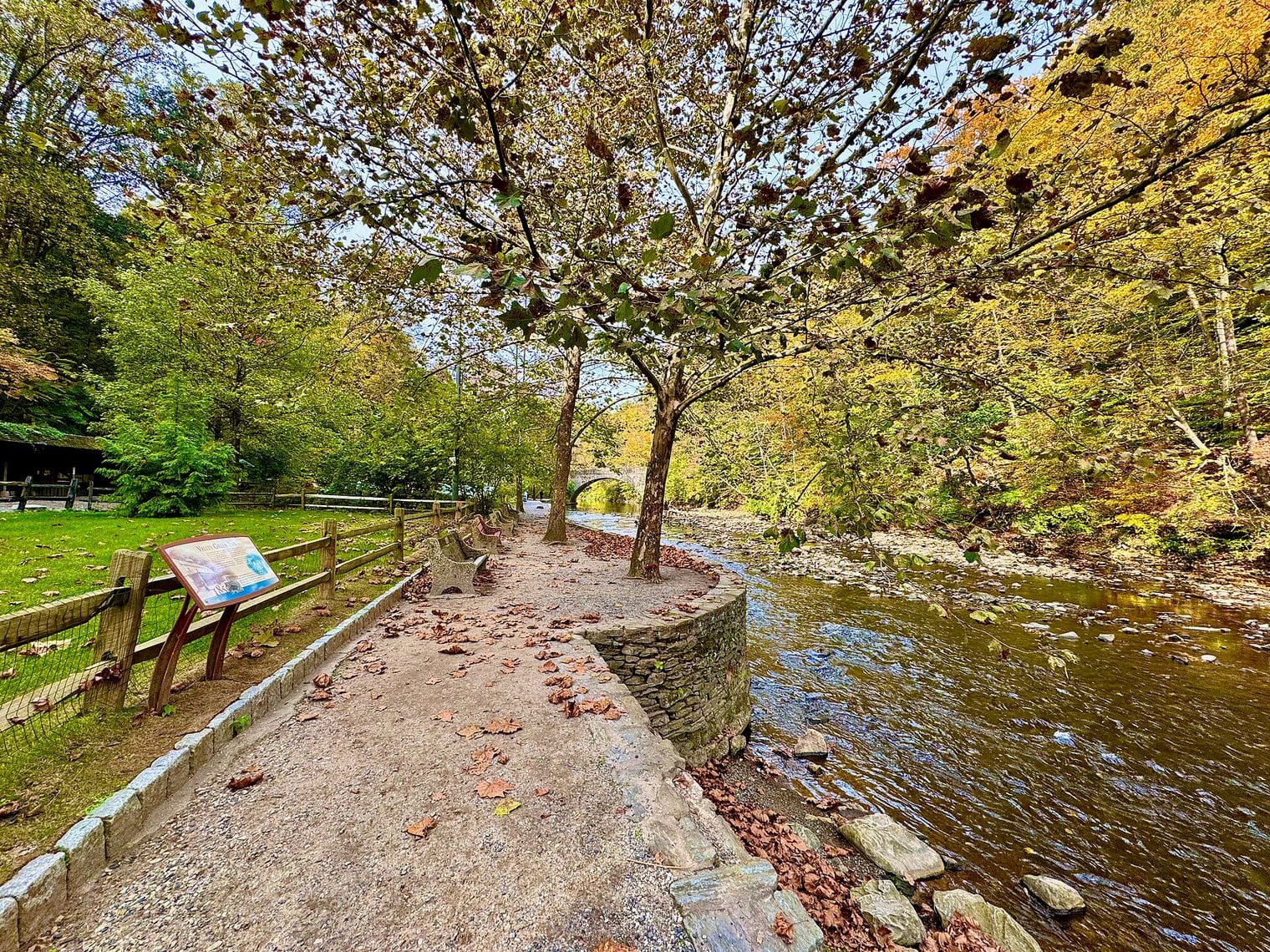
Wissahickon Valley Park is Philadelphia's wild side: 2,042 acres of forest along Wissahickon Creek in the northwest of the city, where the creek winds through a deep wooded gorge designated a National Natural Landmark. It is hard to believe you are inside a city of more than a million and a half people.
Forbidden Drive, a car-free gravel road, runs the length of the valley and is shared by walkers, runners, cyclists and horseback riders, while about 50 miles of trails climb the slopes to rocky outcrops and Kelpius Cave. Valley Green Inn makes a classic halfway stop. Devil's Pool, a popular rock pool, is off-limits for swimming, so admire it from the bank.
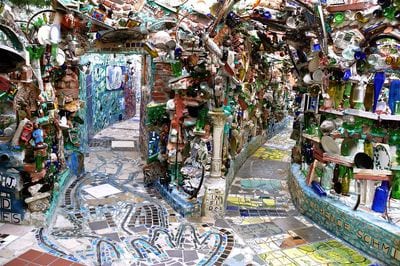
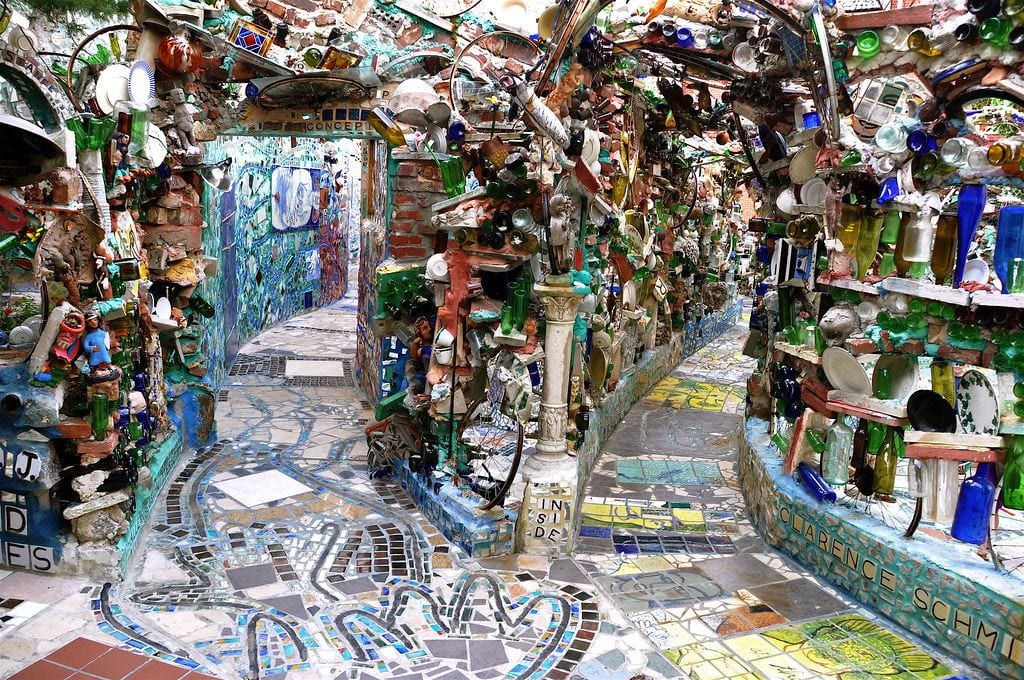
Philadelphia's Magic Gardens is a mosaic world on South Street and the largest work by artist Isaiah Zagar, whose tiled walls turn up all over the surrounding neighborhood. Spread across three city lots, it combines indoor galleries with an outdoor labyrinth of towering, glittering walls.
Look closely and the surfaces resolve into kitchen tiles, mirror shards, bicycle wheels, Latin American folk art and china plates, layered into a dizzying whole that rewards slow looking. A visit takes about an hour, and booking ahead is wise on weekends. Afterwards, wander the nearby blocks to spot more of Zagar's mosaics on houses and storefronts.
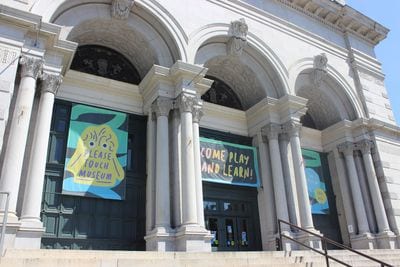
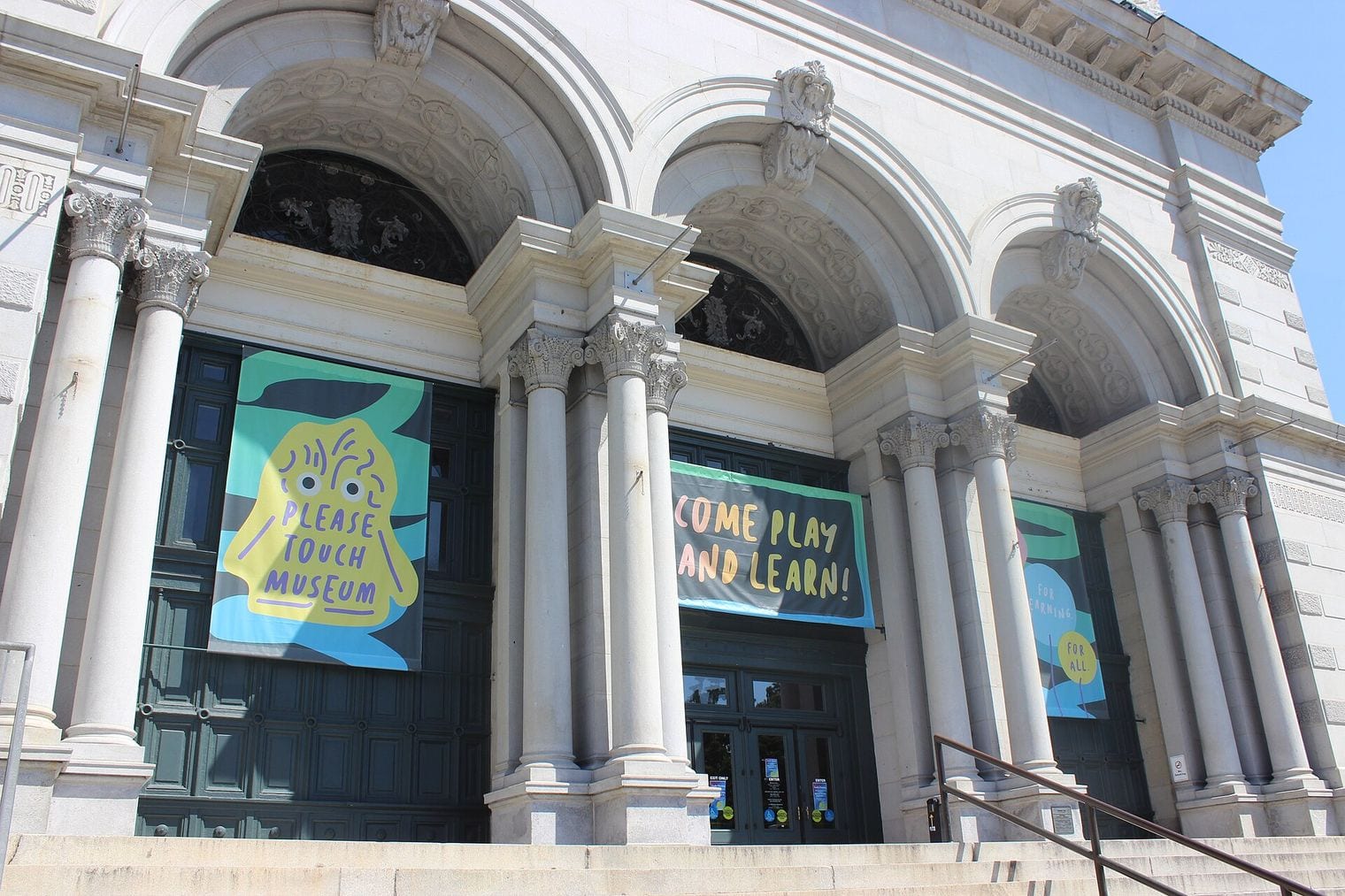
The Please Touch Museum is a children's museum built for play, aimed mostly at kids aged seven and under, and it occupies one of the grandest buildings in the city: Memorial Hall in West Fairmount Park, the last major building left from the 1876 Centennial Exposition.
Inside, hands-on zones let children run a pretend supermarket, splash through river-themed water play, blast off in a rocket room and wander a Wonderland garden, while a scale model of the Centennial Exposition shows grown-ups what once stood outside. The restored Woodside Park Dentzel Carousel is a highlight of its own. Plan two to three hours, and pair it with the zoo.
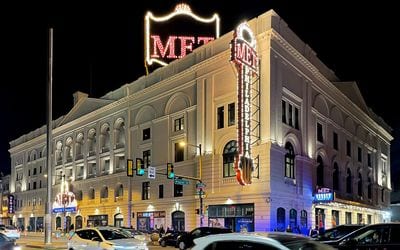
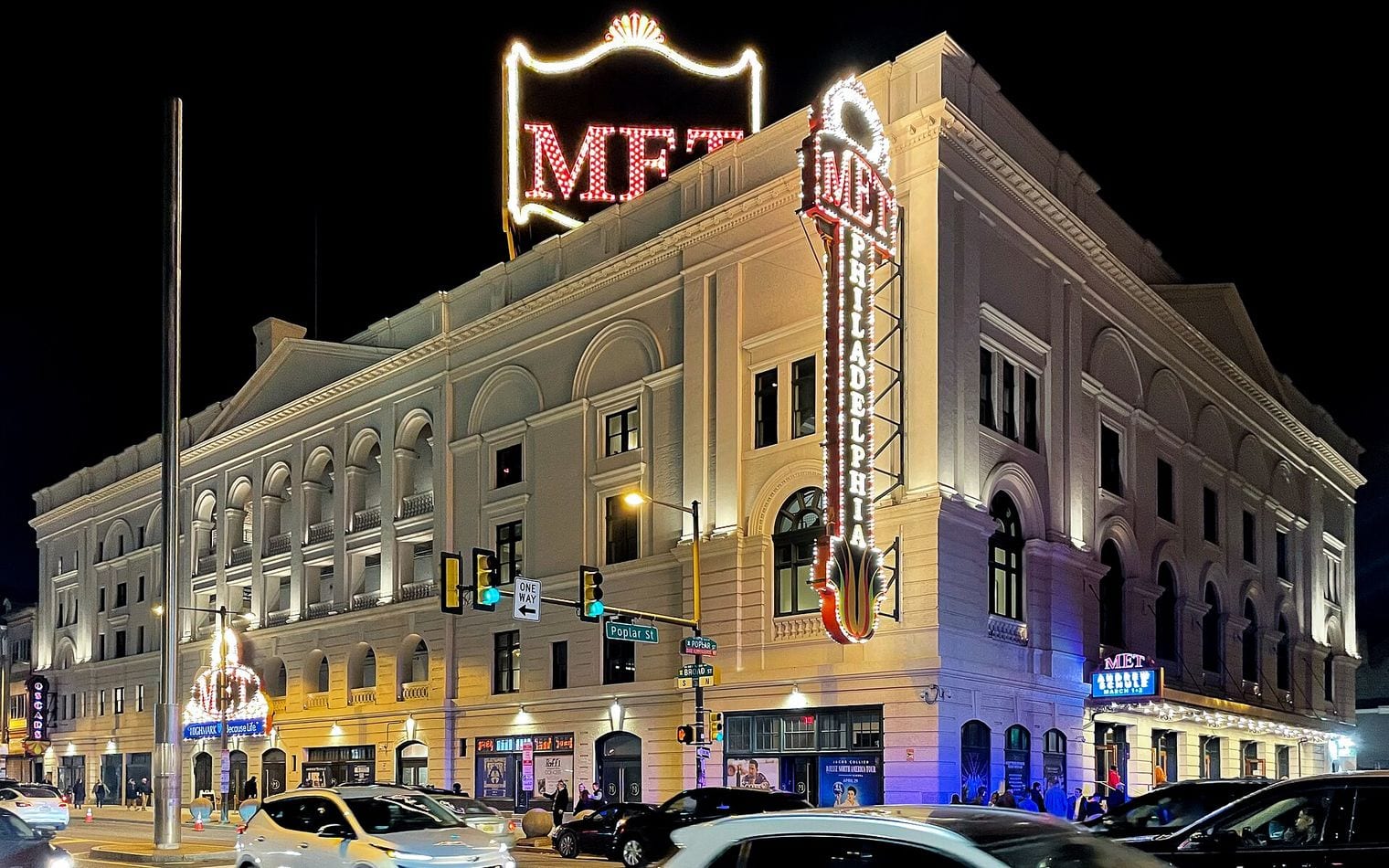
The Met Philadelphia is a 1908 opera house on North Broad Street that came back from the brink. Built by impresario Oscar Hammerstein I and sold two years later to New York's Metropolitan Opera, which gave it its name, it went on to serve as a movie theater, ballroom, sports venue and church before falling into decay.
A major restoration reopened it in 2018 as a concert hall, and today its ornate auditorium hosts touring music and comedy acts. Even if you are not a fan of the headliner, a show here is a chance to see one of the city's great theater interiors brought back to life, and it has helped revive the North Broad corridor around it.
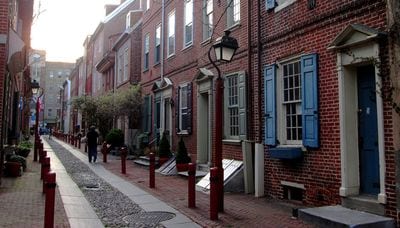
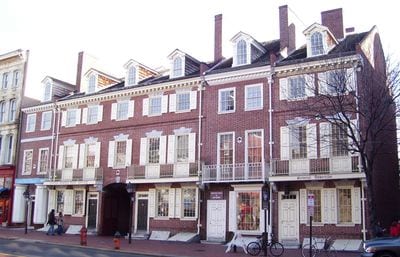
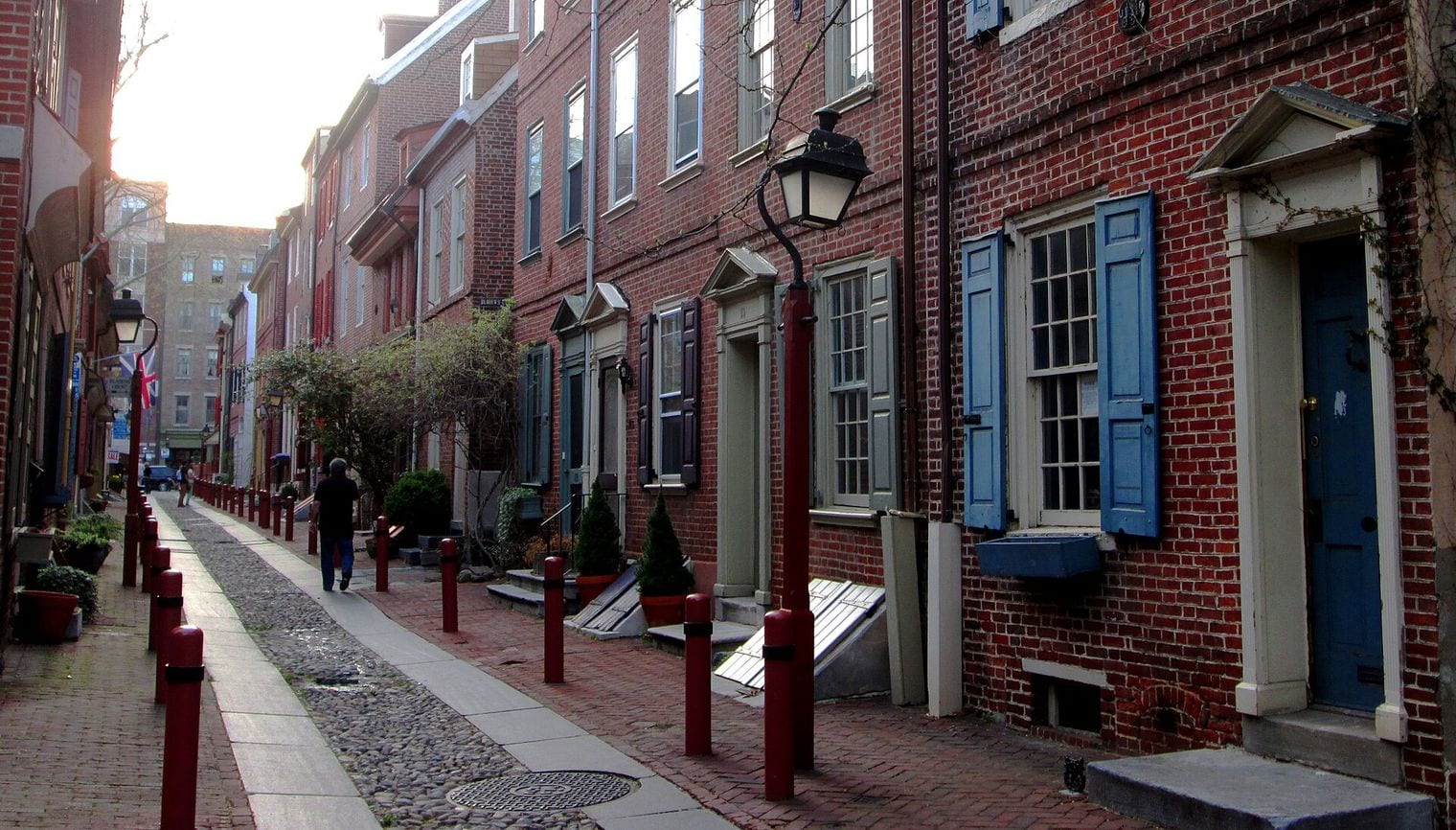
Elfreth's Alley is a narrow cobbled lane in Old City lined with some 32 brick houses built between the early 1700s and 1836, and it is one of the oldest continuously inhabited residential streets in the United States. The lane dates to 1703, runs between Front and 2nd Streets, and is a National Historic Landmark.
People still live here, so keep voices down and stay off the doorsteps. The Elfreth's Alley Museum in Nos. 124 and 126 opens two of the houses and tells the stories of the artisans and tradespeople who lived on the street, and guided walks dig deeper. It takes only minutes to walk, so it makes a perfect detour between the Betsy Ross House and Christ Church.
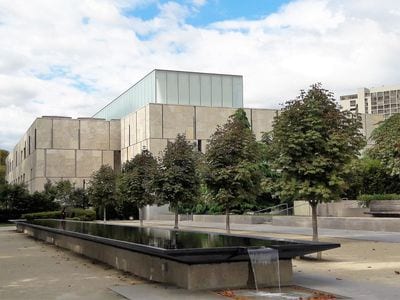
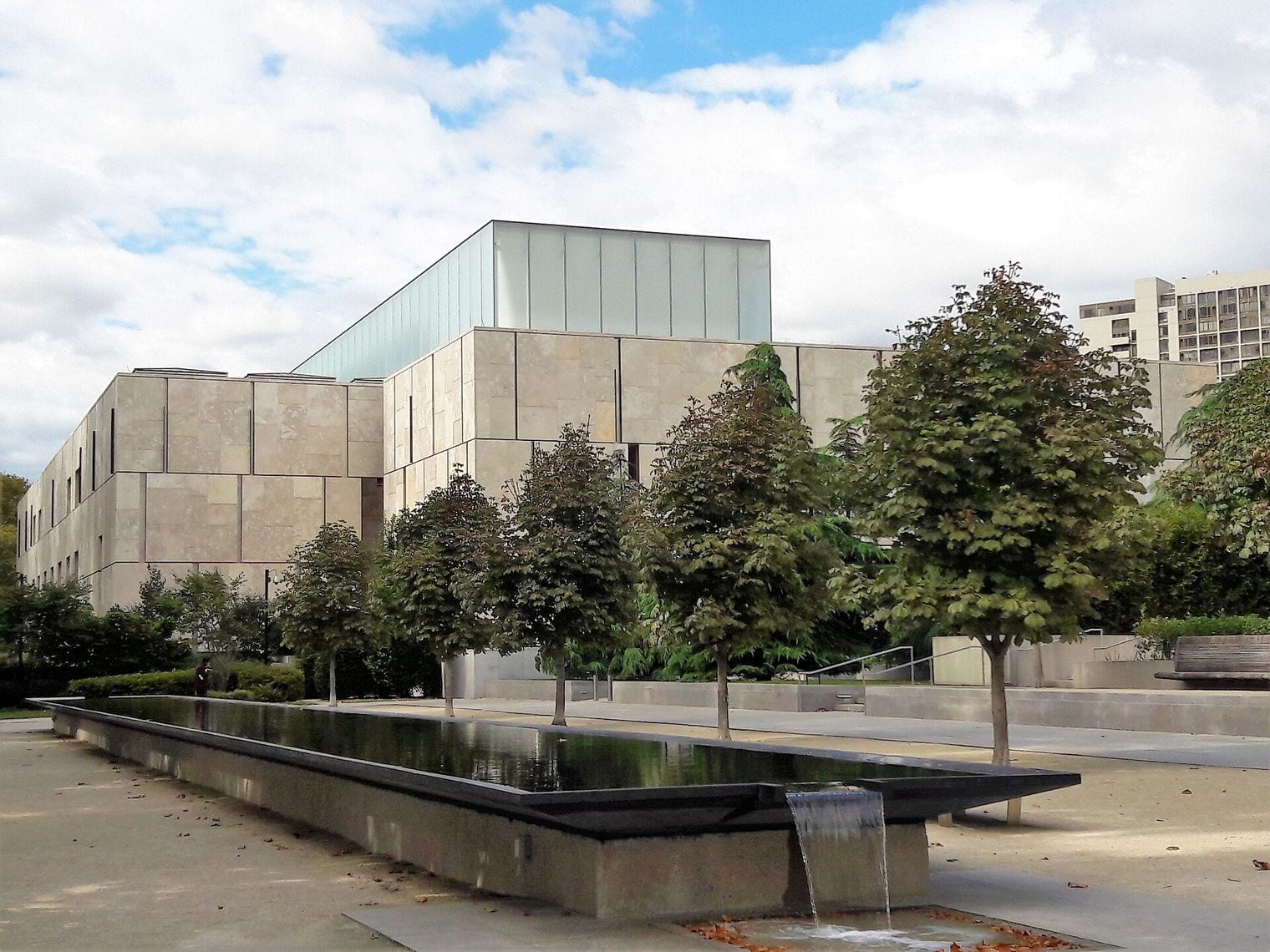
The Barnes Foundation holds one of the world's great collections of Impressionist, Post-Impressionist and early modern painting, including 181 works by Renoir, 69 by Cézanne, 59 by Matisse and 46 by Picasso. Albert C. Barnes founded it in 1922 in suburban Merion, and the collection moved to its building on the Benjamin Franklin Parkway in 2012.
What makes it unforgettable is the hang. Barnes arranged his paintings in dense wall ensembles alongside hand-wrought ironwork, antique furniture and African sculpture, mixing periods and styles to invite comparison, and the galleries preserve his arrangements. Book a timed ticket on busy days and give it at least two hours.
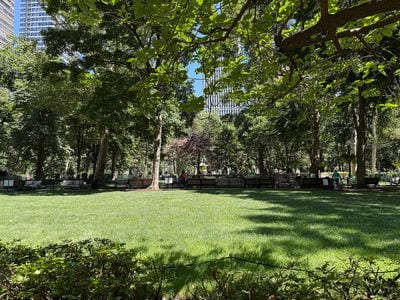
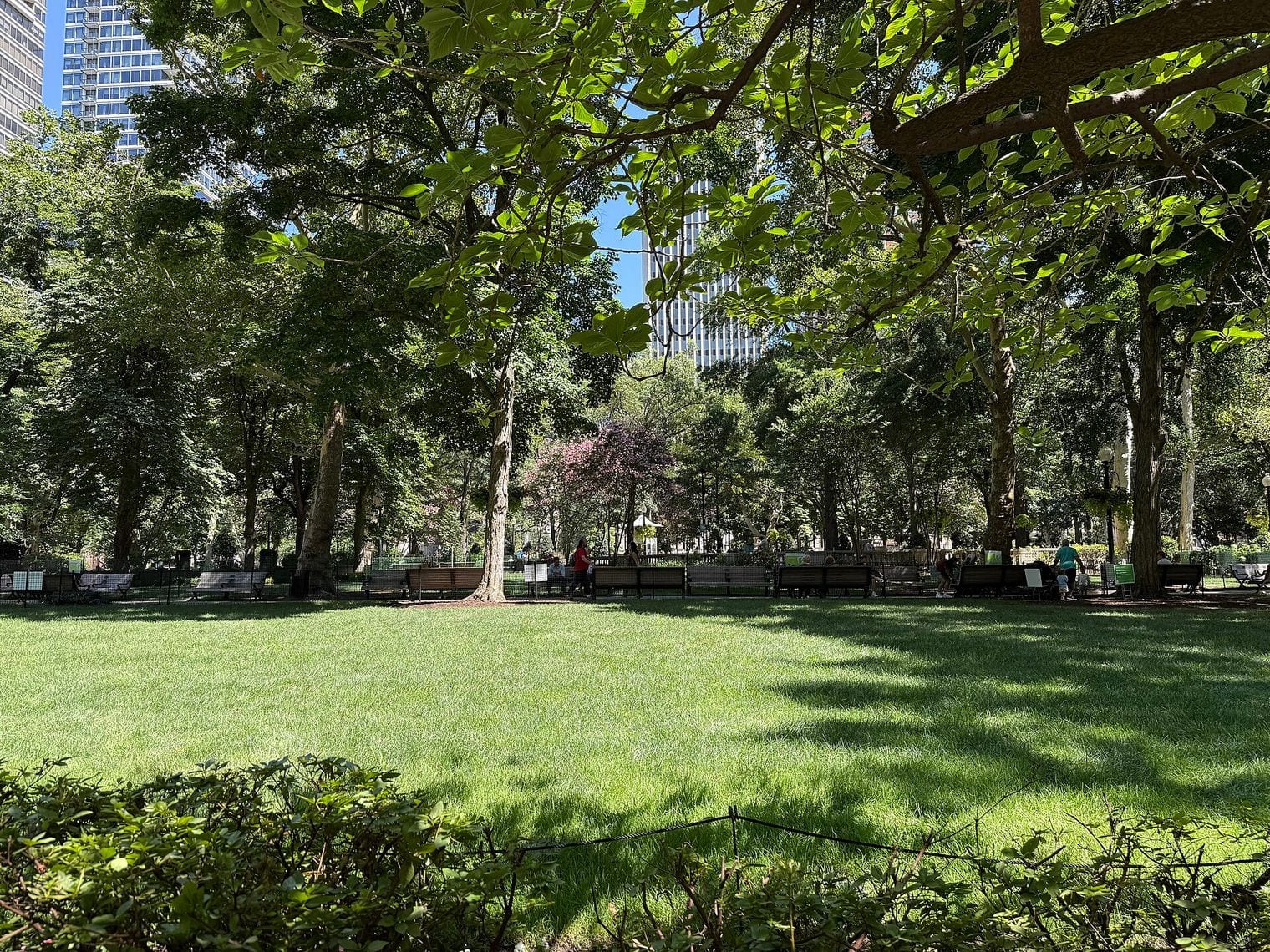
Rittenhouse Square is Center City's most elegant park, one of the five open squares William Penn and his surveyor Thomas Holme laid out in the late 17th century. Apartment buildings, cafés and shops frame its lawns, and the surrounding Rittenhouse neighborhood is one of the city's most polished places to eat, shop and stroll.
Bring a coffee and people-watch from a bench, or look for the park's sculptures; children have been climbing Albert Laessle's bronze Billy the goat for generations. On fine days the square fills with office workers, dog walkers and musicians, and the side streets around it are a good place to end a day of sightseeing with dinner.
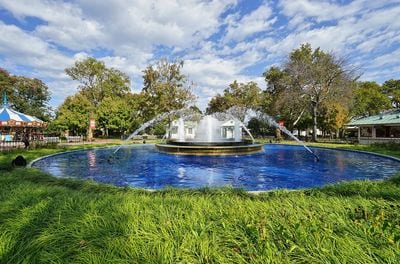
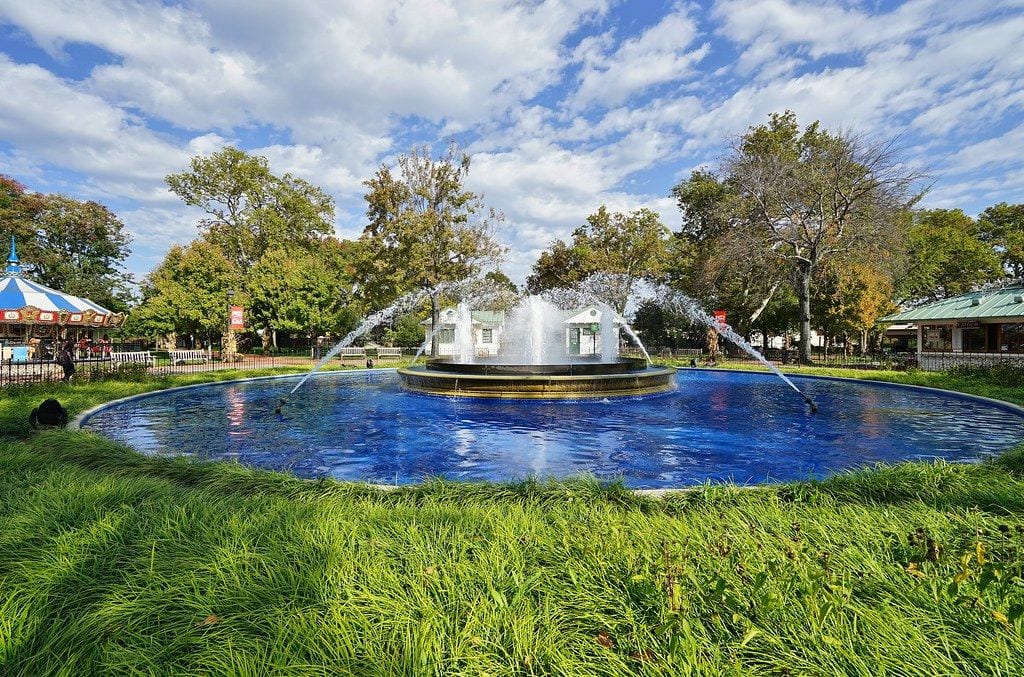
Franklin Square is another of William Penn's five original squares, set between Race and Vine Streets on the edge of Old City and Chinatown. It was slow to develop on marshy ground and fell into neglect for much of the 20th century before a restoration turned it into one of the city's most family-friendly parks.
Today it is all about play: a carousel whose animals recall Philadelphia's history, a mini-golf course dotted with small versions of city landmarks, a playground and a restored fountain at the center. It makes an easy, low-key break from the historic sites a few blocks south, and it is especially welcome with children in tow.
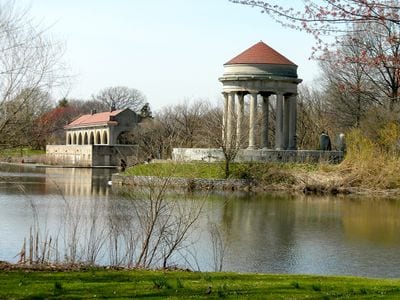
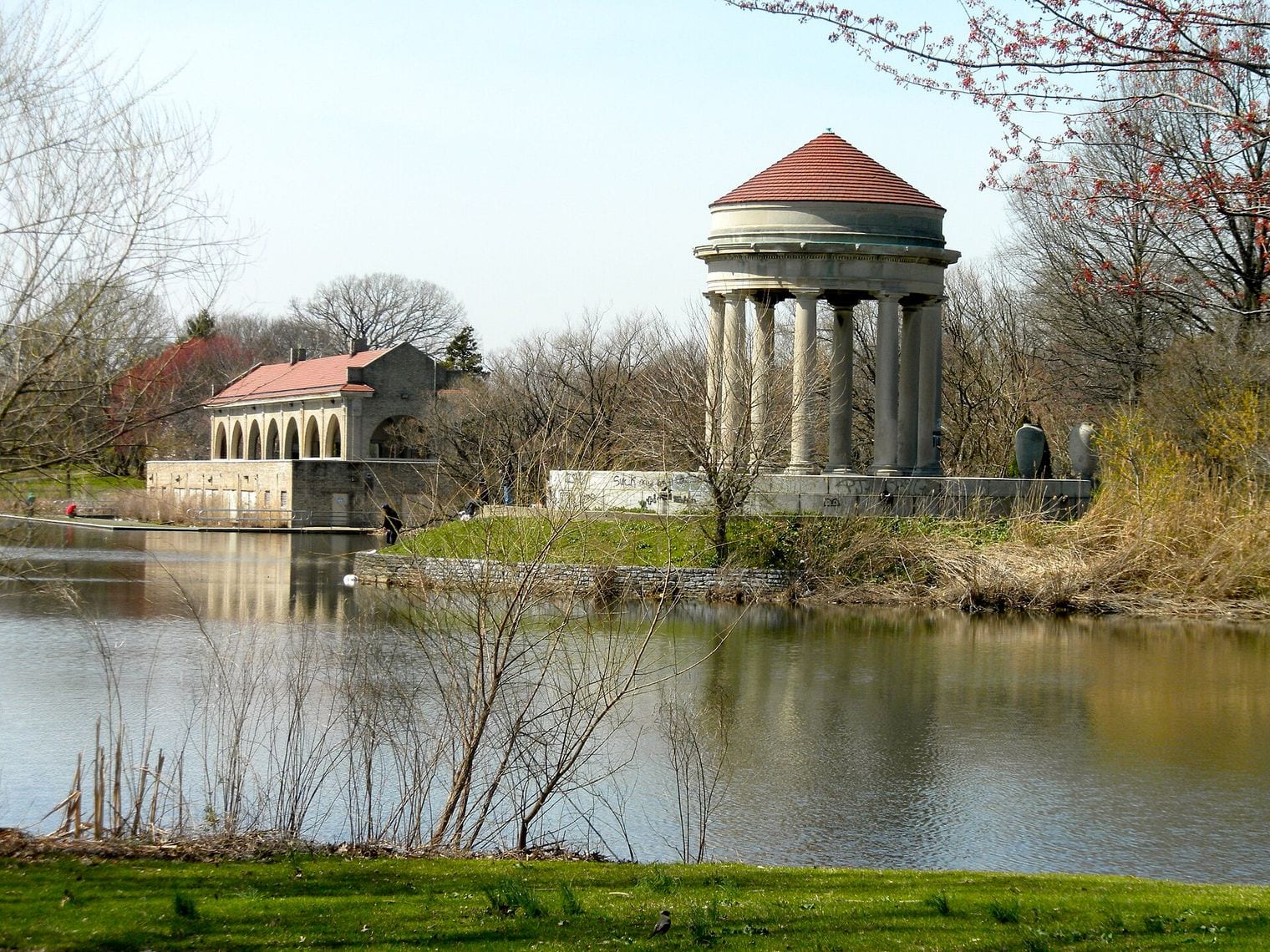
FDR Park is South Philadelphia's largest park, some 348 acres of lakes, lawns and woodland near the Delaware River, laid out in the early 20th century to designs by the Olmsted Brothers firm. It opened as League Island Park and took Franklin D. Roosevelt's name in 1955.
Paths loop around the lakes past a 1914 gazebo and a 1916 boathouse, and the park also holds athletic fields, the well-known FDR Skatepark and the American Swedish Historical Museum, a reminder of the 1926 Sesquicentennial Exposition. It sits just south of the sports complex, so it makes a pleasant picnic stop before a game.
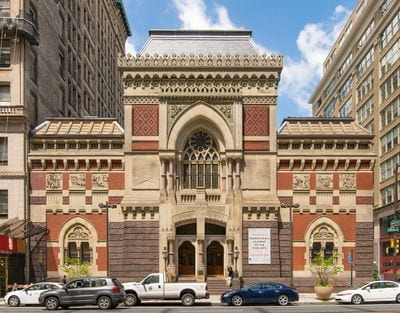
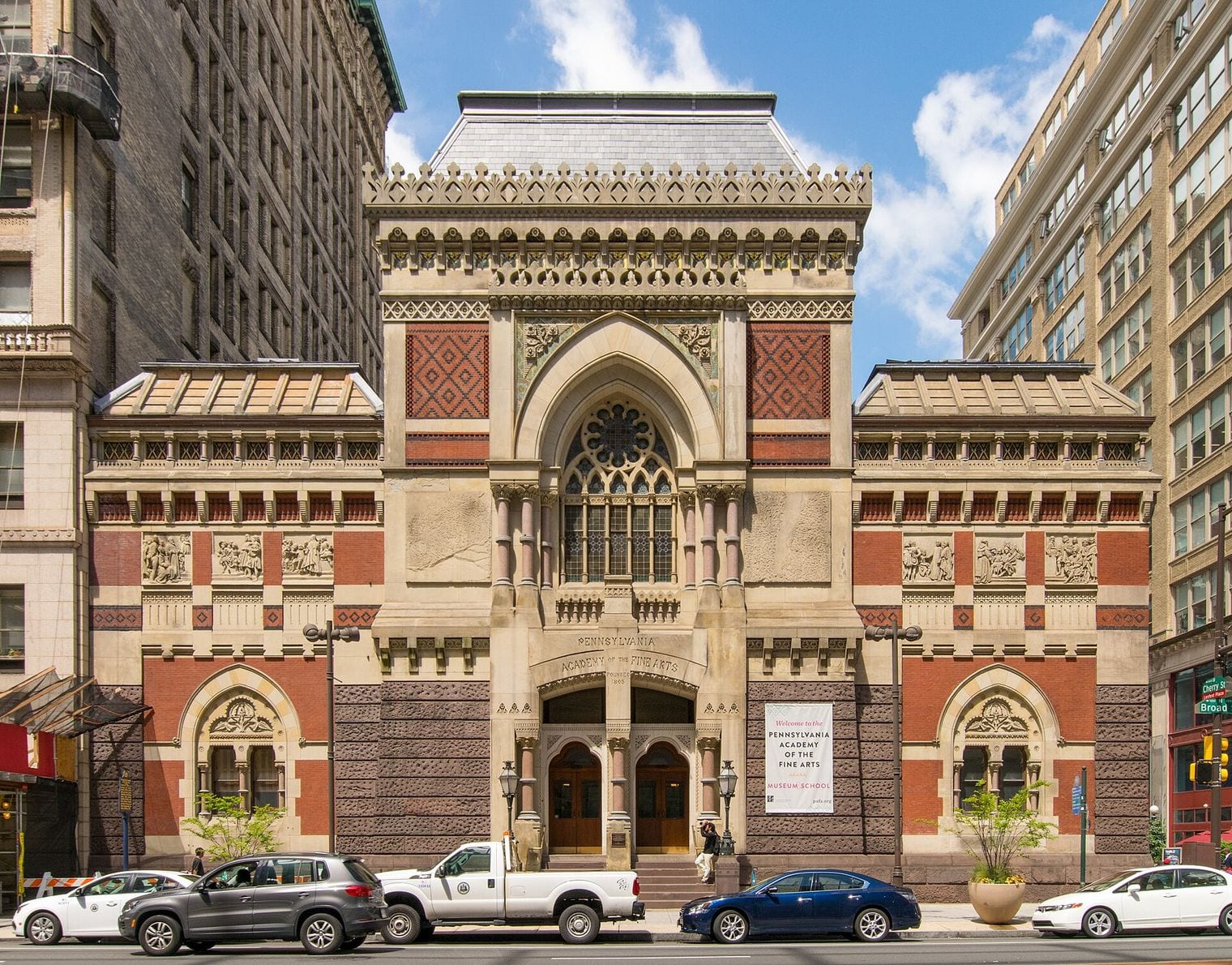
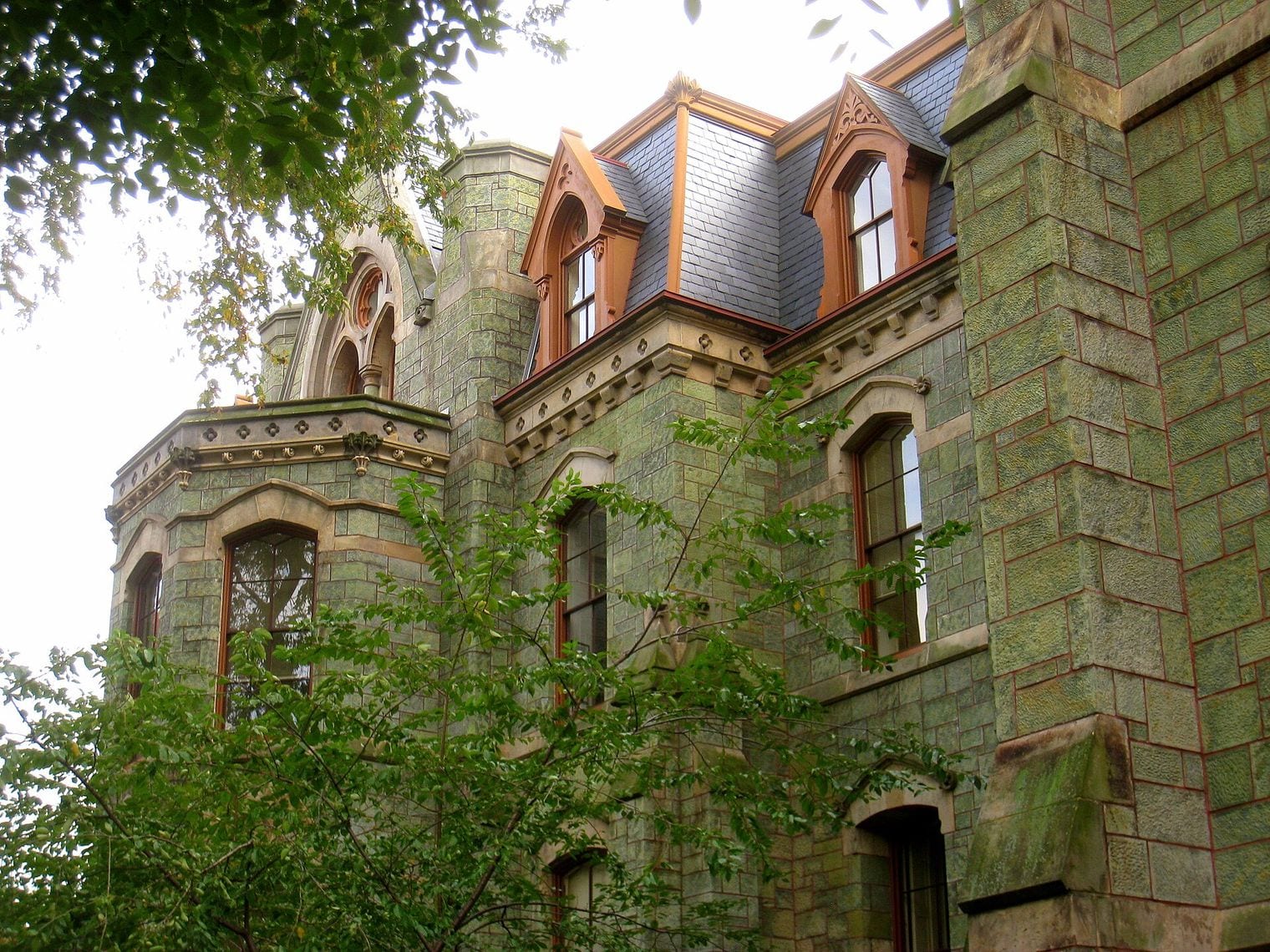
The Pennsylvania Academy of the Fine Arts, founded in 1805, is the oldest art museum and art school in the United States, and its collection of 19th- and 20th-century American painting and sculpture is internationally known. It stands on North Broad Street, a short walk north of City Hall.
The building is half the reason to come. The Historic Landmark Building, designed by Frank Furness and opened in time for the 1876 Centennial, is a riot of Victorian Gothic color, pattern and ironwork, restored to its original splendor. Expect American masters alongside contemporary artists, in a museum that grew up alongside its own art school.
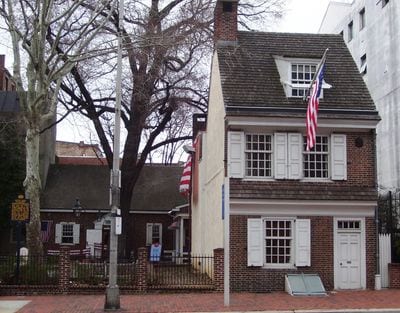
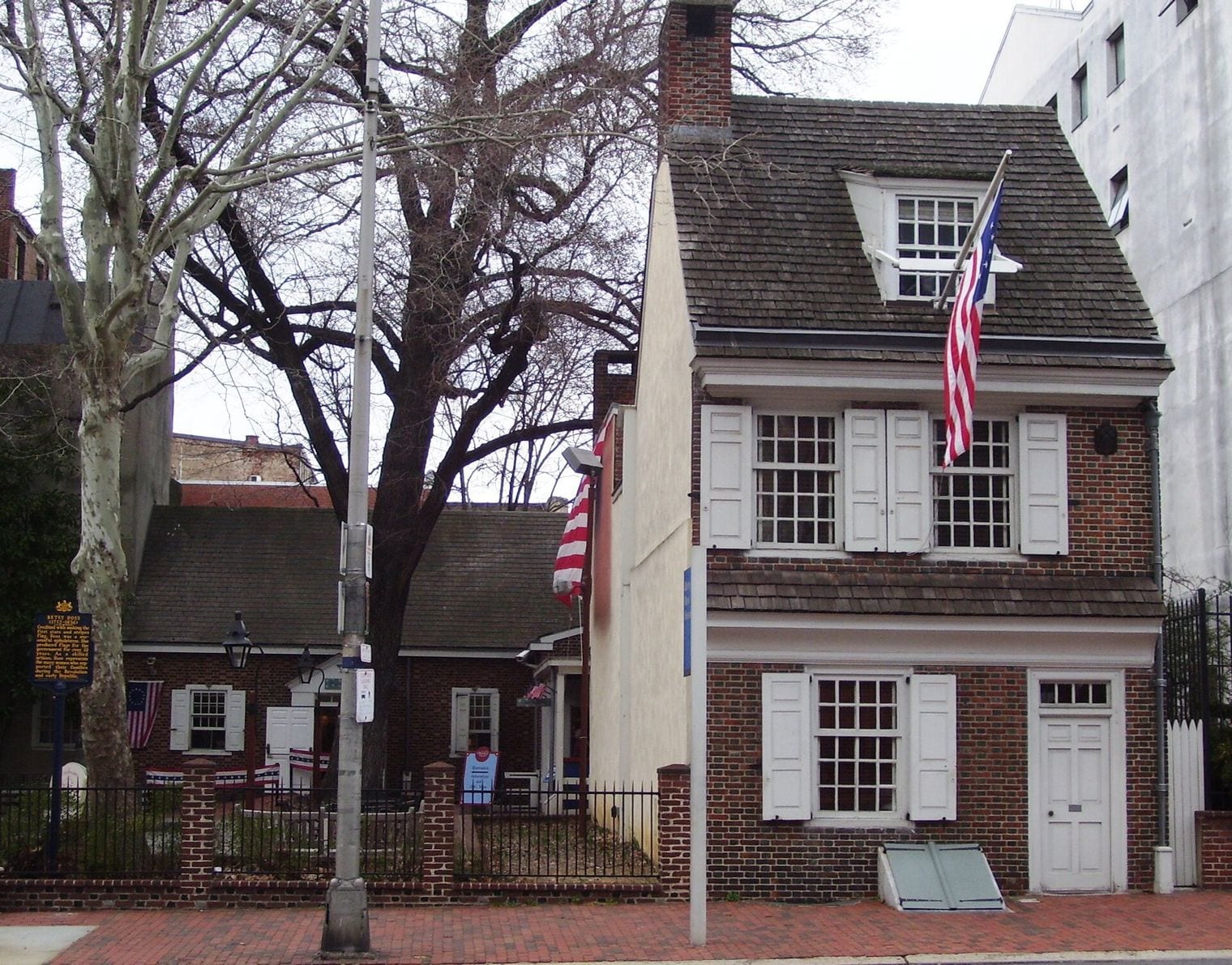
The Betsy Ross House on Arch Street is one of Old City's best-known historic homes, the place where upholsterer and flag-maker Betsy Ross is said to have lived when, according to a long-told story, she sewed the first American flag. Historians debate both the flag story and whether this is exactly the right house, which only adds to the intrigue.
The small colonial rooms are furnished to show how an 18th-century artisan family lived and worked, and the house tells Ross's story through the Revolution, including her years running her own upholstery business as a widow. It has long been the center of the city's Flag Day observances, and Elfreth's Alley is a block away.
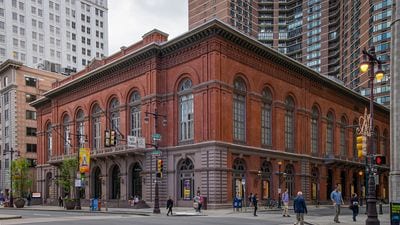
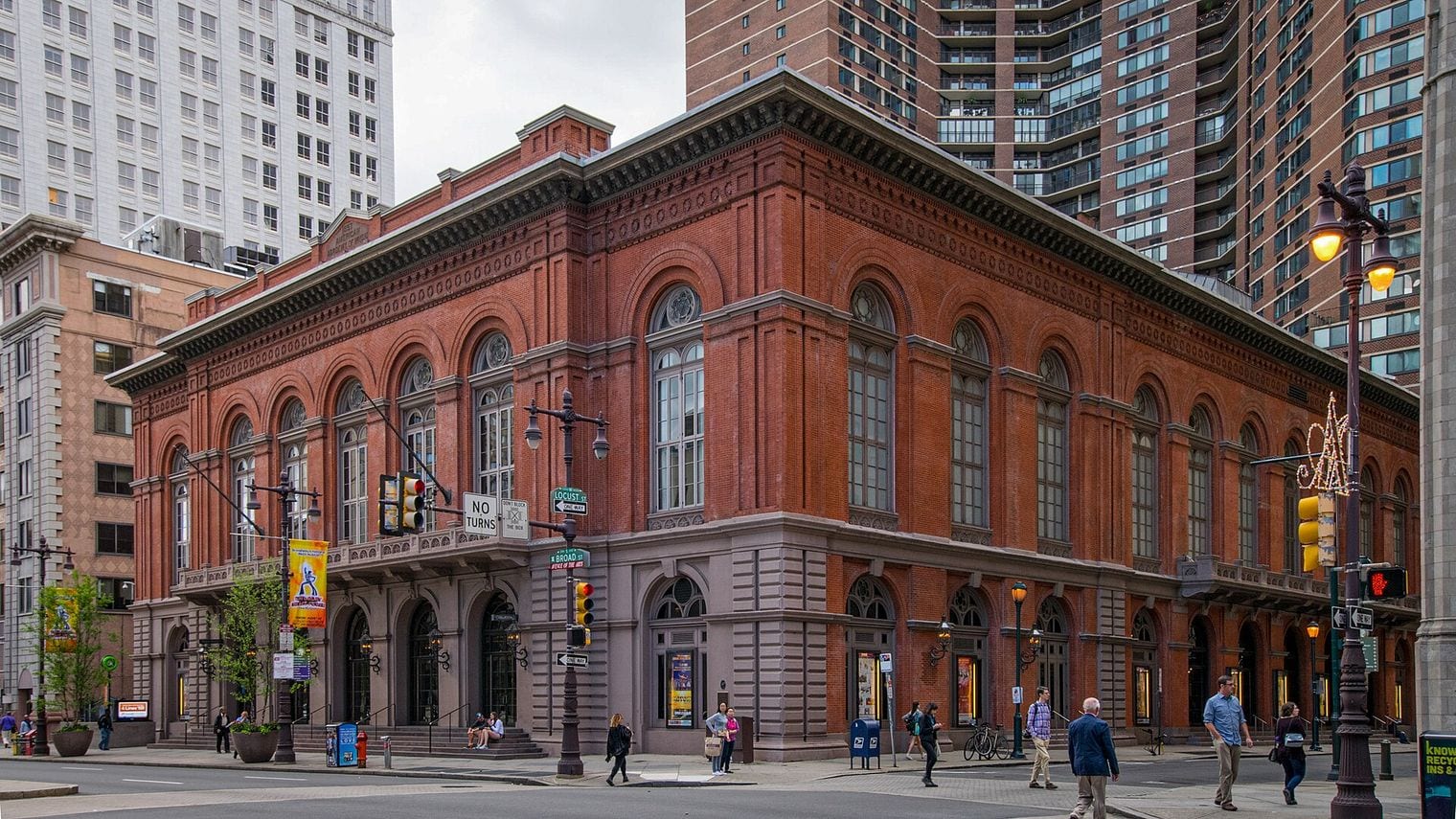
The Academy of Music, built in 1855–57 on South Broad Street, is the oldest opera house in the United States still used for its original purpose. Nicknamed the Grand Old Lady of Locust Street, it is home to the Philadelphia Ballet and Opera Philadelphia, and it housed the Philadelphia Orchestra from 1900 until 2001.
Its ornate horseshoe auditorium, crowned by a huge chandelier, is a show in itself, so even a touring Broadway production feels like an occasion here. It stands on the Avenue of the Arts, the stretch of Broad Street lined with theaters and concert halls, so check the season and book ahead for the big ballet and opera nights.
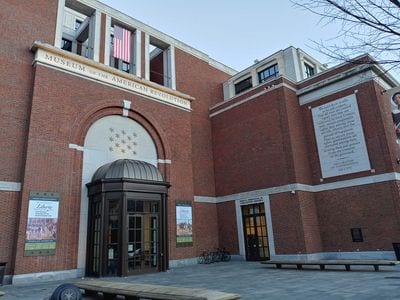
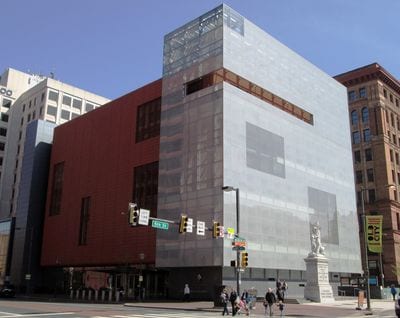
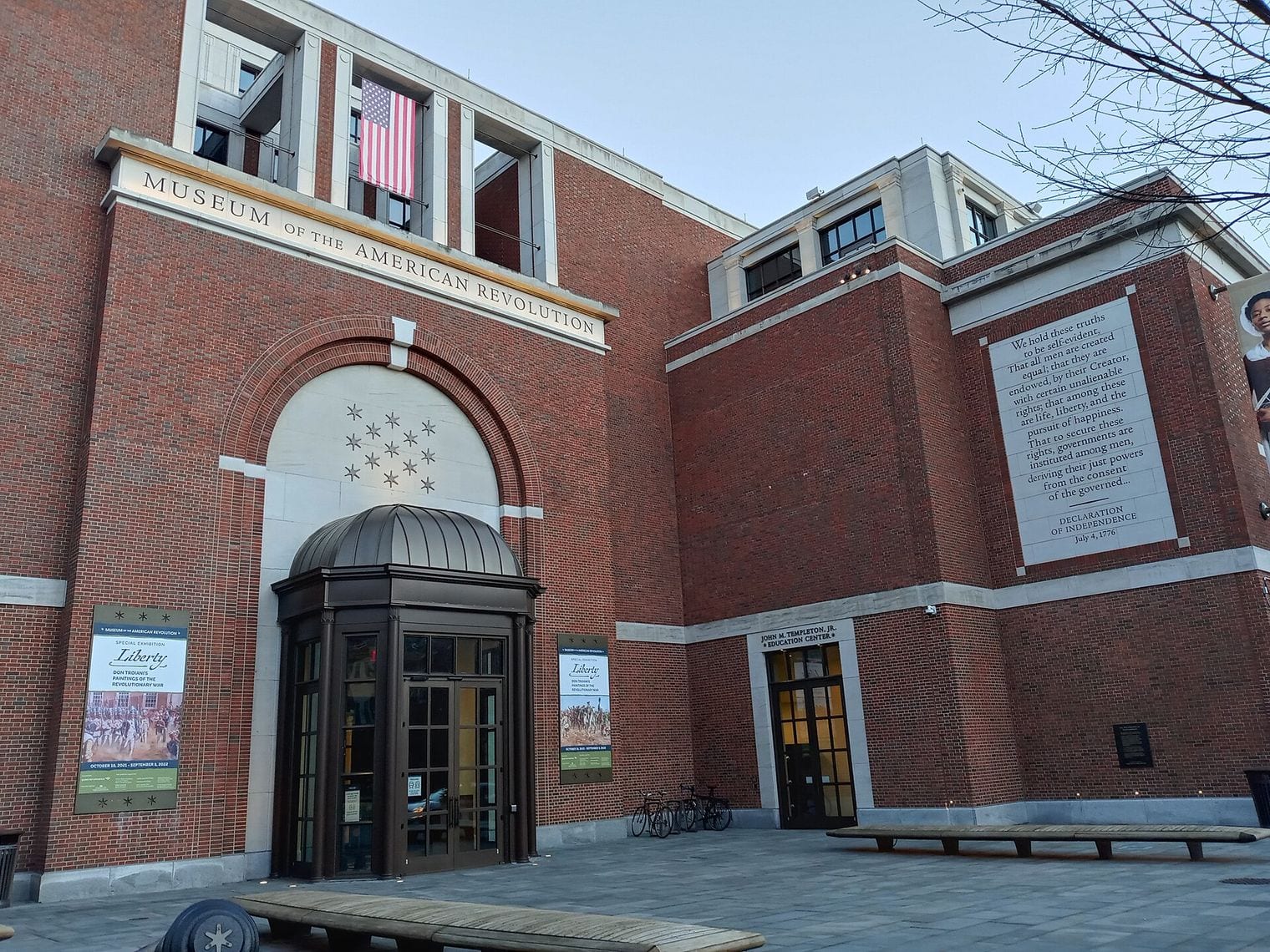
The Museum of the American Revolution opened on April 19, 2017, the anniversary of the battles of Lexington and Concord, and tells the story of the Revolution through objects, immersive galleries and recreated scenes. It sits at Third and Chestnut Streets, two blocks from Independence Hall.
The emotional centerpiece is General Washington's Headquarters Tent, his office and sleeping quarters through much of the war, revealed in its own theater. Around it, galleries follow the conflict from the first protests to independence, with highlights such as Washington's silver camp cups and the Commander-in-Chief's Standard, the flag that marked his presence. Allow two to three hours.
Free printable checklist of all 50 places
Tick them off as you go. Confirm your email to download it, plus one email every Thursday with new guides for the places you tick.
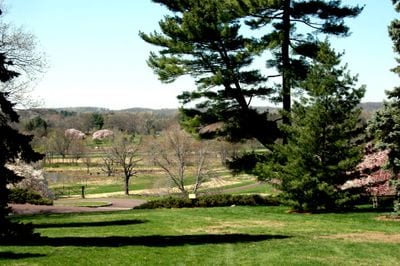
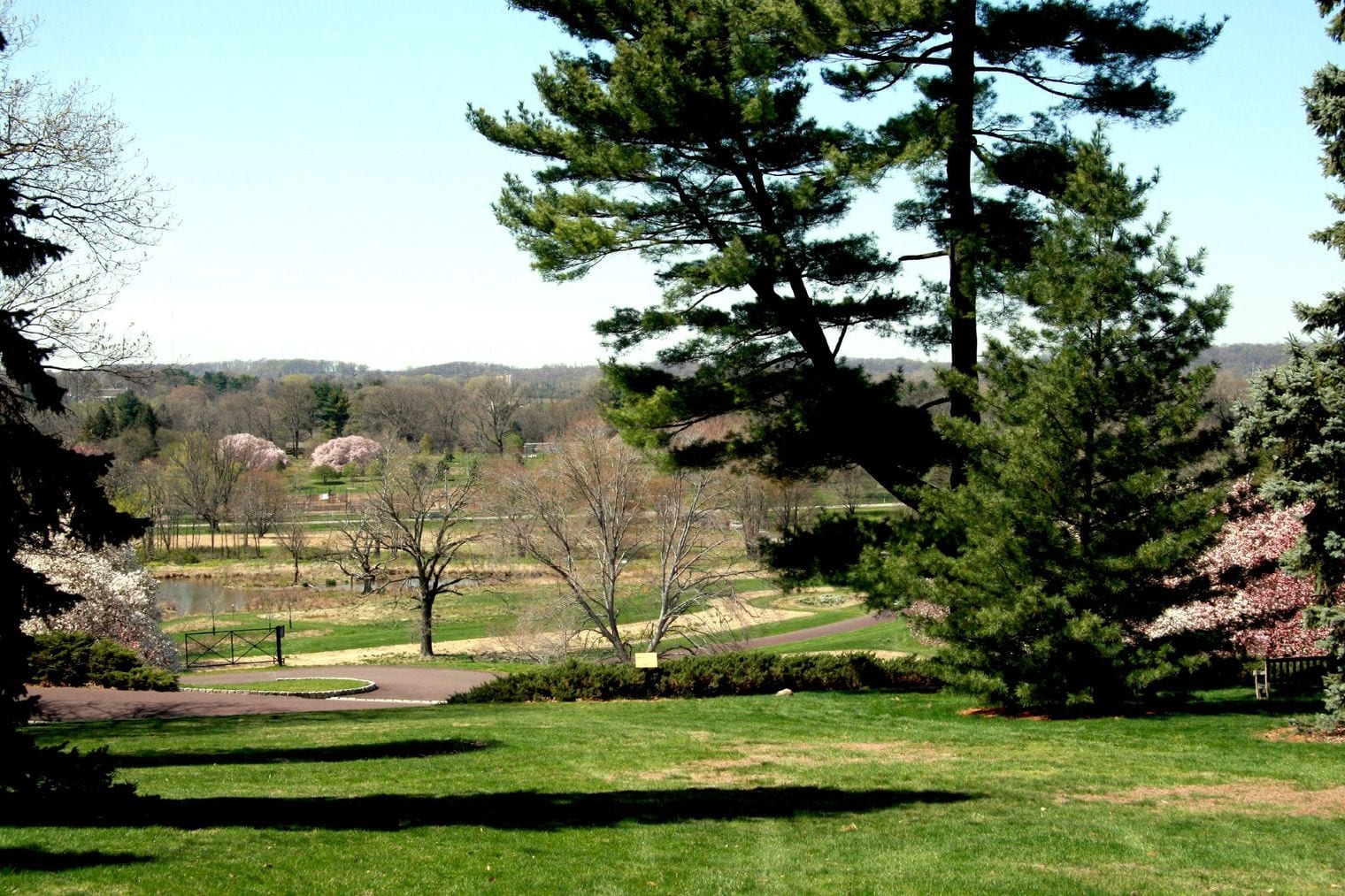
The Morris Arboretum & Gardens of the University of Pennsylvania is the official arboretum of the Commonwealth of Pennsylvania, 92 acres of specimen trees and themed gardens in Chestnut Hill on the city's northwestern edge. It is a peaceful counterpoint to the historic district and lovely in every season.
Out on a Limb, a metal walkway that carries you up into the tree canopy, is the favorite with families, and a garden railway of model trains and trolleys winds through the landscape in the warmer months. There is also a rose garden dating from 1888 and plenty of quiet lawns. Combine it with Chestnut Hill's shops or a hike in the nearby Wissahickon.
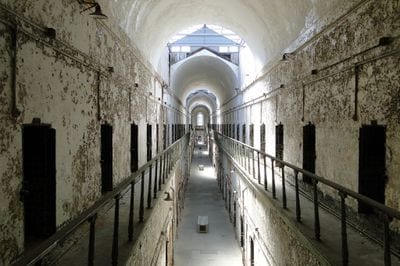
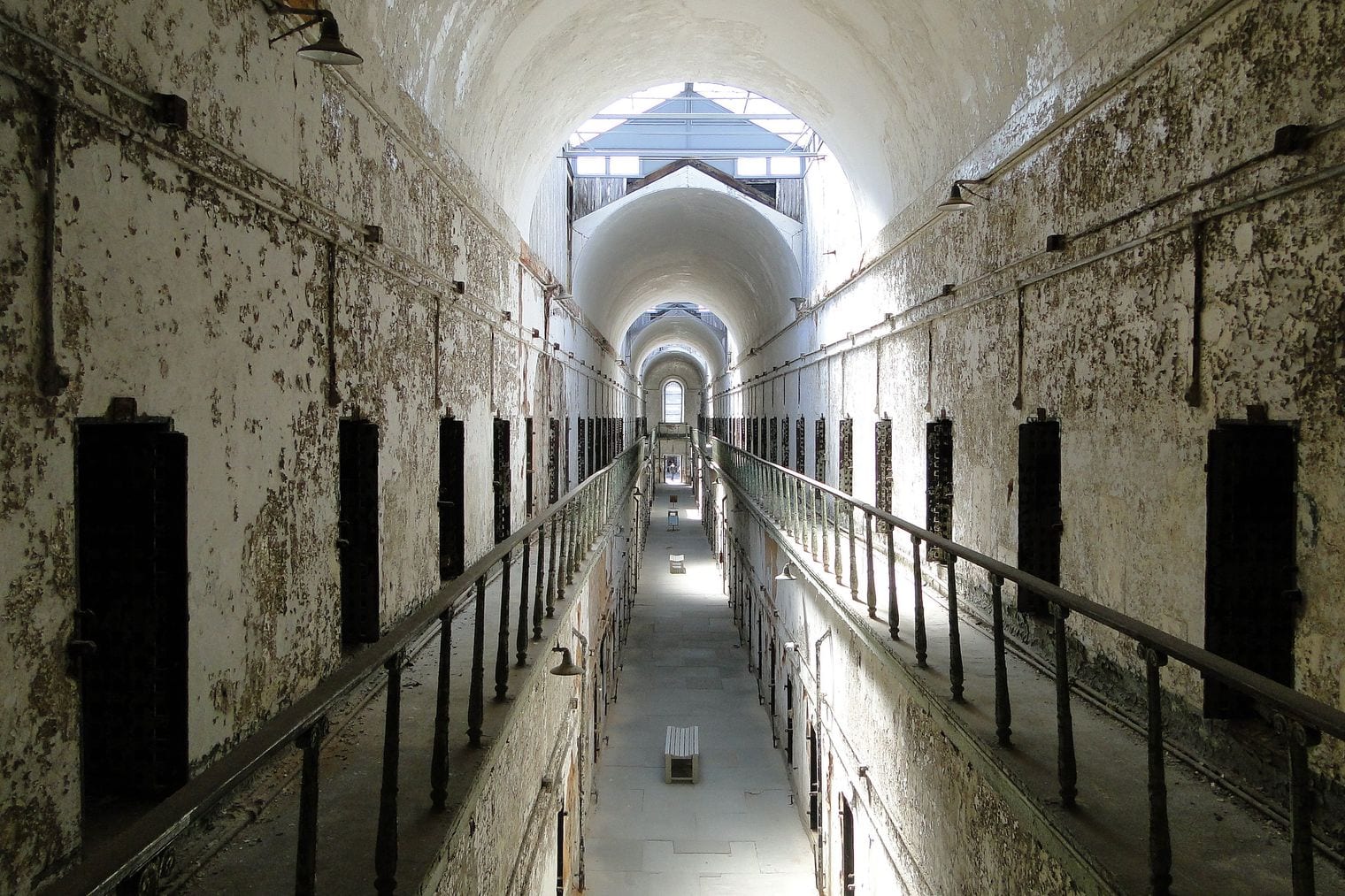
Eastern State Penitentiary was built to change the world's prisons. Designed by John Haviland and opened in 1829, it is often described as the world's first true penitentiary, with a wagon-wheel plan of cellblocks radiating from a central hub and a system of solitary confinement meant to bring inmates to penitence. More than 300 prisons around the world copied its design.
It closed in 1971, and today you walk its crumbling, vaulted cellblocks on a self-guided audio tour, passing the cell where Al Capone was held and exhibits on criminal justice past and present; bank robber Willie Sutton was another famous inmate. Each fall the prison stages Halloween Nights, a hugely popular haunted-house event, while daytime tours carry on alongside it.
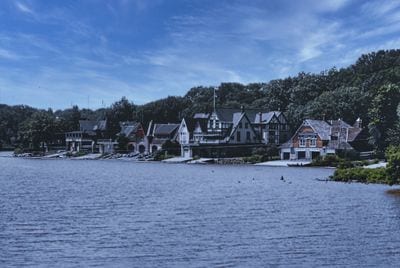
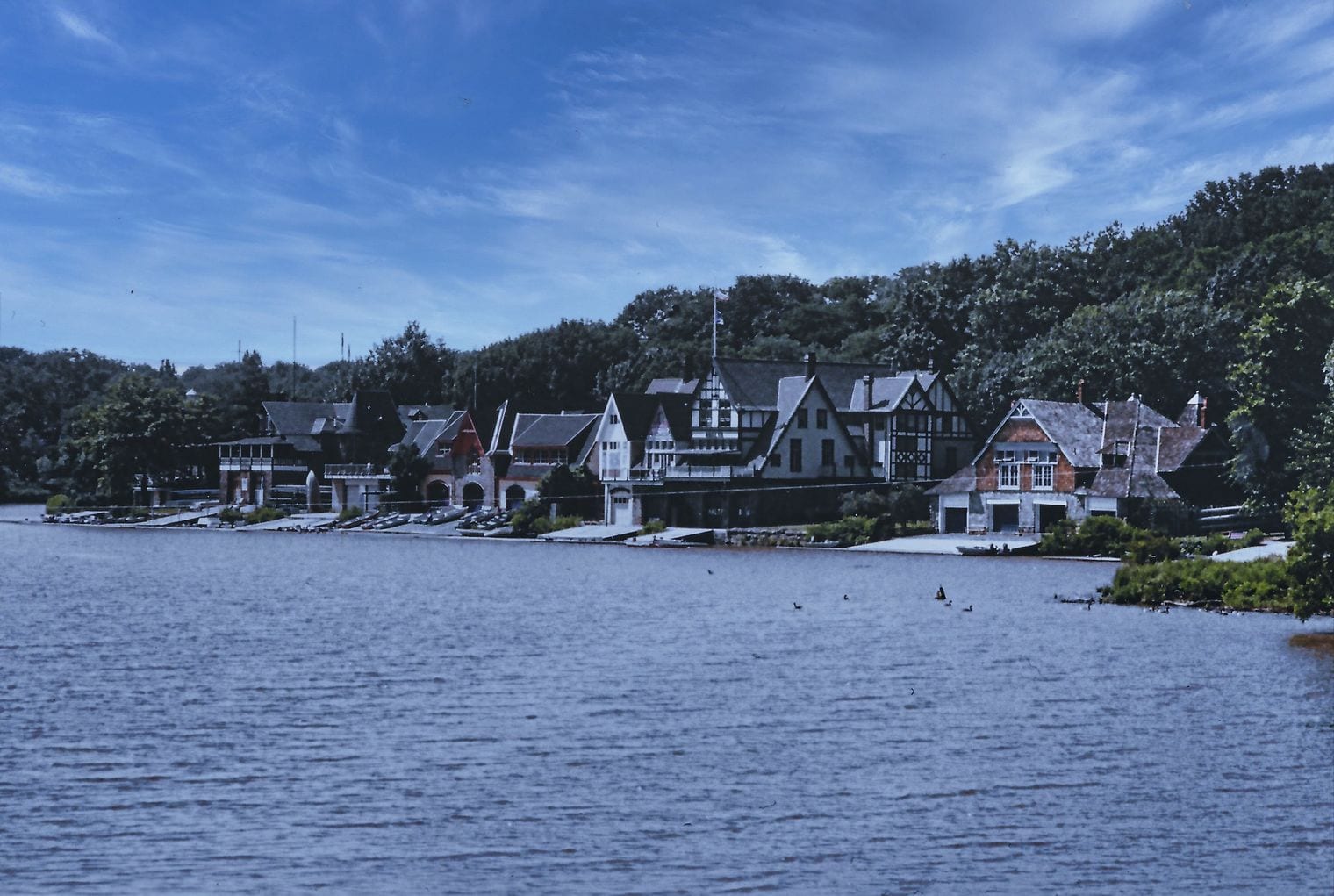
Fairmount Park is the city's great riverside parkland: East Park and West Park together cover 2,052 acres on both banks of the Schuylkill River, beginning right behind the Philadelphia Museum of Art. Its best-known image is Boathouse Row, the line of Victorian rowing-club boathouses on Kelly Drive, outlined in lights since 1979 and glowing on the water every night.
Walk or cycle the river drives, climb to Lemon Hill or Belmont Plateau for skyline views, and explore West Park, home of the 1876 Centennial Exposition grounds, the Shofuso Japanese House and Garden and the Mann Center's summer concerts. Rowers train and race on the river for much of the year, adding to the scene.
The Penn Museum, formally the University of Pennsylvania Museum of Archaeology and Anthropology, holds more than 1.3 million artifacts, many of them from expeditions the university led itself, beginning with the excavations at Nippur in present-day Iraq in the 1880s.
Its showstopper is a 13-ton granite Sphinx of Ramesses II, but the treasures from the Royal Tombs of Ur, excavated with the British Museum, are just as remarkable. Galleries span Egypt, the Middle East, Greece, Rome, Africa, Asia, Mexico and Central America and Native America, and the museum sits on the Penn campus in University City, an easy walk from 30th Street Station.
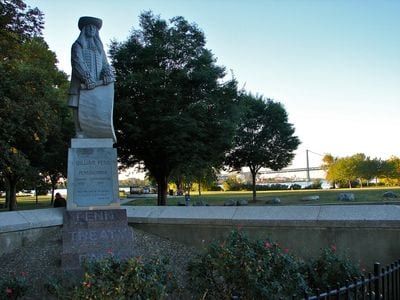
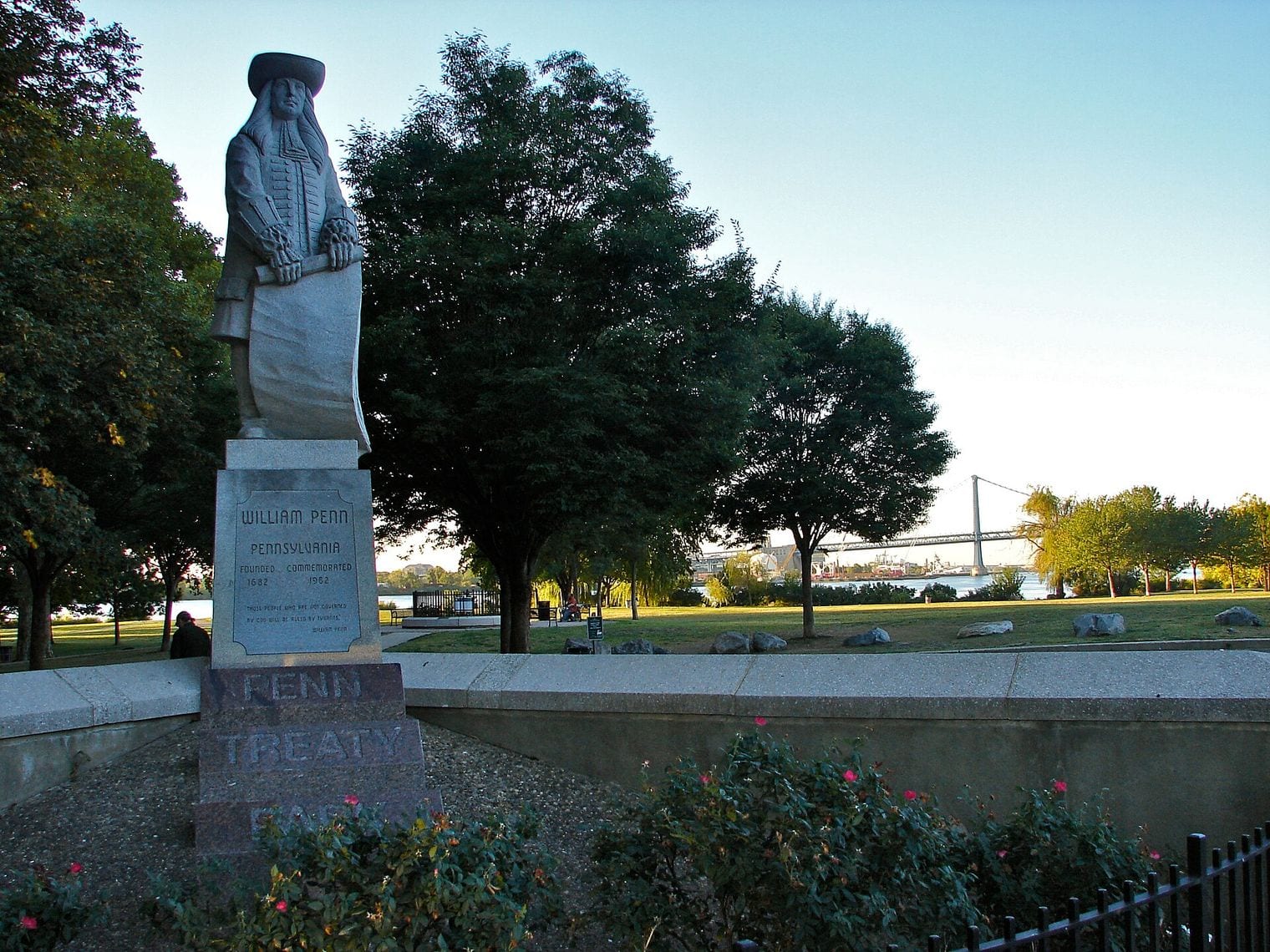
Penn Treaty Park is a small riverside green in Fishtown that marks one of Philadelphia's founding stories. This was part of the Lenape village of Shackamaxon, where William Penn is said to have made a treaty of peace with the Lenape leader Tamanend beneath a great elm, the scene Benjamin West made famous in his painting.
The elm blew down in a storm in 1810 and a small obelisk now marks the spot, and a descendant of the tree was planted in the park in 2010. Come for the open lawn on the Delaware River, the views of the Benjamin Franklin Bridge and a quiet sunset away from Center City's crowds; the riverfront trail runs south from here toward Penn's Landing.
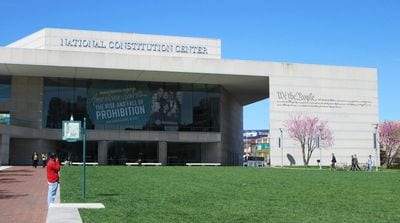
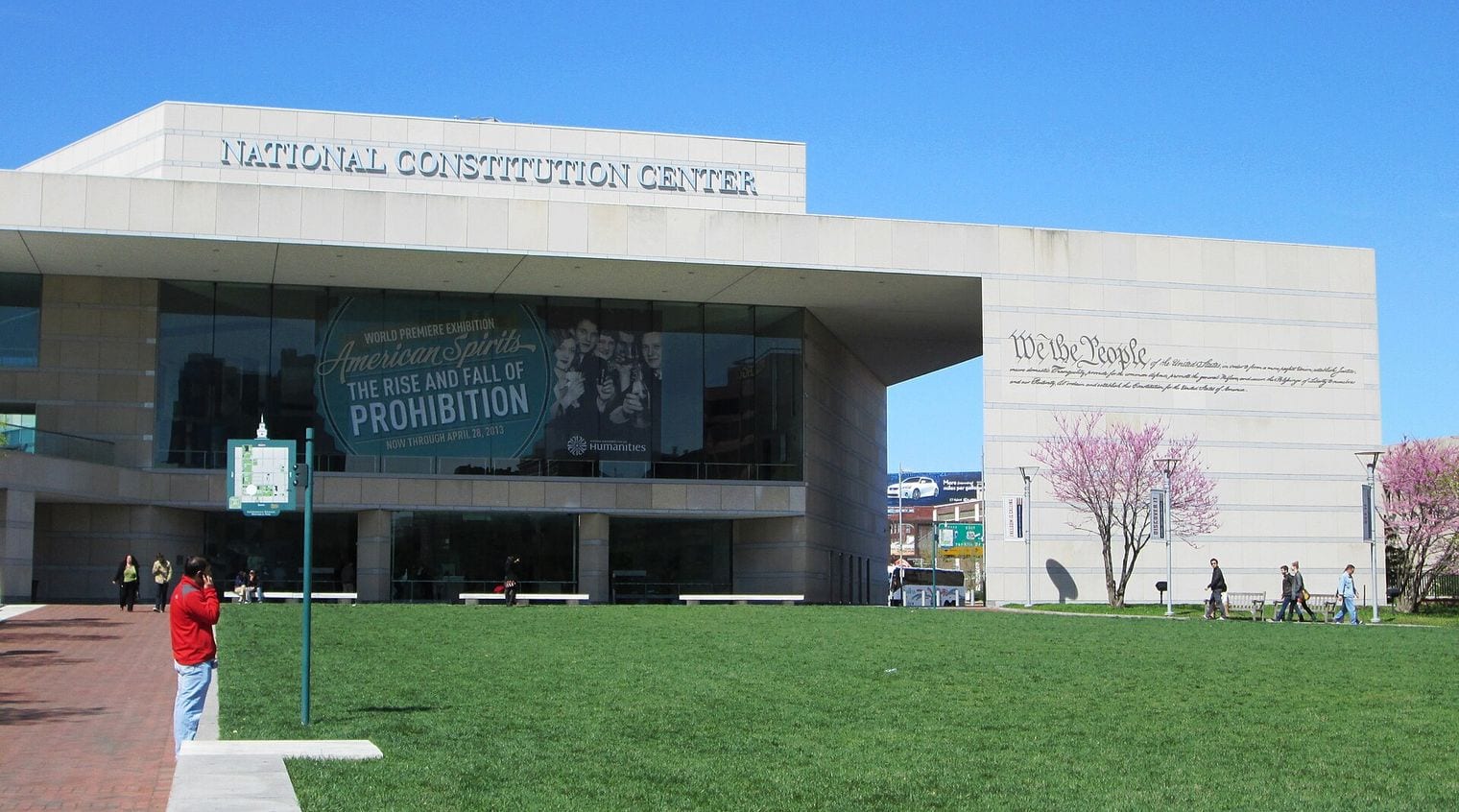
The National Constitution Center opened on Independence Mall on July 4, 2003, as an interactive museum devoted to the U.S. Constitution: how it was written, how it has been argued over and how it shapes daily life. It also works as a national town hall, hosting debates and discussions with leaders, journalists and scholars.
Exhibits trace the Constitution's story from the convention of 1787 to present-day debates, with plenty of hands-on displays that make the amendments and landmark cases easy to follow, even for teenagers. It stands at the north end of Independence Mall, a short walk from the Liberty Bell, and makes a fitting finale to a day in the historic district.
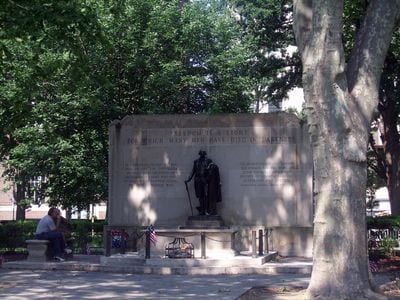
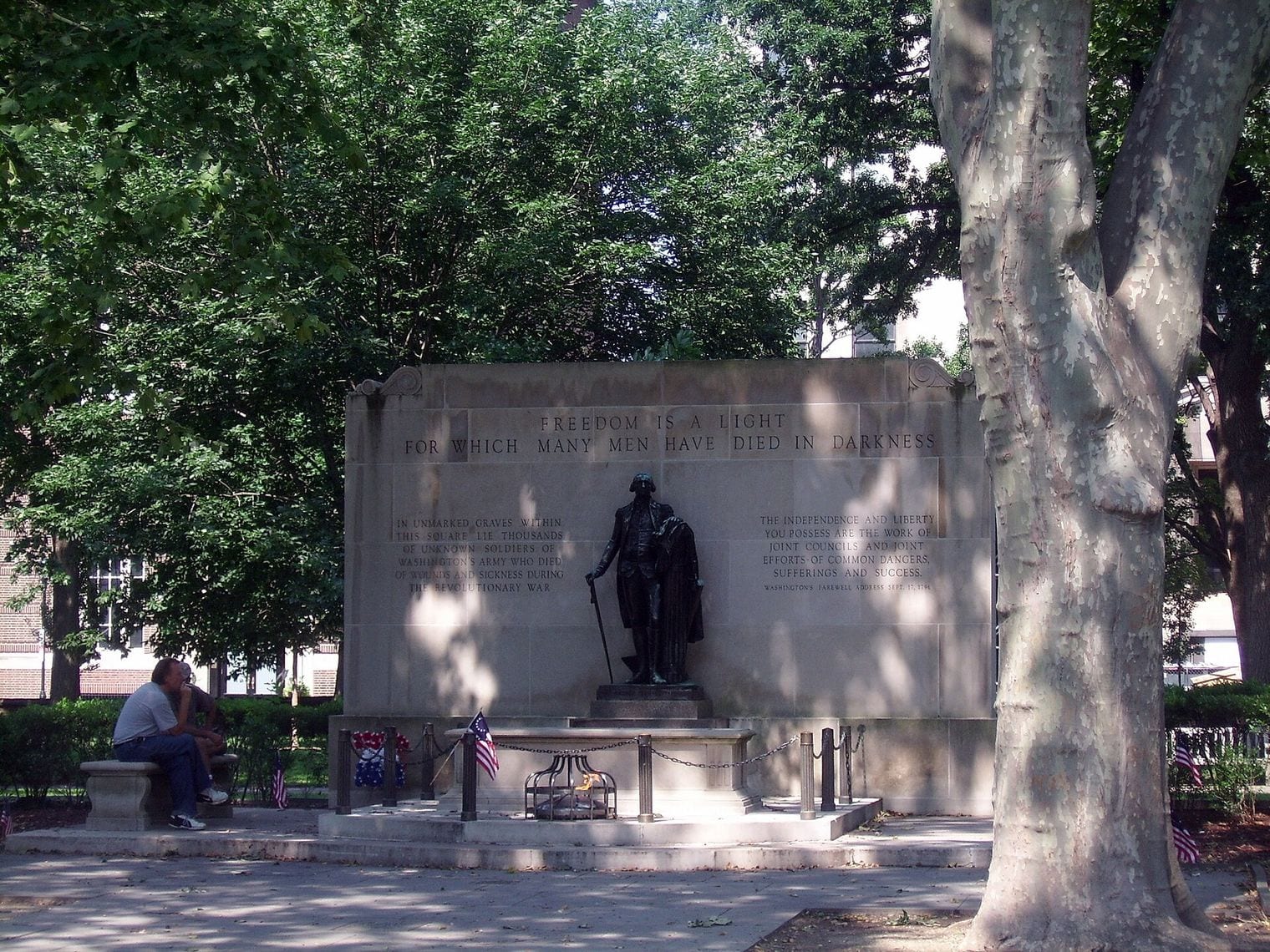
Washington Square is one of Penn's five original squares, laid out in 1682 as Southeast Square, and a 6.4-acre oasis of tall trees between Society Hill and Washington Square West. Since 2005 the National Park Service has managed it as part of Independence National Historical Park.
It is quieter and more solemn than Rittenhouse. The Tomb of the Unknown Revolutionary War Soldier, with a statue of George Washington and an eternal flame, honors the soldiers buried here, and many victims of the 1793 yellow fever epidemic also lie beneath the lawns. Today it is a leafy place to rest between Old City and the theaters on Walnut Street.
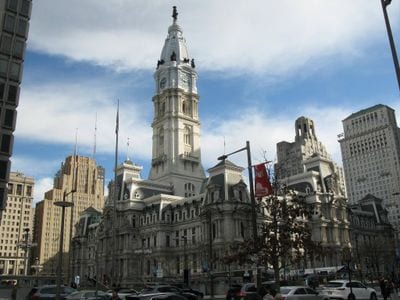
Philadelphia City Hall is the city's showpiece, an ornate Second Empire landmark of brick, white marble and limestone that was the world's tallest habitable building when it was completed in 1894 and is still the largest free-standing masonry building in the world. Its tower, crowned by Alexander Milne Calder's 37-foot bronze statue of William Penn, was the world's tallest clock tower until 1909.
Calder created more than 250 sculptures for the building inside and out, and guided tours from the City Hall Visitor Center show off its grand interiors. The tower tour rides up to an observation deck just below Penn's statue, but it has been suspended for maintenance at times, so check before you go. On the west side, Dilworth Park adds a fountain in summer and an ice rink in winter.
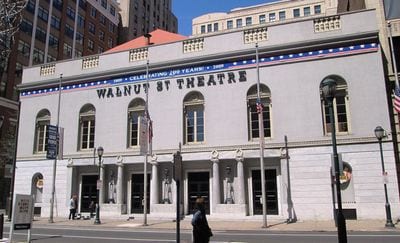
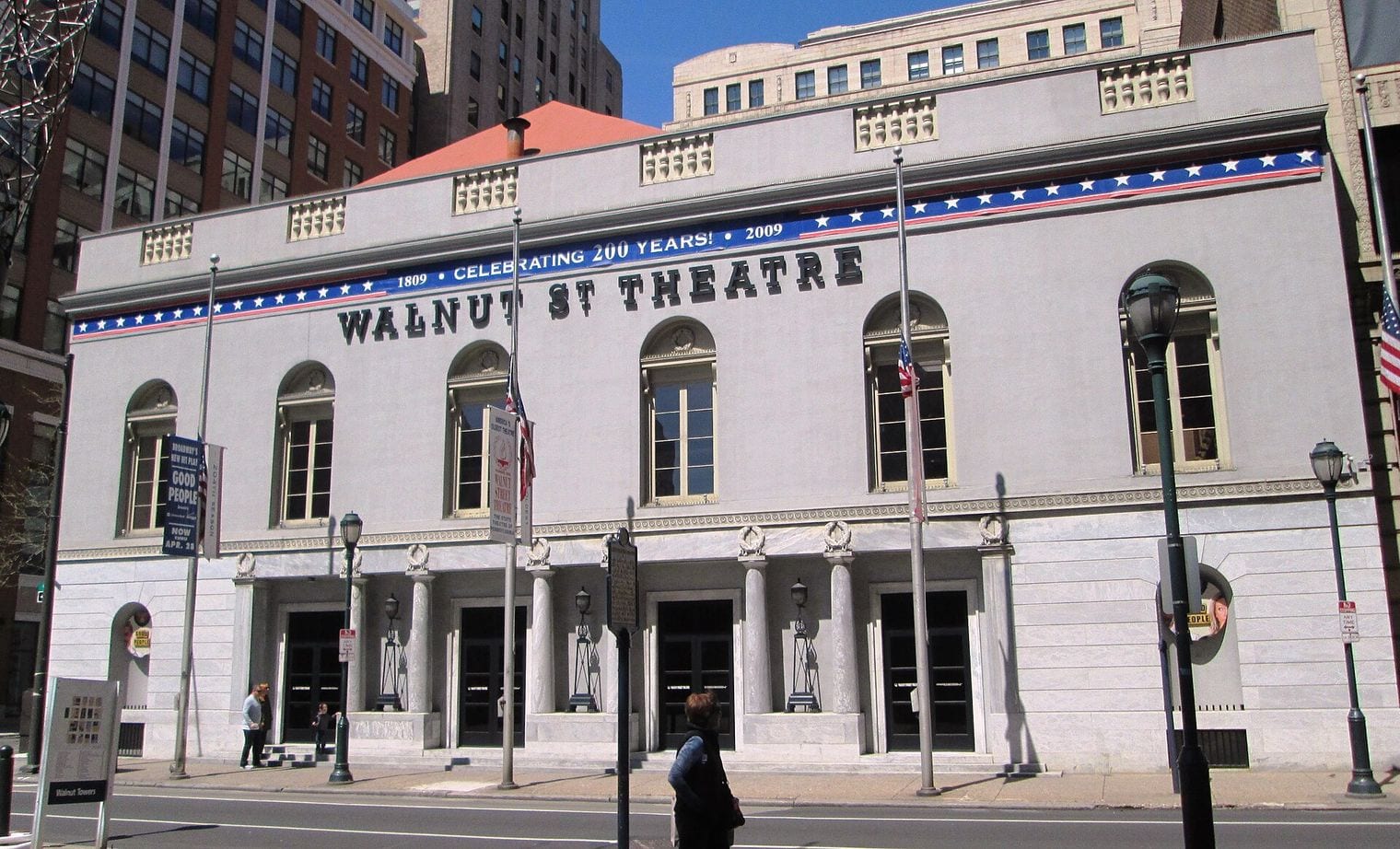
The Walnut Street Theatre at Ninth and Walnut Streets first opened in 1809, as a circus with a sawdust ring instead of a stage, and is today the oldest operating theater in the United States. More than two centuries of American performers have trodden its boards since.
Its resident company runs a full season of musicals, comedies and dramas on the Mainstage, with smaller productions in its studio spaces upstairs. A show here is a classic Philadelphia night out, and the Washington Square West blocks around it are full of places to eat beforehand, from casual bistros to the restaurants along 13th Street.
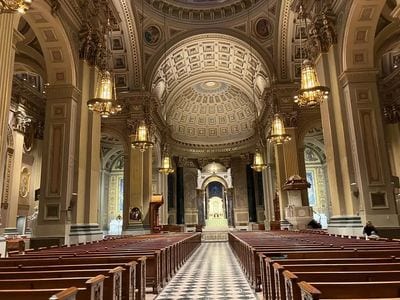
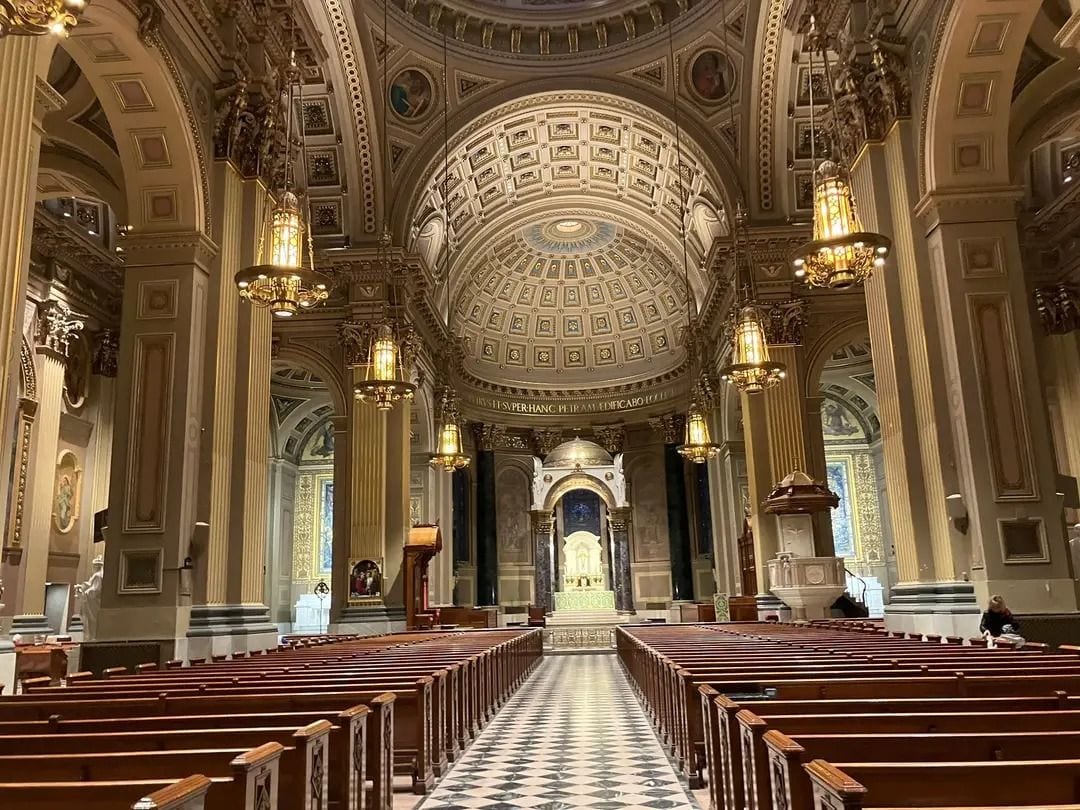
The Cathedral Basilica of Saints Peter and Paul is the mother church of the Archdiocese of Philadelphia and the largest Catholic church in Pennsylvania. Dedicated in 1864 and designed by Napoleon LeBrun, with a dome and Palladian façade by John Notman, it stands on Logan Square along the Benjamin Franklin Parkway.
Step inside for the scale of the nave and the interior decoration by Constantino Brumidi, the artist who also painted the rotunda of the U.S. Capitol. Popes John Paul II and Francis both celebrated Mass here. Visitors are welcome outside services, and the cathedral pairs easily with a stroll around the Swann Memorial Fountain on the square.
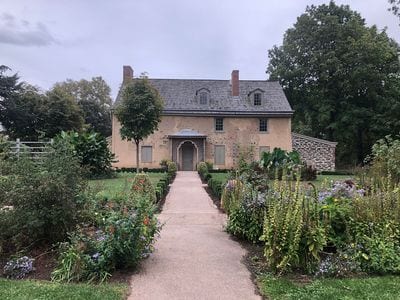
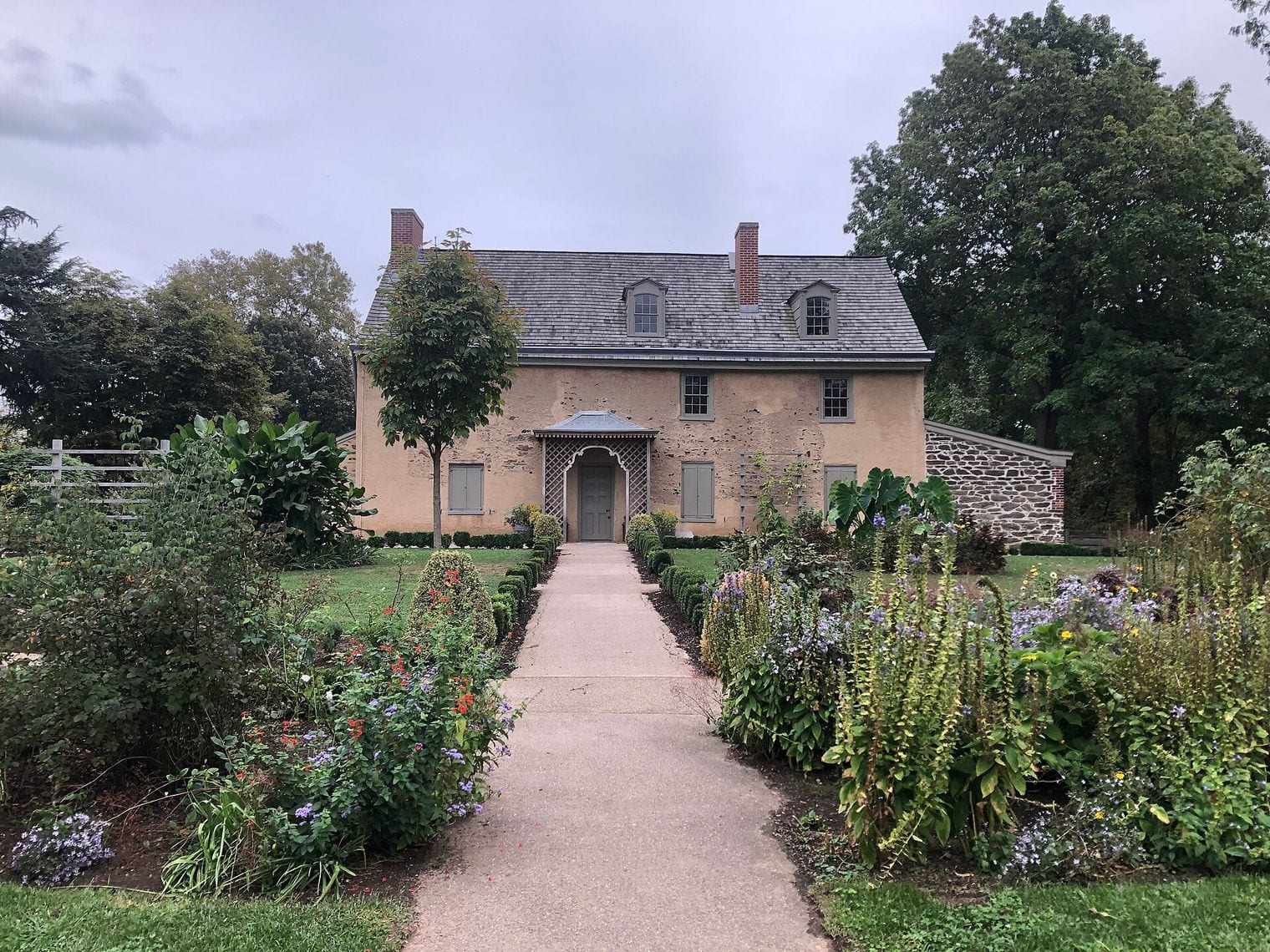
Bartram's Garden, founded in 1728 by botanist John Bartram, is the oldest surviving botanical garden in North America, a riverside public park of gardens, meadows and wetlands on the tidal Schuylkill River in Southwest Philadelphia, with Bartram's 18th-century stone house at its heart. It is a National Historic Landmark.
Look for the Franklinia, a tree the Bartrams found in Georgia in 1765; every Franklinia growing today descends from plants they propagated. A ginkgo here is believed to be the oldest in North America. The garden also offers rare public access to the river, with a dock and community boathouse, and the Bartram's Mile trail along the bank.
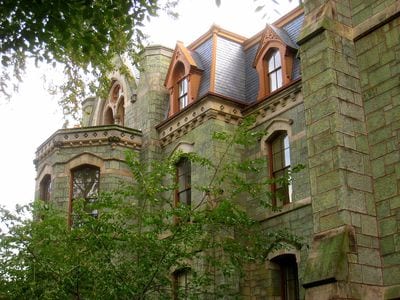
The University of Pennsylvania, the Ivy League school chartered in 1755 and closely tied to Benjamin Franklin, has a handsome campus in University City, just across the Schuylkill River from Center City. Its medical school was the first in North America.
Stroll Locust Walk, the car-free spine of the campus, past brick and stone halls, Alexander Liberman's red steel sculpture The Covenant and the Victorian Fisher Fine Arts Library, then duck into the Penn Museum. The campus is free to wander, lively during term and an easy walk from 30th Street Station, so it suits travelers arriving by train.
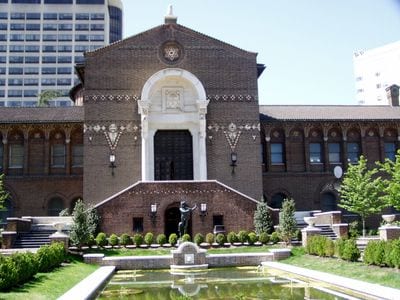
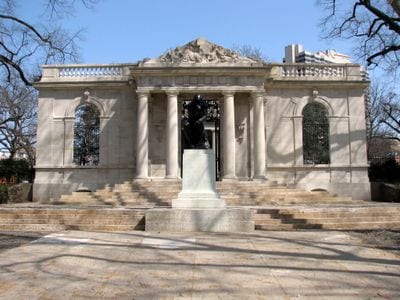
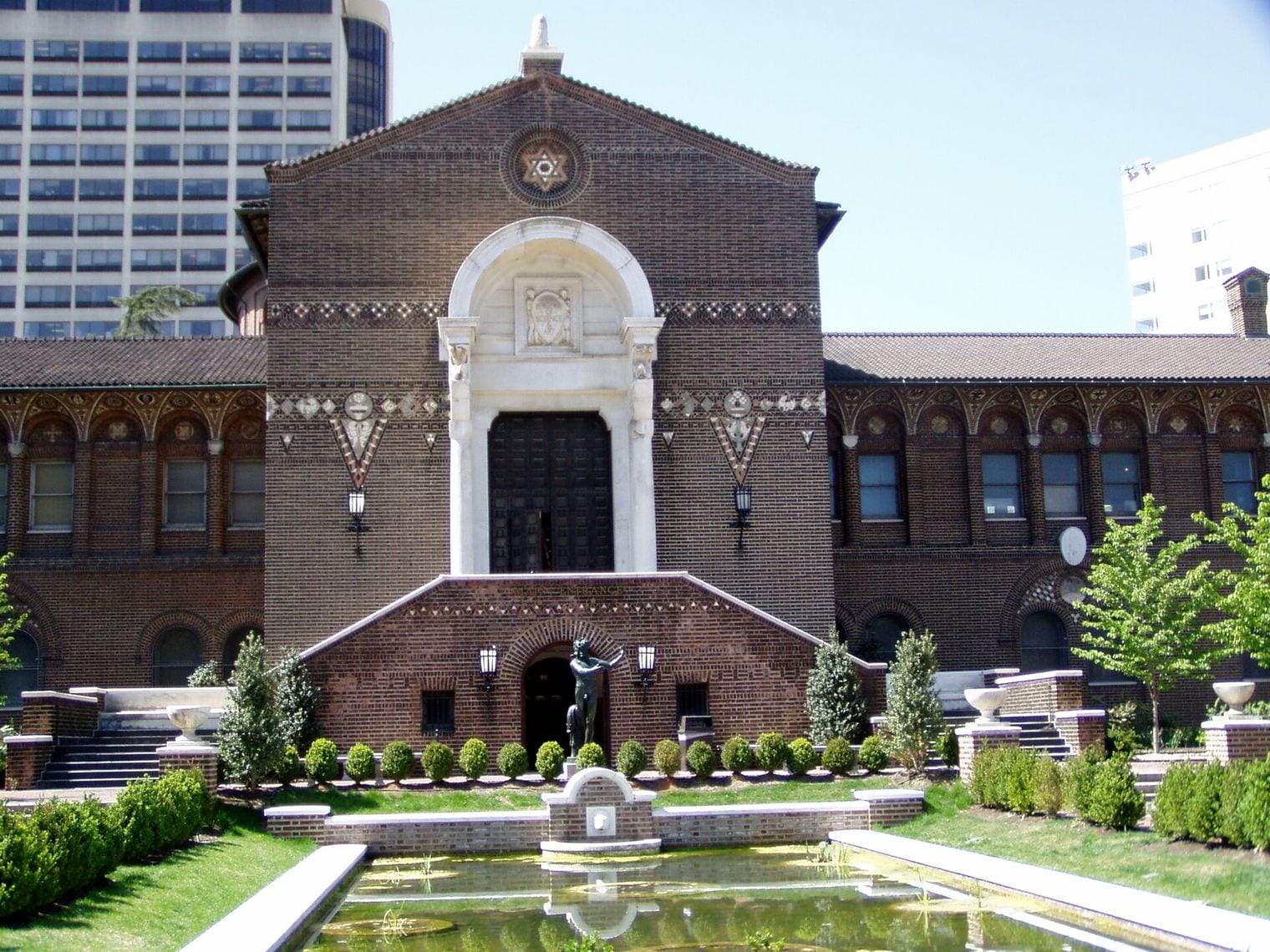
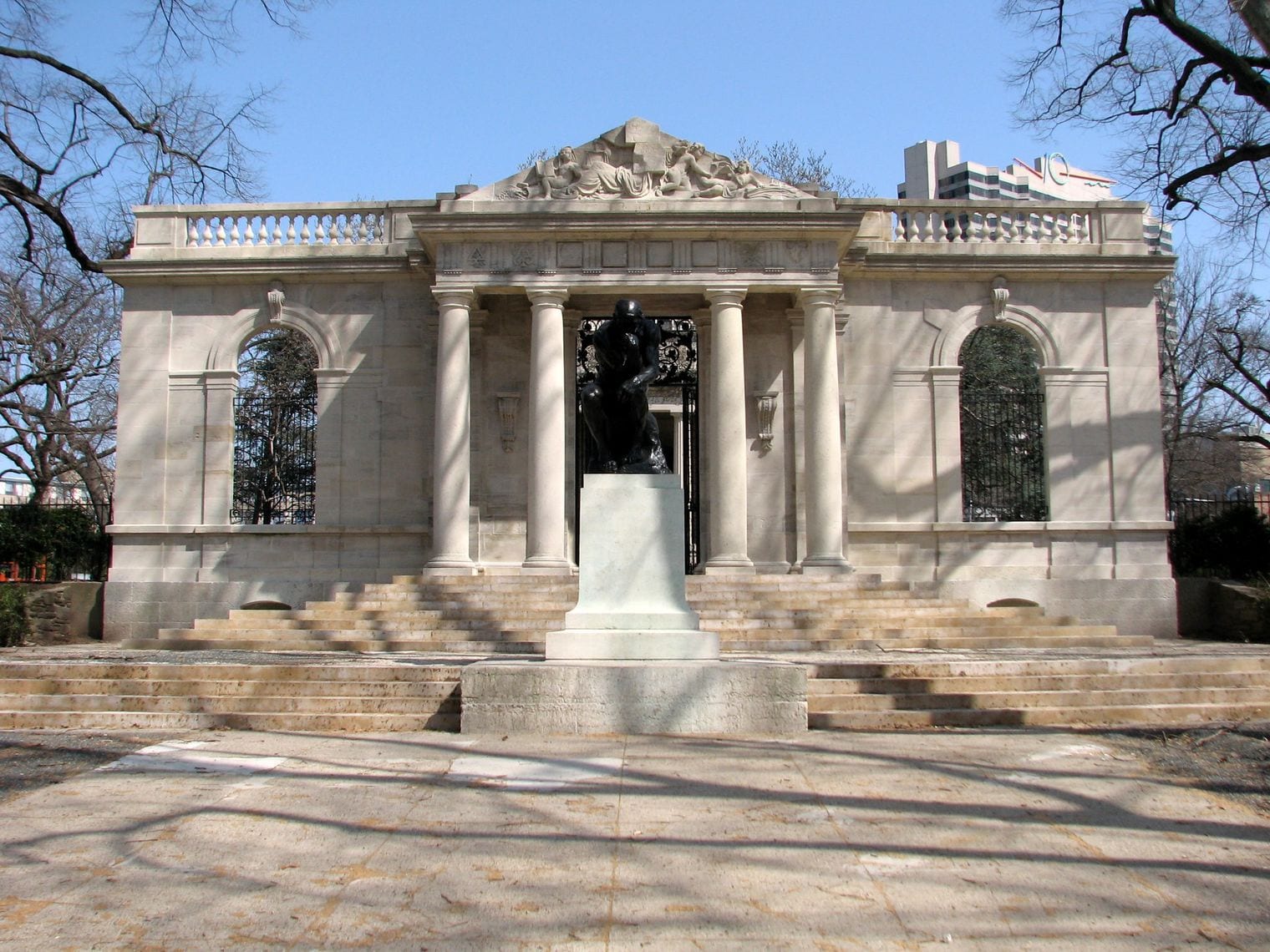
The Rodin Museum on the Benjamin Franklin Parkway holds one of the largest collections of Auguste Rodin's work outside Paris, nearly 150 bronzes, marbles and plasters, in a Beaux-Arts building and garden designed by Paul Cret and Jacques Gréber. It opened in 1929 as the gift of movie-theater magnate Jules Mastbaum.
The Thinker broods in the entry courtyard, and a cast of The Gates of Hell, the monumental doorway from which many of Rodin's most famous figures grew, stands at the entrance. It is administered by the Philadelphia Museum of Art and takes under an hour, so it slots easily into a Parkway museum day.
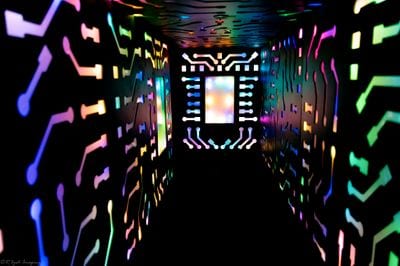
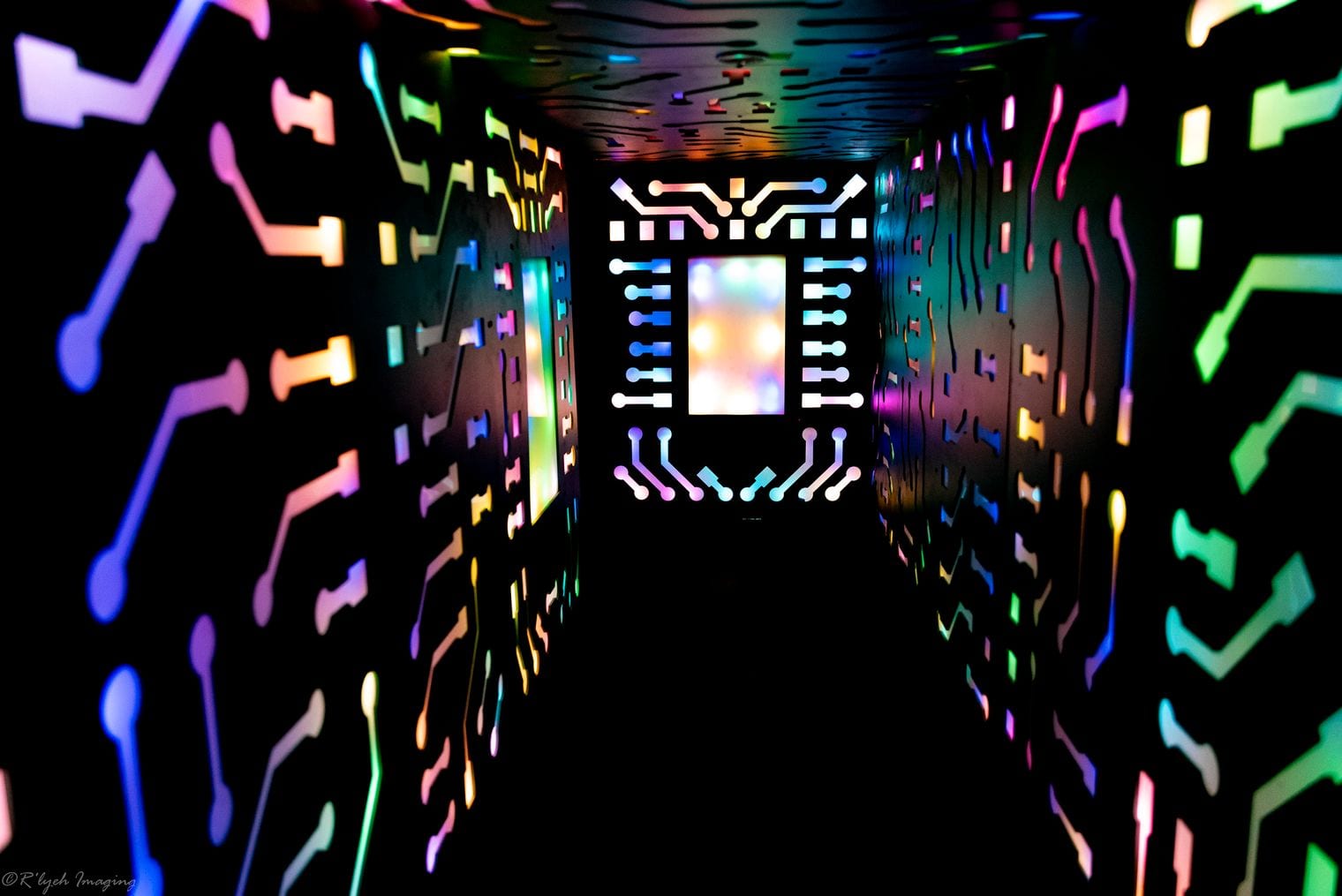
Otherworld Philadelphia is an immersive art experience in Northeast Philadelphia, a maze of interconnected rooms filled with large-scale interactive installations, glowing science-fiction landscapes and mixed-reality playgrounds that feel closer to stepping into a video game than visiting a gallery.
Secret passageways link the spaces, so half the fun is exploring without a map and finding the hidden doors. It works for families, groups of friends and date nights alike; booking a time slot ahead is wise, and you will want at least an hour or two inside. It is a drive or rideshare from Center City, so pair it with an evening out rather than a sightseeing day.
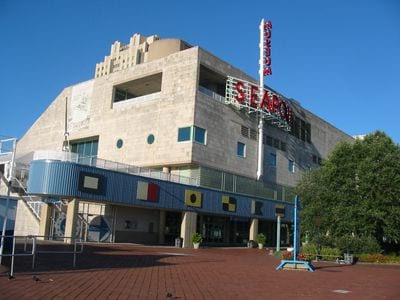
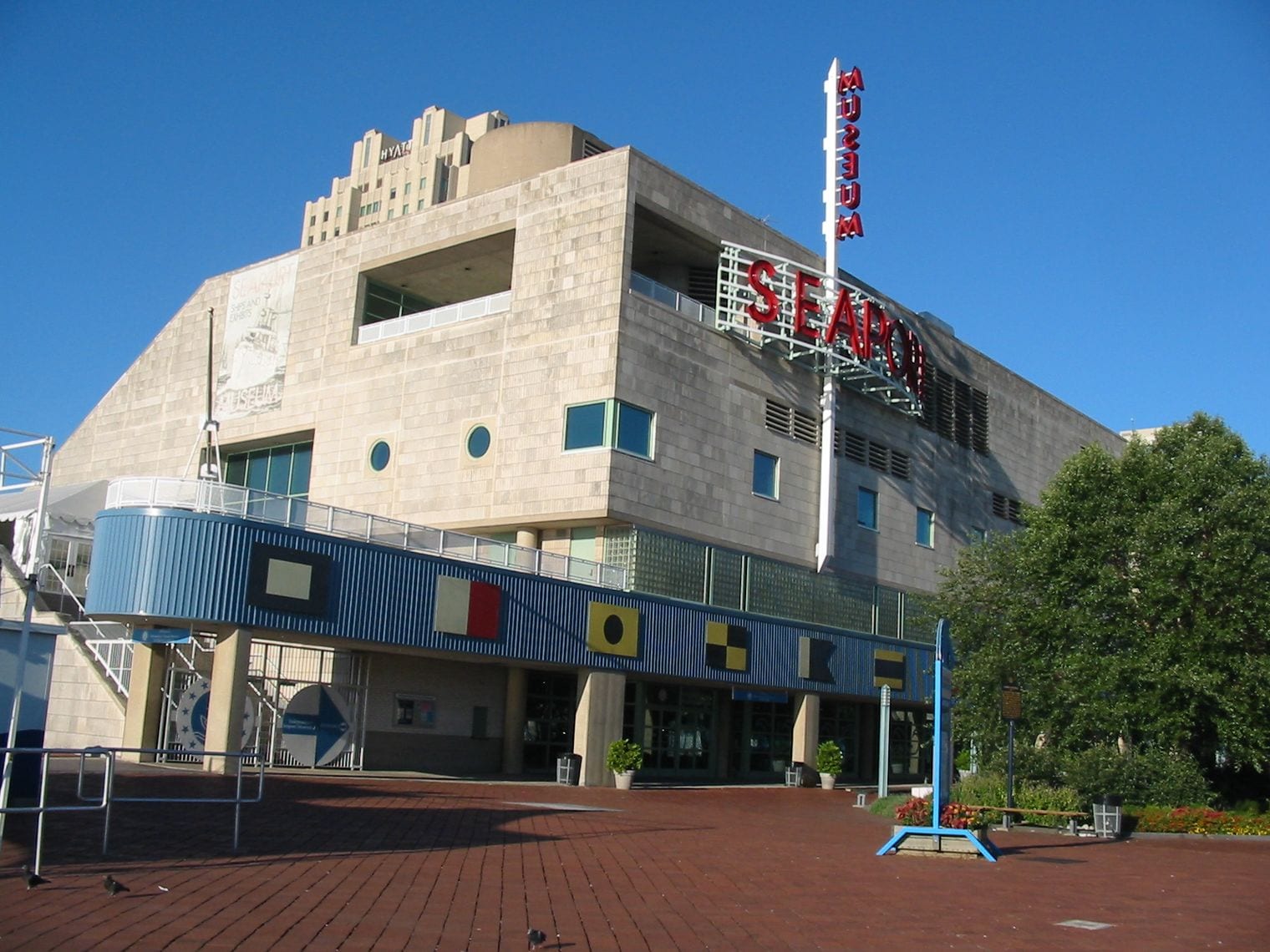
The Independence Seaport Museum at Penn's Landing, founded in 1961 as the Philadelphia Maritime Museum, tells the story of the Delaware River and the port that made Philadelphia rich. Its galleries cover the river's maritime history and culture, and a working boat shop keeps traditional wooden-boat skills alive.
The real draw is outside: two National Historic Landmark ships you can board. The cruiser Olympia was Commodore George Dewey's flagship at the Battle of Manila Bay in 1898, carried the Unknown Soldier home from France in 1921 and is the oldest steel American warship still afloat, while the World War II submarine Becuna is moored alongside.
3838. Schuylkill Banks and the Schuylkill River Trail
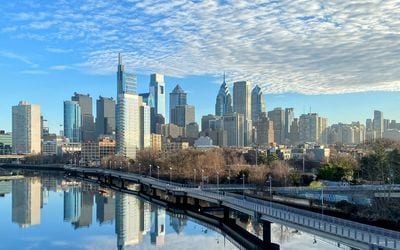
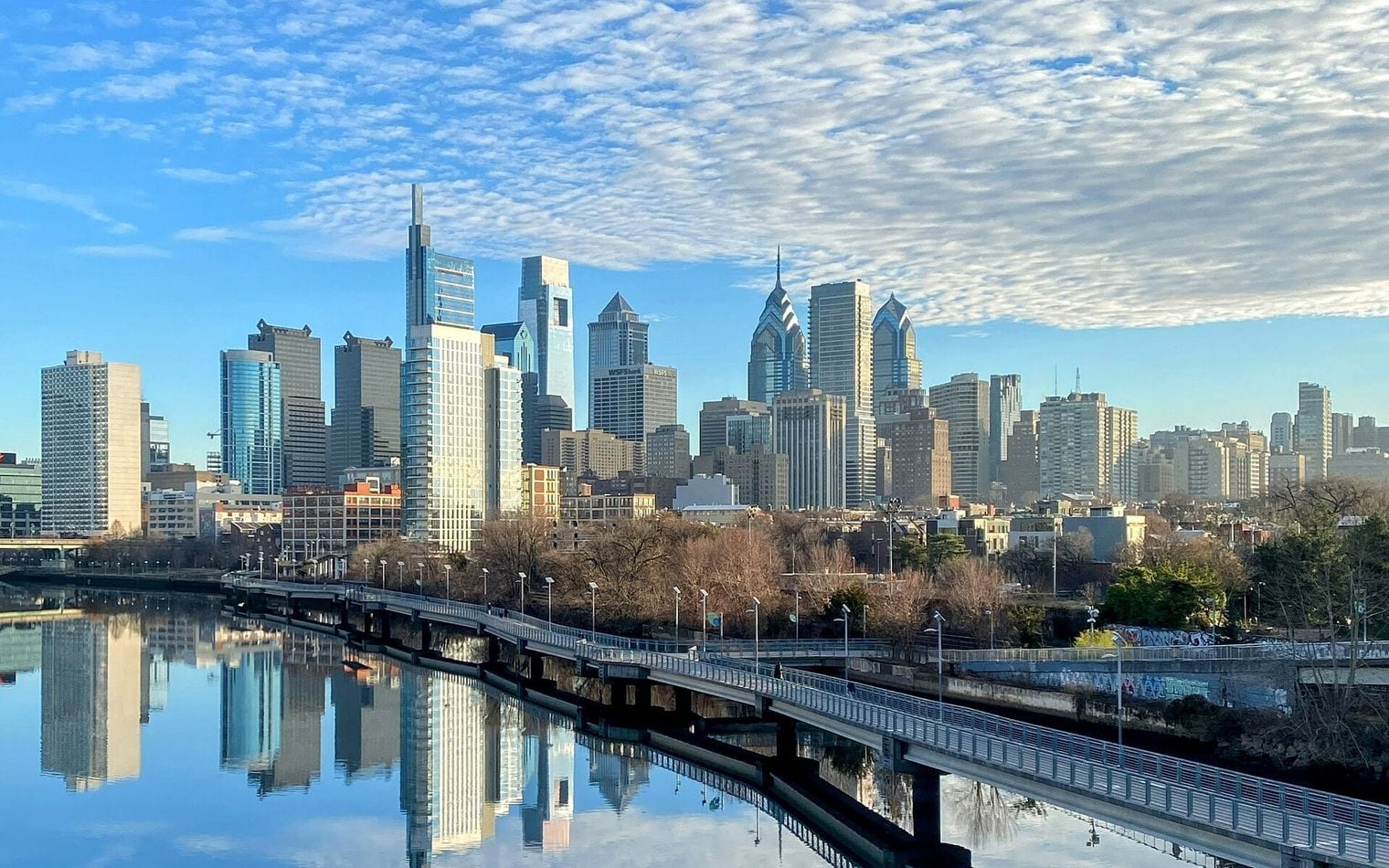
Schuylkill Banks is the Center City stretch of the Schuylkill River Trail, a paved riverside path for walking, running and cycling. Its showpiece is a 2,000-foot boardwalk, opened in 2014, that runs out over the river itself to the South Street Bridge, with wide views of the skyline and the water.
Head north and the trail passes the Philadelphia Museum of Art and Boathouse Row on Kelly Drive before continuing upriver toward Manayunk and, eventually, Valley Forge. It is the city's favorite place for a run or a bike ride, and its riverside lawns and benches make it worth a stop even if you only have time for a short walk.
3939. Penn's Landing and the Delaware River Waterfront
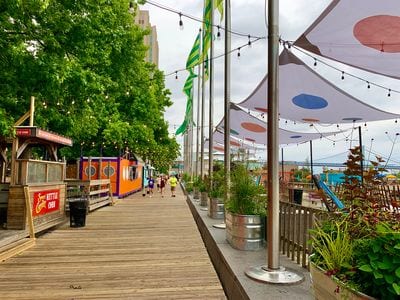
Penn's Landing is Philadelphia's front porch on the Delaware River, a waterfront named for William Penn's arrival in 1682, although he actually came ashore farther south, at Chester. The Delaware River Waterfront Corporation has turned the old docks into a string of public spaces linked by a riverside trail.
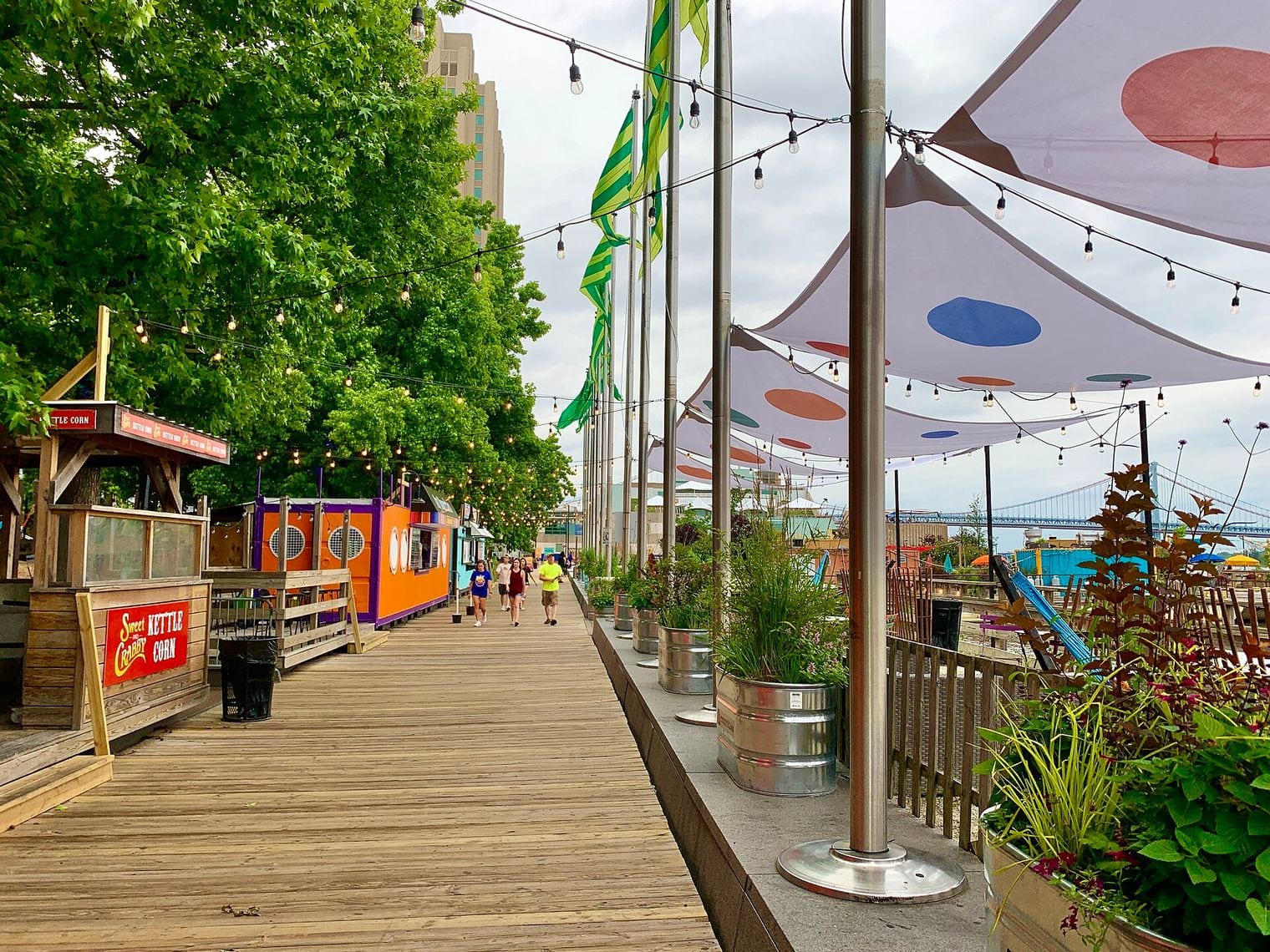
Race Street Pier is a park on a pier in the shadow of the Benjamin Franklin Bridge, and Cherry Street Pier hosts art exhibitions and events. In summer Spruce Street Harbor Park strings hammocks and lights along the water, and in winter the Blue Cross RiverRink turns into an ice rink, so there is a reason to come in every season.
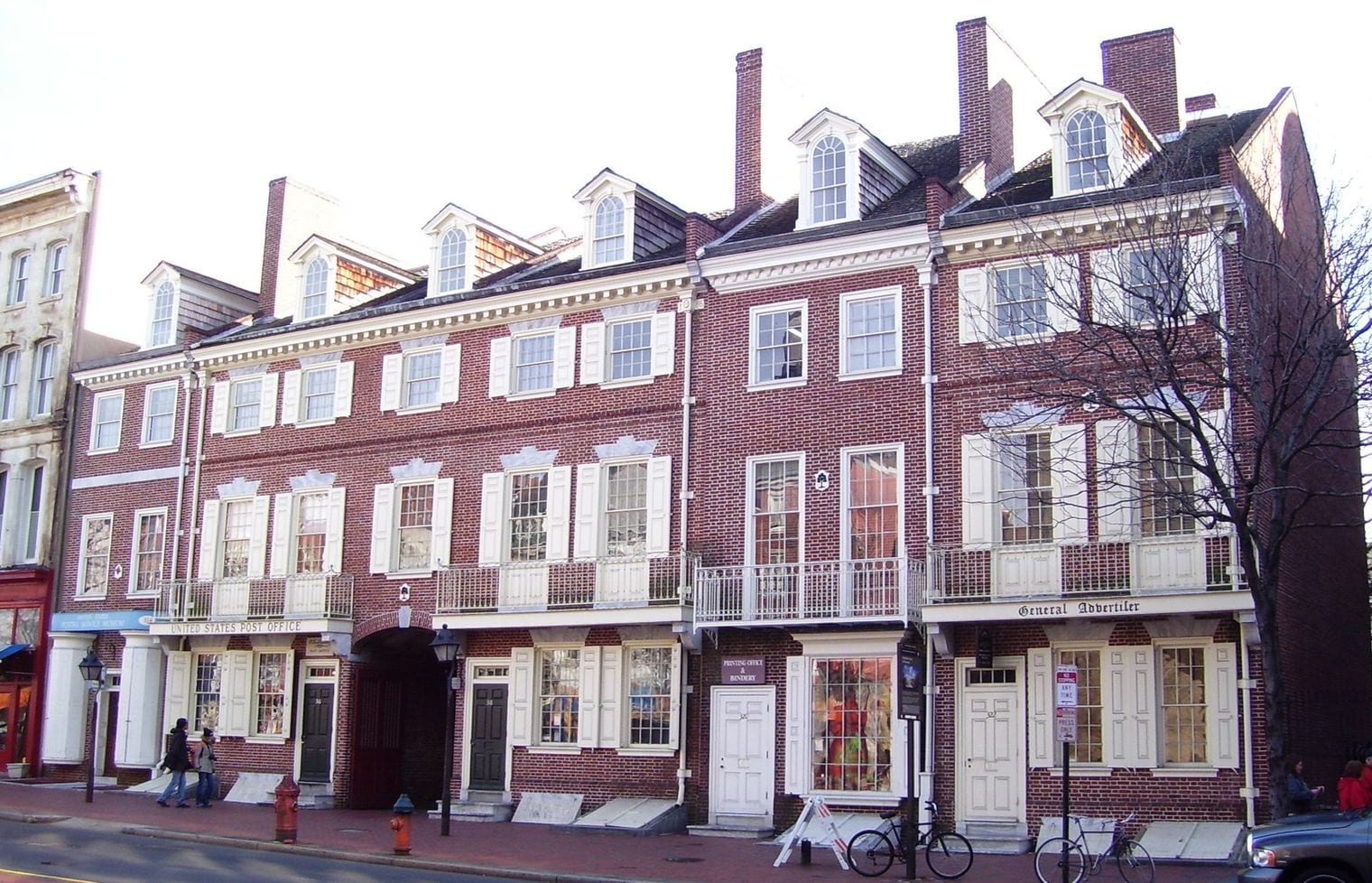
The Benjamin Franklin Museum sits beneath Franklin Court, the site off Market Street where Franklin lived from 1763 until his death in 1790. His house was demolished long ago, so for the 1976 Bicentennial architects Venturi and Rauch outlined it and his print shop in a steel 'ghost structure' above the archaeological remains.
The underground museum explores Franklin's many lives as printer, scientist, inventor, diplomat and founder, with hands-on displays that suit kids. Along Market Street, restored historic buildings hold a working post office and a printing office, and the whole courtyard makes a rewarding hour in the heart of the historic district.
4141. Weitzman National Museum of American Jewish History
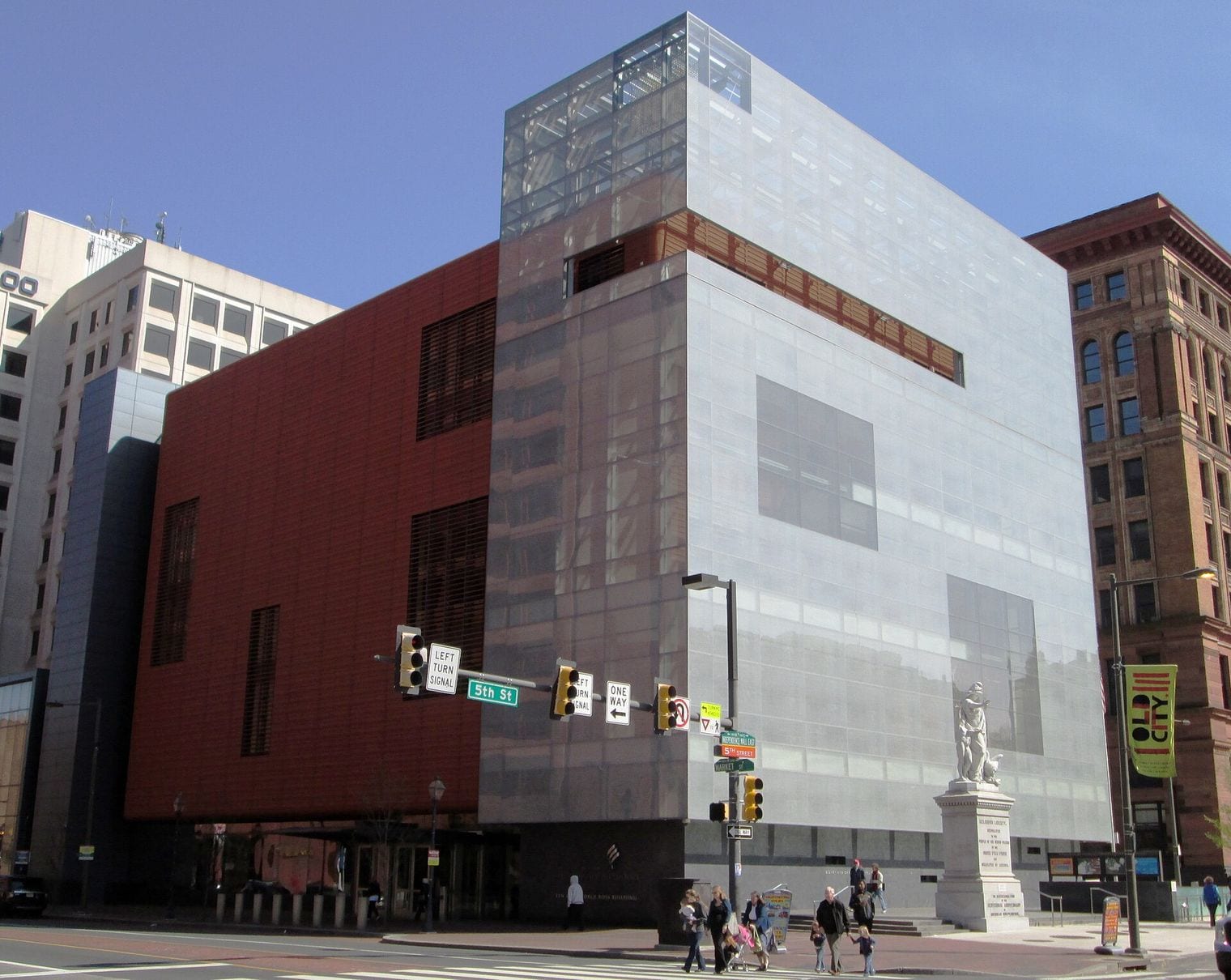
The Weitzman National Museum of American Jewish History, a Smithsonian affiliate founded in 1976, stands on Independence Mall at Fifth and Market Streets, within sight of the Liberty Bell. It tells the story of Jewish life in America from the colonial era to the present.
Galleries trace immigration, community-building and the long struggle for acceptance, and the Only in America Gallery and Hall of Fame celebrates prominent Jewish Americans. Temporary exhibitions have featured figures such as Ruth Bader Ginsburg and Leonard Bernstein. Its themes of religious freedom and opportunity fit naturally into a day spent among the founding-era sites around it.
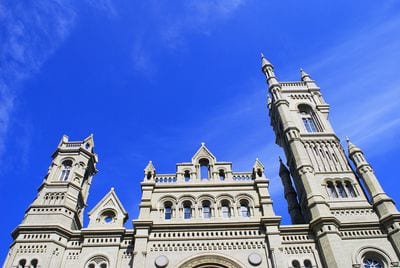
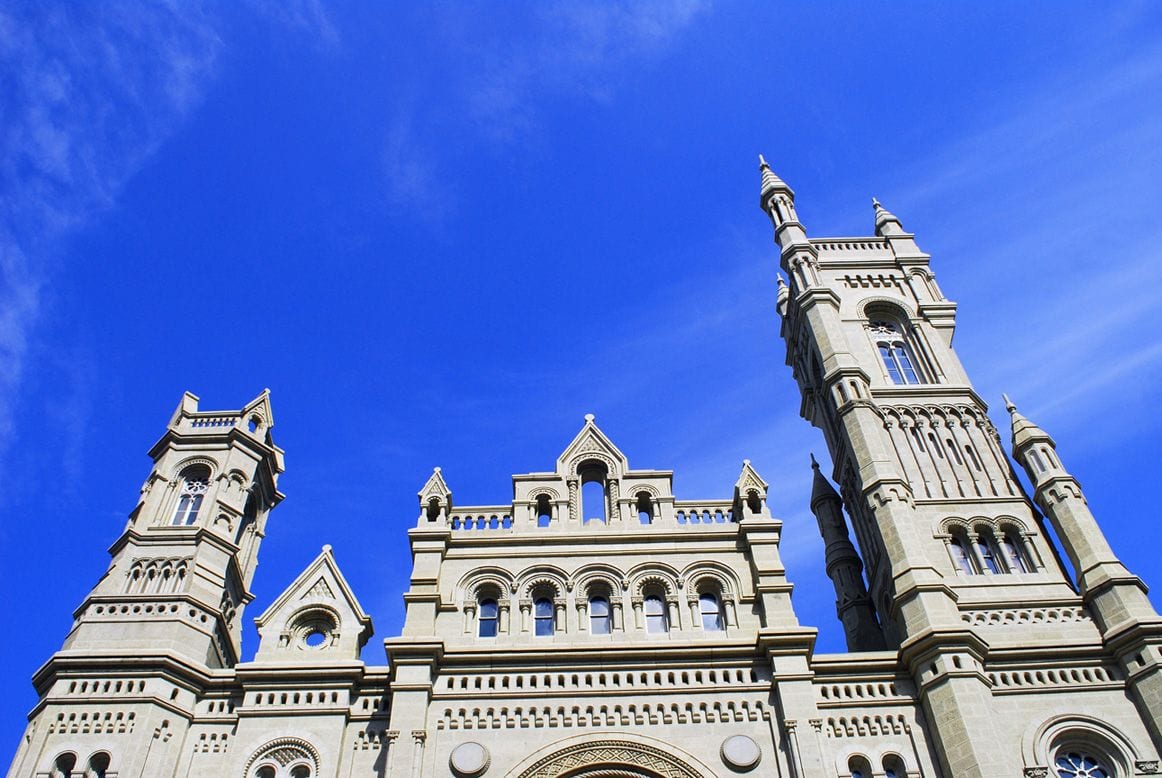
The Masonic Temple at 1 North Broad Street, directly across from City Hall, is the headquarters of the Grand Lodge of Pennsylvania and one of the city's most surprising interiors. Behind its Norman-style exterior lie seven lodge rooms, decorated in a lavish mix of 19th-century revival styles.
Guided tours lead through the lodge rooms and foyers and explain the Masonic symbols around them, and the library and museum display books and artifacts tied to Freemasonry. Tours run on a set schedule and can be cancelled for lodge events, so confirm before you go. It pairs neatly with City Hall and LOVE Park, all within a block.
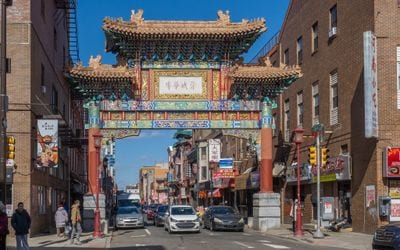
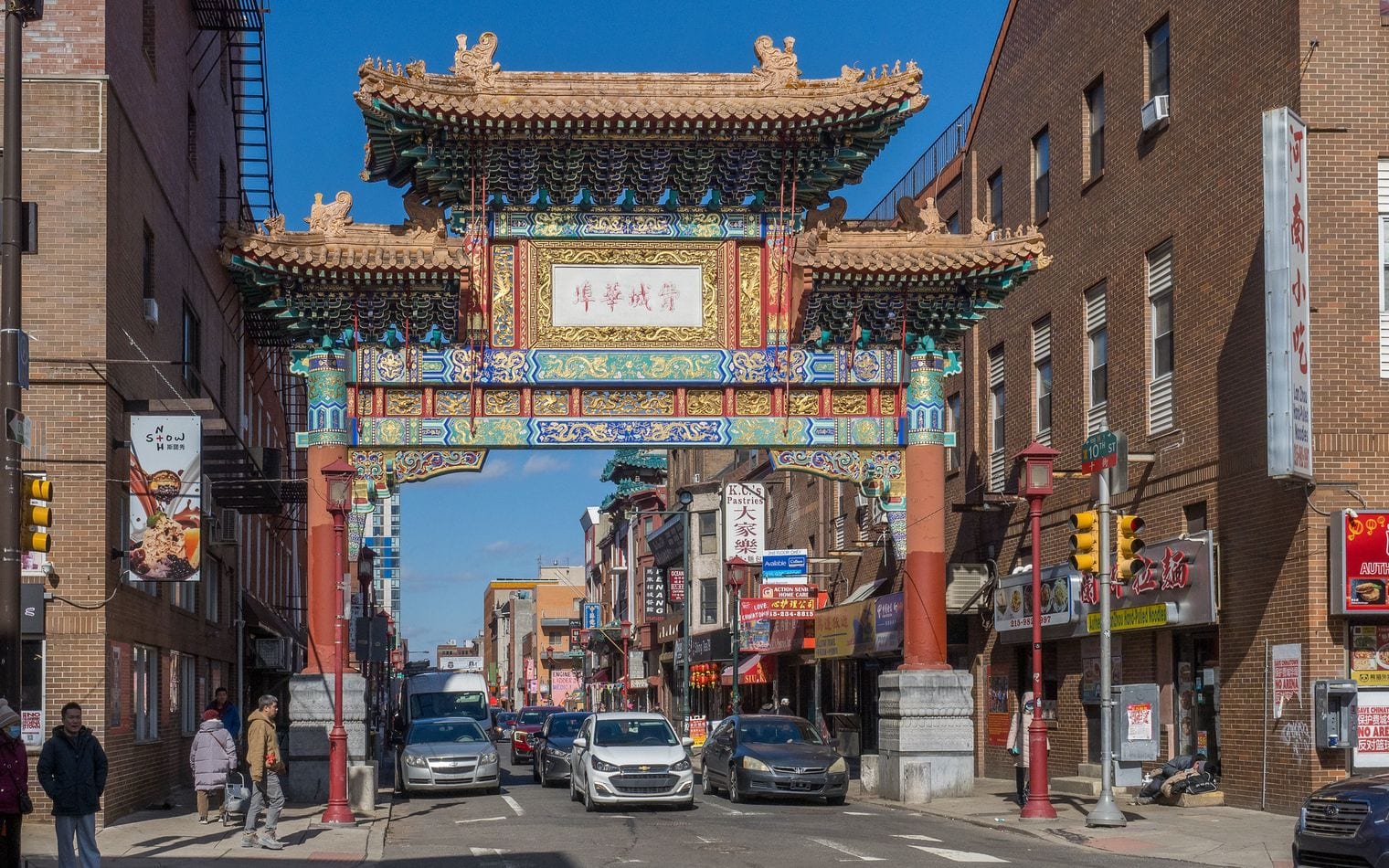
Philadelphia's Chinatown fills a compact grid of streets just north of Market Street, a block from Reading Terminal Market, and Chinese immigrants have made it their home since the 19th century. Its landmark is the Chinatown Friendship Gate at 10th and Arch Streets, often called the Friendship Arch, a symbol of the friendship between Philadelphia and its Chinese sister city, Tianjin.
Artisans from Tianjin helped repaint the gate using traditional techniques and materials. Walk beneath it into streets packed with bakeries, tea shops, grocers and restaurants serving dim sum, hand-pulled noodles and regional Chinese cooking, and come with an empty stomach.
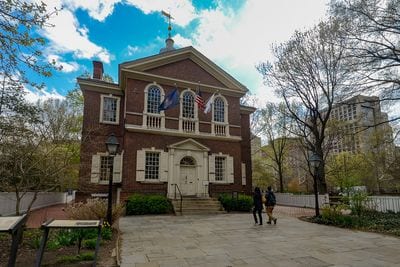
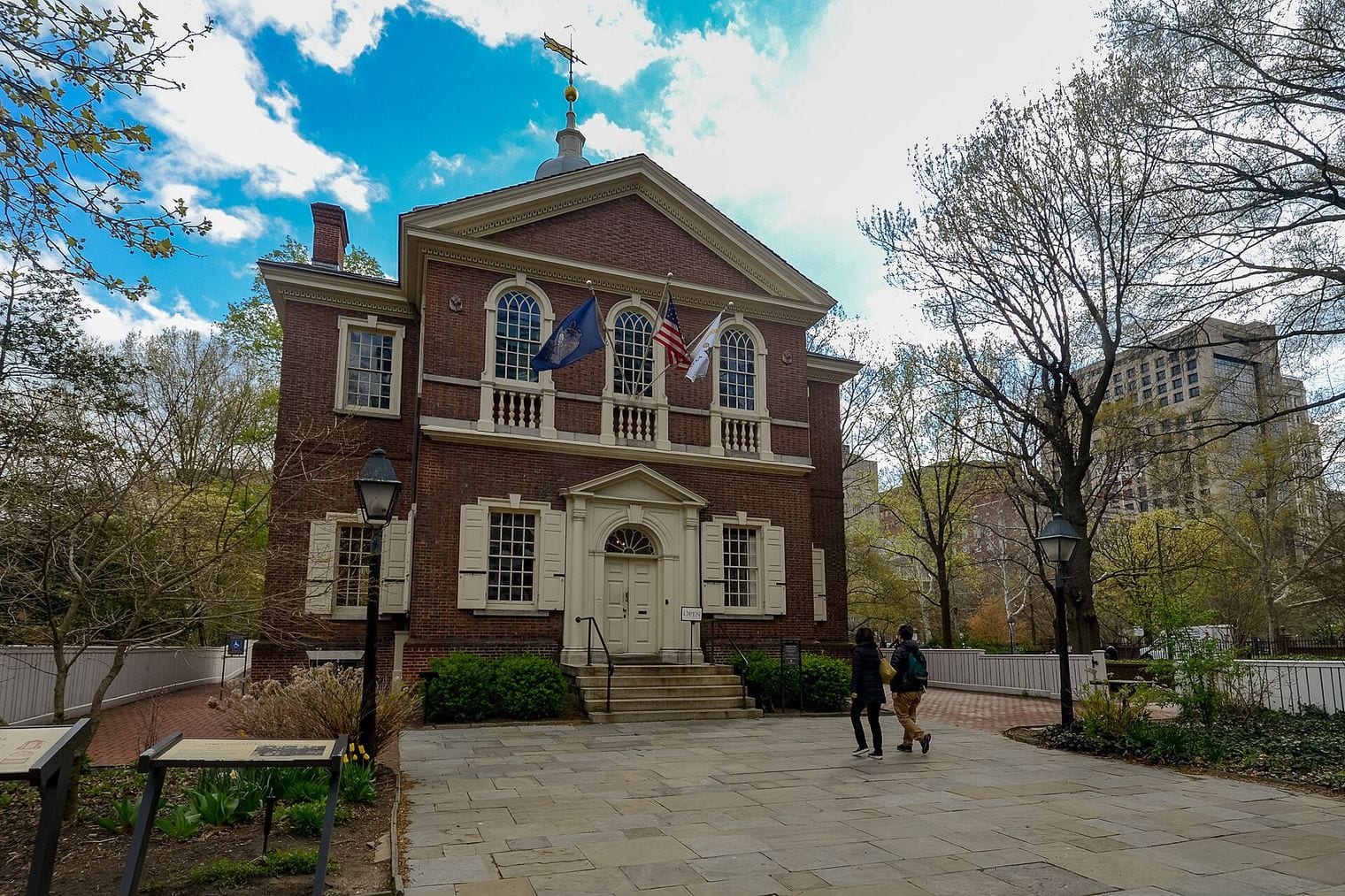
Carpenters' Hall is a handsome two-story Georgian meeting hall set back from Chestnut Street, completed in 1775 for the Carpenters' Company, the country's oldest surviving craft guild, which still owns it. In 1774 the First Continental Congress met here to air the colonies' grievances against Britain.
In June 1776 the hall also hosted the conference that declared Pennsylvania's independence and set up the Commonwealth, which is why it is called the state's official birthplace. Inside are the meeting room and exhibits on the guild and its builders; it is small, so it fits easily between Independence Hall and the Museum of the American Revolution.
4545. Christ Church and Christ Church Burial Ground
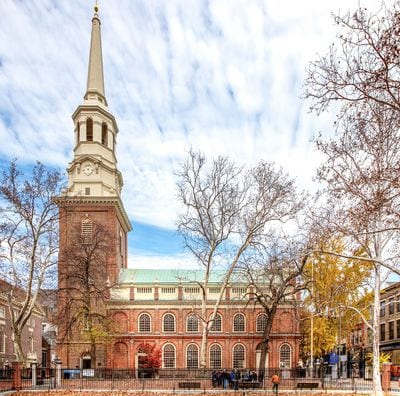
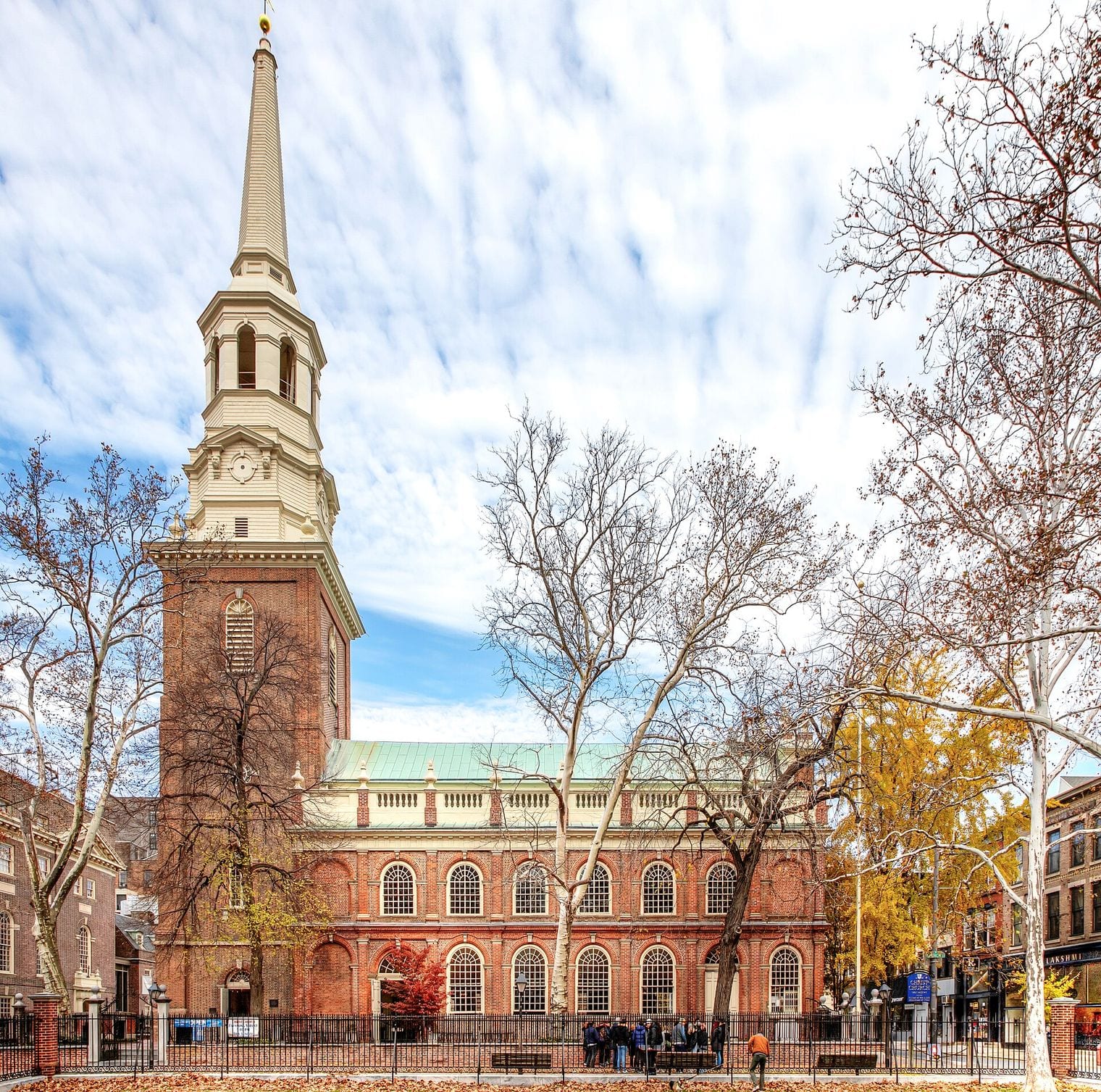
Christ Church in Old City, founded in 1695 as a Church of England parish, played a central role in founding the Episcopal Church in the United States, and its congregation included 15 signers of the Declaration of Independence. The present church went up between 1727 and 1744, and its 196-foot steeple, added in 1754, made it the tallest building in what became the United States.
A few blocks west, Christ Church Burial Ground holds the grave of Benjamin Franklin and four other signers; leaving a penny on Franklin's grave is a long-standing Philadelphia tradition. The burial ground closes in the depths of winter, but the grave stays visible through the railings at Fifth and Arch Streets.
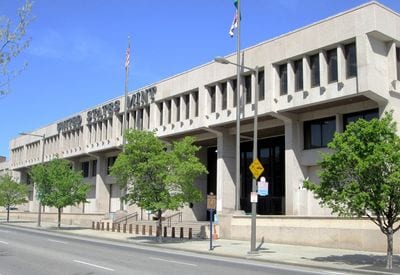
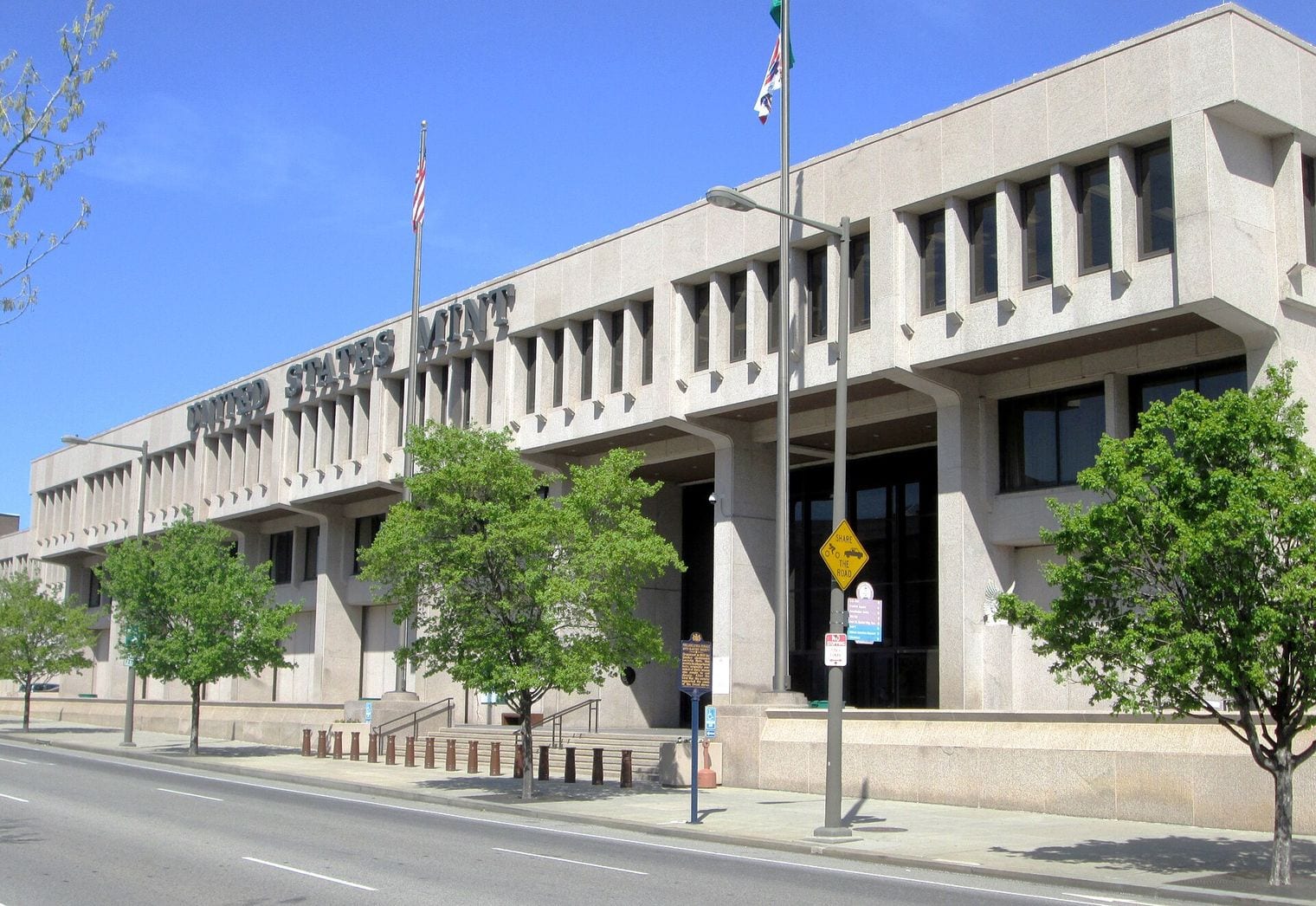
The United States Mint in Philadelphia traces its roots to 1792, when the Coinage Act created the nation's first mint here, and it is the first and oldest of the nation's mints. Its building on Independence Mall is a working factory that turns out the coins in Americans' pockets.
The free, self-guided tour follows a gallery above the factory floor, where you can watch blank metal discs being struck into coins, and adds exhibits on the Mint's history and coin design. Expect strict, airport-style security, and check the tour schedule before you go, since tours pause on some holidays and during renovation work.
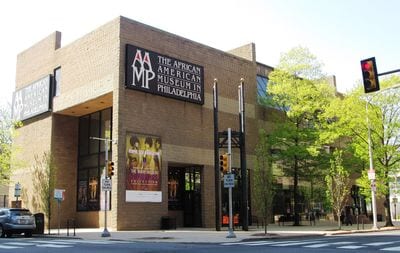
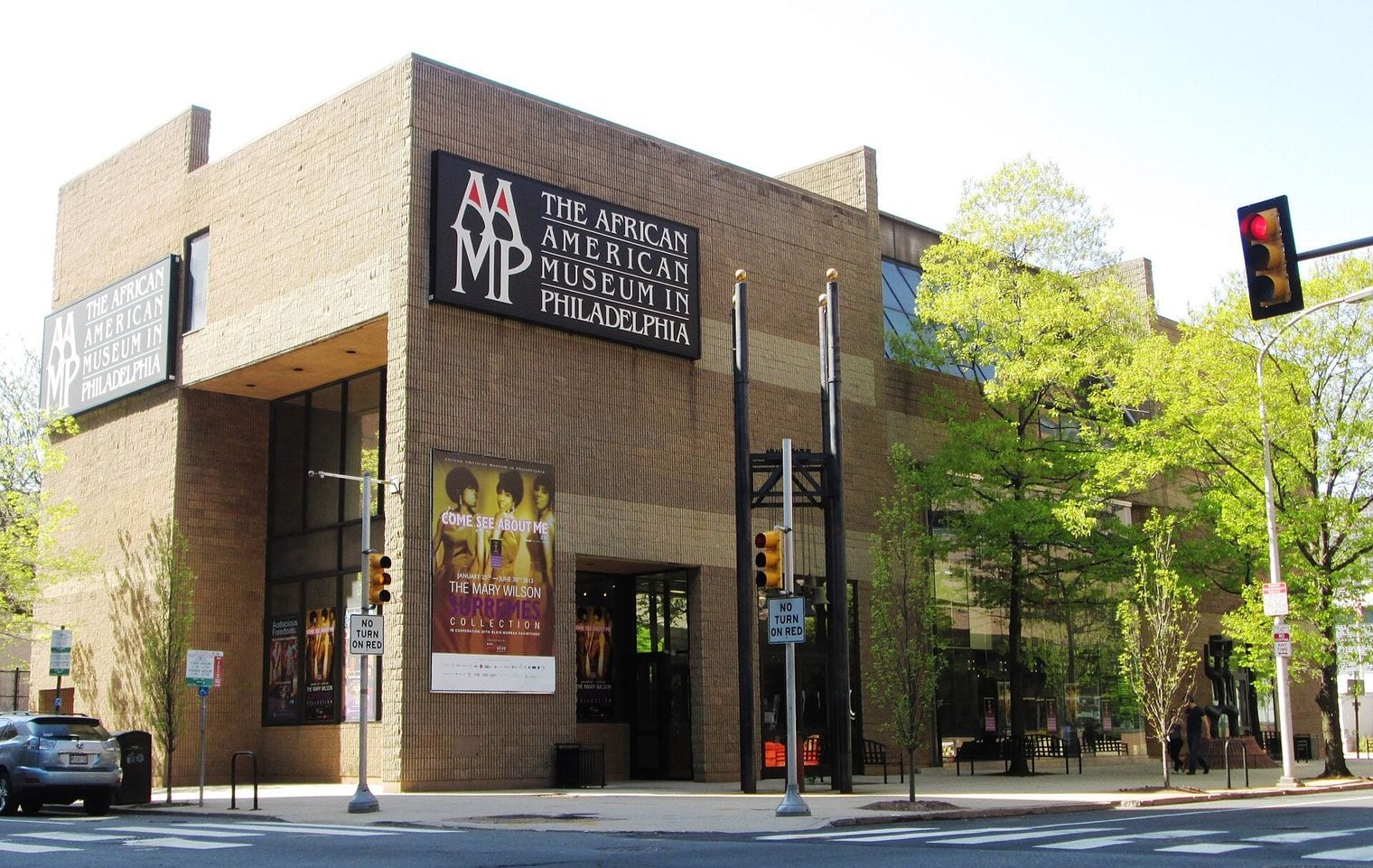
The African American Museum in Philadelphia opened during the 1976 Bicentennial as the first museum funded and built by a U.S. city to preserve and interpret African American heritage. It stands on Arch Street in Old City, a few blocks from the Liberty Bell.
Its long-running core exhibition, Audacious Freedom, follows Black Philadelphians from 1776 to 1876, when the city was a center of the abolitionist movement and home to a large free Black community, while other galleries host changing shows on the African diaspora and contemporary life. The museum plans to move to a larger home on the Benjamin Franklin Parkway in the years ahead, so confirm the address before you visit.
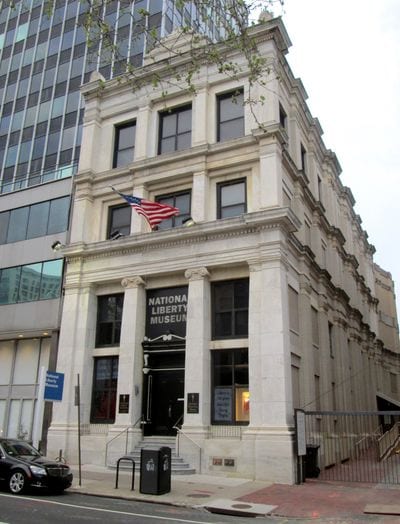
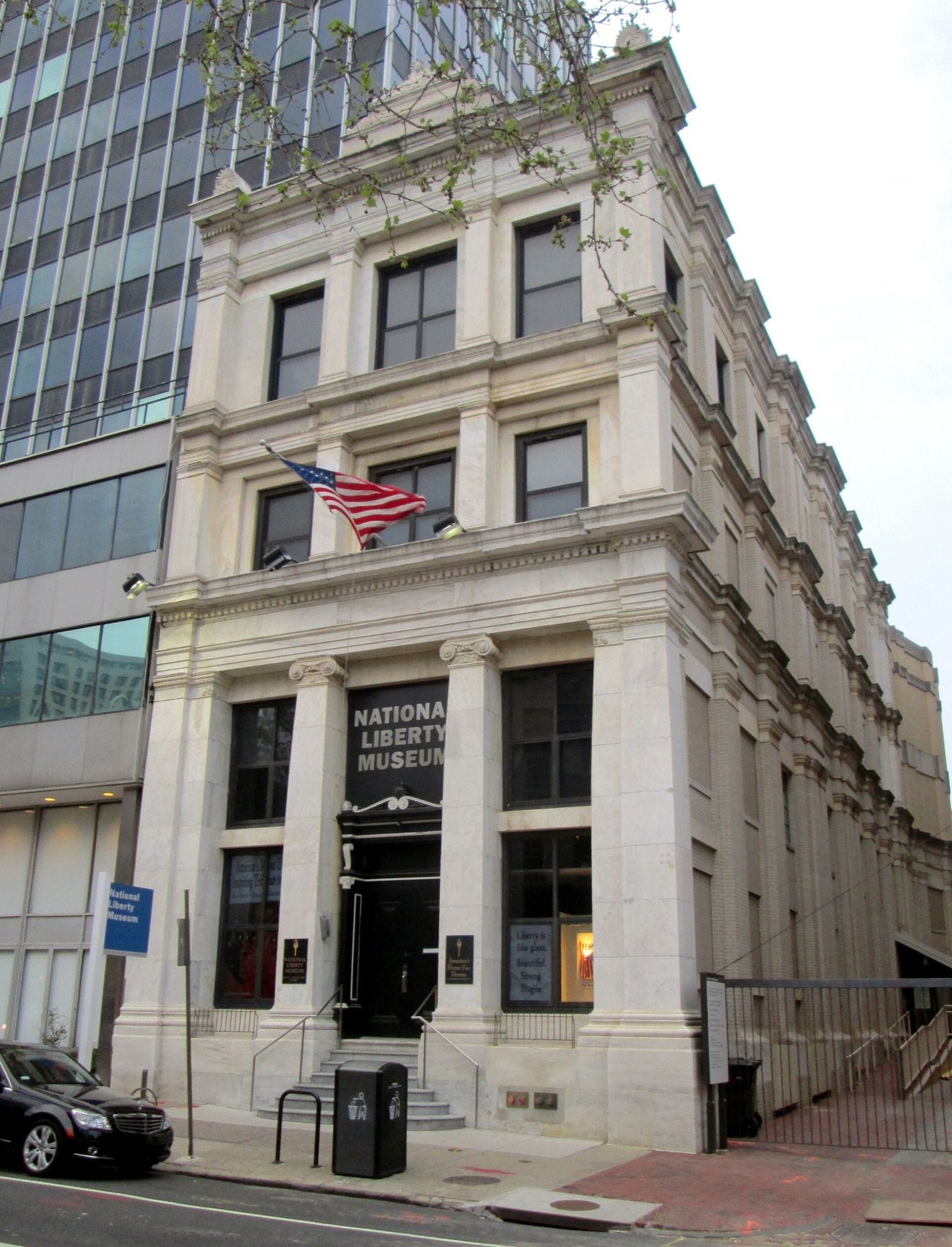
The National Liberty Museum on Chestnut Street in Old City opened in 2000 to explore freedom: who has fought for it, how it is protected and how fragile it can be. It tells those stories through history, art and the lives of heroes, famous and everyday.
Glass art is a running theme, and the centerpiece is Dale Chihuly's 20-foot glass sculpture Flame of Liberty. Exhibitions examine American freedoms such as the right to assemble and protest, and the museum also runs youth programs on leadership and civic engagement. It is a thoughtful, compact stop a short walk from Independence Hall.
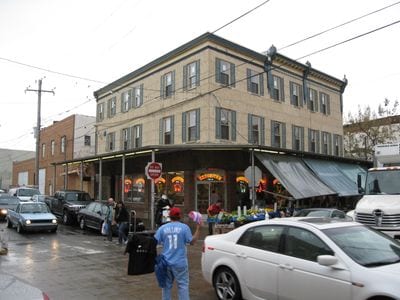
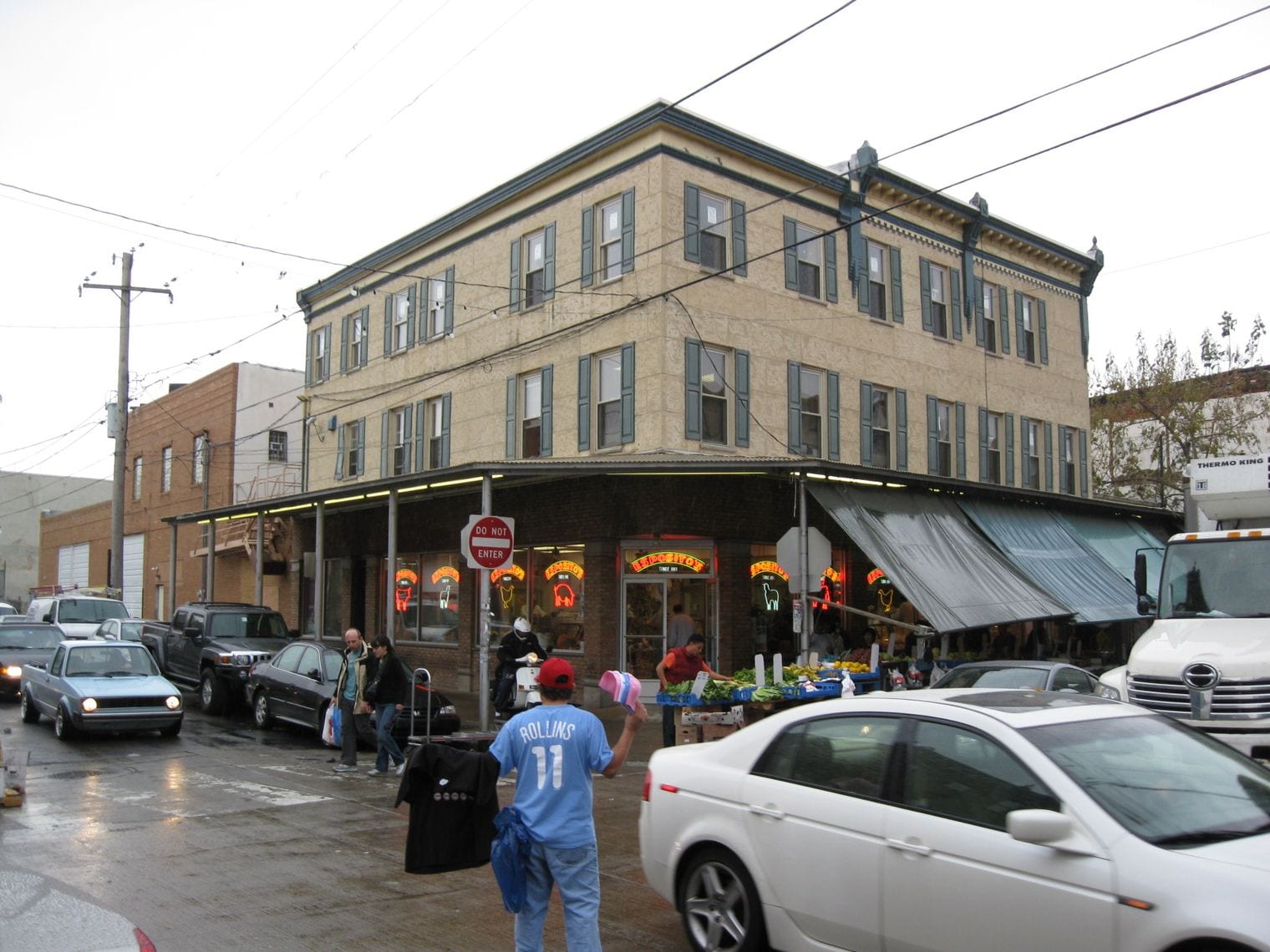
The Italian Market is the popular name for the South 9th Street Curb Market in South Philadelphia, a stretch of awning-covered sidewalks, curbside produce carts and long-established shops that has been trading for more than a century. Its historic heart runs along 9th Street between Christian Street and Washington Avenue.
Browse cheese shops, butchers, bakeries, spice sellers and fishmongers, Italian in origin and now joined by Mexican and other immigrant-run businesses that reflect the neighborhood's changing population. Mornings are best for the open-air stalls, and at the market's southern end, near 9th Street and Passyunk Avenue, two famous rival cheesesteak stands face off across the intersection.
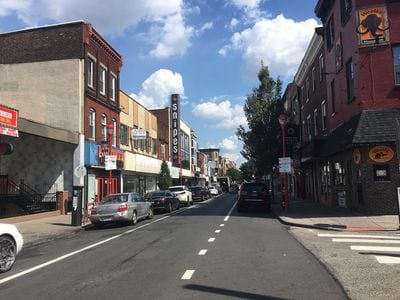
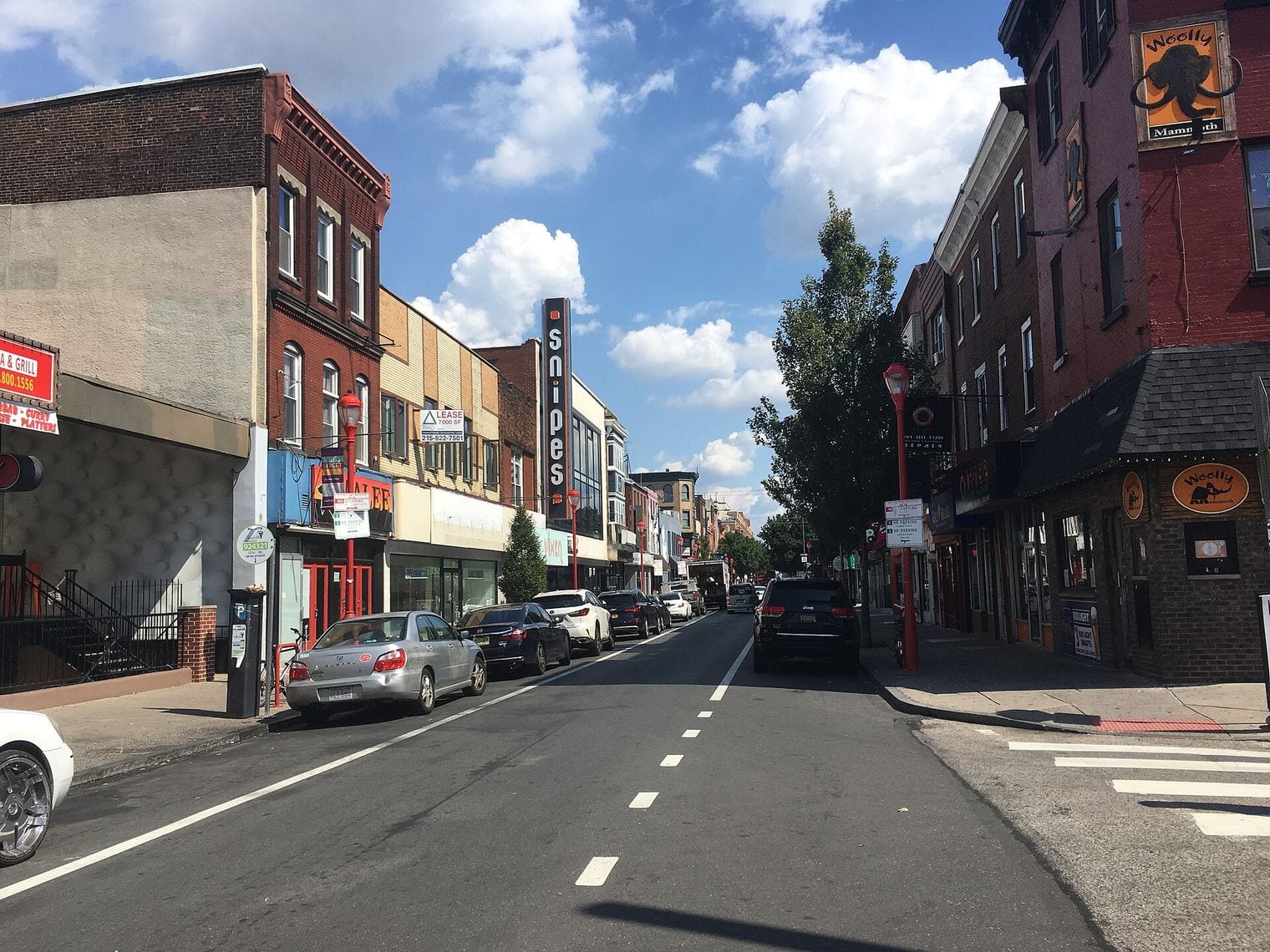
South Street, originally Cedar Street in William Penn's plan, marks the southern edge of Center City, and its eastern stretch from Front Street to about 8th Street is the city's bohemian strip, known for its punk, alternative and offbeat character. It is one of Philadelphia's most popular places to wander.
Expect tattoo parlors, vintage and record shops, bars, live music and late-night food, with Isaiah Zagar's mosaics spilling across walls around Philadelphia's Magic Gardens. A block north of its eastern end, Head House Square keeps an open-sided colonial market shed, part of a market whose history dates to 1745, and a long-running farmers' market.
Plan your trip
Best Time to Visit Philadelphia
Spring and fall are the most comfortable seasons for a walking city like Philadelphia. Spring brings blossoms to Fairmount Park, the Wissahickon and the gardens, while fall has crisp sightseeing weather, changing leaves along the Schuylkill and the Halloween season at Eastern State Penitentiary. Summer is hot and humid, but it is also the season of the city's big Fourth of July celebrations, outdoor concerts and the riverfront parks at Penn's Landing.
Winter is cold and can bring snow, yet it has its own draws: the ice rinks at Dilworth Park and on the Delaware riverfront, holiday markets around City Hall, shorter lines at the Old City sites and the Mummers Parade, a Philadelphia tradition on New Year's Day. Indoor museums such as the Franklin Institute and the Philadelphia Museum of Art make good bad-weather plans in any season.
Getting to Philadelphia
Philadelphia International Airport sits on the southwestern edge of the city, usually a short drive from Center City, and a regional rail line runs from the terminals into downtown. By car, Interstate 95 follows the Delaware River through the city, Interstate 76 (the Schuylkill Expressway) comes in from the west, the Pennsylvania Turnpike passes to the north, and the New Jersey Turnpike runs just across the river. Pittsburgh is roughly five hours west across the state on the Turnpike.
Philadelphia is also one of the easiest US cities to reach by train. 30th Street Station is a major stop on Amtrak's Northeast Corridor, with frequent service to New York, Baltimore and Washington, D.C., and Keystone trains west toward Harrisburg. Intercity buses arrive in Center City as well.
Getting Around Philadelphia
Center City is compact, flat and laid out on William Penn's grid, so you can walk from Old City to Rittenhouse Square and on to the Parkway museums without needing a car. SEPTA runs the city's subway lines along Market Street and Broad Street, plus trolleys, buses and regional rail, and the Broad Street line is the easiest way to reach the South Philadelphia sports stadiums. Bike share and rideshare are widely available.
A car is useful only for the outlying sights, such as the Wissahickon, the Morris Arboretum, Bartram's Garden and Otherworld. Parking in Old City and Center City is tight and expensive, so if you drive in, leave the car in a garage and explore on foot.
Where to Stay in Philadelphia
Old City and Society Hill put you within walking distance of Independence Hall, the Liberty Bell and the waterfront, on cobbled streets lined with colonial rowhouses. Center City and the Rittenhouse area are the most central bases, close to the Parkway museums, Broad Street's theaters and the busiest dining scene, and they suit first-time visitors best.
Fishtown, north of Old City, appeals to travelers who want lively bars, music venues and a younger neighborhood feel. University City, across the Schuylkill River, is convenient for 30th Street Station, the Penn campus and the Penn Museum, and it works well if you arrive by train.
Where to Eat in Philadelphia
Philadelphia's signature foods are the cheesesteak, the roast pork sandwich with sharp provolone and greens, the hoagie, the soft pretzel and, in summer, water ice. Reading Terminal Market is the easiest place to try several in one stop, while the Italian Market in South Philadelphia adds cheese shops, bakeries and taquerias along 9th Street.
For sit-down meals, look to Rittenhouse and Midtown Village in Center City, East Passyunk Avenue in South Philadelphia, the bars and restaurants of Fishtown and the dim sum and noodle houses of Chinatown. The city is also known for its many BYOB restaurants, where you bring your own bottle of wine.
Day Trips from Philadelphia
Valley Forge National Historical Park, where Washington's army spent the winter of 1777–78, is about 40 minutes northwest of the city. Head about an hour southwest for Longwood Gardens and the Brandywine Valley's museums and estates around Wilmington, or an hour north to New Hope, one of the most popular small towns in Pennsylvania, with galleries and antique shops on the Delaware River.
Princeton, with its university campus and colonial streets, is about an hour northeast in New Jersey. Lancaster County's Amish farmland lies about an hour and a half west, Hershey about two hours west, and Baltimore's harbor and museums about two hours southwest by road or a short train ride on the Northeast Corridor.
Philadelphia is best known as the birthplace of the United States: the Declaration of Independence and the Constitution were both debated and adopted at Independence Hall, and the Liberty Bell hangs across the street. Visitors also come for the Philadelphia Museum of Art and its Rocky Steps, Reading Terminal Market, LOVE Park and the city's famous cheesesteaks.
How many days do you need in Philadelphia?
Three days covers the highlights. Spend the first in Old City at Independence Hall, the Liberty Bell and the Museum of the American Revolution, the second on the Benjamin Franklin Parkway museums, and the third in Fairmount Park, the Wissahickon or the neighborhoods. With only one day, focus on Old City and the Philadelphia Museum of Art.
What can you do in Philadelphia for free?
The Liberty Bell Center, the ranger-led Independence Hall tour (with a free timed ticket for most of the year) and the United States Mint's self-guided tour are all free. So are the Rocky Steps, LOVE Park, Elfreth's Alley and Rittenhouse Square, along with the trails of Wissahickon Valley Park, Fairmount Park, Schuylkill Banks and the Penn's Landing waterfront.
Do you need tickets for Independence Hall?
For most of the year, yes. Entry to Independence Hall is by ranger-led tour, and the National Park Service requires a free timed-entry ticket, which you can reserve online in advance for a small booking fee. Tickets go quickly in summer and on holiday weekends, so book ahead and arrive early for security screening on Independence Square.
Is Philadelphia worth visiting?
Yes. Few American cities pack as much into a walkable center: the founding-era sites of Old City, world-class art on the Benjamin Franklin Parkway, historic food markets and one of the largest urban park systems in the country. It is also easy to combine with New York or Washington, D.C., by train, making it a natural stop on a Northeast trip.
Sources & updates
How this guide was checked
Checked before launch
Sources cited
50
Publishers
36
Every place on this list was confirmed open and pinned on the map before publication, and what we say about each one was checked against its own website or an official source.
A PDF with a box to tick for every place. Confirm your email to download it, and get one email every Thursday with our newest guides for the places you tick.
Free Philadelphia printable checklist
All 50 places in one PDF
Tick them off as you go. Confirm your email to download it, plus one email every Thursday with new guides for the places you tick.
We use cookies to analyse site traffic and improve your experience.
You can accept or reject analytics cookies. See our
May we use analytics cookies? See ourCookie Policy.