We build and rank every list first. Booking links come after, and only where
a partner sells a ticket, tour or stay for that exact place, so a place with
nothing to book is listed exactly as prominently as one you can book.
So how do we earn? Some links on this page go to booking
partners, and if you book tickets, tours or a stay through
one, we may earn a commission. It costs you nothing extra.
That commission never decides which places make the list, the order they
appear in, or what we write about them. No entry is sponsored or a paid
placement.
44 Best Things to Do in Pittsburgh, Pennsylvania (2026)
By the City Viking editorial teamPublished 44 places · 27 min read
Fact-checked Checked before launchOct 16, 202644 sources22 publishers1 government & parks1 tourism board22 encyclopedias & research20 venues & other sitesPublished · Oct 16, 2026Researched and checked before it went liveClick for every source and the full change log.
Short answer
Pittsburgh is known for its steel fortunes, its hillside neighborhoods and its bridges, which earned it the nickname City of Bridges. Start by riding the Duquesne Incline up Mount Washington for the view over the three rivers, then walk to the fountain at Point State Park and cross to The Andy Warhol Museum. Three days covers the highlights: downtown and the Strip District, the North Shore museums, and Oakland for the Carnegie museums and Phipps Conservatory.
Pittsburgh piles its neighborhoods onto steep hills where the Allegheny and Monongahela rivers meet to form the Ohio. Steel fortunes built its museums and parks, old warehouses now hold markets and art, and two Victorian inclines still carry riders up Mount Washington to the most famous view in western Pennsylvania.
This guide ranks 44 things to do in Pittsburgh, from the Andy Warhol Museum and Phipps Conservatory to ballparks, quirky North Side art and riverfront trails. Three days covers the highlights; stay longer to add Kennywood or a day trip into the hills.
Map of Things to Do in Pittsburgh, Pennsylvania
Things to Do in Pittsburgh, Pennsylvania
Things to Do in Pittsburgh, Pennsylvania at a Glance
Pittsburgh is nicknamed the City of Bridges for its 446 bridges, and three matching yellow spans downtown are known as the Three Sisters.
The city has nearly 800 sets of public stairways, and some of them are officially classed as city streets even though they are nothing but steps.
KDKA, considered by many historians the first commercially licensed radio station, went on the air from Westinghouse in East Pittsburgh with the presidential election results in November 1920.
Jonas Salk developed his polio vaccine at the University of Pittsburgh, and its success was announced to the world in 1955.
Mister Rogers' Neighborhood was filmed in Pittsburgh, and original set pieces and puppets from the show are on display at two of the city's museums.
Pittsburgh once had 17 passenger inclines climbing its hills; the Monongahela and Duquesne inclines are the two that survive.
11. Duquesne Incline
Historical Landmark~1.1 miles (1.8 km) from centre
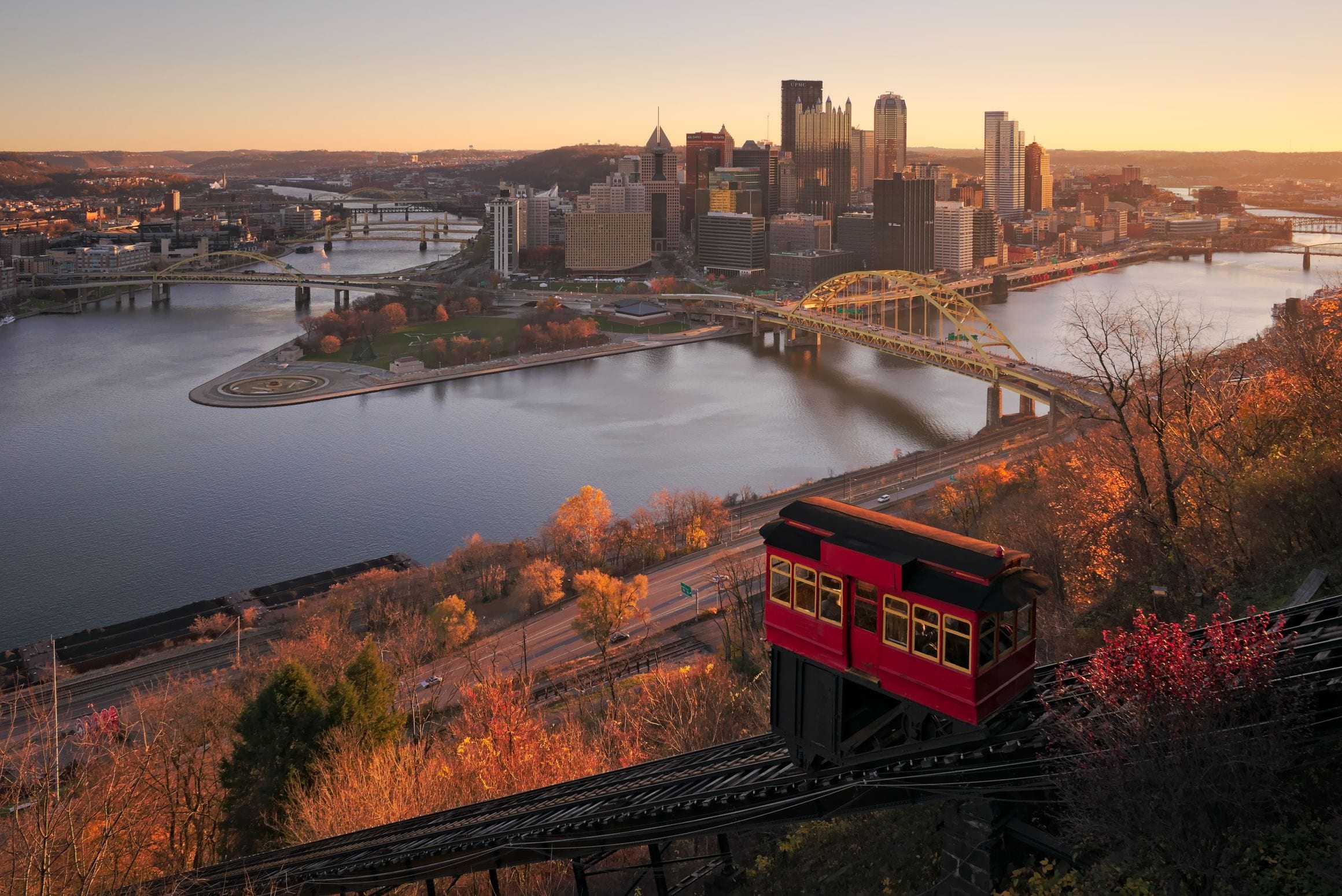
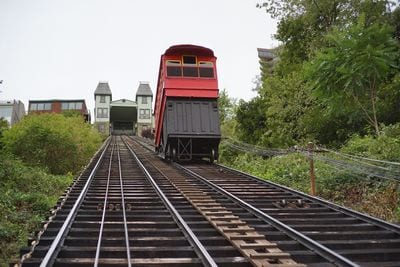
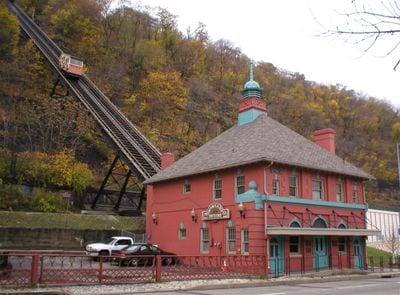
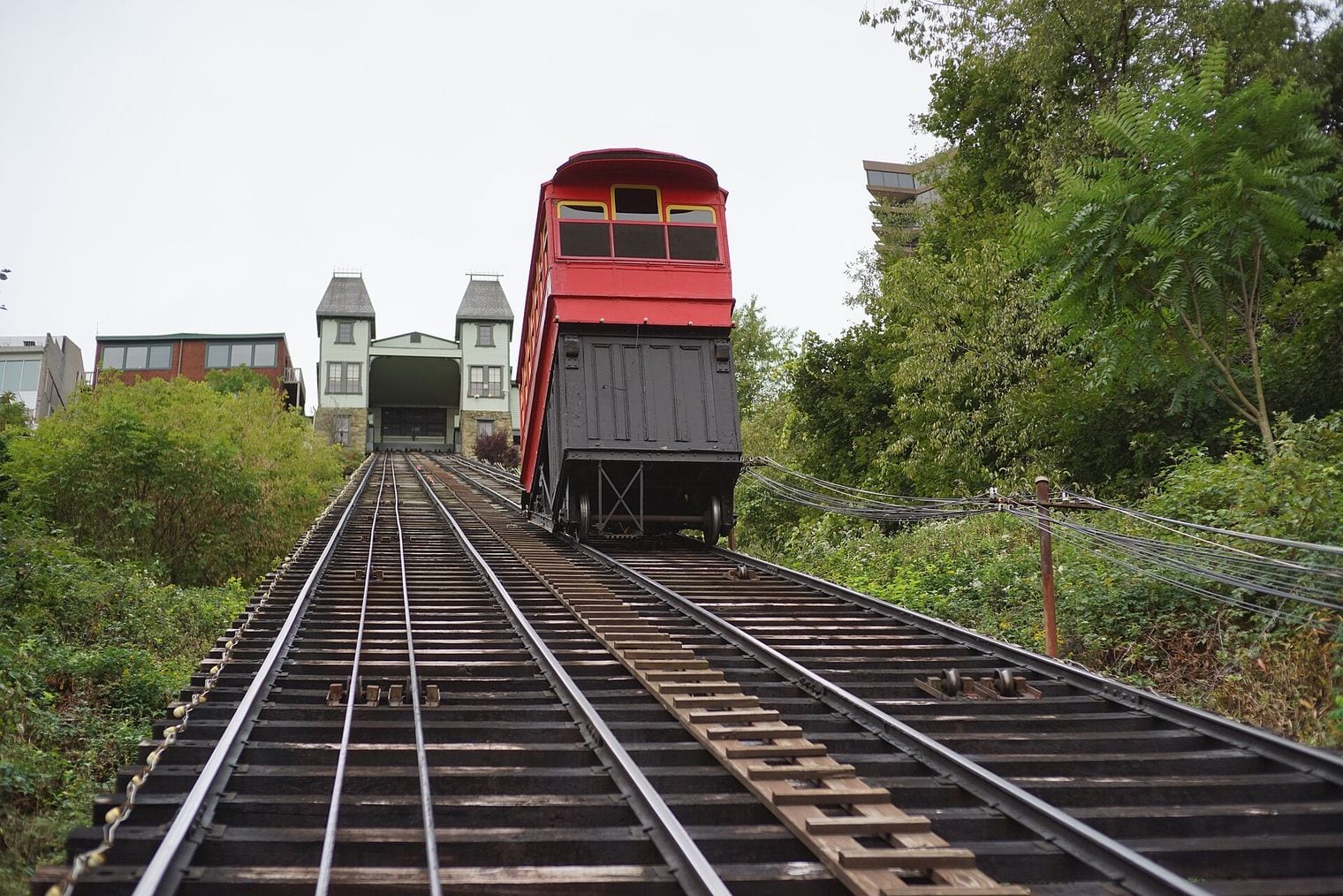
The Duquesne Incline has been carrying passengers up the face of Mount Washington since 1877, and riding it is the classic first move in Pittsburgh. Its two cars climb about 400 feet at a 30-degree angle, passing each other halfway while the rivers and the Golden Triangle open out below.
At the top, the upper station has an observation deck that frames the Point and the downtown skyline, along with displays on the incline's history and machinery. Ride up near sunset for the best light, stroll a stretch of Grandview Avenue, then ride back down to the lower station by the Ohio River.
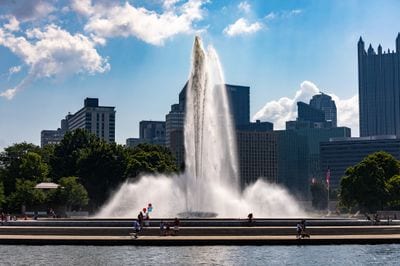
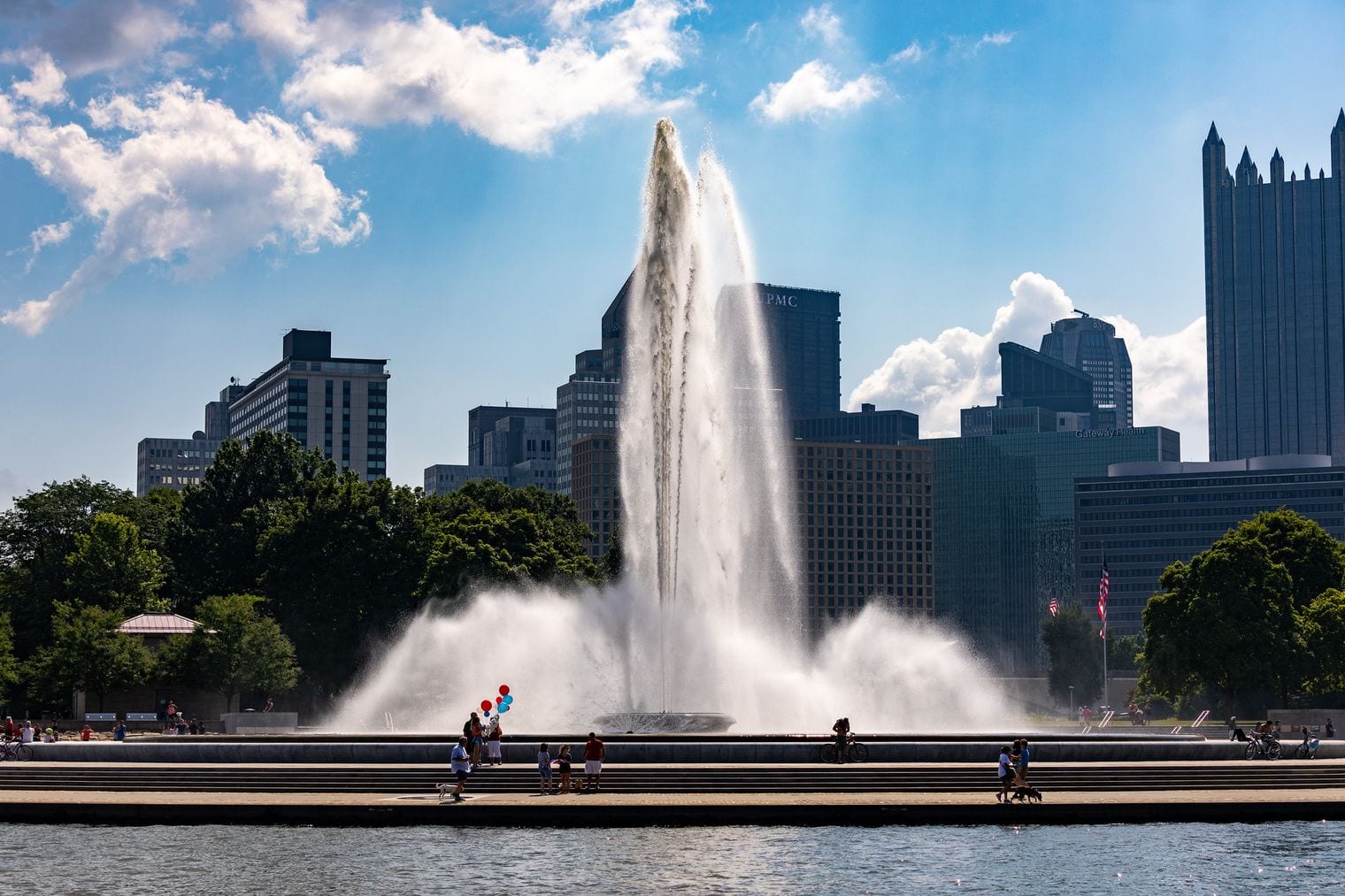
Point State Park fills the tip of the Golden Triangle, where the Allegheny and Monongahela rivers join to form the Ohio, and its great fountain is Pittsburgh's signature image. The 36-acre park has broad lawns, riverside promenades and the traced outlines of Fort Pitt and the earlier French Fort Duquesne.
Look for the Fort Pitt Block House, built in 1764 and the oldest surviving structure in western Pennsylvania. The river walls are a fine place to watch boats and sunsets, and the park fills with crowds for the Three Rivers Arts Festival and other big outdoor events in summer.
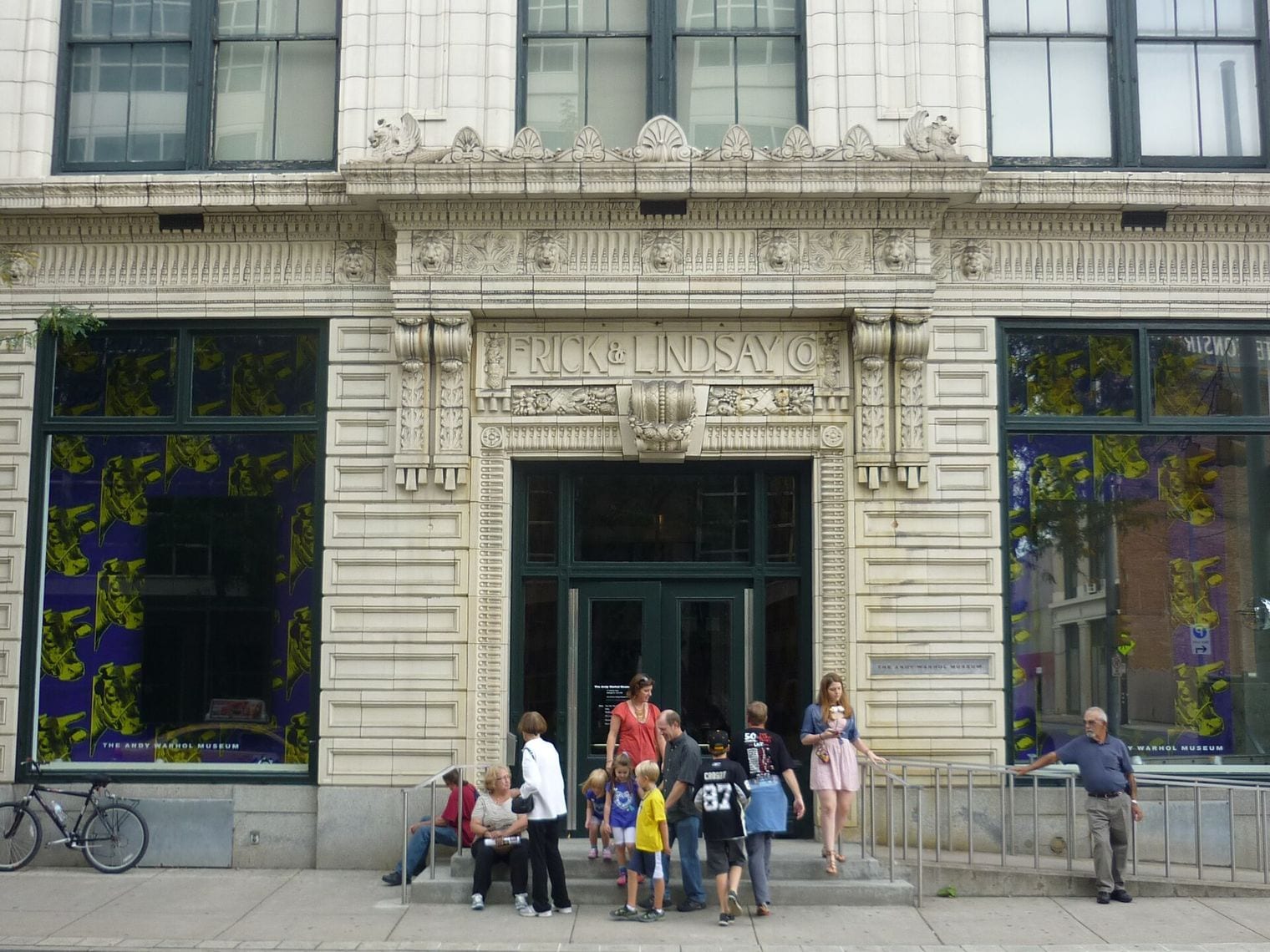
Andy Warhol was born in Pittsburgh, and The Andy Warhol Museum on the North Shore is the largest museum in North America dedicated to a single artist. Seven floors trace his path from commercial illustrator to pop art star, with paintings, prints, photographs and films from every stage of his career.
The collection runs deep: soup cans and celebrity portraits share space with drawings, screen tests and archives that show how Warhol worked. Allow at least two hours, and walk over the Andy Warhol Bridge from downtown to get there.
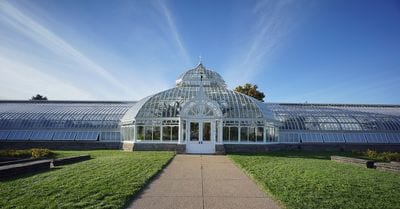
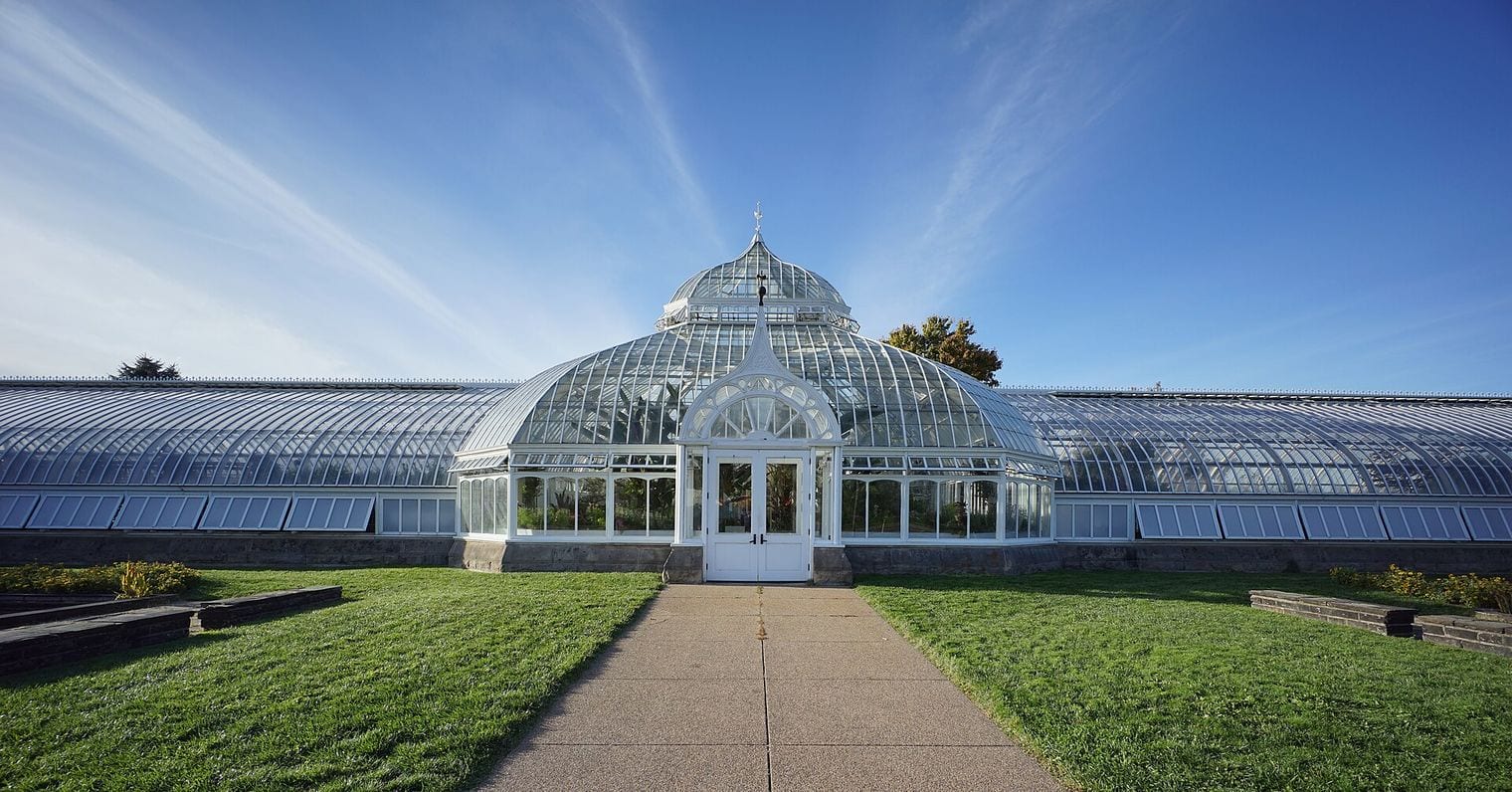
Steel and real-estate magnate Henry Phipps Jr. gave Phipps Conservatory and Botanical Gardens to the city in 1893, and its Victorian glasshouse at the edge of Schenley Park is still one of Pittsburgh's loveliest buildings. Inside, a chain of glass rooms moves from palms and orchids to desert succulents and bonsai.
Seasonal flower shows transform the rooms through the year, and the winter holiday display is a local tradition. Formal gardens surround the building, and Phipps is known for its green building work, so the newer wings are as interesting as the historic glass.
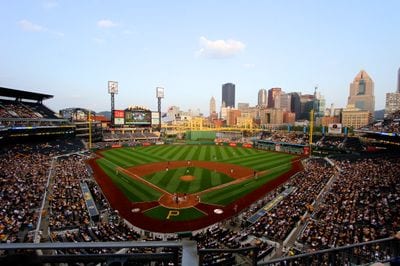
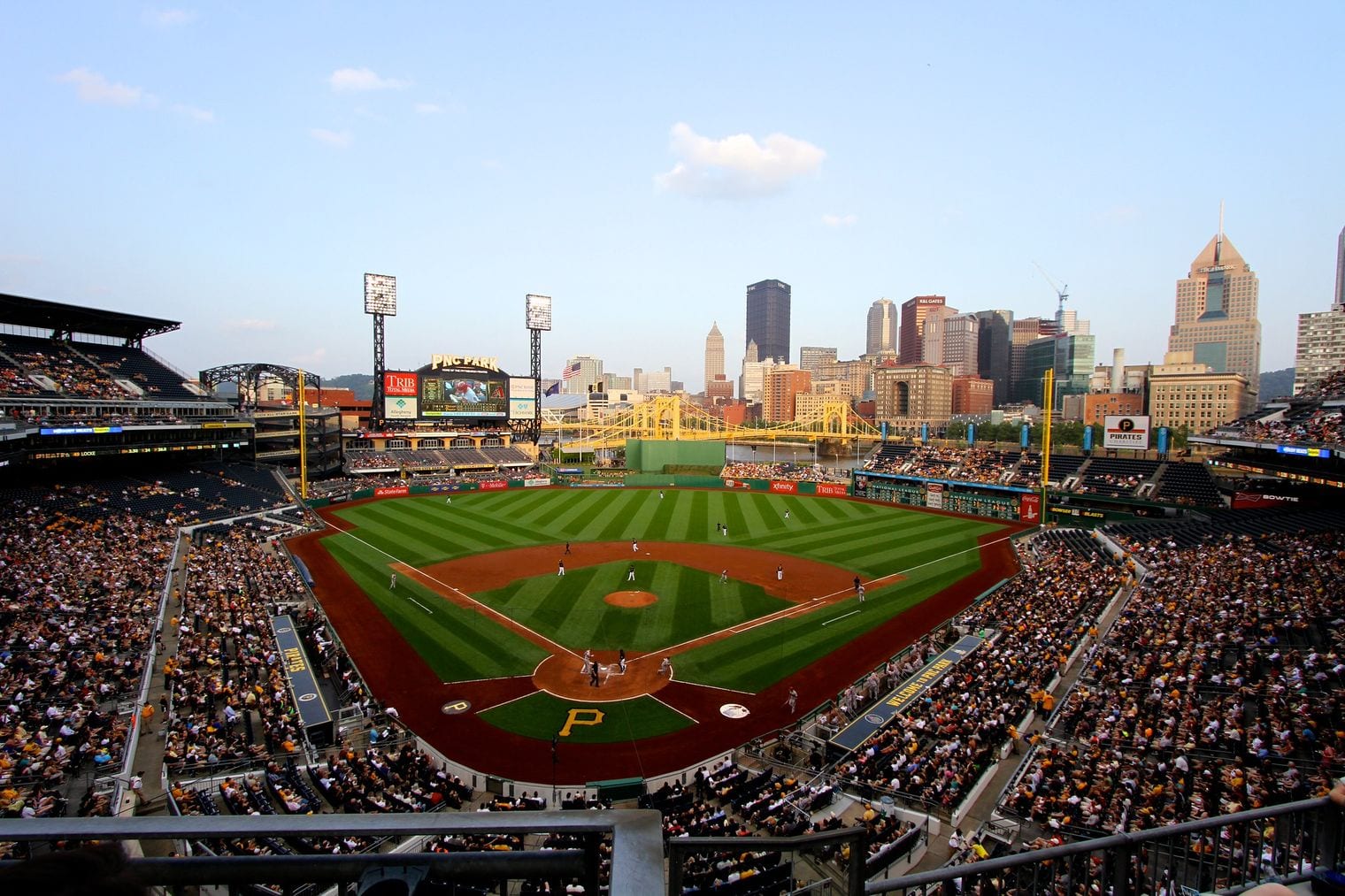
PNC Park, home of the Pittsburgh Pirates since 2001, is widely praised as one of the best ballparks in baseball, thanks to its view across the Allegheny River to the downtown skyline. Built of steel and limestone in a retro style, it keeps the crowd close to a natural grass field.
Even visitors who don't follow baseball enjoy a summer evening here, when the city lights come up beyond the outfield. Many fans walk over from downtown on the Roberto Clemente Bridge, and statues of Pirates legends stand outside the gates.
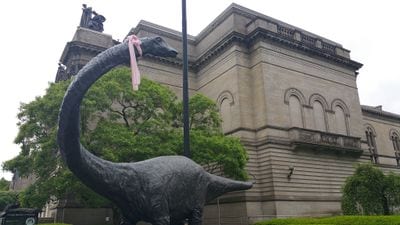
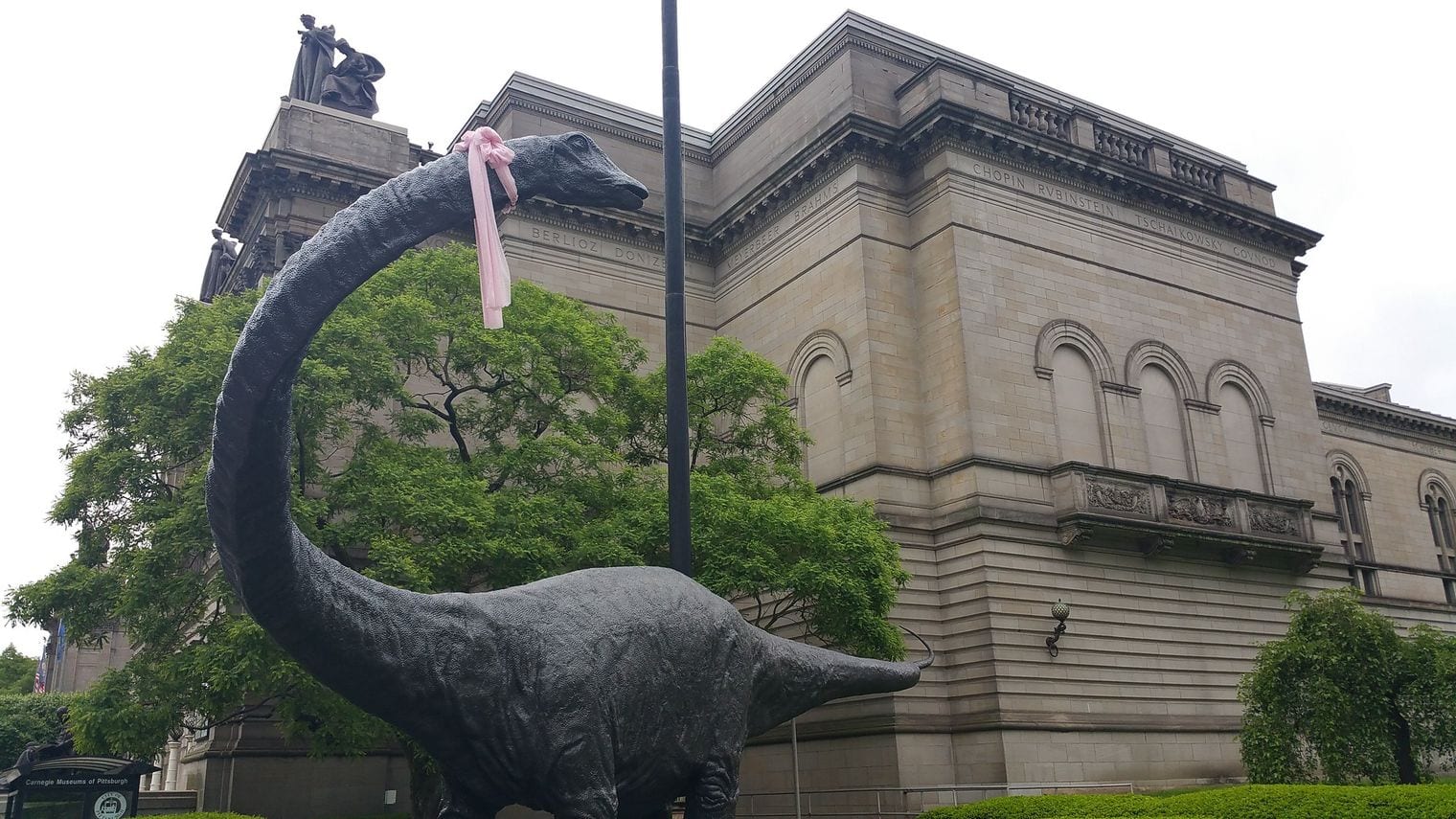
Andrew Carnegie founded the Carnegie Museum of Natural History in 1896, and its scientists made it famous in 1899 by unearthing Diplodocus carnegii, the long-necked dinosaur known locally as Dippy. The Oakland museum holds some 22 million specimens, and its dinosaur halls include the first Tyrannosaurus rex specimen ever found.
Beyond the fossils, look for the glittering mineral and gem halls, the animal dioramas and changing exhibits on science and nature. A life-size Dippy statue stands outside on Forbes Avenue, and one ticket also covers the Carnegie Museum of Art in the same building.
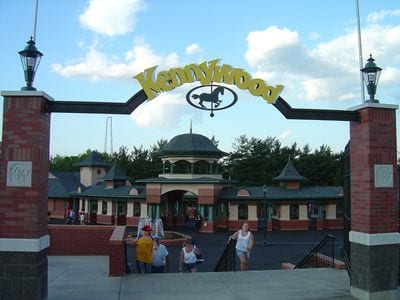
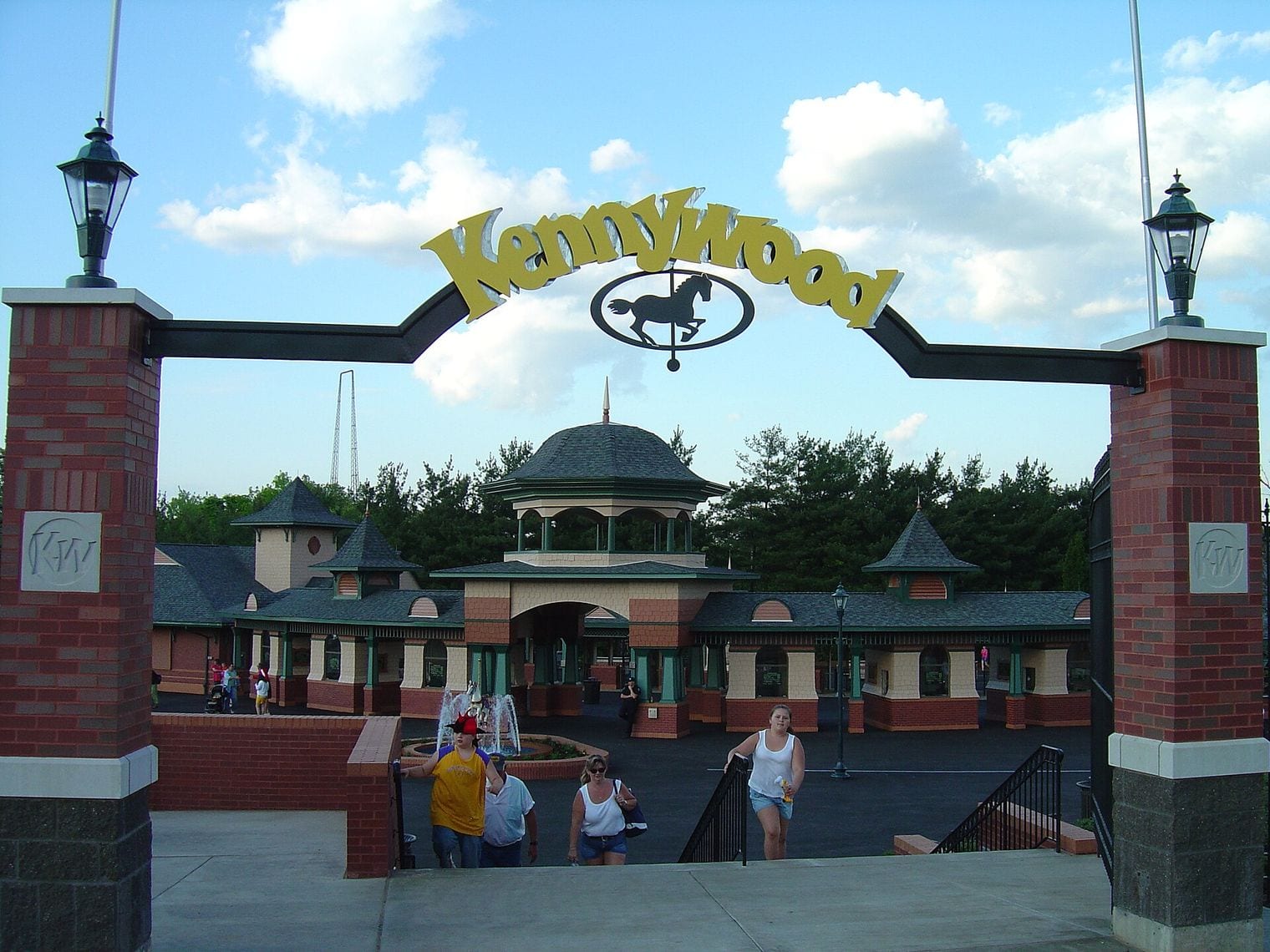
Kennywood sits in West Mifflin, just outside the Pittsburgh city limits to the southeast, and it has been thrilling the city since it opened as a trolley park in 1898. It is one of only two amusement parks in the United States designated a National Historic Landmark, and its mix of vintage and modern rides shows why.
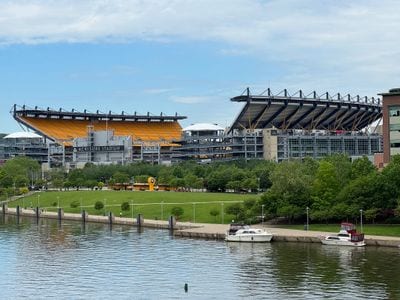
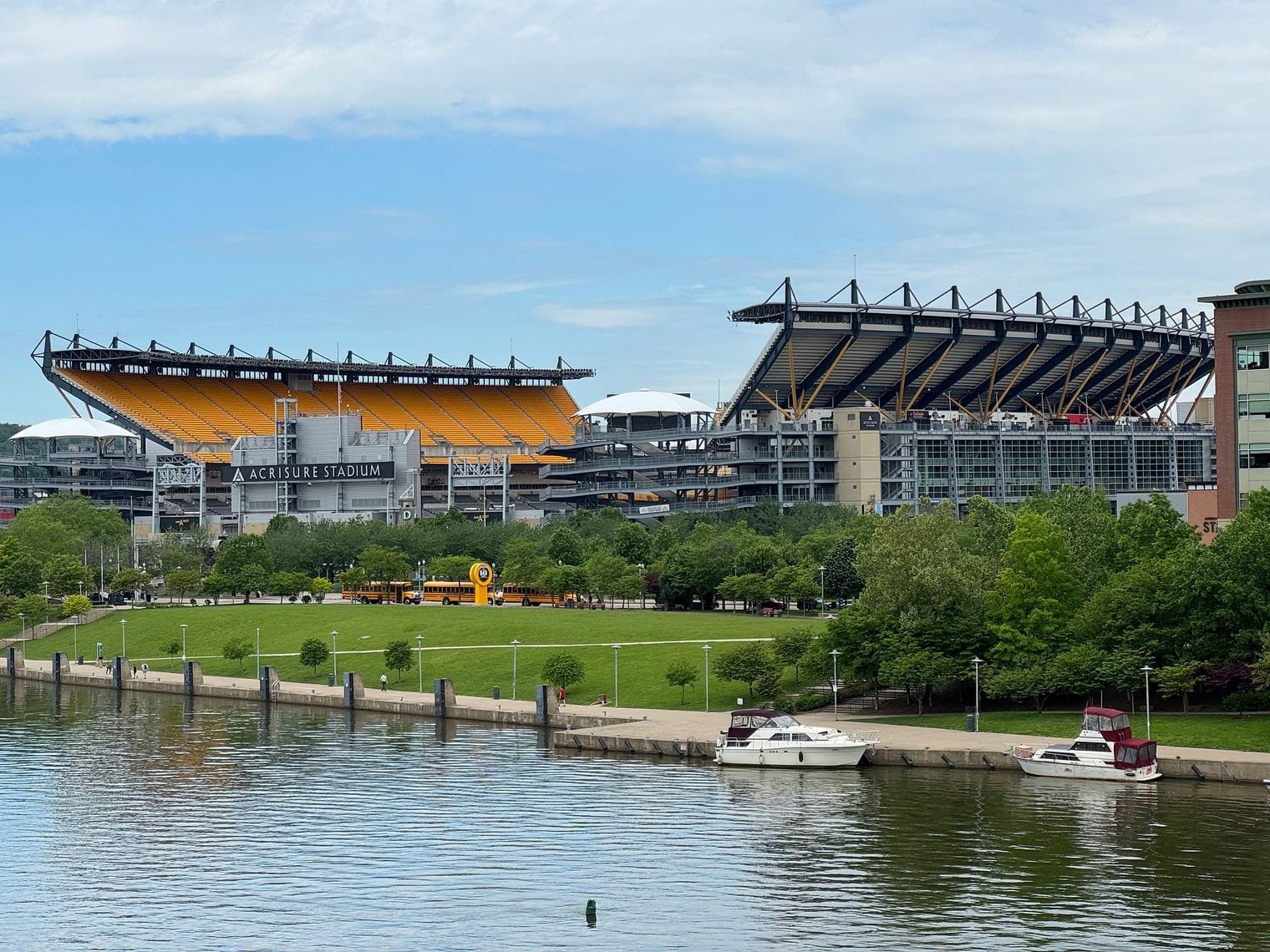
Acrisure Stadium, still called Heinz Field by plenty of locals, is the North Shore home of the Pittsburgh Steelers and the University of Pittsburgh Panthers. It opened in 2001 beside the Ohio River, replacing the old Three Rivers Stadium.
On a fall Sunday the whole city turns black and gold, but you can visit on other days too: guided stadium tours go behind the scenes to the field level and locker rooms, and the Steelers Hall of Honor Museum inside celebrates the franchise's greats.
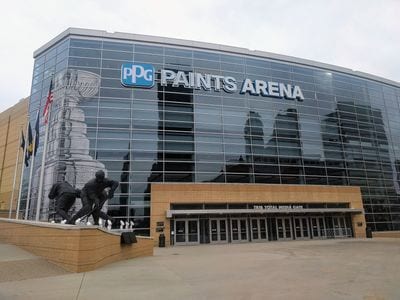
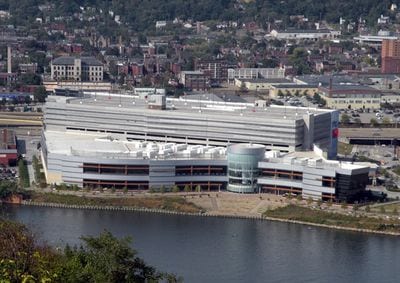
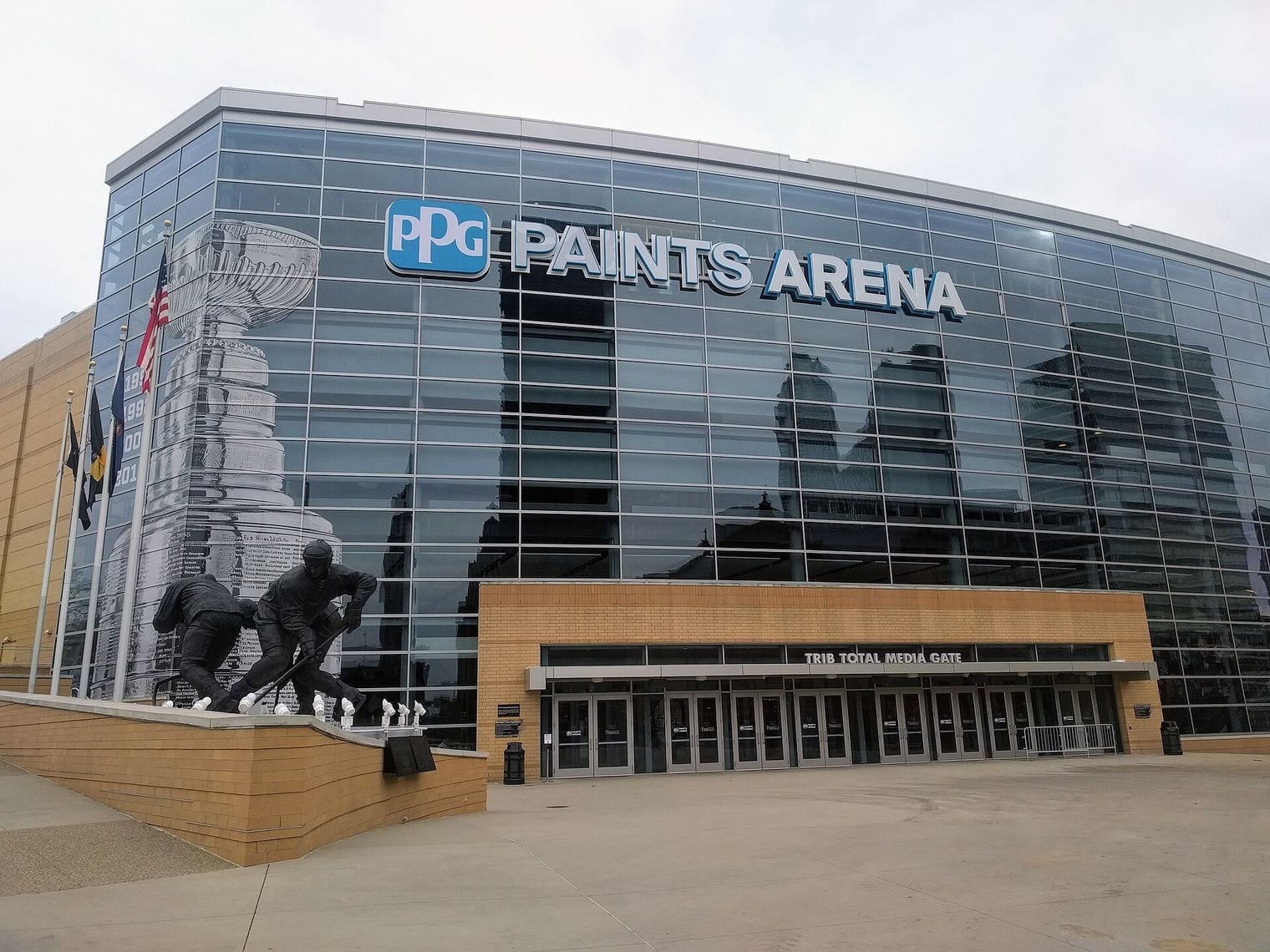
PPG Paints Arena is where the Pittsburgh Penguins play, and a winter night of NHL hockey here is one of the city's liveliest experiences. Opened in 2010 on the edge of downtown, it replaced the old Civic Arena and was the first NHL arena to earn LEED Gold certification for green design.
The arena also hosts big-name concerts and touring shows through the year. Arrive early to soak up the pregame buzz in the bars of Uptown and downtown, and look for the statue of Penguins great Mario Lemieux outside.
The Pittsburgh Zoo & Aquarium spreads across 77 hilly acres of Highland Park and is one of only a handful of combined zoos and aquariums in the United States. It first opened in 1898 as the Highland Park Zoo and today puts conservation at the center of its work.
Paths wind through themed habitats for animals from around the world, while the aquarium adds fish and marine life under one roof. There's a dedicated children's area, and the hillside walks make comfortable shoes a good idea.
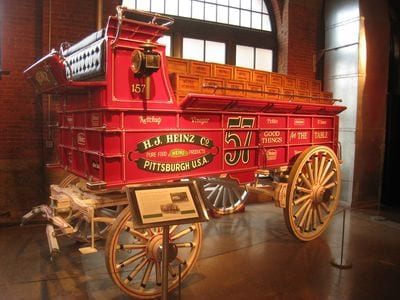
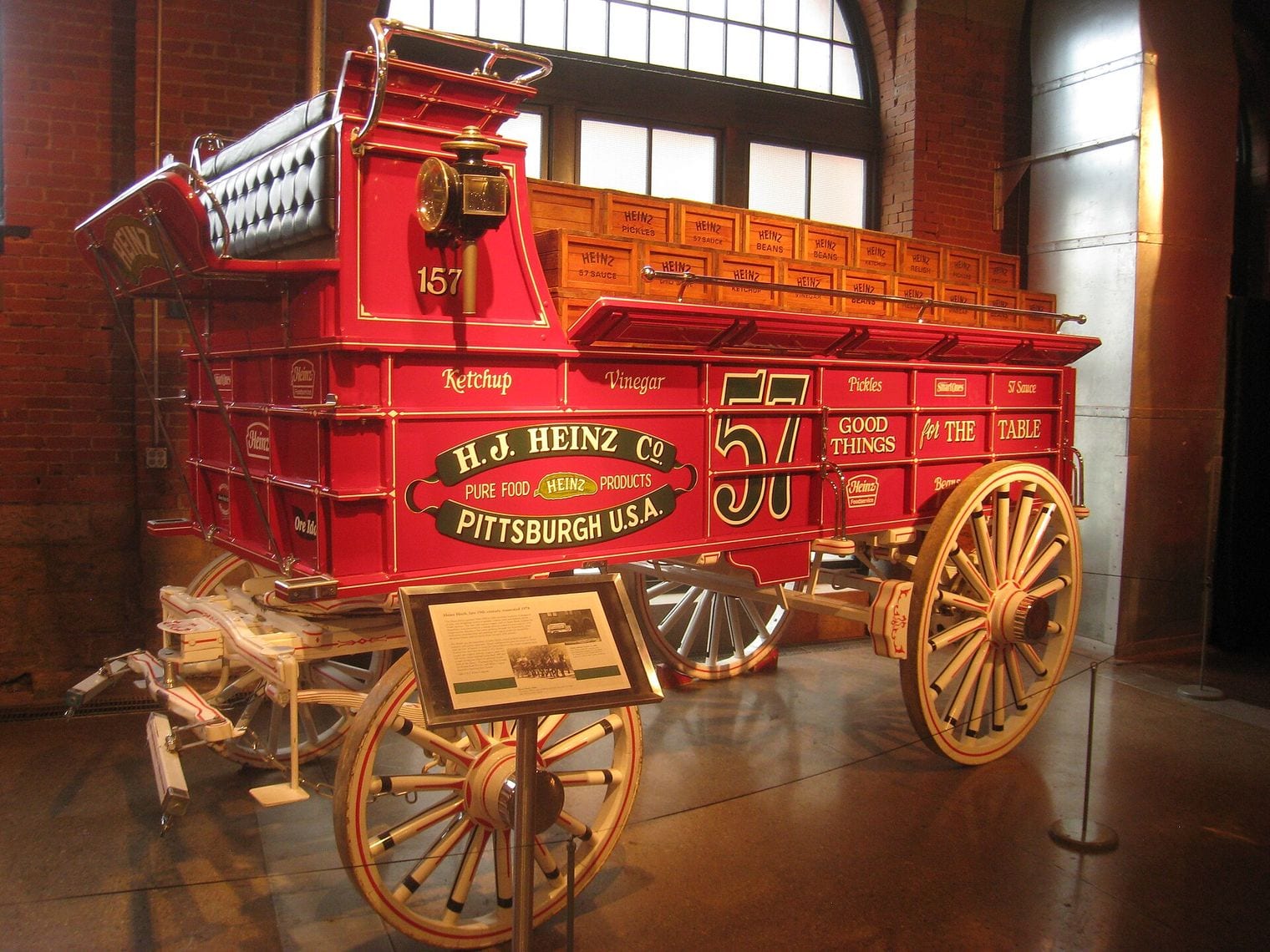
The Senator John Heinz History Center, a Smithsonian affiliate in the Strip District, is the largest history museum in Pennsylvania. Six floors of exhibits tell the story of western Pennsylvania, from the frontier and the steel mills to the inventions and brands born here.
Two floors hold the center's sports museum, packed with Steelers, Pirates and Penguins memorabilia. Fans of children's television will find original set pieces and props from Mister Rogers' Neighborhood, which was filmed in Pittsburgh.
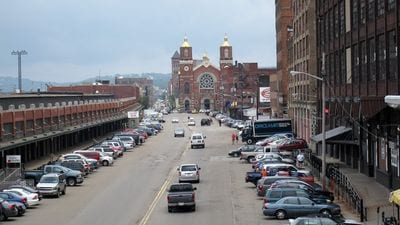
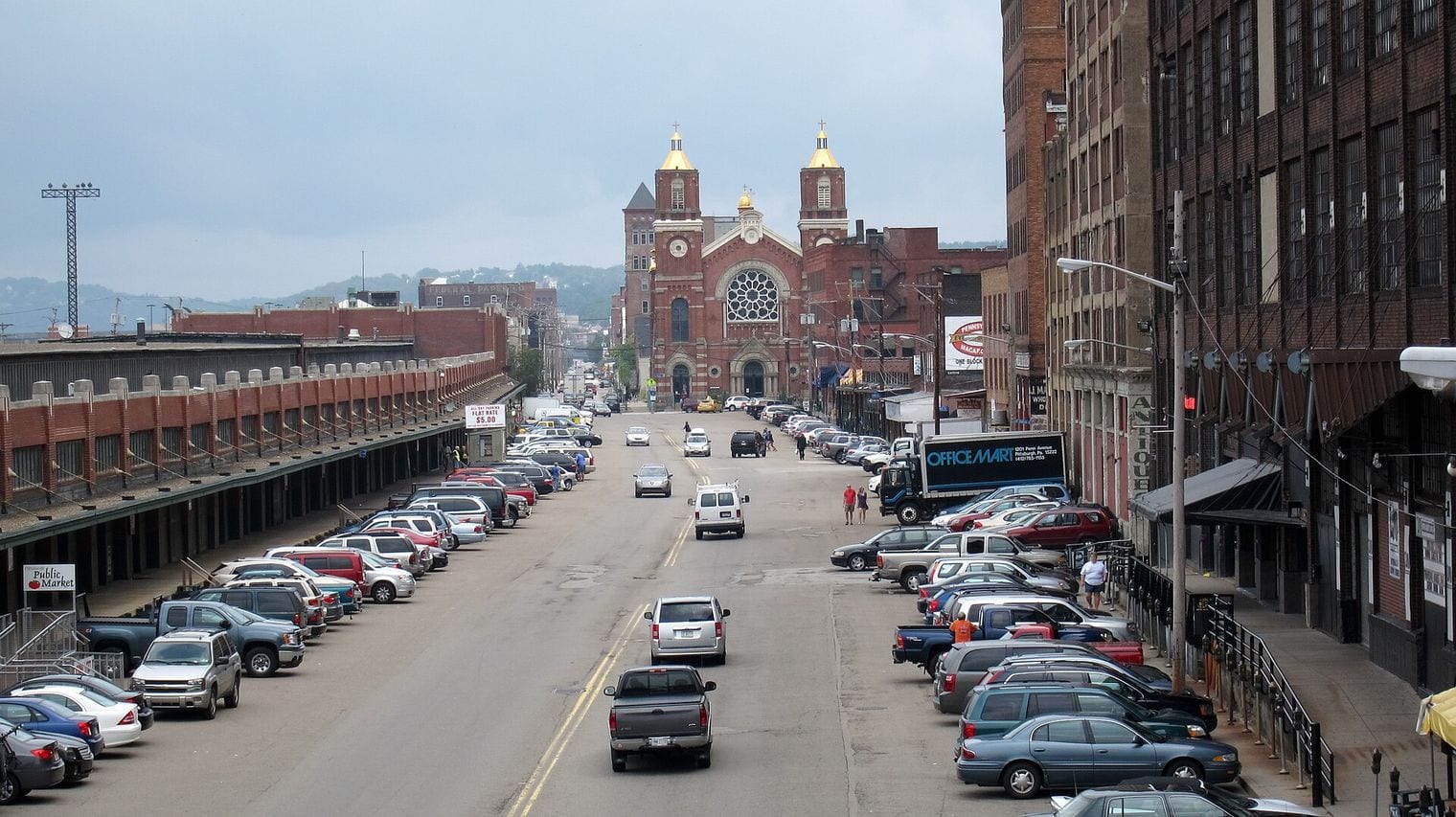
The Strip District is a half-square-mile former warehouse district along the Allegheny River that has become Pittsburgh's favorite place to shop for food. Penn Avenue and Smallman Street are lined with produce stands, fish markets, bakeries, specialty grocers and stalls selling Steelers gear.
Come on a weekend morning, when the sidewalks fill with locals stocking up and the smell of coffee and fresh bread drifts out of the shops. The district has grown into a dining and nightlife hub too, and the Heinz History Center sits at its downtown end.
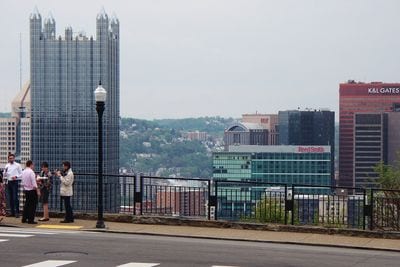
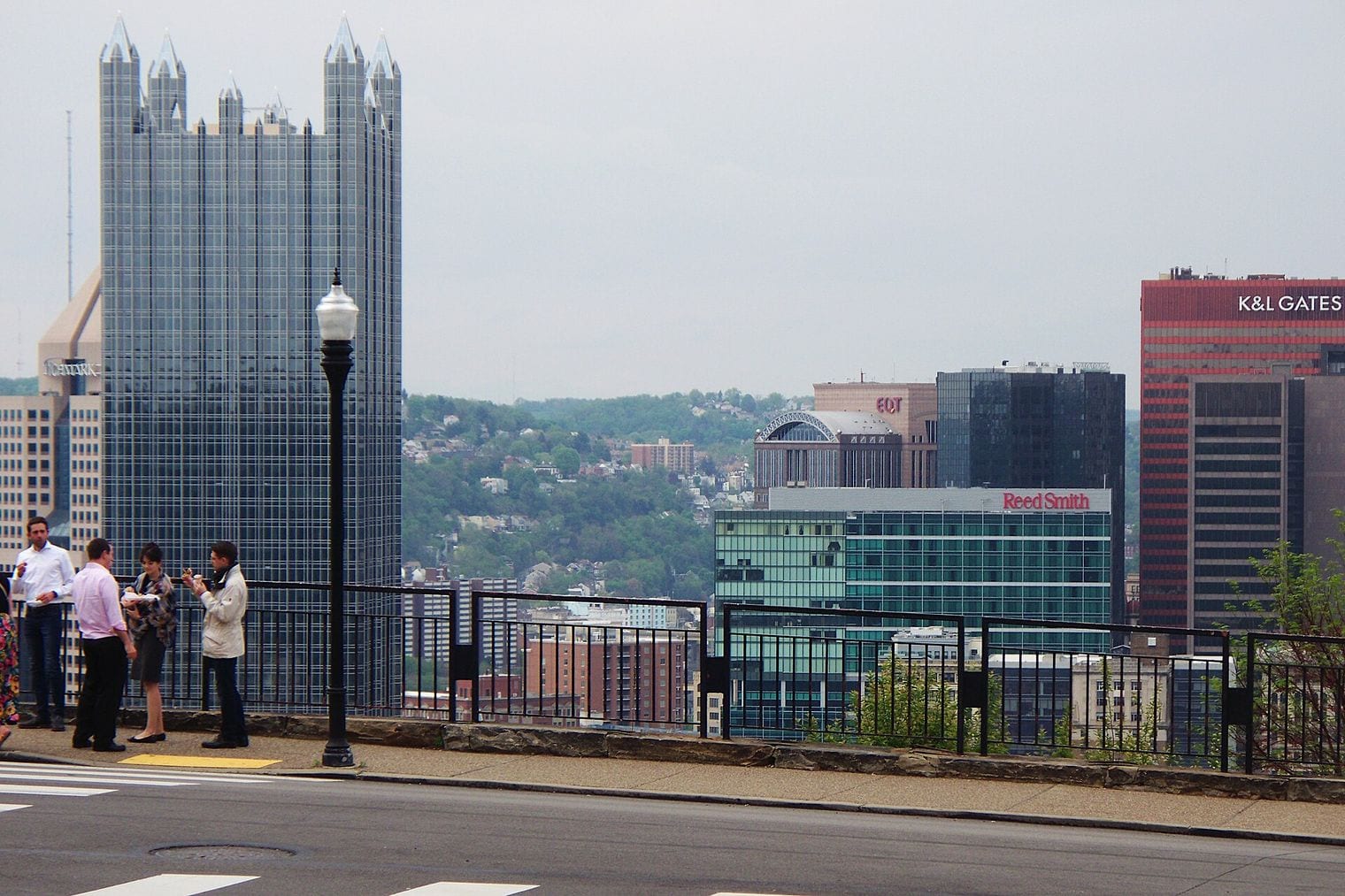
Grandview Avenue runs along the crest of Mount Washington, and its string of Grandview Overlook platforms gives the most famous view of Pittsburgh: the Golden Triangle, the Point and three rivers spread out below. The overlooks are free to visit and especially magical after dark, when the bridges and towers light up.
Walk the avenue between the tops of the two inclines, pausing at each platform for a slightly different angle. At its western end stands Point of View, a bronze sculpture by James West of George Washington and the Seneca leader Guyasuta, who met in this area in 1770.
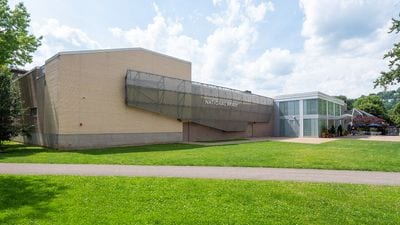
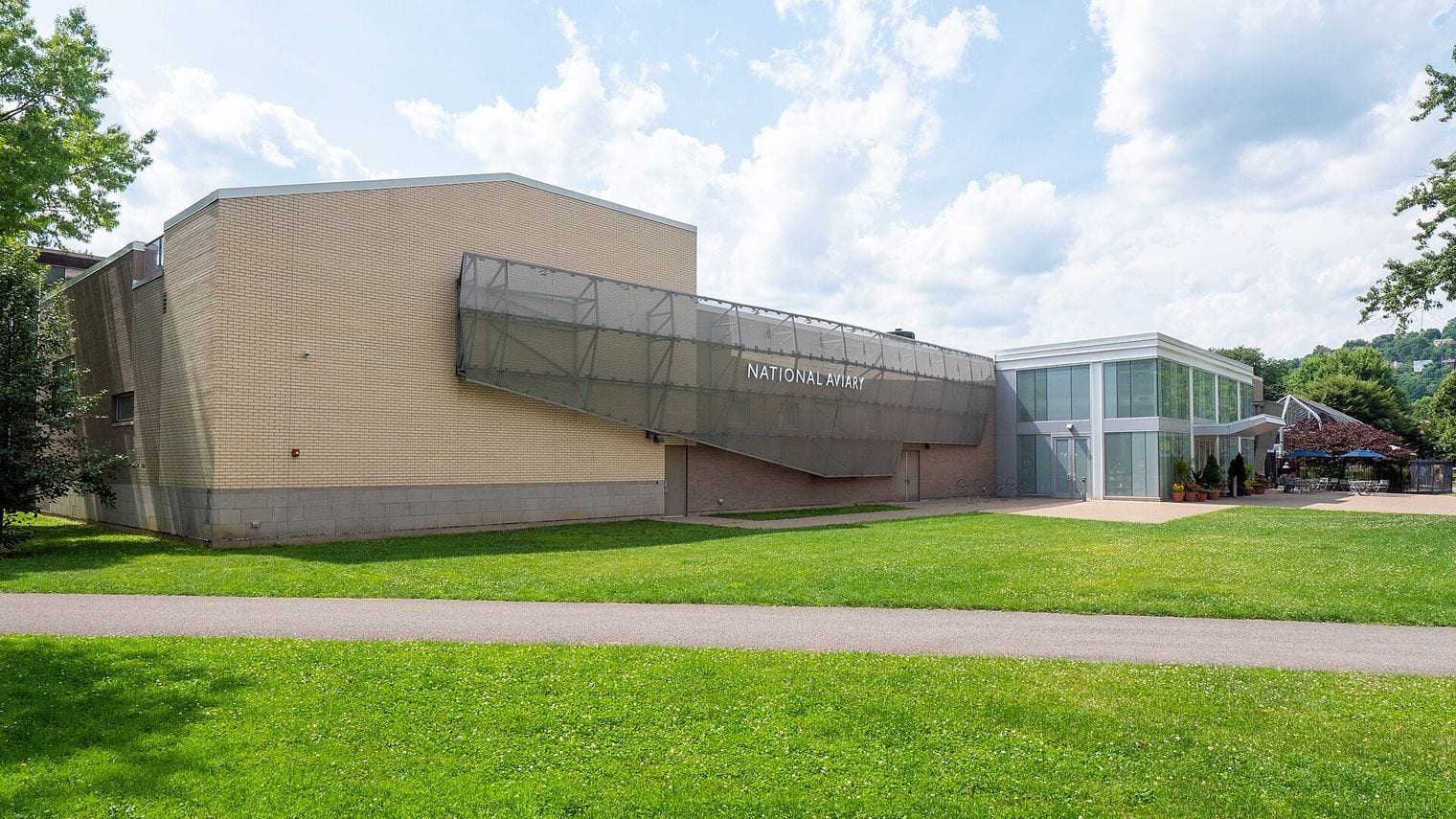
The National Aviary on the North Side is the largest indoor aviary in the United States and the only one given honorary national status by Congress. Hundreds of birds from more than 150 species live in its habitats, and in the walk-through rooms they often fly right over your head.
Time your visit for a scheduled feeding or bird show, and stop at Penguin Point, where African penguins swim past underwater viewing windows. The aviary sits in Allegheny Commons Park, an easy walk from the Children's Museum and the Mattress Factory.
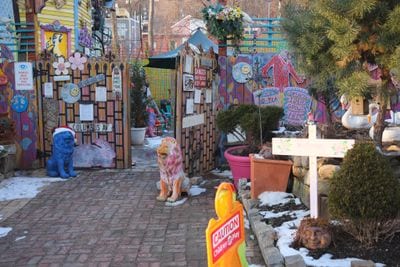
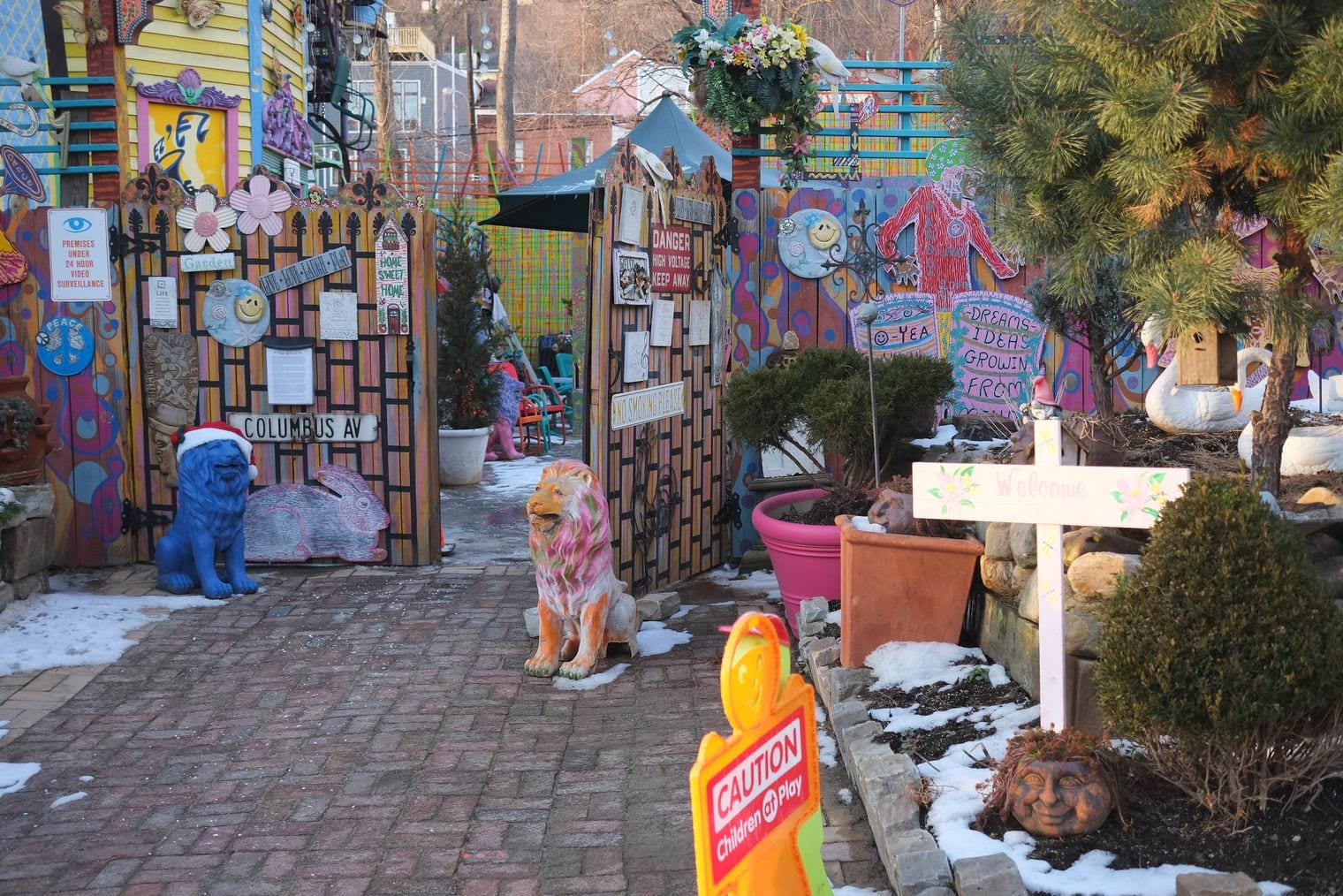
Randyland is a riot of color on a Central North Side corner: a house and courtyard covered in paint and found objects by artist Randy Gilson, who bought the property in 1995. Mannequins, plastic dinosaurs, pink flamingos and painted chairs crowd every surface.
It is one of the most photographed spots in Pittsburgh, and a few minutes here is pure joy, especially on a sunny day. Hours vary with the weather and season, so check before you go, and pair it with a stroll through the surrounding Mexican War Streets.
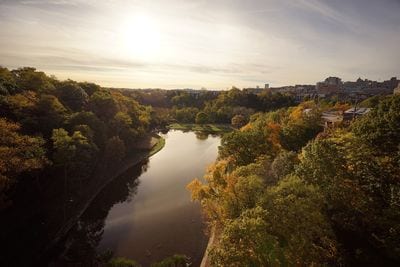
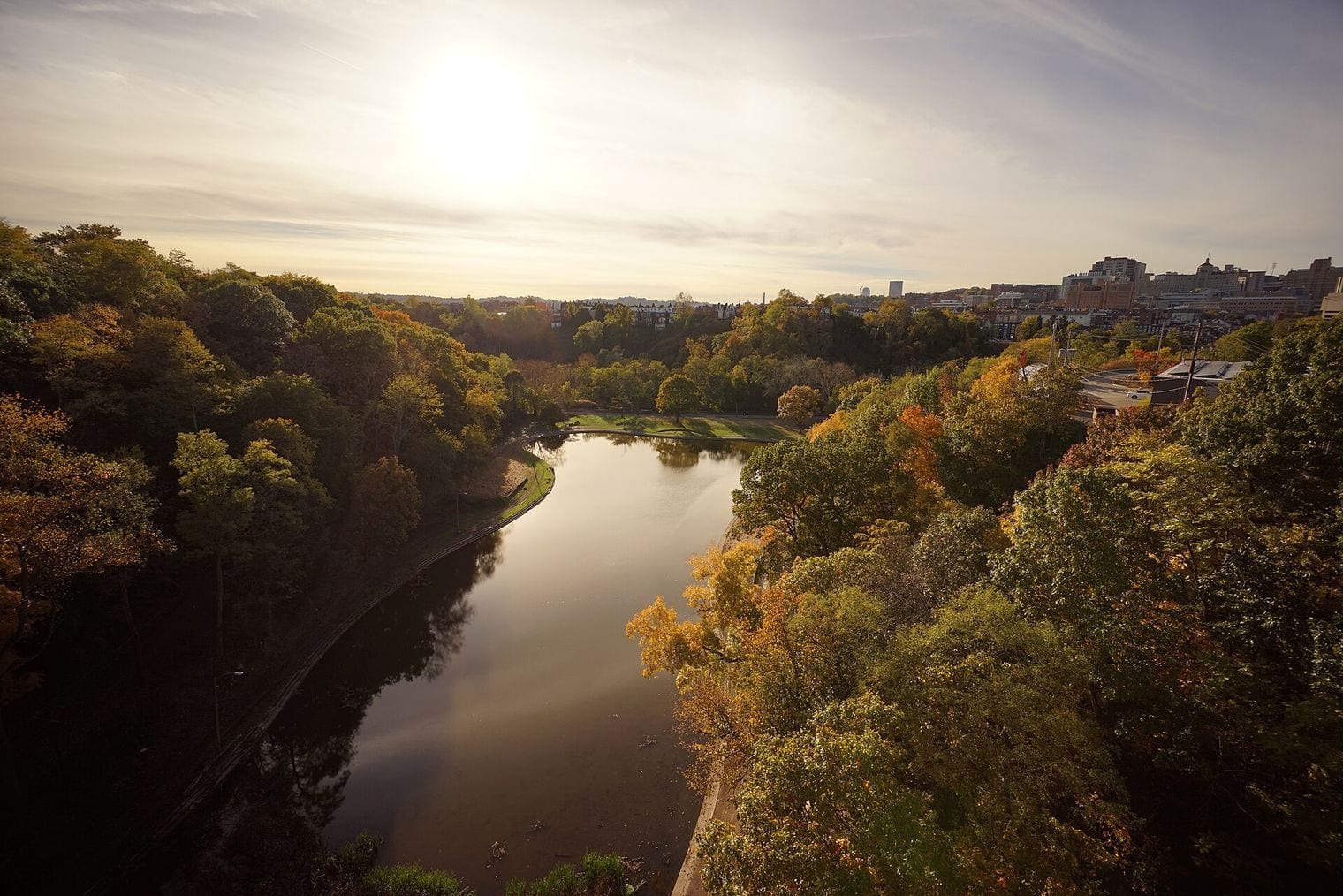
Schenley Park is a 456-acre green escape between Oakland, Greenfield and Squirrel Hill, created mostly from land Mary Schenley donated in 1889. It borders the campuses of the University of Pittsburgh and Carnegie Mellon University and is listed on the National Register of Historic Places as a historic district.
Wooded trails drop into steep hollows, and the park also has an ice skating rink, a public pool and a disc golf course. Phipps Conservatory sits at its edge, so pairing a garden visit with a walk in the park is easy.
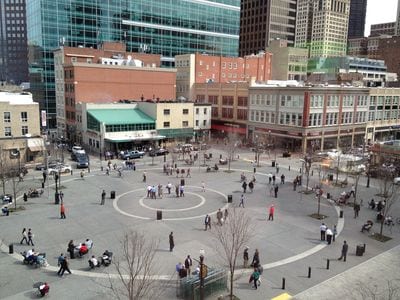
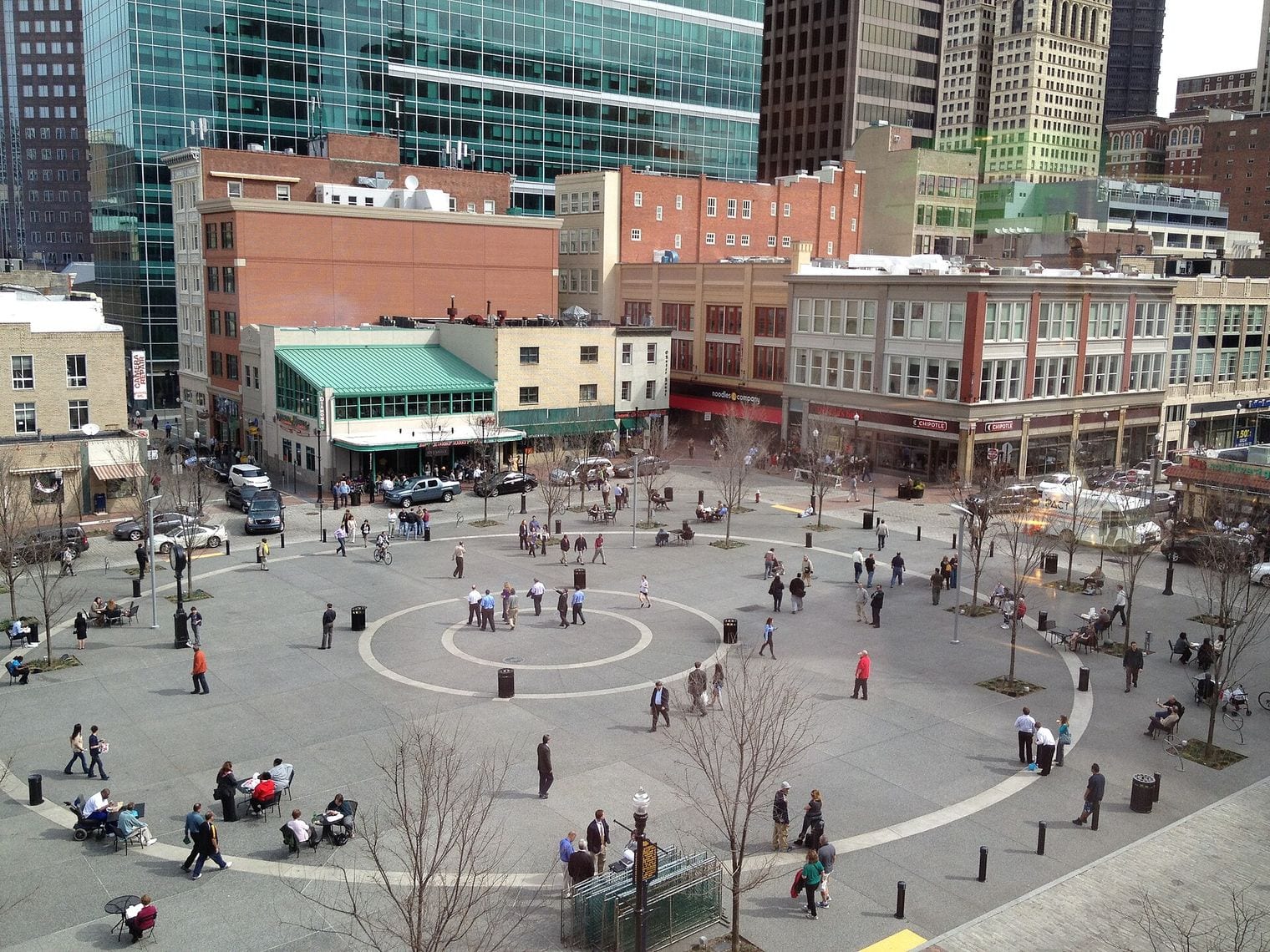
Market Square is downtown Pittsburgh's living room, a pedestrian square at Forbes Avenue and Market Street ringed by cafes, restaurants and shops. The site has deep roots: the city's first courthouse and jail stood here in the 1790s.
A renovation in the late 2000s turned it back into a gathering place, with outdoor seating in warm months, a weekly farmers' market in season and a holiday market in winter. The glass towers of PPG Place rise right next door.
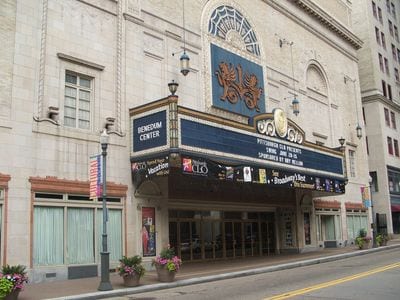
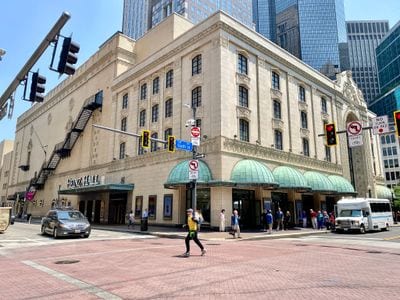
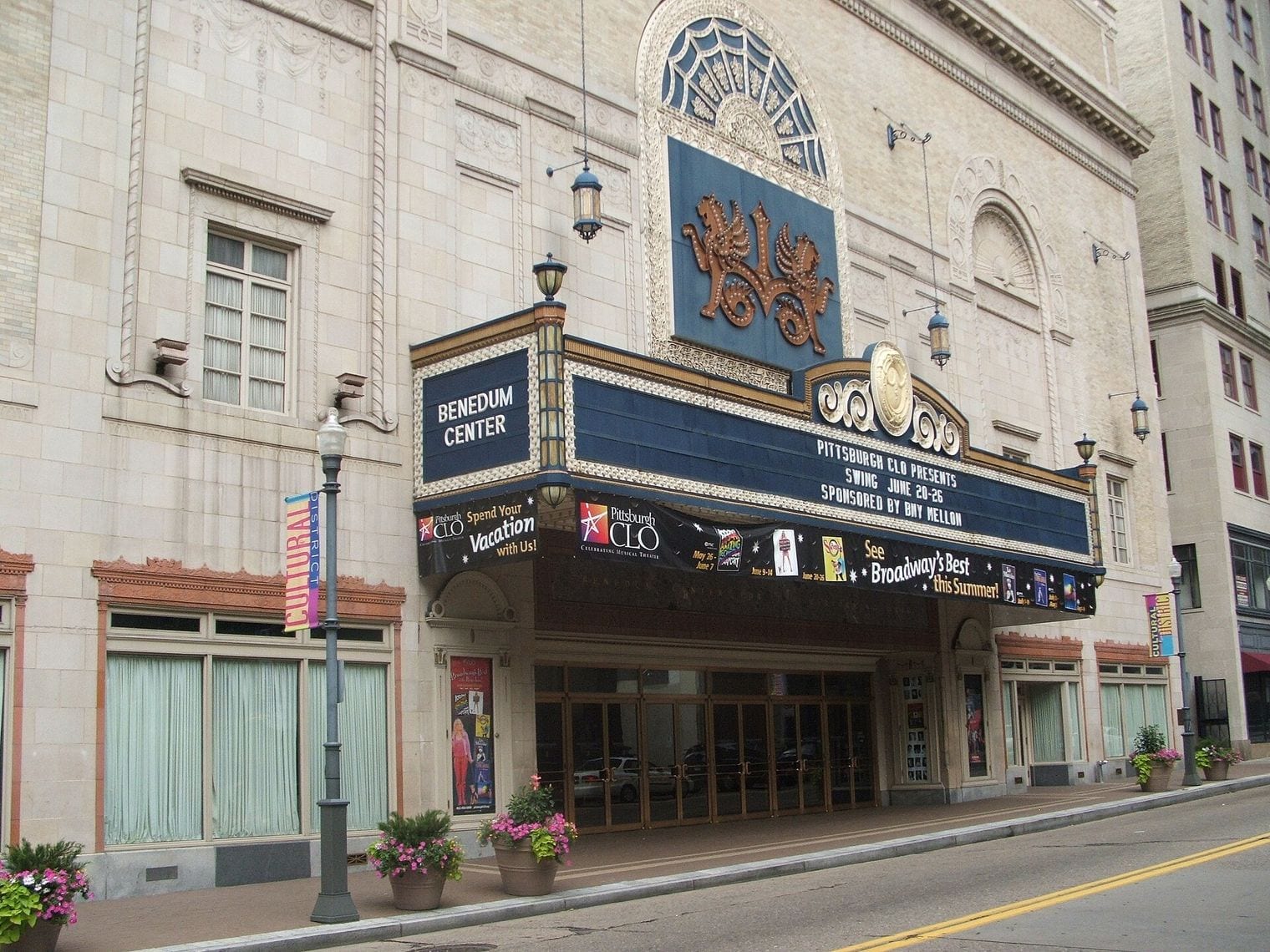
The Benedum Center is the grand centerpiece of Pittsburgh's Cultural District, a 1928 movie palace that opened as the Stanley Theatre and reopened under its current name in 1987 after a restoration. Its ornate auditorium holds about 2,800 seats.
The Pittsburgh Opera, Pittsburgh Ballet Theatre and Pittsburgh Civic Light Opera all perform here, alongside touring Broadway shows. Even without a ticket, the Cultural District's blocks of theaters, galleries and public art make a good evening stroll.
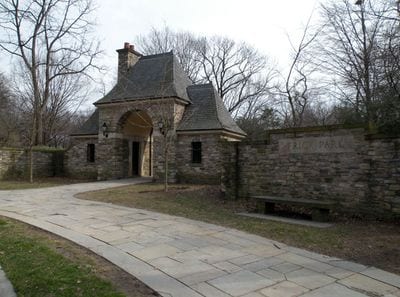
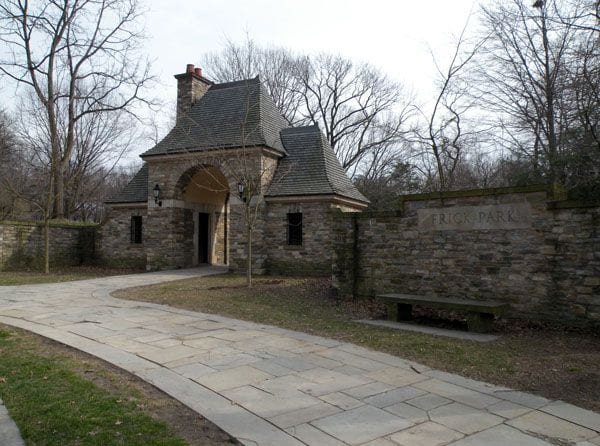
Frick Park is Pittsburgh's largest city park, 644 acres of wooded ravines, trails and meadows in the East End. It feels wilder than the other city parks, with paths that wind down steep hollows toward Nine Mile Run.
Start at the Frick Environmental Center, a showpiece of green design that serves as the park's education hub, or bring children to the playground locals call Blue Slide Park, which gave Pittsburgh rapper Mac Miller the title of his debut album. Clay tennis courts and quiet picnic spots round it out.
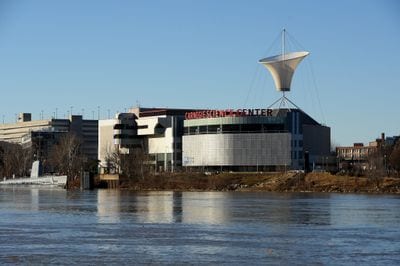
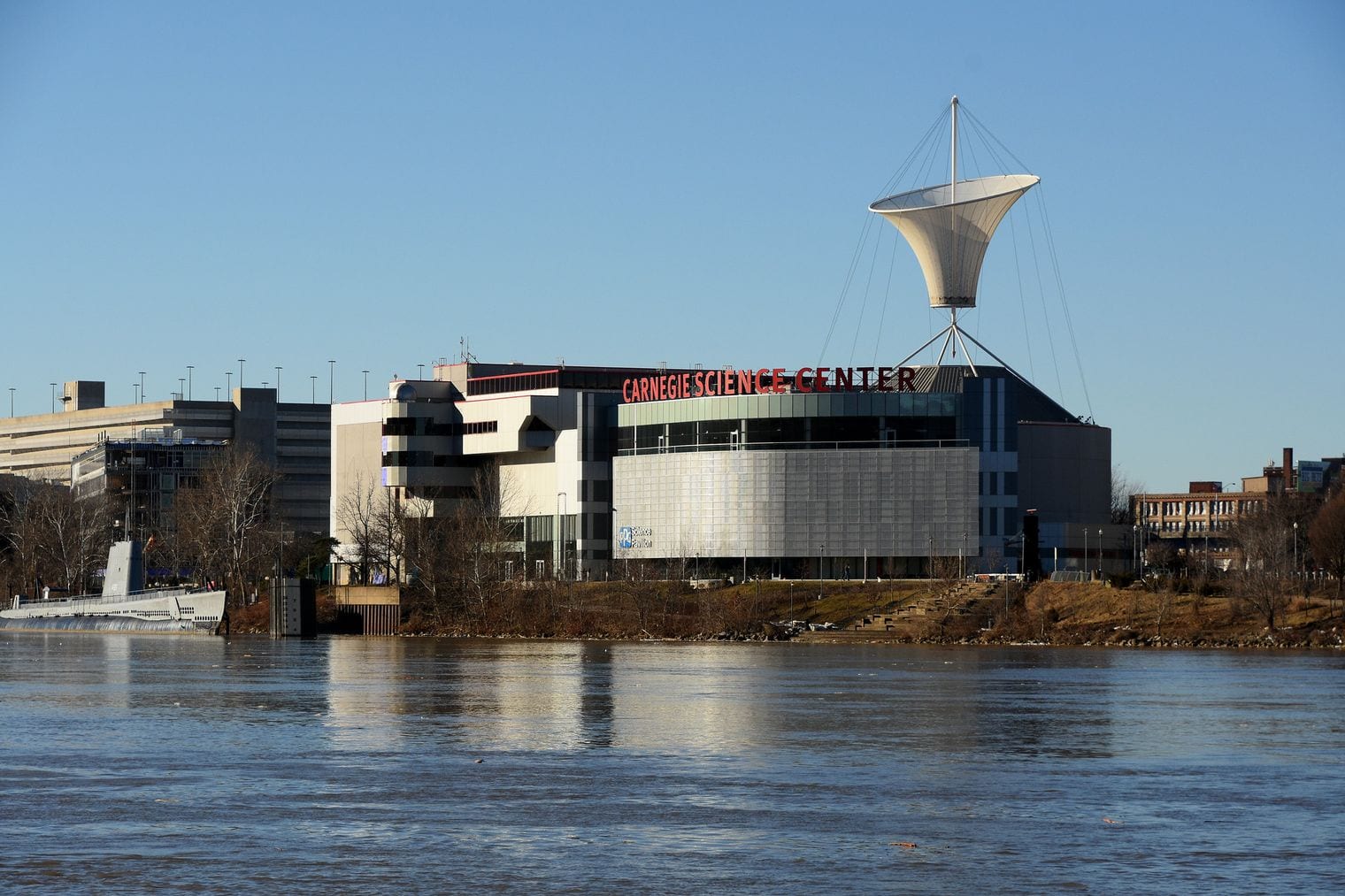
The Kamin Science Center, known for decades as the Carnegie Science Center, is the most visited museum in Pittsburgh and sits on the Ohio River across from Acrisure Stadium. Its hands-on exhibits cover space, robotics, the human body and more.
Highlights include the Buhl Planetarium, a giant-screen theater, robots from Carnegie Mellon's Robot Hall of Fame and the Miniature Railroad & Village. Moored outside is the USS Requin, a World War II-era submarine that has been a museum ship here since 1990.
Free printable checklist of all 44 places
Tick them off as you go. Confirm your email to download it, plus one email every Thursday with new guides for the places you tick.
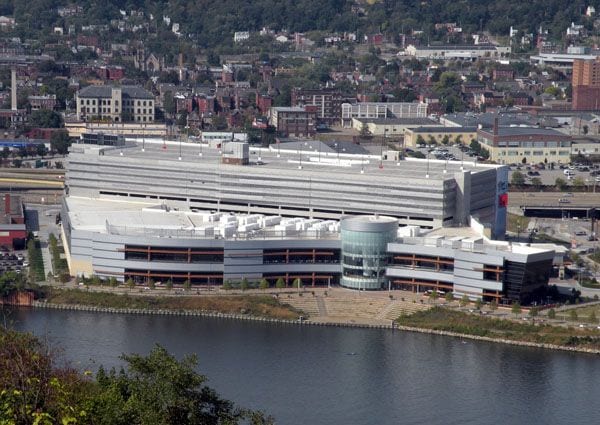
Rivers Casino sits on the Ohio River on the North Shore, a short walk from Acrisure Stadium and the Kamin Science Center. Opened in 2009, it has thousands of slot machines plus table games, restaurants and bars, and the gaming floor is for adults 21 and over.
Even non-gamblers drop in for riverside dining and the views back across the water to the Point and downtown. The Three Rivers Heritage Trail runs right past it, so you can arrive on foot or by bike.
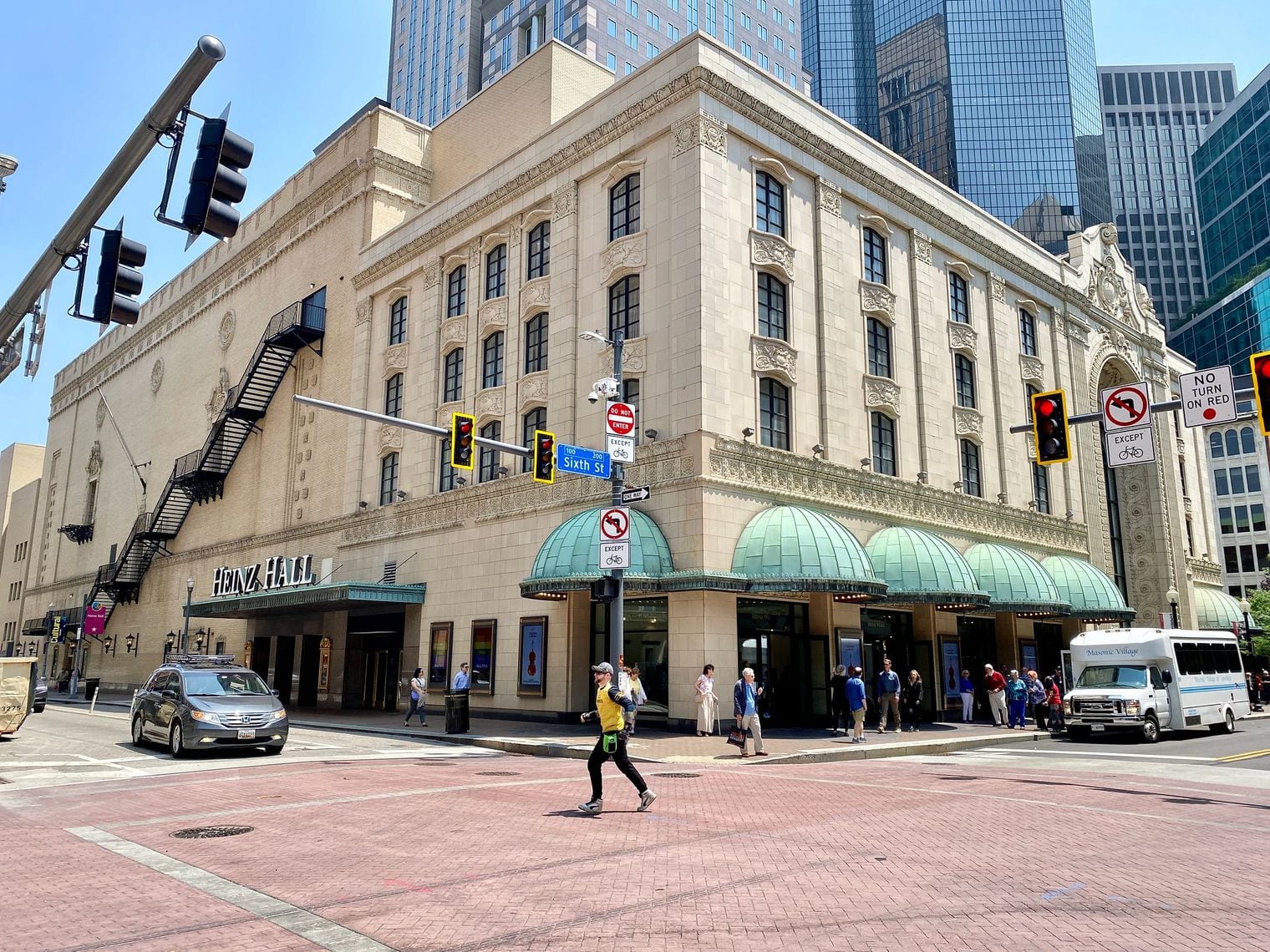
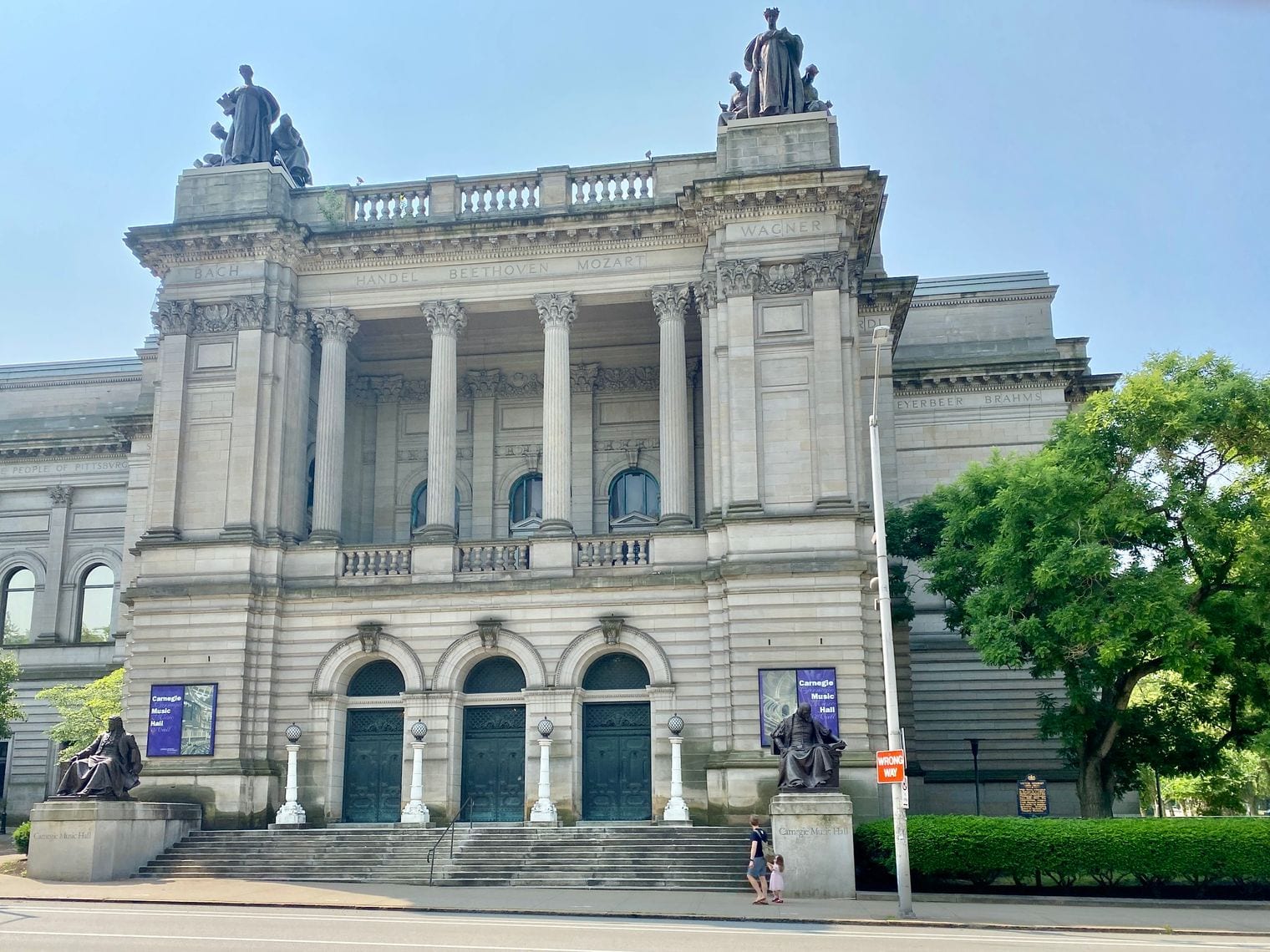
Heinz Hall is the home of the Pittsburgh Symphony Orchestra, a 1927 movie palace built as Loew's Penn Theatre and reopened as a concert hall in 1971. Its restored auditorium seats about 2,700.
Besides the symphony's classical and pops seasons, the hall hosts touring productions, film-with-orchestra nights and holiday concerts. It sits on Penn Avenue a block from the Benedum Center, at the heart of the Cultural District.
2323. Cathedral of Learning
Academic department~2.2 miles (3.6 km) from centre
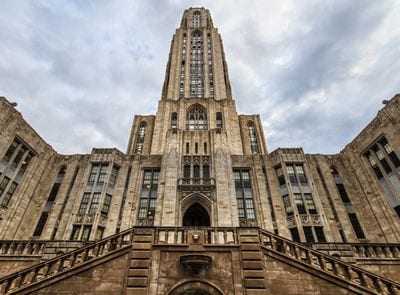
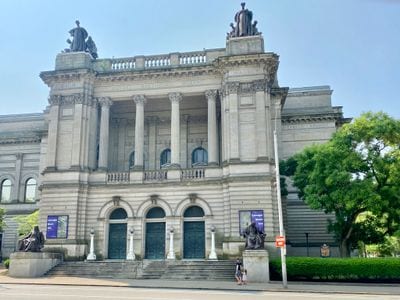
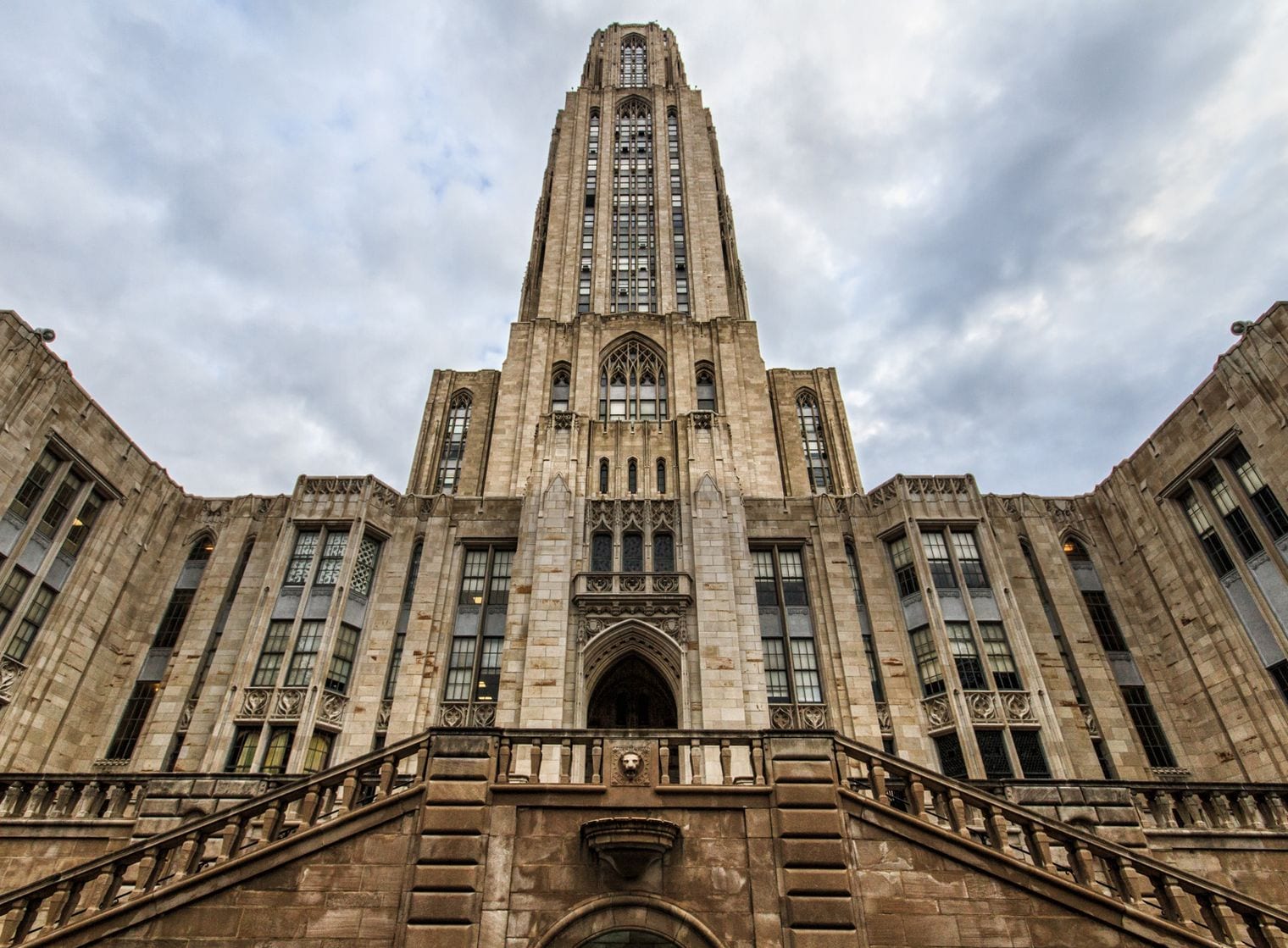
The Cathedral of Learning, the 42-story Gothic Revival tower at the heart of the University of Pittsburgh, is the tallest educational building in the Western Hemisphere. Step inside its Commons Room, a vaulted Gothic hall four stories high that feels more like a medieval cathedral than a campus study space.
The building's real treasure is its 31 Nationality Rooms, classrooms each designed in the style of a different culture by members of Pittsburgh's ethnic communities. Some can be peeked into on your own when classes are out, while guided tours open the rest.
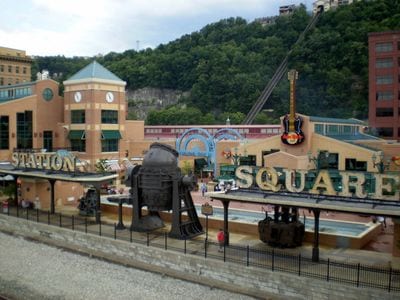
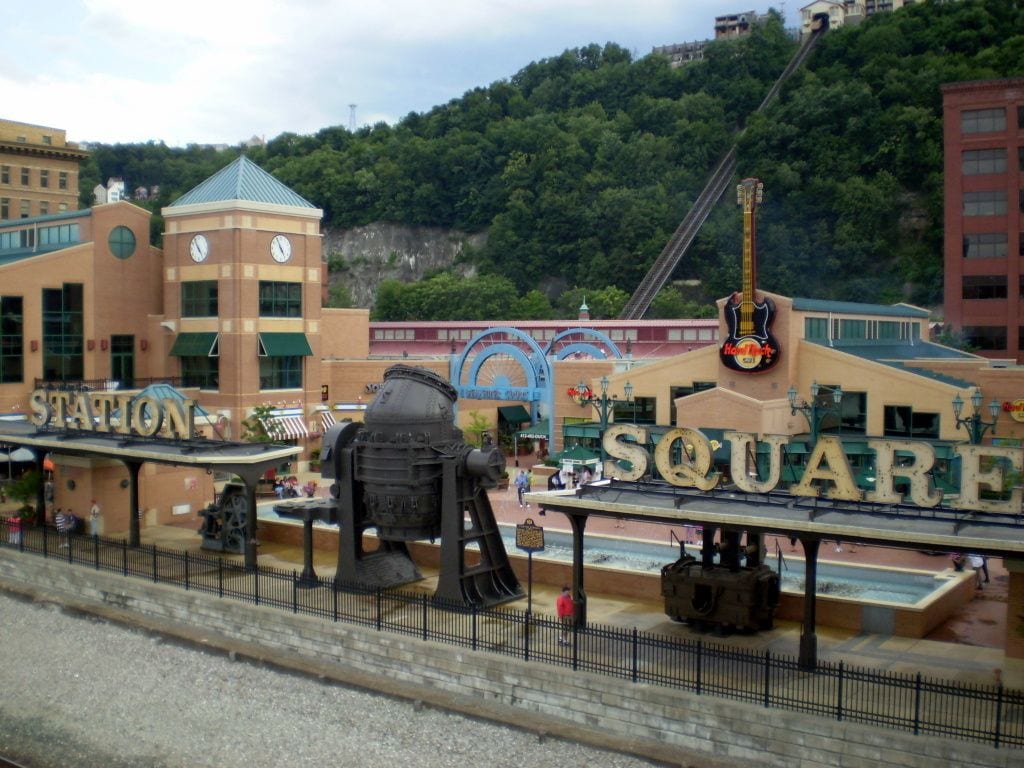
Station Square occupies the old Pittsburgh & Lake Erie Railroad complex on the south bank of the Monongahela, directly across the river from downtown. Its restored railroad buildings make it more of a handy jumping-off point than a destination in itself.
This is where Gateway Clipper riverboats dock for sightseeing and dinner cruises on the three rivers, and the lower station of the Monongahela Incline is just across the street. A light-rail stop links it to downtown, and the riverside walk gives a fine look at the skyline.
The Carnegie Museum of Art shares a grand Oakland building with the natural history museum, and one ticket covers both. Andrew Carnegie wanted it to record the progress of art in America, and its first gallery opened in 1895.
The collection runs from European and American painting to decorative arts, design and photography. Don't miss the Hall of Architecture, added in 1907 and filled with huge plaster casts of famous buildings, and look out for the Carnegie International, the survey of contemporary art the museum stages every few years.
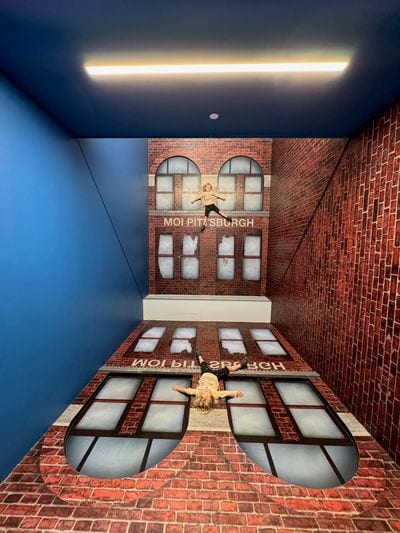
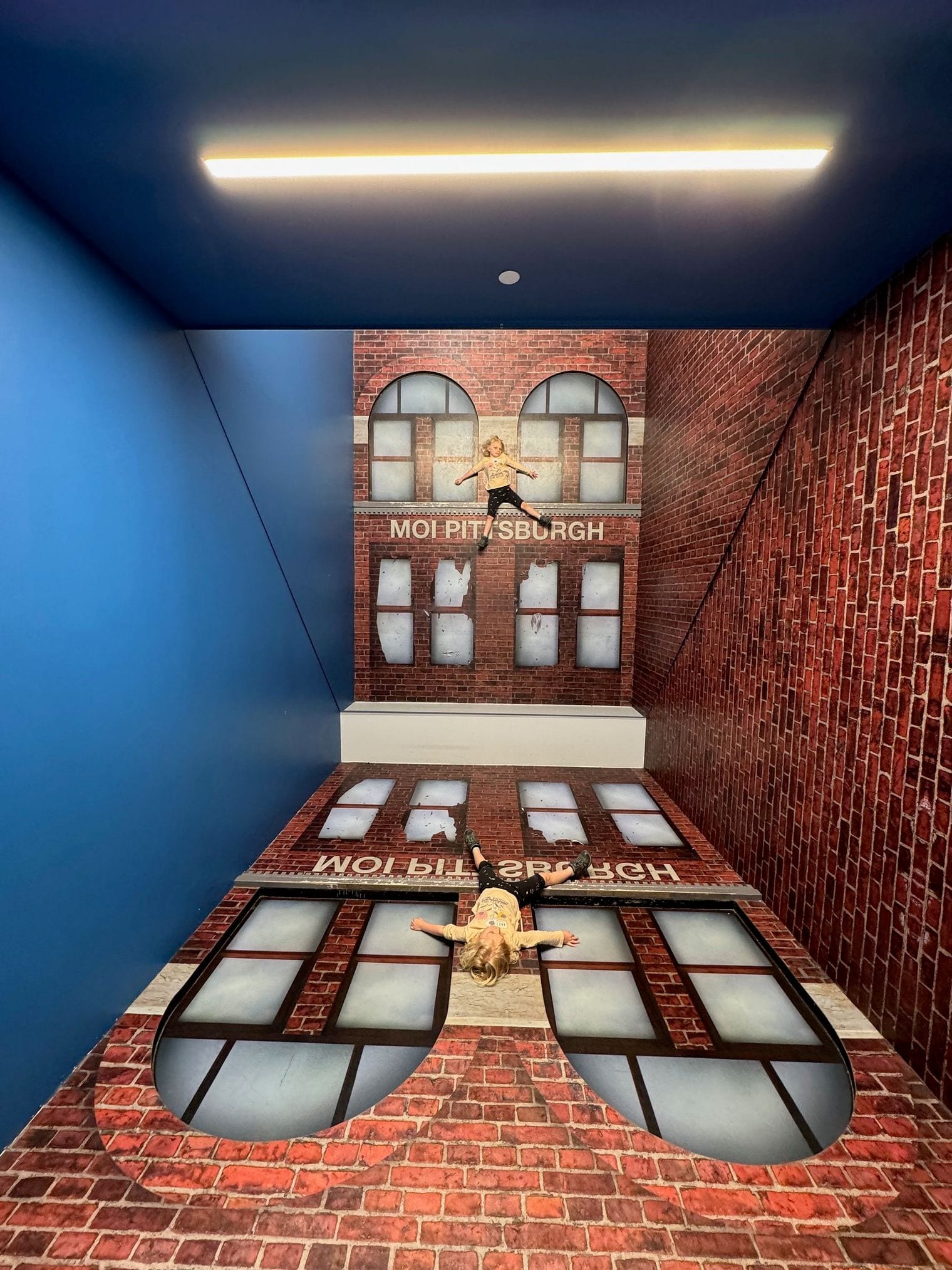
The Museum of Illusions Pittsburgh on the North Shore is a quick, playful stop a few steps from PNC Park. Its dozens of exhibits are optical tricks, including rooms that make friends look giant or tiny and mirrored spaces that seem to go on forever.
It is built for photos, so bring a phone and take time with each exhibit's explanation of how your brain is being fooled. It works well on a rainy day or with kids before a ballgame.
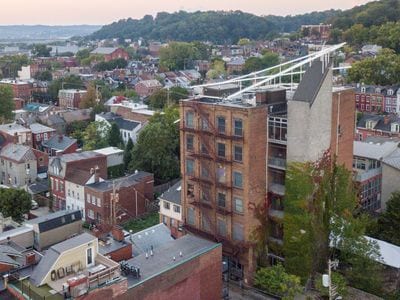
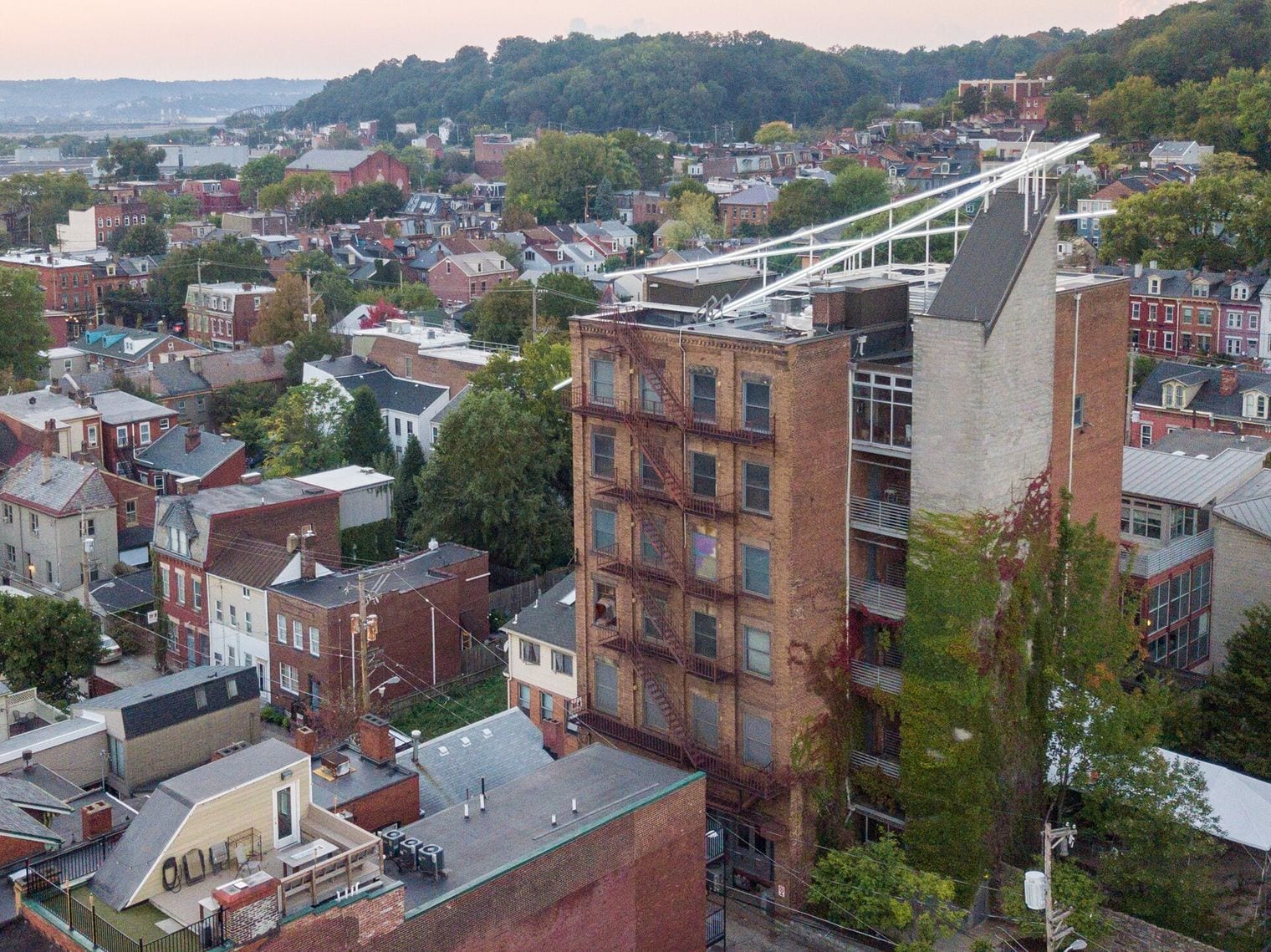
The Mattress Factory is a contemporary art museum in a former Stearns & Foster mattress warehouse on the Central North Side, and it was a pioneer of site-specific installation art. Artists come to create works on site, so whole rooms become the artwork.
Permanent pieces include installations by Yayoi Kusama and James Turrell, whose light works play tricks on your eyes. Founder Barbara Luderowski bought the derelict building in 1975, and it has been helping revive the North Side ever since, along with neighbors like Randyland.
2828. Carrie Blast Furnaces
Historical Landmark~5.9 miles (9.5 km) from centre
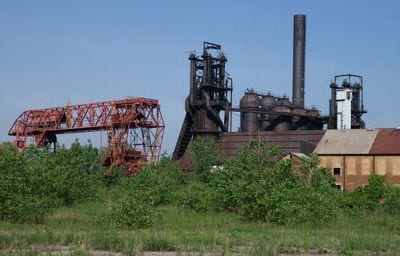
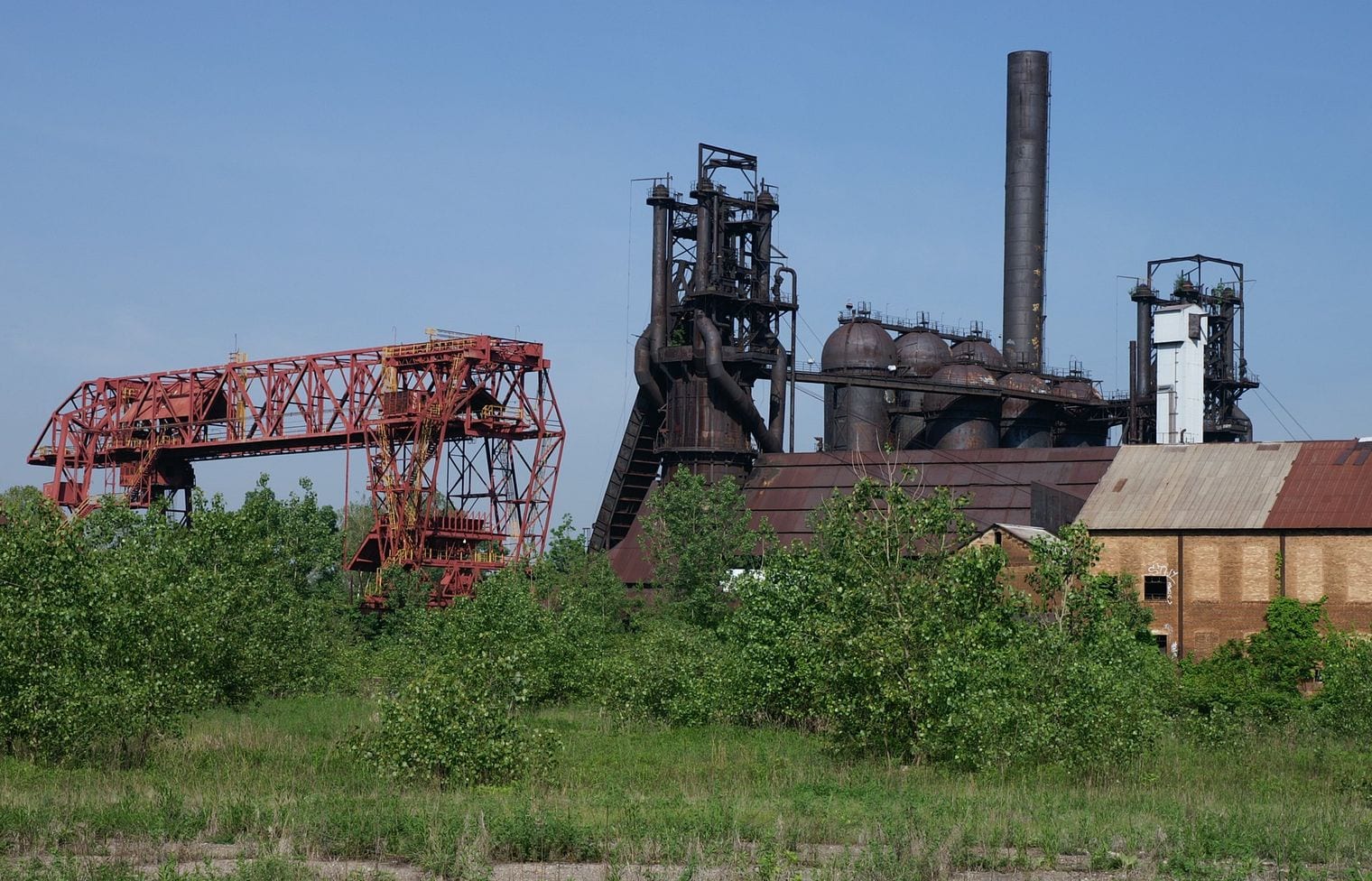
The Carrie Blast Furnaces rise beside the Monongahela River in Rankin and Swissvale, just outside the Pittsburgh city limits, and they are the most dramatic survivors of the region's steel age. Furnaces No. 6 and 7 made iron for the Homestead Steel Works from 1907 to 1978 and are now a National Historic Landmark.
They are among the very few pre-World War II blast furnaces left standing. Rivers of Steel leads guided tours of the towering rusted works in the warmer months, roughly May through October, explaining how raw materials became molten iron and what life was like for the workers, so wear sturdy shoes.
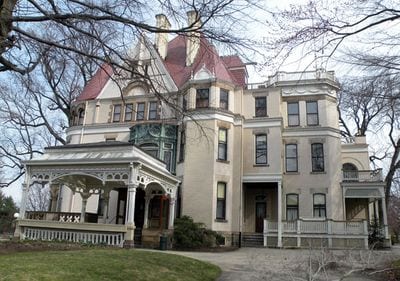
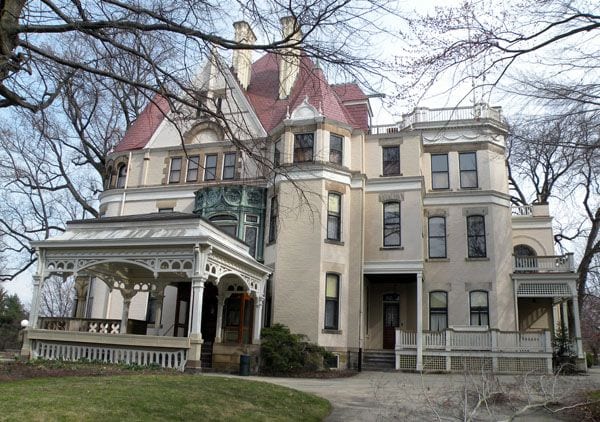
The Frick Pittsburgh preserves the world of industrialist Henry Clay Frick on 5.5 acres of lawns and gardens in Point Breeze. At its heart is Clayton, the family's restored Gilded Age mansion, shown on guided tours.
The grounds also hold the Frick Art Museum, the Car and Carriage Museum, a greenhouse and a cafe. The gardens, the art museum's permanent collection and part of the car museum are free to visit, while Clayton tours and special exhibitions are ticketed.
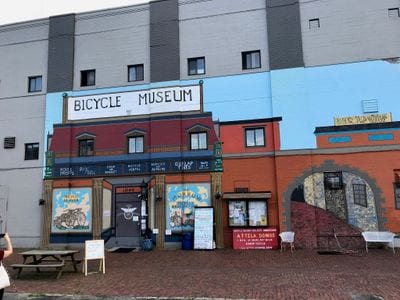
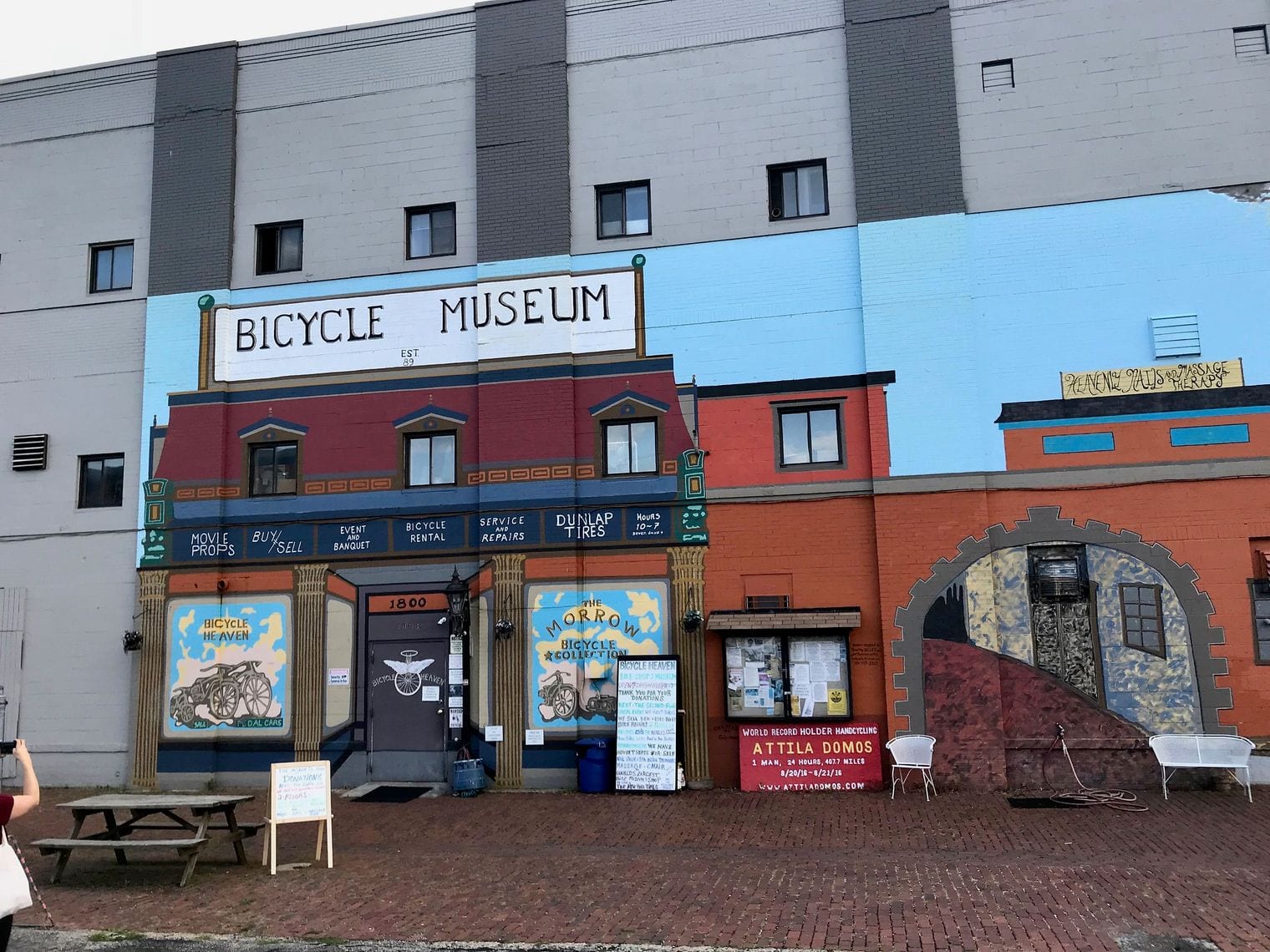
Bicycle Heaven, on the North Side near the Ohio River, is billed as the world's largest bicycle museum, and it doubles as a working bike shop. Founder Craig Morrow's collection runs to thousands of bicycles, crammed floor to ceiling, from vintage classics to outright oddities.
The museum also lends bikes as props for film and television, and many of them come back to join the display. It is gloriously cluttered and full of surprises, and cyclists can easily reach it from the riverfront trail.
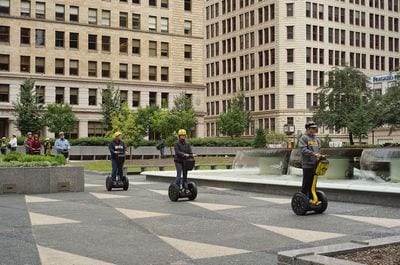
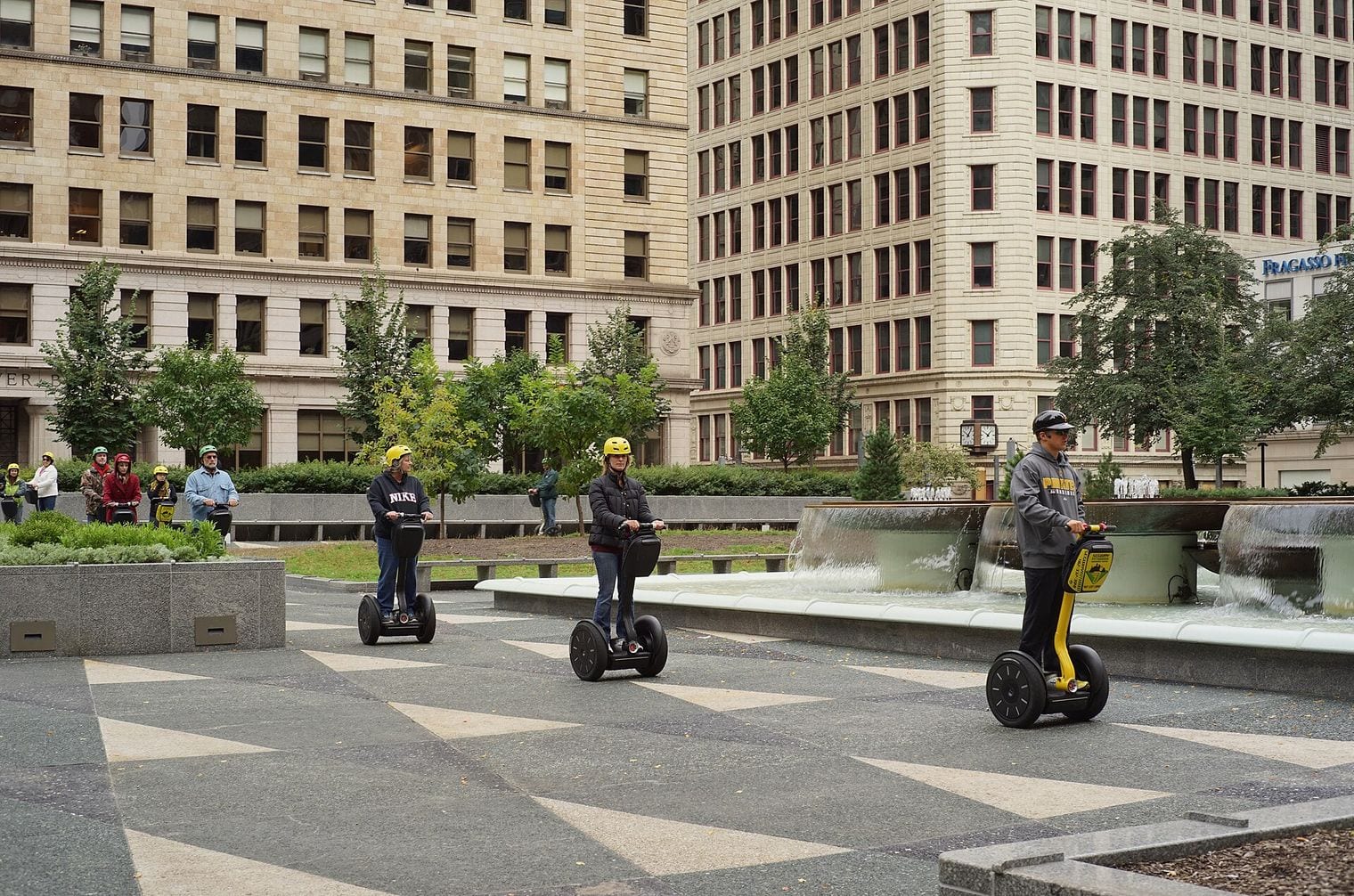
Mellon Square is a calm green plaza in the middle of downtown, and it was the first Modernist park built on top of a parking garage. Created in 1953–55 with gifts from Mellon family foundations, it is known for its bold black, white and green geometric paving, planters and fountains.
Office workers fill its benches at lunchtime, and it makes an easy pause between Market Square, the Cultural District and the shops of Smithfield Street. Look up for a fine ring of historic towers around its edges.
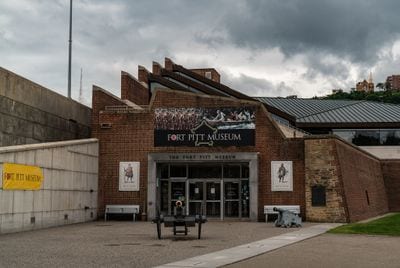
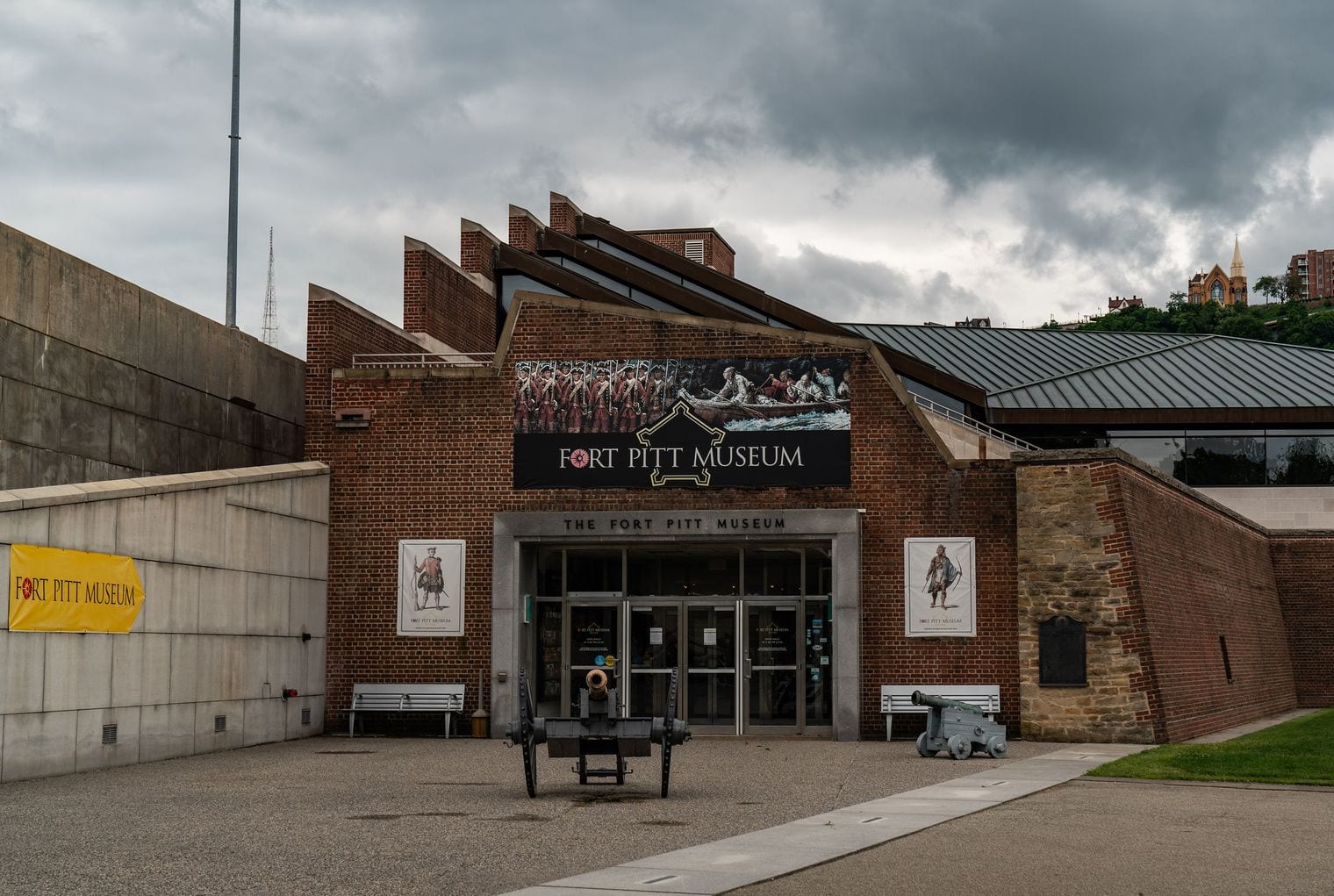
The Fort Pitt Museum stands inside Point State Park in a recreated bastion of Fort Pitt, the fort the British built in 1758 where the rivers meet. Run by the Heinz History Center, it tells how this patch of ground was fought over during the French and Indian War and the American Revolution.
Its exhibits bring the frontier era to life through artifacts and the stories of the Native nations, soldiers and settlers who met here. A visit takes an hour or so and pairs naturally with the Block House a short walk away.
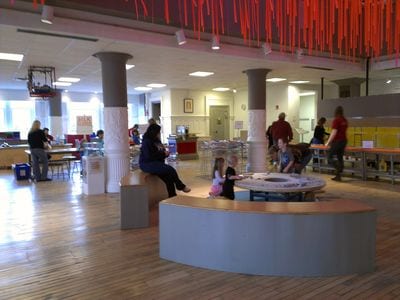
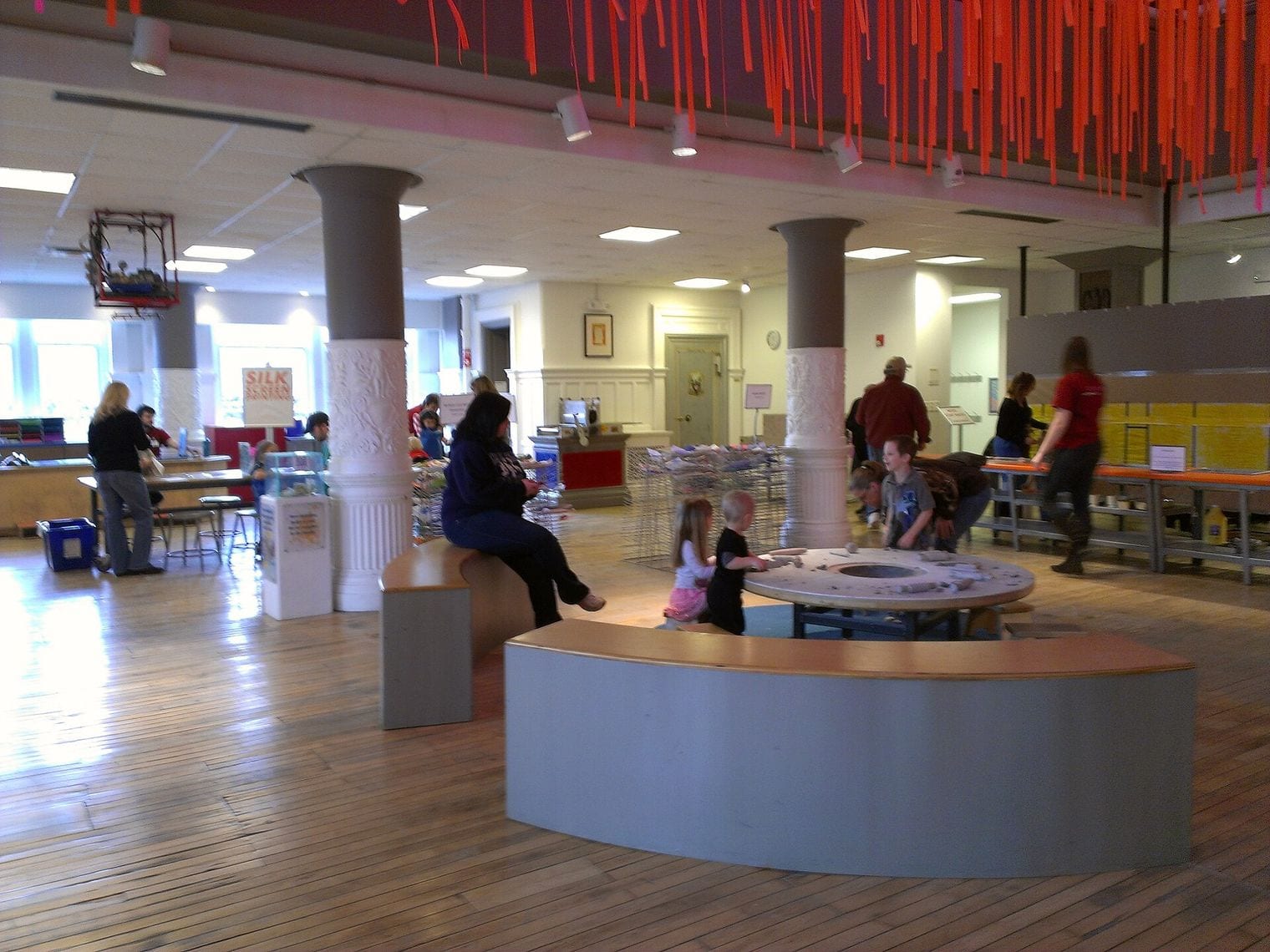
The Children's Museum of Pittsburgh fills a former post office and the old Buhl Planetarium building on the North Side, joined by a modern glass addition. Nearly everything is hands-on, with spaces for building, making art, water play and messy experiments.
Fans of Mister Rogers' Neighborhood will love its items from the show, including original puppets, one of Fred Rogers' sweaters and his sneakers. The museum sits beside Allegheny Commons Park and the National Aviary, so a family day on the North Side is easy to plan.
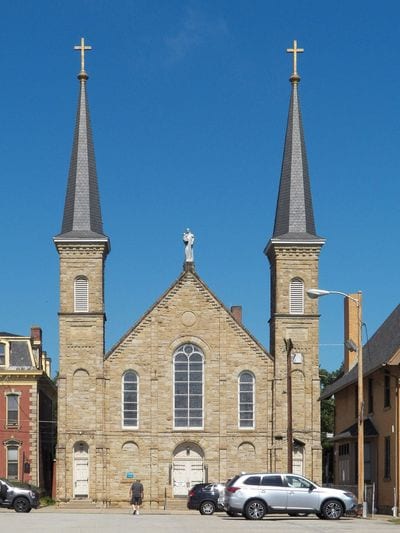
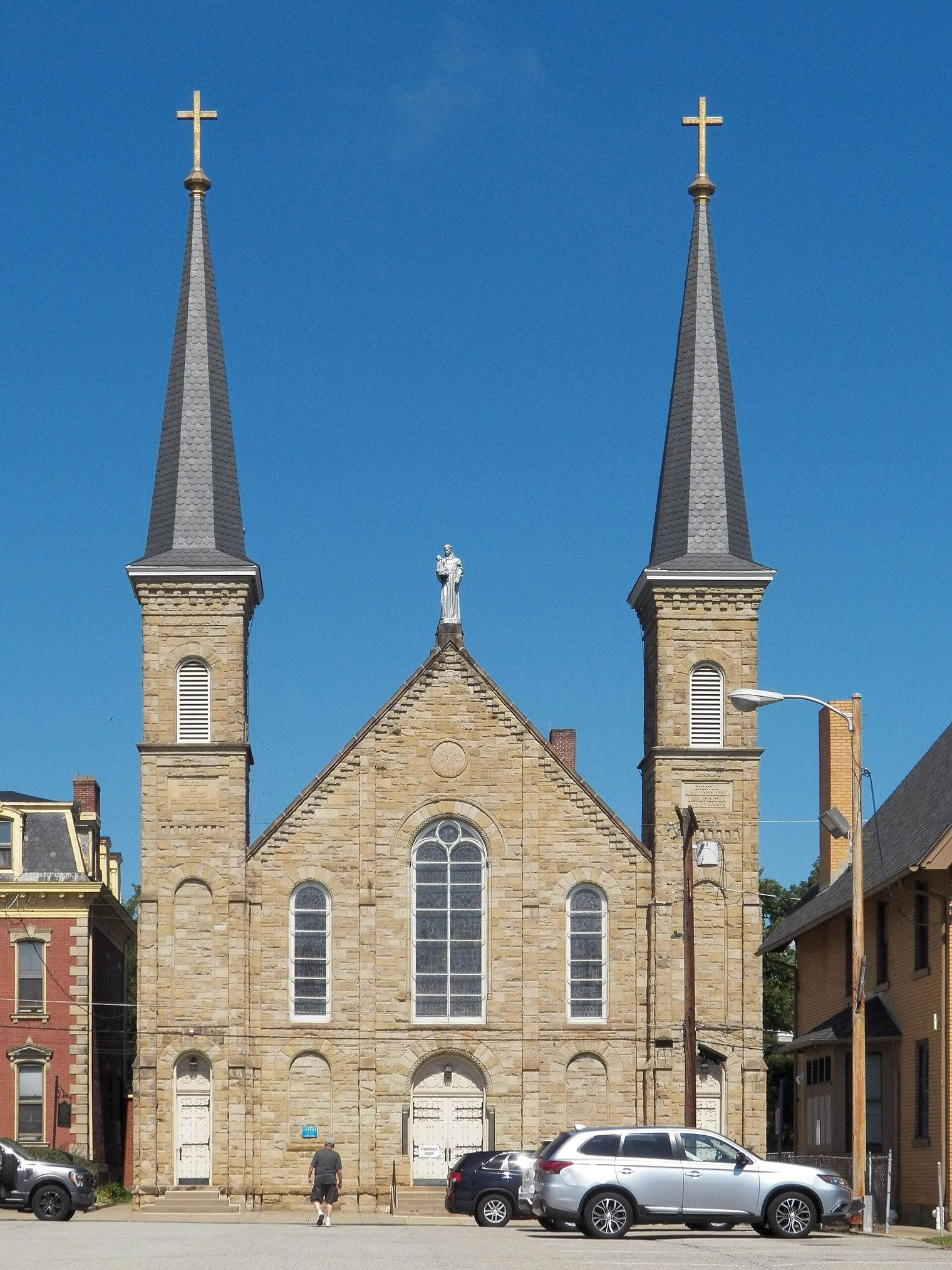
Saint Anthony Chapel in the Troy Hill neighborhood holds thousands of Christian relics, a collection often described as the largest outside the Vatican. Father Suitbert Mollinger gathered them on trips to Europe in the 19th century and paid for the chapel himself.
Inside, reliquaries of crystal, silver and gold line the walls from floor to dome, and life-size Stations of the Cross run along the nave. Visiting hours are short, so check ahead, and remember that it is a place of worship where a quiet visit is expected.
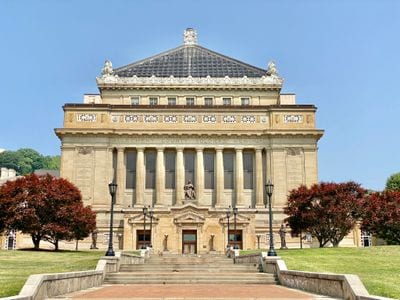
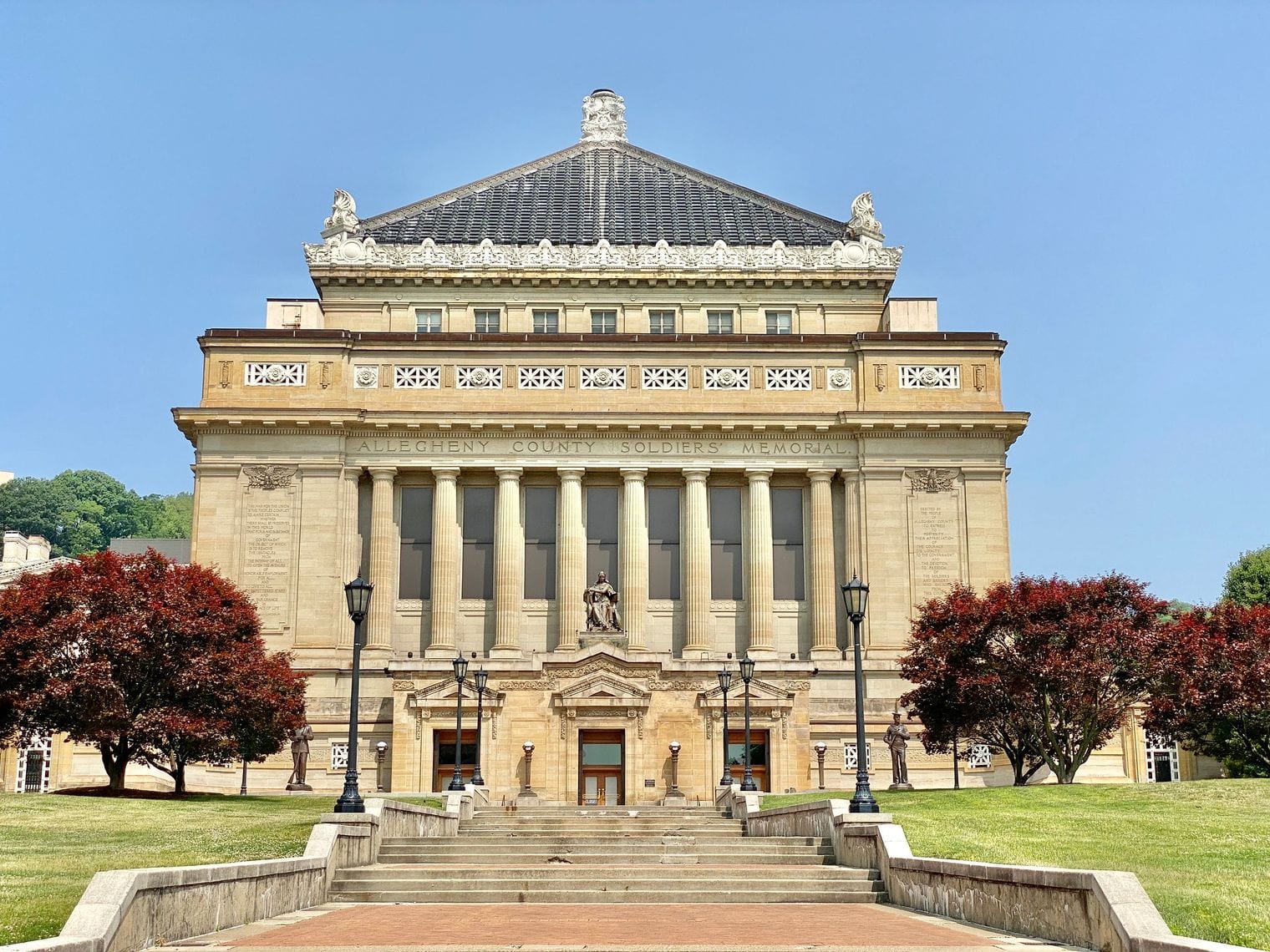
The Soldiers and Sailors Memorial Hall and Museum in Oakland is the largest memorial in the United States dedicated solely to honoring veterans of all branches of the military. Civil War veterans of the Grand Army of the Republic conceived it in the 1890s, and it was built on a former Union Army mustering ground.
Inside, the museum's collections span the Civil War to present-day conflicts, while the grand building and its lawn are worth a look on their own. It is a short walk from the Cathedral of Learning and the Carnegie museums.
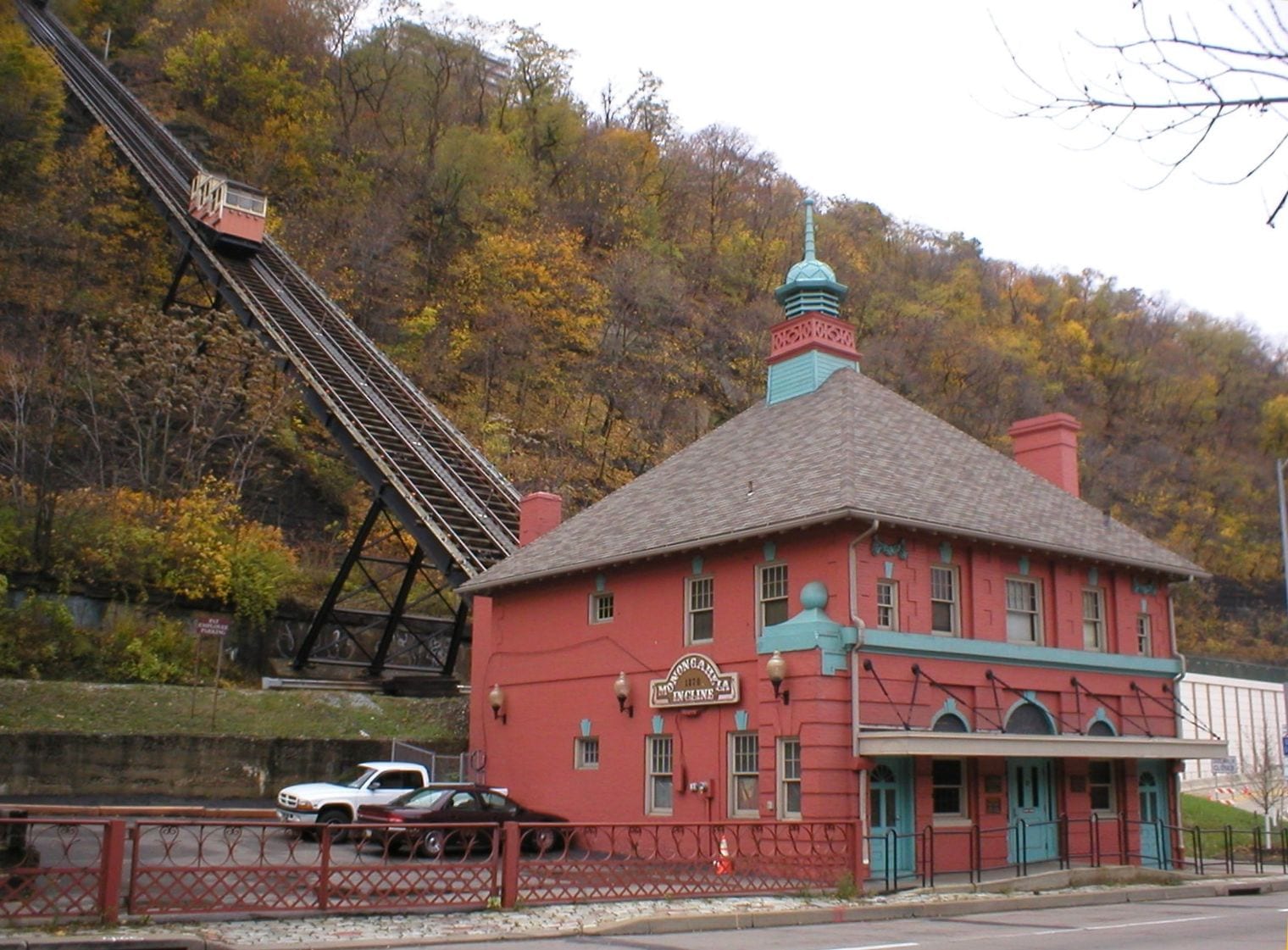
Built in 1870, the Monongahela Incline is the oldest continuously operating funicular in the United States, climbing Mount Washington from a lower station across the street from Station Square. It is one of only two survivors of the 17 passenger inclines that once scaled Pittsburgh's hills.
The ride is short and steep, with the Smithfield Street Bridge and the river spreading out below, and the top drops you on Grandview Avenue near the overlooks. It runs as part of the city's public transit, and service sometimes pauses for maintenance, so check with Pittsburgh Regional Transit before you go.
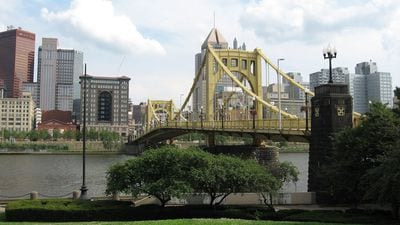
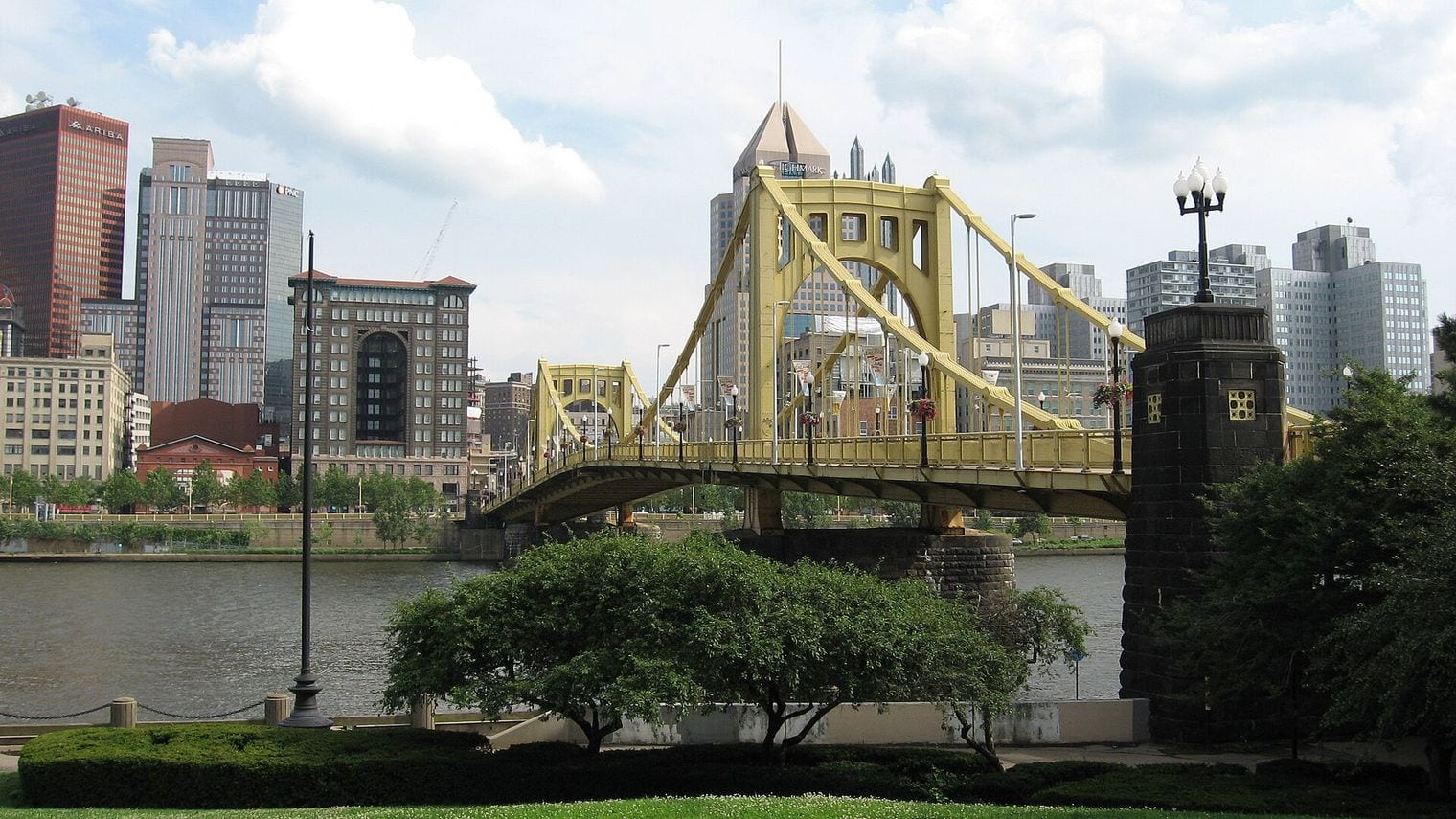
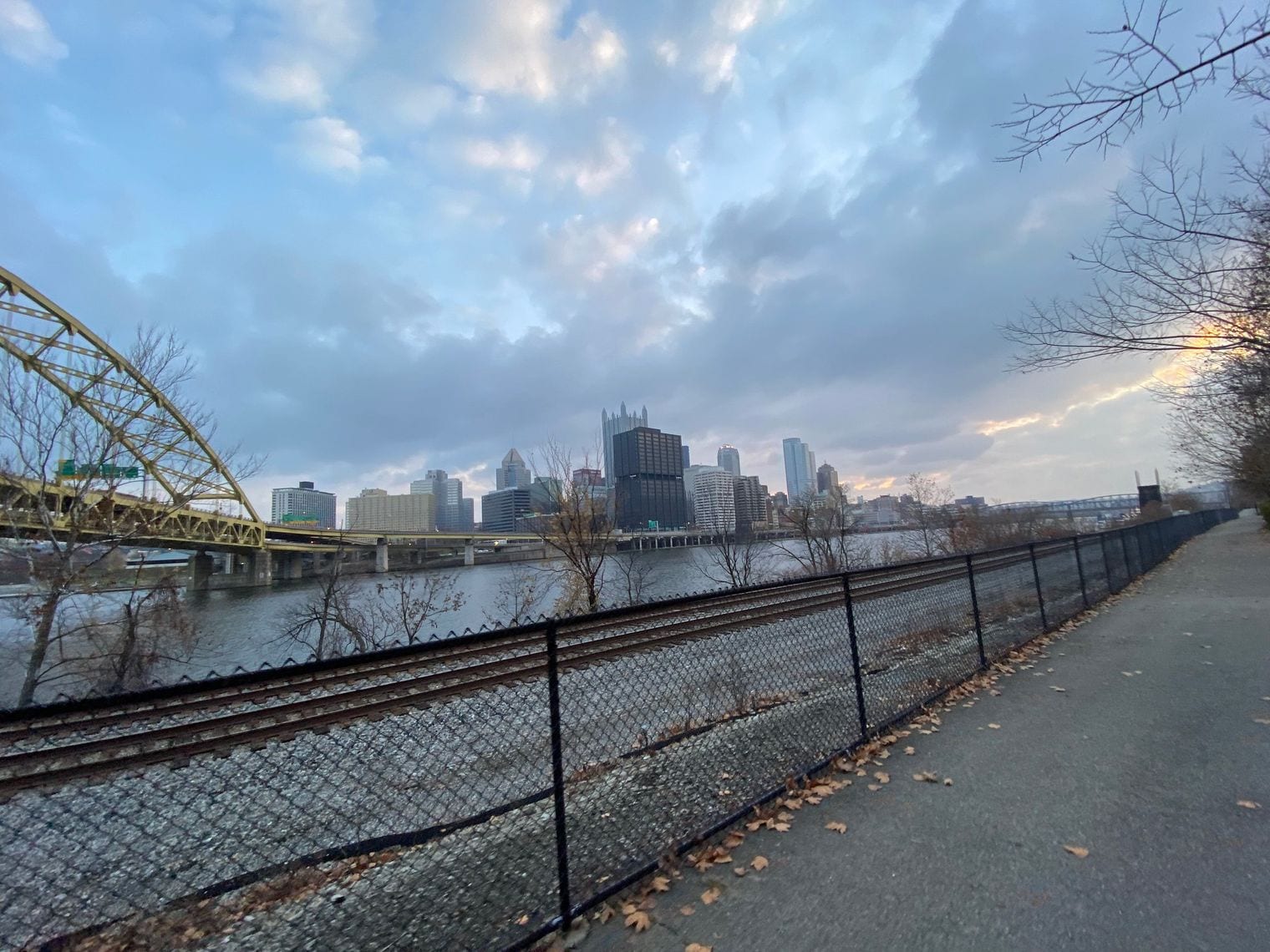
The Roberto Clemente Bridge carries Sixth Street over the Allegheny River from downtown to PNC Park, and it is one of the Three Sisters, a trio of matching yellow suspension bridges with the Andy Warhol and Rachel Carson bridges. They were the first self-anchored suspension spans built in the United States.
The bridge is named for the Pirates' Hall of Fame right fielder, and on game days the walk across, with the ballpark ahead and the skyline behind, is part of the experience. Come at dusk for the reflections of downtown in the river.
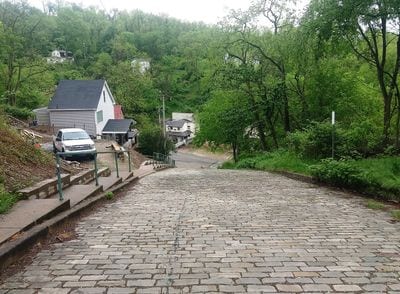
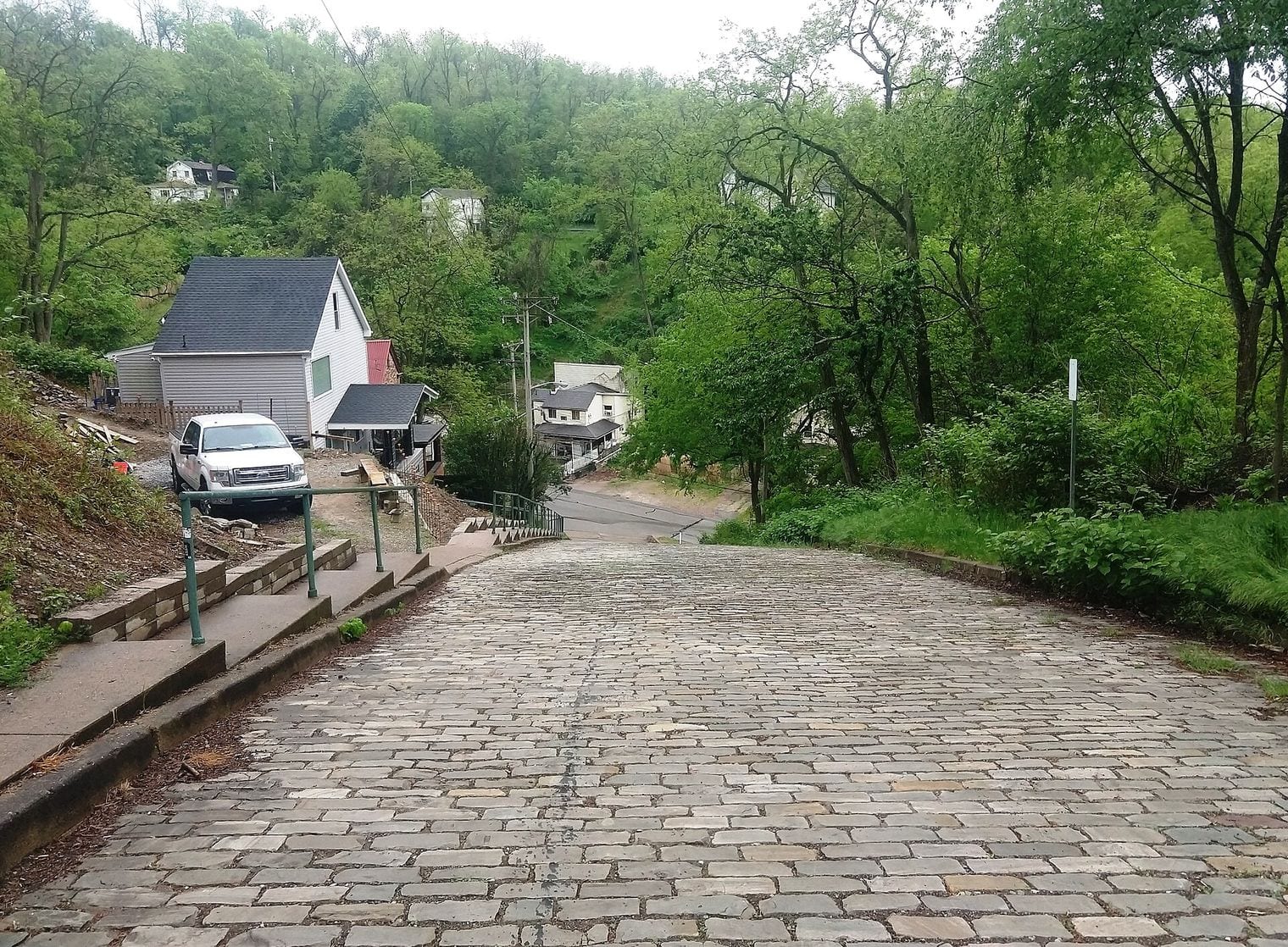
Canton Avenue in the Beechview neighborhood is the steepest officially recorded public street in the United States, with a short stretch claimed at a 37% grade. It is a quiet residential block, and seeing it in person is the only way to believe how sharply it tips.
The title is disputed: San Francisco's Bradford Street has a steeper short section, and Guinness gives the world record to Baldwin Street in New Zealand. Canton Avenue is still a legendary climb for local cyclists, so visit respectfully and park at the bottom rather than trying to drive it.
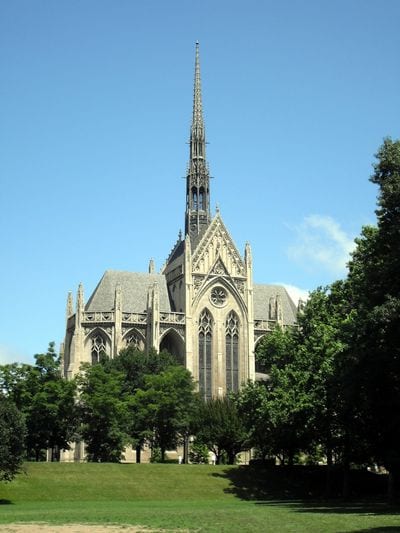
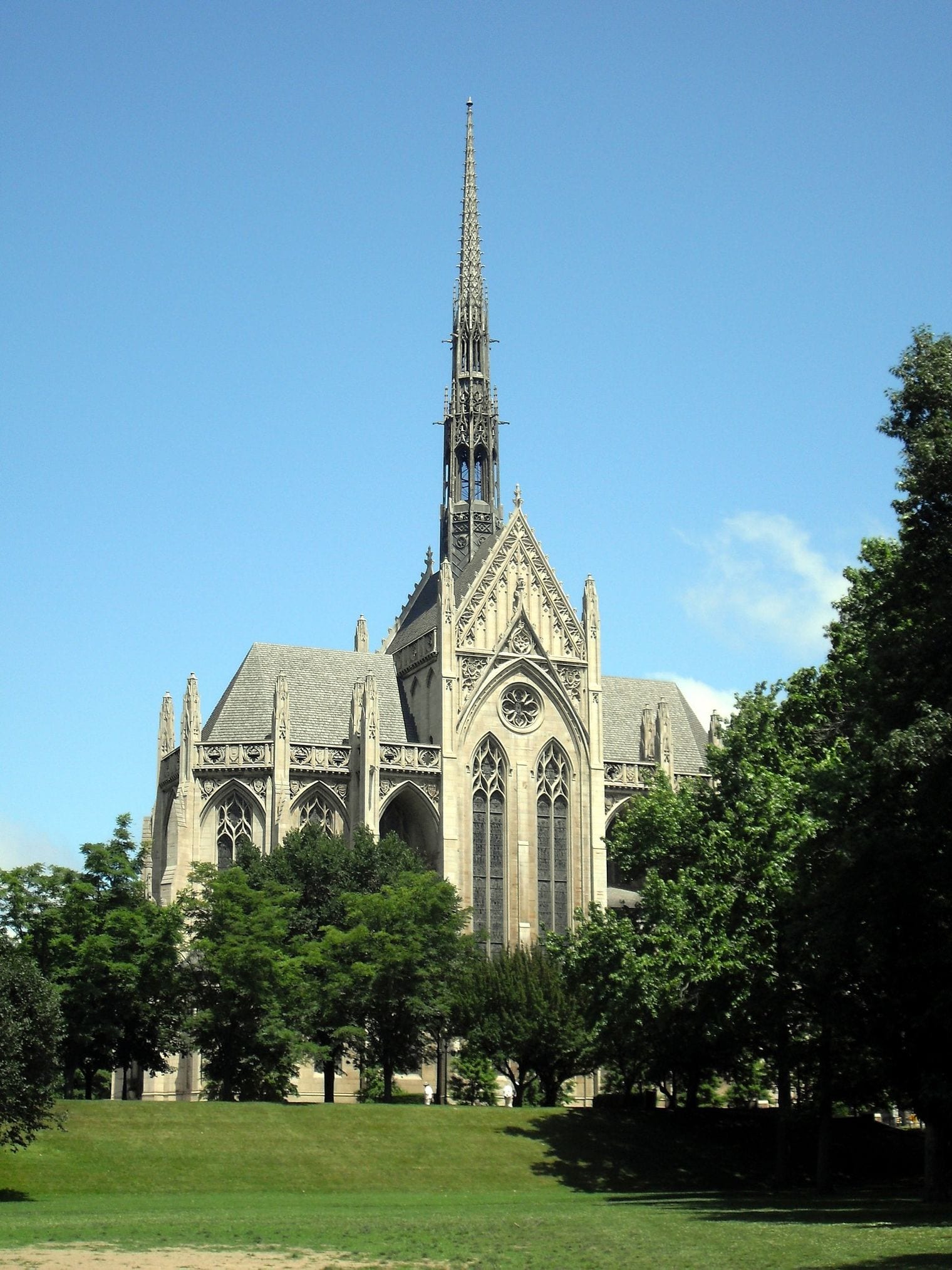
Heinz Memorial Chapel is a soaring neo-Gothic chapel on the University of Pittsburgh campus, dedicated in 1938 as a memorial to food magnate H. J. Heinz. It was designed by Charles Klauder, the architect of the Cathedral of Learning next door.
Tall stained-glass windows from the studio of Charles Connick flood the interior with color, and the carved stone around them echoes their themes. It is a favorite wedding venue and hosts concerts and services, so check visitor hours, which can change around events.
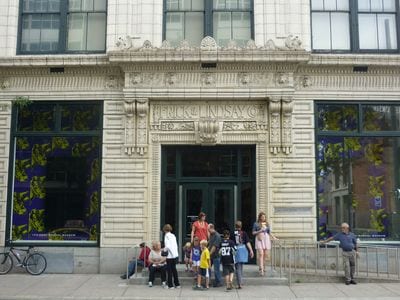
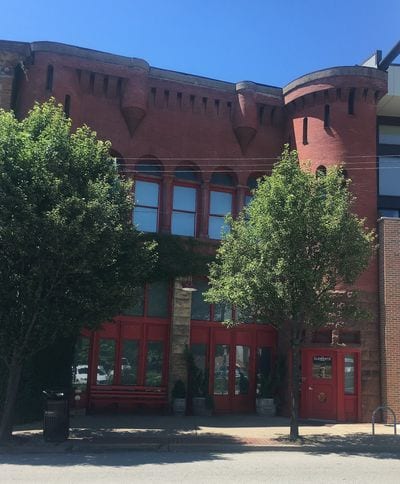
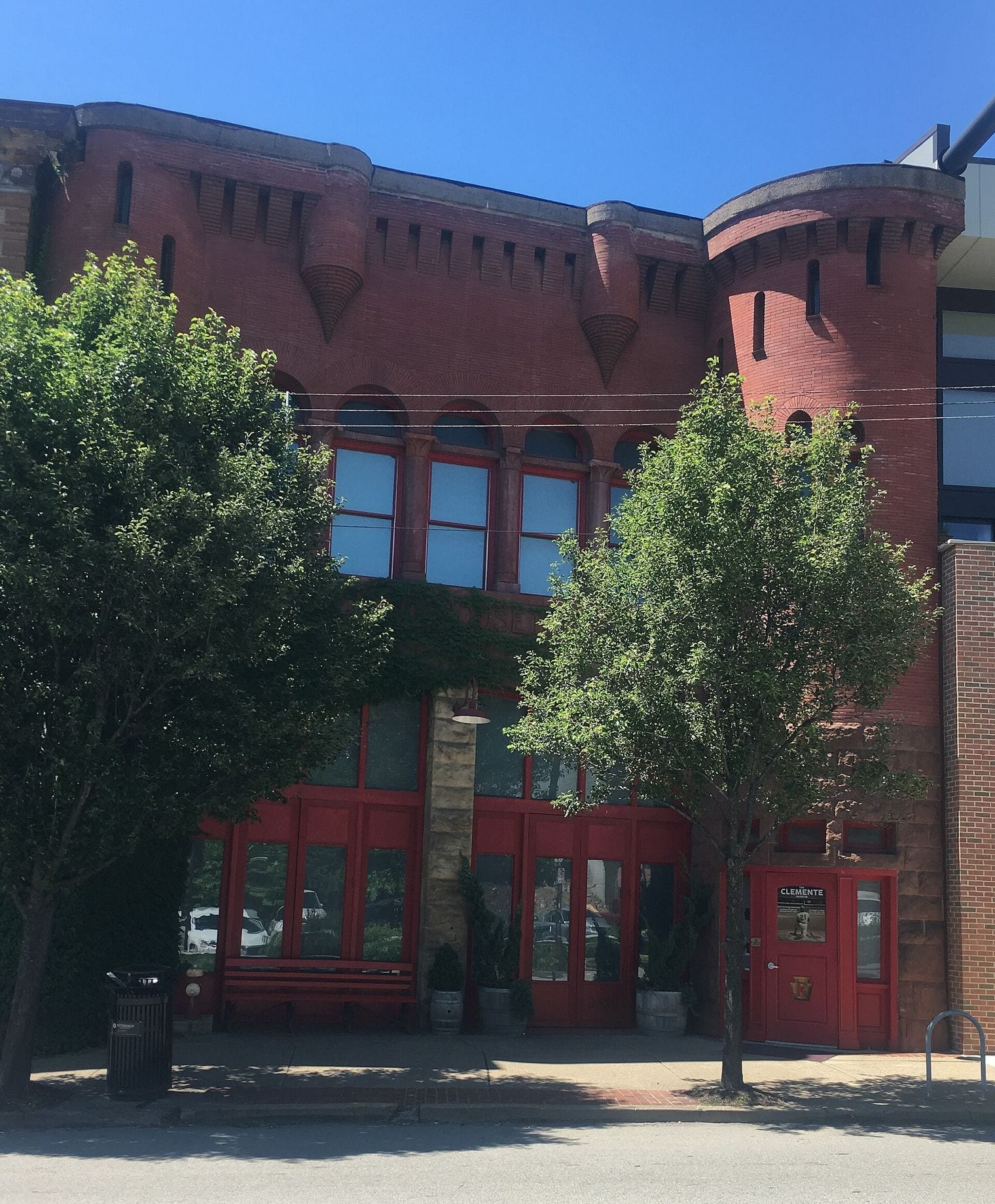
The Clemente Museum honors Roberto Clemente, the Pirates' Hall of Fame right fielder, in a converted firehouse, Engine House No. 25, in Lawrenceville. Its collection runs to thousands of items, from photographs, uniforms, gloves and bats to family snapshots and seats from Forbes Field.
There are no walk-in hours, so book one of the guided tours in advance; the docents tell Clemente's story on and off the field along with the history of the engine house. It is a must for baseball fans and a moving portrait of one of the sport's most admired figures.
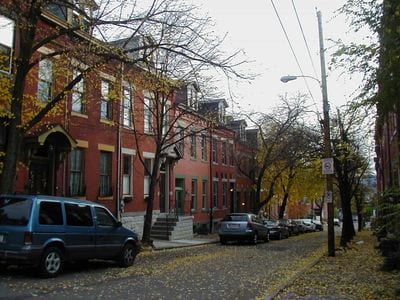
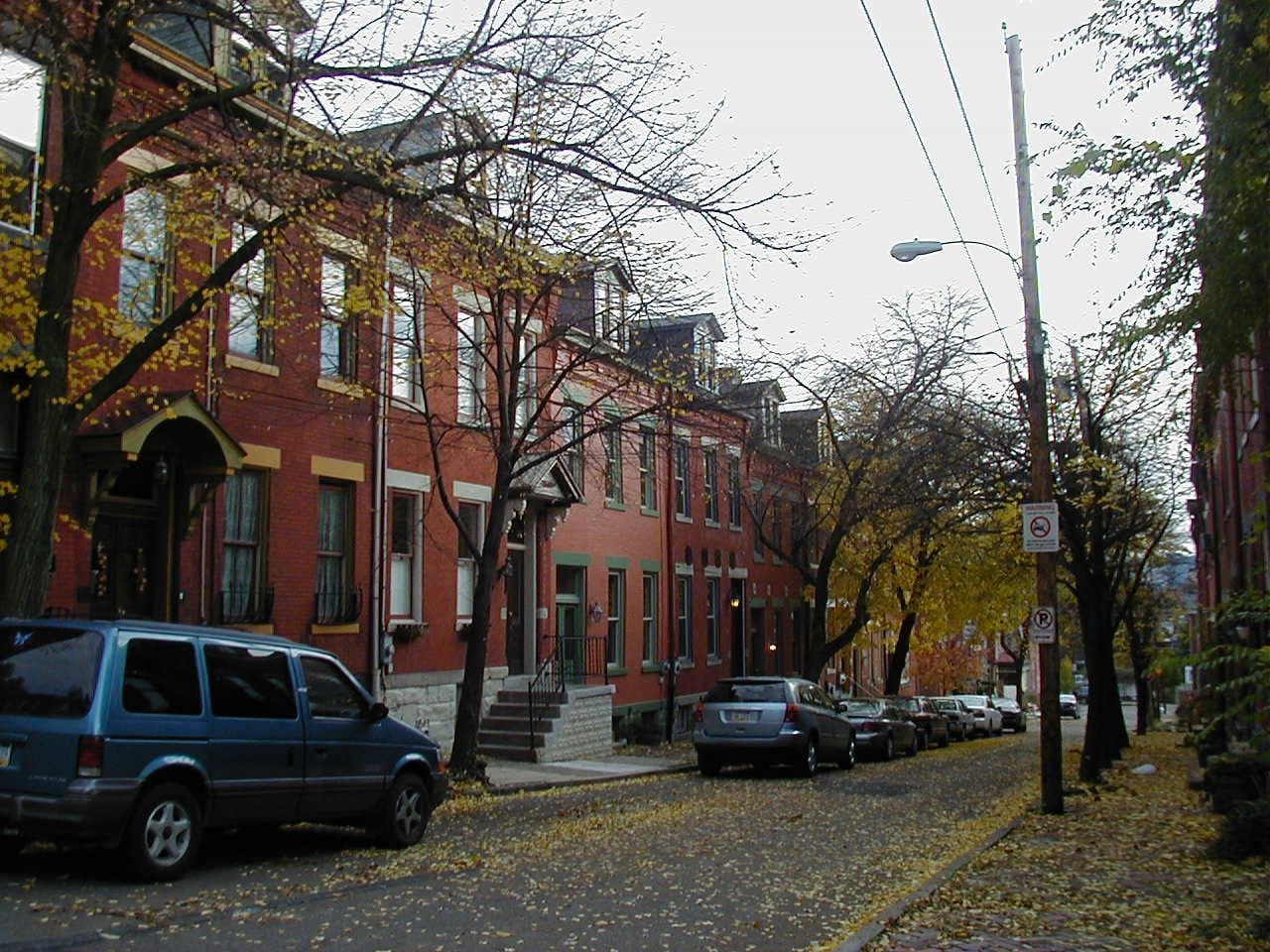
The Mexican War Streets on the Central North Side are among Pittsburgh's prettiest blocks, a historic district of restored row houses, community gardens and tree-lined alleys. The area dates to around the time of the Mexican-American War, and many of its streets are named after battles and generals of that conflict.
Wander at an easy pace to admire painted brick, iron railings and carved doorways, then drop into Randyland and the Mattress Factory, both a few blocks away. It is a living neighborhood, so enjoy the architecture from the sidewalk.
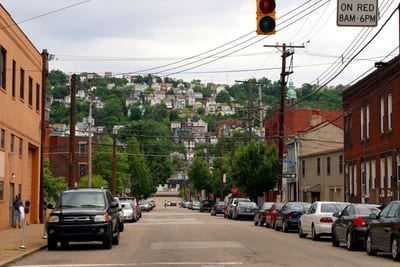
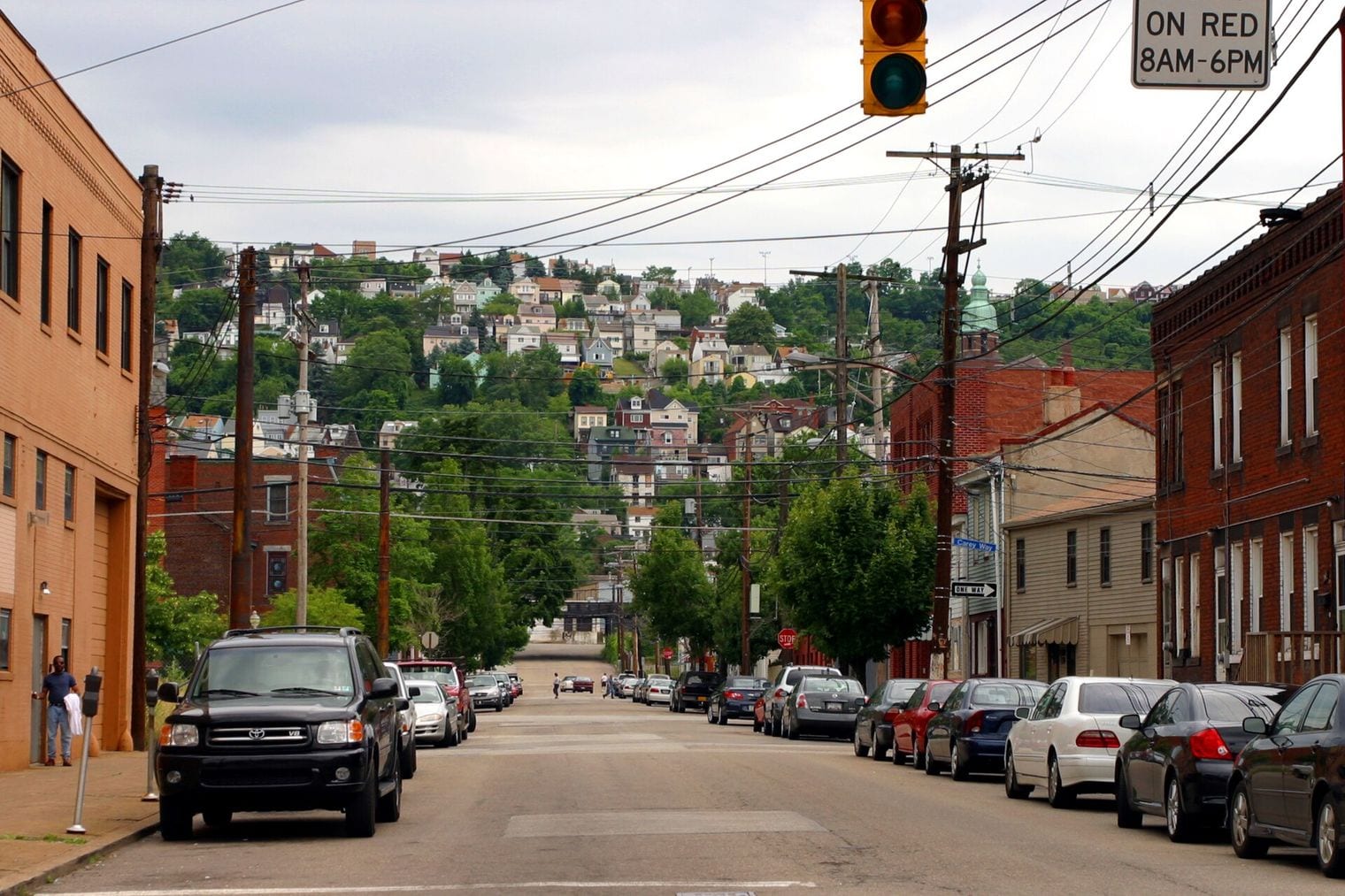
The South Side Slopes climb steeply above the South Side Flats and the Monongahela River, and the best way to explore them is on foot via the city steps. Pittsburgh has nearly 800 sets of public stairways, and the Slopes have some of the most dramatic, with houses perched high above the skyline.
The climbs are hard work but repaid with sudden panoramic views of the city and the river. Each fall the neighborhood association hosts StepTrek, a walking event over the public step streets and a fun way to find the best routes.
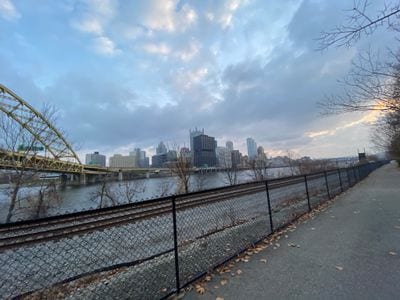
The Three Rivers Heritage Trail runs for about 33 miles along the riverbanks of Pittsburgh and Allegheny County, often on both sides of the water. It links many of the city's riverfront sights, from Point State Park and the North Shore stadiums to the Strip District and Station Square.
Walk or cycle a loop that crosses two bridges for constantly changing skyline views. The North Shore stretch between the Kamin Science Center and PNC Park is the busiest and easiest place to start.
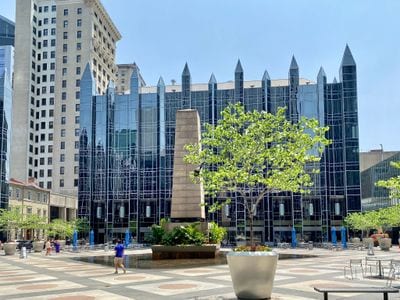
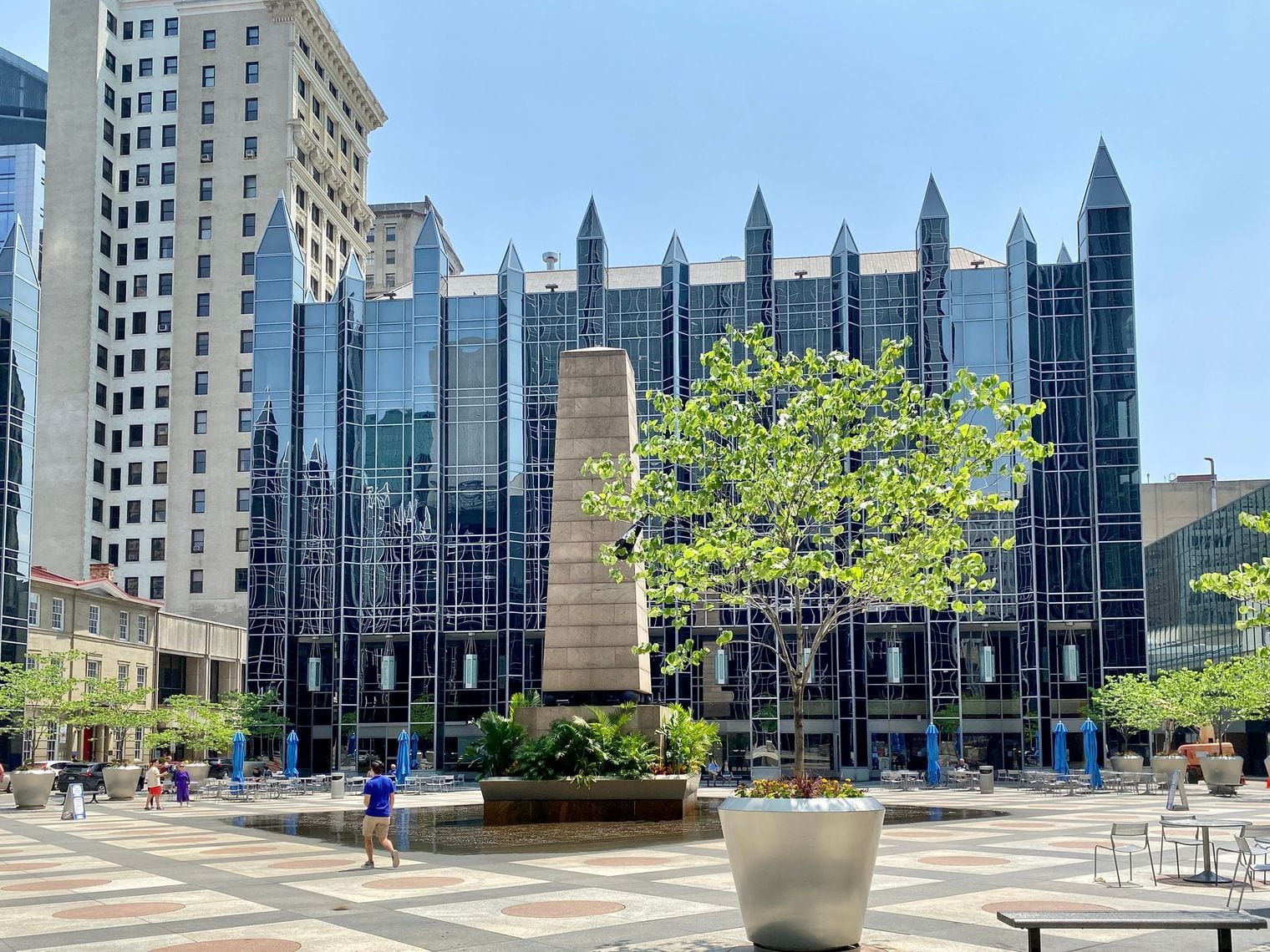
PPG Place is downtown Pittsburgh's glass castle, a six-building complex designed by Philip Johnson and John Burgee and opened in 1983 and 1984. Its towers are clad in 19,750 pieces of glass and topped with 231 glass spires, a Gothic silhouette that glitters on sunny days.
In winter the central plaza turns into an ice skating rink, larger than the famous one at New York's Rockefeller Center, with a towering Christmas tree in the middle. Market Square is just a few steps away.
Plan your trip
Best Time to Visit Pittsburgh
Late spring through early fall is the easiest time to visit. Baseball season fills PNC Park, Kennywood and the Carrie Blast Furnaces tours are running, the riverfront trails are at their best, and summer brings outdoor festivals to Point State Park and the Cultural District. Summers can be warm and humid, and thunderstorms are common.
Fall is a favorite: football Sundays turn the city black and gold, the wooded hills and parks change color, and the air is crisp for walking the city steps. Winters are cold and often gray, but downtown makes the most of them with the ice rink at PPG Place, a holiday market in Market Square and the seasonal flower show at Phipps, while hockey fills PPG Paints Arena.
Getting to Pittsburgh
Pittsburgh International Airport lies west of the city, roughly half an hour's drive from downtown depending on traffic, with nonstop flights from many US hubs. By road, Interstate 376 runs through the city from the airport side to the eastern suburbs, Interstate 279 links downtown with Interstate 79, and the Pennsylvania Turnpike passes to the north and east.
Amtrak trains stop at the downtown station, linking Pittsburgh east to Philadelphia and New York and west toward Chicago, and intercity buses serve the city from across the region.
Getting Around Pittsburgh
Downtown, the Strip District and the North Shore are compact and easy to walk, joined by the river bridges and the riverfront trail. Pittsburgh's light rail, known locally as the T, runs from downtown across to the North Shore and south through Station Square, and buses reach Oakland, the East End and the outer neighborhoods. The two inclines are part of the public transit system too.
The hills, rivers and tunnels make driving confusing for first-timers, and downtown parking is mostly in garages. A car is handy for Kennywood, the Carrie Blast Furnaces and Canton Avenue, but you can see most of the city's highlights with transit, rideshare, bike share and your own two feet.
Where to Stay in Pittsburgh
Downtown is the most convenient base for a first visit, putting you within walking distance of the Cultural District theaters, Market Square, Point State Park and the bridges to the North Shore. The North Shore itself suits sports fans and families, with the stadiums, the Kamin Science Center and the Andy Warhol Museum on the doorstep.
Oakland is the place for museum lovers and campus visits, close to the Carnegie museums, Phipps and Schenley Park. For a more local feel, look at the Strip District and Lawrenceville for food and nightlife, or Shadyside for leafy streets and boutiques.
Where to Eat in Pittsburgh
The Strip District is the city's food hub, packed with bakeries, grocers, fish markets and casual counters. Lawrenceville's main street has some of the city's most creative restaurants and bars, East Carson Street on the South Side is the classic nightlife strip, and Mount Washington's dining rooms trade on the view.
Pittsburgh's signature foods reflect its Eastern European roots and working-class appetites: pierogies, haluski (cabbage and noodles), and the local habit of piling french fries inside sandwiches and on top of salads. Look out for chipped chopped ham, Heinz ketchup on everything, and cookie tables at local celebrations.
Day Trips from Pittsburgh
The Laurel Highlands begin about an hour east of the city, and Frank Lloyd Wright's Fallingwater and the whitewater of Ohiopyle are both about an hour and a half away. Our guide to the best day trips from Pittsburgh covers these and dozens more, from state parks and historic towns to the Pro Football Hall of Fame in Canton.
For a longer drive, Erie and the beaches of Presque Isle are a little over two hours north up I-79, and Cleveland is about the same distance northwest across the Ohio line. If you would rather explore at a slower pace, Pennsylvania's small towns make an easy road trip from the city.
Ride the Duquesne Incline up Mount Washington in time for sunset, walk the Grandview Overlook platforms as the city lights come on, and come down on the Monongahela Incline to Station Square. In baseball season, swap the inclines for a night game at PNC Park.
Pittsburgh is best known for its steel-making past, its three rivers and 446 bridges, and its passionate sports teams. Visitors come for the Duquesne Incline and the view from Mount Washington, Point State Park, The Andy Warhol Museum, Phipps Conservatory and Botanical Gardens, and a ballgame at PNC Park, one of the most scenic ballparks in the country.
How many days do you need in Pittsburgh?
Three days covers the highlights. Spend one on downtown, the Strip District and Mount Washington, a second on the North Shore museums and a game or concert, and a third in Oakland for the Carnegie museums, Phipps and the Cathedral of Learning. Add a day for Kennywood in summer or a trip into the Laurel Highlands.
What can you do in Pittsburgh for free?
You can enjoy much of Pittsburgh for free: the fountain and fort ruins at Point State Park, the Grandview Overlook, the Strip District, the Roberto Clemente Bridge, the Three Rivers Heritage Trail, Schenley and Frick parks, the Mexican War Streets and the city steps of the South Side Slopes. The Frick Pittsburgh's gardens and permanent art collection are also free.
Is Pittsburgh a walkable city?
Downtown Pittsburgh, the Strip District and the North Shore are very walkable, linked by short river bridges and the riverfront trail. The hills make other neighborhoods more of a workout, so use the light rail, buses or the two inclines to reach Mount Washington, Oakland and the East End, and plan on a car for Kennywood.
When is the best time to visit Pittsburgh?
Late spring to early fall offers the warmest weather, baseball at PNC Park and the full season at Kennywood, while fall adds colorful hills and Steelers football. Winter is cold but festive downtown, with skating at PPG Place. See the Best Time to Visit section above for more detail.
Sources & updates
How this guide was checked
Checked before launch
Sources cited
44
Publishers
22
Every place on this list was confirmed open and pinned on the map before publication, and what we say about each one was checked against its own website or an official source.
A PDF with a box to tick for every place. Confirm your email to download it, and get one email every Thursday with our newest guides for the places you tick.
Free Pittsburgh printable checklist
All 44 places in one PDF
Tick them off as you go. Confirm your email to download it, plus one email every Thursday with new guides for the places you tick.
We use cookies to analyse site traffic and improve your experience.
You can accept or reject analytics cookies. See our
May we use analytics cookies? See ourCookie Policy.