We may earn a commission if you book or buy through a link on
this page, at no extra cost to you. It never affects which places we list or how
we rank them (how we make money).
Short answer
Lisbon's essentials are the Belém district with the Jerónimos Monastery and the Torre de Belém, the hilltop São Jorge Castle above the Alfama's lanes, and the miradouros — the viewpoints the city is built around. Three full days is the practical minimum: one for Belém, one for the castle, Alfama and the Baixa, one for the museums and viewpoints, with a fourth for Sintra.
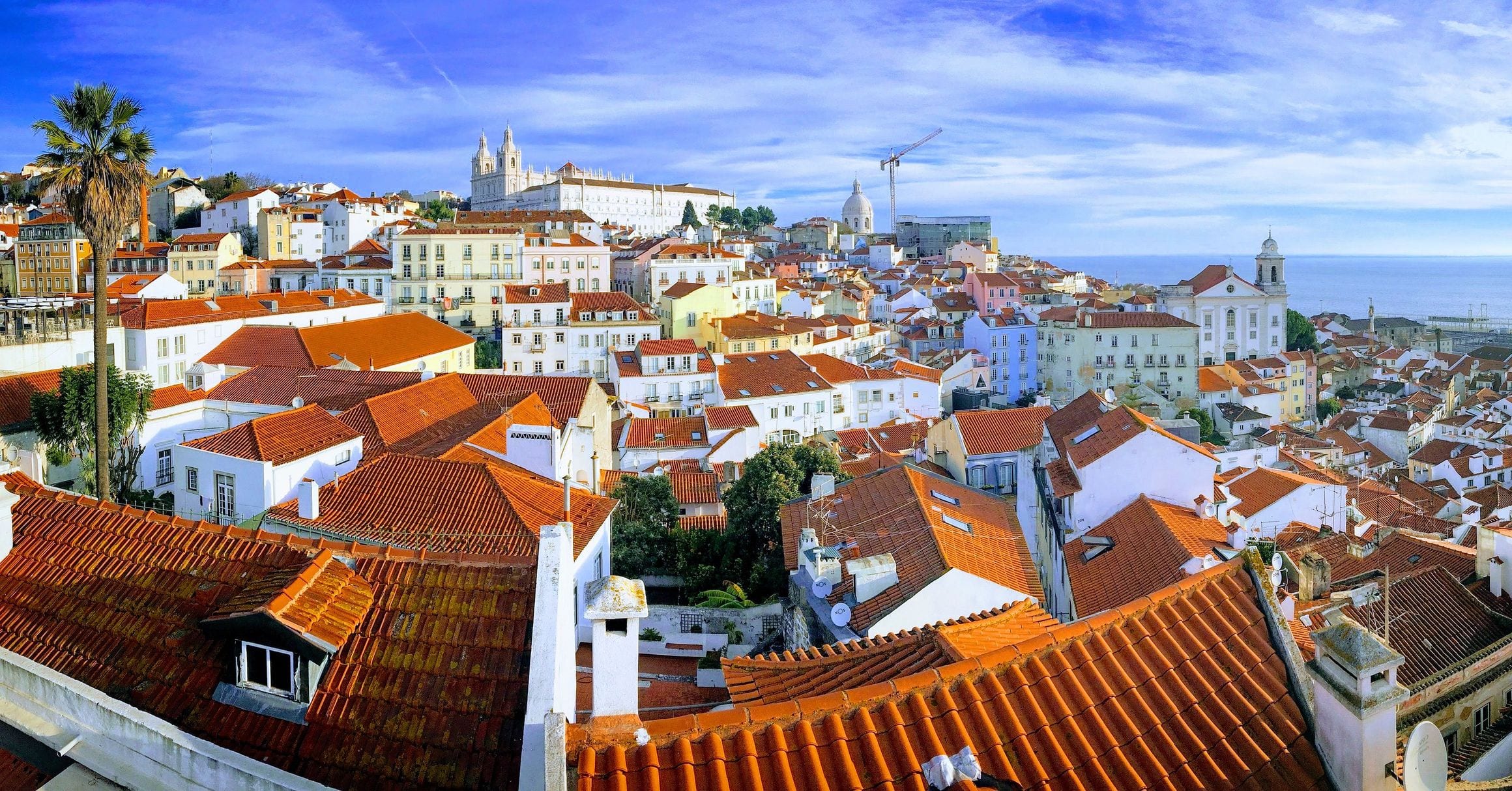
Lisbon tumbles down steep tiled hillsides to the Tagus, lit by an Atlantic glare that turns its façades gold each evening. Yellow trams grind past viewpoints, medieval alleys climb toward a Moorish castle, and the river is rarely out of sight for long.
This guide ranks 50 of the best things to do across the city, from the monuments of Belém to the miradouros of Graça and Alfama. Three days covers the essentials; a week lets you slow down.
Lisbon is the second-oldest capital city in Europe, after Athens — it was a working port centuries before most other European capitals existed.
The 1755 earthquake destroyed about 85 percent of the city's structures, and the Baixa you walk through today is the deliberate grid rebuilt to the plans of the Marquis of Pombal.
Fado was added to UNESCO's Intangible Cultural Heritage list on 27 November 2011; the music was born in the working-class quarters of Lisbon in the early nineteenth century.
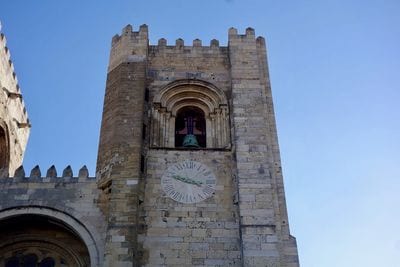
The Sé is the oldest church in Lisbon, built in 1147, the same year the city was taken from the Moors — and excavations in its cloister have uncovered a Roman street and the remains of a mosque.
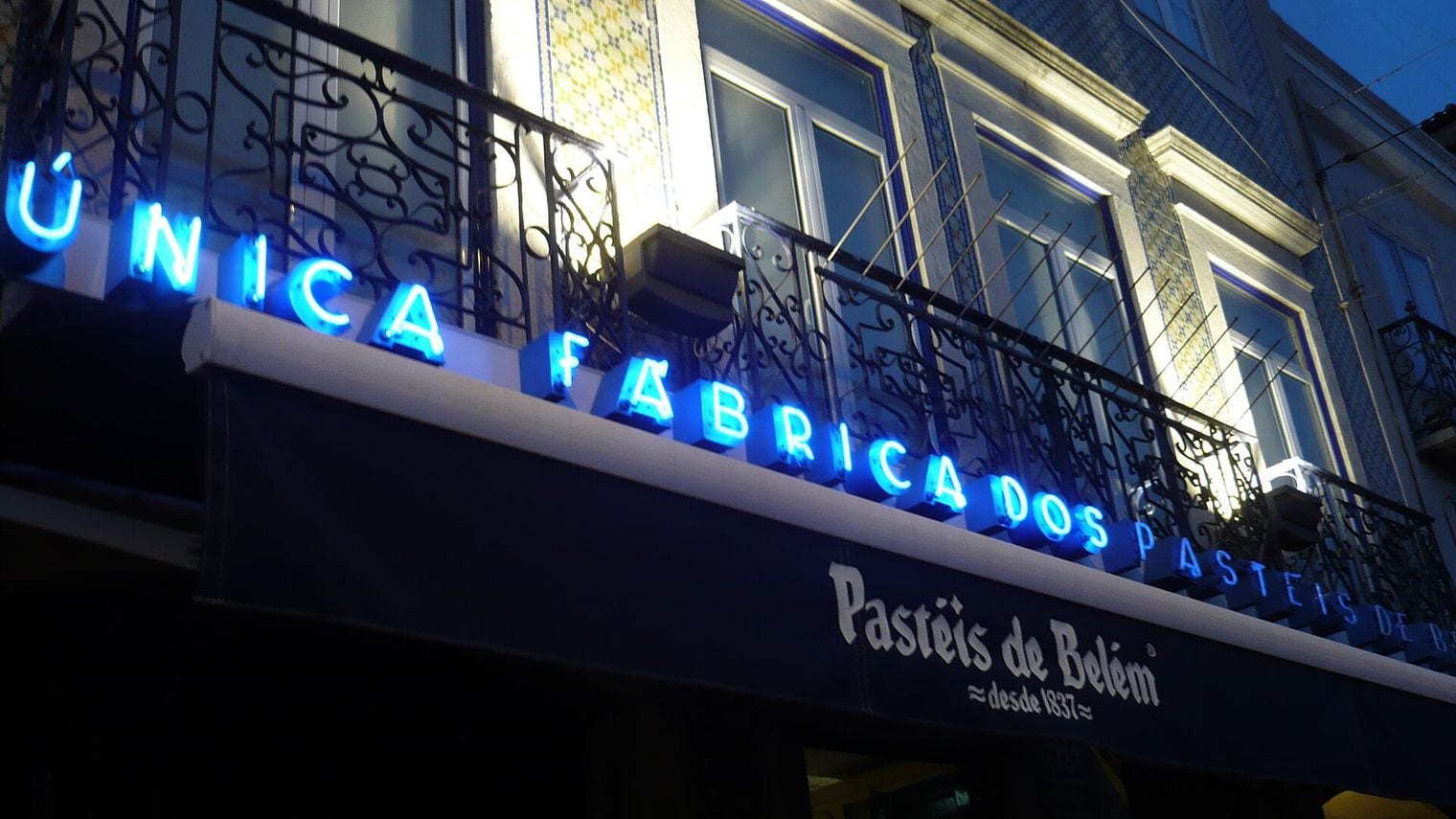
Pastéis de Belém has baked its custard tarts since 1837, using a recipe obtained from the monks of the neighbouring Jerónimos monastery.
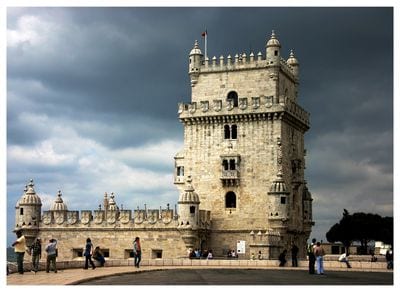
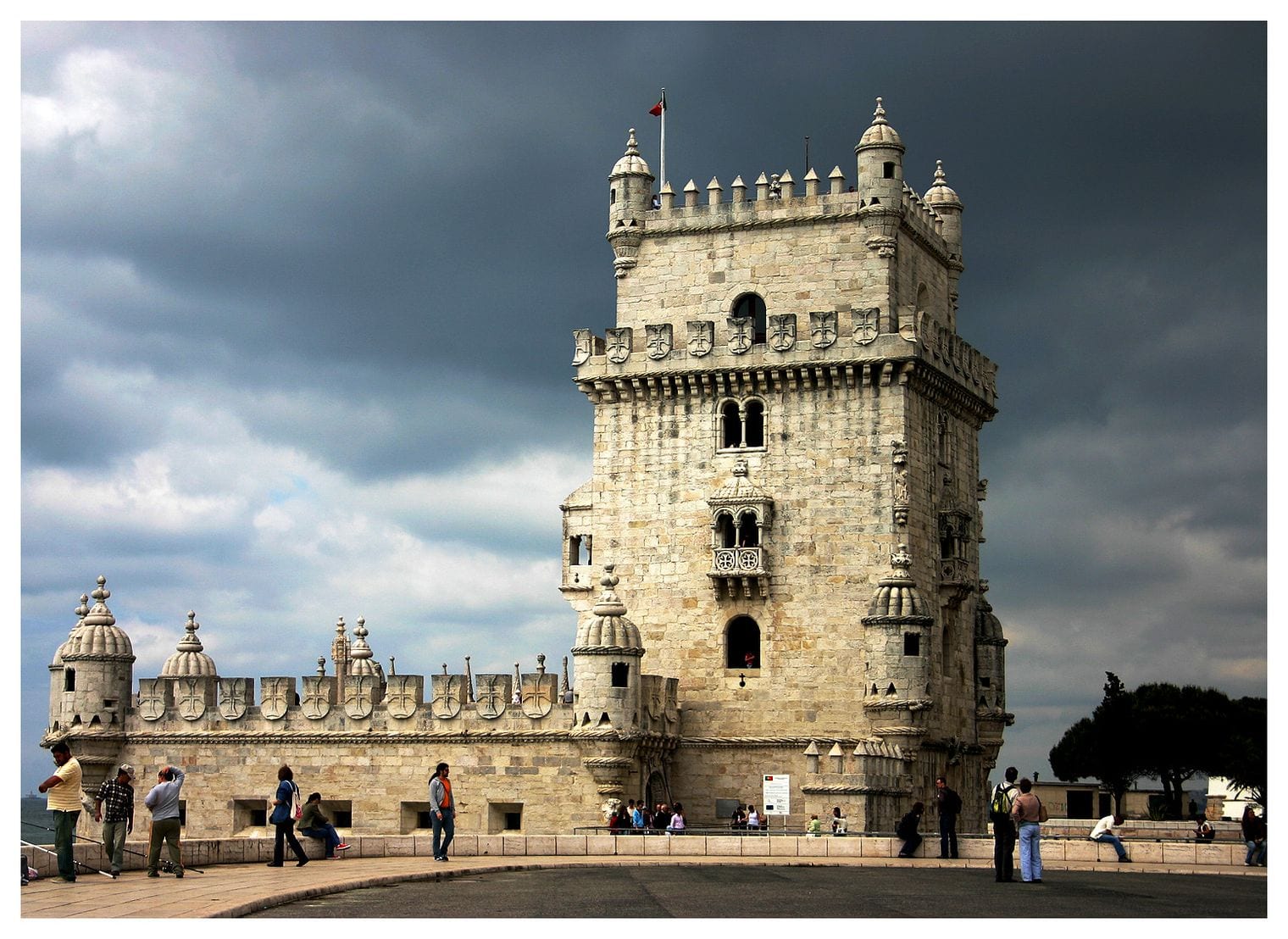
Belém Tower stands in the shallows of the Tagus like a stone galleon that never left, its limestone balconies crusted with carved ropes, armillary spheres and the crosses of the Order of Christ. Built in the early sixteenth century to guard the approach to the harbour, it is the most photographed object in Portugal and a UNESCO World Heritage Site.
Inside, the rooms are surprisingly bare — the pleasure is the climb. A tight spiral staircase, controlled by a traffic light because two people cannot pass, leads to a rooftop terrace with the river on three sides. Go early or late; the queue is the only difficult part of the visit.
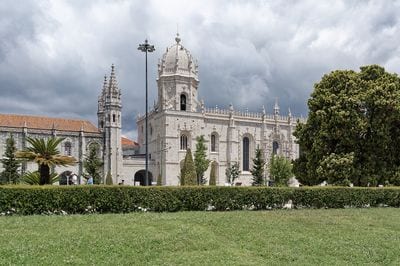
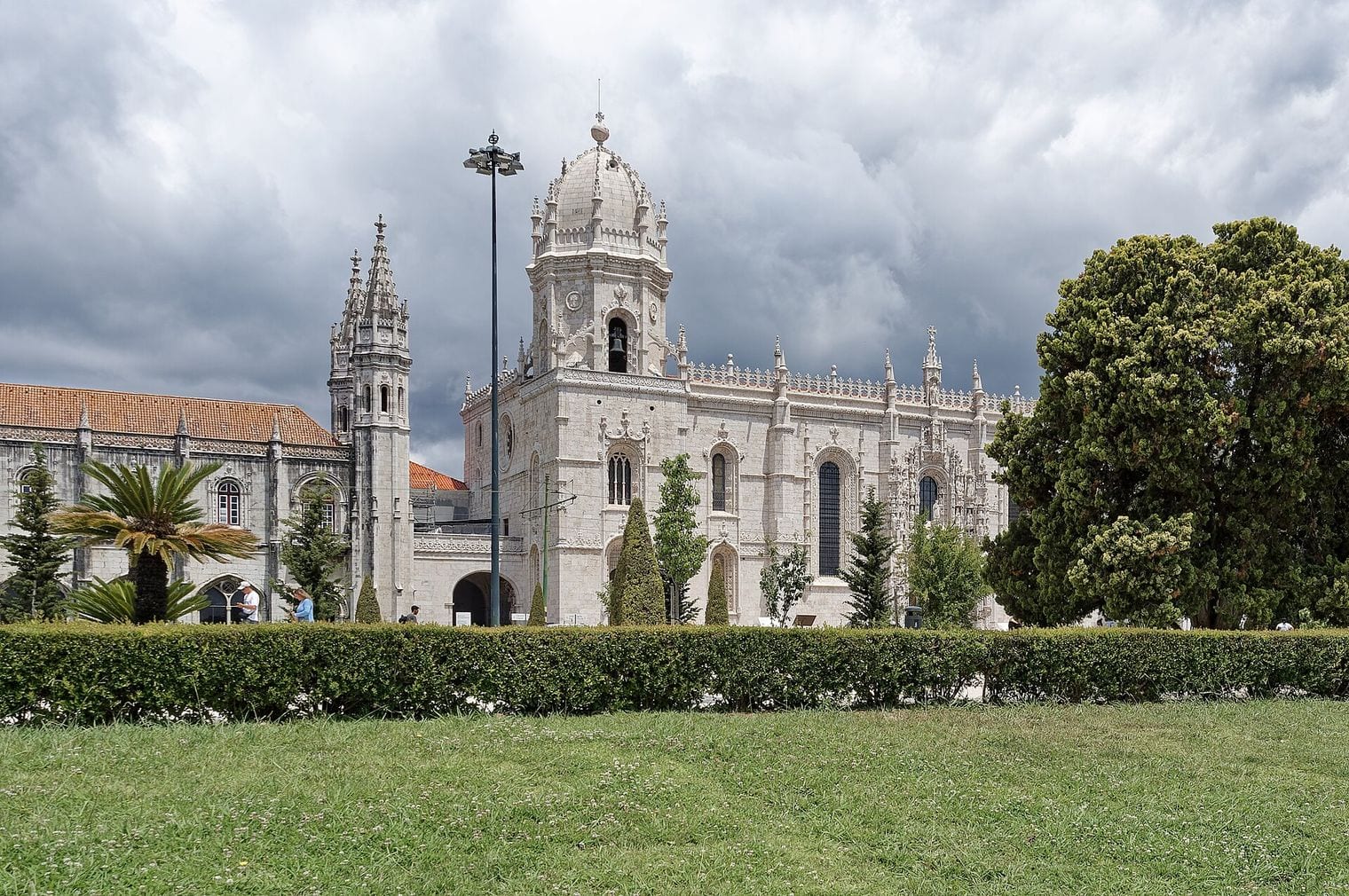
If one building explains Portugal, it is the Jerónimos Monastery. Begun in the early sixteenth century and funded by the wealth of the sea route to India, it is the high point of Manueline architecture — a style unique to Portugal that wraps Gothic stonework in ropes, corals, anchors and knots borrowed from the age of exploration.
The cloister is the reason to come: two storeys of carved arcades around a still square of lawn, no two columns quite alike. In the adjoining church, slender pillars fan into the vault overhead, and Vasco da Gama lies in a tomb near the western door. Like Belém Tower down the road, it carries UNESCO World Heritage status.
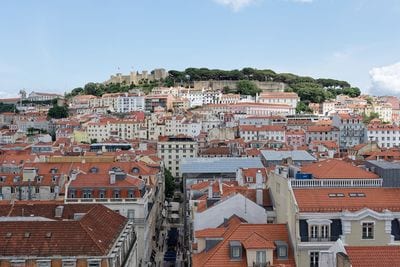
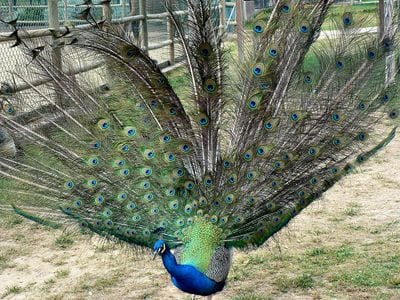
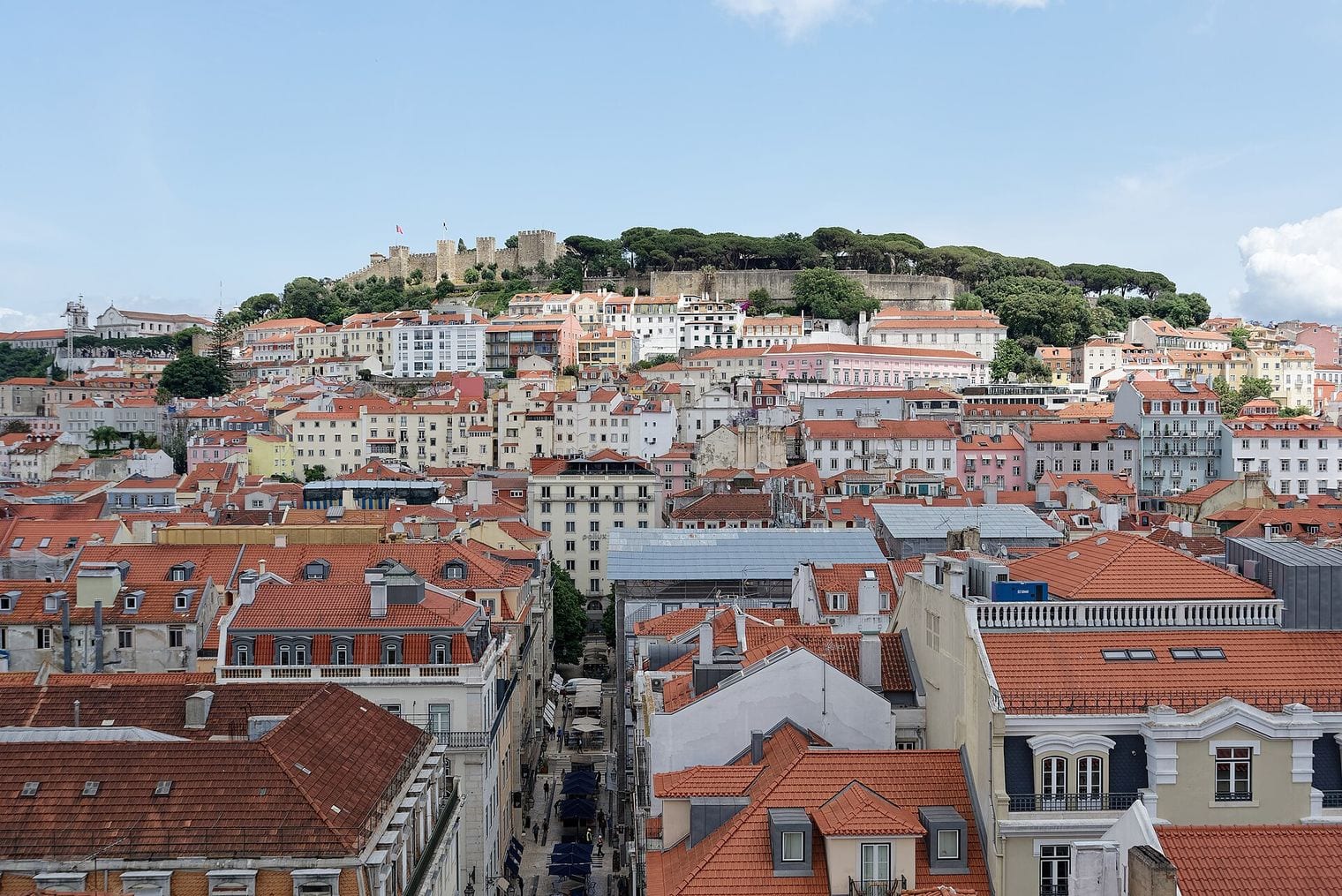
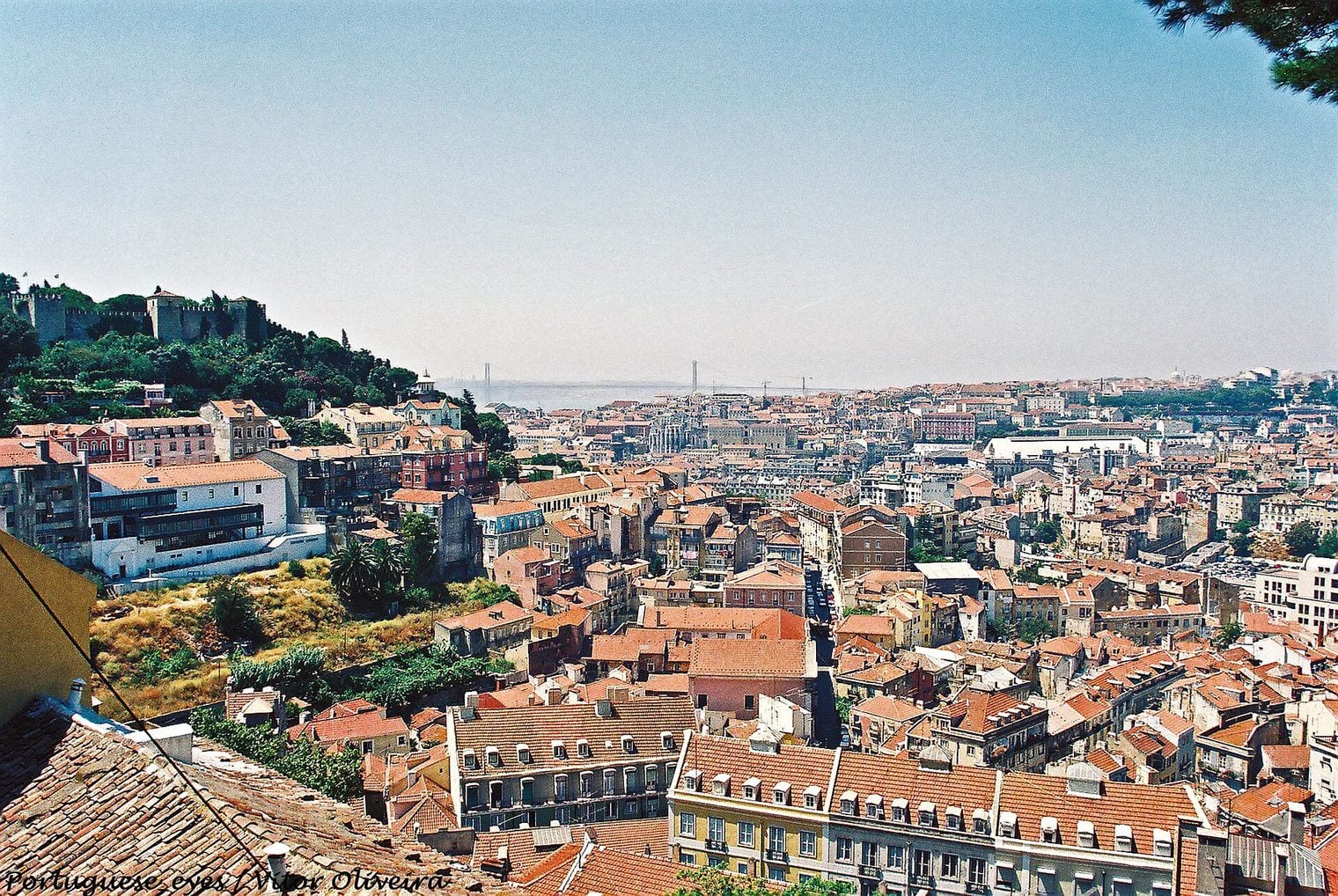
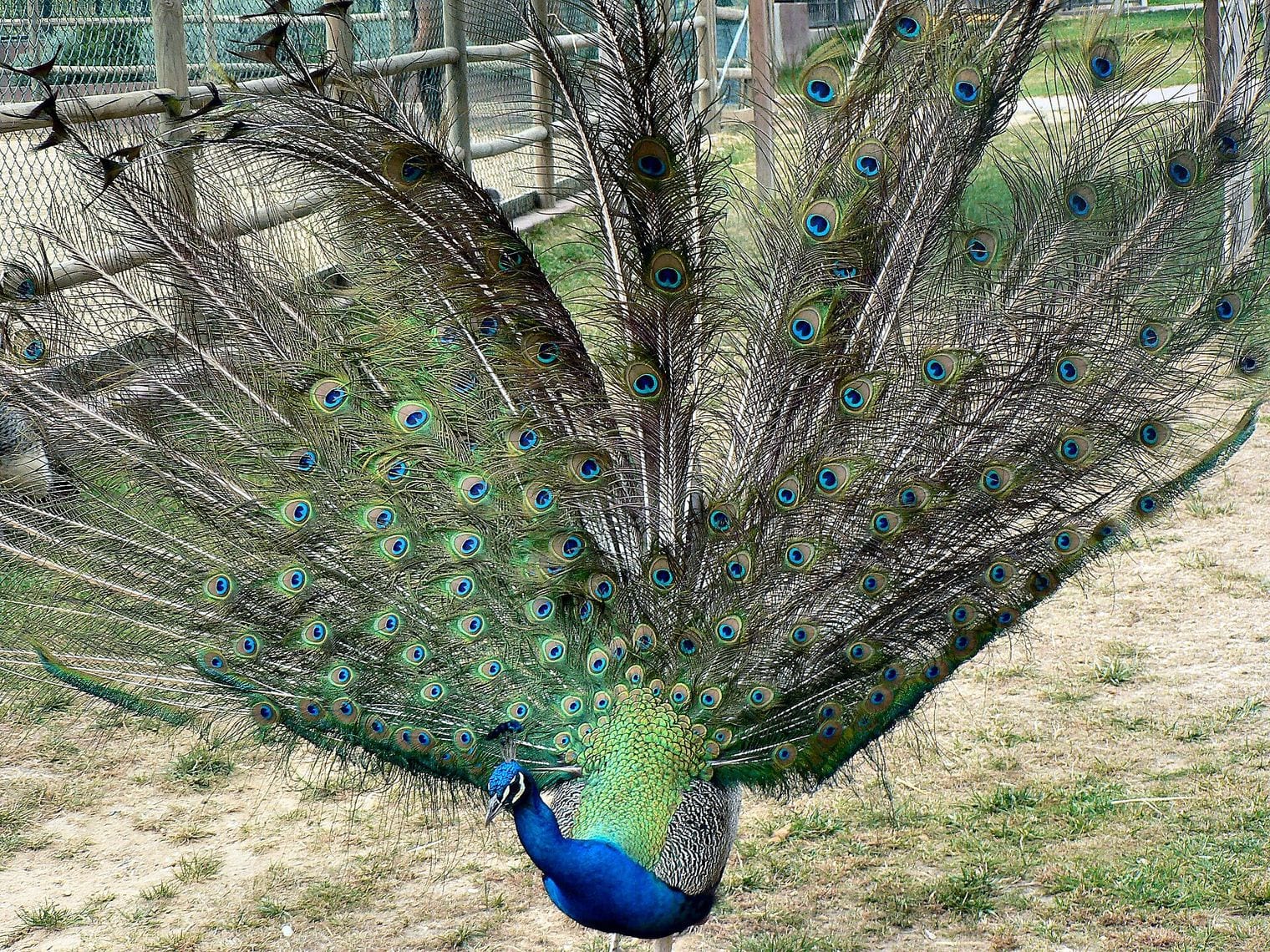
The Castelo de São Jorge crowns the hill the city grew around, its ramparts visible from almost everywhere below. Moorish in origin and taken by Portugal's first king in the twelfth century, it later served as royal palace, barracks and prison before becoming the walled park it is today, complete with resident peacocks stalking the olive trees.
Walk the battlements for the widest view in Lisbon — the Baixa grid, the river, the suspension bridge and the whole tiled sprawl of Alfama beneath you. There is an archaeological site within the walls and a camera obscura in one tower that projects a live, magnified image of the streets below.
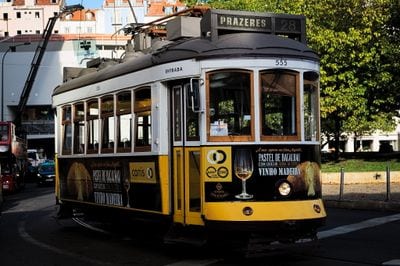
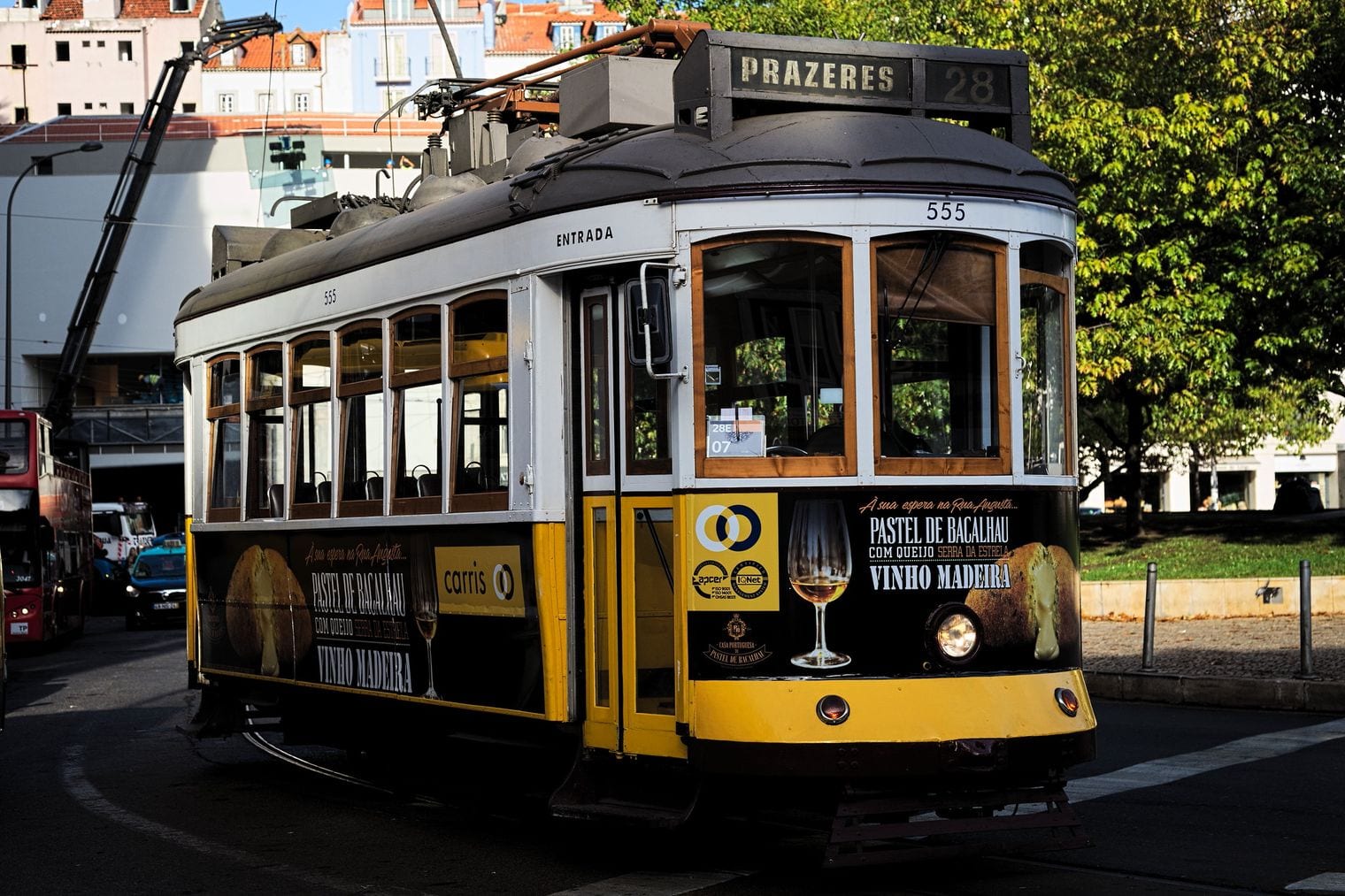
Tram 28 is less a bus route than a fairground ride through the old city. Its vintage wooden Remodelado carriages, small enough to take corners other trams cannot, grind up from Martim Moniz through Graça, Alfama, the Baixa and Chiado before finishing out west in Campo de Ourique — a tour of Lisbon's hills for the price of a ticket.
It is also famously crowded, and pickpockets know exactly which stops fill the carriage. Board at an end of the line rather than in the middle, go early in the morning, and keep your bag in front of you. Ride it standing at the open window and the whole point becomes obvious.
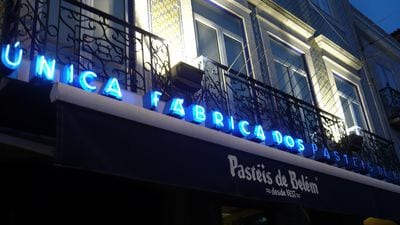
Portugal's custard tart has conquered the world, and this is where it started. Pastéis de Belém has been baking to a recipe from the neighbouring Jerónimos monastery since 1837, and it is still mixed behind a closed door by a handful of master confectioners. The name is a registered trademark, which is why the same tart is a pastel de nata everywhere else in Portugal.
The queue on the street is for takeaway; walk past it into the warren of blue-tiled rooms at the back and you can usually sit down faster than you can stand. Order them warm, dust them with cinnamon and icing sugar from the shakers on the table, and do not stop at one.
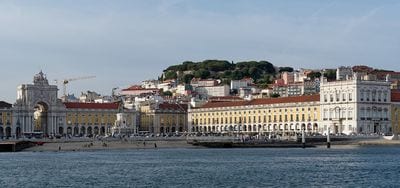
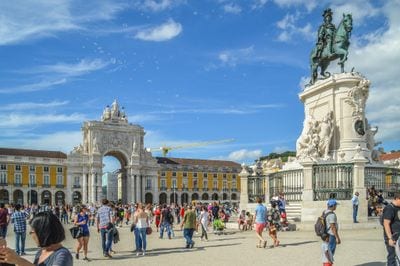
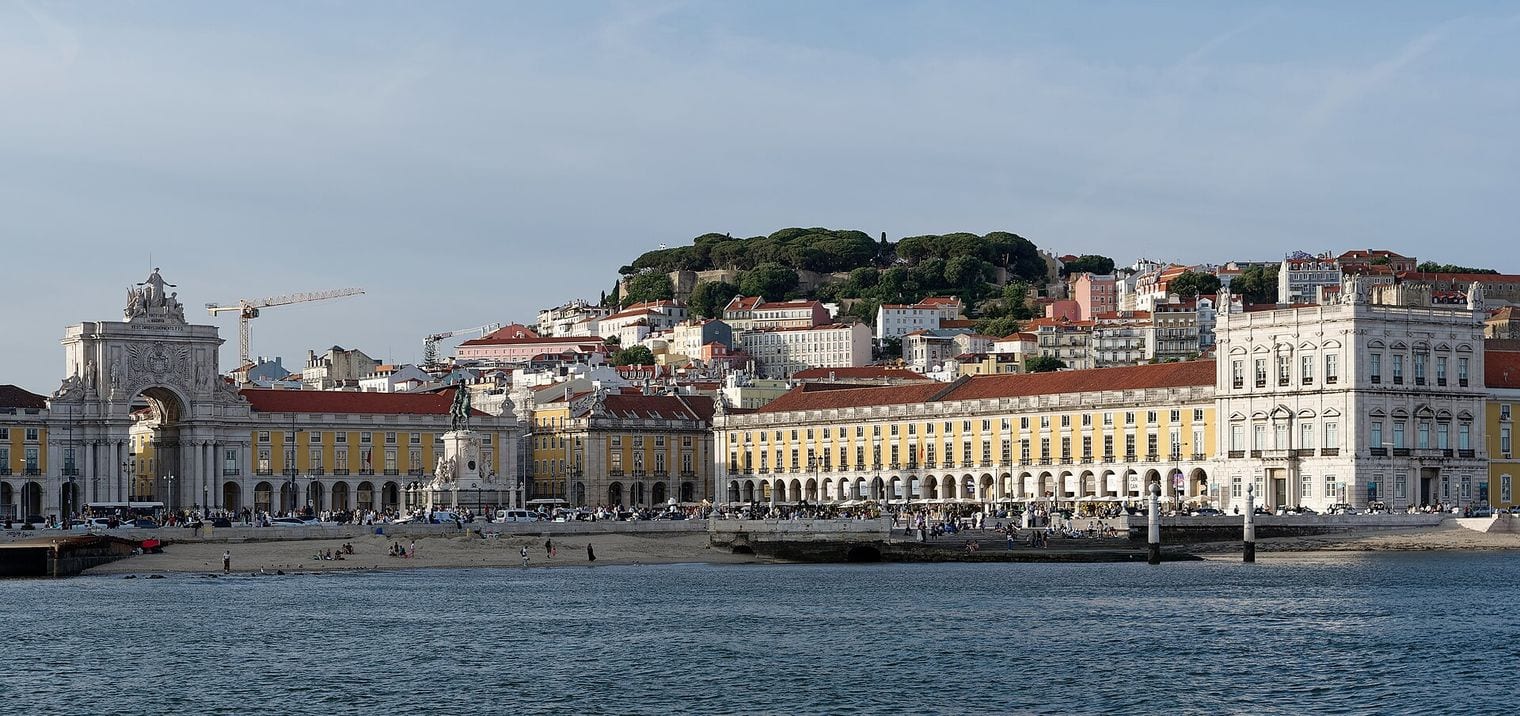
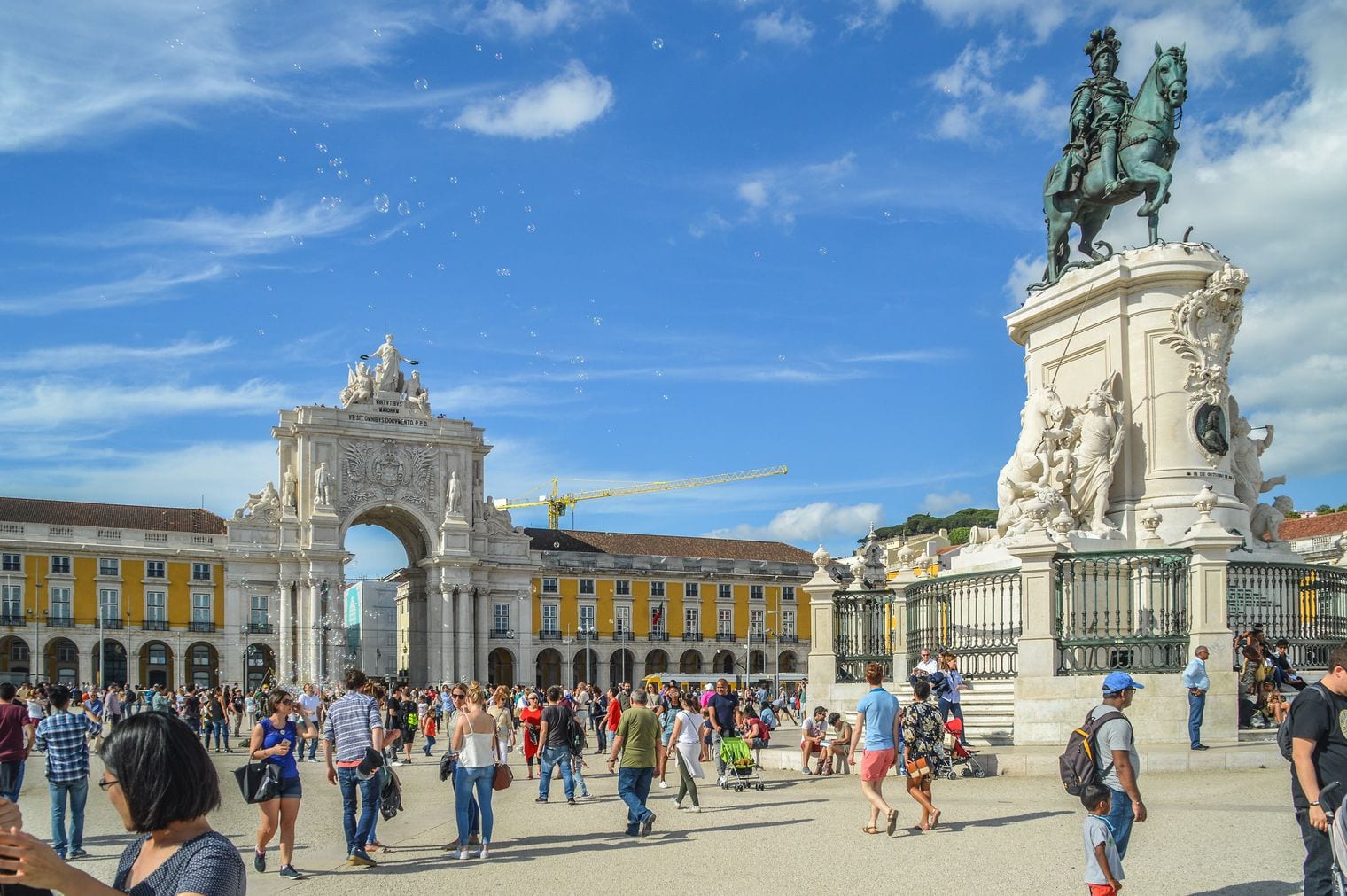
Praça do Comércio is Lisbon's front door — a vast riverside square open on one side to the Tagus, arcaded in butter-yellow on the other three, with an equestrian statue of José I at its centre. The royal palace stood here until the 1755 earthquake swept it away, which is why locals still call the space Terreiro do Paço, the palace yard.
What you see now is the Marquis of Pombal's rebuilt Lisbon: rational, symmetrical and deliberately grand. Walk down the marble steps to the water where boats once unloaded, then pass under the triumphal arch into Rua Augusta and the grid of streets behind it. Cafés under the arcades make an easy first stop.
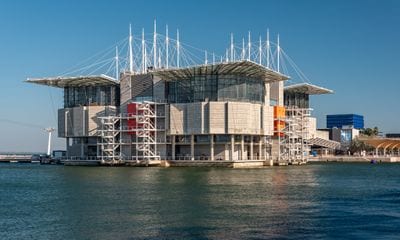
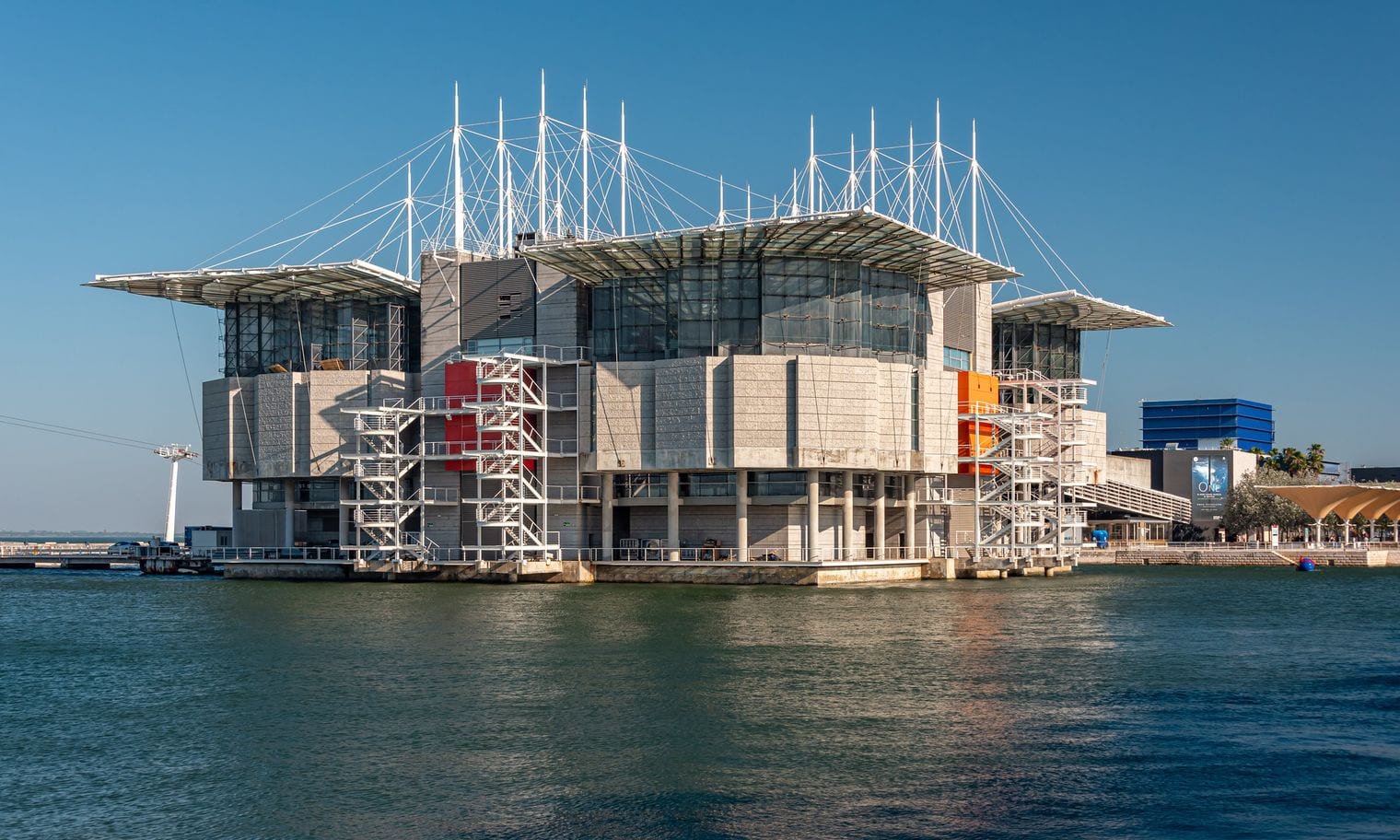
Built for Expo '98 and still the city's most-visited paid attraction, the Oceanário de Lisboa is arranged around a single enormous central tank that you circle on two levels. Four coastal habitats — North Atlantic, Antarctic, temperate Pacific and tropical Indian — surround it, each separated from the main tank by acrylic so clear the divisions are almost invisible.
The effect is of one continuous ocean, with sunfish, rays and sharks drifting past penguins and sea otters in adjacent worlds. It is genuinely absorbing rather than merely child-friendly, and the low, dim lighting makes it a good rainy-afternoon option. It sits in Parque das Nações, the riverside district built for the same world fair.
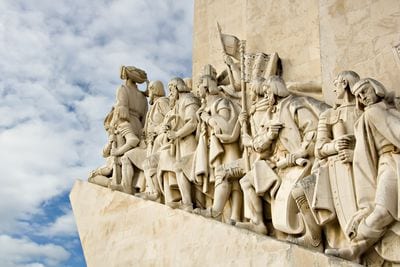
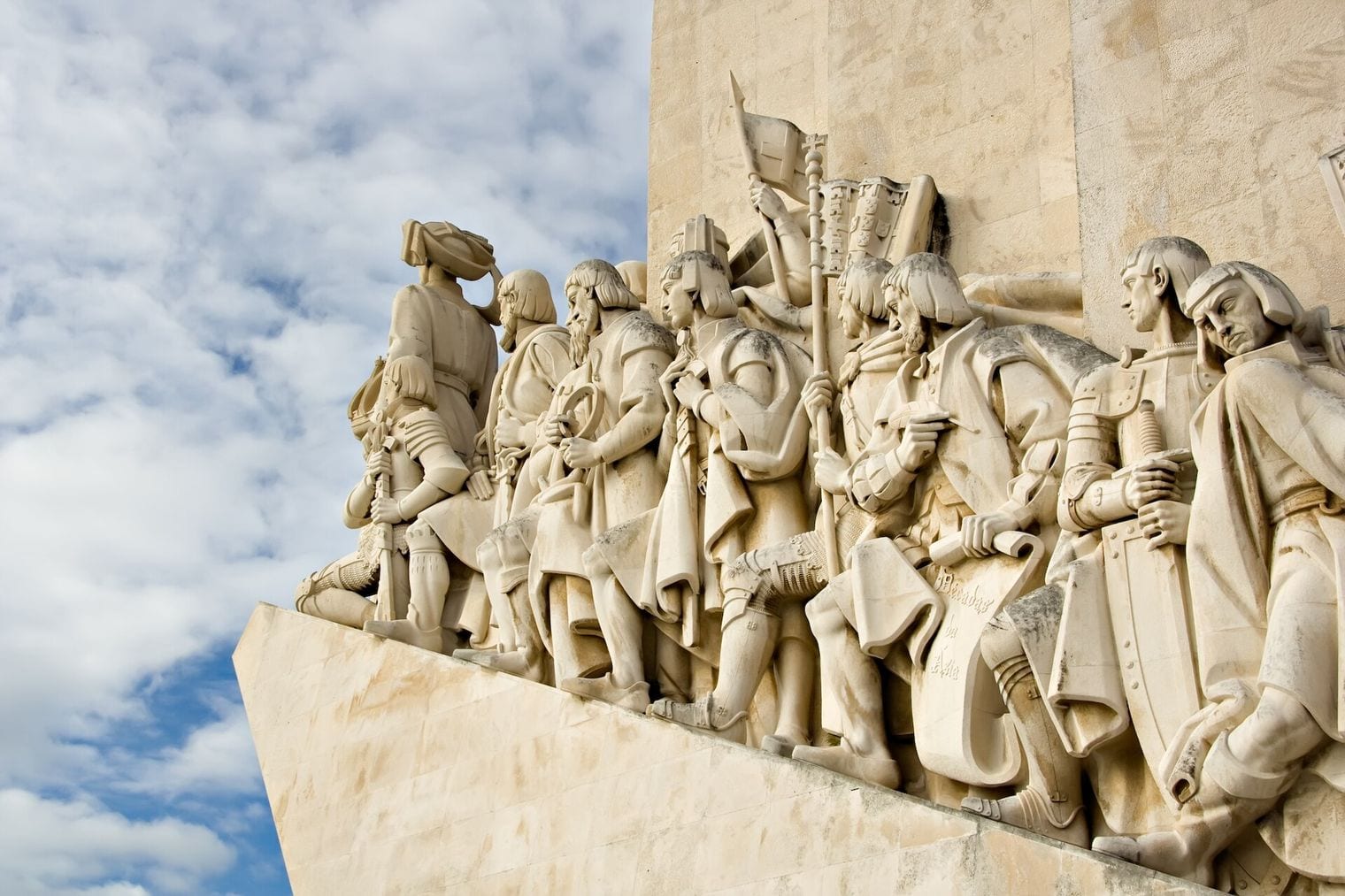
The Monument to the Discoveries rears off the Belém waterfront in the shape of a ship's prow, with Henry the Navigator at the bow and a procession of explorers, cartographers, missionaries and chroniclers filing down each flank behind him. Raised in 1960, it is a grand and deliberately heroic reading of the age of exploration.
A lift and a short stair climb to a rooftop terrace with the best possible view of the monument's own centrepiece: the huge compass rose laid into the pavement below, its map tracing the dates Portuguese ships reached each coast. From up there you also get Belém Tower, the monastery and the river in a single sweep.
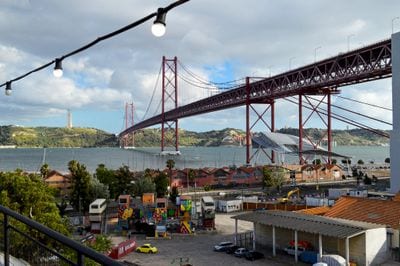
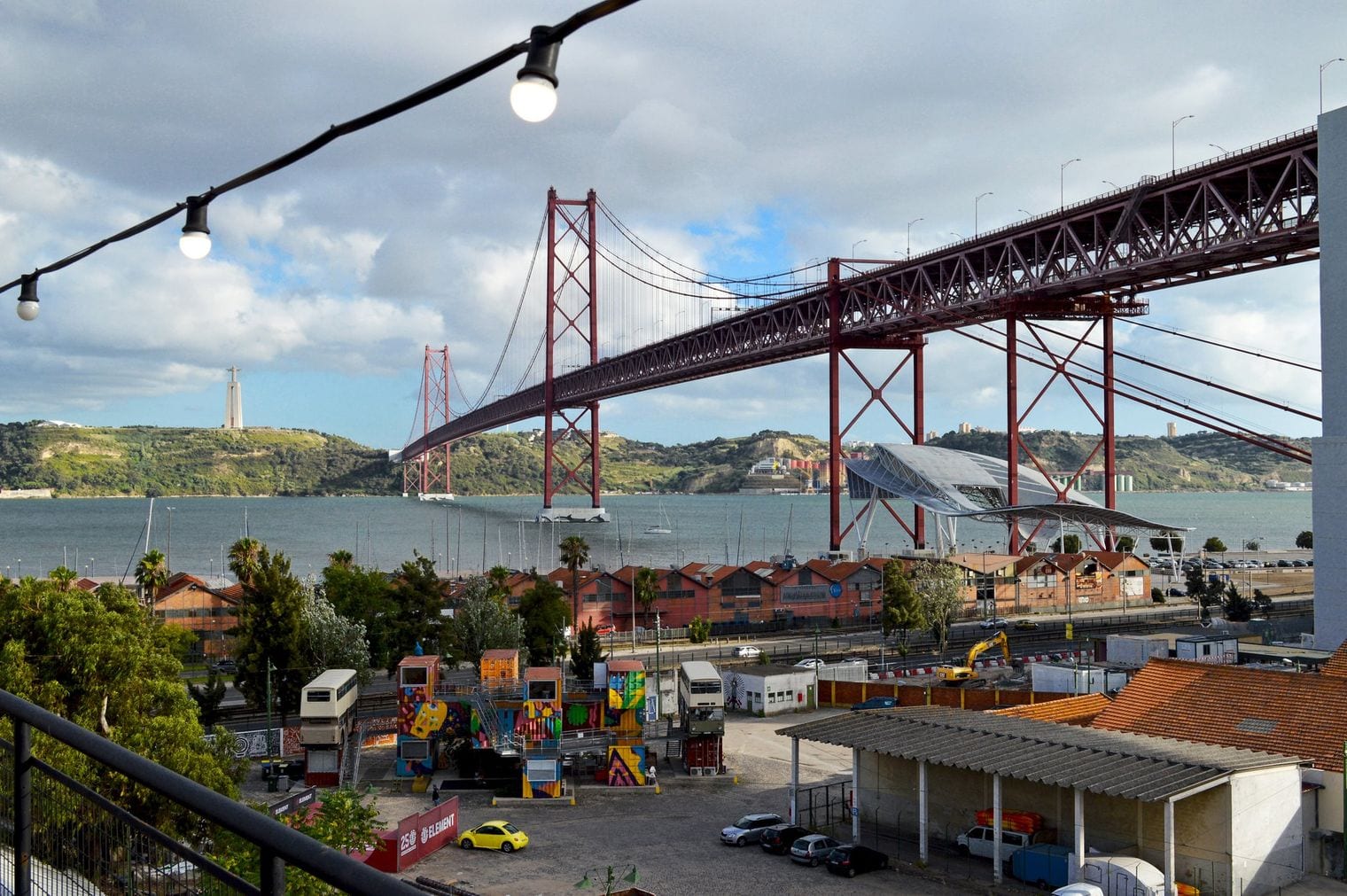
Tucked beneath the deck of the 25 de Abril bridge in Alcântara, LX Factory occupies a nineteenth-century industrial complex that sat abandoned for decades before designers, chefs and independent shops moved into its sheds. Rusted gantries and factory signage were left in place, so the whole lane still reads as a working yard rather than a mall.
The anchor is Ler Devagar, a bookshop built into a former printing hall where shelves climb two storeys past a bicycle suspended in mid-air. Around it are restaurants, a rooftop bar, tattoo studios and a Sunday market. Come for lunch and stay for the light under the bridge in the late afternoon.
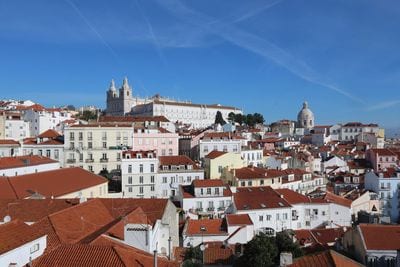
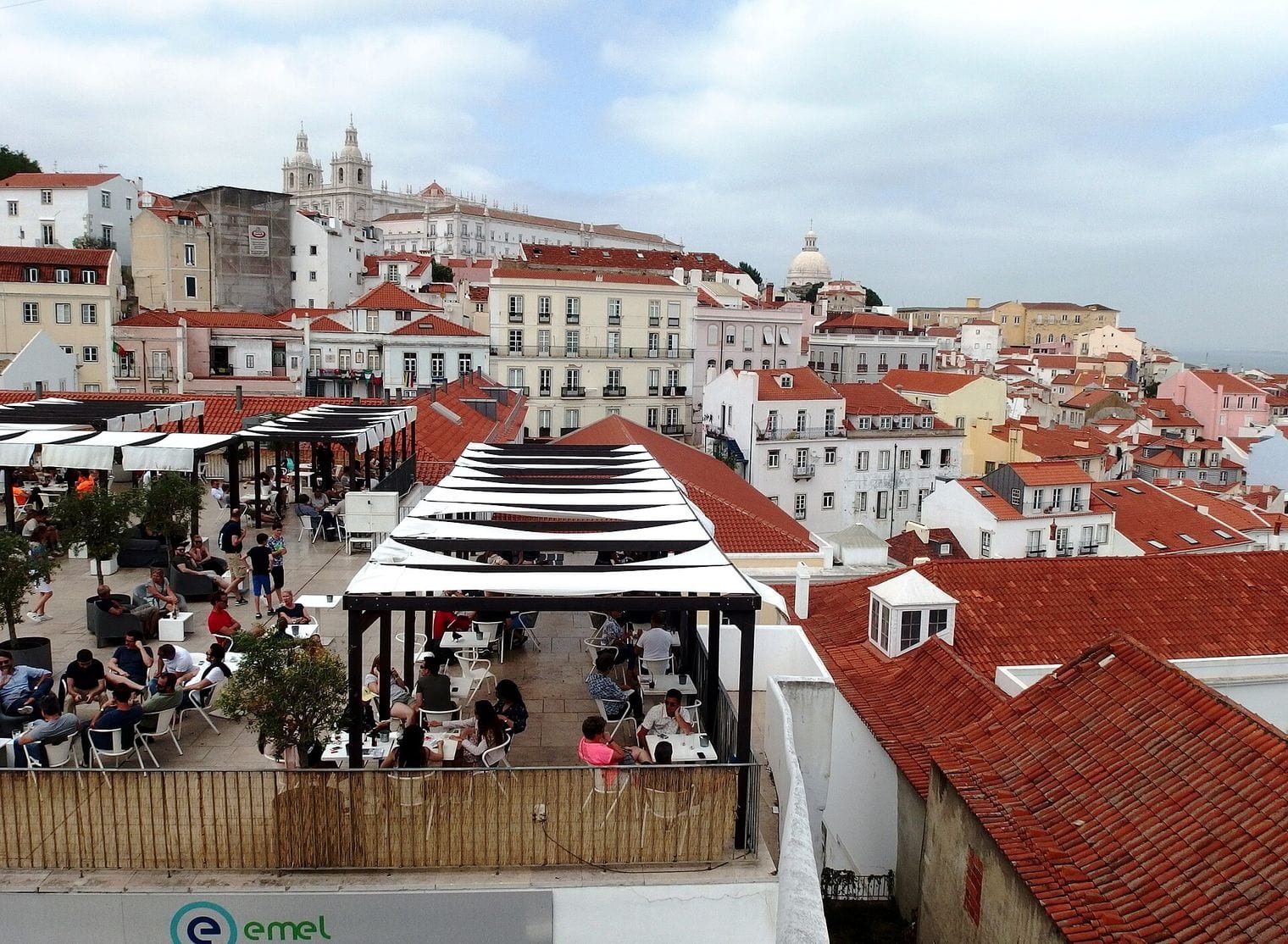
Of all Lisbon's viewpoints, Miradouro de Santa Luzia is the one that turns up on postcards. A pergola draped in bougainvillea shades a terrace above Alfama, and the wall behind it carries blue-and-white azulejo panels depicting the city before the earthquake and the taking of the castle.
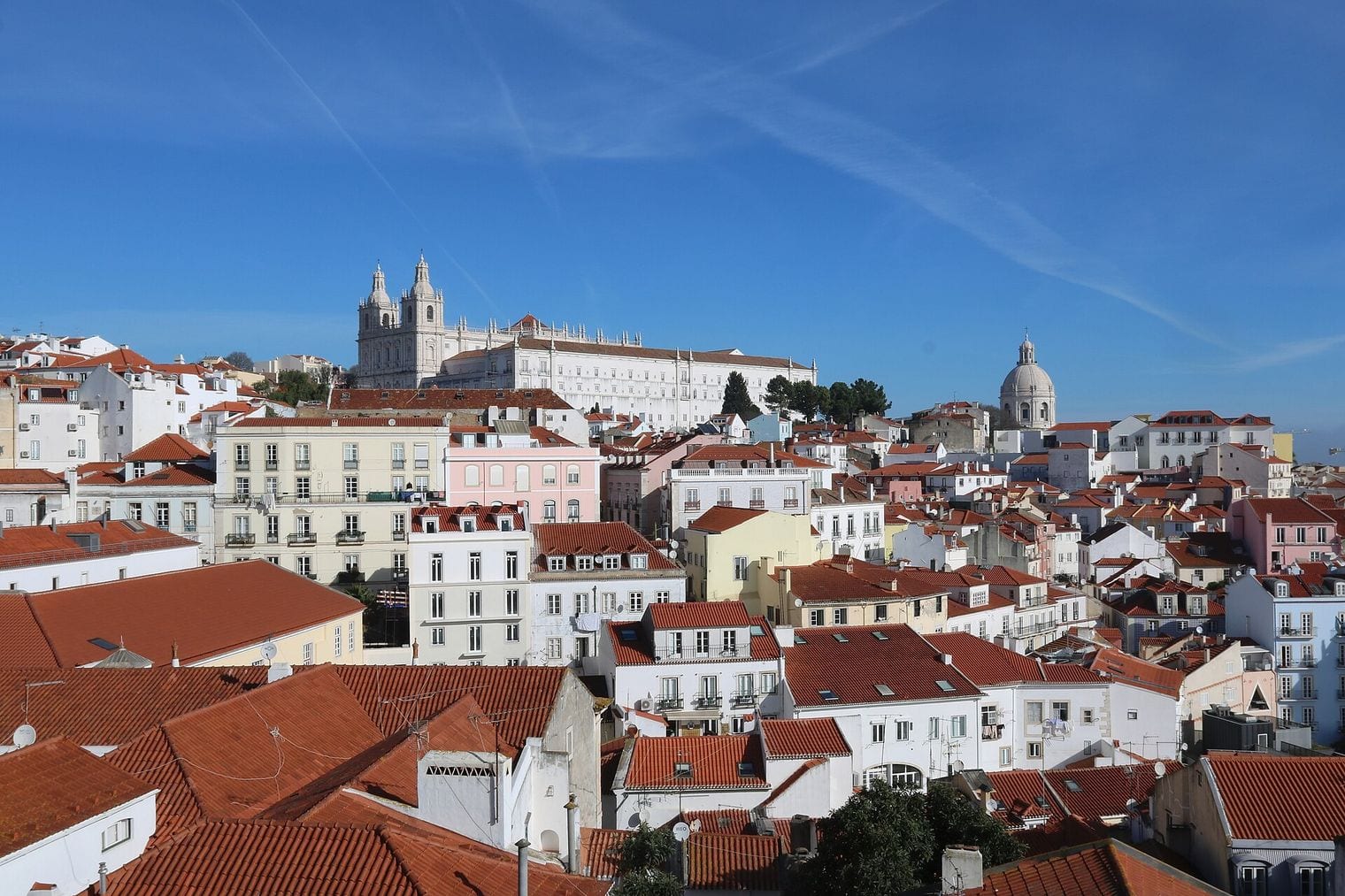
Below, the rooftops of the old quarter fall away in a jumble of terracotta toward the river, with the white domes of São Vicente de Fora and the National Pantheon breaking the skyline to the left. It is small and it gets busy, so come early — and note that the larger Portas do Sol terrace is a few steps further along the same street.
Lisbon's Jardim Zoológico opened in 1884 and is among the older zoos in Europe, though the enclosures have been steadily rebuilt into open, planted habitats. It is a genuinely shady, walkable park as much as an animal collection, which matters on a hot afternoon in a city with little escape from the sun.
Dolphin presentations at the Baía dos Golfinhos are the headline draw for most families, alongside a reptile house and a small farm area aimed at younger children. It sits on the metro at Jardim Zoológico, so it is easy to reach without a car.
The Miradouro da Senhora do Monte sits higher than any other public viewpoint in Lisbon, up in Graça beside a small whitewashed chapel. Because it takes a proper climb — or a ride on Tram 28 — to reach, it stays noticeably calmer than the terraces down in Alfama.
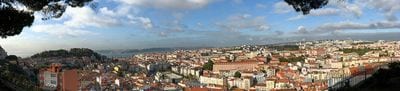
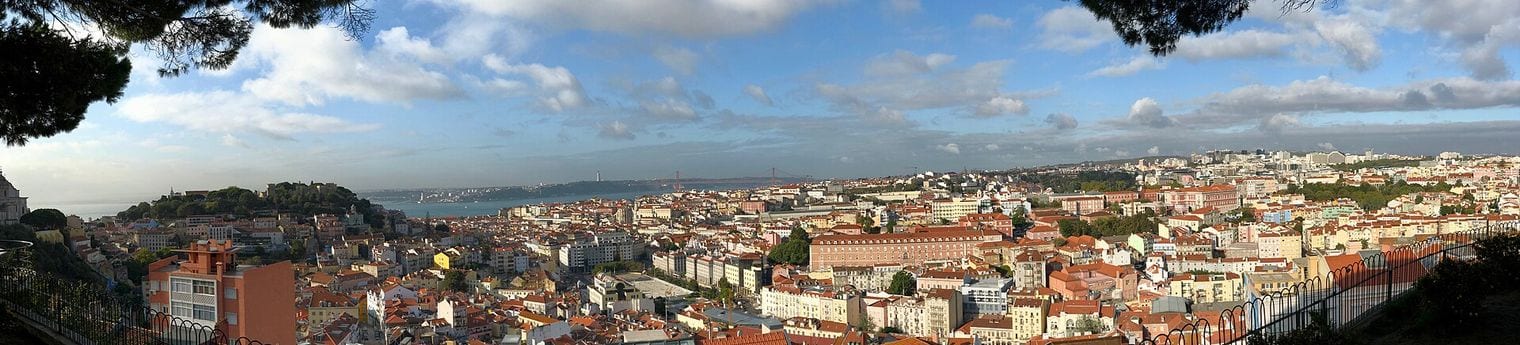
The reward is a genuine panorama: the castle on its hill in the middle distance, the Baixa and Chiado beyond it, the river, and the suspension bridge stretching away to the south bank. It faces west, which makes it one of the city's great sunset spots. Locals bring wine and sit along the low wall until the light goes.
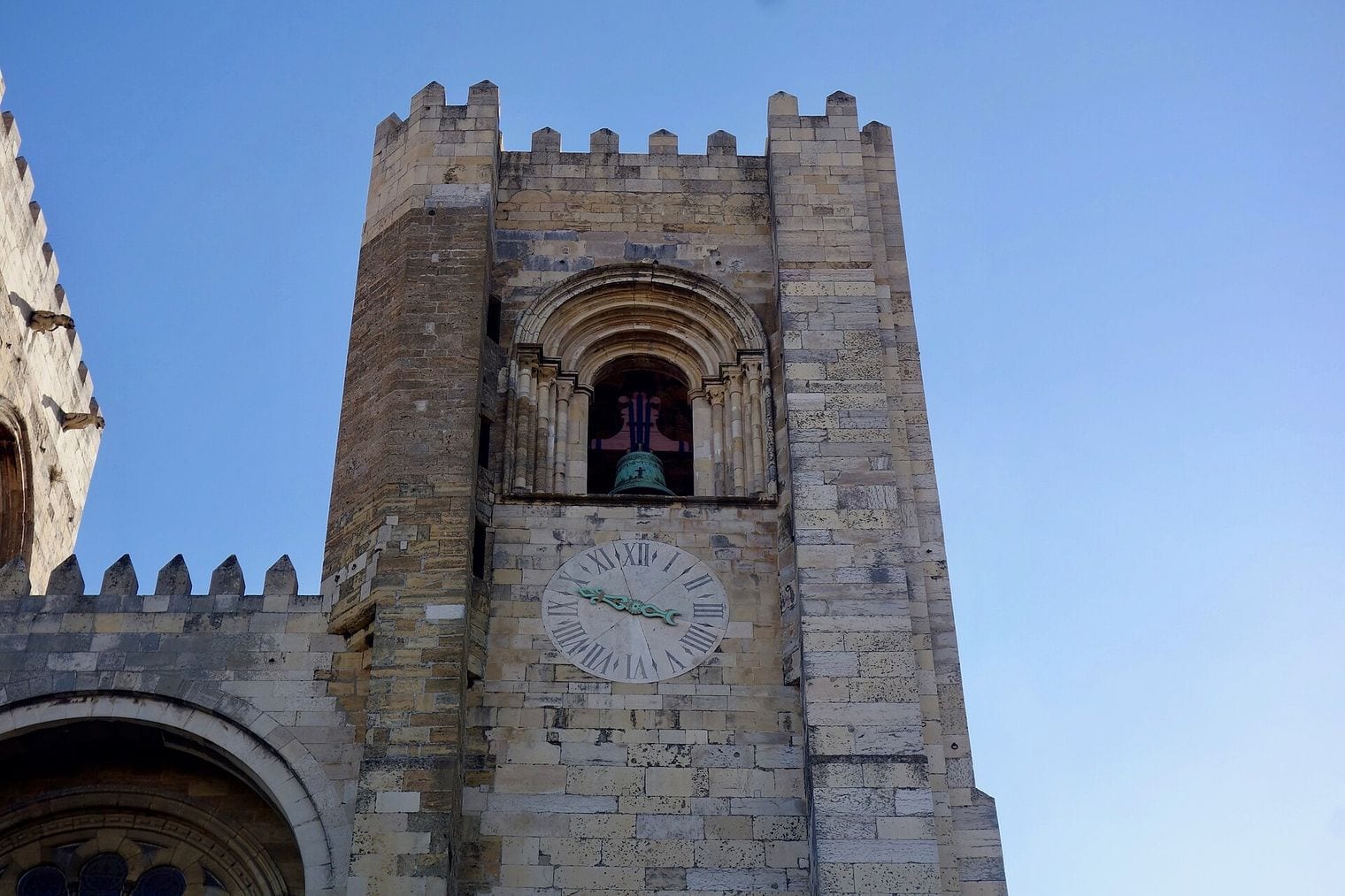
Lisbon Cathedral — the Sé — is the oldest church in the city, begun in the twelfth century soon after Lisbon was taken from the Moors. Its twin bell towers and rose window give it the look of a fortress as much as a church, which was rather the point: it was built to hold ground as well as congregations.
The interior is dim, heavy and Romanesque, with a Gothic ambulatory and cloister added later. Earthquakes have shaken it repeatedly over the centuries and the repairs are visible if you look. Archaeological digs in the cloister have exposed Roman and Moorish layers beneath the floor. Tram 28 rattles past the west front, which is how most visitors first see it.
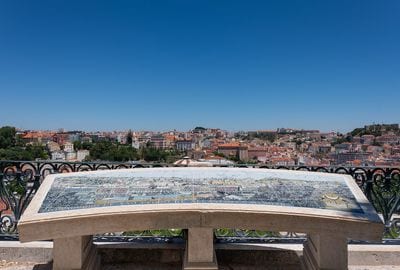
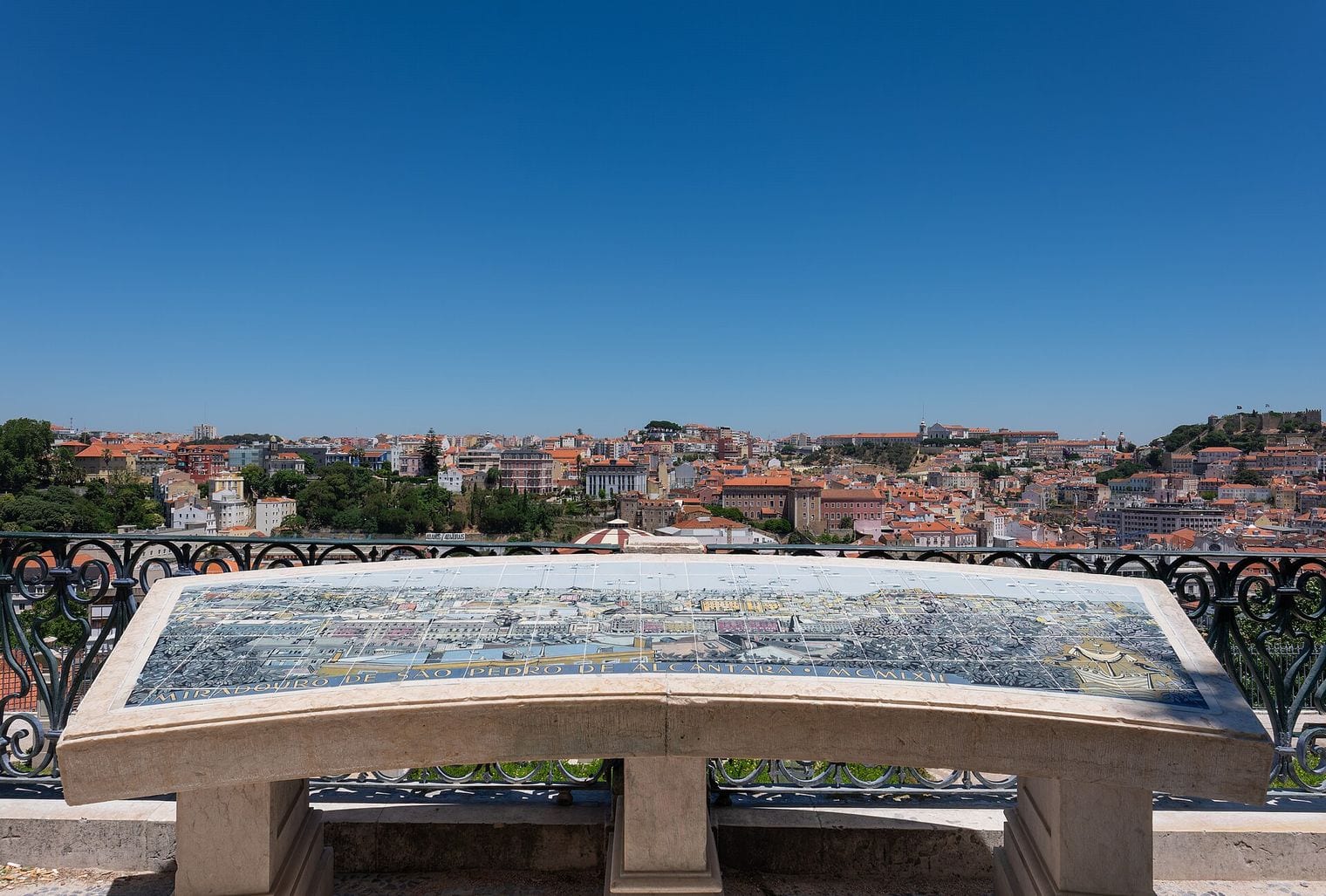
Set at the top of the Glória funicular in Bairro Alto, the Miradouro de São Pedro de Alcântara is a formal, two-level garden terrace rather than a simple overlook — box hedges, busts on plinths, a fountain and benches under the trees.
It looks straight across the valley of the Avenida da Liberdade to the castle on the opposite hill, with the Baixa laid out between them and the river closing the view. A tiled panel along the railing names the landmarks in front of you, which is unusually helpful for getting your bearings early in a trip. There is a kiosk café for a drink at dusk.
1515. Garden of the Calouste Gulbenkian Foundation
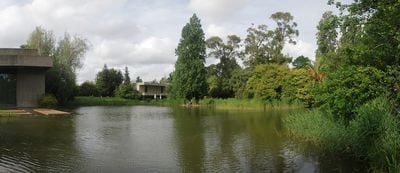
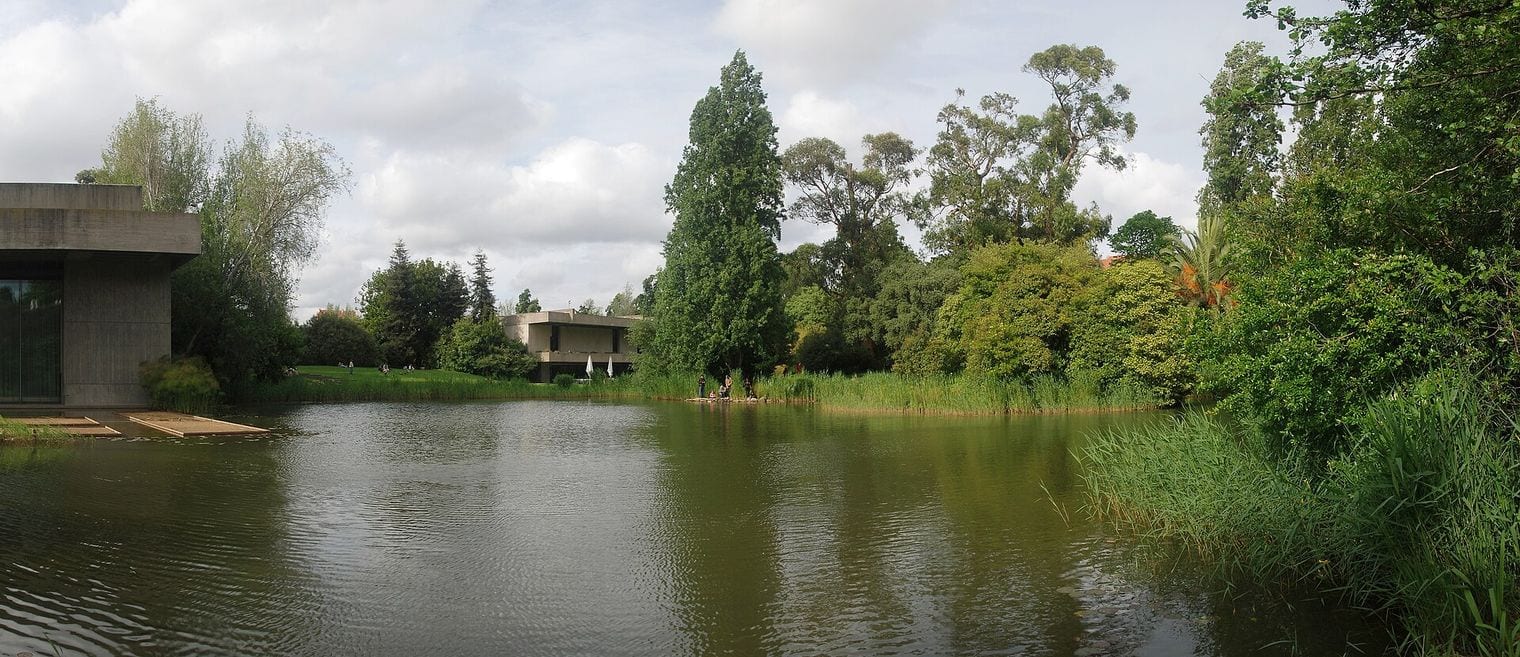
The garden of the Calouste Gulbenkian Foundation is the best green space in central Lisbon and, for a park attached to a major museum, remarkably little known to visitors. It was laid out as a modernist landscape rather than a formal garden: winding paths, dense planting, ponds with ducks and terrapins, and a sunken amphitheatre by the water.
The concrete foundation buildings sit low among the trees, so the whole thing feels enclosed and quiet despite being ringed by busy avenues. People read, run and eat lunch here. It is free to enter, and it pairs naturally with the museum collections housed in the same complex.
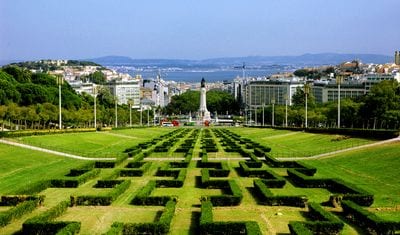
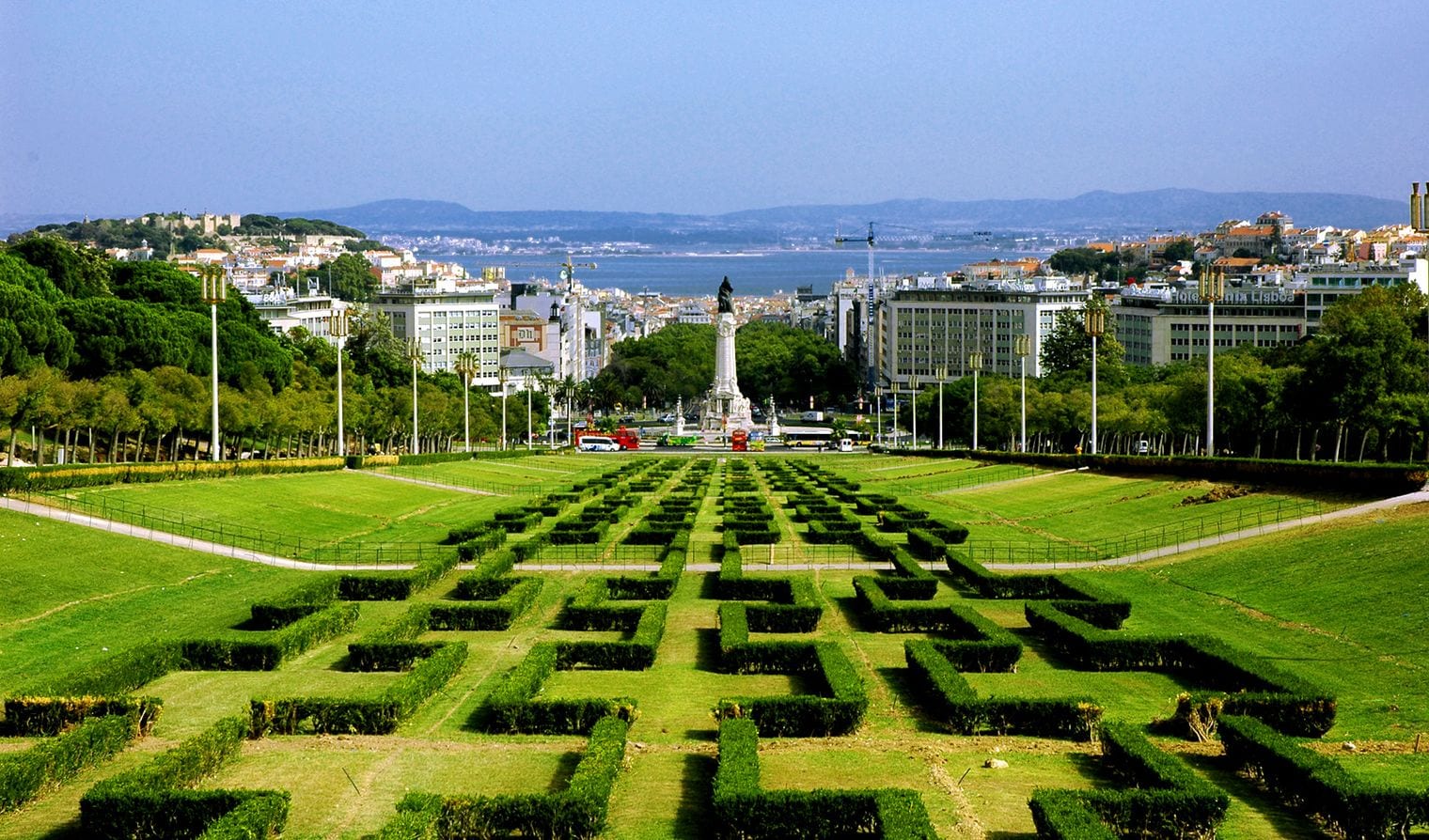
Eduardo VII Park is the great formal green wedge at the top of the Avenida da Liberdade, named for the British king who visited Lisbon early in the twentieth century. Clipped box hedges run in a geometric carpet up the slope, framing one of the city's set-piece views.
Walk to the top and turn around: the whole avenue drops away below you in a straight line to the Baixa, the castle hill and the Tagus beyond. The upper terrace has a monument to the 25 April revolution and a café. The Estufa Fria greenhouses lie in the park's northwest corner, and the Marquês de Pombal roundabout anchors the bottom.
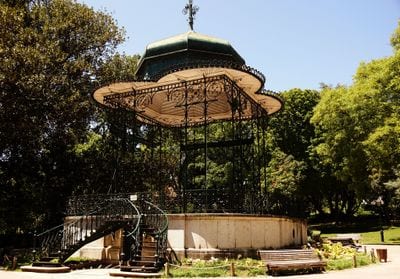
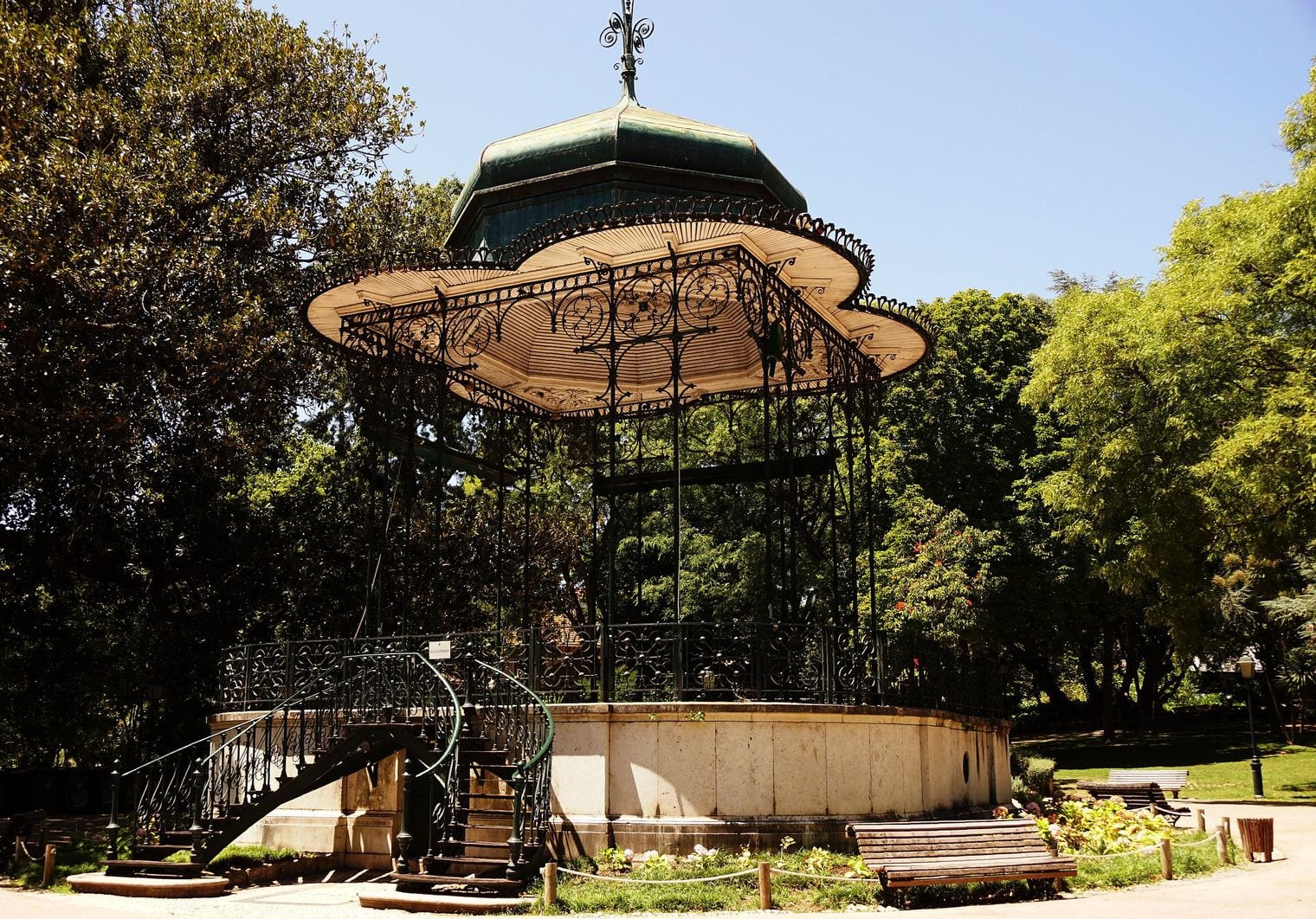
Jardim da Estrela is a nineteenth-century garden of the romantic kind — winding gravel paths, enormous mature trees, a duck pond crossed by a small bridge and an ornate wrought-iron bandstand at its heart. It sits opposite the great white dome of the Basílica da Estrela, in a residential quarter west of the centre.
This is a neighbourhood park rather than a monument, and that is exactly its appeal: prams, dog walkers, chess players and a kiosk café under the trees. There is a good playground for younger children. Tram 28 stops outside, so it makes an easy, unhurried stop at the western end of that route.
1818. MAAT - Museum of Art, Architecture and Technology
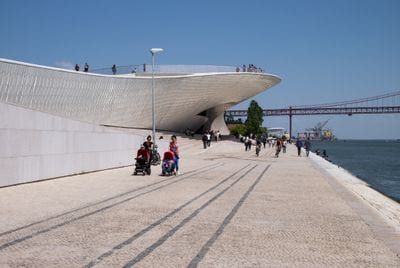
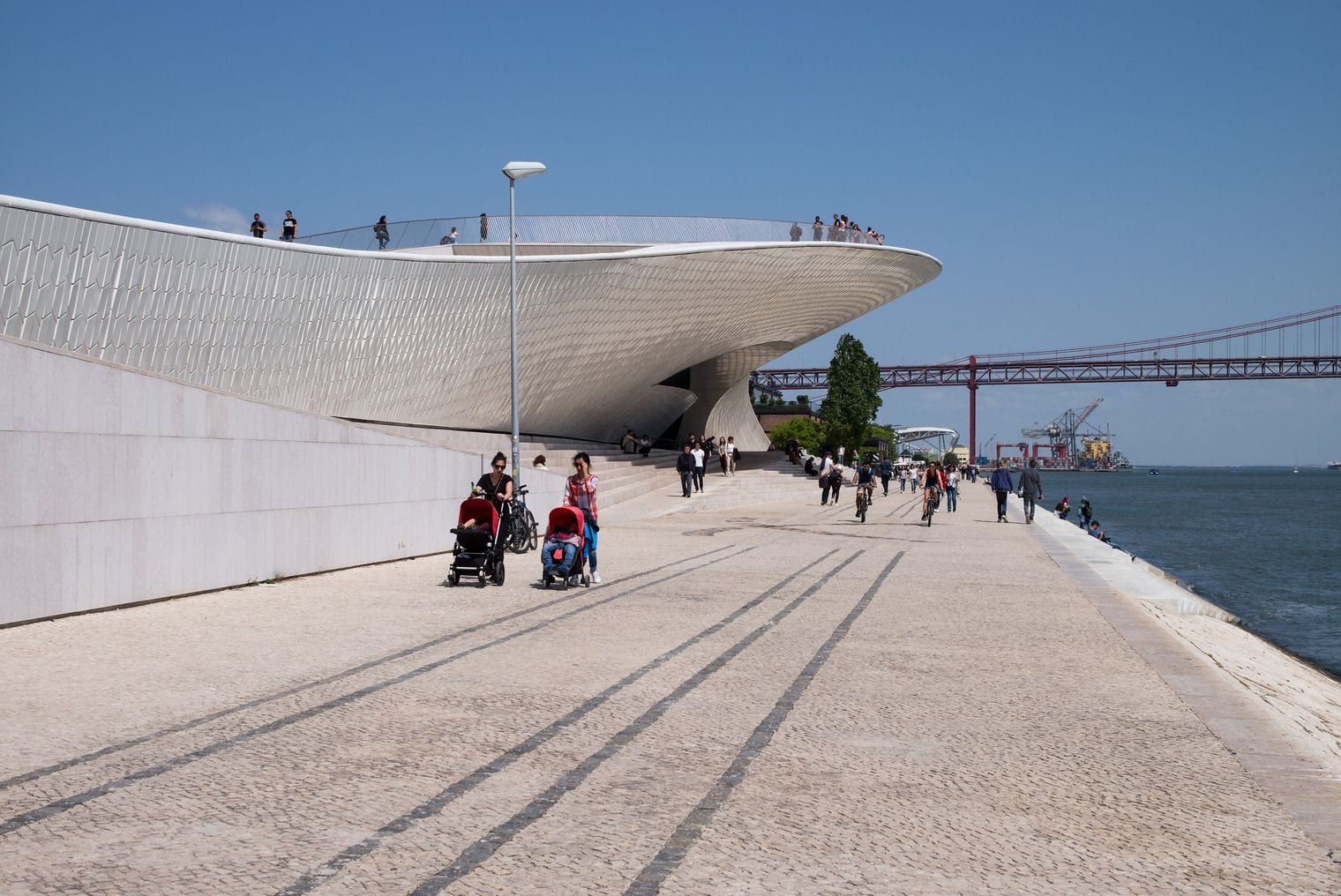
MAAT is the low, white, wave-shaped building on the Belém waterfront that seems to rise straight out of the pavement. Opened in 2016, it was designed so that visitors can walk up and over its curving roof, which has made the building itself as much of a draw as the exhibitions inside.
The programme spans contemporary art, architecture and digital culture, and changes frequently. The museum also takes in the adjacent Tejo power station, a cathedral-like brick building full of preserved boilers and turbines that is worth the visit on its own. From the roof you get the river, the bridge and the passing cruise ships.
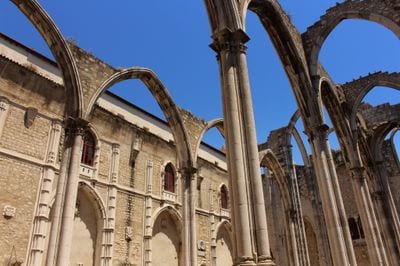
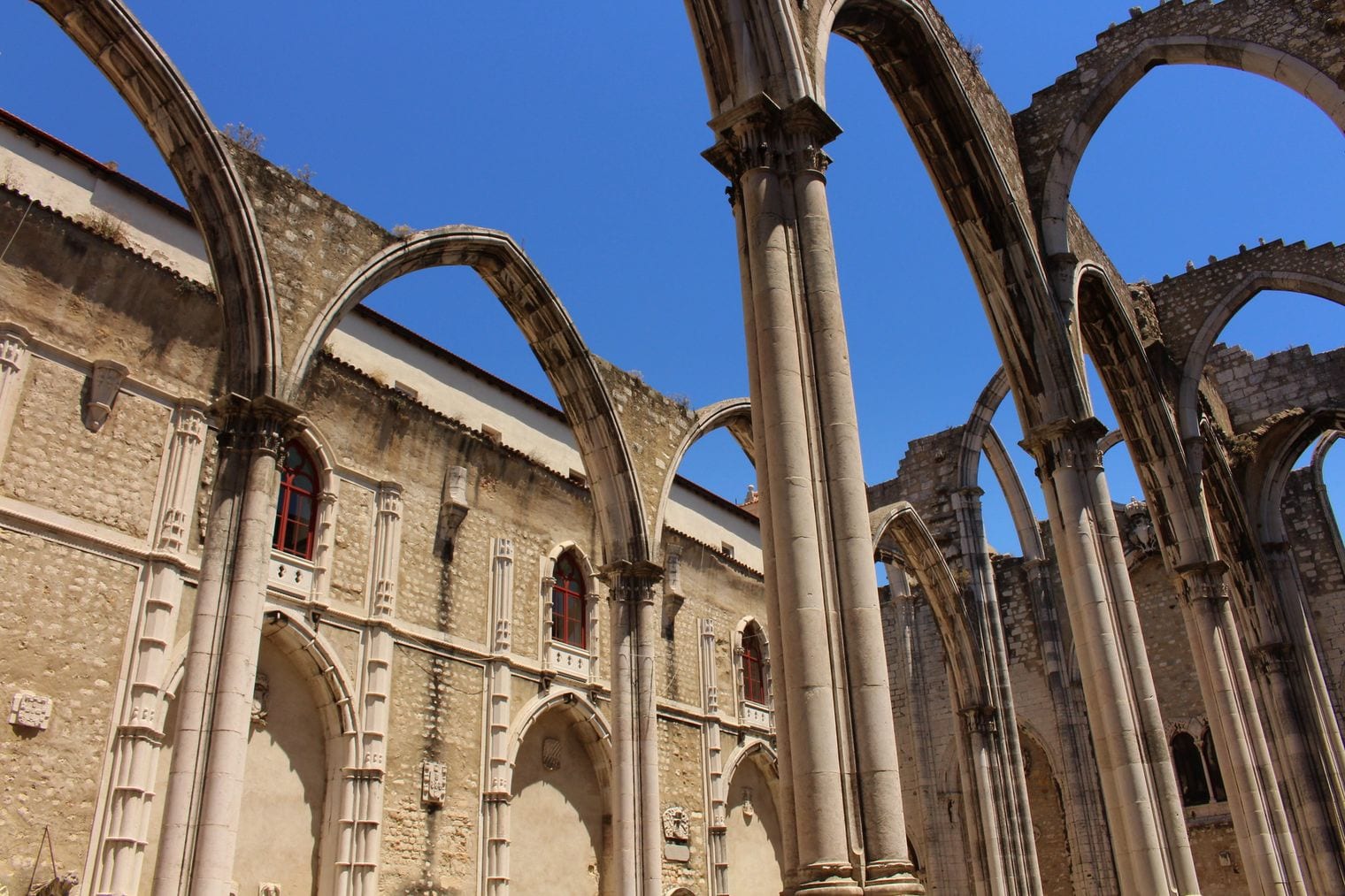
The Carmo Archaeological Museum is housed in the most eloquent ruin in Lisbon. The Convento do Carmo's church lost its roof in the 1755 earthquake and was deliberately never rebuilt, so the Gothic arches now frame open sky and the nave is floored with grass and gravel.
At the east end, the surviving chapels hold an idiosyncratic archaeological collection assembled in the nineteenth century — Roman and Visigothic stonework, medieval tombs, tilework, and a pair of pre-Columbian mummies that regularly startle people who wandered in for the architecture. The effect of standing in a roofless cathedral is what stays with you. It opens onto the leafy Largo do Carmo.
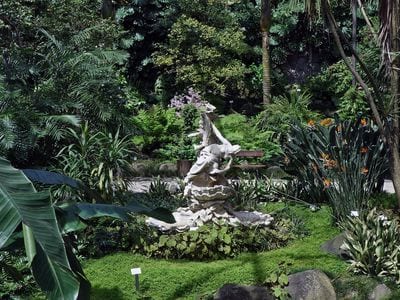
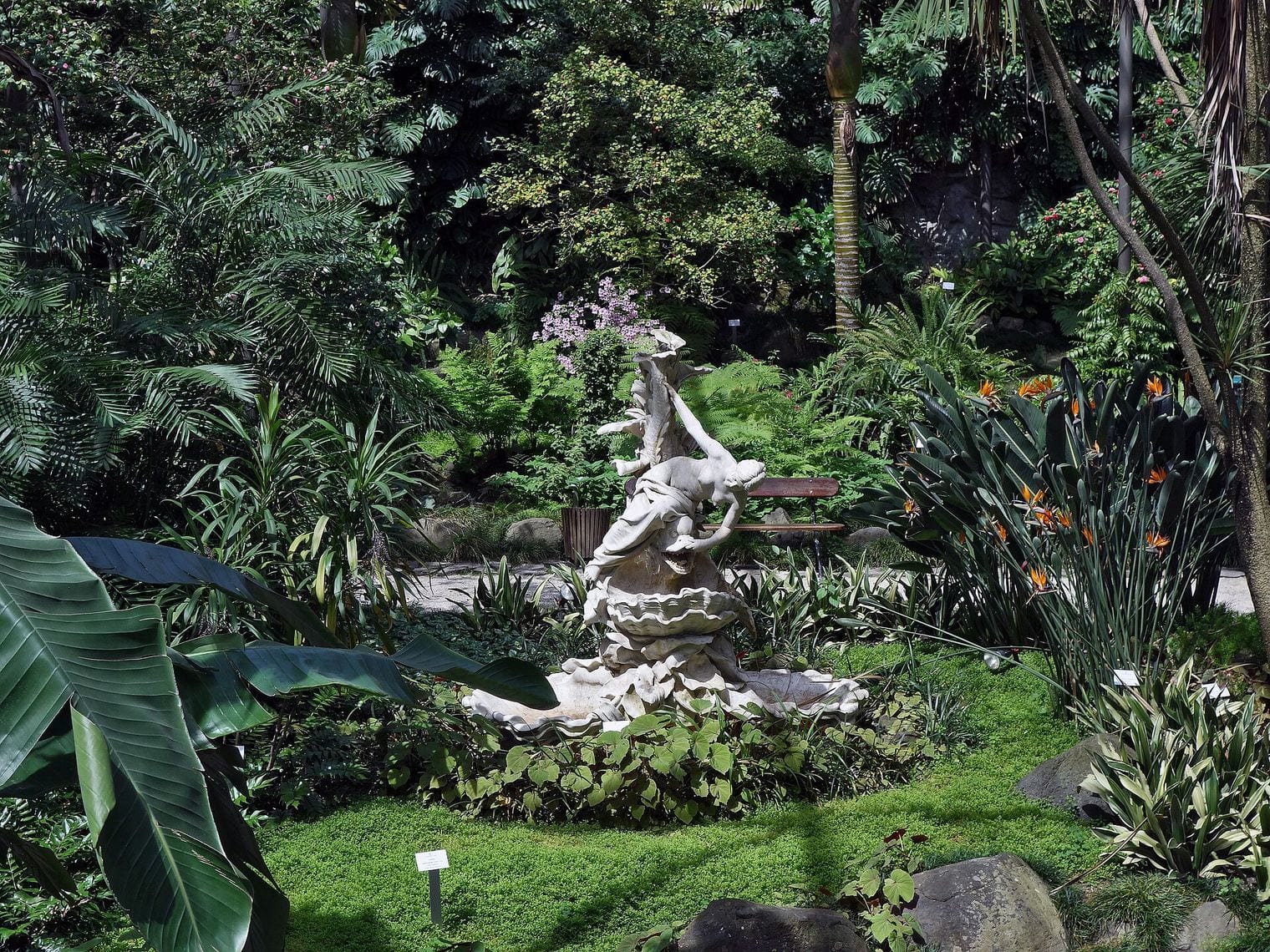
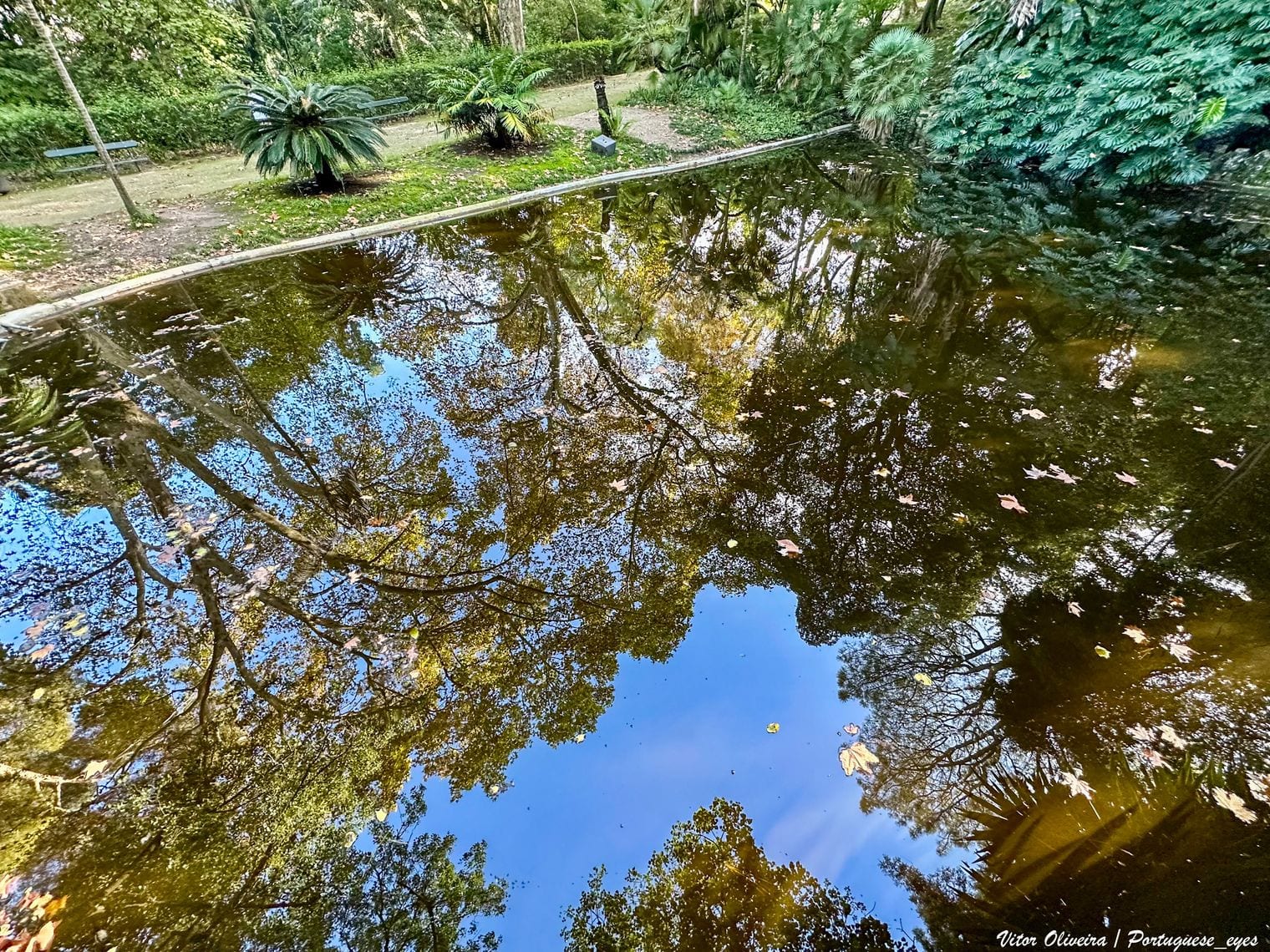
Estufa Fria means cold greenhouse, and the name is literal: instead of glass, wooden laths filter the sunlight, keeping the interior shaded and humid without artificial heat. The result, tucked into a corner of Eduardo VII Park, is a cool ravine of tree ferns, palms, streams and ponds that feels a long way from the city outside.
Two further houses adjoin it — a warm house and a sweet house — holding tropical and cactus collections respectively. Paths cross the water on stepping stones and duck under rock arches. It is one of the quietest places in central Lisbon and a reliable refuge on a hot or wet afternoon.
Game Over runs escape rooms in central Lisbon, the kind of themed, timed puzzle game where a team is locked into a set and has an hour to think its way out. Rooms are built around distinct scenarios, and staff brief you in English before the clock starts.
It is an obvious choice for a rainy afternoon or an evening with a group, and it works well with teenagers who have had their fill of monasteries and viewpoints. Book ahead, since slots for the more popular rooms go quickly, and turn up a little early — the briefing eats into your hour otherwise.
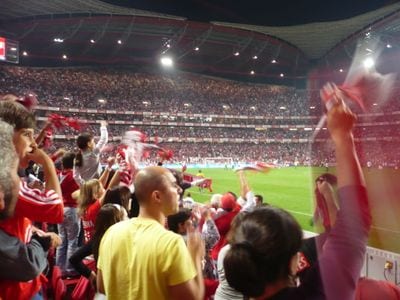
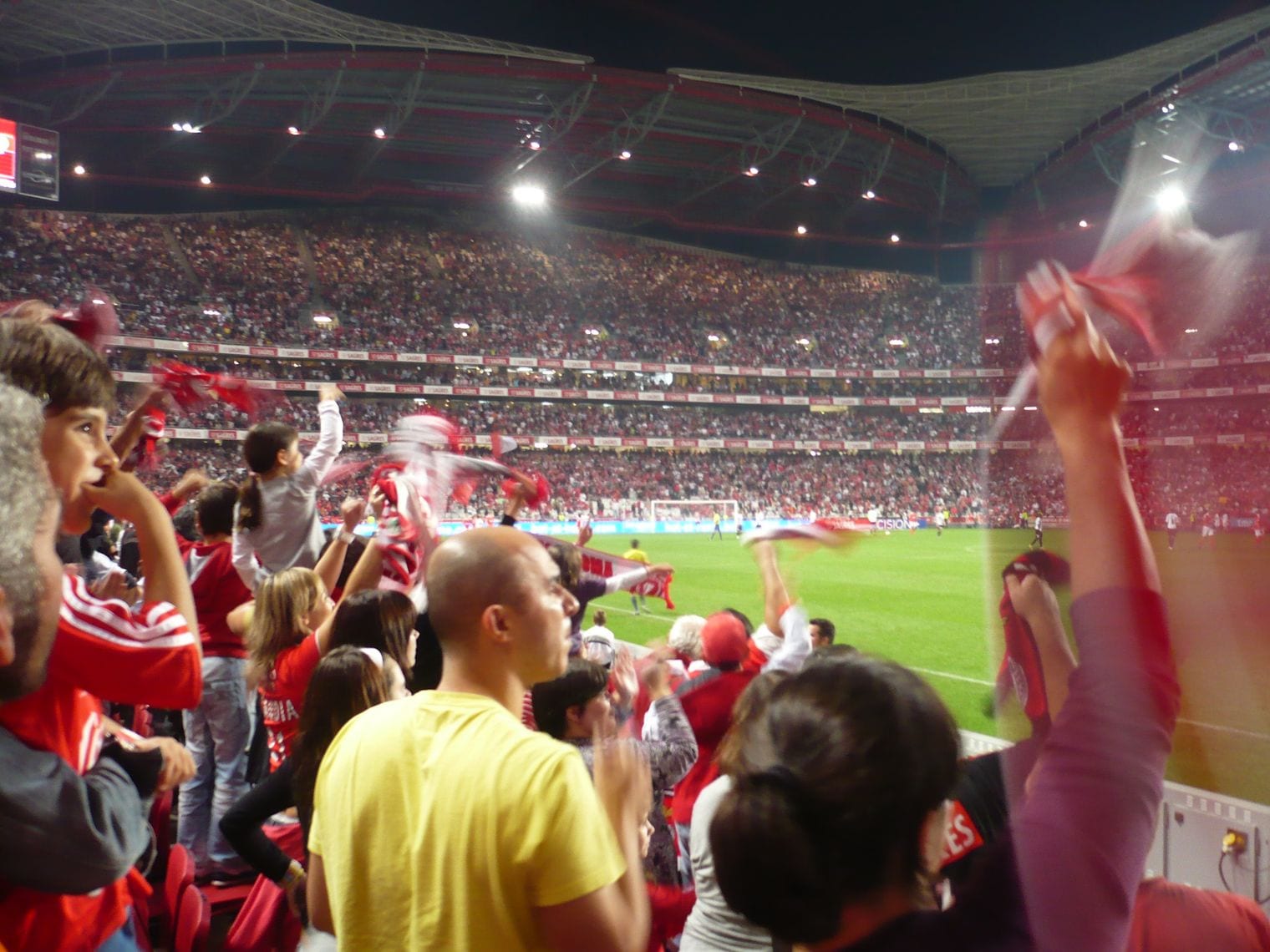
Home to Sport Lisboa e Benfica, Estádio da Luz is the largest football ground in Portugal and one of the loudest atmospheres in European club football. On match nights the stands turn red, and the noise off the home end is worth the ticket even with no allegiance to either side.
Outside match days there are stadium tours that take in the pitchside, tunnel and dressing rooms, plus the Cosme Damião museum tracing the club's history through trophies, shirts and archive film. It sits on the blue metro line at Colégio Militar/Luz, making it straightforward to reach from the centre.
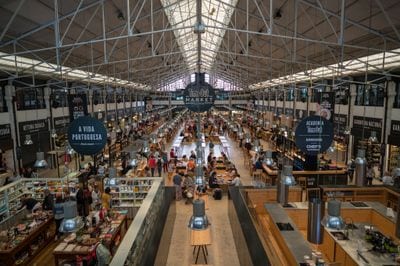
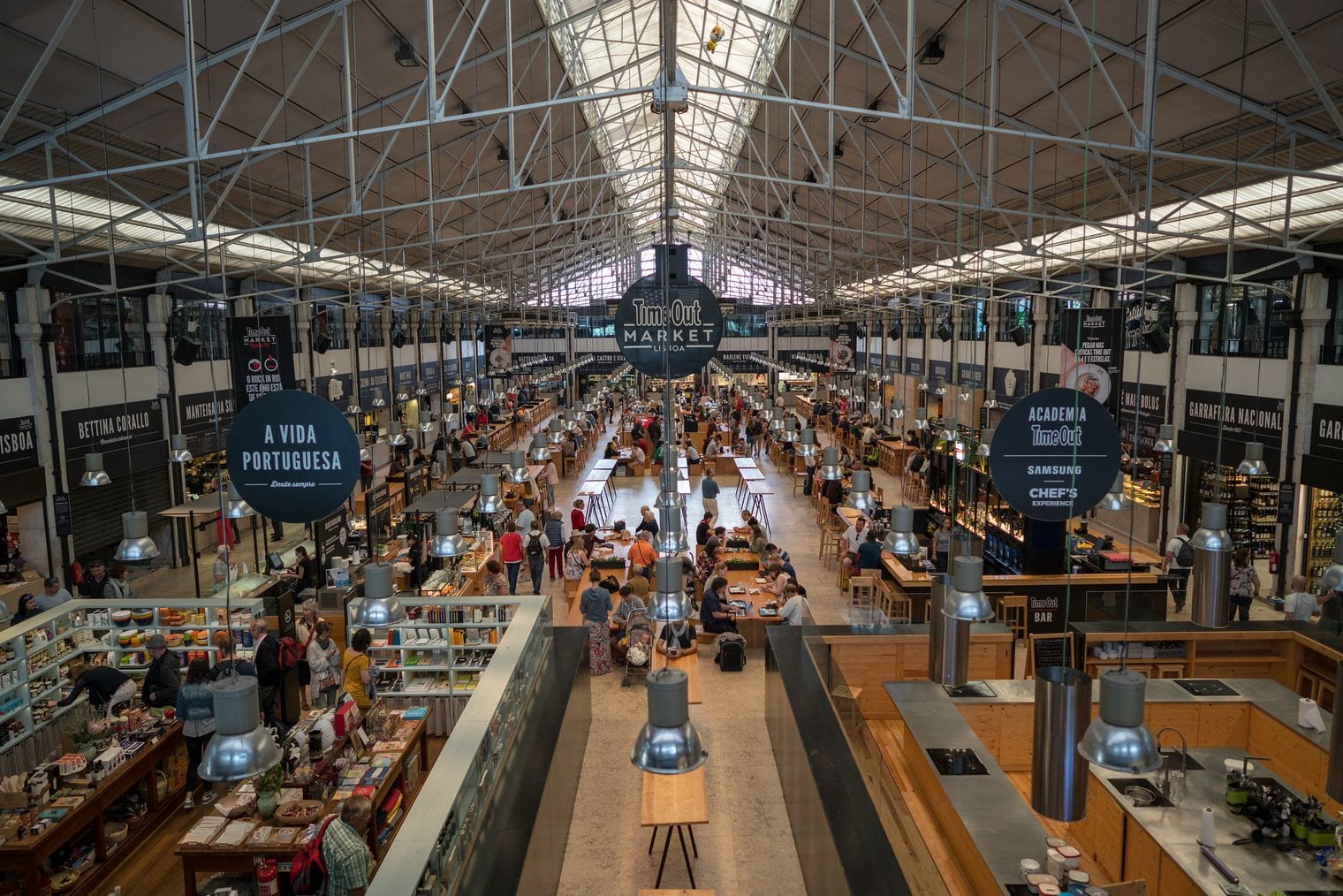
When the Time Out Market opened in half of the nineteenth-century Mercado da Ribeira, it did something simple and effective: invite well-regarded Lisbon chefs and producers to run small counters around a shared hall of long communal tables. The format has since been copied in cities worldwide.
You order from whichever stalls you like — seafood, steak, pastries, wine, cheese — and eat together at the tables in the middle. It is busy and loud, especially at peak times, and it is not where you will find the cheapest meal in the city. It works best as a fast, high-quality survey of Portuguese cooking. The traditional produce market still trades in the other half.
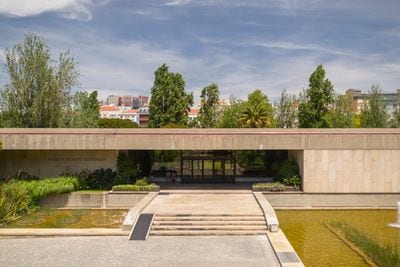
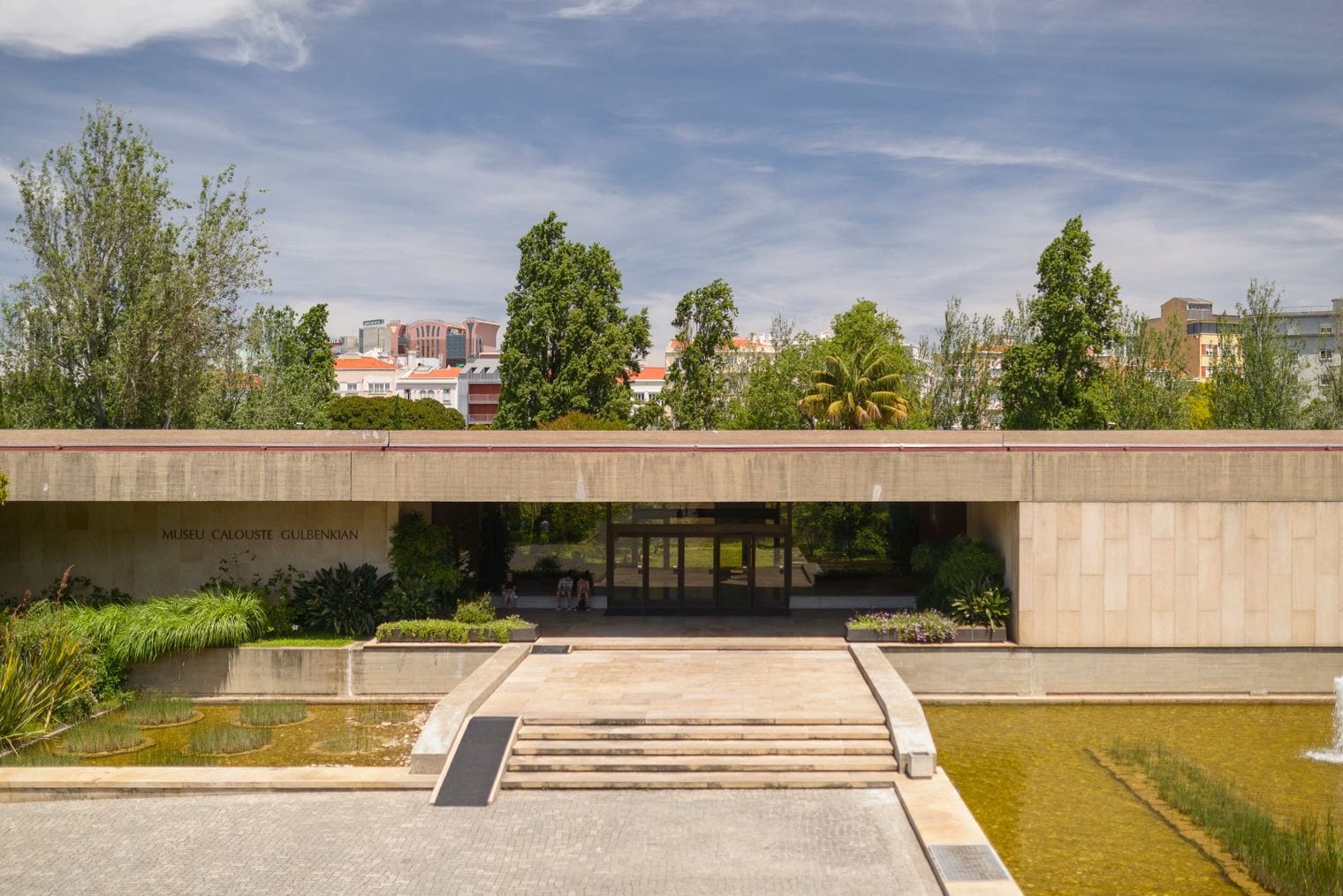
The Calouste Gulbenkian Museum holds the private collection of an Armenian oil magnate who settled in Lisbon, and it is one of the finest collections of its size anywhere. Roughly six thousand years are covered in a single low building — Egyptian sculpture, Mesopotamian reliefs, Islamic ceramics and Persian carpets, Chinese porcelain, then European painting from the Renaissance onward.
The last rooms are the surprise: a large group of René Lalique jewellery and glass, bought directly from the artist, displayed in near darkness so the pieces glow. Because the collection was assembled to one man's taste rather than to fill gaps, almost nothing in it is filler. The garden outside is part of the same complex.
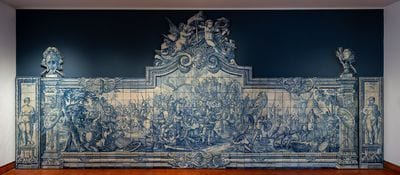
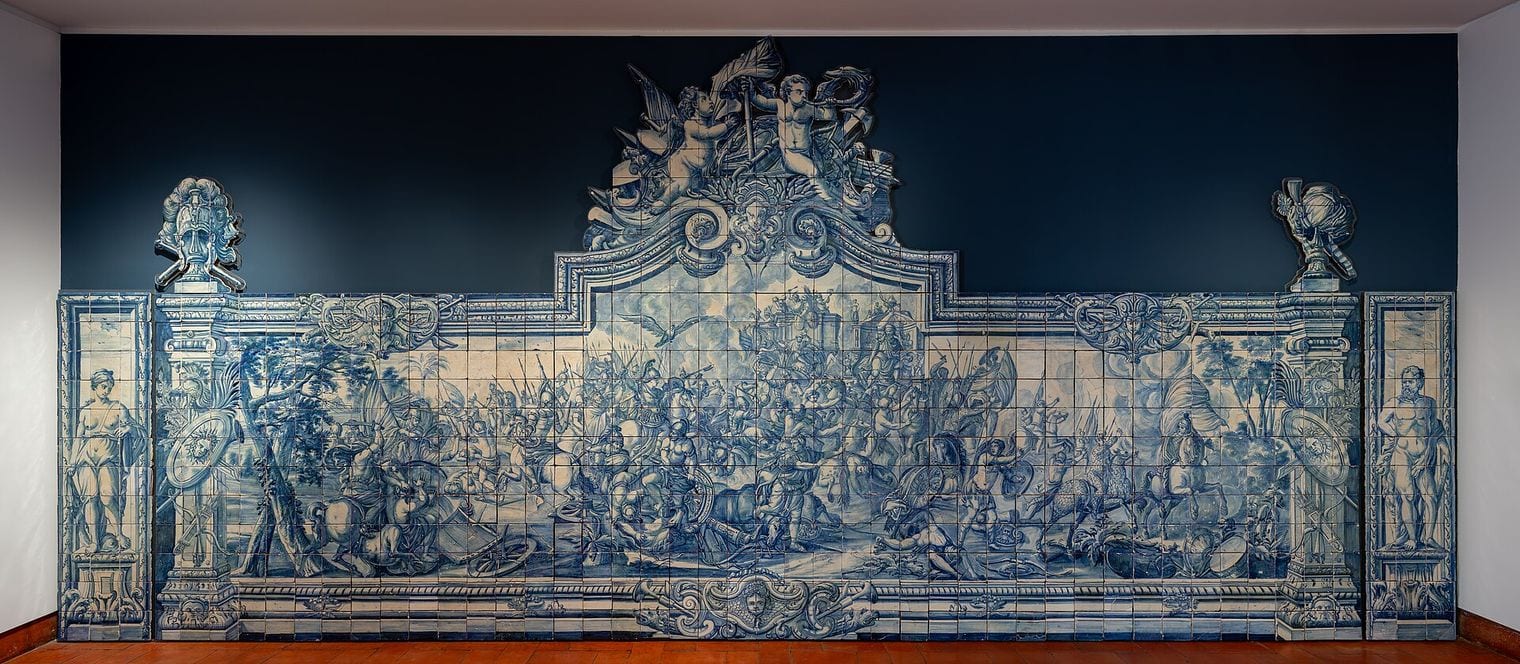
Portugal's love of decorative tile gets its own national museum, housed in the former Madre de Deus convent east of the centre. The Museu Nacional do Azulejo traces five centuries of azulejo from early Moorish-influenced geometric patterns through blue-and-white narrative panels to modern and contemporary work, including the tiling commissioned for metro stations.
Check before you go: the museum is currently closed for a major refurbishment under the national recovery plan, with no reopening date announced. When it reopens, the convent itself is half the reward — a gilded church and a quiet cloister that most visitors have largely to themselves. The single most striking exhibit is a long panoramic tile panel showing the Lisbon waterfront as it looked before the 1755 earthquake, an irreplaceable record of a city that no longer exists.
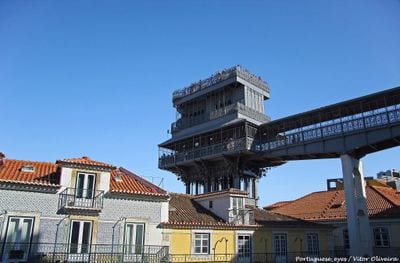
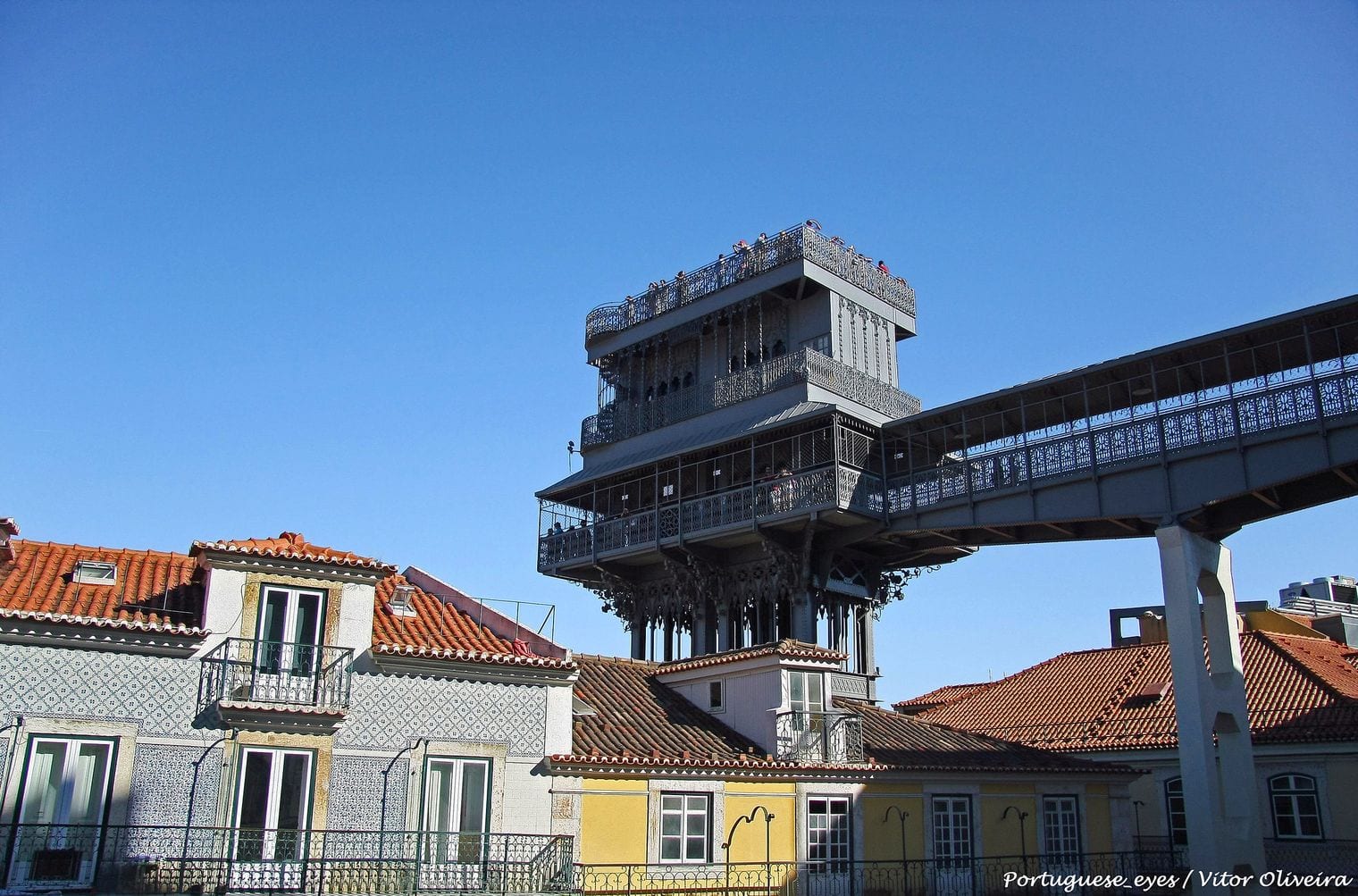
The Santa Justa Lift is the only vertical street lift left in Lisbon, a wrought-iron tower of about forty-five metres that hauls passengers from the flat Baixa grid up to the ruined Carmo convent on the hill above. It opened in 1902, designed by the engineer Raoul Mesnier du Ponsard, and it is filigree neo-Gothic all the way up — a piece of industrial jewellery dropped between plain 18th-century façades.
Two wood-panelled cabins still run inside the shaft, and the walkway at the top delivers you straight into Largo do Carmo. One caveat worth planning around: the rooftop viewing platform above the machine room has been closed for renovation, so the lift is currently a way of getting up the hill rather than a viewpoint in its own right. The public transport operator Carris runs it, and a Lisbon transport pass covers the ride.
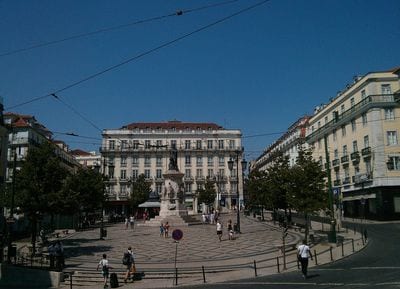
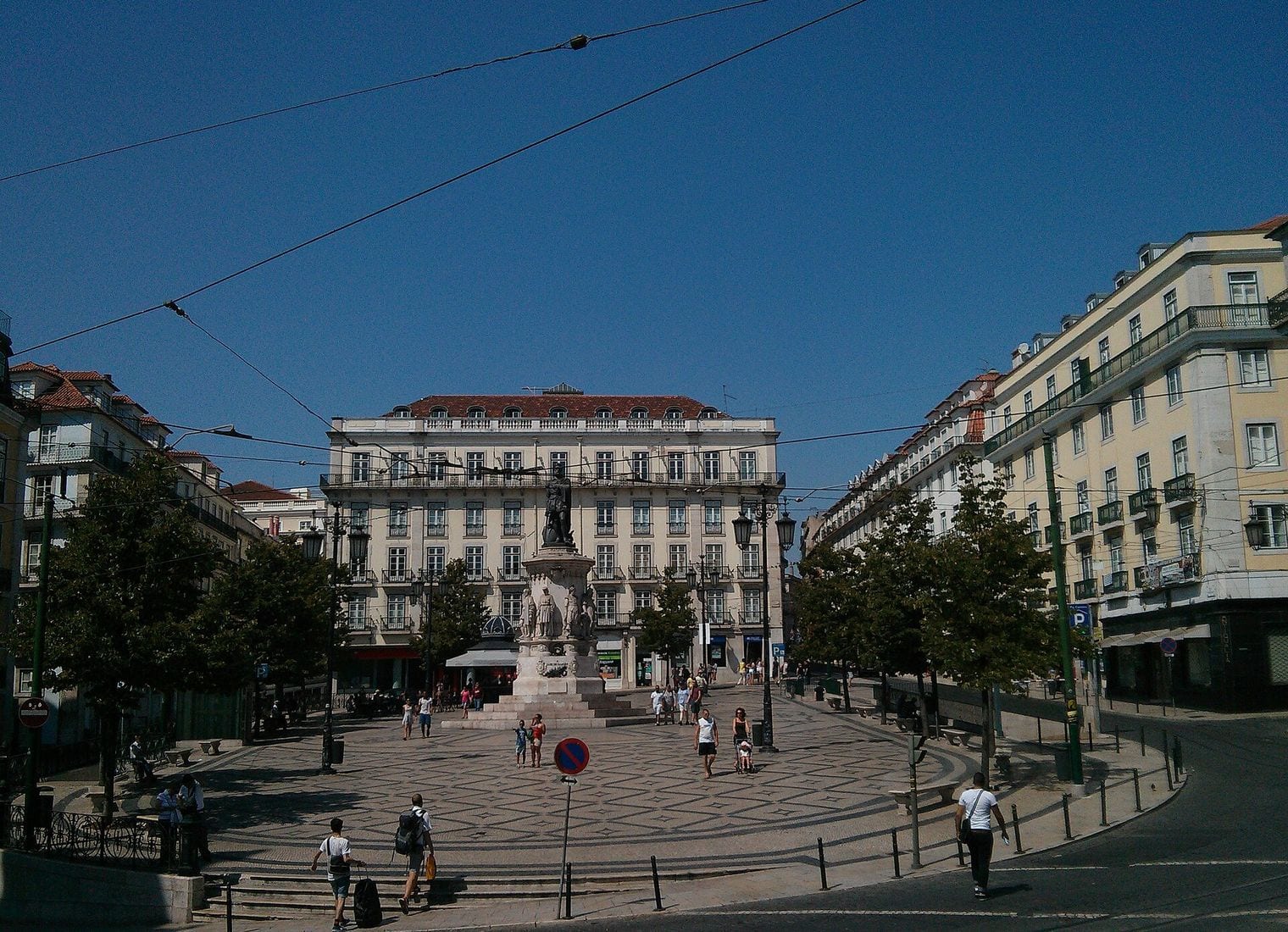
Praça Luís de Camões sits exactly on the seam between Chiado and Bairro Alto, which makes it the most-used meeting point in central Lisbon. The bronze at its centre is the poet Luís de Camões, author of Os Lusíadas, the national epic of the sea voyages; the statue went up in 1867 and is ringed by smaller figures of chroniclers and writers.
Nobody comes here for the monument alone. Tram 28 grinds through one corner, the square is where the shopping streets stop and the nightlife quarter begins, and the surrounding cafés fill from mid-afternoon until very late. It is worth crossing deliberately rather than passing through: pause on the steps and you get a clean read on how the flat, planned city below meets the tangled hill above.
The Rua Augusta Arch closes the north side of Praça do Comércio and frames the entrance to the Baixa's main pedestrian street. It was conceived as part of the rebuilding after the 1755 earthquake, but the design changed repeatedly and the arch was not finished until 1875 — well over a century after the ground it stands on was cleared.
Most visitors photograph it and walk on, which is a mistake, because you can go up. A lift and a short staircase reach a narrow terrace directly beneath the sculpture group, level with the clock, and the view runs down the whole length of Rua Augusta in one direction and out across the square to the Tagus in the other. It is the cheapest high vantage point in the lower city.
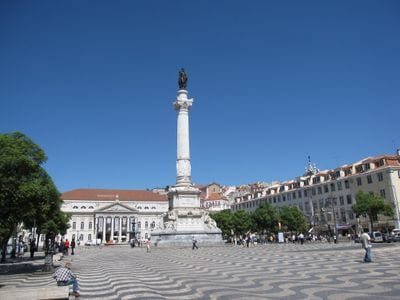
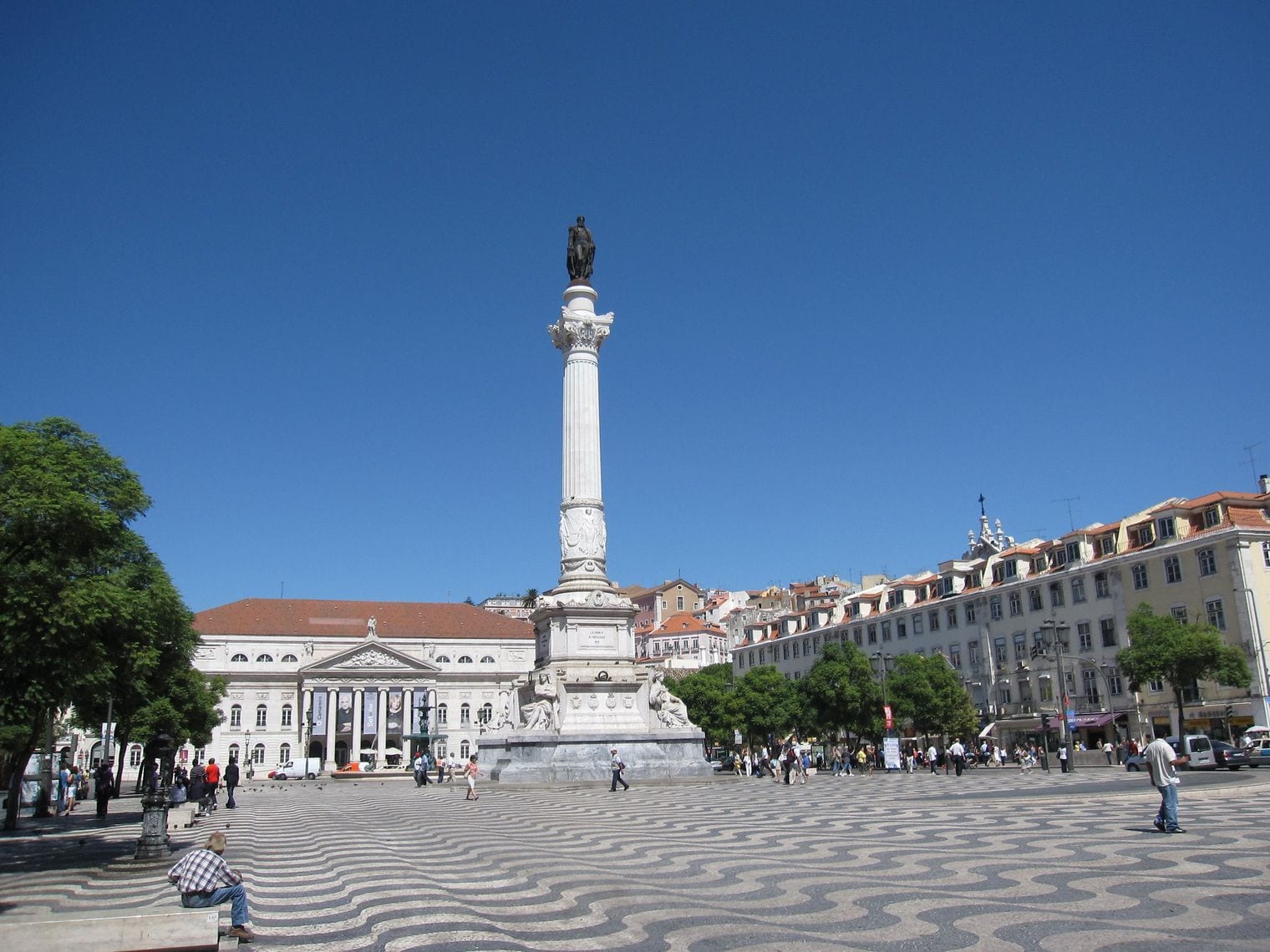
Everyone calls it the Rossio, and it has been the city's main square for the better part of seven centuries. Praça Dom Pedro IV takes its official name from the column at the centre, topped by a statue of Dom Pedro IV, and it is flanked by two bronze baroque fountains shipped in from France.
Look down as well as up. The square is paved in the black-and-white wave pattern of Portuguese calçada, laid in the 1840s and copied since in Rio de Janeiro and Macau. The Teatro Nacional D. Maria II closes the north end, standing on the site of the palace that housed the Inquisition until the 1755 earthquake destroyed it — a good deal of Lisbon's history is stacked on this one rectangle.
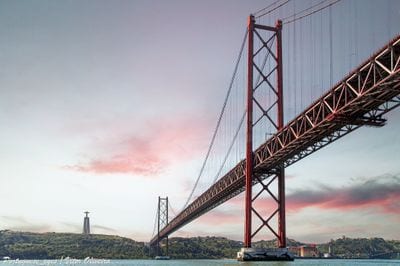
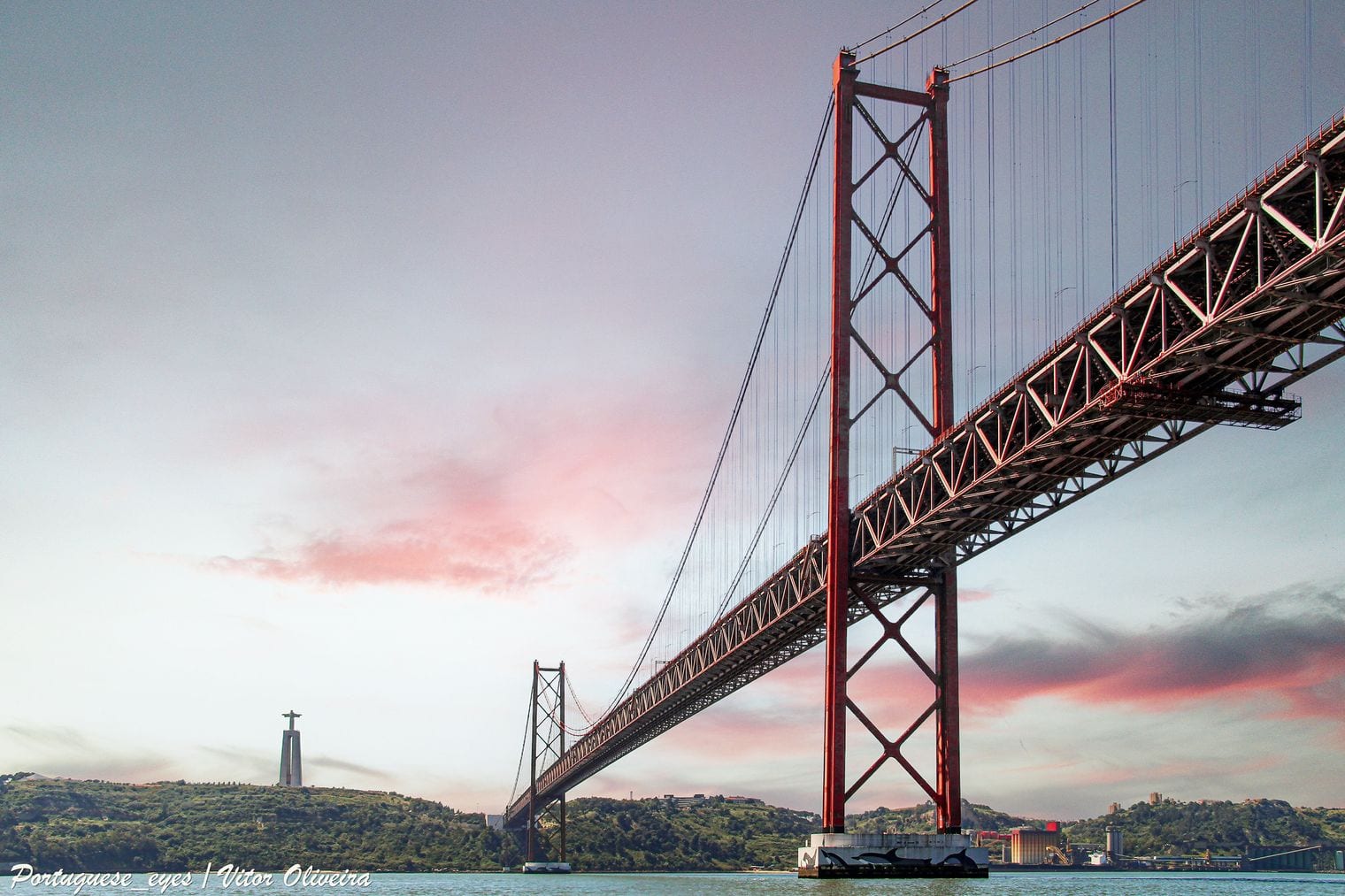
The Ponte 25 de Abril is the red suspension bridge that hangs over the Tagus west of the centre, and it is the single most recognisable object on the Lisbon skyline after the castle. It opened in 1966, built by the American company behind San Francisco's Bay Bridge, which explains a resemblance to the Golden Gate that visitors notice immediately and that is not a coincidence of colour alone.
It was named after the dictator who commissioned it and renamed for the date of the 1974 Carnation Revolution that ended his regime — the bridge is a piece of political history as much as engineering. A railway deck was slung beneath the roadway in 1999. For a close look, the Pilar 7 experience inside one of the pillars puts a glass floor high above the water.
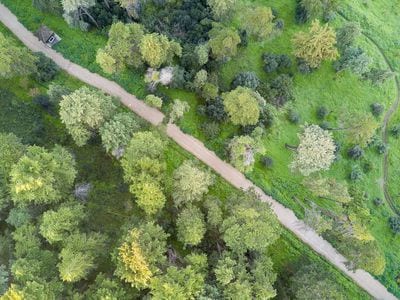
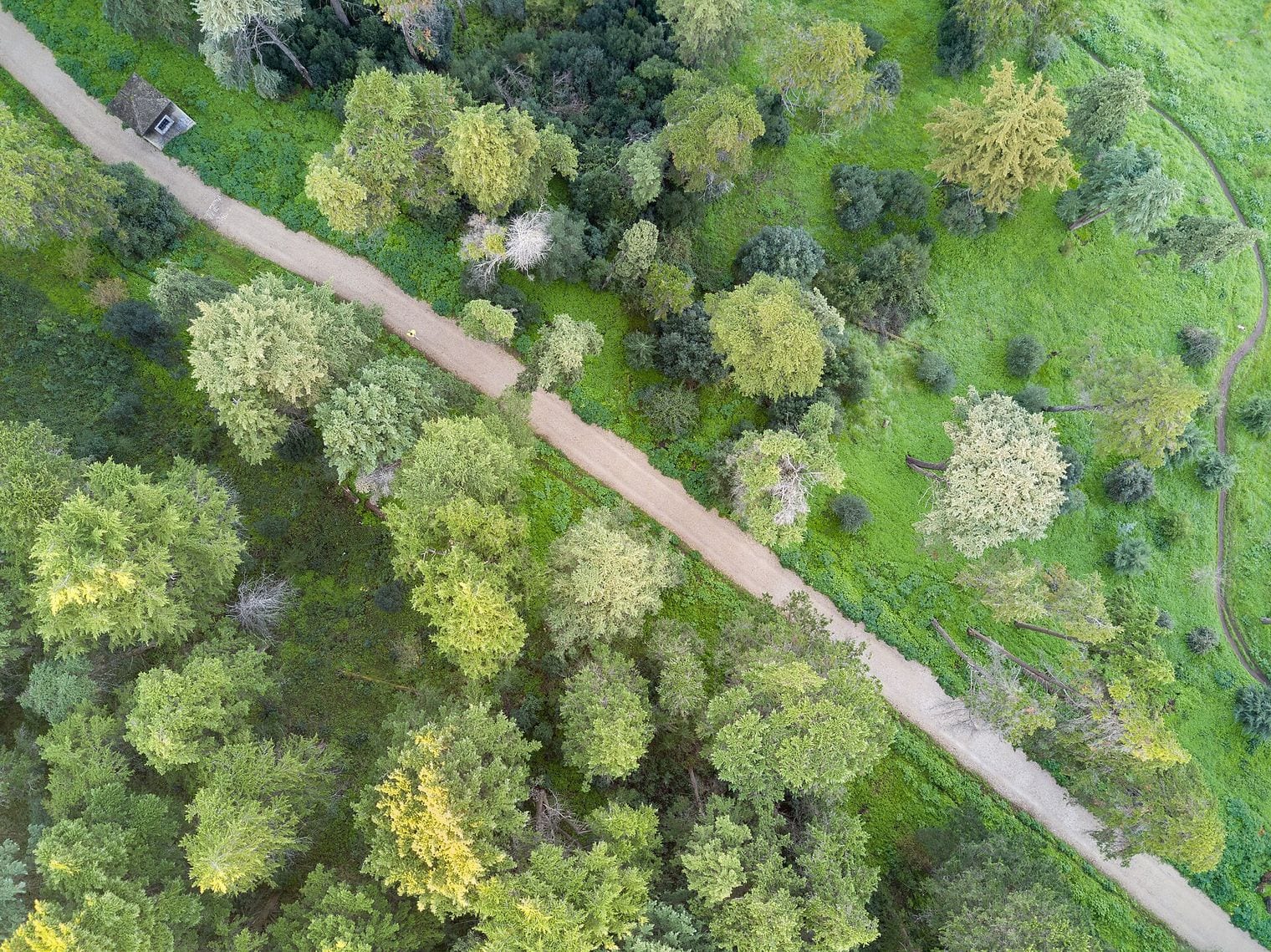
Lisbon has a forest inside its own boundary, and it is enormous. Parque Florestal de Monsanto covers roughly ten square kilometres on the hill west of the centre — bigger than the historic core it overlooks — and was planted from the 1930s onward on land that had been bare and eroded.
It is a genuine wood rather than a landscaped park: pine and eucalyptus, marked walking and cycling trails, picnic areas and a scatter of viewpoints and follies. The Panorâmico de Monsanto, a derelict modernist restaurant reopened as a free lookout, is the one most people aim for. Come with a plan and a map, because Monsanto is easy to wander into and surprisingly hard to cross on foot.
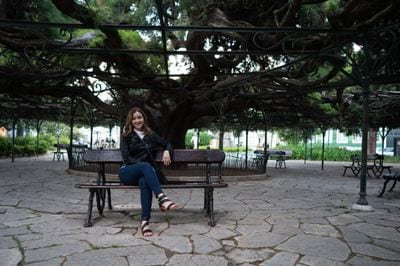
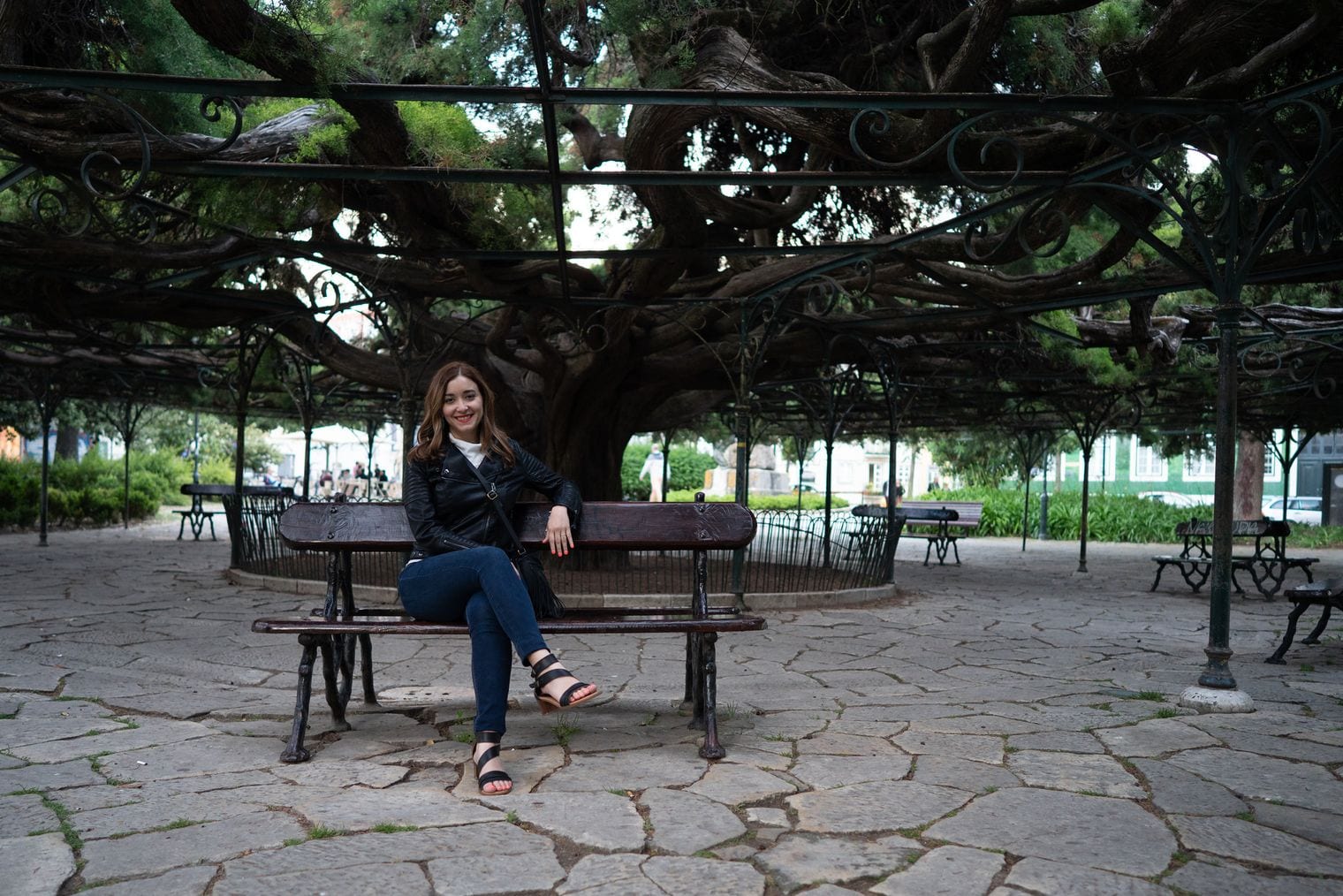
The garden at the centre of Príncipe Real — officially Jardim França Borges — is built around one extraordinary tree. A Buçaco cedar has been trained horizontally across a circular metal frame for well over a century, so it now forms a living green roof some twenty metres wide, with café tables set out beneath it. The Príncipe Real quarter around it is the city's most stylish, full of restored townhouses, concept shops and small restaurants.
Underneath the garden is something almost nobody expects: the Reservatório da Patriarcal, a vaulted 19th-century water reservoir with columns standing in shallow water, now open as part of the city's water museum. Above ground there is an organic farmers' market on Saturday mornings and a kiosk that has been serving the square for generations.
Formally the Miradouro Sophia de Mello Breyner Andresen, named for the poet, the Miradouro da Graça is the terrace beside the Graça convent and one of the few viewpoints where the Castelo de São Jorge is the subject rather than the vantage point. From here the castle sits in the middle distance with the whole Baixa and the river spread out behind it.
Pines shade the gravel terrace and a long-running kiosk sells drinks to people who arrive an hour before sunset and stay put. It is a steep walk up from Alfama, or a short one from the Tram 28 stop at Graça. If it is crowded, keep climbing — the Miradouro da Senhora do Monte a few minutes further up is higher, quieter and looks over the same view.
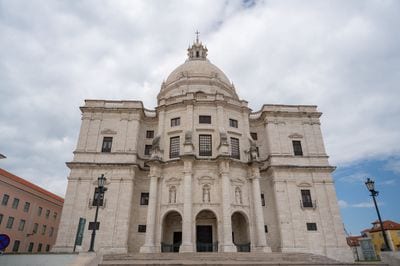
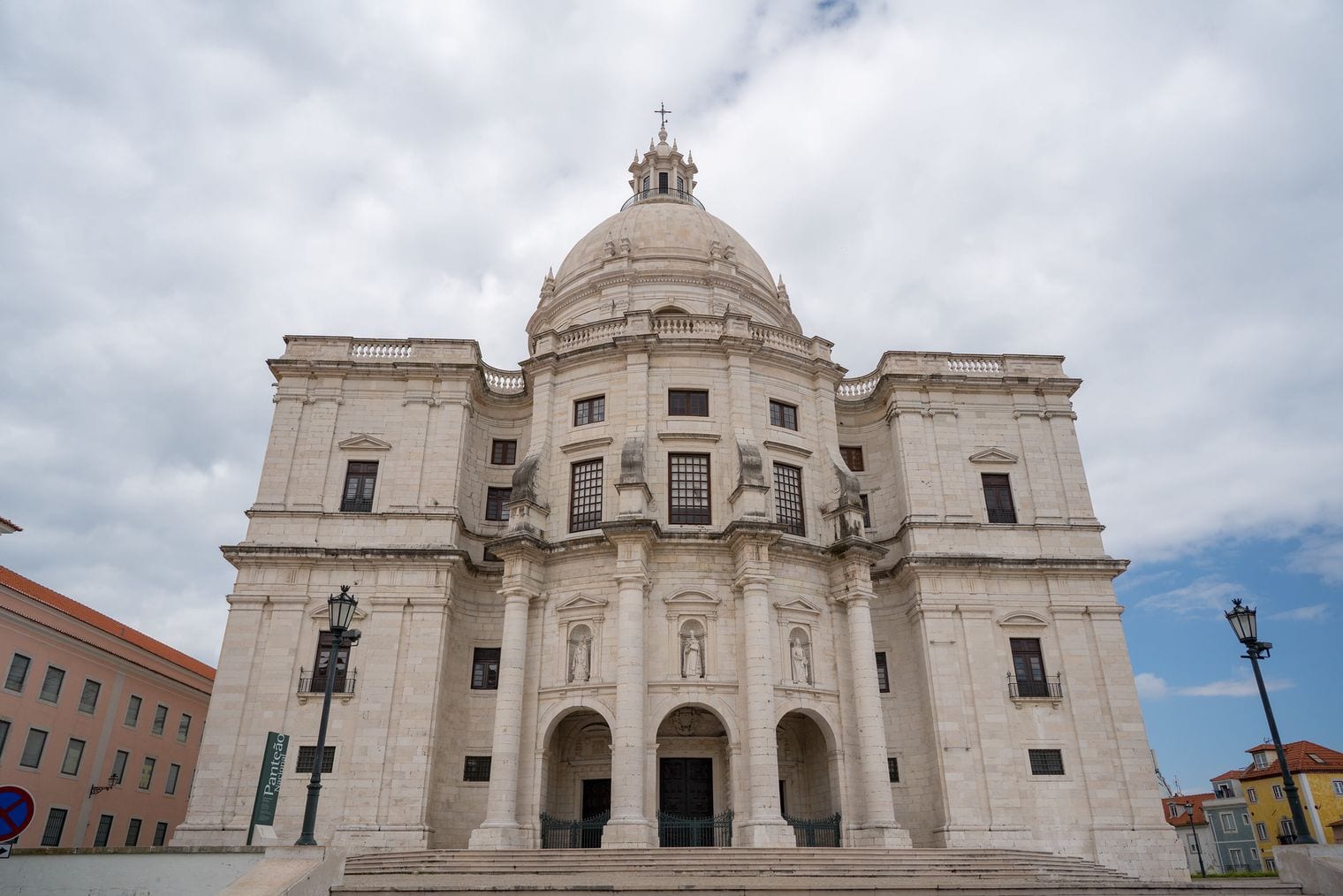
The National Pantheon occupies the church of Santa Engrácia, a vast white baroque cross under a dome, and its construction is a national joke. Work began in 1682 and the dome was not finished until 1966 — a gap of nearly three centuries that turned obras de Santa Engrácia into the Portuguese phrase for a job that never ends.
Inside, the coloured marble floor and the acoustics are the immediate impression; the tombs are the reason to linger. The fado singer Amália Rodrigues lies here, along with presidents and writers, and cenotaphs honour Vasco da Gama and Henry the Navigator, who are buried elsewhere. Take the lift or the stairs to the dome gallery for a circular view over Alfama, the river and the Feira da Ladra flea market next door.
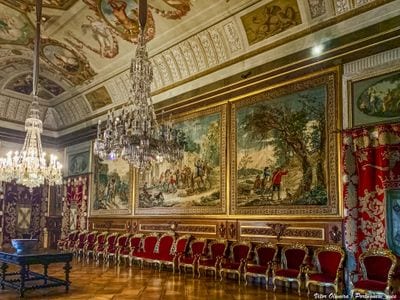
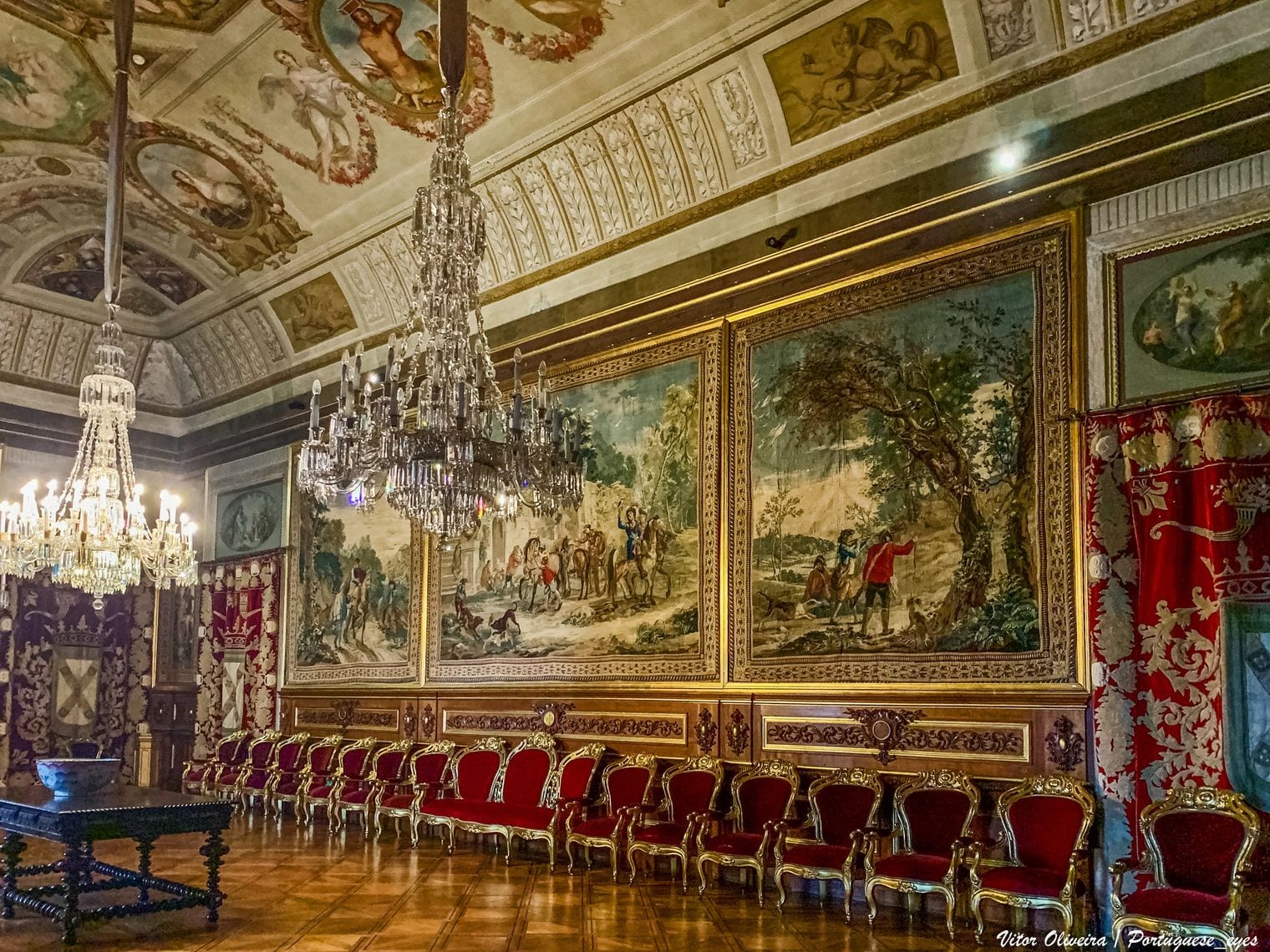
The Palácio Nacional da Ajuda is a neoclassical royal palace that was never actually completed. Building started in 1796, after the temporary wooden palace on the site burned down, and money and political will ran out repeatedly; one whole wing stood unfinished for more than two hundred years. It became the royal residence in 1861 under Luís I, and the state rooms are preserved as the last monarchs left them.
That makes it unusually intact — dining rooms, a throne room and private apartments still fully furnished, heavy with 19th-century taste rather than curated back to an earlier period. The unfinished west wing was finally closed in 2022 to house the Royal Treasure Museum, which displays the Portuguese crown jewels. It sits well above Belém, so combine it with the riverfront monuments rather than treating it as a separate trip.
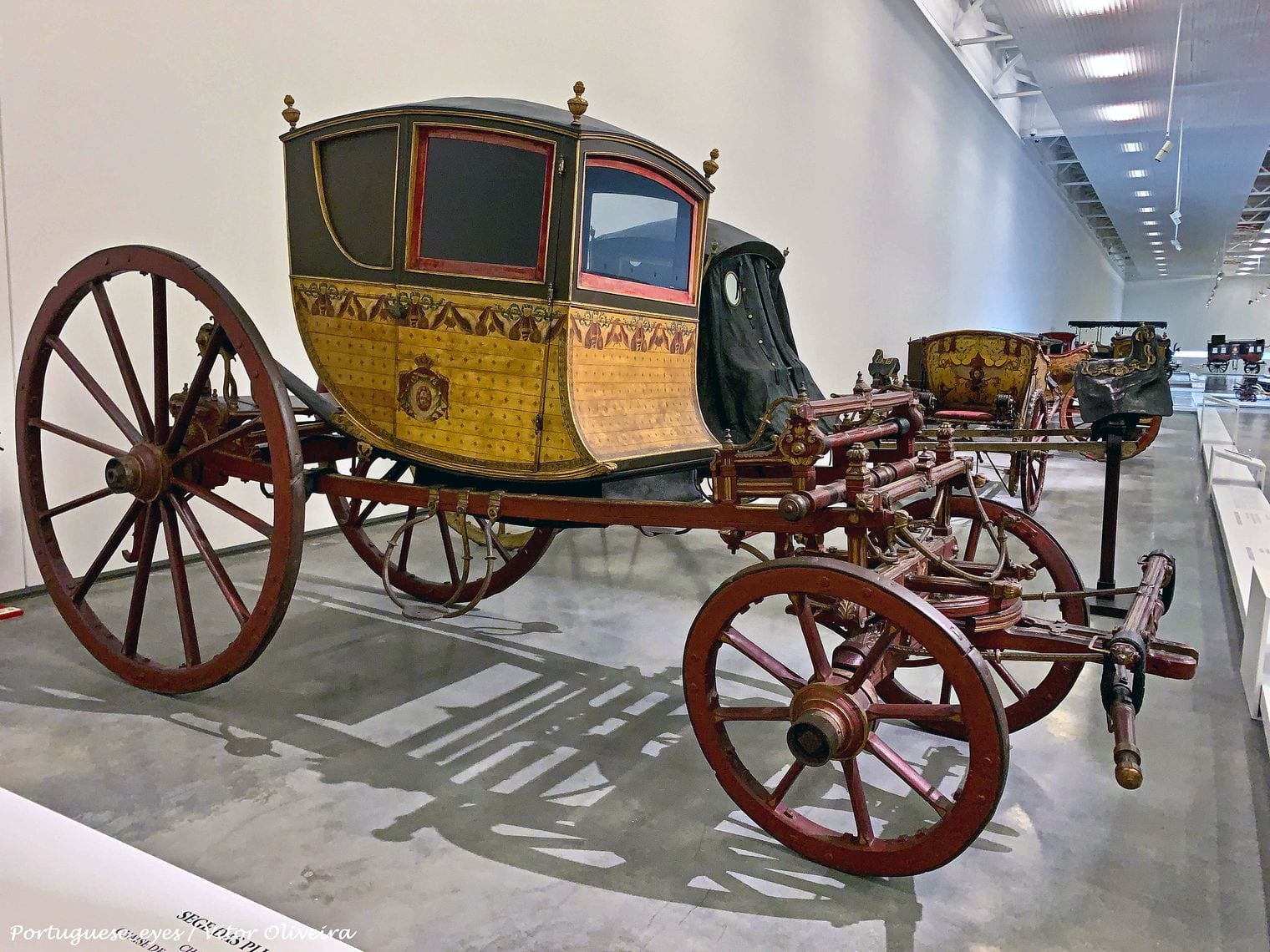
The National Coach Museum holds what is generally reckoned the finest collection of royal carriages anywhere, and the scale of the things is the shock. These are not carts; the state coaches built for Portuguese ambassadors in Rome are gilded, carved, allegorical objects the size of small rooms, made to intimidate other courts on arrival.
The collection moved in 2015 into a raised concrete building by the Brazilian architect Paulo Mendes da Rocha, which gives the coaches a single long uninterrupted hall. The original home across the road, the 18th-century Royal Riding School with its painted ceiling, is still part of the museum and still shows carriages — worth the extra ticket for the room itself.
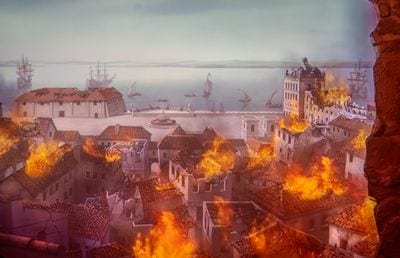
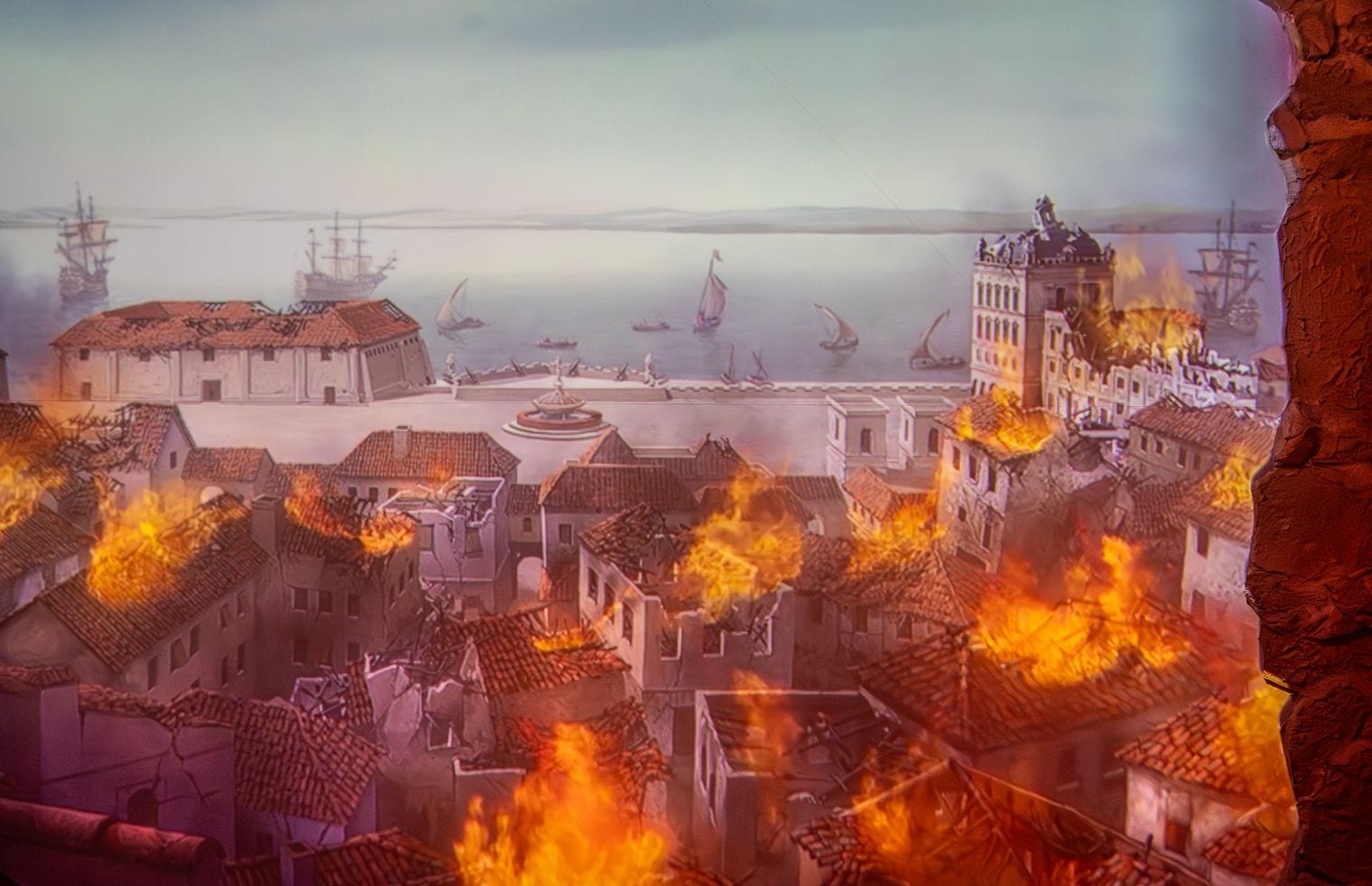
On 1 November 1755 an earthquake estimated at magnitude 8.5 or higher struck off the coast, and between the shaking, the tsunami that followed and the fire that burned for days, most of Lisbon ceased to exist. Quake is the museum built around that single day, and it takes an immersive rather than a display-case approach.
Visitors move through a sequence of rooms as a timed group — a reconstructed 18th-century street, a simulator that shakes, and sections on the tsunami and the reconstruction that followed. The aftermath is the genuinely interesting part: the Marquis of Pombal's rebuilding of the Baixa on a grid, with timber-cage framing designed to survive the next quake, is an early piece of seismic engineering. Book a slot in advance.
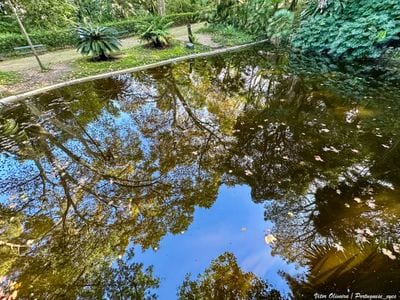
Hidden behind the old Polytechnic building on Rua da Escola Politécnica, the Botanical Garden of Lisbon was laid out in the 1870s as a teaching collection and still belongs to the University of Lisbon. It drops steeply down the hillside on terraces, which means you enter at the top and descend through it.
The mild Atlantic climate lets it grow things that have no business surviving in Europe, and the collection leans subtropical — cycads, tree ferns, dragon trees and a celebrated avenue of tall palms. It is deliberately unmanicured and often almost empty, which is the point: ten minutes from Príncipe Real you are in dense green shade with the traffic inaudible.
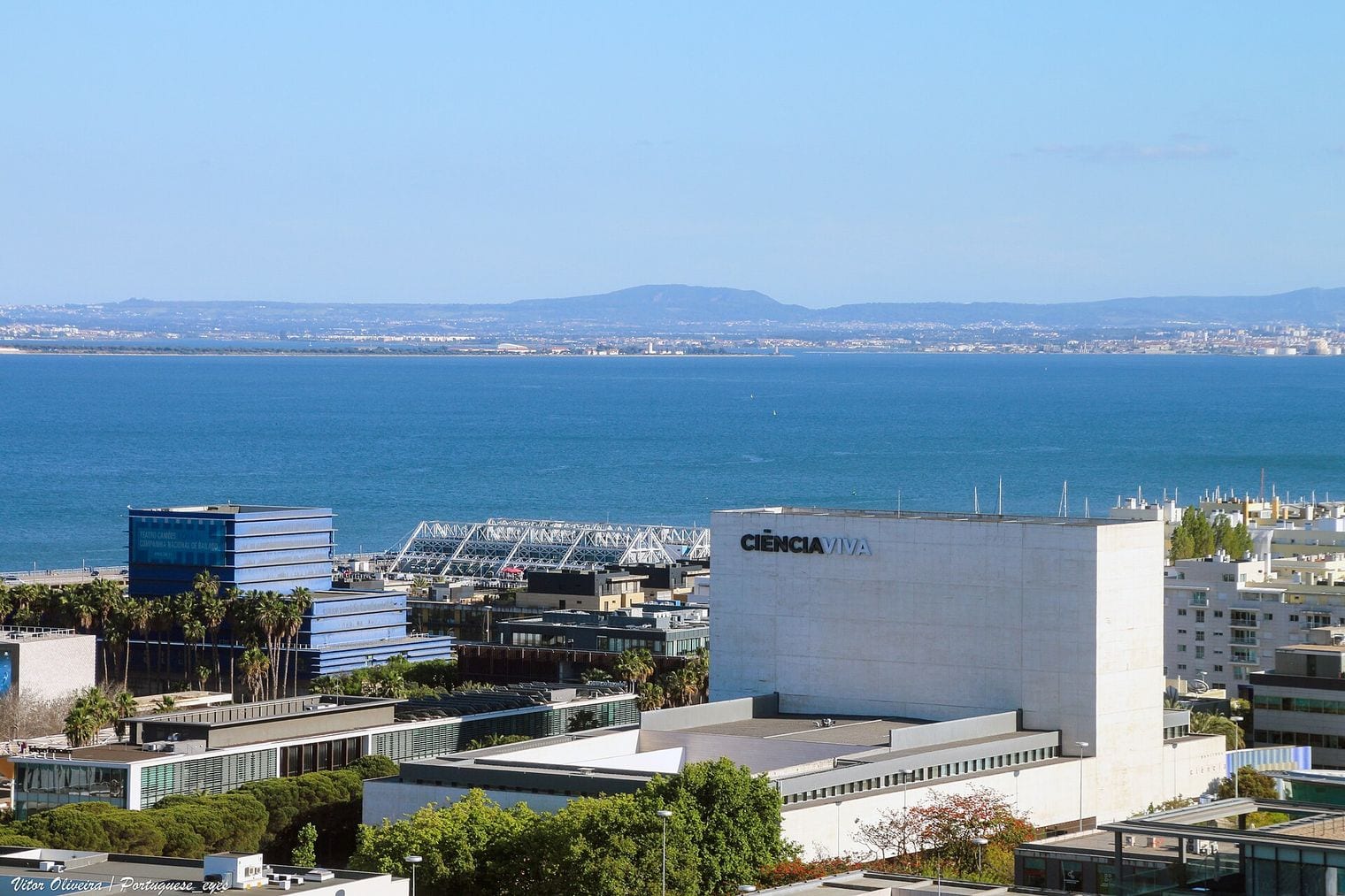
The Pavilhão do Conhecimento is Lisbon's science museum, out at Parque das Nações in a building left over from Expo '98. Everything in it is meant to be handled — this is a hands-on museum in the strict sense, with almost no vitrines and very little to read standing up.
The signature exhibits are physical rather than digital: a bicycle ridden along a cable strung high across the main hall, a bed of nails, and a large construction area where children build with real tools. There is a separate zone for under-sixes. It pairs naturally with the Oceanário a few minutes' walk away, and the two together will fill a day with children comfortably.
The Quinta Pedagógica dos Olivais is a working educational farm run by the city council in the eastern suburbs, and admission is free. It was set up so that city children could meet farm animals and see where food comes from, and it has stayed resolutely low-key: pens of goats, sheep, donkeys, pigs and poultry, a vegetable garden, an orchard and a few restored farm buildings.
Weekday mornings belong to school groups, so weekends and afternoons are the calmer visit. There are workshops in bread-making and gardening, a small café, and enough shaded space to let very young children run without supervision anxiety. It is a genuinely local thing to do rather than a tourist attraction, which is exactly its appeal.
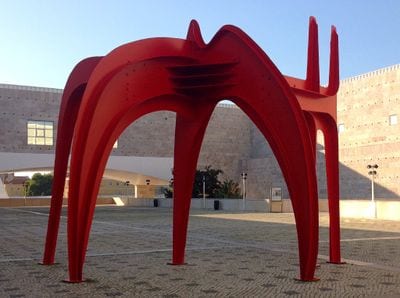
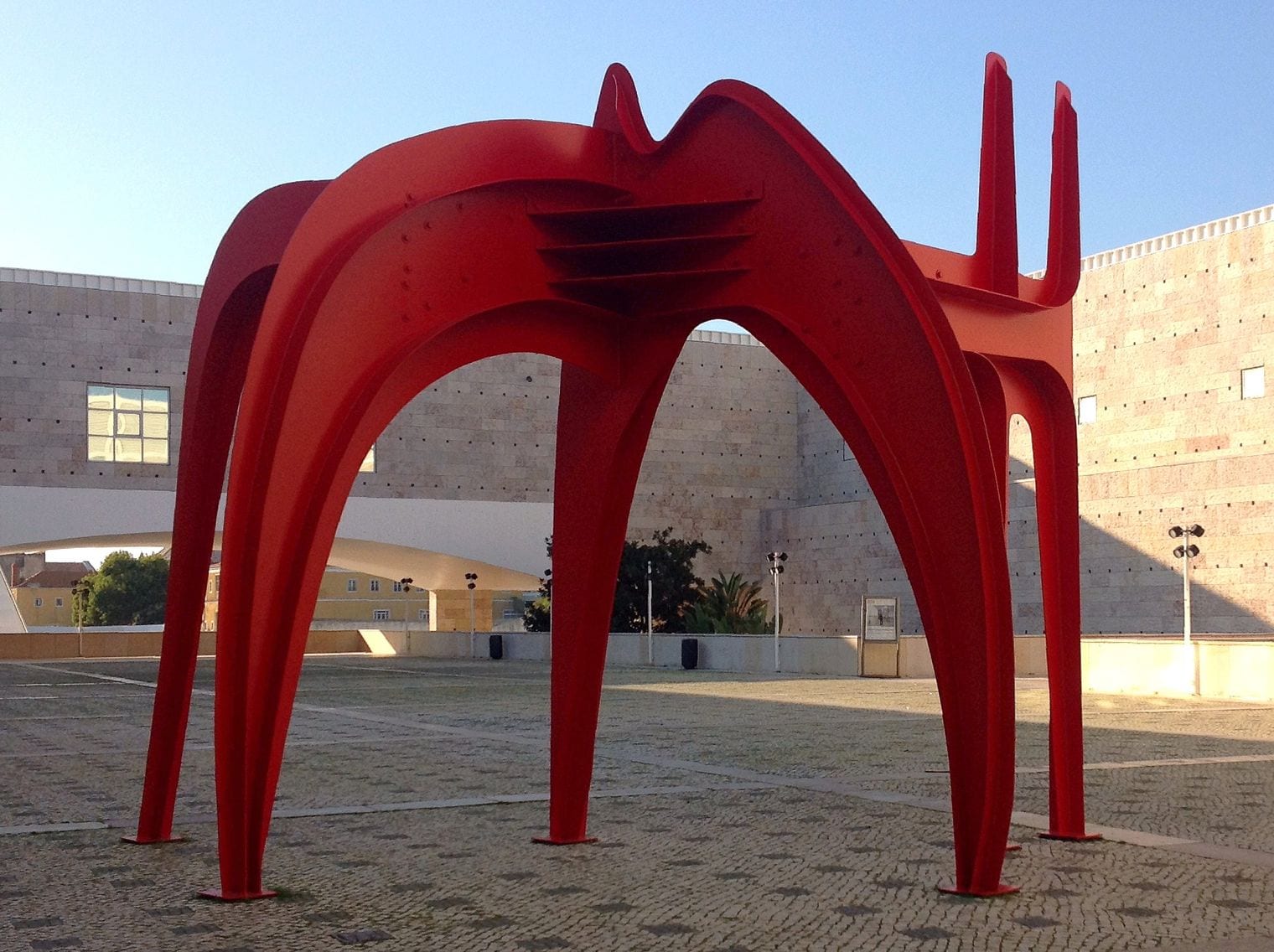
The MAC/CCB is the contemporary art museum inside the Centro Cultural de Belém, the huge pink-stone complex built for Portugal's 1992 EU presidency and now the country's largest cultural venue. The museum shows modern and contemporary work — international names alongside a strong Portuguese holding — across a series of high, top-lit galleries.
It is the counterweight to everything else in Belém, which is overwhelmingly about the 16th century. The building itself divides opinion sharply, a slab of pale masonry set opposite the Jerónimos Monastery, but the roof terrace is free to walk and gives an excellent view over the monastery, the square and the river. The CCB also runs a full concert and theatre programme.
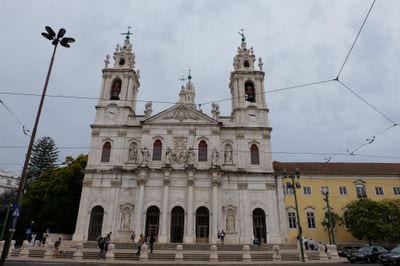
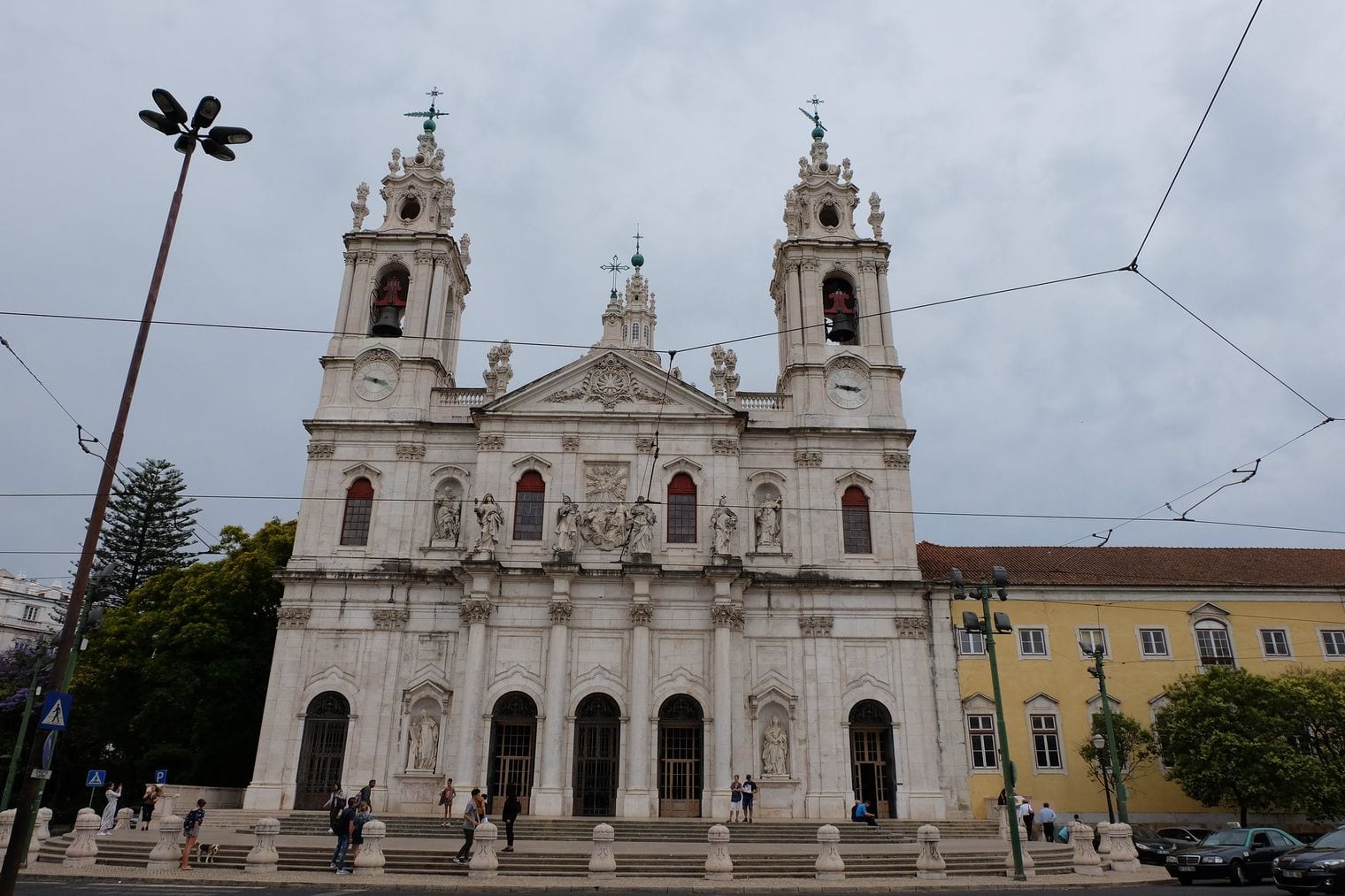
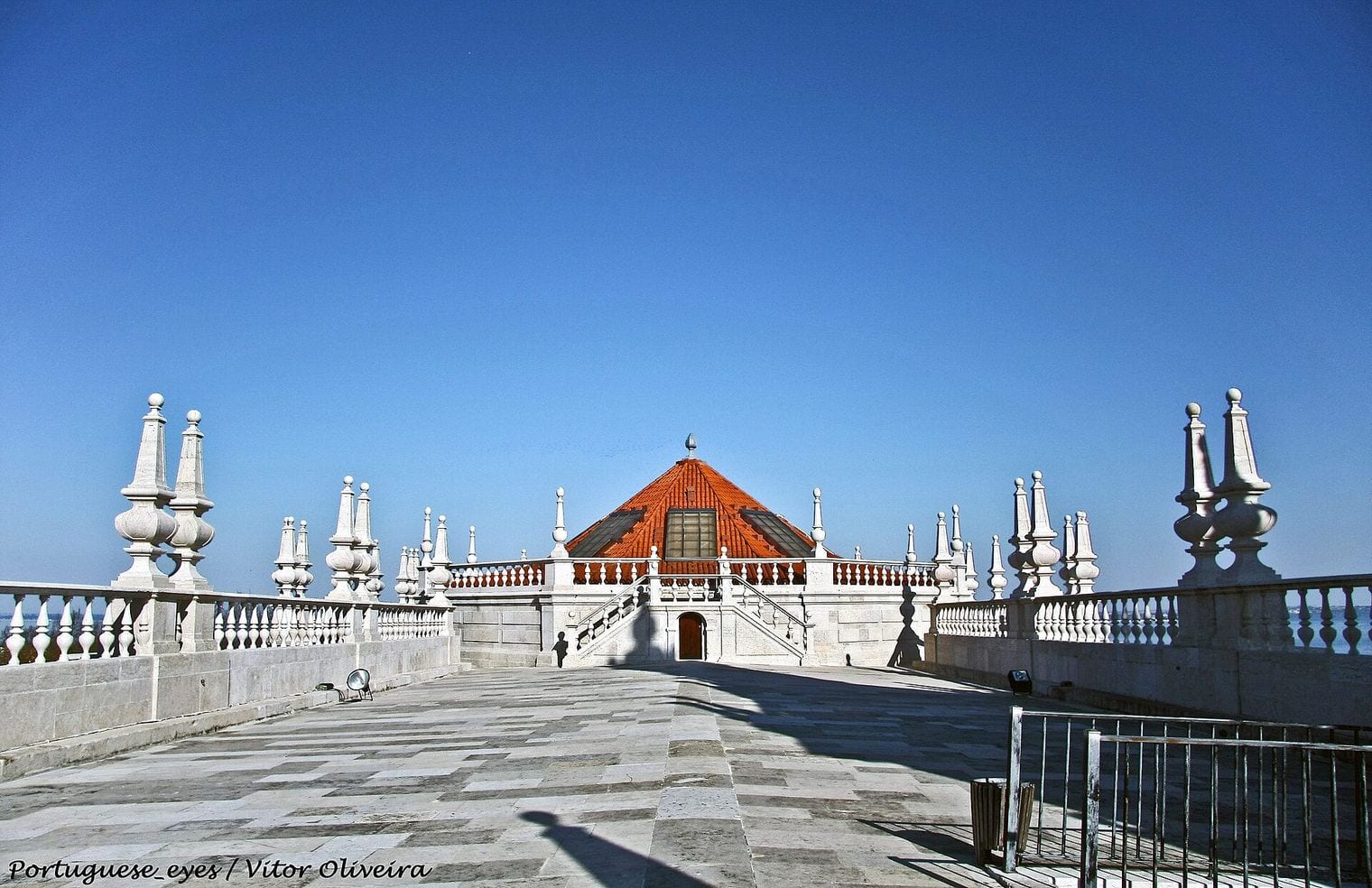
The Basílica da Estrela was built to keep a promise. Queen Maria I vowed to raise a church if she bore a son and heir; the son arrived, work began in 1779, and the great white dome went up over the western hill — where it remains one of the fixed points of the Lisbon skyline. The prince died of smallpox before it was finished.
The interior is grey, pink and yellow marble laid in geometric patterns, and the queen herself is buried here in a large tomb on the right. A staircase climbs to the roof and the base of the dome, which is the reason to time a visit for good weather. The Jardim da Estrela, one of the most pleasant public gardens in the city, is directly opposite the door.
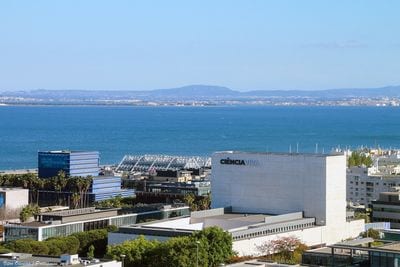
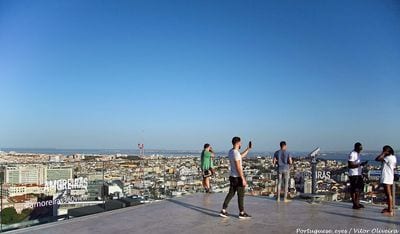
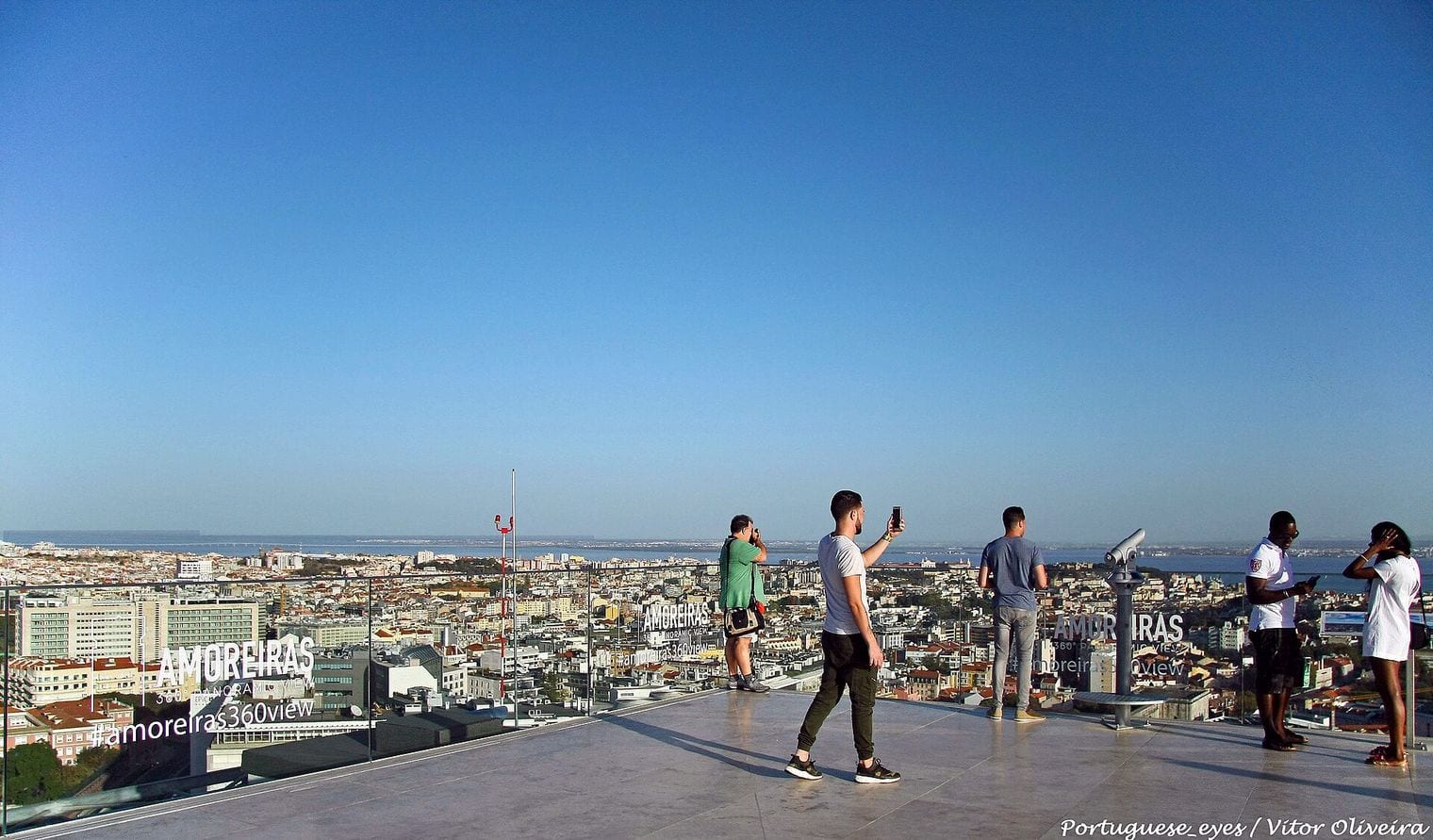
For a view that takes in the whole city at once rather than one quarter of it, Amoreiras 360 is unmatched. The deck sits on the roof of one of the postmodern Amoreiras towers, built in the 1980s on high ground west of Avenida da Liberdade, and at that height the sightlines are genuinely uninterrupted.
From the walkway you can pick out the castle, the two bridges, the Christ statue on the far bank, the Monsanto ridge and, on a clear day, the Sintra hills. It is a ticketed lift ride to the top and it is rarely busy, which makes it a reliable alternative when the free miradouros are packed. Late afternoon gives the best light on the river.
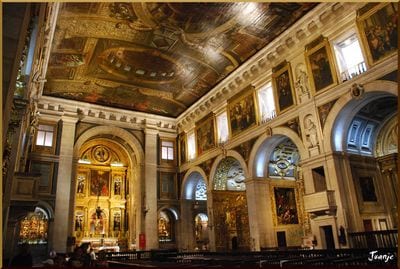
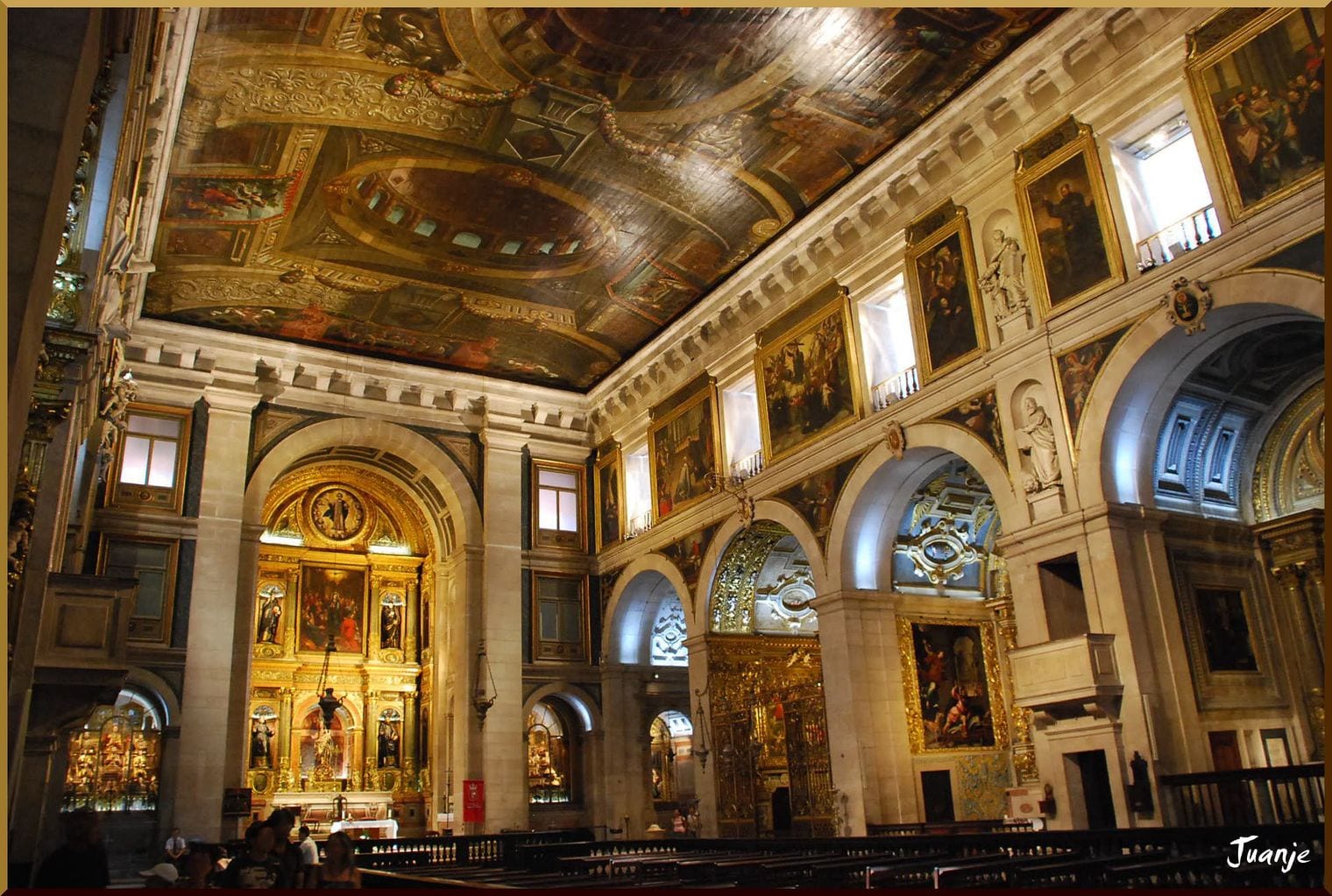
Nothing about the flat, plain front of the Igreja de São Roque prepares you for the inside. Built for the Jesuits in the late 16th century, it has a painted wooden ceiling and a row of side chapels so densely worked in gilt, marble and inlay that the effect is closer to a treasury than a church. It survived the 1755 earthquake almost untouched.
The Chapel of St John the Baptist is the reason to come. Commissioned by João V, it was designed and built in Rome in the 1740s out of lapis lazuli, amethyst, alabaster, ivory and gilt bronze, assembled there, blessed by the Pope, then dismantled and shipped to Lisbon — reputedly one of the most expensive chapels ever constructed. The adjoining museum holds the silver and vestments made to go with it.
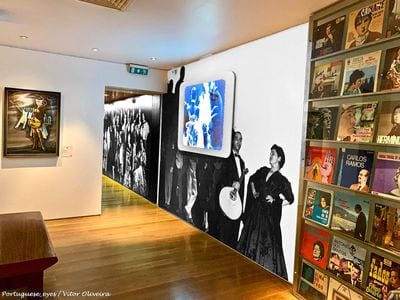
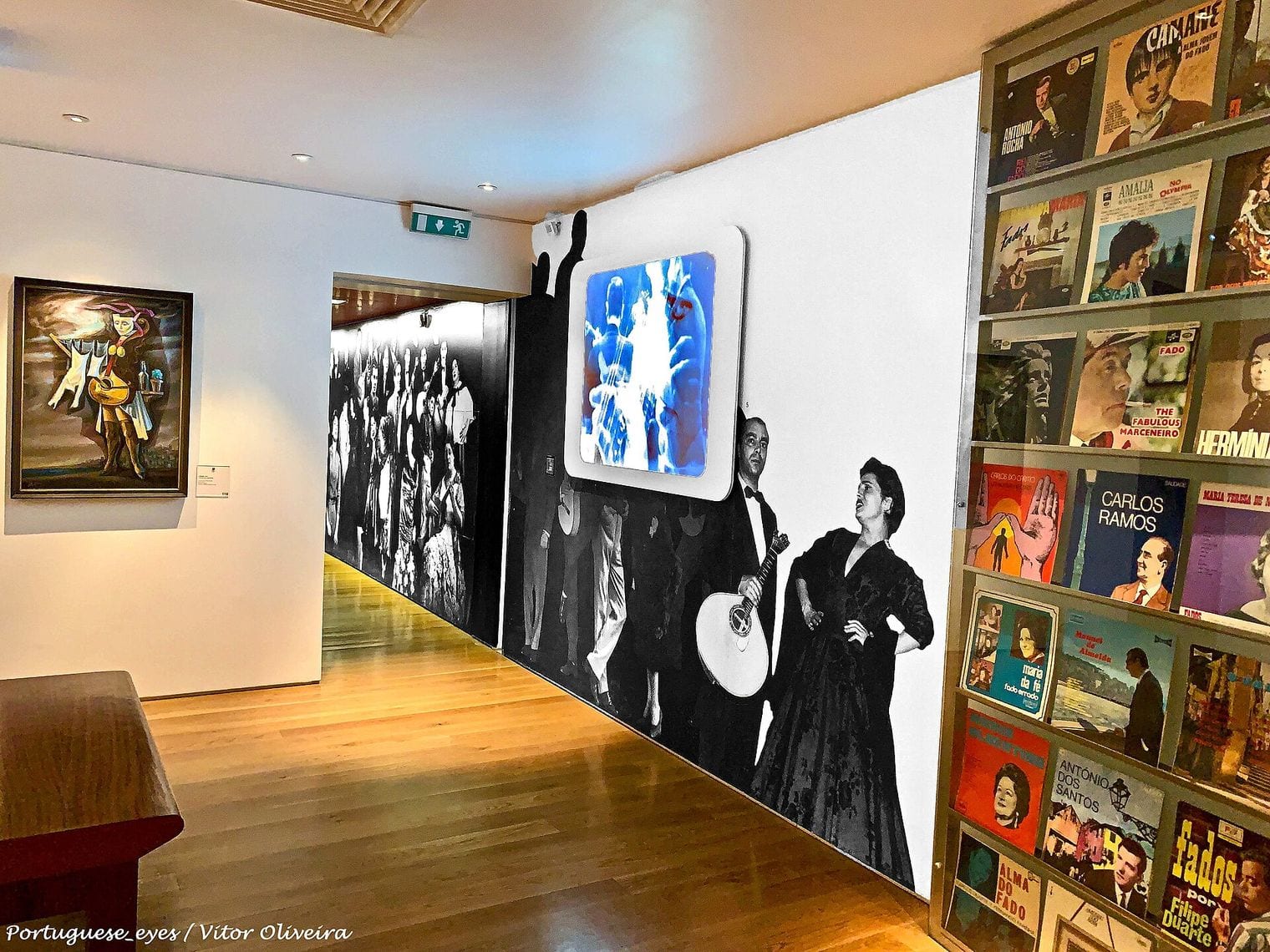
Fado was born in the streets of Alfama and Mouraria in the early 19th century, and the Museu do Fado sits at the foot of the same neighbourhood. It traces the music from disreputable dockside song to national art form and UNESCO intangible cultural heritage, which it became in 2011.
An audio guide carries the whole visit, because the exhibits are recordings as much as objects — you move through the rooms listening to voices from wax cylinder to the present, with Amália Rodrigues at the centre. There is a good section on the Portuguese guitar, the pear-shaped twelve-string instrument that gives fado its sound, and the museum runs its own school and regular live performances.
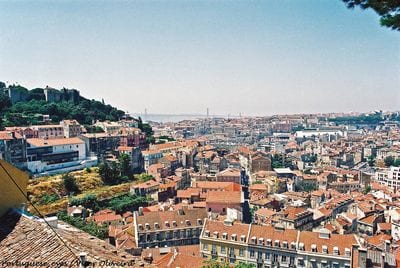
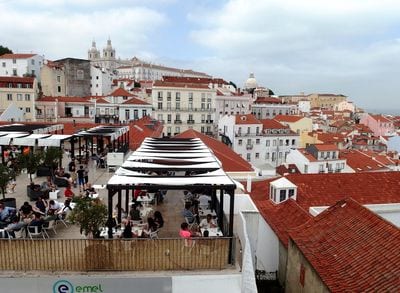
Portas do Sol is the picture-postcard view of Alfama, and the name is literal — a gate of the old Moorish wall stood on this spot, facing the rising sun. The terrace looks straight down over terracotta roofs to the river, with the white dome and twin towers of São Vicente de Fora rising out of the tangle on the left.
It shares a spur of the hill with the Miradouro de Santa Luzia a few steps away, and the two are usually visited together; Santa Luzia has the tiled pergola, Portas do Sol has the wider frame and the kiosk terrace below the balustrade. Tram 28 stops directly beside it, which is convenient and also why it is busy for most of the day.
The Monastery of São Vicente de Fora — "outside the walls", which it was when founded in the 12th century — was rebuilt in severe Mannerist style from 1582 and is one of the largest religious complexes in the city. The church is cool, white and almost bare, and the real interest is next door in the monastery.
The cloisters carry an extraordinary sequence of 18th-century blue-and-white azulejo panels illustrating La Fontaine's fables — an unlikely subject for a monastery and one of the great tile cycles in Portugal. Beyond them lies the Braganza pantheon, where nearly every monarch of Portugal's last royal house is buried, and a roof terrace with a view over Alfama, the Pantheon dome and the river.
The Money Museum is run by the Bank of Portugal inside the shell of the former church of São Julião, it is free, and it is considerably more engaging than the subject suggests. The displays cover the history of money from barter to digital payment, with a large numismatic collection and a gold bar you can lift.
The unexpected part is in the basement. During construction the excavation uncovered a substantial stretch of the 13th-century city wall built under King Dinis, and it has been left in place and lit as part of the route — a piece of medieval Lisbon standing under the middle of the Baixa, which was flattened and rebuilt above it after 1755. Admission is free.
Down on the Alcântara docks, the Museu do Oriente occupies a monumental 1940s warehouse originally built for drying salt cod, converted with the industrial bones left visible. The subject is Portugal's four centuries in Asia — Goa, Malacca, Macau, Nagasaki — told through furniture, ivory, porcelain, textiles and Namban screens painted by Japanese artists who had just met Europeans for the first time.
The second collection is entirely different and arguably better: the Kwok On collection of Asian performing arts, thousands of masks, puppets, costumes and shadow-theatre figures gathered across the continent. The museum sits away from the tourist routes and is usually quiet, and it has a top-floor restaurant with a view over the docks and the bridge.
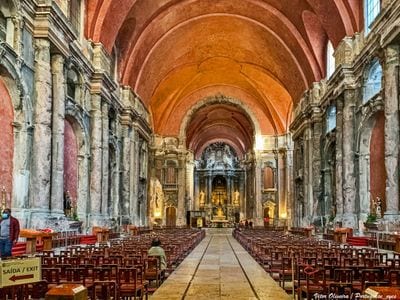
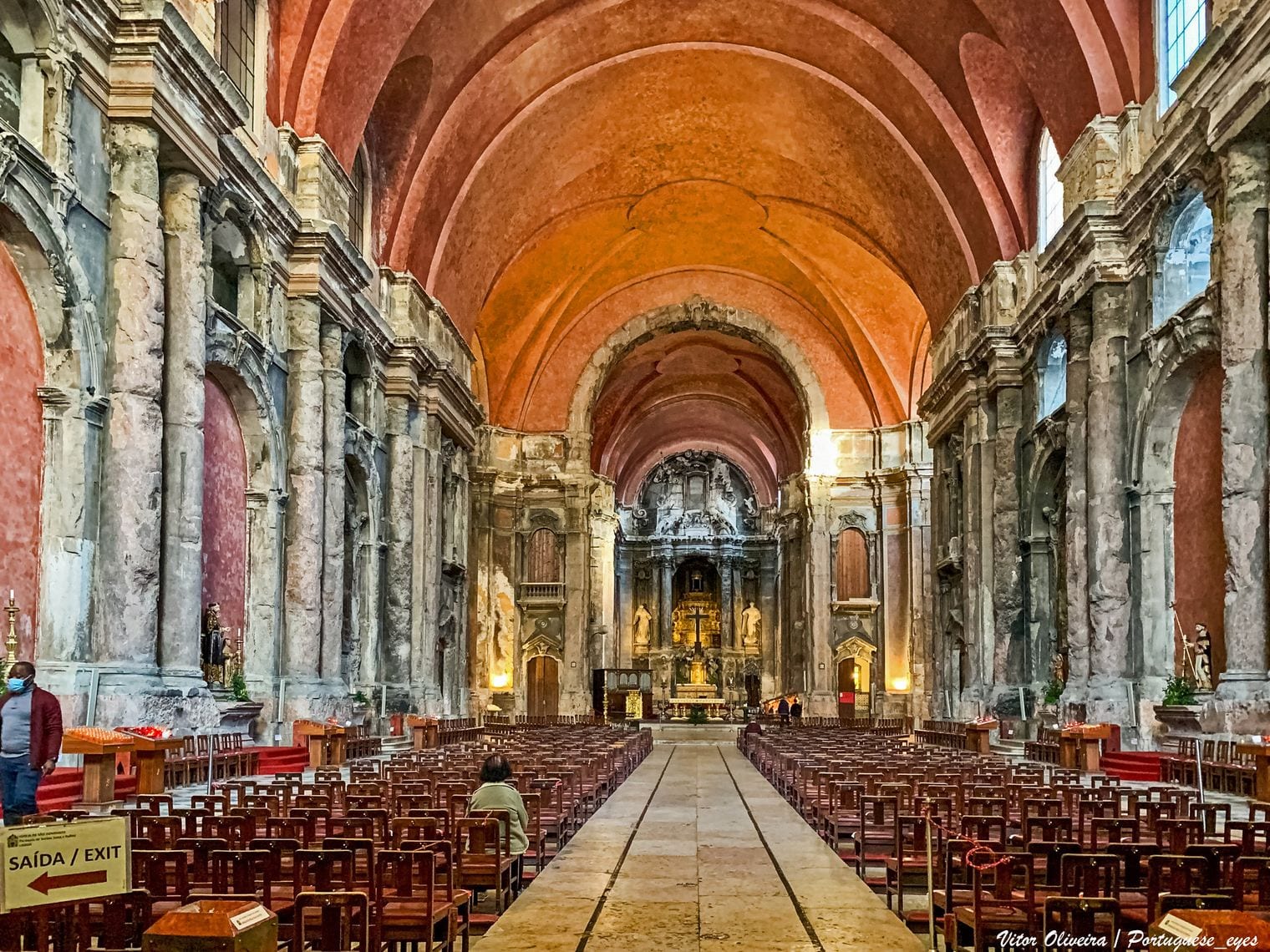
A minute off the Rossio, the Igreja de São Domingos is the most affecting interior in Lisbon and one of the least visited. Founded in the 13th century, wrecked by the 1755 earthquake and gutted by fire in 1959, it was reopened without being restored — the columns are cracked and scorched red, the walls are raw, and the damage has simply been left.
The effect in low light is extraordinary, and the church's history is darker still: the square outside was the site of the 1506 massacre, in which a mob killed thousands of Lisbon's Jews over several days. A memorial stone and an olive tree stand by the door, and the wall carries an apology in dozens of languages. It takes five minutes to see and stays with you considerably longer.
Plan your trip
Best Time to Visit Lisbon
Spring and early autumn are the sweet spots. From March to May the light is clean, the jacarandas come into flower and the hills are walkable without effort; September and October bring the warmest sea of the year and noticeably thinner crowds than high summer. Both shoulder seasons suit a city where most sightseeing happens on foot and outdoors.
June is the loudest month: the Festas de Lisboa fill Alfama and Graça with street parties, grilled sardines and paper decorations around the feast of Saint Anthony, the city's patron. July and August are hot, busy and best planned around early mornings and late dinners. Winter is mild by European standards but it is the wettest stretch, which makes it a museum-and-market season rather than a viewpoint one.
Getting to Lisbon
Humberto Delgado Airport sits unusually close to the centre — a few kilometres north, on the end of the metro's red line, so the ride into town takes about twenty minutes rather than the hour most European capitals demand. It is Portugal's main international gateway and handles both long-haul and short-haul traffic.
By land, the A1 motorway runs north toward Coimbra and Porto and the A2 crosses the river south toward the Algarve, both feeding onto the two Tagus bridges. Fast trains link Lisbon with Porto in roughly three hours from Santa Apolónia and Oriente stations, with connections south to Faro and east toward the Spanish border; long-distance coaches use the Sete Rios terminal.
Getting Around Lisbon
You do not need a car, and you will be happier without one — the old quarters are a tangle of one-way lanes with almost nowhere to park. The metro covers the modern city and the airport efficiently, while buses, trams and three historic funiculars handle the hills the metro cannot. A single rechargeable card works across the whole network.
The centre is walkable in the strict sense but genuinely steep, and the pavements are polished limestone that turns slippery in rain, so bring shoes with grip. Baixa is flat; Alfama, Graça, Bairro Alto and Príncipe Real all involve climbing. Taxis and rideshares are inexpensive by western European standards and worth using for the last uphill stretch at the end of a long day.
Where to Stay in Lisbon
For a first visit, base yourself in Baixa or Chiado: flat, central, well connected, and within walking distance of the river, the shopping streets and the funiculars up to the nightlife. Alfama is the atmospheric choice — medieval lanes, fado houses and castle views — but it means stairs with luggage and very little vehicle access.
Bairro Alto and Príncipe Real suit travellers who want bars, boutiques and late nights, though the former is loud until the early hours. Avenida da Liberdade is the grand, tree-lined and pricier option, Belém is quiet and monument-heavy but distant from the evening action, and Parque das Nações out east is modern, flat and easy with children.
Where to Eat in Lisbon
Eat salt cod first. Bacalhau turns up in endless preparations, and the city's other staples are worth hunting down too: grilled sardines in summer, clams cooked with garlic and coriander, slow-cooked pork with clams from the Alentejo, and the bifana, a garlicky pork sandwich that costs very little. Finish with a pastel de nata and a glass of ginjinha, the local sour-cherry liqueur, drunk standing at a hole-in-the-wall counter.
Cais do Sodré is the dining hub, anchored by the market hall and ringed by seafood restaurants; Bairro Alto and Príncipe Real hold the small, inventive kitchens; Campo de Ourique is where residents actually eat, around its neighbourhood market. For fado with dinner, Alfama and Mouraria are the traditional quarters — book, and expect the room to fall silent when the singing starts.
Day Trips from Lisbon
Sintra is the obvious one: about forty minutes northwest by train into a wooded hill range studded with Romantic palaces, a Moorish castle ridge and the gardens of Quinta da Regaleira. Give it a full day and go early, because the hill road congests badly. Cascais, a similar distance west along the coast line, is an easier, lower-key alternative — a former fishing town with beaches, a marina and the wind-blasted cliffs of Boca do Inferno nearby.
South across the bridge, roughly forty-five minutes away, the Arrábida hills drop to some of the clearest water in the country, with Setúbal as the base for dolphin-watching in the Sado estuary. Further afield, the walled village of Óbidos sits about an hour north, and the UNESCO-listed Roman and medieval city of Évora is around ninety minutes east into the Alentejo plains.
Before you go
Mobile dataAn eSIM gives your phone local data when you land, with no SIM card to swap.via AiraloGet an eSIM
Airport transferA driver meets you at arrivals and takes you to your hotel, at a price fixed when you book.via Welcome PickupsBook a transfer
We may earn a commission when you buy through these links, at no extra cost to you. How we make money.
One Day in Lisbon
Morning
Start out west in Belém, before the coaches arrive. Give the cloister at the Jerónimos Monastery a slow hour, walk down to the water for the Monument to the Discoveries and its compass rose, then continue along the riverfront to Belém Tower. Stop at Pastéis de Belém on the way back to the tram — sit in the tiled rooms at the back rather than queueing on the street.
Head back into the centre and come up through Praça do Comércio and the Baixa grid. Climb — or take a tuk-tuk, which is what the hill deserves — to the Castelo de São Jorge for the widest view in the city, then wind down through Alfama past the Lisbon Cathedral, pausing at Miradouro de Santa Luzia for the tiled terrace above the rooftops.
Cross to Bairro Alto for sunset at Miradouro de São Pedro de Alcântara, which faces the castle you were standing on an hour earlier. Eat at the Time Out Market down at Cais do Sodré if you want range and speed, or stay in Alfama, where fado drifts out of the small restaurants most nights of the week.
Lisbon is known for its Age of Discovery monuments — Belém Tower and the Jerónimos Monastery, both UNESCO-listed — along with the Moorish Castelo de São Jorge, the vintage yellow carriages of Tram 28, and the custard tarts baked at Pastéis de Belém. Add tiled façades, hilltop viewpoints and fado, and you have the city in shorthand.
How many days do you need in Lisbon?
Three full days is the practical minimum: one for Belém, one for the castle, Alfama and the Baixa, and one for the museums and viewpoints. A fourth day lets you add Sintra without rushing it, and five to seven turns the trip into something more relaxed, with time for Parque das Nações, a day at the coast and evenings that are not scheduled.
Aim for March to May or September to October, when the weather is warm but not punishing and the hills are comfortable to walk. September has the warmest sea after a long summer. June brings the Festas de Lisboa and its street parties, July and August are hot and crowded, and winter is mild but wet — better for museums than viewpoints.
Is Lisbon a walkable city?
Yes, with a caveat: it is walkable but seriously hilly, and the polished limestone pavements get slippery when wet. The Baixa is flat and easy, while Alfama, Graça and Bairro Alto all involve real climbs. Wear shoes with grip, and treat the funiculars, trams and the occasional taxi as the intended way to skip the steepest sections.
Do you need a car in Lisbon?
No. Parking in the historic quarters ranges from difficult to impossible, and the metro, tram, bus and funicular network covers the city comfortably on a single rechargeable card. A car only becomes useful for exploring further afield — the Arrábida coast or the Alentejo — and even Sintra and Cascais are better reached by train than by driving.