We build and rank every list first. Booking links come after, and only where
a partner sells a ticket, tour or stay for that exact place, so a place with
nothing to book is listed exactly as prominently as one you can book.
So how do we earn? Some links on this page go to booking
partners, and if you book tickets, tours or a stay through
one, we may earn a commission. It costs you nothing extra.
That commission never decides which places make the list, the order they
appear in, or what we write about them. No entry is sponsored or a paid
placement.
By the CityViking Research TeamPublished 20 places · 15 min read
Sources Checked before launchOct 4, 202620 sources16 publishers10 government & parks5 encyclopedias & research5 venues & other sitesPublished · Oct 4, 2026Researched and checked before it went liveClick for every source and the full change log.
Short answer
Start with Block Island for the clay cliffs of Mohegan Bluffs and Southeast Light, Wickford for its colonial harbor and 1707 Old Narragansett Church, and Little Compton for its stone-walled farms and quiet village Commons. Most towns on this list fill a relaxed day, while Block Island and Newport each deserve two days or a weekend.
Rhode Island may be the smallest state, yet it packs in an island ferry town, colonial harbor villages, Gilded Age resorts and stone-walled farm country, most of it within an hour's drive of Providence. Narragansett Bay and the Atlantic shape the coast, while quiet woods and mill villages fill the inland west.
This guide ranks 20 of the best, from Block Island and Wickford to Little Compton, Jamestown and Bristol, with beach towns, rural crossroads and the small city of Newport along the way. Most fill a relaxed day, and Block Island and Newport deserve a weekend.
Bristol's Fourth of July celebration, founded in 1785, is the oldest continuous Independence Day celebration in the United States, and the center line of Hope Street stays painted red, white and blue all year.
The Flying Horse Carousel in Watch Hill is the oldest operating carousel in the country whose horses hang from chains, so they swing outward as it turns.
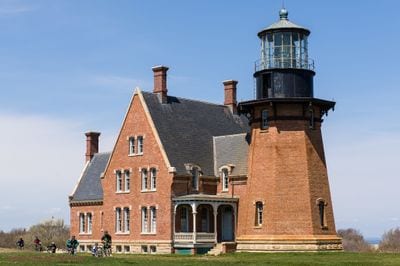
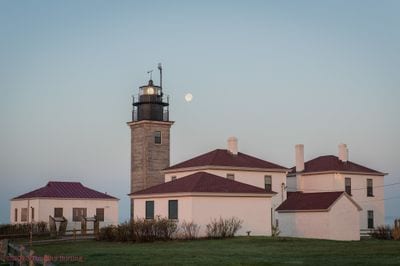
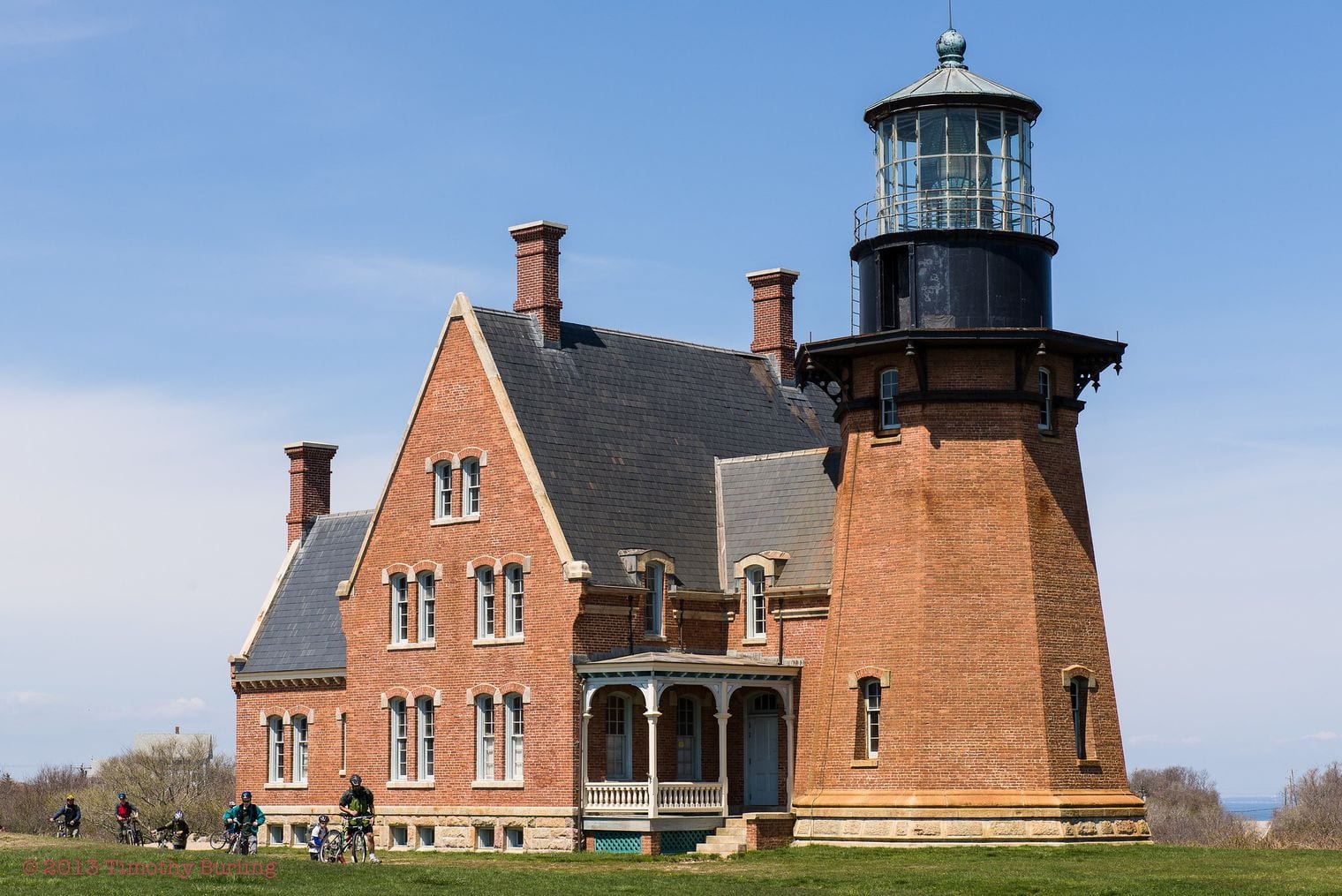
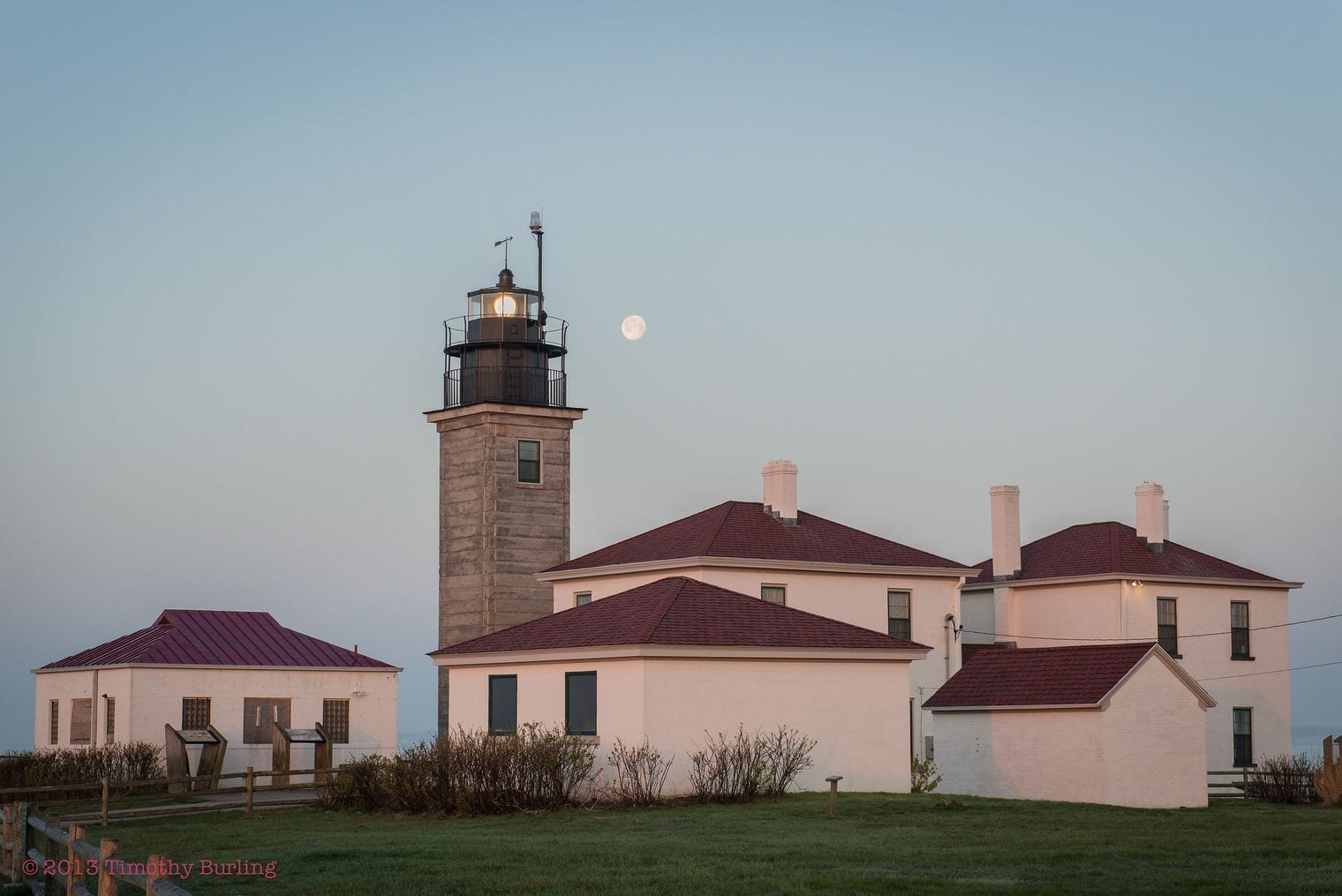
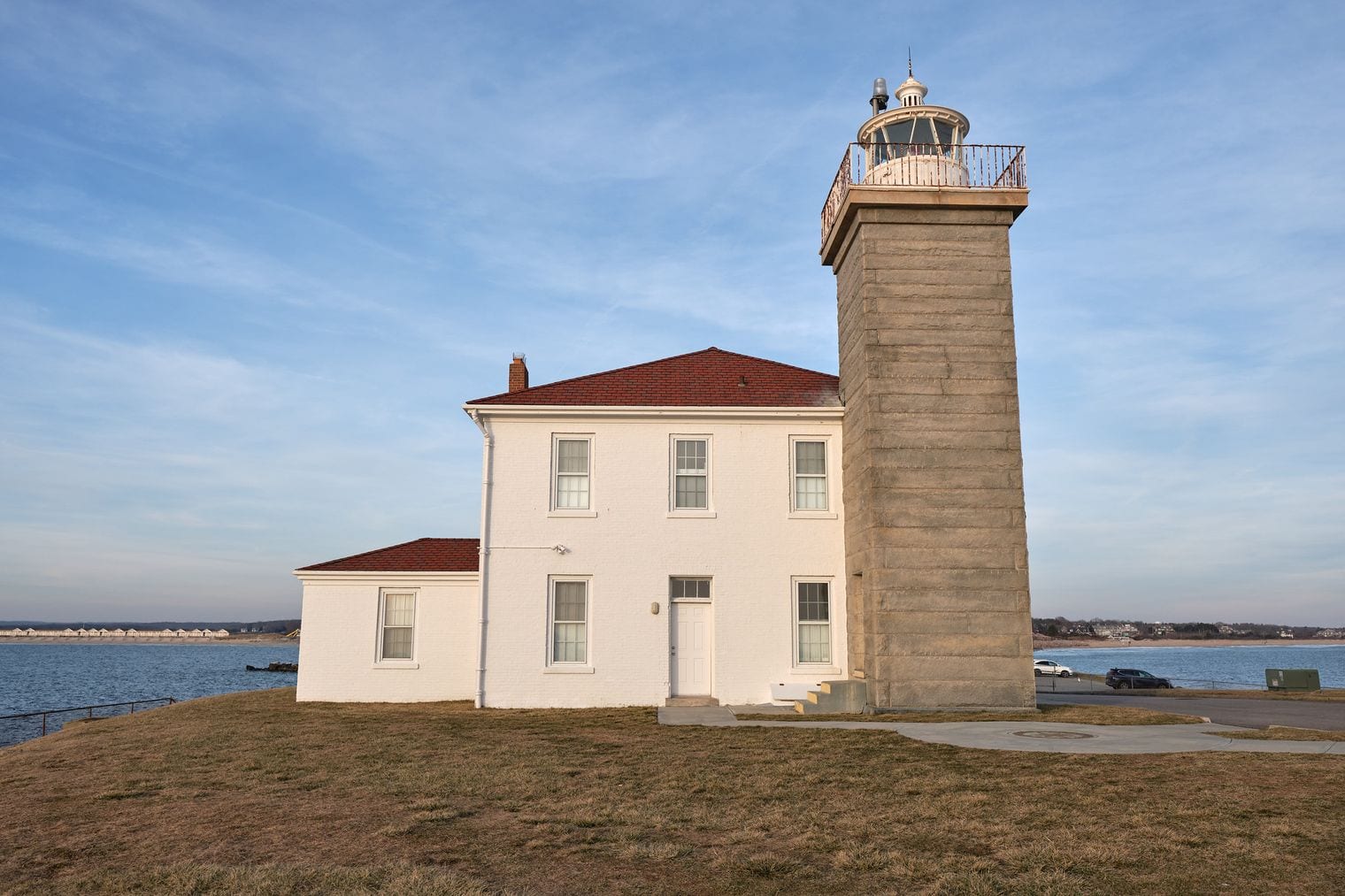
In 1993 the 2,000-ton Southeast Light on Block Island was moved about 300 feet back from the eroding edge of Mohegan Bluffs.
Elizabeth Pabodie, daughter of the Mayflower passengers John Alden and Priscilla Mullins, is buried on the Commons in Little Compton; her monument calls her the first white woman born in New England.
In 1892 neighbors in Exeter exhumed Mercy Brown, convinced she was a vampire, in one of the last known cases of New England's vampire panic.
East Greenwich was one of Rhode Island's five state capitals until 1854, and the courthouse where the General Assembly met is now its town hall.
Block Island lies about nine miles off the Rhode Island coast, and the whole island is a single town, officially named New Shoreham, with around 1,400 year-round residents. Ferries from Point Judith land at Old Harbor, where Victorian hotels look out over the water and rental bikes wait for day-trippers.
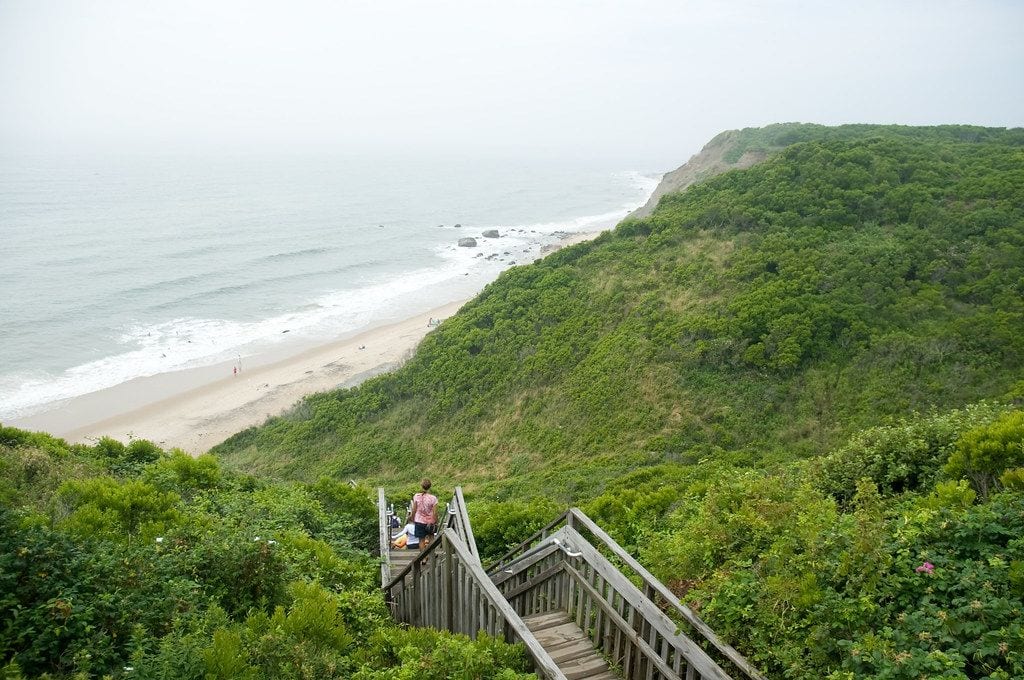
About 40 percent of the island is set aside for conservation, and The Nature Conservancy counts it among its "Last Great Places." Take the long stairway down Mohegan Bluffs, clay cliffs about 150 feet high, then visit Southeast Light, a National Historic Landmark that was moved about 300 feet back from the eroding edge in 1993. North Light, Crescent Beach and stone-walled walking trails fill the rest of the day.
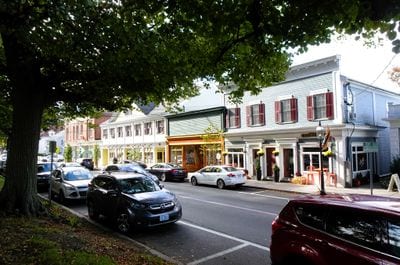
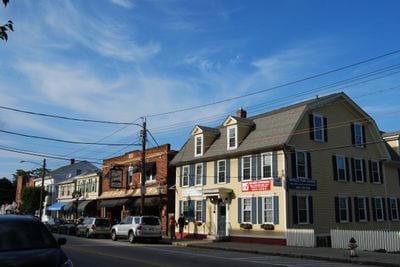
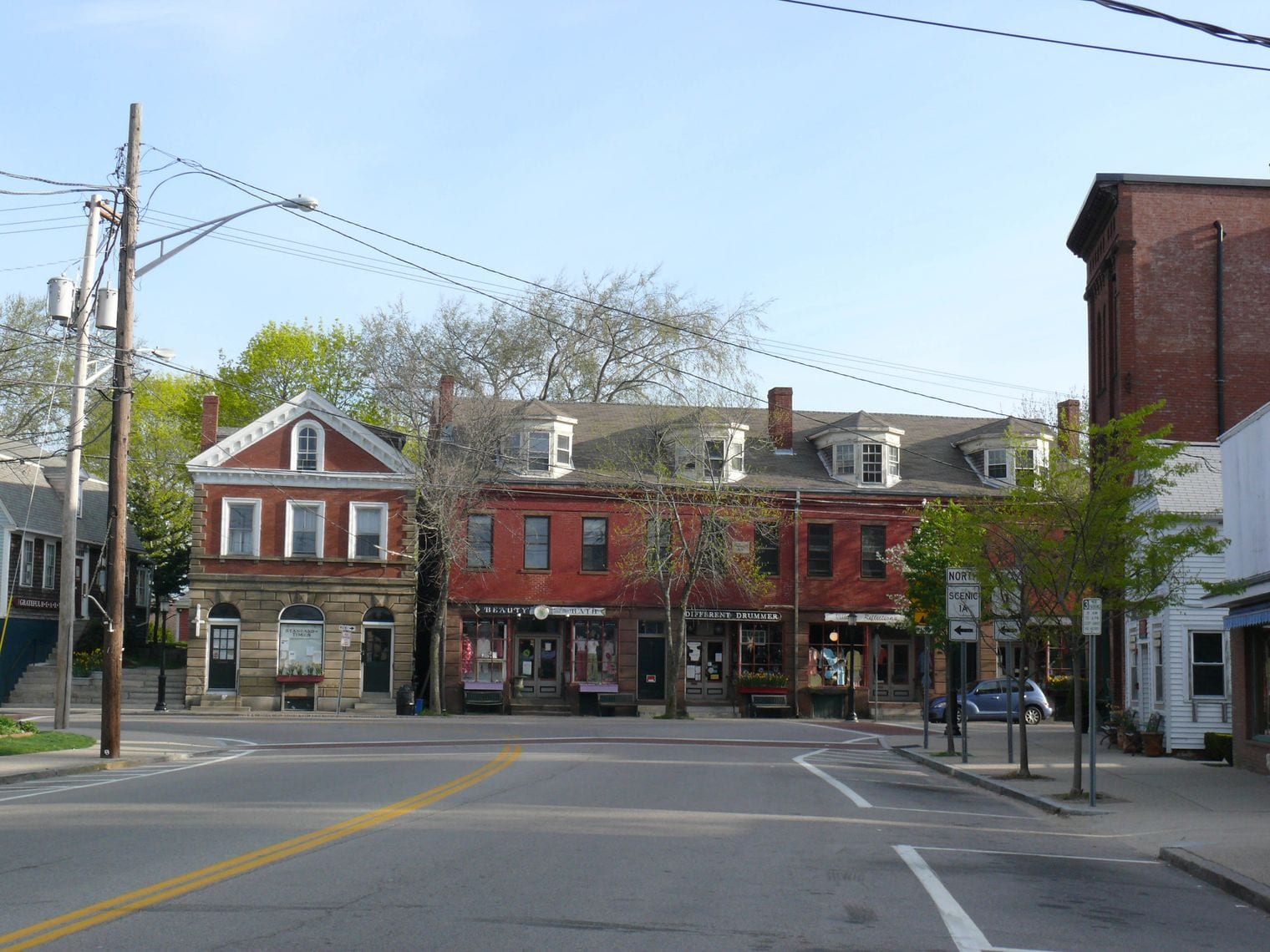
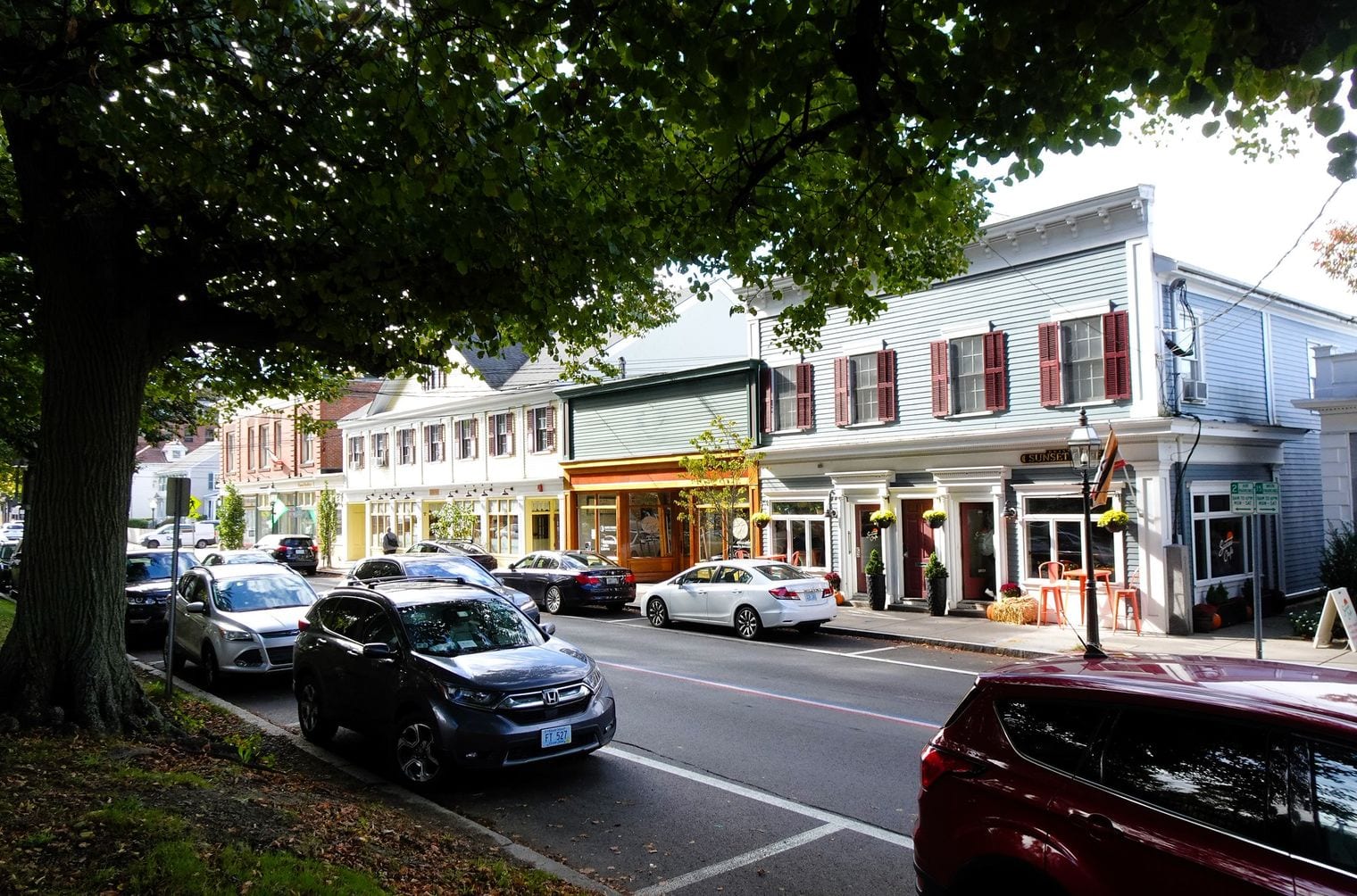
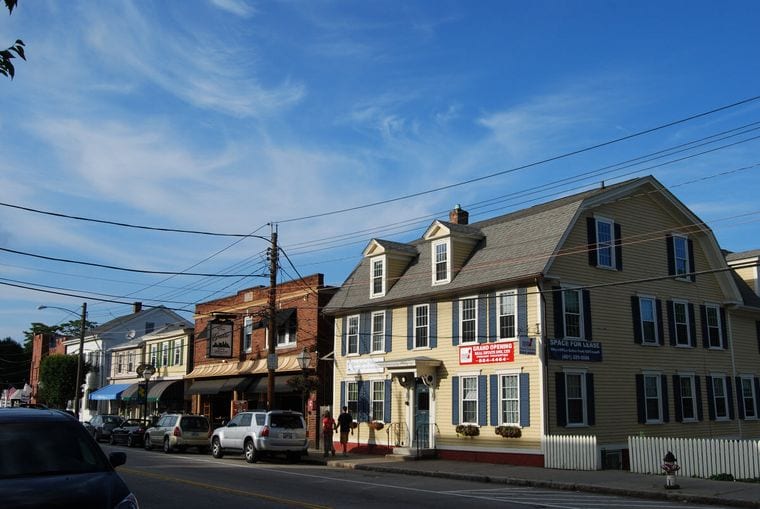
Wickford is a harbor village in the town of North Kingstown, wrapped around one of the best-protected natural harbors on the East Coast and holding one of the largest collections of 18th-century houses in the Northeast. Its short main streets are lined with small shops and galleries, and the side lanes end at docks full of sailboats and working boats.
The Old Narragansett Church, built in 1707 and moved into the village in 1800, is believed to be the oldest Episcopal church building in the Northeast; the painter Gilbert Stuart was baptized there. Just north of the village, Smith's Castle is a colonial plantation house, now a museum, set beside the water.
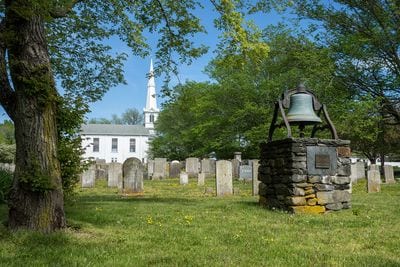
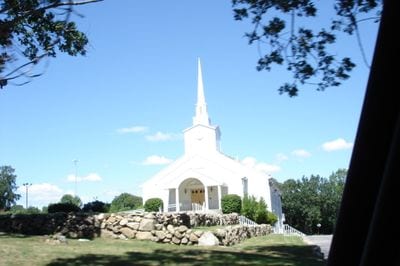
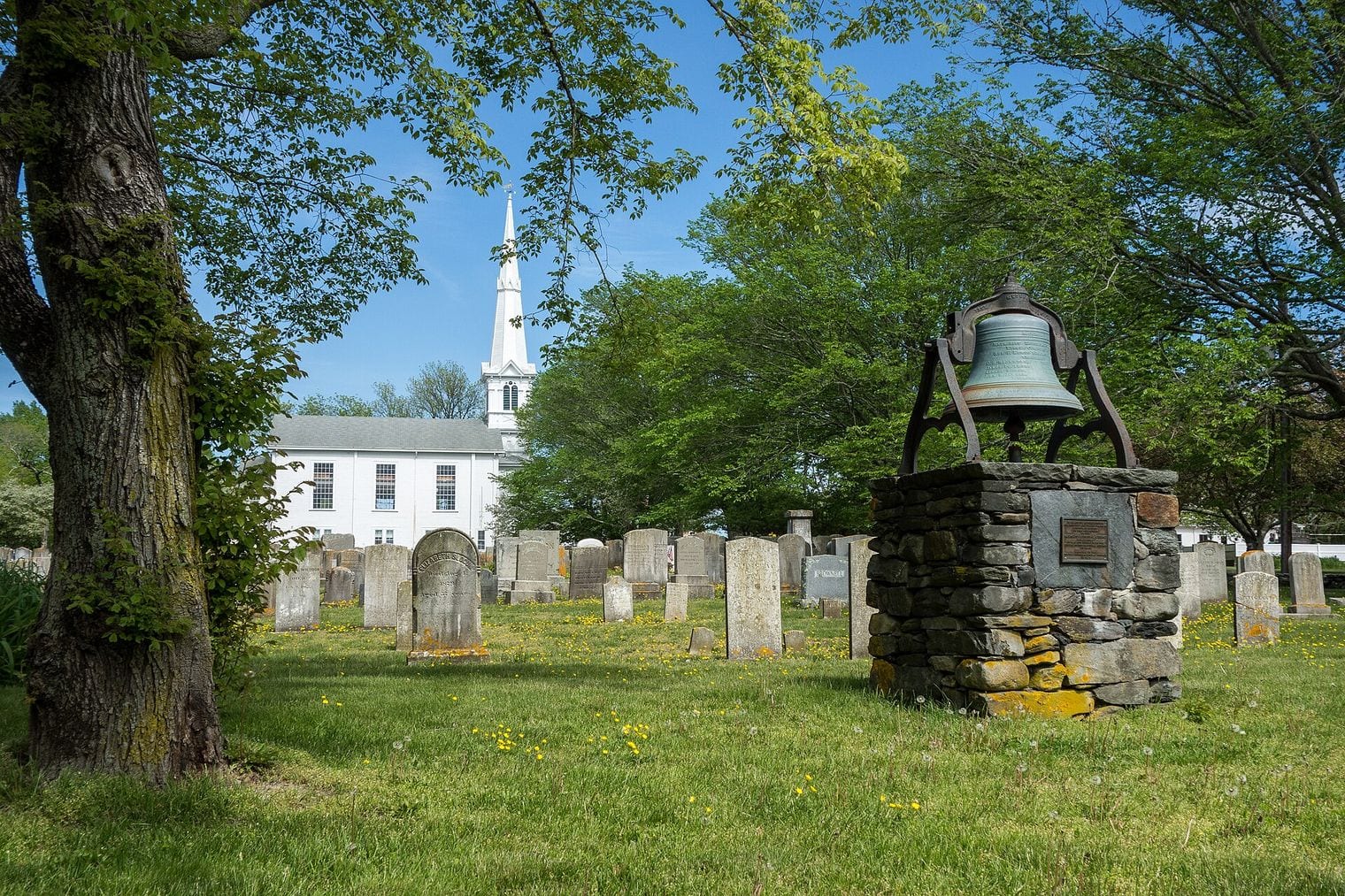
Little Compton fills the bottom of the Sakonnet peninsula, a town of about 3,600 people where stone walls, farm stands and open fields run down to the Atlantic. At its heart, the Commons gathers a white-steepled church, a general store and an old burying ground around one village green.
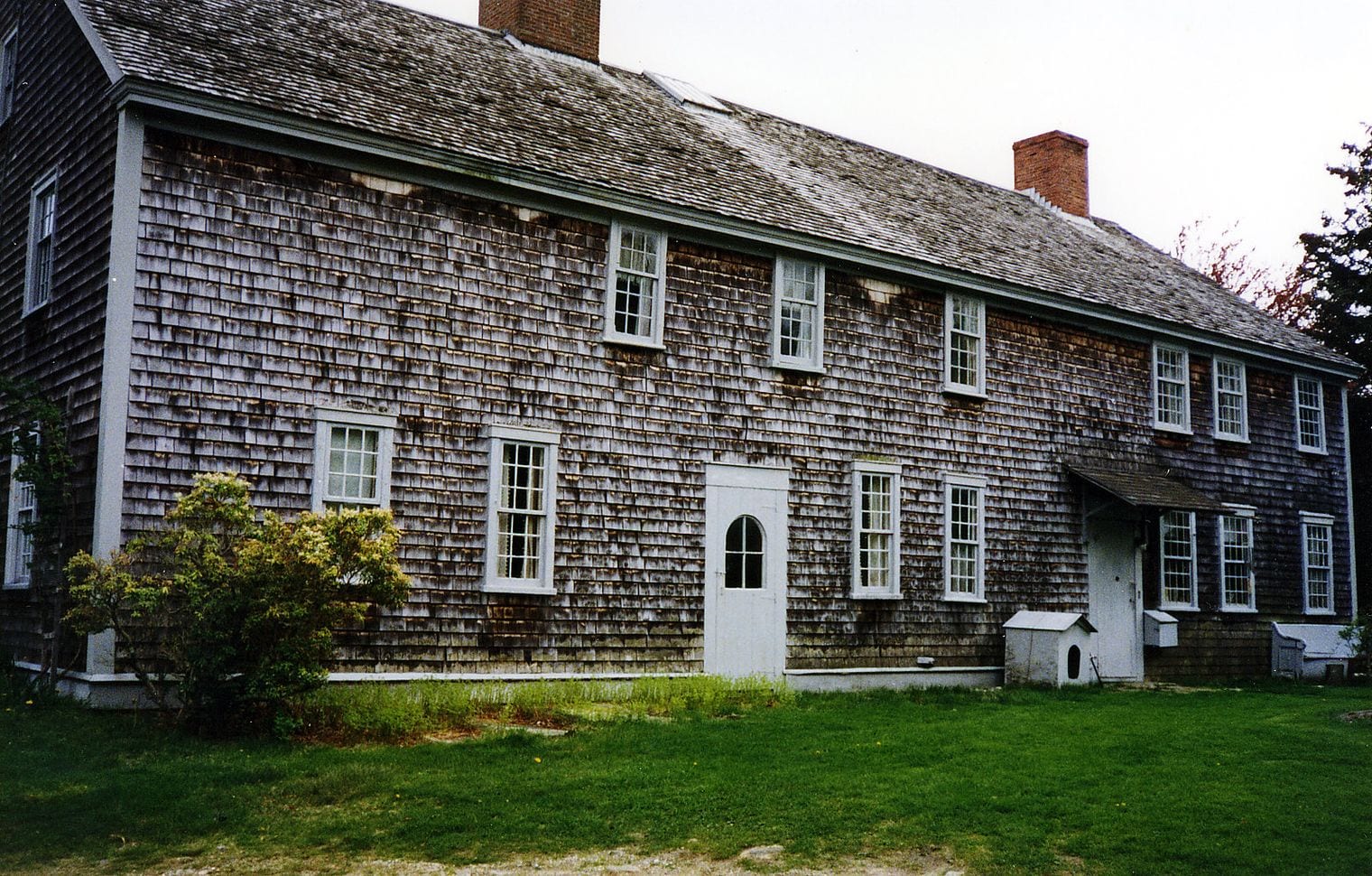
In that burial ground lies Elizabeth Pabodie, daughter of the Mayflower passengers John Alden and Priscilla Mullins, under a monument calling her the first white woman born in New England. The Little Compton Historical Society runs the historic Wilbor House as a museum, and the road south ends at Sakonnet Point, with its lighthouse on a rock offshore and South Shore Beach nearby.
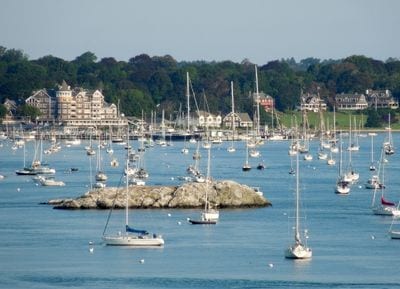
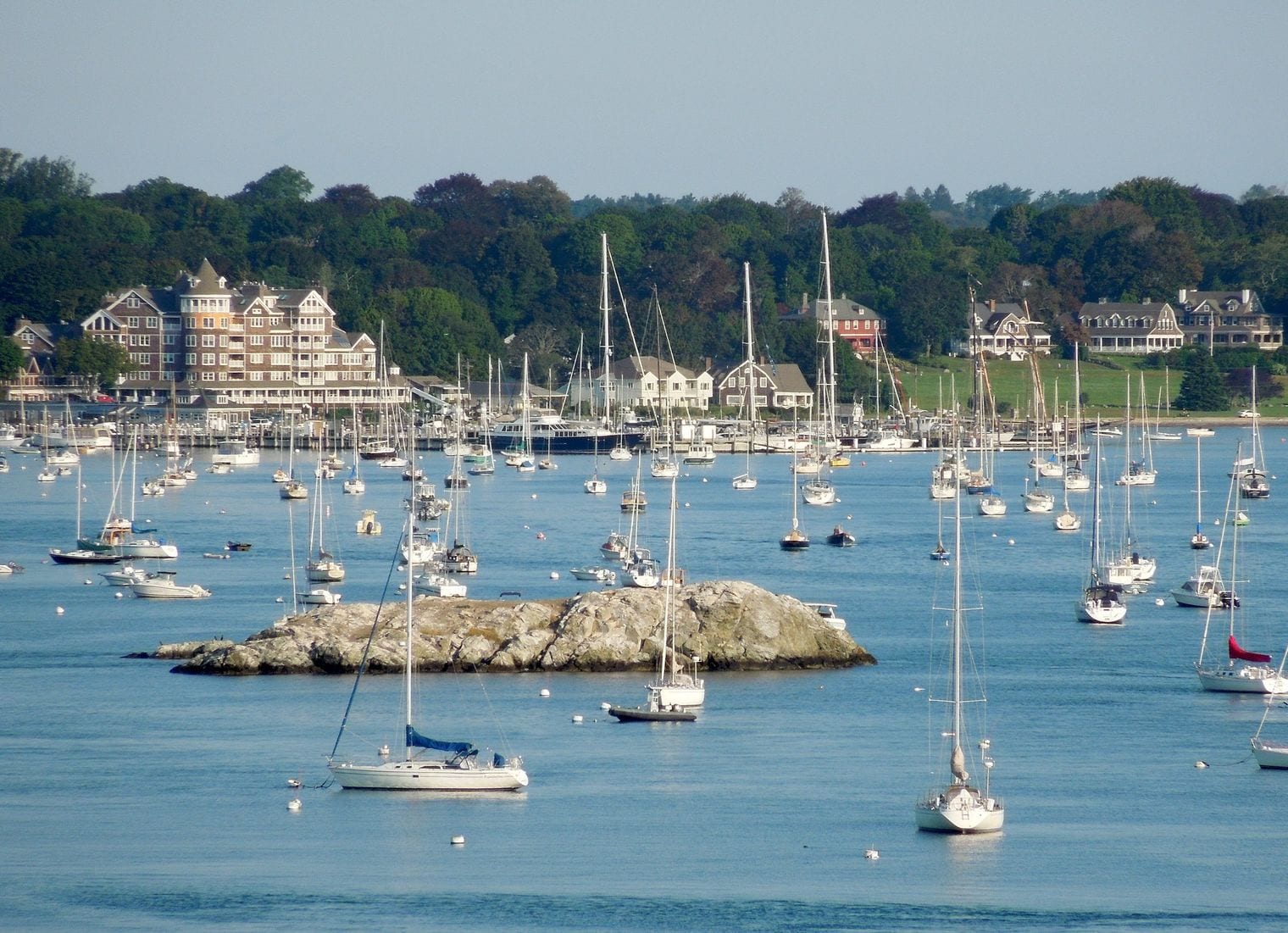
Jamestown covers almost all of Conanicut Island, the second-largest island in Narragansett Bay, joined by bridges to Newport on one side and the mainland on the other. Around 5,600 people live here year-round, and the small village faces the bay at East Ferry.
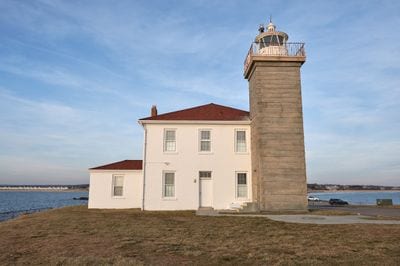
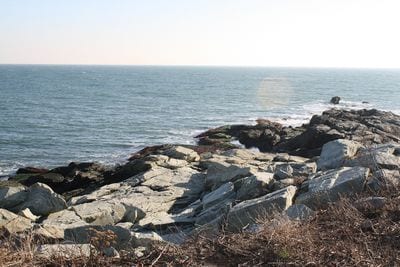
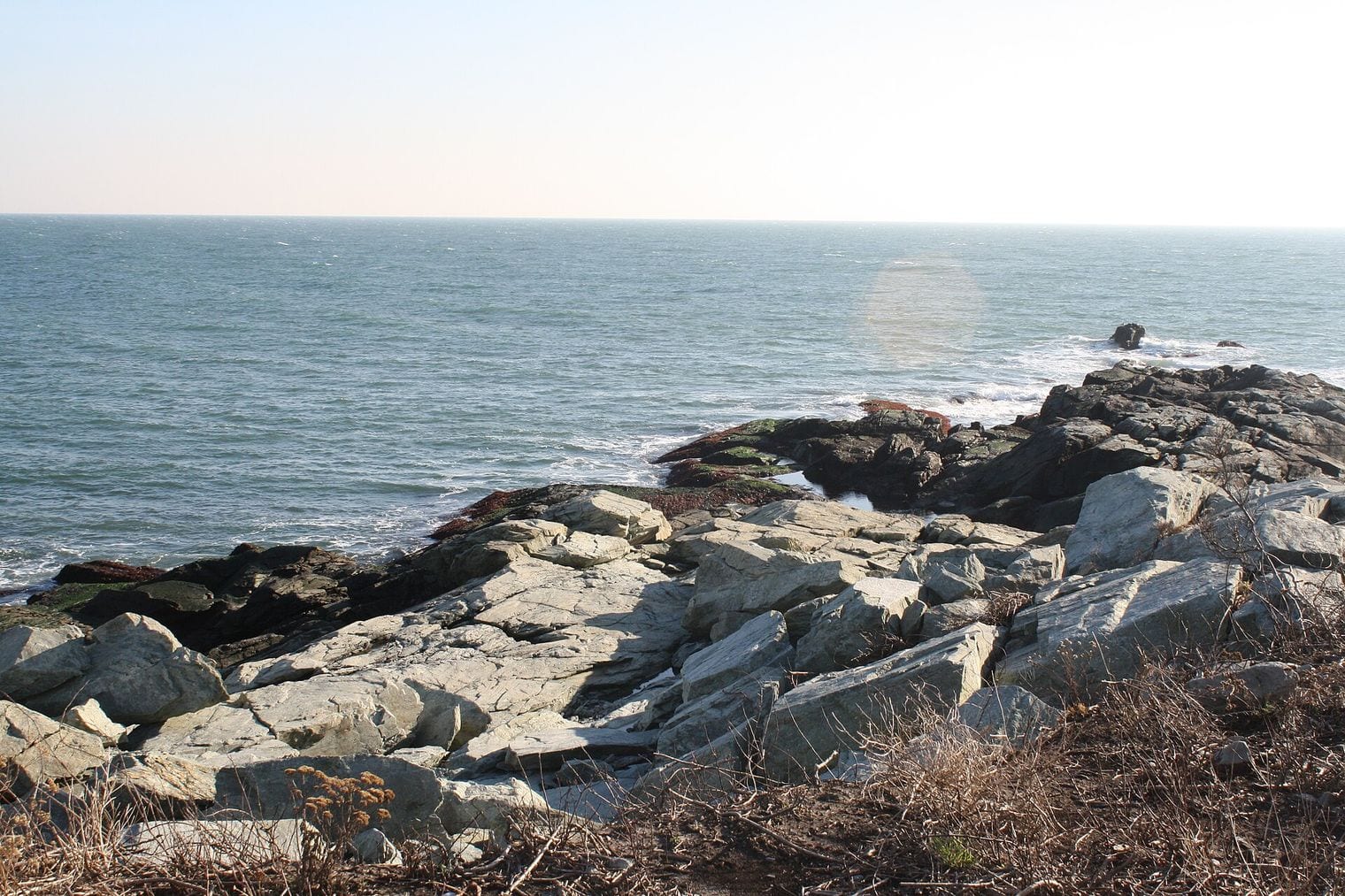
The island's southern tip is Beavertail State Park, where the granite Beavertail Lighthouse of 1856 stands on a light station established in 1749, the third in the American colonies, above rocks where the surf crashes in rough weather. Fort Wetherill, a former coast artillery fort on granite cliffs, frames the harbor mouth, and the 1787 Jamestown Windmill still stands on North Road.
Bristol is a harbor town of about 22,500 people on the East Bay, and few places anywhere take Independence Day as seriously. Its Fourth of July celebration, founded in 1785, is the oldest continuous one in the United States, and the center line of Hope Street is painted red, white and blue all year.
Away from the parade, Linden Place is a Federal-style mansion built in 1810 for the merchant and slave trader George DeWolf, and Blithewold's mansion, gardens and arboretum overlook Bristol Harbor. Colt State Park spreads across Poppasquash Neck, the Herreshoff Marine Museum tells the story of a boatyard that built eight America's Cup defenders, and the East Bay Bike Path ends in town.
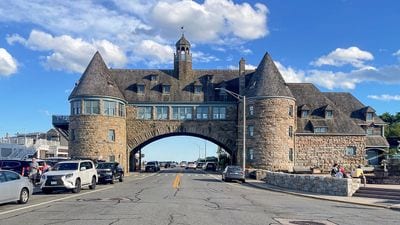
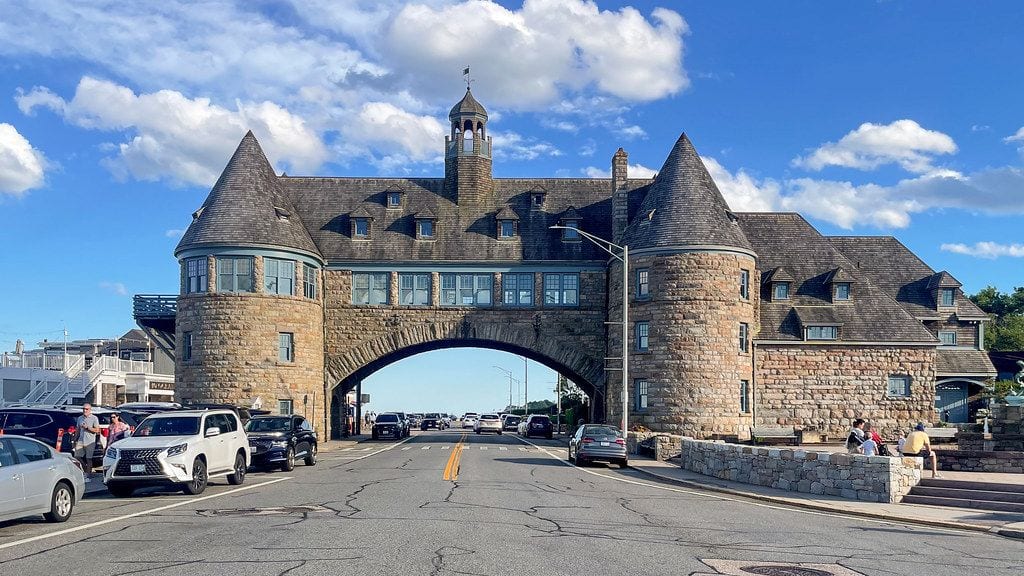
Narragansett is Rhode Island's classic beach town, a strip of shore between the Narrow River and the Atlantic with about 14,500 residents, a number that more than doubles in summer. Its town beach draws families and surfers alike, and the stone arch of The Towers spans Ocean Road as the only remnant of the 1880s Narragansett Pier Casino, designed by McKim, Mead & White.
Follow the shore south to Point Judith Light, which marks the west side of the entrance to Narragansett Bay. Next door, the fishing port of Galilee is where the year-round ferry to Block Island departs, and its docks are the place for fresh seafood.
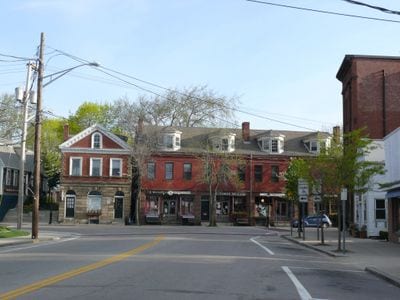
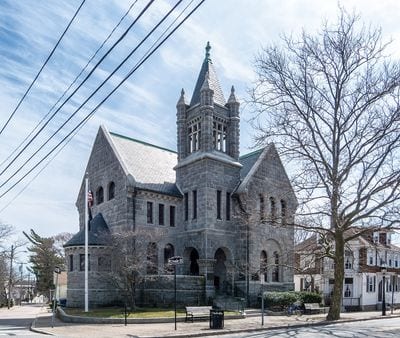
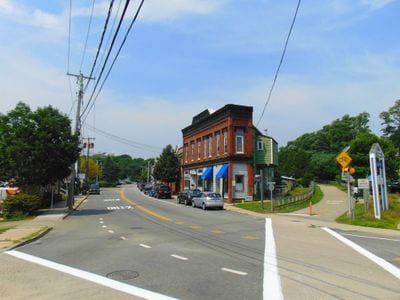
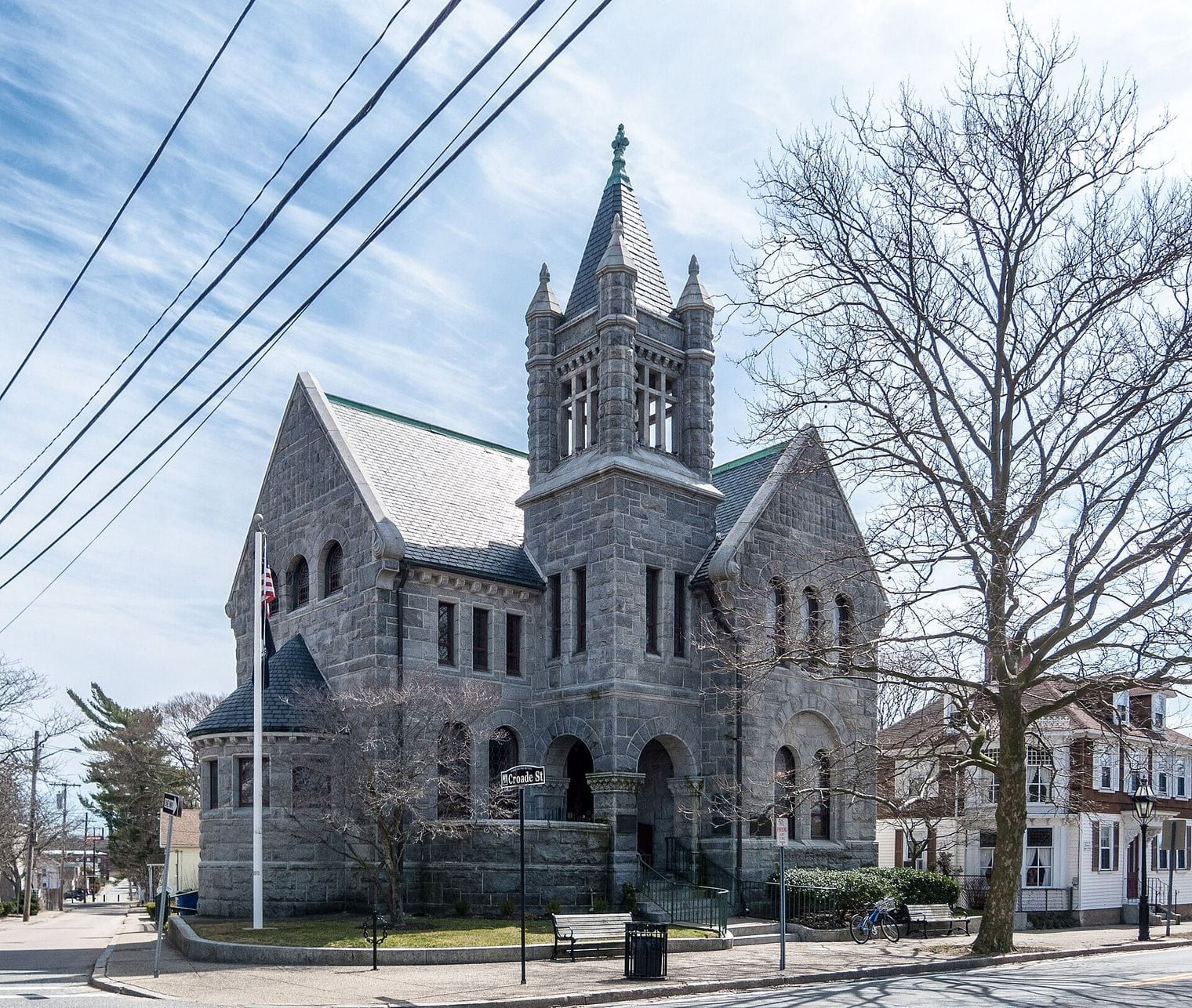
Tiverton runs along the east shore of the Sakonnet River, home to about 16,000 people spread between the water and the farmland on the road to Little Compton. Its prettiest corner is Tiverton Four Corners, a village crossroads of 18th- and early 19th-century houses, small shops and galleries, and the 1868 Union Public Library.
On the hill above the river, Fort Barton preserves earthworks from the Revolutionary War; in 1777 Lt. Col. William Barton launched from here the raid that captured the British general Richard Prescott. Climb the observation tower for views over the Sakonnet, then walk the wooded trails of Fort Barton Woods along Sin and Flesh Brook.
Westerly, in the far southwest corner of the state, was first settled by English colonists in 1661 and was long known for its granite quarries, which worked until the 1950s. Today about 23,000 people live here, and its walkable downtown sits on the Pawcatuck River, right across from Connecticut.
In the middle of downtown, Wilcox Park is a landscaped park of lawns, gardens and big old trees, the town's favorite place for a stroll. Head south and Misquamicut State Beach stretches along a barrier beach between Winnapaug Pond and the Atlantic, with Weekapaug and other quieter beaches nearby; the village of Watch Hill, next on this list, is also part of Westerly.
Watch Hill is a tiny village of about 200 year-round residents at the southwestern tip of Rhode Island, part of the town of Westerly. It rose to fame as an exclusive summer resort in the late 19th and early 20th centuries, and its sprawling Victorian summer cottages still look out over the water.
The Flying Horse Carousel by the harbor is the oldest operating carousel in the United States whose horses hang from chains, so they swing outward as it turns, and it is a National Historic Landmark. Walk out along Napatree Point, a long sandy spit protected as a conservation area, or past the Watch Hill Lighthouse, on a site that has held a beacon since 1745.
Free printable checklist of all 20 places
Tick them off as you go. Confirm your email to download it, plus one email every Thursday with new guides for the places you tick.
Charlestown is South County beach country at its most low-key, a town of salt ponds, barrier beaches and woods with no busy downtown. Its shoreline faces Block Island Sound between Westerly and South Kingstown, and the Charlestown Breachway, where Ninigret Pond meets the ocean, is a favorite spot for fishing and swimming.
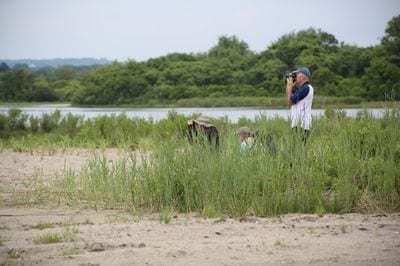
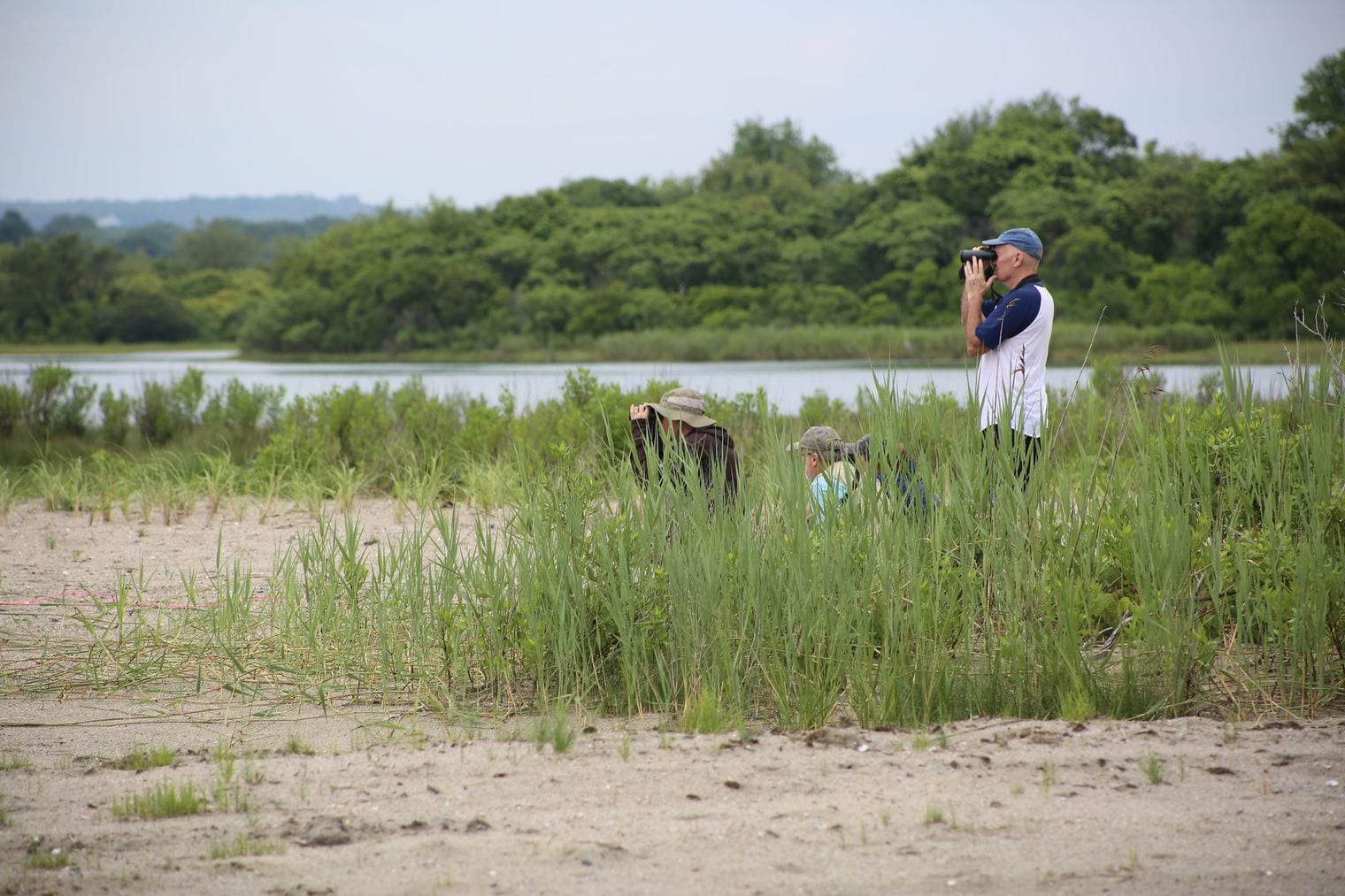
Along the pond, the Ninigret National Wildlife Refuge protects salt marsh, kettle ponds and shrubland where more than 250 bird species turn up through the year. East Beach is a long, undeveloped barrier beach and one of the quietest stretches of sand in the state, and Ninigret Park adds trails and open space inland.
East Greenwich is a well-heeled town of about 14,300 people on Greenwich Cove, and its compact Main Street is one of the best in Rhode Island for wandering between restaurants, cafés and independent shops. Founded in 1677, it was one of the state's five capitals until 1854, and the courthouse where the General Assembly once met now serves as the town hall.
History sits on almost every corner of the hill above Main Street, from the Armory of the Kentish Guards, home of a historic Rhode Island militia company, to the Varnum House, home of the Revolutionary War general James Mitchell Varnum. Down the hill, the cove waterfront is lined with marinas and harbor views.
Warren is a small, walkable town of about 11,000 people on the Warren River, with a remarkably intact historic center. Its waterfront historic district has been the heart of town since the mid-18th century, and the town prospered as a port in the 19th century, leaving 18th- and 19th-century houses along its side streets.
Water Street follows the river with restaurants, galleries and views of the boats, and Main Street keeps a lineup of old storefronts. The East Bay Bike Path runs straight through town, so Warren makes an easy stop on a ride between Providence and Bristol.
Exeter is one of Rhode Island's most rural towns, about 6,500 people spread across woods, farms and back roads that run west to the Connecticut border. Much of the town lies in or beside the Arcadia Management Area, which at about 14,000 acres is the state's largest recreation area, with trails for hiking, mountain biking and horseback riding and ponds for fishing and paddling.
Exeter also holds one of New England's strangest stories. In 1892, after tuberculosis struck a local farm family, neighbors exhumed 19-year-old Mercy Brown at the Chestnut Hill Cemetery, convinced she was a vampire, in one of the last known cases of New England's vampire panic; her grave still draws visitors.
Newport, home to about 25,000 people, is really a small city rather than a town, but no tour of small-town Rhode Island leaves it out. It was a major colonial port whose streets still hold many 18th-century buildings, and in the Gilded Age it became the summer playground of America's richest families.
Tour The Breakers and the other mansions along Bellevue Avenue, walk the Cliff Walk between the mansion lawns and the ocean, or drive the coastal loop of Ocean Drive. Newport hosted the first U.S. national tennis championships, the first U.S. Open in golf and every America's Cup challenge from 1930 to 1983, and its harbor still lives for sailing.
Middletown, a town of about 17,000 people, sits between Portsmouth and Newport on Aquidneck Island, which is how it got its name, and it holds some of the island's best beaches and open space. Second Beach, also called Sachuest Beach, is a long curve of sand facing Sachuest Bay and a favorite with surfers.
At its eastern end, the Sachuest Point National Wildlife Refuge has about 2.5 miles of trails along a rocky shore. Inland, the Norman Bird Sanctuary has woodland and ridge trails, and Purgatory Chasm is a narrow cleft in the seaside rock with views over the water.
Foster, in the far northwest of Rhode Island along the Connecticut line, is a town of about 4,500 people, stone walls, farms and woods, and home to the state's highest point, Jerimoth Hill. It is the kind of quiet back-road country few visitors expect in a state this small.
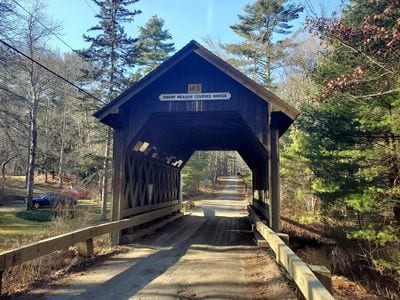
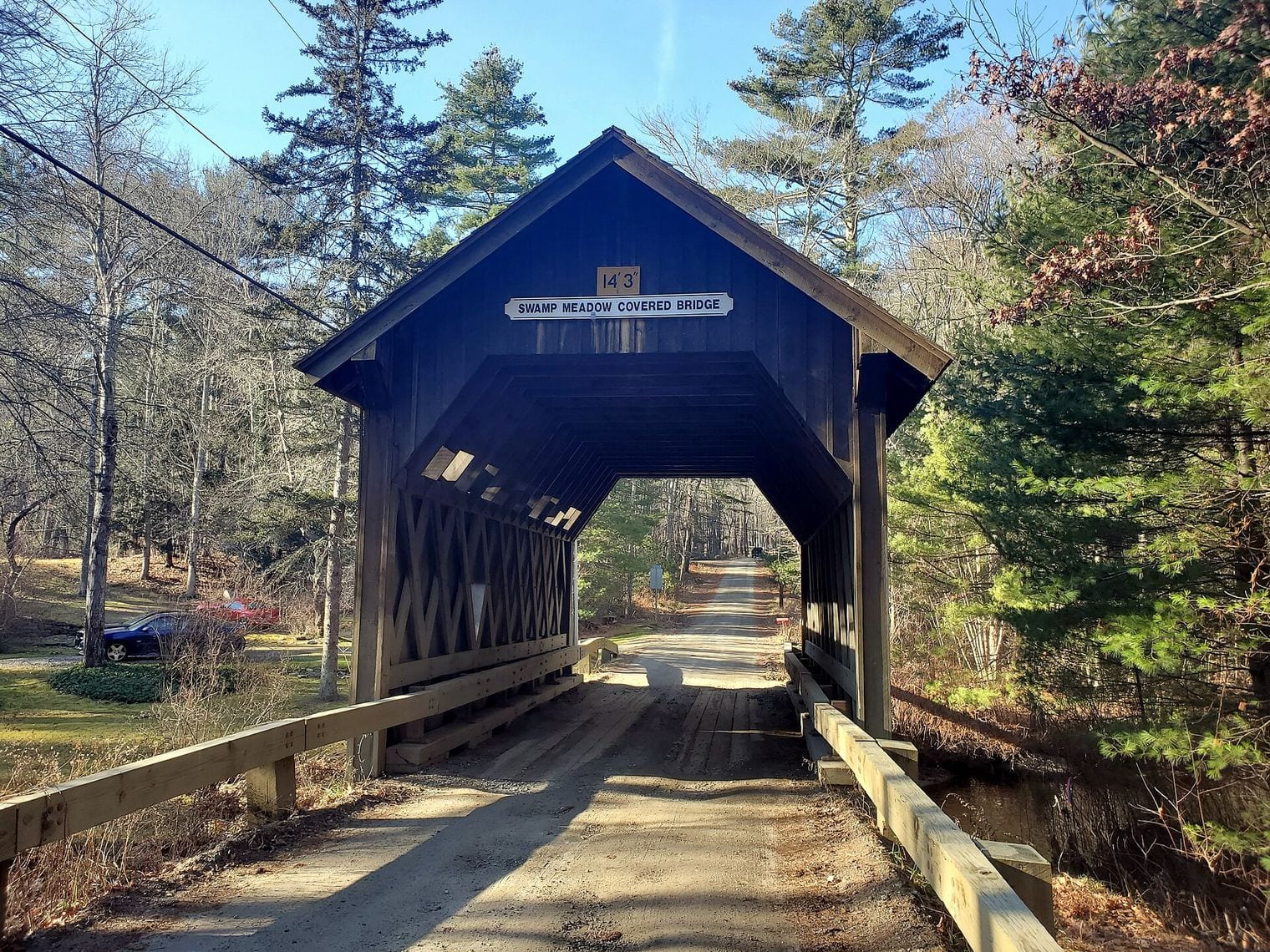
The Foster Town House, built around 1796, has hosted town meetings since 1801 and is often described as one of the oldest government meeting houses of its kind in the country. Nearby, the Swamp Meadow Covered Bridge, a modern reproduction of an early 19th-century design, is the only covered bridge on a public road in Rhode Island.
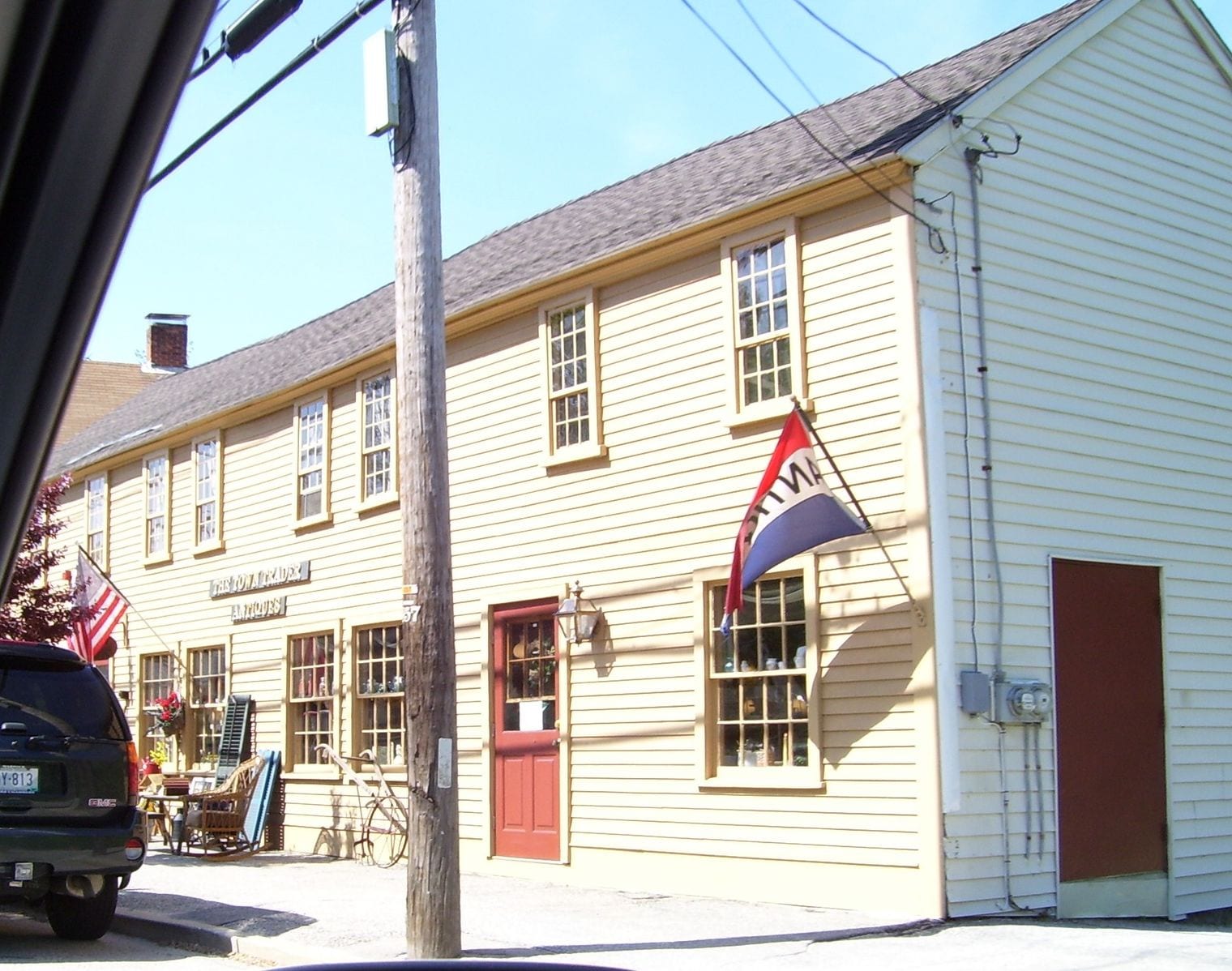
Glocester, home to about 10,000 people in the rolling northwest, is best known for its village of Chepachet, a string of old buildings along Putnam Pike with several antique shops. The Brown & Hopkins Country Store has traded here since 1809 and claims to be the oldest continuously operating general store in the country, a title a few other stores also claim.
Chepachet also staged the endgame of the Dorr Rebellion: in 1842 Thomas Wilson Dorr's supporters, campaigning to give men without land the vote, gathered on Acote's Hill, where a monument to Dorr now stands. The quieter village of Harmony, also in Glocester, completes the picture.
Richmond is a rural South County town of about 8,000 people made up of a dozen small villages, among them Wyoming, Carolina, Shannock and Usquepaug, strung along the Wood and Pawcatuck rivers. It is a place for back roads, farm stands and woods rather than sightseeing checklists.
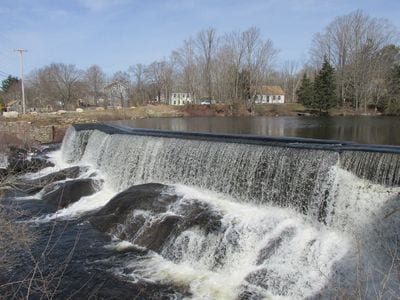
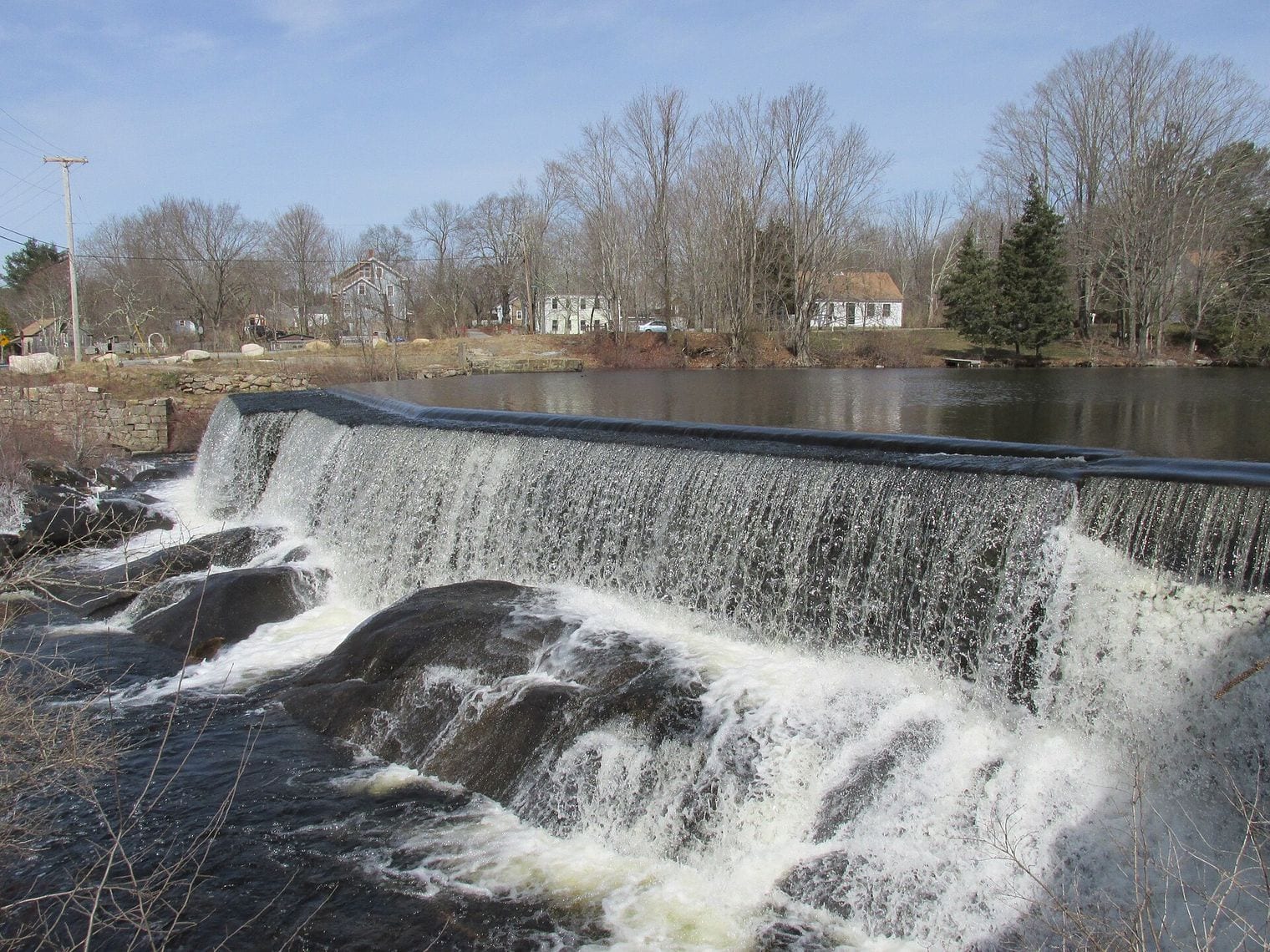
Shannock, a historic mill village on the Pawcatuck River shared with Charlestown, makes a fine stop for its riverside dam and old mill buildings. The Wood River, a major tributary of the Pawcatuck, is a favorite for paddling and fishing, and the western side of Richmond takes in part of the Arcadia Management Area.
Hopkinton, in the southwest of the state along the Connecticut line, is a town of about 8,400 people built around two main villages. Hope Valley, the larger, is the town's commercial center, with a historic core listed on the National Register, while Ashaway takes its name from the Native American name for the river that runs through it.
The rest of Hopkinton is woods, farms and rivers: the Wood River runs through the eastern part of town, and the southern reaches of the Arcadia Management Area spill into town, with trails, ponds and quiet roads for cycling.
South Kingstown is the biggest town on this list, with about 32,000 people, but it is really a collection of villages: Wakefield with its Main Street, the old mill village of Peace Dale, Kingston with the main campus of the University of Rhode Island, and Matunuck by the sea. It is also the county seat of Washington County, the region Rhode Islanders call South County.
In Matunuck, the historic Theatre-By-the-Sea stages summer shows near beaches along Block Island Sound that are favorites with surfers and swimmers. Inland, the Great Swamp was the scene of the Great Swamp Fight of 1675 during King Philip's War, now marked by a monument in the woods.
Free Things to Do in These Rhode Island Towns
Many of the best moments on this list cost nothing. Walk the Cliff Walk in Newport, see the Flying Horse Carousel and stroll out along Napatree Point in Watch Hill, and follow the red, white and blue line down Hope Street in Bristol.
Watch the surf below the lighthouse at Beavertail State Park in Jamestown, climb the observation tower at Fort Barton in Tiverton, wander Wilcox Park in Westerly, look for birds at the wildlife refuges in Charlestown and Middletown, and hike the Arcadia trails from Exeter. The old streets and harbor of Wickford are free to explore, too.
Rhode Island is small enough that almost every town on this list makes a day trip from Providence, but the easiest way to see several is to take one region at a time. The East Bay strings Warren and Bristol together along the East Bay Bike Path, and across the Mount Hope Bridge, Aquidneck Island holds Middletown and Newport.
From Newport the Pell Bridge crosses to Jamestown and on to the west shore of the bay, where Wickford and East Greenwich sit a short drive apart, while Tiverton and Little Compton make their own loop down the Sakonnet shore.
South County runs along the ocean from Narragansett and South Kingstown through Charlestown to Westerly and Watch Hill, with Richmond, Hopkinton and Exeter in the woods inland. Block Island needs a day of its own at least, by ferry from Point Judith in Narragansett. Foster and Glocester, in the northwest, make an easy afternoon of back roads and antique shops, and Newport and the Sakonnet towns are close enough to Boston for a weekend escape.
FAQ: Visiting the Best Small Towns in Rhode Island
What is the best small town in Rhode Island?
Block Island is the best small town in Rhode Island for a true getaway, with the clay cliffs of Mohegan Bluffs, Southeast Light and miles of protected land. Wickford is the favorite on the mainland for its colonial harbor and 1707 church, while Little Compton, Jamestown and Bristol round out the top five for farms, lighthouses and Fourth of July spirit.
Which Rhode Island small towns are best for beaches?
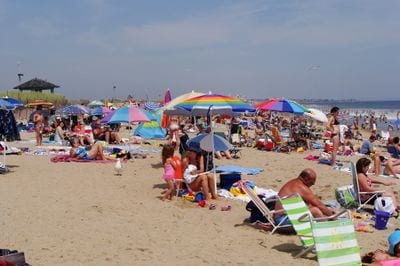
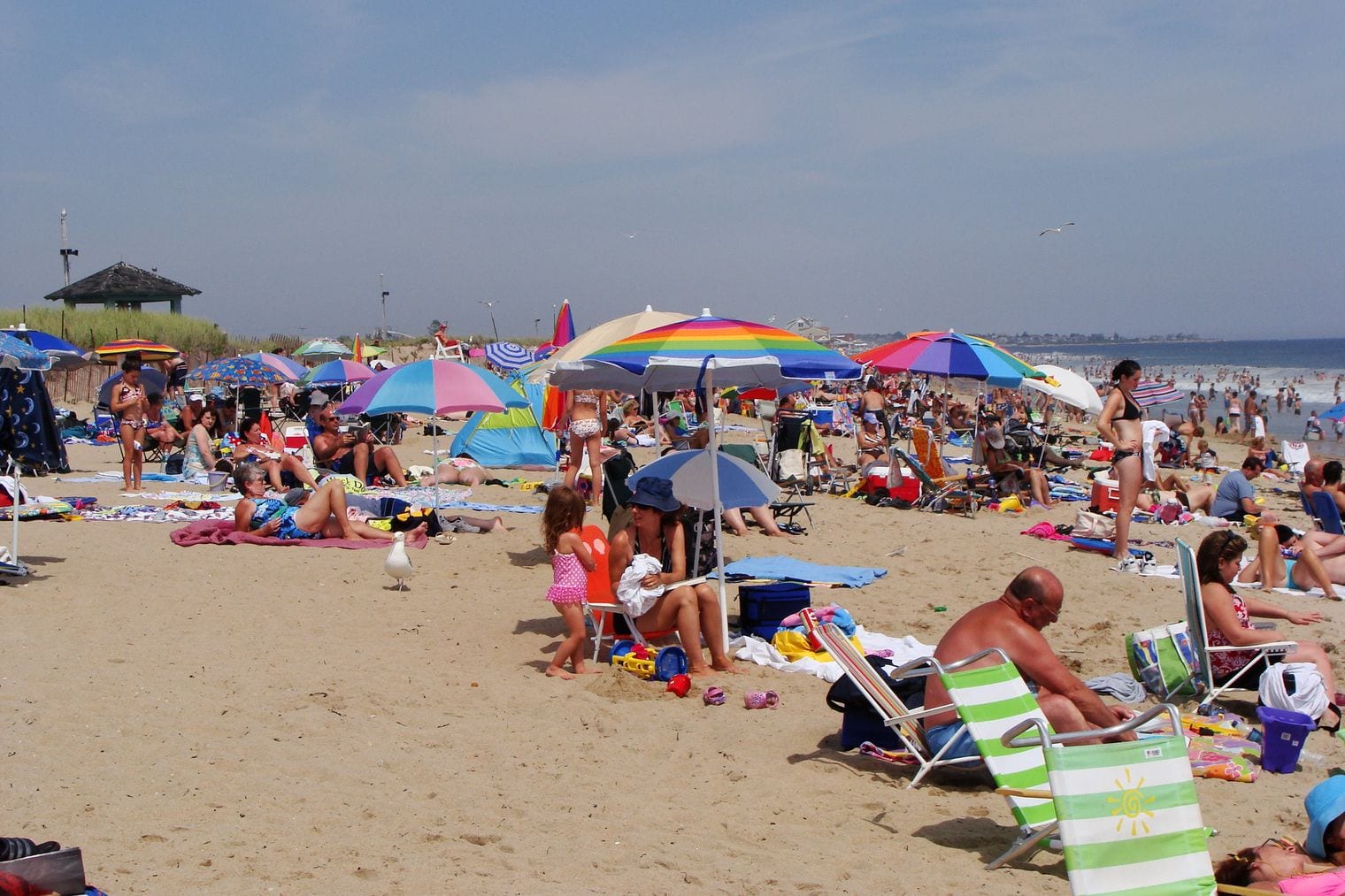
Narragansett is the classic beach town, with its town beach by The Towers and the shore down to Point Judith. Westerly has Misquamicut State Beach, Charlestown has the quiet barrier sands of East Beach, Middletown has Second Beach on Aquidneck Island, and South Kingstown's Matunuck shore draws surfers. Block Island adds Crescent Beach and its own island scenery.
What are the best small towns near Providence?
East Greenwich, Warren and Bristol are the closest charming towns to Providence, each with a walkable historic center and a waterfront, and Warren and Bristol are linked to the city by the East Bay Bike Path. To the northwest, Chepachet village in Glocester and rural Foster make a quiet country drive, and Wickford is a short trip south down the west side of the bay.
How do you get to Block Island?
The main year-round ferry to Block Island leaves from Point Judith in the Galilee section of Narragansett and lands at Old Harbor. Seasonal ferries also run from other ports in Rhode Island, Connecticut and New York, and small planes fly over from Westerly. Most visitors leave the car on the mainland and get around the island by bike, moped or taxi.
When is the best time to visit Rhode Island's small towns?
Summer is peak season, when the beaches, Block Island and Newport are at their liveliest and Bristol holds its Fourth of July celebration. Late spring and early fall are quieter and still mild on the coast, and fall color makes the back roads of Foster, Glocester and the Arcadia woods especially pretty. Winter is calm, with many seasonal businesses closed.
How many days do you need to visit a small town in Rhode Island?
Most towns on this list fill a relaxed day, and many pair up easily because the state is so small. Block Island and Newport each deserve two days or a weekend, while a long weekend lets you link several towns in one region, such as the East Bay, Aquidneck Island and the Sakonnet shore, or the South County coast.
Sources & updates
How this guide was verified
Checked before launch
Sources cited
20
Publishers
16
Every town on this list was pinned on the map and checked against official and local sources before publication.
A PDF with a box to tick for every place. Confirm your email to download it, and get one email every Thursday with our newest guides for the places you tick.
Free Rhode Island small towns printable checklist
All 20 places in one PDF
Tick them off as you go. Confirm your email to download it, plus one email every Thursday with new guides for the places you tick.
We use cookies to analyze site traffic and improve your experience.
You can accept or reject analytics cookies. See our
May we use analytics cookies? See ourCookie Policy.