We build and rank every list first. Booking links come after, and only where
a partner sells a ticket, tour or stay for that exact place, so a place with
nothing to book is listed exactly as prominently as one you can book.
So how do we earn? Some links on this page go to booking
partners, and if you book tickets, tours or a stay through
one, we may earn a commission. It costs you nothing extra.
That commission never decides which places make the list, the order they
appear in, or what we write about them. No entry is sponsored or a paid
placement.
10 Best Things to Do in Cranston, Rhode Island (2026)
By the City Viking editorial teamPublished 10 places · 13 min read
Fact-checked Checked before launchOct 19, 202610 sources6 publishers2 government & parks5 encyclopedias & research3 venues & other sitesPublished · Oct 19, 2026Researched and checked before it went liveClick for every source and the full change log.
Short answer
Cranston is known for being Rhode Island's second-largest city, its Italian-American heritage, with a summer feast more than a century old, and the 1772 burning of the Gaspee, relived every June. Start with the Governor Sprague Mansion, colonial Pawtuxet Village and the Washington Secondary Bike Path, the state's longest, then add Knightsville and the Edgewood waterfront. One day is enough to see the highlights, or half a day if you are basing yourself in Providence.
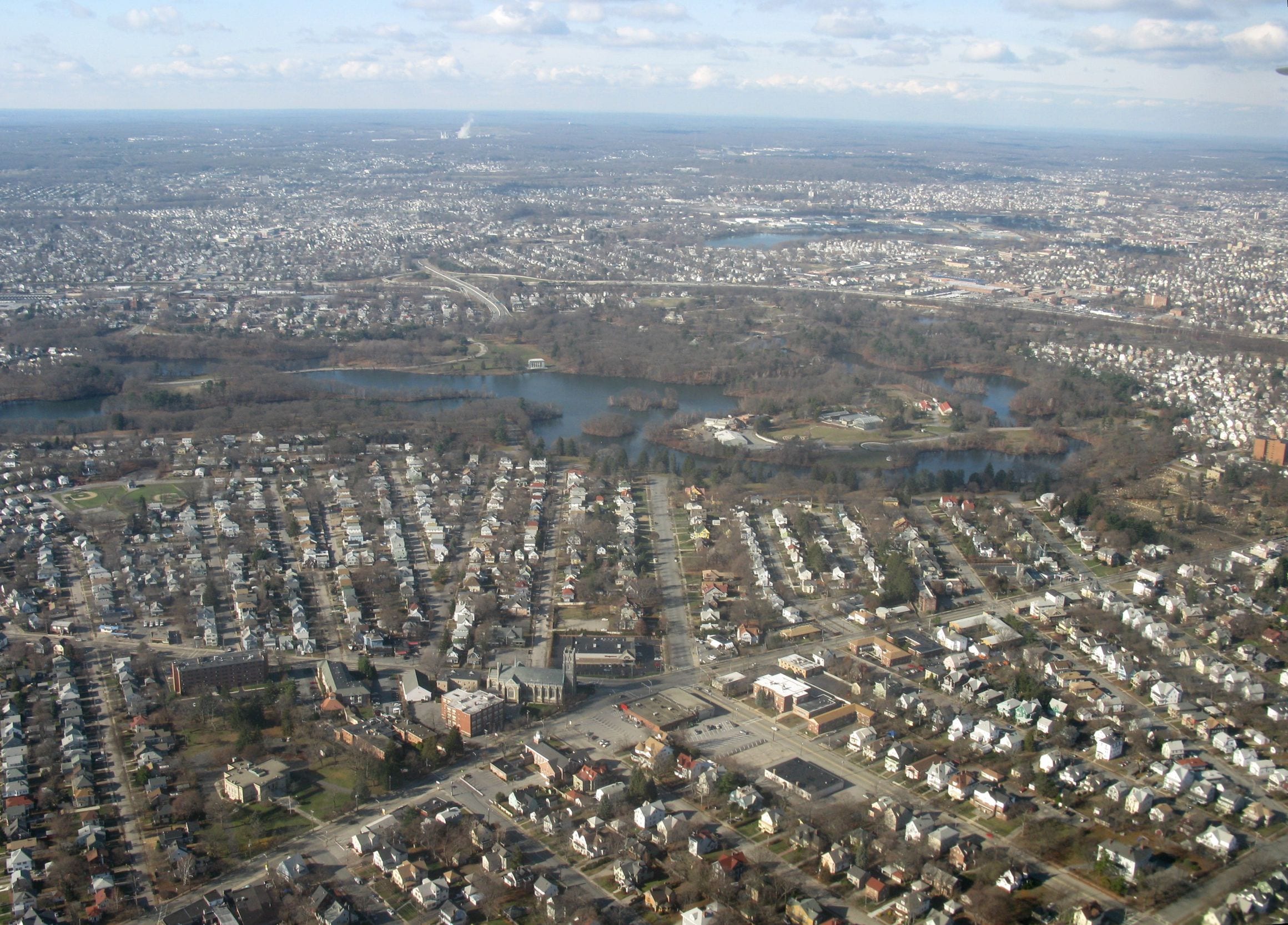
Cranston, Rhode Island's second-largest city, sits just south of Providence between the Pawtuxet River and Narragansett Bay. Behind its suburban streets wait a mill dynasty's mansion, a colonial river village that relives the 1772 burning of the Gaspee every June, an Italian-American neighborhood with a summer feast more than a century old, and the start of the state's longest bike path.
This guide covers the 10 best things to do in Cranston, from historic house museums and bayside Edgewood to a restored 1920s theater and a river you can paddle. One day covers the highlights, or half a day if you pair Cranston with Providence.
Map of Things to Do in Cranston, Rhode Island
Things to Do in Cranston, Rhode Island
Things to Do in Cranston, Rhode Island at a Glance
Cranston is Rhode Island's second-largest city, with 82,934 residents at the 2020 census, just over a hundred more than Warwick.
The name is usually traced to Samuel Cranston, the longest-serving governor in Rhode Island history (1698–1727), though some historians credit his grandson Thomas, speaker of the state House when the town was created.
Cranston was carved out of Providence in 1754 from land long known as Pawtuxet, and became a city on March 10, 1910.
"Pawtuxet" is usually translated as "little falls" in the Narragansett language, after the falls where the river meets the bay in Pawtuxet Village.
The 1843 murder of mill owner Amasa Sprague led to Rhode Island's last execution: John Gordon, an Irish immigrant, was hanged for it and received a posthumous pardon in 2011.
Italian is the most commonly reported ancestry in Cranston, claimed by about a quarter of residents in 2020, and Knightsville's July feast keeps a direct link to the town of Itri.
11. Governor Sprague Mansion
Association / Organization~1.2 miles (2 km) from centre
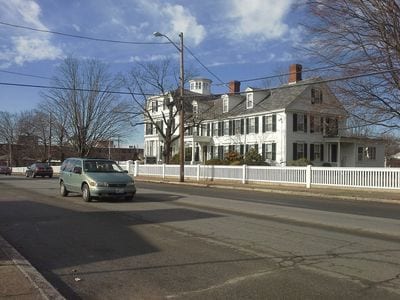
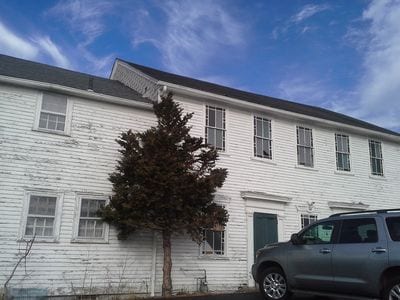
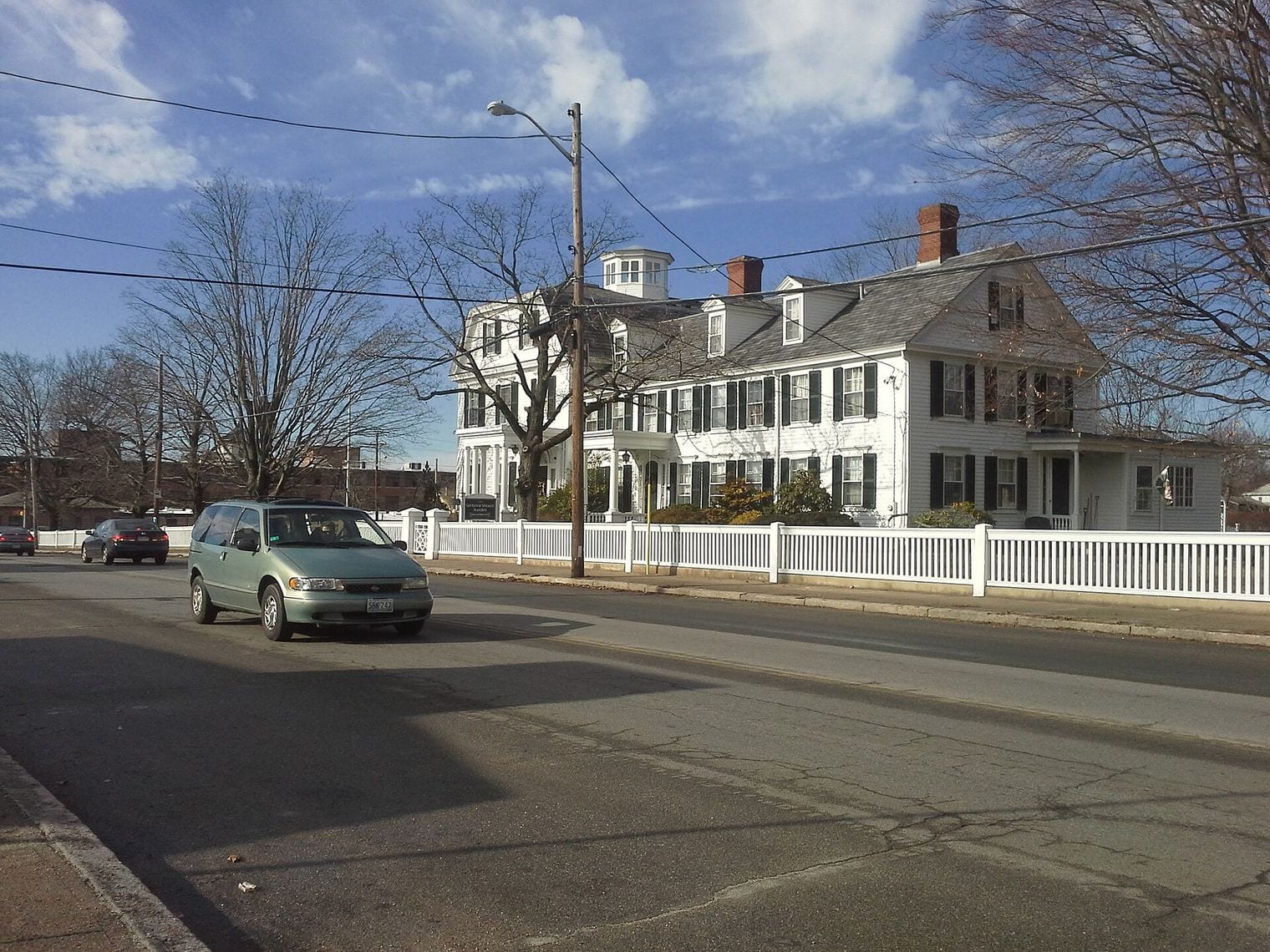
The Governor Sprague Mansion on Cranston Street is where the city's story turns on one family. The Spragues founded a cloth-printing works here in 1808 and built it into one of the great textile fortunes of the 19th century, and this house was the birthplace of two Rhode Island governors, William Sprague III and his nephew William Sprague IV, who fought at the First Battle of Bull Run while still in office.
Built around 1790 and enlarged in 1864 with a wide hall and a winding staircase meant for entertaining, the mansion is now home to the Cranston Historical Society, which opens its rooms for guided tours, usually by appointment, so arrange a visit ahead. The house also carries a long local reputation for being haunted, with ghost stories that center on Amasa Sprague, the mill owner murdered nearby in 1843.
Pawtuxet Village sits where the Pawtuxet River spills into the head of Narragansett Bay, straddling the Cranston–Warwick line. Settled soon after Roger Williams bought the land in 1638, it grew into a busy colonial port with mills at the falls, and its compact streets still hold dozens of preserved Colonial-era buildings. On the Cranston side, Broad Street is the stretch to wander for old houses, small shops and cafés.
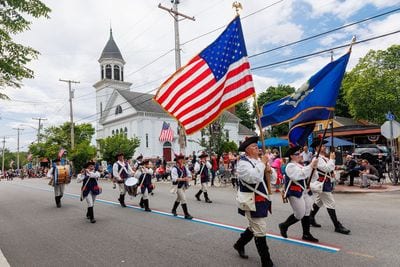
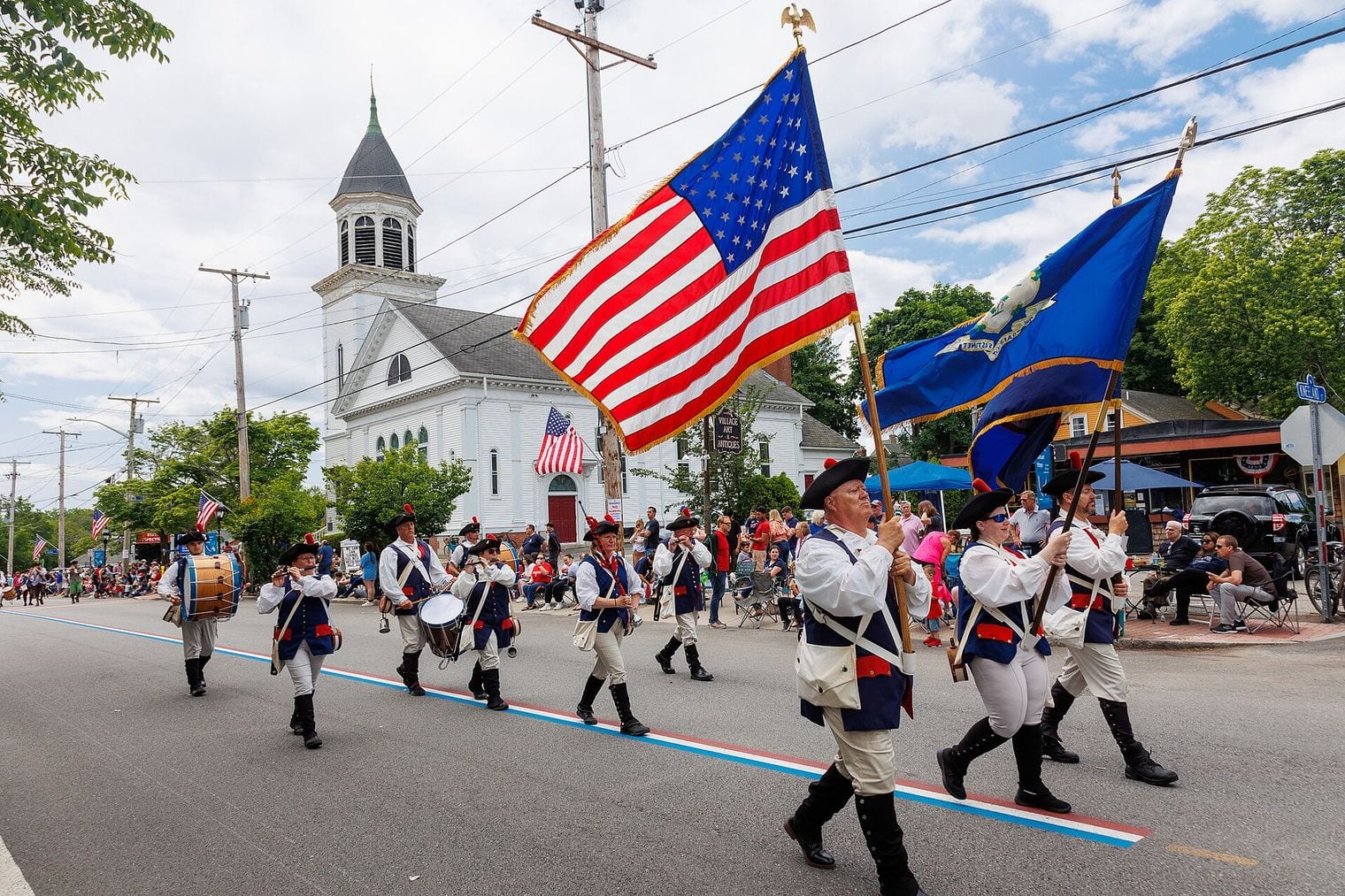
The village's proudest moment came in 1772, when Rhode Island patriots attacked and burned the British revenue schooner Gaspee, a raid locals still call the first blow for freedom. Gaspee Days has marked it every year since 1965 with a June parade, a colonial encampment and fireworks. Just upriver on Rhodes Place, the 1915 ballroom of Rhodes-on-the-Pawtuxet, the survivor of a once-famous riverside casino and dance hall, now opens only for private events.
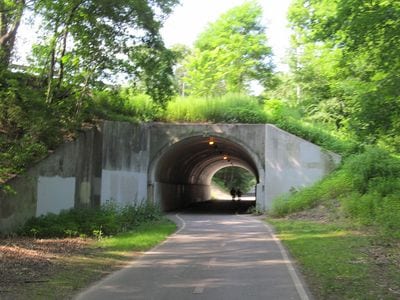
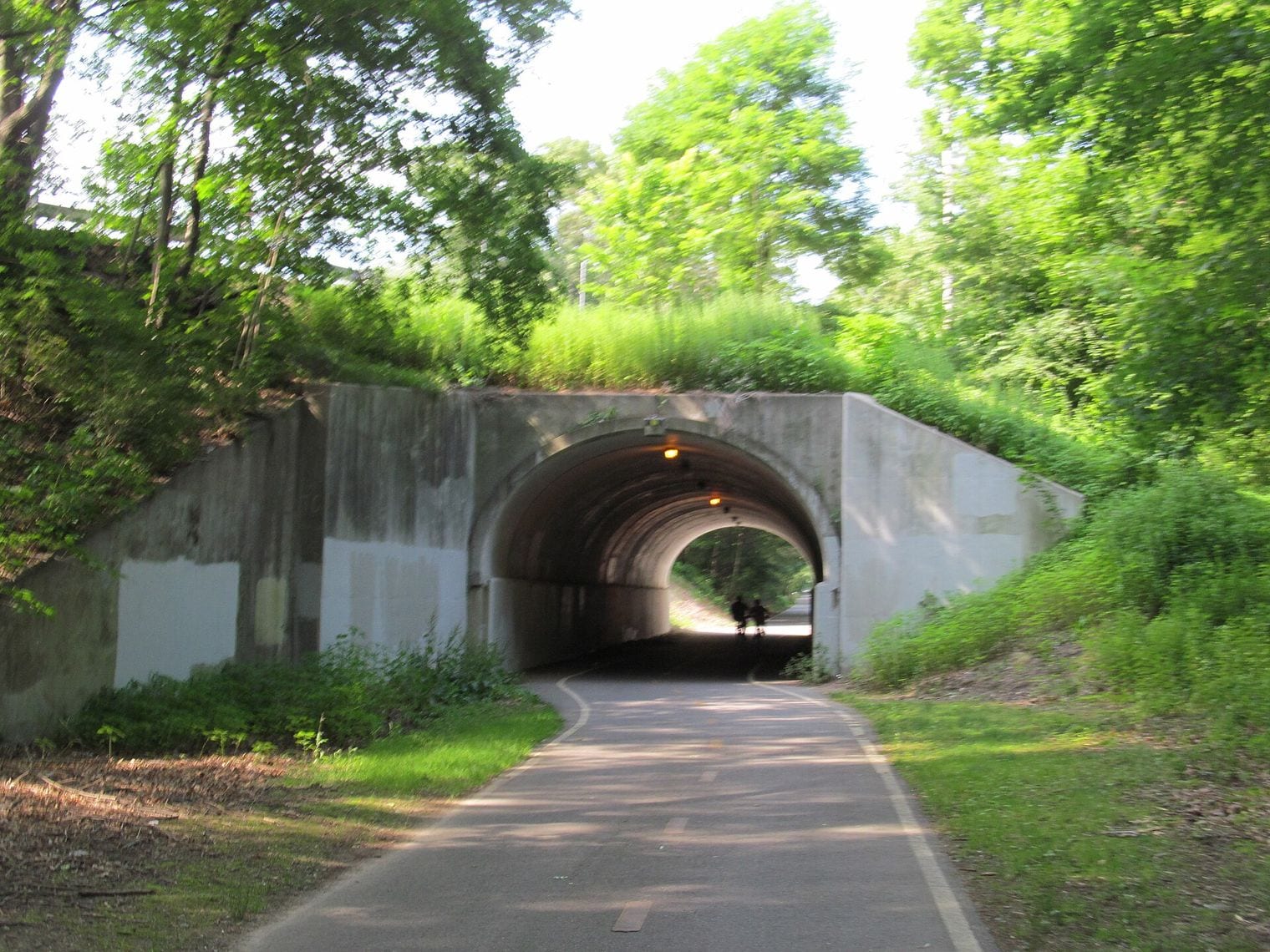
The Washington Secondary Bike Path is Rhode Island's longest bike path, running 19 miles from Cranston Street in Cranston west through Warwick and West Warwick to Log Bridge Road in Coventry. It follows the bed of the old Hartford, Providence and Fishkill Railroad, so the grades stay gentle, and the Cranston end starts close to Route 10, an easy place to join on foot or by bike.
The Cranston section is a paved, flat run through quiet neighborhoods, popular with walkers, runners and commuters. Ride farther west for the bigger scenery, where the original iron truss railroad bridges cross the river and a high trestle passes a big old mill farther up the valley. The path is a designated section of the East Coast Greenway, and interpretive panels along the way tell the story of the railroad and the valley it served.
Knightsville is Cranston's Italian-American heart, a neighborhood along Cranston Street named for Nehemiah Knight, an 18th-century innkeeper and congressman whose tavern stood on the site of today's city buildings. Many families here trace their roots to Itri, a small town between Rome and Naples, and that heritage is at its most visible every summer.
St. Mary's Church is the focus of the St. Mary's Feast, held each July for well over a century in honor of the Madonna della Civita, the image venerated in Itri.
Over several days a religious procession carries the church's statue through the streets, while a carnival, food stalls, live music at the Itri Park gazebo and fireworks draw tens of thousands of visitors. Outside feast week, Knightsville is a pleasant stop for a coffee and a short walk, a few minutes from the Sprague Mansion.
Free printable checklist of all 10 places
Tick them off as you go. Confirm your email to download it, plus one email every Thursday with new guides for the places you tick.
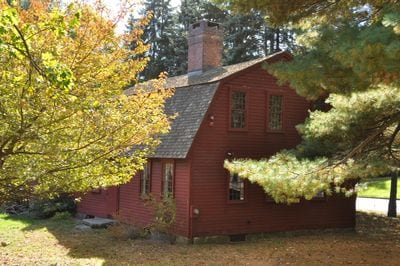
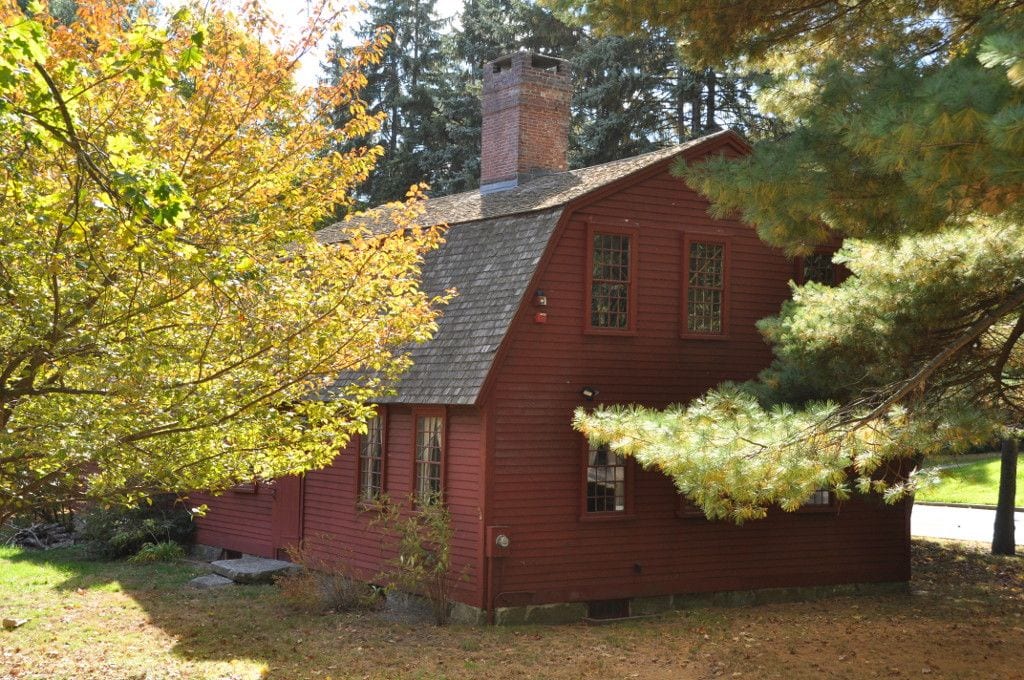
The Joy Homestead is a colonial farmhouse in western Cranston, a two-and-a-half-story, gambrel-roofed wooden house built between 1764 and 1778. Members of the Joy family lived here until 1884, and the Cranston Historical Society has looked after it since 1959; it was listed on the National Register of Historic Places in 1971.
Its brush with history came in 1781, when French Army troops marching from Providence toward Yorktown, Virginia, stopped here on the first day of their march.
The house is small and plain next to the Sprague Mansion, which is exactly its appeal: a look at how a Rhode Island farm family lived before the textile mills reshaped the town. The society opens it for tours, usually by appointment, and for a holiday open house in December, so check ahead before you go.
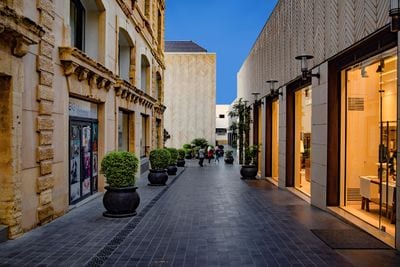
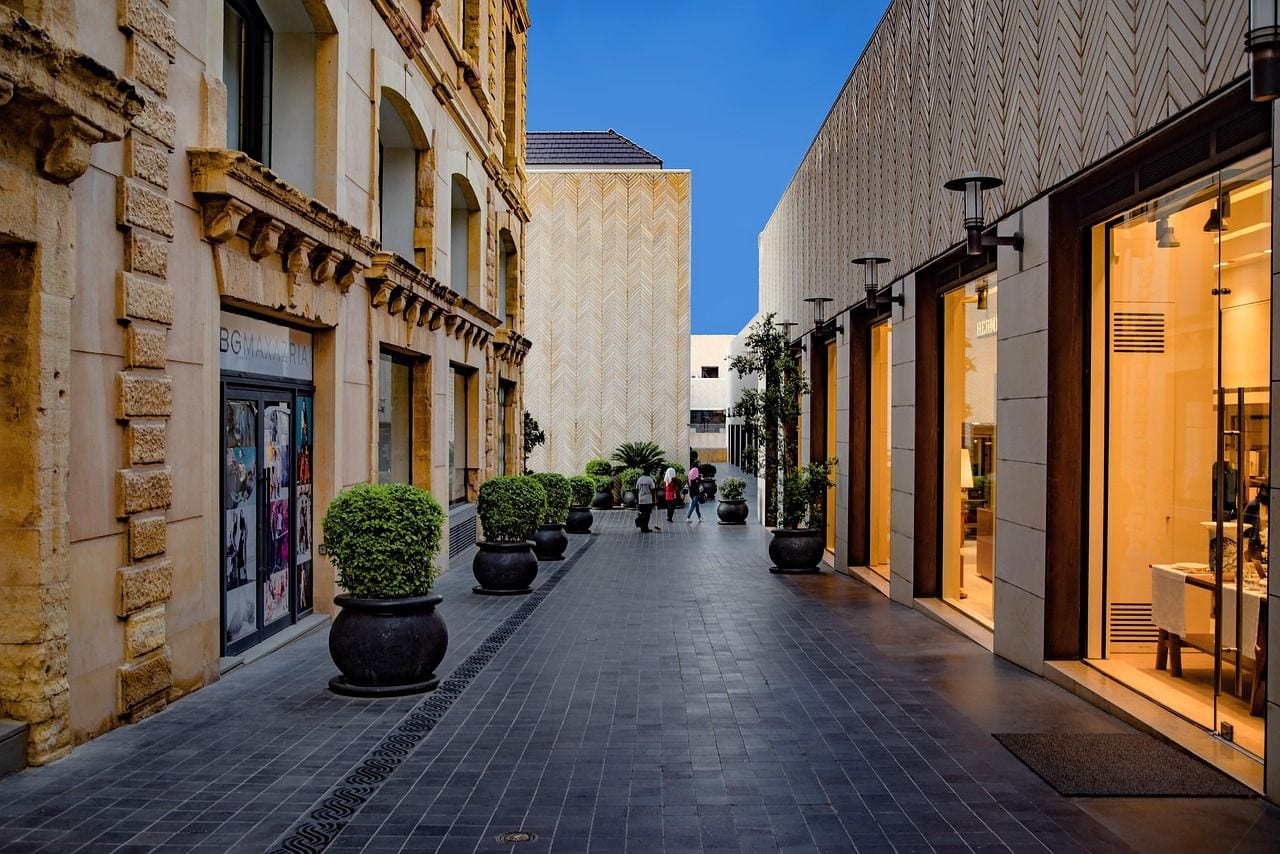
Garden City Center is Cranston's main shopping destination, an open-air center of shops, restaurants and services in central Cranston. It grew out of the Garden City planned neighborhood that Nazzareno Meloccaro started in 1948, a postwar idea of a place where people could live, work and play within walking distance of home.
Today it is where most visitors end up for an afternoon of browsing, a meal or a coffee between sights, with national brands and smaller local shops set around outdoor walkways rather than under one roof. It is busiest on weekends and in the run-up to the holidays. Meshanticut State Park and the Joy Homestead are both a short drive away, and the smaller Chapel View complex nearby adds more shops and places to eat.
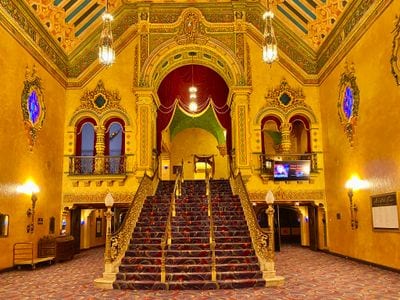
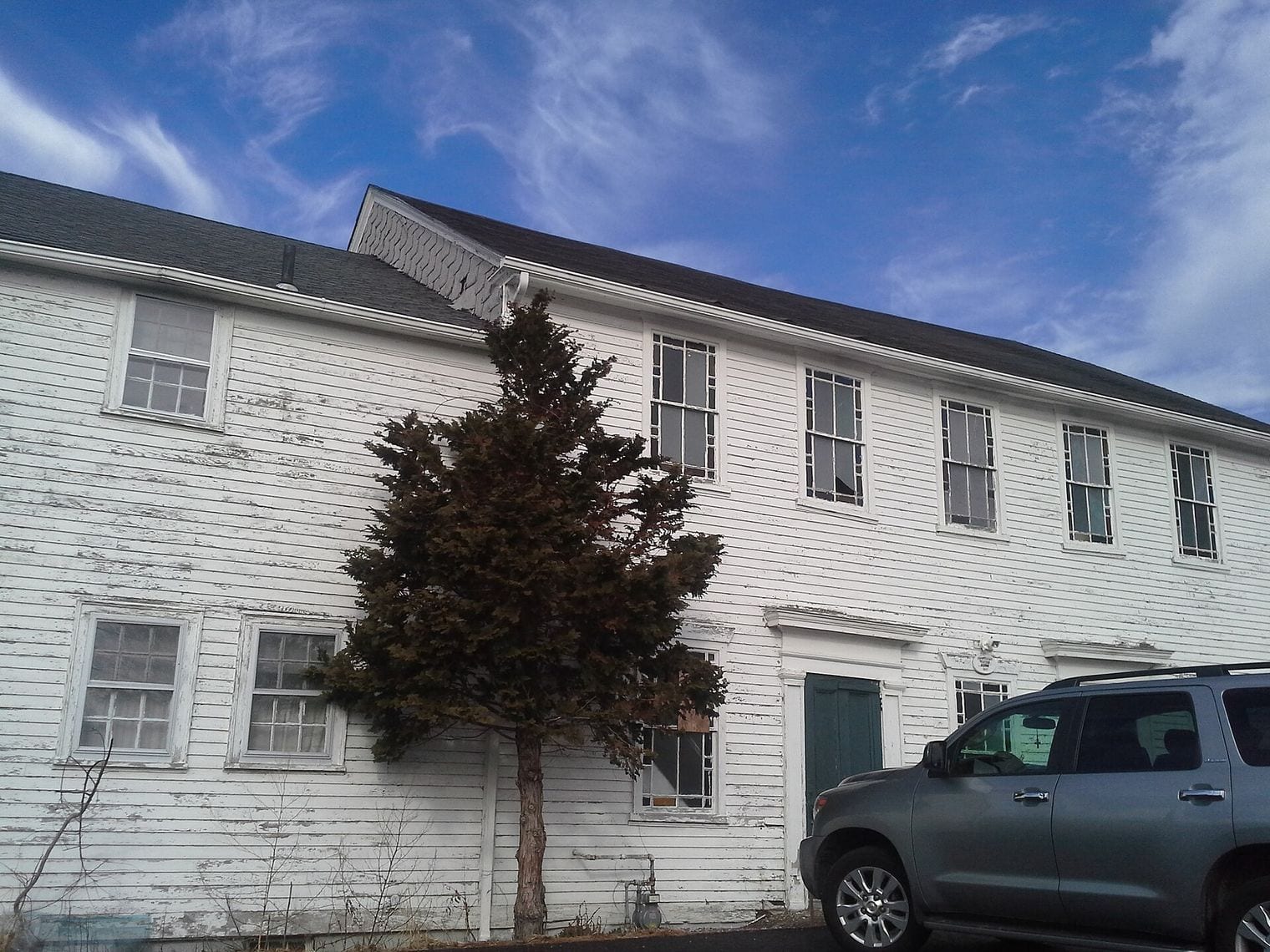
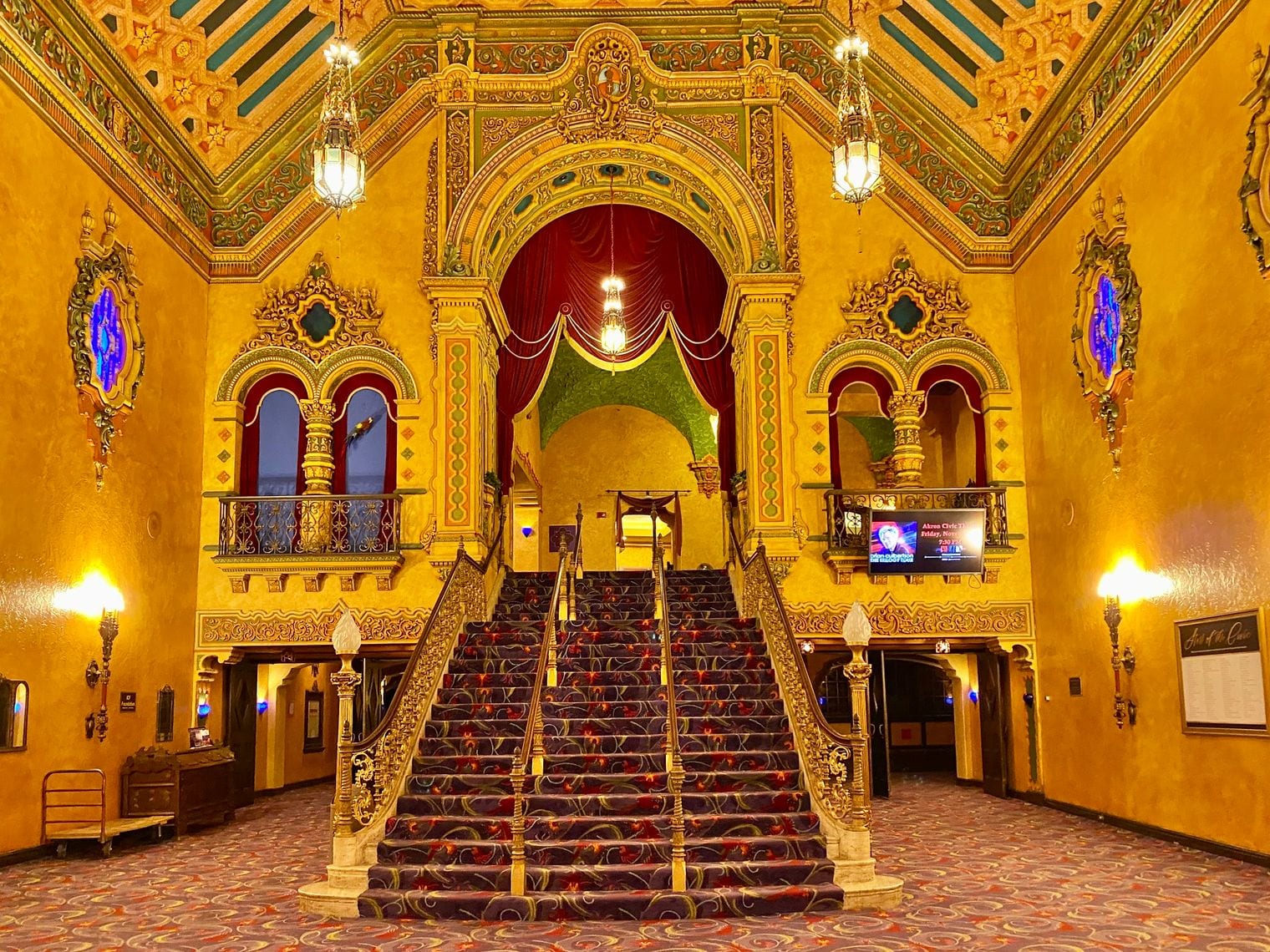
The Historic Park Theatre on Park Avenue, across from Cranston City Hall, opened as a movie house in the mid-1920s, when a busy neighborhood expected a picture palace of its own. For decades it was where Cranston went to the movies, until multiplexes and changing habits ended its first career as a cinema.
Restored and reopened as a performing arts venue, it now runs as the Historic Park Theatre and Event Center, booking touring concerts, comedy nights, tribute shows and theater, and hosting private events. Check the calendar before your trip; an evening show is the best way to see the restored auditorium, and it pairs well with dinner on Park Avenue or in nearby Knightsville.
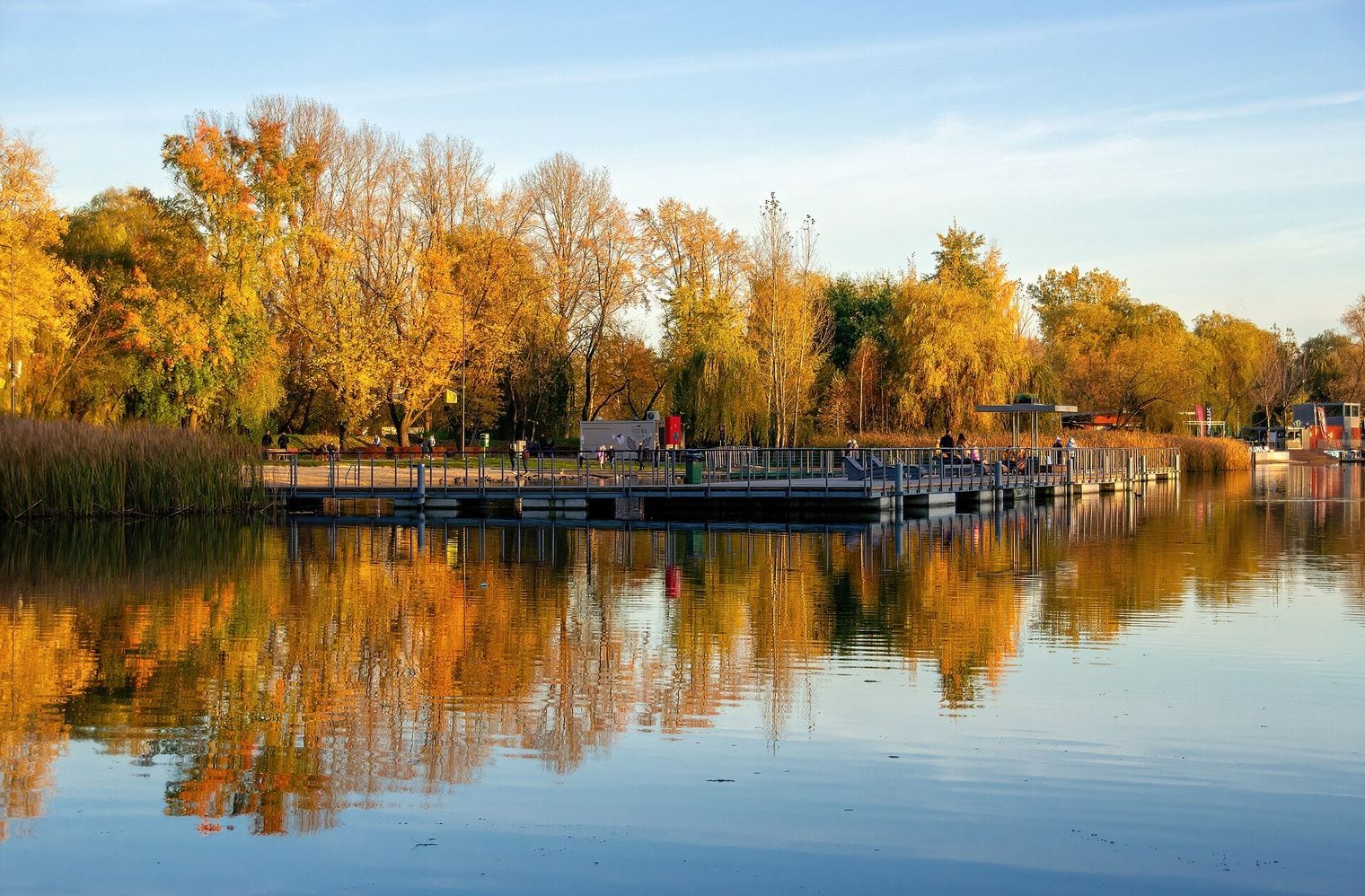
Meshanticut State Park is a small, quiet green space around Meshanticut Lake in the Meshanticut neighborhood of Cranston. Providence furniture businessman John M. Dean gave the land to the state's Metropolitan Park Commission in 1910, the same year Cranston became a city, and Meshanticut Brook was dammed to create the lake as the park's centerpiece.
There are no big attractions here, and that is the point: water views, shade trees and room for a short stroll, a picnic or some shoreline fishing. It is a neighborhood park rather than a destination in its own right, so pair it with the Joy Homestead, a few minutes away, or a stop at Garden City Center.
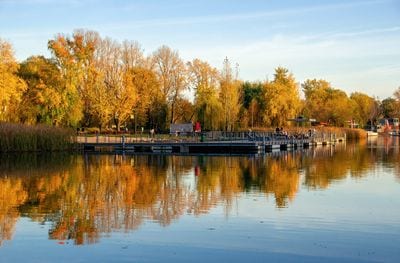
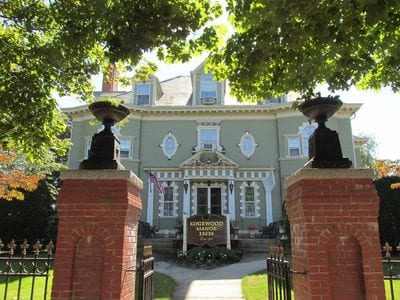
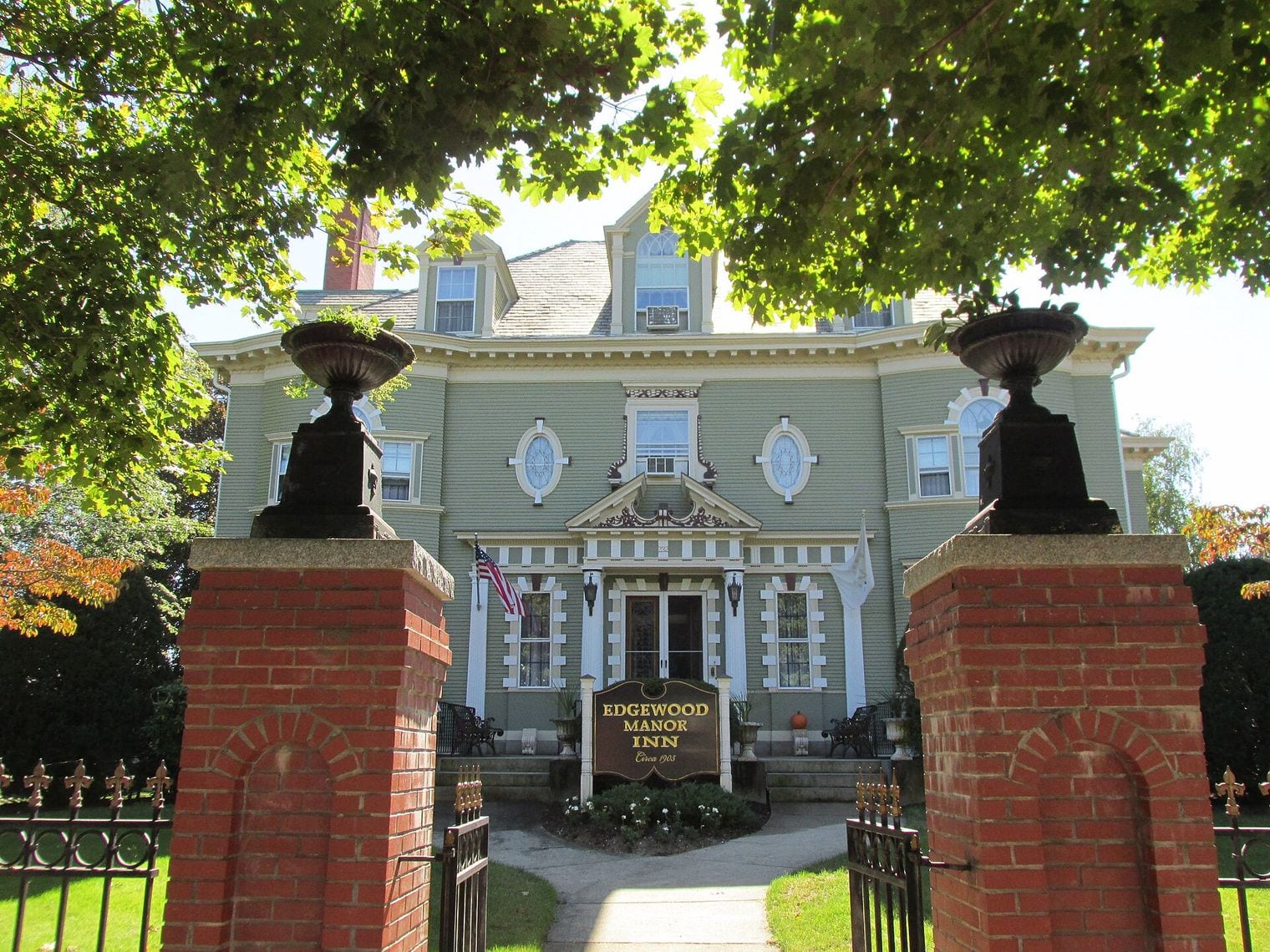
Edgewood, in Cranston's northeast corner on the Providence line, is where the city meets Narragansett Bay. Its streets between Broad Street and the water were laid out in plats from the 1860s onward and filled with houses through the first half of the 20th century, and several of those plats are listed on the National Register as the Edgewood Historic District, with Queen Anne, Shingle, Colonial Revival and bungalow homes along tree-lined avenues.
The best way to see it is on foot along Narragansett Boulevard, finishing at Stillhouse Cove, a 5.5-acre waterfront park first set aside by the Metropolitan Park Commission in 1915. A neighborhood group has restored its salt marsh, and the cove now draws walkers, birdwatchers, kayakers and picnickers to its benches for wide views across the upper bay.
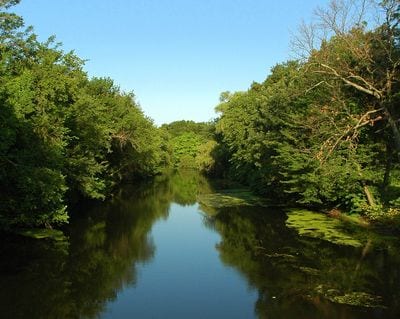
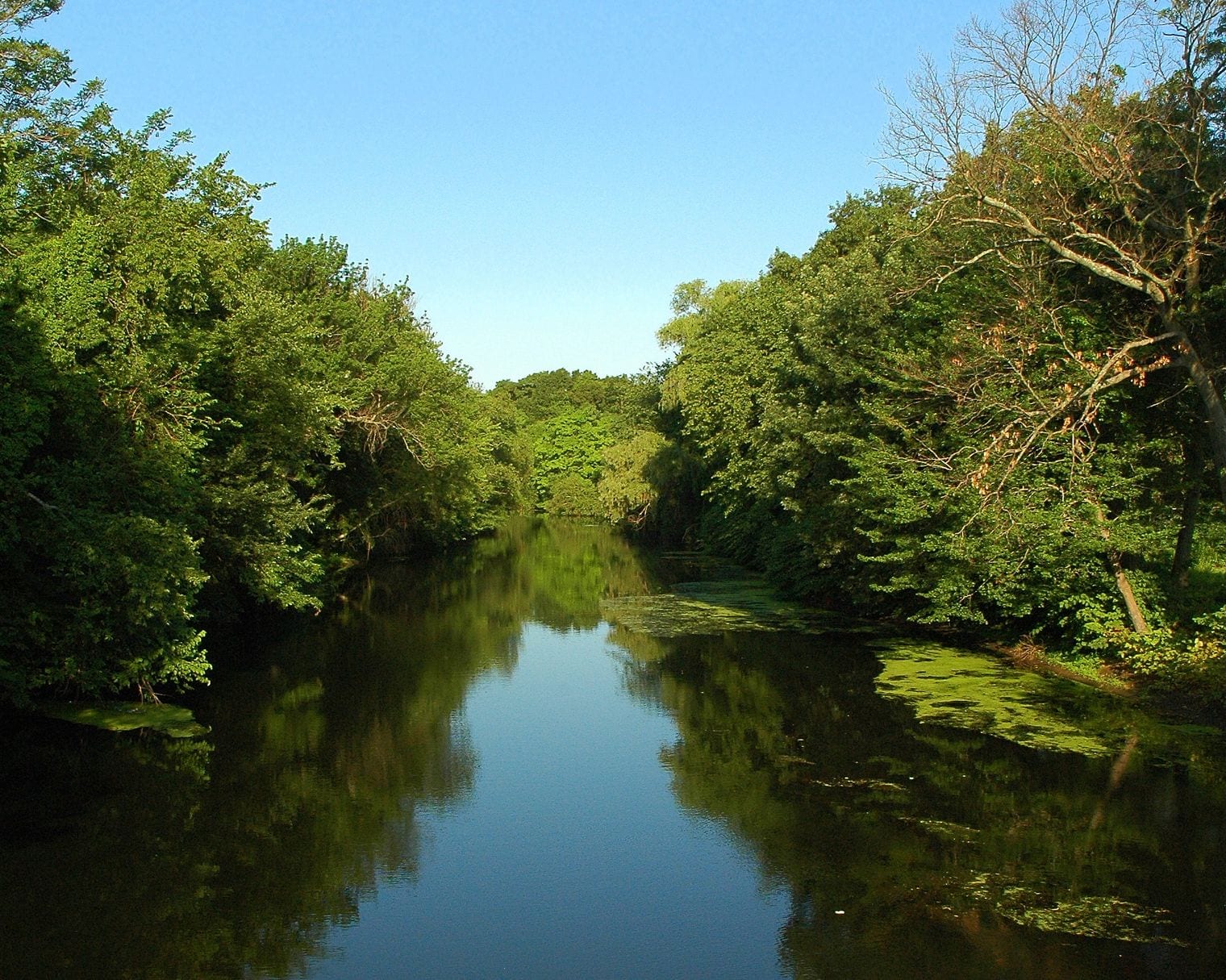
The Pawtuxet River's final three miles form the border between Cranston and Warwick before the river drops over Pawtuxet Falls into the bay, and this lower stretch is the city's best place to get out on the water. The river once powered textile mills along its banks; since a dam at its mouth was removed in 2011, migrating fish have been able to swim upstream freely for the first time in more than 200 years.
Paddlers launch canoes and kayaks from the hand-carry access at Rhodes-on-the-Pawtuxet, with about half a mile of easy water upstream and a short drift down to the falls, which turn into rapids at low tide and are best carried around unless the tide is high.
For a longer outing, a scenic run of about six and a half miles comes down from the Knight Street launch on the Warwick line, past herons and the odd osprey. On land, Pawtuxet Oxboes Park on Rhodes Place has a pond known for its wood ducks.
Plan your trip
Best Time to Visit Cranston
Late spring through early fall is the best time to visit Cranston, when the bike path, the parks and the river are at their most inviting. June brings Gaspee Days to Pawtuxet Village, with its parade and colonial encampment, and July belongs to the St. Mary's Feast in Knightsville. Summer is also the season for paddling the Pawtuxet, walks along the shore at Stillhouse Cove and a swim at the city's rebuilt Budlong Aquatic Center.
Fall is quieter and just as pleasant, with crisp weather for the Washington Secondary Bike Path and changing leaves along the river. Winters are cold and can be snowy, but the Cranston Historical Society traditionally opens its two historic houses for the holidays in December, and the Park Theatre's indoor shows work in any season.
Getting to Cranston
Cranston sits directly south of Providence, and the highways make it easy to reach: Interstate 95 passes along the city's eastern side, Interstate 295 crosses its western side, and Route 37 links the two across the city, while Route 10 runs north into downtown Providence. Rhode Island T. F. Green International Airport in Warwick is about 15 minutes' drive south, and the larger Logan International Airport is roughly an hour and a quarter away by car in normal traffic.
Amtrak and commuter trains stop at Providence Station, about 15 minutes' drive from most of Cranston, and commuter trains also call at the airport's rail station in Warwick. Intercity buses arrive in downtown Providence, and local buses run from there into Cranston.
Getting Around Cranston
A car is the easiest way to get around Cranston, because its sights are spread across a mostly suburban city, but the distances are short and most drives between them take 10 to 15 minutes. Parking is rarely a problem outside festival weekends. RIPTA buses run along the main roads toward downtown Providence, and rideshare is widely available.
Pawtuxet Village, Edgewood and Knightsville are pleasant on foot, and the Washington Secondary Bike Path gives cyclists a traffic-free route west out of the city.
Where to Stay in Cranston
Cranston has relatively few hotels of its own, so many visitors stay nearby and drive in. Downtown Providence, ten to fifteen minutes north, has the widest choice and puts you close to the capital's restaurants and nightlife, while the hotels clustered around the airport in Warwick are a short, easy drive from Pawtuxet Village and Garden City Center.
Where to Eat in Cranston
Italian-American cooking is Cranston's comfort food, from red-sauce dinners to bakery pizza strips, and Knightsville is the neighborhood most associated with it. Pawtuxet Village has a cluster of cafés, a pub and small restaurants close to the river, Garden City Center adds casual and chain dining, and Park Avenue has neighborhood spots near the theater.
Look out for Rhode Island specialties too: clam cakes and chowder, stuffed quahogs, hot wieners, a glass of coffee milk (the official state drink) and frozen lemonade on a summer day.
Day Trips from Cranston
Providence is right next door to the north, ten to fifteen minutes away, with the capital's museums, dining and nightlife, and Roger Williams Park just over the city line. Farther afield, the coast is close: Bristol and Wickford are each about half an hour away, Newport is about 45 minutes southeast, and the beaches around Narragansett are about 40 minutes south, all covered in our guide to Rhode Island's small towns.
Across the Massachusetts line, Boston is about an hour northeast by car or train, and Worcester is about an hour north, making either an easy day out from Cranston.
Have dinner in Pawtuxet Village or along Park Avenue, then catch a concert or comedy night at the Historic Park Theatre; check its calendar before you plan around it.
Cranston is best known for the Governor Sprague Mansion, home of a 19th-century textile dynasty; colonial Pawtuxet Village and its June Gaspee Days; the Washington Secondary Bike Path, Rhode Island's longest; Knightsville and its July St. Mary's Feast; and the colonial Joy Homestead. It is also Rhode Island's second-largest city, just south of Providence.
Is Cranston worth visiting?
Yes, as a short trip or an add-on to Providence. Cranston is mostly residential, but it has real history in its mansion, farmhouse and colonial village, an easy bike path, a bayside neighborhood in Edgewood and a restored 1920s theater for an evening show. Its sights are close together, and getting between them is quick.
How many days do you need in Cranston?
One day is enough to see Cranston's highlights: the Sprague Mansion and Knightsville in the morning, the bike path and a lakeside break at Meshanticut, then Pawtuxet Village and Edgewood in the afternoon. If you are basing yourself in Providence, half a day covers the main sights, with an evening show at the Historic Park Theatre as an option.
What can you do in Cranston for free?
Most of Cranston's best sights are free: walking Pawtuxet Village and Broad Street, riding the Washington Secondary Bike Path, exploring Knightsville, picnicking at Meshanticut State Park, strolling the Edgewood Historic District to Stillhouse Cove and watching the falls on the Pawtuxet River. Browsing Garden City Center costs nothing either, unless you shop.
How far is Cranston from Providence?
Cranston sits directly south of Providence and shares a long border with it, so downtown Providence is usually ten to fifteen minutes away by car, and local buses link the two cities. Many visitors stay in Providence and see Cranston on a half-day trip, or combine it with nearby Warwick and the airport.
When is the best time to visit Cranston?
Late spring to early fall is best. June brings Gaspee Days to Pawtuxet Village, July the St. Mary's Feast in Knightsville, and summer is the season for paddling the Pawtuxet River. Fall is quieter, with crisp weather for the bike path, and in winter an indoor show at the Historic Park Theatre is the best plan.
Sources & updates
How this guide was checked
Checked before launch
Sources cited
10
Publishers
6
Every place on this list was confirmed open and pinned on the map before publication, and what we say about each one was checked against its own website or an official source.
A PDF with a box to tick for every place. Confirm your email to download it, and get one email every Thursday with our newest guides for the places you tick.
Free Cranston printable checklist
All 10 places in one PDF
Tick them off as you go. Confirm your email to download it, plus one email every Thursday with new guides for the places you tick.
We use cookies to analyse site traffic and improve your experience.
You can accept or reject analytics cookies. See our
May we use analytics cookies? See ourCookie Policy.