We may earn a commission if you book or buy through a link on
this page, at no extra cost to you. It never affects which places we list or how
we rank them (how we make money).
Short answer
Edinburgh's three defining sights are the castle on its volcanic rock, the Royal Mile running down to the Palace of Holyroodhouse, and the buried 17th-century streets of The Real Mary King's Close beneath it - all inside a compact, UNESCO-listed old town you can cross on foot. Three days is the sweet spot: one for the castle and the Old Town closes, a second for the free national museums and the Georgian New Town, a third for Arthur's Seat and the waterfront at Leith.
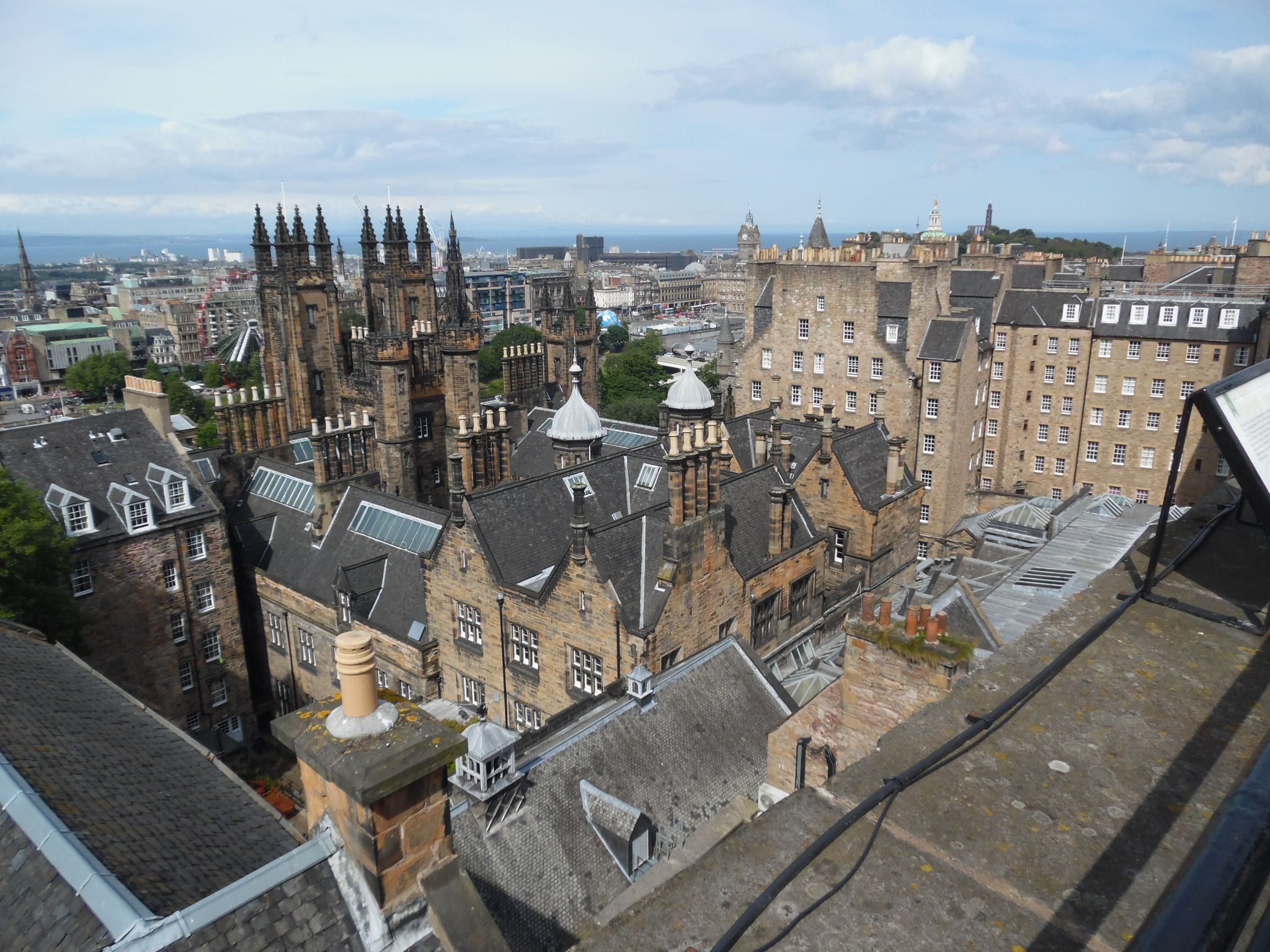
Edinburgh stacks a medieval Old Town and a Georgian New Town on either side of a drained loch, with an extinct volcano rising behind them. Scotland's capital is small enough to cross on foot, and the skyline of castle rock, spires and green hill never quite leaves your eyeline.
This guide runs to 45 things to do, from the free national museums to the buried closes beneath the Royal Mile, the whisky experiences and the sands at Portobello. Give the city three days to do it properly.
Edinburgh's Old Town and New Town were listed together as a UNESCO World Heritage Site in 1995, recognising the contrast between the medieval huddle of the Old Town and the planned Georgian grid across the valley.
The city became the world's first UNESCO City of Literature in 2004, the founding member of a network that now spans dozens of cities, and it still appoints its own poet laureate under the old Scots title of Makar.
The Old Town sits on a crag and tail — an advancing ice sheet split around the hard rock the castle stands on and scoured the ground either side, leaving the long tapering ridge the Royal Mile runs down.
The High Constables of Edinburgh, established in 1611, are thought to be the oldest statutory police force in the world, though today the role is ceremonial rather than operational.
The Edinburgh Festival Fringe is the world's largest performing arts festival. It began in 1947 when eight companies turned up uninvited to the official International Festival and performed anyway.
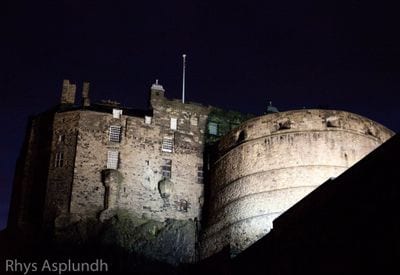
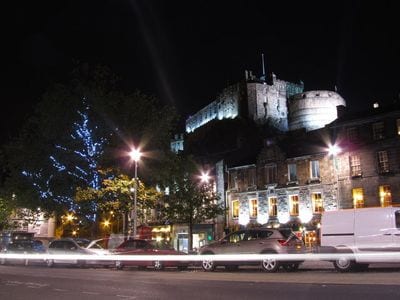
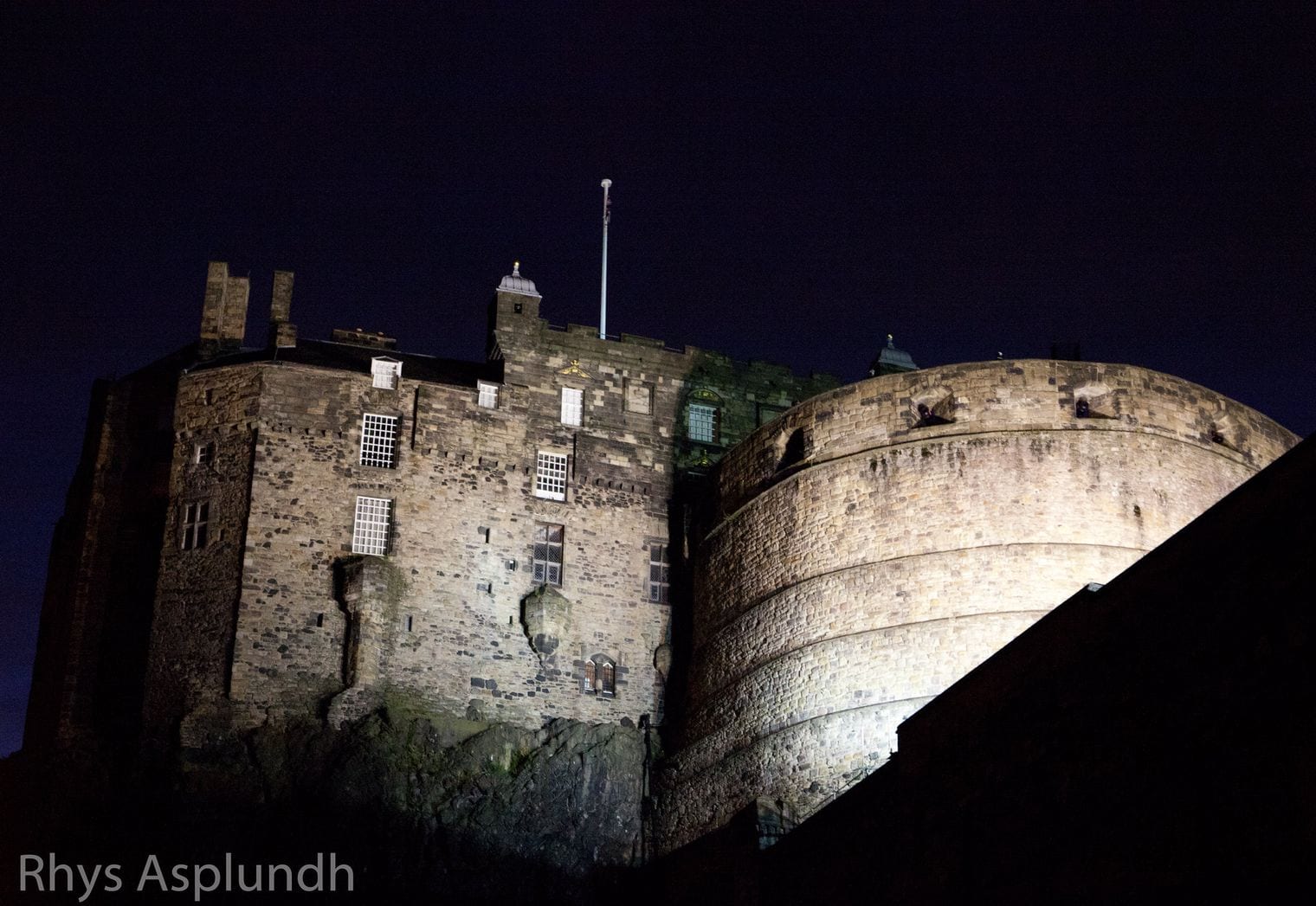
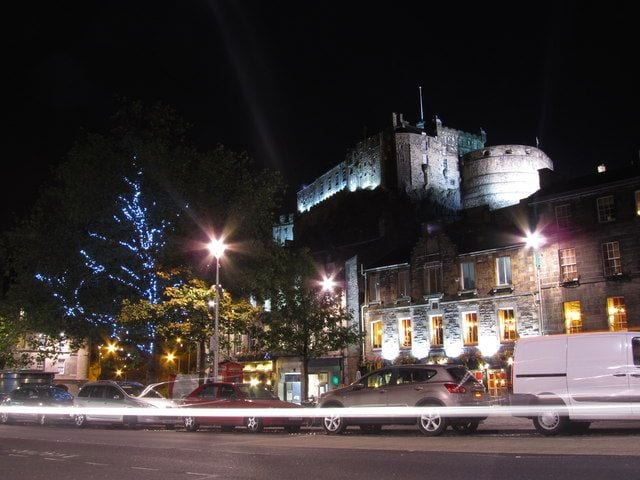
Perched on a plug of volcanic rock above the city, Edinburgh Castle is the fortress every photograph of the skyline is built around. Its buildings span centuries, from the tiny Norman-era St Margaret's Chapel to the Great Hall and the vaults beneath, and the whole complex is entered across an esplanade that fills with grandstands each summer.
Inside, Crown Square holds the Honours of Scotland — the crown, sceptre and sword — alongside the Stone of Destiny. Book ahead, because timed tickets sell out in peak months, and climb to the batteries for a view that takes in the Firth of Forth on a clear day.
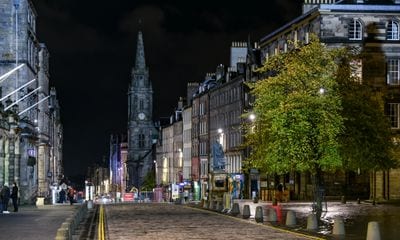
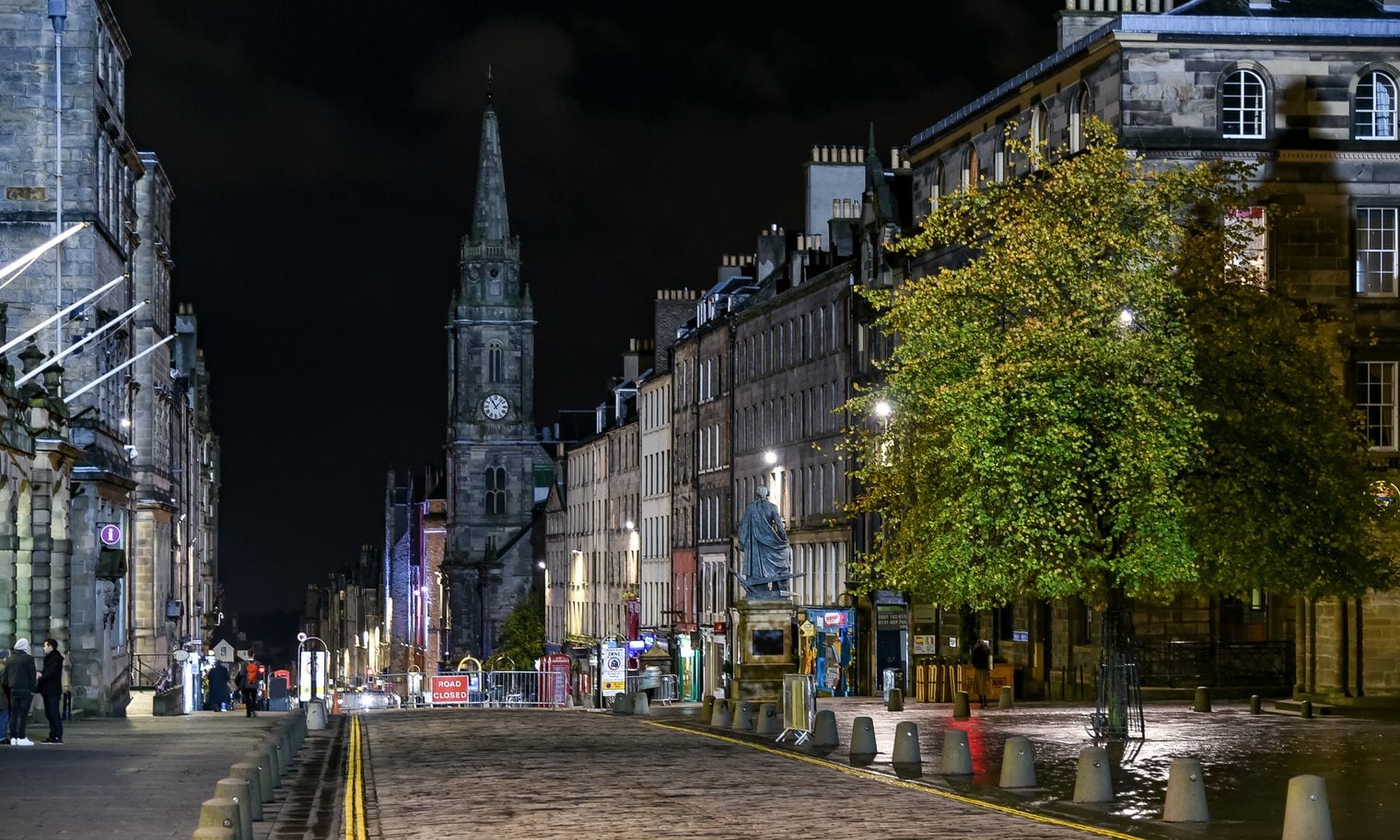
The Royal Mile is the spine of the Old Town, running downhill from the castle esplanade to the gates of the palace. It is really four linked streets, and walking its length takes far longer than the distance suggests, because the interest is in what opens off it.
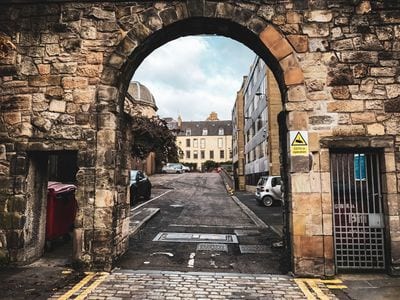
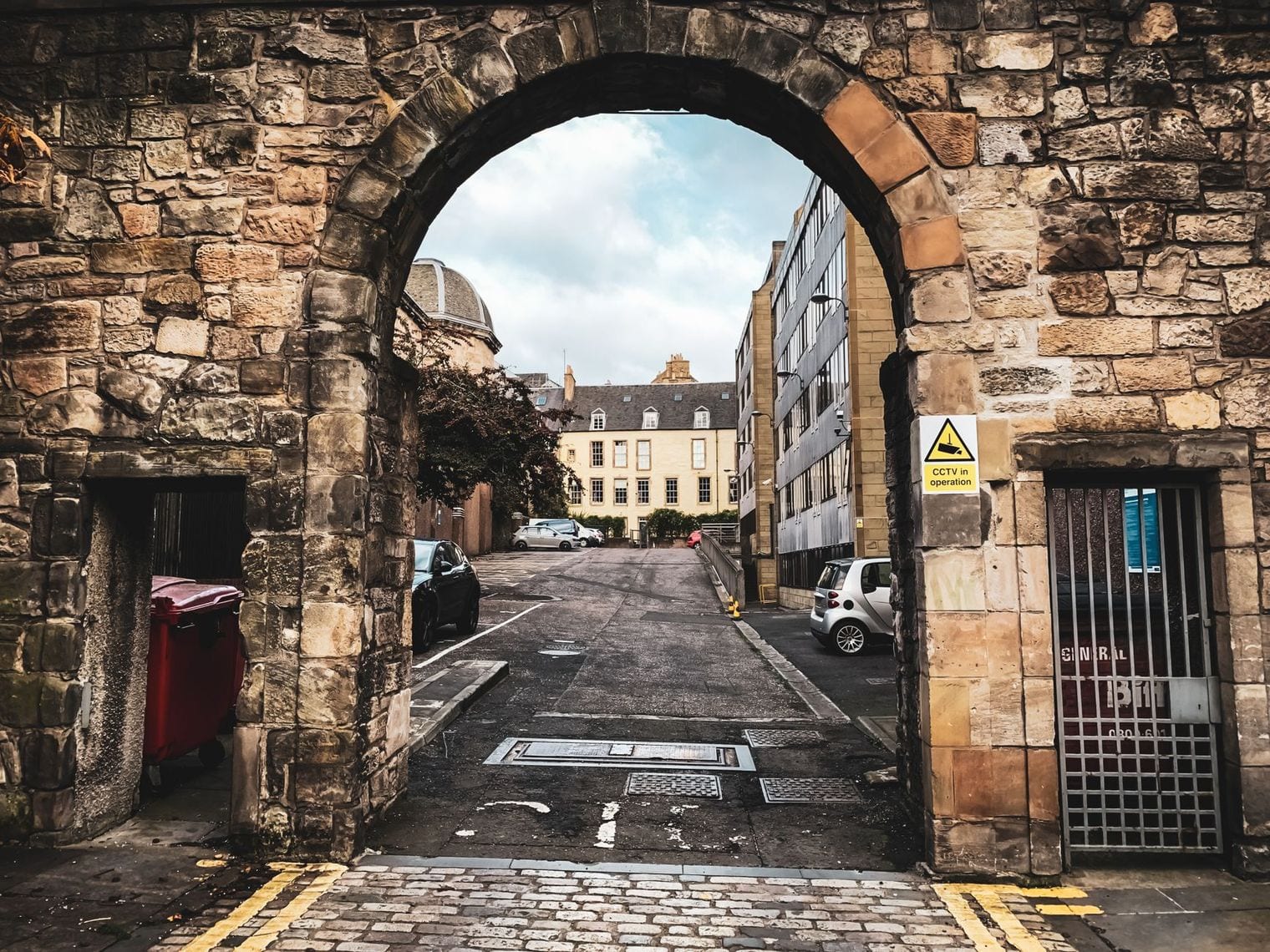
The magic is in the closes — narrow stepped alleys ducking between tenements, each with a name and a story. Wander into Advocate's Close or Riddle's Court, look up at the towering stone frontages, and the medieval scale of the place suddenly makes sense.
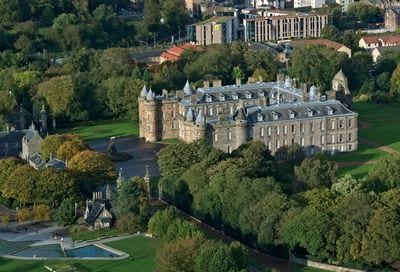
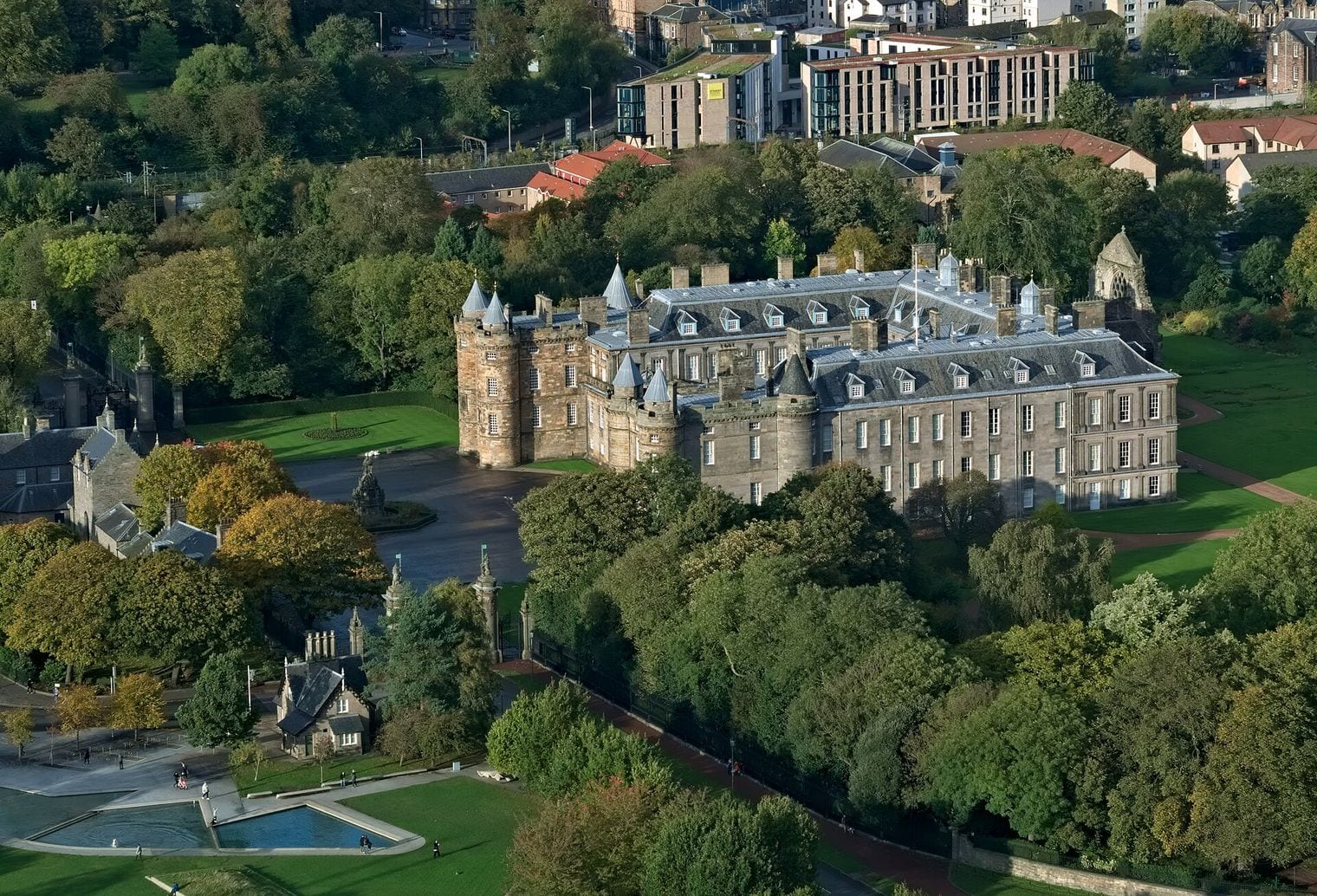
At the foot of the Royal Mile, the Palace of Holyroodhouse is the monarch's official residence in Scotland, and it is open to visitors for most of the year. The state apartments are hung with tapestries and portraits, and the Great Gallery runs the length of one wing.
The rooms that hold people longest are the historic apartments once occupied by Mary, Queen of Scots, reached by a tight turnpike stair. Behind the palace stand the roofless ruins of Holyrood Abbey, and the gardens open straight onto the wild ground of Holyrood Park.
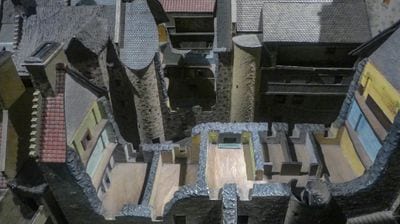
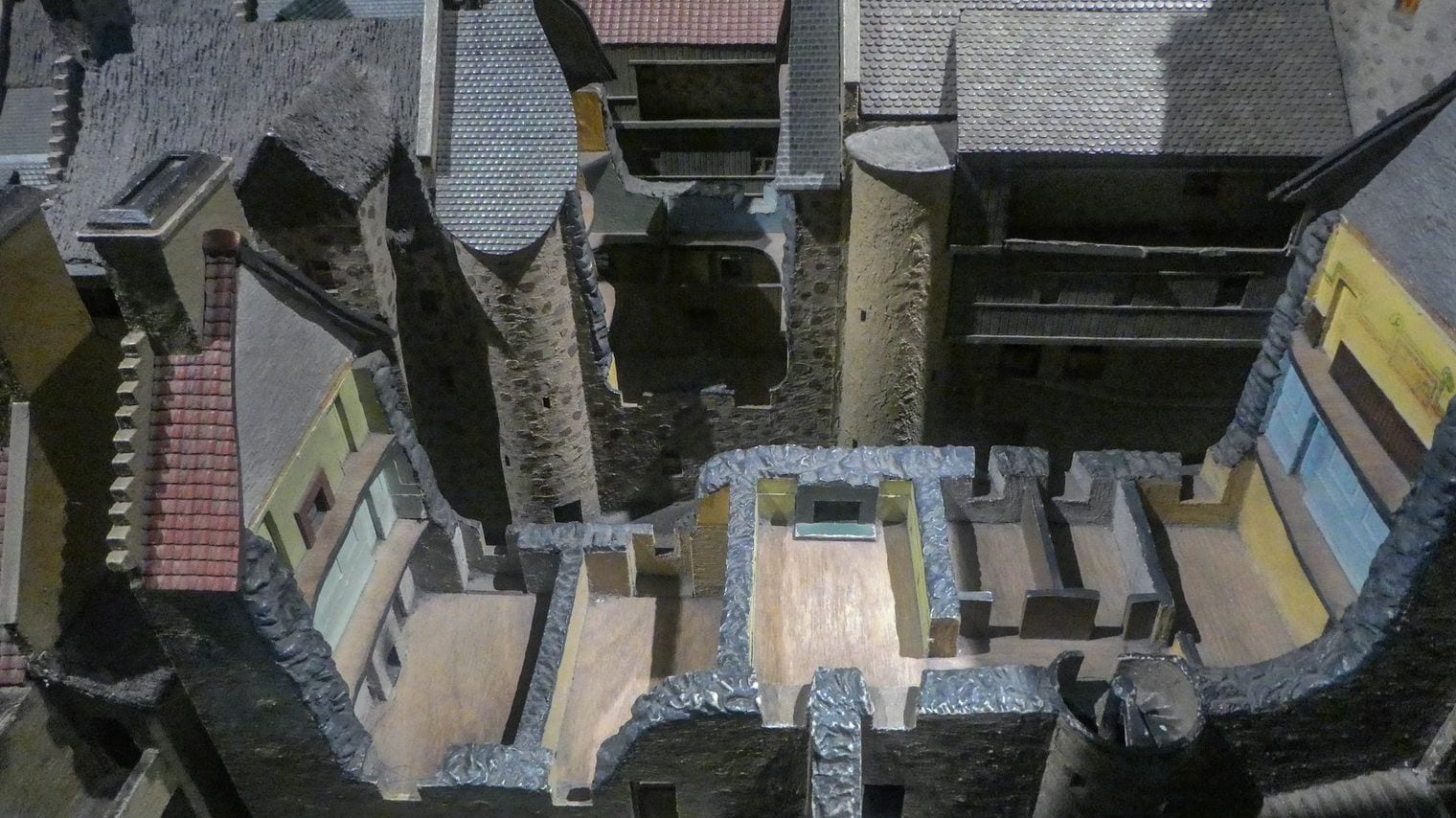
Beneath the buildings of the Royal Mile lies a warren of 17th-century streets that were never demolished, only built over. The Real Mary King's Close takes small groups down into them on a guided tour, through rooms and passages where ordinary Edinburgh families once lived.
Costumed guides handle the history, which runs from plague and poverty to the engineering that buried the closes in the first place. It is cool, low-ceilinged and genuinely atmospheric, and it explains the shape of the Old Town better than anything above ground.
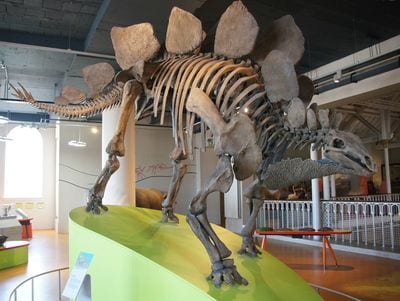
The National Museum of Scotland gathers the country's collections under one roof, and admission to the permanent galleries is free. The Victorian Grand Gallery is a soaring hall of iron and glass, while the modern wing next door traces Scottish history from prehistory to the present.
Highlights are scattered across several floors: the Lewis Chessmen, Dolly the sheep, a Formula One car, and galleries of natural history, design and world cultures. Finish on the roof terrace, which gives one of the best free views over the Old Town rooftops to the castle.
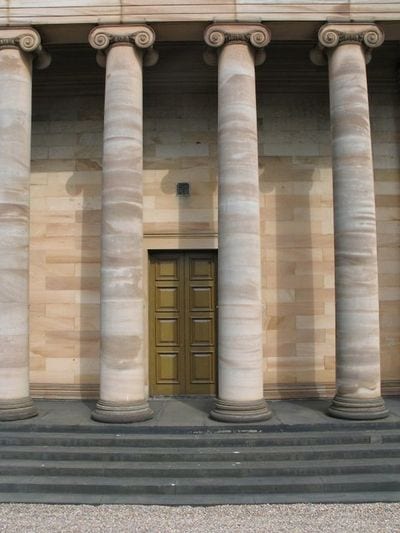
At the foot of the Mound, between the Old Town and the New, the Scottish National Gallery holds the national collection of fine art in a pair of neoclassical buildings. Entry to the permanent collection is free, which makes it an easy hour when the weather turns.
The rooms move through European painting from the Renaissance onward, and the Scottish galleries downstairs are the reason to linger — landscapes, portraits and scenes that put the country you are standing in on the walls.
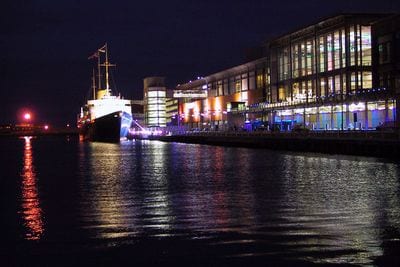
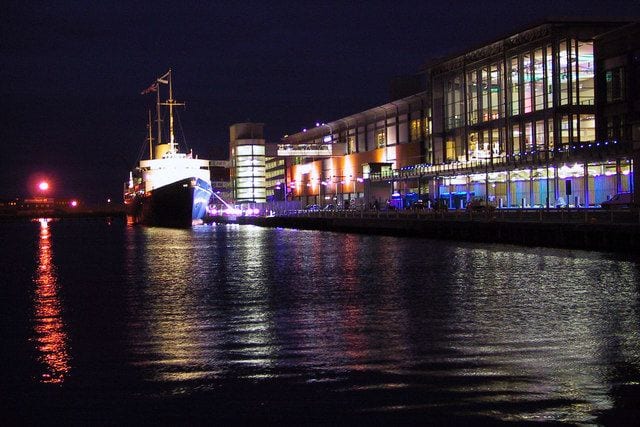
Berthed at Leith, a short ride north of the centre, The Royal Yacht Britannia served the Royal Family for more than forty years before being retired and opened to the public. An audio guide leads you through five decks at your own pace.
What surprises most visitors is how restrained it feels: the state apartments are elegant but domestic, and the crew's quarters, engine room and sick bay are just as absorbing. Tea and cake on the Royal Deck is very much part of the experience.
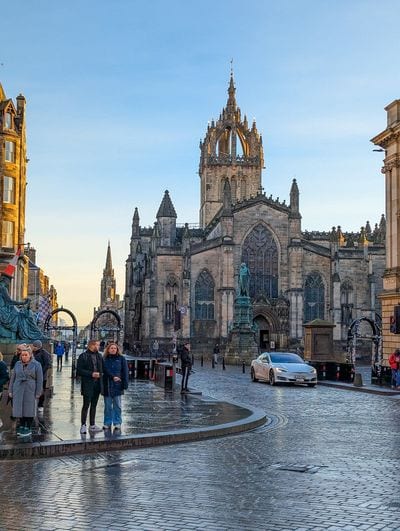
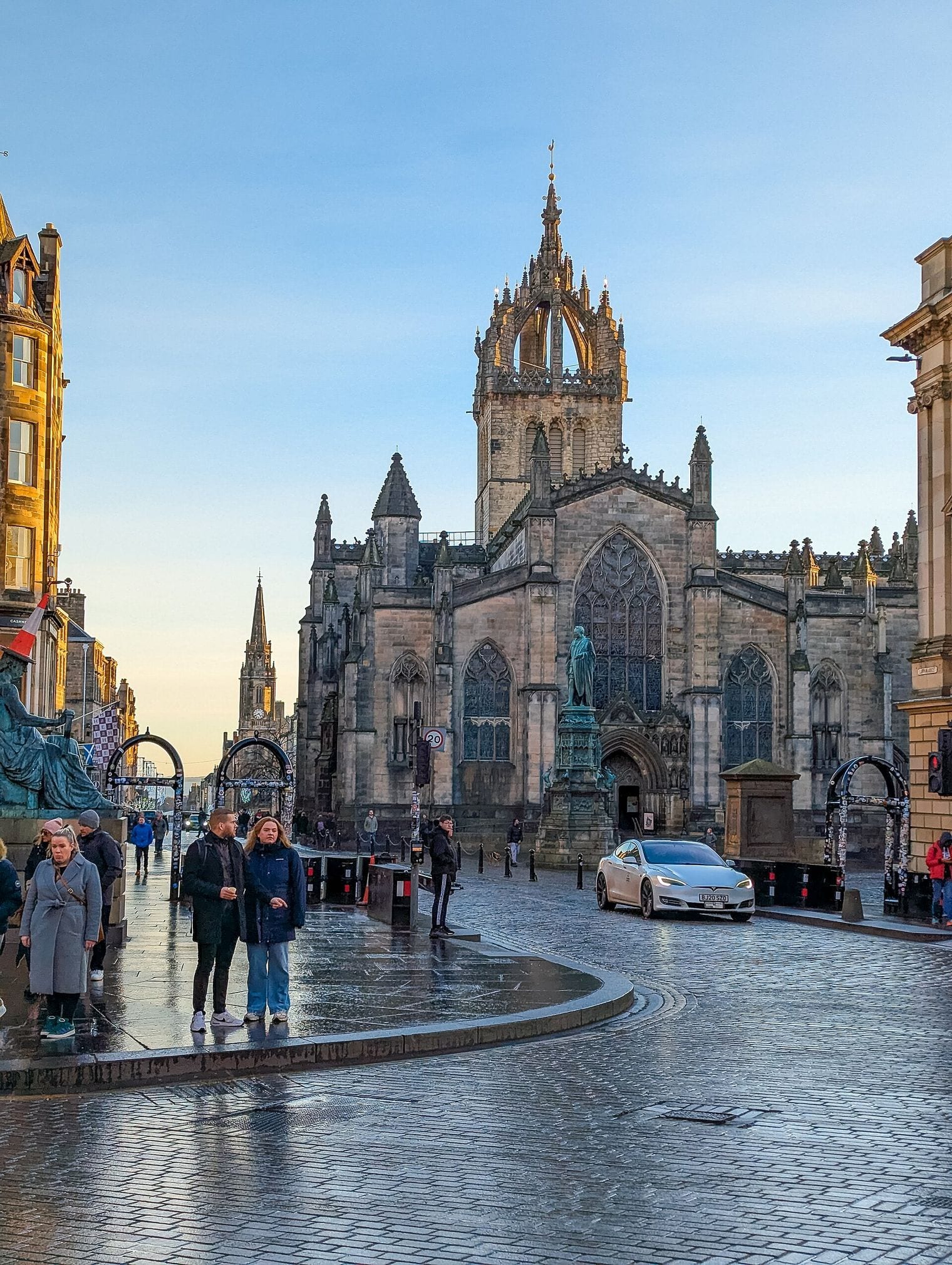
The High Kirk of Edinburgh has stood on the Royal Mile in some form for around nine hundred years, and its crown steeple is one of the city's defining outlines. St Giles' Cathedral is a working church, and stepping inside costs nothing.
Light from the stained glass falls across worn stone and regimental colours, and the small Thistle Chapel off the south side is the detail people remember — an intricately carved space built for Scotland's order of chivalry, with a stall for each knight.
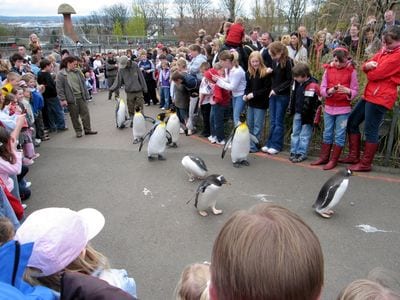
Spread across a steep hillside west of the centre, Edinburgh Zoo makes you climb, and the reward is a view back over the city from the upper enclosures. It is run as a conservation charity rather than a straightforward attraction.
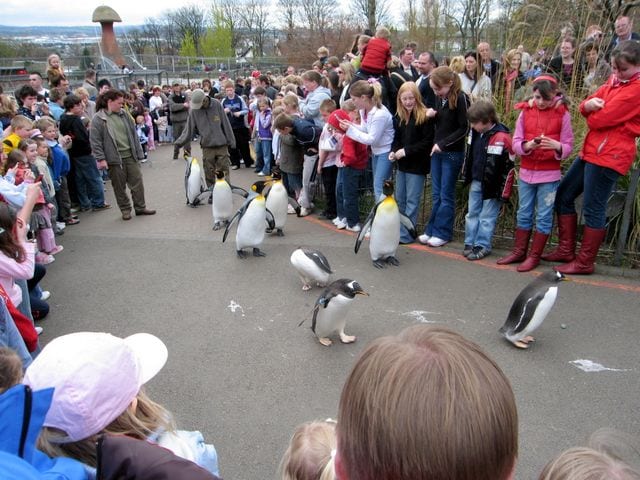
The penguins are the signature residents, and the daily parade — when the birds walk out of their enclosure along a public path — has been a fixture for generations. Allow most of a day if you are visiting with children, and wear shoes you can walk uphill in.
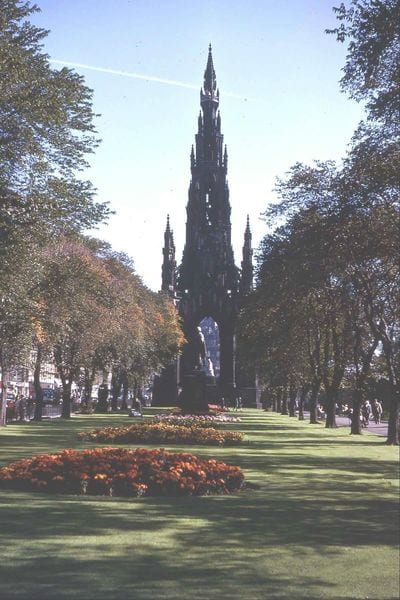
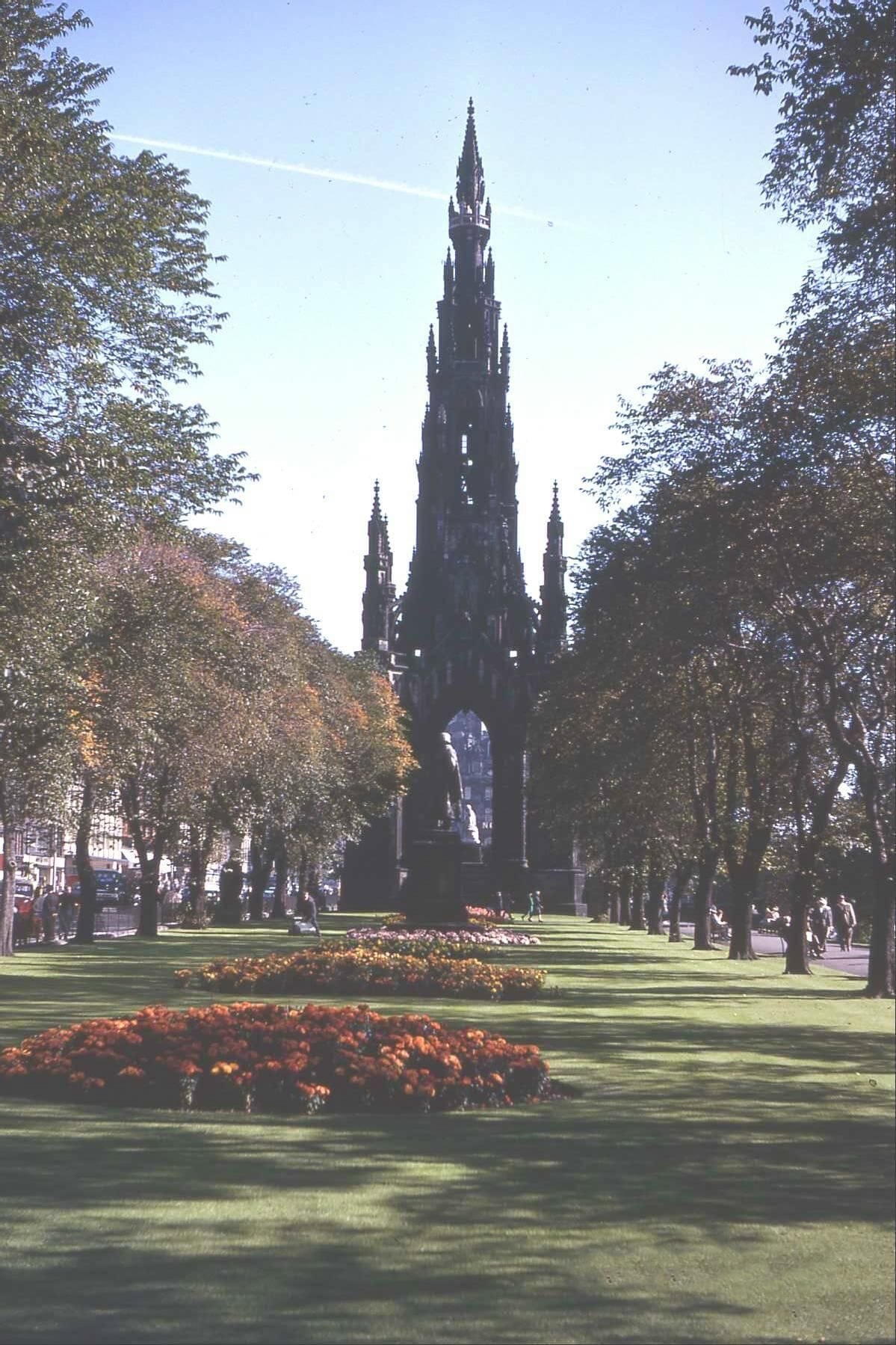
Rising in blackened Gothic spires above Princes Street, the Scott Monument commemorates the novelist Sir Walter Scott, who sits in white marble at its base. It is the second-largest monument to a writer in the world, after the Jose Marti memorial in Havana, and impossible to miss from the gardens below.
A narrow spiral staircase of 287 steps climbs through a series of viewing platforms, each one tighter than the last, to a gallery with an open view along Princes Street to the castle. Anyone uneasy in confined spaces should admire it from the lawn instead.
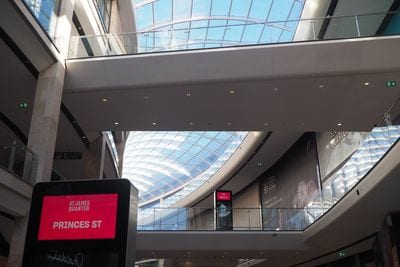
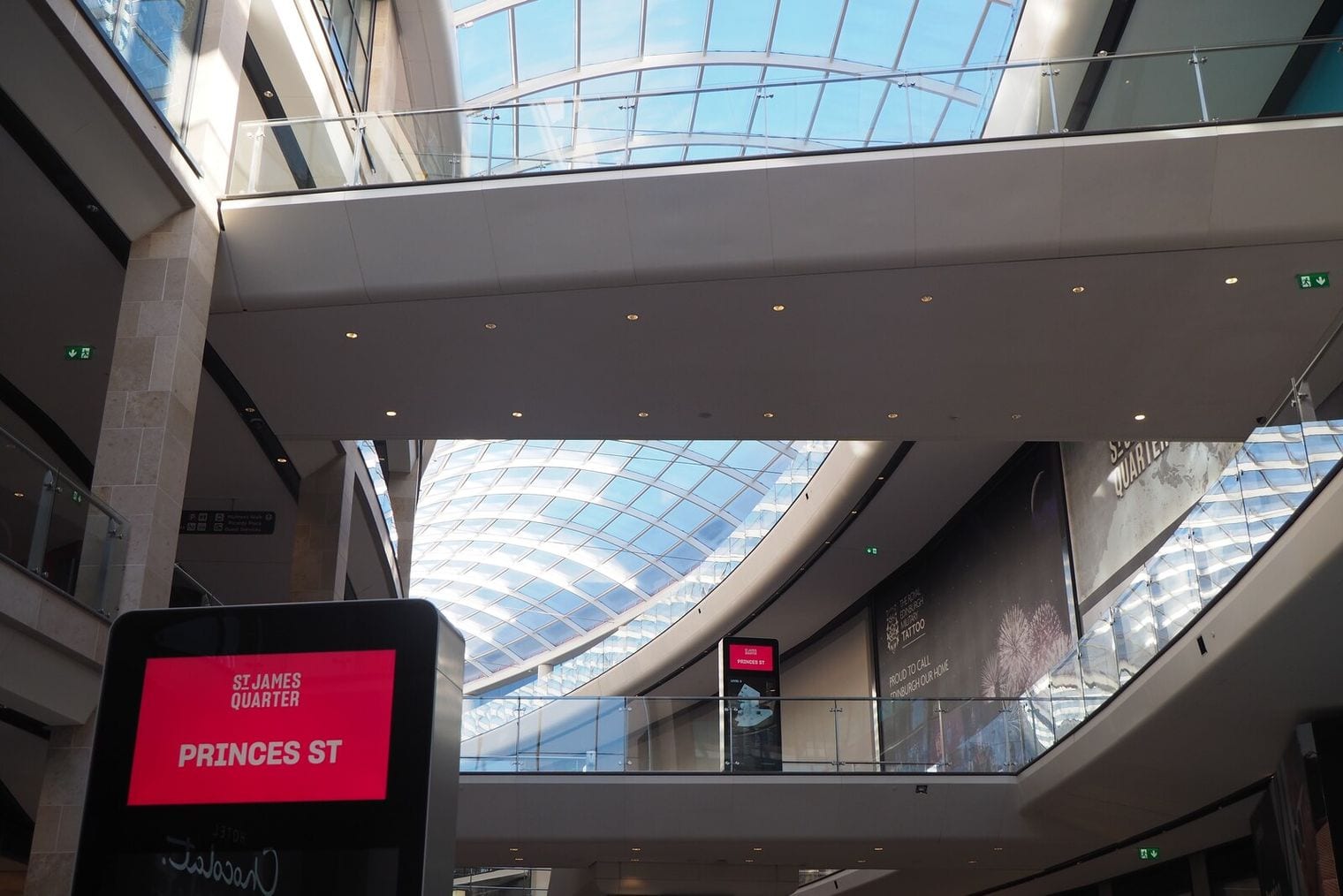
At the east end of Princes Street, St James Quarter is the city's big modern retail and leisure district, wrapped around a curving bronze-clad tower that has divided opinion since it appeared on the skyline. It is where Edinburgh does mainstream shopping under cover.
Beyond the shops there are restaurants, a cinema and rooftop bars with a long view over the New Town toward Calton Hill. On a wet afternoon — and Edinburgh has plenty — it is a genuinely useful place to know about.
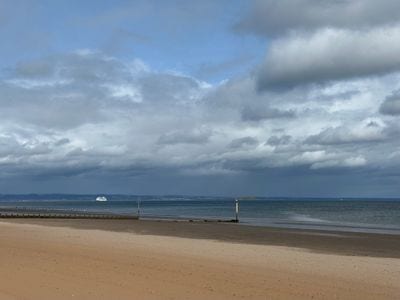
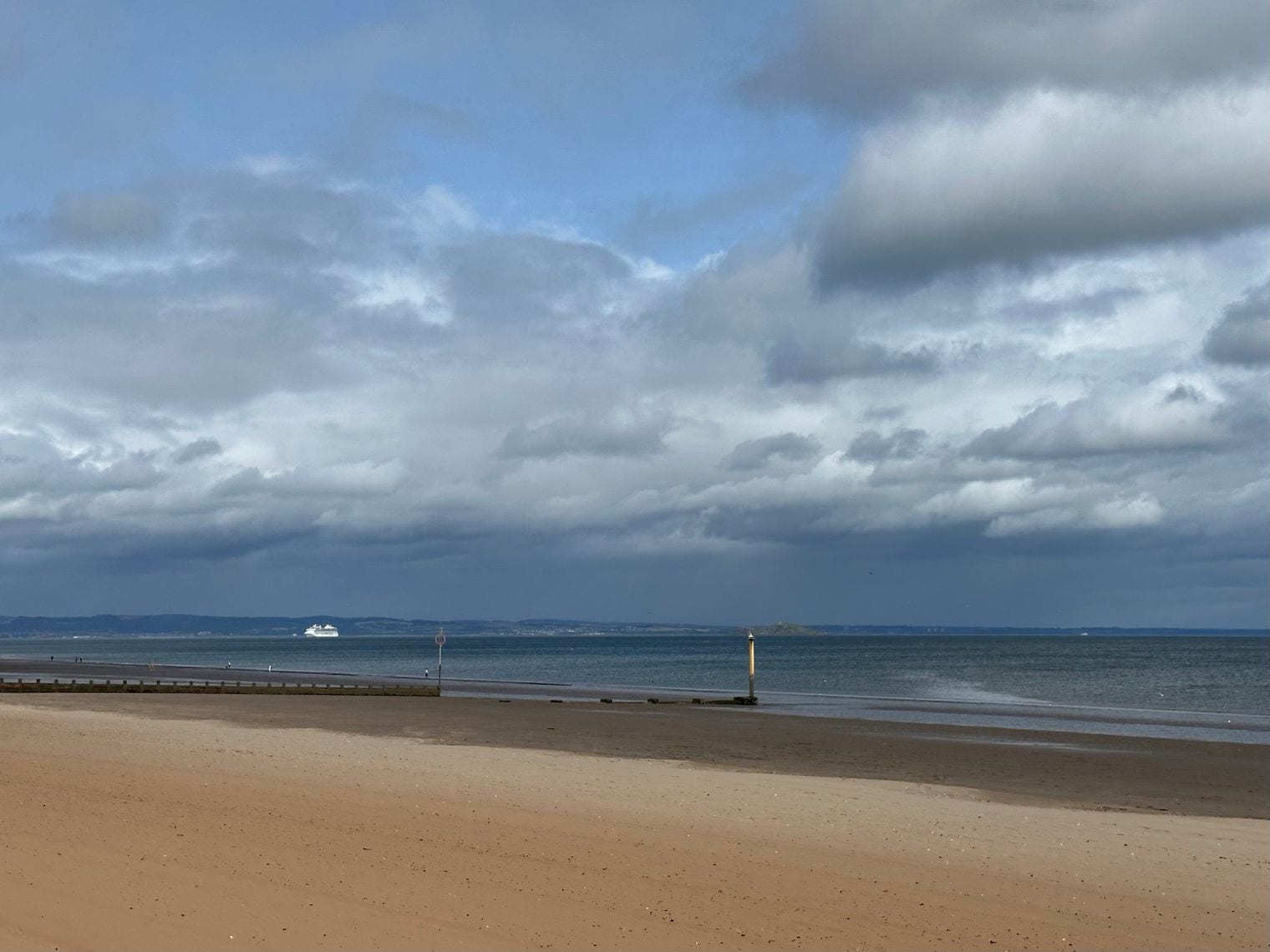
Edinburgh has a proper seaside, and it is about twenty minutes from the centre by bus. Portobello Beach is a long stretch of sand backed by a Victorian promenade, with the Firth of Forth in front and the Fife coast on the horizon.
Locals swim year-round, walk dogs and queue for ice cream along the prom, and there are amusement arcades and cafes at the back of the beach. It is the easiest way to feel like you have left the city without actually leaving it.
The Edinburgh Dungeon turns the city's grimmer history into a walk-through show, with live actors, sets and a couple of rides built into the route. It leans hard into theatre rather than museum accuracy, and it knows exactly what it is.
Expect body snatchers, cannibals and plague, delivered with a lot of shouting and some very willing audience participation. It suits older children and groups; anyone hoping for measured social history will be happier at Mary King's Close.
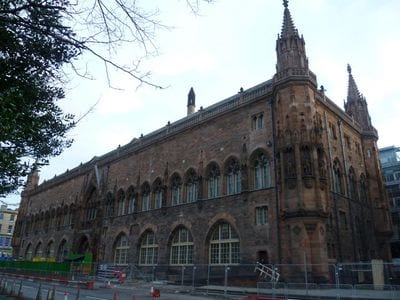
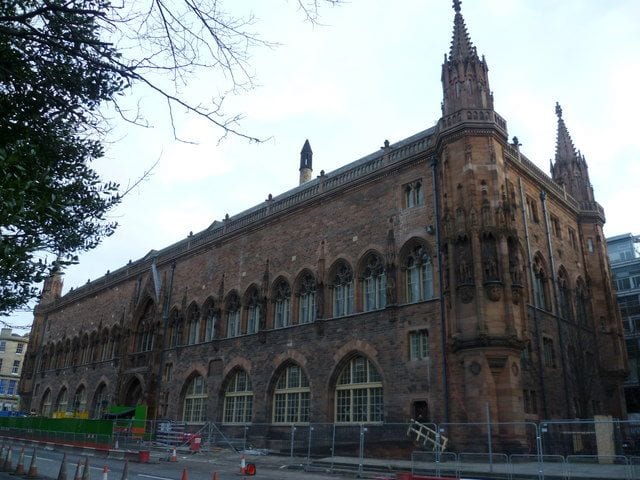
Built in red sandstone and covered in carved figures, the Scottish National Portrait Gallery is worth entering for the building alone. A frieze of Scottish historical figures runs around the top of the arcaded Great Hall, under a gilded ceiling.
The collection puts faces to Scottish history, from monarchs and inventors to contemporary photography and portraiture of living Scots. Like the other national galleries, the permanent displays are free, and it is rarely as busy as the museums on the Mound.
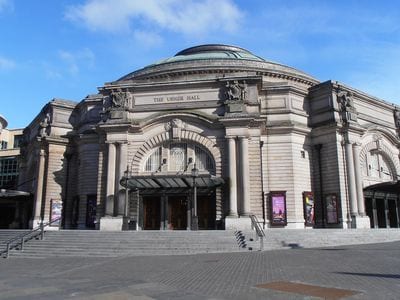
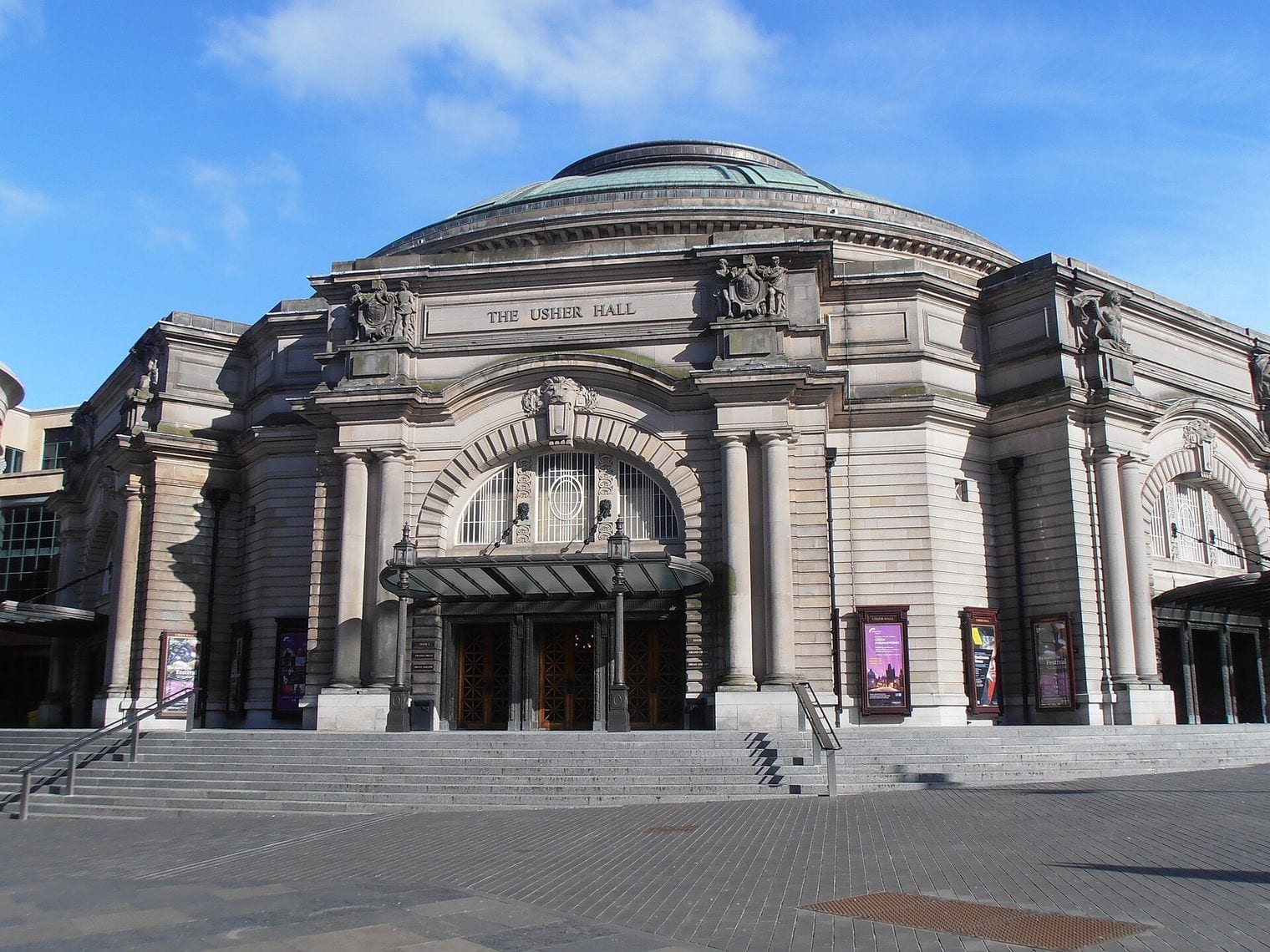
Usher Hall is Edinburgh's main concert hall, a domed Edwardian rotunda on Lothian Road with a reputation for warm acoustics. It hosts orchestras, choirs and touring acts through the year, and becomes a major venue during festival season.
Even without a ticket the building is worth a look from Festival Square, and the curved glass foyer added to one side gives a view back over the street. Check what is on before you visit — the programme ranges from classical to pop.
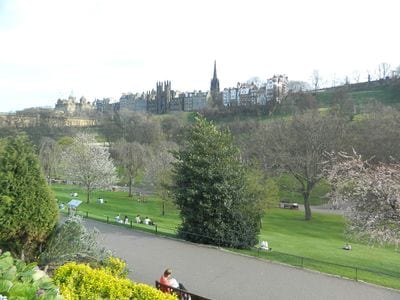
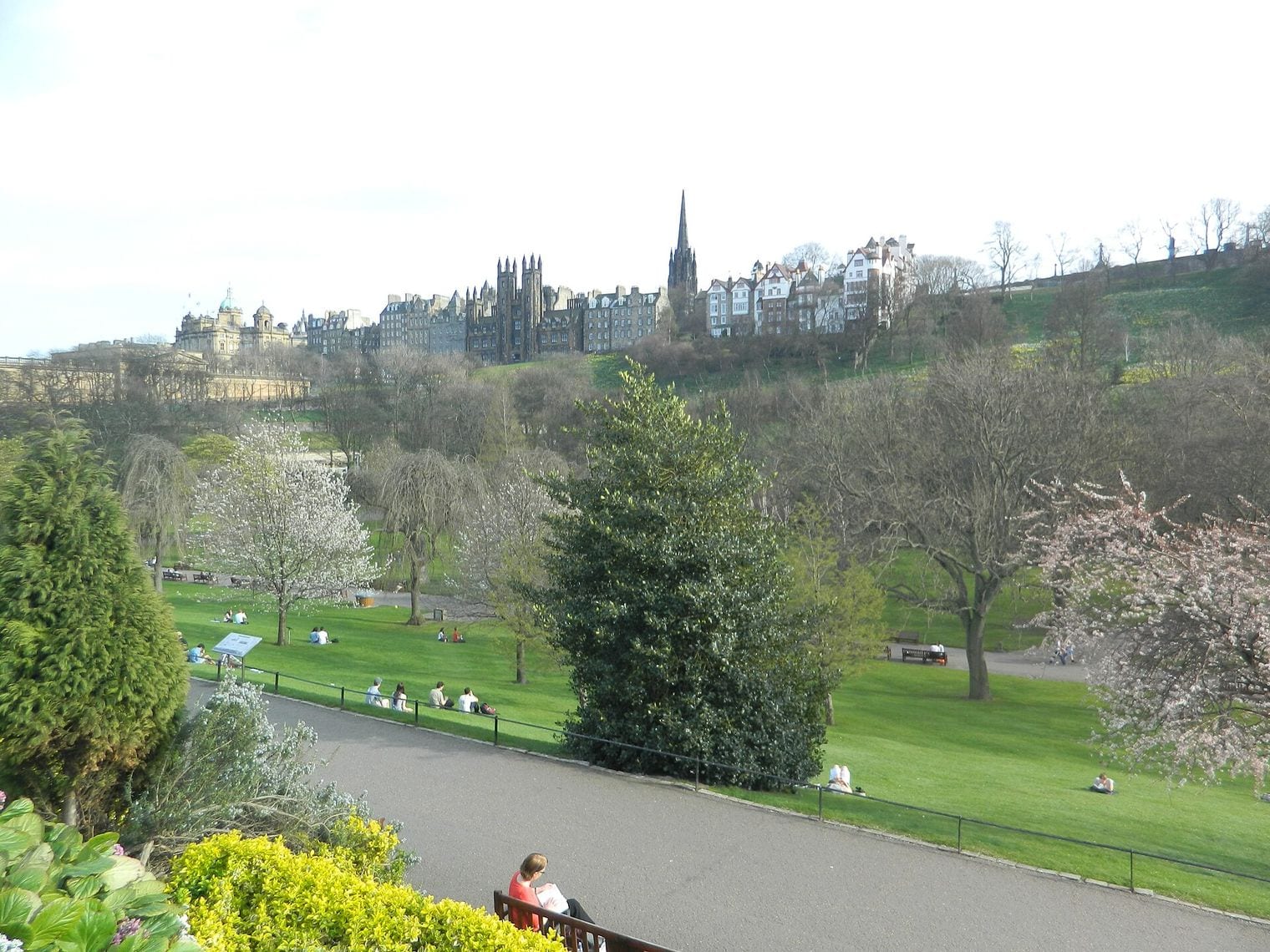
The long green valley below the castle was once a loch, drained when the New Town was built. Today Princes Street Gardens fill it, splitting the city in two and giving the castle rock the dramatic setting it needs.
In summer the lawns fill with people eating lunch beneath the crags, and the Ross Bandstand hosts open-air events. It is the obvious walking route between the Old and New Towns, and it costs nothing but time.
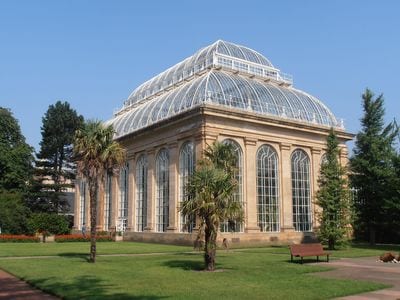
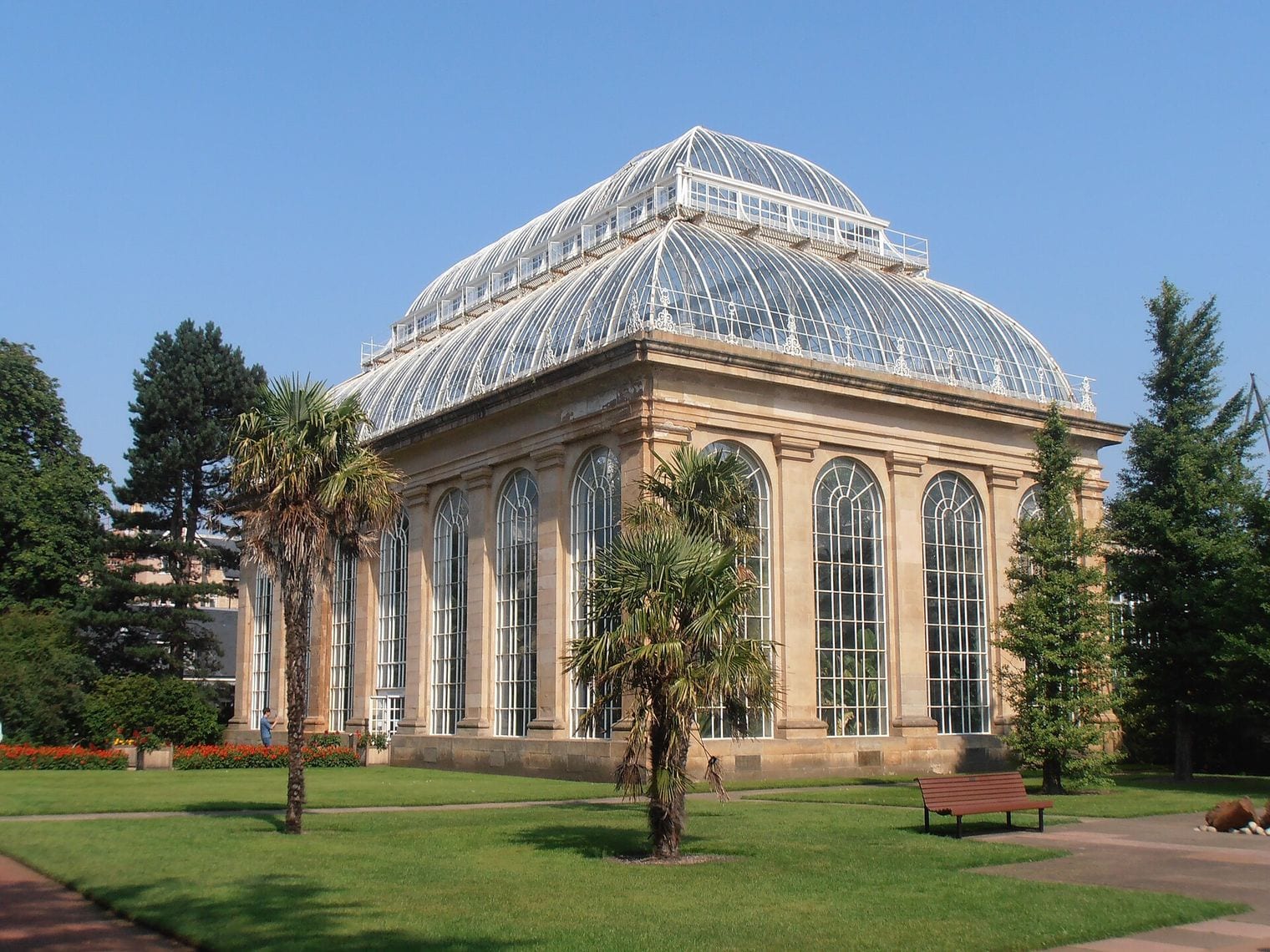
A short walk north of the New Town, the Royal Botanic Garden Edinburgh spreads over a large site of lawns, ponds and specialist collections, and entry to the outdoor garden is free. It is a serious scientific institution as well as a public park.
The Chinese Hillside, the rock garden and the woodland are worth the walk in any season, and the glasshouses — which are ticketed — run from tropical palms to arid houses. From the top lawn there is a much-photographed view of the city skyline across the treetops.
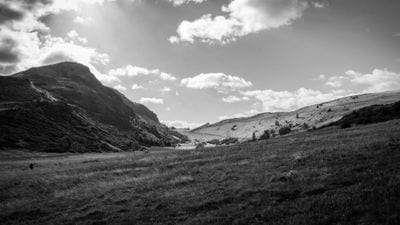
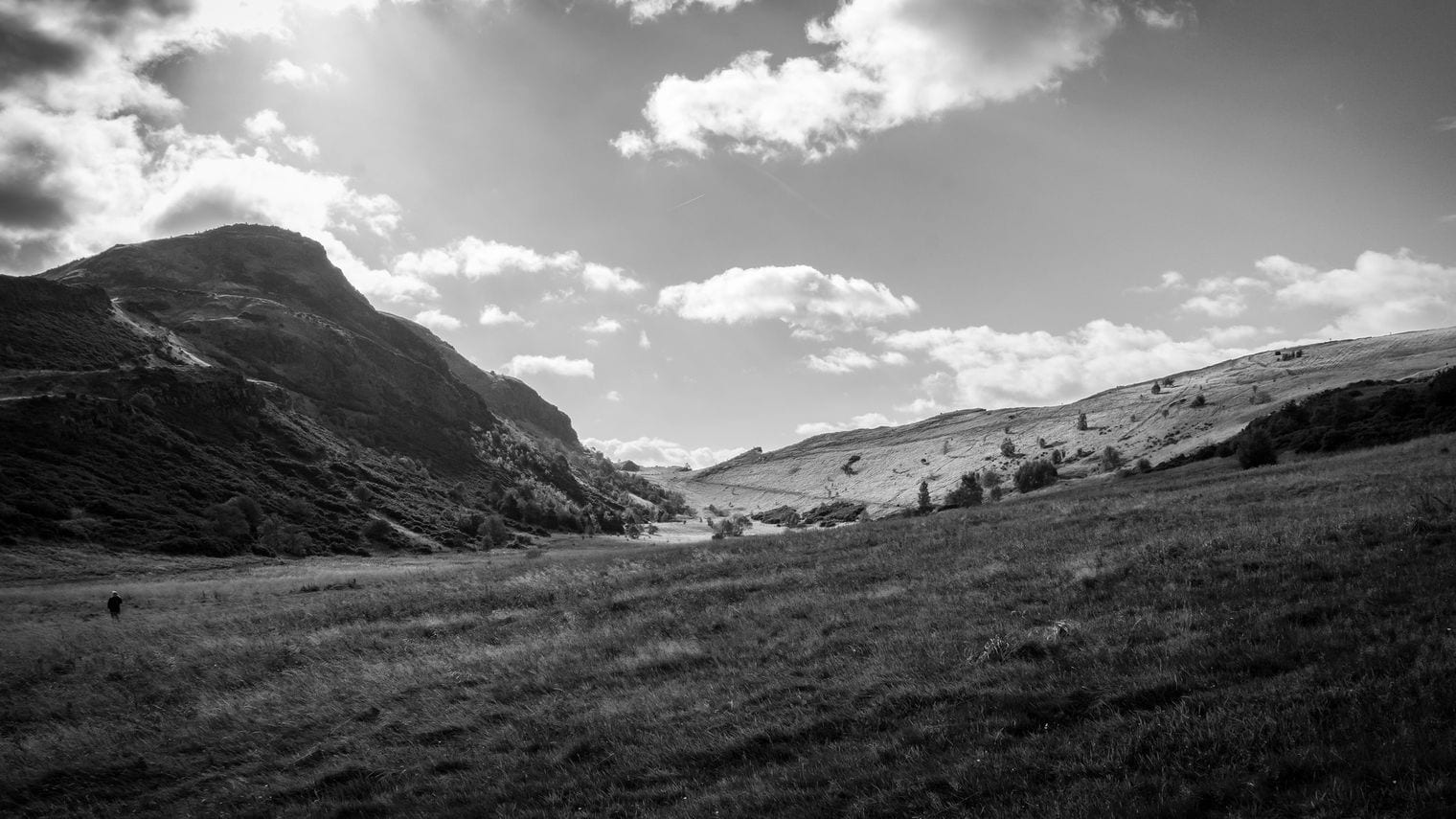
Holyrood Park is a piece of genuinely wild landscape kept inside the city boundary — hills, crags, lochs and rough grass covering a large area behind the palace. It is a royal park, and the roads through it close to traffic at times to make room for walkers.
Salisbury Crags form the great curved cliff you see from half the city, with a path running along their base. Add St Margaret's Loch, the ruins of St Anthony's Chapel and a network of trails, and it is easy to lose an afternoon here.
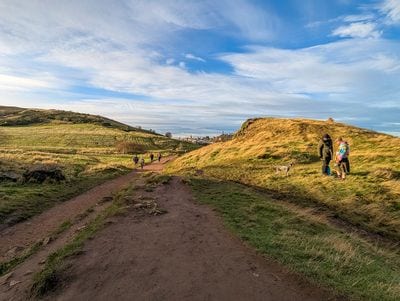
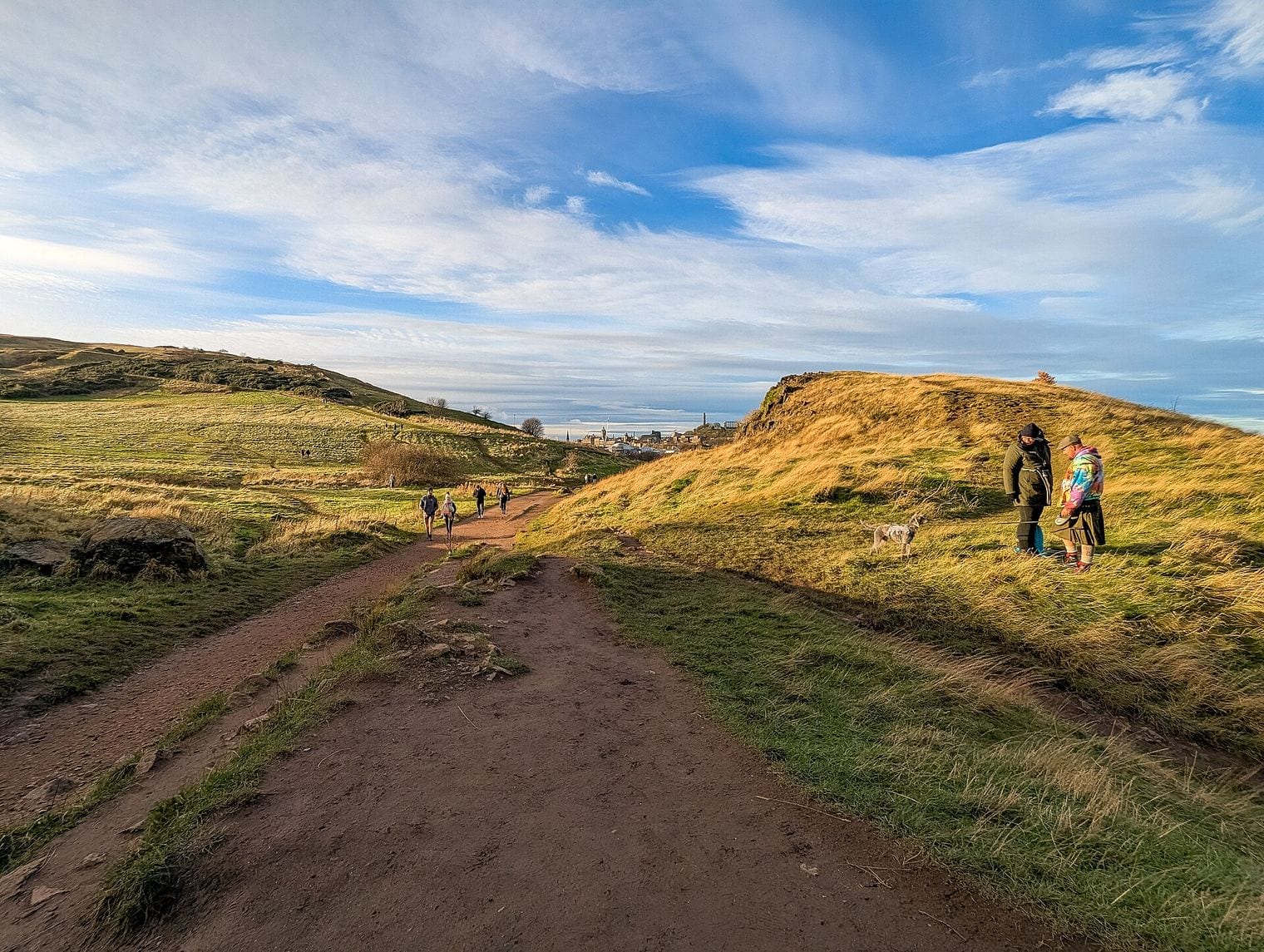
Arthur's Seat is the summit of an extinct volcano and the highest point in Edinburgh, sitting in the middle of Holyrood Park. The climb from the palace side takes well under an hour on the gentler routes, and no special equipment beyond decent footwear.
From the top the view runs across the whole city to the Firth of Forth, the bridges and the hills of Fife beyond. Wind at the summit is often much stronger than at street level, so take a layer even on a warm day.
Tucked below the south face of the castle rock, the Grassmarket is a broad cobbled square that was once a livestock market and a place of public execution. Today it is one of the Old Town's best places simply to sit outside with a drink and look up.
The square is ringed with pubs, independent shops and restaurants, and a market sets up on some weekends. Steep closes and stairways climb out of it in several directions, including the Vennel to the west and Victoria Street to the north-east.
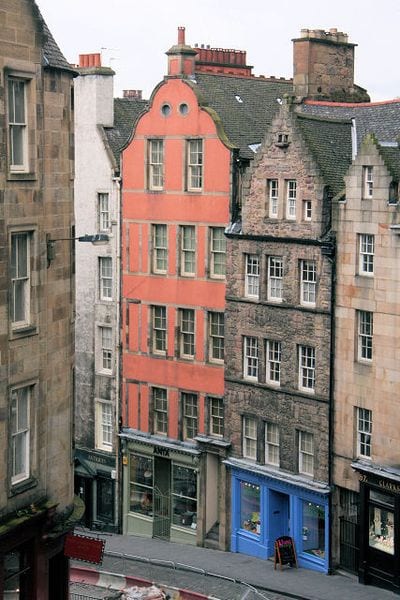
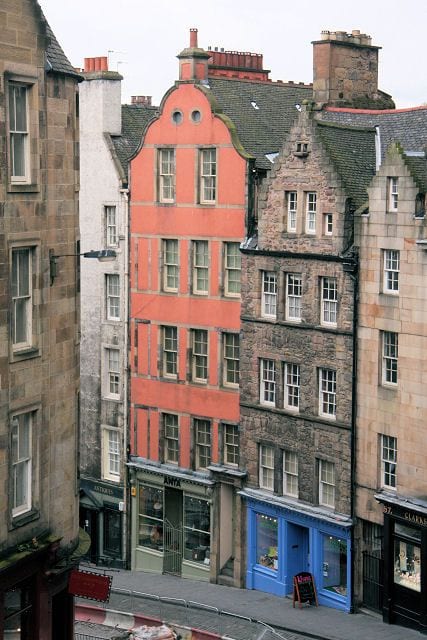
Victoria Street curves uphill from the Grassmarket in a sweep of brightly painted shopfronts, and it is probably the most photographed street in Edinburgh. It was cut through the Old Town in the 19th century as part of a scheme to improve access.
The shops are largely independent — booksellers, joke shops, cheesemongers and a good deal aimed squarely at visitors. Climb the stairs to Victoria Terrace, the balcony running above the street, for the view that appears on every postcard rack in the city.
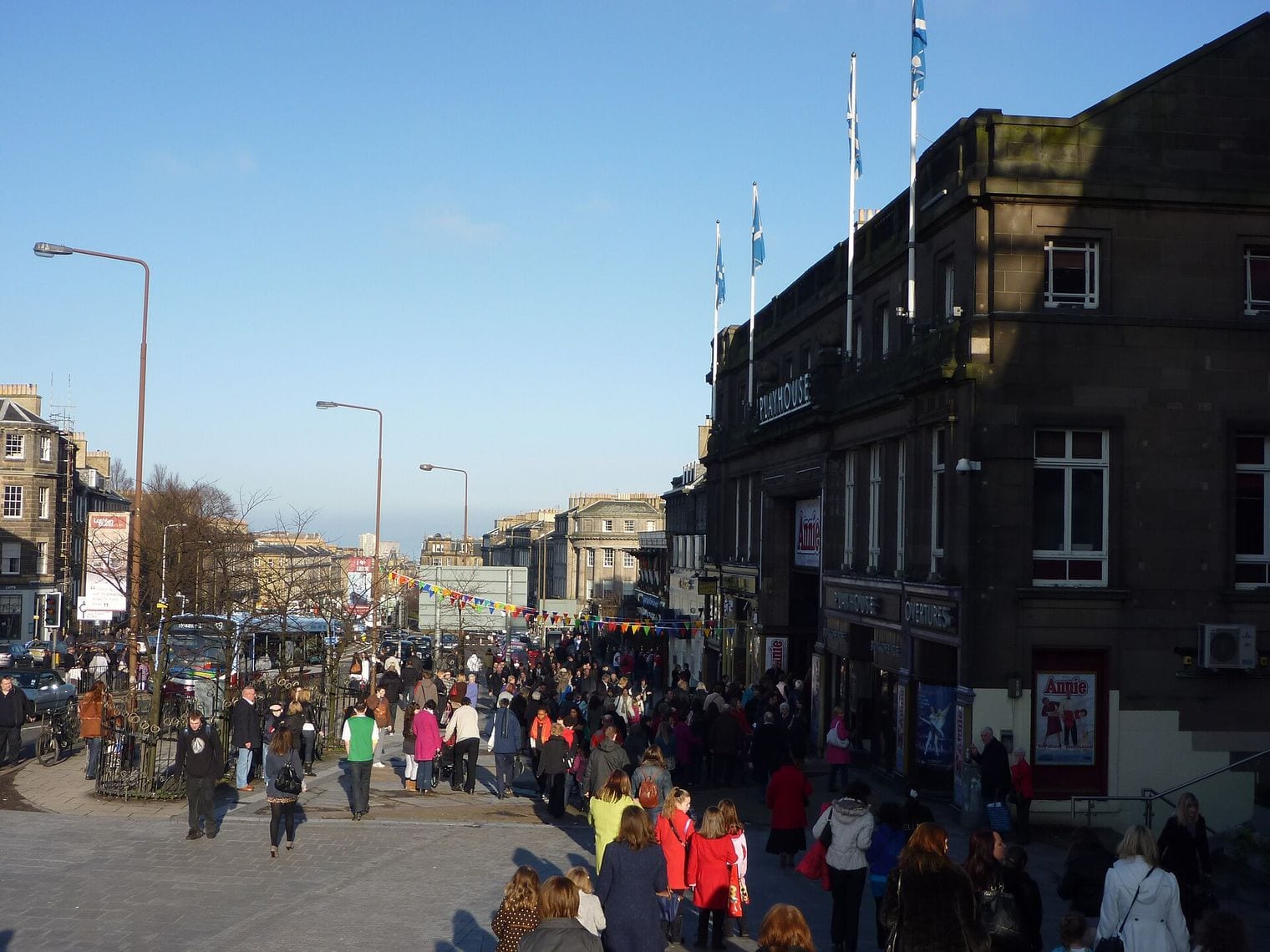
At the top of Leith Walk, the Edinburgh Playhouse is the largest theatre in Scotland and the second largest in the United Kingdom by seating capacity, and it is where the big touring musicals land. The auditorium is a grand 1920s cinema-scale space.
Programming leans toward musicals, comedy and concerts rather than drama, so it suits an evening when you want something crowd-pleasing. Book in advance for anything popular, because a house this size still sells out.
Right beside the castle esplanade, Camera Obscura & World of Illusions is built around a Victorian optical device that projects a live image of the streets outside onto a white dish in a darkened room. A guide narrates the city as it moves.
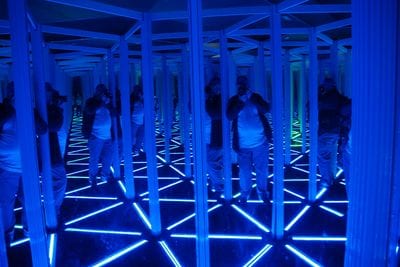
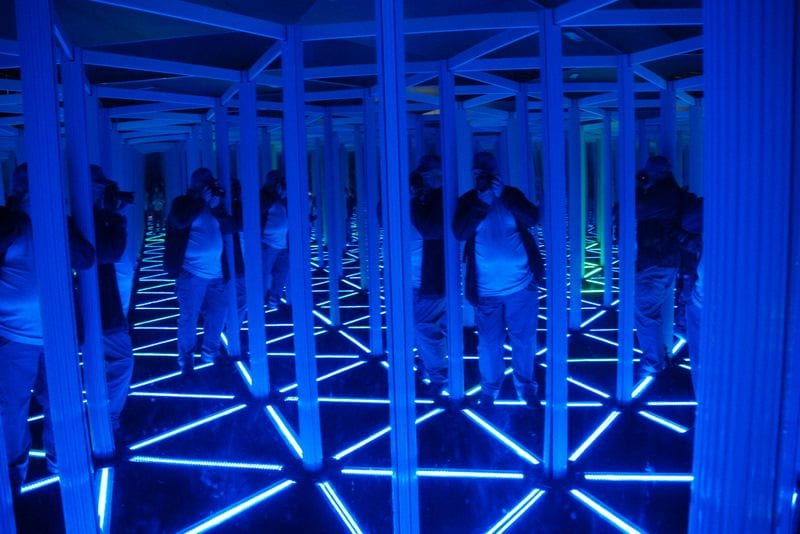
Below and above that sit several floors of hands-on illusions — a mirror maze, a vortex tunnel, holograms and distorted rooms — which make it a reliable choice with children or on a wet day. The rooftop terrace has an excellent castle view.
On Princes Street, in a converted department store, The Johnnie Walker Experience turns whisky blending into a guided tour across multiple floors. Tastings are tailored to the flavours you say you like at the start, which makes it approachable for beginners.
The tour ends in rooftop bars looking straight across the gardens to the castle, and those bars can be visited without doing the full experience. It is polished and commercial rather than rustic — for a working distillery, look to the ones down in Leith or by Holyrood.
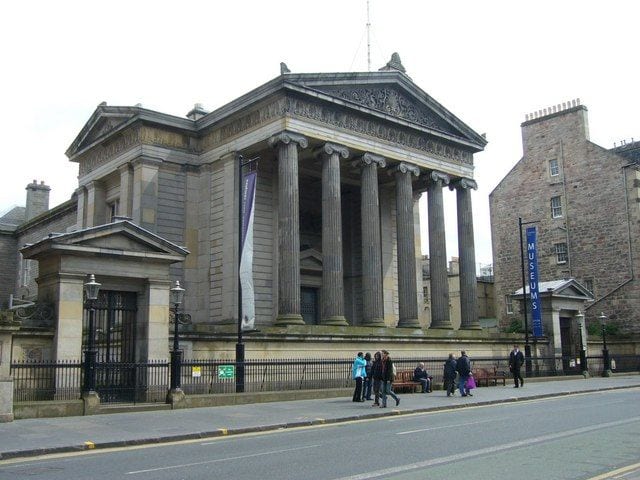
Run by the Royal College of Surgeons of Edinburgh, Surgeons' Hall Museums cover more than five hundred years of surgical history in a handsome Playfair building, and rank among Scotland's oldest museums. This is a serious medical museum, not a house of horrors.
The specimens are frank, and the galleries trace the development of surgery, anatomy teaching and dentistry alongside Edinburgh's outsized role in medical history. It is fascinating and not remotely squeamish-friendly, so judge your group accordingly.
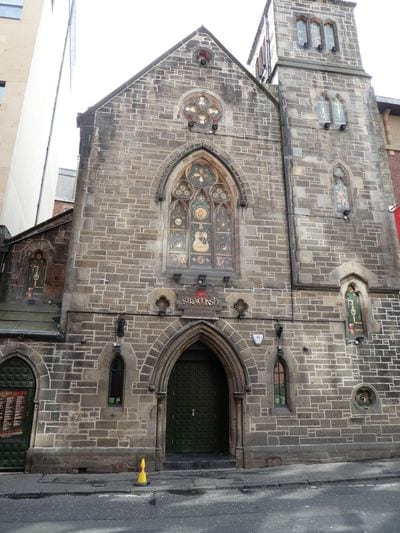
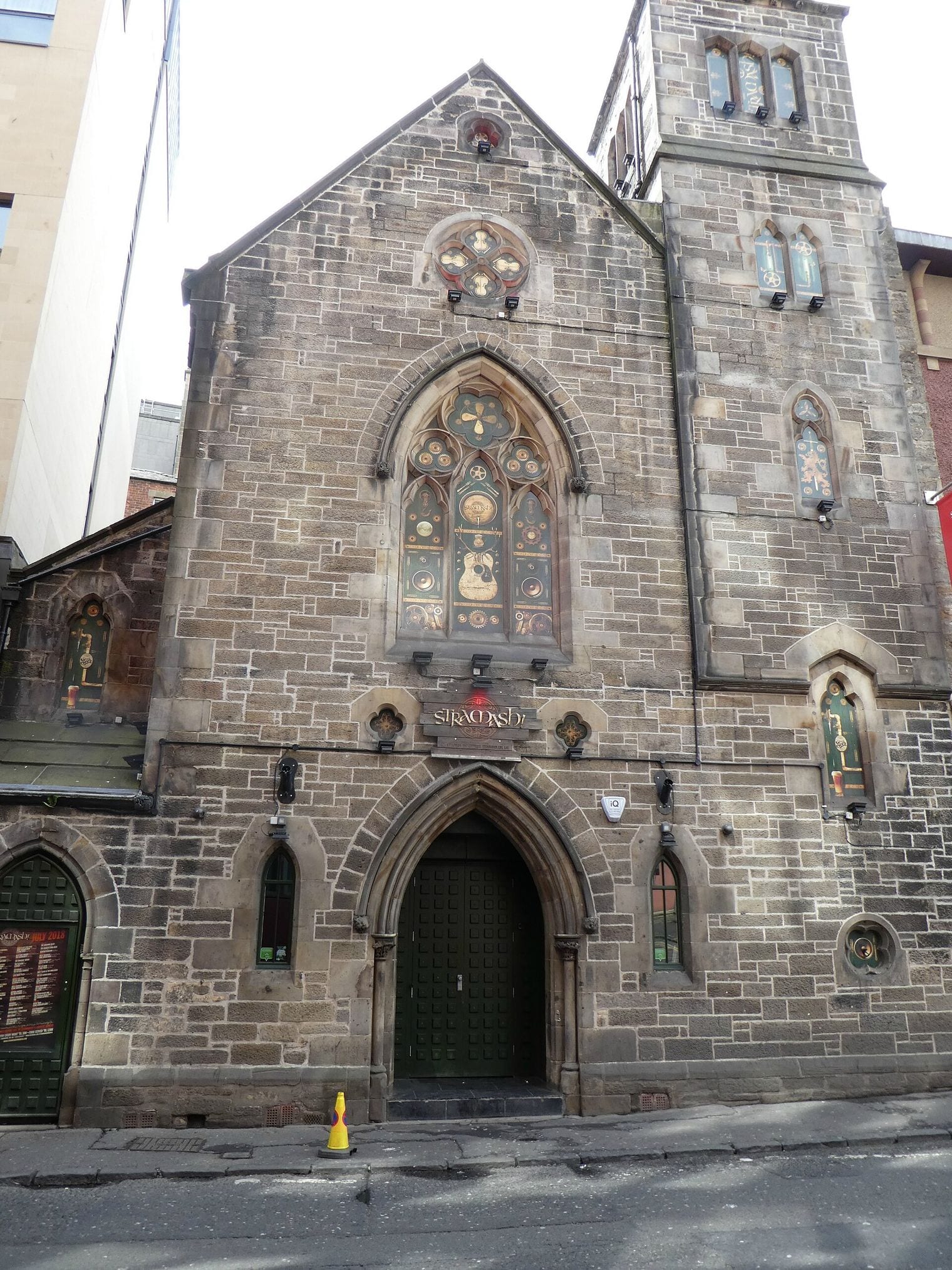
Stramash occupies a converted church on the Cowgate, deep in the Old Town's nightlife canyon, and puts live music on across several floors beneath the original vaulted ceilings. The setting does a lot of the work.
The programme leans toward folk, rock and ceilidh nights, with free entry to plenty of gigs. It is a good way to hear live Scottish music without booking anything in advance, and it runs late in a part of town built for exactly that.
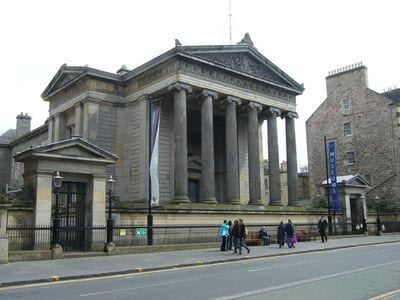
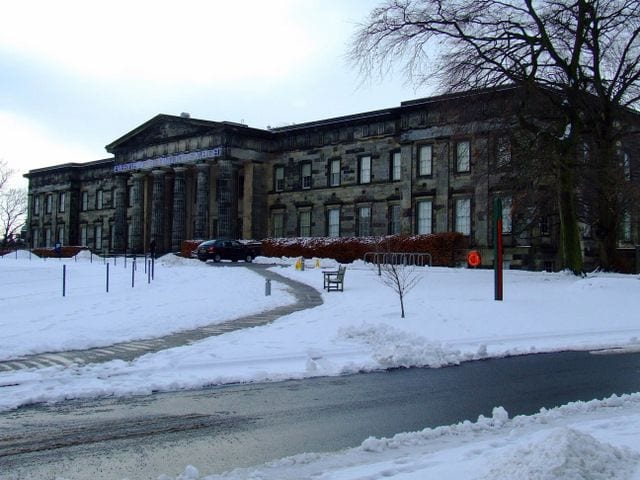
West of the centre, on either side of Belford Road, the Scottish National Gallery of Modern Art occupies two former school buildings set in parkland. Entry to the permanent collection is free, and the walk out along the Water of Leith is half the pleasure.
One building holds modern and contemporary work; the other leans toward Dada and Surrealism. On the front lawn, a sculpted landform of grass terraces and crescent pools is a work in its own right, and children treat it as a climbing frame.
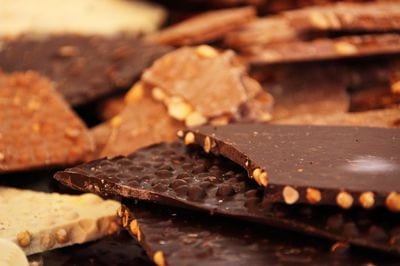
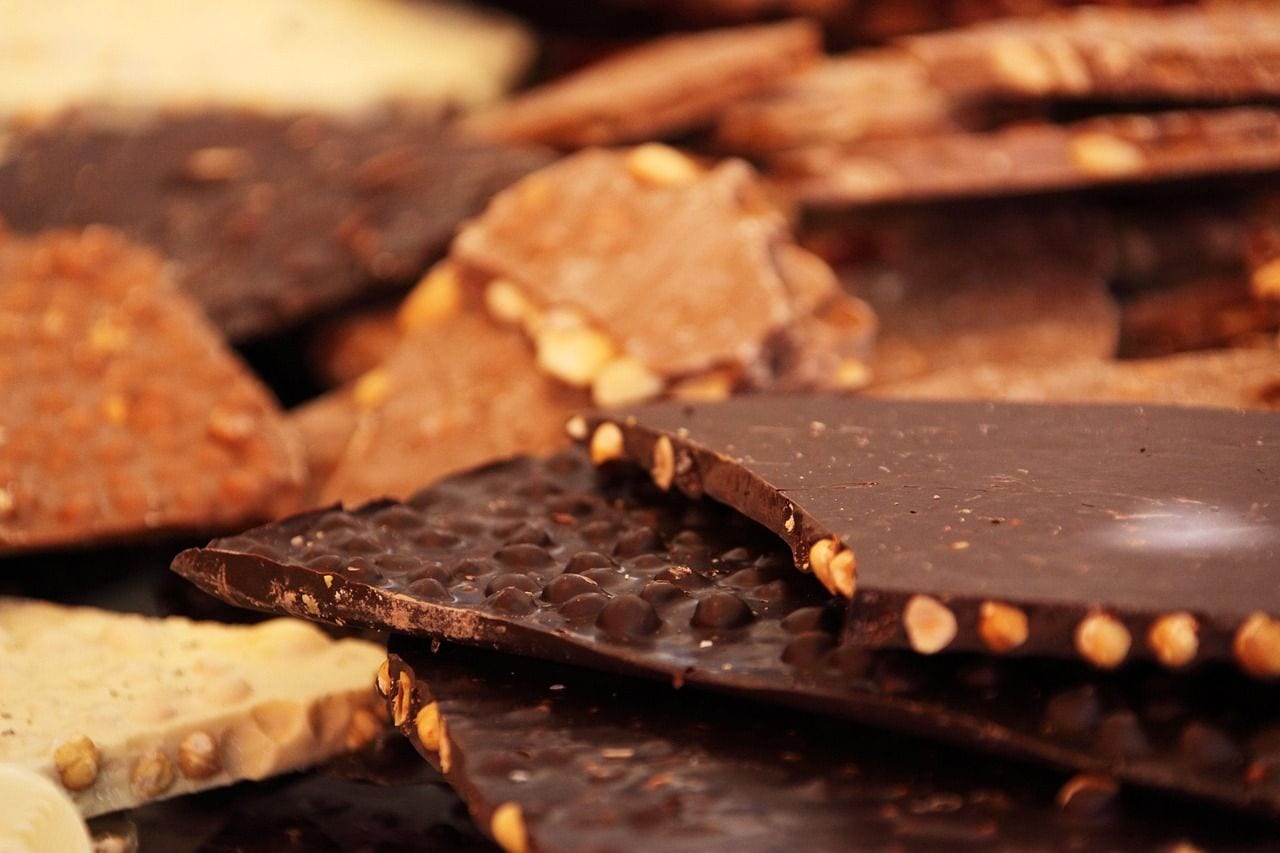
The Chocolatarium runs small-group chocolate tours in the Old Town, covering how cocoa is grown and made and why Scotland ended up with the confectionery habits it has. There is a great deal of tasting involved.
Sessions are hands-on — you sample your way through a range of chocolate and finish by making a bar of your own to take away. It books up, so reserve ahead, and go hungry rather than straight after lunch.
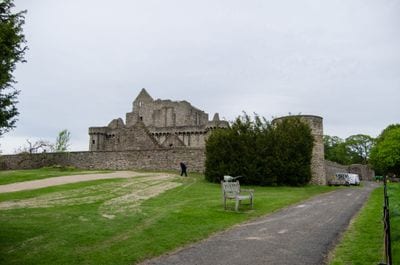
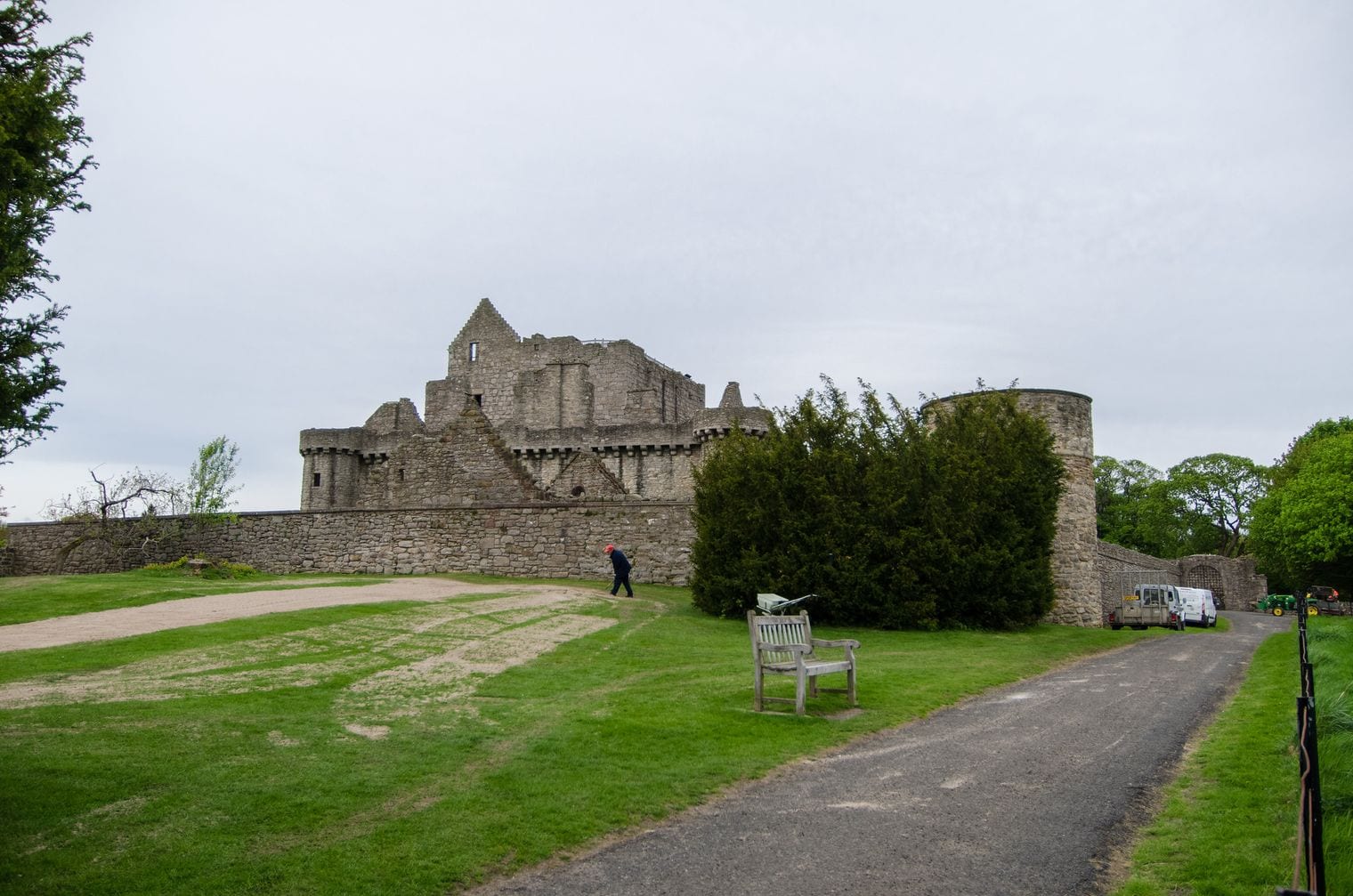
A few miles south-east of the centre, Craigmillar Castle is one of the best-preserved medieval castles in Scotland and a fraction as busy as the one on the rock. You can climb its tower, walk its wall-walks and wander the roofless ranges largely at your own pace.
Mary, Queen of Scots stayed here, and the castle's role in the plotting of her reign is part of the story told on site. The view from the top takes in Arthur's Seat and the city beyond — a good reward for the trip out.
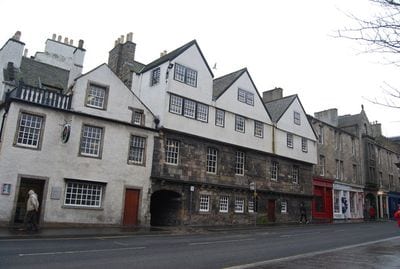
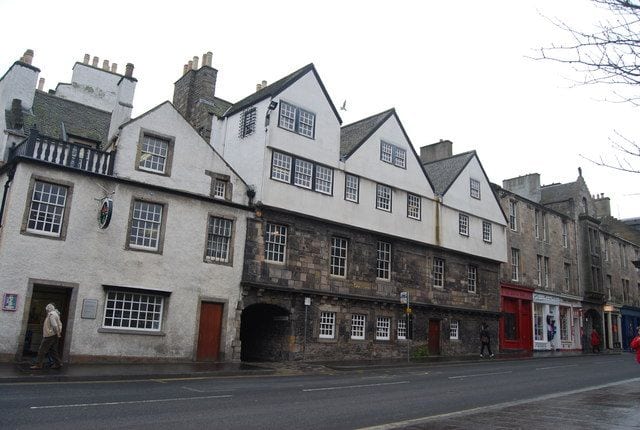
Housed in a rambling 16th-century building on the Canongate, the Museum of Edinburgh tells the story of the city itself, and admission is free. The building is a warren of low doorways and uneven floors, which suits the subject.
Collections cover local silver, glass, street signs and the growth of the city, and the museum holds the collar and bowl of Greyfriars Bobby. It is a small, unhurried stop that fills gaps left by the bigger national institutions up the road.
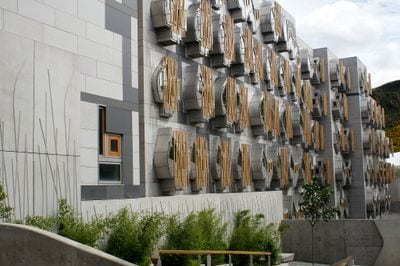
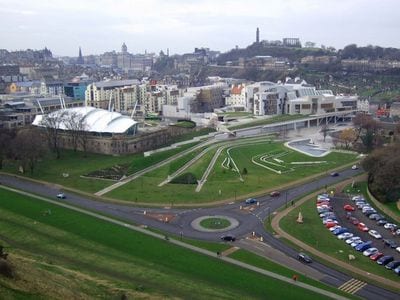
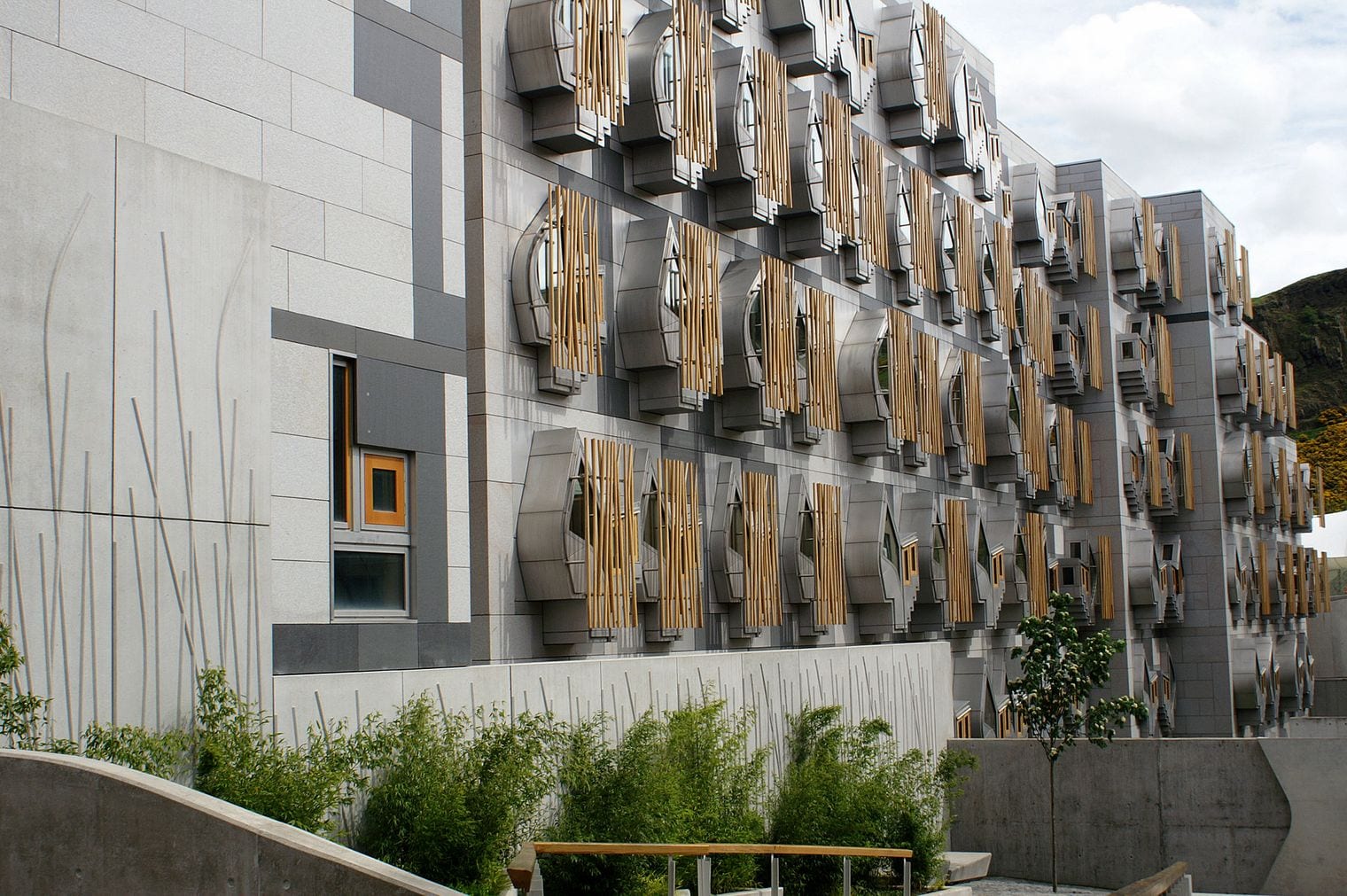
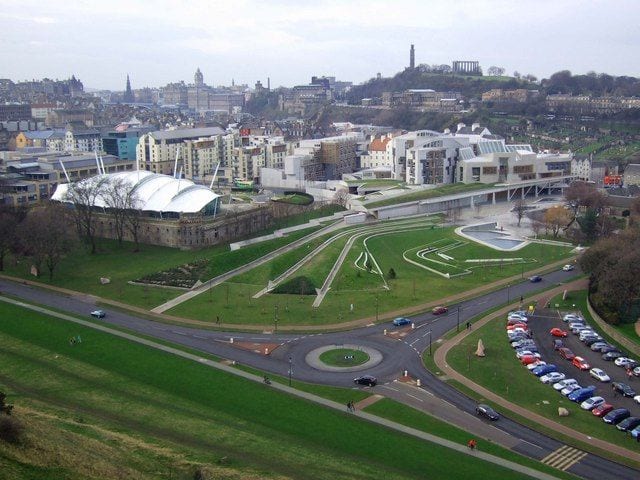
At the bottom of the Royal Mile, opposite the palace, the Scottish Parliament Building is a striking piece of modern architecture by the Catalan architect Enric Miralles, all folded concrete, oak and unexpected angles. It divided opinion when it opened and still does.
Visiting is free. You can look around the public spaces, join a guided tour, or sit in the public gallery of the debating chamber when Parliament is meeting. The building rewards a slow walk around the outside as much as a look within.
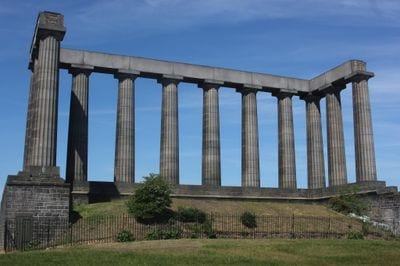
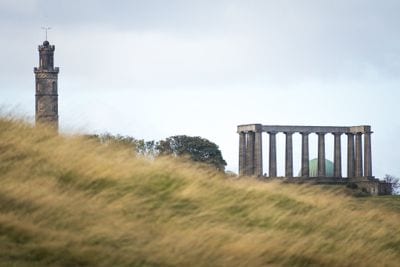
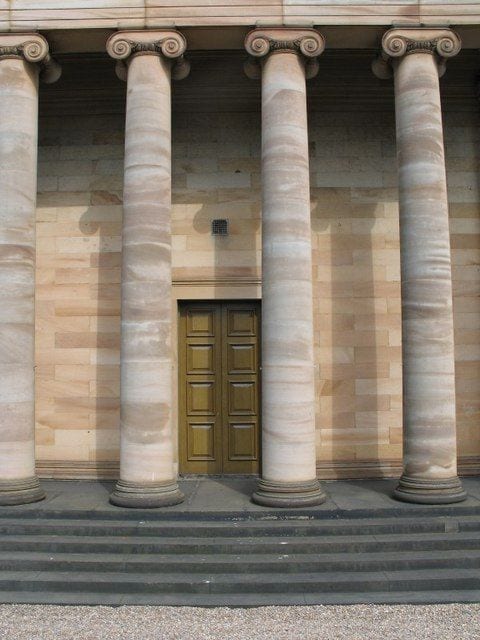
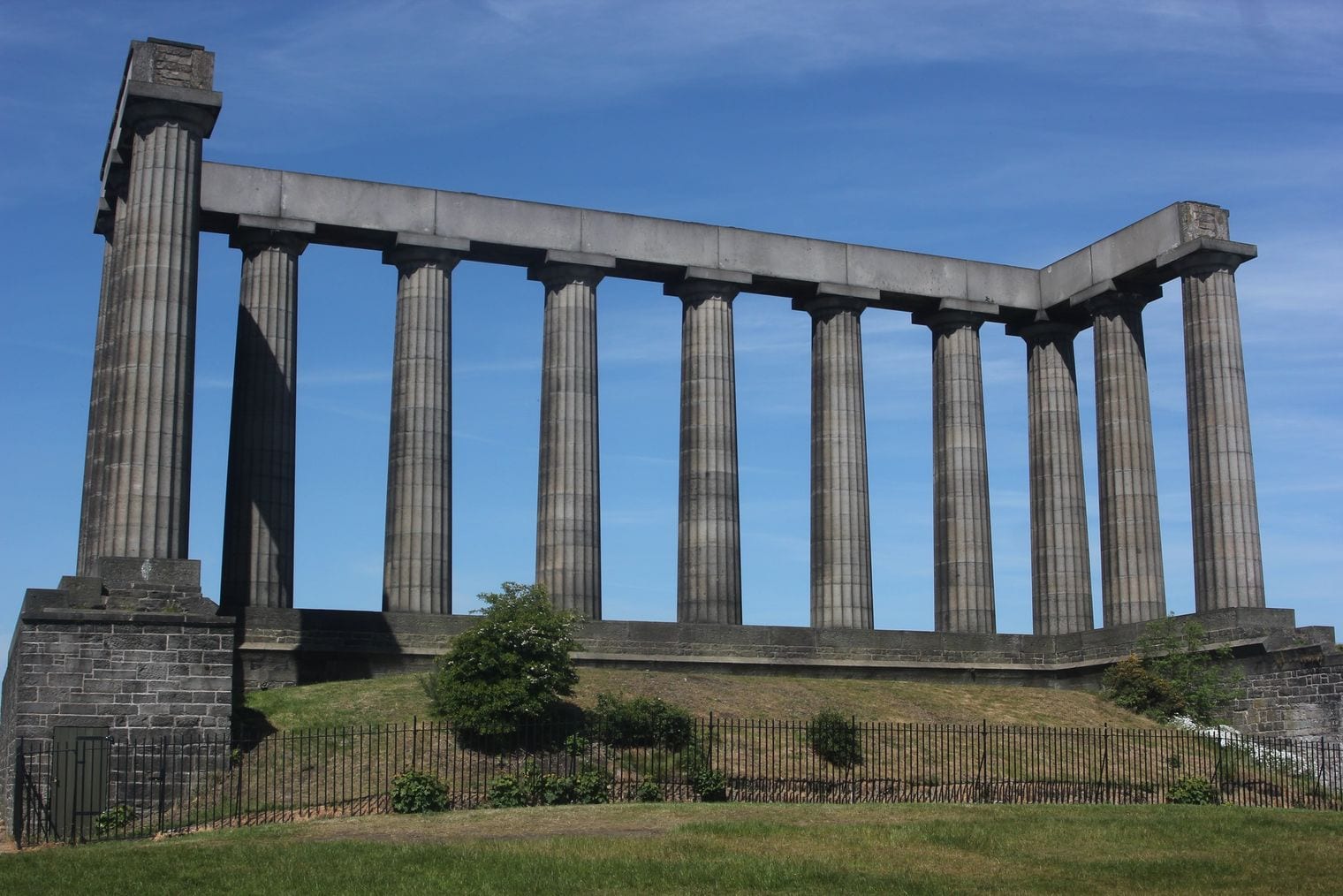
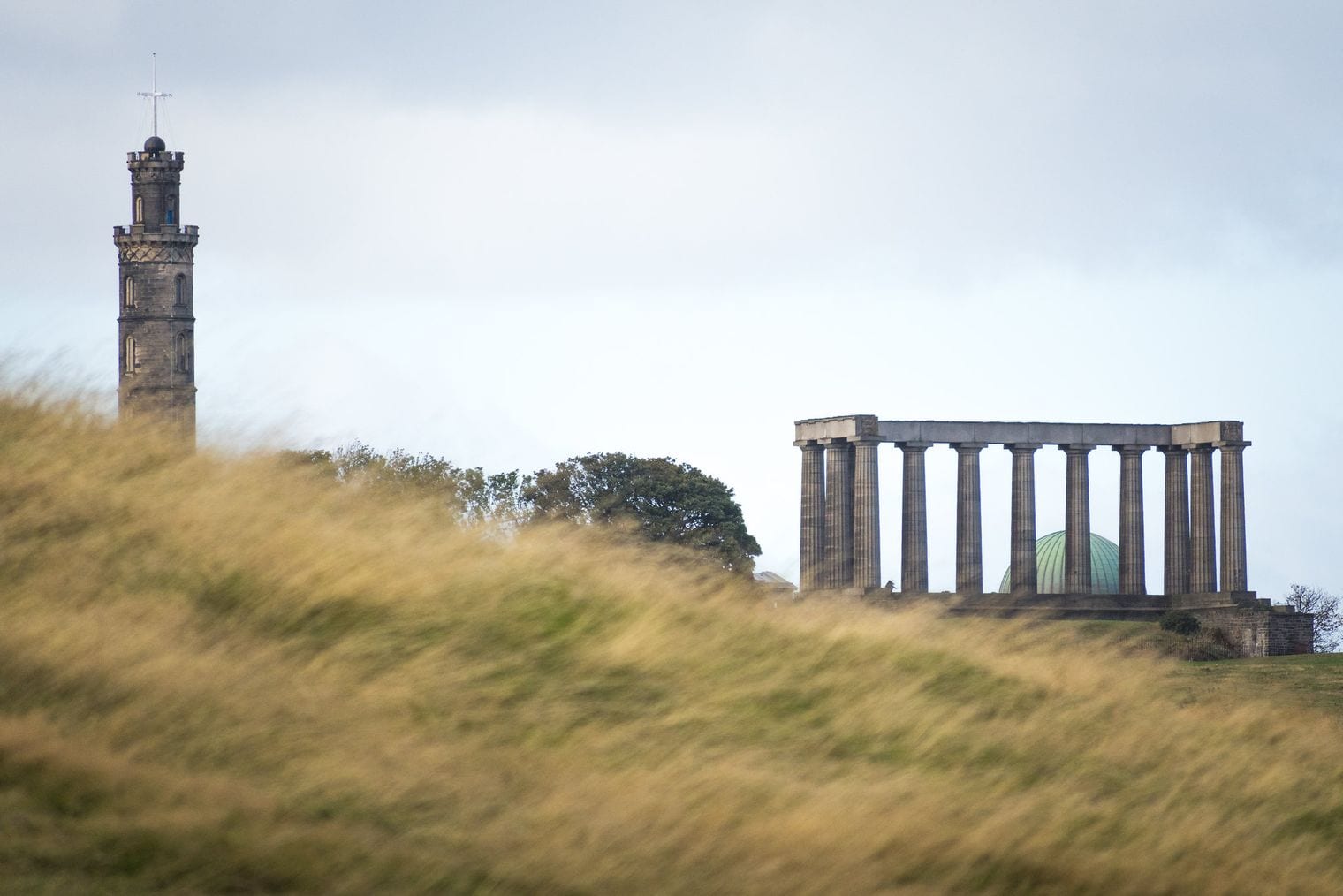
On the crown of Calton Hill stands a row of enormous classical columns supporting nothing at all. The National Monument of Scotland was begun as a memorial to those lost in the Napoleonic Wars, modelled on the Parthenon, and the money ran out before it could be finished.
Its unfinished state earned it some unkind local nicknames, but the effect is superb — a Greek temple fragment on a hill above a northern city. People clamber onto the base for photographs, and it is the anchor of Edinburgh's most-photographed skyline.
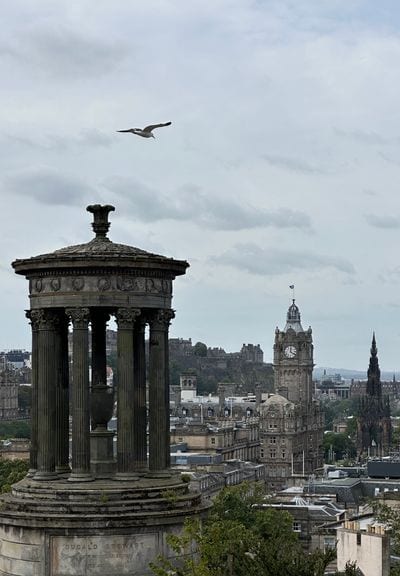
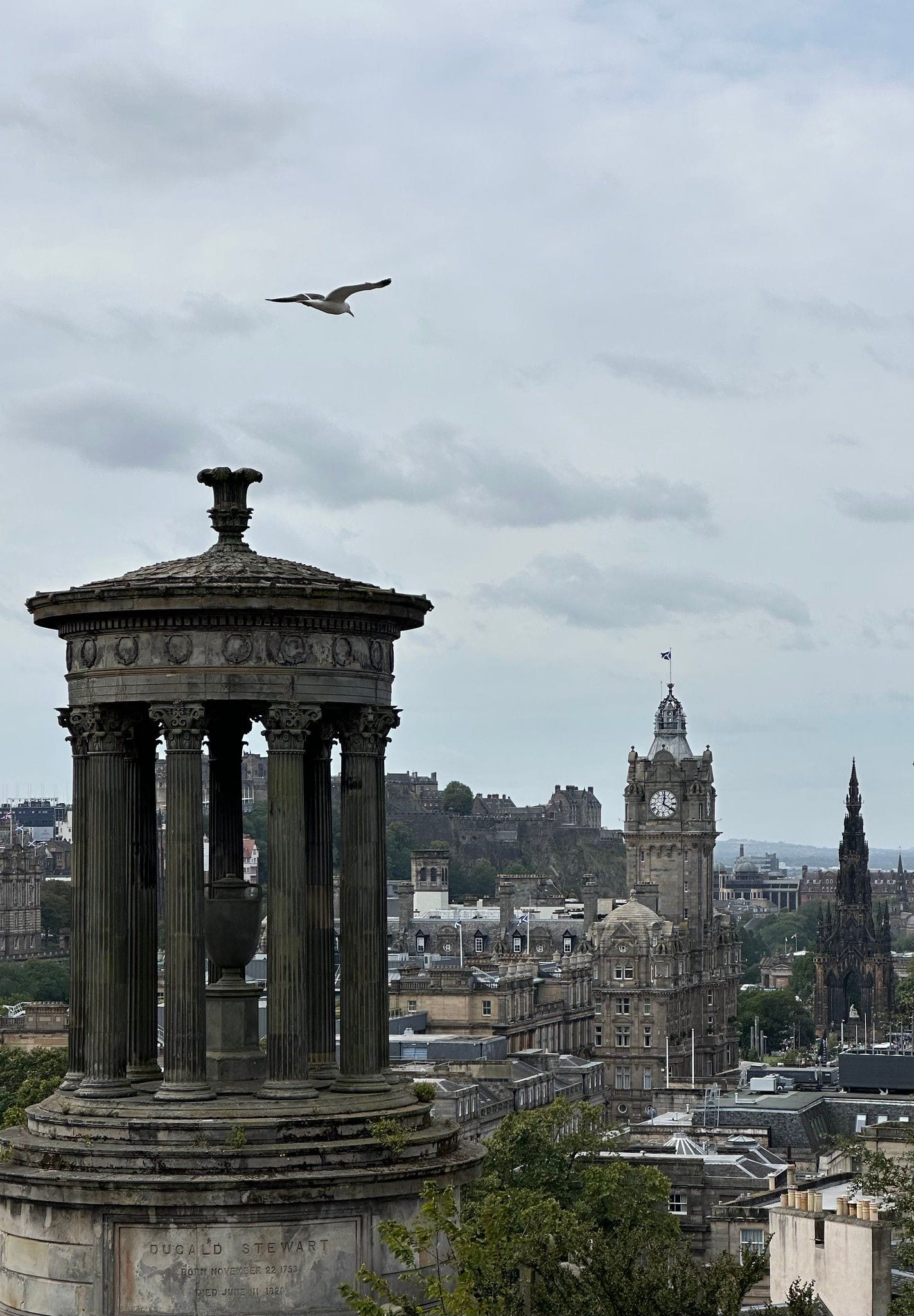
Calton Hill rises at the east end of Princes Street and takes only a few minutes to climb from the street, which makes it the easiest big view in the city. The summit is scattered with monuments in a way that looks almost staged.
From the top you get the classic composition: the Old Town ridge running up to the castle, Arthur's Seat behind, and the Firth of Forth on the other side. It is the city's favourite sunset spot, and deservedly so.
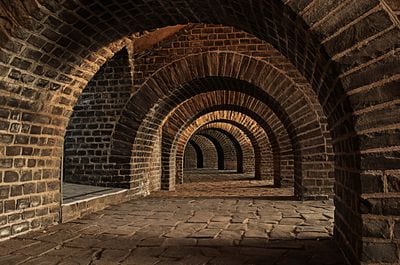
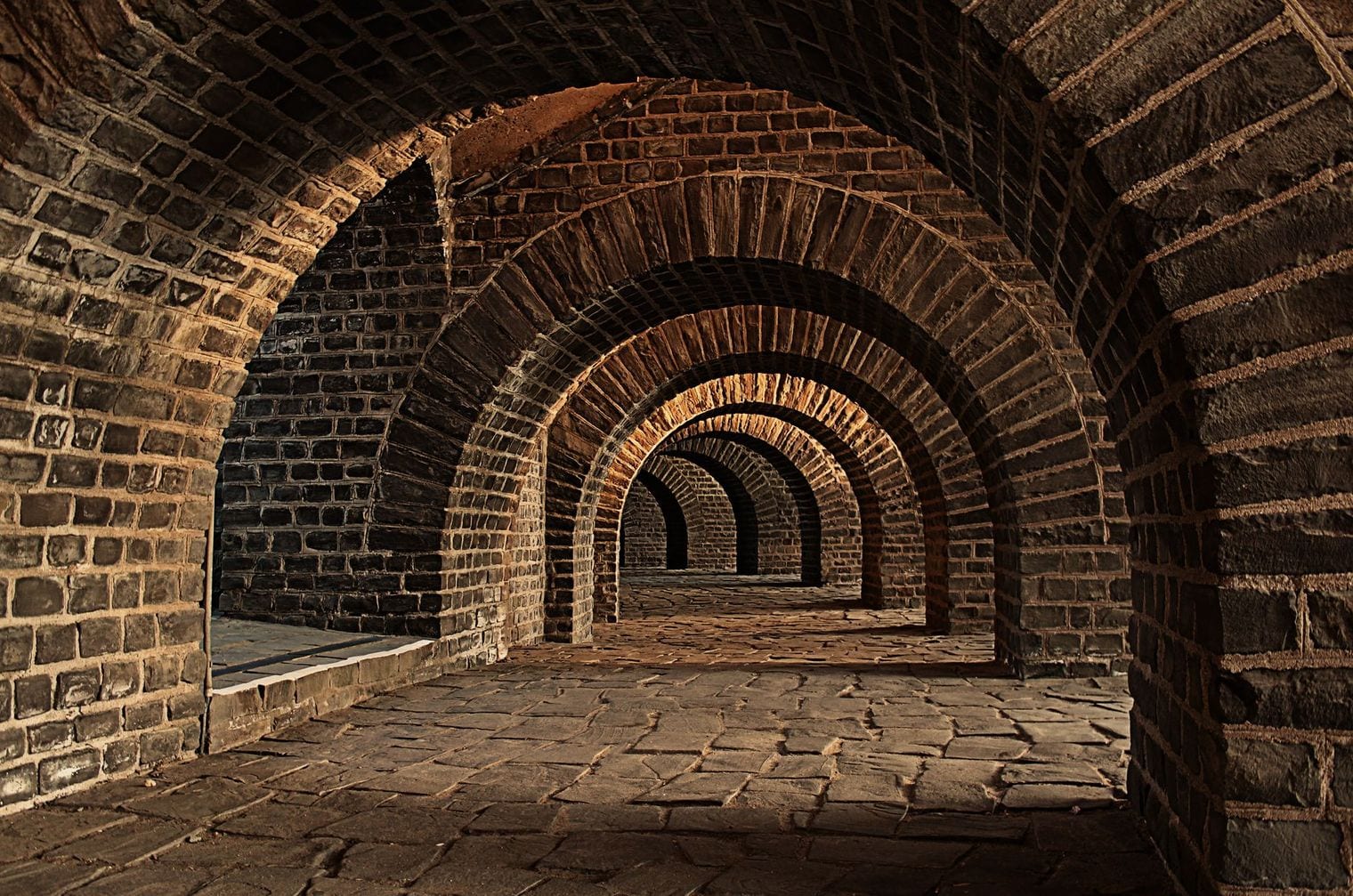
When South Bridge was built across the Cowgate valley, the arches beneath it were enclosed to make storage chambers. Those spaces — the Edinburgh Vaults — were abandoned, rediscovered and are now visited on guided tours beneath the Old Town streets.
Tours cover the vaults' use and misuse, and most lean into the ghost stories the chambers have attracted. They are dark, damp and genuinely underground, so wear something warm; several operators run them, with varying degrees of theatricality.
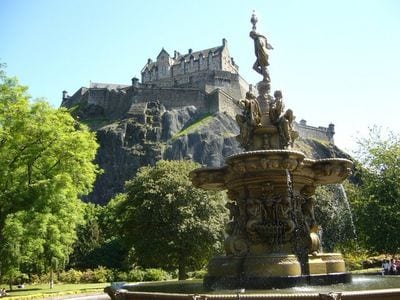
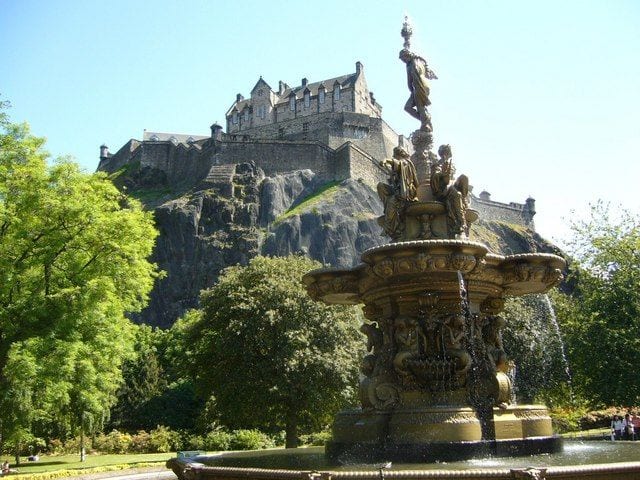
Standing in Princes Street Gardens beneath the castle rock, the Ross Fountain is an extravagant cast-iron confection of mermaids, cherubs and a figure holding a cornucopia, painted in blue and gold. It was cast in France and shipped to Edinburgh in pieces.
A restoration returned it to full working order and its original colours, and it now photographs beautifully with the castle directly behind it. It costs nothing to visit and is one of the easiest good photographs in the city.
Shaped like an upturned telescope, the Nelson Monument stands on Calton Hill as a memorial to Admiral Nelson. A narrow internal stair climbs to a viewing gallery near the top, above the level of the surrounding monuments.
At its summit sits a time ball, which is raised and dropped at one o'clock as a visual time signal for ships in the Firth of Forth — historically paired with the gun fired from the castle. Watching both happen at once is a small, satisfying piece of Edinburgh ritual.
Directly across the road from the Royal Botanic Garden, Inverleith Park is a large, open public park with playing fields, a boating pond and a sweep of grass that locals treat as their back garden. It is free and rarely crowded.
The reason to make the walk is the view: from the rise near the pond, the whole Old Town skyline lines up across the rooftops, with the castle at one end and Arthur's Seat at the other. Combine it with the Botanics for an easy half-day.
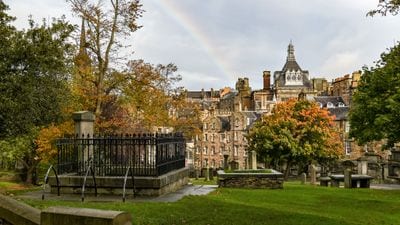
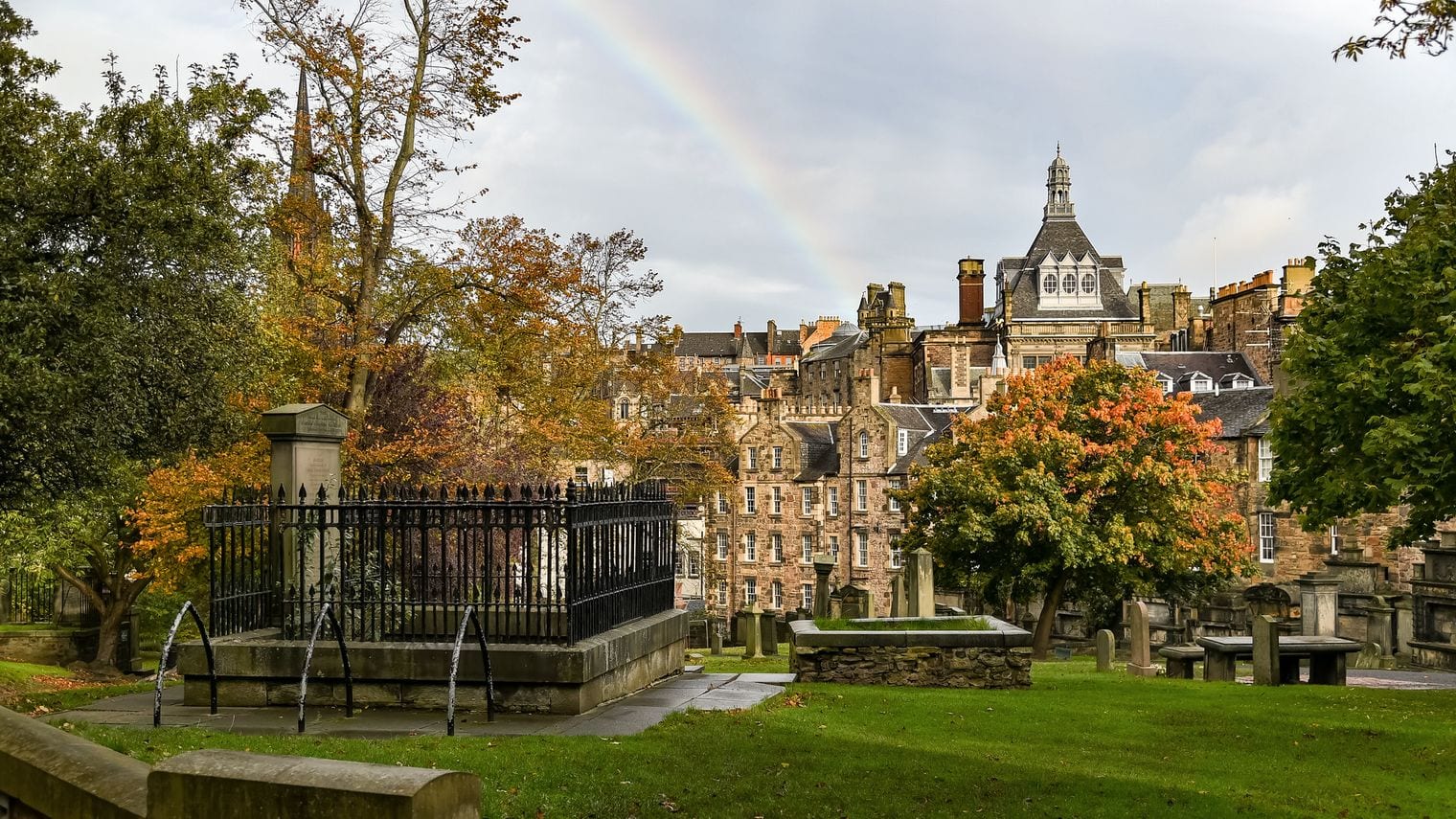
Greyfriars Kirkyard is a walled graveyard beside the Grassmarket, full of table tombs, mausoleums and weathered lettering, and it is open to walk through freely. It has more history per square metre than almost anywhere in the city.
The National Covenant was signed at the kirk, and the Covenanters' Prison occupies one end of the ground. Visitors also come for the statue of Greyfriars Bobby by the gate, and for headstones bearing names that Harry Potter readers will find oddly familiar.
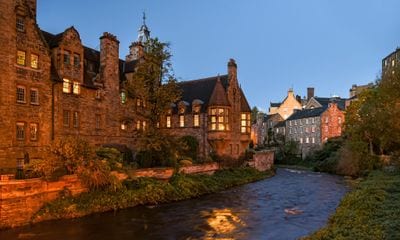
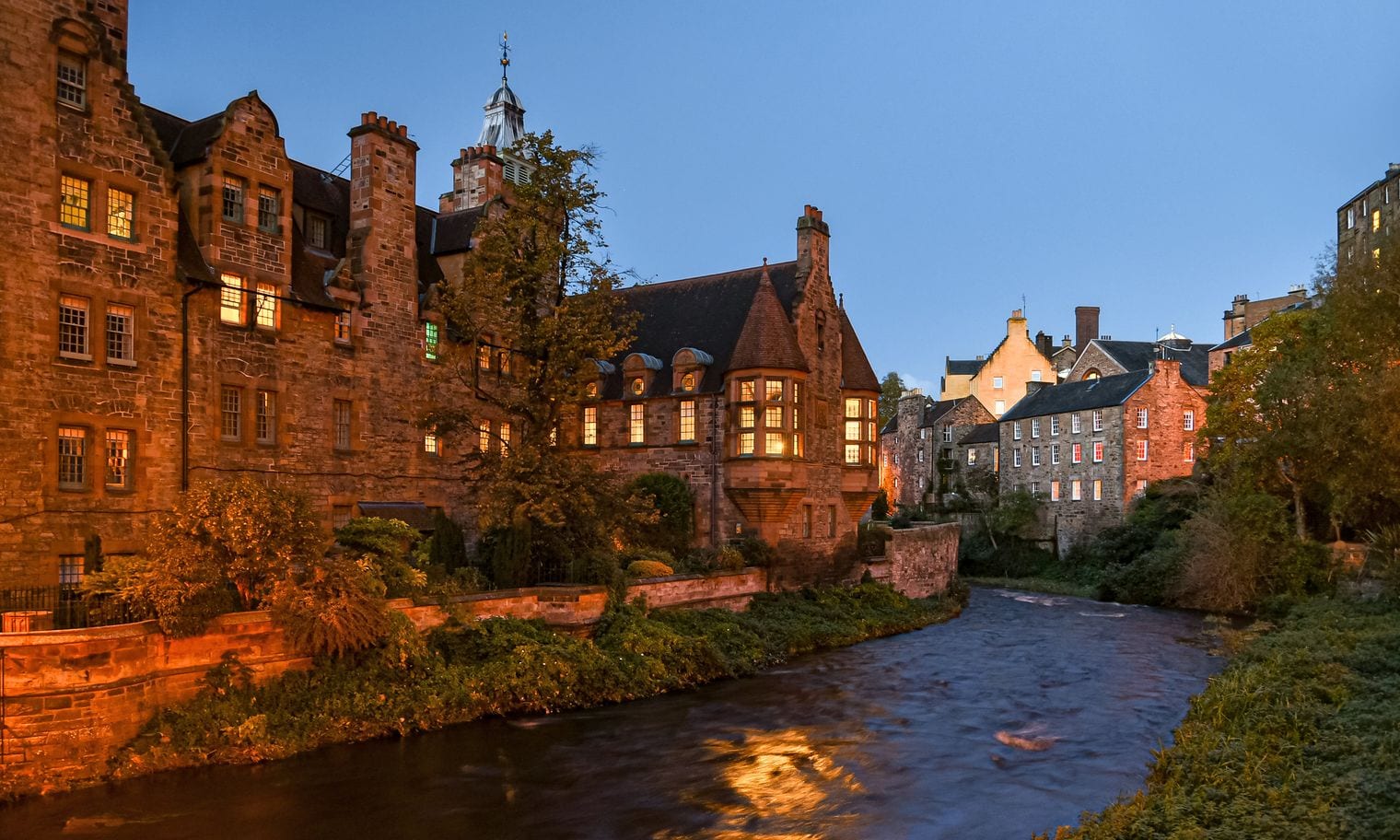
A few minutes' walk from the west end of Princes Street, Dean Village sits in a steep hollow on the Water of Leith, a cluster of old milling buildings around the river. The change from city street to quiet valley is abrupt and slightly unreal.
There is nothing to buy a ticket for — the point is the walk. Follow the Water of Leith Walkway from here toward Stockbridge, passing St Bernard's Well, and remember that people live in these buildings, so keep the noise and the cameras respectful.
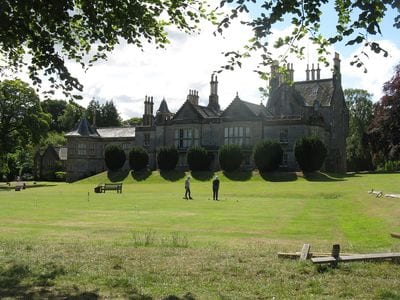
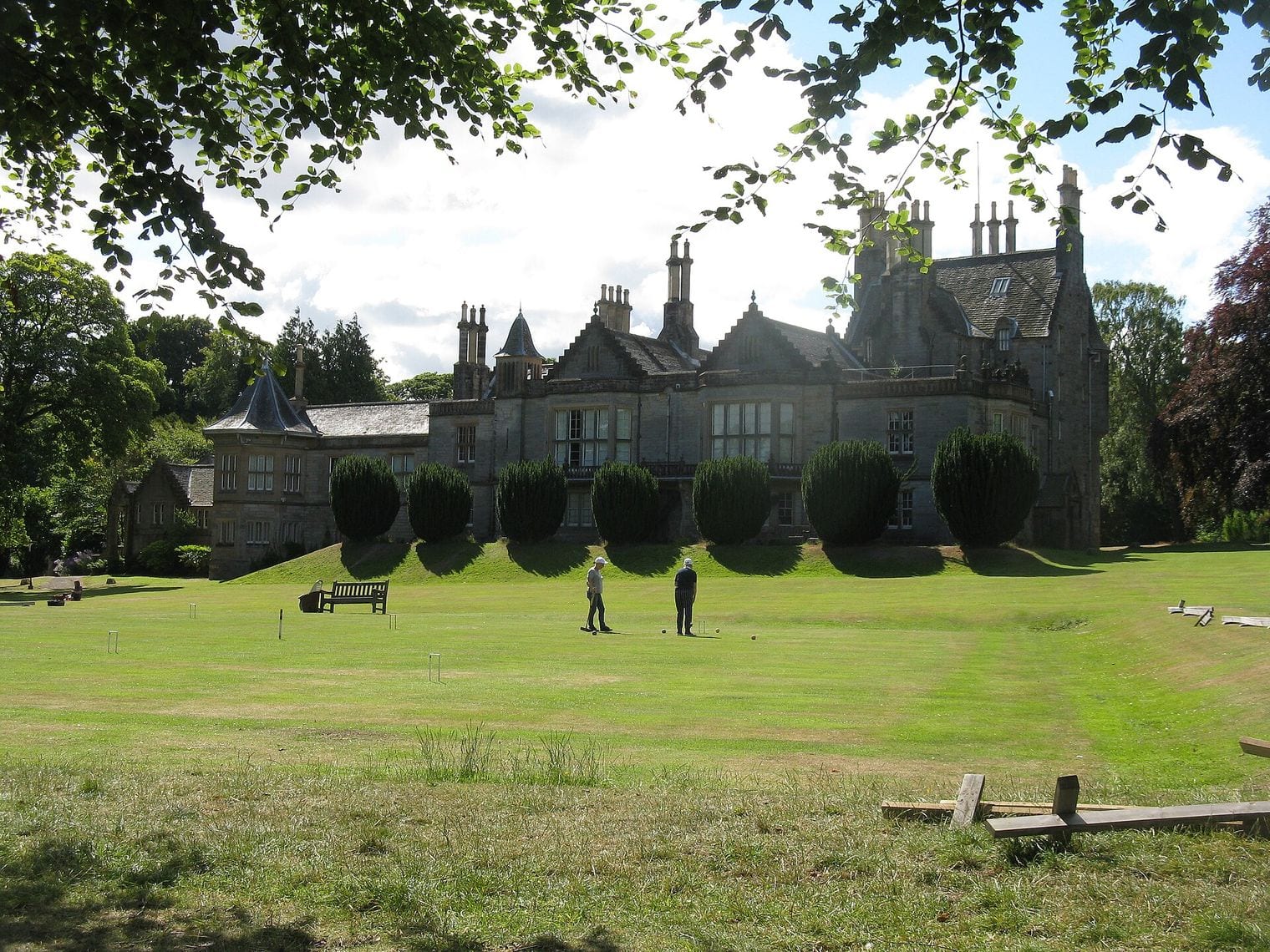
On the north-western edge of the city, Lauriston Castle pairs a 16th-century tower house with a later mansion, and its Edwardian interiors were left largely untouched when the last owners bequeathed it to the city. Guided tours take you through the rooms.
The grounds are free to wander and look out across the Firth of Forth, and they include a Japanese garden created in partnership with Edinburgh's sister city in Japan. It is a peaceful stop well away from the Old Town crowds.
Beneath Salisbury Crags, next to the Scottish Parliament, Dynamic Earth is a science centre about the planet — its formation, its climate, its oceans and ice. Galleries mix films, simulators and hands-on exhibits under a tented white roof.
It is squarely aimed at families, and works best with children of primary-school age, though the geology is genuinely well told and the setting could hardly be better chosen. Allow a couple of hours, and pair it with a walk into Holyrood Park afterwards.
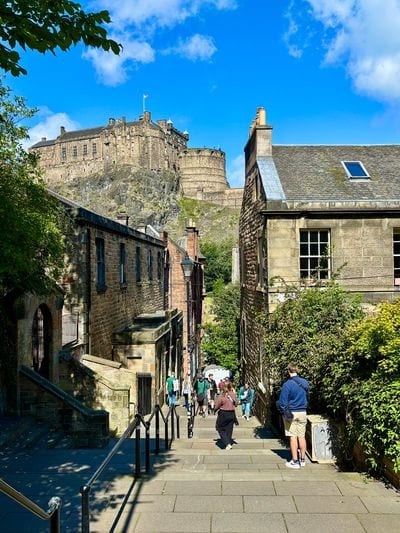
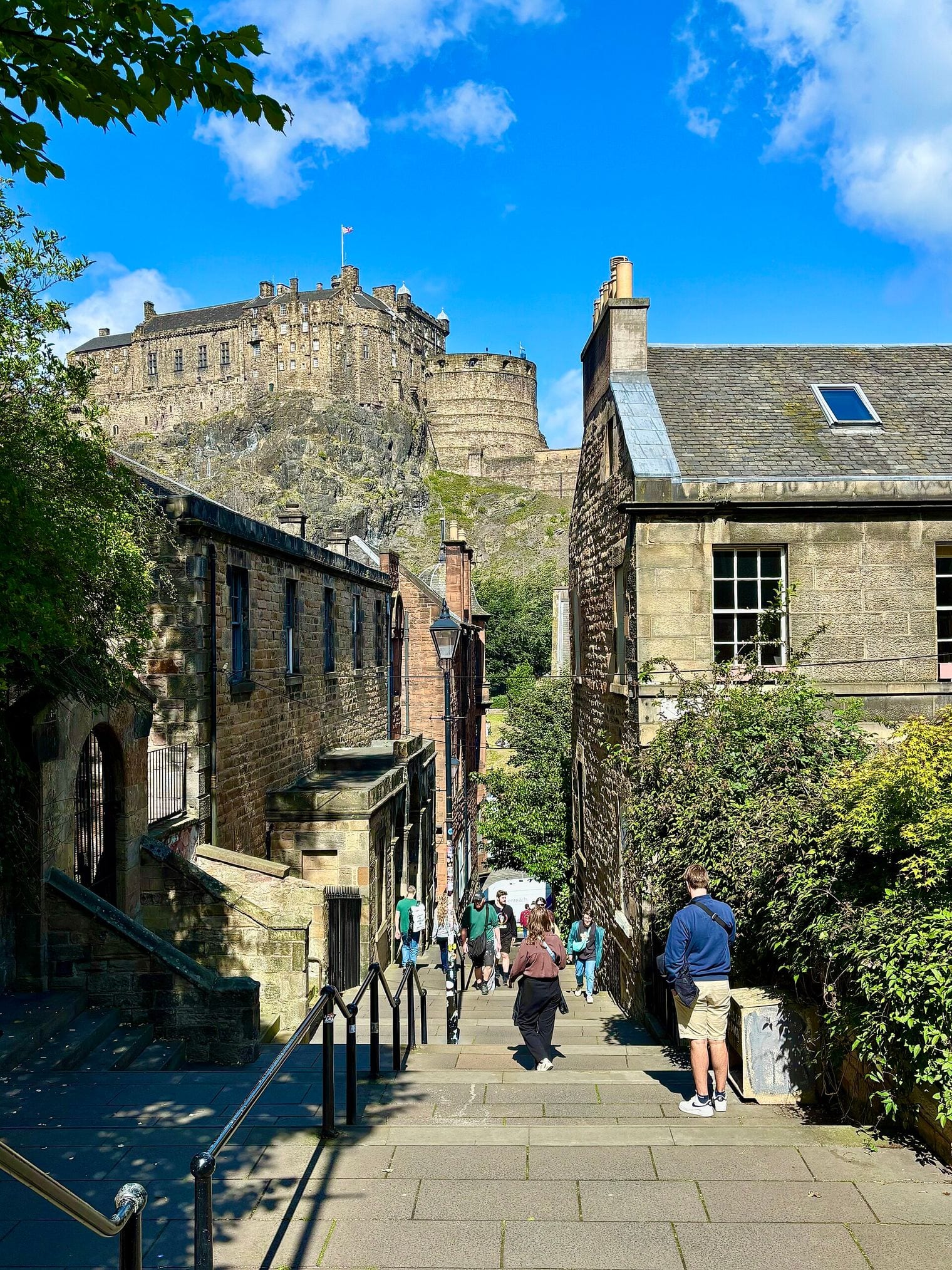
The Vennel is a narrow flight of steps climbing out of the Grassmarket between tenement walls, and partway up it delivers one of the great framed views of Edinburgh Castle. It takes about two minutes to reach and costs nothing.
A surviving stretch of the Flodden Wall, the city's old defensive boundary, runs alongside the steps. Come early or late if you want the shot without a queue, because the spot is no longer any kind of secret.
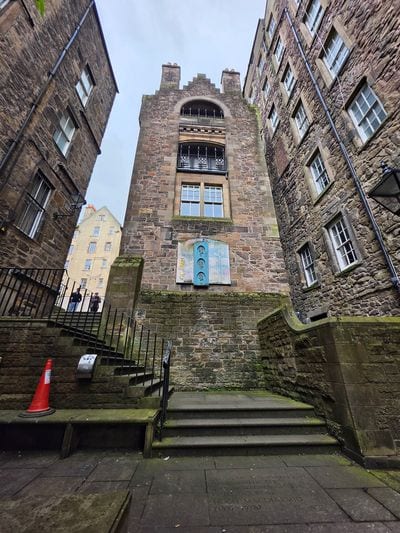
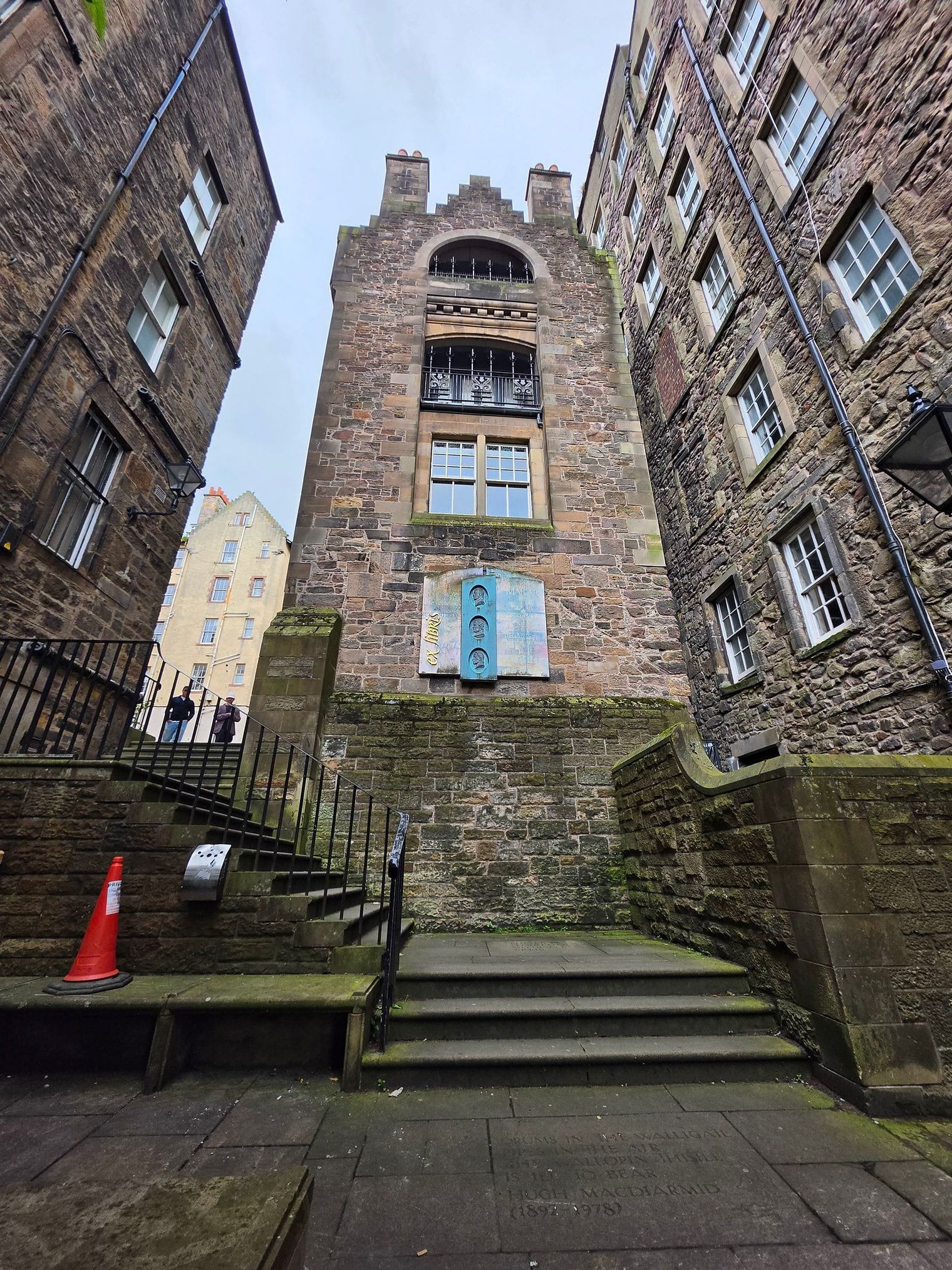
Down a close off the Lawnmarket, in a 17th-century house called Lady Stair's House, the Writers' Museum is devoted to Robert Burns, Sir Walter Scott and Robert Louis Stevenson. Entry is free and it takes less than an hour.
Rooms hold manuscripts, portraits and personal objects belonging to the three, reached by tight stone stairs that are part of the atmosphere. Outside in Makars' Court, paving slabs are carved with quotations from Scottish writers — worth reading on the way in.
Edinburgh fills with comedians for one month every summer, but Monkey Barrel Comedy keeps stand-up running the other eleven. It is a proper basement club on Blair Street, off the Cowgate, with a low ceiling and a good-sized room.
Weekend bills mix touring comedians with newer acts, and ticket prices stay modest for the quality on stage. Book ahead for Friday and Saturday nights, and expect the front row to be treated as part of the show.
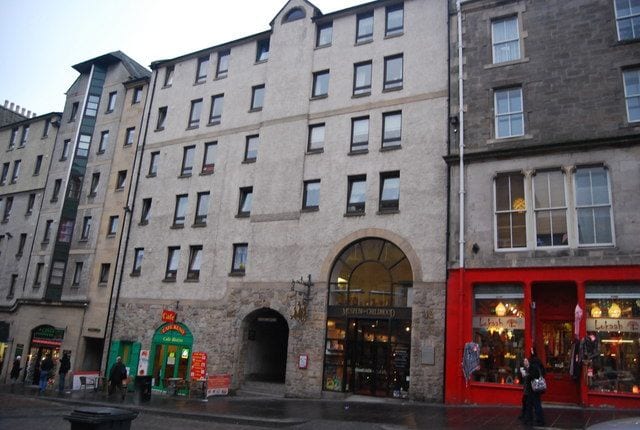
On the Royal Mile, the Museum of Childhood is dedicated to the history of growing up, and admission is free. Cases hold dolls, train sets, tin toys, games and school equipment from the last couple of centuries.
It is small enough to see quickly and cheerfully old-fashioned in the best way, and adults tend to spend longer than children pointing at things they once owned. A good short stop when you need to get out of the rain on the Mile.
Plan your trip
Best Time to Visit Edinburgh
Late spring and early autumn are the easiest times to be here. May and June bring long northern daylight — light in the sky well past ten in the evening — with the gardens at their best and the hills dry enough for a comfortable climb. September keeps much of that without the summer crush, and the light on the stone turns noticeably warmer as autumn comes in.
August is a different city entirely. The festivals take over every available hall, cellar and church, the population swells enormously, and accommodation is booked months ahead at prices to match. It is thrilling if that is what you came for and overwhelming if it is not.
Winter is dark by mid-afternoon and often raw off the Firth, but it brings Christmas markets, Hogmanay and the castle floodlit against a black sky. Whatever the season, the weather changes hourly — layers and something waterproof are not optional.
Getting to Edinburgh
Edinburgh Airport sits west of the city and handles both domestic and international routes. The tram runs from the terminal into the centre in about half an hour, with buses covering the same ground; Glasgow Airport is roughly an hour away by road if it offers a better connection. Trains arrive at Edinburgh Waverley, which is unusually central — you walk out of it into the valley between the Old and New Towns — with Haymarket serving the West End.
The East Coast Main Line links the city to northern England and London, and the journey south takes the better part of a day rather than a hop. Drivers come in on the M8 from Glasgow, the M9 and M90 from the north via the Queensferry Crossing, and the A1 up the coast from England. Long-distance coaches use the bus station at St Andrew Square.
Getting Around Edinburgh
Edinburgh is a walking city, and the centre is small enough that most of this list is reachable on foot. What it is not is flat: the Old Town sits on a ridge, the New Town lies below it, and the connections between them involve stairs, steep closes and bridges that turn out to be at roof height. Comfortable shoes matter more here than a transport plan.
Beyond the centre, an extensive bus network covers the whole city, and a tram line runs from the airport through the middle of town and down to the waterfront at Newhaven. A car is a genuine liability in the Old Town — narrow streets, resident permits and expensive parking — so leave it at the accommodation and use it only for trips out. Cyclists have good traffic-free routes along the Water of Leith and the union canal towpath.
Where to Stay in Edinburgh
The Old Town puts you inside the postcard, within a few minutes of the castle and the closes, at the cost of noise and cobbles. The New Town, just across the gardens, is quieter and every bit as central, with Georgian streets and the best of the shopping — it is the easiest all-round base for a first visit. The West End near Haymarket is calmer again and handy for the trams.
For something less central, Stockbridge has a village feel, independent shops and an easy walk in along the river, which suits families and longer stays. Leith, down at the waterfront, has the strongest food scene in the city and a tram straight into town. The Southside around the Meadows is the student quarter and generally the cheapest option within walking distance of the Royal Mile. Book far ahead for August, whichever you choose.
Where to Eat in Edinburgh
Start with the obvious: haggis, neeps and tatties, served everywhere from old pubs to tasting menus and much better than its reputation abroad suggests. Look also for Cullen skink, the thick smoked-haddock soup from the Moray coast; Scottish shellfish and smoked salmon; a Scotch pie; and cranachan — cream, oats, raspberries and whisky — for pudding. Whisky is its own subject, and a good bar will talk you through regions rather than just pour.
The Shore at Leith is where the city's serious cooking has concentrated, in converted warehouses along the water. Stockbridge does brunch and delicatessens, Bruntsfield and Morningside are lined with neighbourhood restaurants that locals actually use, and the Old Town around the Grassmarket and Victoria Street covers traditional pubs and quick lunches. Weekend street markets at Stockbridge and Leith are the cheapest good eating in the city.
Day Trips from Edinburgh
The Forth bridges are barely twenty minutes north-west, where the little waterfront town of South Queensferry sits beneath the great red cantilevers of the Victorian rail bridge. Stirling is about an hour north-west and pairs a castle on a crag with the Wallace Monument and the Bannockburn battlefield. Glasgow is under an hour by train and offers a completely different Scottish city — Victorian, commercial and much larger.
North-east across the Forth, St Andrews takes around an hour and a half and combines a cathedral ruin, a clifftop castle and the home of golf.
Closer in, the carved interior of Rosslyn Chapel is half an hour south of the city, and the East Lothian coast east of town brings wide beaches at North Berwick and seabird colonies out on the Bass Rock. The Highlands are further than day-trip coaches like to admit — worth several days rather than one.
Before you go
Mobile dataAn eSIM gives your phone local data when you land, with no SIM card to swap.via AiraloGet an eSIM
Airport transferA driver meets you at arrivals and takes you to your hotel, at a price fixed when you book.via Welcome PickupsBook a transfer
We may earn a commission when you buy through these links, at no extra cost to you. How we make money.
One Day in Edinburgh
Morning
Be at Edinburgh Castle when it opens, before the esplanade fills, and give it a couple of hours for the Honours of Scotland and the views from the batteries. Walk out and start downhill along The Royal Mile, ducking into the closes as you go, with a stop inside St Giles' Cathedral to see the Thistle Chapel.
Drop underground at The Real Mary King's Close for the buried streets beneath the Mile, then carry on to the bottom of the hill for Palace of Holyroodhouse and the abbey ruins behind it. From the palace gates you are already at the edge of Holyrood Park, so if the weather holds, climb Arthur's Seat for the view over the whole city to the Forth.
Come down and cut north to Calton Hill, five minutes up from Princes Street, for sunset among the monuments — it is the view most people leave with. Then head back into the Old Town, down the curve of Victoria Street into The Grassmarket, and finish the day at a table under the castle rock.
Edinburgh is best known for the castle on its volcanic rock, the medieval Royal Mile running down to the Palace of Holyroodhouse, and the buried 17th-century streets of The Real Mary King's Close beneath it. Add the free National Museum of Scotland, the Georgian New Town and a summer festival season that fills every venue in the city.
How many days do you need in Edinburgh?
Three days is the sweet spot. One covers the castle, the Royal Mile and the Old Town closes; a second takes in the national museums and galleries, the New Town and Calton Hill; a third leaves room for Arthur's Seat, Leith and the Royal Yacht, or a trip out to the Forth bridges. Two days works if you move briskly.
Is Edinburgh worth visiting?
Yes, and unusually so for a city of its size. Very few capitals put a castle, an extinct volcano, a UNESCO-listed old town, a planned Georgian quarter, a seaside suburb and a set of free national museums within a few miles of one another. It is walkable, compact and interesting in bad weather as well as good.
What can you do in Edinburgh for free?
A great deal. The National Museum of Scotland and all three national galleries are free, as are the Museum of Edinburgh, The Writers' Museum and the Museum of Childhood. Outdoors, Holyrood Park, Arthur's Seat, Calton Hill, Princes Street Gardens, Greyfriars Kirkyard, Dean Village and the Royal Botanic Garden's outdoor grounds all cost nothing.
When is the best time to visit Edinburgh?
Late spring and early autumn give the best balance of daylight, weather and crowds — May, June and September in particular. August brings the festivals and an extraordinary atmosphere, but also the highest prices and the biggest queues, booked months ahead. Winter is dark and cold, though Hogmanay and the Christmas markets have their own appeal.
Is Edinburgh walkable, or do you need a car?
It is very walkable and you do not need a car. Almost everything in the centre is within half an hour on foot, and buses and trams cover the rest of the city. The Old Town's narrow streets, resident permits and parking costs make driving actively unhelpful — hire a car only for day trips beyond the city.
What is there to do in Edinburgh when it rains?
Plenty, which is fortunate. The free national museums and galleries can absorb a whole wet day, and Camera Obscura, Dynamic Earth, Surgeons' Hall Museums and the Edinburgh Dungeon are all indoors. The underground tours of Mary King's Close and the Edinburgh Vaults are unaffected by weather, and the whisky experiences make good use of an afternoon.