We may earn a commission if you book or buy through a link on
this page, at no extra cost to you. It never affects which places we list or how
we rank them (how we make money).
Short answer
Ljubljana's essentials are the hilltop castle and its funicular, Plečnik's Triple Bridge — a single crossing fanned into three and UNESCO-inscribed — and the Dragon Bridge guarded by the creature on the city's coat of arms. Two days covers it comfortably: one for the old town, the castle and the bridges, a second for the museums, Tivoli Park and Metelkova.
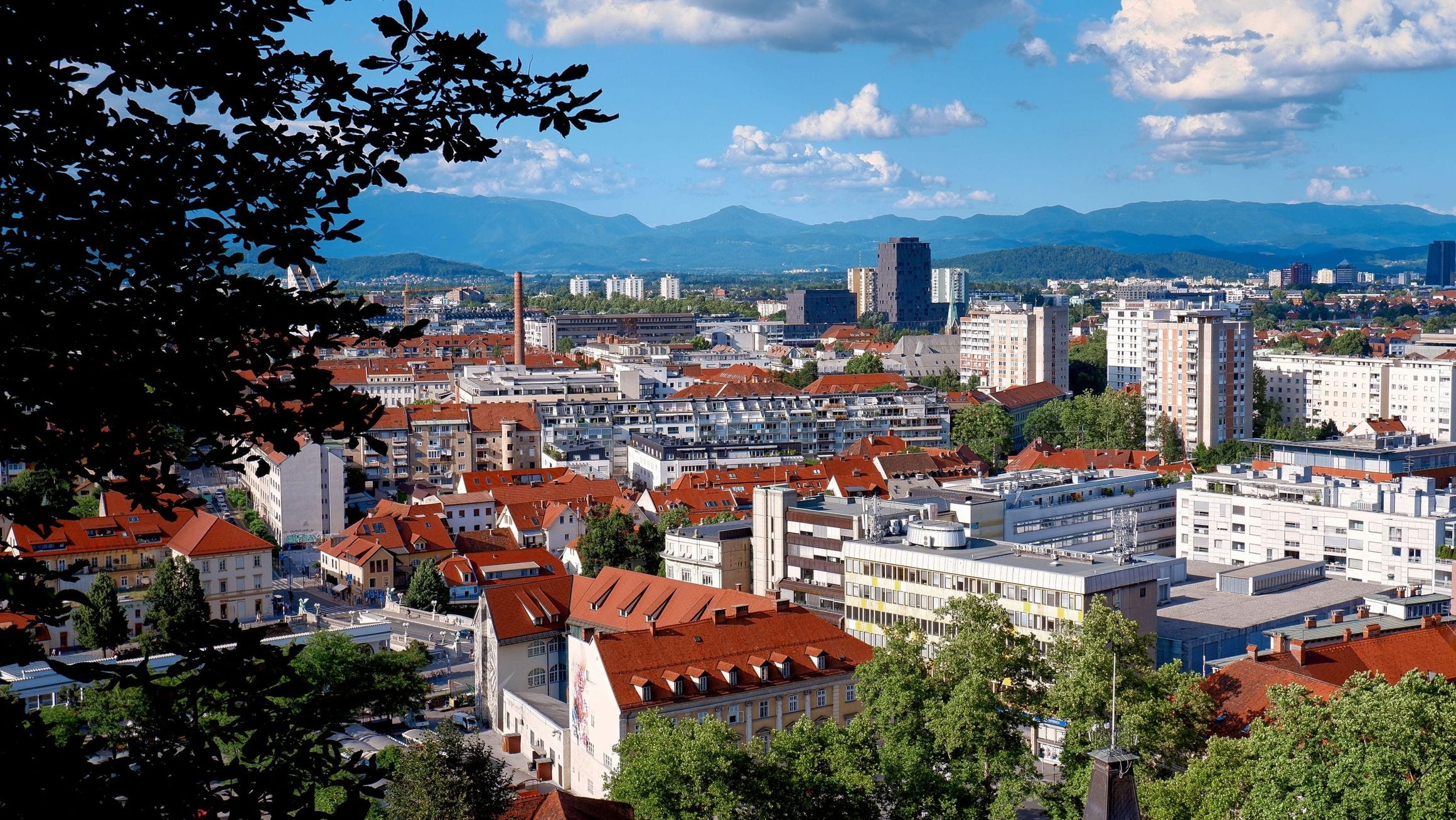
Slovenia's capital is small enough to cross on foot and green enough to feel like a park with a city in it. A castle-topped hill rises over a willow-lined river, dragons guard the bridges, and the architect Jože Plečnik reshaped the whole centre into something no other capital quite looks like.
Most of what you will want to see sits within twenty minutes' walk of Prešeren Square. This guide covers 40 of the best — the castle and its funicular, the Plečnik landmarks, the museums out at Metelkova, and the markets and parks locals actually use. Two days is comfortable; three lets you slow down.
The oldest wooden wheel yet discovered was pulled out of the Ljubljana Marshes just south of the city in 2002. It is roughly 5,100–5,350 years old and is now kept at the Ljubljana City Museum.
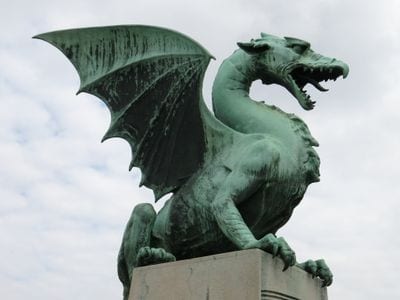
Ljubljana is a capital with a dragon for a mascot. The creature sits on the municipal coat of arms, on top of the castle tower and, most famously, on the four corners of the Dragon Bridge.
A severe earthquake struck in 1895, when Ljubljana was a city of about 31,000 people. Whole districts were rebuilt in the Vienna Secession style afterwards, which is why so much of the centre shares one look.
The city stands on a Roman settlement called Iulia Aemona. The Romans built a military encampment here around 50 BC that grew into a permanent town, and pieces of it are still visible around the streets today.
UNESCO added Jože Plečnik’s Ljubljana to the World Heritage list in 2021, recognising the architect’s remodelling of the river, bridges, market and public spaces as a single work of human-centred urban design.
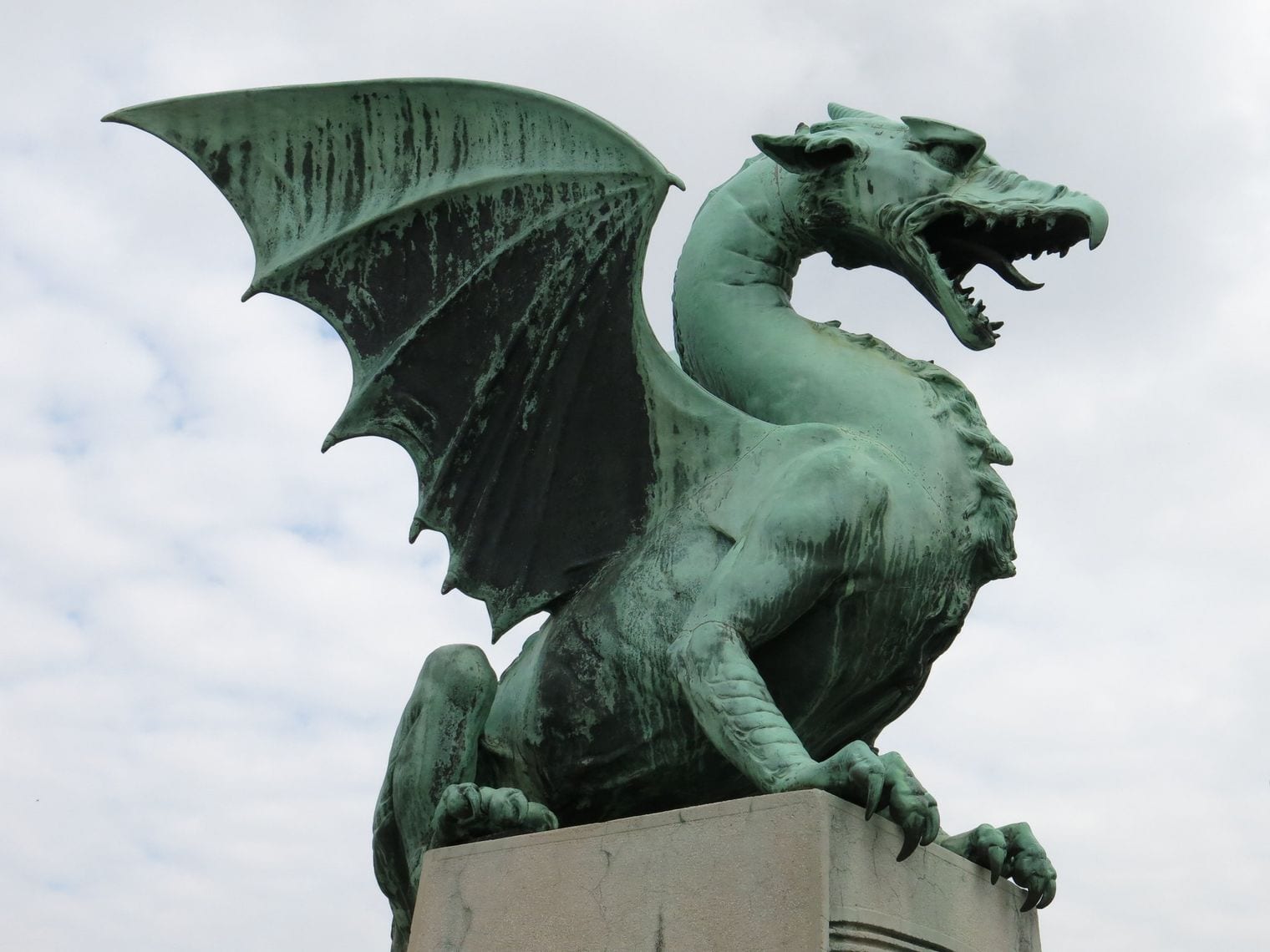
Four copper dragons crouch on the corners of the Dragon Bridge, and they have quietly become the face of the whole city. The dragon is Ljubljana's emblem — it sits on the municipal coat of arms and on the castle tower flag — so the creatures here are less decoration than civic mascot. The bridge itself is an early twentieth-century Vienna Secession design in reinforced concrete, with lamp standards and railings that reward a slow walk across.
Come at either end of the day if you want the classic photograph without a queue of people waiting to stand beside a dragon's head. From the parapet you get a clean view along the Ljubljanica towards the market colonnade, and the walk from here into the old town takes about three minutes. Locals will tell you, with a straight face, that the dragons wag their tails when a virgin crosses the bridge.
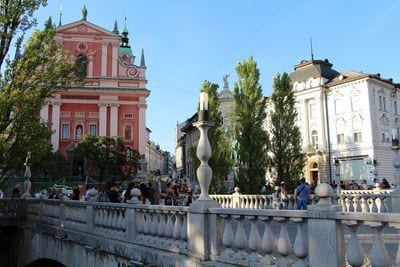
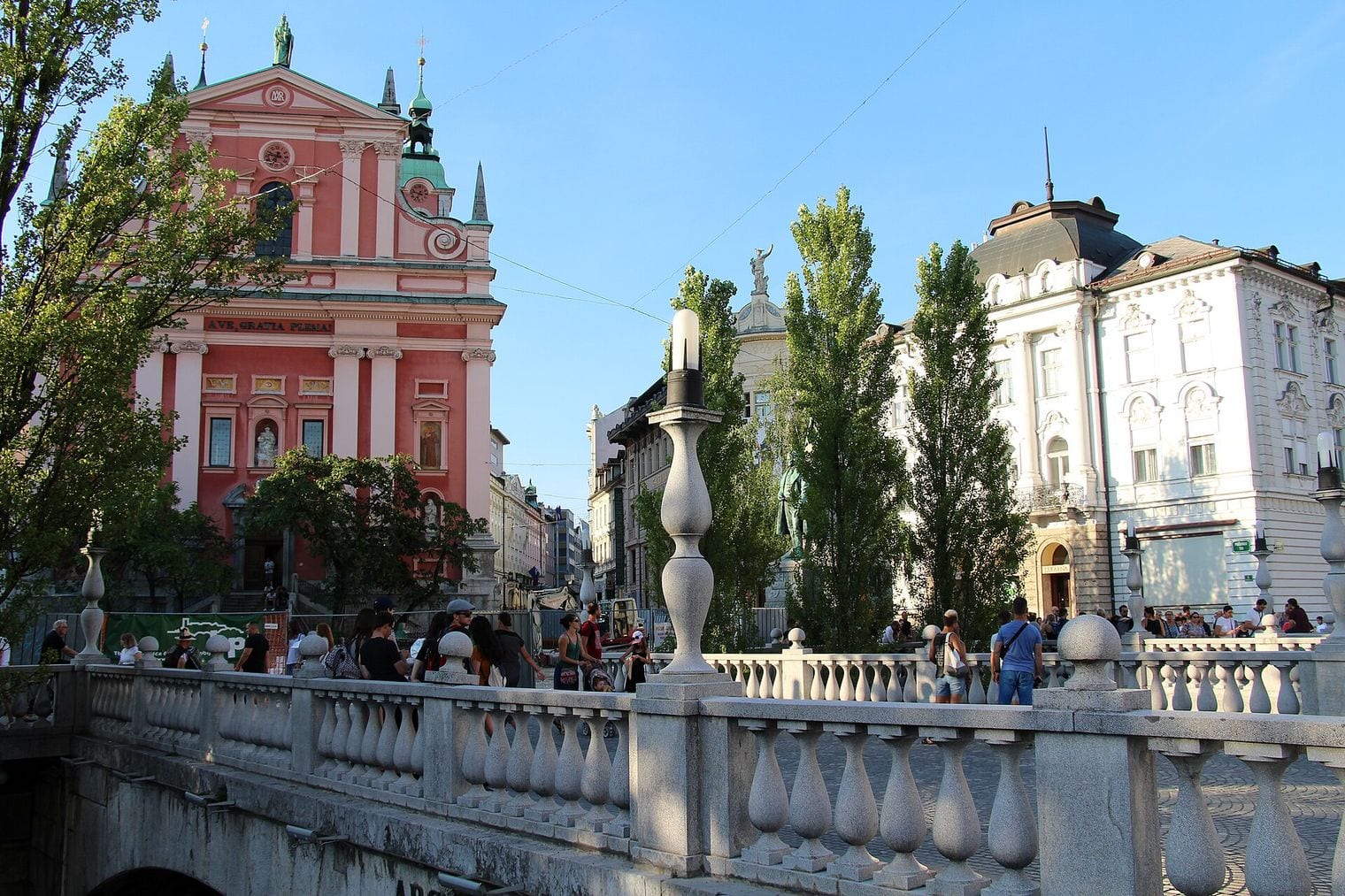
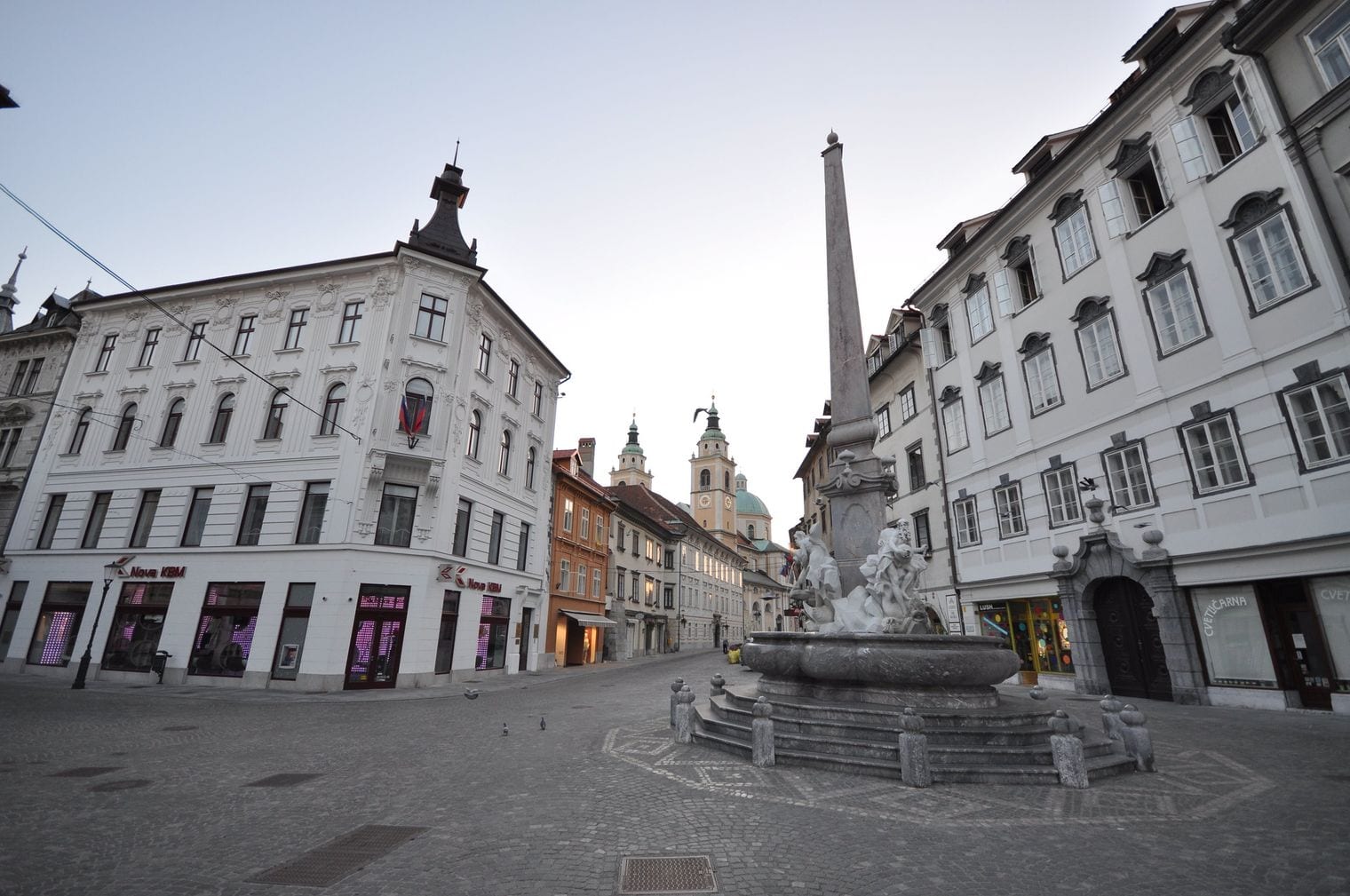
The Triple Bridge is the clearest single demonstration of how Jože Plečnik thought about cities. Faced with one busy stone bridge, he did not widen it — he flanked it with two slender pedestrian spans set at angles, turning a bottleneck into a fan-shaped forecourt that spills walkers out onto Prešeren Square. Balustrades and stairways drop down to the poplar-lined embankments below.
It is the most photographed structure in Ljubljana and the natural hinge between the two halves of the centre, with the square and the pink Franciscan church on one bank and the old town and market on the other. Plečnik's work across the city was inscribed on the UNESCO World Heritage list in 2021, and this is the piece of it you will cross most often without noticing how unusual it is.
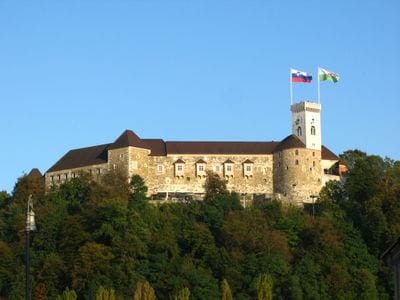
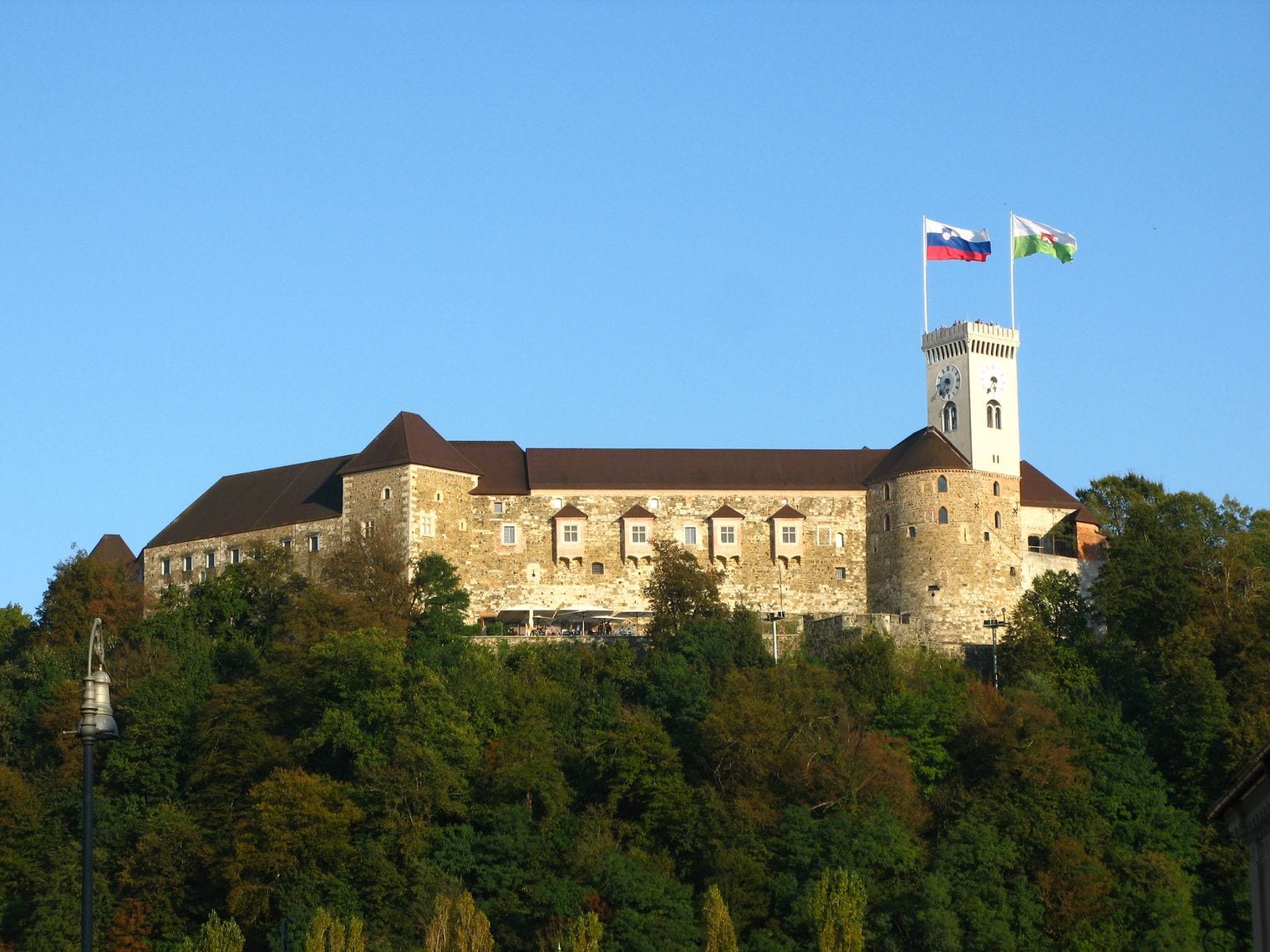
Ljubljana Castle has watched over the city from its wooded hill for centuries, and the climb up is as much of the experience as the fortress itself. Inside the walls there is a chapel painted with heraldic shields, a museum of Slovenian history, a puppetry collection and a former prison, arranged around a courtyard that hosts concerts and open-air film screenings in warm weather.
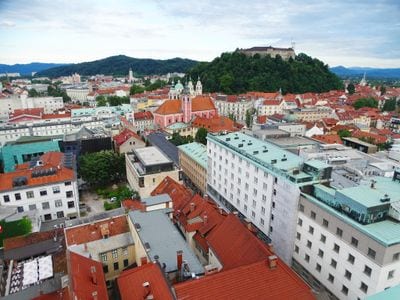
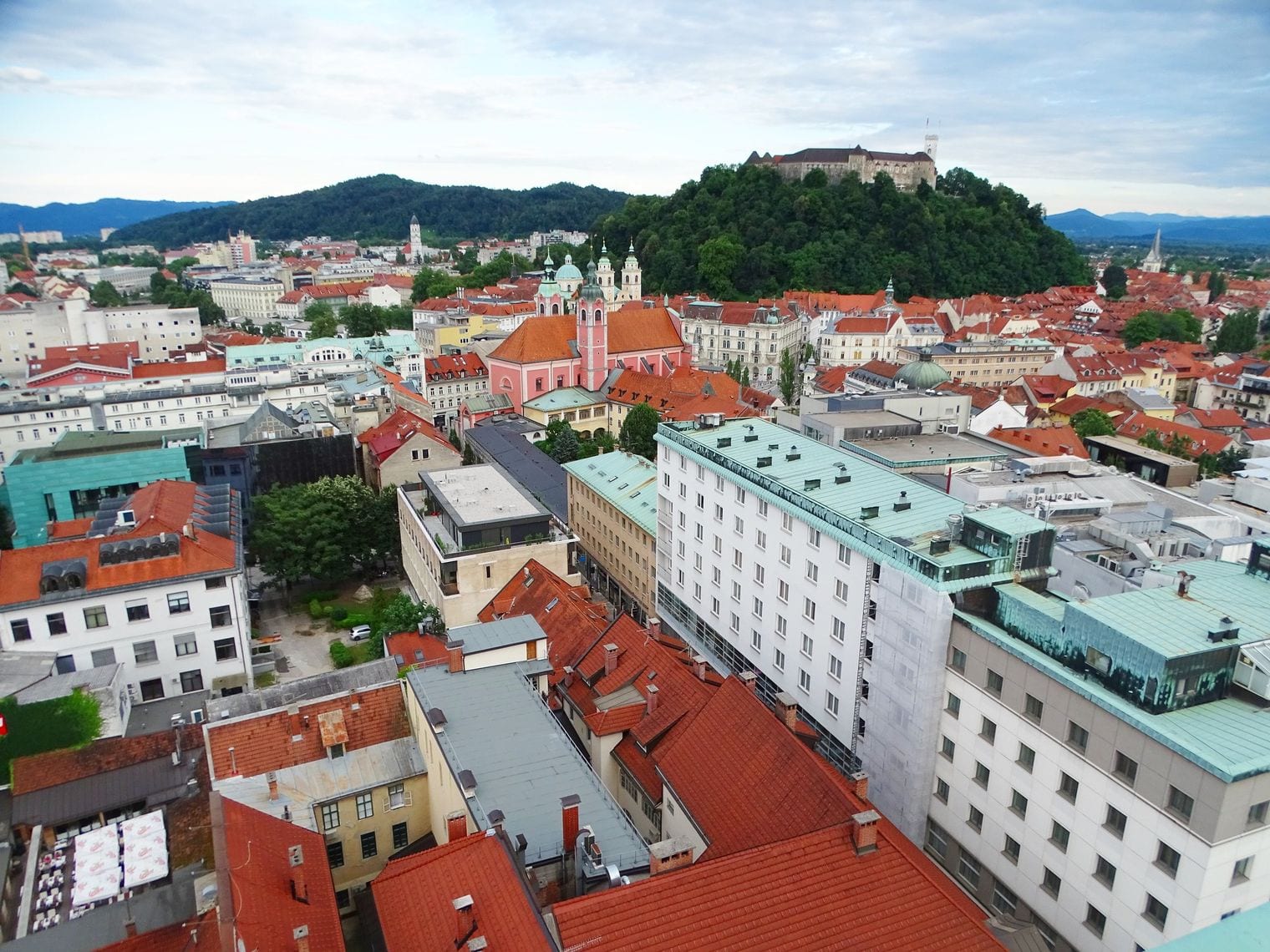
The reason most people come, though, is the viewing tower. From the top you get a full circle of the city — the red roofs of the old town directly below, Tivoli Park's green mass to the west and, on a clear day, the wall of the Julian Alps to the north. You can walk up through the trees in about twenty minutes from the market, or take the funicular and save your legs.
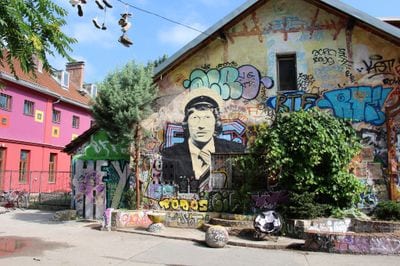
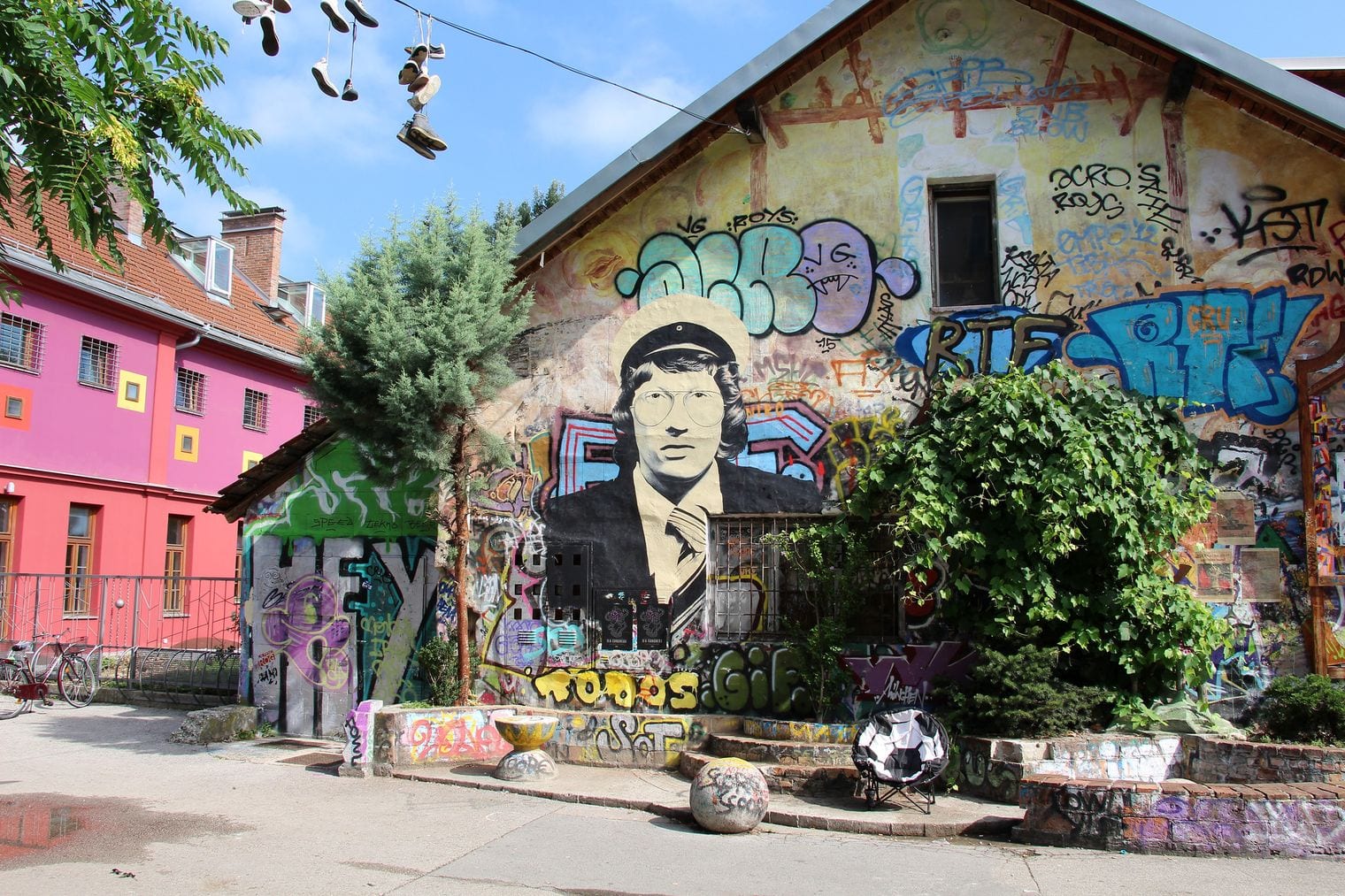
AKC Metelkova mesto is a former Yugoslav army barracks that artists occupied in 1993 to stop it being demolished, and it has been an autonomous cultural centre ever since. Every surface is painted, welded, bolted or mosaicked: faces bulge out of walls, sculptures are assembled from scrap metal, and no two visits look quite the same because the work is constantly overpainted.
By day it is quiet and you can wander freely to look at the art — it is a short walk from the train station and takes maybe half an hour. By night it turns into the centre of the city's alternative music and club scene, with several small venues running gigs in the same courtyard. It is scruffy and deliberately unpolished, and it is the least corporate thing in any European capital.
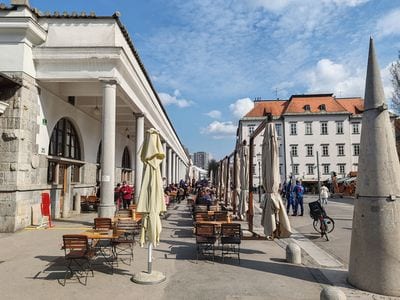
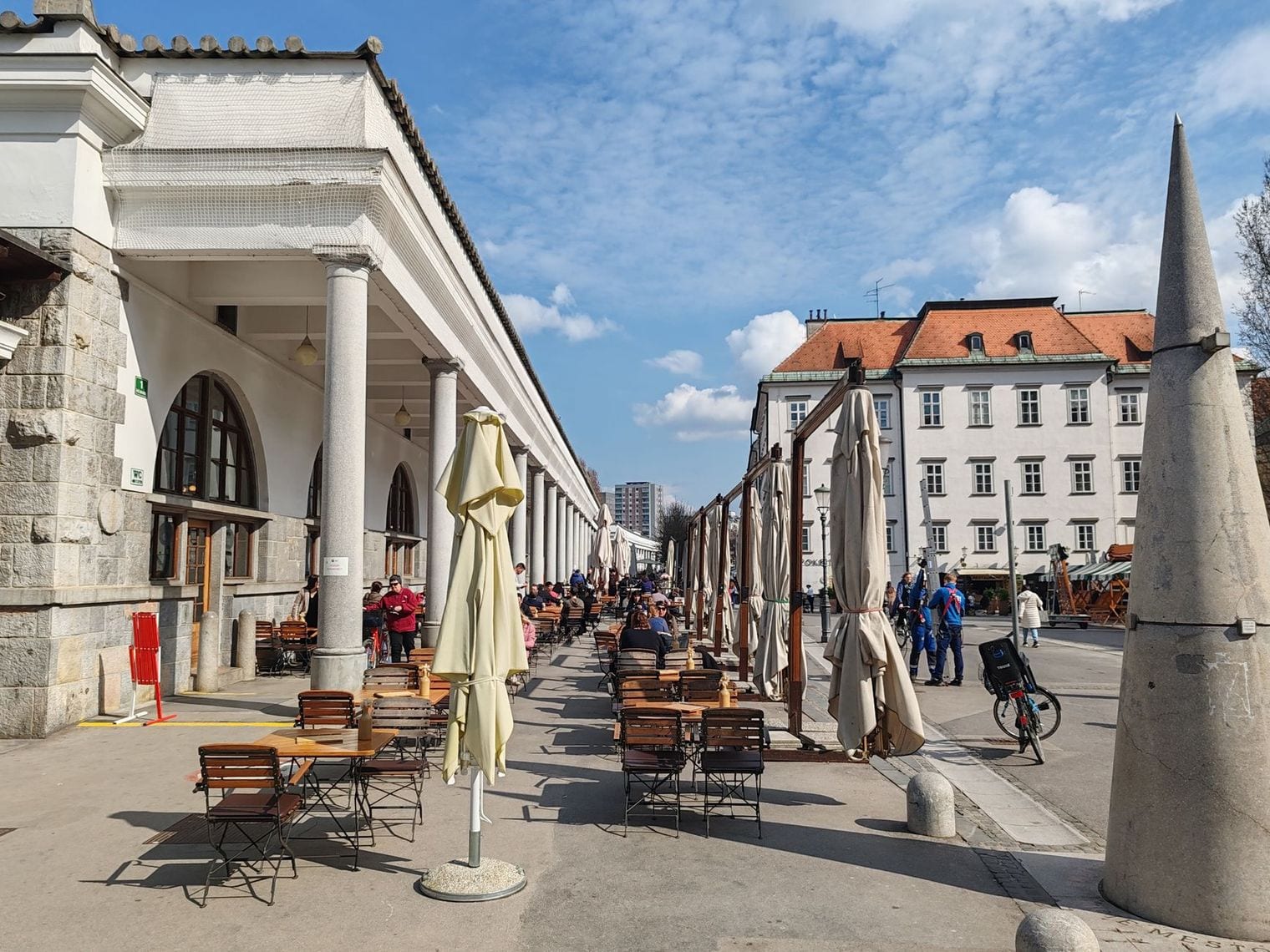
The Central Market is where Ljubljana does its actual shopping, spread across Vodnikov trg and Pogačarjev trg between the cathedral and the river. Open-air stalls sell fruit, vegetables, honey and dried flowers, while the riverside colonnade — another Plečnik design — houses butchers, bakers and fishmongers along a covered walkway that follows the curve of the Ljubljanica.
Go in the morning, when it is busiest and the produce is fresh, and take the stairs down to the fish hall under the arcade. In warmer months the surrounding squares also host a Friday street-food gathering that draws a crowd of locals rather than tour groups. Even if you are not buying anything, the colonnade is worth walking end to end for the architecture alone.
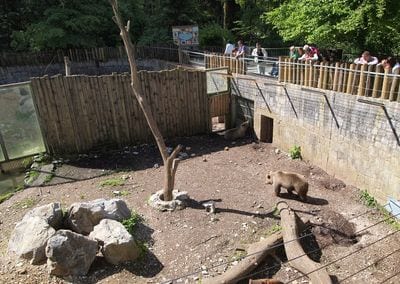
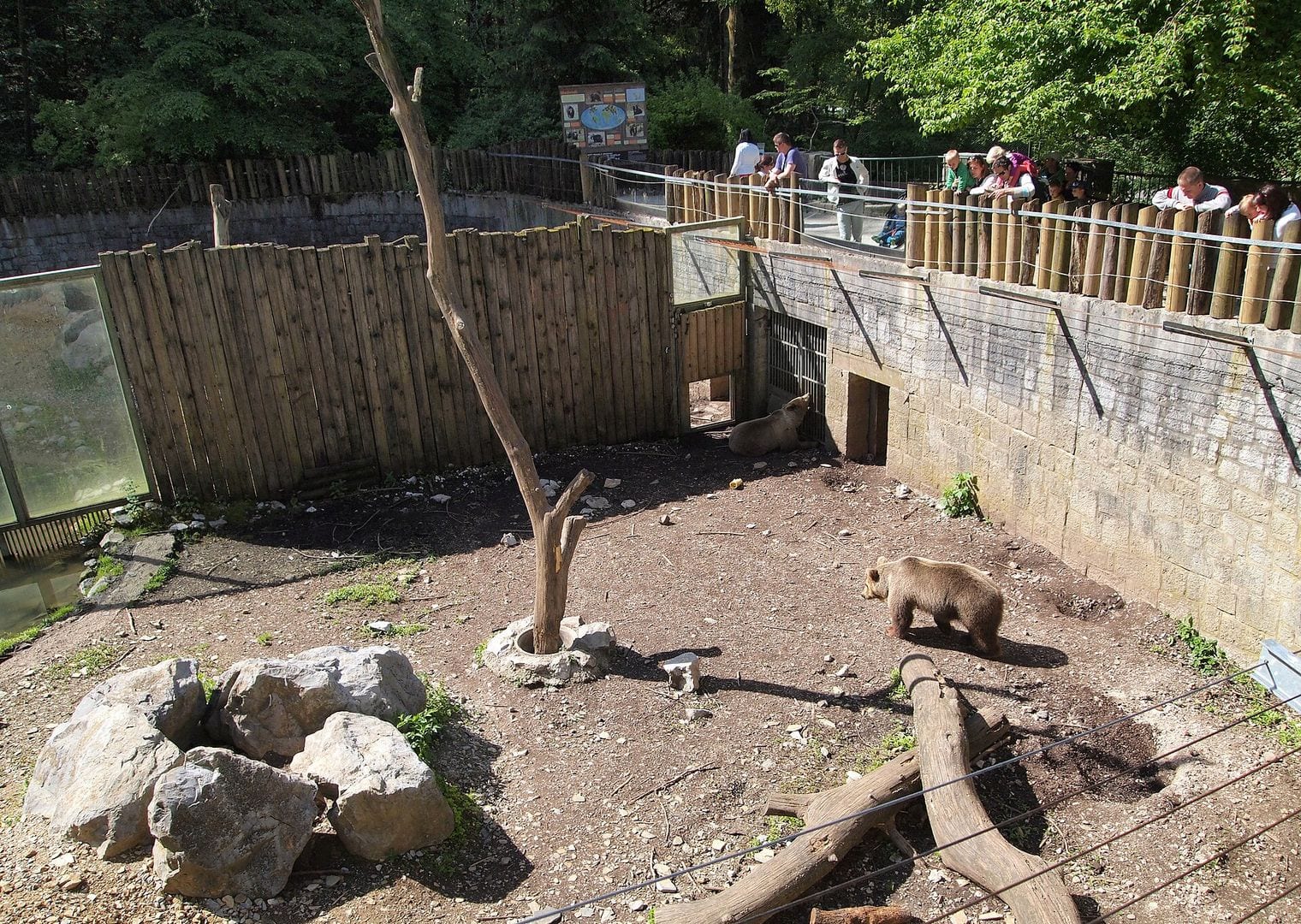
Ljubljana Zoo sits on the wooded southern slope of Rožnik hill, about twenty minutes from the centre, and the setting does a lot of the work — much of the visit is spent walking shaded forest paths between enclosures rather than crossing open concrete. The collection leans towards species you might actually meet in this part of Europe, alongside the bigger draws.
It is a genuinely good option with children, and the hill means you get a modest walk out of it too. Combine it with Rožnik itself if the weather is fine: paths run up from the zoo through the trees to the top, where there is a small church and a long-standing inn. The whole thing pairs naturally with a Tivoli Park afternoon.
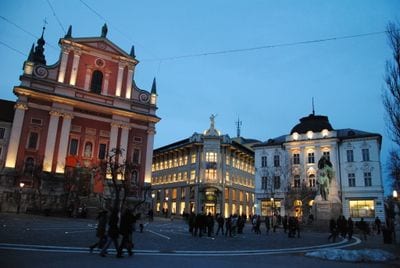
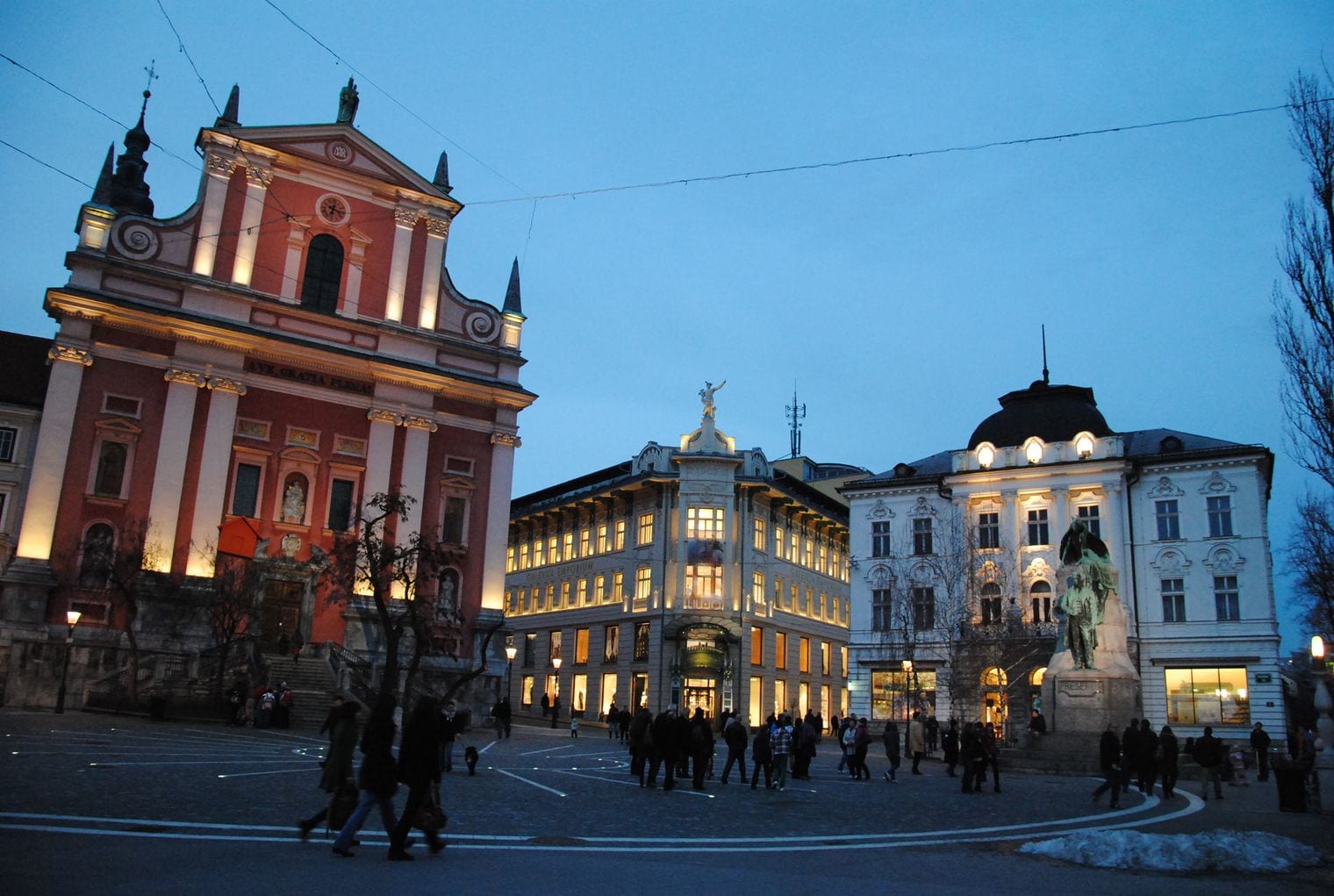
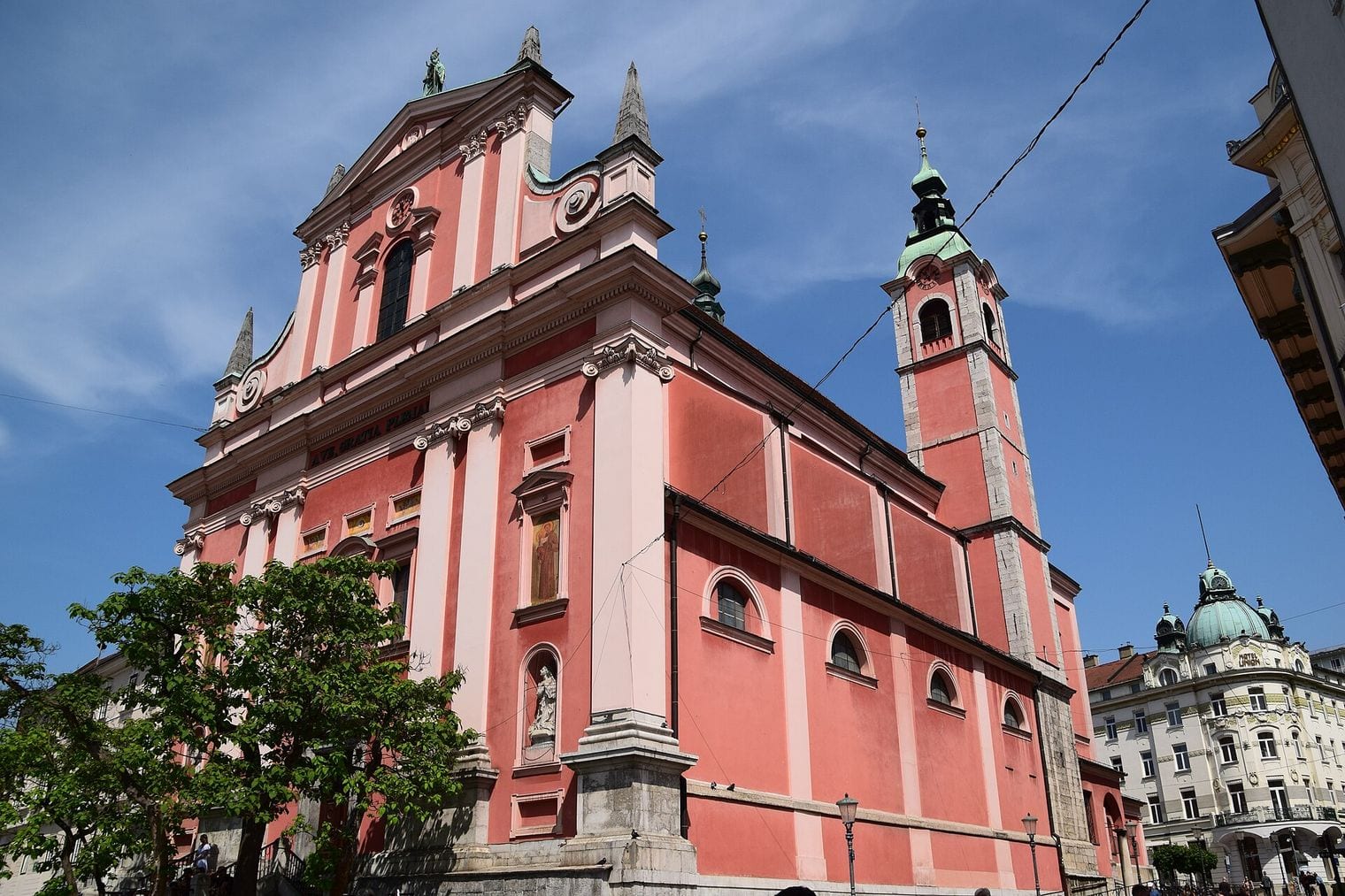
Prešernov trg is the centre of Ljubljana in the way that matters — it is where people arrange to meet, where the city gathers for celebrations, and where almost every walk through town ends up passing. The salmon-pink Franciscan Church of the Annunciation fills one side, the Triple Bridge fans off another, and a statue of the poet France Prešeren stands looking across the square.
The buildings around the edge are worth lifting your eyes for: several are richly tiled Secession-era pieces, including the ornately decorated corner of Hauptmann House. There are no sights to tick off here as such, which is rather the point. Sit on the church steps with an ice cream for half an hour and you will have seen most of Ljubljana walk past.
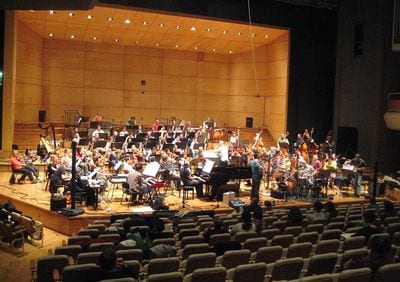
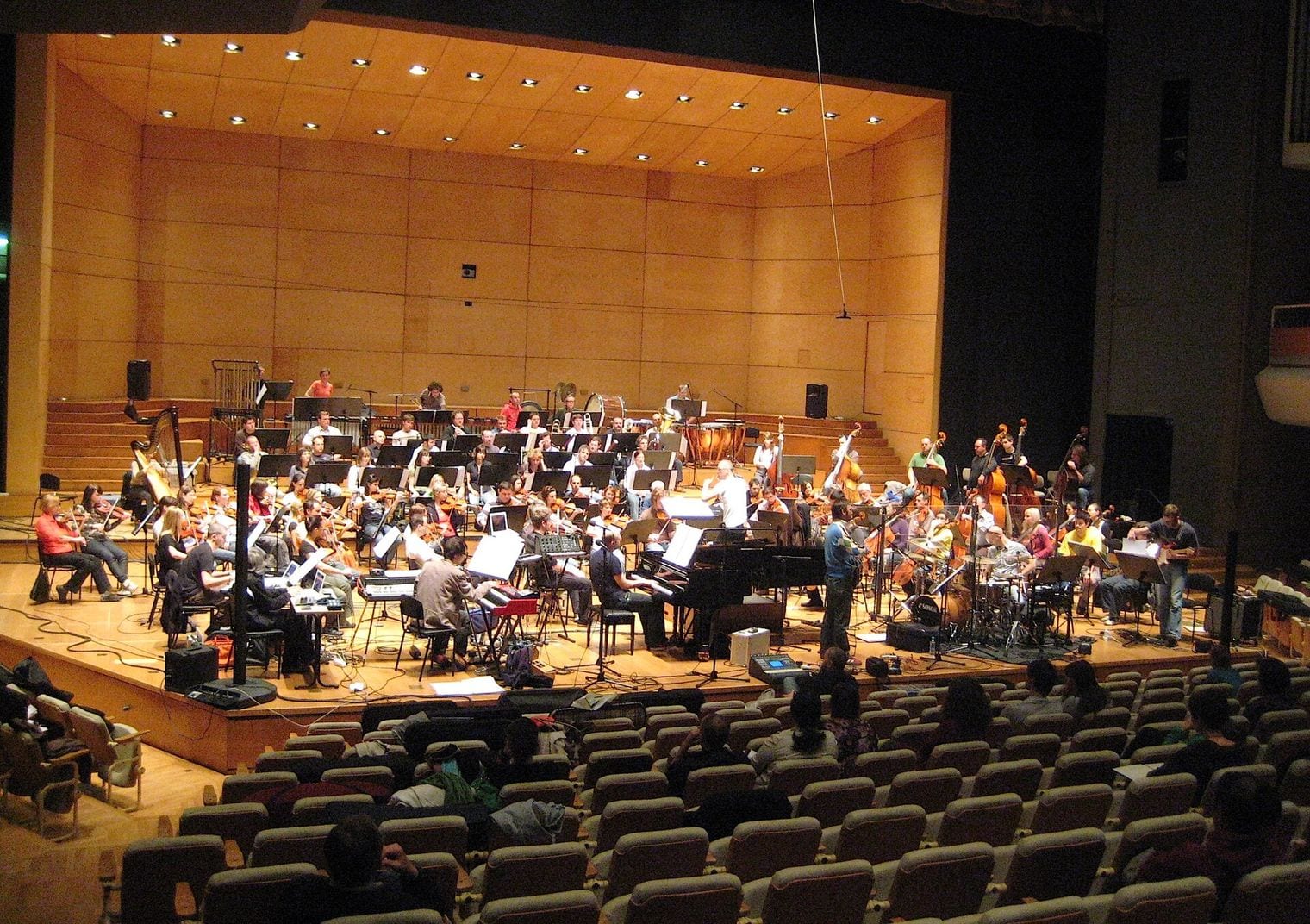
Cankarjev dom is Slovenia's largest cultural and congress centre, a low modernist complex on the edge of Republic Square that handles most of the country's big-stage programming. Its halls carry classical concerts, jazz, film festivals, theatre and touring exhibitions, and the building doubles as a conference venue, so the foyers are busy at odd hours.
Check what is on while you are in town — the range is wide enough that something usually appeals, and tickets are generally far cheaper than equivalents in western European capitals. The building itself is a good example of the confident public architecture Ljubljana built in the 1970s and early 1980s, and the underground galleries beneath the main foyer host exhibitions that are often free to walk through.
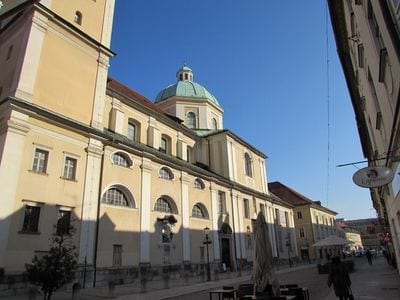
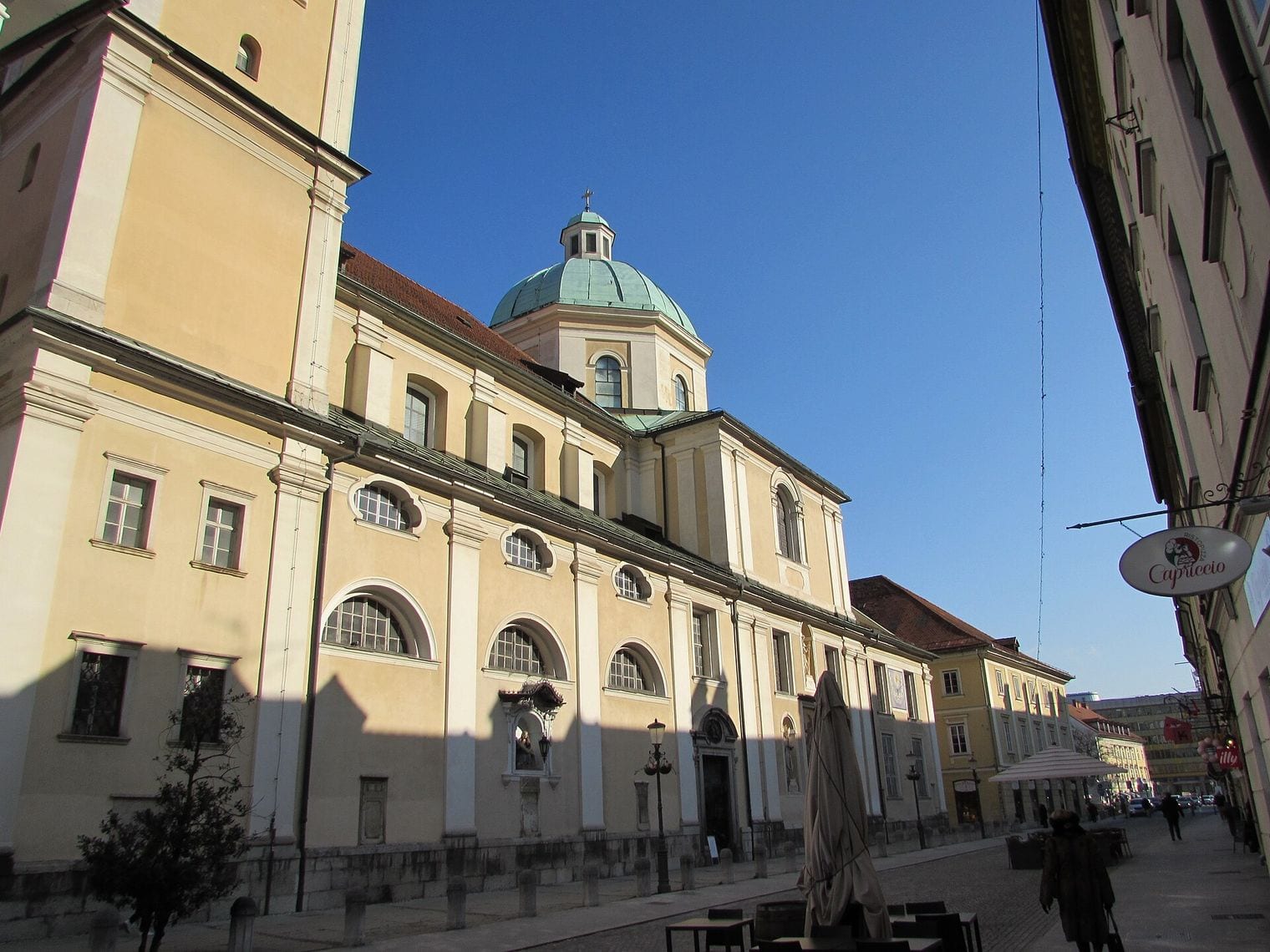
The Roman Catholic Cathedral of St. Nicholas is easy to spot from the castle path thanks to its green dome and twin towers, but the interior is the surprise: a full baroque treatment of pink marble, gilding and ceiling frescoes that feels considerably grander than the modest exterior suggests. It sits right beside the market, so most visitors reach it by accident.
The two bronze doors are the detail people photograph. Both were added in the 1990s, one showing six centuries of Slovenian Christianity and the other a group of twentieth-century bishops, and their crowded, expressive figures make a striking contrast with the baroque calm inside. Entry is free outside services, and it takes ten minutes to look around properly.
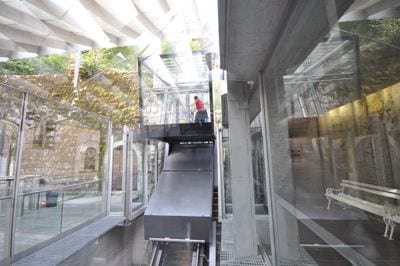
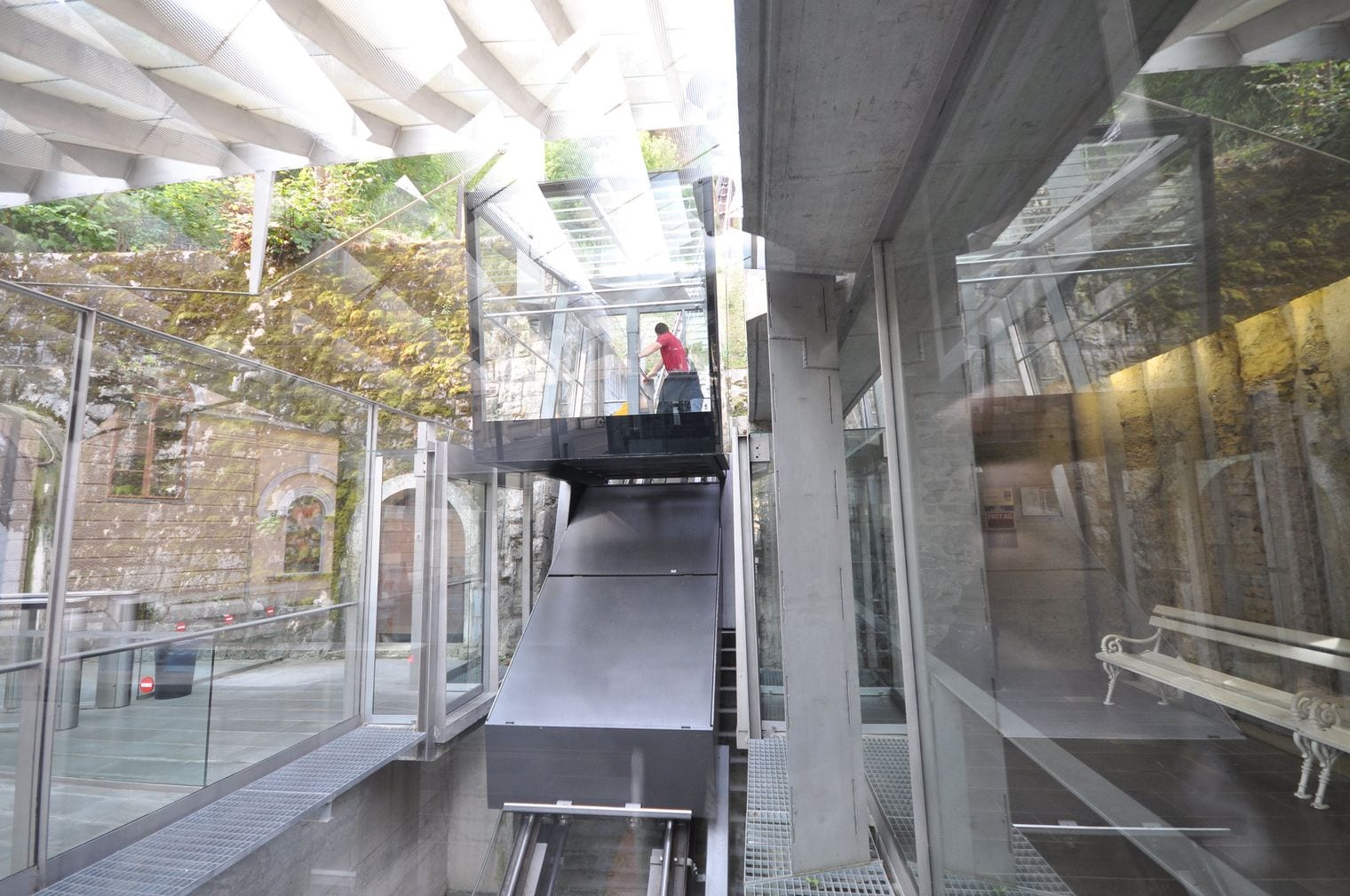
The Ljubljana Castle Funicular runs from Krekov trg, just beside the market, straight up through the hillside trees to the castle courtyard. The ride takes about a minute in a glass-walled car, and it climbs steeply enough that the view back over the old town roofs opens up almost immediately.
It is the obvious choice if you are short on time, travelling with children, or simply do not fancy the twenty-minute walk up. A sensible approach is to ride up and walk down: the descent through the woods is gentle, comes out near the old town, and lets you take the path at your own pace. Tickets are sold at the lower station and are often bundled with castle admission.
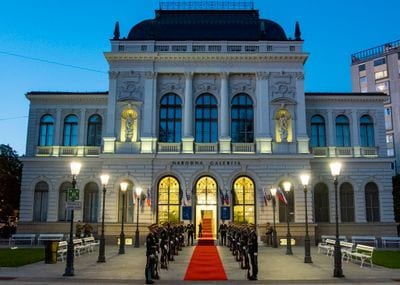
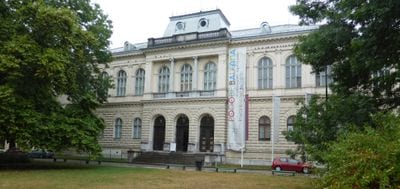
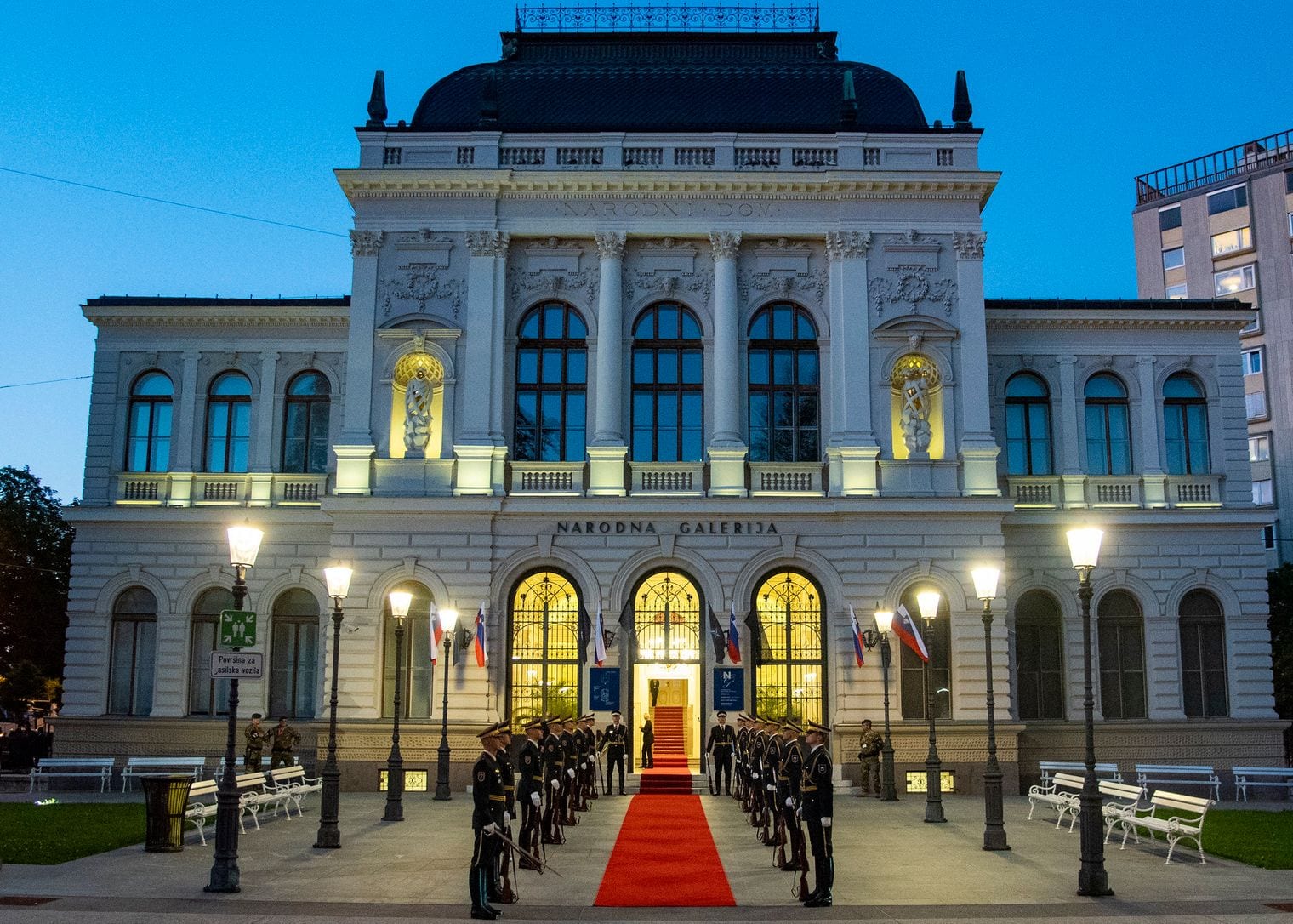
The National Gallery of Slovenia holds the country's main collection of art from the Middle Ages through to the early twentieth century, housed in a grand late-nineteenth-century building on the edge of Tivoli Park. The strength of the collection is Slovenian painting — particularly the Impressionists who defined how the country pictures itself — shown alongside European works.
It also holds an object most visitors meet outside first: the original Robba Fountain, moved indoors to protect it from the weather, with a replica now standing on Town Square. The building's glazed central hall is worth the entry on its own, and the gallery sits close enough to the National Museum and the Museum of Modern Art to string all three into one afternoon.
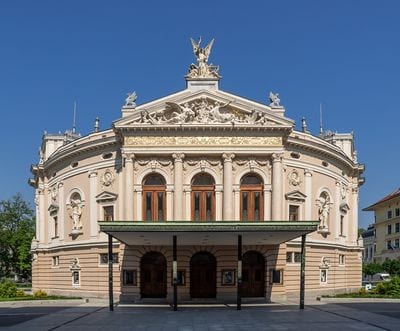
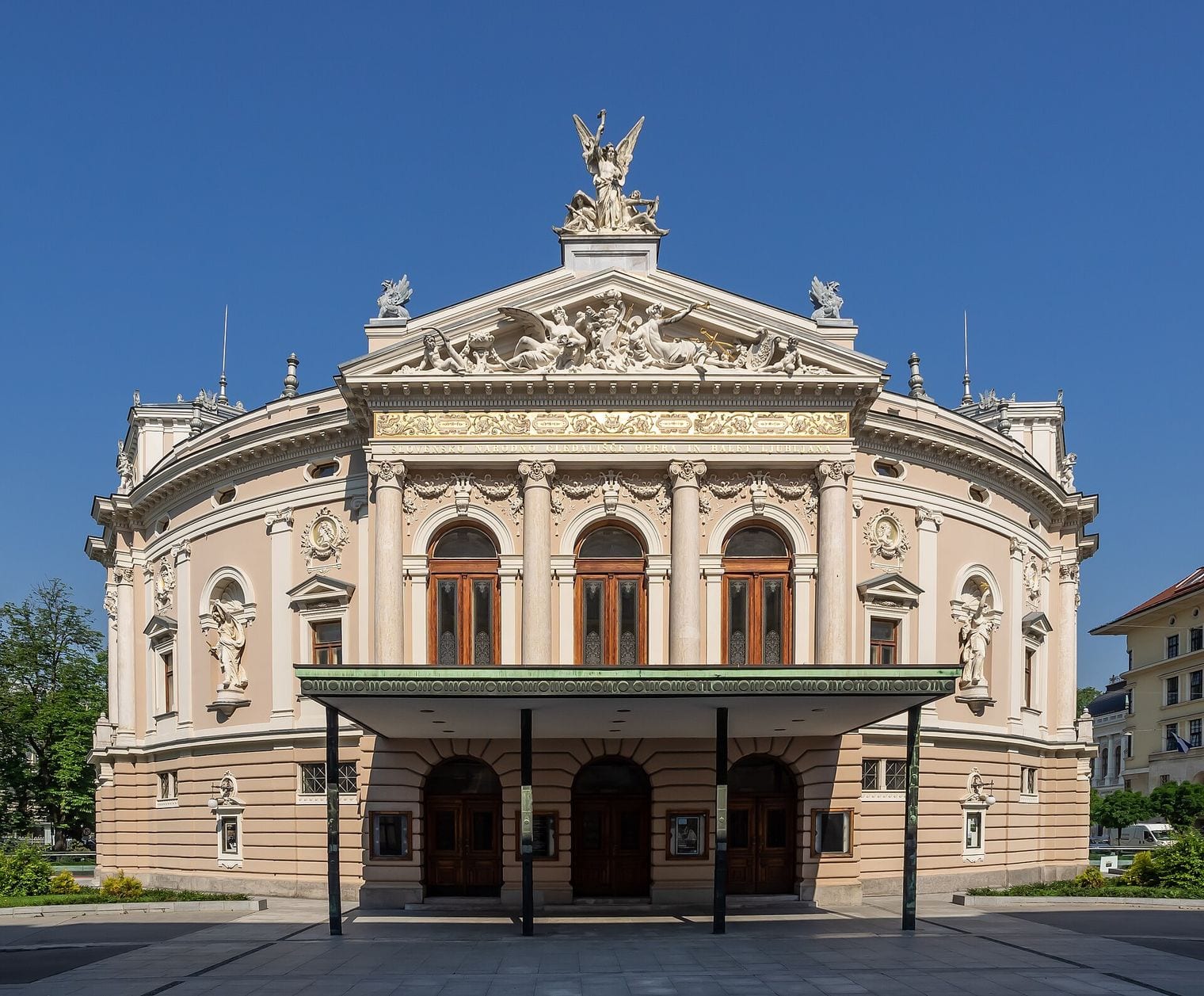
SNG Opera in balet Ljubljana is the national opera and ballet house, performing in a handsome neo-Renaissance theatre from the end of the nineteenth century, with a columned and sculpted facade that is worth a look even when nothing is on. A modern extension behind it holds the stage machinery and rehearsal space.
The season runs a familiar mix of opera and ballet, and — as with most things cultural in Ljubljana — tickets cost a fraction of what the equivalent seat would in Vienna or Milan, which makes a spontaneous evening entirely reasonable. The theatre stands a couple of minutes from both the National Museum and Tivoli Park, so it is easy to fold into a day already spent in that quarter.
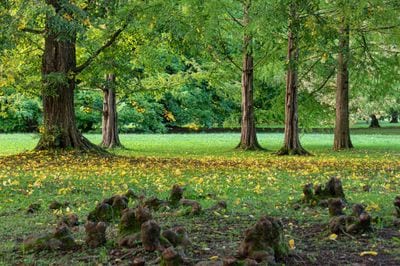
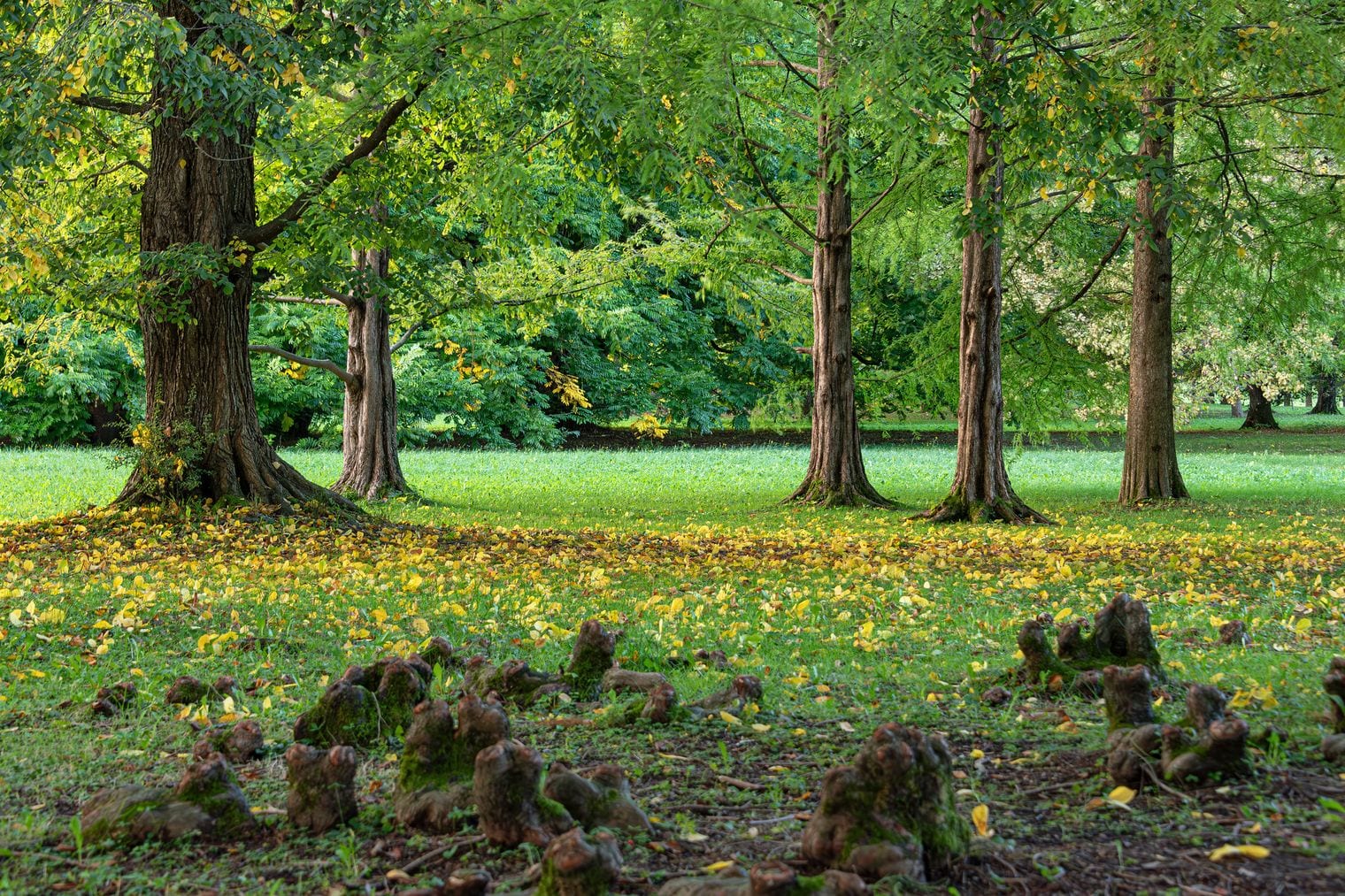
Tivoli Park is Ljubljana's big green lung, running from the edge of the centre up into wooded hillside, and it is where the city goes to walk, run, cycle and sit. Formal gardens and ponds sit at the lower end nearest town, giving way to broad tree-lined avenues and then to genuine forest as the ground rises towards Rožnik.
The central axis is Jakopič Promenade, a wide gravel avenue that doubles as an open-air gallery — large-format photography is mounted along its length, so a stroll usually comes with an exhibition attached. A mansion in the park houses a graphic arts centre, and paths continue up the hill to the zoo, which makes this the natural starting point for an easy half-day outdoors.
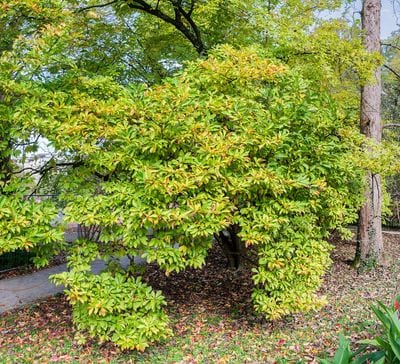
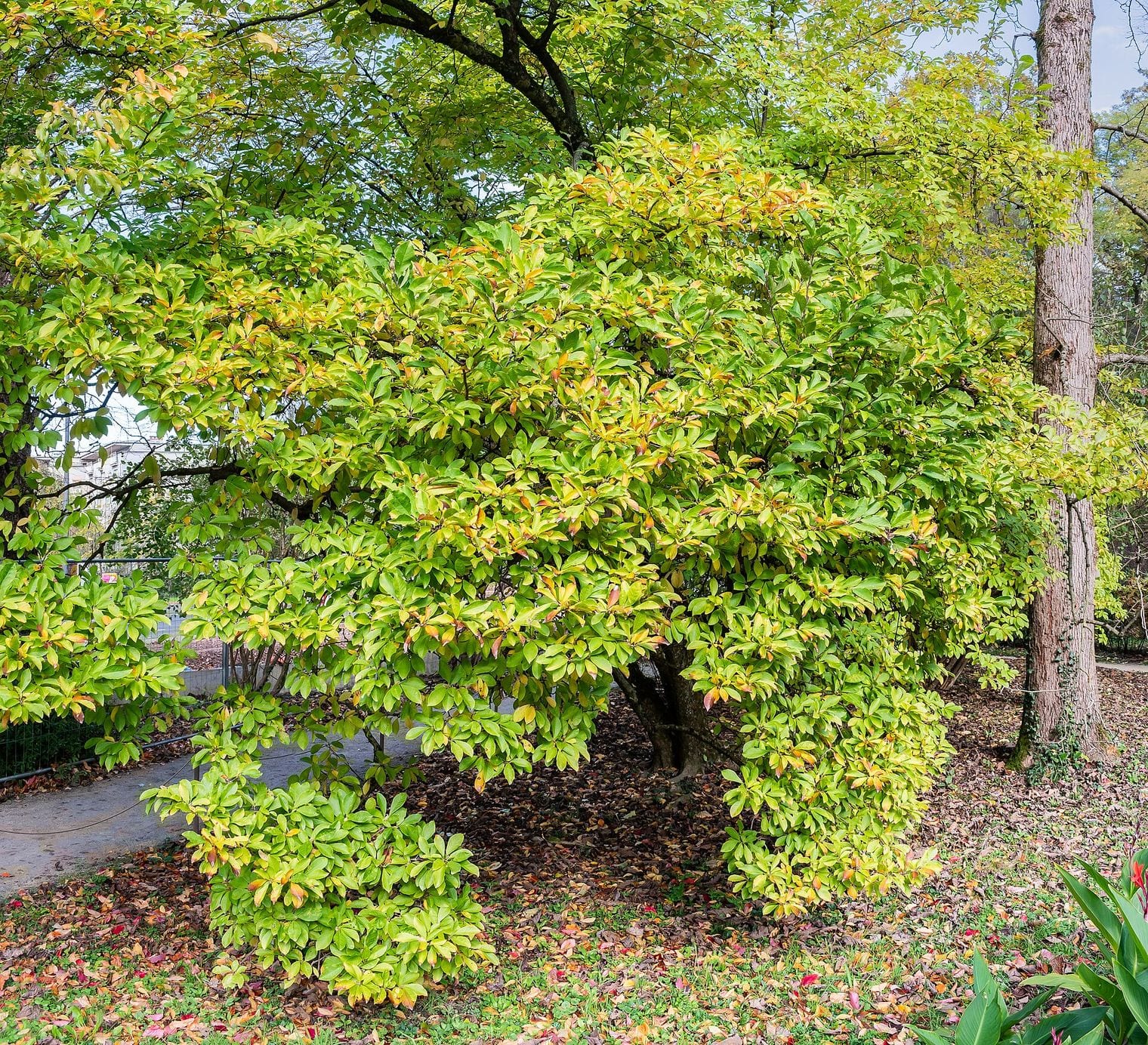
The Botanični vrt Univerze v Ljubljani is a quiet, slightly overgrown garden southeast of the old town, established in 1810 under Franc Hladnik during the brief period when Ljubljana was capital of Napoleon's Illyrian Provinces. It is the oldest botanical garden in southeastern Europe and one of the oldest scientific institutions in the country.
It is small, and that is the appeal: winding paths, labelled beds of Slovenian native species, a tropical glasshouse and a good deal of shade. Very few visitors make it out here, so it is reliably peaceful even in August. Pair it with a walk along the river embankment back into town, which takes about fifteen minutes.
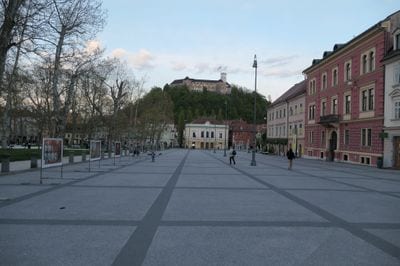
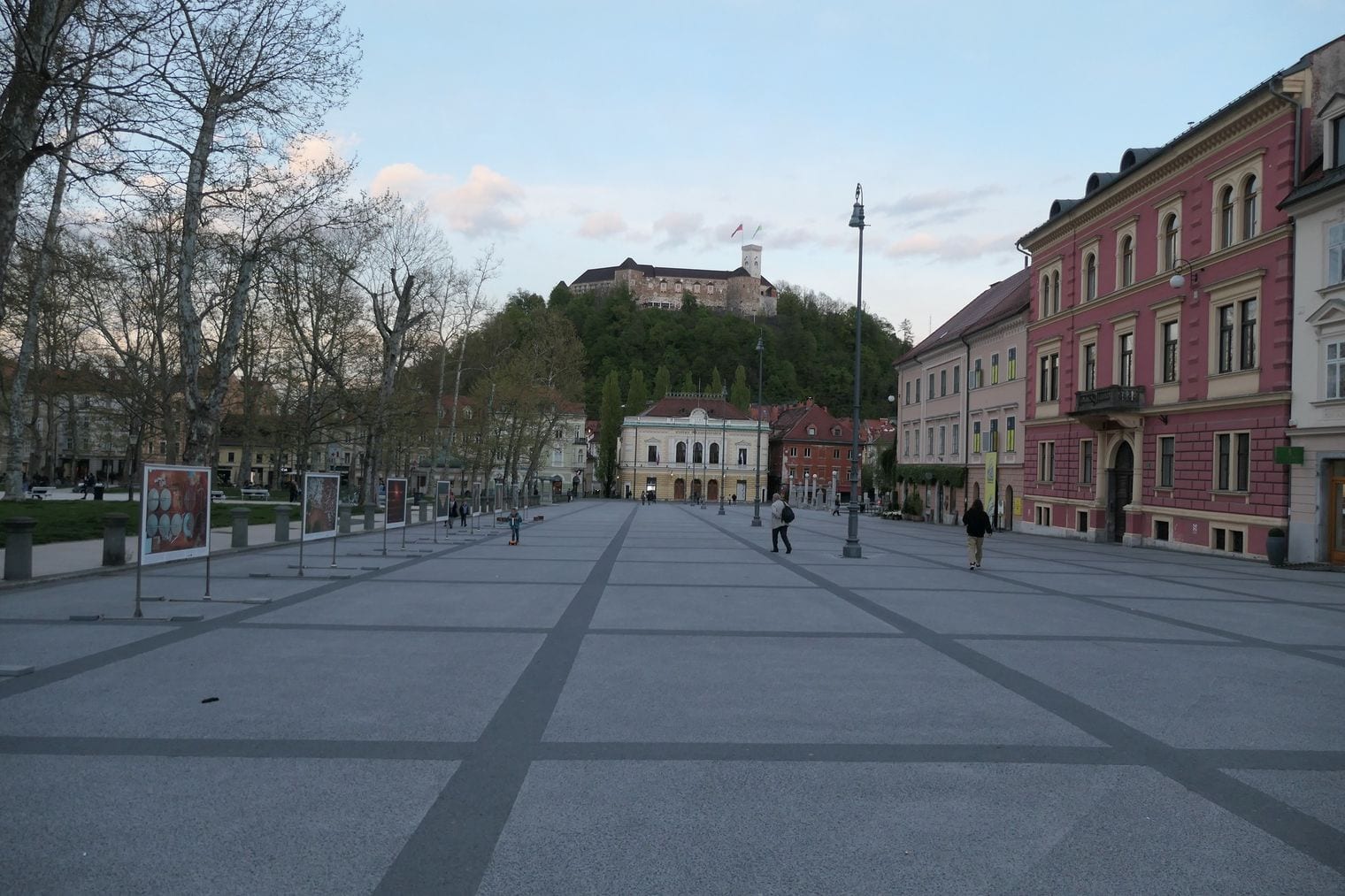
Kongresni Trg is the city's grand civic square, a broad rectangle of lawn and horse chestnuts framed by the university's main building, the Slovenian Philharmonic and the Ursuline Church of the Holy Trinity. The tree-planted section is known as Star Park for the pattern its paths cut across the grass.
The square takes its name from a congress of the European powers held here in 1821, and it has been the setting for public gatherings ever since, including mass rallies during the independence period. Today it is mostly students crossing between lectures and people cutting through to the old town. The baroque Ursuline church on the western side has one of the finest facades in the city.
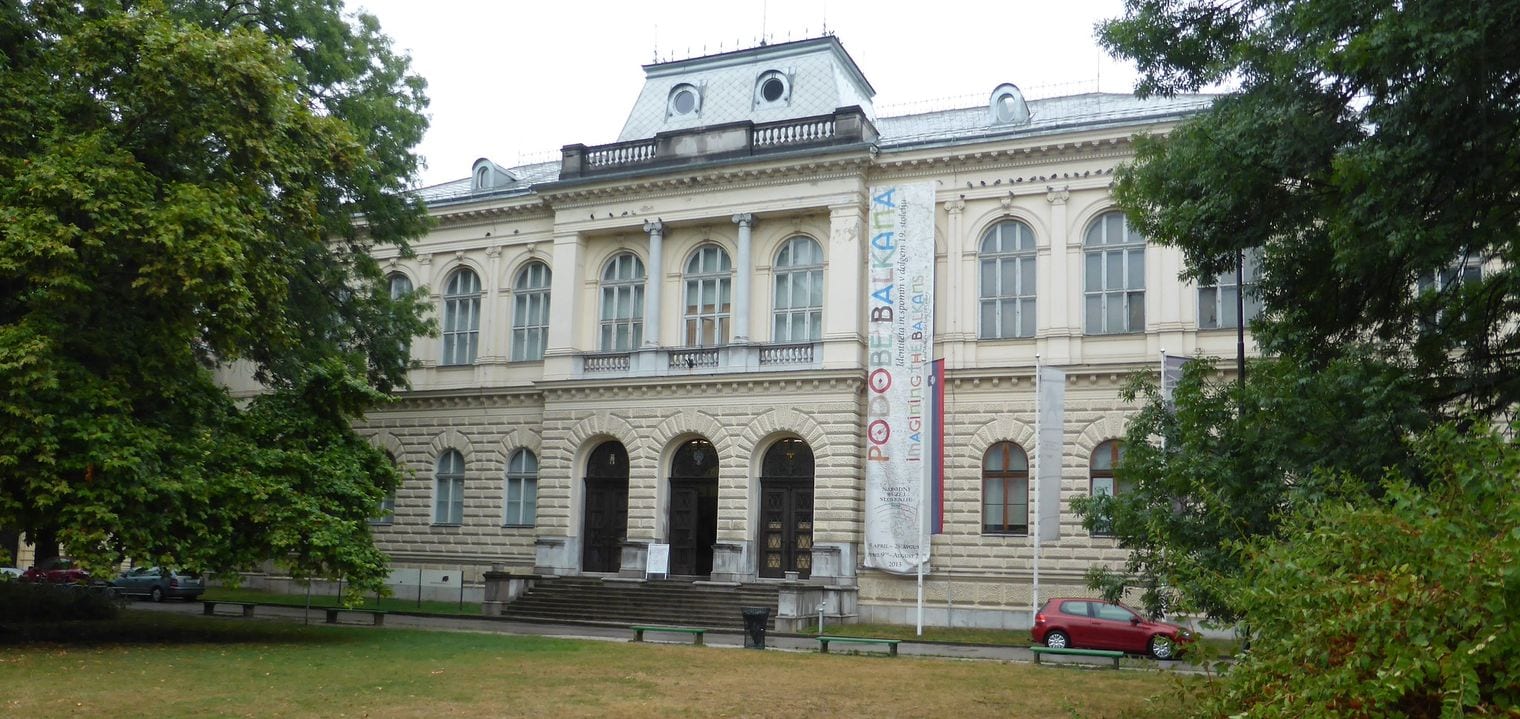
Narodni muzej Slovenije is the country's principal museum of archaeology and history, in a stately building it shares with the natural history collection. The displays run from prehistory through the Roman town of Emona to the medieval and early modern periods, with Roman stonework and an Egyptian mummy among the more memorable rooms.
Its single most famous object is a small pierced bone found at Divje Babe, widely presented as a Neanderthal flute and, if that reading holds, among the oldest musical instruments ever found. The interpretation is debated by specialists, which the museum itself acknowledges — it is a genuinely interesting argument rather than a settled fact. Allow an hour, or two if the natural history halls tempt you upstairs.
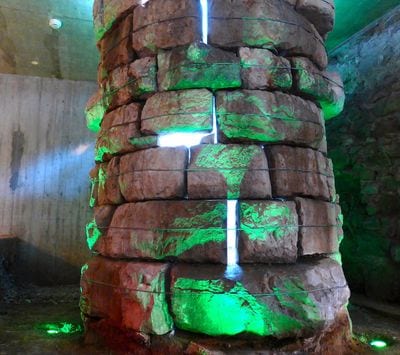
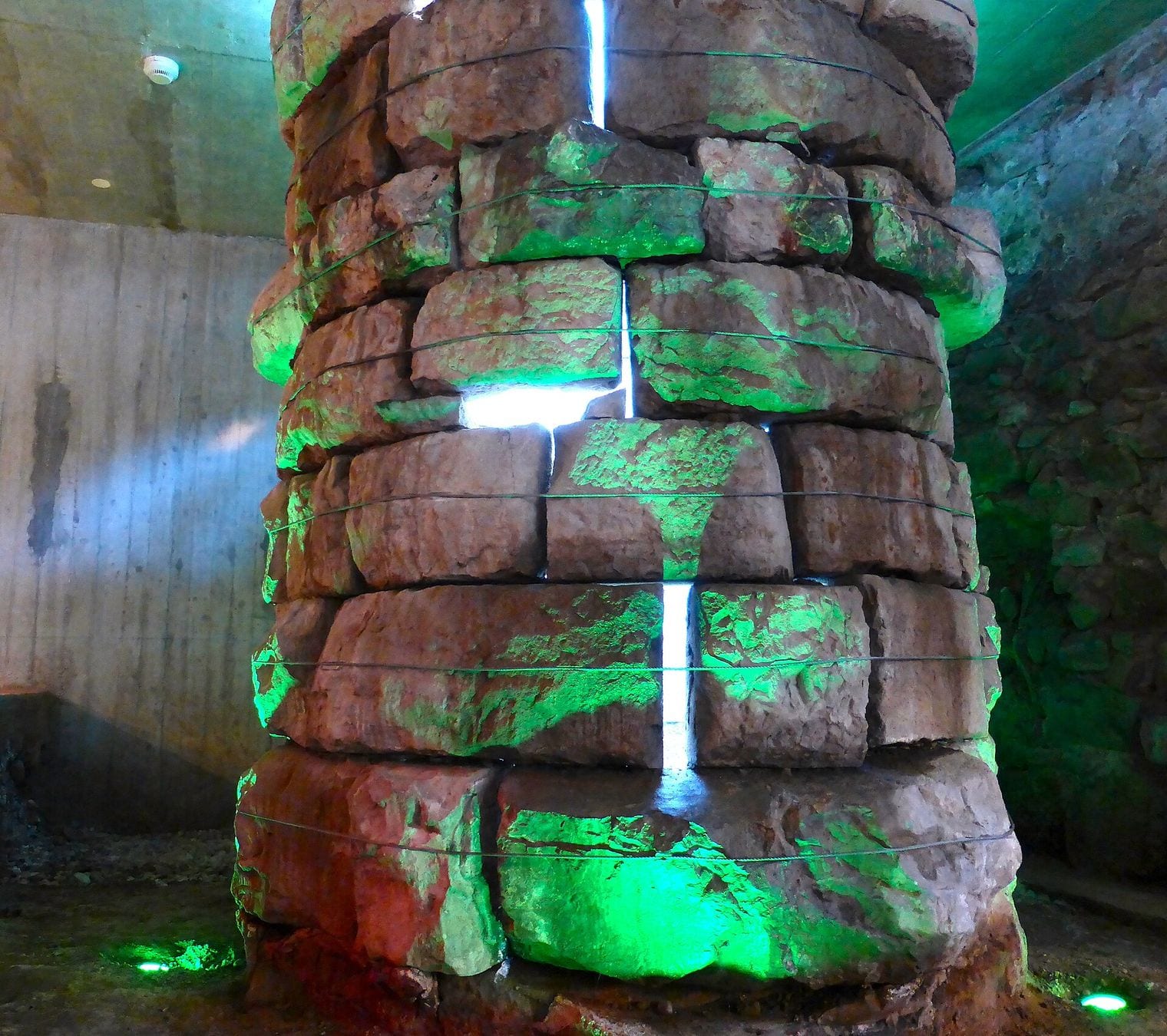
The Ljubljana City Museum tells the story of the city itself, and it does so from a building that turned out to be standing on the evidence. Excavation beneath the palace uncovered a stretch of Roman road and remains from Emona, the settlement that preceded Ljubljana, and these are now displayed in situ in the basement — you walk above them on a glass floor.
The upper floors work through the city's layers from prehistory to the present, and the museum runs a strong programme of temporary exhibitions. It is one of the better places to get your bearings early in a visit, because it explains why the street plan and the river look the way they do. Roughly an hour and a half.
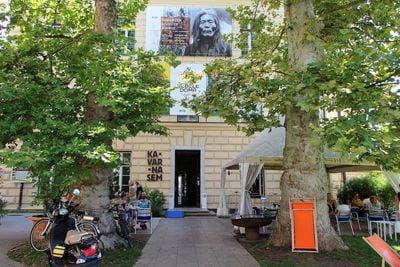
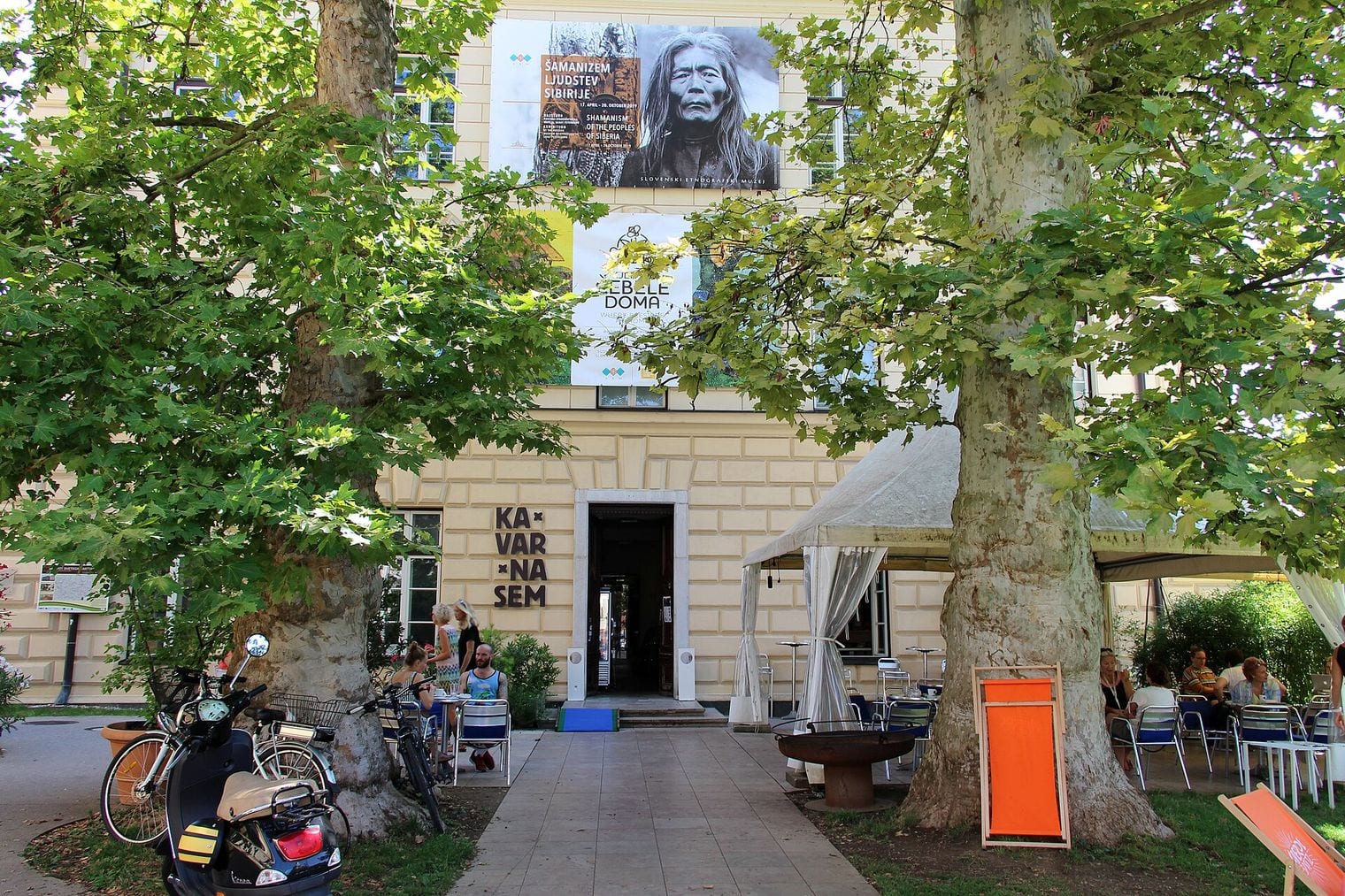
The Slovene Ethnographic Museum sits in the Metelkova quarter and covers how Slovenians have actually lived — farming tools, workshop trades, folk costume, beekeeping panels, furniture and the objects of ordinary domestic life, drawn from across the country's very different regions. Its permanent displays are thoughtfully staged rather than crowded with cases.
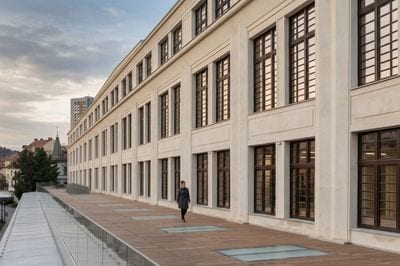
It also holds a substantial non-European collection, built largely from objects brought back by Slovenian sailors, missionaries and travellers. The glass-fronted modern building is a pleasant place to spend time, with a good cafe and a rooftop terrace, and it stands directly beside the Metelkova art quarter — which makes for an unusually sharp contrast if you visit both in the same afternoon.
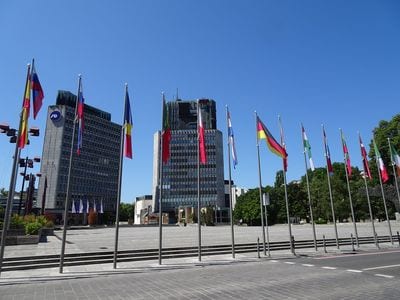
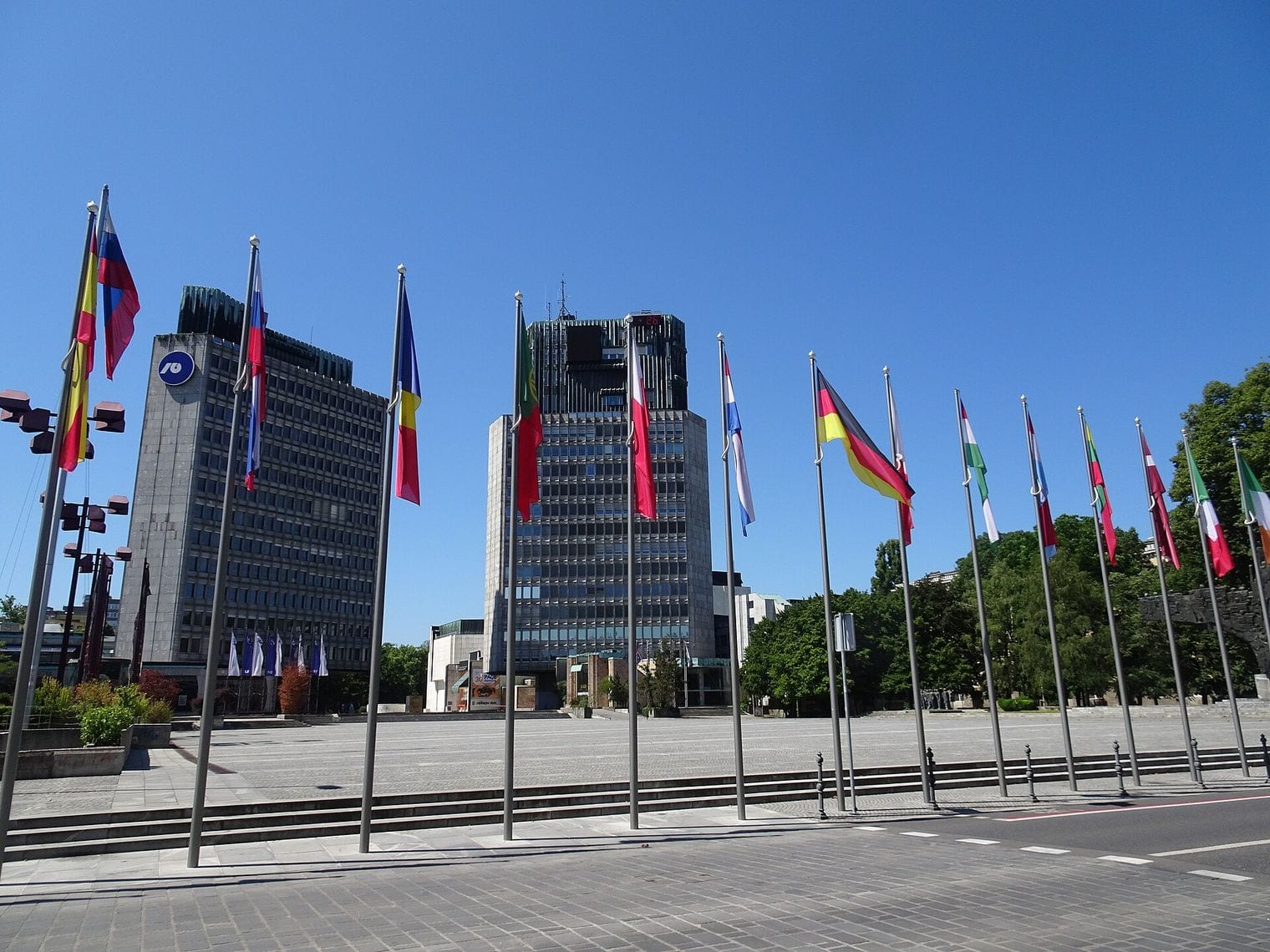
Trg republike is the square where Slovenia declared independence in 1991, and it remains the country's main civic and political space. The National Assembly stands on one side, its doorway framed by a remarkable portal crowded with sculpted human figures, and two tall modernist towers rise behind — deliberately monumental architecture from the socialist period.
It is not a pretty square in the way that Prešernov trg or Kongresni Trg are, and it is worth visiting precisely for that. This is where the modern state was proclaimed, and the surrounding buildings are among the most confident twentieth-century architecture in the city. Cankarjev dom is on the same square, so the two are easily seen together.
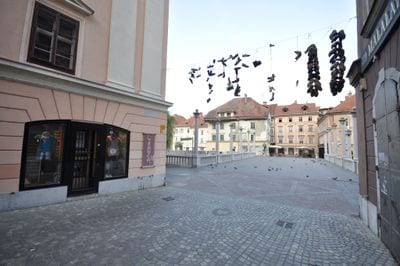
The Butchers' Bridge crosses the Ljubljanica between the market colonnade and the old town, and it is impossible to miss thanks to the sculptures along it — twisted, flayed, unsettling bronze figures drawing on classical and biblical subjects. They are the work of the Slovenian sculptor Jakov Brdar, and they give the crossing a much darker character than anything else on the river.
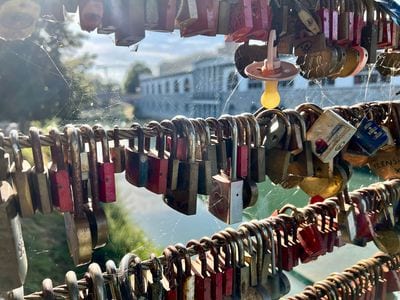
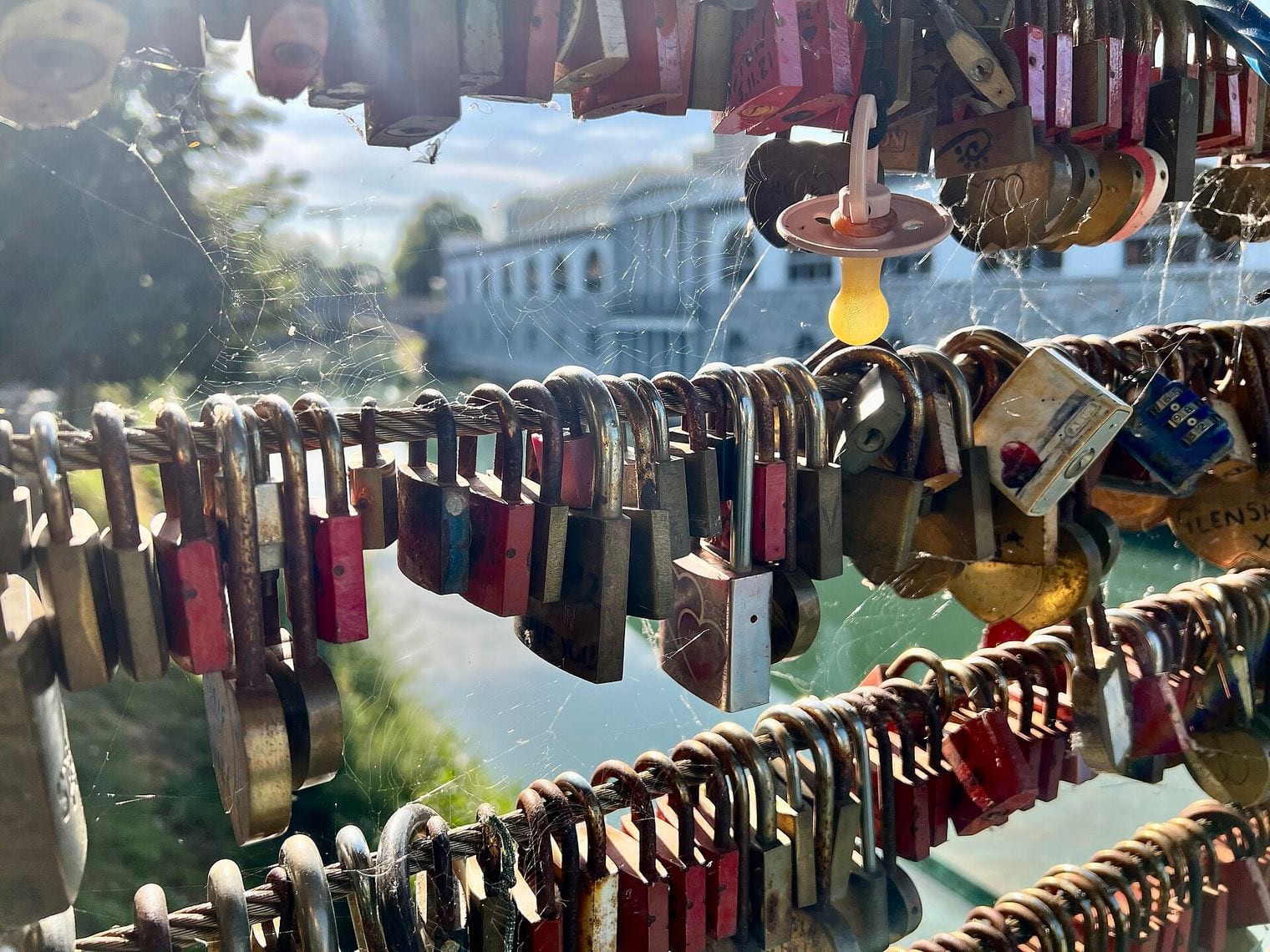
The railings are hung with padlocks left by couples, and the glass panels along the walkway let you look straight down at the water. Plečnik had designed a roofed bridge for this spot that was never built; the current structure went up in 2010. It takes a minute to cross and considerably longer if you stop to look at the sculptures properly.
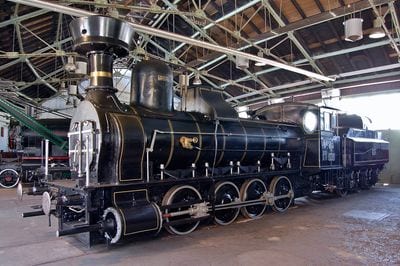
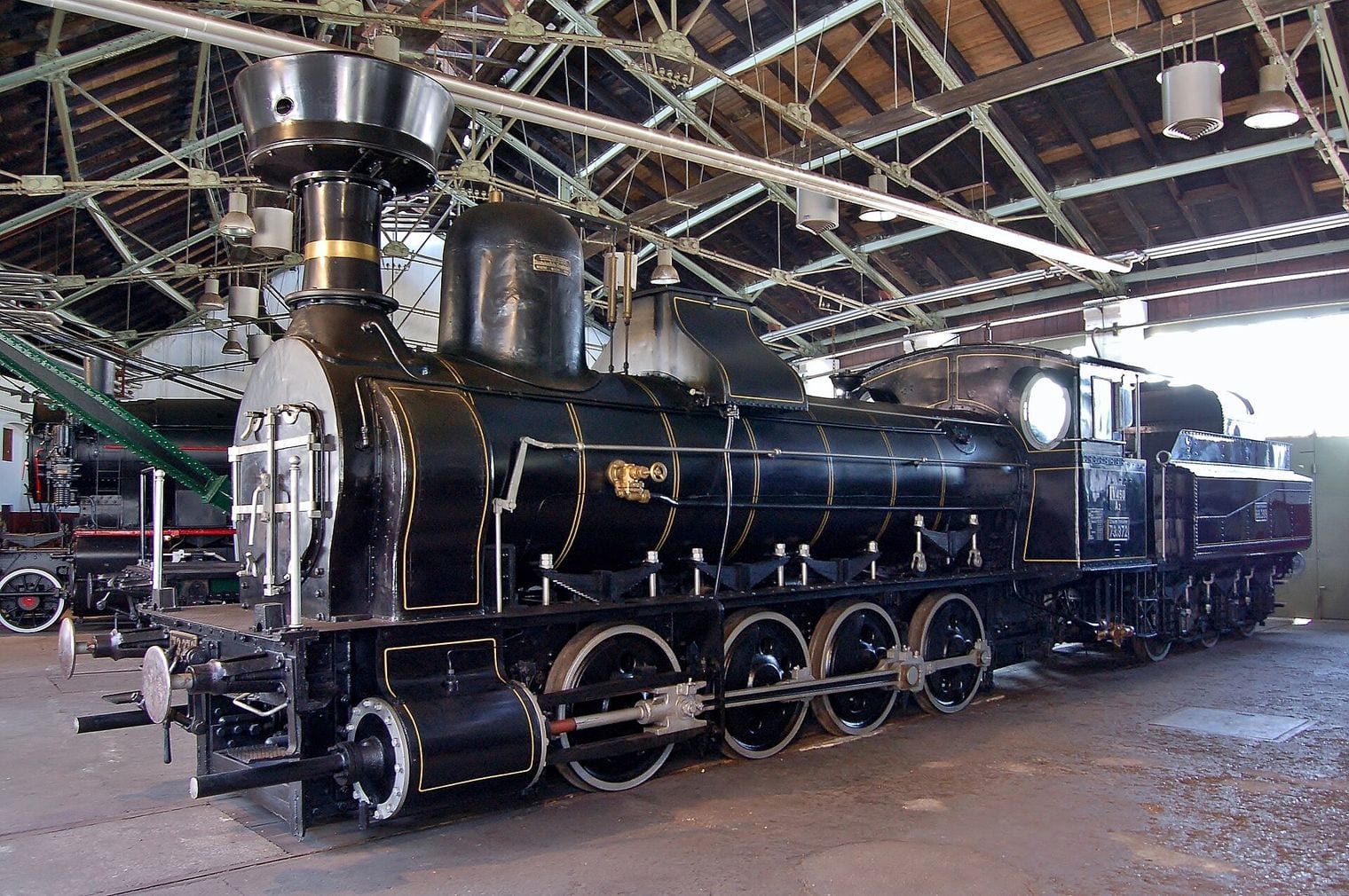
The Railway Museum occupies a working-era locomotive shed in the Šiška district, north of the centre, and it is a treat for anyone who likes machinery. The main hall is a roundhouse lined with steam locomotives, many of them Slovenian-built or long-serving on these lines, kept in the atmospheric half-light of the original engine shed rather than polished up under gallery lighting.
Beyond the locomotives there are signalling instruments, station fittings, uniforms and models covering the history of the railway through this corner of Europe. It sees relatively few visitors, so you can usually take your time and get close to the engines. It is about twenty-five minutes' walk from the centre, or a short ride on a city bus.
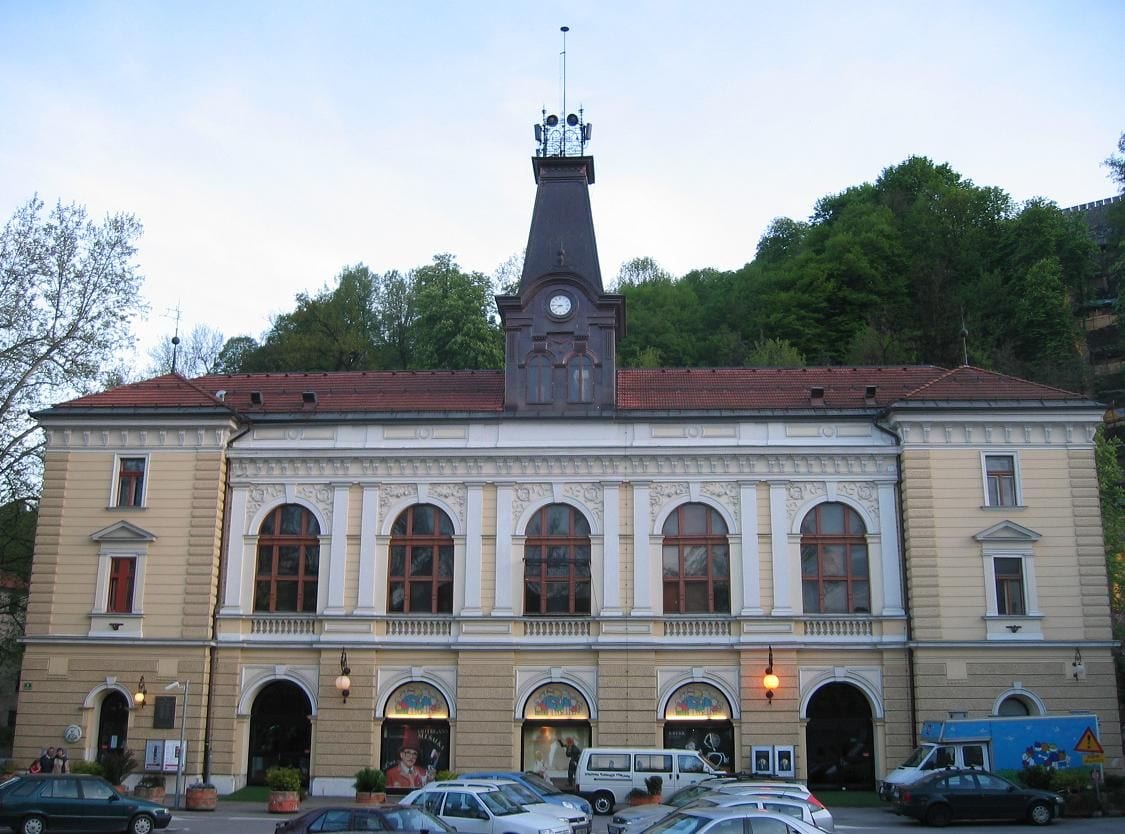
Lutkovno gledališče (Ljubljana Puppet Theatre) is a long-established company with a serious reputation, and puppetry in Slovenia is treated as a proper theatrical form rather than purely children's entertainment. The repertoire runs from family shows to productions aimed squarely at adults, using marionettes, rod puppets and shadow work.
The theatre sits at the foot of the castle hill, and it is connected to the castle above by the funicular, so a show pairs neatly with a trip up. Many productions rely more on movement, music and visual invention than on dialogue, which means the language barrier matters far less than you would expect. Check the programme when you arrive.
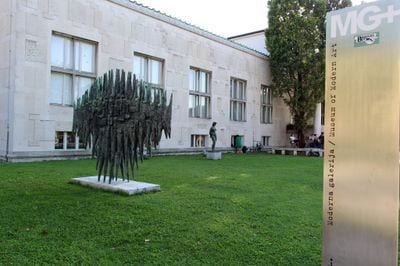
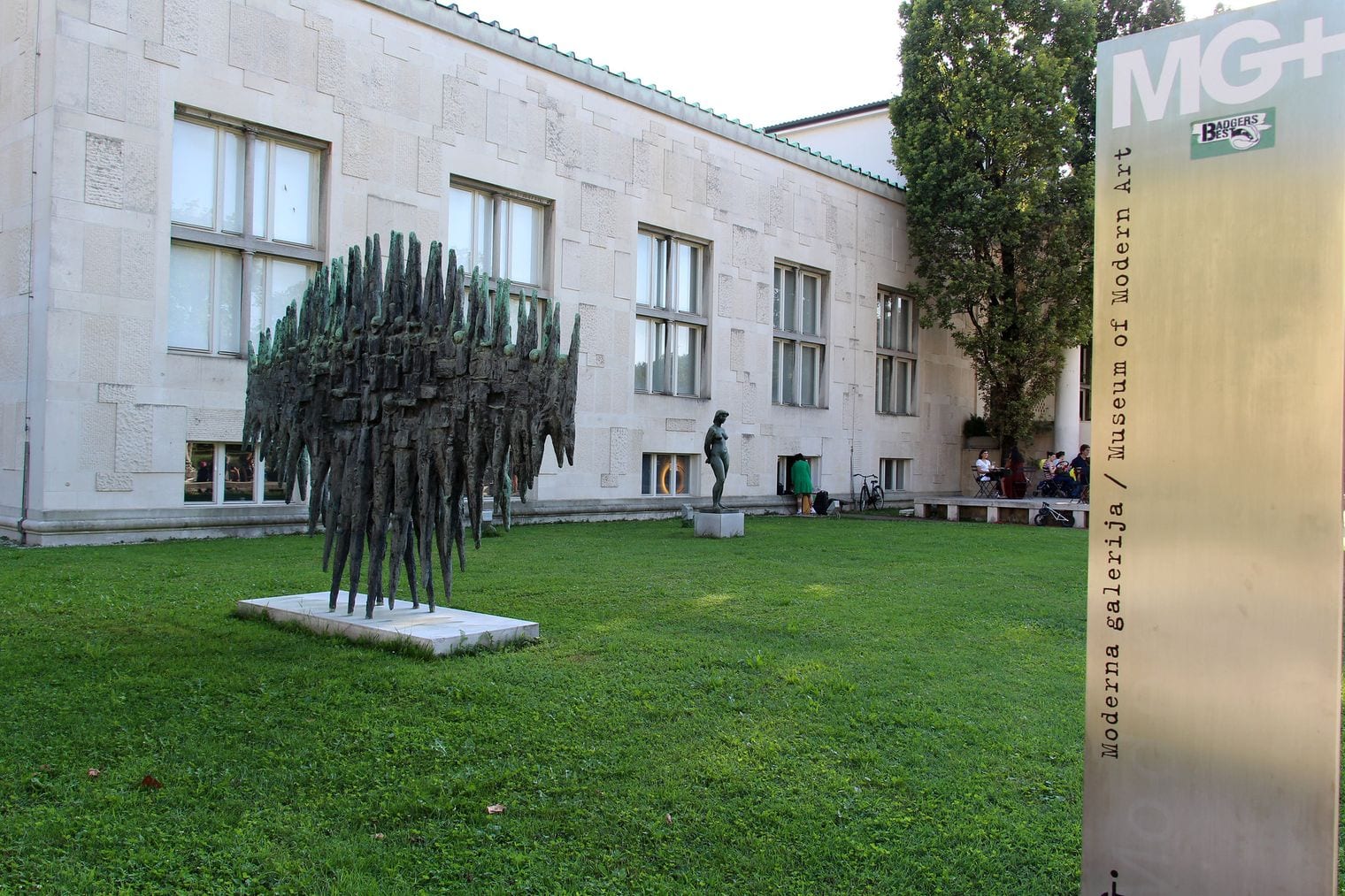
The Museum of Modern Art Ljubljana holds the national collection of twentieth-century Slovenian art, and it is the place to understand a small country with a disproportionately interesting avant-garde. The permanent display traces the movements that shaped Slovenian modernism, including the conceptual work of the 1960s and 1970s and the provocative collectives that followed in the 1980s.
The museum occupies a purpose-built modernist gallery between Tivoli Park and the National Museum, and it runs an active exhibition programme alongside the permanent rooms. Its contemporary sister venue sits over at Metelkova, so if the modern material appeals you can continue there afterwards. This one takes about an hour.
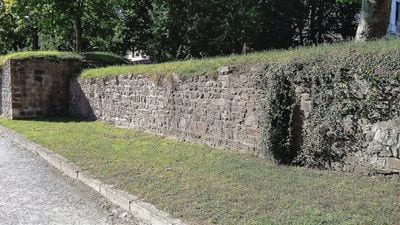
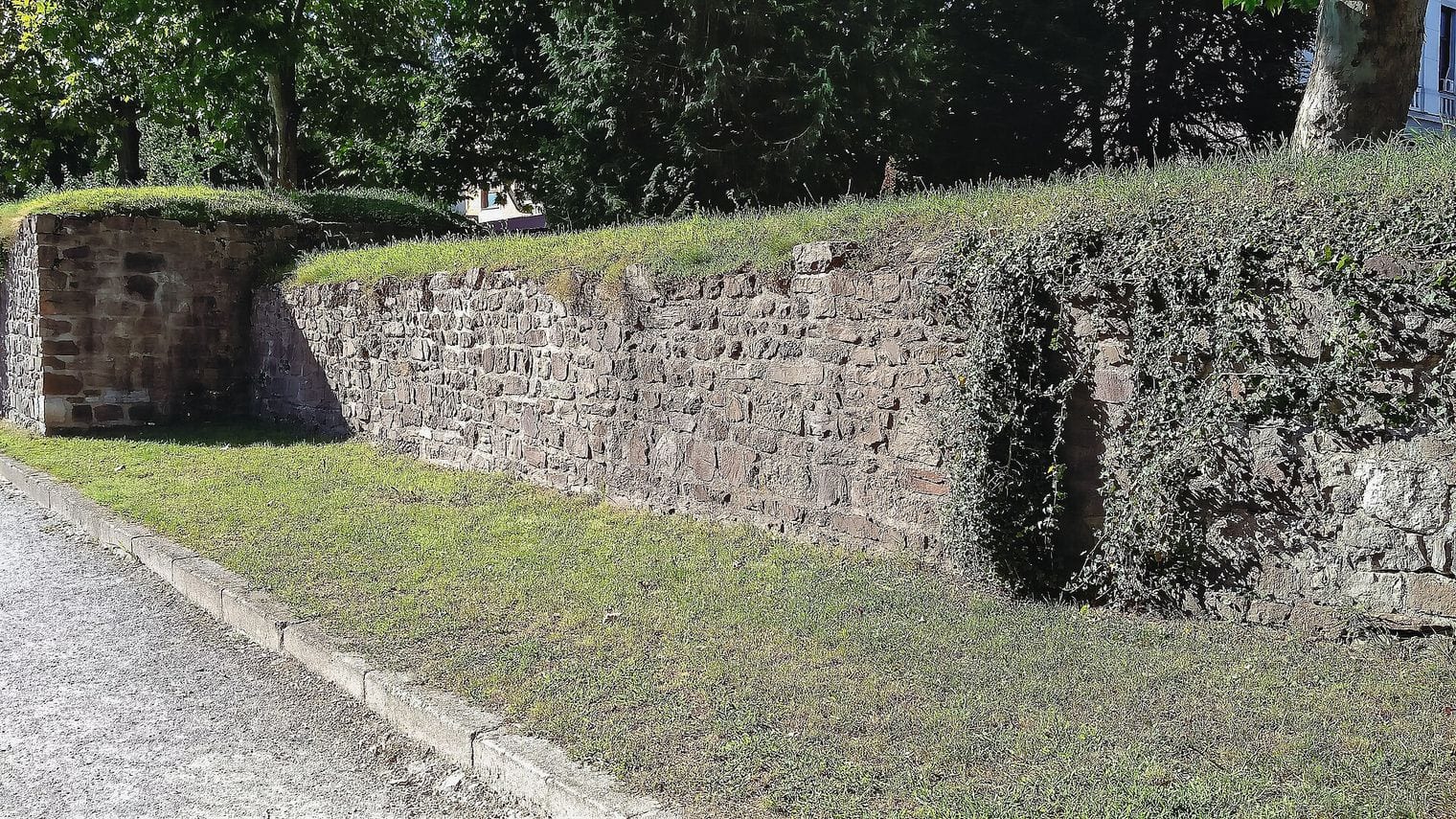
Rimski zid na Mirju is a surviving stretch of the defensive wall of Emona, the Roman town that stood where Ljubljana does now, running along a residential street southwest of the centre. What makes it unusual is that you are not looking at a straightforward ruin: in the 1930s Plečnik reworked the site as a public monument, adding a pyramid and a gateway and landscaping the length of it.
The result is a genuine piece of Roman masonry presented as a deliberate piece of twentieth-century design, and it is one of the more thought-provoking things Plečnik did in the city. It is free, open at all times, and takes ten minutes to walk. Combine it with the Krakovo and Trnovo districts just to the east.
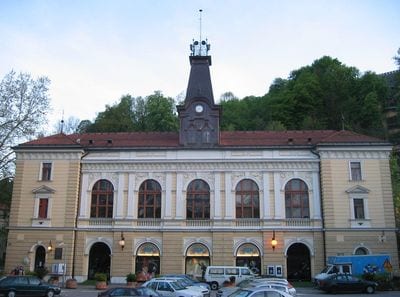
Town Square is the civic heart of the old town, a narrow cobbled space at the foot of the castle hill dominated by the arcaded Town Hall. Step through the entrance into the courtyard, which is usually open and often holds an exhibition — most people walk straight past without realising they can go in.
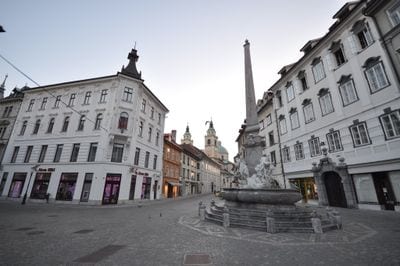
In front of the building stands the Robba Fountain, an obelisk with three reclining figures representing the rivers of Carniola. What you see here is a copy; the eighteenth-century original was moved into the National Gallery to protect it from weathering. The square runs on into Stari trg and Gornji trg, a continuous curve of pastel townhouses that is the best street-level walking in Ljubljana.
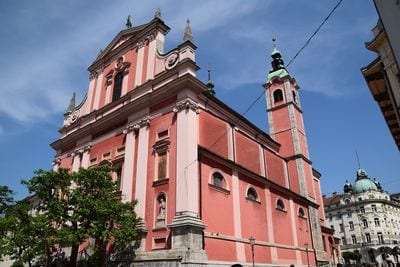
The salmon-pink Franciscan Church of the Annunciation fills one whole side of Prešernov trg, and almost everybody photographs the front without going in. It was built between 1646 and 1660 — not for the Franciscans, who only moved in at the end of the eighteenth century, but for Augustinian monks — and it took its Baroque façade around 1700.
The 1895 earthquake shook the interior badly, which is why the inside looks newer than the shell: the ceiling frescoes are by Matej Sternen, painted between 1935 and 1936 over earlier work by Matevž Langus. The main altar is by Francesco Robba, the same Venetian sculptor who made the fountain on Town Square, and the copper Virgin above the door is the largest statue of Mary in the city. Entry is free outside services.
Nebotičnik means simply "the skyscraper", and when Vladimir Šubic's thirteen-storey tower opened on 21 February 1933 it was the tallest building in this part of Europe. It stands two minutes west of Prešeren Square, and the whole reason to walk over is the twelfth floor.
That level is a café with a wrap-around terrace and a genuine 360-degree view — the castle on its hill, the red roofs below it, and the Kamnik Alps on a clear day. Nobody charges you to go up; buy a coffee if you feel like one, or just walk out onto the terrace. It opens at 9am Monday to Saturday and at noon on Sundays, and stays open to midnight Tuesday through Saturday.
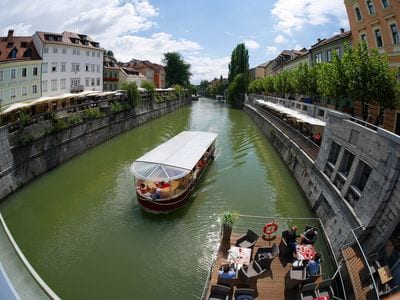
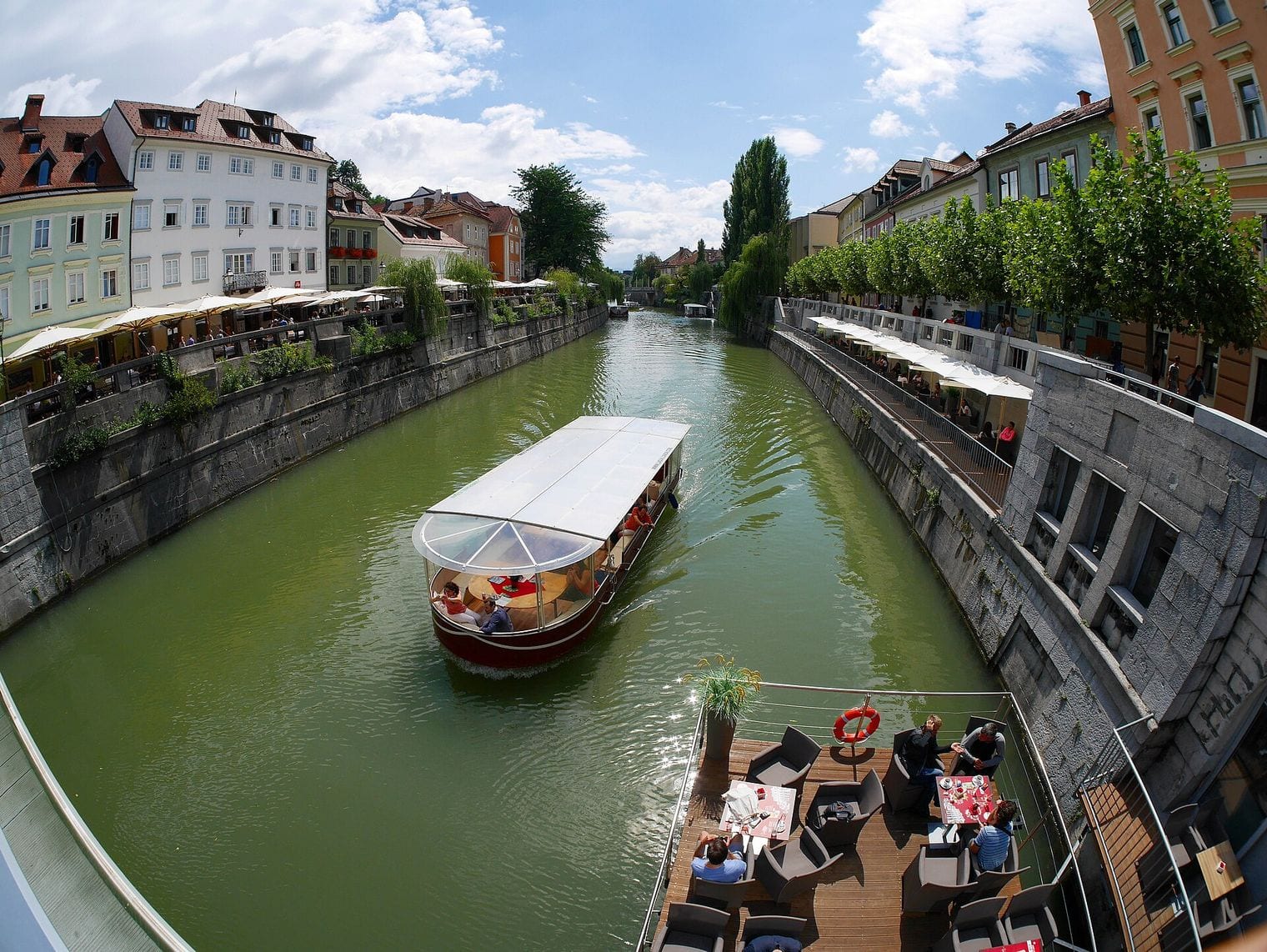
The tourist boat leaves from the Ribji trg pier, a few steps downstream of the Triple Bridge, and takes 45 minutes to run the loop through the centre and back. It is the easiest way to see Plečnik's embankment walls from the water — the willows, the stepped quays and the balustrades all read differently from below.
The route runs from the quiet green stretch at Park Špica down past the castle hill to the Dragon Bridge. Adults pay €15.82 booked online and children under twelve €8.44, and the boat sails year-round with a heated cabin through the winter. High water on the river is the only thing that reliably stops it.
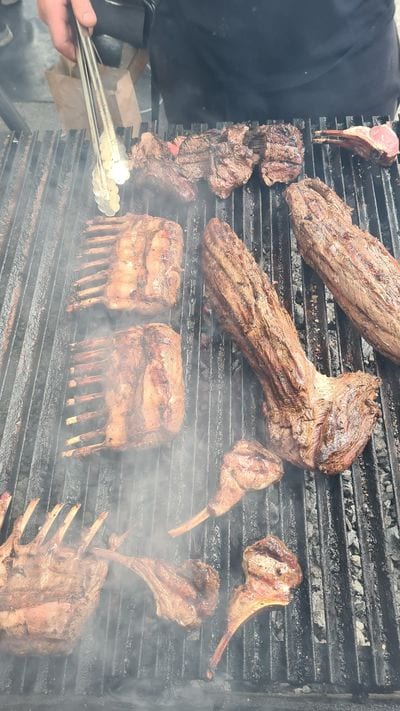
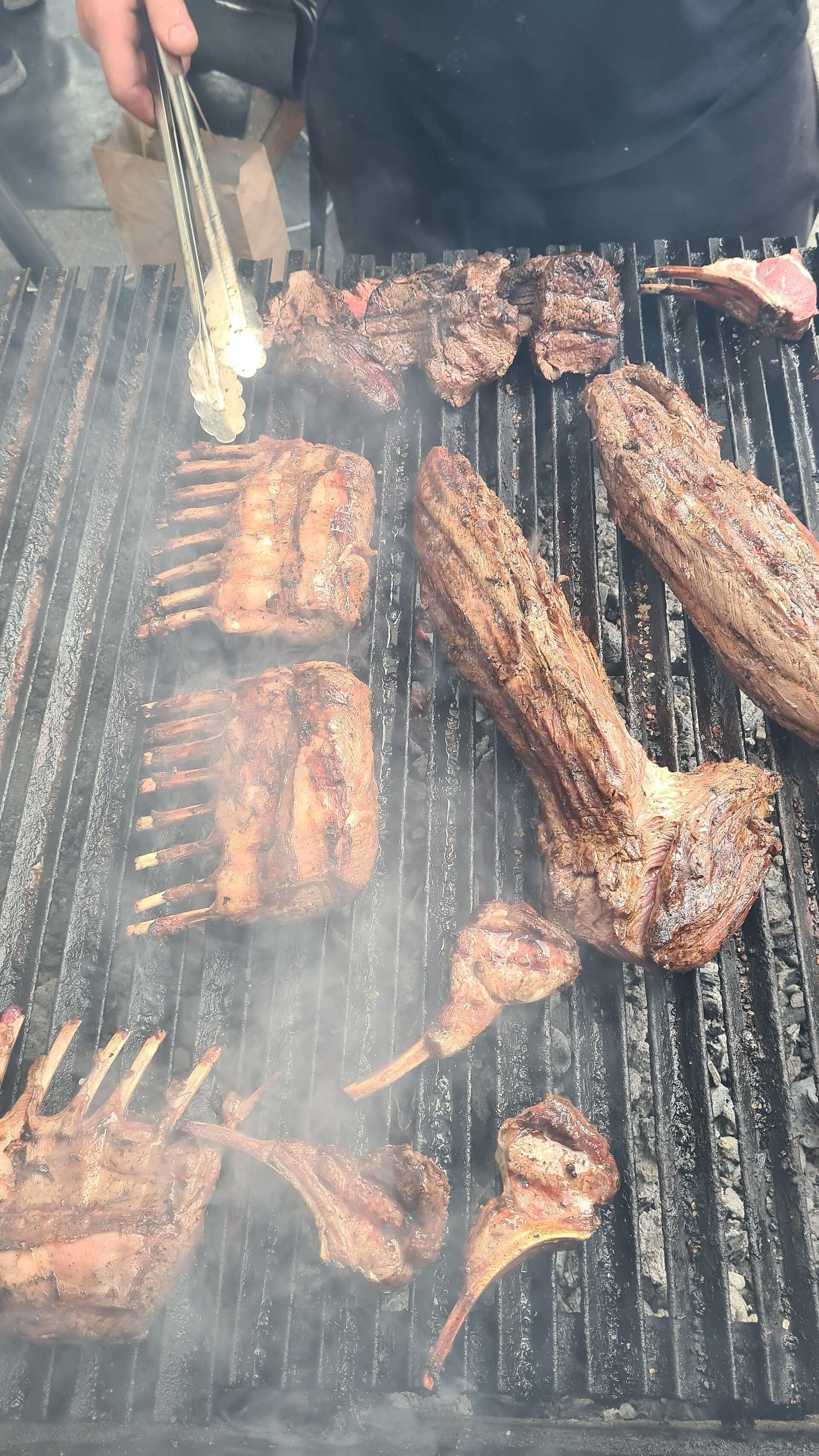
Every Friday from late March to the end of October, Open Kitchen fills Pogačarjev trg — the square behind the cathedral, beside the Central Market — with more than sixty stalls run by Slovenian restaurants, bistros and street-food kitchens. The 2026 season opens on 20 March and is the event's fourteenth.
It runs from 10am to 10pm, so it is lunch, an afternoon beer and dinner rather than a market you walk through, and the line-up rotates week to week across more than 280 dishes a season — traditional Slovenian cooking at one stall, something from the other side of the world at the next. One caveat worth knowing: it is cancelled outright in bad weather, so check the calendar before you build a day around it.
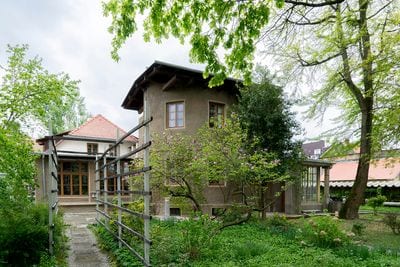
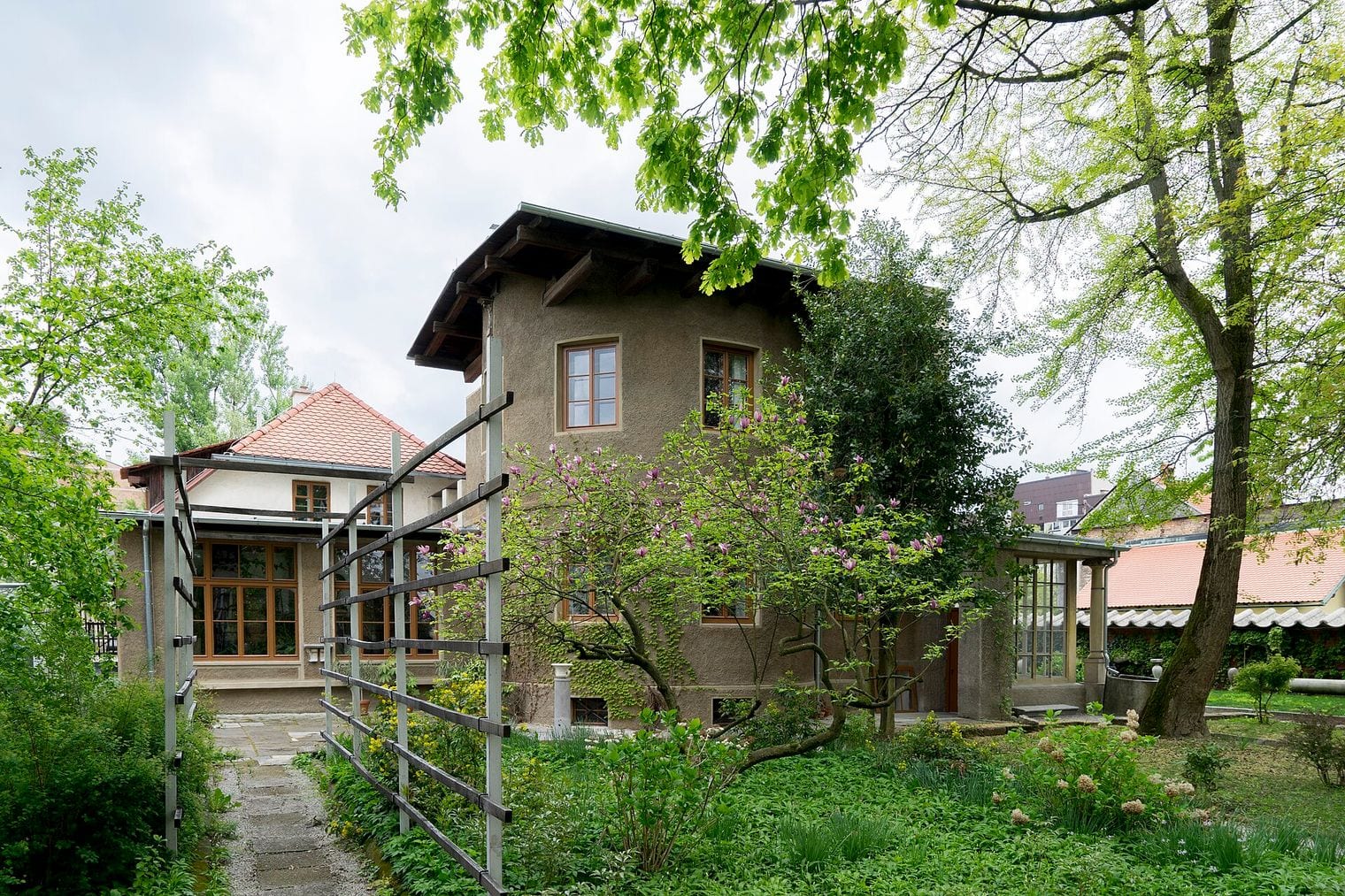
Plečnik House, in the Trnovo district south of the centre, is where Jože Plečnik lived from 1921 until his death in 1957 — and where he drew most of what the rest of this list is made of. He added a cylindrical extension to his brother's house, filled it with furniture of his own design and a small conservatory, and the rooms have been left essentially as he had them.
The house itself can only be seen on a guided tour, which leaves hourly in Slovenian or English depending on who has turned up; there is also a permanent exhibition next door you can visit on its own. The combined ticket is €12 and the exhibition alone €8, open Tuesday to Sunday, 10am to 6pm. The building was declared a monument of national importance in 2009.
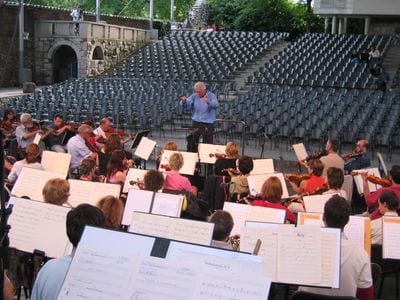
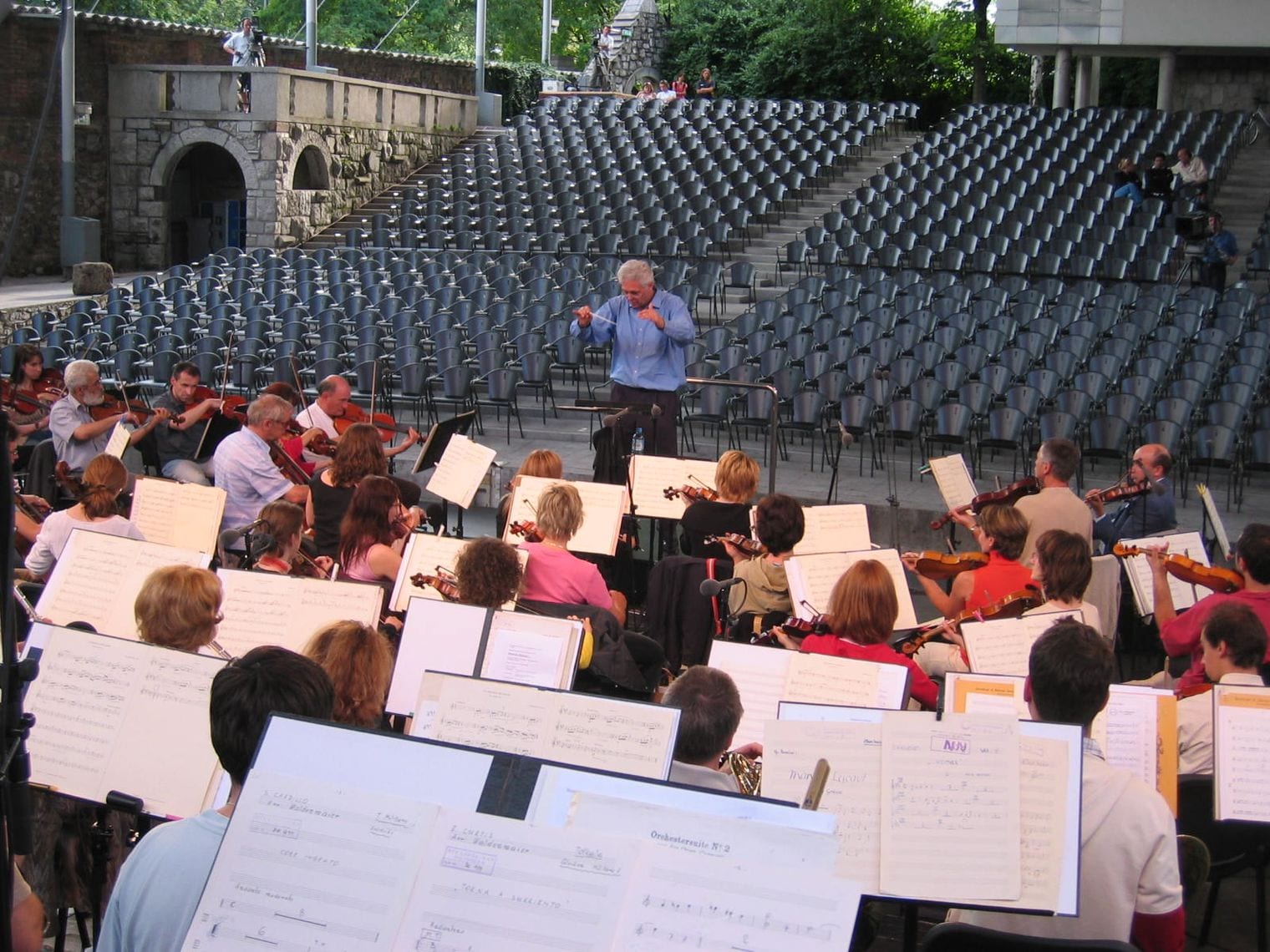
Križanke began as a thirteenth-century monastery of the Teutonic Order and ended as Plečnik's last major commission: between 1952 and 1956, in his eighties, he converted the complex into an open-air theatre without erasing what was already there. It sits on Trg francoske revolucije, five minutes south-west of Kongresni Trg.
The Ljubljana Festival runs its summer programme here, and the individual spaces are the draw: an entrance hall covered in sgraffito, the Knights' Hall in the old refectory, and the Devil's Courtyard, a small chamber-music yard strung with lights. Much of the complex can be looked at when nothing is being set up, but a summer concert ticket is the sure way in.
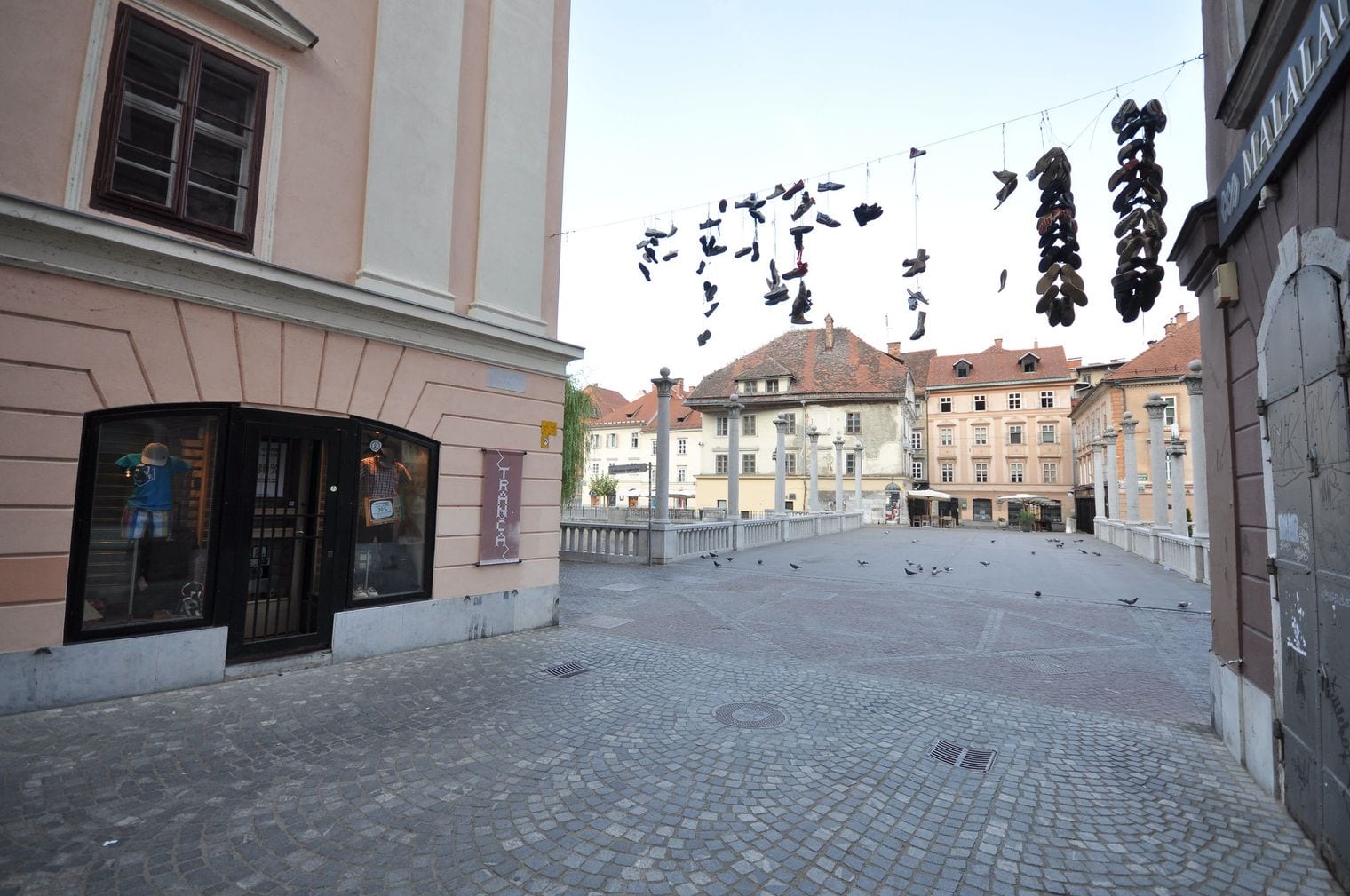
Cobblers' Bridge carries no traffic and no shops, which is the whole point of it: Plečnik built it between 1931 and 1932 as a public square that happens to span a river, ringed with two orders of stone columns holding up nothing but lamps. It replaced a covered wooden bridge lined with cobblers' workshops, which is where the name comes from.
It links Mestni trg on the old-town bank to Novi trg on the other, and it is the quietest of the central crossings — a wide deck, somewhere to sit, and a long view down the embankment walls Plečnik built at the same time. Like the Triple Bridge, it belongs to the Ljubljanica embankments-and-bridges component of the Plečnik ensemble UNESCO inscribed in 2021.
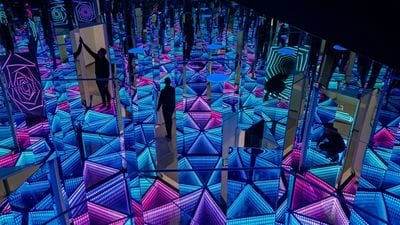
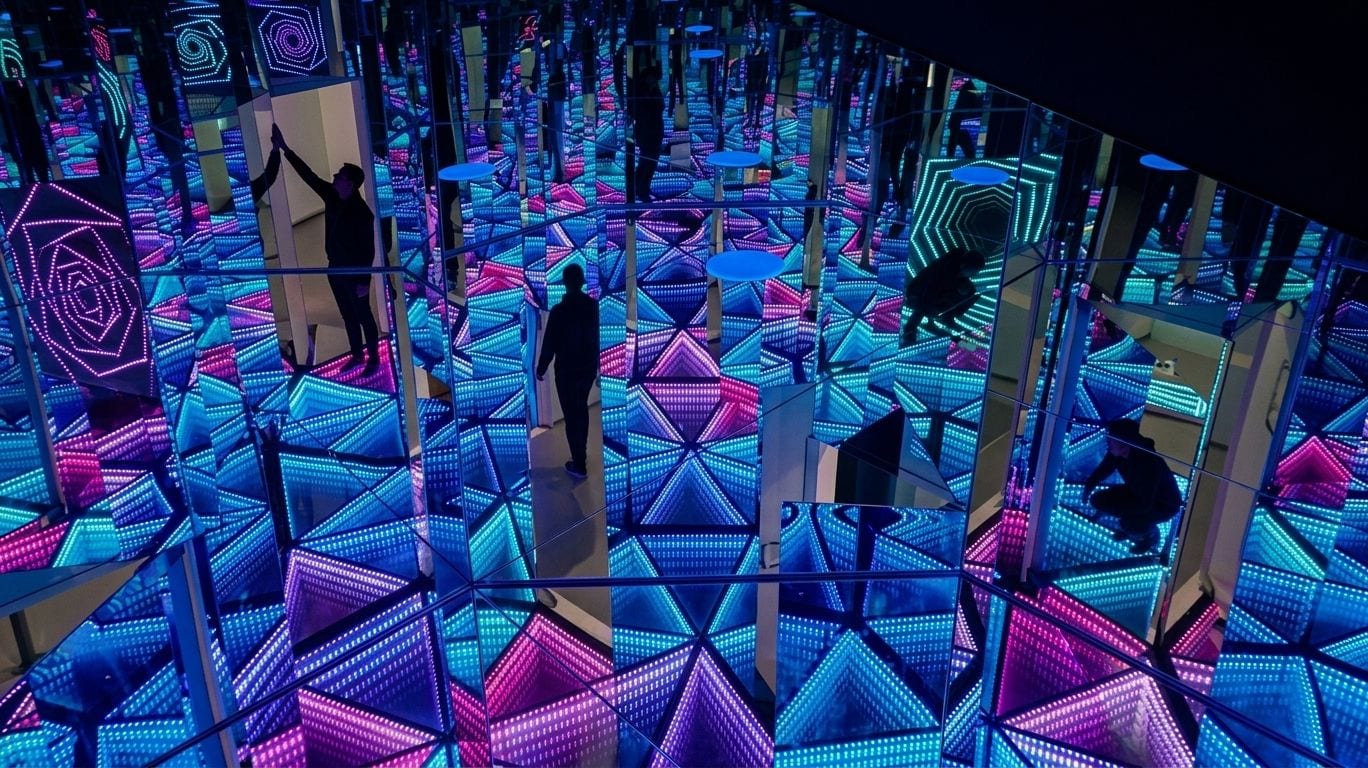
The House of Illusions on Kongresni trg packs more than seventy optical tricks into one townhouse: a room you appear to stand in upside down, a vortex tunnel that convinces you the floor is tilting, an infinity room, and the head-on-a-platter table everyone ends up photographing.
It is the obvious wet-afternoon stop with children, although the number of adults taking pictures of each other suggests it is not only for them. It opens 09:00 to 21:00 every day of the year with last entry an hour before closing; adults pay €16, children from five to fourteen €13, and two adults with two children €48.
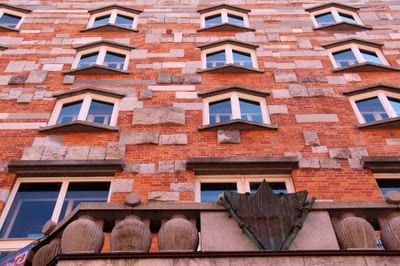
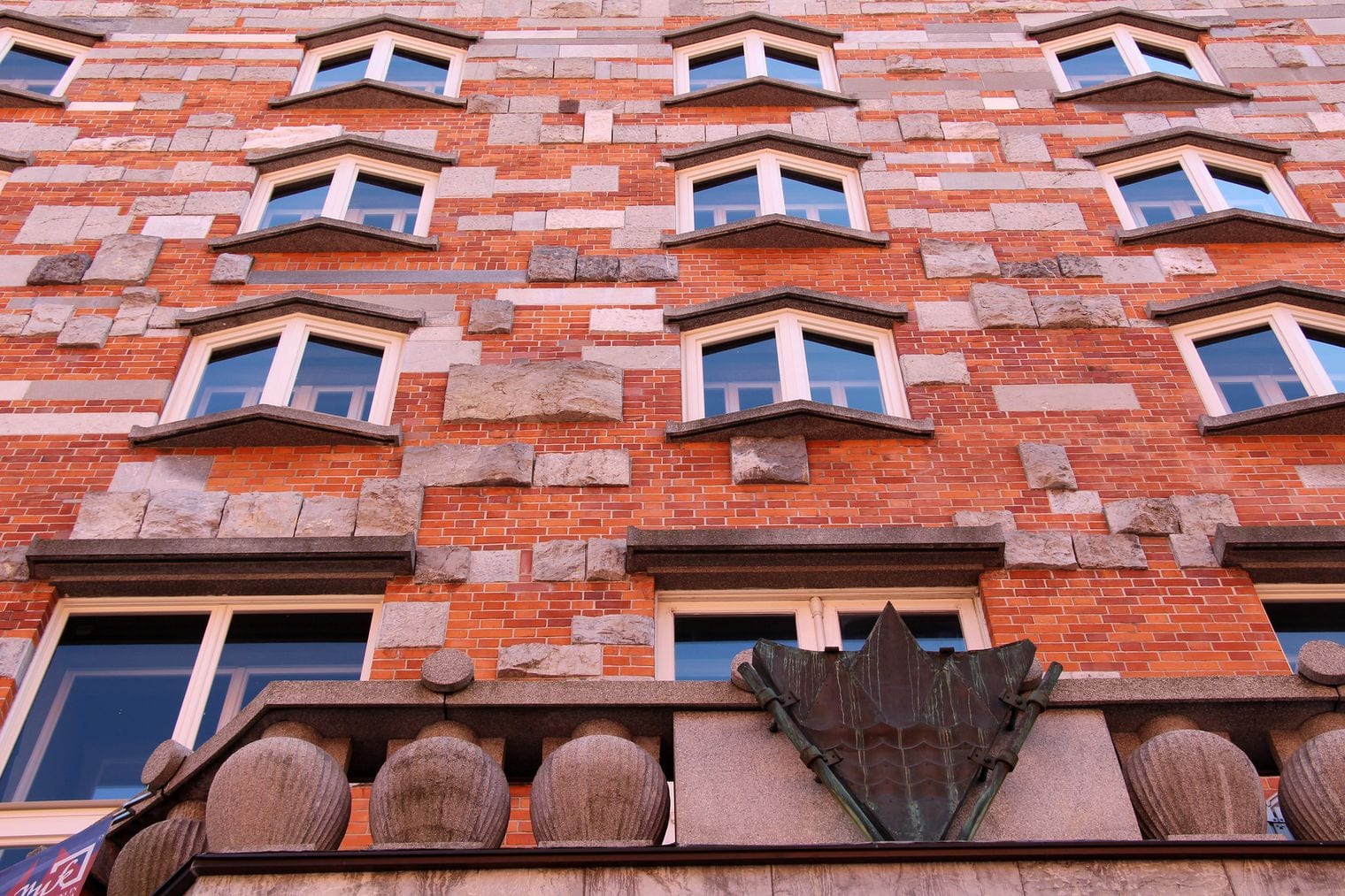
The National and University Library is generally reckoned Plečnik's masterpiece. Built on Vegova Street between 1936 and 1941, its façade sets rough grey blocks into red brick — an idea he took from the Palazzo Zuccari in Rome — and the main doors carry handles cast as the head of Pegasus, pulling you towards knowledge.
Push through them and you climb a dark, deliberately oppressive staircase of thirty-two black Podpeč marble columns that opens without warning into the light of the reading room. The whole building is one argument, in stone, about the ascent to learning. Visitors can see the staircase, the entrance hall and whatever is being exhibited; weekday groups need to register in advance, Saturdays do not. Vegova Street is one of the components UNESCO inscribed in 2021.
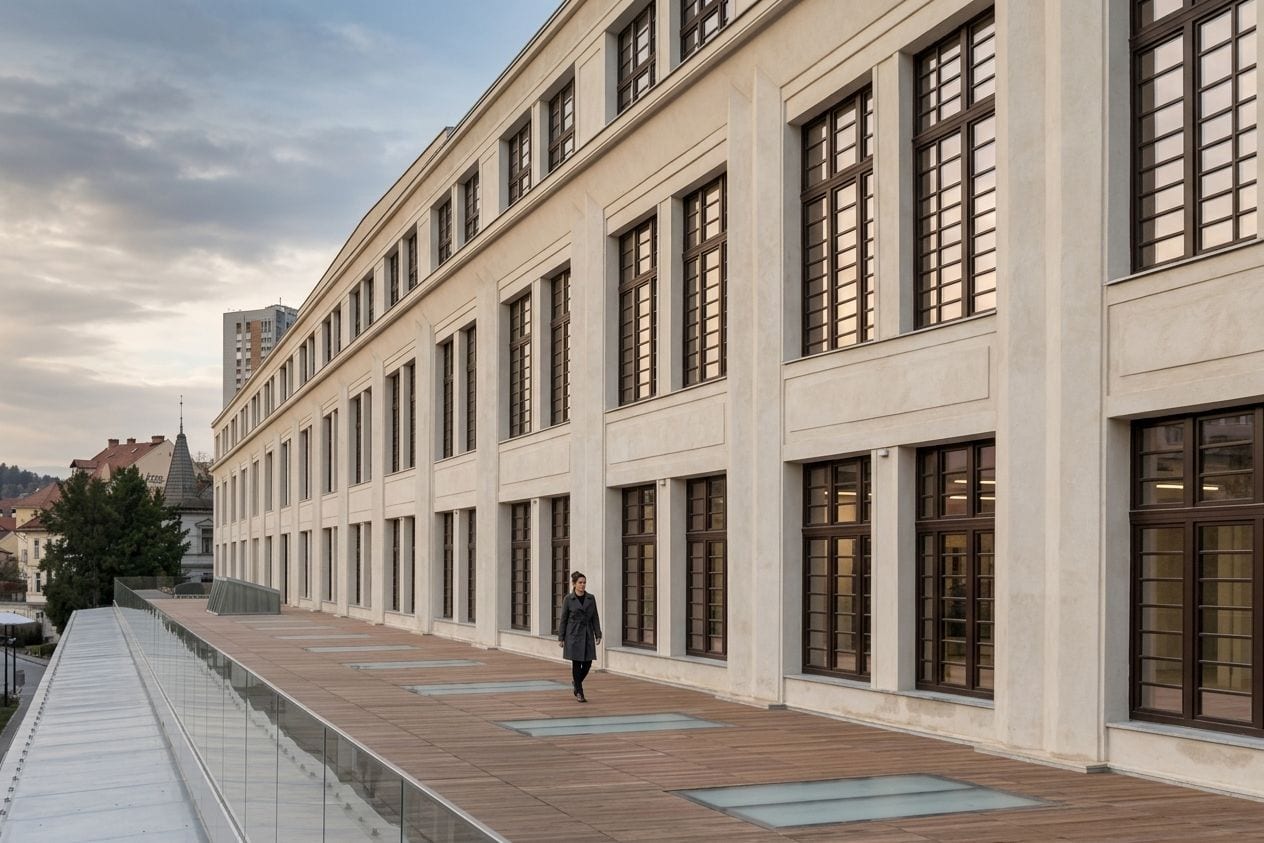
Centre Rog opened on 26 October 2023 in the old Rog factory at the far end of Trubarjeva cesta, the most characterful street in the centre. The building was a tannery, then a typewriter works, then the plant that turned out the Rog bicycles a generation of Yugoslavs learned to ride on — and after that it stood derelict and squatted for the better part of two decades.
What is in it now is nine production labs — textile, wood, metal, ceramics, 3D printing, a food lab — plus a library, a café, a bistro, a terrace and a garden. You do not have to be a member to walk in, eat, or sign up for one of the public workshops, and it is the most convincing answer Ljubljana has to "what is new here".
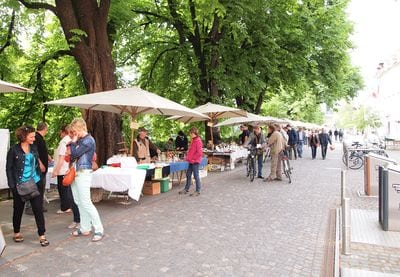
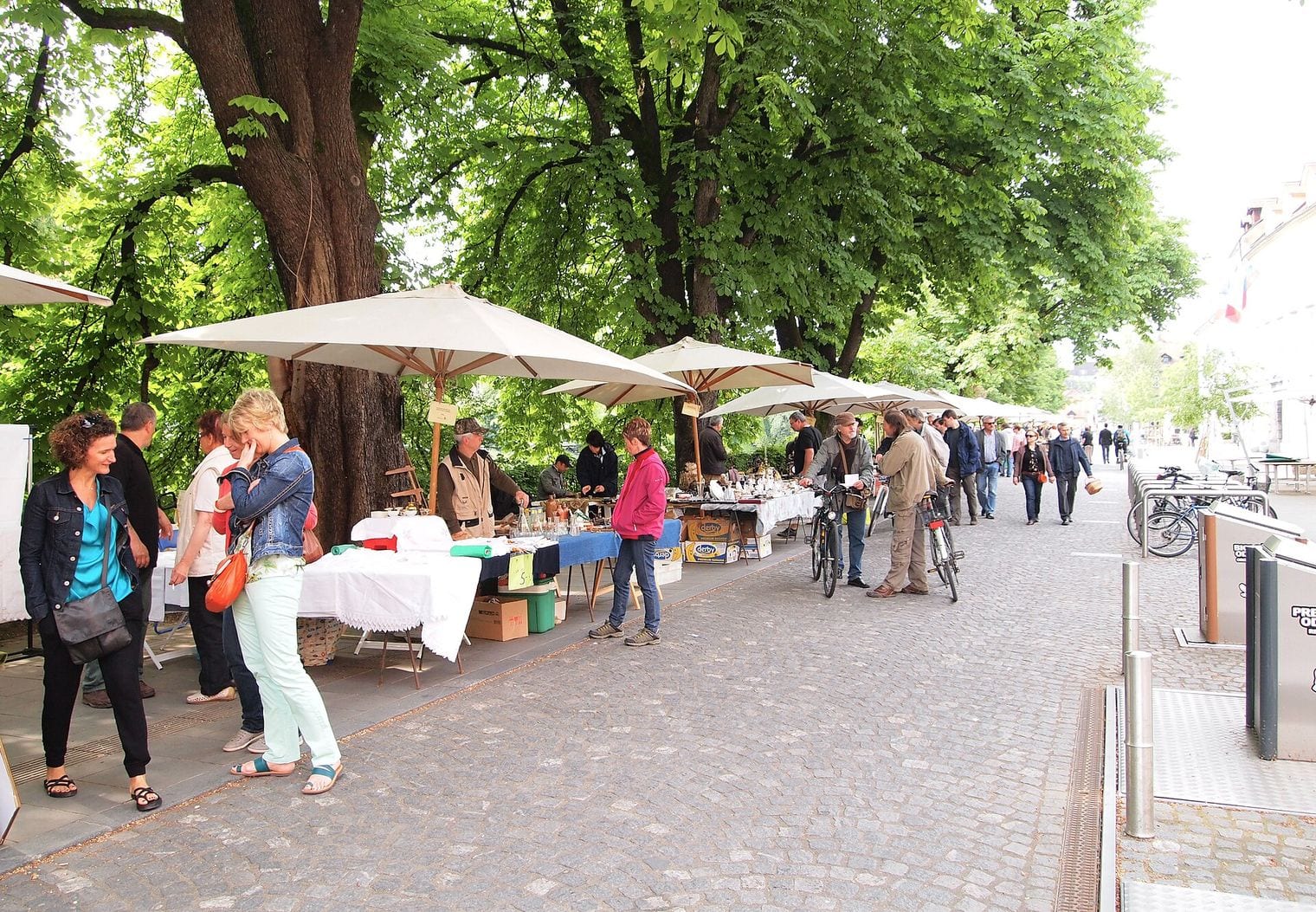
Every Sunday from 8am to 3pm the antiques and flea market takes over Breg, the embankment just upstream of Cobblers' Bridge. It is antiques at one end of the scale and Yugoslav-era bric-a-brac at the other, with old prints, vinyl, tools and furniture in between.
It is the one reliably local scene in the middle of the tourist centre, it runs all year, and prices still move if you ask. Two things to plan around: heavy rain thins it out early, and for a few weeks from late November to the end of December it moves up to Kongresni trg while the festive fair has the embankment.
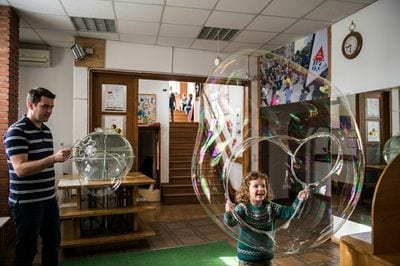
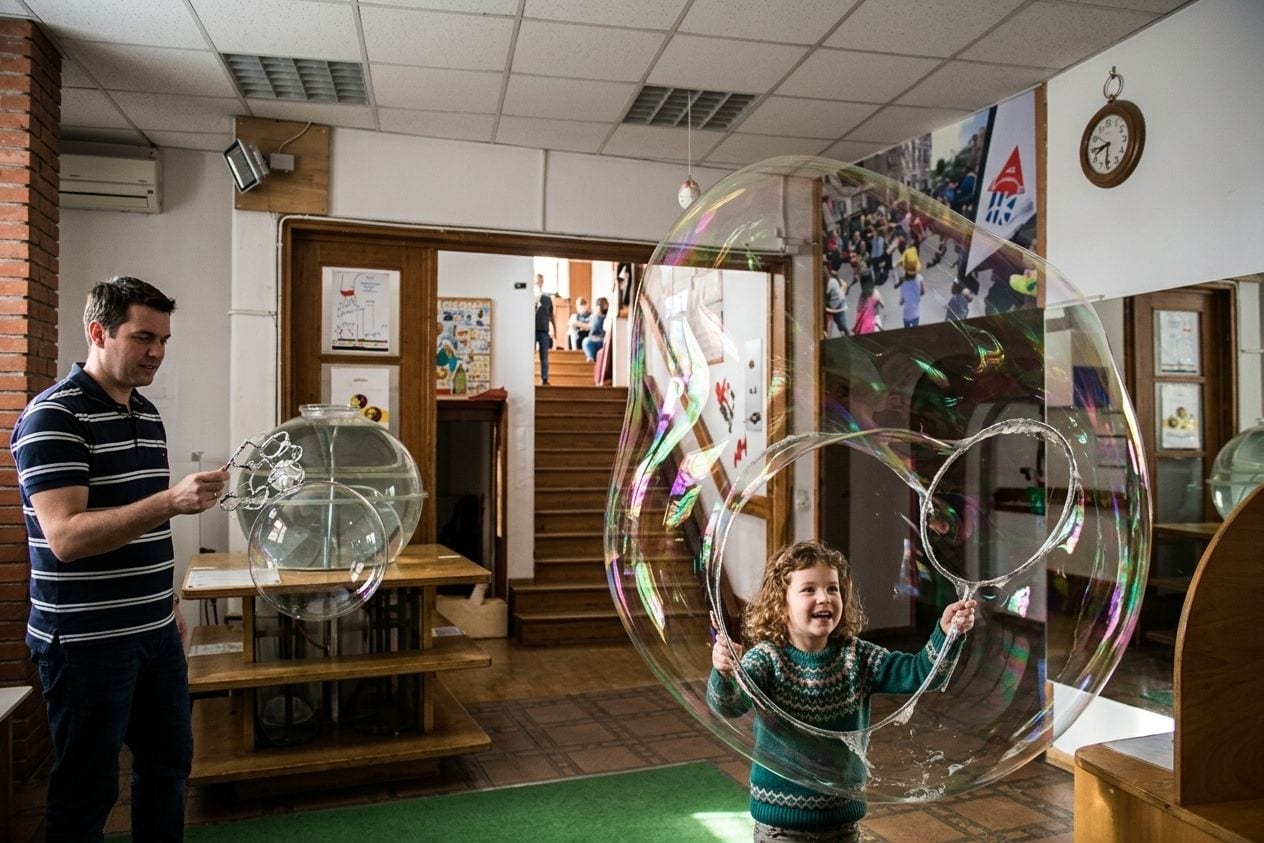
Hiša eksperimentov — the House of Experiments — is a small hands-on science centre on Trubarjeva cesta with, as it likes to point out, no "do not touch" signs anywhere in it. Around sixty exhibits cover light, sound, mechanics, perception and optical illusion, and every one of them is built to be pressed, spun or pulled apart.
The other half of it is the live shows, billed as Science Adventures and given names like Bubbleology and Soundology, in which a demonstrator turns the physics into a performance. It is aimed at children but pitched so the adults with them are not bored, and an hour or two covers it. The hours are short and worth checking first — Tuesday to Thursday 10am to 1pm, weekends 10am to 6pm.
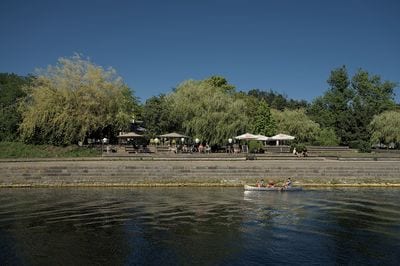
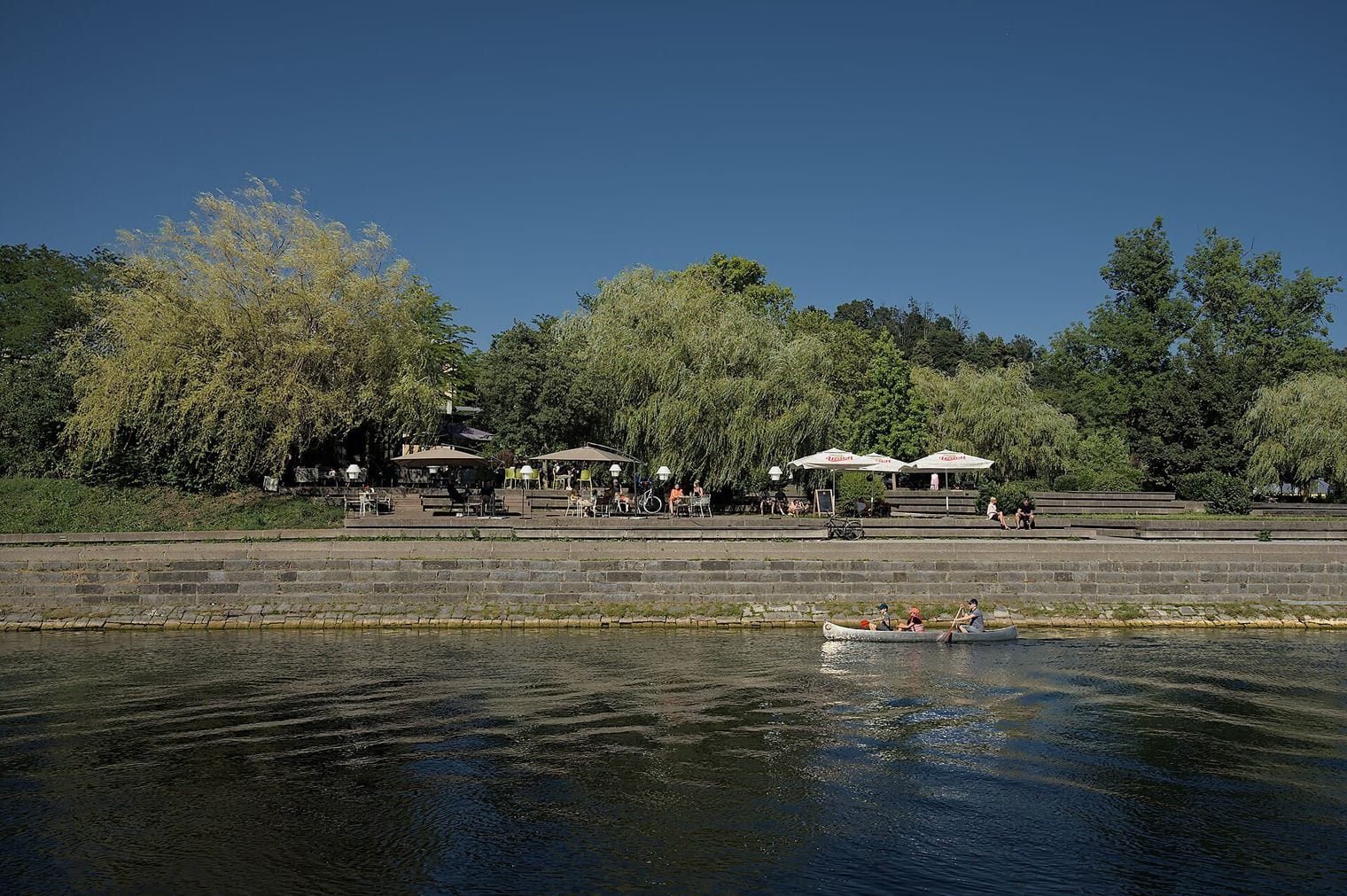
Park Špica is the wedge of embankment where the Ljubljanica leaves the marshes and enters the city — the name means "pointed tip". It was the town beach before the war and has been remade as a public park, with wide wooden decks stepping down to the water and the whole thing facing south.
On the first warm day of the year this is where Ljubljana goes: students lying on the boards, swimmers who probably should not be, and a long row of people simply sitting in the sun. Hladnik's Footbridge, a 38-metre pedestrian span opened in 2009, crosses from here to the Botanični vrt, and it is a ten-minute walk back into the old town.
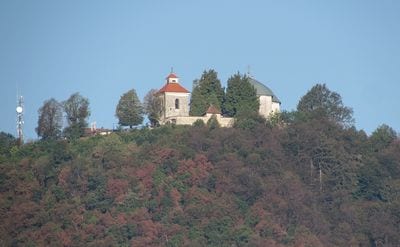
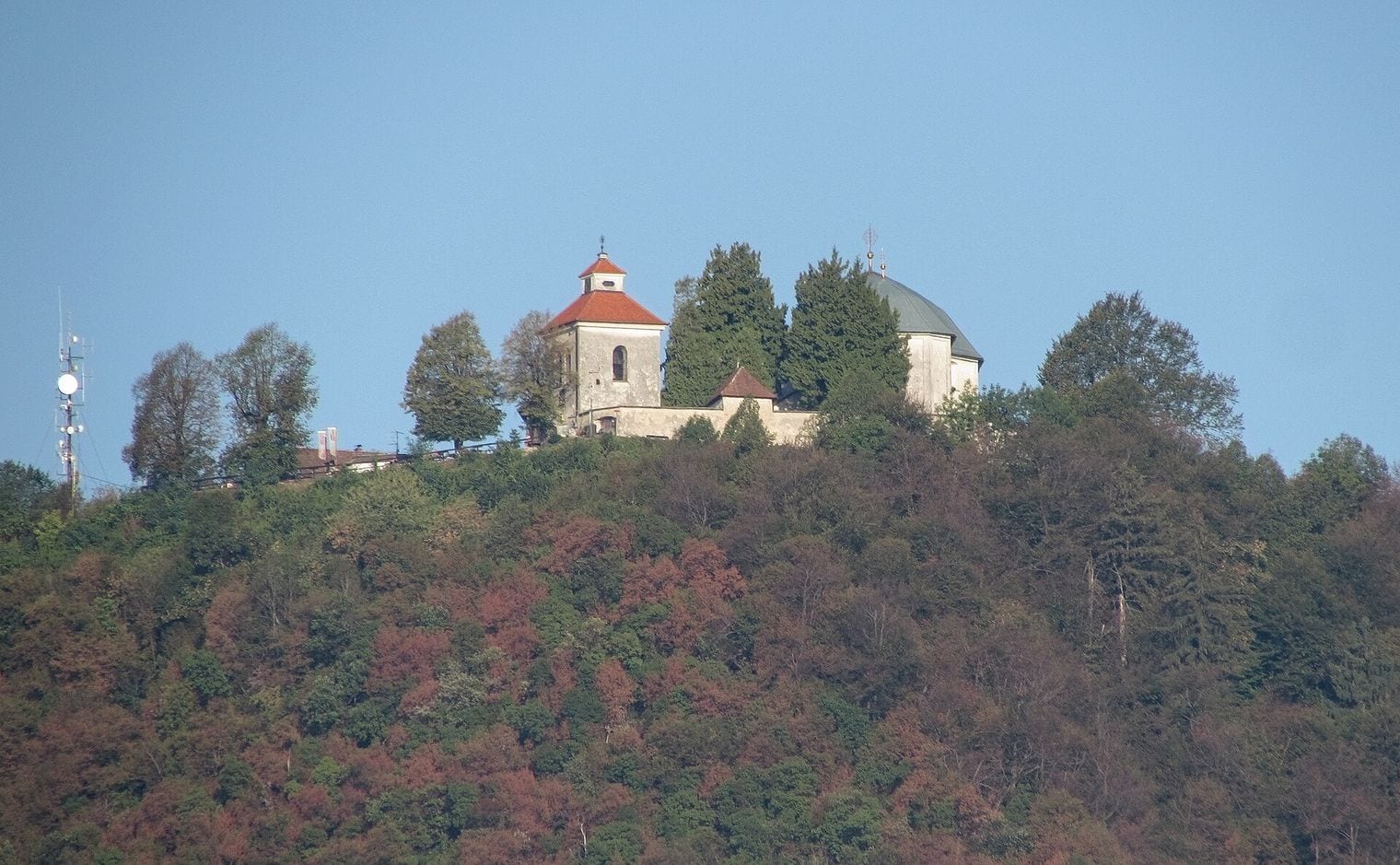
Šmarna Gora is the hill Ljubljana climbs — 664 metres, about nine kilometres north of the centre, and busy with locals on any half-decent morning. Fifteen waymarked routes go up it, and depending which one you take the ascent runs from half an hour to a little over an hour; a 4.5-kilometre nature trail comes over the neighbouring peak of Grmada.
At the top there is a Baroque church of the Mother of God from the first half of the eighteenth century, a plague column, an inn that has been feeding walkers for generations, and a wishing bell people queue to ring. The view takes in the Kamnik and Julian Alps, the whole Ljubljana basin below, and the Dolenjska hills away to the south-east.
Cukrarna was founded in 1828 as a sugar refinery and by the middle of the century was the largest in the Habsburg empire. It burned on 25 August 1858 — the six-storey building went on burning for six days, and molten sugar ran into the Ljubljanica until the river was black and sweet — and it was never a factory again.
What it became was cheap rooms, and at the end of the century a landlady there let them to the poets of the Slovene Moderna: Ivan Cankar and Oton Župančič lived in the building, and Dragotin Kette and Josip Murn both died in it.
The shell stood empty for another century until a 2018–2021 rebuild hung a new structure inside the old brick walls. It reopened in September 2021 as the city's contemporary art gallery — Tuesday to Sunday, 10am to 7pm, with some shows free and the headline one around €10.
Plan your trip
Best Time to Visit Ljubljana
Late spring and early autumn are the best windows. May, June and September bring warm days, open terraces along the river and comfortable walking weather, without the heat or the crowds of high summer. Autumn has the added draw of the harvest season in the surrounding wine regions, and the trees in Tivoli Park turn while the days are still long enough for an evening stroll.
July and August are hot and busy, though the city empties somewhat in late summer as locals head for the coast and the mountains — the castle hill and the parks stay shaded and bearable. Winter is cold, often foggy, and genuinely atmospheric: the old town and the riverbanks are lit through December, the museums are quiet, and the Alps are an hour away for skiing. Some riverside terraces close for the coldest months.
Getting to Ljubljana
Ljubljana Jože Pučnik Airport sits about half an hour north of the city and handles the direct flights, though the route network is modest for a capital. Many visitors fly instead into a larger nearby hub and drive or take a bus: Venice, Trieste, Zagreb, Klagenfurt and Vienna are all realistic options, with the closest of them roughly two hours away by road.
By car, the A1 motorway runs southwest towards the coast and northeast towards Maribor, while the A2 connects north through the Karawanks tunnel into Austria and southeast towards Zagreb — a motorway vignette is required before you drive on either. Trains and long-distance buses arrive at adjacent stations just north of the centre, with direct rail links to Zagreb, Villach and Vienna, and the bus network filling in the routes trains do not cover.
Getting Around Ljubljana
Ljubljana is one of the easiest European capitals to manage on foot. The centre is pedestrianised, the main axis through town is closed to private cars, and almost everything in this guide sits within about twenty minutes' walk of the Triple Bridge. The Ljubljanica is the natural spine — keep the river on one side and you will not get lost.
A car is a liability in the centre and unnecessary for a short visit; if you arrive with one, use a garage or a park-and-ride on the ring road and leave it there.
City buses cover the outer districts and run on a rechargeable card bought at kiosks rather than cash on board, there is a public bike-share scheme with stands across the centre, and small electric carts ferry people around the pedestrian zone free of charge. The castle is the one climb, and the funicular removes even that.
Where to Stay in Ljubljana
The old town — the curve of Mestni trg, Stari trg and Gornji trg beneath the castle — puts you in the middle of everything, with the market, the bridges and the riverside restaurants on your doorstep. It is the most atmospheric base and the most walkable, though the riverside bars mean summer nights can be noisy. Immediately across the water, the streets around Prešeren Square and Kongresni trg offer the same access with a little more calm.
For somewhere quieter, Trnovo and Krakovo just south of the centre are low-rise, leafy residential districts a ten-minute walk from the old town, with a good neighbourhood restaurant scene of their own. The area around the train and bus stations is the practical choice for an early departure or a late arrival, and Bežigrad, north of the centre, is a straightforward residential district that trades charm for value and easy parking.
Where to Eat in Ljubljana
The riverbanks between the Triple Bridge and the Dragon Bridge are the obvious dining strip, with terraces stacked along both embankments. Trubarjeva cesta, running east from the centre, is where the more independent and international places cluster, while Eipprova ulica in Trnovo is the local favourite — a short street of bars and restaurants that fills with residents rather than visitors.
The Central Market is the place to graze in the morning, and in the warmer months the squares around it host an open-air street-food gathering on Fridays.
Slovenian cooking borrows from every neighbour, so the range is wider than the country's size suggests. Look for štruklji, rolled dumplings served either savoury or as a dessert, and potica, a rolled nut cake that turns up everywhere at holidays.
Carniolan sausage is the national staple, jota and ričet are the hearty bean-and-barley stews of the colder months, and the Idrija region contributes its own small filled dumplings. The country makes serious wine in both the east and the west, and Ljubljana has a strong craft beer scene to go with it.
Day Trips from Ljubljana
Ljubljana's position in the middle of a small country is its great practical advantage: almost everything in Slovenia is a day trip. Lake Bled is about forty-five minutes northwest, with its island church and clifftop castle, and quieter Lake Bohinj lies half an hour beyond it inside Triglav National Park.
To the southwest, Postojna Cave is around forty minutes away and pairs naturally with the cliff-mouth castle at Predjama, while the UNESCO-listed Škocjan Caves and their underground canyon are a little further along the same road.
The Adriatic coast is roughly an hour and a half southwest, which makes the Venetian old town of Piran a comfortable if long day out. Closer to hand, Kamnik and the Kamnik–Savinja Alps sit under an hour north for mountain scenery without the Bled crowds. Zagreb is about two hours southeast over the border and works as a full day if you want a second capital, and Trieste and the Italian border are a similar distance west.
Before you go
Mobile dataAn eSIM gives your phone local data when you land, with no SIM card to swap.via AiraloGet an eSIM
Airport transferA driver meets you at arrivals and takes you to your hotel, at a price fixed when you book.via Welcome PickupsBook a transfer
We may earn a commission when you buy through these links, at no extra cost to you. How we make money.
One Day in Ljubljana
Morning
Start at the Central Market while it is busy, walking the riverside colonnade end to end, then step into the Roman Catholic Cathedral of St. Nicholas next door to see the bronze doors and the frescoed interior. From there the Dragon Bridge is two minutes north and The Butchers' Bridge two minutes south, so you can take in both before the day warms up.
Ride the Ljubljana Castle Funicular up to Ljubljana Castle, climb the viewing tower for the full circle over the city and the Alps beyond, then walk back down through the woods into the old town. Come out at Town Square for the Town Hall courtyard and the Robba Fountain, then cross the Triple Bridge onto Prešernov trg — the classic Ljubljana view, and a good place to stop for coffee.
Continue west through Kongresni Trg and into Tivoli Park for the Jakopič Promenade while the light is good. As it gets dark you have a choice: a performance at SNG Opera in balet Ljubljana a few minutes away, or the entirely different atmosphere of AKC Metelkova mesto, where the courtyard venues get going late.
Tivoli Park and its open-air photography promenade are free to wander, AKC Metelkova mesto can be walked through at any hour, Rimski zid na Mirju is an open public monument, and the Roman Catholic Cathedral of St. Nicholas is free to enter outside services. Walking up to the castle grounds costs nothing either — only the tower and the exhibitions are ticketed.
Ljubljana is best known for its dragons and its architecture. The Dragon Bridge carries the creature that appears on the city's coat of arms, and Jože Plečnik's remodelling of the city — the Triple Bridge, the riverside Central Market colonnade and much else — was added to the UNESCO World Heritage list in 2021. Ljubljana Castle above the old town and the squatted art quarter at AKC Metelkova mesto complete the picture.
How many days do you need in Ljubljana?
Two days covers the city comfortably: one for the old town, the castle and the bridges, and a second for the museums, Tivoli Park and Metelkova.
A third day is worth adding if you want to slow down or use the city as a base, since Lake Bled, Postojna Cave and the coast are all close enough to visit and return the same evening. Even a single day is enough for the headline sights, because so little of the centre is spread out.
What can you do in Ljubljana for free?
Most of the centre. All three river bridges in this guide, the main squares, Town Square and the Town Hall courtyard, Tivoli Park and its outdoor photography promenade, the Roman wall at Mirje and the whole of Metelkova cost nothing. The cathedral is free to enter outside services, and you can walk up to the castle grounds without a ticket — you only pay for the viewing tower, the exhibitions and the funicular.
Is Ljubljana walkable?
Unusually so, even by European standards. The historic centre is pedestrianised and the main road through town is closed to private cars, so the old town, the squares, the river and the market all connect on foot. Nearly every attraction in this guide is within about twenty minutes' walk of the Triple Bridge, and the only real climb, up to the castle, has a funicular if you would rather not walk it.
When is the best time to visit Ljubljana?
Late spring and early autumn — roughly May to June and September to early October — give you warm days, open riverside terraces and thinner crowds than midsummer. Summer is hot but lively, and winter is cold and often foggy, though the lit old town is atmospheric and the Alps are close enough for a day on the snow. The city is small enough that weather rarely ruins a visit, since the museums are all central.