We build and rank every list first. Booking links come after, and only where
a partner sells a ticket, tour or stay for that exact place, so a place with
nothing to book is listed exactly as prominently as one you can book.
So how do we earn? Some links on this page go to booking
partners, and if you book tickets, tours or a stay through
one, we may earn a commission. It costs you nothing extra.
That commission never decides which places make the list, the order they
appear in, or what we write about them. No entry is sponsored or a paid
placement.
28 Best Things to Do in Columbia, South Carolina (2026)
By the City Viking editorial teamPublished 28 places · 19 min read
Fact-checked Checked before launchOct 15, 202628 sources21 publishers2 government & parks5 encyclopedias & research21 venues & other sitesPublished · Oct 15, 2026Researched and checked before it went liveClick for every source and the full change log.
Short answer
Columbia is known for being South Carolina's planned capital, the University of South Carolina and its Gamecocks, and Fort Jackson, the Army's largest basic training installation. Start with Riverbanks Zoo and Garden, a tour of the State House and, on a Saturday morning, Soda City Market on Main Street. Two days covers downtown, the museums, the riverfront and the historic house museums; add a third for Congaree National Park.
Columbia was laid out in 1786 as South Carolina's new capital, on high ground where the Broad and Saluda rivers meet to form the Congaree. Today the state's government, the University of South Carolina and a busy Main Street share a compact, walkable downtown with miles of riverfront trails at its edge.
This guide covers 28 of the best things to do in Columbia, from Riverbanks Zoo and the State House to historic house museums, Saturday markets and Gamecock game days. Plan two days for the city itself, and a third if you add Congaree National Park.
Map of Things to Do in Columbia, South Carolina
Things to Do in Columbia, South Carolina
Things to Do in Columbia, South Carolina at a Glance
Columbia was created as a planned capital in 1786, when the General Assembly moved the seat of government inland from Charleston to a central site on the Congaree River.
The nickname "Soda City" comes from "Cola", the local shorthand for Columbia, and it gives the Saturday Soda City Market its name.
Six bronze stars on the State House mark where Union artillery shells struck the unfinished building in February 1865; the General Assembly placed them in 1929.
The city grew up where the Broad and Saluda rivers meet to form the Congaree, which flows on through Congaree National Park southeast of town.
The Governor's Mansion was the only building of the Arsenal Academy to survive the burning of Columbia in 1865, and it has housed South Carolina's governors since 1868.
Columbia's Fort Jackson is the U.S. Army's largest basic training installation, and it has trained soldiers on the city's east side since 1917.
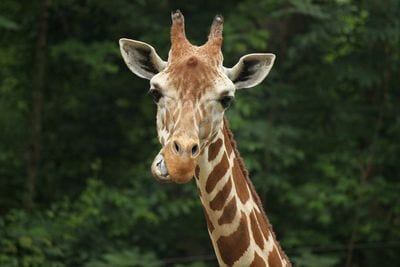
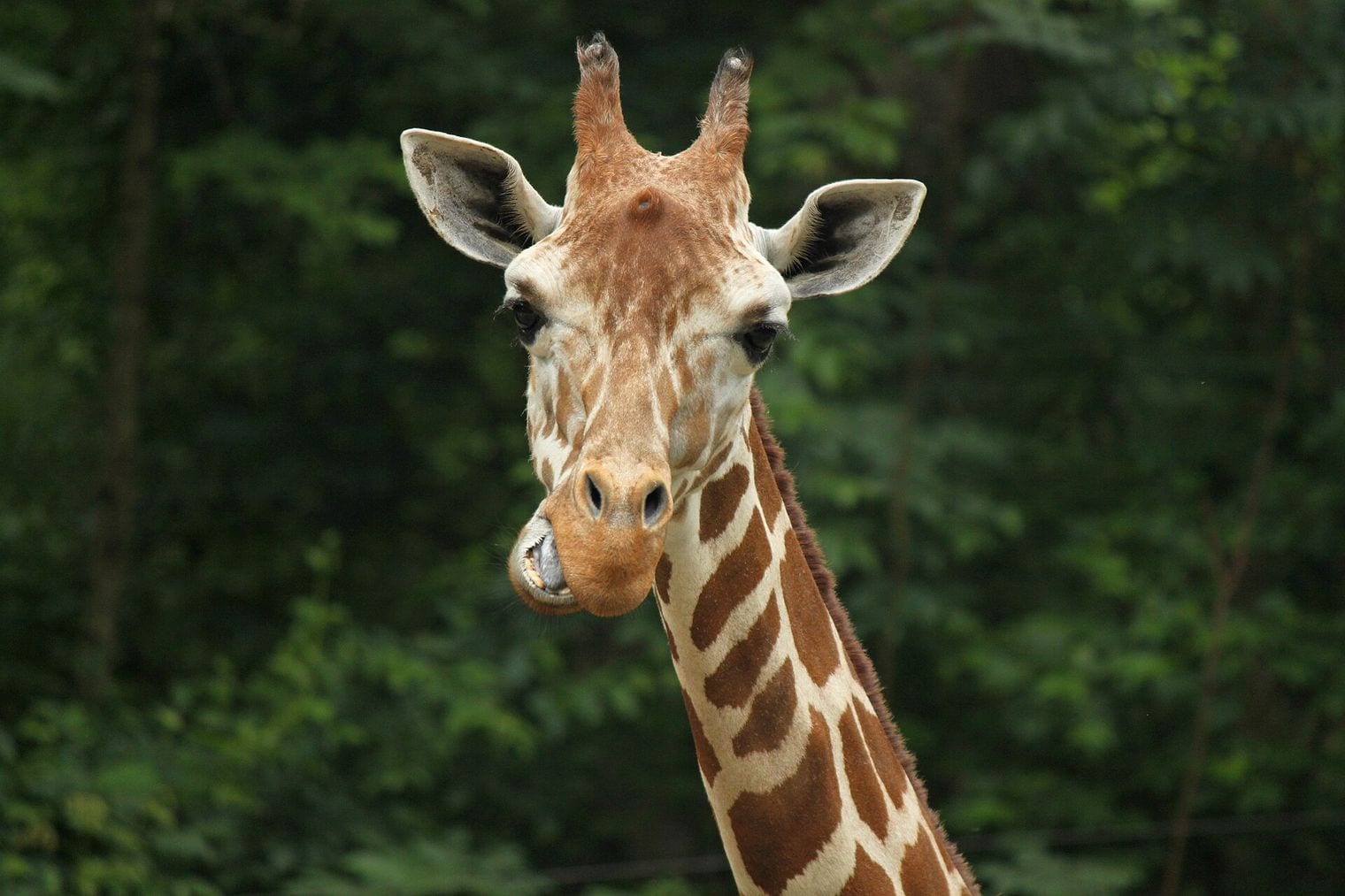
Riverbanks Zoo and Garden is Columbia's headline attraction, a 170-acre zoo, aquarium and botanical garden spread along the Saluda River just west of downtown. The zoo side mixes African savanna, aquarium and reptile complex and farm exhibits, and it is an accredited member of the Association of Zoos and Aquariums.
A footbridge crosses the river to the botanical garden on the West Columbia bank, with walled gardens, woodland paths and river overlooks on the same ticket. Families should save time for Waterfall Junction, the children's play garden inside, and arrive early on warm days when the animals are most active.
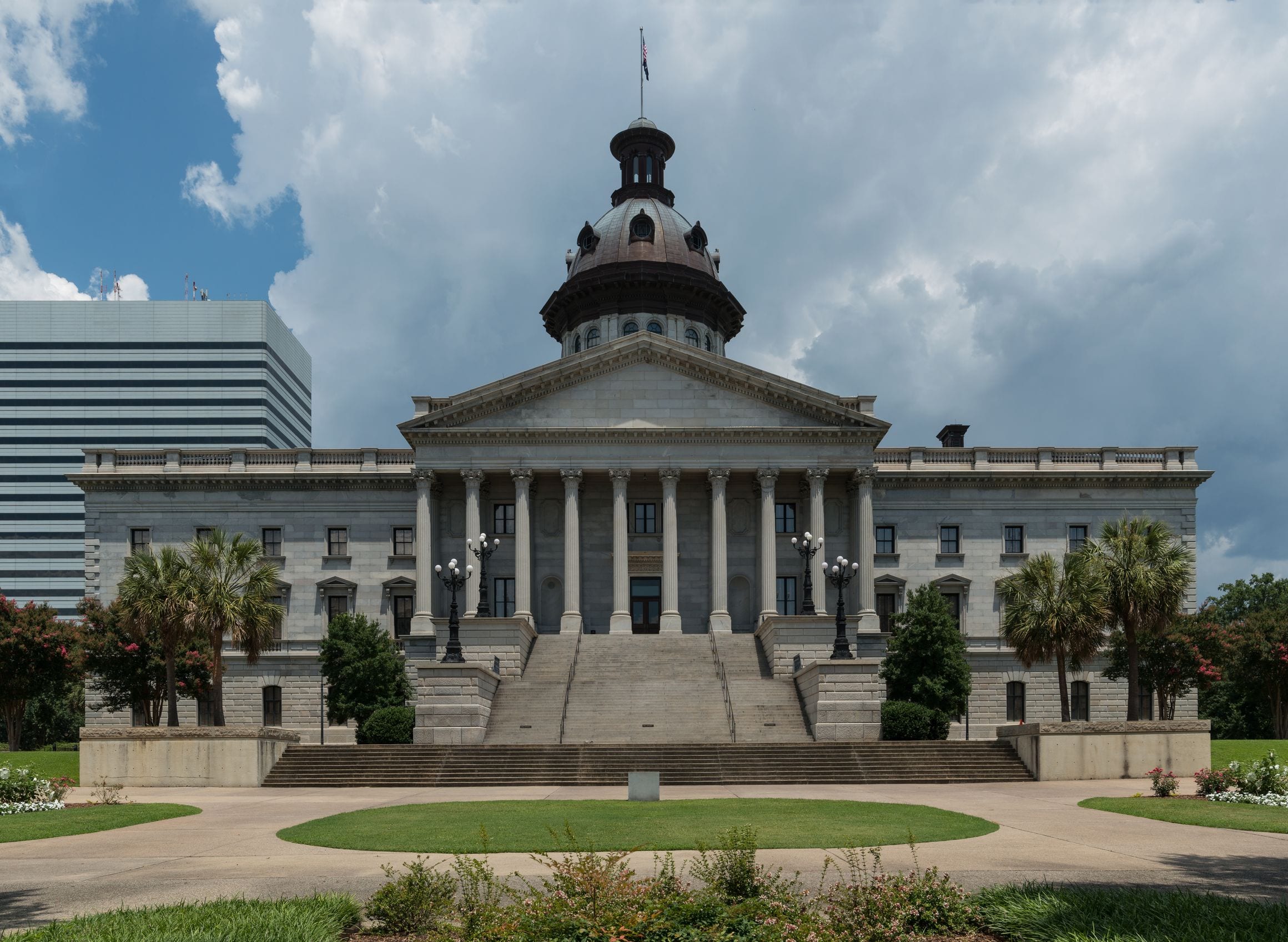
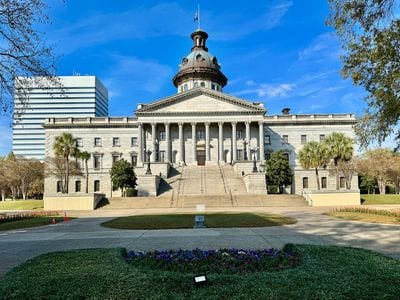
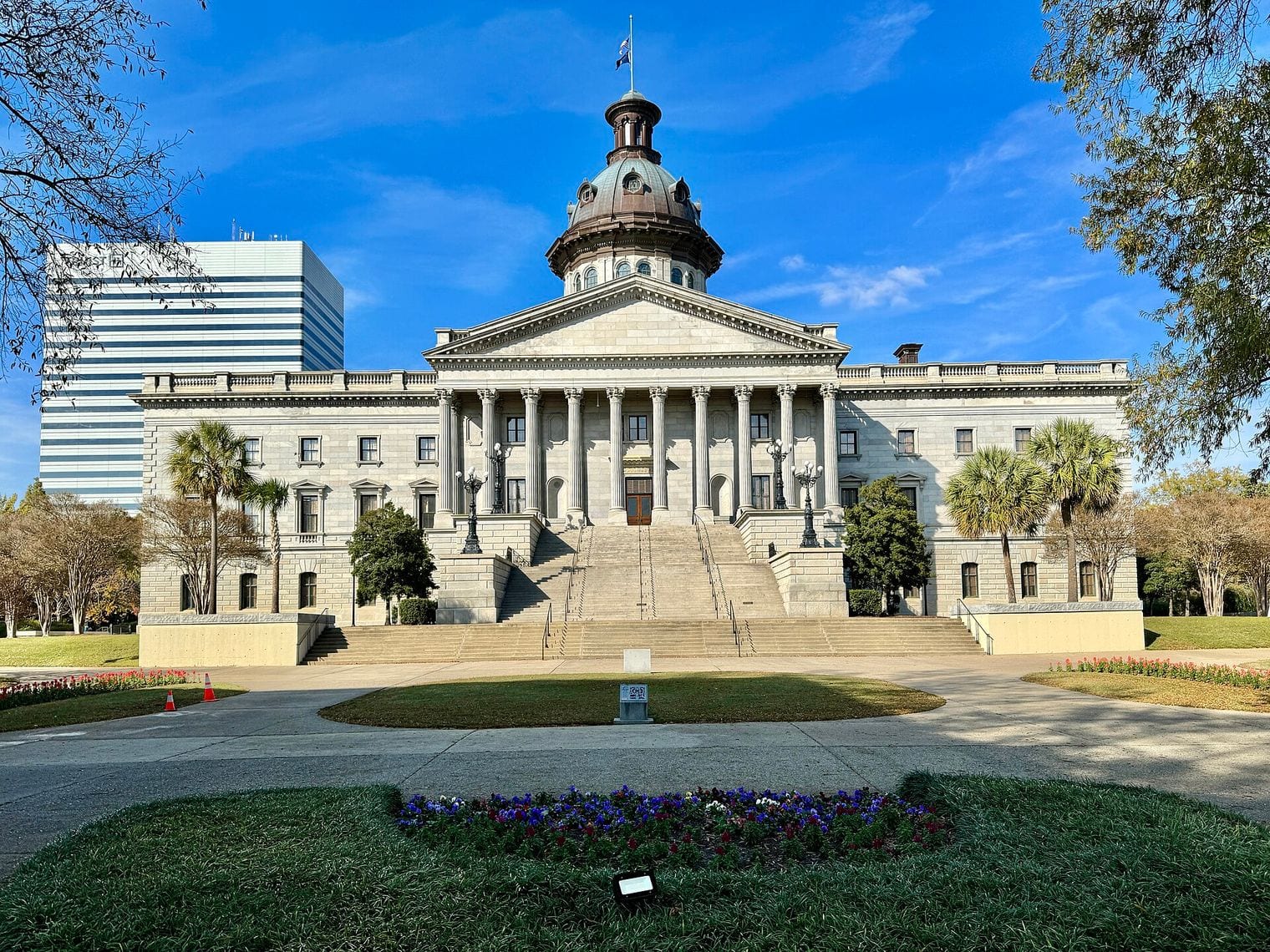
The South Carolina State House is the copper-domed Classical Revival capitol at the head of Main Street, home to the General Assembly and the governor's office. Construction began in 1855 and was interrupted by the Civil War, and six bronze stars on the west and southwest walls mark where Union artillery shells struck the unfinished building in February 1865.
Free guided tours take in the legislative chambers and the lobby, and the surrounding grounds work as an outdoor museum of monuments and memorials. It sits at the heart of downtown, so pair it with Main Street, Trinity Episcopal Cathedral across Sumter Street and the University of South Carolina a few blocks south.
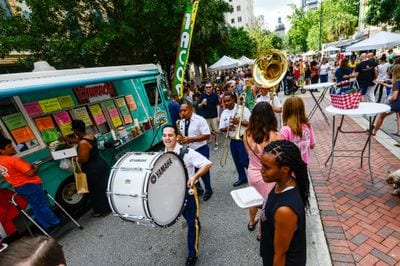
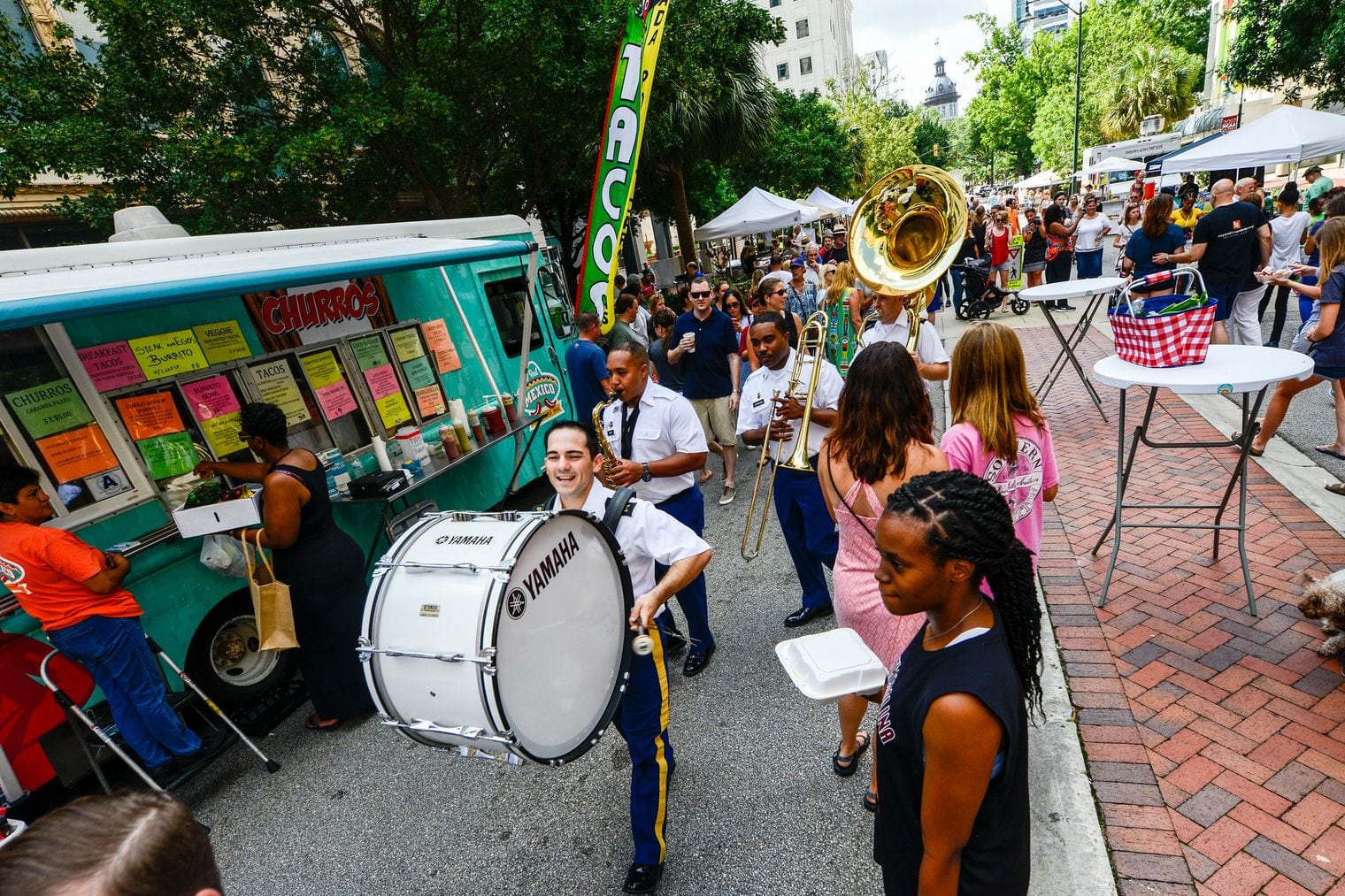
Soda City Market takes over the blocks of Main Street below the State House every Saturday morning, and it is the most fun Columbia gets at the start of a weekend. Well over a hundred vendors set up stalls selling local produce, baked goods, flowers, crafts and a wide range of street food from cuisines around the world.
Come hungry and early, before the crowds peak, and graze your way from one end to the other with a coffee in hand. The market takes its name from Columbia's nickname, and a morning here pairs naturally with the Columbia Museum of Art and the Mast General Store on the same street.
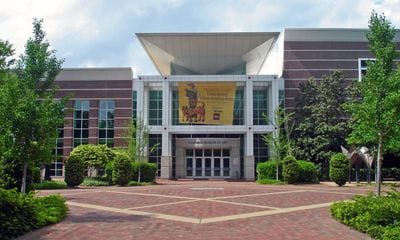
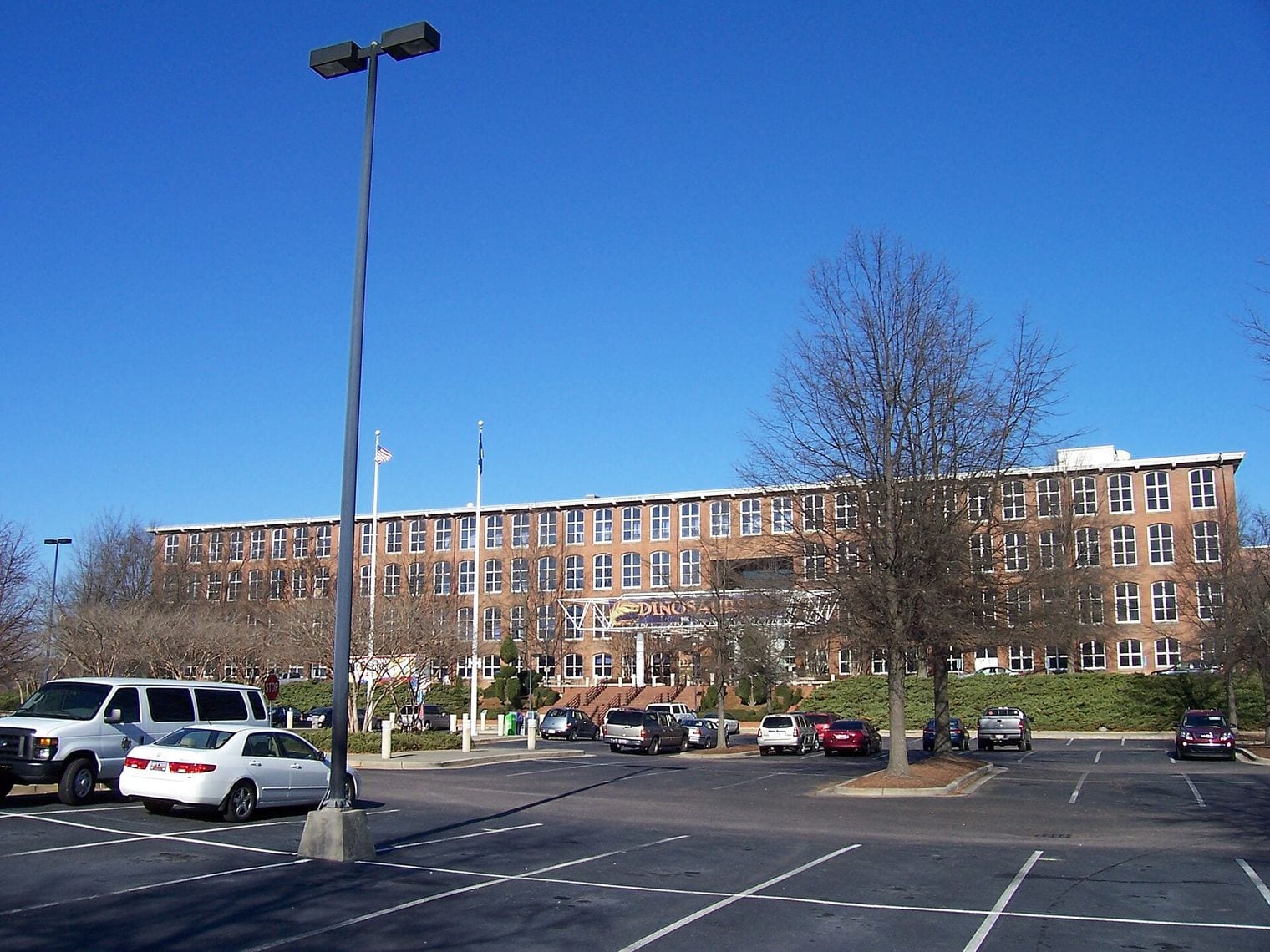
The South Carolina State Museum fills the former Columbia Mill, a big brick textile mill on the old canal by the Congaree River. Four floors of exhibits cover the state's natural history, science and technology, art and cultural history, and the museum is a Smithsonian Affiliate often billed as the largest museum in South Carolina.
The same building holds a digital-dome planetarium, a 4D theater and an observatory, and the South Carolina Confederate Relic Room and Military Museum shares the building. EdVenture shares the campus, which makes this riverside corner of Gervais Street an easy full day with children.
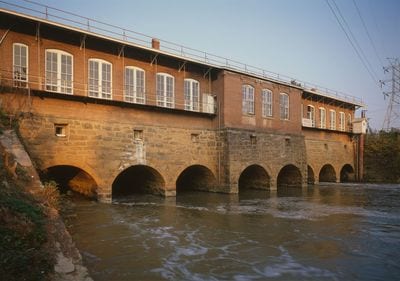
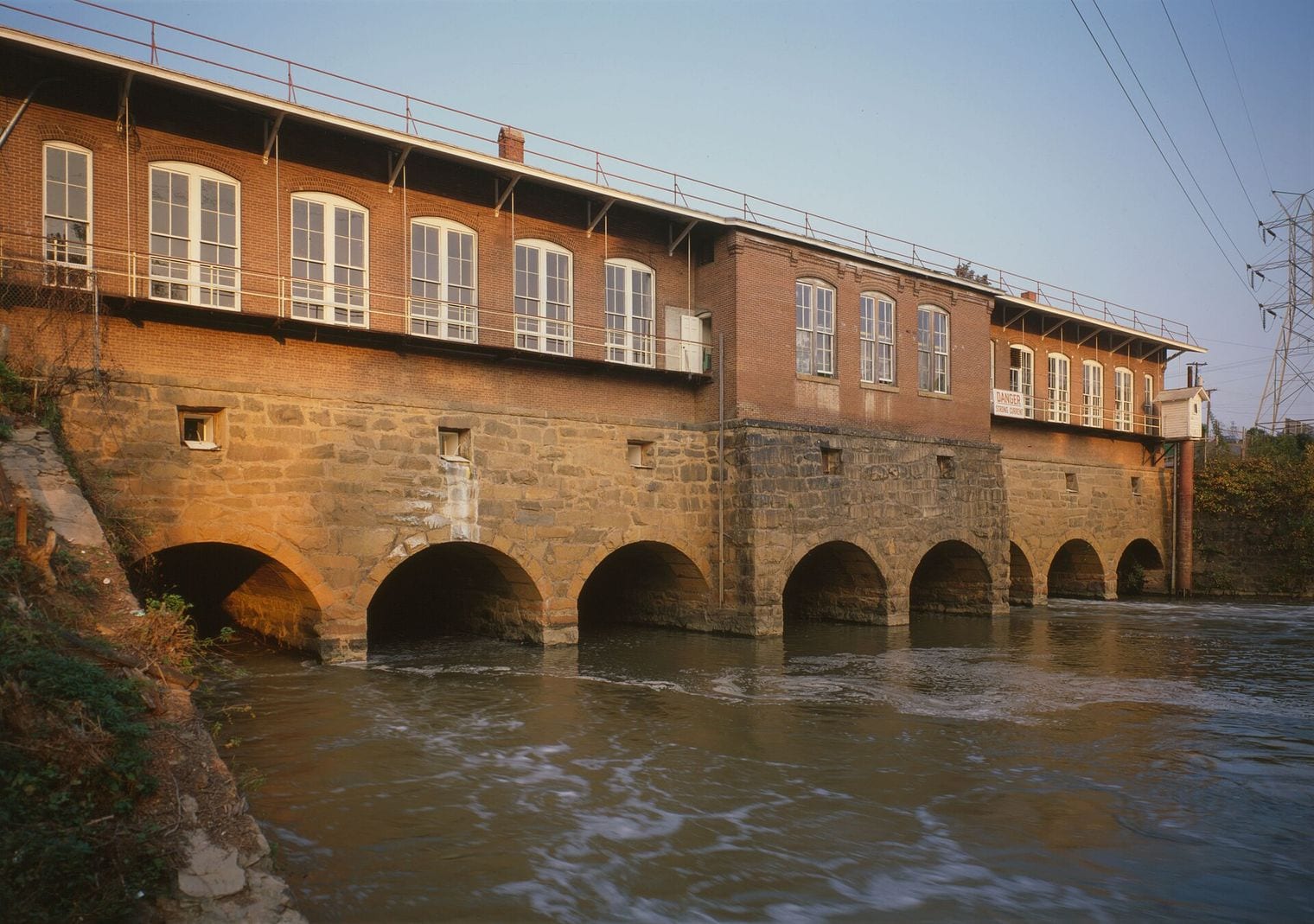
Columbia Canal and Riverfront Park follows the city's historic canal, first completed in 1824 and still used to generate hydroelectric power. A paved path of roughly three miles runs along the levee between the canal and the Broad River, past the old waterworks buildings to the diversion dam, where the river pours over the weir after heavy rain.
It is Columbia's best easy walk or bike ride, flat and shaded in stretches, with herons and anglers along the water. The path is part of the Three Rivers Greenway, whose West Columbia Riverwalk lines the opposite bank of the Congaree, and its southern end is a short walk from the State Museum and the Vista.
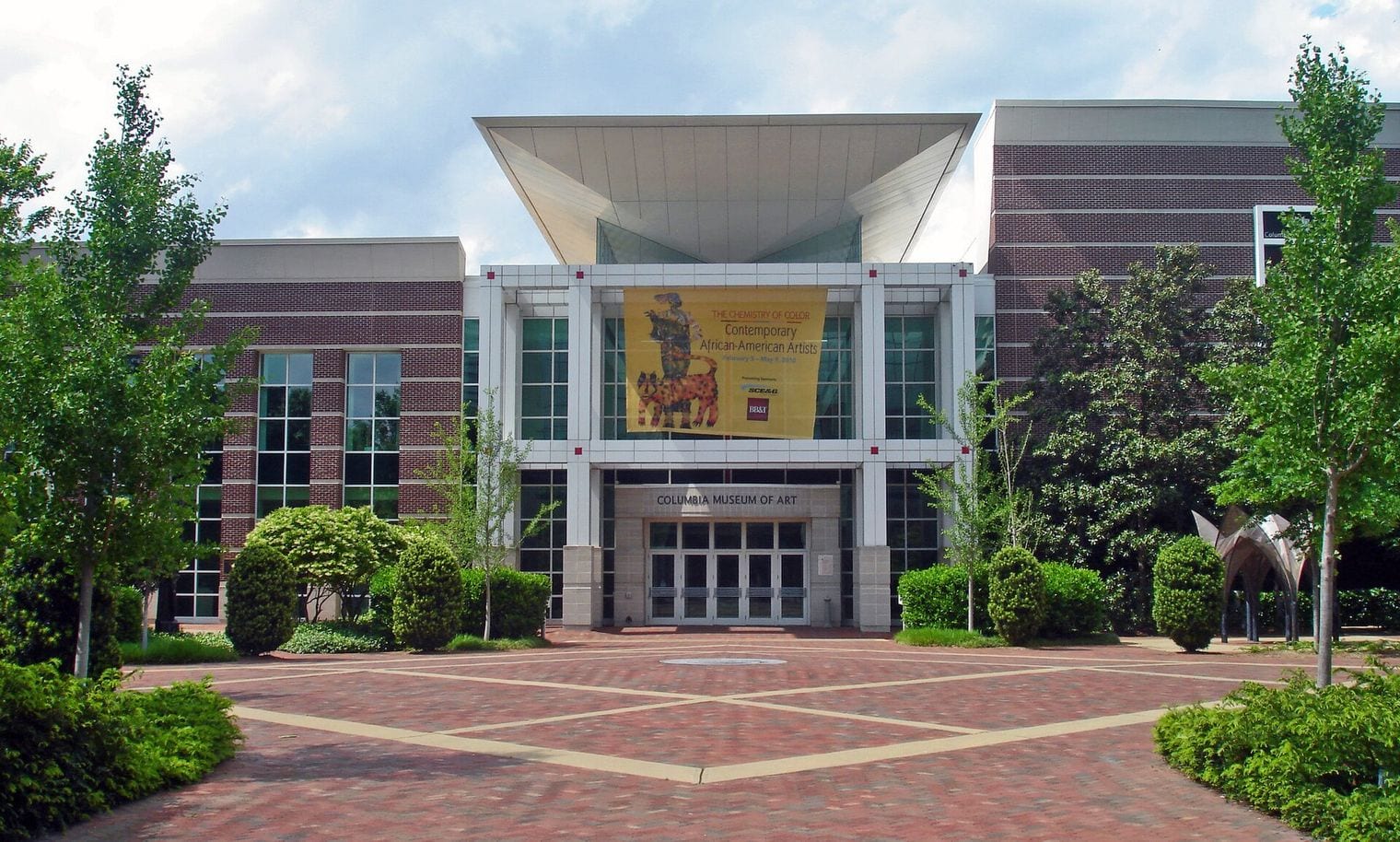
The Columbia Museum of Art anchors the Main Street arts district with a collection arranged around American, modern and contemporary, European and Asian art. Highlights include Claude Monet's The Seine at Giverny, and the museum mixes its permanent galleries with a steady rotation of touring exhibitions.
It is a manageable size, so an unhurried visit takes a couple of hours, and its shop makes a good pause on a downtown walk. Combine it with Soda City Market on a Saturday or with the Nickelodeon Theatre a block up Main Street for an arts-focused afternoon.
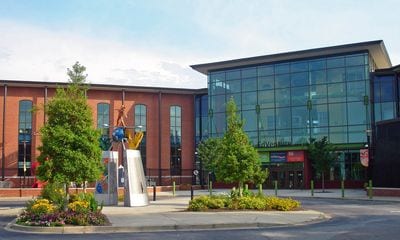
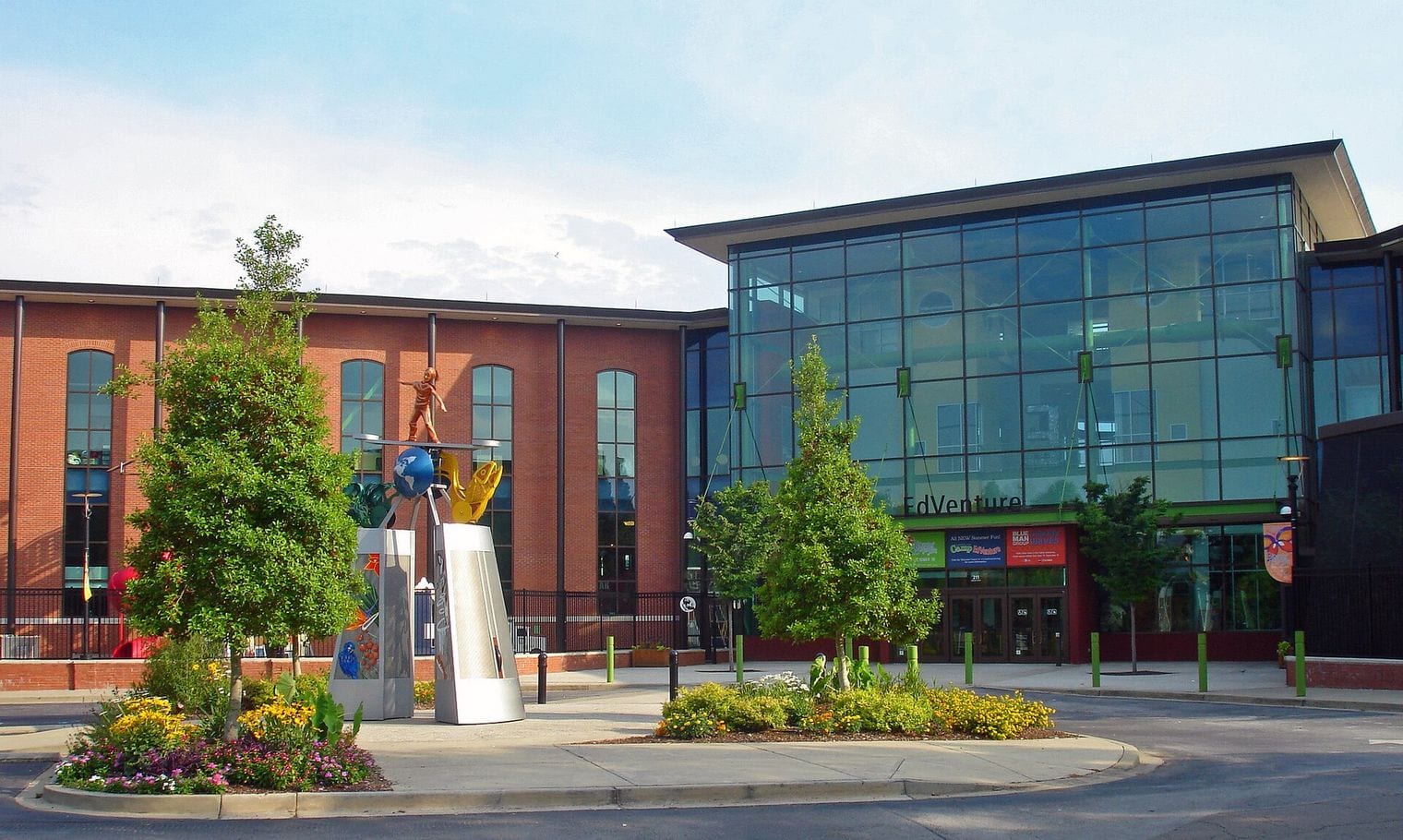
EdVenture Children's Museum is a hands-on museum for young children and families, opened in 2003 on the riverside campus next to the State Museum. Galleries are built for touching, climbing and pretend play, with interactive spaces on science, the human body and everyday life.
The two museums share a campus but are run separately, so they need separate tickets. EdVenture works best for kids under about ten, and it is one of the most reliable rainy-day plans in Columbia.
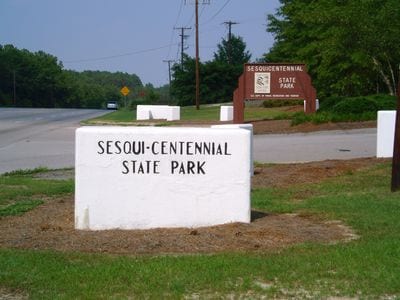
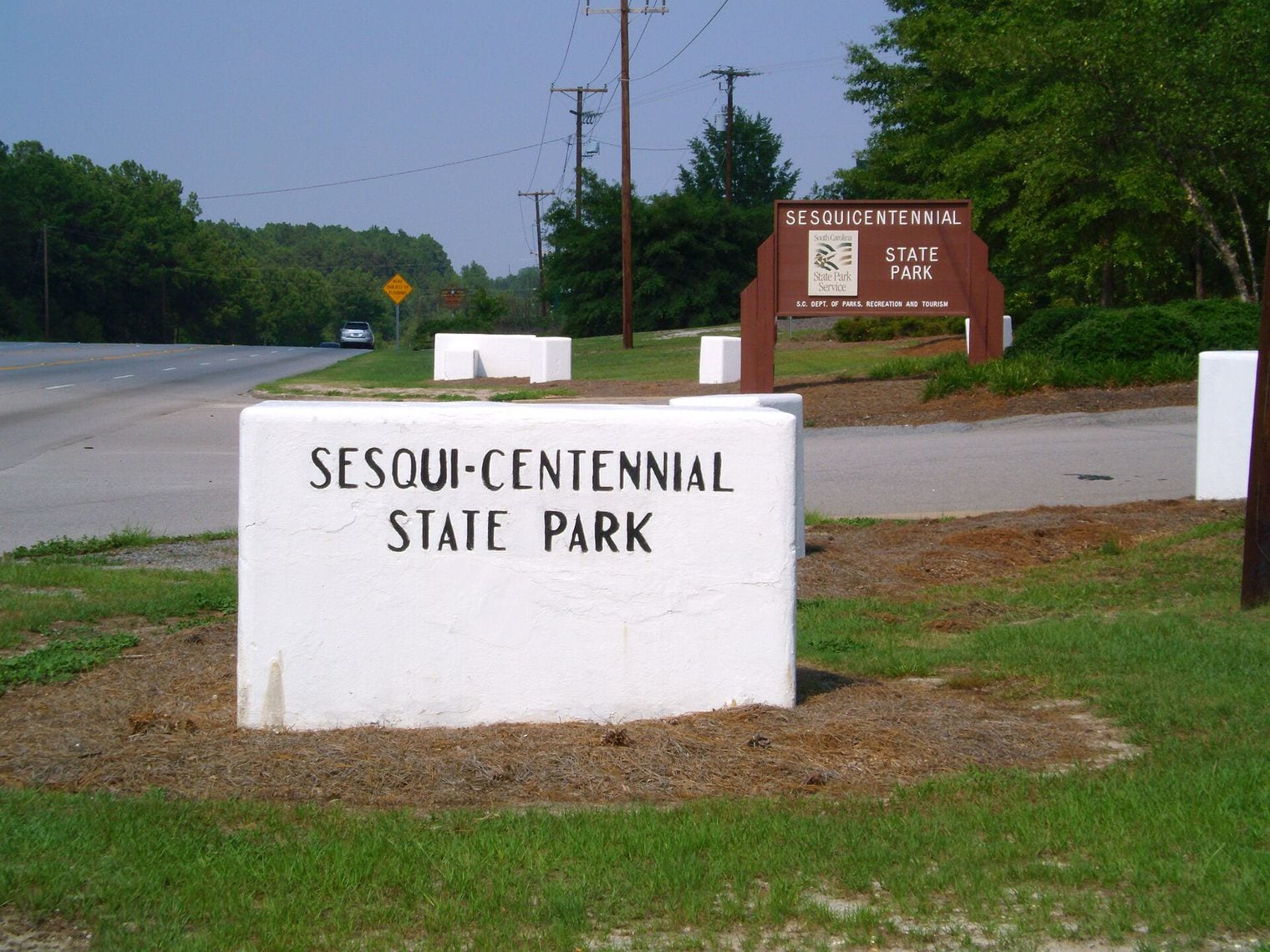
Sesquicentennial State Park, known locally as Sesqui, protects 1,419 acres of pine forest in the Sandhills on Columbia's northeast side, about 12 miles from downtown. Sandy trails loop through the pines and around a small lake, and the park has picnic shelters, a playground and campsites.
It is the quickest way to swap the city for the woods, with mountain biking and hiking trails easy enough for families. Fishing and picnicking by the lake round out a lazy afternoon, and the shade makes the trails pleasant even on warm days.
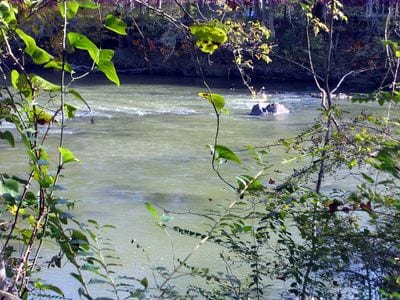
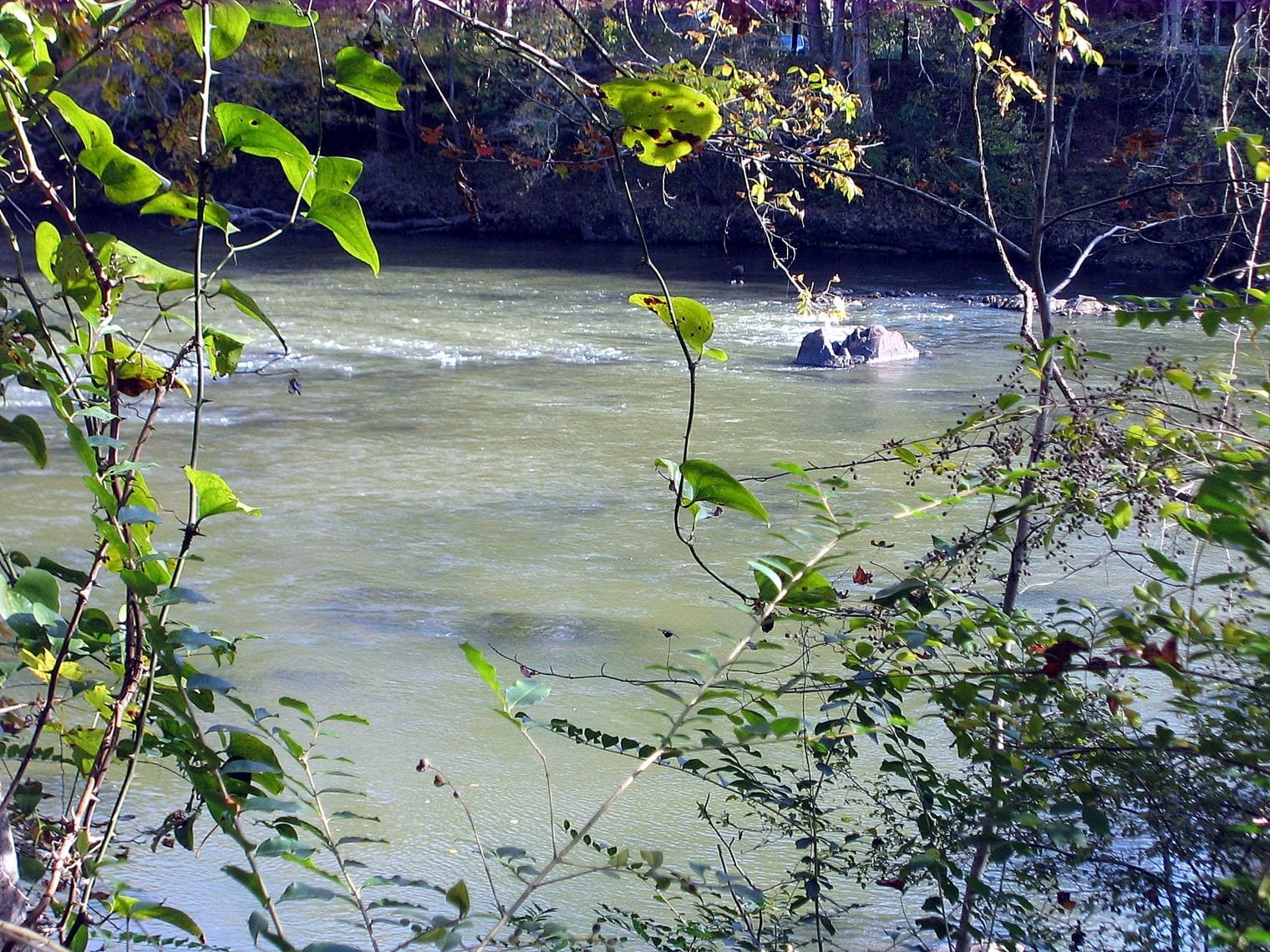
Saluda Shoals Park is a riverside nature park on Columbia's northwest edge, reached from Bush River Road on the Irmo side and run by the Irmo Chapin Recreation Commission. Paved and natural trails wind through woods along the Saluda River, with canoe and kayak launches onto the calm, cold water below the Lake Murray dam.
Families come for the splash pad and the inclusive Leo's Landing playground, and the environmental education center explains the river's wildlife. It is a good place to walk, paddle or simply watch the mist rise off the Saluda on a cool morning.
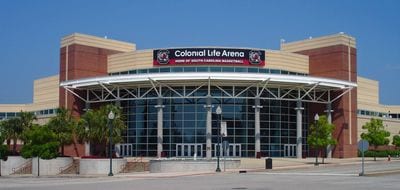
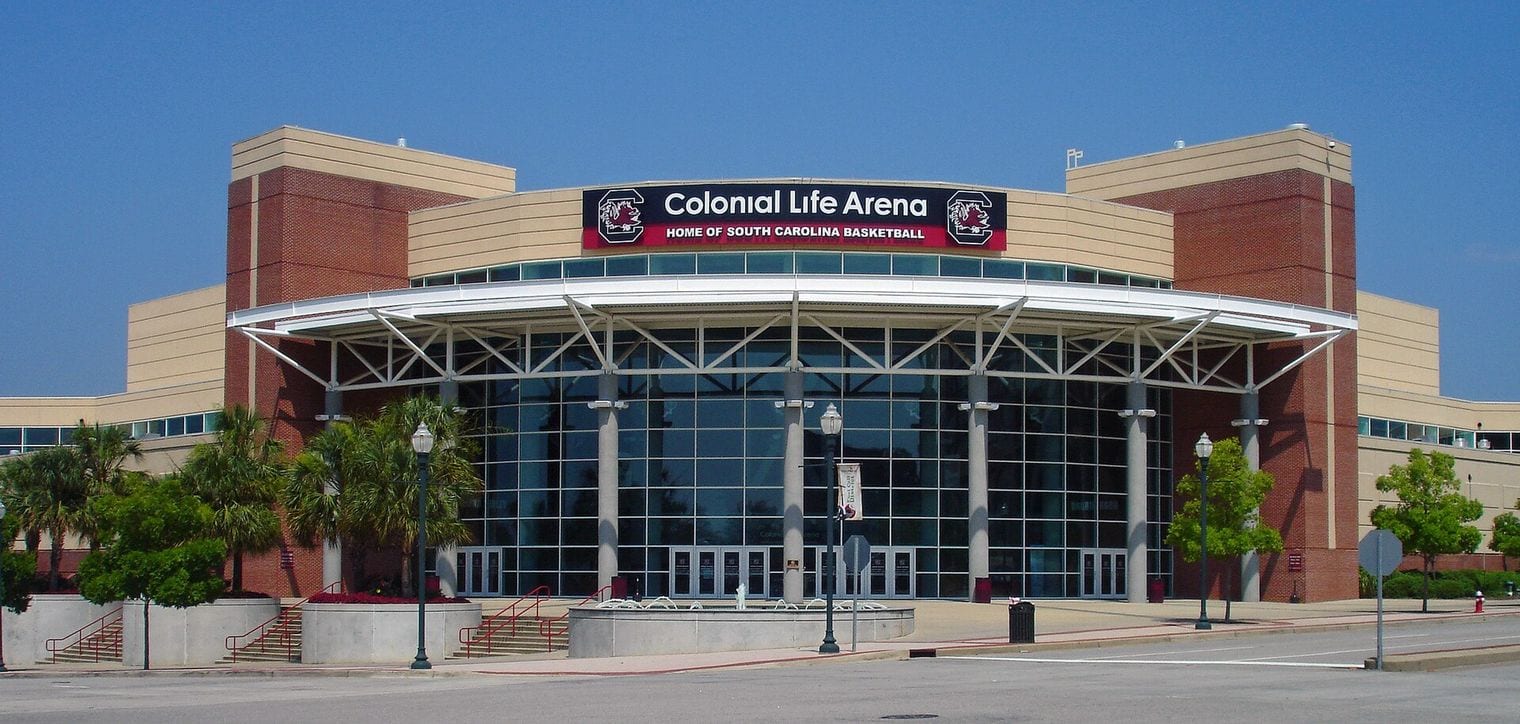
Colonial Life Arena is the city's big indoor venue, an 18,000-seat arena that opened in 2002 as the home of the University of South Carolina's men's and women's basketball teams. It is the largest arena in the state, and on non-game nights it hosts major concerts, family shows and graduations.
A Gamecocks basketball game, especially the women's team, is one of Columbia's best-loved winter outings. The arena sits on the edge of the Vista, so dinner on Gervais Street before or after an event is an easy walk.
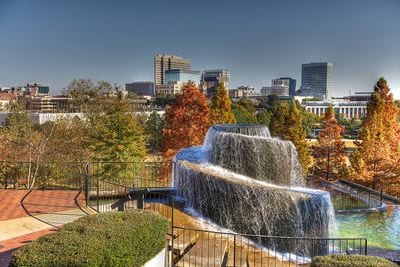
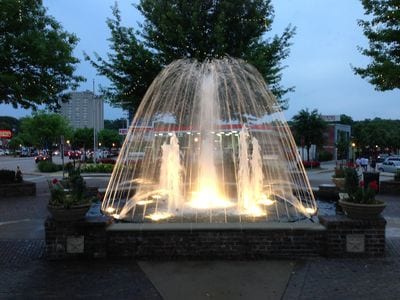
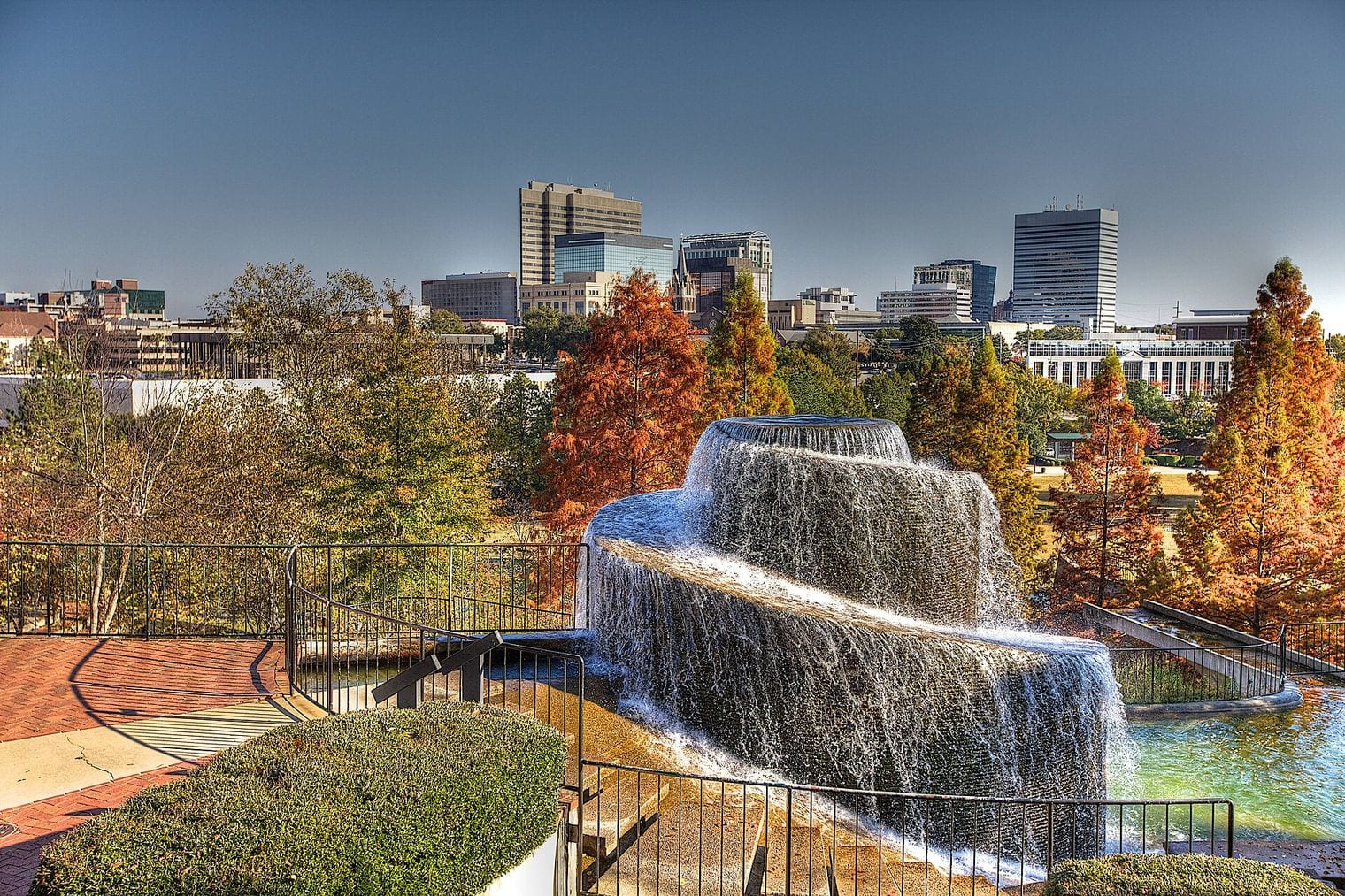
Finlay Park is downtown Columbia's main green space, a 14-acre park named for former mayor Kirkman Finlay and set on a slope just north of the Vista. The city reopened it in late 2025 after a complete rebuild that added a splash pad, new playgrounds, an event stage and a rebuilt cascading waterfall feeding the pond.
The skyline view from the top of the hill is one of the best in the city, and the park now hosts concerts and festivals through the warmer months. Bring a picnic, let children loose in the play areas and walk down to the Vista afterward.
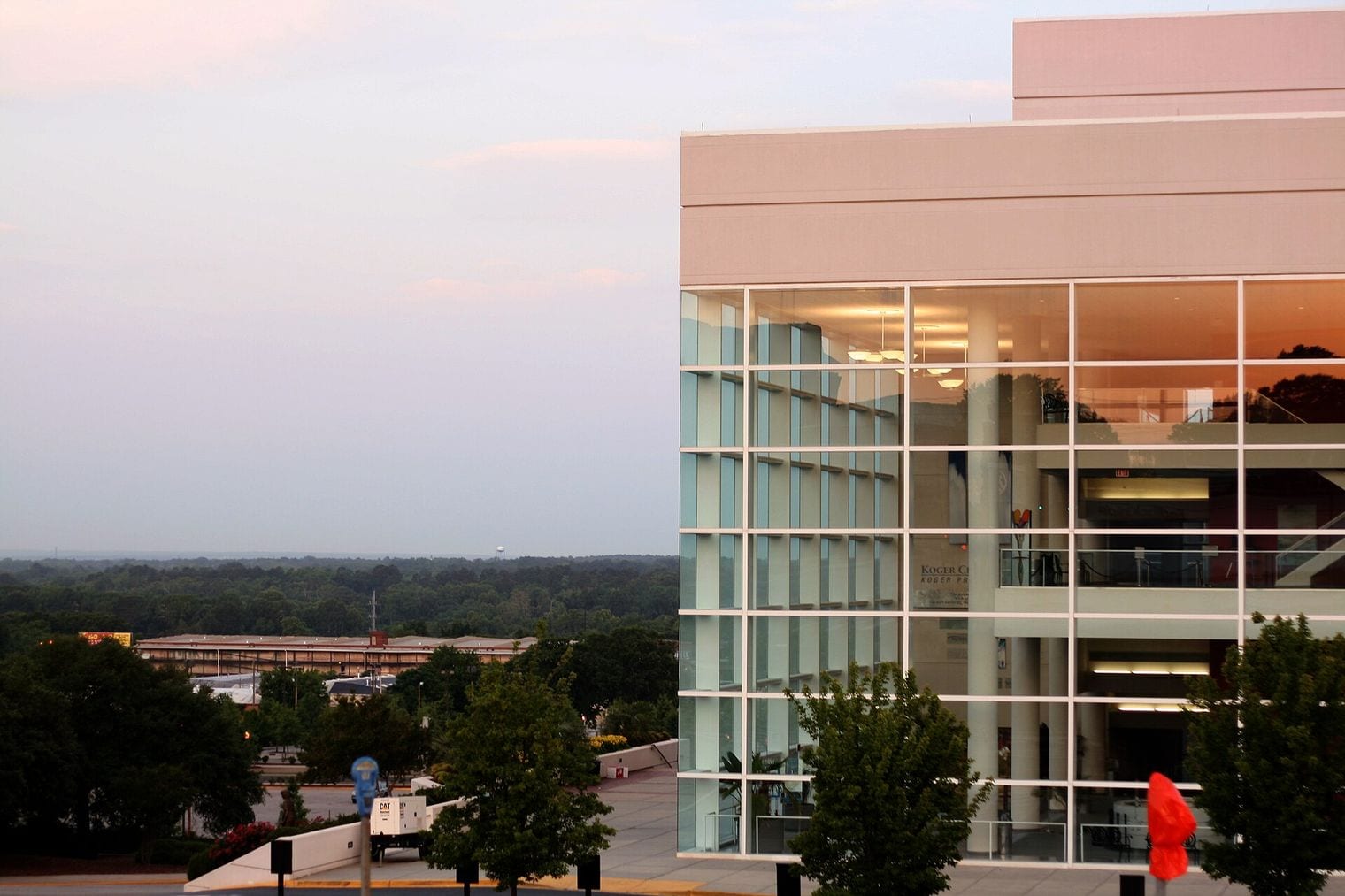
The Koger Center for the Arts is the University of South Carolina's main performance hall, opened in 1988 next to the School of Music. With more than 2,000 seats, it is home to the Columbia City Ballet and the South Carolina Philharmonic and hosts Broadway tours, comedy and university concerts.
Check the season calendar before your trip, because an evening of ballet or orchestra here is one of the best ways to spend a night in Columbia. It is a short walk from the Horseshoe and the State House.
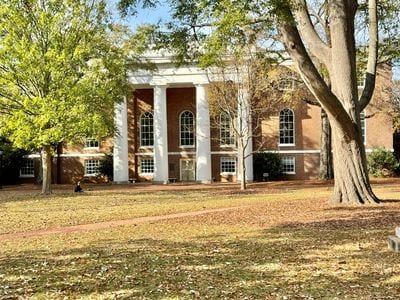
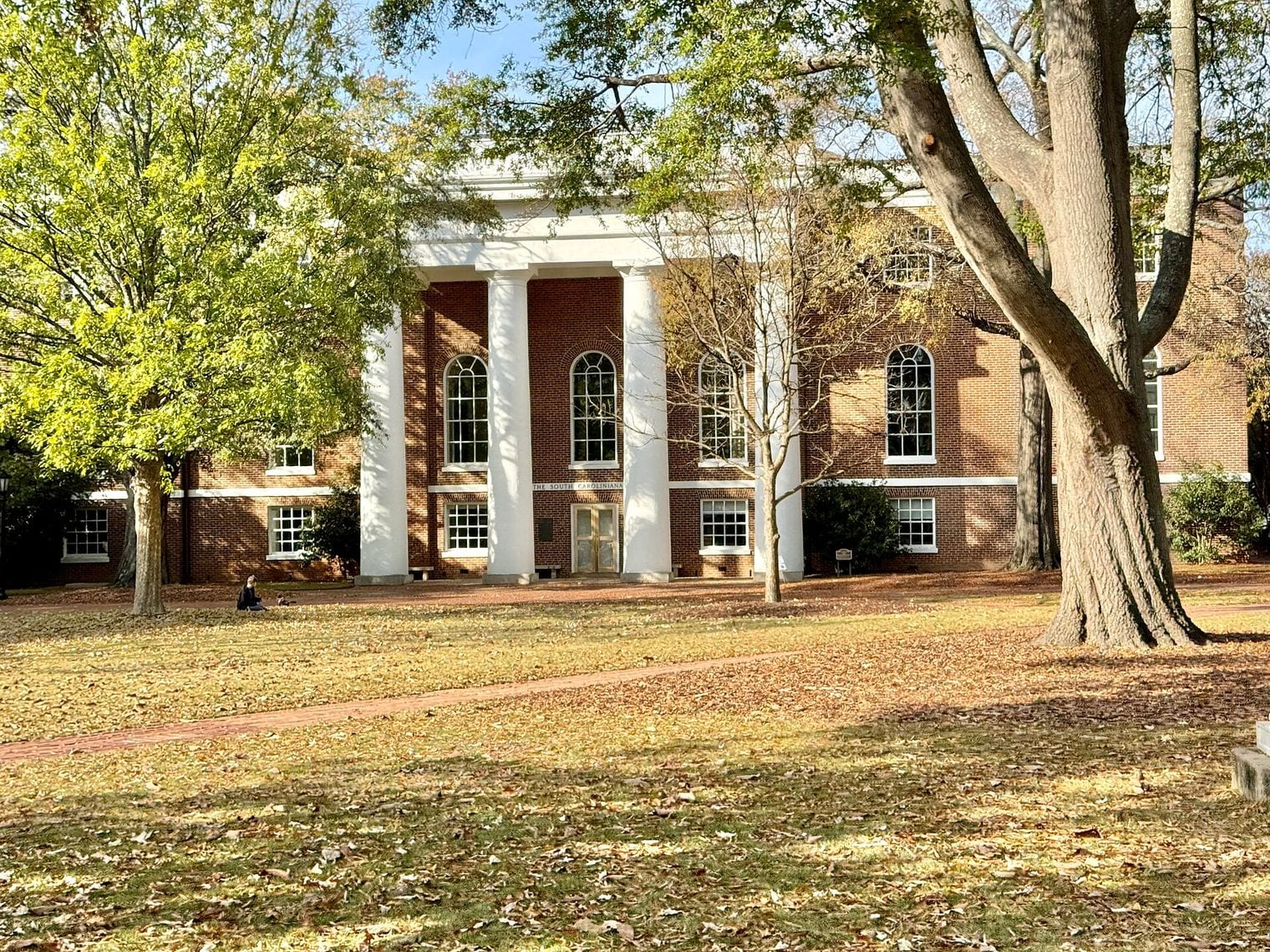
The University of South Carolina Horseshoe is the historic heart of the campus, a shaded green lined with the brick buildings of South Carolina College, which was founded in 1801. Old oaks, the Maxcy Monument and the early-nineteenth-century facades make it the most atmospheric walk in Columbia.
The McKissick Museum on the Horseshoe has free exhibitions on Southern culture, history and natural science. Wander through on a weekday when students are on the lawns, then continue a few blocks north to the State House.
Free printable checklist of all 28 places
Tick them off as you go. Confirm your email to download it, plus one email every Thursday with new guides for the places you tick.
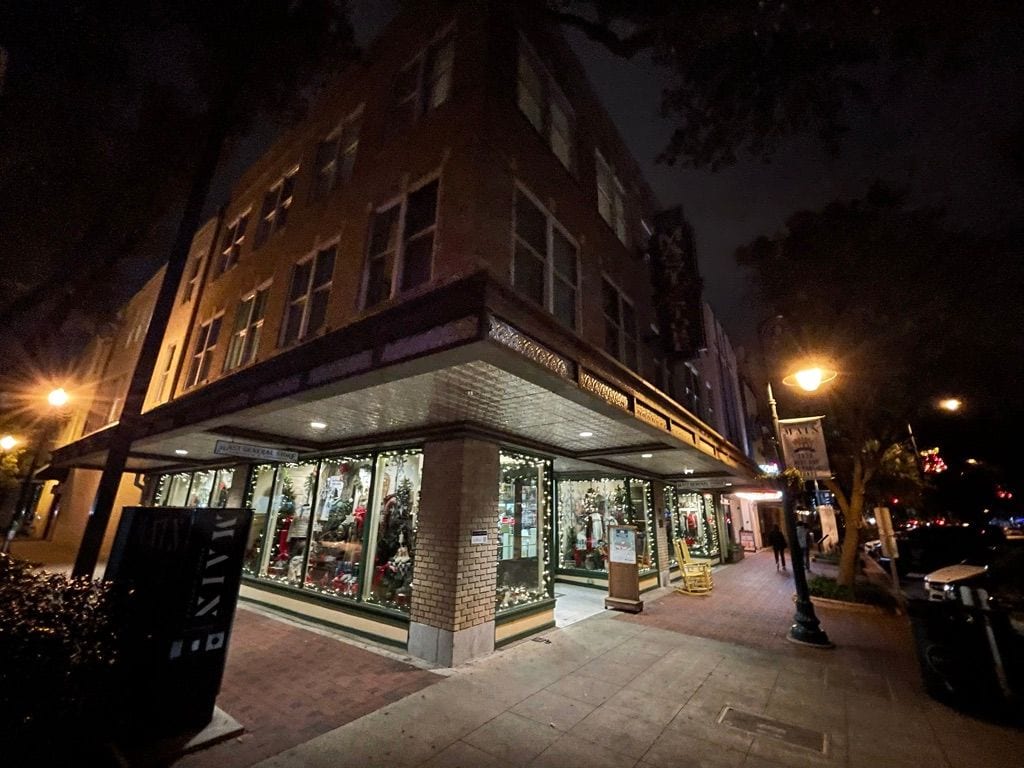
Mast General Store brings a slice of the North Carolina mountains to Main Street, a branch of the old-fashioned general store that started in Valle Crucis. Inside, the aisles run past outdoor clothing, boots, housewares, regional books and toys.
The big draw for most visitors is the wall of candy barrels, filled with hundreds of varieties of old-fashioned sweets. It is an easy stop on a Saturday at Soda City Market or on a walk between the State House and the Columbia Museum of Art.
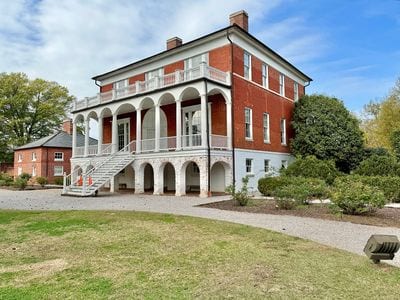
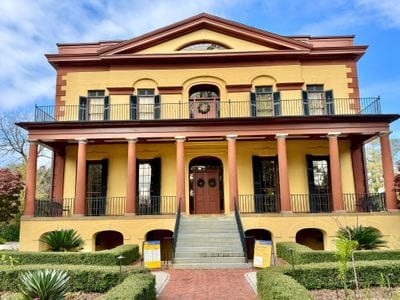
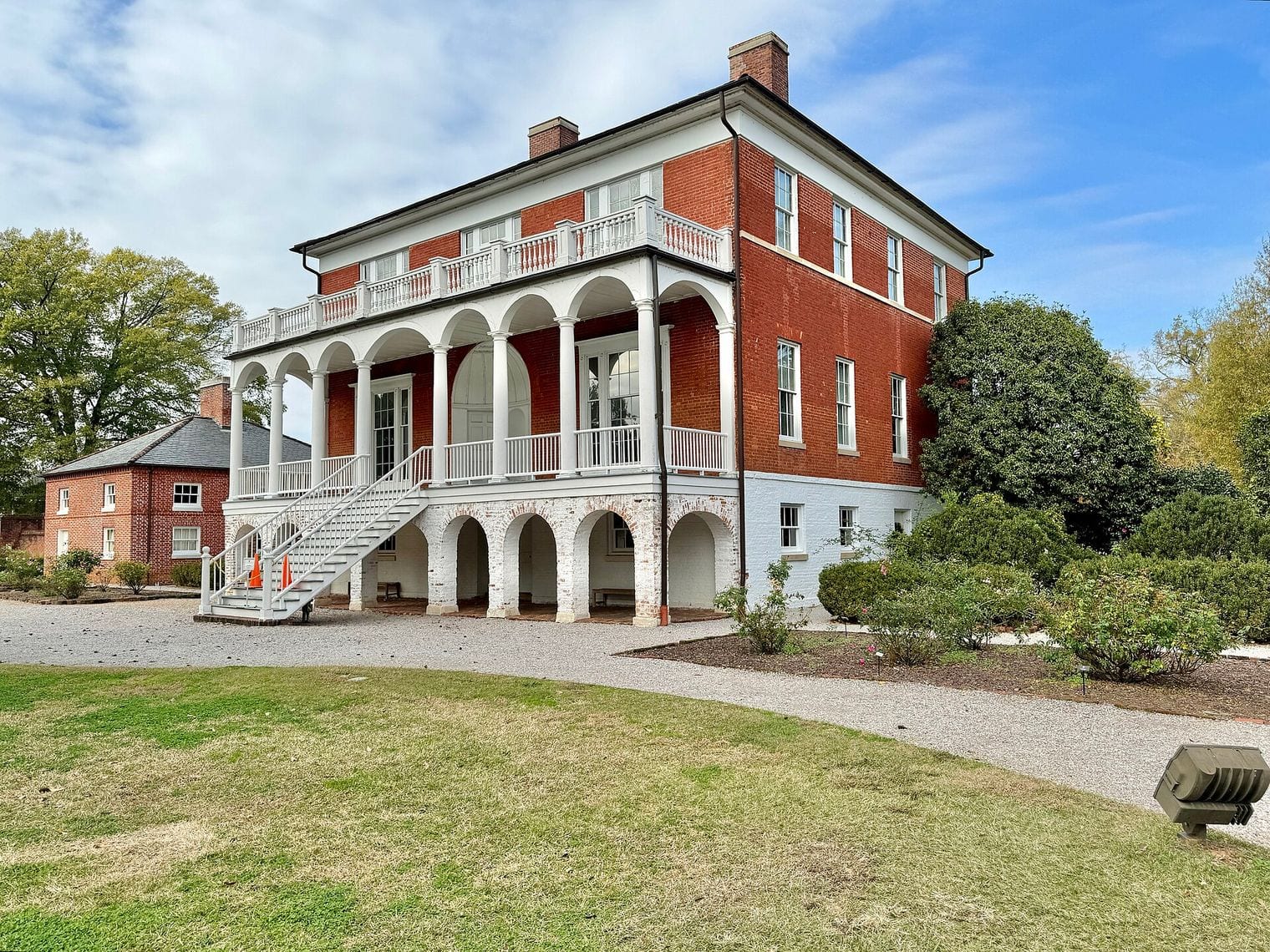
The Robert Mills House and Gardens preserves an 1823 mansion designed by Robert Mills, the South Carolina-born architect later known for the Washington Monument. Built for merchant Ainsley Hall, it is a National Historic Landmark and is furnished with early-nineteenth-century American, English Regency and French Empire decorative arts.
Guided tours explain the architecture and the lives of the people, free and enslaved, who lived and worked here, and the formal gardens are pleasant to walk. Historic Columbia's tours of the nearby house museums are sold from its Welcome Center on the same Blanding Street block.
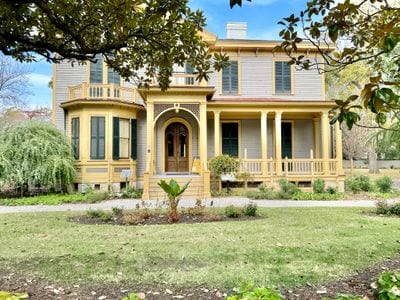
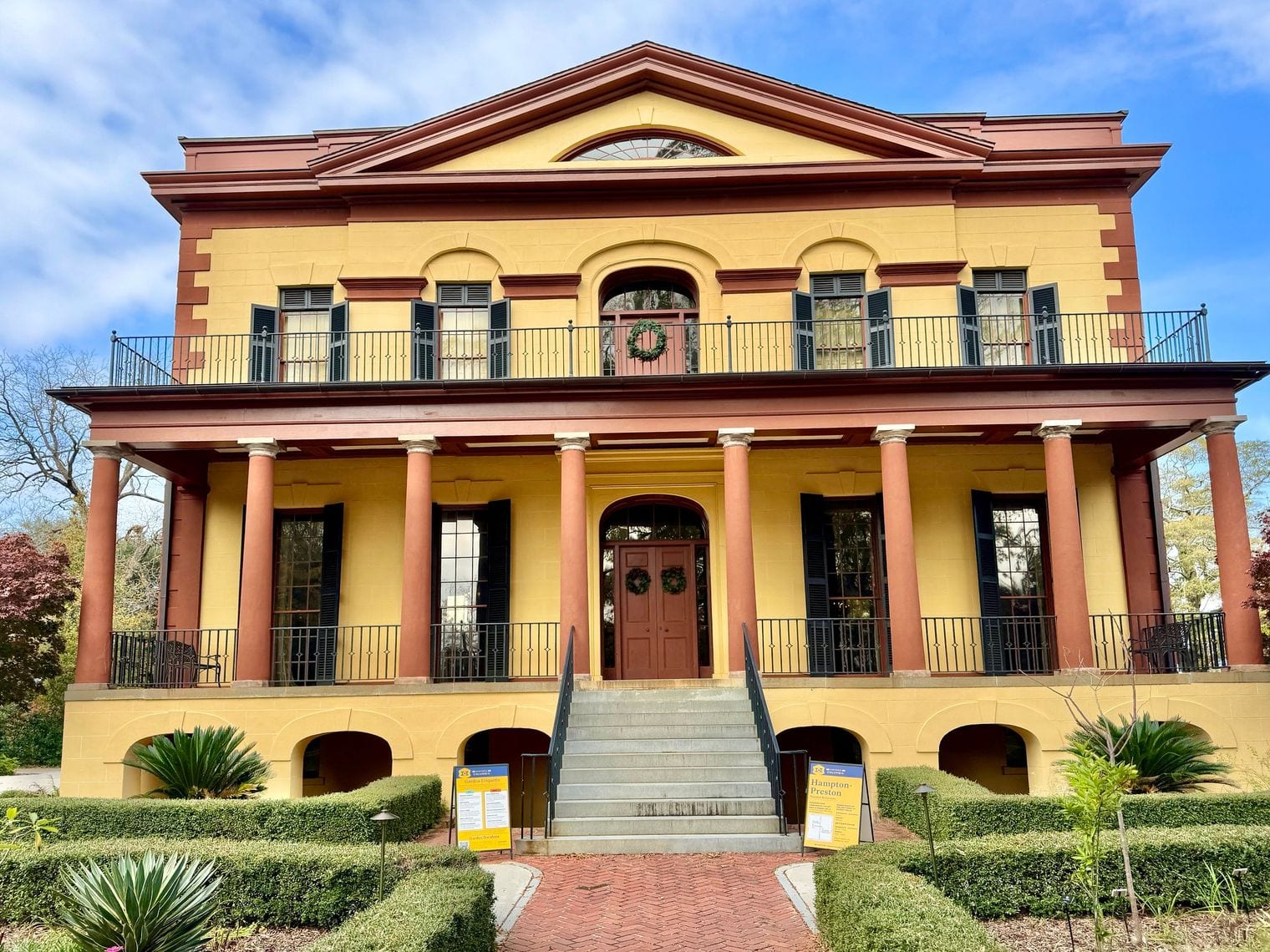
Hampton-Preston Mansion and Gardens is an 1818 house across Blanding Street from the Robert Mills House, bought by Wade Hampton I and later home to the Preston branch of his family. During the 1865 occupation of Columbia it served as the headquarters of a Union general, and it later became a school before Historic Columbia restored it.
Tours trace the family's wealth, the enslaved people whose labor sustained it and the city's history through the Civil War, and the restored gardens are a highlight in spring. Book it together with the Robert Mills House for a morning of antebellum architecture.
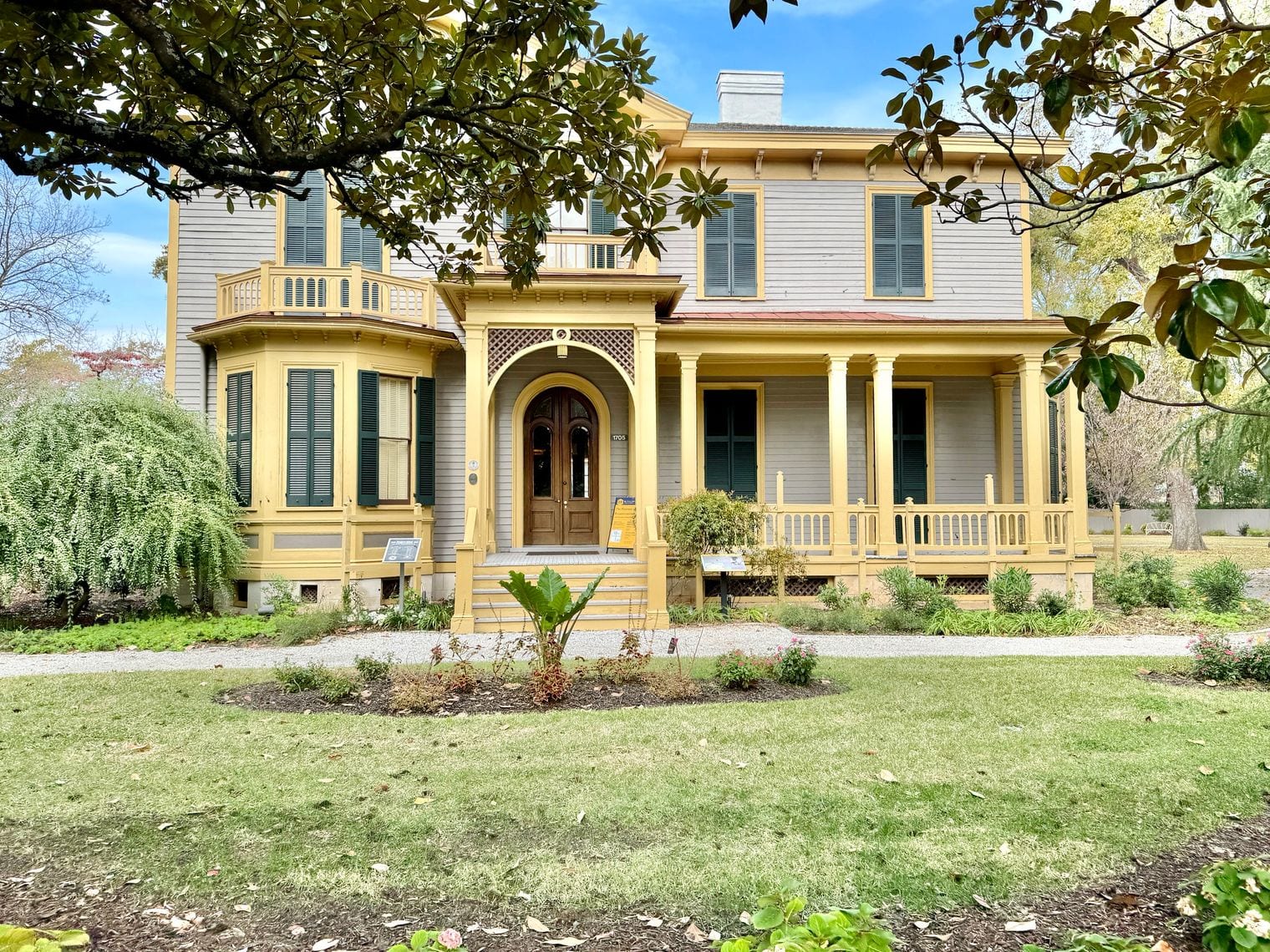
The Woodrow Wilson Family Home is where the future 28th president lived as a teenager, from 1871 to 1875, while his father taught at the Columbia Theological Seminary. Historic Columbia restored the house and reopened it as the Museum of the Reconstruction Era, which uses the Wilson family's years here to tell the wider story of Reconstruction in South Carolina.
The exhibits are frank and well researched, covering Black political power, backlash and the end of Reconstruction, and they add depth to a visit to the State House. Pair it with the Mann-Simons Site, a few blocks away, for a fuller picture of Columbia in the nineteenth century.
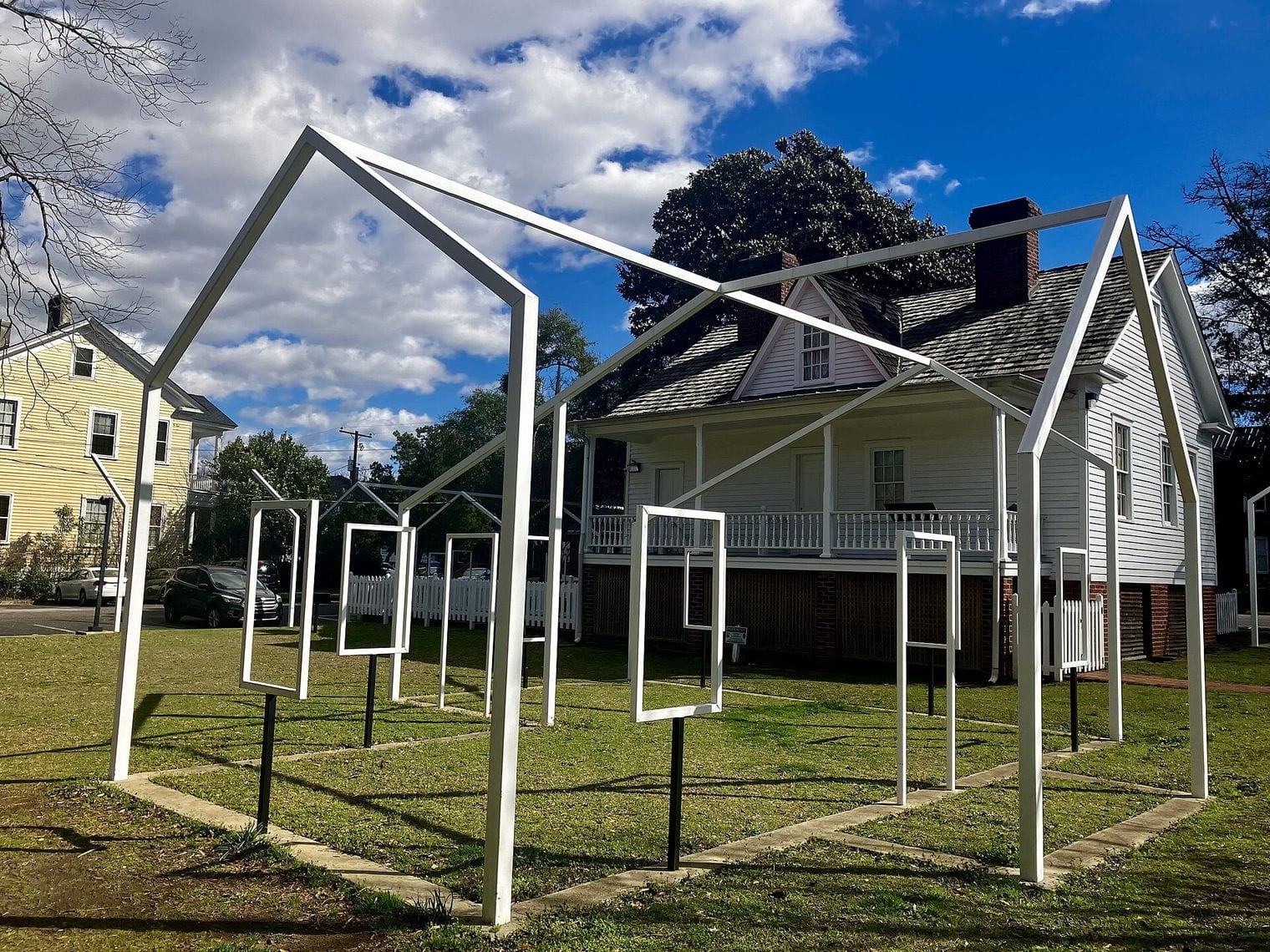
The Mann-Simons Site tells the story of a free Black family who owned this corner lot from 1843 until 1970, starting with Celia Mann, whose husband bought the property for her. Generations of the family ran homes and businesses here, and the site is one of the few places in Columbia that shows free Black life before and after the Civil War.
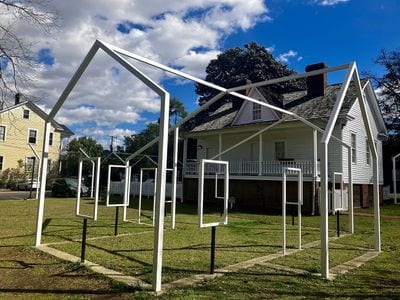
Alongside the surviving cottage, outlines called ghost structures mark buildings that once stood on the lot, and free outdoor signage on the grounds explains each one. Historic Columbia's guided tours give the fuller story and pair well with the Woodrow Wilson Family Home.
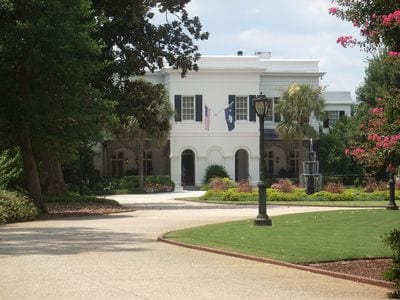
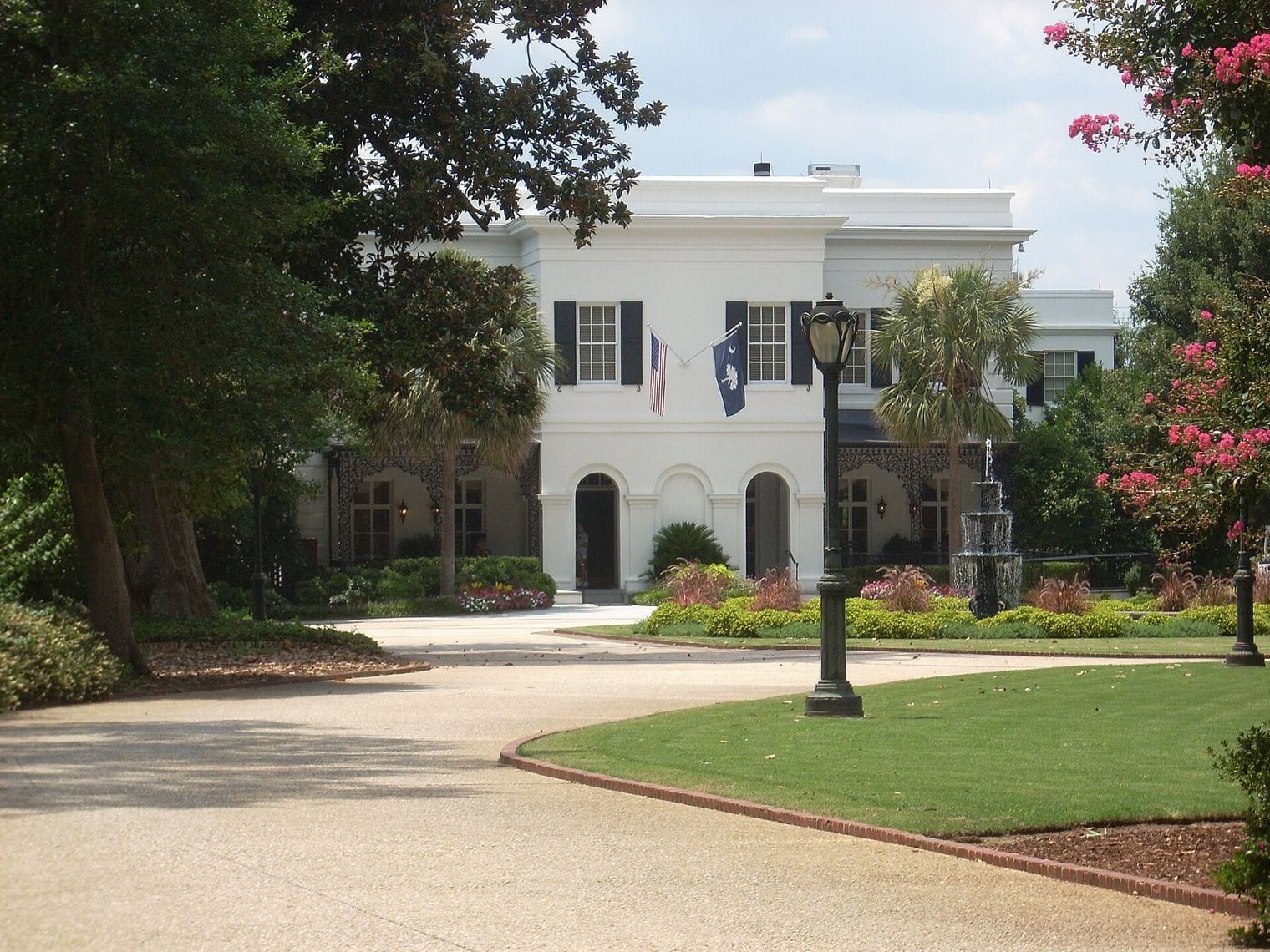
The South Carolina Governor's Mansion is the official residence of the governor, a white stucco Federal-style house on Arsenal Hill. It began as officers' quarters for the Arsenal Academy and was the only building of the complex to survive the burning of Columbia in 1865, becoming the executive mansion in 1868.
The house and its landscaped grounds open for free tours by reservation, and the mansion is especially popular at Christmas, when it is decorated for the season. Book ahead, then walk the leafy streets of Arsenal Hill toward Finlay Park.
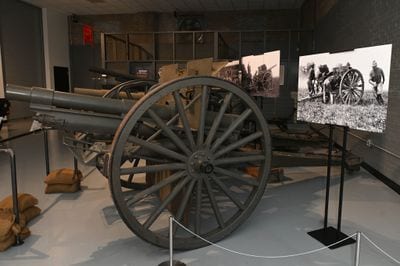
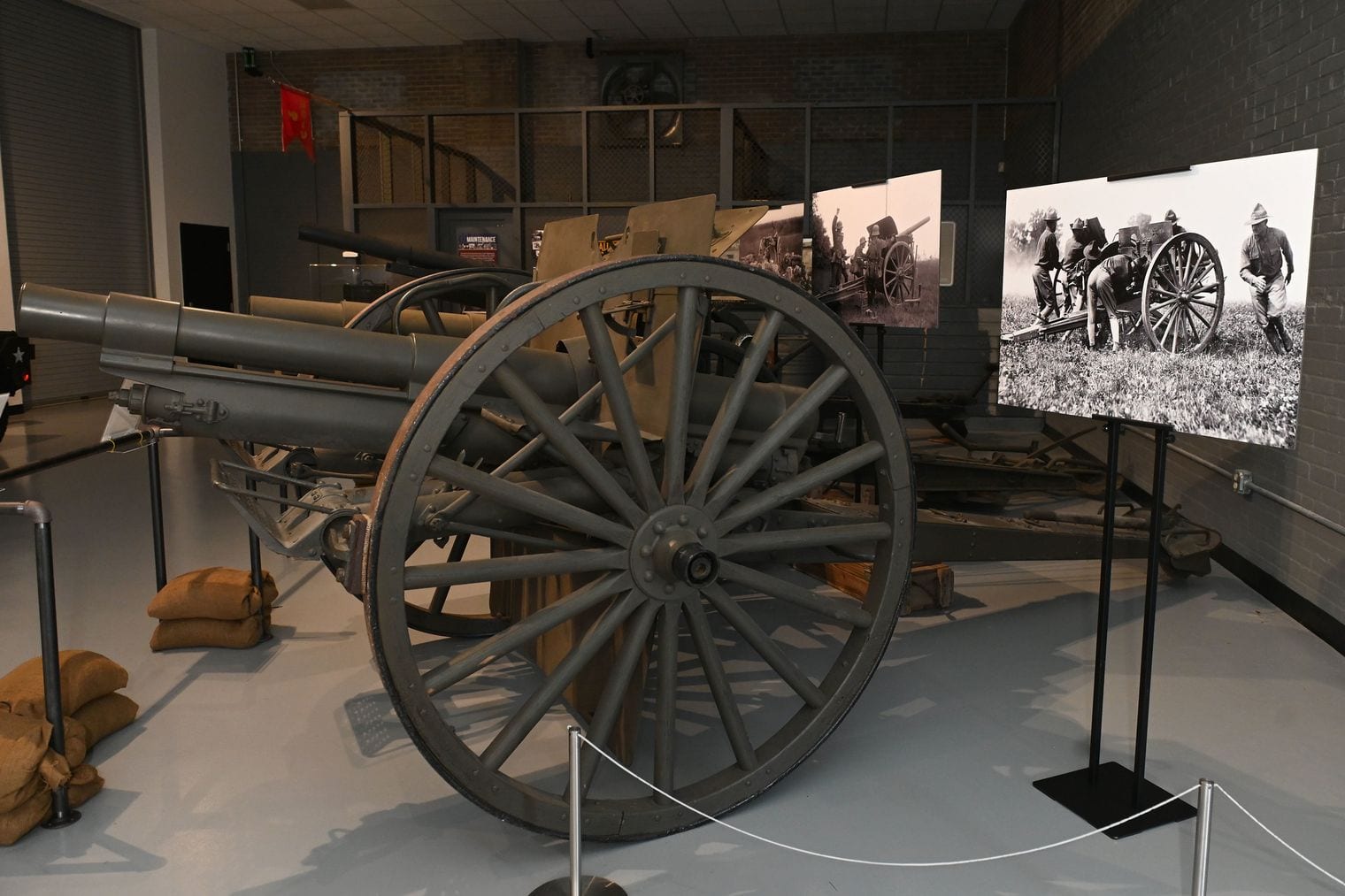
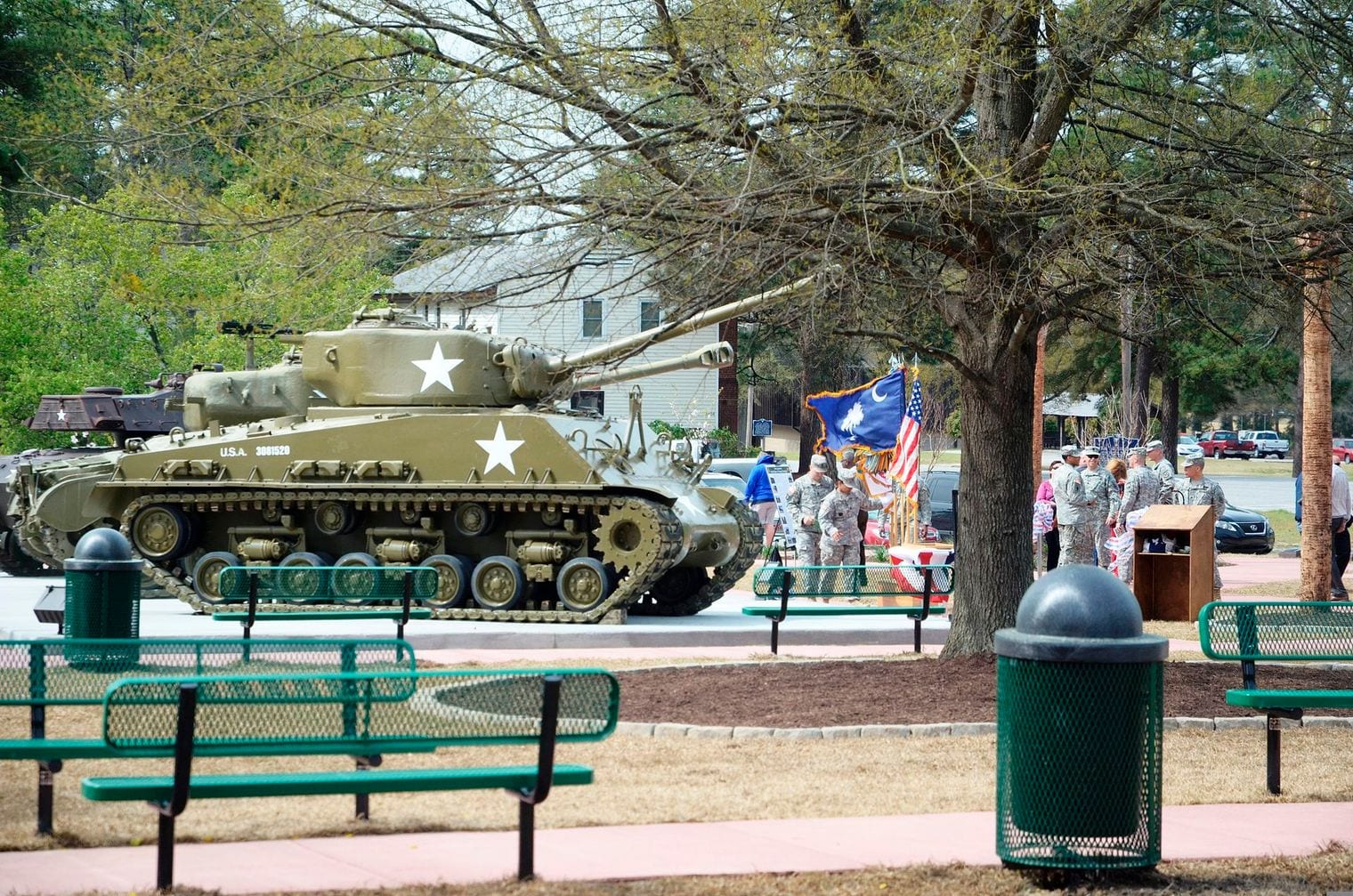
The South Carolina Military Museum, on National Guard Road south of downtown, traces South Carolina's soldiers from the colonial era to the present. Uniforms, weapons, equipment and vehicles fill the galleries, with personal stories of the South Carolinians who served.
Admission is free, and the collection is larger and better presented than many visitors expect. It sits a few minutes from Williams-Brice Stadium, so combine the two on a drive south of downtown.
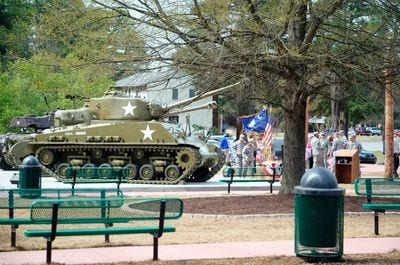
The U.S. Army Basic Combat Training Museum sits inside Fort Jackson, the Army's largest basic training installation, which has trained soldiers on Columbia's east side since 1917. Its galleries follow the Red, White and Blue phases of basic training, comparing the gear and drills of today's recruits with those of World War I.
Video drill sergeants bark orders at visitors as they move through, which makes it more lively than most military museums, and admission is free. Because the museum is on an active Army post, check Fort Jackson's visitor-access rules before you go; many visitors combine a trip with a basic-training graduation.
Five Points was Columbia's first neighborhood shopping district, named for the junction of Harden Street, Devine Street and Santee Avenue just east of the University of South Carolina. Today its blocks of bars, cafes, boutiques and long-running local restaurants are the city's best-known student hangout.
By day it is a relaxed place to browse and eat, and by night it is the center of Columbia's nightlife. It is also the home of the city's big St. Patrick's Day festival, and the leafy Shandon and Wales Garden neighborhoods nearby are good for a stroll.
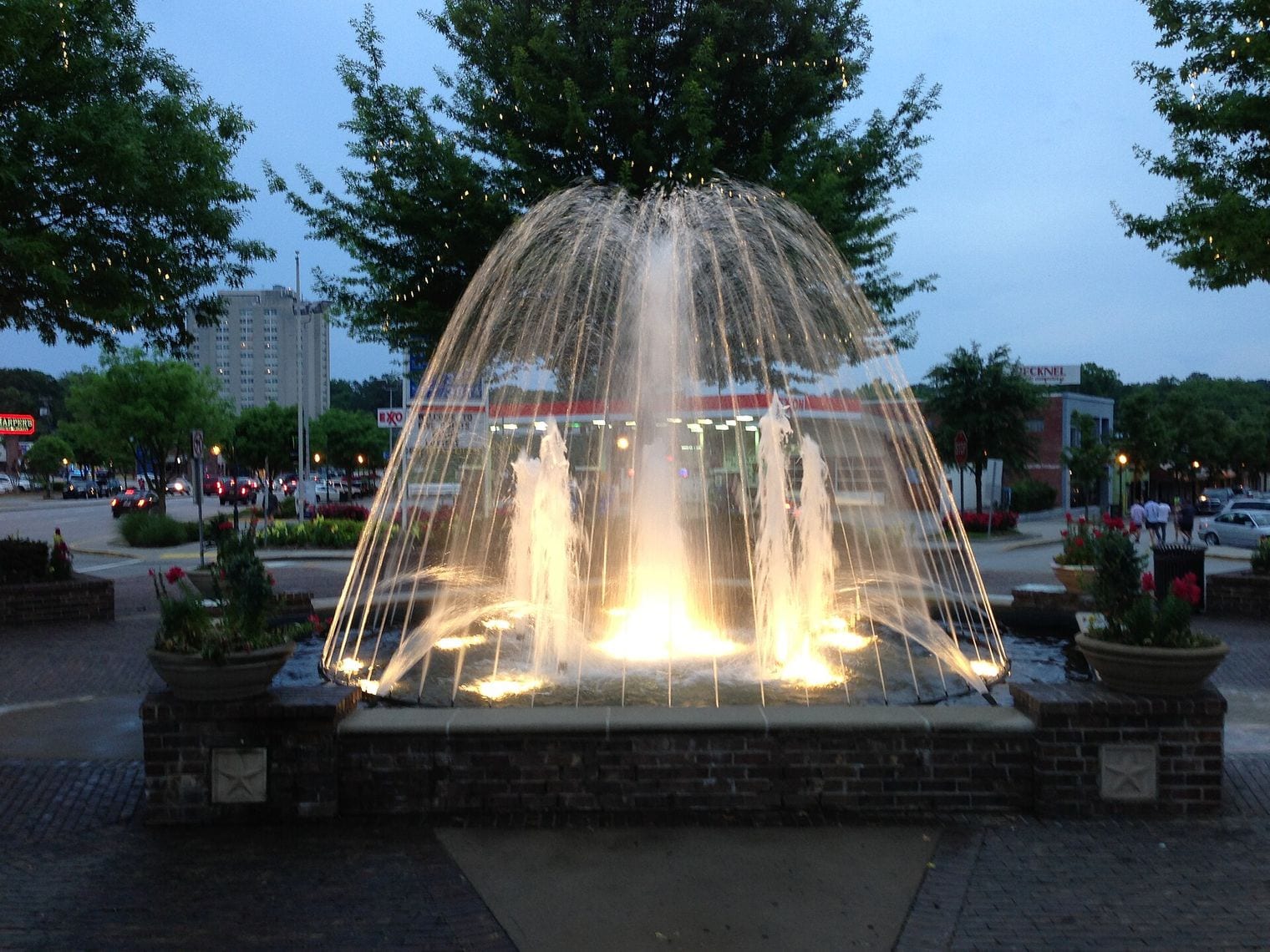
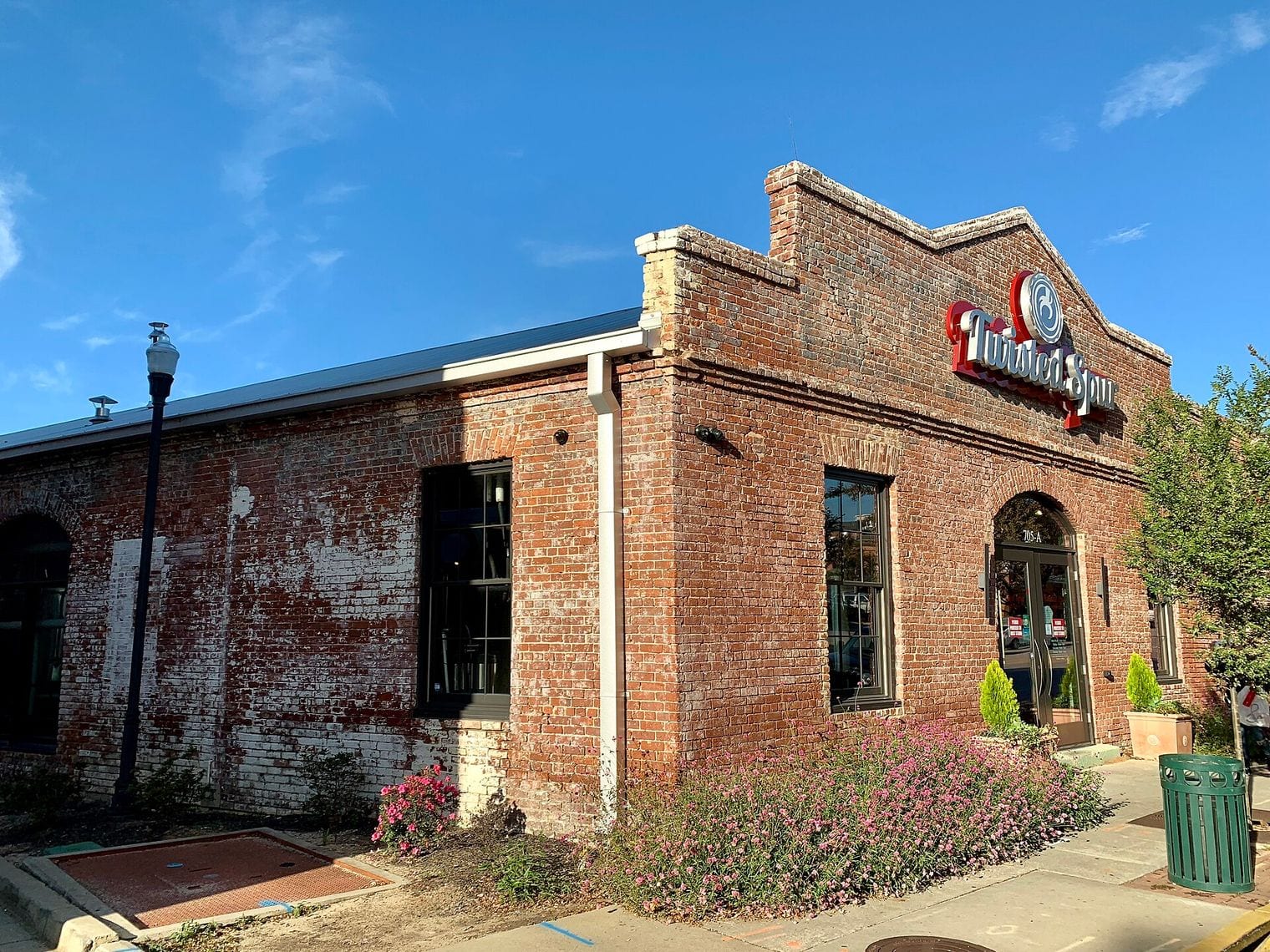
The Vista, formally the Congaree Vista, is the former warehouse and railroad district between downtown and the Congaree River, centered on Gervais Street. Its brick warehouses and old train depots now hold restaurants, bars, art galleries and shops, and the district is listed on the National Register of Historic Places.
It is Columbia's go-to area for dinner and an evening out, within walking distance of the State Museum, Colonial Life Arena and the riverfront. Wander the side streets for galleries and murals, then end the night on one of Gervais Street's patios.
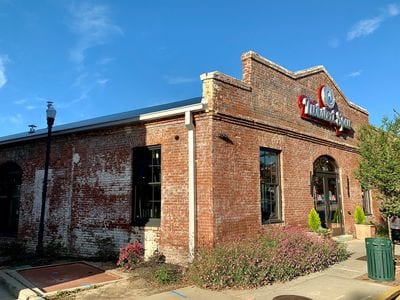
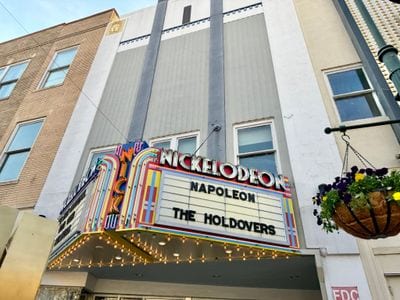
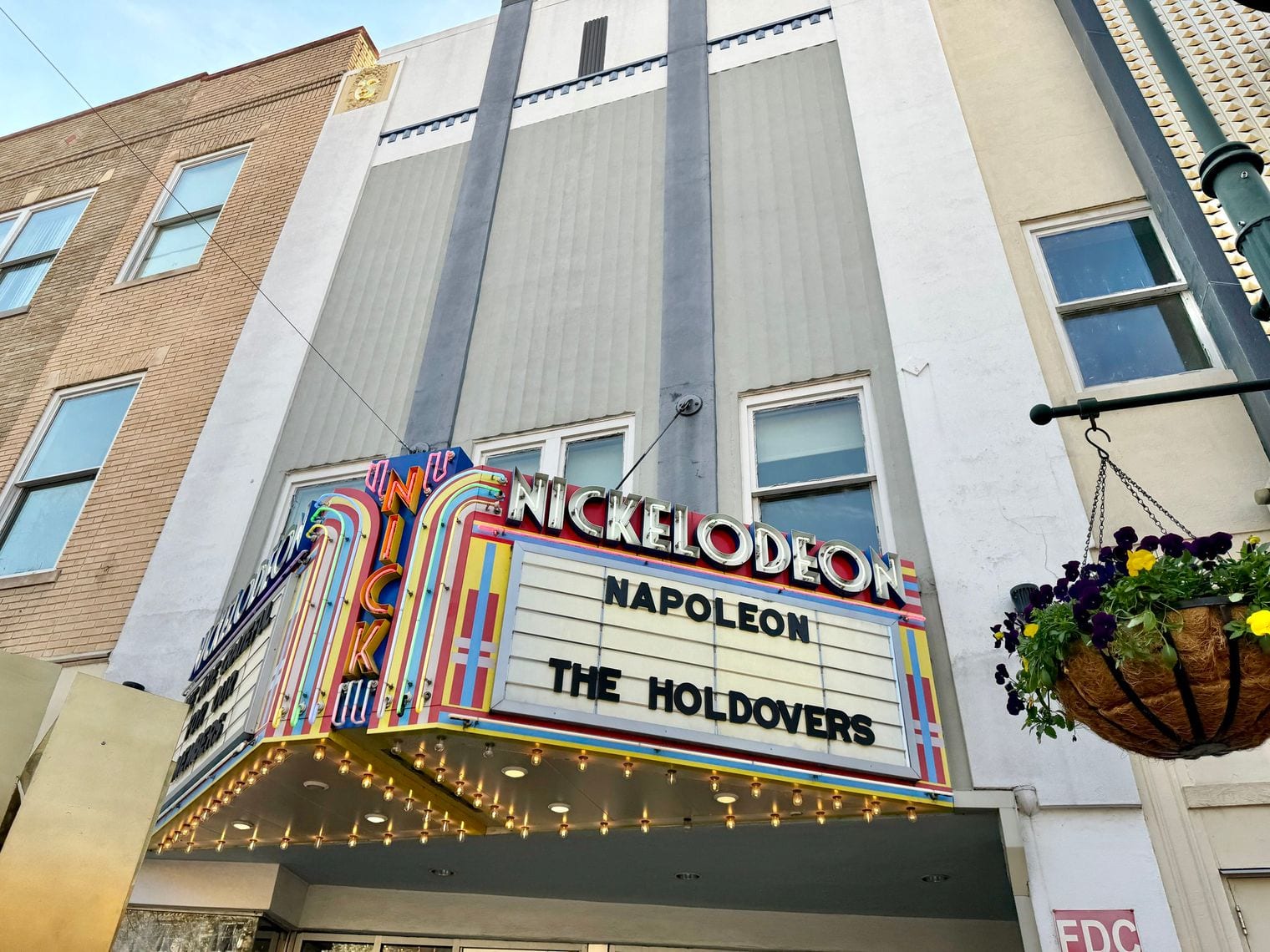
The Nickelodeon Theatre is Columbia's nonprofit art-house cinema, run by the Columbia Film Society on Main Street. It screens independent, foreign and documentary films alongside classics, special series and local film events.
An evening film here is a good alternative to the big multiplexes, with a small, friendly room and programming you will not find elsewhere in the state's capital. It sits steps from the Columbia Museum of Art, so pair it with an afternoon on Main Street.
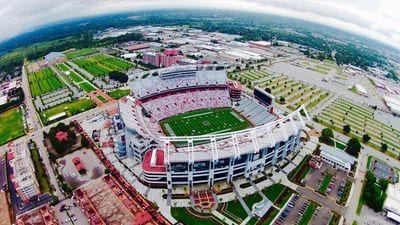
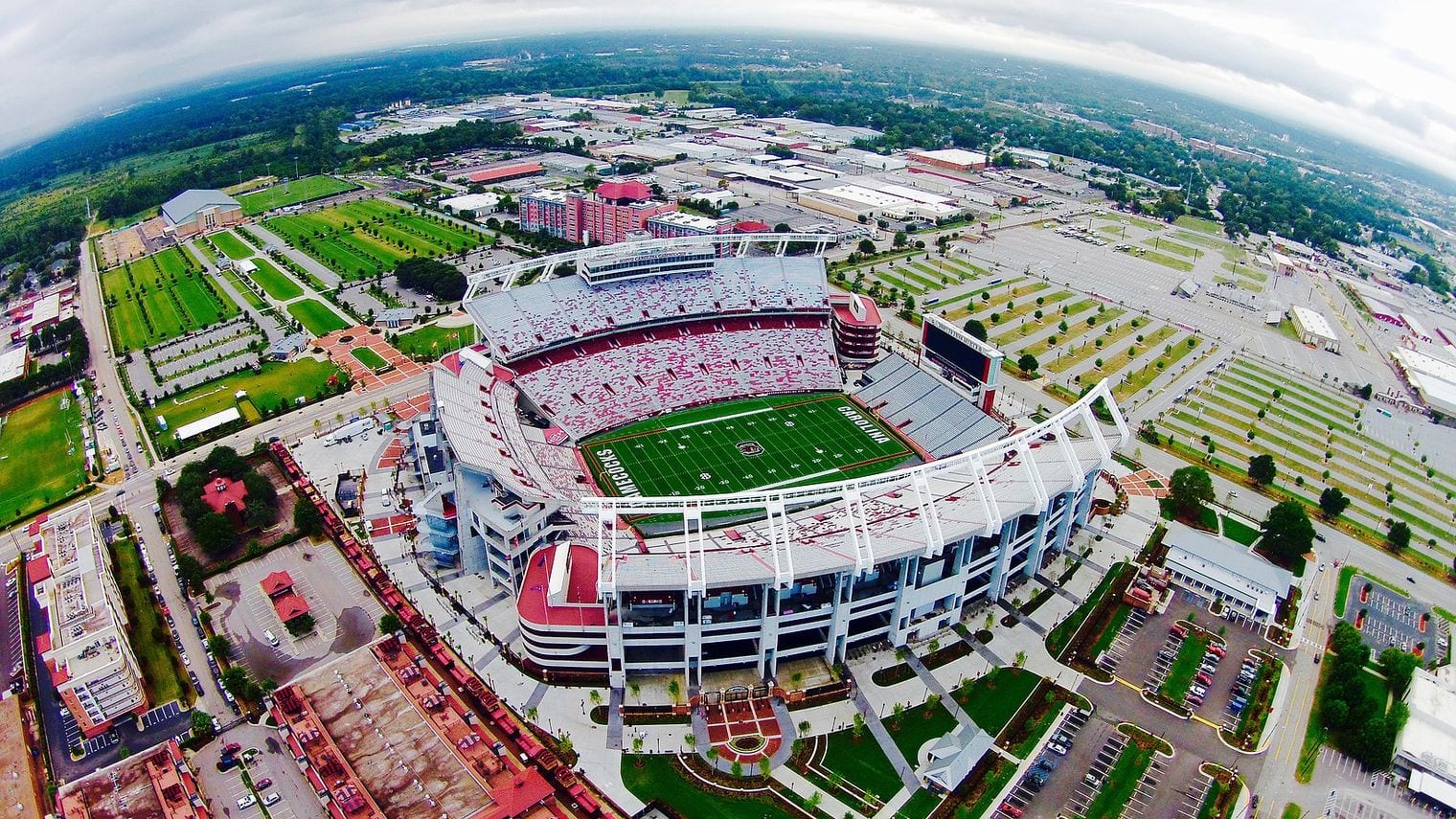
Williams-Brice Stadium is home of the South Carolina Gamecocks football team and the center of Columbia's fall weekends, with room for more than 70,000 fans. Set beside the South Carolina State Fairgrounds south of downtown, it has also hosted major stadium concerts.
A home game is the most Columbia experience there is, with tailgating that fills the lots around the stadium for hours before kickoff. If you visit outside football season, it is worth a drive-by on the way to the South Carolina Military Museum, which sits close by.
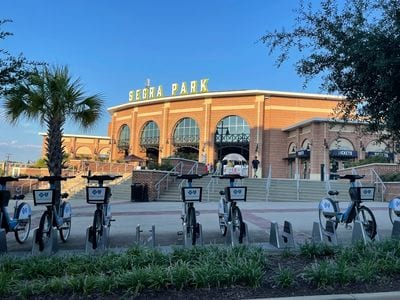
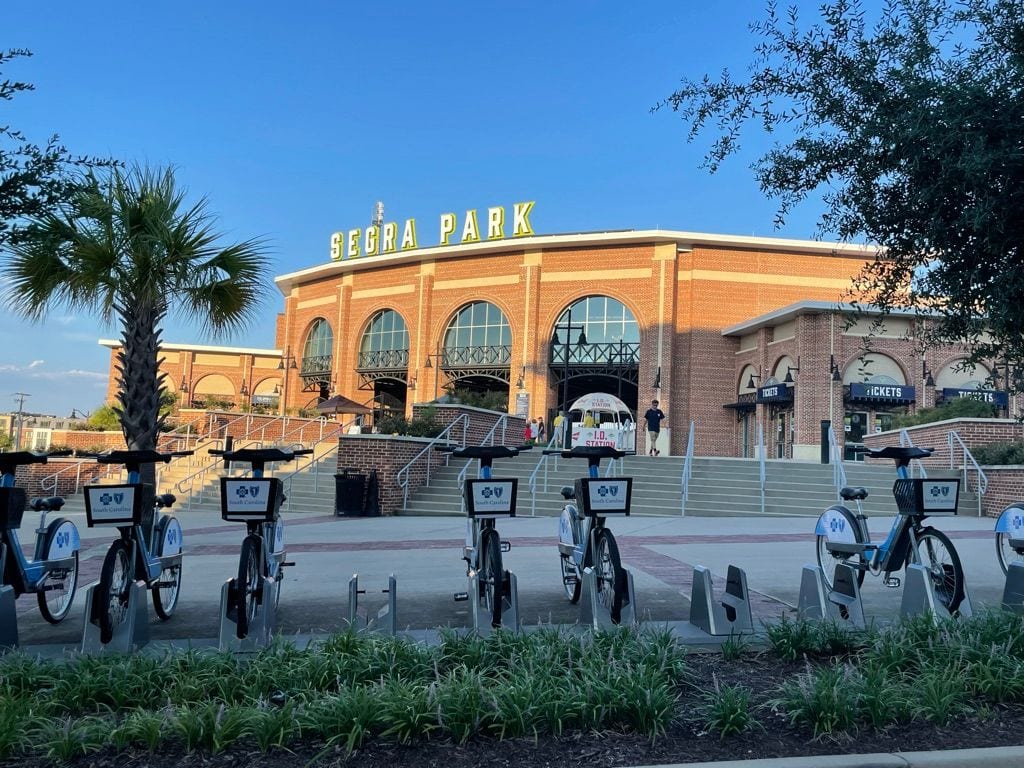
Segra Park is the home ballpark of the Columbia Fireflies, the city's minor-league baseball team, and it opened in 2016 in the BullStreet District, the redevelopment of the old state hospital grounds. The ballpark seats around 9,000 and is built for an easy, affordable night out.
Games come with fireworks nights, themed promotions and plenty of space for children to run around, so even non-fans enjoy an evening here. The surrounding BullStreet District has restaurants and walking paths to explore before the first pitch.
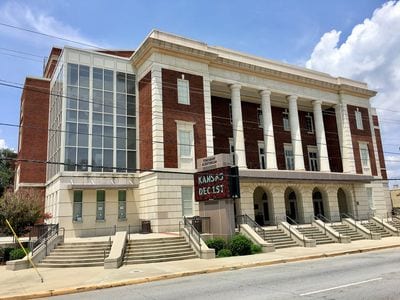
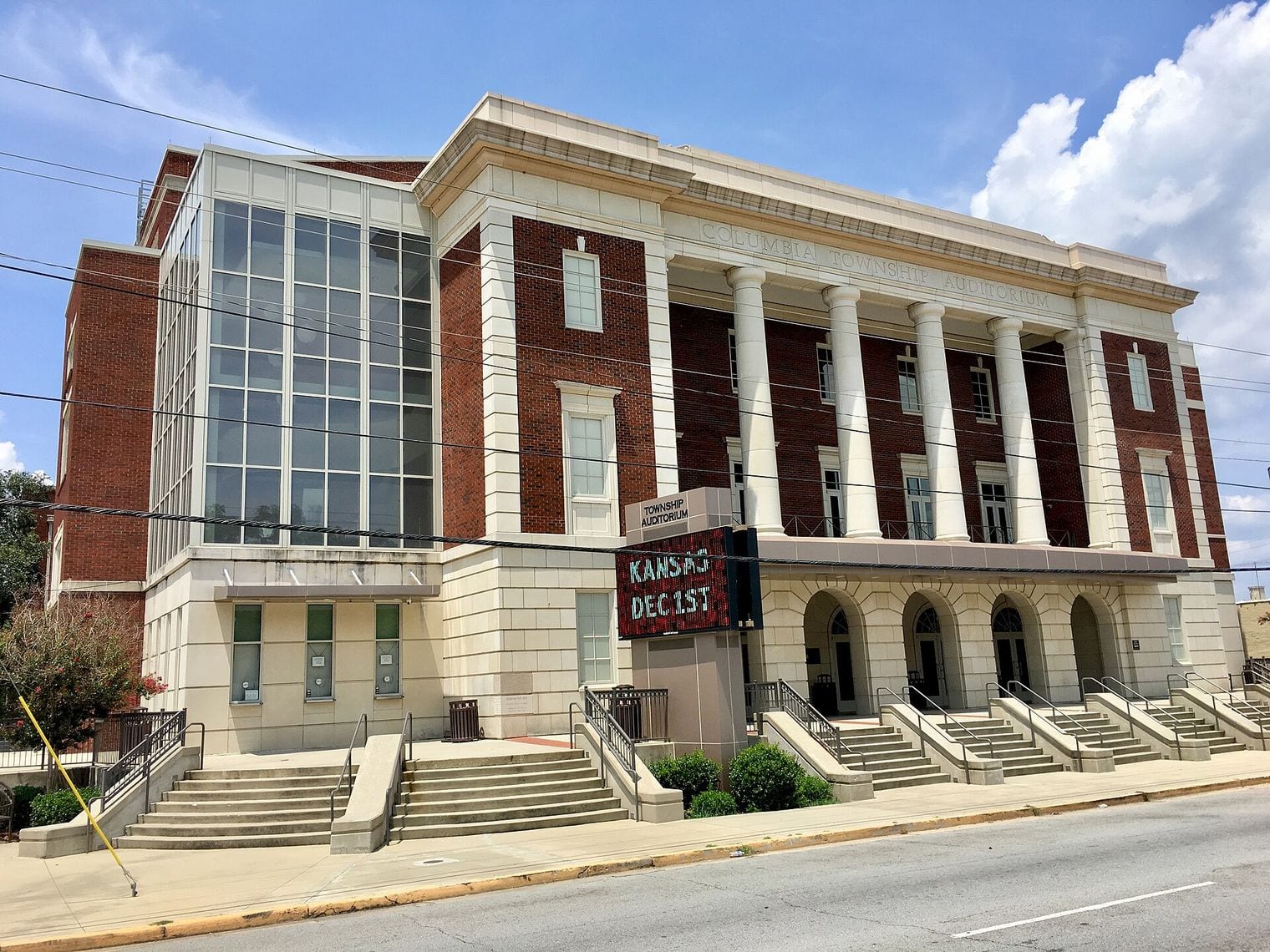
Township Auditorium is a historic 1930 concert hall with a columned Georgian Revival portico, listed on the National Register of Historic Places. In its early decades it was a major Southern tour stop, with Louis Armstrong, Ella Fitzgerald and Duke Ellington among the performers who played here.
A full renovation in 2009 modernized the hall, which now seats around 3,000 for concerts, comedy and touring shows. Its size makes it one of the best places in Columbia to see a big-name act up close.
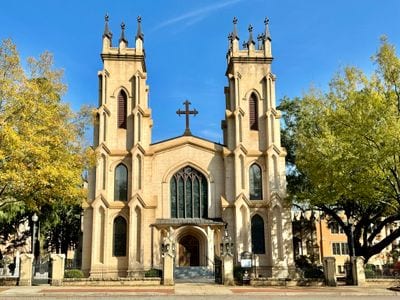
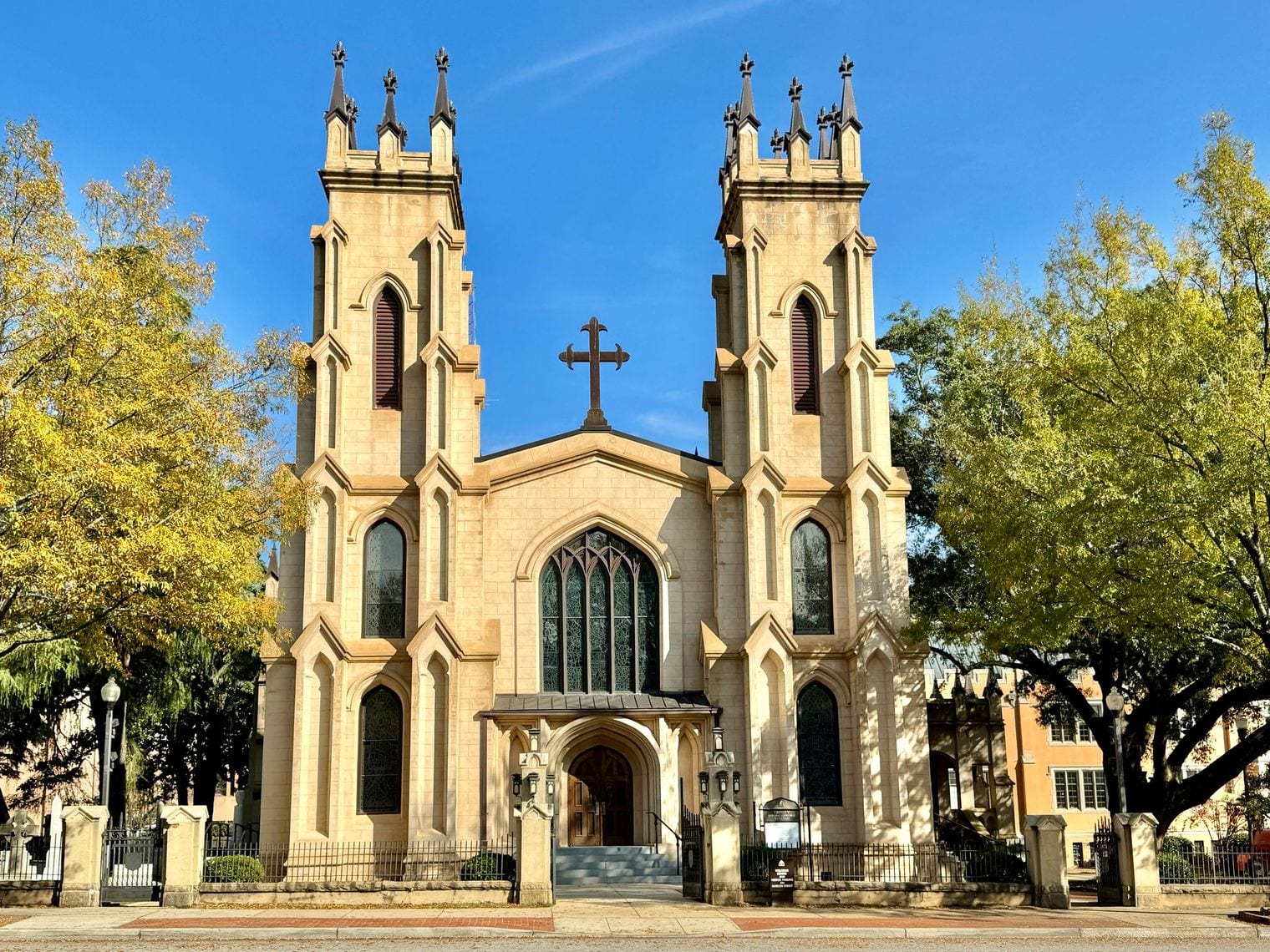
Trinity Episcopal Cathedral stands directly east of the State House, a Gothic Revival church consecrated in 1847 and modeled on York Minster in England. It is the oldest surviving church sanctuary in Columbia, and its twin towers and stained glass make it one of the city's most striking buildings.
The shaded churchyard is the burial place of three generations of Wade Hamptons and many other prominent South Carolinians, and its old oaks and magnolias are worth a quiet wander. Check the cathedral's schedule before stepping inside, and combine it with a State House tour across Sumter Street.
Plan your trip
Best Time to Visit Columbia
Spring and fall are the best seasons in Columbia. Spring brings blooming azaleas and dogwoods to the Riverbanks botanical garden and the historic house gardens, plus the big St. Patrick's Day celebration in Five Points. Fall means mild weather, football Saturdays at Williams-Brice Stadium and the South Carolina State Fair at the fairgrounds next door.
Summers are long, hot and humid, so plan outdoor sights for early morning and save museums for the afternoon heat. Winters are mild and quiet, with holiday decorations at the Governor's Mansion and seasonal light displays around the city.
Getting to Columbia
Columbia sits at the junction of Interstates 20, 26 and 77, which makes it an easy drive from Charleston, Charlotte, Greenville and Augusta. Columbia Metropolitan Airport, across the river in West Columbia, has domestic flights, and many visitors fly into Charlotte Douglas International Airport, about an hour and a half north, for more choice.
Amtrak's long-distance trains between New York and Florida stop at the downtown station, and intercity buses also serve the city.
Getting Around Columbia
Downtown Columbia is compact and walkable: the State House, Main Street, the University of South Carolina, the Vista and the historic house museums are all within about a mile of each other, and the canal path links the Vista to the river. Rideshare and local buses fill the gaps.
A car is the easiest way to reach Riverbanks Zoo, Sesquicentennial State Park, Saluda Shoals Park and Fort Jackson. Parking is easy to find downtown except on football and big-event days, when traffic around Williams-Brice Stadium and the arena builds for hours.
Where to Stay in Columbia
Downtown and the Vista are the best bases for a short visit, with the State House, Main Street, museums and restaurants on foot. The University of South Carolina and Five Points area suits visitors coming for campus events or nightlife.
Larger chain hotels cluster along the interstates in Northeast Columbia and around Harbison, which work well for drivers and families heading to Sesquicentennial State Park or Lake Murray. On football weekends and graduation dates rooms across the city fill early, so book well ahead.
Where to Eat in Columbia
The Vista, Main Street and Five Points hold most of Columbia's restaurants, from casual lunch spots to chef-driven dinner rooms, and the Devine Street corridor near Shandon adds neighborhood cafes and bistros. On Saturdays, Soda City Market doubles as the city's best street-food crawl.
Look for Midlands-style barbecue with tangy mustard-based sauce, shrimp and grits from the Lowcountry, pimento cheese, fried green tomatoes and boiled peanuts from roadside stands on the way out of town.
Day Trips from Columbia
Congaree National Park, about 30 to 40 minutes southeast, protects one of the largest stretches of old-growth bottomland hardwood forest in the Southeast, with a boardwalk loop and paddling trails on Cedar Creek. Lake Murray, about half an hour west, is the place for boating and swimming, and Harbison State Forest on the northwest edge of the city has some of the Midlands' best mountain-bike and hiking trails.
For a longer day, Charleston is about two hours southeast, Charlotte about an hour and a half north and Augusta about an hour and a quarter southwest. South Carolina's small towns, from Camden to Aiken, are also within easy reach for a slower day out.
Columbia is best known as South Carolina's capital and home of the University of South Carolina. Visitors come for Riverbanks Zoo and Garden, the South Carolina State House, Soda City Market on Saturdays, the South Carolina State Museum and the Columbia Canal and Riverfront Park, plus Gamecocks football in the fall.
How many days do you need in Columbia, SC?
Two days is enough for most visitors: one for downtown, the State House, Main Street and the museums, and one for Riverbanks Zoo, the riverfront and the historic house museums. Add a third day if you want to hike or paddle in Congaree National Park or spend time on Lake Murray.
What can you do in Columbia for free?
Free highlights include guided tours of the South Carolina State House, browsing Soda City Market, walking the Columbia Canal and Riverfront Park and relaxing in Finlay Park. The University of South Carolina Horseshoe, the South Carolina Military Museum and the U.S. Army Basic Combat Training Museum at Fort Jackson are free too.
How far is Congaree National Park from Columbia?
Congaree National Park lies southeast of Columbia, roughly 30 to 40 minutes by car from downtown, which makes it an easy half-day or full-day trip. Its boardwalk loop through towering old-growth floodplain forest suits all ages, and paddlers can explore Cedar Creek by canoe or kayak.
When is the best time to visit Columbia?
Spring and fall are best, with mild weather for the zoo, gardens and riverfront trails. Fall adds football Saturdays and the State Fair, while summer is very hot and humid, so plan outdoor sightseeing for early mornings.
Sources & updates
How this guide was checked
Checked before launch
Sources cited
28
Publishers
21
Every place on this list was confirmed open and pinned on the map before publication, and what we say about each one was checked against its own website or an official source.
A PDF with a box to tick for every place. Confirm your email to download it, and get one email every Thursday with our newest guides for the places you tick.
Free Columbia printable checklist
All 28 places in one PDF
Tick them off as you go. Confirm your email to download it, plus one email every Thursday with new guides for the places you tick.
We use cookies to analyse site traffic and improve your experience.
You can accept or reject analytics cookies. See our
May we use analytics cookies? See ourCookie Policy.