We build and rank every list first. Booking links come after, and only where
a partner sells a ticket, tour or stay for that exact place, so a place with
nothing to book is listed exactly as prominently as one you can book.
So how do we earn? Some links on this page go to booking
partners, and if you book tickets, tours or a stay through
one, we may earn a commission. It costs you nothing extra.
That commission never decides which places make the list, the order they
appear in, or what we write about them. No entry is sponsored or a paid
placement.
20 Best Things to Do in Rapid City, South Dakota (2026)
By the City Viking editorial teamPublished 20 places · 17 min read
Fact-checked Checked before launchOct 13, 202620 sources14 publishers3 government & parks6 tourism boards2 encyclopedias & research9 venues & other sitesPublished · Oct 13, 2026Researched and checked before it went liveClick for every source and the full change log.
Short answer
Rapid City is known for being the Gateway to the Black Hills, its 1876 founding by miners and its setting where the prairie meets the pines. Start with Mount Rushmore, about 35 minutes southwest, then Dinosaur Park and the City of Presidents statues downtown. Plan on two to three days: one for the city, one for the Black Hills loop with Custer State Park and Crazy Horse, and one for Badlands National Park an hour east.
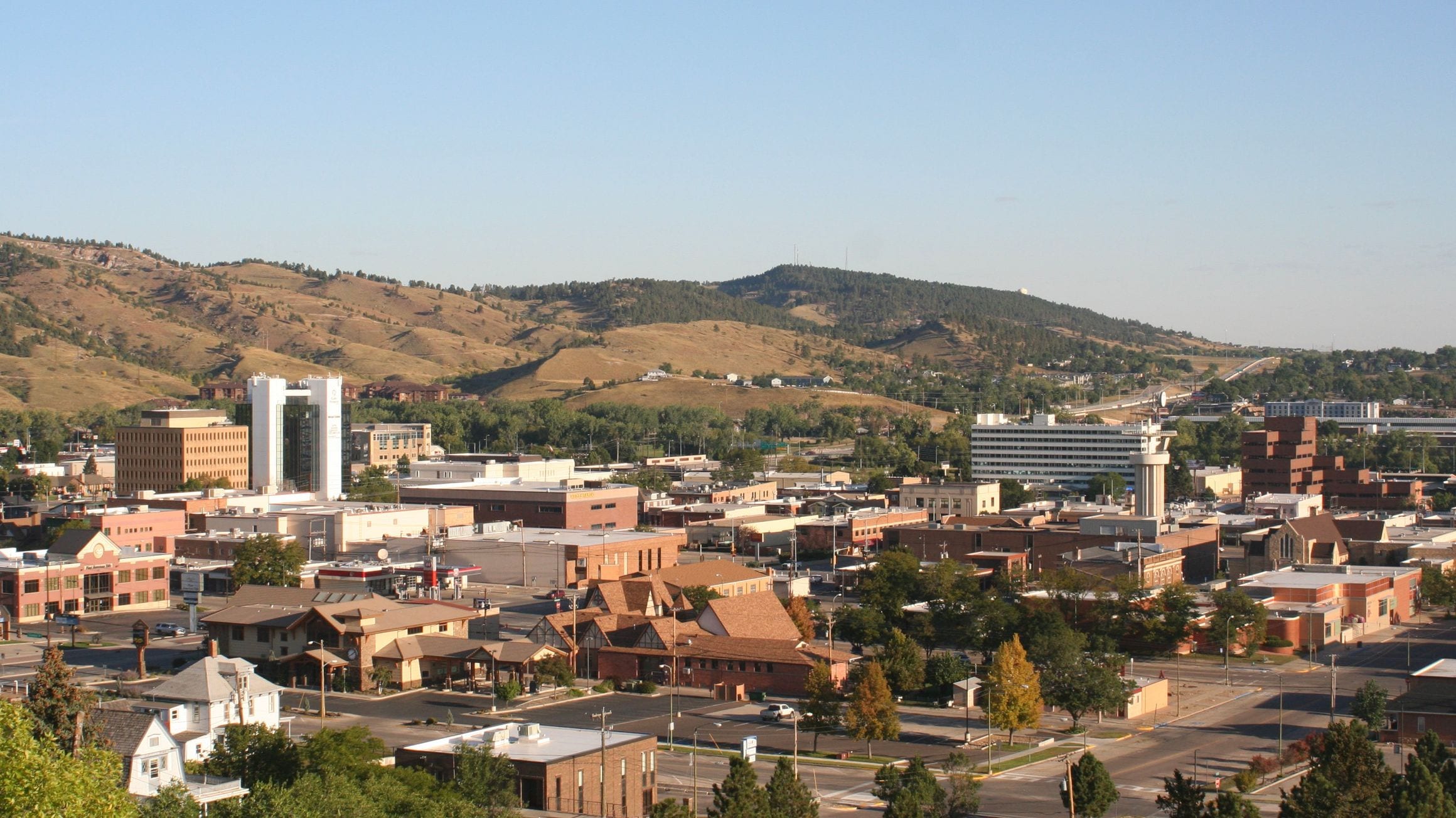
Rapid City sits where the prairie meets the pines on the eastern edge of the Black Hills, and miners founded it in 1876 as the gateway to the hills. Its walkable downtown pairs bronze presidents on the street corners with murals, galleries and a busy central square, while Mount Rushmore is barely half an hour away.
This guide covers 20 of the best things to do in and around Rapid City, from free city parks and museums to the big Black Hills sights and Badlands National Park. It makes the natural base for western South Dakota; plan on two to three days.
Map of Things to Do in Rapid City, South Dakota
Things to Do in Rapid City, South Dakota
Things to Do in Rapid City, South Dakota at a Glance
Rapid City started life as "Hay Camp" — a group of miners founded it in 1876, after the Black Hills gold rush, and promoted it as the "Gateway to the Black Hills".
It is South Dakota's second-largest city, with 74,703 people at the 2020 census, behind only Sioux Falls.
"City of Presidents" is a real nickname — life-size bronze statues of past presidents have been going up on downtown street corners since 2000.
The 1972 flood reshaped the city — flash flooding along Rapid Creek on June 9, 1972 killed 238 people, and the floodplain was later cleared and turned into parkland and a creekside bike path.
Its dinosaurs are a New Deal landmark — Dinosaur Park was built with the Works Progress Administration, dedicated in 1936 and listed on the National Register of Historic Places in 1990.
A medieval Norwegian church has a twin here — the Chapel in the Hills is an exact replica of the Borgund stave church, which was built in Norway around 1150.
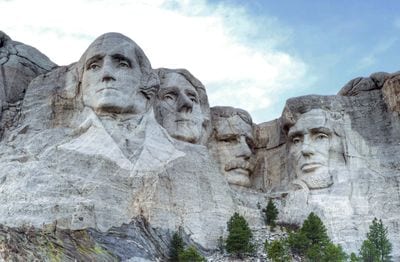
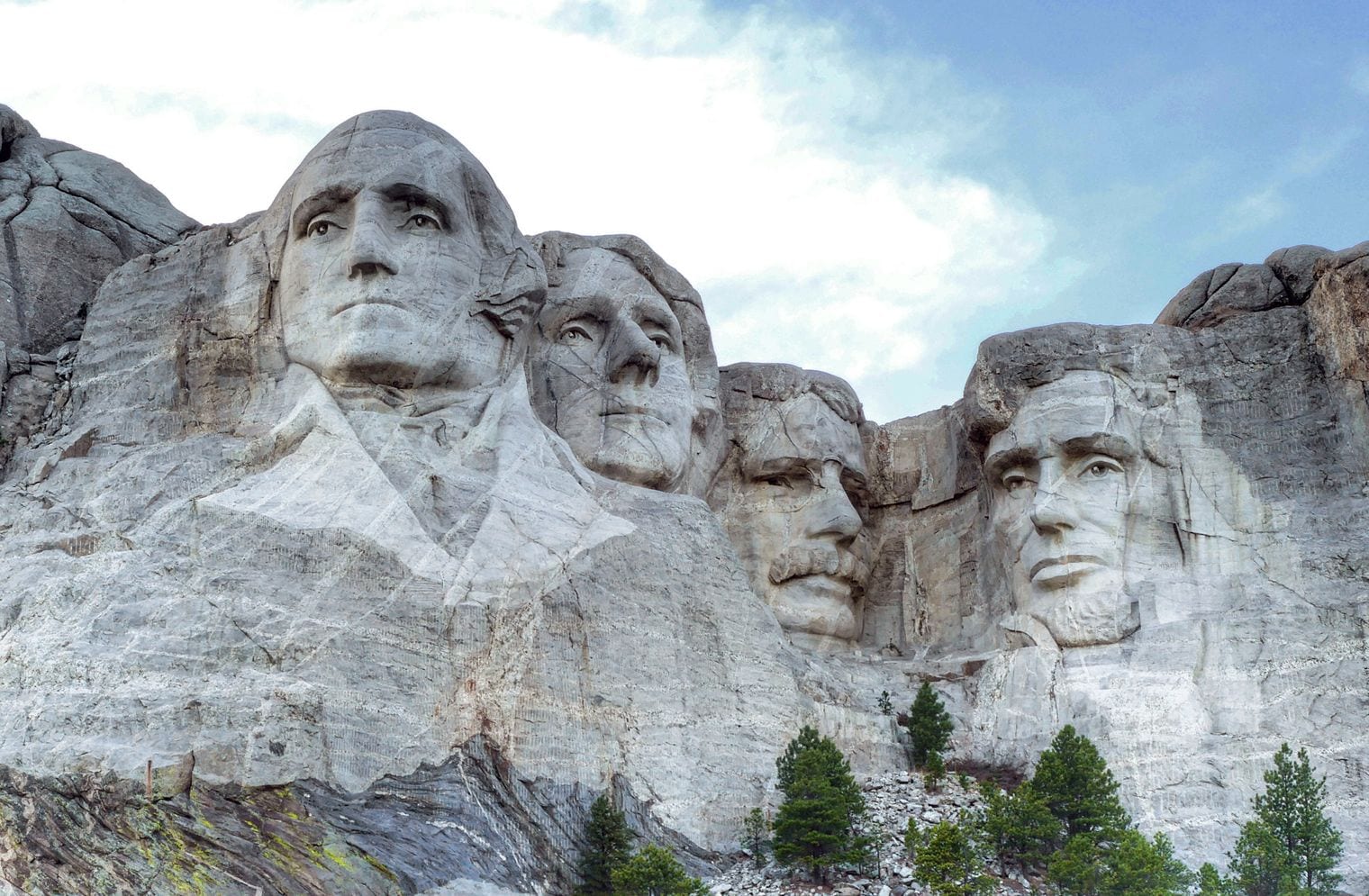
About 23 miles southwest of downtown, roughly 35 minutes by car through Keystone, Mount Rushmore National Memorial is the reason most visitors base themselves in Rapid City. Sculptor Gutzon Borglum oversaw the carving from 1927 to 1941, and the 60-foot faces of George Washington, Thomas Jefferson, Theodore Roosevelt and Abraham Lincoln gaze out from the granite above the pines.
Walk the Avenue of Flags to the Grand View Terrace for the classic view, then follow the Presidential Trail for closer angles beneath the carving and stop at the Sculptor's Studio. On summer evenings rangers hold a lighting ceremony, and the winding Iron Mountain Road links the memorial to Custer State Park for a full Black Hills loop.
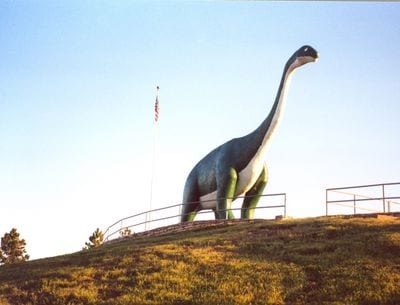
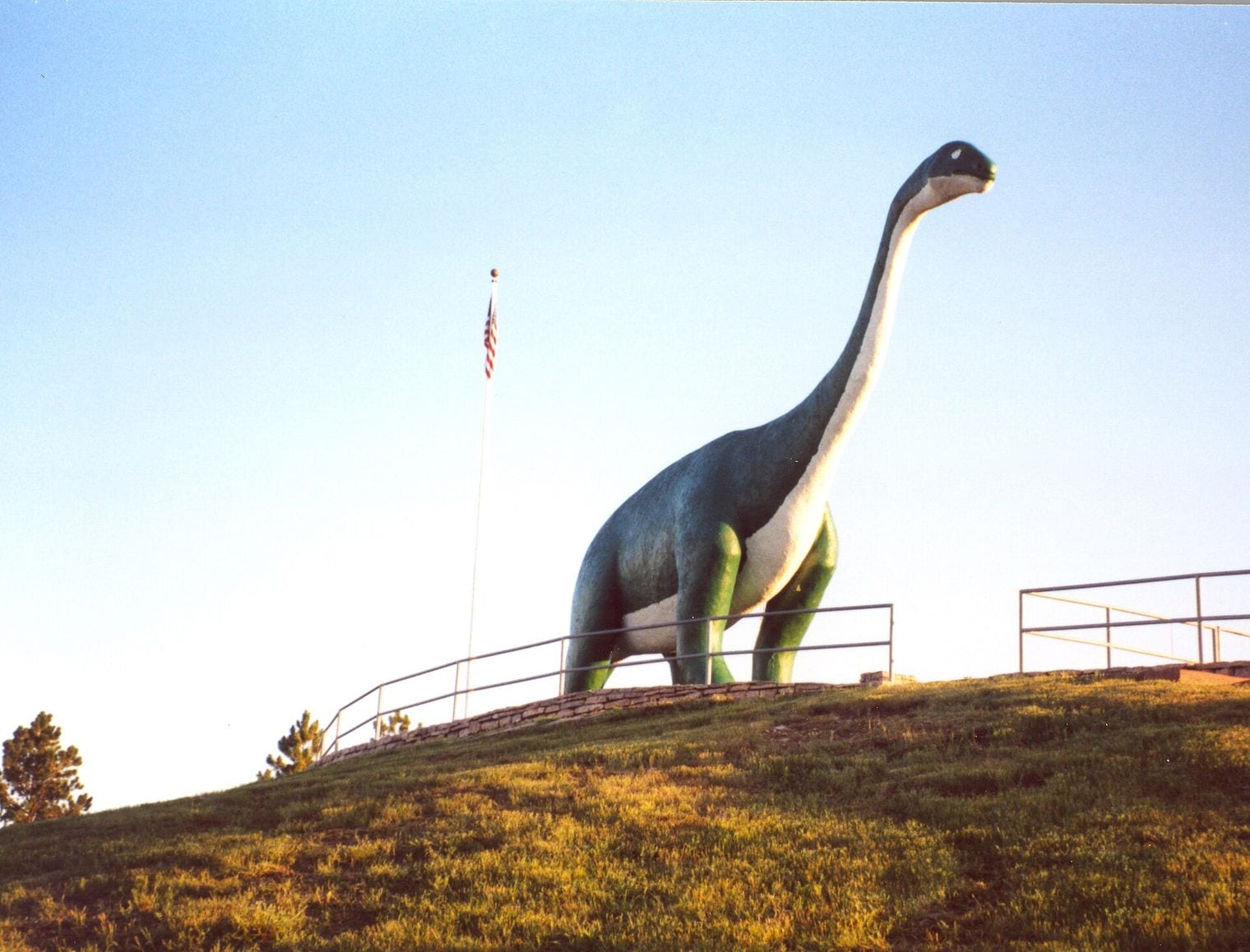
High on a ridge above downtown, Dinosaur Park has watched over Rapid City since it was dedicated in 1936. The city and the Works Progress Administration built its concrete dinosaurs to catch the tourists heading for Mount Rushmore, and the bright green Apatosaurus, 80 feet long, can be seen from much of the city.
A stairway climbs from the parking area to the sculptures, which also include a Tyrannosaurus rex, a Triceratops and a Stegosaurus, and the hilltop gives one of the best free views in town, over the rooftops to the prairie. The park is listed on the National Register of Historic Places, costs nothing to visit, and the trails of the Skyline Wilderness Area start along the same ridge.
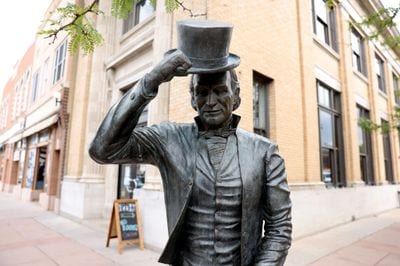
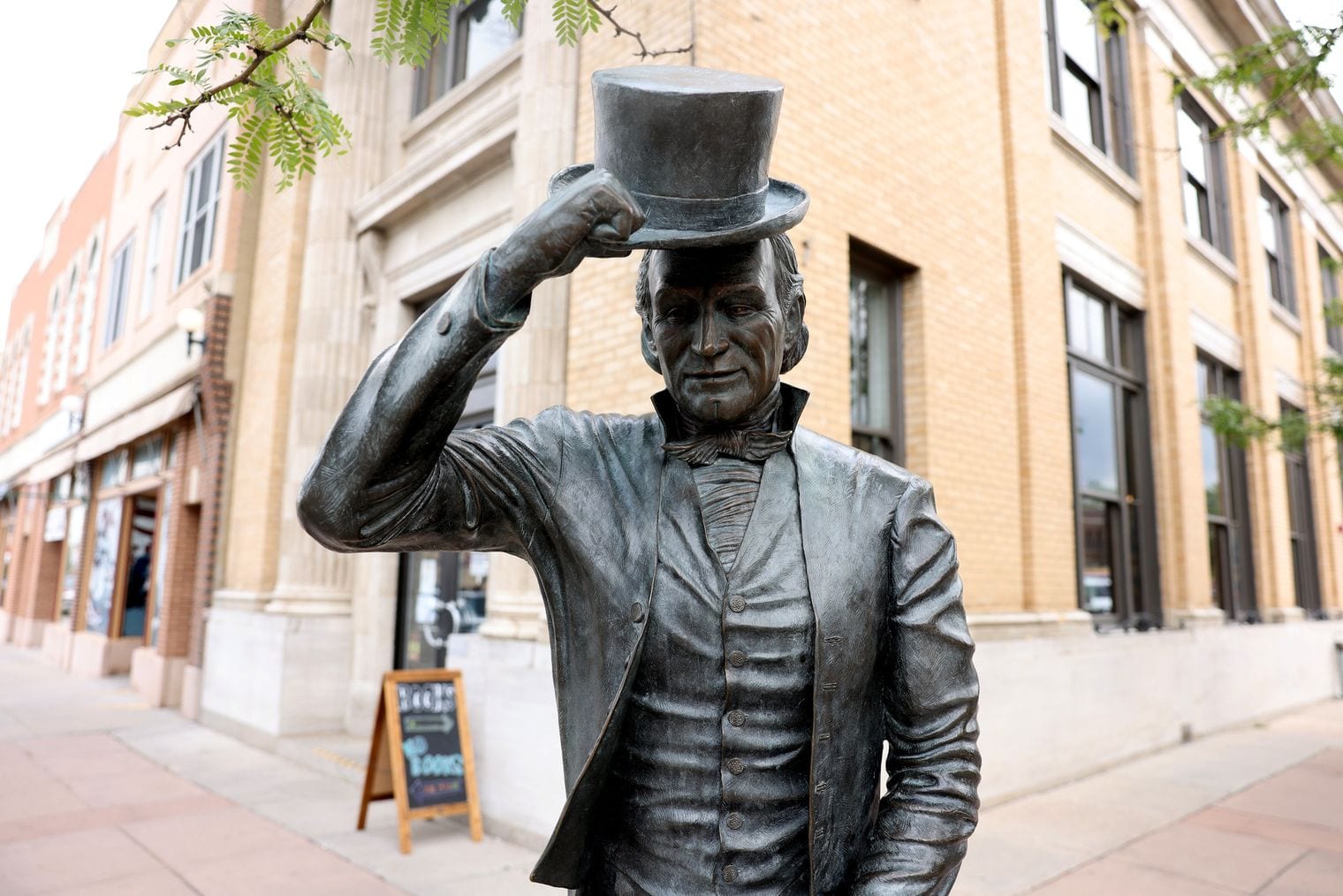
Rapid City's nickname comes from the City of Presidents, a walk of life-size bronze statues of past U.S. presidents standing on the street corners of downtown. The project began in 2000, and the figures are the work of several South Dakota sculptors, many of them catching their subject in a relaxed, characteristic pose rather than a stiff monument stance.
There is no set route: wander the blocks around Main and St. Joseph streets and a president turns up on almost every corner, close enough to stand beside for a photo. The walk is free and open at any hour, and it combines easily with Art Alley and Main Street Square, both within a couple of blocks.
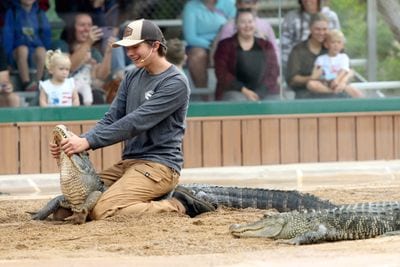
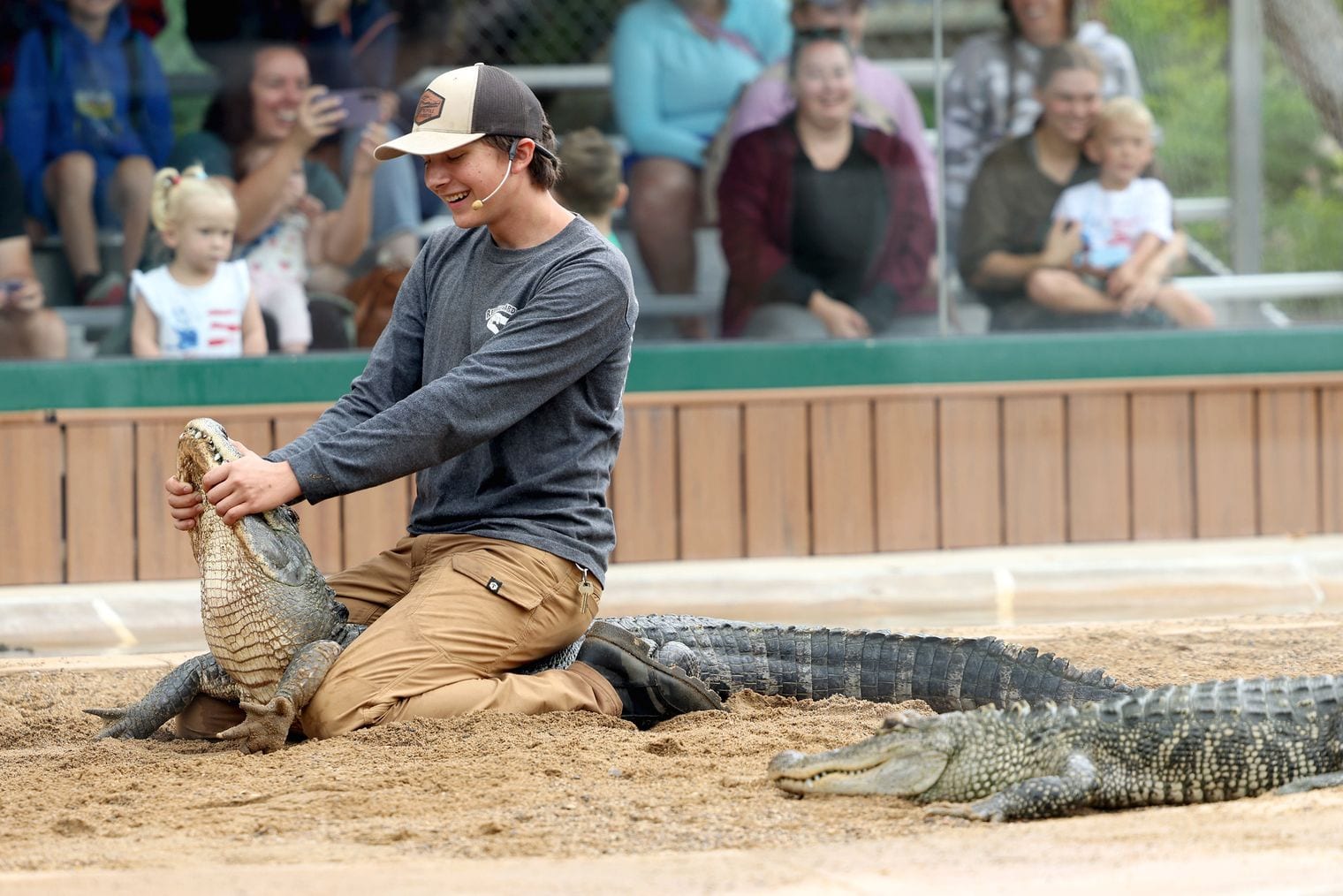
Reptile Gardens has been a Rapid City institution since Earl Brockelsby opened it in 1937, and since 1965 it has stood on Highway 16 at the south edge of town, on the road to Mount Rushmore. Guinness World Records has certified it as the world's largest reptile zoo.
The centerpiece is the Sky Dome, a glass-roofed tropical jungle of plants, snakes and lizards, and outside you will find giant tortoises, alligator shows and a busy schedule of animal talks. Reptile Gardens is seasonal, open from early spring to late fall, which makes it an easy stop on the way back from the carving.
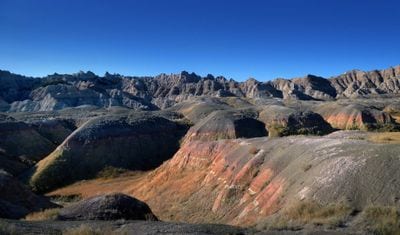
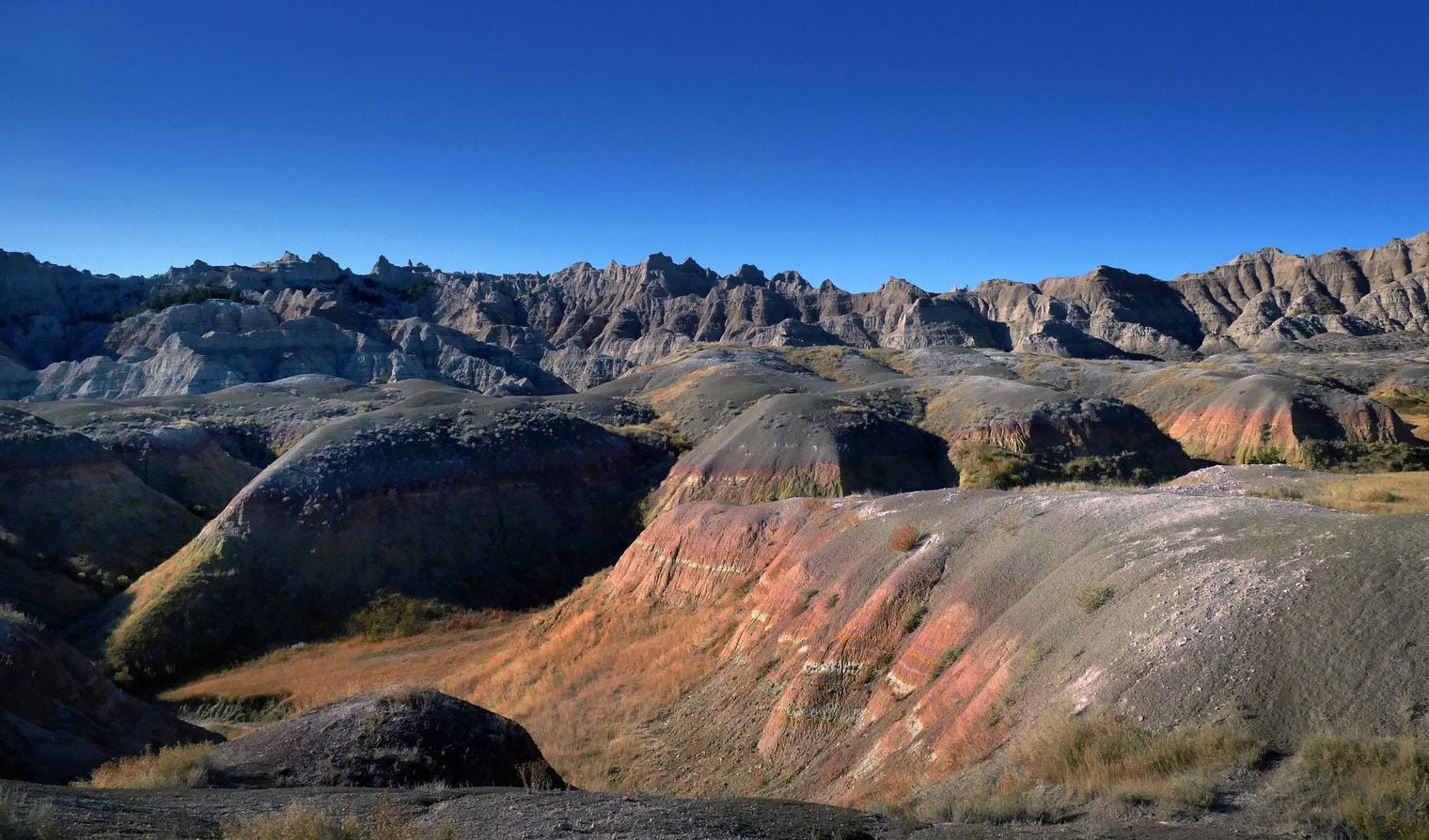
Badlands National Park begins about an hour east of Rapid City along I-90, at the Pinnacles entrance just south of Wall. It protects more than 240,000 acres of sharply eroded buttes and pinnacles, along with the largest undisturbed mixed-grass prairie in the United States, and its striped rock layers are rich in ancient mammal fossils.
Drive the Badlands Loop Road between the Pinnacles entrance and the Ben Reifel Visitor Center, stopping at overlooks and short boardwalk trails along the way. Bighorn sheep, bison and prairie dogs are often spotted, and early morning or late evening light turns the bands of rock pink and gold, so give the trip most of a day.
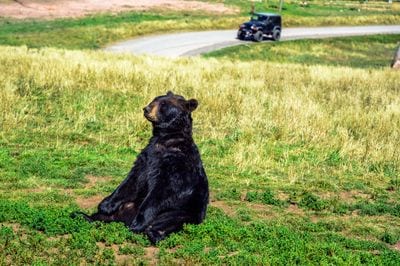
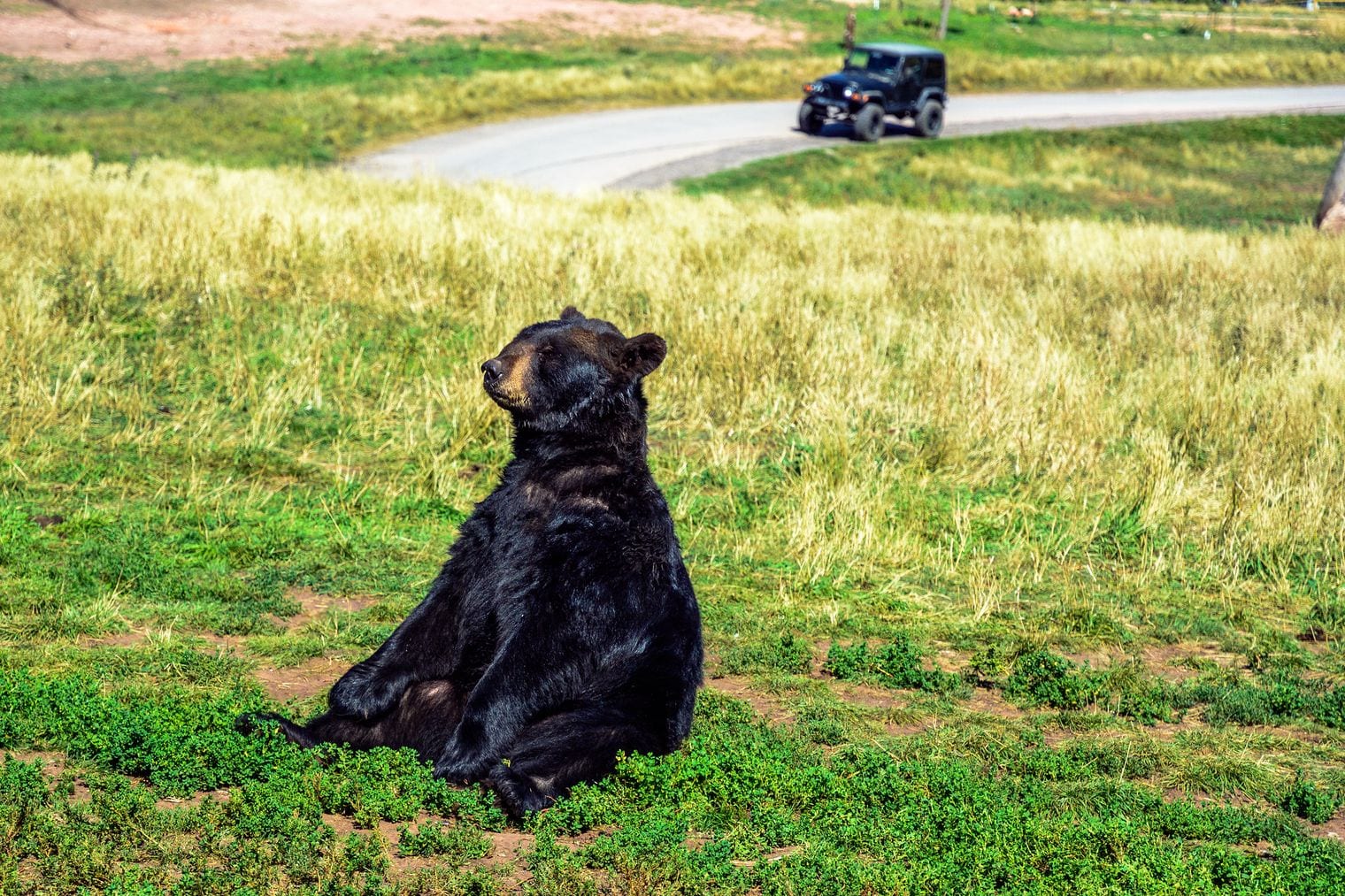
About 9 miles south of downtown on Highway 16, Bear Country USA is a drive-through wildlife park founded in 1972, where you stay in your car while bears, wolves, elk, mountain lions and bison roam the enclosures around you. The park stretches over more than 250 acres of Black Hills forest and meadow.
After the drive, park and walk through Babyland, where young and smaller animals are shown up close, often including bear cubs in season. Bear Country USA is open from spring through late fall, and going early in the day helps you beat the summer line of cars at the gate.
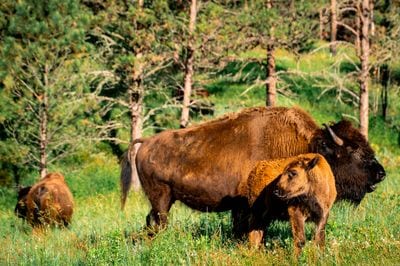
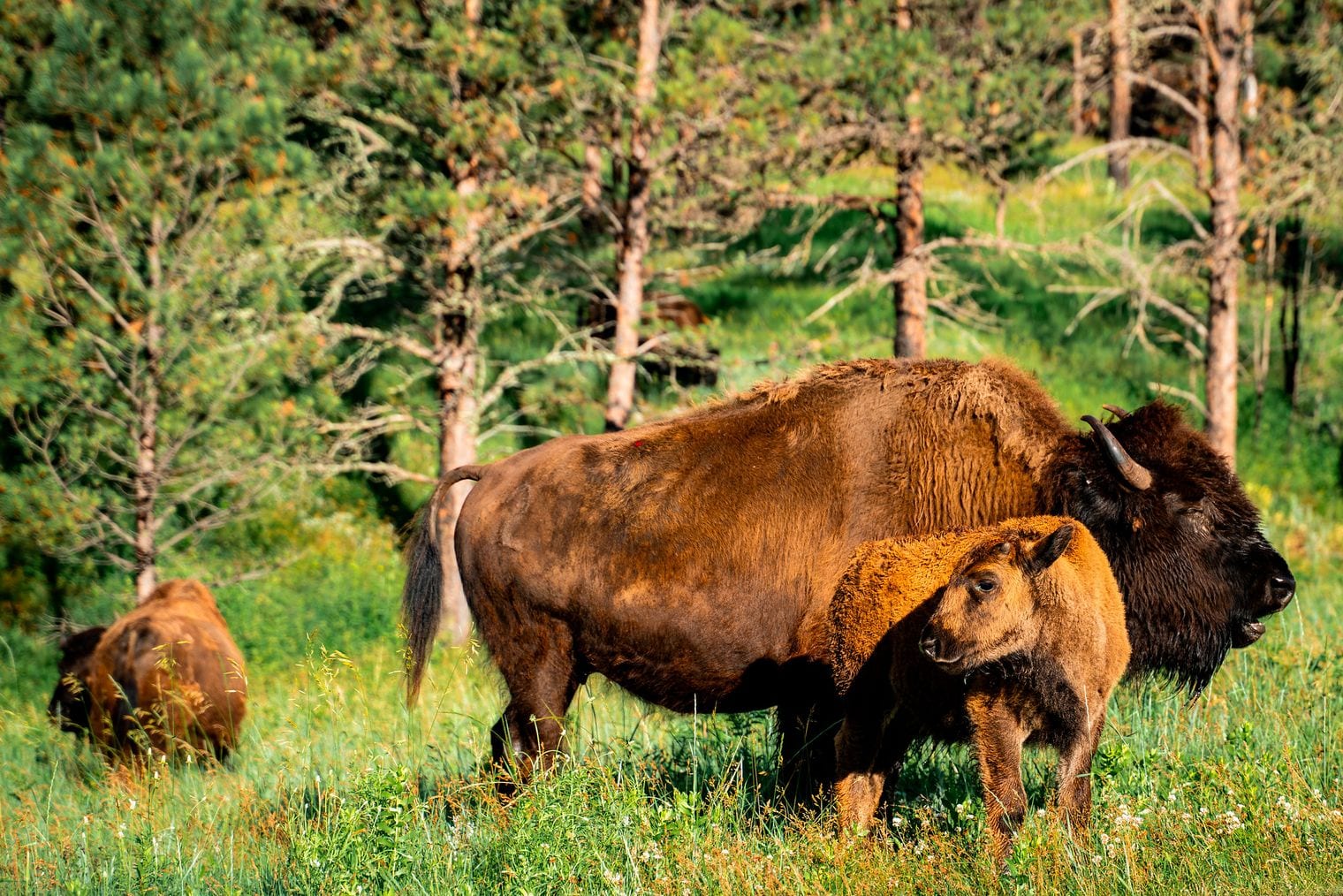
Custer State Park is South Dakota's first and largest state park, more than 71,000 acres of prairie, granite spires and pine forest roughly 45 minutes to an hour southwest of Rapid City. It is home to a free-roaming herd of about 1,400 bison, rounded up each fall in the park's famous Buffalo Roundup, a tradition since 1965.
Drive the Wildlife Loop Road for bison, pronghorn and the park's begging burros, then climb the Needles Highway through tunnels blasted in sheer granite to Sylvan Lake, one of the loveliest spots in the Black Hills. The Needles Highway closes in winter, so plan the full loop with Mount Rushmore and Crazy Horse for late spring through fall.
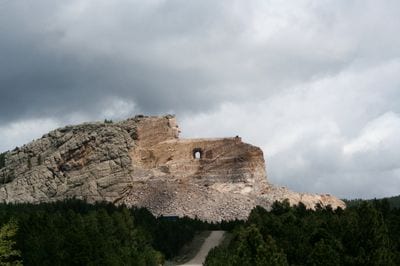
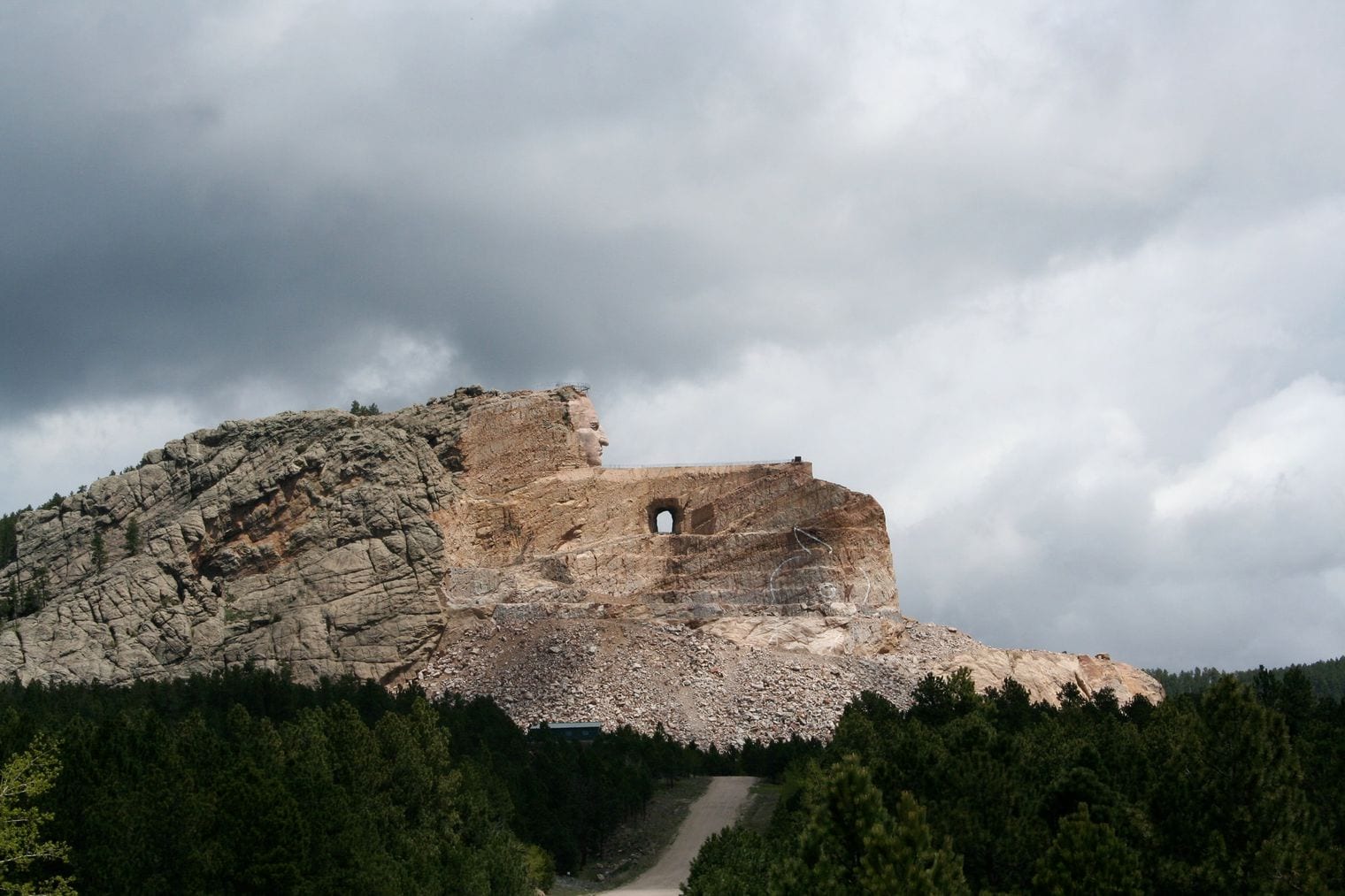
About 40 miles southwest of Rapid City, roughly an hour's drive between Hill City and Custer, the Crazy Horse Memorial is a mountain carving of the Oglala Lakota leader Crazy Horse that has been in progress since 1948. Lakota elder Henry Standing Bear commissioned sculptor Korczak Ziolkowski, and the face, completed in 1998, is about 87 feet high, taller than the heads on Mount Rushmore.
The visitor complex looks across to Thunderhead Mountain, where the horse and outstretched arm are still being shaped, and it has extensive exhibits on Native American culture. The work is far from finished and is run by a nonprofit foundation, so every visit sees a slightly different mountain.
99. Storybook Island
Non-Profit Organization~1.7 miles (2.7 km) from centre
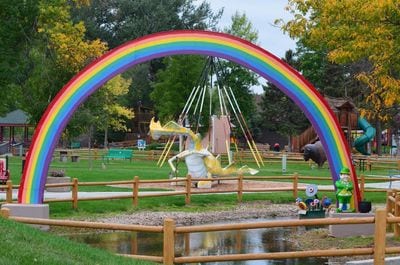
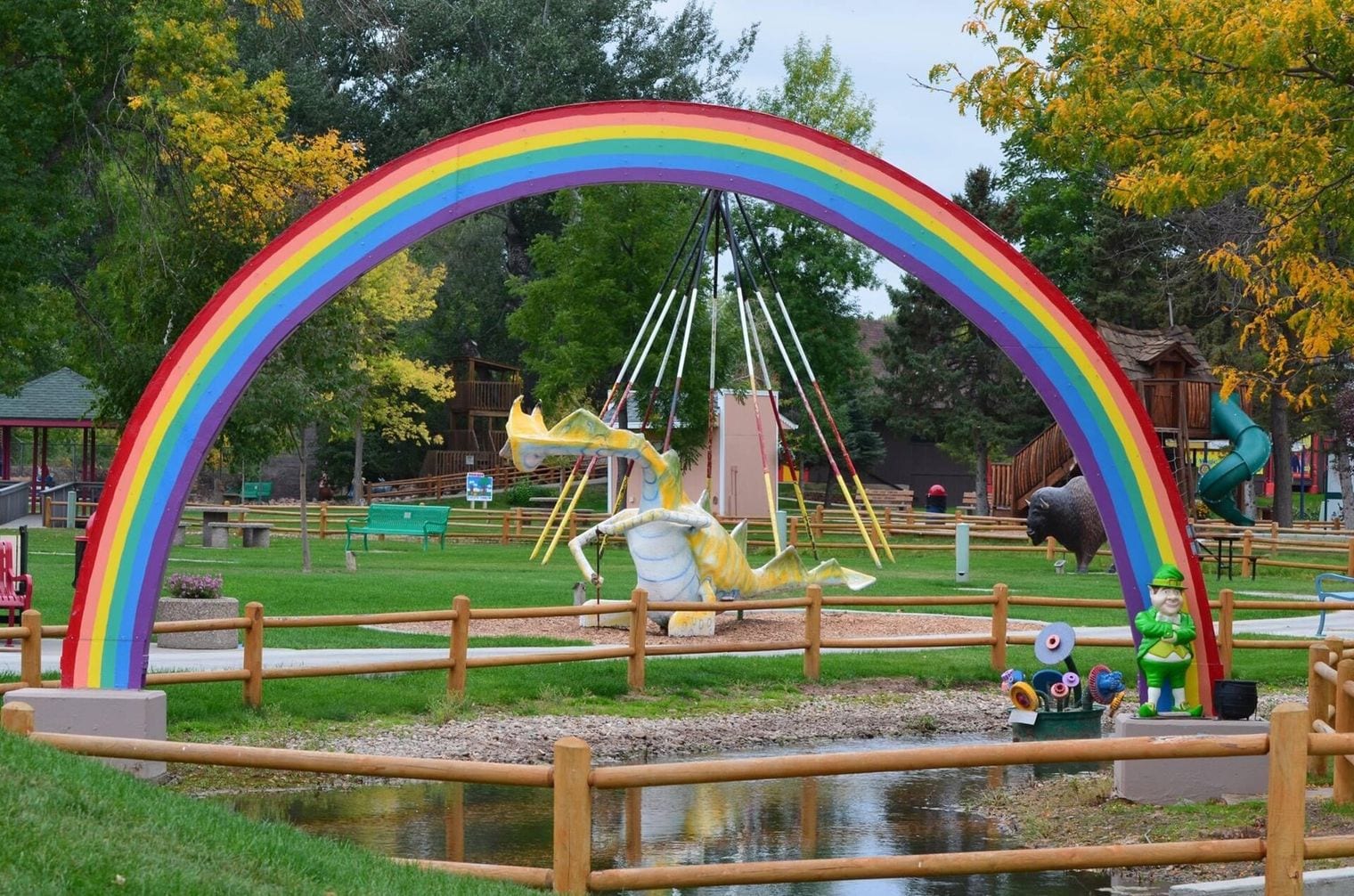
Storybook Island is a children's park in Rapid City where playgrounds and walk-through scenes bring the characters of nursery rhymes and children's books to life. It was founded in 1959 by Merle Gunderson with the Rapid City Rotary Club, and it has stayed free to enter, kept going by donations from visitors and the community.
The park sits on the west side of the city, a short drive from Canyon Lake Park, and its shaded paths make an easy hour or two with younger children. Storybook Island is seasonal, open from Memorial Day weekend through Labor Day, so it fits best into a summer trip.
Free printable checklist of all 20 places
Tick them off as you go. Confirm your email to download it, plus one email every Thursday with new guides for the places you tick.
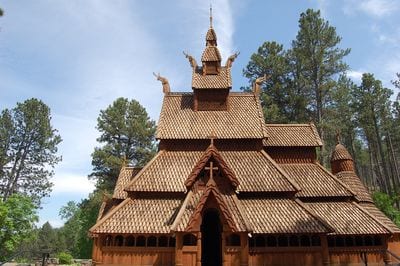
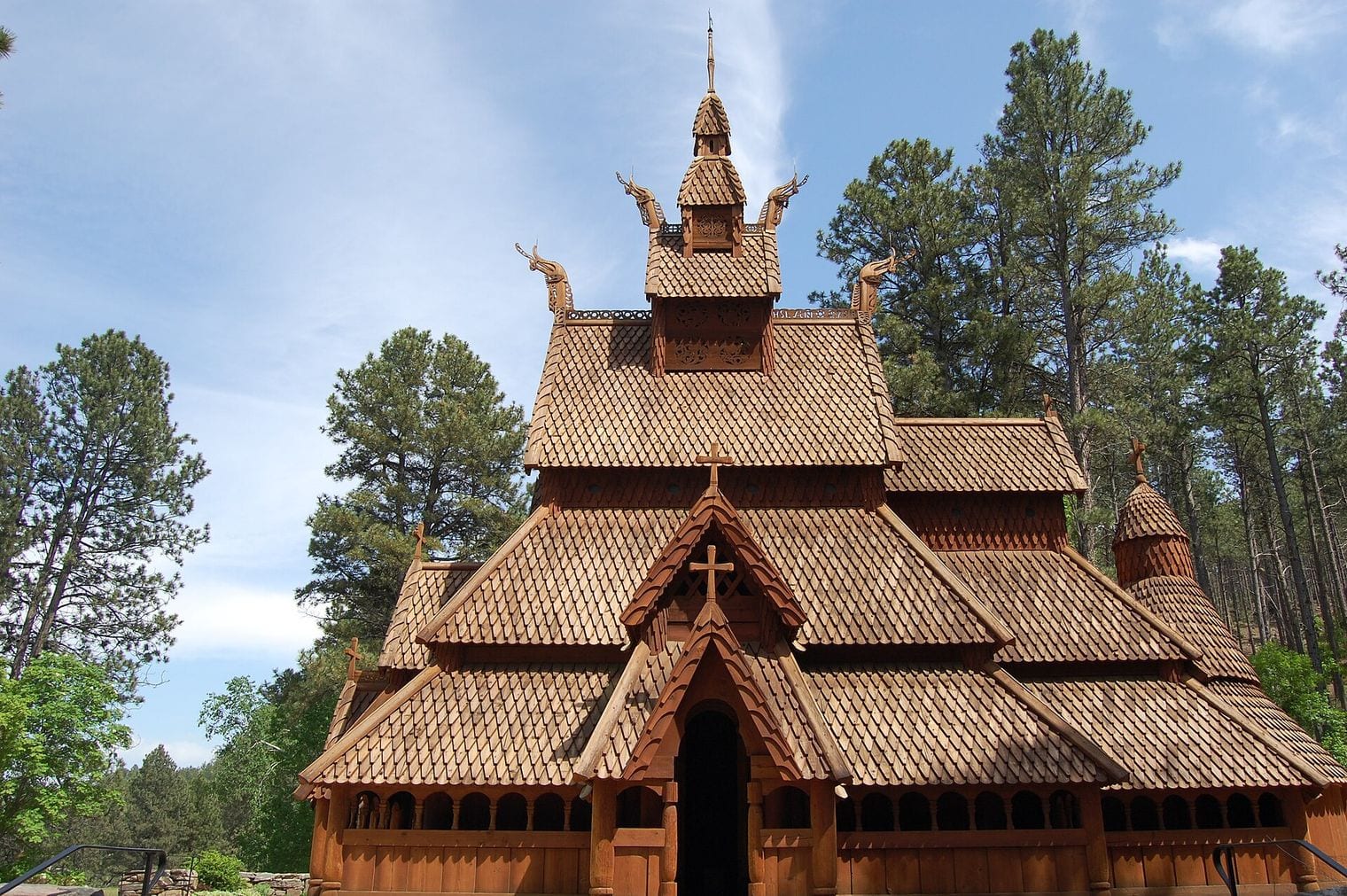
Tucked into a wooded valley on the west side of Rapid City, the Chapel in the Hills is an exact replica of the Borgund stave church in Norway, built from blueprints supplied by the Norwegian Department of Antiquities. It was dedicated in 1969 as the home of the Lutheran Vespers radio ministry, and its tiered dark-timber roofs look startling against the Black Hills pines.
The grounds also hold a log cabin museum built in 1876 by a Norwegian gold prospector, along with a gift shop and quiet walking paths. The chapel, museum and shop are open daily from May through September, with limited access to the grounds in the shoulder months.
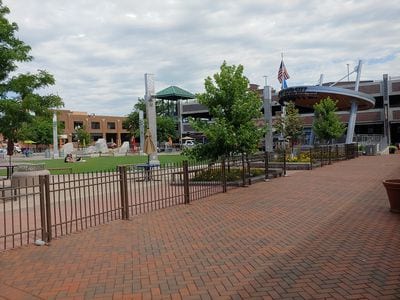
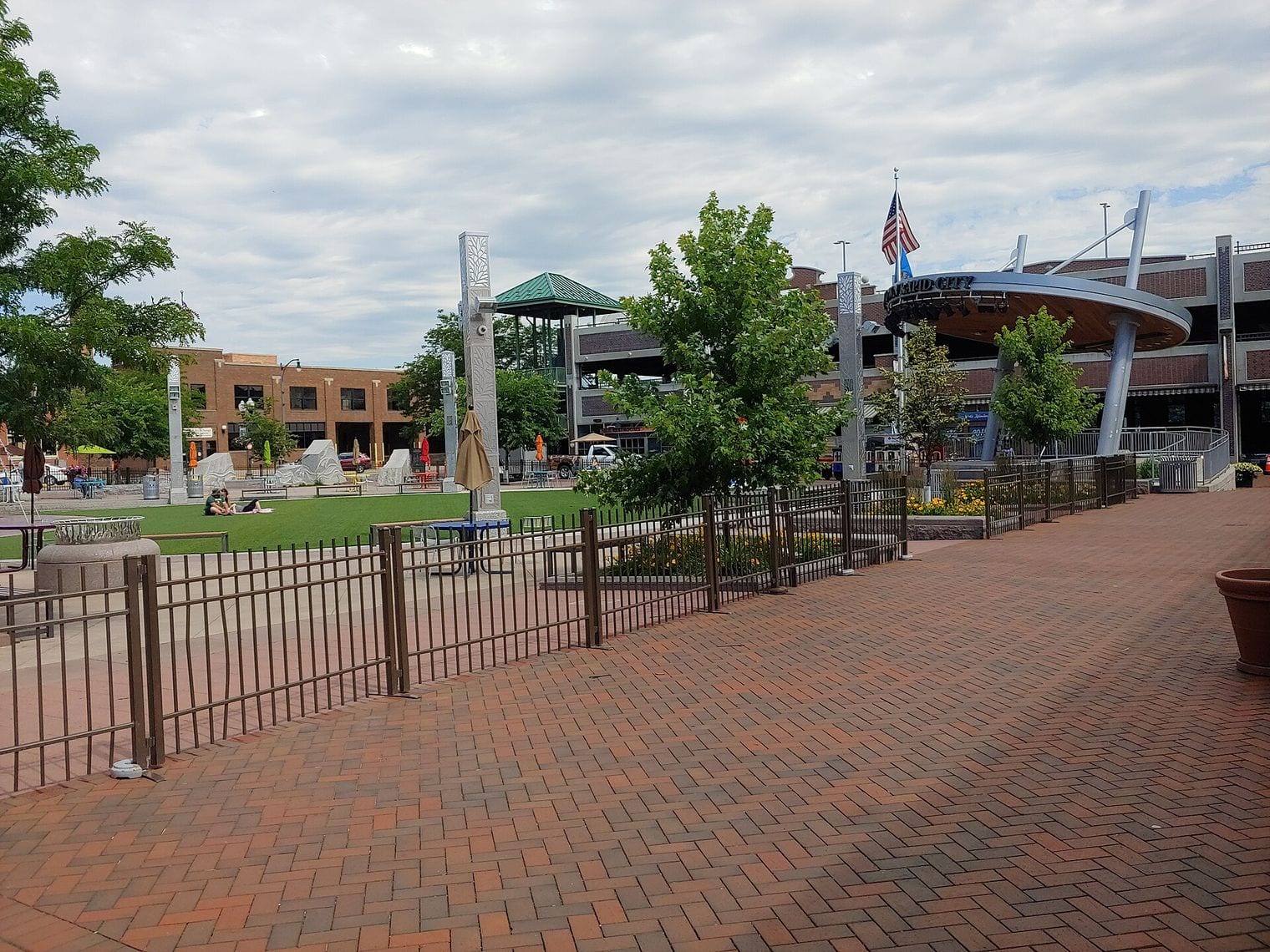
Main Street Square is the gathering place at the heart of downtown Rapid City, a plaza where summer brings dancing fountains and a splash pad and winter brings an outdoor ice rink. It also hosts a busy calendar of concerts, festivals and markets through the year.
Look for the carved granite of Passage of Wind and Water, a set of sculptures by Masayuki Nagase that evokes the Black Hills and the Badlands, finished in 2017 after years of carving in the plaza. The square sits within a block or two of Art Alley, the Elks Theatre and several presidential statues, so it makes a natural start for a downtown walk.
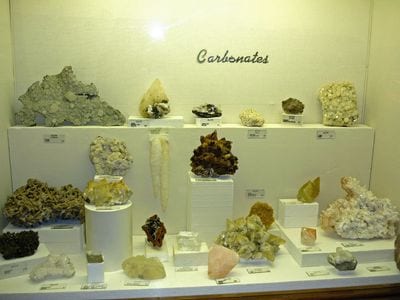
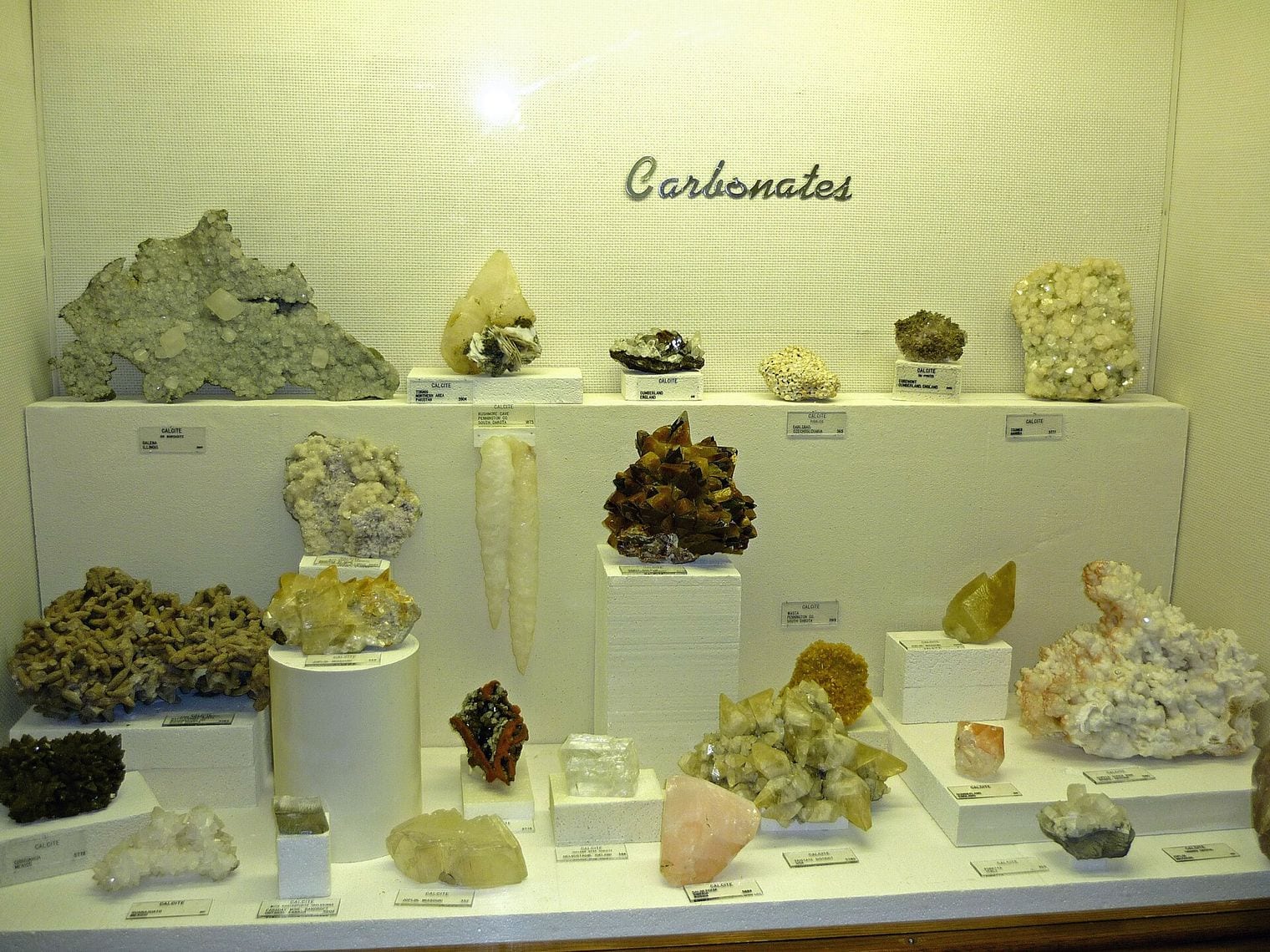
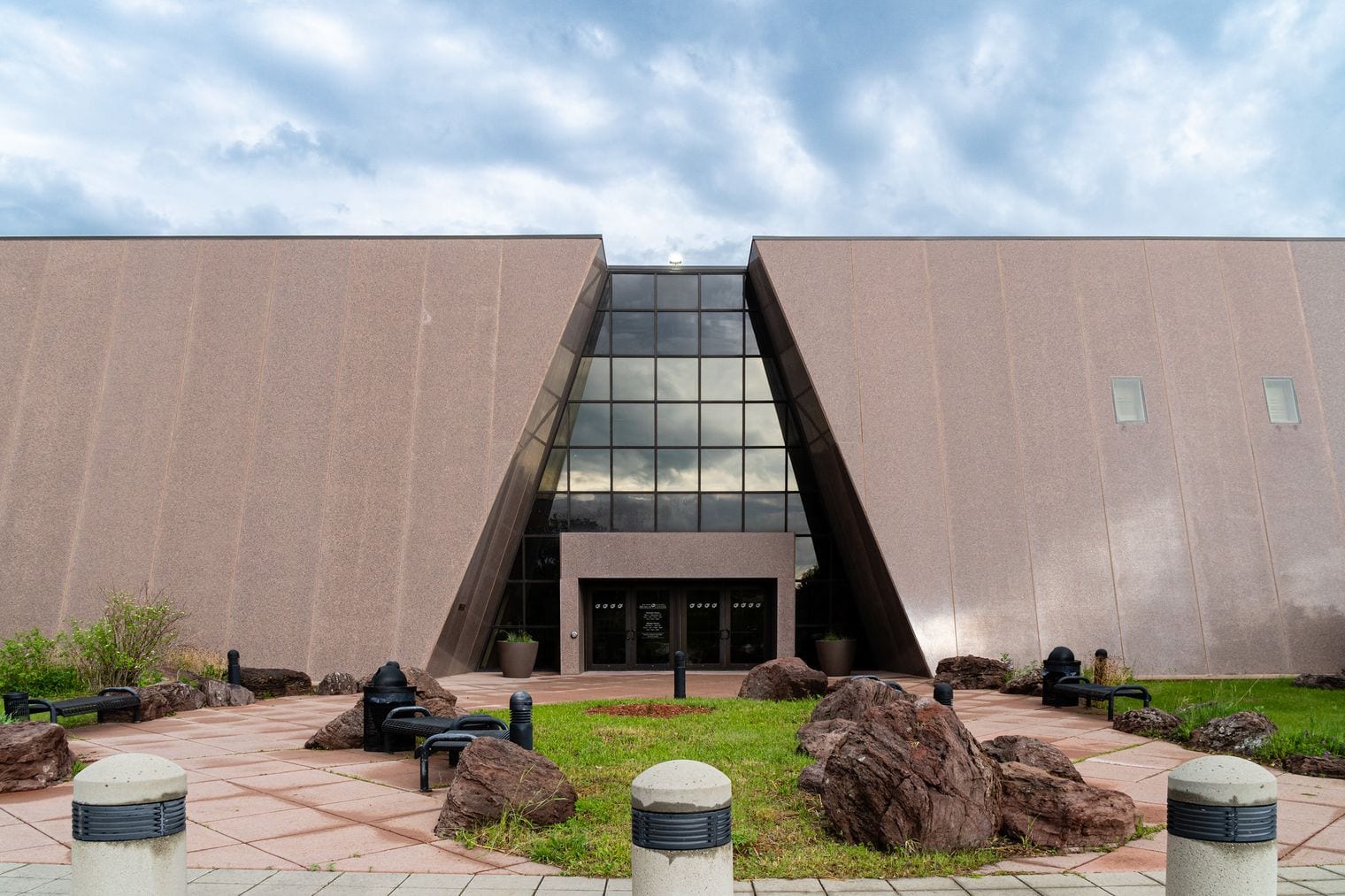
On the campus of the South Dakota School of Mines and Technology, the Museum of Geology has been gathering specimens since the school's earliest years in the 1880s. Mounted skeletons of dinosaurs, marine reptiles and ancient mammals fill its galleries, alongside dioramas of fossils collected in the White River Badlands.
The mineral displays are just as rewarding, with a hall of South Dakota minerals, meteorites and a fluorescent mineral room that glows under ultraviolet light. It is a compact stop that makes a fine primer before a trip to Badlands National Park, where many of its fossils were found.
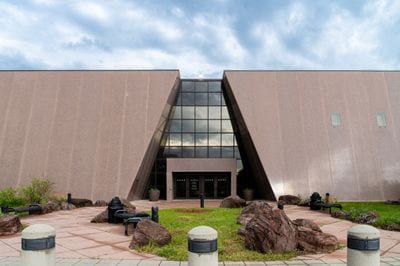
The Journey Museum & Learning Center walks visitors through the story of the Black Hills, from Native American creation stories and 2.5 billion years of geology to paleontology, archaeology and the pioneers who came west. Opened in 1997, it brings several collections under one roof, including the Sioux Indian Museum, whose collection is overseen by the federal Indian Arts and Crafts Board.
It is a good first stop for understanding the region before heading into the hills, and children enjoy the dinosaur models and the mock fossil dig. Allow a couple of hours, and note that the museum keeps shorter hours in winter.
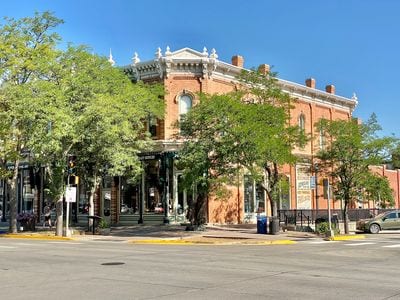
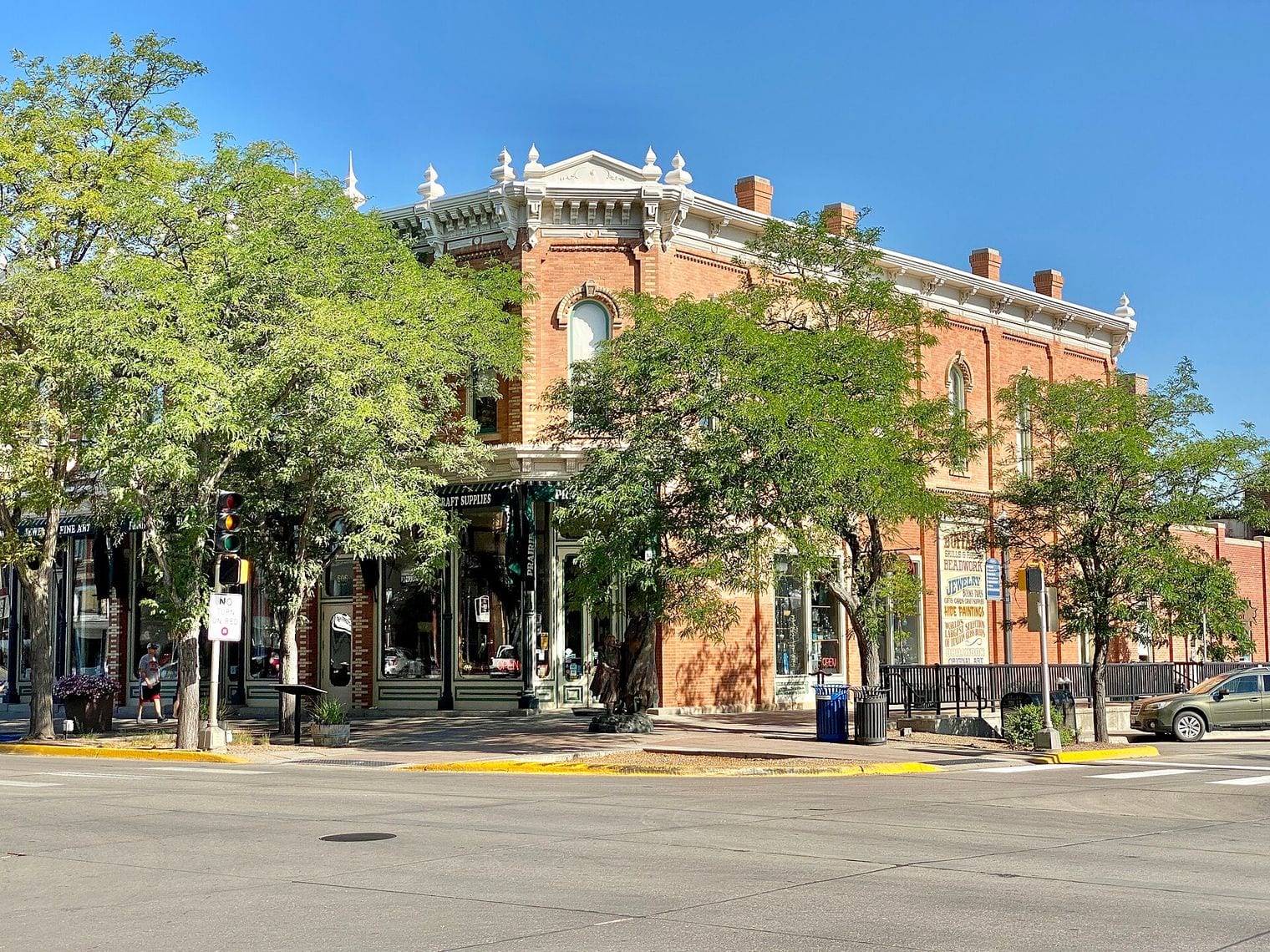
At the corner of Main and Sixth streets, Prairie Edge Trading Company & Galleries fills a two-story historic building with the art and crafts of the Northern Plains tribes. It was founded in the early 1980s to preserve and share the heritage of Northern Plains Indians and to give Native artists an outlet for their finest work.
Browse fine art, beadwork, books and music, or the craft supplies used by local artists, to the sound of a Lakota flute and the scent of sage and sweetgrass. Even if you are not buying, it is one of the best places downtown to see traditional and contemporary Plains Indian art.
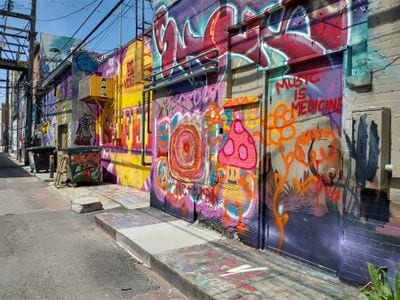
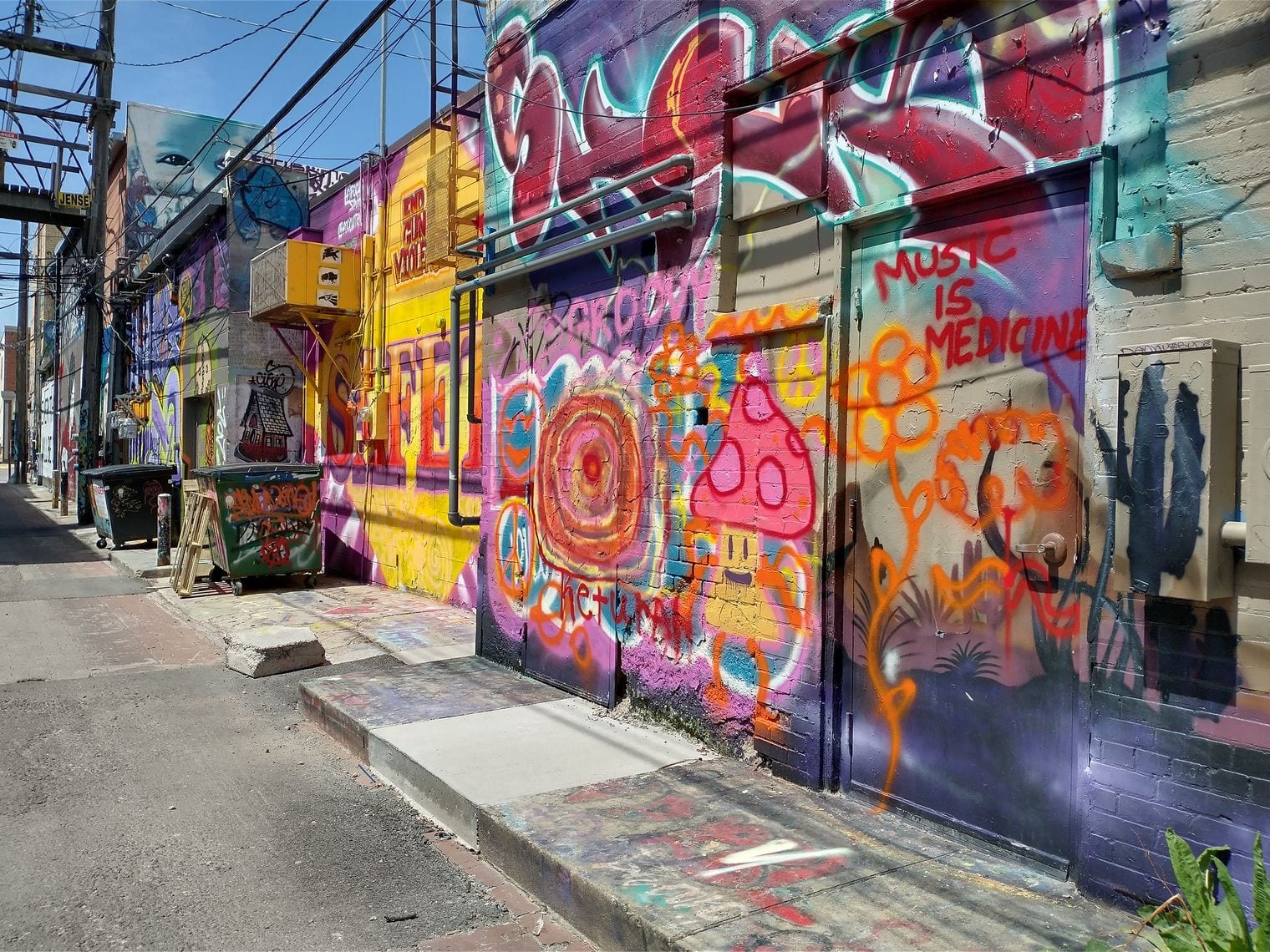
Art Alley, between Sixth and Seventh streets and Main and St. Joseph streets, is a working downtown alley whose walls are covered from end to end in murals and graffiti art. It began as an informal community gallery in 2003, and painting is now allowed by free permit, so the walls change constantly, sometimes several times in a single day.
Come for the color and the photos, and return later in your trip to see what has changed; on a fine afternoon you may catch artists at work. Delivery vehicles still use the alley, so keep an eye out as you wander.
Canyon Lake Park, on Jackson Boulevard in western Rapid City, is one of the city's oldest parks, 29 acres wrapped around a lake on Rapid Creek. Picnic areas, a fishing bridge, summer paddle boats and a lakeside walking loop make it a favorite for a slow afternoon.
It is also a place of memory: the Canyon Lake Dam failed during the Black Hills Flood of 1972, and the creekside bike path that now threads through the city, lined with panels about the disaster, connects the park to downtown. Fall is especially pretty, when golden cottonwoods reflect in the water.
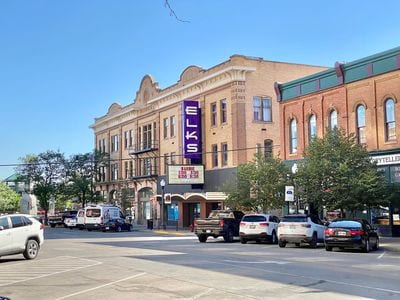
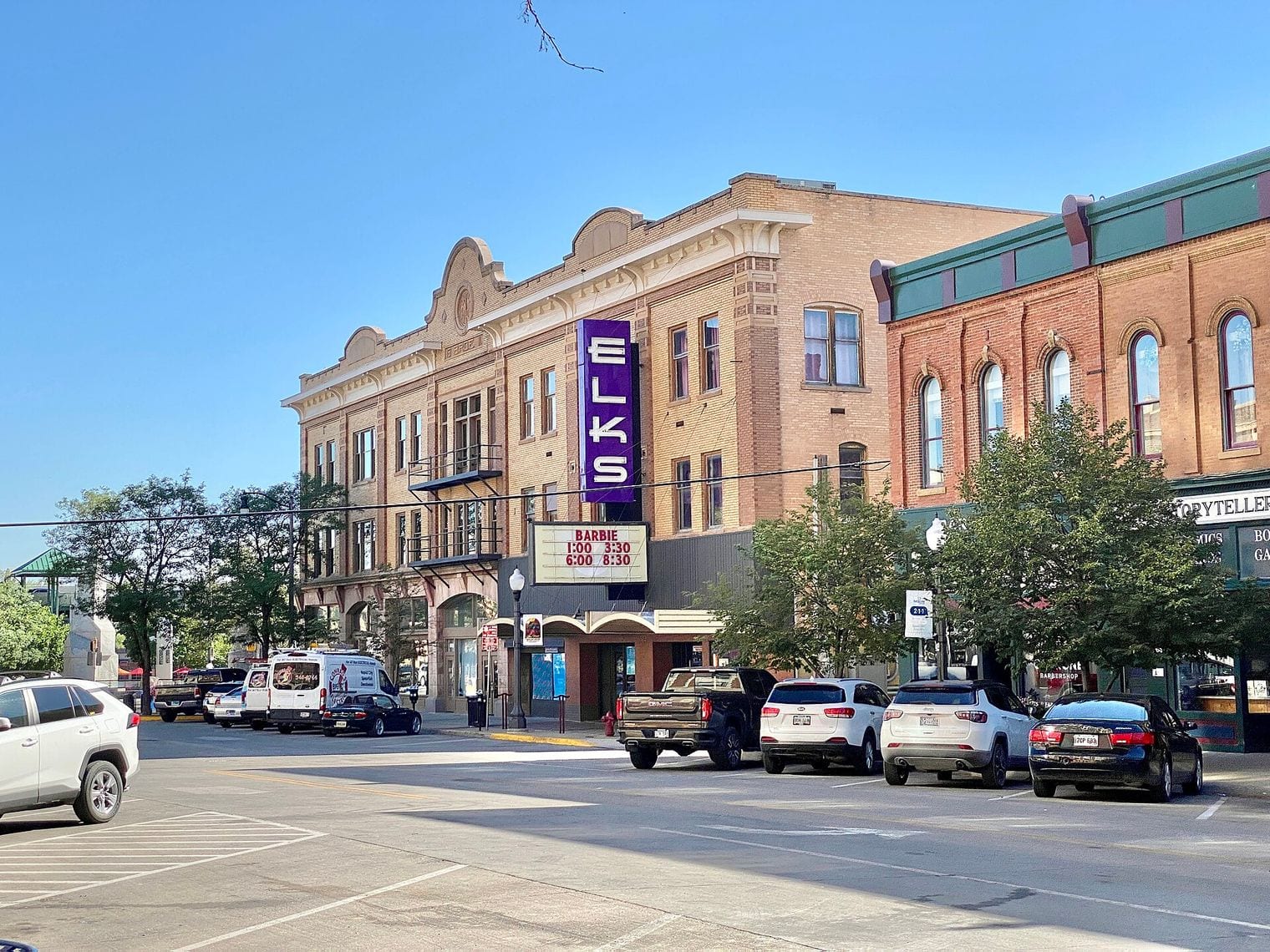
The Elks Theatre opened downtown in 1912, first as an opera house, and it has been showing films for more than a century, making it a much-loved survivor of old Rapid City. It stands within the Rapid City Historic Commercial District, a short walk from Main Street Square.
Catch a new release, a special screening or a live event under the vintage auditorium and its balcony, a world away from a suburban multiplex. The Elks Theatre is the easiest way to round off an evening downtown after dinner.
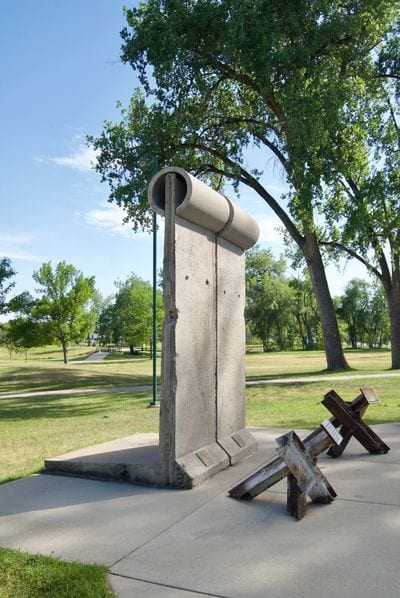
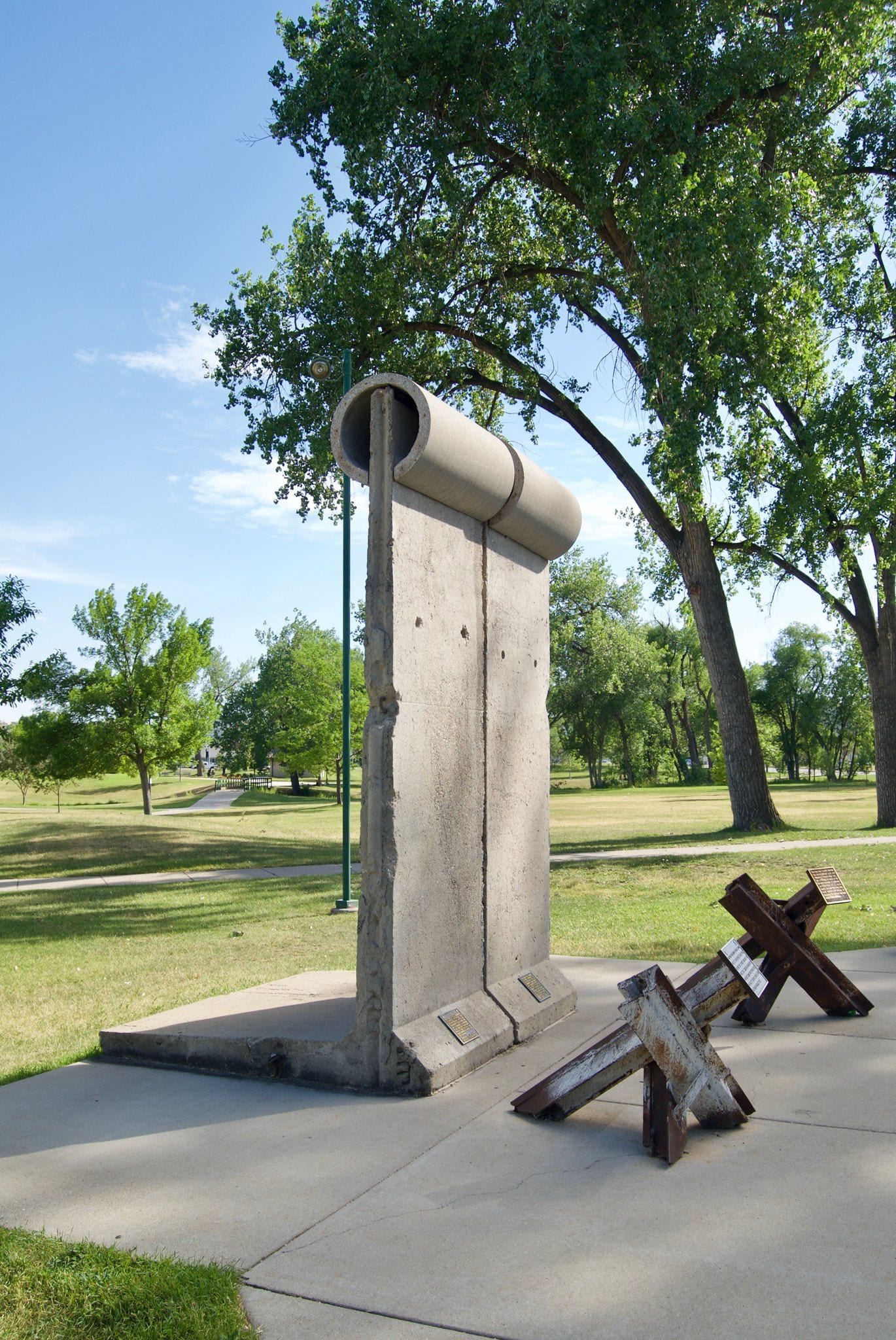
In Memorial Park, just north of downtown, the Berlin Wall Exhibit displays two original segments of the Berlin Wall along with two tank traps from the border. Created in 1996, it is an unexpected and sobering stop in the Black Hills, with markers telling the story of the divided city.
It is free and takes only a few minutes, so pair it with a stroll through Memorial Park and along the Rapid Creek path, or with the Journey Museum close by.
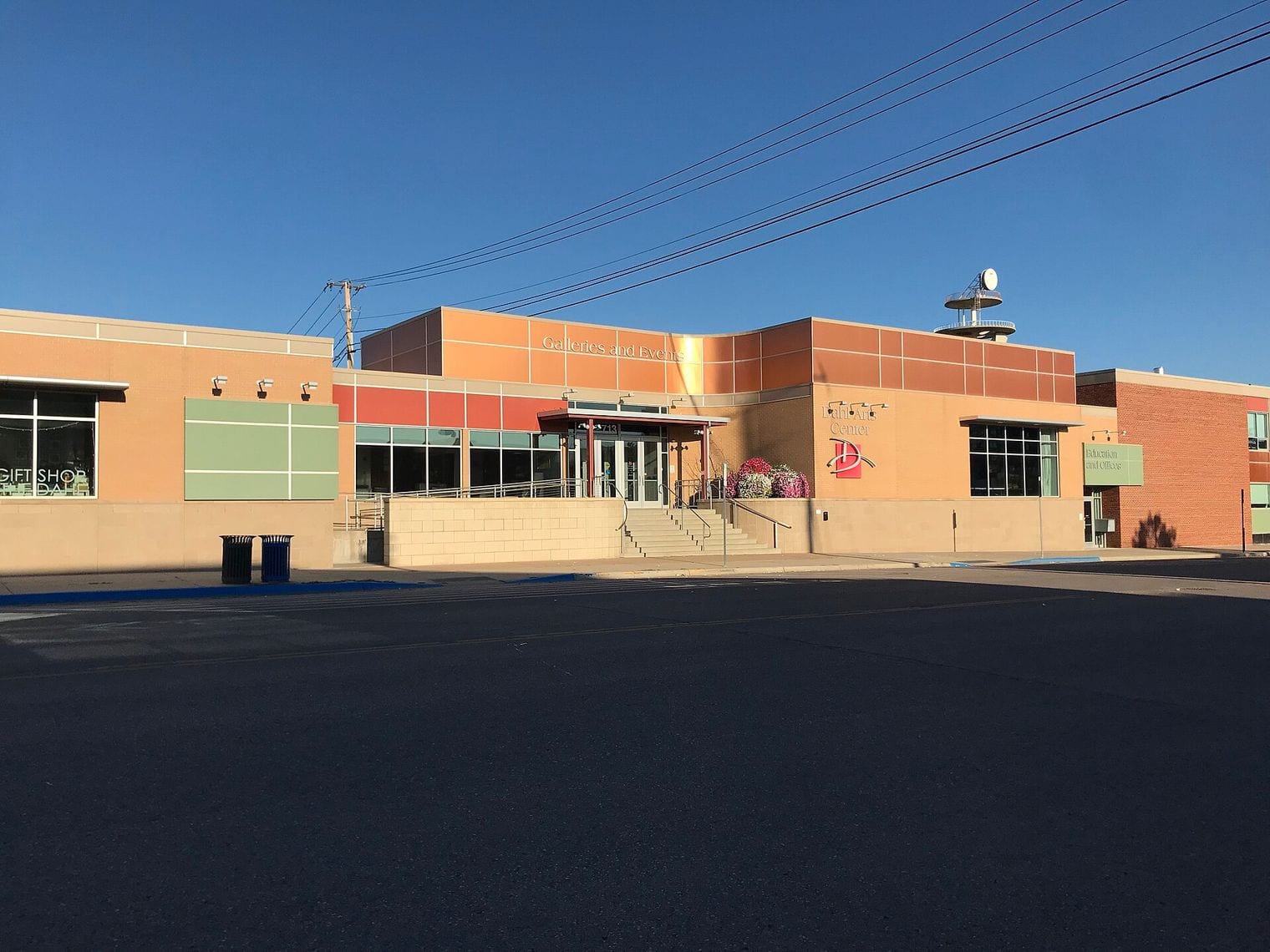
The Dahl Arts Center is Rapid City's downtown arts hub, with changing exhibitions, a permanent collection and classes ranging from watercolor to pottery. Its signature work is the Cyclorama, a wraparound oil-on-canvas mural by Bernard P. Thomas tracing two centuries of American economic history, which has been the heart of the center since it opened in 1974.
Admission is free, and the building on Seventh Street is a few blocks from Main Street Square, so it slips easily into a walk with Art Alley and the City of Presidents.
Beyond the dinosaurs on the ridge above downtown, the Skyline Wilderness Area is a city park of pine forest and meadow laced with hiking and mountain-biking trails. It feels far wilder than its location suggests, with trailheads along Skyline Drive and climbs to viewpoints over the city.
Trails range from easy strolls to steeper loops with real elevation gain, and spring and fall are the most pleasant seasons to hike. Start early on summer days, carry water, and pair a walk with Dinosaur Park next door.
Plan your trip
Best Time to Visit Rapid City
Summer is peak season, with warm days, every seasonal attraction open and the scenic roads through Custer State Park clear of snow. It is also the busiest time, and early August is especially crowded when the Sturgis Motorcycle Rally fills roads and rooms across the Black Hills. Late spring and early fall bring cooler weather, thinner crowds and, in fall, golden aspens and the Buffalo Roundup in Custer State Park.
Winter is cold and quiet: Mount Rushmore stays open year-round and downtown has its outdoor ice rink, but the Needles Highway closes and several family attractions, including Storybook Island, Bear Country USA and the Chapel in the Hills, are shut until spring or summer. Rapid City also hosts the Black Hills Stock Show and Rodeo each winter.
Getting to Rapid City
Rapid City Regional Airport lies about 11 miles east of downtown and is the main air gateway to the Black Hills, with direct flights from a handful of larger hubs. Interstate 90 runs along the north side of the city, linking it east across the prairie toward Sioux Falls and west toward Wyoming, while US 16 heads southwest toward Mount Rushmore and the central hills.
There is no passenger rail service, and intercity bus links are limited, so most visitors fly in and rent a car or drive in on the interstate as part of a longer road trip.
Getting Around Rapid City
Downtown is compact and easy to walk, with the presidential statues, Art Alley, Main Street Square and most galleries within a few blocks of each other, and a paved bike path follows Rapid Creek through the city past Memorial Park and Canyon Lake. Parking downtown is generally straightforward.
Beyond downtown you will want a car: Mount Rushmore, Custer State Park, Crazy Horse and the Badlands are all a 30-minute to one-hour drive away, and city bus service is limited. Allow extra time on the mountain roads in summer, when traffic slows near the big sights.
Where to Stay in Rapid City
Downtown is the best base if you want to walk to restaurants, the statues and Main Street Square in the evening, with historic hotels and newer properties within a few blocks of each other. The interstate exits on the north side of the city have the widest choice of chain hotels and are handy for an early start to the Badlands.
If Mount Rushmore and Custer State Park are your priority, look along the Mount Rushmore Road and Highway 16 corridor on the south side of town, or stay in the hills themselves in Keystone or Hill City, which puts you closer to the carvings but further from city dining.
Where to Eat in Rapid City
Downtown, around Main Street and St. Joseph Street, is the main dining district, with brewpubs, steakhouses, coffee shops and rooftop bars all within a short walk of Main Street Square. Western South Dakota is ranch country, so bison burgers and steaks are on many menus.
Look out for Indian tacos built on fry bread, and for chislic, the cubes of skewered, fried or grilled meat that South Dakota made its official state nosh, as well as kuchen, the custard-filled pastry that is the official state dessert.
Day Trips from Rapid City
Deadwood, the restored Old West gold-rush town, is about 45 minutes northwest, and Spearfish and the waterfalls of Spearfish Canyon lie a little beyond it. Closer in the hills, the small towns of Hill City and Keystone are 30 to 40 minutes southwest, and the South Dakota Air and Space Museum, beside Ellsworth Air Force Base, is about 15 minutes east of town.
Further south, Wind Cave National Park and Jewel Cave National Monument, both among the longest caves in the world, are each a little over an hour's drive, and the Mammoth Site in Hot Springs, where mammoth fossils lie exposed where they were found, makes a good pairing with Wind Cave. Devils Tower in Wyoming is about two hours west for a longer day.
One Day in Rapid City
Morning
Head out early to Mount Rushmore National Memorial, about 35 minutes southwest, to see the faces before the midday crowds arrive. On the way back along Highway 16, stop at Reptile Gardens or drive through Bear Country USA, both on the southern edge of town.
Rapid City is best known as the gateway to the Black Hills, with Mount Rushmore National Memorial about 35 minutes away and Badlands National Park an hour east. In town, it is famous for the City of Presidents bronze statues, the green dinosaurs of Dinosaur Park and Reptile Gardens, open since 1937.
How many days do you need in Rapid City?
Plan on two to three days. Spend one on the city itself, from Dinosaur Park to the downtown statues, galleries and Main Street Square; one on the Black Hills loop of Mount Rushmore, Custer State Park and Crazy Horse Memorial; and, if you can, a third on Badlands National Park an hour to the east.
How far is Mount Rushmore from Rapid City?
Mount Rushmore National Memorial is about 23 miles southwest of downtown Rapid City, roughly 35 minutes by car on Highway 16 and through Keystone. Reptile Gardens and Bear Country USA sit along the same route, and Iron Mountain Road continues from the memorial into Custer State Park for a longer scenic loop.
What can you do in Rapid City for free?
Plenty: walk the City of Presidents and Art Alley, enjoy Main Street Square, see the Cyclorama at the Dahl Arts Center, climb to Dinosaur Park, hike the Skyline Wilderness Area, visit the Berlin Wall Exhibit in Memorial Park and stroll Canyon Lake Park. In summer, Storybook Island is free for families too.
What is there to do in Rapid City with kids?
Families love Reptile Gardens and the drive-through animals at Bear Country USA, both on Highway 16 south of town, along with the free Storybook Island in summer and the life-size sculptures at Dinosaur Park. On a rainy day, the Journey Museum and the Museum of Geology both have dinosaur fossils and hands-on exhibits.
Sources & updates
How this guide was checked
Checked before launch
Sources cited
20
Publishers
14
Every place on this list was confirmed open and pinned on the map before publication, and what we say about each one was checked against its own website or an official source.
A PDF with a box to tick for every place. Confirm your email to download it, and get one email every Thursday with our newest guides for the places you tick.
Free Rapid City printable checklist
All 20 places in one PDF
Tick them off as you go. Confirm your email to download it, plus one email every Thursday with new guides for the places you tick.
We use cookies to analyse site traffic and improve your experience.
You can accept or reject analytics cookies. See our
May we use analytics cookies? See ourCookie Policy.