We build and rank every list first. Booking links come after, and only where
a partner sells a ticket, tour or stay for that exact place, so a place with
nothing to book is listed exactly as prominently as one you can book.
So how do we earn? Some links on this page go to booking
partners, and if you book tickets, tours or a stay through
one, we may earn a commission. It costs you nothing extra.
That commission never decides which places make the list, the order they
appear in, or what we write about them. No entry is sponsored or a paid
placement.
By the City Viking editorial teamPublished 35 places · 25 min read
Fact-checked Checked before launchOct 17, 202635 sources29 publishers7 encyclopedias & research28 venues & other sitesPublished · Oct 17, 2026Researched and checked before it went liveClick for every source and the full change log.
Short answer
Memphis is known for its music history, from the blues to rock 'n' roll and soul, its slow-smoked barbecue and its bluff above the Mississippi. Start with Graceland, the National Civil Rights Museum at the Lorraine Motel and an evening on Beale Street, then add Sun Studio and the Peabody Duck March. Two to three days covers the essentials, though one packed day can take in Graceland, the civil rights museum and Beale Street.
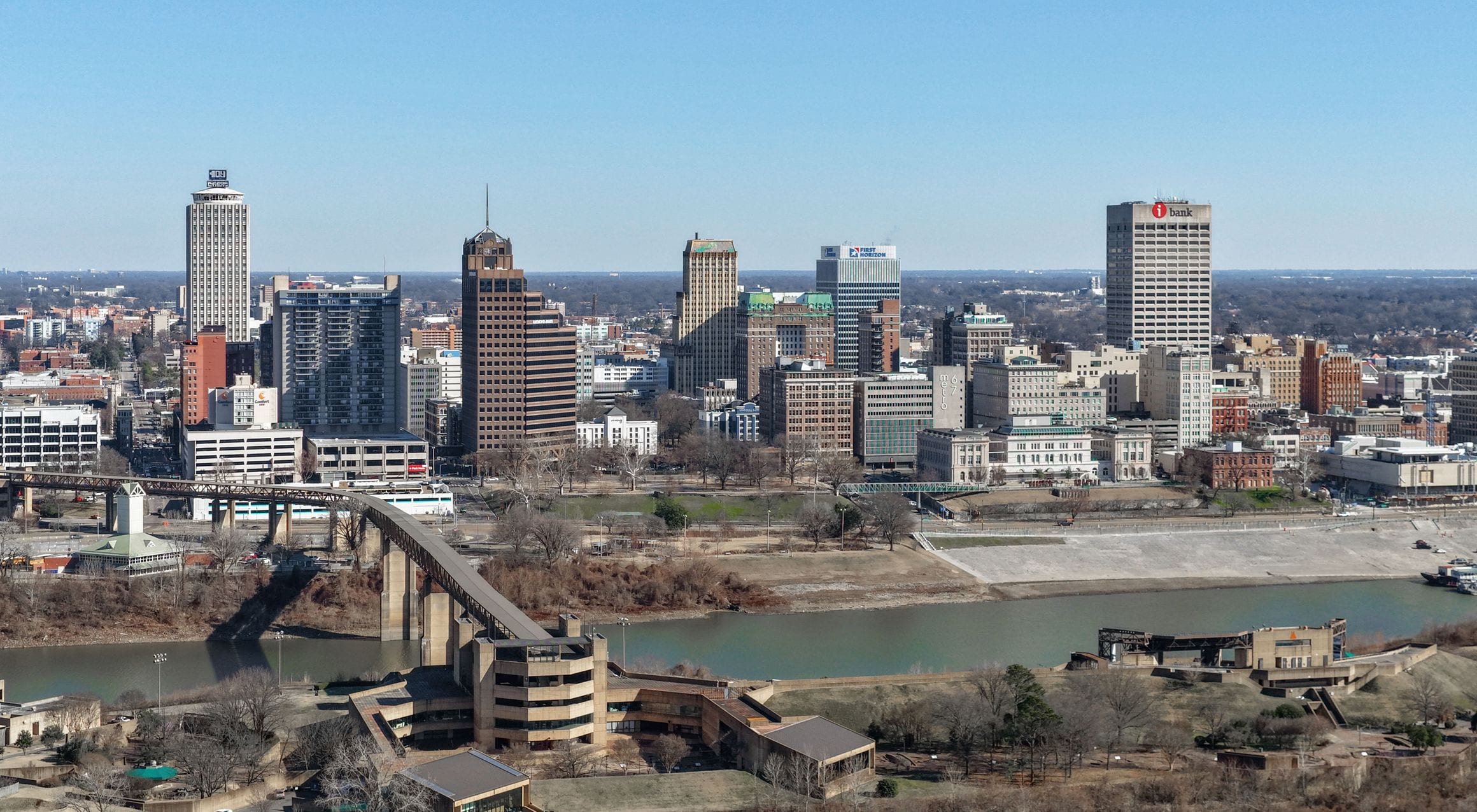
Memphis wears its history loud: the blues on Beale Street, rock 'n' roll at Sun Studio, soul at Stax, Elvis at Graceland and the civil rights story at the Lorraine Motel, all on a bluff above the Mississippi in Tennessee's southwest corner. Add slow-smoked barbecue and the river at the door, and few cities pack more into a weekend.
This guide ranks the 35 best things to do in Memphis, from the music shrines to riverfront parks, Victorian mansions and quiet gardens. Plan two or three days, longer if you are continuing on a road trip through small-town Tennessee.
Memphis is named after the ancient capital of Egypt on the Nile. John Overton, James Winchester and Andrew Jackson founded it on a Mississippi River bluff in 1819, and the riverfront Pyramid is a nod to the name.
The self-service supermarket was born here: Clarence Saunders opened the first Piggly Wiggly in Memphis in 1916, and the pink marble mansion he never finished is now the Pink Palace museum.
"Rocket 88," often called the first rock and roll single, was recorded at Sun Studio in 1951 by Jackie Brenston and his Delta Cats, with Ike Turner on keyboards.
Elvis Presley gave his first paid concert at the Overton Park Shell on July 30, 1954, as the opening act for Slim Whitman.
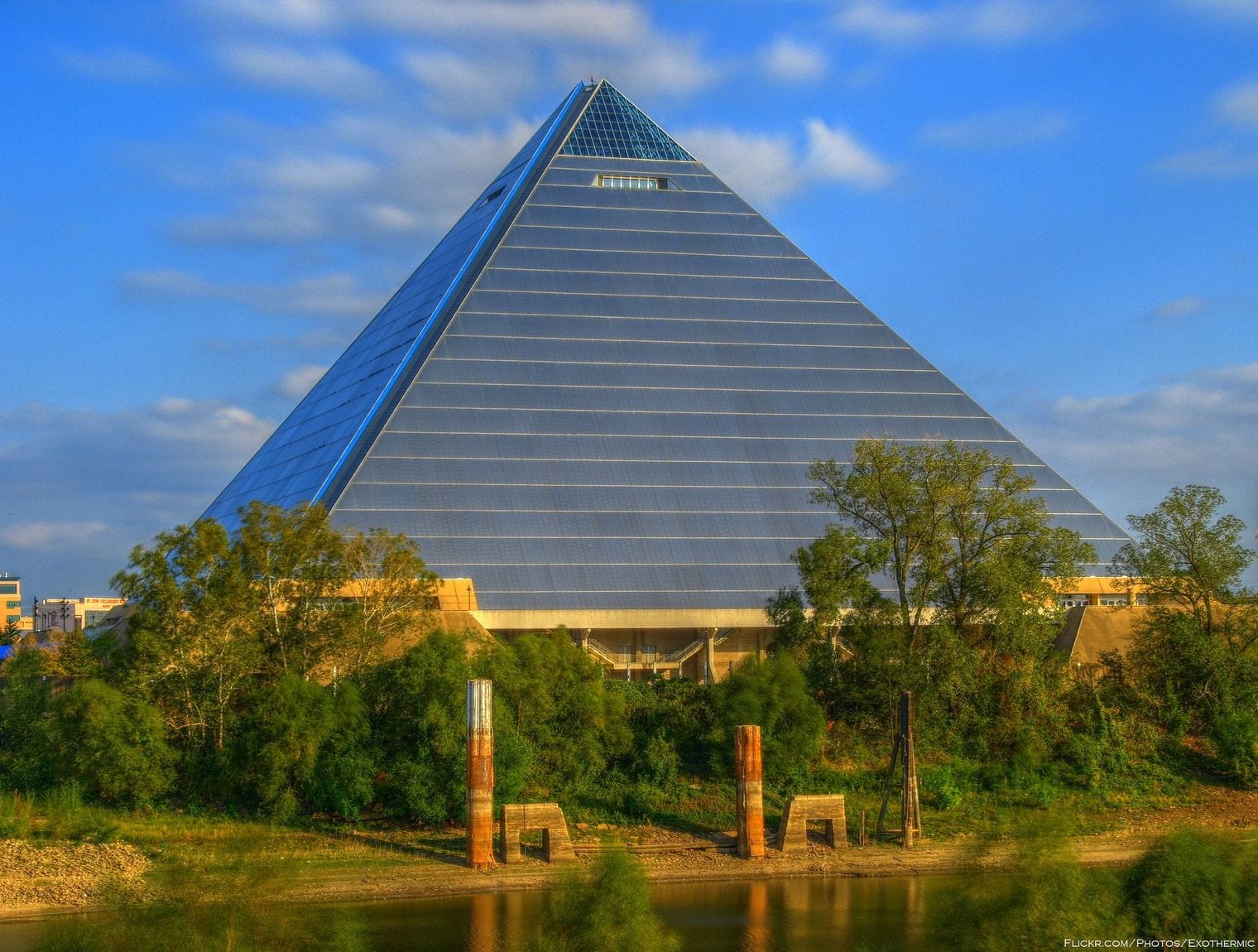
The Memphis Pyramid stands 321 feet tall, about 32 stories, and by some measures it is among the ten tallest pyramids in the world.
FedEx runs its global air hub from Memphis International Airport, which makes it one of the world's busiest cargo airports, with most of the flights moving overnight.
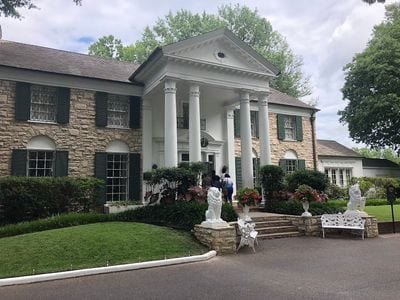
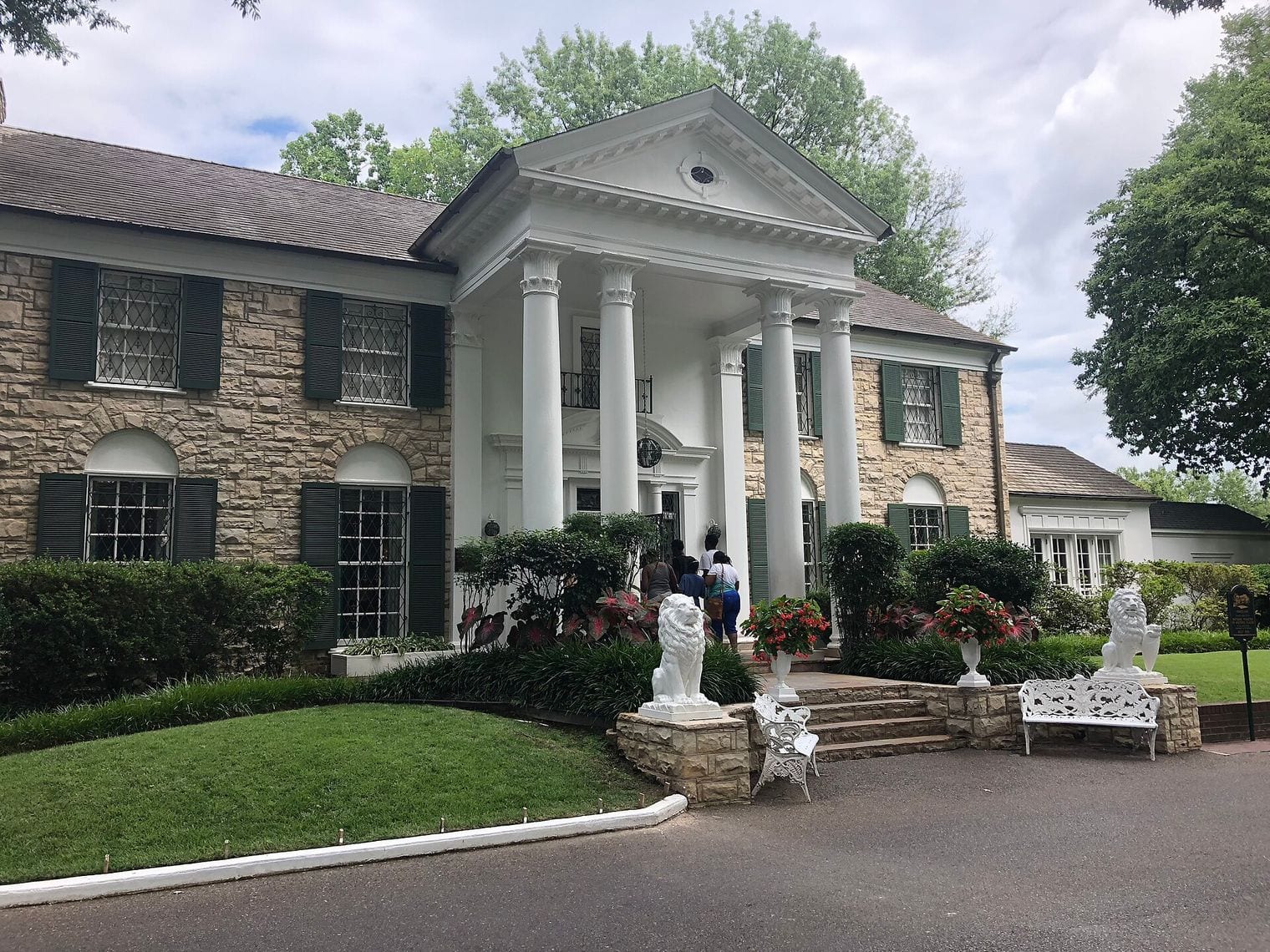
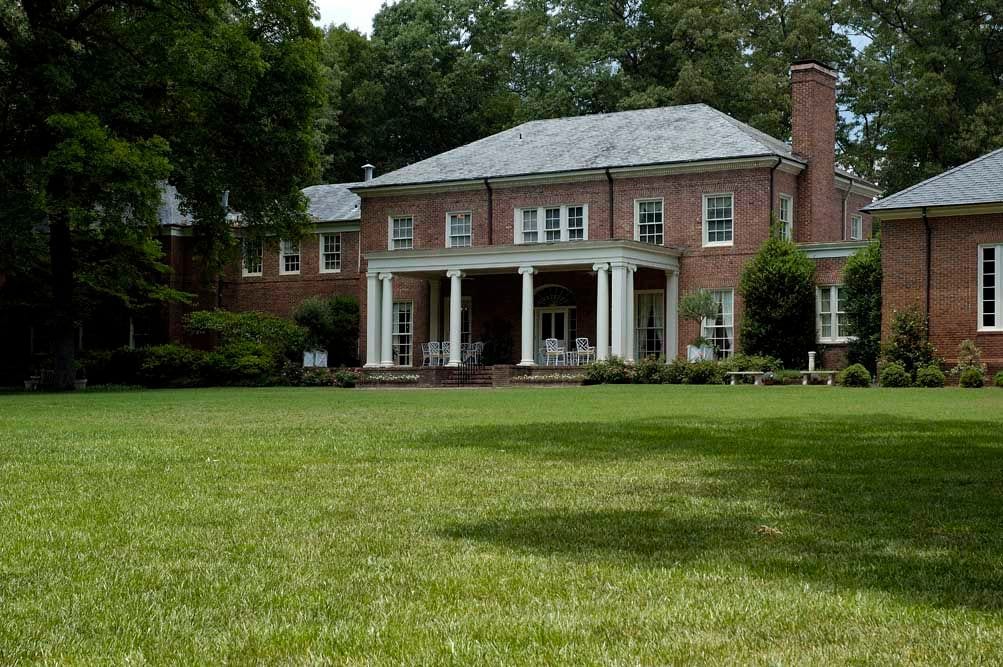
Graceland is the reason many travelers come to Memphis at all. Elvis Presley's white-columned mansion sits in the Whitehaven neighborhood about nine miles south of downtown, and it opened to the public as a house museum in 1982. The tour moves through the rooms where he lived and entertained, including the den known as the Jungle Room with its indoor stone waterfall, and ends at the Meditation Garden, where Elvis is buried alongside his parents and other family members.
Across Elvis Presley Boulevard, the Elvis Presley's Memphis complex adds museums devoted to his career and cars, and you can step aboard his customized private airplanes. Give the whole visit most of a day. Graceland was the first site listed on the National Register of Historic Places for its importance to rock music, and it remains one of the most visited homes in the United States.
22. National Civil Rights Museum at the Lorraine Motel
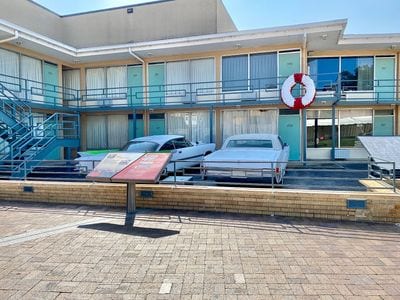
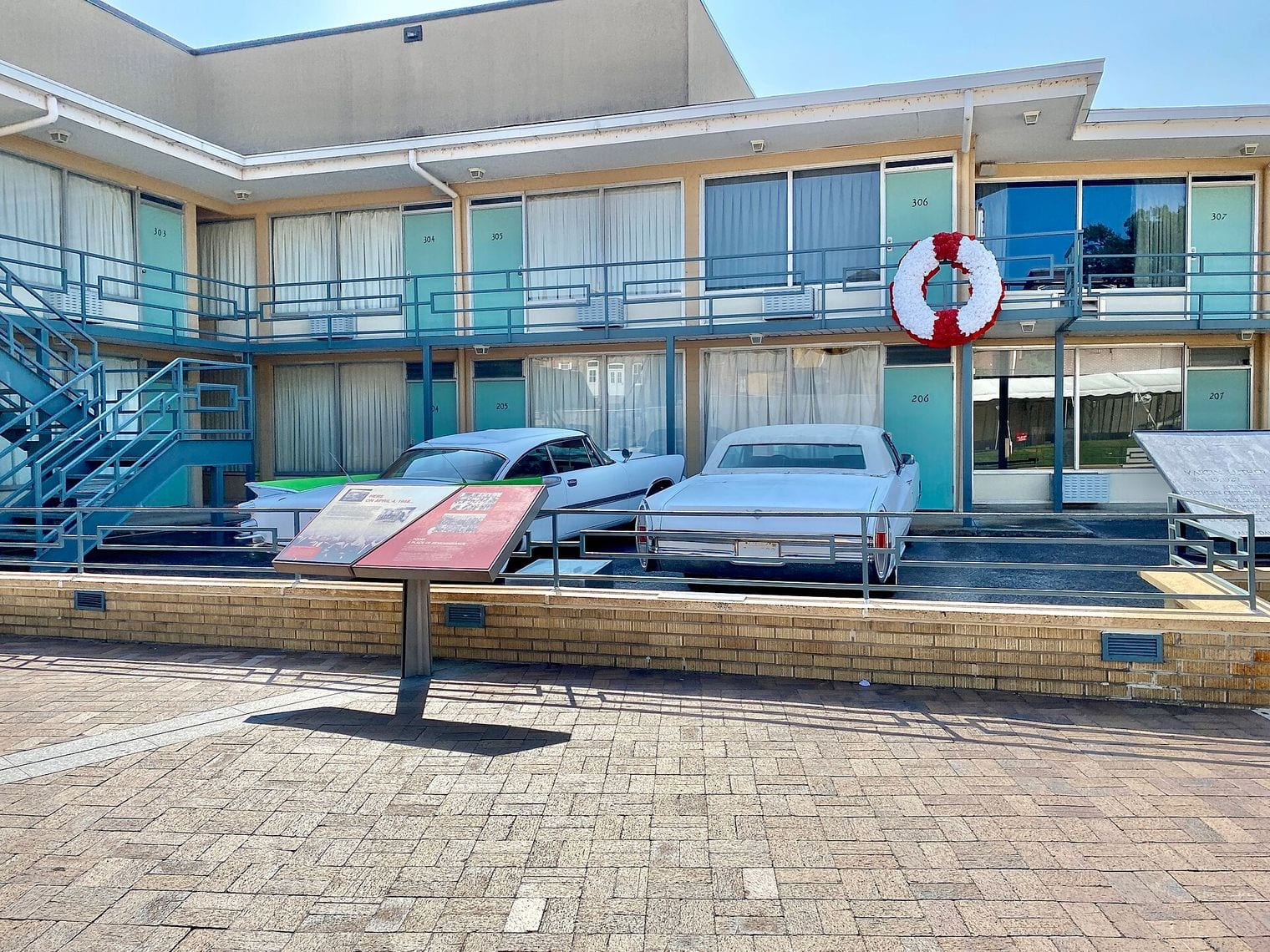
The National Civil Rights Museum is built around the former Lorraine Motel, where Martin Luther King Jr. was shot on the balcony outside Room 306 in April 1968. The preserved motel front, with vintage cars parked below the balcony, is one of the most affecting sights in the American South, and it stops most visitors in their tracks before they even go inside.
The galleries trace the struggle for civil rights from the era of slavery to the present, including an exhibit on the 1968 sanitation workers' strike that brought King to Memphis. A second building, also tied to the assassination, examines the killing and its aftermath. Allow at least three hours, and pair it with a walk through the surrounding South Main neighborhood.
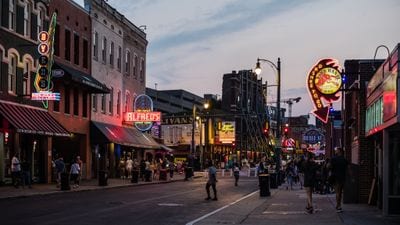
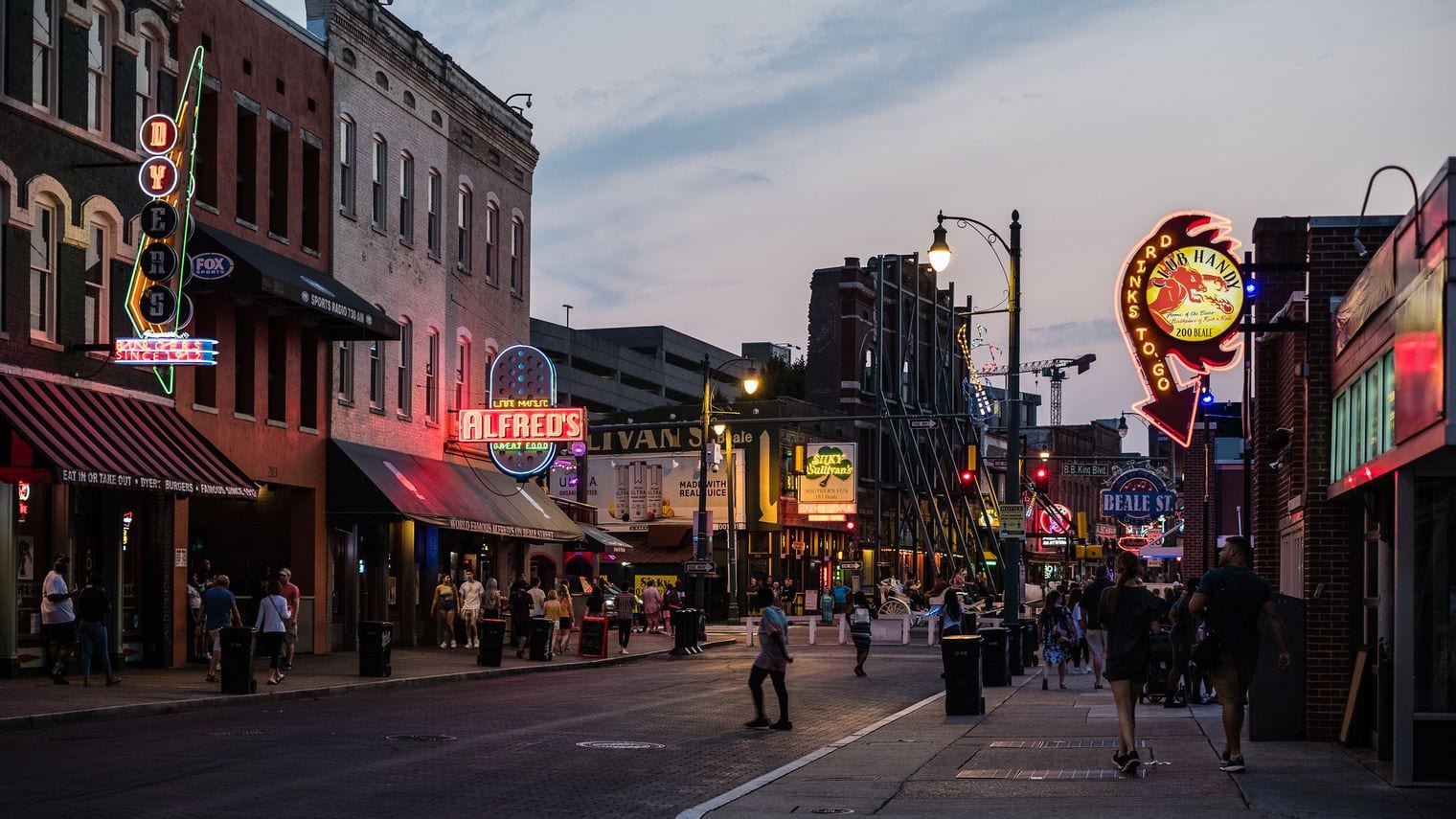
Beale Street is where Memphis goes out at night. Its few neon-lit blocks east of Main Street are lined with blues clubs, bars and barbecue joints, the music spills out of open doors, and brass musical notes set into the sidewalks honor the performers who made the street famous. Statues of W.C. Handy, B.B. King and Elvis stand along the way.
Come by day as well, when it is quieter and the history is easier to read: Beale was the center of Black business and music life in Memphis long before the tourist era, and an act of Congress declared it the Home of the Blues in 1977. Evenings are liveliest on weekends and during Memphis in May, the city's month-long spring festival.
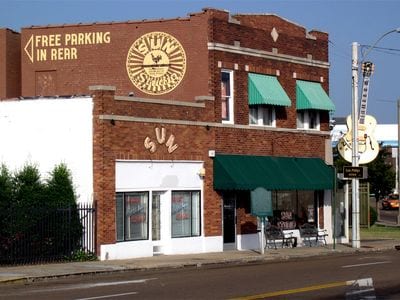
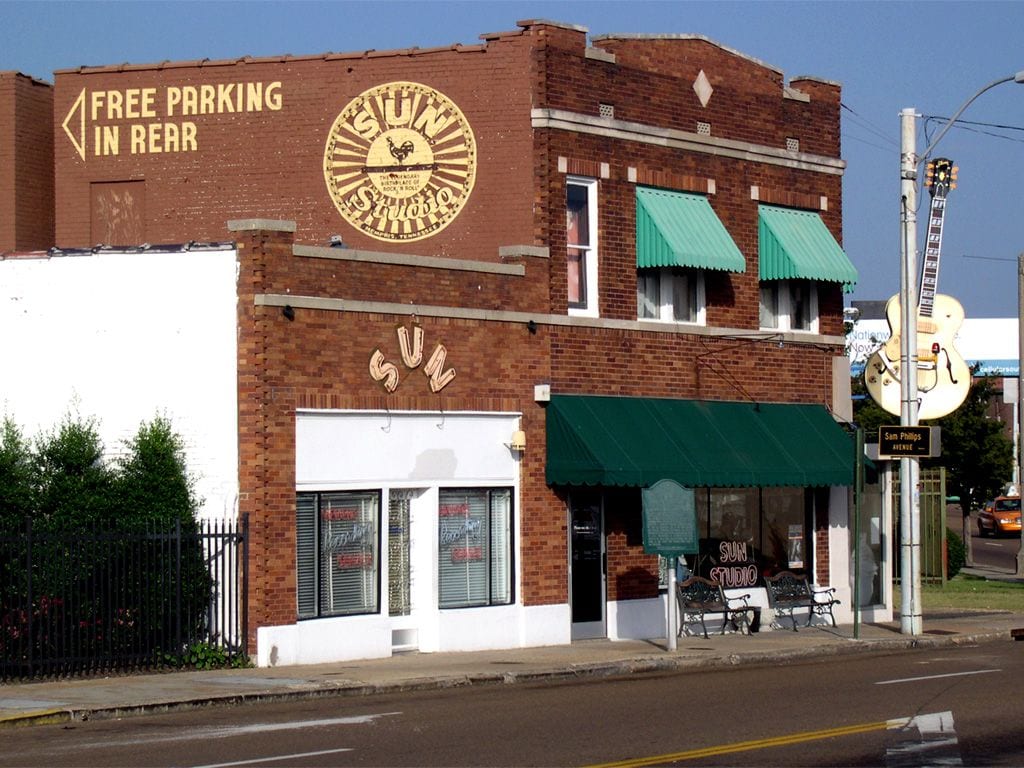
Sun Studio, on Union Avenue just east of downtown, has a fair claim to being the birthplace of rock 'n' roll. Sam Phillips opened it as the Memphis Recording Service in 1950, and in 1951 Jackie Brenston and his Delta Cats cut "Rocket 88" here, often called the first rock and roll single. Elvis Presley, Johnny Cash, Carl Perkins, Roy Orbison, Howlin' Wolf and B.B. King all recorded in the same small room.
Guided tours start in the upstairs exhibit rooms and finish in the original studio, where guides play the old tapes and tell the stories behind them. It is still a working recording studio, a National Historic Landmark that musicians from around the world book to soak up the room's sound.
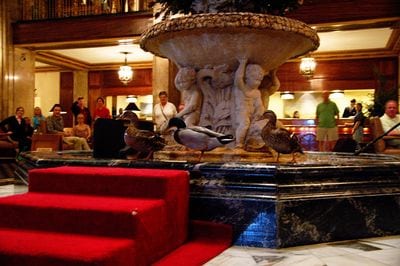
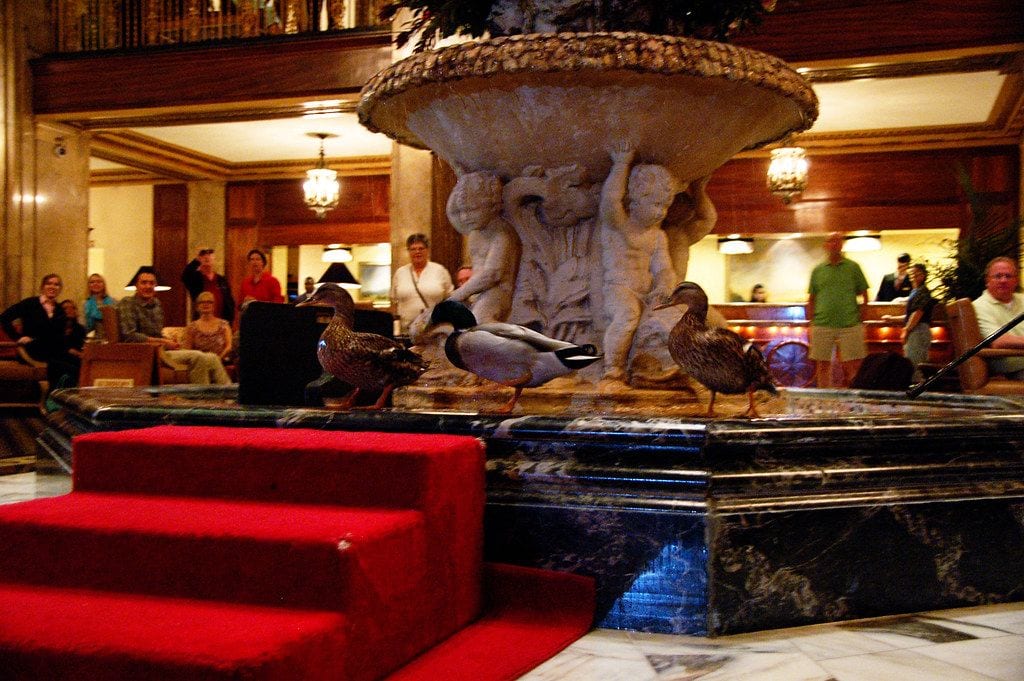
The Peabody Duck March is the most charming free show in Memphis. Twice a day a small flock of mallards rides the elevator down from its rooftop palace, waddles along a red carpet and spends the day paddling in the marble fountain of the Peabody hotel lobby, then marches back upstairs in the late afternoon, all under the eye of the hotel's Duckmaster.
The tradition dates to the 1930s, when the hotel's manager and a friend left decoy ducks in the fountain as a prank, and it has run ever since. Watching costs nothing, but the lobby fills quickly, so arrive early and find a spot with a clear view of the carpet.
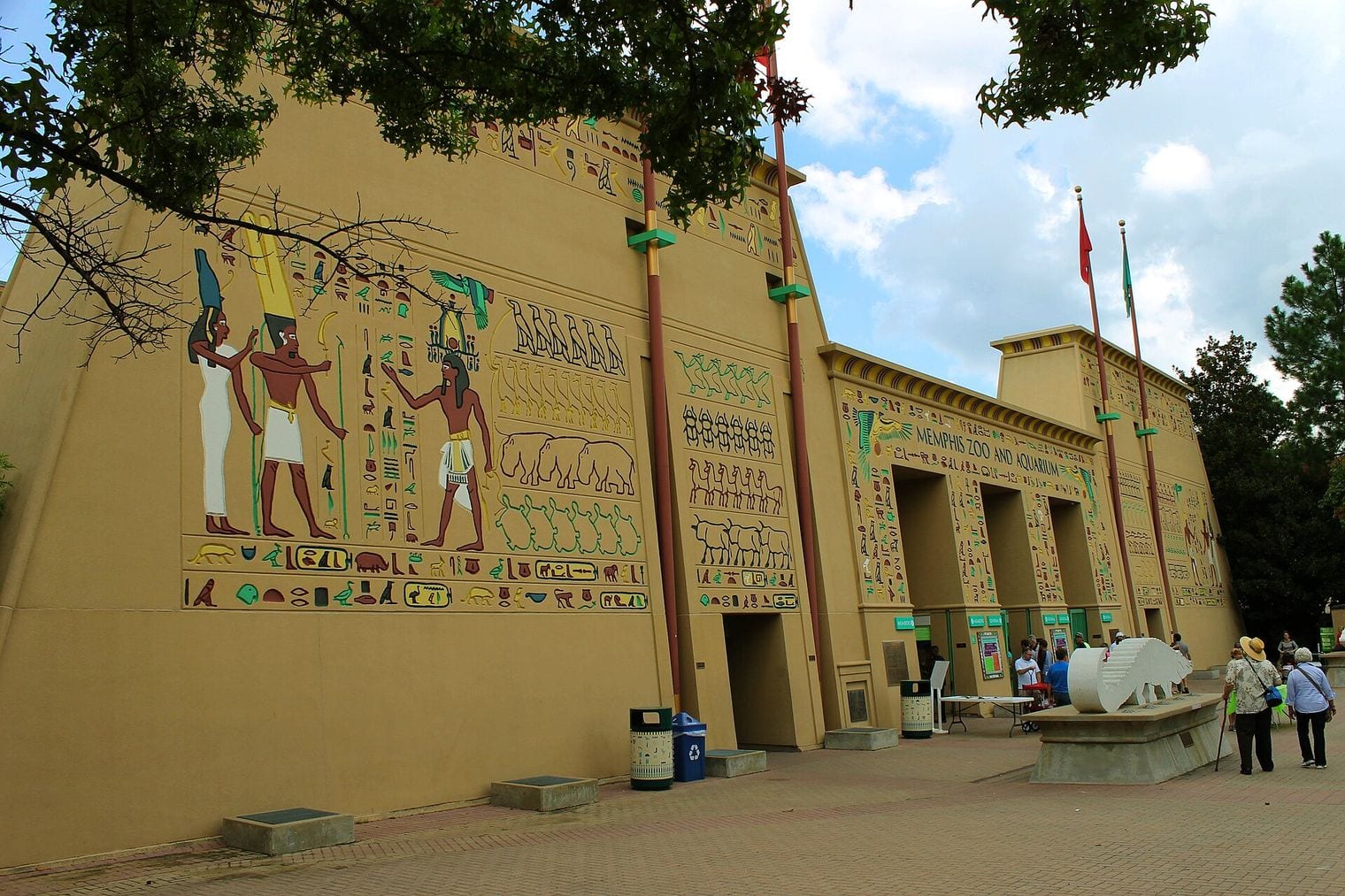
The Memphis Zoo has been a tenant of Overton Park since 1906, and today more than 3,500 animals live across its themed zones in Midtown. Highlights include the Northwest Passage and Teton Trek exhibits and the Zambezi River Hippo Camp, a four-acre African river valley with hippos and Nile crocodiles.
The grounds are shady and easy to cover in half a day, which makes the zoo a good fit with a walk in the Old Forest or an evening concert at the nearby Shell. The giant pandas that drew crowds for two decades returned to China in 2023, so check the zoo's site for its current animal lineup before you go.
Shelby Farms Park is one of the largest urban parks in the United States, some 4,500 acres of lakes, woodland and open fields on the eastern side of Memphis. A herd of bison grazes in its own pasture, Hyde Lake is the center for paddling and lakeside walks, and miles of paved and dirt trails make it the city's favorite place to run, ride and walk the dog.
The Shelby Farms Greenline, a paved trail built on a former railroad line, links the park with Midtown for cyclists. The land has a long history too: in 1825 the reformer Frances Wright founded the Nashoba Community here, and the site later served as a county penal farm before becoming a park.
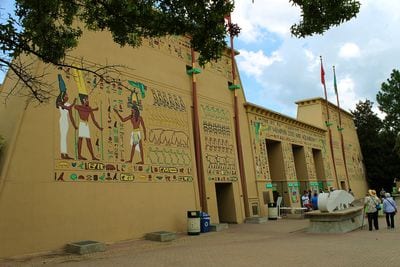
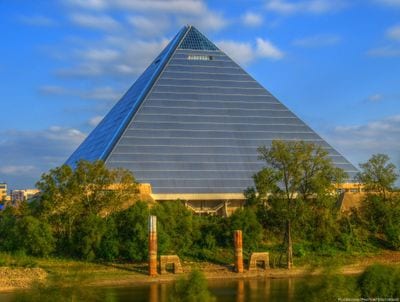
The 32-story Memphis Pyramid was built on the riverfront in 1991 as an arena, a nod to the city's Egyptian namesake, and in 2015 it reopened as Bass Pro Shops at the Pyramid. Even non-shoppers find it worth a look: inside are an indoor cypress swamp, an archery range, a bowling alley and a Ducks Unlimited museum on waterfowl and wetlands conservation.
The main reason to go is the view. A glass elevator, billed as one of the tallest freestanding elevators in the world, climbs 28 stories to an observation deck near the apex, with the Mississippi, the bridges, downtown and the Arkansas shore laid out below. Go at sunset for the best light.
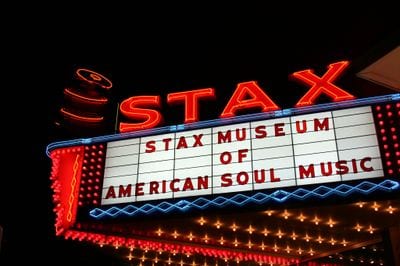
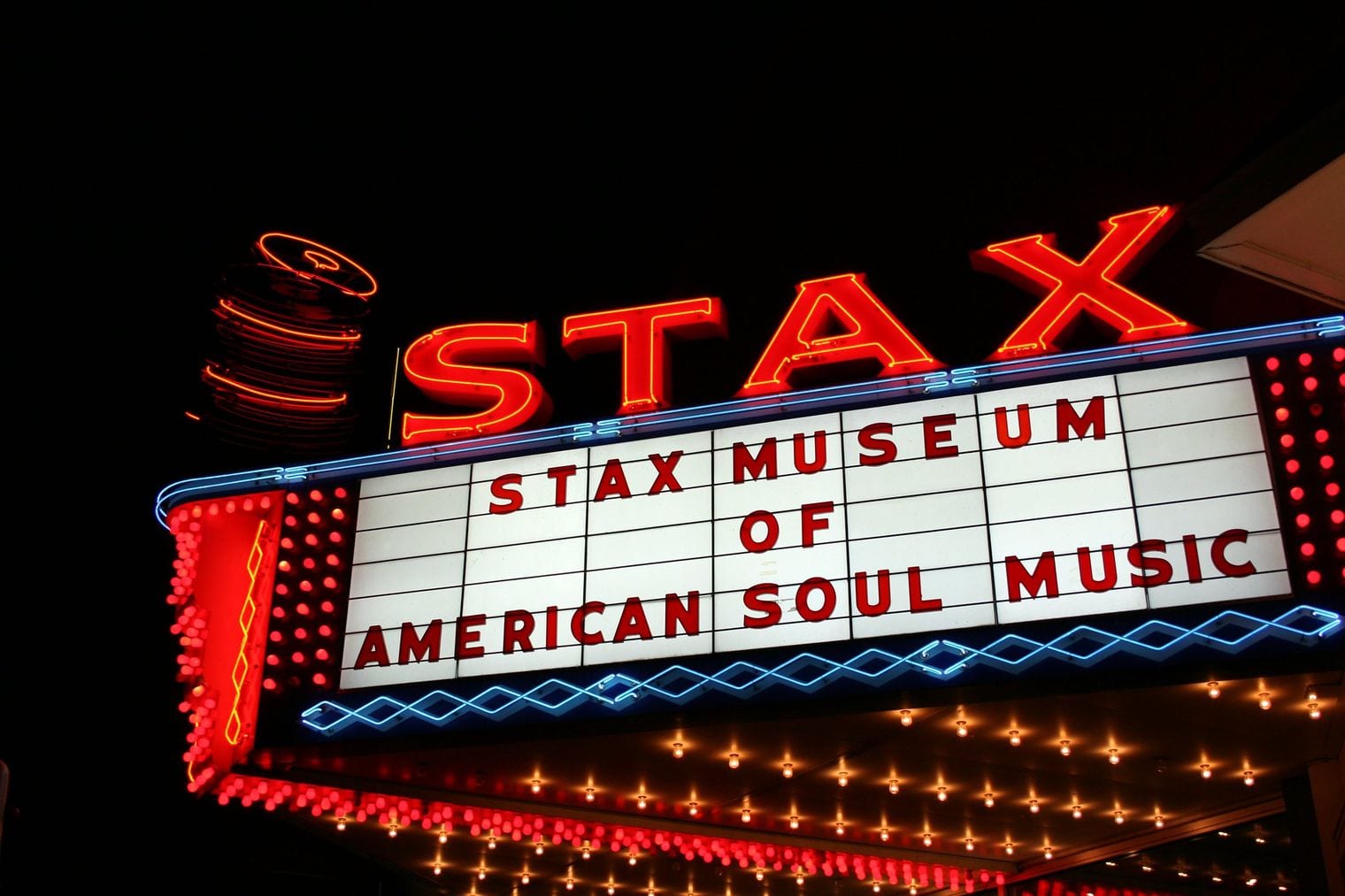
The Stax Museum of American Soul Music stands on the original site of Stax Records on East McLemore Avenue, in the neighborhood known as Soulsville U.S.A. This is the label that launched or carried Otis Redding, Isaac Hayes, the Staple Singers, Sam & Dave and Booker T. & the M.G.'s, and the museum opened here in 2003.
The exhibits begin with an early-1900s Mississippi Delta church, reconstructed inside to show soul's gospel roots, and build to Isaac Hayes' gold-trimmed, peacock-blue Cadillac Eldorado and a Soul Train dance floor where few visitors can resist a few steps. Allow about two hours; it is a short drive south of downtown.
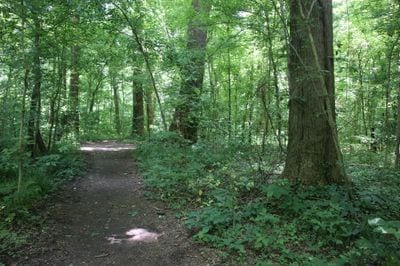
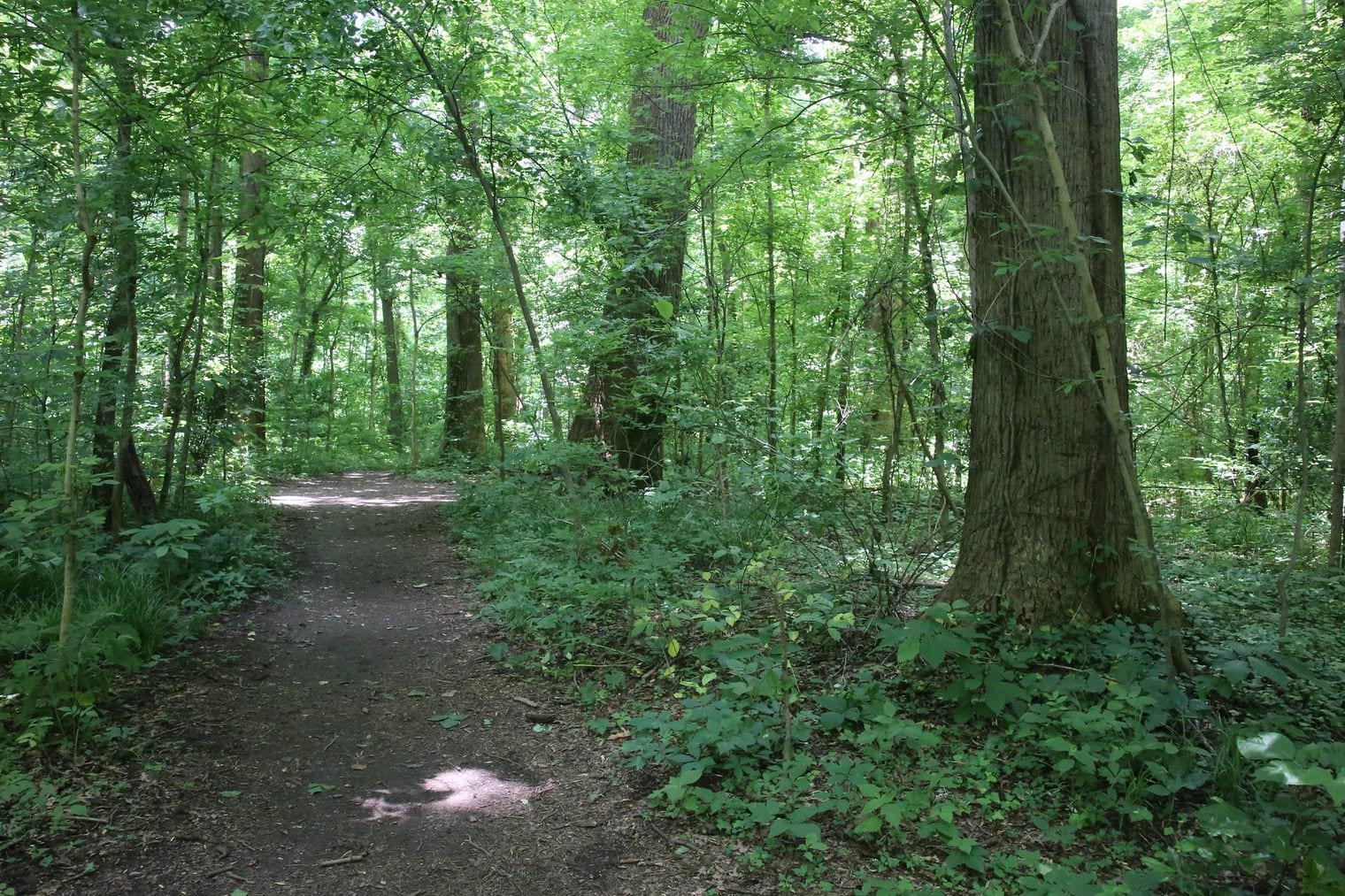
Overton Park is the green heart of Midtown, a 342-acre park established in 1906. Its prize is the Old Forest, one of the few remaining old-growth forests in Tennessee, threaded with walking and cycling trails under a tall canopy. Around it lie Rainbow Lake, the open Greensward lawn, a nine-hole golf course and Veterans Plaza.
The Memphis Zoo and the Overton Park Shell share the grounds, so a morning on the forest trails can roll into an afternoon with the animals or an evening concert on the lawn. On weekends the Greensward fills with picnics, frisbees and pickup games, which makes it one of the best places to see everyday Memphis at play.
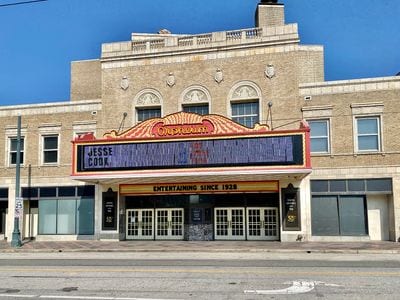
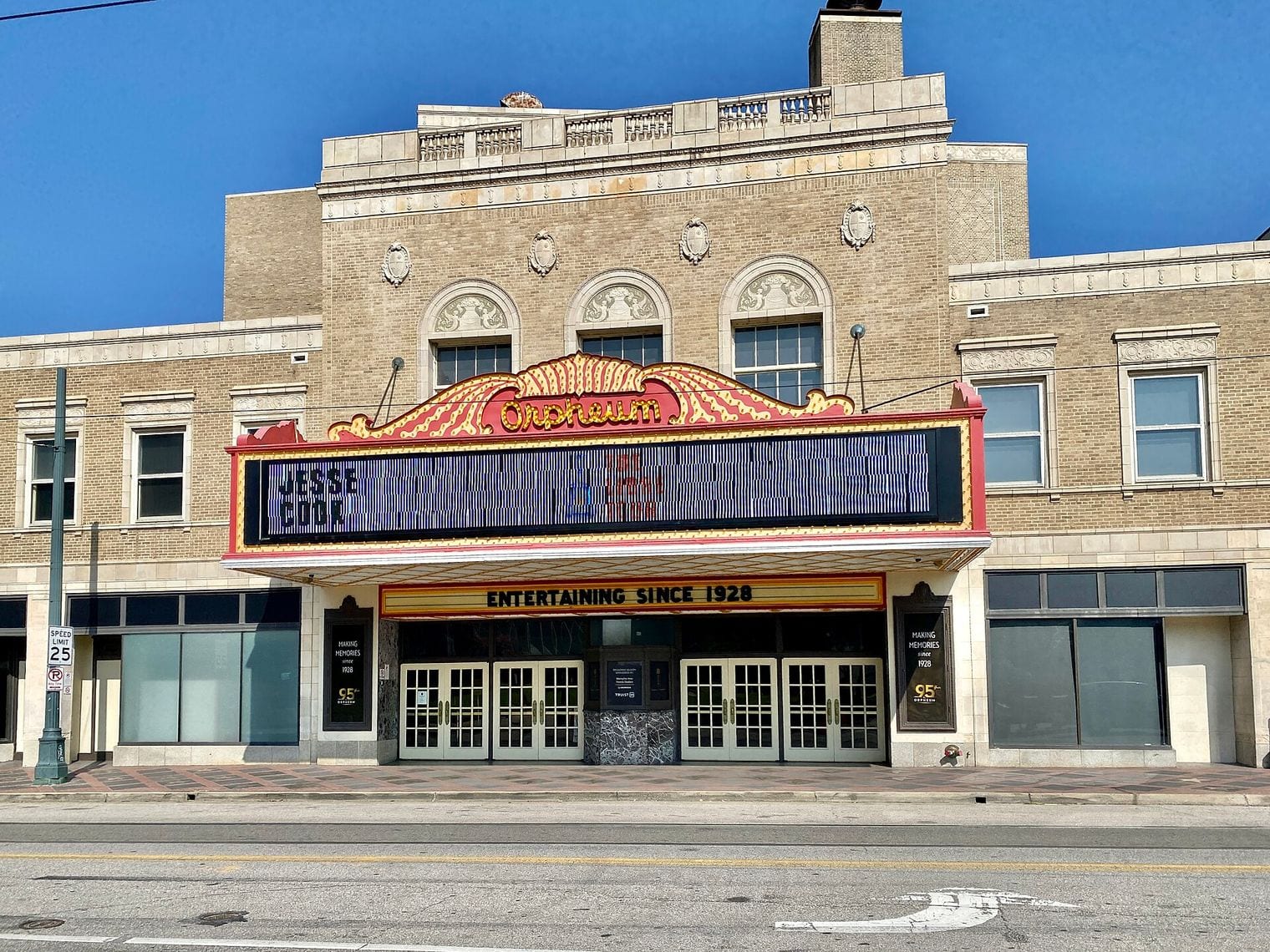
The Orpheum Theatre has stood at the corner of Main and Beale since 1928, built on the site of the Grand Opera House, and its interior is a show in itself: artisan millwork, gilding, original fixtures and a Mighty Wurlitzer organ. Saved by a local foundation in 1977, it was one of the first Memphis buildings placed on the National Register of Historic Places.
Since then it has been the Mid-South's home for touring Broadway productions, and it also hosts Ballet Memphis, concerts, comedians and a summer movie series. Even if you are not catching a show, pause under the glowing marquee at the top of Beale Street.
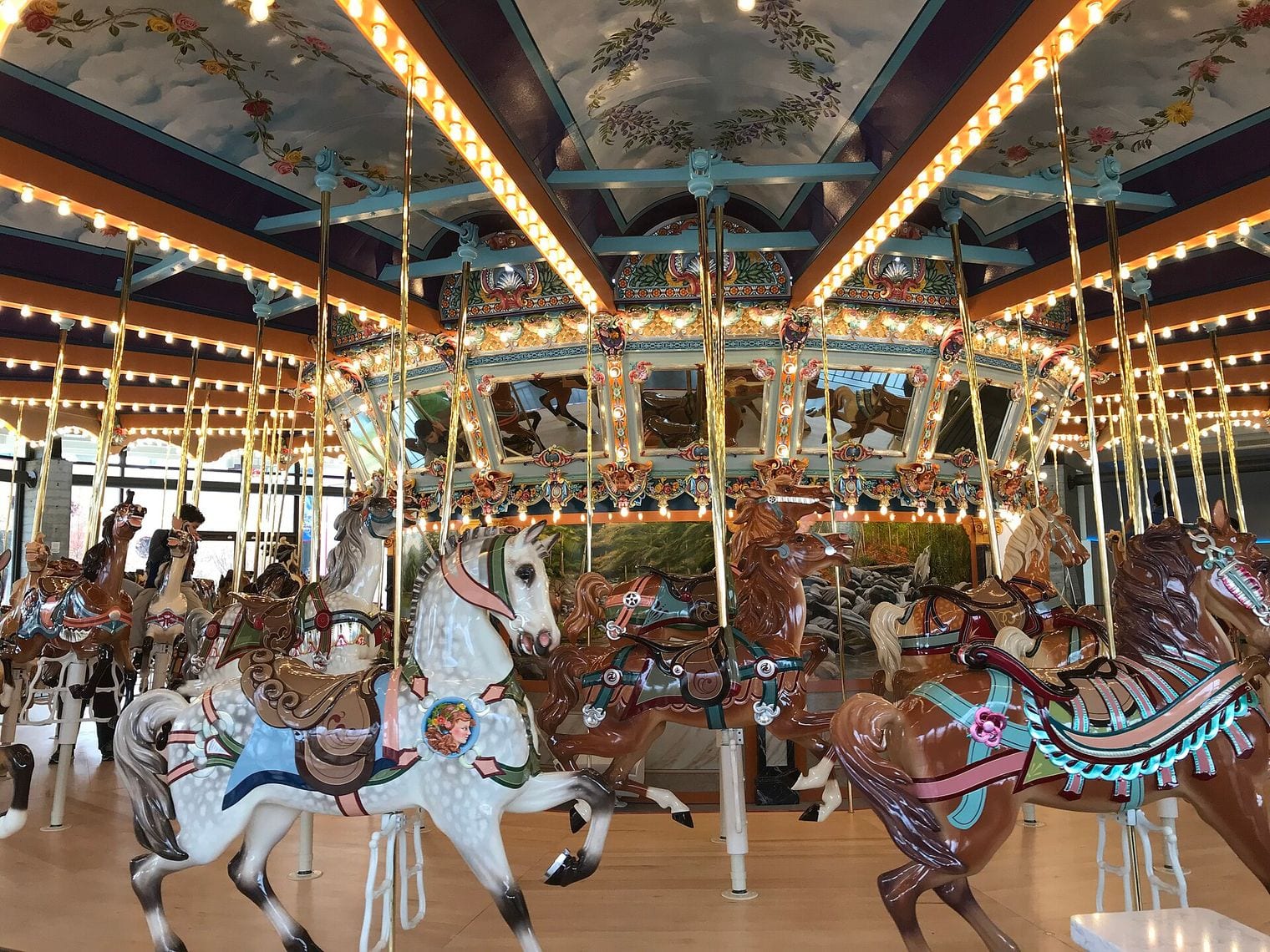
The Children's Museum of Memphis fills a former National Guard armory in Midtown with more than 20 hands-on exhibits, where young visitors can climb, build, pretend and splash their way through a morning. It is aimed squarely at younger children, and parents tend to appreciate the space to let them run.
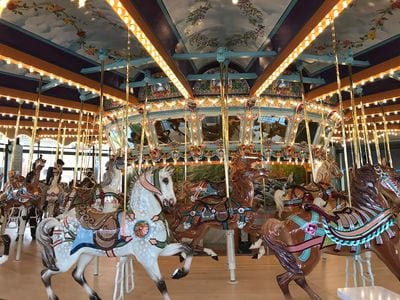
The museum is also home to the Memphis Grand Carousel, a vintage carousel that was restored and returned to the city to spin in its own pavilion on the museum grounds. Combine a visit with a picnic in Overton Park for an easy family day in Midtown.
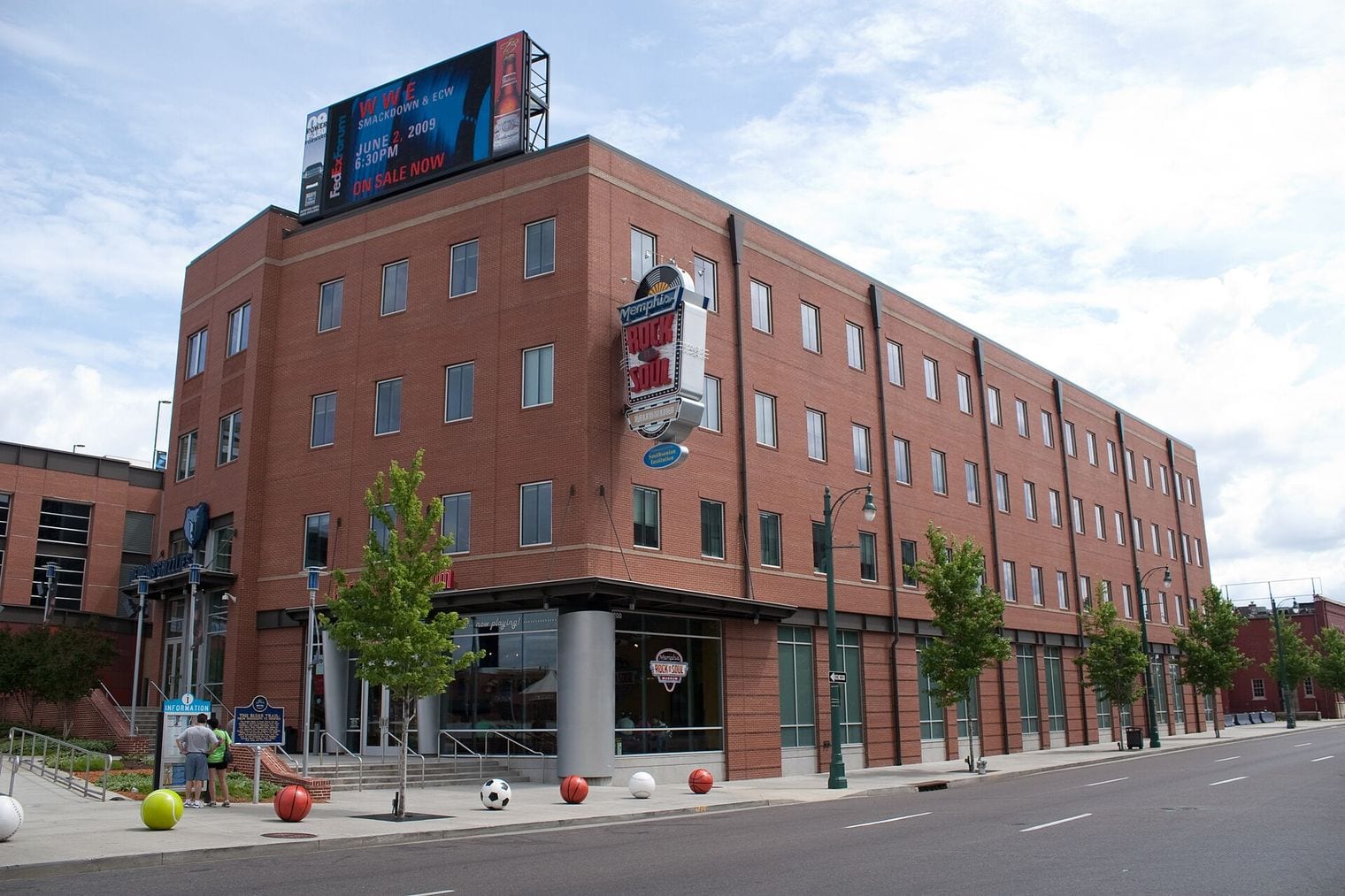
The Memphis Rock 'n' Soul Museum began as a Smithsonian Institution research project and opened in 2000 as the Smithsonian's first permanent exhibition outside Washington and New York. It tells how musical pioneers overcame racial and economic barriers in and around Memphis to create the sounds that changed the world.
The museum sits on Beale Street beside FedExForum, and it works best as an overview at the start of a trip: it puts the Delta blues, early rock and roll and Memphis soul into one story before you go deeper at Sun Studio and Stax. Allow about an hour and a half.
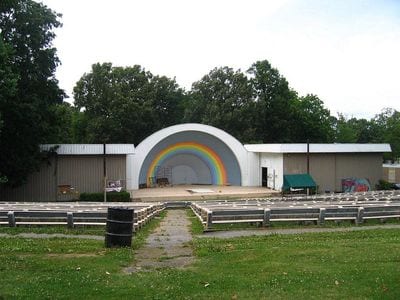
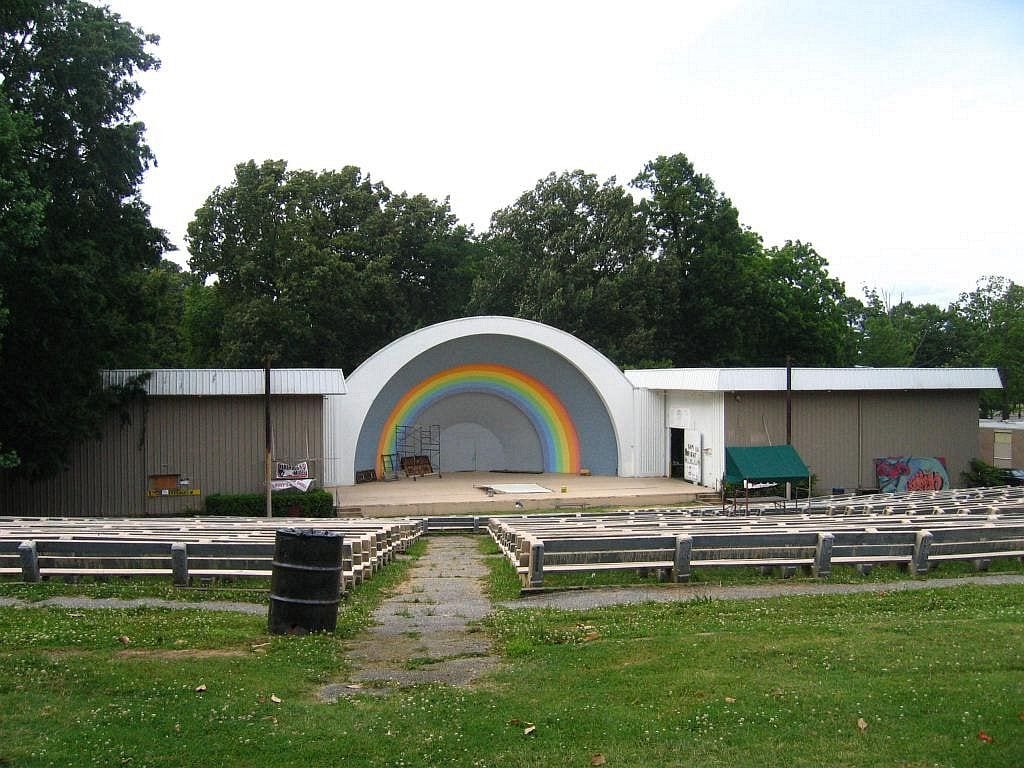
The Overton Park Shell is where Elvis Presley gave his first paid concert, on July 30, 1954, opening for Slim Whitman in what music historians call one of the first rock and roll shows. The band shell itself was built in 1936 by the city and the Works Progress Administration, and it is one of only a few of the WPA's band shells still standing.
Known as the Levitt Shell until 2022, it now presents a long season of free concerts on the lawn in front of the stage, from local bands to touring acts. Bring a blanket or a folding chair, arrive early on a warm evening and make a night of it in Overton Park.
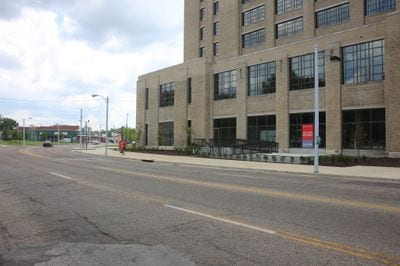
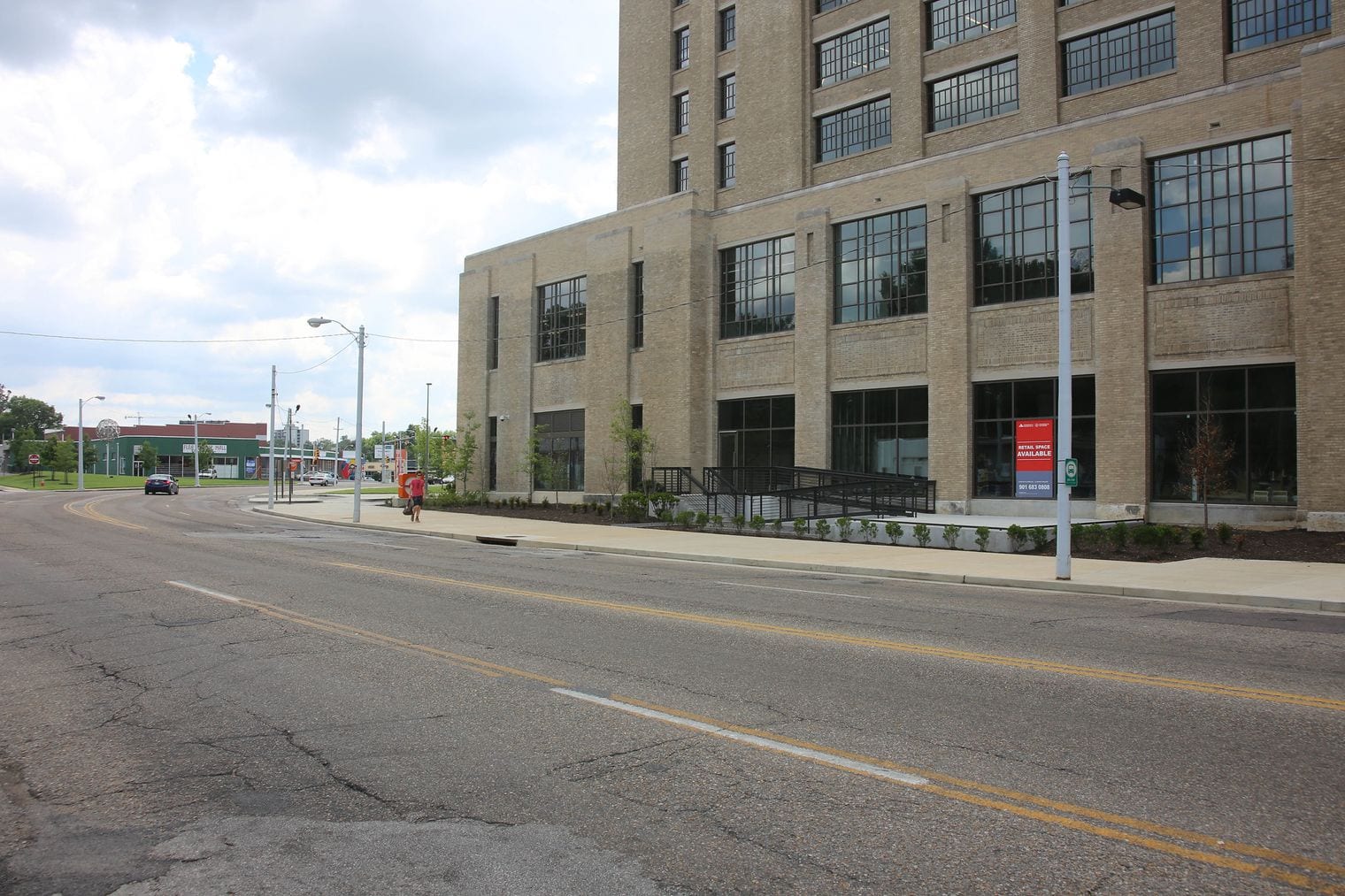
Crosstown Concourse was built in 1927 as a Sears retail store and catalog order plant, closed in 1993, and after a 2015 to 2017 renovation it reopened as a mixed-use building with shops, restaurants, offices, apartments and arts spaces. The scale alone is worth seeing: the vast central atrium rises through the old warehouse floors.
Wander in for the contemporary art spaces and galleries run by Crosstown Arts, grab lunch, and take in the scale of a building that once shipped Sears catalog orders across the South. It is free to explore and an easy stop on the way between downtown, Midtown and Overton Park.
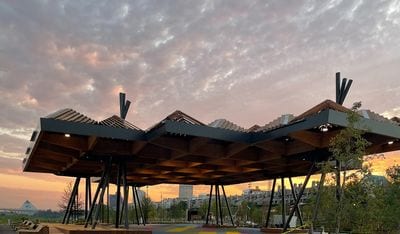
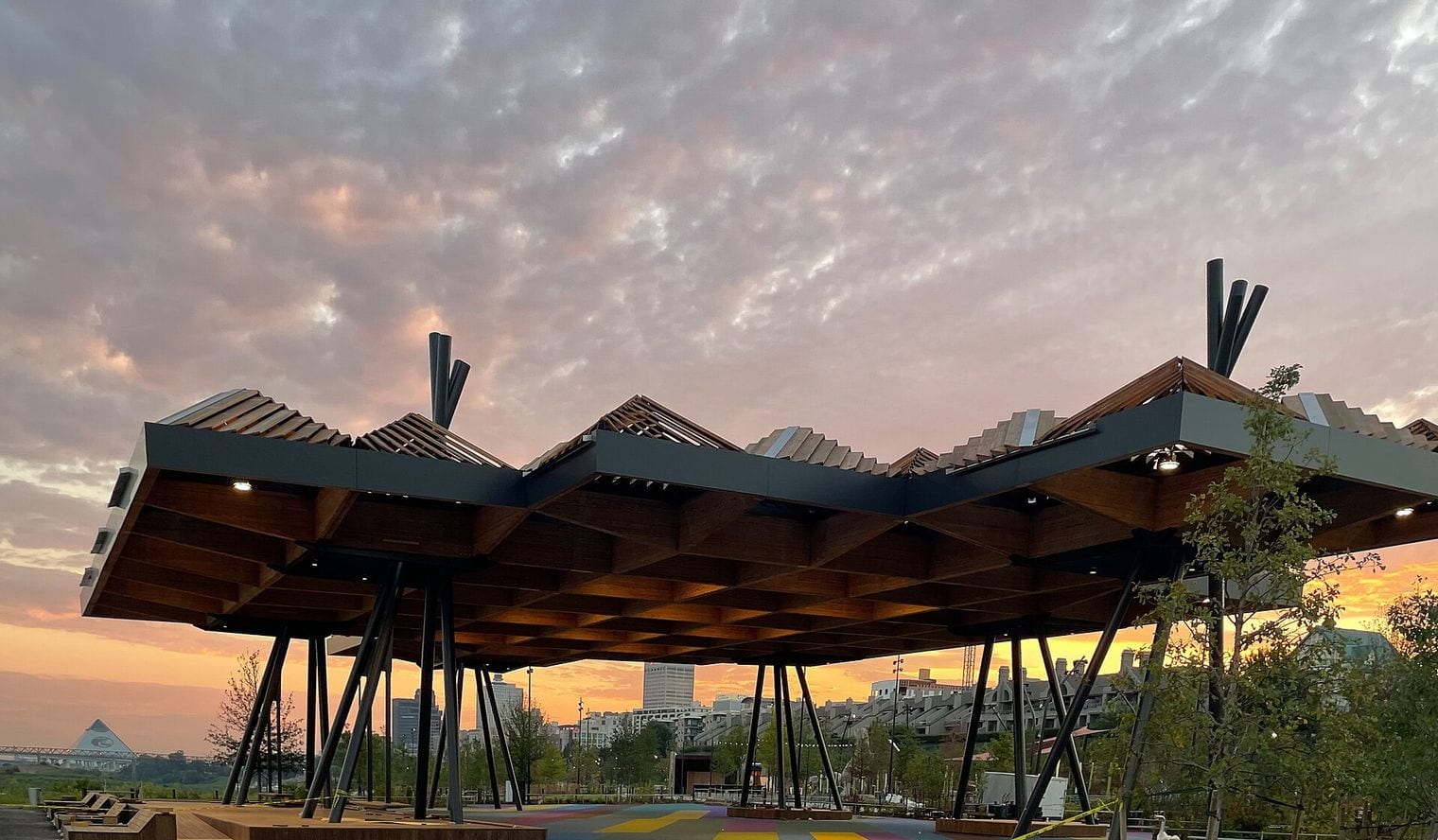
Tom Lee Park stretches about a mile along the Mississippi just west of downtown, and a major redesign by Studio Gang and SCAPE, completed in 2023, turned it into a riverfront park of shaded paths, play areas and lawns. It is named for Tom Lee, an African-American river worker who saved 32 passengers from the sinking steamboat M.E. Norman in 1925.
Come at sunset for wide views across the river to Arkansas, or walk it as part of a riverfront loop with the Pyramid at one end. The park is the traditional home of big Memphis in May events, and seasonal sightseeing riverboats leave from the downtown riverfront nearby.
Free printable checklist of all 35 places
Tick them off as you go. Confirm your email to download it, plus one email every Thursday with new guides for the places you tick.
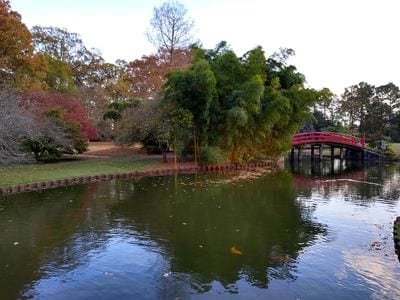
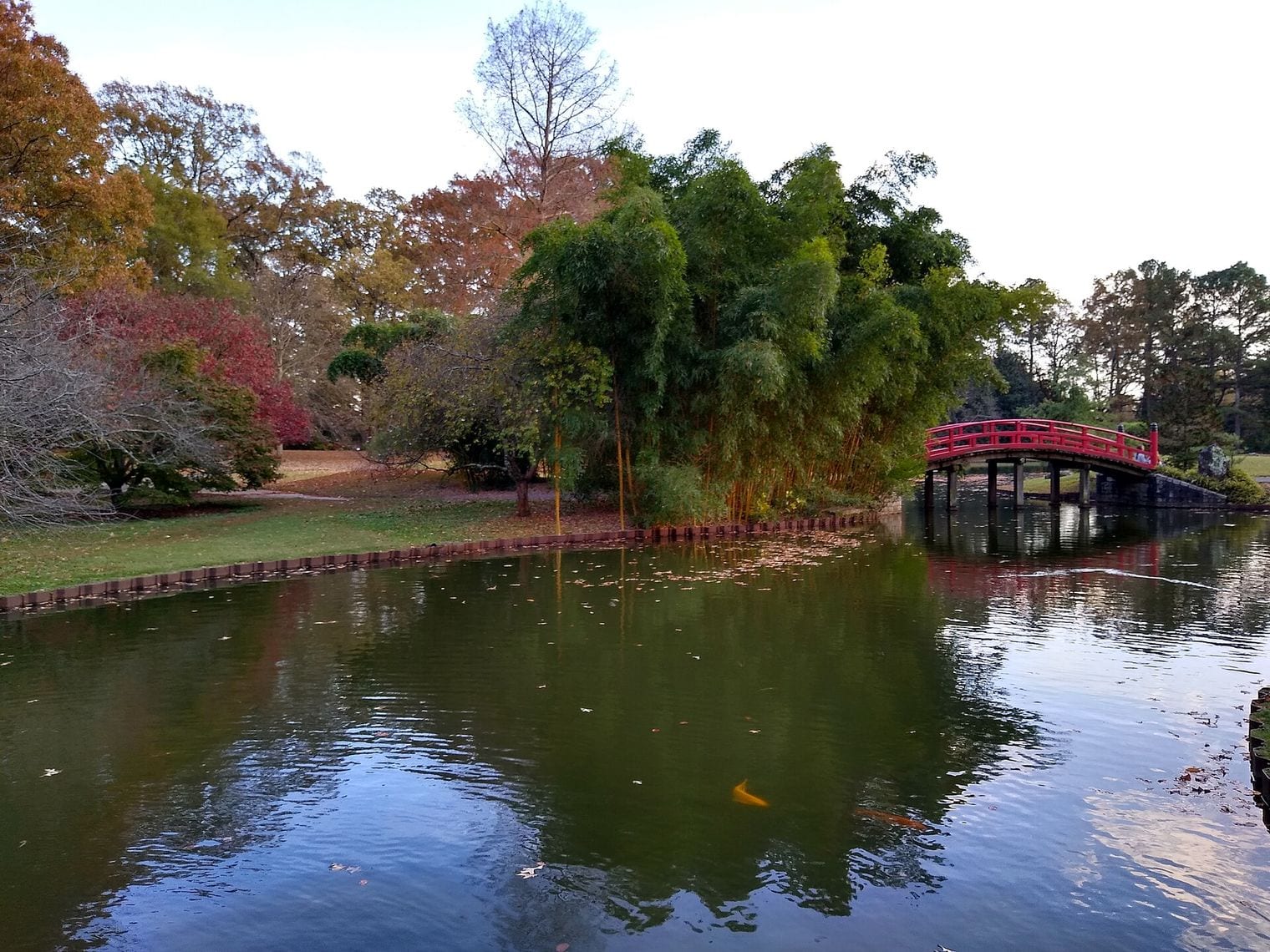
The Memphis Botanic Garden spreads across 96 acres of Audubon Park in East Memphis, with around 30 specialty gardens to wander. The standout is the Japanese Garden of Tranquility, where zigzag and half-moon bridges cross a koi-filled lake beneath a moon-gazing pavilion.
In spring the Tennessee Bicentennial Iris Garden blooms with hundreds of iris varieties, and families can let children loose in My Big Backyard, the garden's play-and-learn space for kids. Concerts and plant sales run through the year, and the Dixon Gallery and Gardens is just down the road.
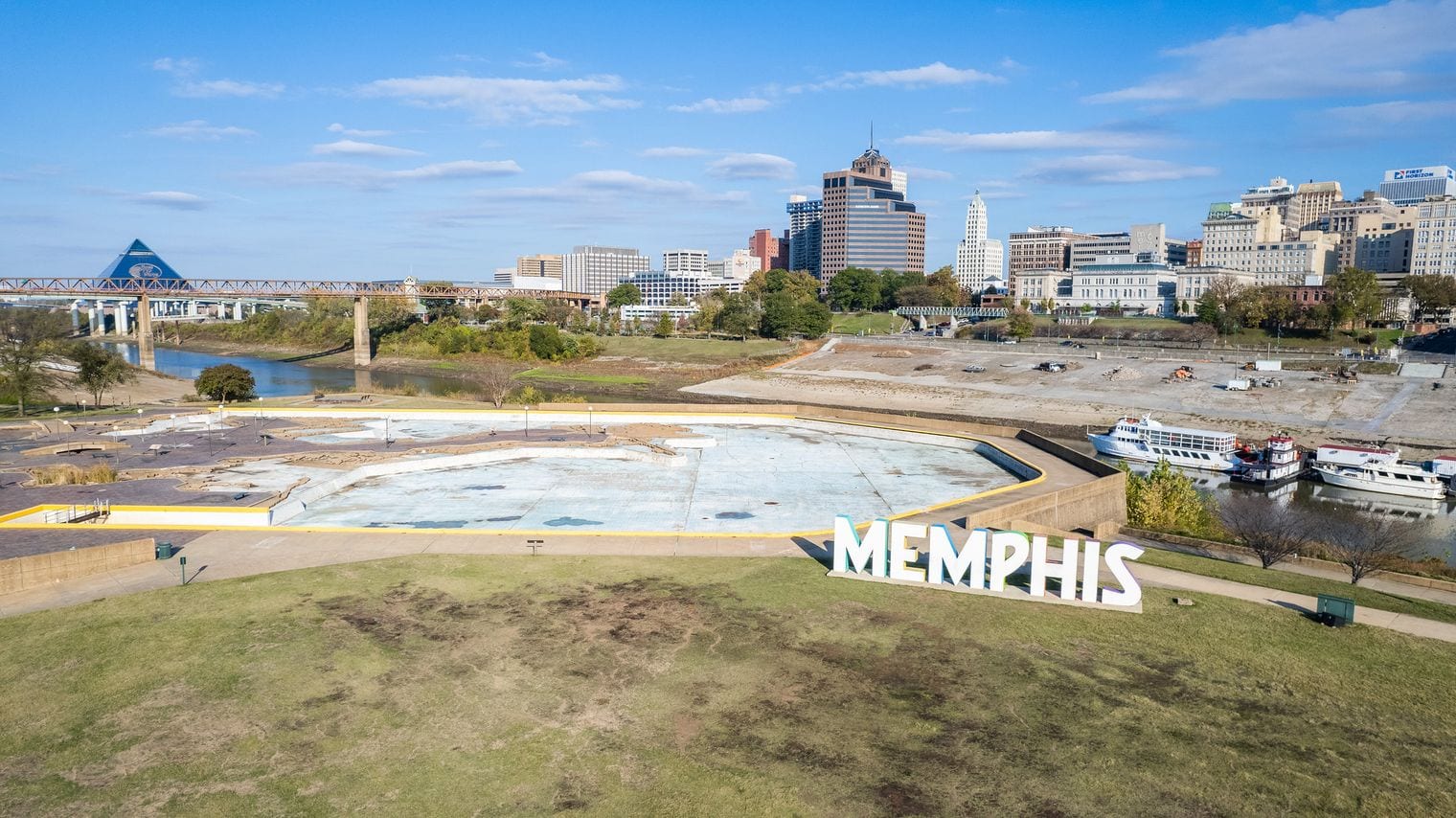
Mud Island Park sits on a peninsula between the Mississippi and the Wolf River Harbor, and it is best treated as a riverside walk with some of the widest views of the Mississippi in the city. You reach it from downtown on foot over the Skybridge, then follow the paths along the water.
The park's signature sight is the Riverwalk, a 2,000-foot concrete scale model of the lower Mississippi from Cairo, Illinois, to New Orleans, with plaques on the river's history. The model's channel is not always filled with water, and the island's old river museum has closed, so come for the walk, the scale model and the views rather than indoor exhibits.
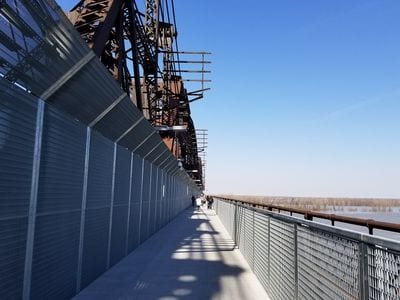
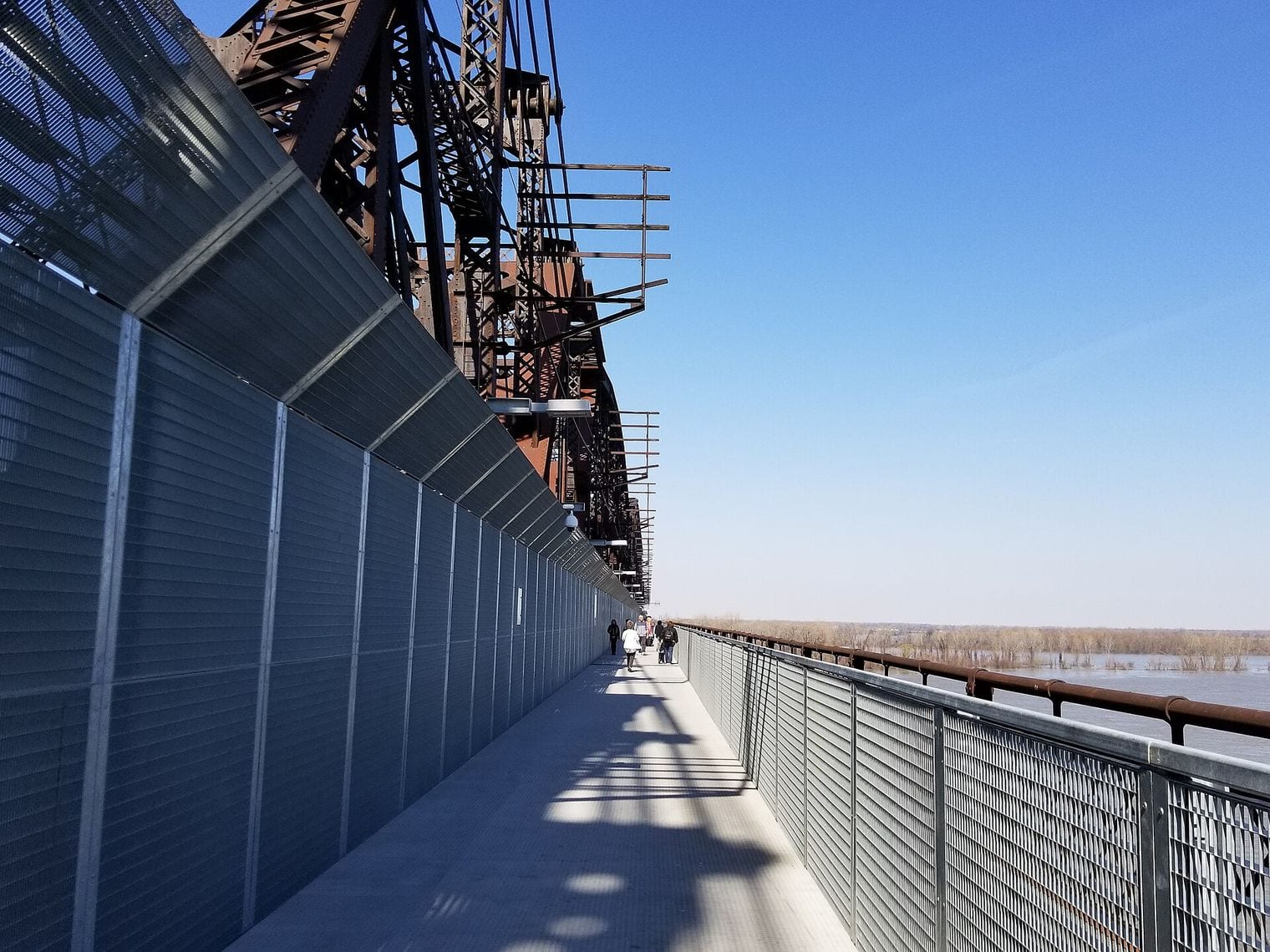
Big River Crossing is a walking and cycling path that runs along the Harahan Bridge, completed in 2016, and at nearly a mile long it is billed as the longest public pedestrian and cyclist bridge across the Mississippi. Freight trains rumble past on the bridge's rail lines just beside you, and the river runs wide and brown far below.
Walk out from the Memphis side for skyline views back toward downtown and the Pyramid, then turn around or keep going toward Arkansas, as the path is part of a longer trail corridor linking Memphis with West Memphis. It is free, and early morning or golden hour give the best light.
The Dixon Gallery and Gardens, opened in 1976 in East Memphis, sets a strong collection of French and American Impressionist art within 17 acres of gardens. Expect works by Monet, Degas, Renoir, Mary Cassatt and Berthe Morisot, along with an unusually deep collection by Jean-Louis Forain.
The museum also holds the Stout Collection of 18th-century German porcelain, runs a schedule of traveling exhibitions, and surrounds the galleries with formal and woodland gardens dotted with sculpture. It sits a short hop from the Memphis Botanic Garden, so the two make a relaxed East Memphis afternoon.
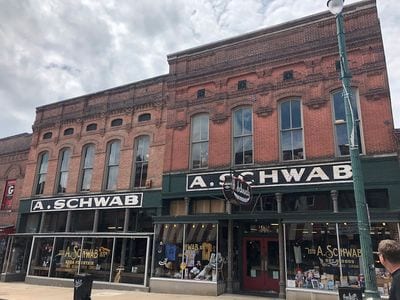
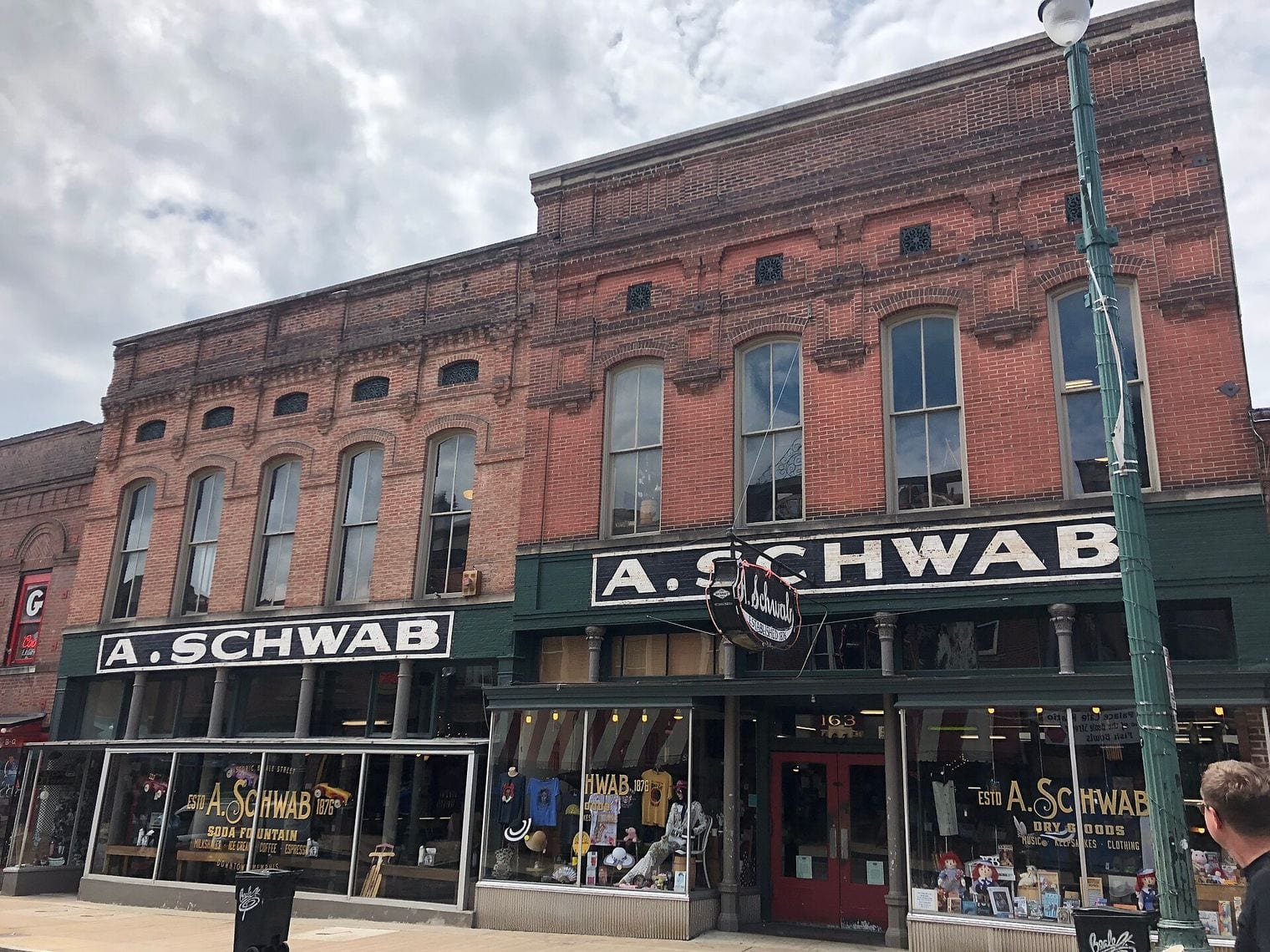
A. Schwab is the last original business on Beale Street, a dry goods store founded in 1876 by Abraham Joseph Schwab, an Alsatian Jewish immigrant. The shop has traded from its current address at 163 Beale since 1911, and it is said to occupy the oldest remaining building on the street.
Step inside for a cheerful jumble of curios, souvenirs and old-fashioned general-store goods that feels a world away from the clubs outside. It is a good daytime stop on a Beale Street stroll, and a fun place to hunt for a gift you won't find anywhere else.
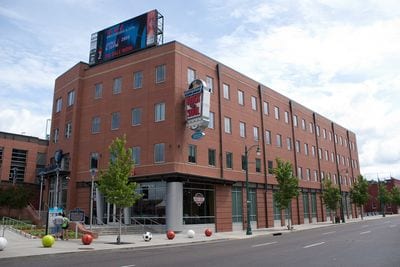
FedExForum, opened in 2004 a block from Beale Street, is home to the NBA's Memphis Grizzlies and the University of Memphis Tigers men's basketball team. A game night here is one of the loudest experiences in the city, with the crowd spilling out onto Beale before and after tip-off.
When the teams are away, the arena books concerts, family shows and other big events, so check its calendar for your dates. The Memphis Rock 'n' Soul Museum sits right beside it, which makes for an easy pre-game stop.
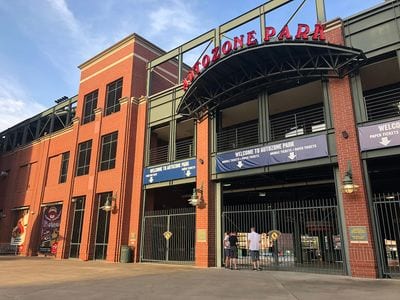
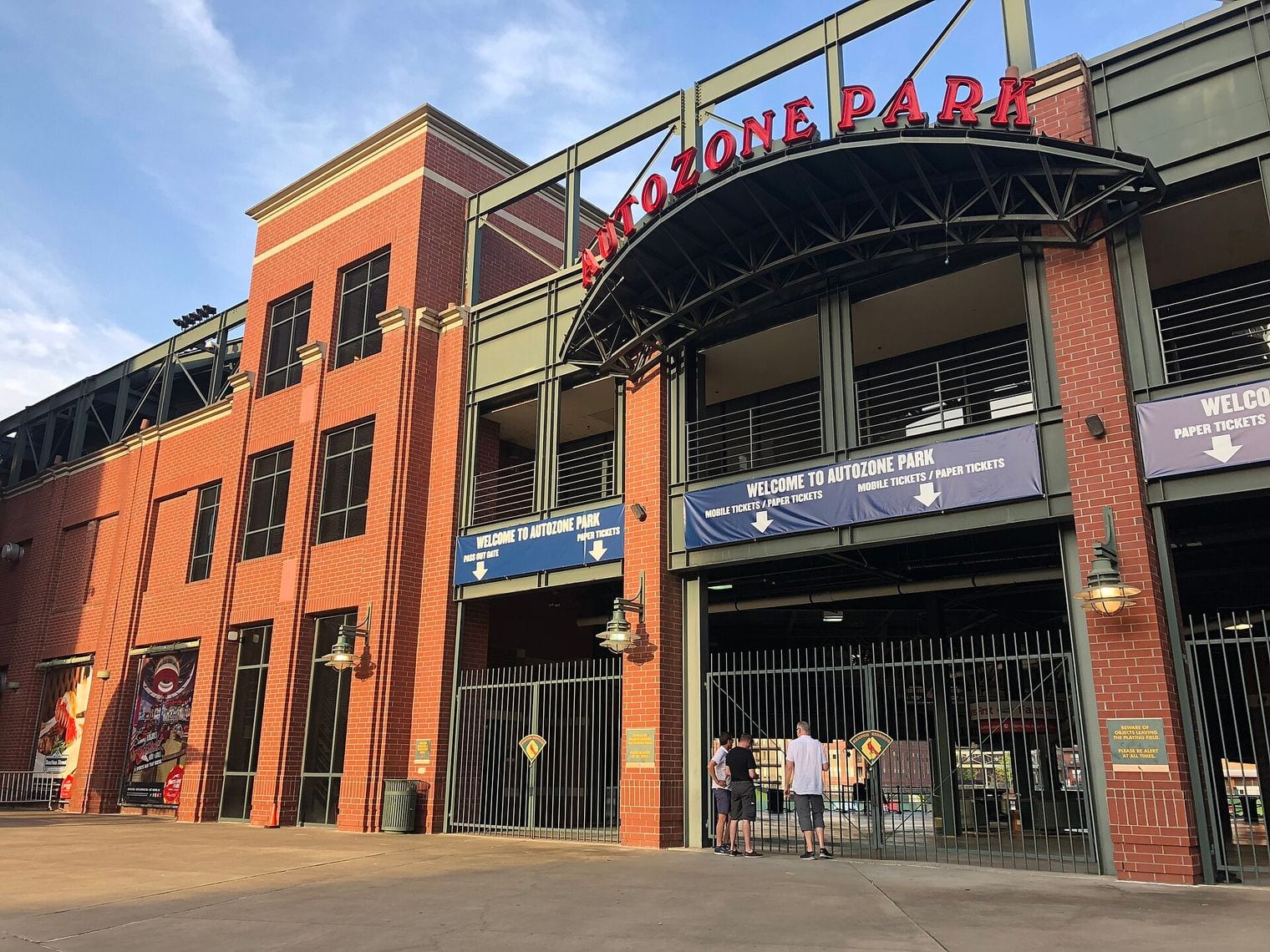
AutoZone Park is the downtown home of the Memphis Redbirds, the Triple-A affiliate of the St. Louis Cardinals, and a summer evening here is one of the easiest ways to feel like a local. The ballpark sits right in the middle of downtown, so you can walk in from a hotel, the riverfront or Beale Street.
It is a relaxed night out, and the open concourses suit families who would rather wander than sit for nine innings. Pair a game with dinner downtown and a walk down Beale Street afterward for a classic Memphis night.
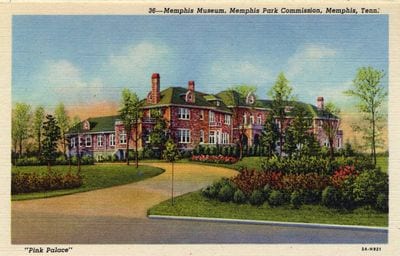
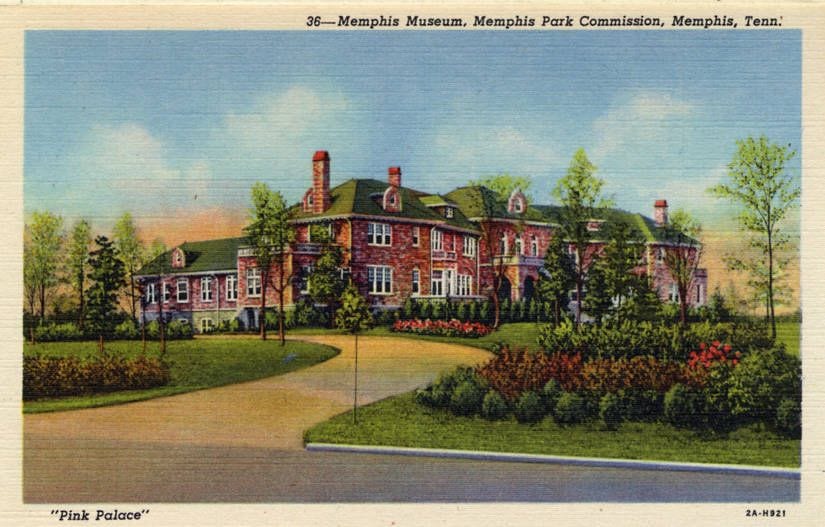
2424. Pink Palace: Memphis Museum of Science & History
The Pink Palace is a mansion of pink Georgia marble that Clarence Saunders, founder of the Piggly Wiggly grocery chain, began in 1923 but lost to bankruptcy before he could move in. The city took it over, and it opened as a museum in 1930; today it is the flagship of the Memphis Museum of Science & History, known as MoSH.
Exhibits cover the natural and cultural history of the Mid-South, including a replica of the original Piggly Wiggly, the first self-service grocery store, which Saunders opened in Memphis in 1916. The Sharpe Planetarium and a giant-screen theater add shows that make it an easy half-day with children.
Lichterman Nature Center is a certified arboretum in East Memphis, run by the Memphis Museum of Science & History, that protects about 65 acres of forest, meadow and lake. Around three miles of trails loop through the different habitats, with benches along the way, making it an easy, quiet escape from city traffic.
Indoors and out, the Backyard Wildlife Center introduces live animals, hands-on discovery stations and a boardwalk that climbs two stories into the trees. It is especially good for families with younger children and for birdwatchers who want an hour among the trees without leaving town.
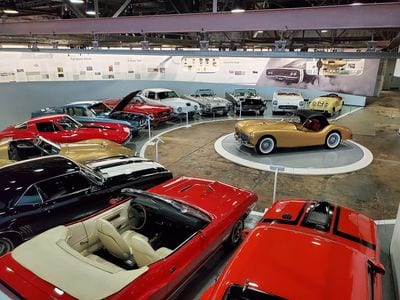
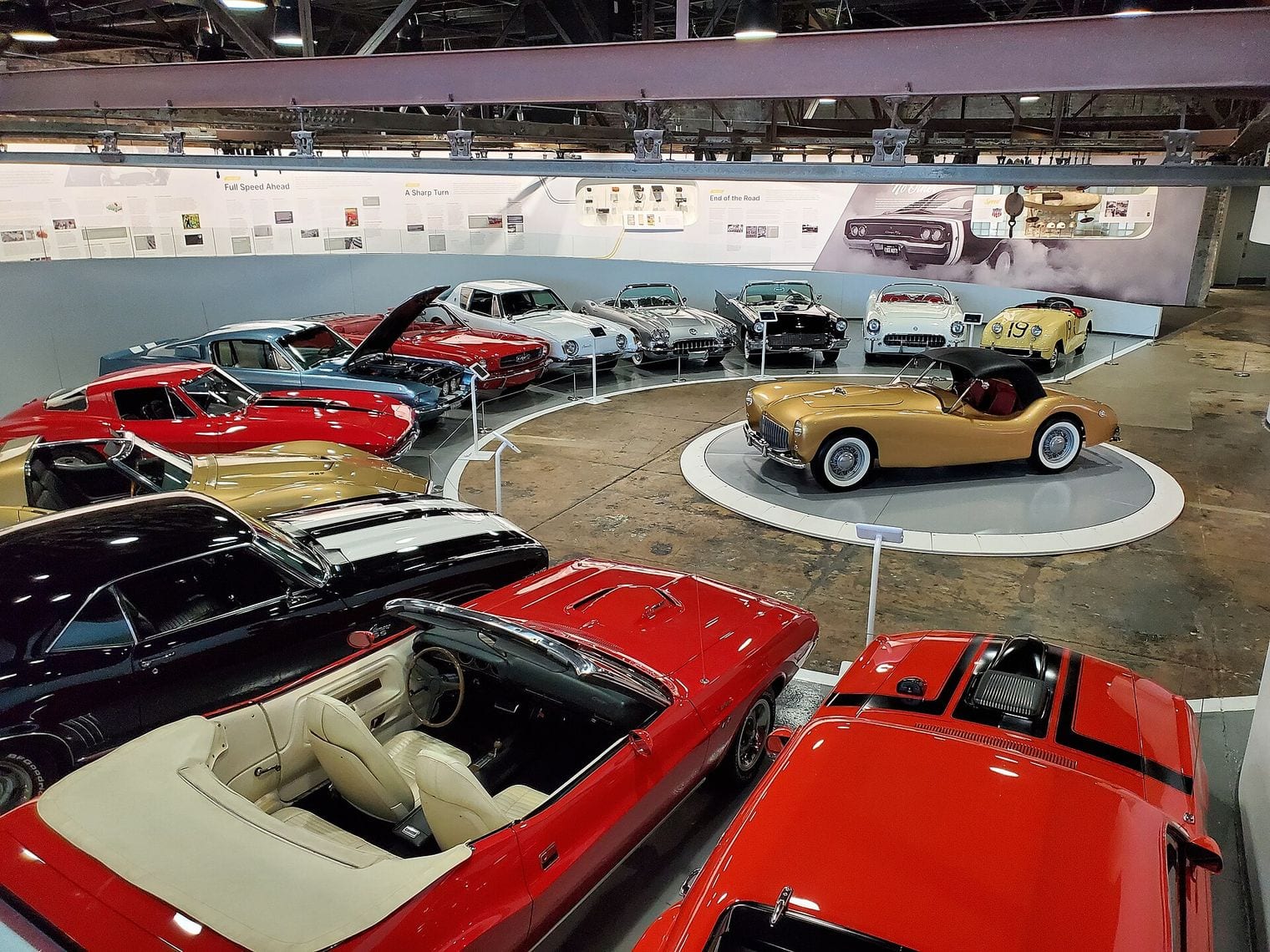
The Edge Motor Museum tells the story of the American sports car from the 1950s to the 1970s, from its rise to its fall. It was founded as a nonprofit in 2018 in a building once owned by Cherokee Motors, in the Edge District between downtown and Midtown, and a wall graphic along the ramp walks you through the era.
Around 20 to 25 vehicles are on display at a time, and the lineup rotates, so repeat visitors see something new. Past exhibits have included Doris Day's Muntz Jet and a Crosley Hotshot that won at Sebring, the kind of rare machines that delight car fans and casual visitors alike.
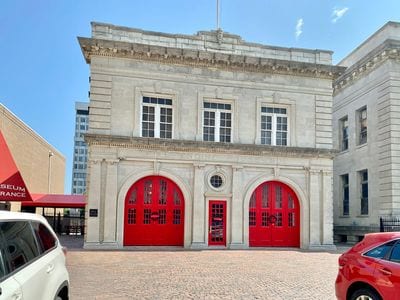
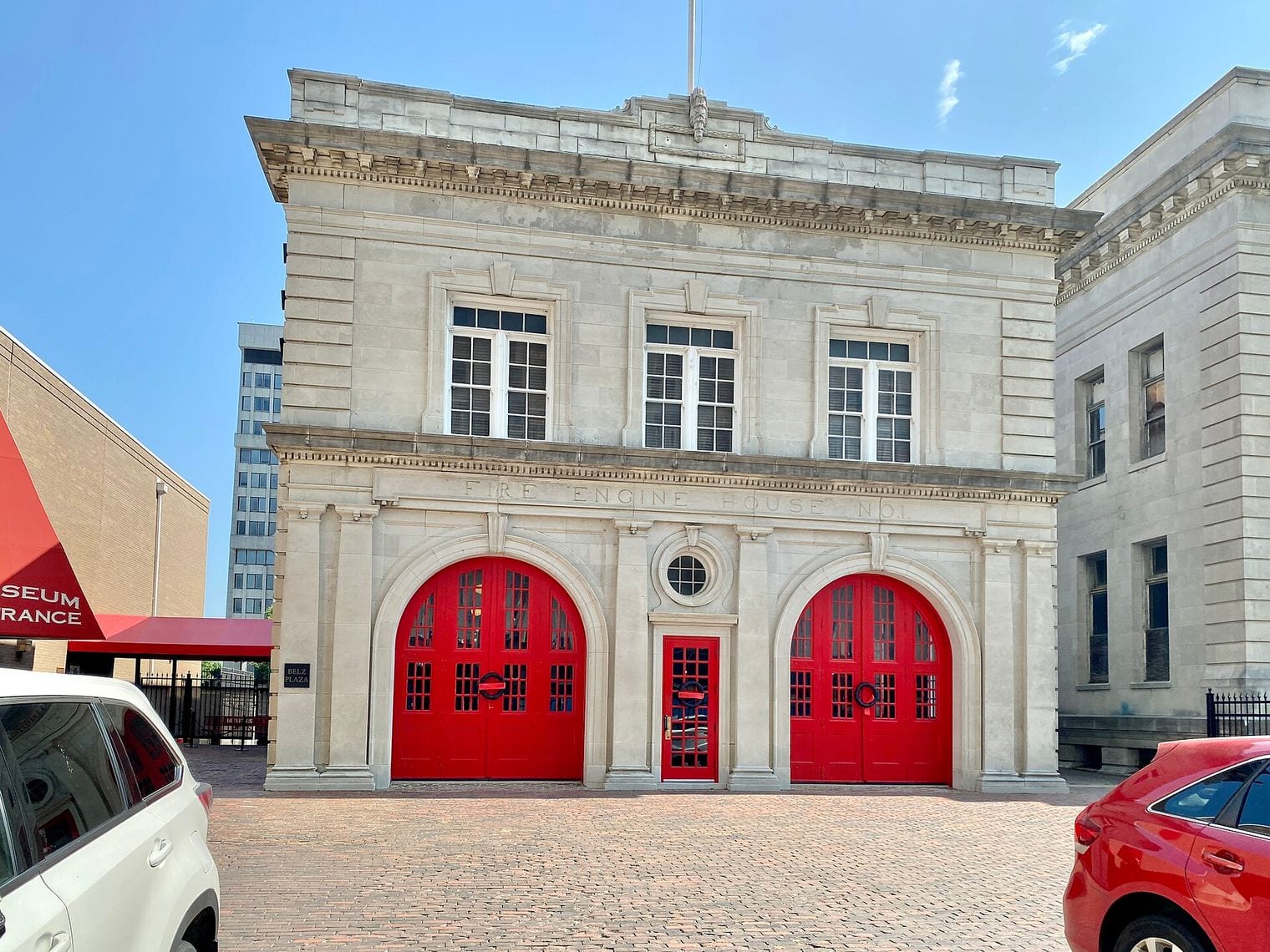
The Fire Museum of Memphis occupies Fire Engine House No. 1, a downtown firehouse built in 1910, and it opened as a museum in 1998. Exhibits and video stations tell the history of the Memphis Fire Department and the great fires that shaped the city.
The museum is built around fire safety education, with interactive displays that make it a favorite with school groups and young families. Outside, a memorial wall honors the Memphis firefighters who have died in the line of duty, a quiet moment on the way back to the riverfront.
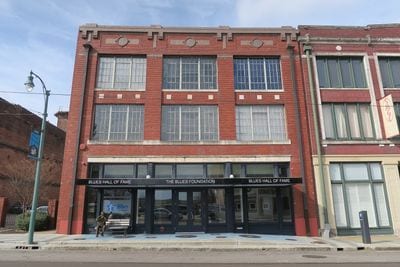
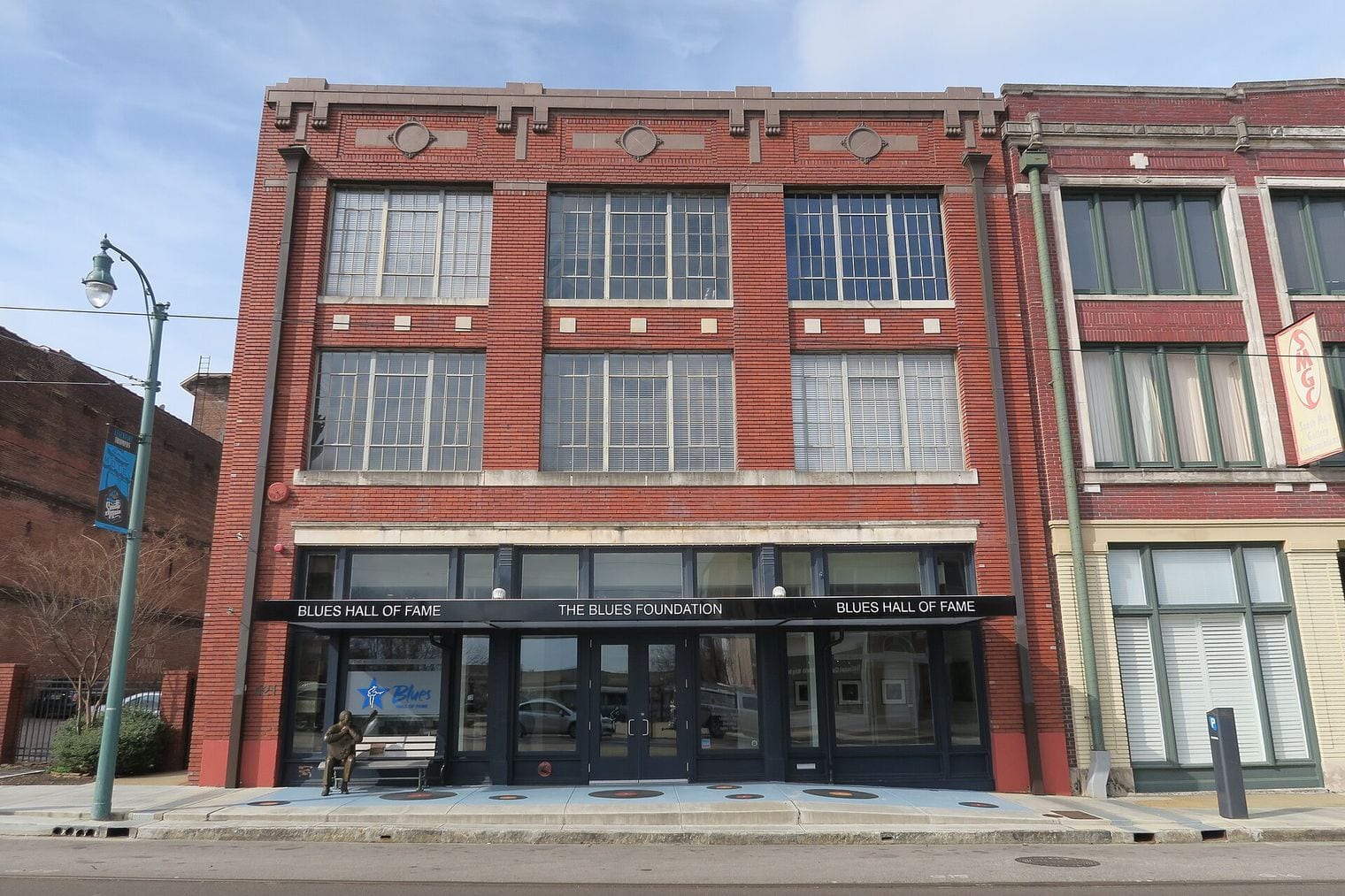
The Blues Hall of Fame began in 1980 as an honor roll of the performers, recordings and writers who shaped the blues, and in 2015 the Blues Foundation gave it a physical home: the Blues Hall of Fame Museum on South Main Street.
Galleries devoted to the inductees mix photographs, memorabilia and recordings, so you can trace the music from the Delta to Chicago and beyond. It sits a few steps from the National Civil Rights Museum, so the two pair naturally on a South Main afternoon, and blues fans should save it for the same day as Beale Street.
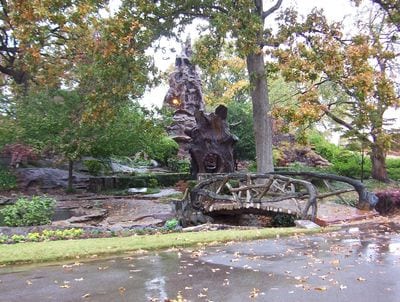
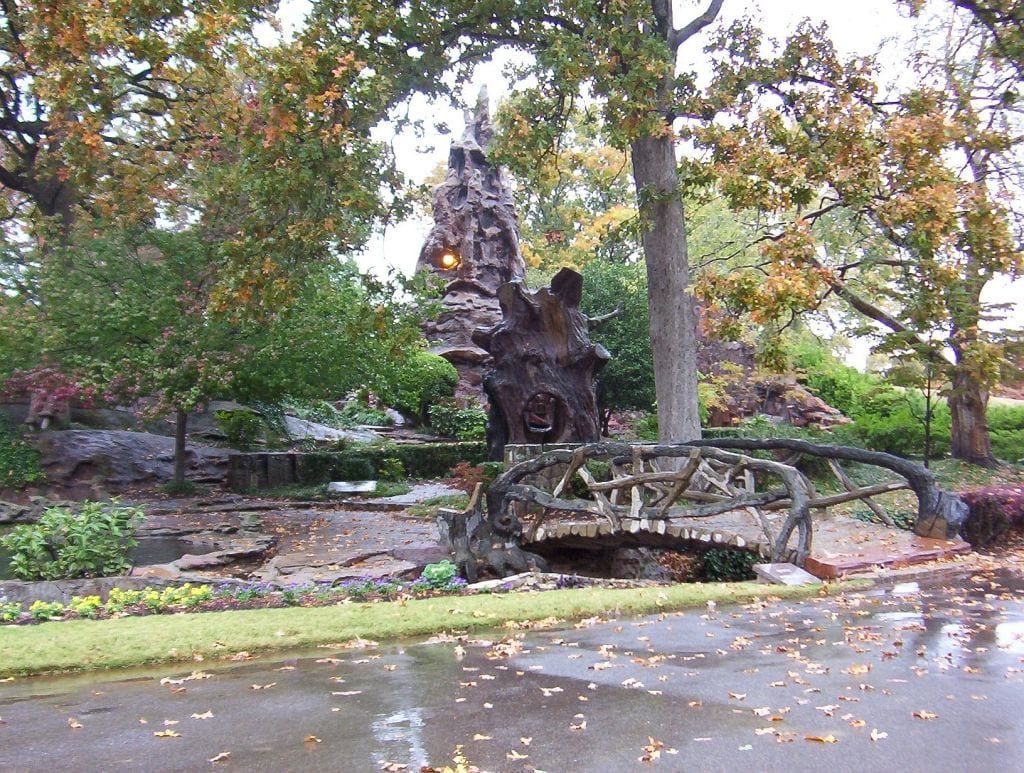
The Crystal Shrine Grotto is a hand-built cave dug about 60 feet into a hillside in Memorial Park Cemetery and lined with some five tons of quartz crystal. Inside, a series of scenes depicts biblical stories, with the crystal glittering on every side.
Mexican artist Dionicio Rodriguez, known for concrete that imitates wood and stone, began the grotto in 1938 and also created other sculptures across the cemetery grounds. It is a working cemetery, so visit quietly; it is one of the most unusual sights in Memphis and well worth the short drive east.
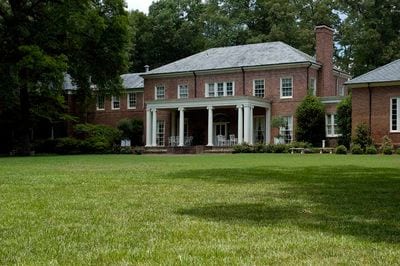
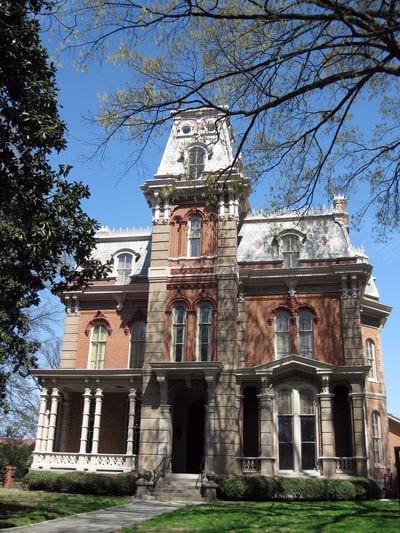
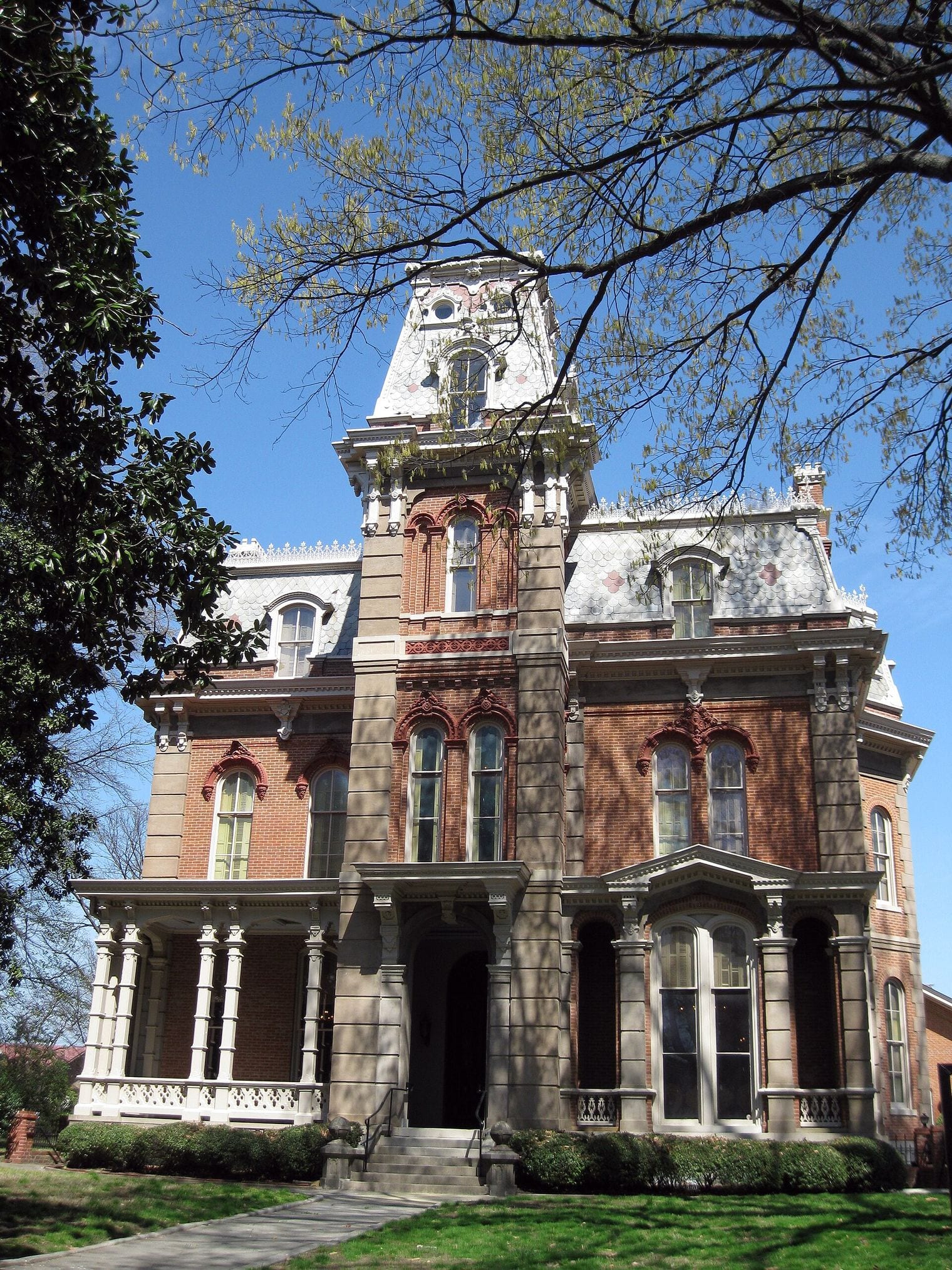
The Woodruff-Fontaine House is a grand 1871 mansion on Adams Avenue, a street once known as Memphis's Millionaire's Row, and it is now a house museum furnished in Victorian style. After standing empty for years, it was restored from 1962 and is part of the Victorian Village historic district.
Tours lead through the parlors and bedrooms and tell the stories of the families who lived here. A few doors along the same street, the Mallory-Neely House, another Victorian Village mansion run by the Memphis Museum of Science & History, opens for tours on a more limited schedule, so check before planning both.
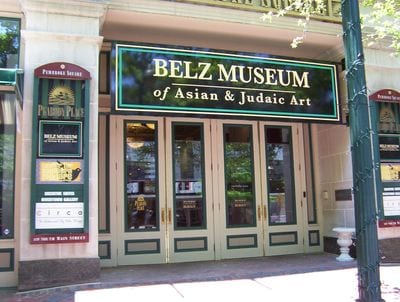
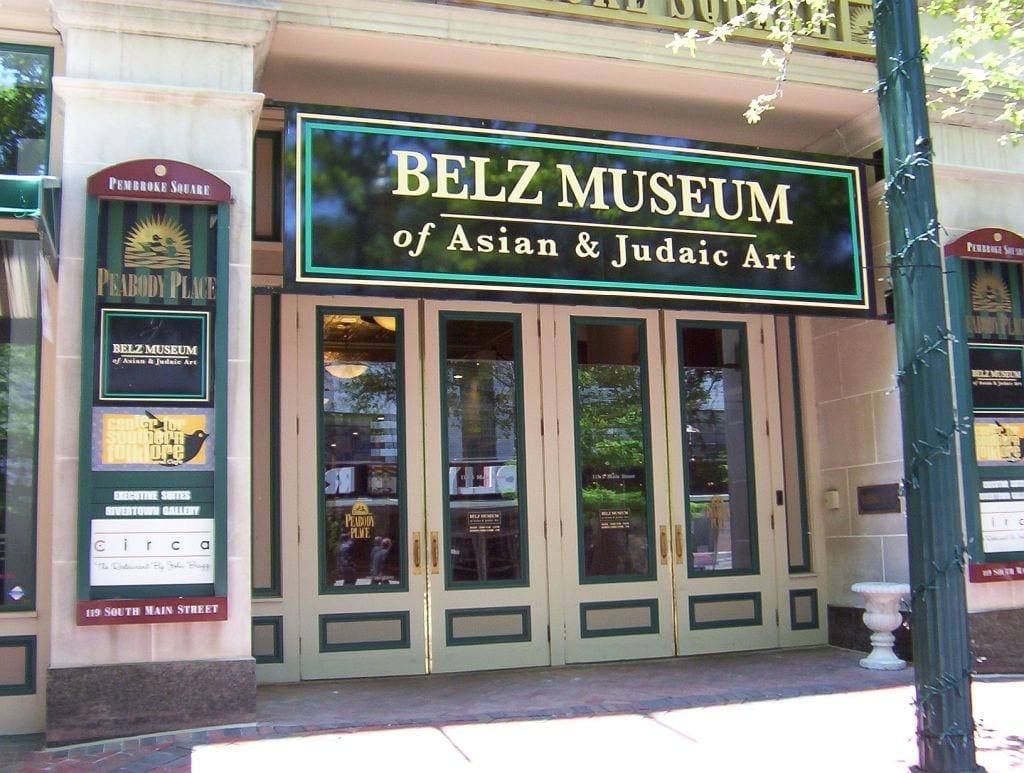
The Belz Museum of Asian and Judaic Art, on South Main Street downtown, grew from the private collection of Memphis developers Jack and Marilyn Belz. It opened in 1998 and took its current name in 2007, and it holds more than 1,000 objects.
The Asian galleries are the highlight, with jade carvings, tapestries and carved furniture, including one of the finest collections of Qing dynasty pieces anywhere. The museum also presents Judaic art, and its compact size makes it an easy hour-long visit between the Peabody and Beale Street.
3232. The Cotton Museum at the Memphis Cotton Exchange
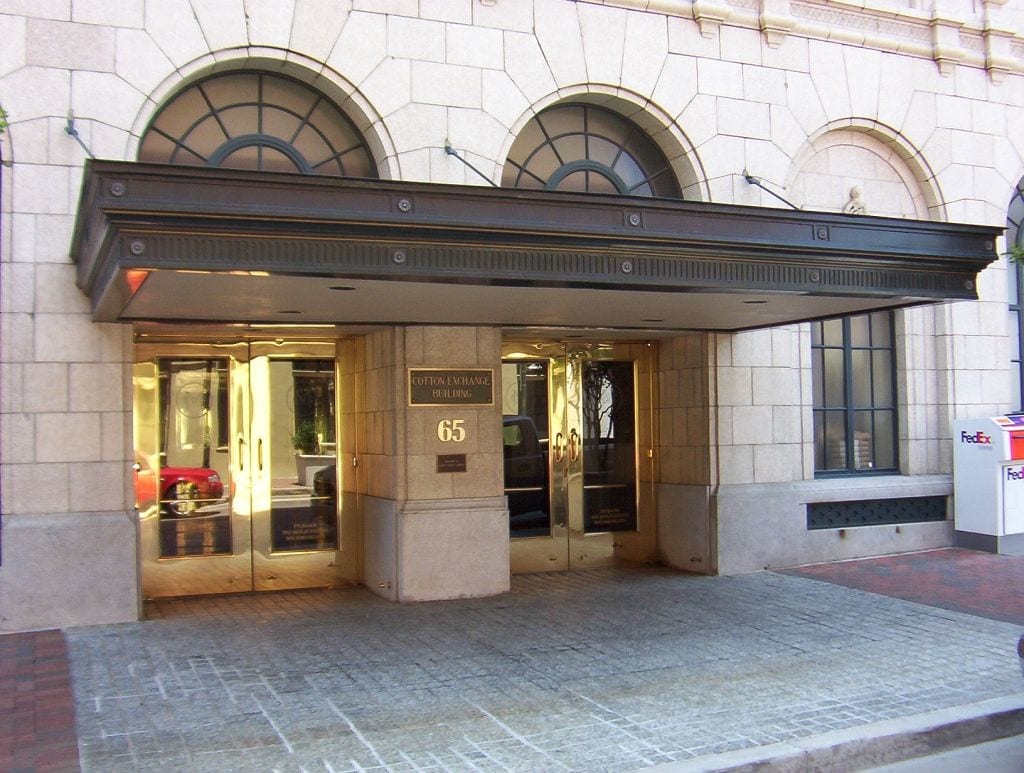
The Cotton Museum occupies the original trading floor of the Memphis Cotton Exchange, completed in 1925 at Front Street and Union Avenue, where traders once stood at the center of the global cotton market. Once only members could enter; now anyone can.
The exhibits tell the story of cotton and its central place in the history of Memphis, the South and the world economy, from the fields to the trading floor. It is a small museum, about an hour, but it explains a great deal about why Memphis grew up where it did.
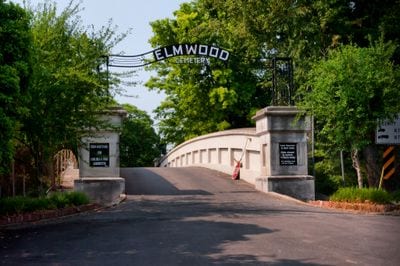
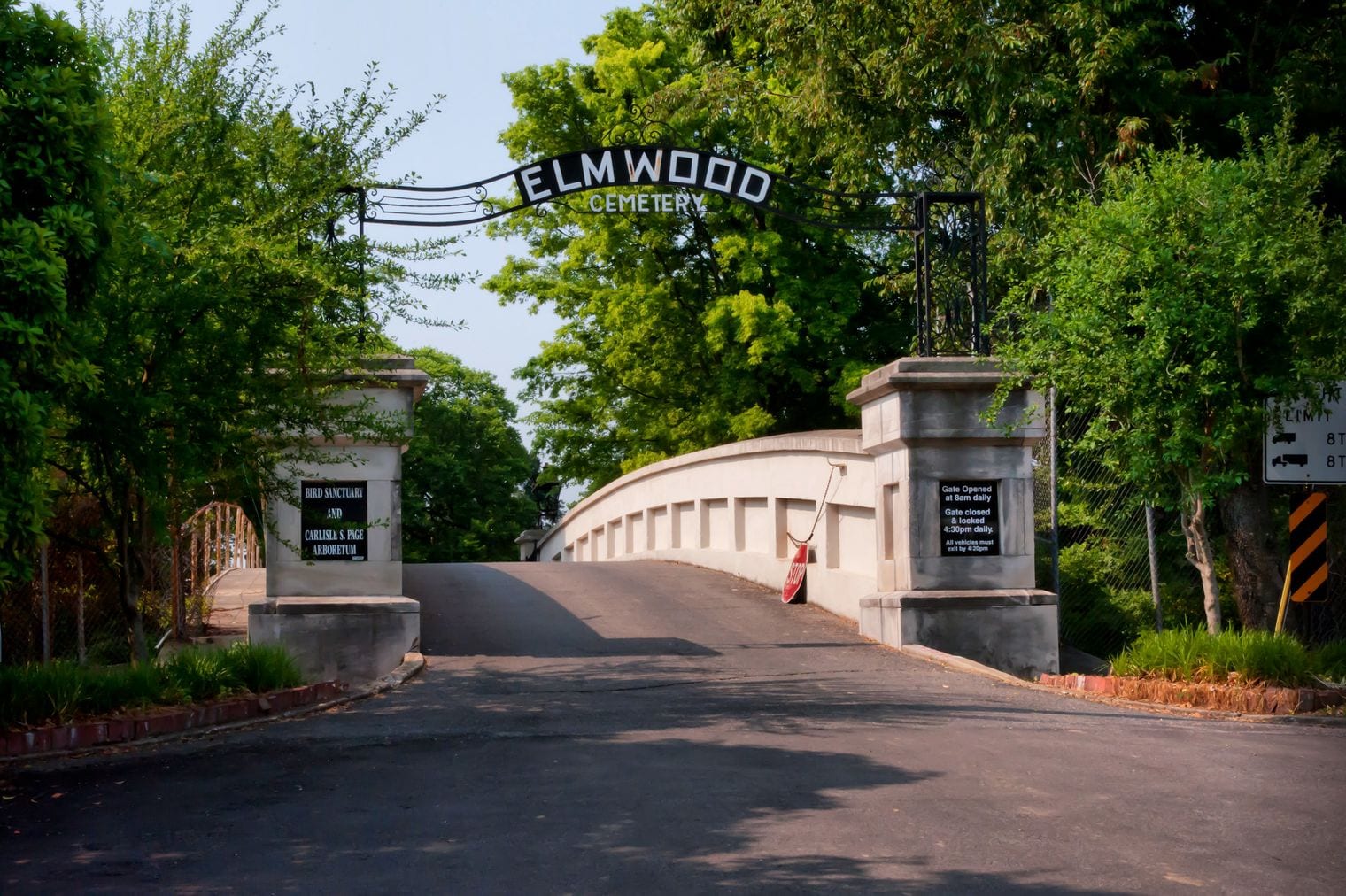
Elmwood Cemetery, established in 1852 as one of the first rural cemeteries in the South, is the oldest active cemetery in Memphis. Its rolling grounds, old trees and carved monuments tell the city's story, including the yellow fever epidemics of the 1870s that killed thousands of Memphians.
The grounds are lovely for a quiet walk, and the cemetery runs guided tours and events through the year, so check its calendar before you go. It lies just south of downtown, an easy add-on to a Stax or South Main day.
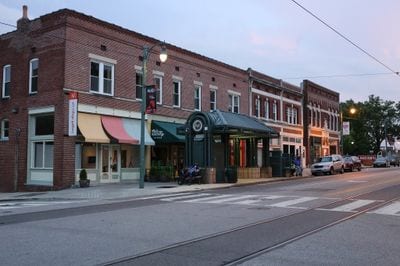
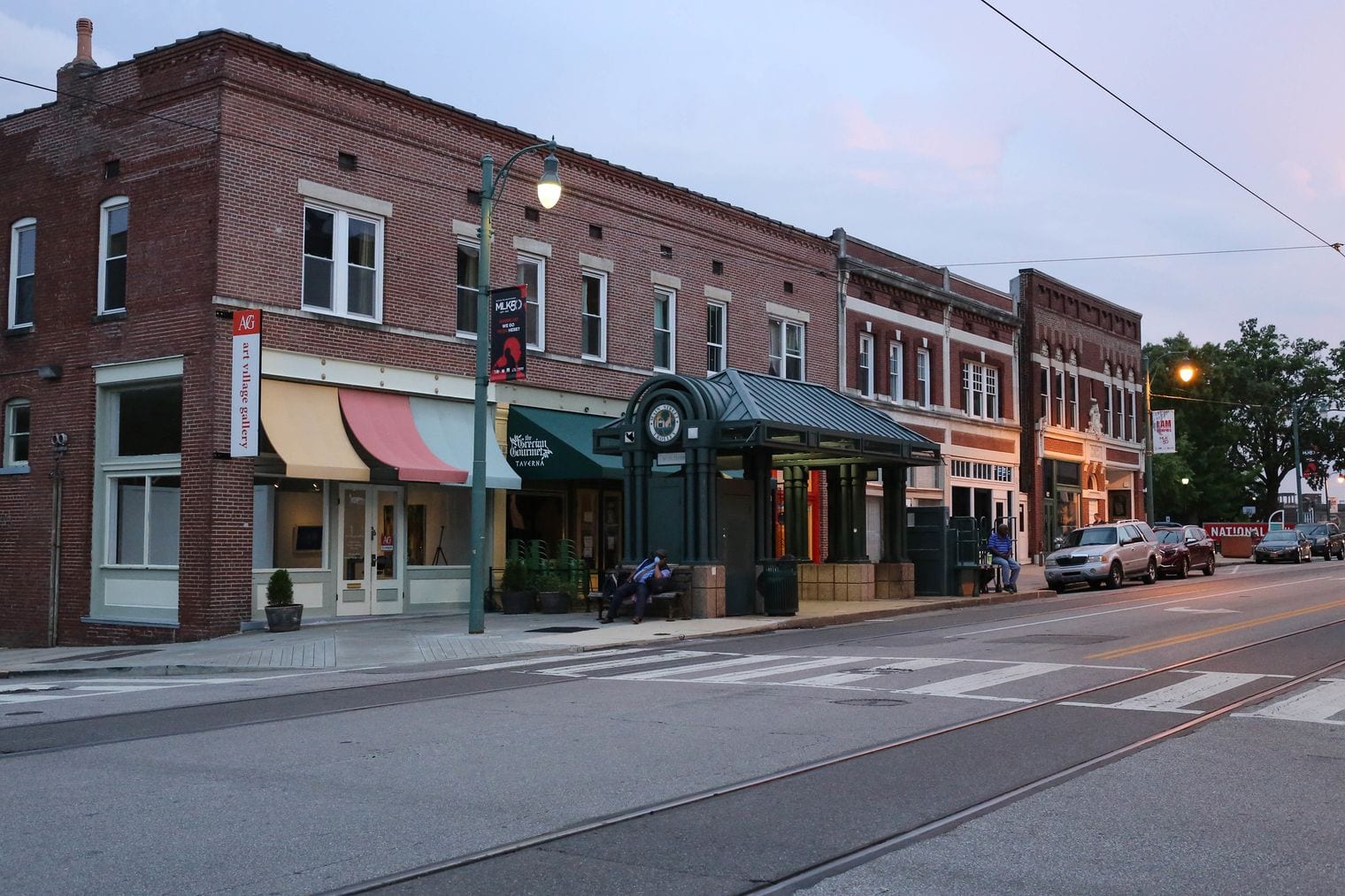
The South Main Arts District is the southern end of downtown Memphis, a historic stretch of South Main Street where old warehouses and storefronts now hold galleries, boutiques, murals, bars and restaurants. It has a lived-in, creative feel that is a welcome contrast to the neon of Beale Street.
The district is also home to the National Civil Rights Museum and the Blues Hall of Fame, so most visitors pass through anyway. Give it an unhurried afternoon to browse the galleries and shops, then stay for dinner and drinks as the street lights come on.
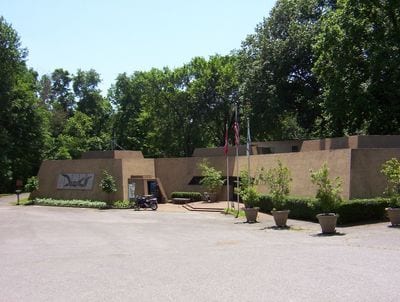
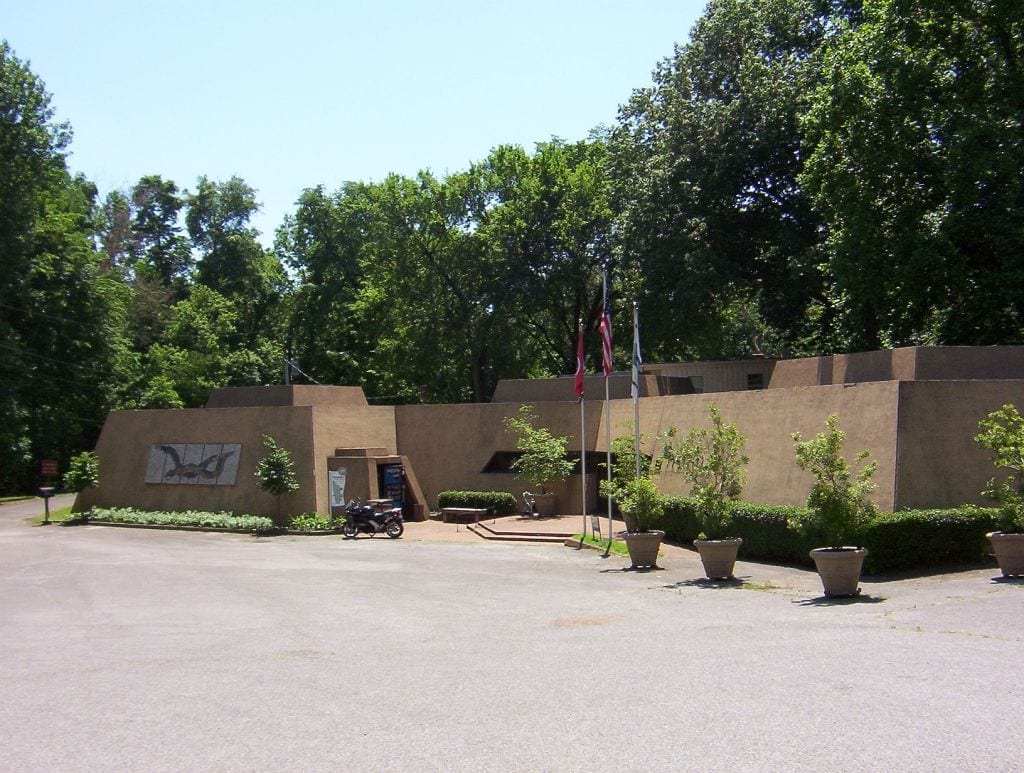
The C.H. Nash Museum at Chucalissa preserves a Mississippian-culture mound and plaza complex in southwest Memphis, occupied on and off between about 1000 and 1550 CE. The name Chucalissa means "abandoned house" in Chickasaw, and the site has been run by the University of Memphis since 1962.
Civilian Conservation Corps workers found the first artifacts here in 1938. Today you can walk the mounds, follow a nature trail through an arboretum, try the hands-on archaeology lab and explore exhibits on the Native peoples of the Southeast, a quiet and fascinating side of Memphis history that most visitors miss.
Plan your trip
Best Time to Visit Memphis
Spring and fall are the sweet spots. April and May bring warm days and blooming gardens, and May belongs to Memphis in May, the city's month-long festival of music and barbecue competition. September and October are similarly mild, with comfortable evenings for outdoor concerts at the Overton Park Shell and long walks on the riverfront.
Summers are hot and humid, so plan museums for the afternoon and parks for early morning, while August brings Elvis fans to Graceland for the anniversary of his death. Winters are short and generally mild, with smaller crowds at the big sights, though the occasional icy spell can slow things down.
Getting to Memphis
Memphis sits at a crossroads of the interstate system: Interstate 40 runs east to Nashville and west to Little Rock, Interstate 55 runs north toward St. Louis and south toward Jackson, Mississippi, and Interstate 22 heads southeast toward Birmingham. Memphis International Airport lies about 20 minutes south of downtown, close to Graceland, with connections to major US hubs.
Travelers without a car can arrive by Amtrak, whose long-distance train between Chicago and New Orleans stops at Central Station on the edge of the South Main Arts District, within walking distance of downtown.
Getting Around Memphis
Downtown is compact and walkable: Beale Street, the Peabody, the riverfront parks, South Main and the National Civil Rights Museum all lie within a short stroll of each other, and the Big River Crossing is an easy walk or bike ride from the south end. The historic rail trolleys on Main Street have been out of service in recent years, with buses covering the route, so check before planning around them.
For Graceland, Stax, Overton Park, Shelby Farms and the East Memphis gardens you will want a car or a rideshare, as the sights are spread out across a large city. Parking is generally easy outside downtown, and downtown has plenty of garages and surface lots.
Where to Stay in Memphis
Downtown is the best base for a first visit, putting Beale Street, the riverfront, the duck march and the civil rights museum on foot. The South Main Arts District, at the south end of downtown, offers the same walkability with a quieter, more residential feel among galleries and converted warehouses.
Midtown, around Overton Square and Cooper-Young, suits repeat visitors who want neighborhood restaurants and bars close to Overton Park, the zoo and Crosstown Concourse. East Memphis is handy for the Dixon, the Botanic Garden and Shelby Farms, and the area around Graceland in Whitehaven appeals to Elvis fans who want to be close to the mansion.
Where to Eat in Memphis
Barbecue comes first. Memphis-style means pork, especially ribs served "dry" with a spice rub or "wet" with sauce, and pulled pork shoulder piled on a bun with coleslaw. Look out for local twists such as barbecue spaghetti and barbecue nachos, along with fried chicken, catfish and soul food plates that run deep in the city's kitchens.
Downtown around Beale Street and the side streets near the river has the densest cluster of barbecue joints and late-night spots. For a more local scene, head to Midtown's Overton Square and Cooper-Young or the Broad Avenue Arts District, and save room for the hot tamales that the Mississippi Delta has handed down to Memphis menus.
Day Trips from Memphis
The Mississippi Delta starts just south of town. Clarksdale, about an hour and a half down Highway 61, is a pilgrimage for blues fans, while Oxford, roughly the same distance to the southeast, pairs a lively courthouse square with the University of Mississippi and William Faulkner's home. Tupelo, about two hours southeast, has the modest house where Elvis Presley was born, and Shiloh National Military Park, about two hours east, preserves one of the bloodiest battlefields of the Civil War.
Head west on Interstate 40 and Little Rock, about two hours away, adds the Clinton Presidential Center and the Central High School civil rights site to a Memphis trip. Nashville and the historic town of Franklin lie more than three hours east, better as the next stop on a longer road trip across Tennessee than as a day out.
One Day in Memphis
Morning
Start early at Graceland in Whitehaven, before the tour groups build up, and give yourself the whole morning for the mansion, the Meditation Garden and the museums across the boulevard.
Memphis is best known for its music and its history. Elvis Presley's home at Graceland, Sun Studio and Beale Street tell the story of the blues and rock 'n' roll, the National Civil Rights Museum at the Lorraine Motel marks where Martin Luther King Jr. was killed, and the Peabody ducks and Memphis-style barbecue round out the city's signatures.
How many days do you need in Memphis?
Two to three days covers the essentials. One packed day can take in Graceland, the National Civil Rights Museum and an evening on Beale Street, but a second day lets you add Sun Studio, Stax and the riverfront, and a third leaves time for Overton Park, the zoo or the East Memphis gardens.
Is Graceland in Memphis?
Yes. Graceland is inside the city limits, in the Whitehaven neighborhood about nine miles south of downtown and close to Memphis International Airport. Plan on a short drive or rideshare from downtown, and allow most of a day for the mansion tour, the Meditation Garden and the Elvis Presley's Memphis complex across the boulevard.
What can you do in Memphis for free?
Plenty. Watch the Peabody Duck March, walk Beale Street by day, explore the riverfront in Tom Lee Park and Mud Island Park, cross the Mississippi on foot over the Big River Crossing, hike the Old Forest in Overton Park, catch a free concert at the Overton Park Shell, and spend a few hours at Shelby Farms Park.
When is the best time to visit Memphis?
Spring and fall offer the most comfortable weather, from April to May and September to October. May is the liveliest month, thanks to the Memphis in May festival, while summer is hot and humid and winter is mild and quieter. See the Best Time to Visit section above for more detail.
Sources & updates
How this guide was checked
Checked before launch
Sources cited
35
Publishers
29
Every place on this list was confirmed open and pinned on the map before publication, and what we say about each one was checked against its own website or an official source.
A PDF with a box to tick for every place. Confirm your email to download it, and get one email every Thursday with our newest guides for the places you tick.
Free Memphis printable checklist
All 35 places in one PDF
Tick them off as you go. Confirm your email to download it, plus one email every Thursday with new guides for the places you tick.
We use cookies to analyse site traffic and improve your experience.
You can accept or reject analytics cookies. See our
May we use analytics cookies? See ourCookie Policy.